1. Timeless Reclaimed Wood Cabinetry
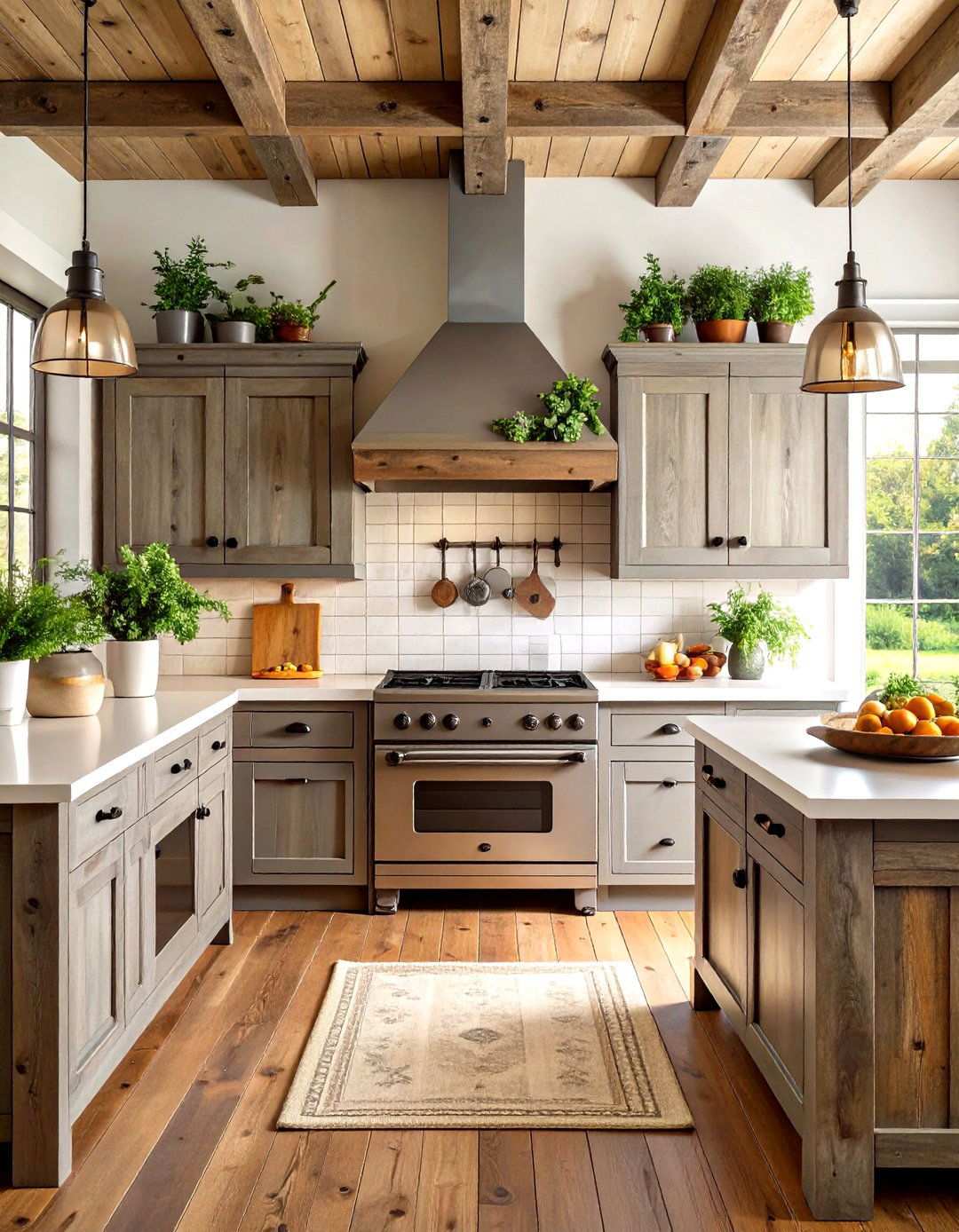
Step into the nostalgic charm of early American colonial homes with reclaimed wood cabinetry that embodies the essence of a bygone era. These handcrafted pieces boast a unique, weathered history that adds character to any kitchen. The natural patina, saw marks, and nail holes create an authentic texture that’s impossible to replicate with modern materials. The reclaimed wood itself displays a range of warm, earthy tones, from rich browns to soft grays, adding depth and visual interest to your space. By choosing from clear, textured, or walnut finishes, you can emphasize the wood’s natural beauty while maintaining its rustic charm. Whether styled as unfitted furniture or traditional built-ins, reclaimed wood cabinetry offers versatile storage solutions and a touch of history. Each piece is a testament to the craftsmanship of days gone by, with distinctive grain patterns and weathered details that evoke a sense of nostalgia. To complete the look, pair these authentic elements with period-inspired hardware, such as wrought iron pulls and hinges, to create a cohesive, timeless aesthetic. The use of reclaimed materials in your kitchen design not only adds a touch of sustainability but also preserves the legacy of American agricultural heritage, making every meal a celebration of tradition and heritage.

As an Amazon Associate I earn from qualifying purchases.
2. Vintage Metalwork and Rustic Fixtures
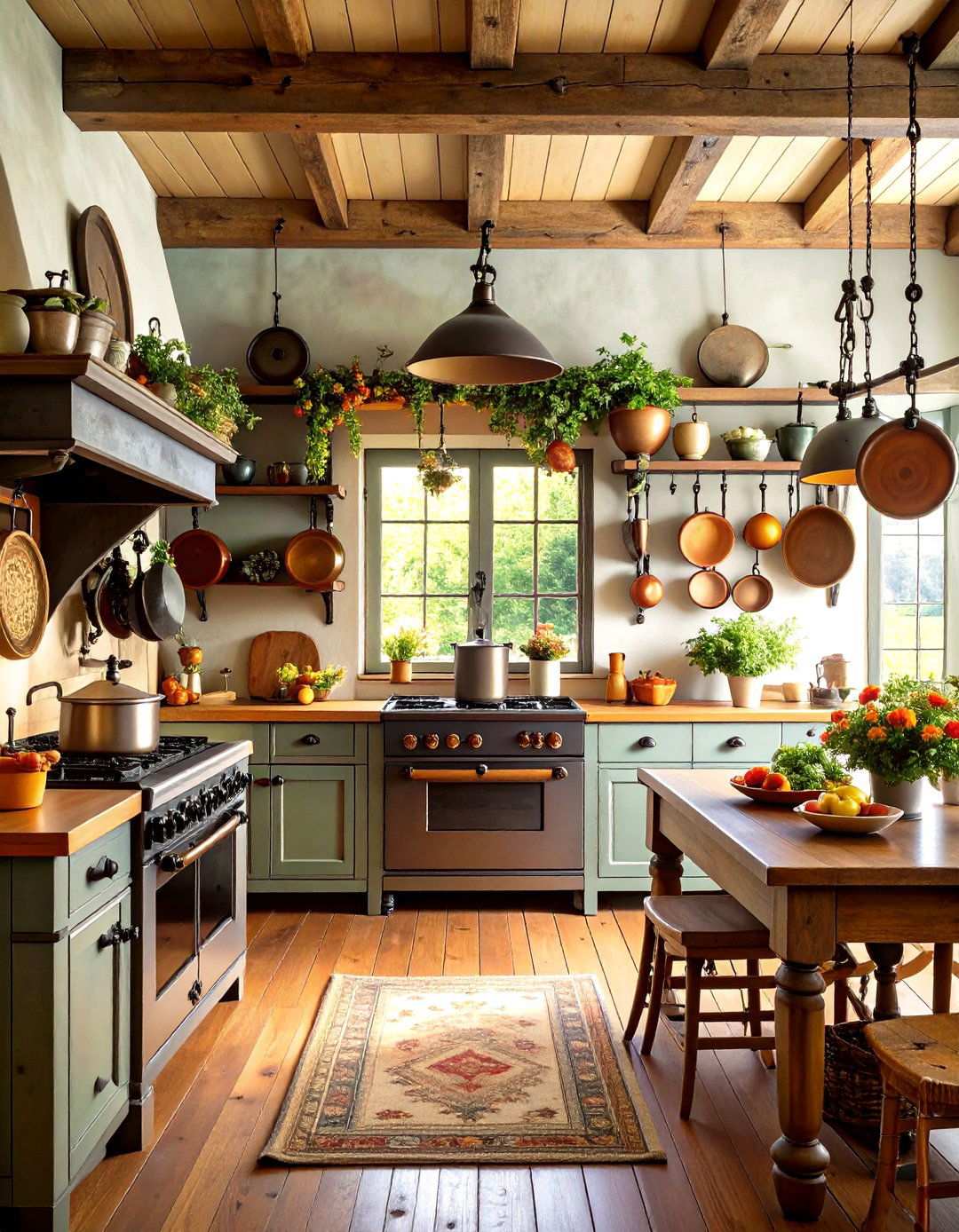
Primitive kitchens seek out authentic metal elements that evoke a sense of colonial heritage. For this reason, many homeowners are drawn to the distinctive charm of cast iron hardware. Its hand-forged appearance and rich, black finish perfectly capture the essence of traditional primitive design. By incorporating cast iron hinges, pulls, and latches into cabinetry and door systems, you can create an early American aesthetic that exudes rustic sophistication. Over time, these metal pieces develop a beautiful patina that enhances their primitive appeal. In addition to their functional uses, cast iron pot racks hung from ceiling beams can also serve as decorative elements, showcasing cookware in a unique and eye-catching way. The subtle variations in traditional blacksmith techniques add a touch of handcrafted character to each piece, making it a valuable addition to any primitive kitchen. To further reinforce the rustic charm of these fixtures, consider pairing cast iron elements with wrought iron accessories like trivets, hooks, and candle holders. As a testament to its durability, cast iron ensures that these fixtures will withstand the rigors of daily use while maintaining their rustic allure. Pieces with hand-forged details like hammer marks and irregular textures are especially prized for their authentic metalworking traditions.
3. Practical Storage and Organization Solutions
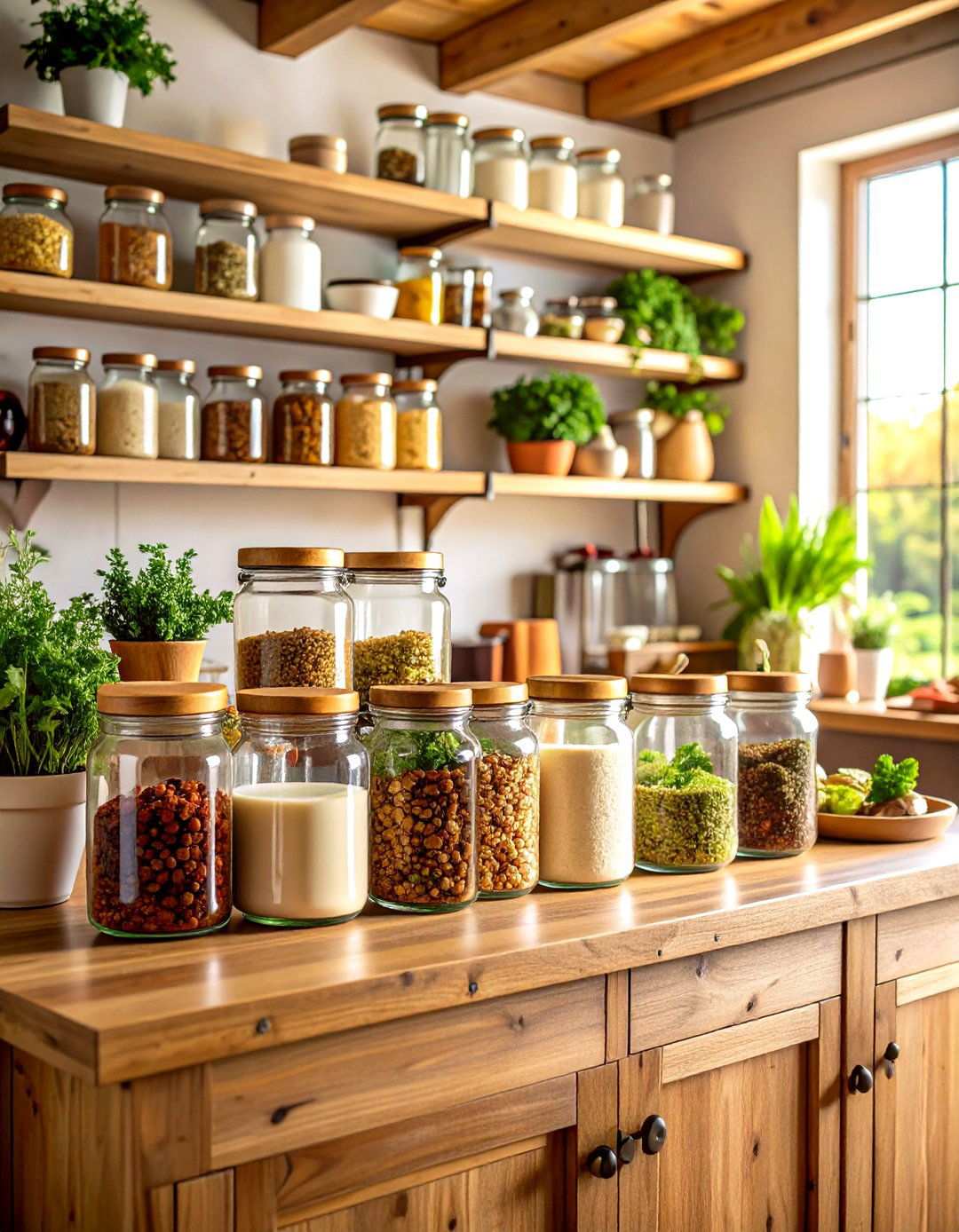
Mason jars have long been a staple of country living, and their use in primitive kitchens is a natural extension of this heritage. These versatile glass containers offer a wealth of practical storage options while maintaining the authentic country aesthetic that defines primitive design. One of the most effective ways to utilize mason jars is to store bulk ingredients like flour, sugar, and dried beans on open shelves using the wide-mouth variety. This not only keeps your ingredients organized but also adds a touch of rustic charm to your kitchen. To create a coordinated storage system, consider transforming regular jars into spice containers with perforated lids. Mason jar soap dispensers and utensil holders can also bring a touch of primitive charm to countertops and sink areas. Displaying seasonal items like dried herbs, potpourri, or preserved foods in clear jars is another great way to add visual interest to your kitchen. For a more organized storage solution, consider installing wooden shelving specifically designed to accommodate mason jar collections. Not only does this create a functional storage system, but it also doubles as decoration, evoking nostalgic memories of home canning and food preservation traditions that were essential to colonial life. The transparency of glass allows for easy identification of contents, making it a practical and aesthetically pleasing solution for any primitive kitchen.
4. Hand-Crafted Delights in Punched Tin
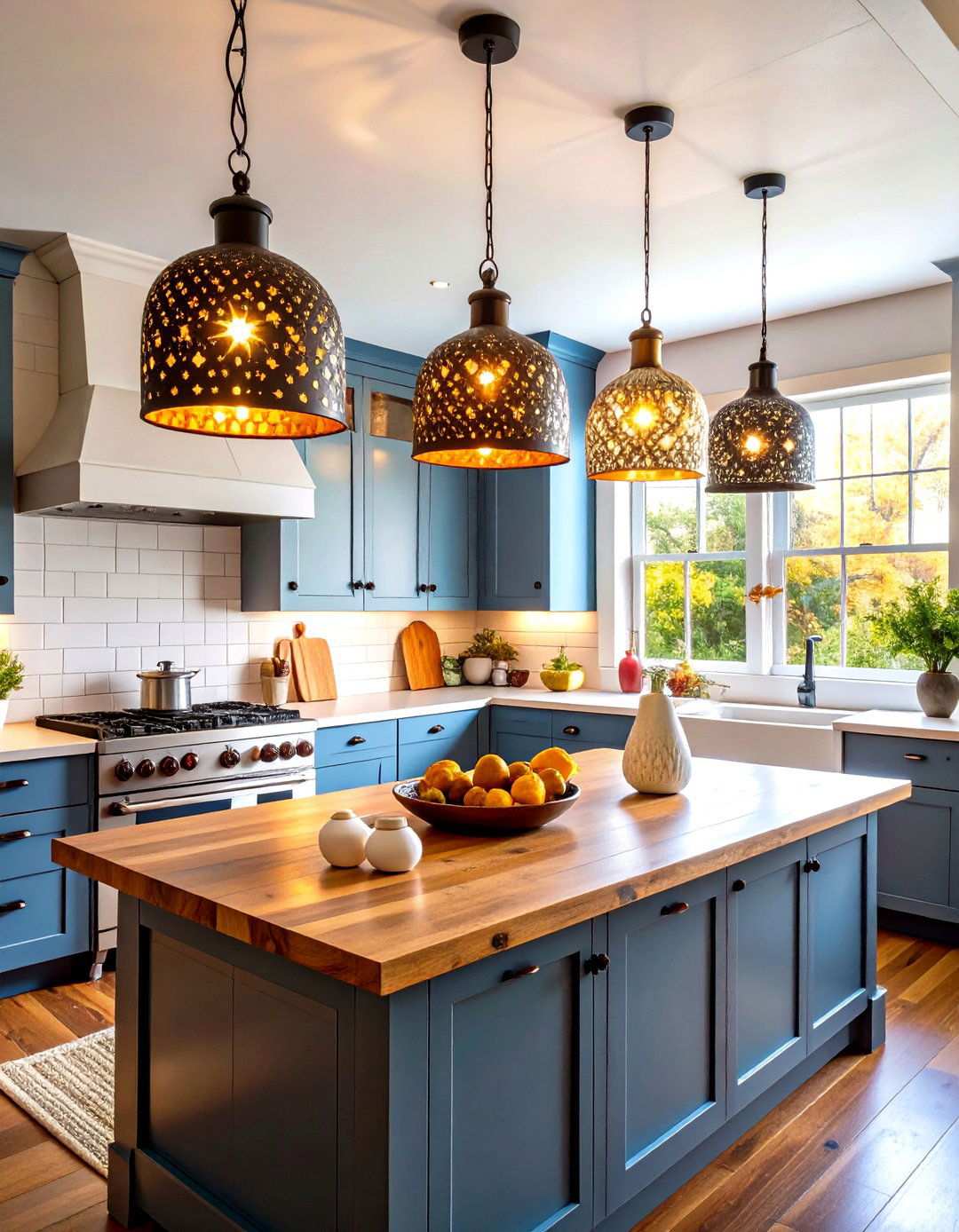
Immerse yourself in the charm of bygone eras with meticulously crafted punched tin lighting fixtures that embody the essence of colonial primitive style. The intricate patterns and designs, skillfully punched into tin surfaces, cast beautiful light patterns that add warmth and character to your kitchen space. When illuminated, these traditional fixtures showcase stunning folk art designs that evoke a sense of nostalgia and coziness, perfect for creating memorable family gatherings. For a cohesive look, select from a range of finishes such as textured black, antiqued brass, or weathered copper that blend seamlessly with your primitive color palette. Punched tin sconces, mounted strategically on walls, not only provide additional lighting but also maintain the charm of handcrafted craftsmanship. Many designs incorporate classic motifs like stars, hearts, or geometric patterns inspired by traditional Pennsylvania Dutch and early American folk art, adding a touch of authenticity to your kitchen design. With each fixture handcrafted in America using time-tested techniques, you can be assured of an authentic and historically accurate primitive kitchen aesthetic.
5. Timeless Centerpieces in Distressed Wood
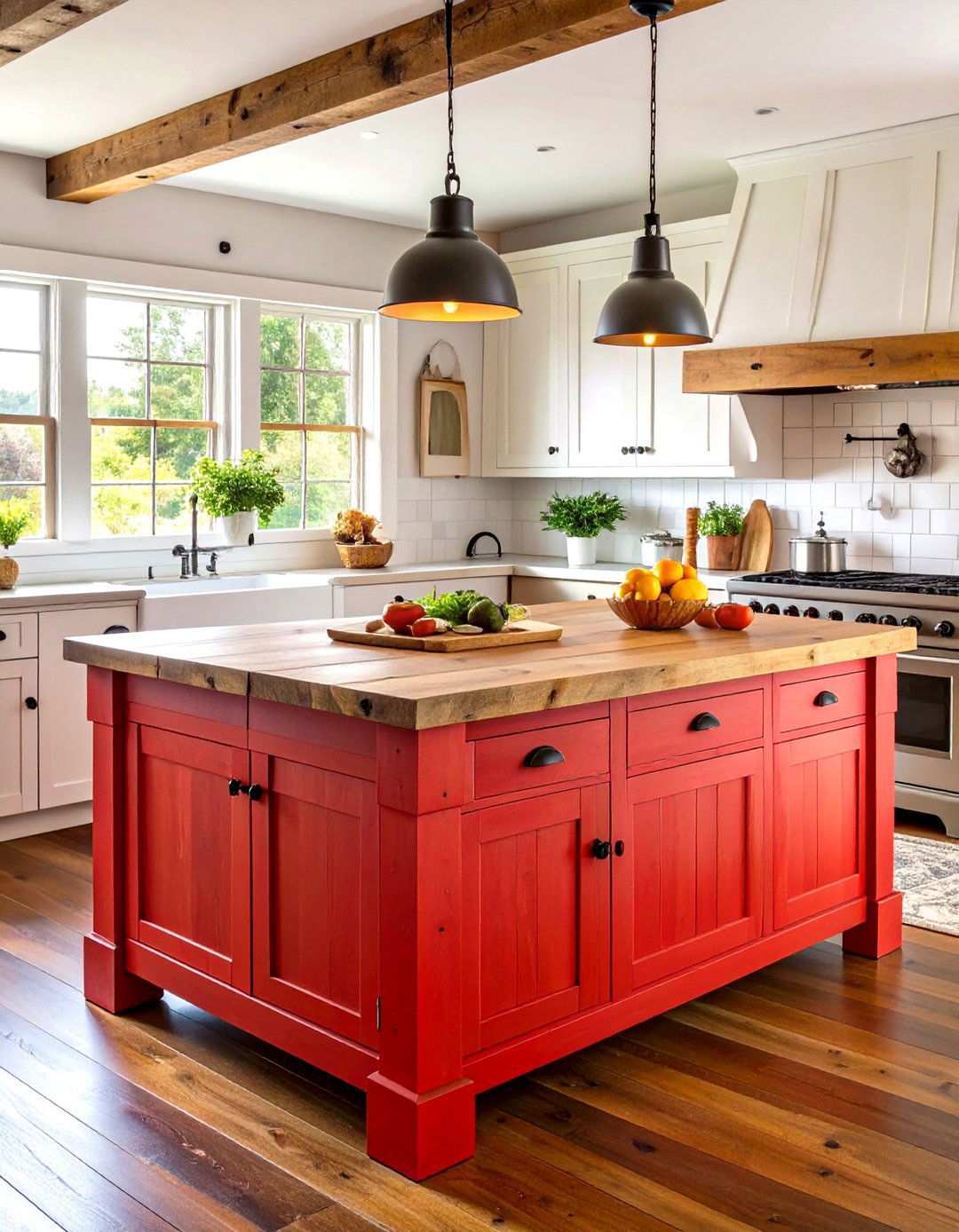
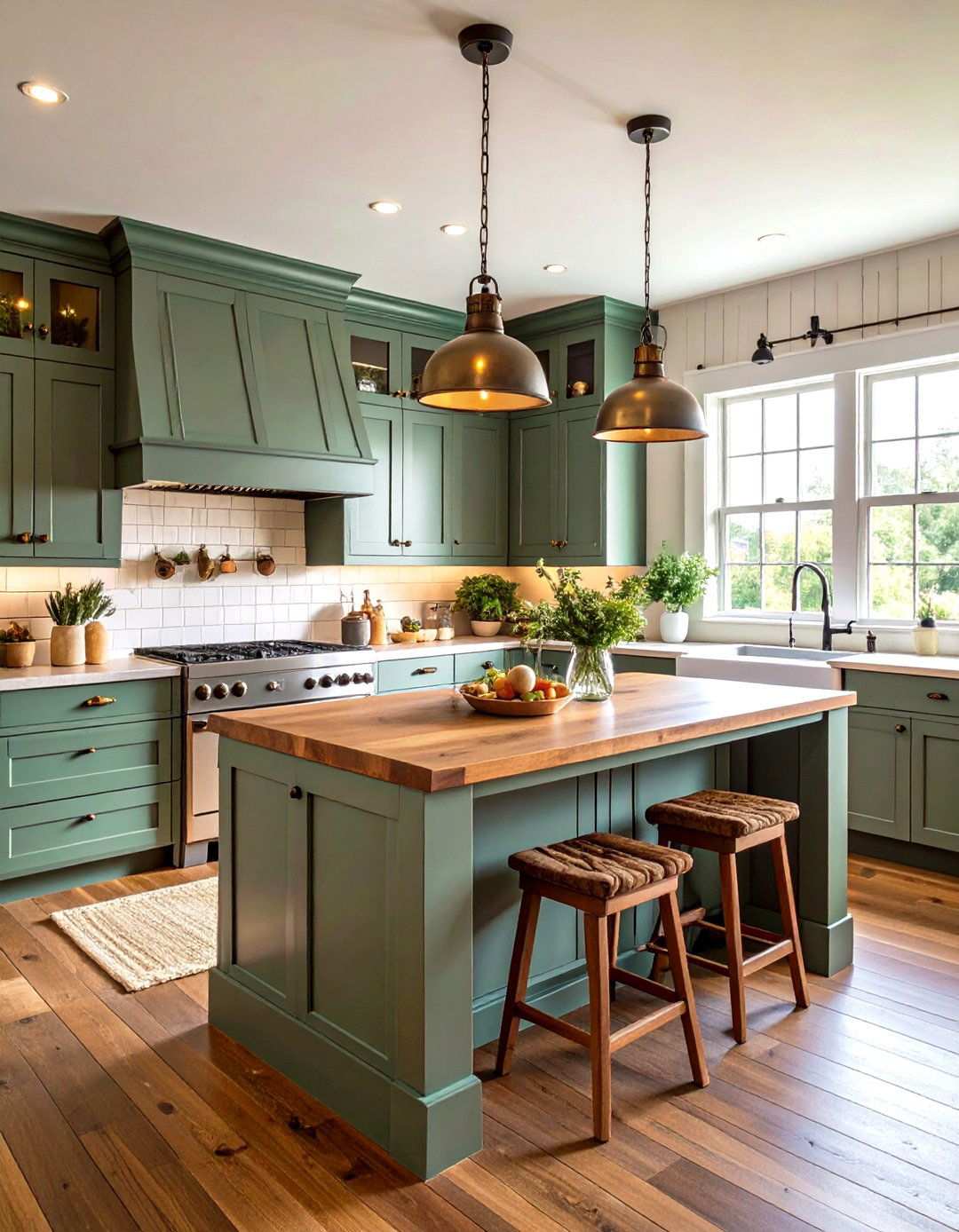
To create a functional anchor that embodies the essence of primitive authenticity, look no further than a distressed wood kitchen island. This versatile centerpiece serves as both a workspace and a focal point, while maintaining a rustic charm that permeates your cooking area. Craft your island using reclaimed barn wood or distressed pine, showcasing visible wear patterns, nail holes, and weathered textures that tell stories of previous use. The natural imperfections add a layer of authenticity to your primitive kitchen, making it feel like a well-loved piece of farmhouse furniture that has served generations of families. For added functionality, consider adding a butcher block top for food preparation areas, seamlessly combining practicality with traditional craftsmanship. Include storage compartments with primitive-style doors and drawers, featuring hand-forged hardware that adds a touch of elegance. Paint the base in authentic primitive colors like barn red, sage green, or buttermilk white, and deliberately distress the finish to simulate age. Complete the look by installing hooks along the sides for hanging kitchen towels, utensils, or small baskets, creating a warm and inviting atmosphere that draws you in.
6. Establishing a Timeless Atmosphere with Earth Tones
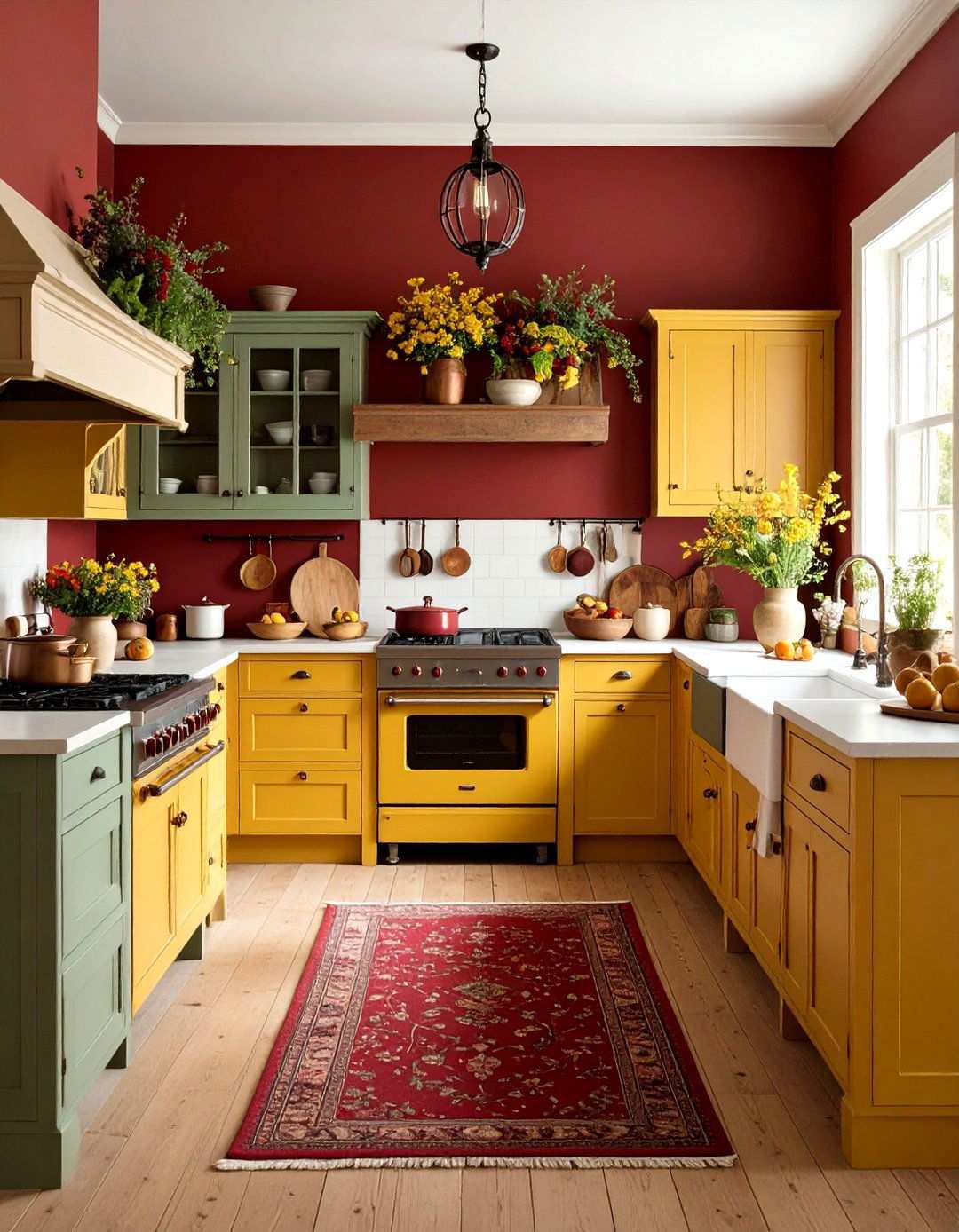
Immerse yourself in the authentic and primitive world of colonial heritage through carefully selected earth tone color combinations that reflect the harmony between nature and human craftsmanship. By incorporating deep, rich hues such as burnt oranges, mossy greens, and warm beiges, you can create a foundation for a primitive kitchen design that echoes the natural dyes and pigments available to early American settlers. Soft sage tones bring a sense of serenity and connection to the natural world, perfectly complementing wooden elements. The addition of burgundy adds a sophisticated and depthful dimension to the space while maintaining the primitive aesthetic. To prevent the design from feeling too modern or stark, cream and buttermilk whites can be used to provide necessary contrast. These colors should be applied to walls, cabinets, and painted furniture pieces to create a cohesive design flow. The key to achieving this look lies in choosing muted, washed-out versions rather than vibrant, saturated hues. By layering different earth tones throughout the space using textiles, pottery, and decorative accessories, you can create a seamless connection between your indoor kitchen and the outdoors, just like the colonial homes of the past.
7. Unveiling the Beauty of Open Shelving
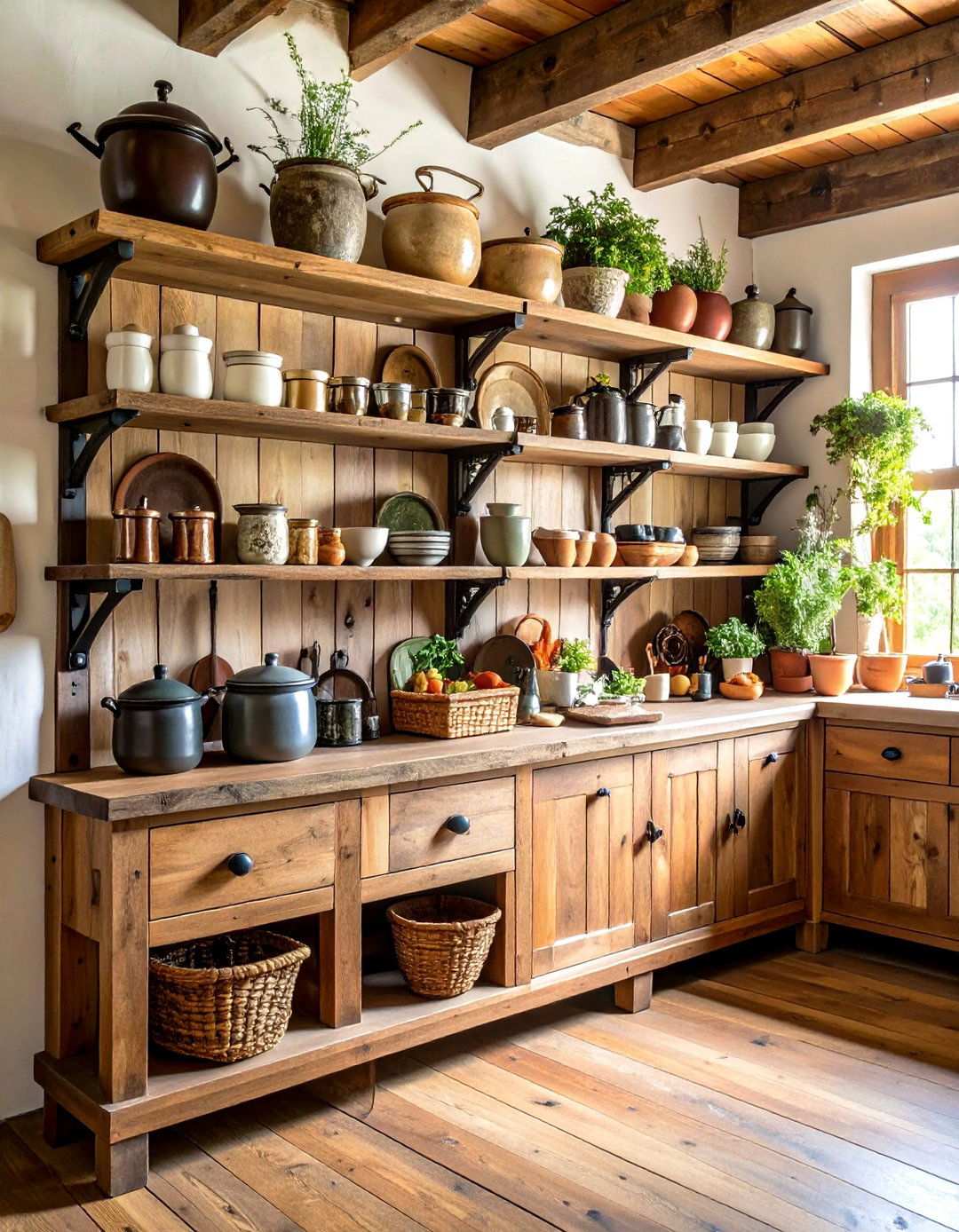
Why let your beautiful primitive collections gather dust when open shelving can be used to showcase them as stunning works of art? By replacing upper cabinets with handcrafted wooden shelves, you can display everyday items as decorative elements that add character to your kitchen. Thick, rough-hewn boards or reclaimed barn wood planks supported by wrought iron brackets are perfect for achieving an authentic primitive style. Arrange enamelware dishes, pottery crocks, and vintage kitchen tools to create visually appealing vignettes that celebrate the beauty of everyday objects. Mix functional items like dishes and glassware with decorative pieces such as baskets, candles, and seasonal displays to create a visually interesting and dynamic space. The exposed storage creates an unfitted kitchen appearance that reflects the practicality of colonial design. By installing shelves at varying heights, you can accommodate different sized items and create visual interest. Leaving some areas slightly sparse will prevent cluttered appearances while maintaining the lived-in feeling characteristic of primitive design. Open shelving encourages organization while allowing easy access to frequently used items, making it a great approach to celebrate the beauty of utility and visual appeal.
8. Enriching Your Kitchen with Vintage Enamelware
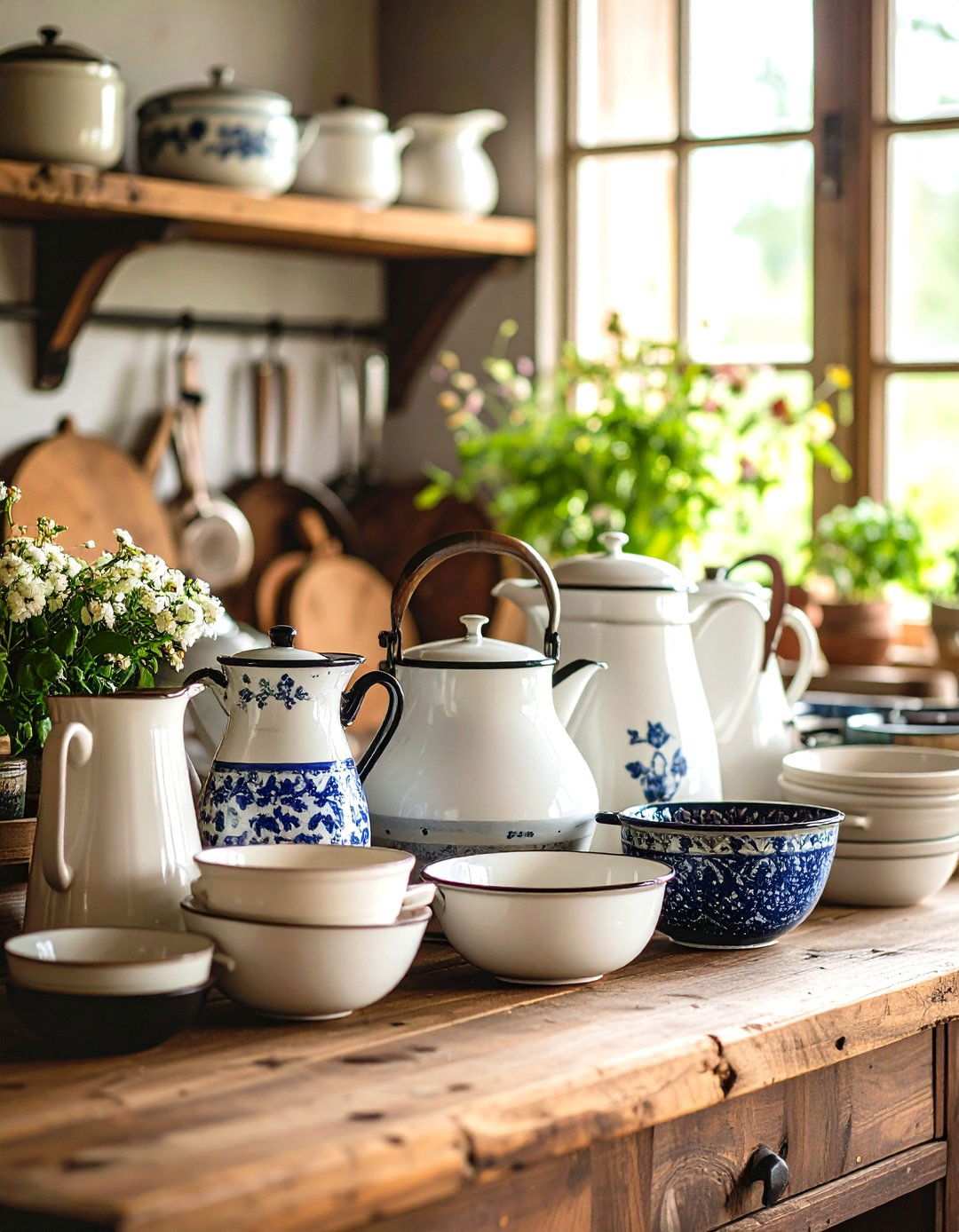
Give your rustic kitchen a unique touch by incorporating authentic enamelware pieces that seamlessly blend practicality and nostalgic charm. The distinctive speckled finish on enamel pitchers, bowls, and plates evokes the classic look of colonial kitchens, where durability and functionality were essential. These dependable pieces can withstand scratches and chips, ensuring excellent heat retention for various cooking tasks. Showcase enamelware collections on open shelves or in glass-front cabinets, where their varying sizes and patterns create a visually appealing display. Use large enamel pitchers as decorative holders for utensils or flowers on countertops, while speckled coffee pots and tea kettles serve both functional and decorative purposes. The neutral tones of enamelware complement earthy palettes while adding authentic texture to rustic displays. To achieve a genuine primitive style, mix different patterns and manufacturers to create a collected-over-time appearance. These pieces tell the story of practical American life when durable, easy-to-clean cookware was a necessity for daily survival. Enamelware embodies the perfect harmony of functionality and beauty in primitive design philosophy.
9. Elevating Your Kitchen with Wrought Iron Pot Racks
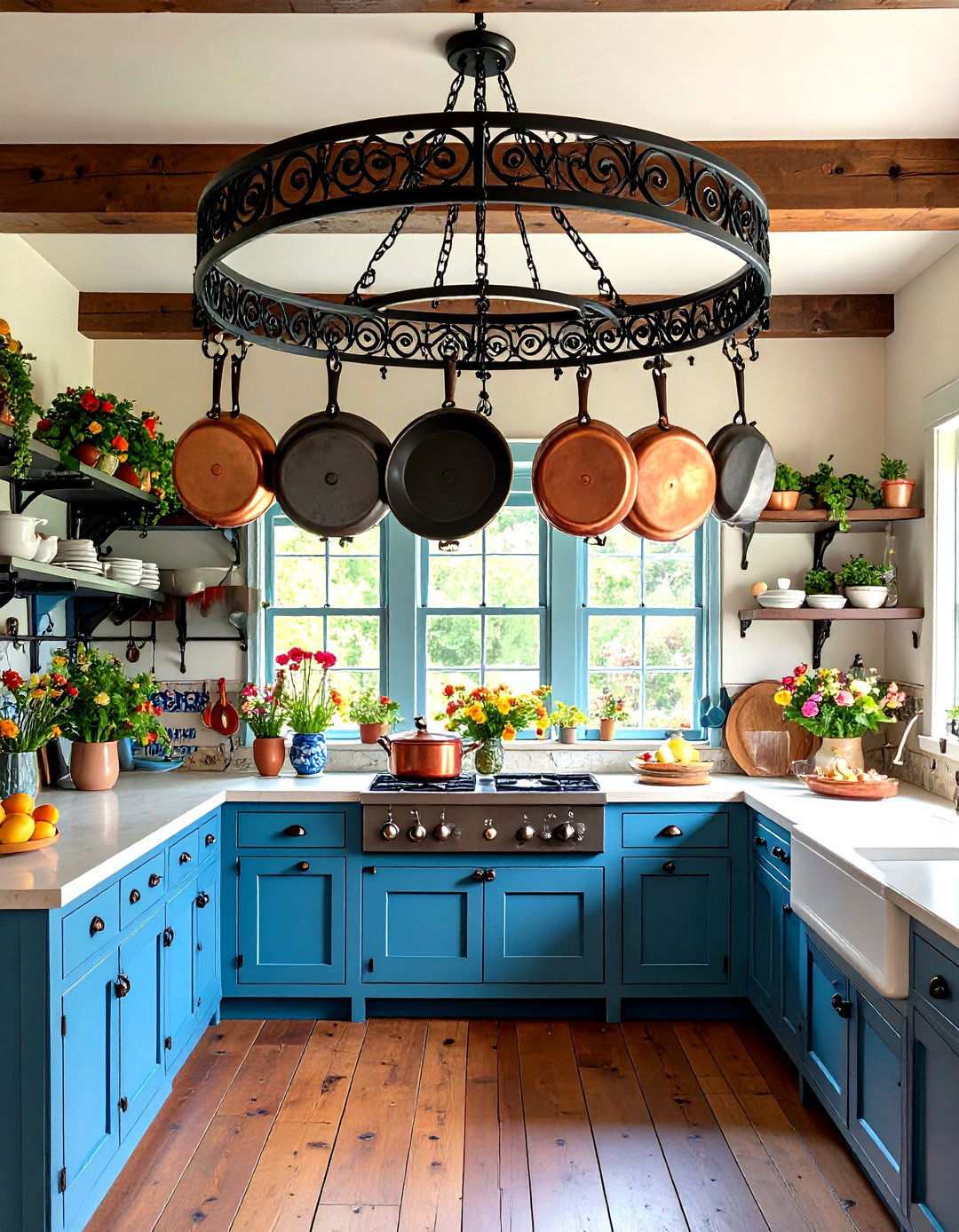
Experience the elegant fusion of practicality and primitive authenticity with wrought iron pot racks that bring a touch of drama to your kitchen ceiling. These hand-forged fixtures can be suspended from wooden beams or ceiling anchors, creating a striking focal point while efficiently organizing cookware. Display cast iron skillets, copper pots, and enamelware pieces as functional art that celebrates traditional cooking methods. The natural variations in hand-forged iron add a unique, artisanal character that machine-made pieces cannot replicate. Choose from a range of designs, including circular, rectangular, or linear options, that perfectly complement your kitchen’s proportions and layout. Wrought iron pot racks often feature decorative scrollwork and traditional blacksmith details that enhance primitive aesthetics. The dark metal provides a striking contrast against light-colored ceilings while coordinating with other iron elements throughout the space. Hanging cookware keeps frequently used pieces easily accessible while freeing up cabinet space for other storage needs. These functional sculptures represent the perfect marriage of utility and beauty that defines primitive design principles.
10. Reviving Colonial Elegance with Pendant Lighting
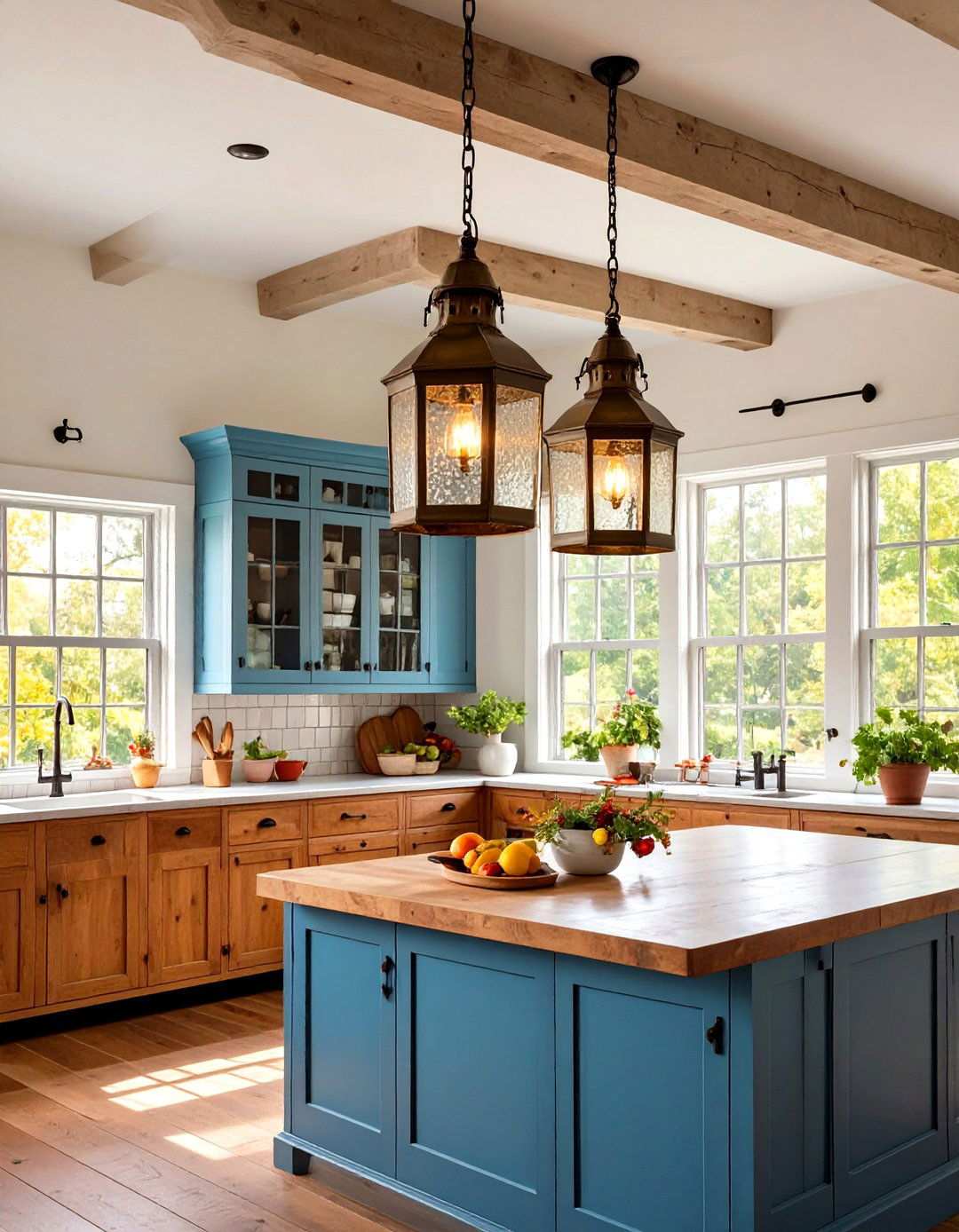
Step back in time with colonial-inspired pendant lights that evoke the warm ambiance of 18th-century American homes. By incorporating lantern-style pendants with rich finishes like brass, copper, or weathered iron, you can recreate the authentic period lighting of yesteryear over islands and dining areas. Many designs feature clear or seeded glass panels that diffuse light in a warm, inviting manner, while hand-forged details such as twisted chains and decorative metalwork ensure historical accuracy. To complete the look, opt for pendant lights with candelabra-style bulbs that mimic the soft glow of candlelight, adding to the colonial charm. By installing pendants at varying heights, you can create layered lighting effects that perfectly balance primitive authenticity with modern convenience. For a touch of Federal-era flair, consider bell jar pendants with etched star patterns, reminiscent of finer colonial homes. As these fixtures cast a warm glow over your space, they beautifully enhance the natural beauty of wood tones and earthy surfaces throughout your primitive kitchen.
11. Timeless Beauty of Butcher Block Countertops
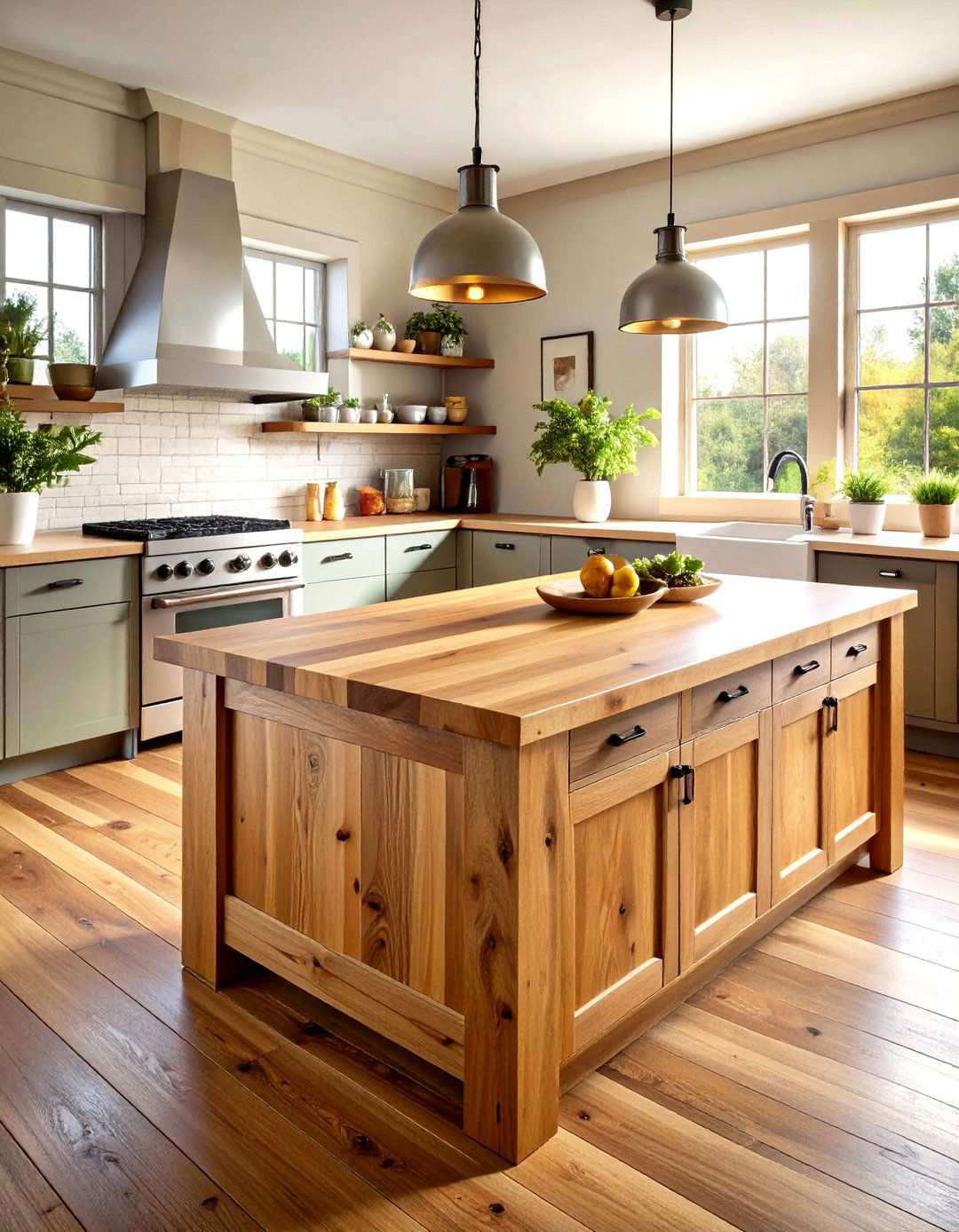
Bring traditional craftsmanship to your kitchen with butcher block countertops that showcase the natural beauty of wood and provide a functional workspace. These thick wooden surfaces are perfect for food preparation areas, maintaining the handcrafted aesthetic that’s essential to primitive kitchen design. Choose from a variety of woods, including maple, oak, or cherry, which develop rich patinas over time through daily use and proper care. The unique wood grain patterns add warmth and texture to your space, complementing other primitive elements throughout your kitchen. While butcher block surfaces require regular oiling to maintain their appearance and prevent water damage, they also age beautifully, developing a patina that’s full of character. Edge grain construction provides durability for heavy cutting tasks while showcasing the wood’s natural characteristics. By incorporating butcher block into your kitchen, you can create a seamless connection to traditional craftsmanship while providing a functional workspace for meal preparation and family gatherings.
12. Timeless Textile Traditions
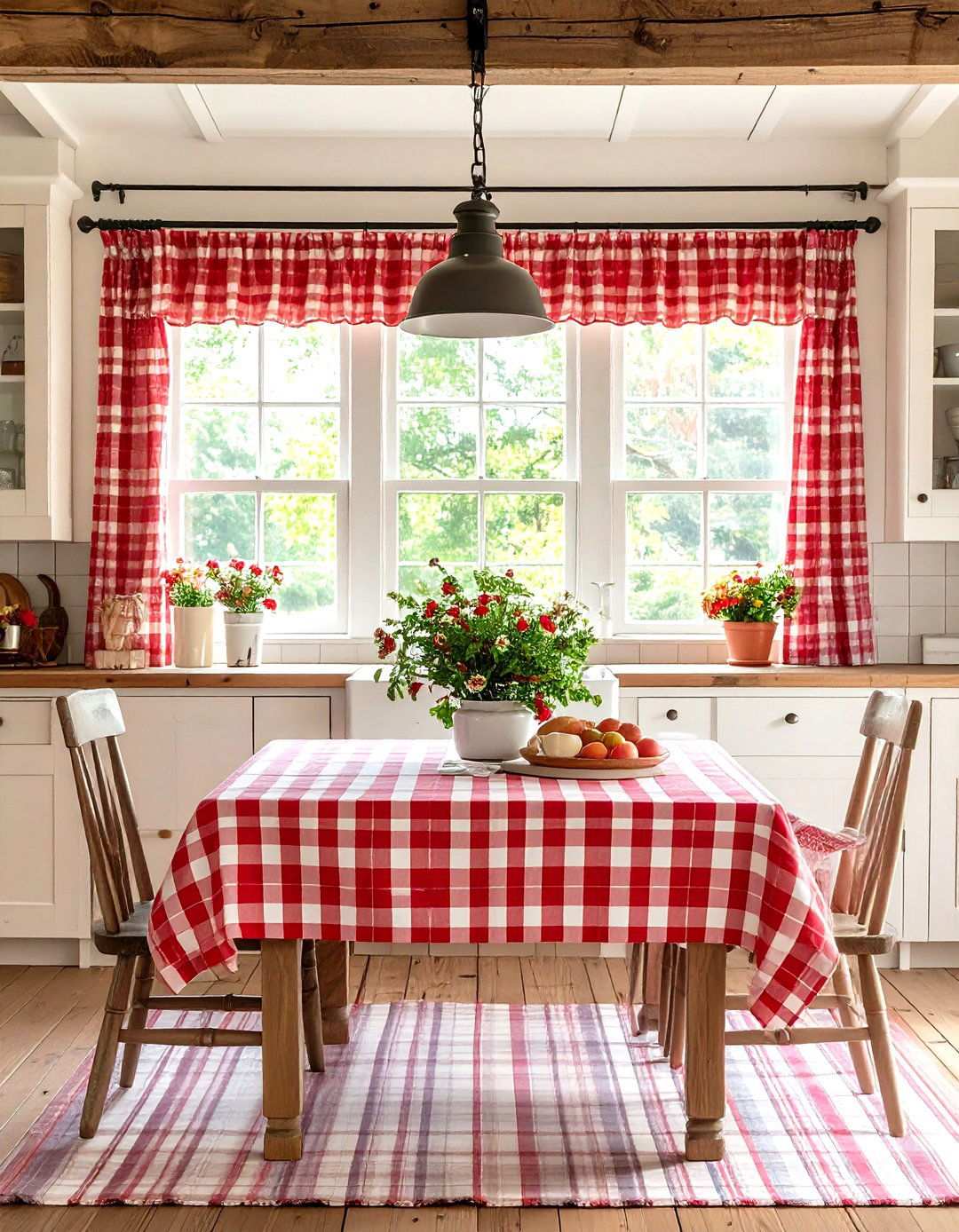
Classic textiles in gingham and plaid patterns evoke the genuine warmth and hospitality of primitive American kitchens. Earthy tones on curtains, table linens, and chair cushions bring the rustic charm of colonial homes into modern living spaces. The enduring popularity of these patterns can be attributed to their ease of production and remarkable durability, making them staples in many traditional homes. To create a harmonious color scheme, opt for a palette that includes rich shades like barn red, navy blue, sage green, or mustard yellow, which complement your primitive design aesthetic. Gingham curtains in various check sizes add a touch of elegance to windows while ensuring a sense of seclusion and control over light. Plaid table runners and placemats serve as inviting focal points for family gatherings, fostering a sense of community and connection. Mixing patterns of different scales helps prevent visual monotony and maintains a cohesive country style. Incorporate these textiles into chair pads, pot holders, and dish towels to create a seamless, homely atmosphere in your kitchen. The handwoven appearance of quality gingham and plaid fabrics beautifully reflects the domestic skills that colonial women mastered, producing beautiful, functional textiles for their homes.
13. Authentic Lighting from the Past
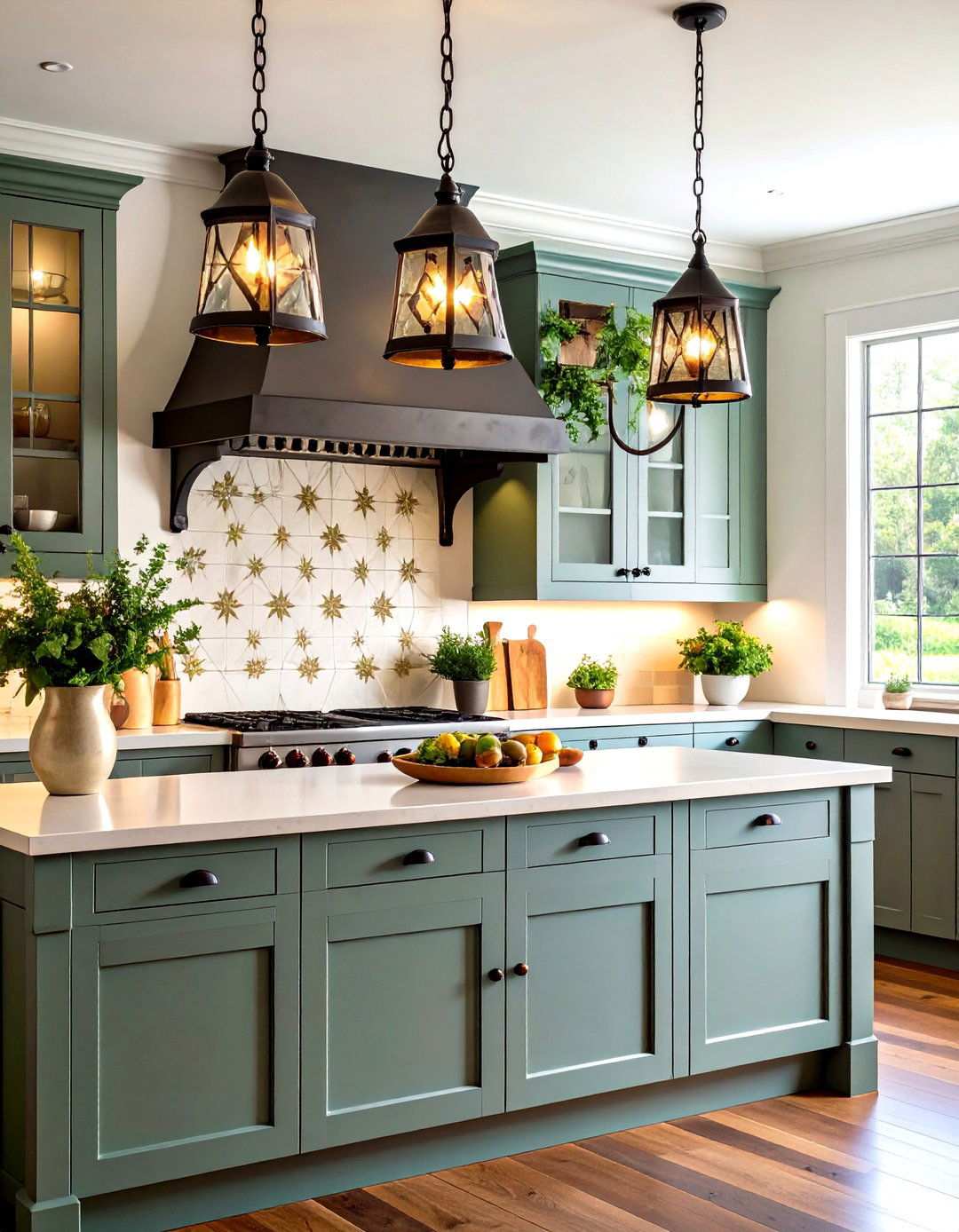
Primitive wall sconces offer a unique way to recreate the warm, inviting ambiance of early American homes in your modern kitchen. These fixtures, often crafted from natural materials like tin, wood, or wrought iron, not only provide supplementary lighting but also maintain an authentic period feel. Punched tin sconces feature intricate folk art patterns that create decorative shadows on walls when illuminated, adding a touch of whimsy to your space. Candle-style sconces with electric conversion capabilities mimic the appearance of flickering flames without the risks associated with open flames. Strategically placing sconces near windows, doorways, or artwork creates a balanced lighting scheme throughout your primitive kitchen. Many designs incorporate reflective surfaces like polished tin or mirror backing to amplify light output, ensuring a brighter and more welcoming atmosphere. The handcrafted appearance of primitive sconces, with their slight imperfections and artisanal details, adds character and charm that mass-produced fixtures often lack. Choose finishes like blackened iron, antiqued brass, or painted wood that complement your overall color scheme, allowing the fixtures to blend seamlessly into your design. These fixtures represent the practical lighting solutions colonial families relied upon during evening hours when natural light was scarce.
14. Farmhouse Apron Front Sink Installations
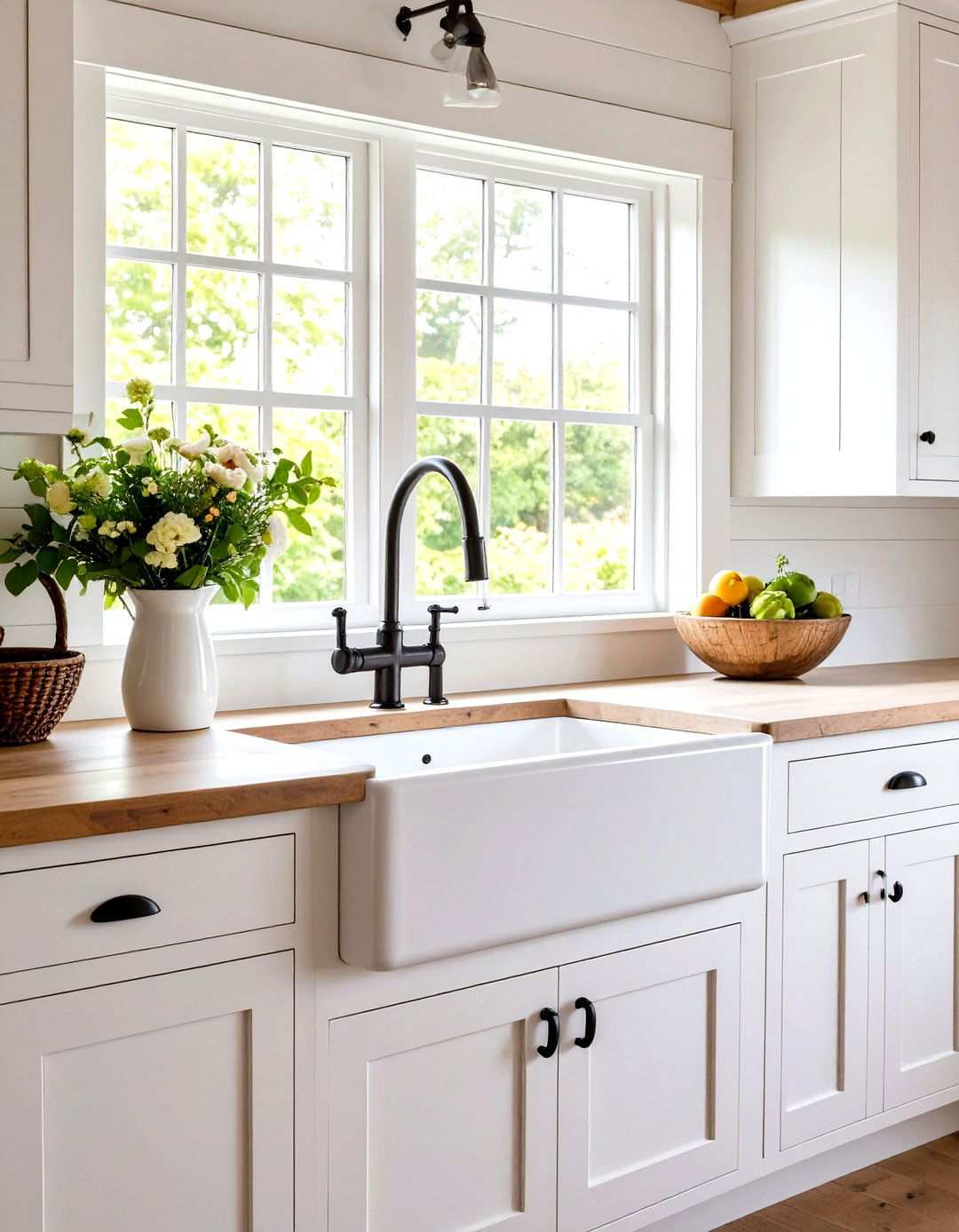
Elevate your kitchen’s functionality with a classic farmhouse apron front sink that effortlessly combines timeless simplicity and practical design. The deep, single-basin sinks extend beyond the cabinet face, creating a distinctive appearance reminiscent of colonial and early American kitchens. Crafted from fireclay, these sinks boast authentic texture and durability while resisting stains and scratches from daily use. The generous size accommodates large pots, serving platters, and family-sized cooking tasks, reflecting the practical household management principles of earlier eras. Traditional white or cream color schemes maintain the classic appearance while complementing earthy tones throughout the kitchen. Installing the sink with minimal surrounding countertop emphasizes its prominent role as a functional centerpiece. Pair the apron front sinks with traditional faucets featuring cross handles or bridge designs that echo period styling. The exposed front panel offers opportunities for decorative treatments or natural material displays, showcasing the intersection of beauty and utility that characterizes authentic primitive design philosophy.
15. Wooden Beam Ceiling Accent Features
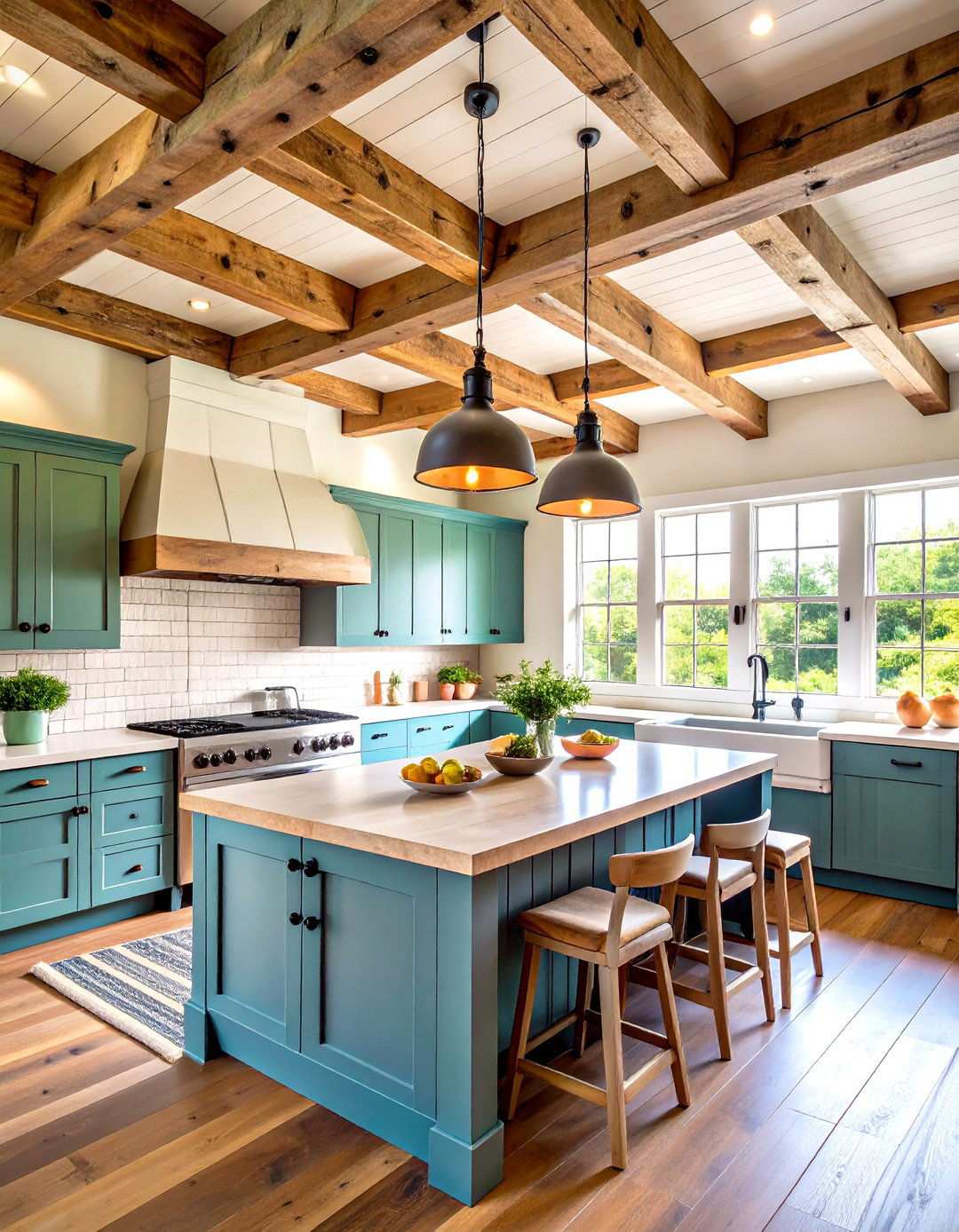
Exposed ceiling beams can instantly transport your kitchen back to colonial times, imbuing the space with dramatic architectural interest and authentic structural elements that define primitive style. Hand-hewn wooden beams not only provide aesthetic appeal but also tell stories of their previous lives through the original saw marks, nail holes, and weathered patinas on reclaimed barn beams. The natural variations in wood grain and color add an organic beauty that cannot be replicated with manufactured materials, making each beam a unique work of art. Not only can you install beams as purely decorative elements, but you can also incorporate them into functional designs like pot rack supports or pendant light anchors. Dark stained beams create striking contrast against light-colored ceilings, while lighter woods create subtle textural interest. The substantial size and weight of authentic beams convey the solid construction methods used in colonial architecture, connecting interior spaces to the natural world through their organic materials and traditional craftsmanship methods. Positioning beams to complement your kitchen’s proportions while maintaining proper scale relationships ensures a harmonious blend of form and function.
16. Showcasing Timeless Kitchen Tools
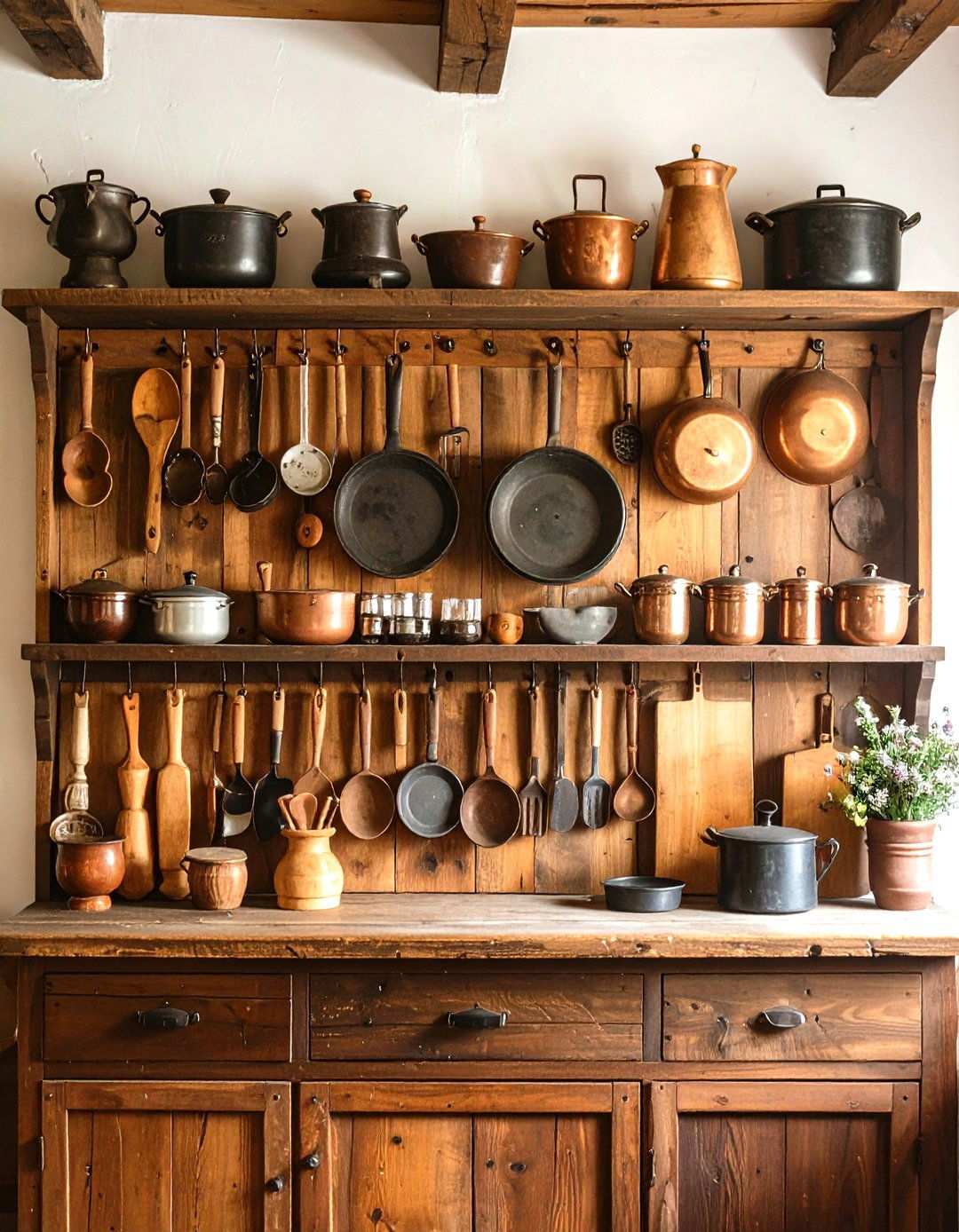
Transform your primitive kitchen space into a nostalgic haven by showcasing antique kitchen tools that embody the craftsmanship of bygone eras. These handcrafted treasures, such as wooden spoons, rolling pins, and cutting boards, boast intricate details that set each piece apart. Cast iron utensils like ladles, forks, and skimmers are a testament to the durability and functionality of traditional metalwork, while copper molds, tin graters, and enamelware pieces add a touch of metallic elegance with their authentic period styling. By arranging these tools in creative ways – such as shadow boxes, wall-mounted racks, or glass-front cabinets – you can create visually appealing displays that celebrate the art of traditional cooking. Many of these antique tools remain functional today, bridging the gap between past and present uses. The patina on their surfaces and worn handles tell stories of countless meals prepared with love and care, adding an extra layer of authenticity to your primitive kitchen design.
17. Authentic Backsplash Options for the Primitive Kitchen
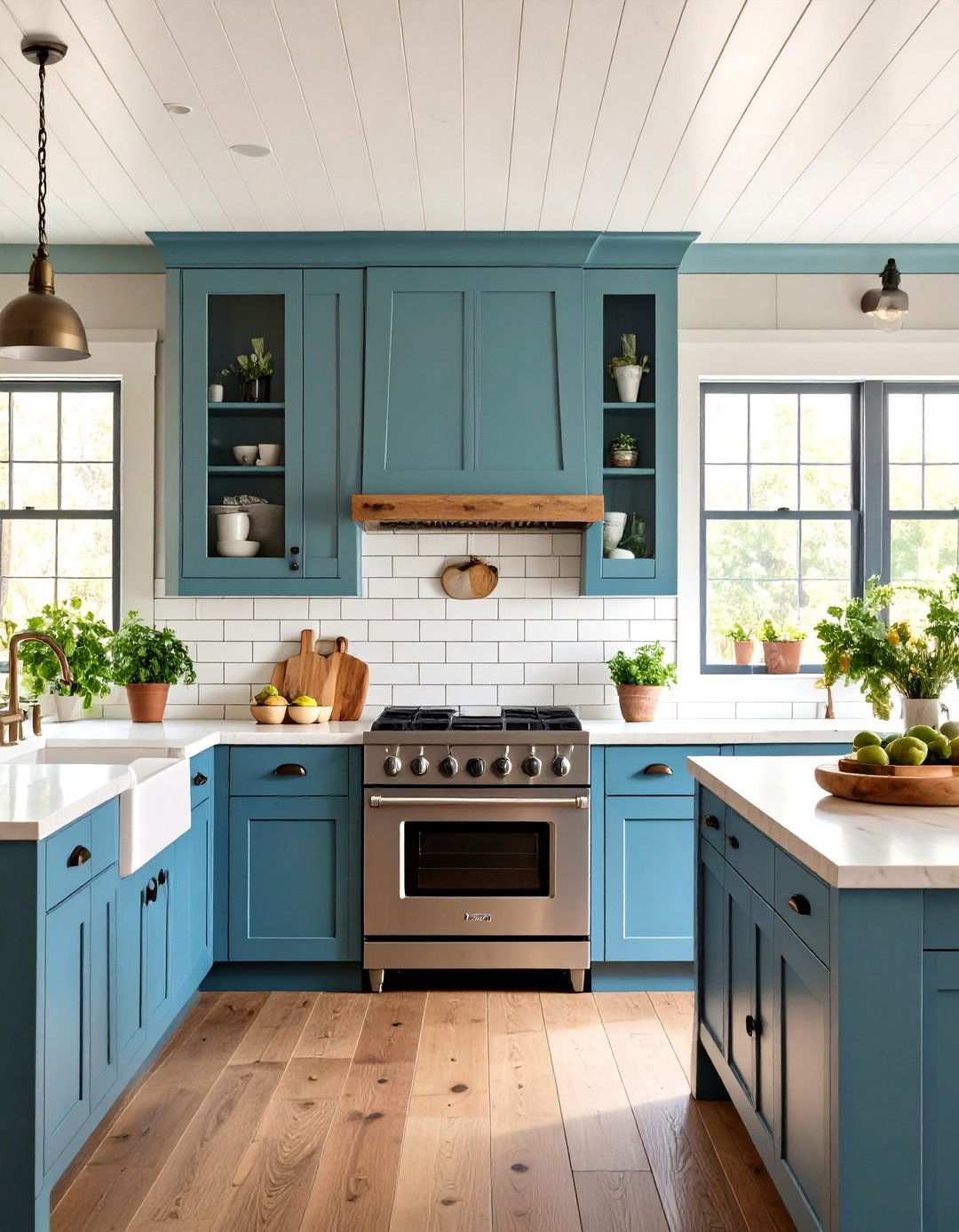
Incorporate timeless charm into your primitive kitchen by selecting backsplash treatments that combine functionality with colonial flair. Classic subway tiles in white or cream provide a clean canvas for showcasing your space’s unique character while offering easy maintenance and a look that never goes out of style. Natural stone options like fieldstone or tumbled marble bring an organic texture that complements wooden elements, creating a harmonious balance in your space. Beadboard wainscoting painted in soft colors adds vertical interest while protecting walls from cooking splatters, while brick backsplashes – either authentic or thin brick veneer – provide rustic texture and warm earth tones that evoke a sense of cozy tradition. For an added touch of authenticity, consider tin backsplashes with pressed patterns, which offer reflective surfaces that brighten up work areas while maintaining a primitive charm. Painted wood planks in distressed finishes can also add a unique touch, coordinating with cabinet colors and overall design themes. The key to choosing the right backsplash lies in selecting materials that appear handcrafted rather than mass-produced, thus enhancing the primitive aesthetic while providing practical protection for wall surfaces behind cooking and cleaning areas.
18. Harmonizing Cooking and Dining Spaces
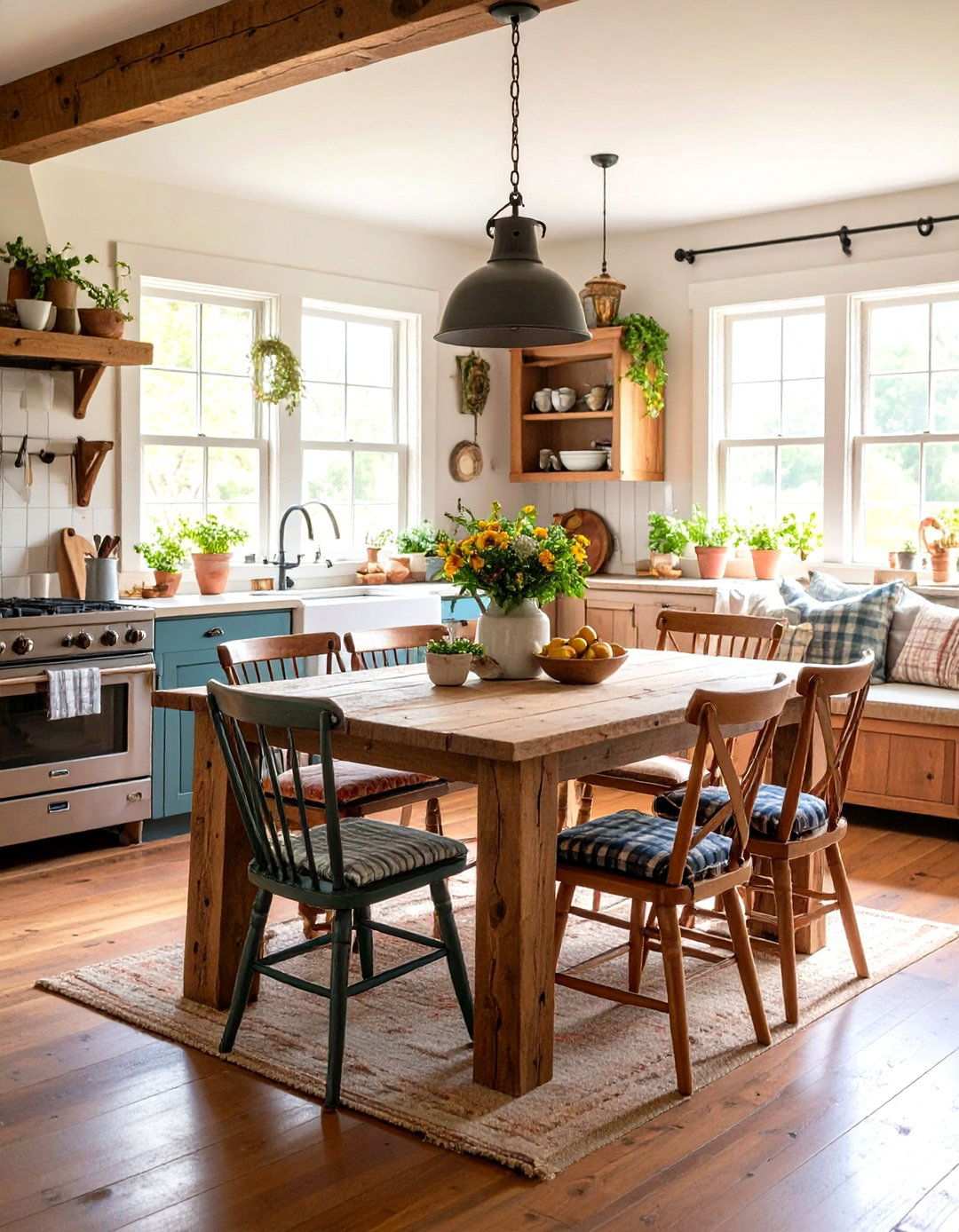
Colonial homes often blurred the lines between cooking and dining, transforming kitchens into vibrant gathering areas. Embracing this heritage, consider integrating a rustic dining nook into your kitchen to foster conversation and recreate the warm, communal atmosphere synonymous with traditional colonial homes. Opt for a farmhouse-style dining table boasting sturdy, turned legs and thick wooden planks, perfect for hosting daily family meals. Surround the table with a curated assortment of mismatched chairs, benches, or a mix of seating options that suggest a collection of treasured pieces over time. Incorporate built-in corner seating with clever storage compartments beneath for linens, dishes, or seasonal items. To maintain an authentic look, choose cushions in earthy tones and rustic patterns like ginghams or plaids. Position the dining area near windows to maximize natural light during mealtime and make the most of the available space. Complete the setup by installing vintage-inspired lighting, such as a chandelier or pendant, to create an intimate ambiance perfect for evening dining. This integrated approach honors the practical use of space that characterized colonial homes, where kitchens served as multi-functional family hubs.
19. Reviving the Past with Vintage Spice Storage
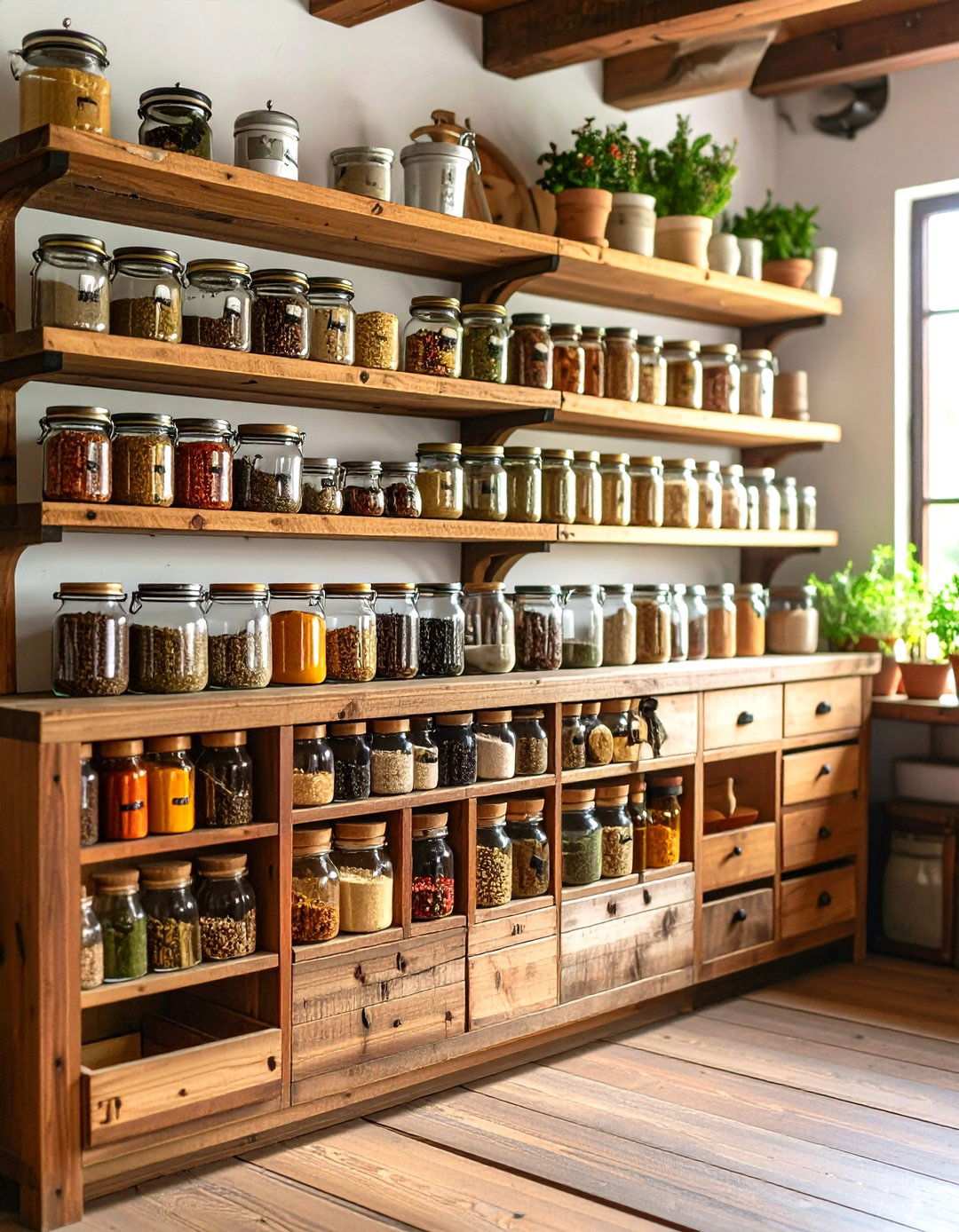
Colonial cooks prized their spices and seasonings, carefully organizing them to ensure accessibility. Revisit this heritage by designing authentic storage solutions using vintage-inspired containers and organization systems that seamlessly blend with your primitive kitchen aesthetic. Mason jars with hand-painted labels provide clear, transparent storage that allows easy identification of contents while adding a charming touch of nostalgia. Wooden spice boxes with multiple compartments offer compact organization reminiscent of colonial apothecary storage, while tin containers with tight-fitting lids protect spices from light and air while showcasing authentic metalwork details. Install narrow shelving specifically designed for spice storage, utilizing reclaimed wood or distressed finishes that harmonize with your primitive color scheme. Label containers with period-inspired fonts and materials like aged paper or wooden tags. For maximum practicality, group spices by frequency of use or alphabetical order. Showcase whole spices in clear containers to appreciate their natural colors and textures. This thoughtful approach combines modern storage needs with authentic primitive styling, paying homage to traditional cooking methods and the cooks who cherished their spices.
20. Timeless Metal Accents
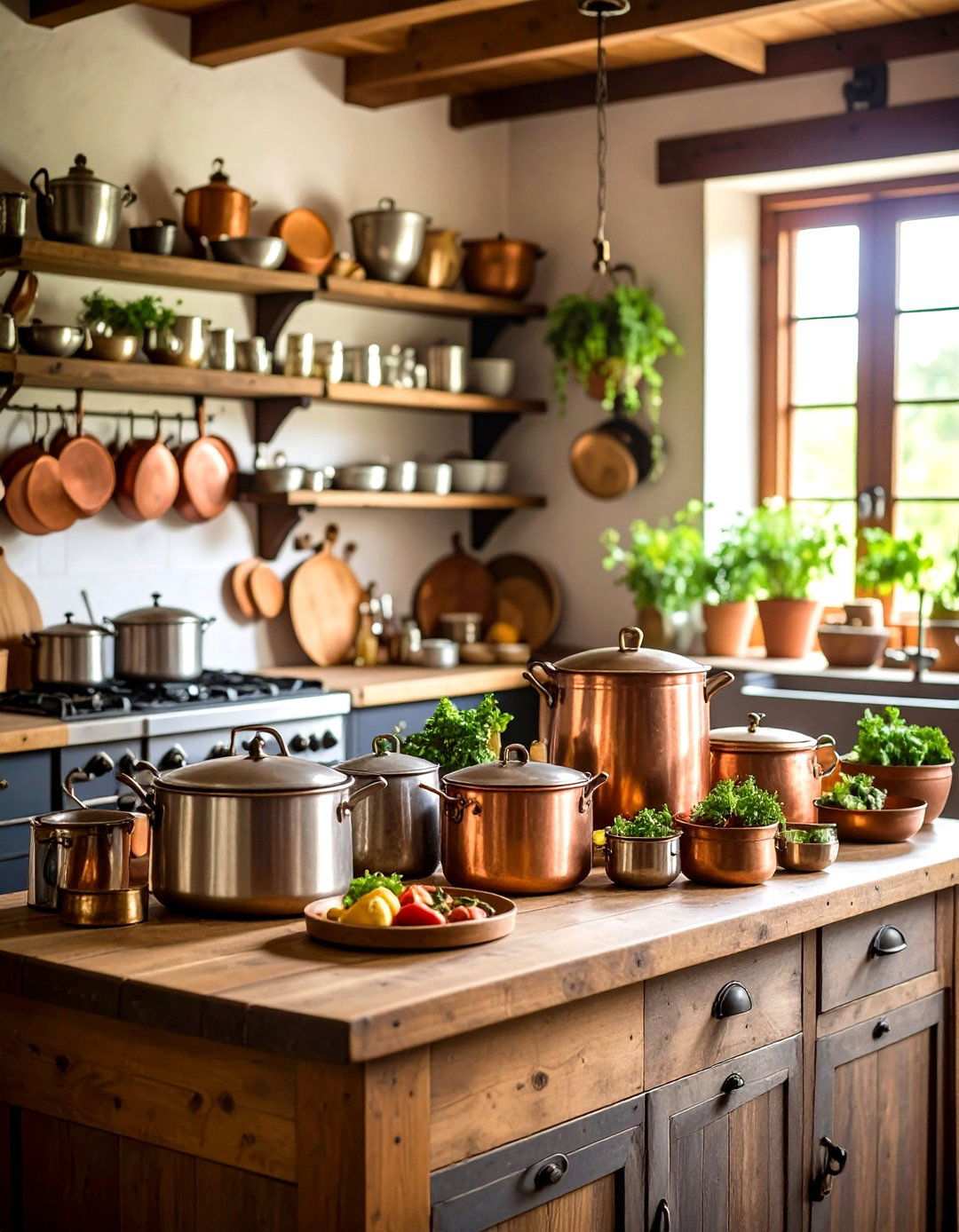
To achieve an authentic, colonial-inspired aesthetic in your primitive kitchen, consider incorporating traditional metals as a key design element. This can be done by incorporating copper elements such as handcrafted pots, molds, and sink fixtures, which develop a beautiful, warm patina over time. The subtle gray tones of pewter serving pieces and decorative objects complement earthy color palettes, while tin accessories like punched panels, storage containers, and decorative plates offer a unique, handcrafted appeal. Brass hardware, light fixtures, and decorative elements add a touch of warmth to cool color schemes with their golden accents. Look for pieces with hand-forged details, hammer marks, or other artisanal characteristics that showcase traditional metalworking techniques. Mixing different metals throughout the space creates a collected-over-time appearance that’s characteristic of primitive interiors. Opt for pieces with a sense of wear and aging, rather than overly polished or machine-perfect finishes, to reflect the practical nature of primitive design philosophy.
21. Artisanal Pottery Displays
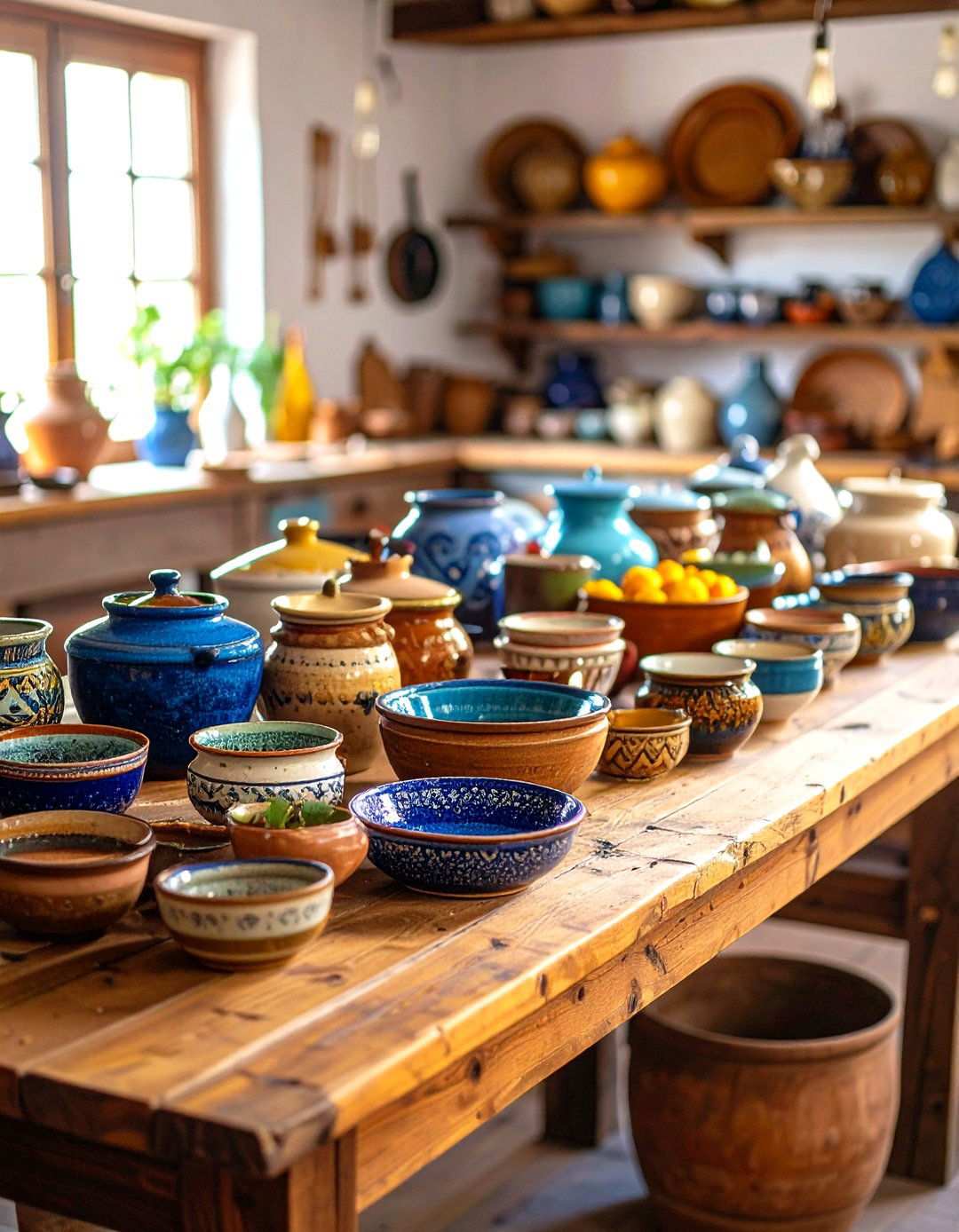
Showcasing handmade pottery is a great way to celebrate traditional ceramic arts within your primitive kitchen. Stoneware crocks, bowls, and pitchers not only provide functional storage but also add organic shapes and earthy glazes to your design scheme. Display these pieces on open shelving, in glass-front cabinets, or as countertop accessories to create visual interest with their varied forms. Choose pottery with simple, unadorned shapes that reflect colonial utilitarian traditions, rather than elaborate decorative pieces. Finishes like salt glazing, cobalt blue decorations, and natural clay colors maintain an authentic primitive aesthetic. Mixing different sizes and shapes creates dynamic groupings that suggest collections built over time through practical use. Use larger pieces for storing utensils, dried goods, or seasonal displays, while smaller items serve as decorative accents. The handcrafted irregularities and subtle color variations in authentic pottery add warmth and humanity to primitive kitchen spaces, honoring traditional ceramic arts while providing functional storage solutions.
22. Heritage-Inspired Window Treatments
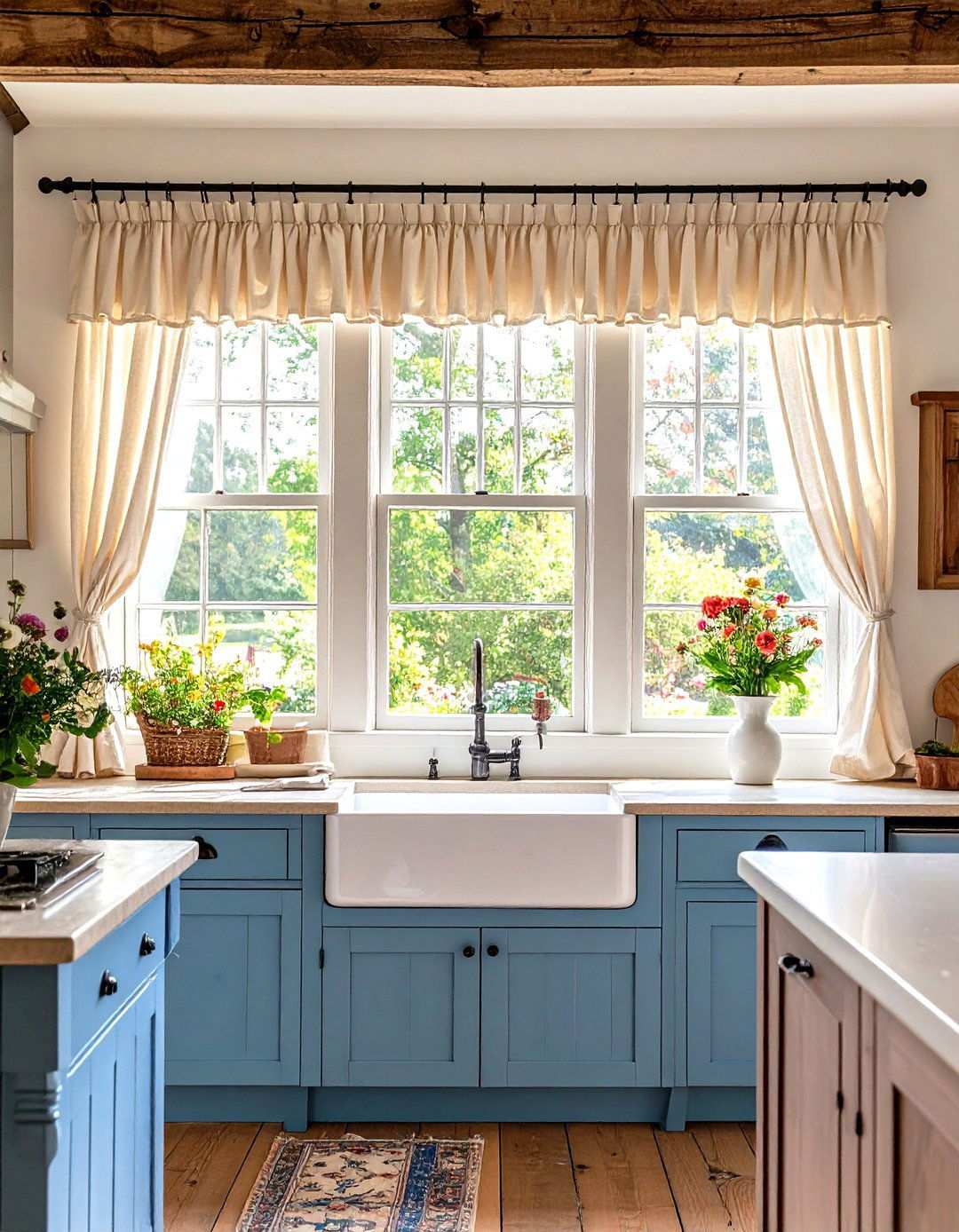
Elevate your kitchen windows with authentic colonial-style window treatments that offer a perfect blend of functionality and period charm. By incorporating simple cotton or linen panels in muted colors, you can create clean lines that seamlessly integrate with other primitive design elements. Cafe curtains covering the lower window section provide an excellent solution for maintaining privacy while maximizing the natural light essential for kitchen tasks. Choose fabrics in earthy tones, subtle gingham patterns, or homespun textures that harmoniously complement your color palette. Pair these treatments with wooden curtain rods featuring simple rings or ties to maintain the handcrafted appearance characteristic of primitive design. For a more authentic look, avoid elaborate swags, valences, or ornate hardware that might detract from the primitive ambiance. Consider incorporating distressed wood shutters that offer adjustable light control while adding architectural interest to your kitchen. The window treatments should exude a practical, functional aesthetic, reflecting the colonial homes’ approach to design. In primitive kitchens, natural light was a precious resource, so the treatments should enhance illumination rather than obstruct it.
23. Traditional Flooring Options
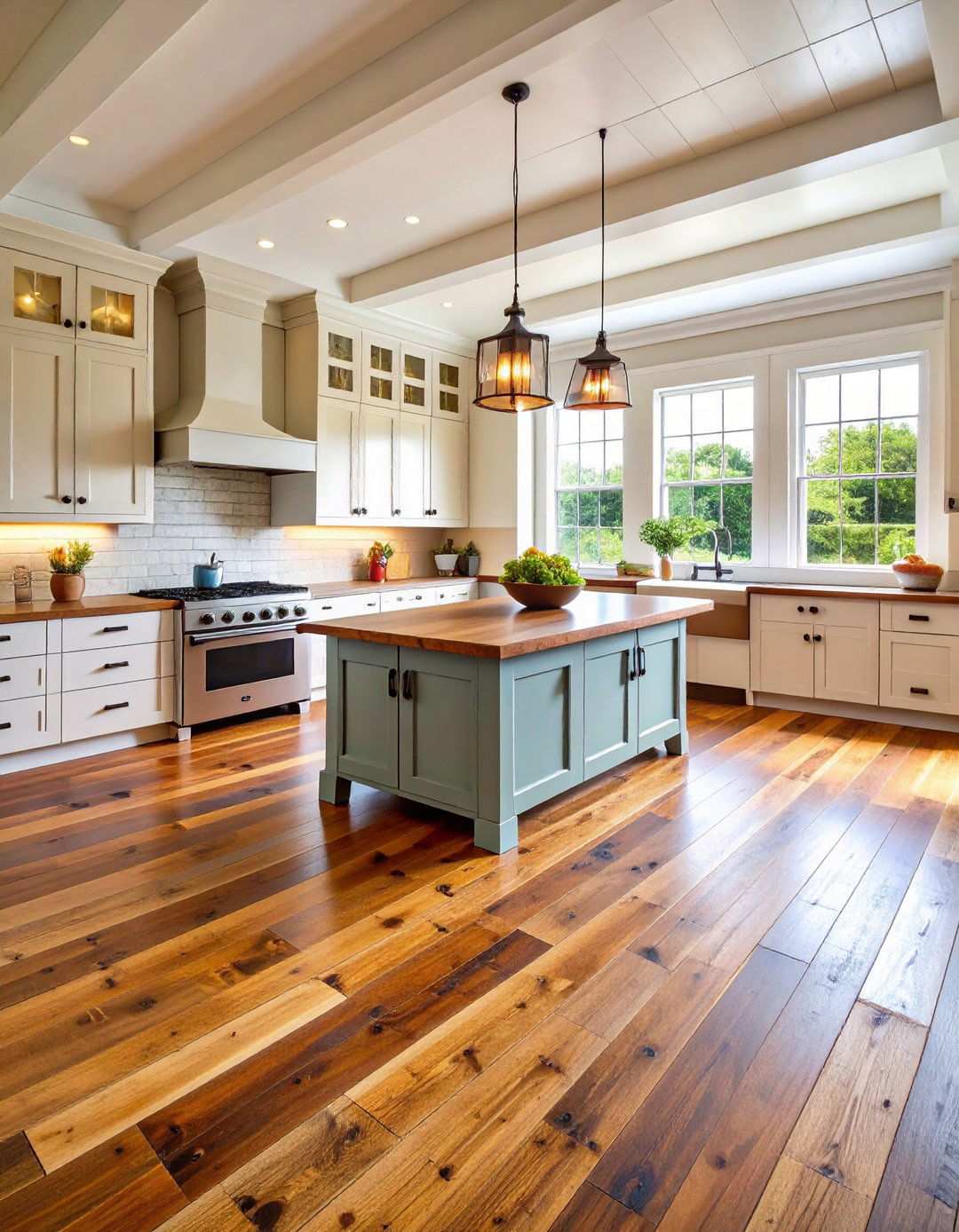
Establish a solid foundation for your primitive kitchen by selecting authentic flooring materials that reflect colonial building traditions and practical considerations. Wide plank hardwood floors in oak, pine, or chestnut offer a warm and inviting atmosphere while showcasing the unique grain patterns and character marks of hand-milled lumber. Choose distressed or hand-scraped finishes that simulate centuries of wear and tear, evoking the feel of a well-lived-in home. Natural stone floors using fieldstone, slate, or brick provide durable surfaces with rich, organic color variations that beautifully complement earth tone palettes. Consider painted wooden floors in traditional colors like deep red, sage green, or cream, with deliberate wear patterns that suggest age and history. For an authentic touch, incorporate reclaimed wood flooring salvaged from old buildings, which adds a unique character and history impossible to replicate with new materials. Install floors with slight irregularities and natural variations to demonstrate hand installation methods. The goal is to create surfaces that appear to have served families for generations while providing modern durability and maintenance characteristics.
24. Embracing the Seasons with Timeless Elegance
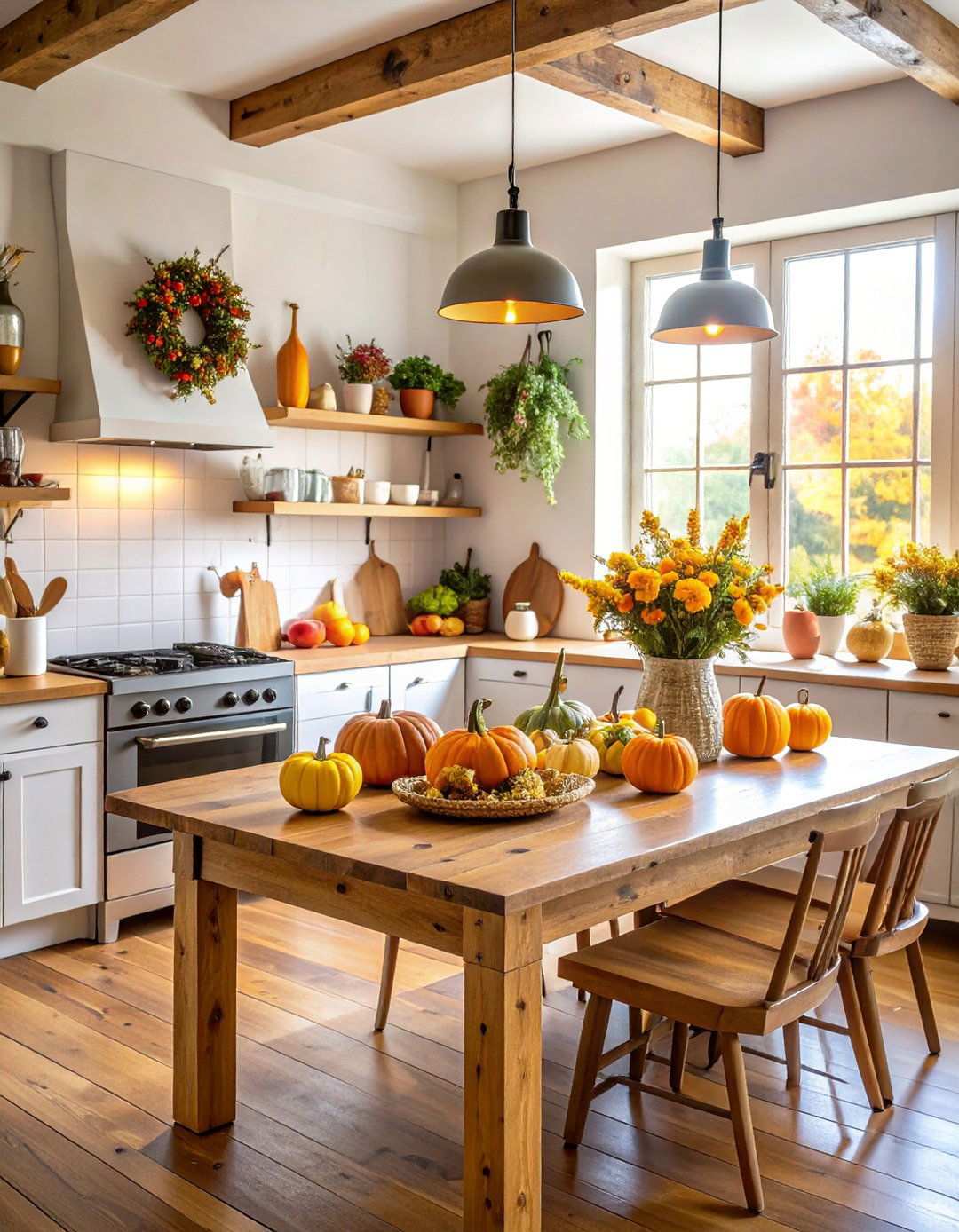
To seamlessly weave seasonal charm into your primitive space, consider the evolution of colors, textures, and themes throughout the year. By embracing the cyclical nature of the seasons, you can infuse your home with a sense of continuity and authenticity, much like the colonial celebration traditions that inspired the primitive aesthetic. As the seasons change, thoughtfully incorporate natural elements and traditional colors to evoke the distinct moods and emotions of each time of year.
In the spring, fresh herbs, early flowers, and soothing green tones evoke a sense of renewal and growth, while summer’s vibrant displays of fresh fruits, vegetables, and light fabrics celebrate the abundance of the harvest. As autumn arrives, rich oranges, deep reds, and golden yellows bring warmth and coziness to your space, thanks to the incorporation of pumpkins, gourds, and dried corn arrangements. Meanwhile, winter’s peaceful atmosphere is created through the use of evergreen boughs, pinecones, and warm candlelight.
To maintain the integrity of your primitive style while still embracing the changing seasons, opt for accessories crafted from natural materials like wood, burlap, and dried botanicals. Avoid artificial or synthetic items that might detract from the organic feel of your space. Rotate your table runners, chair cushions, and decorative accents seasonally to refresh your primitive kitchen without requiring major design overhauls. Store your seasonal treasures in primitive containers like wooden boxes or baskets, which can double as decorative elements and add to the overall aesthetic of your space. By adopting this approach, you’ll be able to honor the seasonal rhythms that guided colonial life while keeping your primitive kitchen feeling fresh and inviting.