1. The Kitchen: Heart of the Home
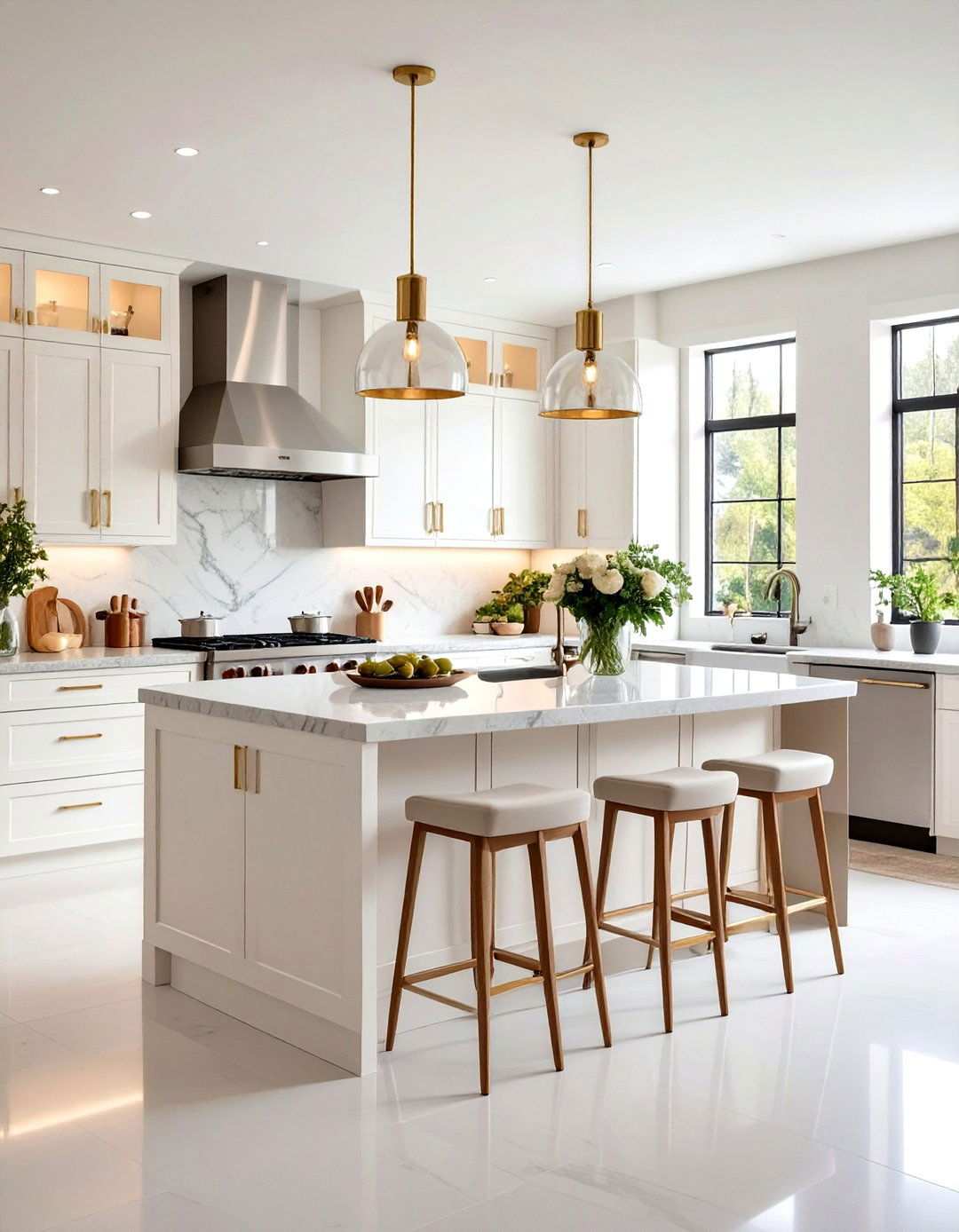
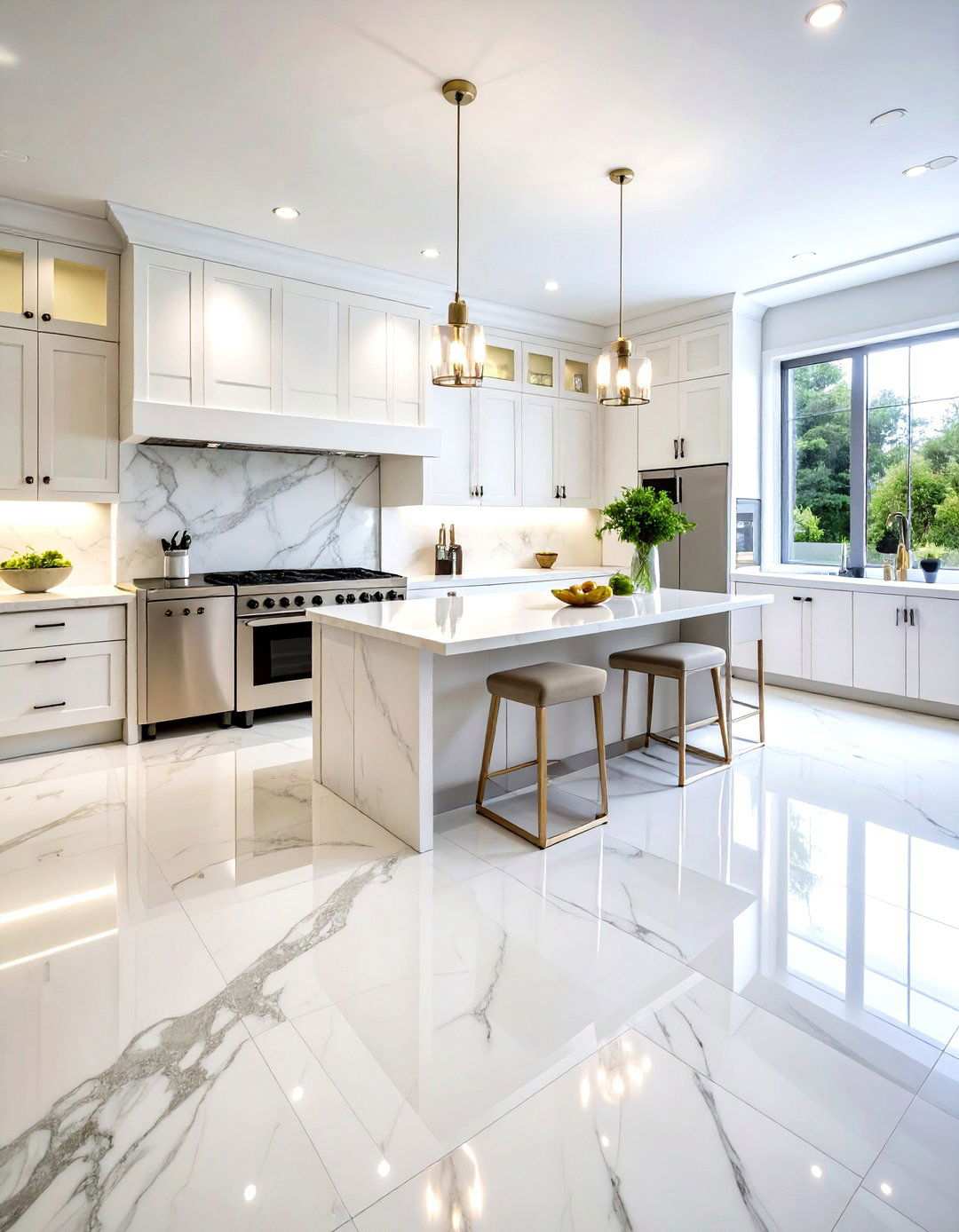
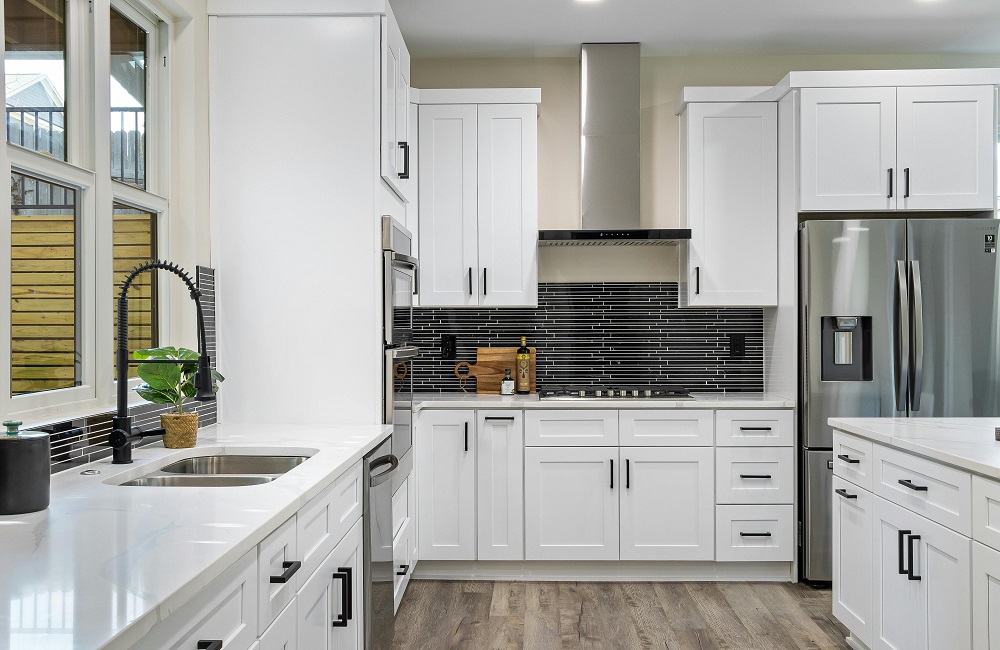
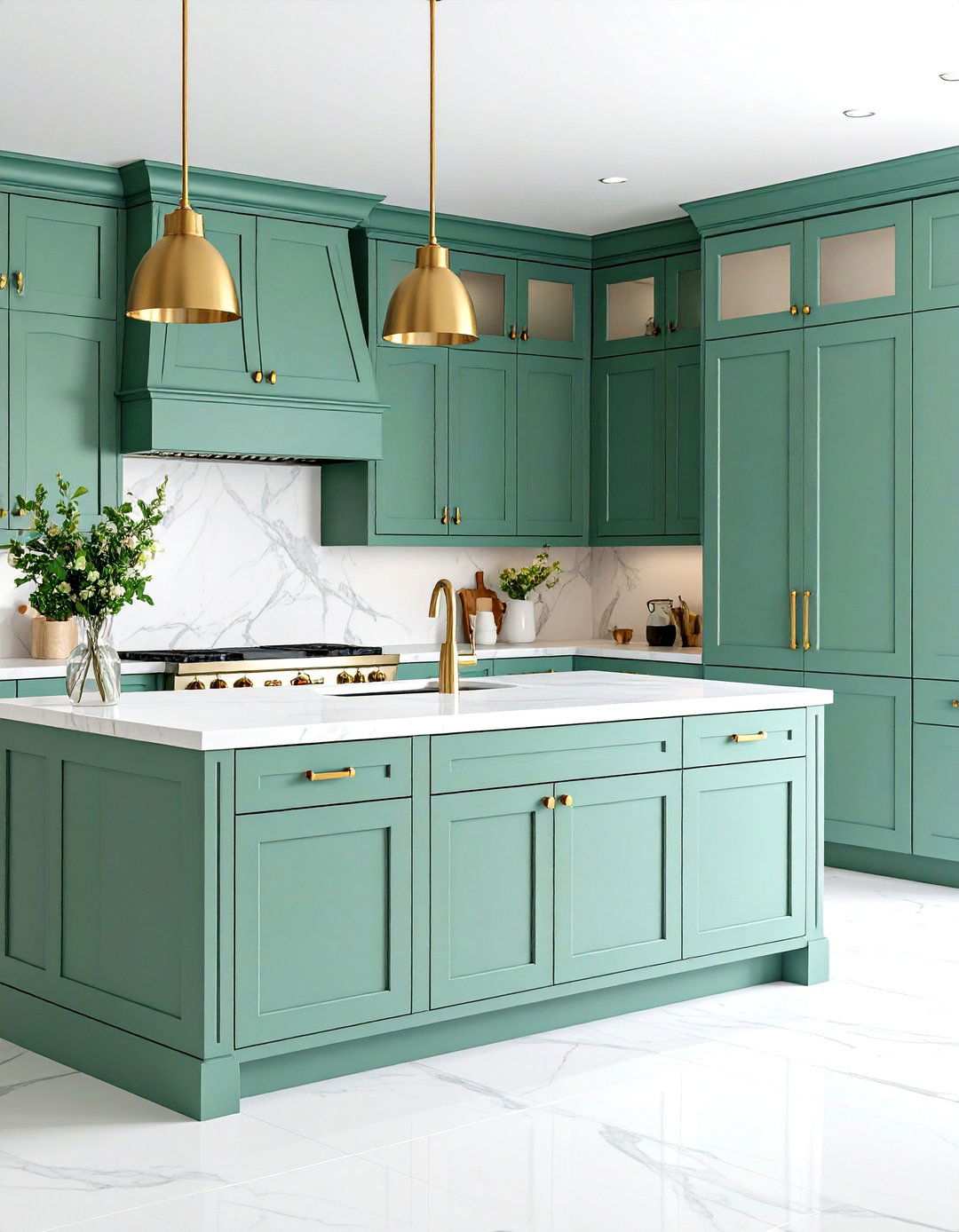
When designing a residential space, the kitchen often takes center stage, serving as the epicenter for culinary creativity and social interaction. This multifaceted area plays host to a wide range of activities, from meal preparation to informal dining. Modern kitchens boast cutting-edge appliances, including ovens, refrigerators, and cooktops, strategically arranged in layouts that prioritize efficiency and ease of use. Efficient counter space facilitates meal preparation, while cleverly designed cabinets and pantries provide ample storage for cookware, dishes, and food items. The incorporation of breakfast bars or cozy nooks fosters a sense of community, encouraging family members to gather and share experiences. To maximize functionality, smart storage solutions such as pull-out drawers, lazy Susans, and built-in organizers are increasingly popular. Effective kitchen design should also prioritize the work triangle concept, ensuring seamless movement between the sink, stove, and refrigerator.

As an Amazon Associate I earn from qualifying purchases.
2. The Living Room: A Space for Connection
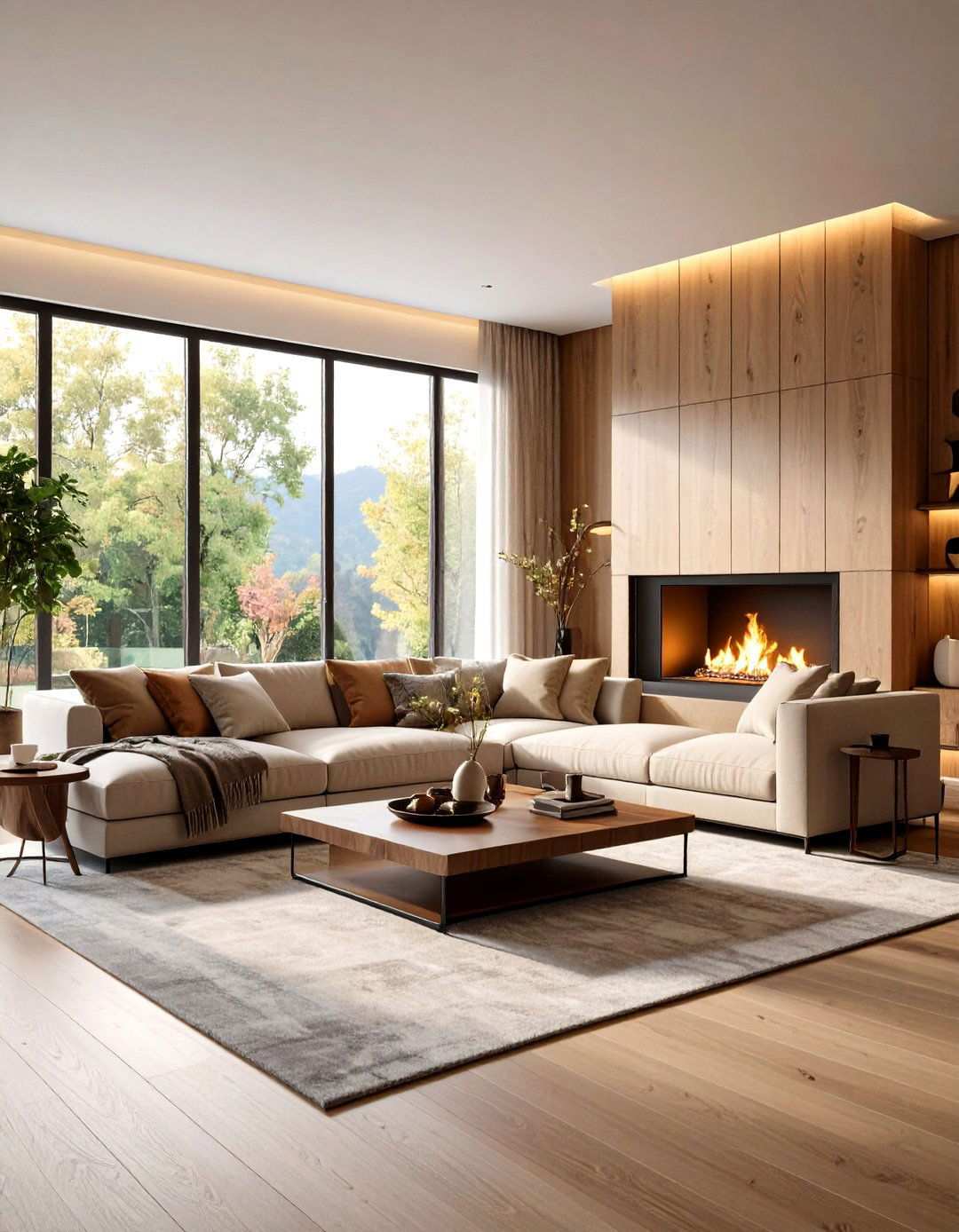
At the heart of any residential space lies the living room, a space where memories are forged, relationships are nurtured, and life’s most cherished moments are celebrated. As the primary gathering area, this formal space demands careful consideration in terms of layout and design. Comfortable seating arrangements, such as plush sofas and armchairs, are thoughtfully positioned around a central focal point, creating an inviting atmosphere that encourages conversation and connection. Lighting plays a pivotal role in setting the tone, with a harmonious blend of ambient overhead fixtures, task lighting, and accent lamps designed to create a warm and welcoming ambiance. Effective storage solutions, including built-in shelving, entertainment units, and decorative baskets, strike a balance between functionality and aesthetics, allowing homeowners to showcase personal treasures while maintaining a sense of organization. Ultimately, the living room’s ambiance and décor should reflect the homeowner’s personality, creating a space that is at once inviting and comfortable for everyday use and special occasions.
3. Master Retreat
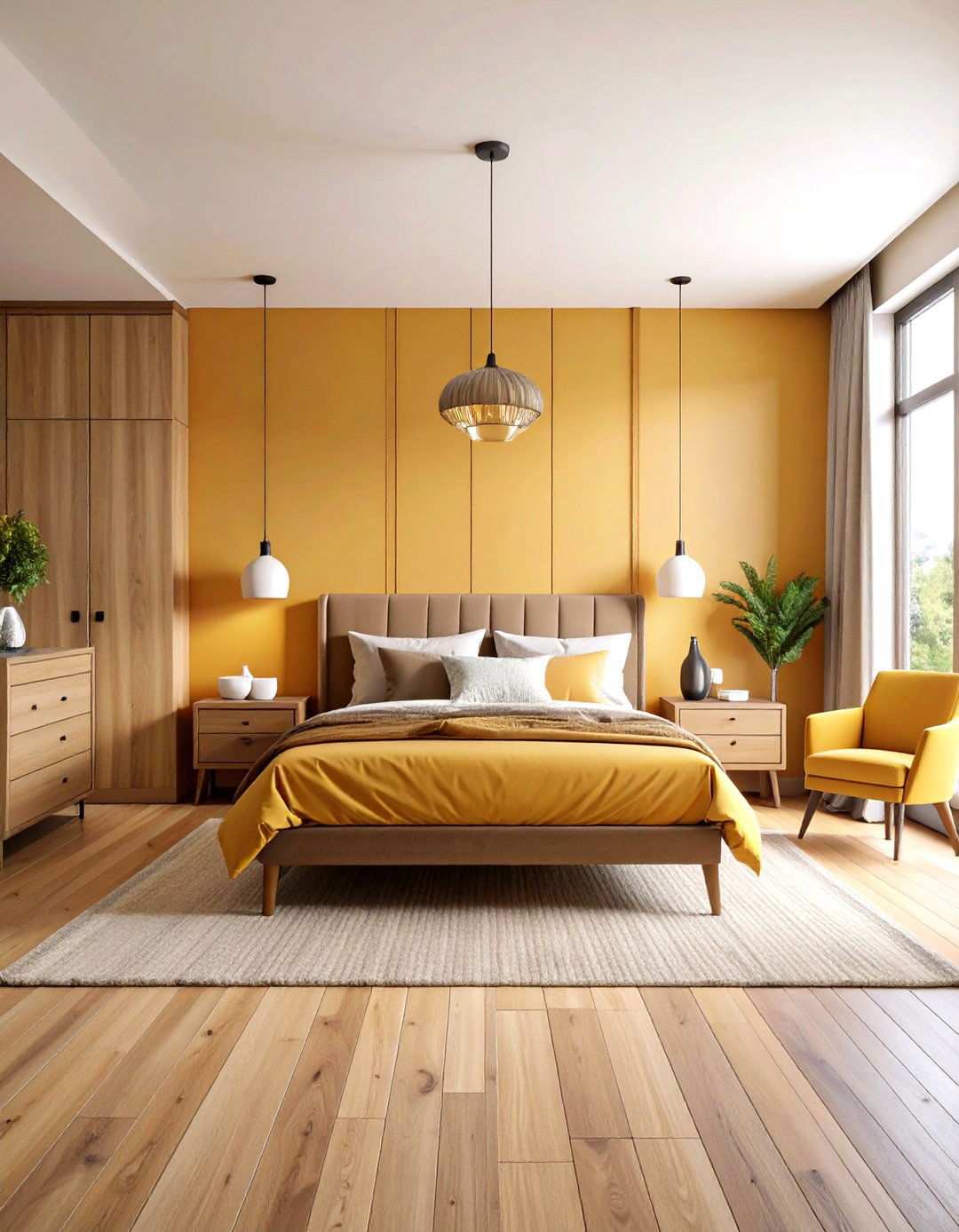
In a master bedroom, harmony and tranquility should reign supreme, creating a serene oasis that rejuvenates the mind and body. By incorporating thoughtful design elements, this intimate space can be tailored to promote relaxation, intimacy, and rejuvenation. A plush queen or king-size bed is often at the heart of the room, accompanied by bedside tables, storage solutions, and ample natural light. Strategically placed lighting fixtures, including overhead illumination and cozy reading lamps, create a soothing ambiance. Additionally, carefully selected window treatments allow guests to control the amount of natural light entering the space, further enhancing relaxation. Many master bedrooms boast inviting sitting areas, featuring plush chairs or benches, which serve as an inviting retreat within the retreat. Calming color palettes, often comprising neutral tones, foster a restful sleep environment. Convenient storage solutions, such as spacious walk-in closets or ample wardrobe space, keep belongings organized, while en-suite bathrooms provide an extra layer of luxury and convenience.
4. Dining Sanctuary
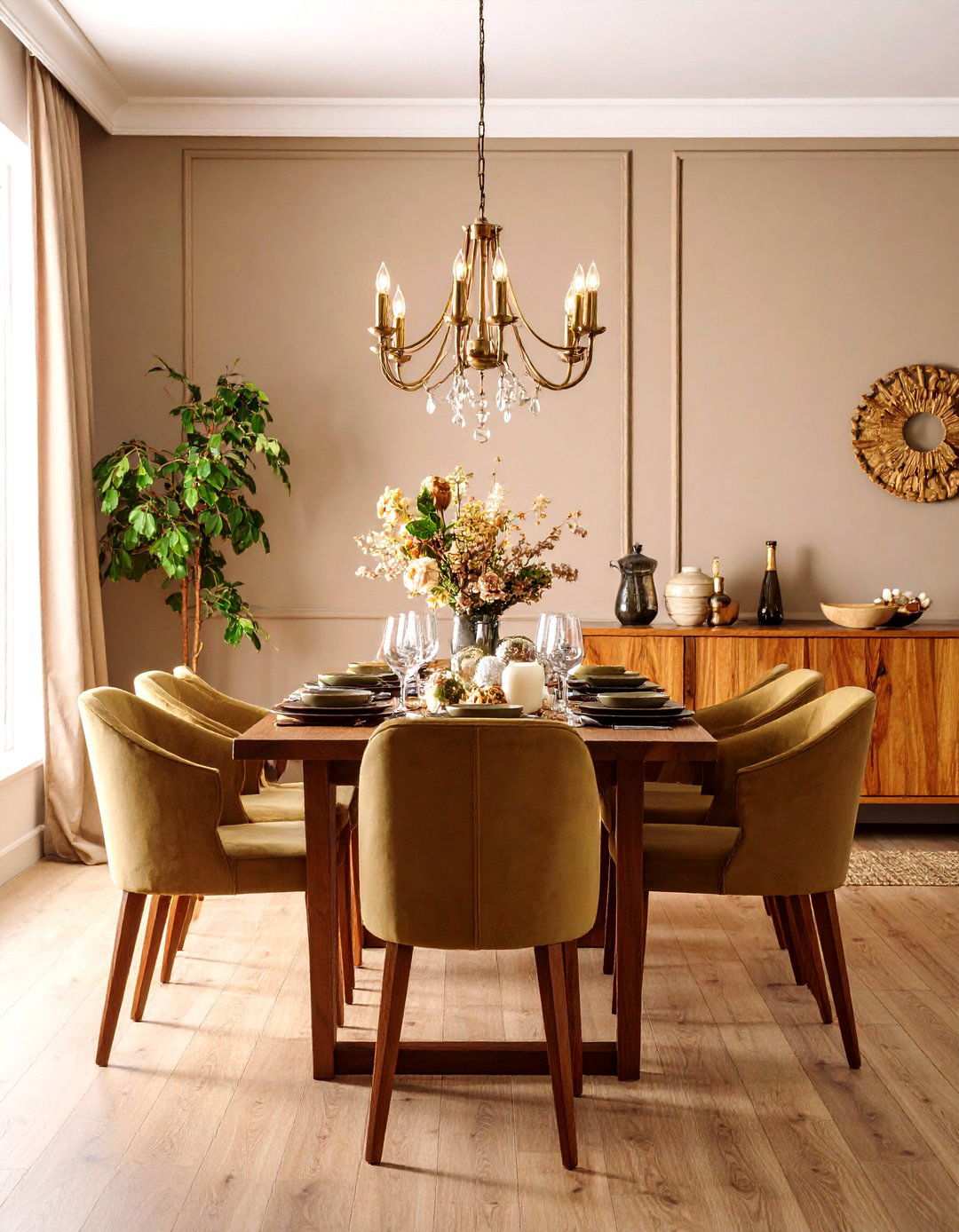
The dining room is a space where cherished memories are created, and connections with loved ones are forged. At its core, this room is designed for formal meals, holiday gatherings, and special celebrations. A substantial dining table, carefully selected to accommodate both everyday meals and larger gatherings, is typically the focal point. Elegant lighting fixtures, such as stunning chandeliers or sleek pendant lights, create an ambiance that’s both sophisticated and inviting. Practical storage solutions, such as buffets, china cabinets, or built-in shelving, not only display beautiful dishware but also serve as a convenient resource during meal service. Many dining rooms incorporate beautiful artwork, mirrors, and decorative accents that elevate the formal atmosphere, while durable flooring and carefully chosen wall colors and window treatments contribute to a sense of elegance and welcome.
5. Guest Accommodations
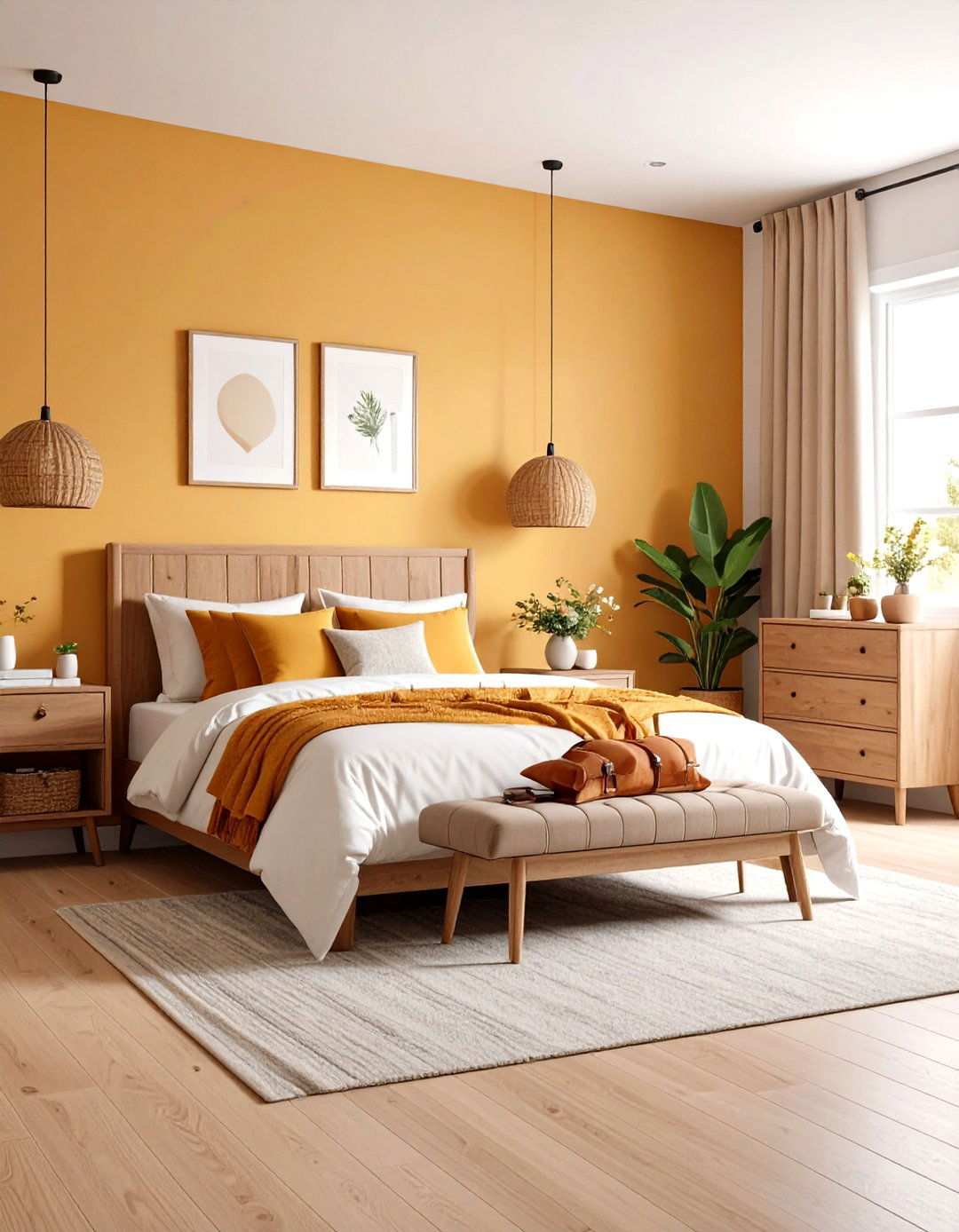
When welcoming overnight guests, a thoughtful approach is essential to ensure they feel at ease and comfortable in their temporary quarters. The guest bedroom is a private retreat that requires careful attention to comfort and functionality. A plush bed with high-quality linens is the foundation of a restful stay, accompanied by bedside tables with lamps for reading and ample storage space for guests’ belongings. A convenient luggage rack or bench provides a designated spot for suitcases, while a small dresser or closet space allows guests to unpack and settle in. For a peaceful slumber, blackout curtains or blinds are a thoughtful touch, and a mirror for grooming needs completes the essentials. To make guests feel truly at home, consider adding thoughtful gestures like fresh flowers, bottled water, extra pillows, and information about the home’s amenities. The decor should strike a balance between neutrality and warmth, appealing to a wide range of tastes and preferences.
6. Home Office
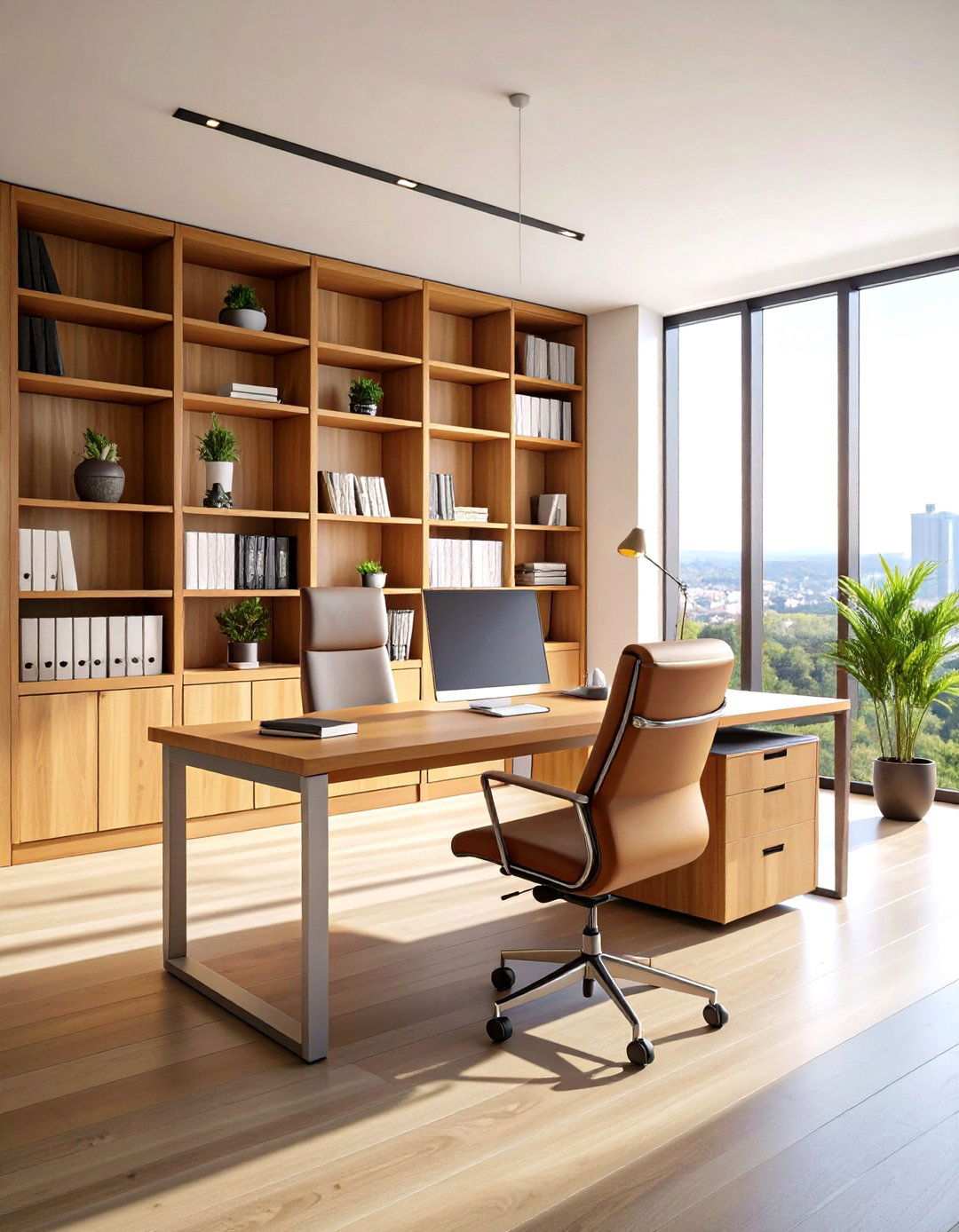
Transforming a spare room into a productive home office requires thoughtful design to foster creativity and focus. Key elements include a functional desk, a comfortable ergonomic chair, and ample storage for office supplies, documents, and equipment. Effective lighting balances natural light with task lighting to minimize eye strain during prolonged work sessions. Technology considerations such as ample electrical outlets, internet connectivity, and cable management solutions keep the workspace organized and visually appealing. To maintain productivity, consider incorporating storage solutions like filing cabinets, bookshelves, and desk organizers. A well-designed home office also minimizes distractions while promoting creativity through strategic color choices and decor. Sound control becomes crucial when the office shares space with other household activities, making location and insulation essential considerations.
7. Family Room
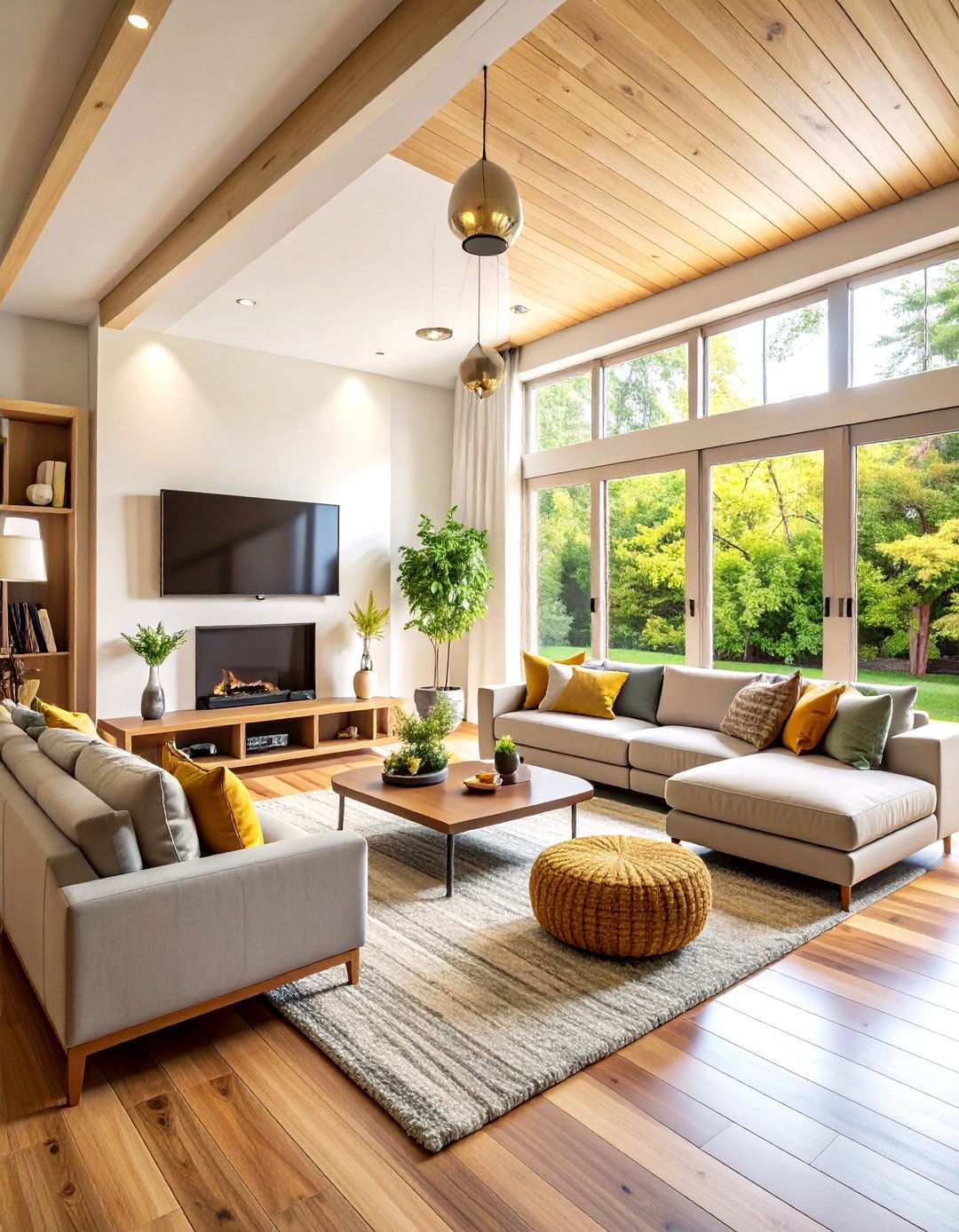
A family room differs from a formal living room in its emphasis on comfort and relaxation for all family members. This cozy gathering space features durable, comfortable furniture designed to withstand daily use, including sectional sofas, recliners, and entertainment centers. The layout should accommodate various activities, such as watching TV, playing games, reading, or simply spending quality time together. For organization, consider incorporating storage solutions like toy boxes, media cabinets, and baskets for everyday items. The decor is often more relaxed and personal, featuring family photos, children’s artwork, and comfortable textures. Flooring choices should be practical and easy to maintain, while flexible lighting options cater to different activities throughout the day. As the heart of daily family life, the family room serves as a hub for casual entertaining and everyday relaxation.
8. Laundry Room
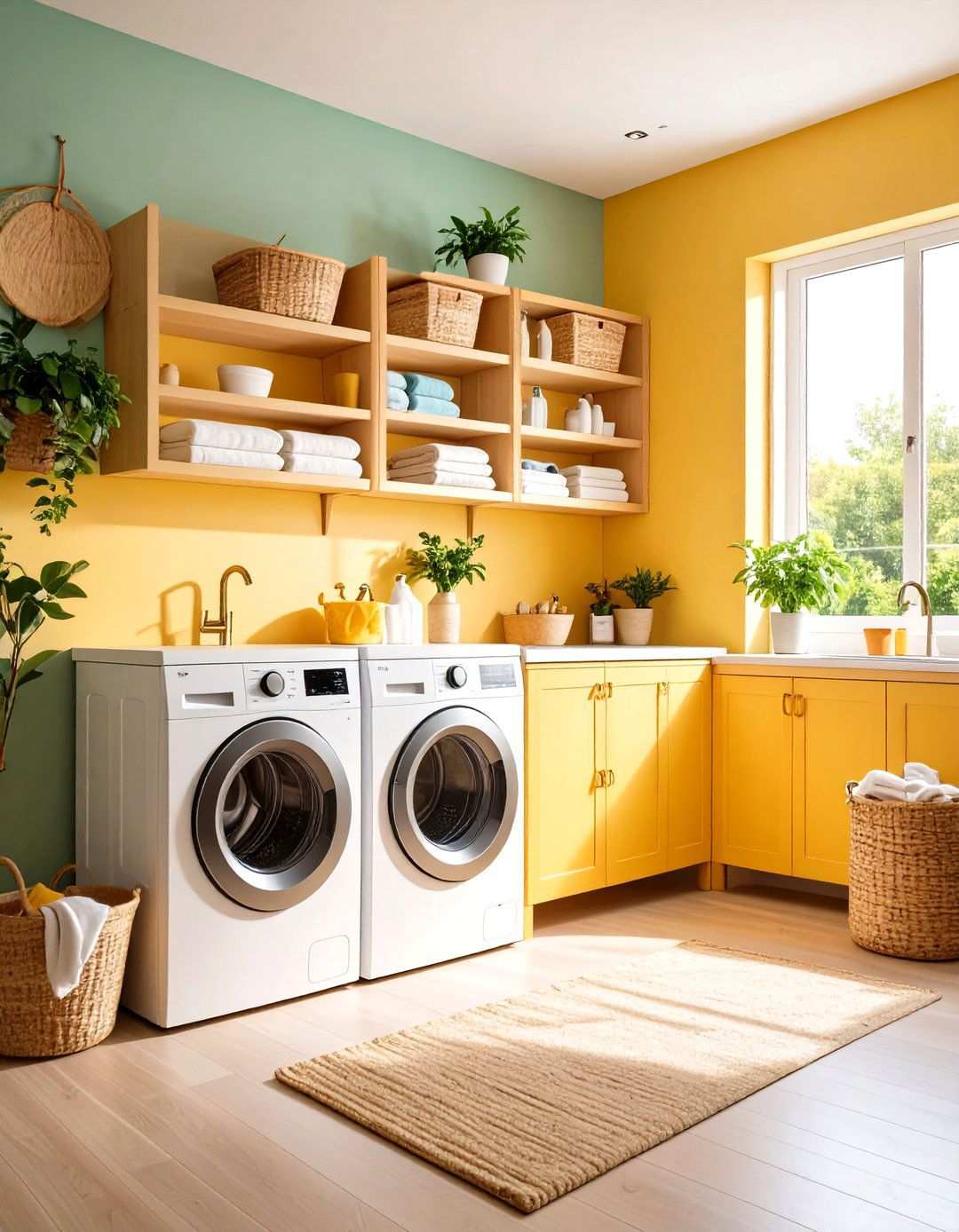
The laundry room centralizes laundry, drying, and clothing care activities while keeping these essentials organized and contained. Essential appliances include a washer, dryer, and utility sink for pre-treating stains and hand-washing delicate items. Ample storage through cabinets, shelving, and hanging rods accommodates detergents, cleaning supplies, and air-drying clothes. Counter space above front-loading machines provides folding areas and a workspace for sorting laundry. To prevent humidity buildup, ensure good ventilation and moisture control, and choose durable flooring that can handle spills and heavy foot traffic. Organization systems like sorting baskets, hooks for tools, and labeled containers maintain efficiency. Bright, even lighting helps spot stains and sort colors. Many modern laundry rooms also incorporate ironing stations and additional storage for household cleaning supplies and seasonal items.
9. Pantry
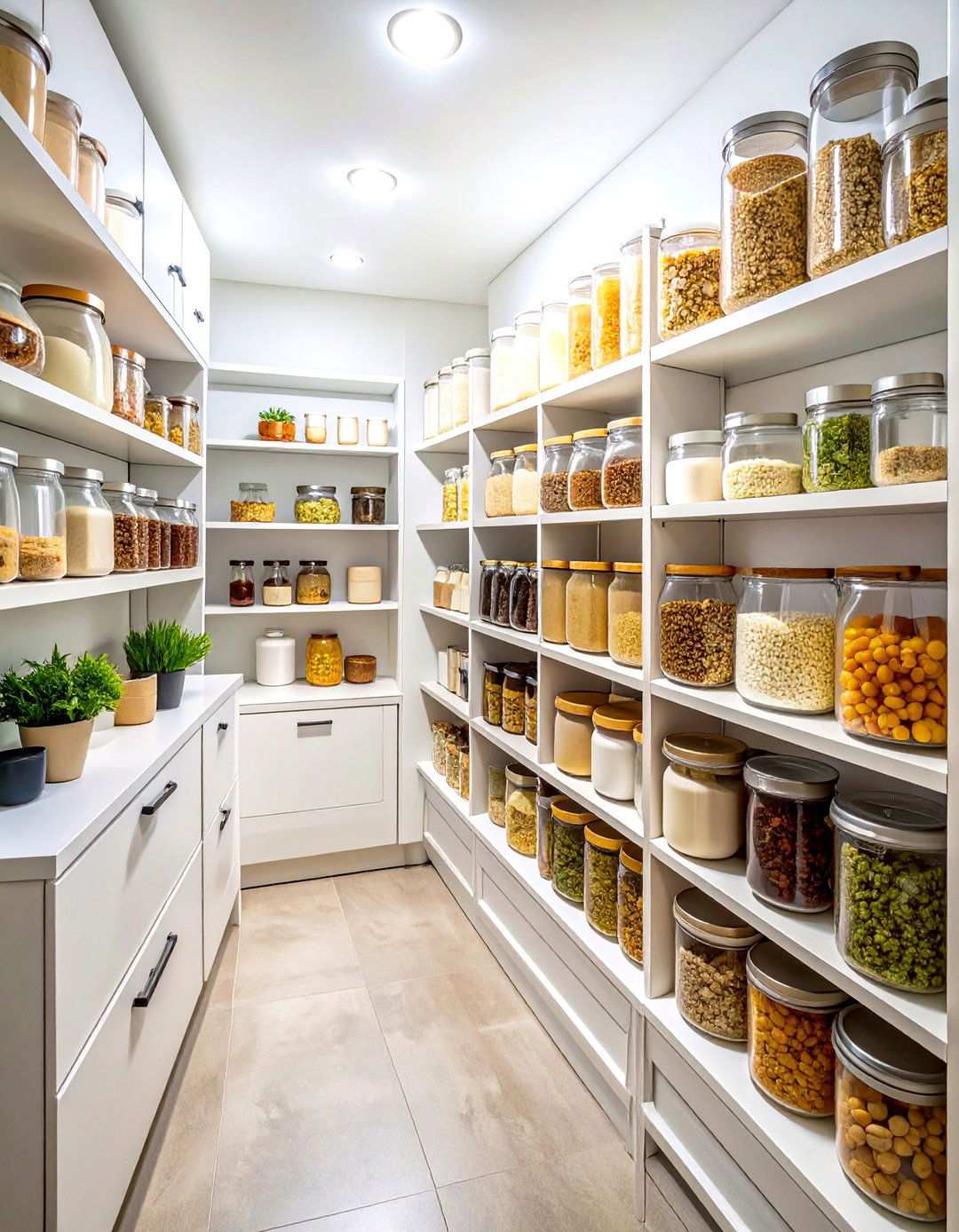
A well-organized pantry is the key to effortless meal planning. This dedicated storage area caters to non-perishable foods, small appliances, and kitchen supplies that don’t fit within standard cabinets. To accommodate various package sizes, shelving systems should be flexible and adjustable, allowing for seamless storage of everything from tall cereal boxes to compact spice containers. Innovative organization systems feature clear containers for bulk items, lazy Susans for corner access, and door-mounted racks for frequently used items. With proper lighting, items stored on all shelves remain easily visible, while temperature control ensures that perishable foods stay fresh for a longer period. A thoughtfully designed pantry facilitates easy access and inventory management, ultimately preventing food waste and simplifying meal preparation. Many homeowners also incorporate countertop space for small appliances like microwaves or coffee makers, effectively creating an extended kitchen workspace.
10. Walk-in Closet
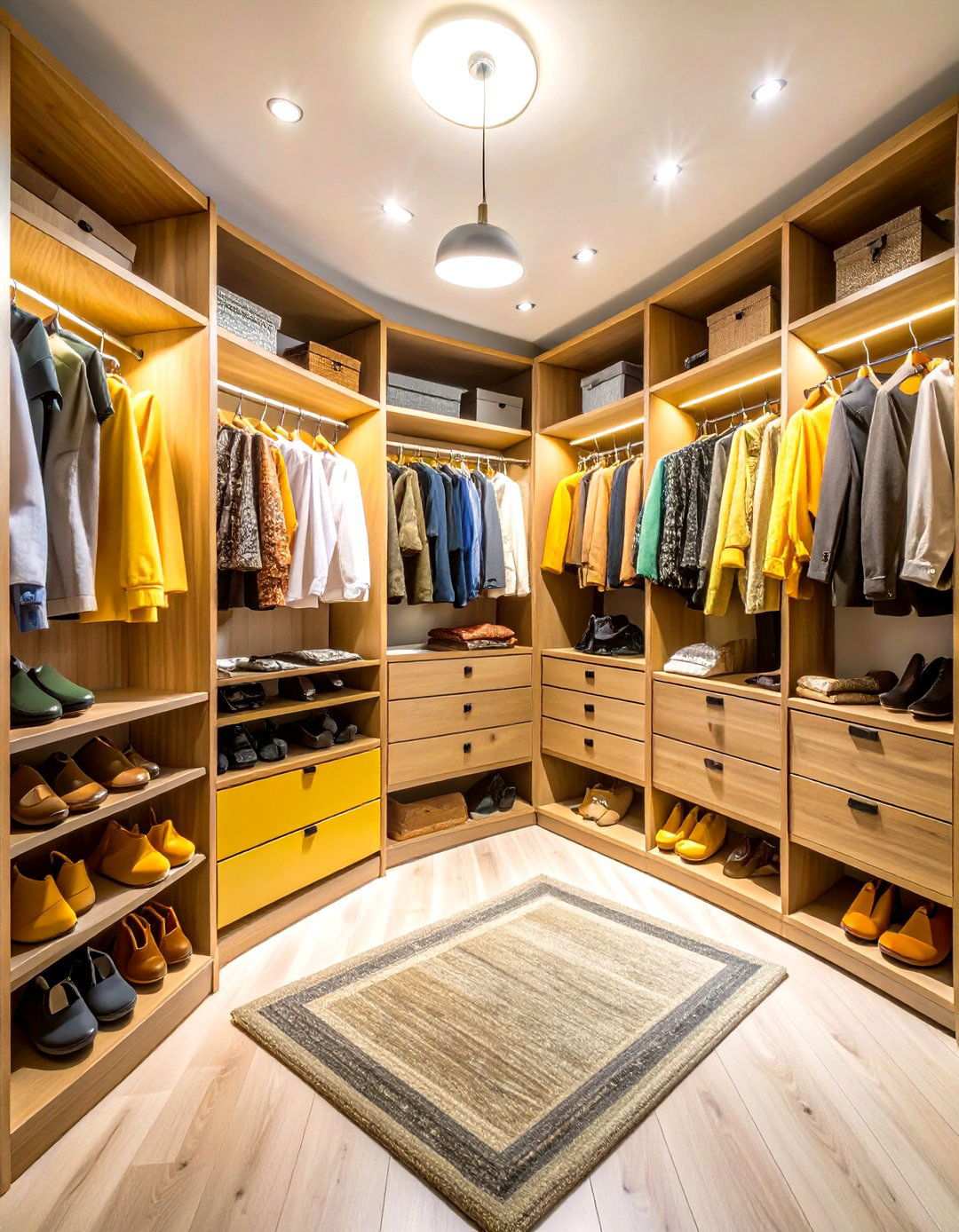
Transcending mere clothing storage, the walk-in closet offers an immersive, boutique-like experience for homeowners. This expansive storage area houses a diverse range of items, including hanging clothes, folded items, shoes, and accessories, all skillfully managed through customized organization systems. By implementing double-hanging rods, vertical space can be maximized for shorter garments, while long-hanging areas accommodate dresses and coats with ease. Shelving, drawers, and cubbies systematically organize different clothing types and accessories, ensuring that each item is easily accessible. Ample lighting, including overhead fixtures and LED strips, illuminates the area, making it effortless to select outfits. A central island or bench provides a comfortable seating area for putting on shoes and additional storage for jewelry or small items. Strategically placed mirrors facilitate outfit coordination and dressing within the closet space. The design should not only reflect personal style but also maintain organization and facilitate easy access to stored items throughout the changing seasons.
11. Mudroom
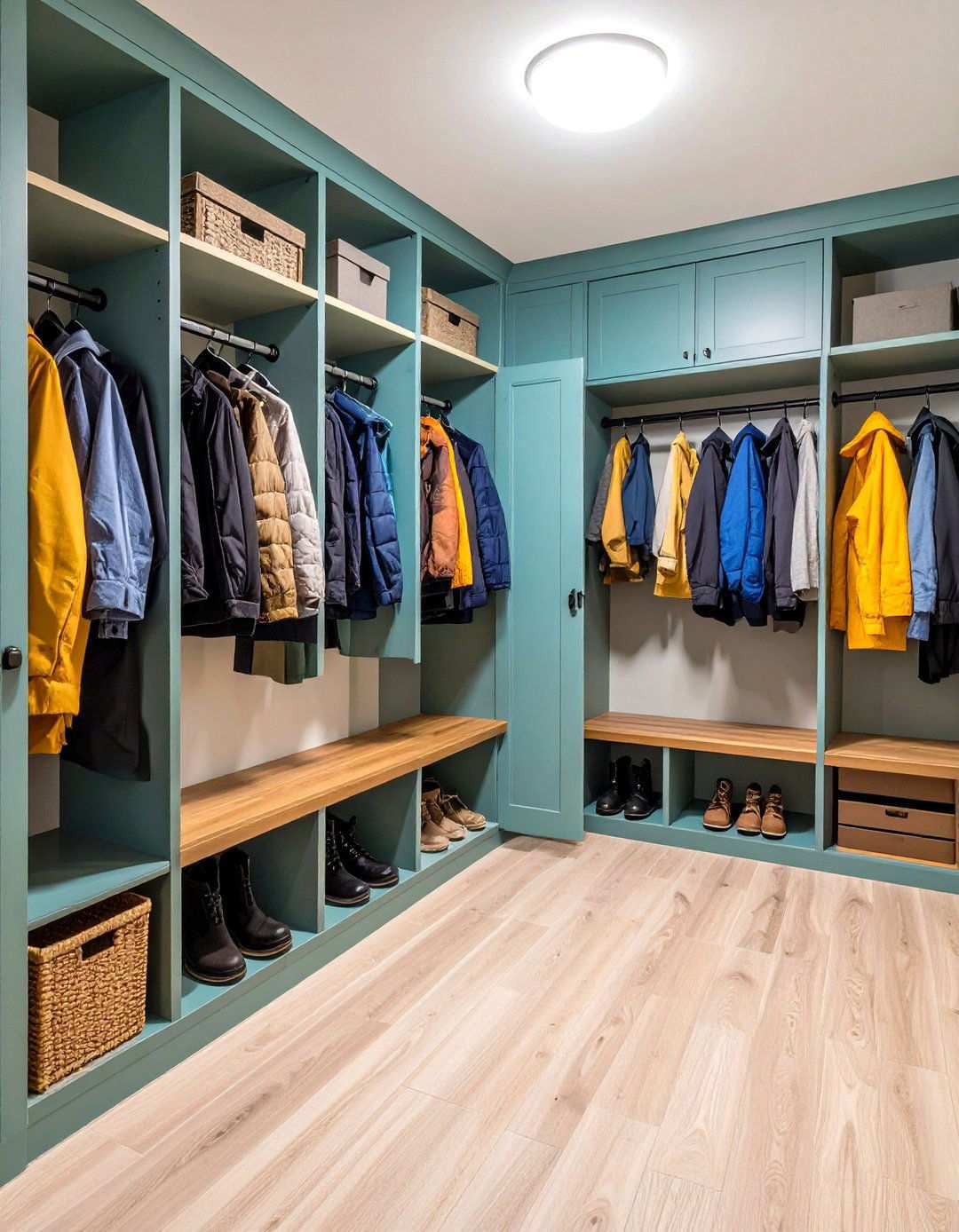
Homes with mudrooms often enjoy a cleaner and more organized living space throughout the year. The mudroom serves as a vital transition area between indoors and outdoors, containing dirt, moisture, and outdoor gear before they enter living areas. Essential features include hooks for coats and bags, cubbies or lockers for each family member’s belongings, and bench seating for putting on or removing shoes. Effective shoe storage solutions prevent tracking dirt throughout the house while keeping footwear organized and accessible. Durable, easy-to-clean flooring effortlessly handles wet boots and muddy shoes without sustaining damage. Storage cabinets accommodate seasonal items like umbrellas, sports equipment, and outdoor gear. Some homeowners also include a utility sink for washing hands or cleaning muddy items before they enter the main house, making the mudroom a crucial organizational hub.
12. Basement
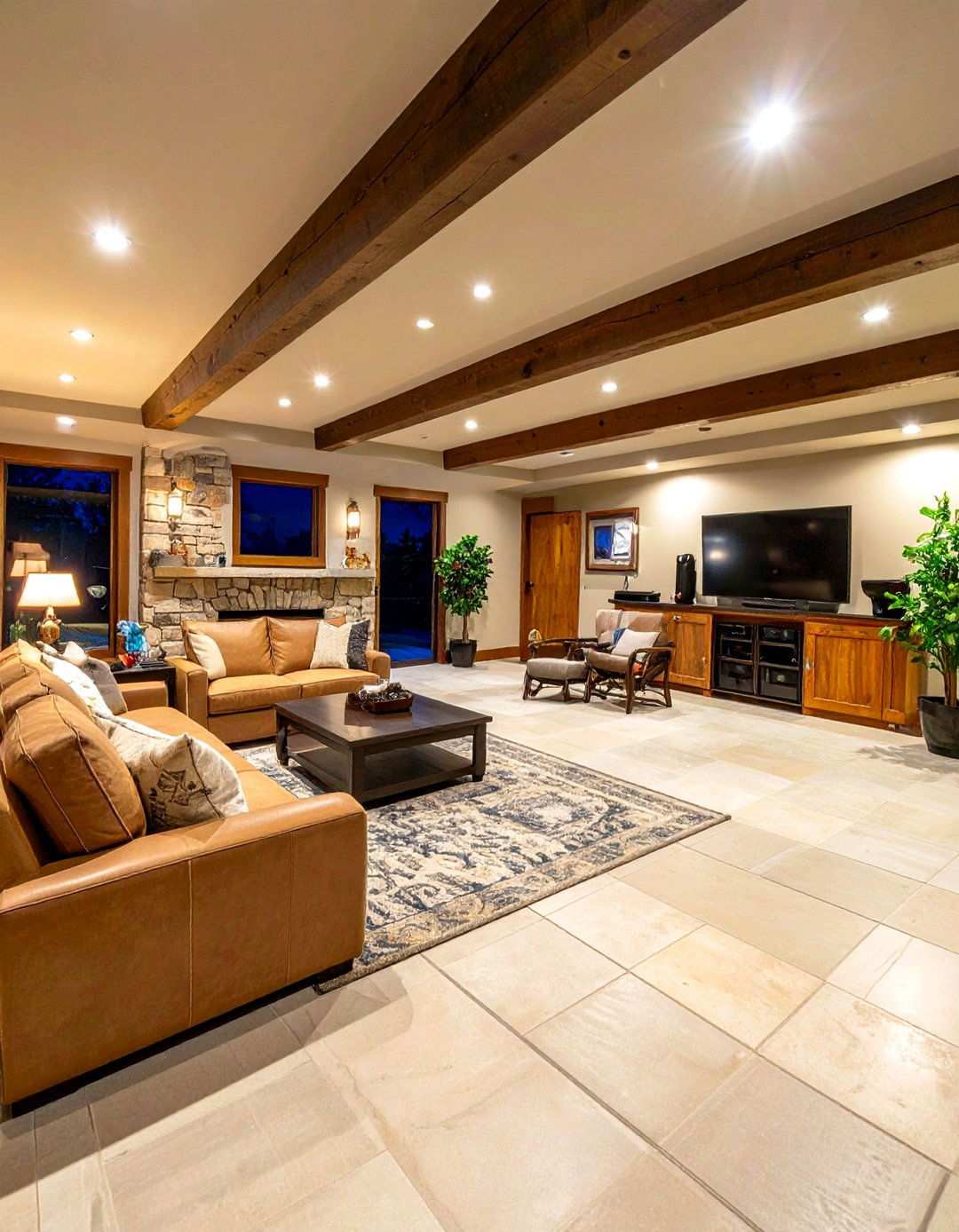
A basement’s versatility makes it a prime candidate for adapting to various purposes, depending on the household’s needs and the level of finishing. While unfinished basements serve as storage spaces for seasonal items, household equipment, and essential utilities like water heaters and HVAC systems, their finished counterparts become valuable living areas for leisure activities, such as recreation rooms, home theaters, or guest bedrooms. Proper moisture control, insulation, and well-designed lighting transform basements into comfortable and functional spaces, usable throughout the year. Additionally, smart storage solutions make the most of available space, ensuring both organization and easy accessibility. As a bonus, the basement’s isolation from the main living areas makes it an ideal spot for noisy activities, such as workshops, exercise rooms, or teen hangouts, which can be a welcome respite from the rest of the house. The basement’s ceiling height and natural light availability significantly influence its potential uses and the necessary improvements required for comfortable occupancy.
13. Attic
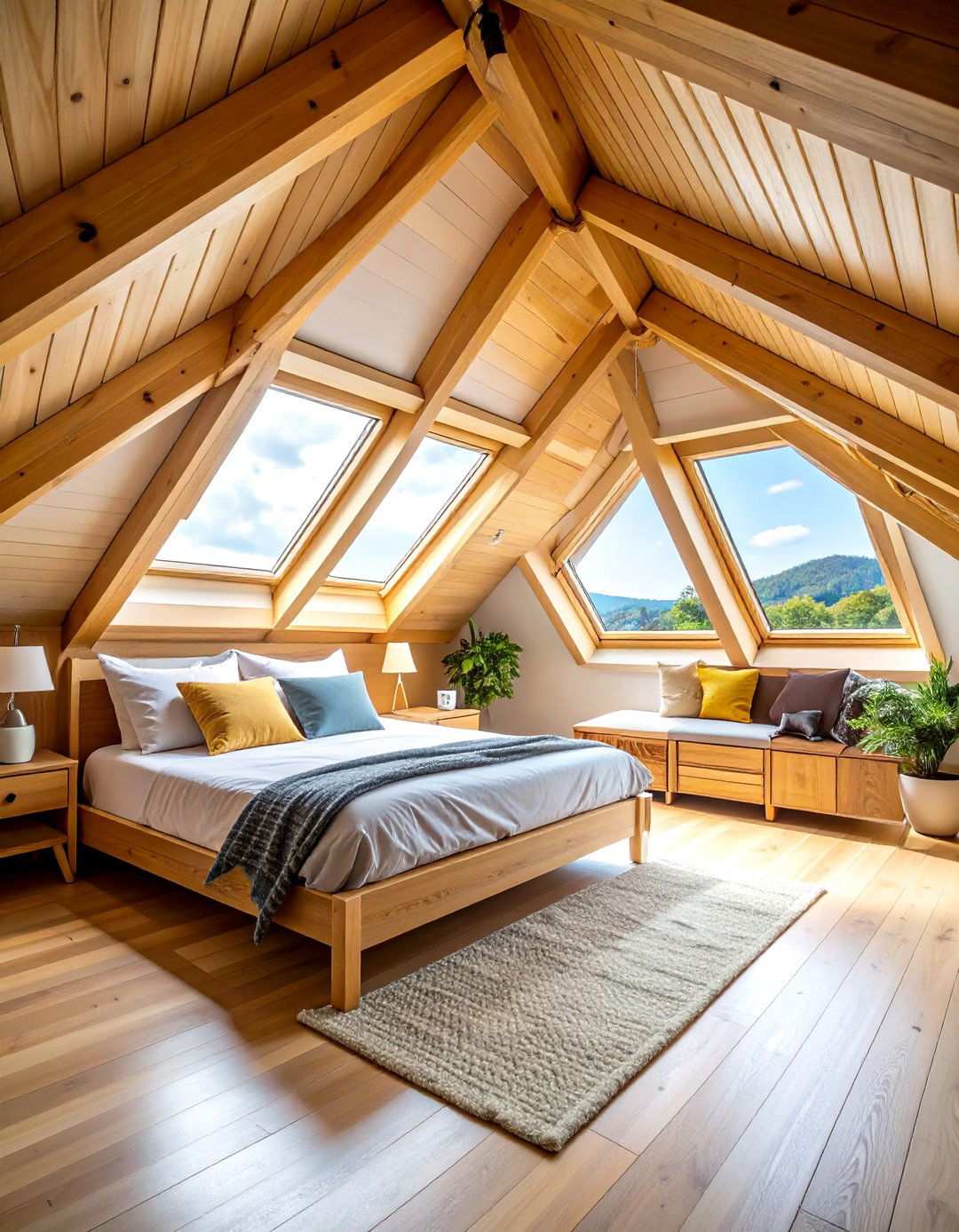
The attic offers a unique opportunity for a secluded retreat or an additional bedroom space. Located directly under the roof, it can be utilized for storage or converted into a charming living area. Storage attics are perfect for holding seasonal decorations, out-of-season clothing, family heirlooms, and items that are used infrequently. On the other hand, converted attics can become cozy bedrooms, home offices, or hobby rooms, boasting character features like sloped ceilings and dormers. To ensure comfort year-round, proper insulation and ventilation are crucial, while adequate flooring is necessary to support intended uses safely. The stairway access determines the convenience and safety of regular use versus occasional storage access. For low-ceiling areas, creative solutions like built-in storage or cozy reading nooks can be implemented to maximize the space’s potential. The attic’s separation from the main living areas provides much-needed privacy and quiet, making it an ideal spot for guests, teenagers, or work-from-home spaces.
14. Game Room
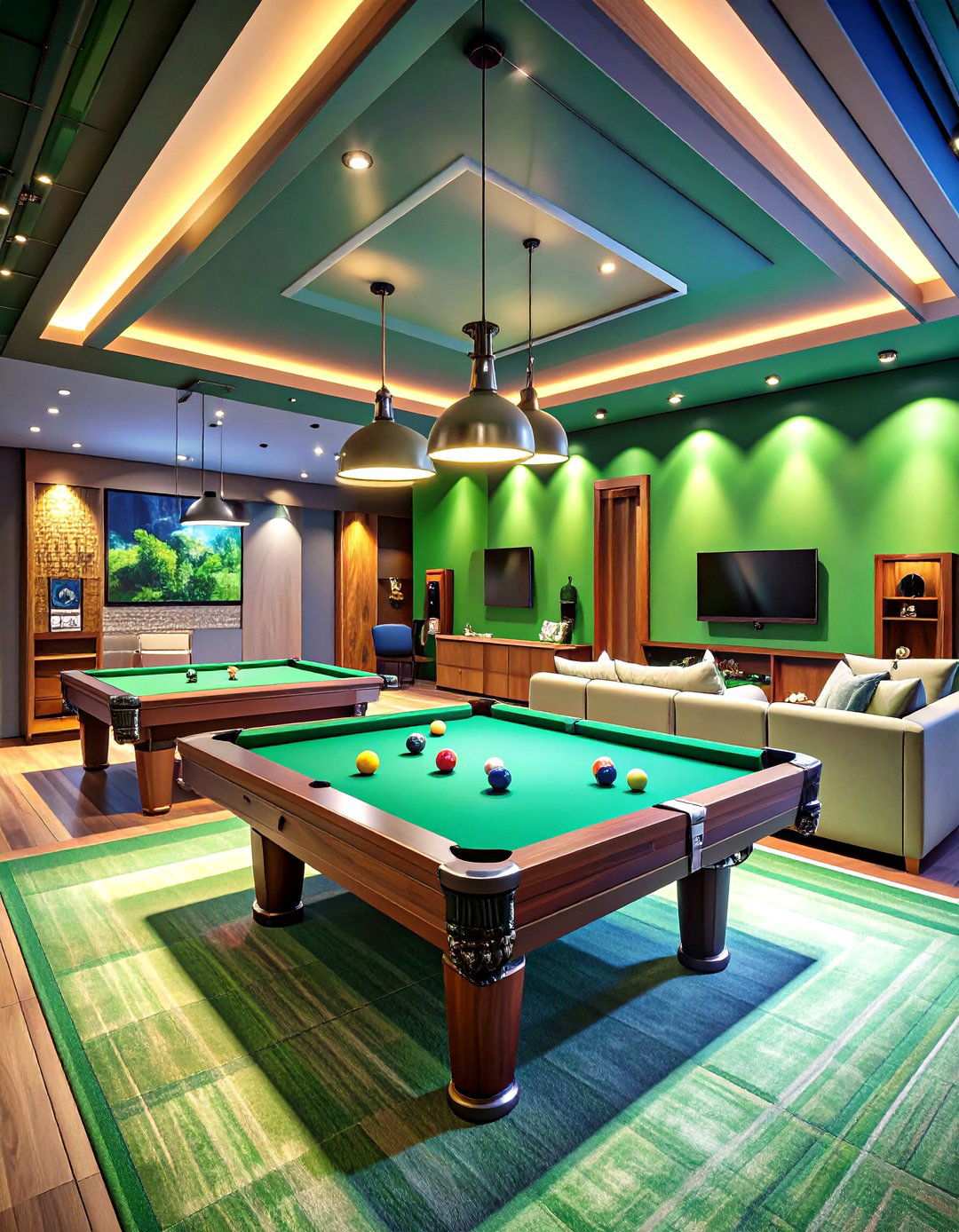
A game room creates a dedicated entertainment space where family and friends can gather for recreational activities and friendly competition. This space can accommodate various games, such as pool tables, air hockey, foosball, or arcade games, depending on interests and available space. Comfortable seating areas allow spectators to enjoy the action while providing rest spots between games. Effective storage solutions organize game supplies, extra equipment, and accessories, maintaining the room’s functionality. Proper lighting ensures good visibility for all gaming activities while creating an inviting atmosphere. Sound control prevents game noise from disturbing other household activities, making it easier for everyone to enjoy their time. The game room may incorporate a mini bar or snack area for extended entertainment sessions. Durable flooring handles heavy equipment and high activity levels while maintaining the room’s appearance and functionality.
15. Home Theater
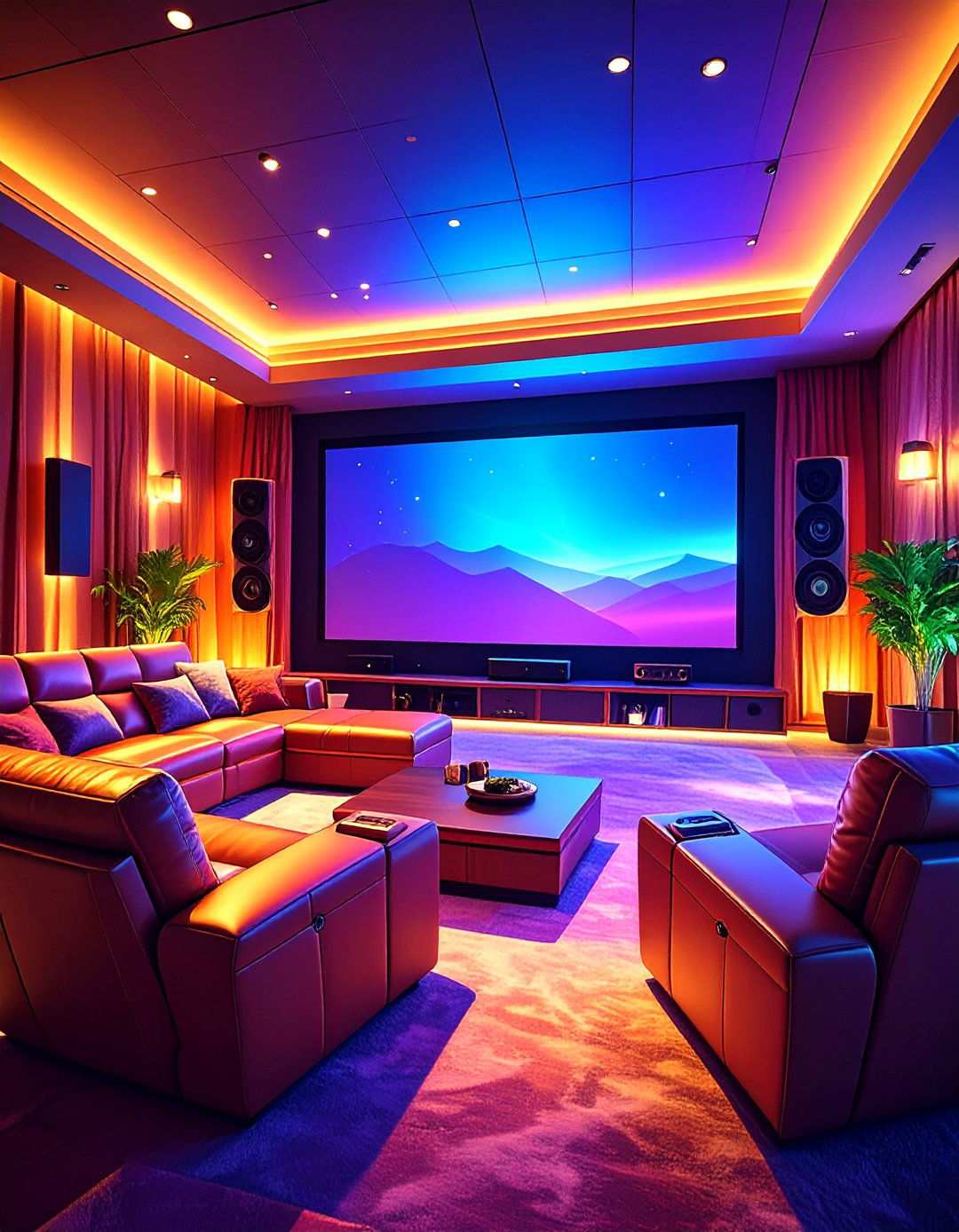
Creating a cinematic experience at home requires a thoughtful blend of cutting-edge technology and comfortable amenities. A high-quality home theater provides an immersive space for enjoying movies and entertainment, rivaling the sensory grandeur of commercial cinemas. Key elements include a large-format screen or projector, a surround sound system, and plush theater-style seating positioned for optimal viewing angles. Acoustic insulation ensures that external noise is minimized, while enhancing the internal audio experience. Lighting control systems enable the perfect ambiance, incorporating dimming capabilities and accent lighting that sets the tone for every occasion. Climate control guarantees comfort during extended viewing sessions, while storage solutions keep the room tidy, housing media collections, remote controls, and accessories. Some home theaters even incorporate concession areas with mini fridges or popcorn machines, elevating the movie experience to new heights.
16. Wine Cellar
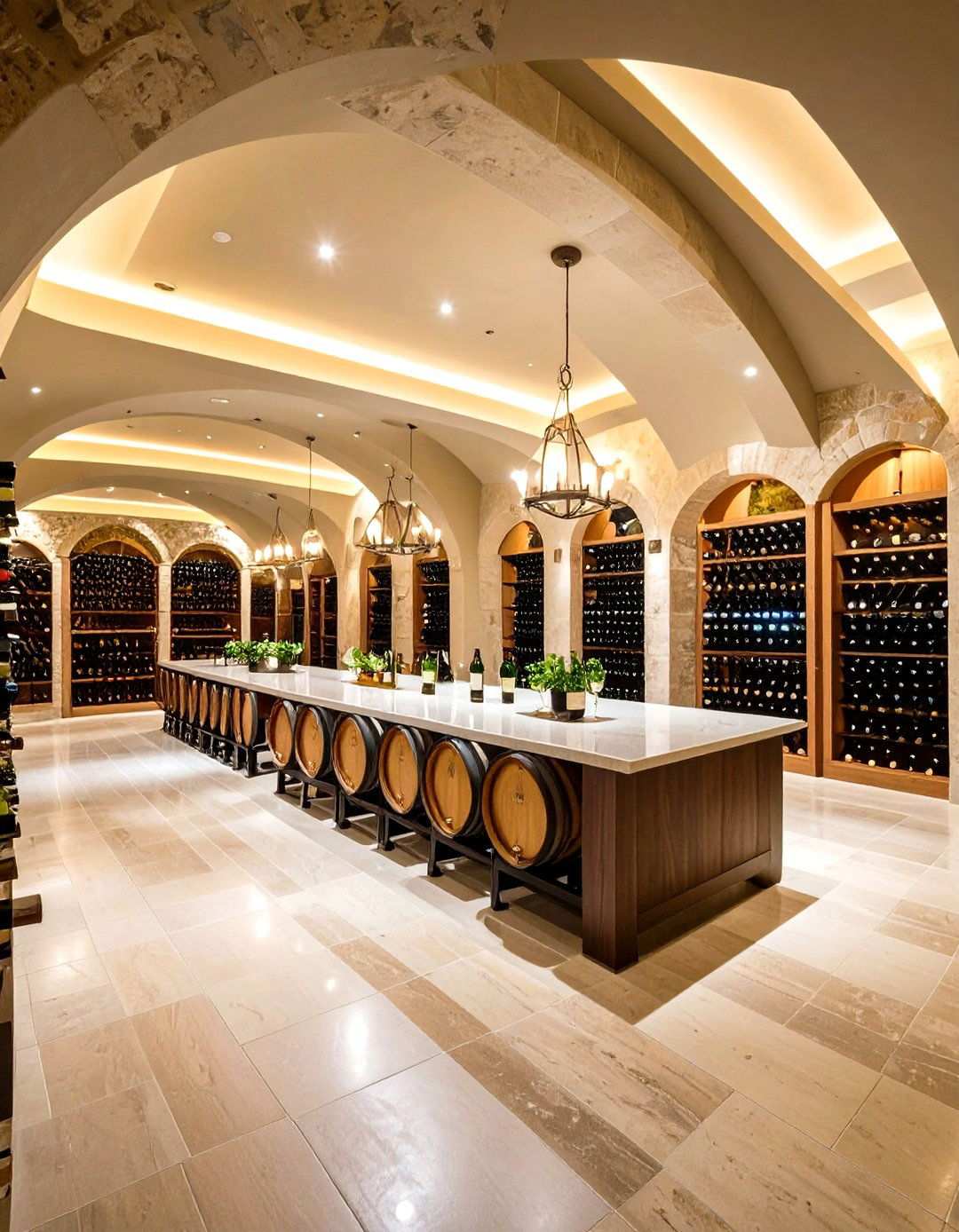
A wine cellar not only stores and preserves wine collections but also serves as a sophisticated space for wine tastings and social gatherings. Crucial to maintaining wine quality over time are temperature and humidity control systems, carefully calibrated to provide optimal storage conditions. Custom-designed wine racks accommodate bottles of various sizes, ensuring organized storage and effortless selection. To safeguard wine from damaging UV rays, proper lighting is essential, while also providing ample illumination for label reading and wine appreciation. Flooring materials must be able to handle moisture and maintain stable temperatures, ensuring the cellar remains a haven for wine enthusiasts. Tasting areas with counters or tables invite friends and family to sample and enjoy the wine collection, while security features protect valuable assets. Ventilation systems maintain air quality, and the incorporation of materials like stone, wood, or other natural elements enhances the sophisticated atmosphere while supporting the room’s functional requirements.
17. Library
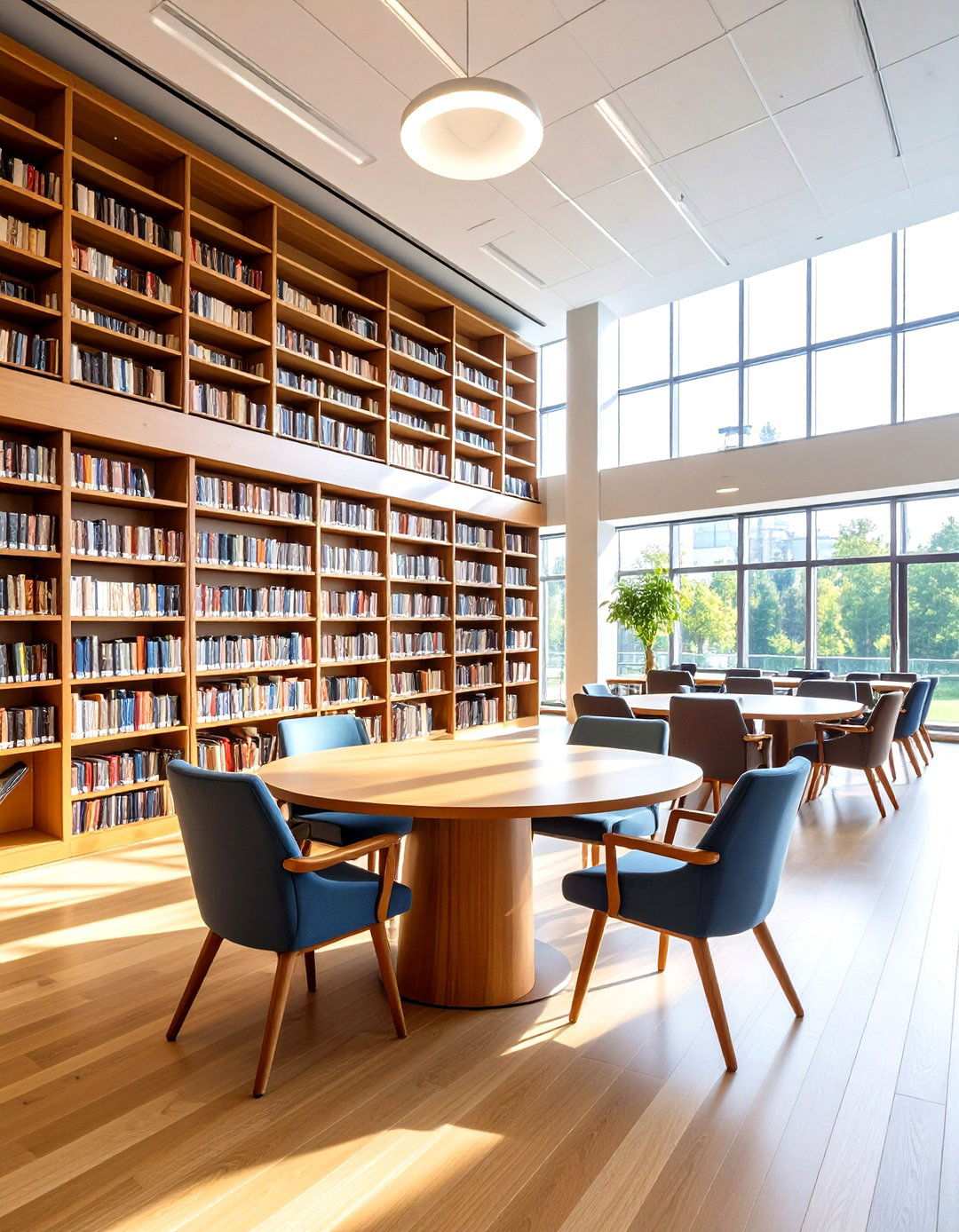
A personal library serves as a serene sanctuary for reading, research, and intellectual pursuits, offering a unique blend of comfort and functionality. To create the perfect environment, a library requires a thoughtful balance of storage, seating, and lighting. Floor-to-ceiling bookshelves maximize storage capacity, while also creating an impressive visual statement. Comfortable seating options, such as reading chairs, window seats, or study desks, cater to diverse reading preferences and activities. Effective lighting combines natural light with task-specific illumination, ensuring a comfortable reading experience without eye strain. Organization systems enable easy categorization and location of books, maintaining the collection’s accessibility. Climate control safeguards books from humidity and temperature fluctuations that can cause damage, while quiet acoustics and minimal distractions create an environment conducive to concentration and learning. The library may also include writing desks, computer workstations, or reference areas, making it an ideal space for research and intellectual exploration.
18. Crafting Sanctuary
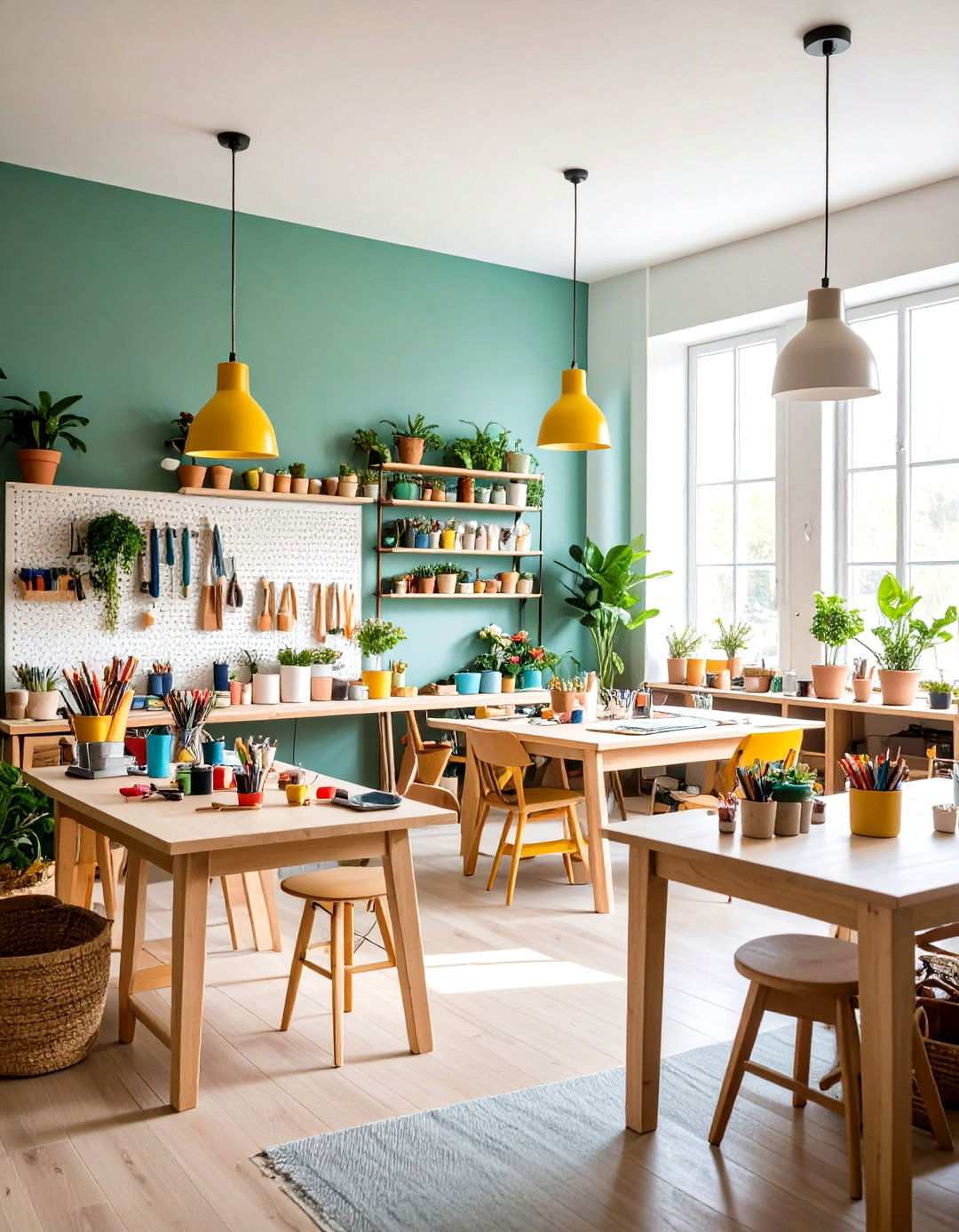
A well-designed craft room fosters creativity and productivity by providing ample space for various hobbies and pursuits. This dedicated area for sewing, scrapbooking, painting, and woodworking is equipped with thoughtfully selected storage solutions, including shelves, drawers, pegboards, and specialized organizers tailored to specific materials. Generous work surfaces enable seamless project expansion while ensuring organization and accessibility. Optimal lighting conditions, characterized by good luminescence and color accuracy, alleviate eye strain and enable precise detail work. Effective ventilation systems safely manage fumes from paints, adhesives, and other materials, while easy-to-clean surfaces and flooring efficiently handle spills and messes that often accompany creative activities. By striking a balance between inspiration and organization, the craft room design empowers users to explore their artistic potential without compromising functionality.
19. Sunlit Oasis
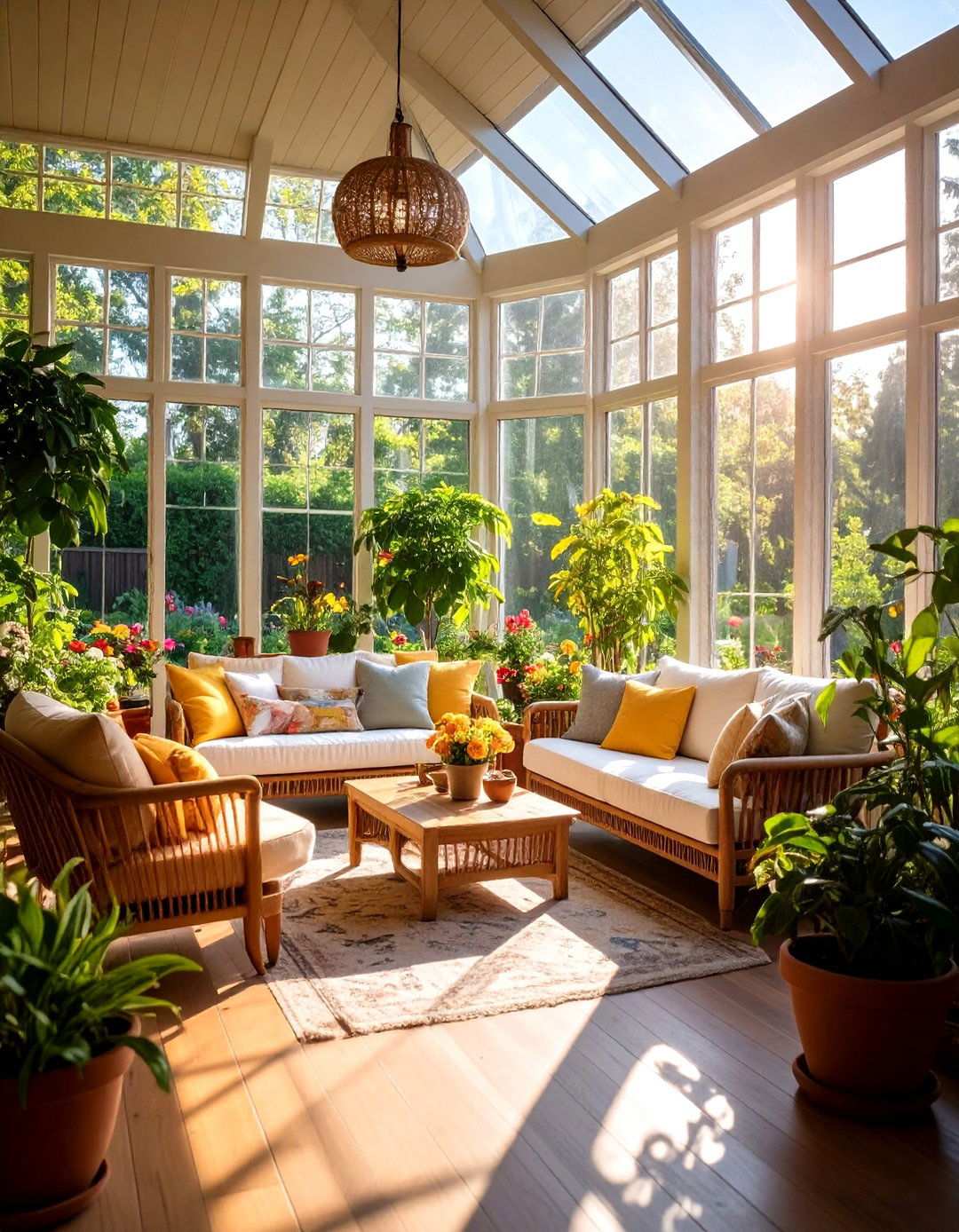
What makes a sunroom the ultimate haven for appreciating natural light and outdoor vistas? The sunroom’s defining feature is its expansive windows or glass walls, which maximize natural illumination and provide breathtaking views of the surrounding environment. Climate control systems ensure a consistent and comfortable indoor atmosphere, regardless of the changing seasons, while maintaining an seamless connection to the outdoors. Selecting furniture that withstands sun exposure while prioritizing comfort and relaxation is crucial. Flooring materials must be capable of handling temperature fluctuations and potential moisture from condensation. As a multi-functional space, the sunroom serves as a casual dining area, reading nook, entertainment space, or a serene retreat for savoring morning coffee in the warmth of natural light. The abundant sunlight also creates an ideal environment for indoor gardens, where plants thrive and contribute to an enhanced outdoor connection. Window treatments provide essential privacy and sun control when needed, preserving the room’s airy atmosphere.
20. Mechanical Hub
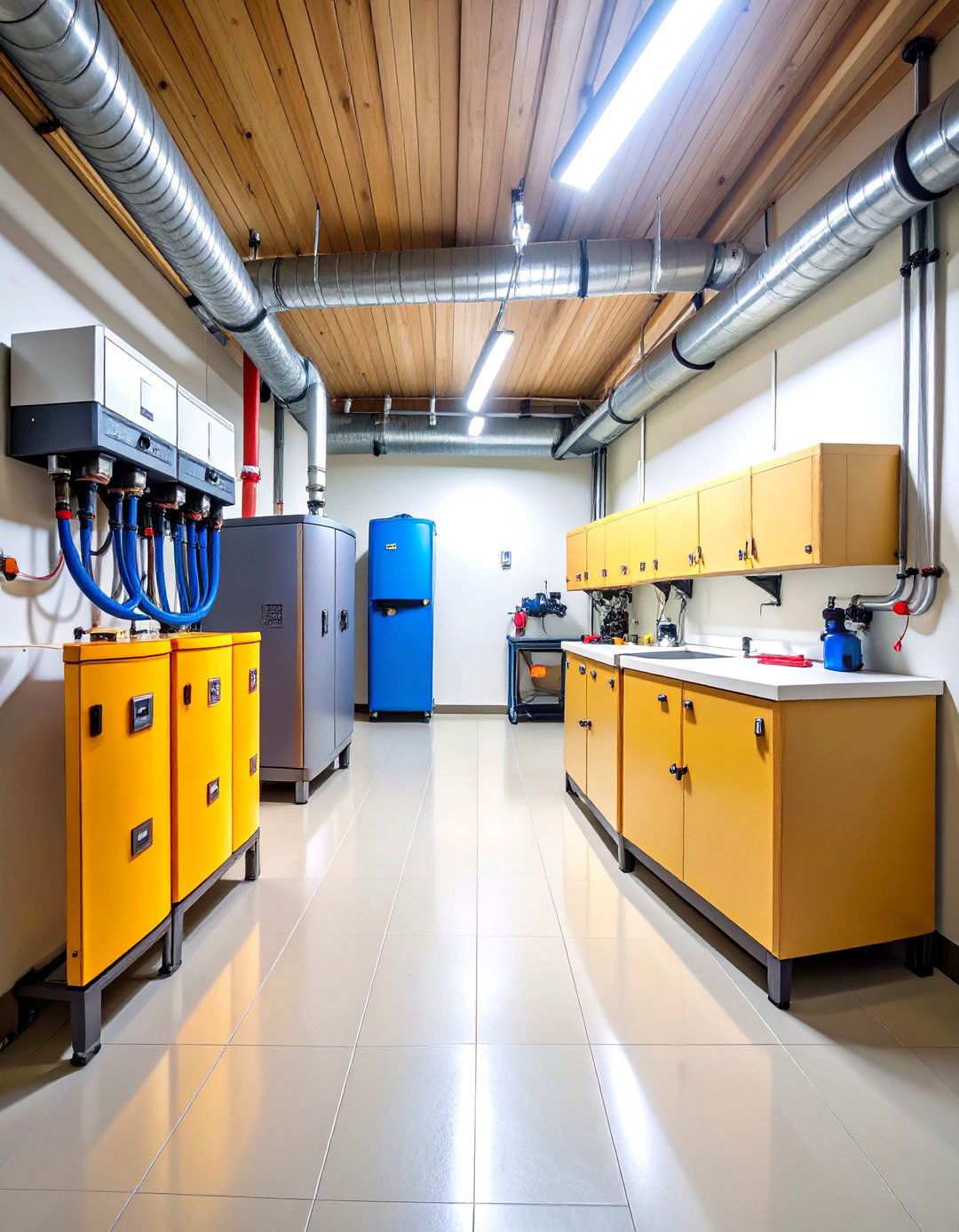
The utility room serves as the backbone of the home, housing essential systems and equipment while providing a designated workspace for maintenance and repairs. Key components such as HVAC equipment, water heaters, electrical panels, and other mechanical systems demand organized placement with convenient access for maintenance and upkeep. Ample storage solutions accommodate tools, spare parts, and household supplies in organized systems that maintain accessibility. Work surfaces offer ample space for repairs, maintenance tasks, and household projects. To maintain air quality in the confined space, proper ventilation is crucial, handling equipment heat and preventing stagnation. Safety features, including proper lighting, non-slip flooring, and clear pathways, are essential in ensuring a secure environment. The utility room design prioritizes functionality while maintaining organization that supports efficient home maintenance. Strategic placement of shut-off valves and emergency controls guarantees safety and swift response to household emergencies.
21. A Sanctuary Among the Glass Walls
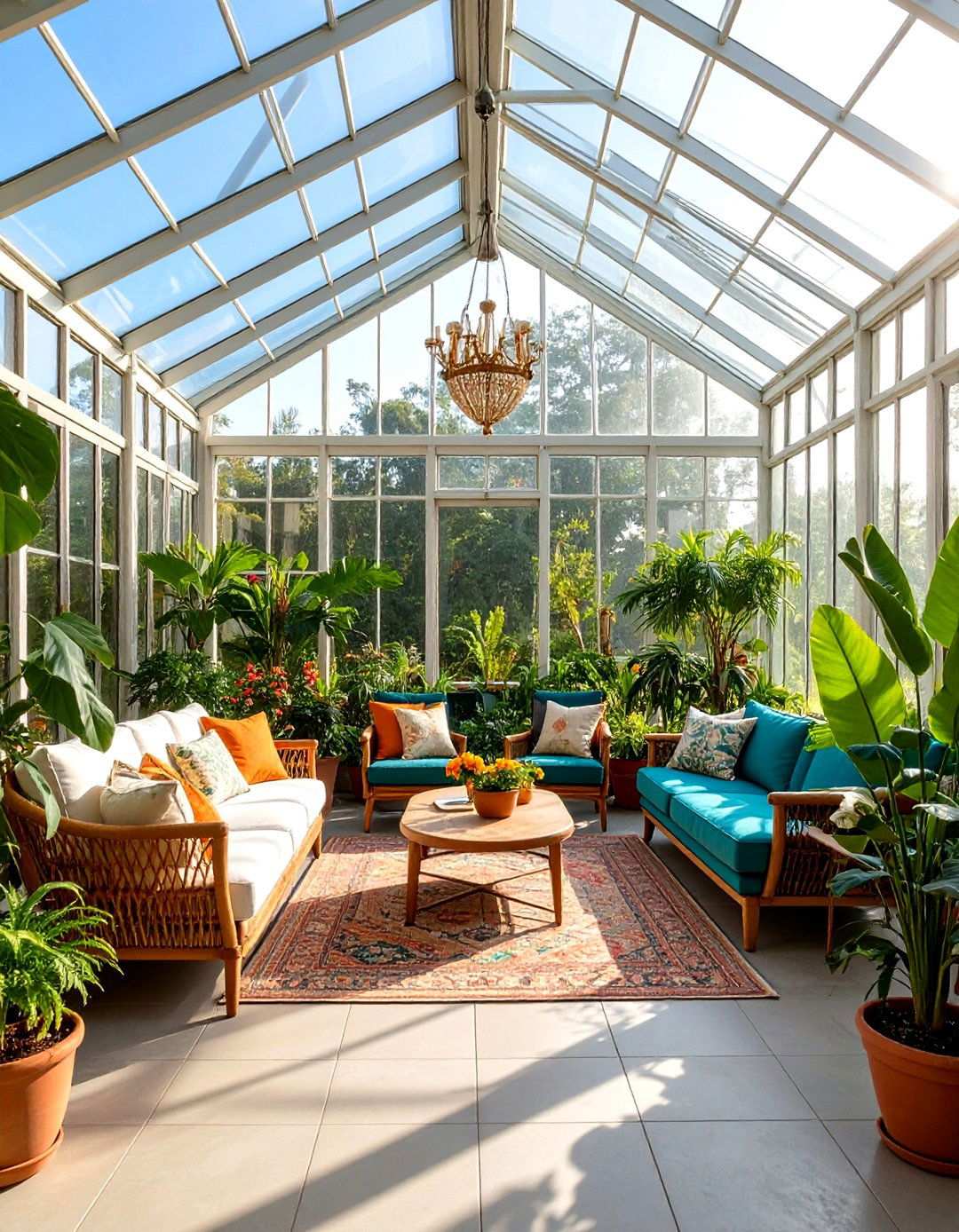
Imagine yourself enveloped in a tranquil, sun-drenched environment that seamlessly connects you to nature’s rhythms year-round. The conservatory’s glass façade and roofing create a lush, greenhouse-like atmosphere perfect for nurturing plants and unwinding. Sophisticated climate control systems maintain an ideal temperature, supporting plant growth throughout the seasons while ensuring human comfort. When selecting furniture, attention is given to temperature fluctuations and humidity levels to provide ultimate comfort for occupants. This versatile space can serve multiple purposes, from cultivating plants to hosting casual gatherings, reading nooks, or enchanting dining experiences amidst a unique natural setting. Efficient drainage systems expertly manage condensation and watering needs, safeguarding the structure and surrounding areas. Meanwhile, ventilation controls delicately balance temperature and humidity levels for both human comfort and plant well-being. By bridging the boundaries between indoors and outdoors, the conservatory design evolves with the seasons and the passage of time, creating a captivating sanctuary.
22. A Gym Without Leaving Home
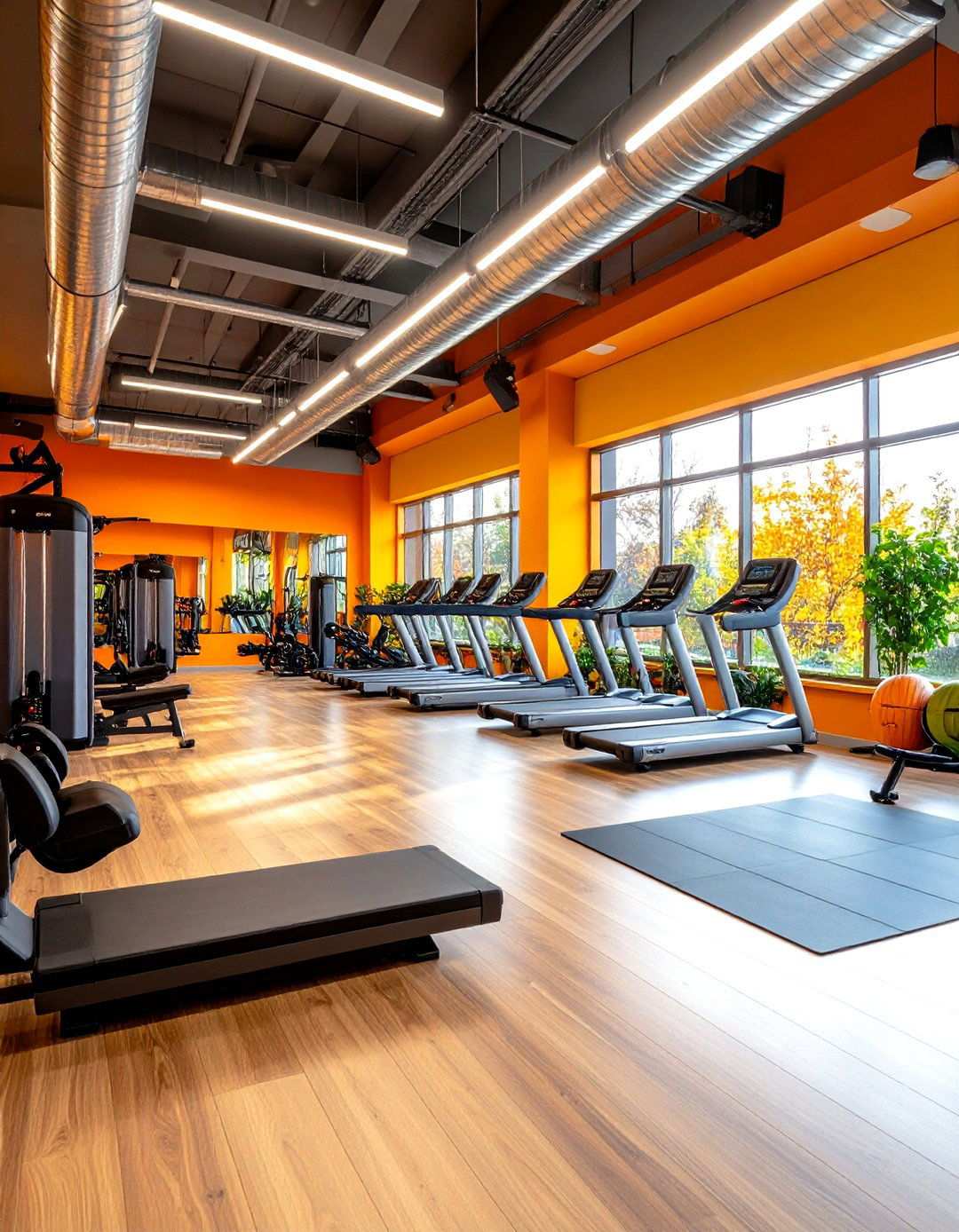
The exercise room offers a dedicated, state-of-the-art fitness space that eliminates the need for gym memberships, providing unparalleled convenience and accessibility. High-quality flooring not only protects the equipment and the underlying structure but also ensures safe surfaces for an array of exercises. Advanced ventilation systems meticulously manage heat and humidity generated during workouts, guaranteeing optimal air quality and comfort. Strategically designed equipment storage maintains the space’s organization and prevents damage to valuable fitness machines. Mirrors not only enhance safety and form checking but also create an expansive, professional atmosphere. Integrated audio and visual entertainment systems help sustain motivation during extended workout sessions. Ideally, the exercise room should accommodate both cardio and strength training equipment while leaving ample space for stretching and floor exercises. Additionally, safety features such as proper lighting and emergency communication access are thoughtfully incorporated.
23. The Ultimate Poolside Oasis
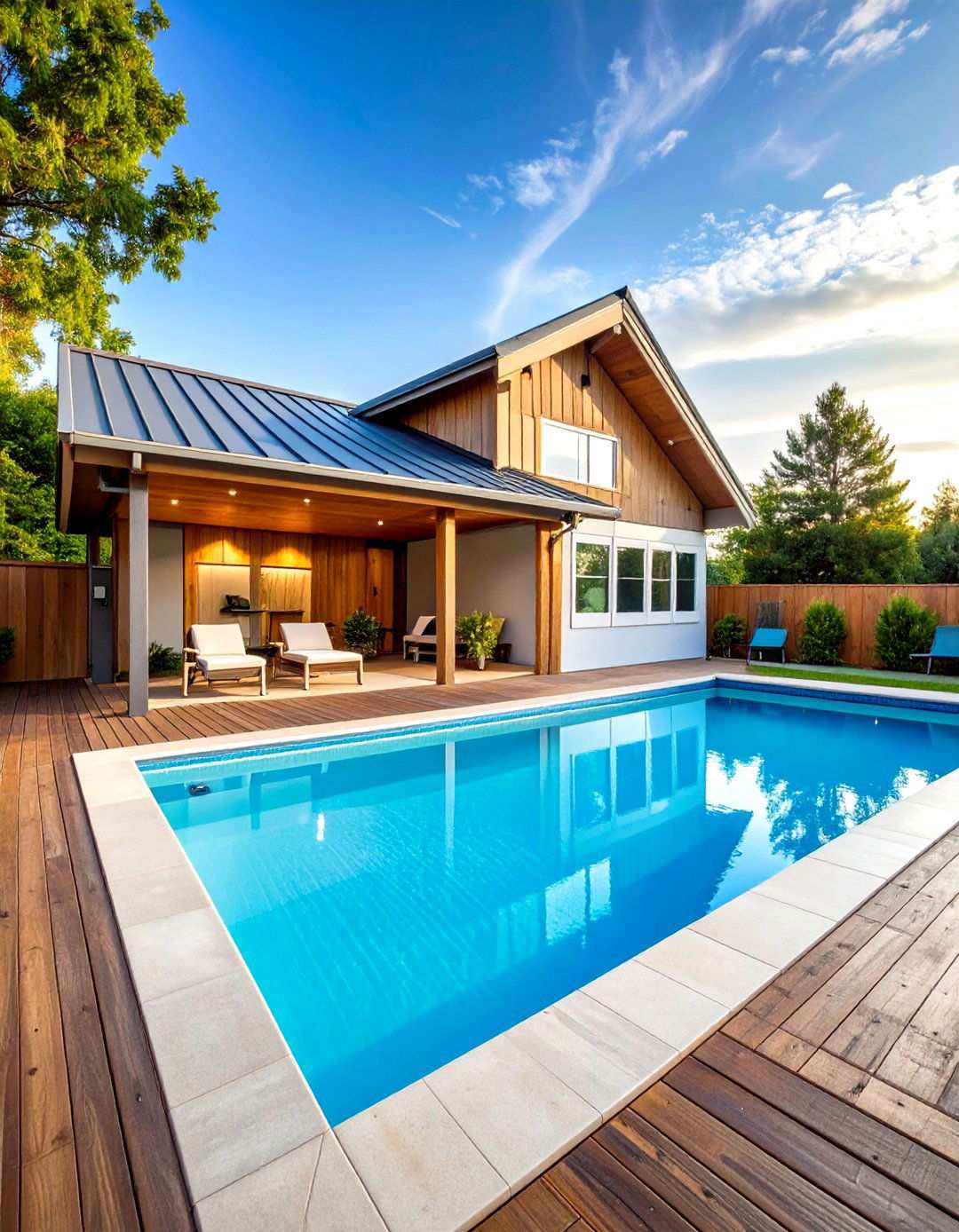
What makes a pool house the ultimate haven for relaxation and entertainment? This indispensable support facility complements swimming pool activities and outdoor gatherings with style and sophistication. Changing rooms provide discreet, private spaces for swimmers while shielding indoor areas from wet clothing and towels. Convenient bathroom facilities with showers cater to pool users without requiring access to the main house. Storage areas organize pool maintenance equipment, toys, and seasonal furniture with ease. Entertainment areas featuring seating and kitchenette facilities support pool parties and gatherings with flair. Climate control ensures comfort during use, regardless of the weather conditions. The pool house design often reflects outdoor living themes, providing full protection from the elements. Enhanced amenities might include outdoor kitchens, bars, or lounge areas that extend entertainment possibilities, creating an unforgettable experience.
24. Enhancing Household Organization through Storage Solutions

Designing an efficient storage room is crucial for maintaining household organization, protecting valuable belongings, and reducing clutter throughout the home. Effective storage solutions ensure that household items, seasonal decorations, and infrequently used items are organized in a way that balances accessibility and protection.
Shelving systems play a vital role in accommodating items of varying sizes and weights while maximizing vertical space utilization. This approach not only optimizes storage capacity but also promotes a clutter-free environment. Organization methods, such as labeled containers, clear storage bins, and a systematic arrangement, facilitate easy retrieval and minimize the time spent searching for stored items.
Climate control systems protect stored items from the detrimental effects of humidity, temperature extremes, and pests that can cause irreparable damage. Adequate lighting is essential for safely locating and accessing stored items, ensuring that household members can retrieve items without risk. Furthermore, security measures safeguard valuable stored items while maintaining appropriate access levels, providing peace of mind for household members.
Inventory systems enable households to track stored items, preventing unnecessary purchases of forgotten items and ensuring that resources are utilized efficiently. By striking a balance between maximum capacity and accessibility, the storage room design ensures that stored items remain usable and protected, ultimately contributing to a more organized and clutter-free household.