1. Cultivating Serenity: Design Elements in Therapy Spaces
Developing a therapeutic environment that nurtures both client and therapist comfort requires deliberate consideration of every design element. The physical space plays a pivotal role in shaping the tone of therapy sessions, influencing the effectiveness of treatment and the depth of emotional breakthroughs. A well-crafted therapist room transcends its function as a workspace, becoming a sanctuary where healing conversations unfold and meaningful connections are forged. By thoughtfully incorporating calming color palettes, carefully selected furniture arrangements, and other design choices, therapists can establish trust and promote relaxation. Modern therapeutic spaces masterfully blend professional aesthetics with inviting, warm elements that create a sense of safety and support, allowing clients to feel at ease and supported throughout the therapeutic process.

As an Amazon Associate I earn from qualifying purchases.
2. Harmonizing Nature and Design
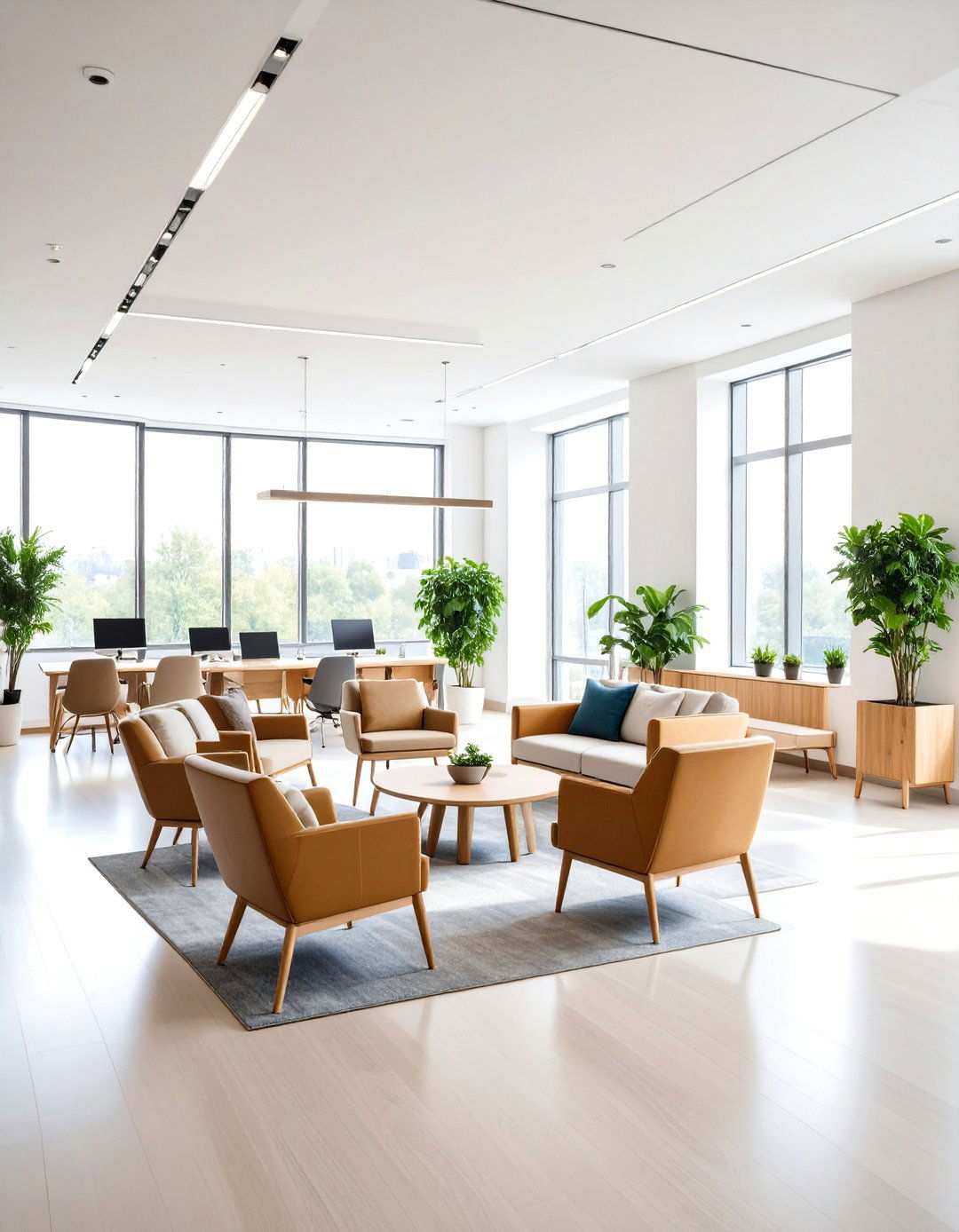
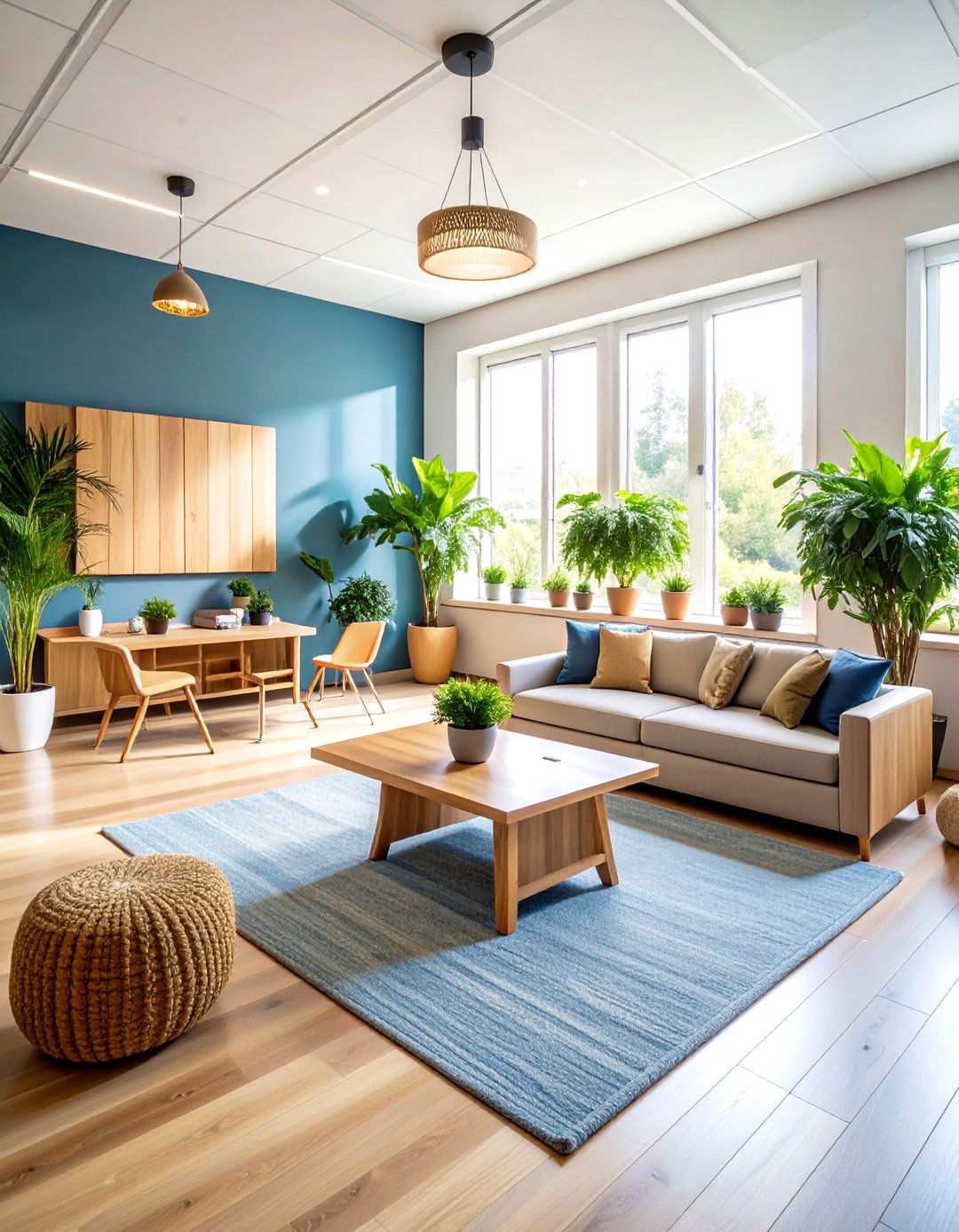
Creating a biophilic therapy environment involves thoughtfully integrating living plants, natural wood furnishings, and organic textures throughout the space to foster a sense of connection with nature. Strategically placed large plants, such as fiddle leaf figs or rubber trees, near windows not only improve air quality but also serve as visual anchors, grounding the space. Natural wood furniture pieces, such as a live-edge coffee table and bamboo shelving, add warmth to the space while complementing neutral wall colors. The addition of woven jute rugs and linen throw pillows provides tactile comfort in seating areas, encouraging clients to relax and unwind. Natural lighting streaming through large windows is supplemented by warm LED fixtures that mimic sunlight patterns, creating a soothing atmosphere that promotes stress reduction and emotional healing. The incorporation of stone or ceramic planters housing various greenery, from cascading pothos to structured snake plants, further enhances the garden-like atmosphere, inviting clients to connect with the natural world and find solace.
3. Harmonious Earth Tones as Therapeutic Sanctuary
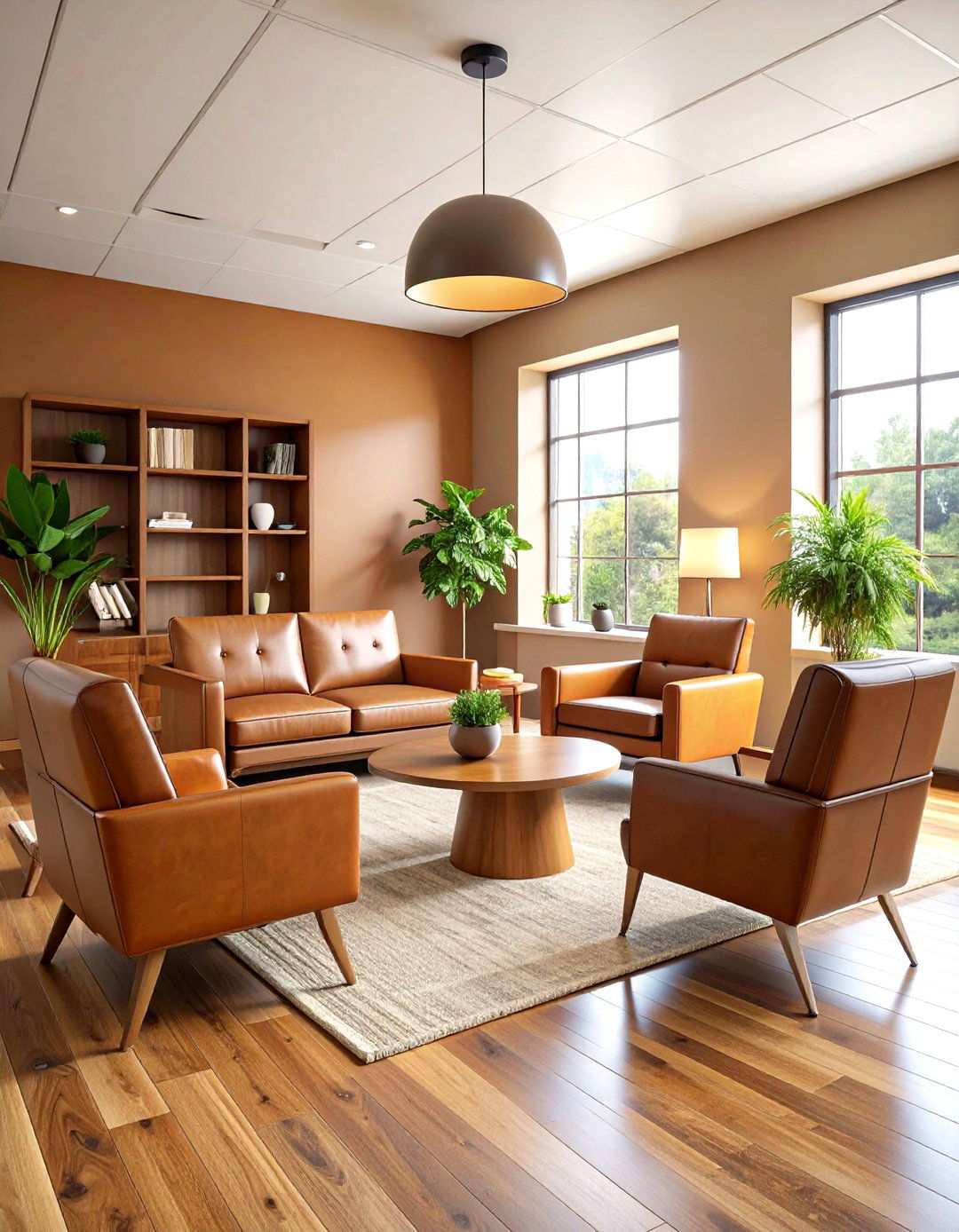
Soothing spaces crafted with earthy tones, such as rich browns, muted oranges, and warm taupes, effectively create a sense of grounding and stability. Luxurious chocolate brown leather seating provides durability, while cognac-colored wood furniture brings a natural warmth to the room. The inviting texture of rust and cream-colored throw blankets further promotes relaxation and comfort. The organic charm of terra cotta pottery, adorned with dried grasses and branches, brings the outdoors in, while warm amber lighting creates a cozy ambiance throughout the day. Geometric area rugs in earthy tones define conversation areas and add visual interest, naturally fostering feelings of security and emotional grounding. This calming environment makes clients feel centered and supported during challenging therapeutic work.
4. Scandinavian Therapy Spaces: Embracing Hygge Comfort
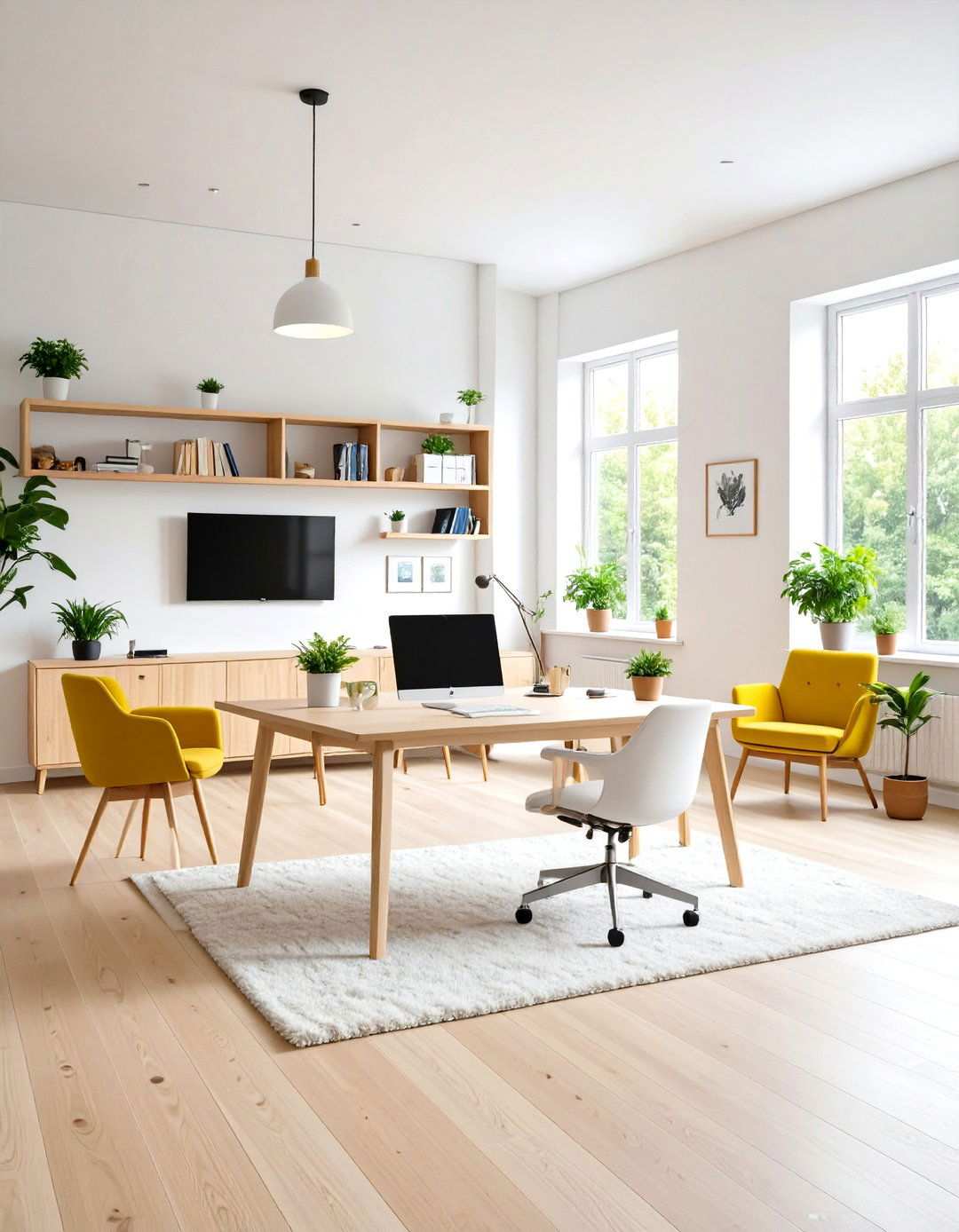
Scandinavian-inspired therapy rooms combine functionality with cozy elements, creating an atmosphere of hygge comfort. Light woods, soft textures, and calming colors come together to promote wellbeing. Blonde wood furniture, including a simple desk and floating shelves, creates an airy feel against white or pale gray walls. The addition of sheepskin throws draped over comfortable seating adds a touch of warmth, while knitted pillows in cream and soft blue introduce textural interest. A simple pendant light fixture provides focused illumination, complemented by the natural light from large windows. The minimalist approach to artwork, featuring nature photography or simple line drawings, maintains the clean aesthetic. This design encourages clients to feel relaxed and at home while maintaining professional boundaries and therapeutic focus.
5. Serene Zen Environments for Mindfulness
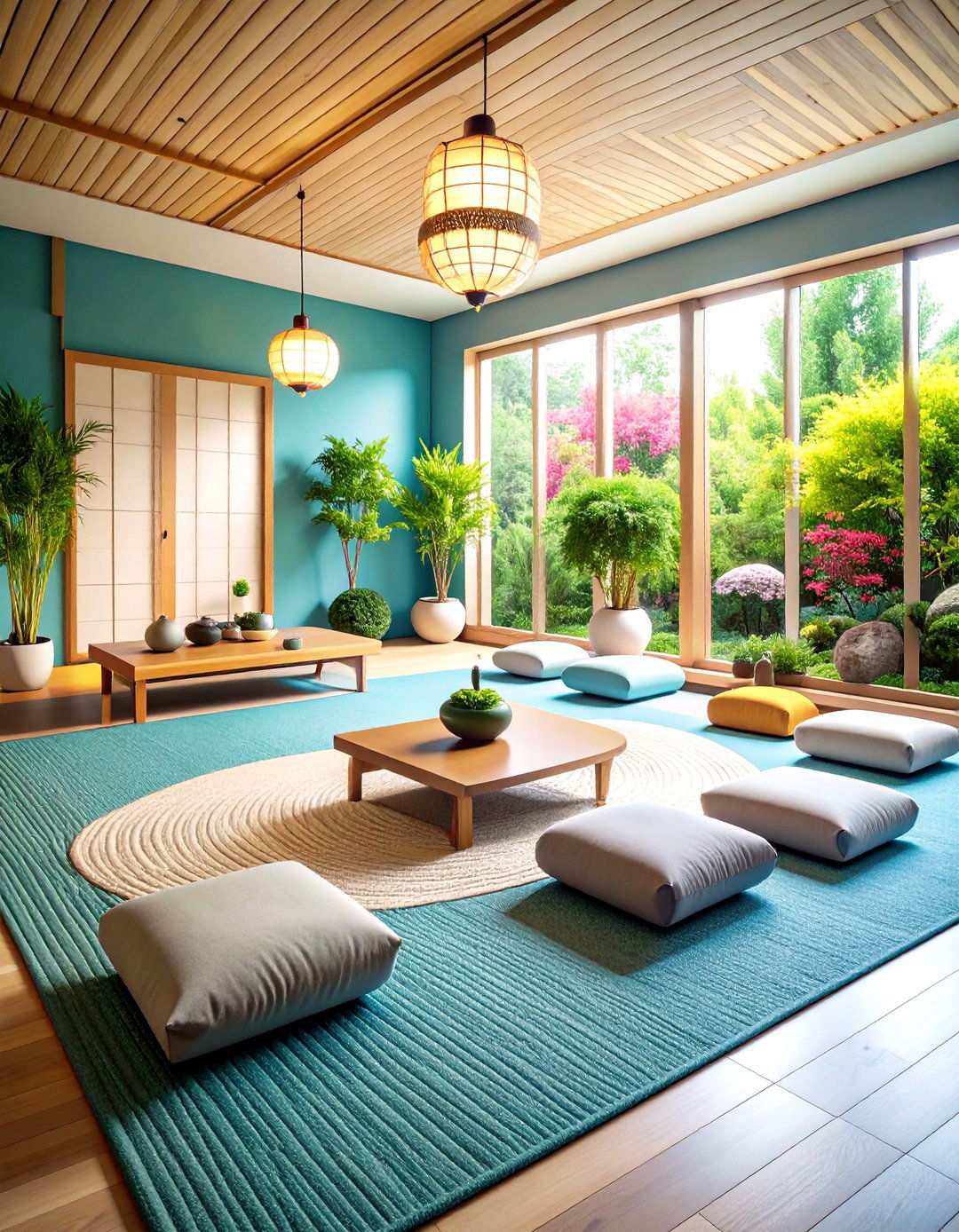
A zen-inspired therapy room incorporates elements of meditation, clean lines, and natural materials to promote inner peace and reflection. Low-profile furniture in dark wood creates intimate seating arrangements, drawing clients in and fostering connection. A small tabletop sand garden serves as a calming focal point, while bamboo room dividers subtly separate areas without blocking light flow. Floor cushions offer alternative seating options for clients who prefer ground-level comfort. Soft uplighting illuminates textured wall panels, creating gentle shadows and depth. The soothing sound of a small water feature provides a subtle background noise, helping to mask external distractions. By eliminating distractions and promoting a sense of calm, these environments allow clients to focus inward and engage more deeply with their therapeutic process while feeling spiritually grounded.
6. Coastal Therapy Room Theme
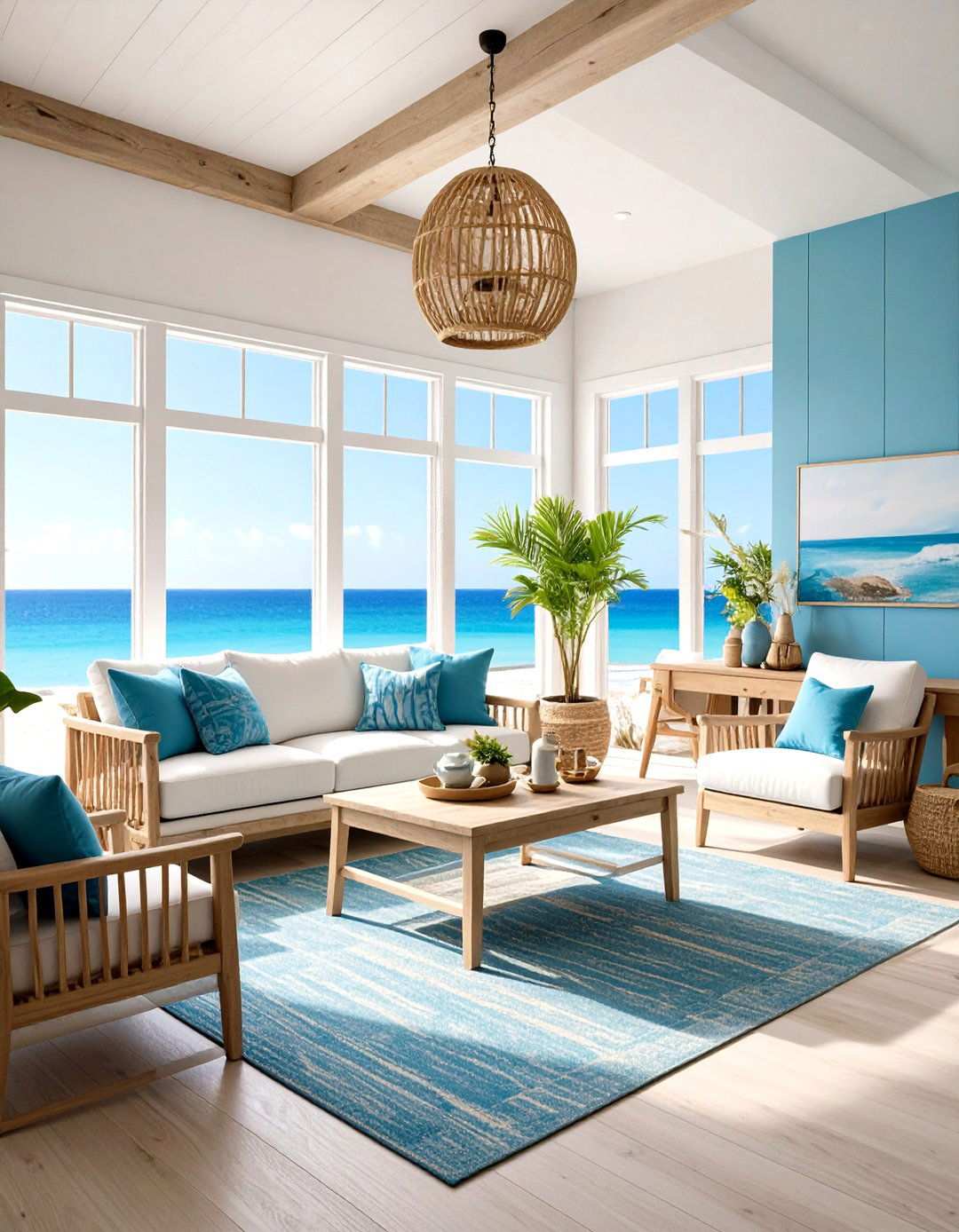
A tranquil retreat reminiscent of the seaside, coastal therapy spaces seamlessly blend soothing colors and textures to foster a sense of calm. Blues, whites, and neutral sand tones converge to create a serene ambiance, where natural light pours in through sheer white curtains, casting a gentle, breezy glow. Weathered wood furniture and rope accents evoke the comforting familiarity of a beachside haven, while coral and seashell decorative elements add an organic, whimsical touch. Navy blue accent pillows on cream upholstery strike a delicate balance between color and restraint, preventing the space from feeling overwhelming. Natural fiber rugs in ocean-inspired patterns ground the seating areas, providing a sense of stability and calm. Artwork featuring abstract ocean scenes or beach photography reinforces the coastal theme, transporting clients to a peaceful seaside retreat where anxiety is soothed and emotional openness is encouraged.
7. Industrial Modern Therapy Space
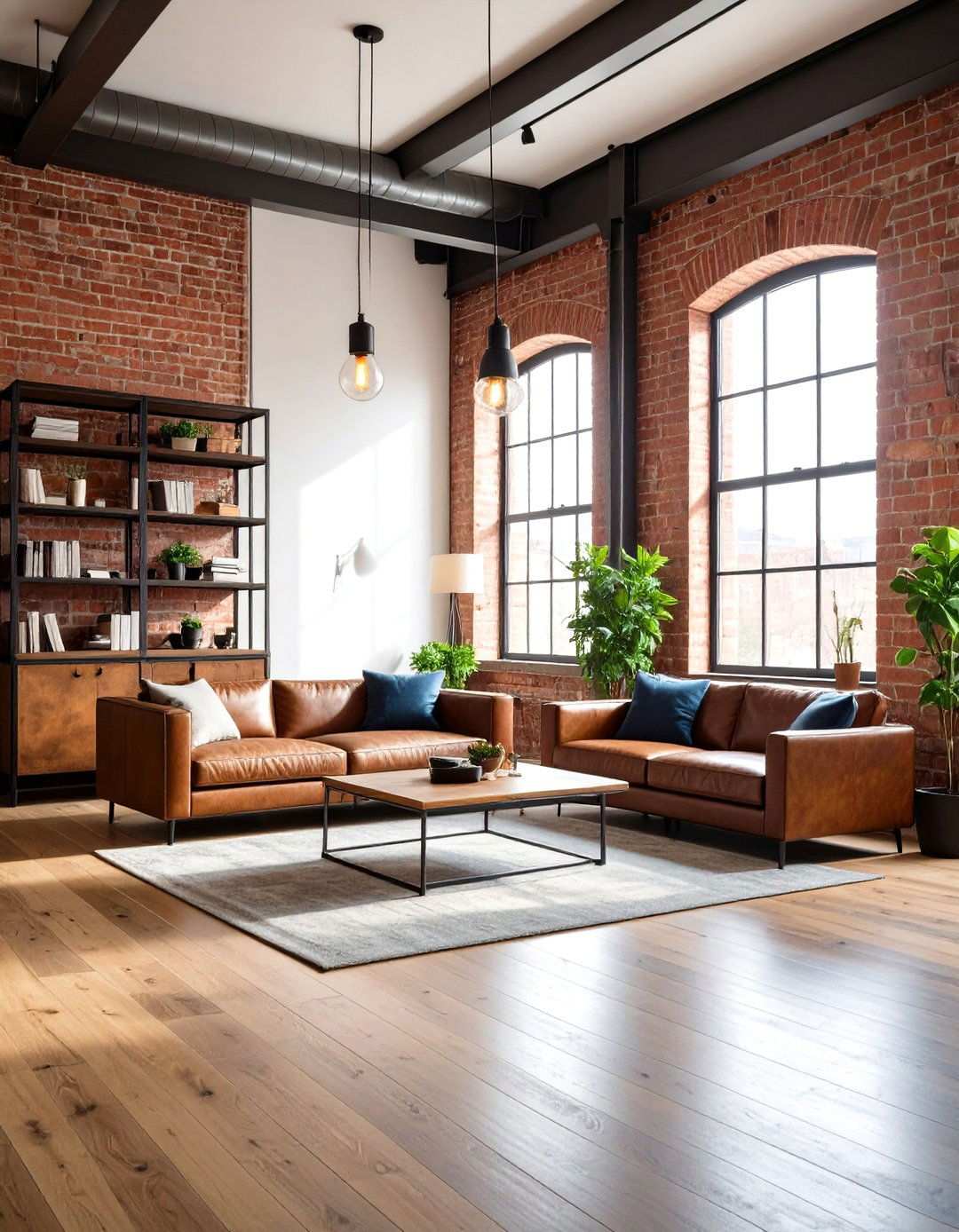
Urban environments meet therapeutic comfort in industrial therapy rooms, where raw materials and contemporary design converge to create sophisticated, modern spaces. Exposed brick walls provide a textured backdrop for polished concrete floors, while steel and wood furniture adds an industrial edge. Edison bulb fixtures warm up the space with soft, ambient light, tempering the harder architectural elements and creating a cozy atmosphere. Leather seating in rich brown or black exudes durability and a sense of professionalism, while metal shelving displays books and plants, combining functionality with aesthetic appeal. Large factory-style windows flood the space with natural light, maintaining the industrial character while illuminating the design. For clients who appreciate the beauty of modern aesthetics, this space provides a comfortable, welcoming environment that feels both current and timeless.
8. Mid-Century Modern Therapy Office
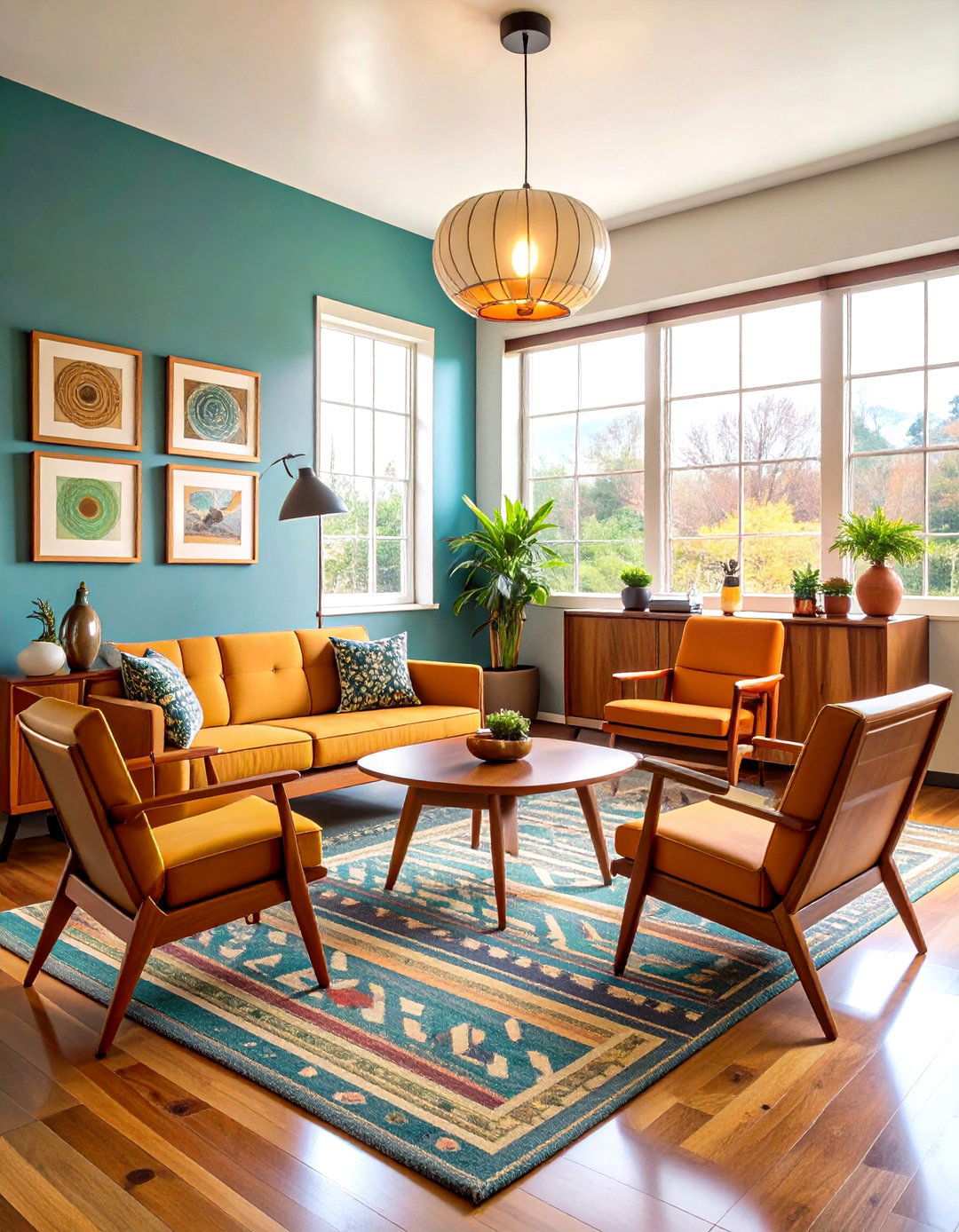
Inspired by the design of a bygone era, mid-century modern therapy rooms feature iconic furniture pieces, warm wood tones, and geometric patterns from the 1950s and 1960s. Teak furniture with clean lines creates sophisticated seating arrangements, while colorful accent pillows in mustard yellow or teal inject a burst of period-appropriate color. Starburst light fixtures and atomic-inspired artwork reinforce the vintage aesthetic, infusing the space with a sense of nostalgia and playfulness. Area rugs with geometric patterns define conversation spaces and add a touch of visual warmth, while built-in shelving displays decorative objects and books in organized arrangements. The result is a design that creates comfortable familiarity for many clients, promoting both relaxation and engagement, making therapeutic conversations feel more natural and less clinical.
9. Bohemian Eclectic Therapy Room
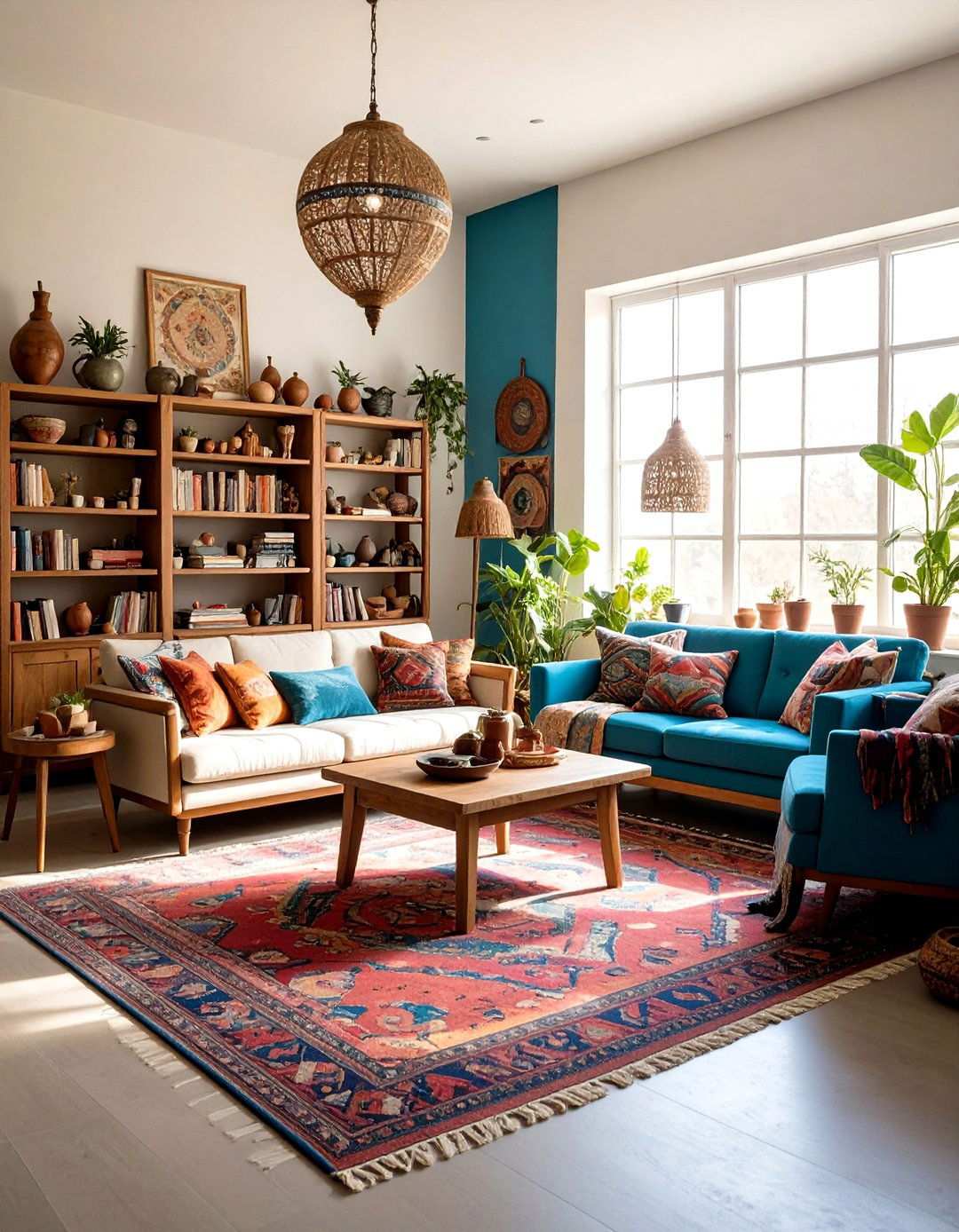
In a Bohemian therapy space, rich colors, varied textures, and global influences blend together to create a warm and accepting atmosphere. The vibrant palette is characterized by jewel-toned fabrics in deep purples, emerald greens, and warm golds, which not only add visual richness but also evoke emotional warmth. The space is designed to be inviting, with floor cushions, tapestries, and vintage rugs layered together to create cozy gathering areas. The incorporation of macrame wall hangings and potted plants adds organic elements and textural interest, further enhancing the space’s eclectic charm. As the warm golden lighting from Moroccan-inspired fixtures casts a warm glow, it creates an intimate ambiance that puts clients at ease. The eclectic mix of antique furniture pieces and global artifacts not only reflects cultural diversity and acceptance but also encourages self-expression and creativity, making clients feel welcome and valued regardless of their background or personal style.
10. Professional Traditional Therapy Office
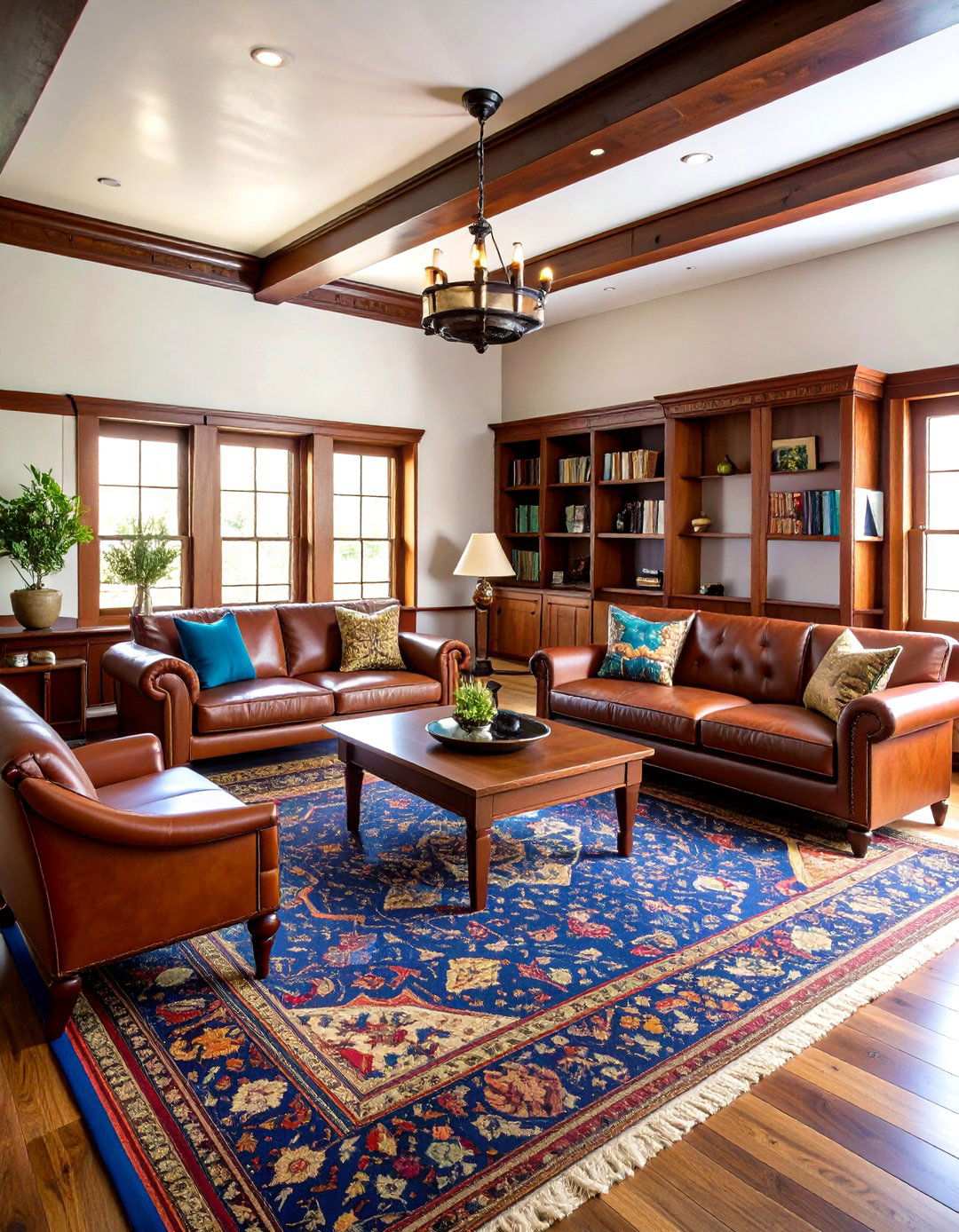
A traditional therapy room exudes classic elegance through its rich wood furniture, leather seating, and timeless decorative elements. The dark mahogany or cherry wood desks and bookcases provide a substantial and trustworthy appearance while offering ample storage for professional materials. The deep leather armchairs and sofas are designed to age gracefully with use, providing comfortable seating that exudes a sense of sophistication. The Persian or oriental rugs add a pop of color and pattern while defining conversation areas, creating a sense of intimacy and connection. The table lamps with fabric shades provide warm, even lighting throughout the space, while the classical artwork and diplomas displayed in matching frames reinforce the therapist’s professional credentials. This traditional approach creates an environment that establishes authority and competence, helping clients feel confident in their therapist’s expertise while maintaining a comfortable and non-intimidating atmosphere.
11. Soft Pastel Therapy Environment
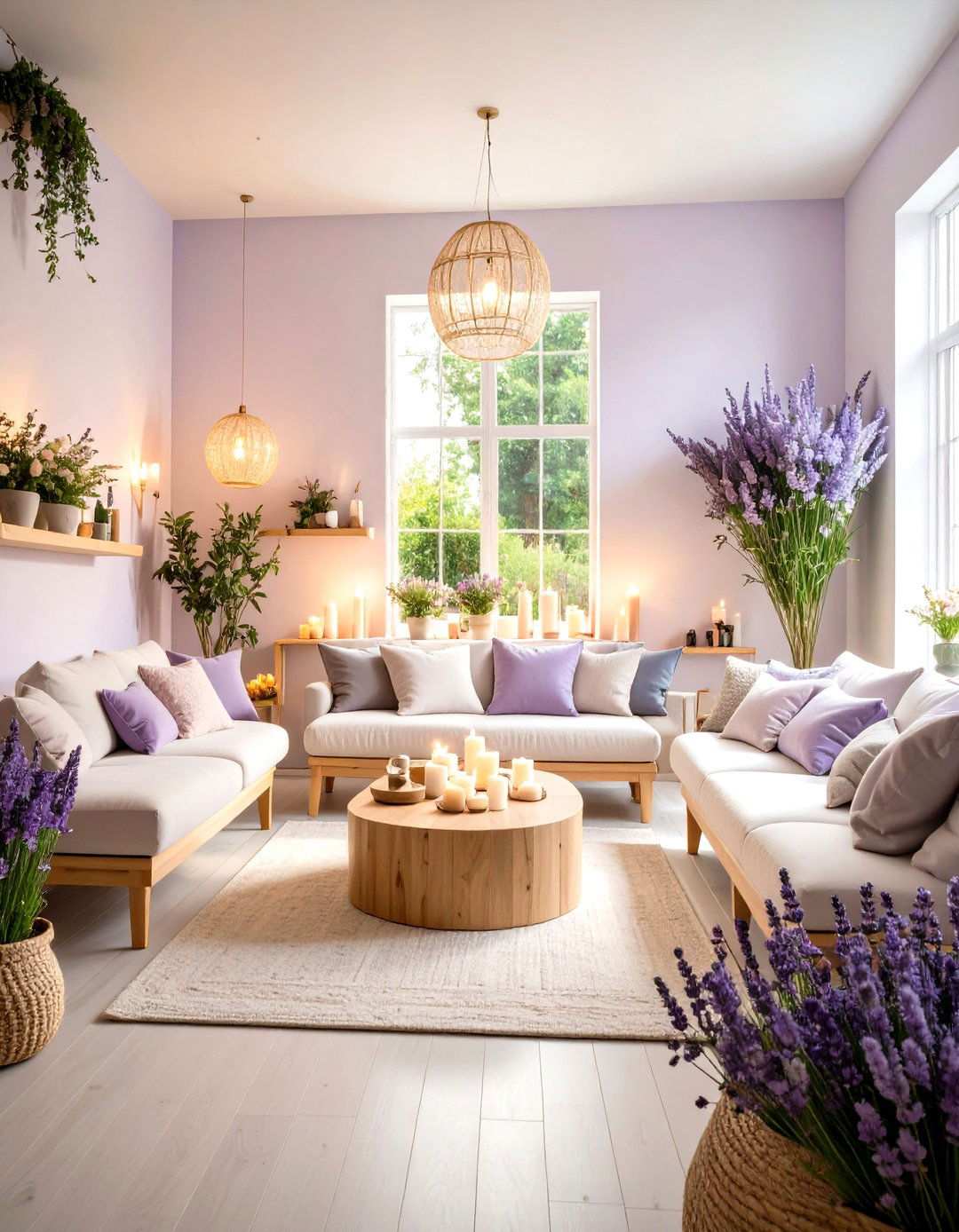
A pastel-themed therapy room uses gentle colors like lavender, sage green, and dusty rose to create a soothing and nurturing environment. The light-colored furniture in white or cream provides a neutral foundation for soft color accents through pillows, throws, and artwork. The delicate floral patterns in muted tones add visual interest without overwhelming the peaceful atmosphere, creating a sense of calm and serenity. The sheer curtains filter natural light softly, casting a dreamy and calming illumination throughout the day. The comfortable seating arrangements are designed to encourage relaxation and openness during therapeutic conversations, creating a safe and supportive space for clients to express themselves. The gentle color palette naturally reduces stress and anxiety, making clients feel nurtured and cared for. This approach is particularly effective for therapists specializing in trauma recovery or working with clients experiencing high levels of emotional distress.
12. Urban Oasis for Modern Minds
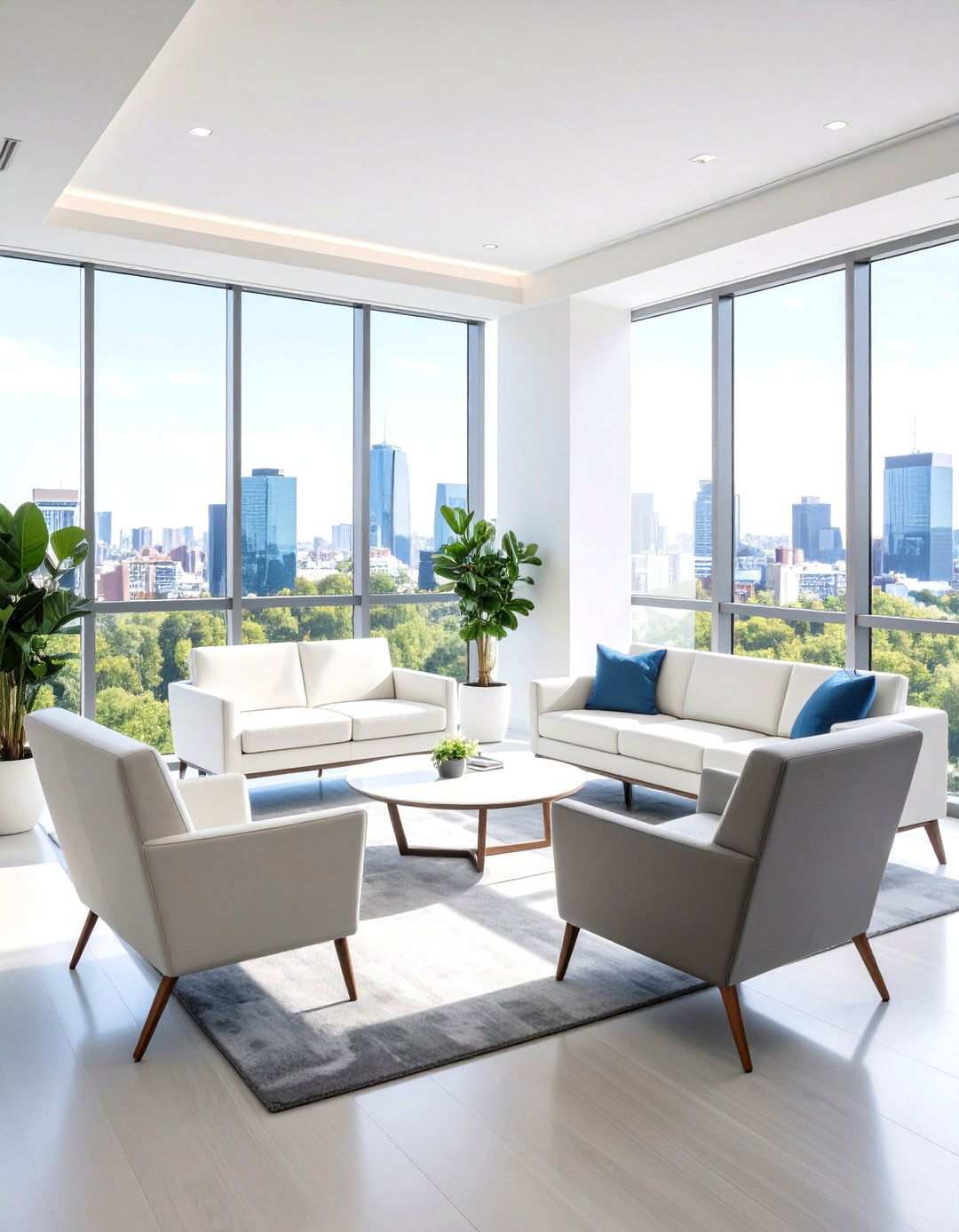
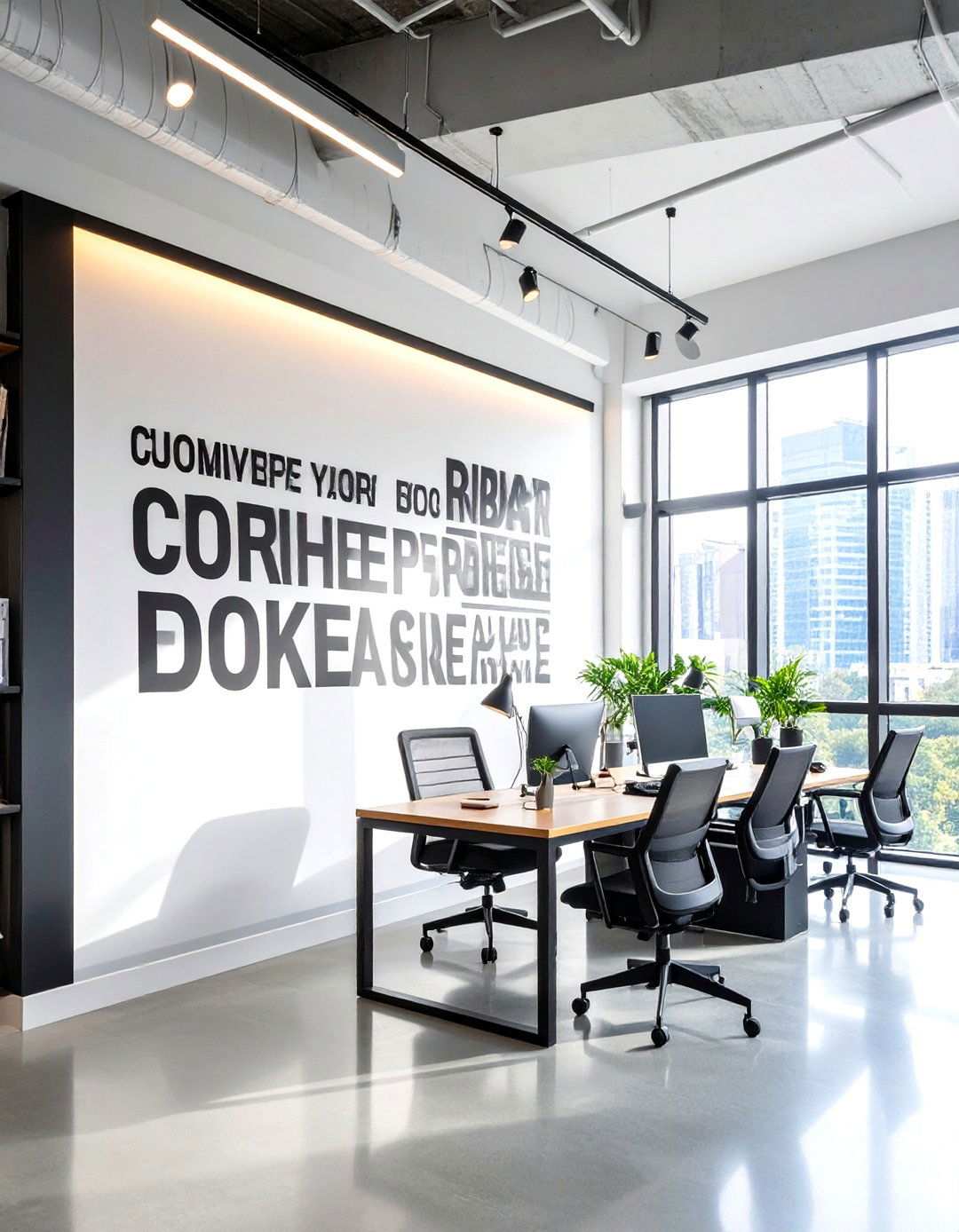
The urban contemporary therapy room is a deliberate blend of modern city living and sophisticated design elements, creating a dynamic backdrop for therapeutic work. Neutral color schemes in shades of gray and white provide a clean, professional foundation for sleek furniture with architectural lines. Floor-to-ceiling windows allow natural light to flood the space, showcasing the cityscape while also promoting feelings of airiness and openness. The incorporation of modern artwork featuring abstract or urban photography adds a layer of cultural relevance and visual interest, drawing the eye and sparking conversation. Comfortable modular seating arrangements enable therapists to adapt to diverse therapeutic needs, while the minimalist decor effectively maintains focus on the therapeutic work at hand. The result is a sophisticated urban aesthetic that resonates with professional clients, creating an environment where business executives and creatives alike feel understood and at ease during sessions.
13. Cozy Retreats in the Countryside
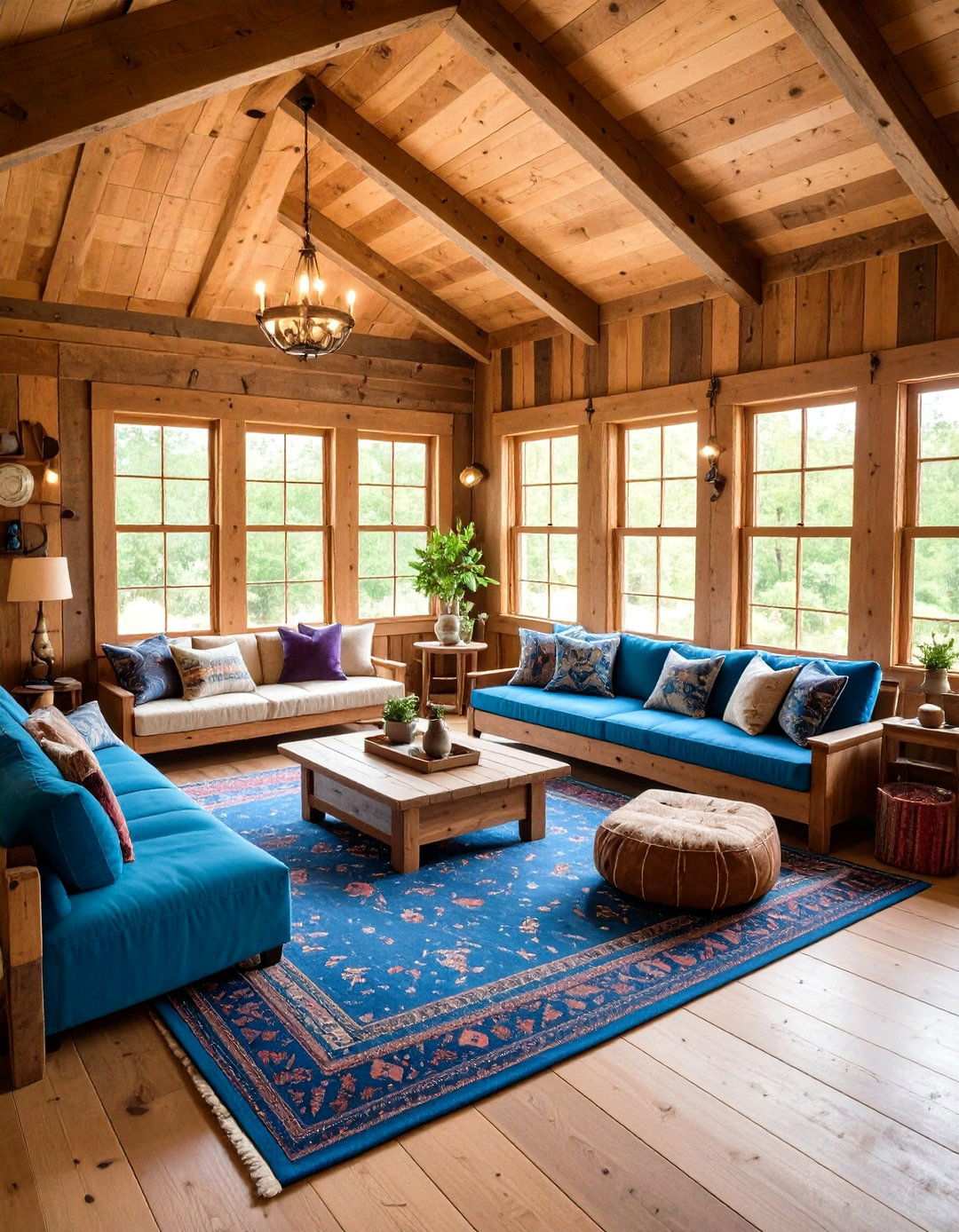
Farmhouse-inspired therapy spaces seamlessly merge comfort and rustic charm, creating a welcoming atmosphere that feels like a trusted neighbor’s home. Weathered wood furniture and shiplap accent walls work in tandem to establish an authentic farmhouse character, while maintaining a professional edge. Plaid throws and vintage quilts add warmth and coziness to seating areas, inviting clients to relax and unwind. The use of mason jar lighting fixtures and galvanized metal accents reinforces the rural aesthetic, while natural elements like dried flowers and wooden bowls create organic focal points that draw the eye. This homey, unpretentious environment is particularly well-suited to clients from rural backgrounds or those seeking comfort in simplicity, promoting feelings of safety and acceptance that encourage open and honest sharing.
14. Inviting Abodes for Global Minds
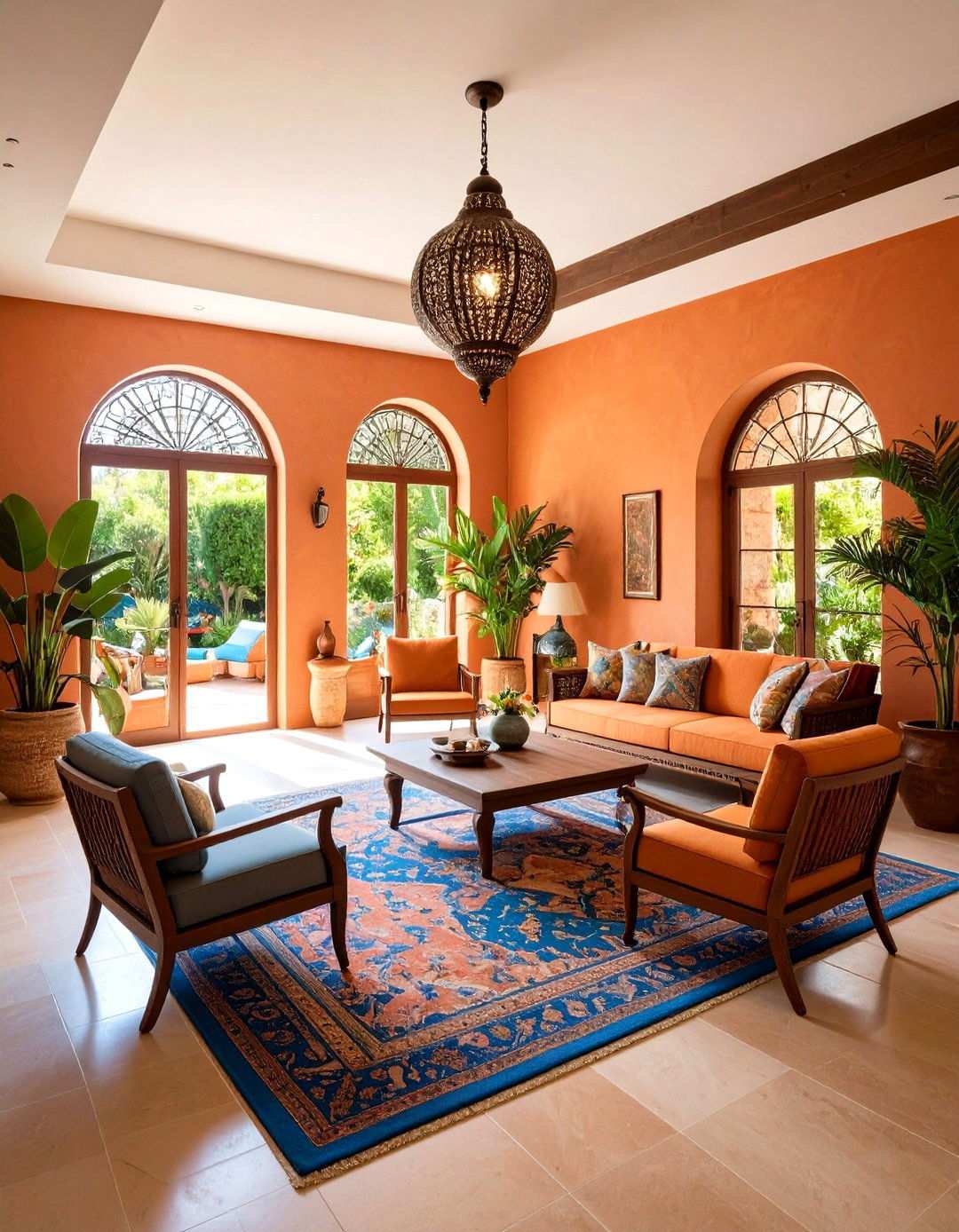
Mediterranean-inspired therapy rooms are a masterful blend of warm colors, natural materials, and cultural elements, creating inviting, worldly environments that promote relaxation and cross-cultural understanding. Terracotta tiles or warm hardwood floors provide a rich foundation for earth-toned furniture in rich browns and deep oranges, while wrought iron accents and ceramic pottery add authentic Mediterranean details. The incorporation of olive branches, lavender, and other Mediterranean plants brings natural beauty indoors, while warm lighting from lantern-style fixtures creates an intimate evening atmosphere that persists throughout the day. Textured walls in warm beige or soft yellow evoke the feeling of European villas, creating a universally comfortable environment that resonates with culturally diverse clients and makes therapeutic work feel more natural and less clinical.
15. Feng Shui Therapy Environment Revitalization
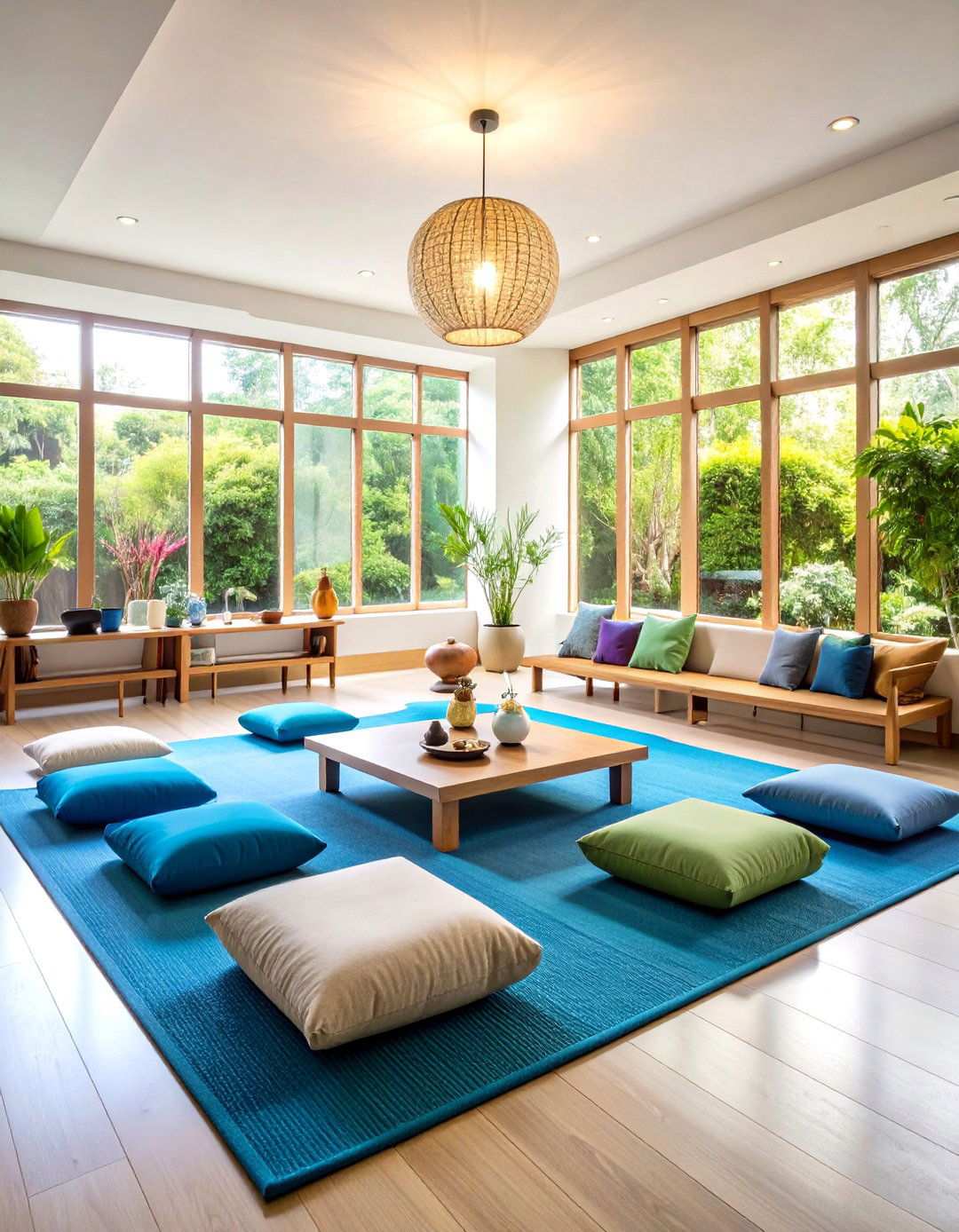
A thoughtfully designed therapy room, rooted in ancient Chinese principles, cultivates positive energy flow and emotional equilibrium. By strategically placing furniture, therapists create open pathways and balanced energy within the space, fostering a harmonious environment. The incorporation of natural elements, such as lush greenery, water features, and crystals, enhances the flow of positive chi, while also promoting healing. Earthy color palettes featuring warm beige, soothing green, and rich brown create a grounding energy that supports therapeutic work. Carefully positioned mirrors amplify natural light, while avoiding direct reflections of seating areas, thereby maintaining a sense of expansive space. The incorporation of rounded furniture edges and curved lines facilitates a gentle energy flow, ultimately creating an environment that nurtures both the therapist and client, promoting deeper therapeutic connections and emotional healing through environmental equilibrium.
16. Transitional Therapy Room Style Evolution
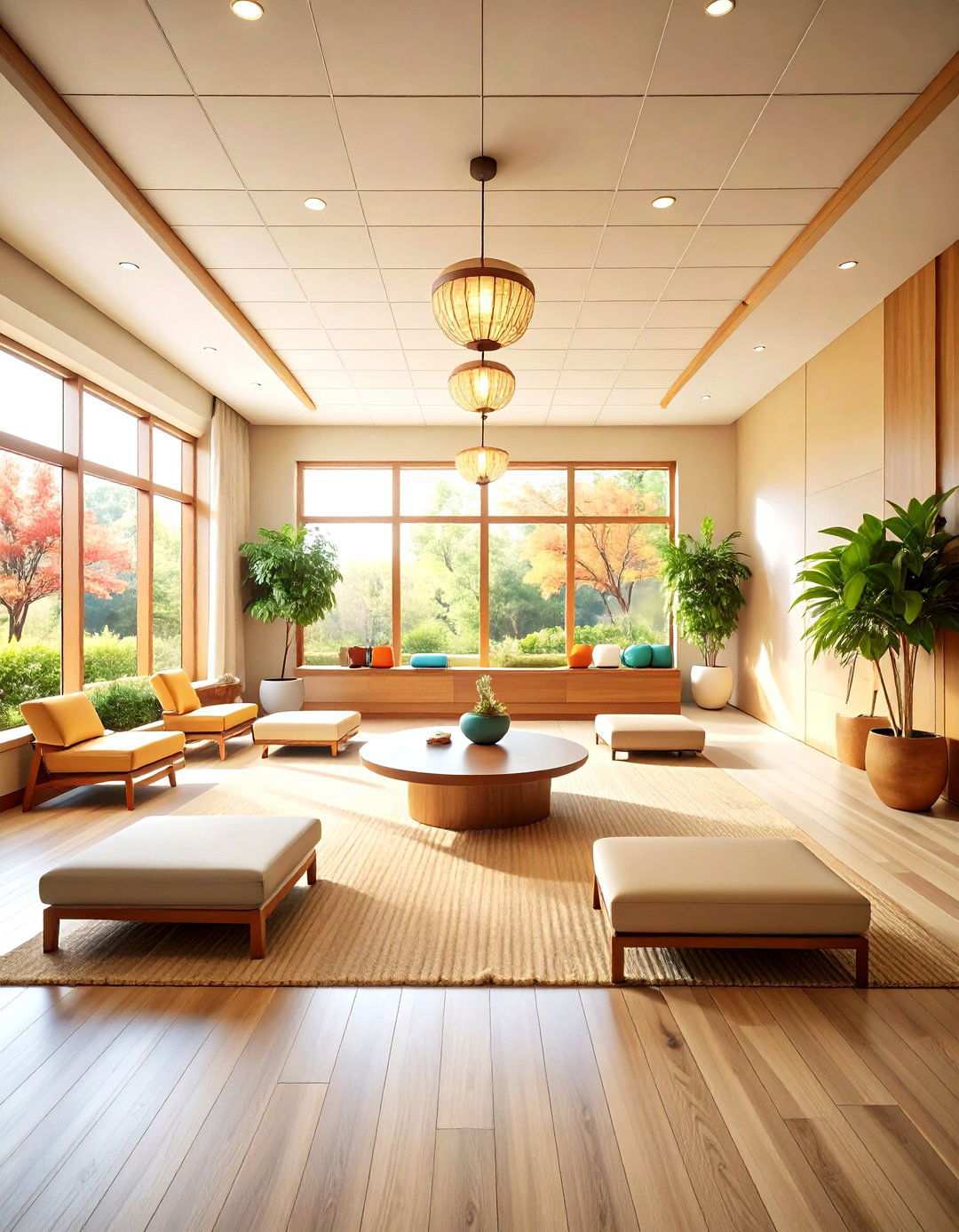
Therapy rooms that seamlessly blend traditional and contemporary elements create timeless, versatile environments that cater to diverse client preferences and needs. Classic furniture silhouettes, updated with modern fabrics, strike a perfect balance between familiarity and contemporary flair. Neutral color palettes in soft gray, warm beige, and creamy white provide a flexible foundation for seasonal accent changes, allowing therapists to easily adapt to shifting client preferences. A deliberate mix of textures, including smooth leather, plush fabrics, and natural wood, introduces visual and tactile interest, creating a space that is both soothing and engaging. Updated traditional lighting fixtures provide warm, inviting illumination while maintaining a professional appearance. By striking a balance between classic and contemporary elements, therapists can create a design that feels both current and established, making clients from diverse backgrounds and generations feel at ease while maintaining professional therapeutic boundaries.
17. Acoustic Therapy Room Design Focus
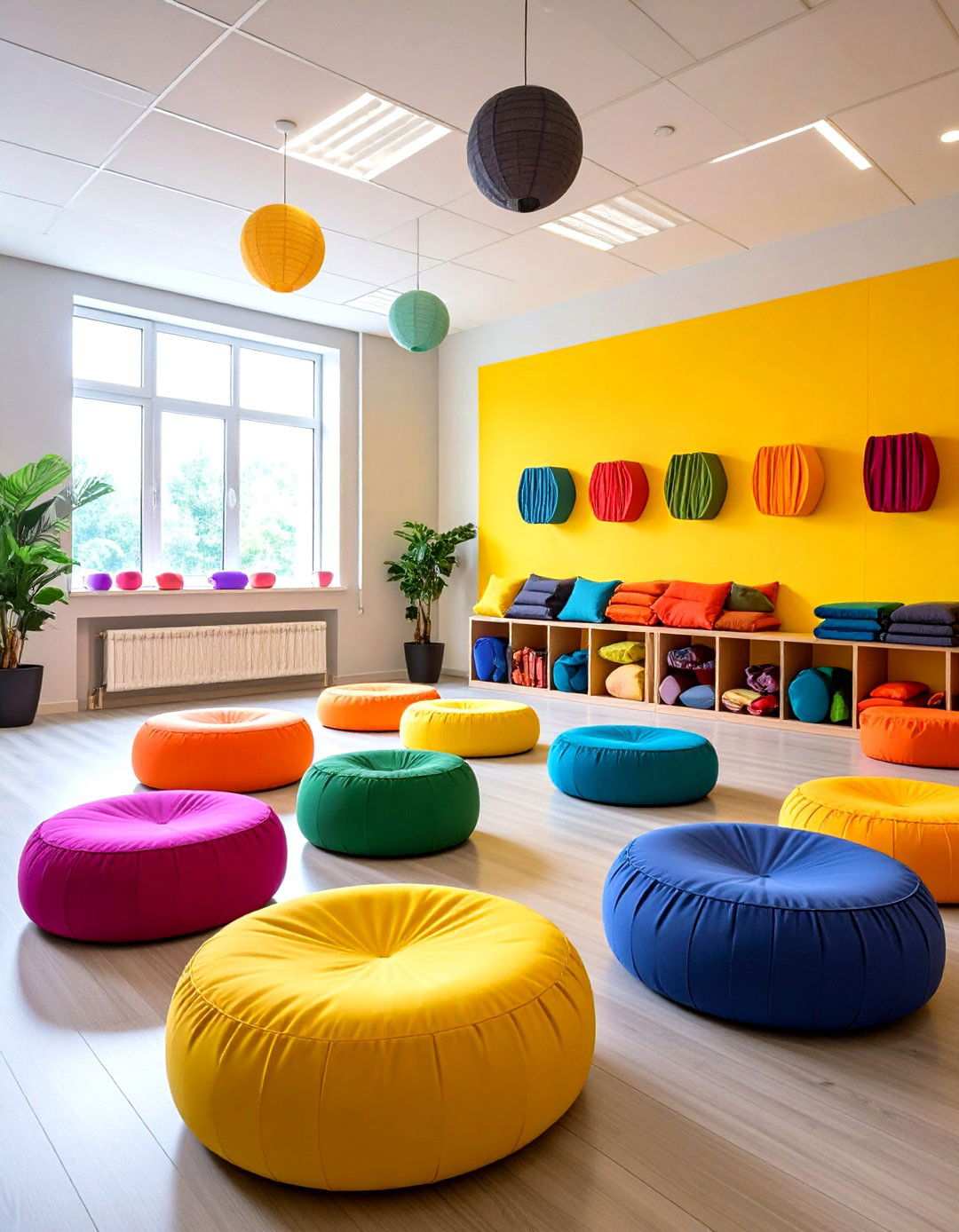
Acoustic-focused therapy rooms prioritize sound control through innovative design elements and specialized materials, ensuring client confidentiality and reducing distractions. By disguising sound-absorbing panels as artwork, therapists can control echo and external noise while maintaining aesthetic appeal. The strategic placement of thick area rugs and heavy drapery provides additional sound dampening while adding warmth and comfort to the space. Solid wood furniture and upholstered seating absorb sound rather than reflecting it, creating a more intimate conversation area. The use of white noise machines or small water features helps to mask outside sounds without being distracting. Carefully designed furniture placement creates private conversation areas, shielded from shared walls, ensuring client confidentiality and promoting deeper therapeutic engagement and trust.
18. Therapeutic Environments Inspired by Art Therapy
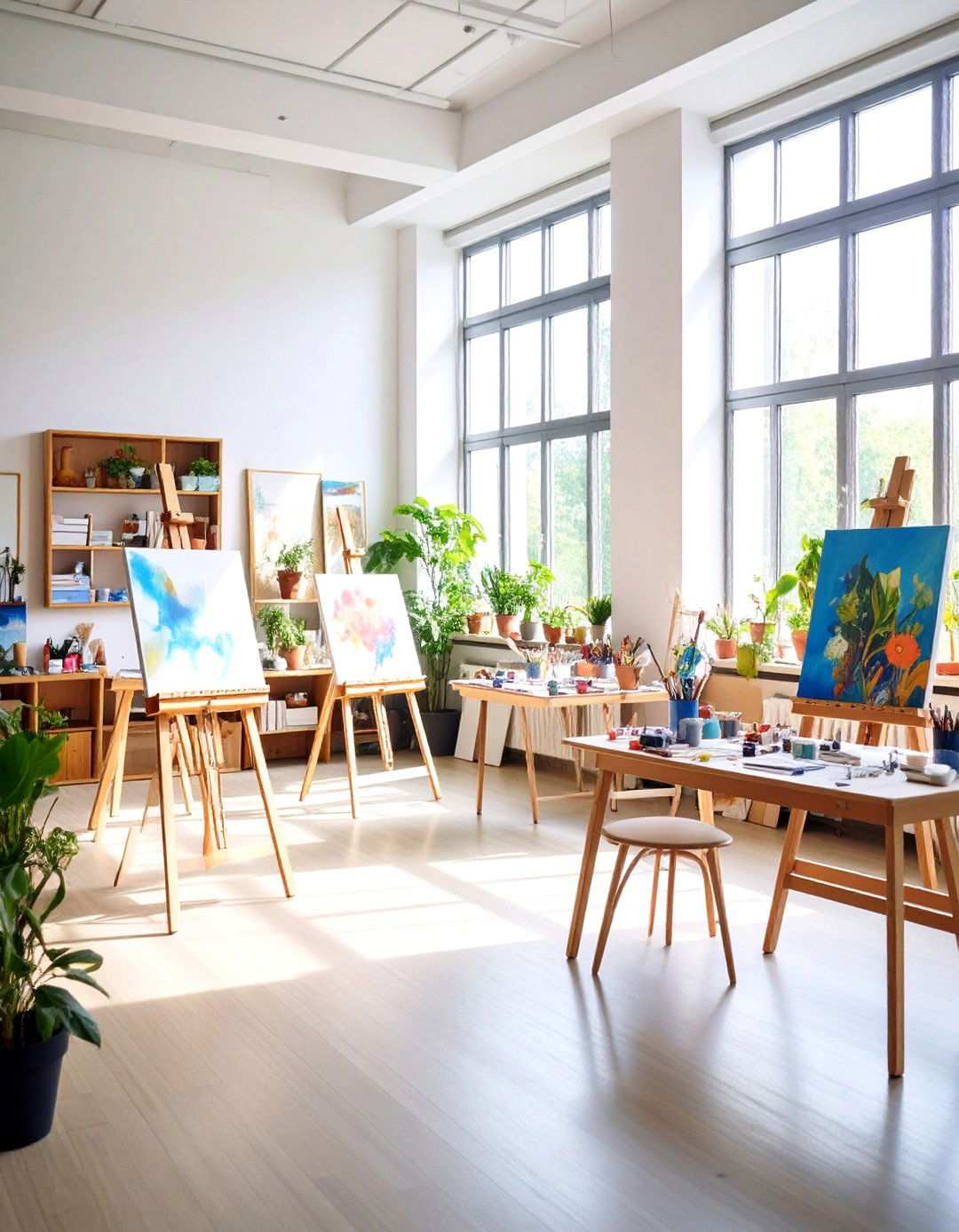
Art therapy-inspired spaces are designed to stimulate self-expression and emotional exploration by incorporating elements that evoke creativity. The seating arrangements in these rooms often feature easels or low tables, perfect for facilitating artistic activities. Optimal natural lighting from north-facing windows illuminates the space, providing an ideal backdrop for artistic expression. Storage solutions are cleverly integrated to keep art supplies organized while maintaining a professional appearance. The walls are adorned with a diverse selection of artwork from various cultures and artistic movements, adding visual interest without overpowering the therapeutic dialogue. To accommodate messy creative processes, the surfaces are designed to be washable, and protective coverings are strategically placed throughout the space. This thoughtful design encourages clients to explore their emotions through multiple modalities, making therapeutic breakthroughs more accessible for visual learners and those who struggle with traditional talk therapy.
19. Seamless Integration of Technology in Therapy Spaces
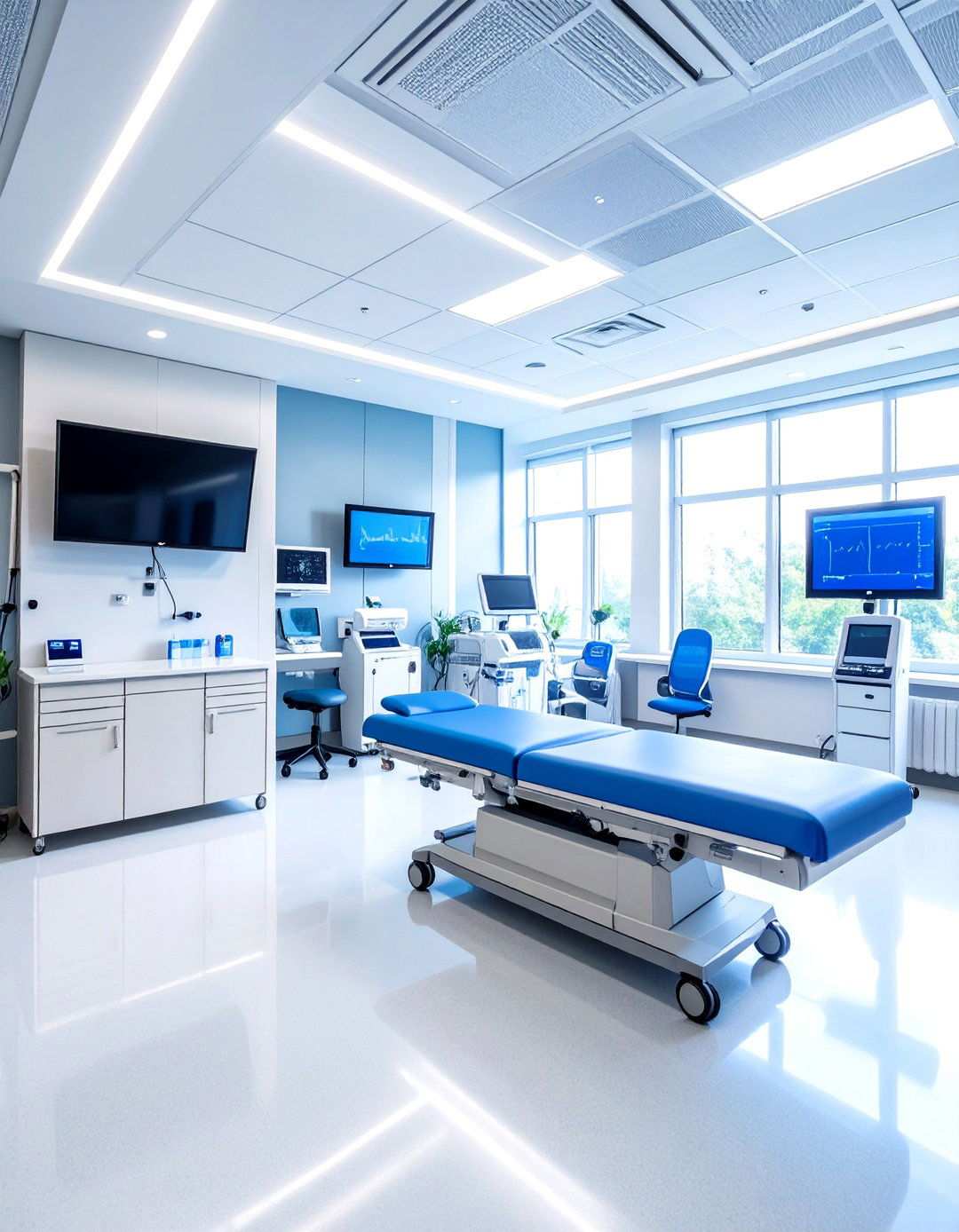
Modern therapy rooms expertly balance technology with a warm, personal atmosphere, supporting both in-person and virtual therapeutic services. Large monitors discreetly mounted on the walls facilitate teletherapy sessions and provide access to multimedia therapeutic tools. Adjustable lighting systems ensure that video conferencing requirements are met without compromising the comfort of in-person interactions. Built-in charging stations keep devices powered, eliminating cord clutter and creating a clutter-free environment. Sound systems offer a range of options, from background music to white noise, tailored to meet the therapeutic needs of each session. Climate control systems maintain a consistent level of comfort for both therapist and client, fostering a sense of relaxation and well-being. By seamlessly integrating technology, these therapy spaces support modern therapeutic practices while preserving the essential human connection and personal warmth that underpin effective therapeutic relationships.
20. Culturally Responsive Therapy Rooms
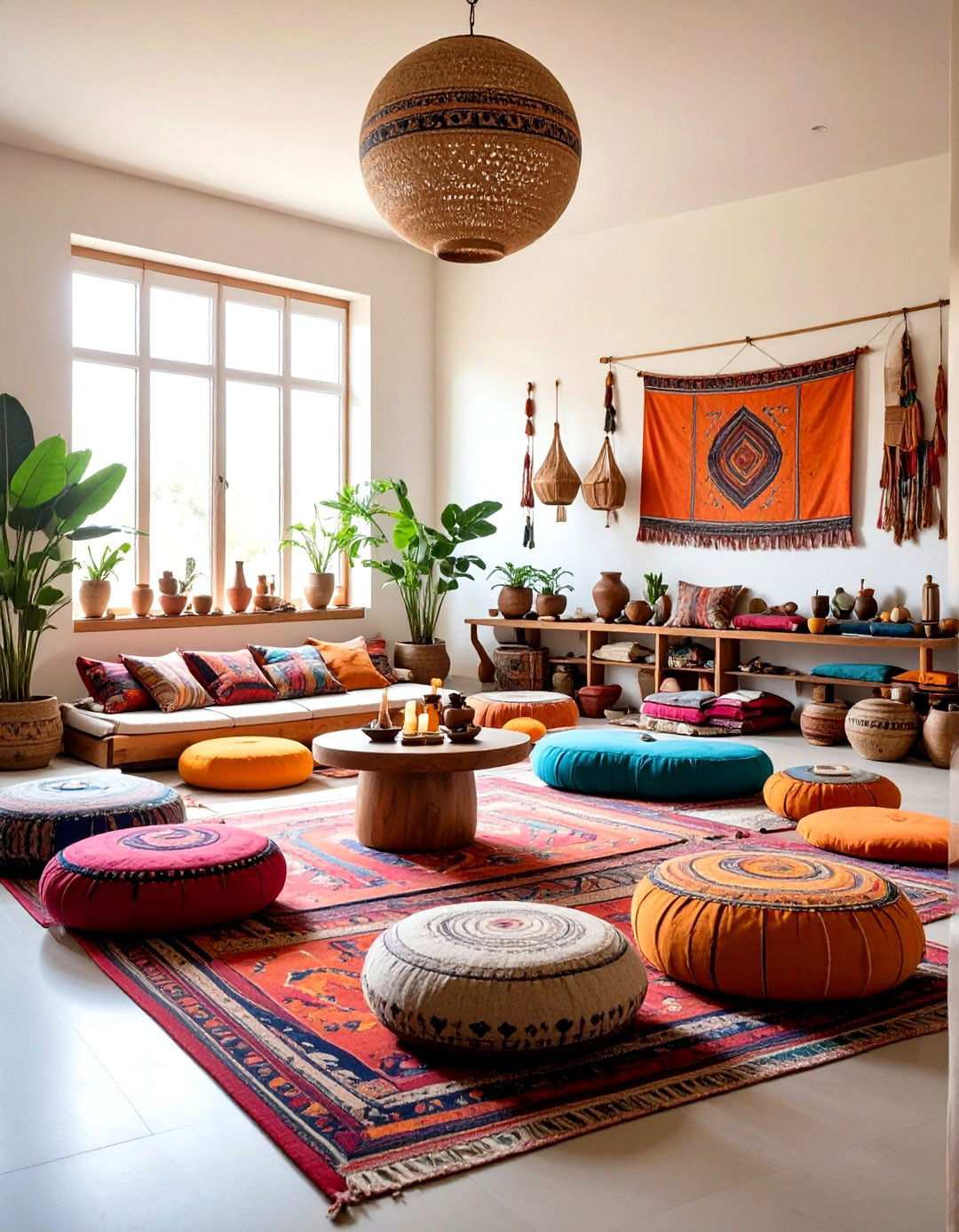
Culturally-inspired therapy rooms are designed to create familiar, welcoming environments for clients from diverse backgrounds. Traditional textiles, artwork, and decorative elements from various cultures are thoughtfully incorporated to create inclusive, representative spaces. Furniture arrangements respect cultural preferences for personal space and social interaction, ensuring that clients feel comfortable and at ease. The color palette is carefully chosen to reflect cultural meanings and preferences while maintaining therapeutic appropriateness. Cultural artifacts and symbols are proudly displayed, promoting identity affirmation and cultural pride. By respectfully representing diverse cultures, these therapy rooms help clients feel seen and understood, fostering cross-cultural therapeutic relationships. This approach is particularly beneficial for clients from minority backgrounds who may feel marginalized in traditional therapeutic settings, creating safe spaces where cultural identity is celebrated rather than overlooked.
21. Dynamic Treatment Spaces
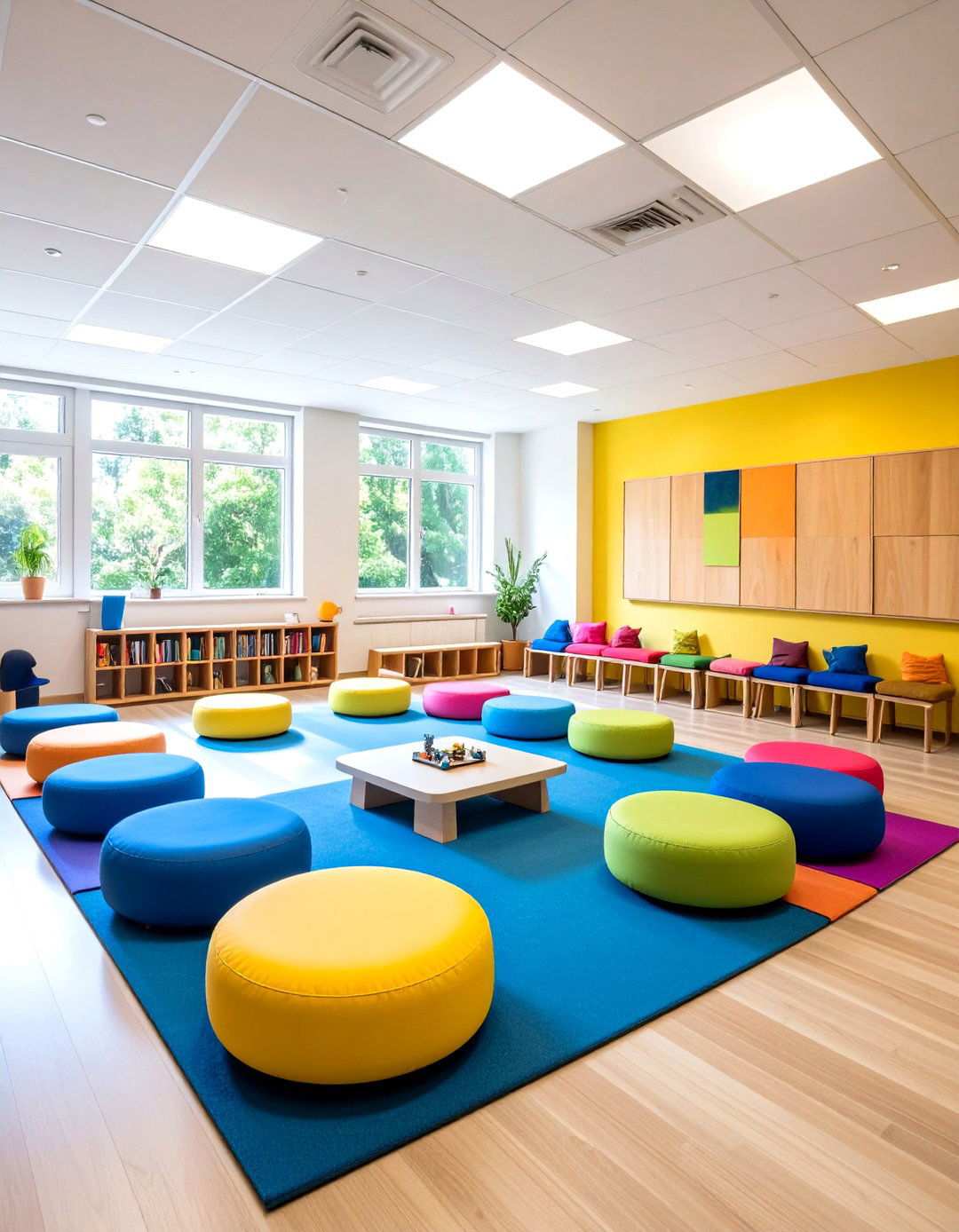
Treatment rooms that can adapt to various therapeutic approaches and client needs can be achieved through the use of moveable furniture and versatile design elements. This allows for the creation of spaces that can accommodate individual, couples, or family therapy sessions, as well as group therapy. Mobile storage units provide convenient access to a wide range of therapeutic supplies and materials. Adjustable lighting systems can be tailored to support different activities, from intimate conversations to interactive therapies. Neutral color schemes can be used to create a calm and non-judgmental environment that supports all therapeutic approaches and client populations. The open floor space allows for movement-based therapies and group activities, while also maximizing space efficiency and ensuring each therapeutic modality has the necessary environmental support.
22. Environmentally Responsive Therapy Spaces
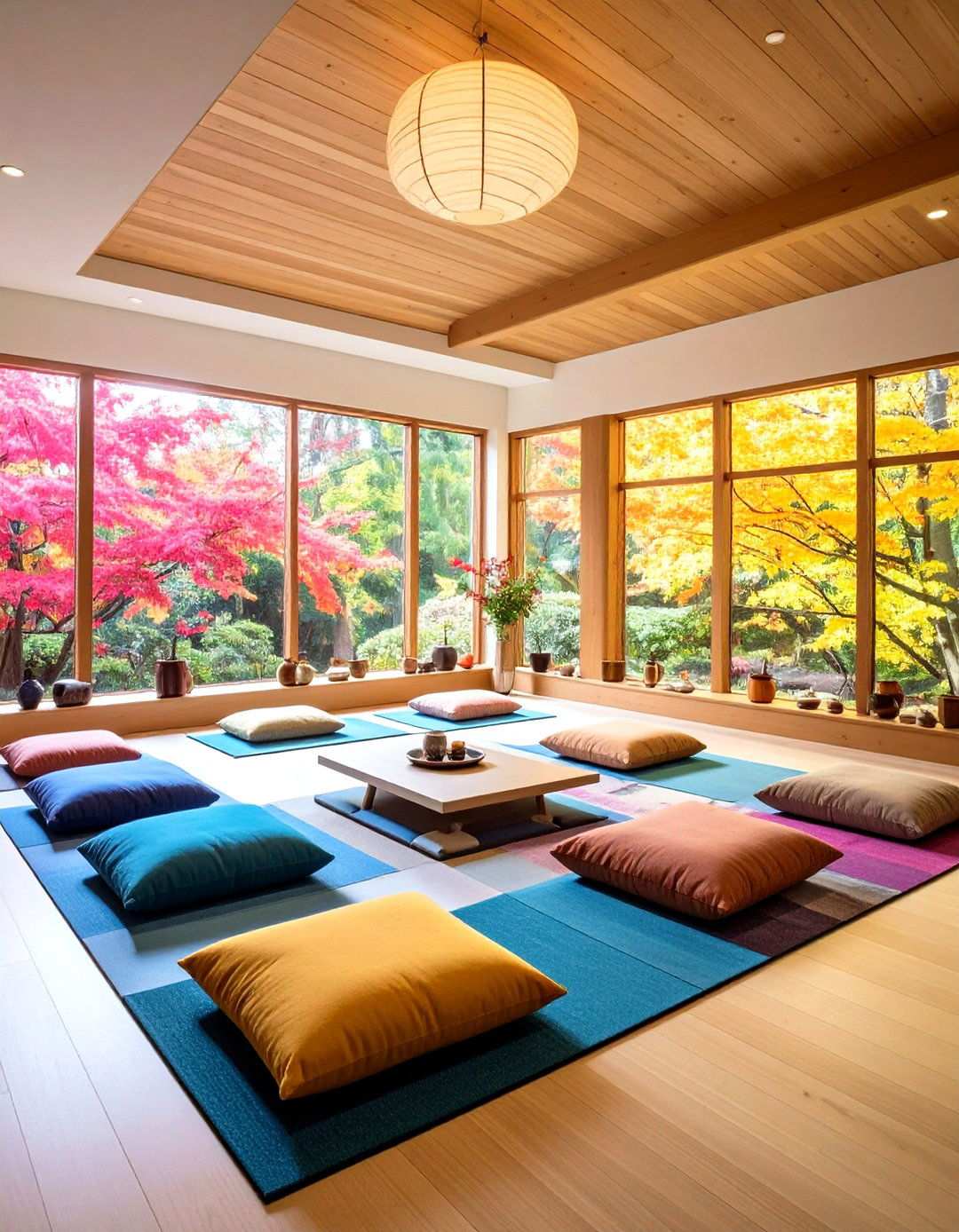
Therapy spaces that respond to seasonal changes can help maintain a fresh and relevant environment for clients throughout the year. This can be achieved through the use of interchangeable textile elements, such as throw pillows, blankets, and wall hangings, which can be updated to reflect seasonal colors and themes. Adjustable lighting systems can be programmed to mimic seasonal light patterns, supporting circadian rhythms and the treatment of seasonal affective disorder. Seasonal plants and natural elements can also be incorporated to bring the outdoors in and create a sense of connection to nature. By incorporating these elements, therapy spaces can be kept feeling alive and current, particularly benefiting clients who experience seasonal depression or respond well to environmental changes.
23. Holistic Treatment Environments
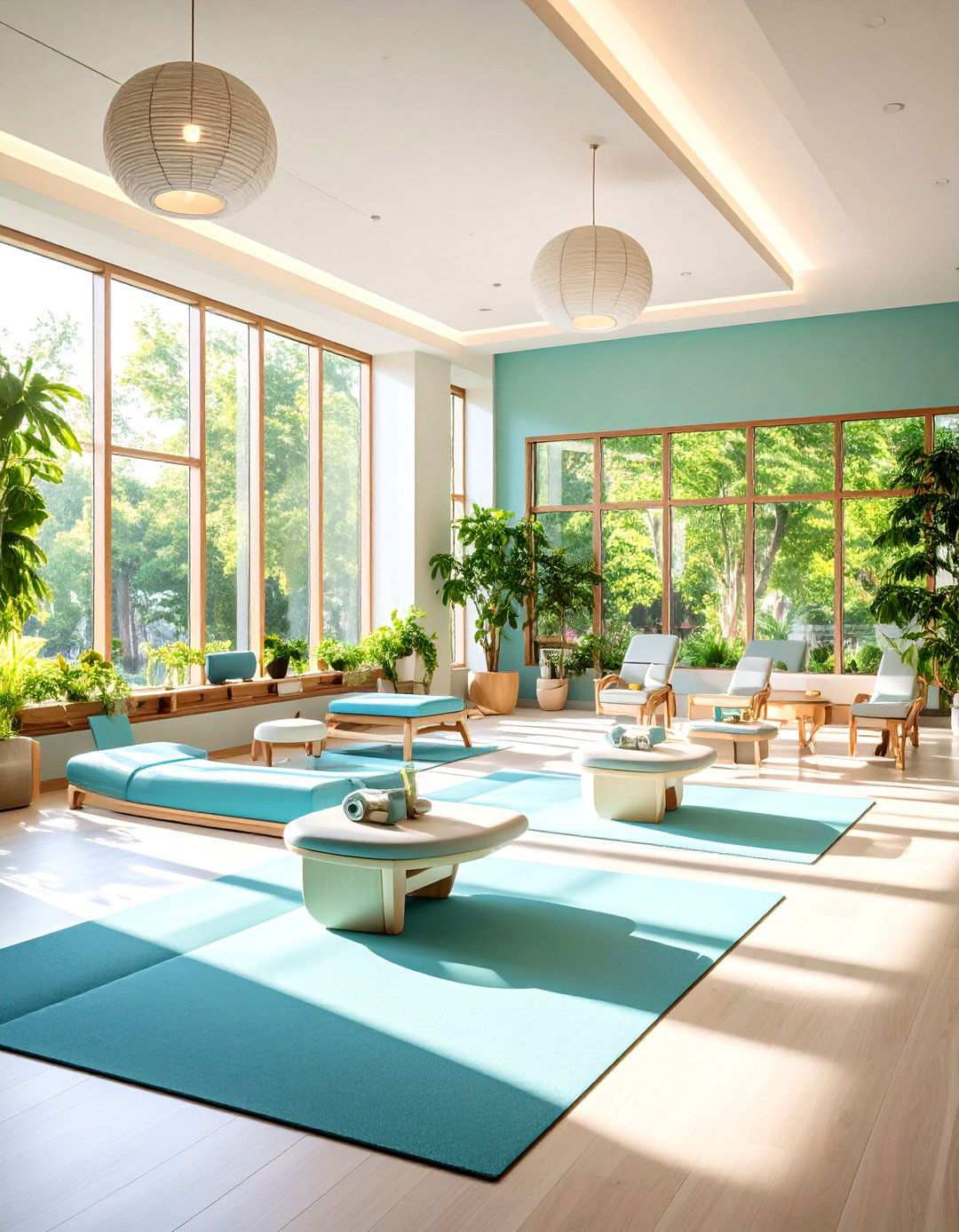
Treatment environments that prioritize wellness can integrate a range of health-supporting elements, including air purification systems, ergonomic furniture, and biophilic design principles. High-quality air filtration systems can maintain fresh, clean air, while plants can provide natural air purification and support healthy indoor air quality. Ergonomic seating can support healthy posture during extended therapeutic sessions, while natural lighting and full-spectrum artificial lighting can support healthy circadian rhythms. Temperature and humidity control can maintain optimal comfort levels, and non-toxic materials and finishes can protect both therapist and client health. Exercise equipment, such as yoga mats or resistance bands, can also be incorporated to support body-based therapeutic interventions. By incorporating these elements, treatment environments can demonstrate a commitment to holistic wellbeing and provide physically comfortable spaces that support both mental and physical health during therapeutic work.
24. Outdoor Sanctuary for Healing
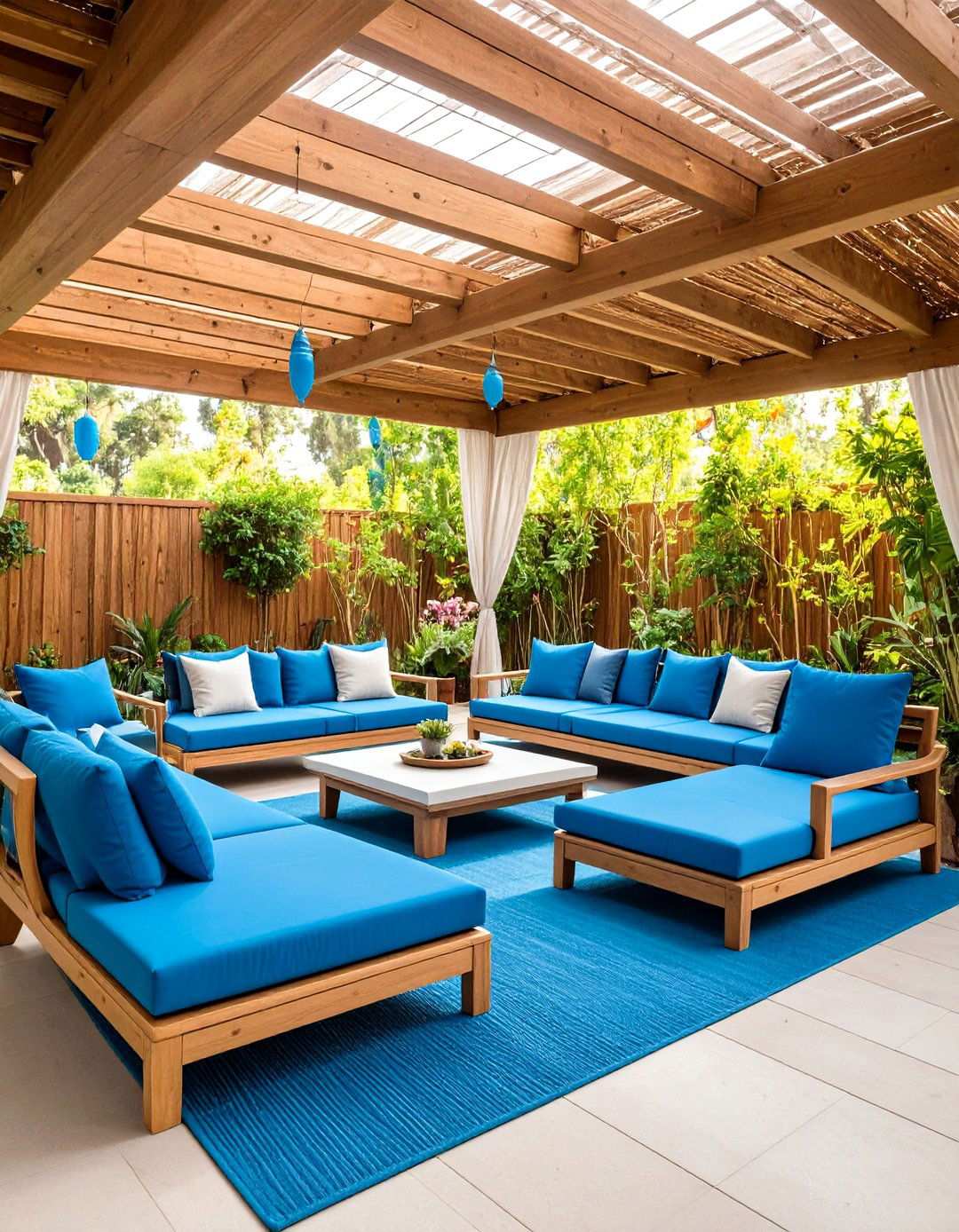
Nature-based therapy rooms harness the restorative power of the outdoors to create novel therapeutic spaces that foster a deep connection between clients and the natural world. Durable, weather-resistant seating areas are designed to withstand the elements while maintaining a professional aesthetic, ensuring a seamless transition between interior and exterior spaces. The incorporation of covered structures such as pavilions or pergolas strikes a balance between shelter and openness, allowing clients to remain connected with nature. Strategically employed landscaping or architectural elements provide discreet yet effective natural privacy screens, safeguarding confidentiality in these outdoor settings. Portable technology solutions enable therapists to record sessions and manage schedules with ease, while adapting to the changing seasons becomes effortless with the availability of heating and cooling options. By leveraging the calming effects of the natural environment, therapy sessions can incorporate nature-based interventions and ecotherapy techniques, providing clients with a unique and empowering experience. This forward-thinking approach is particularly beneficial for individuals who feel constrained by traditional indoor therapy settings.