1. Harmonious Blend of Heritage and Minimalism in Korean Living Rooms
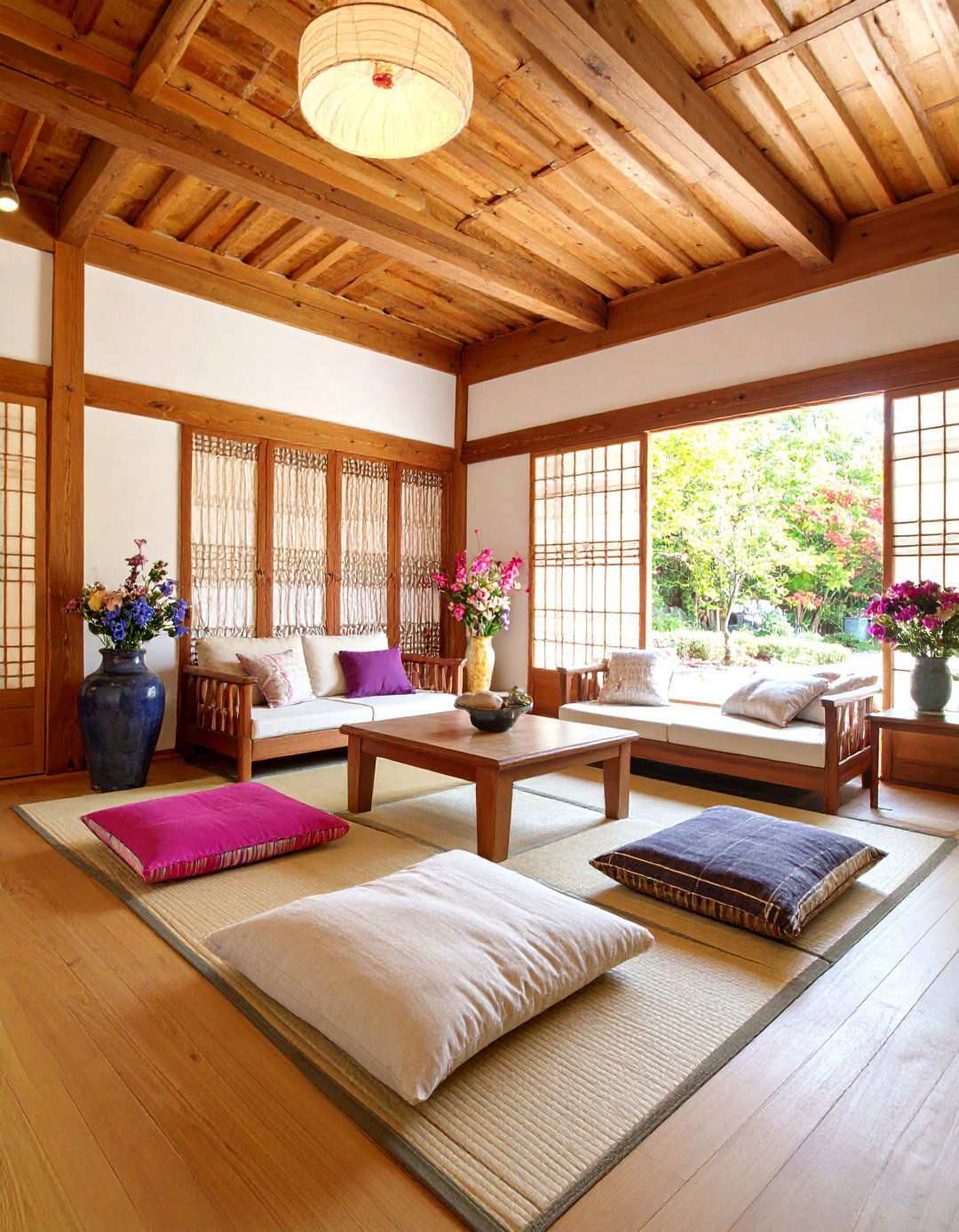
Korean living rooms masterfully balance the country’s rich cultural heritage with the clean lines and simplicity of modern design. Drawing inspiration from ancient Hanok architecture, these spaces incorporate ondol heating systems and maru wooden floors, blending seamlessly with contemporary principles of functionality. A palette of neutral colors, natural materials, and low-profile furniture creates an intimate atmosphere, while thoughtfully incorporating elements like hanji paper screens and natural textures that reflect Korea’s emphasis on living in harmony with nature. As a result, these carefully curated spaces become serene sanctuaries that promote tranquility and mindful living.

As an Amazon Associate I earn from qualifying purchases.
2. Authentic Korean Warmth in Traditional Hanok-Style Living Rooms
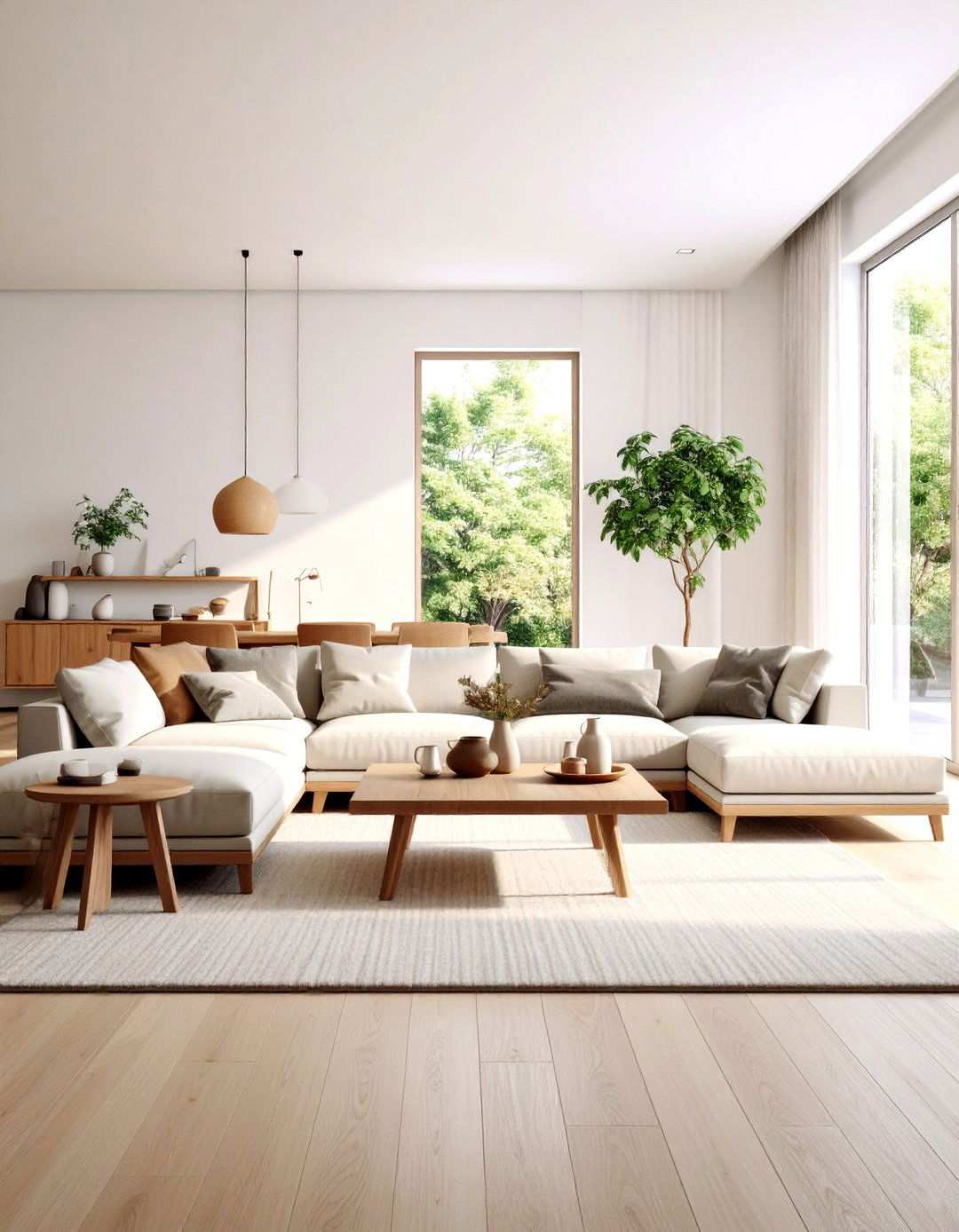
To infuse your space with authentic Korean warmth, incorporate ondol-style heated flooring paired with traditional low seating arrangements. This design showcases rich wooden beams, natural clay walls, and handcrafted furniture that sits close to the ground, creating a cozy atmosphere reminiscent of ancient Korean architecture. Floor cushions in neutral fabrics provide comfortable seating around a simple wooden tea table, while natural hanji paper screens filter soft light and maintain privacy. Stone accents and ceramic vessels display seasonal flowers, connecting the interior to nature’s rhythms and celebrating centuries-old Korean architectural wisdom. By embracing this authentic approach, you can create a space that embodies the essence of Korean design heritage.
3. Beige Oasis Living Room with Textured Nuances
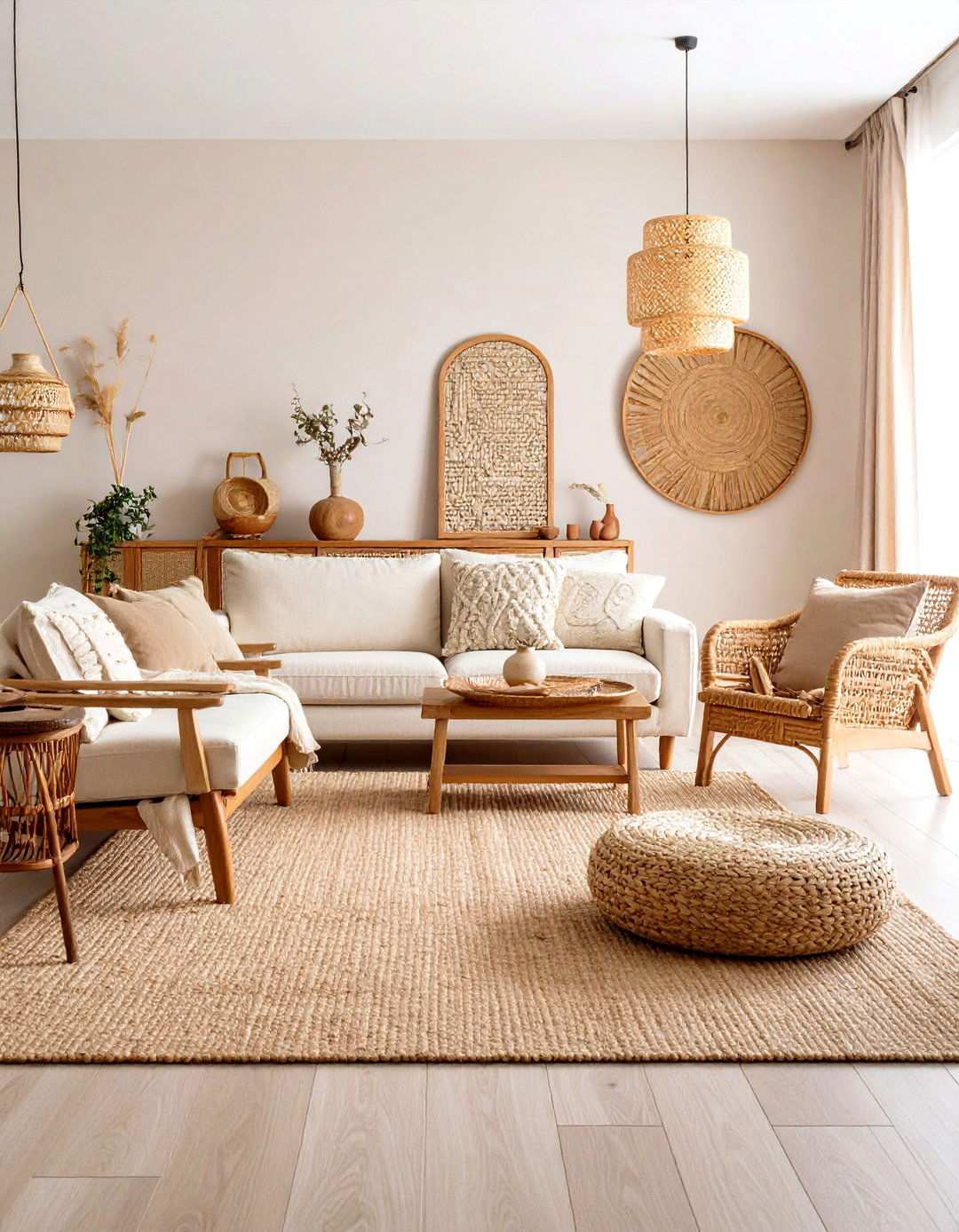
A serene retreat can be achieved by blending various shades of beige with the warmth of natural textures throughout the space. This design showcases a plush low sofa upholstered in cream-hued linen, paired with woven jute rugs that evoke a sense of rustic charm. Bamboo accent pieces add a touch of organic elegance, while wooden furniture features clean silhouettes that highlight the natural grain patterns. As the evening unfolds, soft lighting from rice paper table lamps casts a warm glow, inviting relaxation. The subtle variations in tone and material created by natural fiber baskets provide a visually interesting element, allowing the room to reveal its depth without compromising its peaceful foundation.
4. Traditional Korean Floor Seating with Handcrafted Elegance
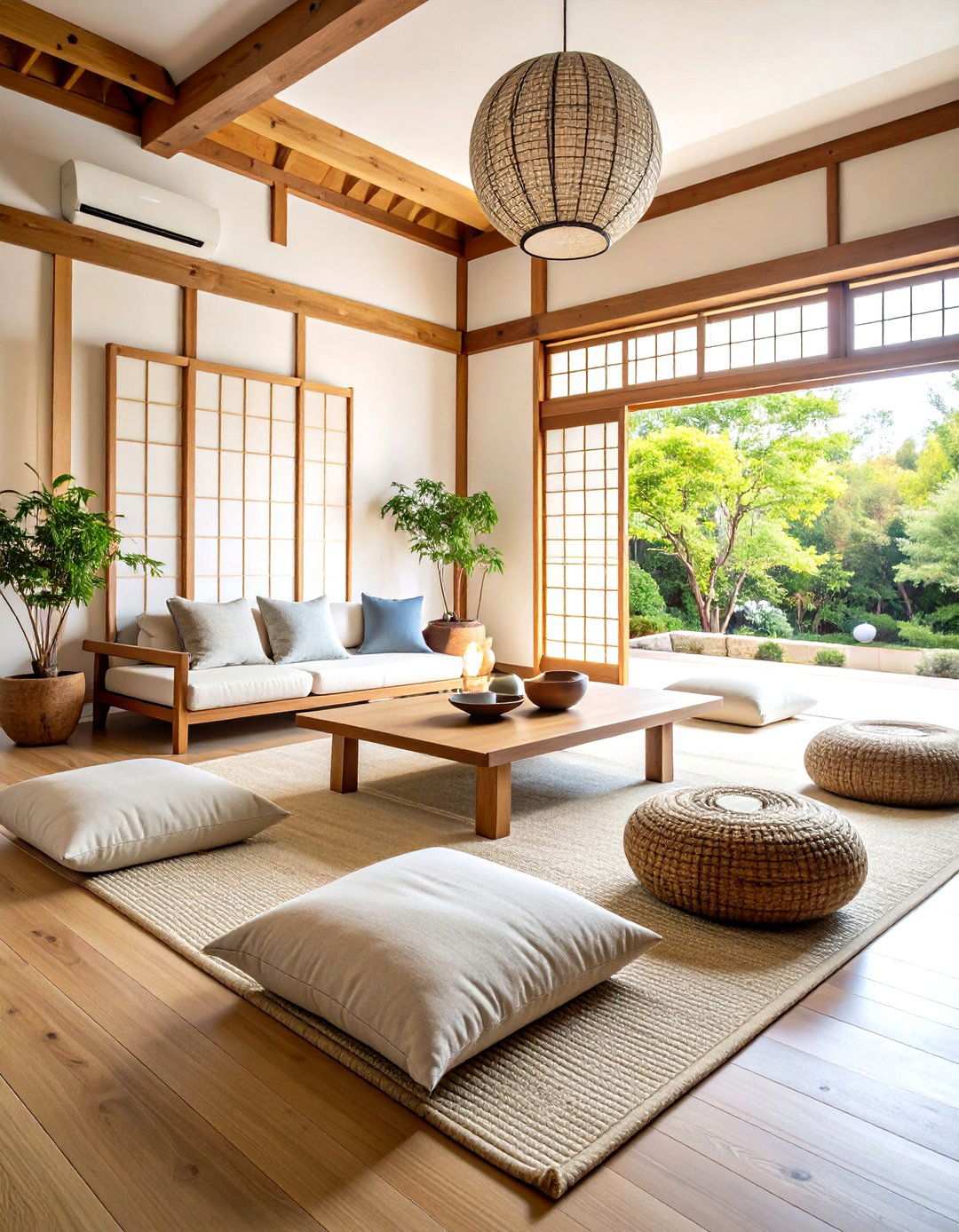
Design a genuine Korean living experience centered around traditional floor seating arrangements and meticulously crafted low tables. This setup features thick floor cushions covered in natural cotton fabrics, surrounding a stunning wooden chabudai table perfect for intimate tea ceremonies or casual gatherings. The open floor plan allows for flexible use of space, while soft wool rugs define seating areas, providing essential cushioning for extended floor sitting. By incorporating traditional Korean folding screens, the room can be reconfigured to create intimate spaces or open gathering areas, offering versatility and fluidity. Natural wood finishes on furniture harmonize with the room’s earthy color scheme, fostering a grounded and meditative atmosphere.
5. Hanji Paper Screens: A Celebration of Korean Craftsmanship
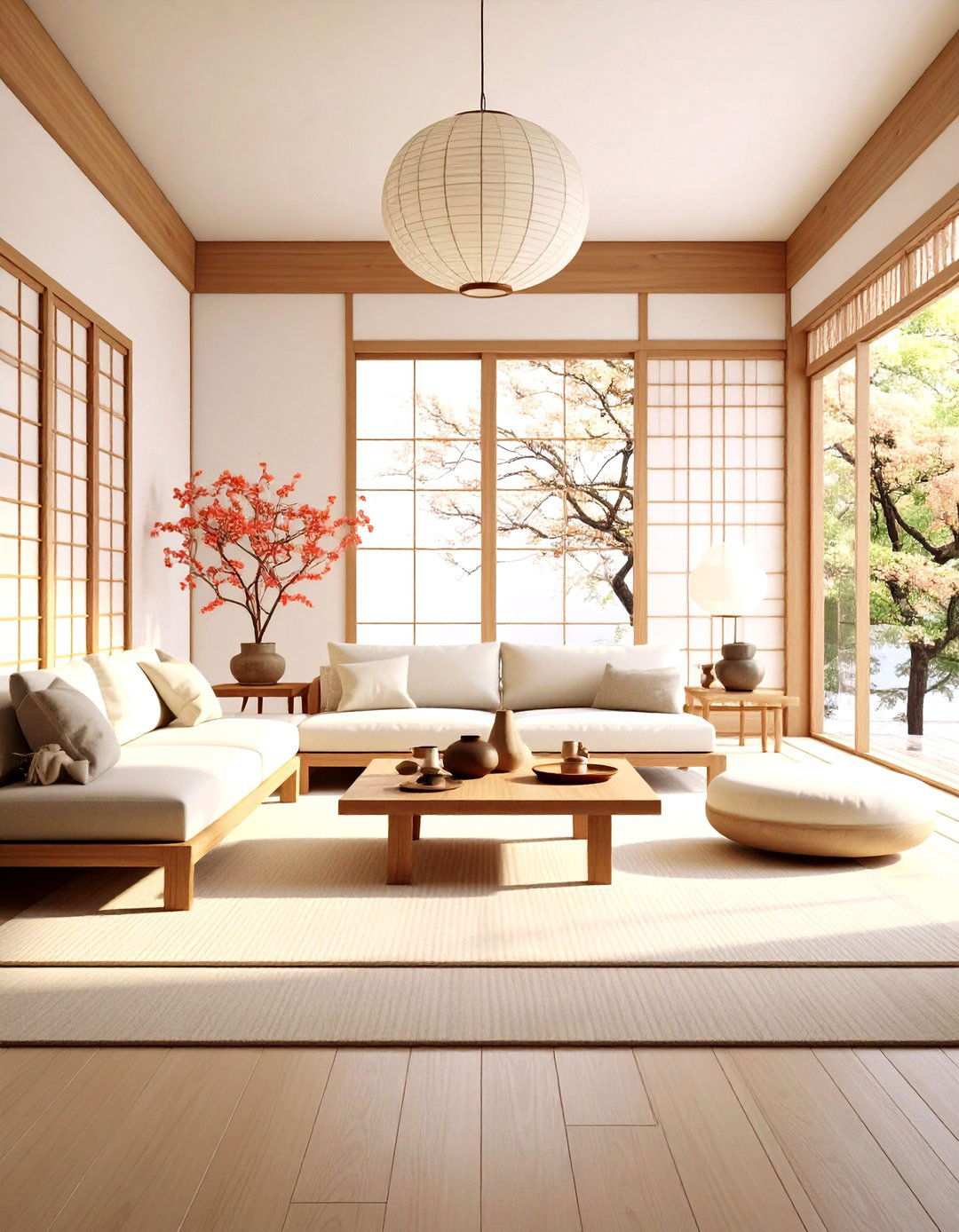
Traditional hanji paper takes center stage in this living room design, where elegant room dividers and lighting fixtures diffuse gentle illumination, creating a sense of serenity. Handmade paper screens feature intricate wooden frames that cast artistic shadows, while maintaining visual connection between spaces. The furniture is carefully arranged to complement the hanji’s natural beauty, with soft neutral colors allowing the delicate texture to become the focal point. Floor lamps with hanji shades provide ambient lighting that changes throughout the day, adding a dynamic element to the space. Natural wood furniture maintains simple profiles, ensuring that the hanji screens remain the true stars of the design. This design seamlessly blends traditional Korean craftsmanship with modern living needs.
6. Embracing the Organic with Korean Wooden Accents
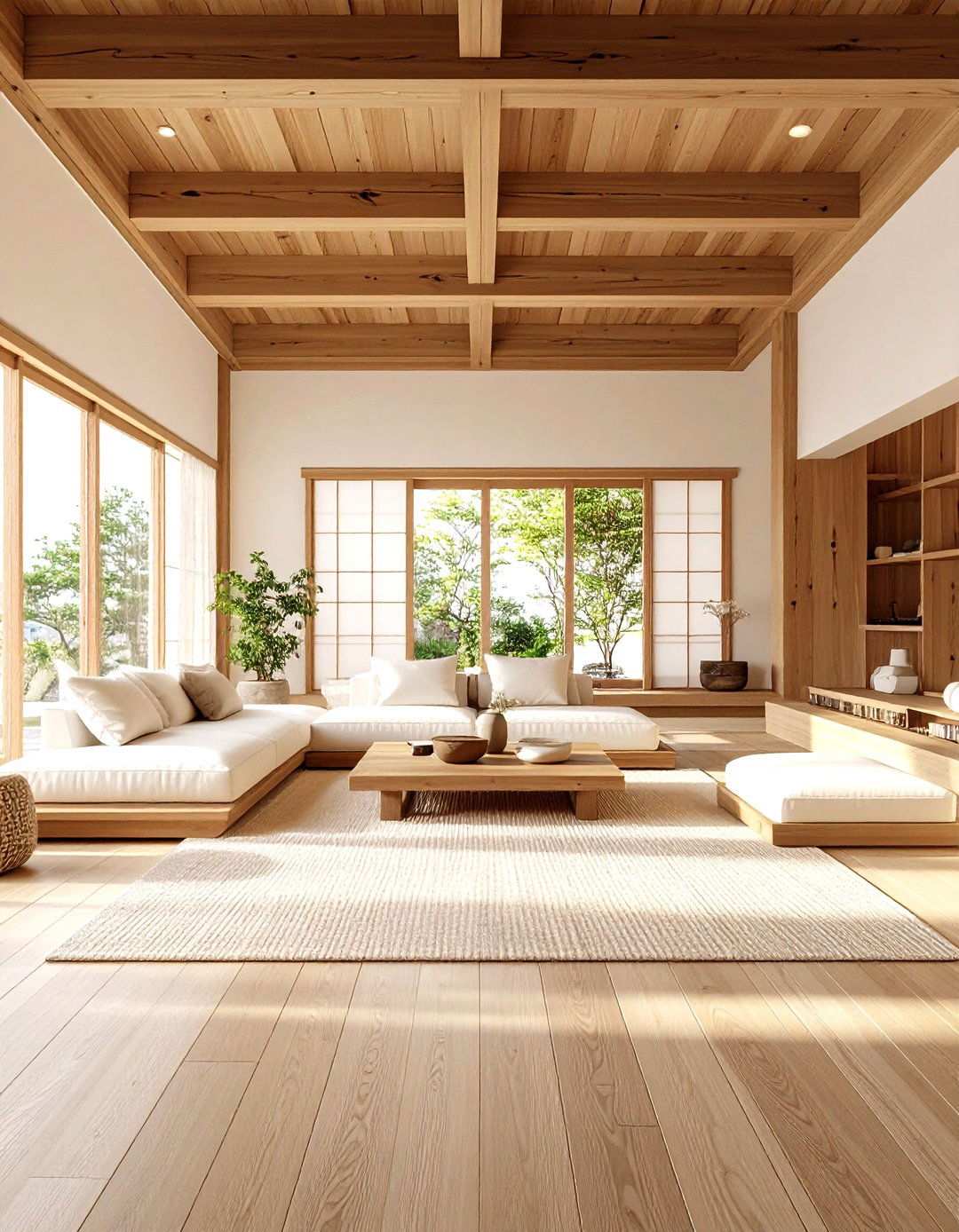
By embracing Korea’s profound affinity with nature, interior designers can create living spaces that seamlessly blend with the country’s picturesque landscapes. This aesthetic is characterized by the liberal use of warm wood tones in furniture, flooring, and architectural details, evoking a sense of connection to the natural world. Exposed wooden ceiling beams and hardwood floors form the foundation of this look, while custom-built furniture showcases the beauty of natural grain patterns. A low wooden platform serves as both a seating area and a coffee table, embodying the Korean philosophy of multifunctionality. The natural beauty of wood is further enhanced by carefully curated displays of books, ceramics, and plants, all tastefully presented on wood shelving without creating visual clutter. The neutral wall color allows the wood tones to take center stage, while soft cotton textiles in cream and beige tones add warmth and comfort to the space. This harmonious blend of natural materials creates a warm, organic atmosphere that feels deeply rooted in Korea’s forested landscapes.
7. Modern Korean Living Spaces with Innovative Sliding Doors
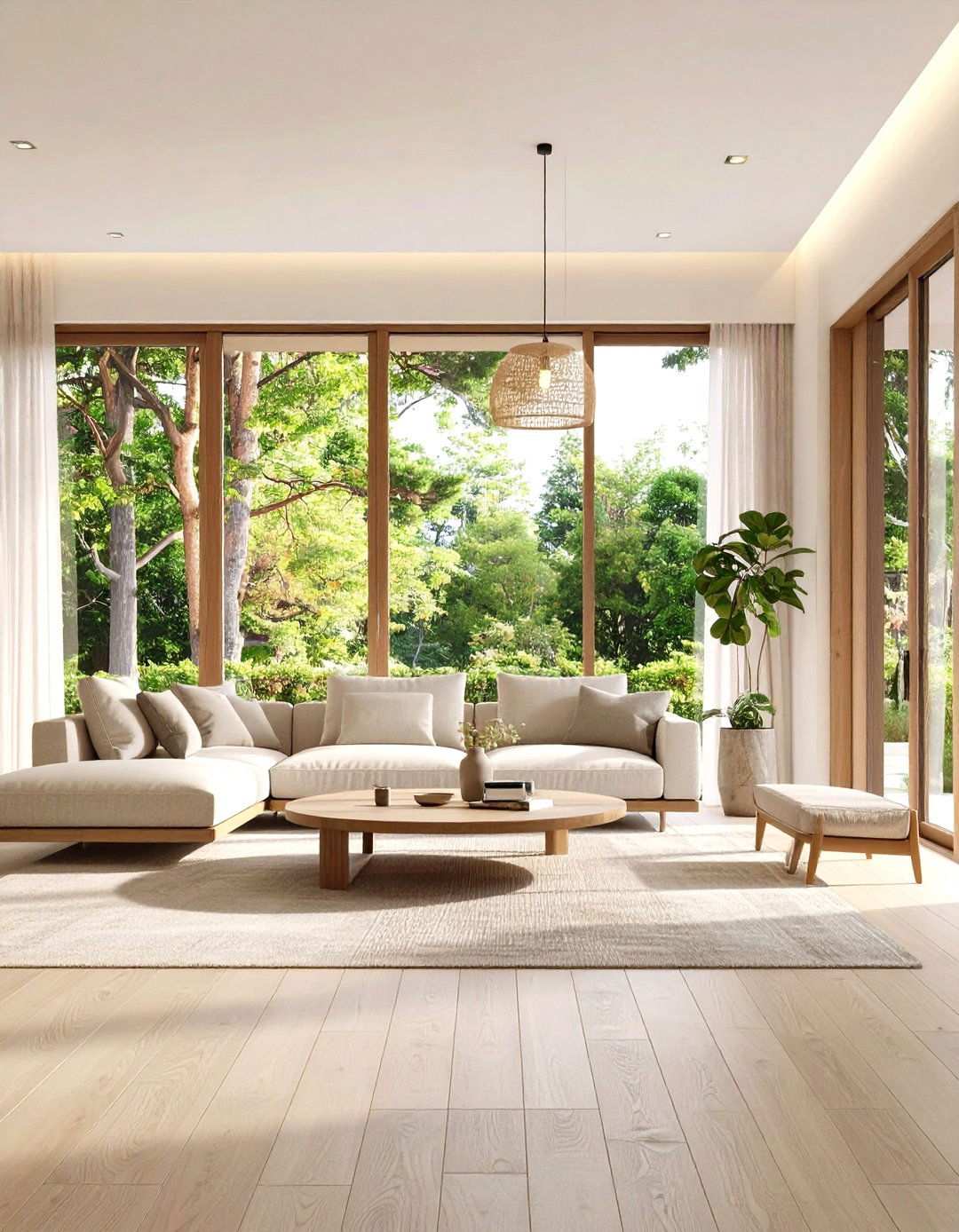
Innovative sliding door systems play a pivotal role in modern Korean design, allowing for unparalleled flexibility and natural light flow throughout the living space. Inspired by traditional hanji screens, these sleek panels feature frosted glass or natural wood materials that maintain privacy while preserving visual openness. The furniture arrangement adapts seamlessly to the doors’ positions, creating multiple room configurations for different activities. Low-profile furniture pieces move easily when reconfiguring spaces for entertaining or quiet relaxation, making it simple to adapt to changing needs. Built-in lighting systems integrated into the sliding tracks provide adjustable ambient illumination, adding an extra layer of functionality to this cutting-edge design. By maintaining a neutral color palette, the focus remains squarely on the innovative spatial solutions that bring this modern Korean living space to life.
8. Grounding Spaces in Authentic Korean Materials
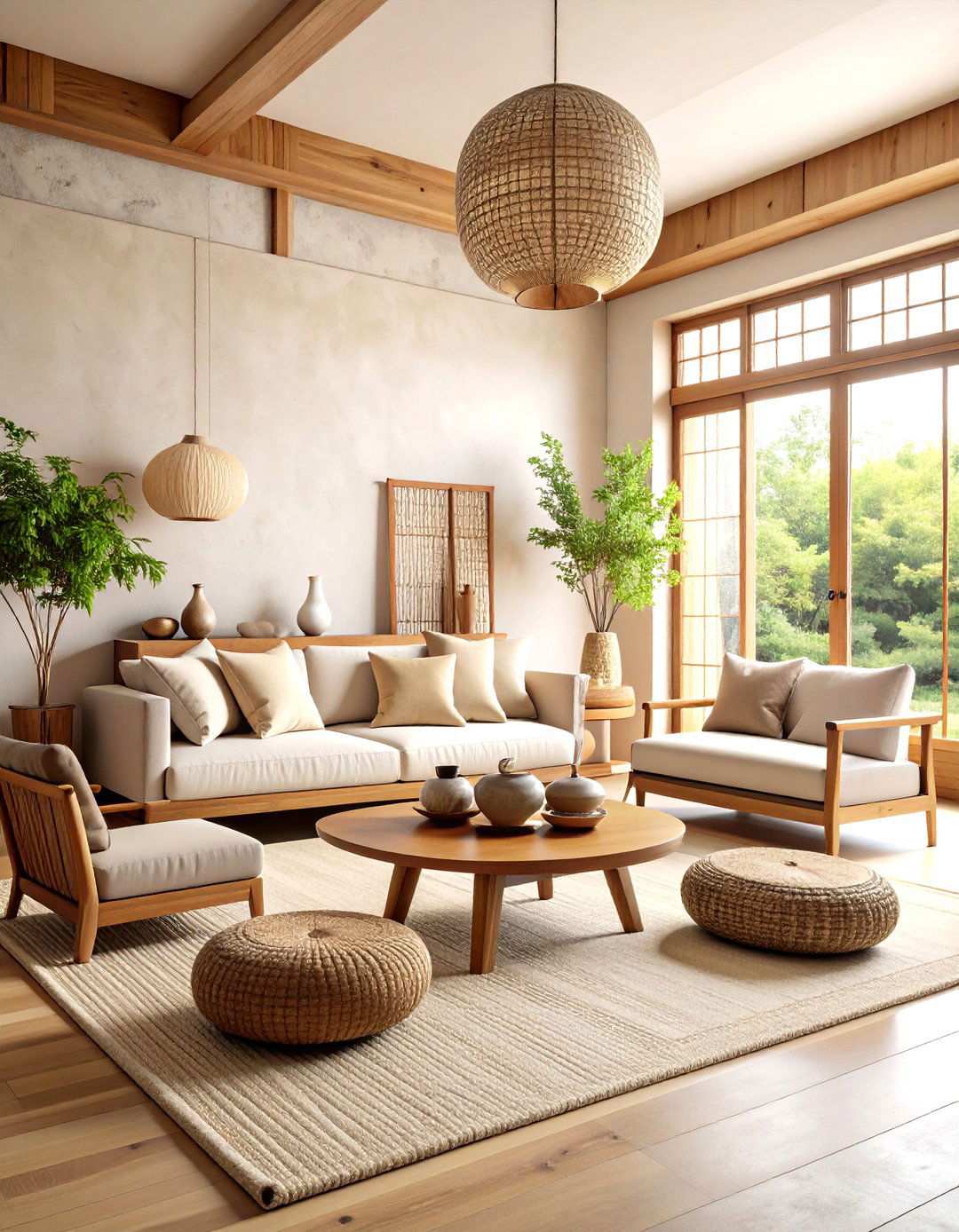
Korean living spaces can be grounded in authentic materials by incorporating natural stone surfaces and clay architectural details reminiscent of traditional hanok construction. This design features a stunning stone accent wall paired with clay-finished surfaces that provide thermal mass and natural beauty. Low furniture pieces in warm wood tones complement the earthy materials while maintaining the characteristic Korean profile. Traditional ceramic vessels and pottery serve both decorative and functional purposes throughout the room, adding a touch of authenticity to the space. Natural fiber rugs soften the hard surfaces while adding warmth underfoot, creating a sense of coziness and relaxation. Subtle lighting highlights the materials’ natural textures without creating harsh shadows, drawing the eye to the beauty of the materials and the connection to Korea’s ancient building traditions and natural landscape.
9. Serene Oasis: A Zen-Inspired Korean Living Room for Mindfulness
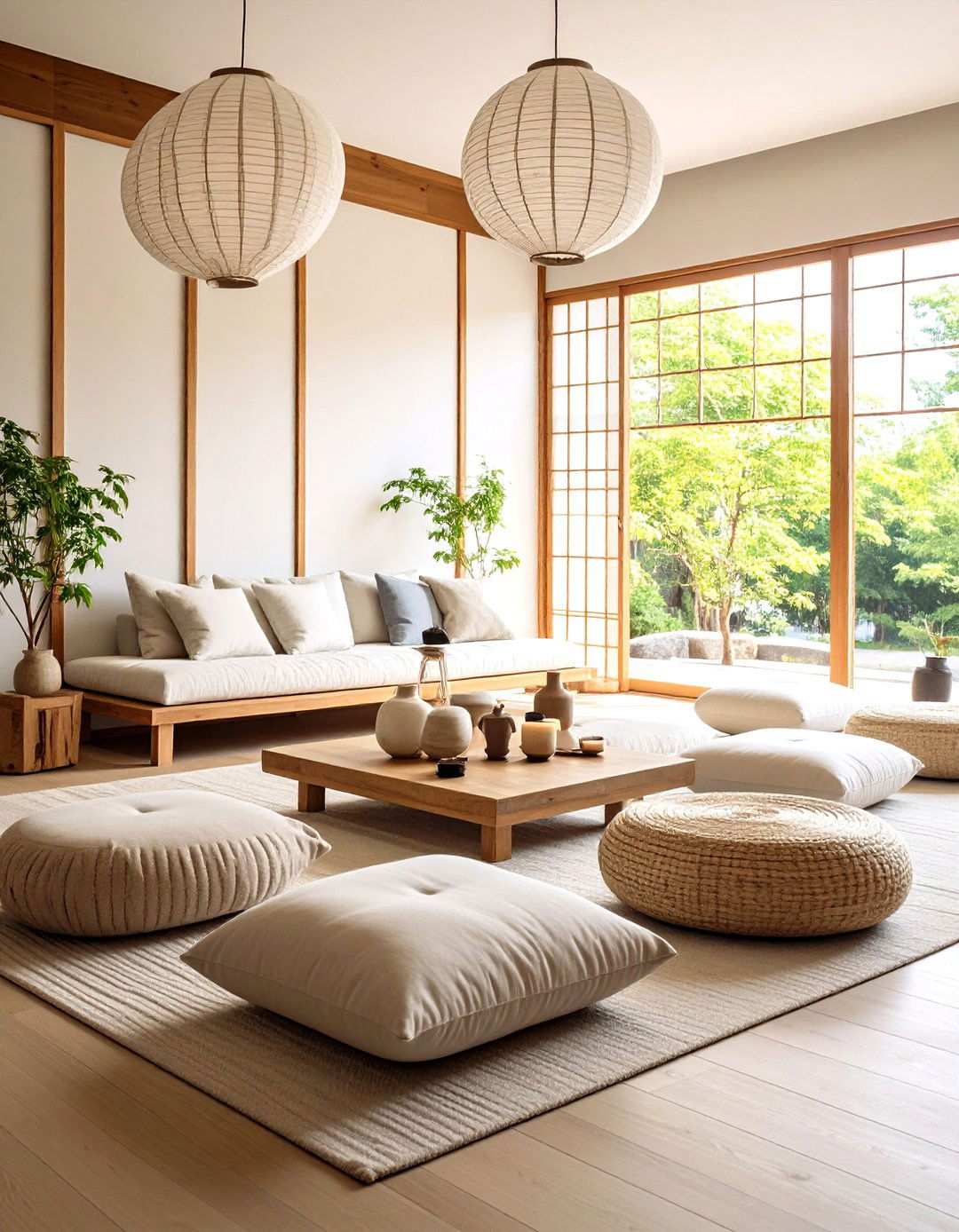
Craft a tranquil retreat by thoughtfully designing spaces that foster quiet contemplation and meditation practice. This living room features a dedicated meditation area with plush floor cushions arranged around a simple wooden display piece, creating a peaceful atmosphere for reflection. A carefully curated selection of furniture maintains minimal visual distractions through a neutral color palette and clean lines. The incorporation of natural materials like bamboo, wood, and cotton promotes a harmonious environment that supports mental clarity. Gentle evening lighting courtesy of paper lanterns creates a calming ambiance, while indoor plants not only purify the air but also connect the space to nature’s soothing influence. Thoughtfully designed storage solutions keep meditation essentials organized, yet easily accessible when needed.
10. Streamlined Functionality: Korean Living Room Storage Solutions
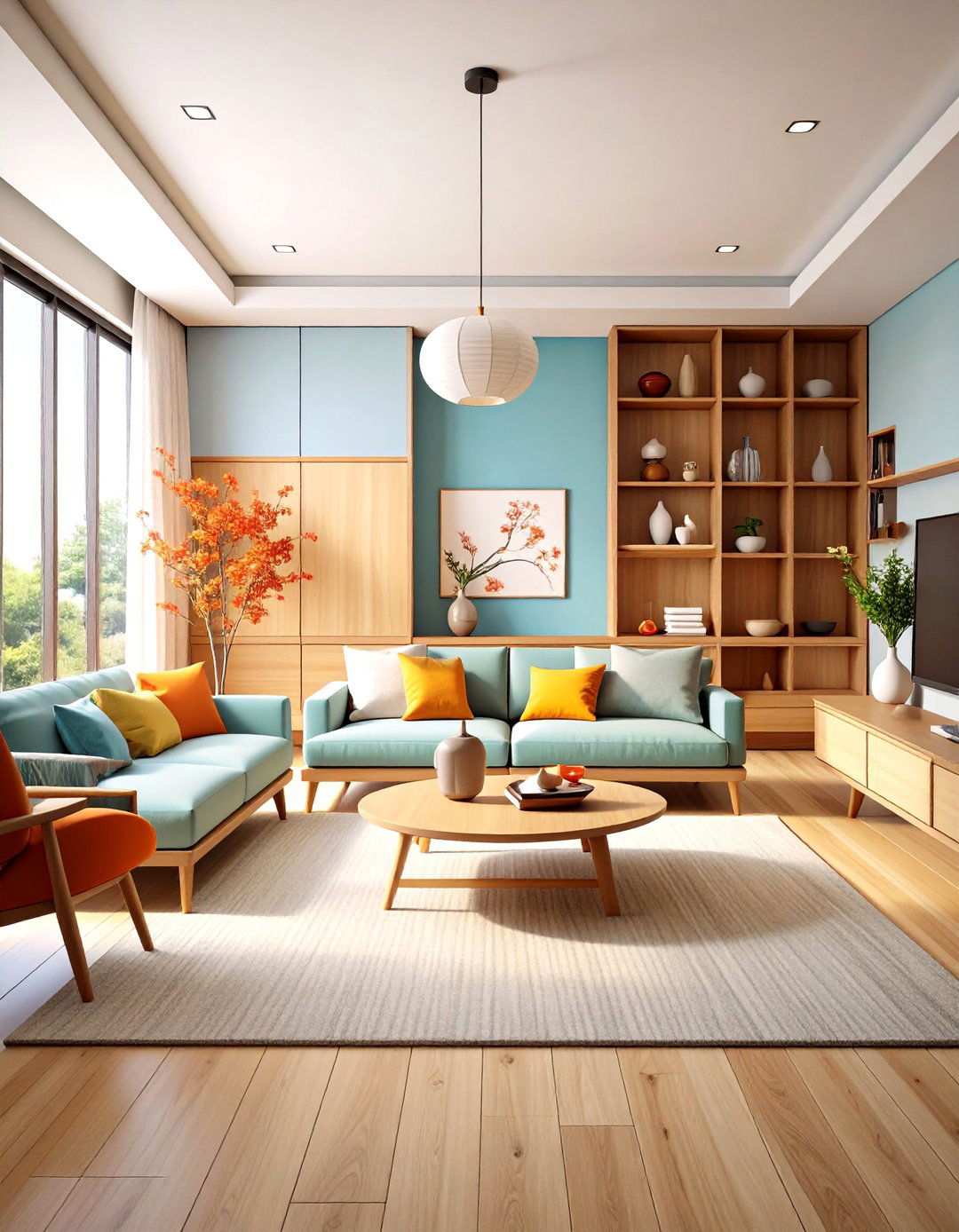
Achieve a perfect balance of form and function by incorporating innovative built-in storage systems that eliminate visual clutter, maintaining a minimalist aesthetic throughout the living space. This design showcases custom cabinetry seamlessly integrated into walls, providing ample storage without disrupting the room’s fluidity. Low-profile furniture pieces feature hidden compartments and drawers, maintaining clean exterior lines that blend harmoniously with the surrounding design. A neutral color palette extends to storage solutions, ensuring they blend seamlessly with the overall design scheme. Thoughtfully designed open shelving displays select decorative objects while concealing everyday items behind closed doors. The natural wood finishes on built-ins create visual continuity with furniture pieces, exemplifying the Korean design principle of beauty through thoughtful space planning and functional design.
11. Harnessing the Power of Nature: Korean Living Room with Abundant Natural Light
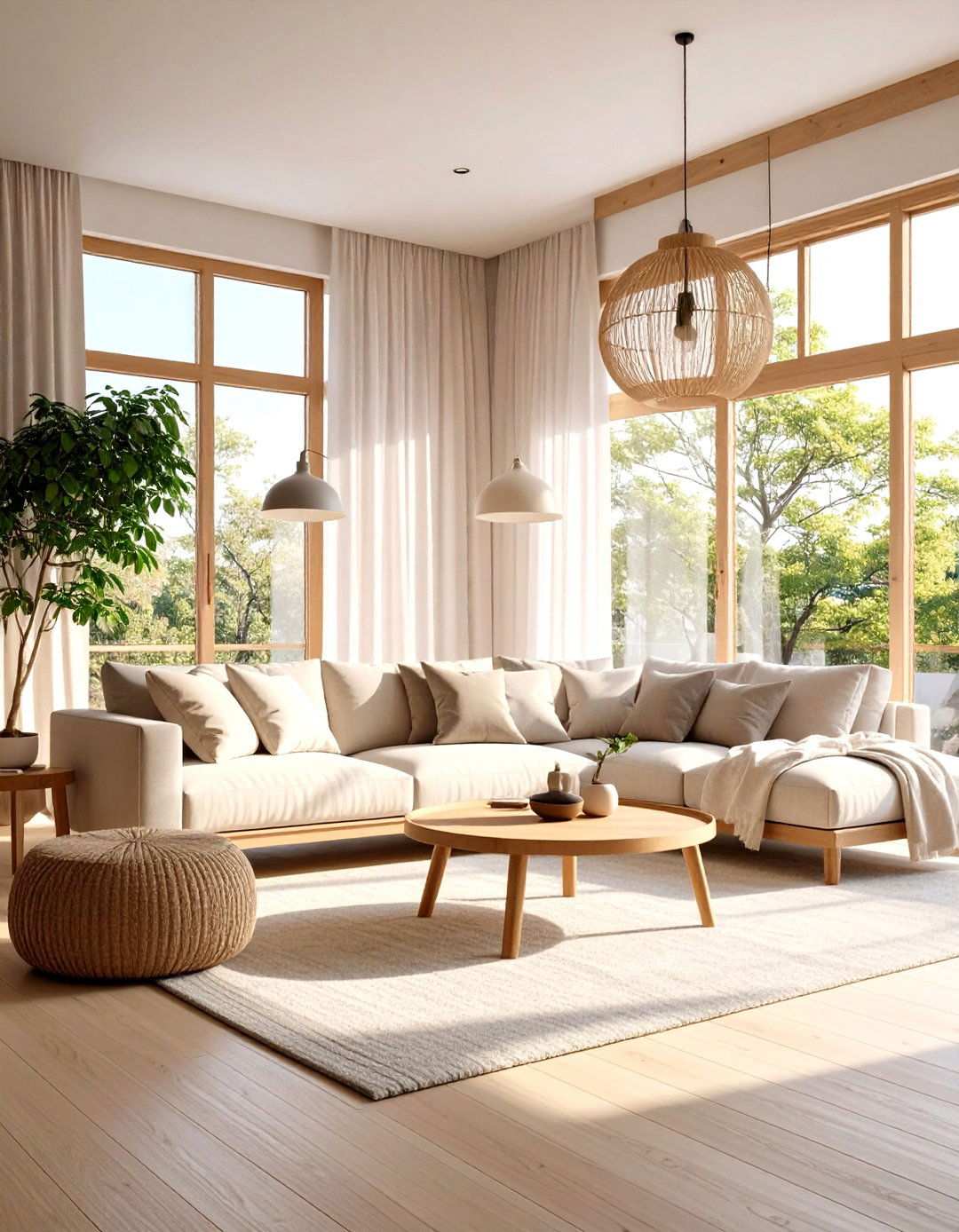
Celebrate Korea’s reverence for natural light by strategically placing windows and incorporating innovative daylighting solutions that minimize the need for artificial illumination during daylight hours. This design features expansive, unobstructed windows paired with light-colored surfaces that reflect and amplify available sunlight throughout the space. Sheer curtains made from natural fibers provide a sense of seclusion without obstructing precious daylight. Furniture placement is carefully designed to maximize access to natural light, creating inviting seating areas for reading and relaxation. Light wood tones and white walls create a bright, airy atmosphere that subtly evolves throughout the day. As the sun sets, warm, low-level lighting sources maintain the peaceful ambiance, ensuring a seamless transition from daylight to evening.
12. Harmonious Korean Tea Room Living Space
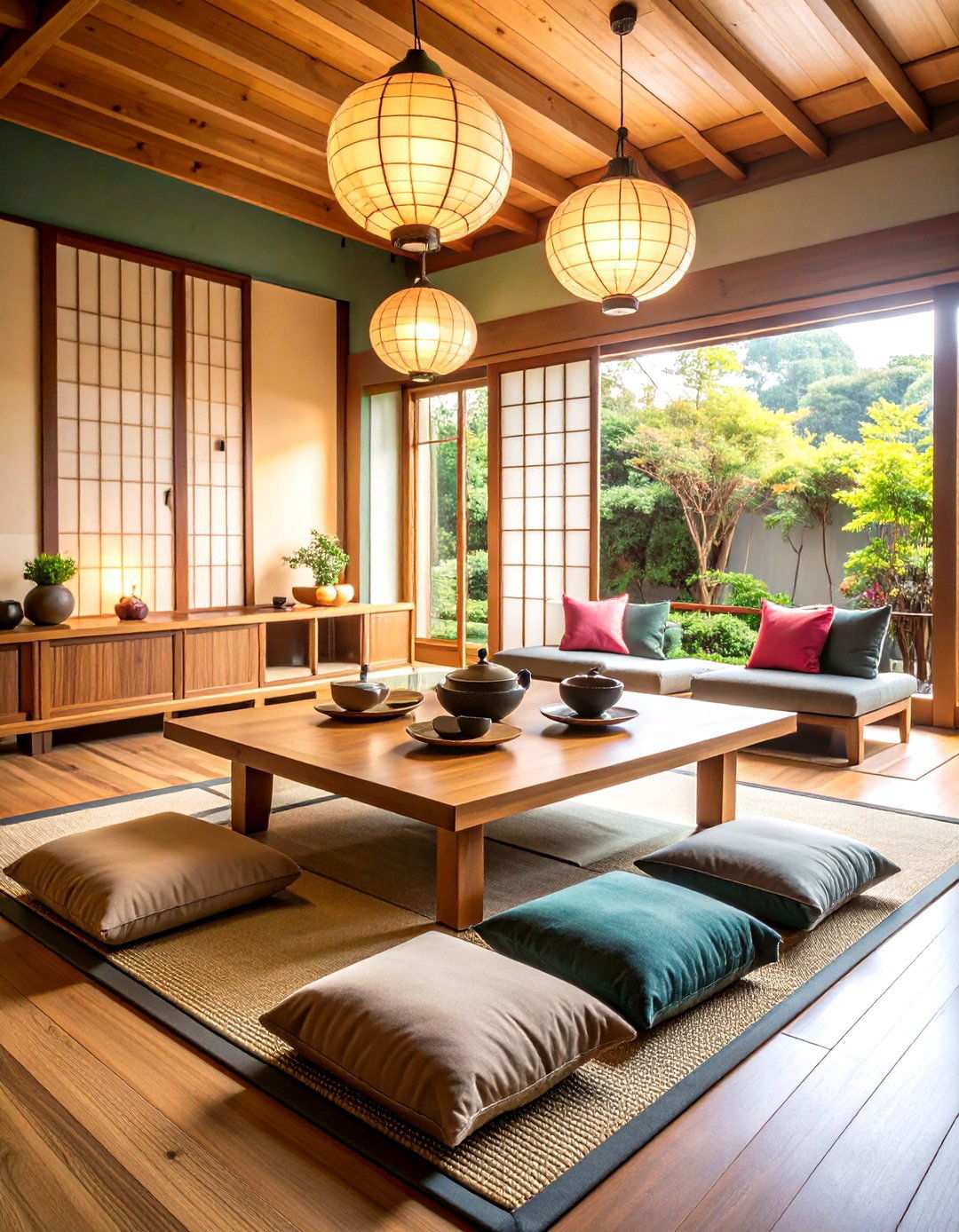
Inspired by the profound cultural significance of the Korean tea ceremony, this living room design weaves together specialized furniture and accessories that foster mindfulness and appreciation for this revered tradition. A beautifully crafted low tea table takes center stage, surrounded by plush floor cushions that invite intimate gatherings and conversations. Traditional tea storage cabinets showcase exquisite ceramics and an array of seasonal tea selections, maintaining a clean and sophisticated aesthetic. The judicious use of natural materials creates a serene environment conducive to the mindful preparation and enjoyment of tea, while soft lighting from paper lanterns sets the tone for enchanting afternoon tea sessions. By focusing attention on the ceremony’s ritual objects and movements, this design honors Korean cultural heritage while providing a functional space for modern entertaining and relaxation.
13. Korean Living Room with Verdant Indoor Oasis
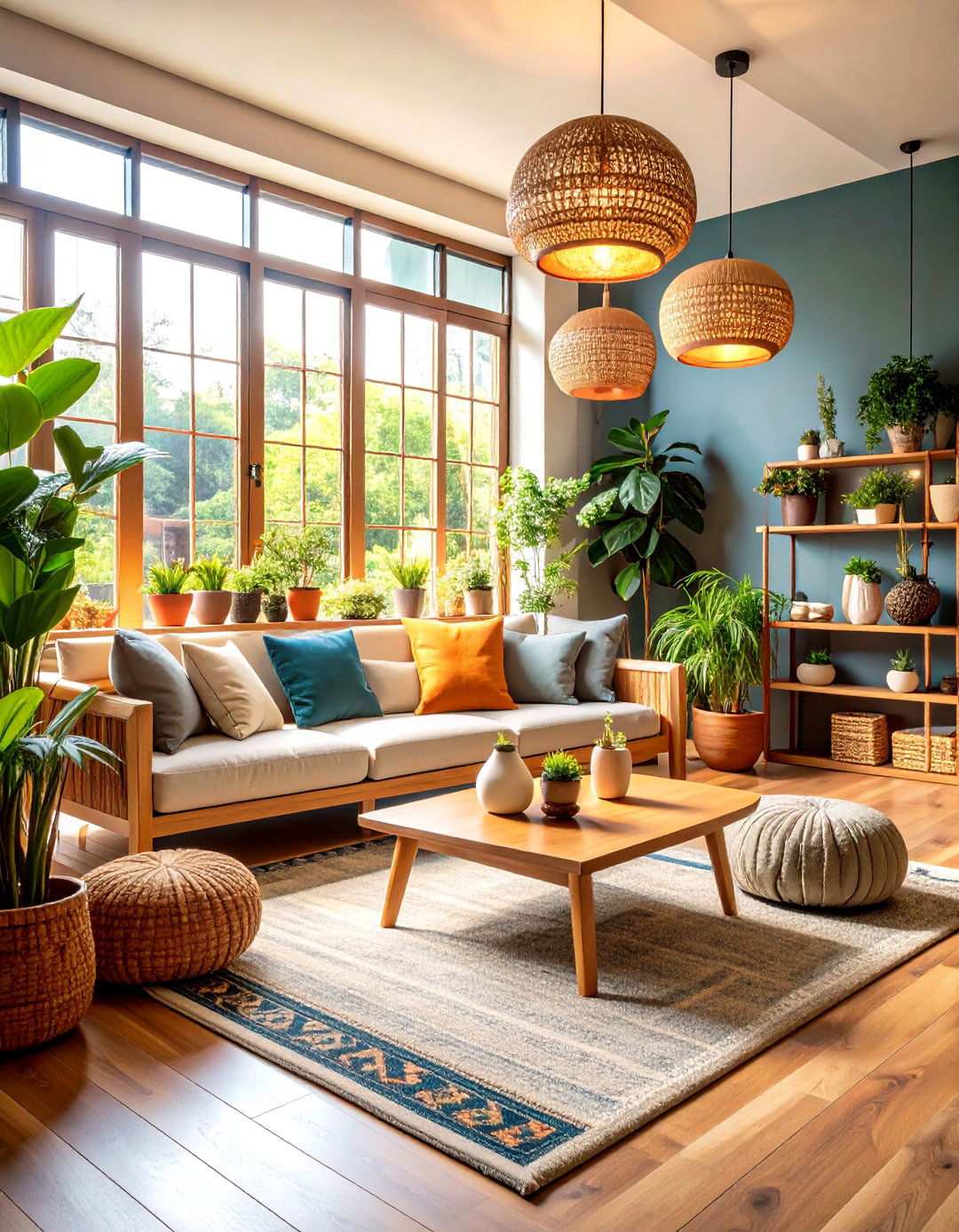
Incorporating elements of nature into the living space, this design brings Korea’s breathtaking landscapes indoors through the strategic placement of carefully selected plants and garden features. A diverse array of indoor plants, ranging from compact succulents to statement trees, are arranged in natural ceramic planters throughout the space, creating a visual connection to the great outdoors. A dedicated plant display area boasts specialized lighting and humidity control, perfect for nurturing the plants and showcasing their natural beauty. Natural wood furniture and neutral textiles provide a soothing backdrop for the greenery, allowing it to take center stage without competing for visual attention. Comfortable seating invites relaxation and contemplation, while the air-purifying properties of the plants enhance the living environment and add a touch of organic beauty that evolves with the seasons.
14. Artisanal Korean Living Room with Refined Accents
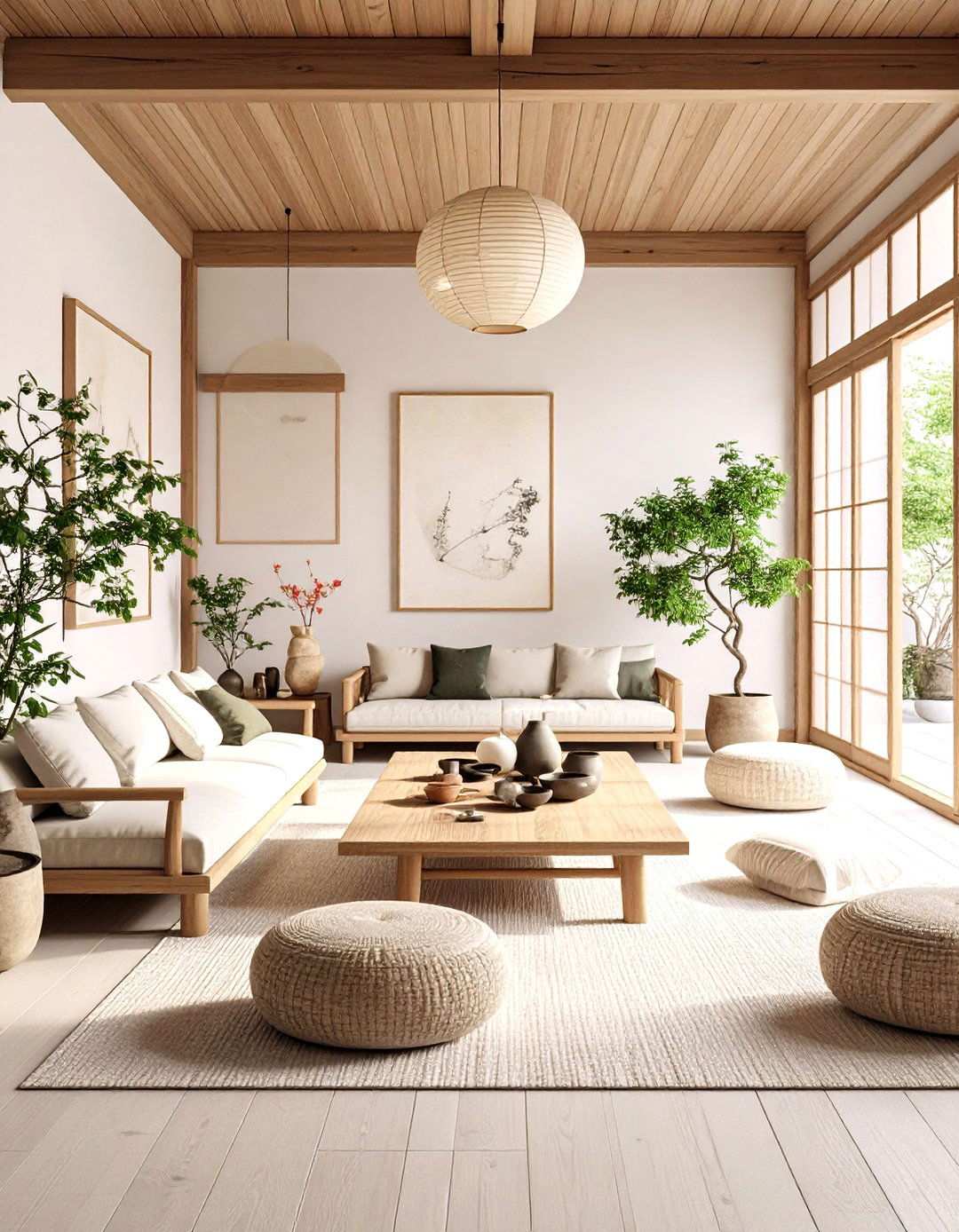
In this thoughtfully designed living room, the beauty of Korean art and craftsmanship takes center stage, creating a visually striking space that celebrates the country’s rich artistic heritage. Traditional Korean calligraphy, celadon ceramics, and contemporary art pieces are carefully positioned throughout the neutral-toned space, each one given ample breathing room to be appreciated individually while contributing to the overall aesthetic harmony. The subtle interplay of natural lighting highlights the artwork’s intricate details and colors, adding depth and nuance to the space without overpowering its serene character. Simple, unobtrusive furniture pieces serve as neutral backdrops that allow the art to become the focal points, while the subdued color palette ensures that the artistic elements receive the attention they deserve, maintaining the room’s peaceful and contemplative atmosphere.
15. Harmonious Korean Living Spaces through Adaptive Design
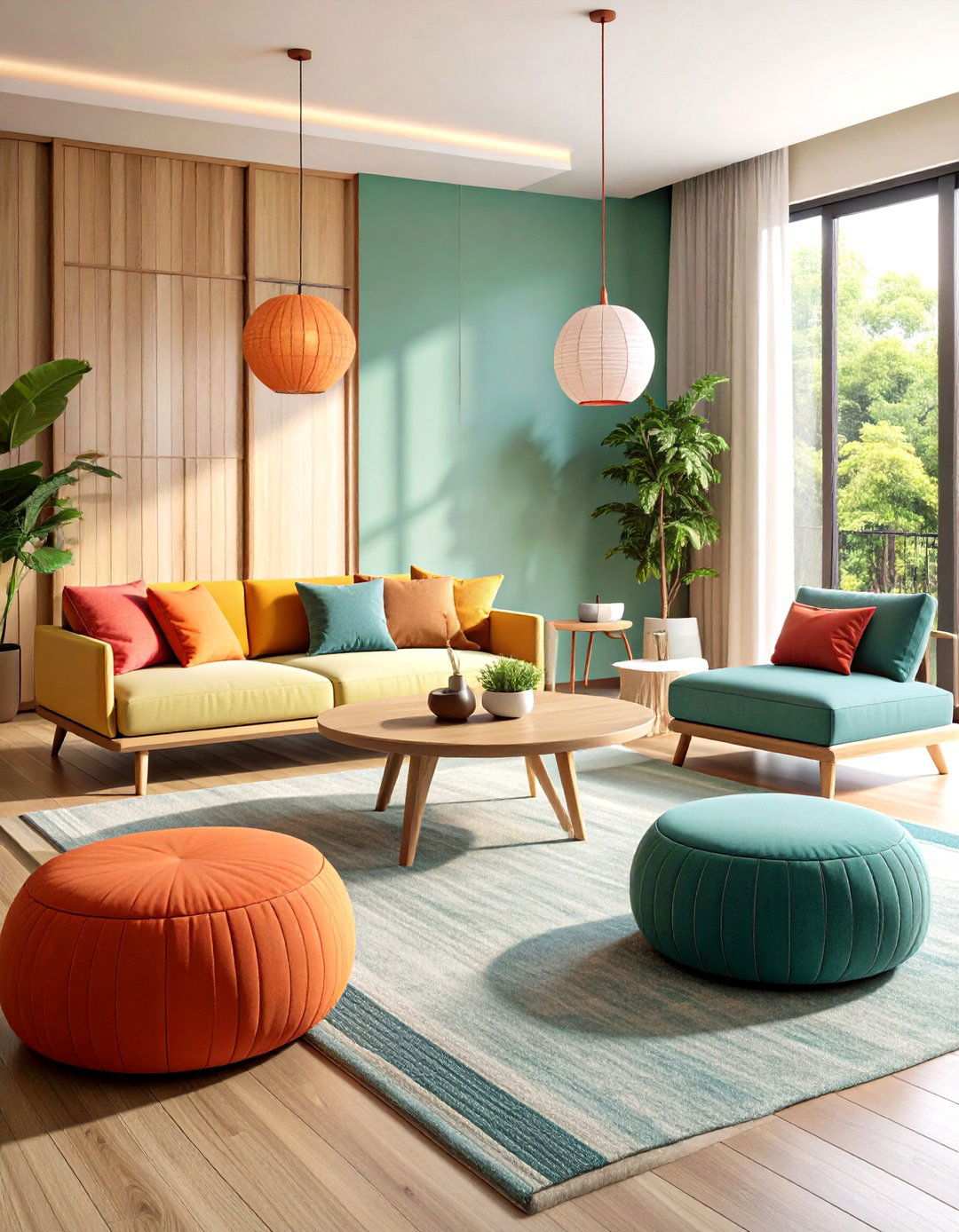
Adaptability is at the heart of Korean design philosophy, as showcased in this innovative living room concept that seamlessly merges functionality and aesthetics. By incorporating furniture pieces that can be effortlessly rearranged, this space effortlessly transitions between intimate conversation areas and larger gatherings, accommodating diverse group sizes with ease. Lightweight, modular seating options move fluidly to create distinct spaces, while low tables on casters provide adaptable surface space that effortlessly adapts to changing needs throughout the day. Additionally, storage ottomans not only serve a dual purpose but also maintain the sleek visual lines characteristic of Korean design, striking a perfect balance between form and function. The open floor plan allows for multiple furniture configurations without sacrificing comfort or aesthetics, while neutral colors ensure that rearranged pieces harmoniously coordinate with one another. This approach exemplifies Korean values of efficiency, practicality, and beauty, creating a truly cohesive living space.
16. Authentic Korean Comfort through Modern Ondol Design
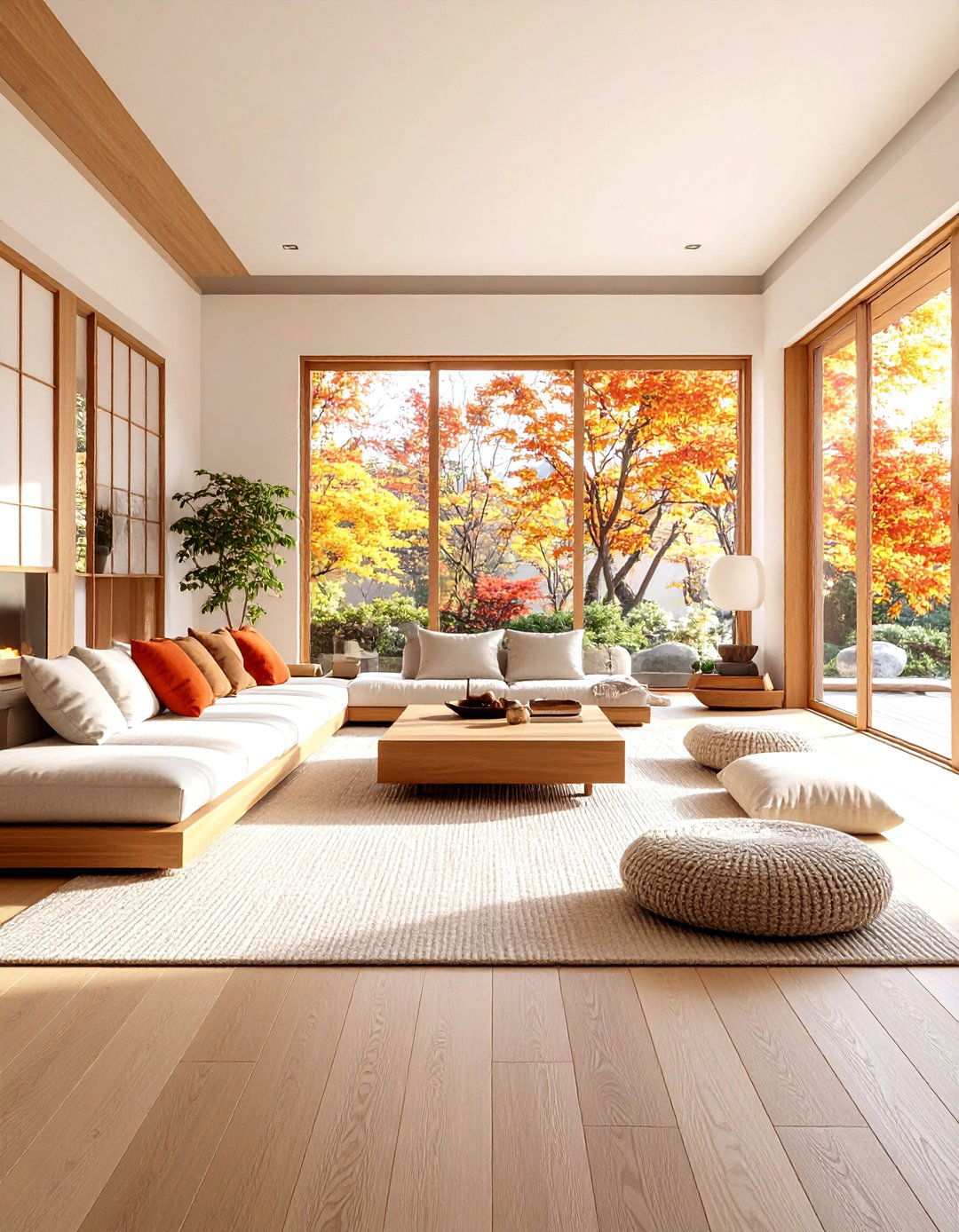
Experience the warmth and coziness of traditional Korean ondol heating systems, reimagined for the modern era and combined with low seating arrangements that perfectly capture the essence of floor-based living. This design features a sunken seating area with subtle, radiant floor heating that invites relaxation and socialization. Plush cushions and soft throws add an extra layer of comfort, allowing individuals to sink into the heated surface. The surrounding area maintains standard floor height, accommodating guests who prefer chair seating, while natural materials create a cohesive design that honors traditional Korean architecture while meeting contemporary comfort expectations. Subtle, ambient lighting further emphasizes the cozy atmosphere, all while maintaining the room’s clean, uncluttered appearance. This innovative combination of traditional and modern elements offers an authentic cultural experience with the added convenience of modern amenities.
17. Sustainable Korean Design through Bamboo and Natural Materials
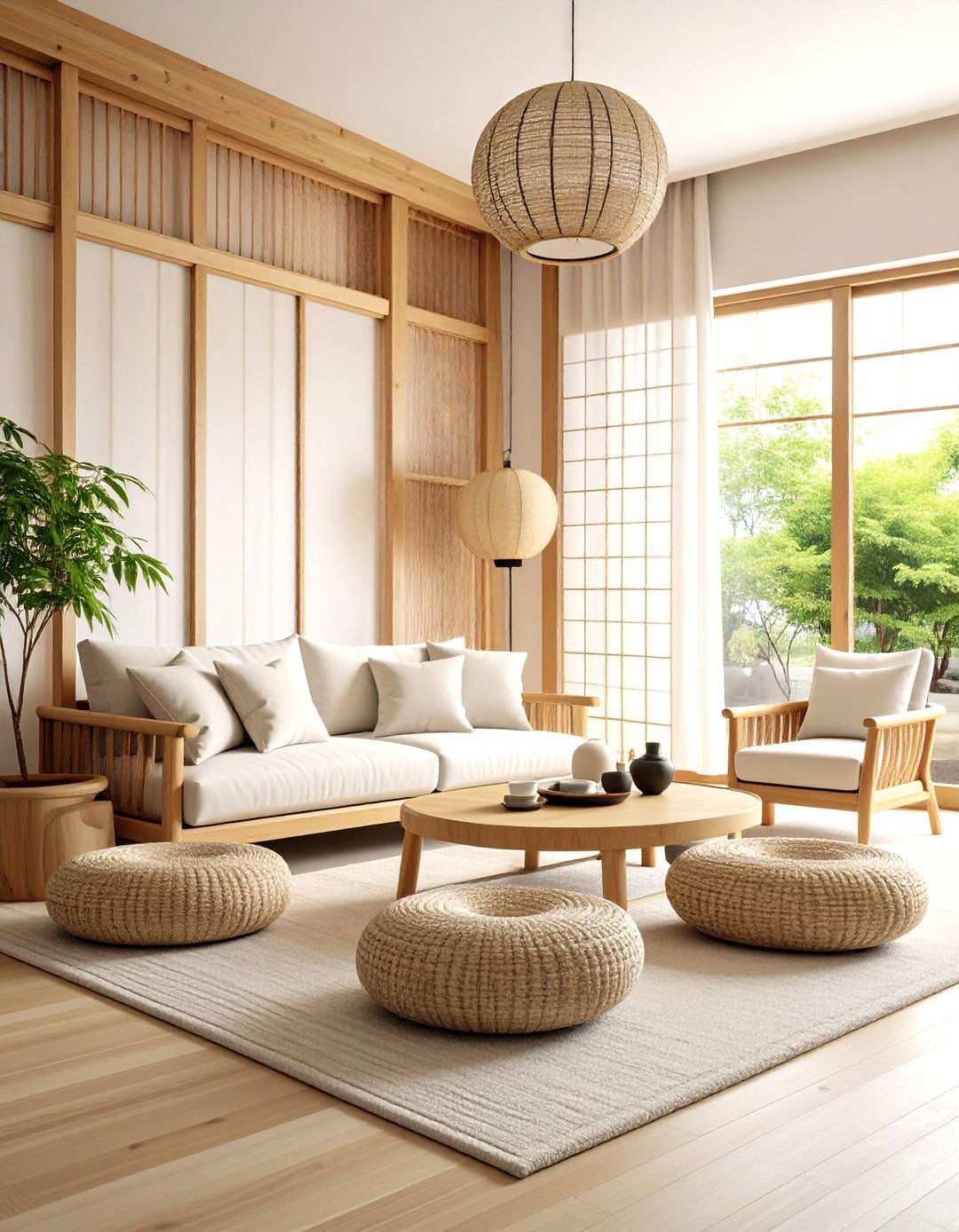
Embracing the spirit of Korean environmental consciousness, this design incorporates an abundance of sustainable materials, including bamboo furniture and natural fiber textiles, to create a harmonious living space that reflects the country’s commitment to eco-friendliness. Bamboo furniture pieces boast clean, simple lines that embody the essence of Korean minimalism while supporting environmental sustainability. Natural fiber rugs, curtains, and upholstery add warmth and texture to the space without introducing synthetic materials, while the neutral color palette highlights the natural beauty of these organic materials. Bamboo room dividers provide flexible space definition while maintaining visual openness, creating a sense of flow and continuity. Indoor plants not only complement the natural materials but also contribute to improved air quality, demonstrating how Korean design principles seamlessly align with contemporary environmental awareness and sustainable living practices.
18. Embracing Modernity in Korean Living Spaces
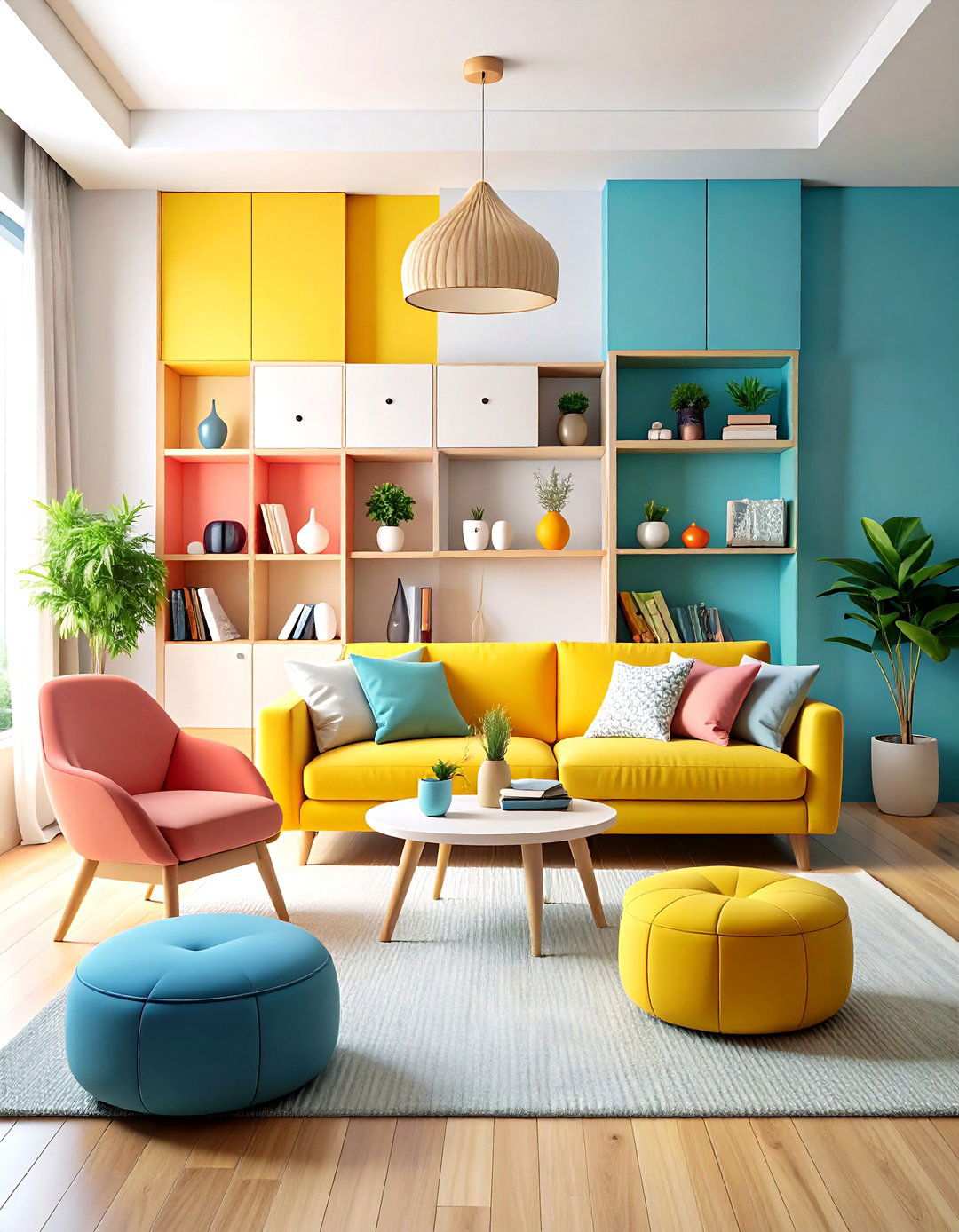
Incorporating smart storage solutions is a hallmark of modern Korean living, where technology and innovation blend seamlessly with minimalist aesthetics to optimize functionality in compact urban environments. By integrating hidden storage compartments into furniture pieces and wall systems, everyday items remain organized yet invisible, freeing up space for relaxation and entertainment. The intuitive control of smart home technology streamlines lighting, temperature, and entertainment systems, eliminating clutter and distractions. As a result, the clean, uncluttered appearance remains paramount while contemporary conveniences enhance daily living. The strategic use of neutral colors and natural materials ensures a harmonious balance between traditional design principles and modern lifestyle needs, demonstrating the adaptability of Korean aesthetics in the face of urban living challenges.
19. Seasonal Refresh in Korean Living Spaces
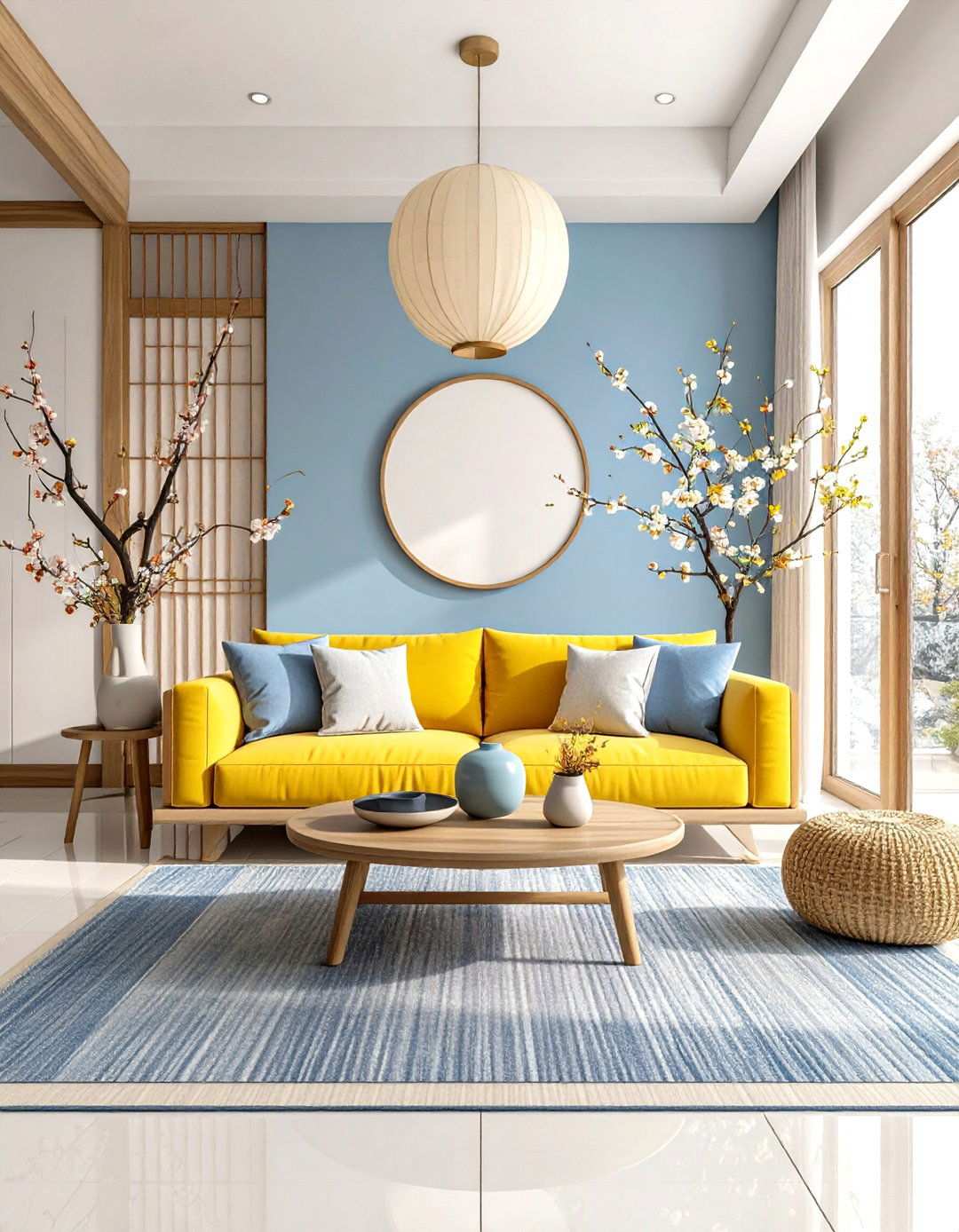
Designing a living space that celebrates Korea’s distinct seasons requires a flexible approach, one that balances the need for change with the desire for a consistent aesthetic. This approach involves pairing neutral base furnishings with seasonal decorative elements like textiles, ceramics, and plants, each reflecting the unique character of its corresponding season. As the seasons unfold, the room undergoes a series of subtle transformations, from the soft pastels and flowering branches of spring to the cooling elements and light fabrics of summer, the warm earth tones and harvest displays of autumn, and the cozy textures and warm lighting of winter. By embracing this cyclical approach, homeowners can create dynamic living spaces that evolve with time while maintaining a deep connection to Korean cultural heritage.
20. Balancing Tradition and Minimalism in Korean Design
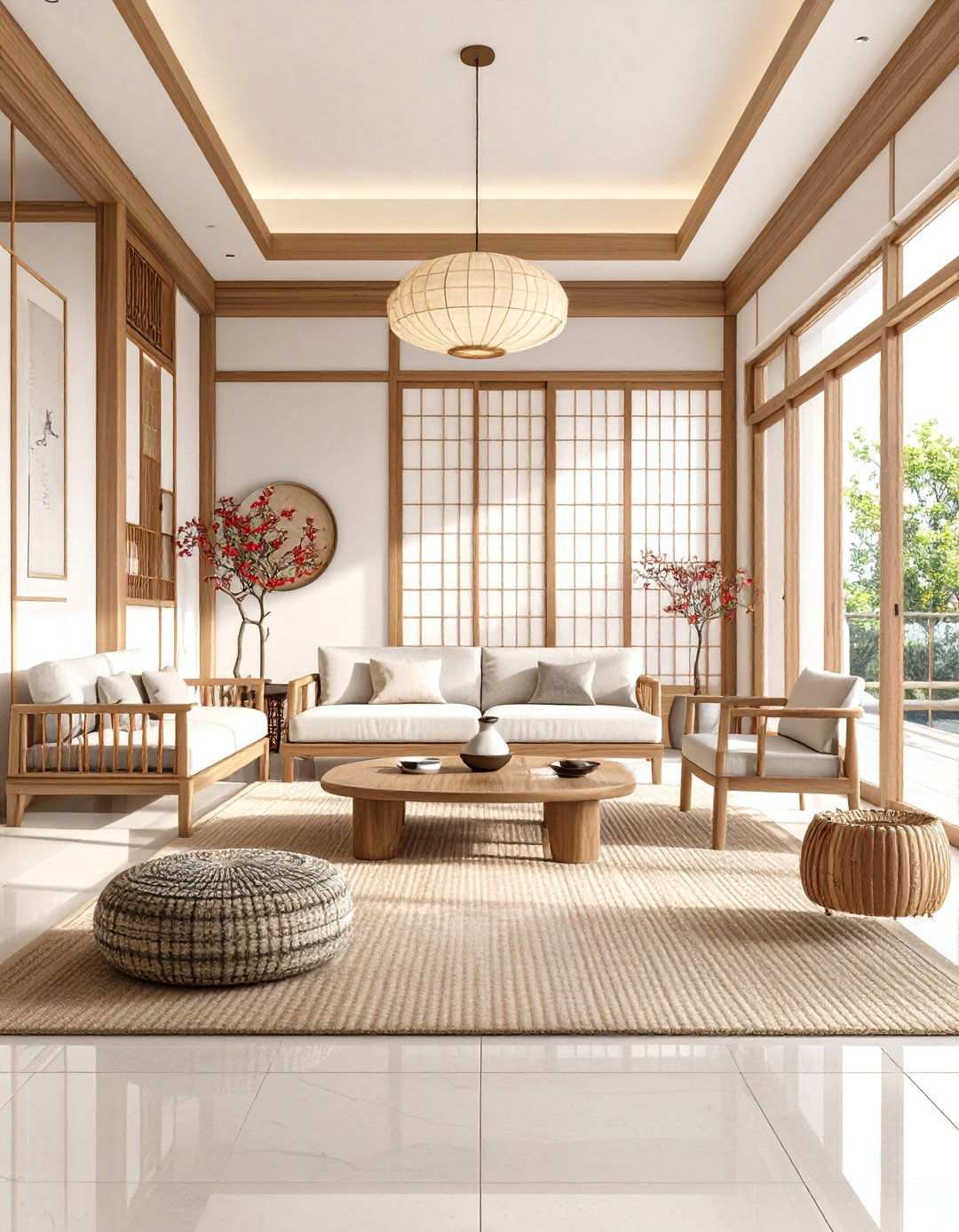
The incorporation of subtle geometric patterns inspired by traditional Korean design motifs is a clever way to introduce visual interest into a minimalist living space. By carefully selecting textiles and accessories that feature classic Korean patterns like the taegeuk symbol or traditional lattice work, homeowners can create a balanced design that grounds the space while allowing pattern details to take center stage. Furniture maintains clean, simple lines that provide a neutral backdrop for the patterned elements, while the strategic use of natural materials ensures a sense of warmth and cohesion. This approach demonstrates the successful integration of traditional Korean motifs into contemporary minimalist living spaces, where patterns enhance the peaceful atmosphere rather than dominating it.
21. Korean Oasis for Body and Mind
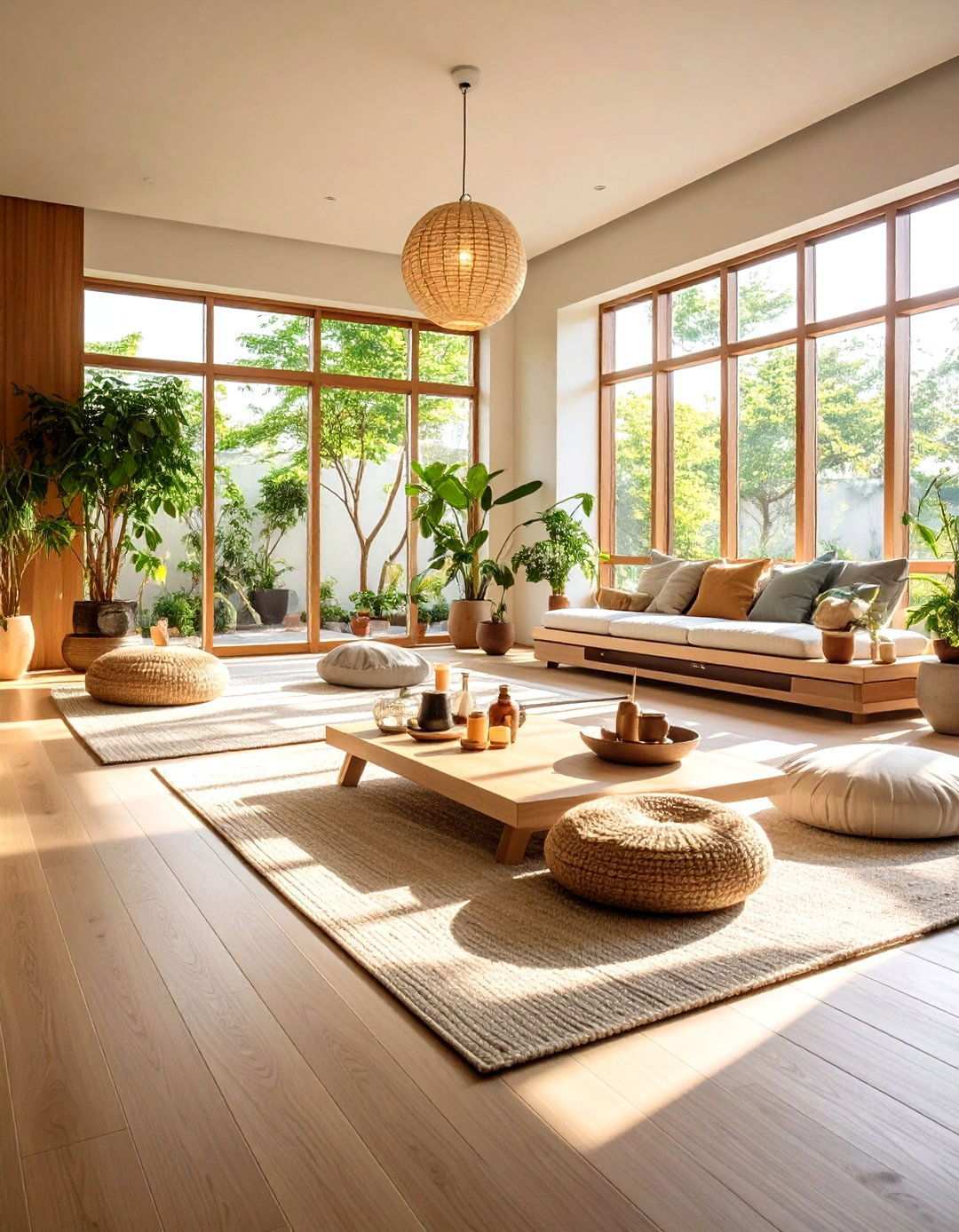
Craft a sanctuary that nourishes the body and calms the mind, incorporating deliberate design elements to foster relaxation, self-awareness, and healthy habits. By thoughtfully integrating air-purifying plants, optimized natural light, and ergonomic furniture, this space encourages users to adopt habits that promote overall well-being. A serene meditation or yoga area features specially designed flooring and accessible storage for wellness tools, while essential oil diffusers and natural scents create a soothing atmosphere that enhances mental clarity. The strategic use of sound-absorbing materials minimizes distractions, while natural materials maintain a connection to the outdoors, creating an immersive experience that echoes Korean values of balance and harmony.
22. Cultural Legacy in the Living Room
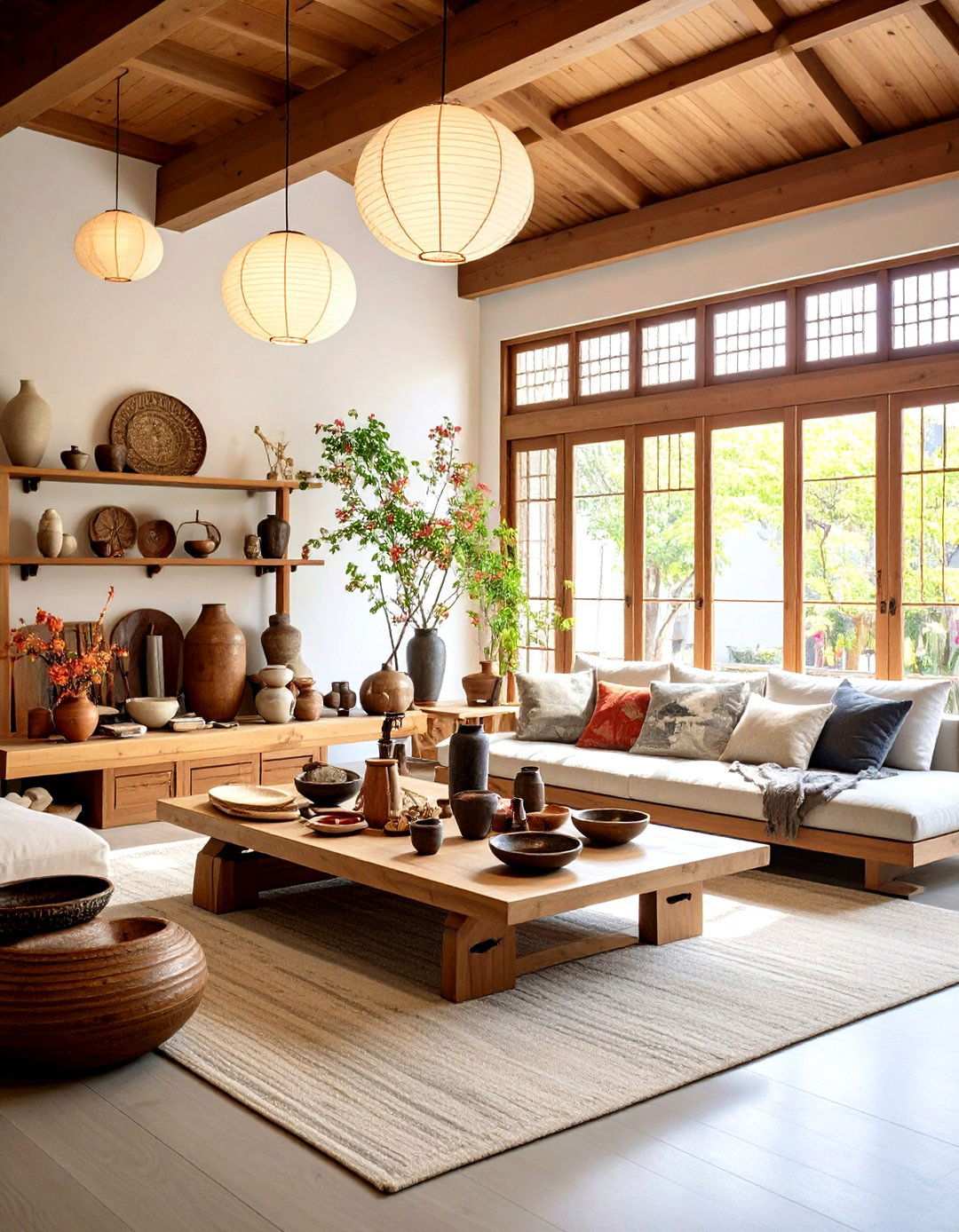
In a nod to Korea’s rich artistic heritage, curate a showcase of handcrafted objects that celebrate the country’s masterful artisans and their exquisite creations. This design seamlessly integrates traditional ceramics, textiles, woodwork, and metalcraft as both functional and decorative elements, carefully positioned throughout the space to create a visually stunning narrative. Built-in display areas with bespoke lighting highlight the intricate craftsmanship, safeguarding valuable pieces while allowing them to take center stage. By rotating seasonal displays, you can keep the space fresh and dynamic, featuring new pieces throughout the year. This thoughtful approach honors Korean cultural traditions while creating unique, meaningful spaces that resonate with individual artistic sensibilities and cultural connections.
23. Interconnected Generations in Harmony
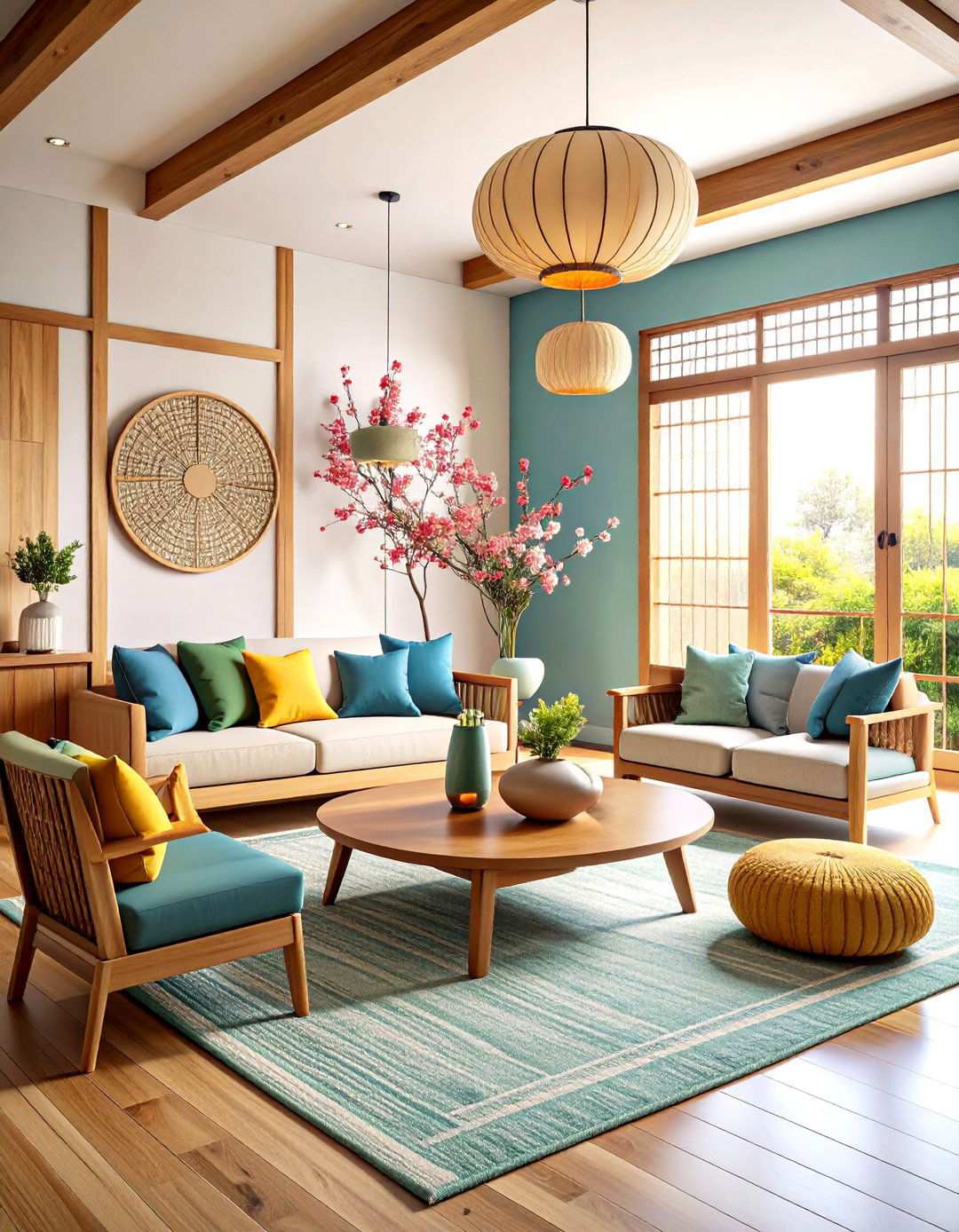
Design a living space that harmoniously accommodates diverse age groups and abilities, upholding Korean principles of beauty, functionality, and balance. By incorporating varied seating options, from floor cushions to standard chairs, this inclusive design ensures comfort for all family members. Universal design principles are thoughtfully integrated to provide accessibility without compromising the clean aesthetic. Flexible storage solutions reach different heights and offer a range of options, catering to diverse needs. The layout facilitates easy navigation and creates intimate conversation areas for family bonding, while natural materials and neutral colors create a timeless environment that appeals to diverse generational preferences. This approach reflects Korean family values, addressing the complexities of contemporary multi-generational living.
24. Harmonious Balance of Tradition and Innovation
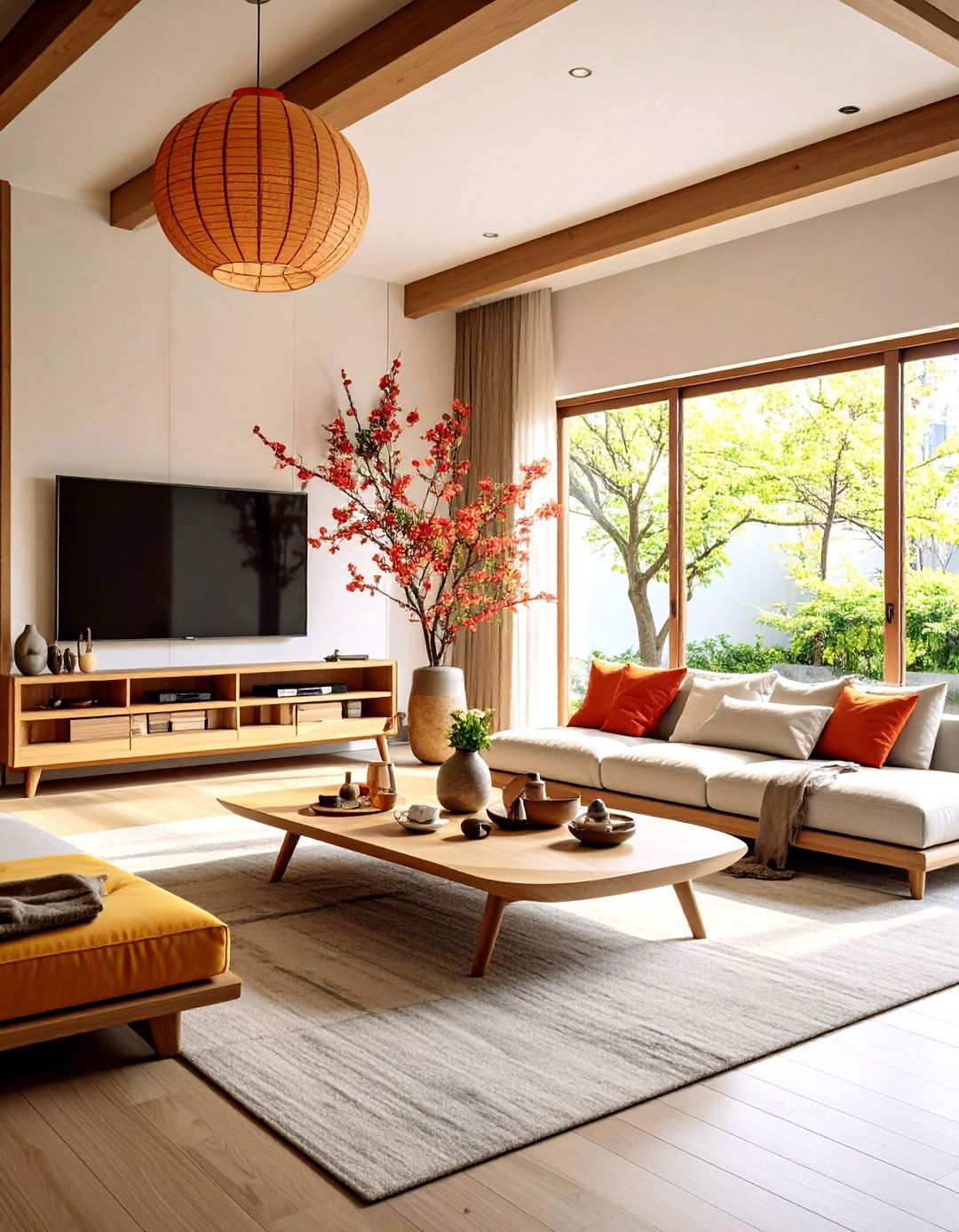
A thoughtfully designed Korean living room strikes a perfect balance between modern technology and traditional design principles, seamlessly integrating the two to create a clean and uncluttered space. By cleverly concealing televisions, speakers, and charging stations within furniture pieces or architectural elements, the focus remains on the clean aesthetic, while still providing full access to contemporary entertainment and communication capabilities. This approach enables homeowners to control their smart home systems, including lighting, temperature, and security, through discreet and invisible control panels or devices. The neutral color palette and use of natural materials continue to dominate the space, while technology plays a vital role in enhancing functionality without compromising the visual purity of the room. To maintain a minimalist appearance, furniture often features built-in power solutions and device storage, ensuring a clean surface appearance that is both functional and aesthetically pleasing. By embracing this balanced approach, homeowners can successfully combine modern lifestyle requirements with the timeless values of Korean culture and environmental harmony.