When disaster strikes, store shelves will empty fast. While many preppers spend big bucks stocking up on gear, a true survivalist knows that self-reliance means learning how to make essentials from scratch. Not only does this save money, but it ensures you’ll still have what you need if supply chains collapse.

As an Amazon Associate I earn from qualifying purchases.
Here are 33 survival items you can start making today—perfect for practice now and essential for survival later.
1. Antibiotic Wound Cream
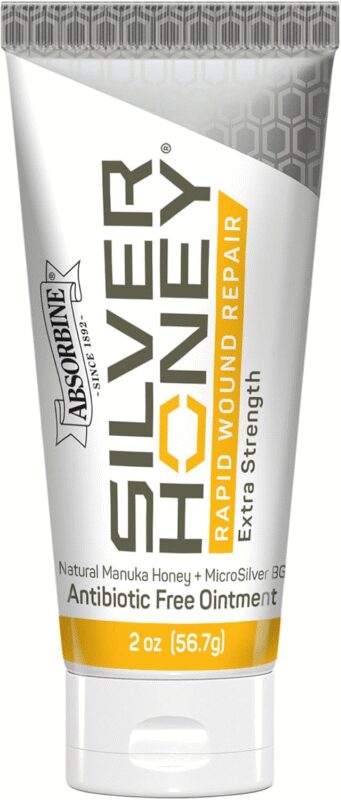
Infections are a major risk in survival situations. A simple cut can turn life-threatening without treatment. Making your own antibiotic cream from natural ingredients—like coconut oil, beeswax, and antibacterial herbs or essential oils—ensures you’ll have a reliable way to prevent infection. Stored in small tins, this DIY salve can last for months and provides peace of mind when medical supplies are scarce.
2. Aquaponics Garden
A self-sustaining food system is invaluable in a long-term crisis. Aquaponics combines fish farming with gardening: fish waste fertilizes the plants, while the plants filter the water for the fish. A setup can be as small as a few containers and pipes, yet it can provide fresh vegetables and protein year-round. Once established, an aquaponics garden keeps producing food with minimal outside input.
3. Beef Jerky
Portable, lightweight, and protein-rich, beef jerky is one of the best foods for survival. Making it at home means you control the seasoning and cut costs. Slice lean beef thinly, season with salt and spices, and dry it using a dehydrator, oven, or solar dehydrator. Properly stored, homemade jerky lasts months and provides the energy needed for strenuous tasks or travel.
4. Butter
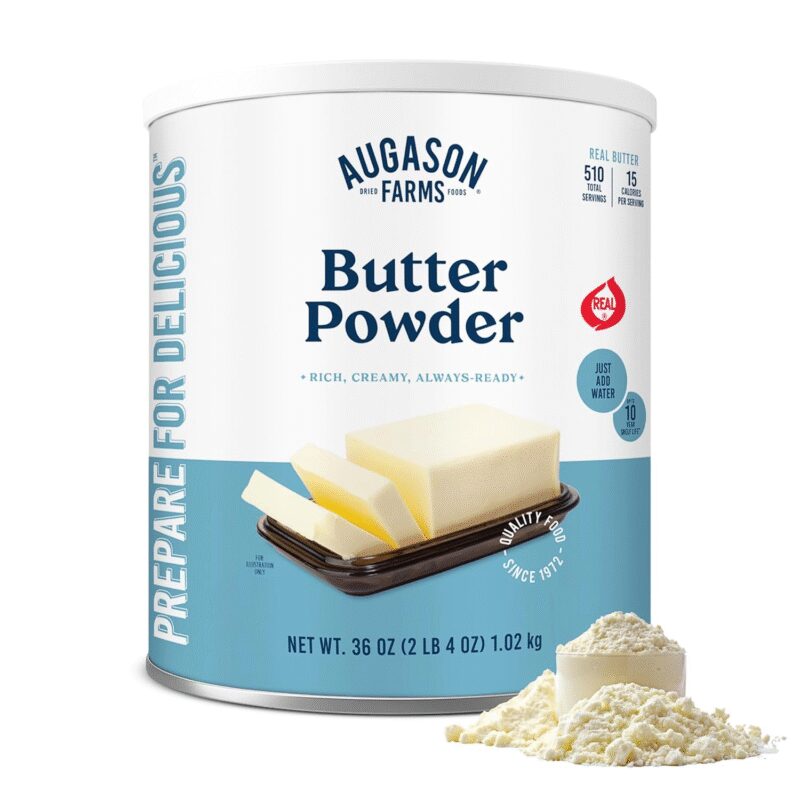
Butter isn’t just a luxury—it’s a vital source of calories and cooking fat in survival conditions. Without oils or sprays, butter prevents food from sticking to cookware and boosts nutrition. Making it is simple: churn or shake cream until it separates into butter and buttermilk. Salted butter stores longer and can be preserved in cool conditions, giving you a dependable fat source when food variety is limited.
5. Candles

Candles provide reliable light, warmth, and even insect protection if infused with oils like citronella. They’re easy to make at home from wax, old crayons, or even rendered animal fat. Pour into jars or tins with a wick, and you’ll have a renewable light source that doesn’t depend on batteries. In extended blackouts, homemade candles can make the difference between stumbling in darkness and keeping a safe, lit space.
6. Char Cloth
Fire is life in survival. Char cloth—a piece of natural fabric heated without oxygen—catches even the smallest spark and ignites quickly. It’s simple to make by placing cotton scraps in a metal tin and heating it in a fire until charred. Having a supply of char cloth means you’ll never be without reliable tinder, no matter the weather.
7. Charcoal
Charcoal isn’t just for grilling—it’s useful for filtration, heating, and cooking. Making your own involves slowly burning wood in a covered container with limited airflow. Once cooled, the charcoal can be stored indefinitely. Having the ability to create it ensures you’ll always have a dependable fuel source, even in long-term emergencies.
8. Cooler

Without refrigeration, food spoils fast. A makeshift cooler can be built with cardboard, foam, foil, and bubble wrap, creating insulation that slows heat transfer. While not as effective as a powered fridge, it can keep perishables like dairy or cooked food fresher for longer. In hot climates, this low-tech trick is a game-changer.
9. Deodorant
While not strictly necessary for survival, morale matters. Deodorant helps maintain hygiene, reduces body odor, and prevents rashes. A simple recipe uses baking soda, coconut oil, and cornstarch. In stressful situations, small comforts like staying fresh make daily life more bearable.
10. DIY Grain Mill
Grains like wheat, corn, and oats store well but need processing before use. A homemade grain mill, built from wood, PVC, and basic hardware, allows you to grind grains into flour. With it, you can bake bread, make tortillas, and expand meal options when commercial mills aren’t available.
11. Emergency Bread
Flour, salt, and water are all you need to make a simple flatbread. This survival staple cooks quickly and can be used as a sandwich base, wrap, or side with meals. Easy to make over a campfire or on a simple stove, emergency bread ensures you’ll always have a filling food option when supplies run low.
12. Fire Starter
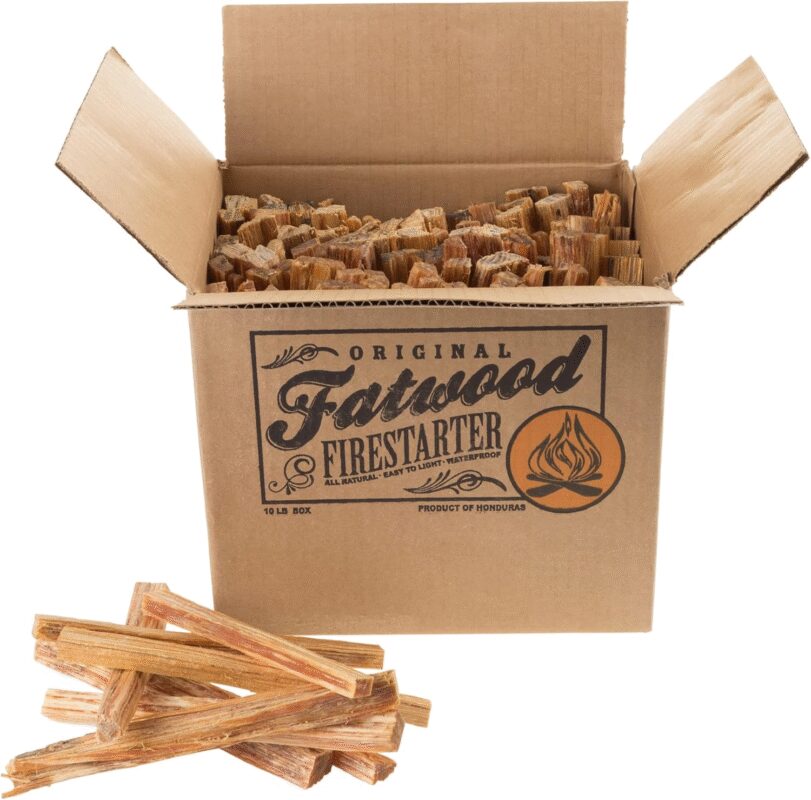
Matches run out and lighters fail. A homemade fire starter—such as cotton balls soaked in petroleum jelly, or sawdust mixed with wax—catches flame easily and burns long enough to light kindling. Keeping a supply of these ready-to-use starters can be the difference between a warm fire and a cold night.
13. Fishing Net
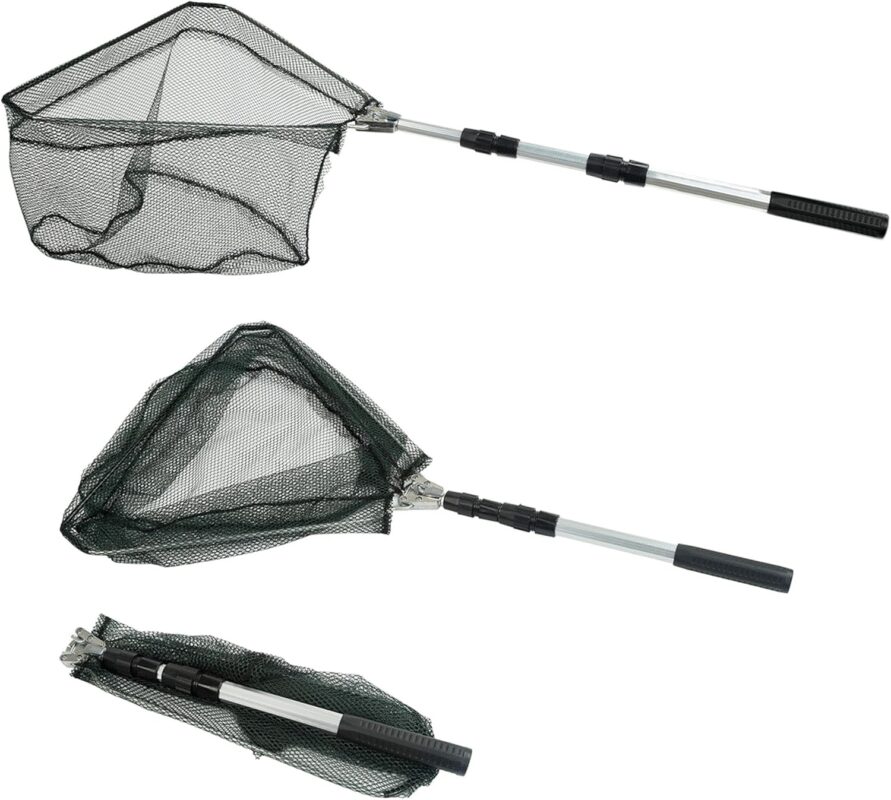
Fishing provides a renewable food source, and a net dramatically improves your chances. By knotting cordage into a grid, you can create a strong, reusable net. Though it takes time and patience, the payoff is huge when you can catch multiple fish at once instead of relying on a single line and hook.
14. Fuel (Ethanol)
Engines and generators require fuel, and learning to make ethanol gives you a renewable source of energy. Through fermentation and distillation of crops like corn or sugar, you can create a usable fuel substitute. Though it requires care and practice, this skill could keep essential tools and transportation running when fuel stations are long closed.
15. Hard Tack
This survival food has been used for centuries by sailors and soldiers. Made from flour, salt, and water, hard tack is baked until dry and can last for years if stored properly. Though plain, it’s filling and can be softened in soups or stews. Every survival pantry should have a supply.
16. Lotion
In survival situations, cracked or irritated skin can quickly become infected. Homemade lotion keeps skin hydrated and healthy, helping prevent discomfort and medical issues. A simple mix of coconut oil, beeswax, and shea butter creates a nourishing balm that lasts for months. This small luxury also goes a long way toward maintaining morale when life gets rough.
17. Mosquito Trap
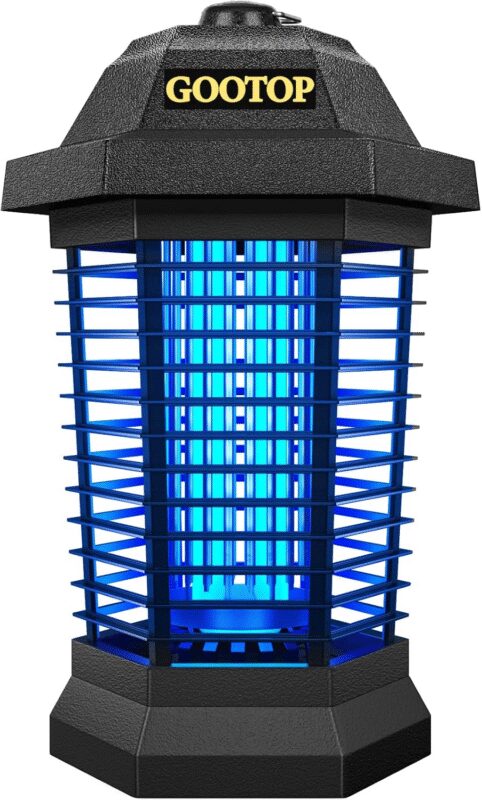
Mosquitoes aren’t just annoying—they spread diseases. A DIY trap can be made with a plastic bottle, brown sugar, water, and yeast. The mixture produces carbon dioxide, attracting mosquitoes into the bottle where they become trapped. Covered with black cloth, this simple trap is effective and reduces reliance on chemical sprays.
18. Oil Lamp
More durable than candles, oil lamps provide steady light and are harder to knock over. With just a mason jar, wick, and olive oil (or other vegetable oil), you can make a reliable lamp. These lamps burn longer than candles and can be refilled indefinitely, making them a perfect low-tech lighting solution.
19. Paracord Belt
Paracord is one of the most useful survival materials—it can be used for shelter, fishing, snares, or repairs. A paracord belt allows you to carry 50–100 feet of cord discreetly on your waist. When needed, it unravels quickly, ensuring you always have rope on hand without taking up pack space.
20. Plant Pest Deterrent
A survival garden is only as good as the harvest it produces. Without pesticides, crops are vulnerable to pests. A homemade spray of garlic, cayenne pepper, onion, and soap diluted in water can deter bugs naturally. This simple solution protects food supplies without reliance on store-bought chemicals.
21. Poultice
Wounds, sprains, and infections are common in survival situations. A poultice made from crushed herbs, roots, or leaves can reduce swelling and fight infection. Knowing local medicinal plants is key, but once learned, poultices provide natural first aid when pharmacies are inaccessible.
22. PVC Bow
For both hunting and self-defense, a bow is one of the most practical weapons. Using PVC pipe, string, and heat to shape the bow, you can craft a strong and effective tool. Paired with homemade arrows, a PVC bow ensures you have a renewable way to secure food.
23. Rainwater Collection System
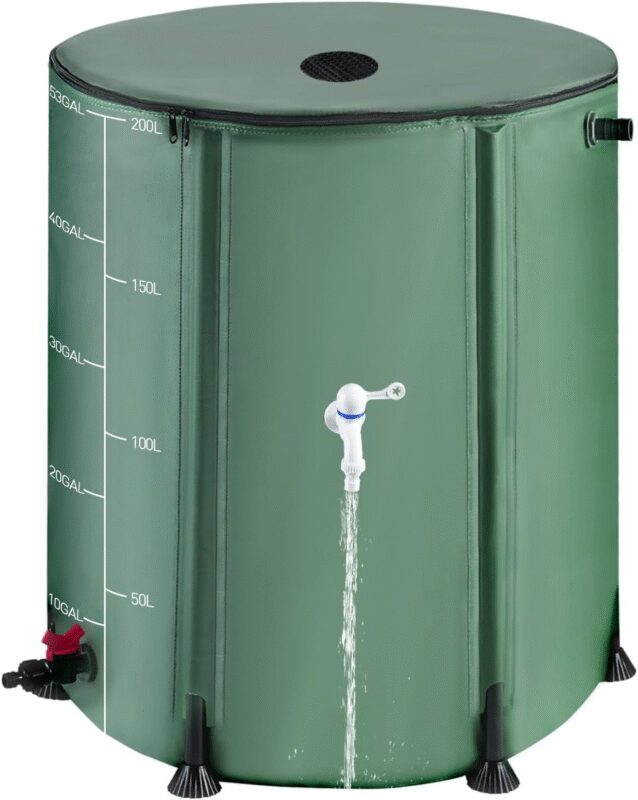
Water is life. A basic system can be built with barrels, buckets, or even tarps positioned to catch rain from rooftops. For long-term use, add a filtration setup to make the water safe to drink. This system ensures you’ll always have access to clean water without depending on taps or bottled supplies.
24. Rocket Stove
Efficient and easy to make, rocket stoves use minimal wood while producing intense heat. Built from bricks, cans, or metal pipes, these stoves allow you to cook meals without wasting fuel. They’re compact, reliable, and ideal for both camping and survival scenarios.
25. Soap
In disasters, sanitation often declines—leading to outbreaks of illness. Homemade soap from lye, fat, and water keeps hands and clothes clean. While it requires careful preparation, soap is one of the most important survival skills to master, helping prevent disease and keeping hygiene manageable.
26. Solar Dehydrator
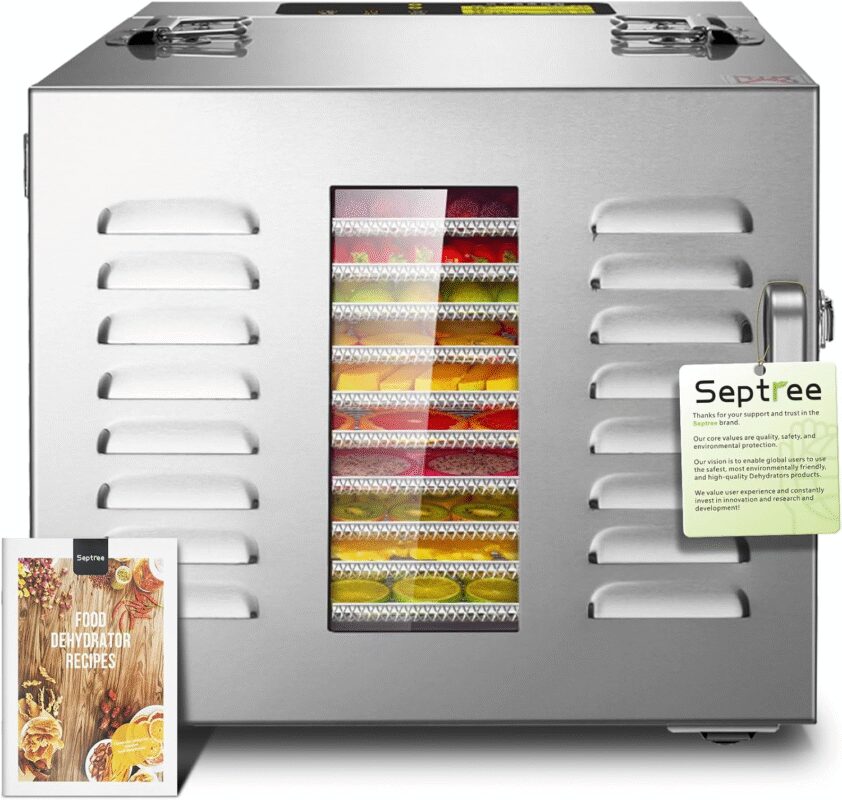
Preserving food is critical for long-term survival. A solar dehydrator uses heat from the sun to dry fruits, vegetables, and meats. Built with wood, mesh, and a sheet of glass or plastic, it reduces spoilage and extends shelf life. With one of these, you can store summer harvests for winter use.
27. Solar Oven
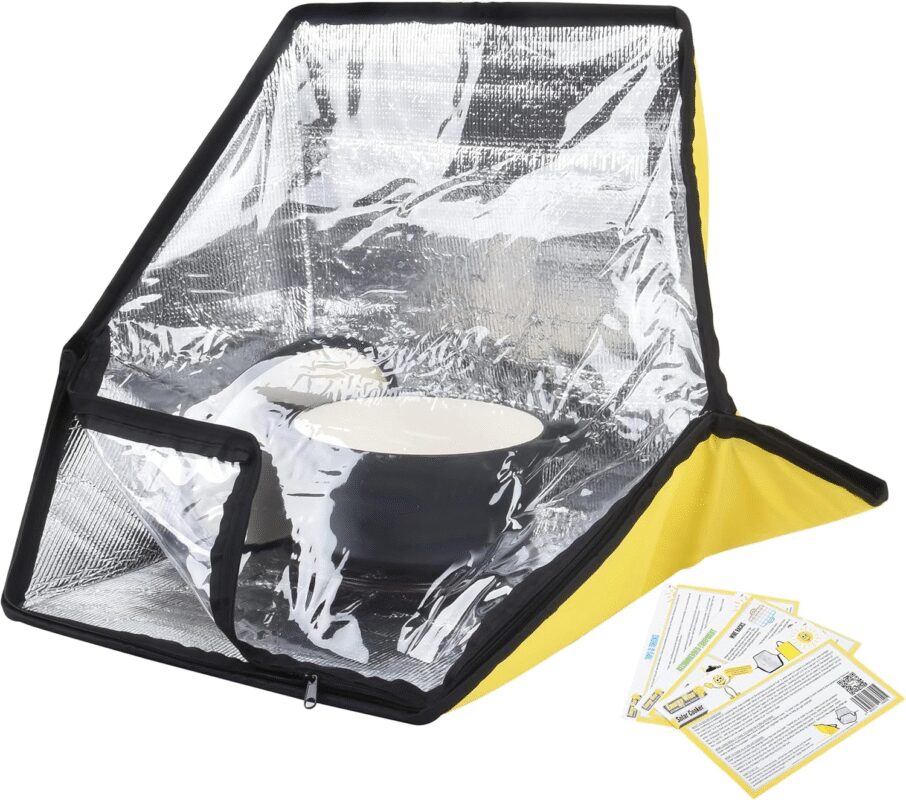
Cooking without fuel is a challenge, but a solar oven solves it. Using reflective panels, a box, and a glass cover, you can harness sunlight to bake, boil, and cook meals. It requires patience but uses no wood, fuel, or electricity—making it perfect for off-grid living.
28. Sunscreen
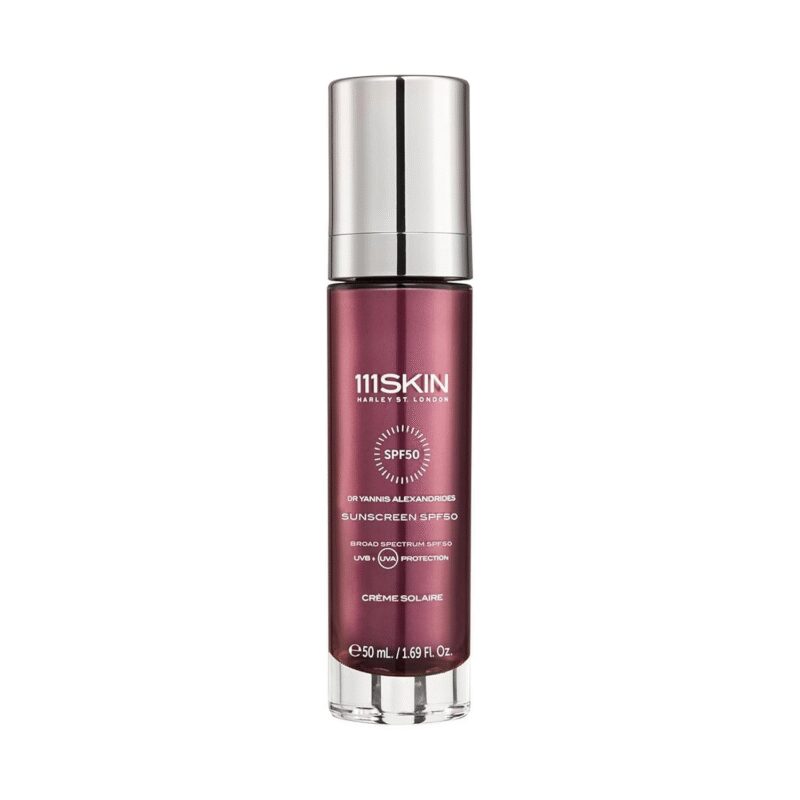
Exposure to the sun during outdoor work can cause burns and long-term damage. A DIY sunscreen made from coconut oil, zinc oxide, and shea butter offers protection. In survival situations, this helps prevent painful burns that could slow you down or lead to infection.
29. Tin Can Stove
With just a few cans and some candles or solid fuel, you can create a compact stove. These stoves are perfect for heating canned food, boiling water, or making simple meals. Lightweight and easy to build, they’re an ideal backup cooking method when fuel is scarce.
30. Traps
Hunting with firearms isn’t always possible, but traps can catch small game passively. Snare traps made from wire, paracord, or natural fibers can provide a steady food source. Building and practicing with different trap types ensures you’ll have protein when hunting isn’t an option.
31. Washing Machine
Clean clothes aren’t just about comfort—they prevent illness. A hand-powered washing machine can be made with a bucket, plunger, and drilled lid. This low-tech system makes laundry manageable without electricity and saves water compared to scrubbing by hand.
32. Water Filter
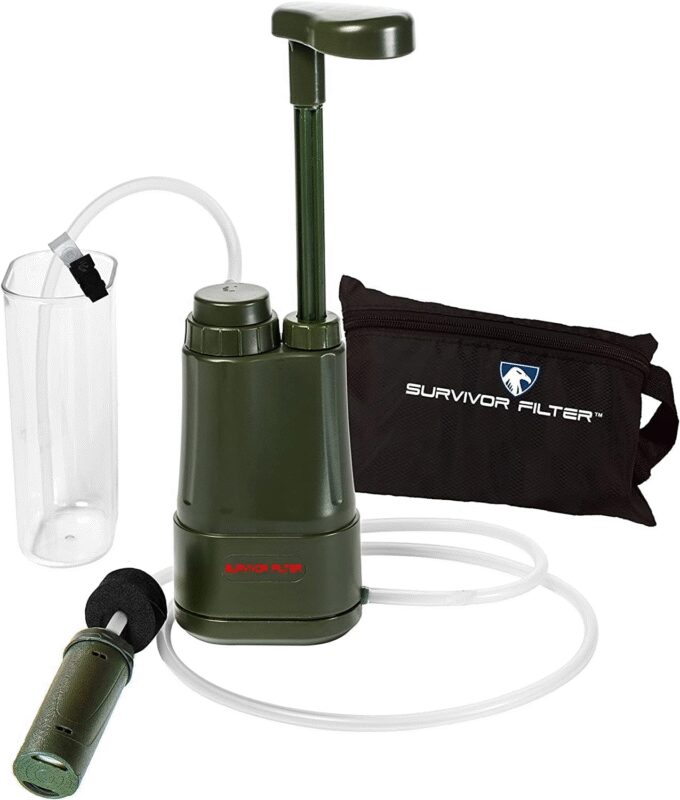
Safe drinking water is essential. A simple filter can be built using sand, gravel, charcoal, and cloth layered in a container. This removes dirt and many impurities, making water far safer to drink. Combined with boiling or chemical treatment, it ensures survival when clean sources are unavailable.
33. Waterproof Matches
Fire is useless if your matches are wet. By dipping match heads in wax or nail polish, you can make them waterproof. Stored in a sealed container, these matches light even after exposure to rain or snow—providing a reliable fire-starting backup.