
Whether you’re doing it to increase your independence and self-sufficiency or for other reasons, moving off the grid is a massive (and incredible!) task.

As an Amazon Associate I earn from qualifying purchases.
Because anything might go wrong at any time, you should be ready for anything that comes up in off-grid life, such as severe weather, trouble getting community services, and more.
Thankfully, there are a few key off-grid gadgets that will make this way of life much simpler regardless of what occurs.
1. Water Heater
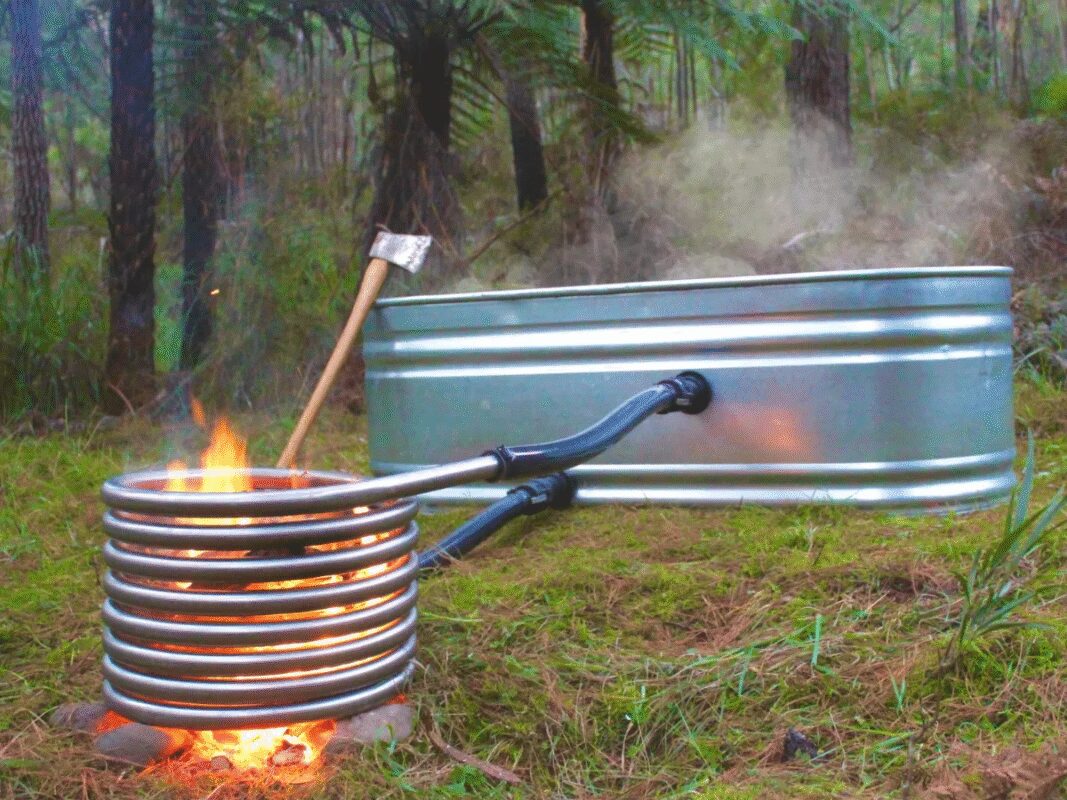
A fully functional water system is essential for any off-grid property, and a reliable water heater is a key component. It ensures a steady supply of hot water for bathing, washing dishes, cleaning, and even laundry if you have an off-grid washing machine.
There are multiple types of water heaters suitable for off-grid living, including:
- Tankless Propane – Provides hot water on demand and is energy-efficient.
- Solar – Uses sunlight to heat water, ideal for sunny locations.
- Electric – Works with solar or generator setups.
- Wood-Burning – A true off-grid solution that doesn’t rely on electricity but is slower and less efficient than other models.
The best choice depends on your energy setup, available resources, and household needs.
2. Solar Panels
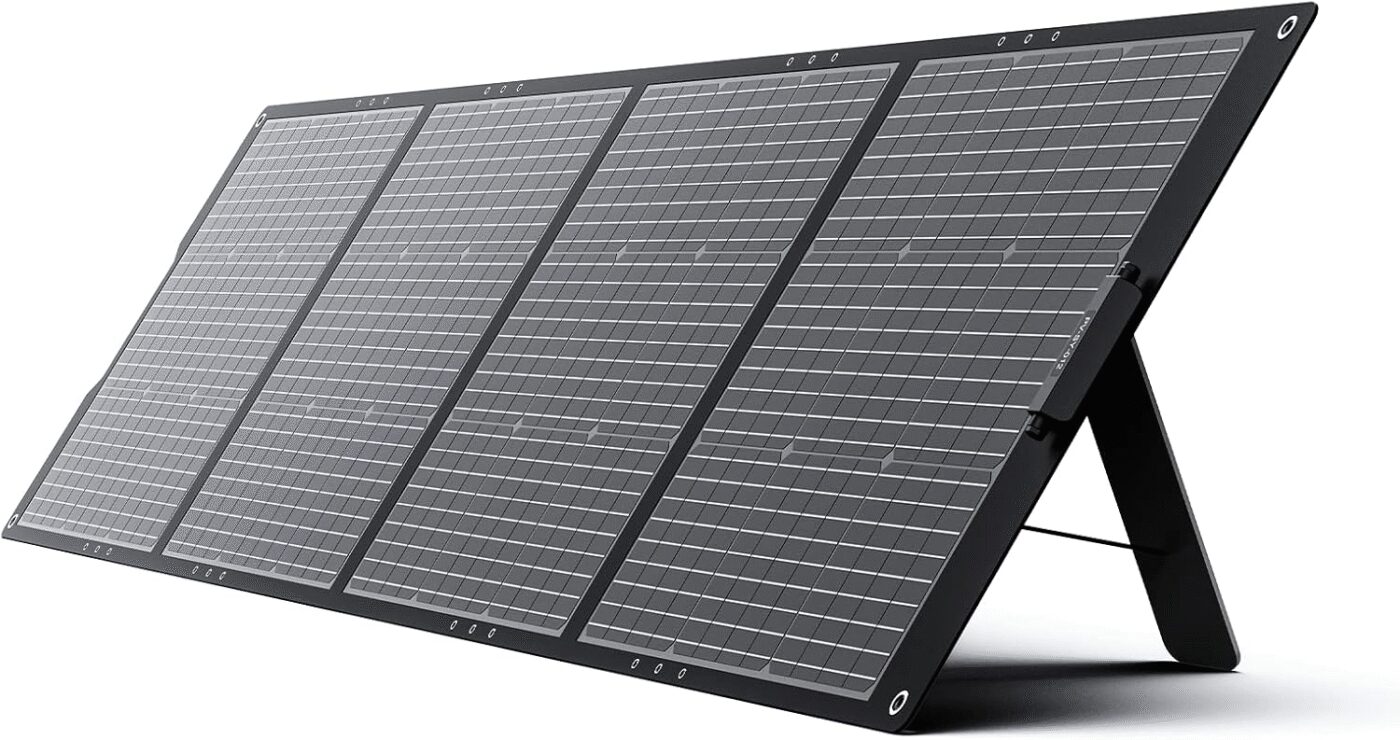
Solar panels are one of the most popular choices for off-grid electricity. They are widely available, suitable for remote locations, and offer one of the most cost-effective energy solutions.
When setting up solar panels, it is crucial to assess your energy consumption and the potential solar output of your location. A basic off-grid system of 100–200 watts typically requires:
- Solar panels
- Batteries or backup generator
- Inverter
- Performance monitor
- Charging controller
- Mounting equipment and cables
- Safety equipment
Modern systems often combine these components into plug-and-play units with built-in inverters for simplified installation and maintenance.
3. Off-Grid Generator
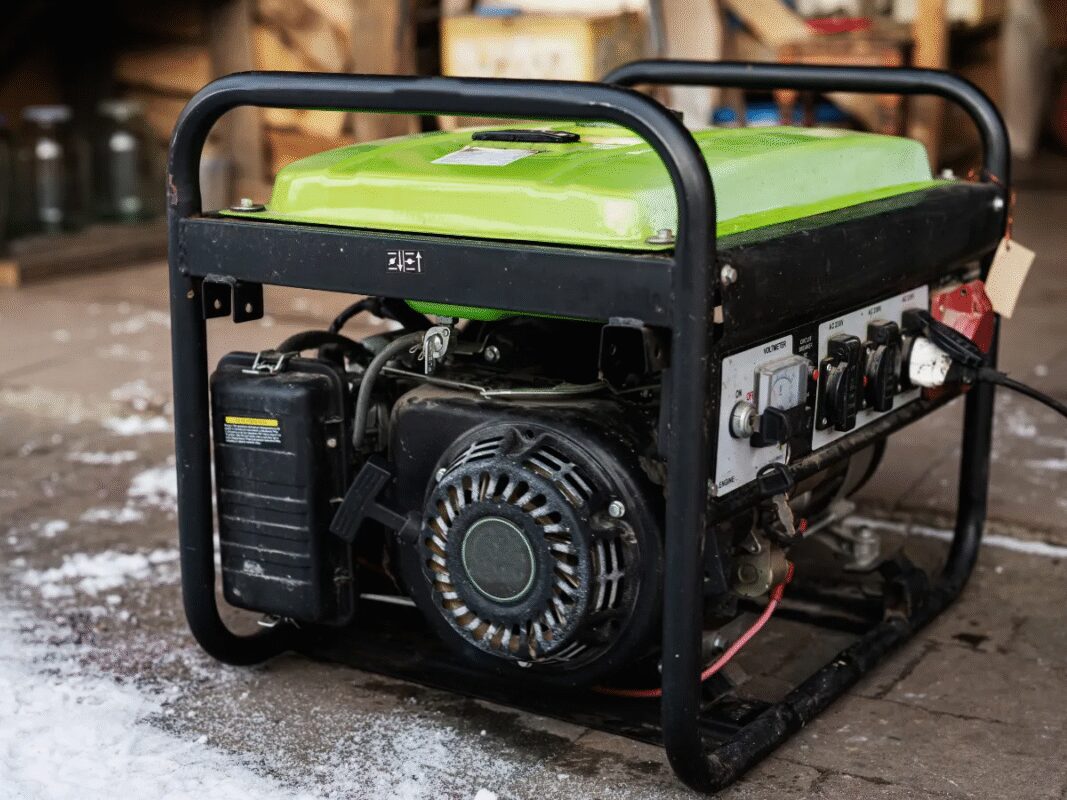
Even with solar panels, backup power is necessary. Generators provide a reliable source of electricity during cloudy days, high consumption periods, or emergencies.
Generators can be fueled by diesel, gas, propane, or even solar, depending on your setup. They are invaluable in winter or in areas where power interruptions could create dangerous conditions. When choosing a generator, consider the wattage required and fuel type that best suits your off-grid lifestyle.
4. Wood Stove
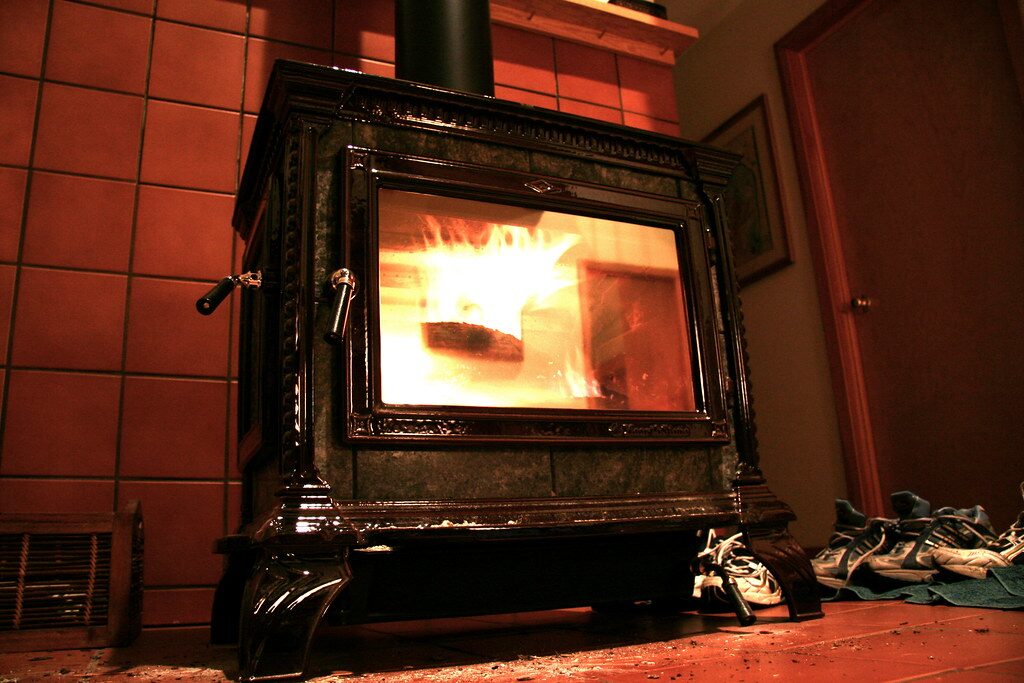
A wood-burning stove adds warmth, charm, and functionality to an off-grid home. Many models also allow cooking or heating water, making them highly versatile.
Options include potbelly stoves, airtight stoves, catalytic or non-catalytic models, and even DIY drum stoves. Choosing a stove with a flat top or griddle maximizes cooking and heating efficiency, while wood-burning stoves are often portable and cost-effective.
5. Propane Heater
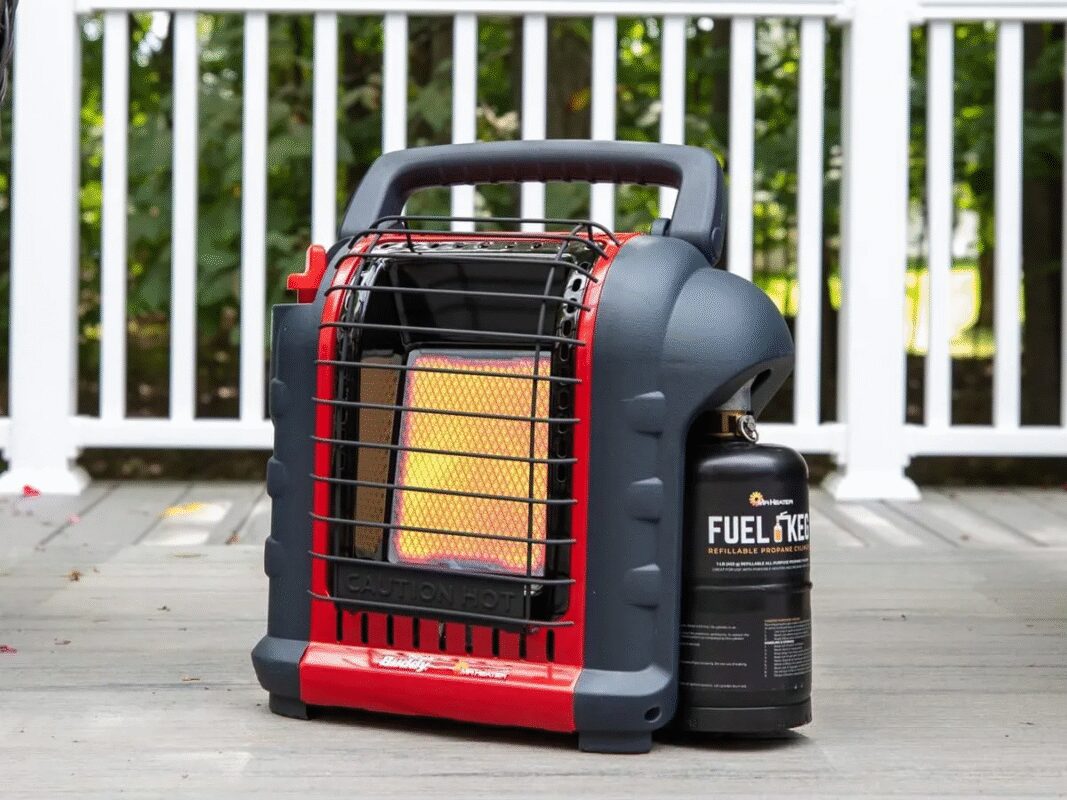
For those unable to use a wood stove, a propane heater provides a reliable heat source without requiring electricity. Propane heaters range from small single-unit models to full-sized propane furnaces for larger spaces.
Prices can vary from around $40 for a basic heater to $700 or more for high-capacity models, excluding fuel costs. They are a practical solution for keeping living spaces warm in off-grid winter conditions.
6. Slow Cooker
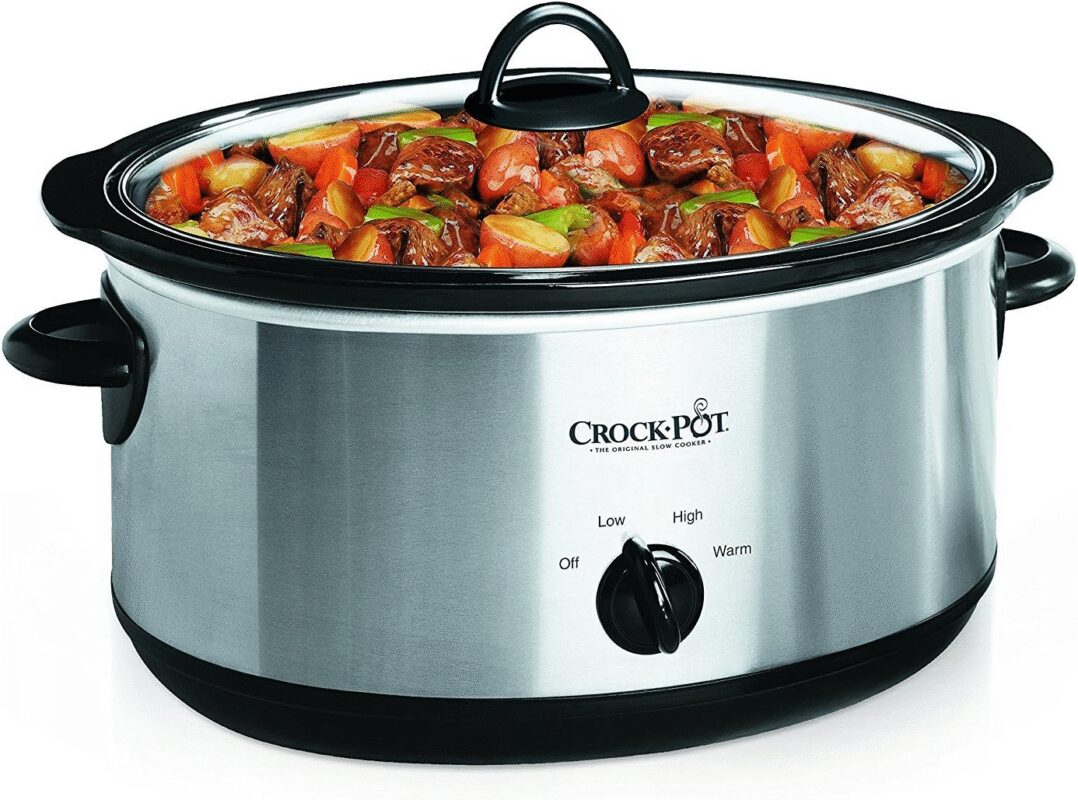
A slow cooker is an excellent addition to an off-grid kitchen. It allows for easy preparation of hot, nutritious meals without relying on an oven or stovetop.
Slow cookers are energy-efficient, affordable, and compact, making them ideal for small or off-grid setups. Prices typically range from $20 to $100, depending on size and brand.
7. Off-Grid Refrigerator

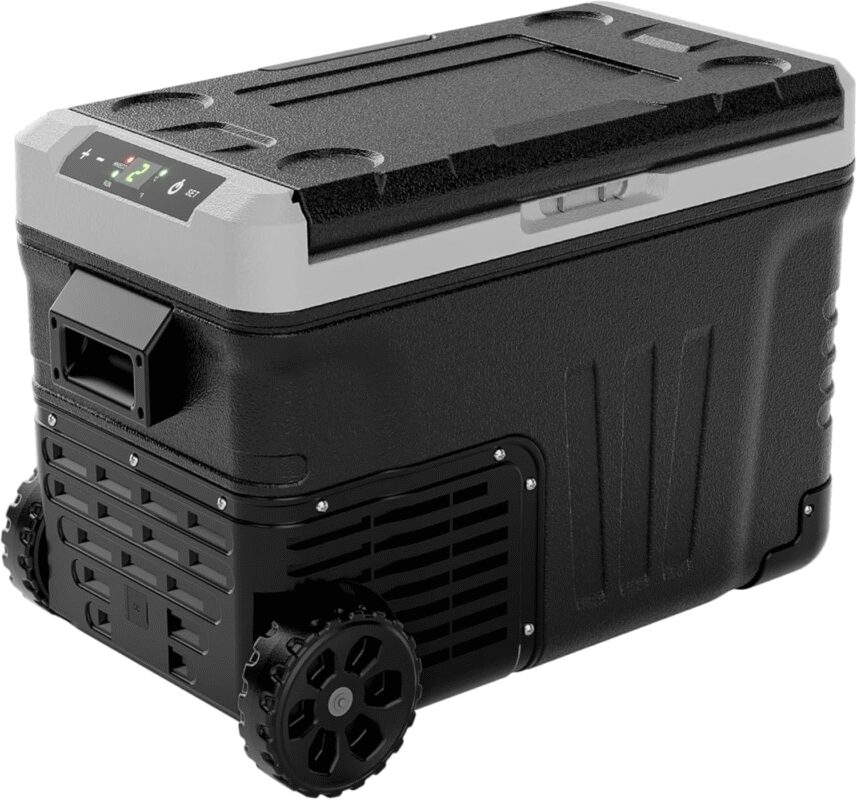
A refrigerator is essential for preserving food, even in off-grid homes. Many models are designed specifically for off-grid setups and can operate on solar, propane, or a combination of power sources.
Options include compact units, fridge/freezer combinations, and solar-powered coolers. A reliable refrigerator ensures your food stays safe and minimizes waste, making it one of the most crucial off-grid appliances.
8. Off-Grid Chest Freezer
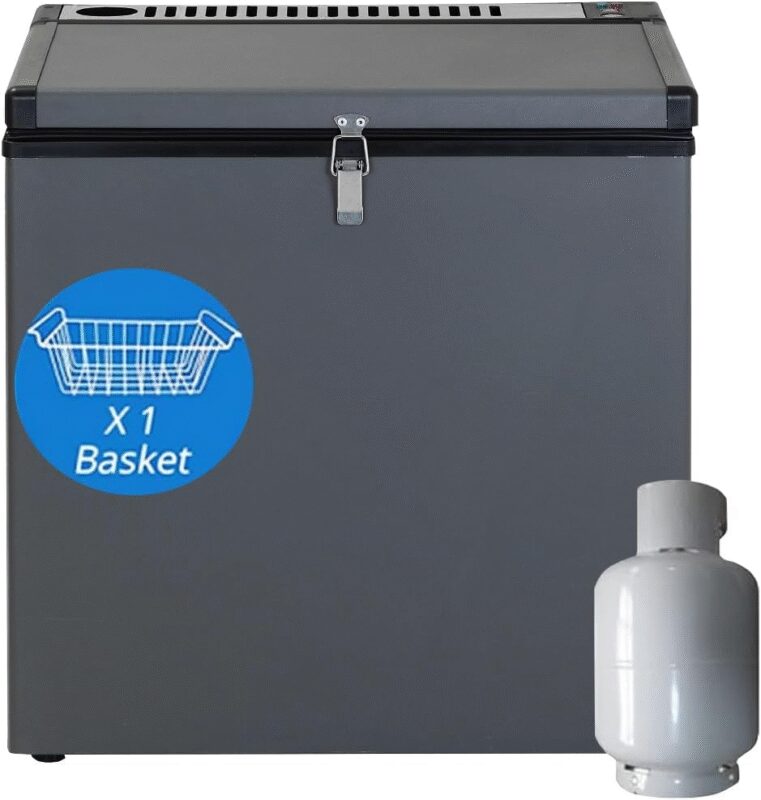
Chest freezers are vital for long-term food storage, particularly in remote locations with limited access to grocery stores. They offer larger capacity than standard refrigerator/freezer combinations, helping to maintain a reliable food supply.
Chest freezers are also essential for emergency preparedness, allowing you to safely store perishable items for extended periods.
9. Air Conditioner
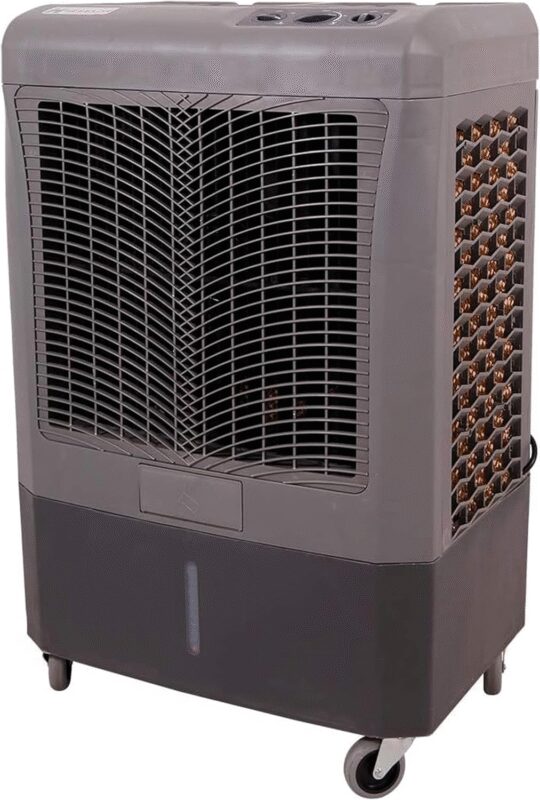
In hot climates, an air conditioner can significantly improve comfort in an off-grid home. While conventional AC units consume substantial power, alternative options such as evaporative coolers (swamp coolers) provide energy-efficient cooling.
Other options include absorption AC systems, generator-powered units, solar-powered AC, and ceiling fans. Evaporative coolers are particularly cost-effective, using roughly one-quarter of the energy of standard AC units.
10. Composting Toilet
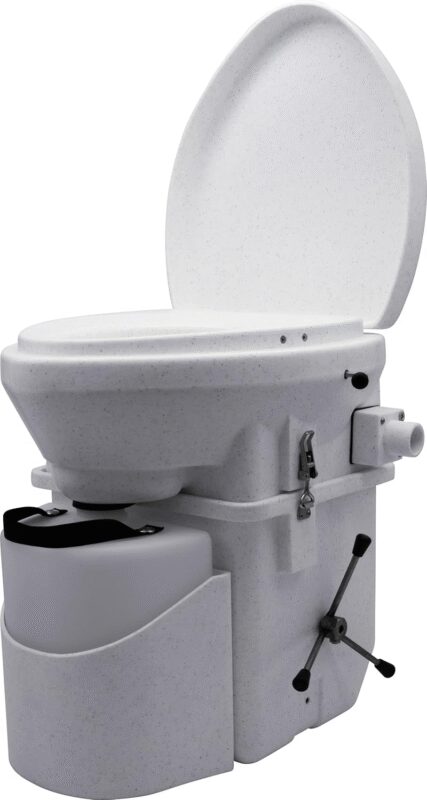
Composting toilets are ideal for off-grid living, eliminating the need for a traditional sewage system. These waterless toilets use decomposition to manage waste and are available in portable and stationary models.
Many units include fans or minimal electricity usage, and even basic models are odorless and eco-friendly. Composting toilets are often more affordable than conventional systems and can be installed as DIY projects.
11. Solar Shower
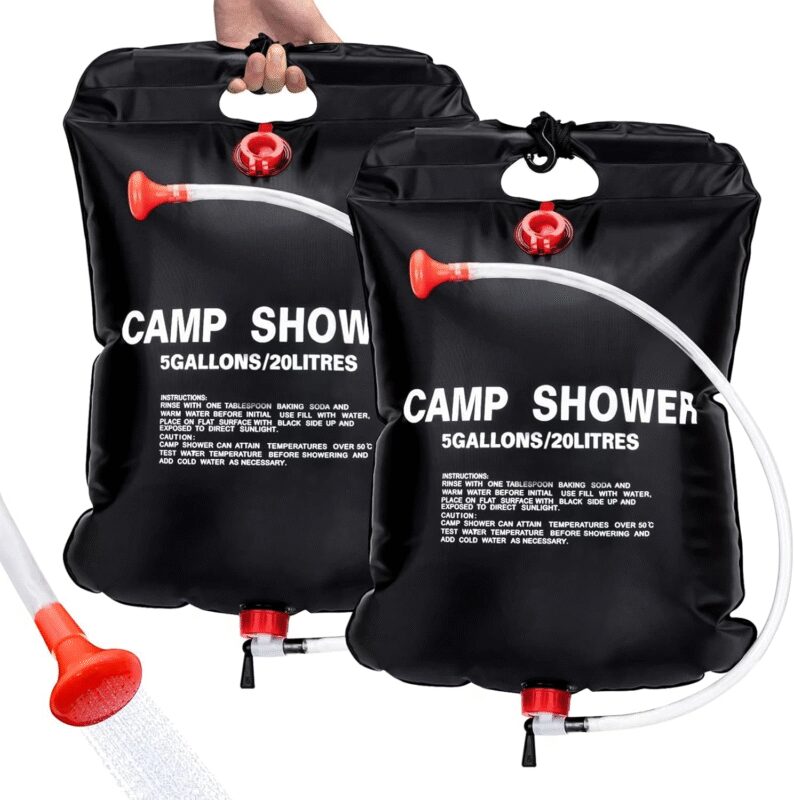
Solar showers provide a practical solution for bathing off-grid. Lightweight and portable, these systems use sunlight to heat water stored in a cistern and deliver it via a hose and showerhead.
Options include gravity-fed showers, which rely on vertical placement for water flow, as well as pressurized or rooftop-mounted tanks for long-term home setups. Solar showers are ideal for off-grid homes, cabins, or outdoor living spaces.
12. Off-Grid Washing Machine
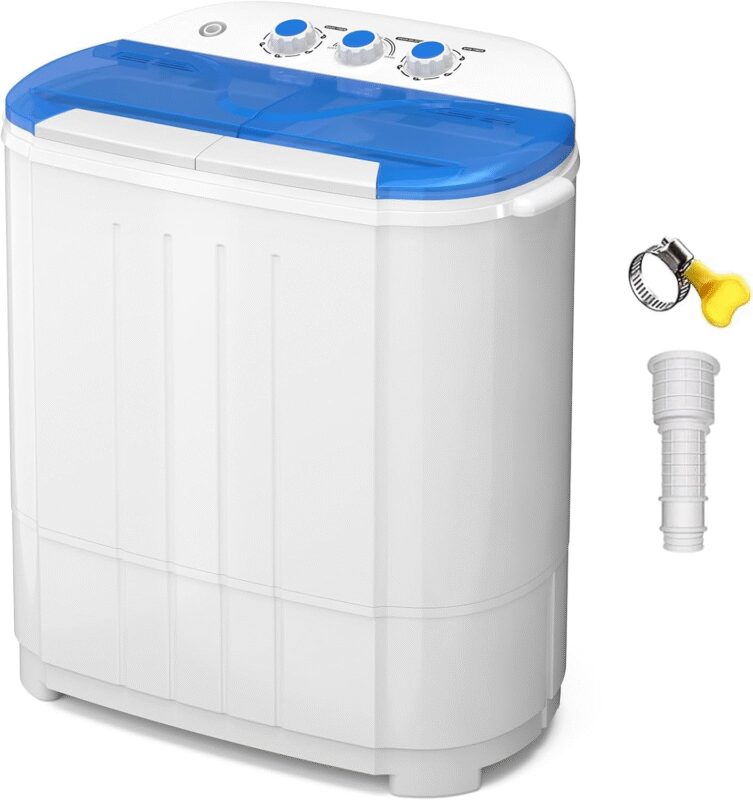
Washing machines are available for off-grid living, with options ranging from compact electric models to hand-cranked washers. Small portable top loaders or medium-sized machines can operate on solar setups or generators.
Hand-cranked washers are eco-friendly and cost-effective, though they require more manual effort. Washing machines provide convenience while maintaining independence from municipal utilities.
13. Off-Grid Dryer
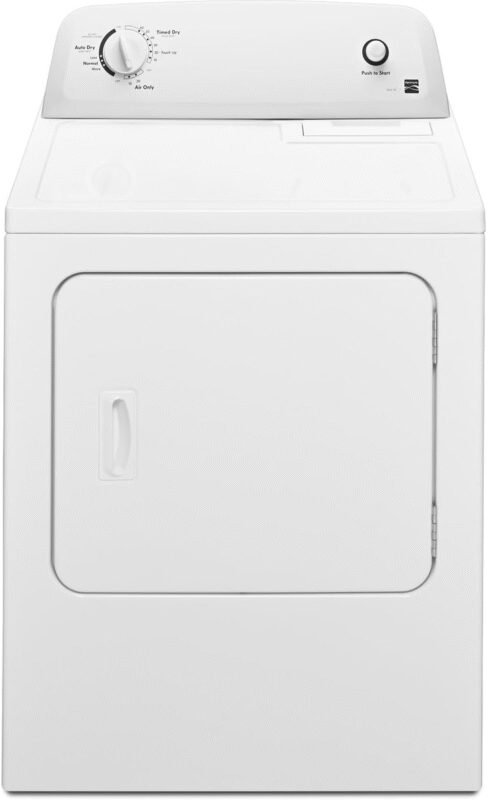
While air-drying clothes is the most energy-efficient option, it is not always practical in cold or wet climates. Off-grid dryers, including propane and solar-powered models, provide a reliable alternative.
Smaller portable units use minimal electricity and can be powered by generators or solar systems, ensuring that laundry can be completed efficiently year-round.