You should think about all pertinent space-related thoughts when it’s time to start being inventive.

As an Amazon Associate I earn from qualifying purchases.
To determine what would look nice for your room and how you will put things up, it is imperative that you go over all the pertinent elements.
For those who want the best and don’t want to cut corners while building up their gardens, we will present the top pollinator garden ideas.
These are the top suggestions for anyone looking to ensure that their outside setup is done as best they can.
Charming Garden
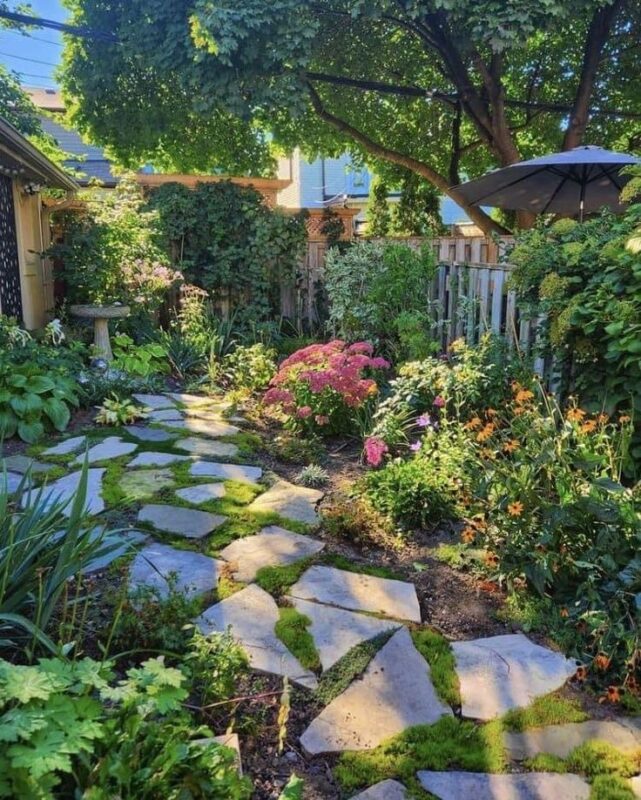
Creating a charming pollinator garden can be one of the most fulfilling ways to transform your outdoor space into a haven for bees, butterflies, and other pollinating insects. This design emphasizes warmth, softness, and visual appeal. Think winding stone paths, antique planters, and colorful blooms placed with care.
Choose flowers such as lavender, black-eyed Susans, and cosmos to create an inviting environment that’s both romantic and functional. These plants are known to attract beneficial insects and provide a beautiful mix of textures and colors. Consider adding a rustic bench or birdbath to complete the tranquil vibe.
The charm of this garden doesn’t only appeal to pollinators—it also creates a peaceful space for you and your family to relax and reconnect with nature.
Gorgeous Garden
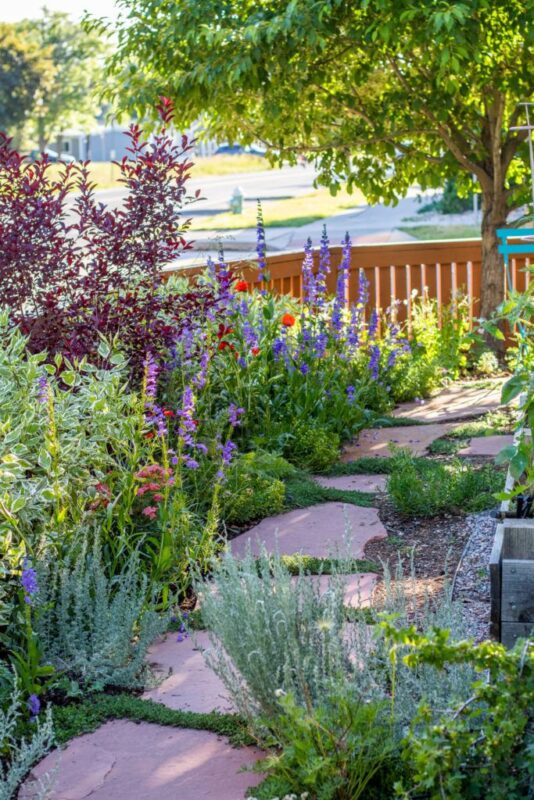
When envisioning a pollinator garden that captures attention, going for a gorgeous look can blend aesthetics with function effortlessly. This type of garden is all about impact—bold colors, lush blooms, and layered planting schemes that provide nectar throughout the seasons.
Utilize plants such as echinacea, salvia, and zinnias to build a garden bursting with color. These species are not only visually striking but also highly favored by pollinators like bees and hummingbirds.
A gorgeous garden often includes vertical elements like trellises or obelisks covered with flowering vines. These features elevate the visual interest and offer shelter and variety to pollinators. It’s not just a garden—it’s a living, breathing piece of art that supports biodiversity.
Aesthetic Garden
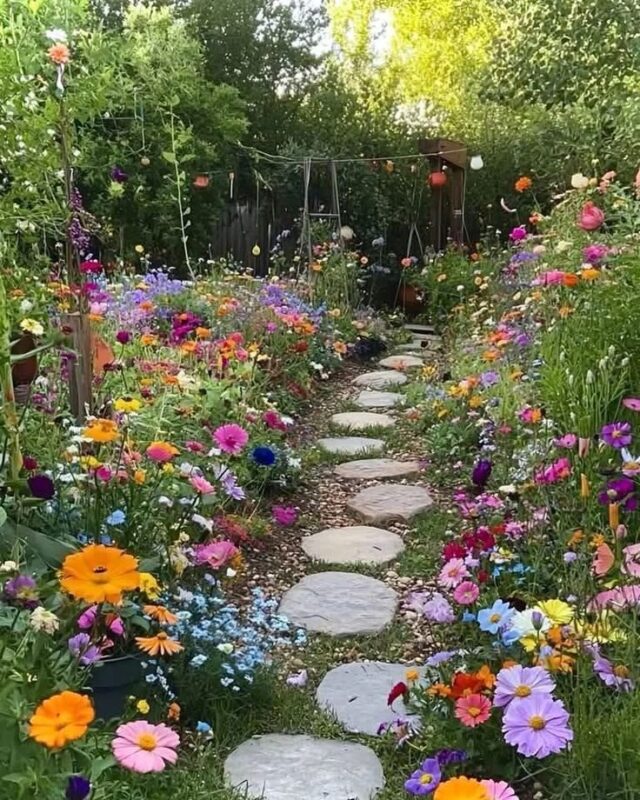
An aesthetic pollinator garden emphasizes harmony, balance, and intentional design. Here, every element works together to create a seamless, photogenic outdoor experience. Color palettes are often soft and curated—think pastel blues, purples, and pinks—with textures and heights arranged for maximum cohesion.
To achieve this look, incorporate ornamental grasses, flowering herbs like thyme and oregano, and traditional pollinator plants such as bee balm and coreopsis. The result is a graceful, low-maintenance garden that not only appeals to pollinators but also enhances your home’s curb appeal.
This style is ideal for those who appreciate minimalism with a natural twist—beauty that feels effortless but is thoughtfully planned.
Chic Garden
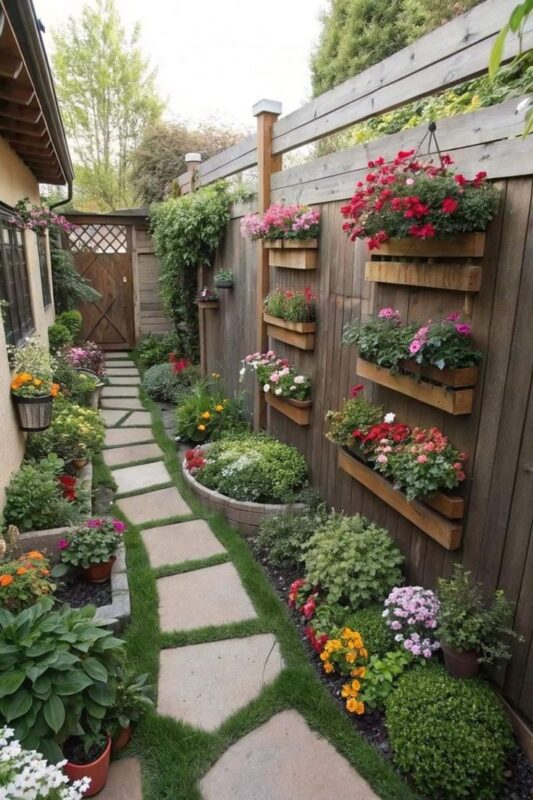
Modern, clean, and polished, a chic pollinator garden brings contemporary design into the natural world. Use geometric planters, black mulch, and sleek lines to add sophistication without compromising ecological value.
Opt for structured flowers like globe thistle, purple coneflowers, and agastache. These plants not only provide food and habitat for pollinators but also deliver consistent, high-style form throughout the season.
Complement the flora with elements like symmetrical garden beds, sleek metal trellises, and neutral-toned pathways. This is a great option for those looking to match their landscape with a more modern home design while still supporting local pollinator populations.
Proven Garden
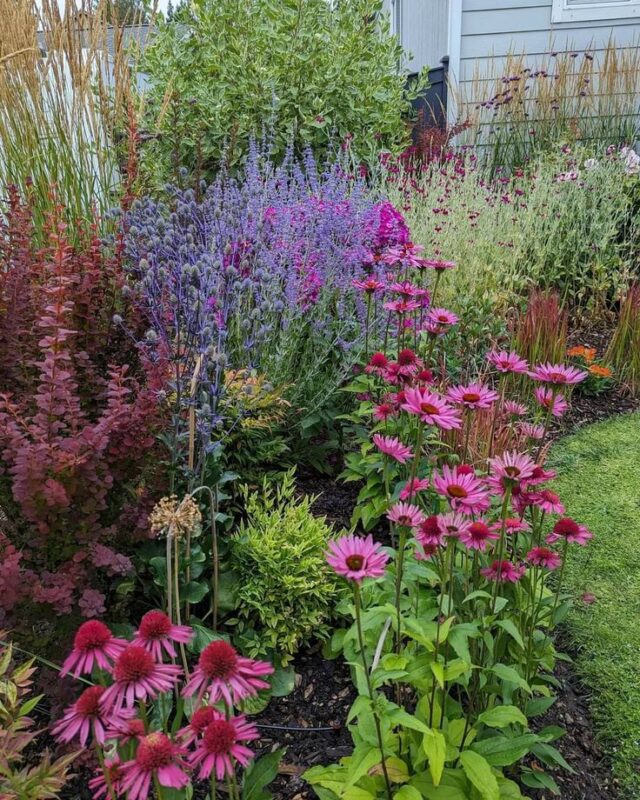
Sometimes, sticking to what works is the best approach. A proven pollinator garden incorporates native plants and time-tested layouts that are both effective and easy to maintain.
By focusing on regional native flowers—like milkweed, goldenrod, and purple prairie clover—you’ll create an environment tailored to the insects in your area. These plants require less water, resist pests naturally, and bloom in cycles to offer season-long food sources.
A proven garden doesn’t mean boring. On the contrary, it thrives with vitality and draws in butterflies, bees, and hummingbirds in droves. It’s an eco-friendly investment that pays dividends in beauty and biodiversity.
Complete Garden
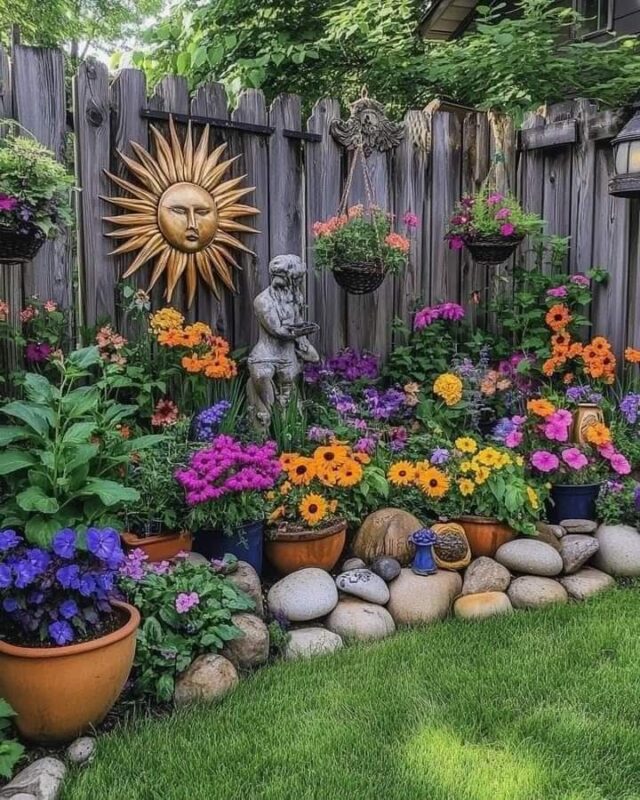
A complete pollinator garden addresses every aspect of pollinator health: food, shelter, water, and nesting materials. It’s a fully thought-out ecosystem, not just a flower bed.
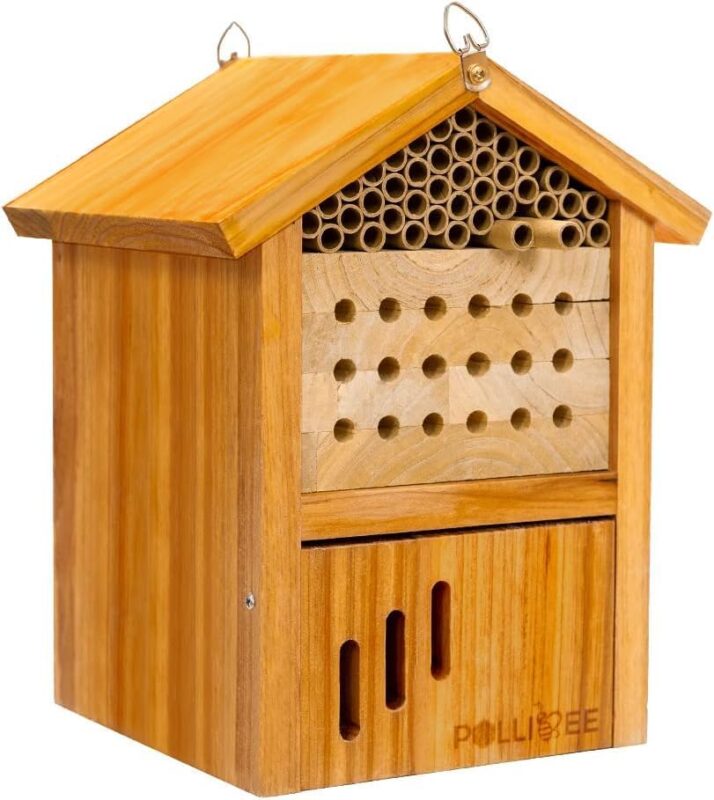
Include a wide variety of plants that bloom from early spring to late fall. Mix annuals and perennials for continuous color. Add water sources such as shallow dishes with pebbles, and incorporate logs or bee hotels to support solitary bees.
This design goes beyond aesthetics and leans into environmental stewardship. You’ll be doing more than beautifying your yard—you’ll be playing a direct role in the preservation of our planet’s pollinators.
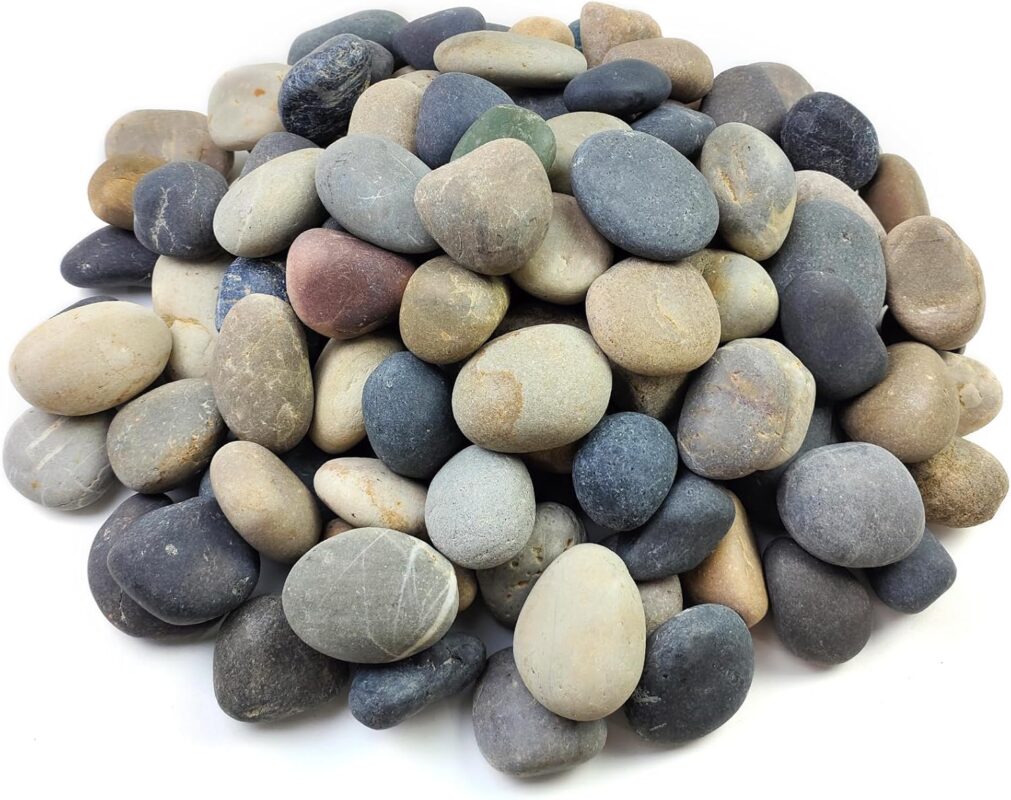
Trusted Garden
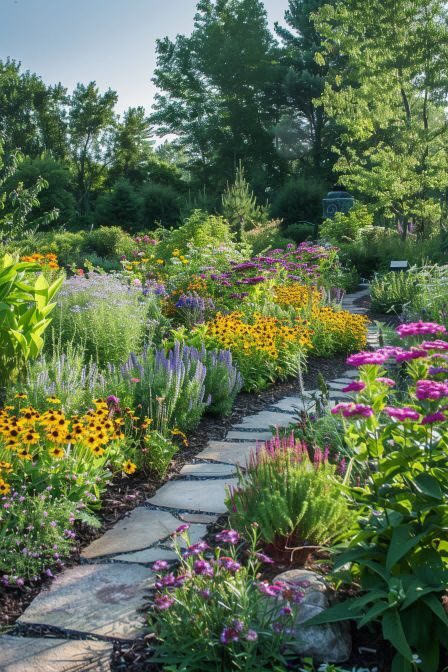
The trusted pollinator garden is one that adheres to established guidelines and ecological principles. It’s based on decades of horticultural research and conservation knowledge.
Use USDA-published plant lists, avoid pesticides, and make use of compost and natural mulch. Plants like yarrow, lupines, and phlox are commonly found in trusted gardens, attracting a wide range of pollinators with minimal upkeep.
This is the go-to style for educators, eco-conscious homeowners, or anyone looking to do it “by the book”—a pollinator-friendly haven that’s reliable, sustainable, and effective.
Subtle Garden
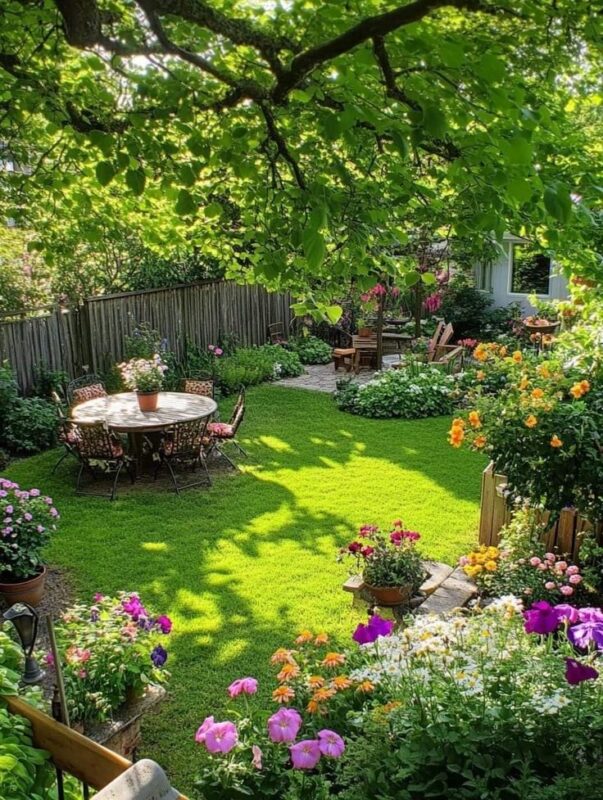
Not every pollinator garden needs to be bold. A subtle garden favors delicate hues, soft contours, and a minimalist approach to planting. It’s a quieter way to support biodiversity.
Pale pinks, whites, and light purples from plants like sweet alyssum, candytuft, and chamomile can bring grace to your space while still offering nectar and pollen. This garden blends easily into residential spaces and works well in smaller yards or shaded areas.
Add smooth stone borders or light wooden accents to enhance the quiet elegance. This garden whispers beauty—perfect for those who appreciate the understated.
Fresh Garden
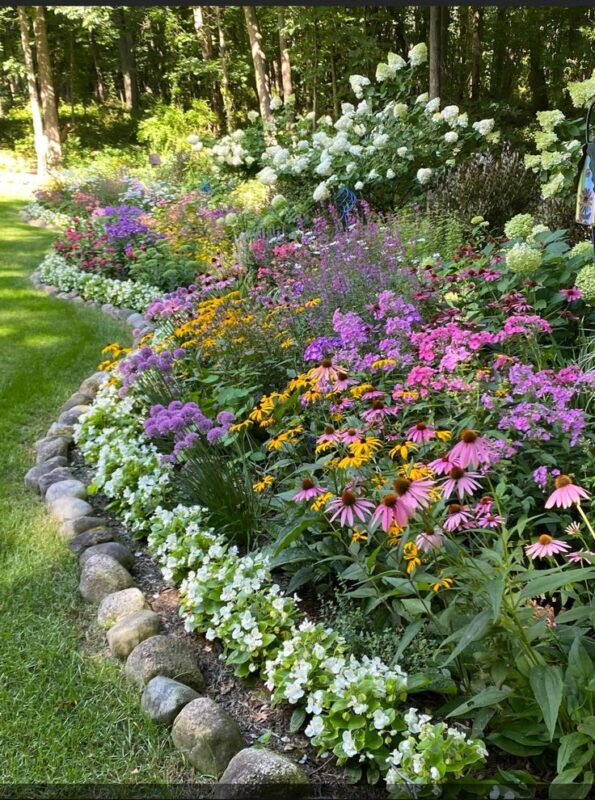
If you’re starting from scratch or looking to revamp an older layout, a fresh pollinator garden is the way to go. This design focuses on rejuvenation, clean lines, and fresh blooms.
Choose recently bred cultivars of classic pollinator favorites that offer disease resistance and extended bloom times. Planting fresh also gives you the opportunity to correct poor drainage, improve soil quality, and rethink the space entirely.
Incorporate herbs, flowering vegetables, and even vertical gardens for a twist. A fresh pollinator garden is about innovation and inspiration—growing something new for both your environment and your spirit.
Beautiful Garden
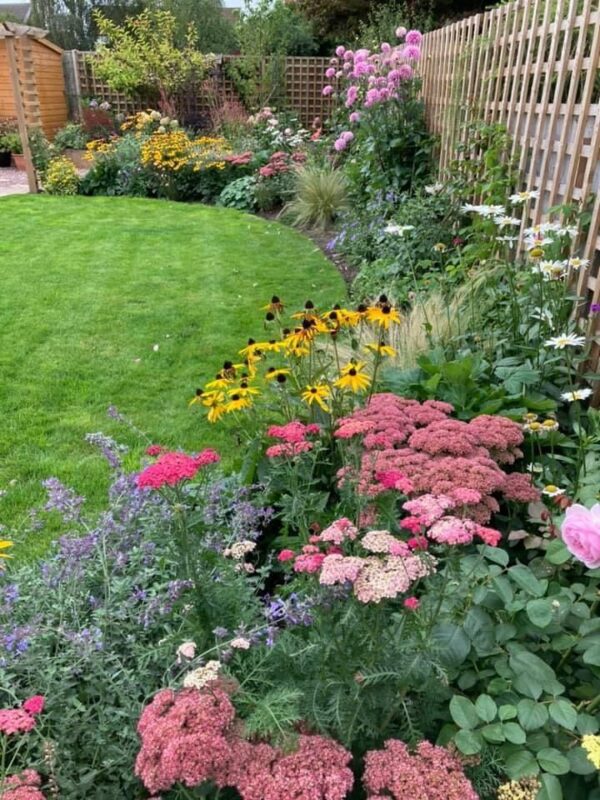
Some pollinator gardens are planted with beauty as the guiding principle. In these gardens, design is as important as ecology.
Think sweeping beds filled with sunflowers, peonies, foxglove, and delphiniums—all arranged in layered color blocks for maximum impact. These gardens are visually dramatic and emotionally uplifting.
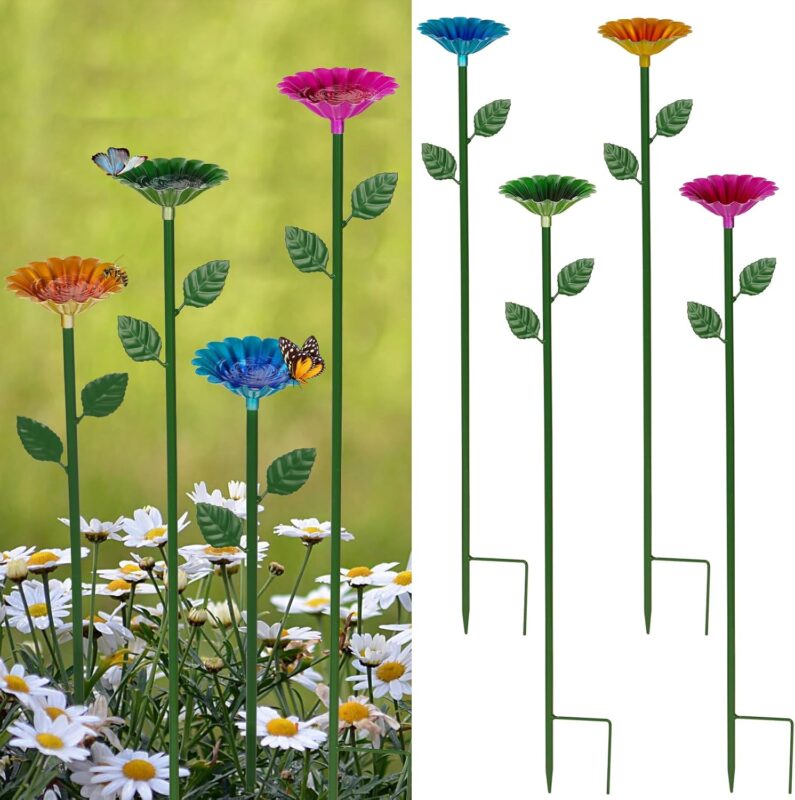
Add features like decorative fencing, artistic garden stakes, or whimsical stepping stones to complete the look. While maintaining pollinator function, this garden is also a showpiece—ideal for public spaces or high-visibility home frontages.
Serene Garden
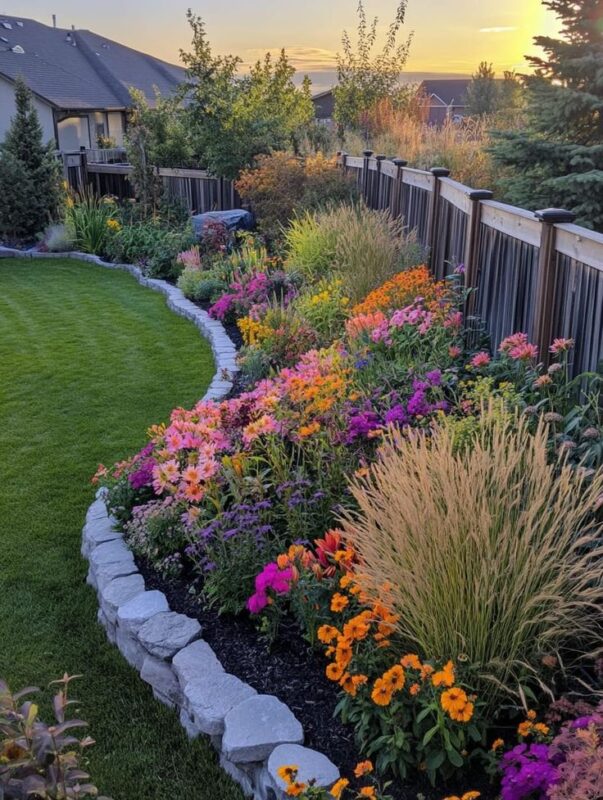
A serene pollinator garden invites peace. With its calm palette and natural layout, it brings stillness to any outdoor space.
Focus on soft blues and greens, accented with lavender and pale yellow. Plants like blue salvia, Russian sage, and ferns can provide both food for pollinators and a sense of calm.
Complement the space with gentle water features, shaded seating areas, and perhaps some wind chimes. A serene garden is as much for your well-being as it is for the insects it supports.
Calming Garden
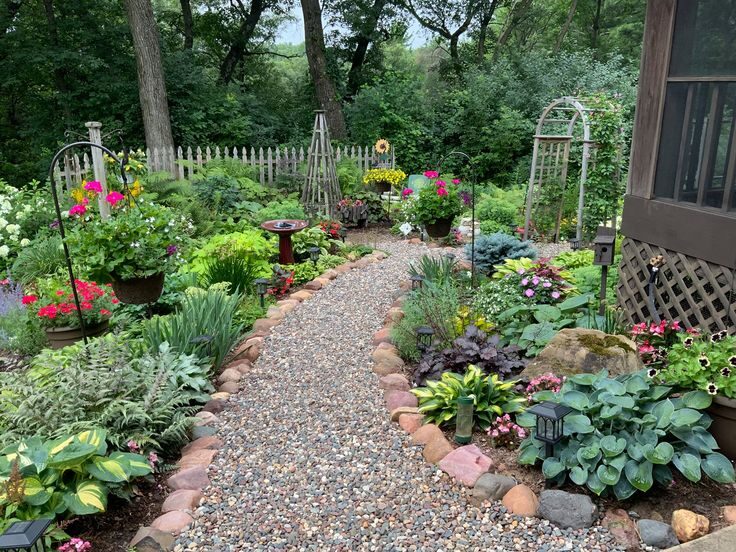
Similar to serenity but with a more sensory approach, a calming pollinator garden soothes the soul. Here, scent, sound, and texture play an important role.
Lavender, rosemary, and mint release calming aromas. Soft grasses rustle in the breeze, and pathways of mulch or moss encourage barefoot walking. Pollinators are gently drawn in, and so are you.
This garden supports emotional wellness as much as environmental health, making it ideal for meditation, quiet gatherings, or solo reflection.
Breathtaking Garden
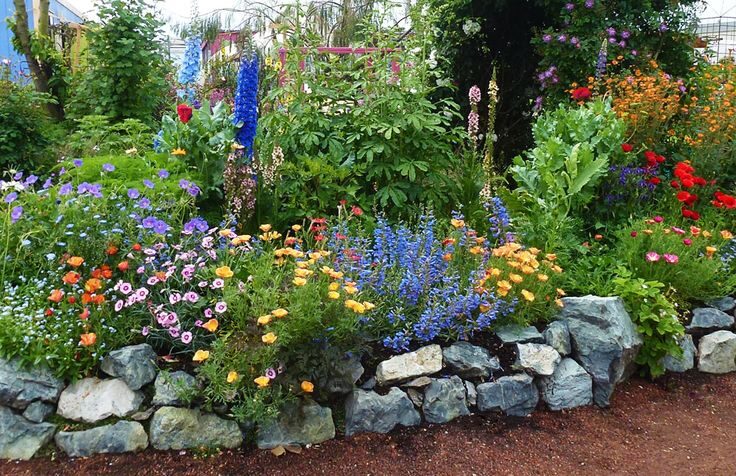
The breathtaking pollinator garden is designed to wow. It’s immersive, vibrant, and unforgettable.
Use dramatic color contrasts, bold plant groupings, and architectural layout techniques. Tall plants like hollyhock or Joe Pye weed add vertical interest, while bright poppies and marigolds create explosions of color at ground level.
This garden is perfect for those who want a pollinator paradise that doubles as a jaw-dropping visual centerpiece—one that turns heads and becomes the pride of your neighborhood.