1. Limestone Exterior Cladding
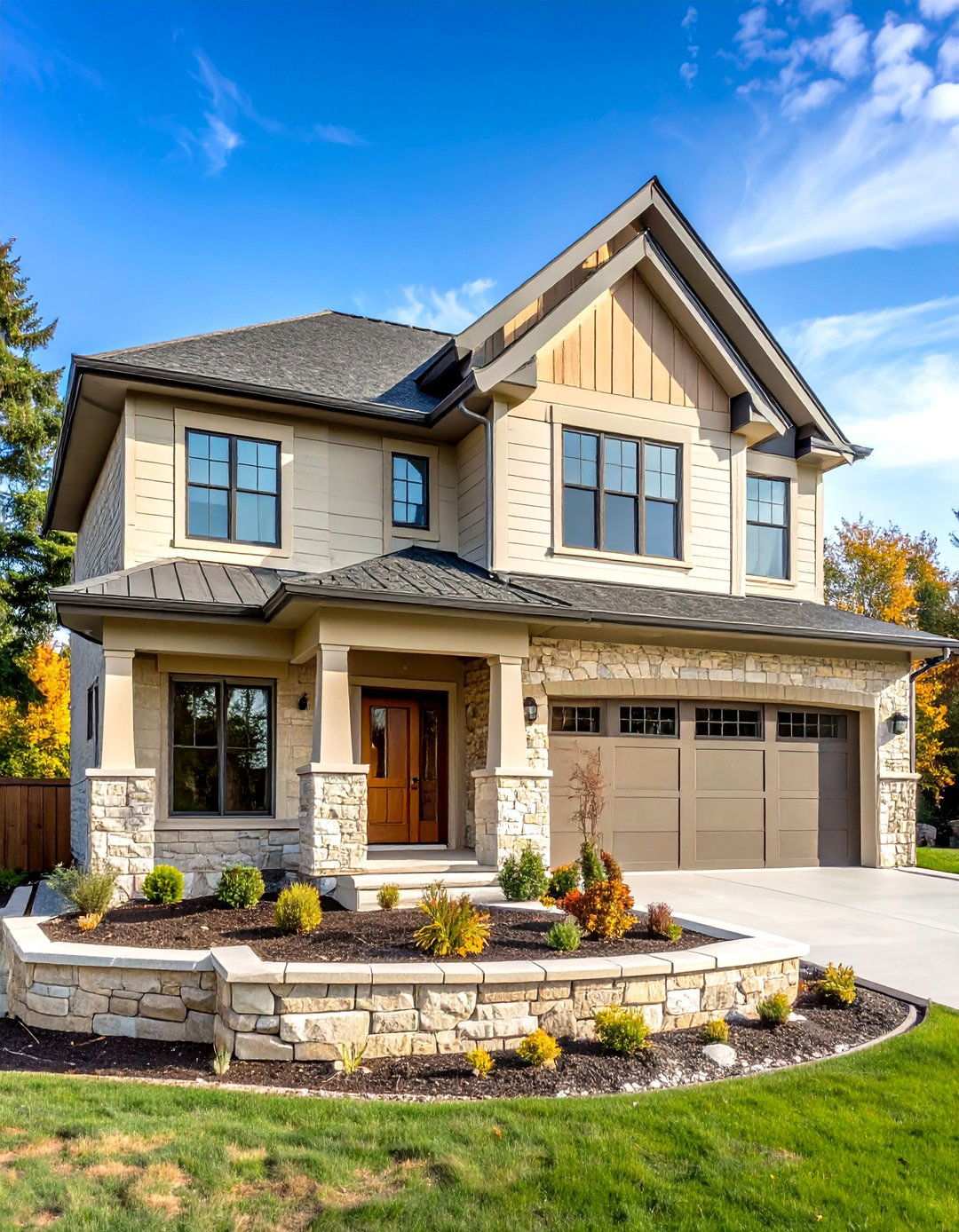
When it comes to choosing an exterior stone for your home, consider the natural allure of limestone. This versatile sedimentary stone boasts a palette of cream, beige, and gray hues that seamlessly blend with various architectural styles. Limestone cladding can elevate your home’s facade with sophisticated designs featuring refined surfaces that develop a beautiful patina over time. The stone’s unique porosity allows for intricate custom cuts and installations, making it an attractive option for homeowners seeking a high level of detail. Although limestone may require periodic sealing to ensure weather resistance, its moderate hardness ensures durability, and its cost-effectiveness compared to harder stones like granite makes it an attractive choice for those on a budget.

As an Amazon Associate I earn from qualifying purchases.
2. Granite Stone Veneer Systems
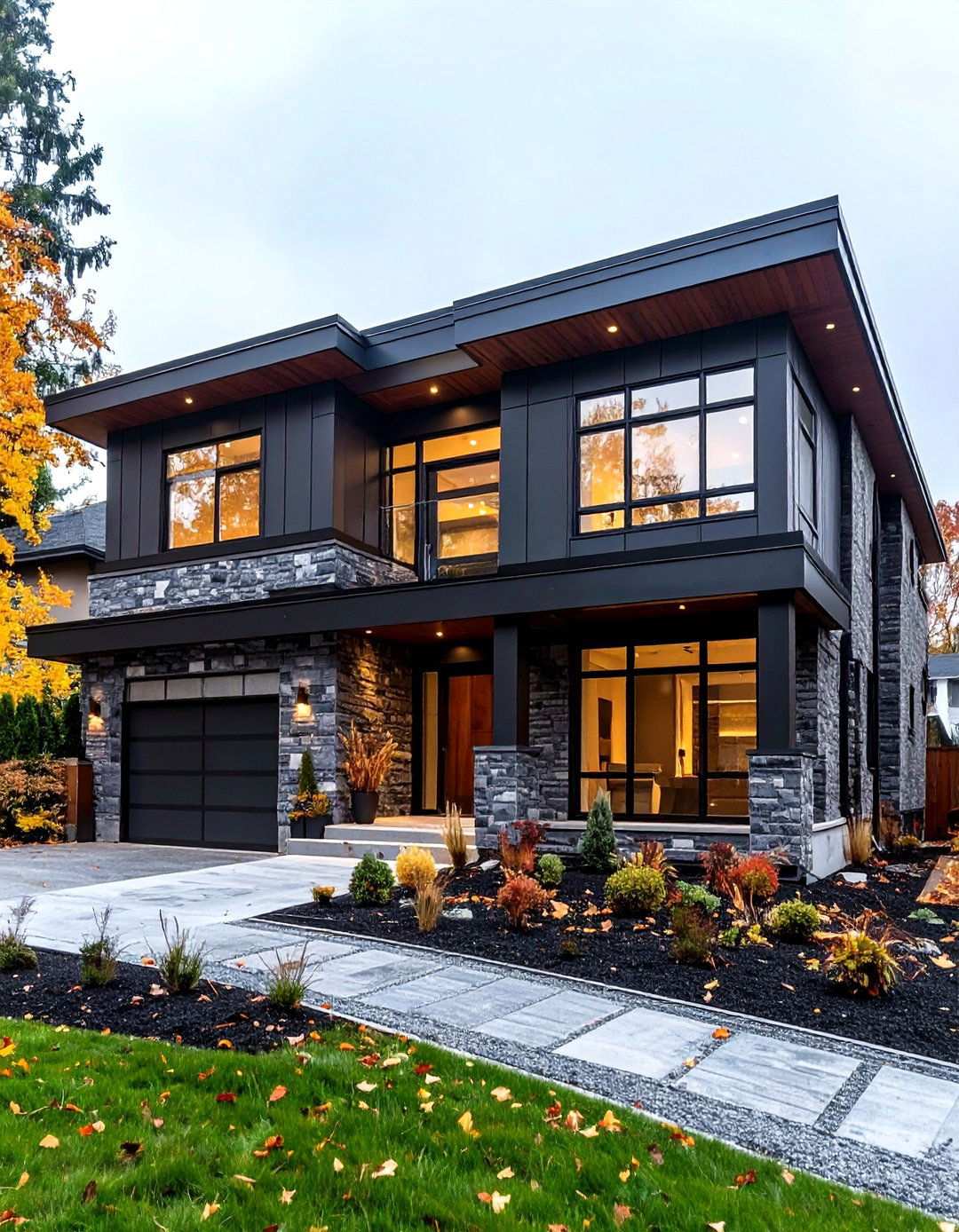
Granite stands out as a top contender for high-performance exterior applications due to its exceptional durability and unique aesthetic appeal. The stone’s distinctive speckled patterns, created by interlocking feldspar, quartz, and mica crystals, add a touch of natural elegance to any design. With a wide range of color options available, from classic grays and blacks to vibrant reds and blues, granite veneer systems enable homeowners to make bold architectural statements. Its exceptional hardness makes it resistant to weathering, scratching, and thermal cycling, making it an ideal choice for harsh climates. While installation requires professional expertise due to the stone’s weight, properly installed granite cladding provides long-lasting performance and striking visual effects that enhance both modern and traditional home designs with minimal maintenance requirements.
3. Unlocking Marble's Timeless Potential
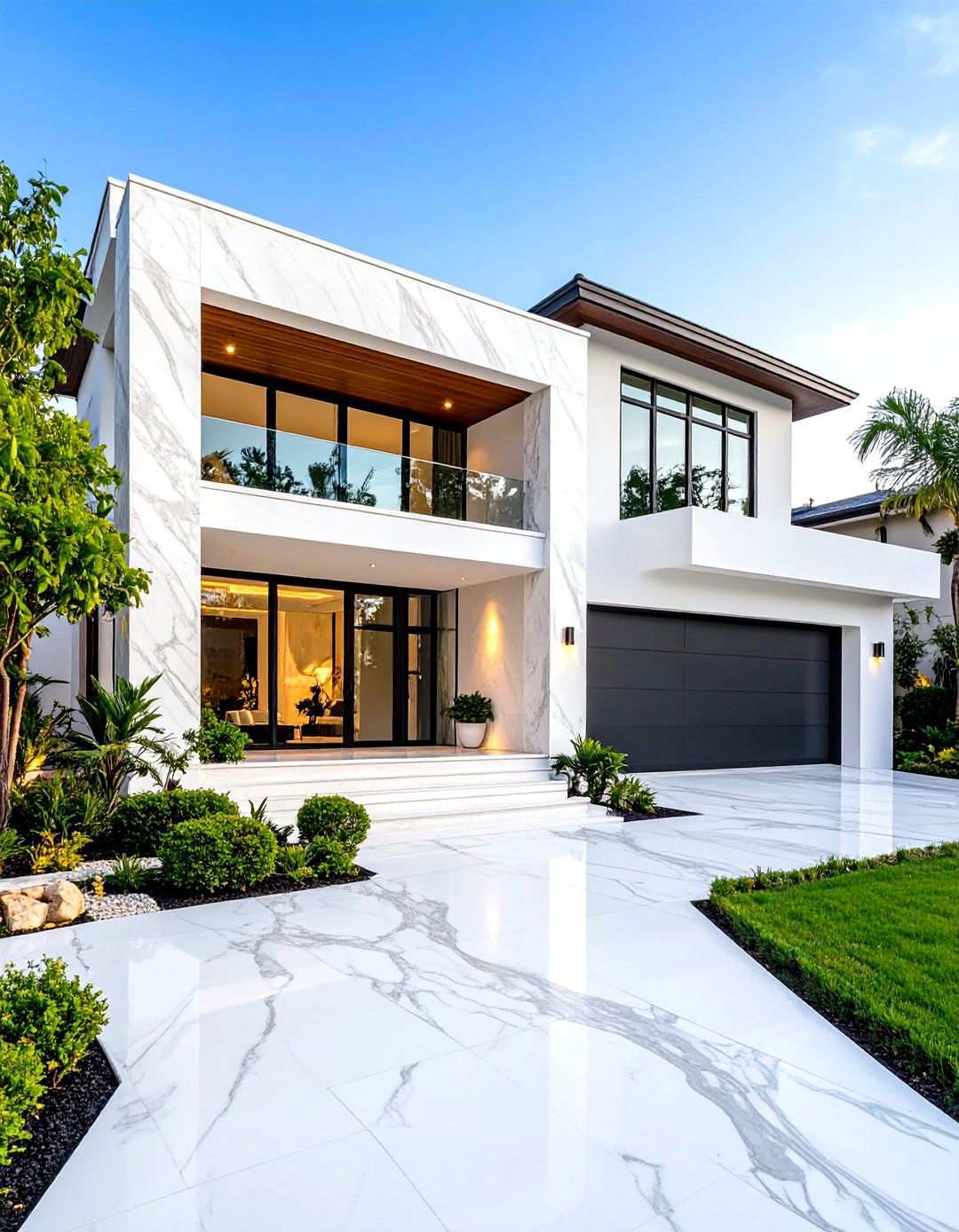
The allure of marble’s luxurious aesthetic can elevate your exterior design beyond the ordinary, imbuing it with a sense of refinement and sophistication. This metamorphic stone undergoes a transformative process, where the application of heat and pressure transmutes limestone into a unique canvas of elegant veining patterns. Marble cladding offers an unparalleled level of sophistication, with its distinctive character variations spanning from the pristine purity of Carrara to the dramatic depth of black varieties. As light conditions change, marble’s inherent luminosity creates a dynamic interplay of depth and visual interest, making each installation a singular work of art. While requiring a moderate level of maintenance, marble’s timeless beauty justifies the investment for high-end architectural projects, where the potential for detailed carving and custom fabrication is a significant draw. Furthermore, professional sealing protects against weathering, preserving the stone’s natural beauty and ensuring long-term performance in exterior applications.
4. The Enduring Charm of Travertine Wall Cladding
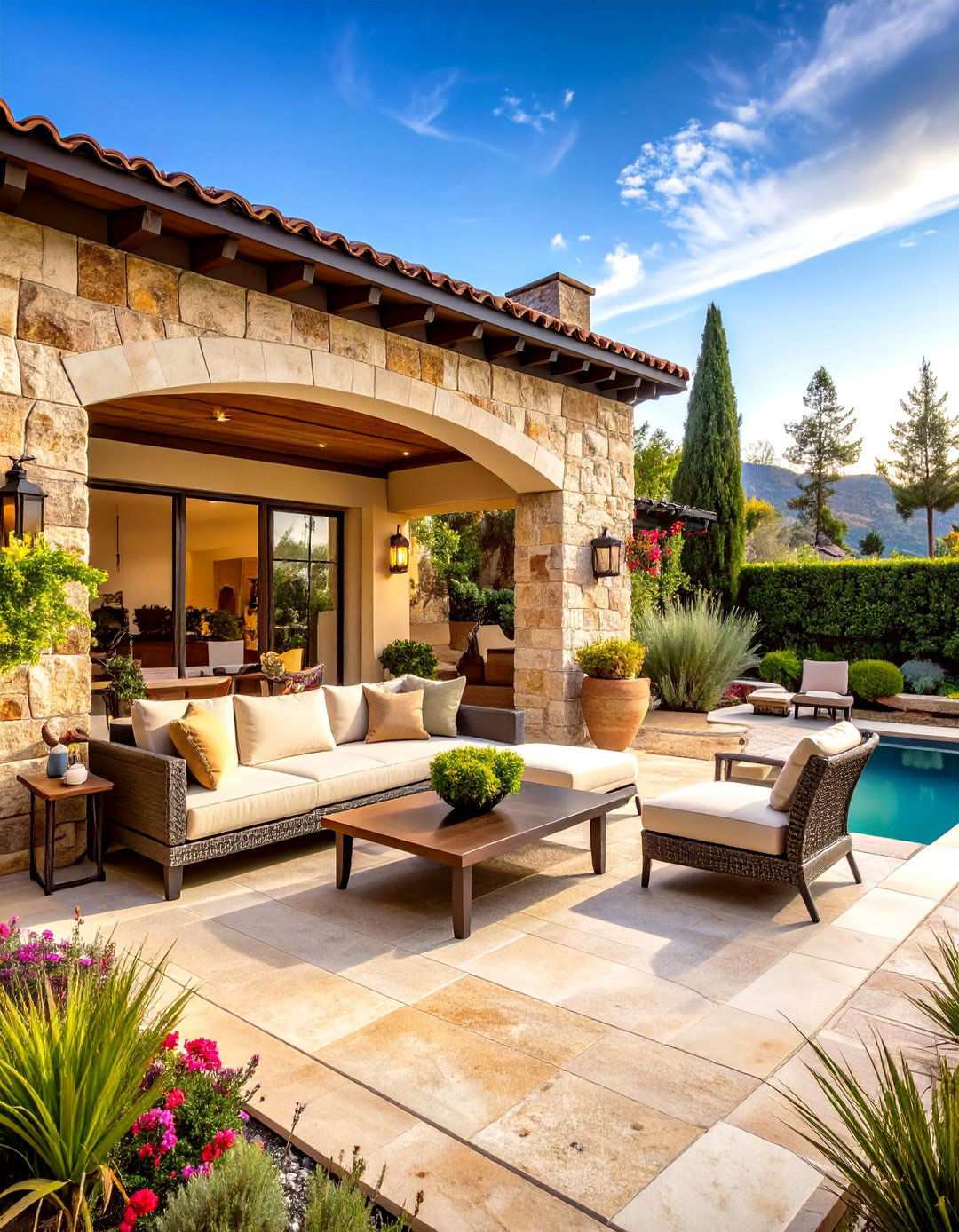
Architects consistently choose travertine for creating inviting exterior environments due to its unique ability to evoke a sense of warmth and hospitality. This calcium carbonate stone forms from hot spring deposits, imbuing it with naturally porous textures and characteristic pit marks that add to its rustic charm. Travertine cladding offers a palette of neutral earth tones, including cream, tan, and russet shades that harmonize beautifully with landscape elements, creating a seamless transition between indoors and outdoors. The stone’s natural thermal properties provide excellent insulation benefits, while its moderate hardness ensures workability for various installation methods, making it an attractive option for extensive cladding projects. As travertine develops an attractive patina over time, its rustic charm is enhanced, making it an attractive choice for those seeking a warm and inviting exterior. Additionally, its affordability compared to marble makes it an accessible option for those seeking to add character to their building’s facade, while proper sealing protects against moisture penetration and maintains the stone’s natural breathing properties.
5. The Dramatic Potential of Slate Stone Siding
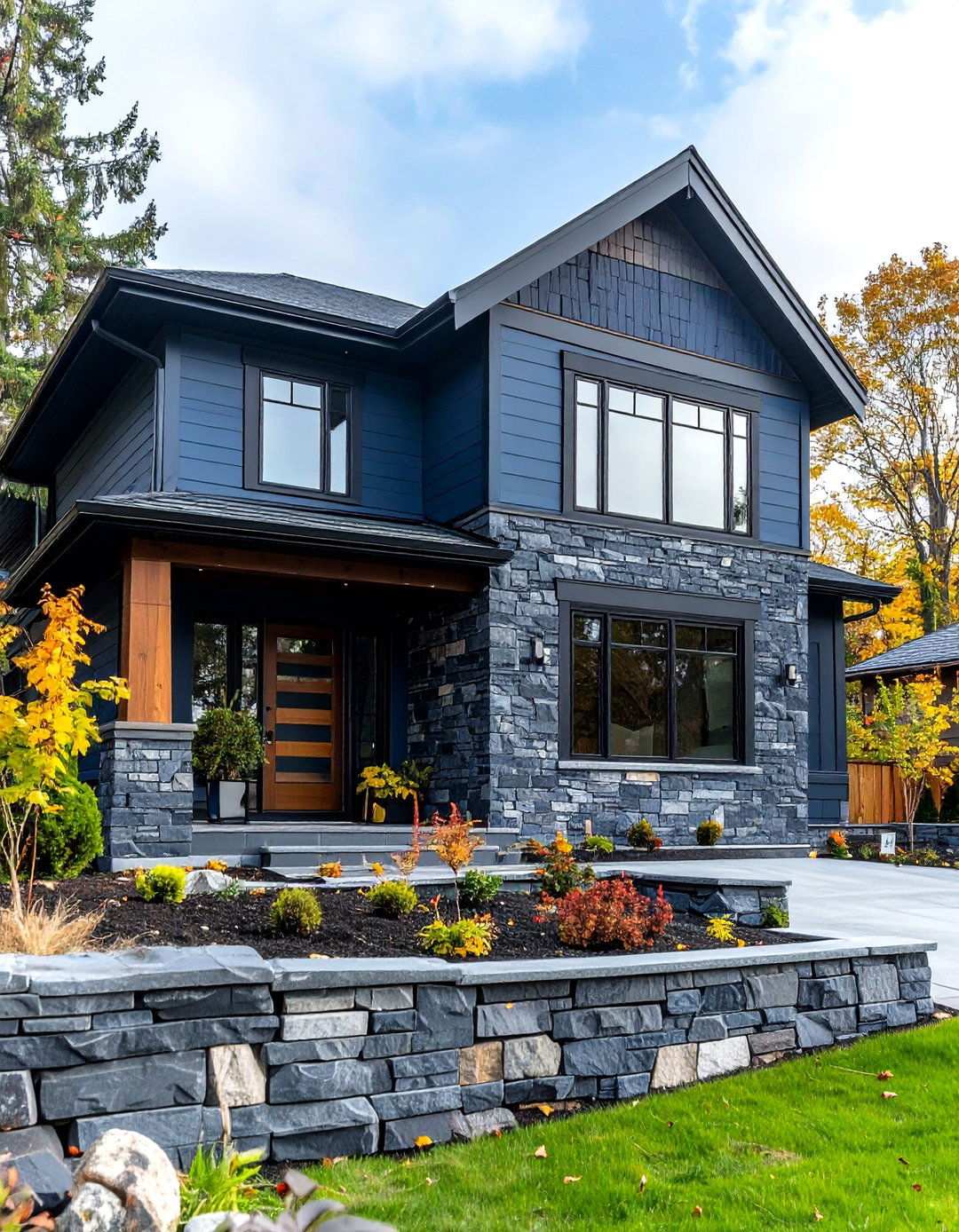
Slate’s dramatic texture has the power to create striking contemporary exterior designs that make a lasting impression. This fine-grained metamorphic rock splits naturally into thin, durable sheets, making it perfect for ventilated facade systems. Slate siding offers a diverse range of color options, from the blue-gray hues of Welsh varieties to the deep black tones that create bold architectural statements. The stone’s excellent weather resistance and low water absorption make it an ideal choice for regions with freeze-thaw cycles, while its natural cleft surface provides slip resistance and visual texture that catches light beautifully throughout the day. However, slate installations do require careful attention to fastening systems due to the material’s splitting characteristics, highlighting the importance of professional installation to ensure proper weather sealing and maximize the stone’s longevity and distinctive appearance in both modern and traditional architectural applications.
6. Elevating Exteriors with Sandstone
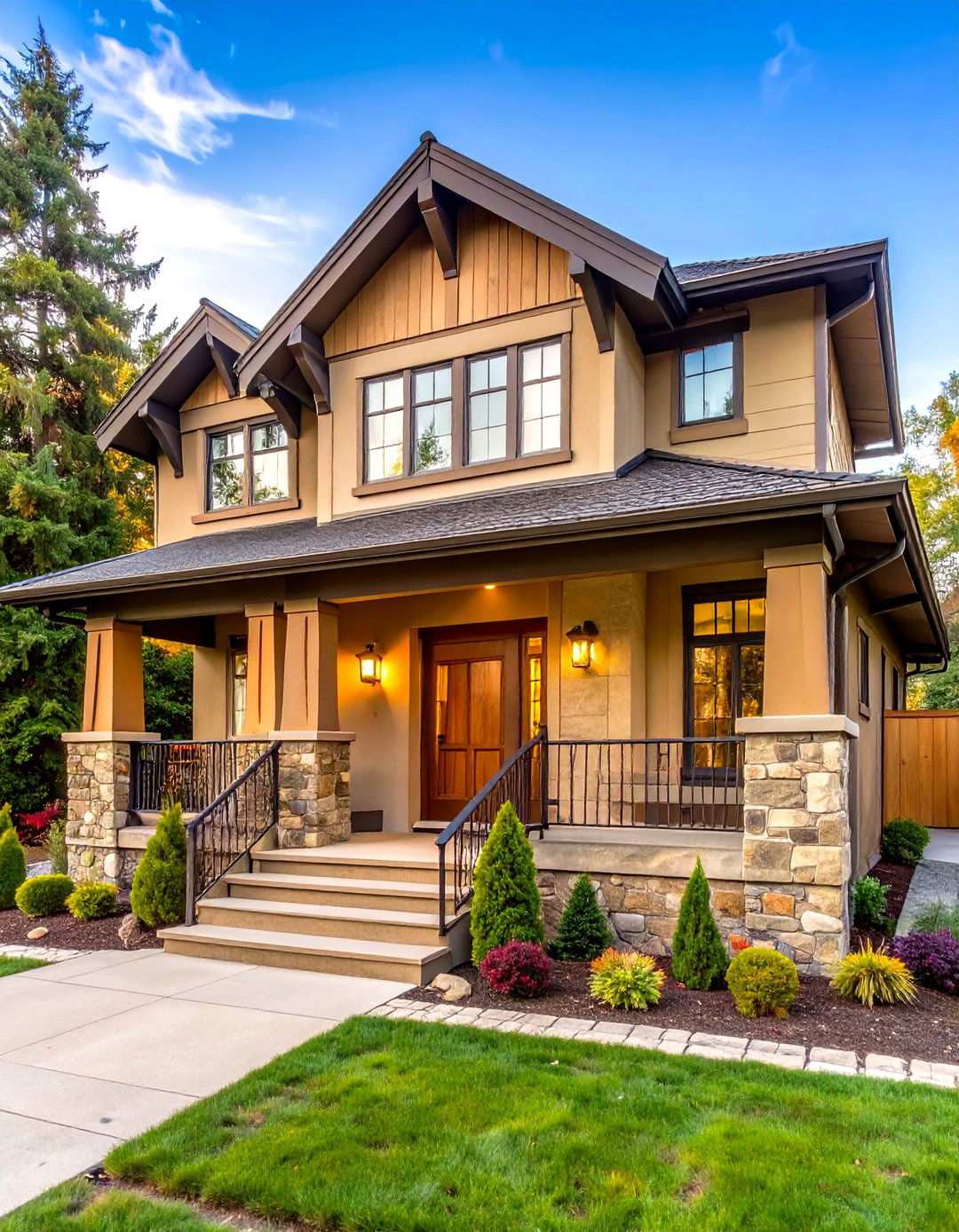
Homeowners are increasingly drawn to sandstone’s organic charm and natural warmth, which can be attributed to its unique composition and diverse color palette. This versatile sedimentary rock, composed of cemented sand grains, boasts an impressive range of hues, from the golden tones of Arizona’s finest sandstones to the rich reds of Pennsylvania’s renowned varieties. Sandstone cladding offers a textured, visually striking surface with inherent striations that add depth and character to exterior walls. Its moderate hardness makes it suitable for both structural and veneer applications, while its reasonable cost is a major selling point. Additionally, sandstone’s natural porosity requires proper sealing in wet climates but provides excellent thermal mass properties. As sandstone weathers, it develops an attractive patina that beautifully complements rustic and traditional architectural styles. With various finishing options available, from rough-hewn to smooth-sawn, sandstone can accommodate a wide range of design preferences and installation requirements.
7. Redefining Exterior Design with Quartzite
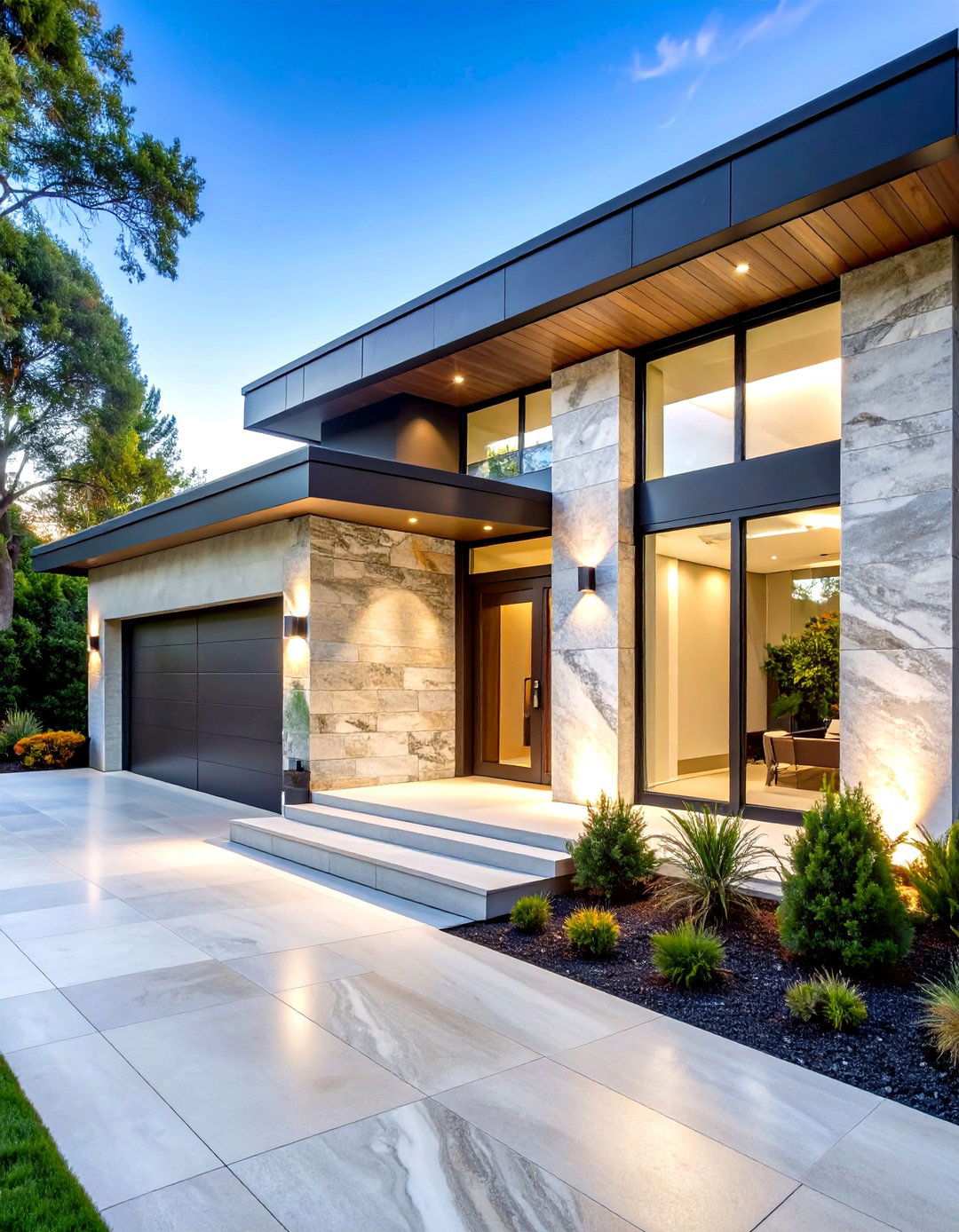
Quartzite’s exceptional durability and marble-like beauty are poised to revolutionize exterior design approaches. This metamorphic rock is formed when sandstone undergoes intense heat and pressure, resulting in an extremely hard, dense material with a crystalline structure. Quartzite panels showcase an impressive array of colors, from pure whites to vibrant blues and dramatic veining patterns. The stone’s remarkable weather resistance and low porosity make it virtually maintenance-free in exterior applications, saving homeowners time and effort. While its exceptional hardness requires specialized cutting and installation techniques, its lifetime performance is well worth the investment. Quartzite’s natural sparkle and depth create captivating facades that change appearance throughout the day, making it an ideal choice for high-end architectural projects that demand both aesthetic impact and structural reliability.
8. Timeless Charm of Fieldstone Cladding
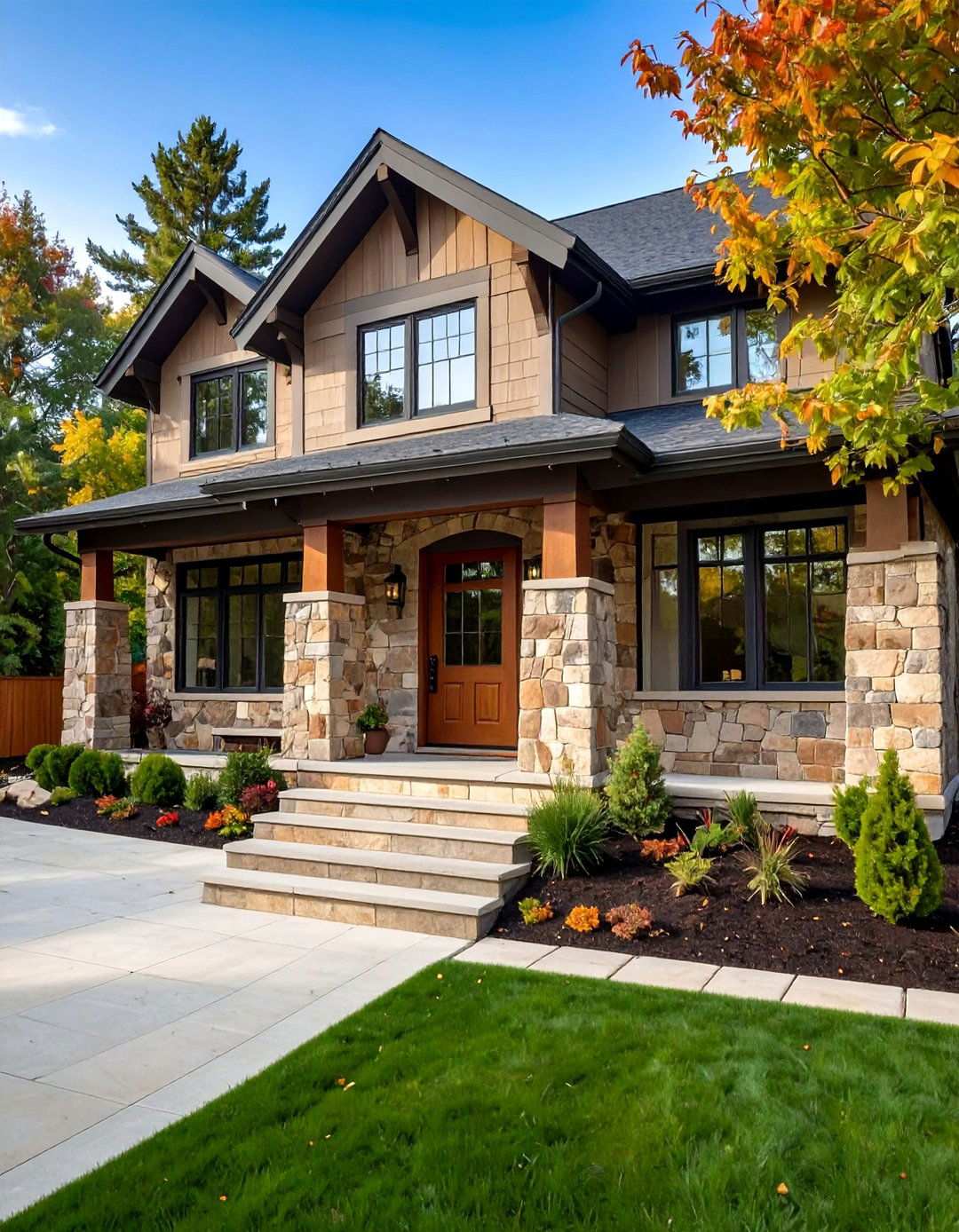
Fieldstone continues to captivate homeowners seeking authentic, rustic character, and its allure can be attributed to its unique, naturally weathered appearance. Gathered from fields and riverbeds, these irregularly shaped stones offer genuine organic beauty and varied coloring. Fieldstone cladding creates distinctive exterior walls with natural randomness that cannot be replicated by manufactured materials, resulting in truly unique installations that reflect local geological heritage. Each stone contributes its own character, ensuring that every fieldstone installation is a one-of-a-kind masterpiece. The material’s varied sizes require skilled masons for proper fitting and structural integrity, but the end result is well worth the effort. Fieldstone installations can utilize dry-stack techniques for a traditional appearance or mortared joints for a more contemporary look. As a testament to its enduring appeal, fieldstone’s natural weathering and aging characteristics ensure that the exterior improves with time while maintaining structural stability and increasing property value through authentic craftsmanship.
9. Elevating Modern Design with Basalt Stone Veneer
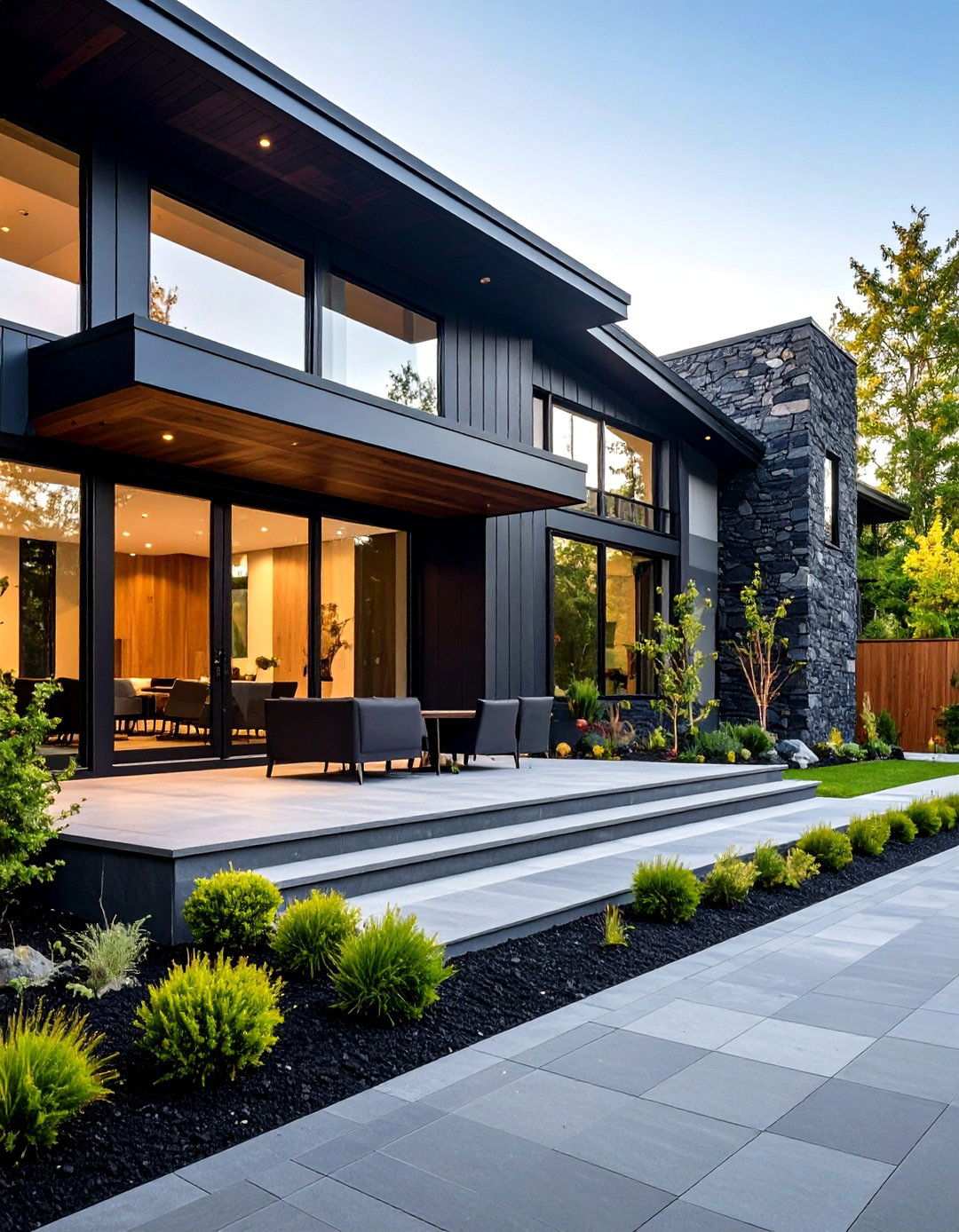
Basalt’s captivating volcanic origins bring a striking contemporary flair to modern architectural designs, thanks to its unique dark gray to black coloring and fine-grained texture formed from rapidly cooled lava. As a dense igneous rock, basalt veneer systems boast exceptional durability, with outstanding compression strength and weather resistance that can withstand even the harshest climates. The stone’s natural columnar jointing patterns create an array of geometric possibilities for cutting-edge facade designs. Its low porosity and high density provide superior freeze-thaw resistance, making it an ideal choice for applications in regions with extreme temperature fluctuations. By incorporating basalt’s modern aesthetic into minimalist architectural styles, designers can achieve a sleek, sophisticated look that also contributes to energy efficiency through its thermal properties. Professional installation is crucial due to the material’s weight and hardness, ensuring proper anchoring and a long-lasting finish.
10. Unveiling the Luxury of Onyx Wall Cladding
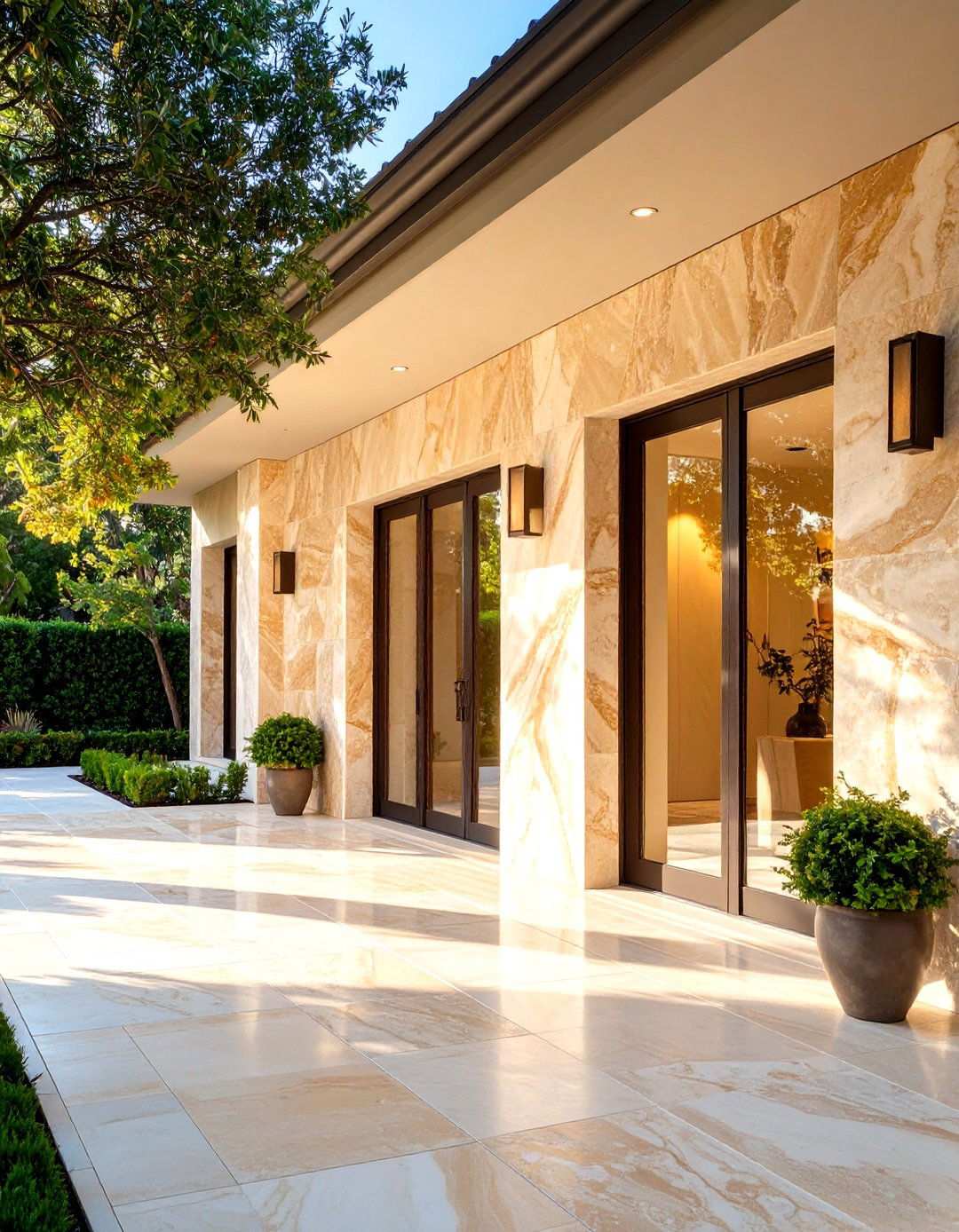
Onyx’s mesmerizing properties make it the ultimate choice for statement exterior features, thanks to its unique light-transmitting qualities and stunning visual effects. Formed from calcium carbonate deposits, onyx cladding offers a dramatic range of color variations, including honey, green, and black, with distinctive veining patterns that add an extra layer of sophistication. The stone’s translucency enables breathtaking backlighting possibilities, creating spectacular nighttime effects that leave a lasting impression. While primarily used for interior applications, onyx veneer panels can be used to create striking exterior accent features in protected locations, where their beauty can be fully appreciated. With moderate hardness, onyx requires careful handling during installation, but its premium cost reflects its rarity and processing requirements. To ensure longevity and maximize the stone’s extraordinary visual impact, professional installation with proper weatherproofing is essential in sophisticated architectural applications.
11. Balancing Rustic Charm and Contemporary Sophistication with Schist Stone Siding
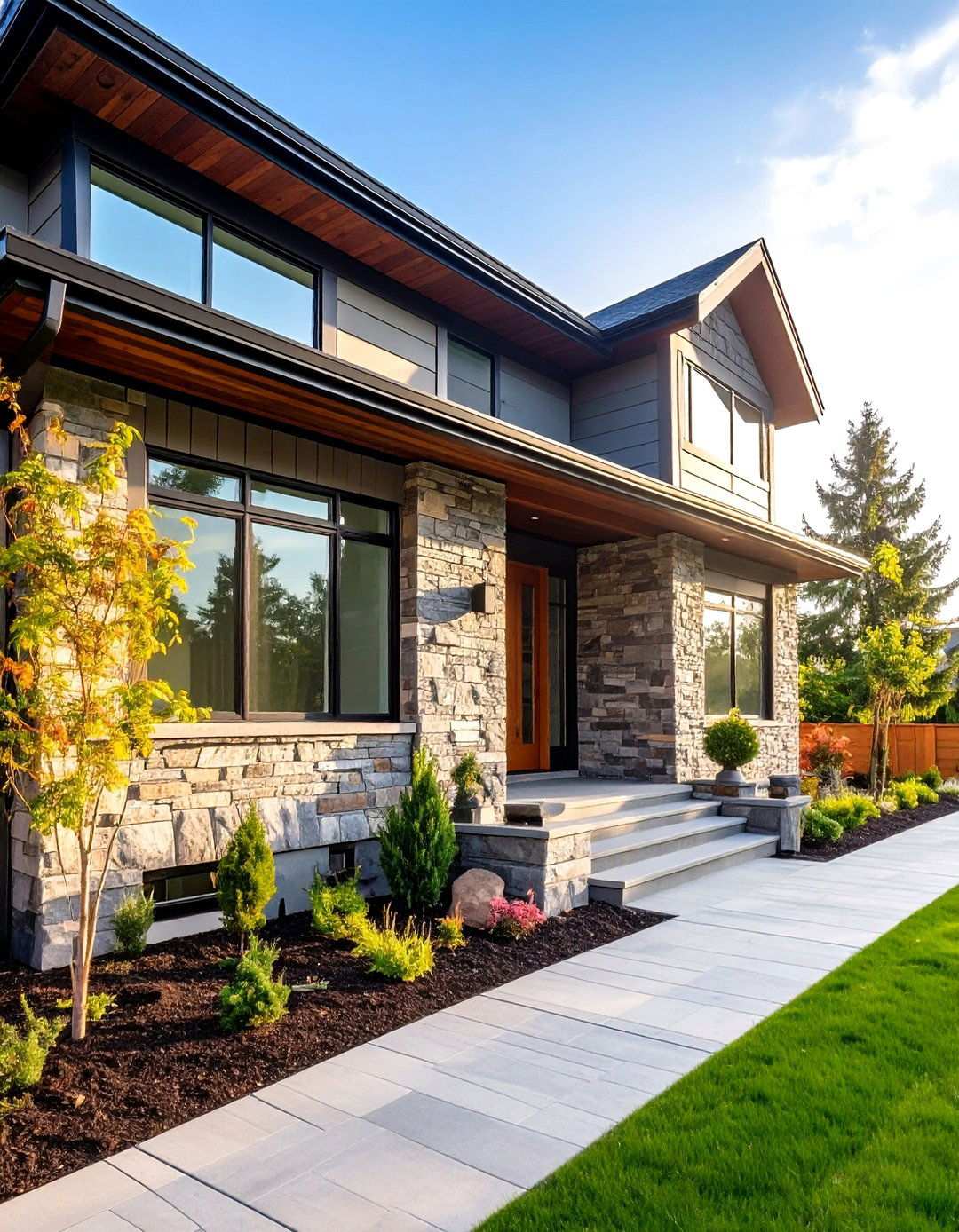
Schist’s layered metamorphic structure offers the perfect balance between rustic charm and contemporary sophistication, thanks to its distinctive textured surfaces and varied coloring created by natural splitting along mineral alignment planes. This foliated rock boasts excellent durability with moderate maintenance requirements, while providing natural insulation benefits that enhance its overall performance. As the stone weathers over time, it develops an attractive patina that enhances its visual appeal, adding character and depth to its appearance. Regional varieties like Wanaka schist provide a unique touch, supporting sustainable building practices and local character. Installation requires a deep understanding of the stone’s splitting properties to ensure proper structural integrity, but its affordability compared to premium stones makes it accessible for extensive cladding projects. By incorporating schist’s natural texture into both traditional and modern architectural styles, designers can create authentic, timeless spaces that develop character over the years.
12. Gneiss: Elevating Exterior Design with Geological Storytelling
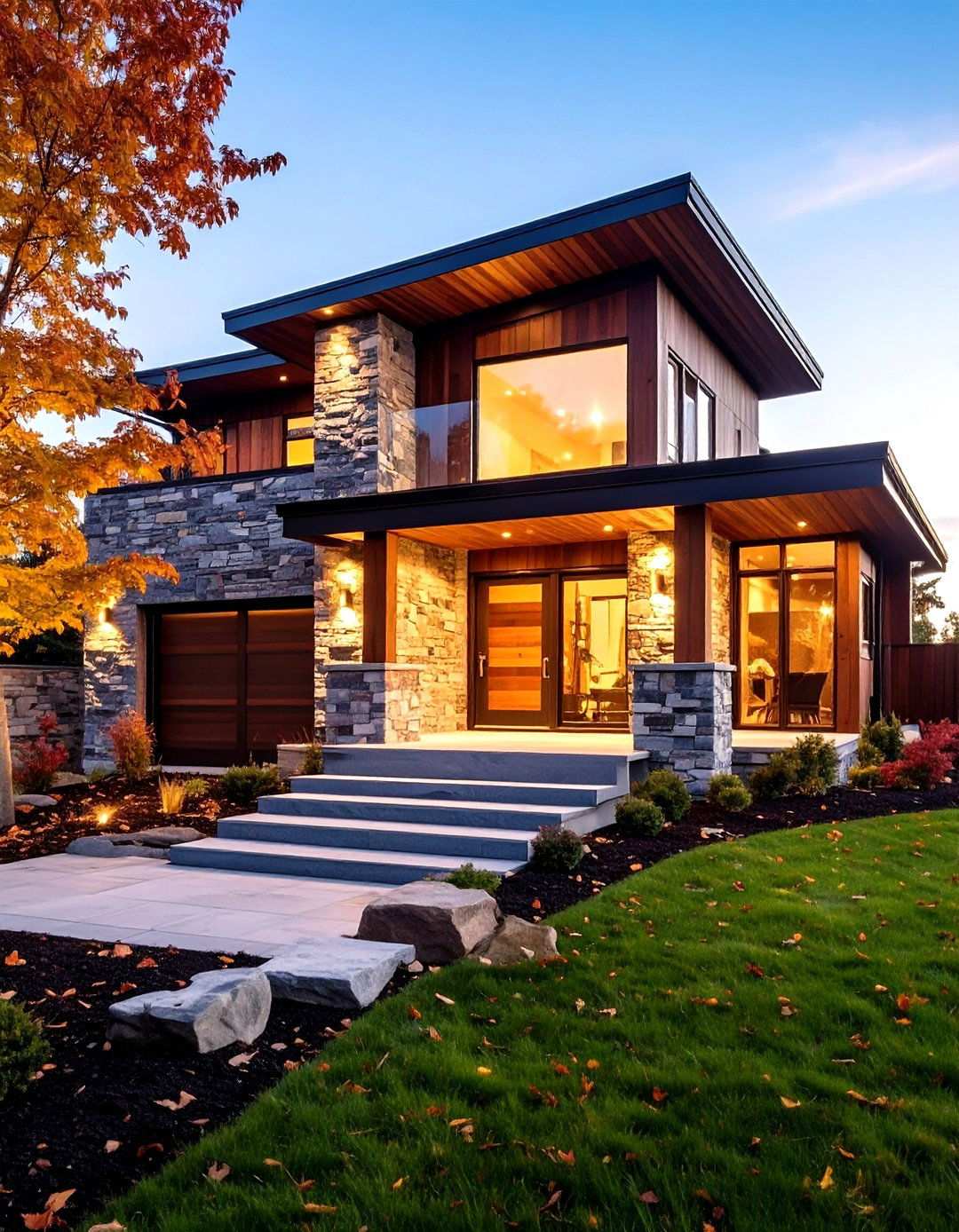
Gneiss has become a coveted choice among architects for its exceptional ability to craft sophisticated exterior designs that weave a compelling narrative of geological wonder. The coarse-grained metamorphic rock boasts a distinctive, visually striking appearance characterized by alternating light and dark mineral layers that create a mesmerizing banding effect. With its granite-like durability and more intriguing patterns, gneiss cladding offers a unique combination of functionality and aesthetic appeal. As the material’s foliated structure interacts with light, it produces dynamic facades that not only captivate the eye but also provide top-notch weather resistance. Furthermore, gneiss’s hard composition ensures a remarkably low maintenance requirement while delivering long-lasting performance in even the most demanding environments. Effective installation of gneiss requires skilled craftsmen with a deep understanding of the stone’s structural characteristics and natural splitting planes. Various finishing options, ranging from natural cleft to polished surfaces, enable architects to tailor the material to suit diverse architectural styles. By incorporating gneiss into their projects, architects can infuse intellectual depth and timeless aesthetic appeal while harnessing the practical benefits of exceptional durability.
13. Bluestone: Crafting Timeless American Character
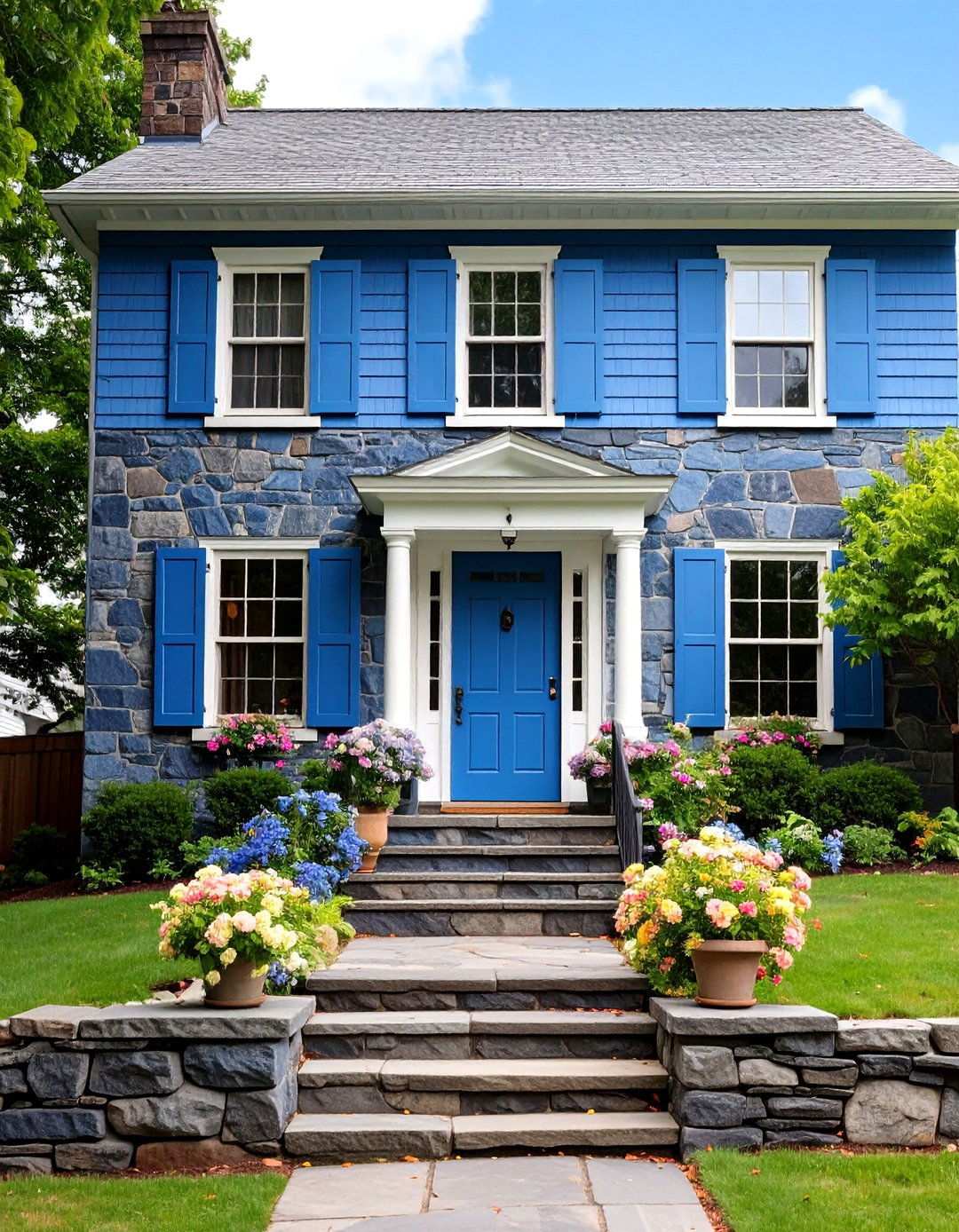
Bluestone’s distinctive blue-gray coloring has become synonymous with classic American architectural character, evoking a sense of tradition and heritage. Primarily quarried in Pennsylvania and New York, this fine-grained sandstone boasts natural variation in its coloration, adding a touch of uniqueness to each installation. Bluestone cladding boasts exceptional weather resistance, courtesy of its natural slip-resistant surfaces that excel in a variety of climate conditions. Its moderate hardness makes it an ideal choice for both structural and veneer applications, all while maintaining a cost-effectiveness that architects appreciate. By offering a range of thermal finishing options, bluestone can be tailored to create sleek, contemporary appearances, while natural cleft surfaces provide a more rustic, traditional character. Bluestone’s regional heritage makes it particularly well-suited for architectural styles in the Northeast. With its consistent quality and abundance, sourcing bluestone for extensive projects is a reliable and straightforward process. To maximize the material’s natural beauty while ensuring proper weather protection and structural integrity, professional installation is essential, regardless of the season or environmental conditions.
14. Soapstone Wall Applications
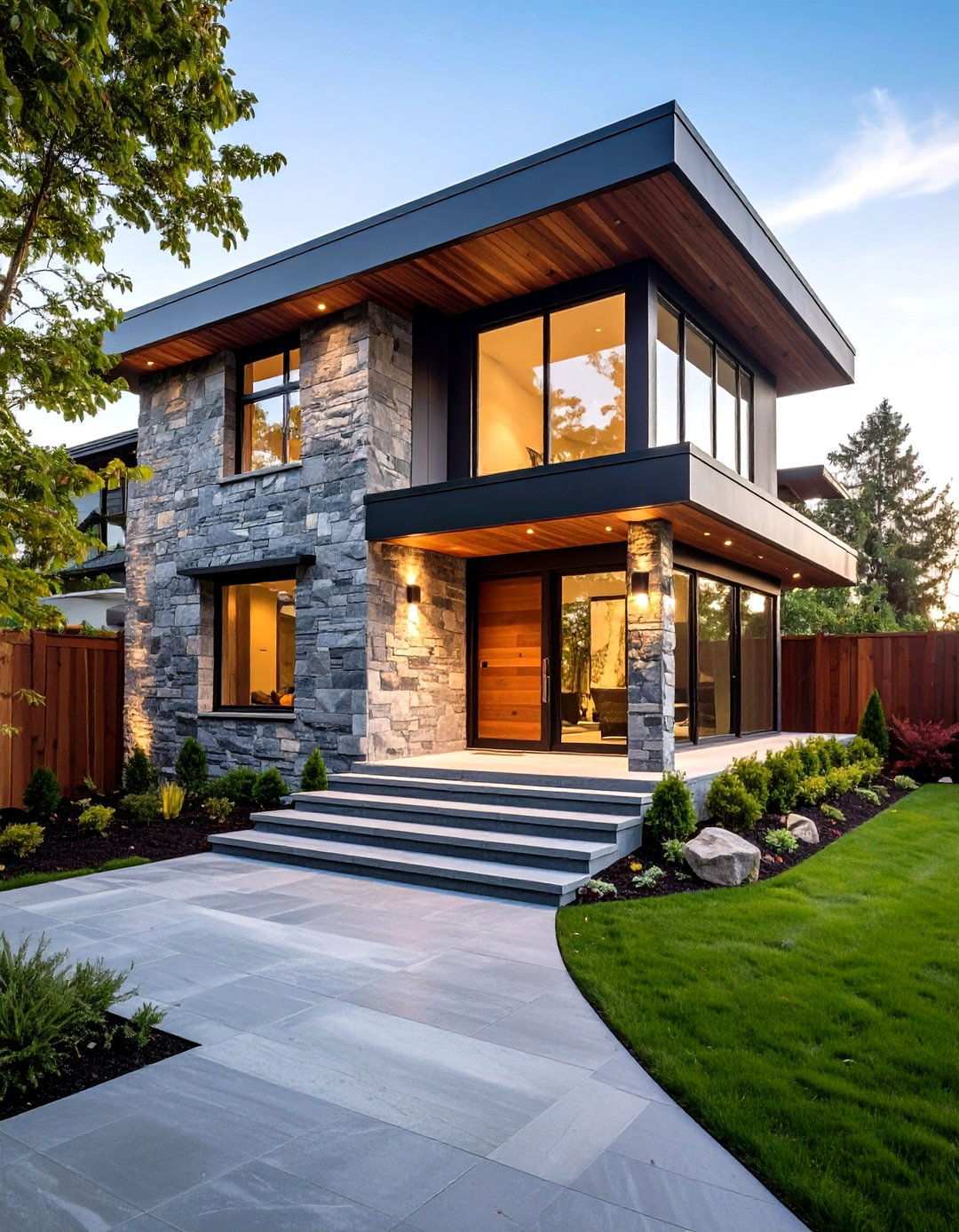
Soapstone’s gentle essence and exceptional features make it a prime choice for exterior features that exude uniqueness. This metamorphic rock, primarily composed of talc, boasts a distinctively smooth texture, paired with natural heat resistance and chemical neutrality. As a result, soapstone cladding creates low-maintenance surfaces that develop an attractive patina through the natural process of weathering. The stone’s softness enables effortless repair of minor damage, while its density ensures outstanding durability. Its natural oils give soapstone water-repellent properties, reducing maintenance requirements compared to porous stones. Soapstone’s limited color palette, ranging from light gray to deep charcoal, offers sophisticated monochromatic design possibilities. However, installation requires a deep understanding of the material’s unique characteristics and the use of suitable fastening methods. While premium-priced, soapstone’s combination of functionality and distinctive character makes it a valuable asset for architectural projects emphasizing natural materials and sustainable building practices.
15. Ledgestone Veneer Panels
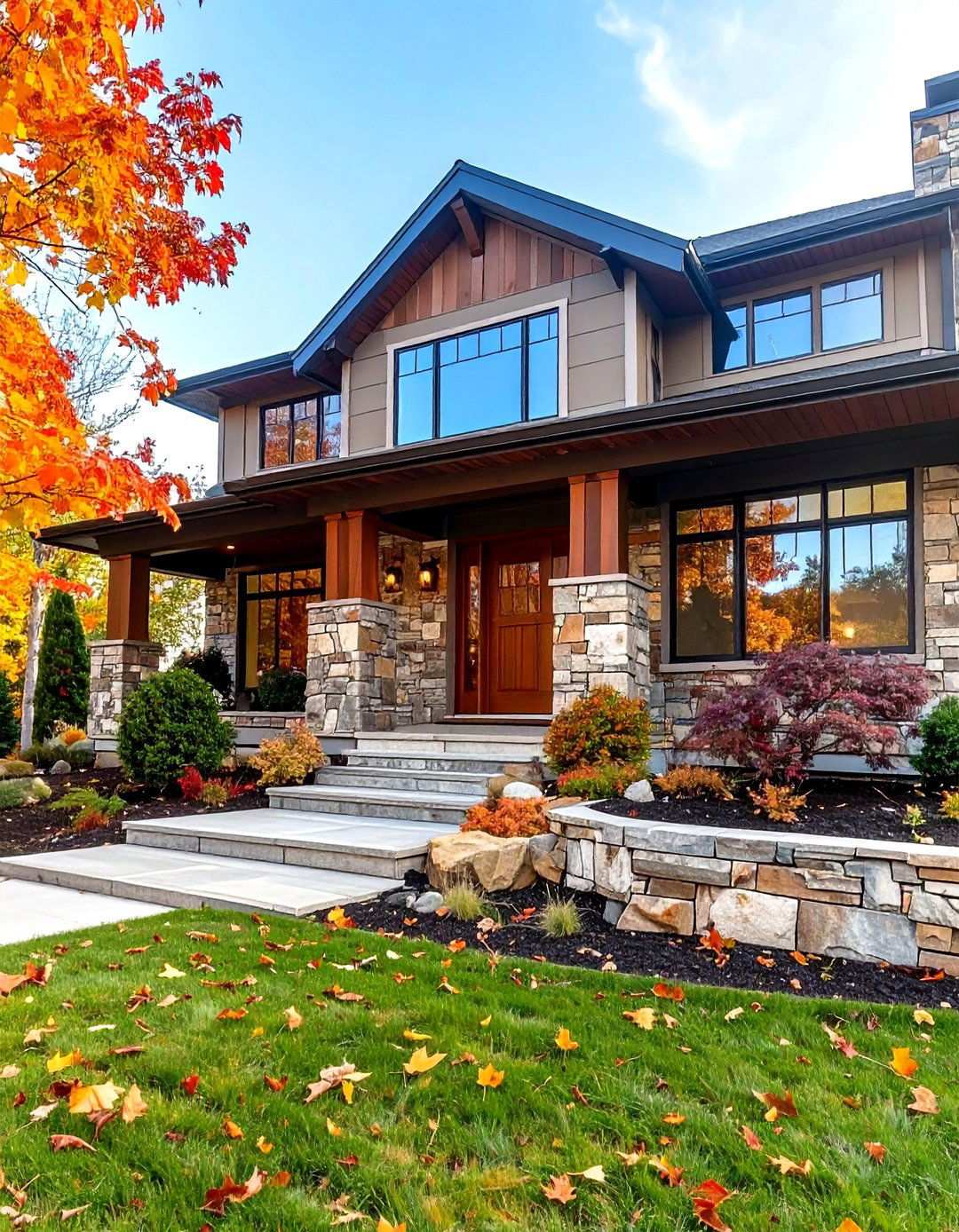
Ledgestone’s natural stratification patterns hold the key to transforming your exterior into a geological masterpiece. This horizontally bedded stone creates distinct linear patterns that accentuate the natural layering found in sedimentary formations, adding a touch of elegance to any space. Ledgestone veneer offers the advantage of efficient installation, with relatively uniform thickness, while still maintaining natural character variations. The material’s horizontal emphasis complements contemporary architectural lines while providing traditional stone authenticity. To accommodate different structural requirements and design preferences, a range of thickness options are available. Ledgestone’s natural weather resistance and durability ensure long-term performance with minimal maintenance, making it an ideal choice for projects demanding durability. The stone’s natural thermal mass properties contribute to energy efficiency, while its varied coloring provides visual interest throughout changing light conditions and seasons.
16. Flagstone Cladding Options
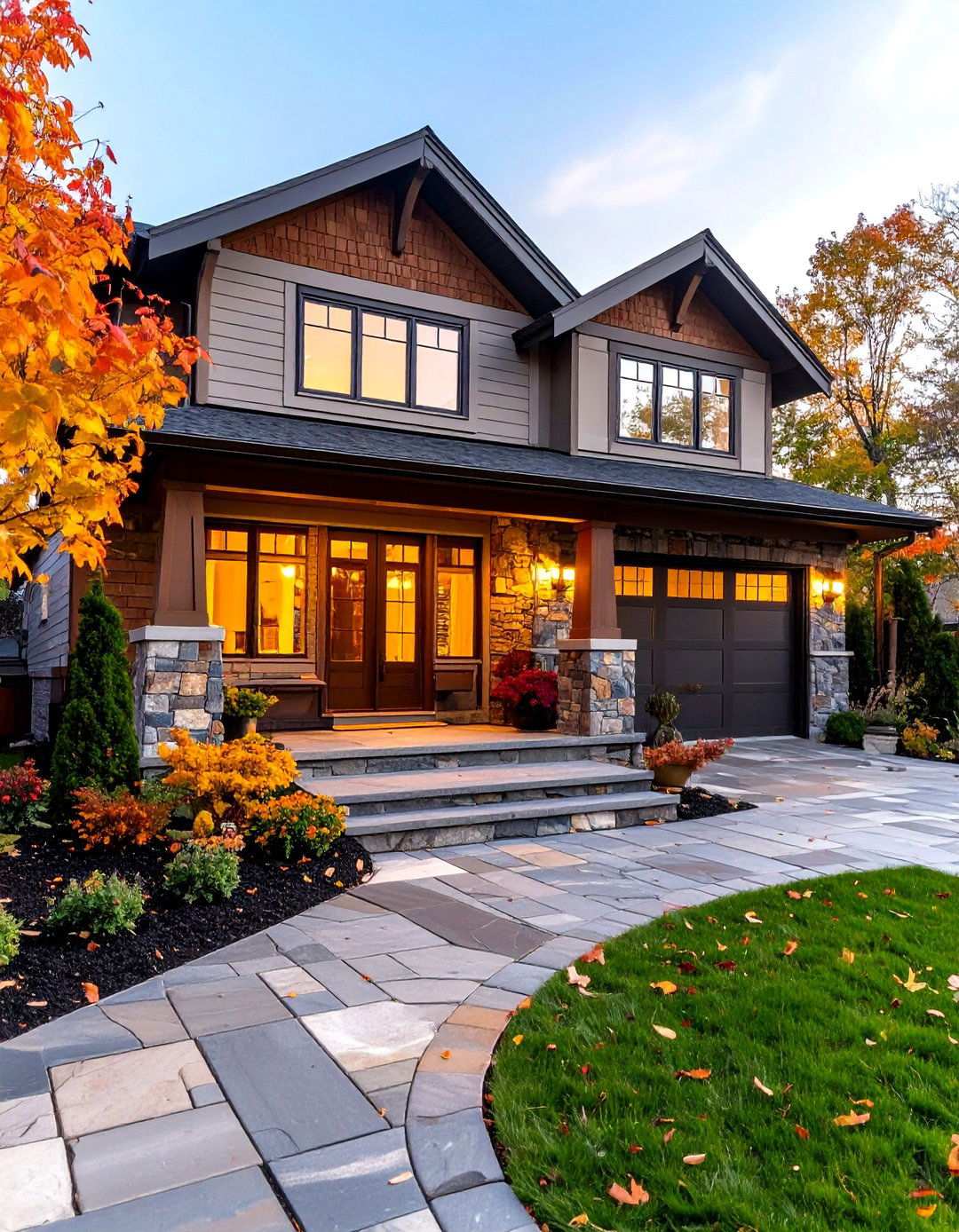
Flagstone’s enduring popularity stems from its unique combination of elegance and functionality, making it an ideal choice for creating stunning exterior surfaces. Characterized by its natural splitting along bedding planes, flagstone offers flat surfaces that can be seamlessly integrated into both vertical and horizontal applications. This versatile material is available in a wide range of varieties, including sandstone and slate, each boasting distinct color and texture profiles that cater to diverse design preferences. The inherent splitting properties of flagstone ensure cost-effective processing, while maintaining an authentic, unprocessed look. Its adaptability allows for both intricate geometric patterns and organic, free-flowing designs, making it an ideal choice for architects seeking to create visually striking structures. Moreover, flagstone’s exceptional weather resistance and slip-resistant properties make it an excellent choice for various climate conditions, further solidifying its position as a popular cladding material.
Flagstone’s ability to harness regional stone varieties not only adds a unique local character to any structure but also supports sustainable transportation practices by reducing the need for long-distance transportation. When properly installed by professional contractors, flagstone cladding ensures proper structural support while maximally showcasing the material’s natural beauty and functional performance in a wide range of architectural applications.
17. Cobblestone Wall Features
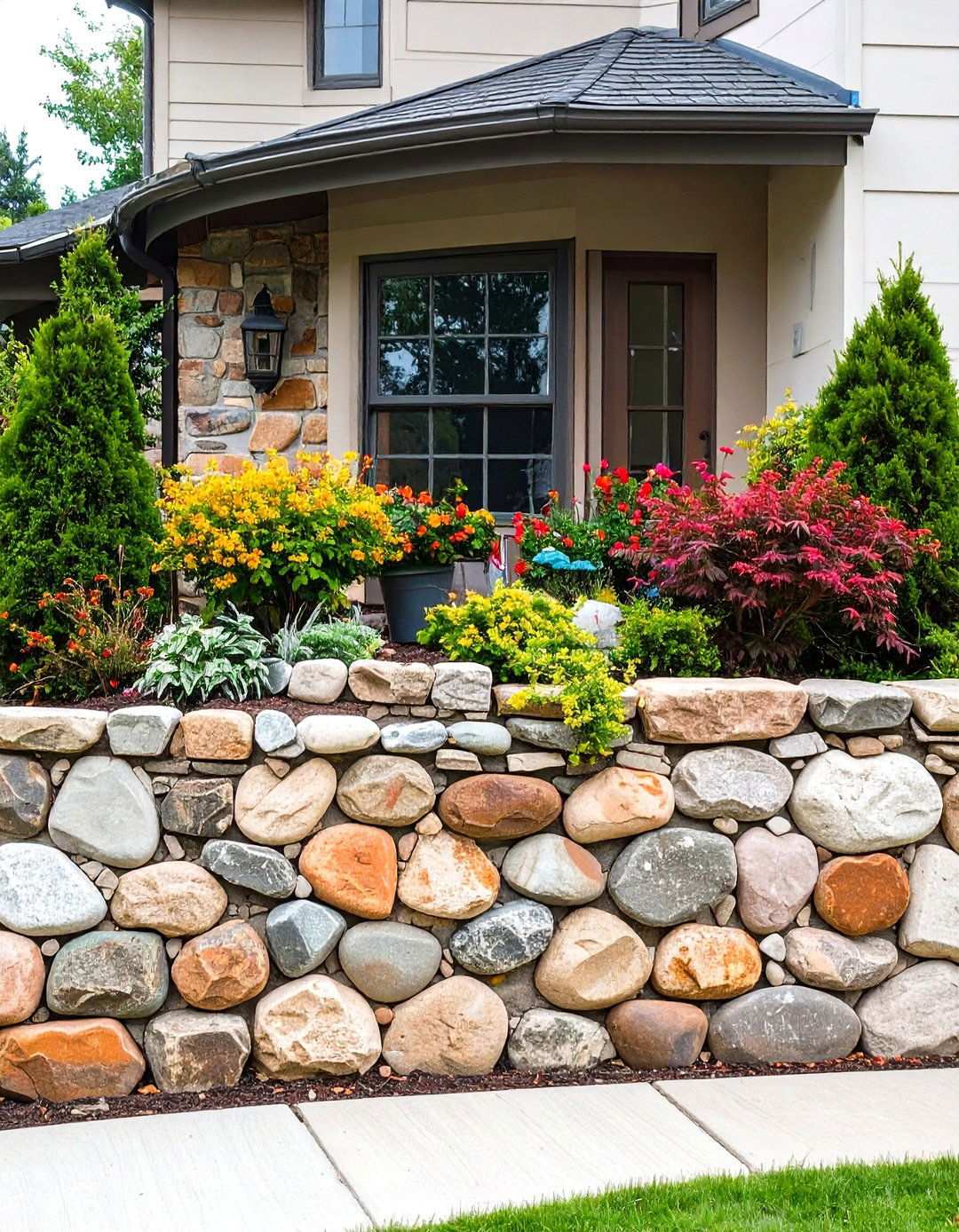
Cobblestone’s timeless appeal lies in its ability to effortlessly bridge traditional craftsmanship with contemporary design sensibilities, creating structures that exude authentic character. Gathered from riverbeds and beaches, these naturally rounded stones possess a distinct charm that is impossible to replicate artificially. Cobblestone cladding produces textured surfaces with a three-dimensional depth that is accentuated by the way it interacts with light and shadow throughout the day. The material’s varied sizes necessitate skilled installation techniques to ensure structural integrity while maintaining its visual appeal. Modern cobblestone applications often combine traditional mortared construction with contemporary dry-set methods, allowing architects to push the boundaries of this ancient material.
The natural weathering characteristics of cobblestone improve its appearance over time, imbuing it with a sense of age and character that is difficult to replicate with artificial materials. While installation costs may be higher due to the labor-intensive nature of working with irregular shapes, the exceptional longevity and timeless character that cobblestone brings to a structure make it a worthwhile investment. This not only increases property value but also contributes to the architectural distinction of any structure.
18. Stacked Stone Systems
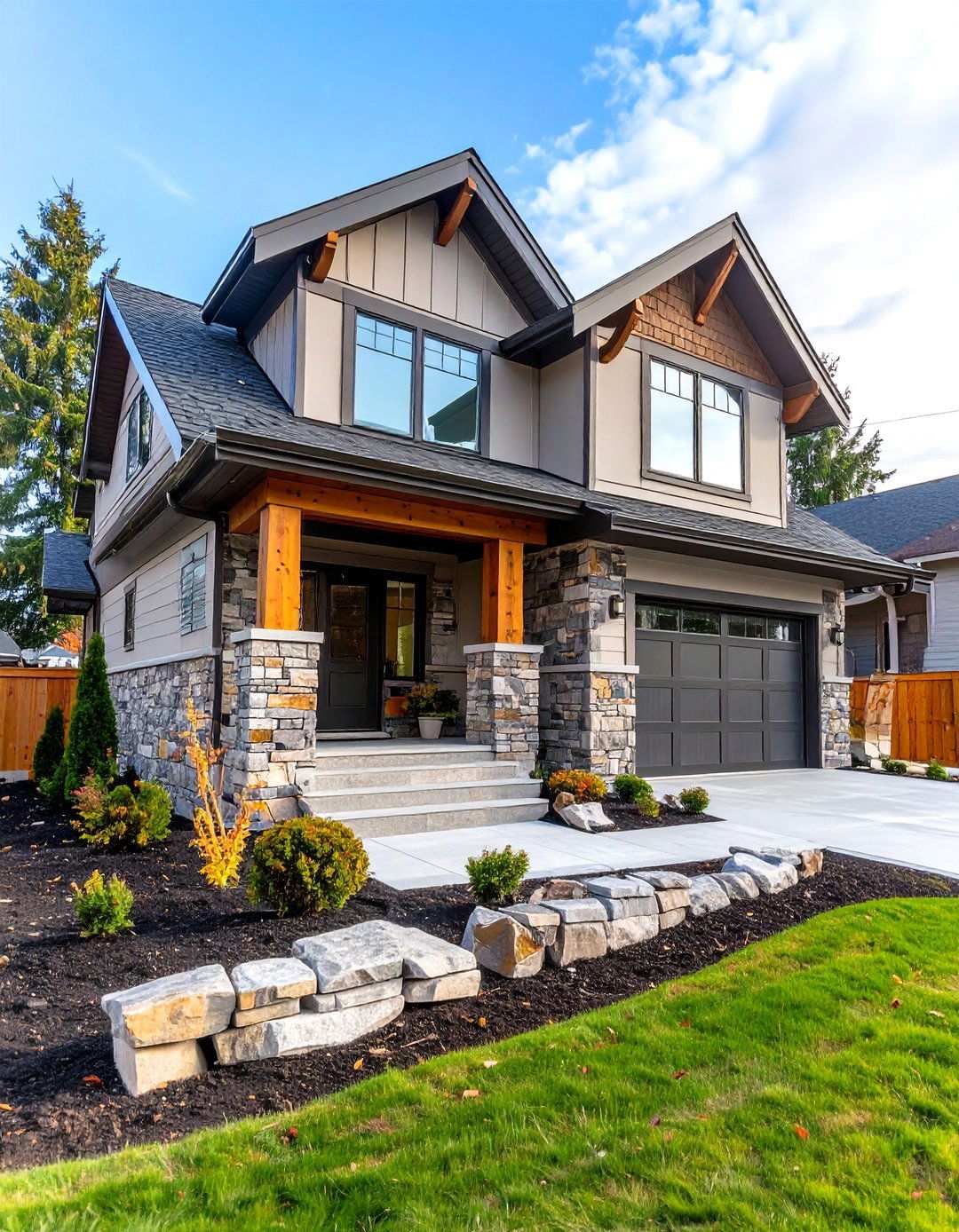
Stacked stone panels provide a compelling solution for achieving the look of natural stone with the convenience of modern installation techniques. By combining multiple stone pieces into manageable units, these pre-assembled panels significantly reduce installation time while retaining authentic character. The uniform thickness of stacked stone systems simplifies structural requirements while offering a range of natural color and texture variations. The engineered design of these panels ensures a precise fit, weather resistance, and accommodates thermal movement. Various stone types, including quartzite, slate, and sandstone, offer diverse aesthetic options, catering to different design preferences. Installation techniques utilizing mechanical fastening systems ensure long-term performance, allow for maintenance access, and provide a cost-effective alternative to individually set stones. With the benefits of cost-effectiveness, extensive projects can now incorporate natural stone cladding, while professional installation ensures proper moisture management and structural attachment, maximizing the system’s efficiency and visual impact.
19. River Rock Cladding
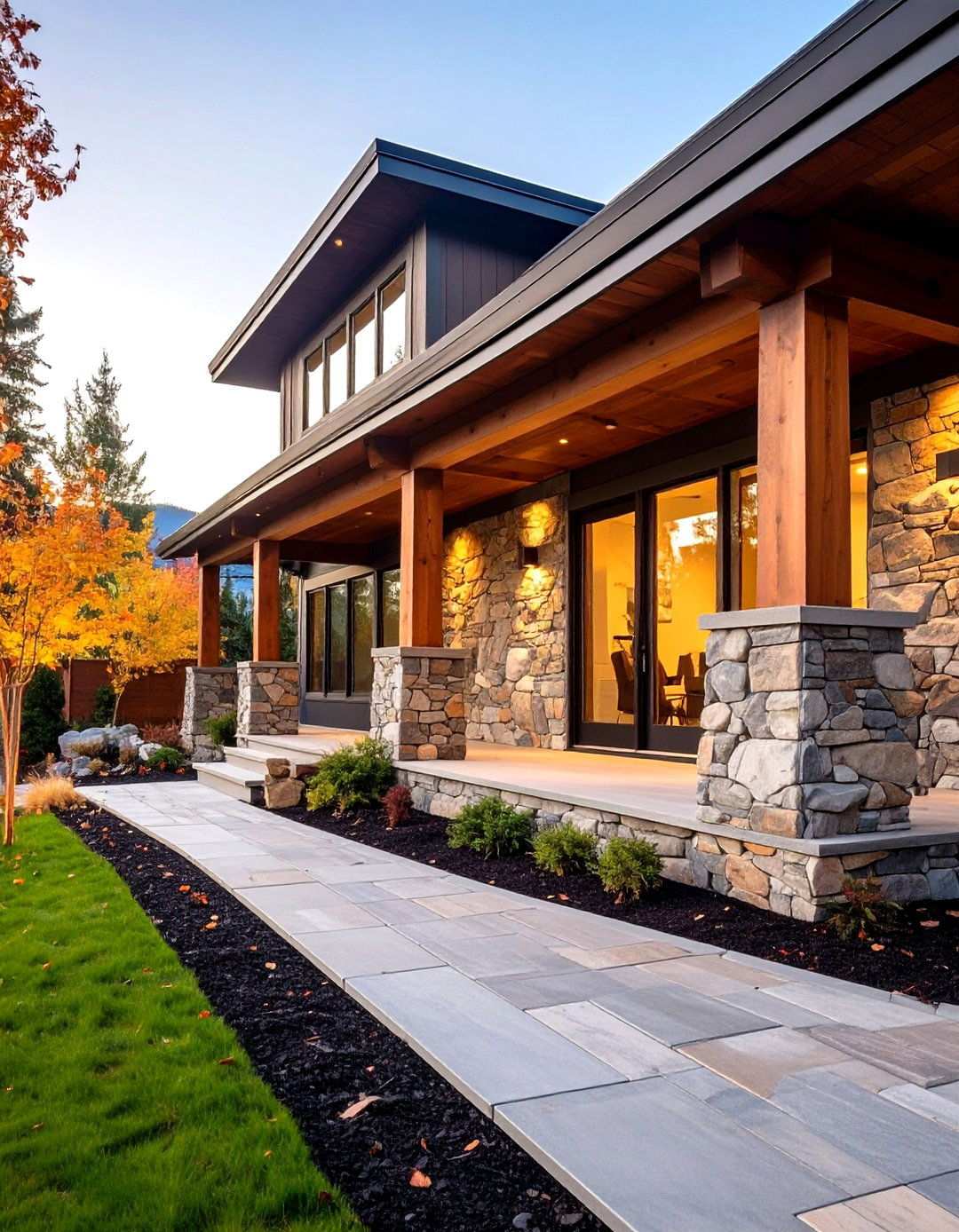
River rock’s smooth, organic forms offer a unique opportunity to seamlessly integrate architecture with the surrounding natural landscape. The water-tumbled stones feature naturally rounded shapes and polished surfaces that have been weathered over millennia, resulting in a captivating visual effect. River rock cladding provides a three-dimensional texture with varied coloring, creating an illusion of depth and adding character to any space. The diverse sizes of the material enable creative installation patterns, ranging from tightly fitted mosaics to loosely arranged organic compositions. The excellent durability of river rock results from its natural weathering process, which has pre-tested its resistance to environmental conditions. To ensure the integrity of the material and maintain its natural randomness, installation requires specialized techniques. Professional installation ensures proper anchoring and moisture management while preserving the stone’s natural beauty, creating distinctive architectural features that harmonize with landscape elements.
20. Elevating Exterior Walls with Timeless Elegance
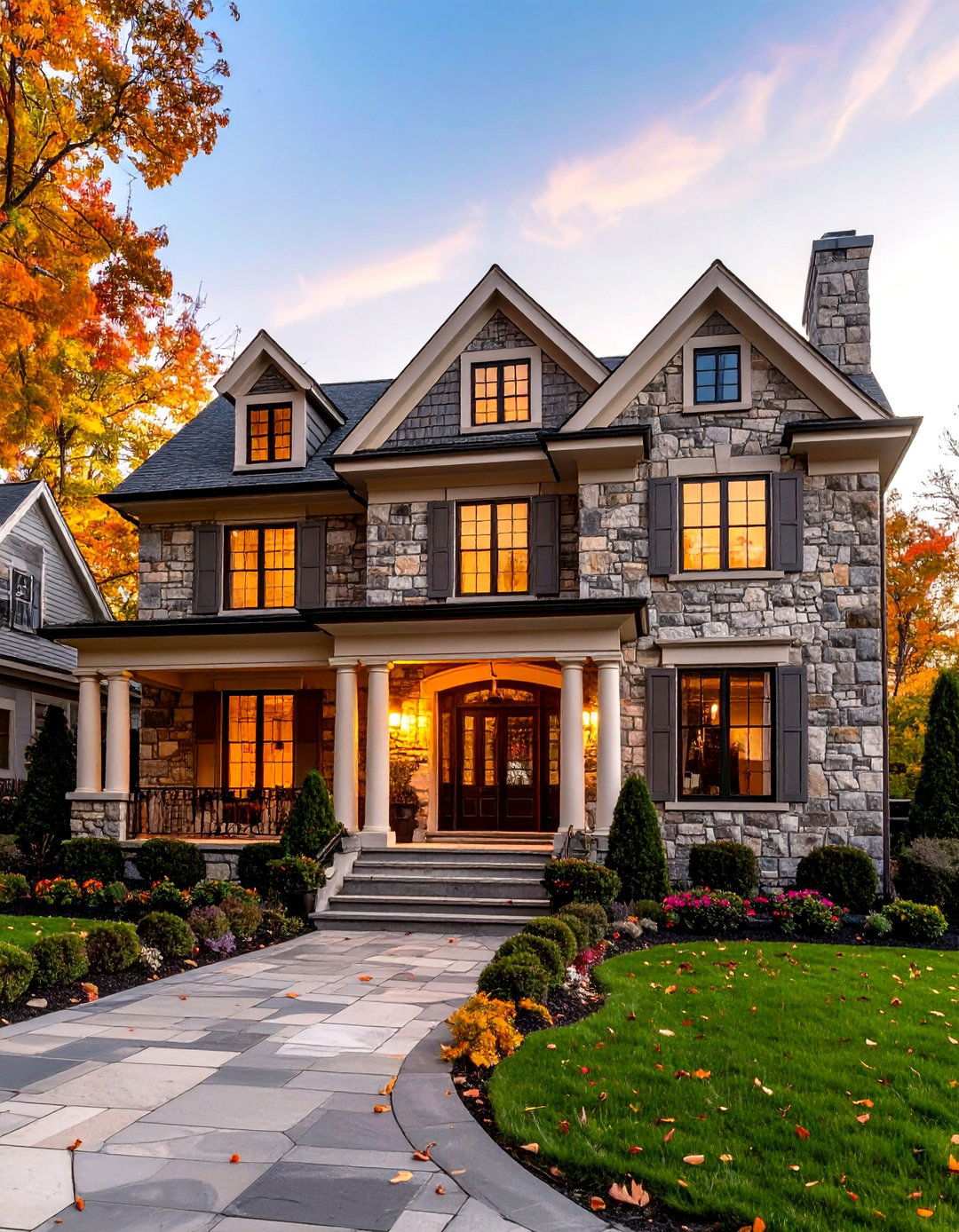
Architects opt for ashlar construction to create exterior walls that are not only visually stunning but also possess exceptional structural capabilities. This dimensionally cut stone features uniform rectangular shapes, enabling the creation of intricate geometric patterns and refined architectural details. Ashlar masonry boasts a consistent visual appearance throughout large installations, reducing installation time compared to irregular stones. The material’s precise dimensions ensure superior weather sealing, while the use of various stone types, from limestone to granite, provides diverse aesthetic options. Traditional construction techniques produce permanent installations with exceptional longevity, while modern engineering ensures seismic resistance and thermal performance. Although ashlar’s premium cost reflects the precision manufacturing required, it delivers architectural quality suitable for prestigious projects. When installed professionally, the system’s sophisticated appearance and performance characteristics are maximized.
21. Harmonizing Natural Appearance with Engineered Performance
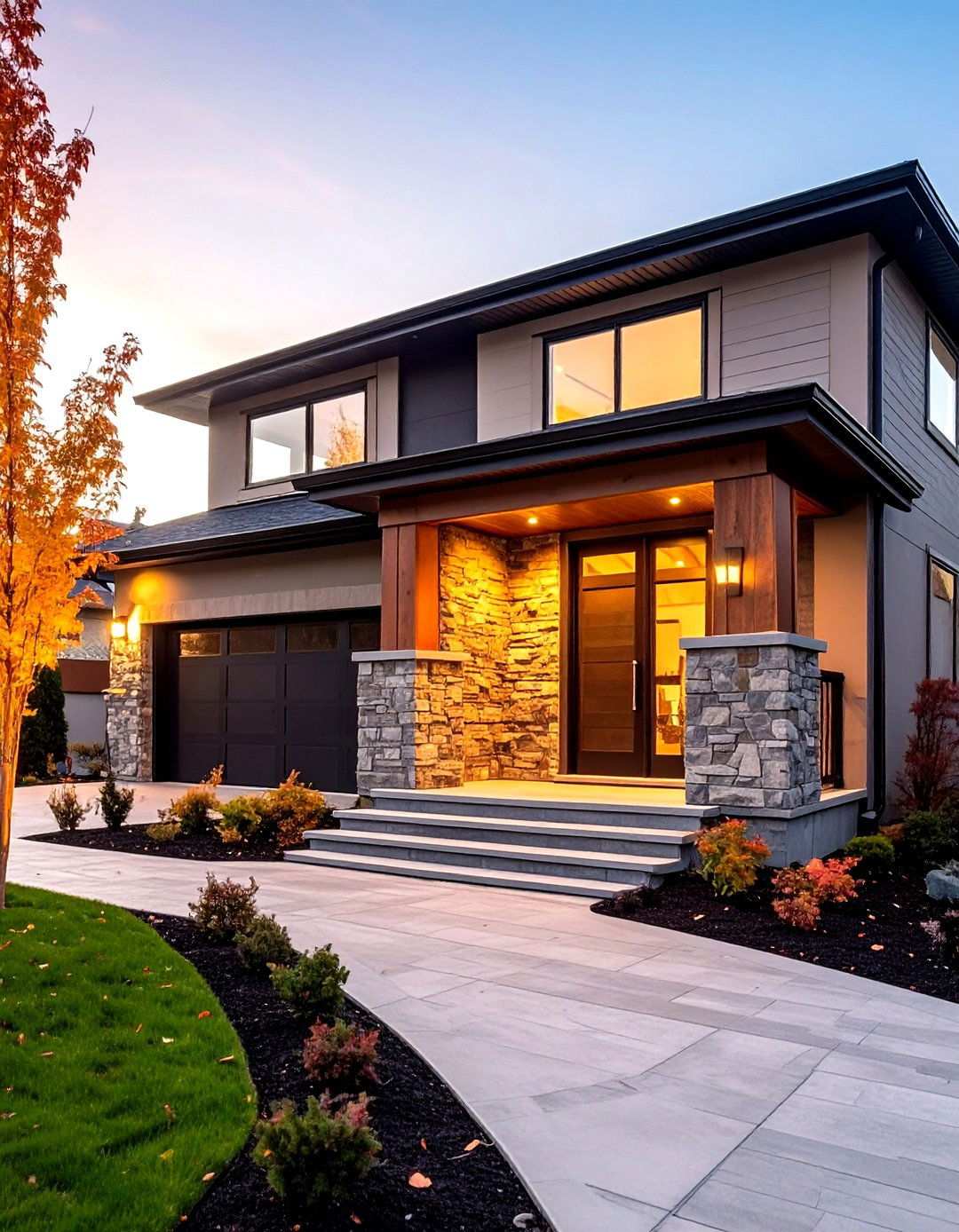
Cultured stone veneer expertly combines the natural appearance of stone with the engineered performance of a manufactured material. This innovative solution replicates natural stone textures and colors while providing consistent quality and reduced installation complexity. Cultured stone veneer offers lightweight alternatives to natural stone, which reduces structural requirements while maintaining an authentic appearance. The material’s engineered properties ensure consistent weather resistance and dimensional stability throughout varying environmental conditions. Installation efficiency reduces labor costs while maintaining professional appearance standards. Design flexibility is provided through various textures, from ledgestone to fieldstone, which cater to different architectural styles. Quality cultured stone systems include essential moisture management features and structural attachment methods. When installed professionally, optimal performance is ensured, and manufacturer warranties provide additional assurance. The material’s cost-effectiveness makes stone appearance accessible for budget-conscious projects, while delivering reliable long-term performance.
22. Porphyry Stone Applications
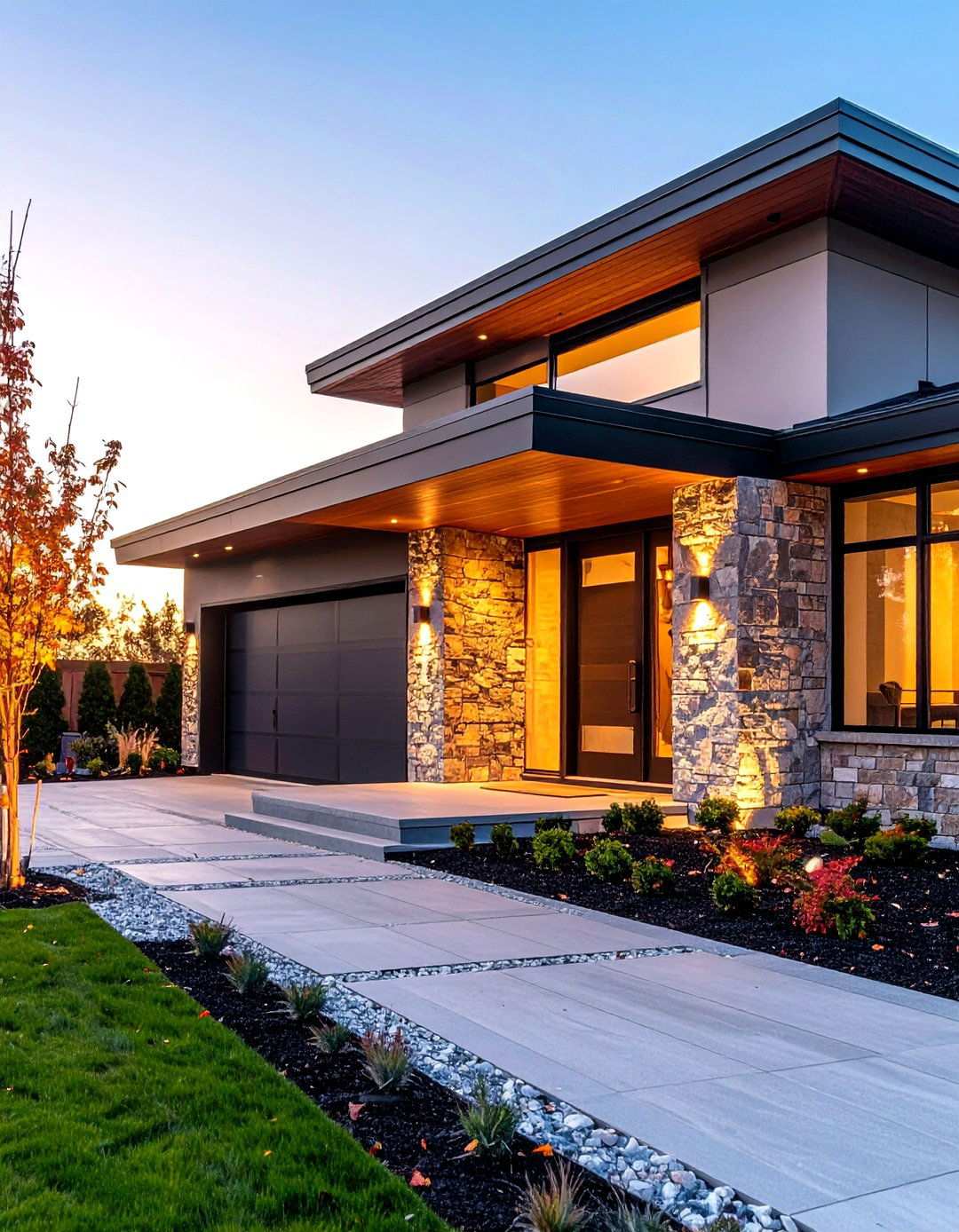
The distinctive aesthetic of porphyry makes it an ideal choice for crafting unique, modern exterior features. This igneous rock’s exceptional durability stems from its large crystals embedded in a fine-grained matrix, resulting in a speckled appearance that is both eye-catching and resilient. When used in cladding, porphyry offers unparalleled weather resistance, with its natural slip-resistant surfaces becoming even more effective as they weather. Furthermore, the stone’s hardness ensures minimal maintenance requirements, while its excellent color retention ensures a consistent appearance throughout environmental exposure. Porphyry’s diverse regional types provide a range of color palettes, from the gray tones of Austrian varieties to the rich red hues of Italian stones. The installation process does require the use of diamond tooling, but the end result is a permanent installation with exceptional longevity. With its proven track record in European construction, porphyry offers a wealth of traditional knowledge and expertise, while modern applications are continually exploring new and innovative aesthetic possibilities. When installed correctly, the stone’s unique visual characteristics can be fully realized, while its superior performance in demanding environmental conditions is maximized.
23. Flint Stone Cladding
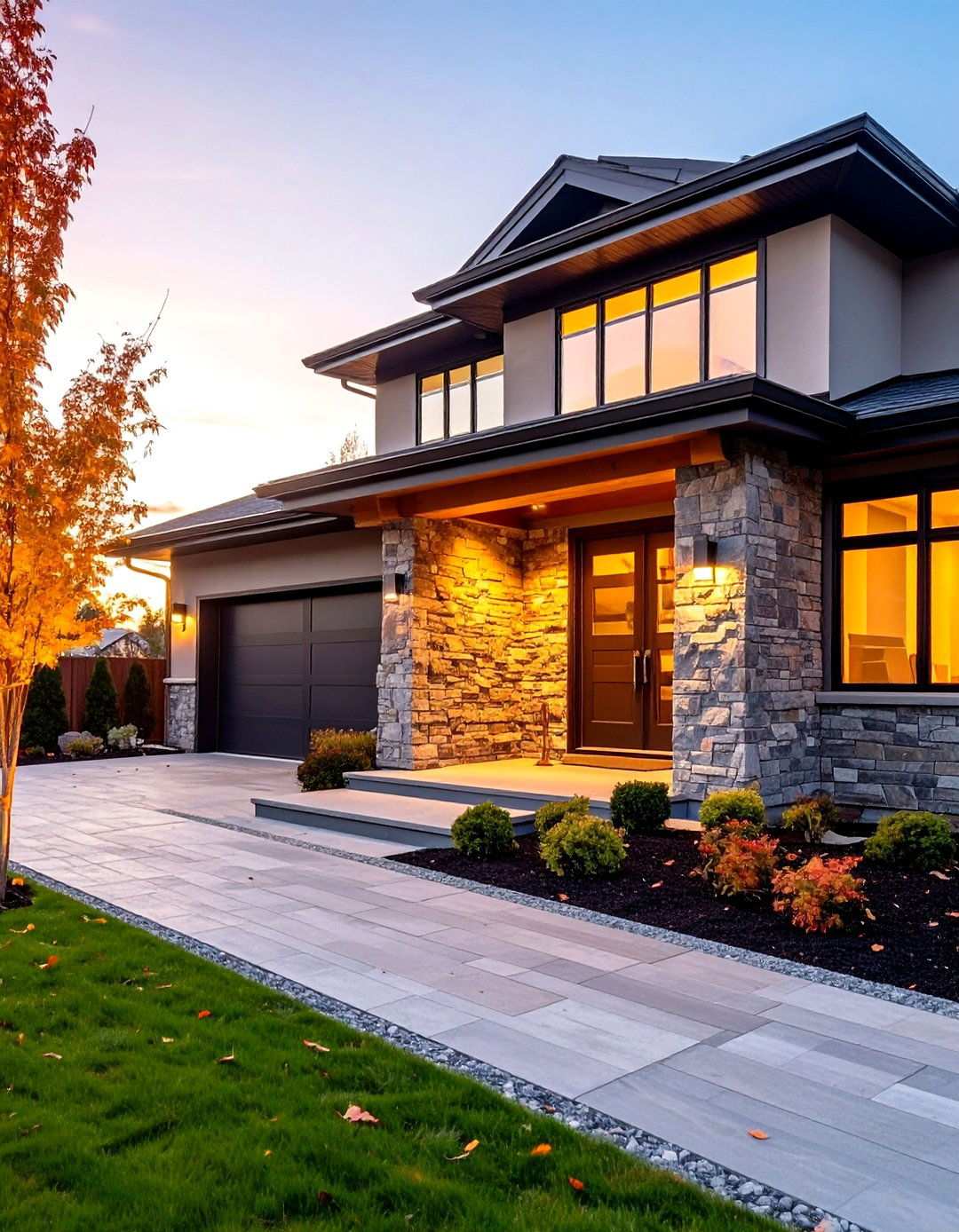
The ancient geological heritage of flint adds a touch of timeless sophistication to modern architectural designs. This sedimentary rock, formed from the accumulation of marine organisms, features extremely hard material with distinctive conchoidal fracture patterns that add to its unique charm. When used in cladding, flint offers a range of gray to black coloring options, with natural lustrous surfaces that reflect light beautifully. The stone’s exceptional hardness ensures outstanding durability, with minimal maintenance requirements throughout its service life. Traditional building techniques have long showcased flint’s potential for creating intricate patterns and textures in exterior walls, while modern applications are continually exploring new and innovative ways to interpret the stone’s historical significance. To successfully install flint cladding, specialized knowledge of the material’s fracture characteristics is essential, as is the use of appropriate setting techniques. When handled by skilled craftsmen, the stone’s distinctive visual impact is maximized, while its exceptional performance characteristics are fully realized in sophisticated architectural applications.
24. Unveiling Lava Stone's Dramatic Facade Potential
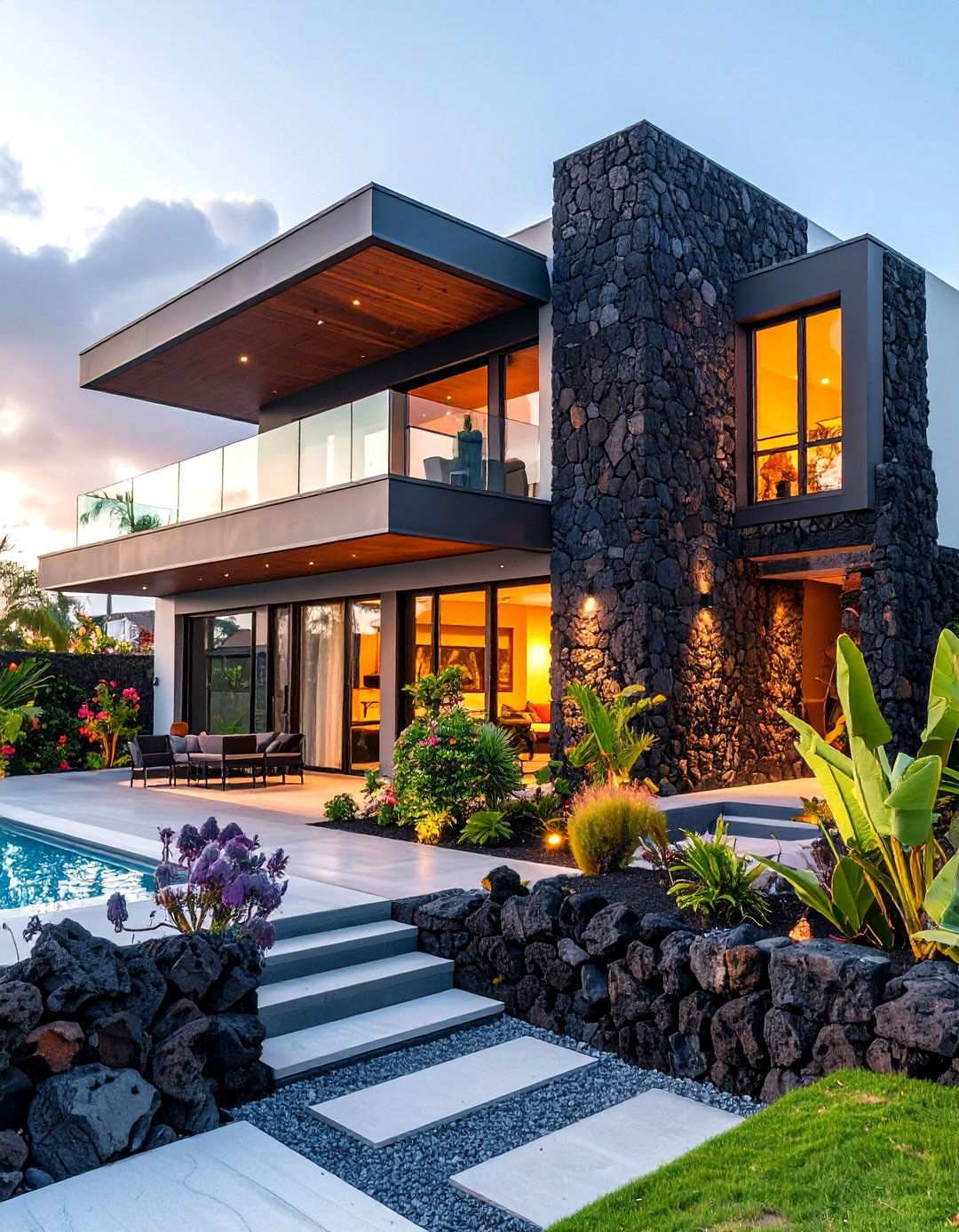
The volcanic origins of lava stone give rise to striking textural contrasts in modern facade designs, elevating the aesthetic appeal of contemporary buildings. This unique igneous rock, forged through intense volcanic activity, boasts a cellular structure that not only provides natural thermal properties but also creates a distinctive visual narrative. When used as cladding, lava stone offers exceptional insulation benefits, coupled with the creation of visually striking textural surfaces that beautifully contrast with smooth materials.
The stone’s inherent porosity enables effortless lightweight applications, while its structural capabilities ensure that it can hold its own alongside other building materials. With a range of finishing options available, from natural rough surfaces to polished textures, designers can tailor lava stone to suit their specific aesthetic preferences. Furthermore, the use of regional volcanic stones not only lends authentic local character to a project but also supports sustainable material sourcing, aligning with the values of environmentally conscious architects and builders.