1. Sophisticated Victorian Aesthetic
The essence of Victorian kitchens lies in their seamless blend of refinement and practicality, a harmonious union of 19th-century opulence and modern-day amenities. These timeless spaces showcase exceptional materials, masterful craftsmanship, and sumptuous details that transform the humble cooking area into a breathtaking focal point within the home. From the rich tones of deep jewel colors to the ornate charm of brass fixtures, Victorian kitchen design masterfully balances aesthetics and functionality. The style celebrates dramatic contrasts, combining the dark, rich tones of wood cabinetry with the radiant luster of marble countertops, while incorporating decorative elements such as intricately patterned tiles, stained glass, and elaborate moldings. Victorian kitchens often feature generous proportions with high ceilings, allowing for the grand display of chandeliers and expansive storage solutions. These designs pay homage to the era’s dedication to detail through carefully selected hardware, vintage-inspired appliances, and thoughtful architectural elements that create spaces worthy of both everyday living and grand entertaining.

As an Amazon Associate I earn from qualifying purchases.
2. Emerald Elegance Kitchen with Brass Accents
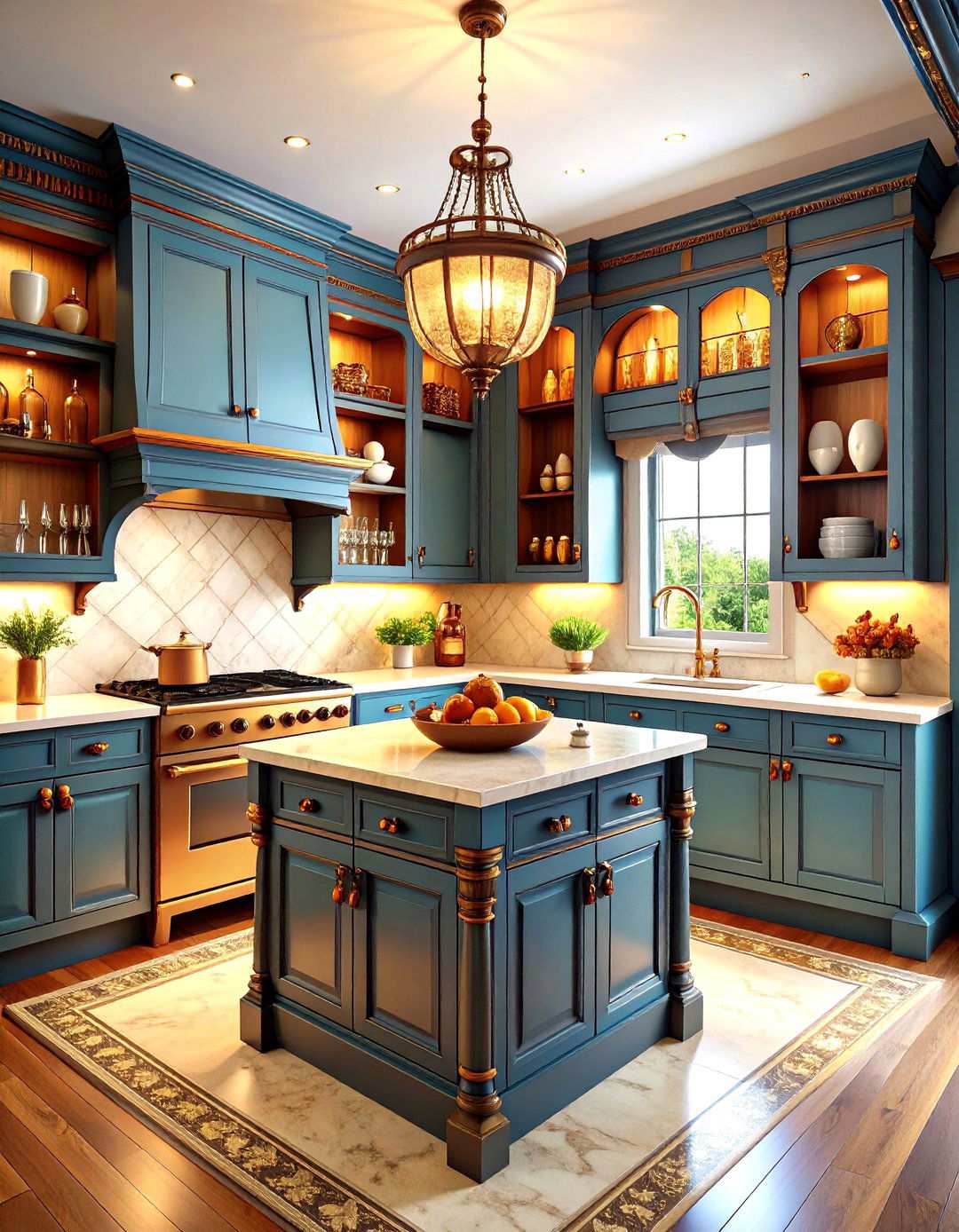
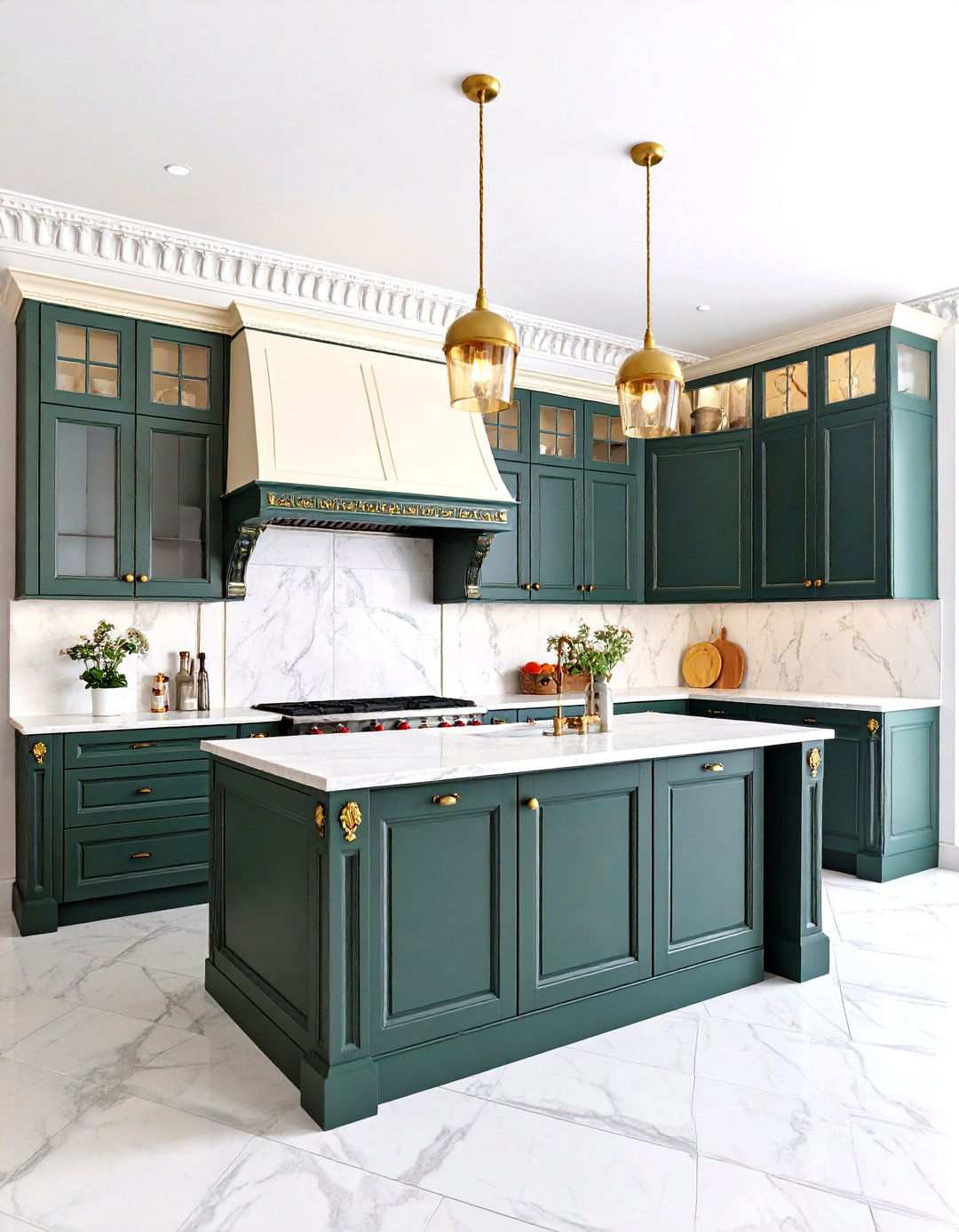
Envision a kitchen that transports you to a stately Victorian manor with just one bold color choice. Rich emerald green cabinetry provides the perfect foundation for an authentic Victorian kitchen, echoing the era’s fondness for rich, natural tones. This comprehensive design theme pairs forest green base cabinets with cream-colored upper units, creating a striking contrast while maintaining period authenticity. Brass hardware with intricate floral engravings adds to the vintage charm, while marble countertops in soft whites and grays provide luxurious work surfaces. The design incorporates decorative crown molding and raised panel doors that showcase traditional craftsmanship. Open shelving displays vintage china and glassware, adding personal touches to the space. Under-cabinet lighting illuminates the workspace, while pendant lights with brass accents provide ambient lighting throughout the kitchen.
3. Butler's Pantry with Copper Accents
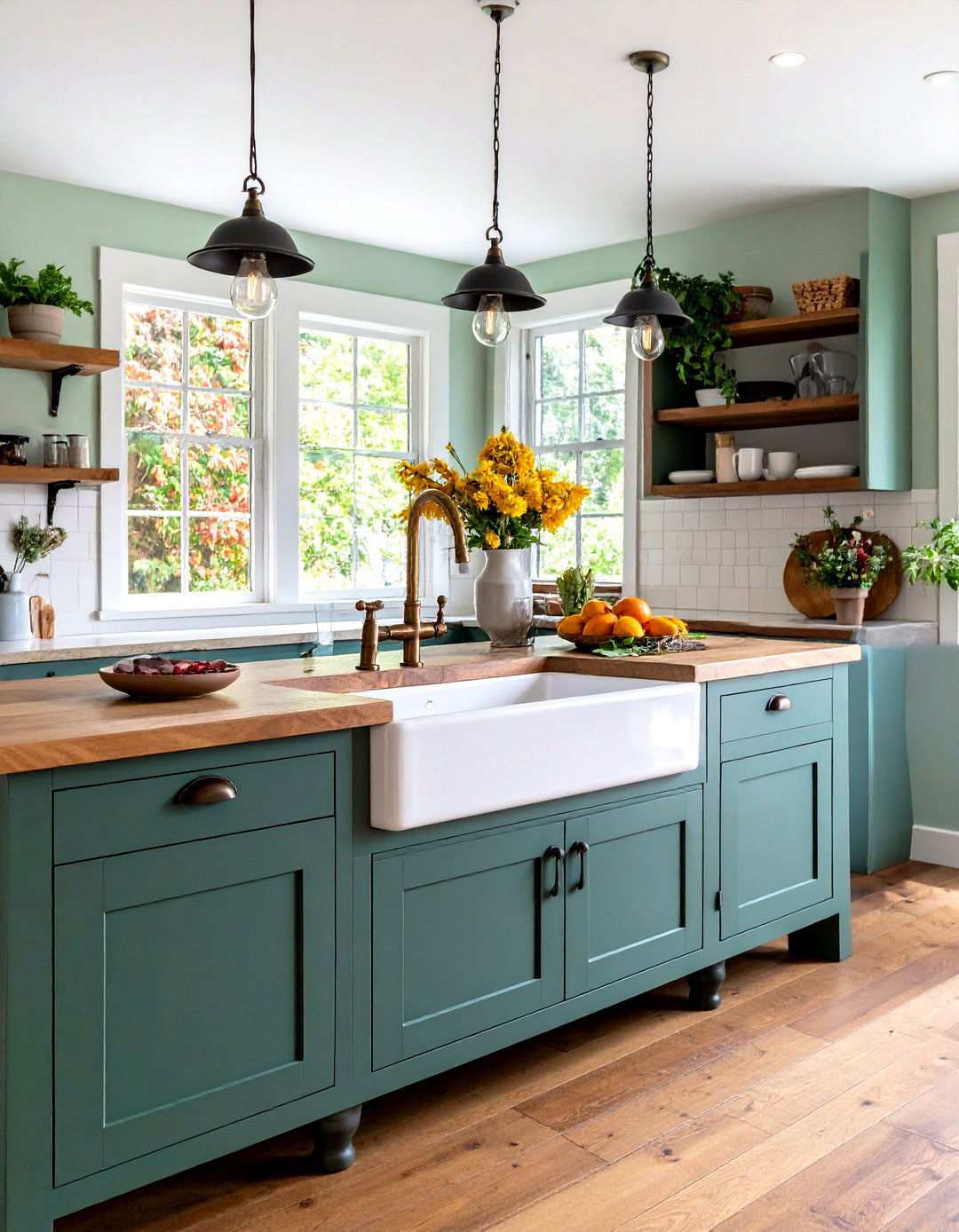
A staple in larger Victorian homes, the butler’s pantry embodies the era’s attention to detail and organizational prowess. Could your kitchen benefit from a dedicated space that combines storage with elegant serving preparations? This complete design theme features a separate butler’s pantry adjacent to the main kitchen, lined with floor-to-ceiling cabinetry in rich mahogany stain. Copper sinks, faucets, and hardware create warm metallic accents throughout the space. Glass-fronted upper cabinets display formal dinnerware and crystal collections, while deep drawers below store linens and serving pieces. A marble counter provides preparation space, while built-in wine storage and stemware racks accommodate entertaining needs. The pantry includes a small sink for flower arranging and glassware cleaning, complete with period-appropriate copper fixtures.
Reviving the Past with Farmhouse Sinks
Victorian kitchens exude a sense of practicality and industriousness, thanks in part to the iconic farmhouse sink. Its large, deep design, often crafted from porcelain or fireclay, is not just a functional element but a design statement. This aesthetic theme centers around a genuine fireclay farmhouse sink with an exposed apron front, serving as the kitchen’s showpiece. The custom cabinetry supporting the sink boasts furniture-style legs and decorative panels, giving it the appearance of a freestanding piece rather than built-in cabinetry. A bridge-style faucet in aged brass expertly complements the sink’s vintage charm while providing modern conveniences. The surrounding countertops, made from butcher block, amplify the rustic authenticity of the space. Open shelving on either side of the sink area showcases vintage canning jars and stoneware, while natural light from above-sink windows illuminates the workspace during the day.
4. Embracing the Drama of Black and White Checkered Floors
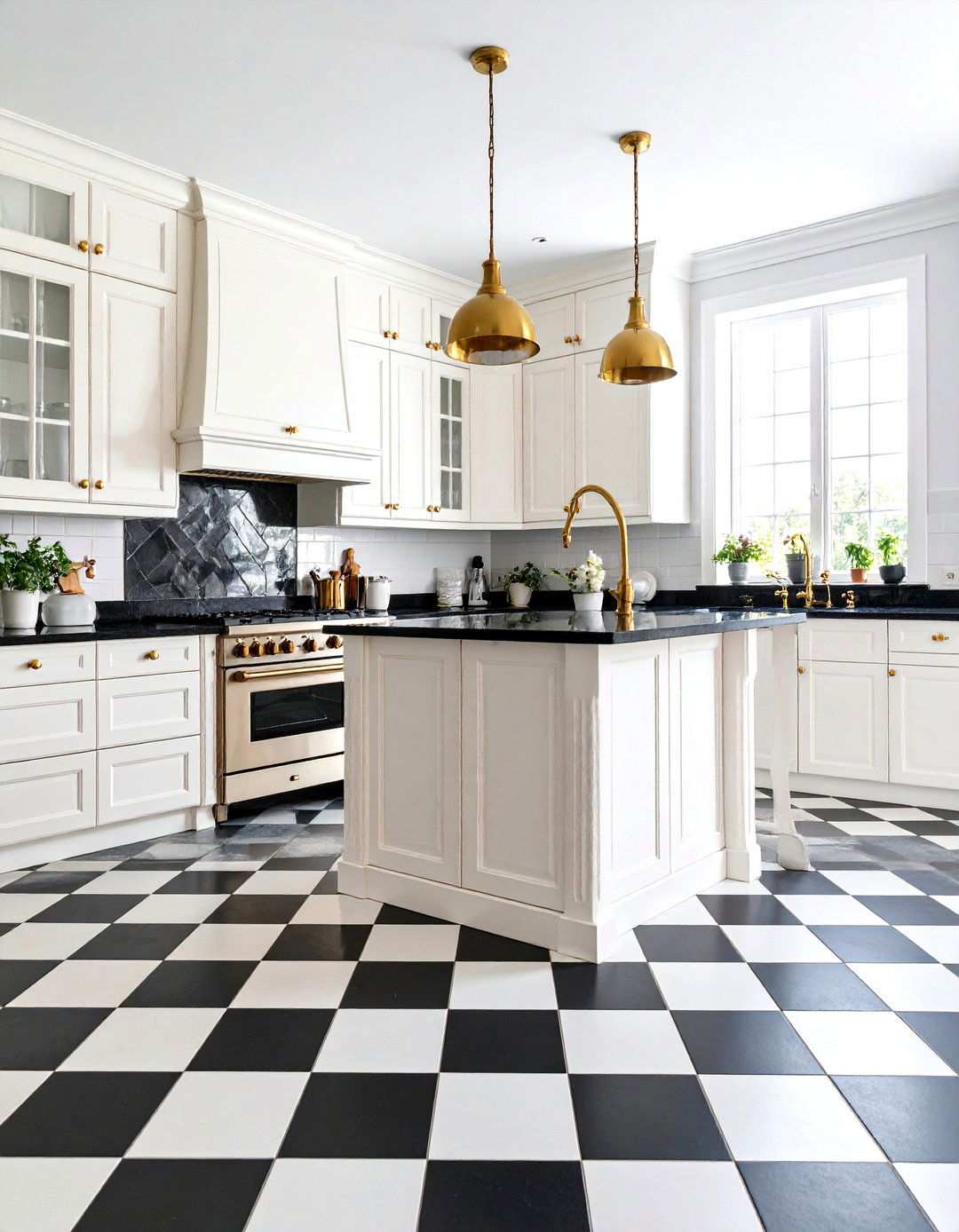
Victorian kitchens often feature intricate tile designs that create a dramatic impact, and one such pattern is the classic black and white checkered floor. This design approach centers around using black and white checkered tiles as the foundation for the entire kitchen aesthetic. The bold geometric pattern pairs beautifully with crisp white shaker-style cabinets and black granite countertops, creating a striking visual effect. Subway tile backsplashes maintain the monochromatic theme while adding subtle texture to the space. Brass hardware and light fixtures introduce warmth against the stark contrast of the flooring, creating a visually appealing contrast. A large kitchen island with a butcher block top serves as a functional workspace while maintaining visual continuity. Period-appropriate accessories like copper cookware and vintage scales complete the authentic Victorian atmosphere.
5. Illuminating the Past with Ornate Brass Chandeliers
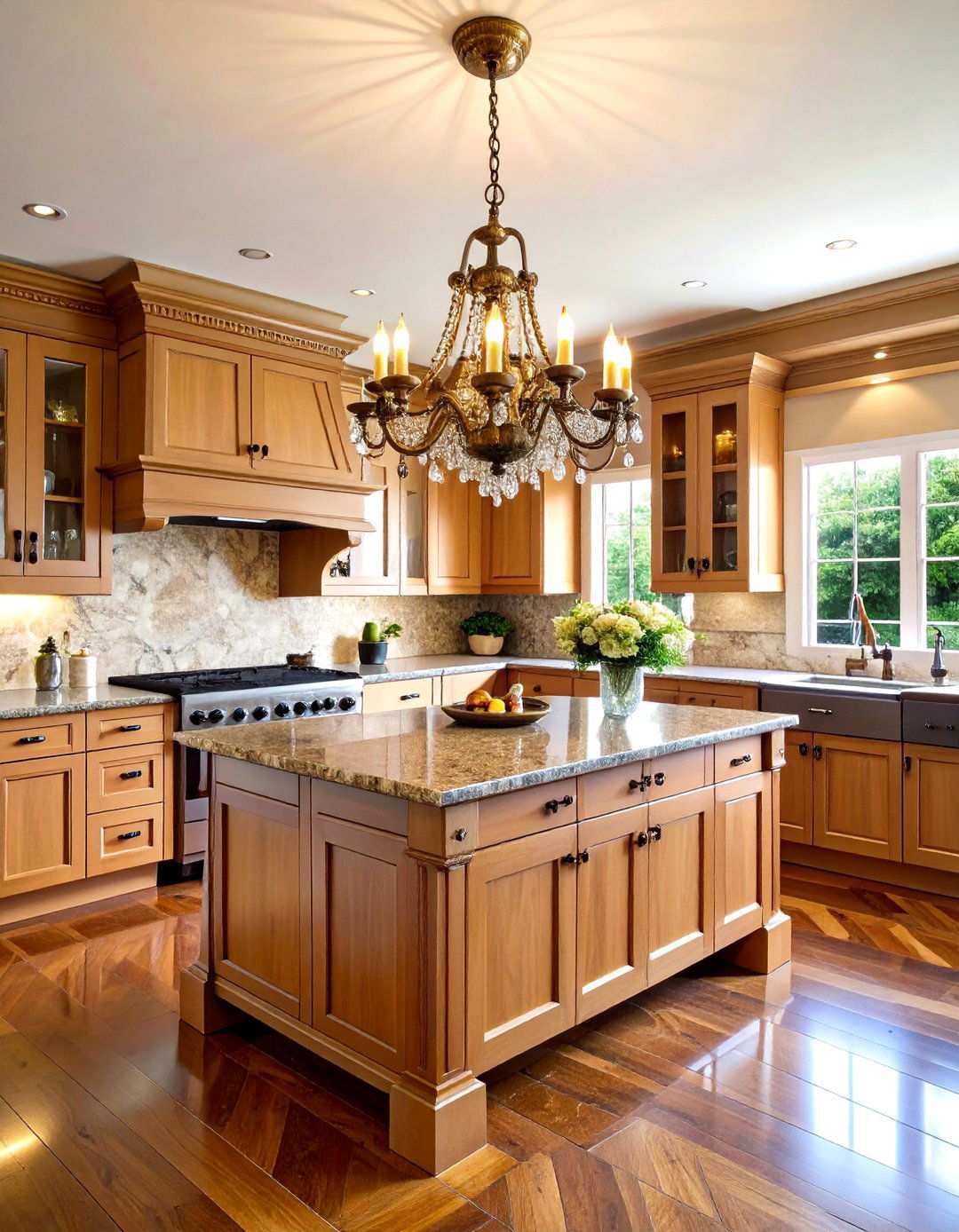
Victorian kitchens often feature dramatic lighting that enhances their historic charm. A single, statement piece of lighting, such as a chandelier, can transform a simple kitchen into a Victorian masterpiece. This design theme revolves around a magnificent brass chandelier with crystal accents that commands attention from the center of the kitchen. The surrounding space features warm wood cabinetry in honey tones, complemented by glass-fronted upper units that reflect the chandelier’s sparkle. Granite countertops in deep brown provide rich contrast, while a decorative tile backsplash adds pattern and texture to the space. Additional period lighting includes brass pendant lights over the island and ornate wall sconces flanking the range, creating a warm and inviting atmosphere perfect for both cooking and entertaining. Natural light from multiple windows dressed with lace curtains complements the artificial lighting, creating a harmonious balance between the two.
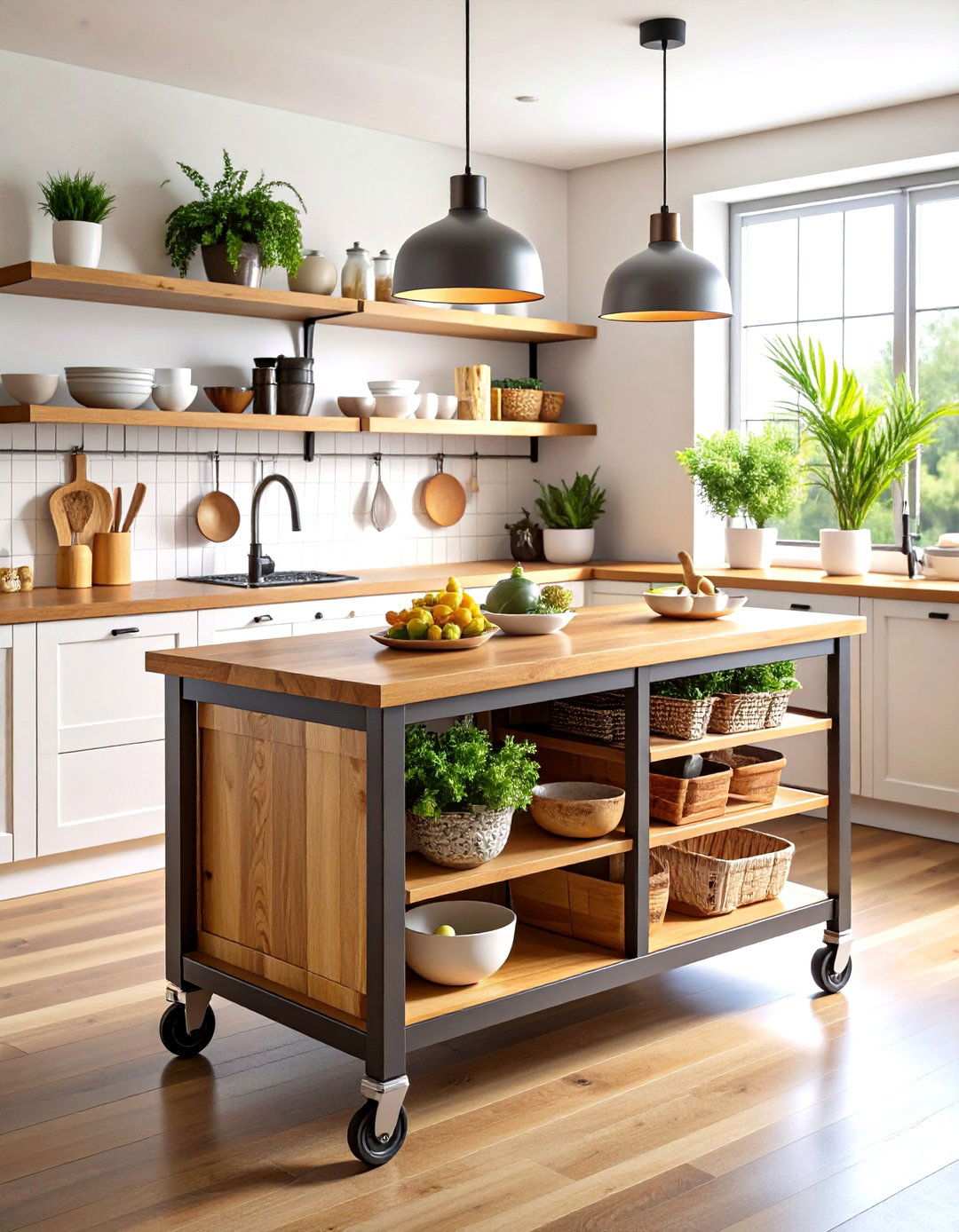
6. Marble Slab Backsplash with Elegant Veining
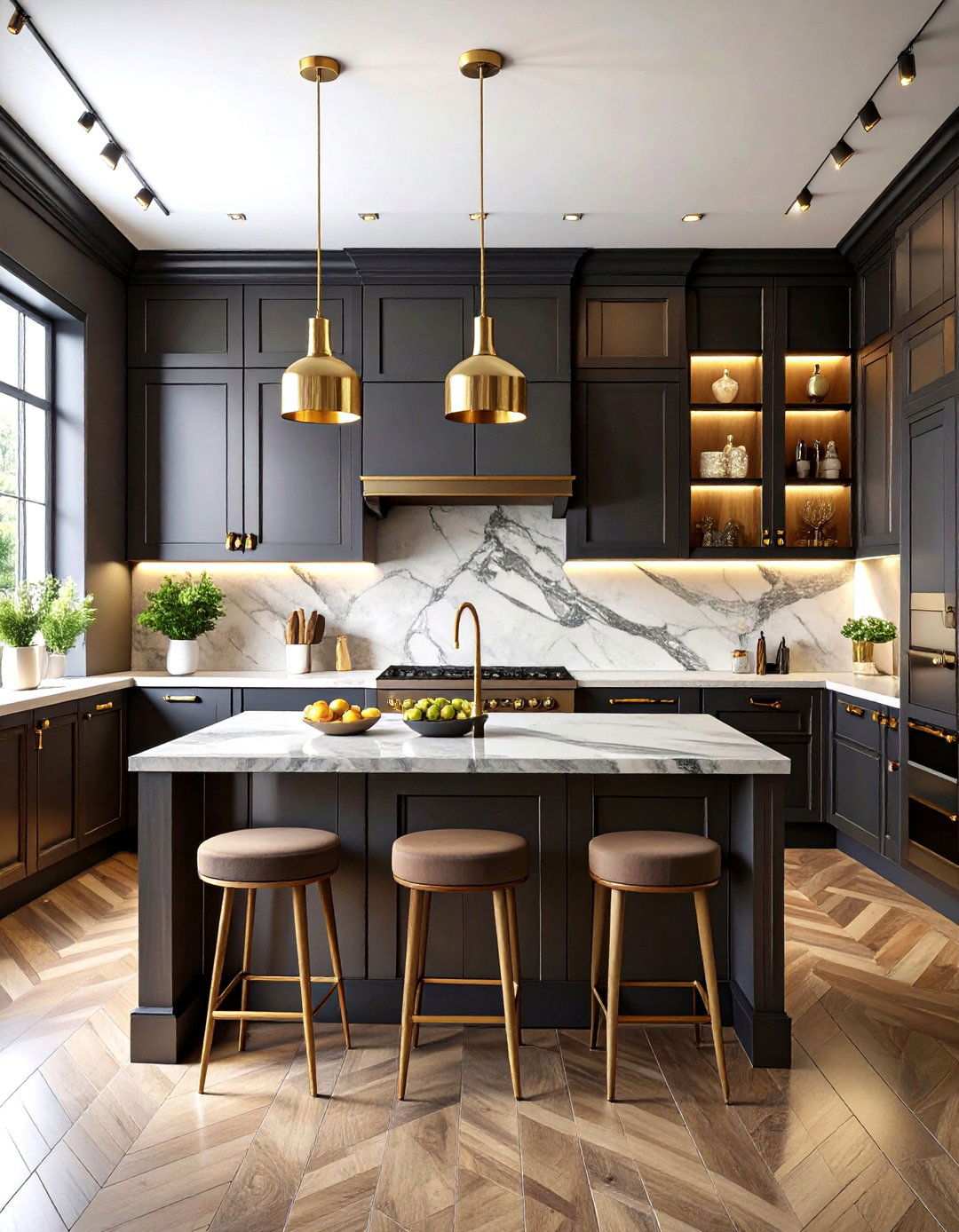
Elevate your Victorian kitchen to new heights with a statement-making marble slab backsplash featuring dramatic veining patterns. By extending the design from countertop to ceiling, you create a sophisticated focal point that showcases the marble’s natural beauty. The deep gray veining against creamy white backgrounds forms an exquisite work of art in itself, while dark wood cabinetry in espresso tones adds a rich contrast that beautifully complements the light marble surfaces. Brass hardware and fixtures expertly bridge the two materials, creating a seamless visual flow. Integrated marble shelving adds a touch of elegance, perfect for displaying decorative items and frequently used ingredients. To maintain the period aesthetic, professional-grade appliances are carefully integrated, while crown molding and decorative trim details frame the marble installations, creating a polished, furniture-like appearance throughout the space. Dimmable under-cabinet lighting highlights the marble’s beauty during evening hours, creating a warm ambiance.
7. Reviving the Artistry of Victorian Stained Glass
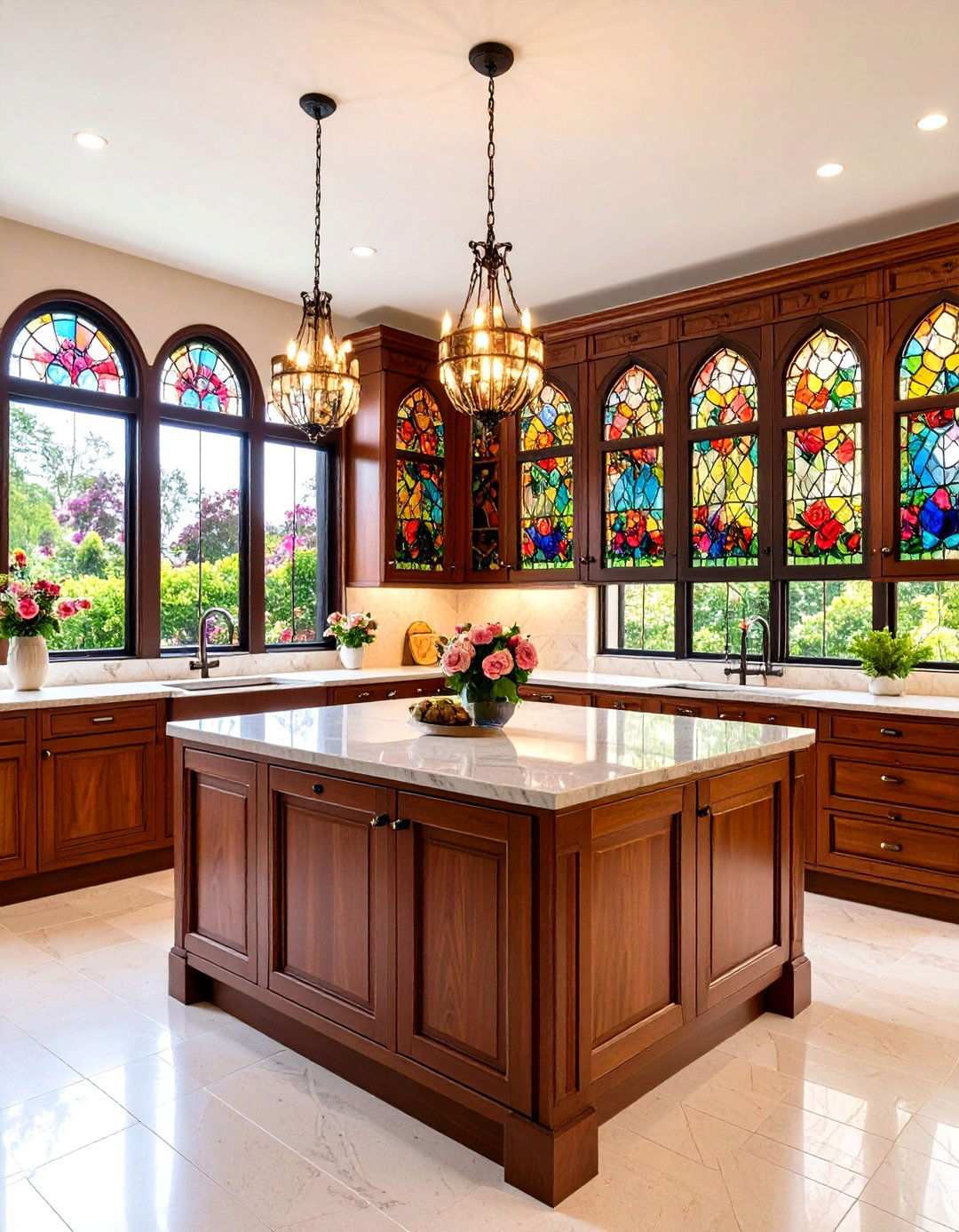
Stunning stained glass windows were a hallmark of Victorian architecture, and incorporating this artistic element can elevate your kitchen design to new heights. This comprehensive theme brings authentic or reproduction stained glass panels into play, adorning cabinet doors, window installations, and decorative room dividers. The glass features traditional Victorian motifs, including roses, geometric patterns, and nature scenes in jewel tones, adding a pop of color and whimsy to the space. Surrounding cabinetry, crafted from rich cherry wood with raised panels, beautifully complements the ornate glass work. As natural light filters through the stained glass, it creates a kaleidoscope of colors throughout the kitchen space. To enhance rather than compete with the glass artistry, period-appropriate lighting fixtures are used, drawing from the stained glass hues to incorporate deep reds, blues, and golds in fabric accents and decorative accessories.
8. Reimagining the Classic Two-Tone Cabinet Color Scheme
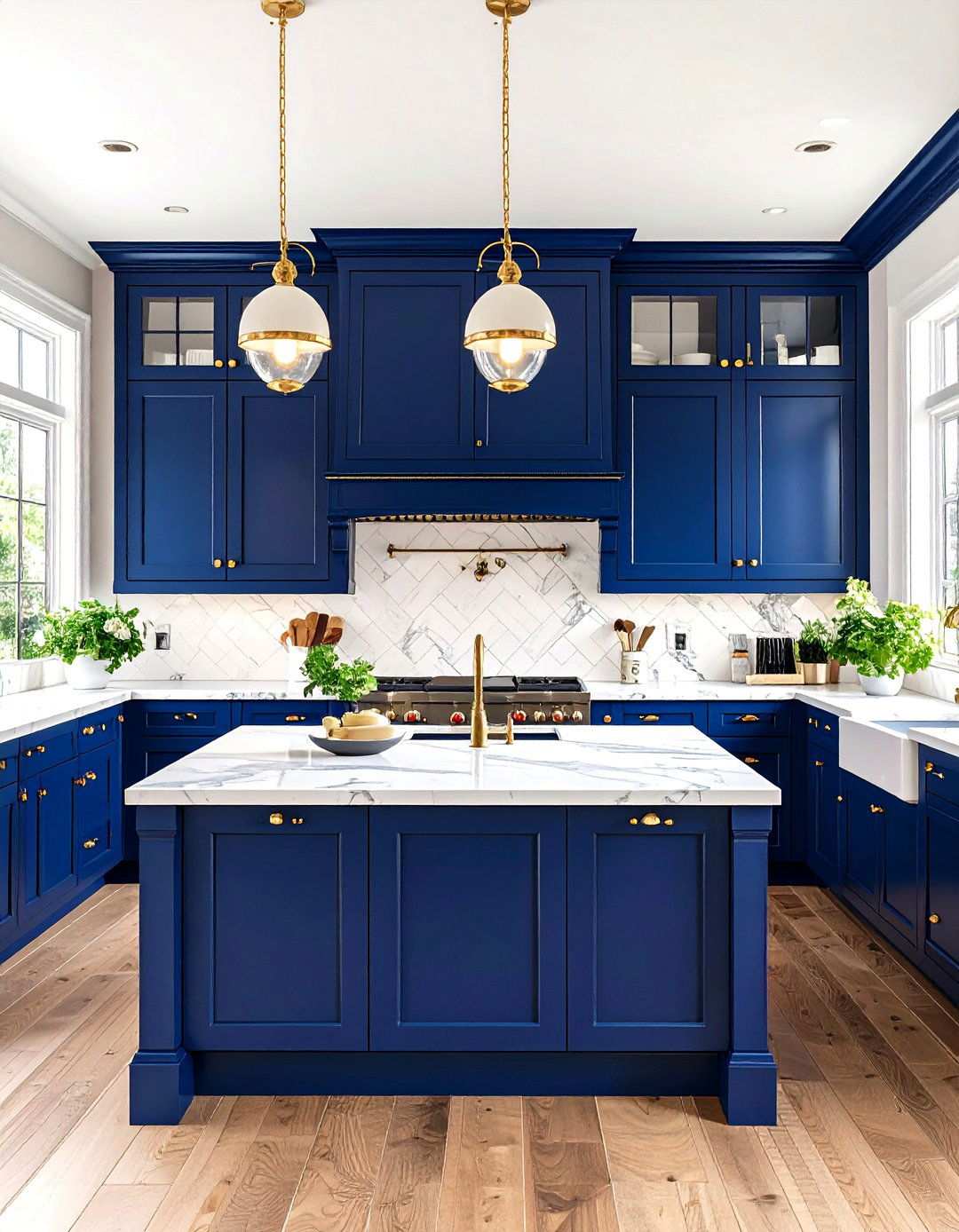
Two-tone cabinets were a staple of Victorian kitchen design, and today’s homeowners can draw inspiration from this classic approach. By pairing deep navy blue lower cabinets with crisp white upper units, you create a visually striking combination that maintains period authenticity while adding a touch of modernity. The contrast between the two colors adds depth and visual interest to the space, while keeping it bright and welcoming. Brass hardware expertly bridges the two colors, while carrara marble countertops provide elegant work surfaces. A subway tile backsplash in soft gray adds a touch of subtlety, avoiding overwhelming the color scheme. The kitchen island continues the two-tone theme with a navy base and white countertop, creating a seamless visual flow. Traditional details like crown molding, decorative corbels, and furniture-style feet enhance the period appeal, while professional appliances are integrated seamlessly to maintain the historical aesthetic.
9. Elevating Proportions with Ornate Ceilings
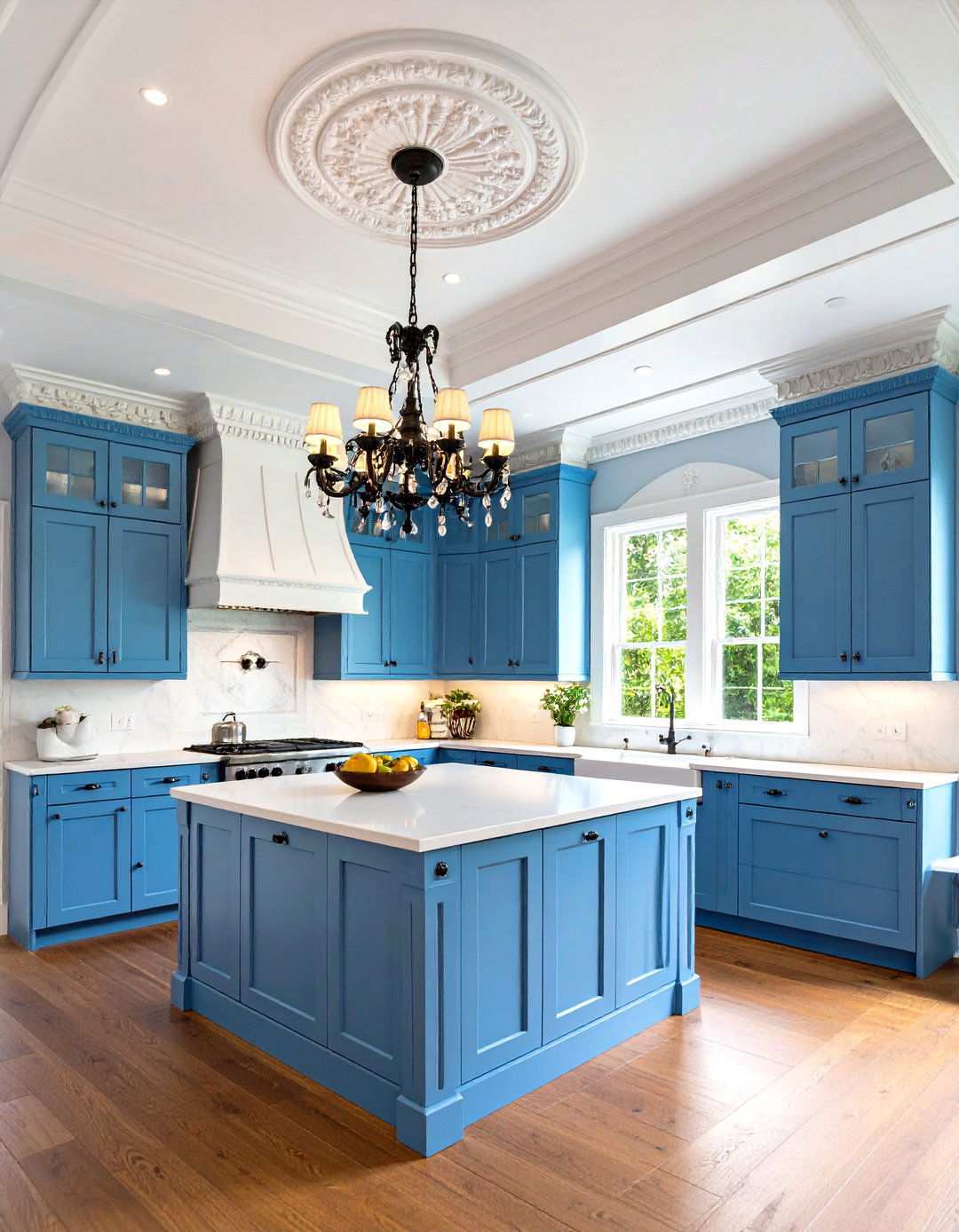
A high ceiling is more than just a physical attribute – it’s an opportunity to infuse your kitchen with drama and personality. By incorporating decorative plasterwork or tin tiles, you can create a stunning focal point that draws the eye upward and adds depth to the space. This design takes full advantage of ceiling height with an elaborate crown molding, decorative medallions, and intricate plaster details that elevate the room’s grandeur. Tall cabinetry that extends to the ceiling provides maximum storage while emphasizing the room’s impressive scale, while glass-fronted upper cabinets ensure that the tall units don’t feel overwhelming. A show-stopping chandelier hangs from the center medallion, providing both lighting and architectural focus. By sticking to a neutral color palette with cream cabinets and soft gray walls, you can let the ornate ceiling details take center stage. Rich hardwood floors anchor the space while incorporating intricate patterns that reflect the ceiling’s decorative elements.
10. Harmonizing Modern Functionality with Period Aesthetic
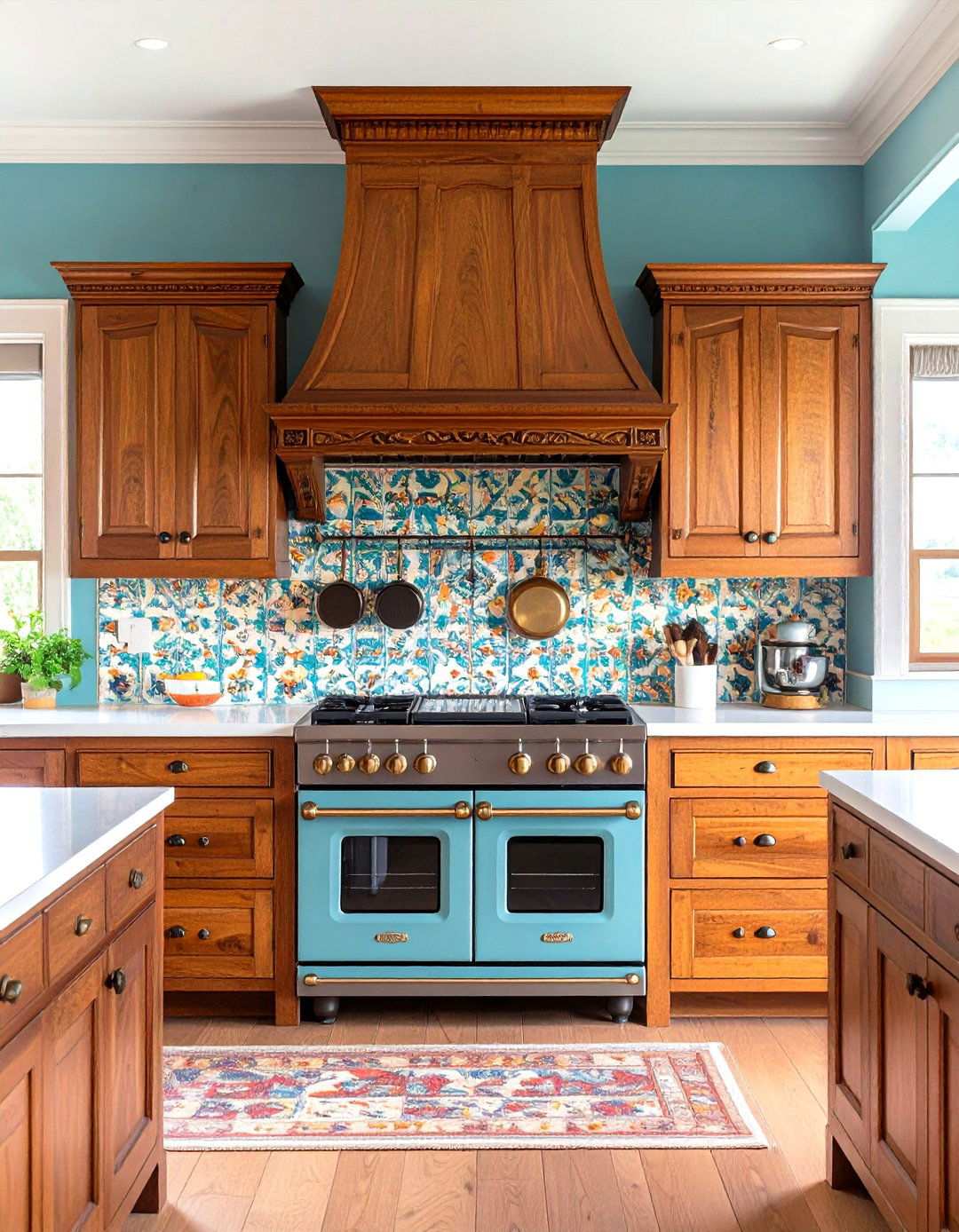
What happens when you bring together the performance of modern cooking with the drama of a bygone era? This design theme takes center stage with a professional-grade range styled to resemble period cast iron stoves, complete with decorative details and brass accents that add a touch of sophistication. The custom range hood features ornate woodwork that seamlessly integrates with the cabinetry, creating a furniture-like appearance that’s equal parts functional and aesthetically pleasing. An ornate range hood or one covered with wood paneling to match the cabinetry is a striking focal point, blending functionality with Victorian elegance. Surrounding cabinetry uses rich walnut wood with raised panels and decorative moldings that add a touch of historical authenticity. A tile backsplash behind the range features an elaborate pattern reminiscent of Victorian ceramic work, while brass pot racks and utensil holders flanking the range provide both function and period charm. The overall design strikes a perfect balance between modern cooking capabilities and historical appearance, ensuring both performance and visual appeal.
11. Crafting a Heart of the Home with a Wood-Paneled Island
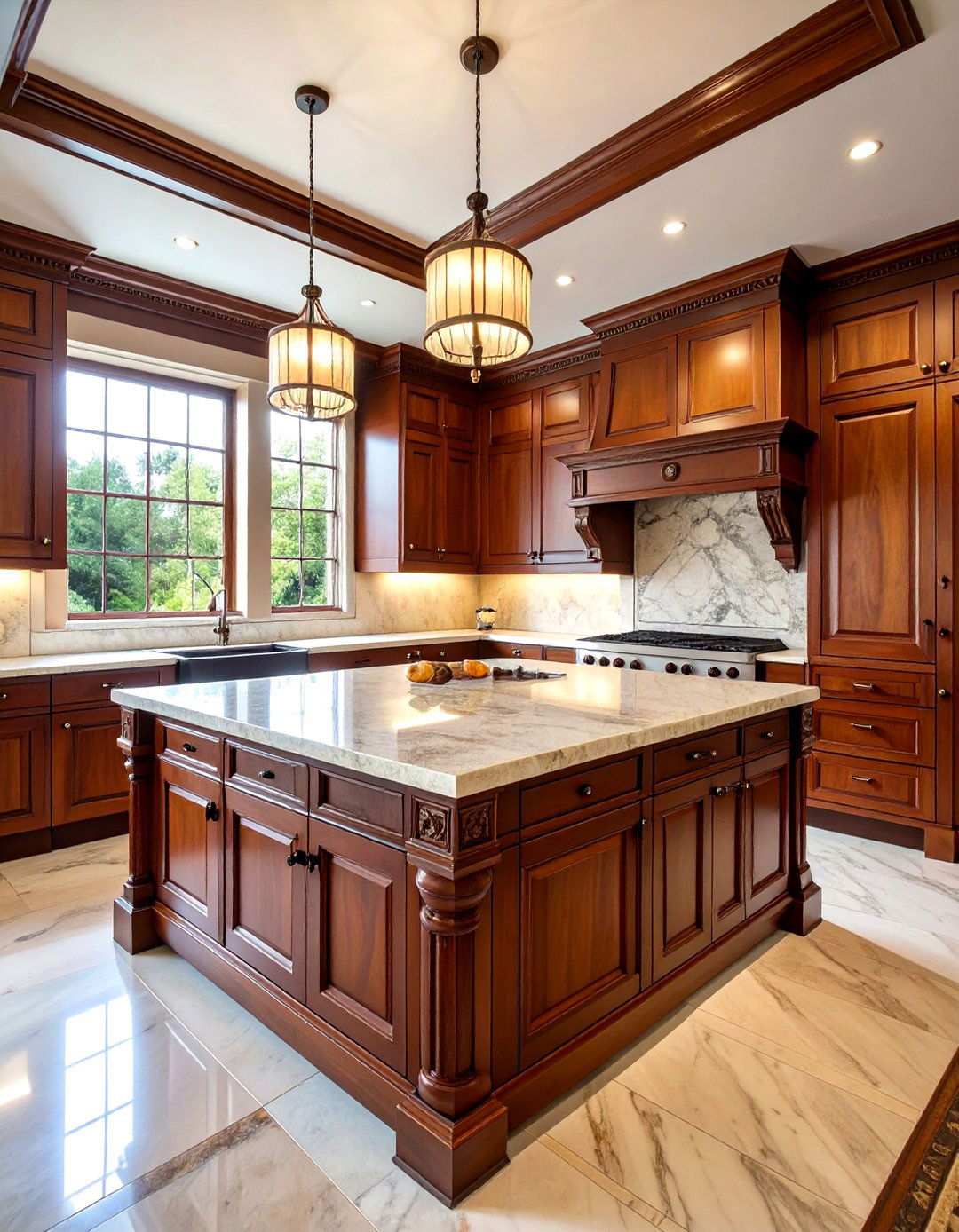
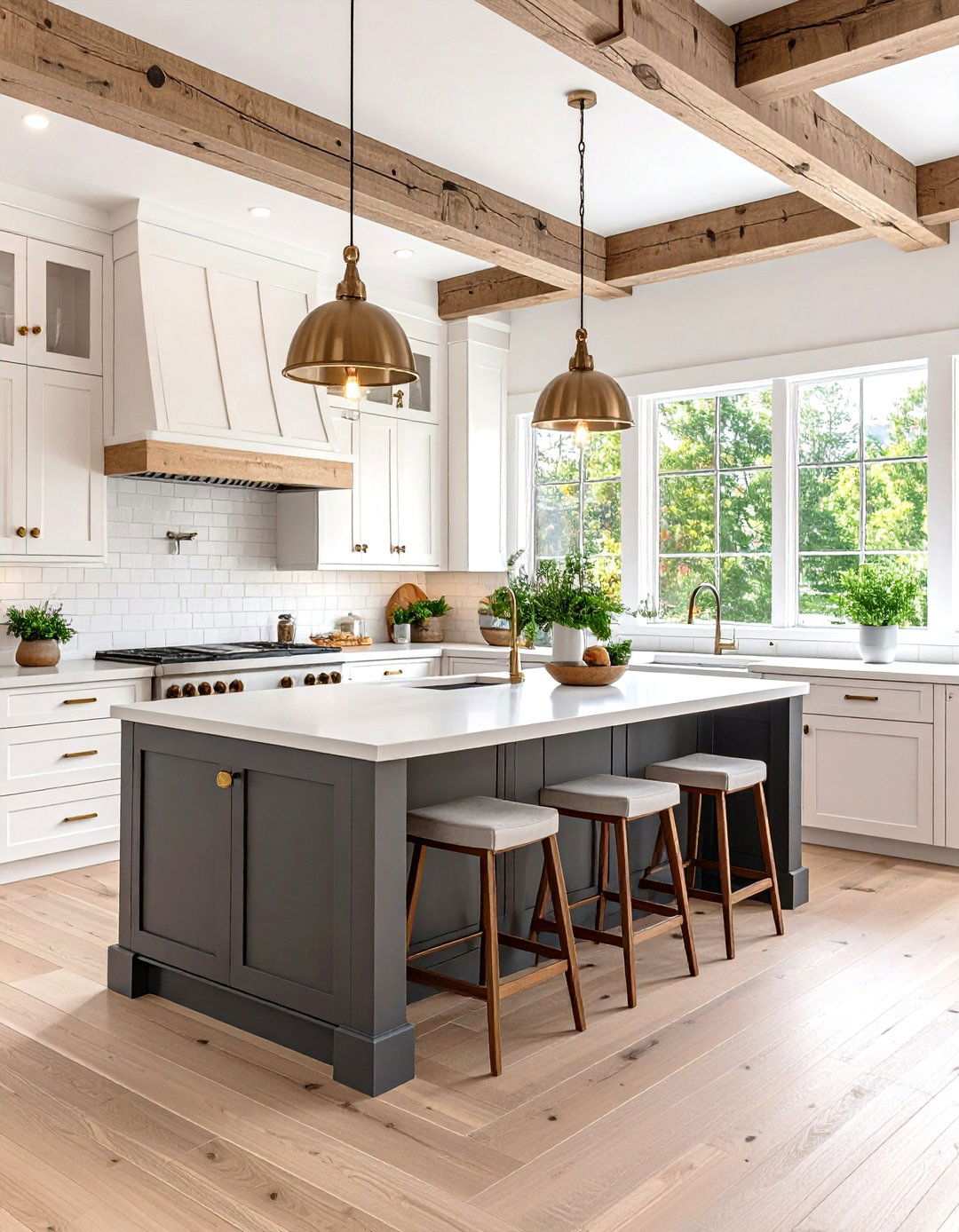
A kitchen island can be more than just a functional addition – it can be the heart of Victorian-style cooking and entertaining. By selecting the right materials and detailing, you can create a modern island that fits seamlessly with the period aesthetic. This design features a substantial island crafted from rich mahogany with raised panels, decorative corbels, and furniture-style details that add a touch of sophistication. The thick marble countertop provides ample workspace for food preparation and casual dining, while built-in storage includes deep drawers with dovetail construction and soft-close hardware. Open shelving on one end displays cookbooks and decorative accessories, while a prep sink with period-appropriate fixtures adds a touch of historical authenticity. Bar seating accommodates casual dining with upholstered stools that complement the wood tones, while pendant lighting overhead provides task illumination while maintaining the Victorian aesthetic through ornate brass fixtures.
12. Elevating Your Kitchen with Timeless Tin Ceiling Accents
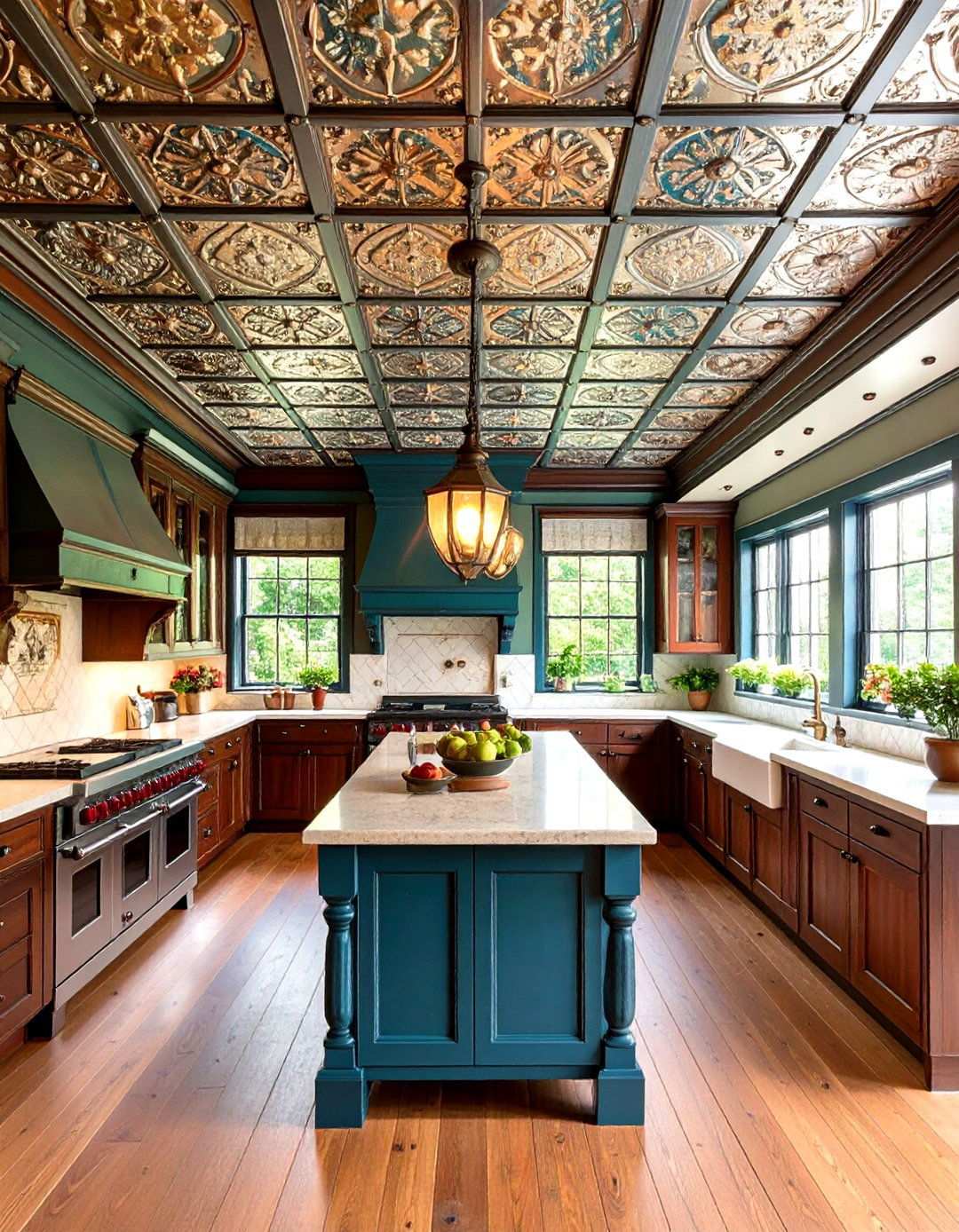
A Victorian-inspired ceiling can transform your kitchen into a stunning focal point, blending elegance and functionality seamlessly. This design concept incorporates intricately patterned reproduction tin ceiling tiles reminiscent of the Victorian era’s ornate metalwork. The tactile embossed tiles not only add visual interest but also reflect light, creating a sense of depth and luminosity throughout the space. Paired with rich, dark wood cabinetry, the contrasting colors create a striking visual effect that draws the eye. Strategically extending the tin ceiling over key areas such as the kitchen island and dining space helps define different zones within an open layout, fostering a sense of separation without compromising the airy feel. Period-correct lighting fixtures are carefully chosen to complement the intricate ceiling patterns, rather than competing with them, creating a harmonious balance of old-world charm and modern functionality. By incorporating a neutral color palette, the ceiling’s ornate details take center stage, while maintaining a cohesive overall aesthetic. Modern appliances are discreetly integrated to preserve the historical atmosphere, ensuring that the space feels authentic and immersive.
13. Creating a Showstopping Display with Open Shelving
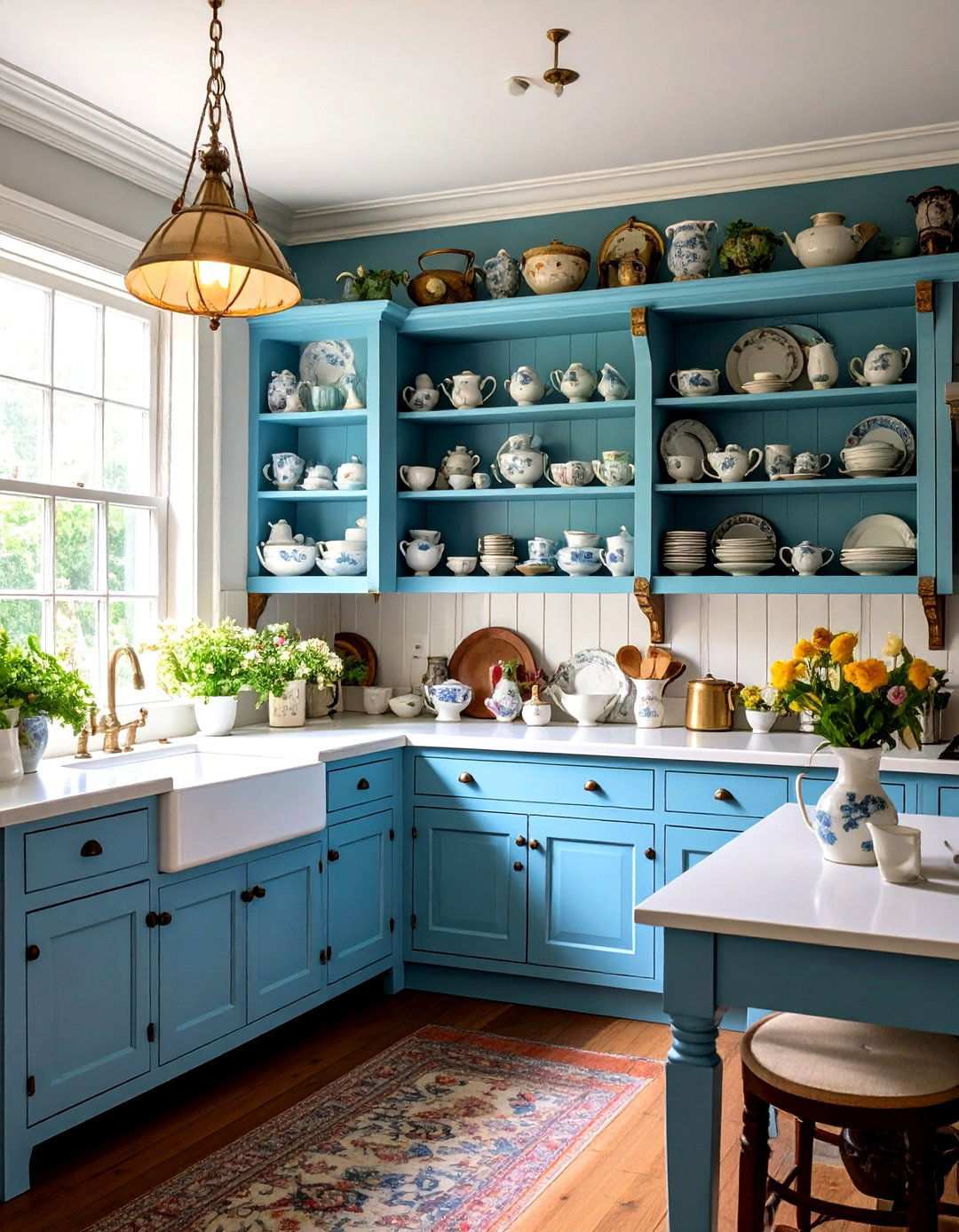
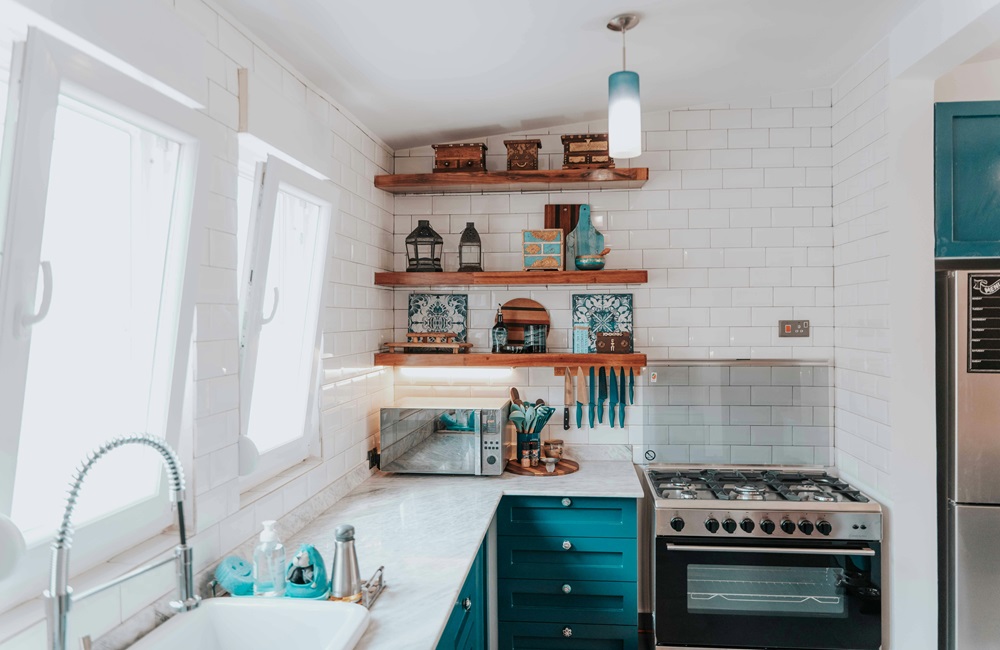
Open shelving allows homeowners to showcase their treasured possessions, adding a personal touch to the Victorian kitchen and creating a unique visual narrative. How can open storage become both functional and visually stunning? This comprehensive design replaces traditional upper cabinets with elegant open shelving systems featuring decorative brackets and detailed millwork. The shelves display curated collections of vintage glassware, copper cookware, and transferware, amplifying the Victorian aesthetic. The rich wood construction of the shelving system matches the base cabinetry, while brass hardware provides consistent detailing throughout, creating a cohesive look. Strategically placed lighting highlights the displayed items, creating an almost museum-like quality that showcases the beauty of the collections. Lower cabinets provide concealed storage for everyday items, maintaining the clean lines of the open shelving above. A tile backsplash with period-correct patterns provides a tasteful backdrop for the displayed collections, blurring the lines between functionality and decorative display. By combining storage efficiency with decorative appeal, this design creates a truly showstopping display.
14. Harnessing the Power of Deep Jewel Tones in Your Kitchen
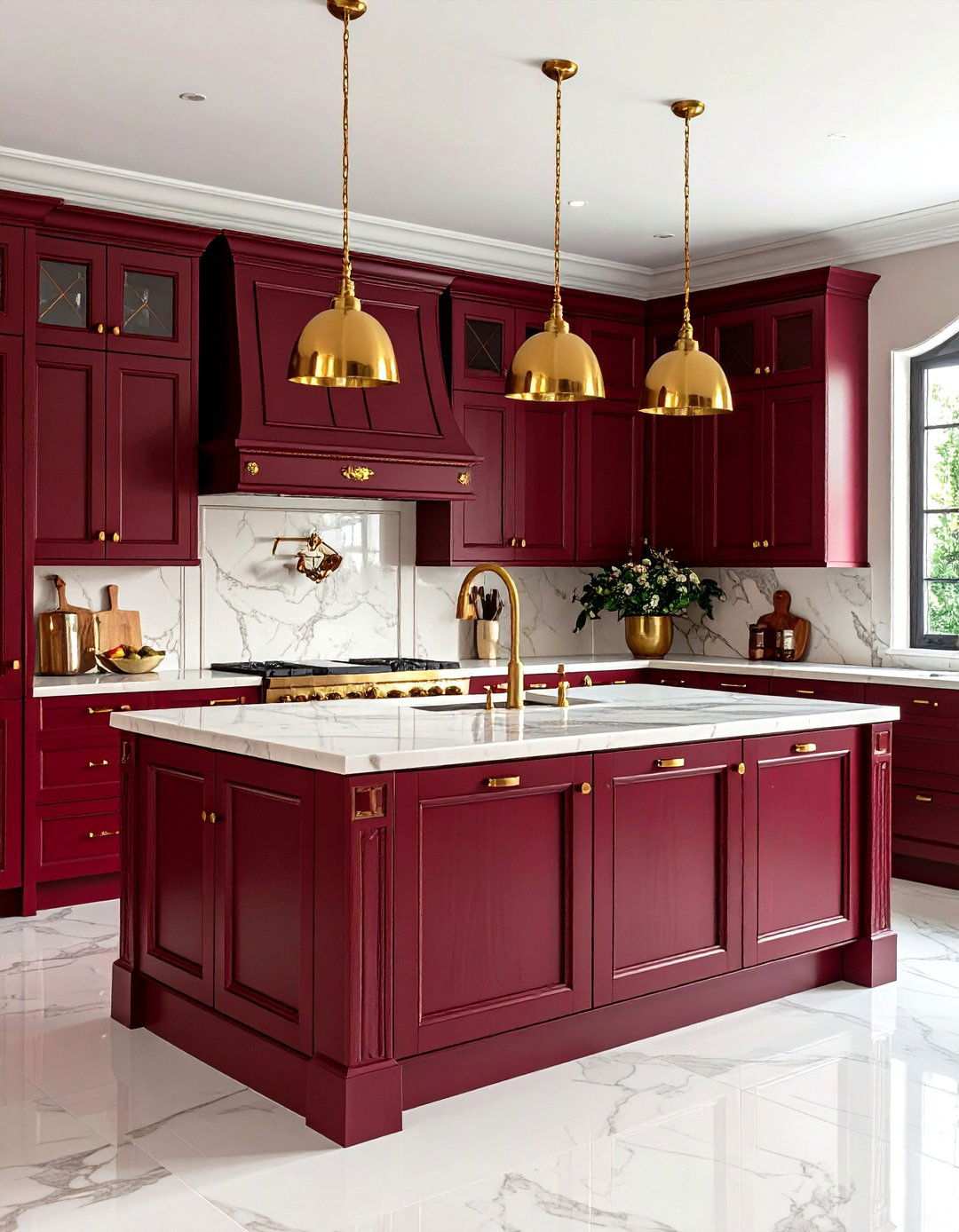
Deep, rich colors like burgundy, forest green, navy, and earth tones are quintessential characteristics of Victorian kitchens, evoking a warm and inviting atmosphere that draws the senses in. What emotional impact can deep jewel tones create in your kitchen space? This luxurious design theme centers around rich burgundy cabinetry paired with gold metallic accents throughout the space, creating a sophisticated and opulent ambiance. Brass hardware, light fixtures, and decorative elements provide consistent golden highlights that complement the deep red-wine cabinet color, adding a touch of glamour and sophistication. Cream-colored marble countertops bridge the dramatic colors, providing elegant work surfaces that add a touch of serenity to the space. A subway tile backsplash in warm cream maintains the sophisticated color story, creating a harmonious balance of warm and cool tones. The kitchen island features the same burgundy base with a contrasting cream-colored top, adding visual interest and depth to the space. Heavy window treatments in coordinating fabrics add softness and warmth, while golden pendant lights provide task lighting and reinforce the metallic accent theme throughout the design, creating a cohesive and immersive experience.
15. Glass-Front Cabinet Display
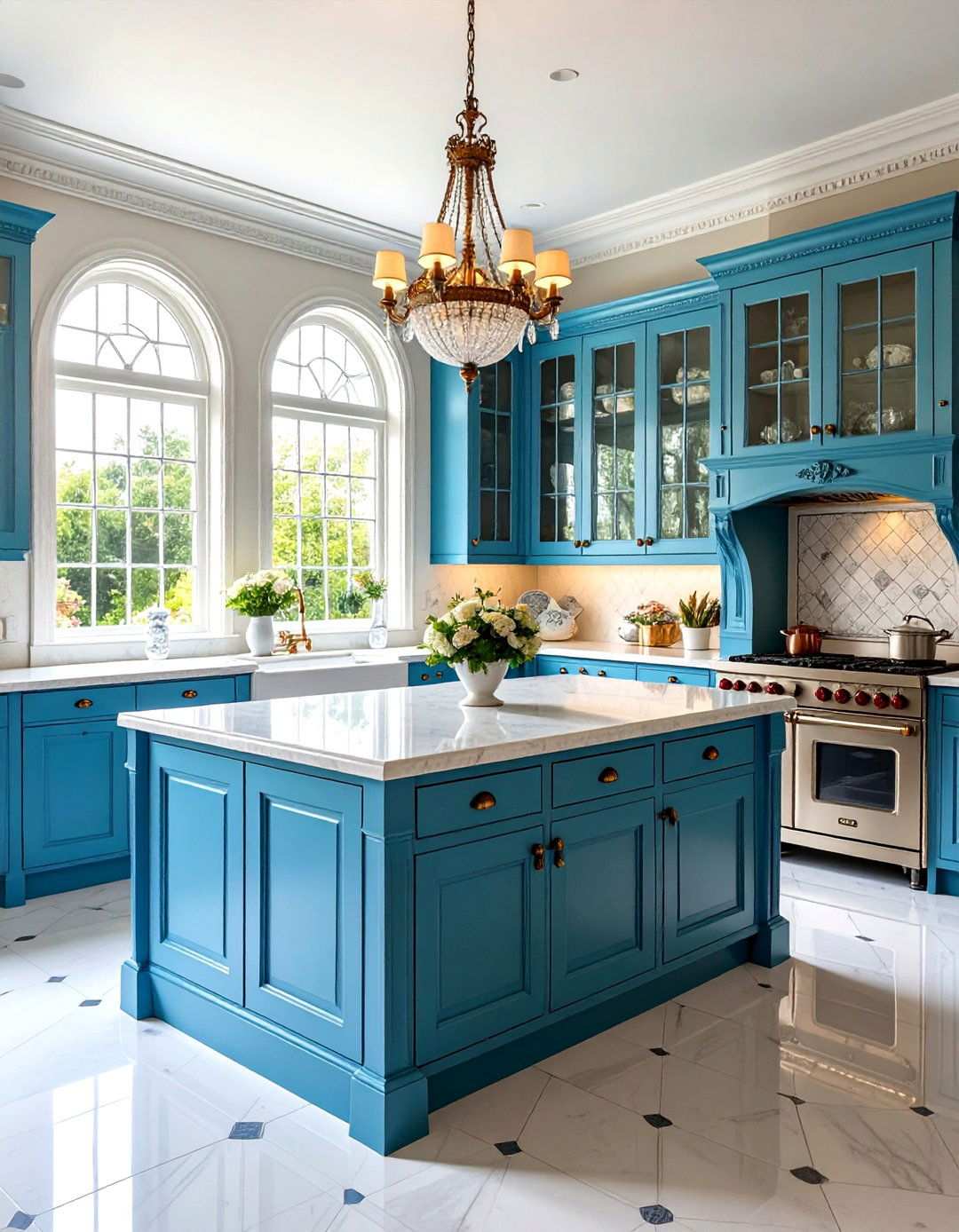
The allure of Victorian cabinets lies in their exquisite woodwork, which often incorporates decorative moldings and glass panel inserts that imbue kitchens with sophistication and character. To seamlessly integrate transparent storage as a design statement, consider implementing glass-fronted upper cabinets in various configurations, such as leaded glass panels, clear glass with ornate mullions, and frosted glass with intricate etched patterns. These cabinets boast rich wood construction and detailed molding, skillfully showcasing the craftsmanship of a bygone era. Strategically placed interior lighting highlights the displayed treasures, creating a breathtaking display effect. Meanwhile, base cabinets offer discreet storage in matching wood tones, while hardware selection includes ornate brass pulls and hinges that harmoniously complement the decorative glass work. This thoughtful arrangement fosters visual lightness while preserving the authenticity of the period. By carefully positioning displayed items, homeowners can add a personal touch to their kitchen space and create visual interest.
16. Copper Sink and Hardware Theme
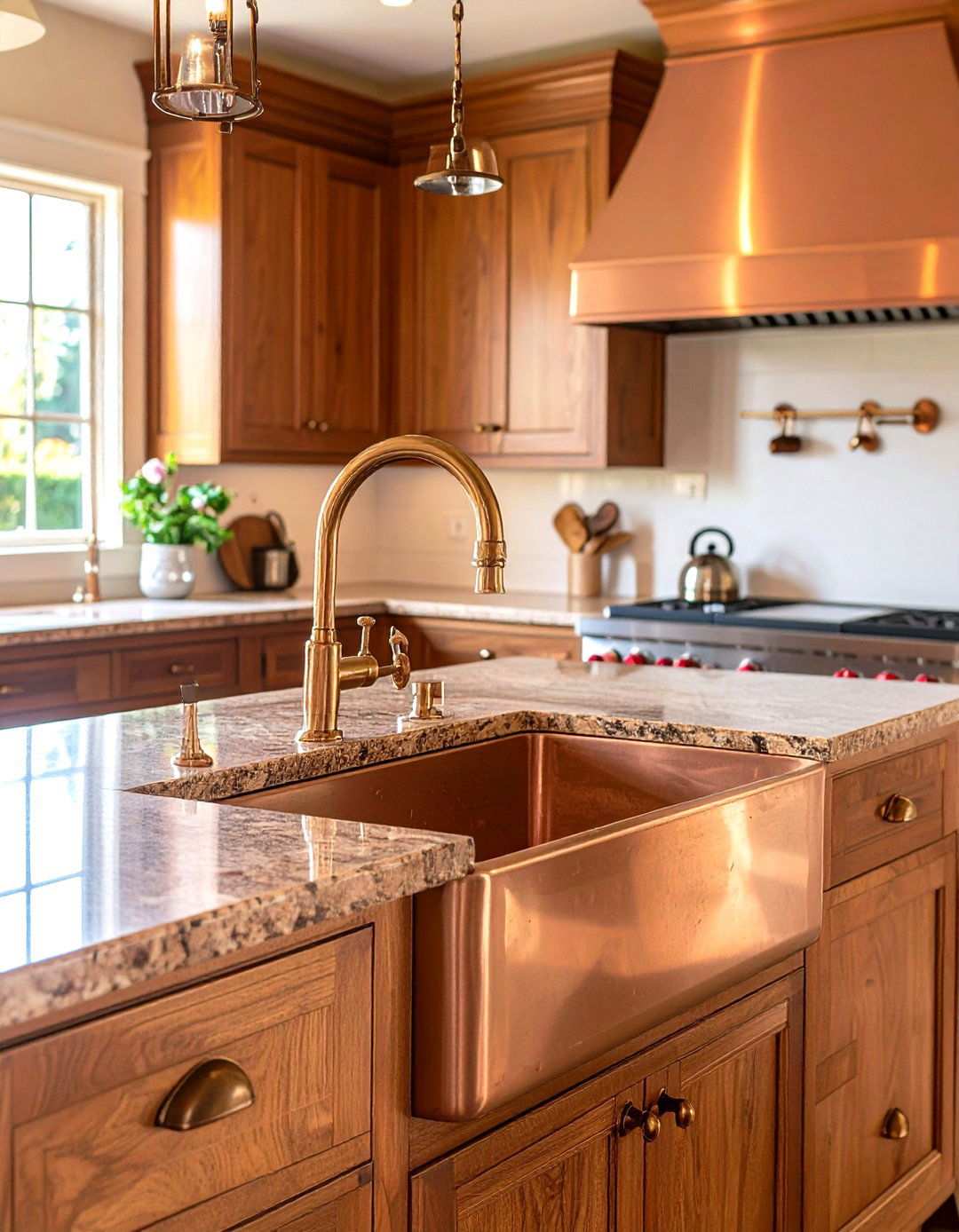
Rich, warm tones can be achieved in a Victorian kitchen through the strategic use of hardware, faucets, and lighting fixtures in brass or copper finishes. By opting for warm copper accents, homeowners can create a unique and inviting atmosphere in their kitchen. This design theme centers around a handcrafted copper farmhouse sink, which serves as the focal point, surrounded by copper hardware, light fixtures, and decorative accessories that reinforce the metallic theme throughout the space. Over time, the copper develops a beautiful patina, infusing the space with authentic character and warmth. The accompanying cabinetry is crafted from rich cherry wood, which beautifully complements the copper’s reddish hues. The addition of granite countertops in warm browns provides sturdy work surfaces while enhancing the earthy color palette. A copper range hood not only reinforces the metallic theme but also ensures necessary ventilation. Pendant lights with copper shades illuminate work areas, further solidifying the consistent material theme. This thoughtful design creates a cohesive, warm atmosphere that celebrates the beauty of natural materials and traditional craftsmanship.
17. Floral Wallpaper Accent Wall
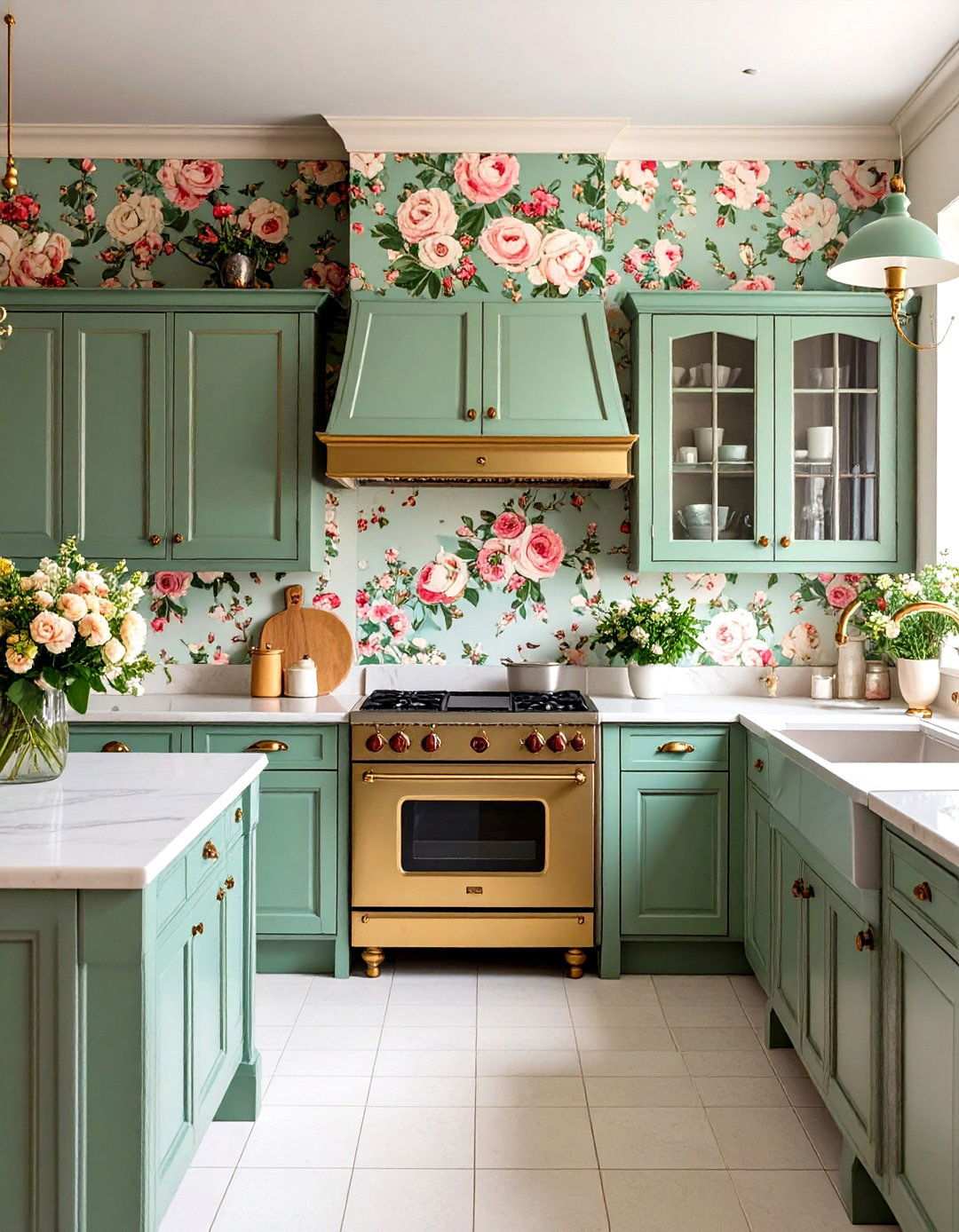
A striking floral or damask wallpaper pattern can be used to add visual interest and create a sense of drama in a Victorian kitchen, without overwhelming the space. To achieve this, designers often use authentic Victorian floral wallpaper on a single accent wall, typically behind the range or dining area. The large-scale roses and peonies in rich colors that make up the pattern are carefully chosen to coordinate with the overall kitchen palette, creating a cohesive look. To prevent pattern overload, the surrounding walls remain neutral, allowing the accent wall to take center stage. The cabinetry, meanwhile, features elegant styling that doesn’t compete with the ornate wall treatment. By incorporating natural materials like wood and stone, the design achieves a sense of balance and grounding that complements the decorative wallpaper. The lighting design also plays a crucial role, with careful consideration given to the placement of fixtures to ensure that they enhance rather than wash out the pattern details. Finally, accessories and textiles echo the colors found within the wallpaper pattern, adding an extra layer of depth and visual interest to the space.
18. Victorian Hardware Collection Focus
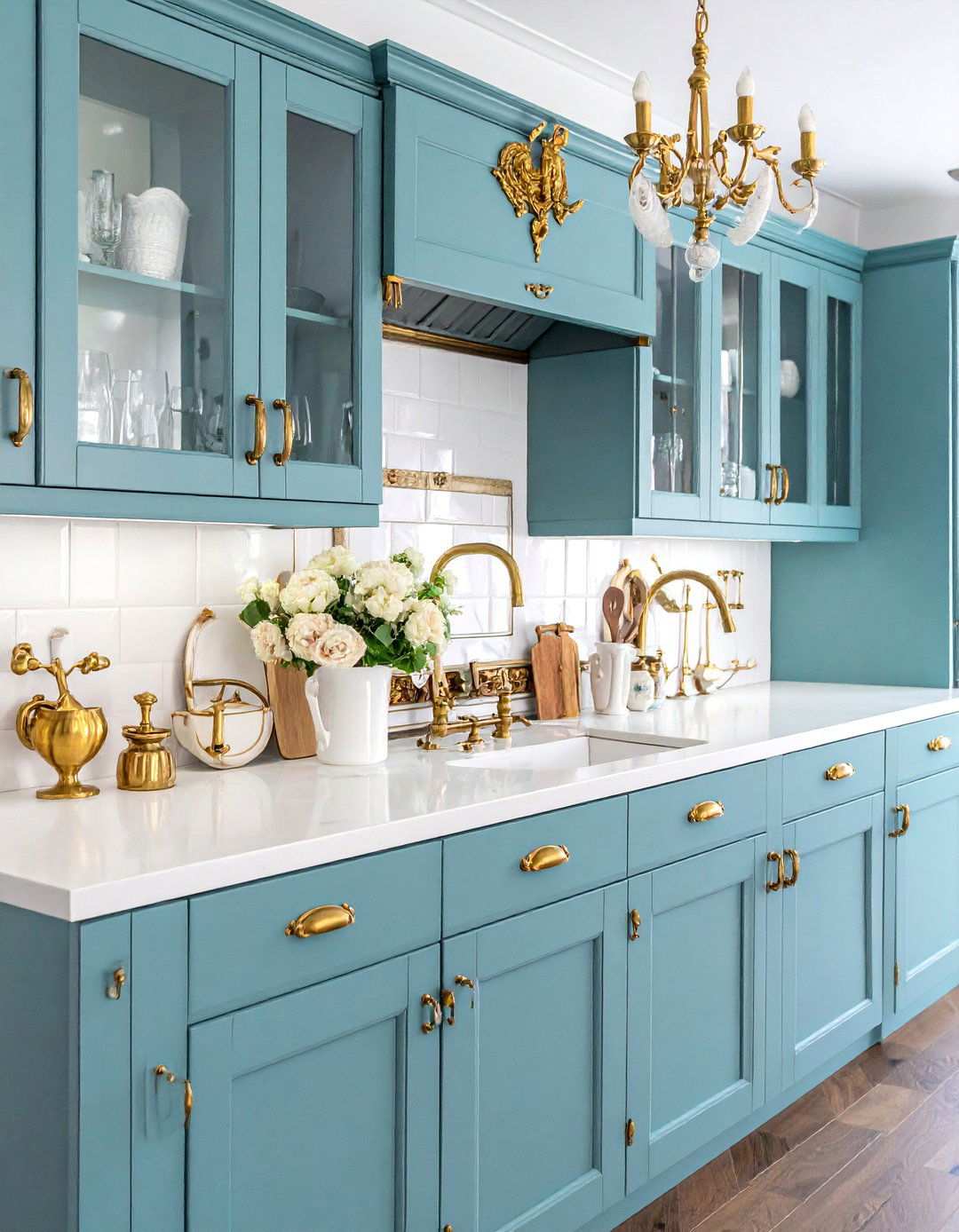
Designers looking to transform standard cabinetry into Victorian masterpieces often turn to authentic period hardware, which can add a touch of elegance and sophistication to the kitchen. This design theme emphasizes ornate brass and iron hardware featuring intricate Victorian motifs, including flowers, scrollwork, and geometric patterns. Each piece of hardware is carefully selected for both its function and decorative value, with attention paid to the level of detail and craftsmanship that goes into its creation. As a result, the hardware becomes a true focal point in the kitchen, with cabinet pulls, hinges, and knobs all coordinating within the same design family. To add an extra layer of visual interest, the hardware is often hand-forged or cast, with detailed finishing that showcases its beauty. The surrounding cabinetry provides a rich, elegant backdrop that showcases the metalwork, while lighting fixtures, faucets, and decorative accessories continue the hardware theme, creating a cohesive look throughout the space. By adopting a collection approach, designers can ensure that the hardware is not only authentic but also functional, with regular maintenance helping to preserve its beauty and ensure lasting performance.
19. Elevating Kitchen Design with Mosaic Tile Artistry
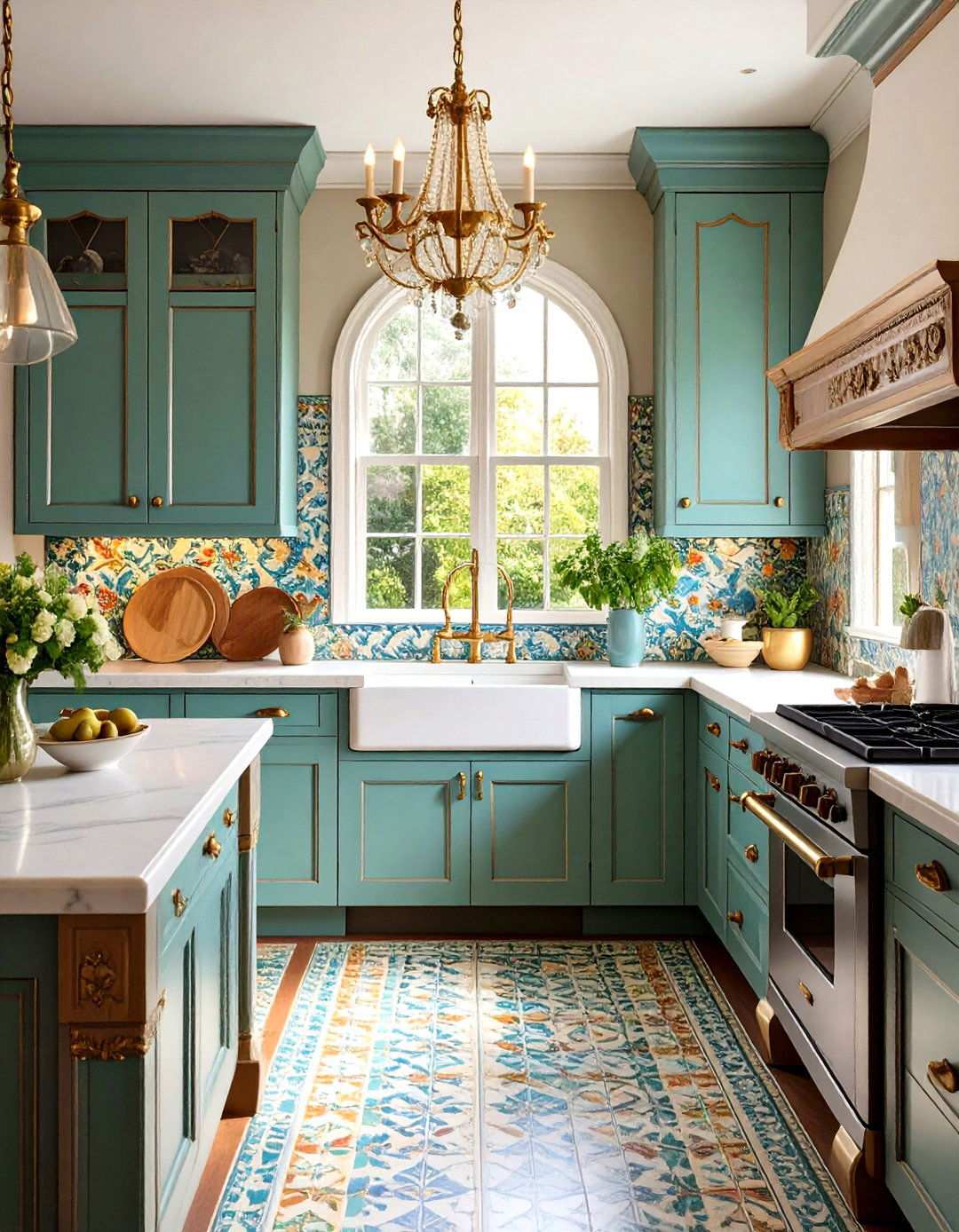
An artistic tile installation can become the crowning glory of your kitchen, boasting elaborate mosaic tile work that evokes the beauty and craftsmanship of the Victorian era. Could a striking tile mural become the focal point of your kitchen’s design? This design showcases the artistry of mosaic tile work, which can depict intricate patterns or natural scenes reminiscent of Victorian decorative arts. The installation might feature stylized floral motifs or geometric patterns executed in hand-cut tiles, creating a unique visual statement. The surrounding elements remain understated to allow the tile artistry to take center stage. Rich wood cabinetry provides a neutral backdrop, while brass accents complement the tile colors, adding a touch of sophistication. Professional installation ensures the lasting beauty and proper waterproofing of the tile work, transforming it into a genuine piece of kitchen art. Lighting design is carefully crafted to highlight the intricate details and colors of the tile work, creating a truly one-of-a-kind kitchen feature.
20. Grounding a Victorian Kitchen with Dark Wood Flooring
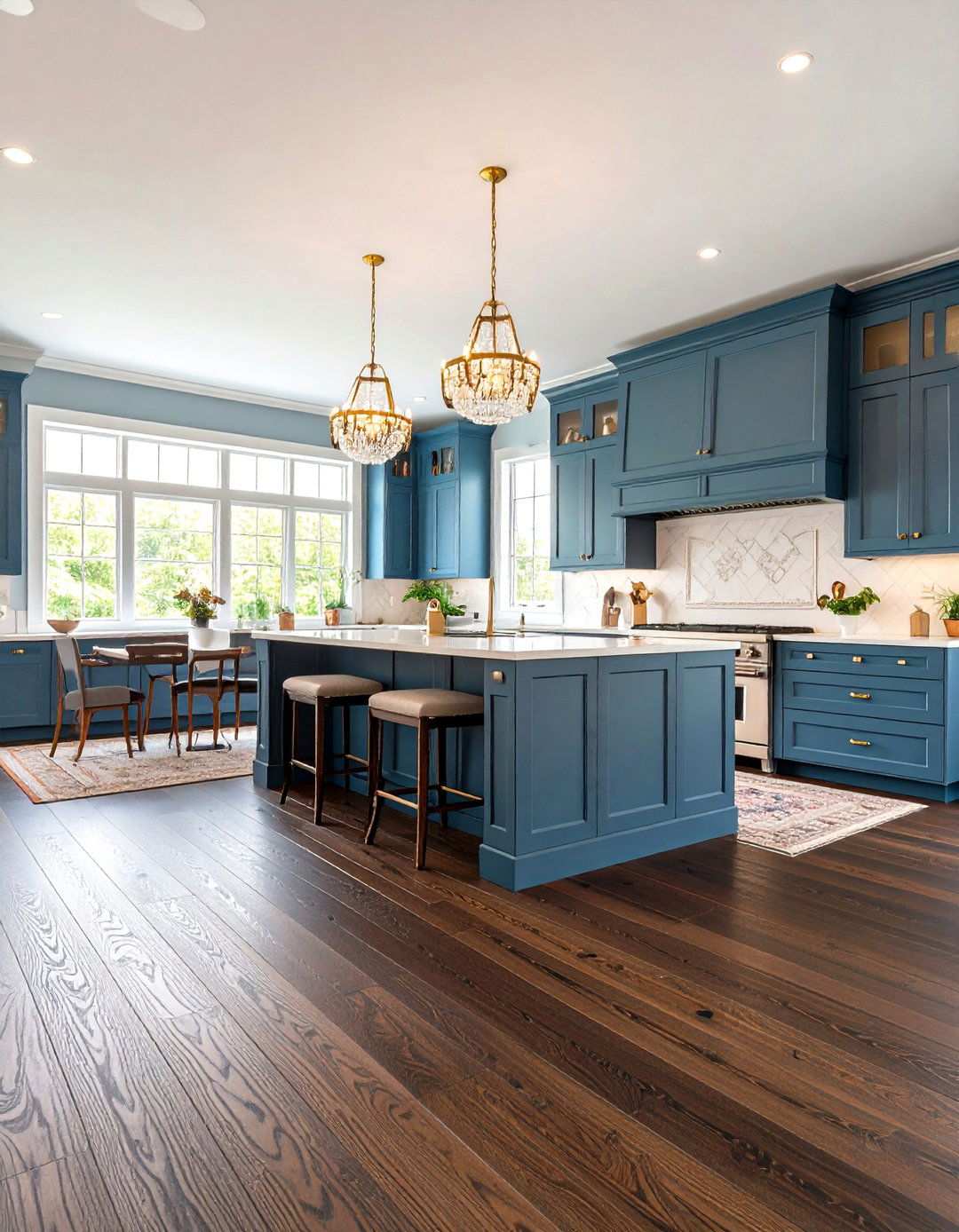
Rich wood flooring can add warmth and elegance to your kitchen, anchoring the space in the style of the Victorian era. How can a deep, dark wood floor become the foundation of your Victorian kitchen design? This theme features wide-plank hardwood flooring in deep espresso or ebony stains that provide a dramatic backdrop for the entire space. The dark floors create a striking contrast with lighter cabinetry and countertops, adding sophisticated warmth and visual interest. Intricate parquet patterns or decorative borders enhance the flooring’s visual impact, while the dark foundation allows other design elements to pop visually while maintaining period authenticity. Area rugs in Persian or Oriental patterns add softness and comfort in seating areas, while the wood selection emphasizes grain patterns and character marks that enhance the handcrafted appearance. Professional finishing ensures durability while maintaining the rich color depth of the flooring, creating visual weight that grounds lighter elements throughout the kitchen.
21. Window Seat with Storage Integration
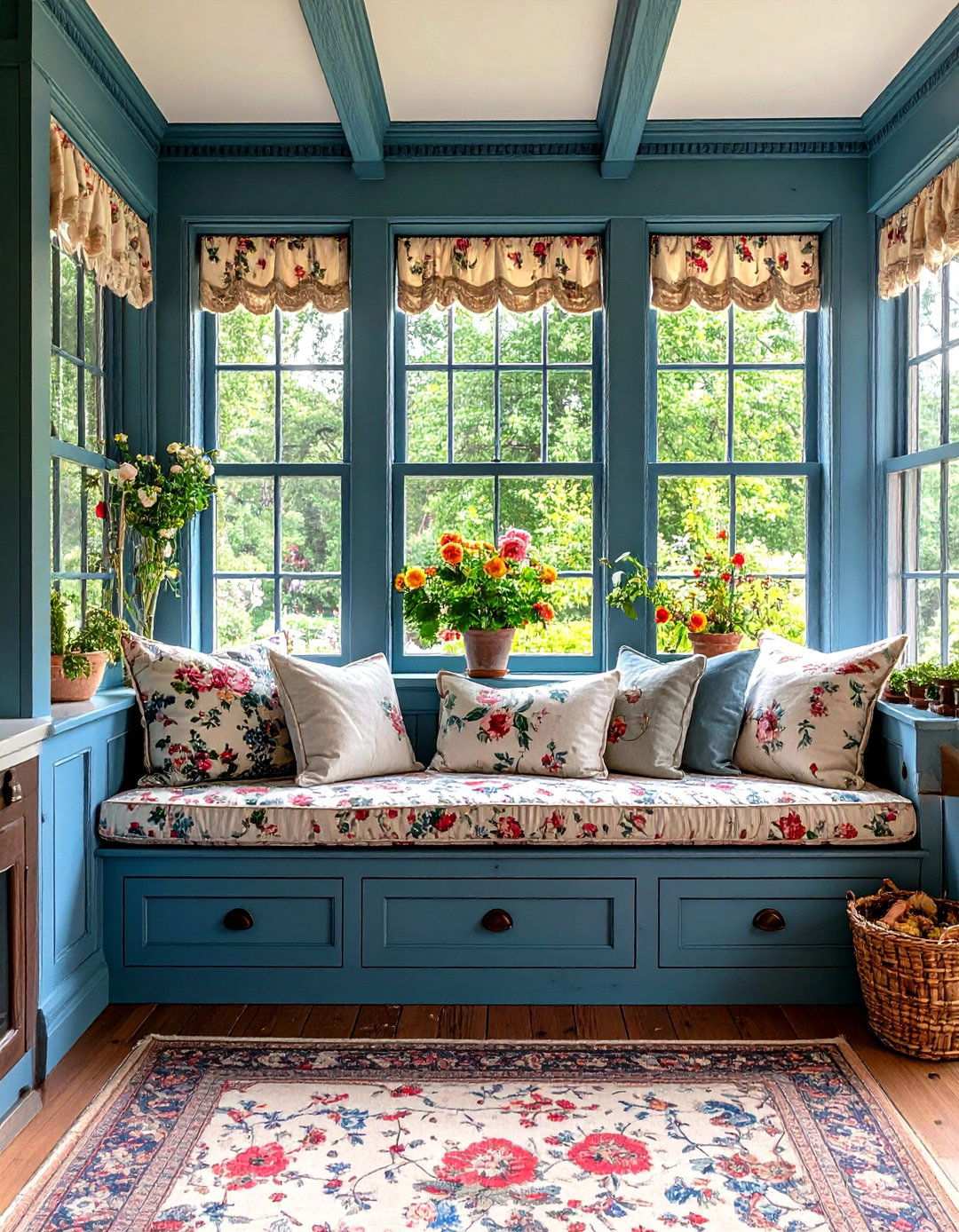
A built-in window seat can be a game-changer for kitchens, providing a cozy reading nook that seamlessly integrates with the surrounding space. This design concept takes it a step further by incorporating a charming storage area beneath the seat, perfect for stashing linens, seasonal items, or hard-to-reach kitchen gadgets. The result is a relaxing oasis that invites you to linger over morning coffee or enjoy quiet moments with family. The window seat itself features plush, period-inspired upholstery in classic damask or floral patterns, while the surrounding woodwork echoes the kitchen cabinetry, adding a touch of architectural flair to the space. As the sun shines through, natural light pours in, illuminating the room and creating a warm, inviting atmosphere that’s perfect for informal gatherings or homework sessions. To complete the look, add a few decorative pillows and throws that pick up on the kitchen’s color palette, and you’ll have a window seat that’s both functional and fabulous.
22. Soapstone Counter with Integrated Sink
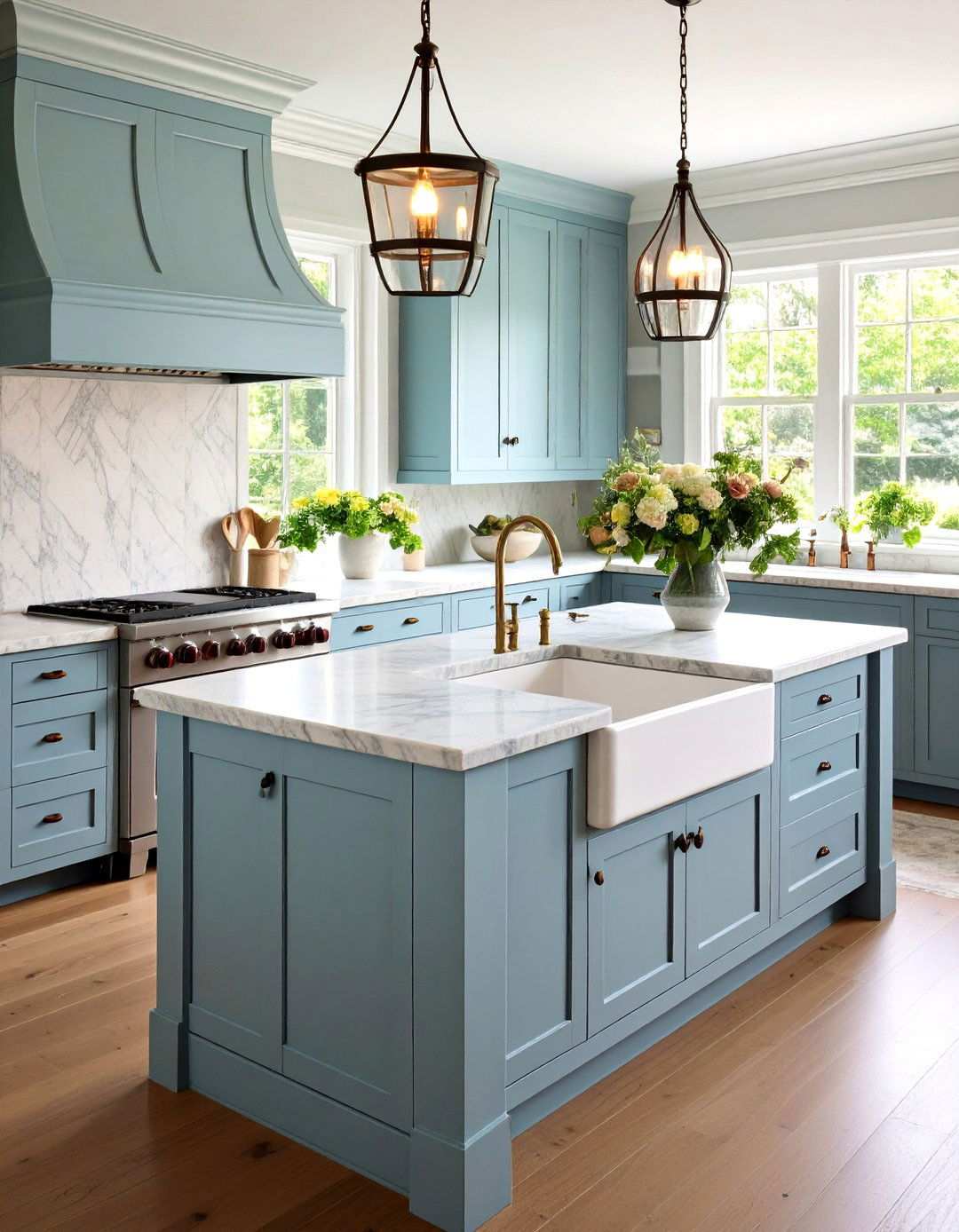
Bring a touch of authenticity to your kitchen with Vermont soapstone counters and an integrated farmhouse sink, a classic Victorian combination that exudes warmth and character. This design theme showcases the natural beauty of soapstone, a non-porous stone that develops a rich patina over time, creating a unique and beautiful look. With its excellent food safety and minimal maintenance requirements, soapstone is a practical choice for kitchen countertops, while its subtle gray tones complement a range of cabinetry styles, from light to dark. What’s more, soapstone’s heat resistance makes it an ideal choice for areas around cooking stations and coffee bars, and its traditional edge profiles add a touch of period authenticity to the space. To protect the stone and enhance its natural beauty, apply an oil treatment that not only seals the surface but also provides a subtle sheen and a touch of warmth to the overall design.
23. Elegant Revival of Timeless Elegance
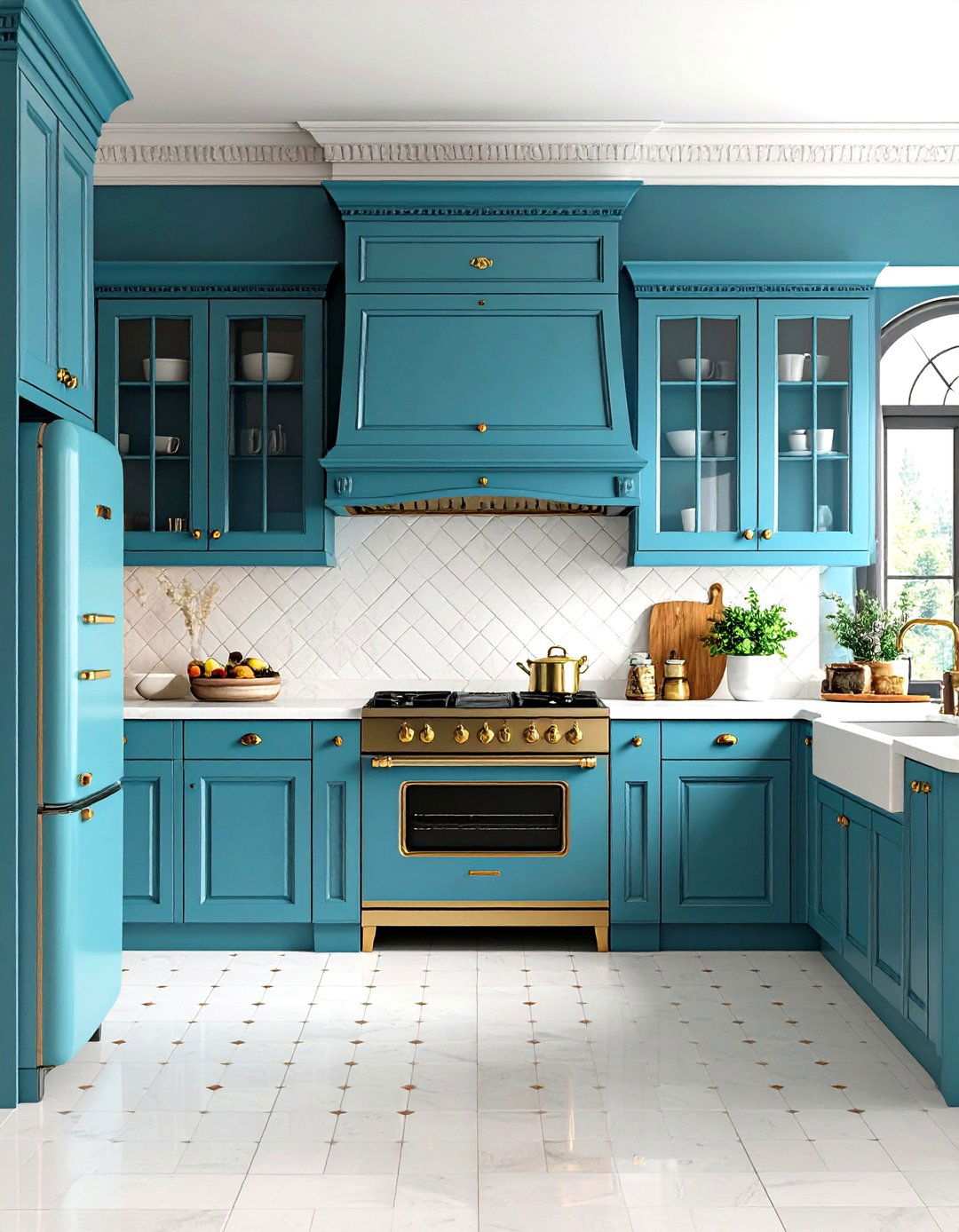
Incorporating vintage-style appliances into a kitchen design allows homeowners to blend period charm with modern functionality seamlessly. The key to achieving this harmony lies in selecting appliances that authentically replicate the aesthetic of a bygone era while still delivering contemporary performance. Ranges, for instance, can boast cast iron exteriors adorned with intricate brass accents and ornate details reminiscent of antique coal-burning stoves. Refrigerators can be camouflaged with custom paneling that harmoniously blends with the surrounding cabinetry, creating a visually cohesive look. Dishwashers, meanwhile, can be discreetly concealed behind matching cabinet fronts, eliminating any visual clutter. Even small appliances, such as coffee makers, toasters, and mixers, can be designed to mimic vintage aesthetics in coordinating colors and finishes. The ultimate goal is to create a kitchen that seamlessly integrates modern convenience with the timeless elegance of a Victorian-era setting. By working with a skilled cabinetry expert, homeowners can ensure that the custom cabinetry accommodates specific appliance dimensions while maintaining the period’s characteristic proportions and details. Professional installation further ensures that the kitchen not only looks authentic but also functions smoothly.
24. Weaving a Rich Tapestry of Textiles
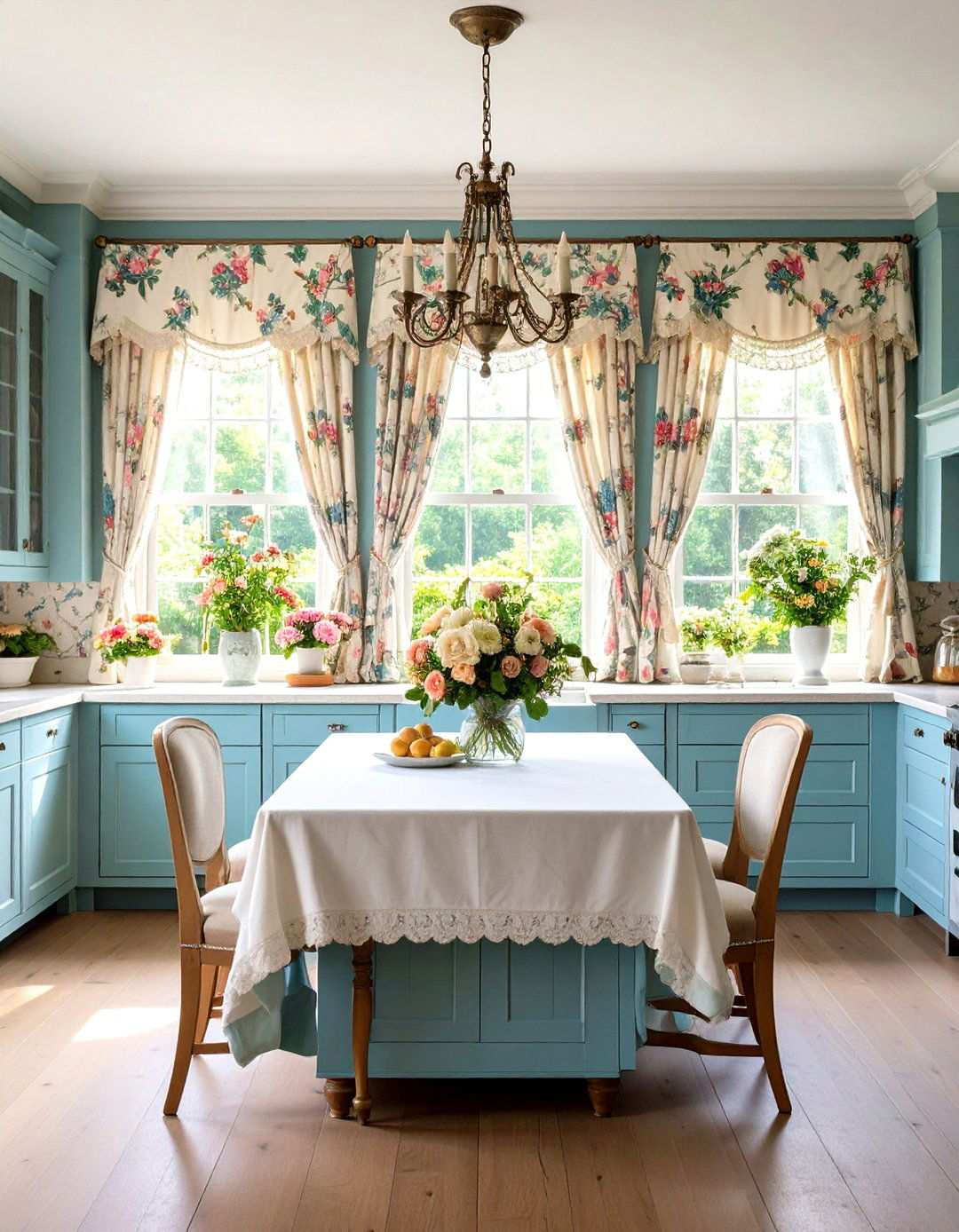
Heavy drapes paired with delicate lace curtains can add a touch of warmth and sophistication to a kitchen, creating a cozy and inviting atmosphere reminiscent of Victorian-era interiors. To complete the authentic Victorian look, consider incorporating layered window treatments featuring sheer lace panels beneath heavier drapes in coordinating fabrics. The resulting combination of textures and patterns can add depth and visual interest to the space. Floral, damask, and paisley patterns in rich, muted colors can complement the kitchen’s overall aesthetic, while upholstered seating and table linens can incorporate similar fabric selections for a cohesive look. Even functional elements, such as pot holders and decorative towels, can continue the textile story throughout the kitchen. By emphasizing natural fibers like cotton, linen, and silk, which were popular during the Victorian era, homeowners can create a warm and inviting atmosphere that feels authentic and timeless. Professional installation ensures that the window treatments and textiles are properly hung and function smoothly, maintaining the layered appearance that is characteristic of Victorian-era design. Regular cleaning and maintenance can help preserve the beauty and integrity of the fabrics, ensuring they remain a beautiful and integral part of the kitchen’s design for years to come.