1. Crafting the Ultimate TV Room Oasis
Transforming your home into a haven of entertainment and relaxation is a masterful blend of comfort, style, and functionality. Whether you envision a snug family gathering space or a sleek media room, the perfect TV room design harmoniously unites elegance with practicality. Today’s TV room creations have transcended basic setups, embracing innovative storage solutions, cutting-edge technology integration, and thoughtful design elements that elevate both the viewing experience and everyday living. From minimalist floating consoles to rustic entertainment centers, modern TV room designs cater to diverse tastes while addressing essential needs like cable management, optimal viewing angles, and versatile usage. The secret to creating an exceptional space lies in striking a balance between visual appeal and comfort, making it feel inviting while accommodating various entertainment activities.

As an Amazon Associate I earn from qualifying purchases.
2. Modern Media Console Design
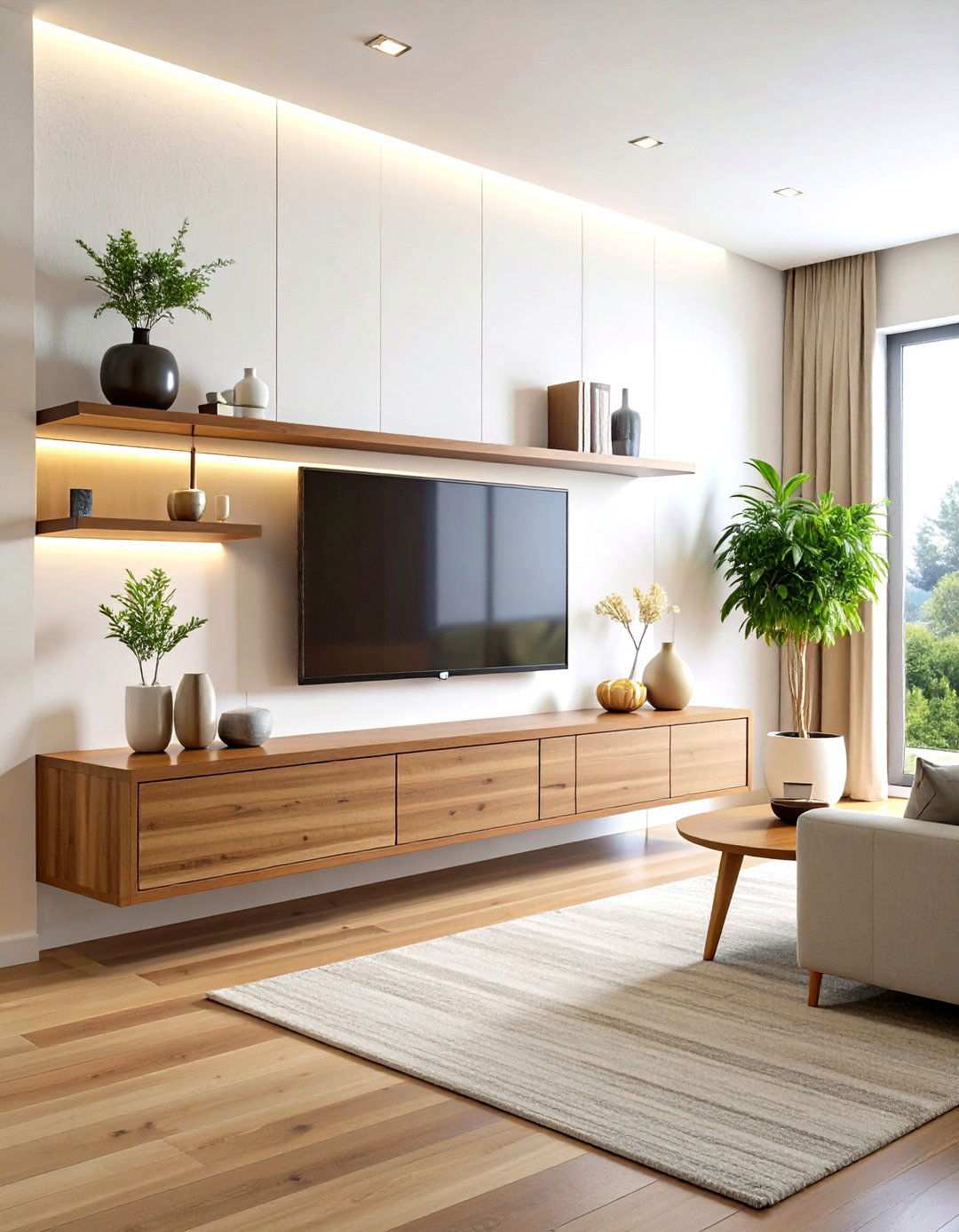
Elevate your living space with the sleek sophistication of wall-mounted media consoles. These ultra-modern units eliminate visual clutter by concealing cables and wires, creating a seamless, streamlined appearance. LED backlighting adds a touch of sophistication, while natural wood finishes like rich walnut or warm oak bring warmth and coziness to the space. Paired with neutral wall colors and minimalist furniture, this design creates a sophisticated entertainment zone that exudes a sense of timelessness and contemporary flair.
3. Industrial Basement Theater
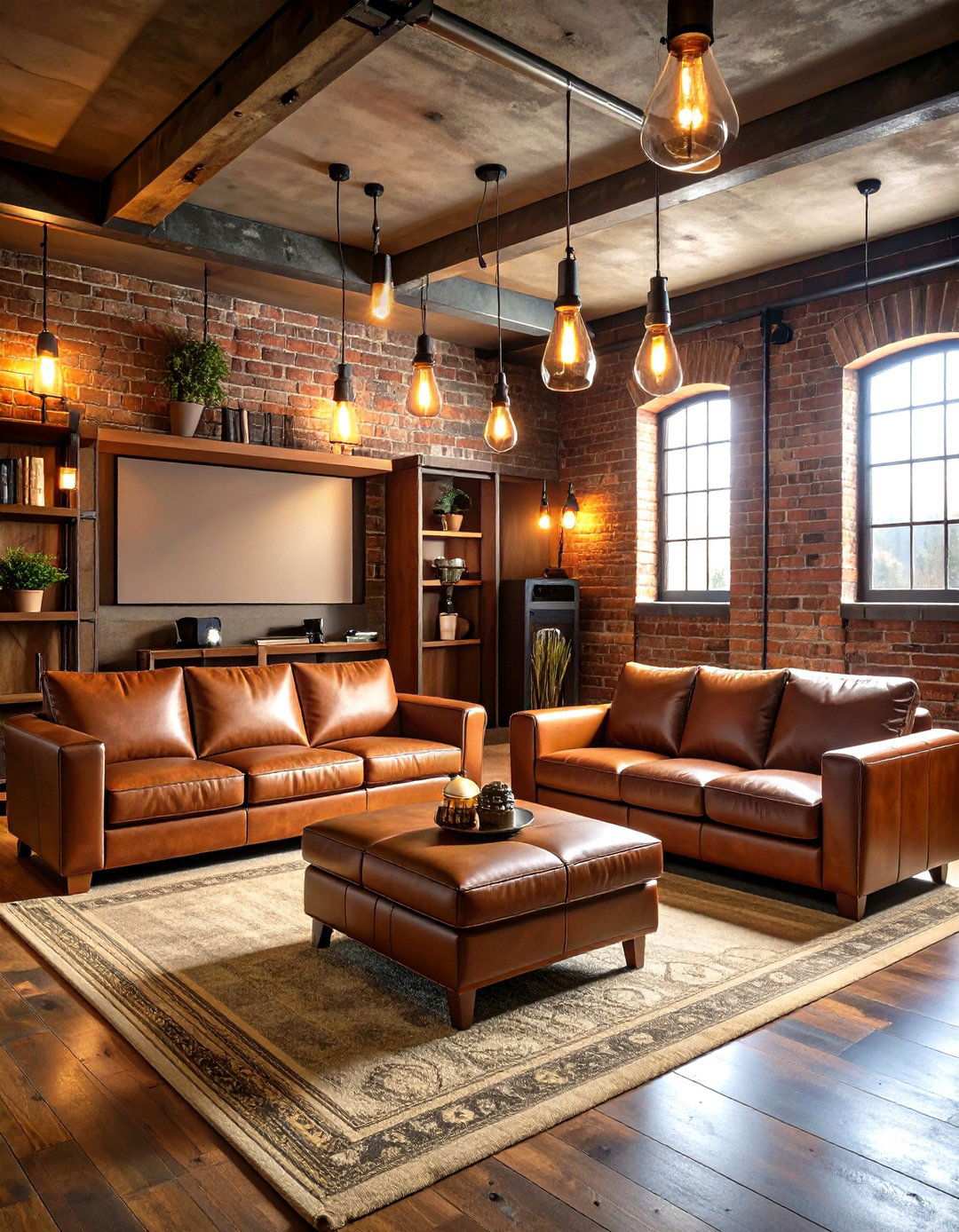
Transform your basement into an urban entertainment haven by incorporating exposed brick walls, industrial metal fixtures, and reclaimed wood elements. This edgy design ensures comfort through plush seating arrangements and strategic lighting placement. Steel pipe brackets support floating shelves for showcasing vintage collections or gaming equipment, while Edison bulb fixtures provide warm ambient lighting. The concrete floor can be softened with large area rugs that define seating zones, creating a unique atmosphere that feels both raw and inviting for movie nights and casual gatherings.
Timeless Wooden Retreats
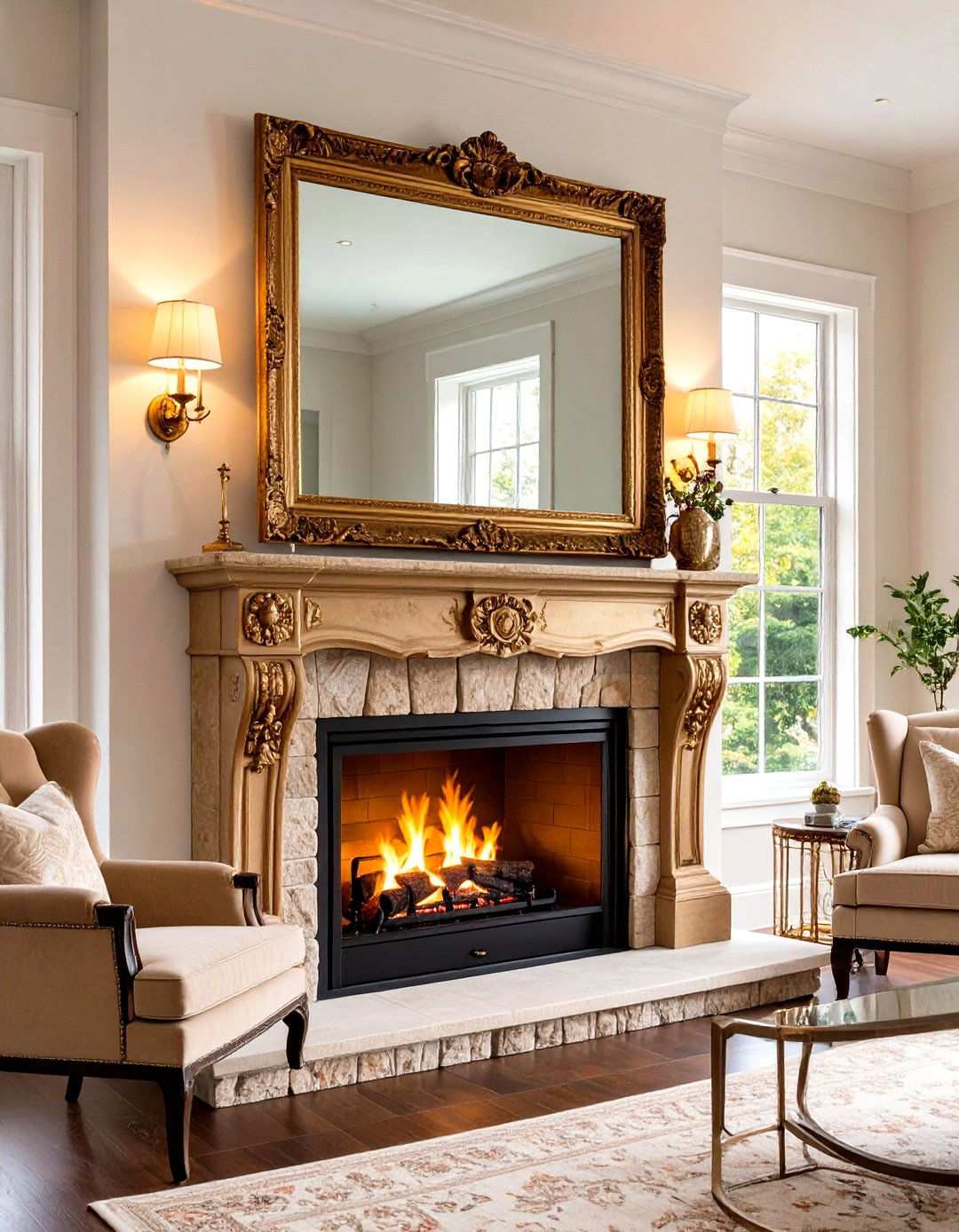
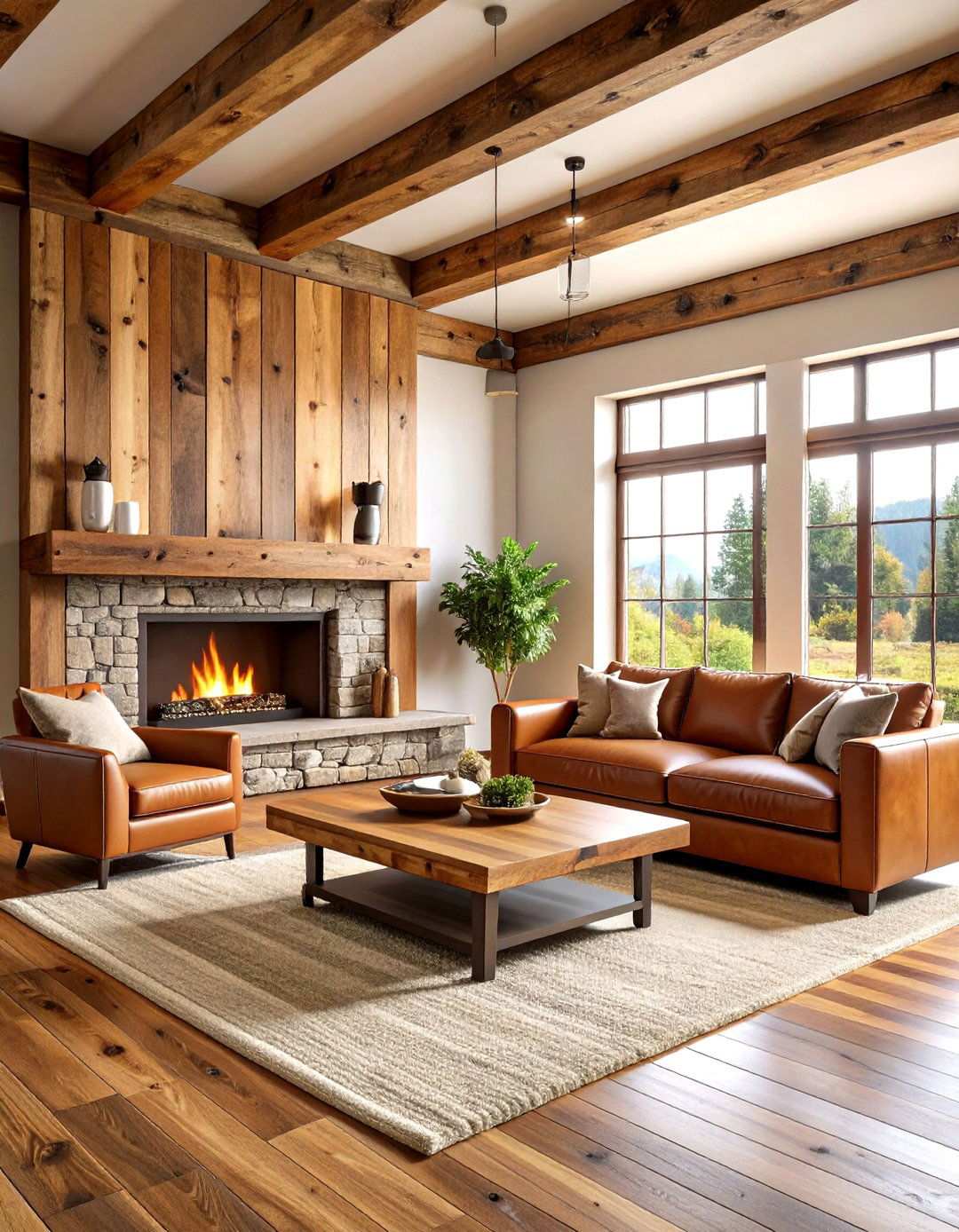
Wooden accents are a dominant feature in this inviting entertainment space, paying homage to traditional craftsmanship and natural textures. Reclaimed barn wood is strategically used behind wall-mounted displays to create striking accent walls, while furniture pieces with live edges add an element of authenticity. Stone fireplace elements can complement the entertainment center, serving as a year-round focal point. Rich brown leather seating harmonizes with the wooden elements, while woven textiles and vintage accessories complete the rustic charm. This aesthetic approach is particularly well-suited for homes with traditional architecture, creating a seamless transition between the entertainment space and adjacent living areas.
4. Monochromatic Minimalism
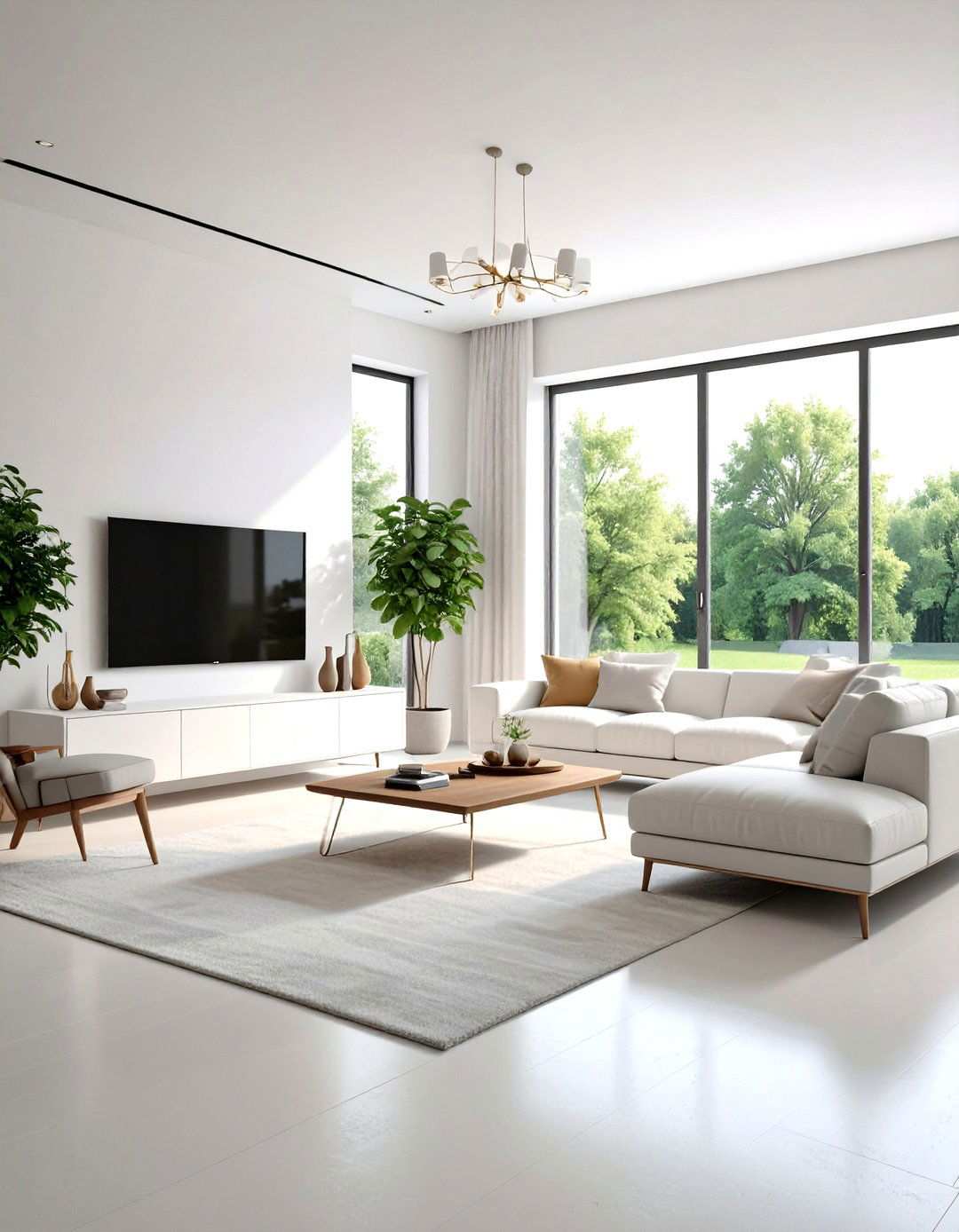
Sleek, uncluttered spaces define this serene approach that prioritizes simplicity and functionality. A cohesive palette of white walls, furniture, and storage solutions creates a backdrop that allows the television to be the room’s focal point. Glass and metal accents add a touch of sophistication, while strategically placed textures through rugs and throw pillows introduce visual interest. Built-in storage solutions maintain the minimalist aesthetic while providing practical organization for media equipment and accessories. This design philosophy excels in smaller spaces, creating an illusion of expanded square footage while maintaining an air of sophistication.
5. Layered Seating Experiences
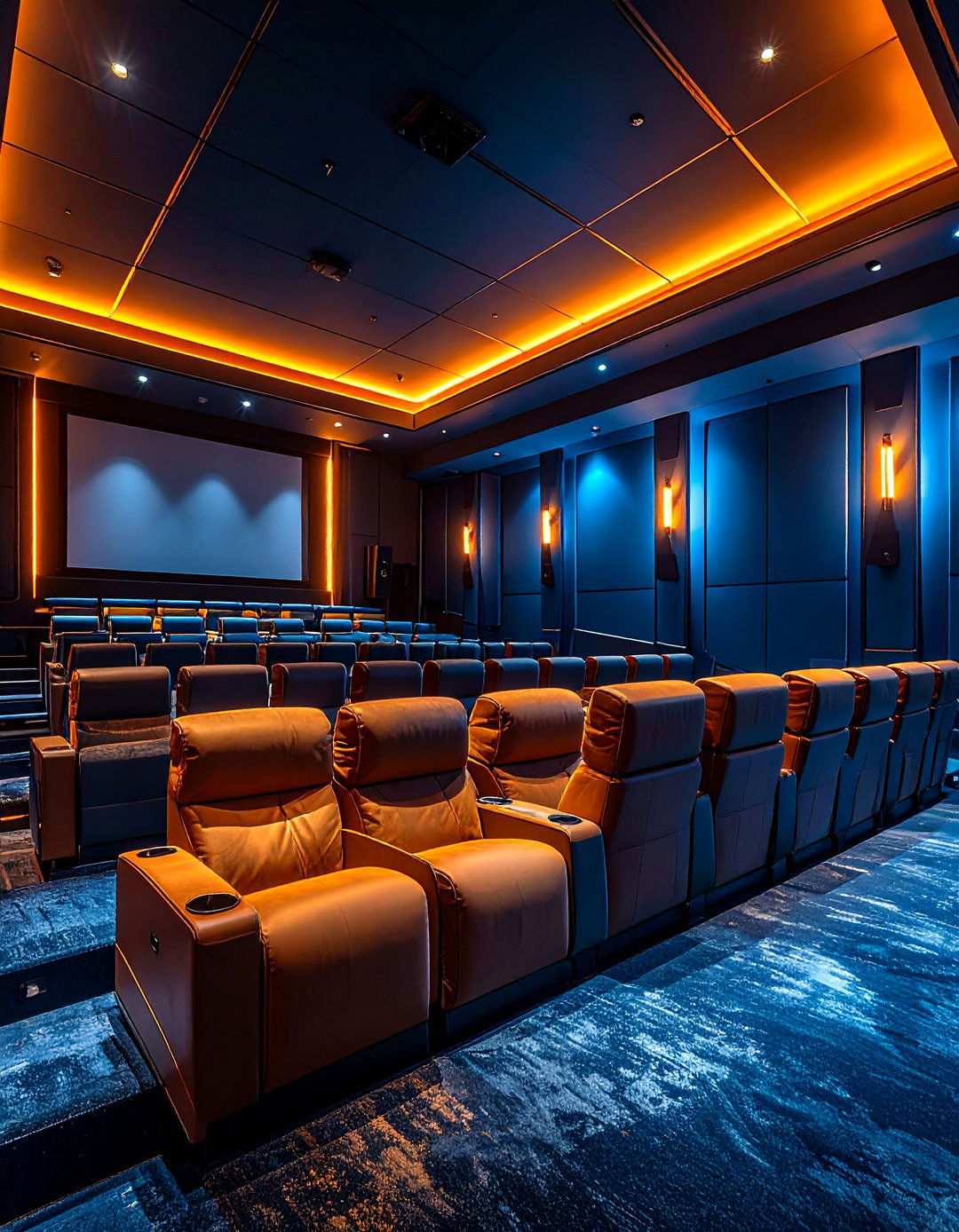
Do you find yourself struggling to find the perfect viewing angle during family movie nights? Stadium-style seating arrangements offer a solution to this common problem while creating an authentic cinema experience at home. The elevated rear section accommodates recliners or additional seating, ensuring everyone enjoys optimal screen visibility. Dramatic, dark colors like navy or charcoal enhance the theatrical atmosphere, while acoustic panels improve sound quality. Professional-grade surround sound systems integrate seamlessly into the design, with speakers strategically positioned for immersive audio experiences. This layout is particularly effective in dedicated media rooms or finished basements with adequate ceiling height.
6. Interconnected Living Spaces
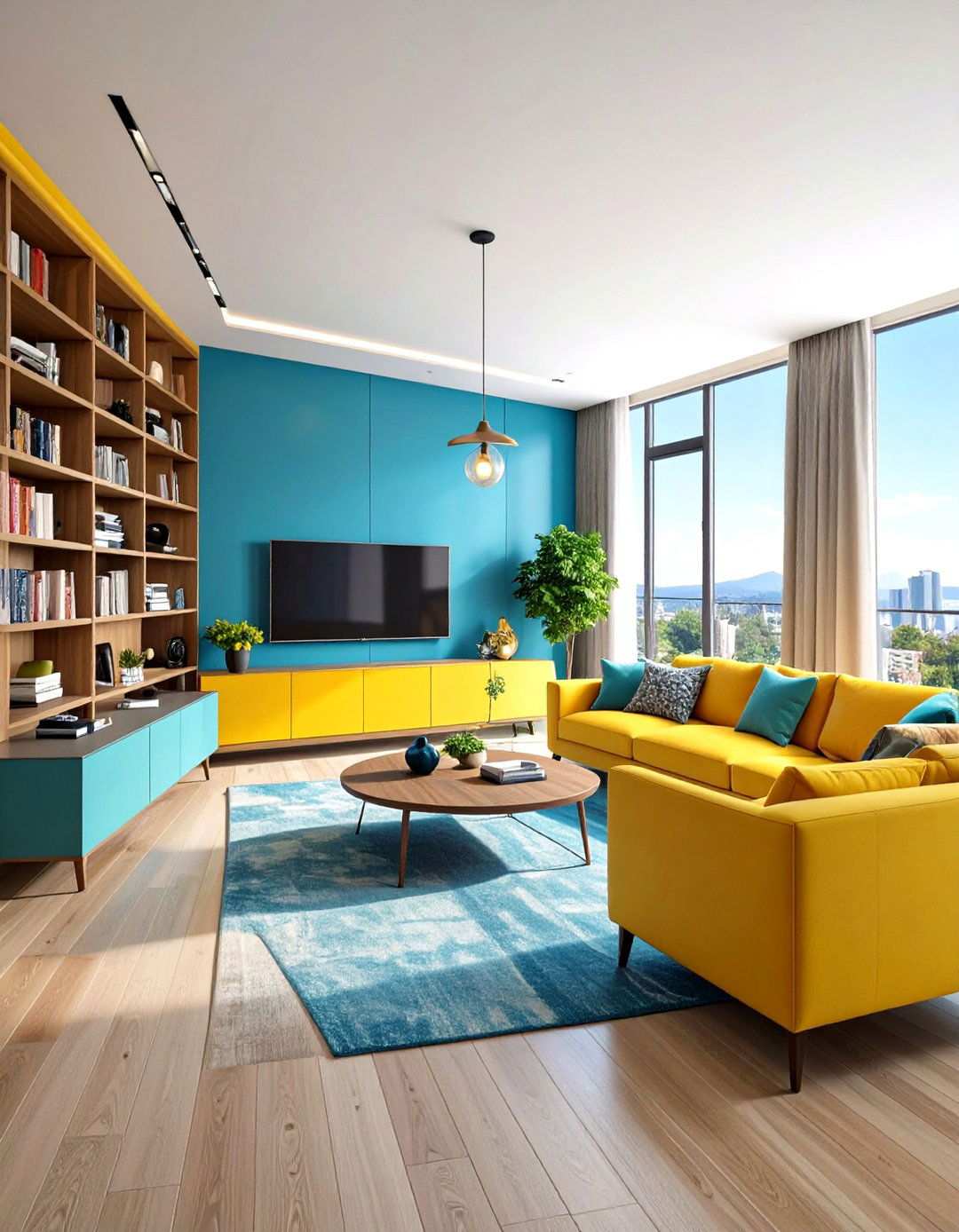
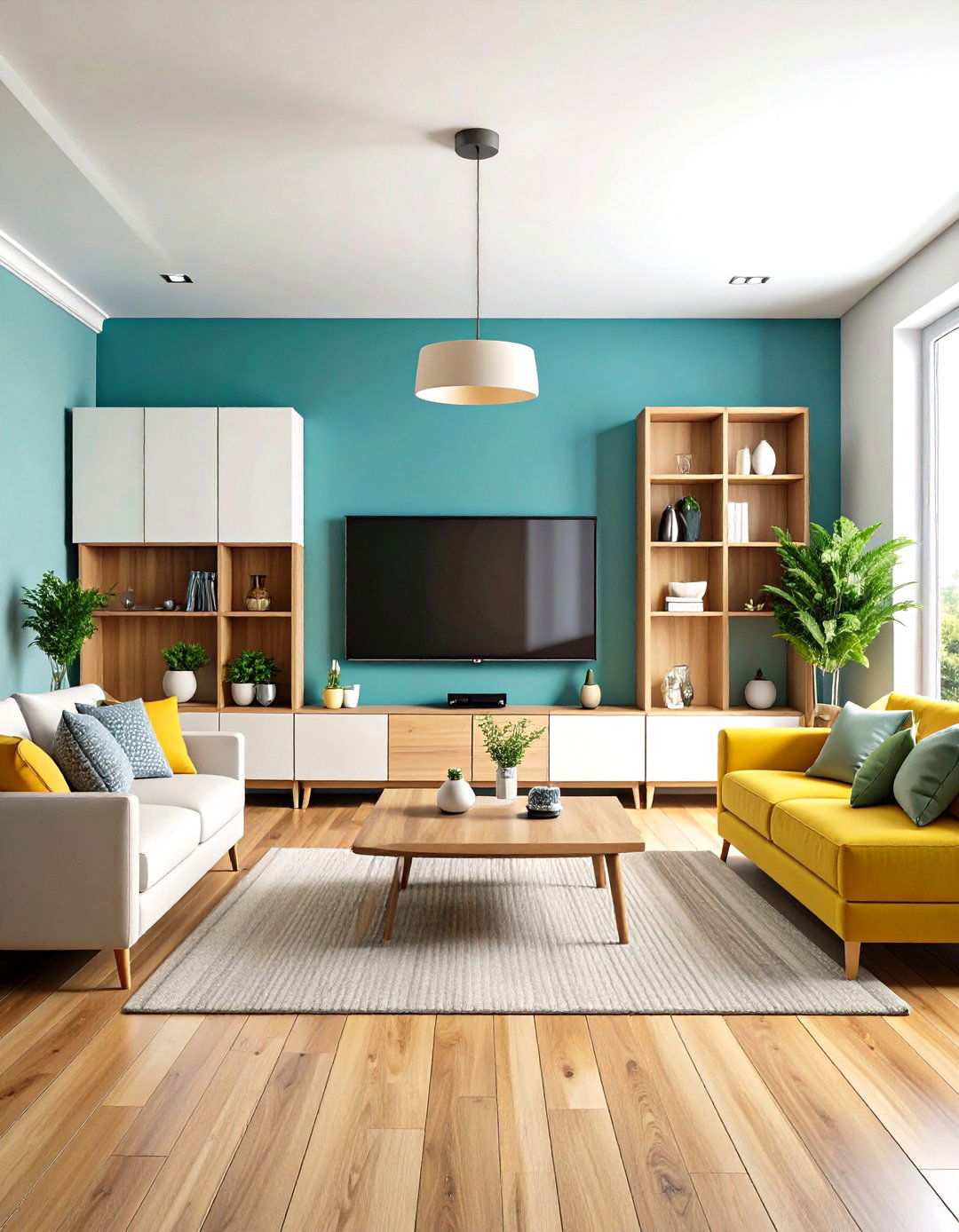
Blending entertainment zones with living spaces requires careful planning and design coordination. The television wall becomes a part of a larger architectural feature that may include built-in bookshelves, storage compartments, or decorative elements serving multiple rooms. Furniture placement creates subtle boundaries without disrupting sight lines or traffic flow patterns. Consistent color schemes and material choices ensure a cohesive design throughout the open floor plan. This approach benefits modern homes where traditional room divisions have been eliminated in favor of flexible, multi-functional living spaces that adapt to various family activities.
7. Accent Wall Focus: Elevating Your Entertainment Area
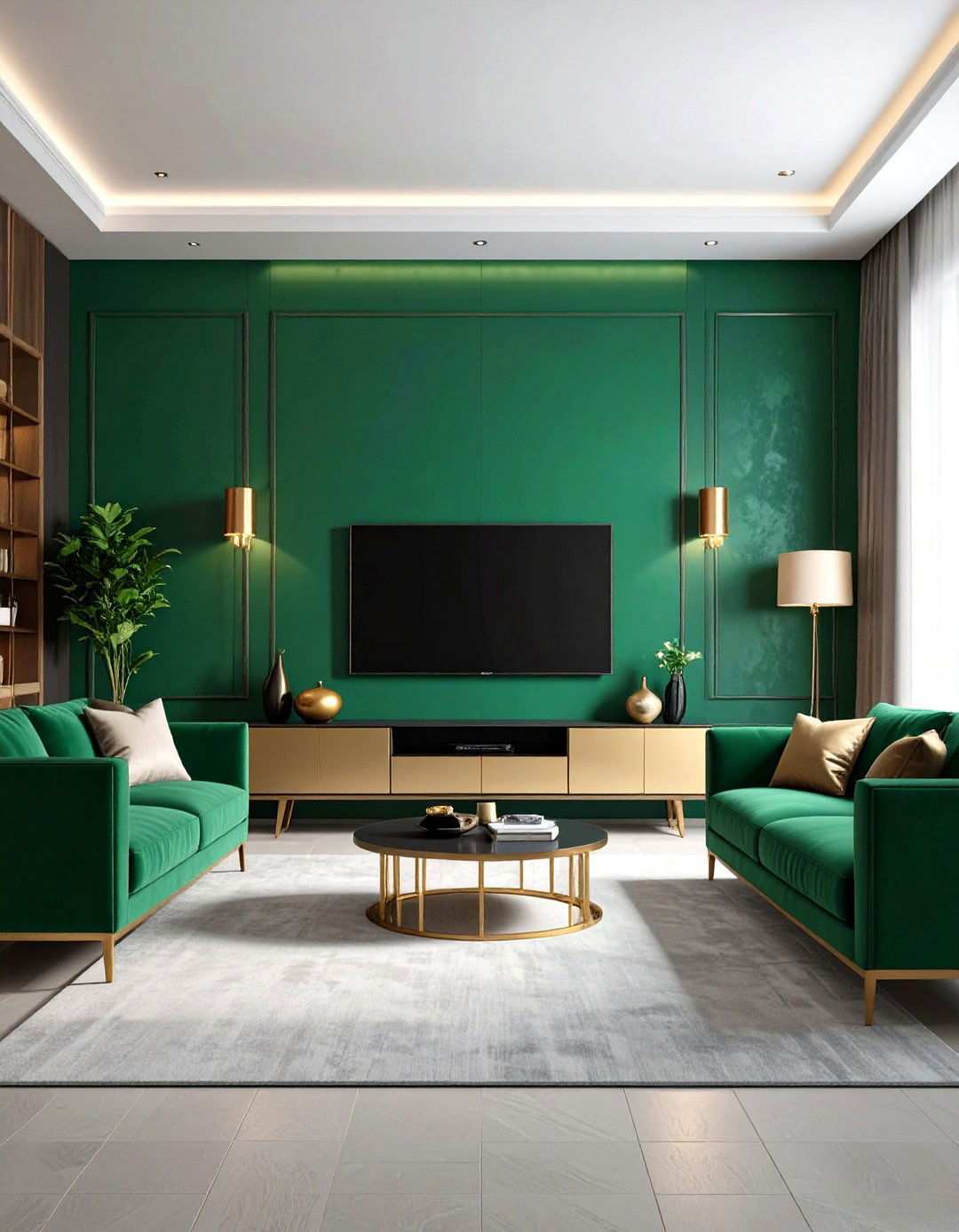
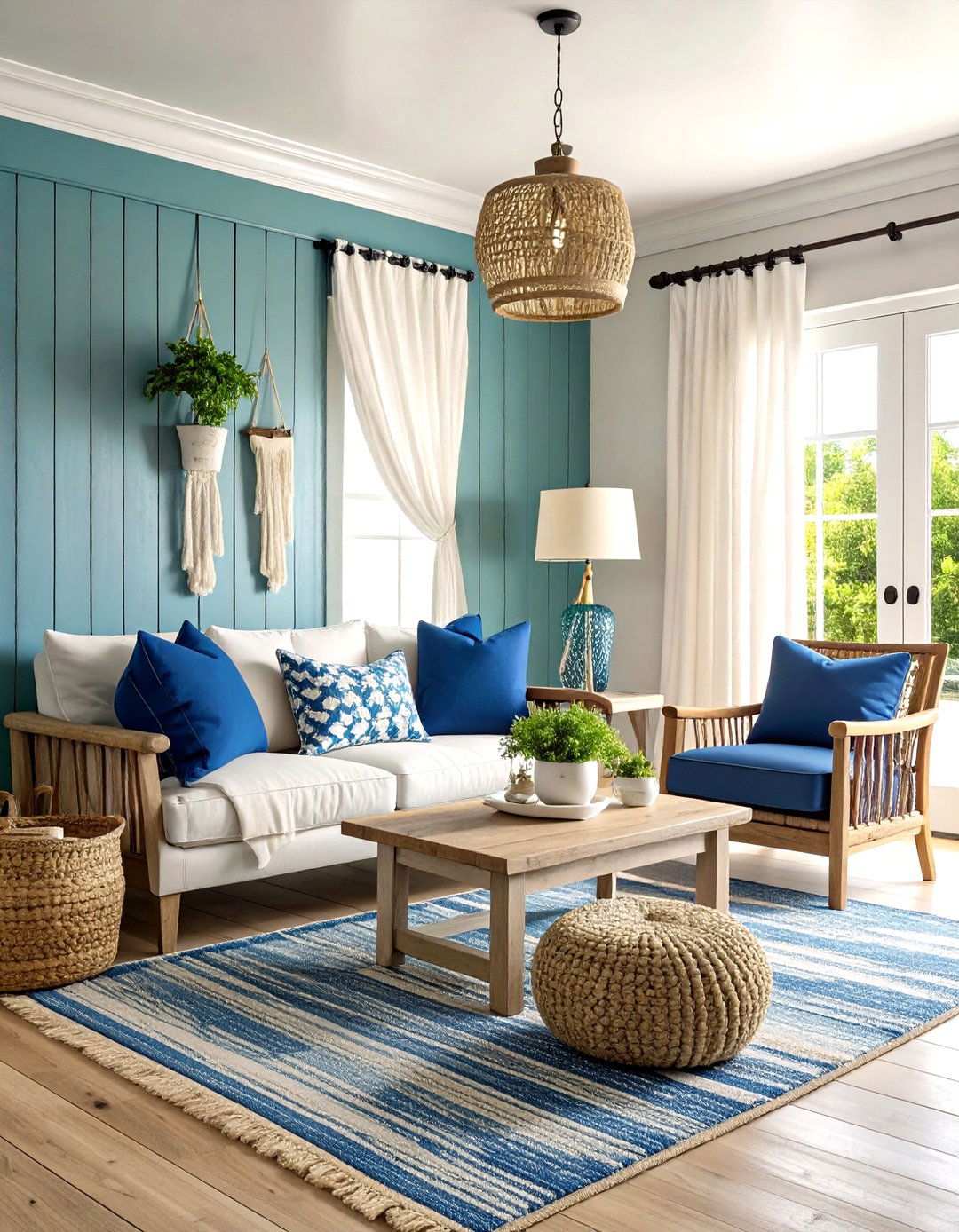
Create a captivating atmosphere in your entertainment space with bold, eye-catching accent walls that make a lasting impression. Rich jewel tones, such as emerald green or sapphire blue, offer a sophisticated canvas for wall-mounted displays, infusing the room with personality and warmth. To further enhance the accent wall, consider incorporating textured wallpaper, wood paneling, or decorative tiles, which add depth and visual interest. Strategically placed lighting fixtures highlight the wall’s features while providing functional illumination for various activities, drawing attention to the focal point of the room. By balancing bold accent walls with neutral tones on adjacent walls, you can prevent visual overload and create a memorable entertainment space.
8. Seamless Integration: Built-In Entertainment Centers
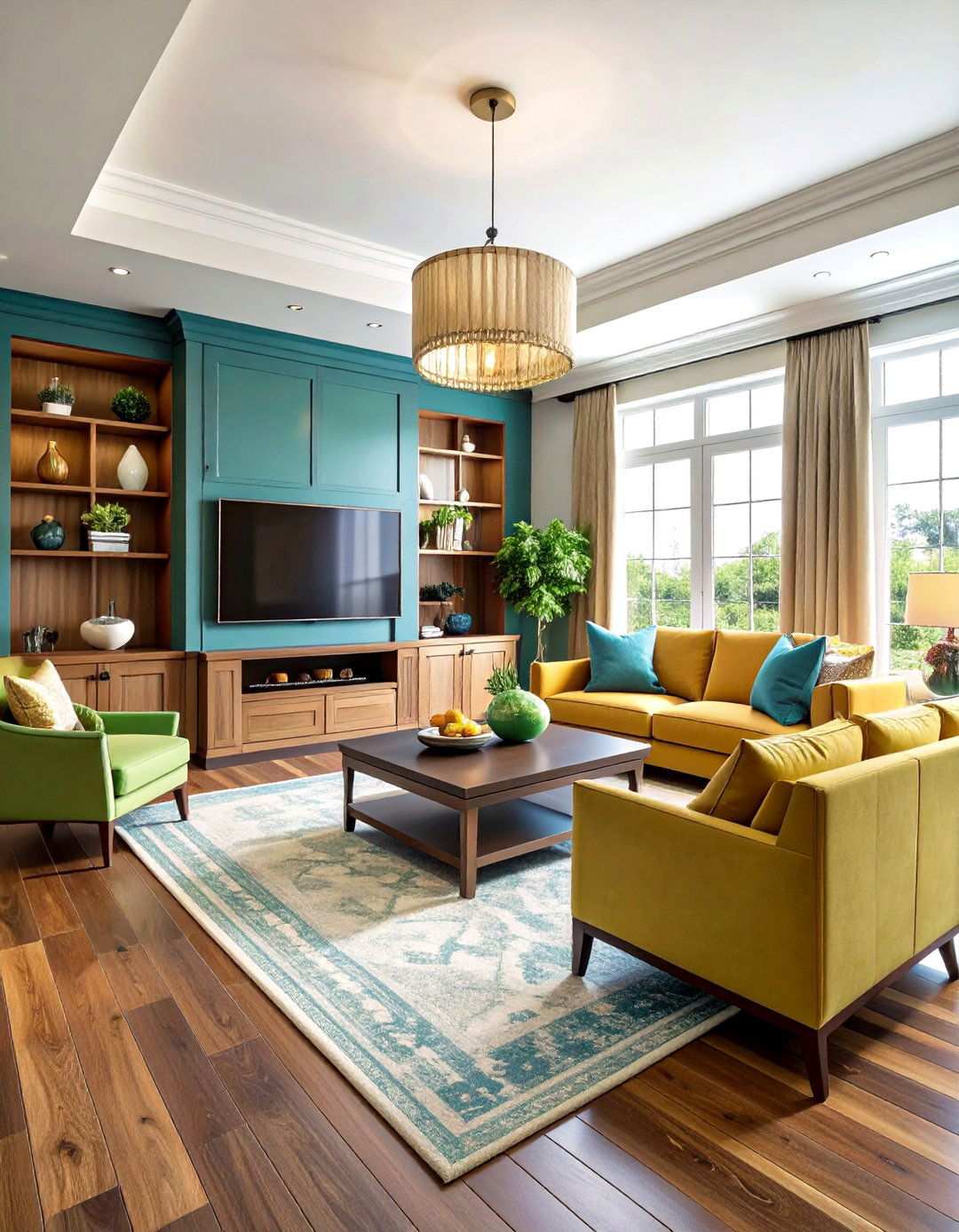
Custom millwork designs create sophisticated storage solutions that blend seamlessly into the room’s architecture, rather than appearing as standalone furniture pieces. Typically, these comprehensive systems consist of closed cabinets for concealing electronic equipment, open shelving for showcasing decorative objects, and specialized compartments for organizing media collections. By extending the design floor-to-ceiling, you can maximize storage capacity while creating an impressive visual impact. To ensure design continuity, high-quality finishes are carefully matched to existing trim work and cabinetry throughout the home. This investment pays dividends in the long run, providing improved organization, enhanced aesthetics, and increased home value that potential buyers will appreciate.
9. Optimizing Small Spaces: Creative Entertainment Solutions
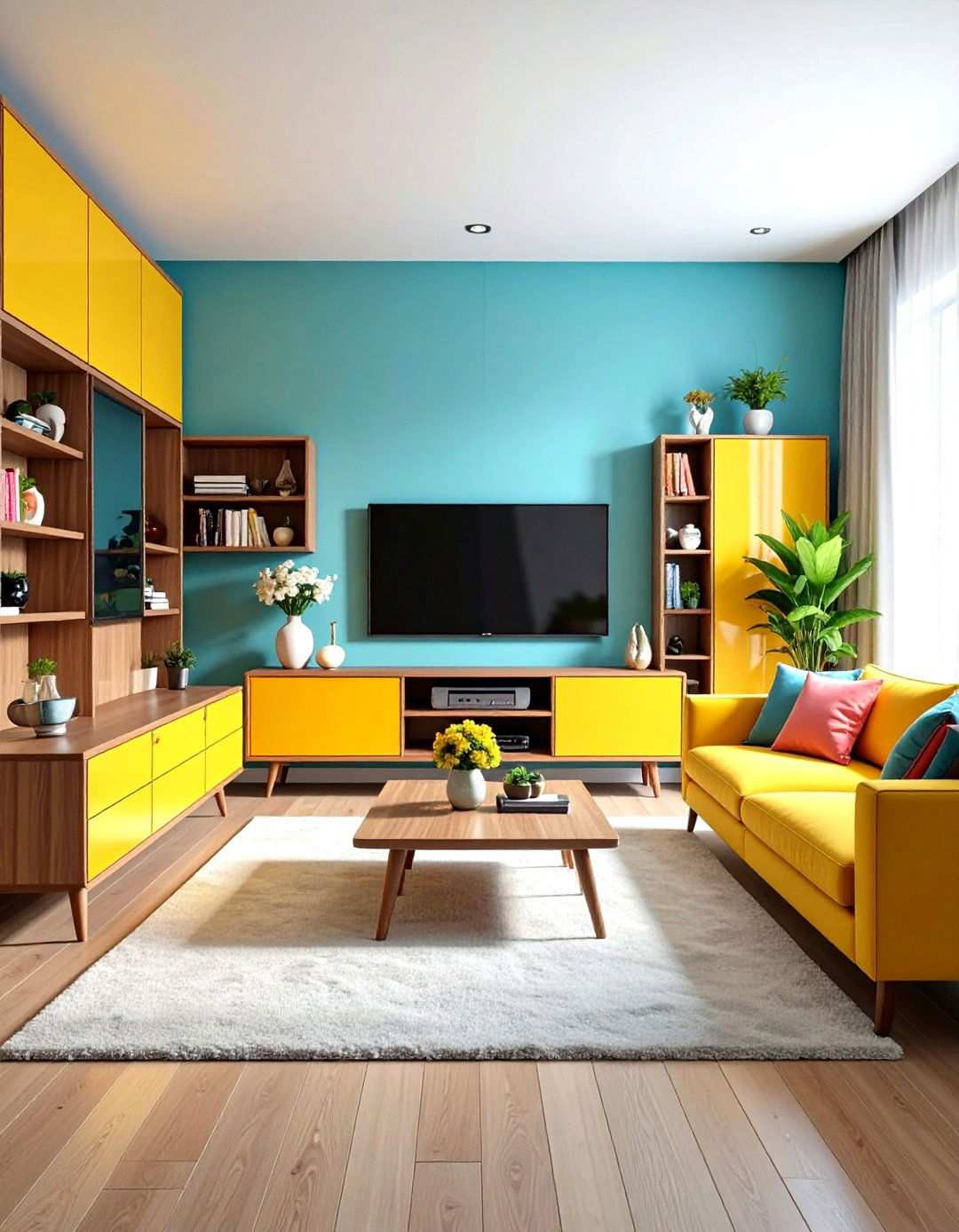
To maximize entertainment potential in compact areas, think creatively and strategically when selecting furniture. Corner units make the most of often-wasted space while providing ample storage and display areas. Dual-purpose furniture, such as storage ottomans or console tables with hidden compartments, serve multiple functions without cluttering the room. Wall-mounted solutions free up valuable floor space for additional seating or traffic flow, creating a more open and inviting atmosphere. Mirrors and light colors help create illusions of expanded space, while carefully selected accessories prevent the room from feeling cramped. By implementing these space-saving solutions, you can create an effective and stylish entertainment space, even in the smallest of rooms.
10. Crafting the Ultimate Gaming Oasis
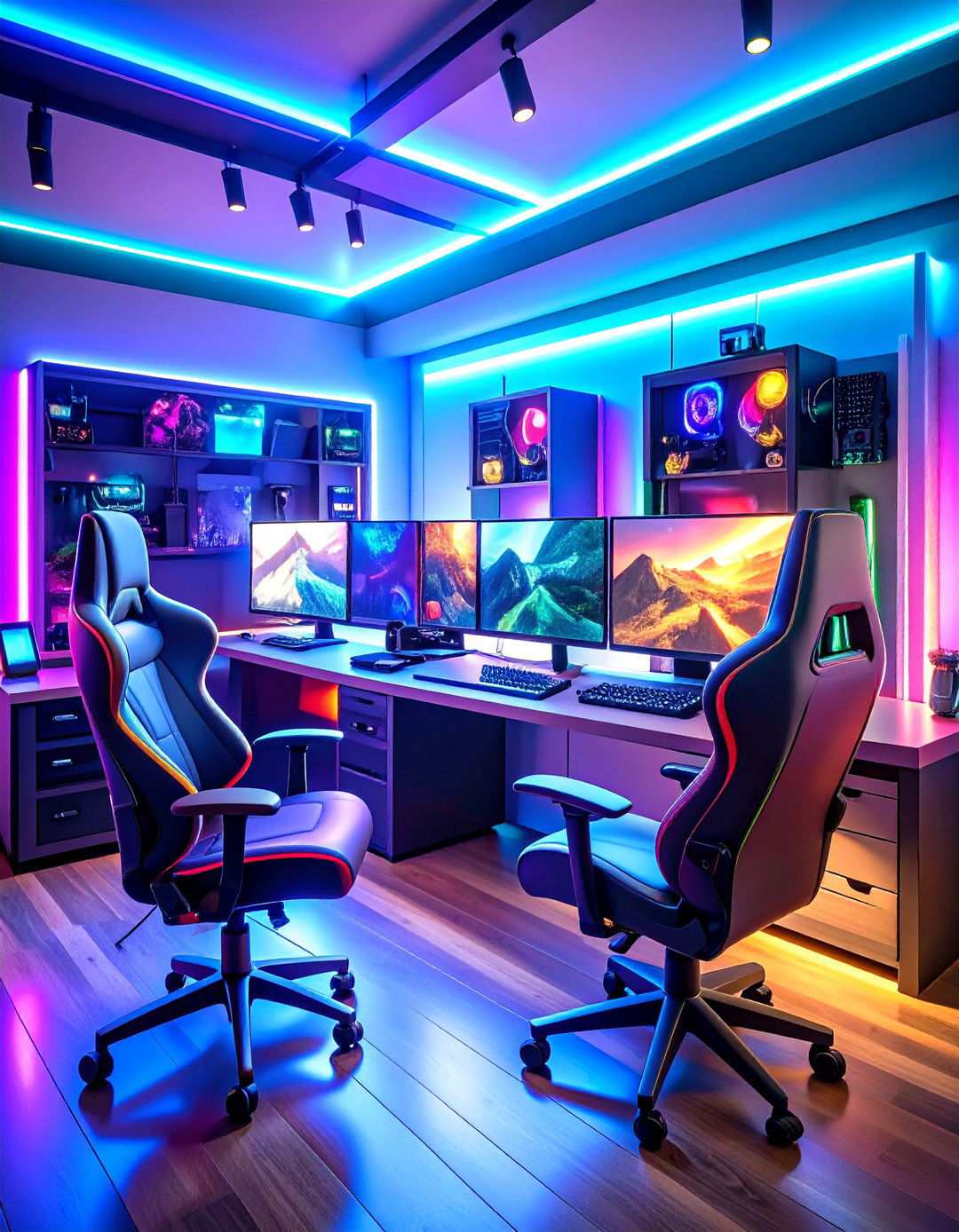
When envisioning the ultimate gaming sanctuary, it’s essential to strike a delicate balance between high-tech functionality and comfort. The creation of a dedicated gaming space necessitates consideration of several key factors, including optimal screen positioning, ergonomic seating arrangements, and sophisticated cable management systems. Strategically placed LED strip lighting behind displays can significantly reduce eye strain during extended gaming sessions, while also contributing to an immersive atmosphere. To maintain a clutter-free environment, multiple console storage areas keep equipment organized and easily accessible. Comfortable gaming chairs or sectional seating accommodate both solo gaming and group entertainment sessions, while strategic ventilation planning prevents overheating of electronic equipment and acoustic treatments minimize noise transfer to adjacent rooms.
11. Designing Family-Friendly Entertainment Spaces
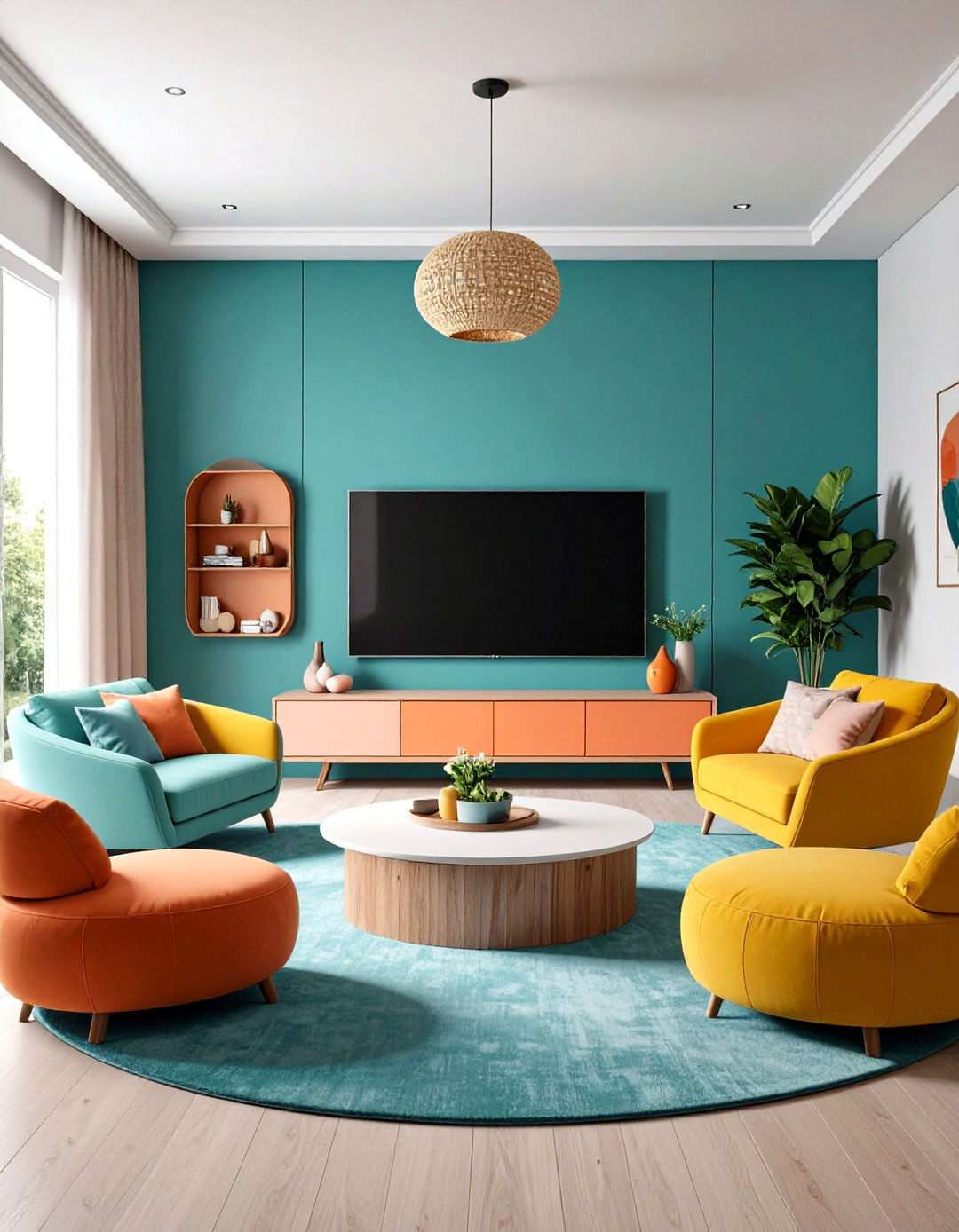
To create entertainment spaces that cater to both children and adults, designers must thoughtfully select materials and arrange furniture in a way that balances functionality with safety. Durable, easy-to-clean fabrics and finishes can withstand the rigors of daily family use, while rounded furniture edges enhance safety for active children. Lower storage areas provide accessible organization for toys, games, and children’s media collections, while flexible seating options like bean bags or floor cushions create comfortable spaces for young viewers. Safety considerations, such as secured mounting systems for displays and careful cord management, are crucial to prevent accidents and ensure the entire family can enjoy the space comfortably and safely.
12. Seamlessly Blending Entertainment with Social Spaces
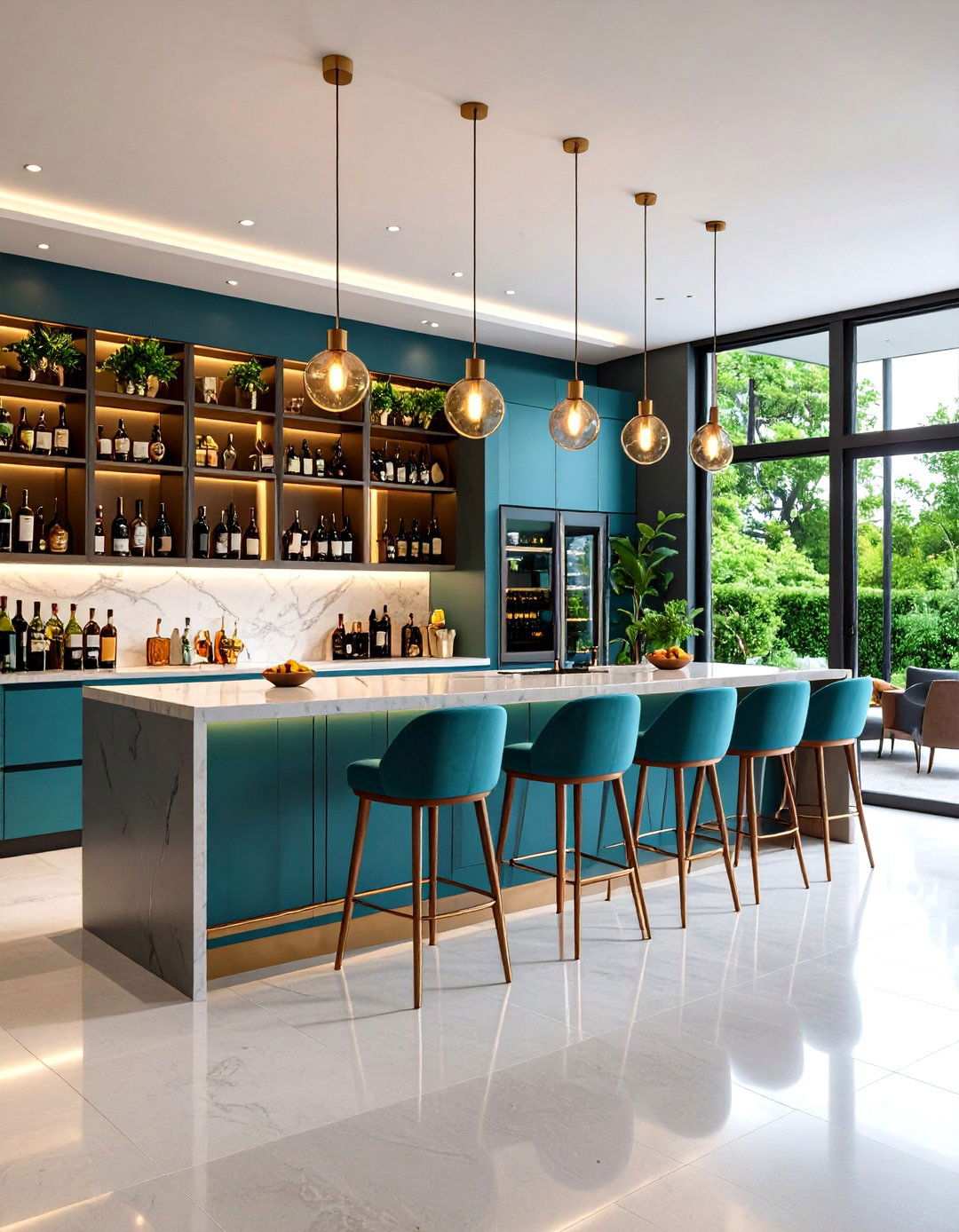
Combining entertainment systems with beverage service areas creates sophisticated spaces perfect for hosting friends and family. Built-in bar areas can include wine storage, mini-refrigerators, and glass display shelving that complement the overall design aesthetic. Strategic lighting highlights both the bar area and entertainment center, creating distinct but connected zones within the larger space. Comfortable bar seating provides alternative viewing angles while encouraging social interaction during casual gatherings. This integration works particularly well in basement recreation rooms or open-concept living areas where multiple functions can coexist harmoniously.
13. Embracing the Elegance of Scandinavian Design
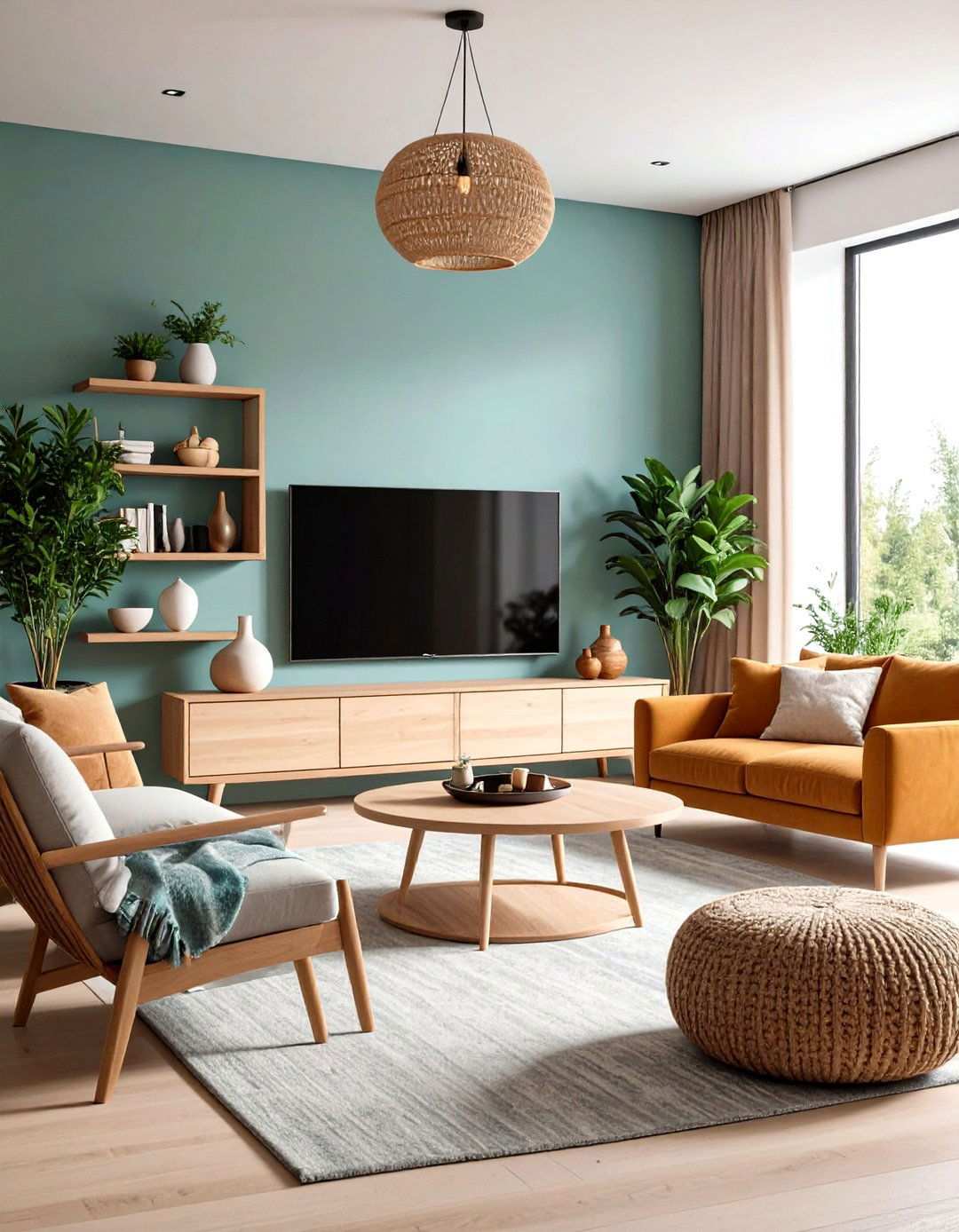
The Scandinavian-inspired approach to entertainment space design emphasizes light woods, neutral textiles, and functional furniture. Clean lines and minimal ornamentation create calming environments that prioritize comfort and functionality over decorative excess. Natural materials like pine, birch, or beech provide warmth while maintaining the characteristic simplicity of Scandinavian design principles. Cozy textiles, including wool throws and linen cushions, add texture and comfort without overwhelming the space. This aesthetic works beautifully in modern homes, creating serene retreats that feel both sophisticated and welcoming for daily relaxation and entertainment activities.
14. Elevating the Art of Entertainment
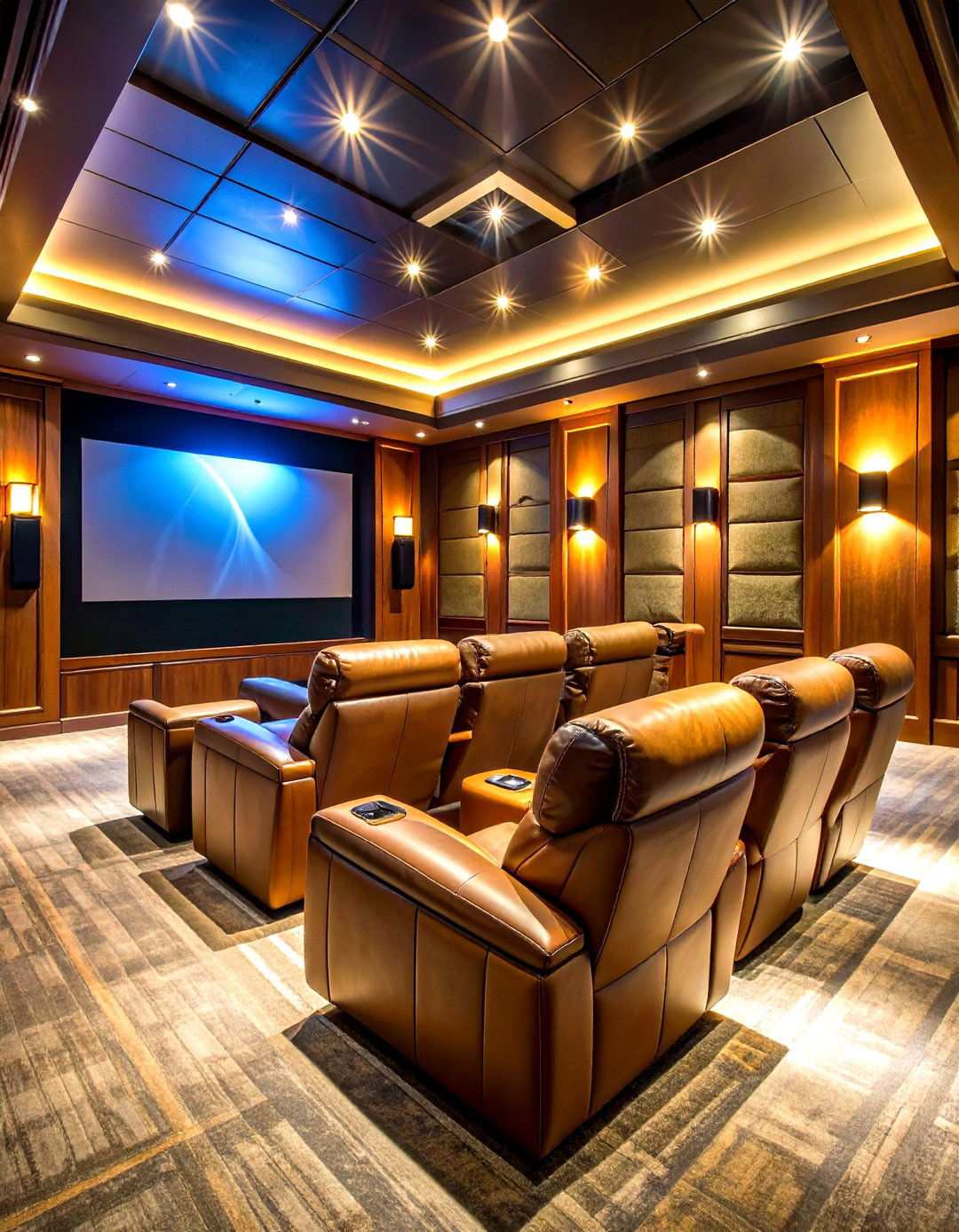
Elevating home entertainment spaces requires more than just state-of-the-art technology; it demands a luxurious atmosphere that rivals commercial cinemas. To achieve this, incorporate premium materials and high-end finishes to transform ordinary rooms into exceptional entertainment destinations. Plush leather recliners with cleverly integrated features like cup holders and storage compartments guarantee cinema-like comfort, while professional-grade audio and visual equipment deliver uncompromising performance. Rich fabrics, bespoke millwork, and sophisticated lighting systems combine to create an atmosphere that’s the epitome of sophistication. Moreover, acoustic treatments not only enhance sound quality but also do so with an eye for aesthetics through beautifully crafted decorative panels and fabric installations. This bespoke approach embodies a significant investment, yet it promises to deliver unparalleled entertainment experiences that significantly enhance the value of your home while providing years of enjoyment.
15. Seamless Indoor-Outdoor Transitions
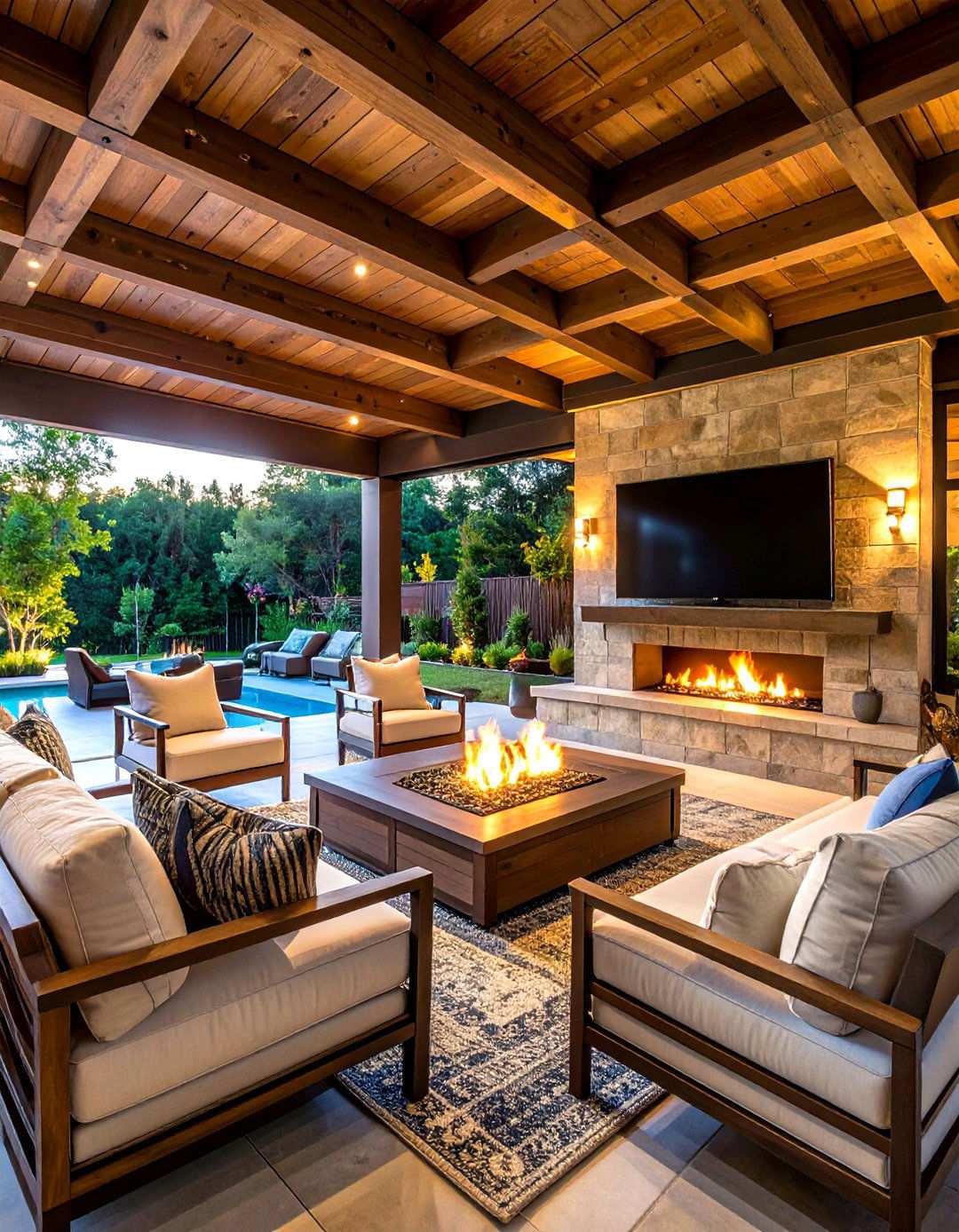
Expanding entertainment options beyond interior walls unlocks the potential for truly unique gathering spaces that are perfect for fair-weather enjoyment. By incorporating weather-resistant displays and audio equipment, outdoor movie nights and sports viewing become a breeze in covered patios or gazebos. Comfortable outdoor furniture arrangements prioritize durability while maintaining comfort and style, making them ideal for extended viewing sessions. Strategically placed lighting ensures necessary illumination without detracting from screen visibility or creating glare issues. Fire pits or outdoor heaters extend the usable season, while thoughtful storage solutions safeguard equipment when not in use. This approach is particularly well-suited to homes with suitable outdoor spaces and favorable climates.
16. Expressing Personal Style through Design
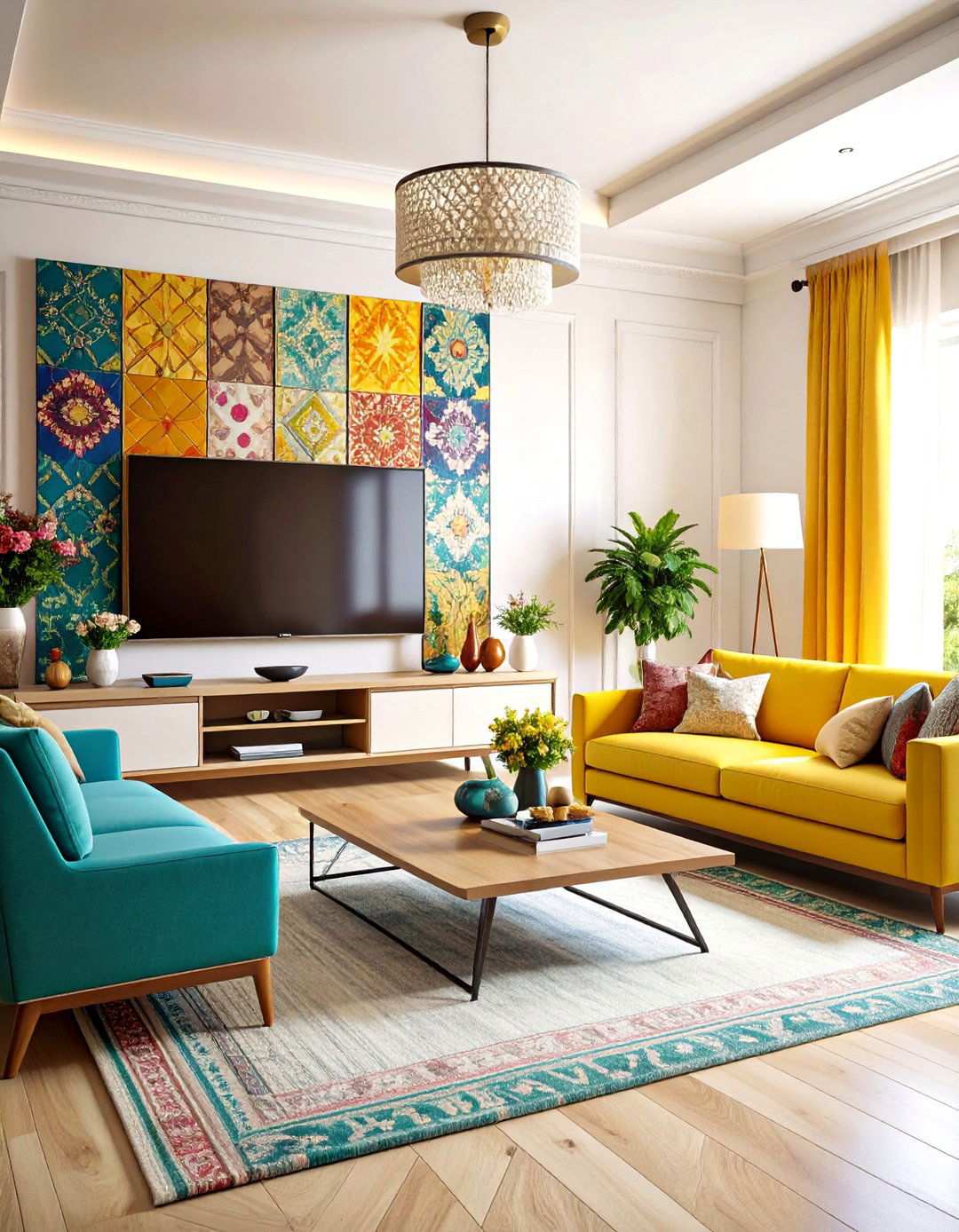
Why settle for minimalist design when you can create a showstopping display that celebrates your passions and interests? Bold patterns, rich colors, and layered textures come together to create visually captivating environments that reflect your unique personality and preferences. Gallery walls featuring artwork, photography, or memorabilia surround the entertainment center, creating immersive environments that tell personal stories. Multiple lighting sources, including accent, ambient, and task lighting, create dynamic atmospheres that evolve throughout the day. This approach is particularly well-suited to creative individuals who want their entertainment spaces to reflect their individuality and serve as conversation starters during social gatherings.
17. Seamless Integration Solutions
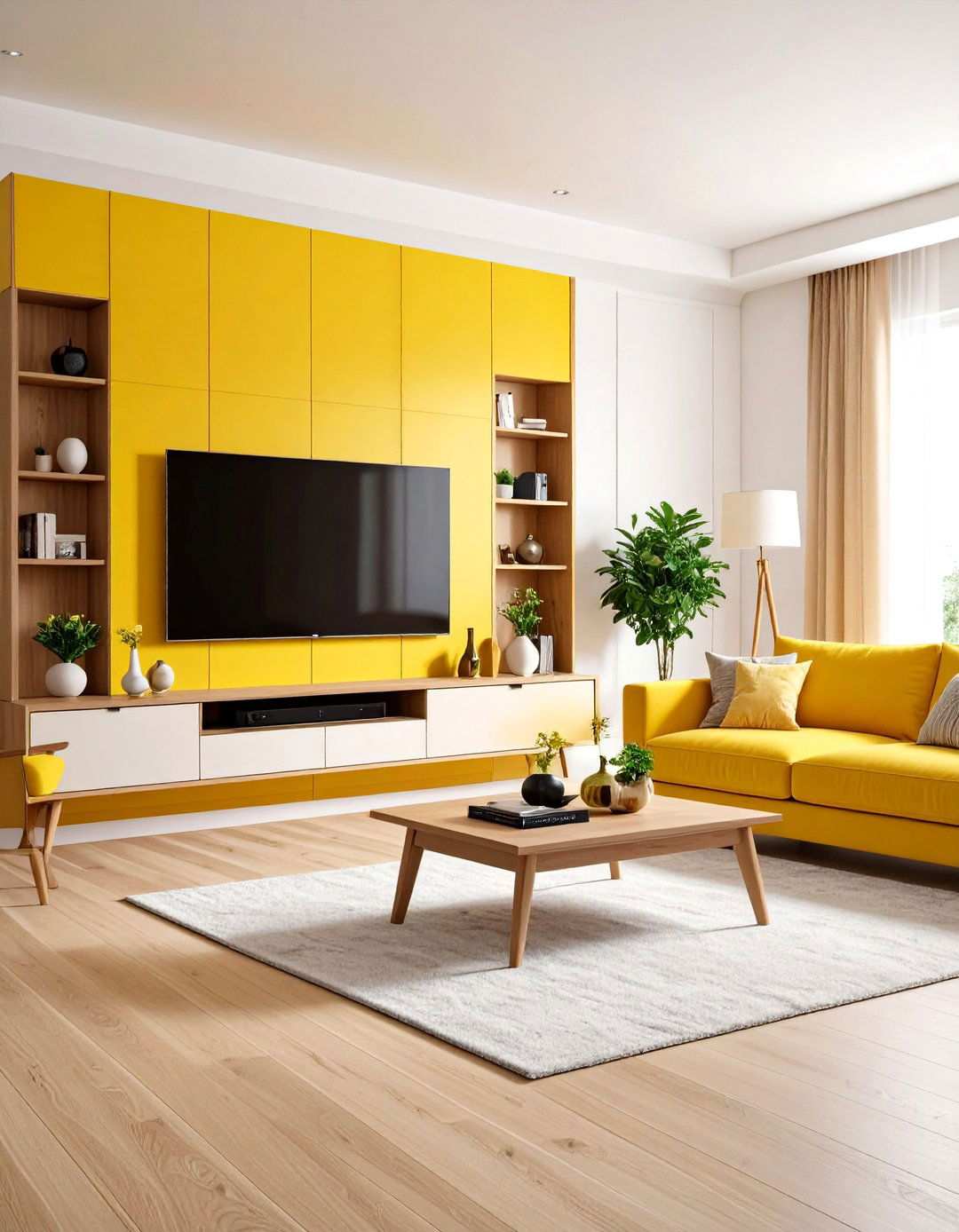
Elegant entertainment systems merge functionality with discreet aesthetics, allowing homeowners to seamlessly transition between entertainment and everyday activities. Smartly concealed displays, motorized panels, or rotating walls can completely hide screens when not in use, preserving the room’s primary design essence. Integration with home automation platforms enables effortless operation through mobile devices or voice commands, making entertainment at your fingertips. This approach is particularly well-suited for formal living areas or multi-purpose rooms where entertainment functions might conflict with other uses. By prioritizing advanced planning, homeowners can ensure proper ventilation and easy maintenance access while maintaining the illusion of complete concealment when the system is hidden.
18. Mid-Century Revival
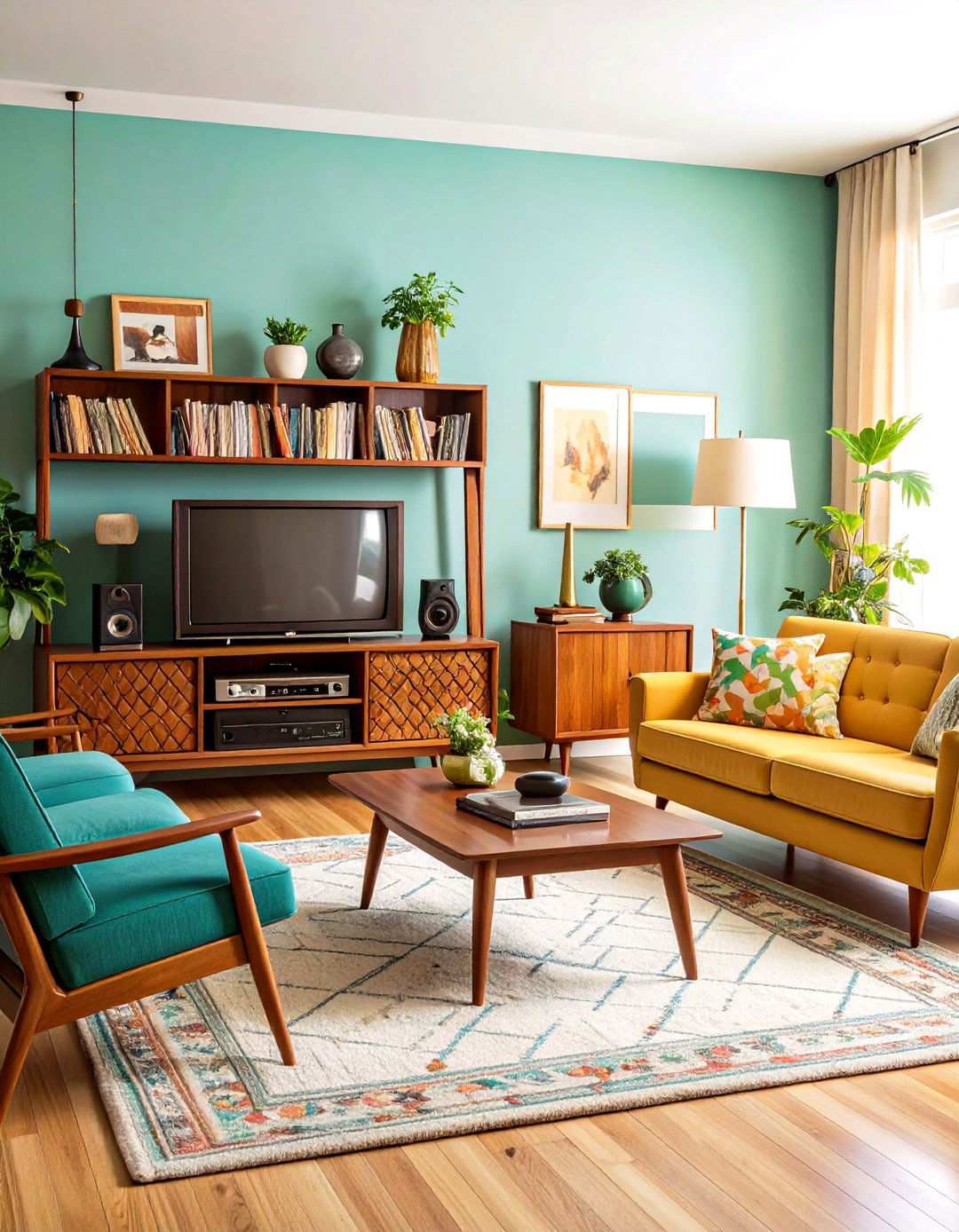
Timeless entertainment spaces are crafted by embracing mid-century modern design principles, which continue to captivate homeowners with their enduring appeal. Furniture pieces featuring characteristic tapered legs and clean lines evoke the authentic spirit of the era, often crafted from premium materials like walnut or teak. Geometric patterns in textiles and accessories complement the furniture’s angular characteristics, while warm brass accents add sophisticated metallic highlights. Record collections and vintage electronics serve as both functional elements and decorative displays that enhance the authentic atmosphere, creating a nostalgic yet thoroughly contemporary aesthetic. This approach works beautifully in homes with existing mid-century architectural features, weaving cohesive design narratives that feel both retro-inspired and forward-thinking.
19. Interactive Playspaces
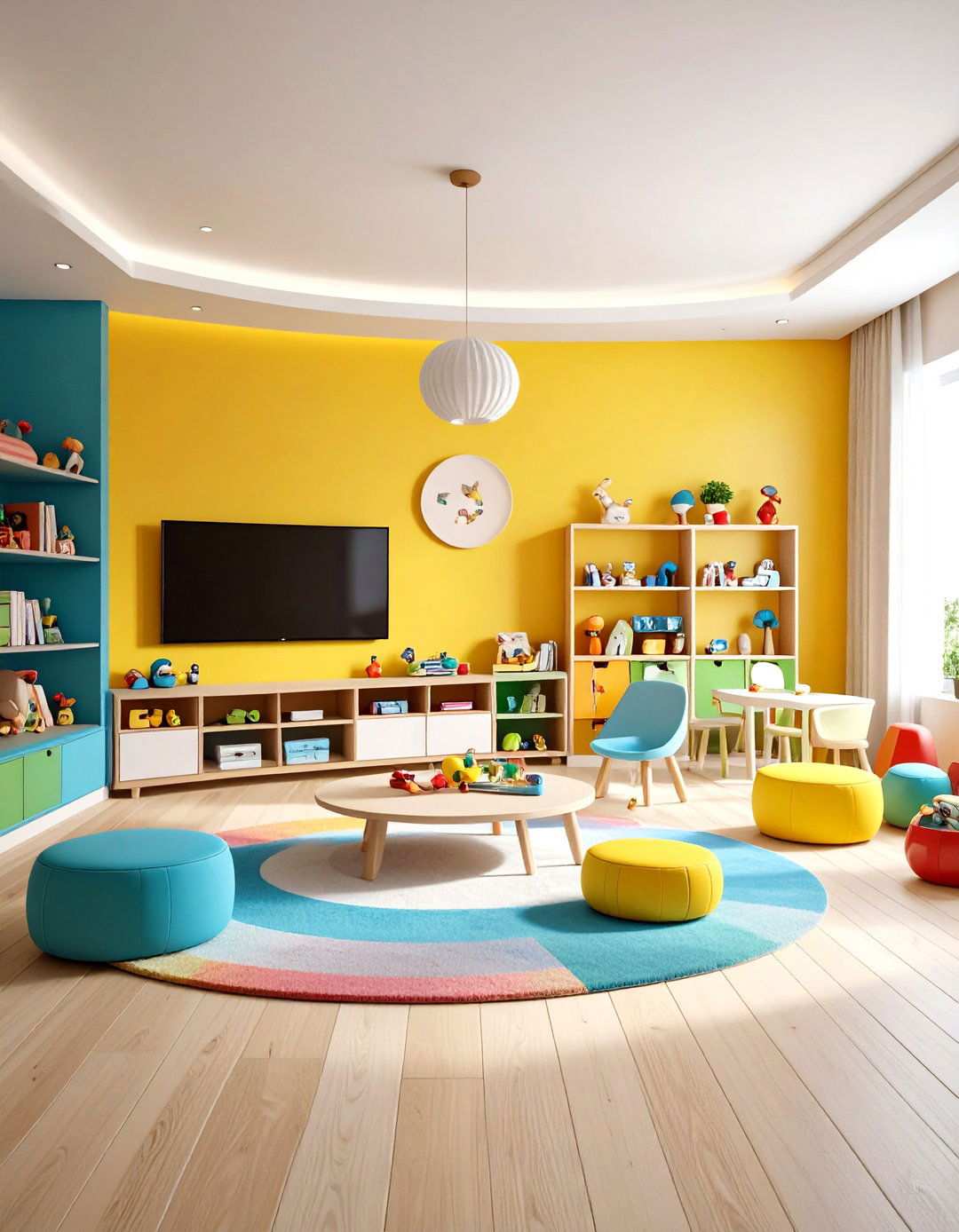
Designing entertainment spaces for children requires a thoughtful approach that balances safety and playfulness. Lower mounting heights ensure safe accessibility, while rounded corners and soft materials prioritize child safety over adult aesthetics. Vibrant, cheerful colors and playful patterns create engaging environments that stimulate creativity and imagination. Ample floor space accommodates active play and group activities, while built-in storage keeps toys and games organized and easily accessible. Durable materials and easy-to-clean surfaces withstand enthusiastic use, ensuring the space remains functional and attractive despite daily wear from active children.
20. Smart Home Entertainment Hubs
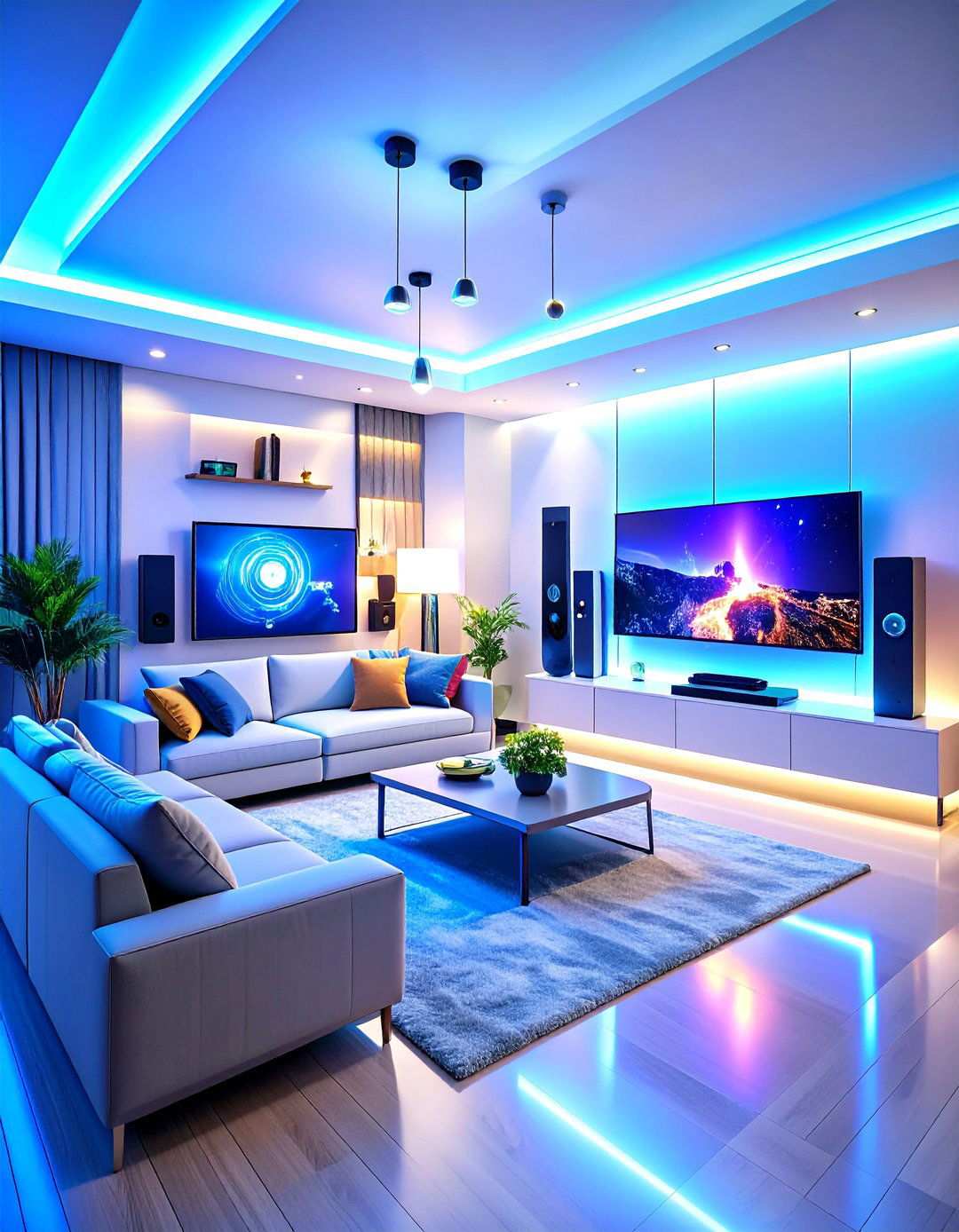
The future of home entertainment has arrived, and it’s all about seamless integration and simplified operation. Integrated smart home systems control lighting, audio, visual displays, and climate through unified interfaces that eliminate the need for multiple remote controls. Voice activation enables hands-free operation, while automated scheduling adjusts environmental conditions based on usage patterns. Wireless charging stations and USB outlets keep devices powered and accessible. Hidden speakers provide immersive audio without visible equipment, while automated blinds control natural light for optimal viewing conditions. This cutting-edge approach represents the pinnacle of home entertainment, offering unprecedented convenience, customization options, and a truly immersive experience.
21. Reinvigorating Conversation Pits
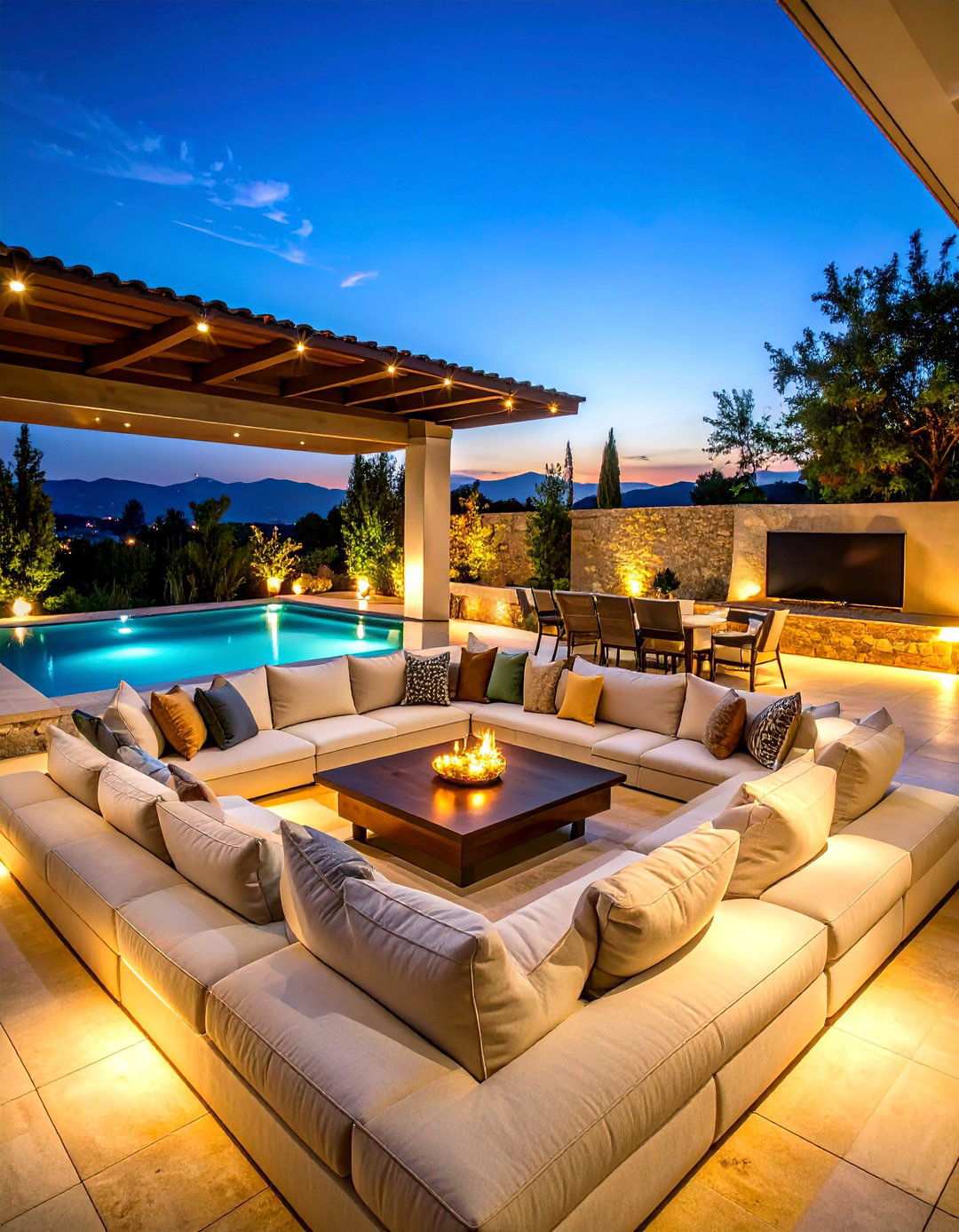
Sunken seating areas become hubs of social interaction, where people can gather and connect while still maintaining a clear view of the entertainment zone. Strategically designed to create an intimate atmosphere, these spaces foster a sense of community and belonging. Comfortable, built-in seating with plush cushions invites large groups to gather, while the central location ensures everyone feels included in conversations and activities. Expertly positioned lighting highlights the unique architectural feature, providing both visual interest and adequate illumination for a range of activities. This design approach is particularly effective in open floor plans, where defining distinct zones enhances both functionality and visual appeal.
22. Sports-Focused Entertainment Spaces
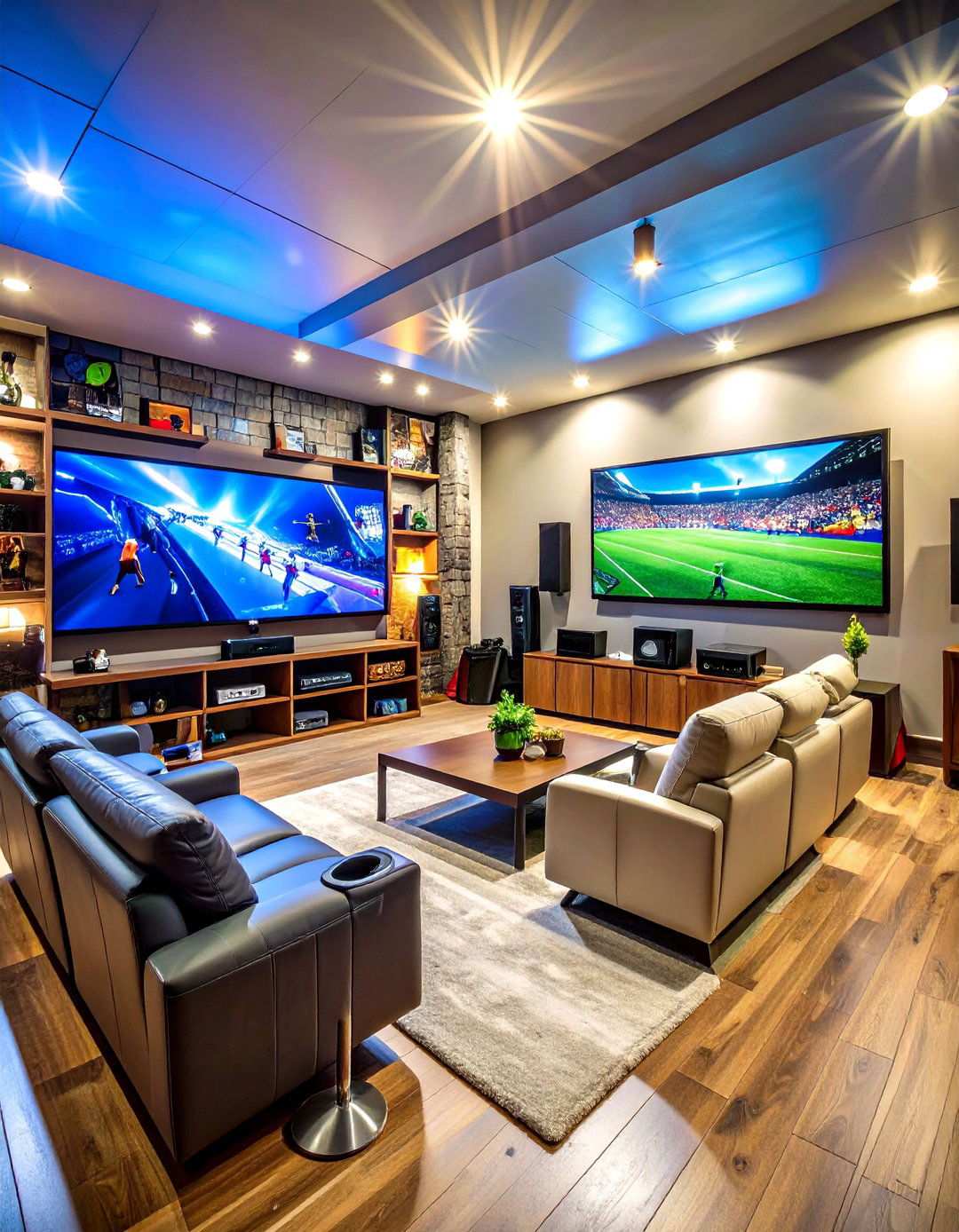
Dedicated areas for sports viewing celebrate team loyalty and provide a comfortable setting for game-day gatherings. Immersive environments are created through the use of team colors and memorabilia, amplifying the excitement of live events. With the ability to show multiple screens simultaneously, viewers can enjoy different games or complementary programming like statistics and commentary. Recliners with built-in amenities like cup holders and snack trays ensure a comfortable viewing experience, while strategic storage keeps beverages and snacks within easy reach. High-quality sound systems deliver a stadium-like audio experience, while team-themed lighting creates an electric atmosphere that makes every game feel like a special event.
23. Adaptable Multi-Purpose Rooms
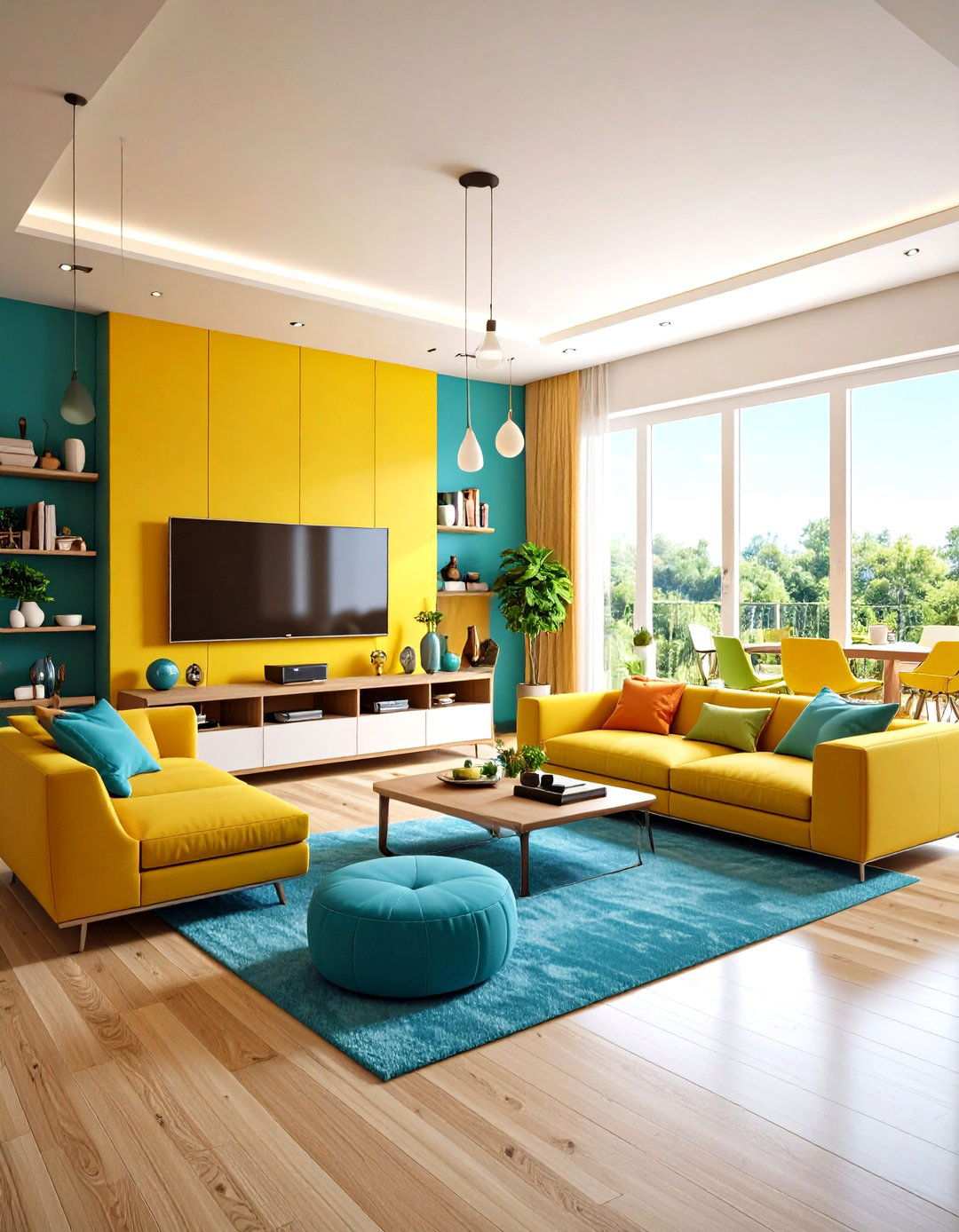
Adaptable spaces serve multiple functions through the thoughtful selection of furniture and strategic layout planning. Modular seating arrangements can be reconfigured to suit different activities, while fold-away or mobile furniture pieces provide flexibility for varying space requirements. Storage solutions hide entertainment equipment when the room serves other purposes, maintaining a clean aesthetic for different functions. Neutral color schemes and classic furniture styles provide a timeless backdrop that complements a wide range of decorative approaches. This adaptability makes these rooms particularly valuable in smaller homes, where single-purpose spaces may not be practical or economical.
24. Elegant Media Enclaves
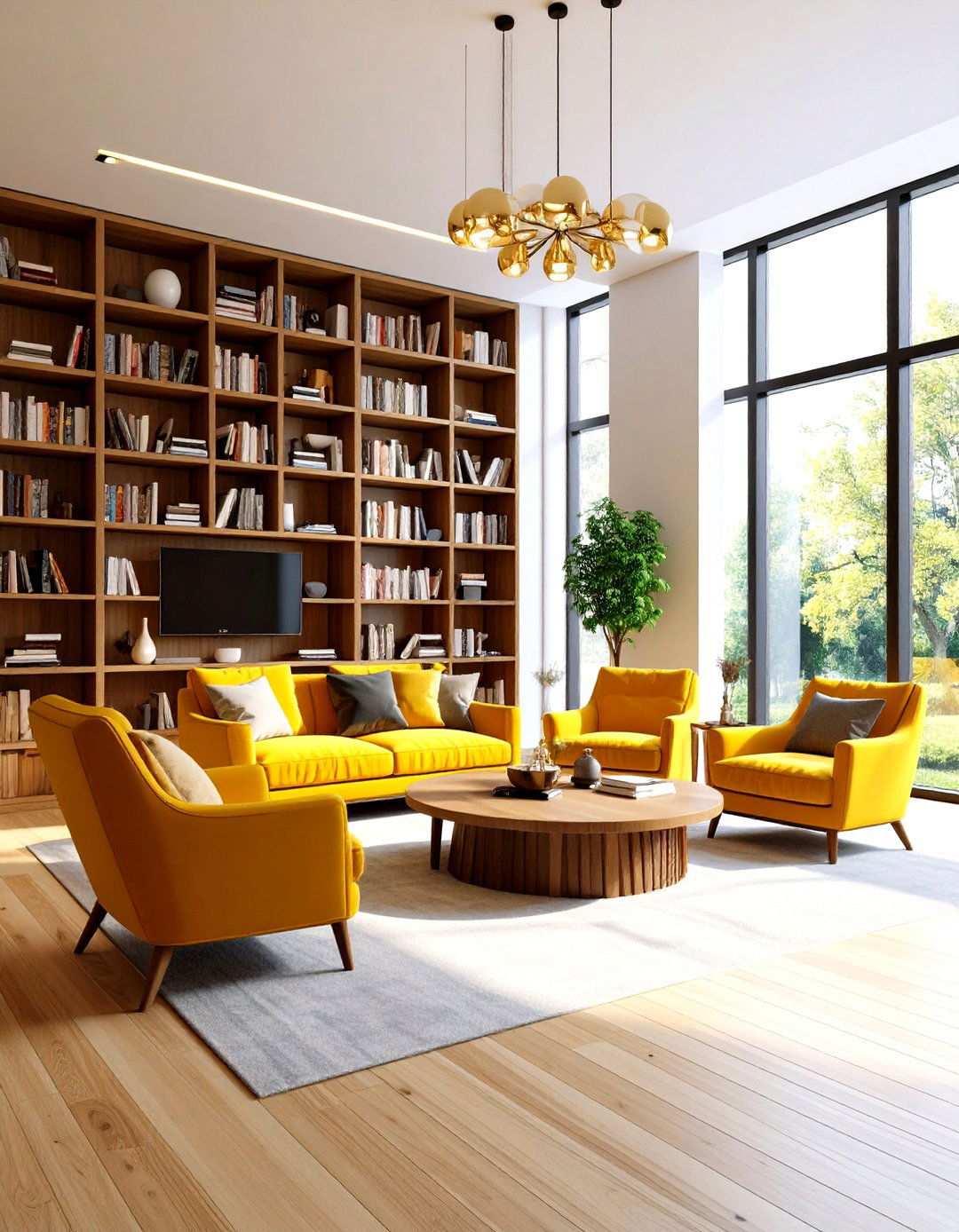
Combining entertainment technology with extensive book and media collections creates scholarly environments that celebrate both digital and traditional media. Floor-to-ceiling built-in shelving accommodates large collections while providing display opportunities for decorative objects and personal treasures. Comfortable reading chairs and adjustable task lighting support traditional reading activities, while the entertainment system serves modern digital media needs. Rich materials like leather, wood, and traditional textiles create sophisticated atmospheres that feel both timeless and contemporary. This approach appeals to individuals who value both technological convenience and traditional literary culture.