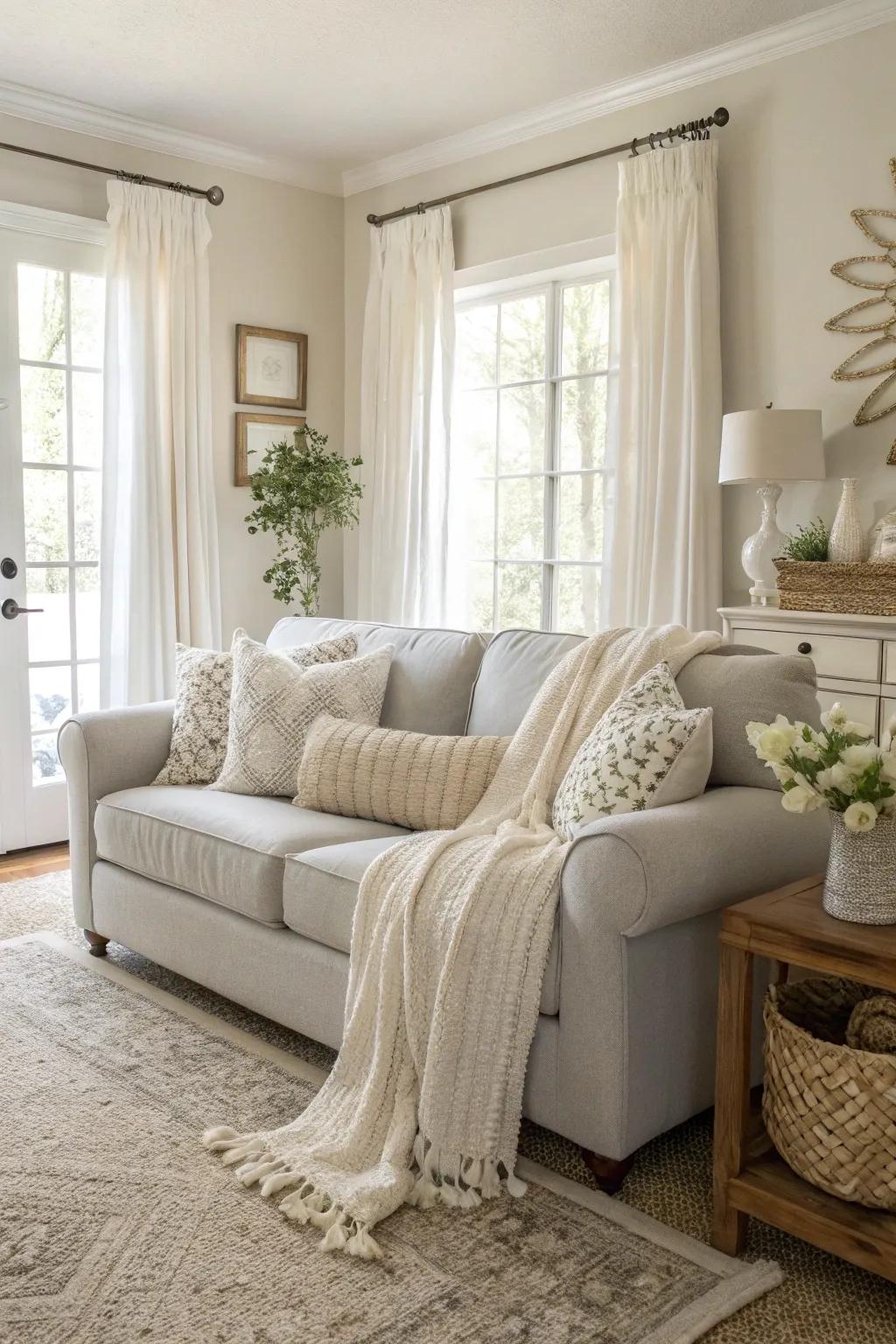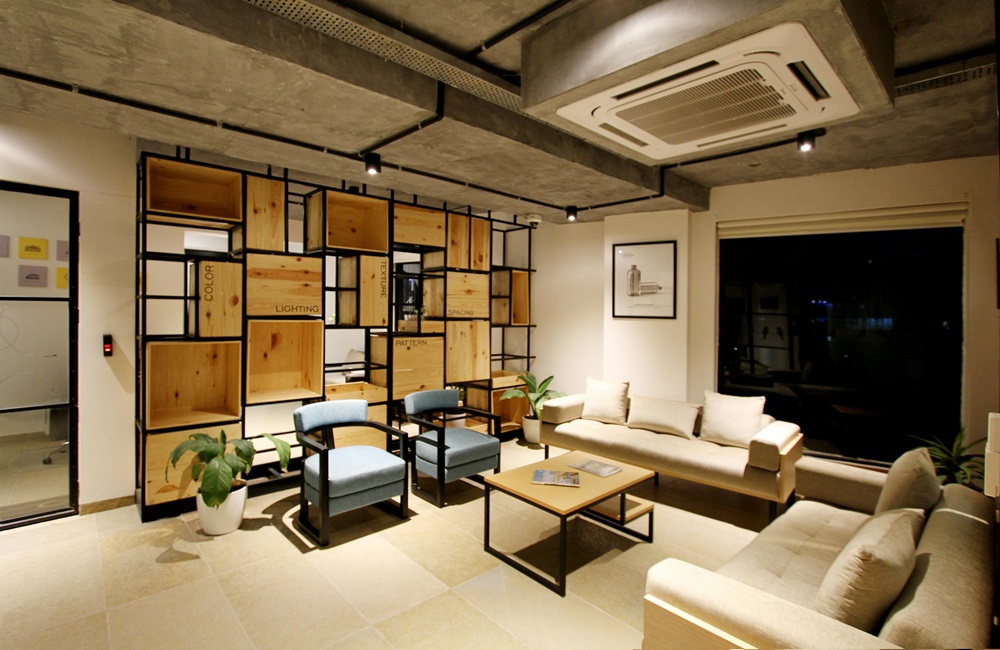
1. Harmonious Wood Accents
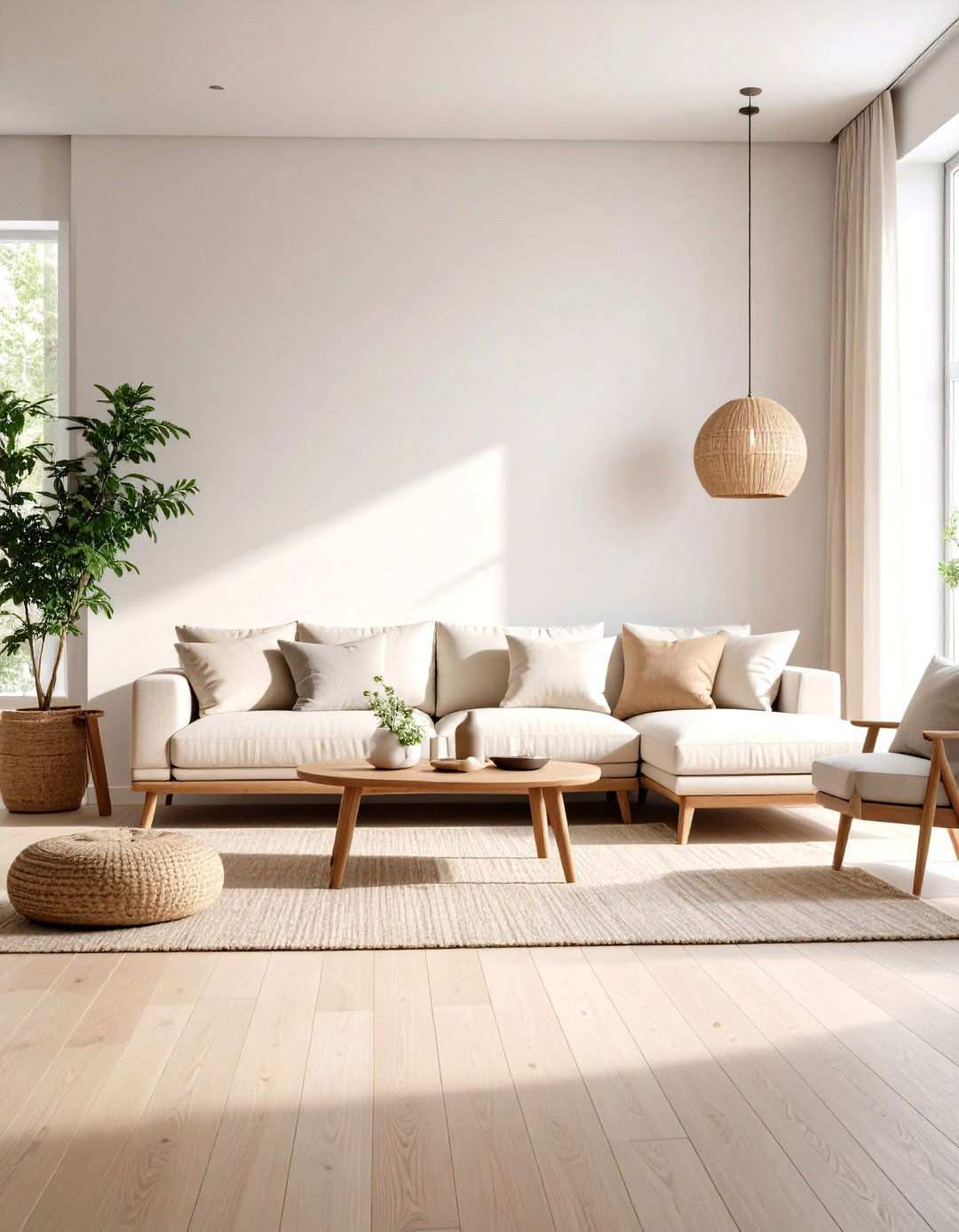
Japanese minimalism and Scandinavian coziness converge in the Japandi living room, a serene fusion of clean functionality and natural elegance. This design philosophy seamlessly blends the uncluttered spirit of Nordic design with the organic sophistication of Japanese aesthetics, yielding living spaces that exude tranquility and purpose. The essence of Japandi lies in striking a balance between neutral color palettes, natural materials, and unadorned spaces that foster mindful living. These living rooms embody the principles of wabi-sabi, celebrating imperfection and impermanence, while embracing the warmth of hygge, creating an inviting atmosphere that encourages relaxation and contemplation in our fast-paced lives.

As an Amazon Associate I earn from qualifying purchases.
2. Timeless Wood Slats and Ambient Lighting
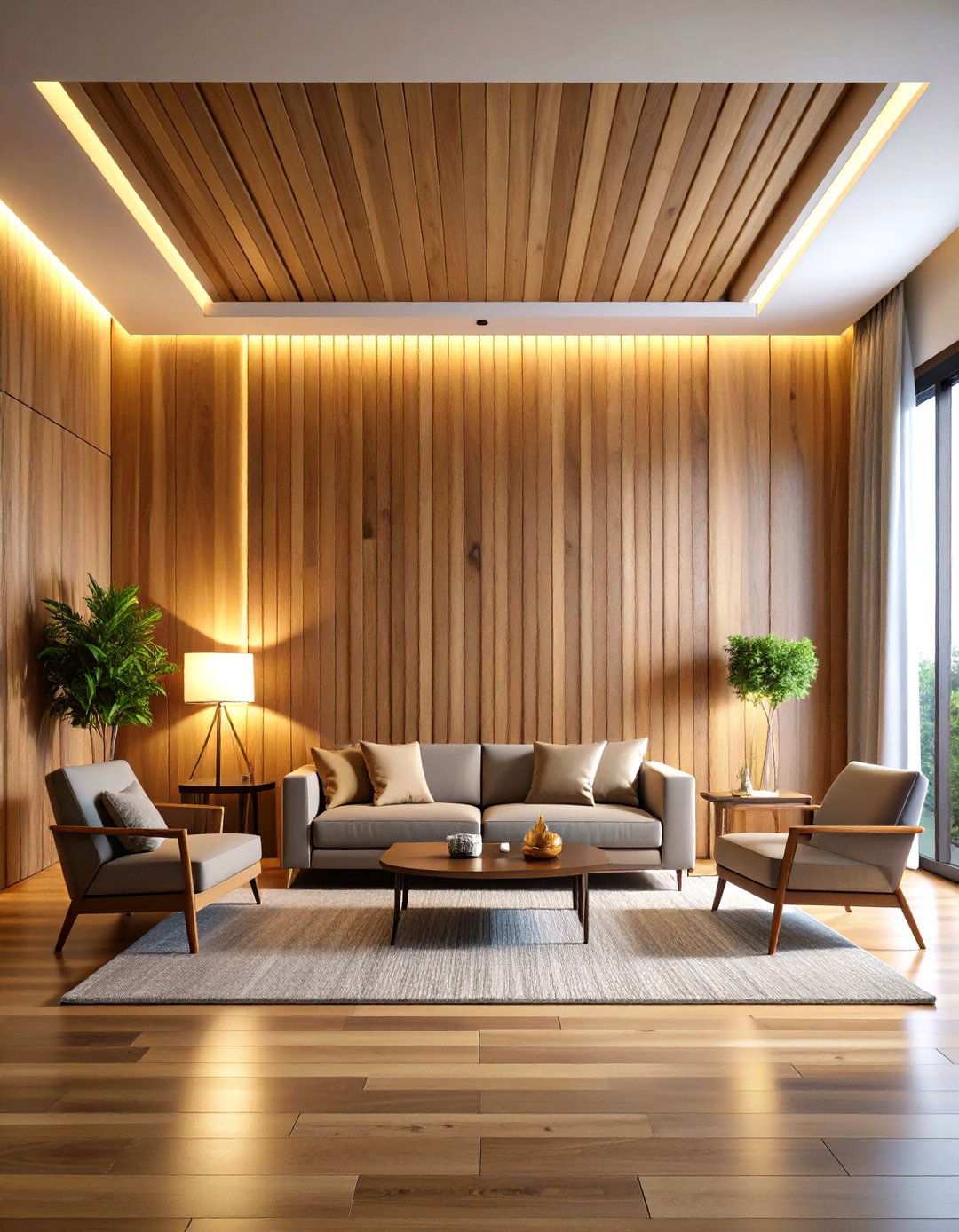
Elevate your living room with a striking wood slat feature wall that embodies the essence of Japandi design. Choose light oak or ash planks arranged vertically to create a sense of visual height and warmth, imbuing the space with organic texture and clean geometric lines. This backdrop expertly frames your seating area without overpowering the space. The marriage of functionality and beauty in one statement piece is a testament to Japandi’s emphasis on simplicity and elegance. Consider integrating hidden LED strips between slats for ambient evening lighting, which adds an extra layer of sophistication to the space. The wood’s natural variations celebrate wabi-sabi’s imperfections, creating a unique focal point that pairs perfectly with neutral furniture, allowing the wood’s natural beauty to take center stage in your peaceful retreat.
3. Low-Profile Seating Arrangement
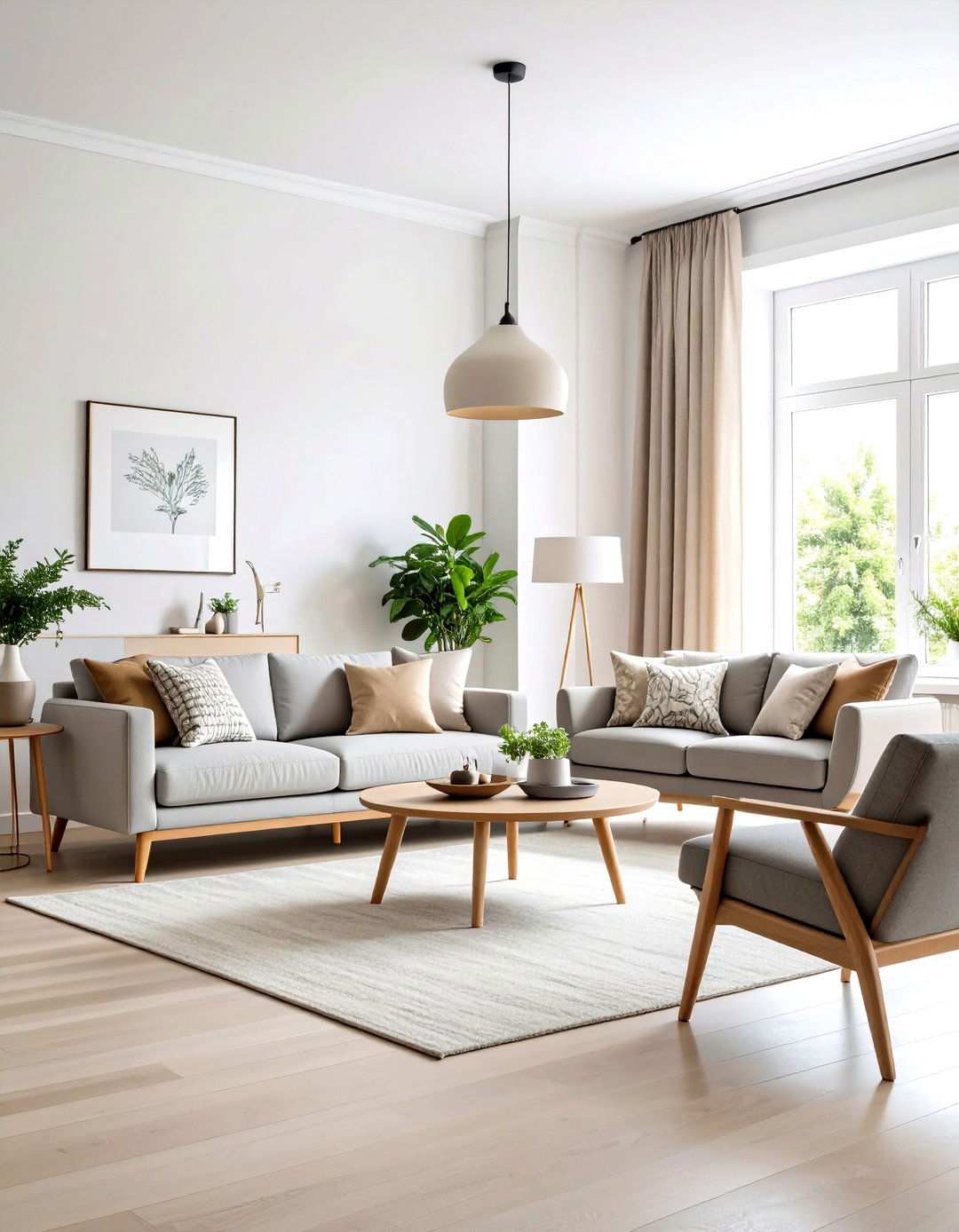
Create an intimate living space with floor-level seating that echoes traditional Japanese design sensibilities. Select a low-profile sectional sofa in cream linen paired with floor cushions in natural hemp fabric. This arrangement encourages relaxation while maintaining visual openness throughout the room. Can furniture be designed to make a space feel larger while providing ultimate comfort? Add a traditional Japanese zabuton cushion for an authentic cultural touch. The low furniture height emphasizes horizontal lines and creates better flow between spaces. Complement this setup with a solid wood coffee table that sits close to the ground. This thoughtful arrangement promotes mindful sitting and conversation while honoring both Scandinavian functionality and Japanese simplicity in one cohesive design statement.
Crafting a Calming Canvas
A harmonious living room begins with a carefully curated neutral palette that serves as its foundation. Start with a soft and inviting warmth by painting the walls in a soothing Swiss Coffee or Moonlight hue, avoiding the sterile feeling of stark white. Balance this with gentle gray furniture pieces, accented by the warmth of beige and taupe through textiles and decorative elements. The way neutral colors resonate within a space is a testament to their profound emotional impact. Introduce subtle depth with charcoal picture frames and black ceramic vases, providing a sophisticated contrast to the overall palette. These muted tones reflect natural light beautifully, creating a serene backdrop for daily activities. By letting natural materials like wood and stone take center stage, the neutral foundation allows them to shine as the true stars of the room. This timeless approach ensures your Japandi living room remains stylish and serene for years to come, a perfect blend of elegance and understatement.
4. Softly Illuminating the Space
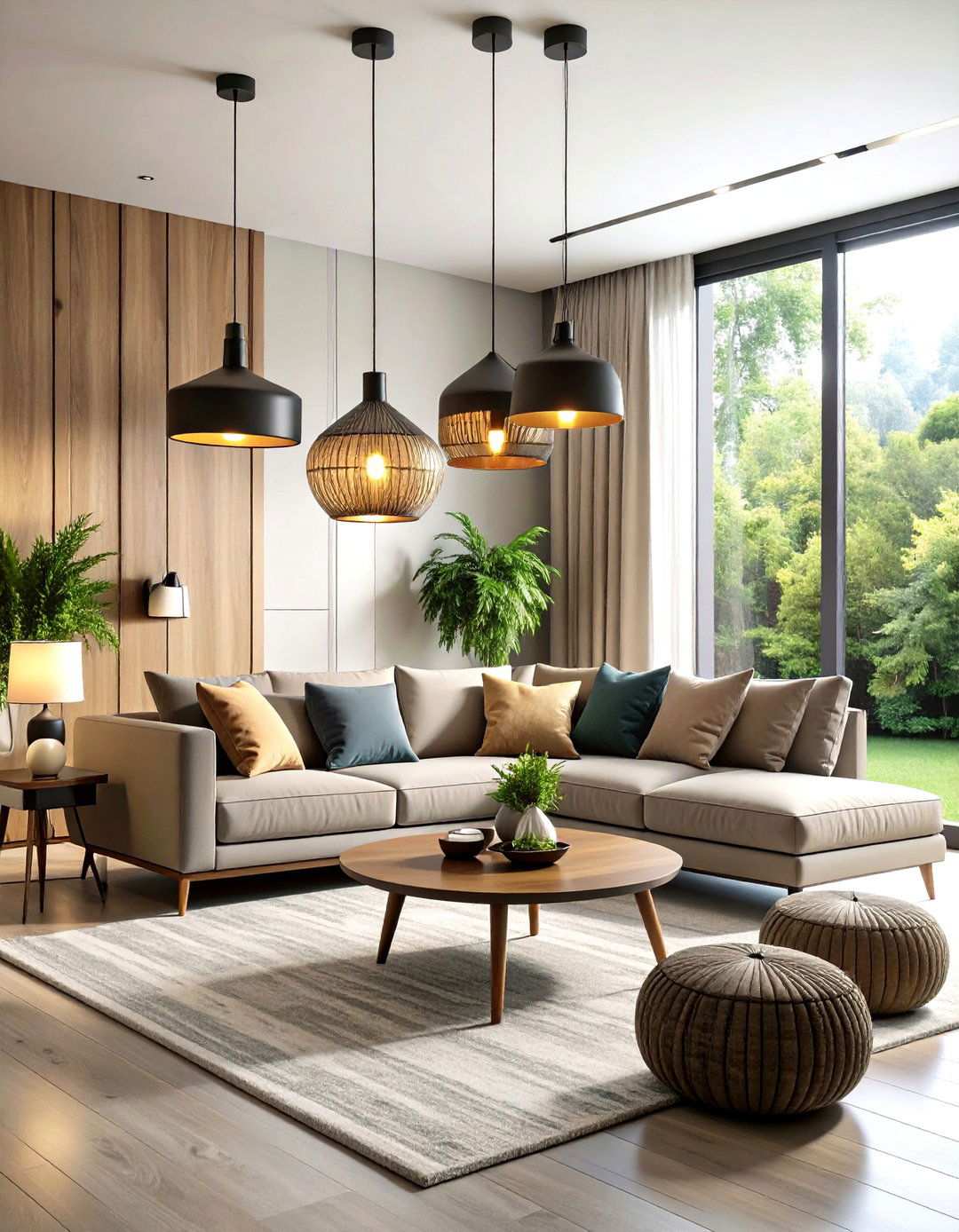
Carefully curated lighting is essential to enhancing the Japandi atmosphere without overwhelming it. Choose pendant lights with clean geometric shapes in matte black or natural wood finishes, allowing their simplicity to shine. The right lighting can completely transform a room’s mood, and the key lies in thoughtfully selecting fixtures that blend seamlessly with your minimalist aesthetic. Install dimmer switches to control the ambiance throughout different times of day, ensuring the lighting adapts to your needs. Complement overhead lighting with sleek floor lamps featuring rice paper or linen shades that diffuse light softly, creating a warm and inviting glow. Strategically position table lamps to create pools of light for reading and relaxation, adding warmth to the space. By avoiding ornate chandeliers, you can maintain a clean and uncluttered feeling that is essential to authentic Japandi design. This layered lighting approach creates depth and visual interest without compromising the minimalist essence of your living room.
5. Weaving Texture and Warmth
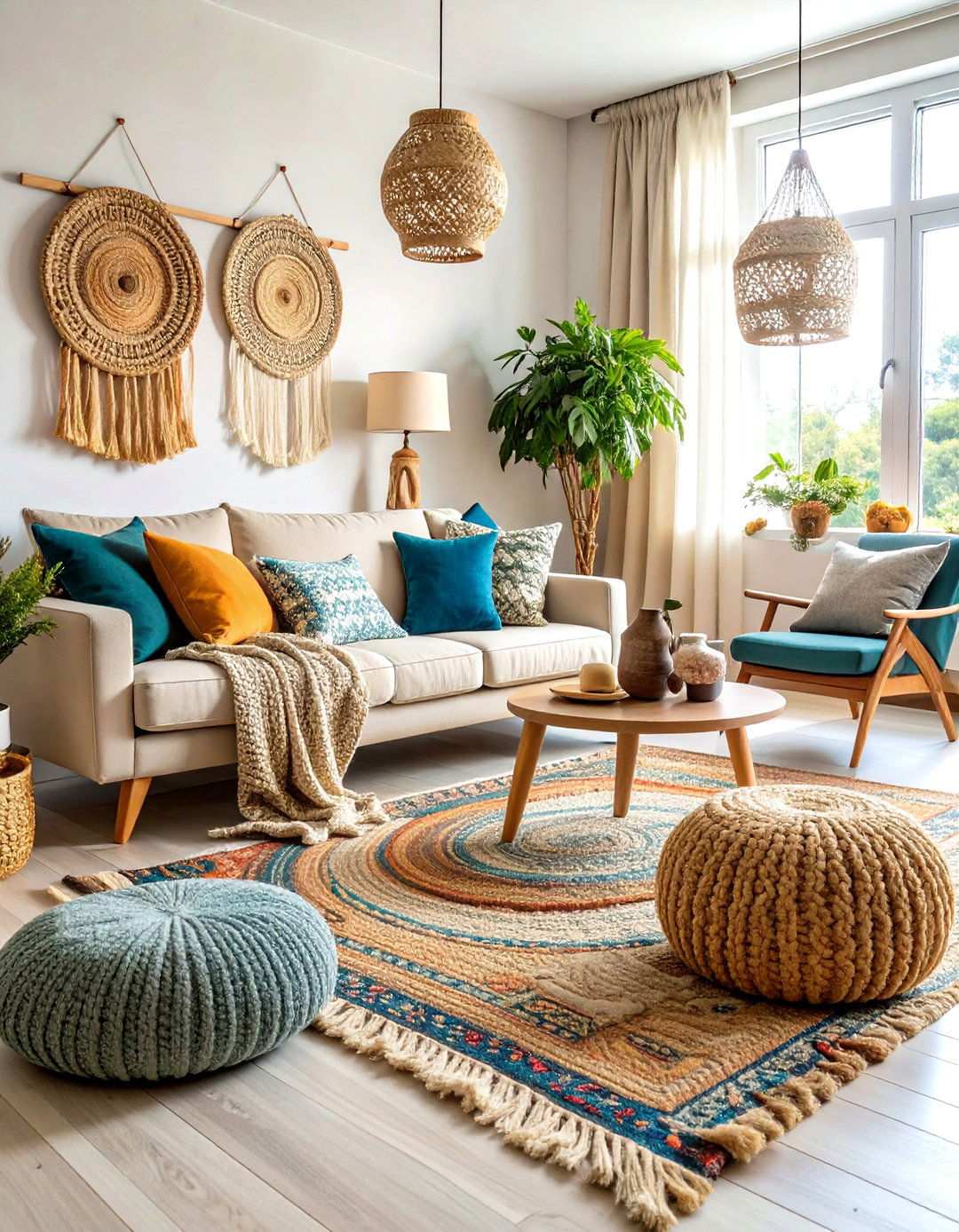
Organic textures are a vital component of Japandi design, adding warmth and visual interest without creating clutter. Begin by incorporating a jute area rug with subtle geometric patterns beneath your seating arrangement, grounding the space and inviting relaxation. The union of natural fibers and minimalist design is a magical one, resulting in a harmonious and inviting atmosphere. Add linen throw pillows in sage green and warm taupe to your sofa for comfortable accents, introducing a touch of softness to the space. Introduce a chunky wool throw in cream for cozy evenings and textural contrast, adding warmth and visual interest. Consider woven wall hangings in neutral tones to add vertical interest and handmade charm, further enriching the space. These natural materials age beautifully and develop character over time, embodying the wabi-sabi appreciation for imperfection. Hemp curtains can filter natural light while maintaining privacy, adding another layer of texture to complete your serene sanctuary.
6. Harmonizing Nordic and Japanese Design Elements
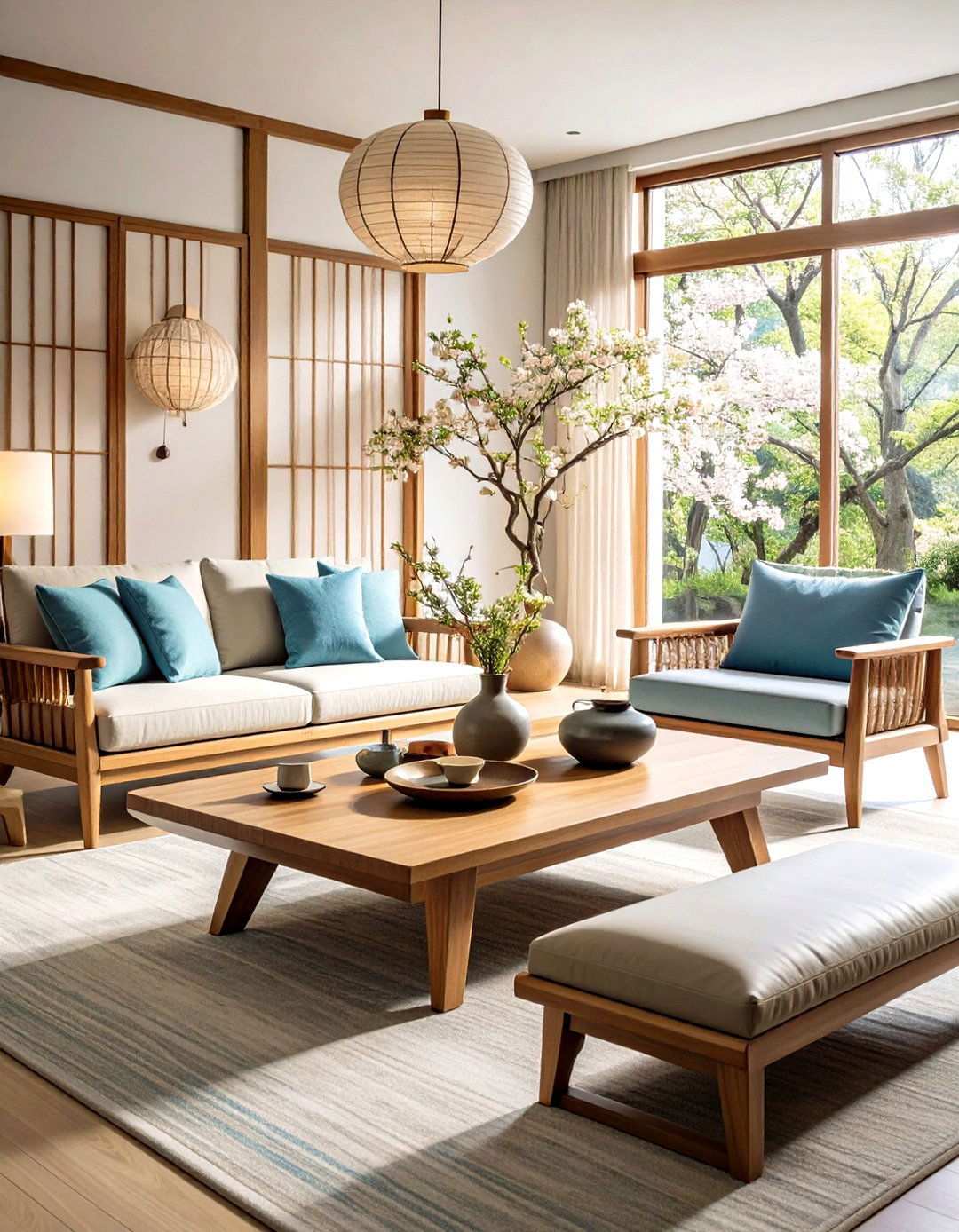
Achieve the perfect balance between Scandinavian functionality and Japanese elegance by selecting furniture pieces that seamlessly merge these two distinct design cultures. Consider a solid oak coffee table with clean lines and visible wood grain paired with Scandinavian-style armchairs that feature curved backs. By combining these design elements, you can create a space that tells the story of two cultures blending together in perfect harmony. Add a Japanese-inspired low bench with leather cushioning for flexible seating options and explore pieces that showcase expert craftsmanship and natural materials without excessive ornamentation. The secret to successful Japandi design lies in finding items that serve multiple purposes while maintaining a sense of visual simplicity. These fusion pieces will undoubtedly spark conversations while paying homage to both design traditions. Every furniture selection should prioritize quality over quantity, ensuring your living room feels thoughtfully curated rather than simply furnished with beautiful, functional pieces.
7. Bringing Balance to Indoor Spaces with Greenery
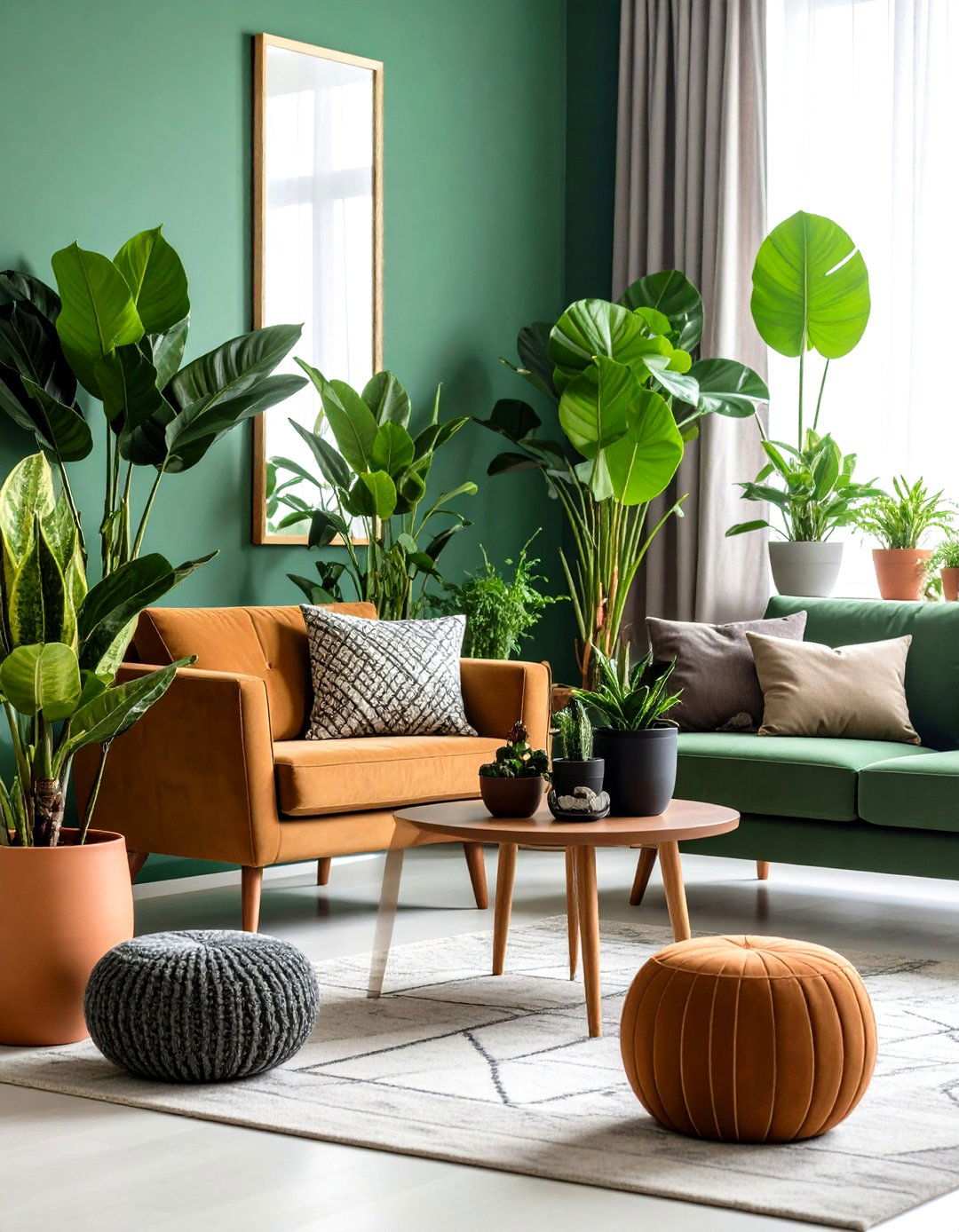
Infuse your Japandi living room with the natural beauty of carefully selected greenery that complements the minimalist aesthetic. Choose plants with architectural forms like snake plants, fiddle leaf figs, or Japanese peace lilies in simple ceramic planters to create a powerful connection between indoor and outdoor spaces. By carefully positioning larger plants in corners, you can soften hard architectural lines, while smaller specimens can accent shelves and side tables. Select planters in neutral tones like terracotta, matte black, or natural stone to maintain design cohesion. Avoid busy patterns or bright colors that compete with your serene palette and opt for green elements that not only purify the air but also add organic shapes and subtle color variations that celebrate nature’s imperfect beauty throughout your peaceful living space.
8. Designing Storage Solutions that Enhance the Japandi Aesthetic
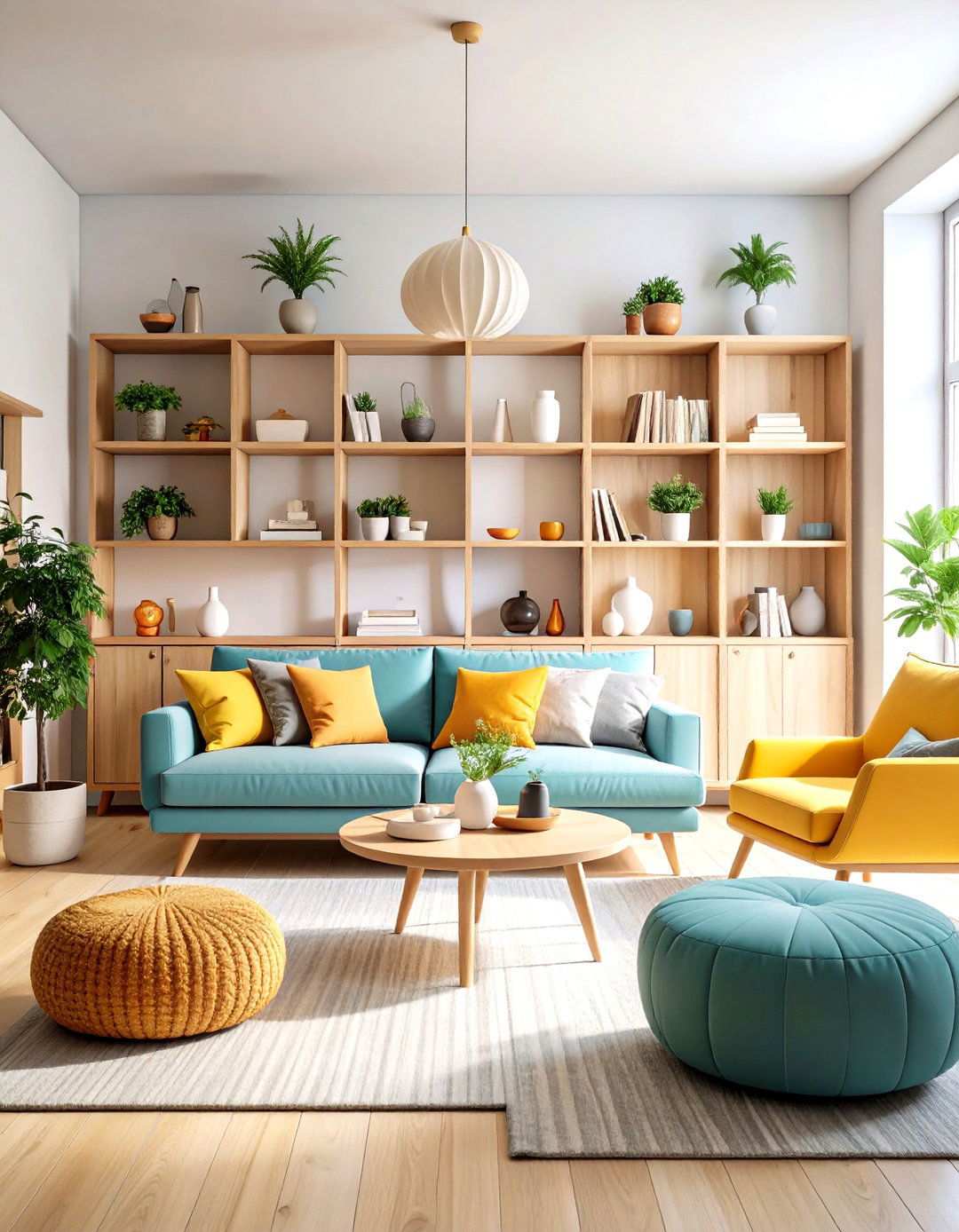
Maximize your living space with storage solutions that maintain the clean, uncluttered aesthetic essential to Japandi design. Install floating shelves in light wood to display carefully curated objects while keeping surfaces clear and uncluttered. By incorporating storage into your room’s beautiful design, you can create a space that feels both serene and functional. Consider ottomans with hidden compartments for storing blankets and magazines out of sight, or built-in cabinetry with smooth, handleless doors that blend seamlessly into your walls. Select storage pieces that serve multiple functions, like benches with internal storage or coffee tables with drawer space, and prioritize beauty as much as functionality. Every storage solution should feel intentional and aesthetically pleasing, ensuring your living room remains serene while accommodating all your daily needs through thoughtful, beautiful organization.
9. Harmonious Warm White Hues
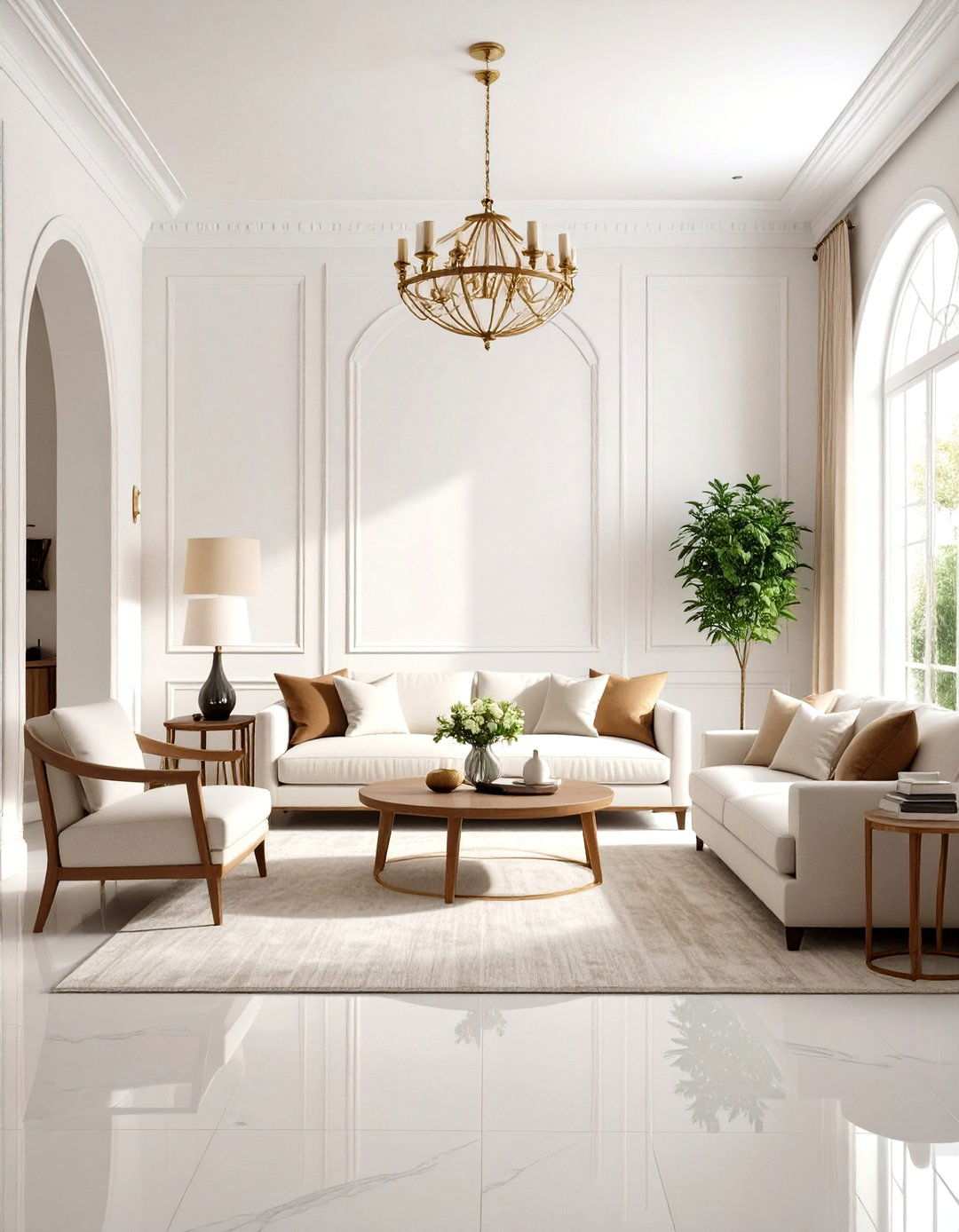
Craft a soothing atmosphere in your living room by selecting a carefully curated palette of warm white paint tones that serve as a serene backdrop. Consider incorporating colors such as Creamy White or Soft Stone, which subtly prevent the space from feeling stark or cold while maintaining an air of brightness and openness. Can the judicious choice of white paint actually imbue your room with a sense of warm comfort? These nuanced whites beautifully reflect natural light throughout various times of day, providing a neutral canvas for your furniture and decor. To add subtle architectural definition, paint trim and molding in slightly contrasting whites. The warm undertones in these paint choices expertly complement natural wood furniture and create harmony with earth-toned accessories. This foundation enables other design elements to shine while maintaining the peaceful, minimalist atmosphere that defines authentic Japandi living spaces.
10. Natural Textures and Organic Accents
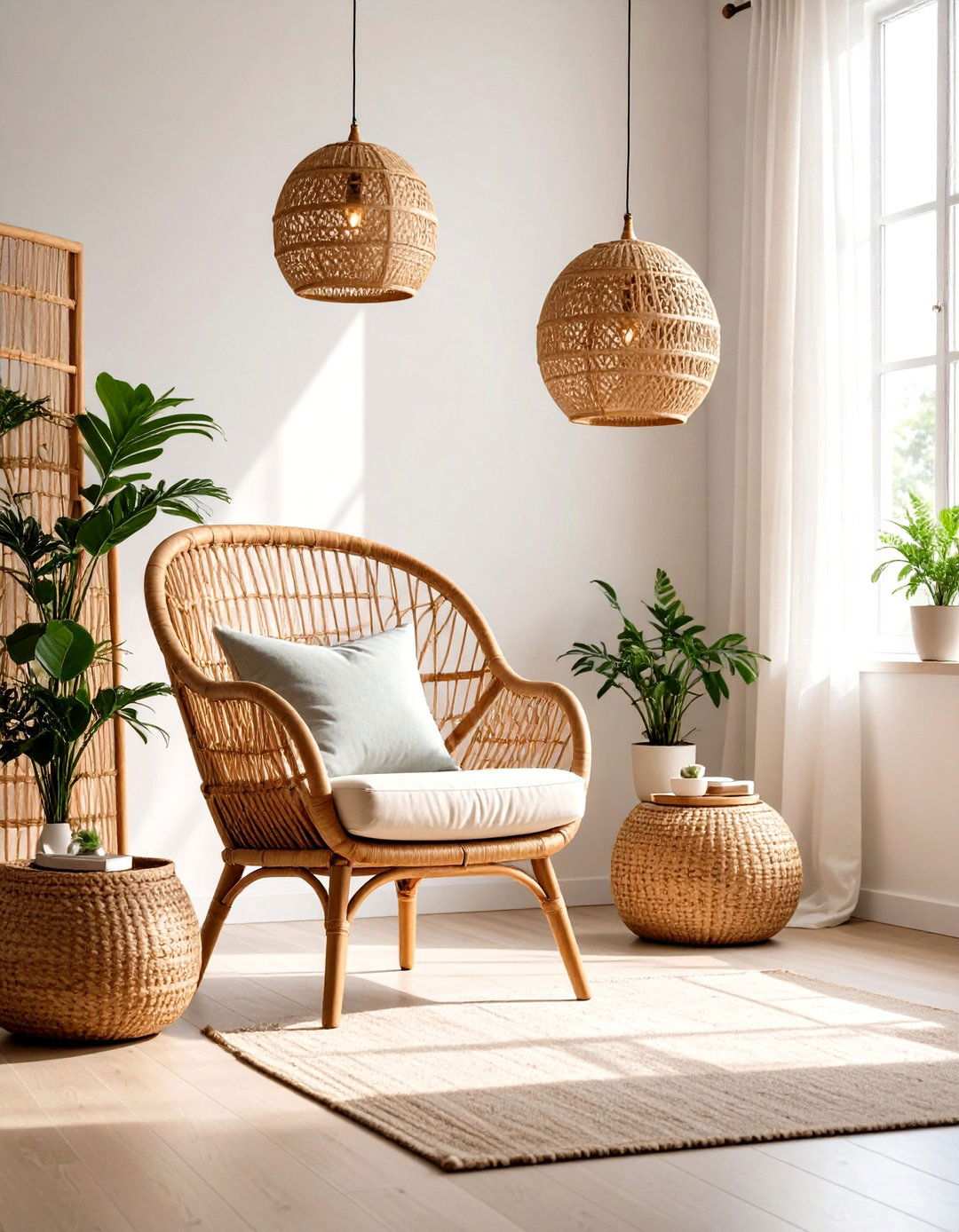
Incorporate natural rattan and wicker elements to introduce organic texture and warmth to your minimalist living room. Pair a statement rattan armchair with clean lines alongside wicker storage baskets for stylish organization and a lived-in feel. How do these natural materials create such inviting, cozy atmospheres in modern spaces? Add a wicker room divider to define spaces without obstructing light flow in open-plan layouts. Opt for pieces with tight, consistent weaving patterns for a more refined appearance that aligns with Japandi aesthetics. These materials develop a beautiful patina over time, celebrating the wabi-sabi appreciation for natural aging and imperfection. Position rattan pendant lights or floor lamps to cast interesting shadow patterns on walls. The natural variations in these handcrafted materials add personality while maintaining the calm, grounded feeling essential to your peaceful sanctuary.
11. Floor Cushion Arrangements
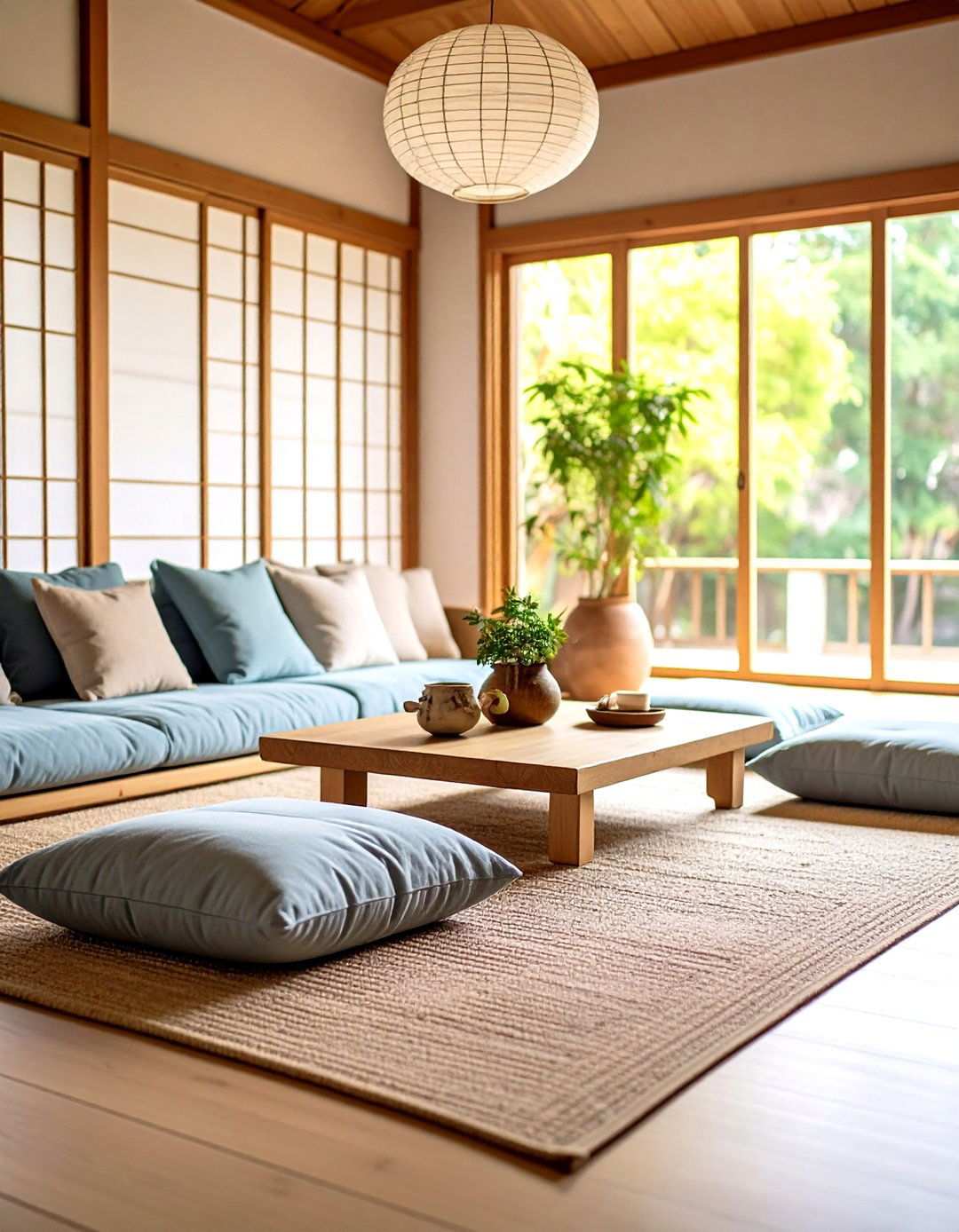
Draw inspiration from traditional Japanese seating customs by incorporating floor cushions that create intimate, flexible living arrangements. Choose large zabuton cushions in natural linen or cotton fabrics arranged around a low coffee table for casual dining and conversation. What unique sense of connection emerges when we bring our living closer to the earth? Layer different sizes and neutral tones to create visual interest while maintaining comfort for extended sitting. Add a few meditation cushions in hemp fabric for quiet contemplation moments. This seating style encourages mindful postures and creates opportunities for more intimate gatherings. Select cushions with removable, washable covers for practical maintenance. The flexibility of floor seating allows easy room reconfiguration while honoring Japanese traditions that emphasize simplicity, mindfulness, and connection with natural elements in daily living.
12. Grounding Textures
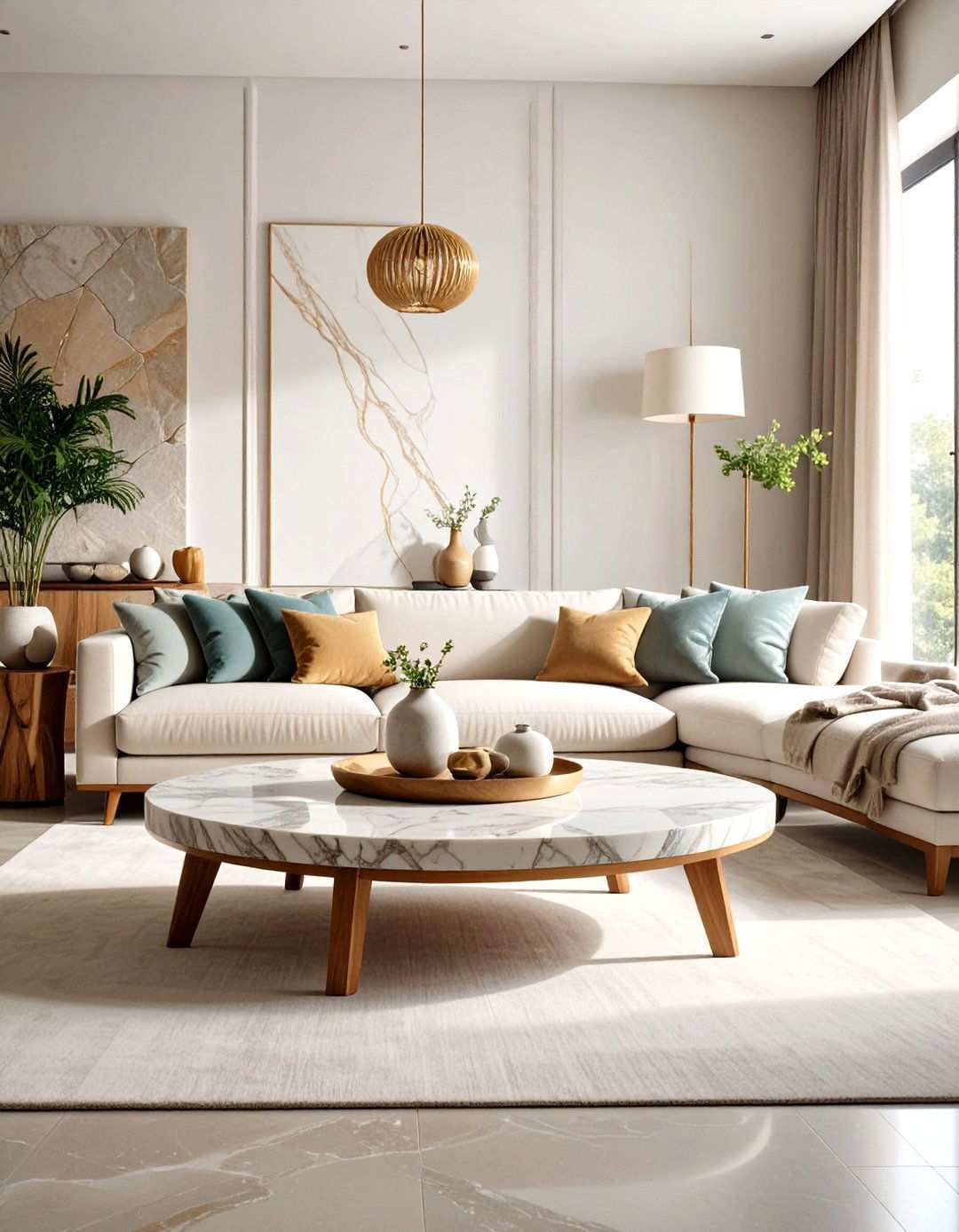
Establish a connection with nature by incorporating grounding textures that add sophistication to your living room. Combine a coffee table with a matte finish and natural wood legs for a striking material contrast. Can the presence of these textured elements actually calm the energy in your space and bring lasting serenity? Display stone bookends on minimalist shelves or choose decorative bowls crafted from smooth river rocks. Consider a statement accent wall featuring stacked slate or natural fieldstone for dramatic texture without overwhelming patterns. This approach celebrates natural imperfection and variation while providing a cool contrast to warm wood tones. Showcase stone sculptures or geometric forms as conversation pieces that embody minimalist art principles. The permanence and weight of these elements create a sense of grounding while adding sophisticated neutral tones to your thoughtfully curated color palette.
13. Monochromatic Narrative
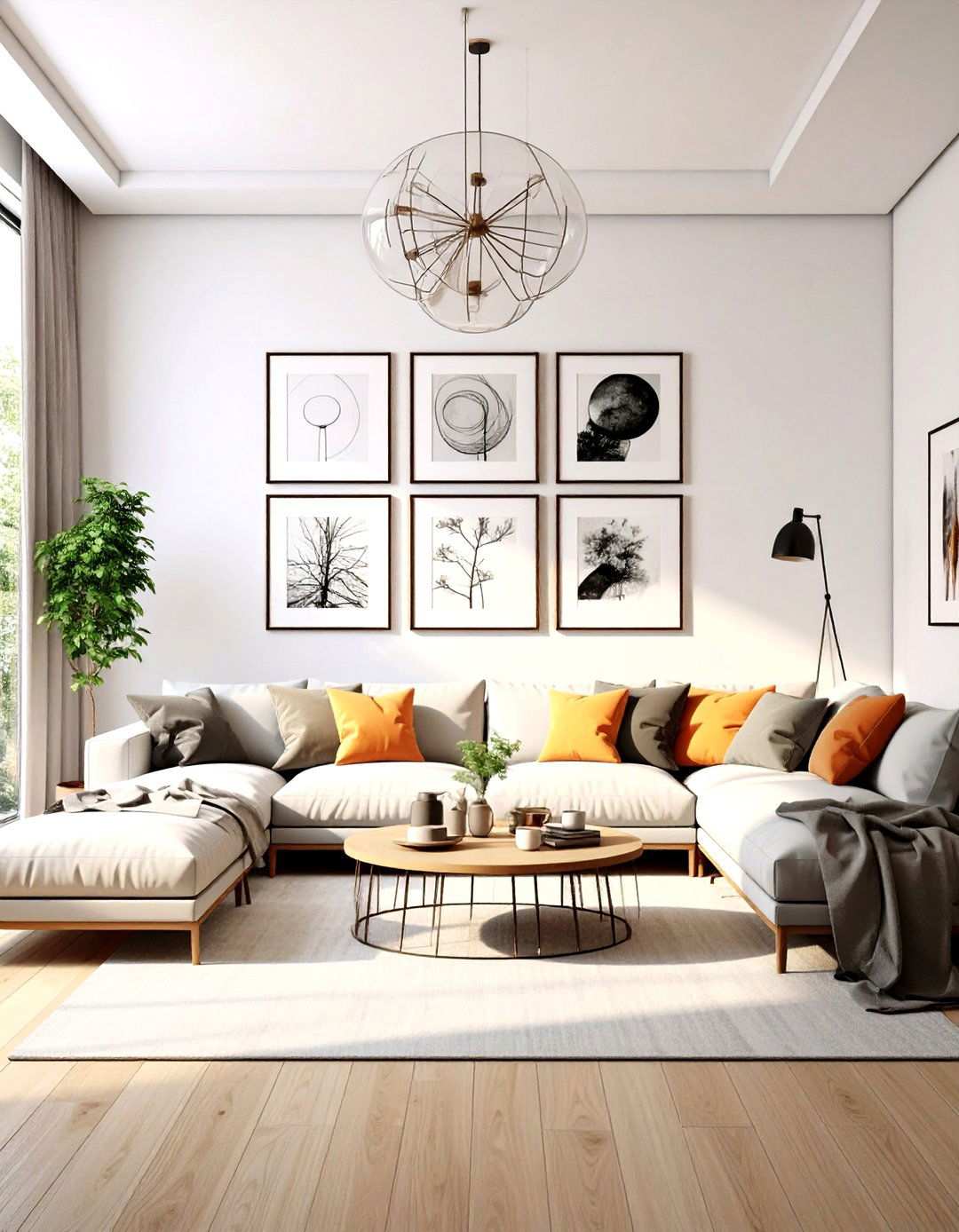
Create a gallery wall that tells a story through black and white photography or minimalist line drawings, perfectly complementing your Japandi aesthetic without overwhelming the space. Select pieces that feature nature themes, such as abstract landscapes, botanical studies, or architectural details, all displayed in simple frames. How can a cohesive monochromatic art collection evoke such powerful emotional resonance in minimalist interiors? Choose varying sizes but maintain consistent framing materials like matte black or natural wood for a sense of cohesion. Leave generous white space between pieces to prevent visual clutter and allow each artwork to breathe. Consider Japanese calligraphy or Scandinavian graphic prints that honor both cultural influences. Position artwork at eye level and use proper lighting to highlight textures and details. This restrained approach to wall decoration maintains a serene atmosphere while adding personality and cultural depth to your thoughtfully designed living space.
14. Sustainable Bamboo Accents
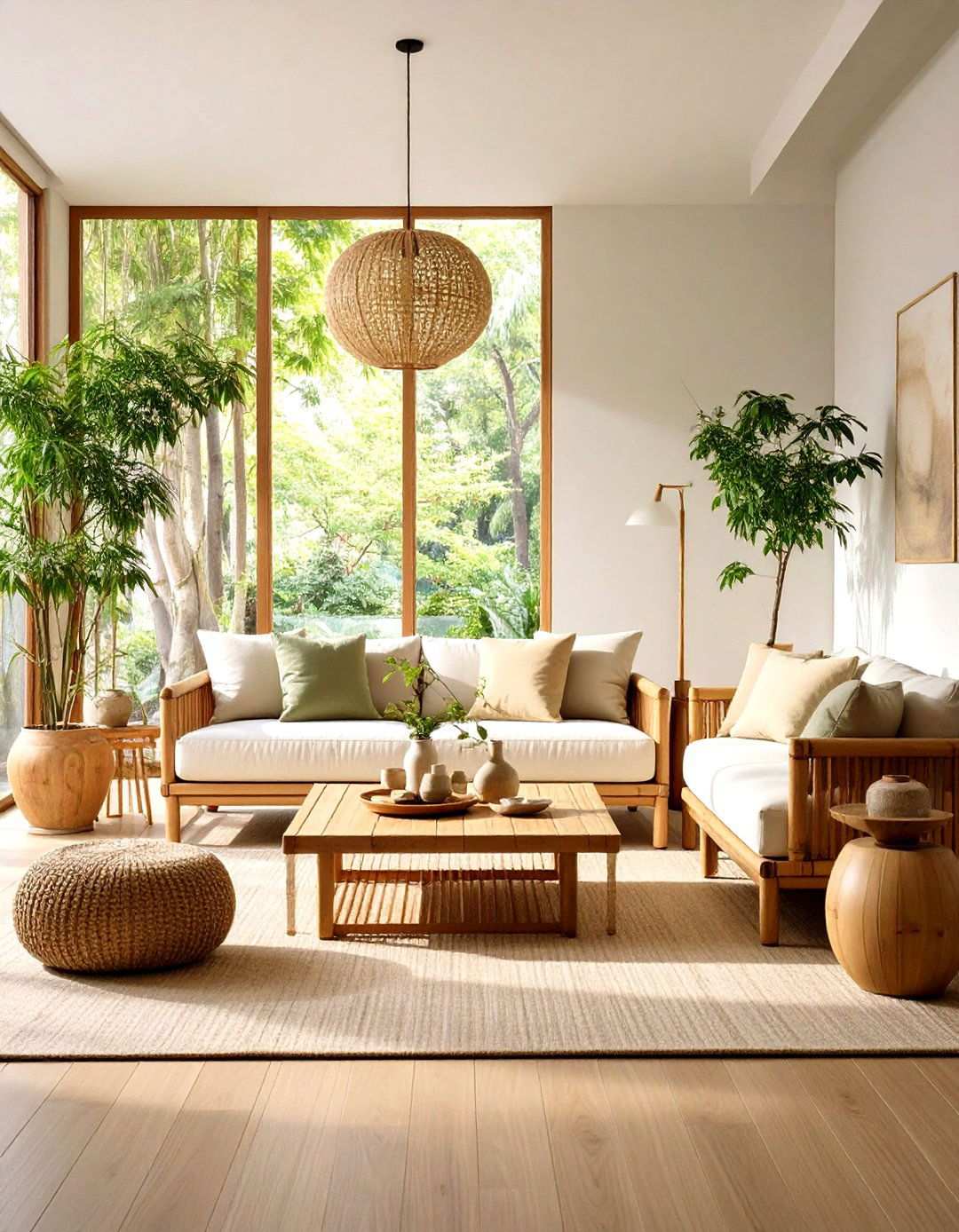
Incorporate sustainable bamboo elements that bring natural beauty and environmental consciousness to your Japandi living room. Choose bamboo furniture pieces like side tables or plant stands that showcase the material’s natural nodes and grain patterns. What makes bamboo such a unique fusion of Japanese tradition and modern sustainability values? Add bamboo blinds or room dividers that filter light while maintaining privacy and visual interest. Consider decorative bamboo poles arranged in tall ceramic vases for sculptural elements that emphasize vertical lines. The material’s rapid growth and renewability align with sustainable living principles while providing warm, honey-colored tones that complement neutral palettes. Bamboo’s natural flexibility and strength represent resilience and adaptability, qualities that resonate with both Japanese philosophy and Scandinavian practicality in creating harmonious, environmentally conscious living spaces.
15. Serene Sanctuary
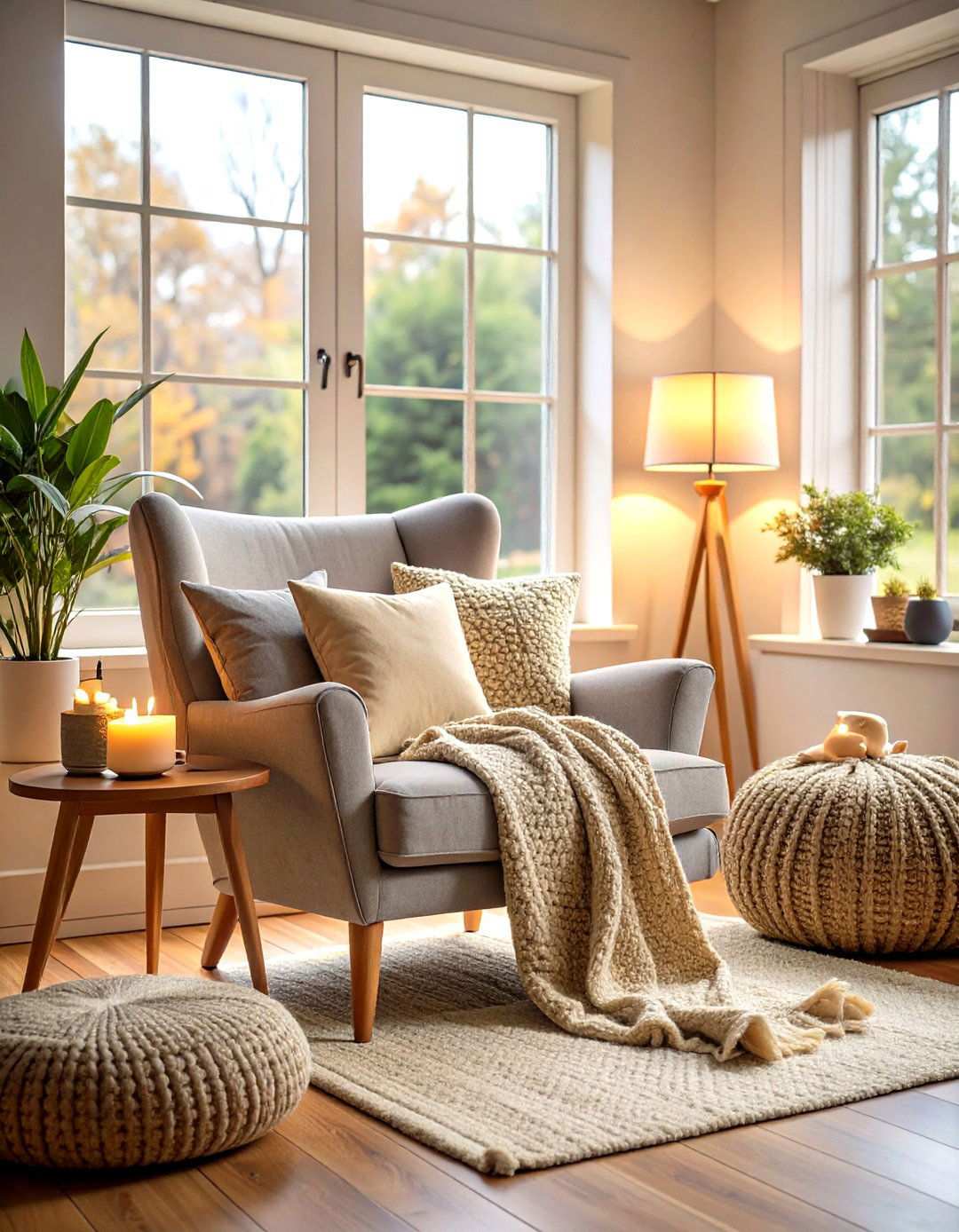
A tranquil reading nook can be crafted within a minimalist living room framework, cultivating a sense of hygge comfort. Strategically position an inviting armchair near a window, accompanied by a petite side table for storing books and tea. As you create a dedicated reading space, how does it redefine your relationship with your living room? Introduce a plush throw blanket and reading pillow in soothing neutral tones to foster ultimate relaxation during prolonged reading sessions. Ensure optimal lighting with adjustable task lighting that minimizes disruption to other room activities. Include a compact bookshelf or floating shelves nearby to keep current reads conveniently accessible. Opt for furniture with ergonomic design that prioritizes comfort while maintaining aesthetic appeal. This designated area encourages mindful relaxation and creates a personal retreat within your shared living space, beautifully harmonizing the Japandi principles of functionality and serene beauty.
16. Ephemeral Displays
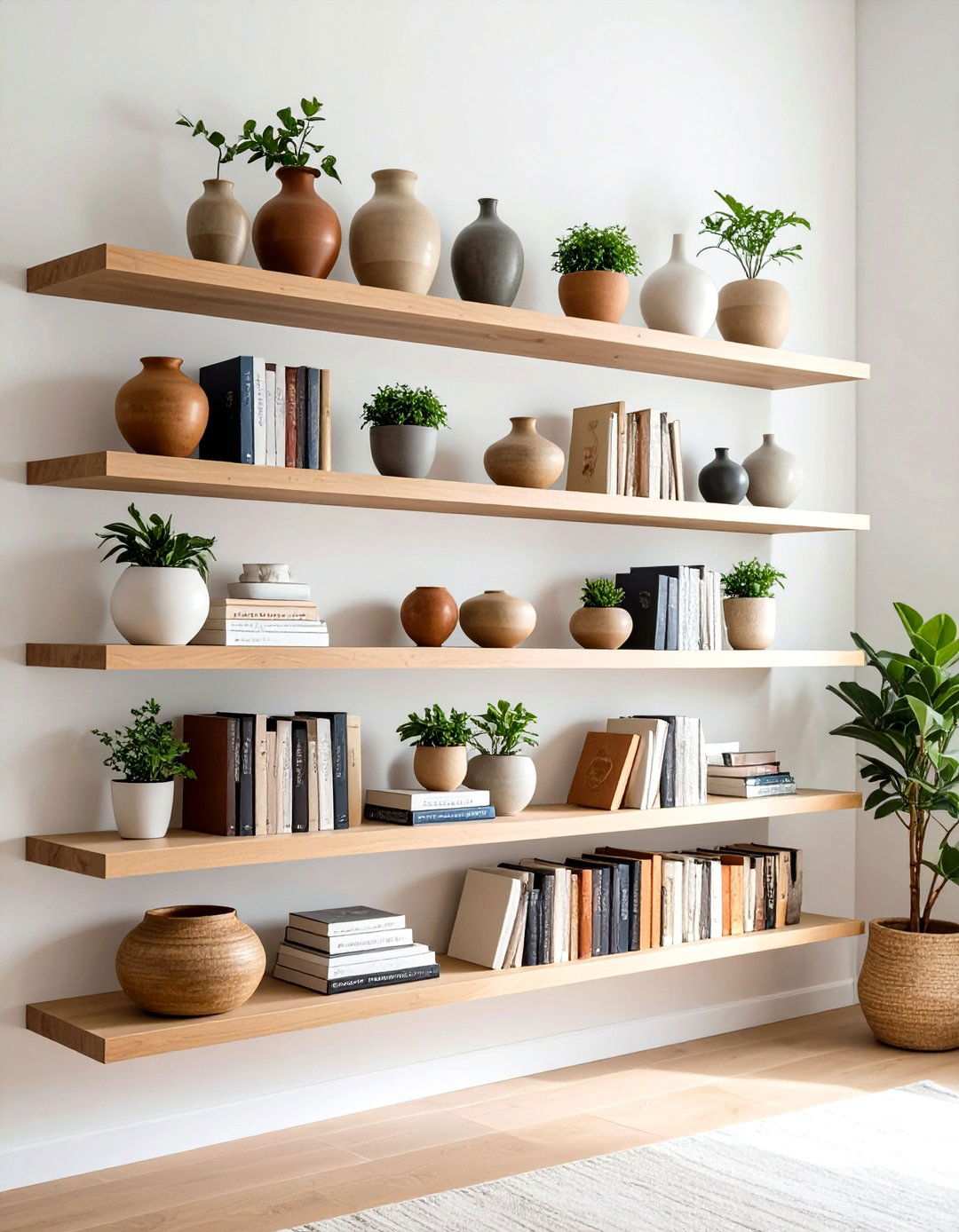
Elegant storage and display opportunities can be achieved with floating shelves that maintain clean lines while showcasing thoughtfully curated objects. Install light wood shelves at varying heights to create a visually appealing rhythm without overwhelming the wall space. What transforms ordinary wall storage into an artful display that enhances your room’s serenity? Arrange carefully selected ceramic vessels, small plants, and minimalist books, leaving ample breathing room between items. Choose objects that fit within your neutral color palette to maintain cohesion while introducing textural interest through diverse materials. Keep displays sparse and rotate items seasonally to prevent visual fatigue. Consider organic arrangements that feel dynamic rather than rigidly structured. The floating design maintains the illusion of weightlessness while providing practical storage for everyday items and treasured objects that reflect your personal aesthetic within the greater Japandi design framework.
17. Organic Hues
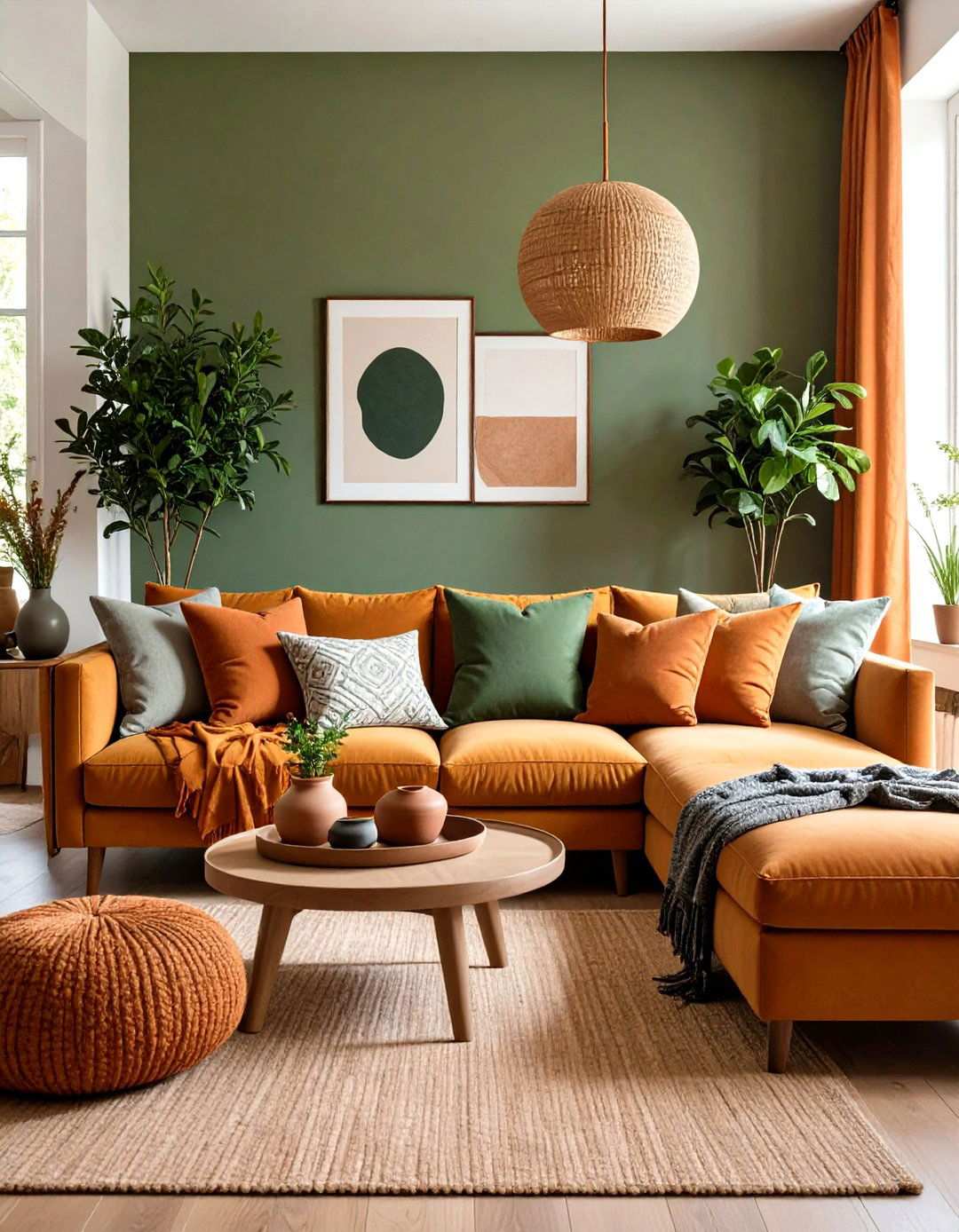
Subtle earth tones can be introduced to add warmth and depth to your neutral foundation without disrupting the serene atmosphere. Select sage green, warm terracotta, or soft mushroom gray for accent pillows, artwork, or ceramic pieces. How do these grounded colors create such profound connections to natural landscapes indoors? Use these hues judiciously through textiles like throw blankets or small decorative objects to prevent overwhelming the space. Consider seasonal rotation of accent colors to keep your living room feeling fresh and connected to natural cycles. These earthy tones pair beautifully with natural wood and stone elements while maintaining the sophisticated simplicity that defines Japandi design. The key lies in restraint and intention, allowing these natural colors to enhance rather than dominate your carefully curated neutral palette for lasting visual harmony.
18. Crafting a Harmonious Japandi Aesthetic
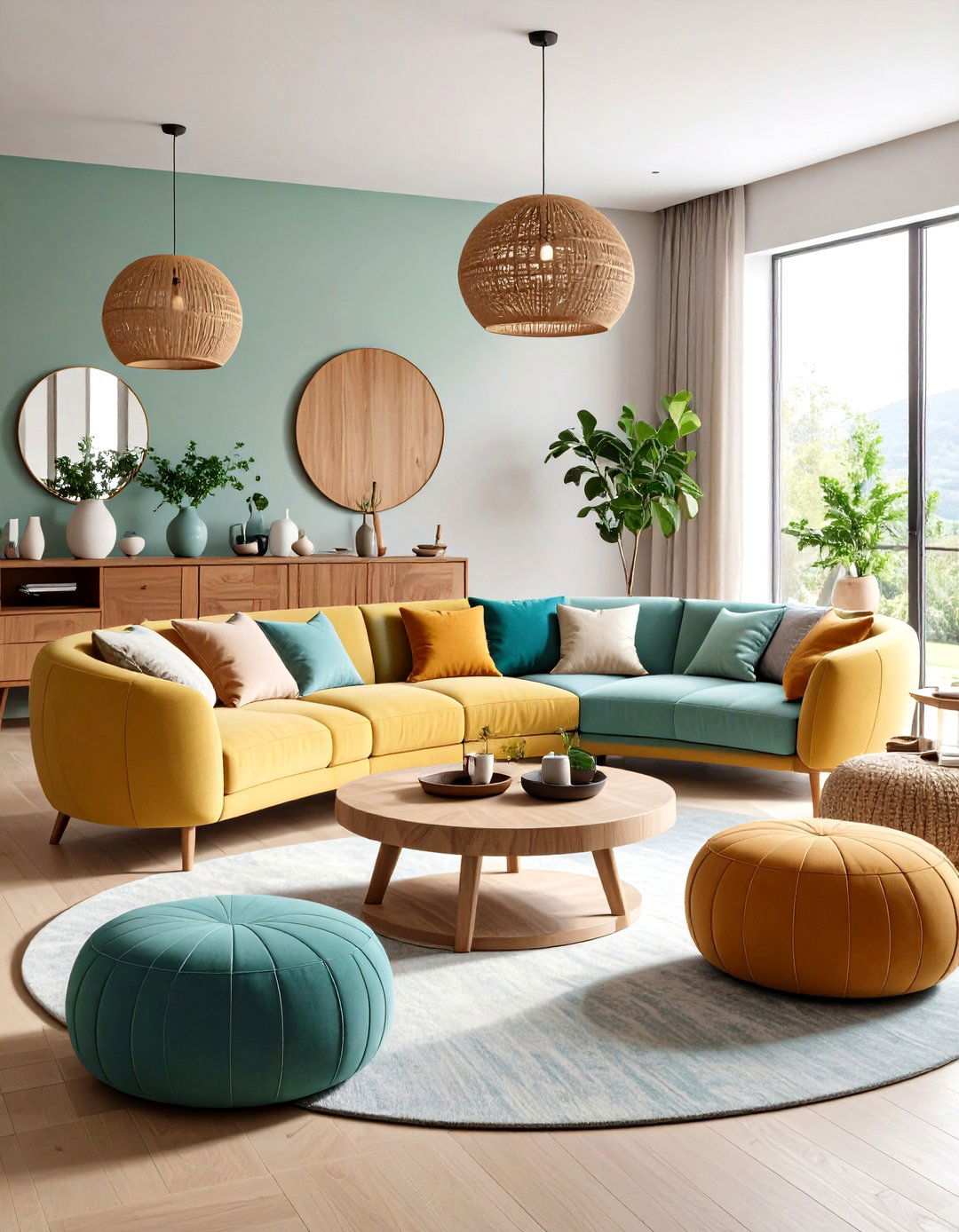
When it comes to incorporating organic shapes into your minimalist living space, look no further than furniture with curved, flowing forms that soften the clean lines typical of Japandi design. A round coffee table, curved sofa, or kidney-shaped ottoman can create a sense of visual flow and comfort that’s hard to resist. By embracing softer shapes reminiscent of the natural world, you’ll cultivate a more inviting and approachable atmosphere while maintaining the sophisticated simplicity that Japandi aesthetics are known for. To truly capture the essence of this design philosophy, seek out pieces that combine organic forms with natural materials such as solid wood or woven fibers. At the same time, avoid furniture with sharp corners or aggressive angles that might create visual tension in your peaceful space. The result is a living room that feels harmonious and welcoming, yet maintains the refined elegance characteristic of authentic Japandi design.
19. Weaving Tradition into Modern Minimalism
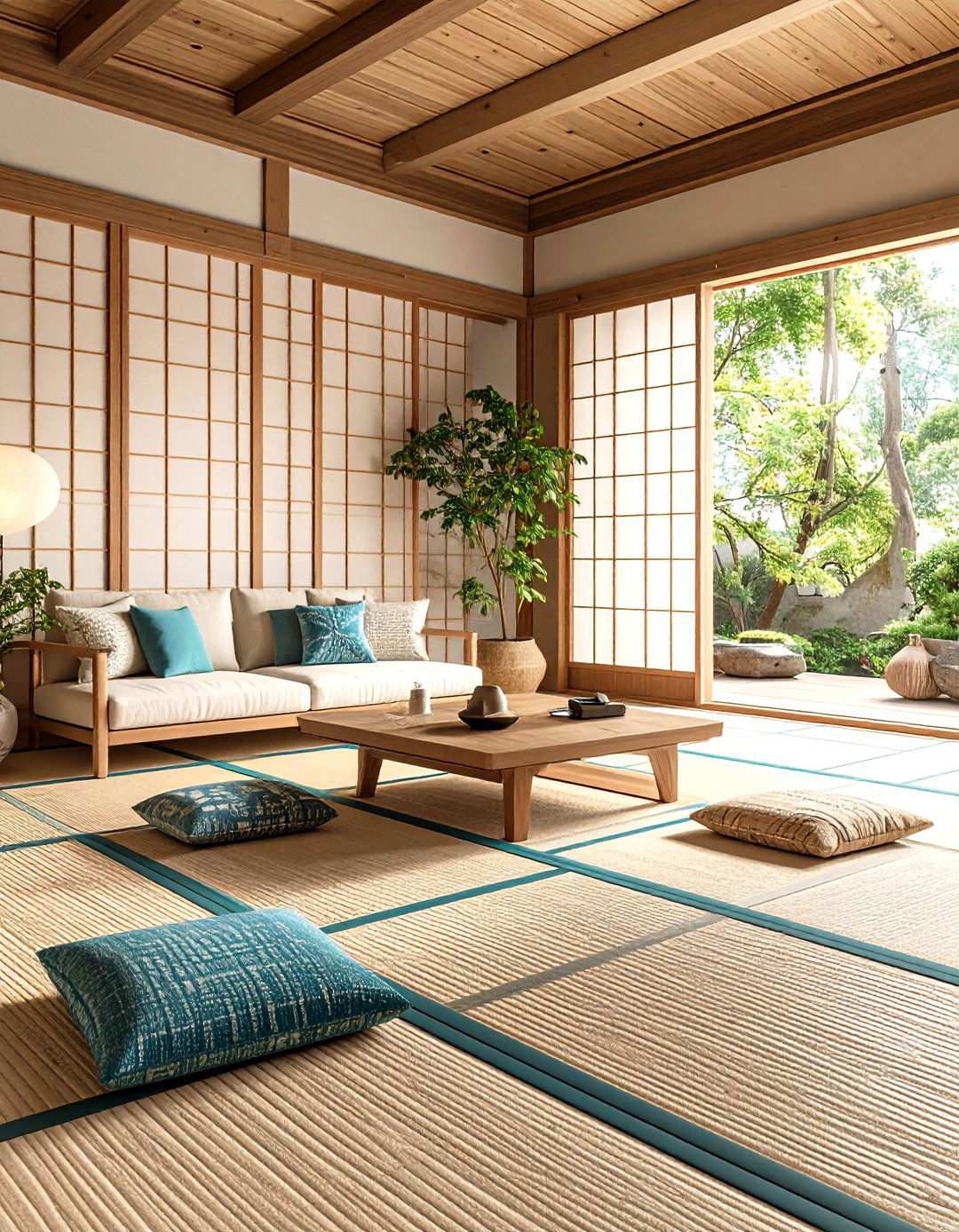
For a truly immersive Japandi experience, consider incorporating tatami-inspired flooring elements that add texture and cultural authenticity to your living room. Natural fiber rugs or mat-style flooring can create defined seating areas while providing a comfortable surface underfoot. But can traditional flooring materials really enhance modern minimalist living spaces as dramatically as they do? The answer lies in the subtle yet effective way they combine texture, pattern, and color to create visual interest and depth. By layering different sizes of woven mats, you can maintain the clean, geometric patterns typical of tatami design while introducing a touch of whimsy and personality. For a cohesive look, opt for neutral colors that complement your overall palette while adding subtle texture variations. These natural fiber elements not only provide insulation and acoustic benefits but also connect your space to centuries-old Japanese design wisdom. By positioning mats strategically, you can define conversation areas or meditation spaces within your larger living room, creating a truly harmonious and calming atmosphere.
20. Soft Ambient Lighting
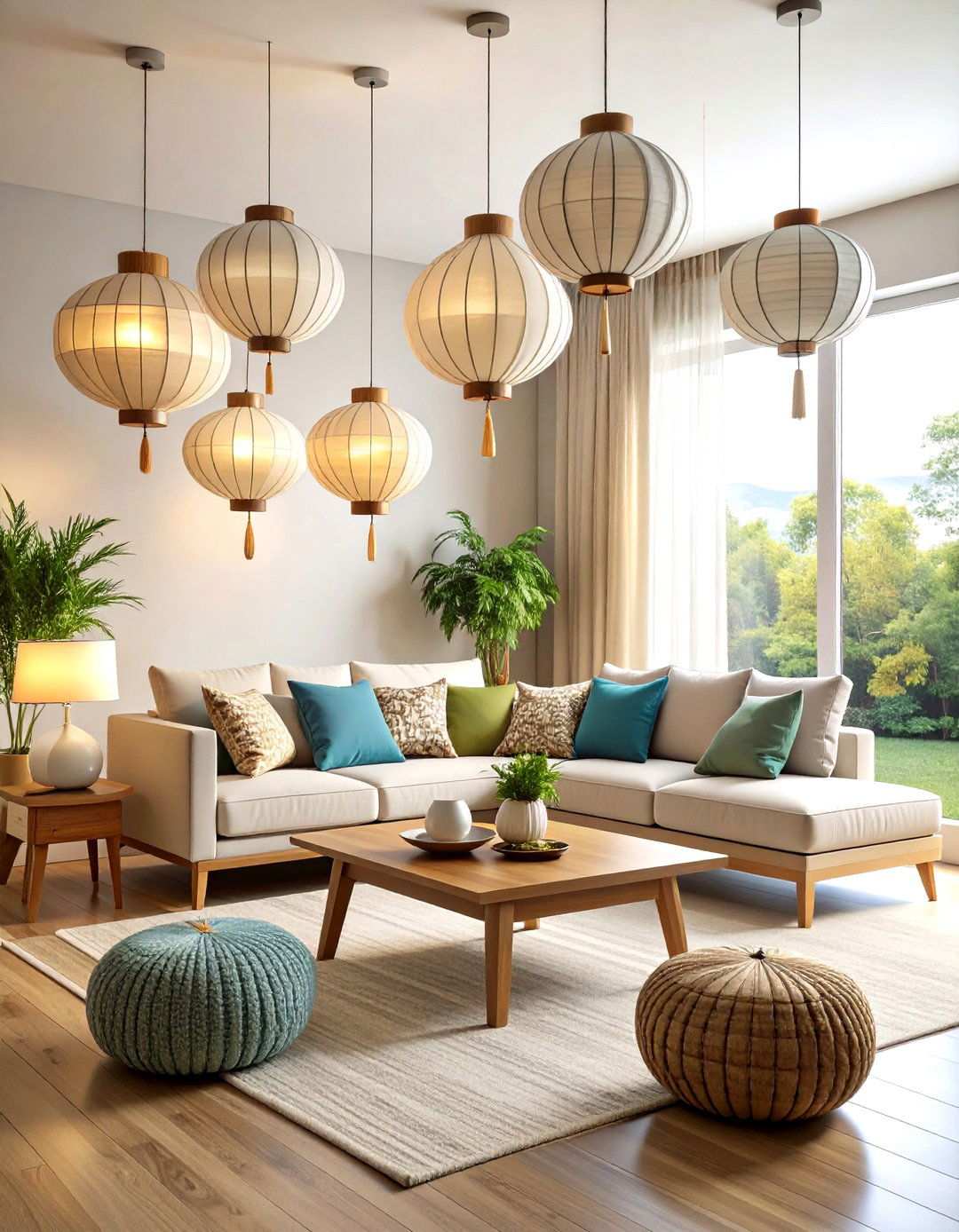
Achieve a serene ambiance with paper lanterns that seamlessly blend Japanese aesthetics with soft, diffused illumination. Opt for geometric shapes in white or natural colors that harmonize with your minimalist design. The art of repurposing traditional lighting fixtures can transform modern spaces into tranquil havens that evoke the serene atmosphere of a temple. By placing pendant lanterns at varying heights, you can create a visually appealing display that doesn’t disrupt the clean lines of your design. The translucent paper material effectively filters harsh light, casting warm, inviting glows that are perfect for unwinding in the evenings. For a sophisticated look, select lanterns with minimal decorative elements that focus on simplicity and functionality. These lightweight fixtures can be easily rearranged to accommodate different activities, adding flexibility to your lighting setup. The handcrafted quality of paper lanterns brings a unique cultural touch to your space while maintaining the refined simplicity that defines your Japandi living room’s peaceful ambiance.
21. Embracing Imperfection in Decor
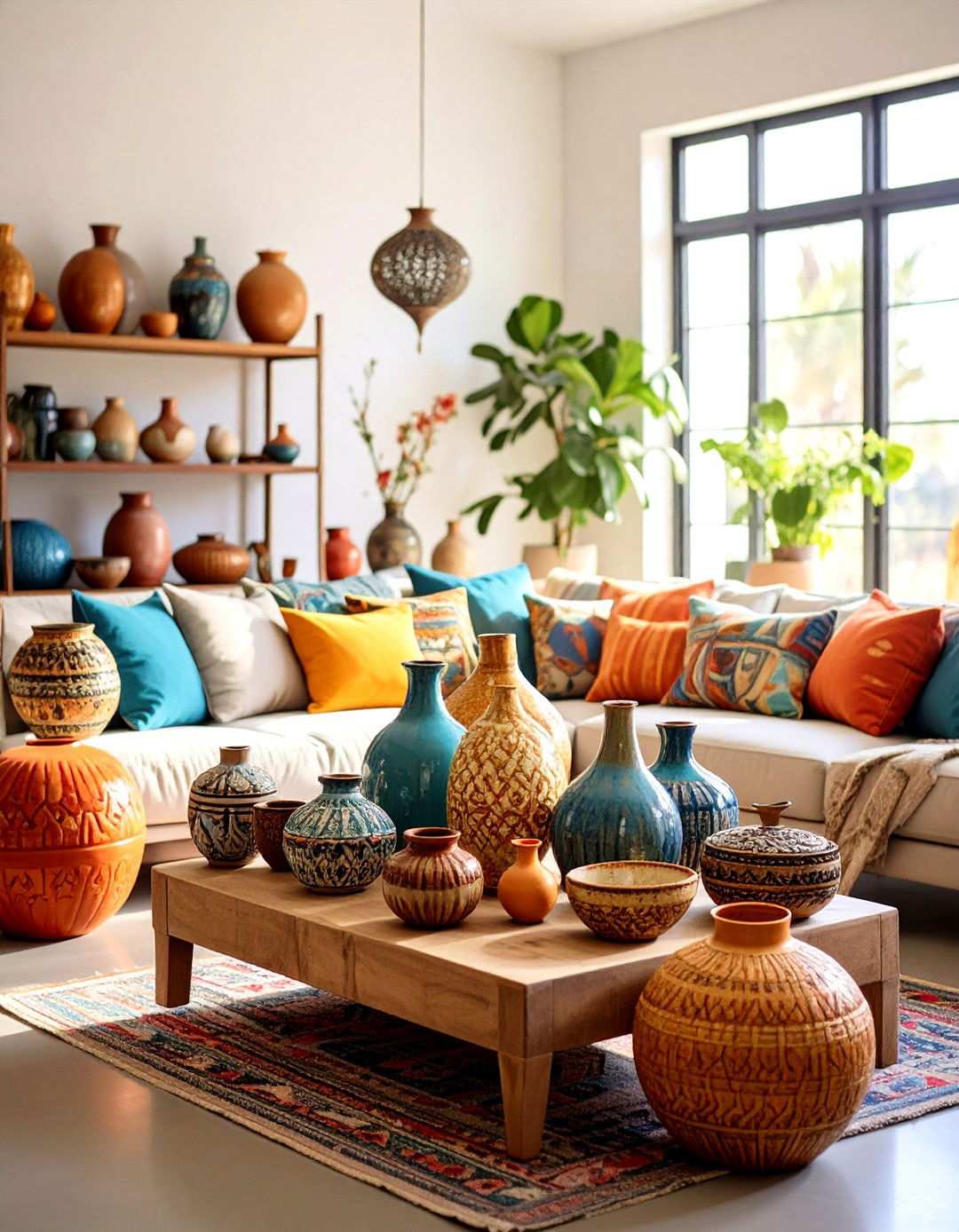
Showcase the beauty of imperfection by incorporating handcrafted ceramic pieces into your minimalist living space. Select vases, bowls, and decorative objects with subtle glazes in earth tones or matte finishes that celebrate the artisanal quality of handmade ceramics. What makes ceramic art a powerful expression of the wabi-sabi philosophy in modern interiors is its ability to convey a sense of impermanence and beauty. Choose pieces with organic shapes and visible evidence of the potter’s hand to add authentic handmade character to your space. Group objects in odd numbers with varying heights to create visually pleasing arrangements on shelves and side tables. The natural variations in handmade ceramics prevent the sterile perfection that can make minimalist spaces feel cold and clinical. Consider functional ceramic pieces like tea sets or serving bowls that honor both beauty and utility, adding a thoughtful touch to your space. These selections add personality and cultural depth to your Japandi living room while maintaining the refined aesthetic that makes it feel both sophisticated and warmly welcoming.
22. Textiles that Tell a Story
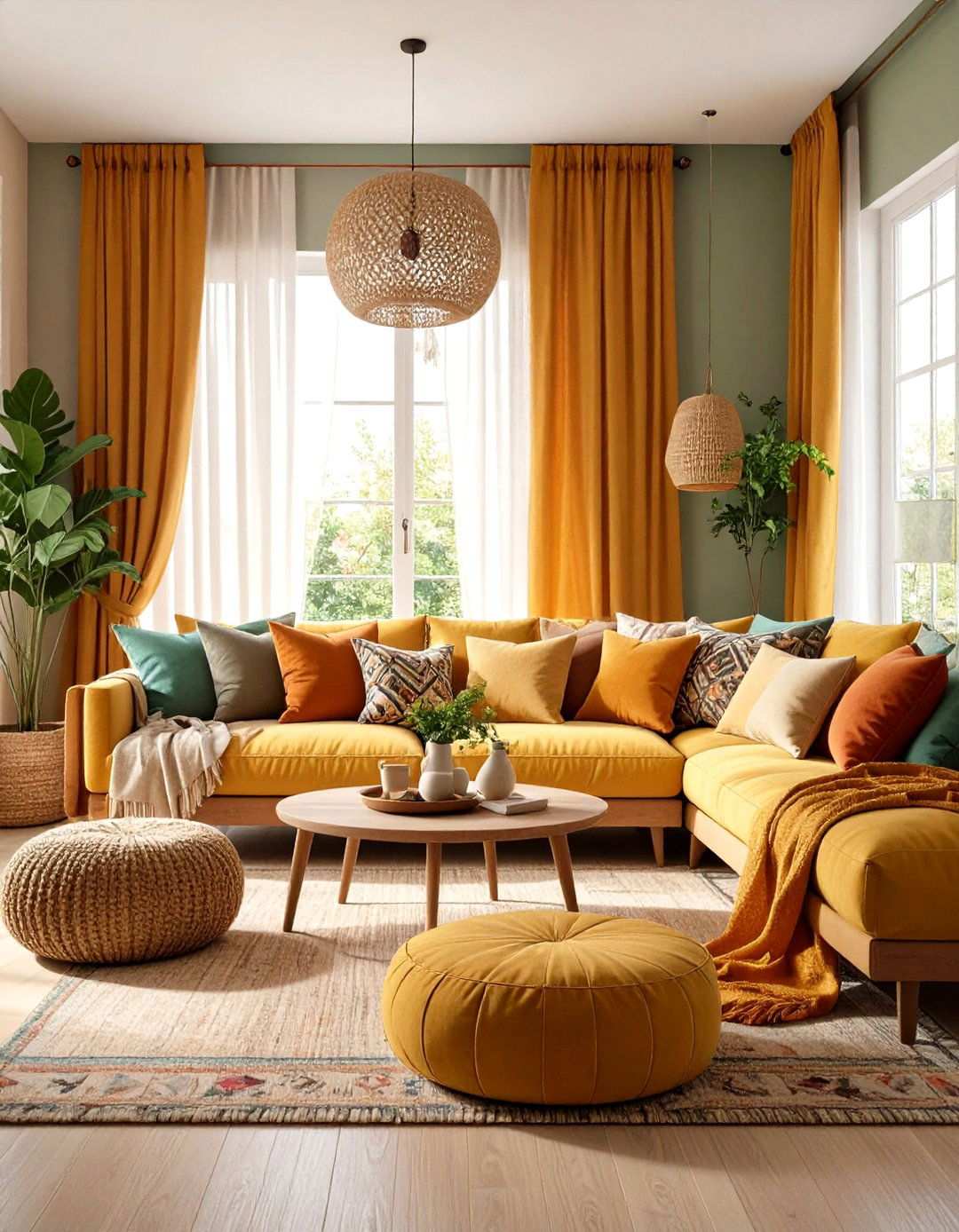
Layer natural fabric textiles that add warmth and softness to your space while maintaining the clean, unprocessed aesthetic essential to Japandi design. Choose linen curtains in warm white or soft gray that filter natural light beautifully, creating a sense of warmth and comfort throughout your living space. The way natural textiles create inviting, comfortable atmospheres in minimalist room settings is by embracing their natural characteristics. Add cotton throw pillows in varying neutral tones and subtle textures for comfortable accents on your seating furniture. Select fabrics with visible weaves or subtle irregularities that celebrate the unique qualities of natural fibers rather than hiding them. Avoid synthetic materials that lack the authentic feel and aging qualities of natural textiles. These organic fabrics develop a beautiful patina over time, providing practical comfort for daily living while embodying sustainable design principles. The key to choosing quality pieces lies in selecting items that will improve with age and use, resulting in a space that is both functional and beautiful.
23. Serene Oasis Corner
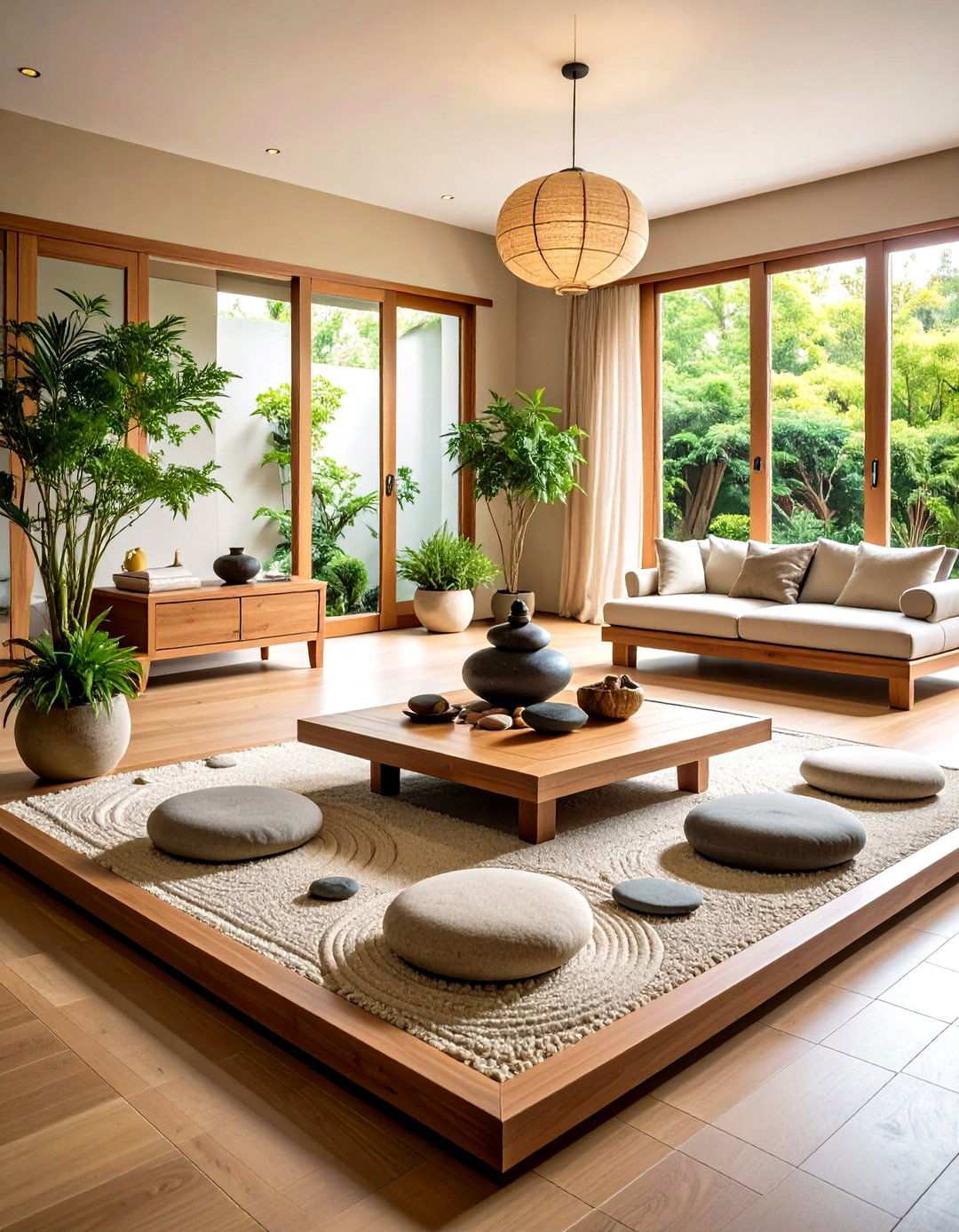
Create a tranquil retreat that distills the essence of Japanese gardens into a peaceful indoor sanctuary. Harmonize natural elements and soothing design to craft a meditative space that nurtures your soul. Install a minimalist wooden platform surrounded by fine-grained sand, delicate stones, and an elegant sculptural arrangement featuring a single striking branch or plant. As we thoughtfully integrate contemplative garden elements into our daily lives, what profound sense of serenity emerges? Position a plush meditation cushion nearby to facilitate quiet reflection and mindfulness practice. Select a corner with ample natural light yet shielded from high-traffic areas to preserve an atmosphere of calm. Introduce a delicate water feature or soft wind chime to create a soothing soundscape that elevates the peaceful ambiance. This serene oasis invites daily meditation and provides a visual respite amidst the functional areas of your living room. The harmonious fusion of Japanese spirituality and Scandinavian reverence for nature’s restorative power defines the essence of modern living.
24. Adaptable Furniture Solutions
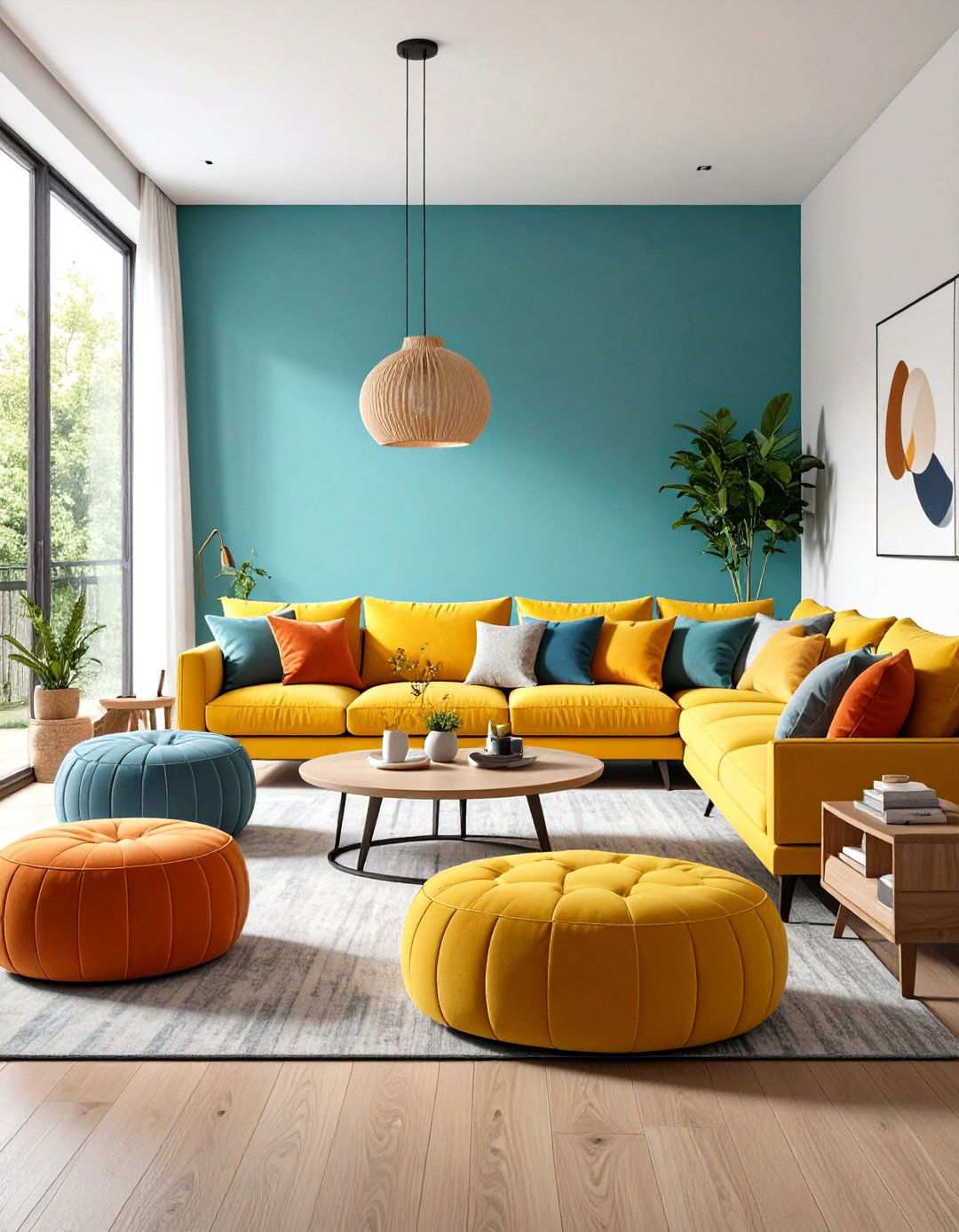
Unlock the full potential of your living space with ingenious furniture pieces that seamlessly adapt to your ever-changing needs while exuding sophisticated style. Choose versatile ottomans with hidden storage, cleverly designed expandable dining tables, or modular seating that effortlessly transitions between various functions. Can furniture truly simplify your life while elevating your living room’s beauty and functionality? Select pieces that effortlessly navigate multiple roles without sacrificing design integrity or visual allure. Look for thoughtful design elements such as concealed storage compartments, convertible surfaces, or stackable components that minimize clutter and provide practical solutions. These thoughtful selections seamlessly blend Japanese principles of space efficiency and Scandinavian emphasis on functionality, crafting harmonious living environments that honor the refined simplicity of Japandi design philosophy. Quality craftsmanship ensures these adaptable pieces will evolve with your changing needs for years, maintaining a tranquil and purposeful living space.