1. Timeless Charm of Limestone Fireplaces
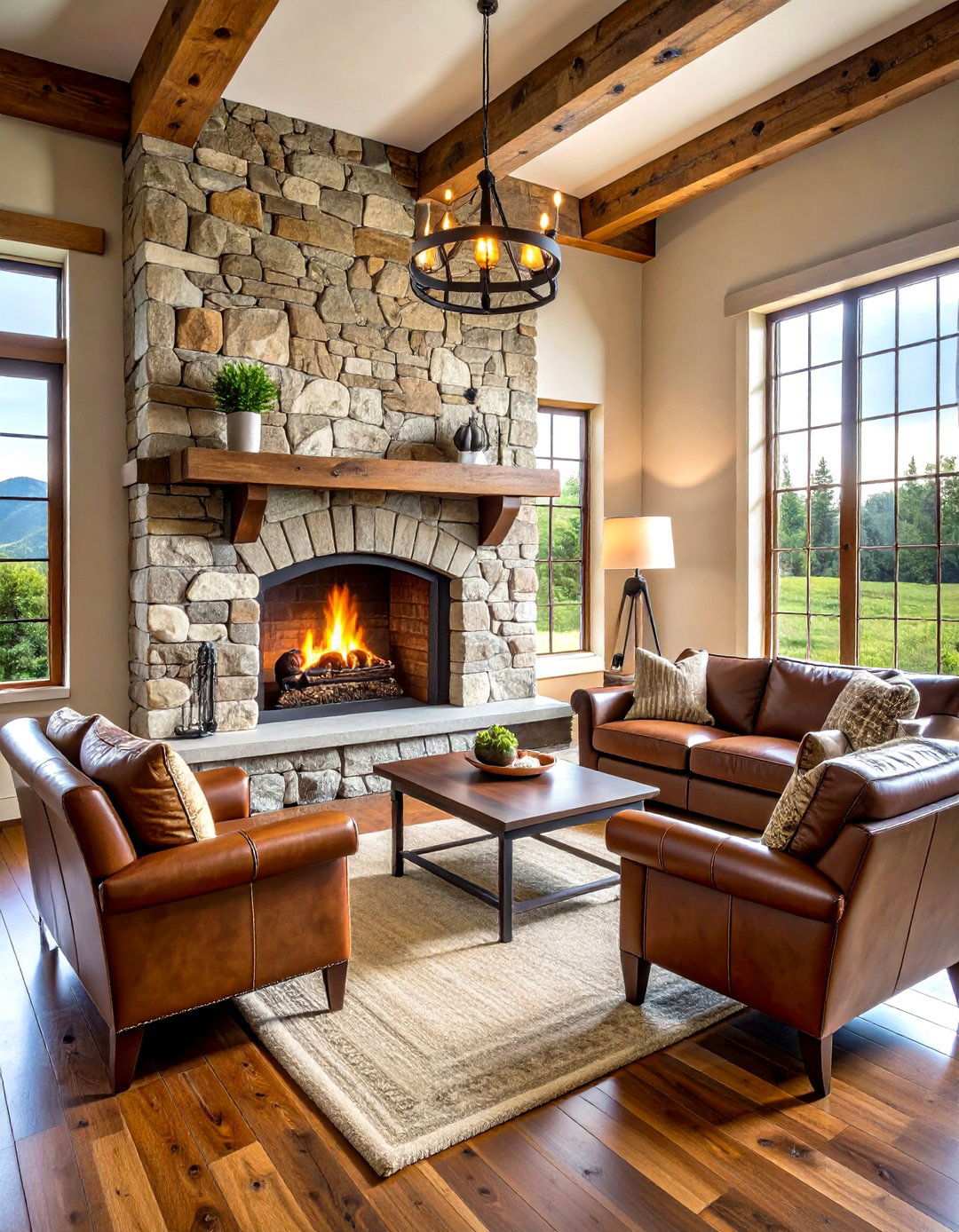
Transforming your living space into an idyllic Mediterranean retreat begins with the strategic incorporation of authentic Tuscan design elements. A stunning limestone or travertine fireplace serves as the crowning jewel of any Tuscan-inspired room, exuding the warmth and character of an Italian villa. By pairing rustic stone surrounds with a substantial wooden mantel crafted from reclaimed oak or chestnut, you create a harmonious balance of natural textures and earthy tones. As warm amber lighting highlights the stone’s unique variations, wrought iron fireplace tools and accessories reinforce the Old World aesthetic, inviting guests to gather around the hearth in cozy, intimate settings.

As an Amazon Associate I earn from qualifying purchases.
Comfortable leather seating positioned around the fireplace encourages meaningful conversations, while ceramic pottery displayed on the mantel adds a touch of artisanal charm that celebrates traditional Italian craftsmanship. This thoughtful combination of natural elements and carefully curated accessories creates a welcoming atmosphere that perfectly captures the essence of a Tuscan retreat.
2. Earthy Hues of the Tuscan Countryside
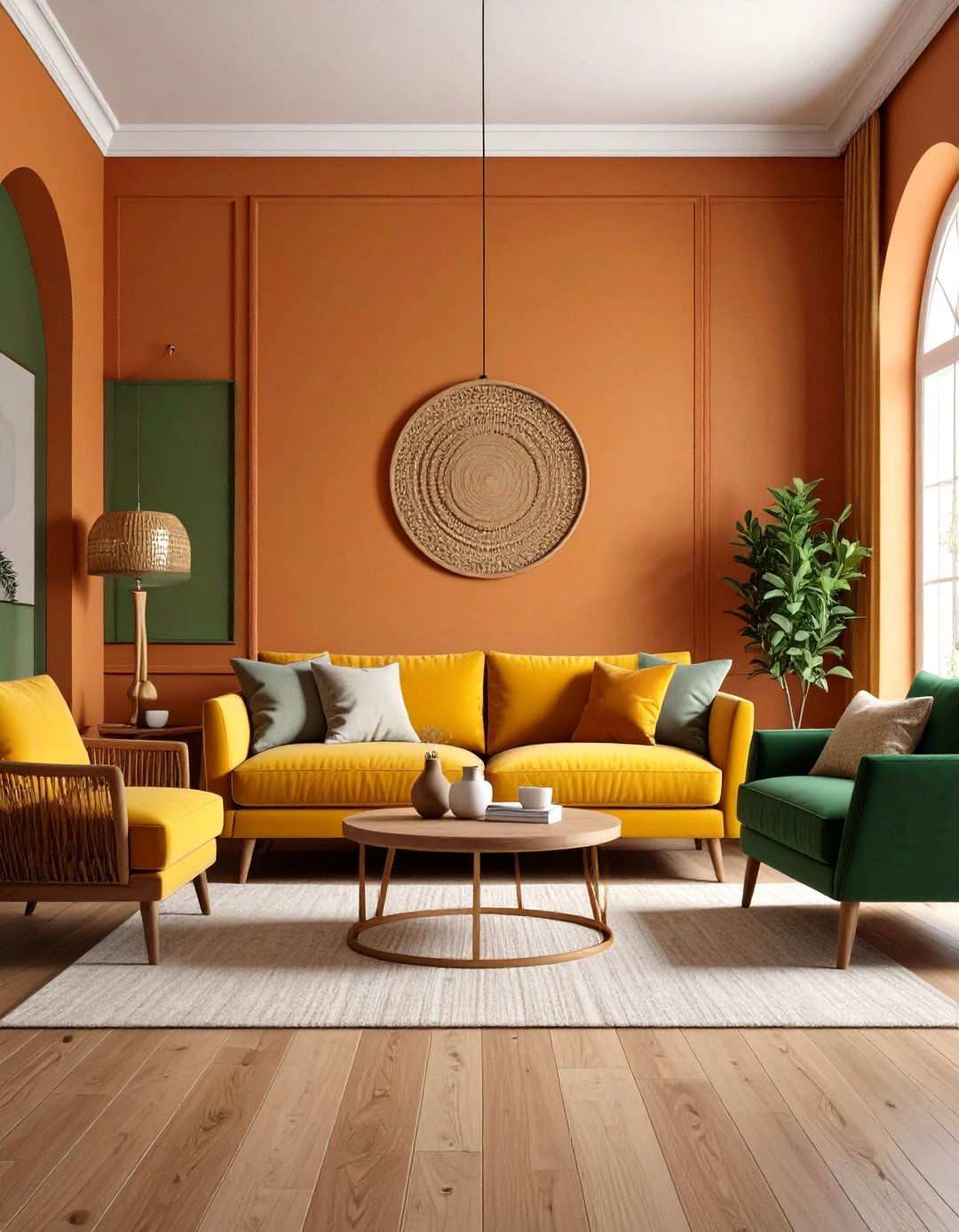
To recreate the sun-kissed atmosphere of Italy’s rolling hillsides, consider adopting a warm terracotta color palette for your living space. This rich, earthy tone pairs beautifully with golden yellow accents and deep olive green touches, evoking the feeling of a summer day in the Tuscan countryside. Neutral cream and beige furnishings provide a soothing backdrop, allowing bolder accent colors to shine through decorative pillows, ceramics, and artwork. The natural wood tones in furniture and flooring enhance the organic feel of the space, while aged brass fixtures add a touch of metallic warmth. By embracing this layered color approach, you can create a harmonious palette that feels both sophisticated and inviting, much like the natural landscape of Tuscan hillsides, where burnt orange clay, golden wheat fields, and silvery olive groves blend together in perfect harmony.
3. Exposed Ceiling Beams Create Visual Drama
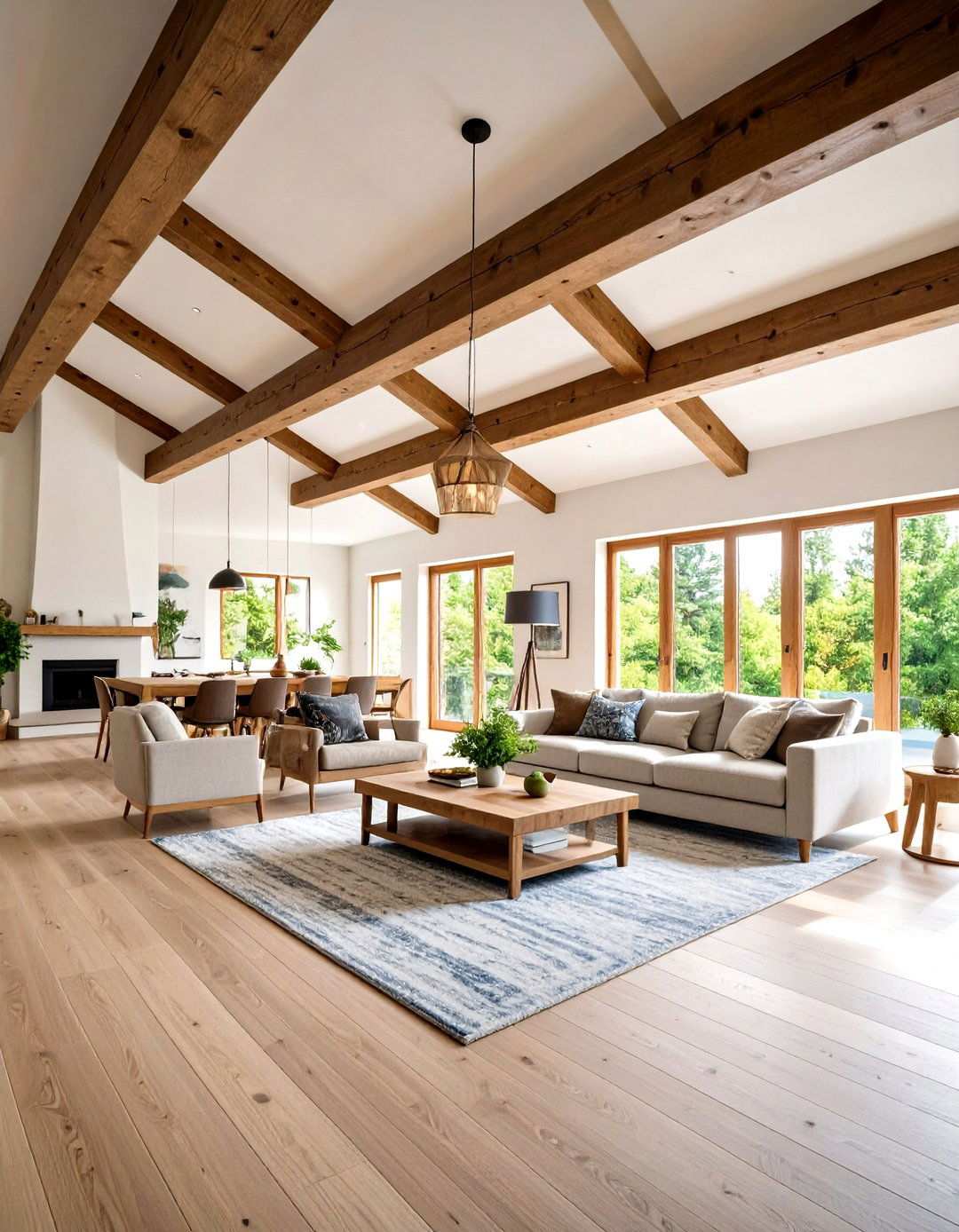
Dramatic exposed wooden ceiling beams can elevate your living room, echoing the timeless elegance of Italian architecture. A striking combination of dark-stained oak or chestnut beams against a cream or off-white ceiling creates a beautiful contrast, adding warmth and character to the space. By providing natural definition to seating areas below, these structural elements also support pendant lighting or wrought iron chandeliers, adding depth and visual interest. To achieve a cohesive look, coordinate the beam colors with wooden furniture pieces and floors, allowing the architectural feature to flow seamlessly throughout the space. This design element works particularly well in rooms with higher ceilings, creating intimate zones within larger spaces while maintaining the authentic charm of classic Tuscan design.
4. Handcrafted Wrought Iron Centerpieces
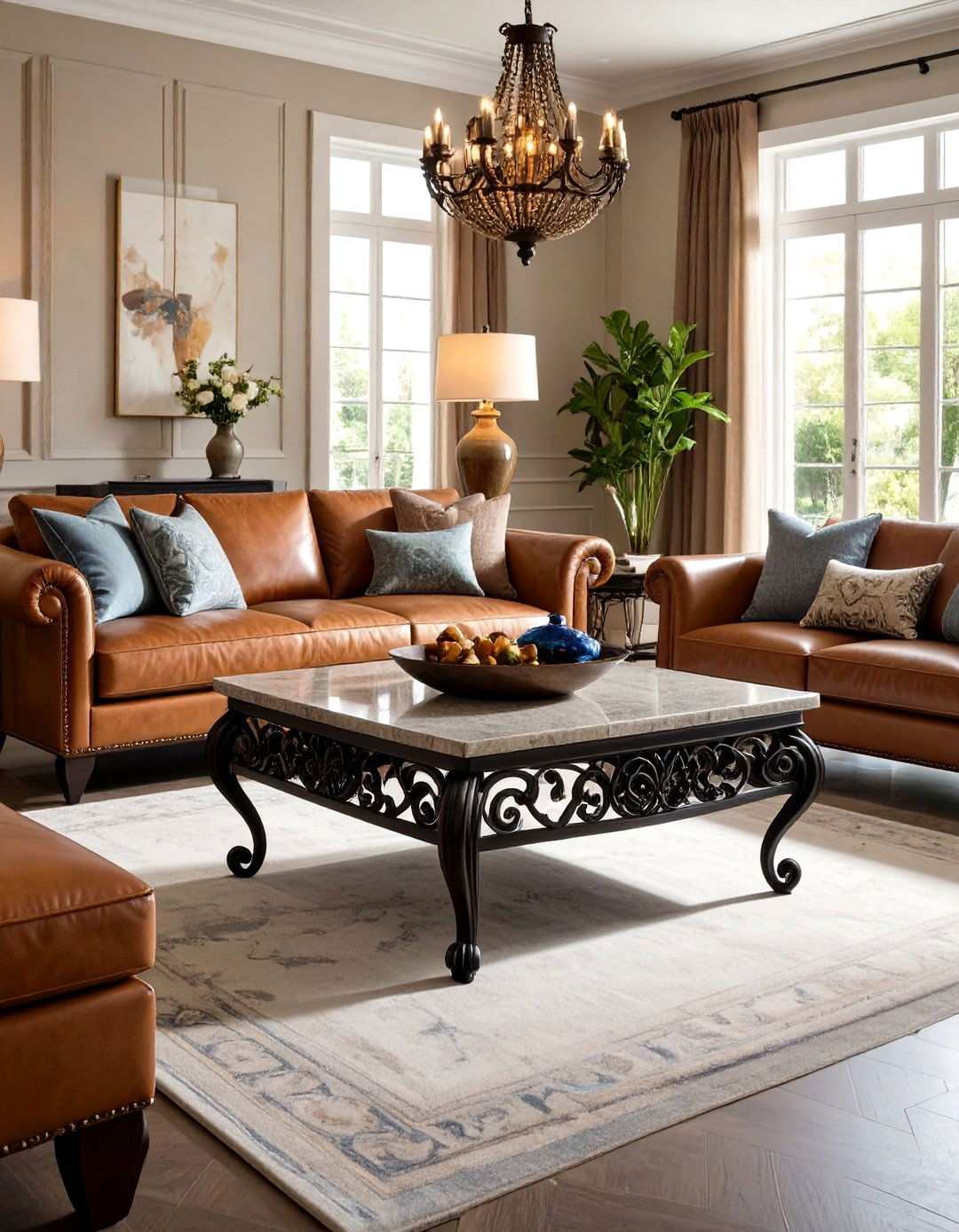
A handcrafted wrought iron coffee table is a stunning focal point for your seating arrangement, featuring intricate scrollwork and a natural stone or aged wood top. The metal framework showcases exceptional craftsmanship, while providing sturdy functionality for everyday use. Pair the table with plush leather seating in warm cognac or chocolate brown tones, creating a cozy conversation area that beckons interaction. Decorative elements like ceramic bowls filled with olives, vintage books, and small potted herbs reinforce the Italian countryside theme, adding a touch of rustic elegance to the space. The combination of metal craftsmanship and natural materials establishes an authentic foundation that captures the essence of traditional Tuscan living, providing a beautiful and functional centerpiece for your living room.
5. Timeless Natural Stone Flooring
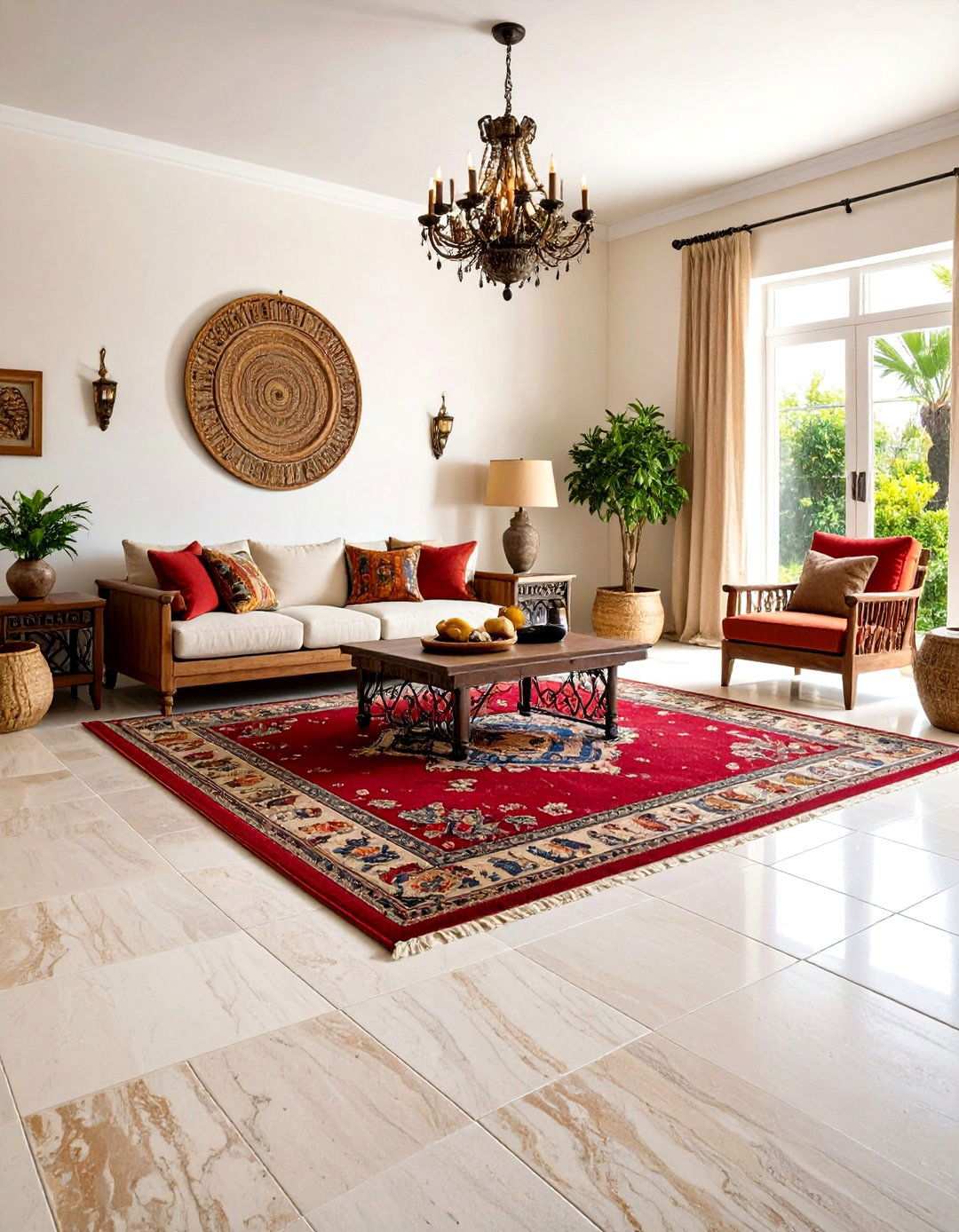
Travertine or limestone flooring is an excellent choice for creating an authentic connection to traditional Italian villa architecture in your living room. The natural stone’s subtle variations and aged patina provide a unique textural element, while maintaining the warm, earthy tones characteristic of Tuscan design. Area rugs in rich burgundy, deep gold, or forest green add comfort and color while defining seating areas, creating a cozy and inviting atmosphere. The stone’s natural cooling properties make it practical for warmer climates, while its durability ensures lasting beauty. To complete the Mediterranean aesthetic, pair the natural stone flooring with wooden furniture and wrought iron accents, celebrating the beauty of natural materials and traditional craftsmanship techniques.
6. Elegant Arches for a Mediterranean Vibe
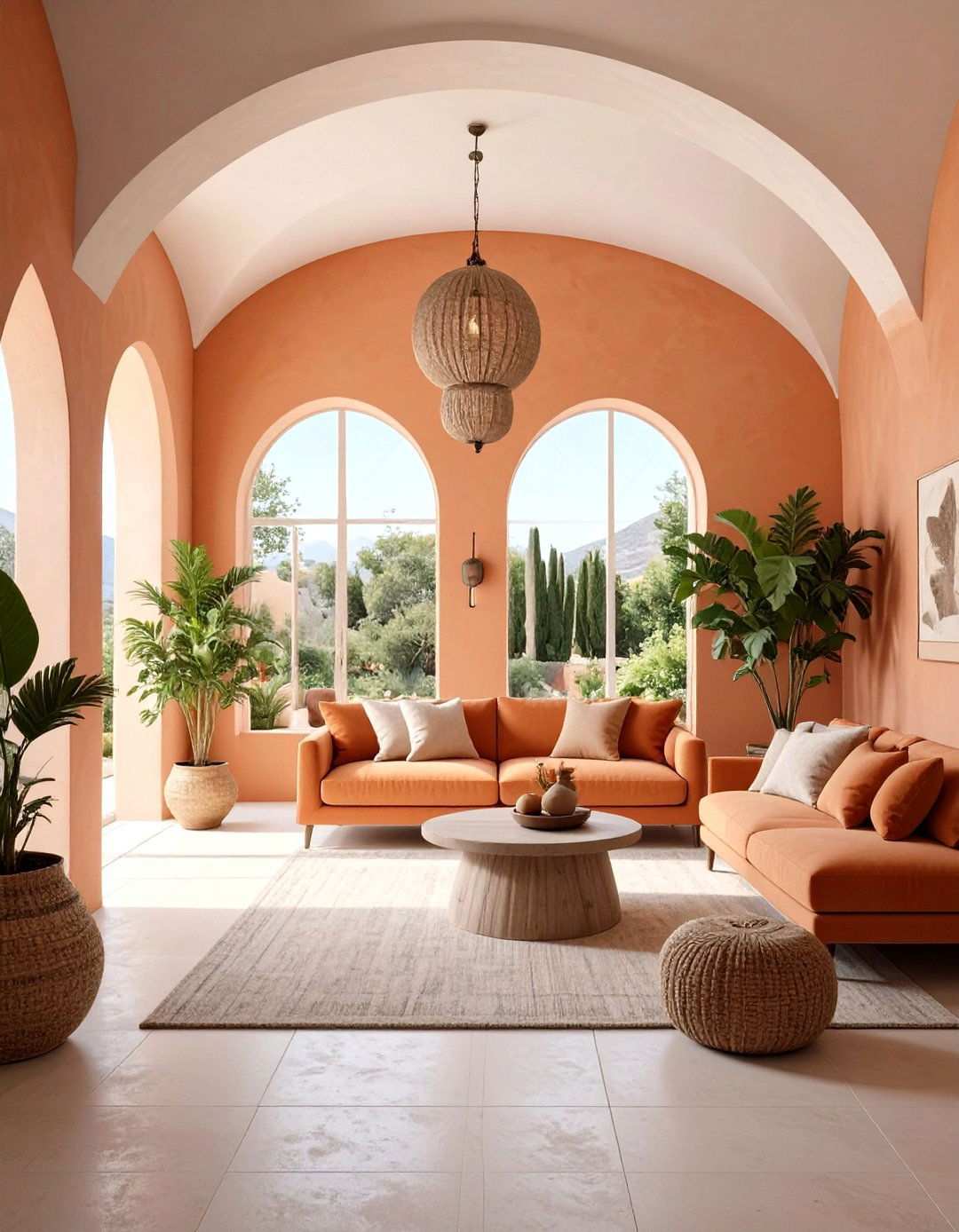
To infuse your home with the charm of Italian countryside living, incorporate arched doorways and windows that soften architectural lines and create a flowing, organic atmosphere. These curved elements beautifully frame views between spaces, adding visual interest and an authentic touch of Mediterranean flair. Consider painting arches in soft, warm hues like cream or pale yellow to complement terracotta walls or highlight them with natural stone accents for added texture and depth. The curved openings work harmoniously with exposed beams above and terracotta tile floors below, crafting a cohesive narrative that ties the space together. By thoughtfully positioning furniture to take advantage of these framed views, you can guide traffic flow while maintaining the open, inviting atmosphere that’s synonymous with Tuscan living.
7. Cozy Leather Conversation Areas
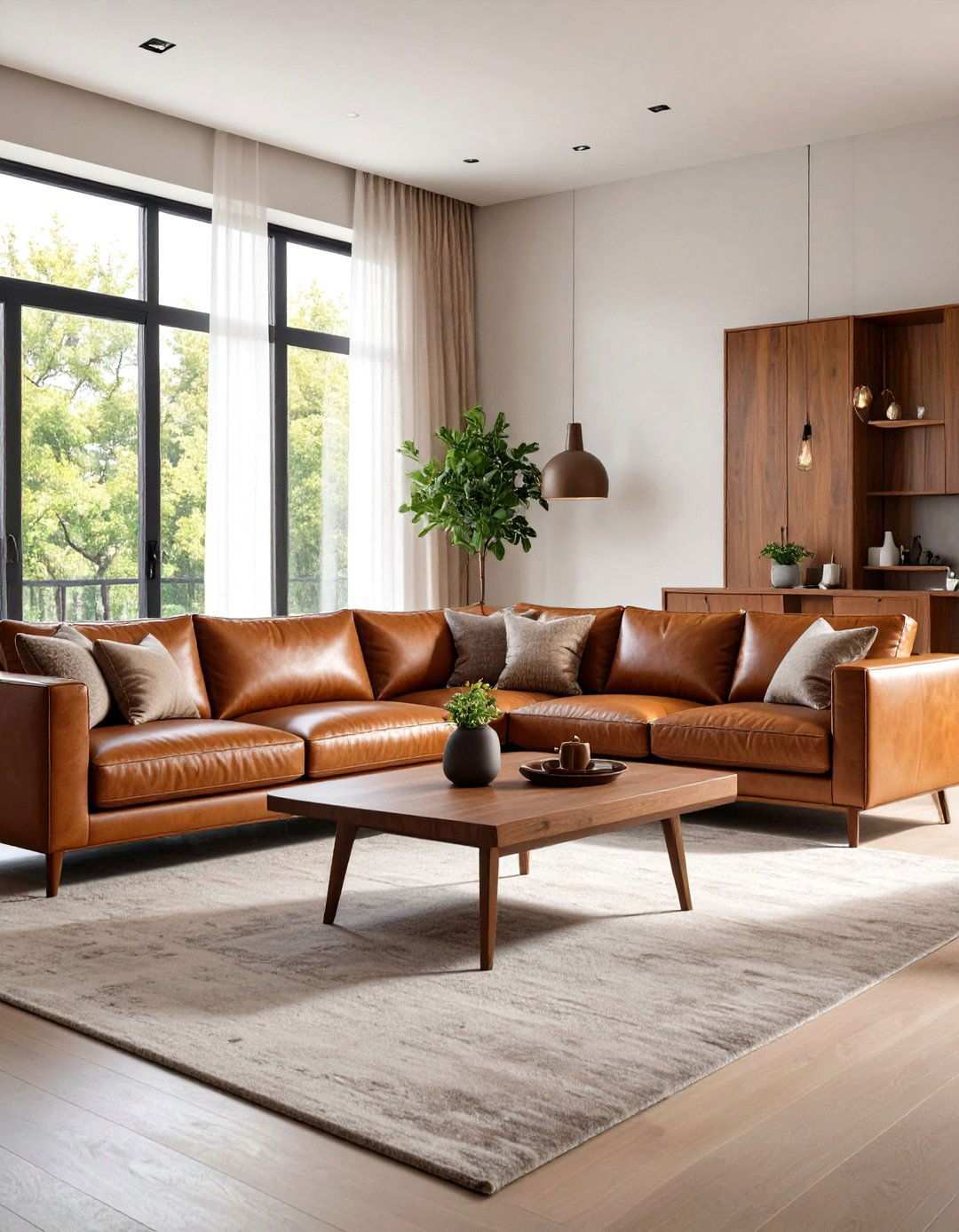
Create inviting conversation spaces with rich leather sofas in warm, earthy tones like cognac, chocolate, or aged tobacco brown. These natural hues develop a beautiful patina over time, contributing to the authentic Italian aesthetic and a lived-in quality that defines Tuscan interiors. Arrange seating in an L-shape or facing configuration around a central coffee table to foster interaction and relaxation. Add textured throw pillows in earthy tones and soft wool blankets for additional comfort and visual interest. As the leather ages, it will only enhance the warm, welcoming atmosphere of the space, perfectly complementing stone fireplaces, wooden beams, and wrought iron accents throughout the room.
8. Distressed Plaster Walls for a Tuscan Touch
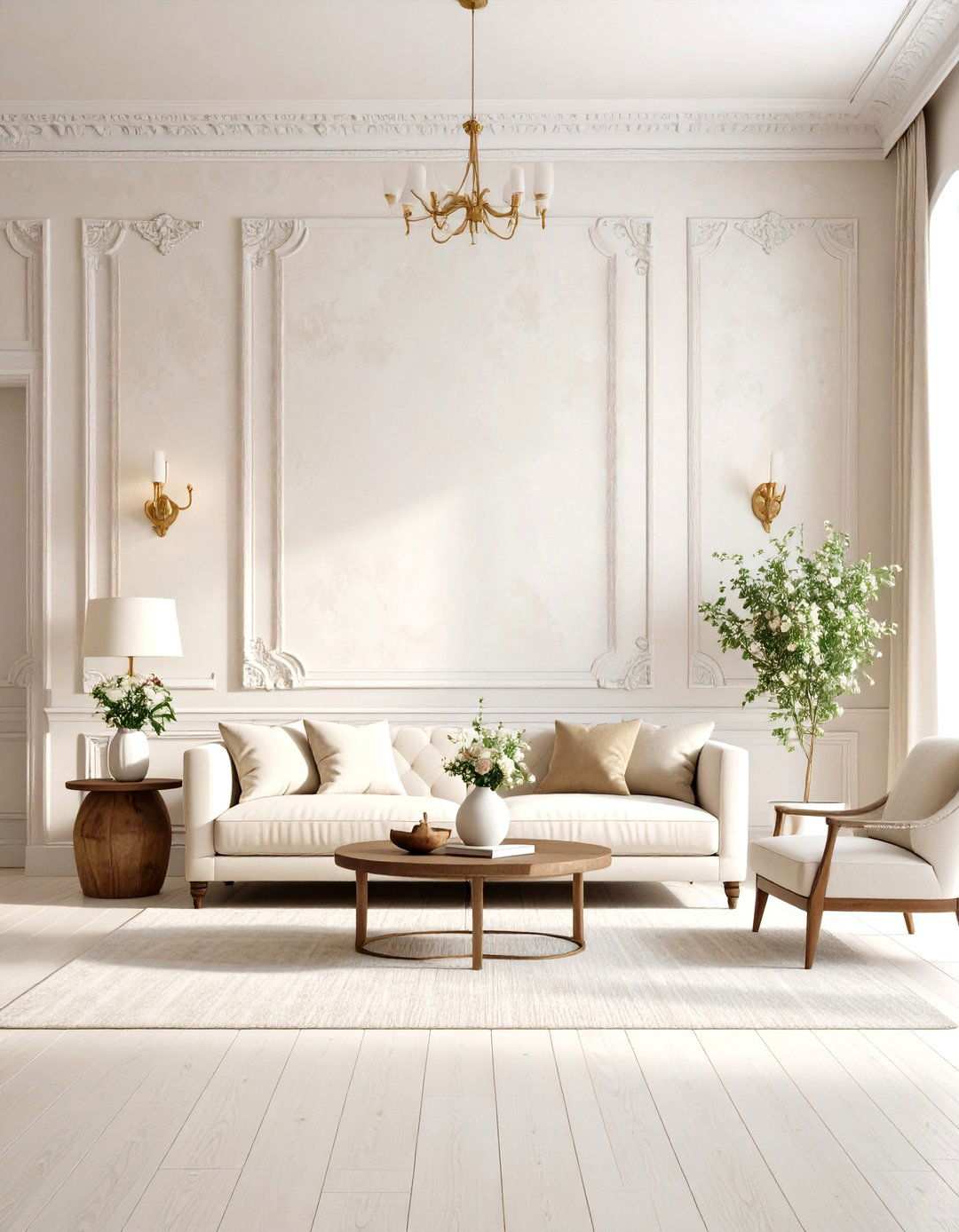
To bring the authentic look and feel of Italian villas into your living room, apply Venetian plaster or textured stucco finishes to create depth and character on your walls. These hand-applied techniques produce subtle variations in color and texture that beautifully mimic the aged surfaces found in centuries-old Tuscan homes. Choose warm, neutral tones like cream, sand, or pale gold as your base, allowing natural light to dance across the surface throughout the day. The irregular texture catches and reflects light beautifully, creating visual interest without overwhelming the space. This traditional wall treatment provides a stunning backdrop for wrought iron artwork, ceramic pieces, and wooden furniture, while establishing the rustic sophistication that defines authentic Tuscan design.
9. Modern Tuscan Color Revivals
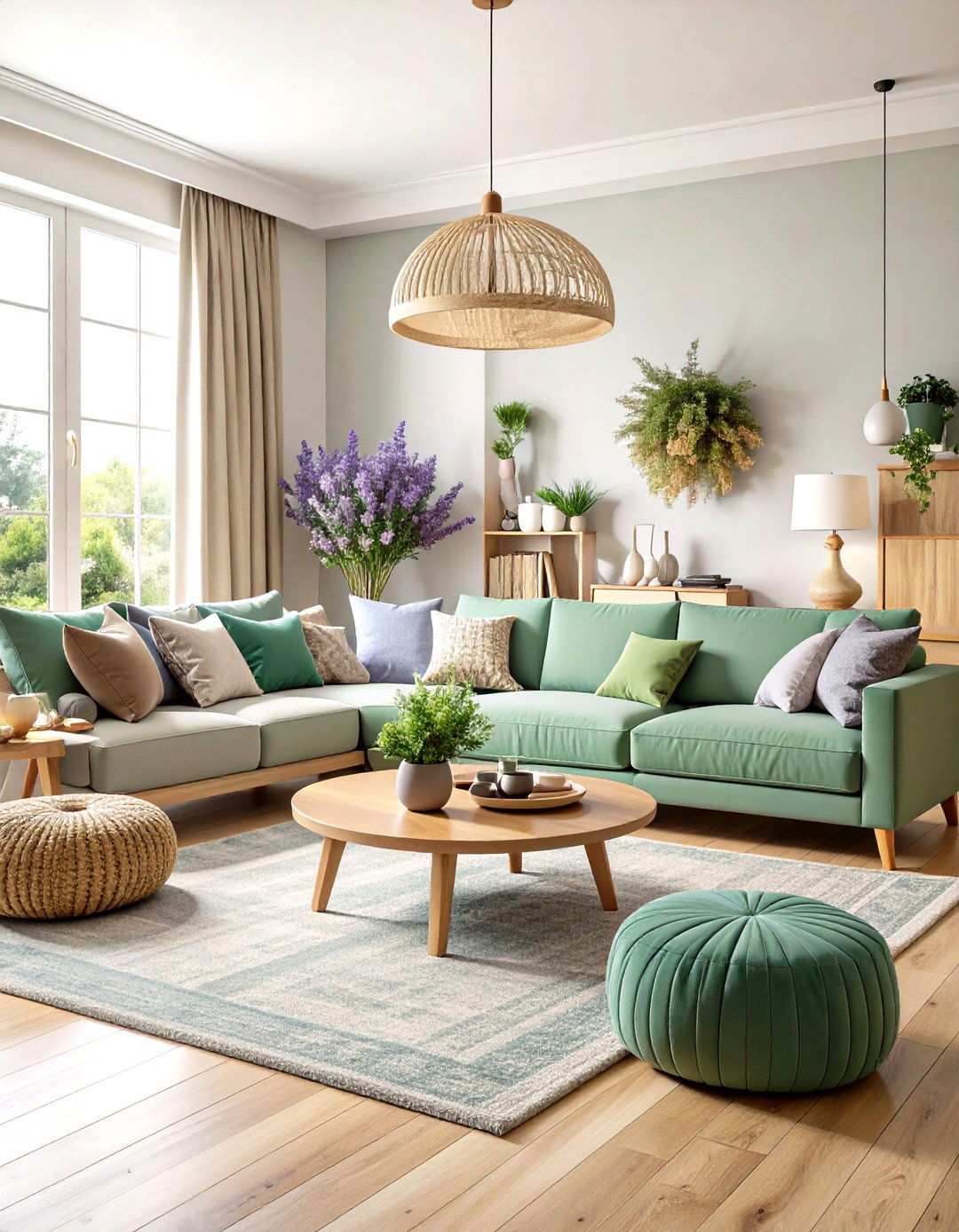
To revitalize the classic Tuscan style, consider a refreshing palette that blends the traditional warmth with contemporary brightness. Update heavy, rich tones with lighter shades of sage green, soft lavender, and warm gray, inspired by the breathtaking Italian landscapes. Off-white walls provide a clean canvas for statement accents, while honey-toned wood furniture brings a touch of natural warmth to the space. This modern approach retains the cozy atmosphere while making the room feel less formal and more suited to modern living. By incorporating this brighter palette, you can effectively maximize the impact of large windows and open floor plans, allowing natural light to enhance the room’s inviting ambiance.
10. Artisanal Iron Lighting Fixtures
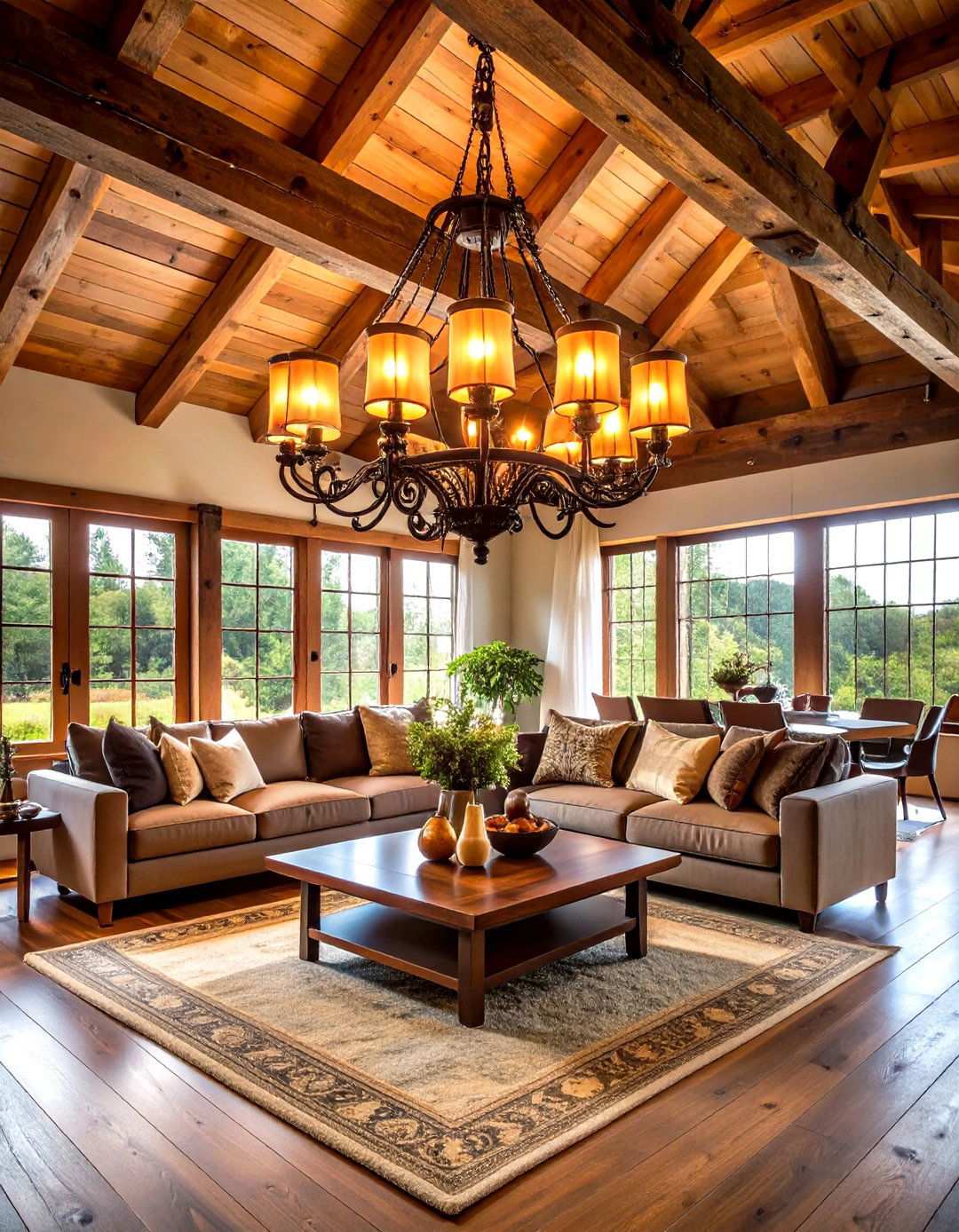
Add a touch of traditional Italian elegance to your Tuscan living room with handcrafted wrought iron chandeliers and wall sconces that combine artistry with functionality. The intricate metalwork features curved details reminiscent of classic Italian blacksmithing techniques. Pair these fixtures with warm amber or honey-colored glass shades to create soft, inviting light that complements the earthy tones of the room. Strategically position the fixtures to highlight architectural features like exposed beams or stone fireplaces, while also providing sufficient ambient lighting for evening gatherings. The perfect blend of artisanal craftsmanship and warm lighting creates an authentic atmosphere that celebrates traditional Italian artisanal skills while catering to modern lifestyles.
11. Terra Cotta Tile Embellishments
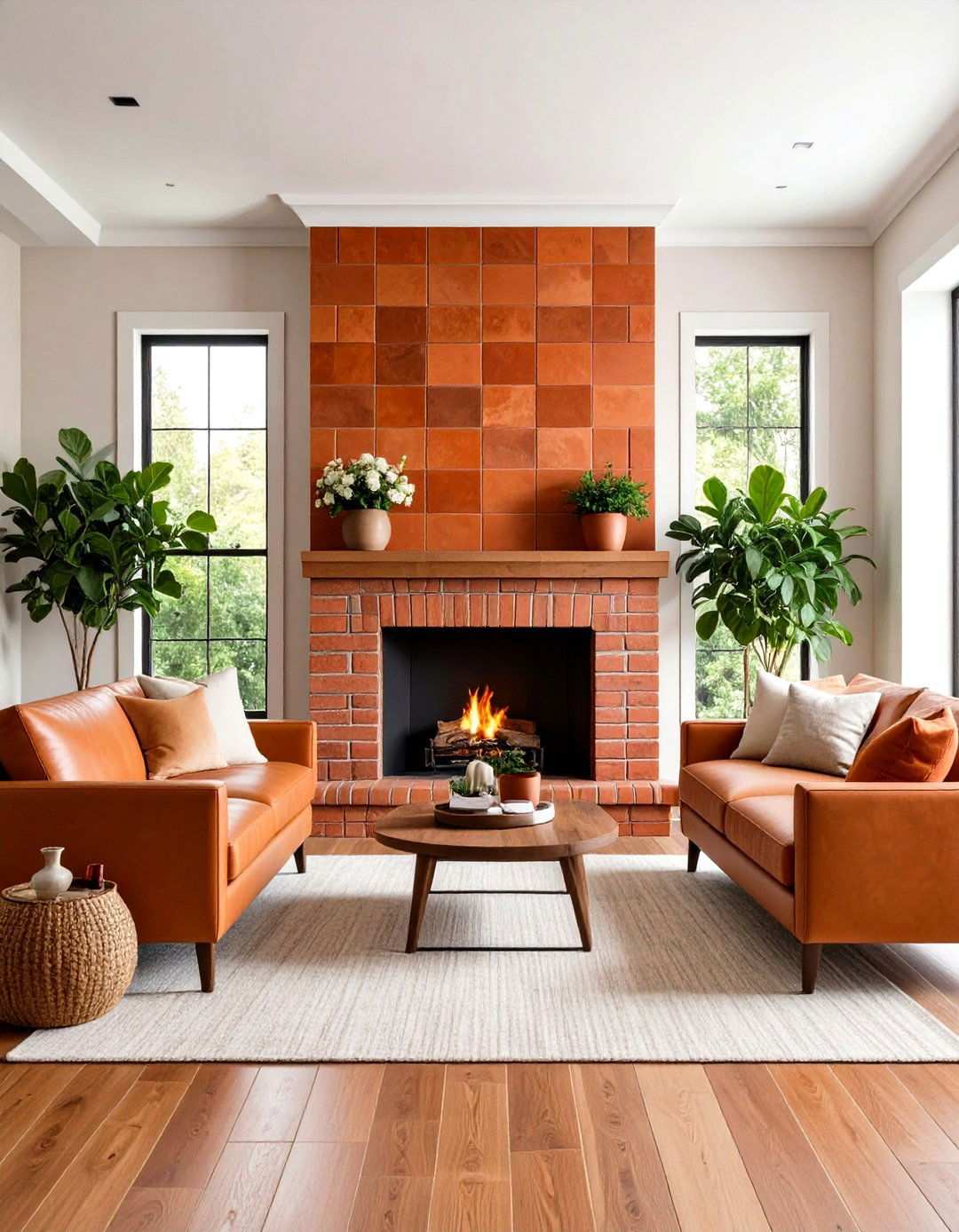
To infuse your Tuscan space with authentic Italian character, incorporate traditional terra cotta tiles as decorative accents on fireplace surrounds, backsplashes, or floor borders. The handmade tiles exhibit natural variations in color and texture, reflecting the artisanal craftsmanship that goes into their creation. Their warm orange-red tones perfectly complement the overall Tuscan color palette, adding a pop of color and visual interest. Mix different sizes and patterns to create a dynamic look, or use consistently sized tiles for a more formal appearance. The clay material connects to traditional Italian pottery and ceramic traditions, reinforcing the authentic Mediterranean aesthetic. For optimal durability, seal the tiles properly and coordinate them with other natural materials like stone and wood throughout the room.
12. A Legacy of Italian Craftsmanship
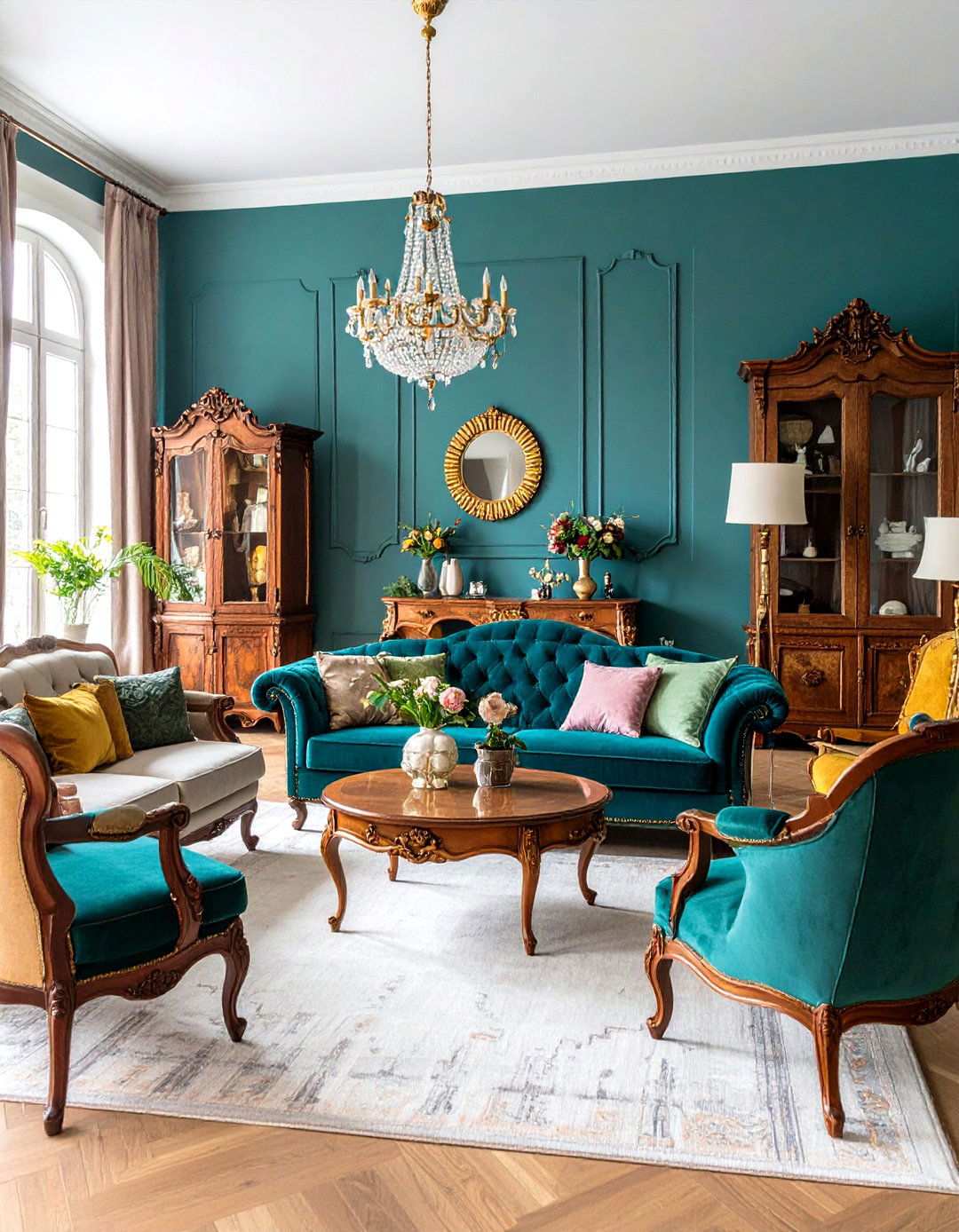
Create a collection of antique and vintage furniture pieces that reflect the storied history and family traditions of Italian artisans. Look for intricately carved wooden tables, hand-painted armoires, and plush chairs upholstered in classic fabrics with rich, muted tones and timeless patterns. Combine pieces from various periods and styles to achieve a layered, curated appearance reminiscent of authentic Tuscan interiors. Each piece should bear the scars of age and use, imbuing the space with a warm, welcoming atmosphere that feels lived-in and inviting. The juxtaposition of textures, colors, and craftsmanship techniques adds visual interest while maintaining a cohesive Mediterranean aesthetic that honors traditional Italian furniture making.
13. Weaving Comfort into Everyday Life
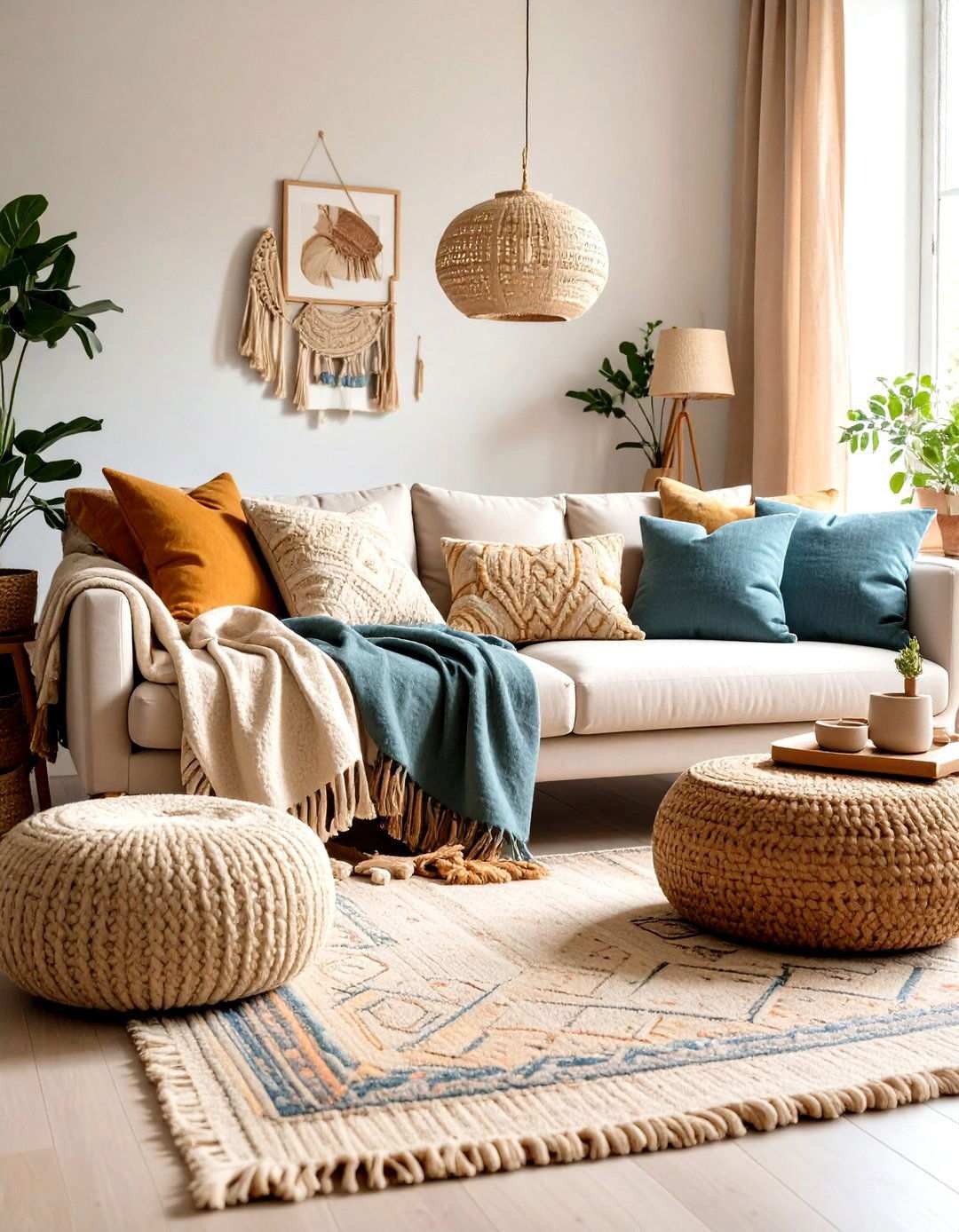
Achieve a sense of comfort and visual richness by layering natural textiles in earthy tones, including linen, wool, and cotton. Draping soft throws over leather seating adds a touch of warmth, while textured pillows in varying sizes and woven baskets for storage and display add depth and visual interest. As these natural fibers age, they develop a beautiful patina, contributing to the authentic, lived-in quality that is the hallmark of Tuscan design. Opt for fabrics in muted colors like sage green, warm gray, and cream, which complement the overall color palette while introducing softness to harder surfaces like stone and wood. By layering textiles, you create a sense of depth and comfort, maintaining the relaxed, welcoming atmosphere that defines Italian countryside living.
14. Savoring the Flavors of Tuscany
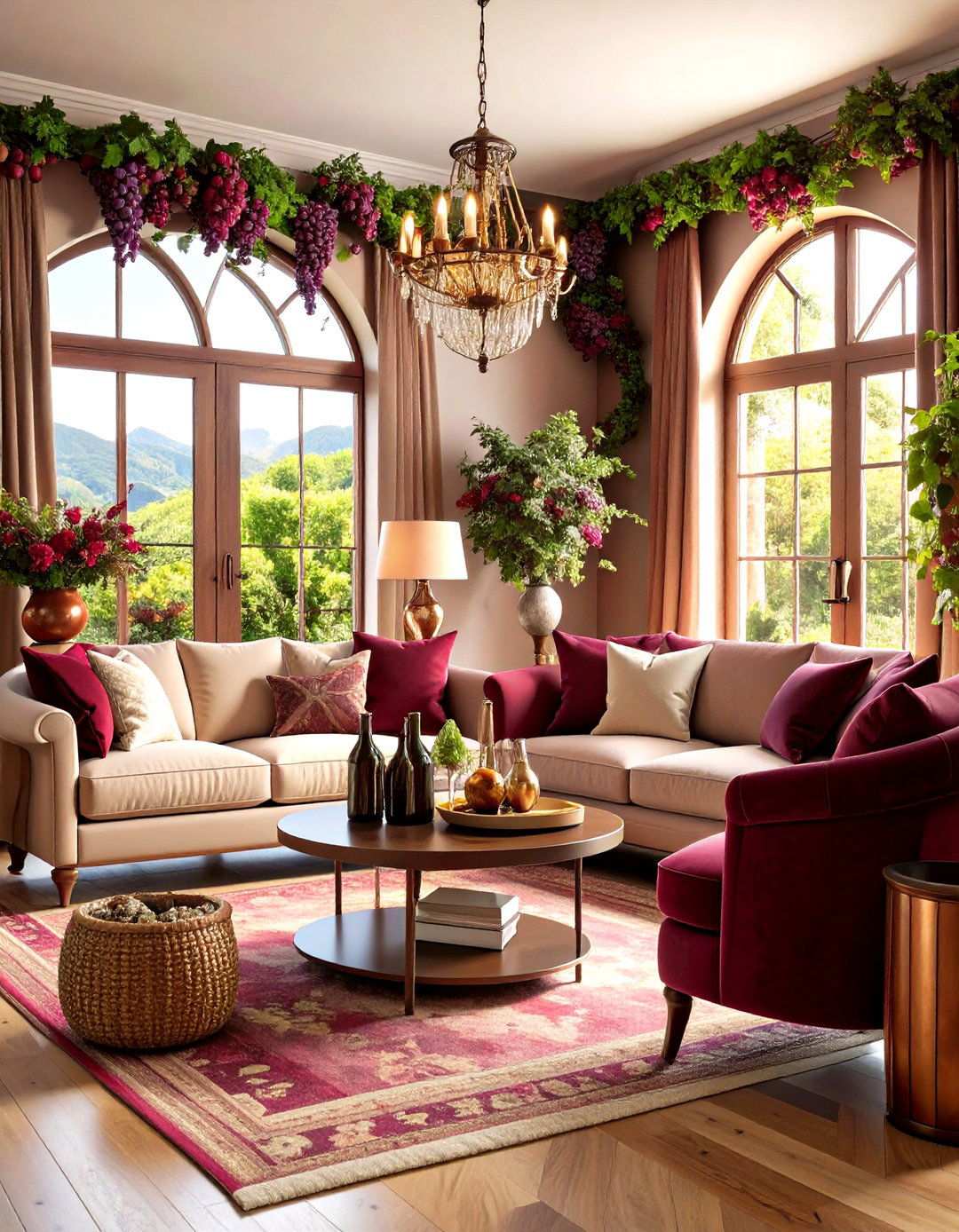
Find inspiration in the rolling hills and vineyards of Tuscany through deep burgundy accents, grape vine motifs, and wine-related decorative elements. Display vintage wine bottles, copper vessels, and ceramic pitchers that pay homage to the region’s renowned viticultural heritage. Rich, wine-colored textiles complement earth-toned walls, adding a sense of sophistication and luxury. Incorporate actual grape vines or olive branches as natural decorative elements, and consider wine barrel furniture pieces for authentic character. This theme celebrates Italian food and wine culture while maintaining the rustic elegance that defines Tuscan interiors. This approach is particularly well-suited to homes with wine storage or entertaining areas adjacent to the living room, where the theme can be fully appreciated.
15. Artful Stone Focal Points
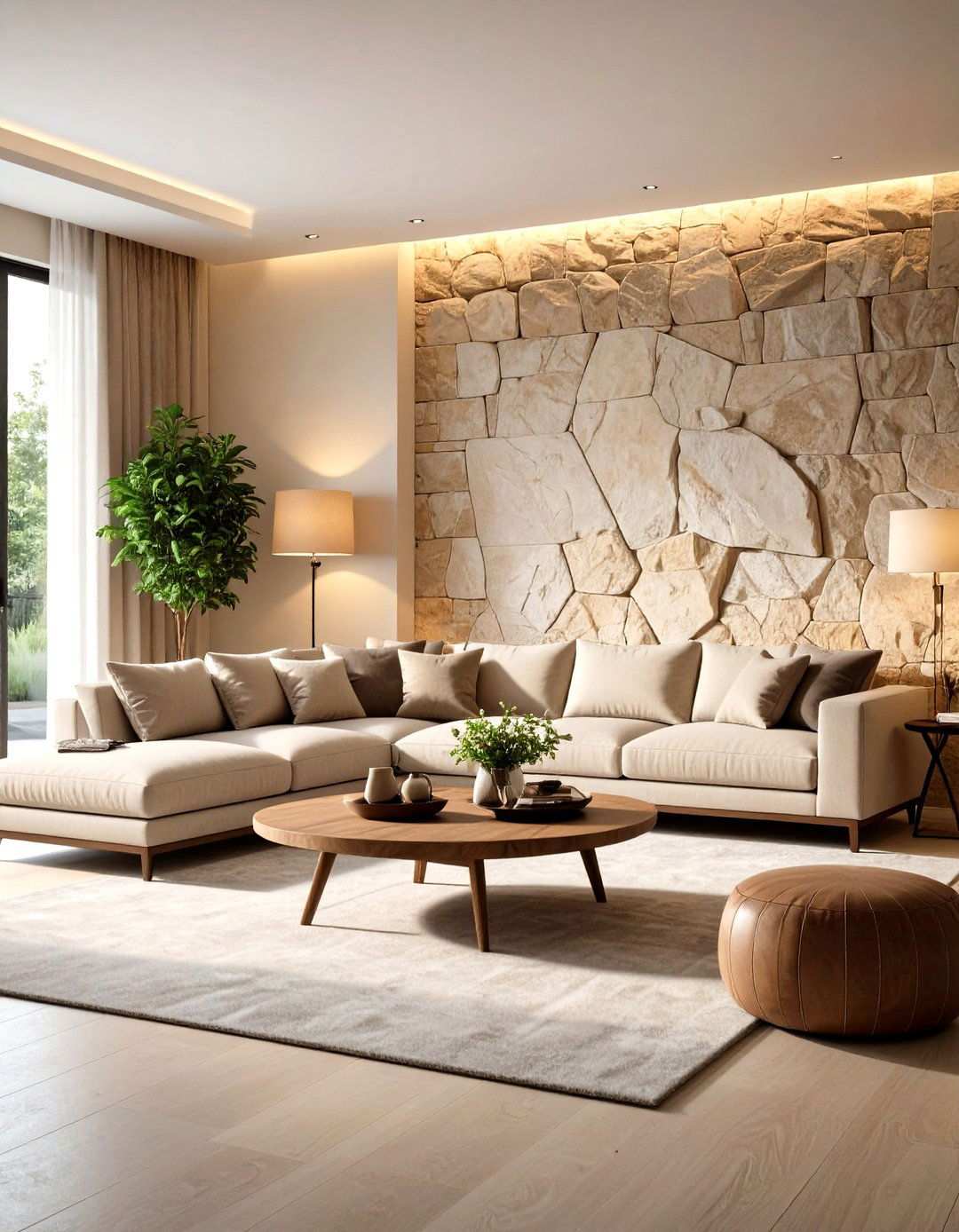
A dramatic accent wall crafted from natural stone can serve as a captivating focal point in any room, especially when situated behind seating areas or fireplaces. The use of limestone, travertine, or fieldstone in various textures and hues creates a visually striking contrast that echoes the rustic charm of Italian countryside architecture. To achieve a cohesive look, select stones with warm, earthy tones such as beige, cream, and light brown that harmonize with the overall color scheme. The minimal maintenance required for natural stone is a significant advantage, offering enduring beauty and authentic character that adds depth to any space. Strategically placed lighting can highlight the intricate texture and variations of the stone, imbuing the room with visual interest and depth.
16. Harmonious Fusion of Old and New
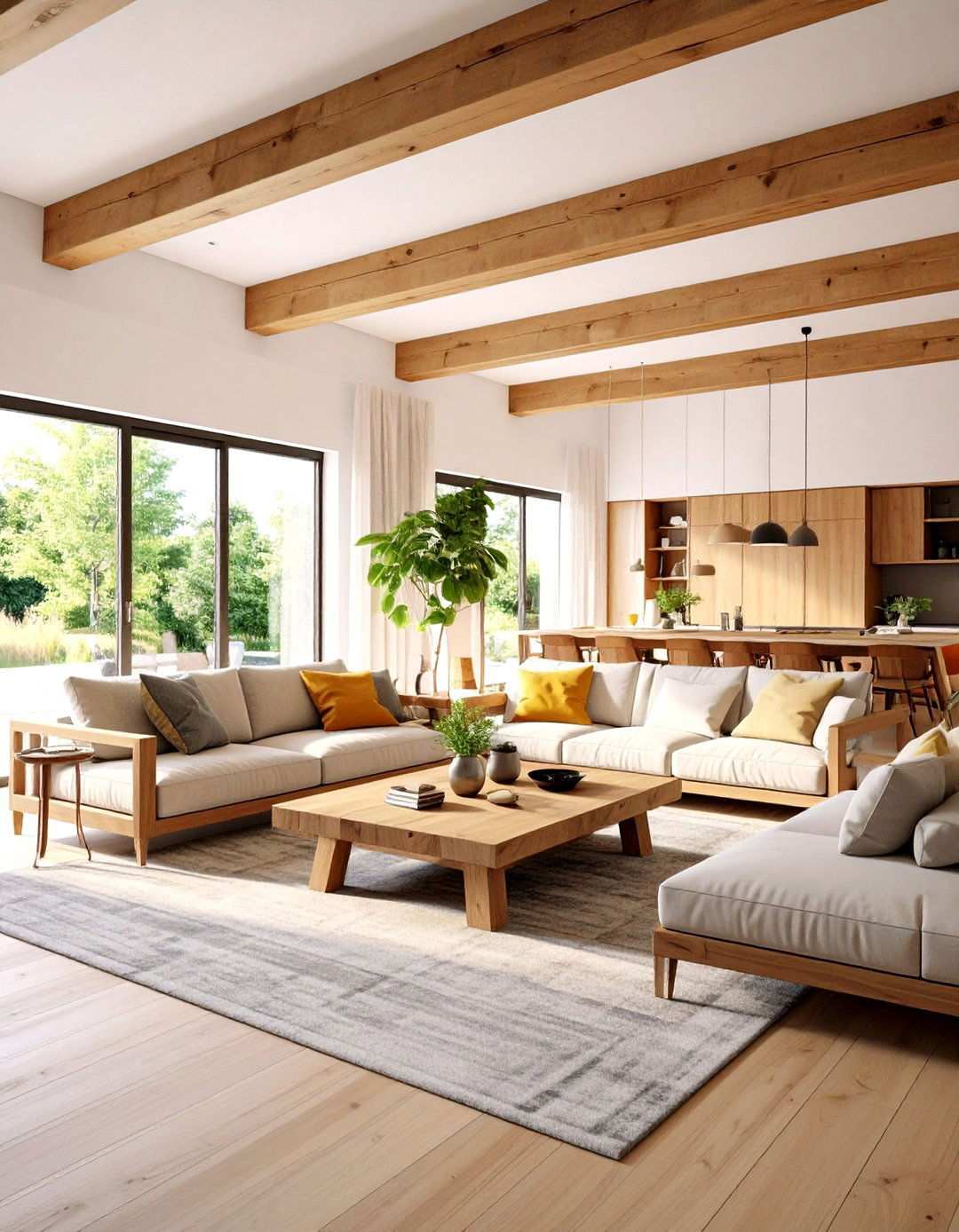
To create a unique and captivating space, blend traditional Tuscan elements with modern furniture and accessories, allowing for a fresh take on this classic style that caters to contemporary lifestyles. Pair sleek, minimalist sofas with rustic wooden coffee tables or combine contemporary lighting fixtures with traditional architectural features such as exposed beams. This thoughtful juxtaposition yields visual interest while maintaining comfort and functionality. For a seamless blend of old and new, opt for modern pieces in neutral colors that complement traditional earth tones, thereby creating a harmonious balance between contrasting styles. This approach appeals to those who cherish the warmth of Tuscan design but prefer a more streamlined aesthetic. The key to achieving this balance lies in carefully combining traditional and modern elements to create spaces that feel both timeless and current.
17. Seamless Indoor-Outdoor Transitions
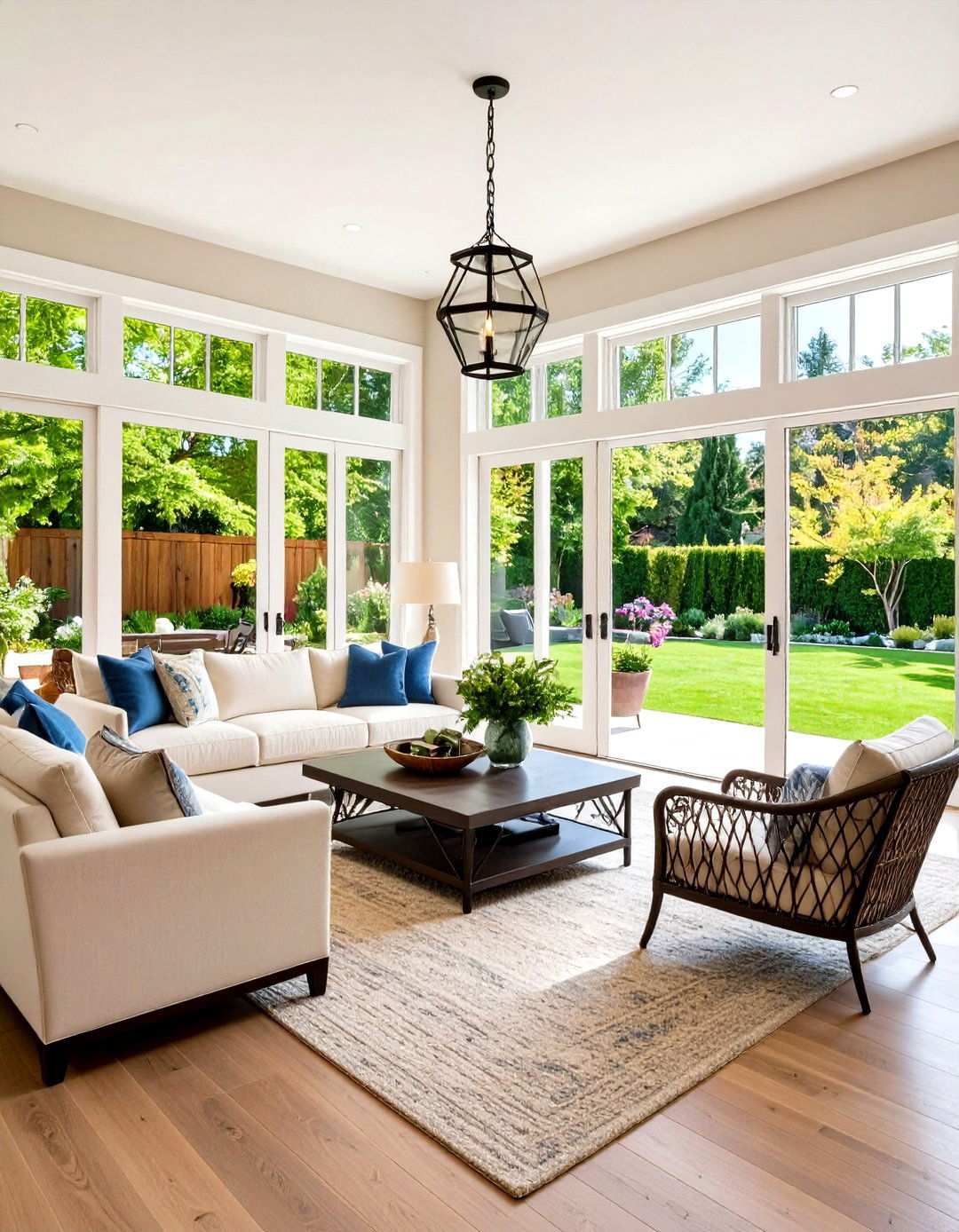
To extend the principles of Tuscan design and create an inviting indoor-outdoor living experience, incorporate large windows, French doors, and consistent materials and colors throughout the space. By strategically positioning seating areas to take advantage of garden or patio views, you can create a seamless connection between indoor and outdoor spaces. The use of natural materials like stone and wood in both areas fosters a cohesive look, while wrought iron furniture can be used effectively in both environments. Integrate living decorative elements such as potted herbs, olive trees, or Mediterranean plants to reinforce the connection to Italian countryside living. This approach not only celebrates the outdoor lifestyle inherent to Tuscan culture but also creates flowing, comfortable spaces perfect for relaxation and entertainment.
18. Elevating Ceramics and Pottery in Tuscan Interiors
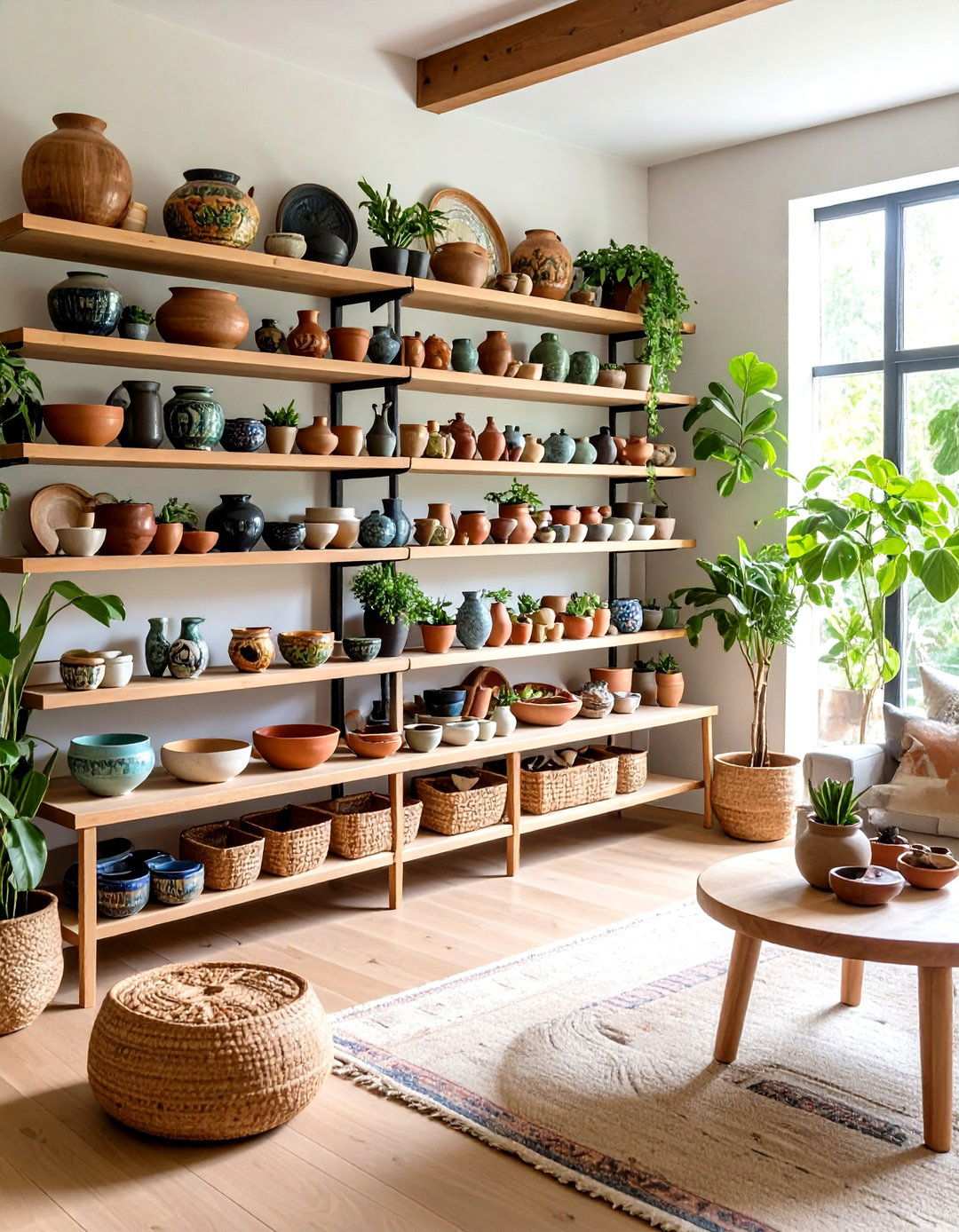
To infuse your Tuscan living room with a sense of authenticity, consider showcasing handcrafted ceramics and pottery as both decorative and functional elements. Display these treasures on open shelving, mantels, and side tables, selecting pieces that boast traditional earth tones, hand-painted details, or natural glazes. By combining various sizes and shapes, you can create captivating visual interest while maintaining a harmonious color palette. The handmade pieces not only celebrate Italian artisan traditions but also add warmth and texture to the space. Incorporate both decorative objects and functional items like serving bowls or vases that can be used to create memorable entertaining experiences. A curated collection of ceramics and pottery develops over time, much like a traditional Tuscan interior, lending an air of authenticity and lived-in character.
19. Blending Wood Furniture for a Timeless Look
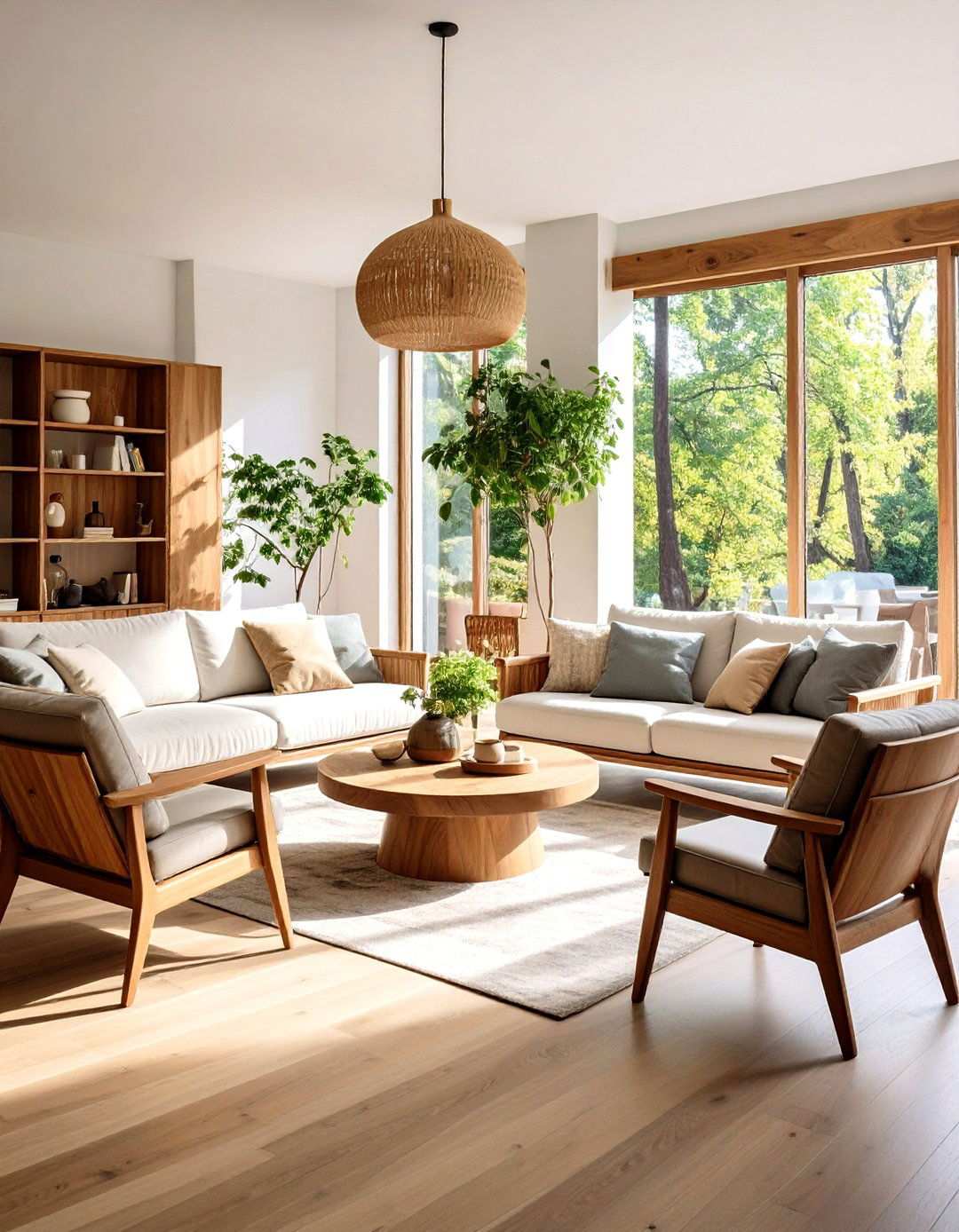
To create the coveted, layered appearance characteristic of authentic Tuscan homes, blend various wood furniture pieces in different tones and finishes. Combine the richness of dark walnut tables with the warmth of lighter oak chairs, or pair painted and natural wood finishes for a visually striking effect. The eclectic mix of wood tones adds depth, character, and a natural, organic feel, which is a hallmark of the style. Choose pieces showcasing visible grain patterns and natural imperfections that celebrate the beauty of the material. Hand-carved details and traditional joinery techniques further enhance the authenticity of the space, making it feel comfortable, welcoming, and imbued with the essence of Italian countryside living.
20. Crafting a Cozy Ambiance through Warm Lighting
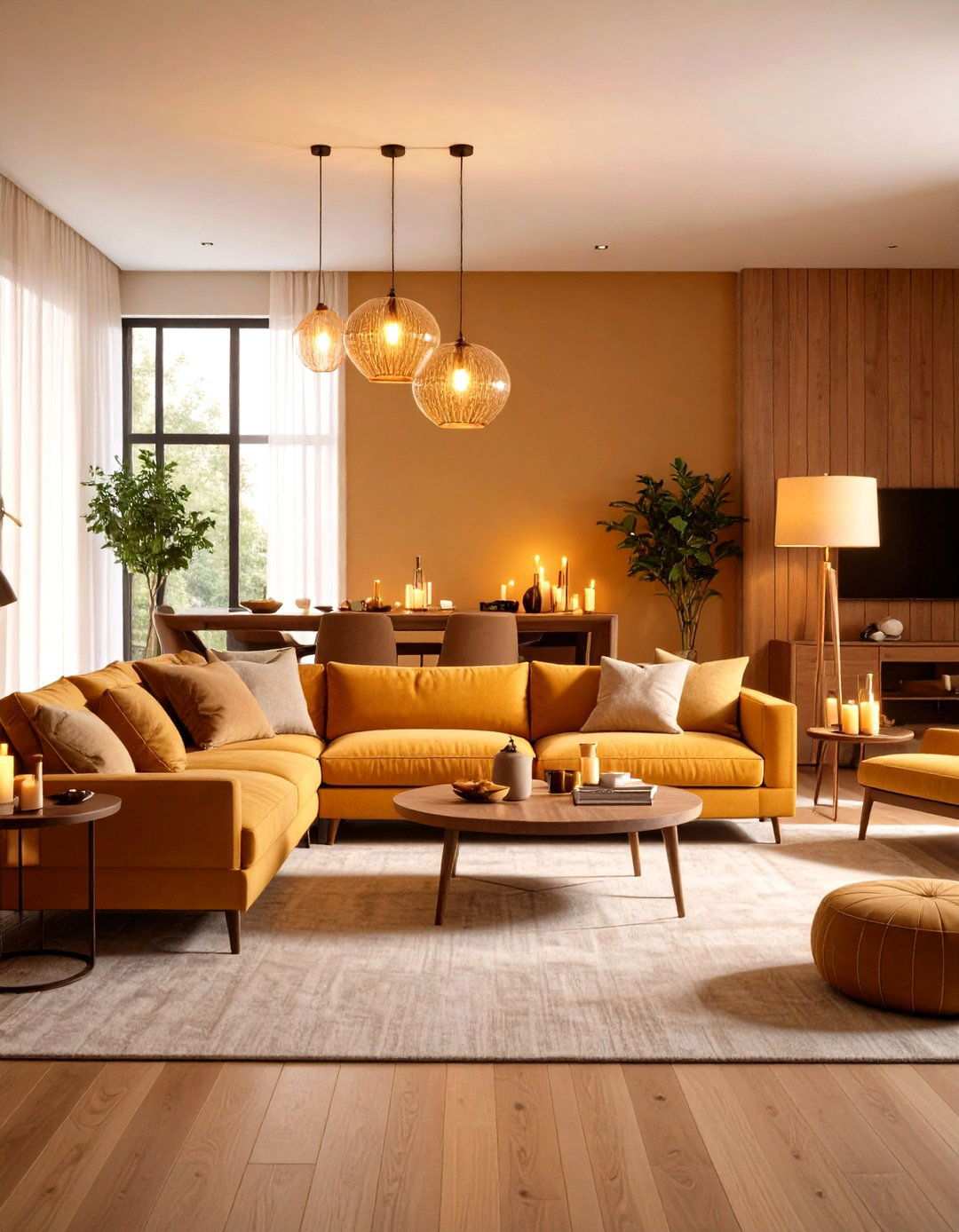
To create a warm, inviting atmosphere in your Tuscan living room, design a layered lighting scheme that incorporates table lamps, floor lamps, and candles in warm yellow and amber tones. Opt for soft light sources instead of harsh overhead lighting to foster intimate, cozy conversations and relaxation. Use lampshades in natural materials like linen or parchment to diffuse light gently, and consider wrought iron fixtures for their authentic character and functional illumination. Candles in hurricane glasses or metal holders contribute to the romantic, Old World atmosphere while providing flickering light that complements the room’s warm color palette. When done thoughtfully, this lighting scheme should feel natural, comfortable, and supportive of the welcoming character that defines Tuscan design.
21. Elevating Authenticity with Weathered Metals
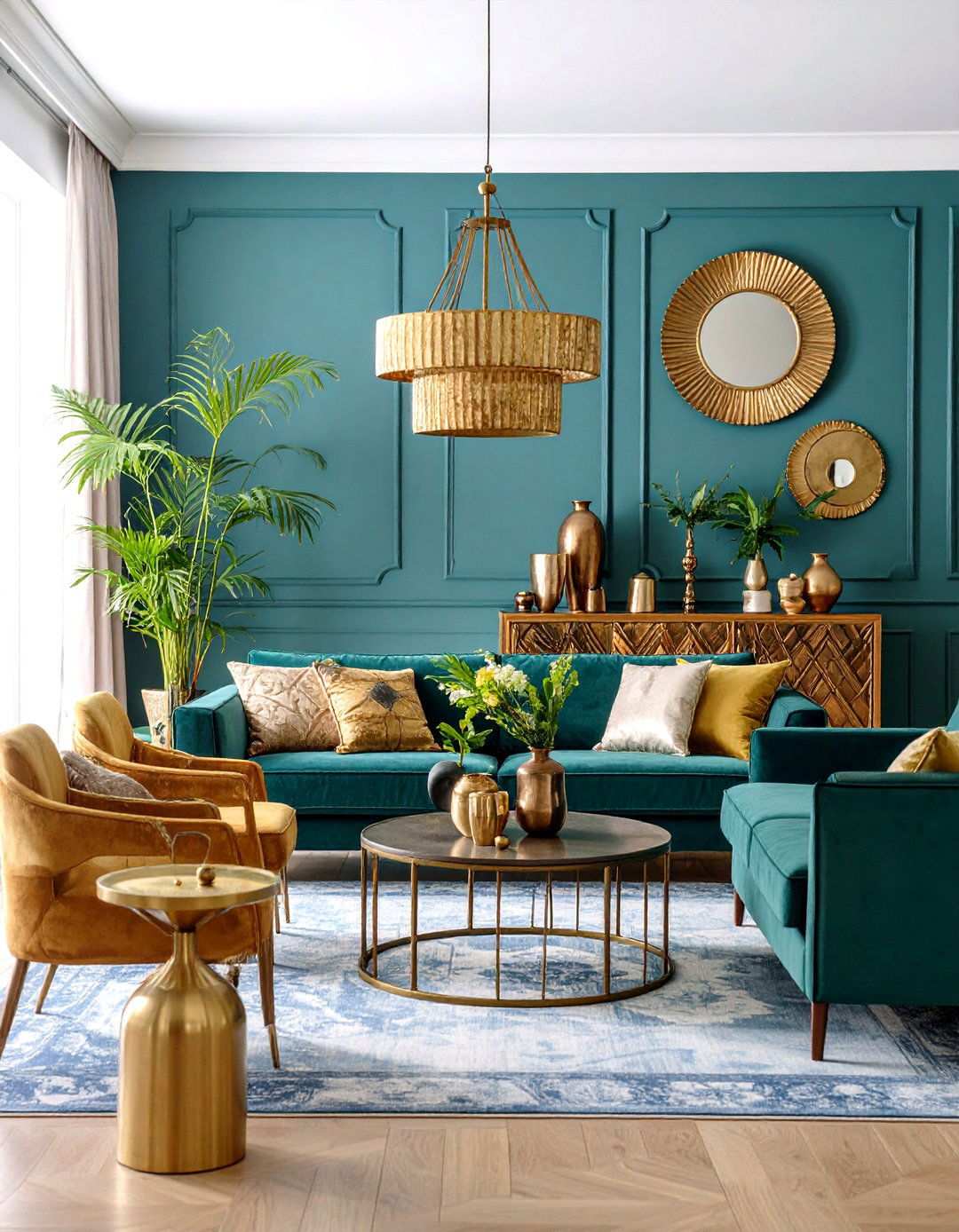
Craft a rich, authentic ambiance in your living room by incorporating aged metal accents throughout the space. Search for pieces with a naturally developed patina or deliberately aged finishes that evoke years of use and gentle care. To prevent visual overload, thoughtfully combine different metals in a manner that adds depth and richness without overwhelming the space. Practical items like fire tools, picture frames, and decorative bowls can be paired with ornamental pieces, allowing the metal accents to harmoniously coexist with natural materials like wood and stone. This carefully curated approach to metallic elements achieves a perfect balance between visual interest and the authentic, time-worn quality characteristic of traditional Tuscan interiors.
22. Establishing a Timeless Canvas
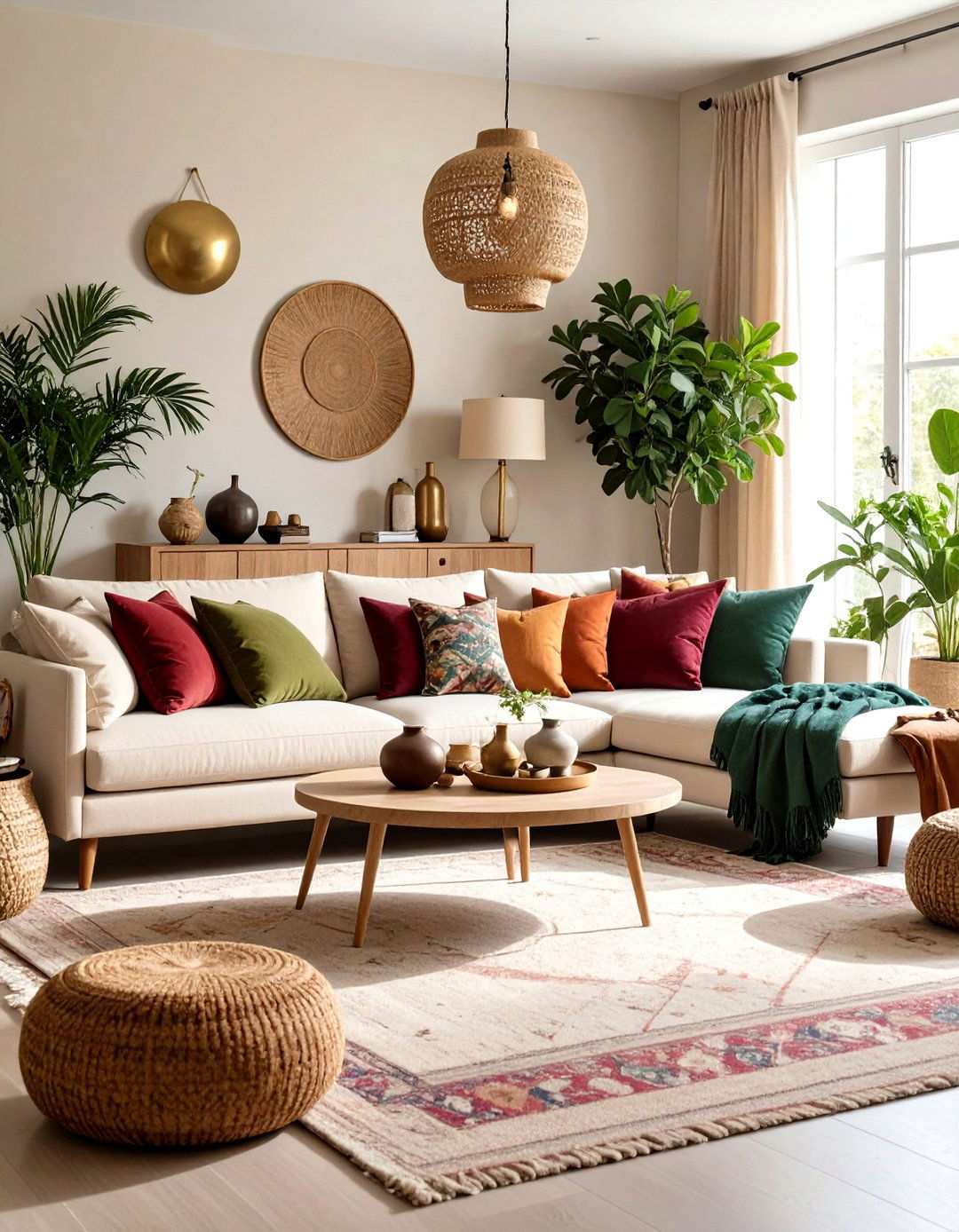
Create a sophisticated backdrop for your living room by choosing a neutral palette of cream, beige, and sand tones for walls, furniture, and flooring. This versatile foundation provides an ideal canvas for adding personality through strategically chosen colorful accents. Rich, deep colors like burgundy, forest green, and golden yellow inject vibrancy into the space without overpowering it. This adaptable approach enables you to effortlessly update your seasonal decor while maintaining the room’s essential character. By combining neutral textures with targeted color placement, you can create a calming atmosphere that references traditional Tuscan landscapes and materials, appealing to both traditionalists and those with a more contemporary aesthetic.
23. Honoring Classical Italian Design
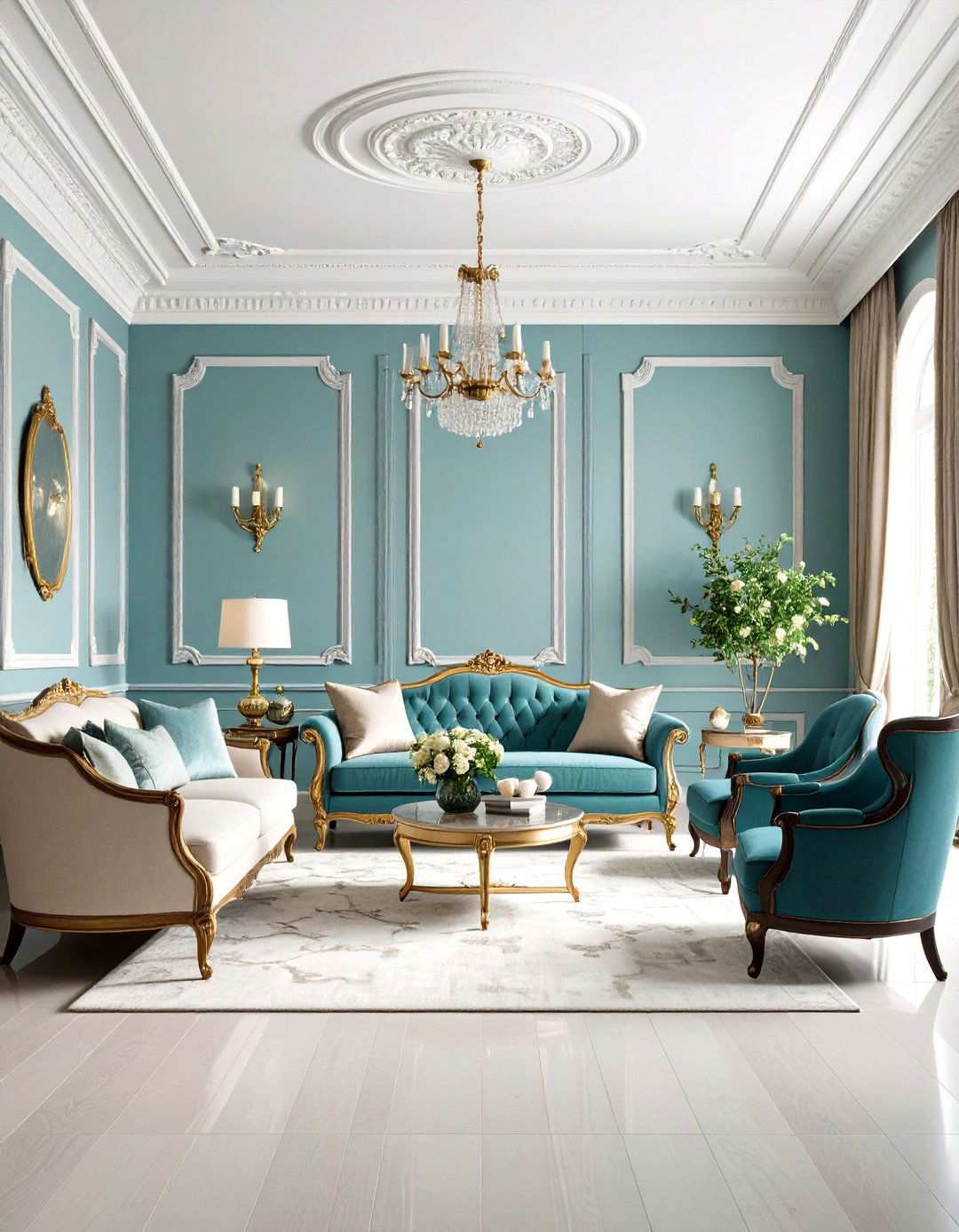
Incorporate authentic architectural elements like crown molding, wainscoting, and decorative niches that pay homage to classical Italian design traditions. These details not only add sophistication and visual interest but also provide opportunities for showcasing decorative objects and artwork. To enhance the overall aesthetic, paint trim work in warm, creamy tones or soft yellows that complement the wall colors. Alternatively, use subtle contrasting tones to create a subtle definition. When executed thoughtfully, these architectural elements become an integral part of the room, contributing to the sense of craftsmanship and attention to detail. By adhering to traditional proportions and classical design principles, you can create spaces that exude a sense of grandeur and comfort while honoring Italian architectural heritage and craftsmanship traditions.
24. Crafting a Serene Reading Sanctuary
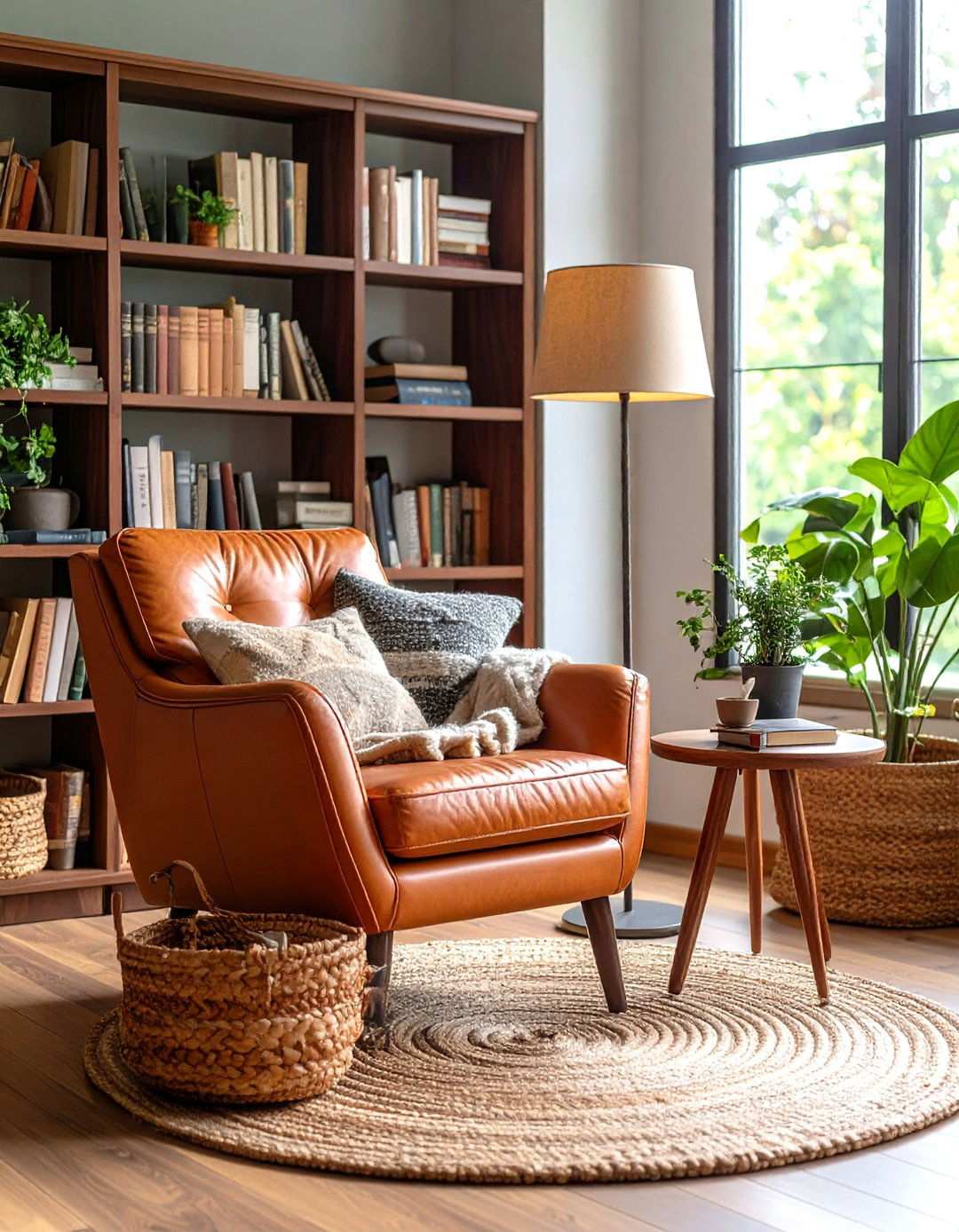
Create an inviting reading haven by placing a plush armchair in a spot where it can bask in the warmth of natural light, ideally near a window that frames the garden’s tranquil beauty. To complement the chair, include a compact side table that can hold treasured books, a refreshing beverage, or a warm cup of coffee on a chilly evening. A stylish floor lamp with a soft, warm glow will illuminate the space, creating an ambiance perfect for immersing oneself in a good book. For added comfort, consider incorporating a sumptuous throw blanket and a few accent pillows in soothing earthy tones. To keep favorite volumes within easy reach, a small bookshelf or woven basket can be thoughtfully placed nearby.
This deliberate design choice will not only create a cozy retreat but also establish a visual distinction between this quiet reading nook and the main seating areas, fostering a sense of separation while maintaining a harmonious connection to the overall room’s aesthetic. By crafting this serene sanctuary, you’ll be celebrating the Italian tradition of valuing literature and contemplation, as well as providing a peaceful refuge within the larger living space where one can savor quiet moments and unwind.