1. Crafting a Cozy Oasis through Layout Design
A room’s layout plays a pivotal role in crafting a space that not only reflects your personality but also meets your functional needs. Whether you’re working with a compact studio apartment or a spacious open-concept home, a thoughtfully designed layout can transform any room into an inviting retreat that fosters relaxation, entertainment, and daily life. By understanding various layout approaches, you can capitalize on your room’s potential while addressing common challenges such as awkward dimensions, multiple focal points, or limited square footage. Each layout strategy presents its unique benefits, from encouraging meaningful conversations to accommodating large gatherings, optimizing TV viewing, or creating distinct zones within open floor plans. The key lies in selecting arrangements that harmonize with your room’s architecture while supporting how you actually utilize the space. Effective furniture placement considers traffic flow, natural light, and the balance between functionality and aesthetics, ensuring every piece serves both practical and visual purposes.

As an Amazon Associate I earn from qualifying purchases.
2. Creating a Timeless Conversation Hub
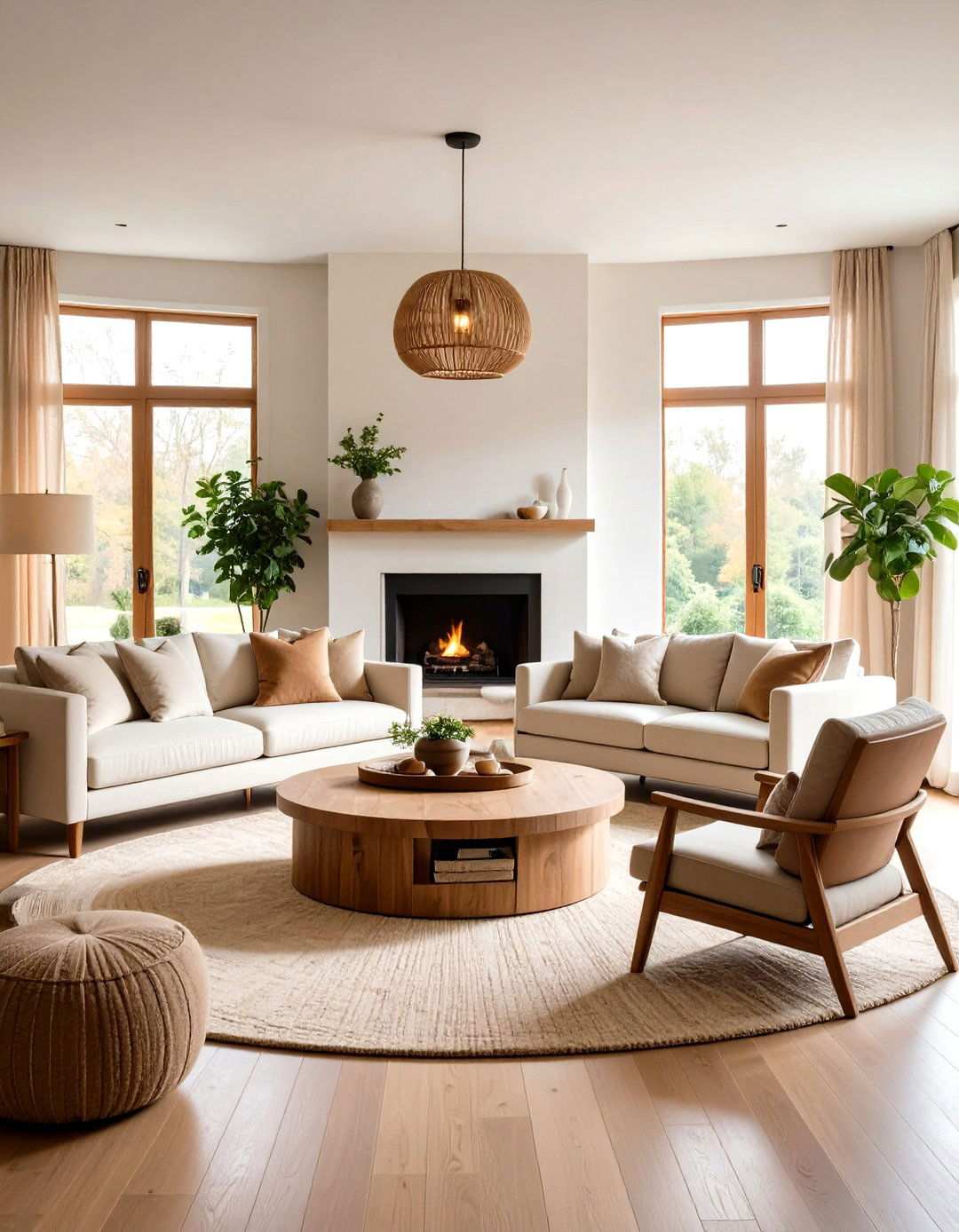
A classic approach to furniture arrangement centers around fostering meaningful interaction and comfort. To create an inviting circle, position your main sofa facing two accent chairs, with a coffee table anchoring the center. This setup works beautifully when the fireplace serves as the focal point, with seating angled slightly toward the hearth for warmth and ambiance. Strategically placing side tables within arm’s reach of every seat provides convenient surfaces for drinks and personal items. The layout encourages equal participation in conversations since no single seat dominates the arrangement. Area rugs help define the space and visually tie all elements together.
3. Sectional Corner Maximization Design
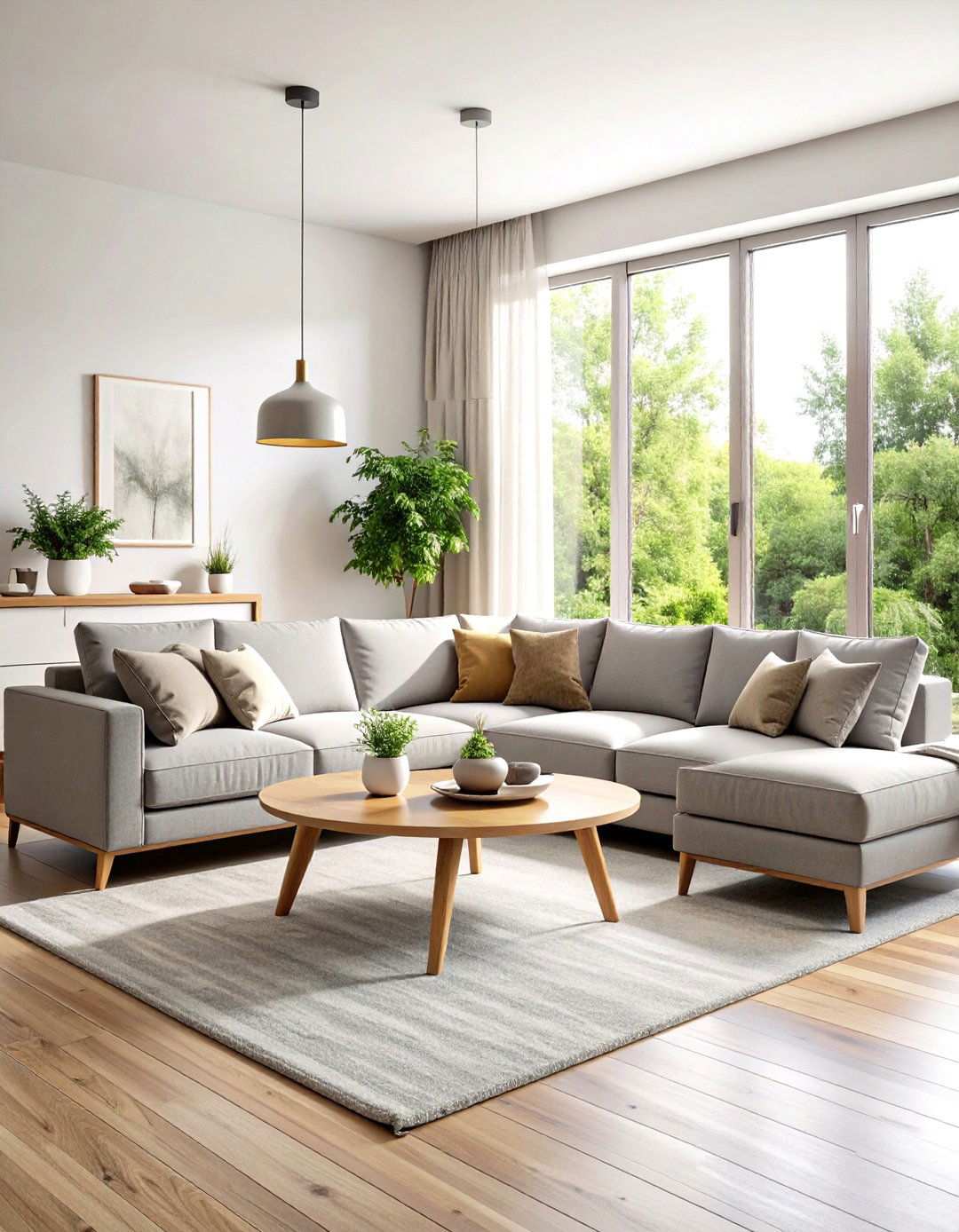
Corner sectional placement maximizes seating while freeing up valuable floor space for movement and activities. Position your L-shaped sectional snugly into the room’s corner, with the chaise extending along one wall and the main seating facing outward into the room. This configuration opens up the center space for a generous coffee table and creates clear pathways around the furniture. Add a couple of accent chairs or ottomans that can be moved as needed for additional seating during gatherings. The arrangement works particularly well in square rooms where corner placement doesn’t interrupt natural traffic patterns.
A Room Designed for Uninterrupted View
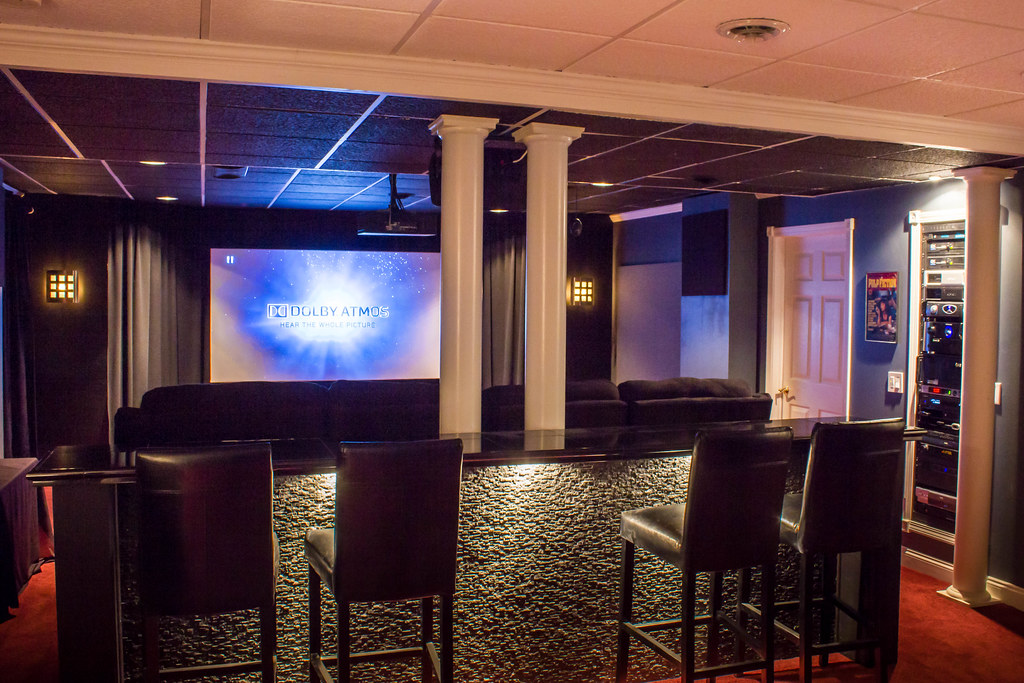
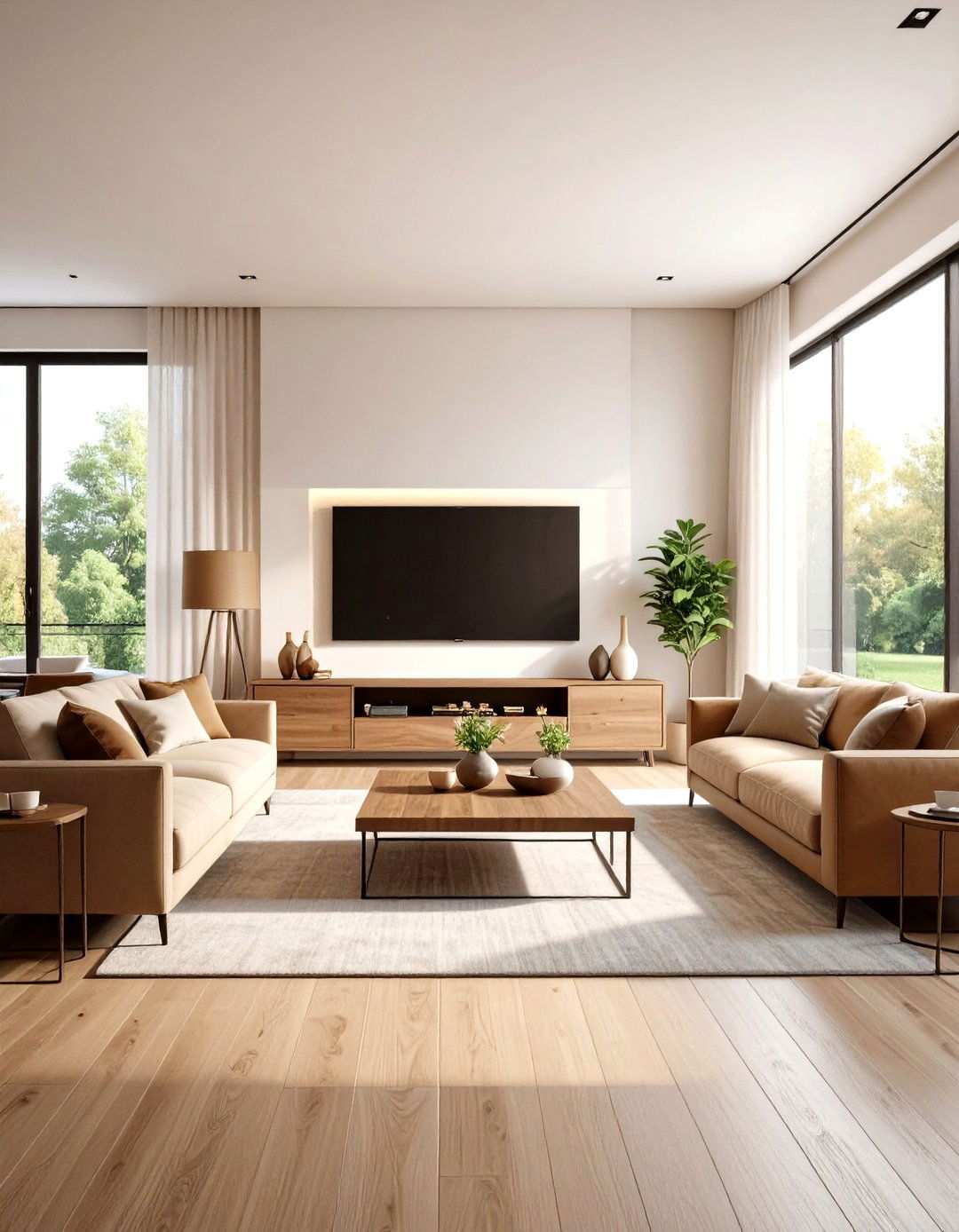
Craft a layout that puts the viewer at the center of the entertainment experience. Position the main seating area in a way that creates an unobstructed view of the entertainment center, with armchairs or a loveseat angled slightly inward to accommodate multiple viewers comfortably. A well-chosen media console serves as the anchor for the TV, providing storage for electronics and accessories while keeping the space clutter-free. Side tables and a coffee table ensure everyone has a convenient spot for snacks and beverages during movie nights, while the room’s lighting is carefully balanced to minimize glare on the screen and maintain ambient illumination for comfortable viewing. This thoughtful layout prioritizes entertainment while fostering a sense of community and inclusivity.
4. Creating a Seating Oasis
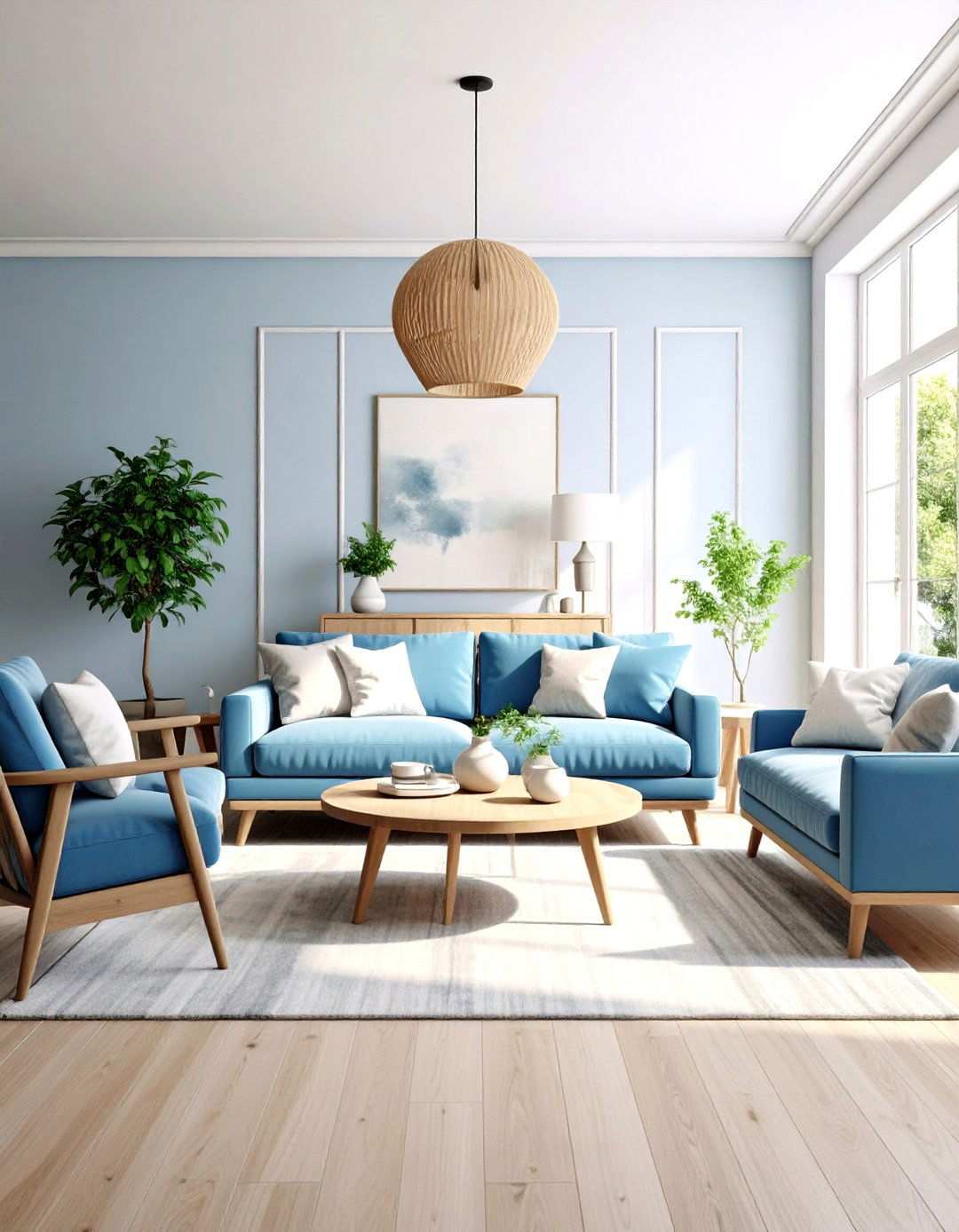
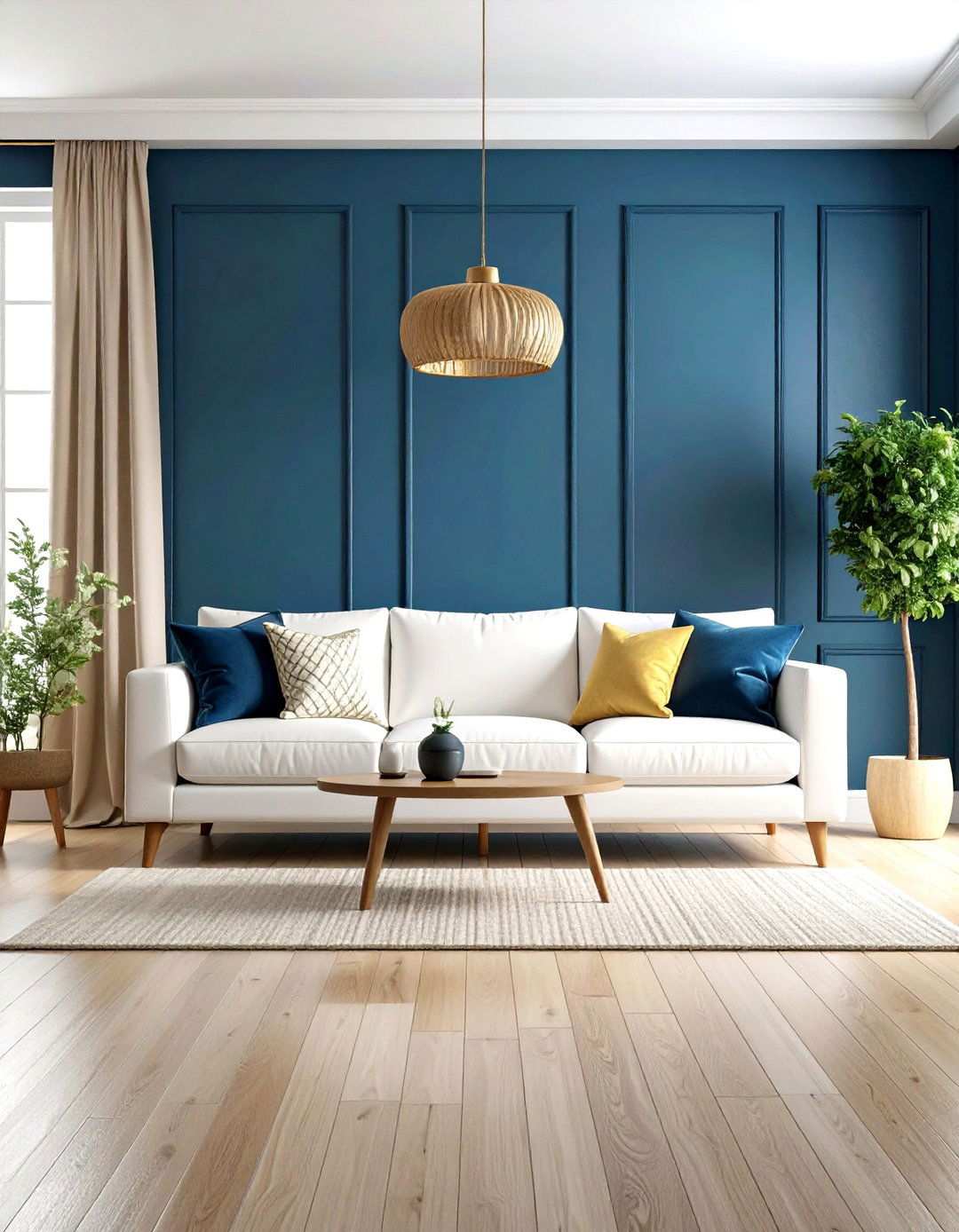
Design a space that draws the furniture inward, away from the walls and toward the room’s center. This sophisticated approach works particularly well in larger spaces where you can afford to leave walls bare or minimally decorated. Position a sofa with its back to the room’s entrance, flanked by chairs or side tables to create a self-contained conversation area. The floating arrangement not only creates a sense of intimacy but also improves traffic flow around the seating group, making the space feel more intentional and cohesive. Add a console table behind the sofa for additional surface space and to help define the seating area’s boundaries, further enhancing the sense of separation from the rest of the room.
5. Finding Balance Between Two Focal Points
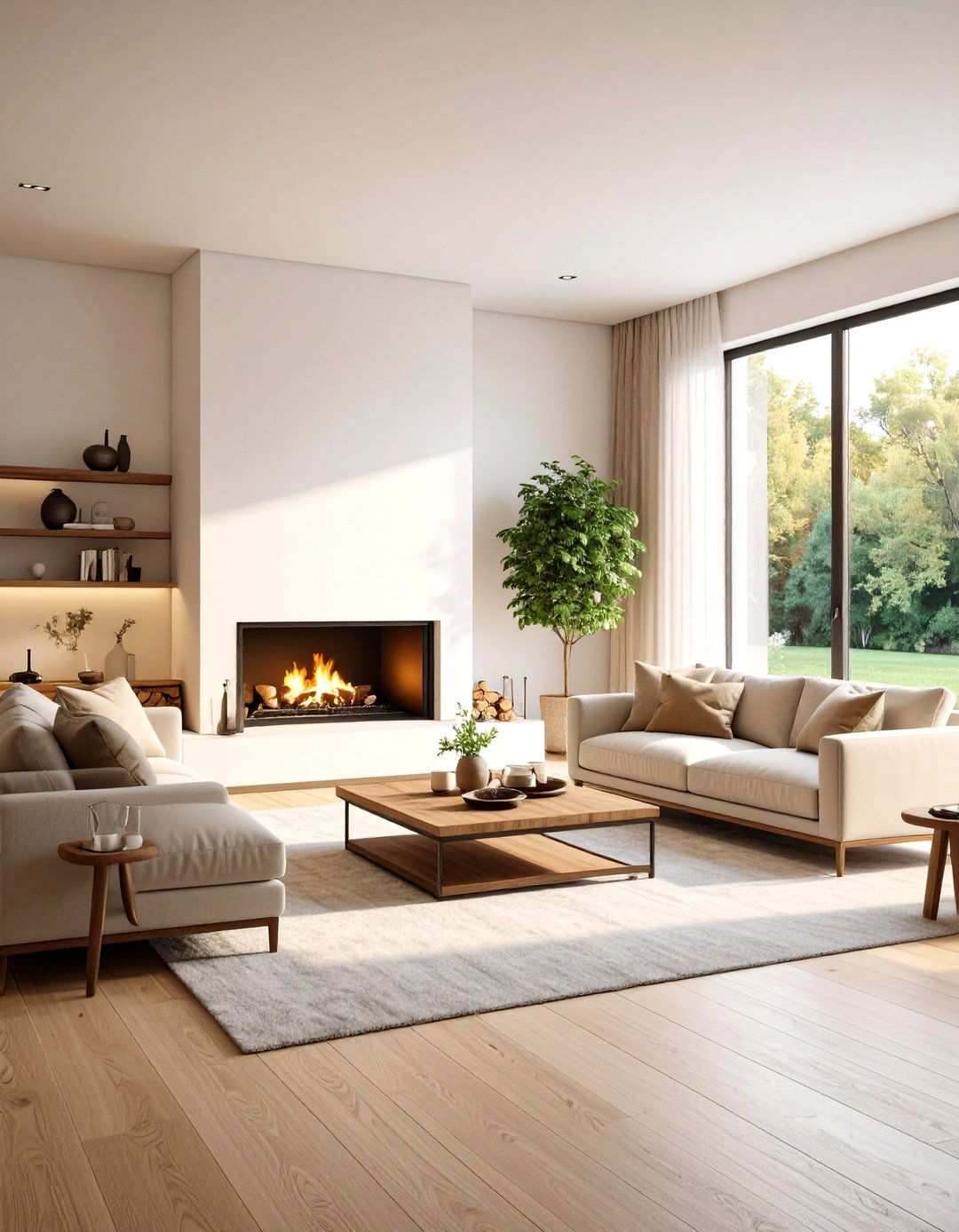
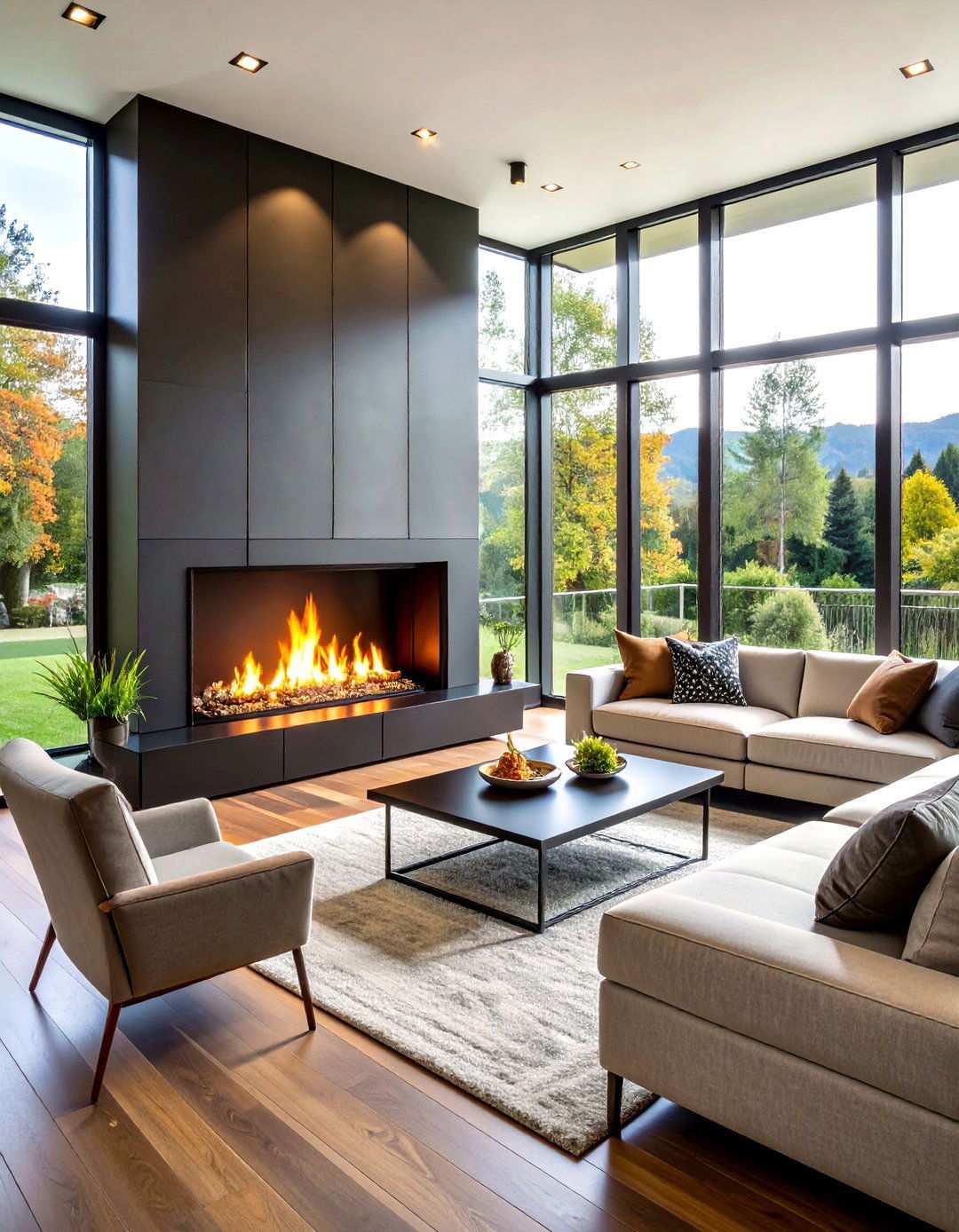
When a room features both a fireplace and television, the layout should be designed to honor both focal points without favoring one over the other. Position seating at a slight angle that allows comfortable viewing of both the TV and fireplace, or arrange furniture in an L-shape with different seating options facing each focal point. This flexible approach lets family members choose their preferred orientation based on the activity, ensuring that the space remains dynamic and adaptable. In a home, it’s not uncommon for individuals to prioritize different aspects of relaxation – perhaps the cozy ambiance of a crackling fire or their favorite entertainment programming. A well-planned dual focal point layout accommodates both preferences while maintaining visual harmony throughout the space.
6. Taming the Long Narrow Room
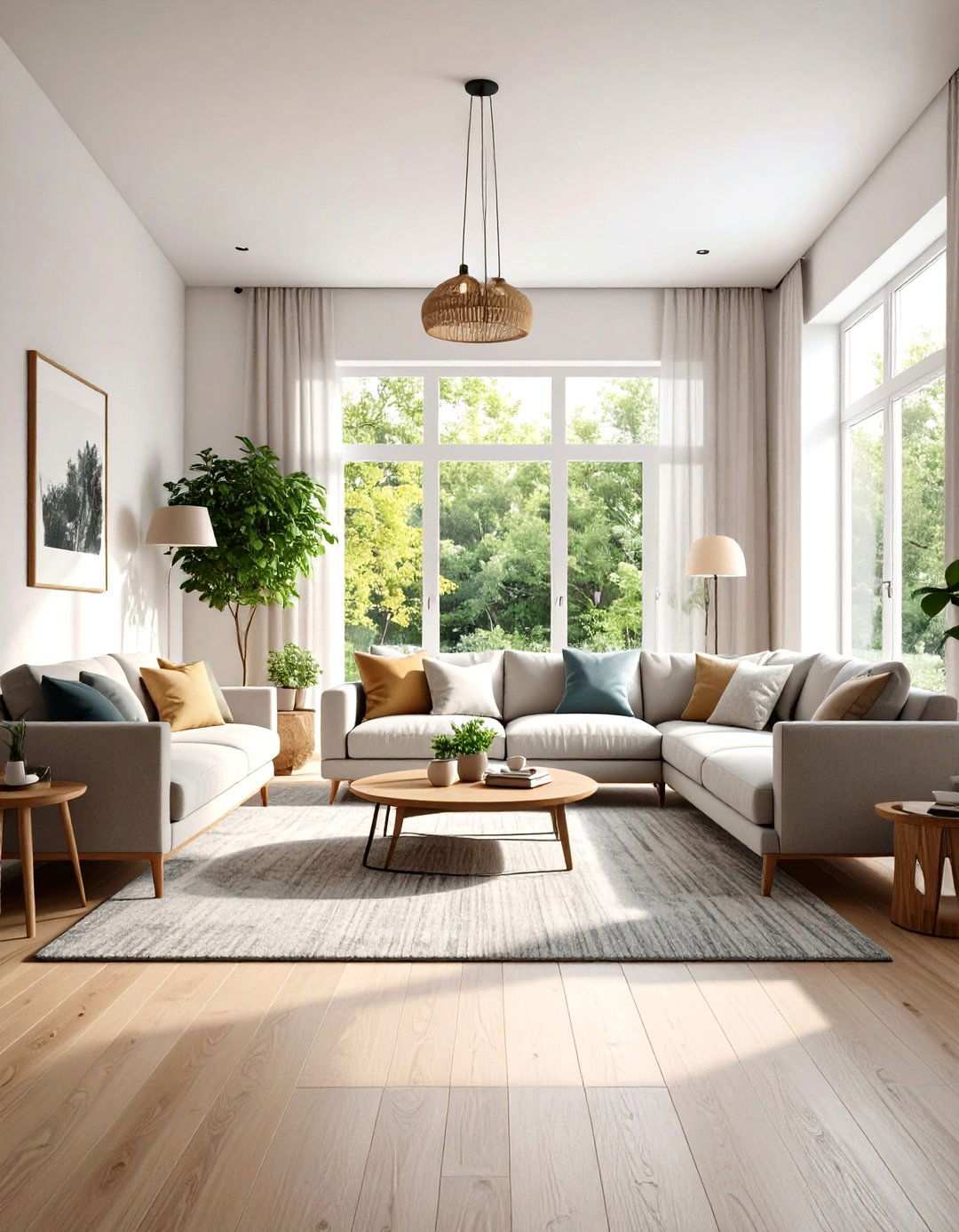
Transform challenging long narrow spaces by creating distinct zones rather than treating the entire length as one overwhelming room. Instead of viewing the space as a single entity, divide it into functional areas using furniture placement – perhaps a seating area at one end and a reading nook or workspace at the other. Position a sofa perpendicular to the room’s length to break up the bowling alley effect, creating a more intimate atmosphere with additional seating arranged to foster groupings. Use area rugs to define each zone visually while maintaining cohesive design elements throughout, making the space feel more proportional and purposeful rather than awkwardly stretched. This thoughtful approach to room design helps to create a more enjoyable and functional living space.
7. Crafting a Seamless Living Zone Experience
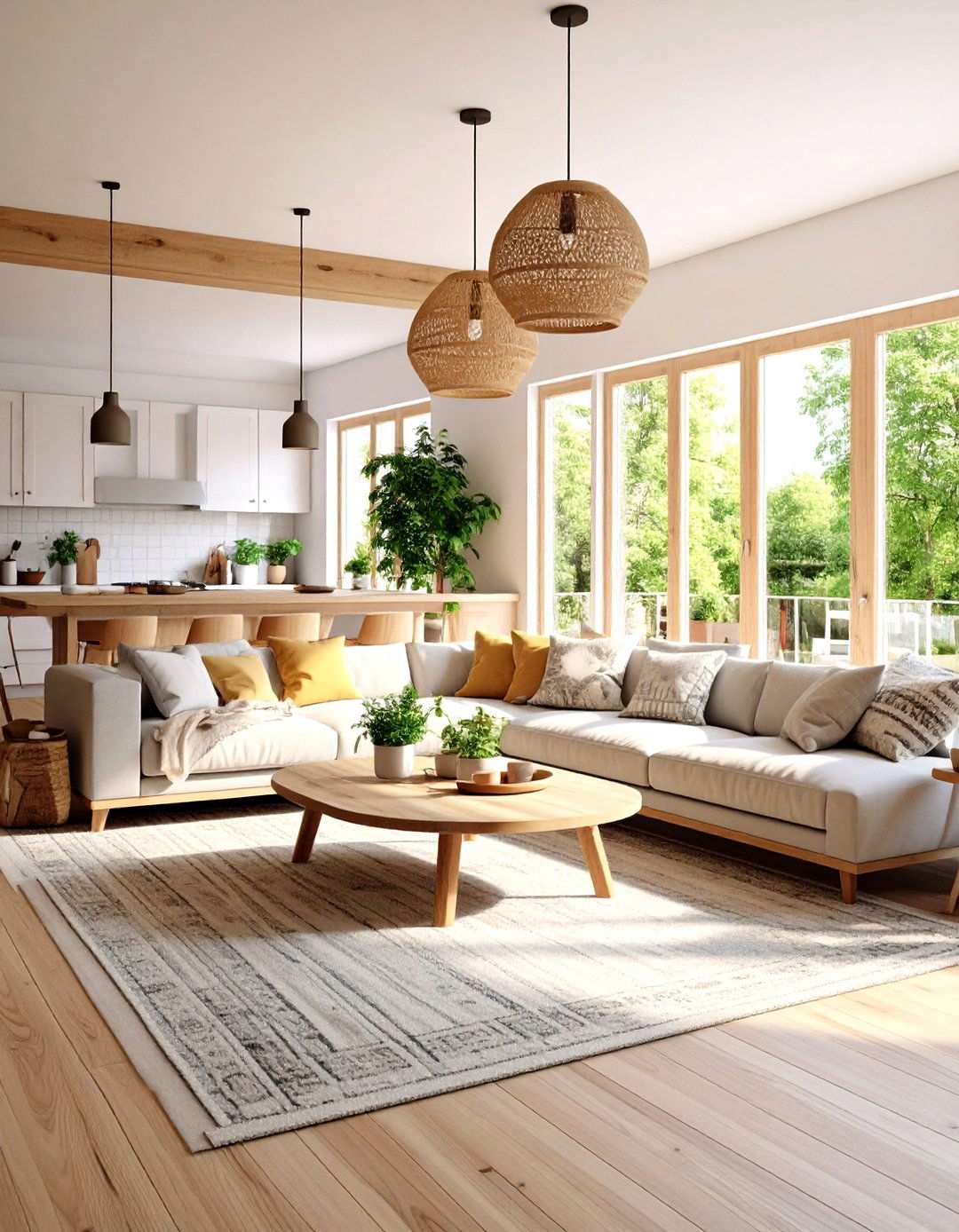
To create a sense of distinct living areas within an open floor plan, consider the strategic placement of furniture. Positioning a sofa with its back toward a dining or kitchen area effectively creates a natural room divider while maintaining a clear sightline throughout the space. Carefully arranging additional seating to face the sofa or angle toward the room’s focal points helps define a living zone. By incorporating area rugs, lighting, and ceiling treatments, you can reinforce the boundaries between functional areas, achieving a balance that maintains an open feel while providing a psychological separation between spaces with different activity levels and noise requirements.
8. Optimizing Multifunctional Design in Small Spaces
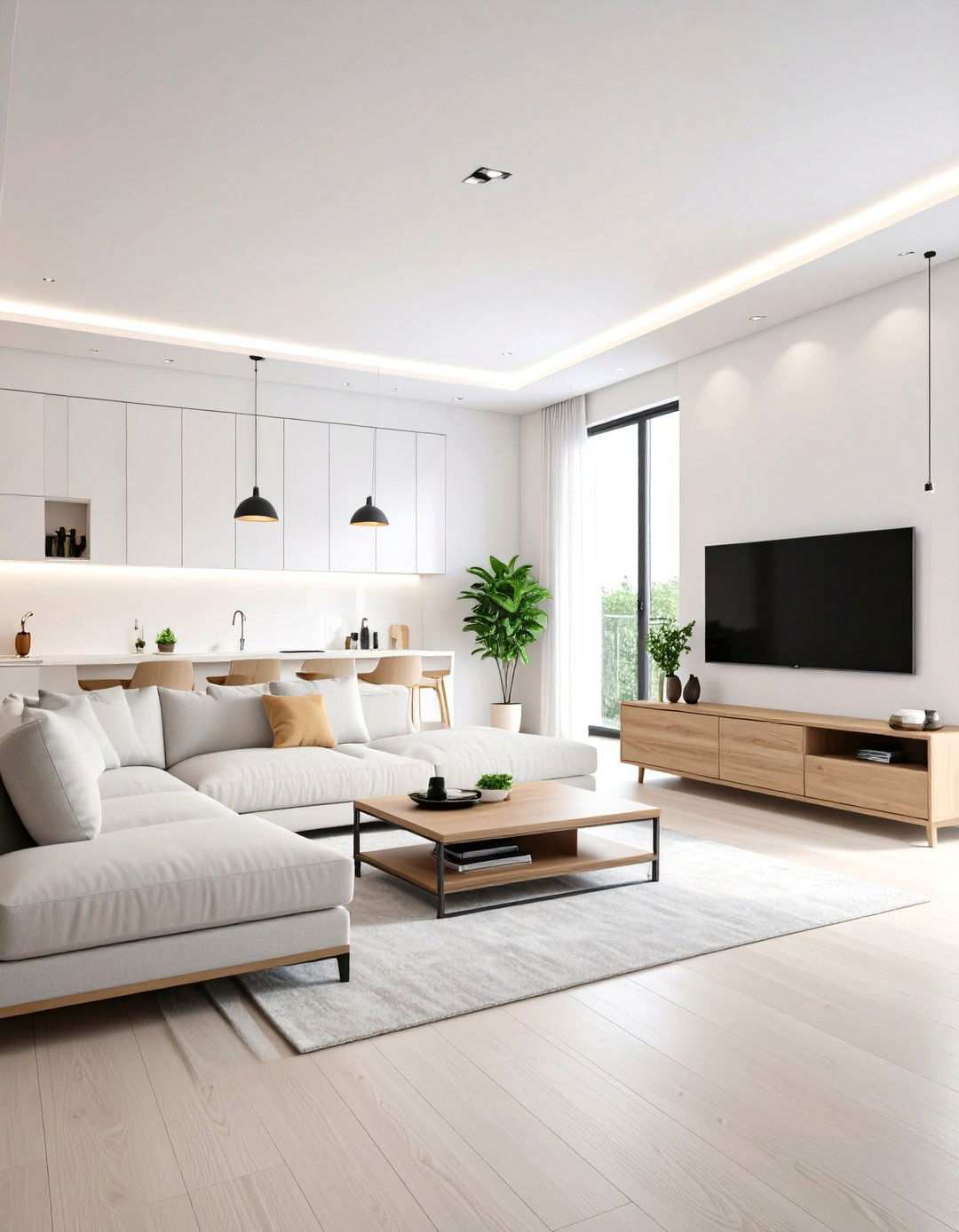
To maximize limited square footage, select furniture that serves multiple purposes and arrange pieces thoughtfully to avoid overwhelming the space. A small sectional or loveseat with storage capabilities paired with ottomans that function as both seating and coffee tables can be highly effective. Consider wall-mounted television and floating shelves to keep floor space clear while providing necessary functionality. By prioritizing pieces that serve at least two functions, such as side tables with storage, benches with hidden compartments, or nesting tables that tuck away when not needed, you can create a functional and efficient living space that feels larger than its actual size.
9. Achieving Symmetry and Elegance in Furniture Arrangement
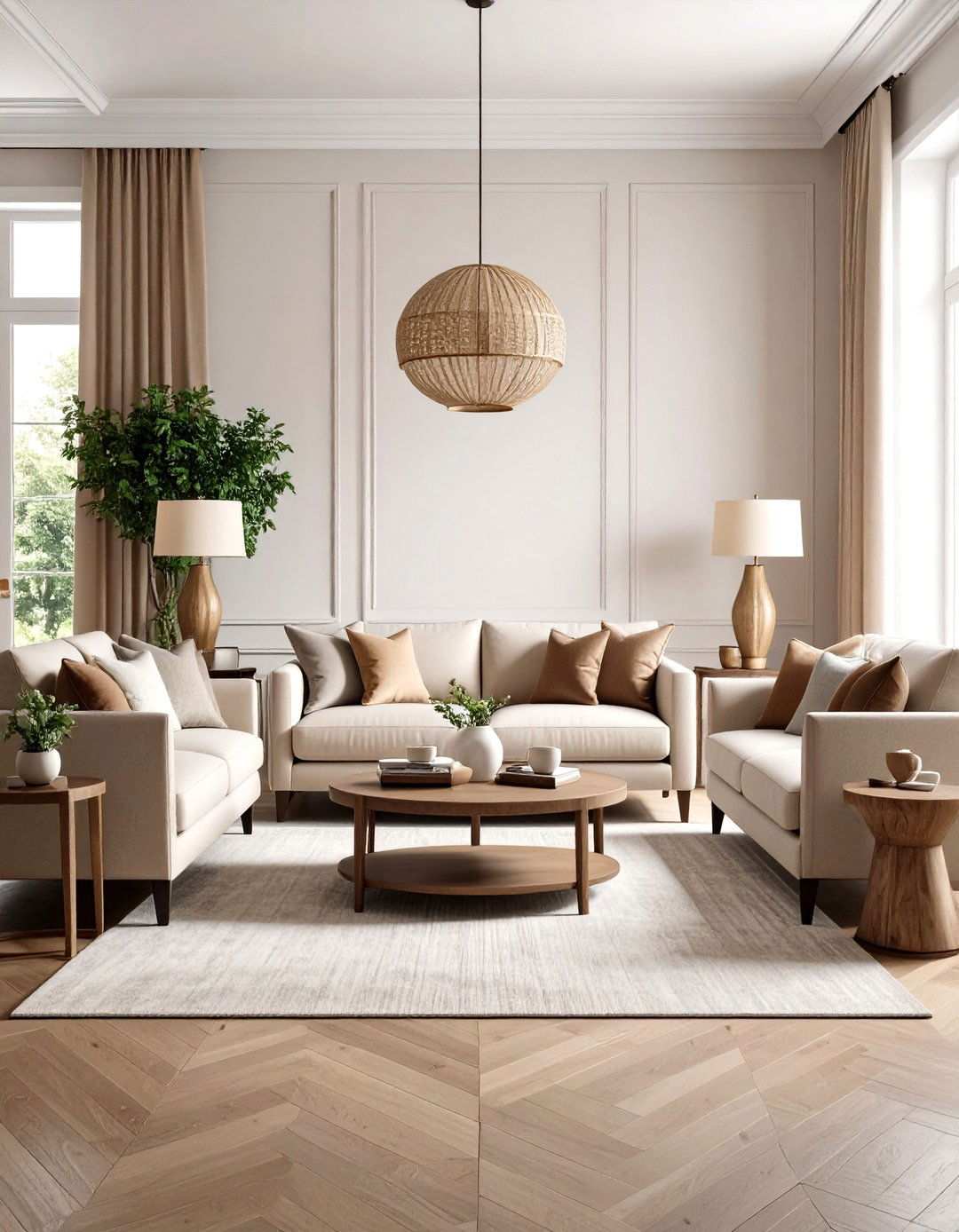
To create a sophisticated and balanced feel, consider a symmetrical furniture placement that exudes order and refinement. Positioning matching sofas facing each other, accompanied by identical side tables and lamps, can create a visually pleasing arrangement. A central coffee table can anchor the setup, maintaining the formal balance while adding a touch of elegance to the space. This layout works particularly well in traditional homes or when you want to create a refined atmosphere for entertaining guests. By adding matching artwork or accessories, you can reinforce the formal aesthetic without compromising the arrangement’s comfort and usability.
10. Designing an Inclusive Conversation Area
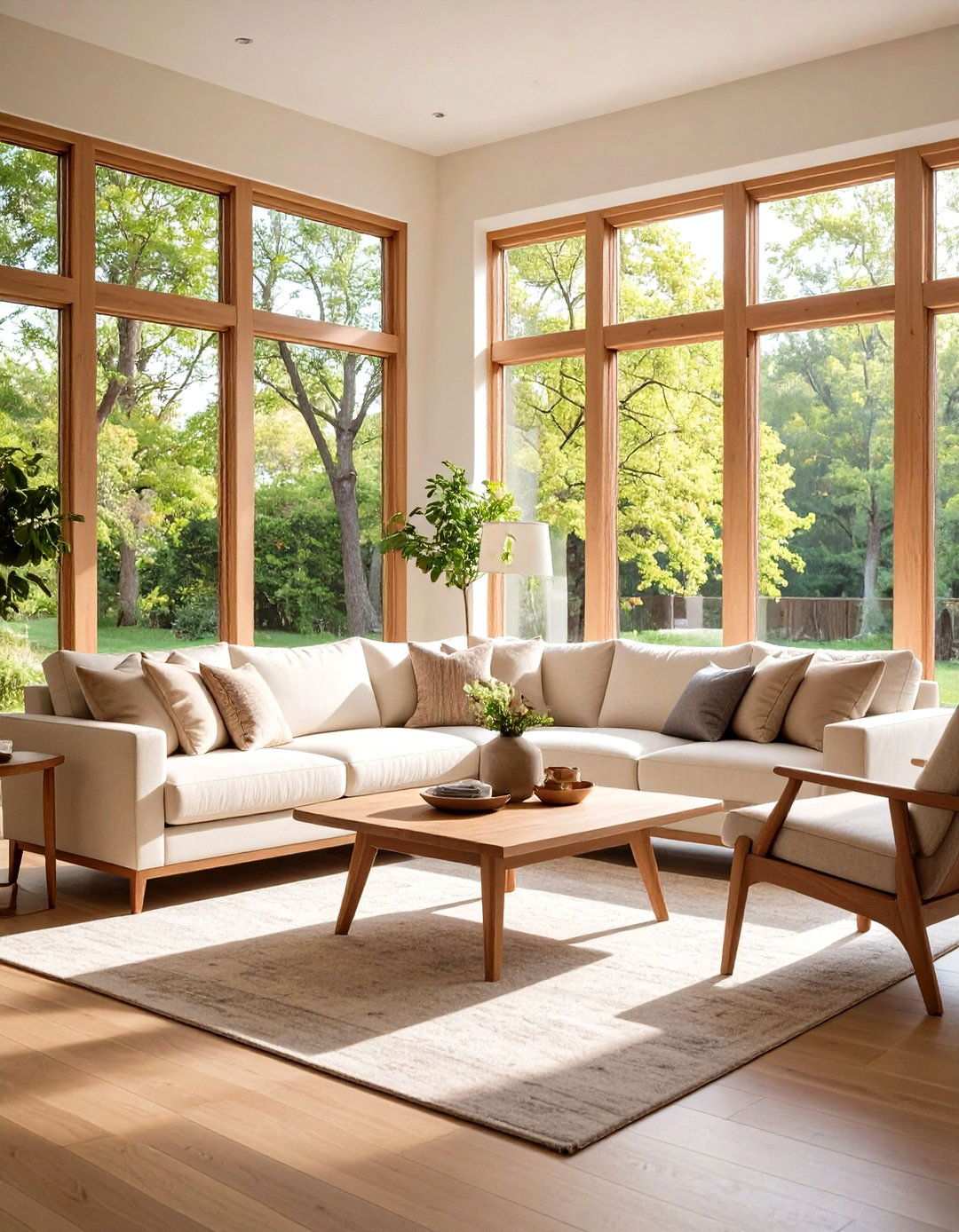
Creating a U-shaped seating arrangement can foster an inclusive environment where everyone can see and interact with each other easily. Position a main sofa as the base of the U and pair it with two chairs or a sectional component forming the sides, all facing toward a central coffee table or fireplace. This layout excels for families who prioritize group activities, game nights, or regular entertaining. The inward-facing arrangement naturally draws people together, making conversations feel more intimate and connected. Be sure to leave enough space between pieces for comfortable movement while maintaining the cohesive grouping that defines the conversation area.
11. Harmonizing Corner Fireplaces with Purposeful Design
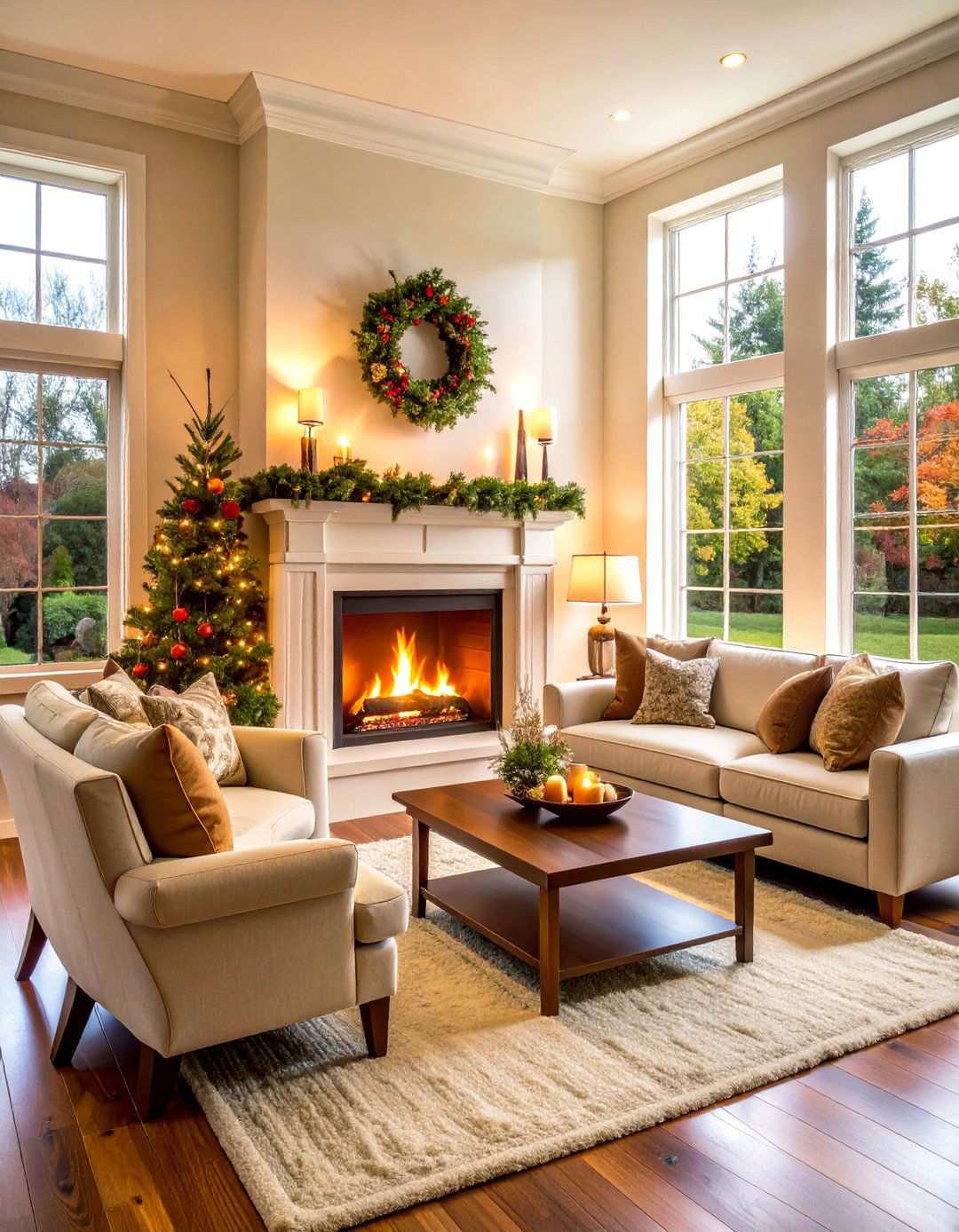
Integrate corner fireplace placement into your living space by thoughtfully arranging furniture to create a welcoming atmosphere. A well-designed seating area can turn a challenging corner into a cozy focal point. Position the main seating area to face diagonally toward the corner fireplace, allowing additional chairs to be angled to create a semicircle around the space. This arrangement not only acknowledges the unique shape of the corner but also creates a sense of community and togetherness. Side tables and carefully chosen accessories help balance the asymmetry of the corner fireplace, while the angled seating arrangement adds visual interest and ensures that everyone can enjoy the warmth and ambiance of the fireplace.
12. Streamlining Traffic Flow for a More Functional Space
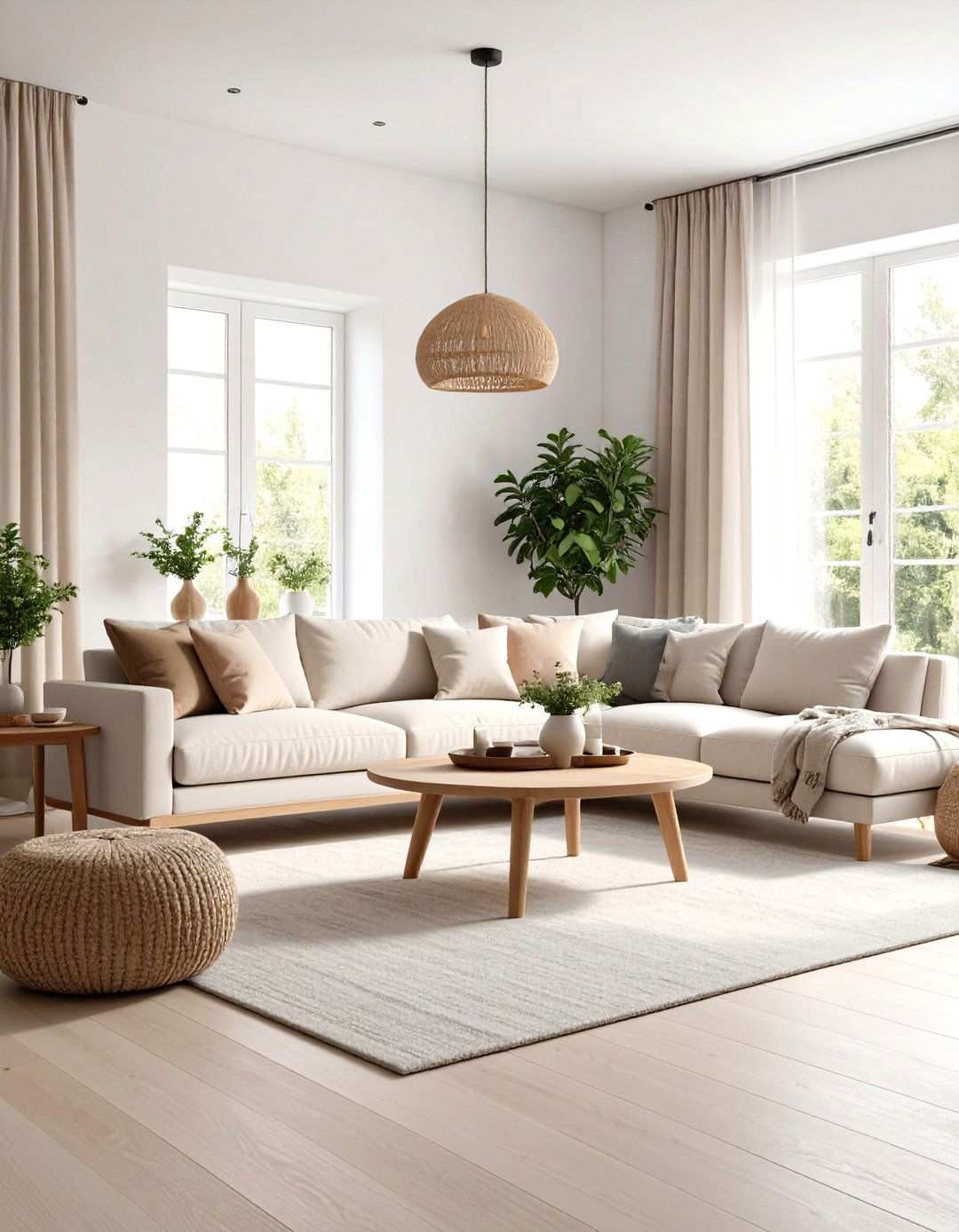
Optimize your room’s layout by designing around its natural pathways to ensure seamless movement while maintaining inviting seating areas. Identify the areas where people naturally navigate through the space and keep these areas clear of obstacles or sharp corners. Position seating to guide traffic flow rather than creating bottlenecks. By working with the room’s architecture – doorways, windows, and built-ins – you can create a layout that supports rather than hinders movement patterns. This thoughtful approach ensures that your space remains open and accessible for daily life, preventing the frustration of constantly navigating around furniture.
13. Creating a Harmonious Balance for Perpendicular Focal Points
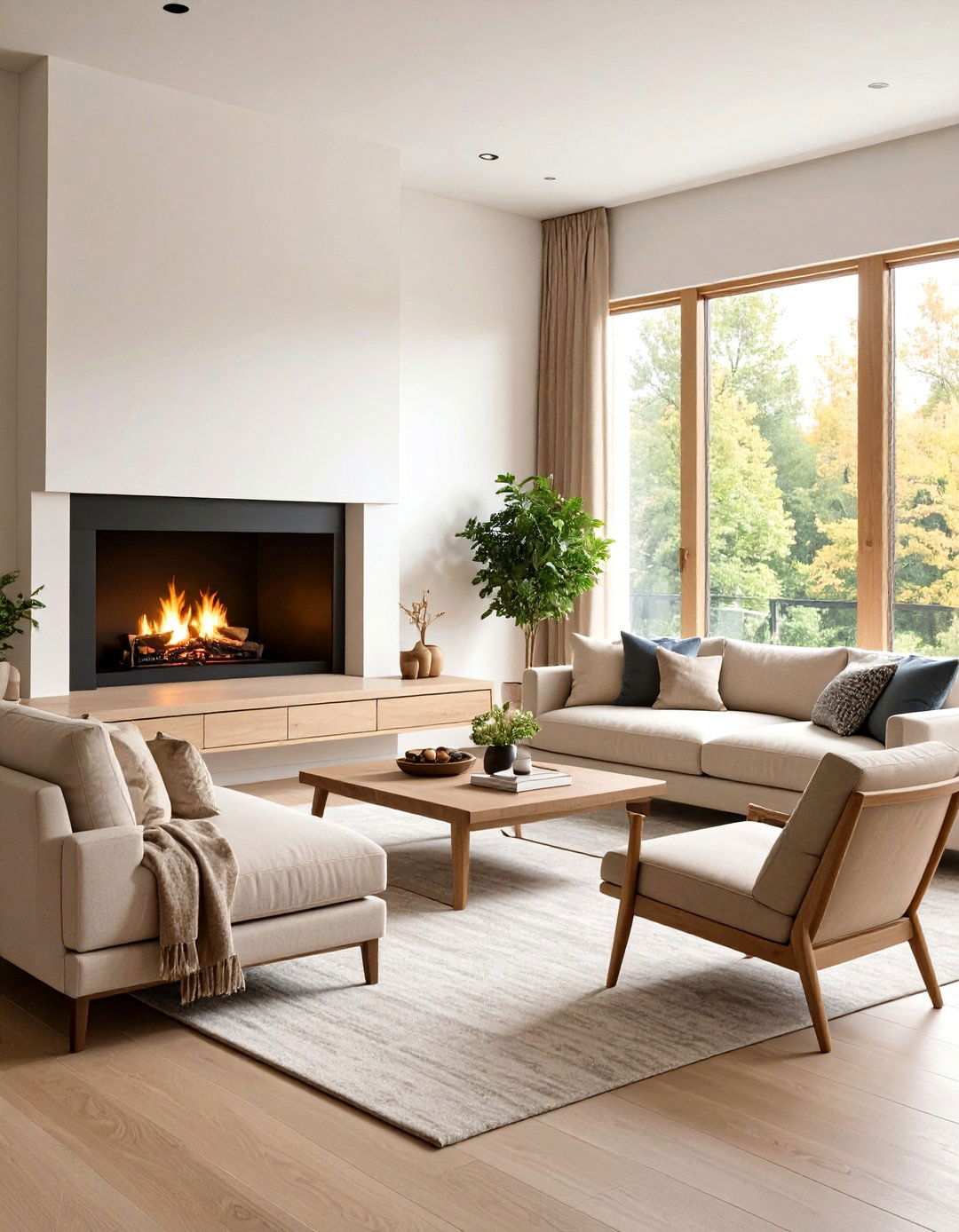
When your fireplace and TV are situated on adjacent walls, a well-planned seating arrangement can help create a seamless blend of these two focal points. Design an L-shaped seating area that accommodates both the fireplace and the TV, allowing family members to choose their preferred orientation. This layout prevents the common issue of competing focal points, which can create visual tension. A large coffee table or ottoman in the center provides a unifying element while ensuring everyone has convenient surface space. By balancing the two focal points, you can create a space that feels cohesive and welcoming, perfect for relaxing and unwinding after a long day.
14. Transforming a Gallery Wall into a Statement Piece
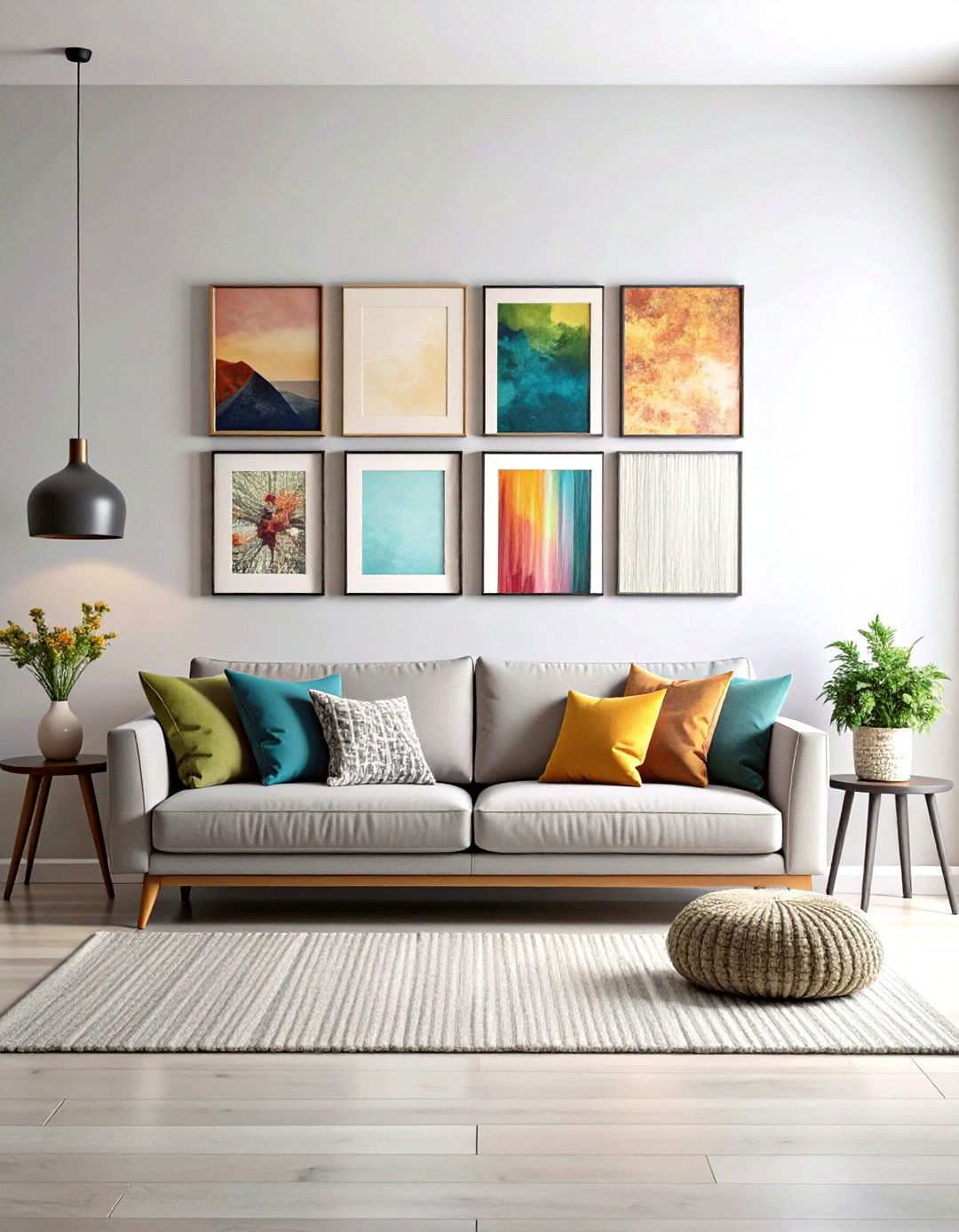
Turn your largest wall into a dramatic backdrop by creating a stunning gallery wall arrangement behind your main seating area. Position a sofa parallel to this feature wall, with additional seating arranged to appreciate both the art display and facilitate conversation. This layout integrates the artwork into the furniture arrangement, making it an integral part of the design rather than an afterthought. Side tables and proper lighting ensure that the gallery wall can be appreciated while providing functional illumination for activities. The combination of comfortable seating and visual interest creates a sophisticated atmosphere that reflects personal style and inspires natural conversation starters.
15. Harmonizing with Architectural Features
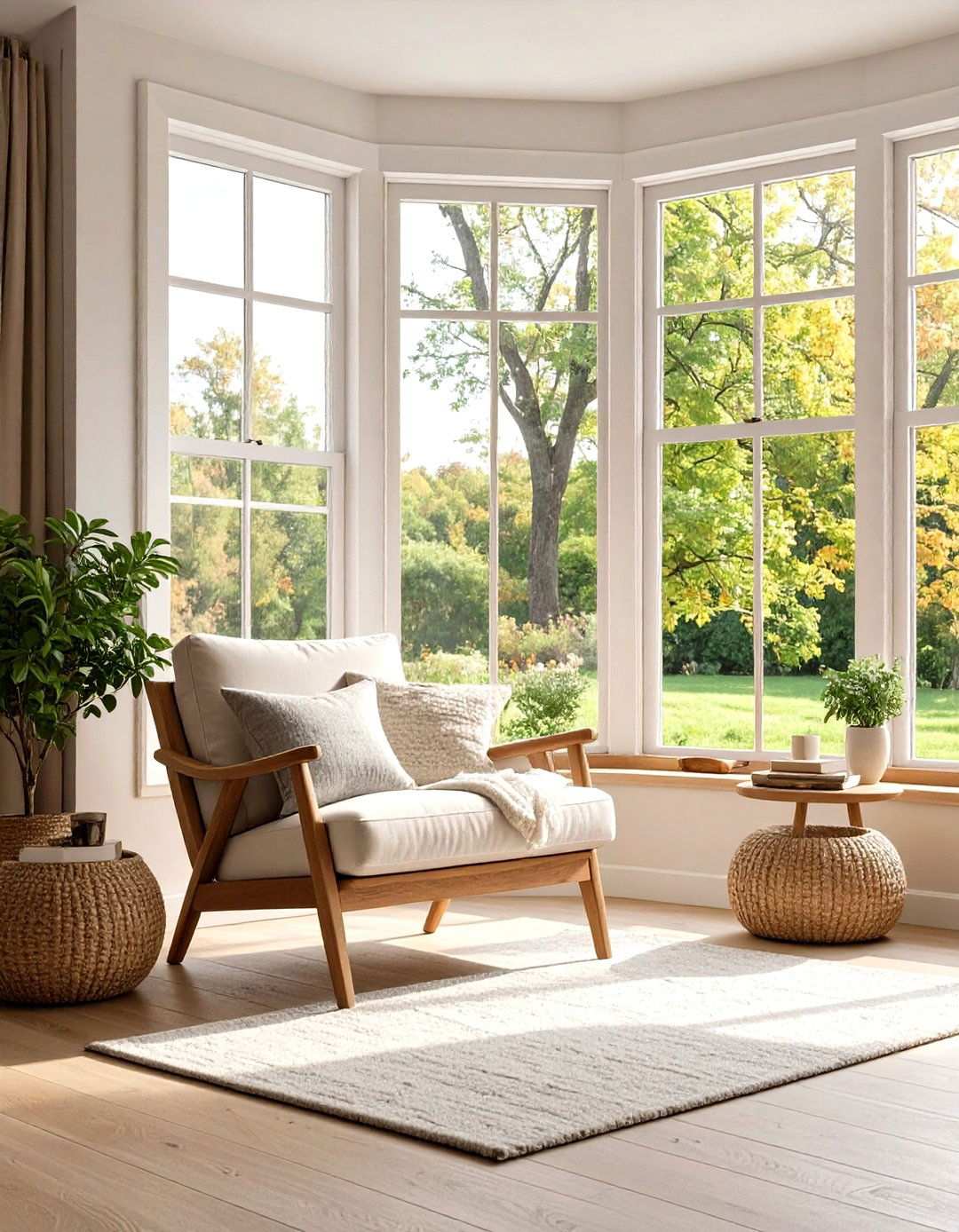
Blending the unique characteristics of your home with thoughtful design choices can elevate the overall ambiance of your living space. One way to achieve this is by incorporating architectural features like bay windows into your layout. By creating dedicated zones within the main seating area, you can draw attention to these special features while maintaining a cohesive atmosphere. Place a plush chair or a compact settee in the bay window area, accompanied by a side table and a lamp, to create an inviting spot for reading or relaxation. This setup acknowledges the bay window’s presence while fostering connection with the primary conversation area.
16. Adaptive Layout Strategies
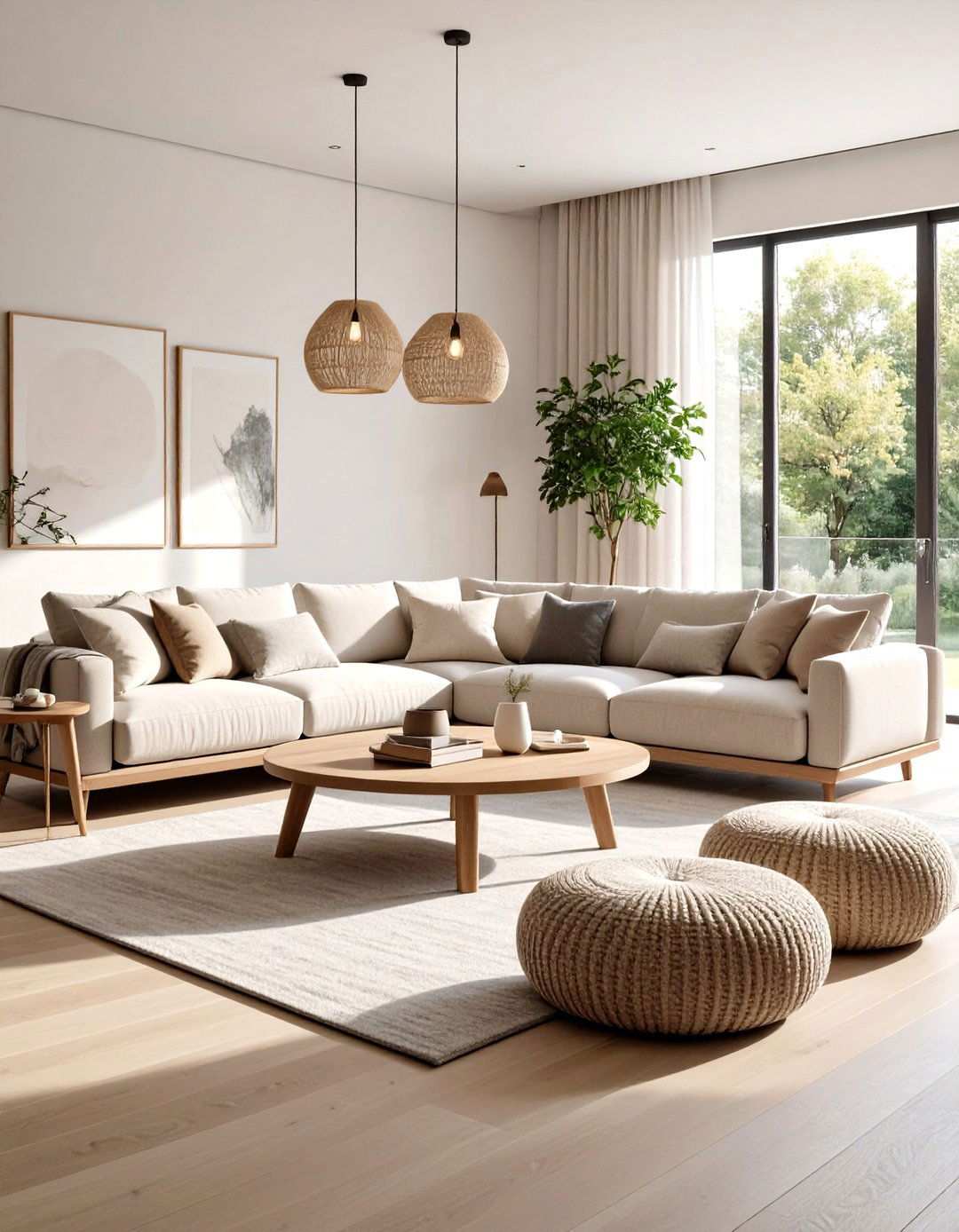
To accommodate the diverse needs of your daily routine, choose furniture pieces that can be easily rearranged to suit various activities and group sizes. Modular sectional components, storage ottomans, and lightweight chairs offer the flexibility to transform your living room setup in response to changing moods or activities. This approach recognizes that living rooms are multifunctional spaces that benefit from adaptable arrangements. Consider storing additional seating pieces nearby when not needed or repurposing them as impromptu surface space. By doing so, you can create a more dynamic and responsive environment that meets the needs of your lifestyle.
17. Designing Around Built-In Features
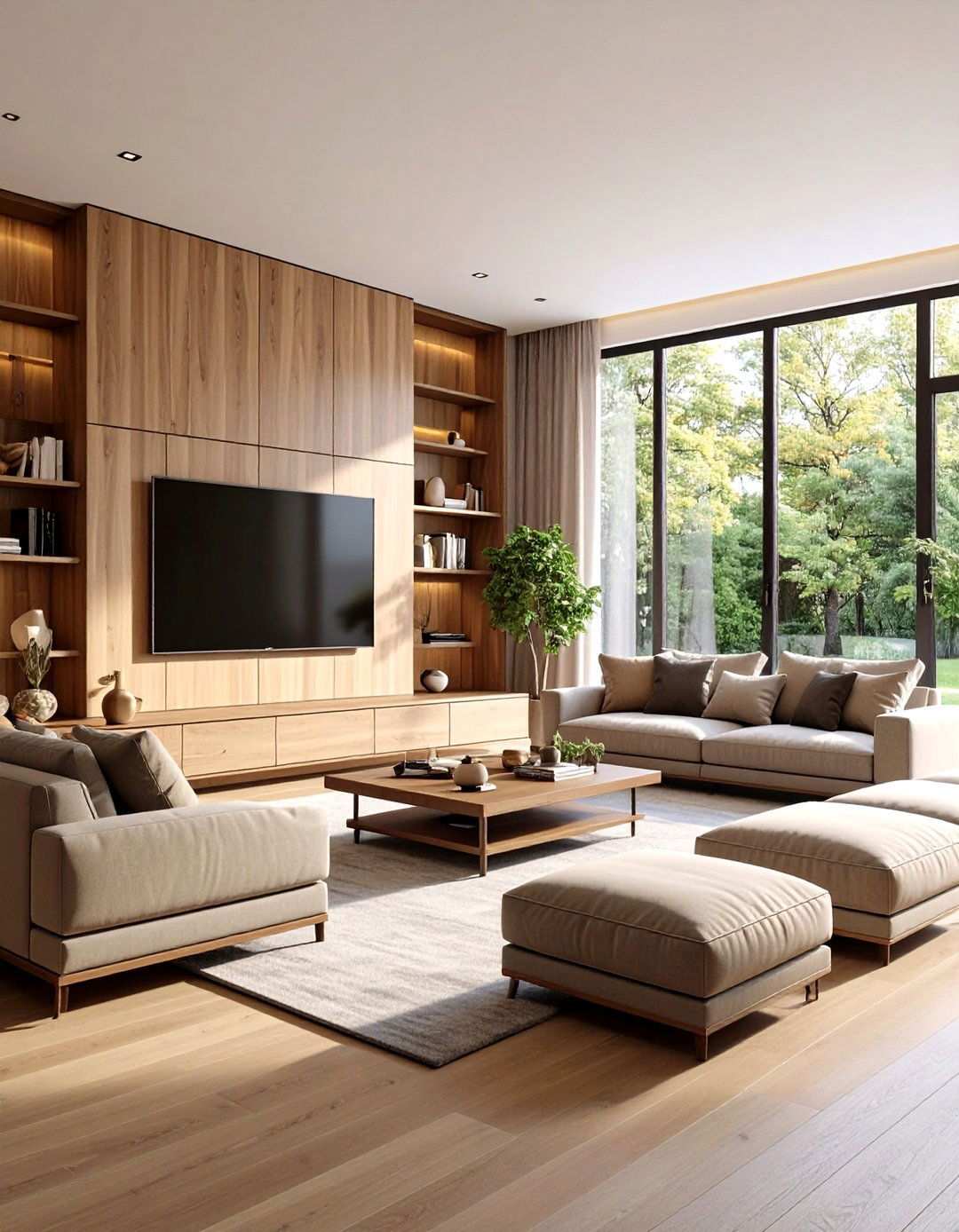
When working with substantial built-in entertainment centers, create a layout that harmonizes with rather than competes against these architectural elements. Position seating at an optimal viewing distance, with additional pieces arranged to support both entertainment and conversation. The built-in often provides valuable storage and display opportunities that influence furniture selection and placement. Use the built-in as an anchor point, ensuring that other furniture pieces complement rather than overwhelm the space. This thoughtful approach creates a cohesive environment that feels intentional and well-planned, rather than haphazardly assembled.
18. Dynamic Seating Arrangements
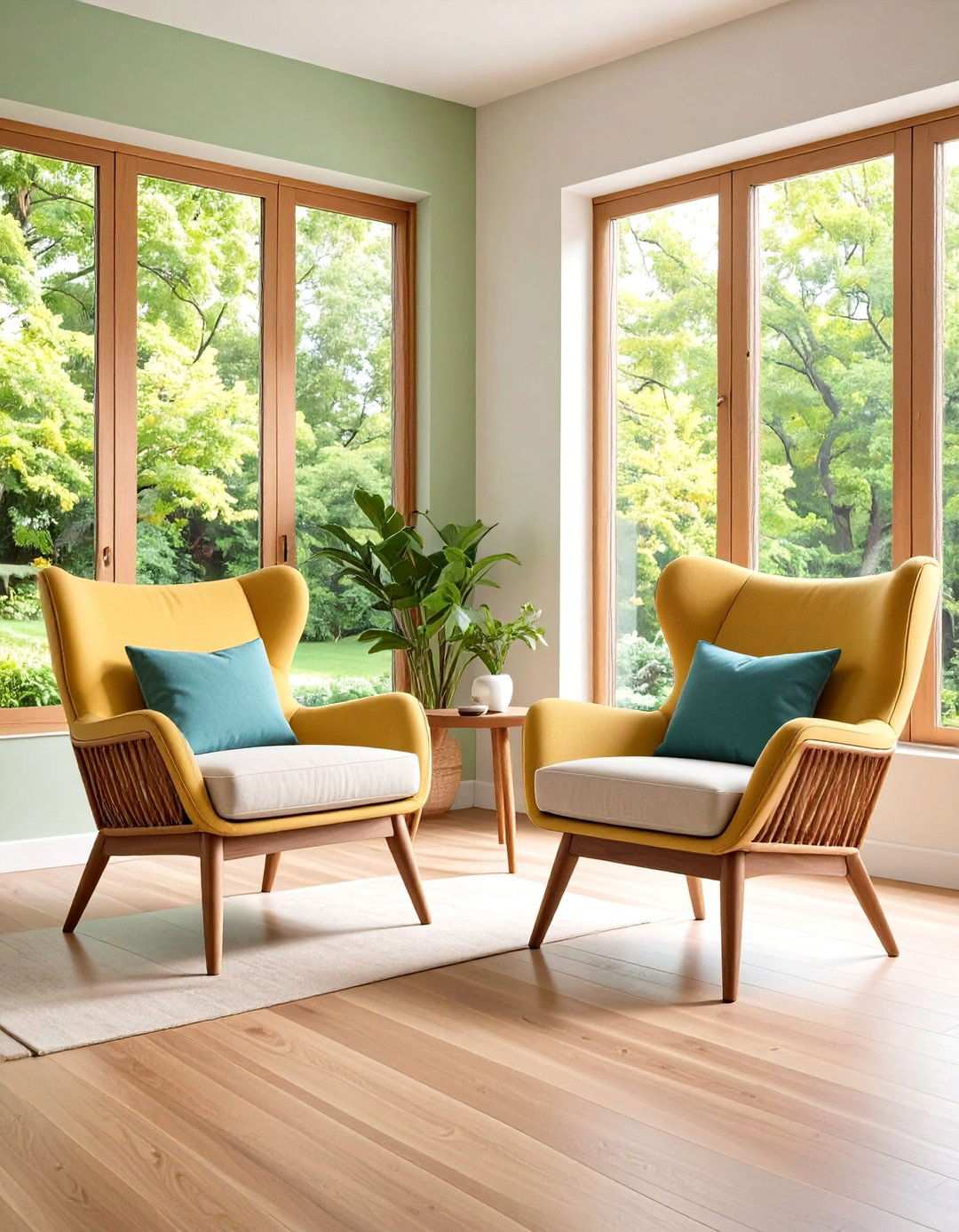
To add visual interest and improve conversation flow, consider positioning accent chairs at subtle angles rather than aligning them with walls or other furniture pieces. This approach creates a more relaxed and informal atmosphere while also enhancing sight lines between seated areas. Angled placement often facilitates more natural conversation, as people can face each other without straining or turning awkwardly. The arrangement suggests movement and energy, while maintaining the comfort and functionality of traditional layouts. Side tables positioned at chair angles provide convenient surfaces, reinforcing the dynamic feel of the overall arrangement.
19. Designing a Central Command Hub
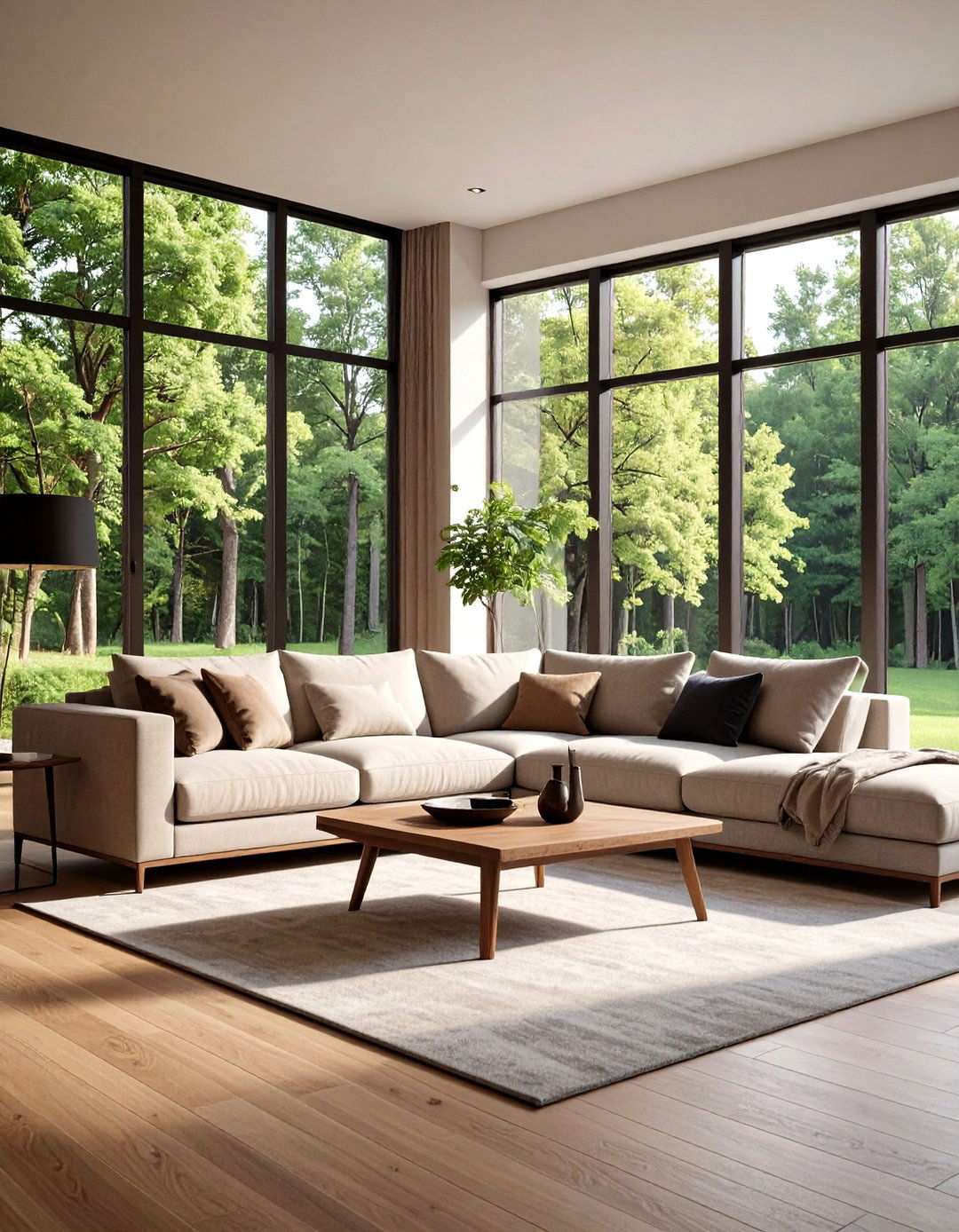
In expansive rooms, a grand sectional sofa serves as the focal point, drawing other furniture into its majestic presence. Strategically positioned at the room’s center, the sectional creates a commanding seating area that effortlessly accommodates large groups. Supplementing the sectional’s visual impact with additional chairs, tables, and accent pieces requires thoughtful consideration to avoid visual clutter. By doing so, the arrangement establishes a clear hierarchy, ensuring each guest has a comfortable spot to sit and convenient access to surfaces, lighting, and storage solutions like ottomans and side tables.
20. Window Wall Conversations
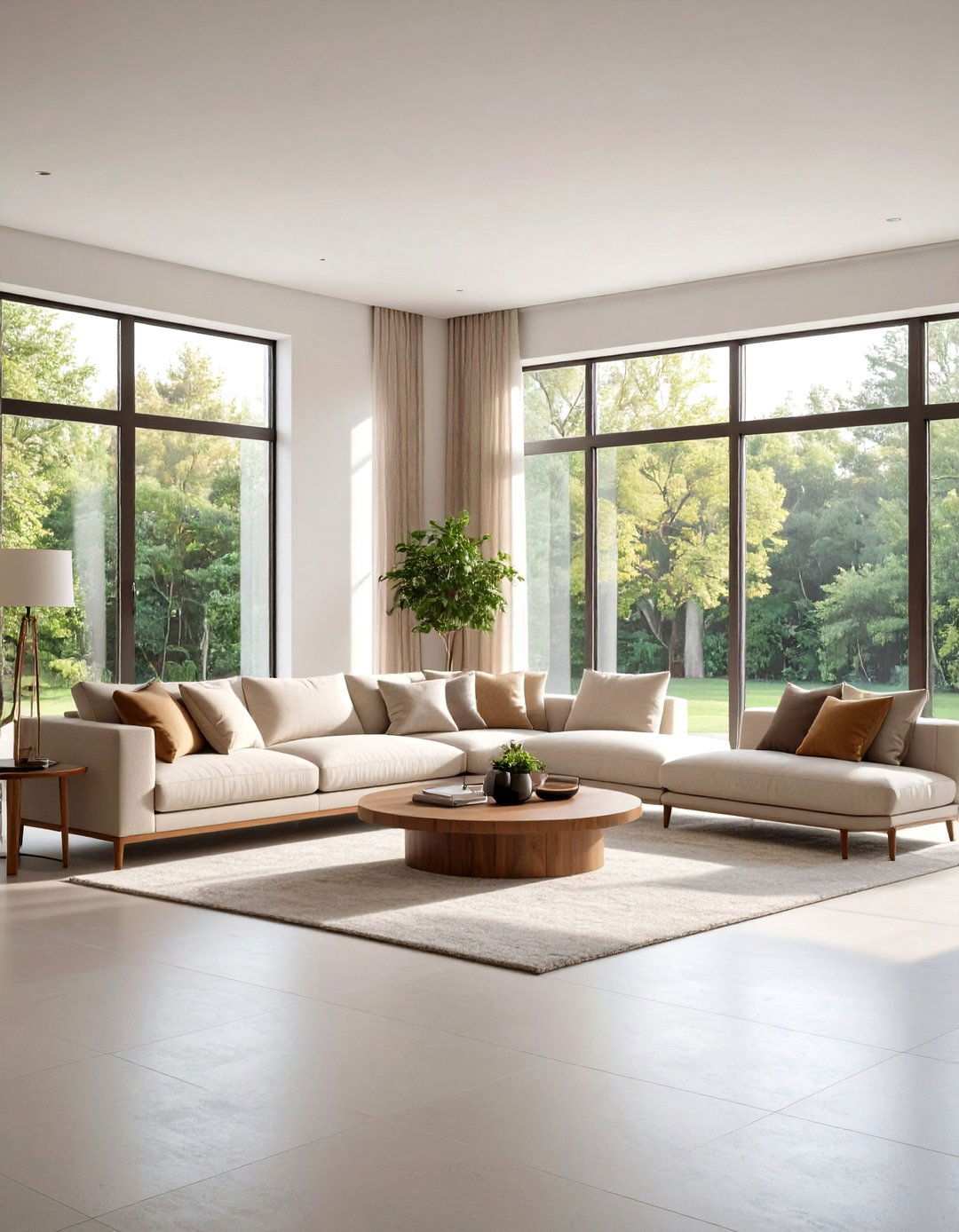
When taking advantage of breathtaking views or abundant natural light, positioning your main seating parallel to window walls allows occupants to indulge in the scenery while maintaining seamless conversation arrangements. This layout excels when windows frame captivating outdoor spaces or provide an intriguing glimpse into the world outside. Additional seating can be angled to participate in discussions while still appreciating the view, fostering a sense of community and connection. Window treatments should thoughtfully balance the desire for a seamless connection to outdoor spaces with the need for privacy and light control, ensuring the seating area remains functional during evening hours when natural light wanes.
21. Intimate Dialogue Areas
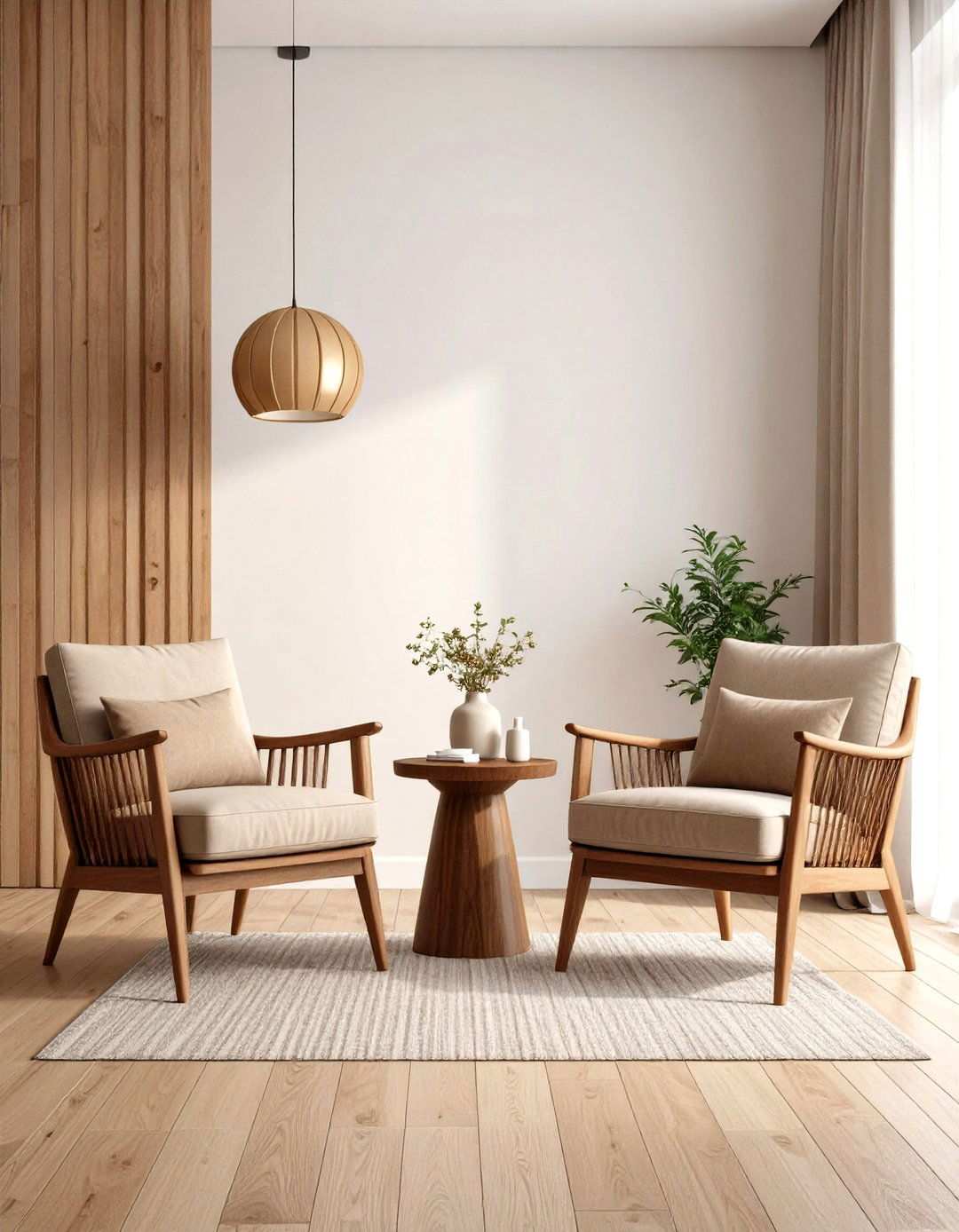
Crafting a cozy dialogue zone using just two comfortable chairs positioned to face each other creates a serene and inviting space for meaningful conversations. This minimalist approach proves particularly effective in smaller spaces or as a secondary seating area within larger rooms, providing a quiet retreat from the bustle of larger group activities. Opt for chairs with generous proportions and plush cushioning to make the area feel inviting for extended conversations. Proper lighting and a thoughtfully placed area rug help define this intimate zone while maintaining connection to the room’s overall design scheme.
22. Multi-Level Seating: A Design Evolution
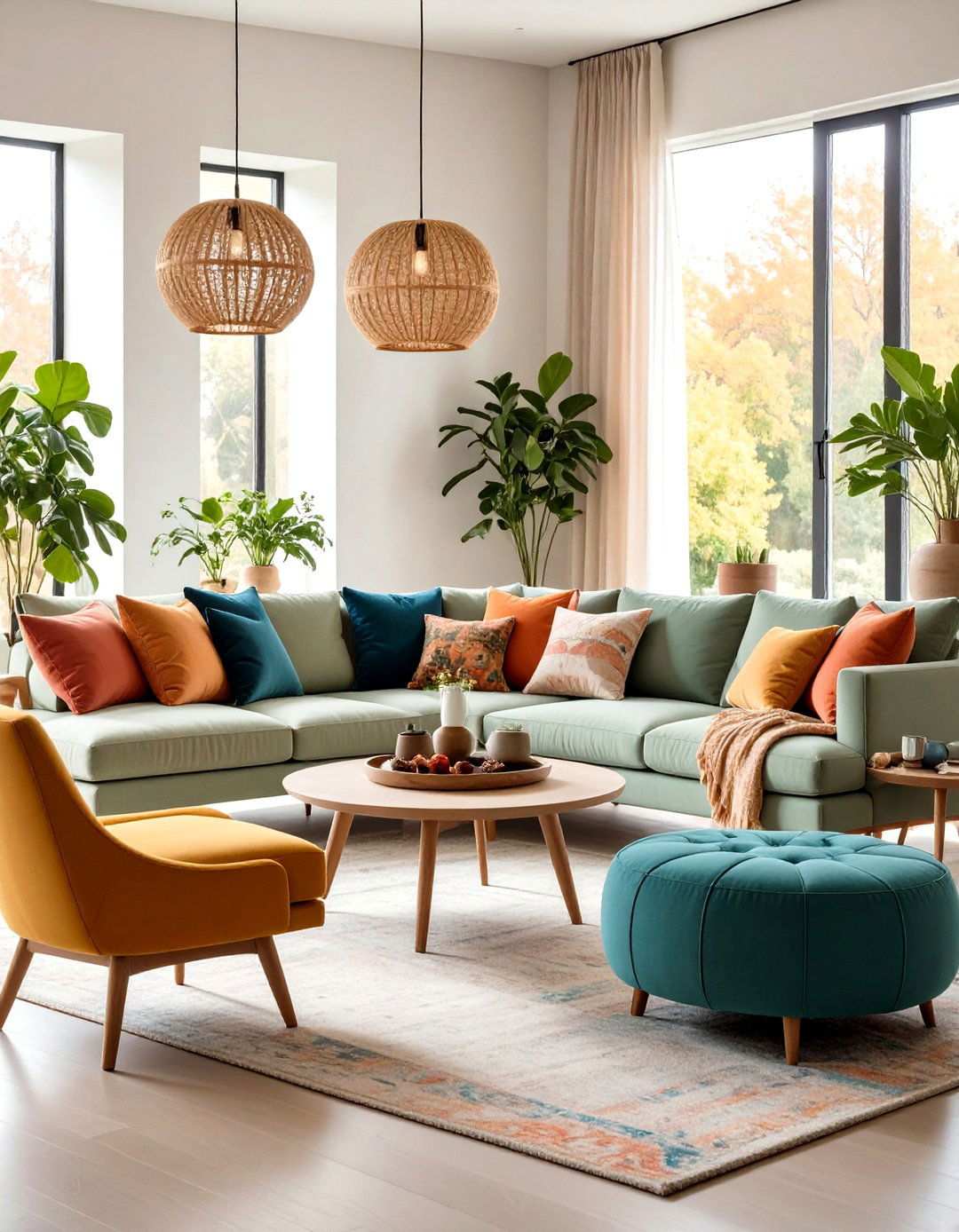
By incorporating a variety of seating heights, from low floor cushions to standard chairs to bar-height stools, designers can add depth and visual interest to a room while catering to diverse preferences and activities. This approach provides options for different age groups and comfort levels, from the relaxed informality of floor seating to the structured support of traditional furniture. Floor seating works well for casual gatherings or when additional capacity is needed during parties, while standard seating offers conventional comfort for daily use, and counter-height pieces can bridge connections to kitchen islands in open concepts.
23. Crafting a Room Around the Perimeter
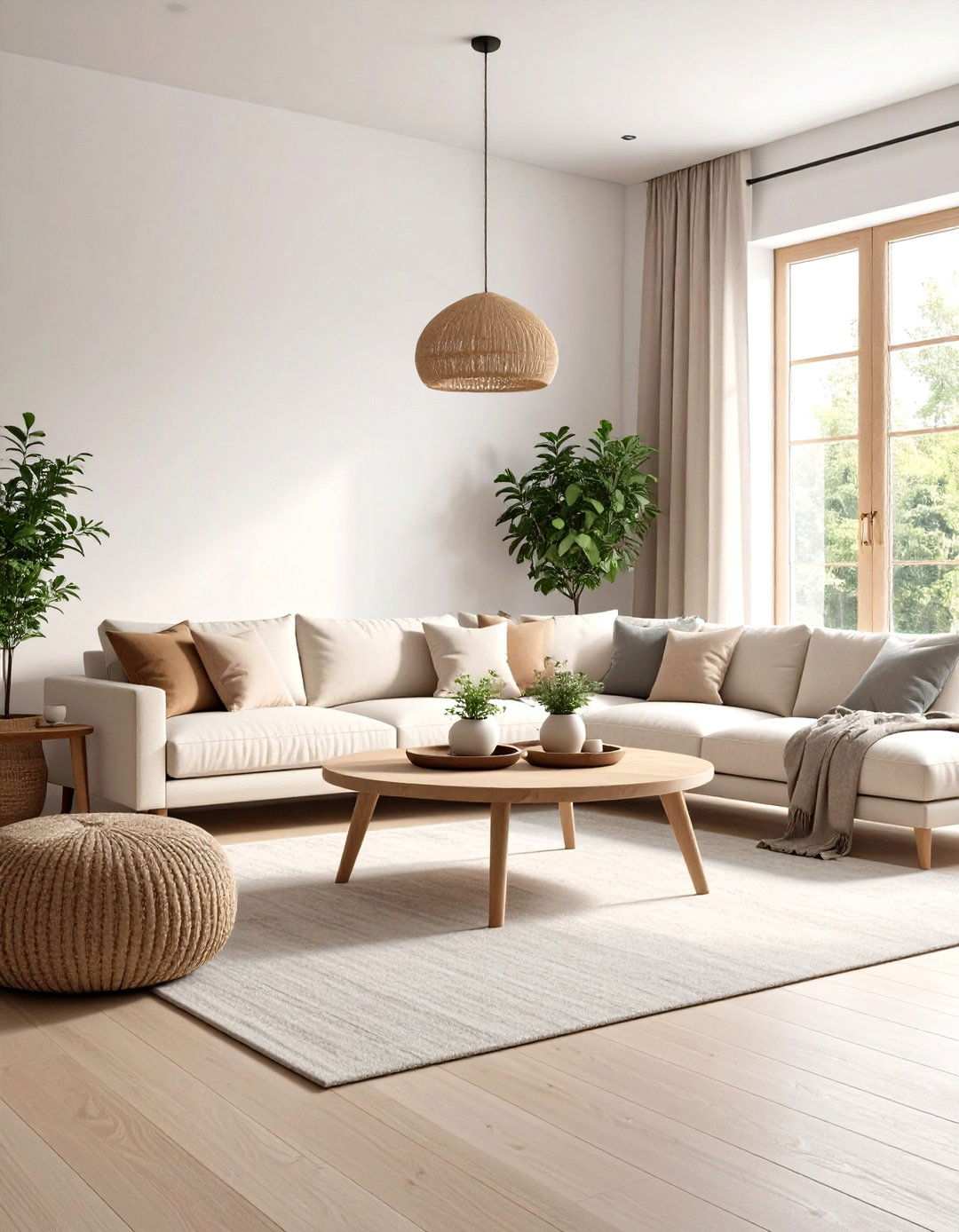
Design a space where the boundaries of the room dictate the layout. Anchor your furniture pieces along the walls, and create a central gathering hub using a substantial piece, such as a coffee table or a bench. This strategy optimizes the movement within the room, providing ample space for activities and comfortable seating at the edges. The central feature serves as a visual anchor and a multifunctional surface for showcasing decorative items, serving refreshments, or engaging in games.
By incorporating seating that faces inward or angles toward the central hub, you can foster multiple conversation areas. This layout is particularly effective for families with children, allowing for an expansive floor space for play while offering comfortable seating that doesn’t obstruct activities.
24. Dynamic Living Framework
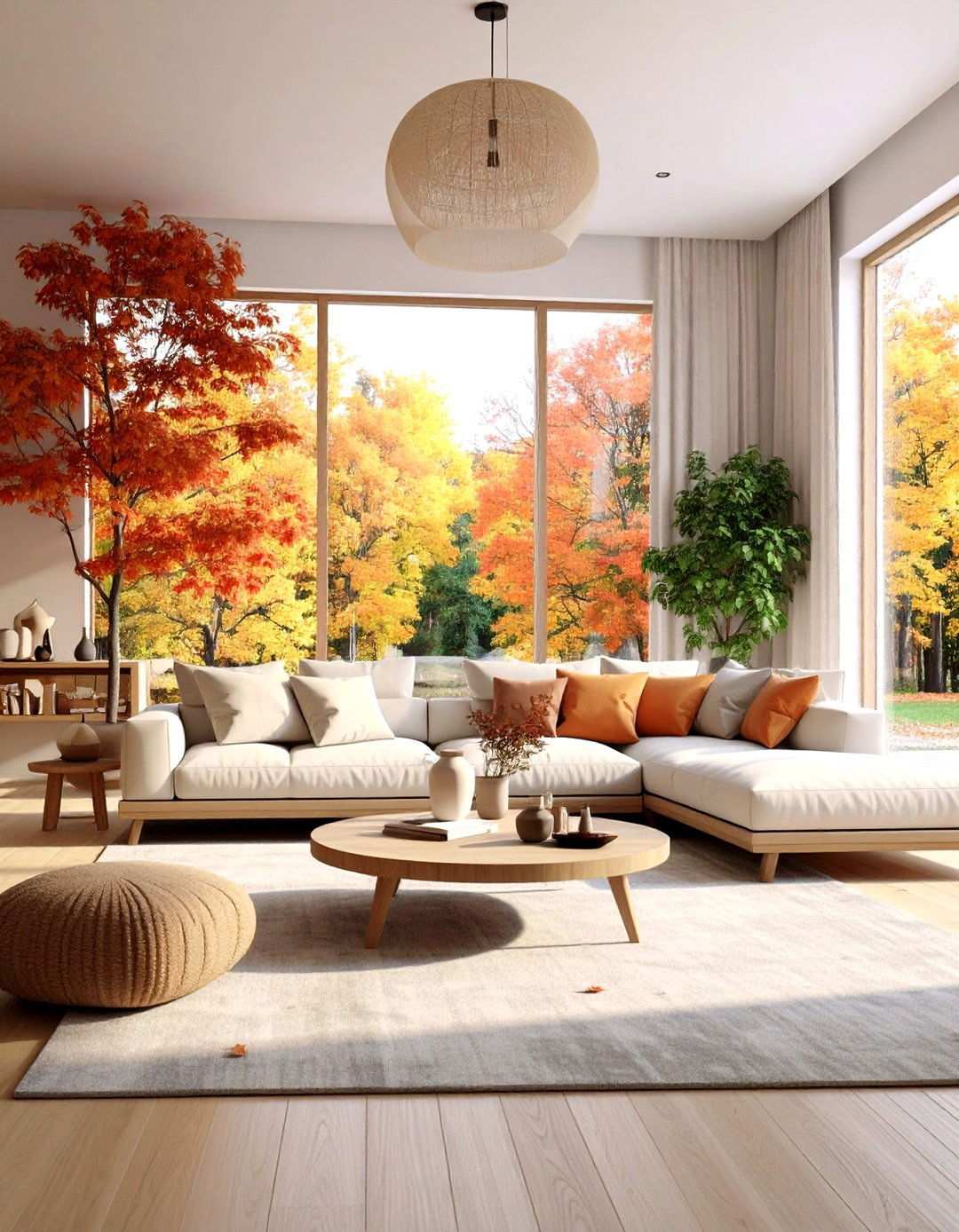
Develop a living framework that can adapt to the ever-changing needs of your household. Design a space that can seamlessly transition between various arrangements, responding to seasonal fluctuations, holidays, or evolving family requirements. Select furniture pieces that are lightweight, easy to reposition, or store as needed. This adaptable approach acknowledges that your living space’s needs change throughout the year, and it provides a solution that can evolve without necessitating significant purchases or renovations.
By embracing a flexible layout, you can tailor your space to accommodate diverse scenarios, such as cozying up by the fireplace during winter or opening up space during the summer months. Similarly, you can adjust your setup to accommodate holiday gatherings or quiet, intimate moments, all while recognizing the dynamic nature of living and its varied demands.