1. Tuscan Kitchen Islands with Natural Stone
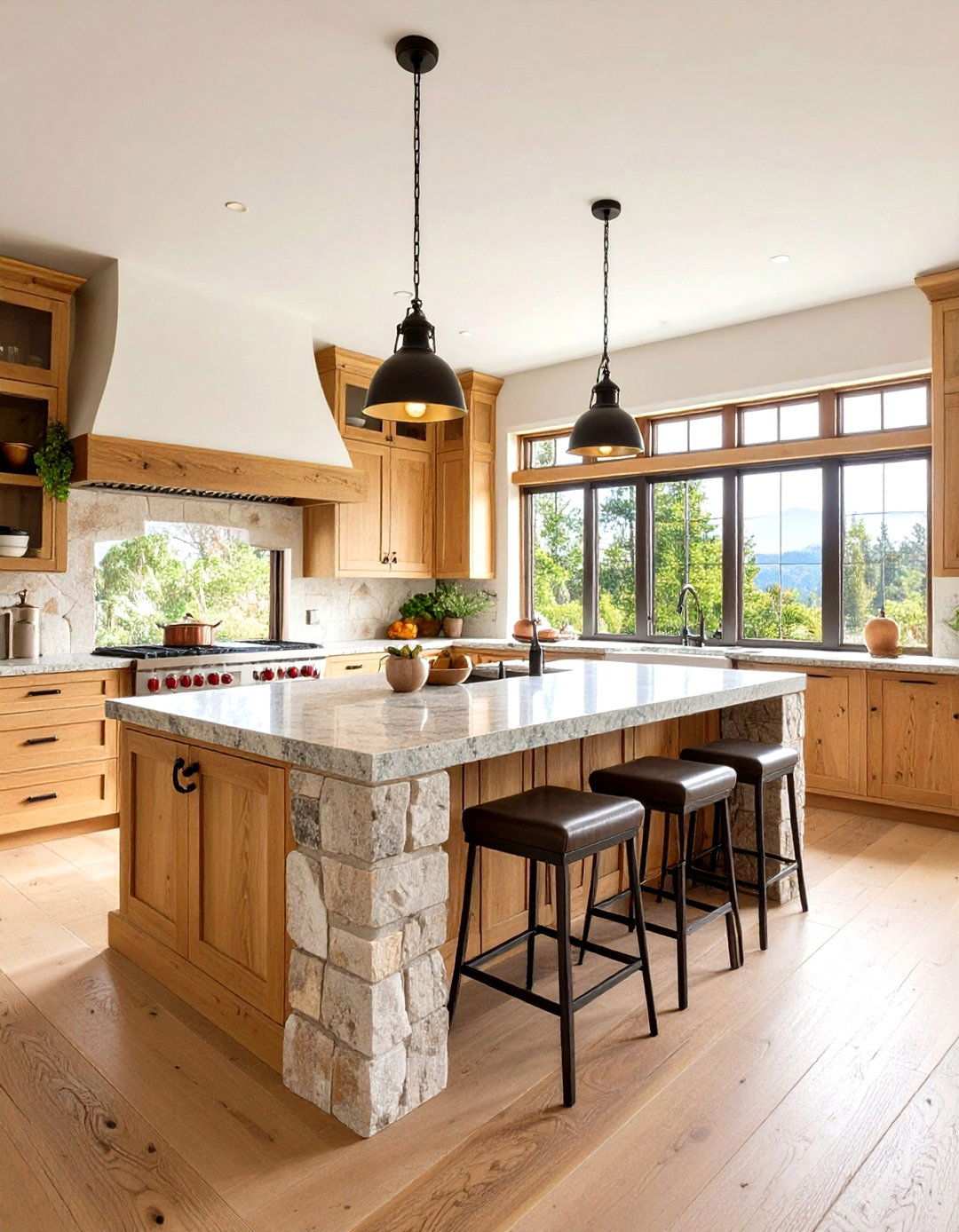
Tuscan kitchens exude warmth and character, thanks in part to the distinctive kitchen islands that serve as gathering places and workspaces. Natural stone is a cornerstone of this style, often featuring granite, marble, or limestone with rich veining and warm undertones. These substantial centerpieces are crafted with thick, rustic edges that proudly showcase the stone’s natural texture and provide ample counter space for food preparation and casual dining. Pair your stone island with warm wood cabinetry in honey or cherry tones for a harmonious blend of rustic charm and refined elegance. Wrought iron barstools with leather or fabric cushions add a touch of Italian flair, while open shelving beneath can be used to display ceramic bowls and copper cookware, creating a visually appealing display of authentic Italian farmhouse charm.

As an Amazon Associate I earn from qualifying purchases.
2. Terracotta Floor Tiles in Living Rooms
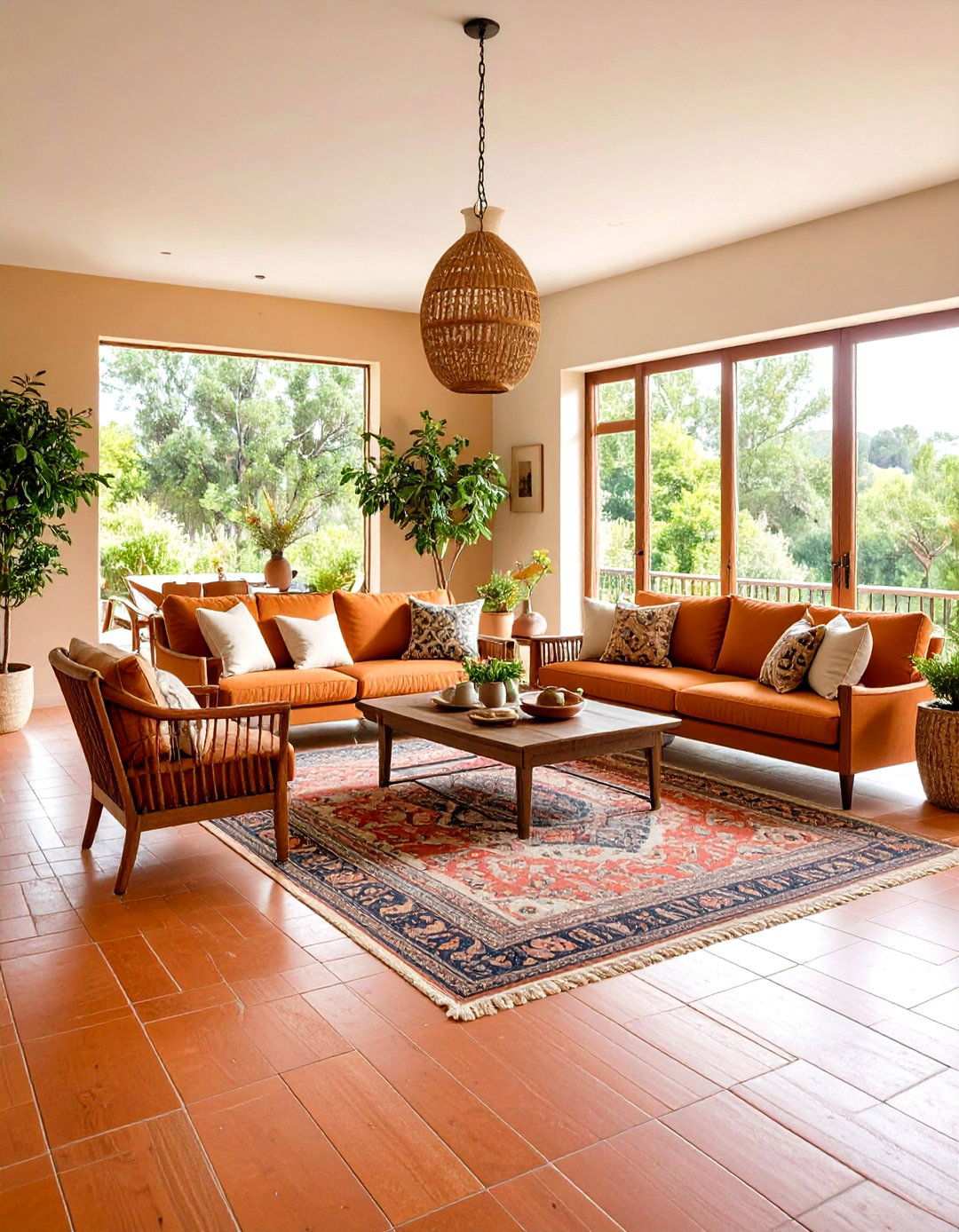
Terracotta tiles bring the warmth and coziness of the Mediterranean to living spaces, instantly transforming them into inviting sanctuaries. These traditional clay tiles feature natural variations and handcrafted imperfections that add character to any room. When installed in large formats in living areas, they develop a rich patina that complements wooden furniture and wrought iron accents perfectly. The porous nature of terracotta means that it becomes more beautiful with age, much like a well-loved family heirloom. Pair the tiles with Persian or kilim rugs to define seating areas and add texture, creating a welcoming atmosphere that works beautifully with traditional heavy wooden furniture or lighter contemporary pieces alike.
3. Exposed Wooden Beam Ceilings
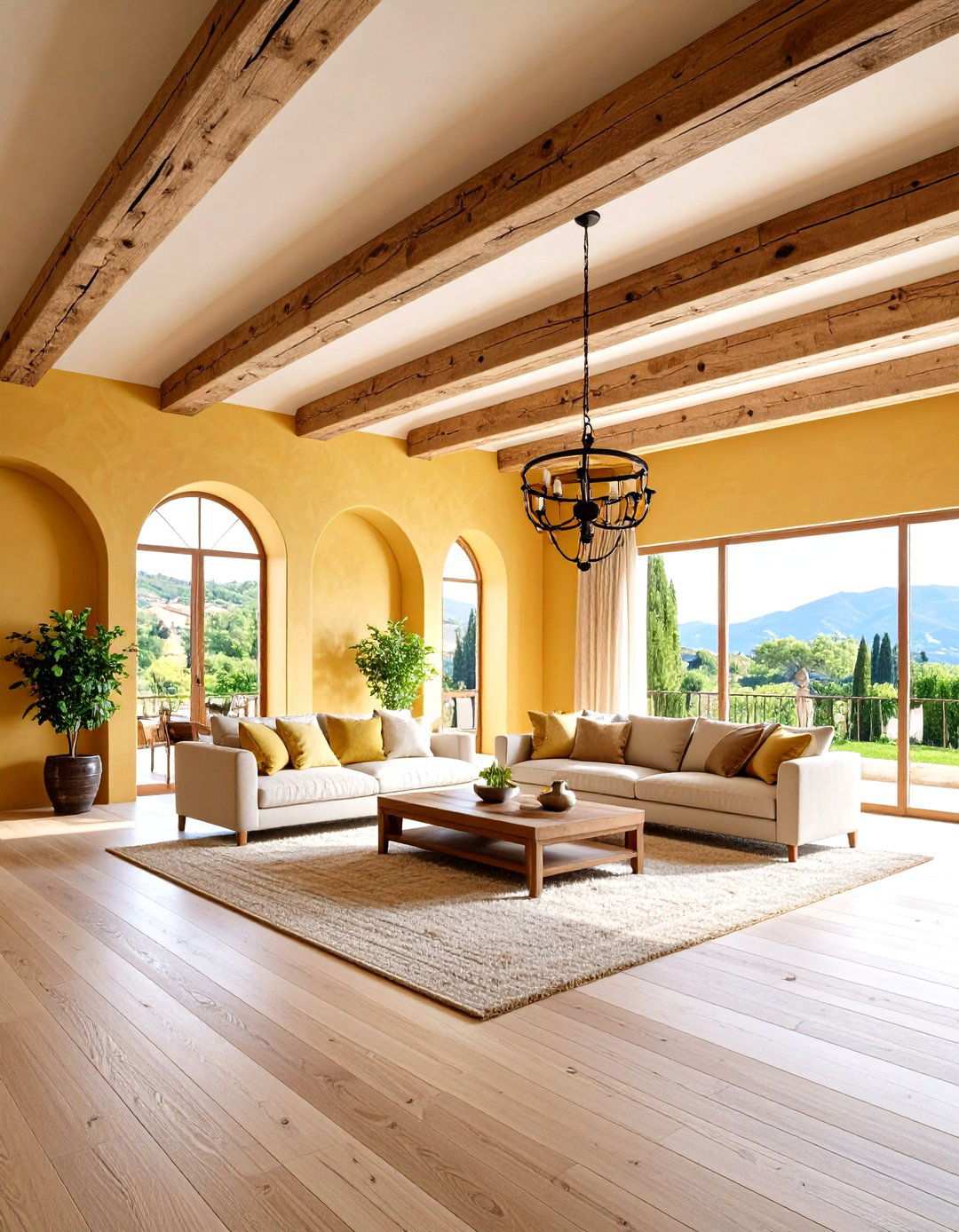
Authentic Tuscan interiors often feature exposed wooden beams that instantly elevate a room’s character and architectural appeal. Notice how substantial wooden beams, typically crafted from chestnut, oak, or reclaimed wood, can create a sense of drama while maintaining the rustic charm that defines Tuscan style. To enhance the wood’s natural beauty, consider installing beams in their natural state or applying subtle stains to accentuate grain patterns without compromising their authenticity. Exposed wooden beams work particularly well in great rooms, kitchens, and bedrooms, where they draw the eye upward and create intimate spaces within larger areas. Pairing beamed ceilings with warm plaster walls and wrought iron lighting fixtures can complete the look and transport you to a Tuscan villa.
4. Tuscan Bedroom Retreat with Wrought Iron
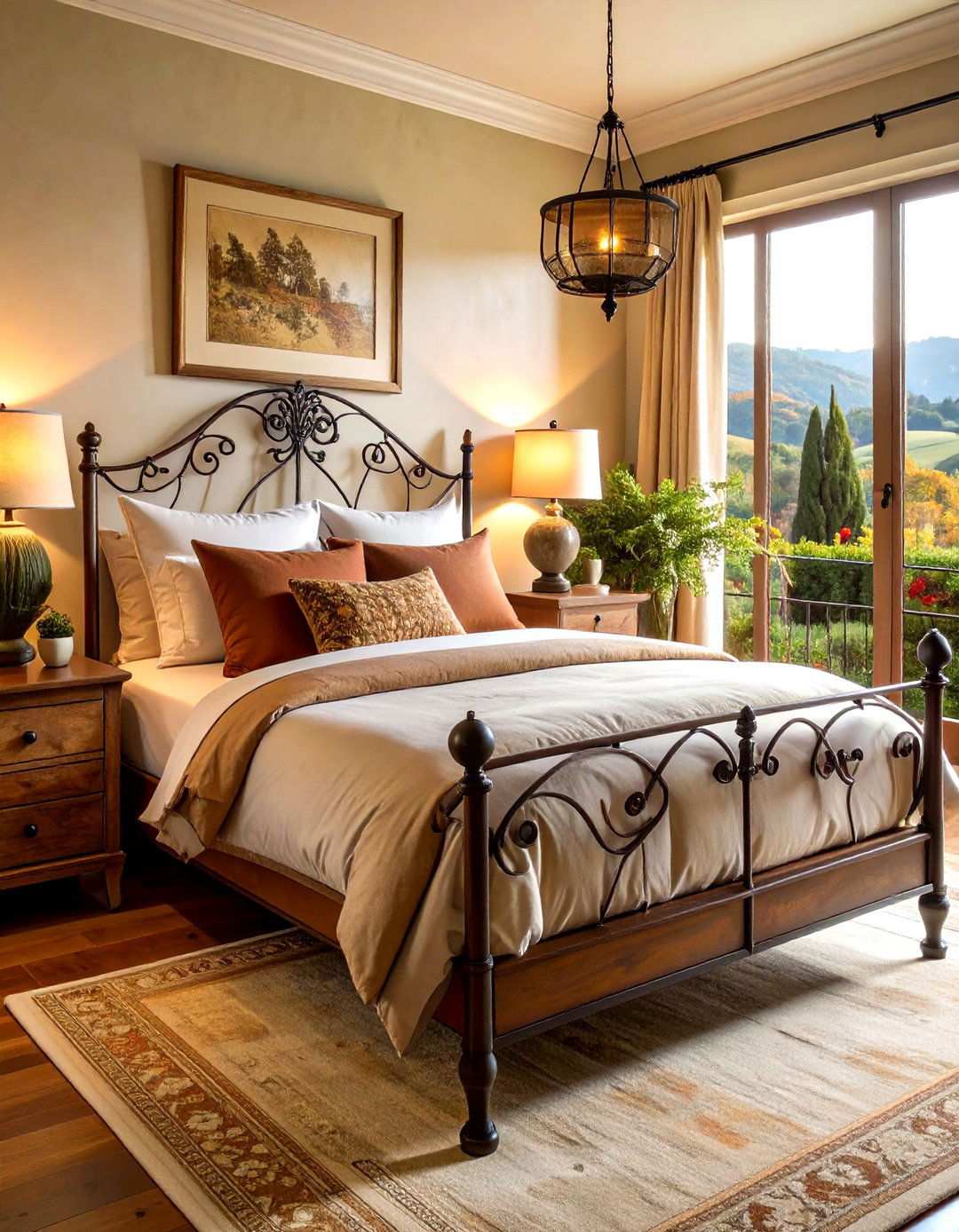
When designing a Tuscan-inspired bedroom, selecting a stunning wrought iron bed frame is the perfect starting point. Ornate yet sturdy, these pieces feature intricate scrollwork, twisted details, and aged finishes that exude old-world craftsmanship. Choose frames in dark bronze or weathered black, then layer with rich fabrics in warm earth tones like deep reds, golden yellows, and olive greens. To add depth, introduce wooden nightstands with distressed finishes and ceramic table lamps with linen shades. Mixing textures through velvet throw pillows, linen bedding, and wool throws is essential to creating a cozy retreat. Include terracotta or stone accent pieces and consider hanging wrought iron wall sconces to create a warm, inviting atmosphere perfect for relaxation.
5. Warm Color Palettes and Paint Techniques
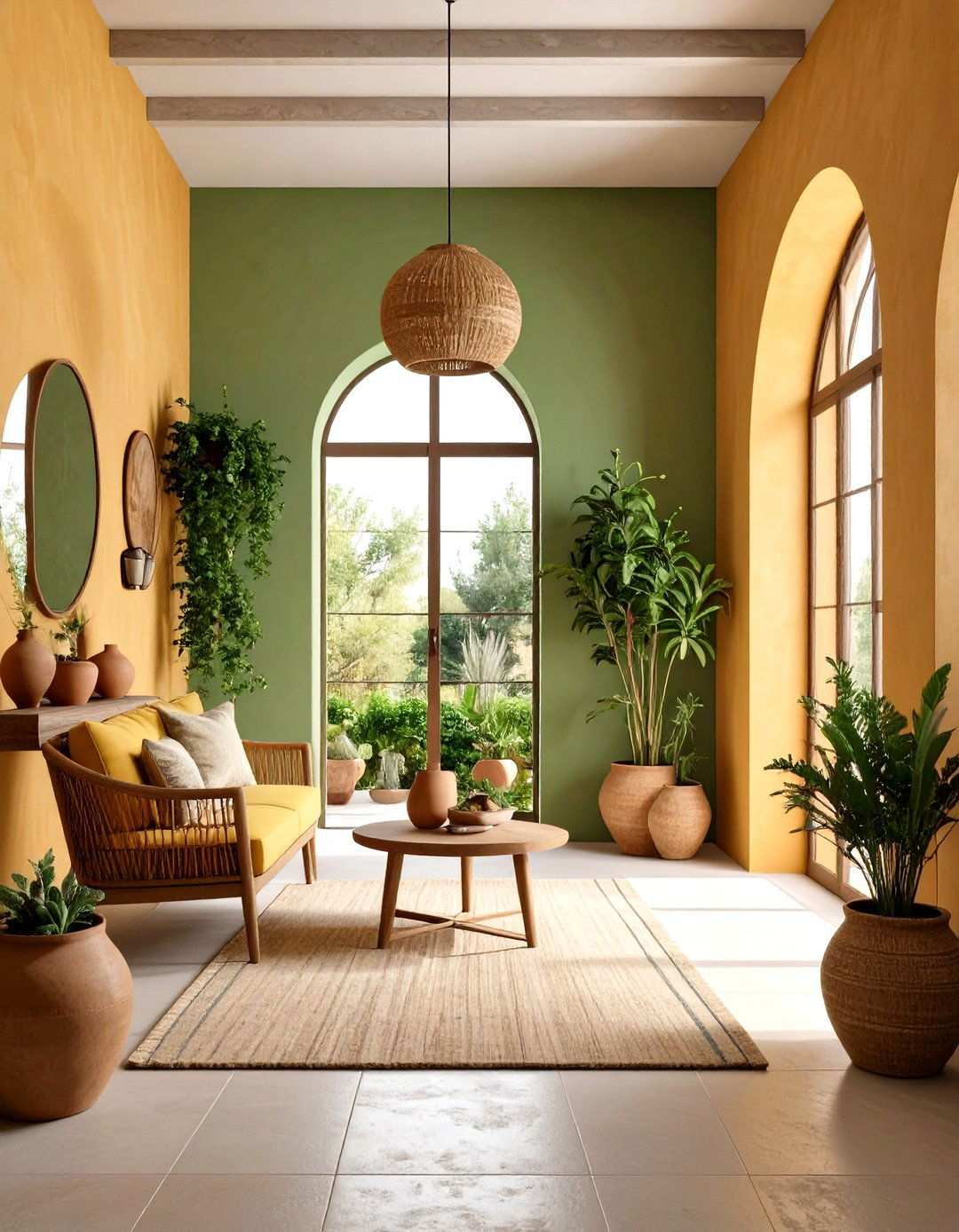
Why settle for ordinary walls when you can transform your home with the warm, earthy hues of traditional Tuscan interiors? Inspired by the Italian countryside landscape, these color palettes can transport you to a Tuscan villa. Begin with base colors like sandy beige, warm cream, or soft ochre, then layer deeper tones such as terracotta red, olive green, and golden yellow. To add texture and visual interest, consider techniques like color washing, sponging, or lime washing, which can mimic the aged plaster walls found in Tuscan homes. These methods not only add depth but also maintain the casual elegance that characterizes Tuscan style. Accent walls in deeper shades like burnt sienna or sage green, balanced with lighter neutrals on remaining surfaces, can create a sophisticated yet welcoming atmosphere in your home.
6. Mastering the Art of Tuscan Fireplace Design
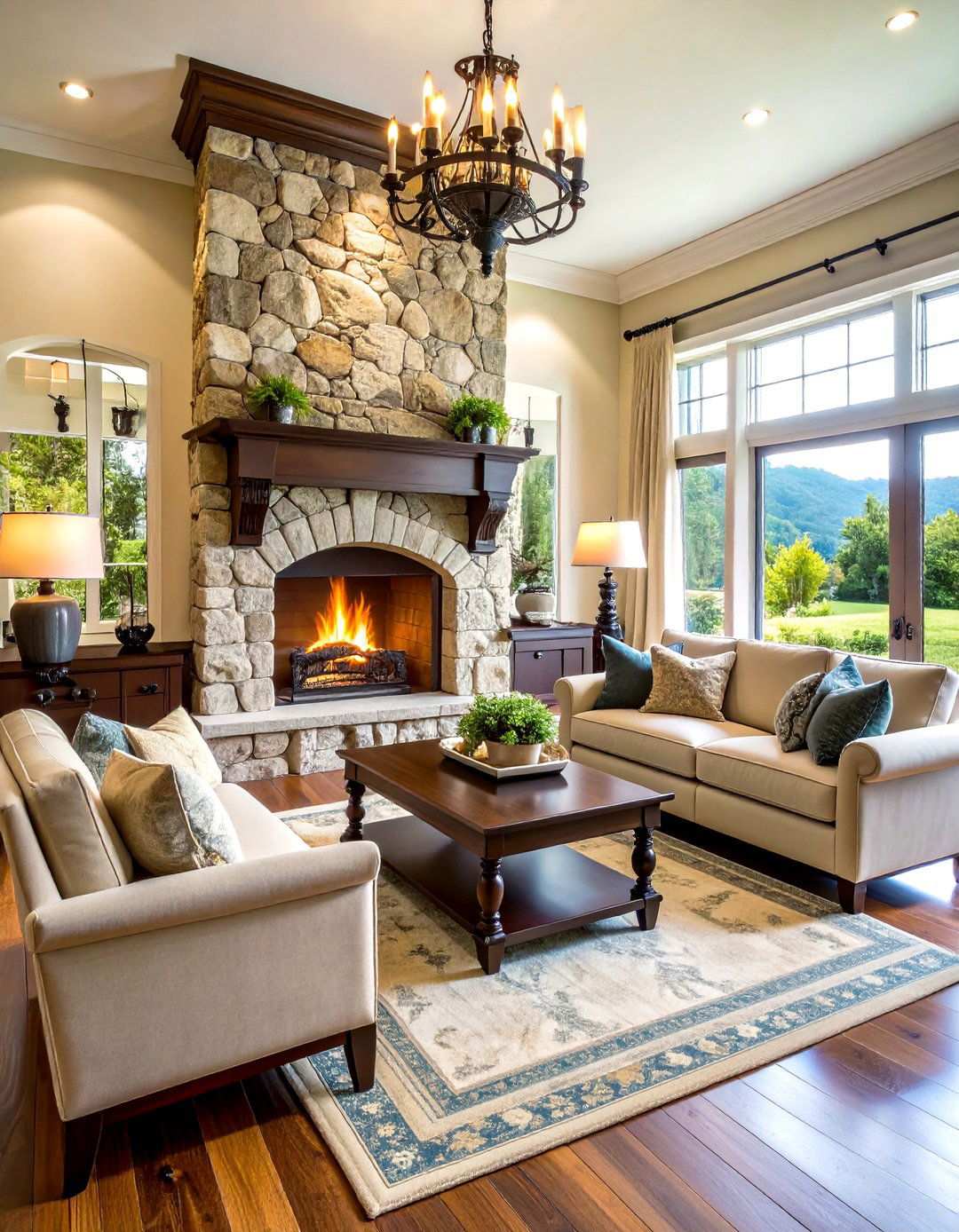
The fireplace is a striking focal point in Tuscan-inspired living spaces, commanding attention through its imposing presence and rich, natural materials. To create a truly authentic look, select stone surrounds and mantels that exude a sense of history and tradition, such as limestone, travertine, or locally sourced materials with unique textures and patinas. Design the surround to feature rough-hewn stones or smooth ashlar patterns, depending on the desired level of formality in the space. Balance the look with a sturdy wooden mantel in dark walnut or chestnut, adorned with simple yet elegant carved details or corbel supports. Complete the ensemble by arranging the hearth with wrought iron fireplace tools and ceramic vessels filled with natural elements like dried wheat or olive branches.
7. The Heart of Tuscan Dining: Rustic Tables and Gatherings
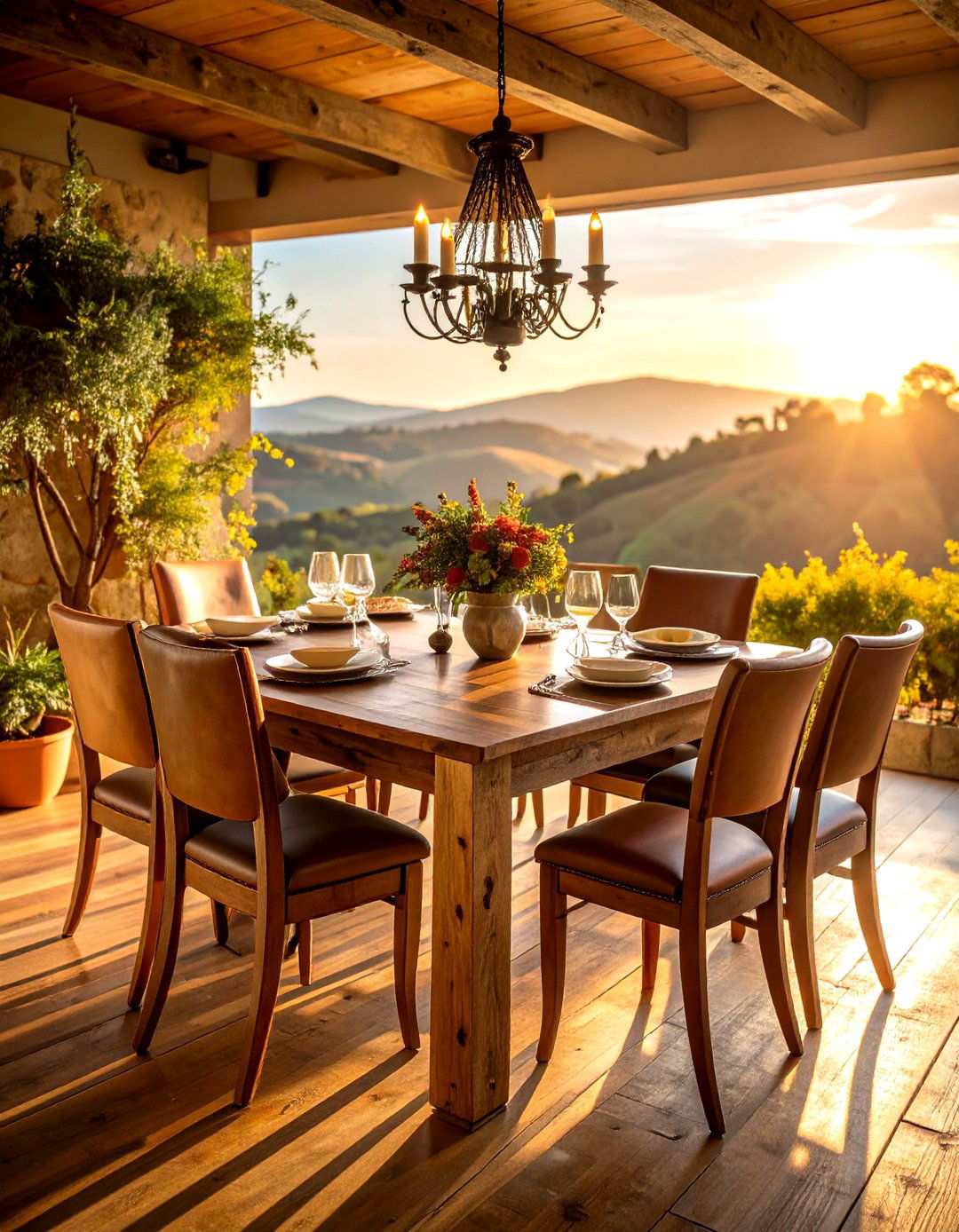
There’s no more inviting gathering place than a dining room centered around a substantial rustic table, where the warmth and camaraderie of the Italian table are palpable. Tuscan dining spaces embody the country’s passion for leisurely meals shared with loved ones, and a beautifully crafted rustic table is the perfect anchor for these gatherings. Design the table with reclaimed wood that showcases its natural beauty, including visible grain patterns, knots, and age marks that tell stories of generations past. Pair the table with mismatched chairs in complementary wood tones or upholstered pieces in rich fabrics like leather or tapestry. Add a touch of drama with a wrought iron chandelier above, and consider exposing the stone or textured plaster walls to create a look that’s both rustic and refined.
8. Bringing Tuscan Charm to Your Kitchen with Hand-Painted Tile Backsplashes
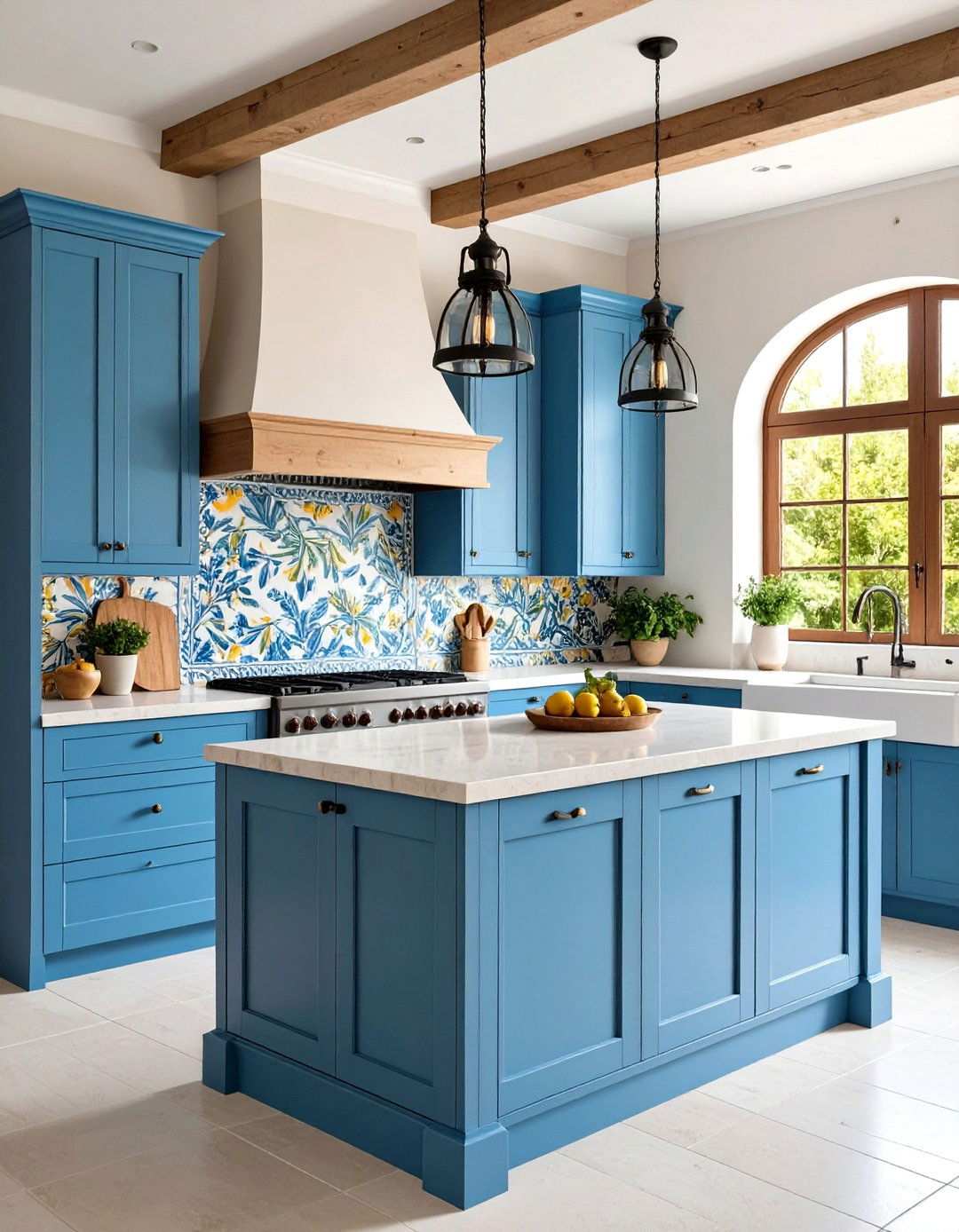
Add a splash of Italian flair to your kitchen with hand-painted ceramic tiles that showcase traditional artistry and vibrant personality. These tiles feature motifs inspired by Tuscan landscapes, including olive branches, sunflowers, grapes, and geometric patterns in warm, inviting hues like blues, yellows, and greens. Install the tiles as backsplashes behind stoves and sinks, creating focal points that celebrate craftsmanship and regional heritage. To add visual interest, mix solid-colored tiles with decorative pieces in varying sizes and patterns, while maintaining a cohesive color scheme. The slightly irregular glazes and handmade qualities of these tiles add an authenticity that machine-made tiles simply can’t replicate. Balance the look with natural stone countertops and warm wood cabinetry to create a Mediterranean kitchen that’s perfect for cooking and entertaining.
9. Elevating Drywall with Plaster Techniques
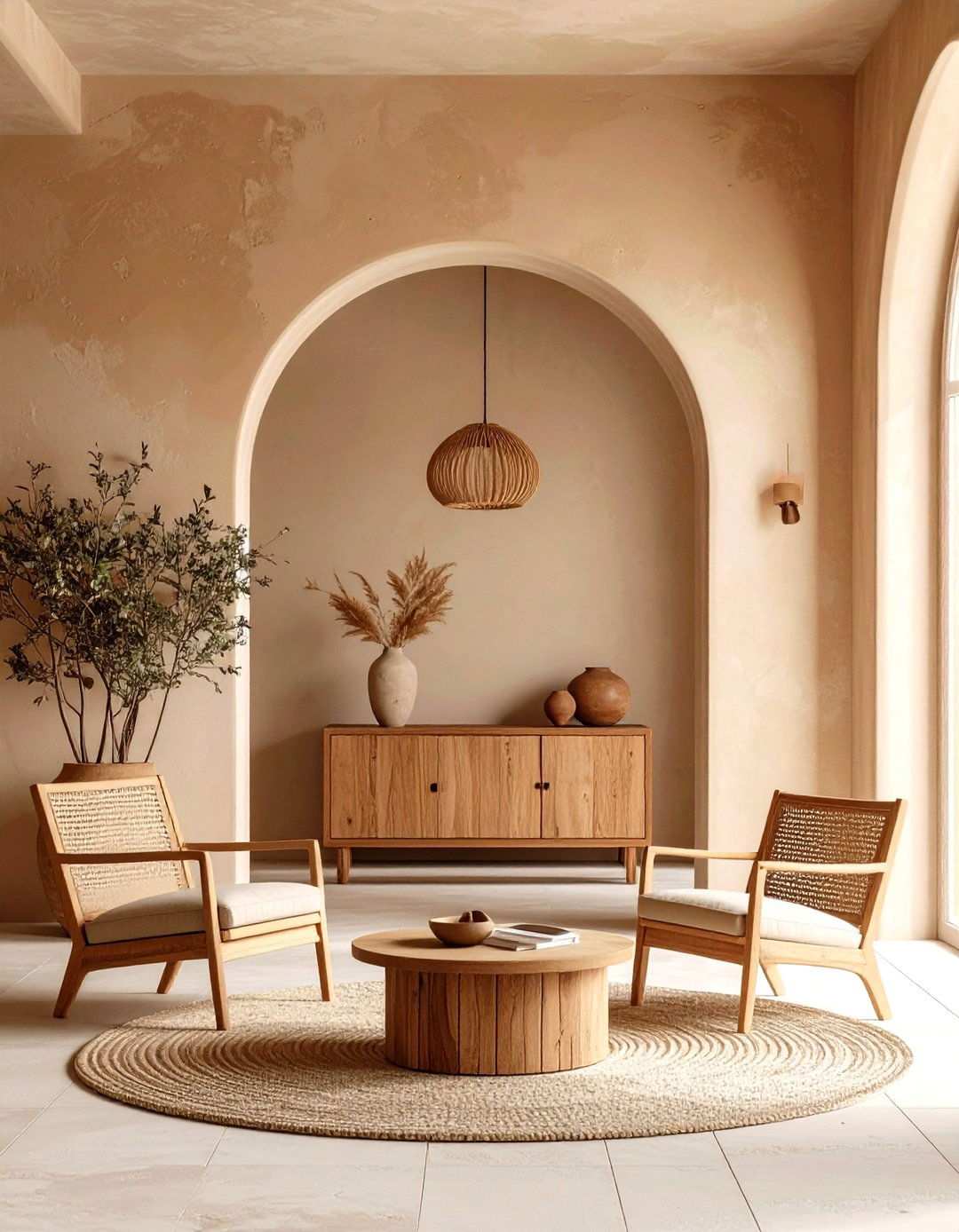
What transforms plain drywall into surfaces that evoke the romance of centuries-old Italian villas? Timeless plaster techniques imbue walls with depth, character, and the subtle imperfections that define authentic Tuscan interiors. By applying lime plaster, Venetian plaster, or tadelakt using traditional methods that build layers of color and texture, homeowners can create finishes that develop a captivating patina over time. These surfaces become increasingly beautiful with age and wear, making them the perfect backdrop for warm natural materials like wooden furniture and stone floors. When paired with muted bases such as cream, sand, or pale ochre, and then augmented with layering techniques, the resulting walls possess an organic quality that effortlessly complements the nuances of the surrounding environment.
10. Blending Indoors and Outdoors in Tuscan Design
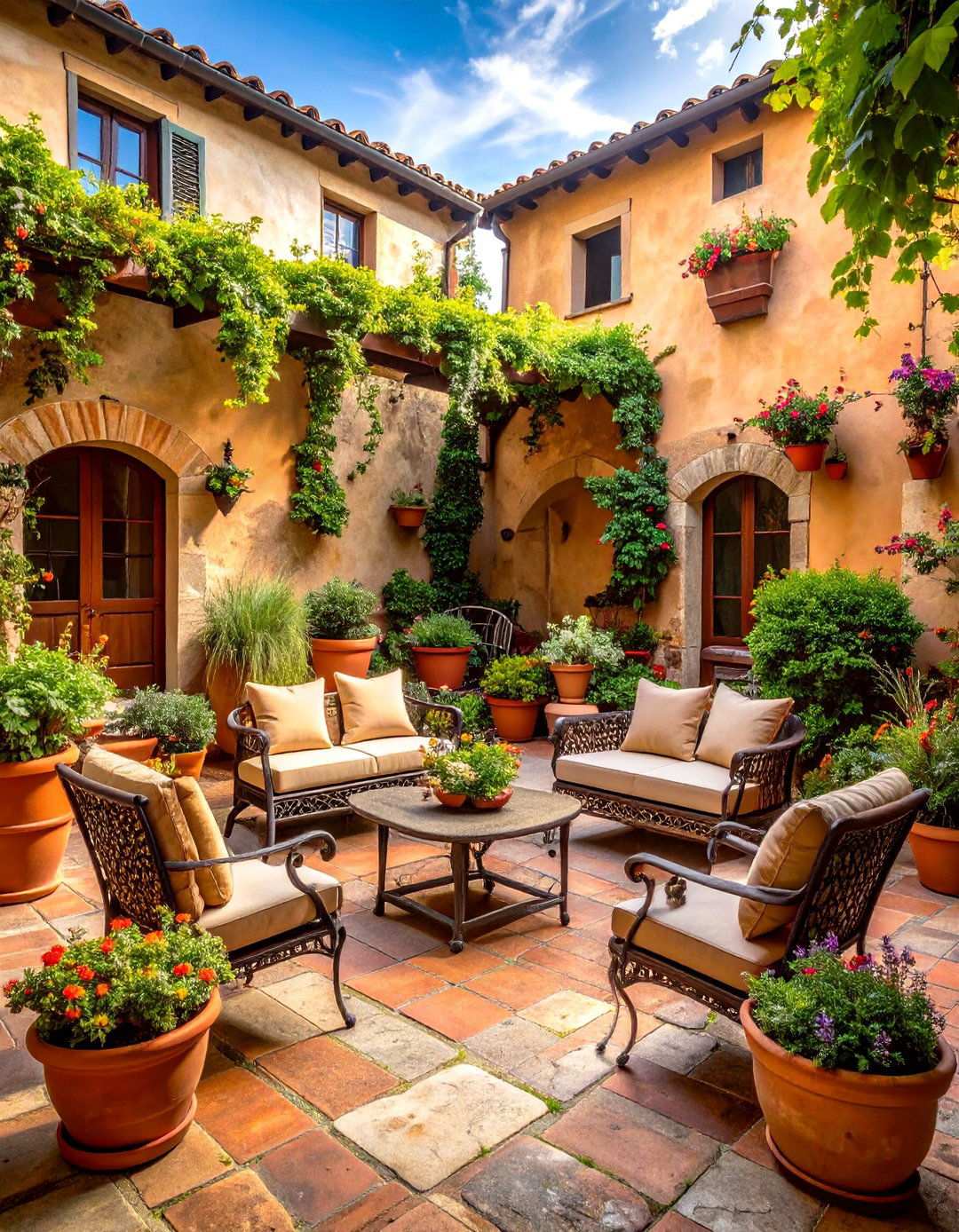
The Italian lifestyle seamlessly integrates outdoor living with indoor comfort, making patios and courtyards essential components of Tuscan design. By incorporating natural stone or terracotta tiles into these spaces, homeowners can create inviting areas that flow effortlessly from indoors to outdoors. Furnish these spaces with wrought iron tables and chairs cushioned in weather-resistant fabrics, adding pergolas or arbors to provide shade and train grapevines or climbing roses to create a canopy of lush greenery. Including water features like stone fountains or ceramic planters filled with herbs and flowering plants can further enhance the ambiance of these outdoor areas. By adopting a harmonious approach to materials and color palettes, homeowners can create seamless transitions between indoors and outdoors, perfect for casual dining, morning coffee, or evening aperitivos.
11. Contemporary Tuscan Kitchen Design
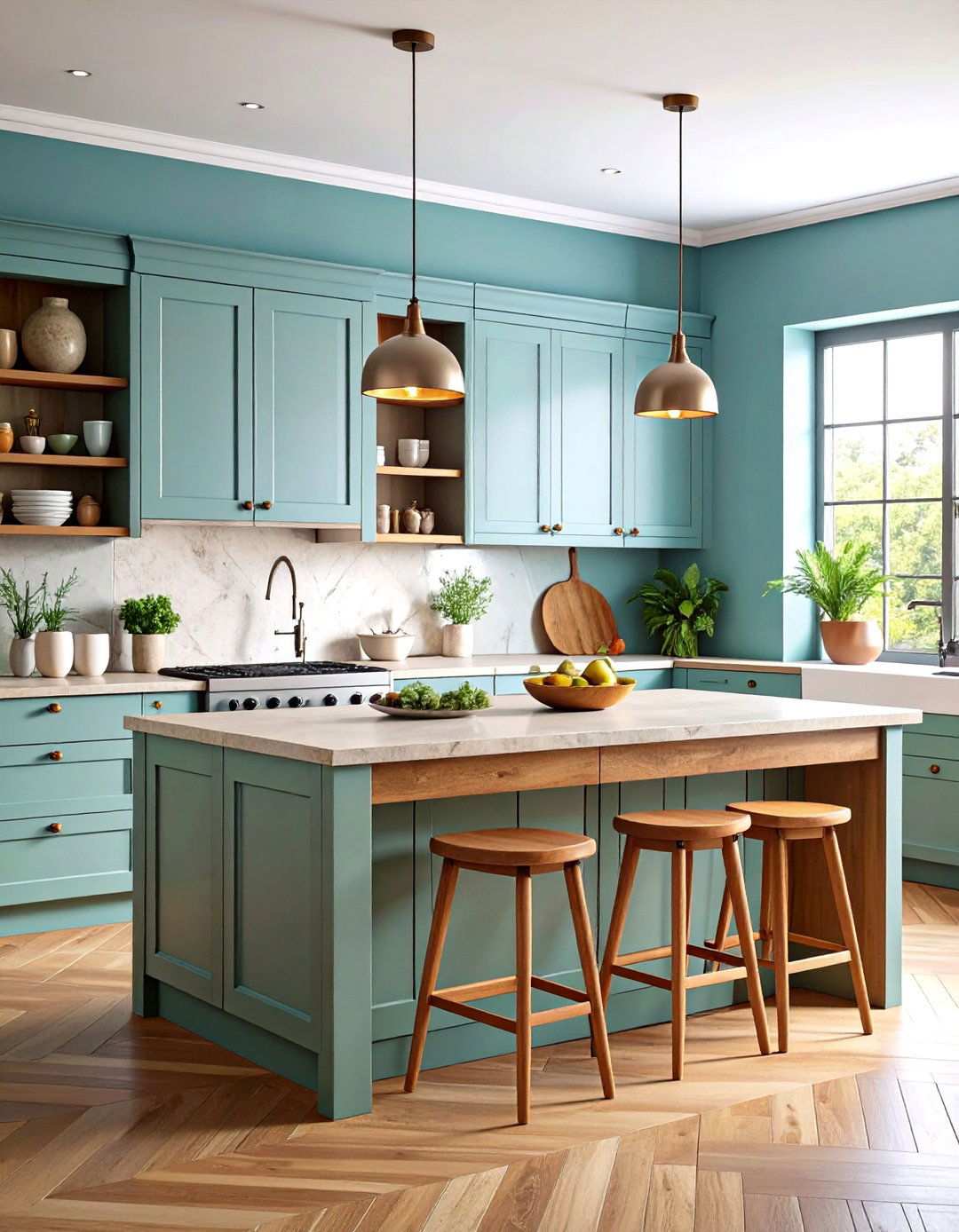
Traditional Tuscan style can be adapted to contemporary living while preserving its authentic charm by embracing lighter finishes and cleaner lines. Modern interpretations of this style incorporate cabinetry in warm cream, sage green, or soft gray, featuring simple raised panels or flat fronts with traditional hardware. To enhance the aesthetic, incorporate open shelving for displaying pottery and cookware, juxtaposing closed storage with display areas. Natural wood islands provide a striking contrast and workspace, while updated appliances blend seamlessly with traditional design elements. This harmonious blend of old-world charm and contemporary functionality creates kitchens that serve the needs of modern families while honoring Italian design heritage and celebrating both efficiency and beauty.
12. Elevating Your Tuscan Interiors with Wrought Iron Lighting
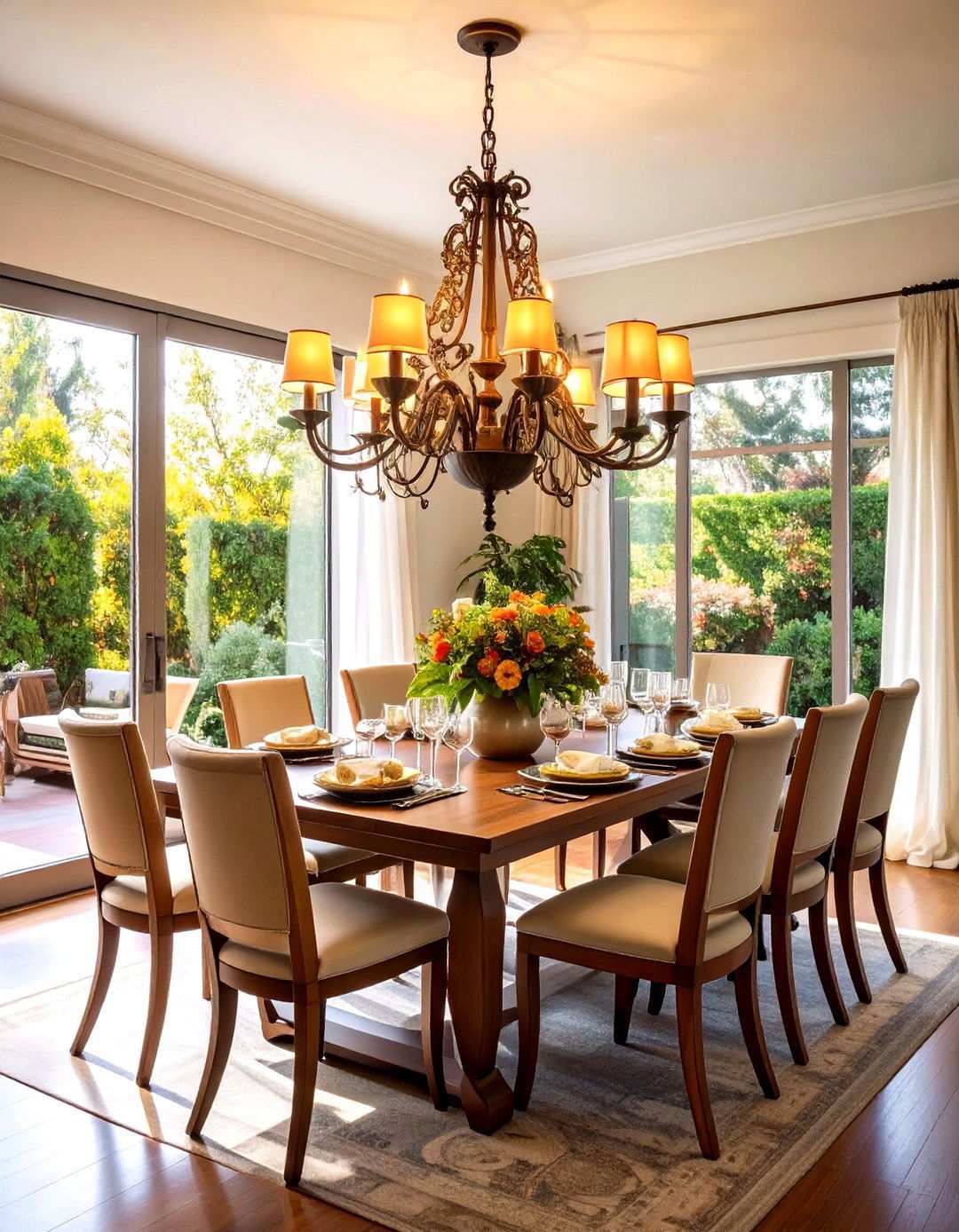
Wrought iron lighting fixtures are a cornerstone of Tuscan design, seamlessly blending functionality with the artistic flair of skilled craftsmanship. These stunning fixtures showcase intricate scrollwork, twisted metal details, and aged finishes that imbue each space with character and warmth. Perfect for creating ambient lighting, chandeliers in dining rooms and entryways boast multiple candle-style lights or lantern designs, while wall sconces in hallways and bedrooms provide a soft, welcoming glow. For a truly cohesive look, consider pairing pendant lights over kitchen islands or breakfast nooks with dark metal finishes that beautifully contrast with warm wall colors and complement other iron elements. The addition of amber or frosted glass shades helps to diffuse light softly, creating a warm and inviting atmosphere that encourages relaxation and social interaction.
13. The Timeless Allure of Natural Stone in Tuscan Interiors
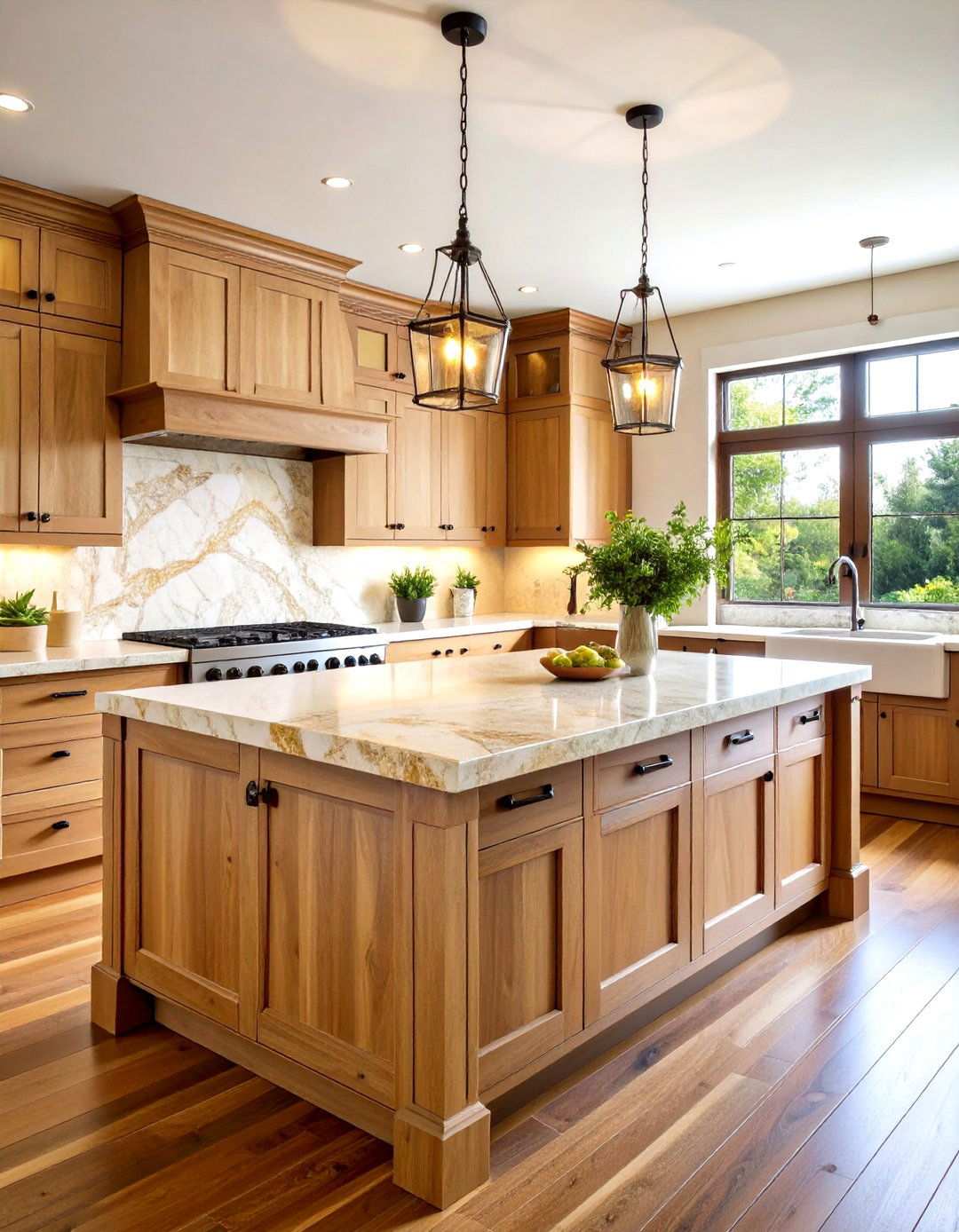
Why settle for ordinary materials when natural stone offers a level of beauty and durability that’s hard to match? In Tuscan kitchens and bathrooms, granite, marble, and limestone bring a unique touch with their varied veining patterns and color variations. For an authentic look, select stones with cream, beige, or golden undertones that feature subtle movement and natural character. As these surfaces age, they develop a patina that adds to their appeal, making each installation a one-of-a-kind masterpiece. For added authenticity, pair natural stone with warm wood cabinetry and hand-painted tile backsplashes. The natural variations ensure each installation is a unique reflection of your personal style, while the durability means these surfaces will remain beautiful and functional for generations to come.
14. Weaving the Tapestry of Tuscan Textiles and Fabrics
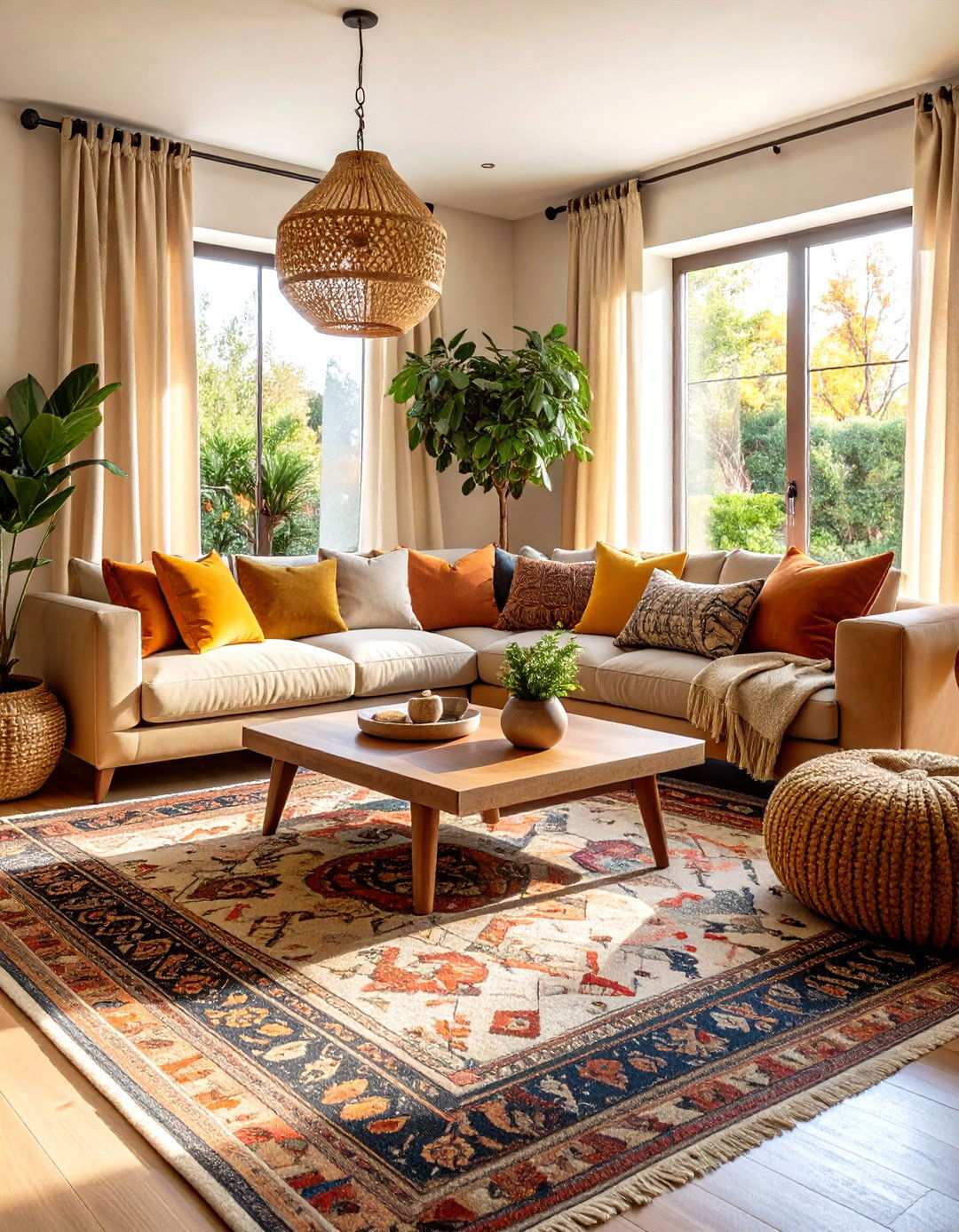
Creating authentic Tuscan interiors requires a deep understanding of the role fabrics and textiles play in adding warmth, comfort, and visual interest to a space. To achieve this look, layer natural materials like linen, cotton, and wool in warm earth tones and rich jewel colors. Choose fabrics with texture and weight, such as velvet throw pillows, linen curtains, and wool area rugs, and mix patterns carefully to create a cohesive look. Combine florals, stripes, and geometric designs in complementary colors to add depth and visual interest. For added comfort and color variation, upholster furniture in leather or heavy cotton fabrics, and don’t forget to add throws and pillows for a cozy, lived-in feel. The result is a space that exudes relaxed elegance and warmth, where each textile element contributes to the overall aesthetic and invites you to linger.
15. Elegant Doorways and Windows
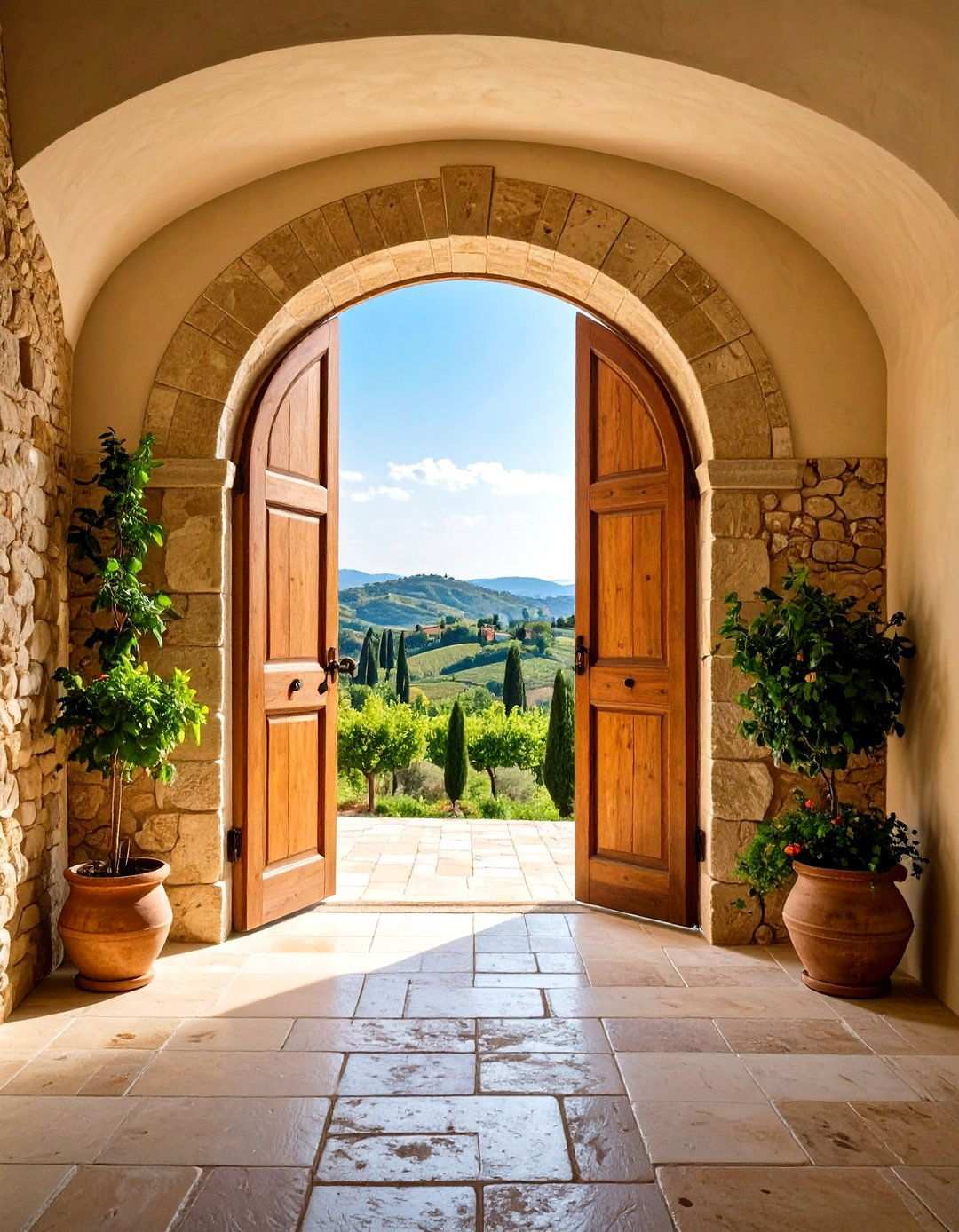
The subtle yet striking difference between ordinary rooms and spaces with distinct character often comes down to thoughtful architectural details. One such element that epitomizes Tuscan design is the arched opening, creating a harmonious flow between spaces while introducing a touch of visual sophistication and timeless charm. By installing arched doorways between rooms, homeowners can select from a variety of materials, including stone, wood, or plaster, that perfectly complement their overall design themes. Arched window surrounds are particularly effective in kitchens and living areas, skillfully capturing natural light and imbuing the space with a sense of warmth. These elements work in tandem with exposed beams and textured wall finishes to create a soothing ambiance, subtly tempering angular spaces with the gentle curves of arched features. Consider incorporating partial arches or niches to showcase pottery or artwork, thereby creating focal points that enhance the Mediterranean atmosphere.
16. Artisanal Ceramics and Pottery
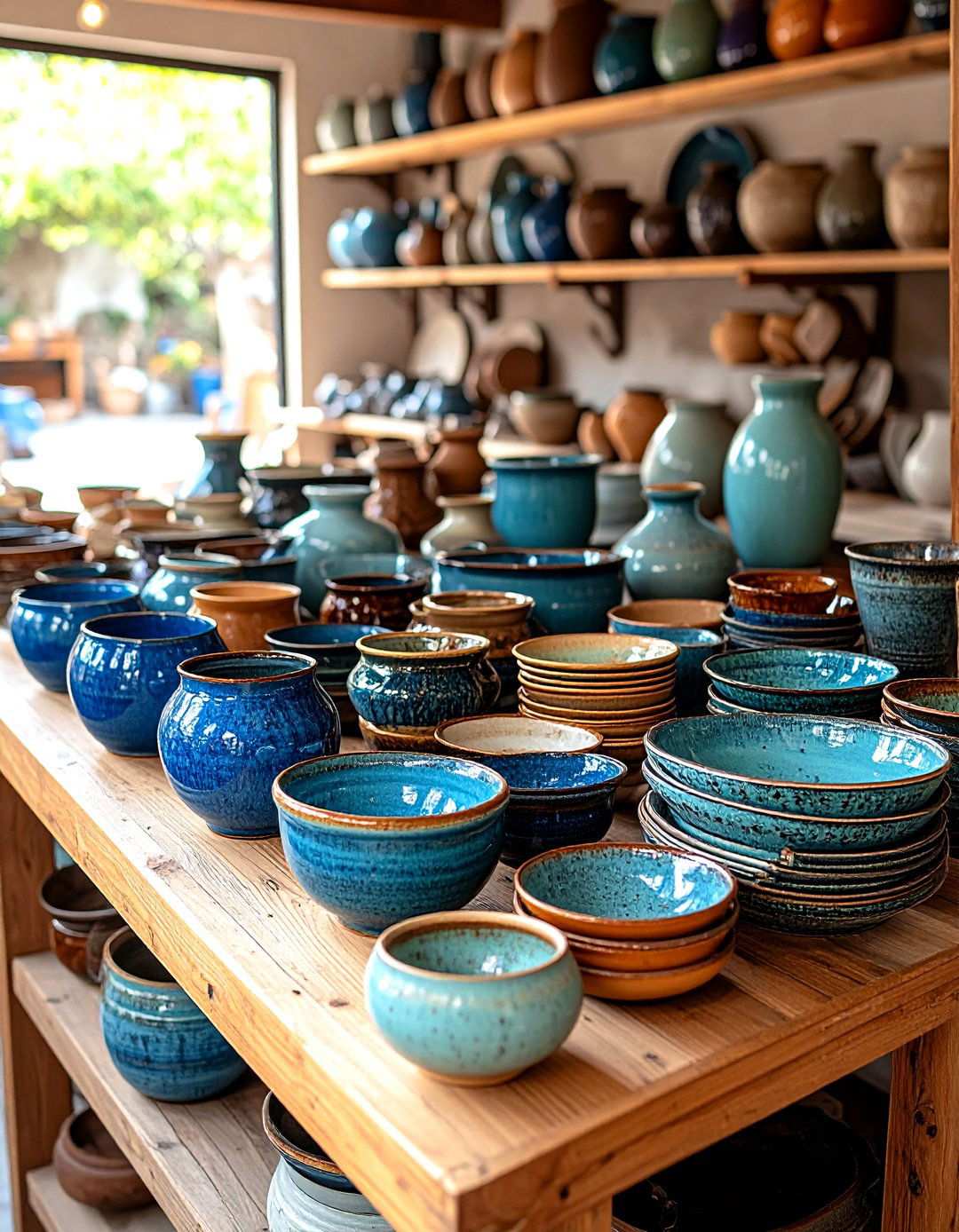
Handcrafted ceramics and pottery play a multifaceted role in Tuscan interiors, honoring regional artisan traditions while injecting a vibrant splash of color and personality. To showcase these beautiful pieces, homeowners can opt for open shelving, windowsills, and mantels, selecting items with warm glazes in blues, yellows, and earth tones that evoke a sense of warmth and coziness. Displaying functional items like serving bowls, pitchers, and platters alongside purely decorative pieces adds depth and visual interest, while the slight irregularities of handmade pottery lend an authenticity that mass-produced items cannot replicate. For a visually appealing arrangement, homeowners can group odd numbers of pieces, incorporating a mix of sizes and shapes to create a conversation-starting vignette that celebrates Italian craftsmanship and artistry. To further enhance the display, consider adding fresh or dried flowers to ceramic vessels, allowing the natural beauty to evolve with the seasons.
17. Crafting a Tuscan Bathroom Oasis
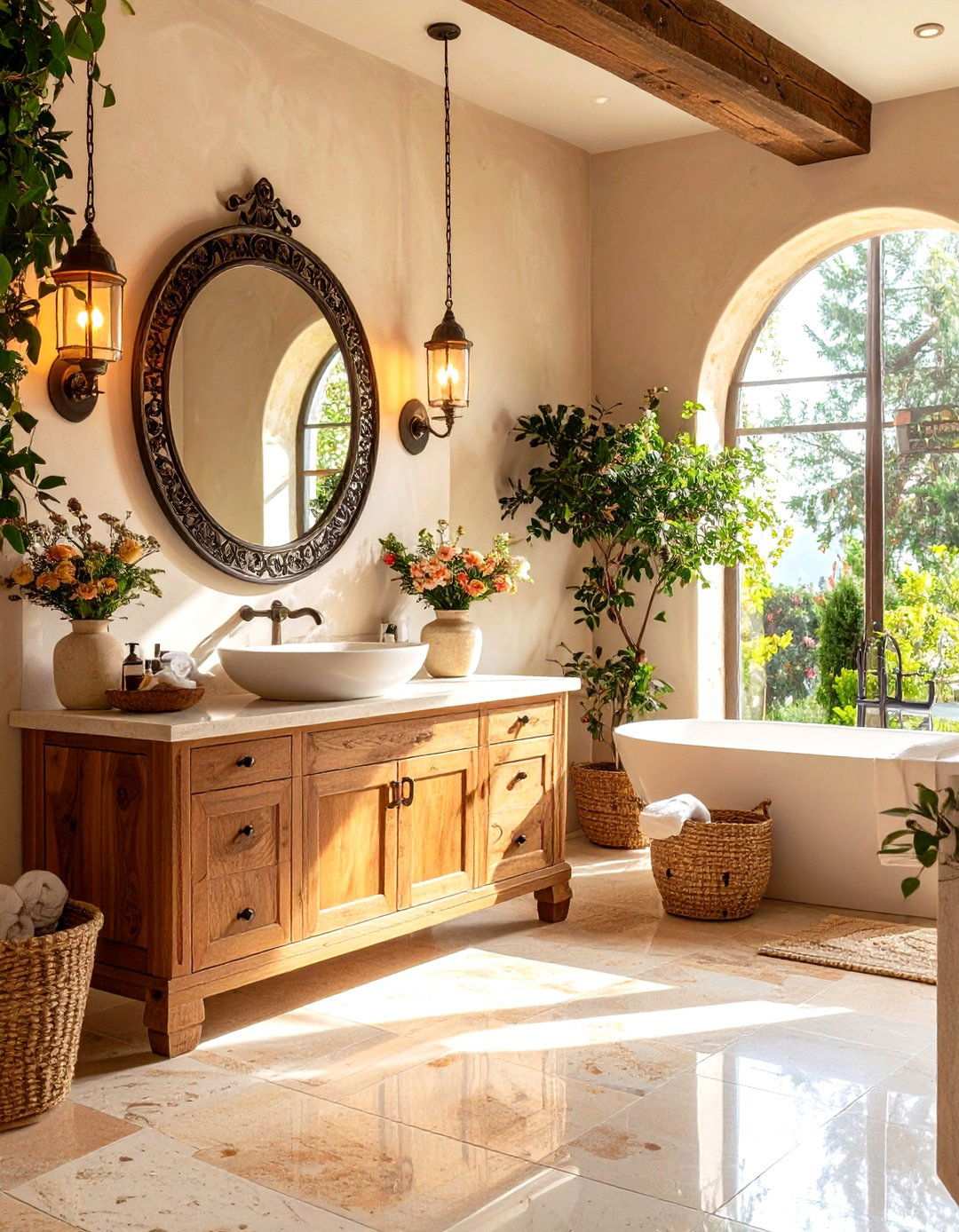
Transforming utilitarian bathrooms into serene retreats requires a thoughtful approach to design, emphasizing natural materials and warm, inviting atmospheres that evoke the essence of Tuscan style. One way to achieve this is by installing natural stone tiles on floors and walls, selecting travertine, limestone, or slate with warm undertones that create a sense of continuity with other rooms. Complementing these natural elements, homeowners can incorporate wrought iron mirrors, sconces, and towel bars, which add a touch of sophistication and consistency to the space. Wooden vanities with natural finishes, topped with stone countertops and ceramic vessel sinks, complete the design, providing a seamless blend of modern functionality and Italian country style. To further enhance the ambiance, consider exposed beam ceilings, textured plaster walls, and terra-cotta accent tiles, which work in harmony to create a bathroom that serves as a personal retreat, while maintaining the warmth and charm of the Mediterranean.
18. Wine Storage and Display Areas
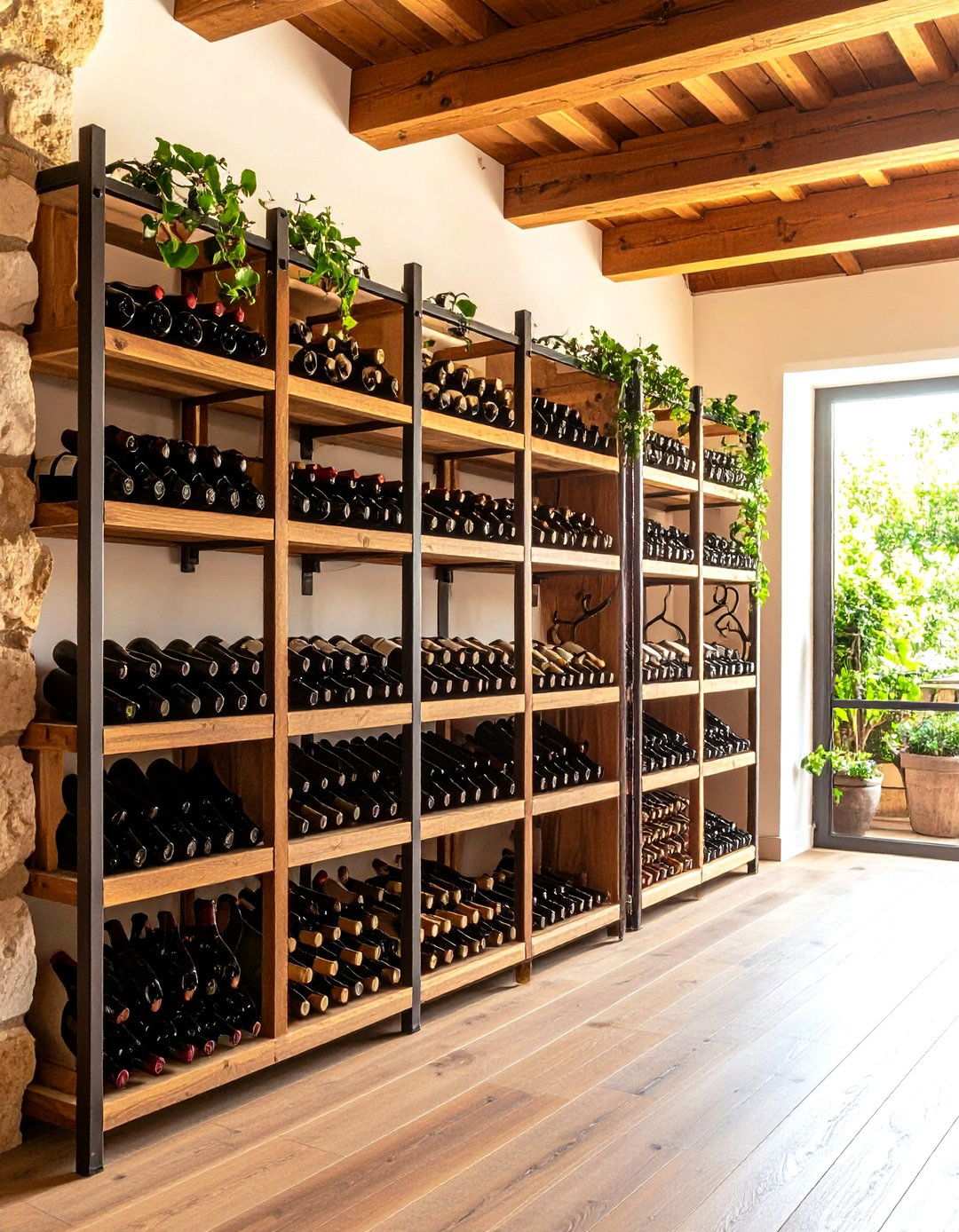
Crafting dedicated spaces for wine storage and display is an exceptional way to pay homage to Italian heritage. Tuscan homes often feature wine cellars or storage areas that reflect the region’s rich viticultural traditions. Elevate your dining room or kitchen with wrought iron wine racks, carefully selecting designs that harmonize with other metal accents. In addition, consider incorporating wooden storage for larger collections, opting for natural finishes that mature over time. Create display areas for wine-related accessories, such as decanters, glasses, and corkscrews, using open shelving or built-in cabinetry. A touch of elegance can be added by incorporating stone or brick accent walls behind wine storage areas, introducing texture and visual appeal. These carefully curated spaces become focal points, not only providing practical storage for collections but also inspiring the Italian tradition of sharing wine with loved ones.
19. Garden and Herb Growing Spaces
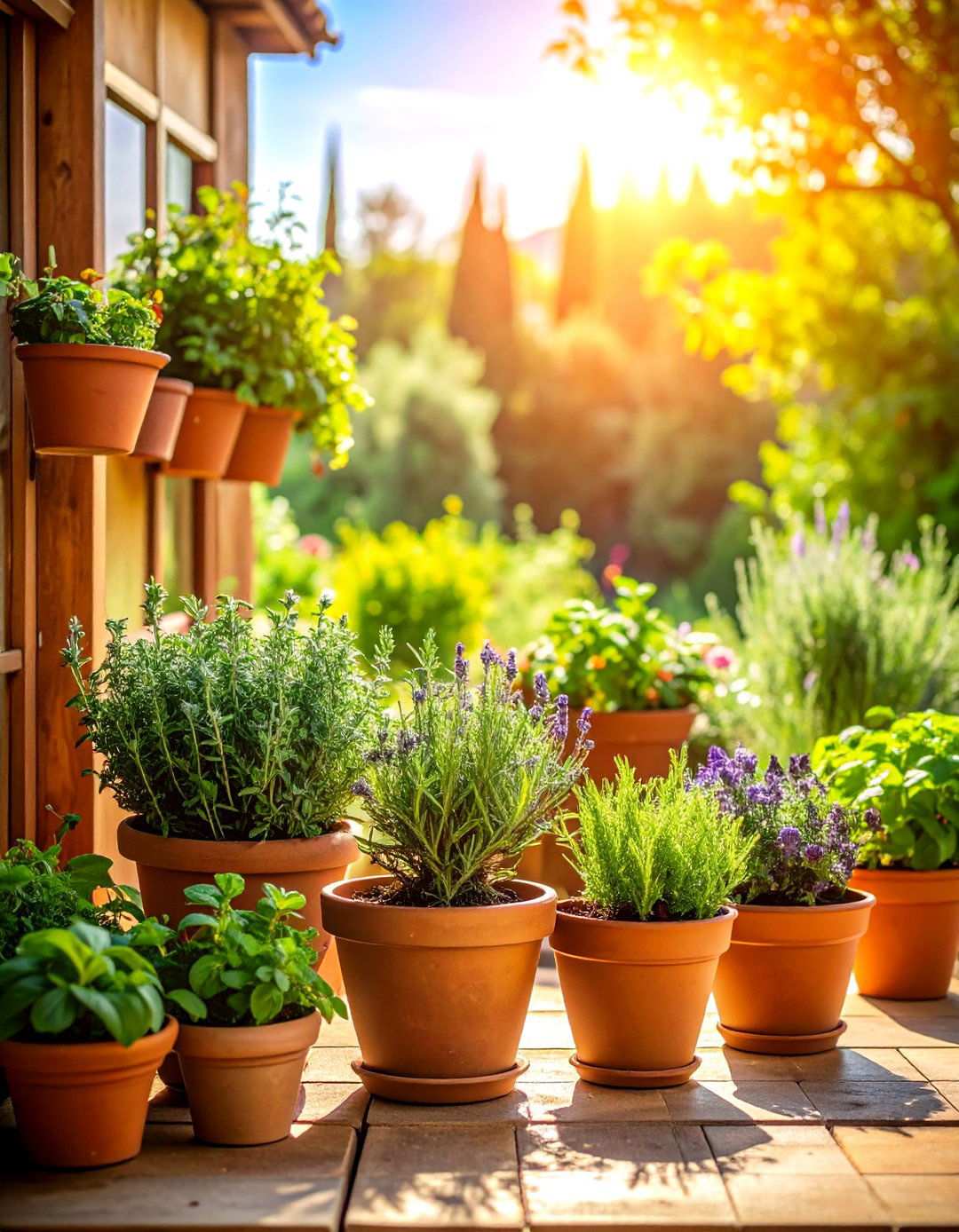
To cultivate a deeper connection with the Italian way of life, create vibrant garden and herb growing spaces that bring the abundance of Tuscan gardens into your daily routine. Design windows with built-in planters featuring herbs like basil, rosemary, and oregano, using terracotta planters that seamlessly blend with your home’s aesthetic. Expand your garden areas for tomatoes, peppers, and other Mediterranean vegetables, incorporating natural materials and traditional layouts to create a harmonious setting. Consider adding potted citrus trees to your patio or sunny indoor spaces, infusing the air with fragrance and adding visual interest. The ultimate goal is to create thriving growing spaces that provide fresh ingredients for cooking while maintaining the connection to agriculture that defines the Tuscan lifestyle. These gardens become a source of pride and pleasure, encouraging an appreciation for fresh, seasonal ingredients.
20. Antique and Vintage Furniture Pieces
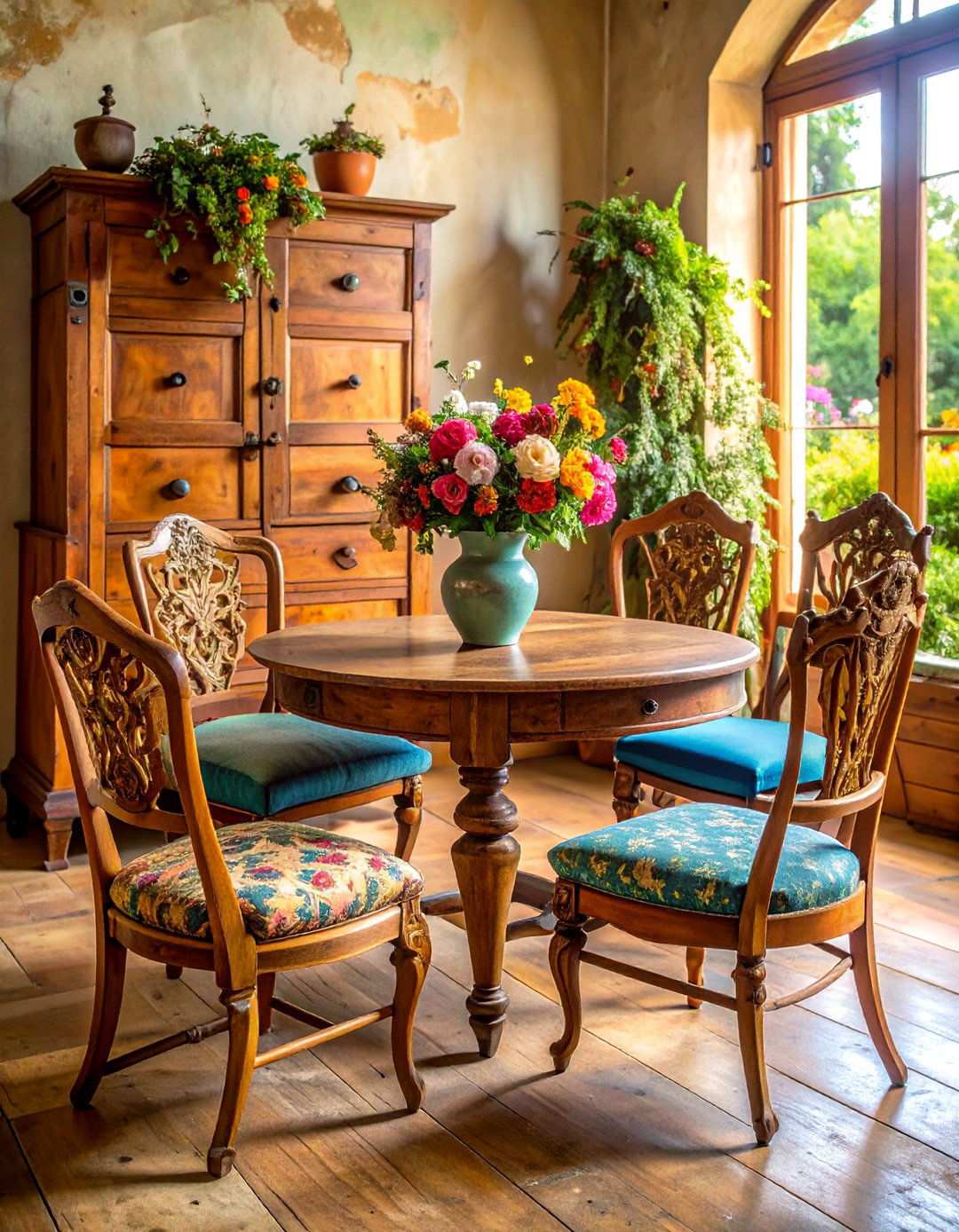
By incorporating antique and vintage furniture, you can infuse your Tuscan-inspired interior with history, character, and functional beauty. When selecting pieces, look for those with patina and age marks that tell stories of previous owners and generations of use. Include items like wooden chests, carved chairs, and weathered tables that complement the rustic elegance of Tuscan style. To achieve a balanced, livable space, mix antiques with newer pieces that honor the past while meeting contemporary needs. The key to successful integration lies in choosing pieces with authentic character rather than artificially aged reproductions. Consider restored pieces that maintain original craftsmanship while providing modern functionality. These furnishings become conversation pieces, not only adding visual interest but also connecting your home to Italian traditions of quality craftsmanship and enduring design that improves with age.
21. Embracing the Seasons with Tuscan Elegance
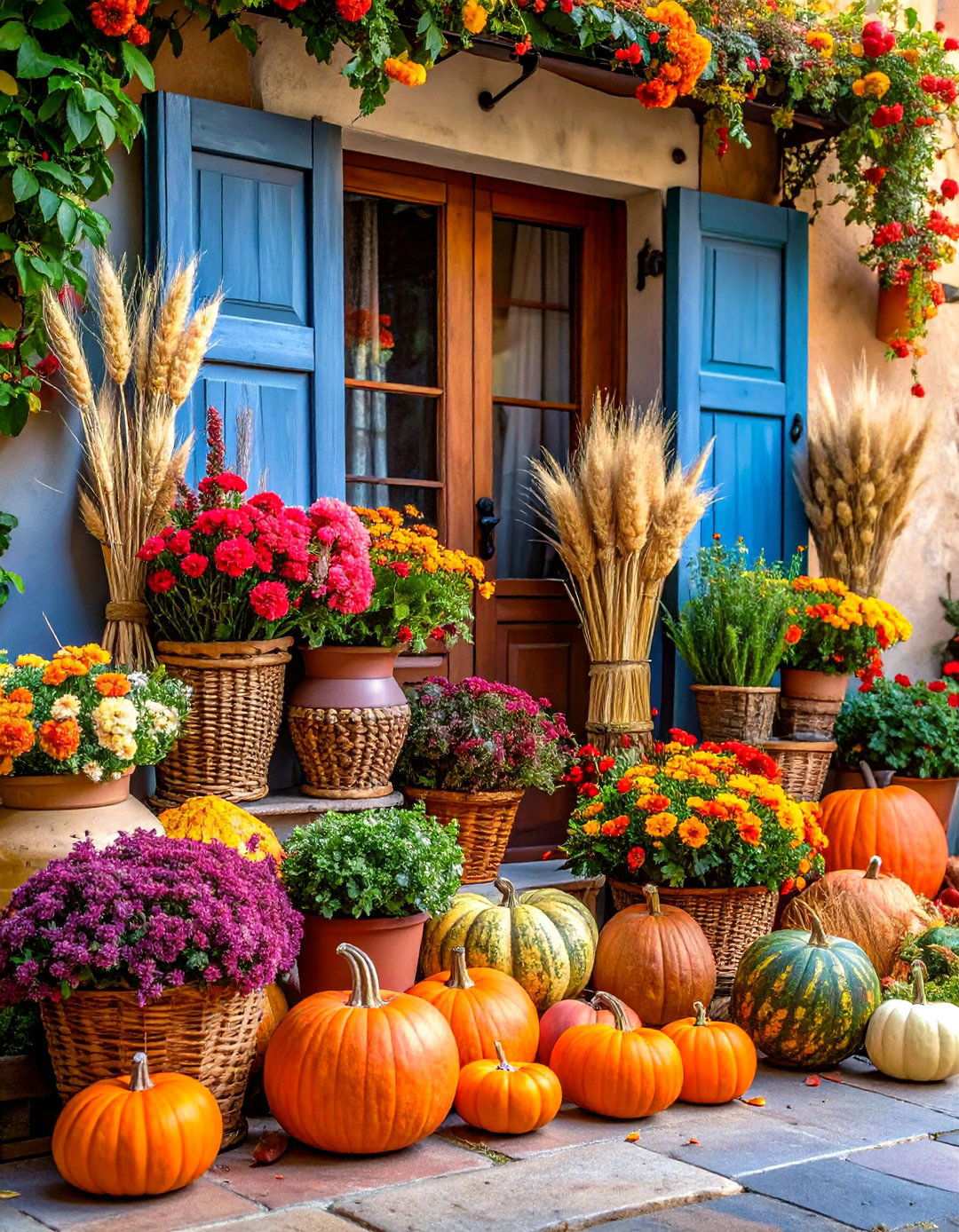
As the seasons unfold, why not infuse your interior spaces with the timeless charm of Tuscan design? By incorporating seasonal elements and natural materials, you can create a sense of continuity with the world outside while maintaining the essence of Italian tradition. In the spring, vibrant florals and soft pastels evoke a sense of renewal and growth, while summer’s warmth is captured through the use of bright textiles and lush greenery. Autumn’s harvest themes are reflected in the use of dried wheat, gourds, and richly colored textiles, while winter’s cozy ambiance is achieved with evergreen garlands, candlelight, and plush fabrics. By embracing the changing seasons, you can keep your interiors fresh and connected to the natural world while preserving the core Tuscan aesthetic of warmth, comfort, and connection to the land.
22. Mastering the Art of Mixed Material Harmonies
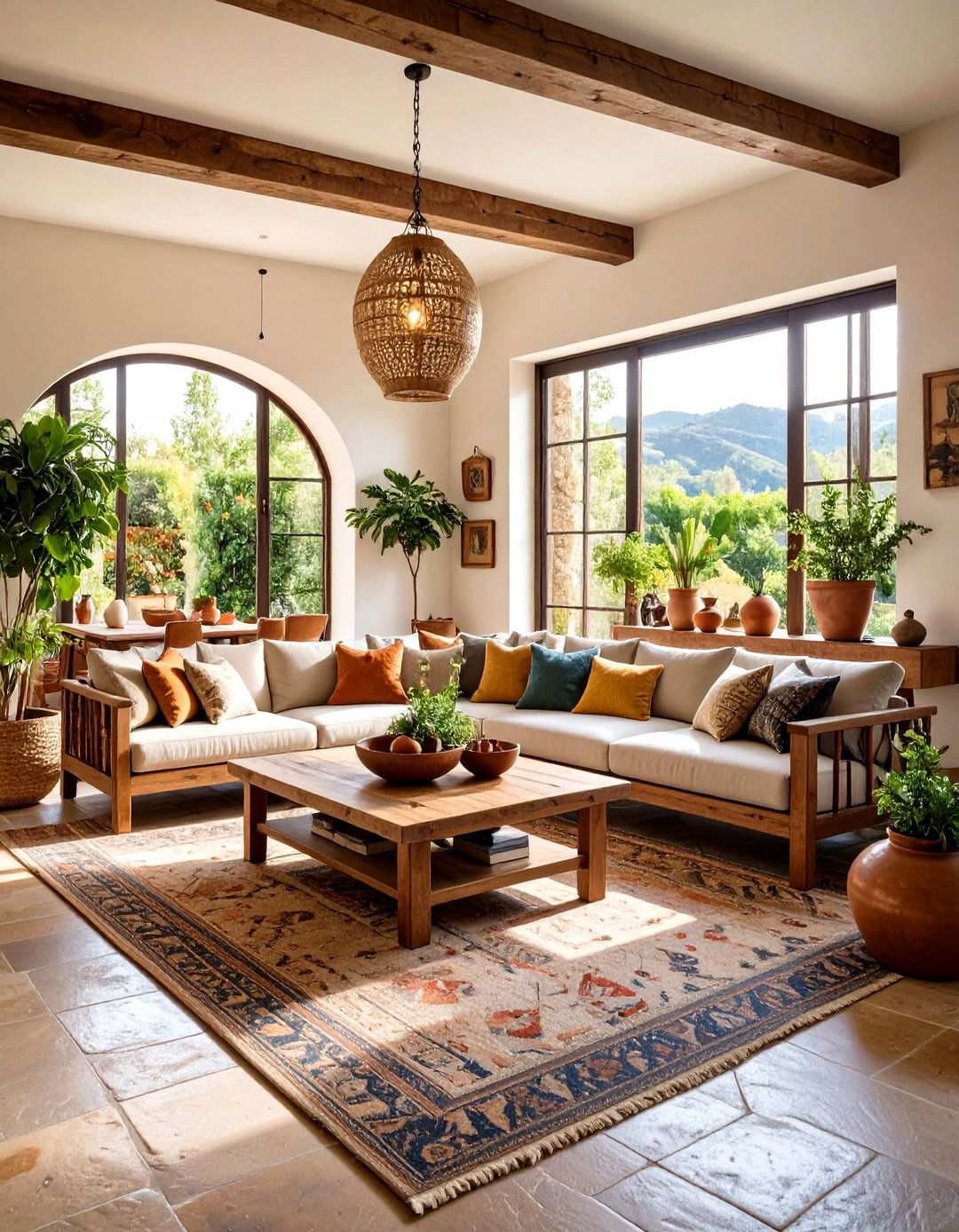
To create spaces that exude authentic Tuscan character, consider combining different natural materials in thoughtfully curated ways. The juxtaposition of stone floors with wooden furniture, wrought iron accents, and ceramic accessories can yield spaces that feel richly layered and collected over time. The key to achieving this harmony lies in maintaining a consistent color palette while varying textures and finishes. Combine rough and smooth surfaces, matte and slightly glossy finishes, and hard and soft materials to create spaces with depth and visual interest. Incorporate functional elements like copper pots, woven baskets, and linen textiles to add warmth and functionality to your design. By thoughtfully combining materials, you can create the authentic, layered feeling that defines genuine Tuscan interiors.
23. Crafting Memorable First Impressions with Tuscan Entry Design
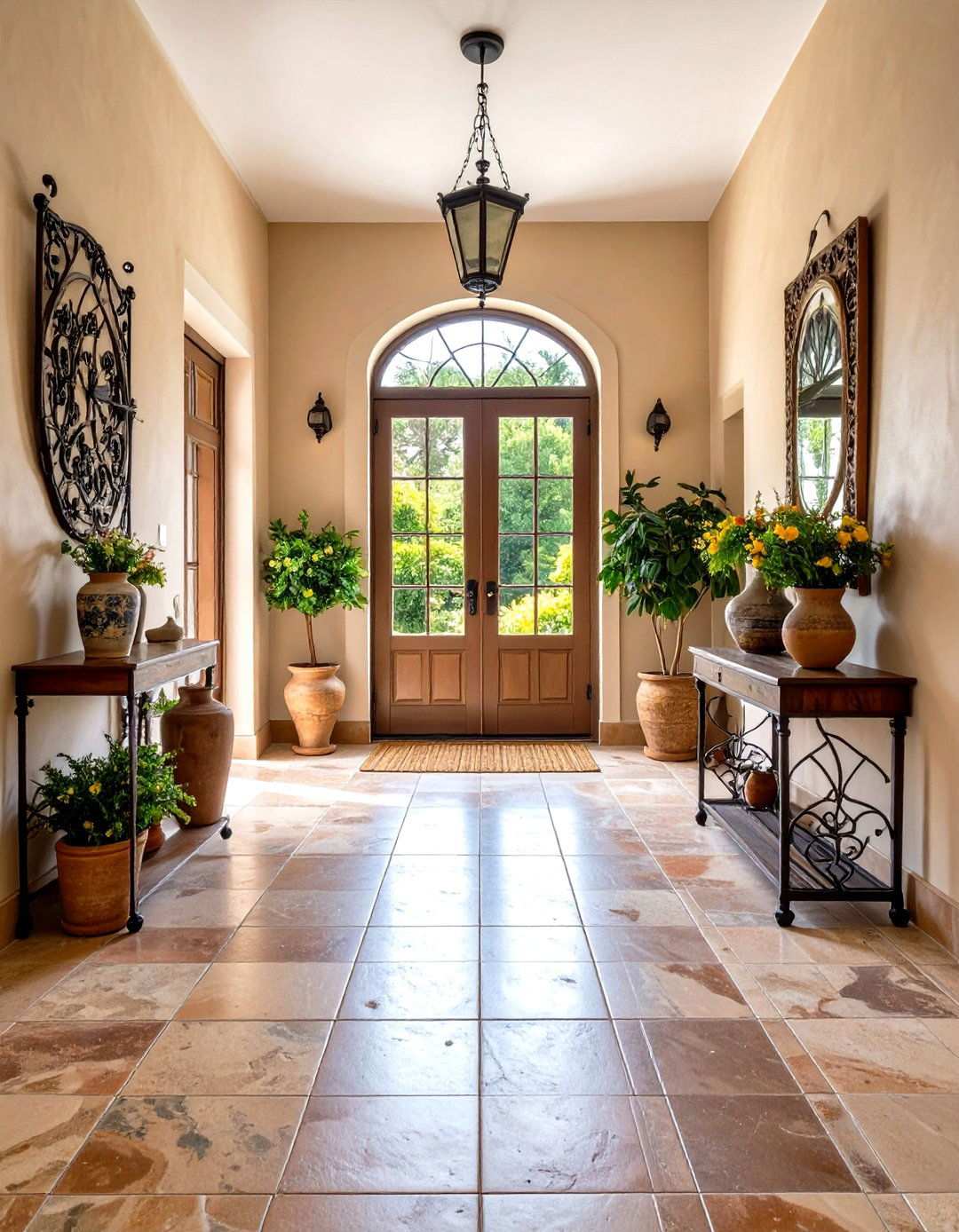
A well-designed entryway is the perfect opportunity to set the tone for your home’s Tuscan character while providing practical functionality. Install durable stone or terracotta tile flooring that can withstand the elements and heavy foot traffic while maintaining its beauty. Include wrought iron coat racks, mirrors, and lighting fixtures that preview the style found throughout your home. Add wooden benches or consoles for practical storage and display, topped with ceramic vessels or fresh flowers. The goal is to create welcoming transitions between outdoor and indoor spaces that honor Italian traditions of hospitality. Consider incorporating arched openings, textured wall finishes, and warm color palettes to immediately establish the Mediterranean atmosphere. These entryways become preview spaces that prepare visitors for the warmth and character found throughout your home.
24. Crafting Spaces for Connection
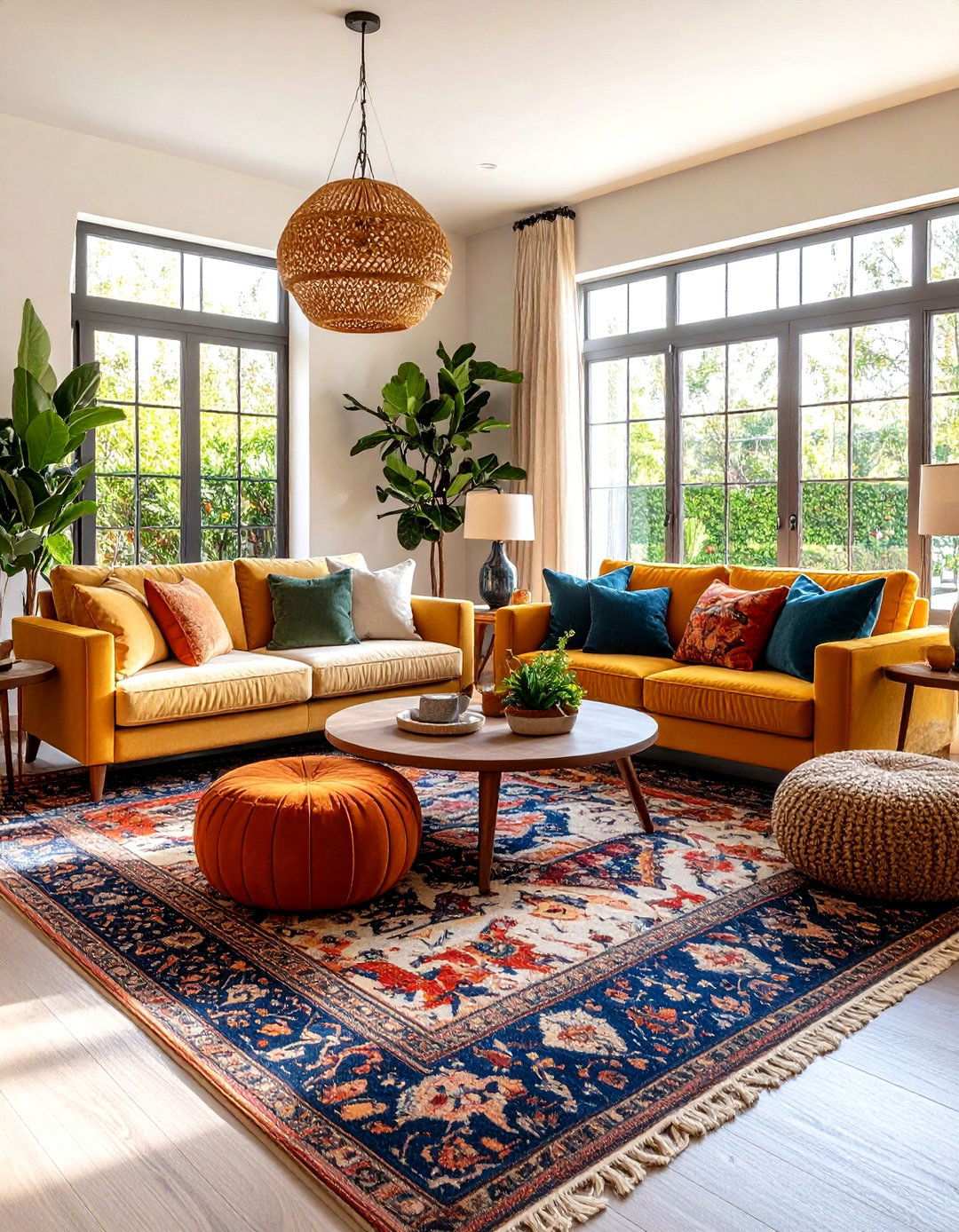
Designing seating arrangements that foster Italian-style gathering and conversation requires a thoughtful approach. Rather than centering furniture around entertainment hubs or TV viewing areas, prioritize groupings that facilitate face-to-face interaction. In larger rooms, create multiple conversational areas using area rugs to demarcate distinct zones for various activities. Incorporate plush seating options, such as upholstered sofas and chairs with ottomans or side tables for refreshments, to encourage people to linger and engage in meaningful conversations. By creating intimate spaces within larger rooms, you can draw people toward comfortable conversation and relaxation, mirroring Italian values of family and community. To further enhance the ambiance, incorporate warm and inviting lighting through table lamps and candles, which can adapt to different group sizes and activities with ease.