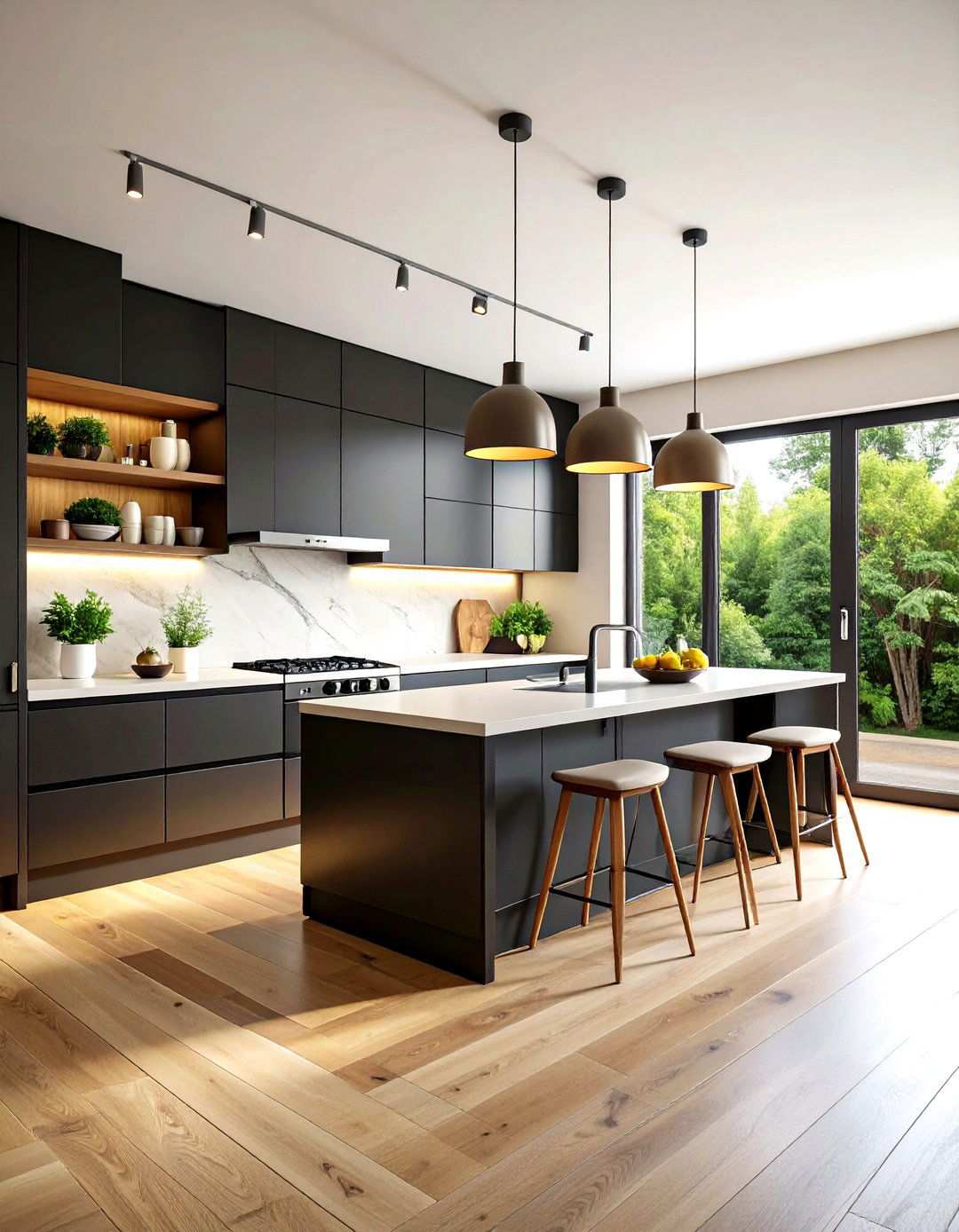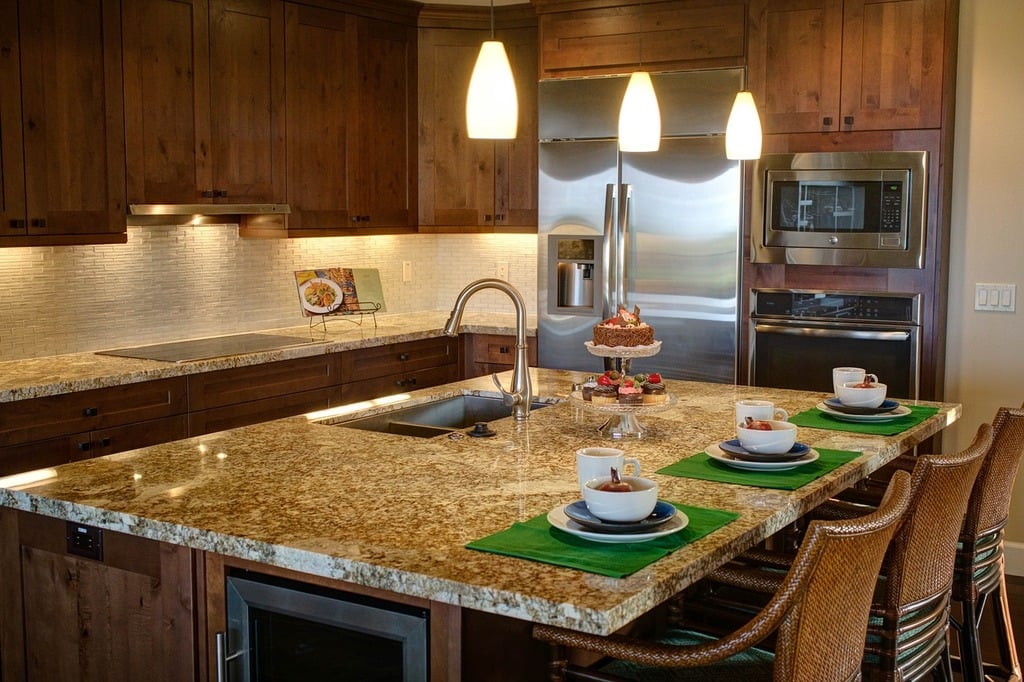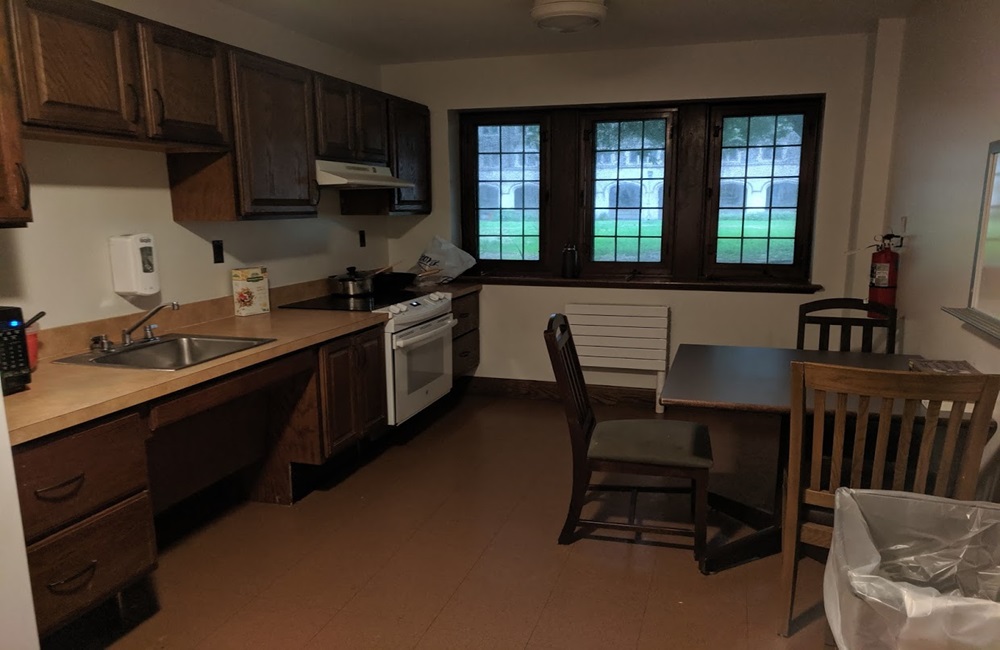
1. Scandinavian Kitchen Design Essentials
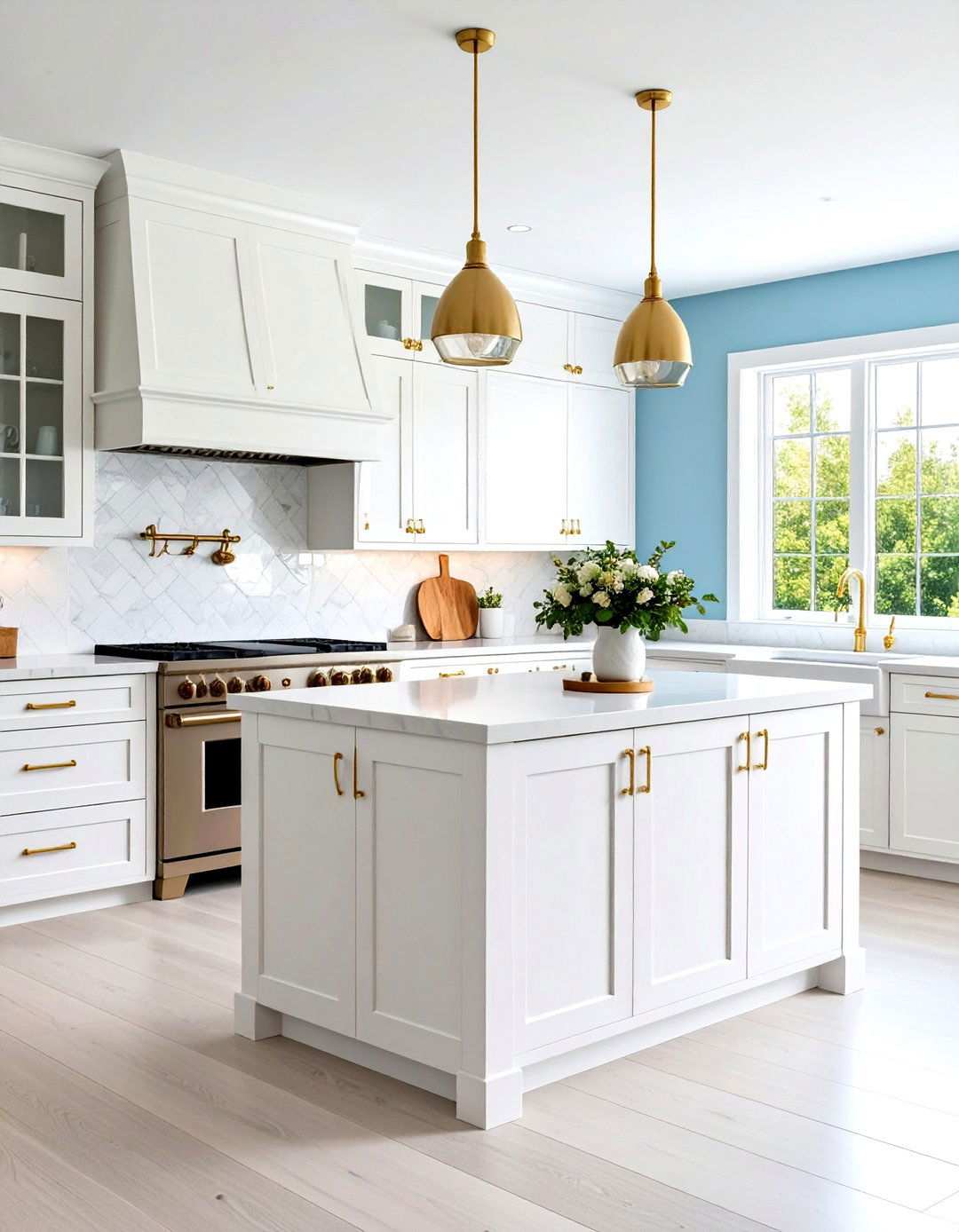
The essence of Scandinavian kitchen design lies in its seamless blend of functionality and aesthetic appeal, creating spaces that exude calmness and purpose. This distinctive approach draws inspiration from the Nordic region’s emphasis on clean lines, natural materials, and soothing color palettes. The result is a transformative design philosophy that turns ordinary cooking spaces into serene retreats. By embracing the principles of Scandinavian design, homeowners can create kitchens that not only serve as functional workspaces but also as tranquil oases for cooking, dining, and socializing. Whether you’re embarking on a comprehensive renovation or seeking inspiration for smaller updates, Scandinavian kitchen ideas offer timeless solutions that effortlessly balance practicality with understated elegance.

As an Amazon Associate I earn from qualifying purchases.
2. Characteristic Elements of Scandinavian Kitchens
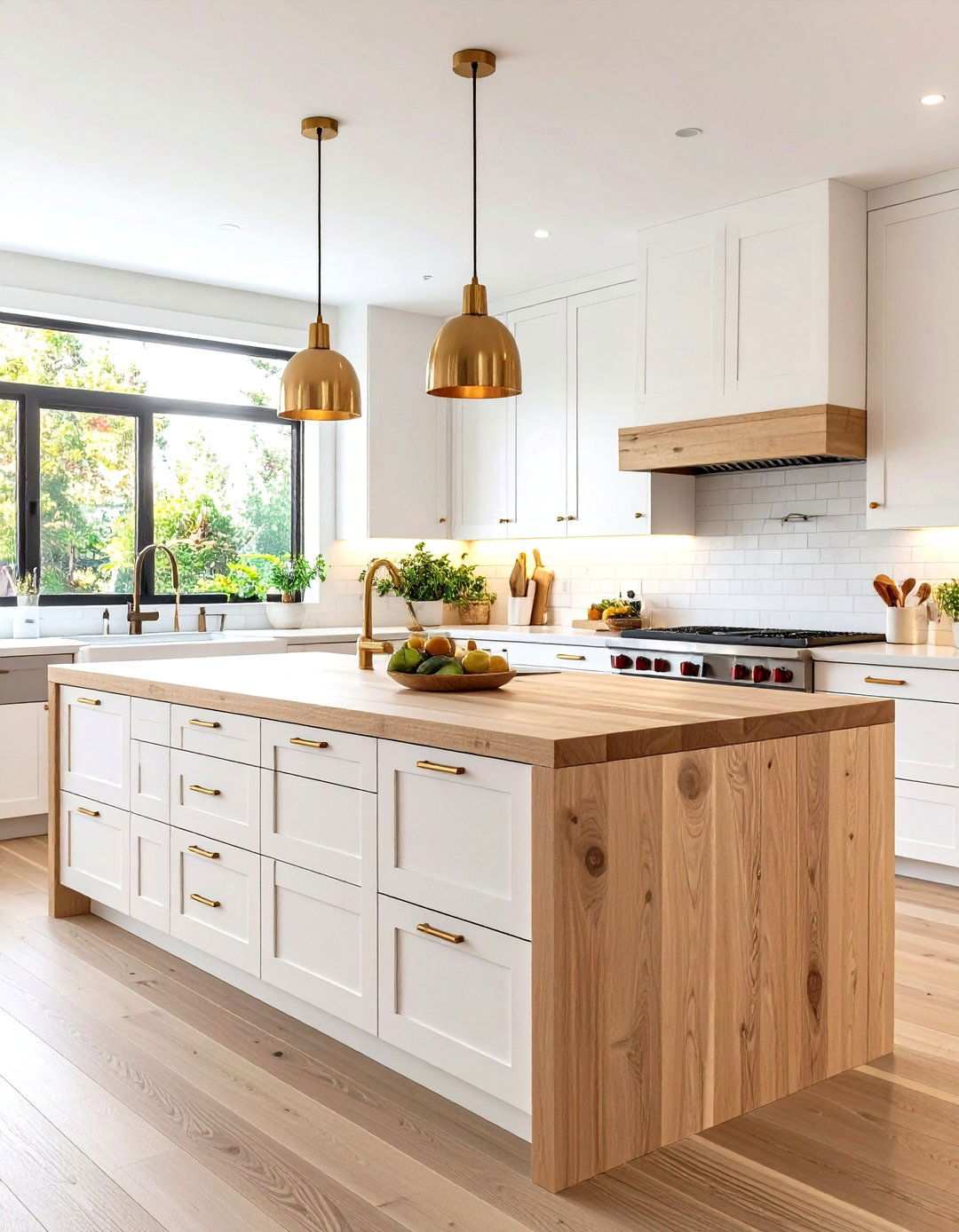
One of the defining features of Scandinavian kitchen design is the use of white shaker cabinets, which embody the essence of Nordic simplicity through their clean lines and minimalist aesthetic. The crisp white finish of these cabinets maximizes natural light reflection, creating an airy atmosphere that is quintessentially Scandinavian. The subtle beauty of shaker-style doors lies in their ability to showcase the elegance of proportioned panels, unadorned by excessive ornamentation. Paired with brass or matte black hardware, white shaker cabinets provide a versatile storage solution that seamlessly integrates with various countertop materials and backsplash options, resulting in cohesive kitchen designs that feel fresh and inviting for years to come.
3. Subway Tile Kitchen Backsplashes
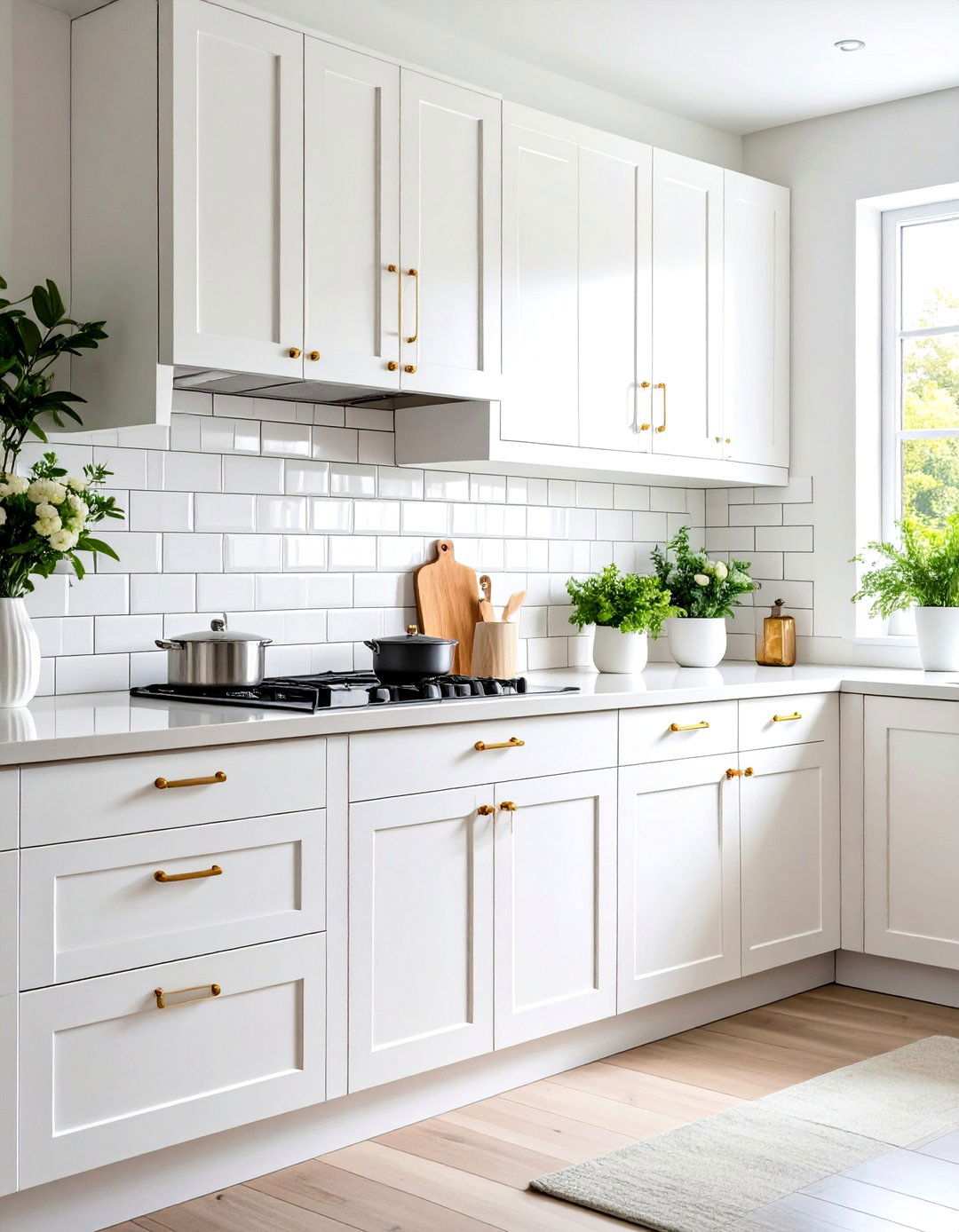
Subway tile backsplashes embody the essence of Scandinavian kitchen simplicity, thanks to their sleek, geometric design and minimalist installation patterns. Traditionally measuring three by six inches, these rectangular tiles have stood the test of time, captivating audiences with their precision and understated elegance. When used in conjunction with white grout, subway tiles reflect an abundance of light, creating a sense of depth through their dimensional surface and carefully crafted grout lines. A classic brick pattern adds visual interest without overpowering other design elements, reflecting the Nordic preference for beauty that is both subtle and refined. Scandinavian kitchens often showcase subway tiles in herringbone or vertical patterns, infusing traditional charm with a touch of modern sophistication. The practical benefits of these tiles, including ease of cleaning and exceptional durability, align perfectly with the functional aspects of Nordic design. Furthermore, the seamless integration of subway tiles with various grout options allows homeowners to customize their look while maintaining the clean aesthetic that defines Scandinavian kitchen style.
4. Natural Stone Kitchen Countertops
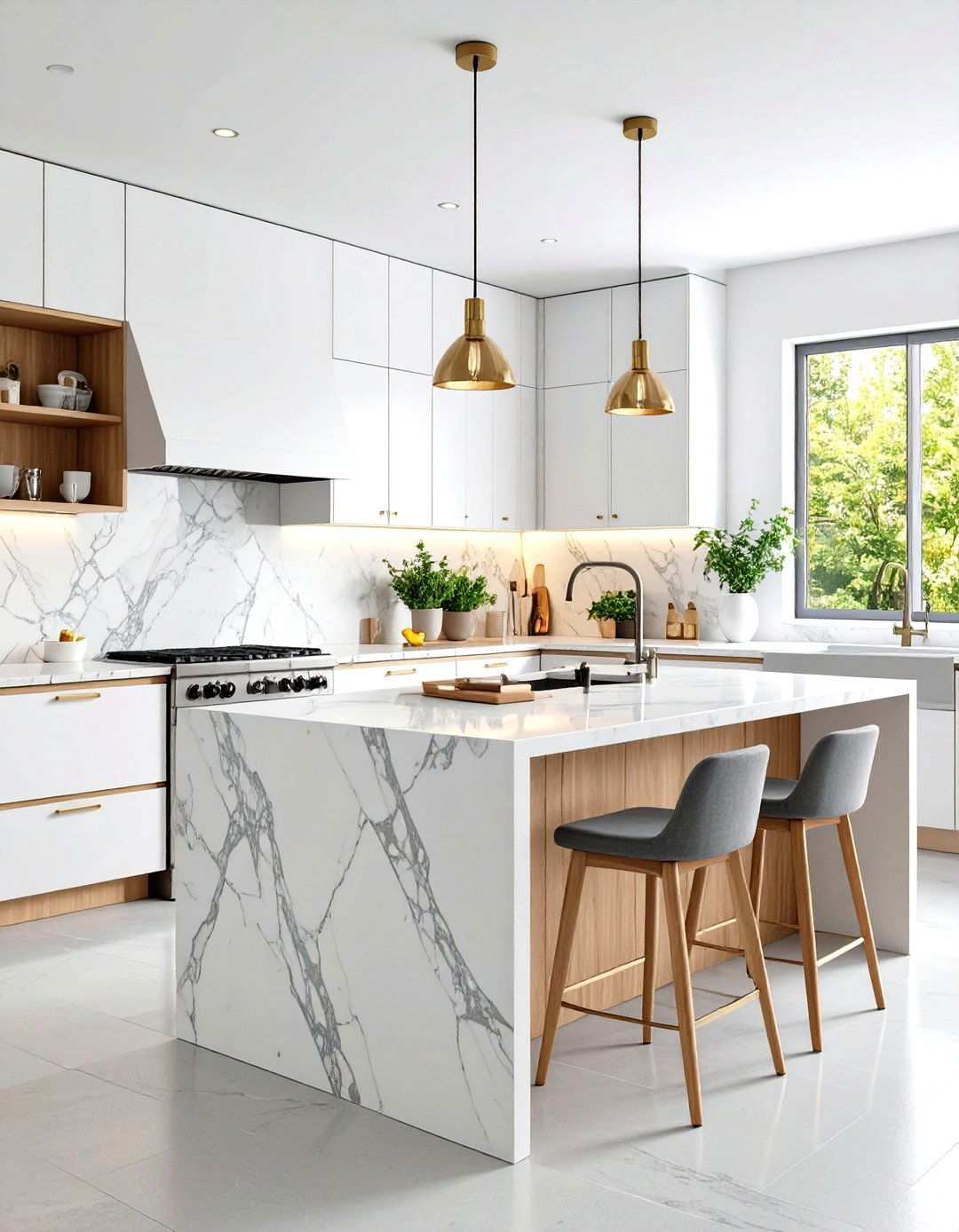
Natural stone countertops can elevate the organic beauty of Scandinavian kitchens, marrying earthy textures with the Nordic connection to nature. Materials such as marble, quartzite, and granite bring a sense of rugged authenticity to the space, complementing the design principles that prioritize natural materials. Light-colored stones like Carrara marble or white quartzite maintain the airy atmosphere while introducing a touch of sophistication. The unique veining patterns on these surfaces create movement without overwhelming the minimalist design principles, striking a perfect balance between form and function. As these surfaces age, they develop a beautiful patina, reflecting the Scandinavian appreciation for materials that tell a story over time. Honed finishes, in particular, offer a subtle texture that feels more organic than polished alternatives, supporting the tactile quality that is essential in Nordic design. When paired with light wood cabinetry and white subway tiles, natural stone countertops create a layered composition that is both luxurious and approachable, embodying the true spirit of Scandinavian design.
5. Unfettered Storage Solutions
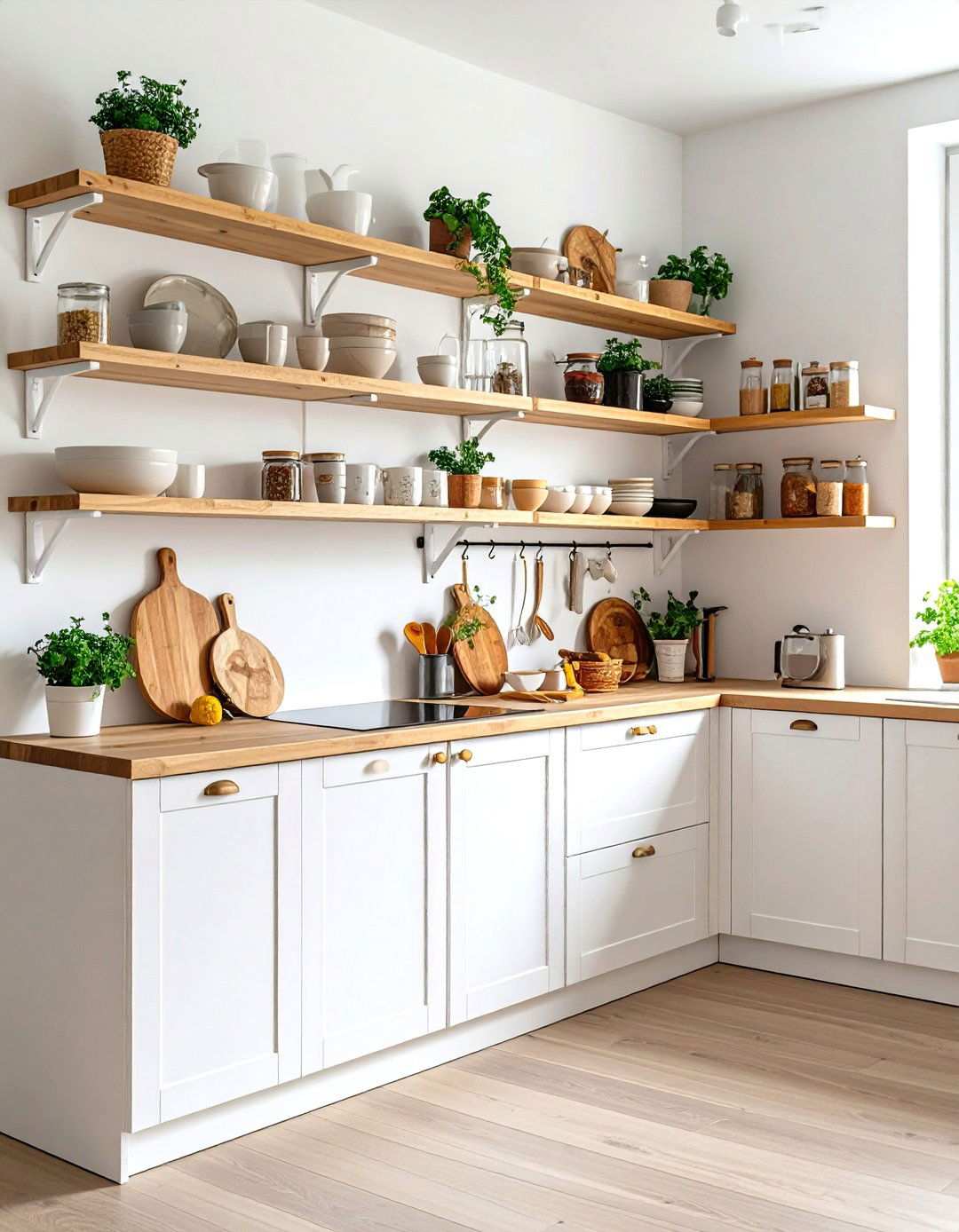
Open shelving systems embody the essence of Scandinavian design by stripping away visual barriers and showcasing everyday items as decorative elements, echoing the Nordic philosophy of honest functionality. By displaying dishes, glassware, and cooking essentials on light wood shelves or simple white brackets, these storage solutions create clean lines that maintain a minimalist aesthetic while addressing common space constraints in Scandinavian homes. The transparency of open shelving makes small kitchens feel more spacious, encouraging thoughtful curation of displayed items and promoting the Nordic value of intentional living. This approach works particularly well above peninsulas or as alternatives to upper cabinets, maximizing natural light flow throughout the space and creating a warm, inviting atmosphere that distinguishes Scandinavian design from sterile minimalism.
6. Understated Hardware Details
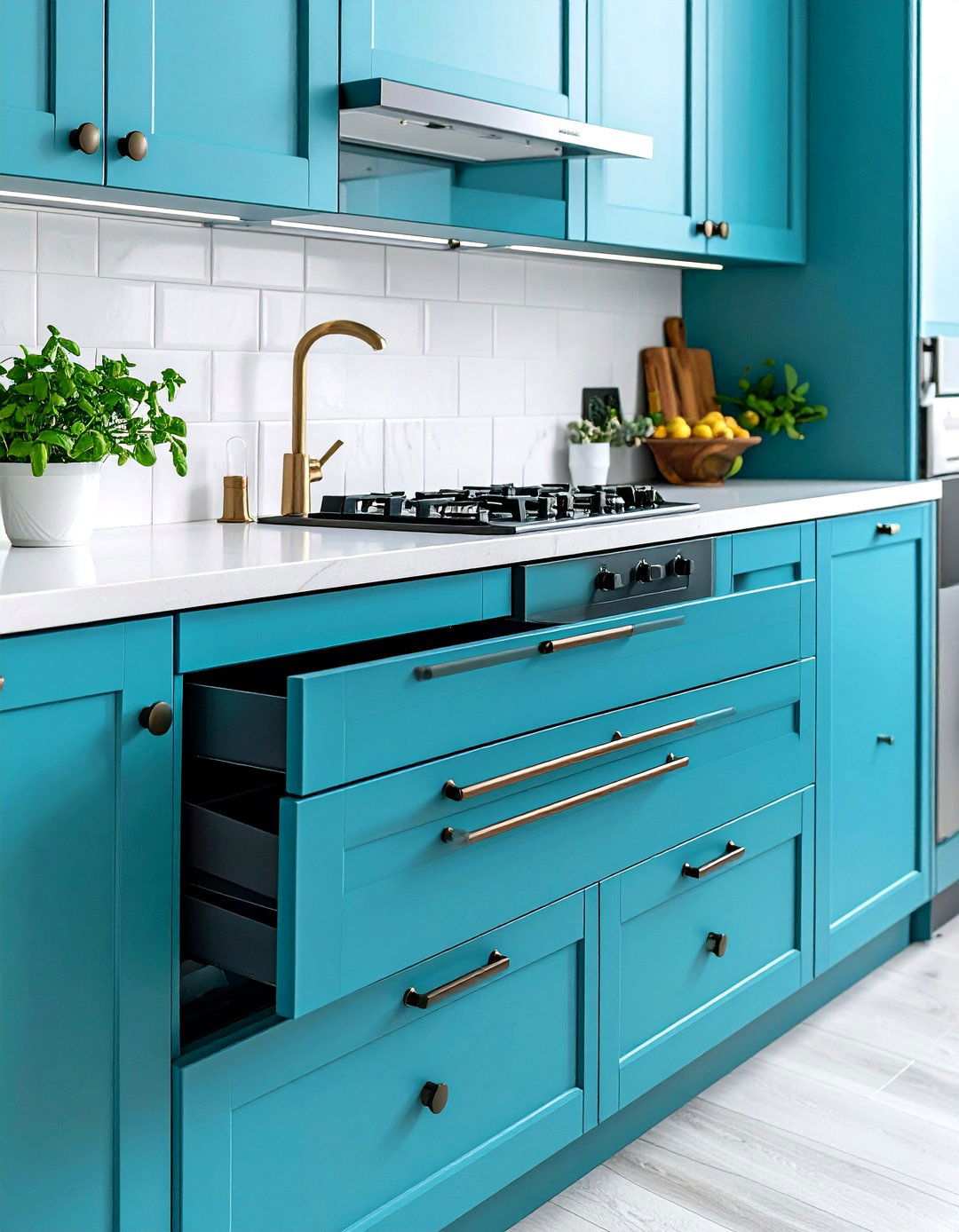
Minimalist hardware plays a vital role in achieving authentic Scandinavian kitchen design by providing functional necessity without visual distraction. Simple pulls and knobs in matte black, brushed brass, or stainless steel finishes support the Nordic philosophy that form follows function, ensuring hardware serves its purpose while maintaining clean lines. Linear pulls often span the full width of drawers, creating horizontal emphasis that enhances the perception of space and contributes to the sense of calm and order that is characteristic of Scandinavian design. By eschewing ornate details and excessive decoration, the natural beauty of cabinet materials remains the focus, while quality construction ensures smooth operation that supports the Scandinavian emphasis on craftsmanship and durability. Coordinated hardware throughout the kitchen creates visual continuity that supports the cohesive aesthetic central to Nordic design, demonstrating how small details can have a significant impact on the overall sense of calm and order.
7. Light Oak Kitchen Flooring
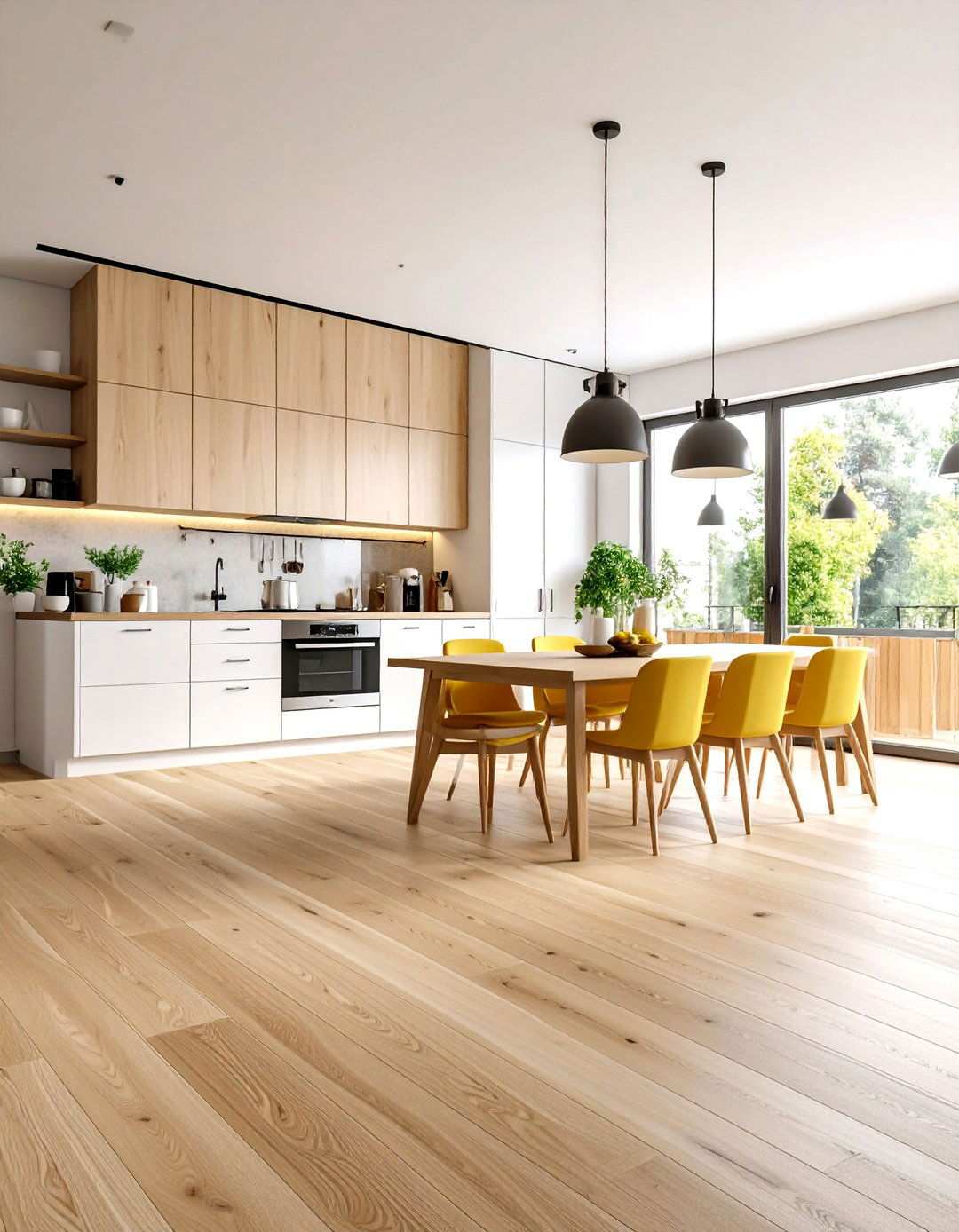
Scandinavian kitchens often rely on light oak flooring as the foundation for their aesthetic, and for good reason. This native Nordic wood species boasts warm undertones that beautifully balance the cool, calming tones of whites and grays, while maintaining the bright, airy atmosphere essential to the style. The use of wide planks helps to emphasize the natural grain patterns of the wood, adding an organic texture that creates a sense of connection between the interior and exterior spaces. As the wood ages, it develops a subtle patina that enhances the lived-in quality that Scandinavians value in their homes. The durability of oak makes it an ideal choice for high-traffic kitchen areas, while also supporting sustainable design principles that are crucial to Nordic culture. By using natural oil finishes, the tactile quality of the wood is preserved, while also providing protection against moisture and wear. The result is a visual continuity that can be achieved by extending the flooring throughout open-plan living areas, which in turn supports the Scandinavian preference for flowing, connected spaces that facilitate family gatherings and daily life activities.
8. Pendant Kitchen Lighting
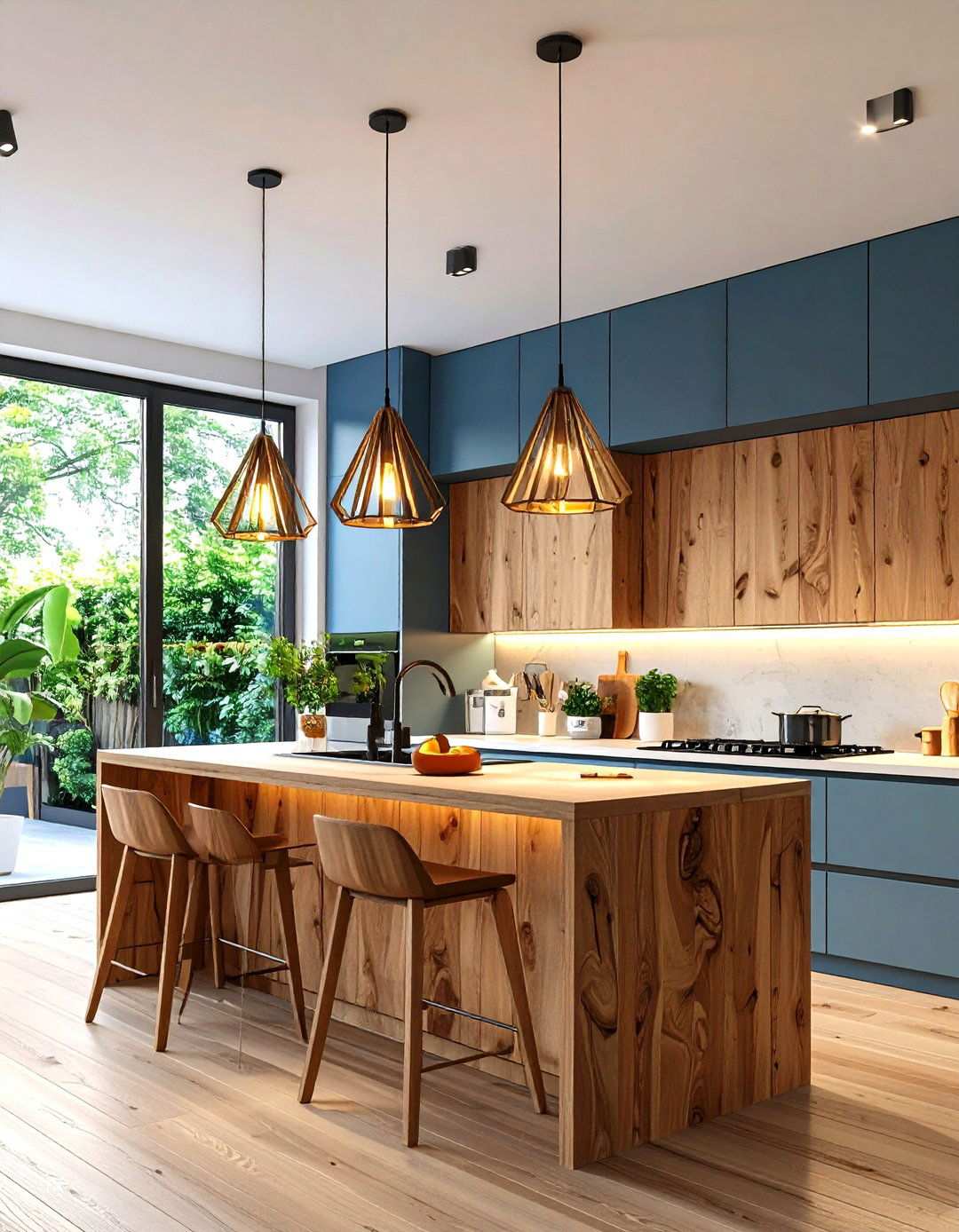
In Scandinavian kitchens, pendant lights play a vital role in enhancing both functionality and visual appeal. By suspending these fixtures above islands and dining areas, task lighting is provided while also serving as sculptural elements that complement the clean, minimalist aesthetic. The use of materials such as natural wood, matte metal, or woven fibers adds textural interest without overwhelming the space, while also reflecting the Nordic design principle of simplicity. The vertical lines created by the pendant cords help define spaces within open floor plans, supporting the Scandinavian approach to zoning without barriers. Simple geometric forms or organic shapes can be used to reflect the Nordic design principles, while also providing focused illumination for food preparation and casual dining. Multiple pendants can create a sense of rhythm and visual balance, especially in kitchens with long islands or peninsula configurations. By combining ambient and task lighting, a cozy, inviting atmosphere can be created, which is in line with the hygge concept. Furthermore, high-quality fixtures ensure longevity while maintaining the authentic craftsmanship values that are central to Scandinavian culture and design philosophy.
9. Harmonious Kitchen Cabinets
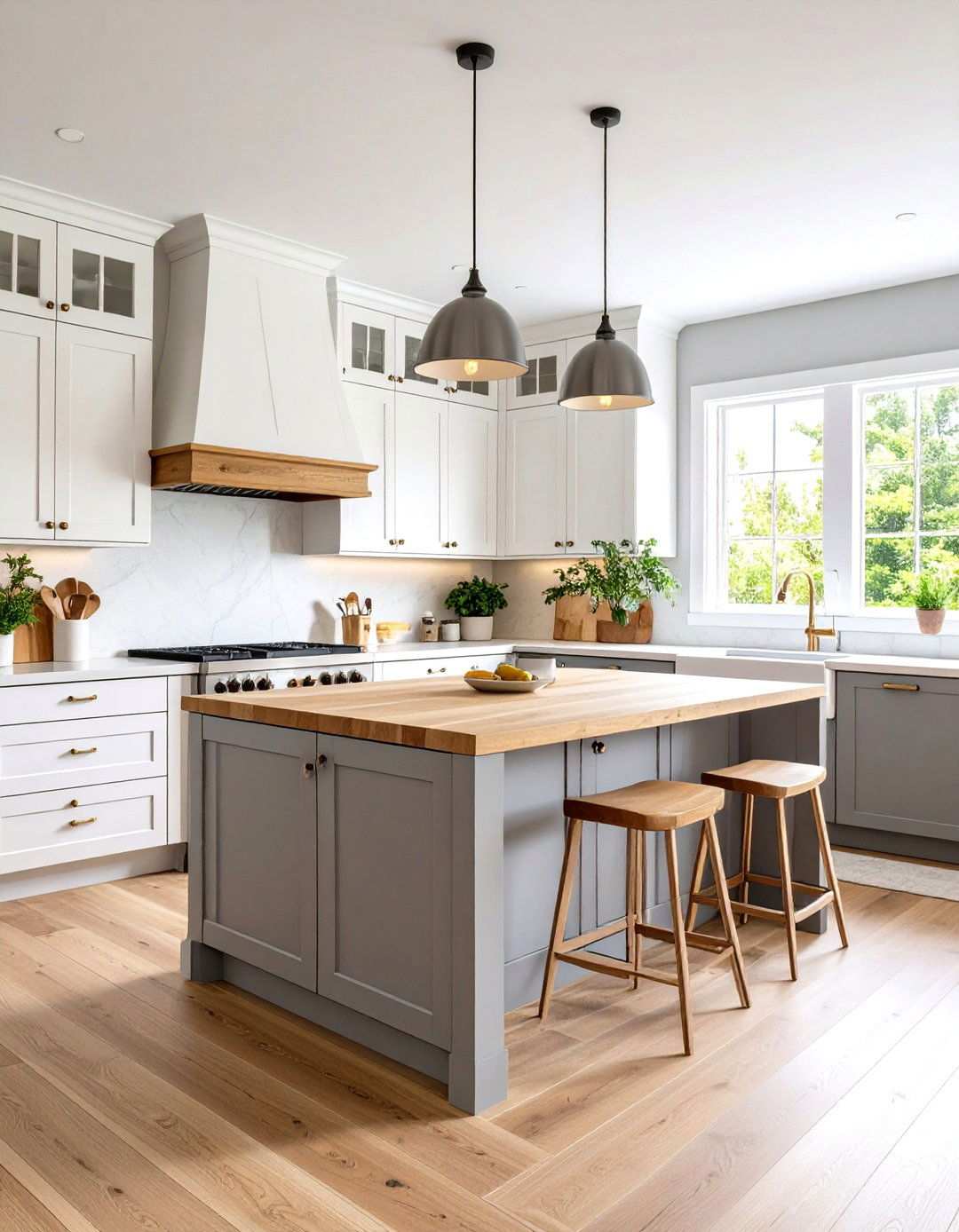
The Scandinavian design aesthetic can seamlessly incorporate two-tone cabinets, blending functionality and visual interest. This approach typically pairs crisp white upper cabinets with light wood or soft gray lower cabinets, creating a harmonious balance that honors Nordic simplicity. By contrasting different functional zones, the design preserves overall cohesion through shared materials or hardware. The upper white cabinets cleverly maximize light reflection and create a sense of airy space, while the darker lower cabinets provide subtle grounding and visual weight. This technique is particularly effective in galley kitchens or larger spaces where visual variety prevents monotony. The key to successful two-tone cabinets lies in carefully selecting colors and materials that share similar intensity levels, resulting in a harmonious balance rather than stark contrast. Quality construction ensures that both cabinet types mature consistently, maintaining a unified appearance over time. By embracing this approach, Scandinavian design can evolve while preserving its fundamental principles of functionality and understated beauty.
10. Textural Depth in Scandinavian Kitchens
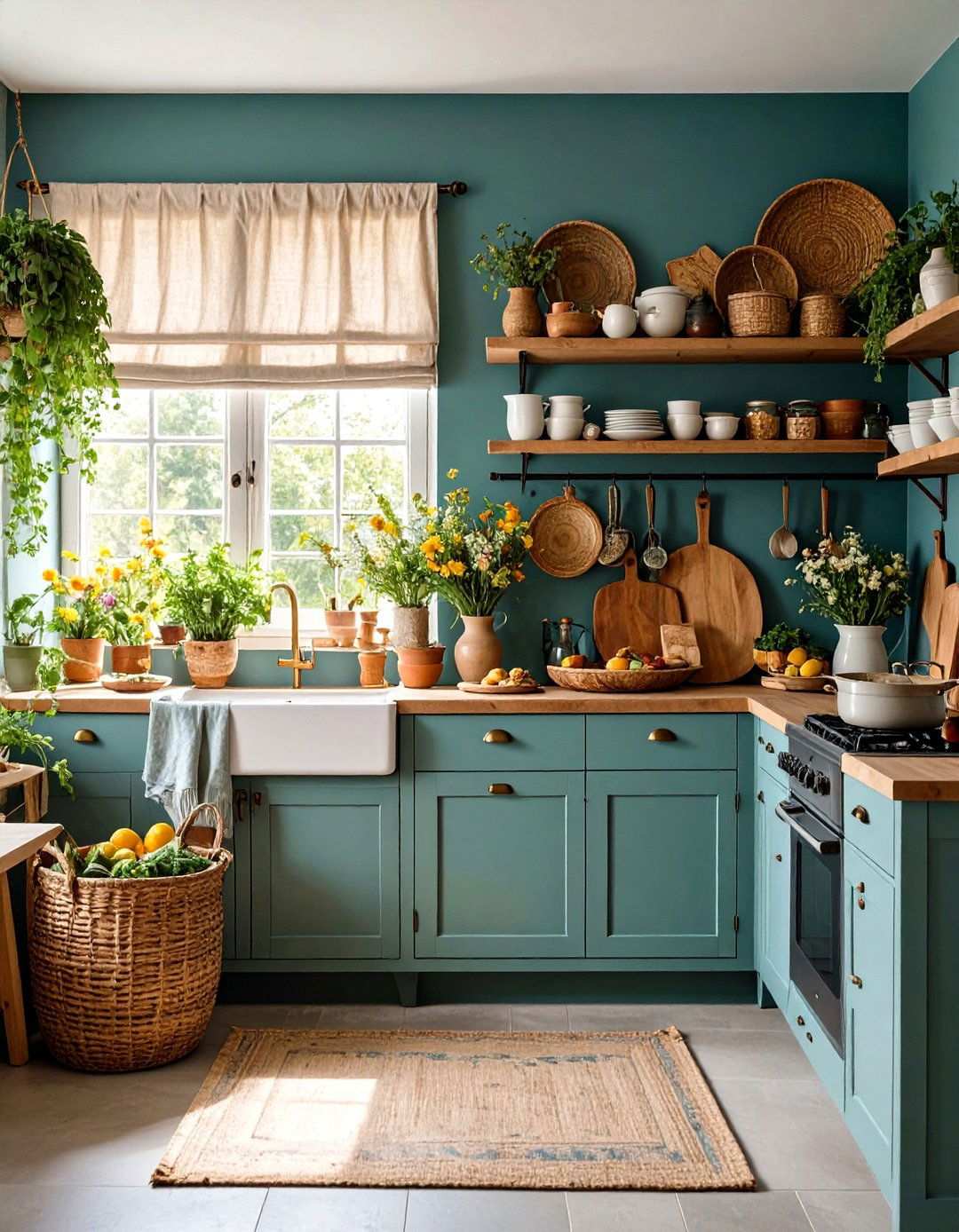
Scandinavian kitchen design thrives on combining diverse natural textures to create a rich sensory experience. By pairing smooth and rough surfaces, designers can craft a visually calm yet tactilely engaging space that balances contrasting elements. Linen textiles bring softness and warmth to window treatments or seat cushions, introducing the natural fiber’s inherent variations and organic feel. In contrast, stone surfaces provide a cool and calming element that complements warm wood tones, creating balance through material diversity. Woven baskets not only offer practical storage solutions but also add handcrafted texture that reflects the rich craft traditions of Nordic design. Ceramic accessories in matte finishes provide subtle variation without the distraction of glossy surfaces, supporting the preference for understated materials. When incorporating natural textures, it’s essential to prioritize authenticity and integration with functional needs, allowing these elements to feel like natural extensions of the space. The interplay between different materials creates depth and visual interest while maintaining the cohesive aesthetic central to Scandinavian design. By embracing these textural elements, kitchens can become inviting spaces that engage the senses and promote the concept of hygge, or comfort and well-being.
11. Crafting a Soothing Ambiance with Soft Kitchen Color Palettes
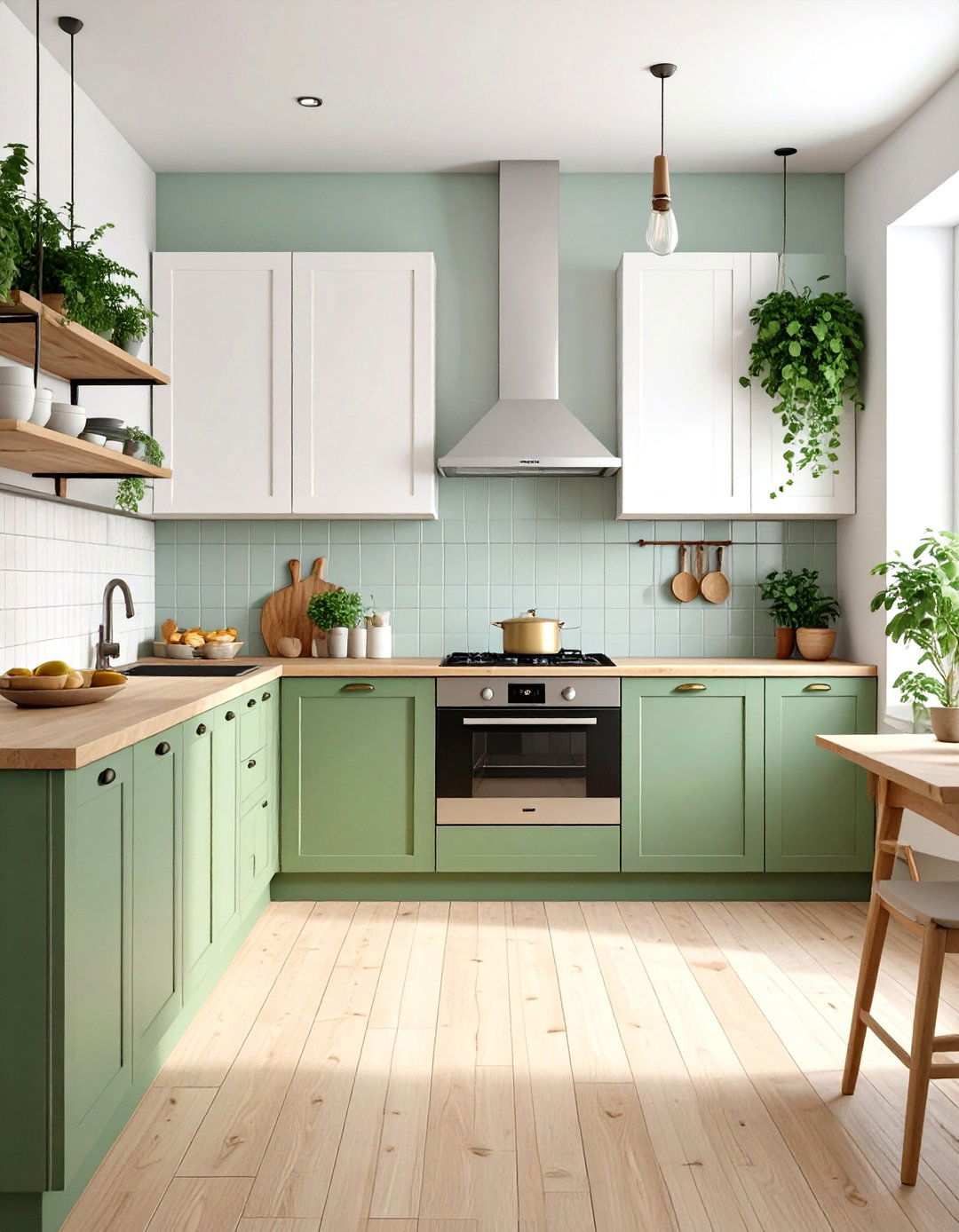
Soft color palettes play a pivotal role in creating the serene atmosphere synonymous with Scandinavian kitchens. By incorporating muted tones such as sage green, dusty blue, or warm gray, designers can achieve a gentle color palette that aligns with the Nordic preference for calm environments. These soothing hues work seamlessly with white and natural wood elements to produce layered compositions that exude sophistication and approachability. A key consideration is selecting colors with similar saturation levels, which ensures harmony throughout the space. The interplay between natural light and these gentle hues adds dynamic interest to static surfaces, while quality paint finishes guarantee that colors remain true over time, reflecting the Scandinavian value of longevity.
These soft color palettes not only reflect the Nordic connection to nature but also create the peaceful environments essential to Scandinavian living philosophy and design aesthetic. By thoughtfully incorporating these color palettes, designers can craft spaces that promote relaxation and serenity, perfectly embodying the essence of Scandinavian design.
12. The Importance of Functional Kitchen Layouts in Scandinavian Design
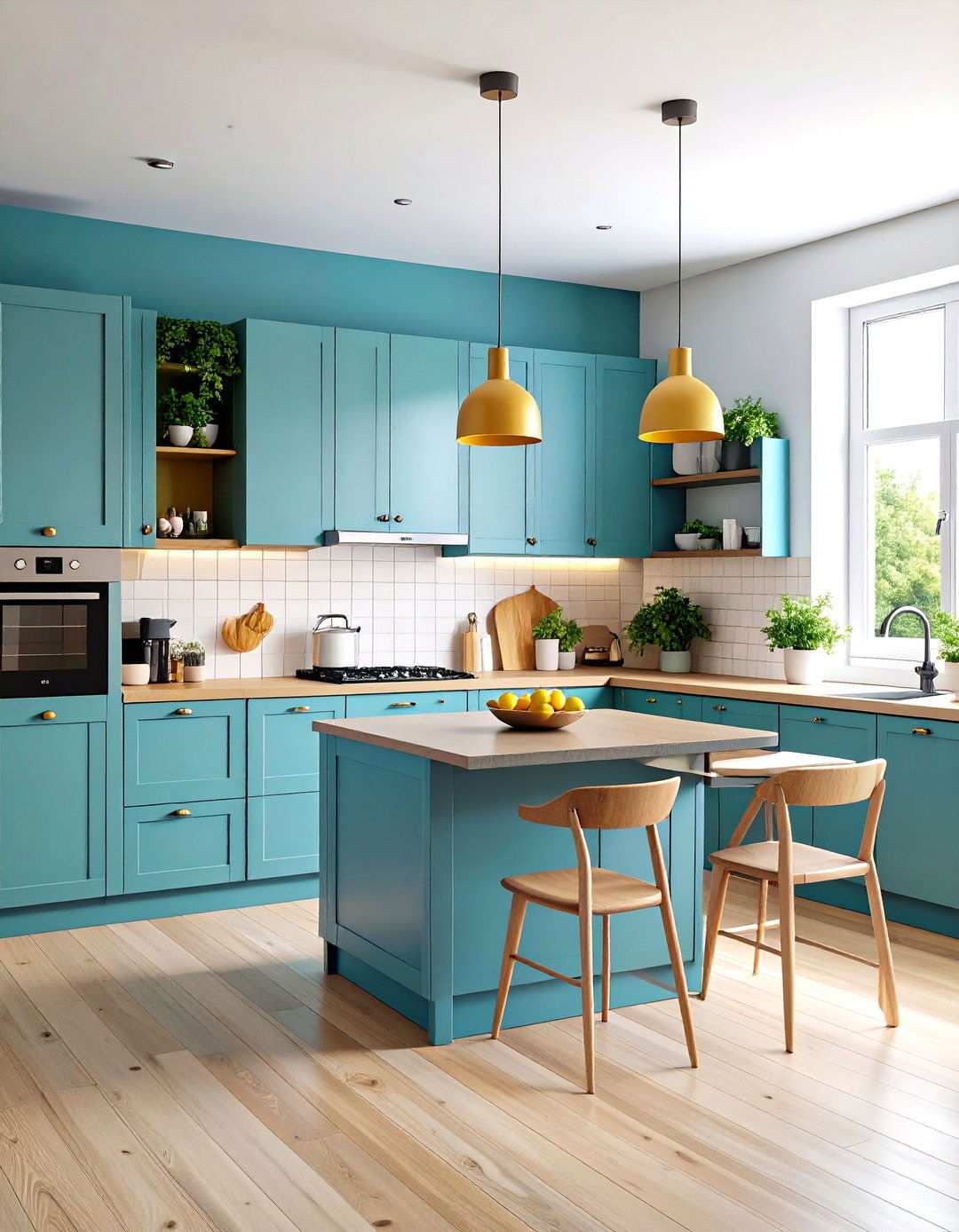
Functional layout planning remains a cornerstone of authentic Scandinavian kitchen design. The Nordic approach prioritizes efficient workflow by strategically placing appliances, storage, and work surfaces to support daily cooking activities. By configuring these elements in a triangle configuration between the sink, stove, and refrigerator, designers can minimize unnecessary movement while maximizing productivity. Ample counter space provides room for food preparation, reflecting the Scandinavian love of home cooking and baking. Strategic storage placement keeps frequently used items easily accessible while maintaining clutter-free surfaces, essential to the minimalist aesthetic. Open sightlines between the kitchen and living areas support family interaction and entertaining, reflecting Nordic values of togetherness.
7.1. Harmonious Balance: The Nordic Minimalist Kitchen’s Key Ingredients
Nordic minimalist kitchen design embodies a philosophy that distills the essence of style to its purest form. By stripping away unnecessary elements, this approach showcases the beauty of essential components through the use of high-quality materials and precise craftsmanship. Clean lines define every surface, from the cabinet fronts to the countertop edges, crafting a serene visual language that encourages focus and calmness. The seamless integration of appliances into cabinetry maintains visual continuity, while also delivering modern functionality. Effective storage solutions hide clutter behind smooth surfaces, reflecting the Nordic preference for order and simplicity. The absence of decorative elements allows natural materials and proportional relationships to create visual interest through their inherent beauty. This minimalist approach prioritizes quality over quantity, ensuring lasting value rather than fleeting trends. Natural light becomes the primary decorative element, changing throughout the seasons to provide dynamic interest. As a result, these spaces feel larger, while also upholding the Scandinavian notion that simplified environments foster clear thinking and peaceful living.
7.2. Blending Tradition and Elegance: The Scandinavian Farmhouse Kitchen’s Unique Blend
Scandinavian farmhouse kitchens successfully merge rustic charm with Nordic elegance, creating a distinctive style that honors rural heritage while embracing modern sensibilities. This approach incorporates traditional elements such as apron-front sinks and open beam ceilings, while maintaining the clean aesthetic characteristic of modern Nordic design. The use of painted wood cabinetry in soft whites or gentle grays provides the farmhouse connection, while avoiding heavy, ornate details typical of other rustic styles. Natural materials like butcher block countertops and wide-plank flooring add warmth and texture, reflecting the agricultural heritage. Simple hardware and fixtures emphasize function over decoration, staying true to Scandinavian principles while acknowledging countryside traditions. Display areas for everyday dishes and cooking implements create the lived-in feeling valued in farmhouse design. By combining these elements, Scandinavian farmhouse kitchens create spaces that feel both timeless and contemporary, honoring rural Nordic heritage while meeting modern family needs. This approach demonstrates the adaptability of Scandinavian design, which seamlessly incorporates regional influences while preserving core aesthetic principles.
15. Harmonious Fusion of Modern and Traditional Scandinavian Kitchen Design
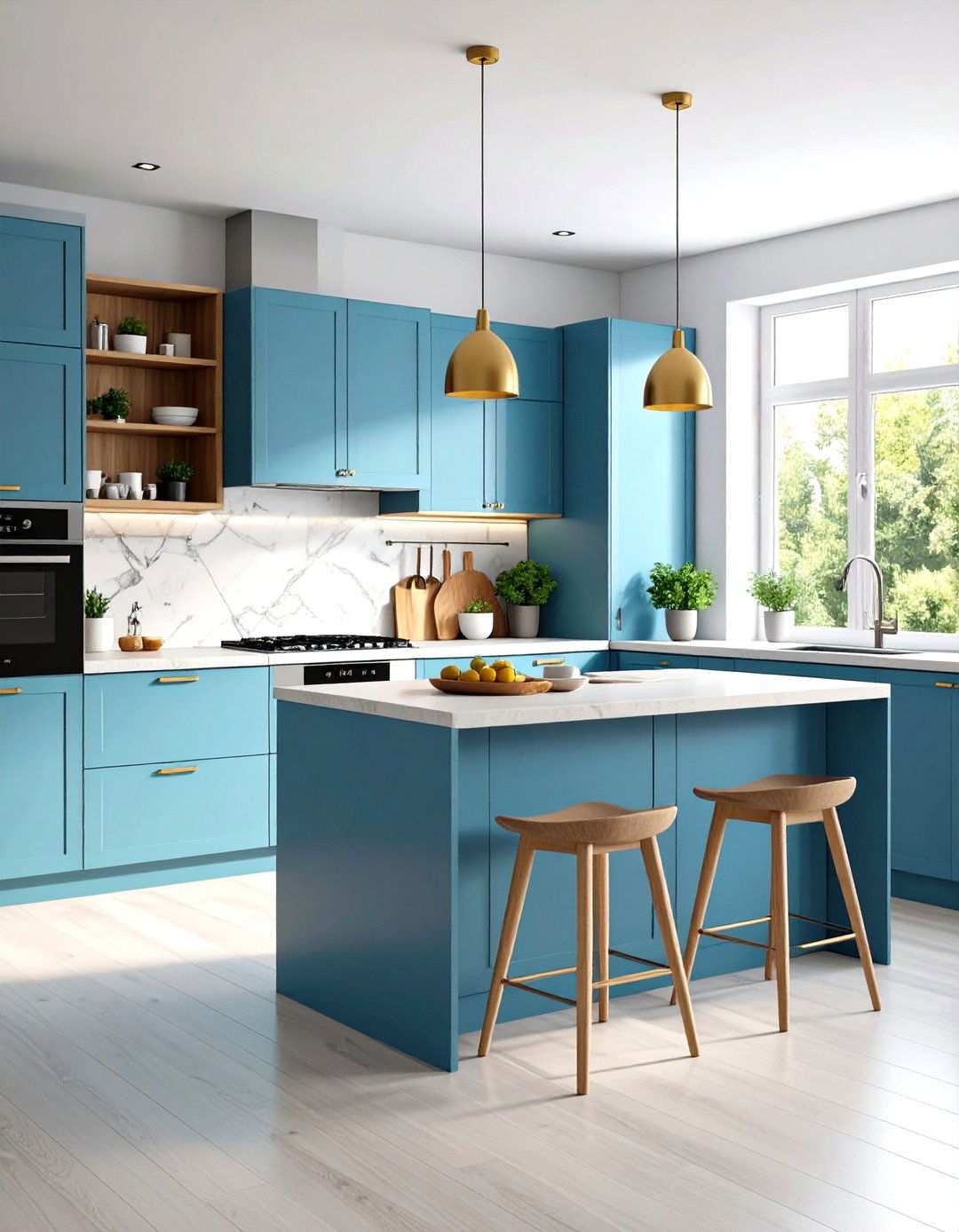
Modern Scandinavian kitchen spaces have successfully integrated contemporary elements with traditional design principles, creating a timeless appeal that transcends specific style periods. The incorporation of sleek appliances, geometric forms, and innovative materials preserves the simplicity and functionality characteristic of Nordic design. Clean lines, often achieved through flat-panel cabinetry, provide a neutral backdrop for both traditional and modern elements. Advanced storage solutions, cleverly hidden behind minimal facades, support the Scandinavian preference for order while embracing the benefits of modern technology. Engineered quartz or concrete countertops offer modern performance, maintaining the understated aesthetic central to Nordic design. Integrated lighting systems blend seamlessly into architectural elements, providing precise illumination that enhances the peaceful atmosphere Scandinavians value in their kitchens. By carefully selecting modern elements, homeowners can create a harmonious fusion of traditional and contemporary design that adapts to contemporary life while retaining its essential character and enduring appeal.
16. The Timeless Allure of Butcher Block Kitchen Countertops
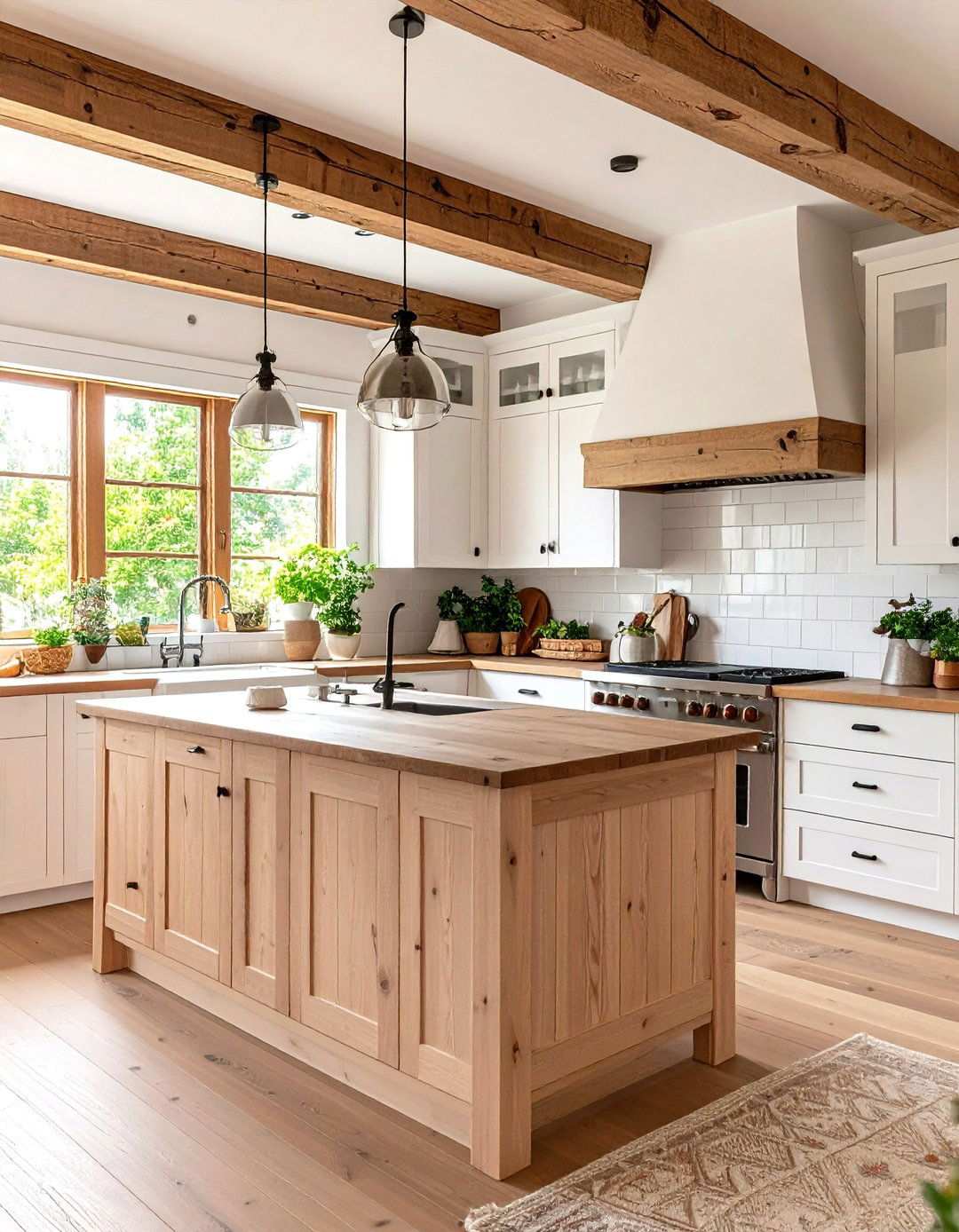
Butcher block countertops embody the essence of Scandinavian kitchen values, perfectly marrying functionality with style. These natural wood surfaces provide warmth and texture, reinforcing the Nordic connection to forest resources and traditional craftsmanship. End-grain construction ensures superior durability for food preparation, while the natural patina that develops through regular use and care adds a unique character to the countertops. The organic variation in wood tones creates a visually appealing contrast to the minimalist aesthetic characteristic of Scandinavian design. Regular maintenance through oiling preserves the wood’s natural beauty, ensuring food-safe surfaces for meal preparation. The tactile quality of wood countertops engages the senses, supporting the concept of hygge – comfort through natural materials. These surfaces work particularly well on kitchen islands, where their warmth balances cooler stone or white surfaces used elsewhere. The eco-friendly aspects of wood countertops align with Nordic environmental values, providing an affordable luxury that ages beautifully in authentic Scandinavian homes.
17. Glass Kitchen Backsplashes
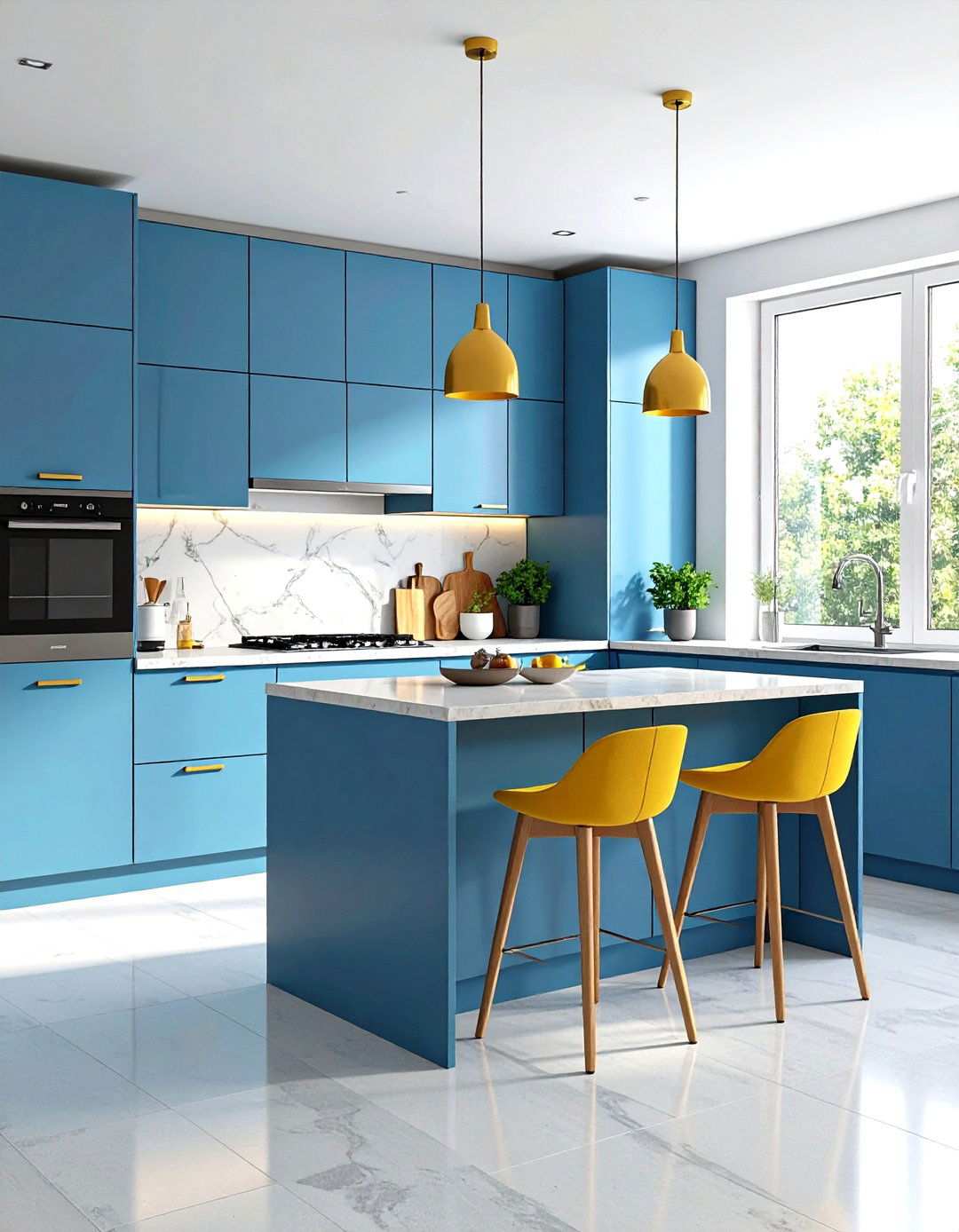
Glass kitchen backsplashes play a pivotal role in creating a light-filled atmosphere in Scandinavian kitchens, a hallmark of the region’s design aesthetic. By reflecting natural light and providing easy-to-clean protection behind cooking areas, these sleek surfaces cater to both the functional and aesthetic priorities of Nordic design. The use of clear or frosted glass maintains a visually simple appearance while introducing a touch of sophistication through its smooth, continuous surface. The absence of grout lines creates a seamless appearance that perfectly complements the clean aesthetic central to Scandinavian design. Additionally, custom sizing allows glass backsplashes to fit seamlessly between countertops and cabinets, eliminating awkward transitions that might disrupt visual flow. Moreover, modern installation techniques ensure durability while maintaining the precise appearance that Scandinavians value in their home environments. Typically, color options remain understated, featuring whites, soft grays, or pale blues that enhance rather than compete with other design elements. The reflective quality of glass backsplashes helps small kitchens feel more spacious while supporting the Nordic emphasis on maximizing natural light throughout the home.
18. Curved Kitchen Cabinets
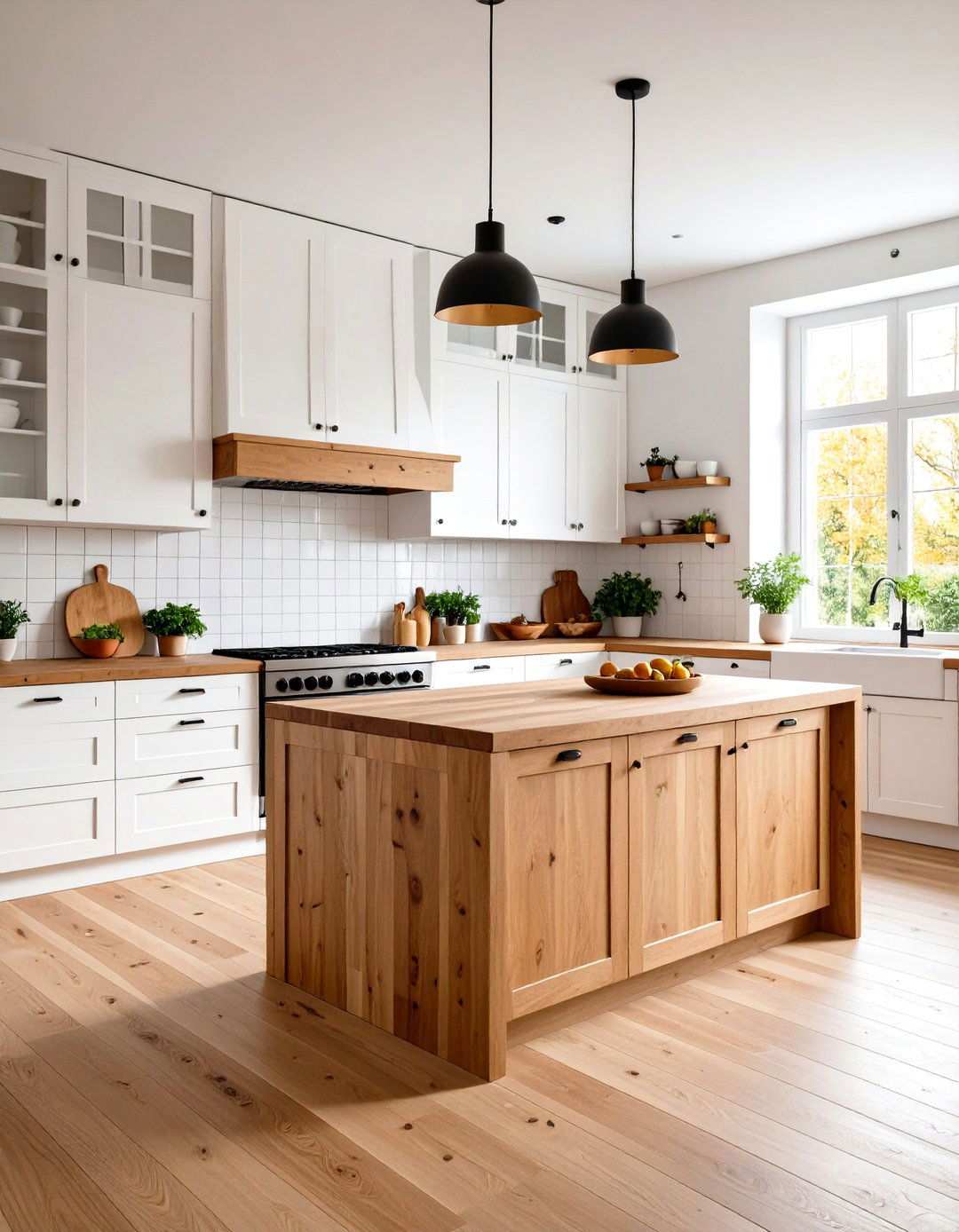
The incorporation of curved cabinet designs is a significant trend in contemporary Scandinavian kitchens, offering a fresh take on the traditional angular geometry associated with Nordic design. This subtle departure from the norm maintains the essential simplicity and functionality that defines Scandinavian design, while introducing a softer, more organic quality. The gentle radius corners on islands or peninsula ends create more gracious circulation paths while adding a touch of visual interest. The use of curved forms connects to the Scandinavian appreciation for natural shapes found in the surrounding landscape, creating a sense of harmony and balance. Advanced construction techniques enable smooth curved fronts that maintain the clean appearance essential to Nordic aesthetics. When used as accent features, curved elements work particularly well, preserving the overall minimalist character of the design. Quality craftsmanship ensures that curved elements integrate seamlessly with straight-lined components, maintaining visual harmony throughout the design. Ultimately, the addition of soft curves demonstrates how Scandinavian design continues to evolve while remaining true to its core principles of beauty, functionality, and connection to natural forms and movements found in Nordic environments.
19. Illuminating the Nordic Way
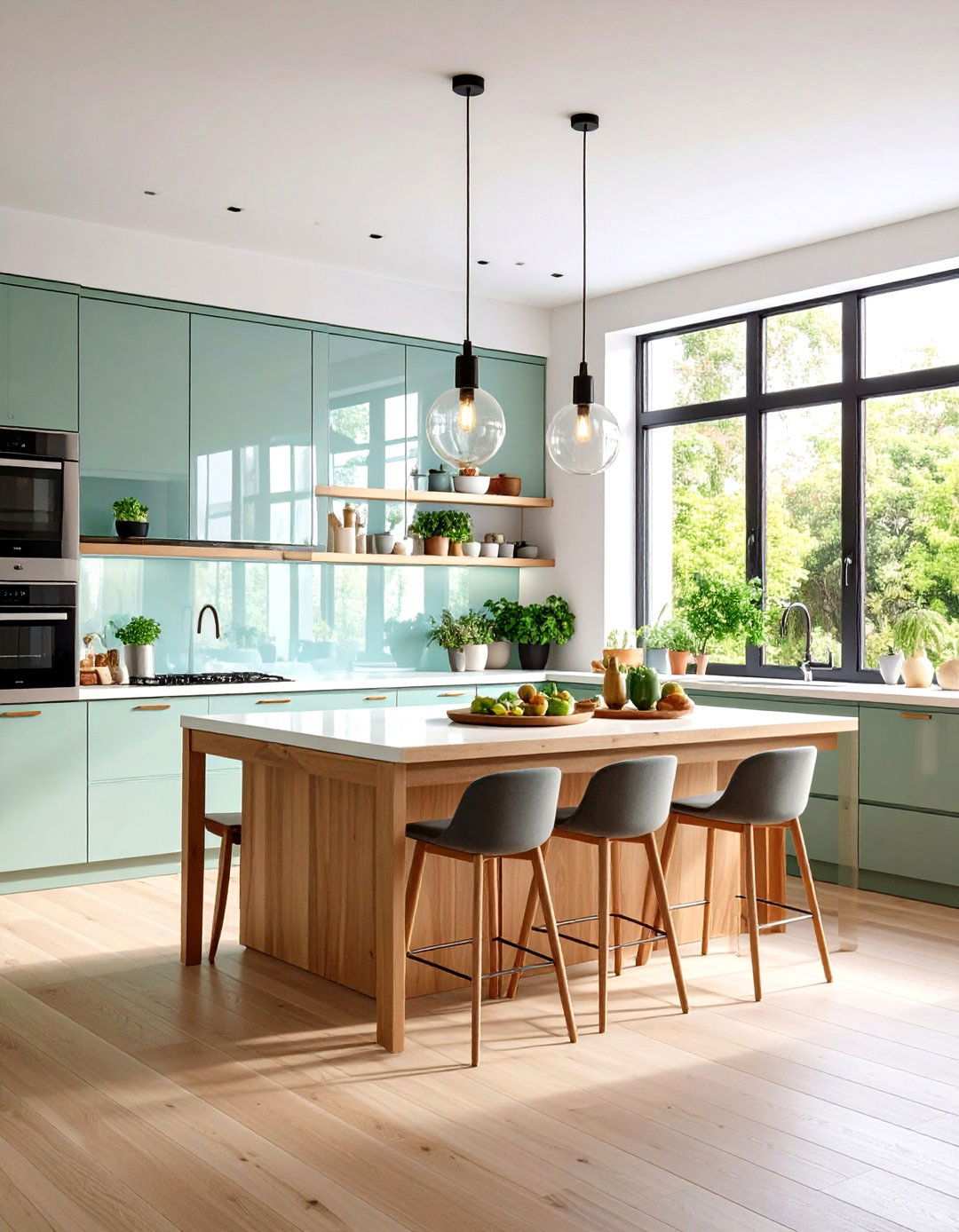
Scandinavian kitchens often struggle with limited daylight, but this challenge can be transformed into a design opportunity through a deliberate approach to natural light maximization. By thoughtfully placing windows, utilizing light-colored surfaces, and incorporating reflective materials, kitchen environments can be infused with a sense of brightness and airiness that is quintessential to Nordic living. Large windows or skylights become statement features that establish a connection between interior and exterior spaces, responding to the ever-changing seasons. The strategic deployment of light-colored surfaces on walls, cabinets, and countertops creates a sense of continuity and visual flow, while glossy finishes on backsplashes or cabinet doors add a touch of sophistication without overwhelming the space. Mirrors or glass elements can be strategically placed to multiply the effects of natural light, creating dynamic environments that respond to the rhythms of nature.
20. Cozying Up to Hygge
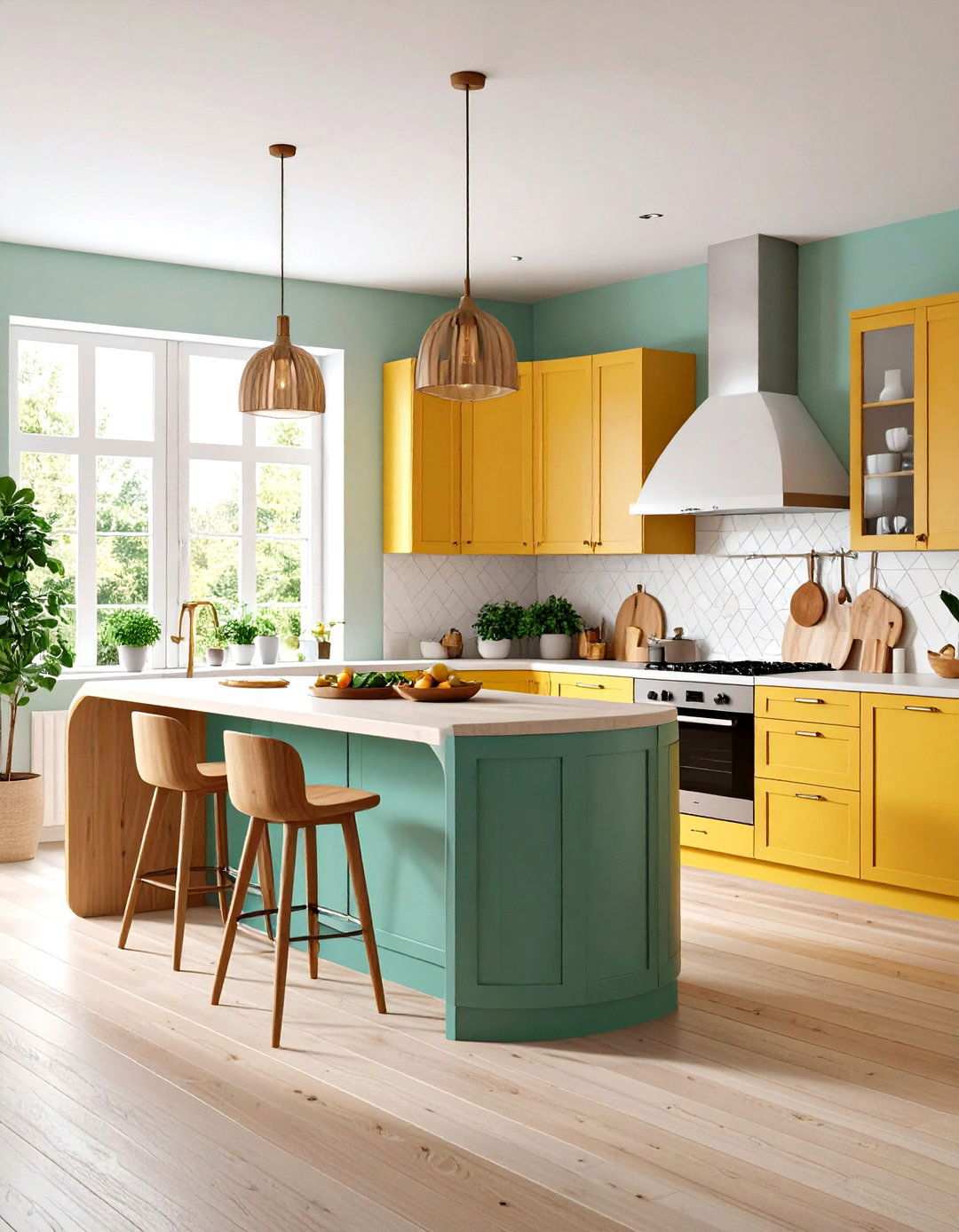
Scandinavian kitchens can successfully capture the essence of hygge through the thoughtful design of intimate dining nooks. These cozy gathering spaces embody the Danish concept of comfort and well-being, providing a tranquil retreat from the chaos of daily life. Built-in benches with plush cushions create inviting seating areas that are perfect for casual dining and family interaction, while maximizing space efficiency in typical Nordic home proportions. Natural wood tables and benches add warmth and texture to the space, supporting the sustainable material choices valued in Scandinavian culture. Pendant lighting over dining areas creates pools of warm illumination that enhance the intimate atmosphere, while storage beneath built-in seating provides practical solutions for everyday living. Textile elements like cushions or throws introduce a touch of softness and color, inviting users to linger and enjoy the simple pleasures of shared meals and daily conversations.
21. Harmonious Integration of Kitchen Appliances
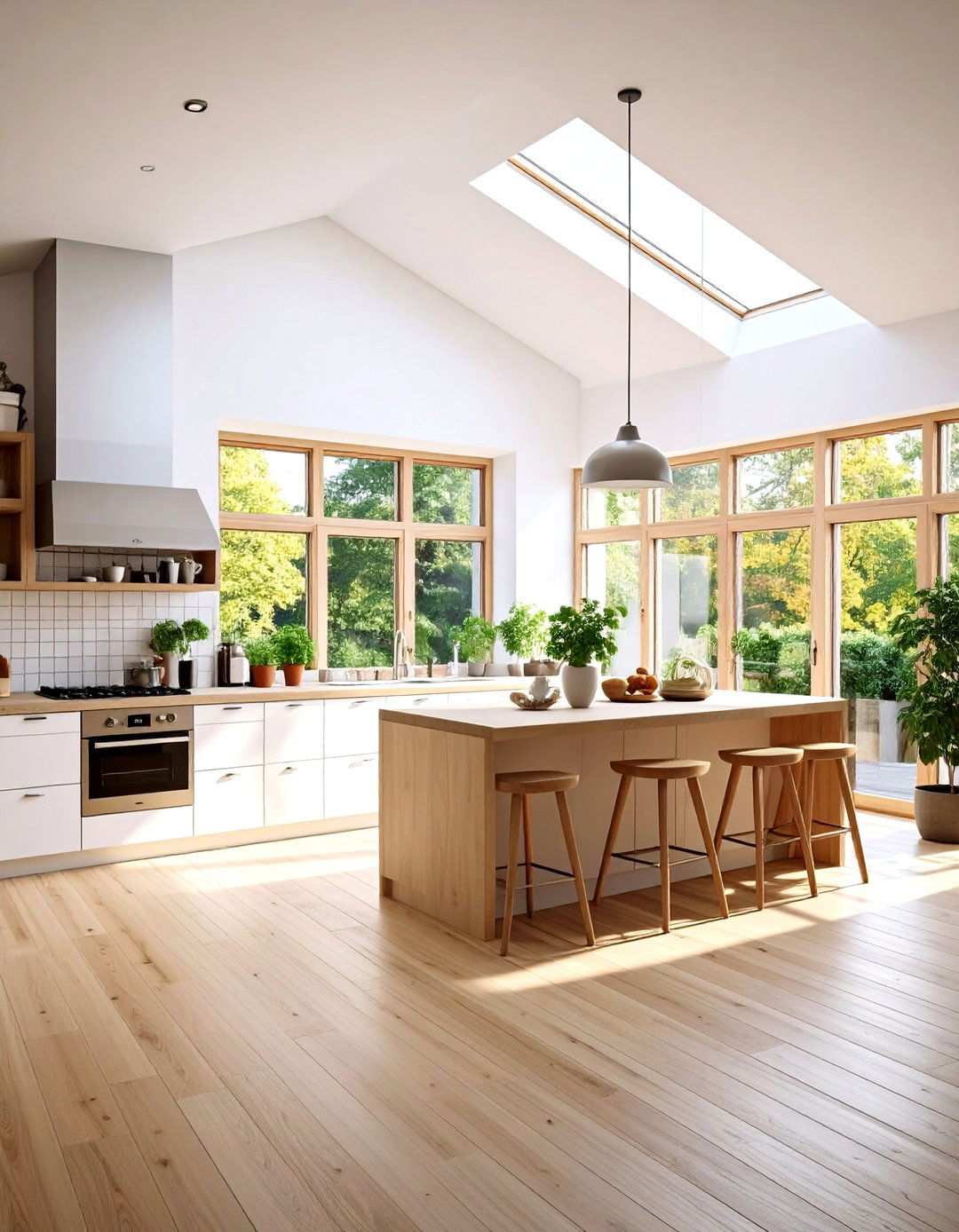
The seamless integration of kitchen appliances into Scandinavian design is a testament to the region’s commitment to minimalist aesthetics. By concealing modern technology behind cabinet fronts, this approach creates a clean visual continuity that resonates with the principles of Nordic design. The disappearance of appliances into the cabinetry design supports the Scandinavian preference for uncluttered appearances, while quality panel construction ensures that appliance fronts perfectly match surrounding cabinetry, creating a seamless composition that emphasizes architectural elements over individual components. The advanced features of these integrated appliances remain accessible, yet they avoid visual complexity that might disrupt the peaceful atmosphere Scandinavians value in their kitchens. Furthermore, these appliances are designed with energy efficiency in mind, aligning with Nordic environmental consciousness and providing reliable performance for daily cooking needs. By combining modern convenience with traditional values of simplicity and order, Scandinavian design has found a unique solution to the challenge of integrating appliances into the kitchen.
22. The Art of Blending Natural Materials in Kitchen Design
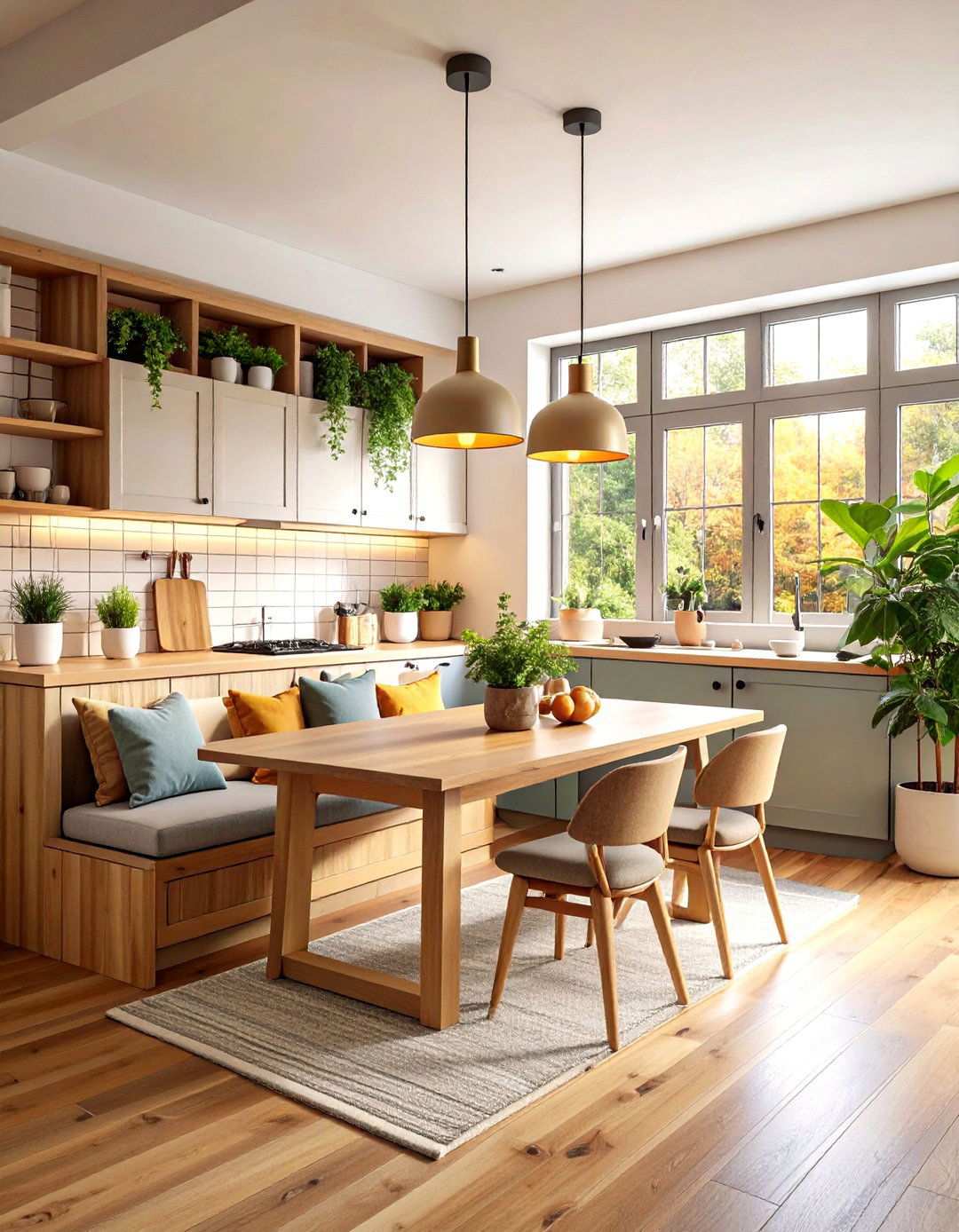
Scandinavian kitchens are renowned for their authentic textures, which are created by the thoughtful pairing of natural materials such as wood, stone, and metal. This harmonious composition is central to Nordic design philosophy, where variety is balanced with restraint. The combination of light wood cabinetry with cool stone countertops creates a temperature contrast that engages the senses, while matte metal hardware and fixtures add functional accents without overwhelming the natural material beauty of the space. The key to achieving a balanced composition lies in selecting materials with similar intensity levels, ensuring that they coexist in harmony rather than competing for attention. As these materials age naturally over time, they develop a patina that reflects the Scandinavian appreciation for materials that improve with use. Sustainable sourcing ensures that these materials are not only of high quality but also align with Nordic environmental values, creating kitchens that feel connected to natural landscapes while maintaining the sophisticated simplicity that defines authentic Scandinavian interior design and lifestyle preferences.
23. Harmonious Kitchen Breakfast Areas
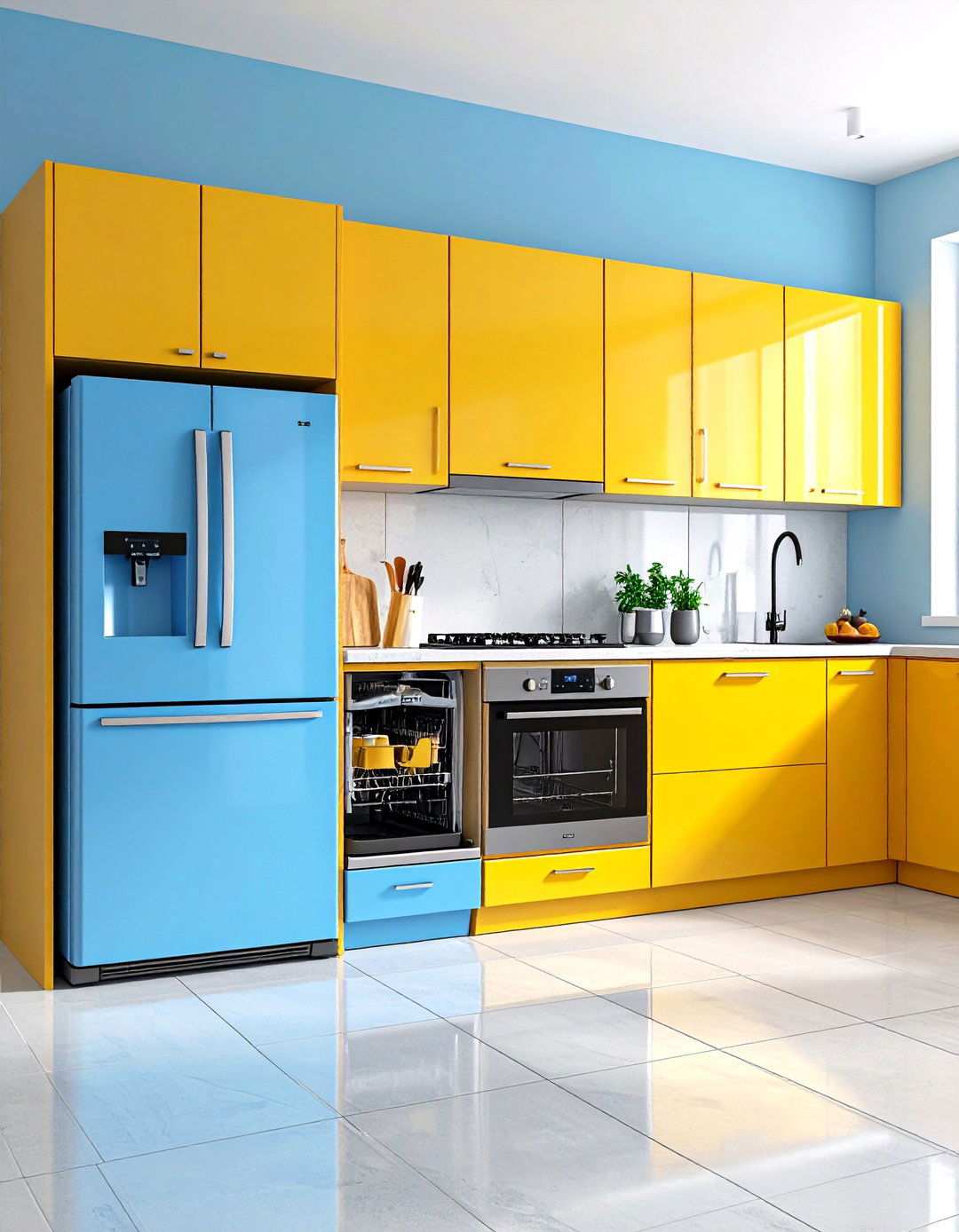
The breakfast bar area is a quintessential component of modern Scandinavian kitchens, seamlessly integrating into the Nordic lifestyle of simplicity and family connection while optimizing space efficiency in typical homes. The incorporation of natural wood bar tops creates a warm contrast with white or light-colored cabinetry, establishing a visual balance within open kitchen layouts. Minimalist stools with clean lines provide comfortable seating without overwhelming the space with excessive decoration or complex forms, thereby maintaining the aesthetic’s integrity. The casual nature of breakfast bars encourages regular use, embodying the Scandinavian value of functional beauty that enhances daily life. Tabletop pendant lighting over bar areas generates a cozy ambiance while defining the space within larger open floor plans, fostering a sense of intimacy. Ample storage beneath bar overhangs provides practical solutions for everyday items, ensuring clutter-free surfaces. These areas facilitate quick meals and informal gatherings, radiating the hygge spirit of comfortable simplicity that characterizes authentic Scandinavian living.
24. Timeless Kitchen Design Elements
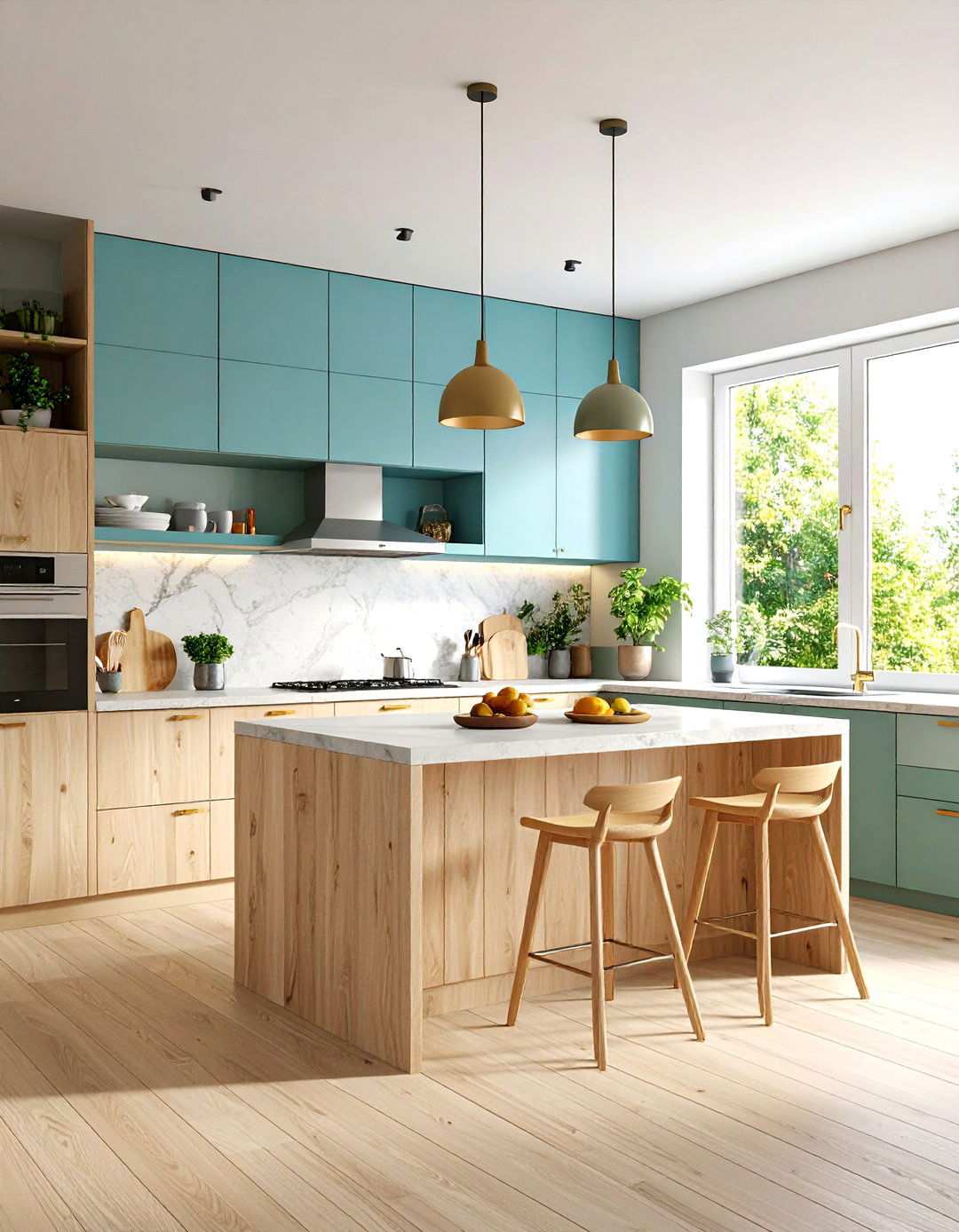
Sustainable design elements play a pivotal role in reflecting the core Scandinavian values in kitchen planning, prioritizing environmental responsibility through material selection, energy efficiency, and longevity considerations that resonate with Nordic cultural consciousness. By opting for locally sourced wood, homeowners reduce transportation impacts while supporting regional forestry practices valued in Scandinavian countries. Energy-efficient appliances and LED lighting systems minimize environmental impact while delivering exceptional performance for daily cooking needs. The use of durable materials like natural stone and solid wood ensures long-term satisfaction, reducing replacement needs that burden both budgets and environments. Water-saving fixtures support conservation efforts while maintaining the functionality essential to productive kitchen environments. The implementation of recyclable materials and responsible sourcing practices reflects the Scandinavian commitment to environmental stewardship. Quality construction ensures kitchens remain beautiful and functional for decades, embodying the Nordic preference for investment in lasting value rather than disposable trends. This sustainable approach creates kitchens that feel morally satisfying while maintaining the aesthetic beauty characteristic of authentic Scandinavian design.