1. Unlocking Drawer Potential: Tupperware Organization Strategies
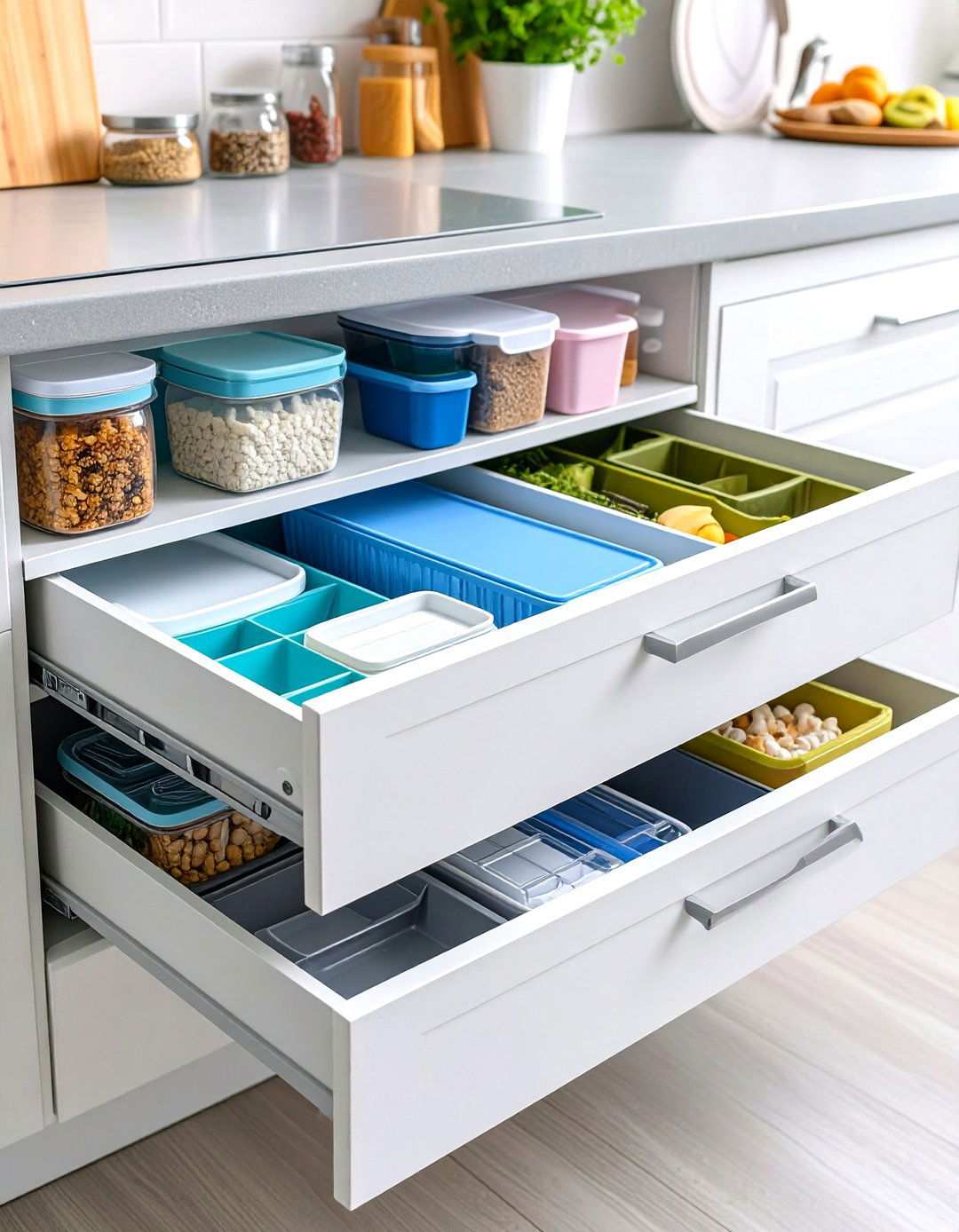
Maximizing kitchen efficiency starts with optimizing storage systems. A cluttered drawer filled with mismatched Tupperware containers can quickly become a hindrance to meal prep and cooking. By introducing a thoughtful drawer divider system, you can transform this chaotic storage space into a streamlined zone that makes every item easily accessible. Implementing adjustable dividers is a great approach to separate containers by size, creating distinct areas for small, medium, and large pieces. This setup allows you to stack containers without lids while keeping corresponding tops in their own compartments, making it effortless to find the right size during busy meal preparation sessions.

As an Amazon Associate I earn from qualifying purchases.
To get the most out of your drawer dividers, consider using spring-loaded or expandable dividers that adjust to your drawer dimensions, ensuring a custom fit that prevents containers from shifting around. This thoughtful approach also allows you to create multiple rows in deep drawers, making the most of your storage space. By implementing such a system, you can significantly reduce stress caused by disorganized Tupperware storage and enjoy a more efficient cooking experience.
2. Elevate Your Lid Game: Vertical Storage Solutions
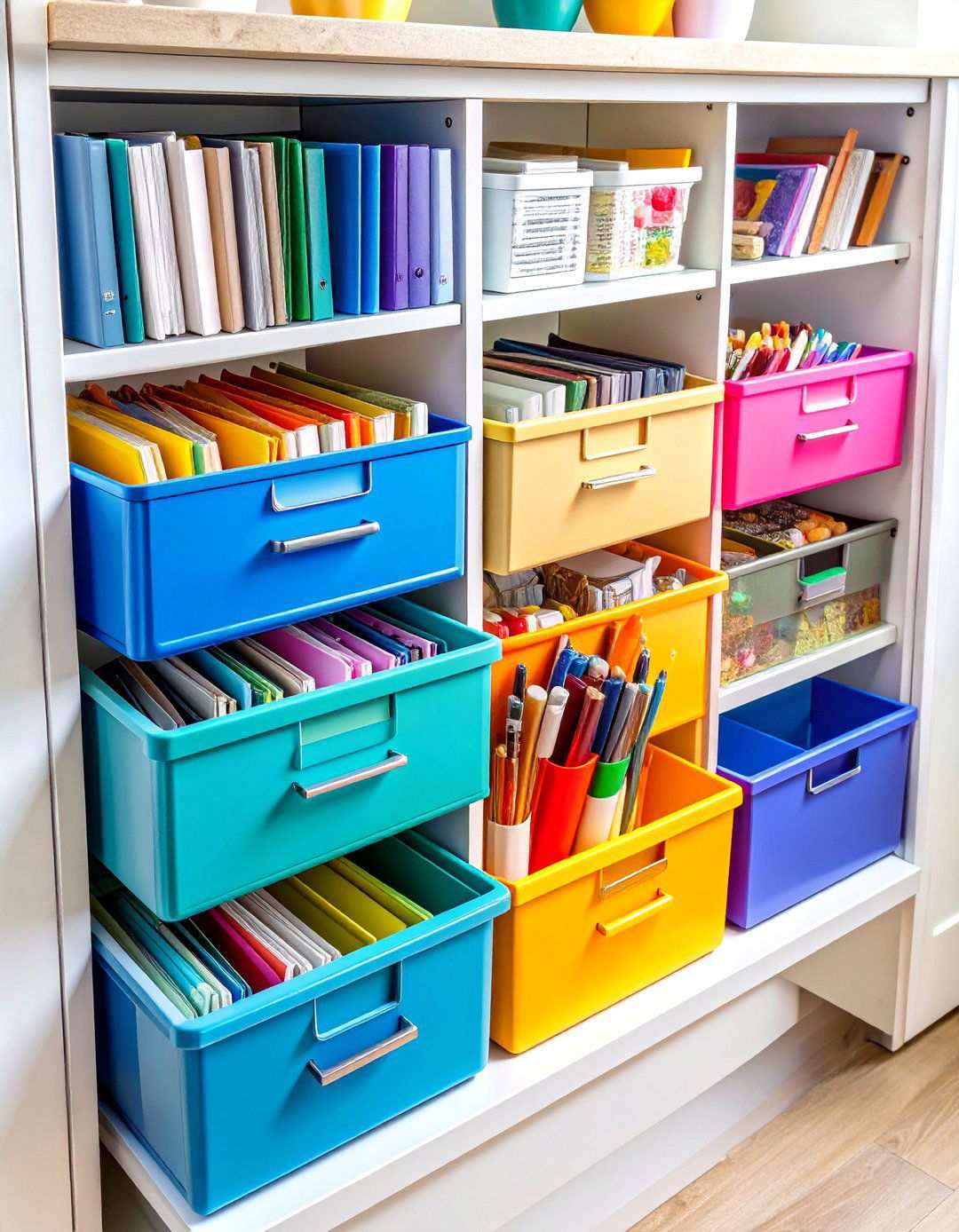
Are you tired of wasting precious cooking time searching through a pile of lids? A clever solution lies in treating lids like files in a cabinet system. By using magazine holders, desktop organizers, or specially designed lid racks to store covers vertically, you can access exactly what you need in an instant without disturbing other lids. Position the filing system in an easily accessible cabinet or deep drawer where you can quickly browse through sizes. The vertical method is particularly effective for flat lids and prevents the common problem of lids getting lost beneath containers in traditional stacking methods. What’s more, this approach provides a clear view of every lid at a glance, making it easier to locate the right one on the fly.
3. Optimizing Deep Cabinet Accessibility
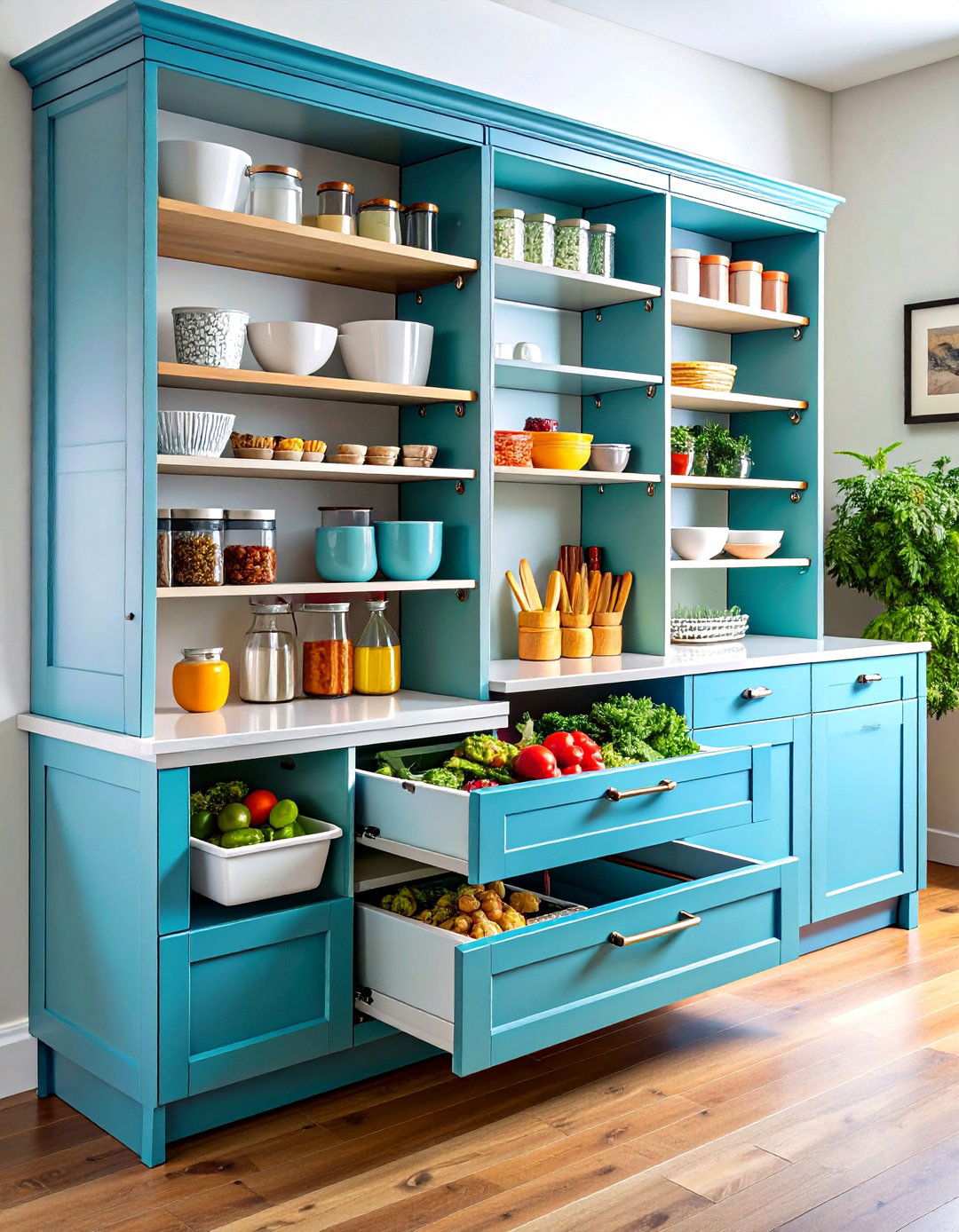
Unlock the full potential of your kitchen storage with expertly installed or DIY pull-out shelving systems. These ingenious sliding platforms bring hidden containers within easy reach, eliminating the need to remove multiple items to access storage in the back. It’s essential to install sturdy hardware that can support the weight of loaded containers and operate smoothly under frequent use. Many systems incorporate adjustable dividers or raised edges to prevent containers from sliding during movement. By investing in pull-out shelves, you’ll reap the rewards of reduced frustration and improved kitchen workflow. Installing multiple tiers is a great way to double your storage capacity while maintaining full visibility and access to every container in your collection.
4. Streamlining Lid Management
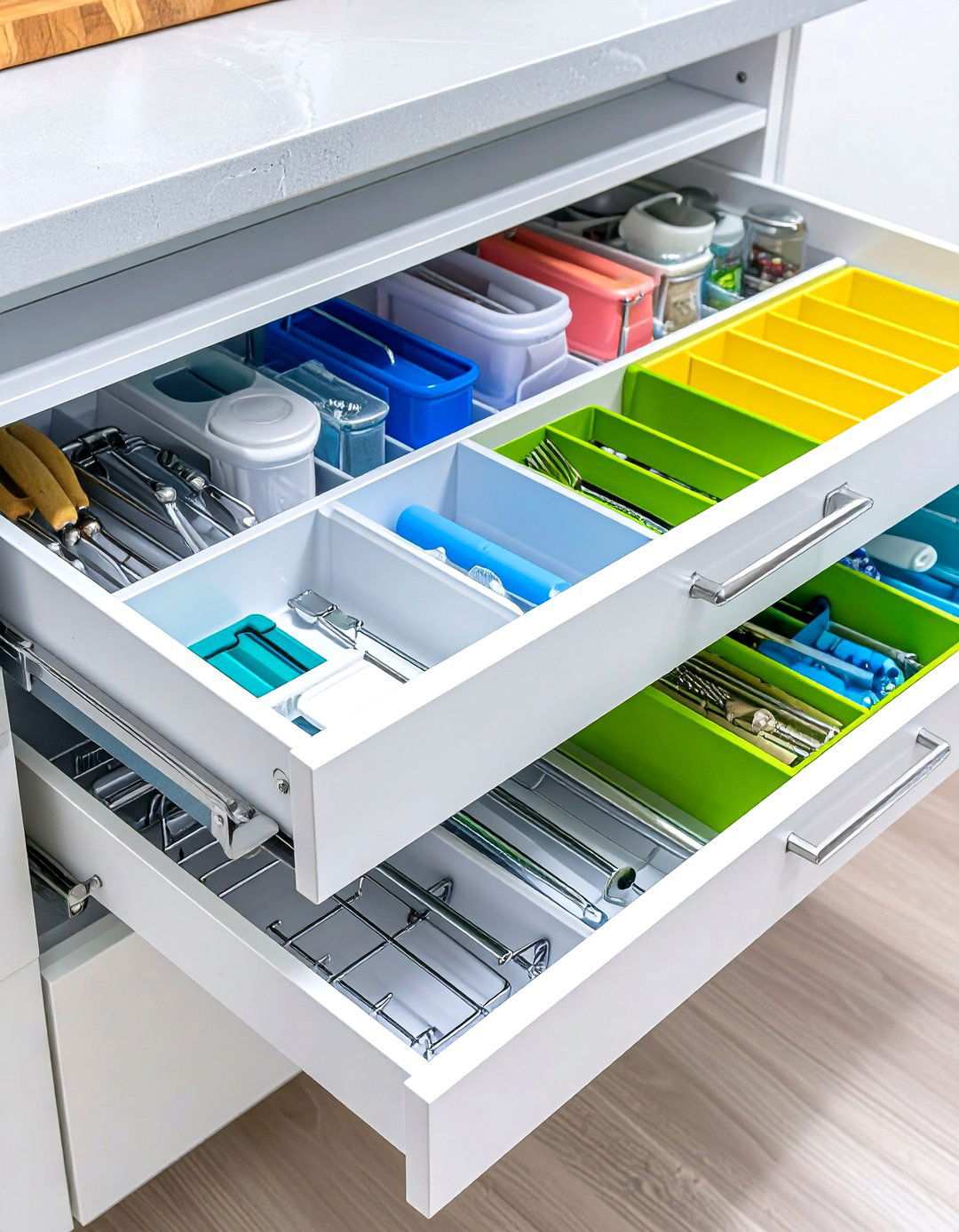
Say goodbye to the hassle of toppling lid stacks with the help of tension rods. These simple yet effective solutions offer a natural way to store lids upright in neat rows organized by size or type. By installing adjustable tension rods horizontally across drawer widths or vertically in cabinets, you can create compartments for lid storage without the need for permanent installation. This method works particularly well in wide, shallow drawers where lids can lean against the rods without falling over. Tension rods are an affordable and flexible solution that can be repositioned as your storage needs change. Using multiple rods creates separate compartments for different lid categories while maintaining easy visibility.
5. Maximizing Vertical Cabinet Space
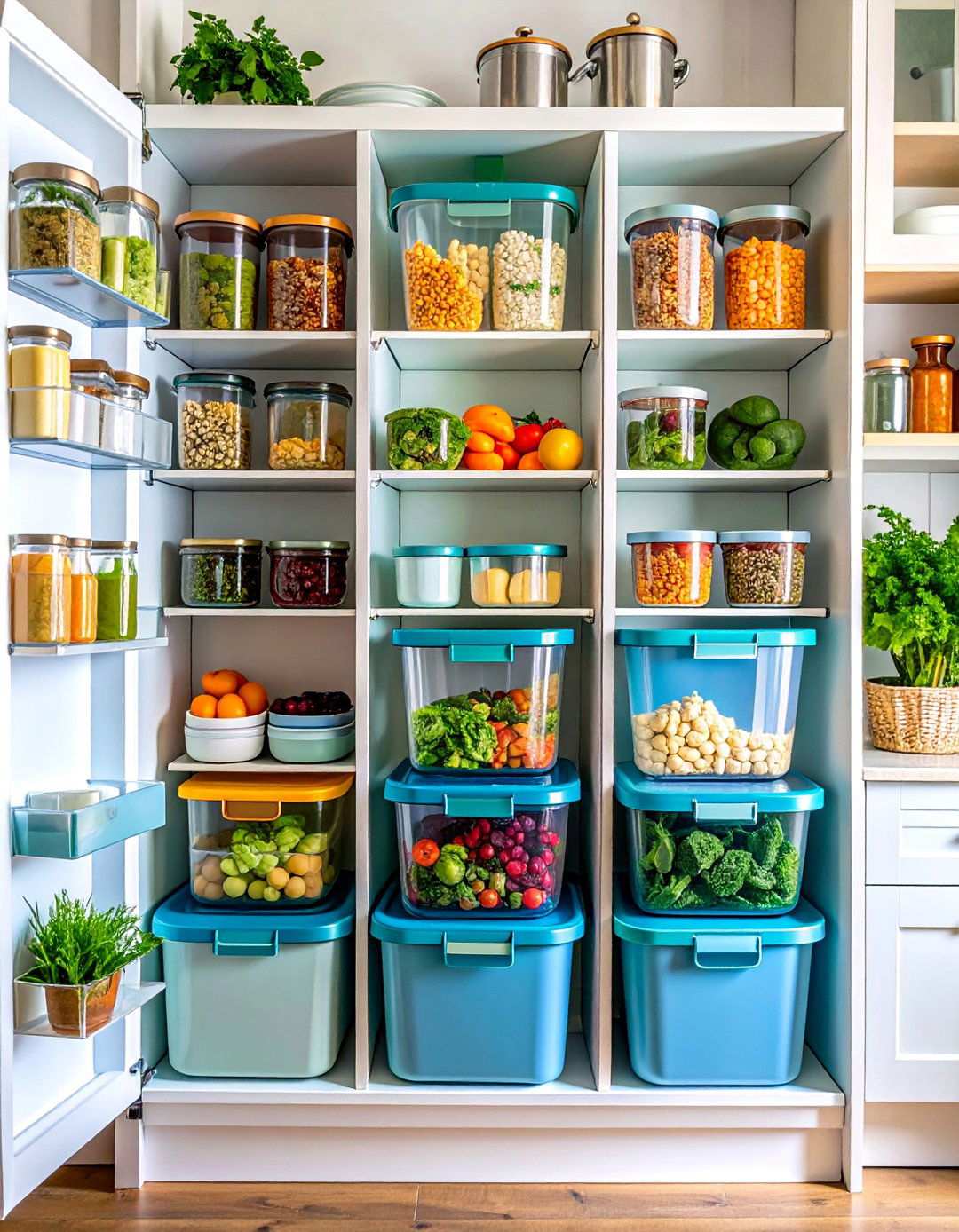
Are you making the most of your vertical cabinet space? Implement a nested storage system where containers stack inside each other like Russian dolls, creating compact towers that utilize height rather than width. To get the most out of this method, sort containers by shape and material, grouping round, square, and rectangular pieces separately for optimal nesting. This approach dramatically reduces the footprint of your collection while maintaining easy access to different sizes. Store corresponding lids in a separate organized system to prevent nested containers from becoming stuck together. The tower approach works best with uniform container sets, but it can be adapted for mixed collections with careful size coordination.
6. Customized Storage Solutions
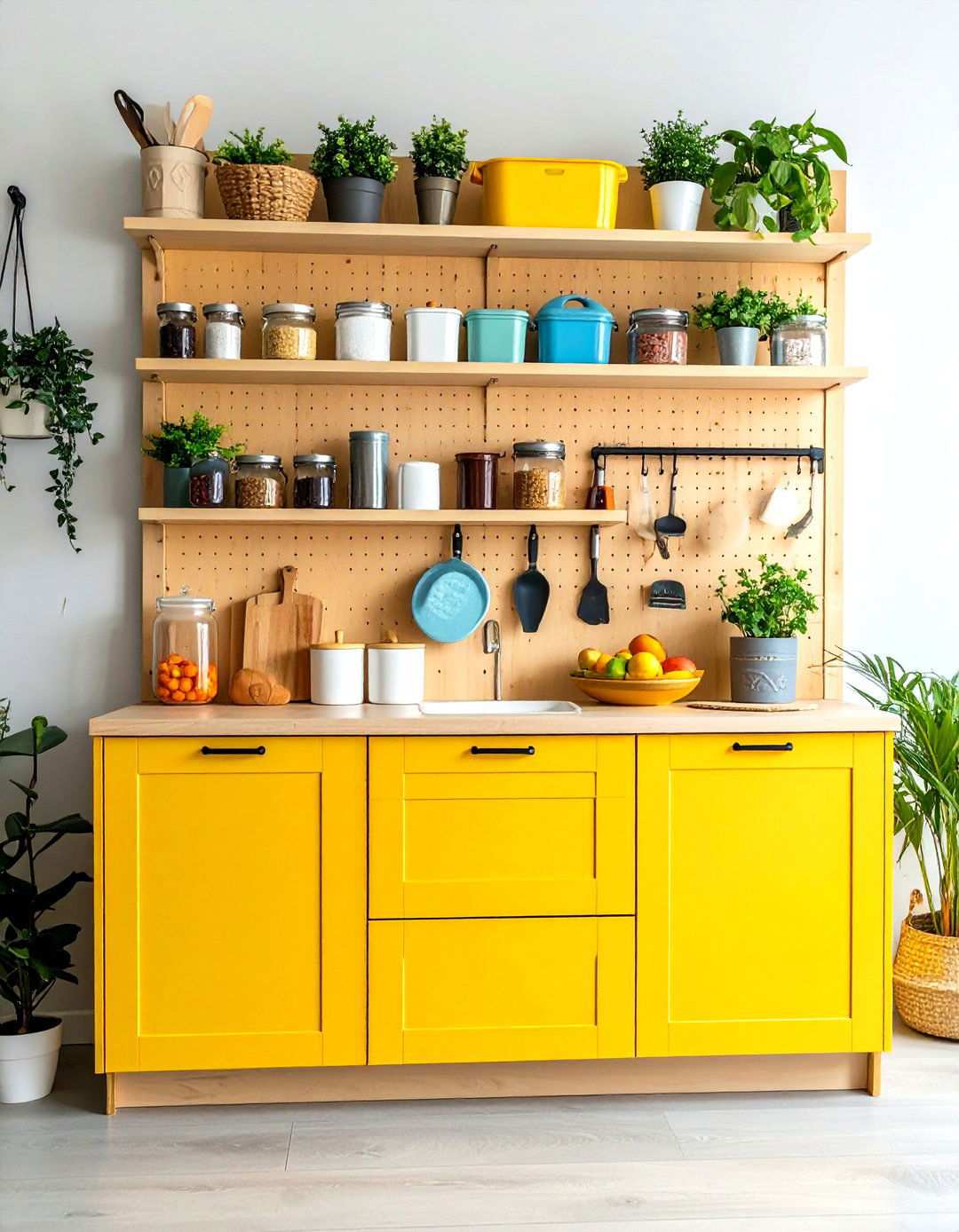
Create a completely tailored storage solution using pegboard panels and moveable hooks or shelves. Mount pegboard inside cabinet doors or on walls to accommodate containers and lids of varying sizes. The modular nature of pegboard allows you to reconfigure storage as your collection changes, moving pegs to create perfect fits for new containers. Use small shelves for nested container groups and hooks for hanging lids with built-in handles. This system provides incredible flexibility while keeping everything visible and accessible. You can even paint the pegboard to match your kitchen décor, turning functional storage into an attractive organizational feature that showcases your systematic approach to kitchen management.
7. Streamlining Corner Storage with Lazy Susan Rotation
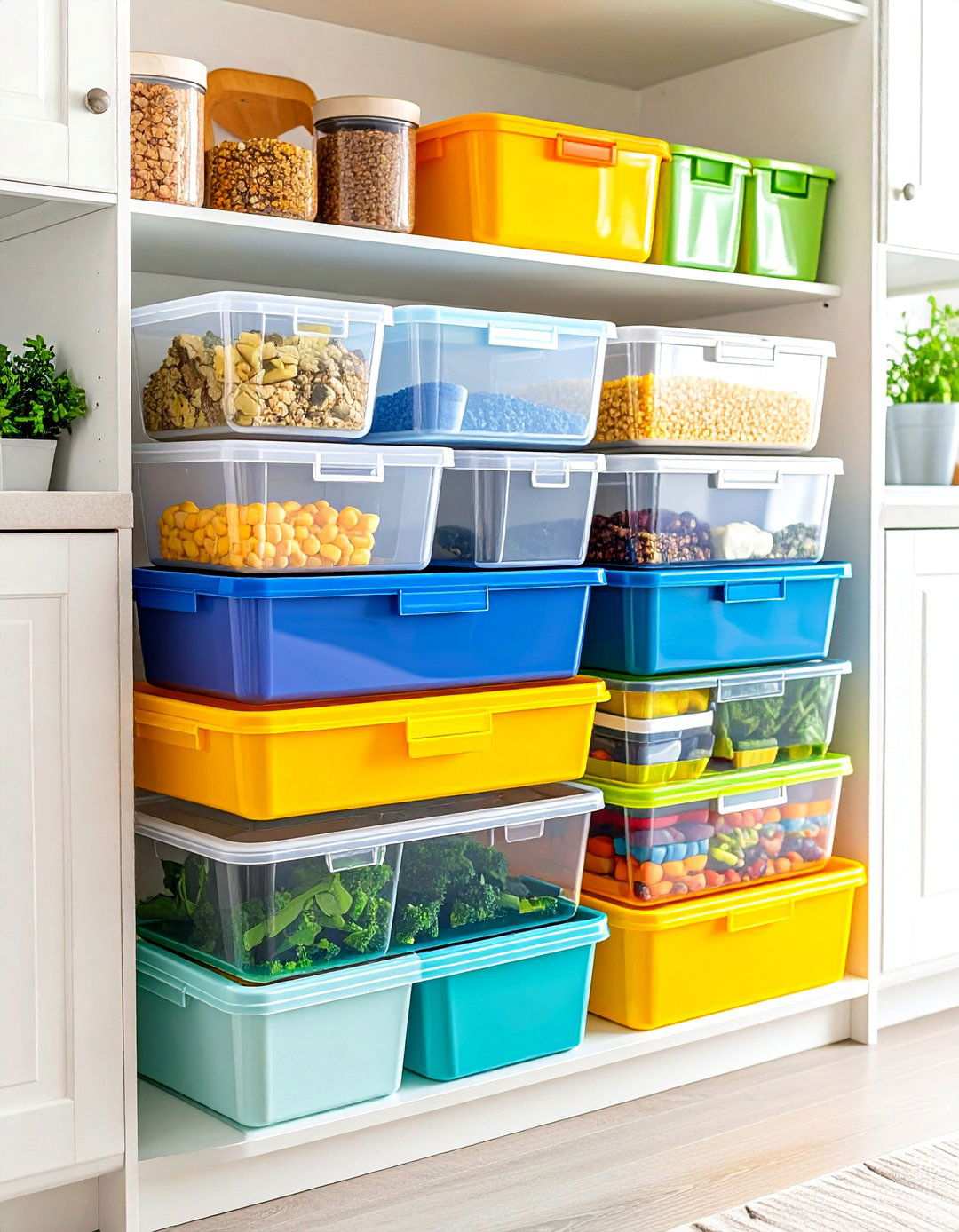
Optimizing corner cabinets or deep shelves calls for a smart storage solution – the rotating lazy Susan platform. By featuring circular organizers, these platforms bring every container within effortless reach with a simple spin, effectively eliminating the dead space typically associated with corner installations. Select lazy Susans with elevated edges to prevent containers from sliding off during rotation, ensuring your contents remain secure. When it comes to maximizing vertical space, multi-tier lazy Susan options strike the perfect balance between convenience and accessibility. This system is most beneficial for frequently used containers, as everything remains visible and easily accessible, saving you considerable time and effort. Just imagine the hours you’ll save by not having to remove multiple items to access containers stored in the back corners.
8. Modular Bin Organization – The Adaptive Storage Solution
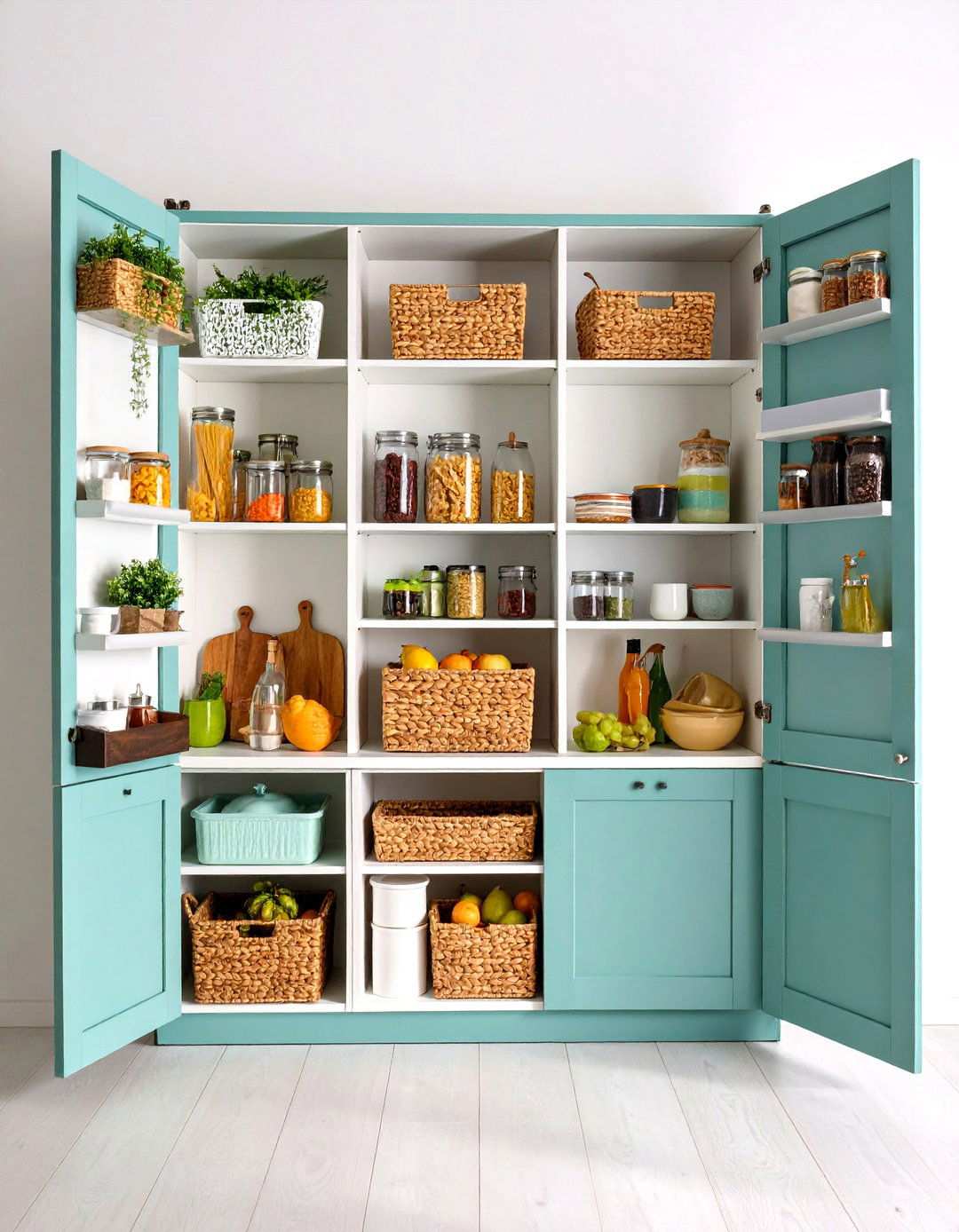
Clear, stackable bins form the core of a flexible storage system that can be rearranged to suit your evolving needs. By assigning specific bins to various container categories – one for small snack containers, another for large leftover storage, and separate bins for specialty items like freezer containers – you can create a tailored organization system. The modular design allows you to pull entire bins from cabinets when needed, providing portable organization that adapts to your changing workflow. Clear bins offer instant visibility, while contained storage prevents smaller items from getting lost in large cabinets. Label each bin to encourage family members to contribute to maintaining the established system consistently.
9. Unlocking Hidden Space with Cabinet Door Storage
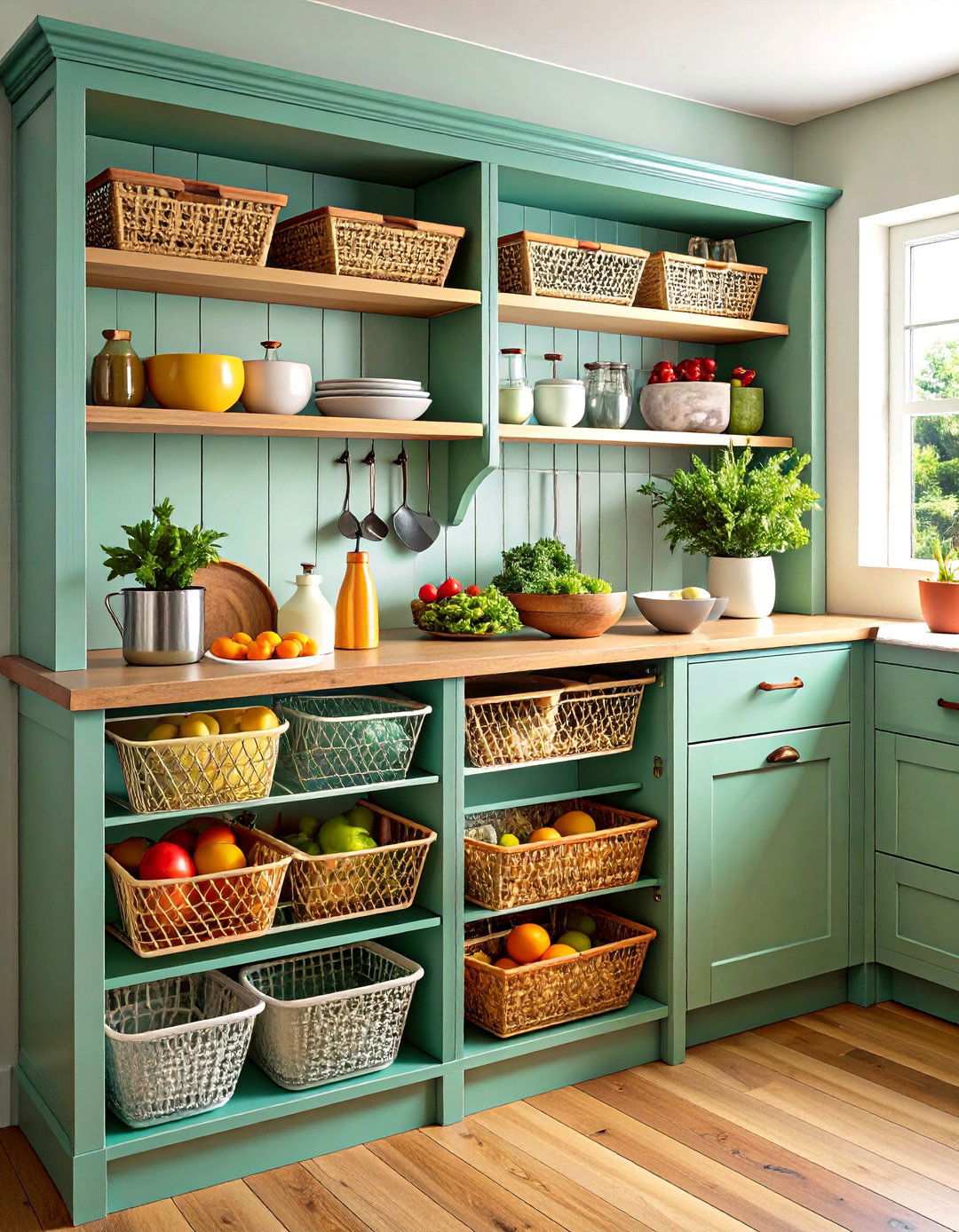
Make the most of unused space by installing organizers on the inside of cabinet doors for lightweight containers and lids. Door-mounted racks, slim baskets, or custom-built shelving can transform wasted space into functional storage areas, keeping frequently used items easily accessible while freeing up interior cabinet space for larger containers. When choosing door-mounted systems, opt for secure attachment methods that won’t damage cabinet surfaces or interfere with door closure. What could be more convenient than having commonly used containers right at eye level when you open your most-used cabinet? Door storage is particularly well-suited for small containers, lids, and specialty items used in daily meal preparation, streamlining your workflow and saving you time.
10. Elevating Cabinet Storage Potential
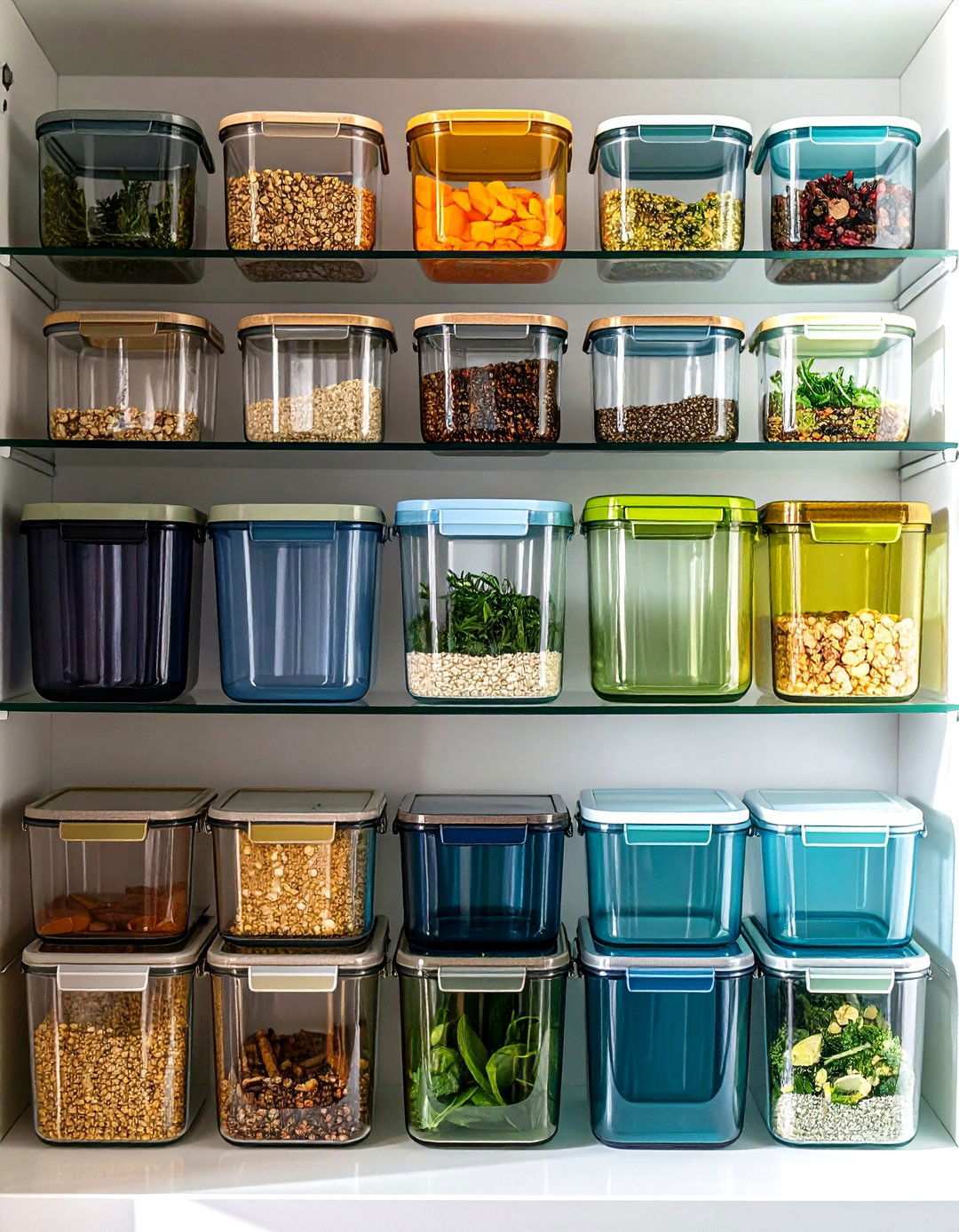
Multiply the storage capacity of your cabinets with under-shelf baskets that glide or clip neatly beneath existing shelves, providing an effortless way to create additional storage tiers without extensive cabinet modifications. Opt for wire baskets for storing lightweight items like plastic lids or small containers, ensuring sufficient airflow and visual clarity. The sliding mechanism allows for effortless access while maintaining the organized separation between different container types. Under-shelf baskets are particularly effective in cabinets with significant vertical space between shelves, effectively utilizing previously underutilized areas. By installing multiple baskets at various depths, you can accommodate a range of container sizes while maintaining the streamlined workflow essential for efficient kitchen operations.
11. Seamless Glass Container Integration
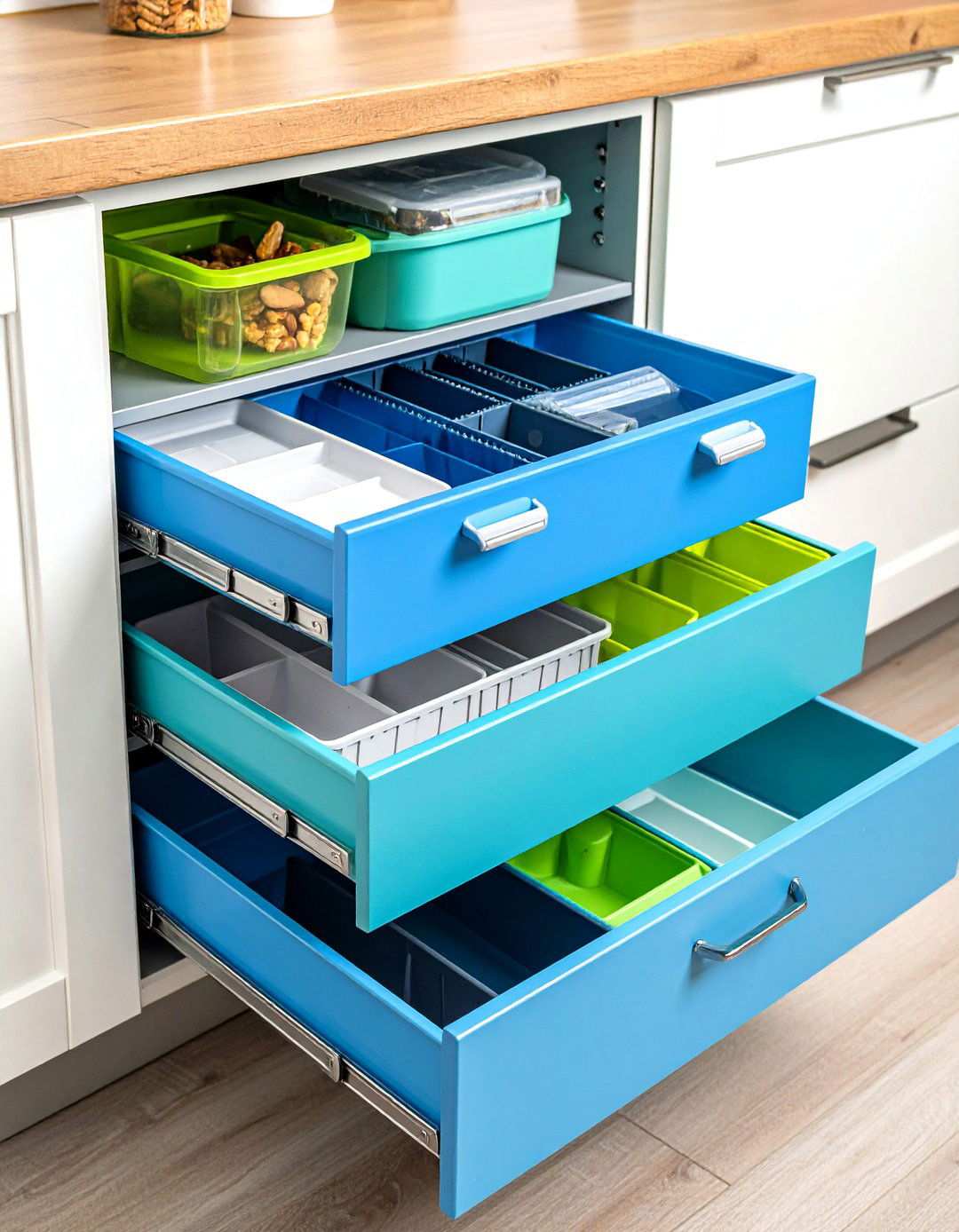
Consider transitioning to glass storage containers that stack more reliably and retain their appearance over time. Glass containers nest uniformly, creating stable towers that don’t shift or topple like lightweight plastic alternatives. The substantial weight and rigid structure of glass provide natural stability in organized systems, while offering superior food preservation qualities. Universal lid designs minimize matching challenges and enhance reliable sealing performance. Although initially more expensive, glass containers often prove more cost-effective in the long term due to their durability and resistance to staining, warping, or retaining odors. By investing in glass containers, you can feel confident about the integrity of your food storage through countless uses.
12. Tailored Lid Management Solutions
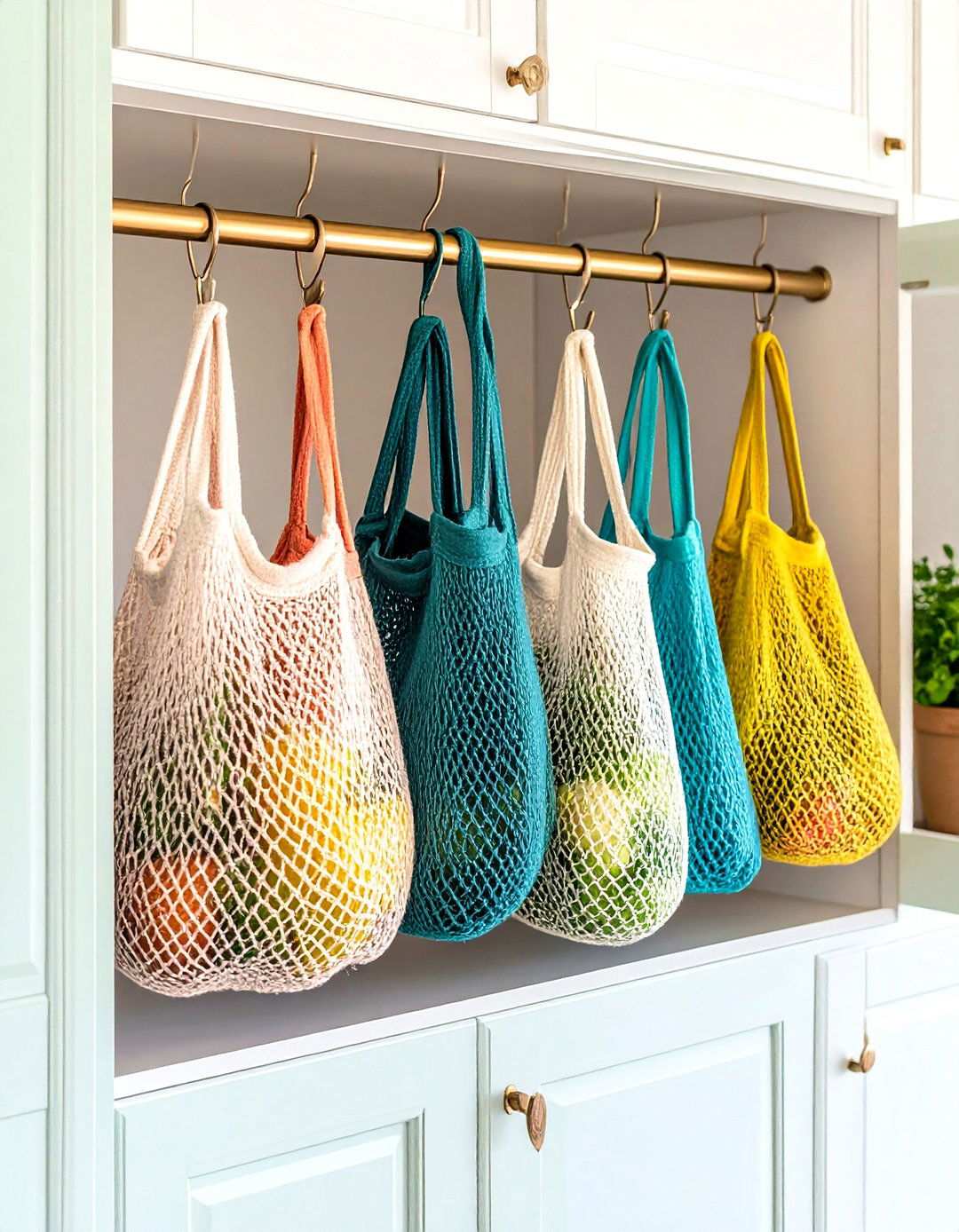
Invest in purpose-built lid organizers designed specifically for food storage container management, which feature adjustable dividers, angled slots, or tiered platforms that accommodate various lid sizes and shapes. Many commercial lid organizers fit standard cabinet dimensions and include features like non-slip bases or raised edges to prevent movement during use. Some models stack vertically for increased capacity while maintaining easy access to individual lids. Professional organizers offer superior stability compared to DIY solutions and often come with warranties or replacement guarantees. A structured approach eliminates guesswork about lid placement while ensuring consistent organization that family members can easily maintain and understand.
13. Organizing Containers with Ease
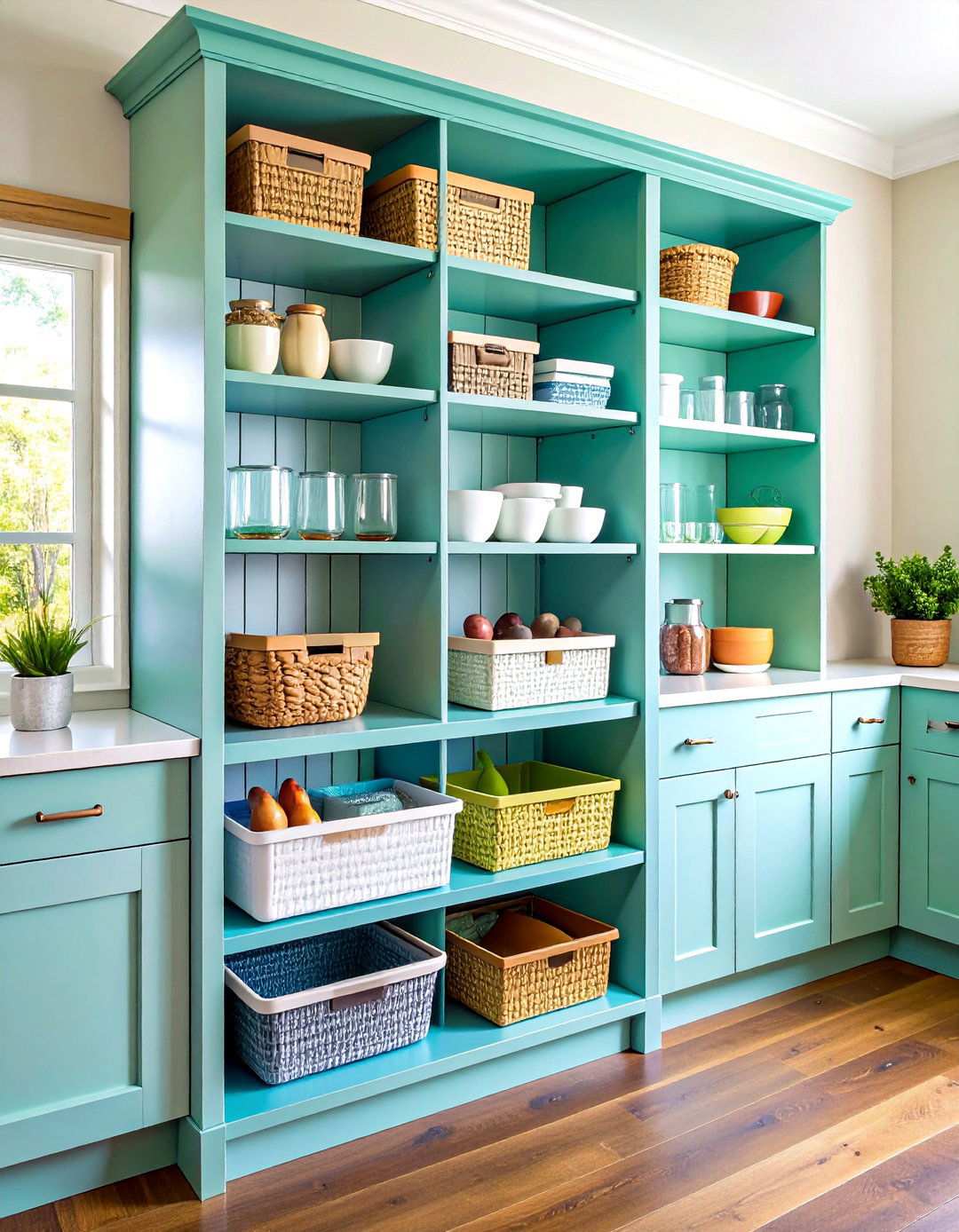
Maximize your storage potential by using breathable mesh bags for storing and containing lightweight items like containers and lids. By hanging mesh organizers on cabinet doors or mounting them on walls, you can easily access frequently used items while keeping your space clutter-free. The flexibility of mesh storage allows it to accommodate odd-shaped containers, providing a gentle containment that prevents loss and keeps everything within reach. This approach is particularly well-suited for small containers, lids, or specialty items that often get lost in larger storage systems. Mesh bags can be easily removed for cleaning or reorganization, giving you a portable storage solution that adapts to your changing needs. Are you on the lookout for an affordable and non-invasive organization solution?
14. Optimizing Cabinet Space with Tiered Shelves
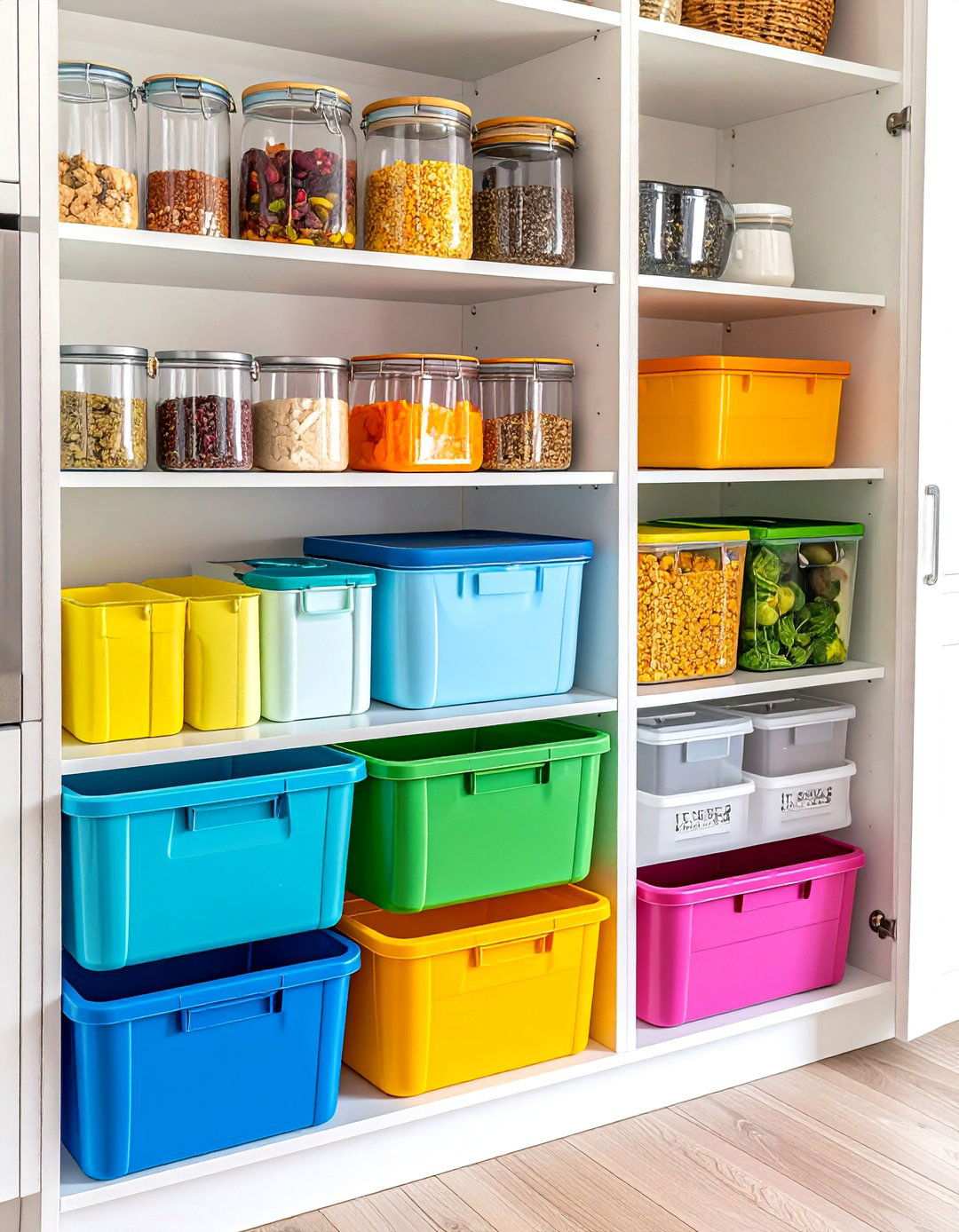
Elevate your storage game by using stackable shelf risers or expandable tiered platforms to create multiple storage levels within existing cabinets. These clever organizational tools allow you to double or triple your available storage space by making the most of your vertical cabinet dimensions. Arrange larger containers on the lower levels while reserving the upper tiers for smaller, lighter items or lids. The stepped configuration provides clear visibility of all stored items while maintaining easy access to each level. Choose adjustable risers that can be reconfigured as your storage needs evolve, giving you the flexibility to adapt to changing circumstances. This system is particularly beneficial for cabinets with ample height but limited width, transforming single-level storage into multi-tiered organization that accommodates larger collections without requiring additional cabinet space.
15. Simplifying Kitchen Organization with Color Coding
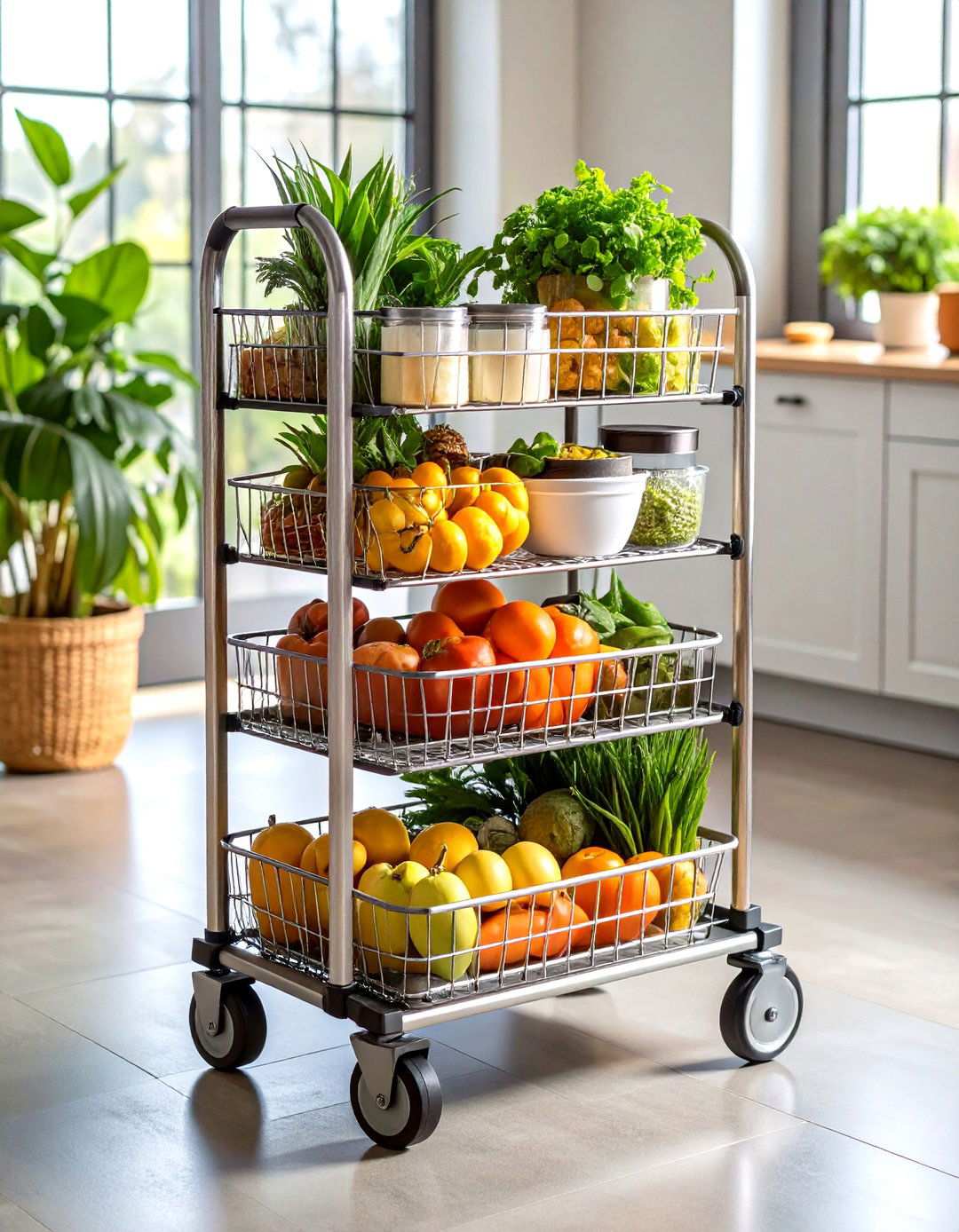
Streamline your kitchen storage by implementing a visual organization system using colored labels, bins, or container categories. Assign specific colors to different container purposes: red for items that need to be used immediately, blue for meal prep containers, green for freezer storage, and yellow for dry goods. This method reduces decision-making time while ensuring family members can quickly locate the right containers for their needs. Color coding works particularly well in busy households where multiple people access storage systems regularly. By implementing a visual organization system, you can transform your kitchen efficiency while making it easier for everyone to maintain systematic storage. The psychological benefits of organized, color-coordinated storage often motivate individuals to continue maintaining their organizational systems.
16. Rolling Cart Mobile System
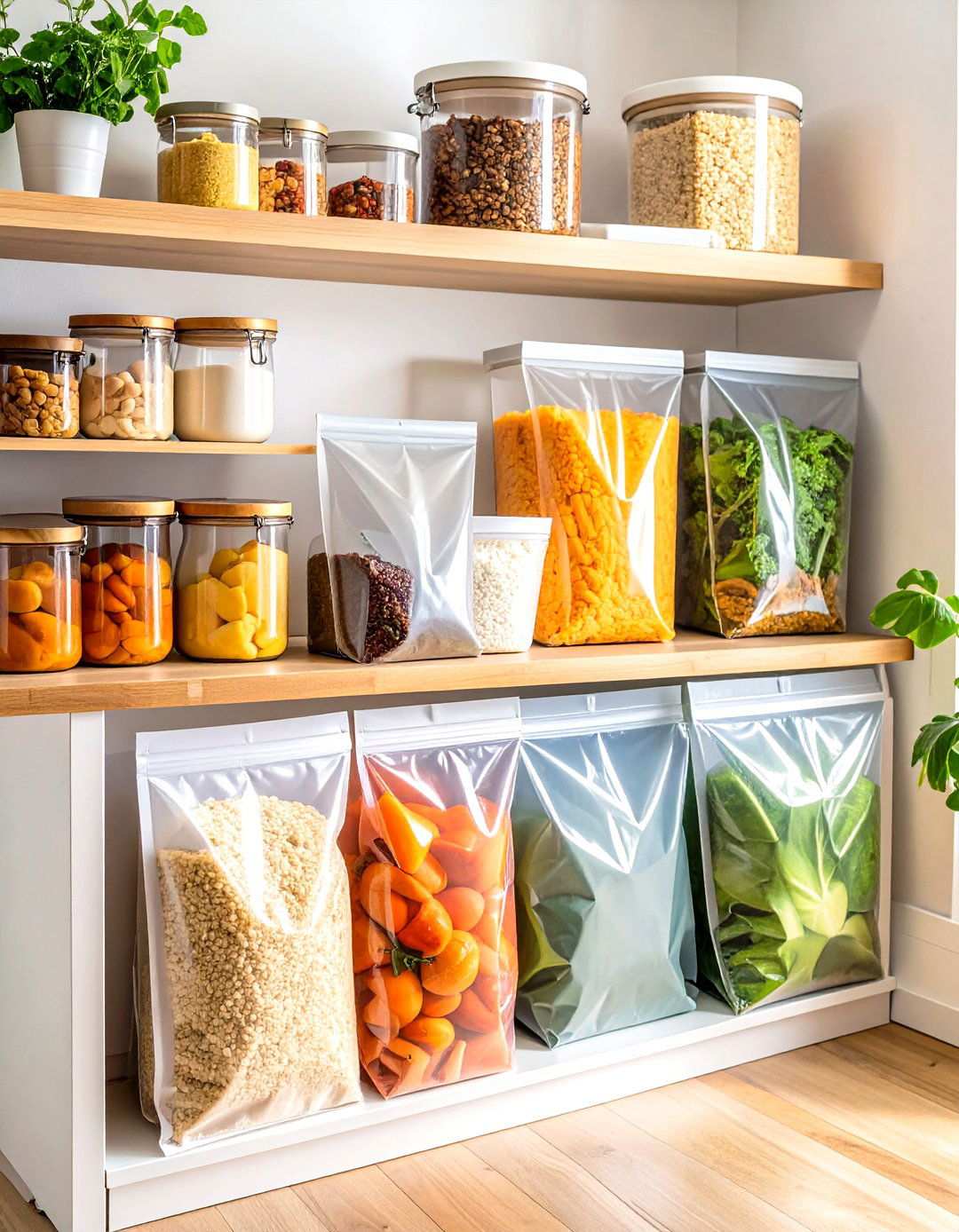
Maximize kitchen flexibility with the introduction of a portable Tupperware storage system, utilizing rolling carts that effortlessly move between kitchen areas as needed. The multi-tier design of these carts not only provides organized storage but also offers the perfect setup for meal prep, serving, and cleaning activities. By bringing containers directly to work areas, you can eliminate the need for multiple trips to fixed storage locations, making your kitchen workflow more efficient. Choose carts that cater to diverse storage needs, including open shelves for frequently accessed items, drawers for small containers, and enclosed areas for less attractive storage requirements. This approach transforms storage from a fixed constraint into a flexible resource that adapts to various kitchen activities, making it an ideal solution for smaller kitchens where storage space is limited but organization remains crucial.
17. Vacuum Storage Integration System
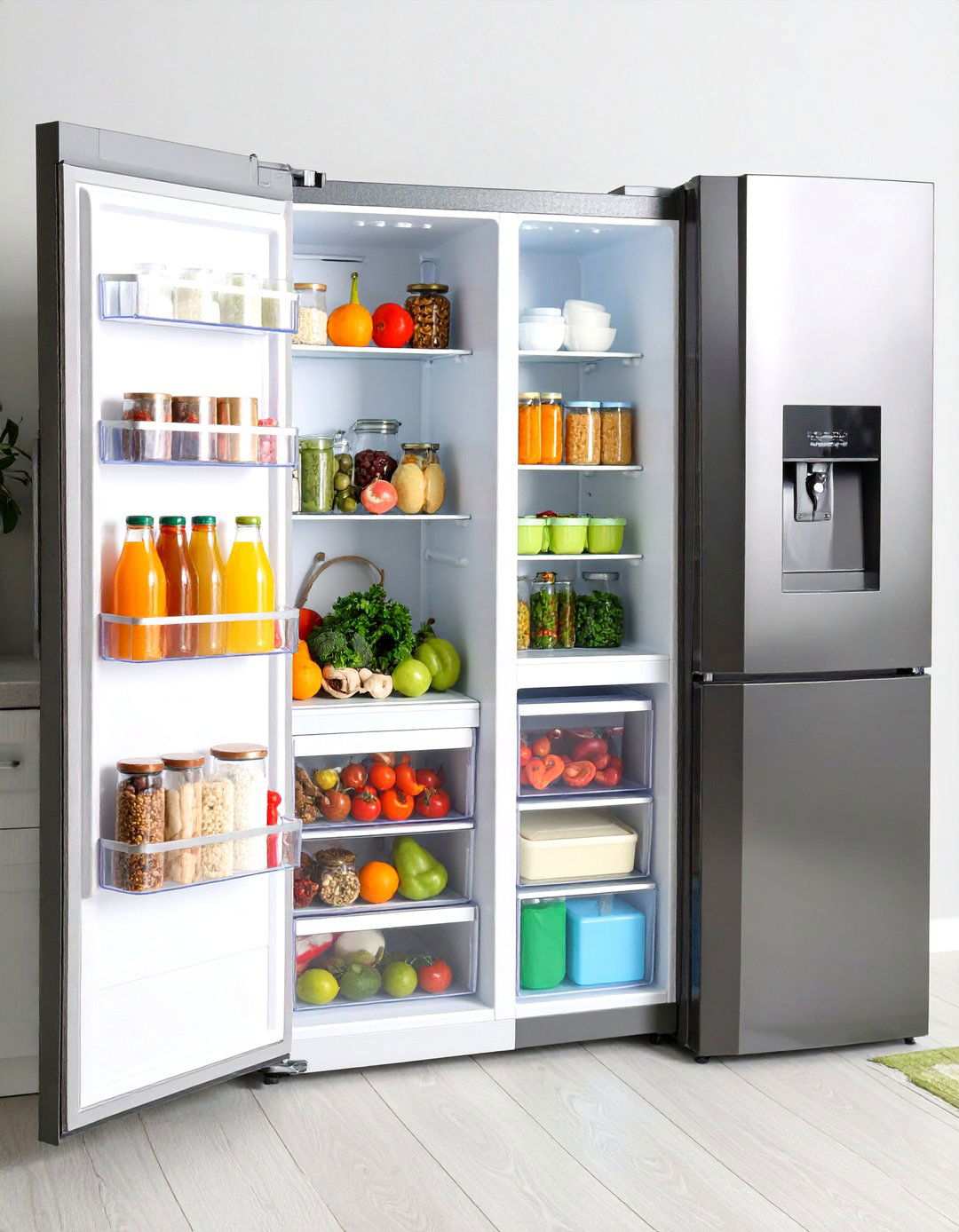
Streamline your storage space requirements while protecting container integrity with the incorporation of vacuum storage bags or compression systems for infrequently used containers. This approach creates more space for daily-use items, allowing you to store seasonal containers, large serving pieces, or backup collections in vacuum-sealed bags within closets or pantry areas. By preserving container condition and freeing valuable kitchen storage for regularly used items, this method offers a practical solution for optimizing storage space. The compressed storage prevents dust accumulation while protecting containers from potential damage in high-traffic areas, making it an ideal solution for plastic containers that nest efficiently when compressed. This remarkably compact storage solution for overflow collections is a game-changer for home cooks and professionals alike.
18. Magnetic Storage Solutions
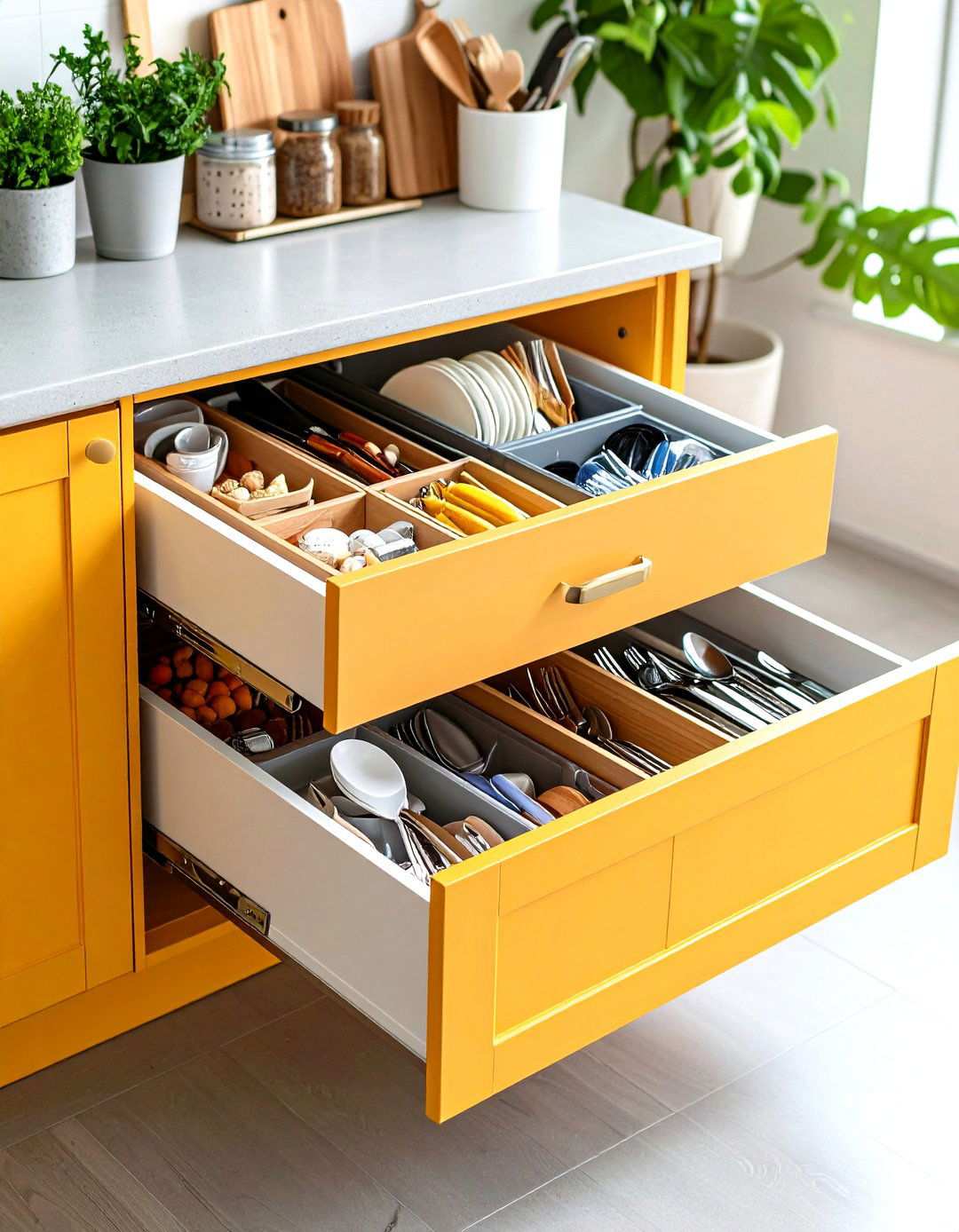
Elevate your kitchen’s organizational game with magnetic storage solutions designed for lightweight containers and lids. Magnetic bins, hooks, or strips mounted on refrigerator sides, inside metal cabinets, or on appliance surfaces provide convenient storage without consuming valuable shelf space. This system works particularly well for small containers, measuring cups, or frequently used lids that benefit from immediate accessibility. Magnetic storage keeps items visible while preventing loss in deep cabinets or drawers, making it an ideal solution for kitchens with limited storage space. The removable nature of magnetic systems allows for easy cleaning and reorganization without permanent installation requirements, making it a perfect solution for rental properties where organization remains essential but permanent modifications aren’t permitted.
19. Enhancing Kitchen Storage with Deep Drawers
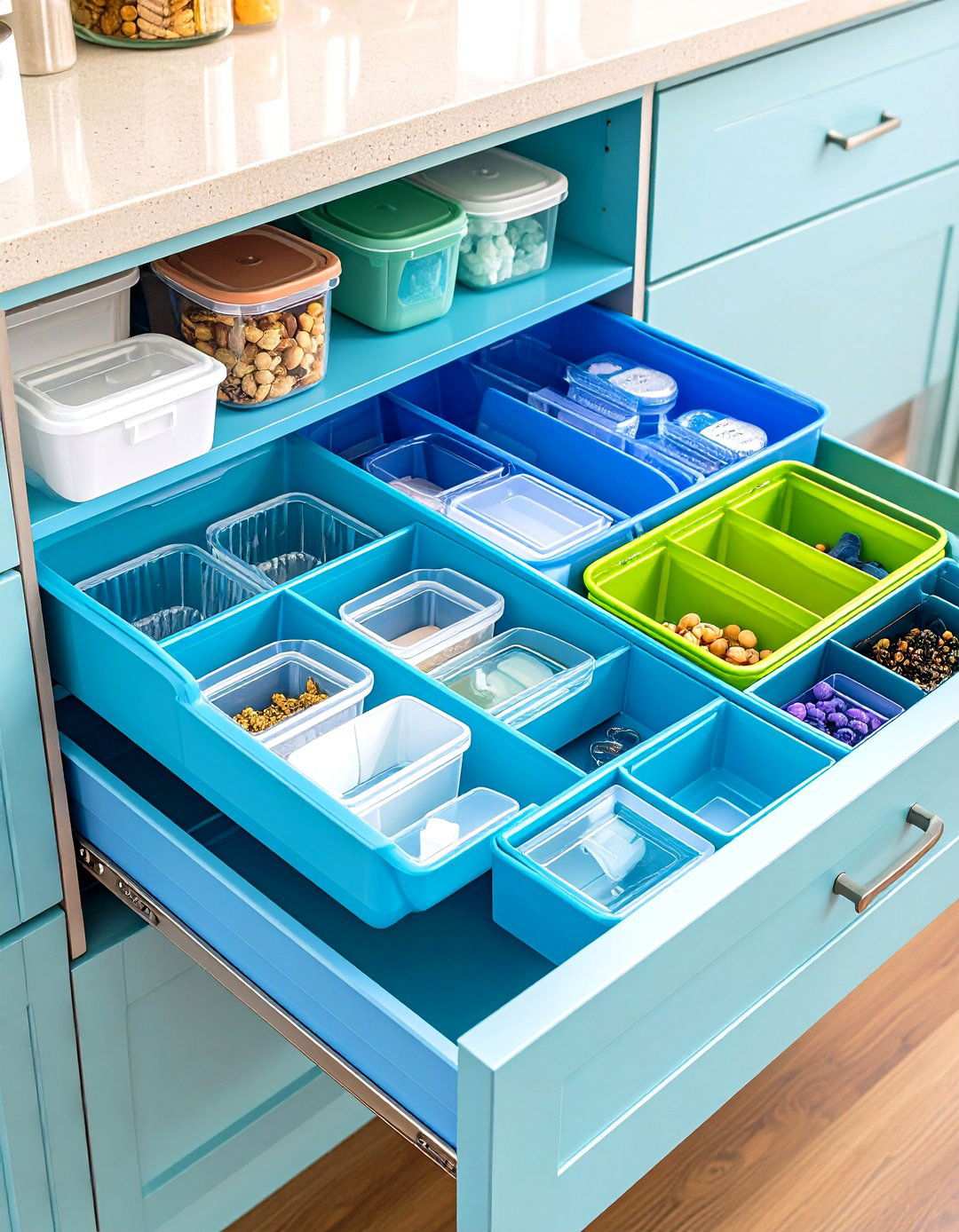
Maximize the potential of deep kitchen drawers by implementing a customized organizational system. This can be achieved through the use of adjustable dividers that create designated spaces for various container sizes, ensuring easy access while maintaining visibility. The drawer format allows for entire collections to be seen at a glance, preventing the messy situation often encountered with cabinet storage. Utilizing drawer organizers with varying heights accommodates both shallow and deep storage needs, effectively housing nested container sets and separate areas for lid storage. This system streamlines meal preparation and cleanup processes by eliminating the need to move multiple items to access desired containers.
20. Pantry Storage Solutions for Kitchen Efficiency
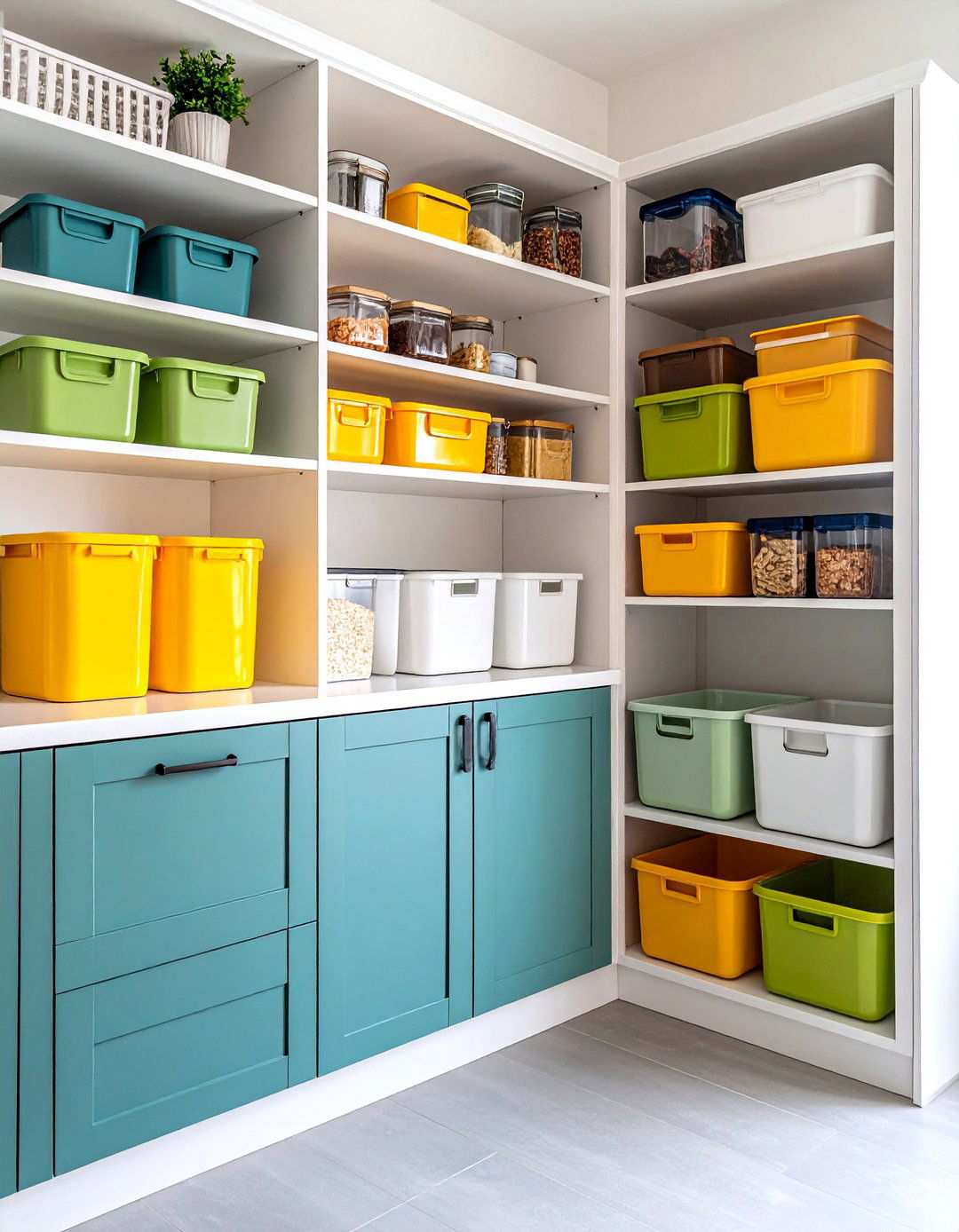
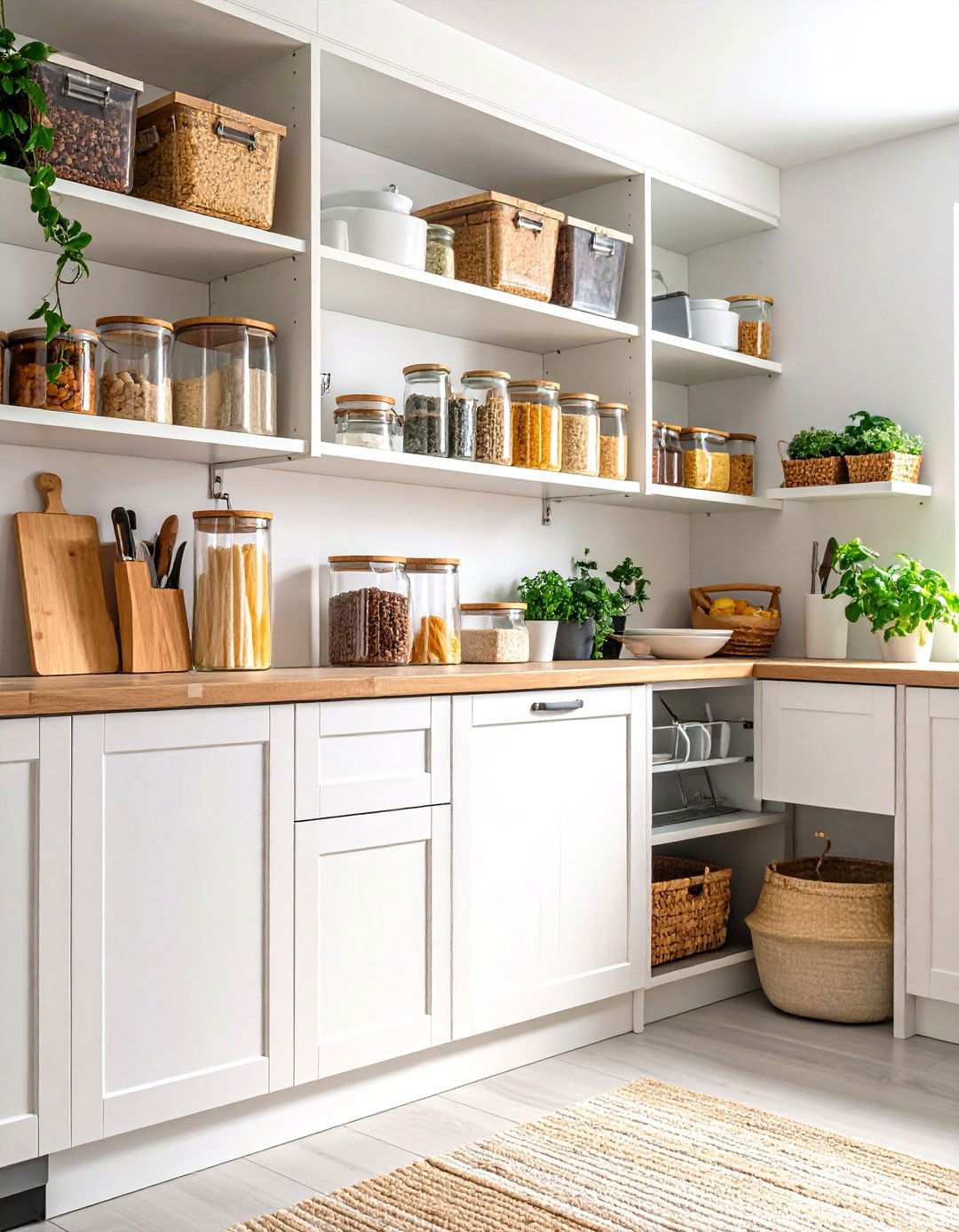
Take your Tupperware organization to the next level by incorporating storage solutions within pantry spaces. By dedicating pantry areas, you can create larger organizational systems while freeing up kitchen storage for other essential items. Adjustable shelving allows for various container heights while maintaining visual access to all stored items. Clear bins or open baskets can be used to group similar containers while preventing smaller items from becoming lost on deep pantry shelves. Pantry storage excels for seasonal containers, bulk storage items, or backup collections that don’t require daily access, allowing you to reclaim valuable kitchen cabinet space. Consider how much kitchen cabinet space you could reclaim by moving overflow storage to organized pantry systems.
21. Efficient Storage for Specialty Containers
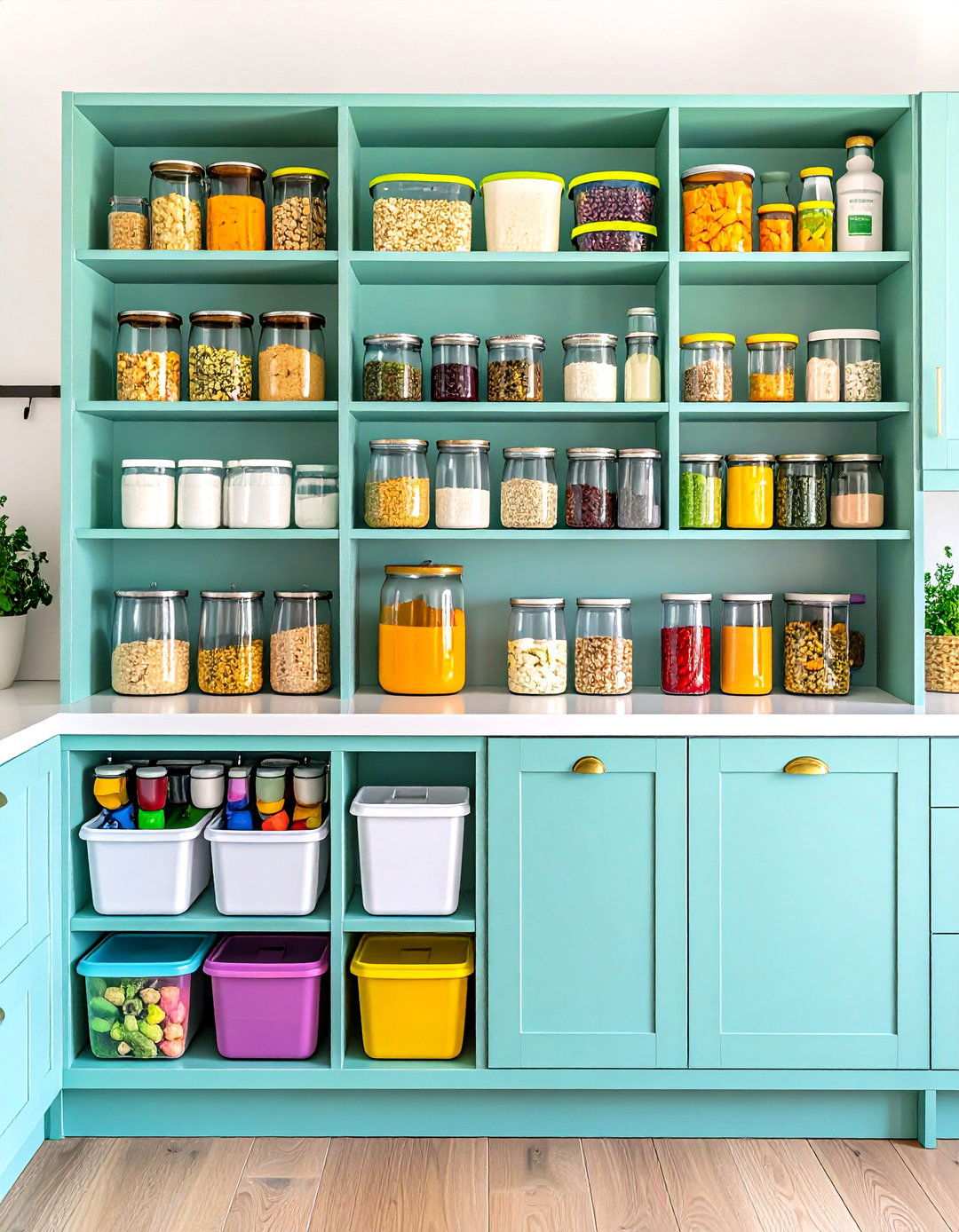
Address unique storage challenges posed by specialty containers, such as oil dispensers, salad spinners, or large mixing bowls, by creating dedicated organizational zones. These irregular items often disrupt standard storage systems but require accessible placement for frequent use. Custom storage areas can be created using adjustable shelving, deep drawers, or specialized organizers designed for oversized items. Grouping specialty containers by function or frequency of use ensures logical placement that supports kitchen workflow. Installing pull-out platforms or lazy Susan systems for heavy or awkwardly shaped containers that are difficult to lift from high shelves prevents these items from dominating valuable storage space while maintaining their accessibility.
22. Optimizing Storage Layout
Design a storage system that mirrors your cooking habits, placing frequently used items within easy reach while relegating less frequently accessed pieces to harder-to-reach locations. Position containers for daily use in eye-level cabinets or easily accessible drawers, streamlining meal preparation during busy periods. Reserve upper shelves or deeper storage for seasonal items, large serving pieces, or specialty containers that see limited use. This intuitive approach minimizes daily stress while ensuring comprehensive storage for your entire collection. Periodic reviews of your usage patterns enable you to adjust your organization strategy as your cooking habits evolve, maintaining peak efficiency in your storage system.
23. Small Container Management Systems
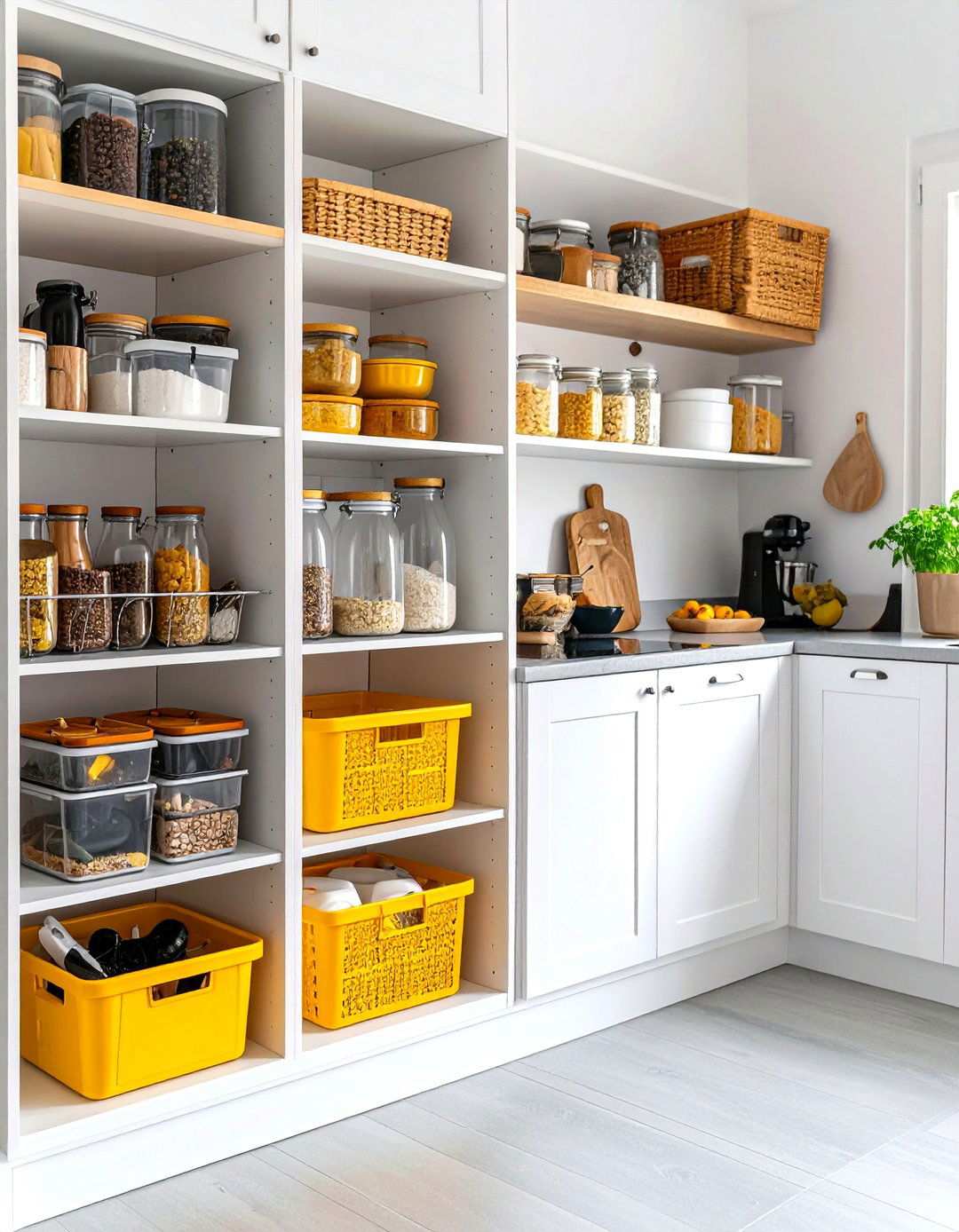
Prevent small containers and lids from vanishing into storage chaos by implementing targeted management systems. Utilize compartmentalized organizers, small bins, or drawer dividers specifically designed for sauce containers, baby food jars, or snack-sized storage. Position these small container storage units at the front of cabinets or in easily accessible drawer sections, where they won’t be overshadowed by larger items. This focused approach ensures valuable small containers remain visible and easily accessible rather than getting buried behind bulkier storage. Effective small container organization requires distinct strategies from larger storage management, benefiting from specialized attention and dedicated space allocation.
24. Sustaining Organizational Efforts
Establish ongoing maintenance routines that keep your Tupperware organization functional and efficient over time. Schedule regular assessments, such as monthly reviews, to match orphaned lids with containers, remove damaged pieces, and reorganize systems as collections evolve. Develop clear decision-making criteria for acquiring new containers, preventing the accumulation of unnecessary pieces that compromise organizational systems. Create a protocol for donating excess containers while maintaining adequate storage for household needs. Regular maintenance prevents organizational systems from degrading into chaos, ensuring storage solutions continue meeting family requirements. By implementing consistent maintenance, organization transforms from a one-time project into an ongoing system that supports long-term kitchen efficiency.