1. Mastering the Art of Tudor Kitchen Design
Tudor kitchen design seamlessly blends the warmth and character of medieval architecture with the practicality of modern functionality, transporting you to the English countryside manor of your dreams. This timeless aesthetic combines rich wood cabinetry, natural stone elements, and ornate wrought iron details, meticulously recreating the essence of 15th and 16th-century craftsmanship. By incorporating exposed ceiling beams, leaded glass windows, farmhouse sinks, and brick backsplashes, Tudor kitchens exude authenticity and charm. Meanwhile, modern interpretations thoughtfully blend historical elements with contemporary conveniences, concealing state-of-the-art appliances behind traditional facades and optimizing layouts for the demands of busy family life. Whether you’re revamping a period home or bringing a touch of Tudor elegance to a new build, these design ideas showcase the perfect balance of heritage and modernity.

As an Amazon Associate I earn from qualifying purchases.
2. The Timeless Allure of Distressed Walnut Cabinets
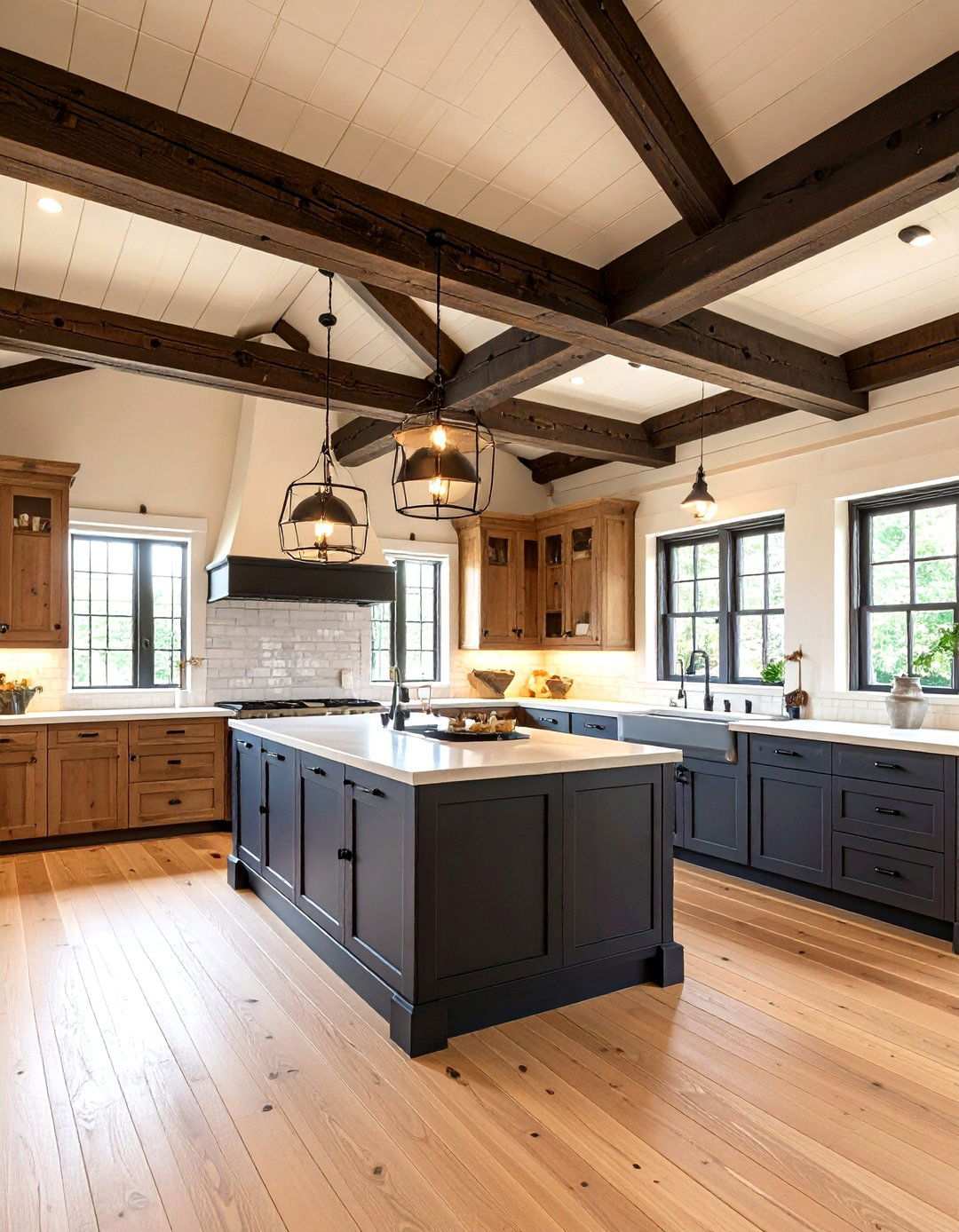
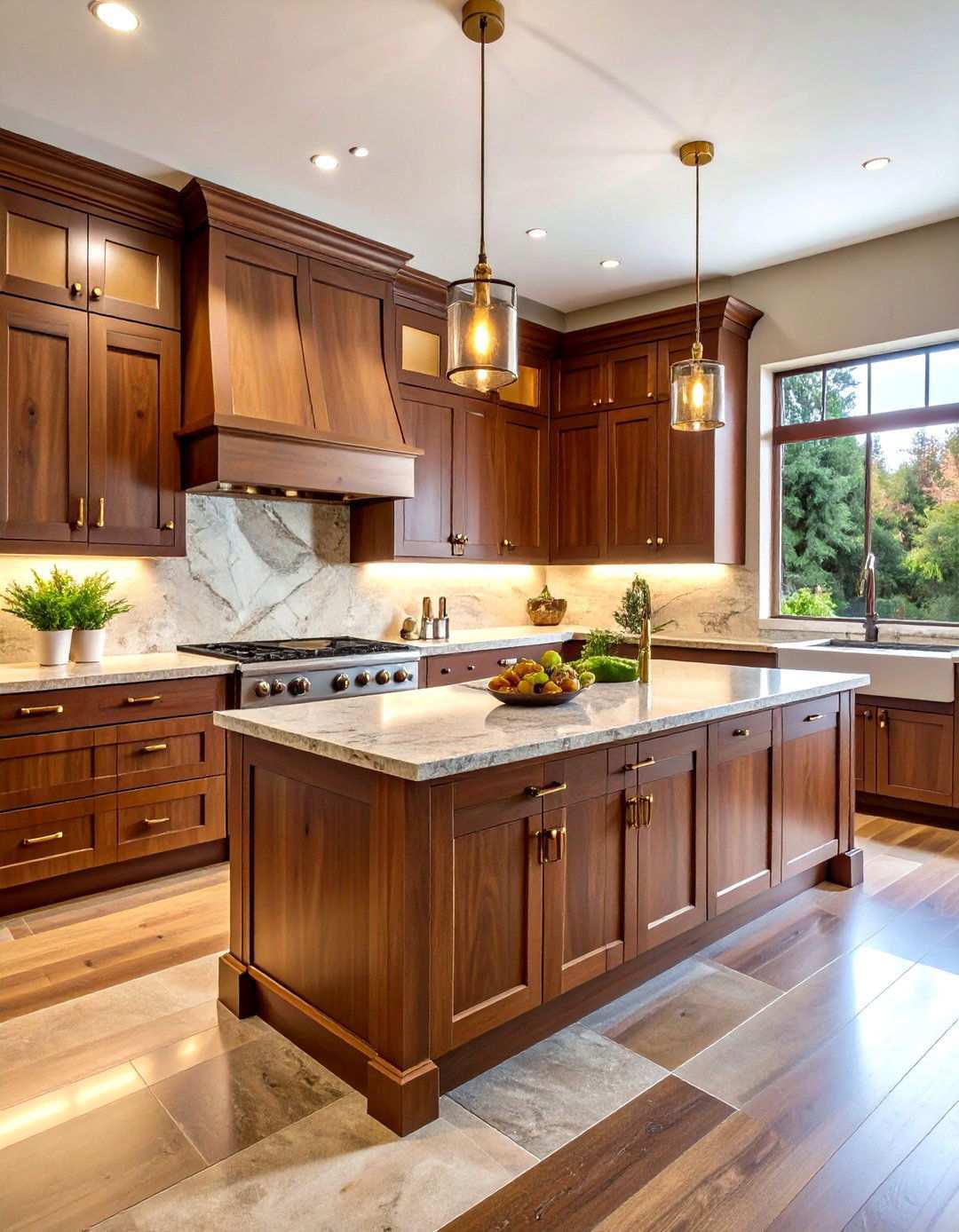
Authentic Tudor kitchen design begins with rich, dark walnut cabinetry, which sets the tone for a warm and inviting space. The deep, chocolate-brown wood grain adds warmth and depth, while ornate brass hardware imbues the area with a sense of medieval authenticity. Inset cabinet doors with raised panels demonstrate traditional craftsmanship, while brass cup pulls and hinges develop a beautiful patina over time, adding to the space’s character. This combination works beautifully with natural stone countertops and brick backsplashes, creating a visually stunning contrast. By cleverly concealing modern conveniences behind matching wood panels, the historical aesthetic remains intact. Under-cabinet lighting highlights the natural beauty of the wood while providing task illumination, creating a perfect harmony of form and function. The dark cabinetry provides a dramatic backdrop against cream-colored walls and natural stone elements, making it an ideal setting for family gatherings and social events.
3. Stone Farmhouse Sink with Copper Accents
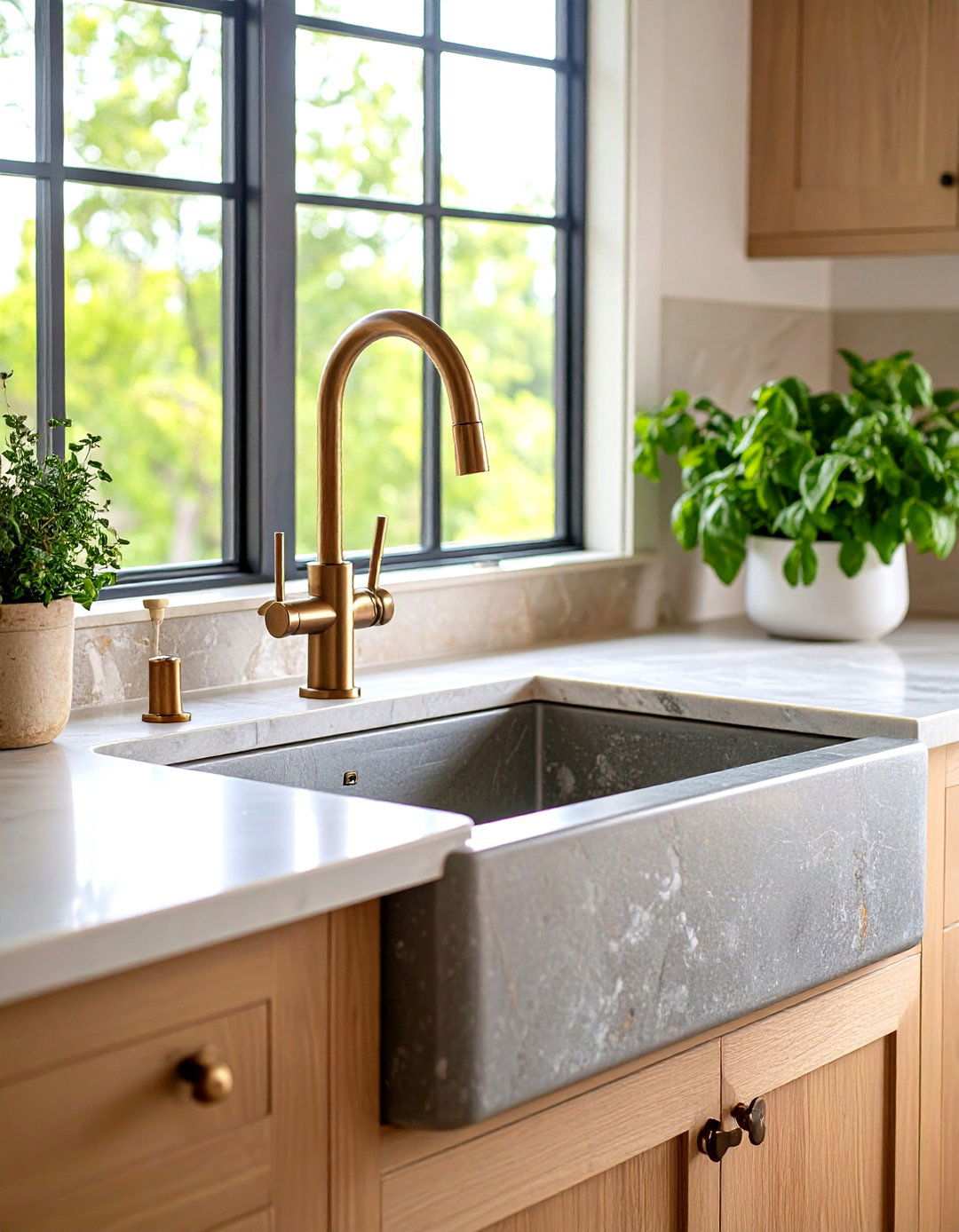
At the heart of a traditional Tudor kitchen lies a majestic stone farmhouse sink, blending functionality with a nostalgic, medieval charm. Crafted from durable natural materials like limestone or granite, these sinks not only withstand the rigors of frequent use but also pay homage to the era’s craftsmanship. Copper fixtures and accessories perfectly complement the stone’s rustic beauty, as they develop a rich patina over time, further enhancing the aged appearance. The spacious basin of these sinks is designed to accommodate large cookware and serving platters, ideal for traditional cooking methods and techniques. Surrounding the sink with matching natural stone countertops creates a seamless transition, while adding valuable workspace and a touch of elegance. To further reinforce the medieval theme, copper accents like pot racks and utensil holders can be strategically placed throughout the kitchen, creating a cohesive look that’s especially striking when paired with leaded glass windows.
4. Brick Backsplash with Exposed Mortar Joints
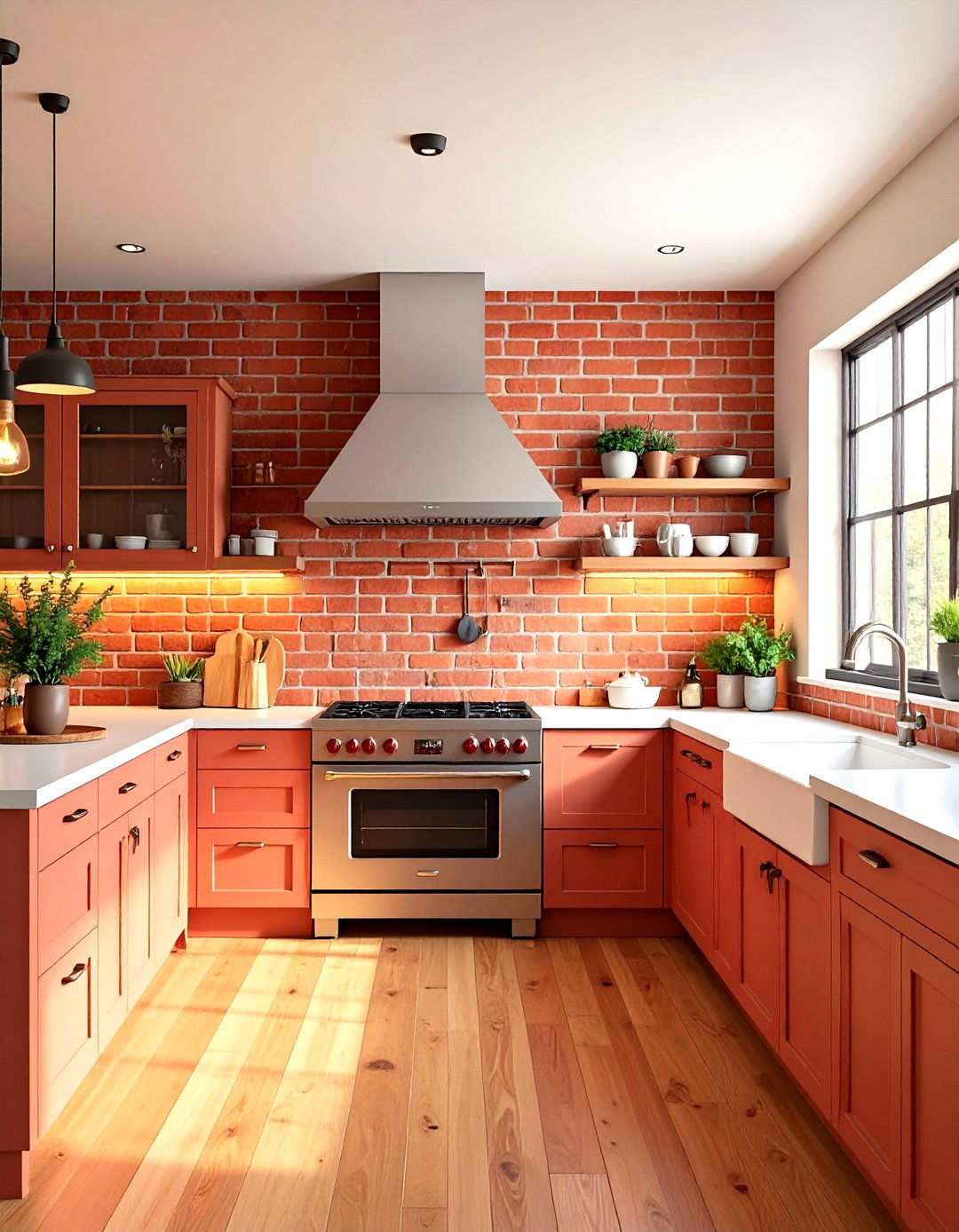
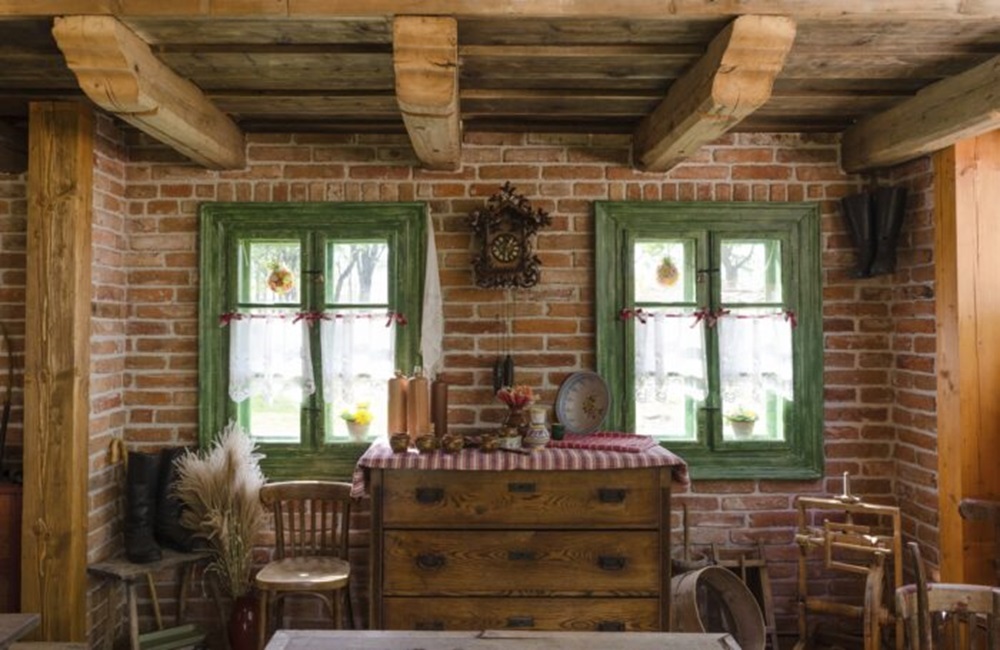
Authentic brick backsplashes bring a touch of castle-like grandeur to Tudor kitchens, courtesy of their rich textures and earthy tones. Traditional clay bricks in warm red or weathered gray hues create a visually appealing contrast while protecting walls from kitchen splatters and spills. Exposed mortar joints add a rustic flair, highlighting the handcrafted nature of the brickwork, which is a hallmark of Tudor design. This backsplash style works particularly well behind ranges and cooktops, creating a dramatic focal point that draws the eye to the cooking area. Brick can also be extended around arched openings and doorways, maintaining architectural consistency throughout the space. When paired with dark wood cabinetry and natural stone countertops, brick backsplashes create a cohesive look that’s both medieval and functional, providing easy-to-clean surfaces that can withstand daily kitchen activities.
5. Leaded Glass Cabinet Doors with Antique Accents
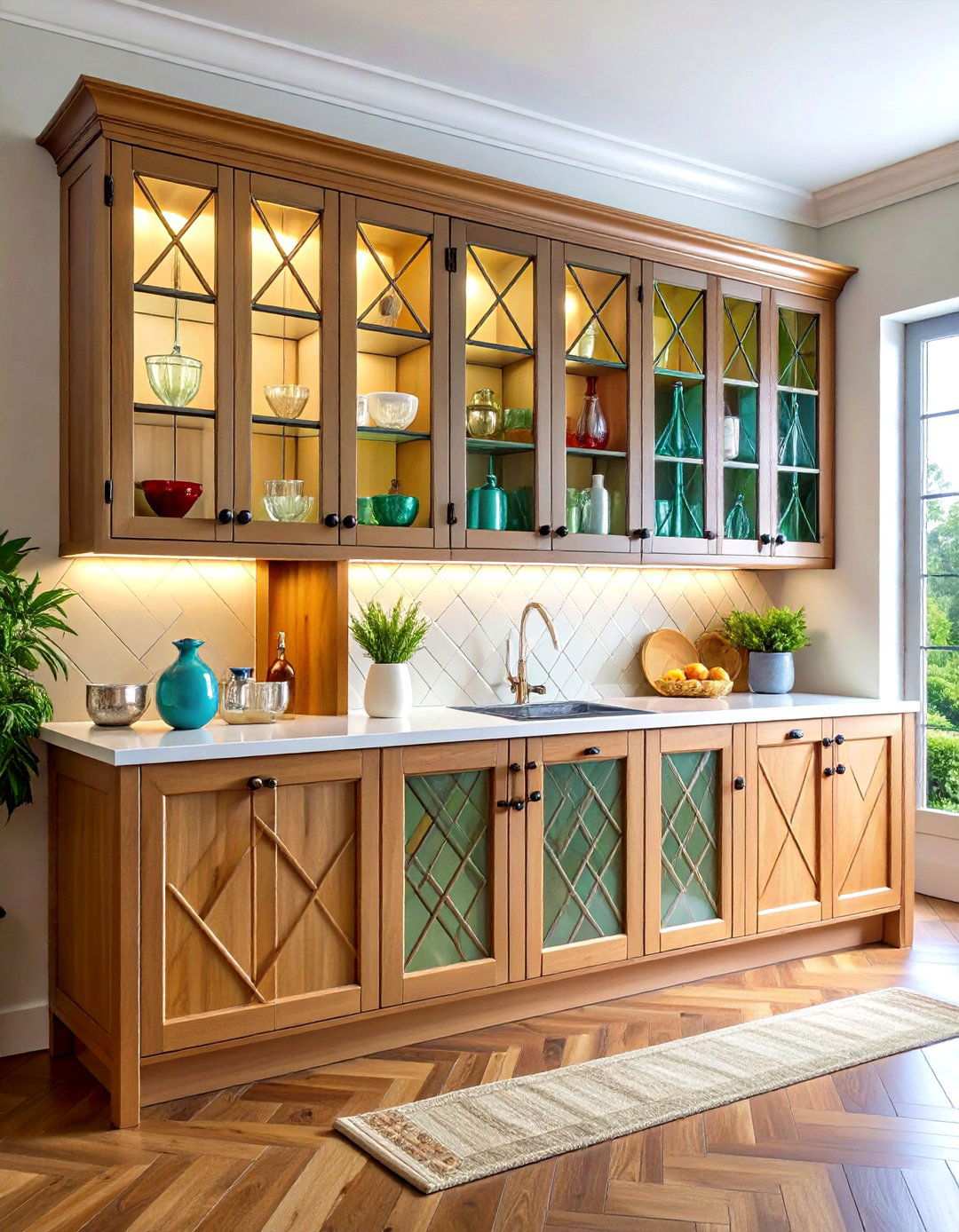
Leaded glass cabinet doors offer a beautiful way to showcase dishware collections while maintaining Tudor authenticity through traditional glazing techniques. Small glass panes held together with lead came create intricate diamond or rectangular patterns reminiscent of medieval windows. These doors work particularly well on upper cabinets, breaking up expanses of dark wood while adding visual interest and depth. Interior cabinet lighting illuminates glassware and ceramic collections, creating stunning displays that enhance the kitchen’s character. Antique brass or wrought iron hinges and latches complete the authentic appearance, adding a touch of elegance and sophistication. This design element pairs beautifully with open shelving and plate racks, allowing homeowners to display vintage china and pottery collections that complement the Tudor aesthetic while maintaining functional storage for everyday items.
6. Timeless Elegance with Natural Stone Countertops
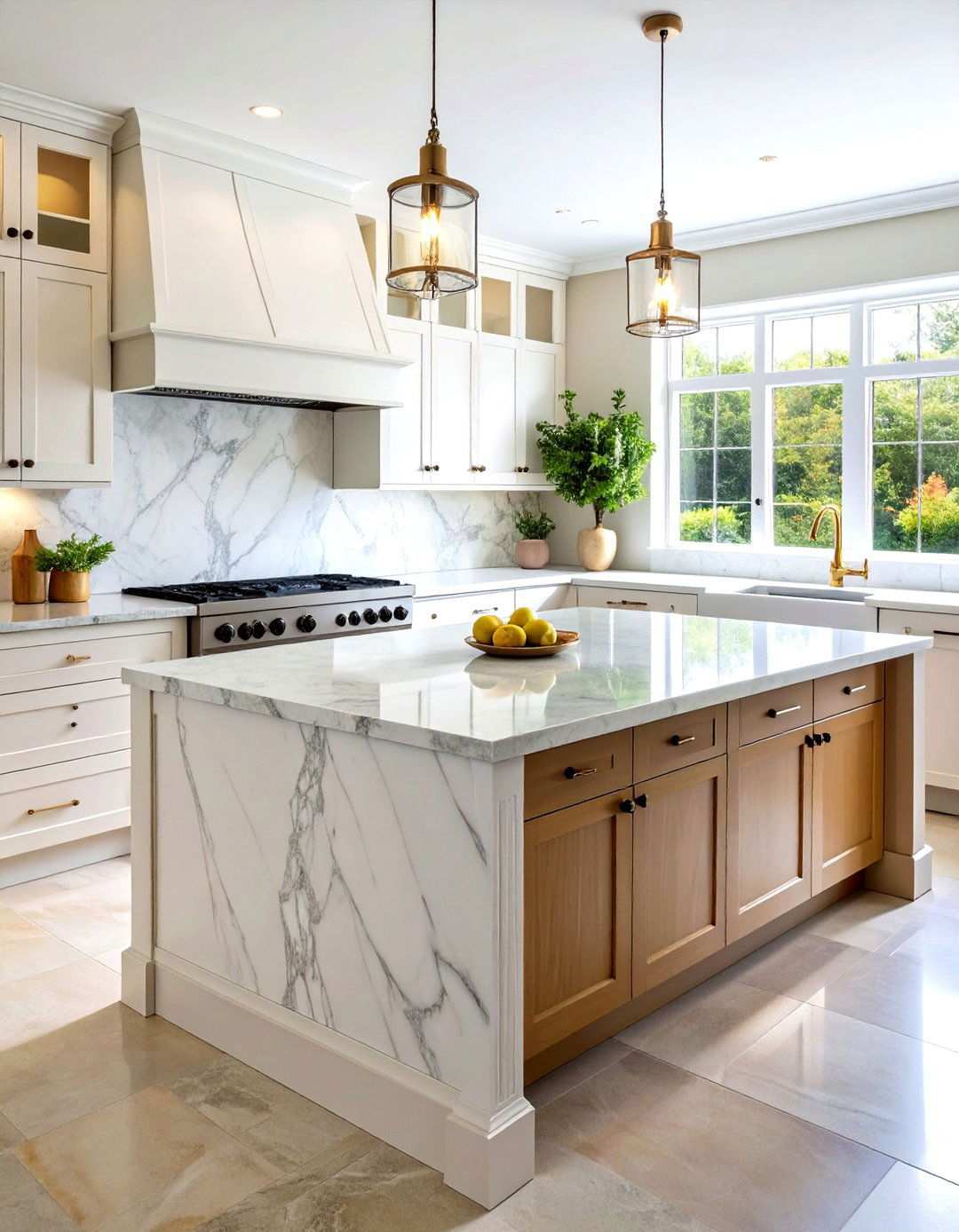
For a Tudor kitchen, nothing surpasses the elegance of natural stone countertops. Combining durability with the authenticity of medieval materials, these countertops offer a perfect canvas for creating a warm and inviting space. With a rich array of natural textures and color variations, granite, limestone, and slate surfaces can beautifully complement dark wood cabinetry, evoking the warmth and coziness of a bygone era. As these materials develop character over time, they become an integral part of a kitchen designed to last for generations. The simplicity of edge treatments can range from rustic to refined, depending on the overall design approach, while stone surfaces work particularly well around sinks and cooking areas, providing heat resistance and effortless maintenance.
When paired with matching stone backsplashes or window sills, natural stone countertops create a cohesive design that expertly emphasizes the natural materials central to Tudor architecture. This harmonious blend of form and function not only adds a touch of medieval charm but also provides a practical workspace for modern cooking needs. By embracing the beauty of natural stone, homeowners can create a kitchen that seamlessly blends the past with the present.
7. Wrought Iron Fixtures: A Touch of Medieval Sophistication
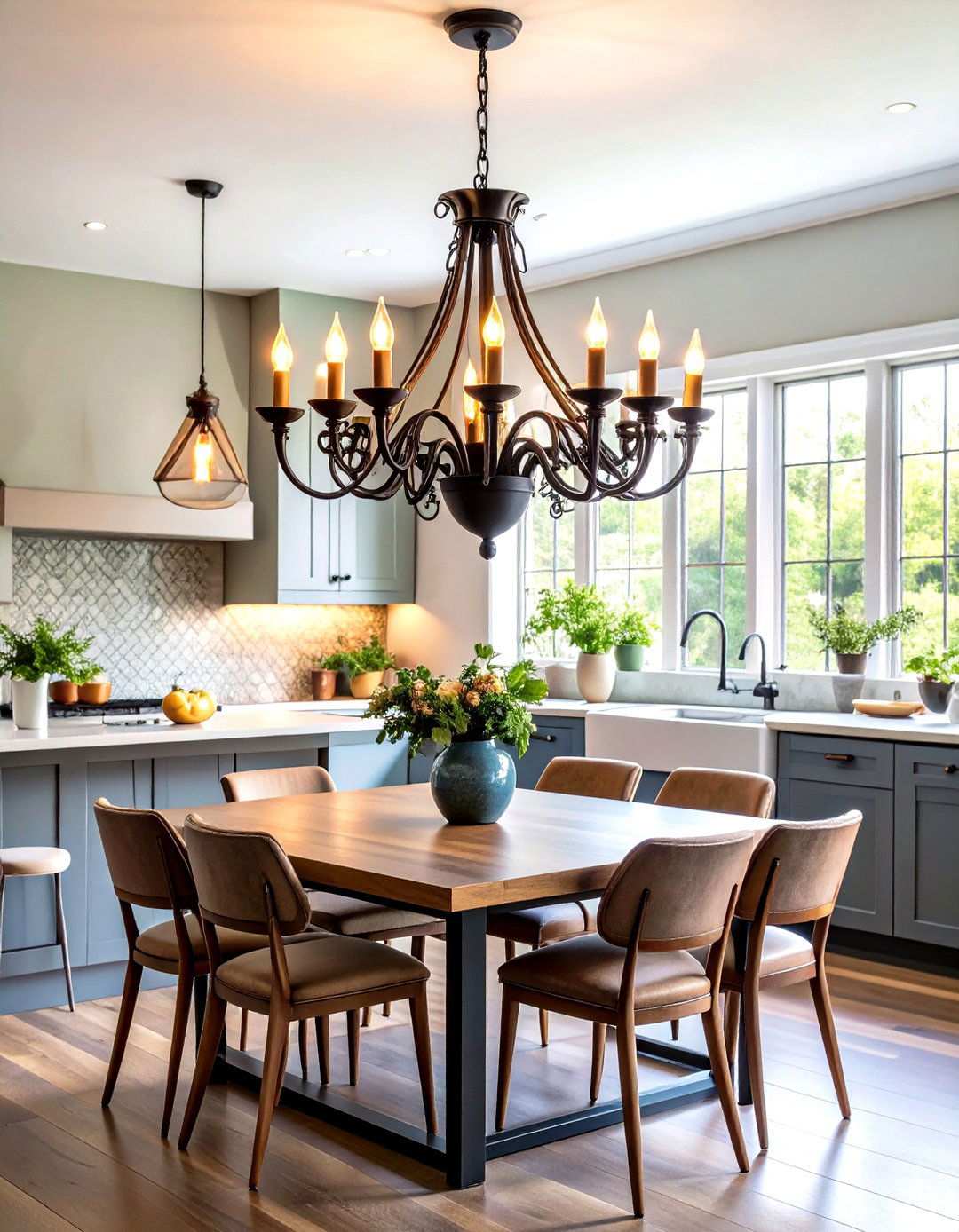
Wrought iron lighting fixtures bring a unique touch of medieval sophistication to Tudor kitchens, expertly blending authentic metalwork with dramatic silhouettes. Hand-forged chandeliers, adorned with candle-style bulbs, create a warm and inviting ambiance while establishing the room’s historical character. Pendant lights with iron chains and decorative scrollwork provide task lighting over islands and dining areas, adding a touch of elegance to the space. Wall sconces with matching ironwork illuminate countertops and highlight architectural features, creating a sense of drama and sophistication.
The warmth of wrought iron fixtures, often finished in oil-rubbed bronze or aged iron, develops a beautiful patina over time, adding depth and character to the space. When combined with warm wood tones and stone elements, wrought iron lighting fixtures complete the castle-like atmosphere while providing adequate illumination for cooking tasks. By incorporating modern electrical components within traditional designs, homeowners can ensure safety without compromising the authenticity of their Tudor kitchen.
8. Architectural Elements that Define Tudor Style
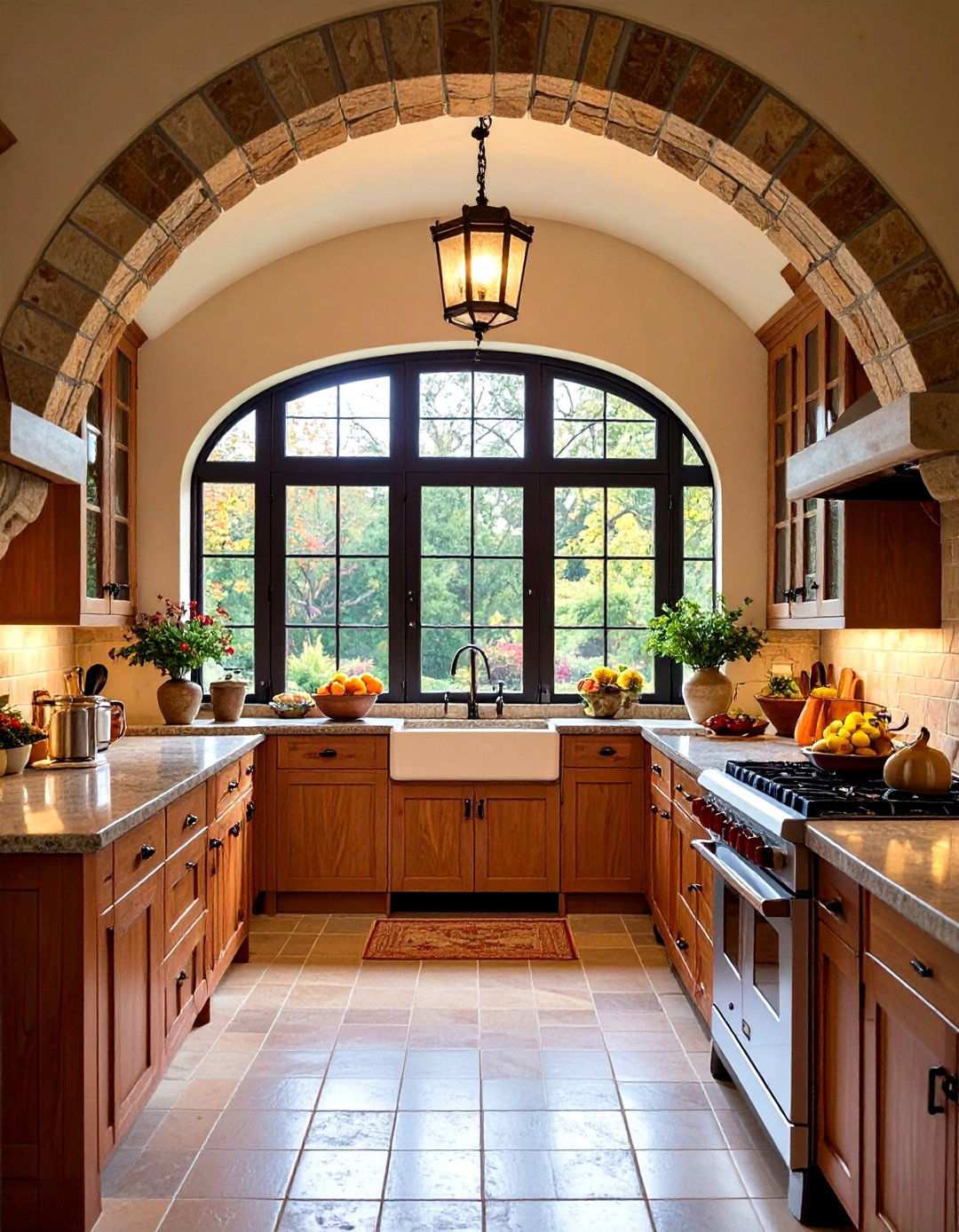
Arched openings are a defining feature of Tudor architecture, creating beautiful transitions between kitchen spaces and adjoining rooms. Stone or brick archways frame doorways with medieval elegance, maintaining sight lines throughout the home while adding a touch of sophistication. Kitchen windows benefit from arched tops, allowing maximum natural light to flood the space while showcasing traditional glazing patterns. These architectural elements work particularly well with leaded glass windows, which filter light beautifully while providing privacy.
Arched openings can also frame range hoods, creating dramatic focal points that emphasize cooking areas. When combined with heavy wooden doors or traditional casement windows, arched openings establish the authentic Tudor character that makes these kitchens feel like English countryside manors. This harmonious blend of form and function not only adds a touch of medieval charm but also facilitates modern open-concept living requirements, creating a seamless transition between kitchen spaces and adjoining rooms.
9. Timeless Elegance of Large Kitchen Islands with Barley Twist Legs
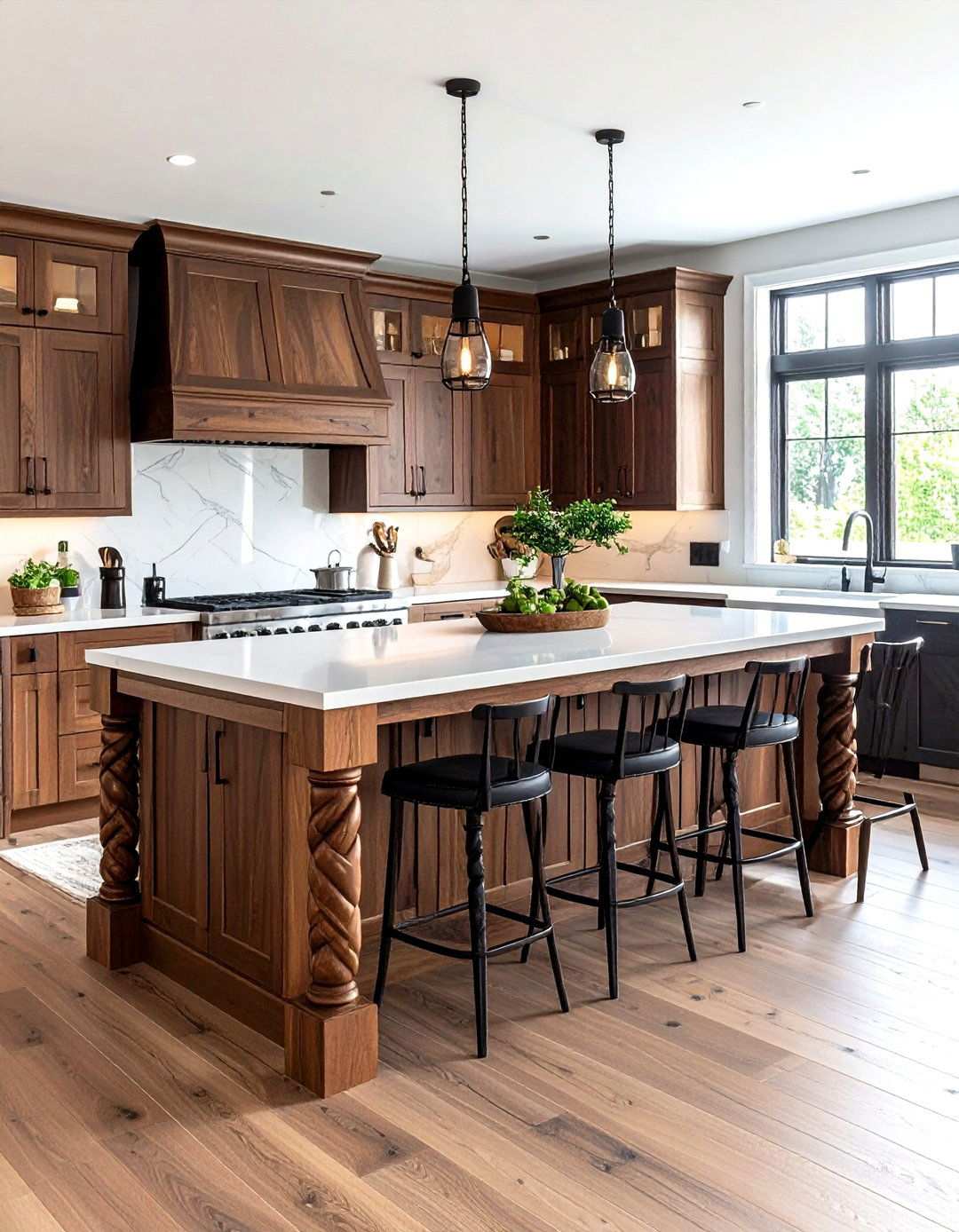
Large kitchen islands supported by intricately carved barley twist legs command attention in traditional Tudor kitchens. This classic design element not only showcases exceptional craftsmanship but also provides the necessary structural support for expansive work surfaces. The rich, dark tones of walnut or oak construction perfectly complement the surrounding cabinetry, while the twisted details add a touch of whimsy and historical authenticity. To accommodate modern family lifestyles, these islands can feature multi-level designs, incorporating space for food preparation, casual dining, and storage. The durable stone or butcher block tops offer ample work surfaces, while the storage cabinets below provide ample space for cookware and dishes. Decorative brackets and corbels further enhance the medieval character, while pendant lighting above draws attention to the island’s importance as the kitchen’s focal point and gathering place for family activities.
10. Earthy Charm of Terra Cotta Floor Tiles
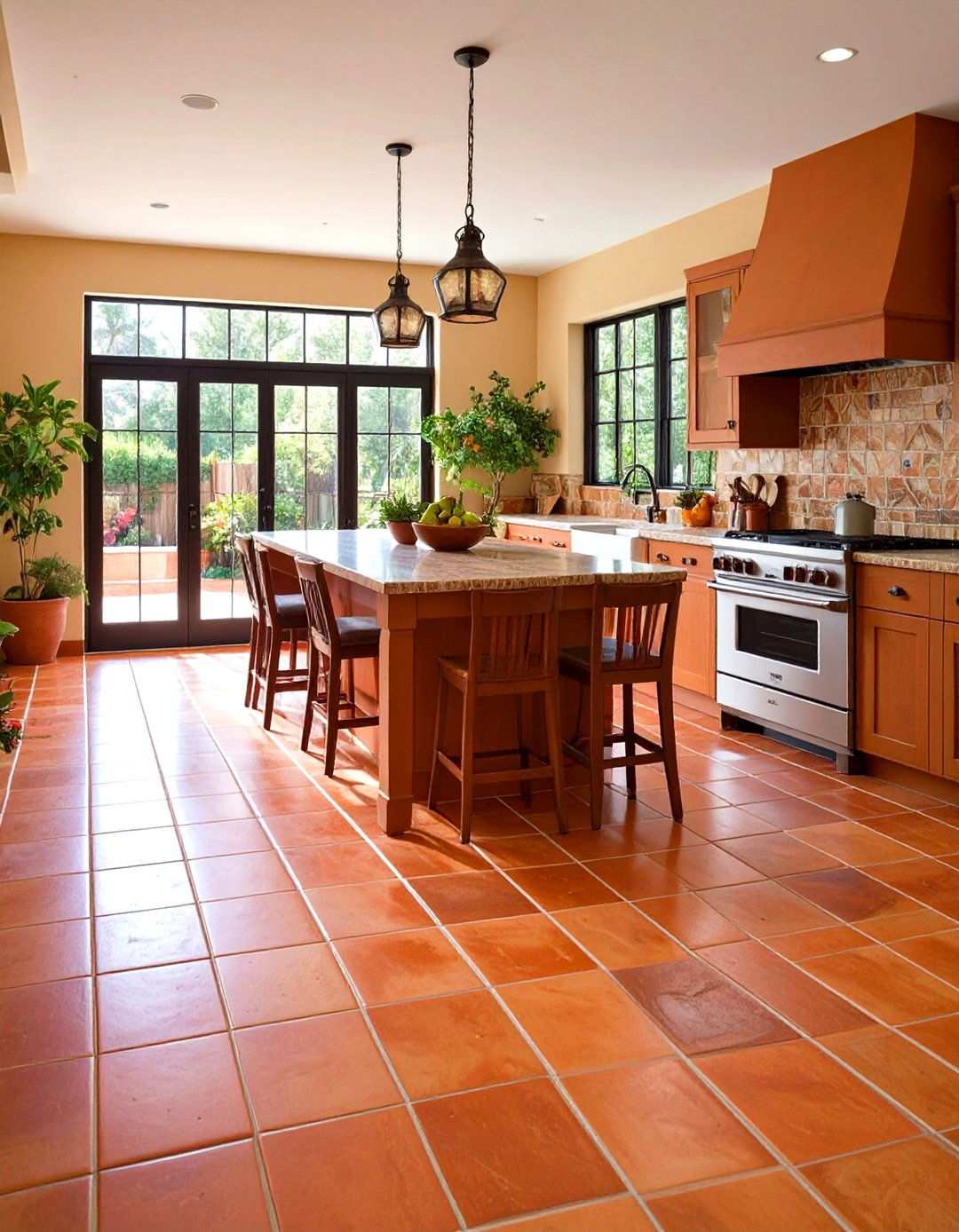
Terra cotta floor tiles bring a sense of warmth and medieval character to Tudor kitchens through their rich, earthy tones and handcrafted textures. Over time, these clay tiles develop a beautiful patina, creating floors that only improve with age while providing durable surfaces for heavy kitchen traffic. The natural color variations and slight irregularities that characterize handmade tiles enhance the Tudor aesthetic, which celebrates the beauty of imperfections. Tile patterns can range from simple, straight layouts to more complex designs incorporating smaller accent tiles. When paired with radiant heating systems, terra cotta floors provide comfort during cold months while maintaining their authentic appearance. When combined with natural stone elements and dark wood cabinetry, terra cotta floors complete the earthy palette that defines Tudor kitchens while offering practical, easy-to-maintain surfaces ideal for busy family cooking spaces.
11. Thoughtful Design of Built-in Spice Racks and Open Shelving
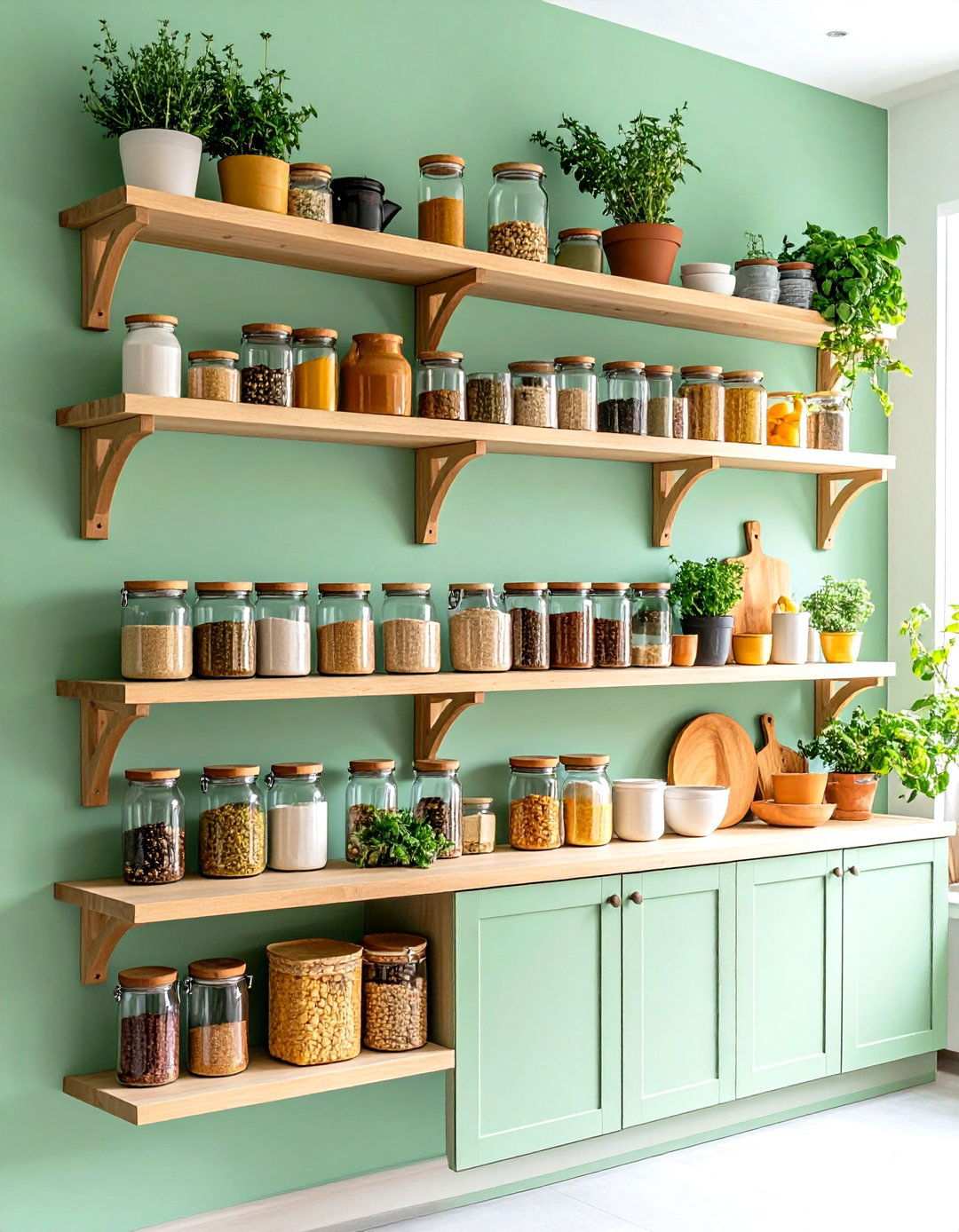
Tudor kitchens emphasize both function and display, as evident in the integration of spice storage and open shelving. Wooden shelves with decorative brackets hold herb collections and ceramic containers, adding visual interest to wall spaces. Built-in spice racks can incorporate small drawers with hand-forged pulls or open compartments that display colorful seasonings. This thoughtful approach works particularly well near cooking areas, providing convenient access while creating attractive displays. The natural wood construction matches surrounding cabinetry, while wrought iron brackets add a touch of medieval character. Open shelving allows homeowners to display vintage pottery, copper cookware, and traditional serving pieces that enhance the historical atmosphere. By balancing practical storage needs with the Tudor aesthetic’s emphasis on showcasing beautiful, functional objects, homeowners can create a harmonious blend of form and function.
12. Elevating Spaces with Coffered Ceilings
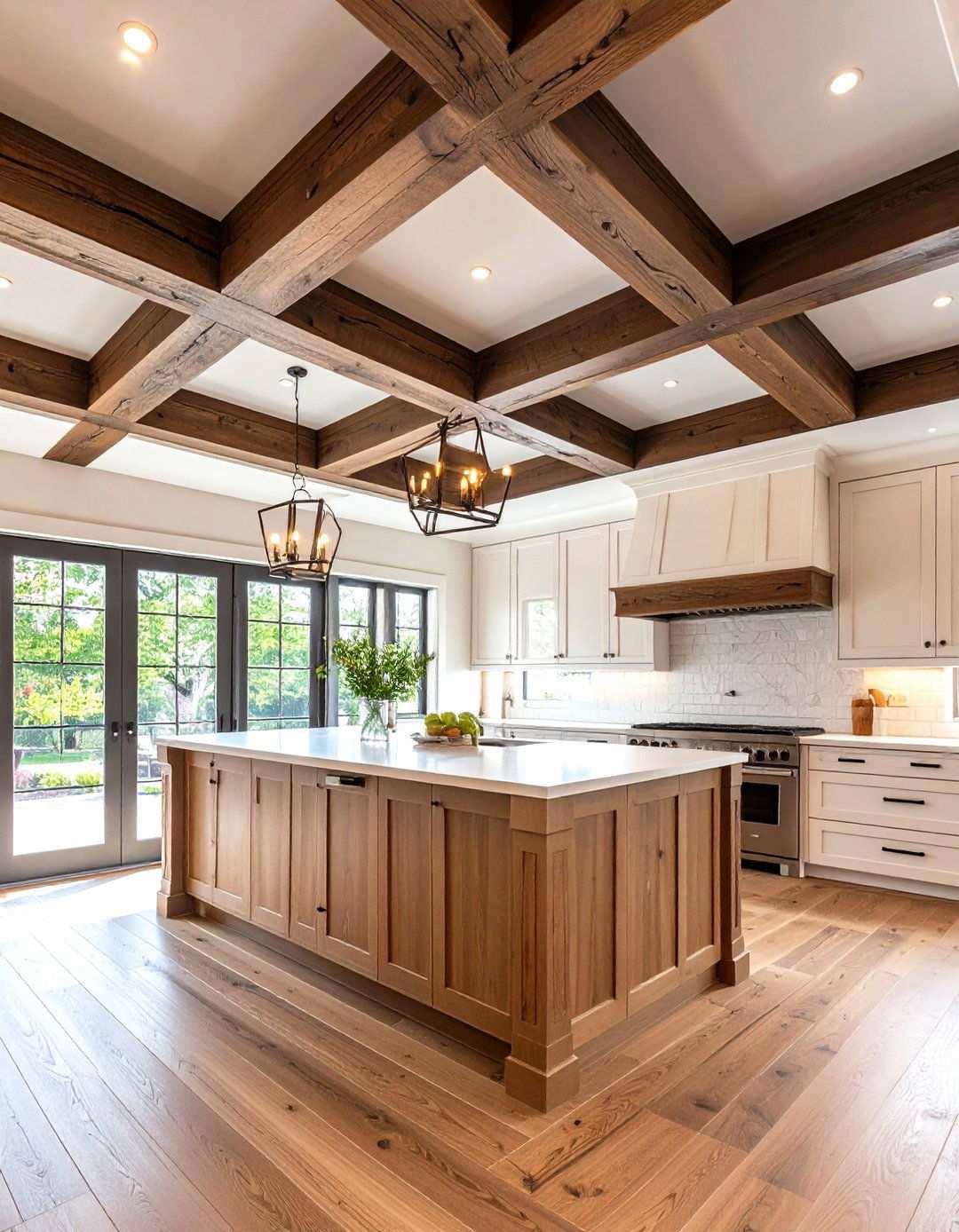
The addition of intricately designed coffered ceilings can significantly enhance the architectural charm of a Tudor kitchen. Traditional woodworking techniques and geometric patterns come together to create an atmosphere of grandeur, while deep wooden beams highlight the room’s verticality and add visual interest. The deliberate contrast between dark-stained wood and painted or natural plaster panels creates a striking overhead design. In kitchens with high ceilings, coffered ceilings serve to make spaces feel more intimate while maintaining an air of sophistication. Strategically placed lighting can be incorporated into these recessed panels, providing ambient illumination without disrupting the overall aesthetic. When paired with other Tudor design elements, such as exposed beams and stone surfaces, coffered ceilings help create a cohesive medieval atmosphere that is elevated by the intricate craftsmanship.
13. Crafting a Statement with Custom Copper Range Hoods
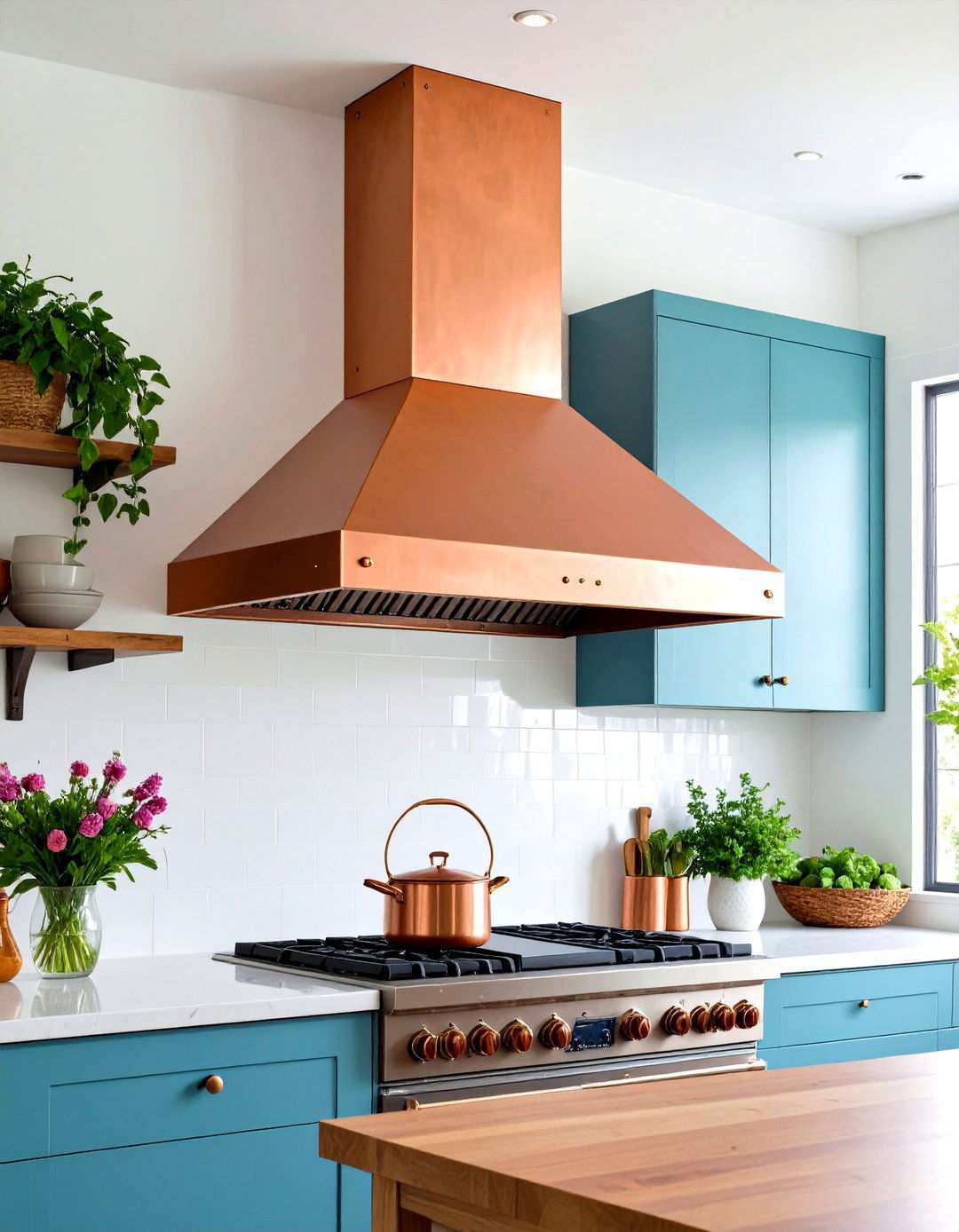
Tudor kitchens often benefit from the addition of custom copper range hoods, which serve as focal points that honor the tradition of metalwork and craftsmanship. Over time, hammered copper surfaces develop a beautiful patina, imbuing the cooking area with warmth and character. These hoods can be designed to incorporate traditional elements, such as decorative rivets, bands, and medieval-inspired motifs. The warm tones of the copper perfectly complement dark wood cabinetry and natural stone elements, creating a harmonious balance of textures and colors. In particular, copper hoods work well when paired with brick or stone surrounds, which evoke the feeling of a castle hearth. Modern ventilation systems can be discreetly integrated into the traditional exterior design, ensuring that functionality is not sacrificed for aesthetics. When combined with copper sinks and fixtures throughout the kitchen, these hoods contribute to a cohesive design that celebrates the natural materials characteristic of authentic Tudor architecture.
14. Designing Cozy Window Seats with Storage
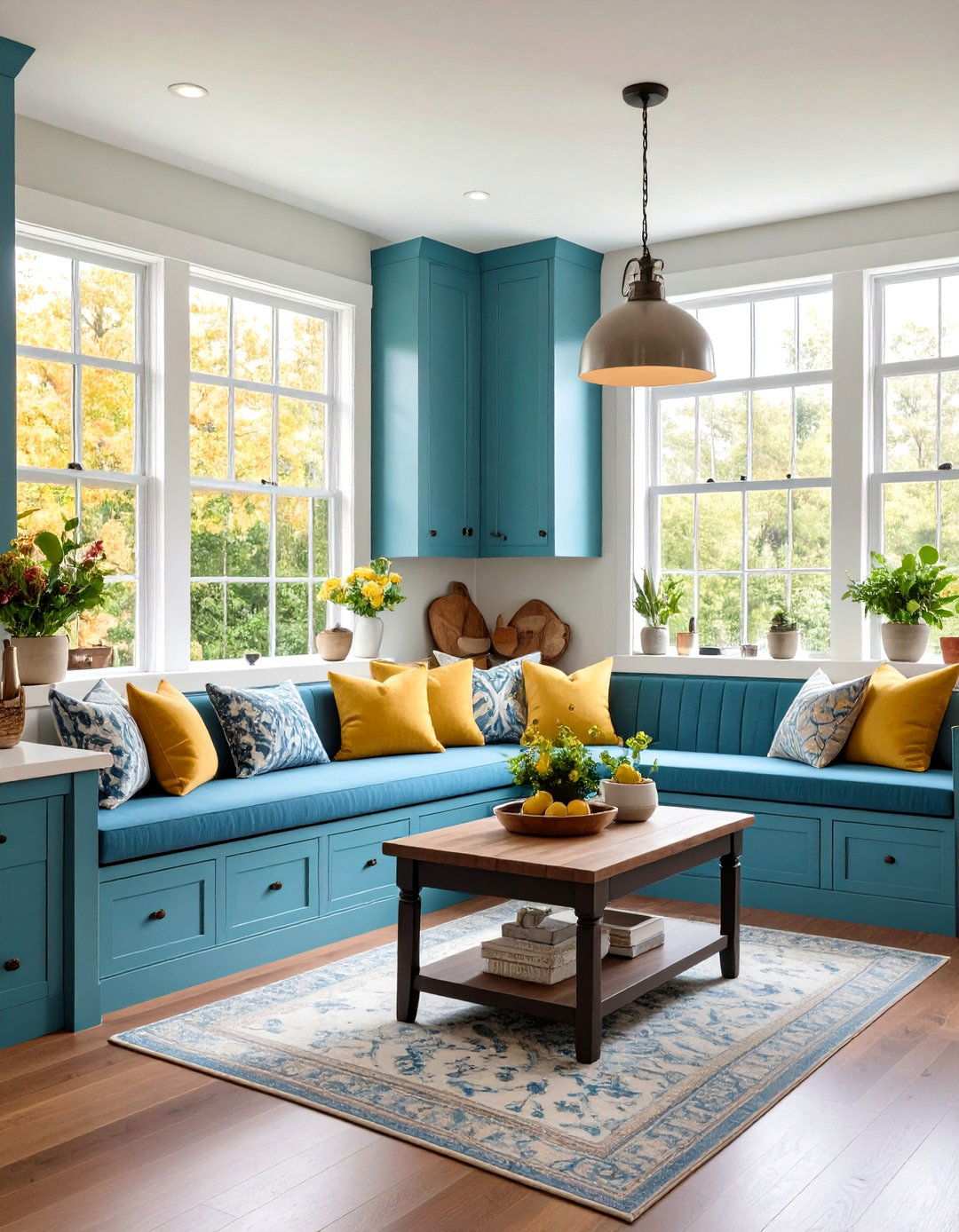
Built-in window seats offer a unique opportunity to combine comfort with functionality in Tudor kitchens. These cozy nooks often feature bay windows with diamond-paned glass, which filters the natural light beautifully throughout the day. Beneath the seating area, storage compartments can be incorporated to provide space for linens, seasonal items, or kitchen equipment. The cushioned seating area serves as an informal dining spot or a quiet retreat within a busy kitchen. Window seats work particularly well in breakfast nooks, creating an intimate space for morning coffee or casual meals. Traditional millwork details, such as raised panels and decorative brackets, enhance the authentic Tudor character while providing structural support. When positioned to overlook gardens or courtyards, window seats become peaceful observation points that connect indoor spaces with natural surroundings.
15. Slate Flooring with Radiant Heat
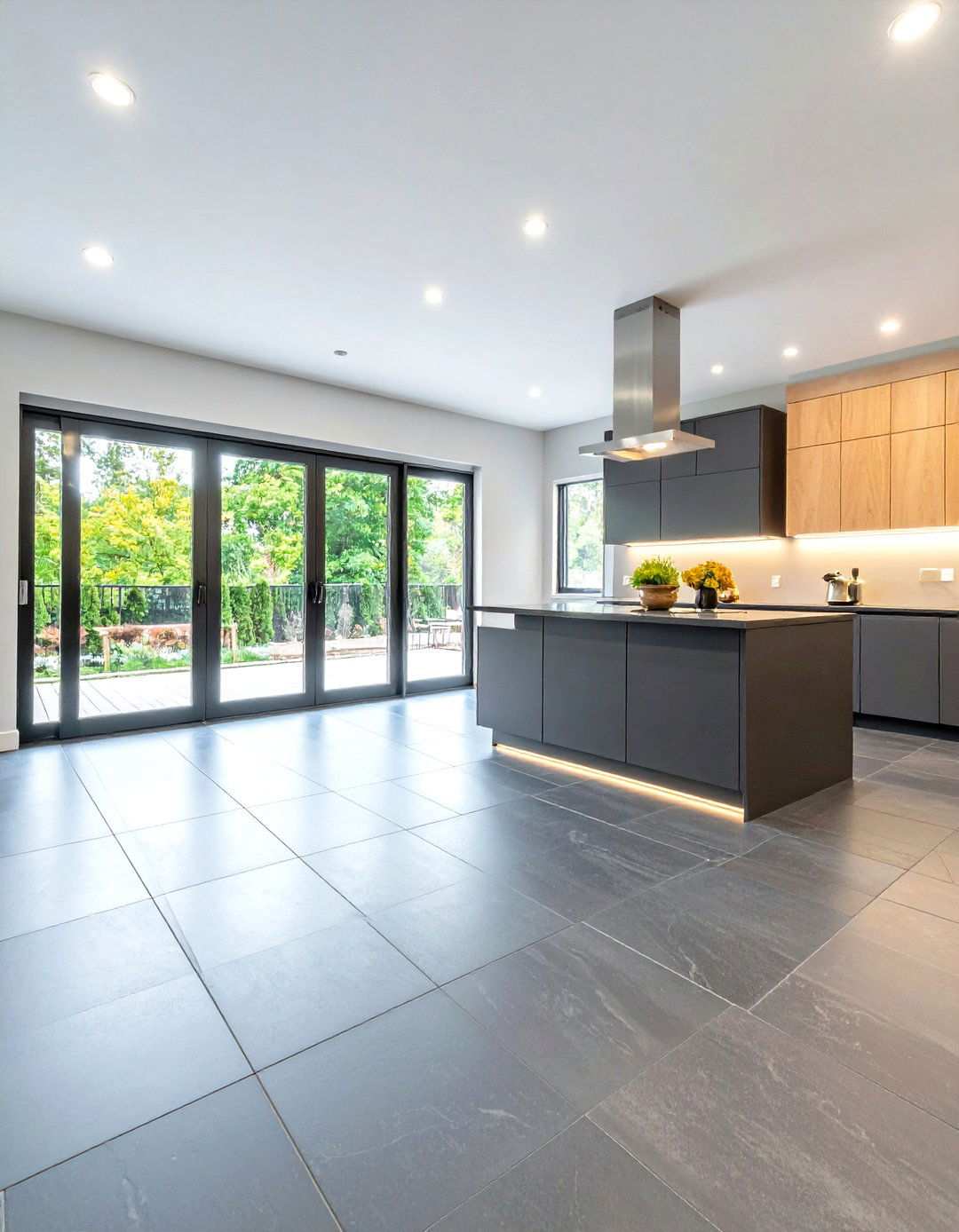
In Tudor kitchens, natural slate flooring offers a durable and water-resistant surface that exudes authentic medieval charm. Rich gray and charcoal tones seamlessly blend with dark wood cabinetry and stone elements, creating a visually appealing contrast. The natural texture variations in slate floors add depth and visual interest, making them a standout feature in the kitchen. Moreover, slate’s thermal properties make it an ideal material for radiant heating systems, providing warmth and comfort during the colder months. As these floors mature over time, they develop a beautiful patina that enhances their aesthetic appeal while maintaining their practical benefits. By incorporating random or geometric installation patterns, slate floors can either emphasize their natural irregularities or add a touch of formality, depending on the desired look. When paired with traditional area rugs, slate floors strike a perfect balance between comfort and authenticity, ensuring that the kitchen remains both cozy and resilient to heavy foot traffic and occasional water exposure.
16. Stained Glass Window Accents
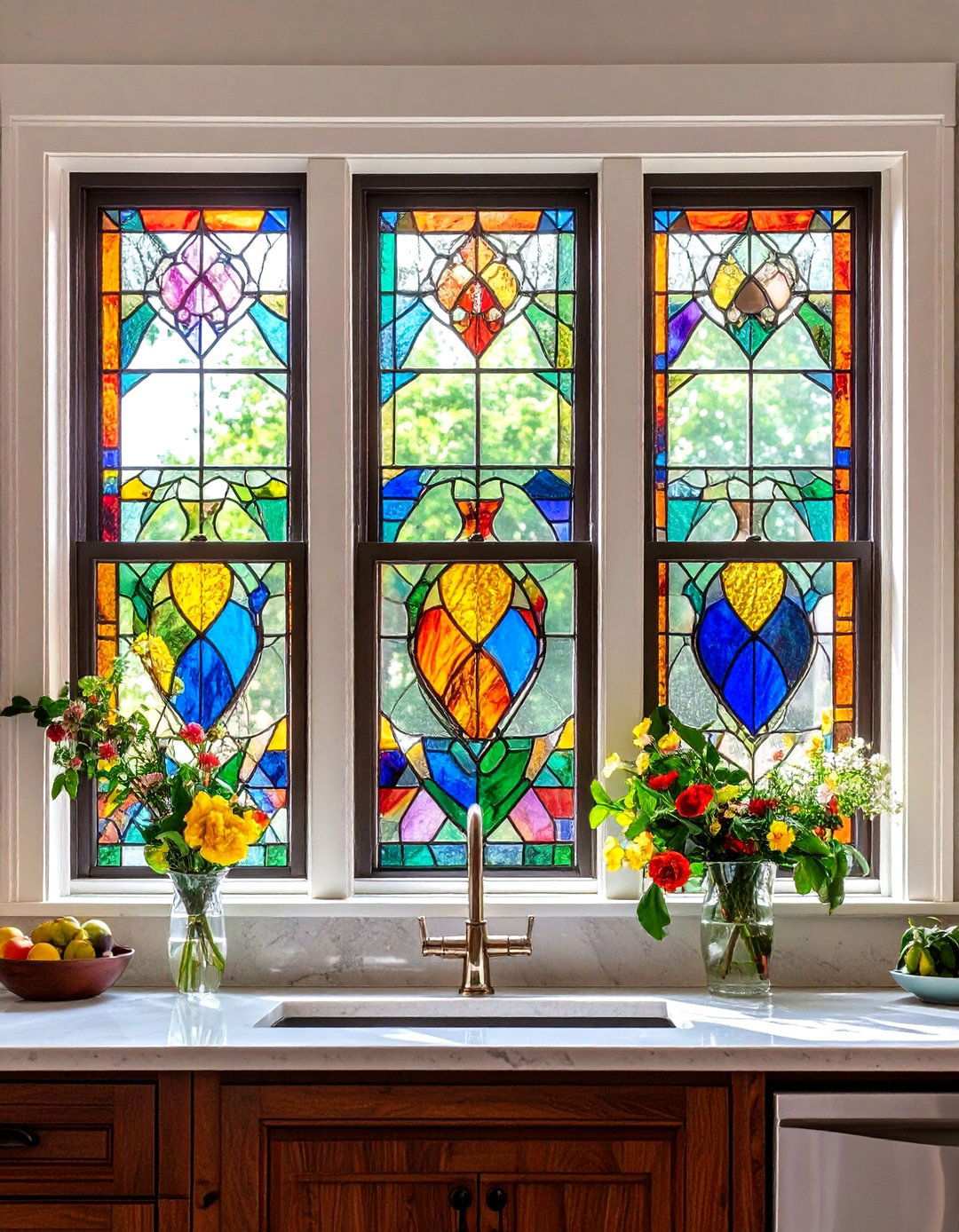
Decorative stained glass windows bring a splash of color and medieval artistry to Tudor kitchens, filtering natural light and adding a touch of elegance. These artistic elements can be used as accent panels within larger window compositions or as standalone features in smaller openings. Traditional designs often incorporate heraldic motifs, nature themes, or geometric patterns that complement the kitchen’s overall aesthetic. Stained glass not only creates a sense of intimacy and seclusion but also maintains natural light, making it an ideal solution for windows facing neighboring properties. In breakfast nooks or dining areas, stained glass windows can be truly appreciated during meals, adding a touch of sophistication to the space. When combined with leaded glass cabinet doors and other decorative glazing, stained glass windows play a significant role in establishing the rich visual character that defines authentic Tudor design.
17. Antique Hardware and Iron Details
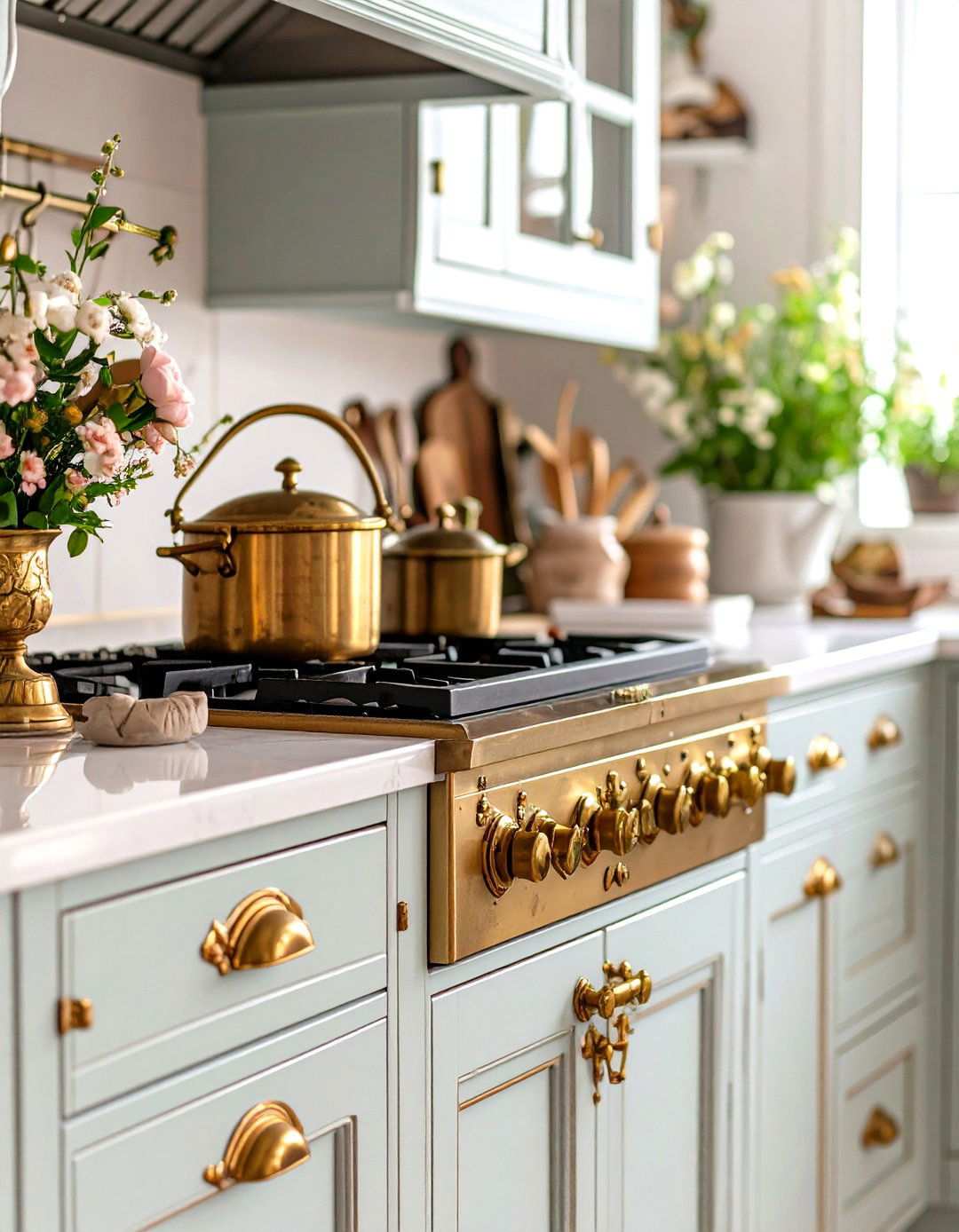
Authentic antique hardware is a key element in bringing historical character to Tudor kitchens, showcasing hand-forged iron and brass components that reflect traditional craftsmanship. Cabinet pulls, hinges, and latches not only provide functional elements but also serve as testaments to the skill of medieval blacksmiths. Strap hinges on heavy wooden doors emphasize the medieval aesthetic, while thumb latches and slide bolts add authentic details that enhance the kitchen’s overall appeal. These hardware elements often feature decorative scrollwork and organic shapes that reflect the period’s attention to detail. Door knockers, pot hooks, and decorative brackets continue the metalwork theme throughout the space, creating a sense of continuity and cohesion. When combined with wrought iron lighting and copper elements, antique hardware helps create the layered authenticity that makes Tudor kitchens feel like they’ve evolved over centuries rather than being recently constructed.
18. Cozy Breakfast Nooks
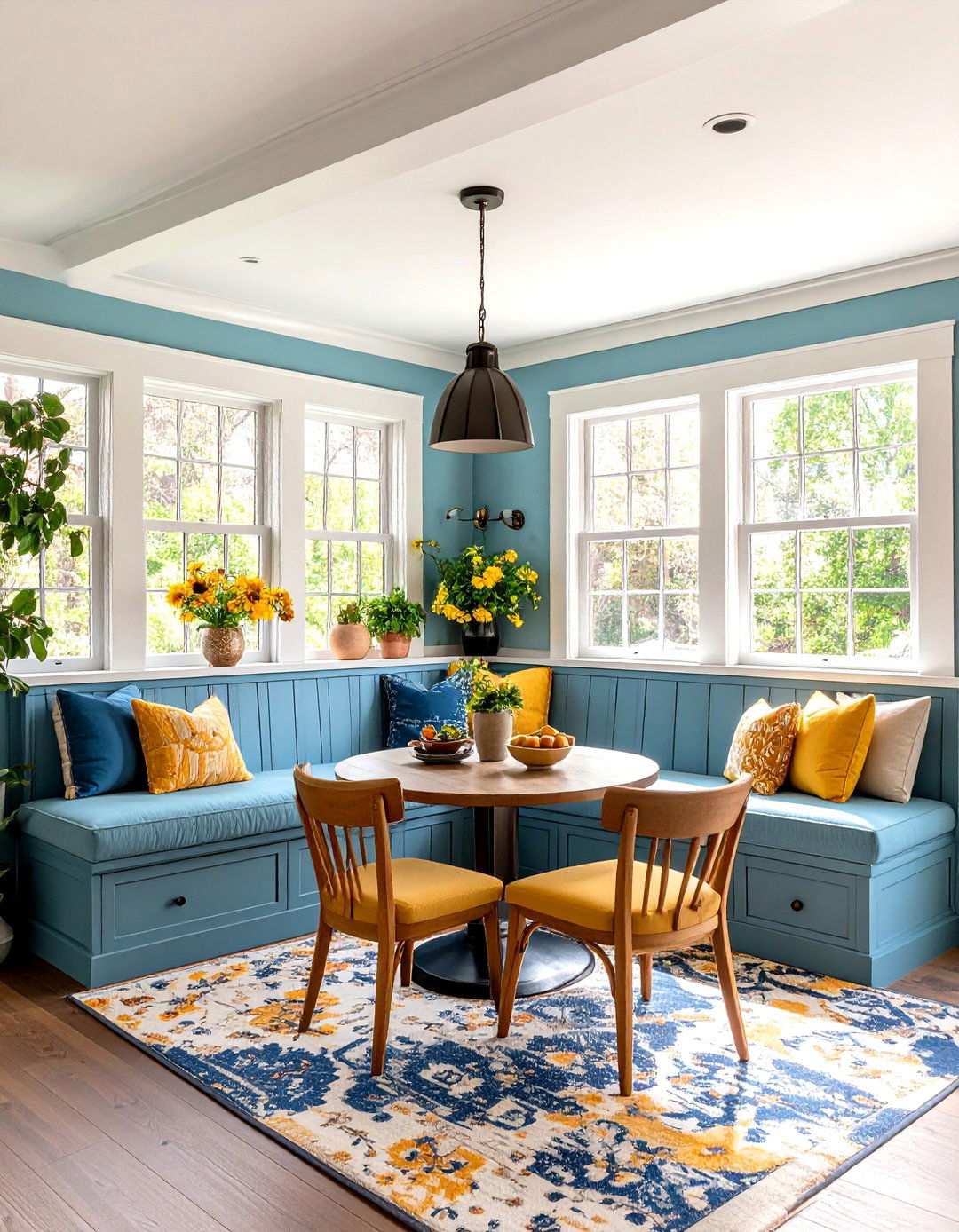
Tudor kitchens often feature intimate breakfast nooks that bring the family together in a warm and inviting atmosphere. These cozy spaces are inspired by the traditional Tudor concept of creating gathering areas within larger rooms. Built-in banquette seating with storage underneath is a clever way to maximize space efficiency while providing a comfortable spot for informal meals and socializing. The traditional millwork details, such as wainscoting and decorative trim, add an authentic touch to these nooks, while plush cushions in rich fabrics bring comfort and color to the space. The surrounding windows often feature leaded glass or diamond panes that filter the morning light beautifully, creating a peaceful ambiance. Tables in these nooks can be custom-built to match the surrounding cabinetry or chosen as standalone pieces that complement the overall design. Whether used for family meals, homework sessions, or quiet coffee breaks, breakfast nooks are a popular feature in Tudor kitchens.
19. Timeless Wood Butcher Block Surfaces
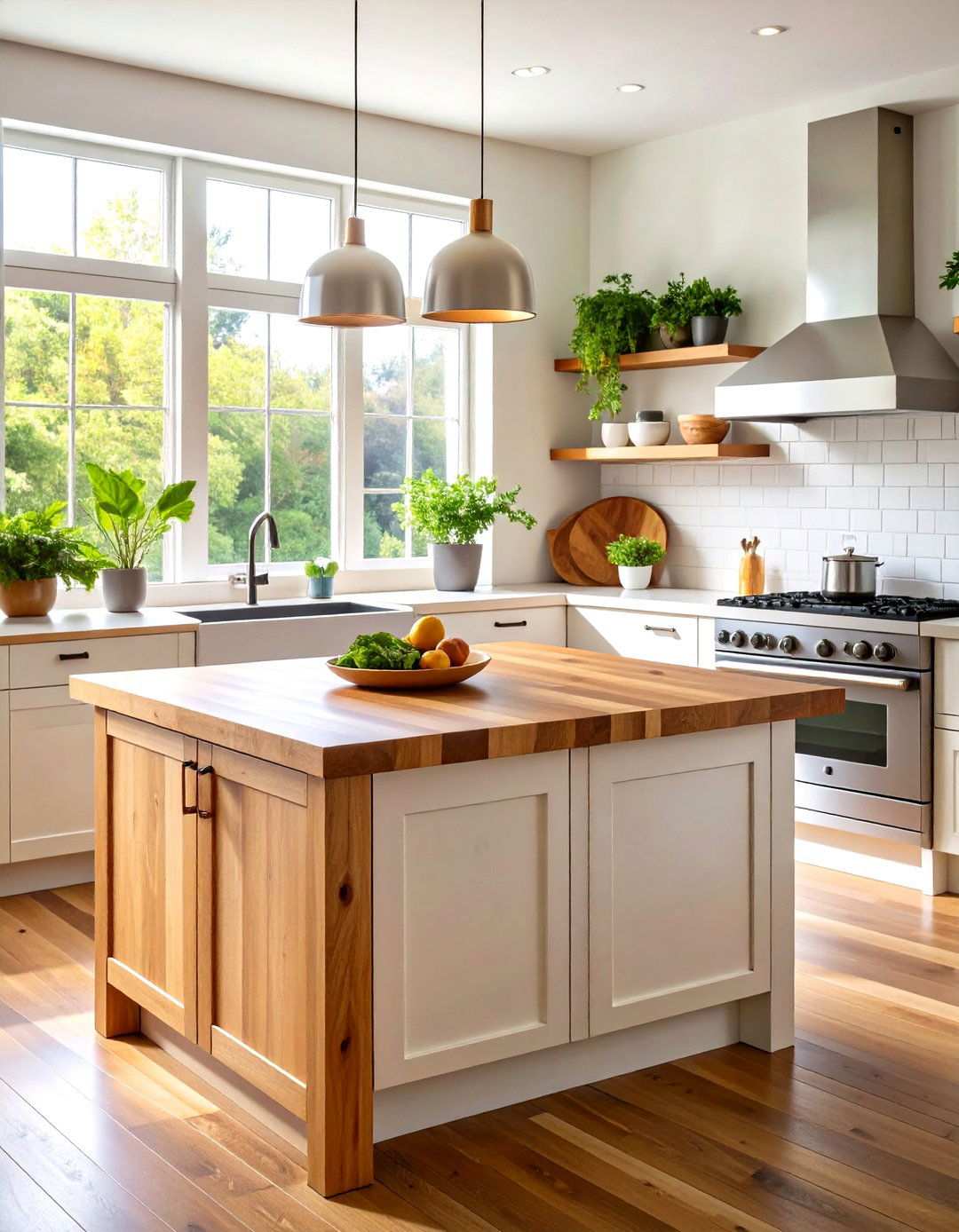
Tudor kitchens are all about embracing traditional materials and construction methods, and thick wooden butcher block surfaces are a perfect example of this approach. The end-grain construction not only provides a knife-friendly surface but also showcases the beautiful wood patterns. These surfaces work particularly well on kitchen islands where food preparation takes center stage, and their rustic charm adds a warm touch to the space. Regular oiling maintains the wood’s natural beauty while protecting it against moisture and wear, ensuring that it develops a beautiful patina over time. Different wood species offer varying colors and grain patterns that complement surrounding cabinetry, allowing homeowners to choose the perfect fit for their kitchen. When combined with other natural materials like stone and brick, butcher block surfaces enhance the organic character central to Tudor design, creating a space that feels both functional and cozy.
20. Dramatic Stone Accent Walls
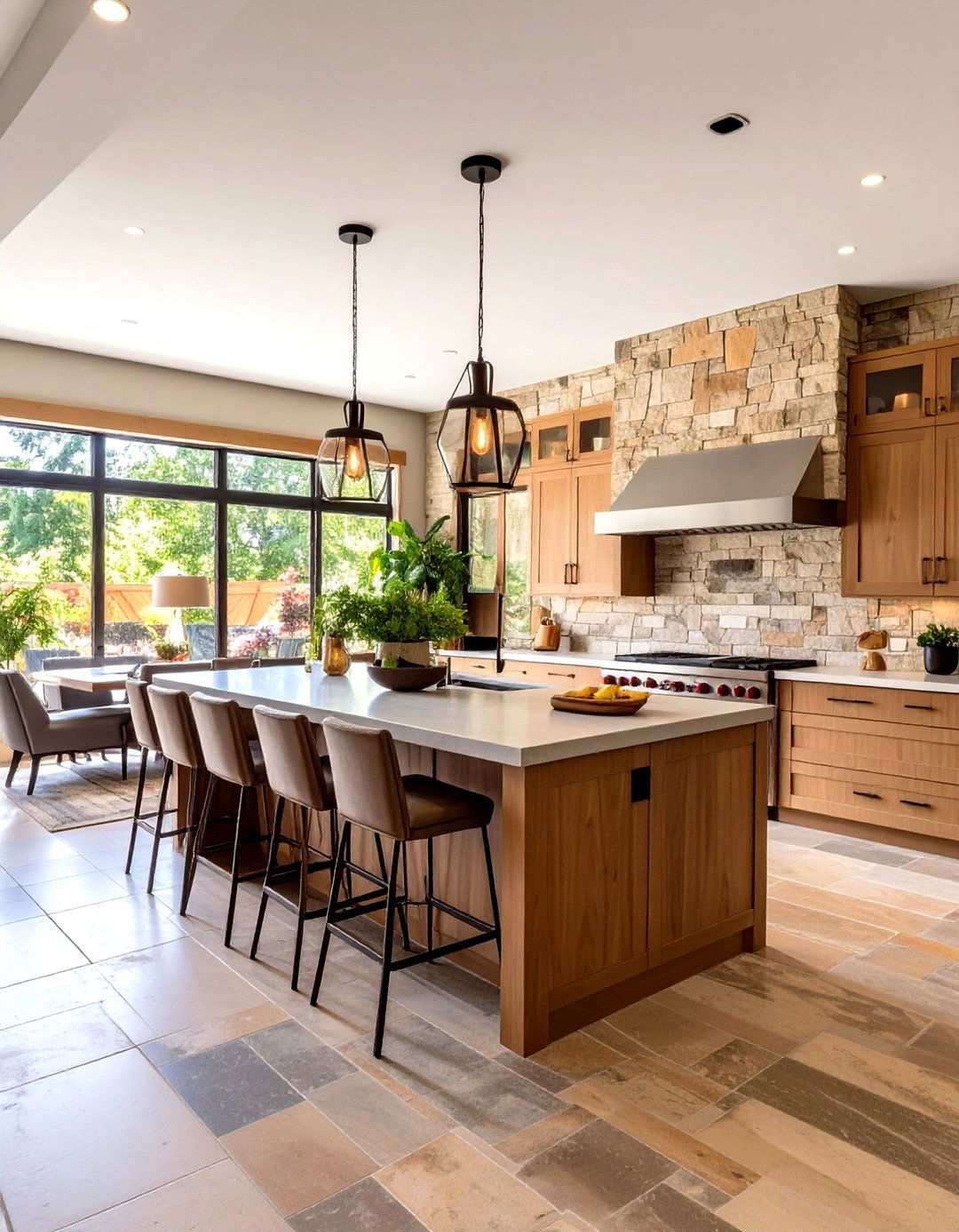
Natural stone accent walls are a stunning feature in Tudor kitchens, emphasizing the connection to medieval building traditions. The use of limestone, fieldstone, or reclaimed brick surfaces adds texture and visual weight to cooking areas or dining spaces, creating a dramatic focal point. These walls work particularly well behind ranges or as backdrops for dining areas where their beauty can be fully appreciated. The natural color variations and texture differences create visual interest while maintaining the authentic character essential to Tudor design. Stone walls provide an excellent backdrop for copper cookware displays, wrought iron pot racks, and other medieval-inspired accessories, adding a touch of elegance to the space. When combined with appropriate lighting, these surfaces create dramatic shadows and highlights that enhance the kitchen’s atmospheric character throughout the day, making it a true showstopper.
21. Artisanal Pot Rack Displays
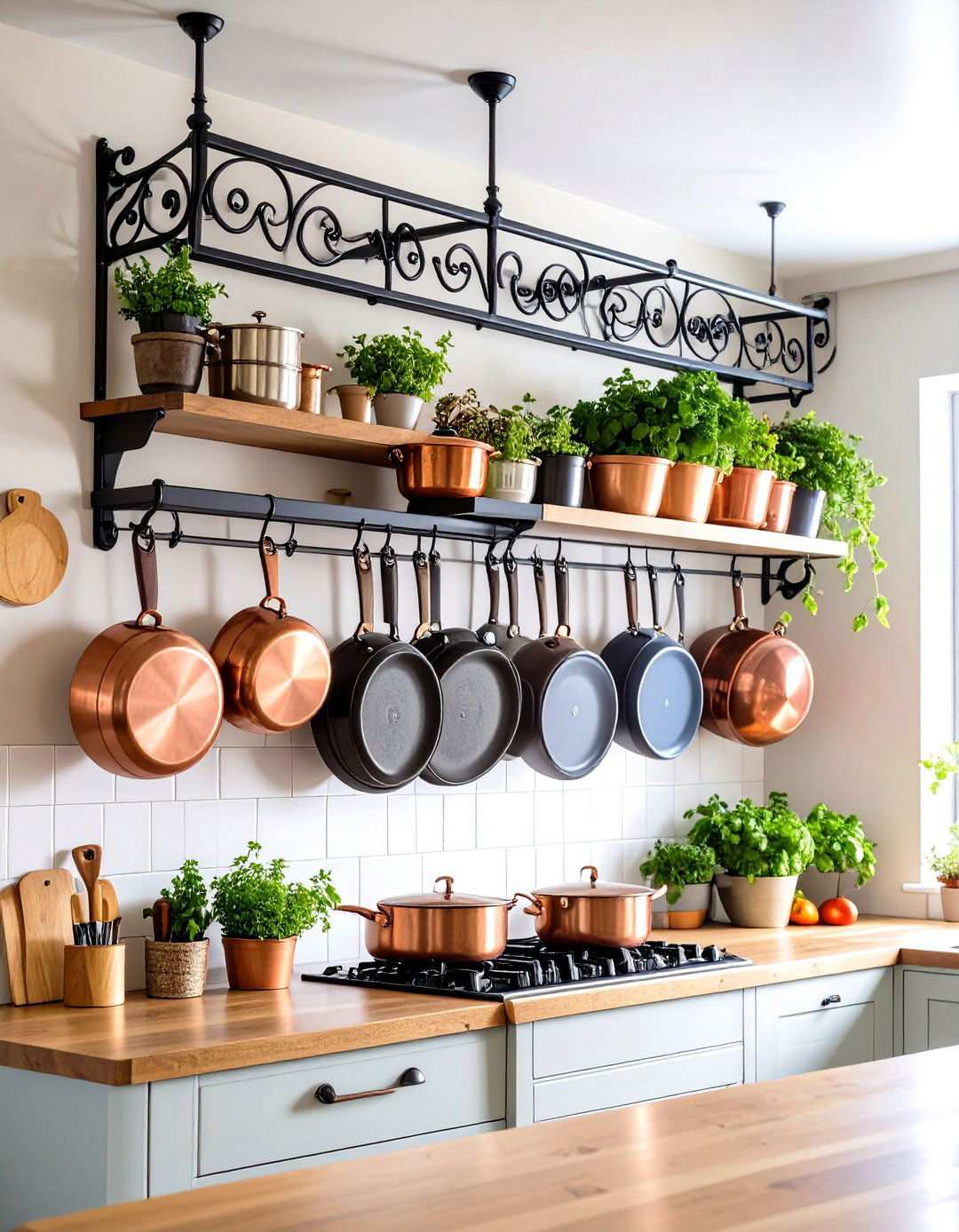
In traditional Tudor kitchens, wrought iron pot racks embody both functionality and elegance by showcasing vibrant cookware and keeping essential items within easy reach. These overhead storage solutions are particularly well-suited to kitchens with exposed beams or stone walls, where they can be suspended or mounted to create a visually striking display. The patina that develops on copper pots and cast iron skillets over time adds a touch of medieval charm, while decorative scrollwork and hand-forged details complement other iron elements throughout the kitchen. Strategically placed near cooking areas, pot racks keep frequently used items accessible during meal preparation, contributing to a sense of organized, efficient workflow. When paired with matching utensil hooks and spice containers, they help create the warm, inviting atmosphere that defines authentic Tudor kitchen design.
22. Sustainable Design Elements
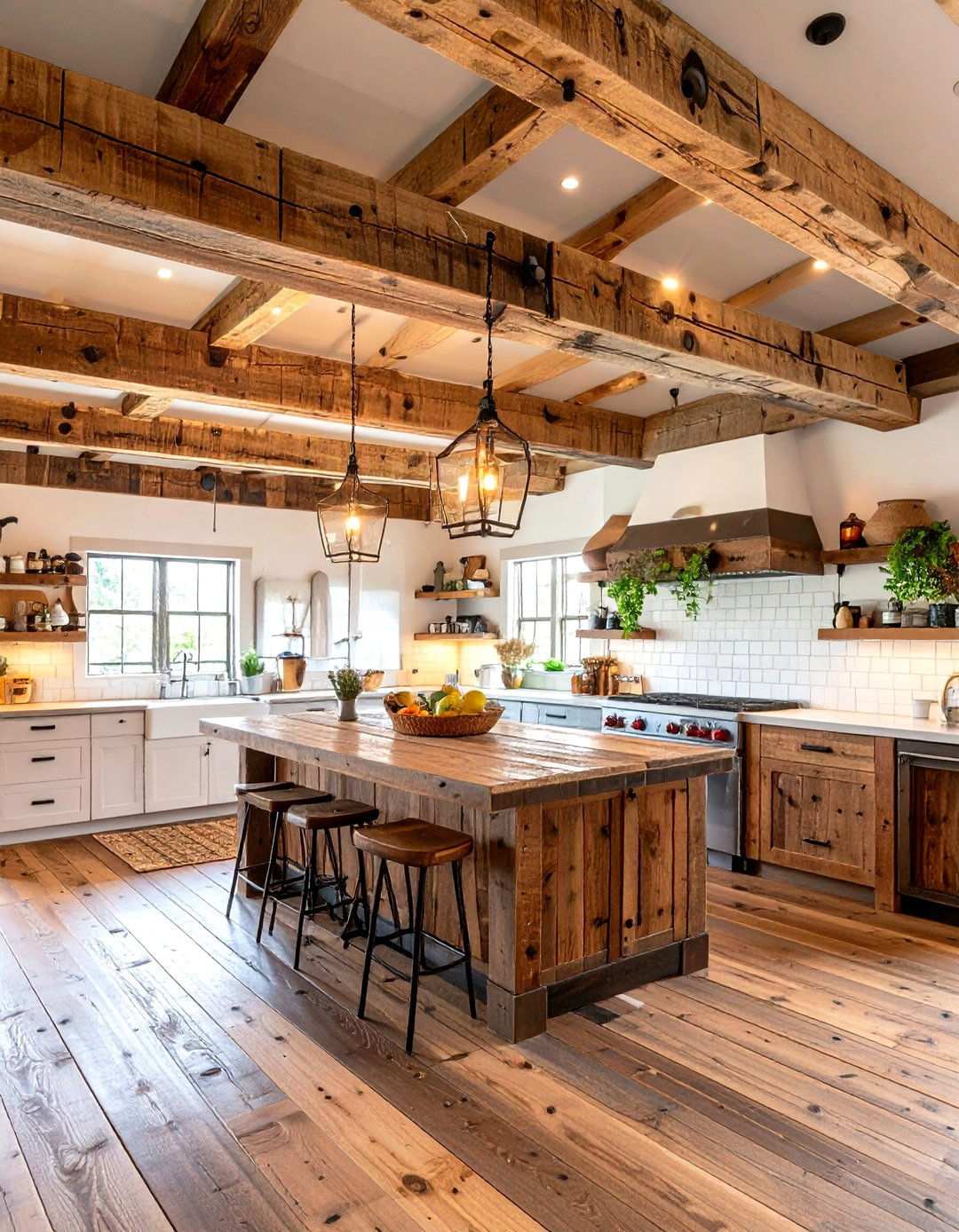
Incorporating reclaimed wood elements not only adds authentic character to Tudor kitchens but also supports sustainable design practices. Antique beams, barnwood, and vintage lumber bring a unique history and charm that new materials simply cannot replicate. These elements work particularly well as ceiling accents, floating shelves, or kitchen island details, where their weathered beauty becomes a focal point. Natural imperfections like nail holes, saw marks, and age-related patina enhance the authentic medieval character, while unique grain patterns and color variations add visual interest throughout the space. When properly prepared and finished, reclaimed materials provide durable surfaces that contribute to the layered authenticity that makes Tudor kitchens feel genuinely historical rather than recently constructed reproductions.
23. Architectural Range Alcoves
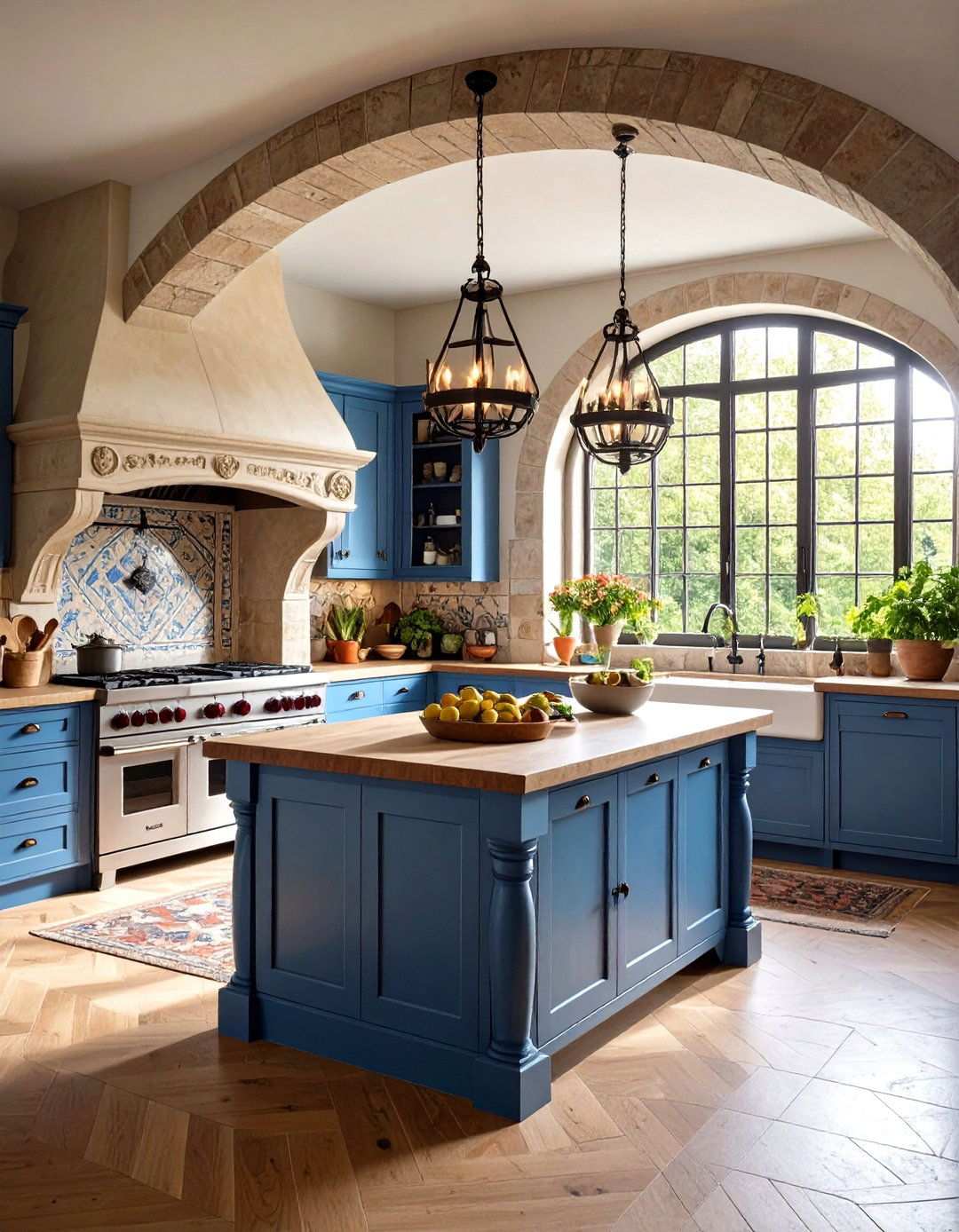
Creating a dedicated range alcove with Gothic arched detailing can transform cooking areas into dramatic focal points reminiscent of medieval hearths. A stone or brick surround frames professional-grade appliances while maintaining authentic architectural character, often incorporating copper or stone hood designs that complement the surrounding materials. Decorative tiles or carved stone details enhance the medieval character while providing practical, easy-to-clean surfaces. Built-in spice storage and utensil hooks within the alcove keep cooking essentials organized and accessible, while task lighting and ventilation provide the necessary functionality to create a visually stunning cooking space. When combined with thoughtful design elements, these dramatic cooking spaces provide both functional efficiency and visual impact that makes meal preparation a celebration of traditional craftsmanship and culinary heritage.
24. Nurturing Nature Inside – The Allure of Herb Garden Windows
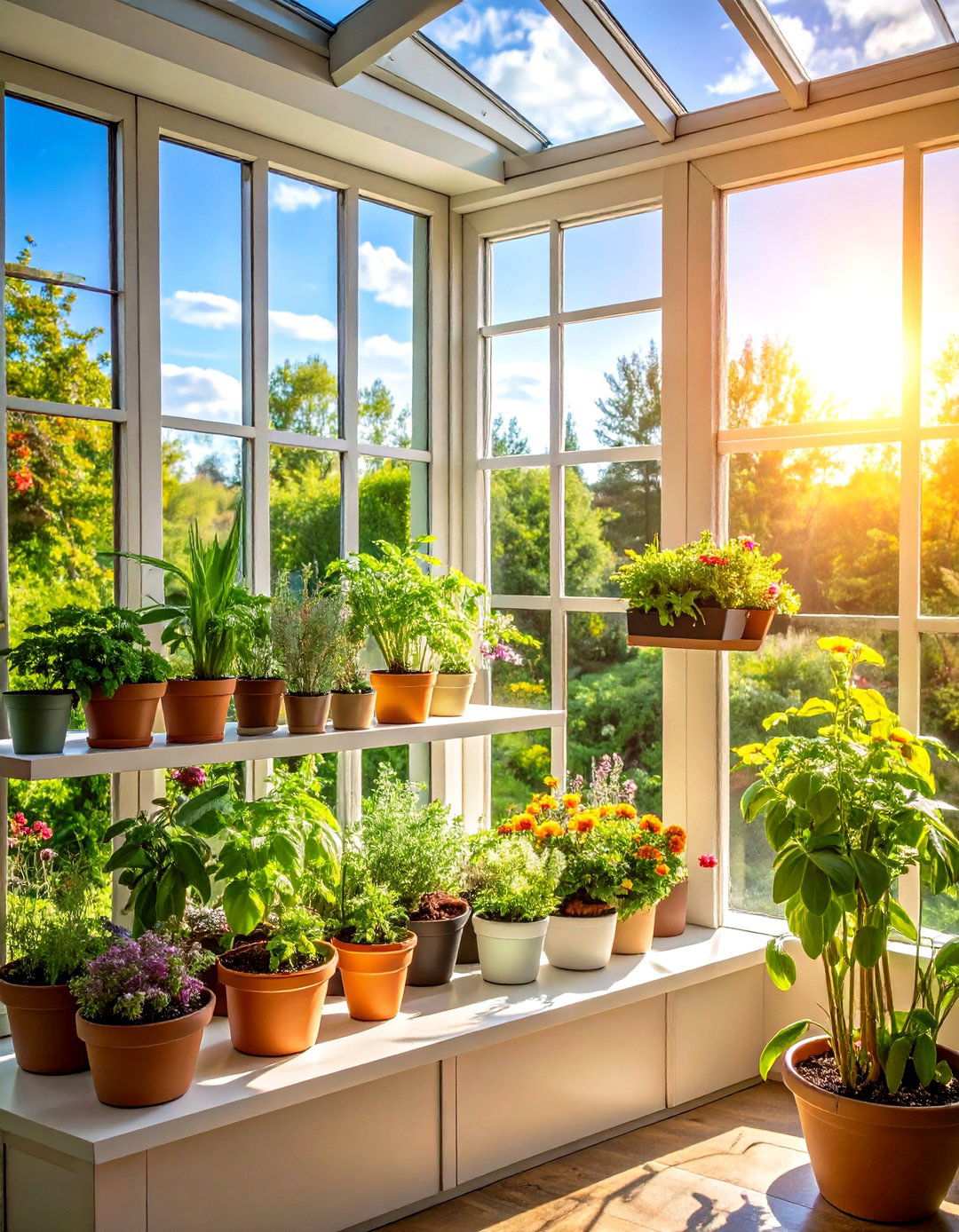
Effortless access to a constant supply of fresh ingredients elevates the home cooking experience in a Tudor-style kitchen, where cooking traditions are deeply ingrained. A harmonious blend of functionality and aesthetics, dedicated herb garden windows seamlessly integrate with the kitchen’s historic charm. Their design often echoes the classic greenhouse style, incorporating multiple levels for a variety of herb containers and growing areas. This thoughtful layout ensures optimal growing conditions for an array of culinary herbs, while maintaining an authentic Tudor character through the use of leaded glass panels. The built-in drainage and ventilation systems work in tandem to promote healthy plant growth while protecting surrounding surfaces from water damage and debris. Strategically positioned near prep areas, these windows serve as a constant reminder of the importance of fresh, locally grown ingredients in everyday cooking. Complementing these features are traditional window boxes, adorned with rustic wrought iron brackets, which extend the growing space while adding a touch of elegance to exterior views. When combined with other natural elements throughout the kitchen, herb garden windows beautifully embody the Tudor tradition of marrying functionality with timeless beauty.