1. Elevating Traditional Interiors
Timeless living rooms embody the perfect blend of classic sophistication and modern comfort, where centuries of refined taste come together to create spaces that exude warmth and elegance. These carefully crafted environments draw inspiration from the rich heritage of traditional design, incorporating luxurious fabrics, exceptional craftsmanship, and thoughtful balance that transcends fleeting trends. Whether you’re drawn to the grandeur of Victorian aesthetics, the refined simplicity of Edwardian sensibilities, or the rustic charm of French Country influences, traditional design offers endless possibilities for creating a living space that welcomes family and guests alike. The beauty of traditional interiors lies in their ability to seamlessly integrate historical elements with modern practicality, resulting in rooms that feel both lived-in and polished.

As an Amazon Associate I earn from qualifying purchases.
2. Victorian Opulence and Elegance
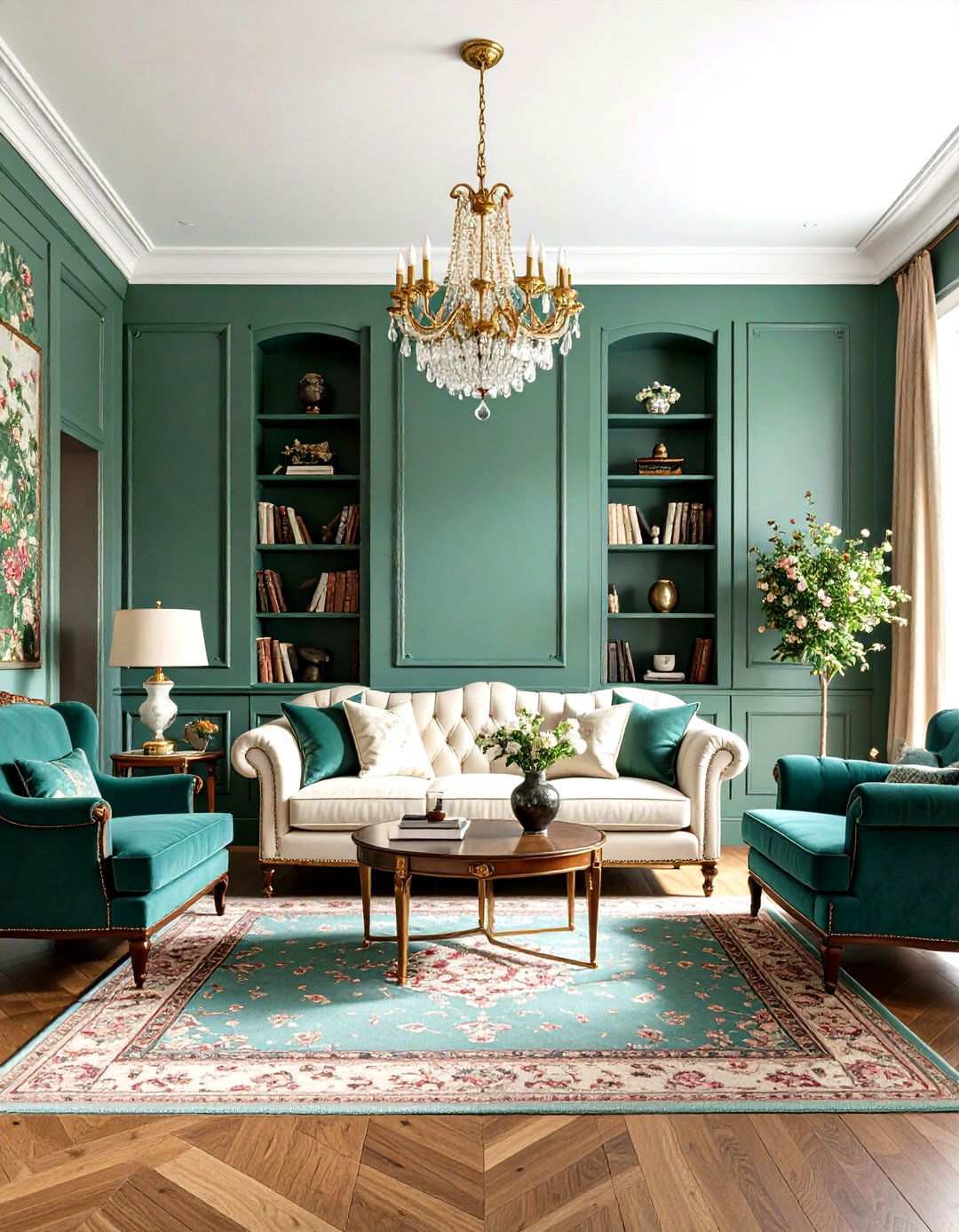
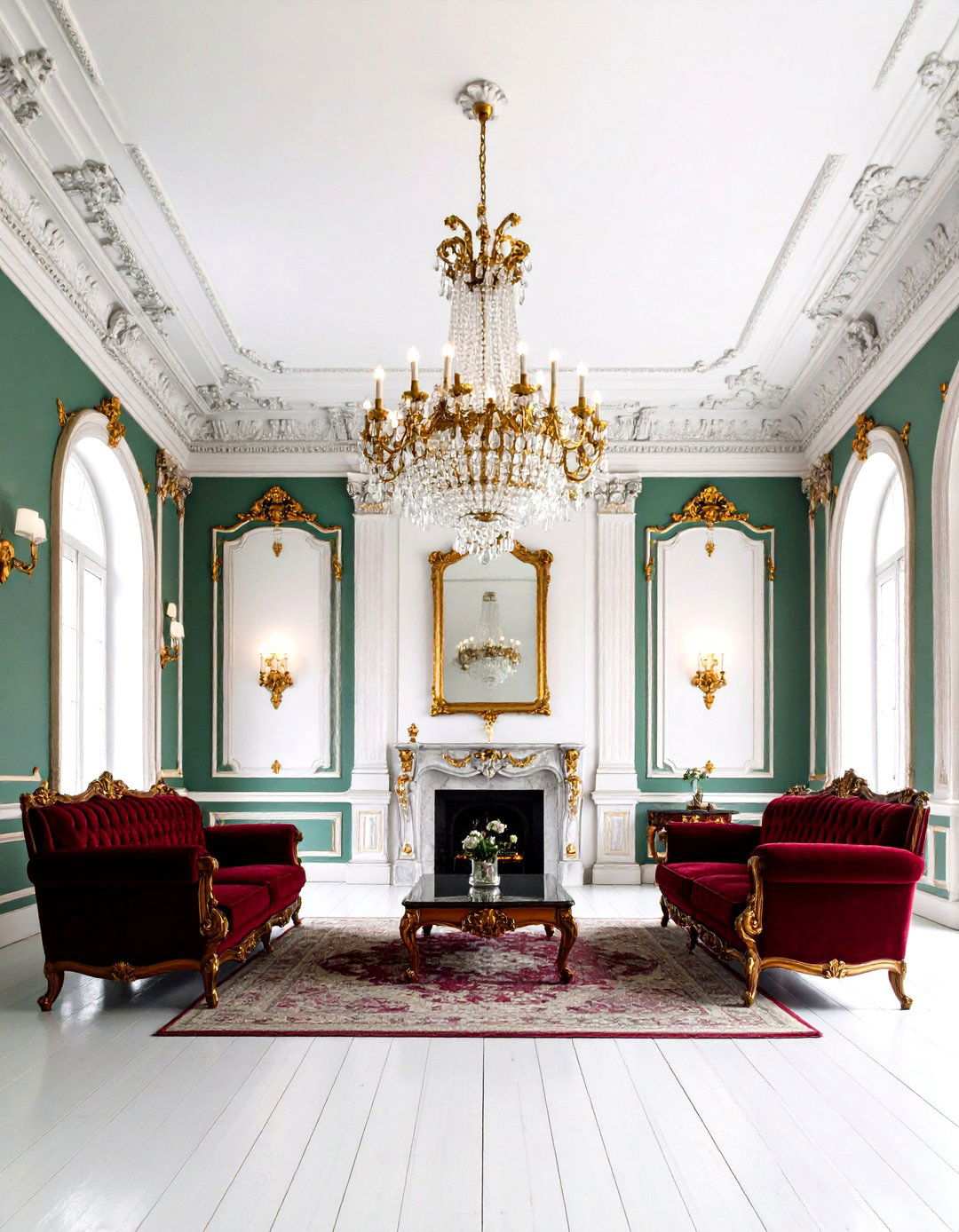
What sets a Victorian living room apart from others is its bold, opulent style, characterized by intricate details and luxurious materials that defined this era. Rich burgundy velvet sofas take center stage, accompanied by wingback chairs upholstered in intricate brocade patterns that add a touch of sophistication. The walls are framed by elaborate crown molding, which complements the deep emerald hue of the walls. Crystal chandeliers cast a warm, inviting glow across antique Persian rugs, while heavy draperies in damask fabrics pool elegantly at tall windows. Carved wooden furniture featuring intricate details adds a sense of history, while marble-topped side tables showcase porcelain collectibles and leather-bound books. The focal point remains an ornate fireplace with decorative tiles and brass fixtures, evoking a sense of refined luxury that speaks to discerning taste and appreciation for historical grandeur.
3. Edwardian Refinement and Sophistication
Edwardian style, on the other hand, is characterized by lighter, airier spaces that exude refined sophistication, while maintaining classical formality through carefully selected furnishings and architectural details. Soft sage green walls provide a fresh backdrop for furniture featuring cleaner lines than their Victorian predecessors. Built-in bookcases with leaded glass doors showcase literary collections alongside decorative objects, adding a touch of elegance. Floral wallpaper in muted tones covers accent walls, while polished hardwood floors gleam beneath Persian runners. Comfortable seating includes buttoned leather armchairs and linen-covered sofas arranged for intimate conversation. Window treatments feature lighter fabrics that allow natural light to filter through, creating the bright, healthy atmosphere that Edwardians prized above the heavier Victorian aesthetic.
Elegant Simplicity
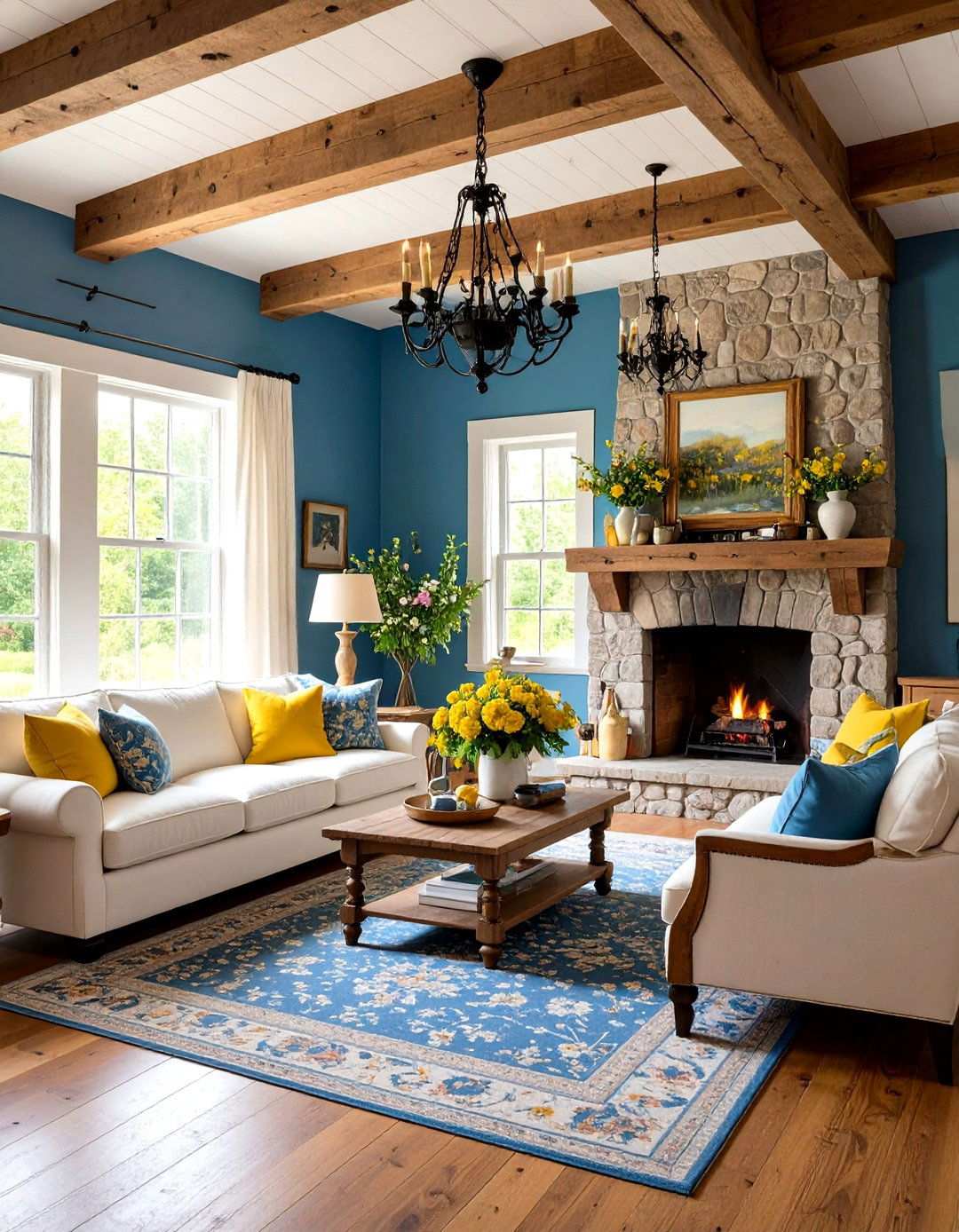
Rustic refinement has a way of captivating our senses, evoking a sense of warmth and coziness in living spaces. French Country design masterfully blends weathered textures with refined sensibilities, creating a harmonious balance of form and function. Exposed wooden beams stretch elegantly across cream-colored ceilings, while stone fireplace surrounds showcase the beauty of natural materials. Soft furnishings in muted blues and yellows feature vintage floral patterns, exuding comfort without sacrificing style. Antique armoires add a touch of architectural interest to neutral walls, while wrought iron accents appear in lighting fixtures and decorative elements. The result is a space that feels both effortlessly curated and collected over time, radiating a sense of charm and character.
4. Enduring Elegance
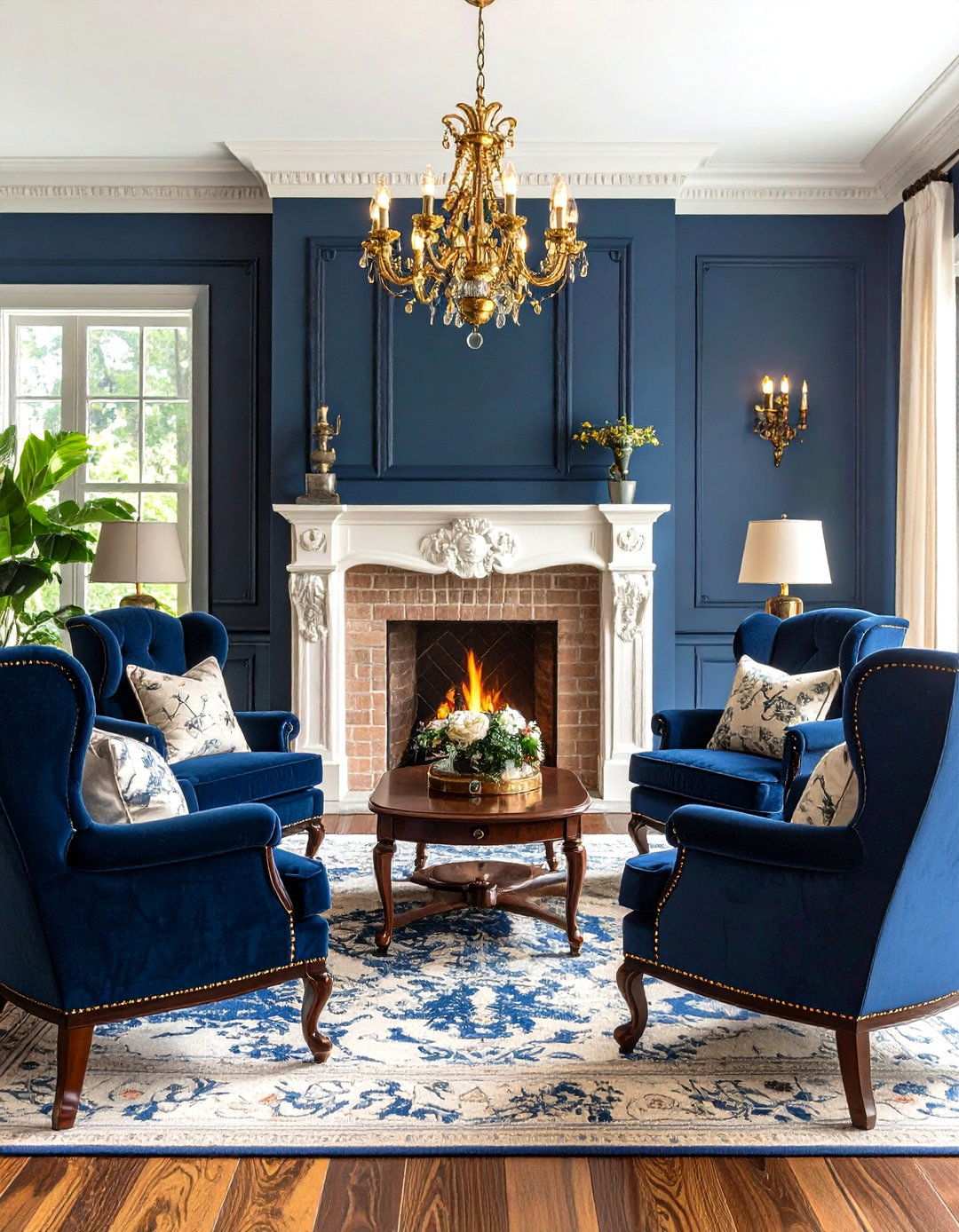
What sets Colonial Revival living rooms apart from other styles is their ability to strike a perfect balance between historical significance and modern practicality. This time-honored style emphasizes symmetry, quality craftsmanship, and understated elegance, ensuring a timeless appeal that transcends fleeting trends. Rich mahogany furniture pieces boast clean lines and expert joinery, while wingback chairs flank a central fireplace with a simple brick surround. The foundation palette of navy blue and cream is complemented by warm red accents in throw pillows and window treatments. Built-in cabinetry showcases pewter serving pieces and pottery collections, paying homage to early American craftsmanship traditions. Braided rugs in natural fibers cover wide-plank floors, while simple cotton draperies frame multi-paned windows. The result is a space that honors historical precedent while providing comfortable, functional areas for contemporary living and entertainment.
5. Sophisticated Coziness
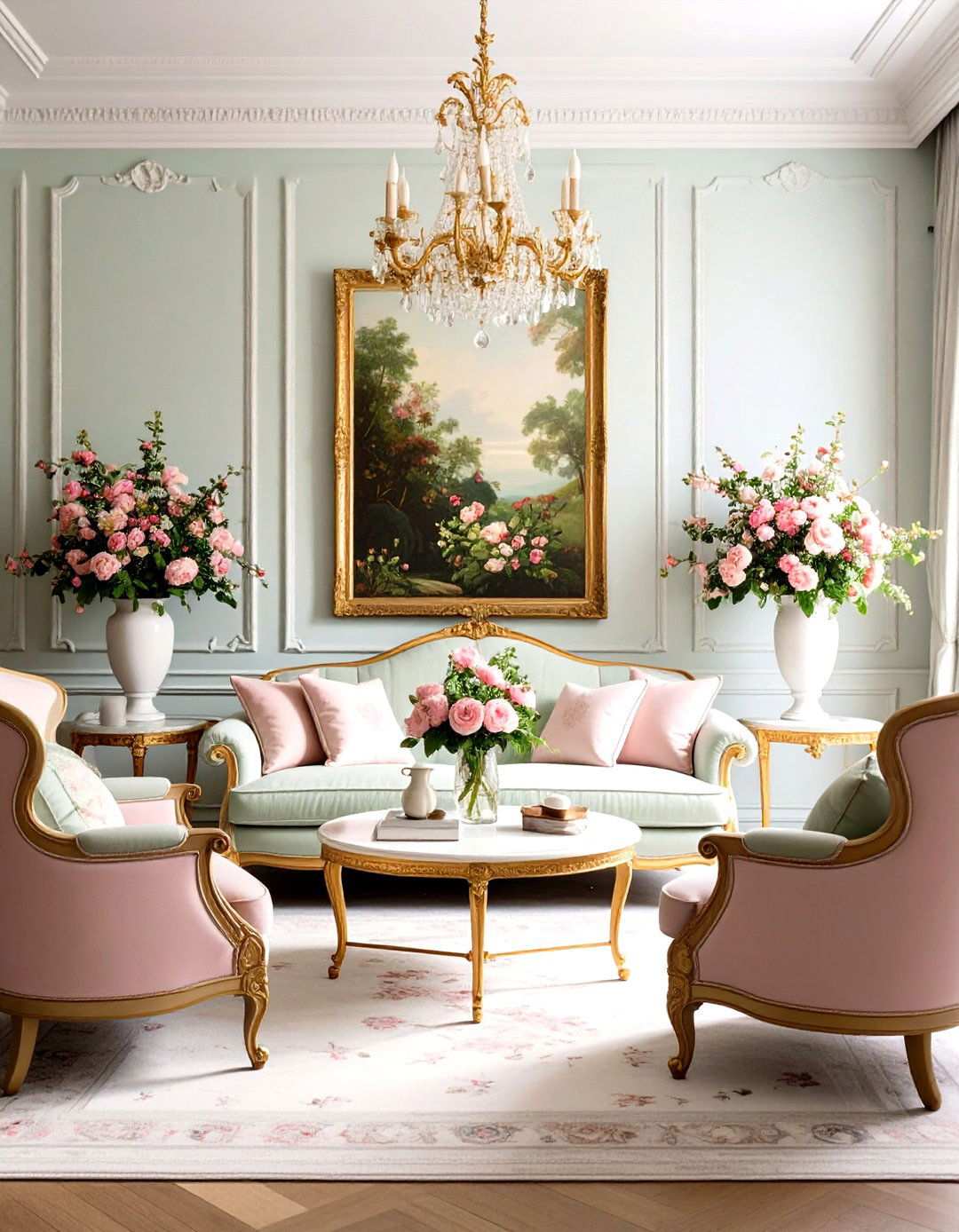
English country estates have long been renowned for their perfect blend of formality and comfort, making guests feel both impressed and at ease. The secret to achieving this balance lies in combining fine antiques with comfortable seating and natural elements. Chintz fabrics in rose and green patterns cover overstuffed sofas, while leather club chairs provide a masculine contrast. Oil paintings in gilded frames create a striking gallery wall above wainscoted panels painted in warm cream. Persian carpets layer over aged oak floors, defining seating areas within larger spaces. Fresh flower arrangements from cutting gardens fill crystal vases throughout the room, adding a touch of natural beauty. Bookcases overflow with leather volumes, while tea tables hold silver service sets, completing the aristocratic atmosphere that defines English country elegance.
6. Crafting a Fireplace Focal Point
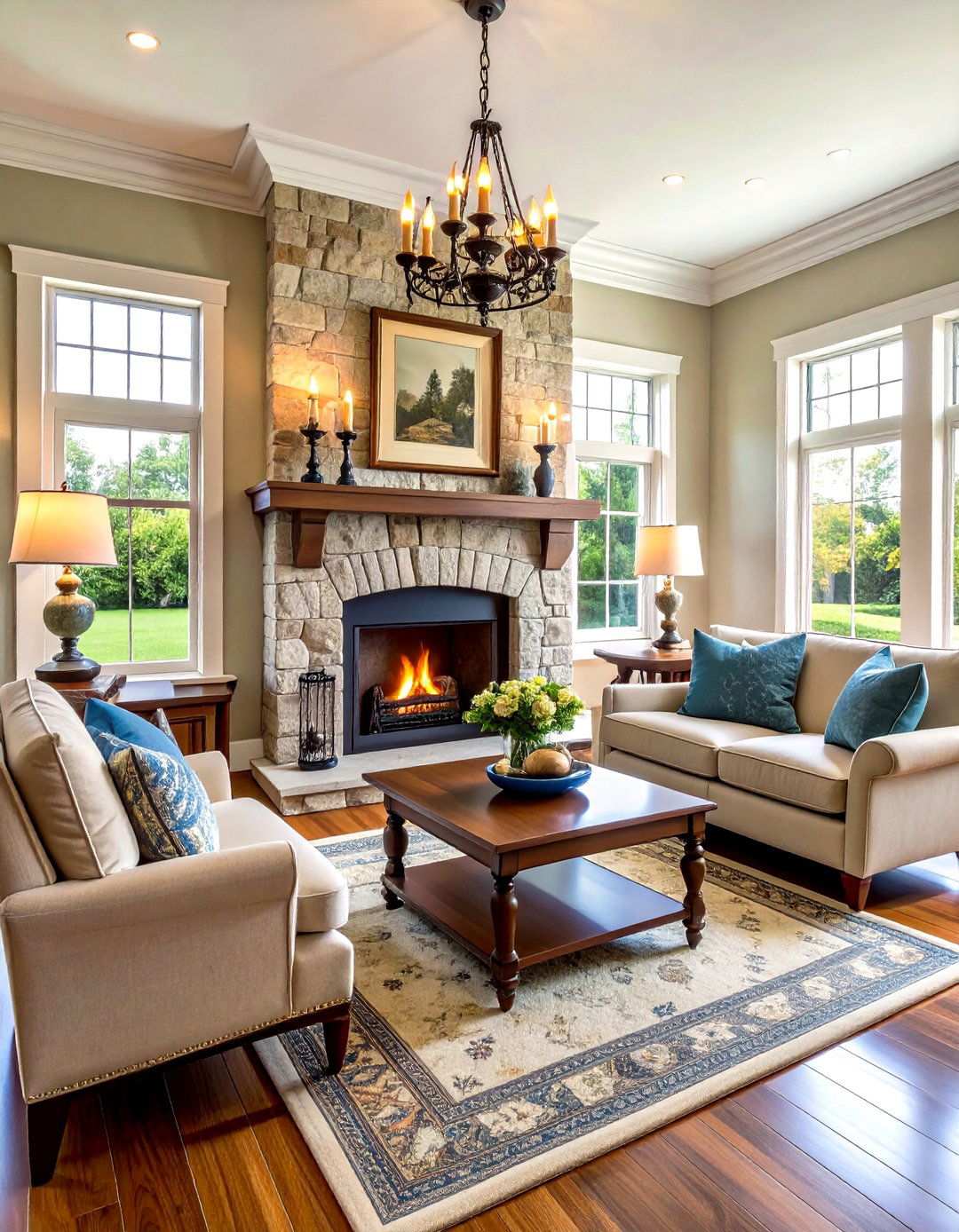
A well-designed fireplace is the crowning glory of any traditional living room, drawing the eye and creating a sense of warmth and hospitality. Achieving this look requires a thoughtful balance of architectural details and decorative elements. For instance, a limestone or marble surround can add a touch of timeless elegance, while a carved wooden mantel showcases the craftsmanship that goes into creating beautiful pieces. To create a sense of balance above the hearth, consider arranging candlesticks, family portraits, and seasonal greenery in a symmetrical composition. Placing built-in seating areas on either side of the fireplace offers the perfect spot for intimate conversations, complete with plush cushions and throw pillows. The addition of brass fireplace tools and decorative screens adds a touch of functional beauty, while ceramic tiles or decorative brickwork can enhance the surround. Strategic lighting can highlight the mantel display, drawing the eye and creating a sense of drama.
7. Blending Elegance and Intellectual Pursuits
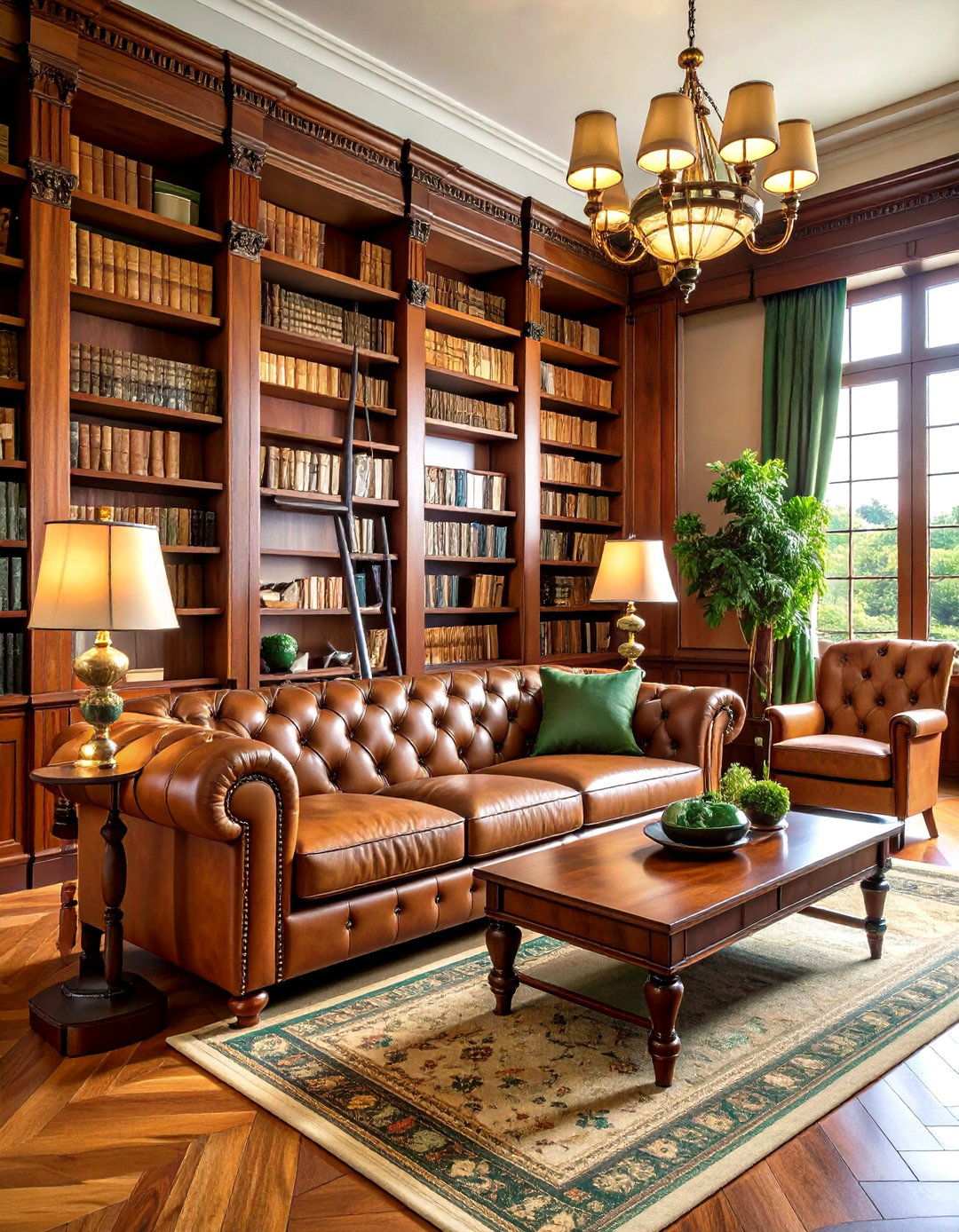
A living room can be both a sophisticated entertainment space and a serious book lover’s retreat, as library-style living rooms so convincingly demonstrate. By combining floor-to-ceiling bookcases in rich walnut or mahogany with comfortable seating areas, you can create a space that is both dramatic and inviting. Leather Chesterfield sofas offer a classic seating option, paired with wooden library chairs that boast upholstered seats for added comfort. To anchor the space, consider adding a Persian rug in a deep color that complements the warm wood tones throughout. Brass table lamps with green glass shades provide reading light, while a rolling library ladder adds a touch of functional charm. Antique globe bars and map collections can reinforce the scholarly atmosphere, making this space perfect for quiet reading or engaging in intellectual conversation with like-minded guests.
8. Seamlessly Connecting Spaces
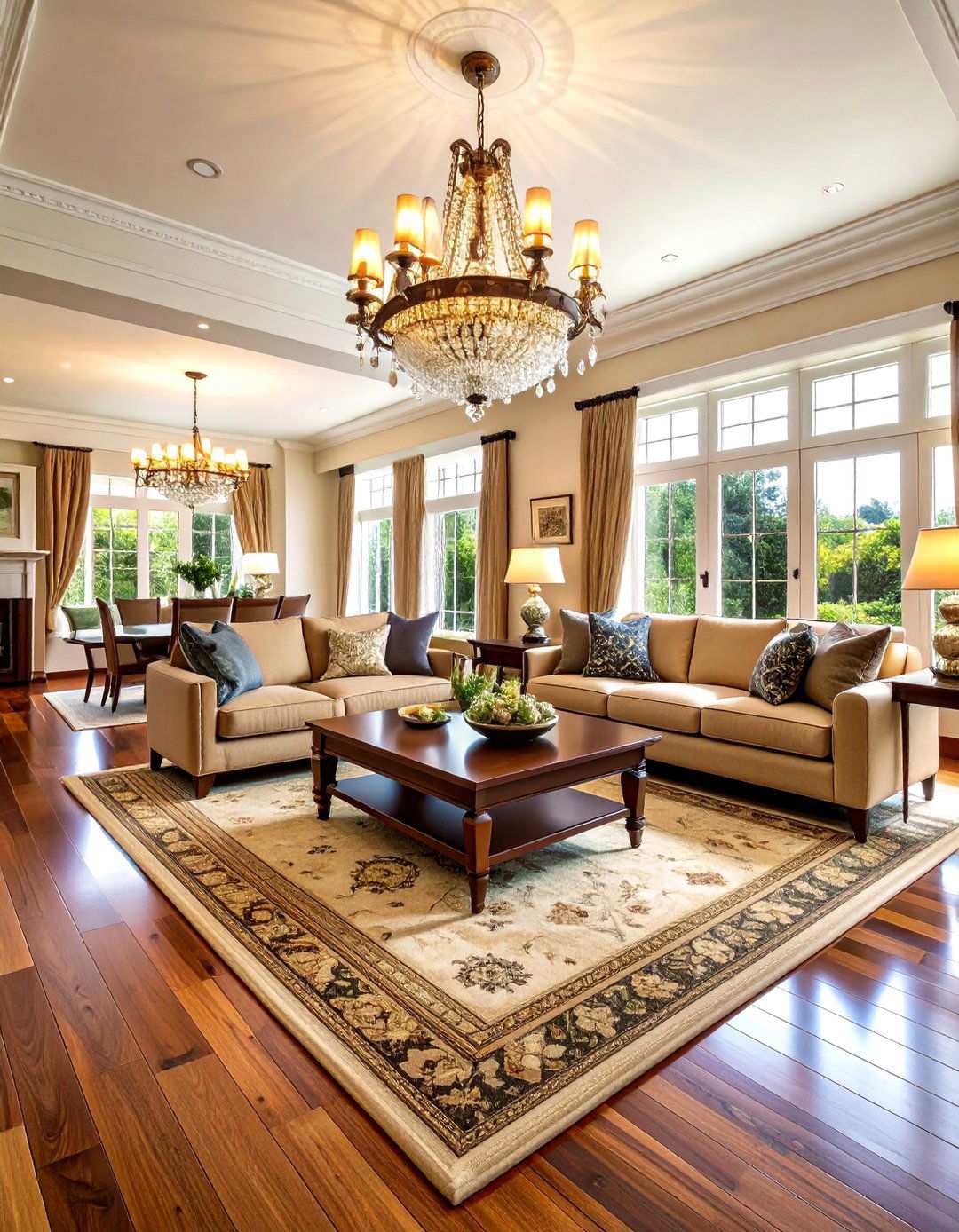
Creating a seamless flow between your traditional living room and formal dining spaces requires careful coordination of colors, patterns, and furniture styles. Open floor plans can be challenging to navigate, but by choosing rich wood furniture pieces that anchor both spaces, you can create a sense of continuity. Complementary fabric patterns in similar color palettes can also help tie the spaces together, while crystal chandeliers provide elegant lighting in both areas. Area rugs define individual zones, while sharing common design elements like border patterns or color schemes. Window treatments use coordinating fabrics that complement rather than match exactly, creating a sense of visual harmony. By incorporating antique serving pieces and artwork, and finishing with fresh flower arrangements, you can create natural connections between the spaces, ensuring that formal entertaining flows naturally while preserving the intimate character that makes traditional living rooms so appealing.
9. Timeless Treasures in Authentic Living Rooms
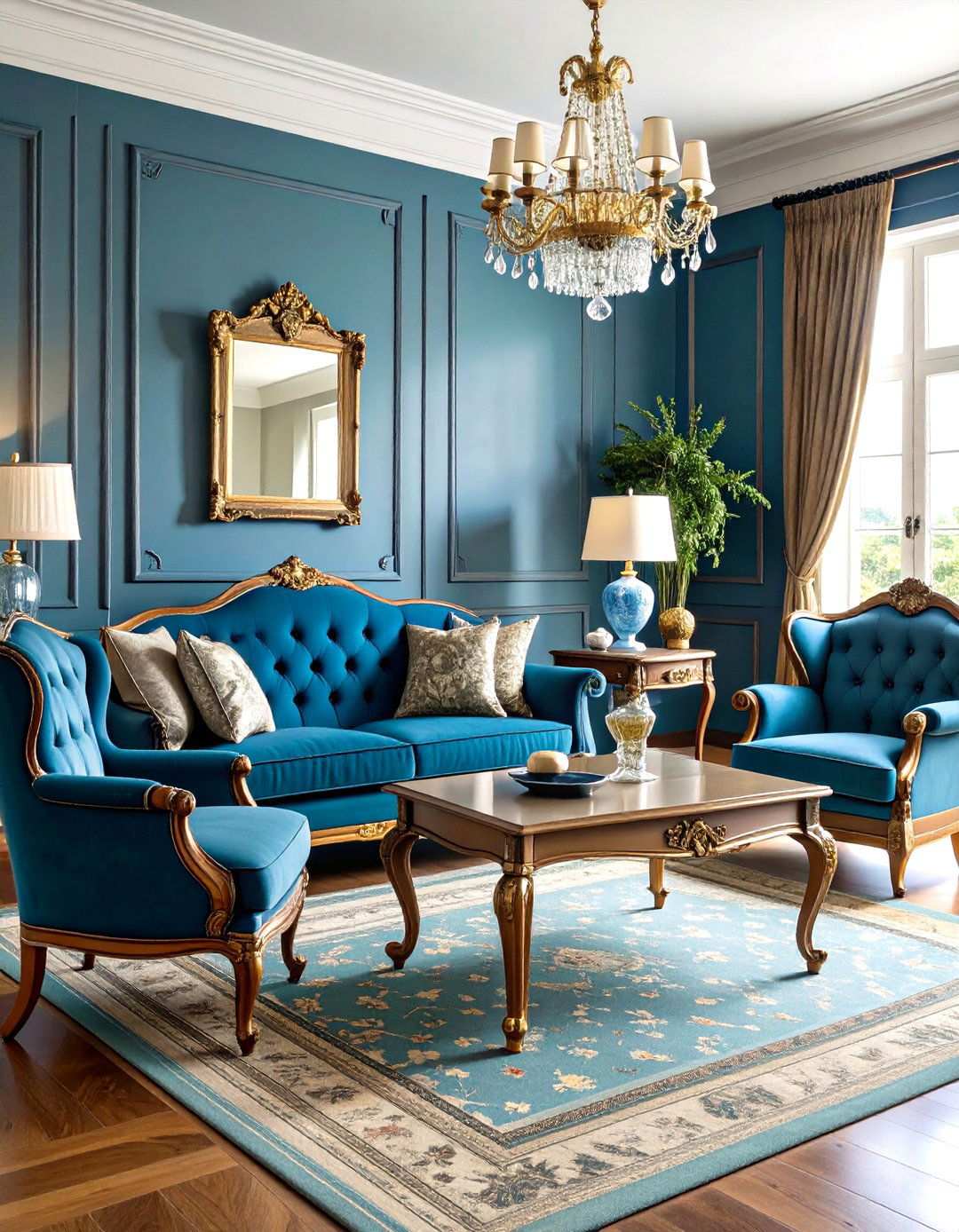
How do carefully curated antique pieces elevate traditional living rooms, imbuing them with rich history and personal character? A thoughtfully selected collection of antiques serves as both functional furniture and captivating conversation starters, injecting a sense of nostalgia and sophistication into the space. For instance, a beautifully restored Queen Anne writing desk showcases vintage photographs and leather-bound journals, while a Chippendale side table proudly displays crystal decanters and antique silverware. Plush antique armchairs, reupholstered with original needlepoint, provide inviting seating alongside elegant Victorian settees, each piece contributing to the room’s narrative and functionality. Expert restoration not only preserves intricate details but also ensures the structural integrity and comfort of the pieces. By strategically placing each antique, homeowners can create balanced furniture arrangements that highlight the beauty of each item, while warm lighting accentuates the craftsmanship that makes these pieces truly exceptional investments.
10. The Art of Sophisticated Pattern Mixing
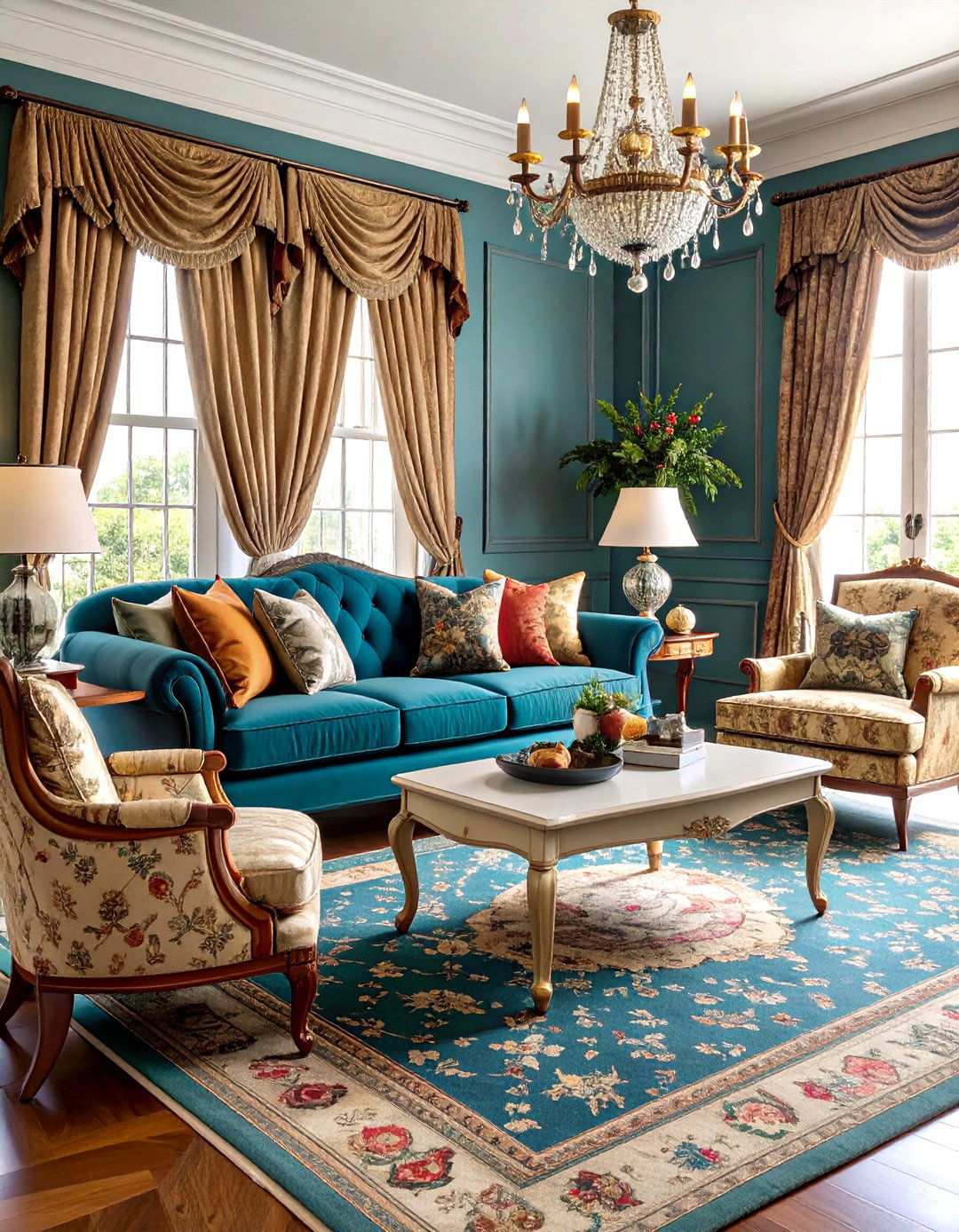
Are you ready to unlock the secrets of pattern mixing, a timeless technique that adds depth and visual allure to traditional living rooms? Mastering this art requires a deep understanding of scale, color relationships, and style harmony. A harmonious starting point is achieved with large-scale damask patterns on statement upholstery pieces, which provide a solid foundation for the space. Smaller florals and geometric designs are then added through pillows and window treatments, introducing complexity and visual interest. Classic toile fabrics in blue or red create striking focal points on accent chairs or drapery panels, while plaid patterns in coordinating colors bridge formal and casual elements throughout the space. Stripe patterns add structure and visual height through wallpaper or upholstery details, creating a sense of balance and cohesion. The key to successful pattern mixing lies in maintaining a consistent color palette, while varying pattern scales and types. By choosing high-quality fabrics in silk, wool, and cotton blends, homeowners can ensure longevity and texture-rich interiors that feel substantial and carefully considered.
11. Achieving Elegance through Symmetry
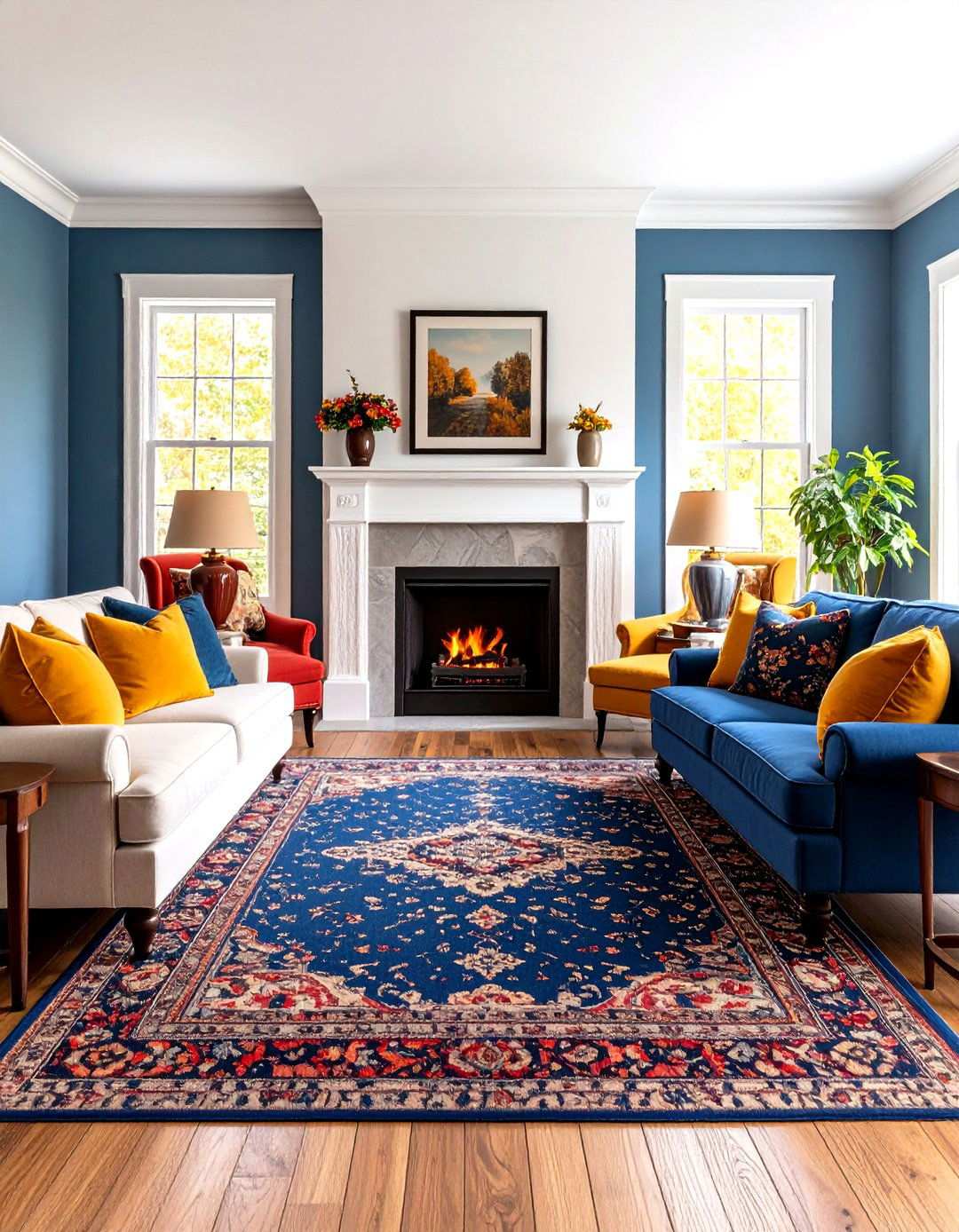
The strategic placement of furniture in a traditional living room design can evoke a powerful sense of order and sophistication, rooted in classical design principles that emphasize balance and proportion. By thoughtfully arranging furniture, homeowners can create visually pleasing spaces that not only serve practical needs but also exude a sense of refinement. One effective approach is to position matching sofas facing each other across a Persian rug, flanked by identical side tables and table lamps that create perfect symmetry. Wingback chairs placed beside fireplaces or windows can also establish intimate seating areas within larger spaces. Additionally, console tables positioned behind sofas provide display surfaces for coordinated accessories, such as ceramic urns or silver candlesticks. To prevent the arrangement from becoming too rigid, strategic asymmetrical elements like plants or books are incorporated, maintaining the overall balance of the space. This attention to detail and planning results in rooms that are both formal and comfortable.
12. Crafting Timeless Traditions
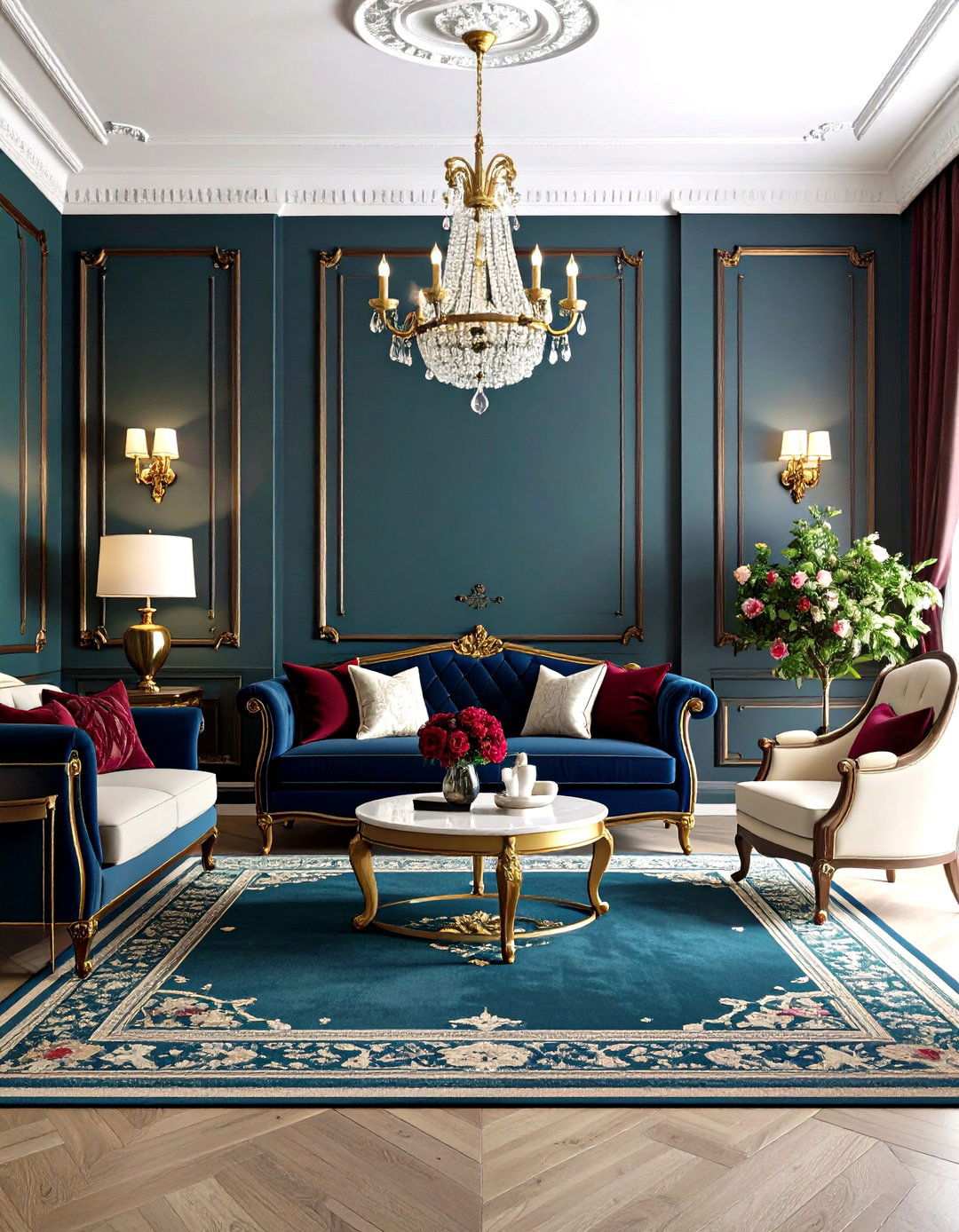
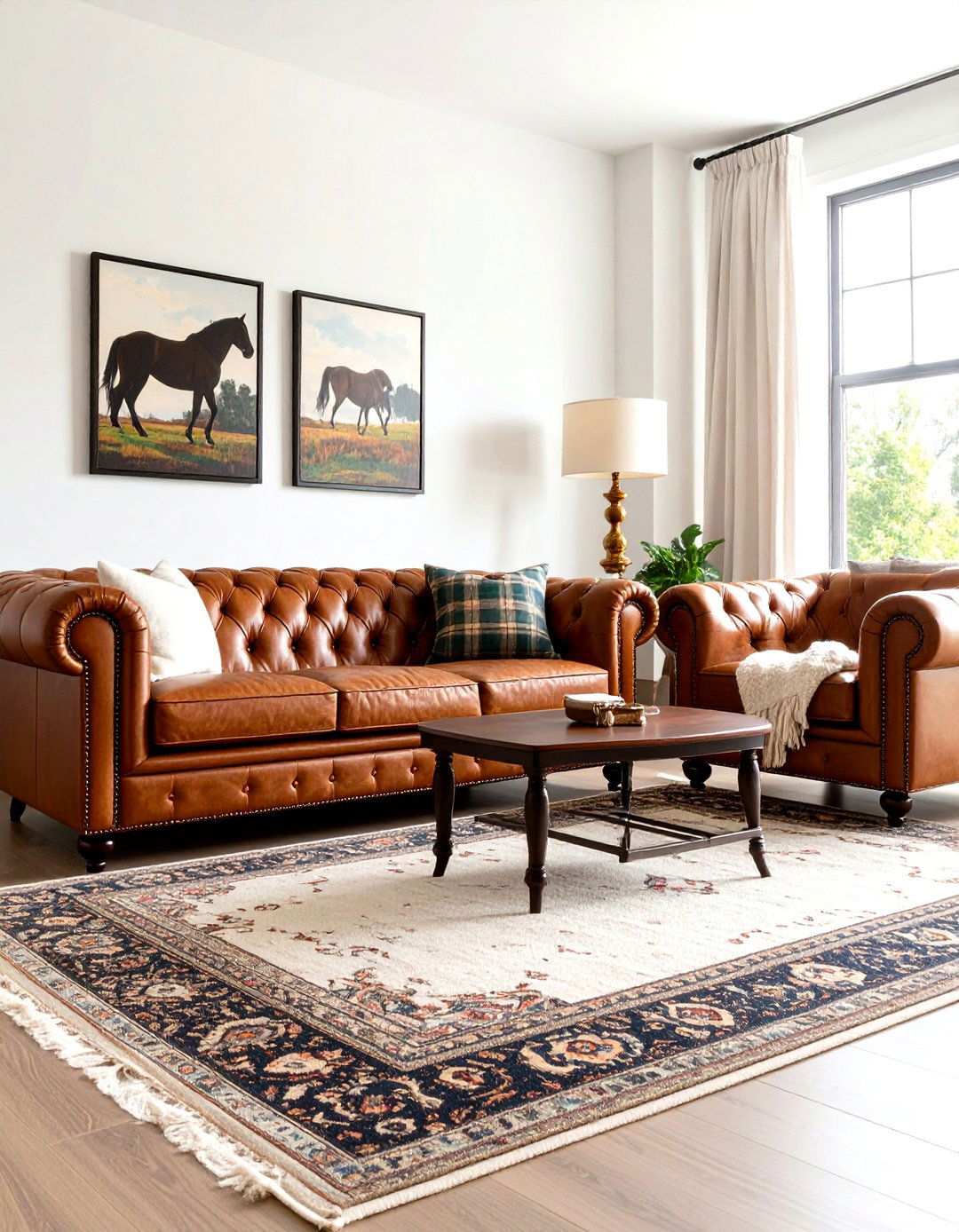
The warm and sophisticated atmosphere that defines successful traditional living room design is, in part, a result of carefully selected color combinations that have stood the test of time. These classic palettes are not only reminiscent of historical precedents but also remain relevant in contemporary living spaces. Deep jewel tones, such as emerald, sapphire, and burgundy, provide rich foundations when paired with cream and gold accents, evoking a sense of luxury and refinement. Navy blue and white combinations, on the other hand, offer timeless elegance, especially when enhanced with brass or silver metallic touches. Warm neutrals in camel, sage, and ivory create sophisticated backdrops for colorful accessories and artwork, while rich brown leather furniture anchors earth-tone palettes featuring forest green and deep red accents. What sets these proven combinations apart is their ability to reflect natural color relationships found in landscapes and historical textiles, creating a harmonious and visually appealing space.
13. Elevating Window Treatments for a Polished Finish
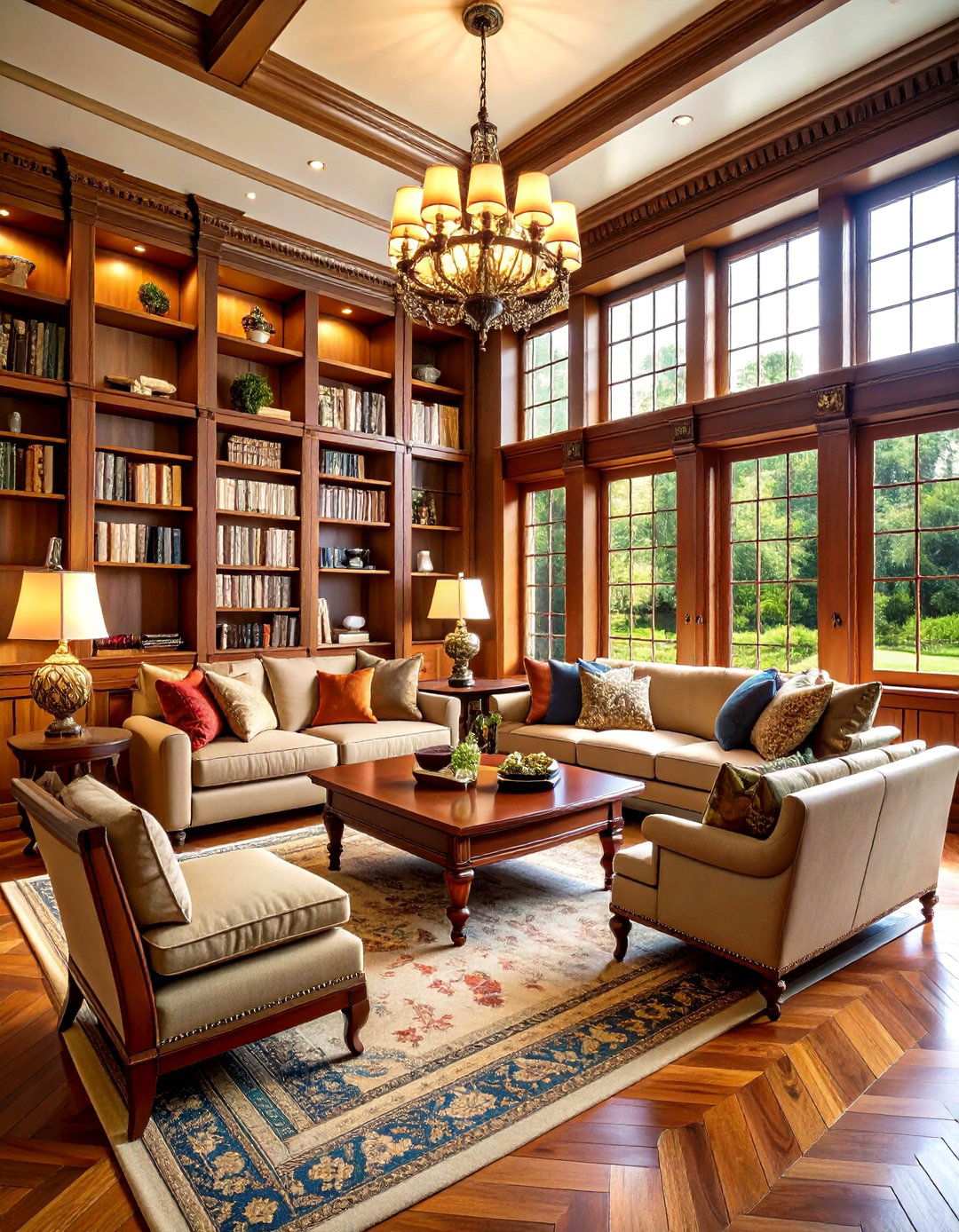
Window treatments can truly make or break the sophistication of a traditional living room, providing not only functionality but also a significant aesthetic contribution to the space. When done correctly, window dressings can enhance the room’s overall aesthetic while maintaining the perfect balance between form and function. Heavy silk draperies in rich colors can create dramatic vertical lines that emphasize ceiling height, adding a touch of elegance to the space. Layered treatments that combine sheers for privacy with decorative valances and side panels can add visual interest and sophistication. Traditional hardware in brass or wrought iron complements the room’s metal accents while ensuring smooth operation. Tie-backs and holdbacks allow for graceful draping that frames views while controlling light levels, creating a seamless transition between indoors and outdoors. By coordinating fabrics with upholstery and accessories, homeowners can create cohesive design schemes that enhance the traditional living room’s overall polish and sophistication.
14. Built-in Storage Solutions
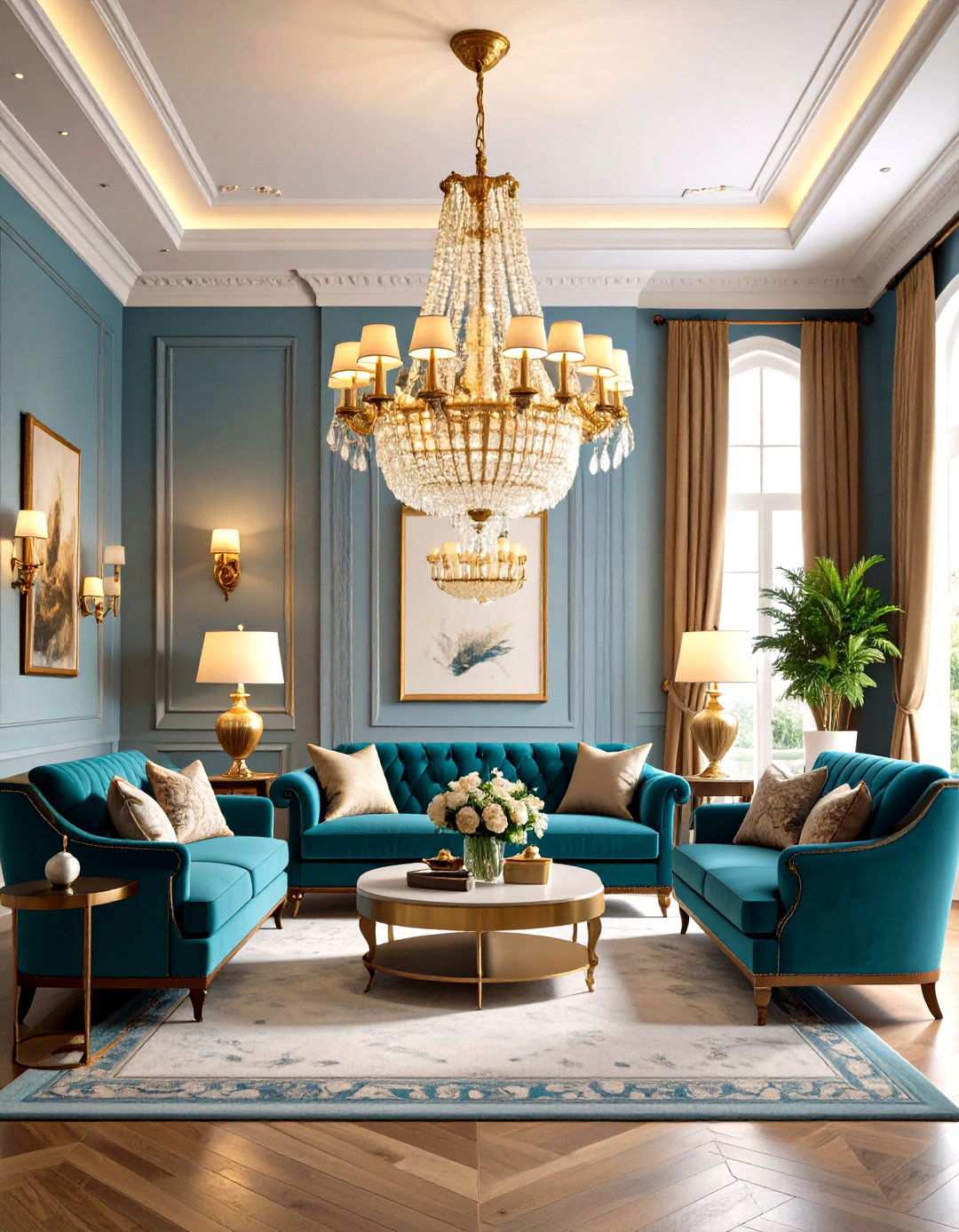
Custom cabinetry is a key component in achieving the refined, clutter-free ambiance that traditional living rooms embody. By incorporating bespoke millwork, homeowners can strike a harmonious balance between practical storage and architectural flair, thereby elevating the room’s proportions and aesthetic appeal. Floor-to-ceiling bookcases with adjustable shelves not only accommodate varying book sizes but also provide a platform for showcasing decorative objects and cherished family photographs. Glass-front cabinets safeguard precious collections while allowing for easy access and visibility, thereby preserving the room’s sense of elegance and sophistication. Window seats featuring hidden storage offer additional seating while providing convenient storage for linens, seasonal items, and other essentials. Entertainment centers thoughtfully designed to blend with existing woodwork seamlessly conceal modern electronics while maintaining a traditional aesthetic. Attention to detail, including intricate moldings and high-quality hardware, ensures that these built-in features appear as if they were an integral part of the original architecture rather than an afterthought. Ultimately, it is through professional design and installation that built-in storage solutions can truly elevate the traditional living room’s refined character.
15. Crystal Chandelier Lighting
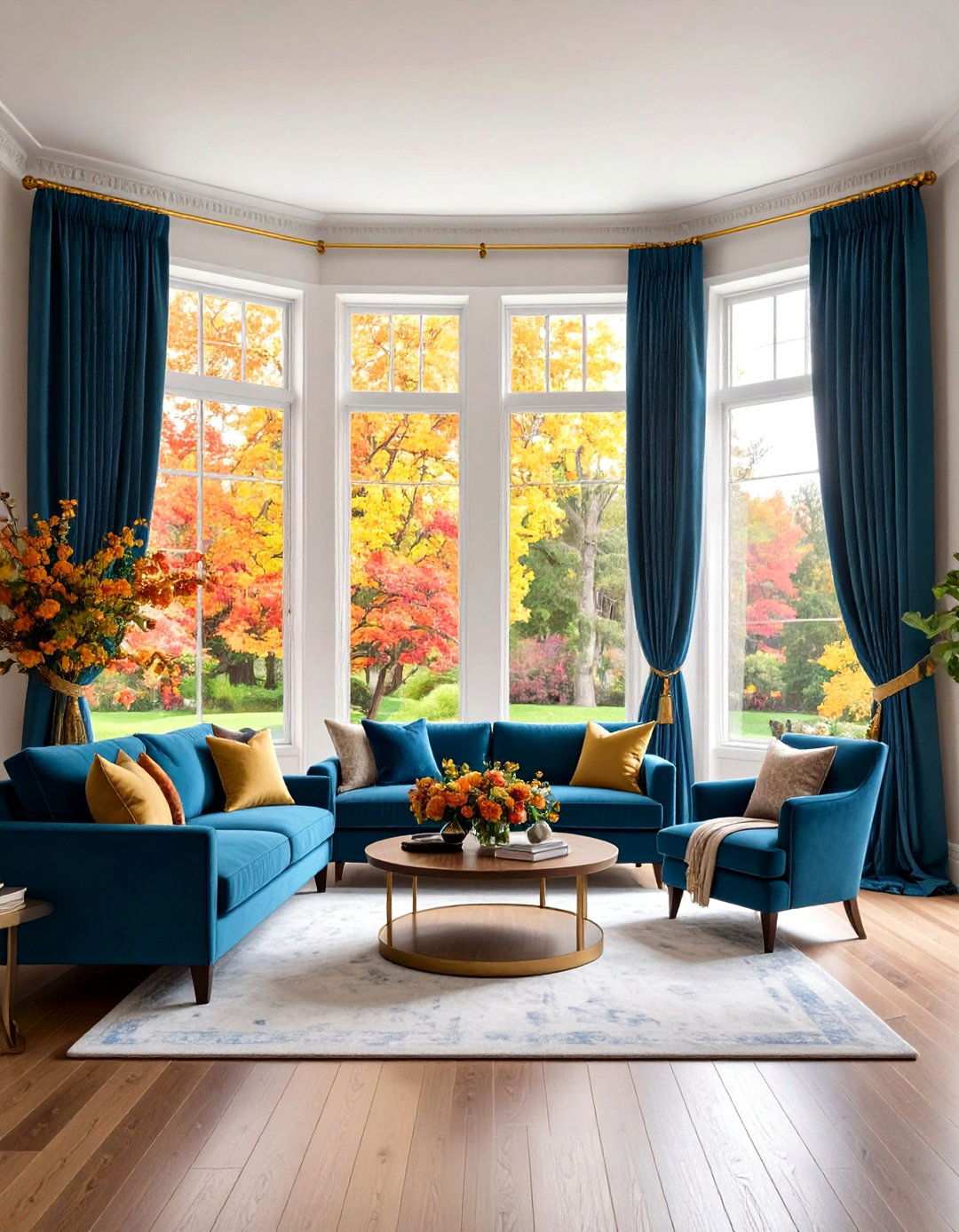
Does your current lighting scheme effectively showcase the beauty and elegance that traditional living rooms deserve, while also providing sufficient illumination for everyday activities? Crystal chandeliers serve as both functional lighting and striking decorative elements that anchor traditional interiors, imbuing the space with a sense of grandeur and sophistication. Period-appropriate designs in brass or bronze complement antique furniture while casting a warm, inviting glow that is perfect for entertaining. By incorporating multiple light sources, homeowners can prevent harsh shadows and create a welcoming atmosphere that encourages social interaction. Table lamps with fabric shades offer task lighting for reading while contributing to the overall decorative scheme of the room. Strategically placed wall sconces can highlight architectural features, such as artwork or mirrors, thereby adding visual interest to the space. Dimmer controls allow lighting levels to adapt to different activities and times of day, ensuring that the room’s ambiance remains consistent and refined. With proper installation and regular maintenance, quality fixtures can provide decades of beautiful illumination, while strategic placement ensures even light distribution and prevents glare or dark corners that might compromise the room’s sophisticated atmosphere.
16. Timeless Textiles: Elevating Traditional Living Rooms with Authentic Persian Rugs
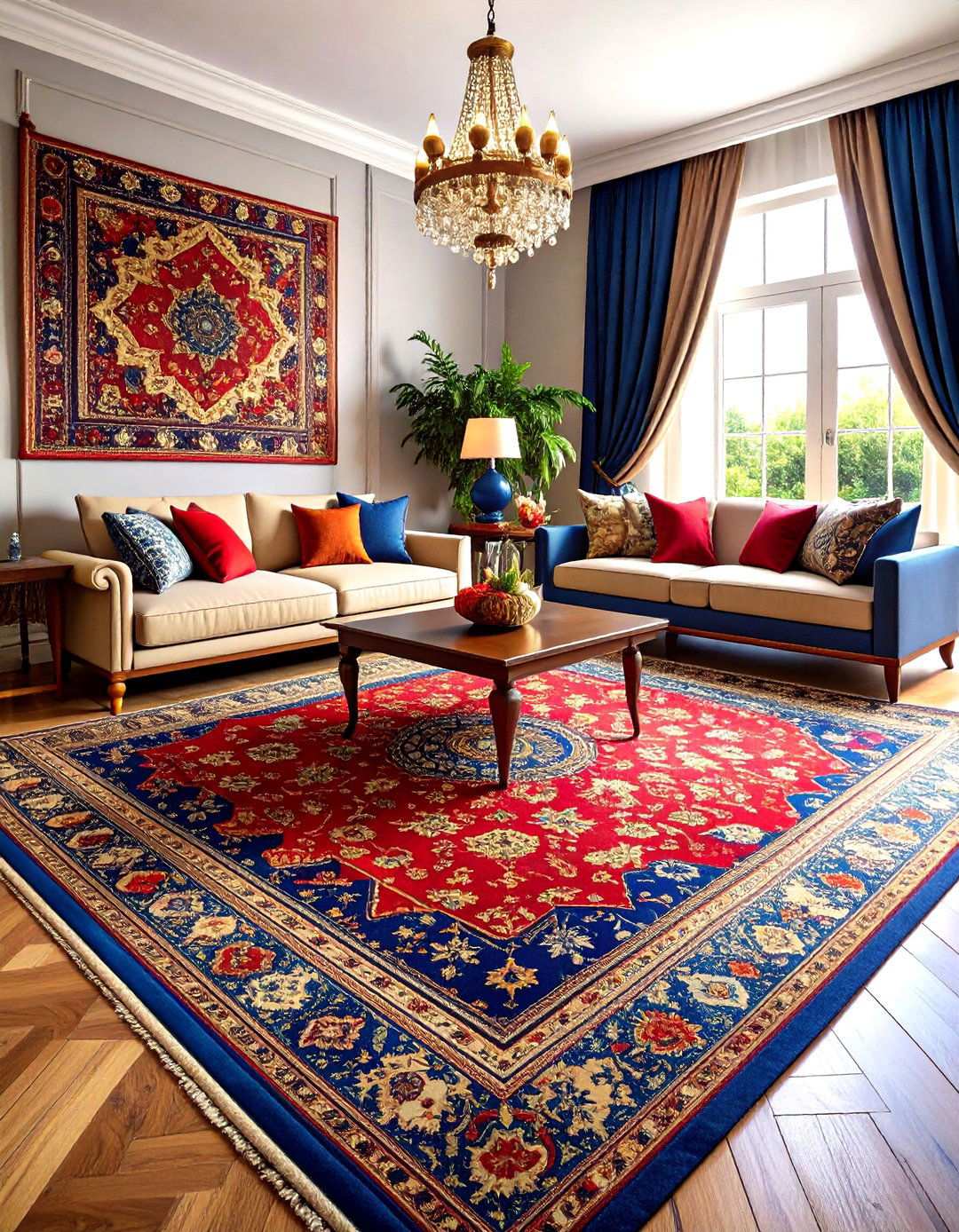
The presence of authentic Persian rugs in traditional living rooms is a masterstroke, elevating the space into a realm of luxury and historical significance. These exceptional textiles offer more than just floor covering; they play a pivotal role in establishing color schemes, defining seating areas, and infusing cultural richness that mass-produced alternatives cannot replicate. The hand-knotted construction of Persian rugs not only ensures durability but also showcases intricate patterns that reflect centuries-old design traditions. The rich colors in deep reds, blues, and golds complement traditional furniture while adding a warm, inviting ambiance to hardwood or stone floors. By properly sizing the rug, furniture legs can rest partially on the rug, creating a cohesive and harmonious seating arrangement. Furthermore, layering smaller rugs over larger neutral pieces adds depth and visual interest to larger spaces. To maintain the rug’s beauty and preserve its investment value, regular professional cleaning is essential. Quality Persian rugs develop a beautiful patina over time, which enhances rather than detracts from their appearance, making them treasured heirloom pieces for traditional homes.
17. Elevating Architectural Details: Unlocking the Potential of Traditional Wall Treatments
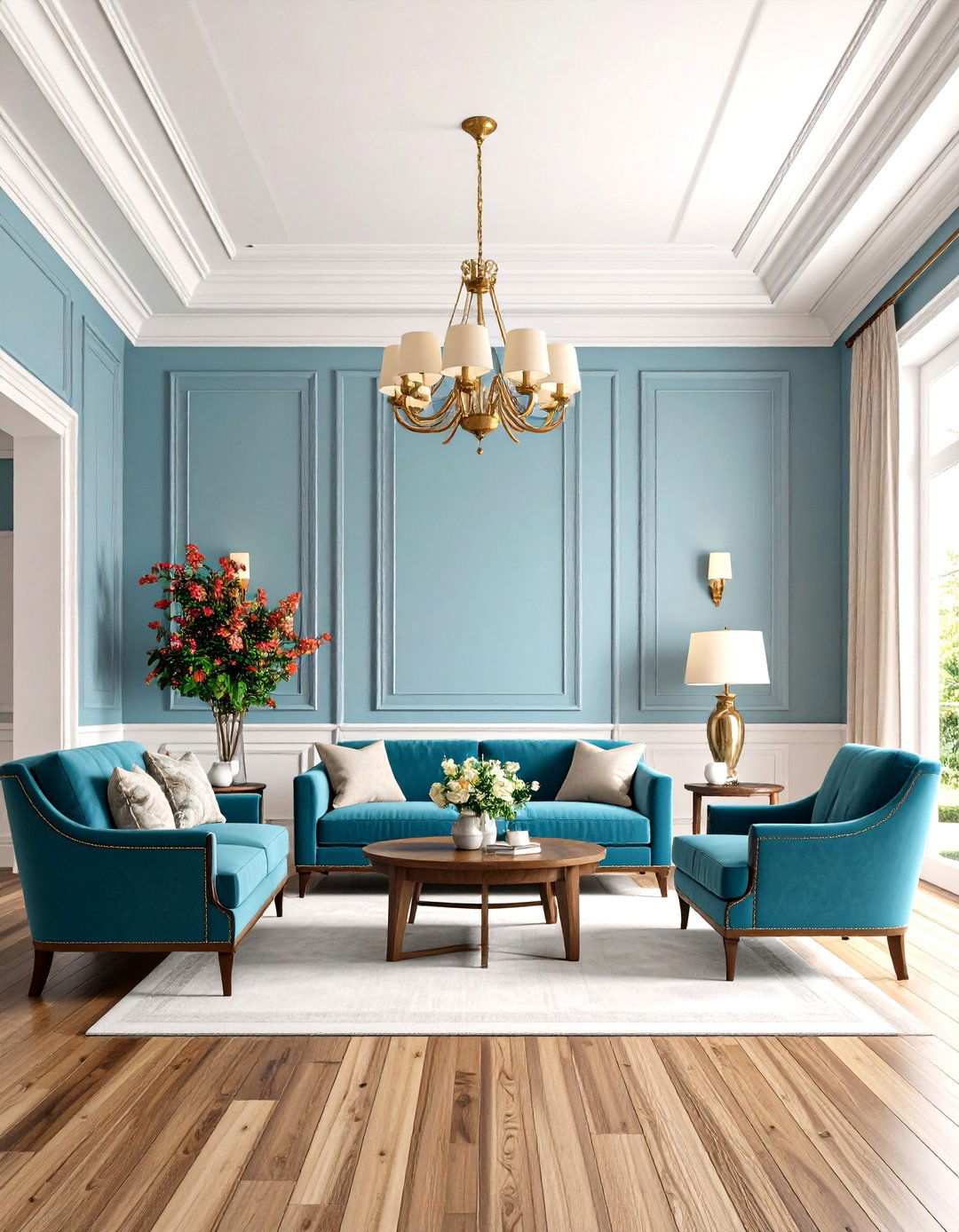
To create truly distinguished living room interiors, it’s essential to maximize the architectural impact of traditional wall treatments. Classic design elements like wainscoting, chair rails, and decorative moldings add a touch of sophistication while honoring timeless design principles. When it comes to panel heights, a range of 32 to 36 inches creates pleasing proportions while protecting walls from furniture damage. Traditional materials such as solid wood provide an authentic appearance and lasting durability, while modern alternatives offer similar aesthetics with the added benefit of easier maintenance. By using paint treatments, you can emphasize architectural details through clever color contrast or subtle tone variations. Crown moldings create a smooth transition between walls and ceilings while adding visual height to rooms. Picture rails allow for easy artwork changes without causing damage to the walls. While these details require professional installation to achieve proper proportions and clean lines, they provide lasting architectural character that enhances property values and creates more sophisticated living spaces.
18. Timeless Elegance of Grandfather Clocks
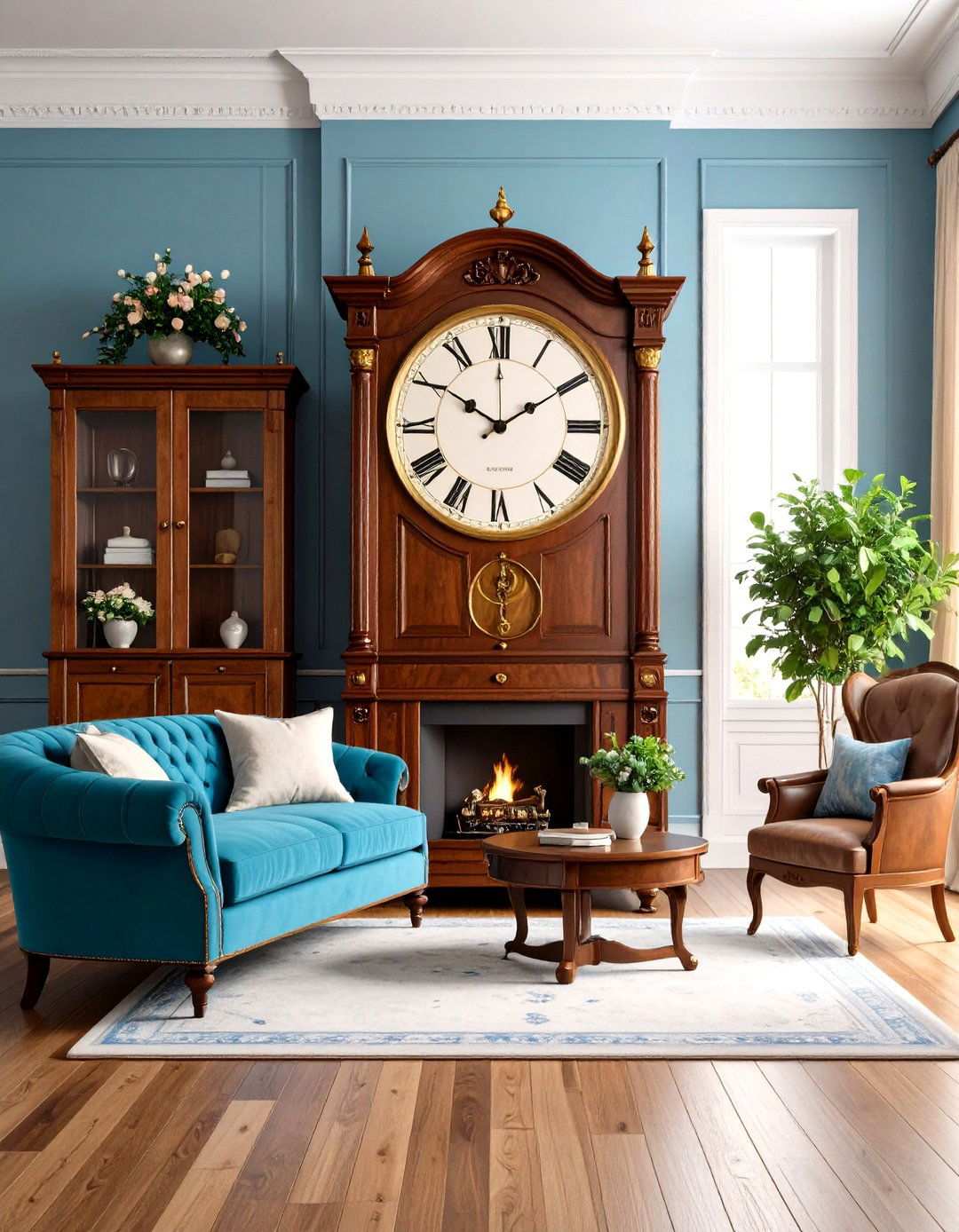
Grandfather clocks bring a touch of sophistication to traditional living rooms, combining practical timekeeping with an impressive architectural presence that anchors the space. Their rich wood cases in mahogany, cherry, or walnut complement traditional furniture while adding vertical drama to the room. The soothing sound of mechanical movements creates a peaceful atmosphere, which is essential for traditional rooms. When placing a grandfather clock, consider the visual impact and acoustic effects. Typically, the clock is positioned in a way that allows it to be appreciated without dominating conversation areas. Antique grandfather clocks offer historical authenticity, while reproduction pieces provide similar aesthetics with modern reliability. Regular maintenance ensures accurate timekeeping and preserves the investment value of quality pieces. The gentle ticking and hourly chimes create ambient sounds that enhance the traditional living room’s sense of established comfort and timeless rhythm.
19. Elegance in Classic Colors
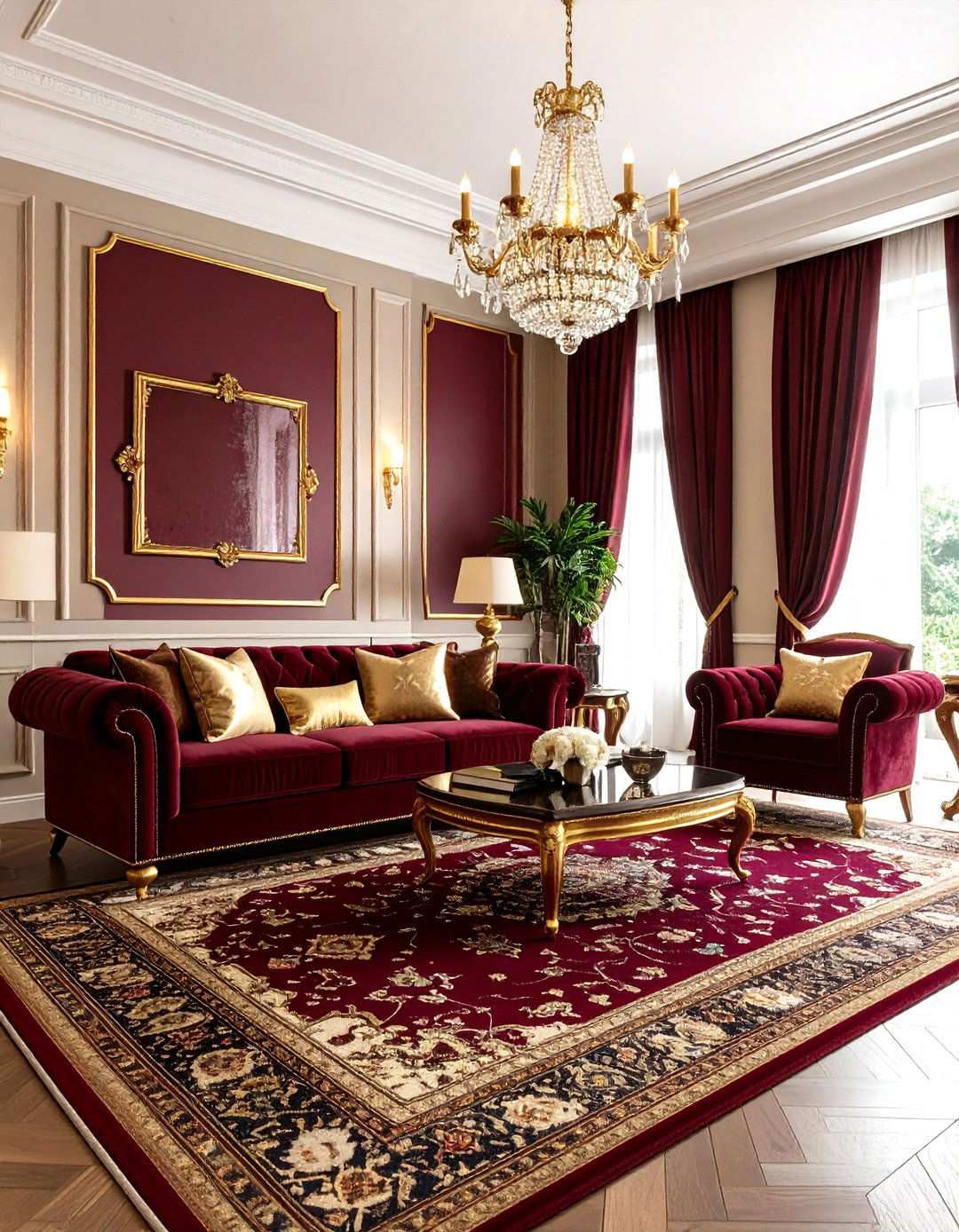
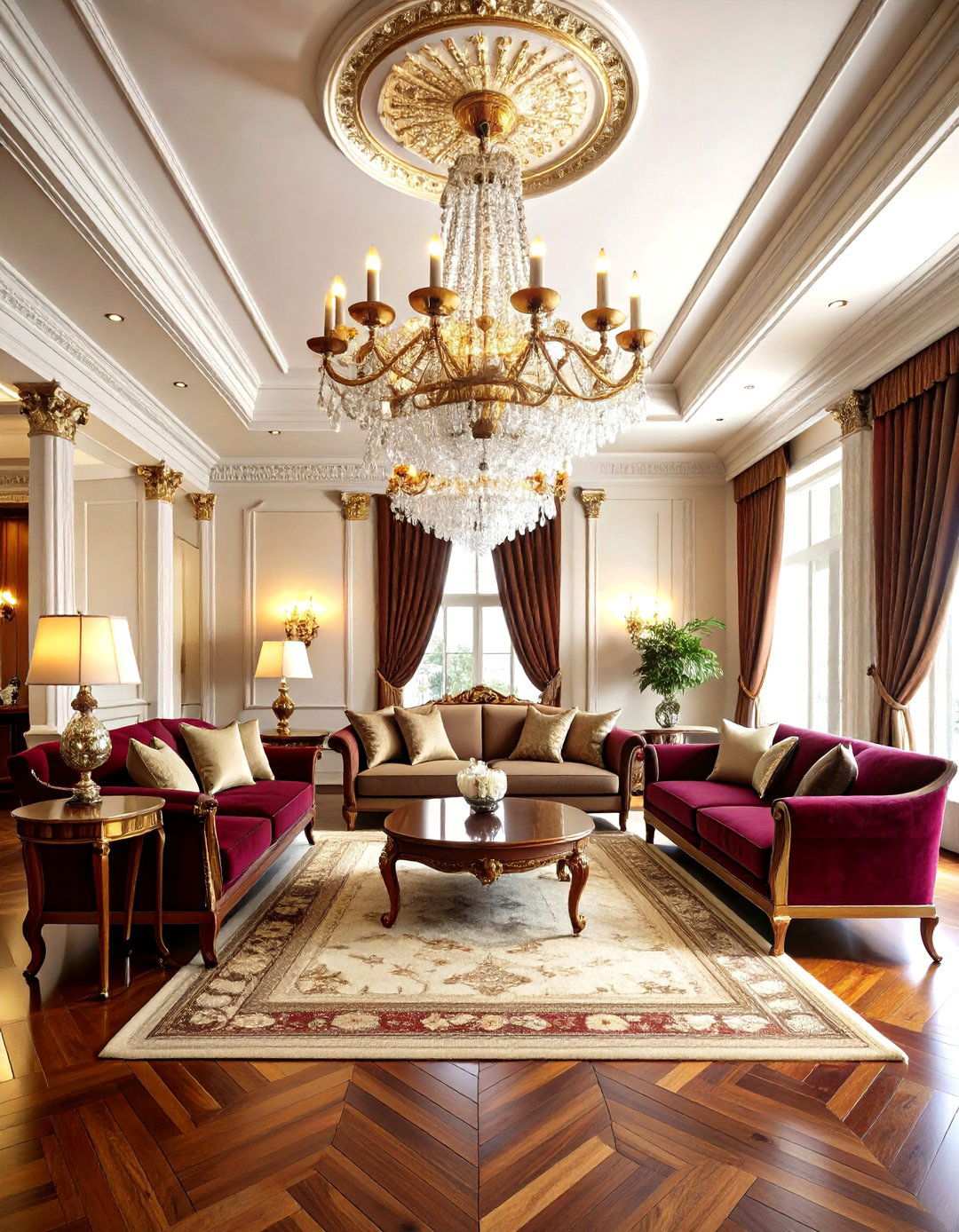
The classic burgundy and gold color combination brings remarkable depth and sophistication to traditional living room settings, drawing from royal precedents. This timeless pairing creates a rich warmth that makes spaces feel both elegant and inviting. Deep burgundy velvet upholstery on sofas and chairs creates luxurious seating, while gold accents in pillows, lamp bases, and picture frames add metallic sparkle. To prevent the dark colors from overwhelming smaller spaces, cream or ivory walls are often used, maintaining the rich atmosphere. The addition of Oriental rugs incorporating both colors ties the palette together while adding pattern complexity. Window treatments in burgundy silk or damask frame views while controlling light levels, and fresh flowers in crystal vases complement the sophisticated color scheme without competing with it. This proven combination works effectively in both formal and casual traditional settings, providing timeless elegance that never feels dated.
20. Timeless Mantel Elegance
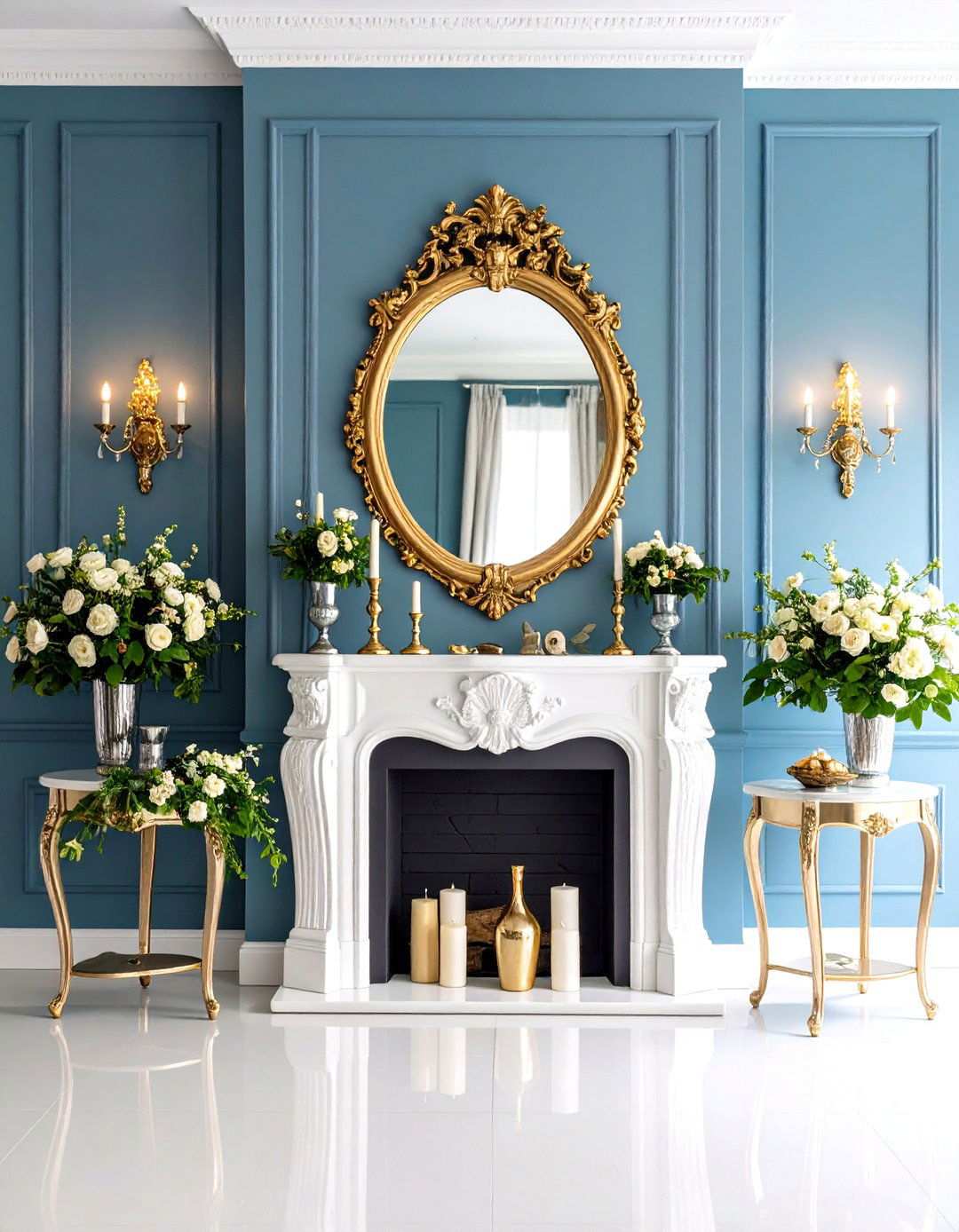
Does your fireplace mantel hold the power to captivate audiences with its understated sophistication and perfectly convey your affinity for traditional design? Achieving a well-balanced mantel display is all about striking a delicate equilibrium between refined symmetry and personal touches that imbue the space with meaning. Strategically placed mirrors or statement artwork serve as anchor points, while complementary decorative accessories create harmonious compositions that add depth to the space. Thoughtfully incorporating items of varying heights, such as candlesticks, vases, and decorative objects, injects visual interest without disrupting the overall sense of cohesion. Seasonal transformations keep the display fresh, while core elements remain intact, defining the space’s essence. Personal photographs displayed in elegant frames bring a touch of warmth, while quality antiques contribute a rich historical context. The judicious use of fresh greenery or flowers softens even the most formal arrangements, creating a sense of balance. Ensuring that decorative accessories are proportionate to the mantel’s dimensions is crucial, as it prevents them from overwhelming the space.
21. The Enduring Allure of Wingback Chairs
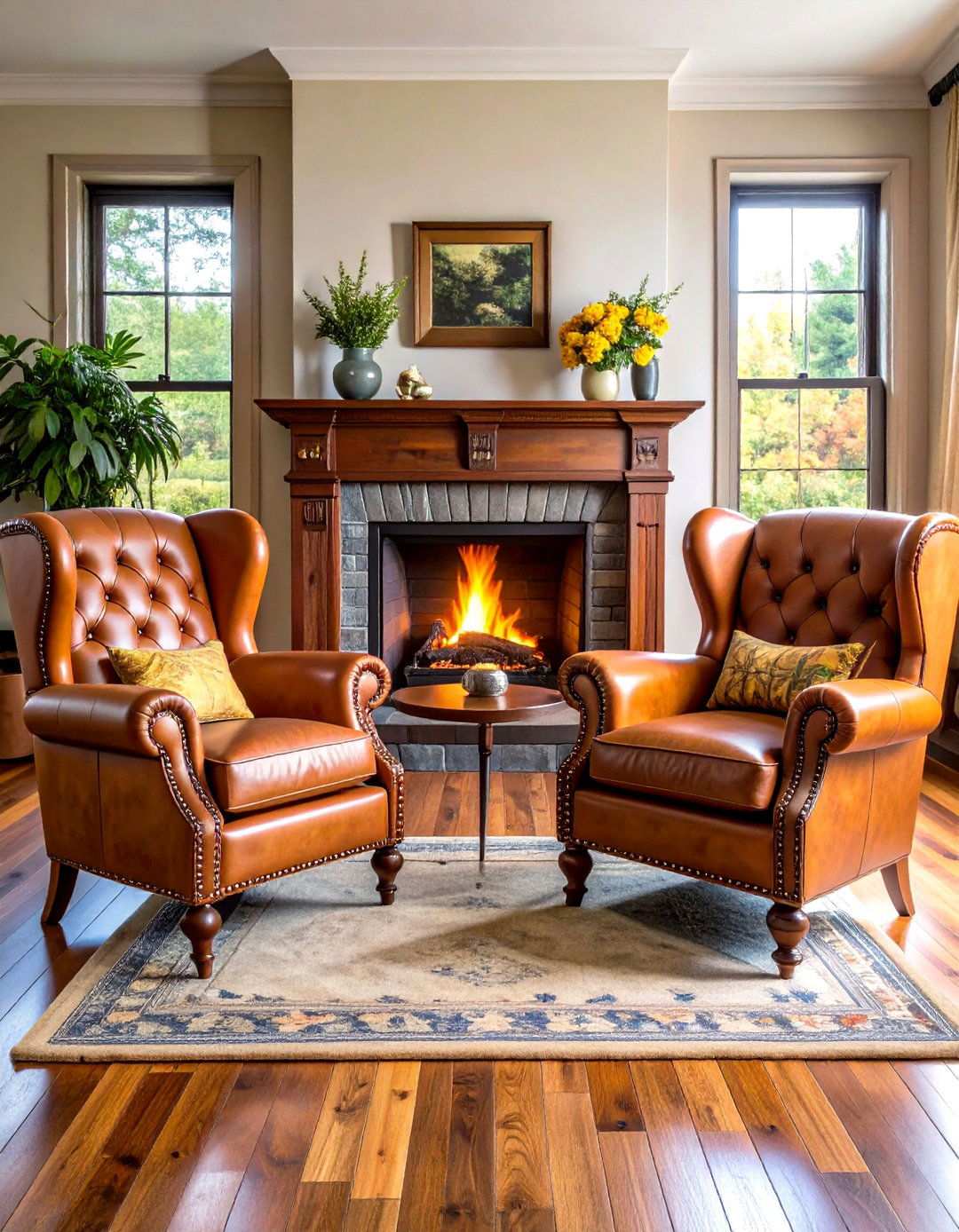
What is it about wingback chairs that has made them a long-standing favorite in traditional living rooms seeking to strike a perfect balance between comfort and refined elegance? These iconic pieces not only provide intimate seating areas but also add a touch of architectural presence that perfectly complements traditional interiors. The high backs and side wings of these chairs create cozy reading nooks, while their distinctive silhouettes add a touch of drama to furniture arrangements. Traditional upholstery in high-quality materials like leather or rich fabrics ensures durability, while authentic period details such as nail head trim and button tufting add a layer of depth and character. Coordinating pairs flanking fireplaces create beautiful symmetrical arrangements, while individual pieces can be strategically placed to anchor conversation areas in larger spaces. The quality construction of these chairs in hardwood frames guarantees lasting comfort and structural integrity. Even antique frames can be preserved through professional reupholstering, allowing for fabric updates while maintaining their original charm. Thoughtfully placing wingback chairs near windows or reading lamps creates perfect spots for quiet activities, contributing to the room’s sophisticated atmosphere that defines successful traditional design.
22. Refining Elegance with Traditional Tea Service
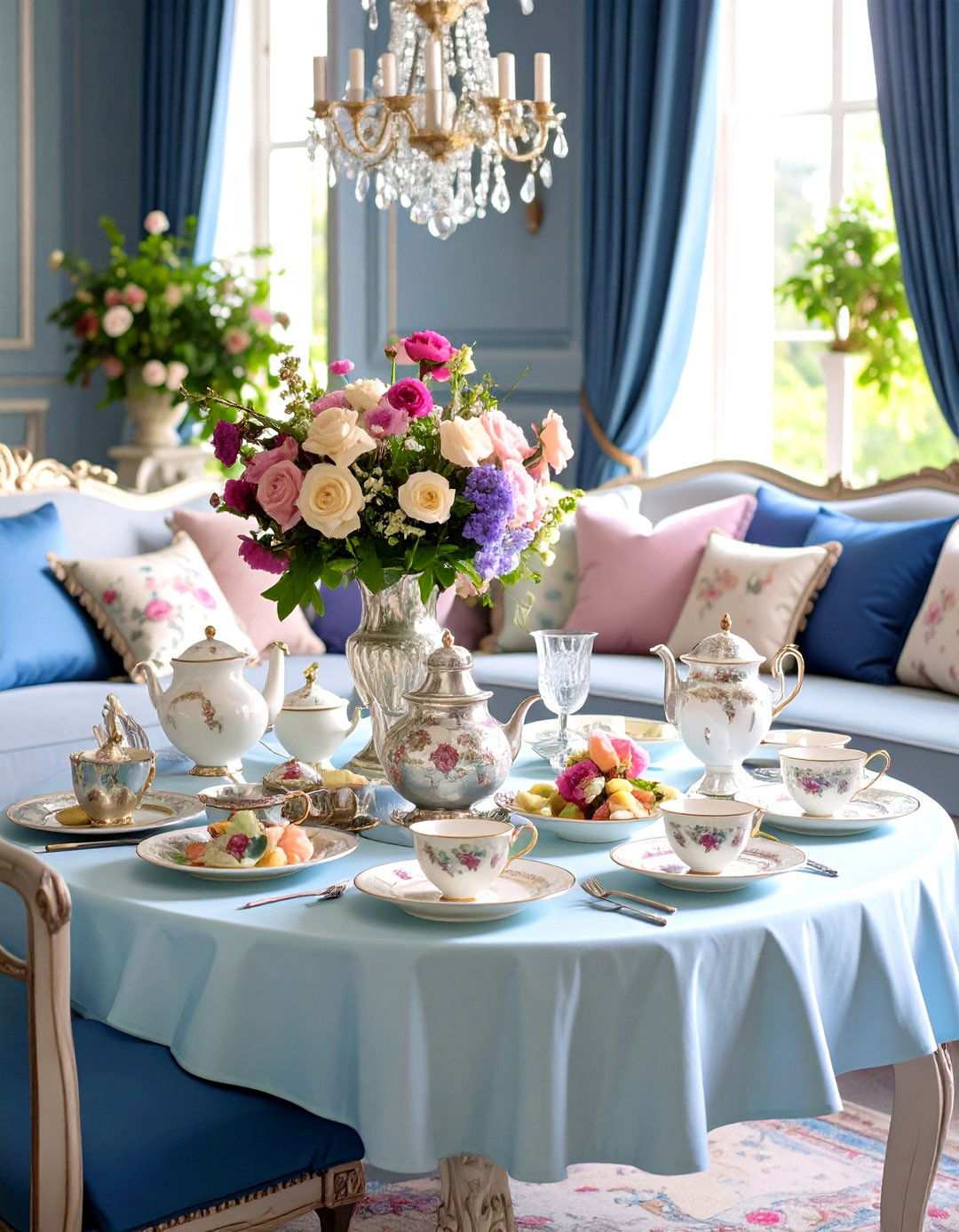
Incorporating elements of traditional tea service can elevate the sophistication of your living room while fostering opportunities for gracious entertaining. By incorporating silver tea sets, porcelain services, and crystal accessories, you can add both functional beauty and a sense of time-honored hospitality to your space. Antique silver pieces, though requiring regular polishing, offer unparalleled elegance for special occasions and everyday display. Fine porcelain sets in traditional patterns not only complement formal table settings but also add decorative interest to built-in displays. Crystal serving pieces, meanwhile, reflect light and add a touch of sparkle to carefully arranged vignettes. Proper storage not only protects valuable pieces but also keeps them easily accessible for regular use. Tea tables and serving carts provide flexible entertaining options while integrating seamlessly into the room’s traditional furniture collection. Completing the tea service presentation with fresh flowers and elegant linens can transform ordinary afternoons into truly special occasions. This attention to detail in gracious living creates opportunities for meaningful social connections while maintaining the refined atmosphere that makes traditional living rooms so appealing.
23. Elevating Tradition with Thoughtful Brass Accents
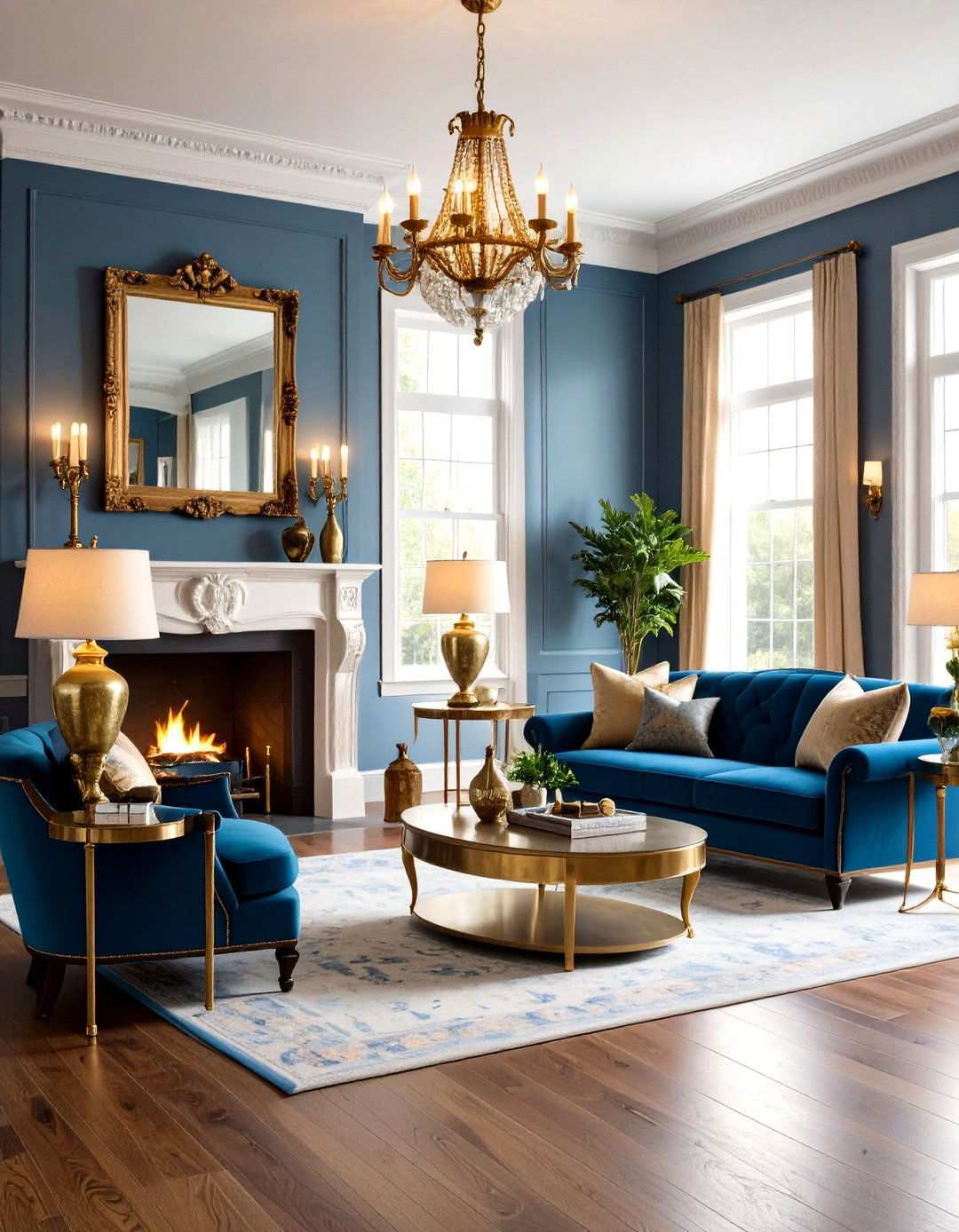
Carefully chosen brass accessories play a significant role in creating the warm, polished appearance that distinguishes exceptional traditional living rooms. Quality brass elements add a touch of metallic warmth while complementing wood finishes and rich fabrics throughout traditional interiors. Table lamps with brass bases provide beautiful illumination while contributing to sophisticated decorative schemes. Picture frames in antique brass beautifully highlight artwork and family photographs while adding consistent metallic notes throughout the space. Fireplace tools and accessories combine functionality with decorative appeal, requiring regular maintenance to preserve their golden luster. Cabinet hardware in brass finishes unifies built-in elements while adding authentic period details. Candlesticks and serving pieces provide entertaining accessories while enriching the room’s overall metallic palette. By thoughtfully mixing brass with silver or copper, you can create sophisticated layering while avoiding monotonous repetition. While investing in quality pieces and regular care may be necessary, the lasting beauty these details bring can truly enhance traditional living rooms.
24. Seasonal Decor Adaptation Strategies
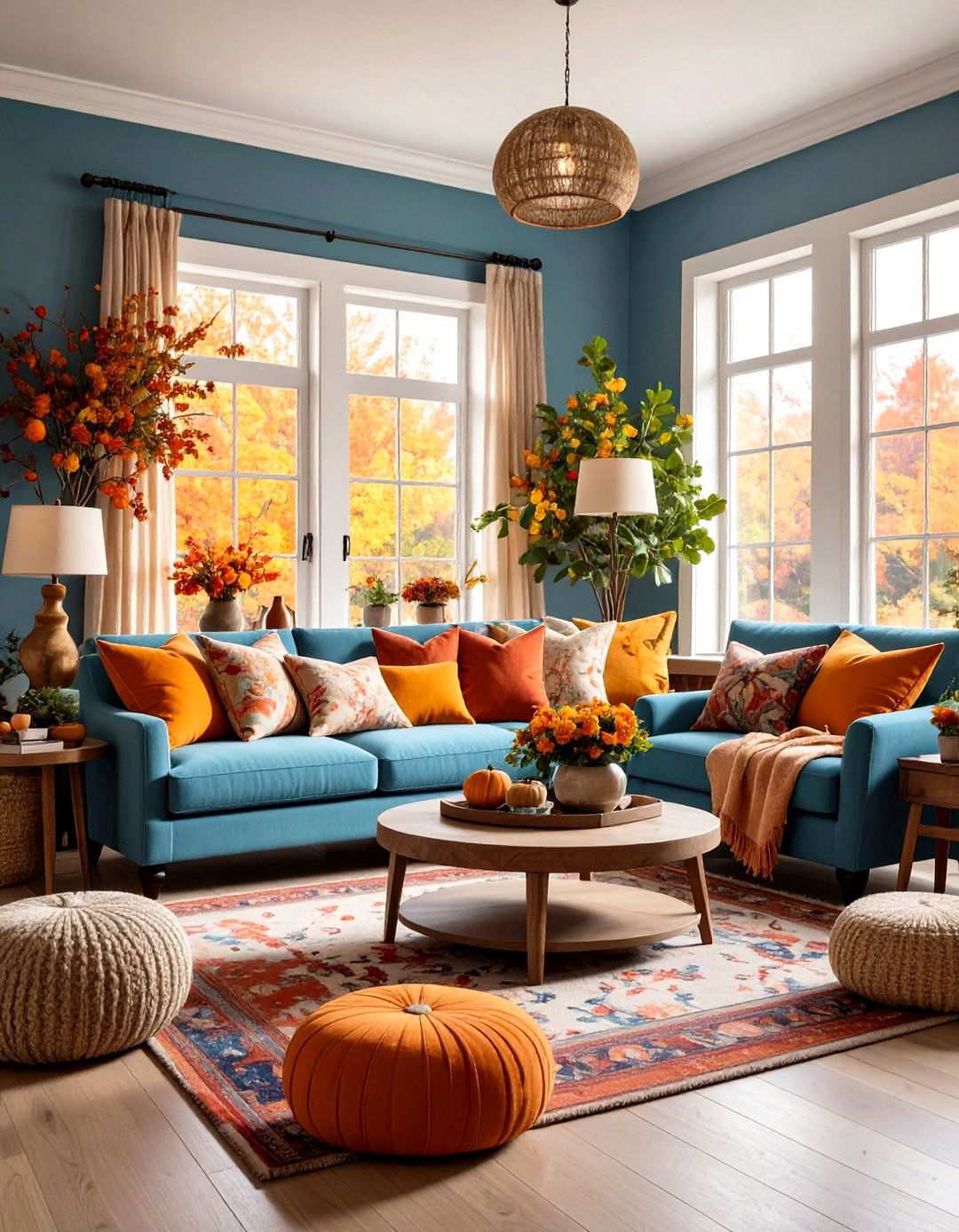
To transform your traditional living room’s accessories and textiles into a dynamic reflection of the seasons, it’s essential to strike a balance between updating and preserving its classic essence. Skilled seasonal decorating enhances the room’s inherent character without overwhelming it through thoughtful additions and nuanced modifications. As the seasons change, incorporating fresh elements can breathe new life into the space without sacrificing its sophisticated, timeless appeal.
In the spring, natural accents like delicate blooms and soft pastel hues can be seamlessly integrated into the existing color palette, while summer brings a touch of the outdoors with natural elements like seashells or weathered driftwood. These additions can be presented with the same level of elegance that defines your traditional space. As fall approaches, rich autumnal tones of orange and gold can be introduced through pillows, throws, and carefully arranged natural elements that complement rather than compete with the room’s permanent furnishings. Winter holidays provide an opportunity to add metallic accents and evergreen decorations that exude a festive spirit without compromising the room’s refined aesthetic. By employing storage solutions that keep seasonal items organized and investing in high-quality accessories, you can ensure that changes feel intentional and well-planned, rather than haphazard. This thoughtful approach enables you to create living spaces that feel fresh and current, while preserving the enduring elegance that makes traditional interiors so appealingly timeless.