1. Timeless Traditions in Fireplaces
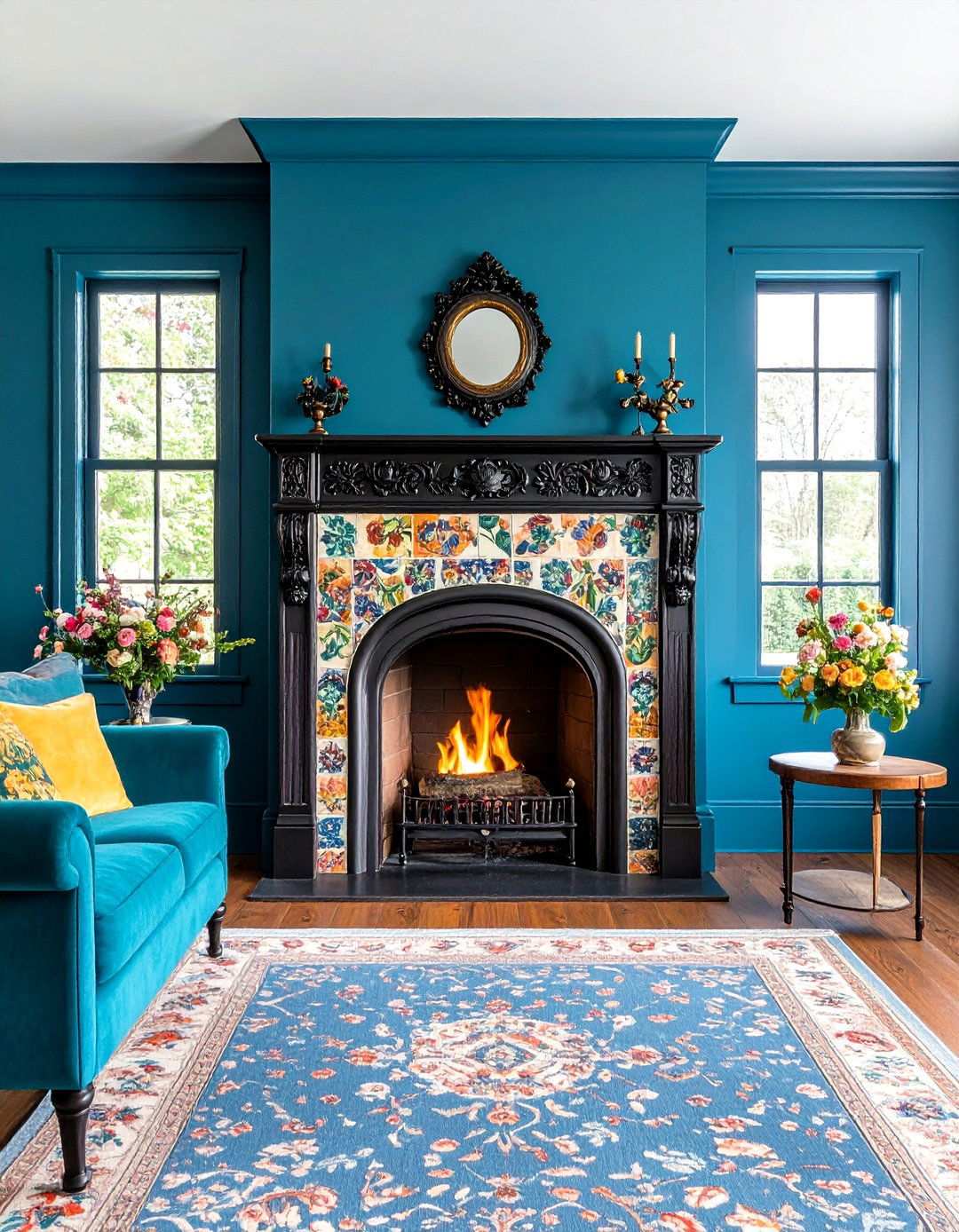
Traditional fireplaces have a rich history, weaving together centuries of architectural evolution and cultural expression. They not only provide a functional source of heat but also serve as the focal point of interior spaces, exuding warmth and elegance. Each style, from the ornate Victorian cast iron designs to the simple Georgian marble mantels, reflects the unique aesthetic values and social customs of its era. By embracing these architectural treasures, homeowners can infuse their modern living spaces with authentic historical character and create inviting gathering places that strengthen family bonds. Moreover, these timeless heating solutions add substantial value and visual interest to any home interior.

As an Amazon Associate I earn from qualifying purchases.
2. The Elegance of Victorian Cast Iron Fireplace Surrounds
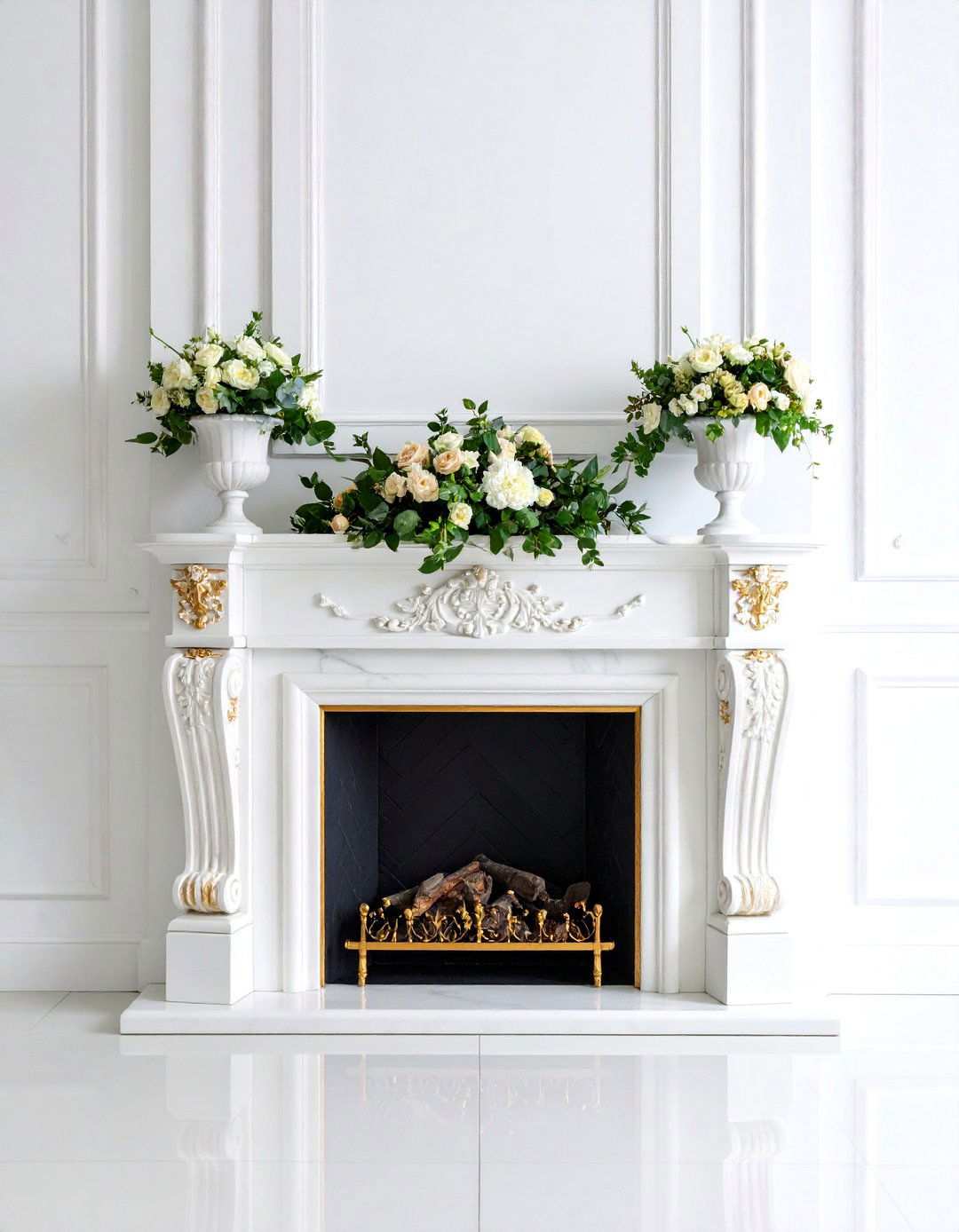
Victorian fireplaces stand out for their exquisite craftsmanship and ornate elegance. These elaborate designs feature intricate molded details, including floral motifs, geometric patterns, and figural elements, which showcase the industrial prowess of the era. The use of colorful ceramic tiles with botanical themes or classical imagery adds a touch of whimsy and sophistication, creating stunning visual focal points. Mantels often display carved corbels, decorative brackets, and elaborate overmantels with mirrors or painted panels, providing a striking contrast to the glossy tiles and matte black ironwork. Whether in period homes or contemporary spaces, these fireplaces add a dramatic touch of traditional character, making them a popular choice among homeowners seeking to create a unique and memorable atmosphere.
3. Edwardian Tiled Fireplace Surrounds: Timeless Elegance
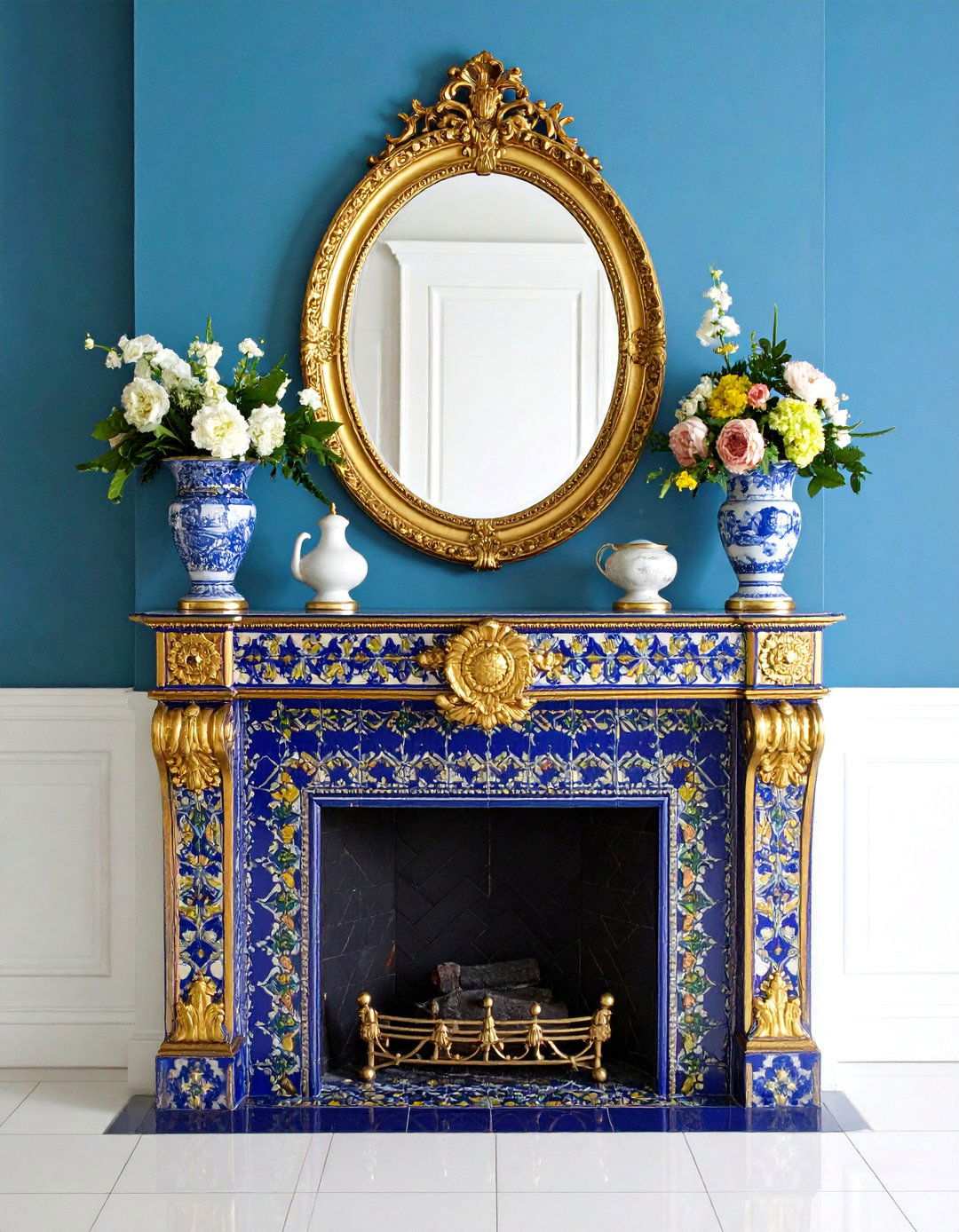
Edwardian fireplaces seamlessly blend Victorian grandeur with the emerging sensibilities of the modern era, resulting in sophisticated tile arrangements and refined metalwork that exude refinement. Characterized by richly glazed tiles in deep jewel tones or subtle earth hues, these designs often manifest in intricate geometric patterns or stylized botanical motifs that evoke a sense of opulence. The surrounds boast high-quality materials such as polished brass fittings, beveled mirrors, and intricately carved wooden elements that add to their allure. As Art Nouveau influences begin to appear, flowing organic forms and nature-inspired decorative themes emerge, striking a perfect balance between ornate richness and functional elegance. This harmonious blend of form and function reflects the period’s emphasis on domestic comfort and artistic innovation, making Edwardian fireplaces a suitable choice for both period properties and contemporary homes seeking sophisticated traditional character with artistic flair.
4. Arts and Crafts Brick Fireplace Construction: A Return to Authenticity
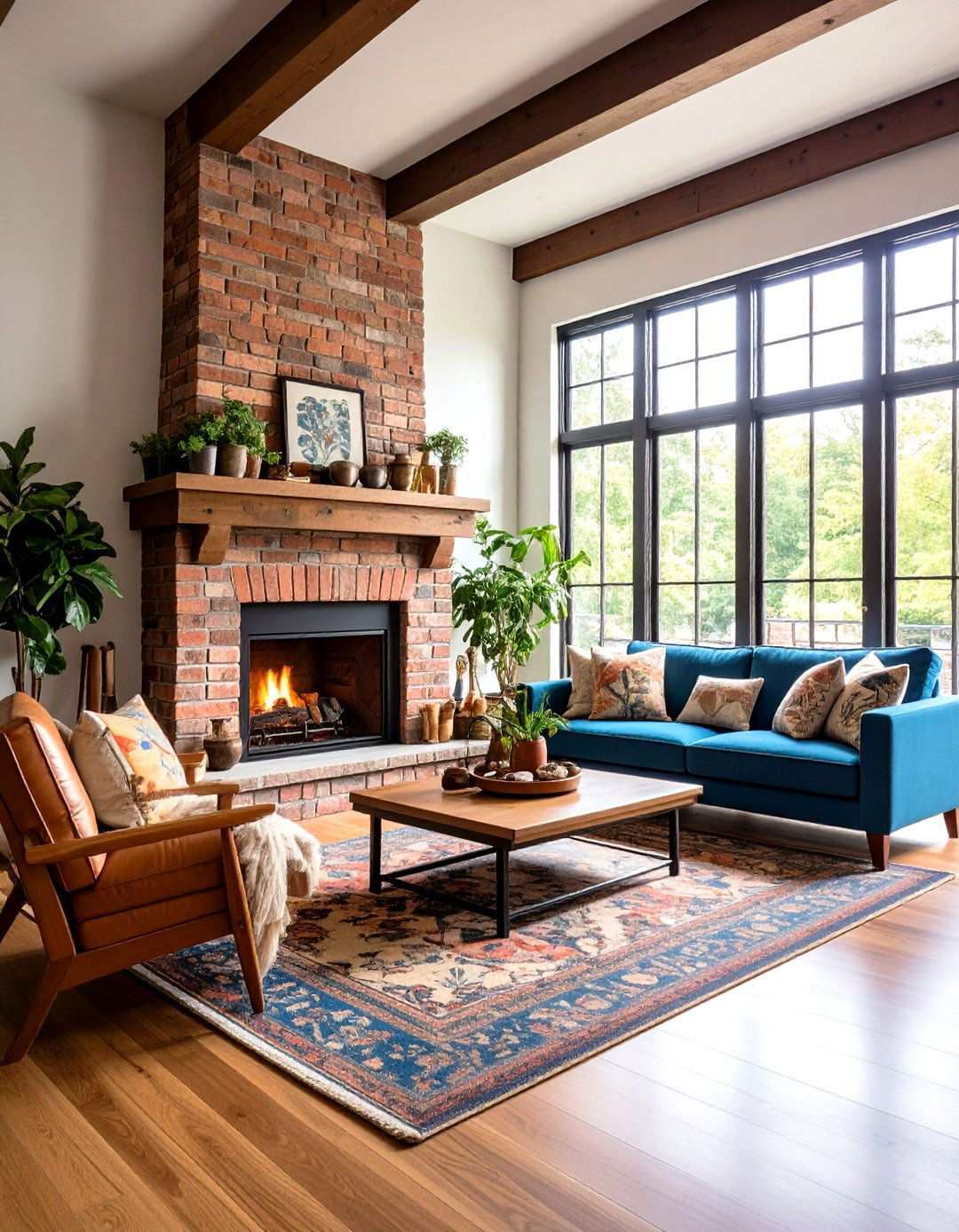
Arts and Crafts fireplaces celebrate the beauty of honest materials and handcrafted construction, showcasing exposed brick surrounds and custom ceramic tilework that pays homage to natural textures and earth-toned color palettes. These designs seamlessly integrate with organic architectural elements, creating a sense of harmony and balance. Hand-formed bricks add visual interest through varied textures and subtle color variations, while art tiles feature stylized botanical motifs or geometric patterns inspired by medieval design traditions that add a touch of sophistication. Wooden mantels display simple profiles with visible joinery details that highlight skilled craftsmanship, rejecting industrial ornamentation in favor of authentic materials and traditional building techniques. The overall aesthetic creates warm, inviting focal points that complement both historic bungalows and contemporary homes embracing sustainable design principles.
5. Craftsman Built-in Inglenook Fireplaces: Creating Intimate Gathering Spaces
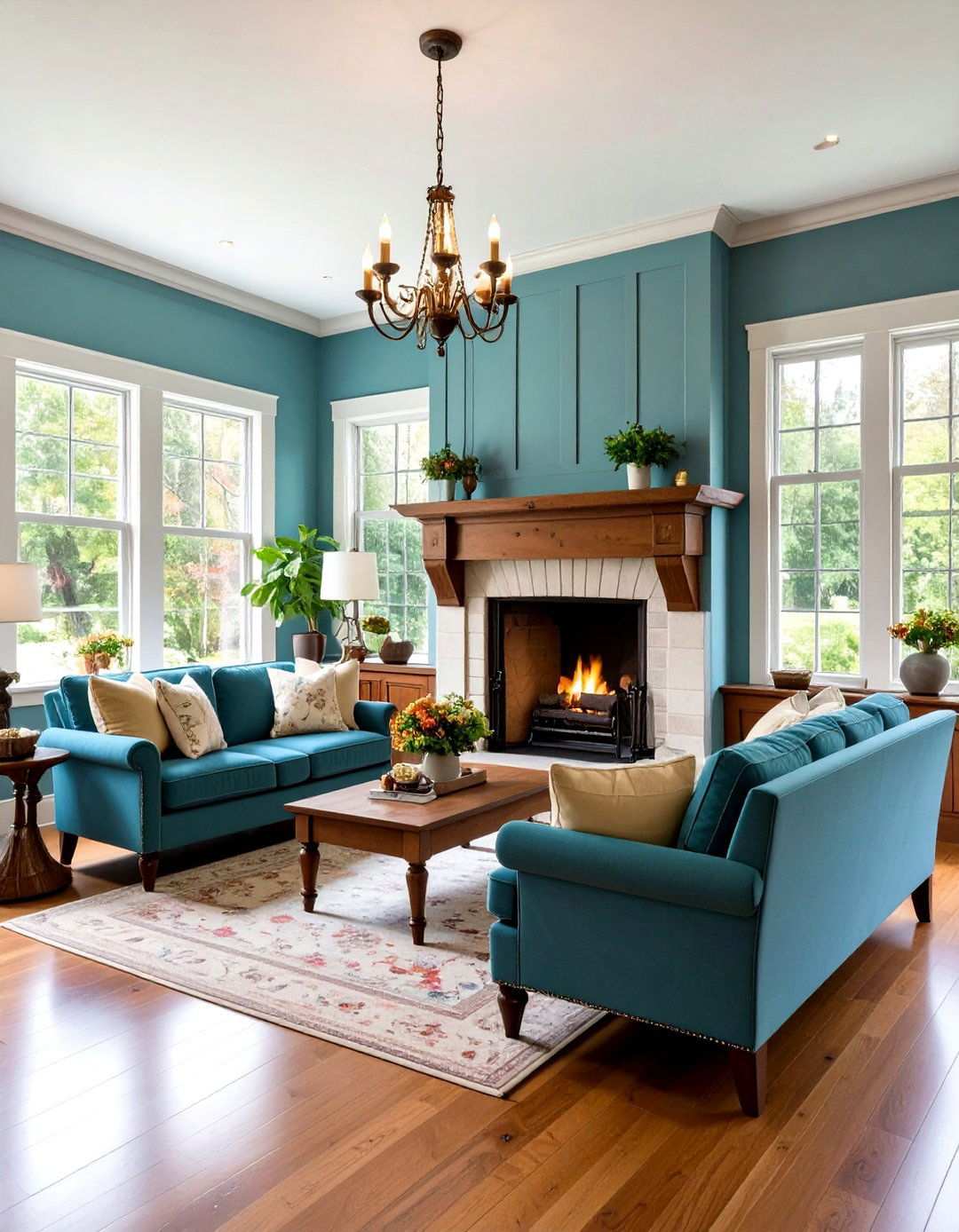
Craftsman inglenook fireplaces transform the traditional fireplace into a comprehensive living environment by incorporating built-in seating areas and integrated architectural elements. These designs feature low, horizontal proportions with flanking benches or bookcases that extend the fireplace’s visual and functional presence, creating a sense of warmth and coziness. Rich wood construction typically includes quarter-sawn oak with visible grain patterns and hand-rubbed finishes that celebrate natural materials. By incorporating built-in lighting, storage compartments, and display niches, these designs maximize functionality while maintaining clean, uncluttered lines. The inglenook concept encourages family interaction and relaxation, making it an ideal choice for open floor plans where defined gathering spaces enhance spatial organization.
6. Timeless Colonial Elegance in Federal Wood Mantels
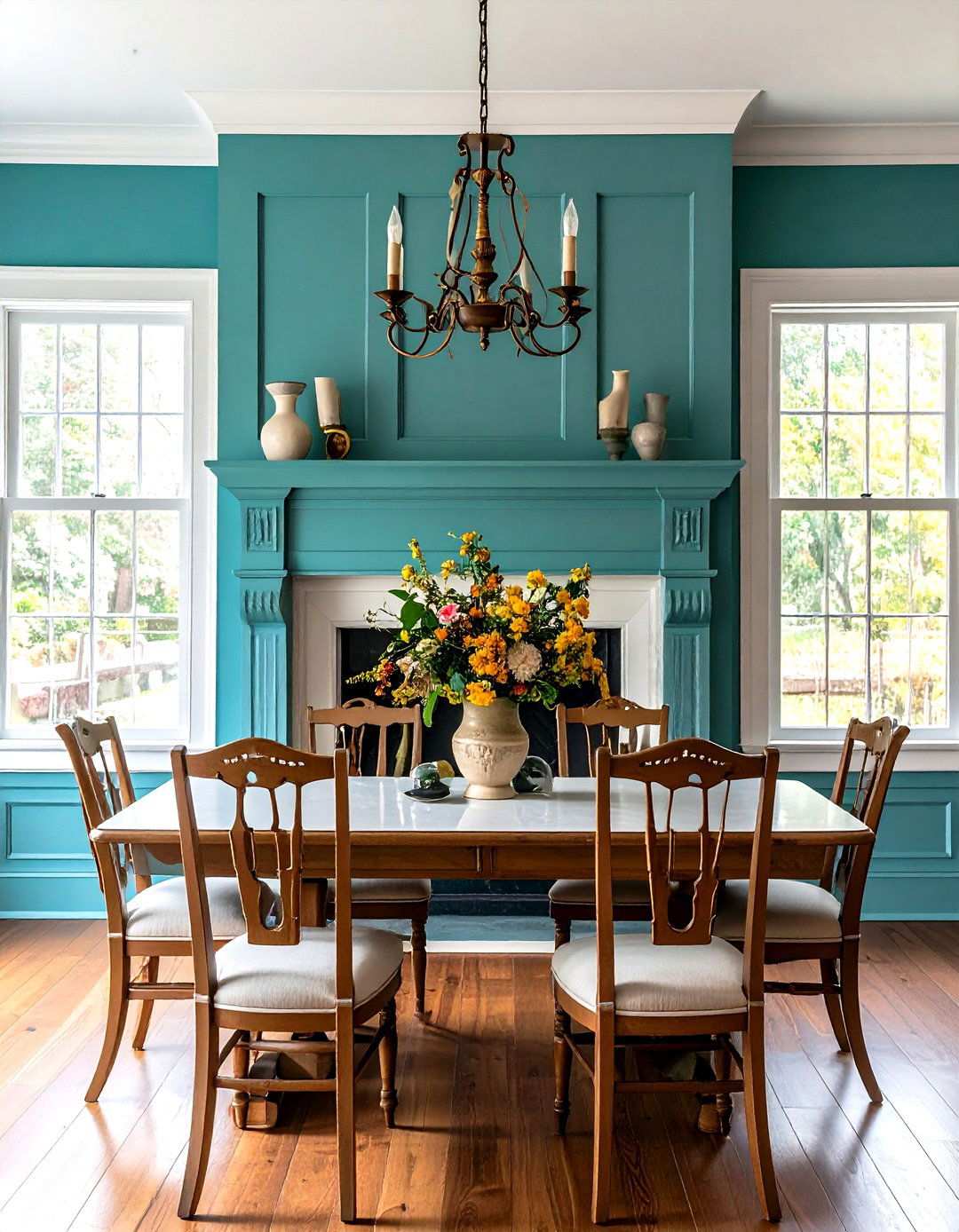
Federal fireplaces evoke the essence of American colonial architecture by blending classical forms with native wood craftsmanship. These mantels feature clean, geometric profiles that embody the practical values of the young nation and the limited materials available during its early years. Popular woods like pine, maple, and cherry are often painted in period-specific colors or left unpainted, allowing the natural grain patterns to shine through. In line with classical principles, the proportions of these mantels are scaled down and simplified to suit the modest scale of colonial homes. Decorative details, such as dentil molding, fluted pilasters, or simple carved rosettes, add an understated touch to these Federal mantels. The subtle elegance of these designs makes them suitable for both authentic colonial interiors and modern spaces seeking a touch of American traditional character.
7. Welcoming Queen Anne Period Fireplaces
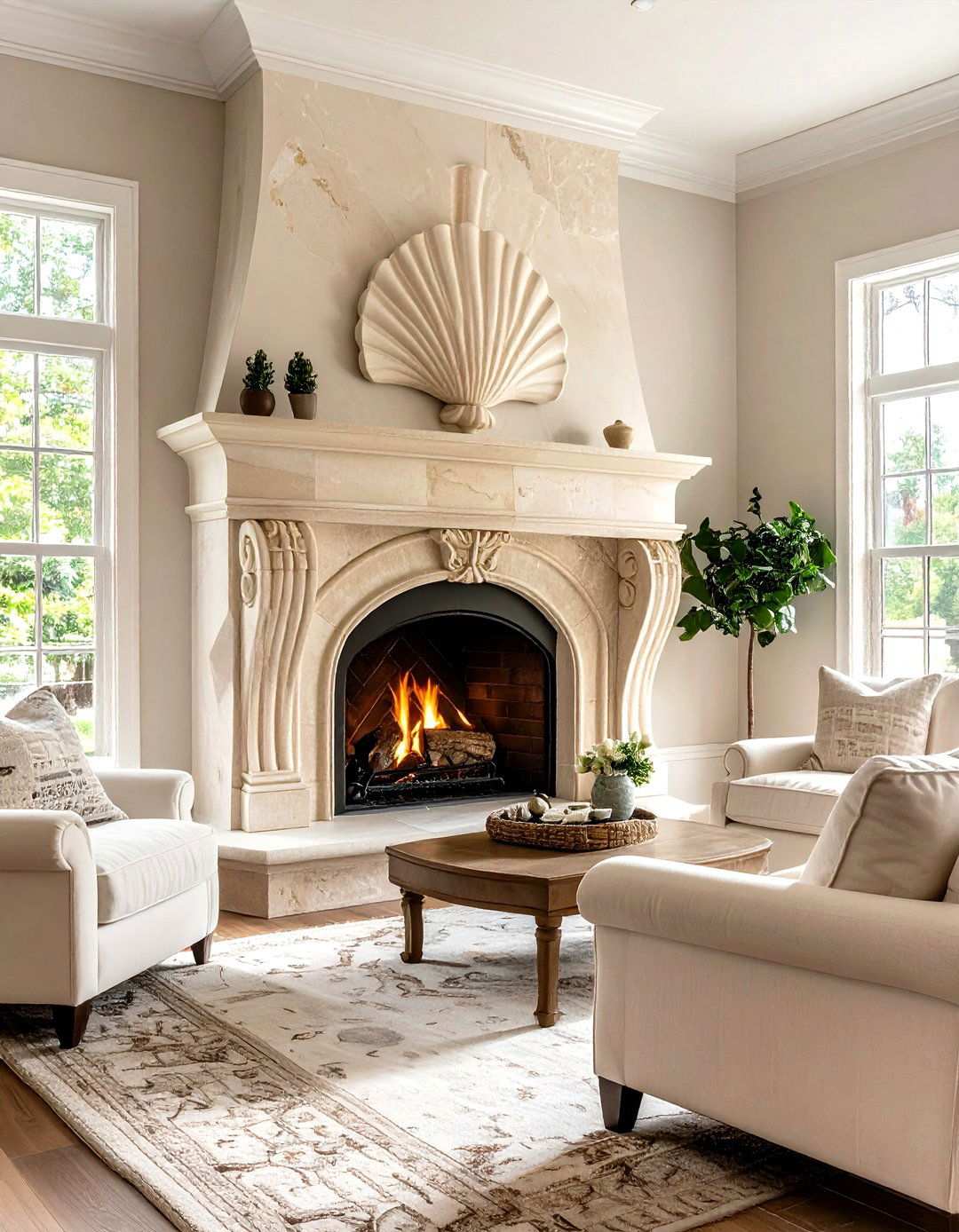
Queen Anne fireplaces capture the essence of early Georgian design through their elegant curves and balanced proportions carved from warm, natural limestone. These mantels feature generous curved elements, such as arched openings and flowing decorative details, that create inviting, comfortable spaces. The limestone material adds a unique, subtle texture and natural color variation that softens the formal classical elements. Delicate carved details, including shell motifs, scrollwork, and botanical elements, reflect the period’s love of natural forms and add a touch of whimsy to these fireplaces. With their human-scaled proportions, these designs are suitable for both formal and informal living spaces, making them an attractive choice for family-oriented interiors seeking traditional elegance without excessive formality.
8. Minimalist Sophistication in Regency Era Stone Fireplaces
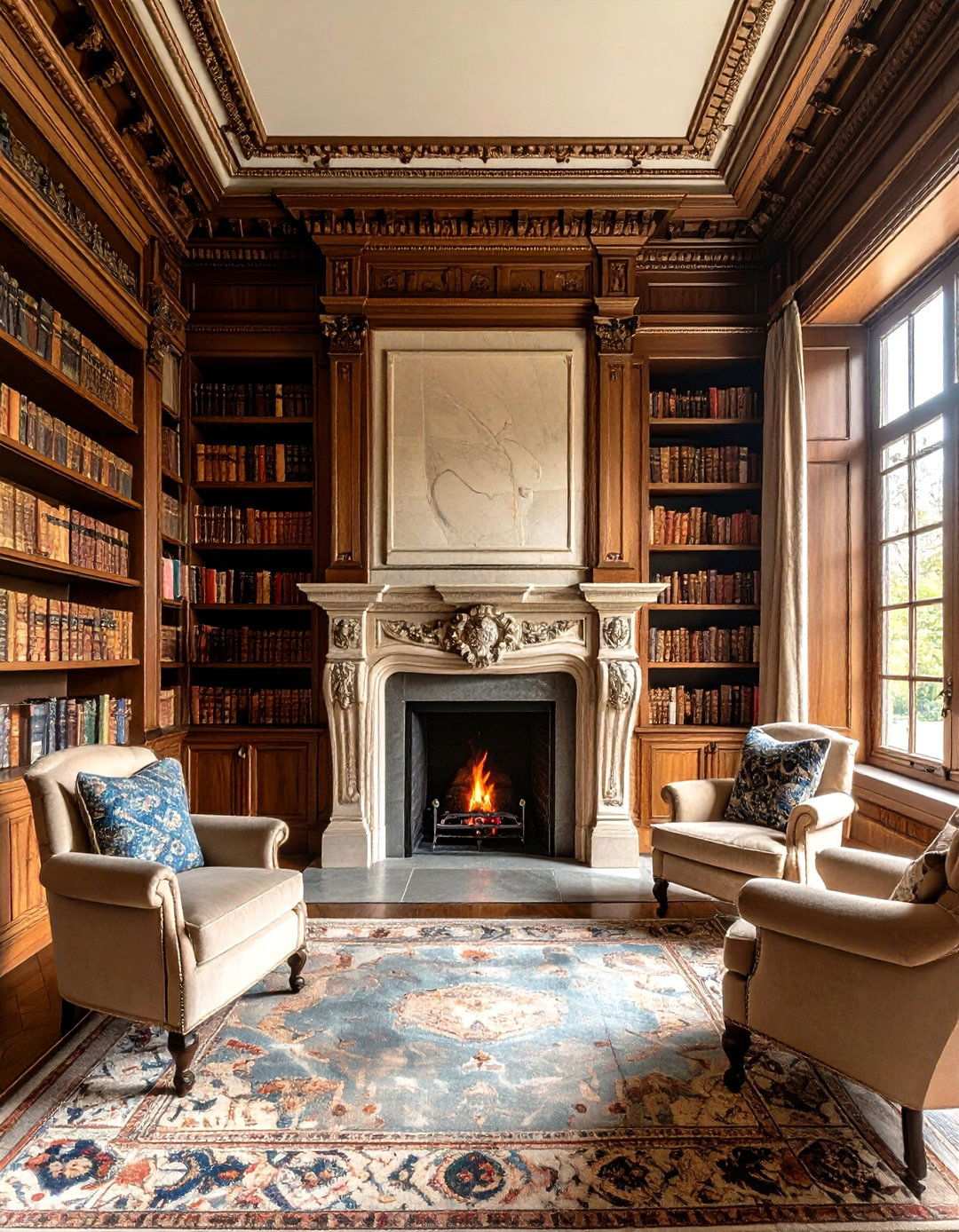
Regency fireplaces embody refined minimalism through their use of austere stonework and precise geometric proportions that reject earlier decorative excess. These designs emphasize architectural purity by featuring clean lines, smooth surfaces, and restrained classical detailing. Typically crafted from materials like Bath stone, Portland stone, or fine-grained limestone, these fireplaces can achieve crisp, precise carved details. Decorative elements, carefully selected and expertly executed, include Greek key patterns, rosettes, and simple molding profiles. The overall effect creates sophisticated focal points that complement both period Regency interiors and contemporary spaces that appreciate architectural restraint. By harnessing the power of proportion, material, and detail, these fireplaces demonstrate how design can emerge from disciplined simplicity rather than elaborate ornamentation.
9. Elegant Neoclassical Mantels in the Adam Style
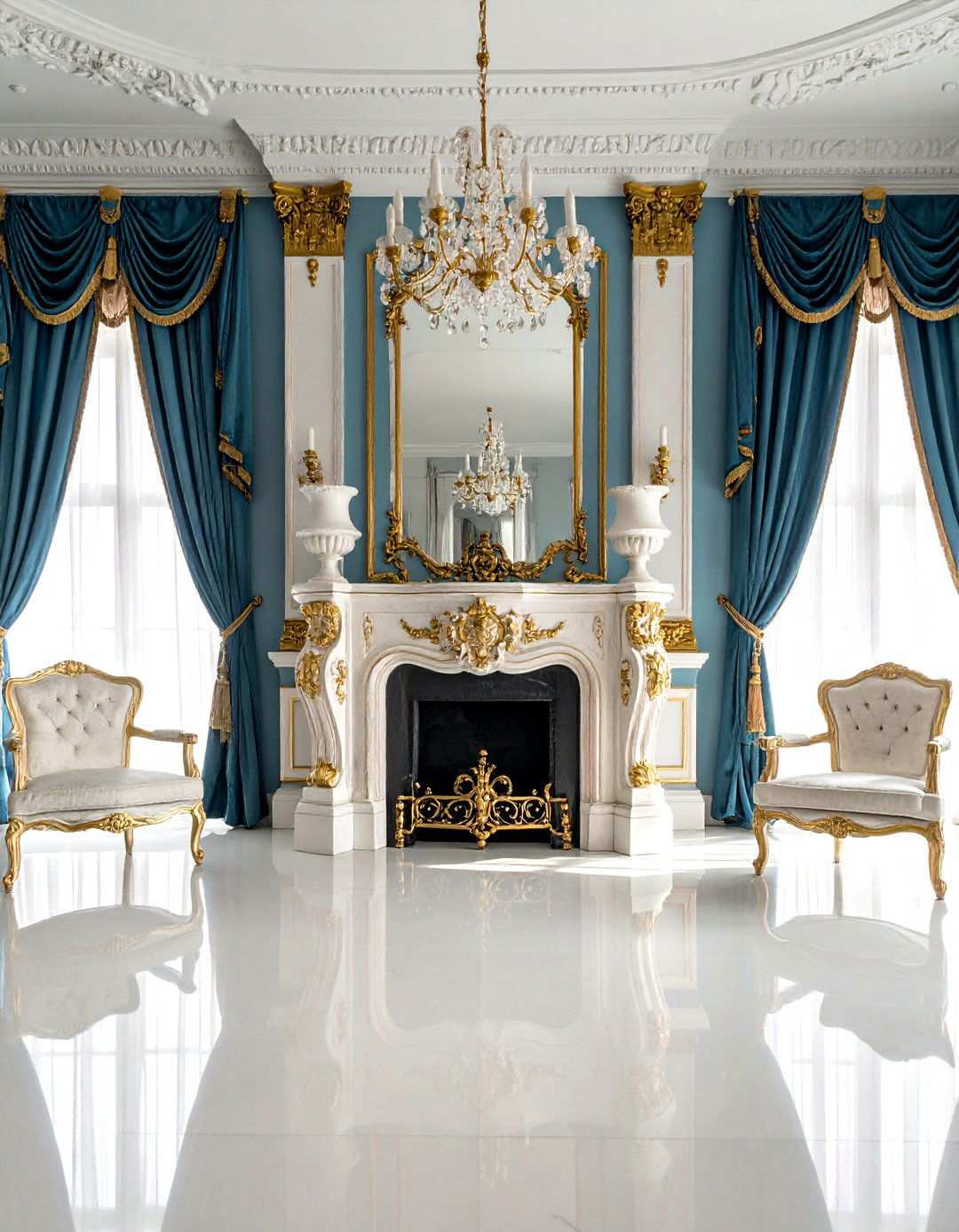
English neoclassical design reaches new heights in Adam style fireplaces, which exemplify refined proportions and sophisticated decorative programs drawn from ancient Roman architecture. These exquisite mantels boast expertly carved details such as urns, swags, and medallions, crafted with precision in pristine white marble or high-quality stone. The subtle balance of decorative elements and architectural framework, reminiscent of Robert Adam’s signature style, creates harmonious compositions that elevate the finest traditional interiors. Contrasting colored marble inlays add a touch of drama, while delicate carving techniques create subtle depth and visual interest. The sophisticated design vocabulary and impeccable execution of Adam style mantels ensure timeless elegance that continues to inspire contemporary classical design, defying changing fashions and trends.
10. Authentic French Farmhouse Limestone Surrounds
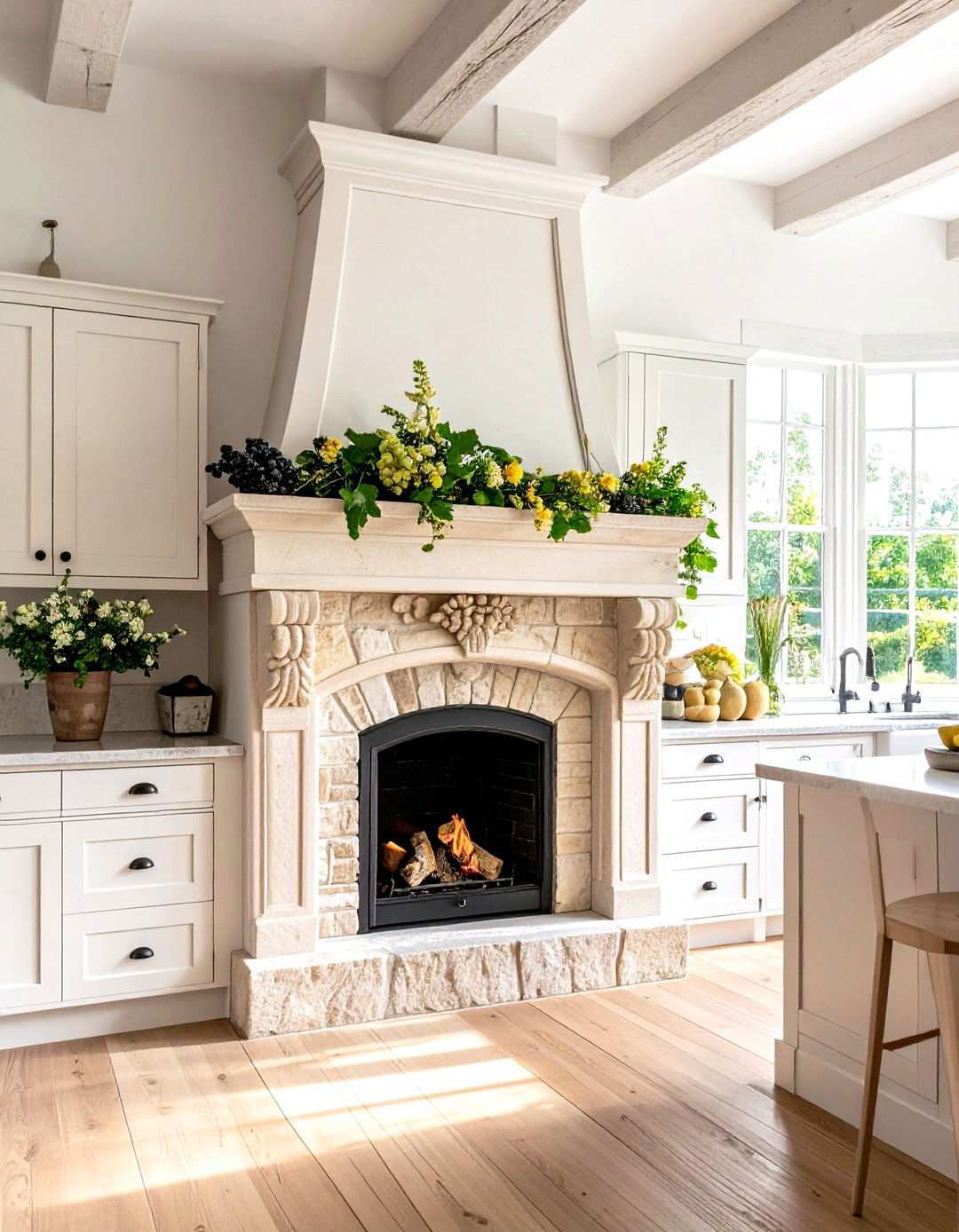
French farmhouse fireplaces seamlessly blend rustic charm with European craftsmanship, as hand-carved limestone surrounds and traditional construction techniques come together to create a warm and inviting atmosphere. These designs feature substantial proportions and robust detailing that reflect the practicality of country living, while maintaining refined aesthetic sensibilities that are quintessentially French. As the limestone material develops a beautiful patina over time, it creates warm, honey-colored surfaces that beautifully complement natural interior finishes. Carved details might include grape clusters, wheat sheaves, or regional botanical motifs that celebrate rural French heritage, adding a unique touch to these enchanting fireplaces. Generous hearths and substantial mantels provide not only functional benefits but also visual weight, anchoring interior spaces with their rustic charm.
11. Medieval English Heritage in Tudor Revival Stone Fireplace Designs
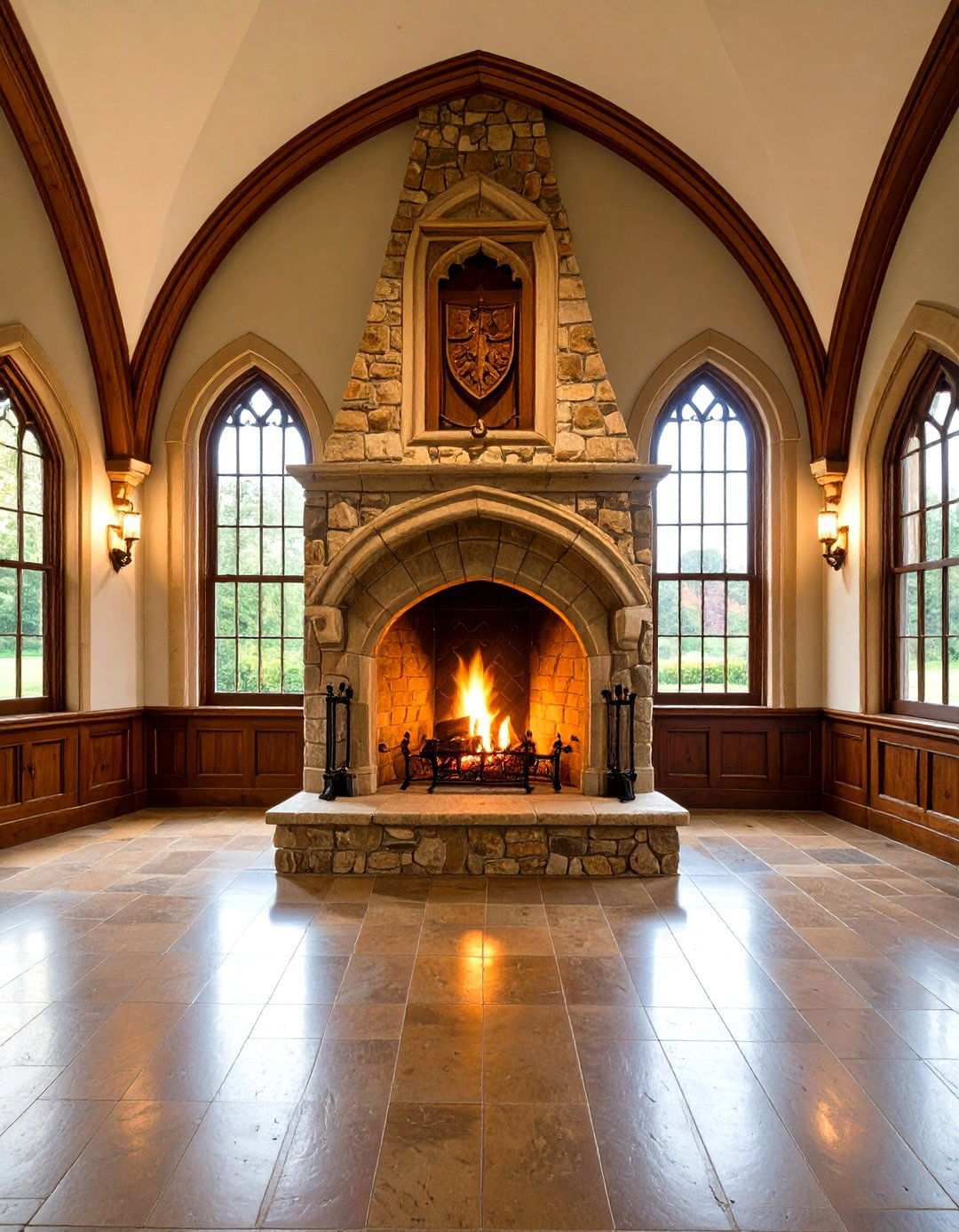
Tudor Revival fireplaces expertly evoke the medieval English manor houses of yesteryear, with substantial stone construction and Gothic-inspired decorative elements that create dramatic focal points in traditional interiors. These designs feature pointed arches, carved heraldic shields, and robust proportions that transport us to a bygone era. Natural stone materials such as limestone, sandstone, or fieldstone provide authentic textures and color variations that enhance the historical character of these magnificent fireplaces. Hand-carved details might include vine scrolls, trefoil patterns, or stylized animals that reflect medieval decorative traditions, adding a touch of authenticity to these majestic designs. The generous scale and bold architectural presence of Tudor Revival fireplaces make them particularly suitable for large rooms with high ceilings, where their substantial proportions can be fully appreciated.
12. Gothic Revival Pointed Arch Surrounds
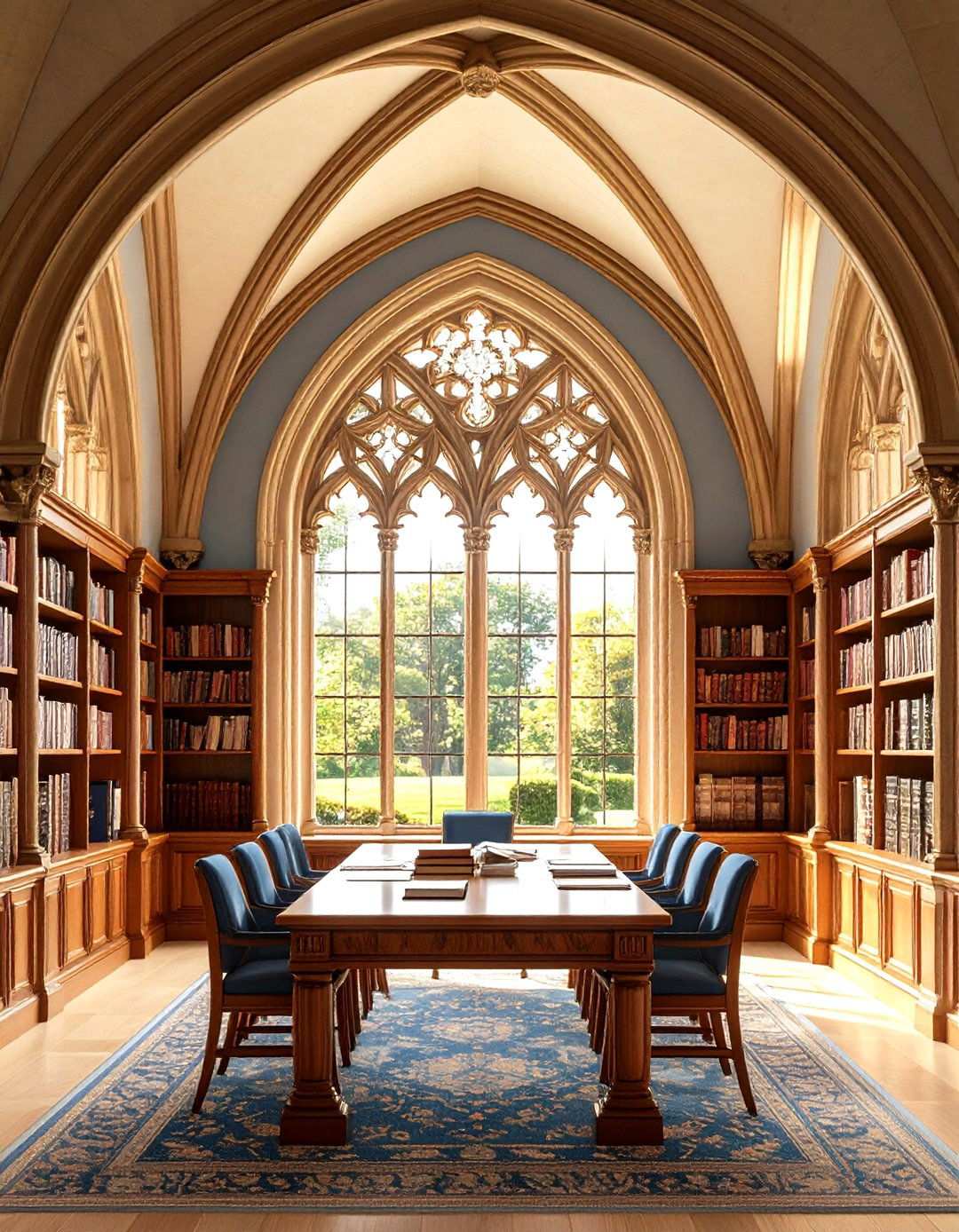
The Gothic Revival style of fireplace design is inspired by the grandeur of medieval cathedrals, where pointed arches, intricate tracery, and carved stone detailing come together to create a sense of vertical drama. This style’s emphasis on ornate decorative programs and striking architectural focal points is achieved through the use of fine-grained limestone or sandstone, which can be carved into intricate details such as crockets, finials, and foliate capitals. The pointed arch form not only provides structural efficiency but also carries symbolic significance, elevating the fireplace from mere functionality to a work of art. When paired with rich wood furnishings and textile accessories, the natural stone tones of these fireplaces create a warm and inviting atmosphere, perfect for libraries, studies, and formal living rooms where contemplation and scholarship are valued.
13. Palladian Proportioned Classical Mantels
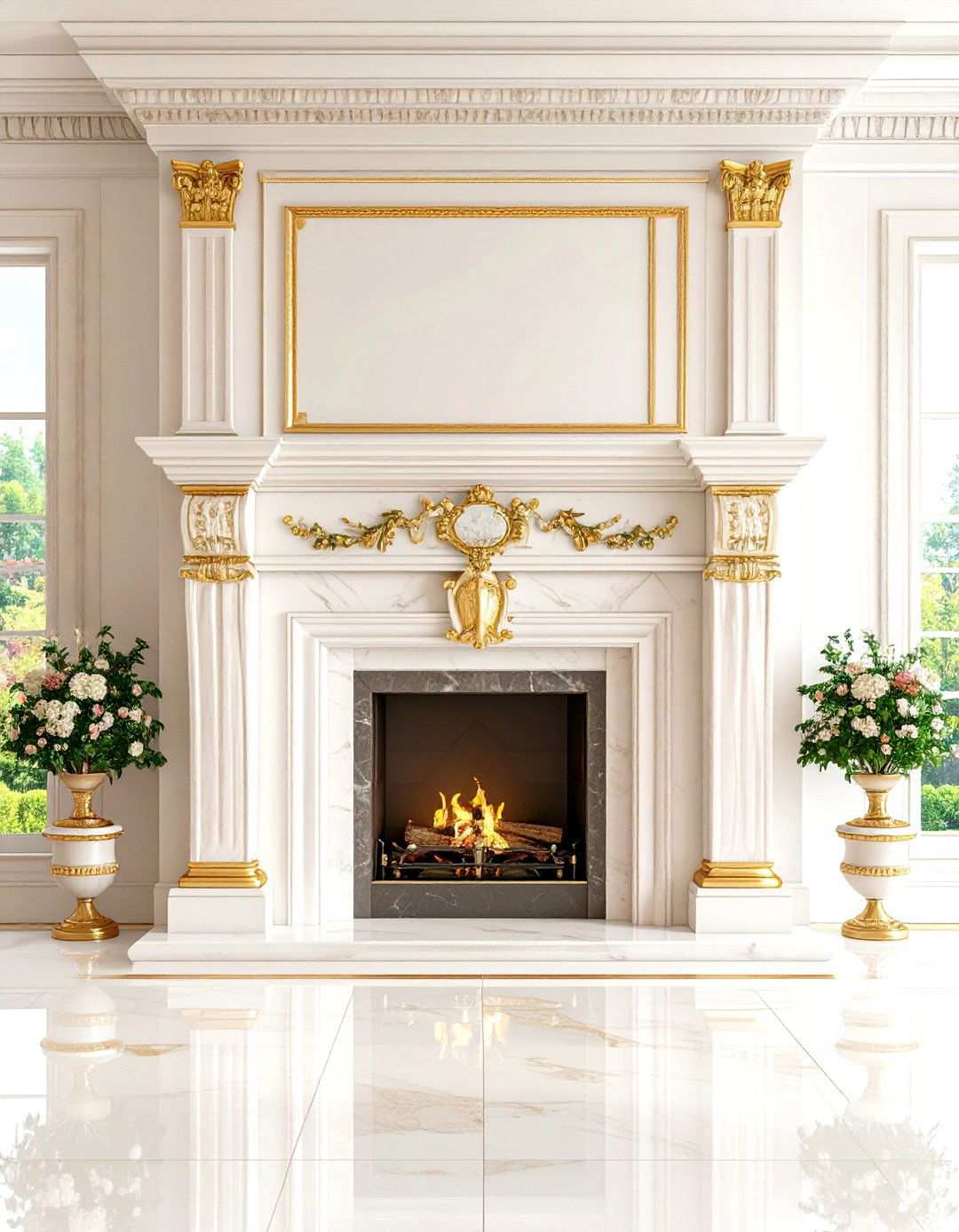
Palladian fireplaces embody the essence of Renaissance architecture, with mathematically precise proportions and classical orders derived from ancient Roman design. These mantels feature columns, pilasters, and entablatures that follow strict proportional systems, creating harmonious and balanced compositions that exude sophistication. The use of high-quality marble or limestone allows for crisp architectural details and smooth surface finishes, while decorative elements remain subordinate to the overall architectural composition. Carved details such as classical molding profiles, rosettes, and simple geometric patterns add a touch of elegance to these timeless designs. Suitable for formal traditional interiors, Palladian mantels demonstrate the enduring influence of classical architecture on contemporary design, requiring the skilled craftsmanship and quality materials to achieve their full potential.
14. Mission Style Simplified Wood Surrounds
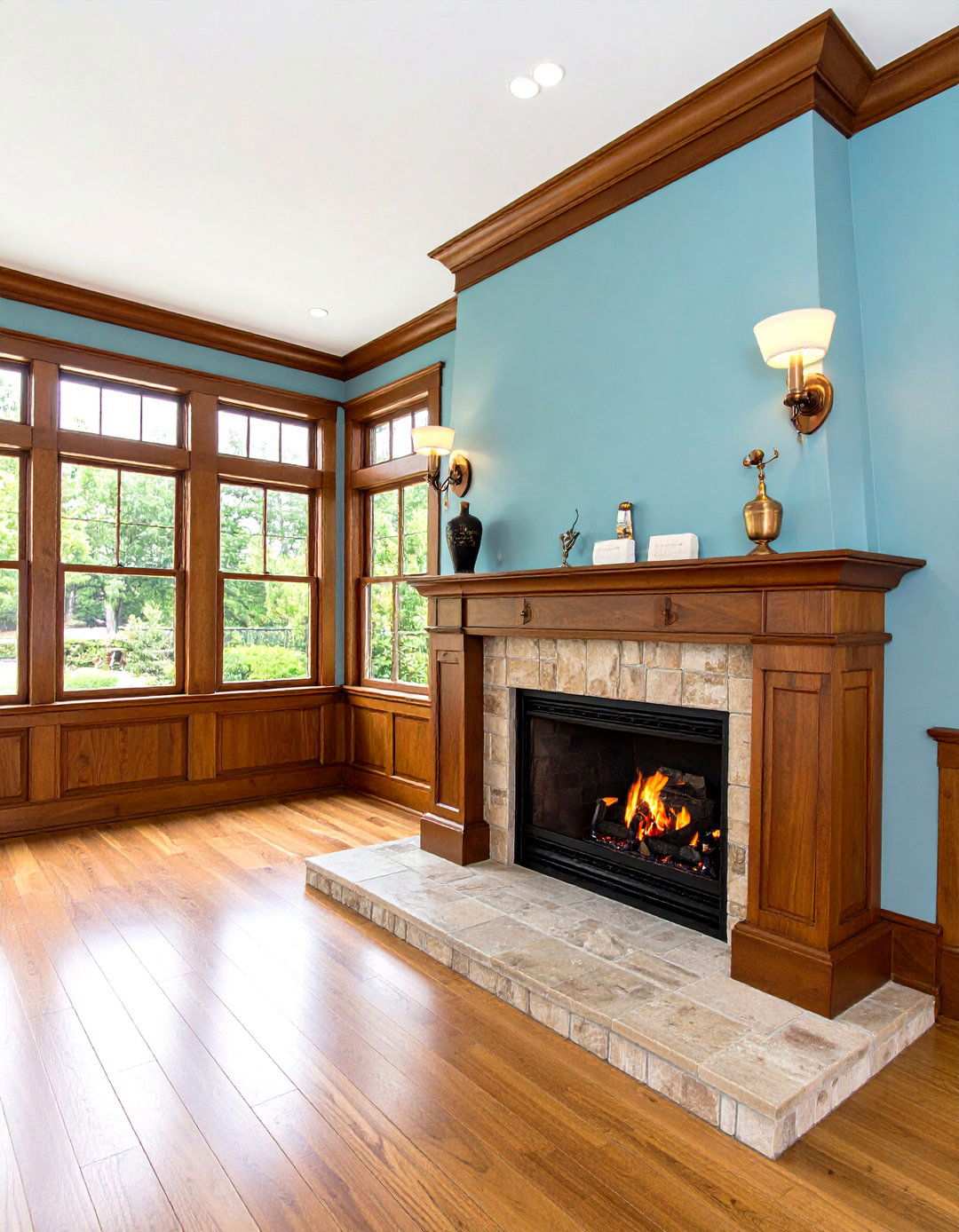
Mission style fireplaces celebrate the beauty of honest construction and functional design, where simplified wooden surrounds showcase natural materials and traditional joinery techniques. Characterized by straight lines, minimal ornamentation, and exposed construction details, these mantels reflect the movement’s commitment to authentic craftsmanship. Oak remains the preferred material, typically finished with natural stains that highlight grain patterns and wood character, while decorative elements might include simple carved panels, copper hardware, or ceramic tile accents in earth-tone colors. The horizontal emphasis and integrated design approach create calm, balanced focal points that complement both period bungalows and contemporary interiors seeking authentic traditional character. By embracing restraint, quality materials, and skilled craftsmanship, Mission style fireplaces demonstrate the powerful impact of design on our living spaces.
15. Prairie School Horizontal Fireplace Lines – Architectural Harmony
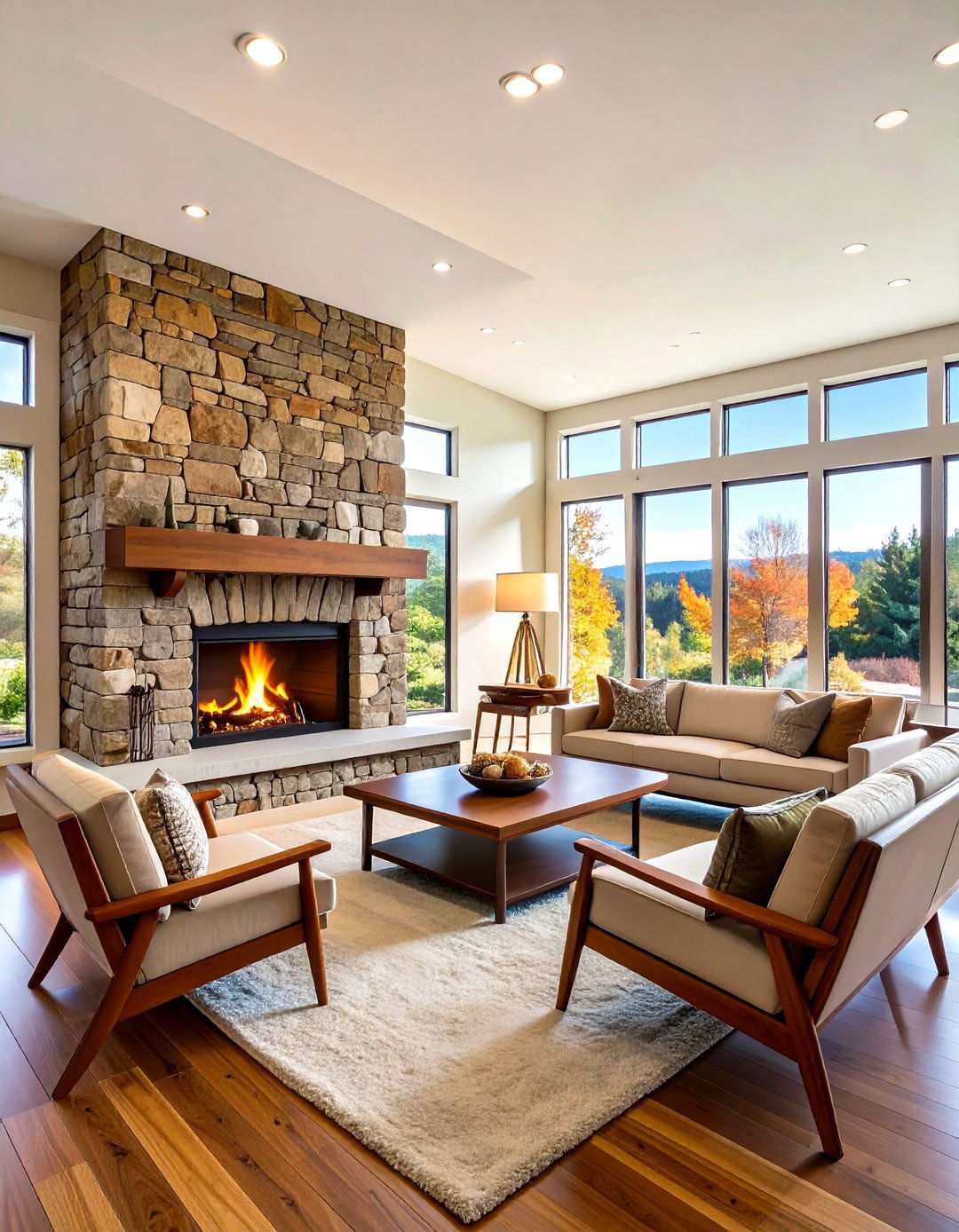
In the Prairie School movement, Frank Lloyd Wright’s architectural philosophy comes to life through the emphasis on horizontal lines and integration with the surrounding environment. This design aesthetic is characterized by broad, low proportions, extended hearths, and mantel shelves that create a sense of connection to the earth and its natural landscape. The use of natural materials such as stone, brick, or concrete harmonizes with the building’s overall material palette, blending seamlessly into its surroundings. By incorporating built-in elements like seating, planters, or display niches, Prairie School fireplaces not only serve as functional focal points but also extend their visual presence throughout the living space. The harmony between horizontal lines and natural materials creates serene and balanced designs that perfectly complement open floor plans and contemporary living patterns.
16. English Cottage Rustic Stone Construction – Timeless Elegance
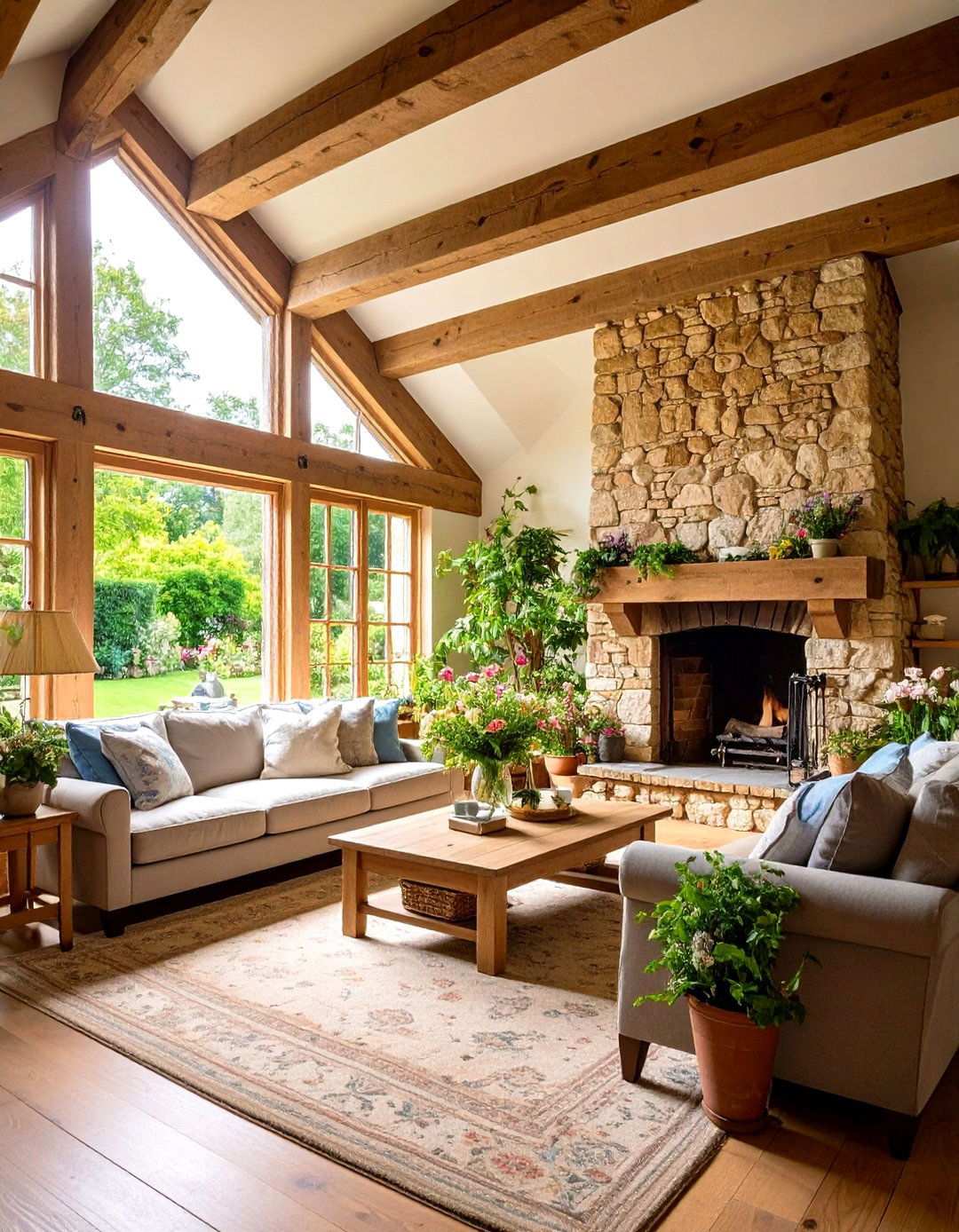
English cottage fireplaces embody the charm of rural countryside traditions through their use of irregular stonework and traditional construction techniques. These designs feature substantial proportions, deeply recessed fireboxes, and generous hearths that accommodate large wood fires, evoking a sense of warmth and coziness. The choice of natural stone materials, such as local fieldstone, Cotswold limestone, or Welsh slate, adds authentic regional character and beautiful natural color variations. Hand-carved details remain simple and functional, focusing on structural elements rather than decorative ornamentation, which allows the beauty of the stone to take center stage. The addition of wooden beams, iron accessories, and ceramic tiles complements the stone construction while adding functional and visual interest, creating warm and inviting atmospheres that are perfect for family rooms, kitchens, and informal living spaces.
17. American Federal Period Elegant Simplicity – A Blend of Tradition and Innovation
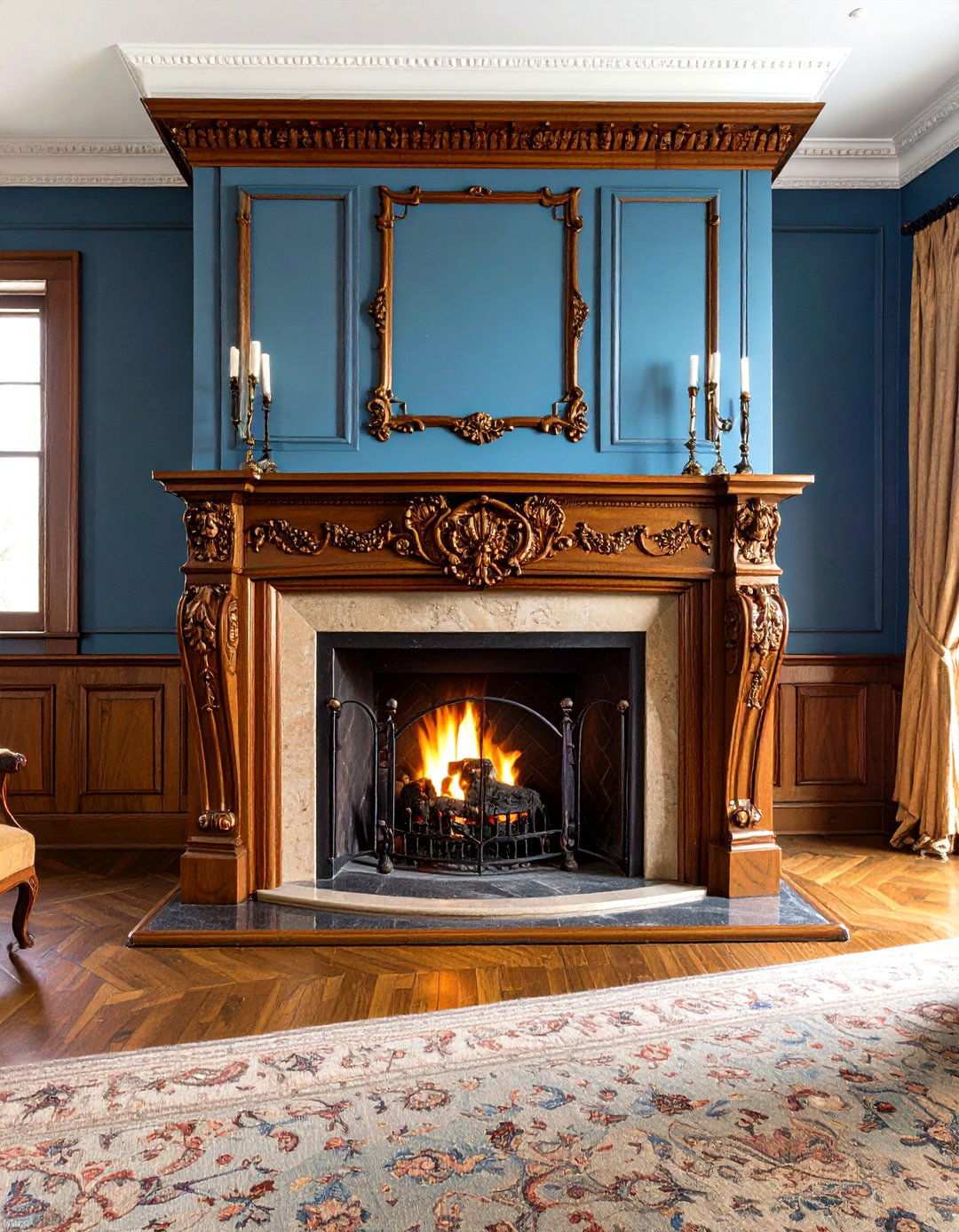
American Federal fireplaces reflect the young nation’s interpretation of classical design through refined proportions and restrained decorative elements. These mantels feature sophisticated joinery techniques and high-quality American hardwoods, including mahogany, cherry, and maple, which demonstrates the country’s emerging woodworking skills and aesthetic preferences. Classical elements such as pilasters, dentil molding, and cornices appear in simplified forms, reflecting both the limited resources of the time and the nation’s desire for a distinct American aesthetic. Decorative techniques like inlay work, carved rosettes, or painted finishes add visual interest without excessive ornamentation, creating versatile designs that complement both historic Federal homes and contemporary interiors seeking authentic early American character.
18. Ornate Jacobethan Carvings
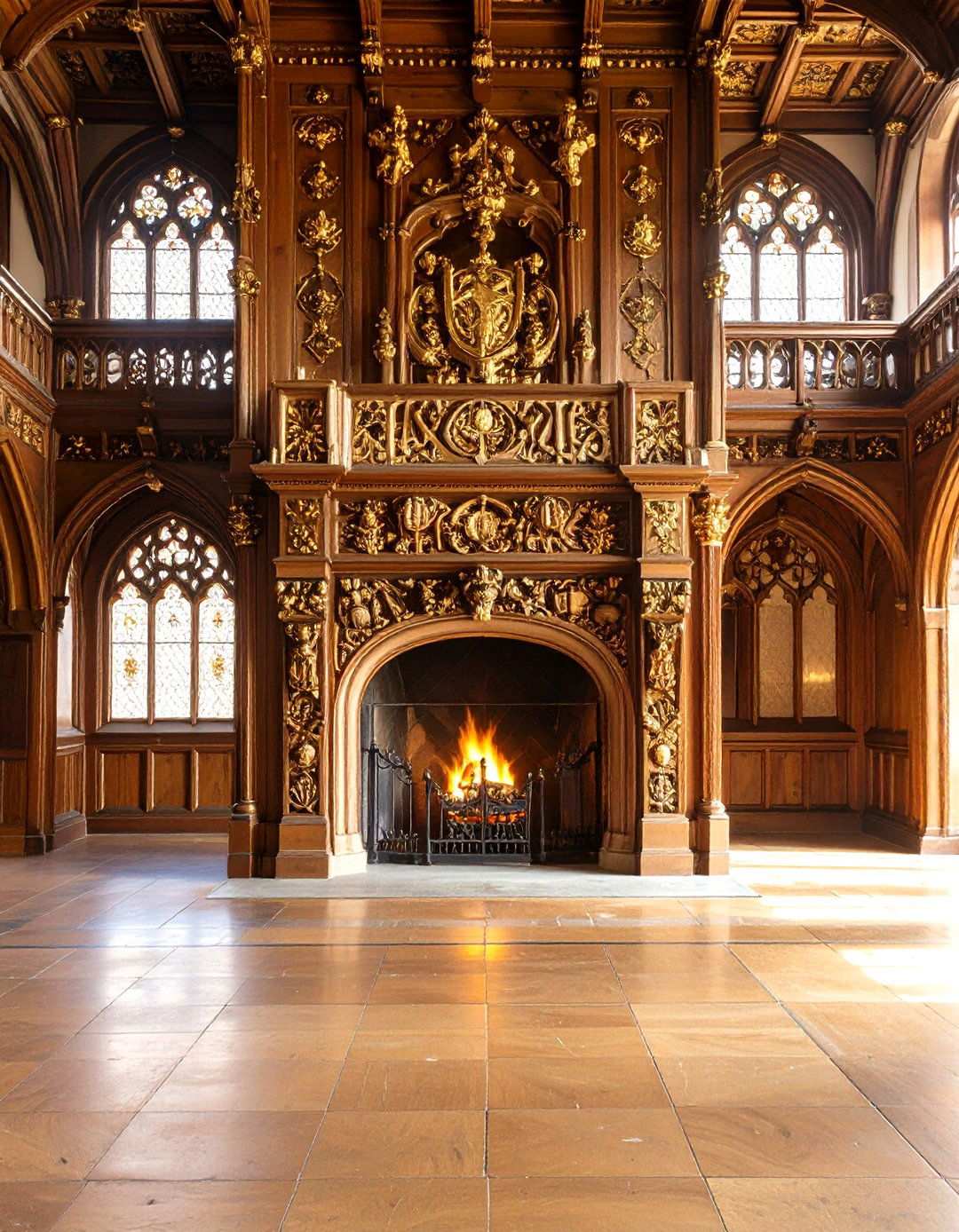
Jacobethan fireplaces combine the elegance of Elizabethan design with the grandeur of Jacobean architecture through intricate carved ornamental programs and sturdy wooden construction. Elaborate decorative schemes featuring strapwork cartouches, heraldic devices, and architectural elements derived from Renaissance pattern books create a sense of opulence and sophistication. Oak remains the preferred material, often left in its natural state or stained dark to emphasize carved details and create a striking contrast with painted wall surfaces. The robust proportions and imposing structural elements of these mantels can support elaborate decorative superstructures, making them suitable for formal traditional interiors where their historical authenticity and decorative richness can be fully appreciated. Master craftsmen are essential to bringing these designs to life and achieving their full architectural impact.
19. Marble Masterpieces of the Renaissance Revival
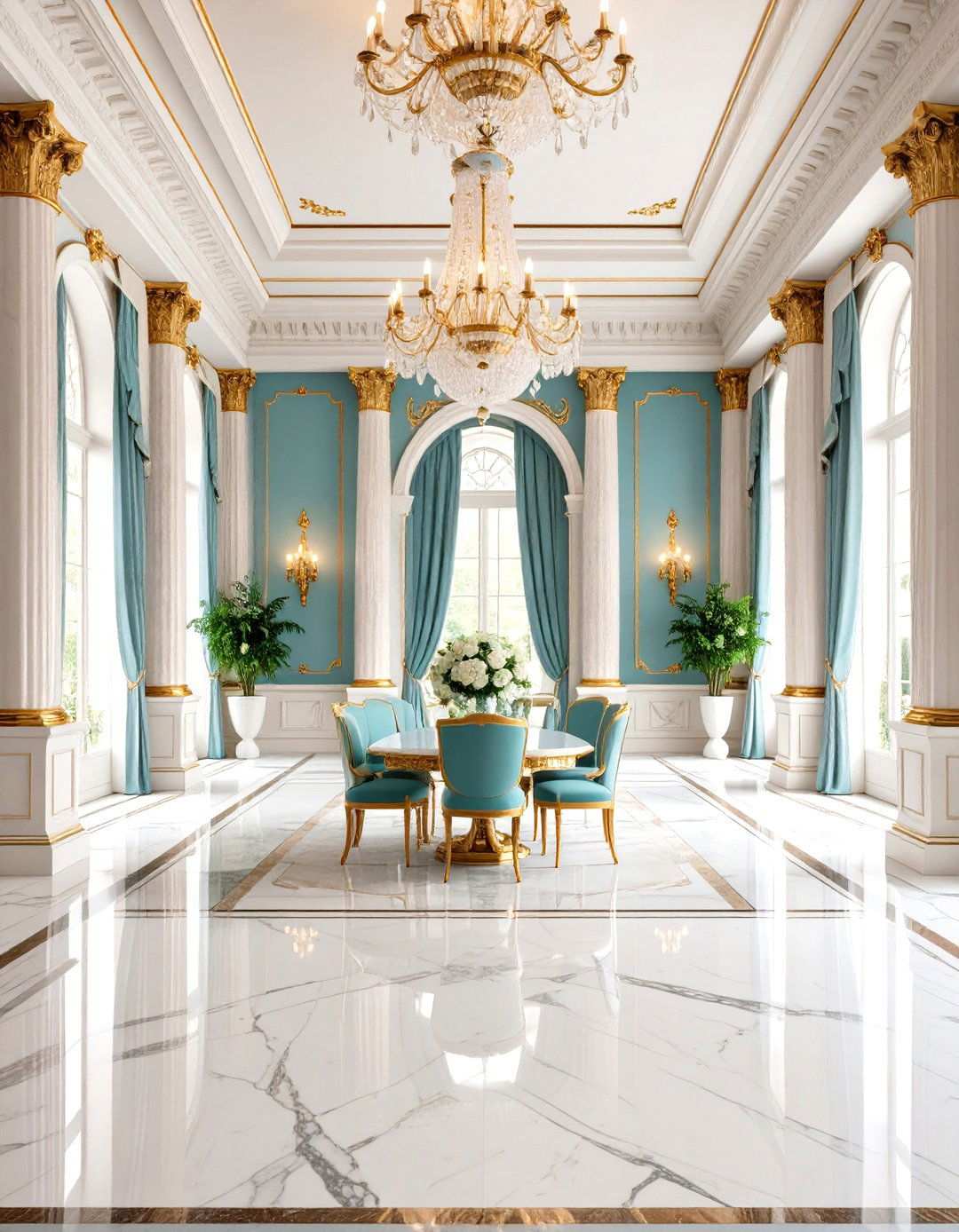
Renaissance Revival fireplaces pay homage to Italian palace architecture through majestic marble construction and sophisticated classical decorative programs. Elaborate architectural compositions featuring columns, pilasters, pediments, and intricately carved details derived from Renaissance architectural treatises create a sense of grandeur and refinement. The use of imported marble in various colors and patterns results in rich, polychromatic effects that add depth and visual interest to these mantels. Carved details often include classical figures, architectural ornaments, and heraldic devices executed by skilled marble carvers. The generous scale and elaborate decoration of Renaissance Revival mantels make them suitable for grand formal rooms where their palatial character can be fully displayed. These designs showcase the Victorian era’s fascination with European high culture and demonstrate the period’s technical mastery of traditional building crafts and decorative arts.
20. Architectural Grandeur of the Empire Style
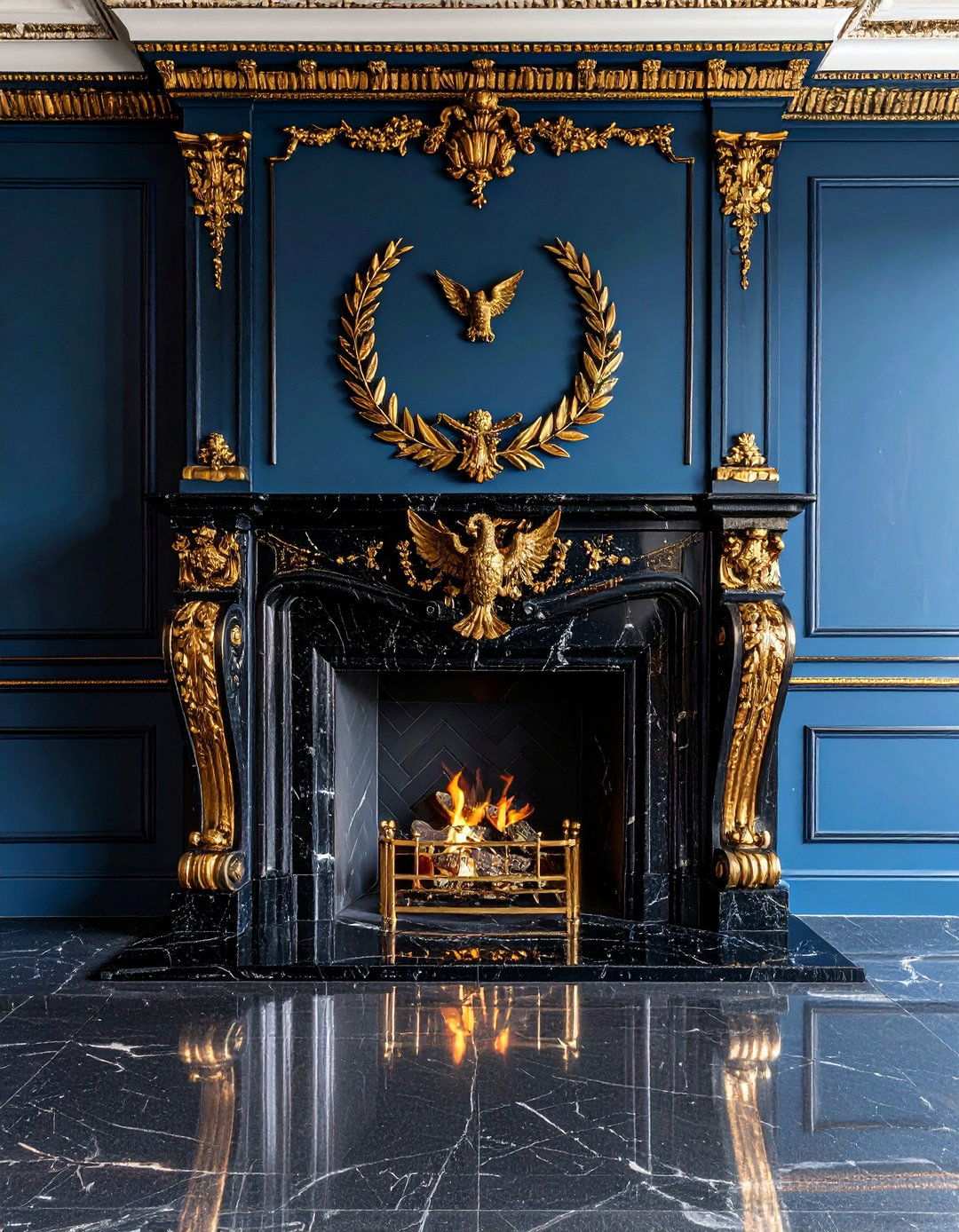
Empire style fireplaces embody the grandeur of Napoleonic architecture through bold architectural forms and imperial decorative motifs derived from ancient Egyptian and Roman sources. The striking visual impact of these mantels is created by substantial proportions and dramatic black and gold color schemes. Materials typically include black marble or slate with bronze or gilt decorative elements featuring eagles, laurel wreaths, and classical military symbols. The emphasis on dramatic contrast and imperial symbolism makes Empire mantels suitable for formal traditional interiors seeking bold, sophisticated focal points. Architectural elements such as columns, pylons, and geometric patterns provide a structural framework for elaborate decorative programs, creating timeless architectural elements that transcend their original historical context.
21. Embracing the Beauty of Nature: William Morris Inspired Designs
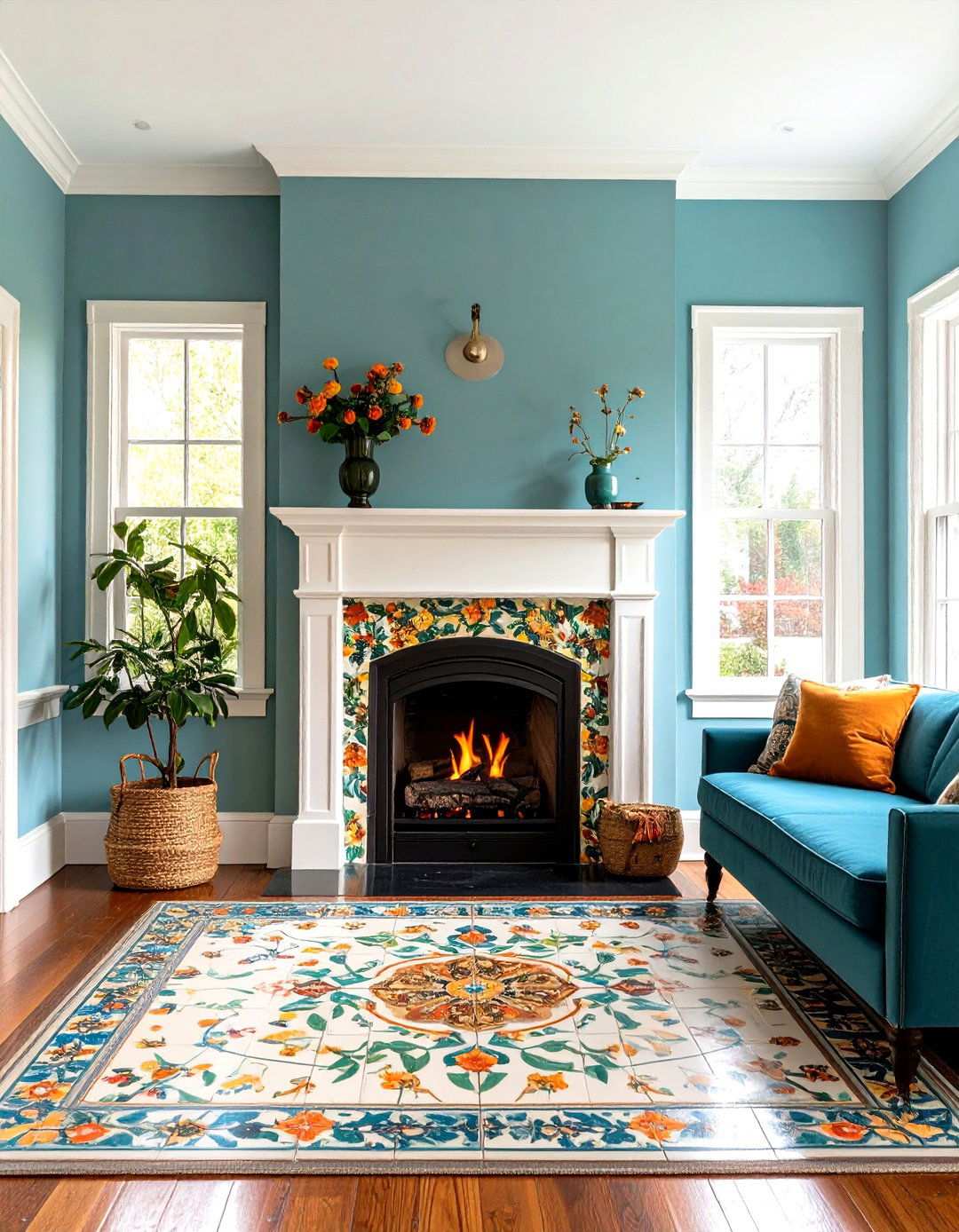
In the realm of fireplaces, William Morris inspired designs stand out for their harmonious blend of natural beauty and artistic expression. By embracing the principles of the Arts and Crafts movement, these fireplaces celebrate the importance of handmade craftsmanship and the beauty of organic forms. Ceramic tiles adorned with stylized plant motifs, hand-carved wooden elements, and natural material finishes come together to create a sense of serenity and calm. The earthy color palettes, often featuring tones of green, blue, and brown, serve as a reminder of the natural world’s infinite beauty. Furthermore, decorative techniques such as hand-painted tiles, carved relief panels, and textile elements pay homage to Morris’s integrated approach to interior design. As a result, these fireplaces seamlessly integrate function, beauty, and social conscience, making them a perfect fit for both period homes and contemporary interiors seeking a touch of authenticity.
22. Sophisticated Elegance: Greene and Greene Wooden Architectural Details
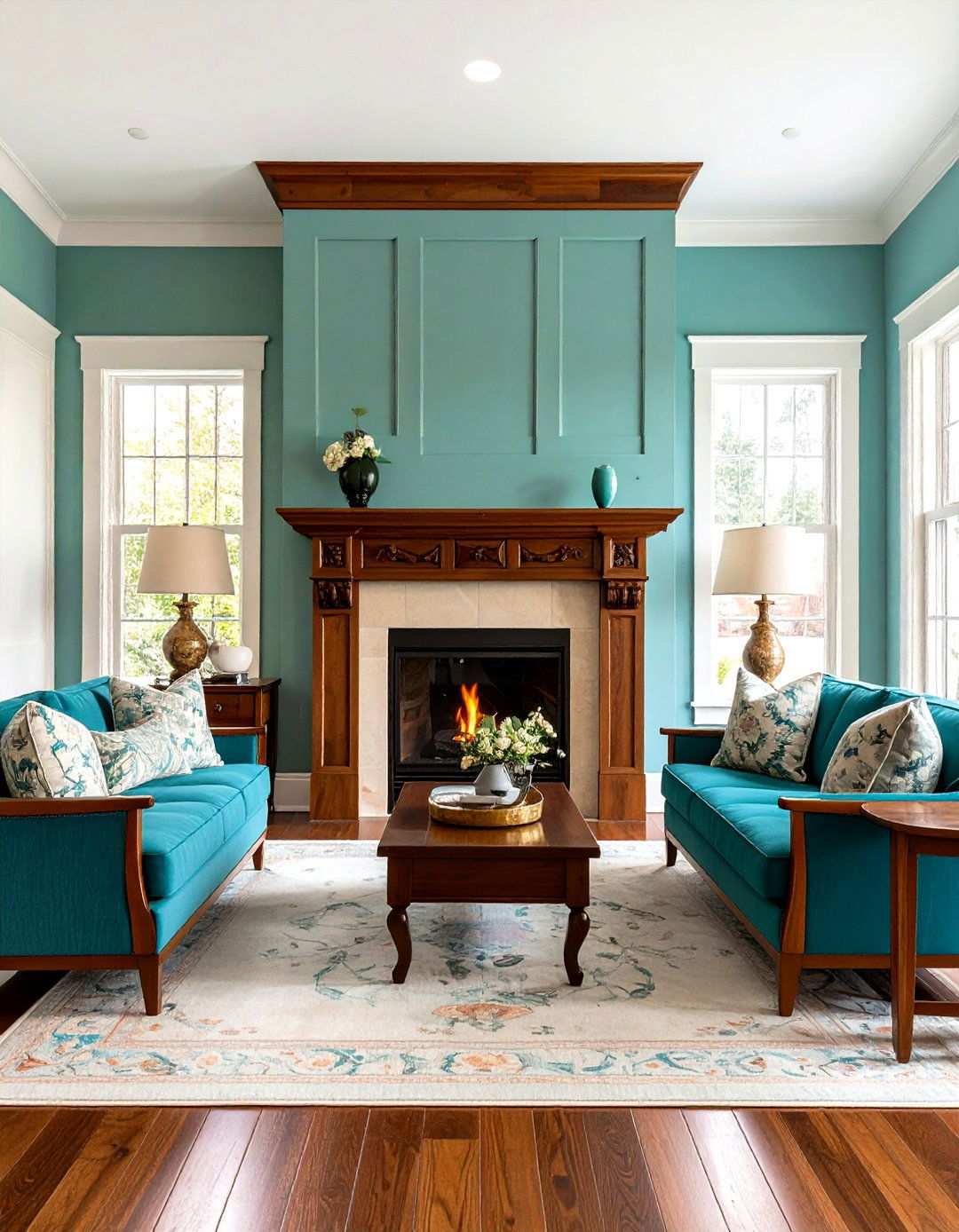
Greene and Greene fireplaces embody the spirit of American Arts and Crafts architecture through their intricate wooden construction and Japanese-influenced design details. The use of visible pegs, mortise and tenon connections, and carefully proportioned structural elements creates a sense of complexity and sophistication. Materials such as California redwood or oak, finished with a natural sheen, highlight the beauty of wood grain and construction details. Decorative elements, including carved cloud-lift brackets, ebony inlay work, or custom hardware, add an extra layer of depth and visual interest. The integration of structural and decorative elements results in architectural compositions that not only provide functional heating but also serve as a visual focal point. When placed in an open floor plan, these fireplaces can be appreciated from multiple viewpoints, making them a perfect choice for those who value architectural sophistication.
23. Unified Design: Stickley Furniture Coordinated Designs
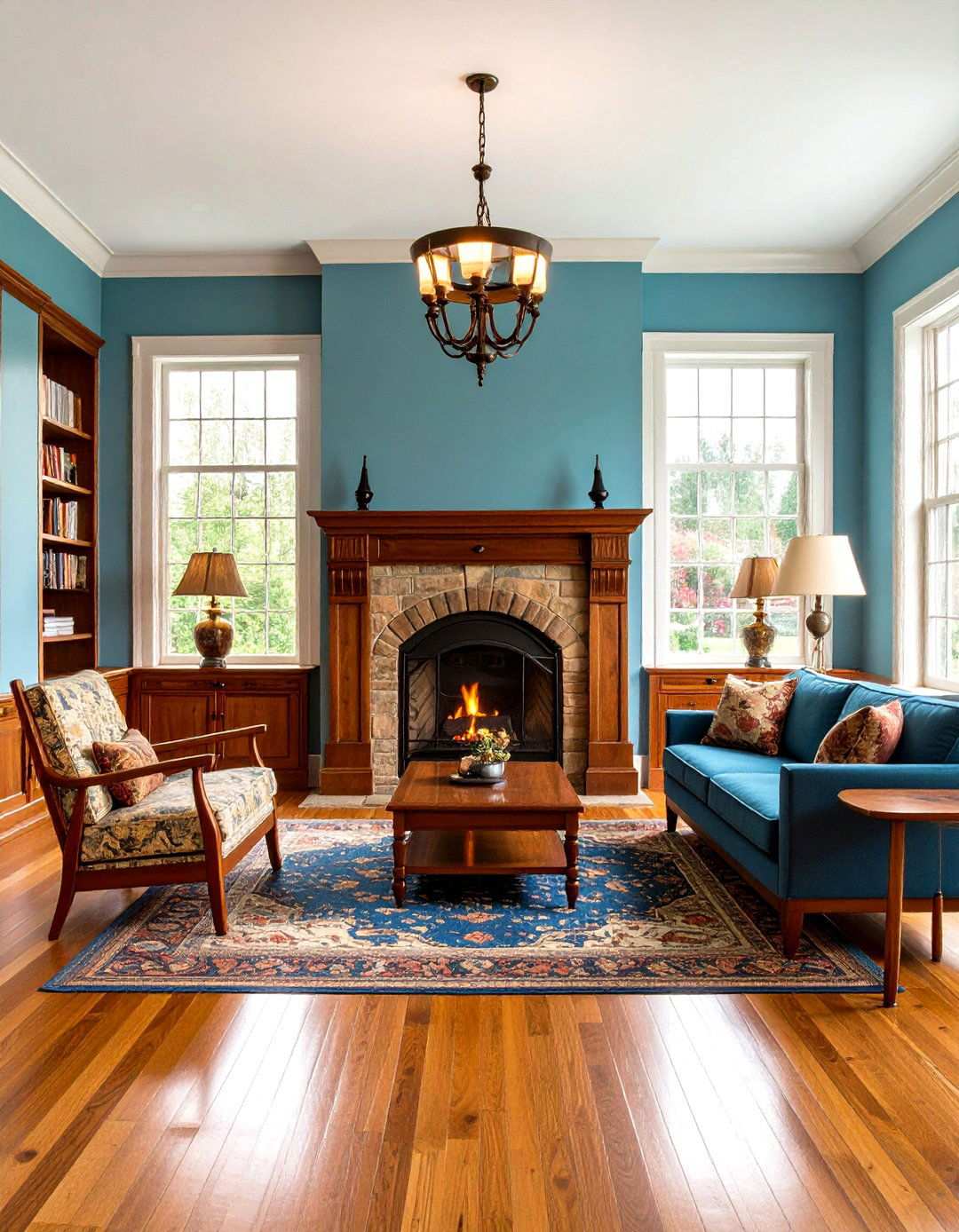
Stickley coordinated fireplaces reflect the Arts and Crafts movement’s emphasis on unified interior design by creating harmonious relationships between architectural elements and furniture. These mantels, constructed from oak with simple, honest joinery techniques, complement Stickley furniture designs and decorative principles. Proportions that emphasize horizontal lines and substantial construction create balanced, restful compositions. Decorative elements remain minimal and functional, focusing on hardware, wood grain, and construction details rather than applied ornamentation. Built-in elements such as bookcases, seating, or display niches extend the unified design approach throughout the living space, creating a seamless transition between architecture and furnishings. The emphasis on quality materials and skilled craftsmanship makes these fireplaces suitable for both period bungalows and contemporary interiors seeking authentic Arts and Crafts character.
24. Echoing the Past: Ecclesiastical Themes in Medieval Revival Fireplaces
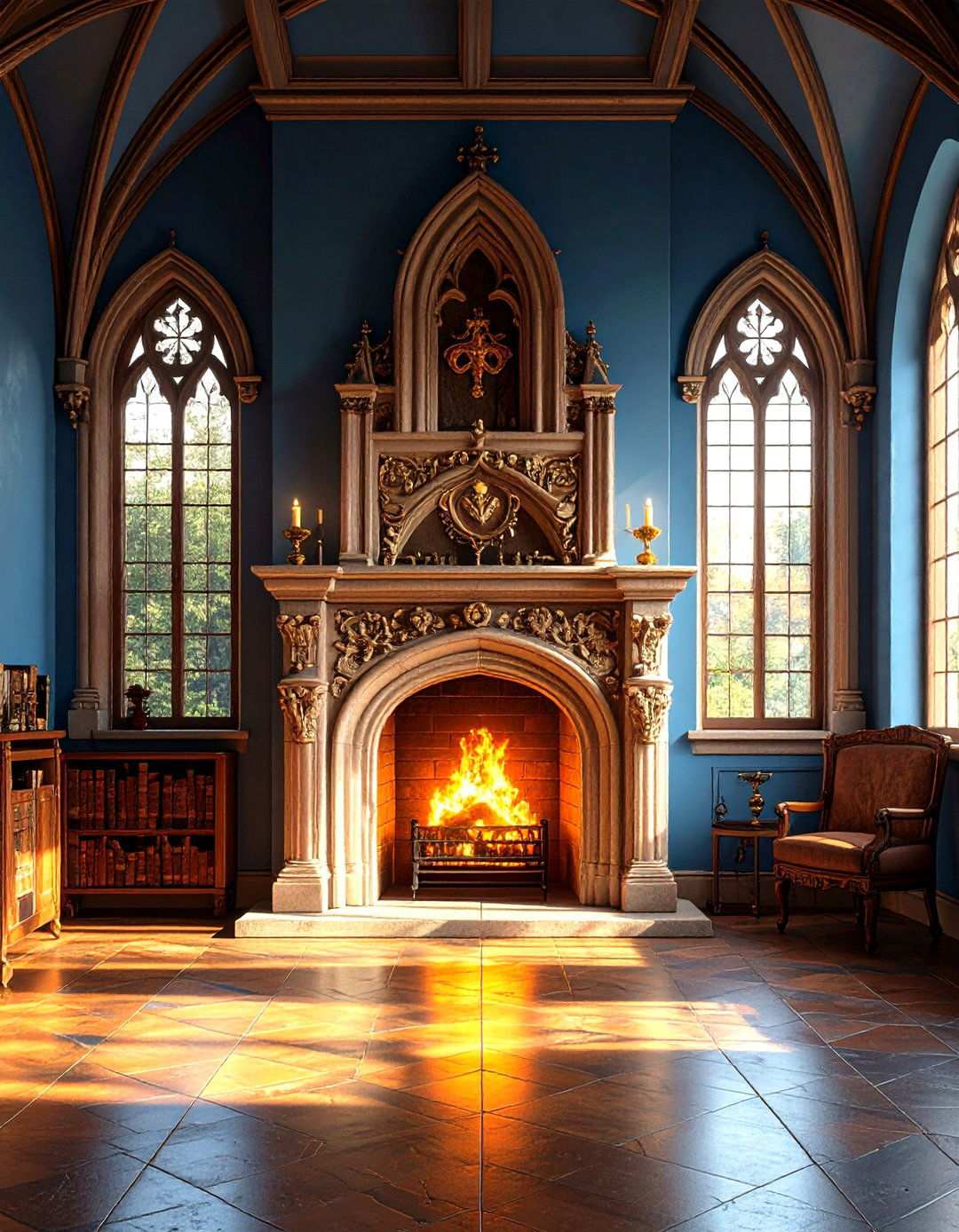
Medieval Revival fireplaces seamlessly intertwine the grandeur of monastery and cathedral designs through deliberate incorporation of pointed arches, intricately carved stone tracery, and motifs reminiscent of ecclesiastical architecture. These elaborate structures boast substantial stone construction, infused with the elegance of Gothic architectural elements – think flying buttresses, delicate crockets, and the ornate beauty of foliate capitals. For a truly authentic medieval look, materials like limestone or sandstone are often employed, allowing for the creation of intricate carved details that bring a sense of historical character to any room. The decorative programs that accompany these designs might feature a mix of religious symbols, heraldic devices, and stylized natural forms inspired by the intricate illustrations found in medieval manuscripts. By combining spiritual symbolism with architectural sophistication, Medieval Revival mantels create a contemplative atmosphere that’s perfect for libraries, studies, and formal living rooms, where their presence can enhance scholarly pursuits and add a touch of sophistication to any space.