1. Transforming Your Bathroom into a Peaceful Oasis
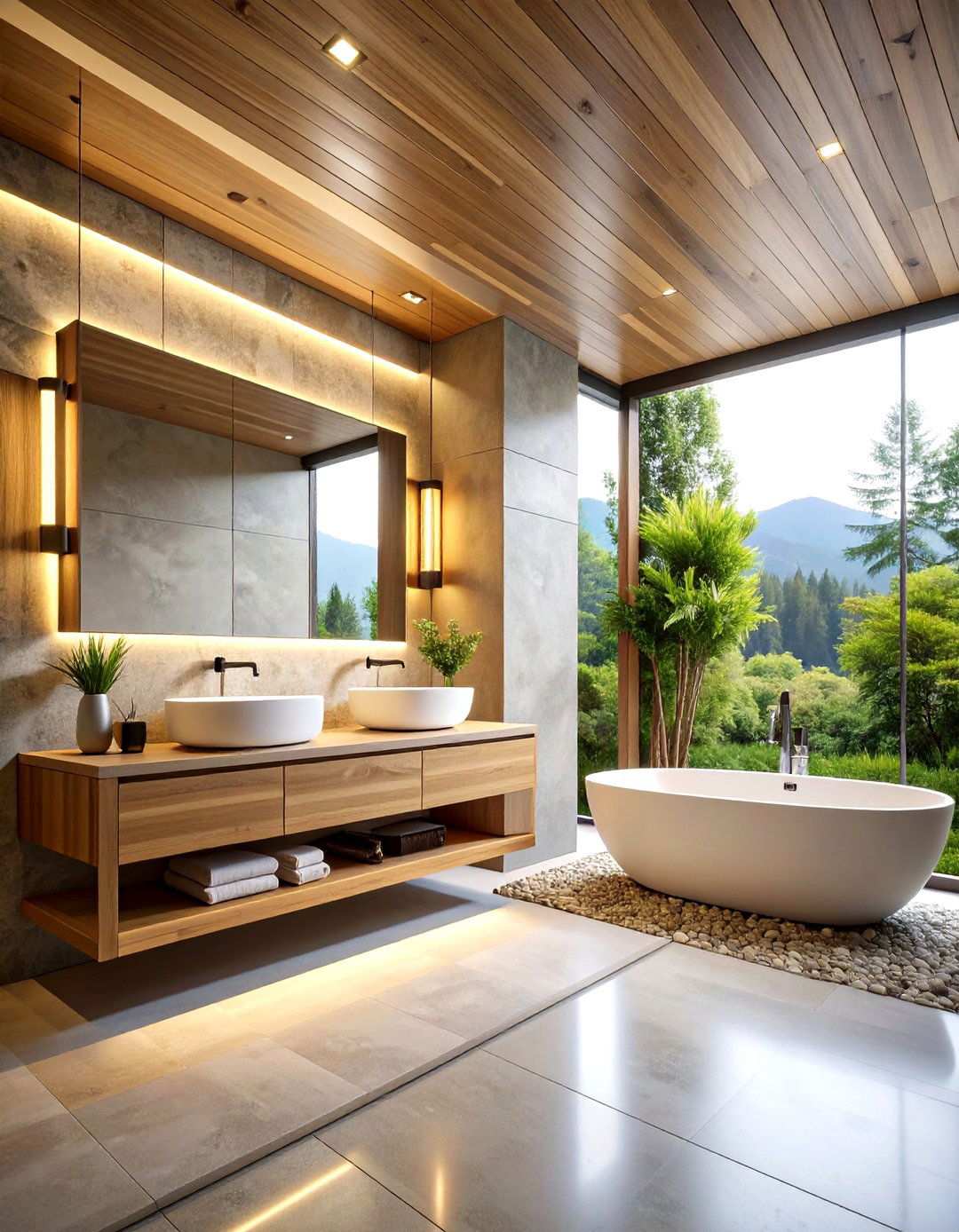
Creating a serene sanctuary in your bathroom is more than just a luxury, it’s a necessity for modern wellness. In today’s fast-paced world, it’s essential to have a retreat where you can escape the demands of everyday life without leaving home. With the right design elements, your bathroom can become a haven for relaxation and rejuvenation, blending functionality with beauty. Whether you prefer a calm and serene atmosphere or a more vibrant and energetic vibe, the perfect design can elevate your bathroom into a personal oasis.

As an Amazon Associate I earn from qualifying purchases.
By incorporating natural materials, soothing colors, and innovative features, you can create a space that promotes both physical and mental well-being. Think about it: your bathroom is more than just a functional space – it’s an opportunity to create a tranquil retreat that nourishes your mind, body, and spirit. So, what are the key elements to consider when designing your bathroom as a peaceful oasis?
2. Bringing the Outdoors In: Natural Stone and Spa-Inspired Design
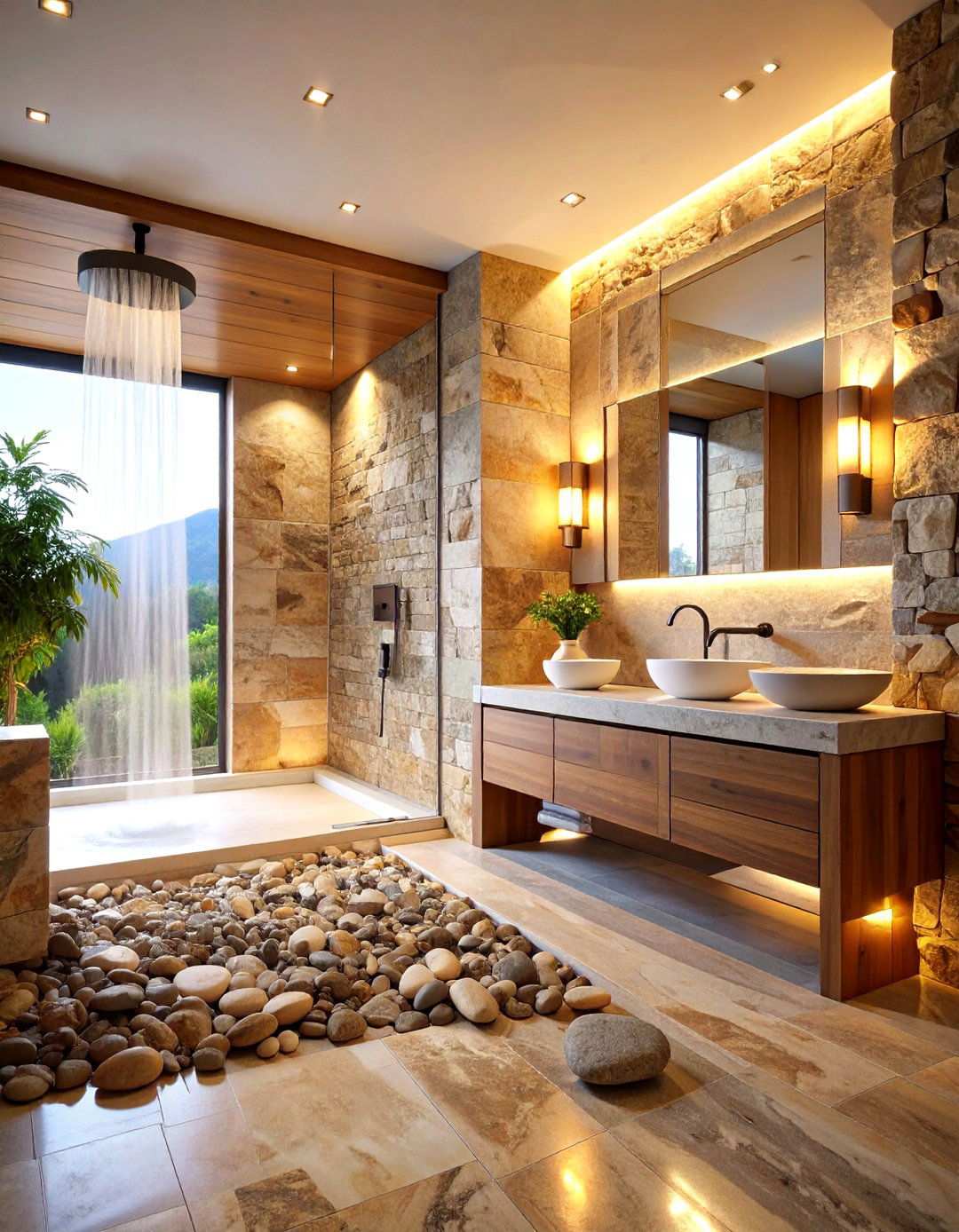
When it comes to creating a luxurious stone sanctuary in your bathroom, the possibilities are endless. Natural stone materials have the power to transport you to a world of timeless beauty, connecting you directly with the earth’s natural elegance. From travertine walls with subtle texture and warm undertones to marble countertops with elegant sophistication, the right natural stone materials can elevate your bathroom into a true geological retreat. River rock shower floors provide a gentle foot massage during each use, complemented by slate accent walls that add depth and visual interest. By incorporating natural stone elements, you can create a spa-inspired space that feels both primitive and refined, perfect for a truly rejuvenating experience.
3. Scandinavian Nordic Spa Style
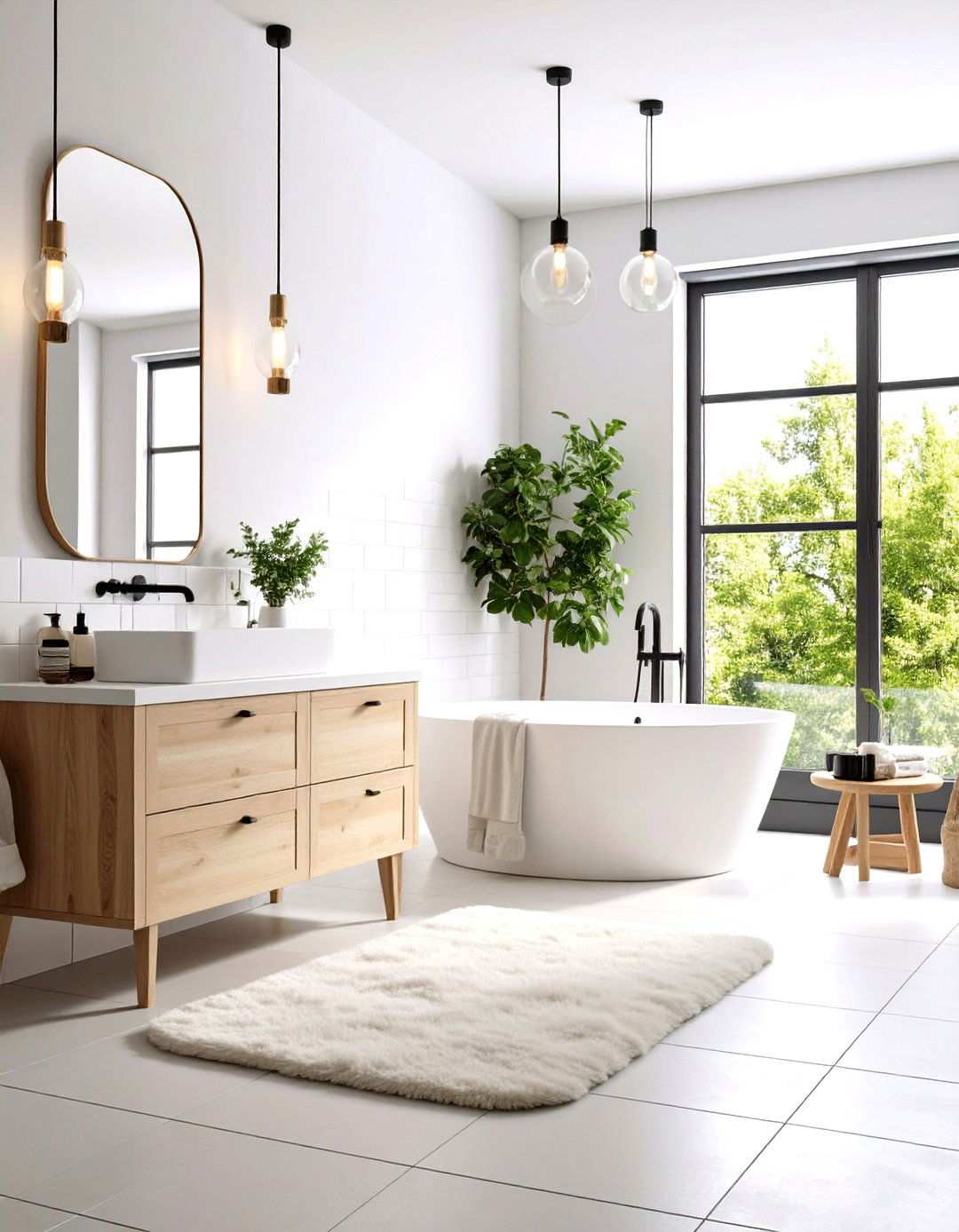
The allure of simplicity lies in its ability to create a profoundly relaxing bathroom environment. By embracing the fundamental principles of Nordic design – functionality, natural light, and organic materials – serene spa atmospheres can be effortlessly established. The union of light wood cabinetry in birch or pine with white subway tiles and clean geometric patterns instills a sense of calmness, while black metal fixtures provide a striking contrast against pale backgrounds. The addition of sheepskin rugs lends textural warmth, inviting users to unwind. Large windows maximize the benefits of natural illumination, supplemented by pendant lights featuring frosted glass shades. Incorporating hygge elements such as wooden bath caddies, linen storage baskets, and ceramic accessories in muted tones completes the ambiance, fostering an atmosphere conducive to meditation and restoration.
4. Mediterranean Coastal Retreat
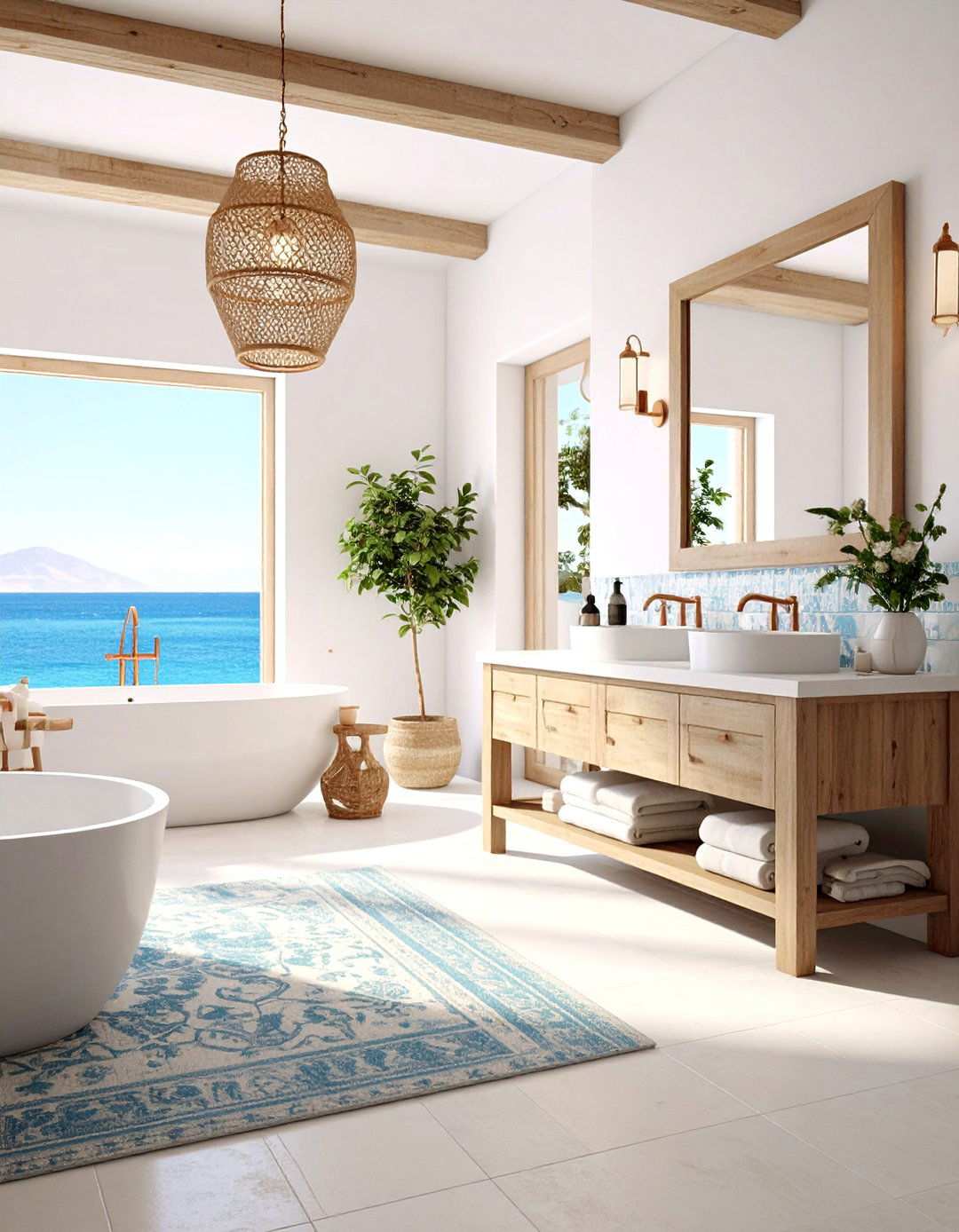
Bathing within a seaside-inspired bathroom sanctuary offers an unparalleled opportunity for relaxation. Mediterranean spa design skillfully combines coastal elements to evoke the tranquility of endless summer days and the majesty of azure waters. The foundation of this serene atmosphere lies in terra cotta tiles in warm earth tones, which provide a sense of welcoming warmth. Whitewashed walls, in turn, reflect the abundance of natural light that pours in, creating a sense of airiness. Blue accents appear throughout the space, manifesting in mosaic details, ceramic vessels, and soft textiles that subtly evoke the mysteries of the ocean depths. Natural materials such as weathered wood vanities, woven rattan accessories, and sea glass decorative elements further reinforce the seaside ambiance. The incorporation of arched doorways and curved edges softens the angular lines of the space, while herb gardens in terracotta pots bring the invigorating scent of the Mediterranean indoors. As copper fixtures develop their own unique patina over time, they add authentic coastal character to the personal spa sanctuary.
5. Industrial Modern Spa Loft
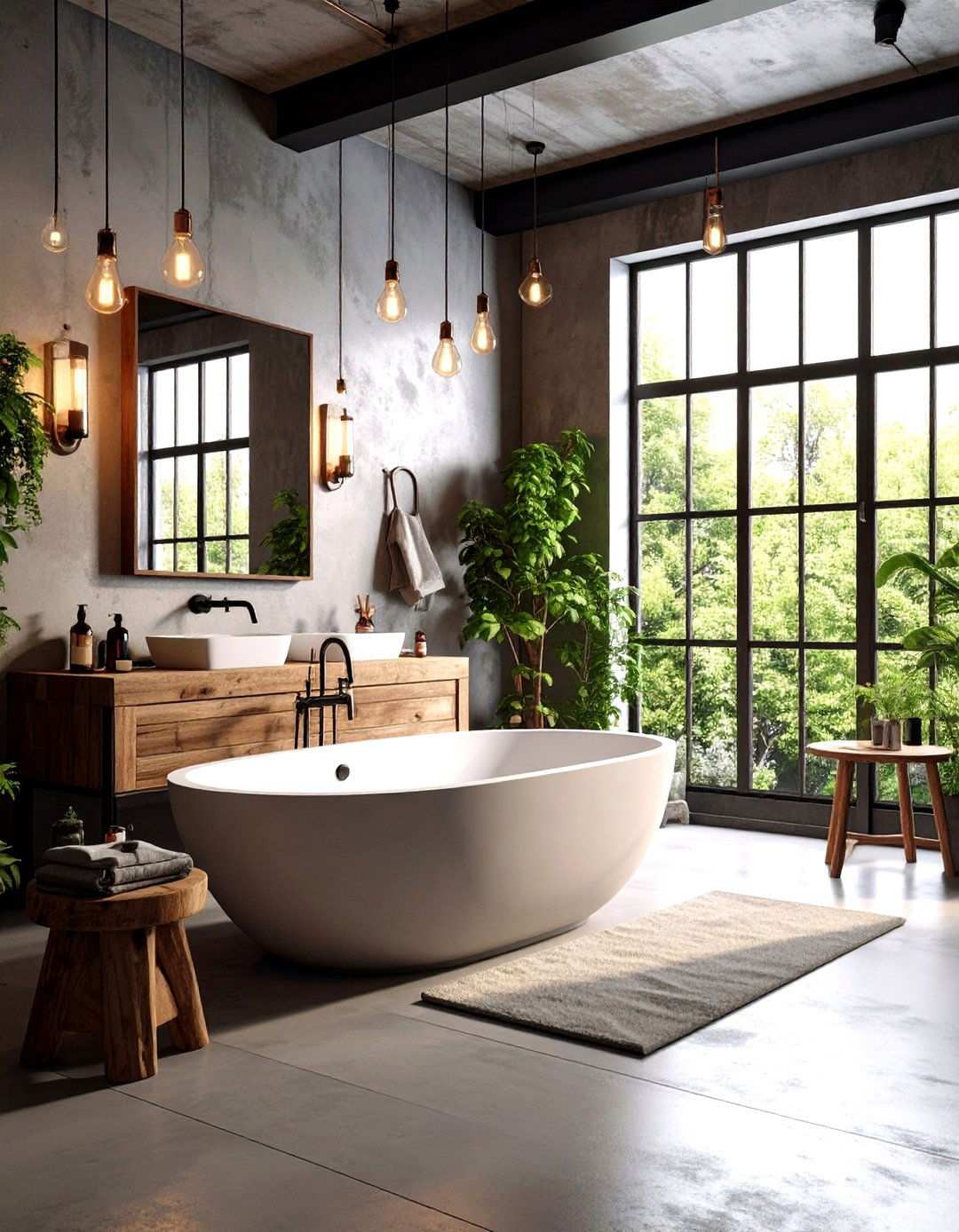
By harmoniously combining raw industrial elements with the luxury of spa amenities, a truly unique relaxation experience can be created. Industrial spa design skillfully merges urban aesthetics with wellness functionality, resulting in sophisticated retreats that exude both edginess and serenity. Exposed concrete walls provide a striking textural backdrop for sleek modern fixtures, while black steel frames define shower enclosures and mirror borders. Edison bulb lighting fixtures add a warm, ambient glow, beautifully contrasting against cool concrete surfaces. Copper pipe details serve both functional and decorative purposes, developing a rich patina that enhances the authentic industrial feel. The incorporation of reclaimed wood accents softens harsh edges, while vintage metal accessories add character, creating a space that appeals to urban dwellers seeking spa experiences that reflect their metropolitan lifestyle while providing essential relaxation spaces.
6. Japanese Soaking Spa Experience
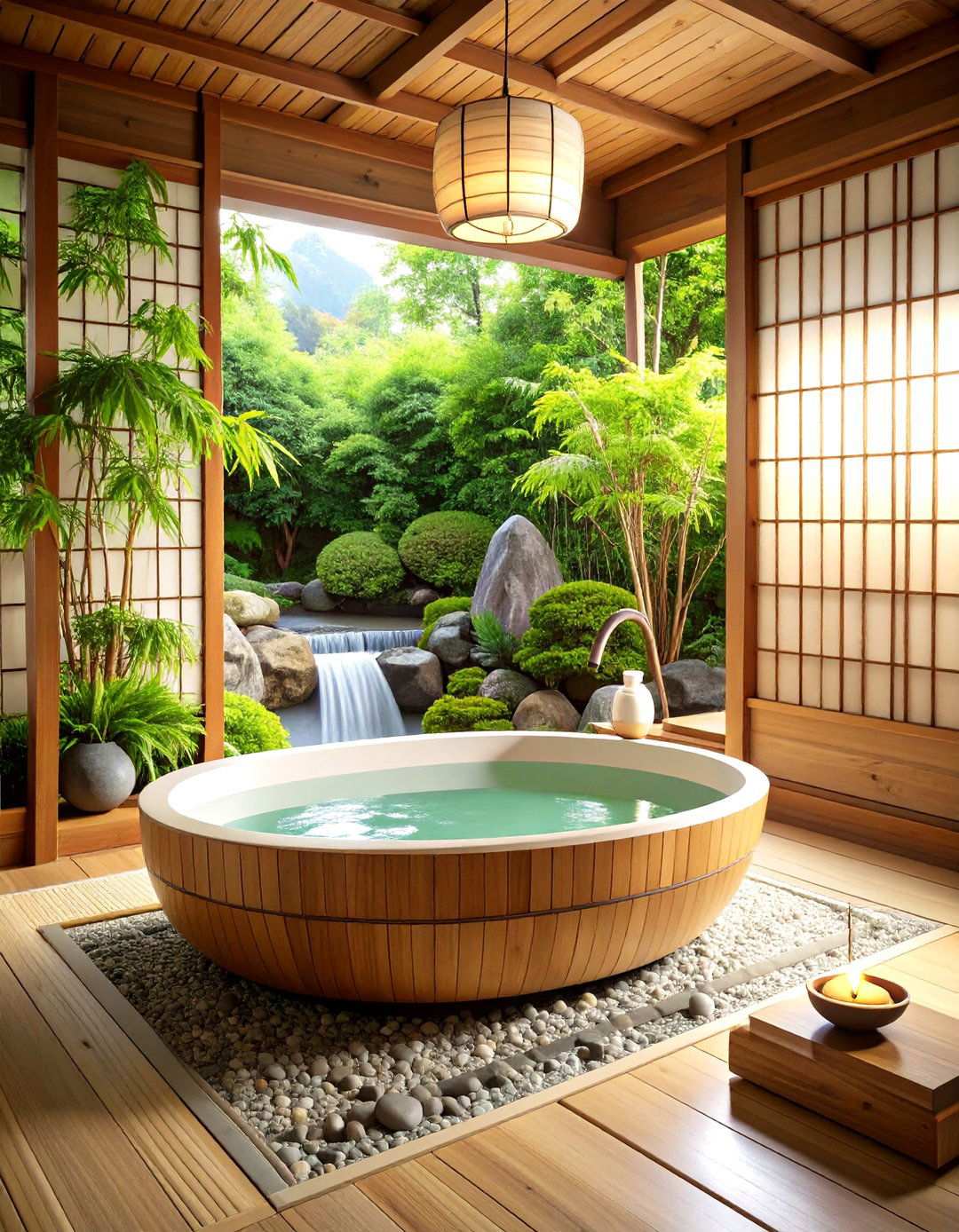
Japanese bathing rituals possess a profound capacity to rejuvenate both body and spirit. At the heart of these traditions lies the ofuro experience, an immersion in purification, contemplation, and harmony with nature. Hinoki cypress wood tubs release subtle aromas that foster relaxation and skin well-being, while bamboo accessories – including bath stools, washcloths, and storage containers – maintain an authentic aesthetic. Sliding shoji screens filter natural light, providing a serene ambiance, while stone gardens with carefully arranged rocks and sand create contemplative focal points. The flooring, inspired by traditional tatami mats, offers slip-resistant surfaces that feel warm underfoot. By prioritizing mindfulness and ritual, Japanese bathing transforms daily routines into sacred self-care ceremonies.
7. Luxury Resort Spa Bathroom
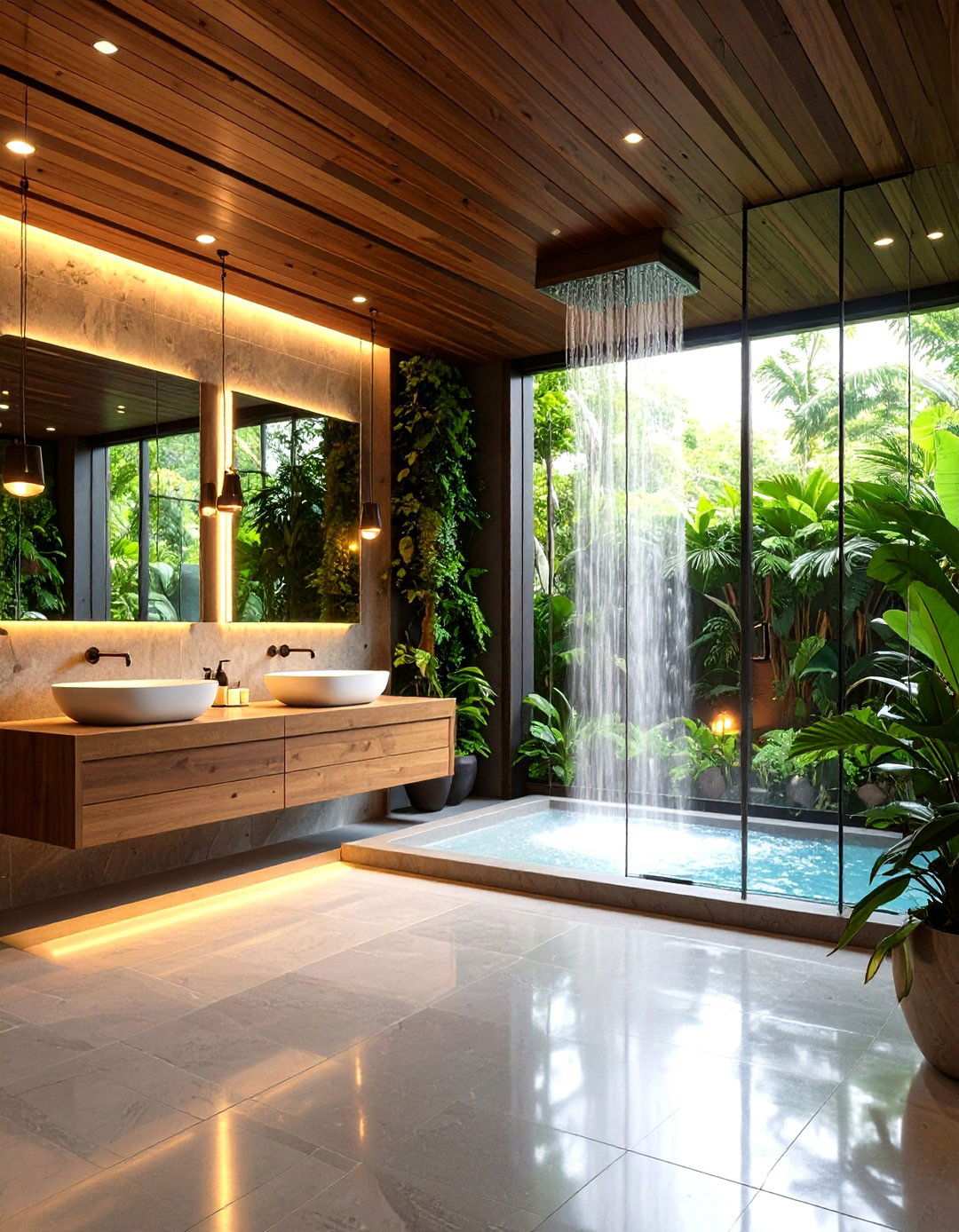
To replicate the opulence of a five-star resort within your own bathroom, consider incorporating high-end amenities and sophisticated finishes. Inspired by exclusive destination spas, this design approach elevates the bathing experience to new heights. Oversized rain shower heads create immersive experiences, while body jets provide targeted hydrotherapy benefits. Heated tile floors ensure comfort during cooler months, complemented by towel warmers that maintain the perfect temperature. Double vanities, featuring undermount sinks and quartz countertops, offer ample space for couples to unwind. Built-in sound systems enable relaxing music or nature sounds, while LED strip lighting provides customizable ambiance throughout different times of day. By focusing on every detail, luxury resort spas can be replicated in the comfort of one’s own home.
8. Bohemian Eclectic Spa Oasis
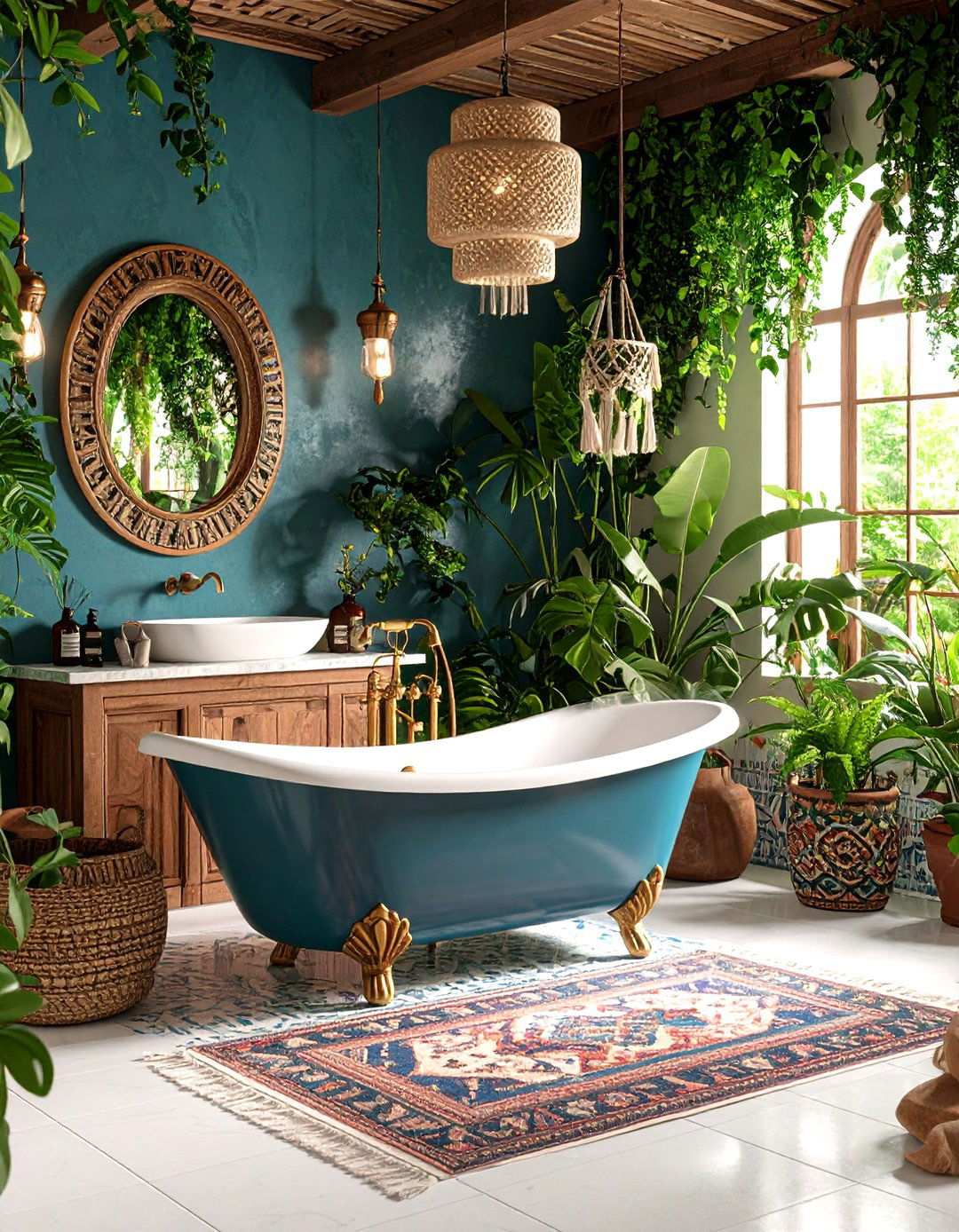
An eclectic design approach can indeed create cohesive spa environments that inspire creative relaxation. Bohemian spa style celebrates individuality through curated collections of global treasures and artistic expressions. Vibrant Moroccan tiles create stunning accent walls, while vintage brass fixtures add metallic warmth. Macramé plant hangers support trailing greenery that naturally purifies the air. Turkish rugs provide soft landing surfaces with rich textures and colors, while vintage furniture pieces serve as unique storage solutions. Global textiles, including embroidered towels, silk curtains, and woven baskets, reflect worldly travels and inspire personal expression. This approach encourages users to express themselves while maintaining spa functionality, creating spaces that feel both exotic and deeply personal.
9. Monochromatic Luxury Spa Design
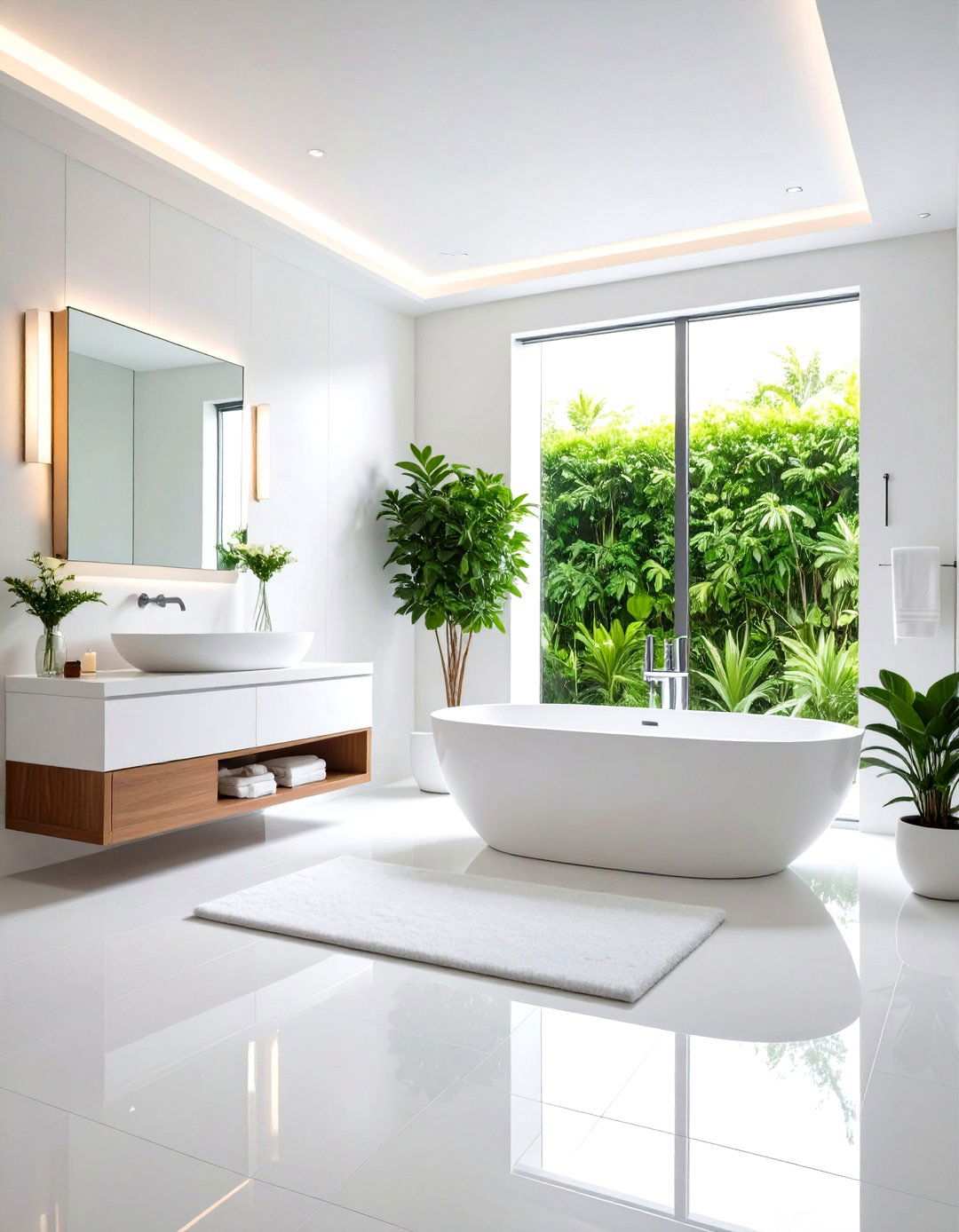
Monochromatic color schemes are renowned for their ability to craft serene and calming spa environments. By eliminating visual distractions, single-color palettes create an atmosphere of sophistication and refinement. This is achieved through the judicious use of varied textures and finishes, which not only add depth to the space but also invite the senses to explore. A masterful example of this approach can be seen in all-white schemes, where glossy tiles, matte paint, textured stone, and smooth porcelain come together to create a visually stunning experience that defies the need for color variation. In contrast, black monochromatic designs exude drama and elegance, with subtle contrast created by the use of different black materials, from the refined beauty of marble to the modern sleekness of metal. Meanwhile, gray palettes offer versatility, ranging from the cool, industrial feel of concrete to the warm, inviting tones of charcoal. By harnessing the power of lighting, monochromatic spaces can be tailored to create a range of moods and atmospheres, from the soft, ethereal glow of dawn to the vibrant, energetic pulse of evening. As a result, these refined color approaches play a significant role in promoting mental clarity and visual rest, creating the perfect conditions for true spa relaxation.
10. Smart Technology Spa Integration
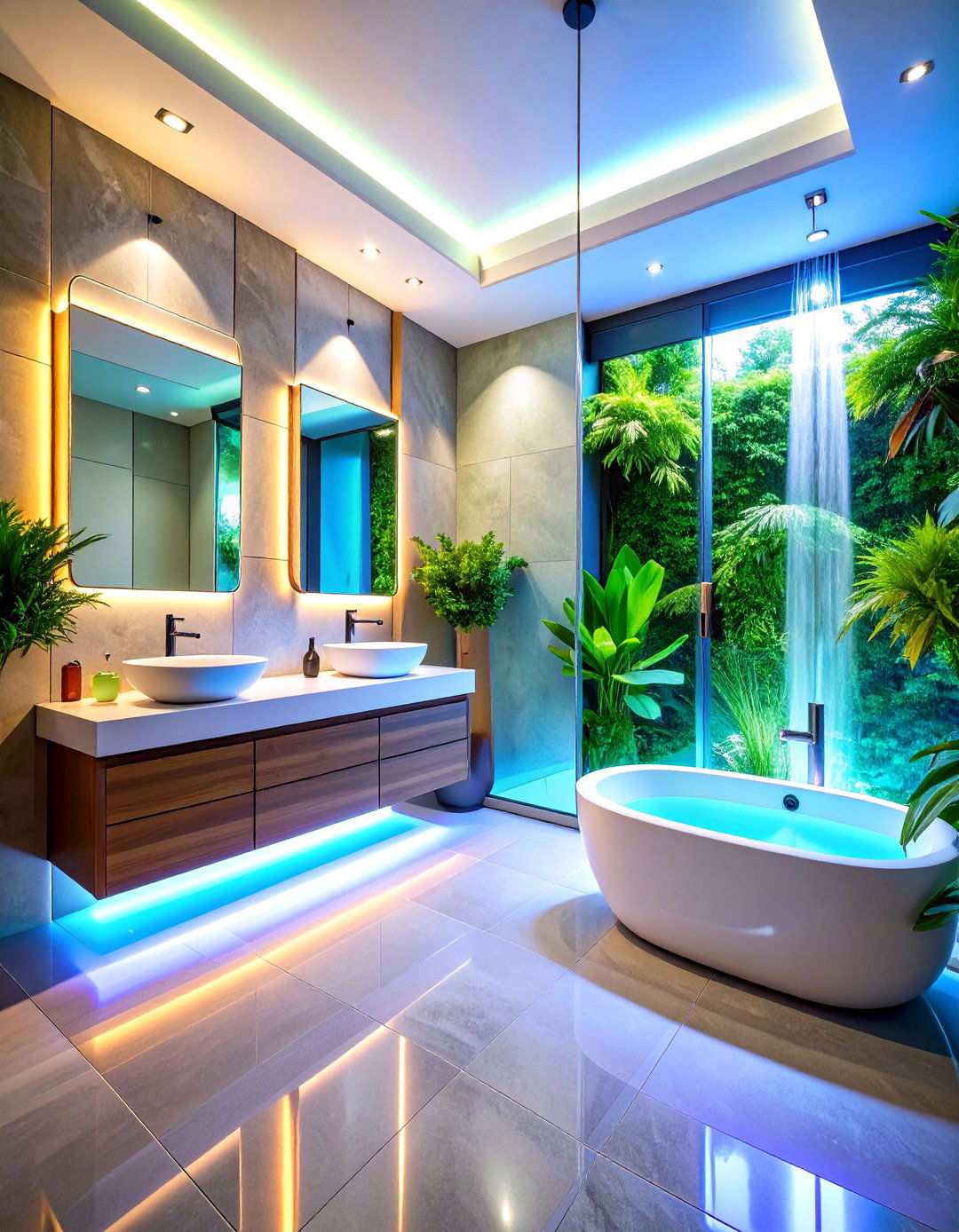
Modern spas are redefining the art of relaxation, incorporating cutting-edge technology to create immersive and personalized experiences. At the heart of this revolution lies the integration of smart technology into wellness-focused design, where convenience and customization converge to create the ultimate spa experience. Digital shower controls, for instance, allow for precise temperature and flow adjustment, while chromotherapy lighting systems harness the healing power of color to promote balance and harmony. Smart mirrors not only display essential information such as the weather and news but also serve as a tranquil reflection of one’s inner world, free from the distractions of the external world. Heated floors, meanwhile, respond to programmable schedules, ensuring that the perfect temperatures are always at hand. Bluetooth sound systems stream personalized relaxation playlists or guided meditations, creating a soothing soundtrack for the senses. Motion sensors activate lighting automatically, maintaining the ambiance without requiring manual intervention. And with voice controls at one’s fingertips, various functions can be operated hands-free, preserving the flow of relaxation and hygiene. By seamlessly integrating technology into the spa experience, intelligent environments are created that anticipate and respond to one’s unique wellness needs.
11. Biophilic Living Wall Spa
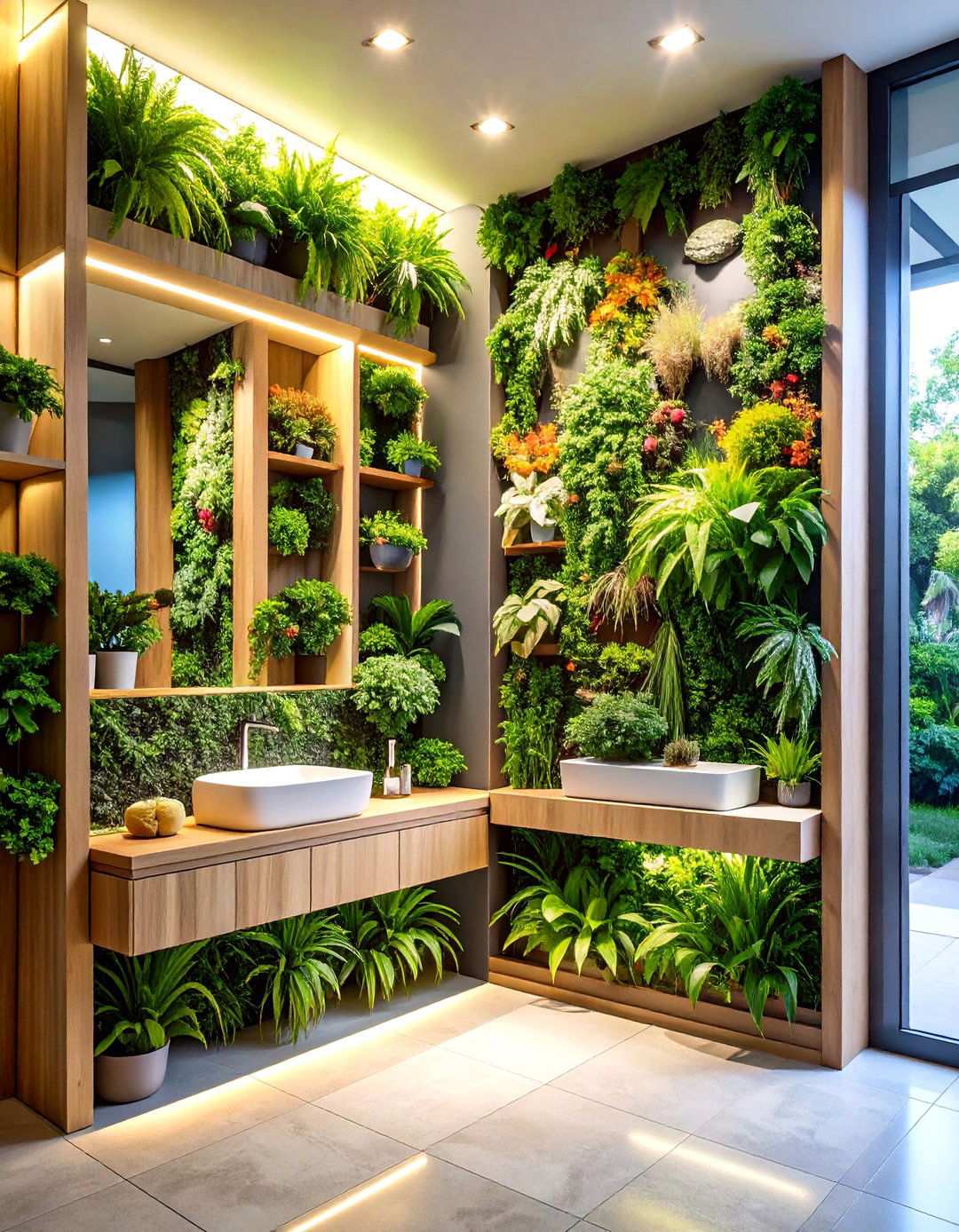
Bathrooms have long been a place where we disconnect from nature, but by incorporating living elements, we can transform these spaces into healing environments that reconnect us with the natural world. Biophilic design takes a holistic approach, integrating natural systems directly into spa spaces to create environments that actively improve air quality while providing visual and psychological benefits. Living walls, featuring carefully selected plants that thrive in humid conditions, such as ferns, pothos, and air plants, are a striking example of this approach. Automated irrigation systems ensure the health and well-being of these plants without creating maintenance burdens. Natural wood frames and moss accents complement the living elements, while stone planters provide organic container options that blend seamlessly into the surroundings. Strategic lighting not only supports plant growth but also enhances human activities, creating a harmonious balance between nature and nurture. By incorporating living elements into the spa experience, we can reduce stress, improve air quality, and create dynamic environments that change seasonally, providing ongoing visual interest and a connection to the natural cycles that govern our lives.
12. Revival of Luxury: Art Deco Spa Design
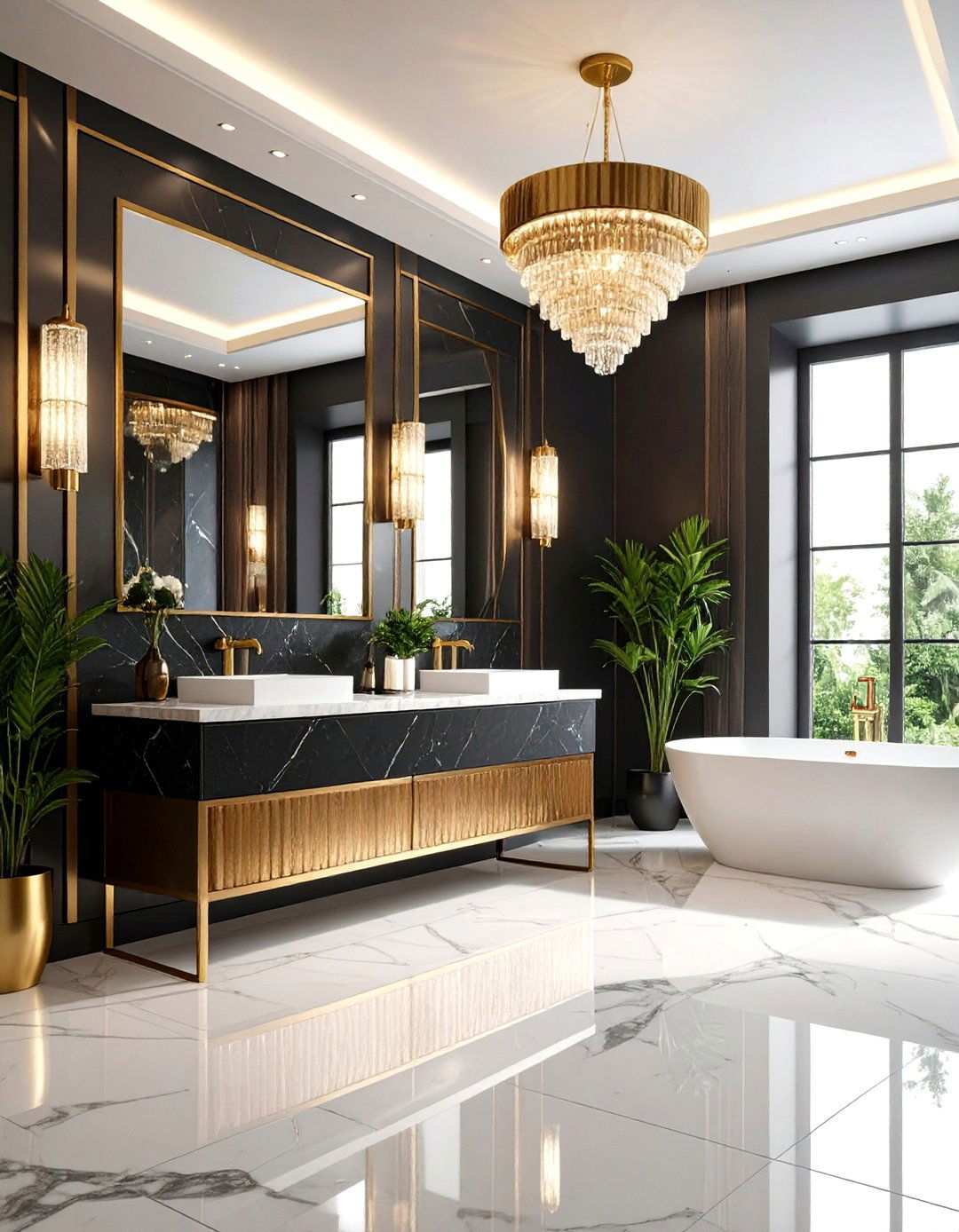
Incorporating vintage design elements can breathe new life into contemporary spa experiences, blending nostalgia with opulence. Art Deco-inspired spa design boasts a unique fusion of geometric patterns, metallic finishes, and glamorous details that evoke the luxurious essence of the Roaring Twenties. This aesthetic is characterized by striking black and gold color schemes, which are elevated by the intricate patterns of geometric tiles and the reflective quality of mirrors. To balance the angular shapes of the space, curved edges on vanities and fixtures introduce a softer, more organic element. The patina on vintage brass fixtures and hardware adds a touch of authenticity, while crystal light fixtures sparkle with the same radiance as the grand hotels of yesteryear. Marble surfaces, boasting bold veining patterns, command attention and create a sense of drama. This design approach caters to those seeking spa experiences that exude historical charm and timeless sophistication, while feeling uniquely special.
13. The Therapeutic Benefits of Heated Elements
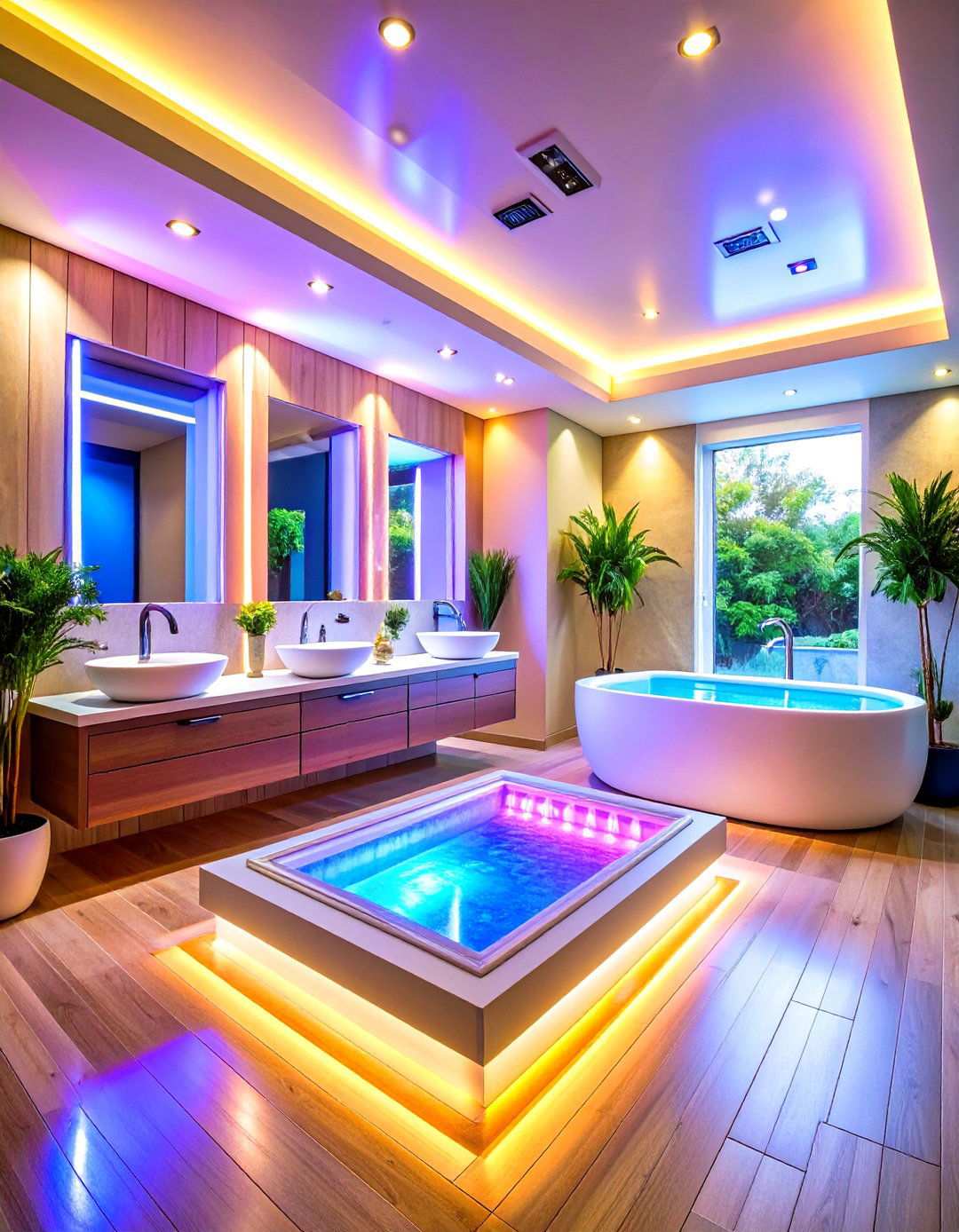
Heated surfaces play a crucial role in crafting truly therapeutic spa environments that foster deep relaxation. Heated spa design incorporates warming elements throughout the space to enhance comfort and promote therapeutic benefits. Radiant floor heating provides a consistent warmth that feels indulgent, especially during the colder months, while heated towel racks ensure fluffy, warm towels are always within reach for post-bath comfort. Heated vanity surfaces prevent mirrors from fogging and provide a comfortable area for preparation. Infrared panels offer targeted warming without excessive energy consumption, while steam features add humidity and heat therapy benefits to the space. Heated seating areas create tranquil spaces for meditation and relaxation, working in harmony to promote circulation, muscle relaxation, and comprehensive wellness experiences.
14. Transcending Senses: The Power of Aromatherapy Design
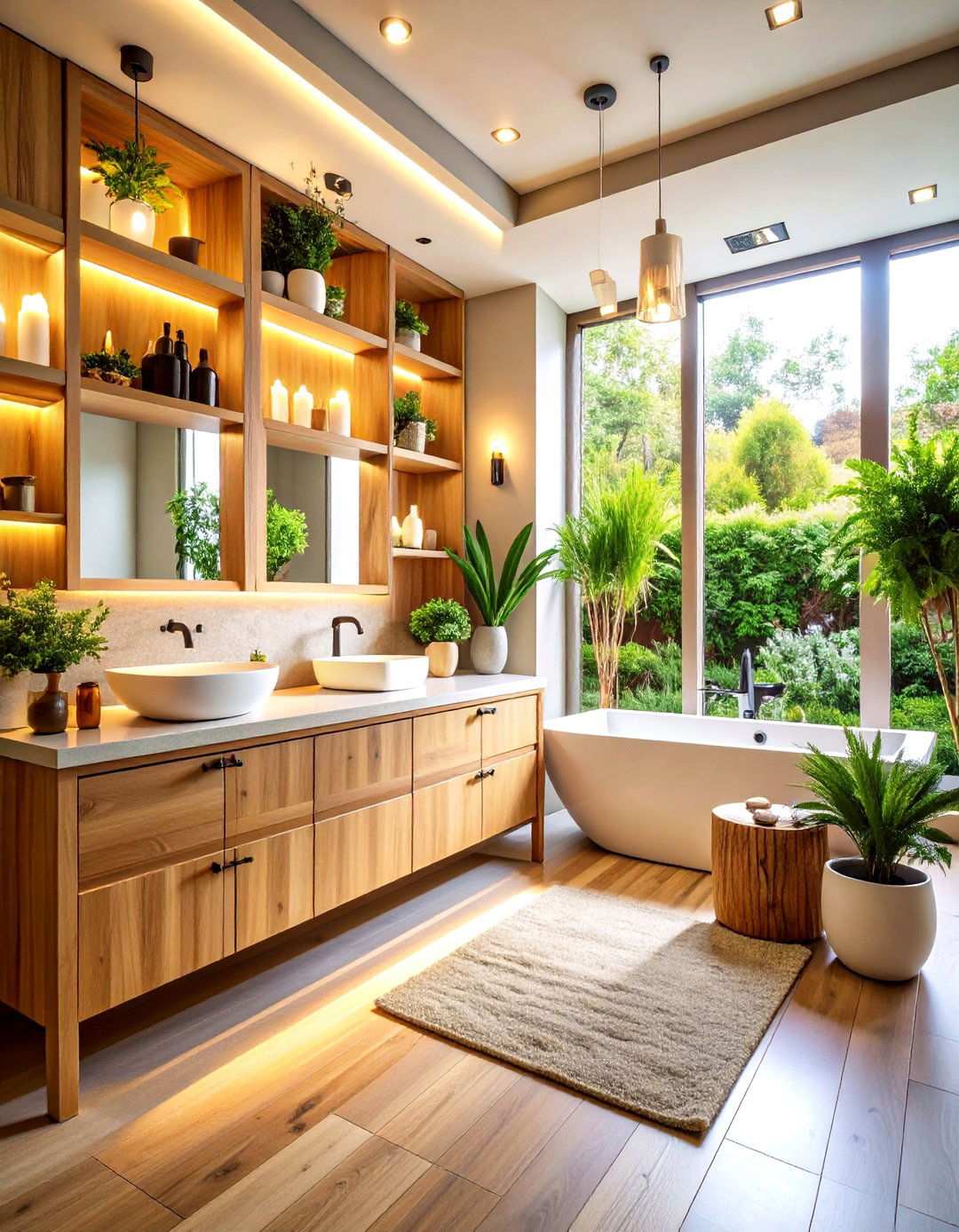
By strategically incorporating fragrance elements throughout the space, aromatherapy spa design can transform ordinary bathrooms into multi-sensory healing environments. Aromatherapy design incorporates built-in essential oil diffusers that provide consistent, customizable scent experiences, while herb gardens offer fresh aromatic elements to the space. Cedar wood cabinetry releases a natural, woody fragrance, complemented by the invigorating aroma of eucalyptus in shower areas. Scented candle alcoves create a safe display area for therapeutic candles, which can be enjoyed in a controlled environment. Ventilation systems distribute fragrances evenly while maintaining air quality, while natural stone and wood materials contribute subtle earthy scents to the space. Salt walls provide detoxifying negative ions and add mineral aromatics, creating an immersive experience that supports both emotional and physical well-being.
15. Elevating Bathroom Design with Modern Vanity Solutions
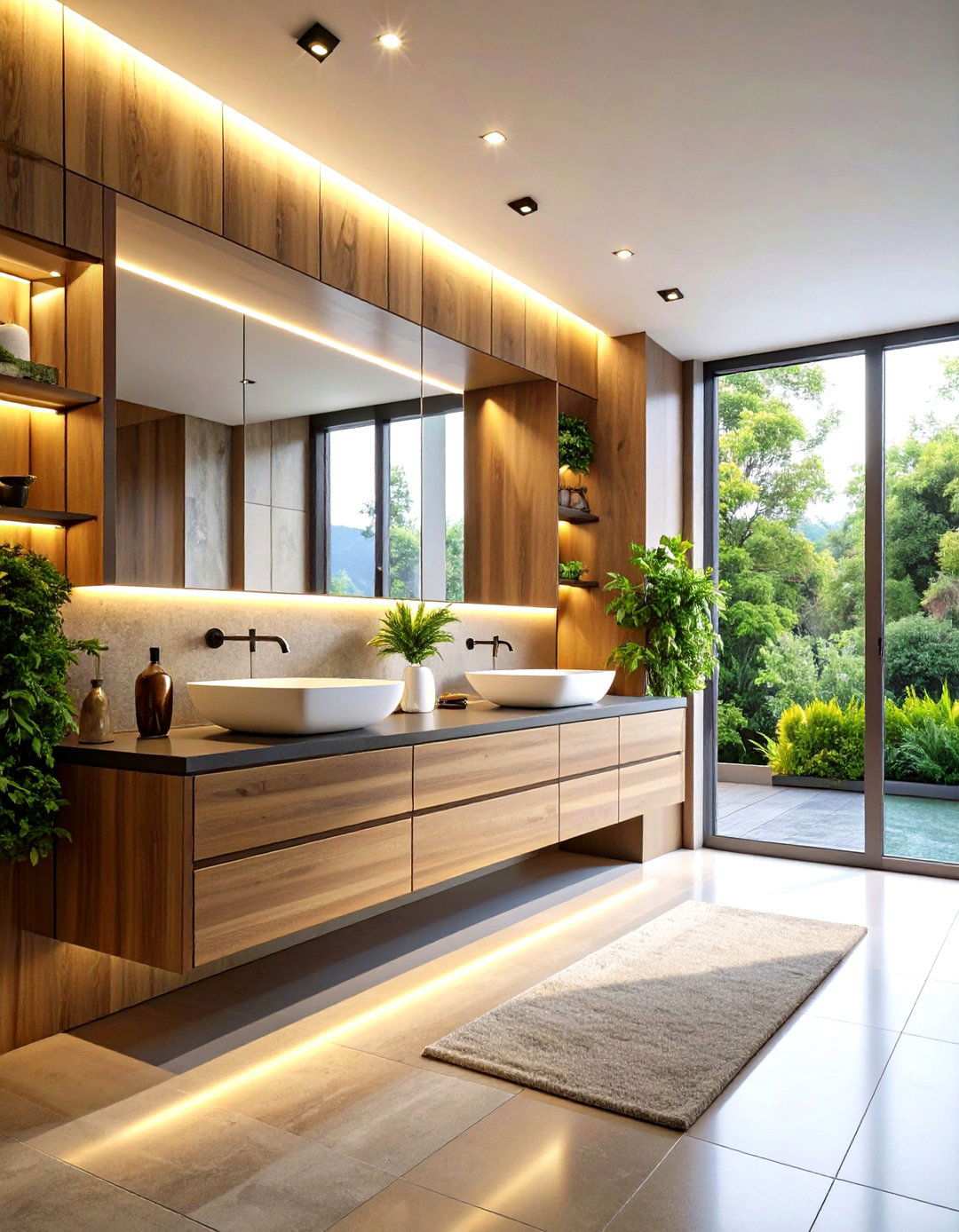
In contemporary spa design, floating vanities play a crucial role in creating an open and airy atmosphere. This minimalist approach optimizes floor space while ensuring easy maintenance and cleaning. By wall-mounting cabinets in natural wood tones, designers can create a striking contrast against cool tile backgrounds, thereby maintaining a spa-like ambiance. Furthermore, concealed storage solutions keep surfaces clutter-free, allowing the mind to unwind and relax in a tranquil environment. The subtle glow of LED strip lighting beneath the vanity not only enhances the floating effect but also provides task illumination, setting the tone for a rejuvenating experience. The incorporation of vessel sinks as sculptural elements adds an artistic touch, available in a range of materials from natural stone to handcrafted ceramics. Open shelving units showcase essential oils, candles, and decorative items in an artful manner, while the elevated design enables seamless flooring continuation, creating a sense of cohesion and visual flow that supports modern spa aesthetics emphasizing clean lines and functional beauty.
16. Harnessing the Power of Natural Light in Spa Design
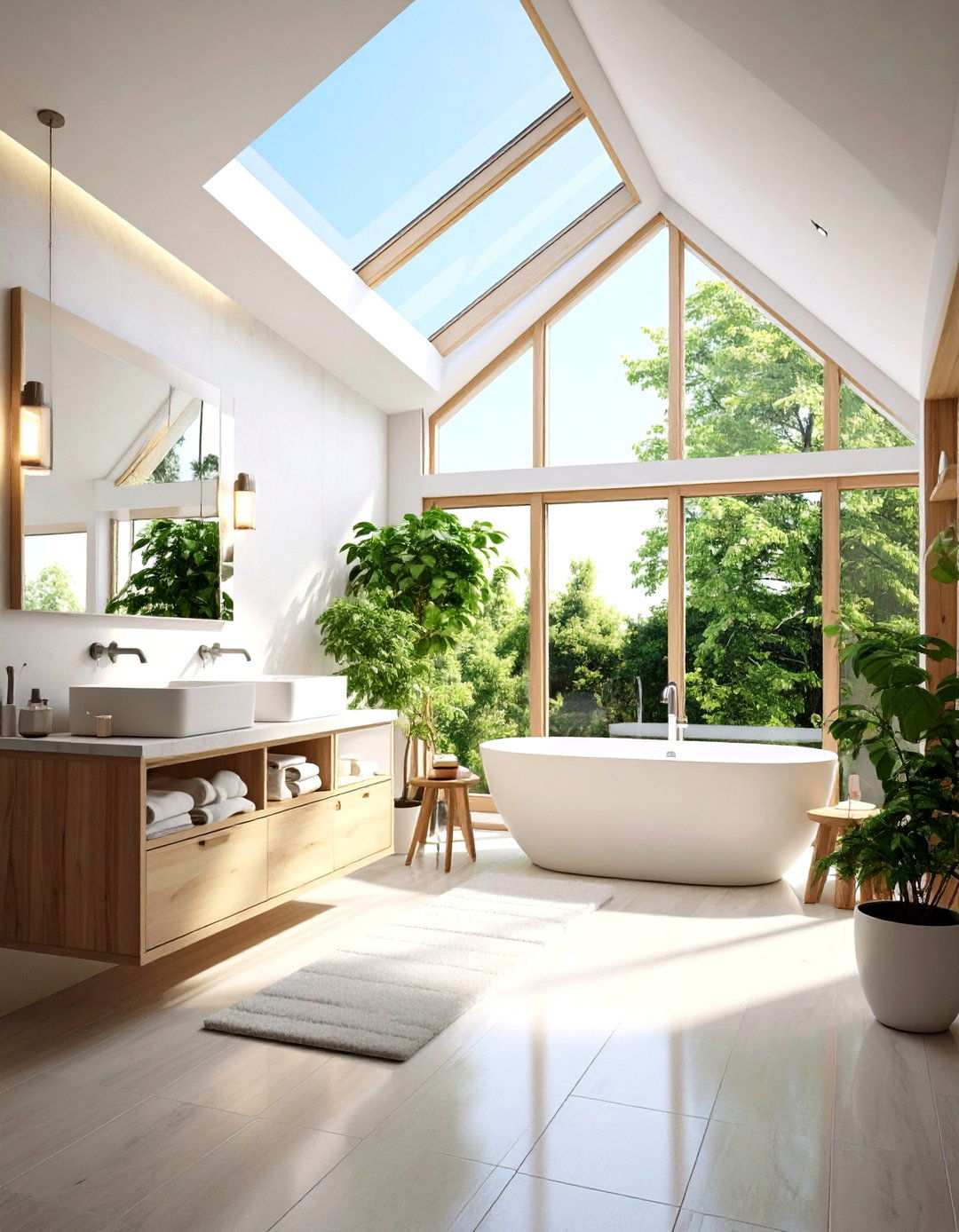
Does natural lighting have the ability to transform ordinary bathrooms into extraordinary spa environments? A well-designed spa that prioritizes natural illumination can create an atmosphere that promotes wellness and relaxation. By incorporating layered lighting systems, designers can ensure that the space receives an optimal amount of light throughout the day, supporting various activities and moods. Skylights provide a dynamic source of natural light that changes with the seasons, allowing the space to connect with the natural world. Large windows offer breathtaking views of the outdoors while maintaining privacy through frosted glass or carefully placed screens. Light-colored surfaces reflect and amplify natural light, making the space feel larger and more vibrant. Sheer window treatments filter harsh light while maintaining brightness, while strategically placed mirrors reflect light to darker areas. Supplemental lighting options, including dimmable fixtures for evening relaxation and bright task lighting for detailed activities, create a comprehensive illumination system that supports both energy and tranquility.
17. Elevating Spa Bathroom Design with Stone Vessel Sinks
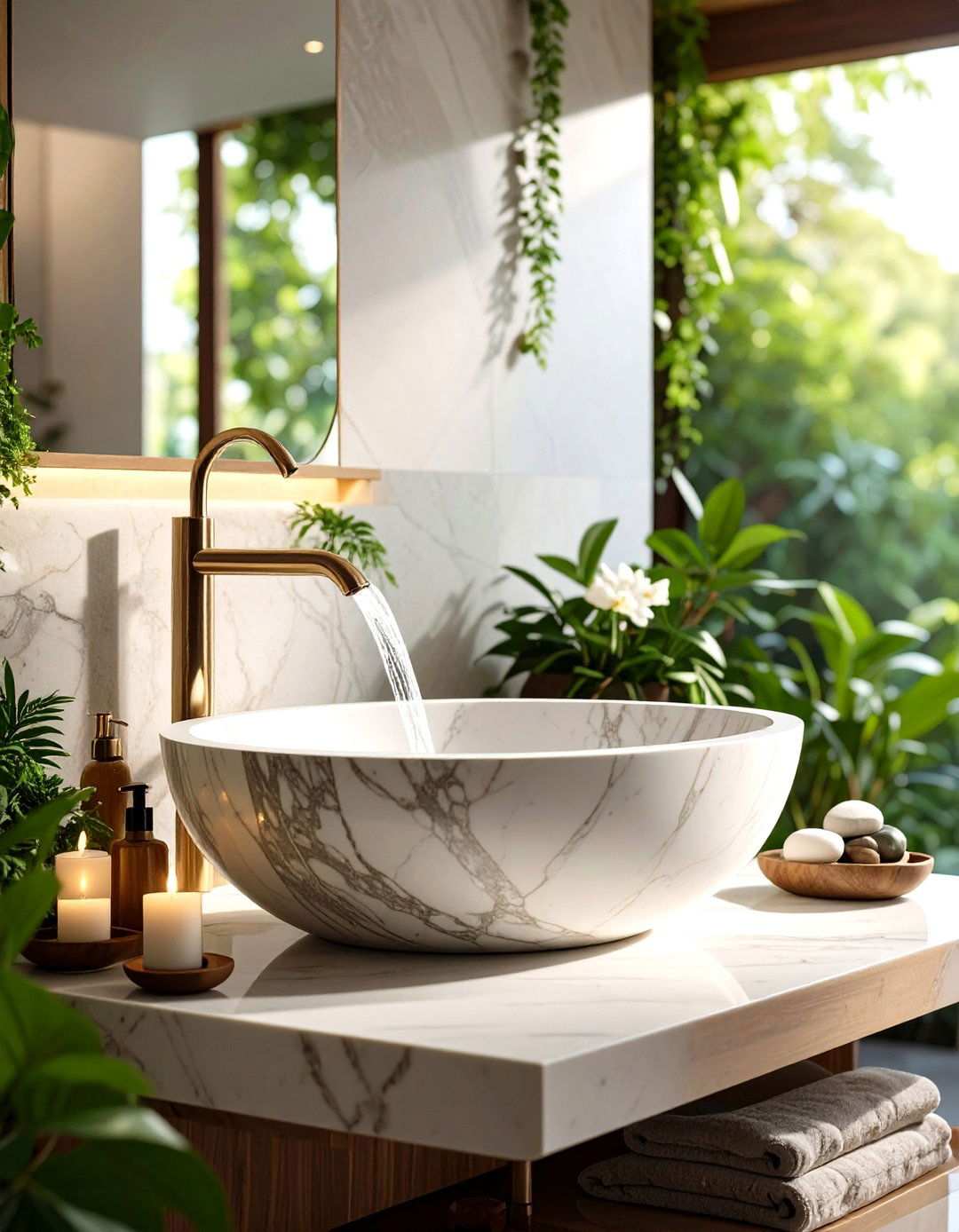
Stone vessel sinks have become an integral part of spa bathroom design, offering a perfect blend of functionality and artistic expression. These sculptural focal points celebrate the beauty of natural materials and craftsmanship, making each sink a unique work of art. The natural variations in stone, such as marble veining, granite speckles, or travertine texture, give each sink its own character, while the surrounding design elements enhance its overall aesthetic appeal. Waterfall faucets not only complement the organic shape of the sink but also create a soothing water sound, further enhancing the spa experience. The combination of natural edge designs and polished surfaces provides a seamless transition between form and function. Coordinating stone countertops create a cohesive look, while the surrounding tile work highlights the sink’s beauty through complementary colors and textures. Strategic lighting placement adds yet another layer of depth, emphasizing the stone’s characteristics while providing practical illumination. As a result, these distinctive elements transform utilitarian sinks into conversation pieces that anchor spa design schemes, reminding us of nature’s artistic capabilities and inherent beauty.
18. Harnessing the Therapeutic Power of Water Features in Spa Bathrooms
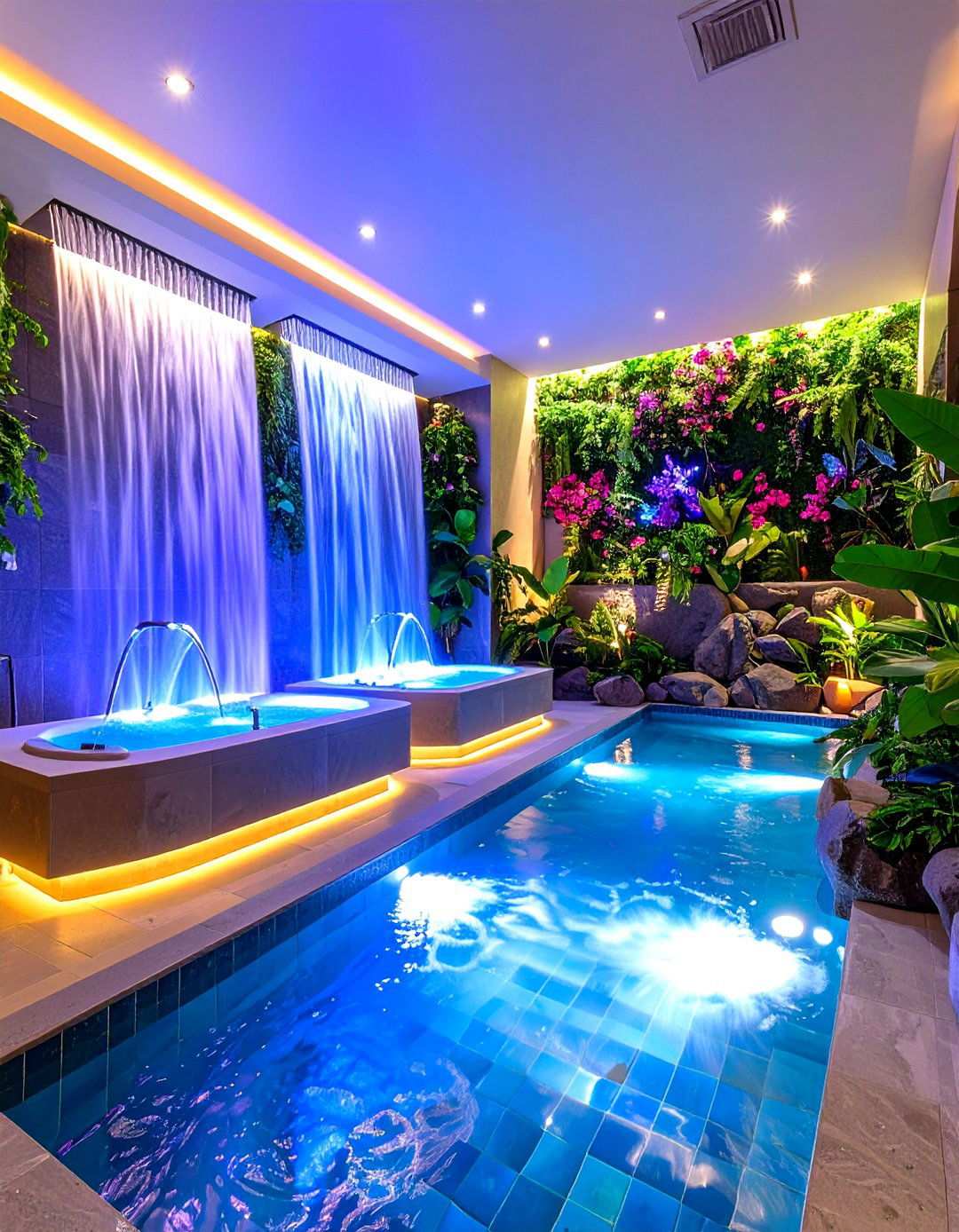
Water features have long been recognized for their therapeutic effects in spa bathroom environments, providing a unique blend of visual, auditory, and sensory benefits. By incorporating flowing water elements, designers can create spaces that promote relaxation, reduce stress, and rejuvenate the mind and body. Indoor fountains, for example, can mask outside noise, promoting a sense of calm and tranquility, while rainfall shower systems simulate natural precipitation, creating an immersive bathing experience. Cascading water walls not only provide dramatic visual interest but also generate negative ions that purify the air, further enhancing the therapeutic benefits. Soaking tubs with built-in jets offer hydrotherapy benefits for muscle relaxation, while steam features add humidity and respiratory benefits. With customizable water temperature controls and integrated drainage systems, spa designers can create environments where the healing properties of water become the central focus. By harnessing the power of water, spa designers can create spaces that not only promote relaxation but also foster a deeper connection with nature.
Chromotherapy Color Healing Spa
Integrating chromotherapy into spa bathroom design transforms the space into a holistic haven for emotional and physical wellness. Strategically applied colors and programmable lighting systems provide therapeutic benefits, catering to diverse moods and healing needs. The versatility of LED lighting allows for a wide range of color options, from blue tones that promote relaxation and reduce blood pressure, to green hues that encourage balance and renewal. Warm colors like amber and orange stimulate energy and creativity, fostering an environment for rejuvenation. Synchronized color-changing fixtures, including shower heads, floor lighting, and accent illumination, work in harmony to create an immersive experience. Natural elements such as gemstone details, colored glass accents, and tinted mirrors also play a significant role in enhancing the therapeutic ambiance. With the aid of programming capabilities, color transitions can be automated to support daily rhythms, aligning with scientifically-backed color therapy principles to actively contribute to wellness goals.
Organic Modern Spa Textures
Innovative spa design prioritizes texture to create a multisensory experience that engages the visitor on multiple levels. By incorporating a diverse array of tactile elements, spa environments can evoke a sense of richness and sophistication. The contrast between rough stone surfaces and smooth porcelain creates a visually captivating and tactilely engaging atmosphere, while natural fiber textiles like linen towels, jute rugs, and bamboo accessories contribute to the overall organic feel. Wood grain variations, ranging from smooth teak to textured reclaimed barn wood, add warmth and character to the space. Textured wall treatments, including stone cladding, wood planking, and tactile tile patterns, provide an engaging sensory experience. Soft elements like sheepskin rugs and plush seating offer comfort contrasts, while water textures, such as pebble floors and stone shower walls, offer a gentle massage effect. This thoughtfully curated mix of textures creates an immersive experience that engages the sense of touch, supporting comprehensive relaxation and therapeutic benefits.
21. Crafting Intimate Oases with Thoughtful Design
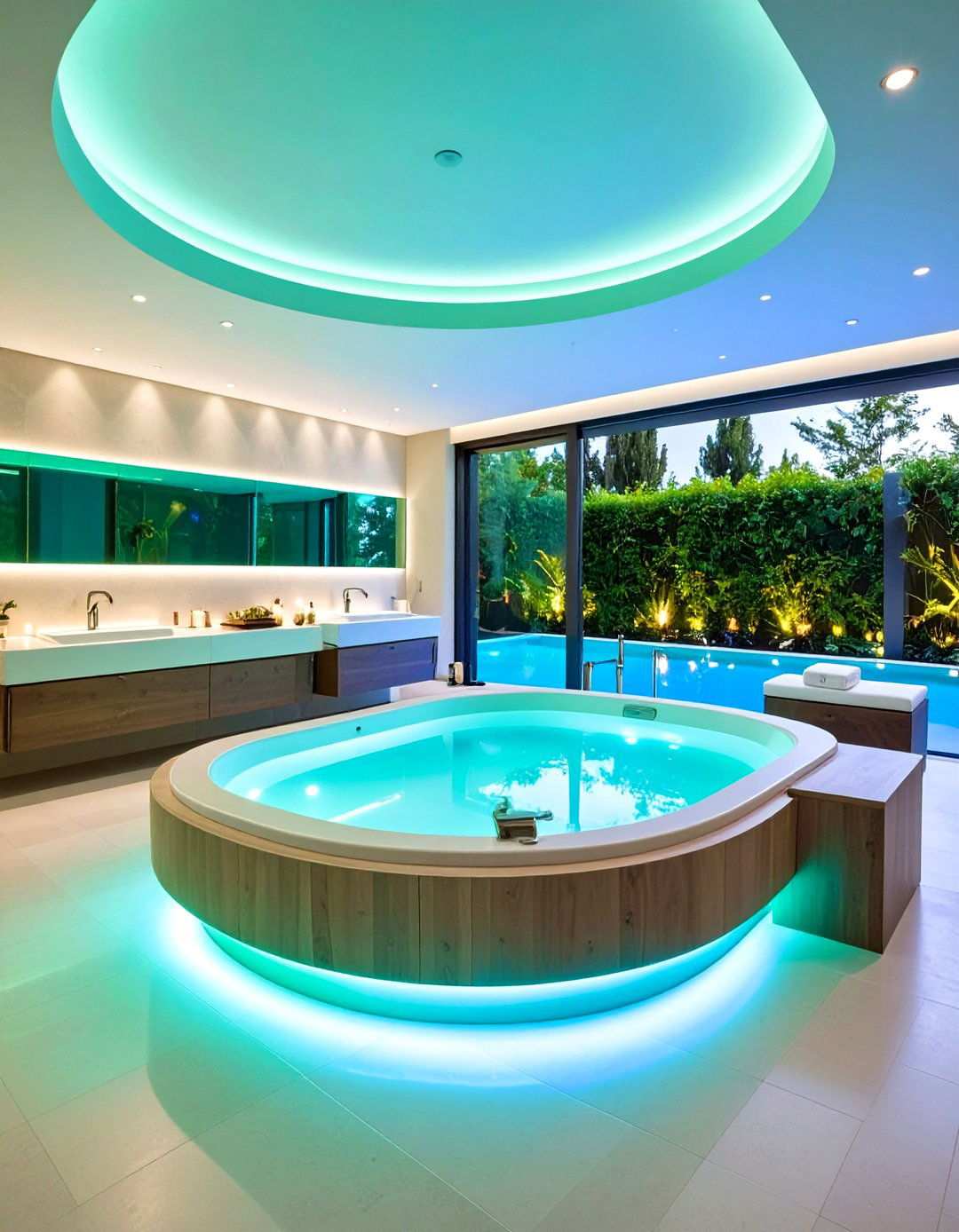
Effective design can orchestrate the perfect balance of seclusion and openness to create an unshakeable sense of security and intimacy in personal spa experiences. This is achieved by incorporating architectural and decorative elements that seamlessly integrate to ensure complete seclusion, while still allowing the ambiance to feel light and airy. Strategically placed frosted glass panels allow for optimal light transmission while effectively blocking visibility, creating a sense of seclusion without sacrificing natural light. Windows are thoughtfully positioned to offer panoramic views of the outdoors without compromising on private boundaries. The addition of sheer panels and blackout options allows for flexibility in meeting distinct privacy requirements. Room dividers can be used to create separate zones within larger spaces, establishing distinct areas for relaxation and rejuvenation. The integration of sound insulation materials and quiet sanctuaries enables the creation of peaceful environments, free from distractions and disturbances. Incorporating interior garden courtyards provides an opportunity to connect with nature while maintaining complete seclusion. Furthermore, well-designed entrance areas include buffer zones that effectively prevent direct sightlines, thereby fostering a secure atmosphere. By carefully placing lighting fixtures, the risk of casting shadows that could reveal silhouettes is mitigated, ultimately creating a space where relaxation can unfold without the distraction of outside observation or disturbance.
22. Embracing Harmony between Wellness and Sustainability
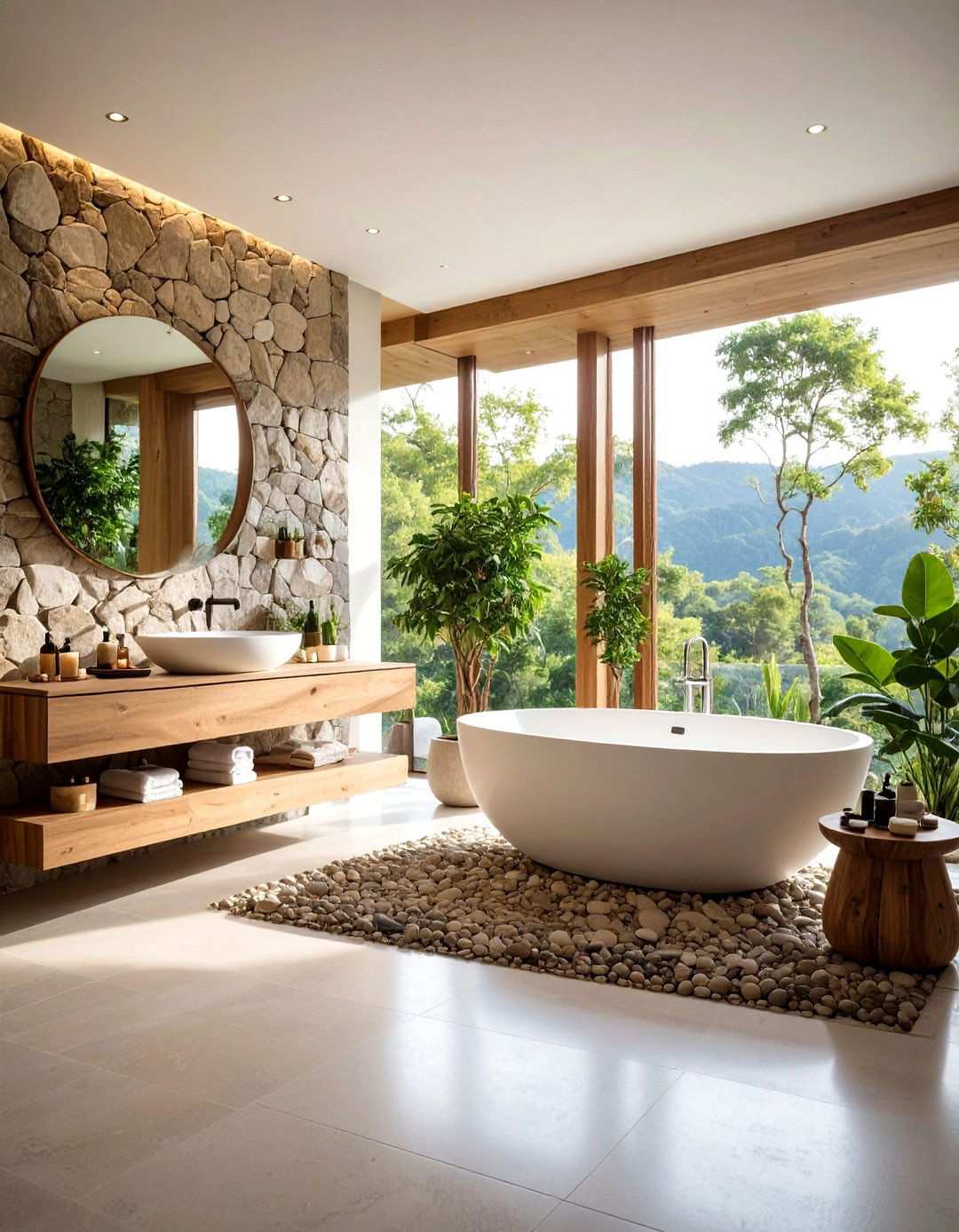
Choosing eco-friendly materials for spa design is not just about promoting environmental responsibility, but also about creating a holistic environment that nurtures both physical and emotional well-being. Eco-conscious design incorporates materials that are not only renewable and recycled but also non-toxic, thus creating a healthy environment that minimizes harm to the environment. Bamboo flooring, for instance, offers a water-resistant surface with natural antimicrobial properties, making it an ideal choice for spa environments. Recycled glass tiles provide a stunning visual appeal while diverting waste from landfills, contributing to a more sustainable future. Reclaimed wood vanities not only add character to the space but also help preserve forest resources. Low-VOC paints and finishes ensure that indoor air quality is maintained, essential for respiratory health. Cork flooring offers a unique combination of natural antimicrobial properties and cushioned comfort, while recycled metal fixtures provide durability with reduced manufacturing impact. Natural fiber textiles, on the other hand, avoid synthetic chemicals, providing a genuinely organic experience. By incorporating these sustainable choices, spa designers can create environments that not only feel good but also promote long-term health and environmental consciousness, embodying a comprehensive approach to wellness.
23. Crafting Sonic Sanctuaries
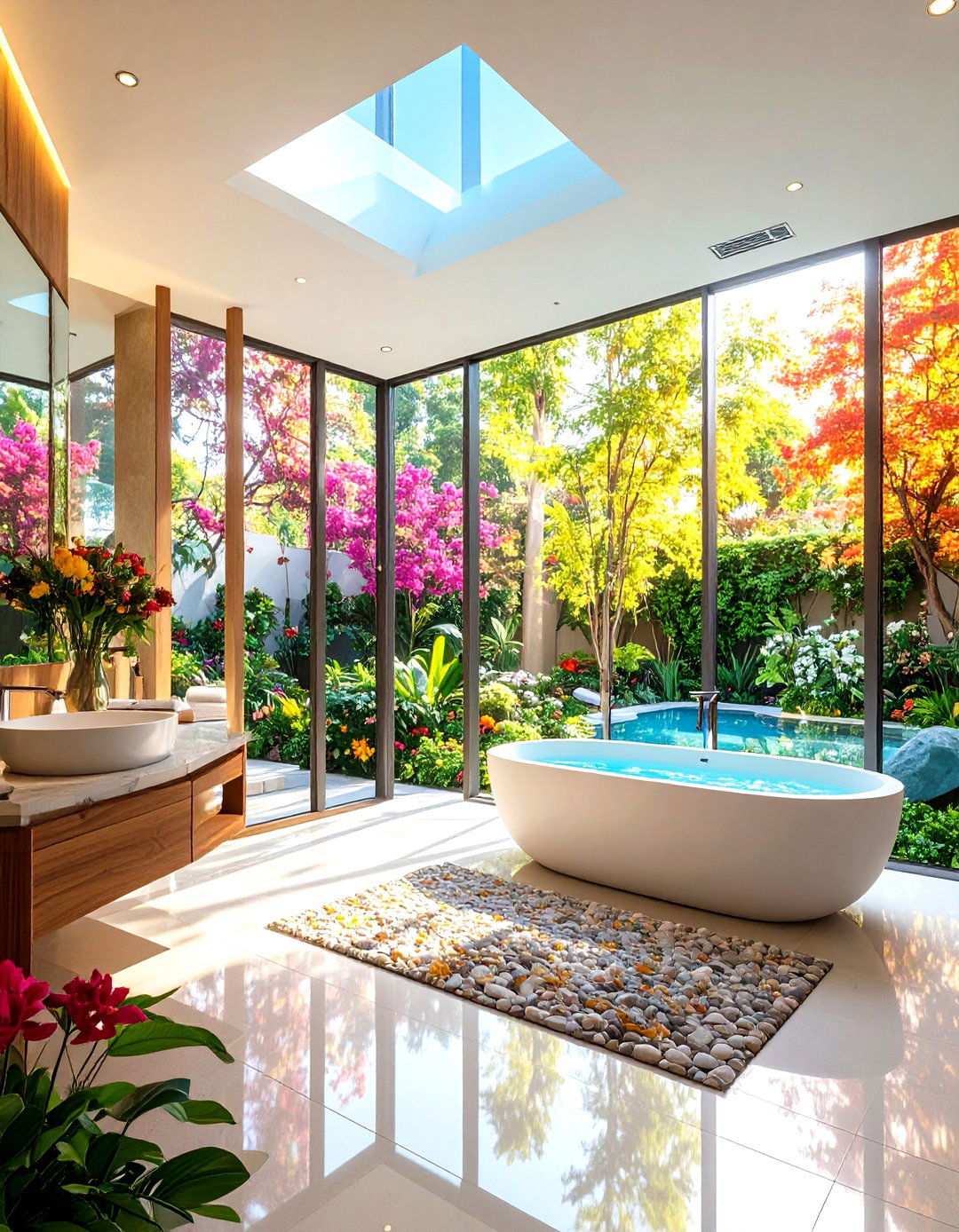
Effective acoustic design plays a pivotal role in creating serene spa environments that induce profound relaxation through carefully calibrated sound experiences. By incorporating sound-focused treatments and systems, spa designers can effectively mask unwanted noise while providing therapeutic audio experiences. Strategically placed acoustic panels, often disguised as art pieces, absorb sound waves and minimize echoes. Soft textiles and surface treatments further enhance the calming atmosphere. High-quality audio systems, integrated into the design, provide immersive soundscapes for guided meditations, soothing nature sounds, or calming music. The gentle hum of water features creates natural white noise, masking external disturbances. Quiet ventilation systems minimize mechanical noise, while door seals and window treatments prevent sound transmission. By dedicating specific zones to different sound experiences, spas can cater to diverse preferences simultaneously. Sound timing systems automatically adjust volume and content to create an optimal sonic ambiance throughout the day. These thoughtful acoustic elements transform sound into a therapeutic tool, supporting deep relaxation and mindfulness practices.
24. Designing Sacred Spaces for Wellness
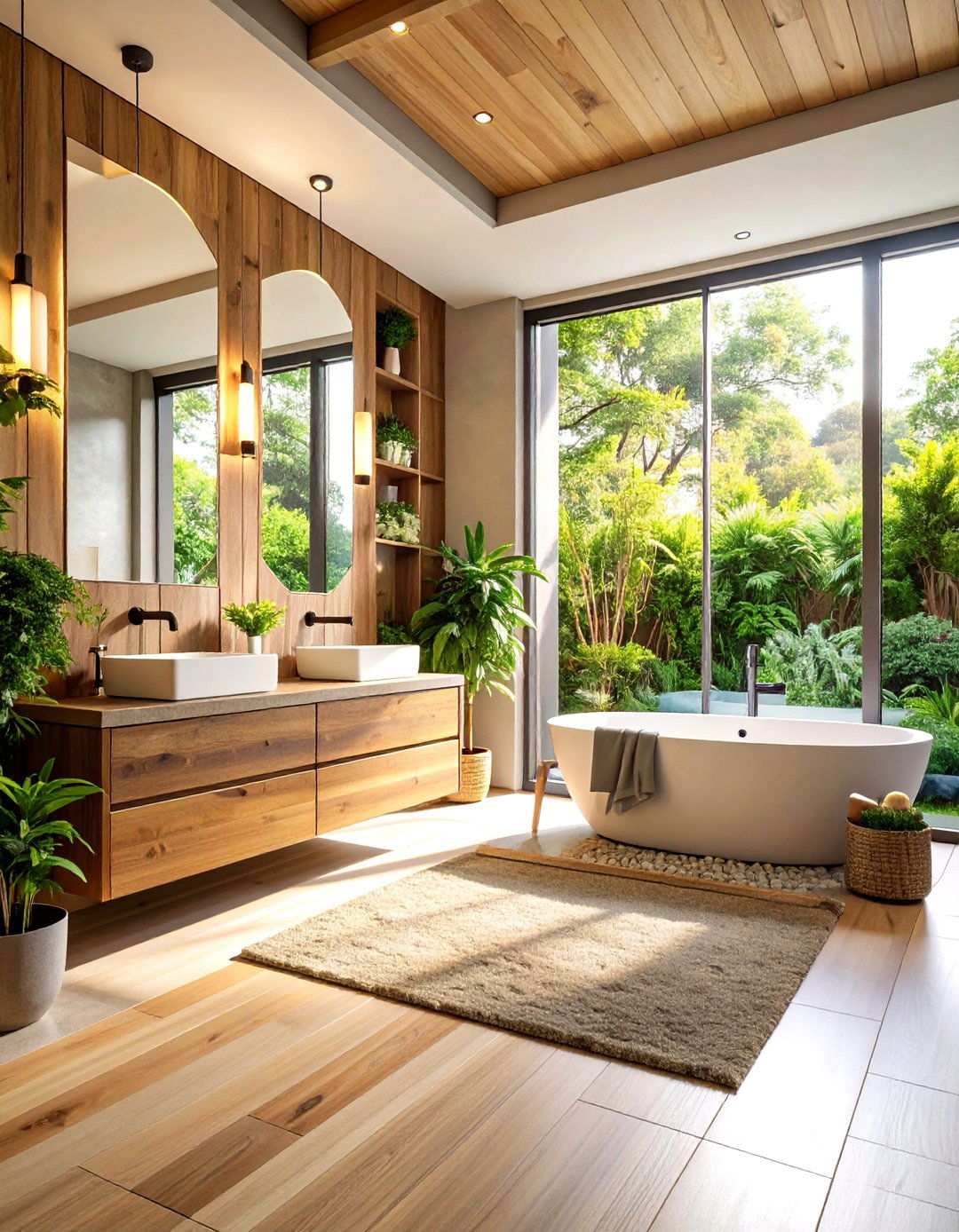
Ritual-focused spa design elevates spa bathrooms into revered spaces that honor daily wellness rituals and self-care practices. By incorporating thoughtful design elements, spas can create dedicated areas and storage solutions that transform routine activities into meaningful wellness ceremonies. Meditation corners feature plush seating, soft lighting, and storage for essential oils or prayer items, inviting contemplation and introspection. Preparation areas are designed with organized storage for skincare products, brushes, and tools, allowing for easy access and a seamless experience. Altar spaces display meaningful objects, crystals, or artwork that inspire reflection and self-awareness. Aromatherapy stations feature essential oil collections and diffuser systems, releasing soothing scents that promote relaxation. Cozy reading nooks provide a peaceful space for wellness literature or journaling, while natural material surfaces honor the body through tactile beauty. Seasonal decoration capabilities allow spas to adapt their environments to support different wellness focuses throughout the year, creating a dynamic and supportive atmosphere that recognizes and nurtures the spiritual aspects of self-care and wellness practices.