1. Elevating Your Space with Baltic Birch Plywood Ceilings
Baltic birch plywood has evolved from a basic construction material into a sophisticated design element that brings warmth, character, and visual interest to any room. This premium material combines natural beauty with exceptional durability, offering homeowners a stylish alternative to traditional ceiling finishes. Modern designs utilizing Baltic birch plywood showcase its incredible adaptability, from sleek, geometric patterns that create striking focal points to rustic, exposed beam configurations that evoke cozy cabin charm. The appeal of Baltic birch plywood lies in its unique ability to complement both contemporary and traditional design aesthetics while providing practical benefits such as acoustic enhancement, easy installation, and long-lasting performance. Whether you’re renovating a single room or designing an entire home, Baltic birch plywood ceilings offer endless creative possibilities. The natural wood grain patterns add organic texture that synthetic materials simply cannot replicate, while the material’s structural integrity ensures your ceiling design will maintain its beauty for years to come. From smooth finishes to moisture-resistant options, there’s a Baltic birch plywood solution perfectly suited for every space and style preference.

As an Amazon Associate I earn from qualifying purchases.
1.1. A Masterpiece of Design: Baltic Birch Plywood Ceiling Design
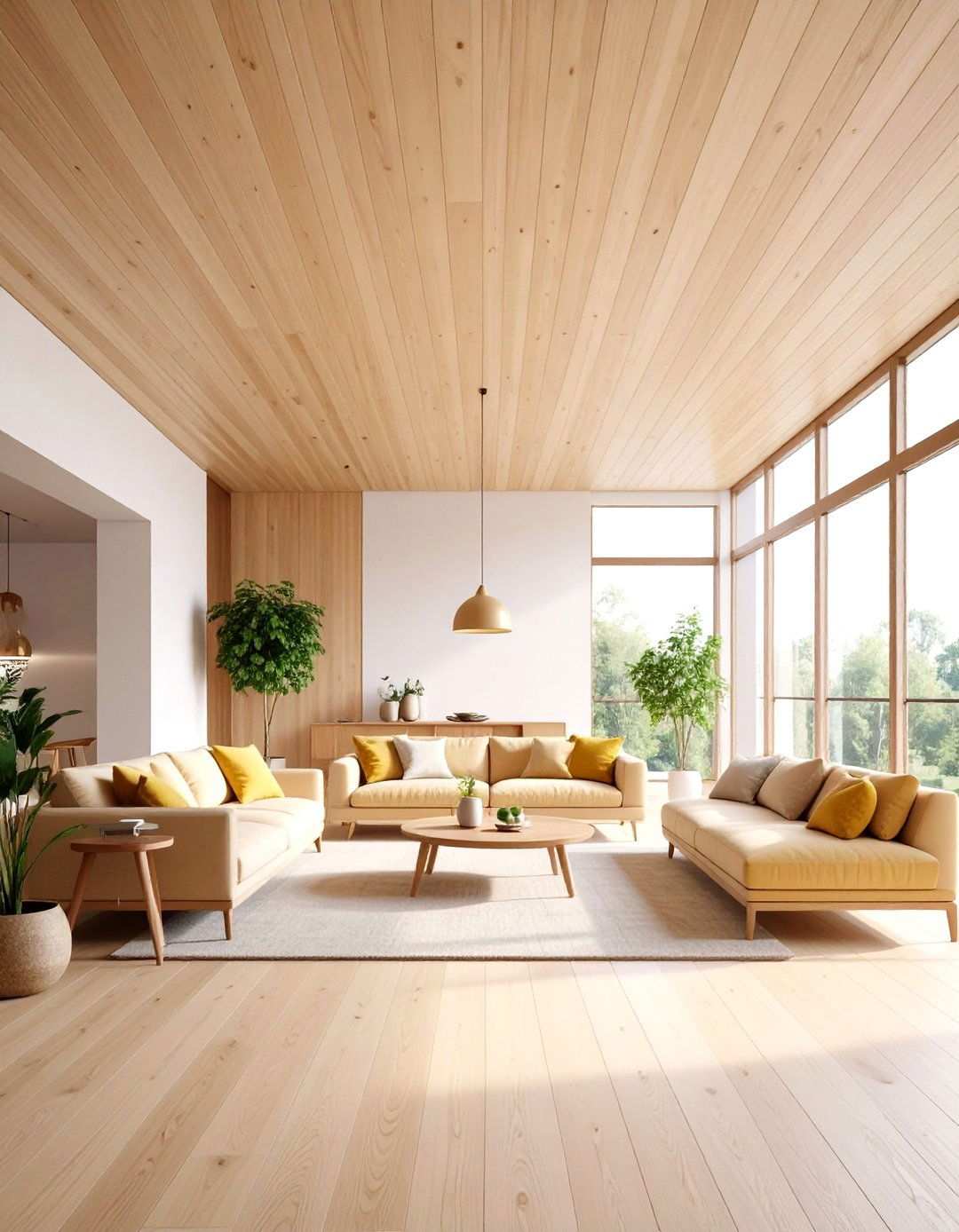
Baltic birch plywood creates an exceptionally smooth and uniform ceiling surface that showcases subtle grain patterns and light coloration, making it a perfect fit for modern minimalist spaces where clean lines and natural materials take center stage. This premium plywood grade features multiple thin veneers that eliminate voids and create remarkable stability, making it ideal for large ceiling installations. The material’s consistent appearance works beautifully in open-concept living areas where it creates visual continuity while defining separate functional zones through subtle changes in panel direction or installation height. Installation involves securing panels directly to ceiling joists with construction adhesive and finish nails, followed by careful sanding and application of clear protective coating. The light blonde tones of Baltic birch complement both warm and cool color palettes, while the material’s density provides excellent sound dampening properties, creating a peaceful atmosphere in any room.
2. Elevating Spaces with Coffered Plywood Ceilings
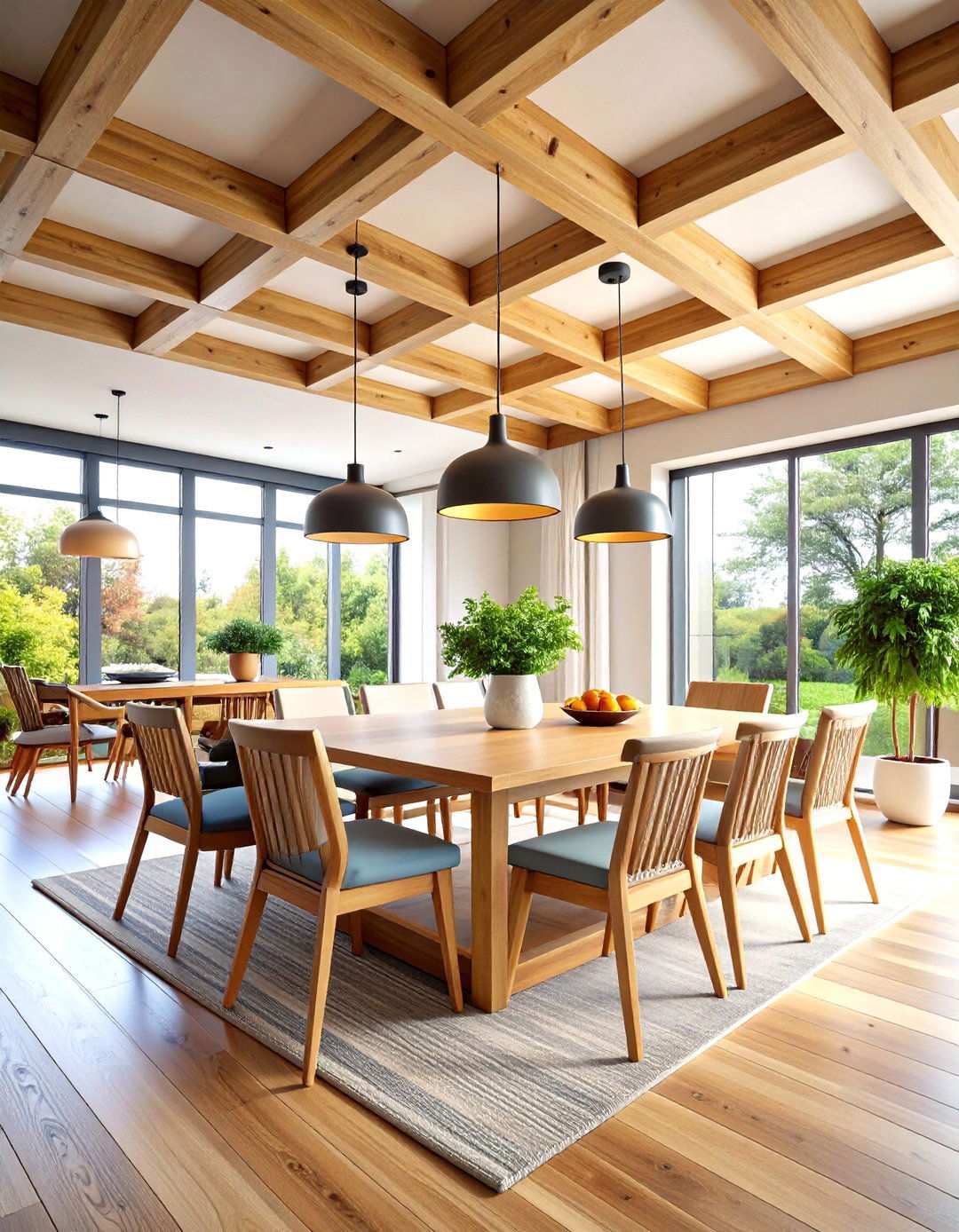
The allure of coffered plywood ceilings lies in their ability to harmoniously blend traditional sophistication with modern efficiency. By strategically arranging plywood panels between decorative beams, you can create a visually striking grid pattern that adds depth and character to any room. The installation process demands meticulous measurement and planning to ensure perfectly symmetrical spacing, with each panel fitting snugly within the beam framework. Designers often opt for a range of grid sizes, from 24-inch squares to create an intimate ambiance to 48-inch sections for a grander feel. Meanwhile, beam depths can vary between 2 to 6 inches, contingent upon ceiling height. For a seamless look, the plywood panels can be stained to match the beams, or painted in contrasting hues to make a bold statement. This ceiling treatment is particularly well-suited for formal living spaces like dining rooms, libraries, and reception areas where traditional elegance meets contemporary practicality. Furthermore, the coffered design offers excellent opportunities for integrated lighting and enhanced acoustics.
3. Weaving a Herringbone Pattern with Plywood Strips
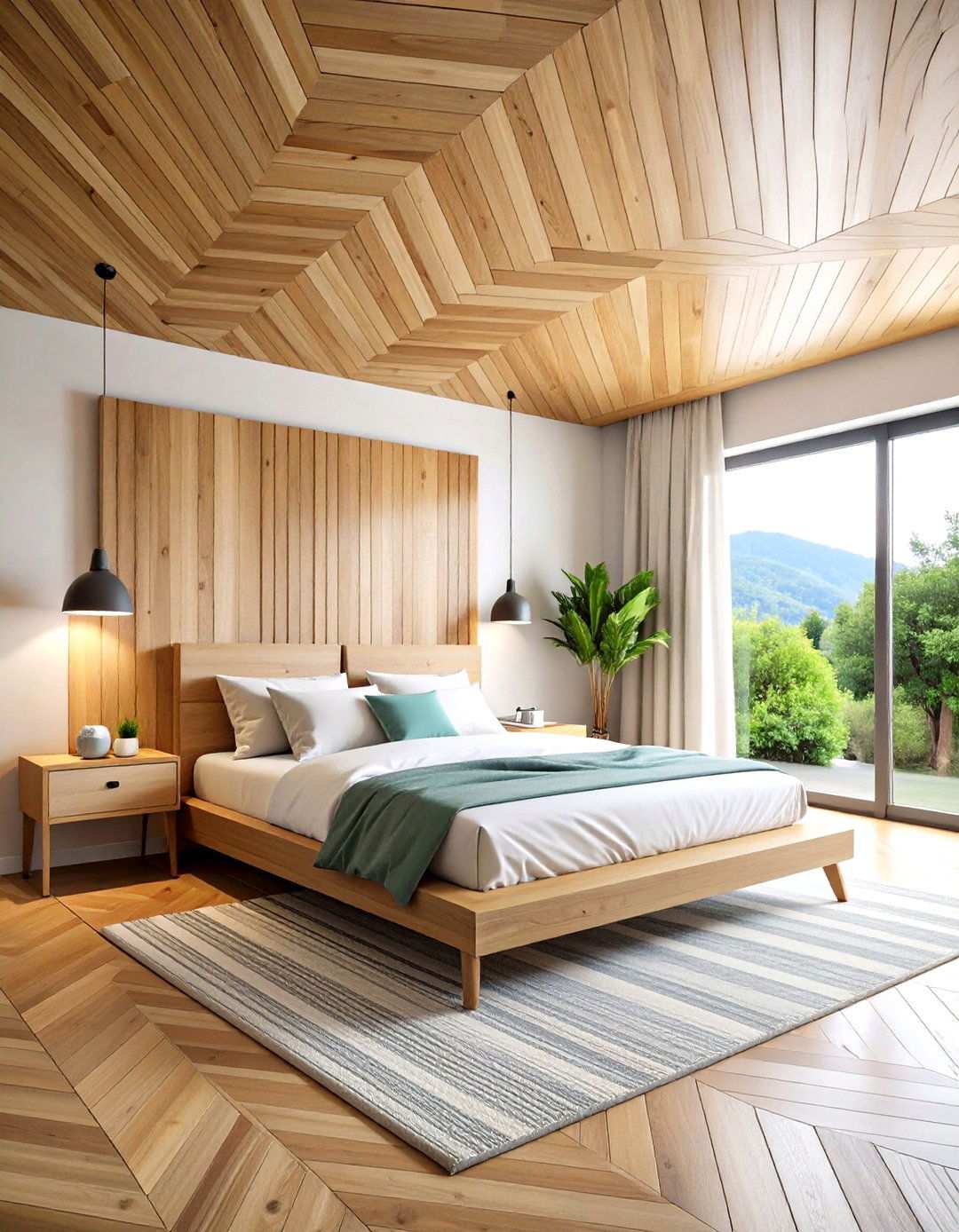
A herringbone pattern created with plywood strips can breathe new life into an ordinary ceiling, transforming it into a captivating design feature that draws the eye upward with dynamic visual movement. This installation technique involves arranging narrow plywood planks in alternating 45-degree angles to form the classic zigzag pattern, which adds a wealth of texture and interest to any room. The key to a successful installation lies in carefully planning the center point and maintaining consistent spacing throughout the process. To achieve the desired look, standard plywood sheets are typically ripped into strips measuring between 3 to 6 inches wide, depending on room scale and desired visual impact. Each strip requires precise angle cuts and meticulous positioning to preserve the pattern’s integrity across the entire ceiling surface. What’s more, the herringbone pattern particularly enhances spaces with neutral color schemes, as the geometric arrangement creates visual interest without overpowering other design elements. This ceiling design works beautifully in bedrooms, home offices, and casual living areas where sophisticated style meets comfortable functionality.
4. Soundscaping with Acoustic Plywood Ceiling Panels
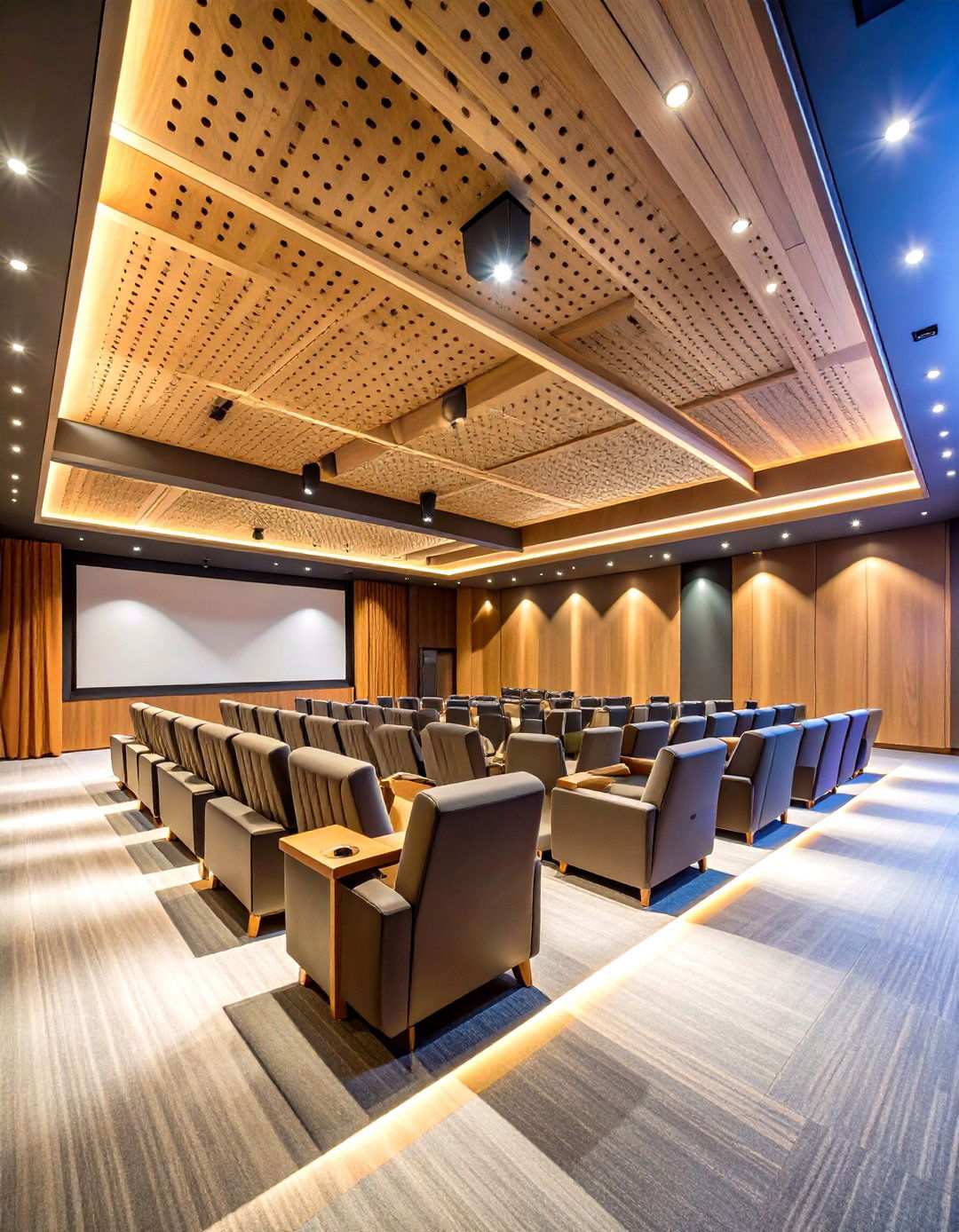
When designing a room, it’s essential to consider how ceiling layout influences overall ambiance and occupant experience. By combining the visual appeal of natural wood with sound-dampening properties, acoustic plywood ceiling panels create harmonious environments that balance aesthetics and acoustics. These panels feature strategically placed perforations or integrated sound-absorbing materials, effectively reducing echo and enhancing speech clarity. A suspended grid system allows for effortless access to utilities while preserving the acoustic benefits. The perforations can be arranged in intricate geometric patterns, adding visual interest and texture to the space. Homeowners can choose from a range of configurations, from subtle random hole patterns to more dramatic organized arrangements. This ceiling solution offers numerous benefits in home theaters, music rooms, offices, and open-plan living areas where noise control is crucial for daily comfort. By incorporating natural wood finishes, these acoustic panels create warm and inviting spaces that foster productivity and relaxation.
5. Marine-Grade Plywood for Bathroom Ceiling Applications
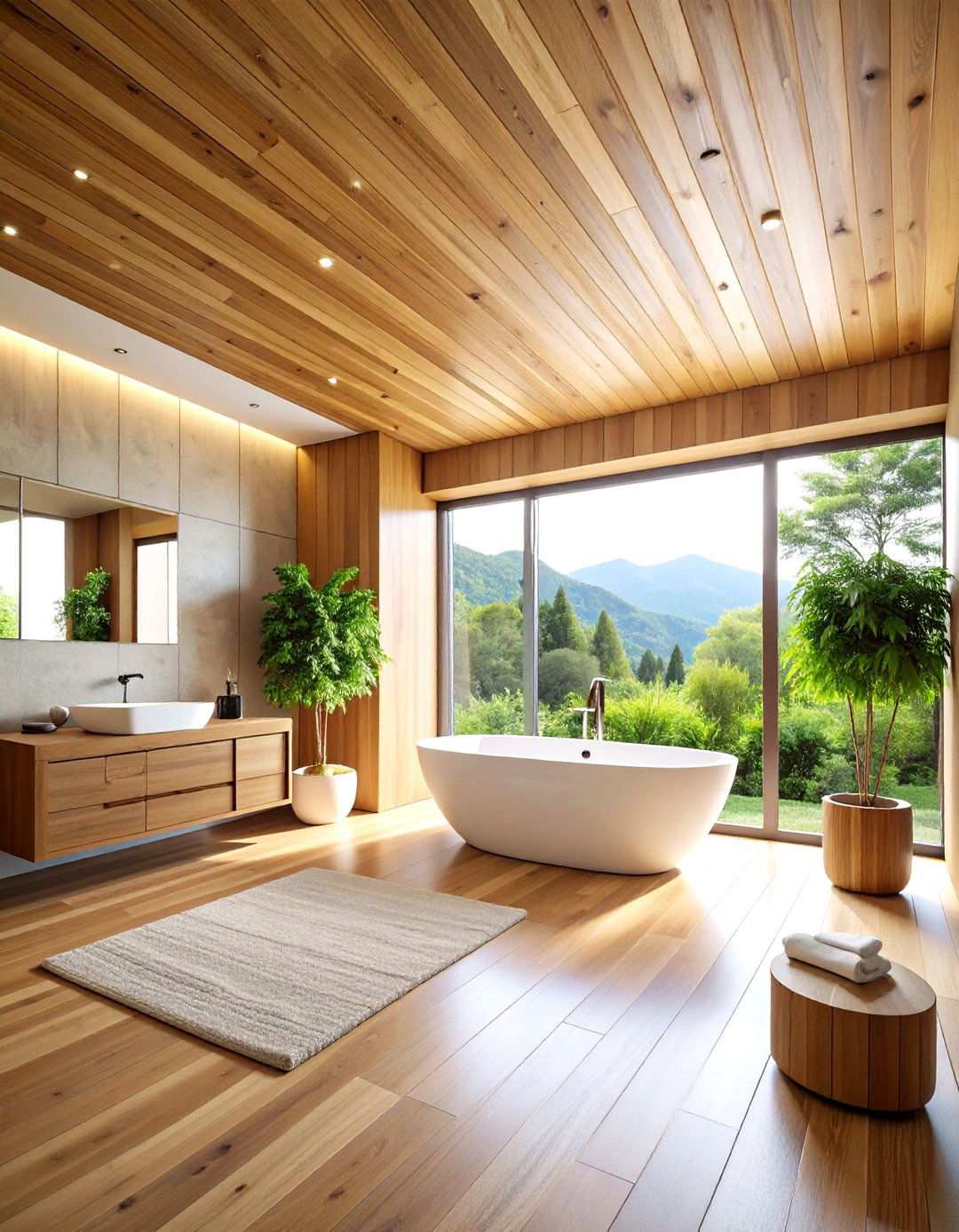
In bathroom environments, moisture resistance is paramount, and marine-grade plywood delivers exceptional durability in humid spaces. This specialized plywood boasts waterproof glue and void-free construction, ensuring it withstands steam and moisture exposure without compromising its structural integrity. To maximize moisture protection, proper ventilation planning and sealed edges are essential during installation, while the natural wood finish brings warmth to often sterile bathroom environments. The smooth surface of marine-grade plywood allows for beautiful stain or clear protective coating applications, enabling homeowners to customize the look to match existing fixtures and cabinetry. A light stain can be used to enhance the wood grain while maintaining the bright, airy feel essential in bathroom spaces. This ceiling design complements modern farmhouse and spa-inspired bathroom designs, where natural materials create a relaxing, organic atmosphere. Furthermore, the plywood’s structural strength supports ceiling-mounted fixtures like rainfall showerheads or statement lighting without additional reinforcement requirements, making it a beautiful and highly functional solution for bathroom applications.
6. Geometric Triangle Plywood Ceiling
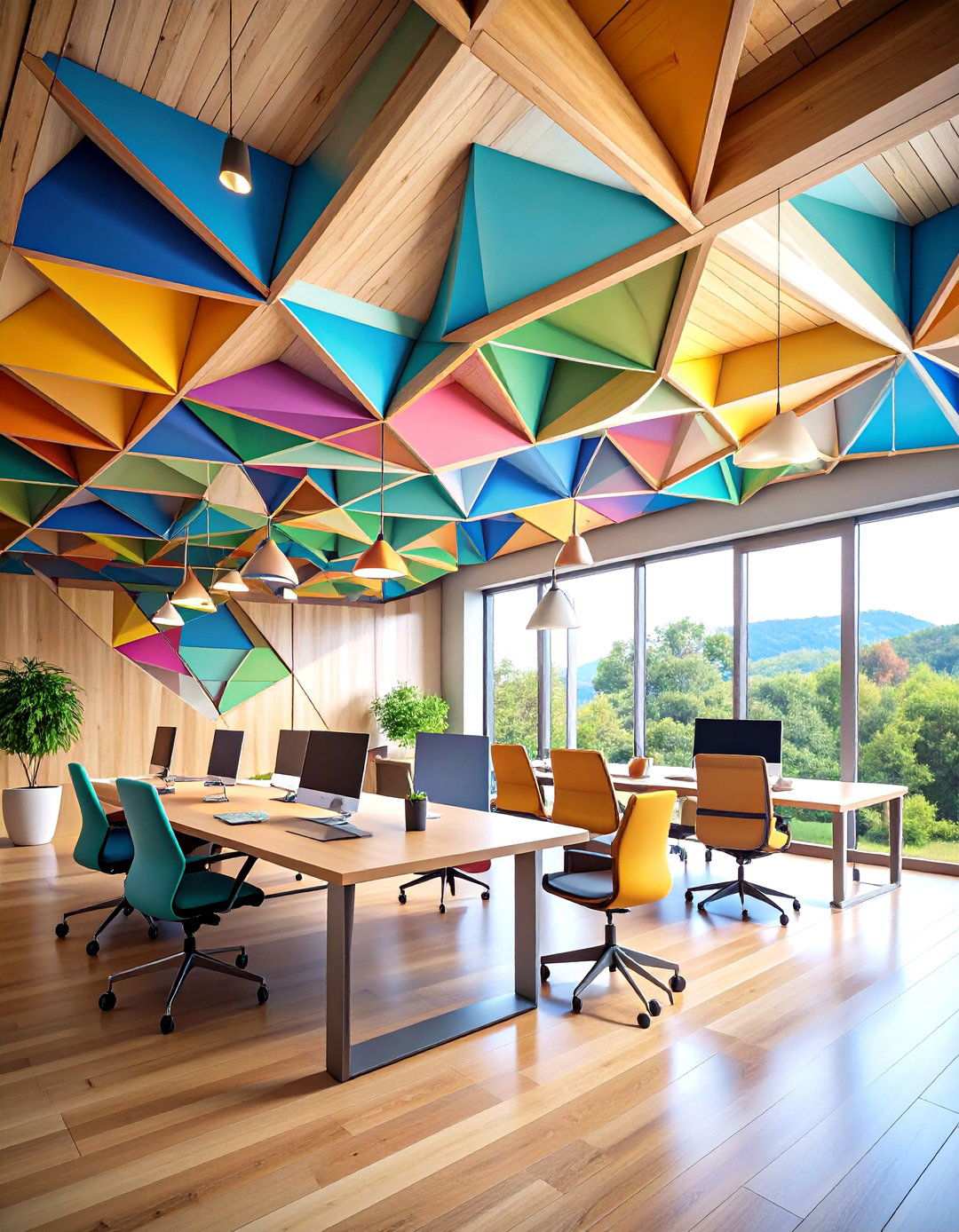
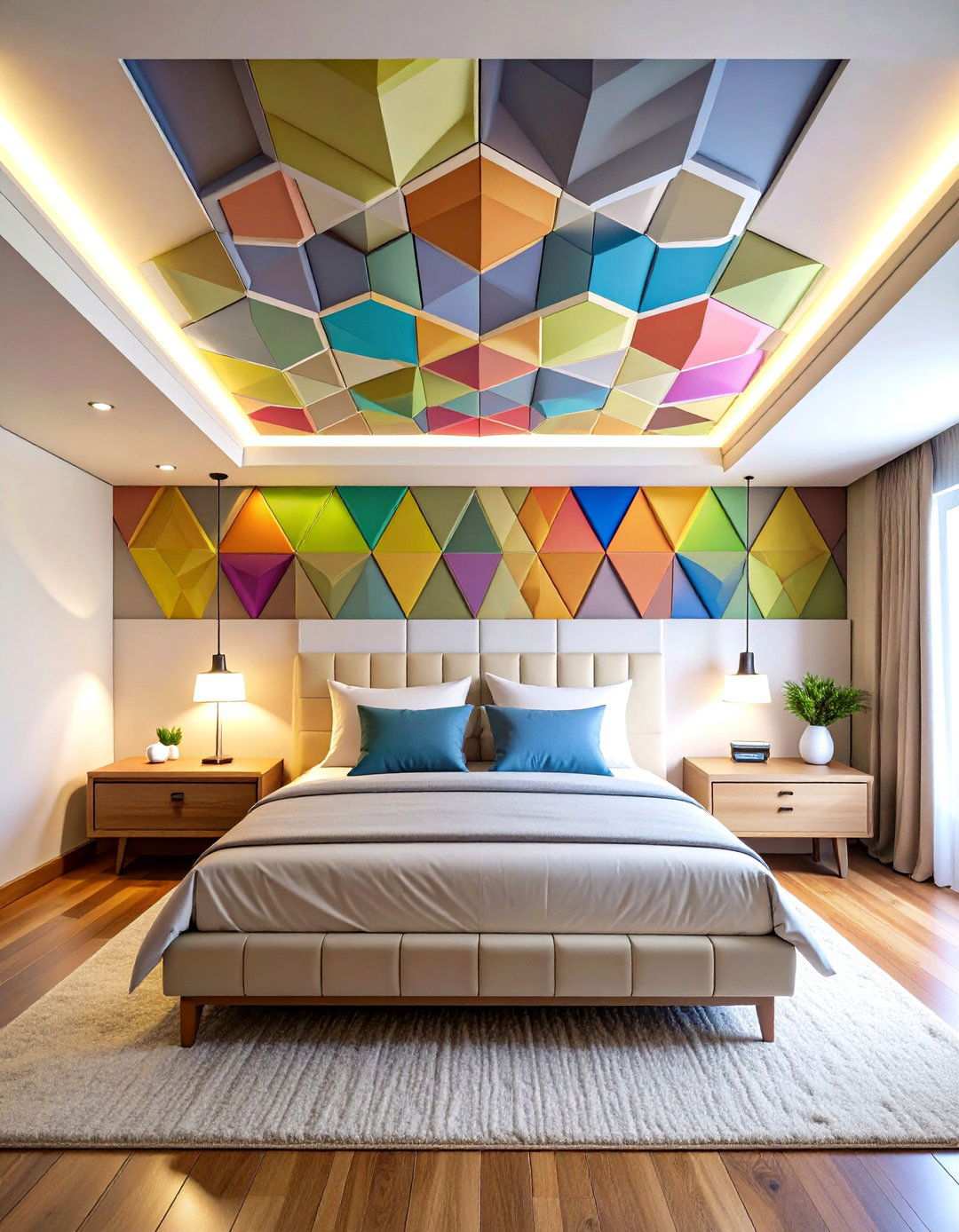
Incorporating geometric triangle patterns creates a dynamic plywood ceiling that serves as a striking architectural feature in contemporary interior designs. This installation involves cutting plywood into precise triangular shapes and arranging them in repeating patterns to create visual depth and movement across the ceiling surface. Designers frequently opt for hexagonal clusters, radiating sunburst patterns, or simple alternating triangles that form larger geometric designs. Each triangle requires meticulous cutting and edge finishing to ensure seamless joints and a professional appearance. The geometric pattern can be customized with multiple plywood species or stain colors to amplify the visual impact and reflect personal style preferences. Installation typically involves adhering triangles to a plywood base layer, ensuring structural support while preserving the pattern’s visual integrity. This ceiling design is particularly well-suited for modern dining rooms, creative workspaces, and children’s bedrooms where bold patterns inspire creativity and conversation. Furthermore, the geometric arrangement provides opportunities for integrated LED strip lighting that can highlight individual triangles or the overall pattern.
7. Rustic Reclaimed Plywood Ceiling
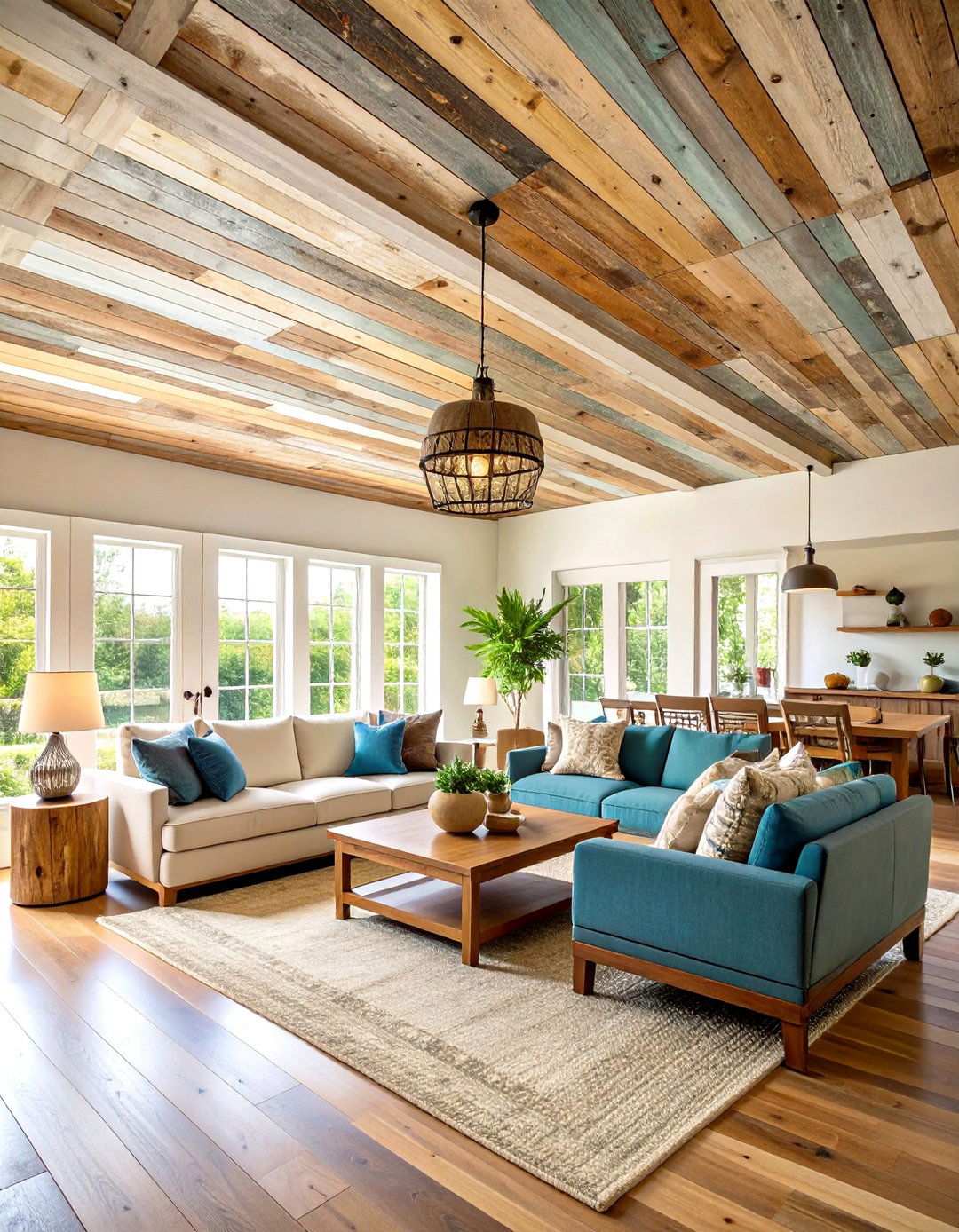
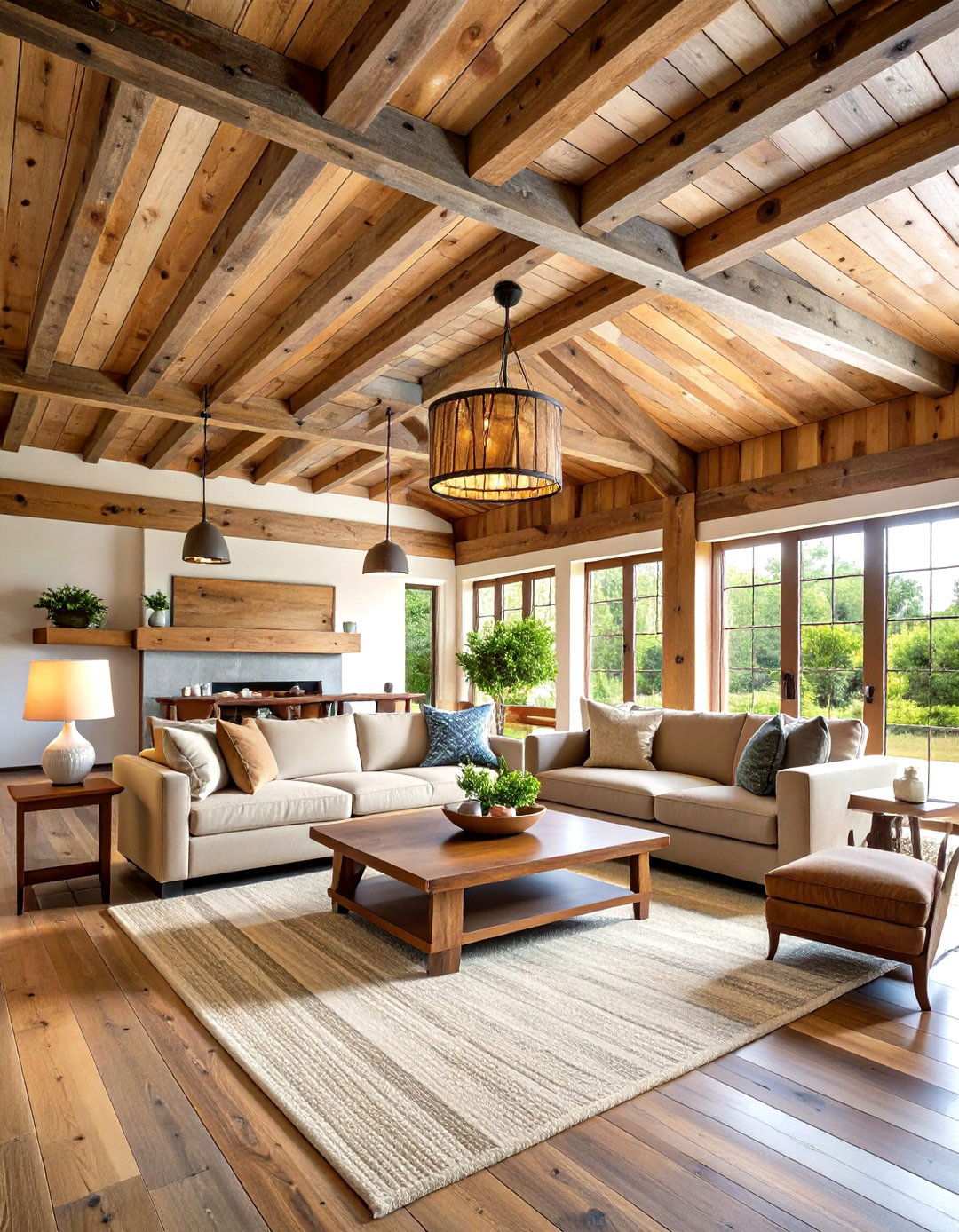
For spaces that yearn for the authentic character of weathered wood, rustic reclaimed plywood ceiling designs offer a unique blend of historical charm and environmental responsibility. This approach uses plywood with distressed finishes, varied stain colors, or actual reclaimed wood veneers that showcase authentic aging and character marks. The installation process emphasizes the irregular, organic qualities that make each panel unique, with deliberate gaps between boards enhancing the rustic aesthetic. Designers often employ wire brushing to enhance grain texture, apply multiple stain colors for an aged appearance, or incorporate actual barnwood veneers onto plywood backing for authentic character. The irregular patterns and varied coloration create visual warmth that complements farmhouse, cabin, and industrial design styles perfectly. This ceiling treatment excels in family rooms, kitchens, and casual entertaining spaces where comfort and character take precedence over formal elegance. The rustic approach also allows for creative integration of exposed beams, vintage light fixtures, and other architectural elements that enhance the authentic, lived-in feeling.
8. Architectural Freedom with Suspended Plywood Ceilings
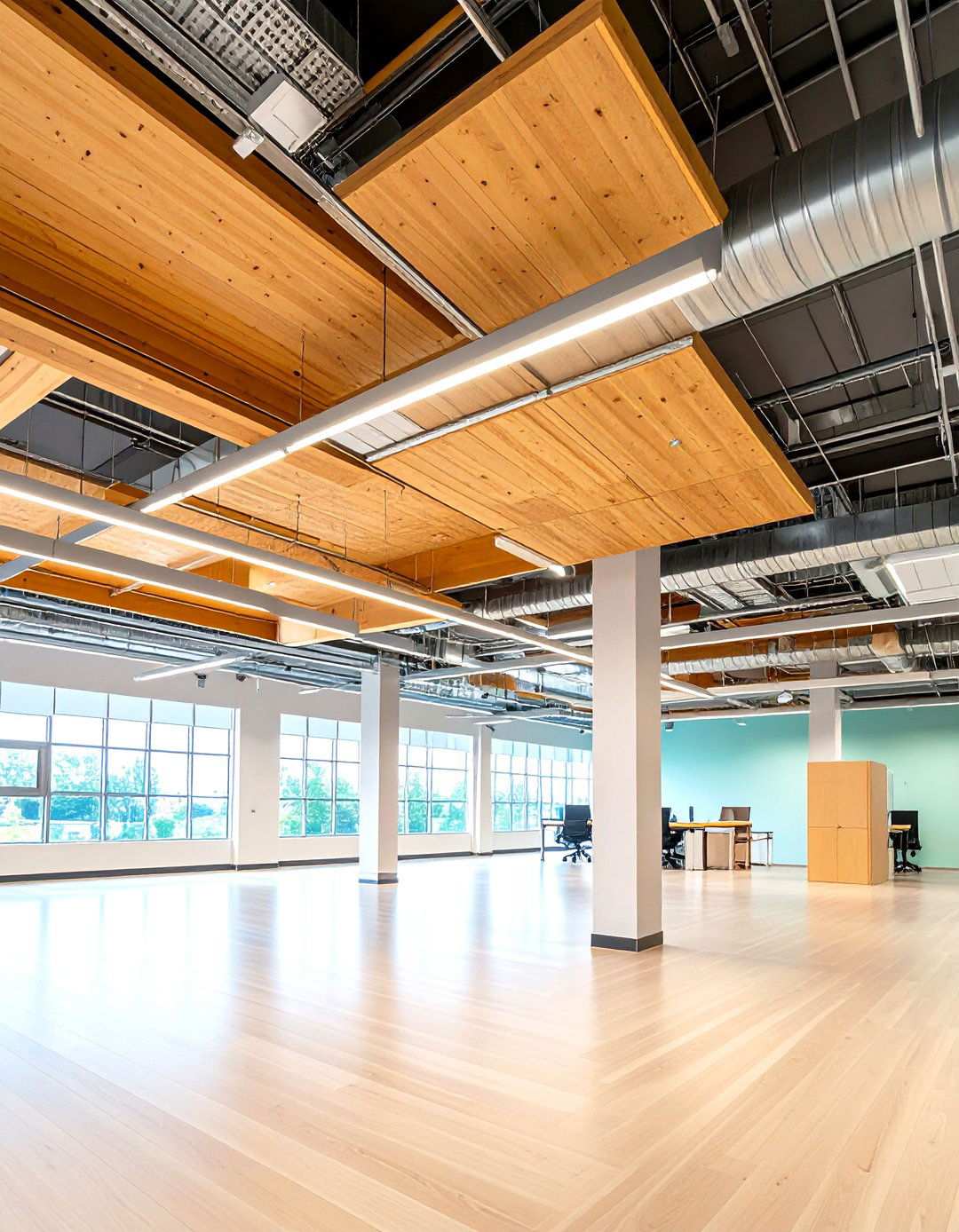
Suspended plywood ceilings offer unparalleled versatility and accessibility to hidden mechanical systems, making them a popular choice for designers seeking creative expression. By suspending plywood panels from a metal grid, architects can craft visually striking ceilings that seamlessly integrate lighting, varying heights, and unique design elements. This innovative approach allows for a wide range of panel arrangements, including staggered heights, curved sections, and integrated lighting coves that elevate ordinary spaces into architectural masterpieces. To install, the suspension system is securely fastened to the existing ceiling structure, followed by mounting finished plywood panels within the grid framework. This method proves particularly advantageous in basement renovations, commercial spaces, and areas with extensive utilities that require periodic access. The suspended panels can be crafted from diverse plywood species, finishes, or even mixed materials to create one-of-a-kind custom designs. Popular configurations include cloud-like sections over seating areas, linear runs that define circulation paths, or geometric arrangements that create striking focal points. The system’s flexibility also enables effortless modification or panel replacement as design preferences evolve over time.
9. Softening Spaces with Whitewashed Plywood Ceilings
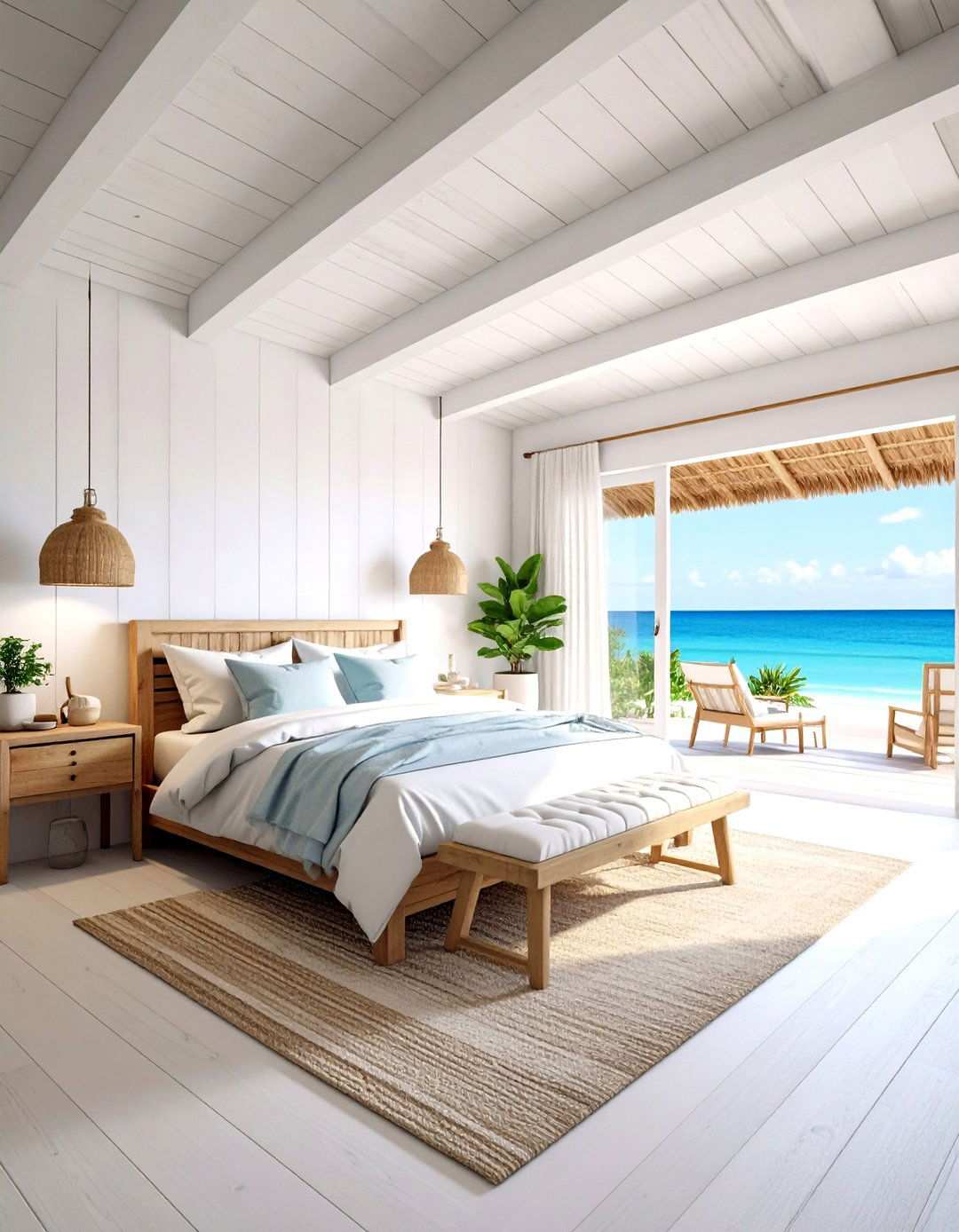
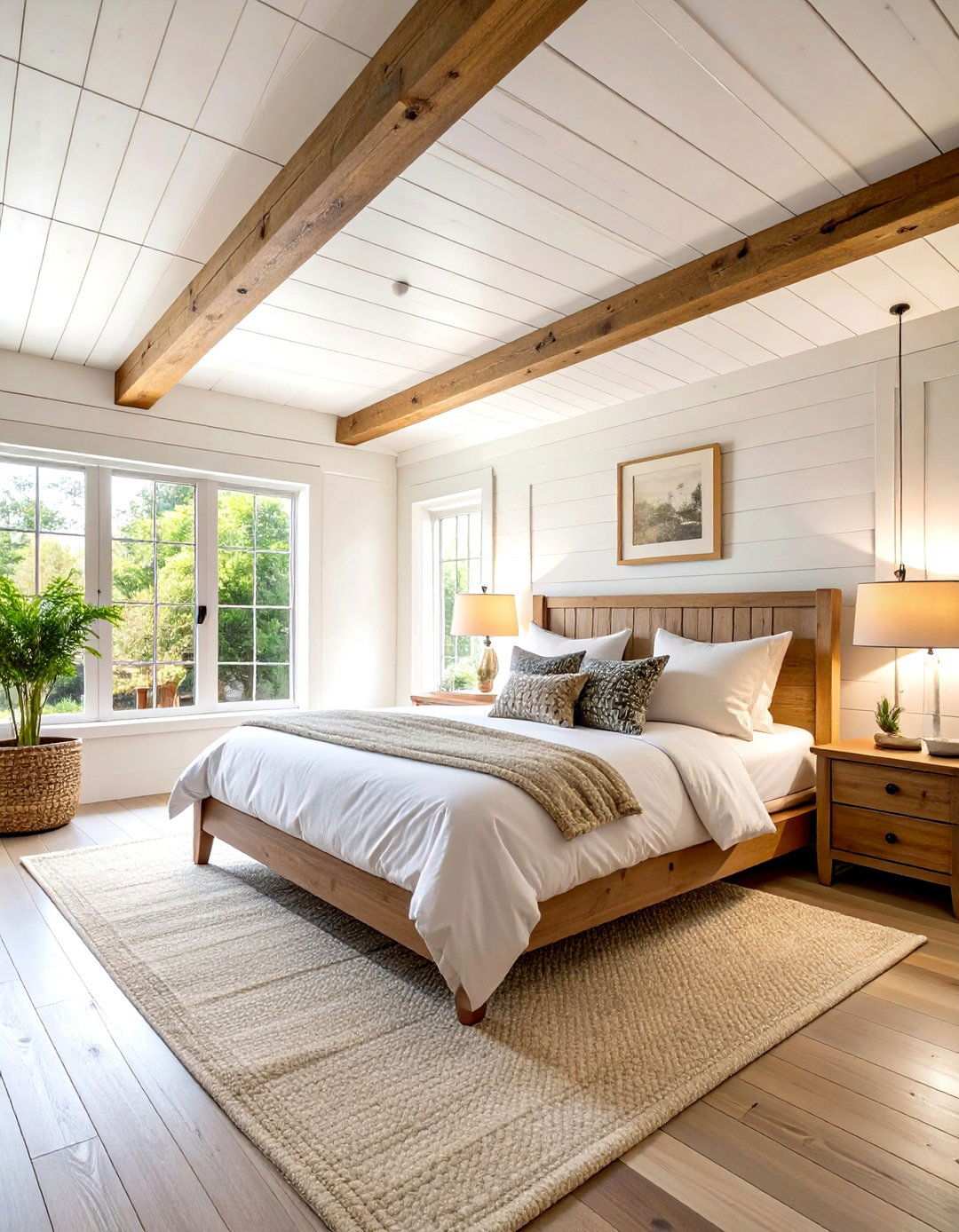
Whitewashed plywood ceilings bring a touch of rustic charm and airy brightness to spaces while preserving the natural wood grain character that makes plywood so endearing. This distinctive finishing technique involves applying diluted white paint or specialized whitewash products that subtly penetrate the wood grain, maintaining a translucent appearance. The process yields a weathered, organic appearance that harmoniously complements coastal, farmhouse, and Scandinavian design styles. Application requires delicacy to achieve even coverage while preserving grain patterns, typically involving brush application followed by selective wiping to control opacity levels. The whitewashed finish effectively reflects light, making rooms appear larger and brighter while retaining the warmth and texture of natural wood. This treatment works particularly well in bedrooms, reading nooks, and spaces where calm, serene atmospheres promote relaxation and comfort. The subtle texture and organic coloration provide perfect backdrops for colorful artwork, decorative lighting, and natural textile accessories. Multiple coat applications allow for precise fine-tuning of opacity and coverage to achieve the desired aesthetic effect.
10. Elevating Ambiance with Integrated Ceiling Lighting
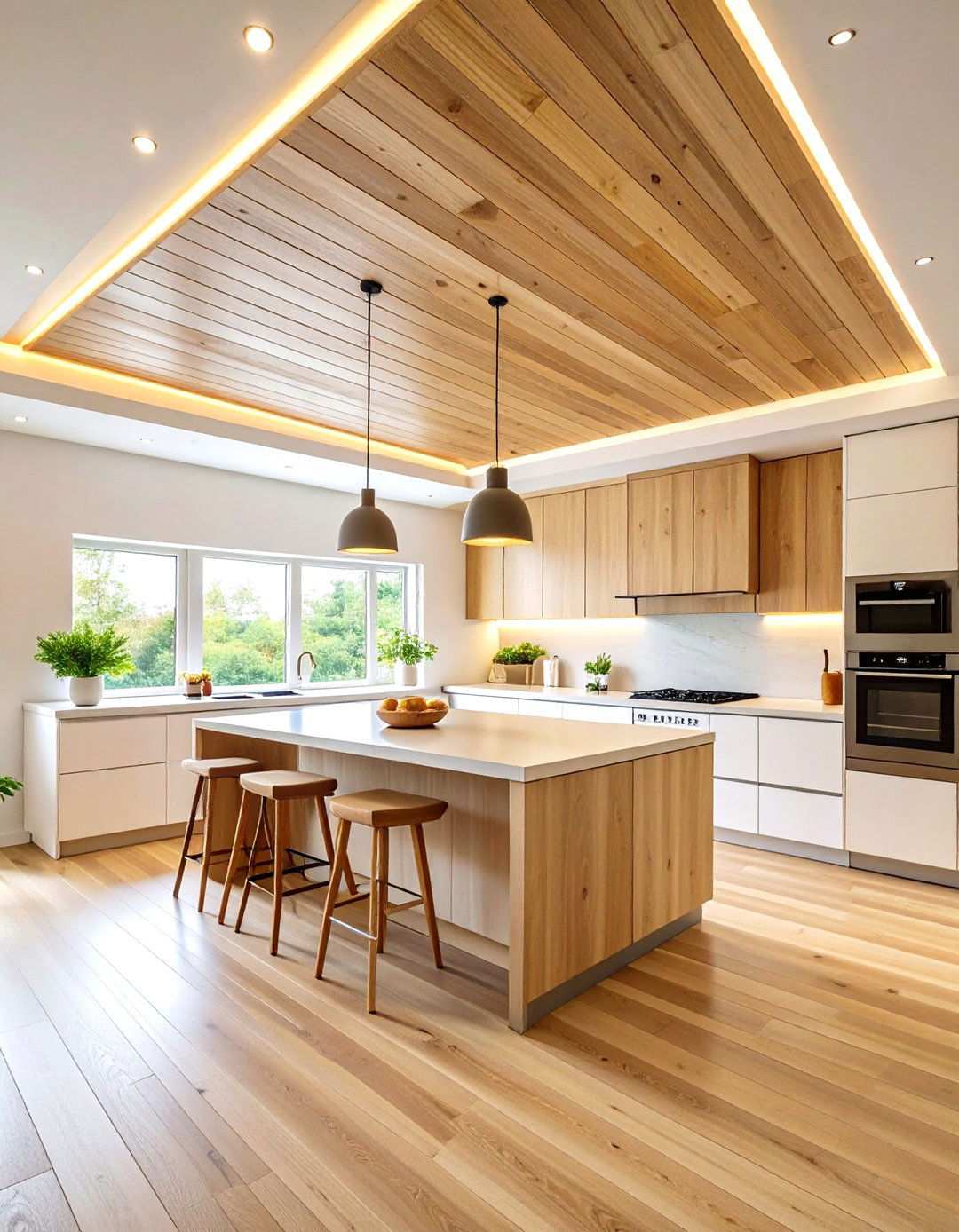
Integrated LED lighting in plywood ceilings offers a unique opportunity to combine functional illumination with architectural flair. By routing channels or installing aluminum tracks, homeowners can create a sophisticated lighting system that seamlessly blends into the ceiling’s surface. This approach enables a variety of lighting configurations, including perimeter lighting that creates an illusion of a floating ceiling, linear strips that accentuate wood grain patterns, or backlit sections that highlight specific areas. Proper planning of electrical runs and heat dissipation is crucial to ensure the longevity and safety of the LED lighting. The warm tones of the plywood complement the LED lighting beautifully, fostering inviting atmospheres that cater to various activities and occasions. This ceiling design is particularly effective in kitchens, where task lighting is combined with ambient illumination, and in dining and bedroom areas where adjustable lighting enhances the ambiance.
11. Seamless Elegance with Tongue and Groove Plywood Ceilings
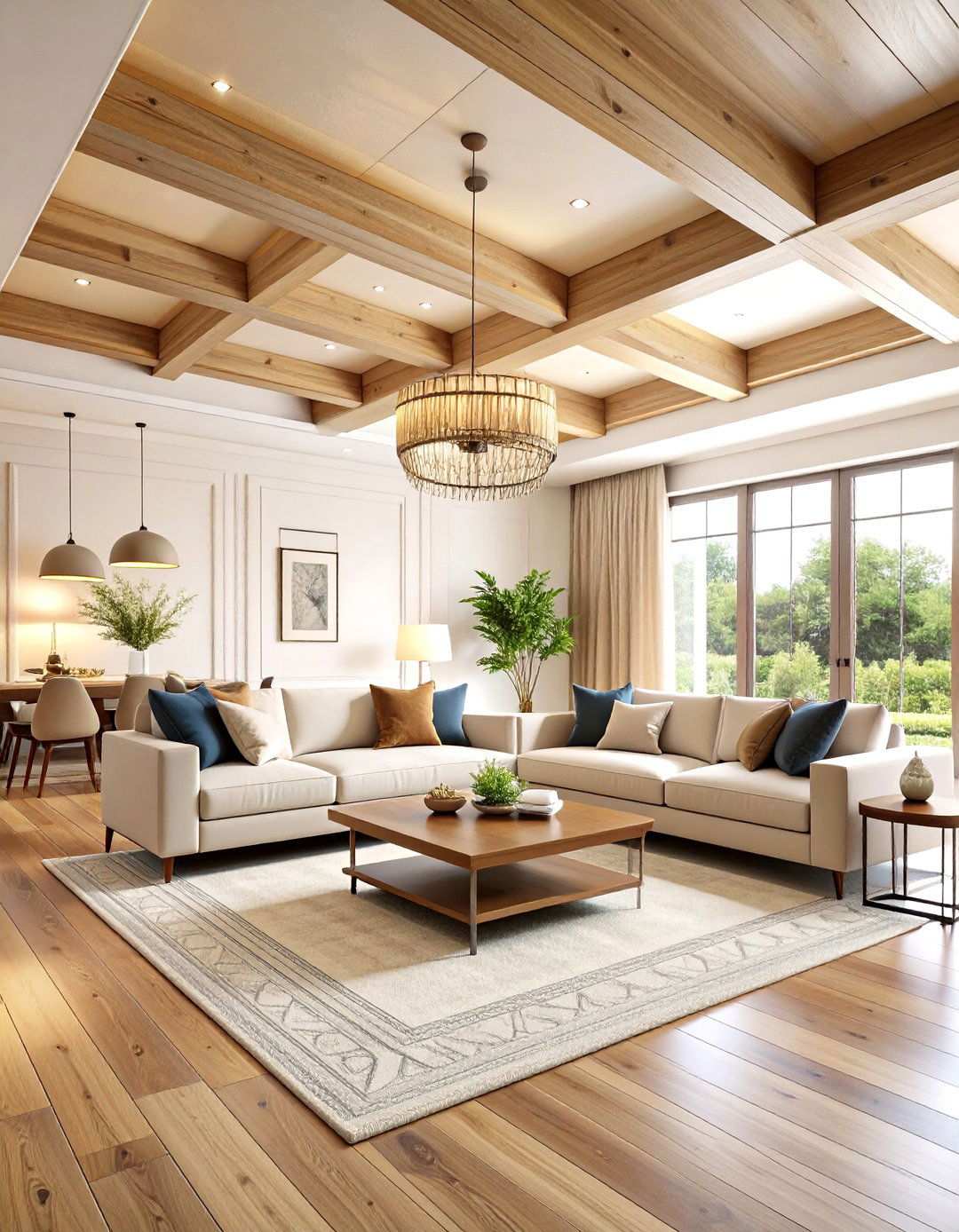
Tongue and groove plywood ceiling installations offer a sleek and sophisticated finish that eliminates visible joints and fasteners. This specialized plywood features interlocking edges that fit together precisely, creating a continuous ceiling surface without gaps or seams. The installation process involves careful alignment and gradual progression across the ceiling surface, with each plank securing to the previous one through the tongue and groove connection. This seamless appearance is well-suited to contemporary designs where clean lines and minimal visual disruption are paramount. Standard installation includes hidden fastening systems that maintain the clean appearance while providing secure attachment to the ceiling structure. This ceiling design is particularly effective in modern kitchen designs, luxury bathrooms, and formal living spaces where attention to detail and quality craftsmanship are essential. The tongue and groove system also offers superior dimensional stability compared to standard plywood installations, reducing seasonal movement and maintaining tight joints over time. Various plywood species and finishes allow homeowners to customize their ceiling to match existing architectural elements while maintaining the system’s inherent quality advantages.
12. Refined Elegance through Grid Pattern Plywood Ceilings
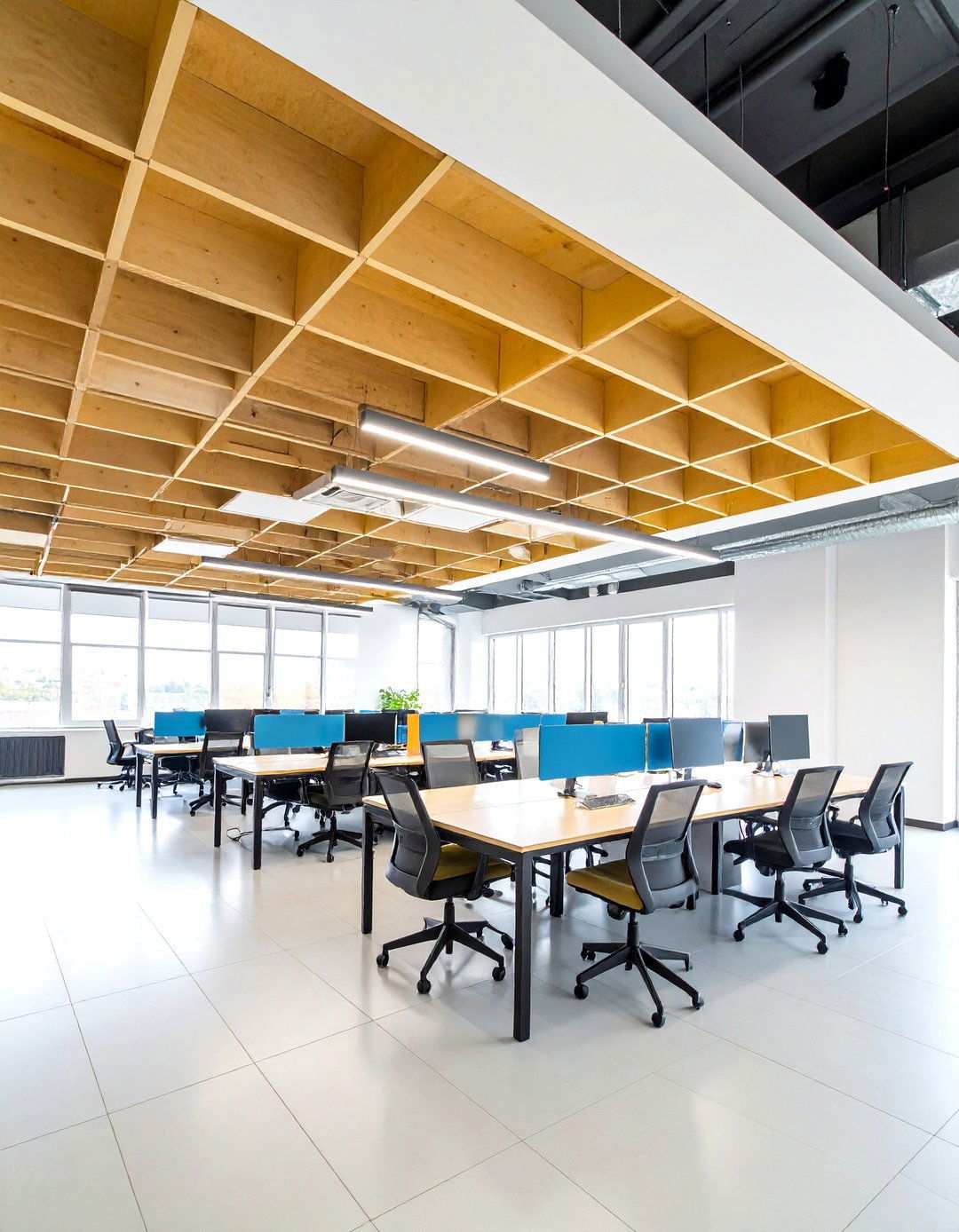
A well-designed grid pattern plywood ceiling can significantly elevate the aesthetic appeal of a contemporary living space. By arranging plywood panels in a regular rectangular or square pattern with contrasting trim pieces, this installation method creates an organized and visually striking design that brings architectural order to modern environments. The grid system offers versatility in panel selection, allowing for uniform sizes for formal symmetry or varied dimensions for a more dynamic visual rhythm. To achieve a cohesive look, precise measurement and planning are crucial during installation, ensuring proper grid alignment and consistent spacing throughout the ceiling area. A range of trim materials, including contrasting wood species, painted lumber, or metal strips, can enhance the grid pattern while adding clean edge details. Grid pattern ceilings are particularly suited for modern office spaces, contemporary kitchens, and minimalist living areas where structured design creates a sense of calm and order. Furthermore, this ceiling approach provides opportunities for varied panel treatments, such as alternating stain colors, mixed plywood species, or integrated lighting sections, which can further enhance the geometric design.
13. Capturing Organic Curves with Curved Plywood Ceiling Installations
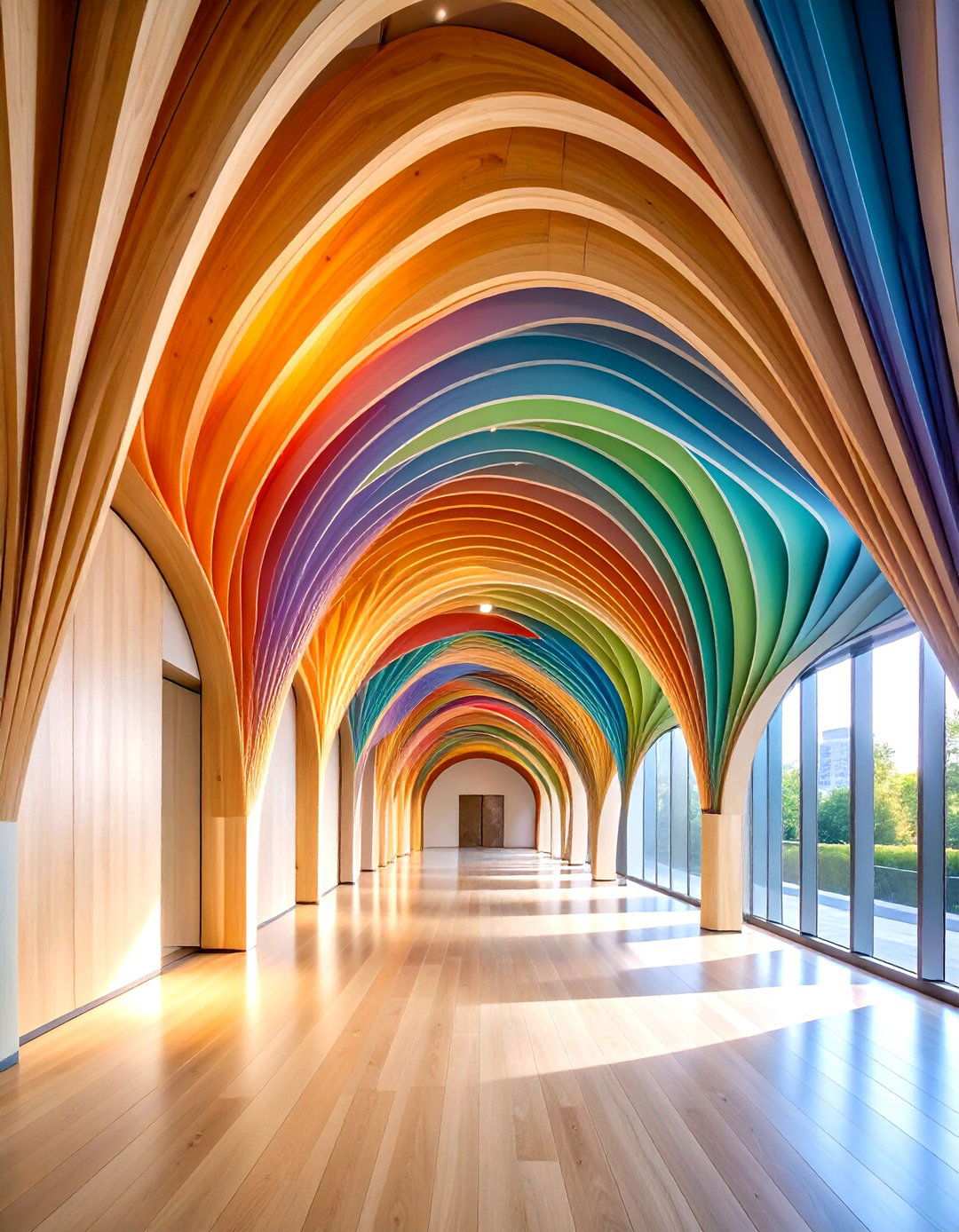
Plywood’s unique flexibility allows for the creation of flowing, organic ceiling designs that can soften angular architectural elements. Curved plywood ceiling installations showcase the material’s ability to form sophisticated organic shapes, adding a touch of elegance to modern spaces. This technique involves using thin plywood layers that can bend around curved formwork to create gentle arcs, dramatic vaults, or wave-like patterns across ceiling surfaces. Achieving smooth, consistent curves requires careful moisture control and gradual forming to prevent cracking or splitting. A range of applications, including barrel vault ceilings in hallways, curved soffits around architectural features, or flowing sections that create dynamic transitions between spaces, can benefit from this ceiling design. Installation typically involves custom formwork construction followed by careful plywood application using specialized adhesives and fastening techniques. The curved surfaces create unique lighting effects as they interact with both natural and artificial light sources, while also offering excellent acoustic properties that distribute sound evenly and eliminate harsh echo patterns common in rectangular rooms.
14. Elevated Ceilings with Rich Wood Tones
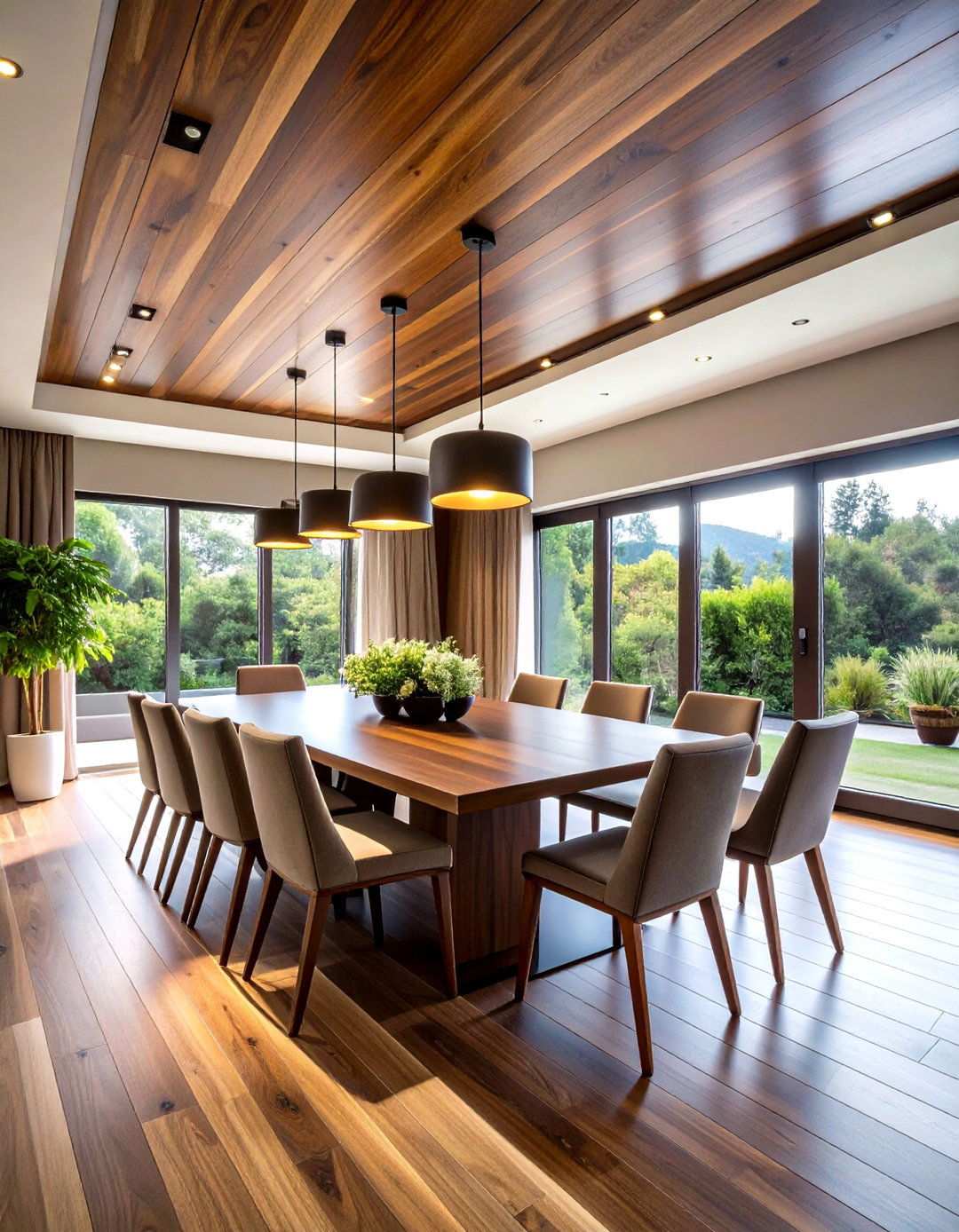
A dark stained plywood ceiling can elevate a space, imbuing it with a sense of sophistication and drama that makes for a striking architectural backdrop in modern interior designs. By utilizing rich walnut, espresso, or ebony stains, this finishing approach accentuates the wood grain patterns while creating a bold contrast with lighter wall colors. The dark finish absorbs light rather than reflecting it, fostering intimate, cozy atmospheres that are particularly well-suited to dining rooms, wine cellars, and luxury entertainment spaces. Achieving the perfect finish requires meticulous surface preparation and multiple coat processes to ensure even coverage and rich color depth. When paired with metallic accents, contemporary artwork, and modern lighting fixtures, the dramatic coloration of the ceiling treatment creates a visually striking contrast that elevates the space. This approach is especially valuable in areas where a sophisticated ambiance enhances activities like fine dining, reading, or entertainment. Complementary elements that work well with this design include recessed lighting that creates dramatic uplighting effects, metallic trim details that add luxury touches, or integrated sound systems that benefit from the dark finish’s light-absorbing properties.
15. Exposed Beam Ceilings with Textural Depth

An exposed beam plywood ceiling combines structural honesty with material warmth, creating an architectural design that celebrates both function and beauty. This approach involves installing plywood panels between exposed ceiling joists or decorative beams, creating a visually appealing rhythm and texture through the alternating pattern of wood and structure. The exposed elements can be original building structure or added decorative beams that enhance the architectural character of the space. Careful coordination is necessary between plywood panels and beam placement to ensure a proper fit and professional appearance. Popular beam materials include matching wood species for a subtle integration or contrasting materials like steel or darker wood for a dramatic effect. The exposed structure creates opportunities for creative lighting integration, including track systems mounted to beams or uplighting that emphasizes the structural elements. This ceiling design works exceptionally well in rustic contemporary homes, converted industrial spaces, and new construction where architectural honesty creates authentic character. The combination of materials provides excellent acoustic properties while maintaining the practical advantages of both materials in a unified design approach.
16. Chevron Pattern Plywood Ceiling
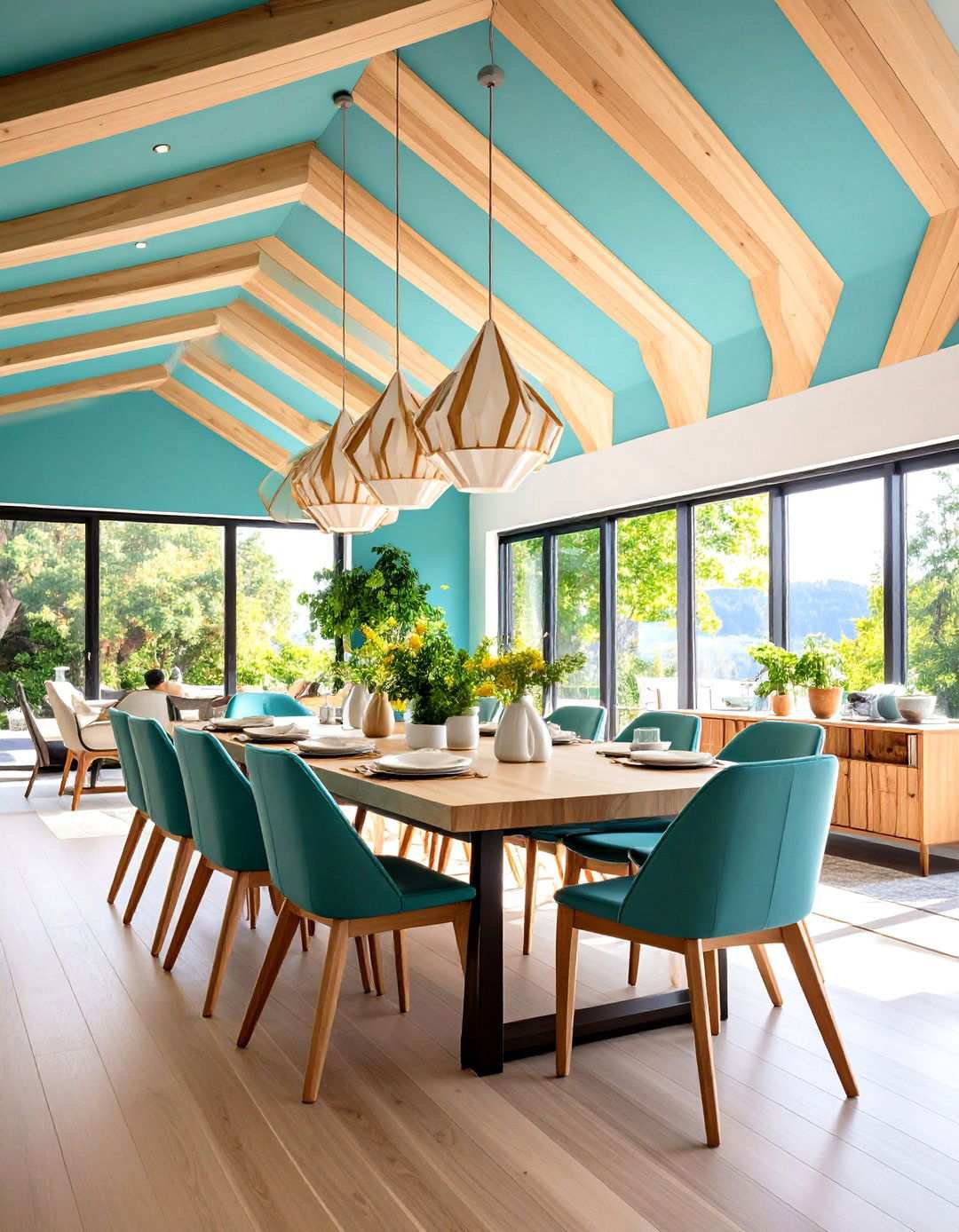
A dynamic and visually captivating ceiling installation involves chevron pattern plywood ceiling designs. Angular panels carefully arranged in sophisticated geometric patterns evoke a sense of movement, drawing the eye upward and adding architectural interest to the space. These installations can either complement the room’s proportions or create a standalone design statement that highlights a specific area within a larger space. Effective installation requires meticulous planning to align the pattern and precise cutting to maintain consistent angles across the ceiling surface. Designers can opt for wide chevrons for a bold, eye-catching effect or narrow strips for a more subtle texture impact. The chevron pattern’s directional focus works particularly well for emphasizing room length, creating focal points above seating areas, or adding visual energy to neutral spaces. This ceiling design is especially well-suited for contemporary dining rooms, modern bedrooms, and creative workspaces where dynamic patterns stimulate activity and conversation. Furthermore, the geometric arrangement offers opportunities for integrated lighting that follows the pattern lines or creates contrasting effects, highlighting the chevron design’s sophisticated geometry and craftsmanship.
17. Plywood Ceiling for Kitchen Applications
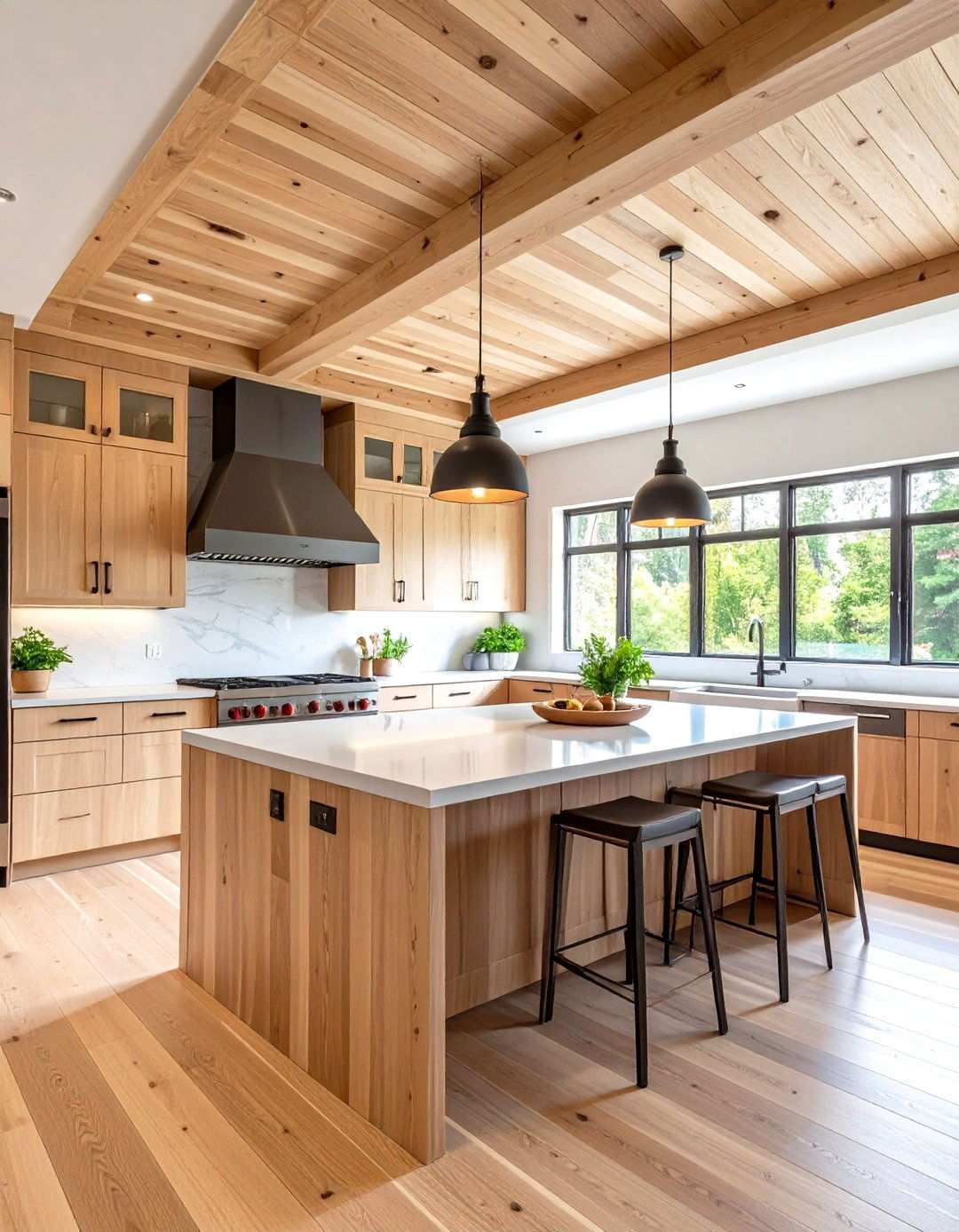
Plywood’s unique combination of durability and design flexibility makes it an ideal ceiling material for busy kitchen environments. Kitchen plywood ceilings strike a balance between functional durability and aesthetic appeal, creating surfaces that withstand cooking humidity while enhancing the culinary workspace’s overall visual appeal. One of plywood’s key advantages in kitchen applications is its moisture resistance and ease of cleaning, surpassing many traditional ceiling materials in terms of practicality. Effective installation in kitchens requires careful consideration of ventilation coordination, grease-resistant finishes, and integration with kitchen lighting and ventilation systems. Popular treatments for plywood ceilings include sealed surfaces that resist staining, light colors that enhance task lighting effectiveness, and smooth finishes that facilitate easy cleaning. The natural wood warmth of plywood ceilings provides a welcome contrast to stainless steel appliances and hard surface countertops common in modern kitchens. This ceiling approach is particularly effective in open-plan designs where kitchen ceilings need to coordinate with adjacent living spaces while maintaining functional advantages. Plywood surfaces accommodate various mounting systems for pendant lights, pot racks, and other kitchen accessories while providing stable attachment points for ceiling-mounted storage solutions. Multiple finish options allow designers to coordinate with cabinet woods while maintaining the practical performance essential in active cooking environments.
18. Plywood Ceiling Acoustic Solutions
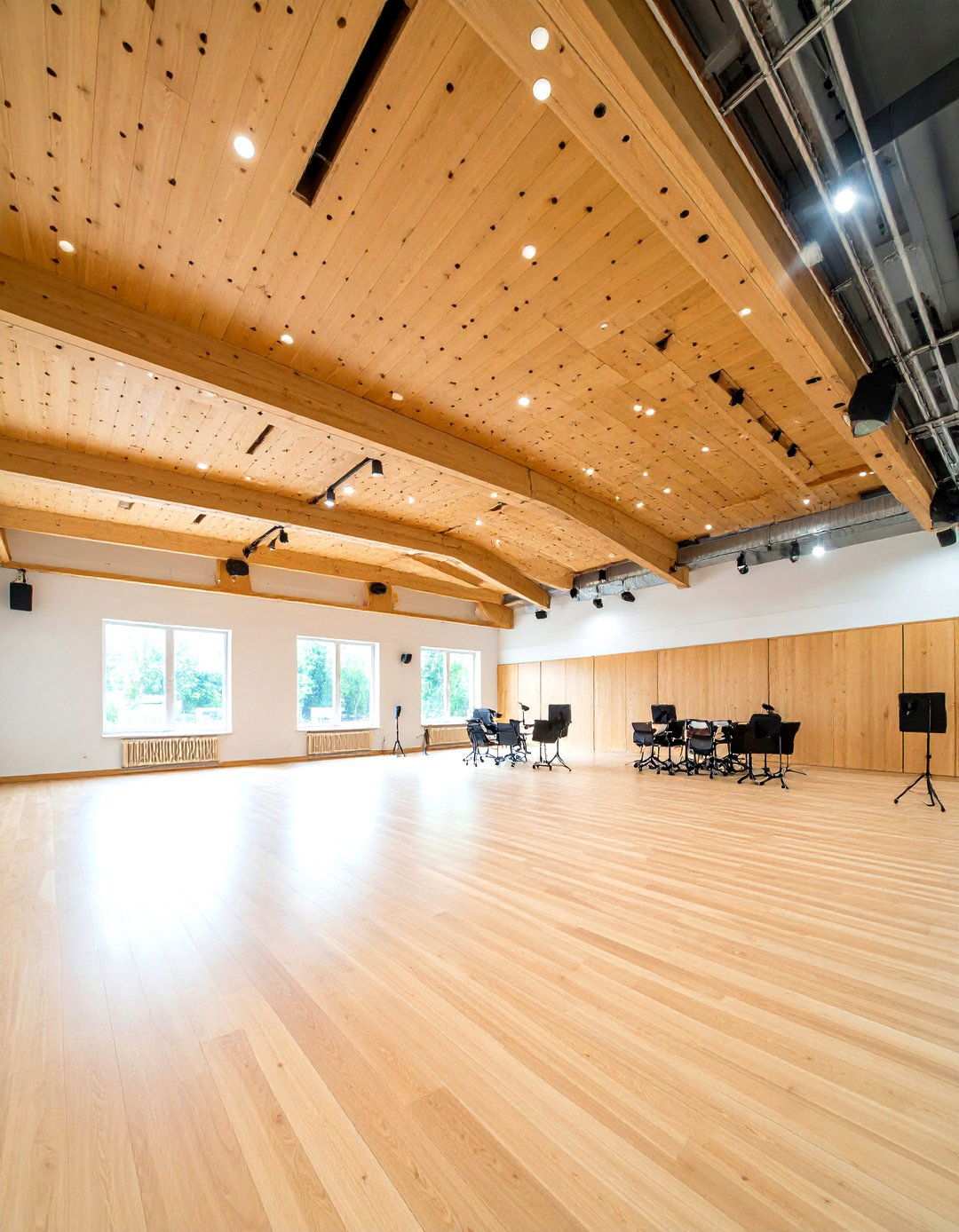
To tackle sound control challenges in residential and commercial spaces, acoustic plywood ceiling solutions strike a balance between functionality and aesthetic appeal. By incorporating sound-absorbing materials, strategic perforation patterns, or specific panel arrangements, these specialized installations can significantly enhance room acoustics. The plywood itself serves as both a decorative surface and an acoustic substrate, with hidden sound-absorbing materials amplifying performance without compromising the visual warmth of the natural wood finish. Techniques such as suspended panels with acoustic backing, perforated surfaces with sound-absorbing cores, or strategic panel arrangements that disrupt sound reflection patterns can be employed. This ceiling approach is particularly beneficial in spaces with hard surface floors and minimal soft furnishings, where sound reflection can create uncomfortable echo patterns. A range of perforation patterns and acoustic backing materials allows for customization of sound absorption characteristics to meet specific room requirements while maintaining design coherence with other architectural elements.
19. Multi-Level Plywood Ceiling Design
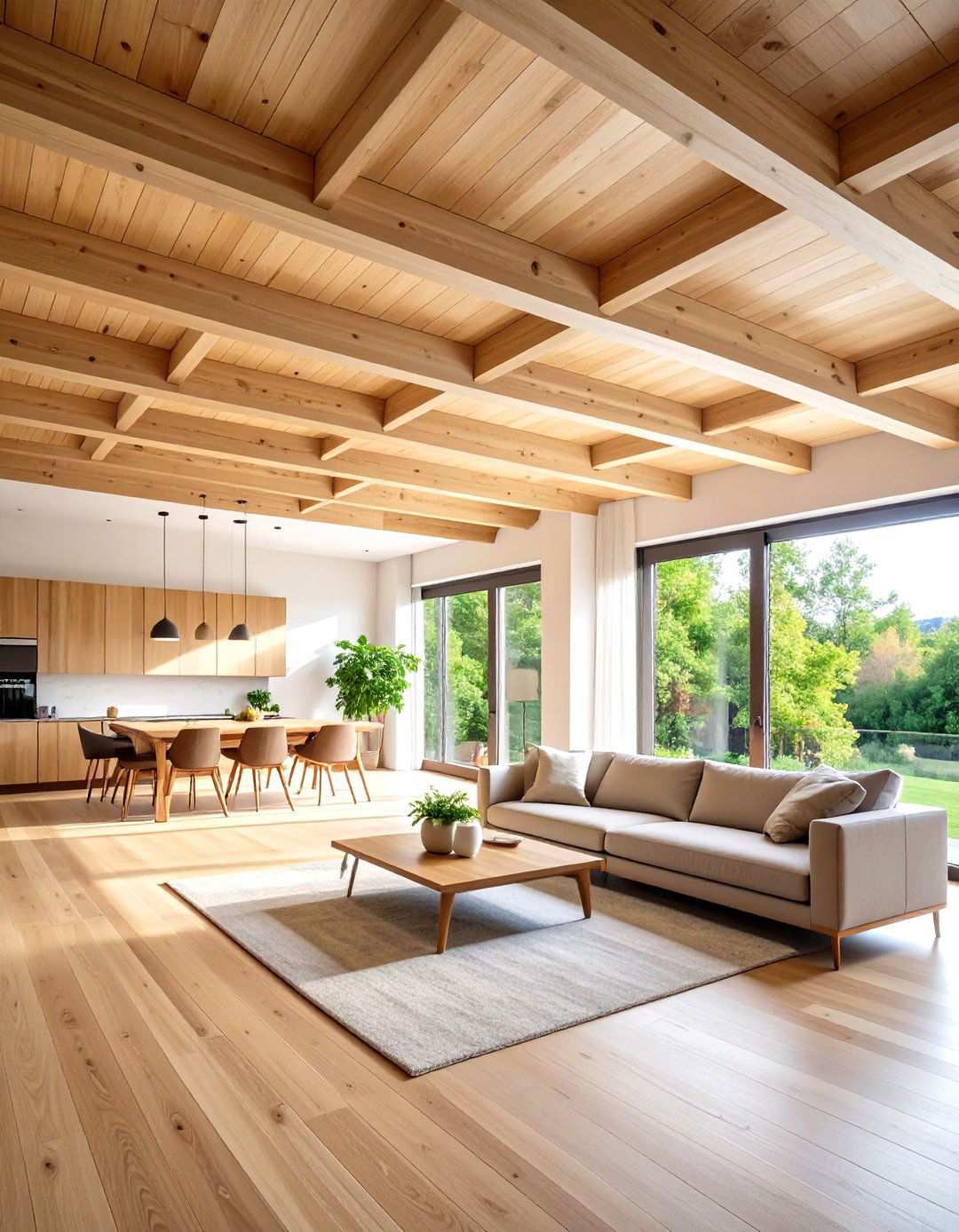
Multi-level plywood ceiling designs create a sense of drama and visual interest through varying heights and depths that define spaces and create a sense of grandeur. By installing plywood panels at different elevations, this sophisticated approach can enhance room proportions and lighting opportunities. The varying levels can be tailored to follow functional zones within rooms or create purely aesthetic arrangements that serve as dramatic focal points. When designing these ceiling installations, careful structural planning is crucial to support the different levels while maintaining clean transitions between height changes. Popular configurations include dropped sections over seating areas, raised central sections that accommodate chandeliers, or progressive steps that create dynamic visual flow. The multiple levels also provide opportunities for integrated lighting effects, including uplighting that emphasizes level changes or downlighting that creates intimate zones within larger spaces. This ceiling design is well-suited to contemporary living rooms, modern dining areas, and commercial spaces where architectural sophistication enhances user experience. By breaking up sound reflection patterns, the varying heights also improve room acoustics, creating visually dynamic environments that maintain interest and sophistication.
20. Plywood Ceiling with Organic Touches
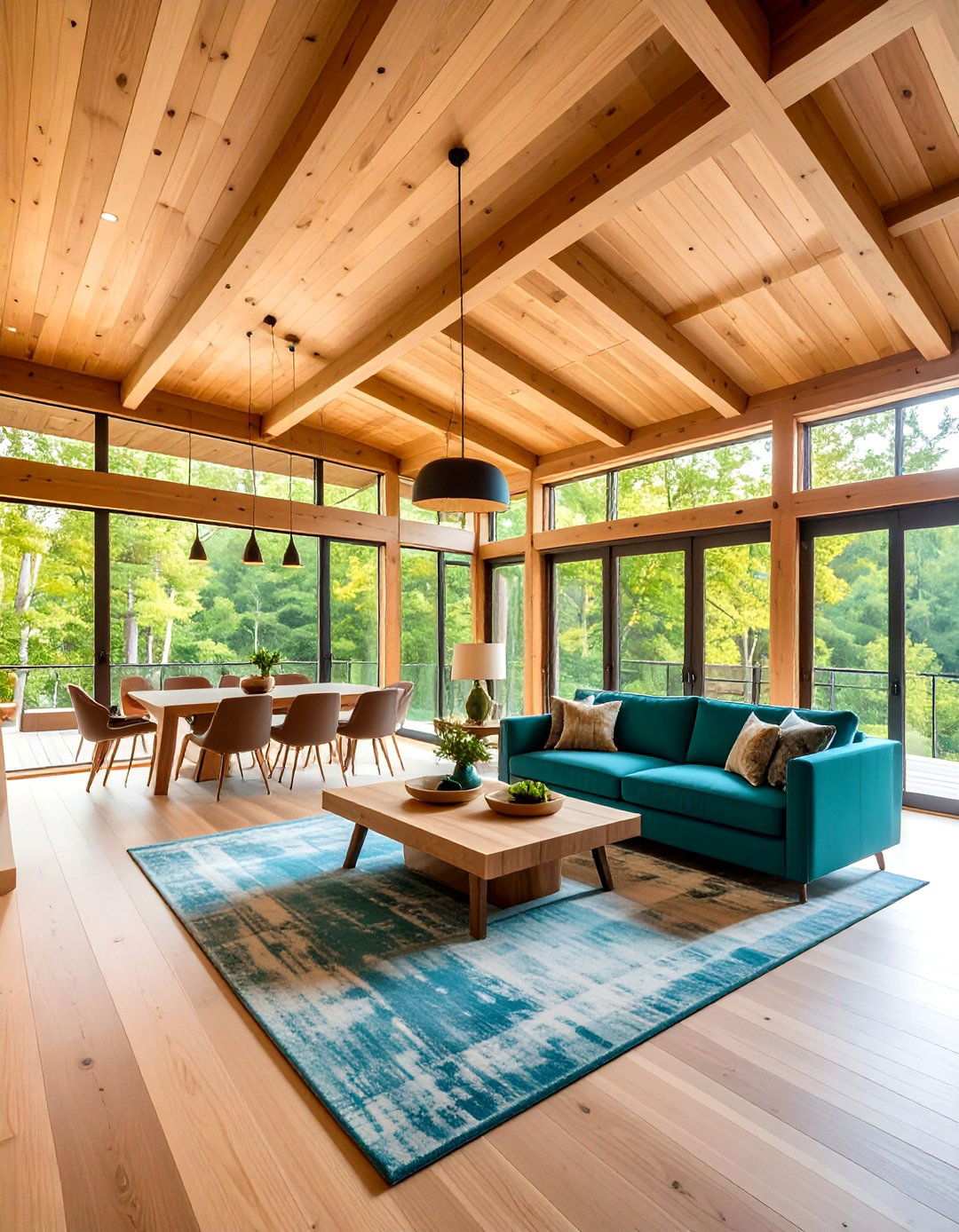
Organic authenticity in interior spaces can be achieved through the thoughtful incorporation of natural edge elements. Plywood ceiling designs featuring natural edge details celebrate the material’s raw beauty by intentionally incorporating irregular edges and organic forms that create a striking contrast to precise geometric installations. This design approach celebrates the material’s origins by using live edge lumber details, naturally irregular panel shapes, or purposefully unfinished edges that pay homage to the forest from which the wood comes. Careful selection and placement of natural elements create balanced compositions that feel organic rather than chaotic, making it an ideal choice for accent sections within larger geometric ceiling designs, transition areas between different ceiling treatments, or focal points that anchor room designs with natural authenticity. The organic elements work particularly well in contemporary rustic designs, modern cabin interiors, and spaces where connection to natural materials enhances relaxation and comfort. By embracing the natural edge, this ceiling treatment provides a welcome respite from the precision of modern manufacturing while maintaining structural integrity and professional installation standards. The natural edges can incorporate various wood species, creating color and texture variations that enhance the organic aesthetic while providing opportunities for creative lighting integration that emphasizes the natural forms.
21. Raw Elegance in Plywood Ceiling Design
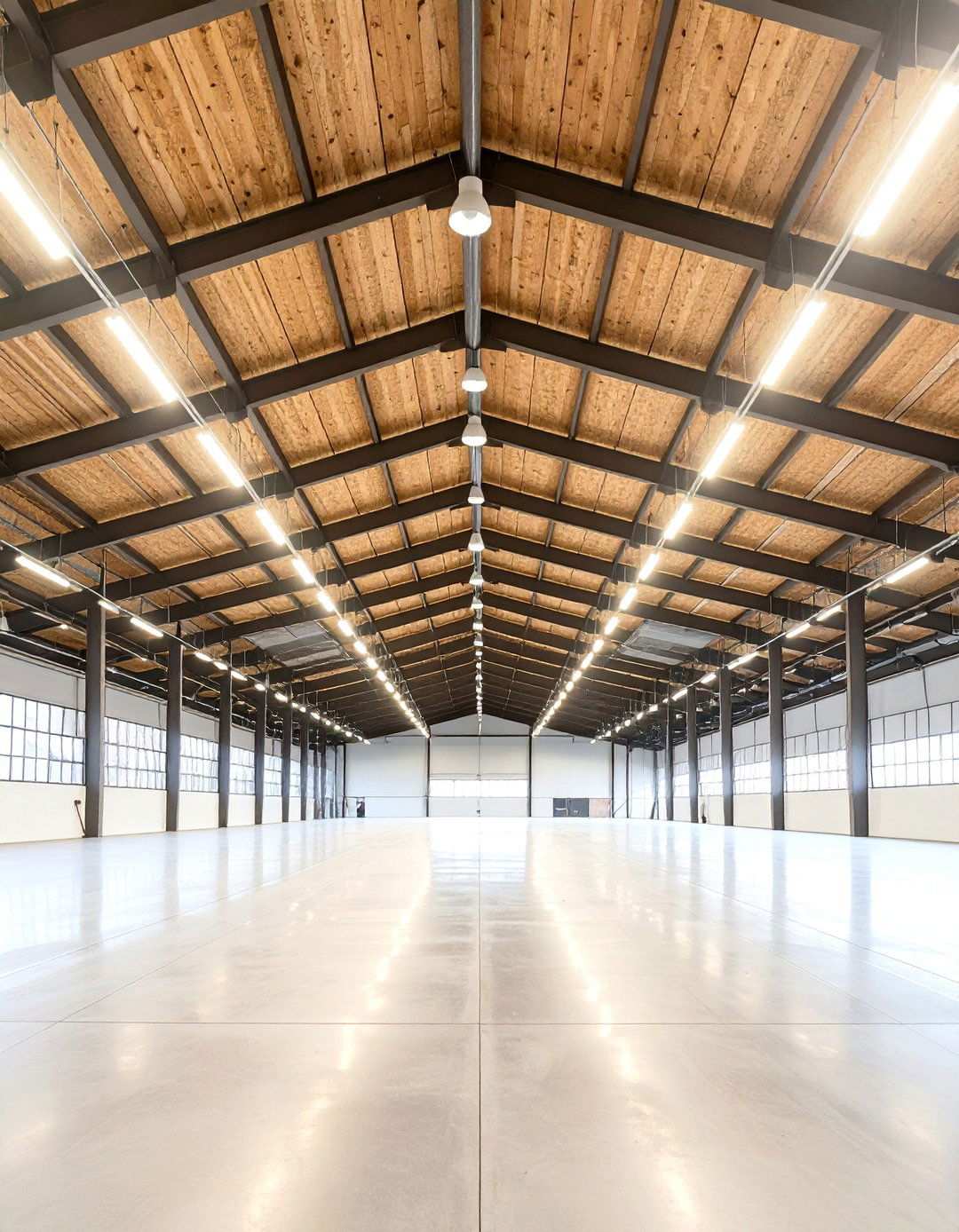
Industrial style plywood ceiling installations take a bold approach to design, embracing raw material honesty to create sophisticated urban aesthetics perfect for loft conversions and contemporary commercial spaces. This approach highlights plywood’s structural qualities through minimal finishing, exposed installation methods, and integration with industrial elements like exposed ductwork or steel supports. By showcasing the fastening methods used in the installation, visible screws, brackets, or suspension systems become design elements that add to the ceiling’s raw aesthetic. Popular treatments include clear protective coatings that preserve the natural appearance of the plywood, minimal edge finishing that showcases the plywood construction, or strategic weathering that creates authentic industrial character. The raw aesthetic works beautifully with exposed brick walls, polished concrete floors, and metal fixtures common in industrial-inspired designs. This ceiling design particularly enhances modern office spaces, artist studios, and residential lofts where urban sophistication meets practical functionality. The honest material expression creates authentic environments that celebrate manufacturing and construction processes while providing excellent acoustic properties and structural performance. Various plywood grades and species allow customization of appearance while maintaining the essential industrial character that defines this increasingly popular design aesthetic.
22. Unlocking Color Possibilities with Painted Plywood Ceilings
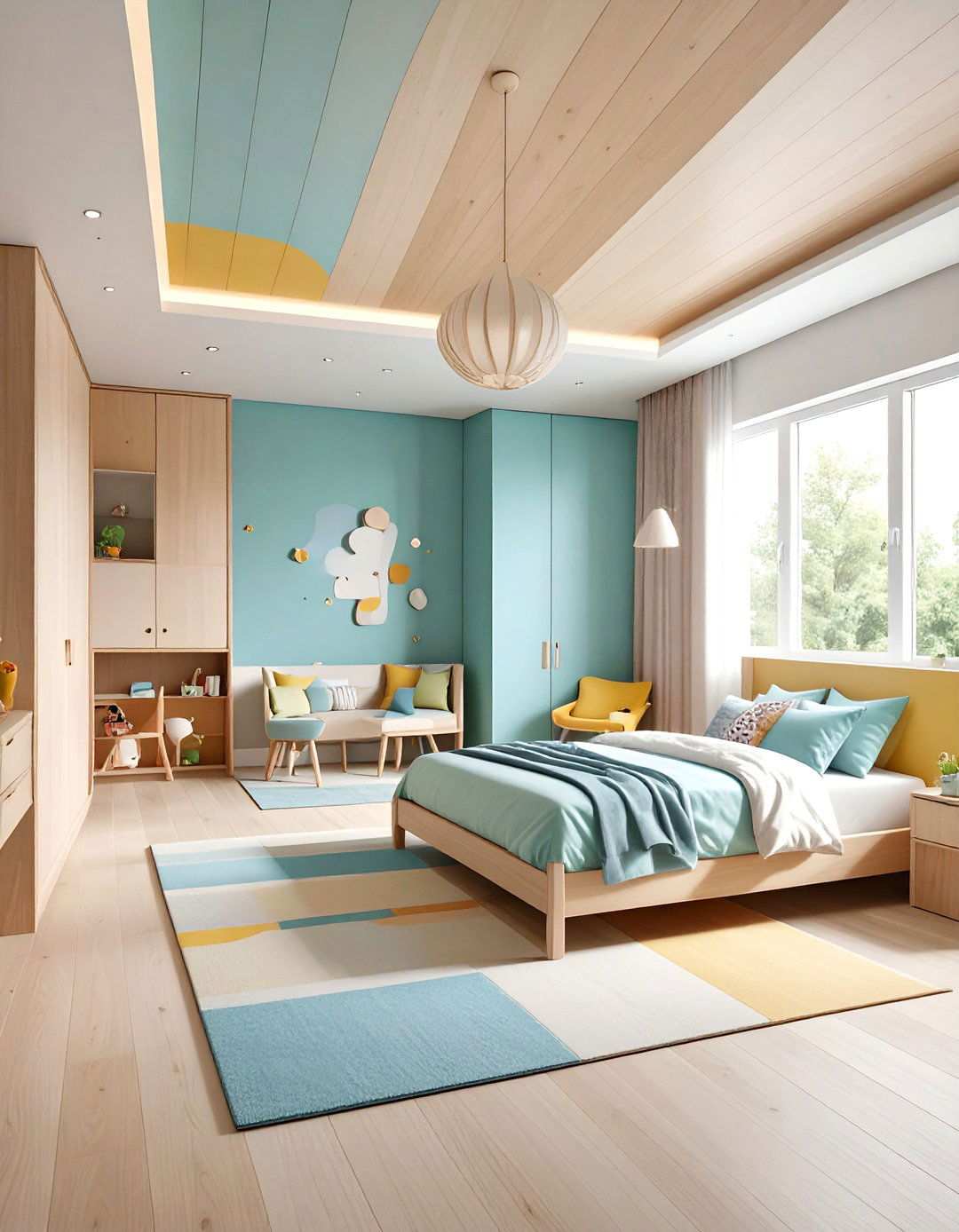
Painted plywood ceilings have revolutionized the way we think about ceiling design, offering a versatile canvas for homeowners to express their personal style. By leveraging the natural texture of plywood and pairing it with high-quality paints and primers, homeowners can achieve a wide range of colors and finishes that enhance their space’s aesthetic appeal. Effective surface preparation is crucial, involving a meticulous process of sanding and priming to ensure a smooth, durable finish. This approach allows for a vast array of color choices, from crisp whites that illuminate spaces to bold accent colors that create striking focal points, or subtle tints that reveal the natural beauty of the wood grain. The painted surface can be customized to suit various lighting conditions and maintenance requirements, with options ranging from matte to semi-gloss finishes. This ceiling treatment is particularly well-suited for children’s bedrooms, where vibrant colors can foster creativity, or modern bathrooms, where moisture resistance is paramount. Moreover, the painted plywood ceiling’s design flexibility adapts seamlessly to changing tastes and preferences over time, ensuring a long-lasting beauty that withstands the test of time. Through the strategic application of multiple coats and specialized paint systems, homeowners can achieve a stunning, high-performance finish that thrives in diverse environmental conditions.
23. Budget-Friendly Plywood Ceiling Solutions
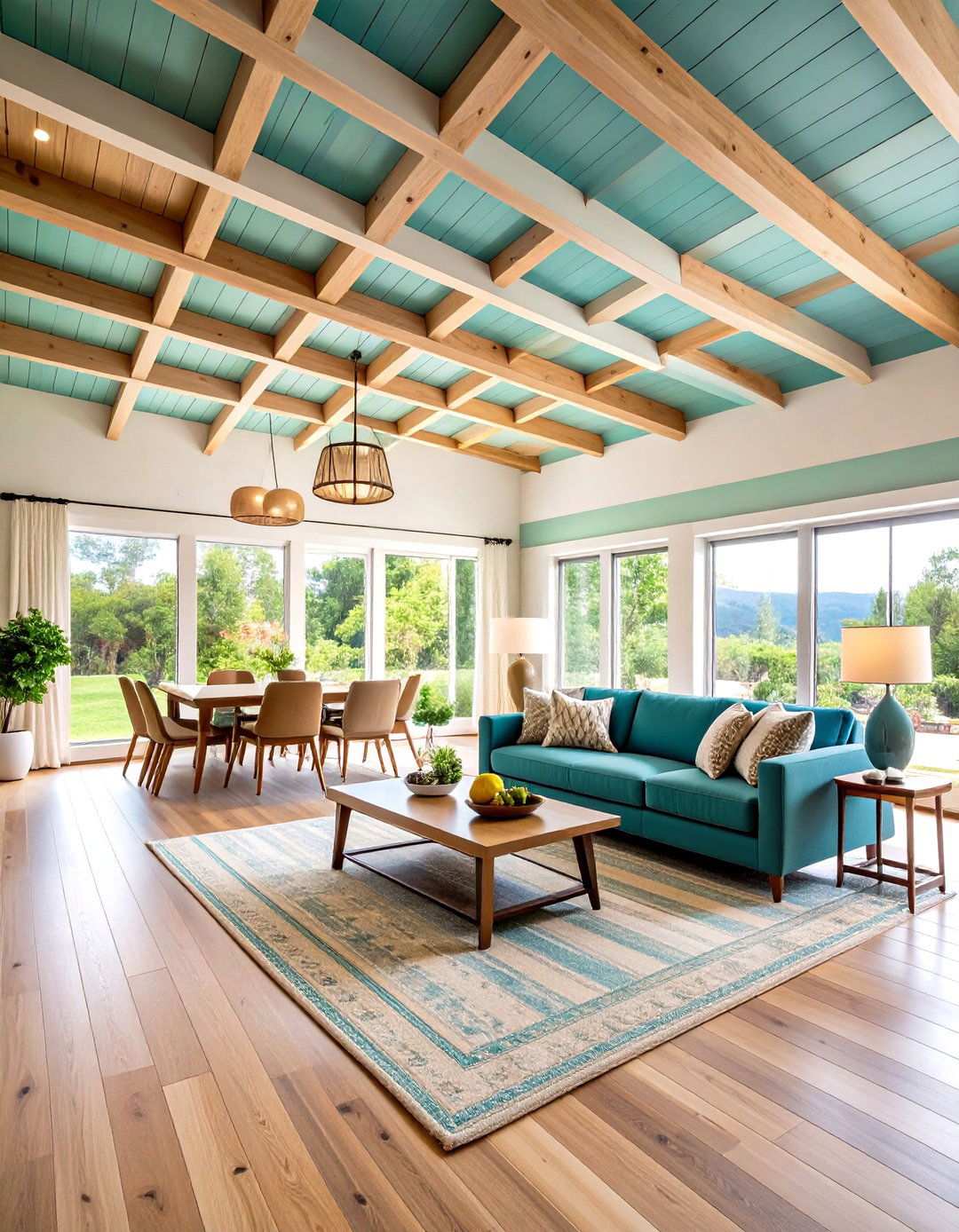
Homeowners seeking to elevate their space without breaking the bank can achieve breathtaking plywood ceiling designs through budget-friendly installations that prioritize material efficiency, streamlined installation techniques, and strategic design choices. This approach typically involves the use of standard-grade plywood paired with straightforward finishing techniques, basic installation methods, and careful planning to minimize waste and labor requirements. Cost-conscious homeowners can leverage several effective strategies to reduce costs, such as utilizing larger panels to accelerate installation time, opting for stain finishes over intricate painting systems, or focusing ceiling treatments on specific areas rather than entire rooms. By adopting a thoughtful design approach and emphasizing quality installation, homeowners can still achieve remarkable results on a modest budget. Standard installation techniques include direct mounting to ceiling joists, simple trim details, and basic finishing materials that provide a professional appearance without overspending. This budget-friendly approach has proven invaluable for first-time homeowners, rental property upgrades, and phased renovation projects where financial constraints necessitate creative solutions. By understanding which design elements yield the greatest visual impact and identifying areas where streamlined approaches maintain quality without compromising aesthetics, homeowners can successfully achieve their desired look without exceeding their budget.
24. Elevating Luxury Interiors with Bespoke Ceilings
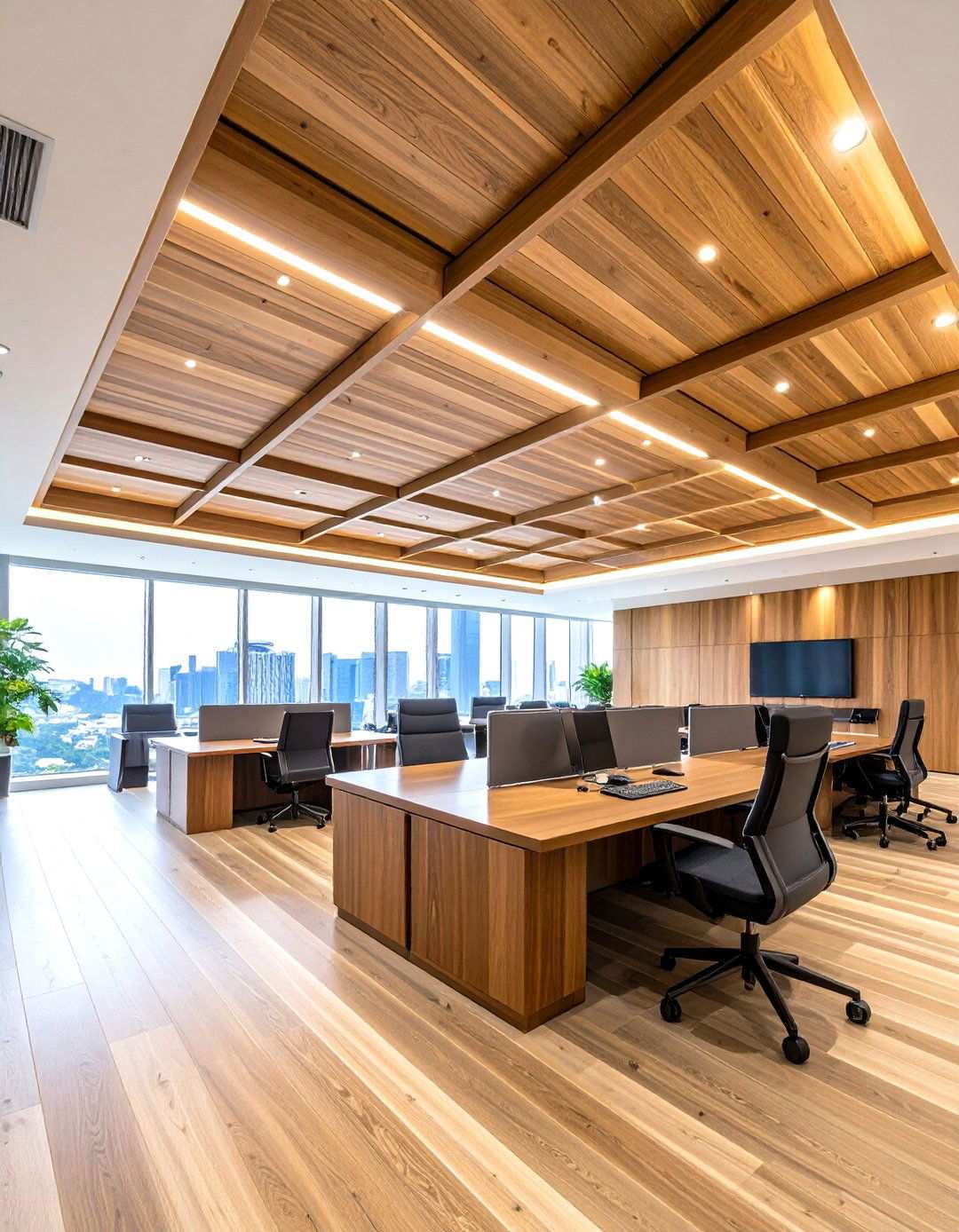
Bespoke plywood ceiling finishes are revolutionizing the design of premium interiors by combining cutting-edge materials, meticulous craftsmanship, and refined finishing techniques that yield unparalleled environments. This high-end approach showcases the finest plywood grades, such as figured birch, architectural-grade maple, or exotic veneer species that display extraordinary grain patterns and natural elegance. The installation process demands unwavering attention to detail, seamless joints, and flawless finishing that meets the most stringent quality standards. Luxury treatments often involve hand-applied oil finishes that accentuate grain depth, multiple stain coats that create intricate color nuances, or specialized sealers that offer museum-quality protection. The synergy of premium materials and expert installation yields ceiling designs that are befitting of luxury homes, high-end commercial spaces, and architectural showcase projects. This bespoke ceiling approach particularly enhances formal dining rooms, executive offices, and luxury hospitality environments where exceptional quality makes a lasting impression. The investment in premium materials and expert installation creates long-term value through exceptional durability, timeless beauty, and the unmistakable quality that distinguishes true luxury from mere opulence. Exotic wood veneers and specialized finishing techniques allow for completely custom designs that reflect individual preferences while upholding the exceptional standards expected in luxury applications.