1. Harmonious Elegance in Large Living Rooms
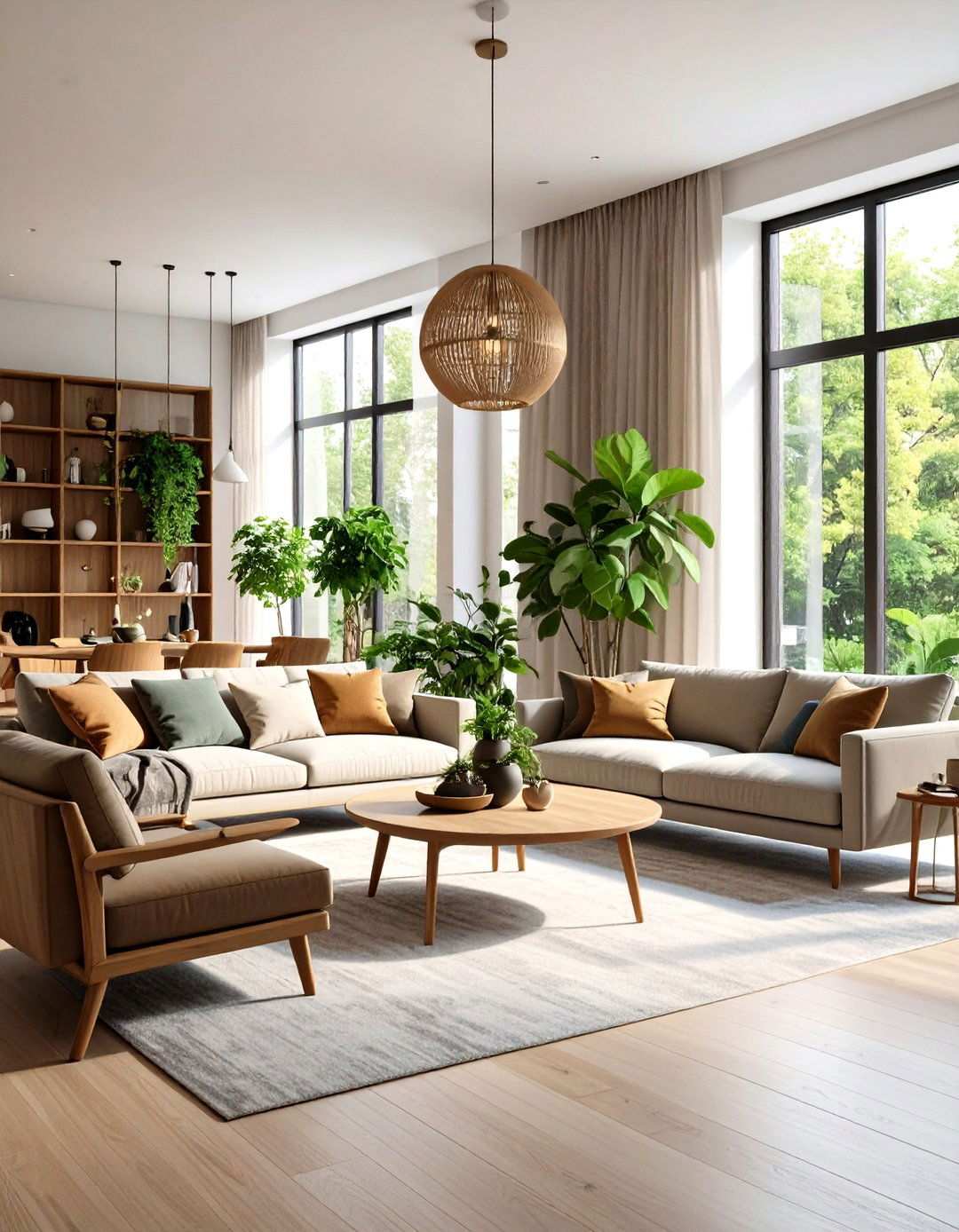
Large living rooms pose a paradox for homeowners seeking to create the perfect gathering space: expansive areas offer endless possibilities, yet demand thoughtful planning to avoid feeling overwhelming, empty, or disconnected. While generous square footage allows for multiple conversation areas, dramatic design statements, and luxurious comfort zones, it also requires intentional design choices to create a cohesive atmosphere. To overcome these challenges, modern design trends for 2025 emphasize sustainability, comfort-driven furniture, bold color choices, and flexible layouts that prioritize both entertaining and everyday living. Whether you lean towards minimalist simplicity, maximalist opulence, or a beautiful balance between extremes, the right approach can transform your spacious living room into a warm and inviting sanctuary that reflects your personal style and meets your family’s practical needs.

As an Amazon Associate I earn from qualifying purchases.
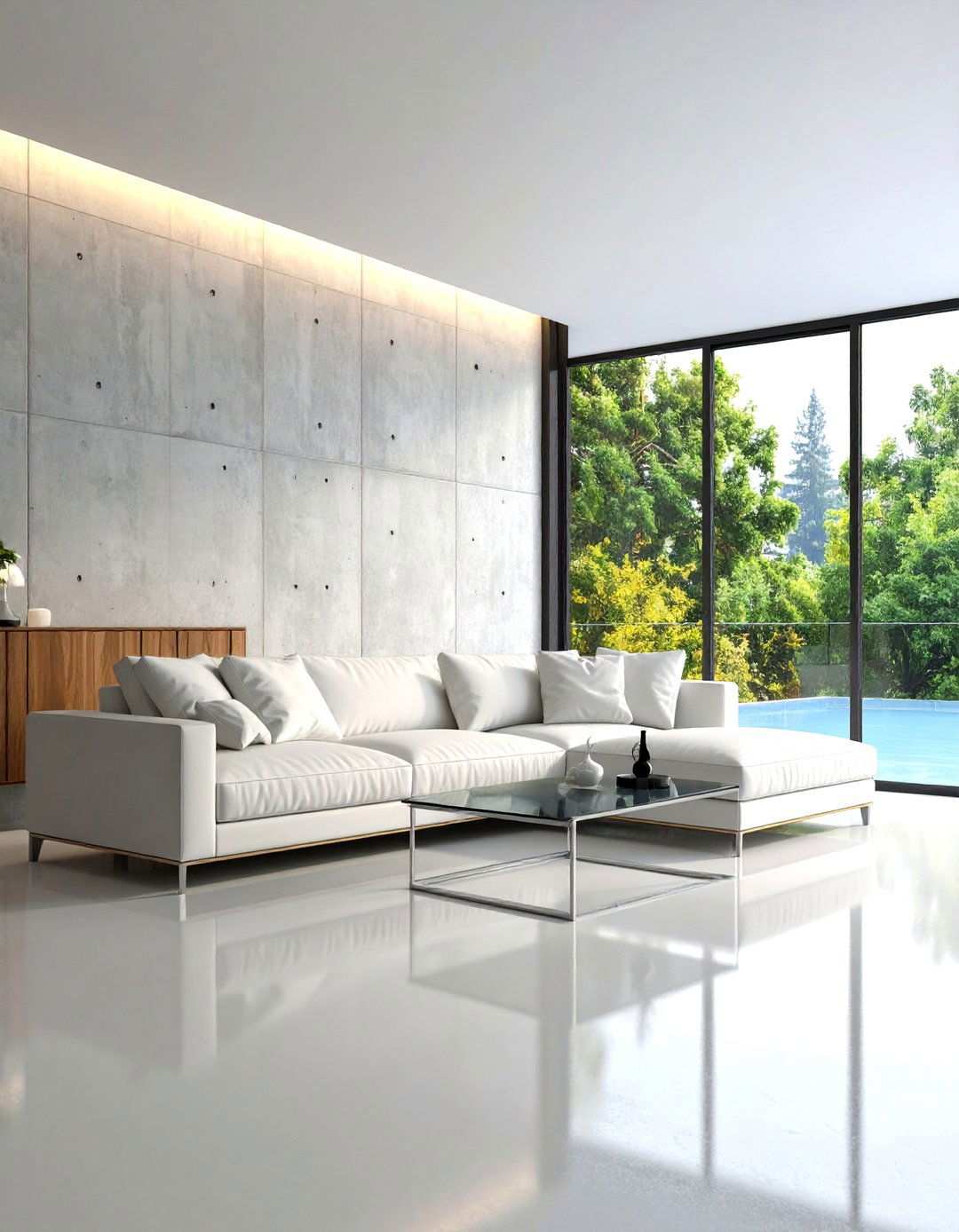
The key to unlocking this potential lies in fusing contrasting elements to create a harmonious whole. Organic modernism living rooms exemplify this balance by marrying sleek, contemporary design with the warmth of natural elements. By pairing mixed metals with natural woods, you can achieve an elevated yet approachable aesthetic. Soft upholstery, accented with glass or metal details, adds a refined yet relaxed touch, while curved sofas and rounded coffee tables invite comfort without compromising modern clean lines. Natural wood elements, such as coffee tables, built-in shelving, and accent pieces, provide warmth against cooler metal fixtures, creating a visually appealing contrast. A neutral color palette with warm undertones serves as a backdrop for the interplay between materials, while lighting fixtures that combine organic shapes with modern functionality and lush plants and natural textures soften any harsh edges.
2. Opulent Abundance in Every Room
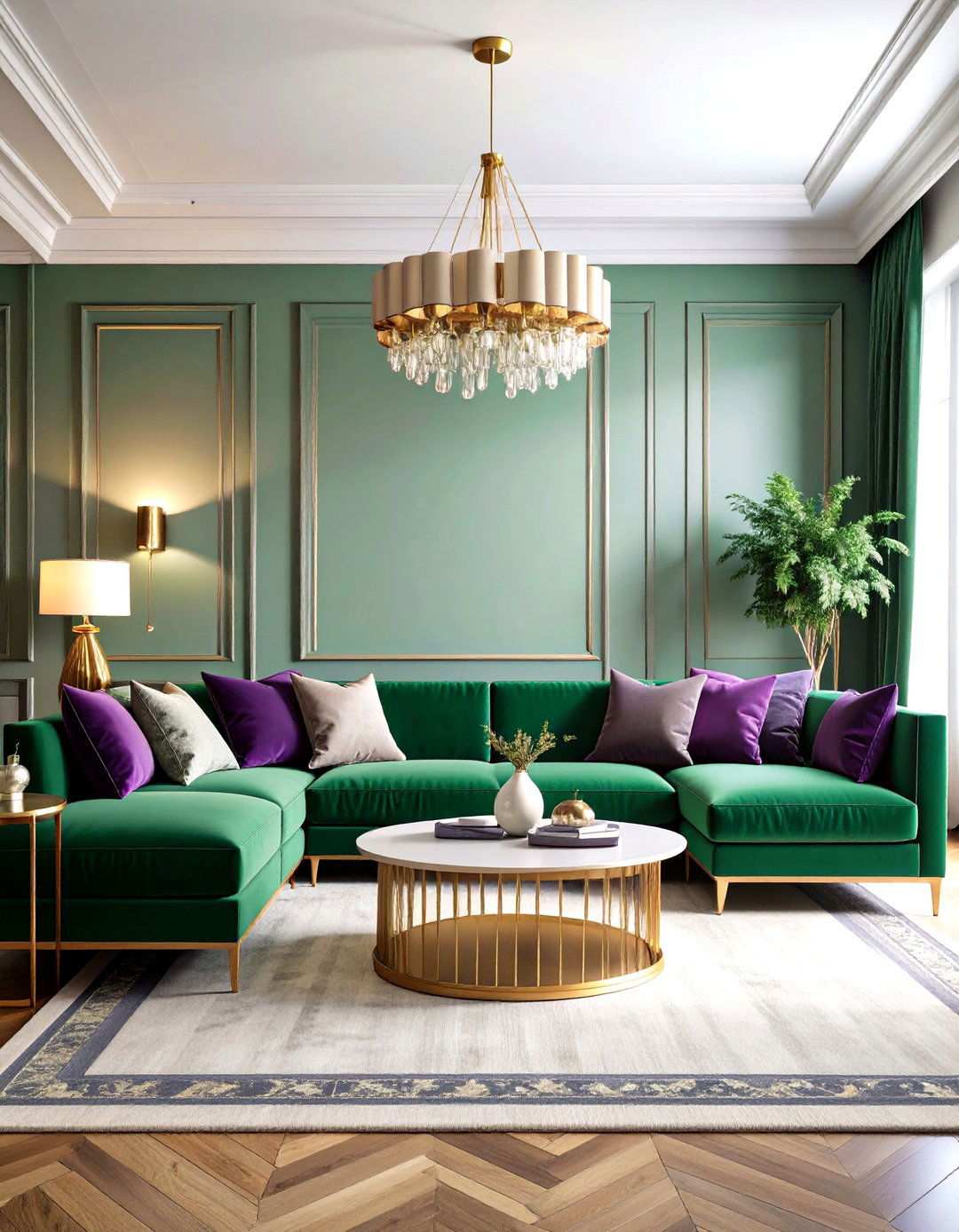
By embracing the idea that more truly is more, maximalist design transforms living spaces into vibrant showcases of abundance. Rich jewel tones, such as deep emeralds, amethysts, and sapphire blues, punctuate neutral foundations, creating a visually striking atmosphere. This approach celebrates the art of layering, combining multiple patterns, textures, and decorative elements that stimulate the senses while maintaining a cohesive whole. Oversized sectionals upholstered in sumptuous fabrics and statement coffee tables take center stage, while eclectic artwork and decorative objects fill the space with personality and charm. The key to success lies in carefully curating a cohesive color story, which ties together the diverse elements and adds depth without succumbing to chaos.
3. Nature's Sanctuary Within Your Home
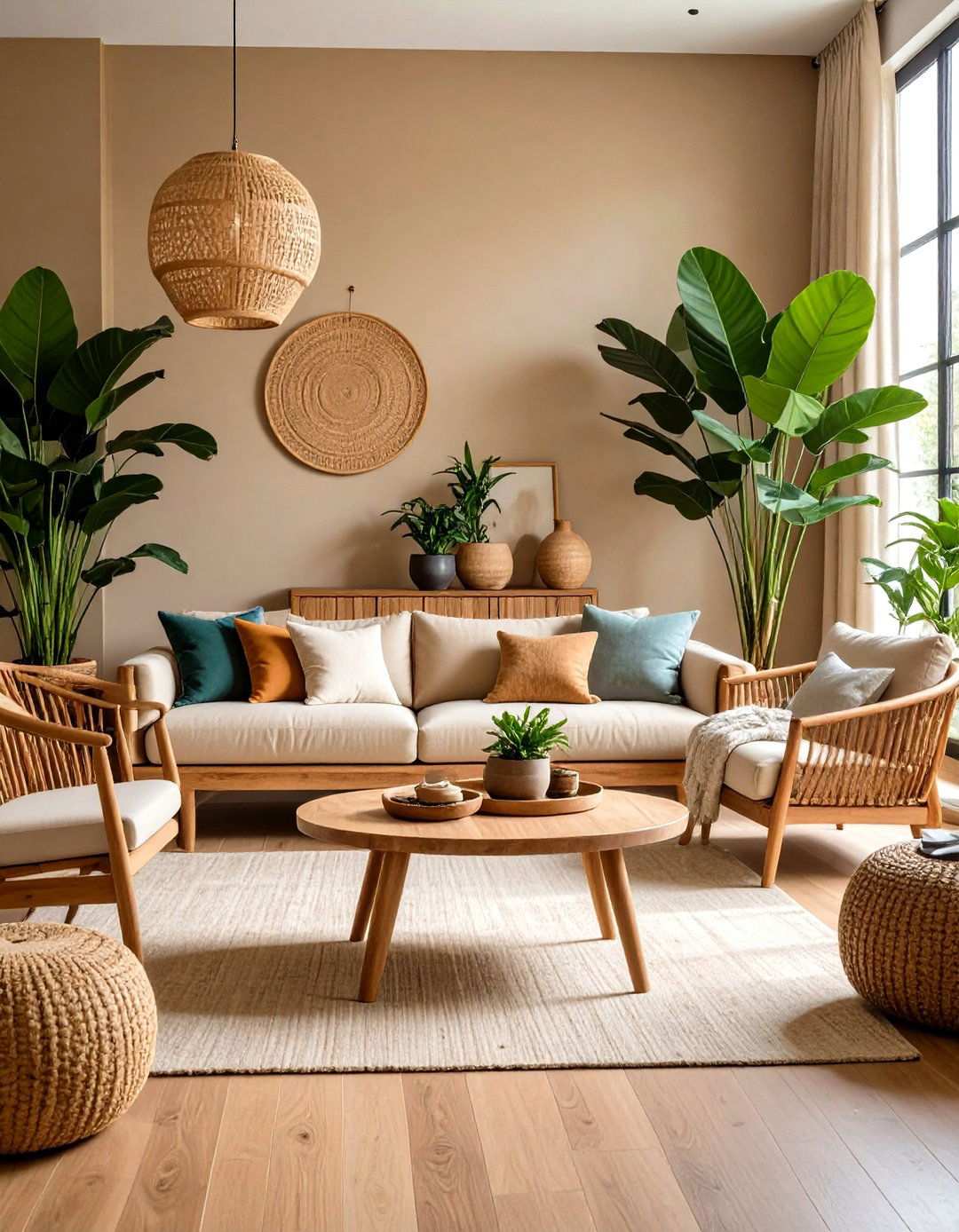
Why settle for mere decoration when you can create a living ecosystem within your living space? Biophilic design seamlessly integrates extensive plant life, natural wood, stone elements, and organic materials to establish a serene and nature-connected environment. Majestic plants like fiddle leaf figs and monstera deliciosa serve as stunning focal points, while smaller plants add layers of greenery throughout the space, creating a sense of tranquility. Natural materials dominate the furniture selection, featuring reclaimed wood coffee tables, stone accent pieces, and bamboo elements that bring the outdoors in. The color palette draws inspiration from nature, with soothing shades of sage green, warm brown, and soft beige creating a calming atmosphere. As natural light filters through sheer curtains, water features or natural stone walls enhance the organic ambiance, while woven textures, live-edge furniture, and botanical artwork complete this peaceful retreat that promotes wellness and a deeper connection to the natural world.
4. Elegance at the Heart of the Home
Imagine hosting refined gatherings where the conversation flows as effortlessly as the champagne. The formal entertainment room is a space where sophistication reigns supreme, where guests can engage in meaningful conversations rather than getting lost in the glow of screens. By thoughtfully arranging seating vignettes, you create an atmosphere conducive to socializing, where people feel at ease sharing stories and laughter. Strategically placed bar carts offer effortless access to refreshing beverages, while inviting banquette seating fosters the kind of intimate, whispered conversations that forge lasting connections. The plush armchairs and elegant side tables, carefully chosen for their comfort and style, encourage guests to linger and savor the moment. As the focal point of the room, the fireplace draws everyone together, its warmth and ambiance setting the tone for an unforgettable evening. Rich, velvety color palettes – think deep berry tones, mossy greens, or navy blues – transport you to a world of refined elegance, while statement lighting fixtures like chandeliers or sculptural pieces cast a warm, inviting glow over the space. The artfully curated collection of decorative objects and artwork adds a touch of personality to the space, sparking interesting conversations and creating an atmosphere of refined sophistication.
5. Designing a Room That Adapts
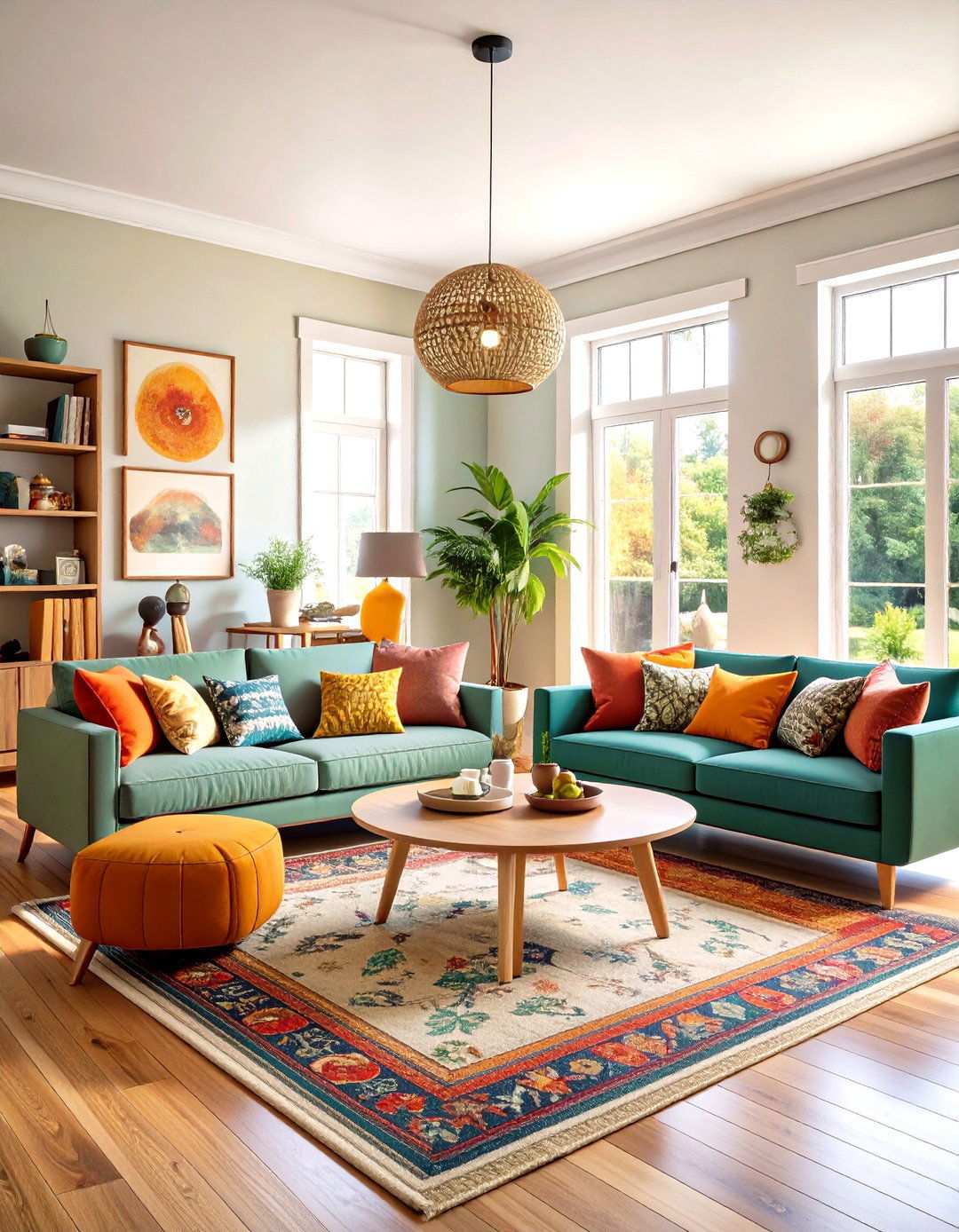
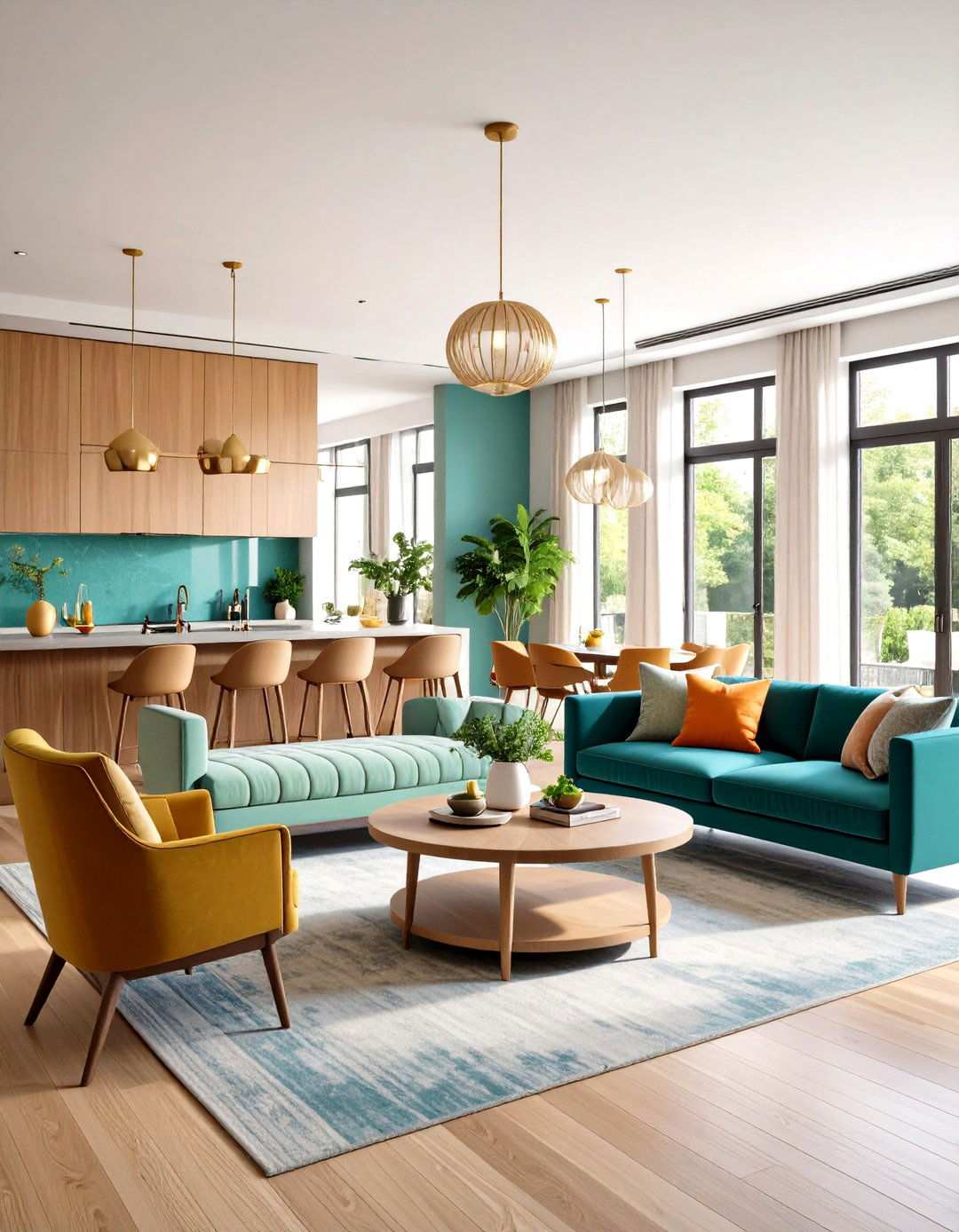
What if one room could seamlessly transition from a cozy retreat to a vibrant gathering space without ever feeling cramped or chaotic? With a multi-zone design, you can divide a large living space into distinct areas that cater to different activities while maintaining a sense of visual harmony. A spacious conversation area anchors the space, providing ample seating for lively discussions, while a serene reading nook by the window offers a peaceful escape from the world outside. The game table zone becomes the epicenter of family fun, with a built-in surface perfect for board games, puzzles, or lively debates. As for work-from-home needs, a cozy home office corner provides a quiet, focused space for productivity. To ensure flexibility, opt for lightweight, moveable furniture pieces that can easily be rearranged to suit the occasion. Area rugs define each zone while maintaining the open, airy feel of the larger space, while built-in storage solutions like cabinets and ottomans keep clutter at bay, preserving the clean lines and aesthetic of the room. A unifying color scheme ties the entire space together, while varied textures and accent colors add a touch of personality to each area, allowing the space to evolve and adapt to the needs of its inhabitants.
6. Harmonious Form in Living Spaces
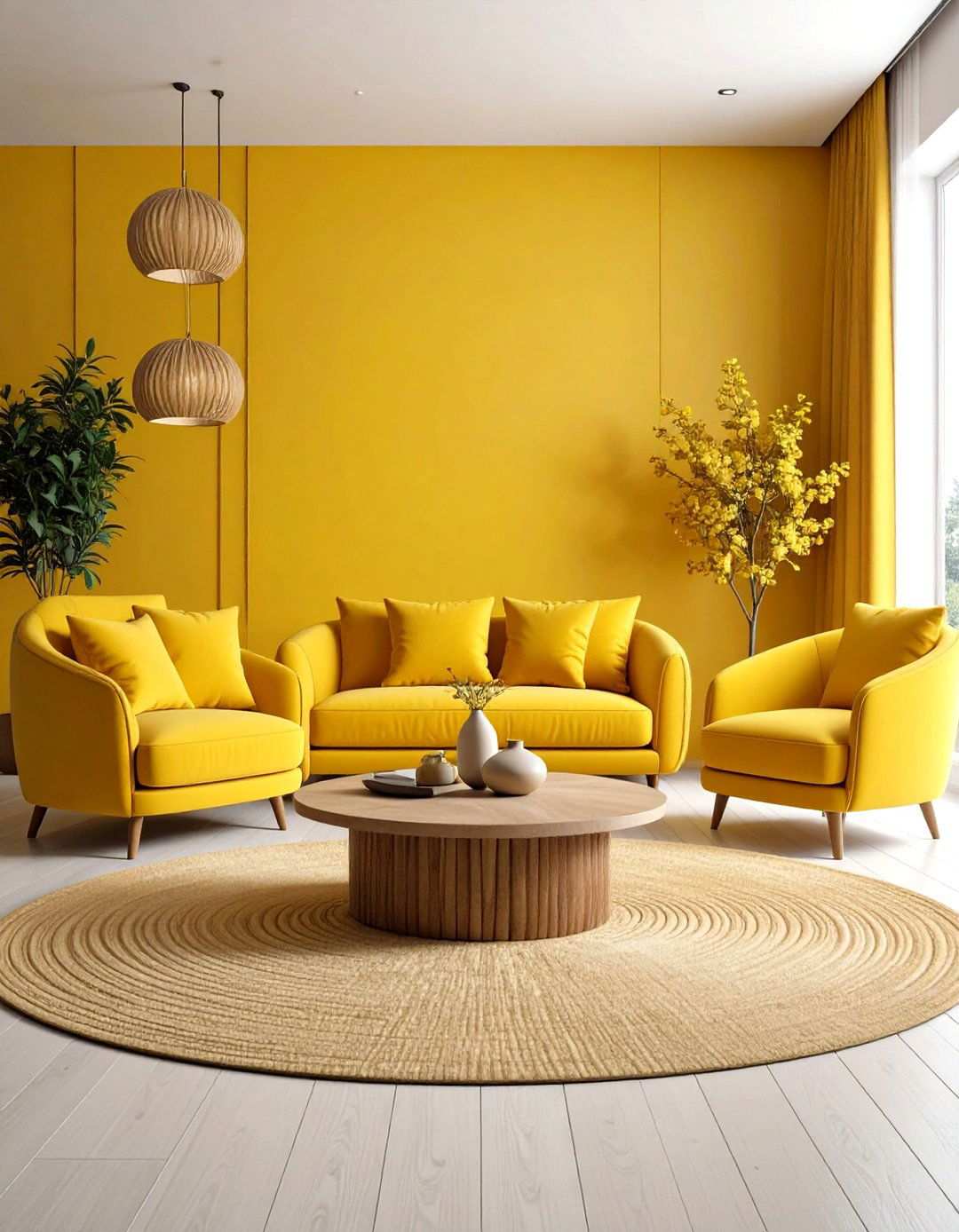
Imagine a living room that radiates warmth and comfort, where every element seems to flow effortlessly into the next. Curved furniture design achieves this by incorporating organic shapes that naturally foster relaxation. Rounded sofas serve as anchors, while circular coffee tables and curved side chairs blend harmoniously to create a soothing ambiance. This design theme prioritizes comfort through the strategic use of curved elements, which extends beyond furniture to include arched doorways, rounded mirrors, and sculptural lighting that adds depth to the space. Earthy color palettes, comprising terracotta, sage, and warm neutrals, complement the organic feel, while textiles feature soft, flowing fabrics that elegantly drape over curved forms. Accessories such as rounded pottery, organic-shaped artwork, and plants enhance the natural curves found throughout the space, culminating in a cozy atmosphere that belies the room’s expansive size.
7. Convergence of Luxury and Sustainability
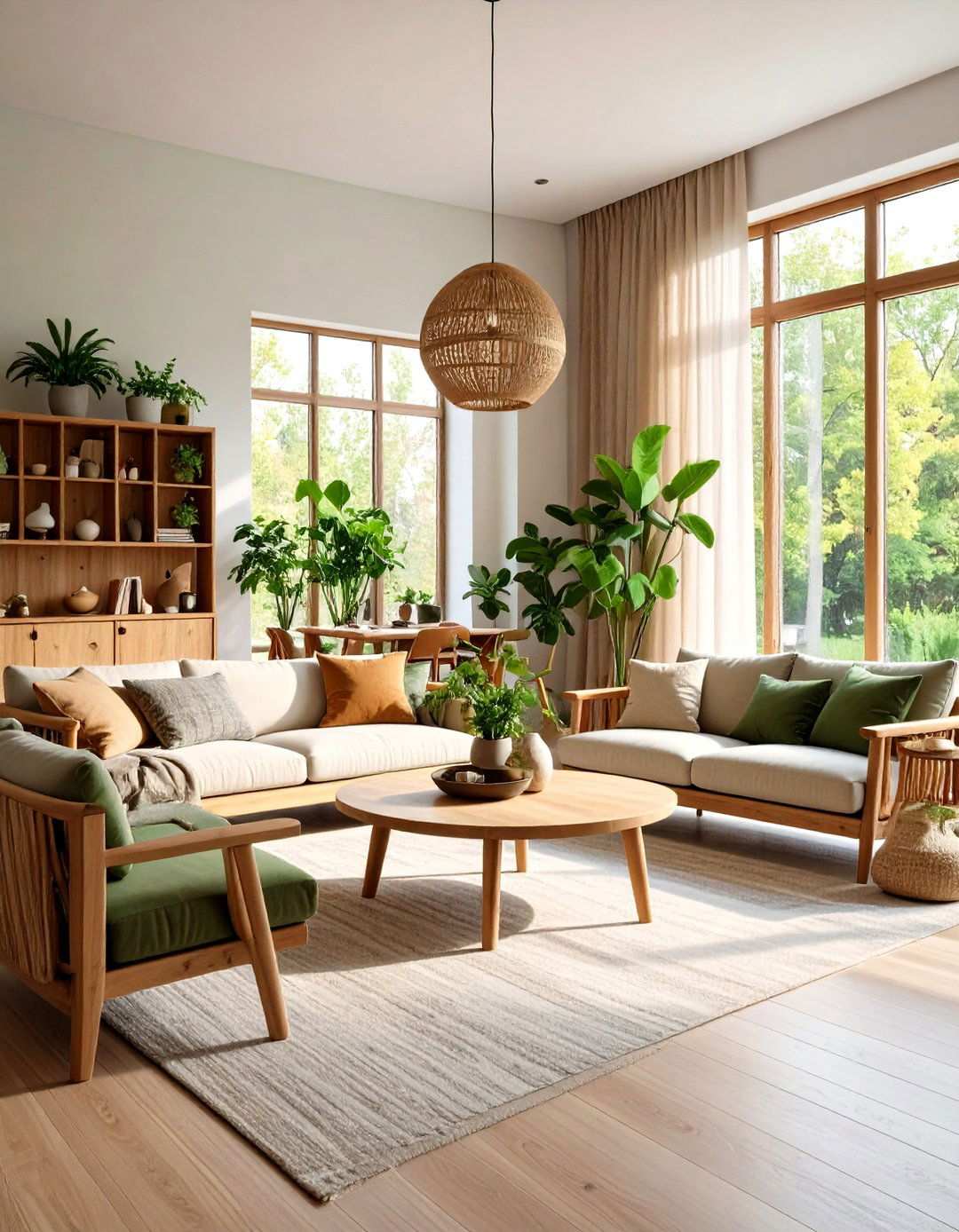
Luxury and environmental responsibility are not mutually exclusive concepts, as evidenced by the emphasis on sustainable materials in modern living room design. By incorporating reclaimed wood, bamboo, recycled metals, and eco-friendly textiles, designers can create stunning spaces that seamlessly merge style with sustainability. Reclaimed wood features prominently in coffee tables, built-in shelving, and accent walls, imbuing the space with a sense of history and character. Bamboo furniture offers both durability and a touch of natural elegance, while recycled metal elements add a sophisticated, industrial edge. Organic cotton and hemp textiles appear in upholstery, curtains, and throw pillows, providing comfort alongside environmental consciousness. A color palette that draws inspiration from nature – warm earth tones, soft greens, and natural fiber colors – is further augmented by vintage and antique pieces that not only add character but also extend the lifecycle of existing furniture. Energy-efficient lighting and smart home features further reduce the room’s environmental footprint while enhancing its functionality, demonstrating that sustainable choices can indeed create breathtaking, luxurious living spaces that honor both style and environmental stewardship.
8. Captivating Shadows
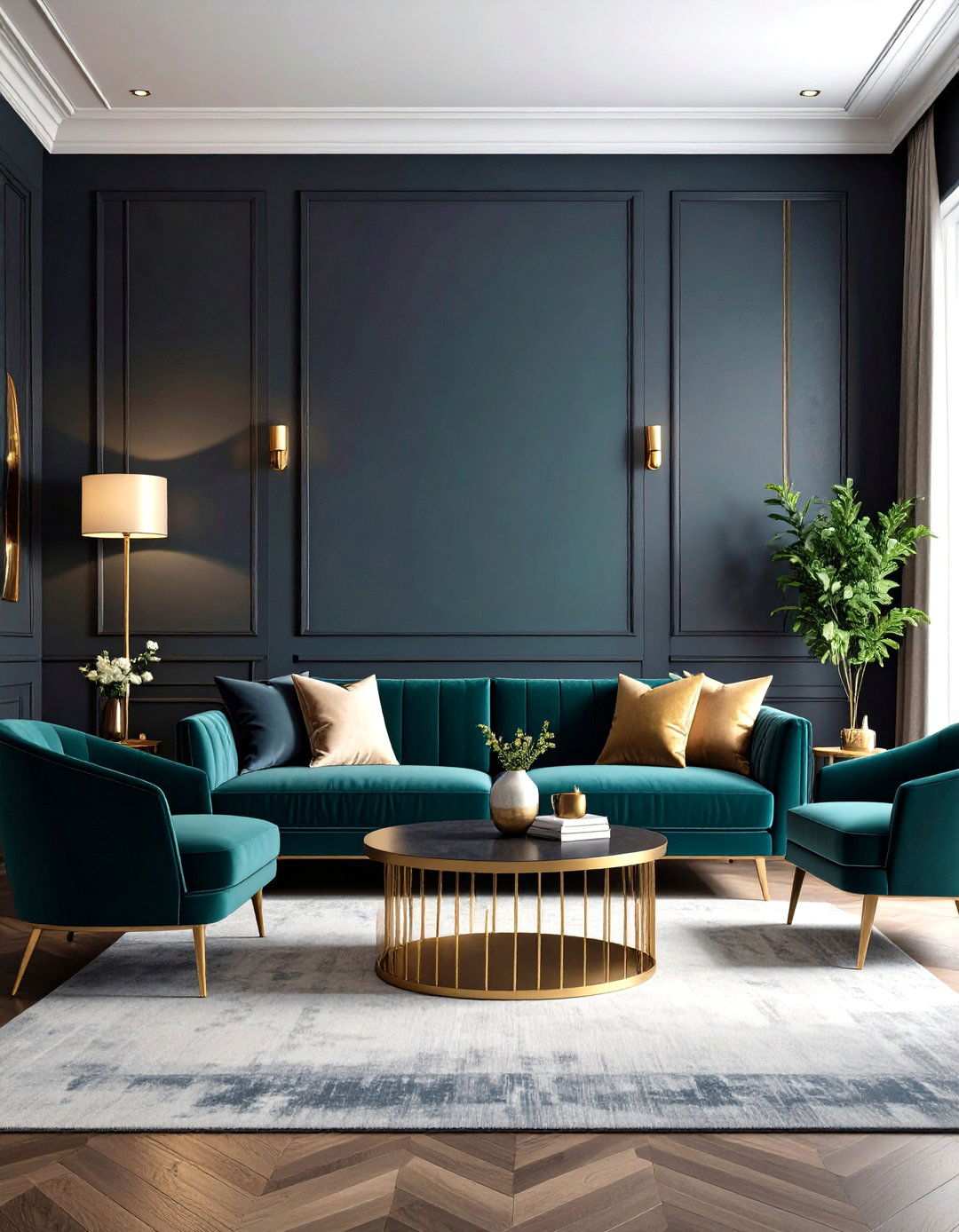
There’s a certain allure to dramatic darkness that can elevate living spaces to new heights of sophistication. By embracing deep, rich colors, designers can create an immersive atmosphere that makes large rooms feel cozy and intimate. Charcoal, navy, and forest green walls envelop the space, fostering a sense of exclusivity despite its size. Velvet upholstery in jewel tones injects luxury and warmth, while metallic accents like brass or copper add a striking contrast against the dark backdrop. Layered lighting becomes the linchpin, using table lamps, floor lamps, and accent lighting to create pools of warm illumination throughout the space. Dark wood furniture and black metal elements amplify the sophisticated aesthetic, while textured fabrics and materials inject depth and visual interest into the monochromatic palette. Strategically placed artwork and mirrors help bounce light around the space, preventing it from feeling too heavy or oppressive. This approach yields a dramatic, sophisticated environment perfect for hosting evening gatherings and intimate social events.
9. Timeless Tales
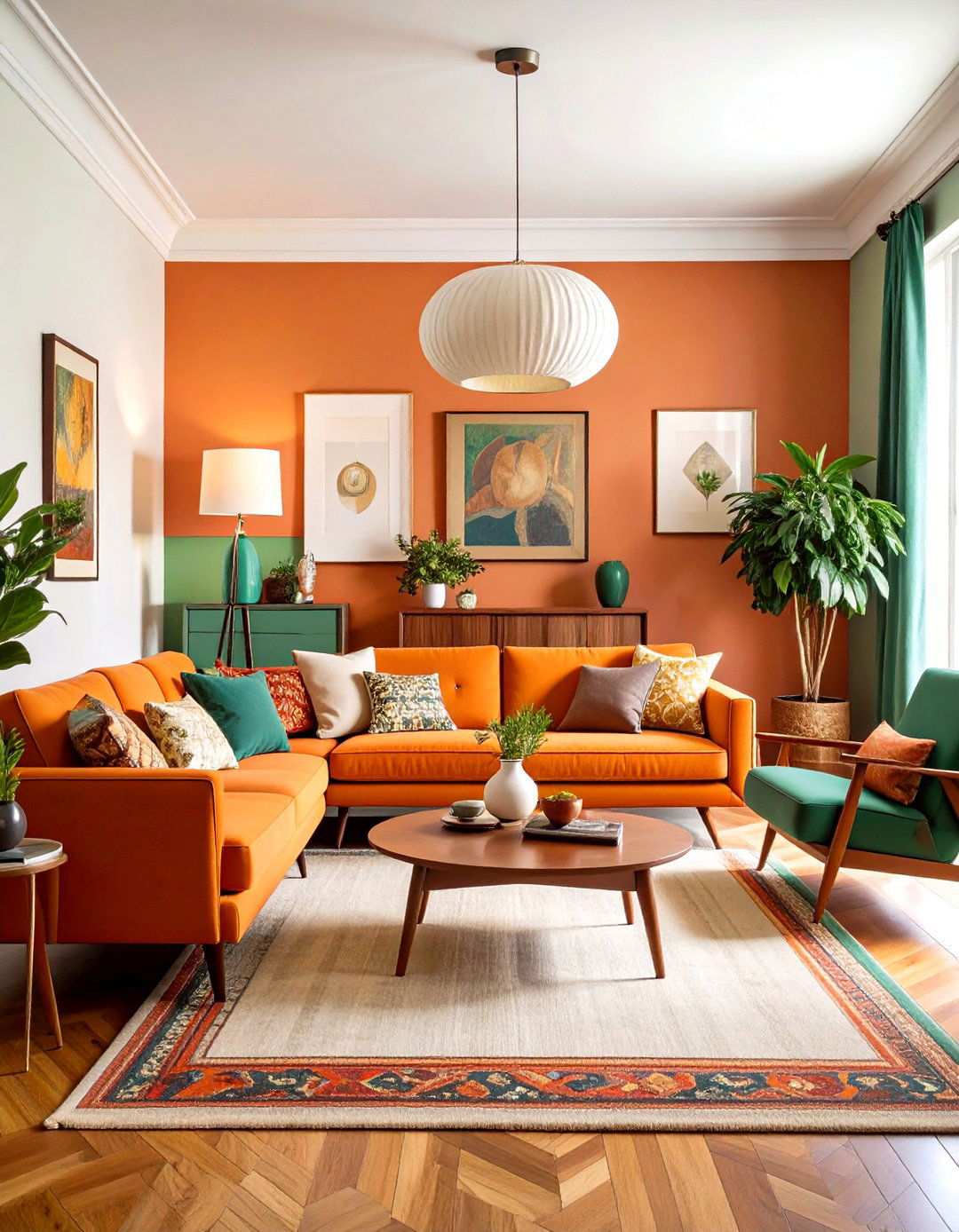
Your living room has the potential to be a treasure trove of stories, each piece imbued with a history worth sharing. By blending authentic vintage elements with modern touches, designers can create an eclectic, character-rich environment that celebrates design heritage. Iconic mid-century modern furniture serves as the anchor, drawing inspiration from the 1950s through 1970s. However, it’s the contemporary elements that prevent the space from feeling like a relic of the past. Bold patterns in wallpaper, upholstery, and artwork bring a sense of vibrancy, juxtaposing geometric designs with organic forms characteristic of different eras. Retro-inspired color palettes, featuring burnt orange, avocado green, and warm browns, are thoughtfully balanced with modern neutrals. Vintage lighting fixtures become showstopping statement pieces, while retro accessories and artwork complete the nostalgic atmosphere. By incorporating thrift store finds and antique pieces, designers can add authenticity and a touch of personality to the space. The key lies in striking a balance between vintage charm and modern comfort and functionality, creating a space that honors the past while serving contemporary needs.
10. Elevating Ambiance through Layered Lighting
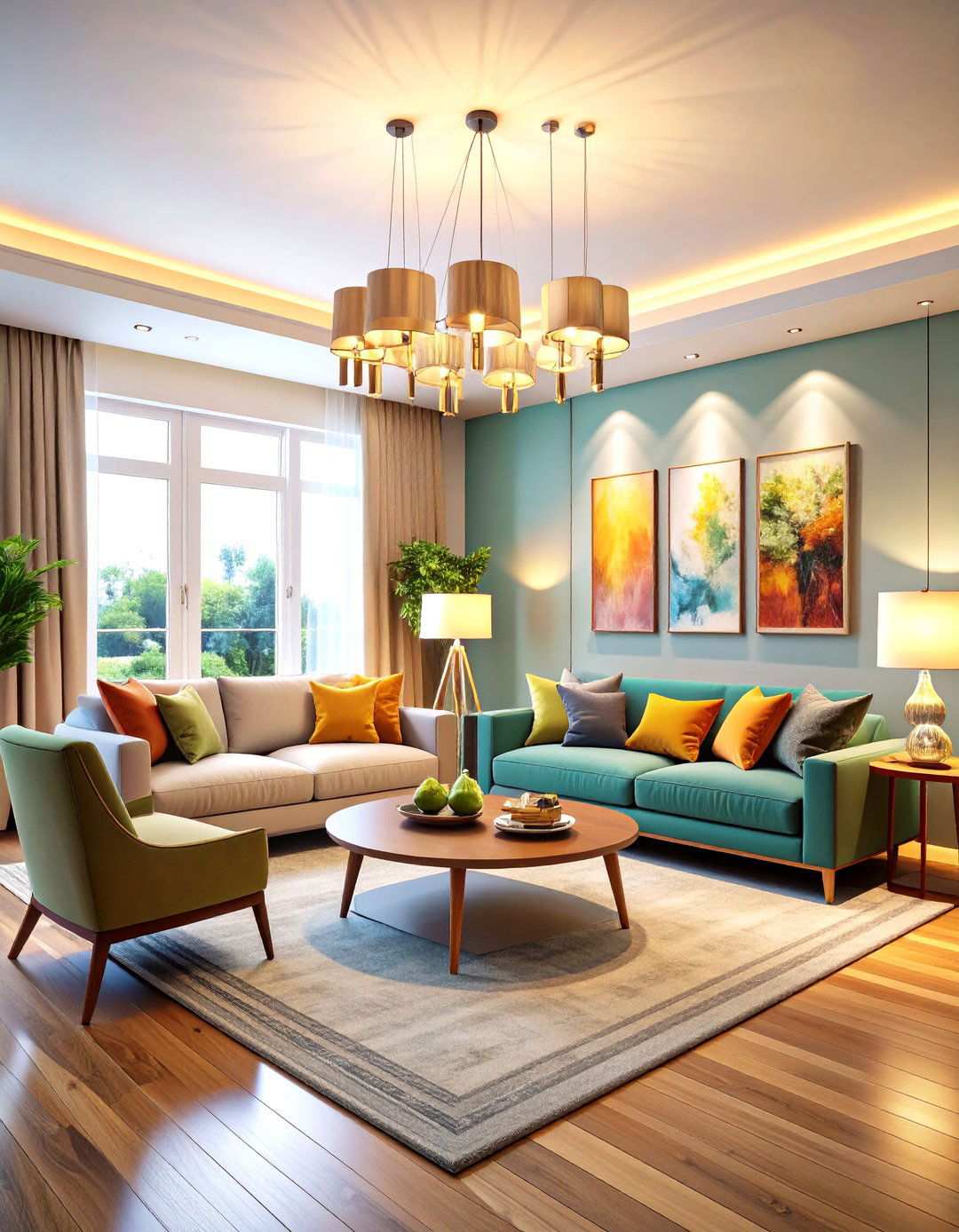
Layered lighting design is a thoughtful approach to creating an immersive environment that adapts to the ever-changing needs of a space. By combining ambient, task, and accent lighting, homeowners can craft a dynamic atmosphere that responds to different activities and time of day. At the core of this approach lies the strategic placement of statement pieces, such as chandeliers or pendant lights, which provide essential general illumination. Table lamps and floor lamps, meanwhile, offer focused task lighting for reading and conversation, fostering a sense of warmth and conviviality. Accent lighting, on the other hand, expertly highlights architectural features, decorative objects, and statement artwork, injecting visual interest and depth into the space. The subtle glow emanating from built-in LED strips in bookcases and cabinets further enhances the ambient ambiance, while smart lighting controls allow for effortless adjustments to brightness and color temperature throughout the day. By carefully considering the layout of furniture and lighting placement, homeowners can create a living room that seamlessly transitions between bright and energizing to soft and intimate settings.
11. Curating a Sculptural Art Gallery Experience
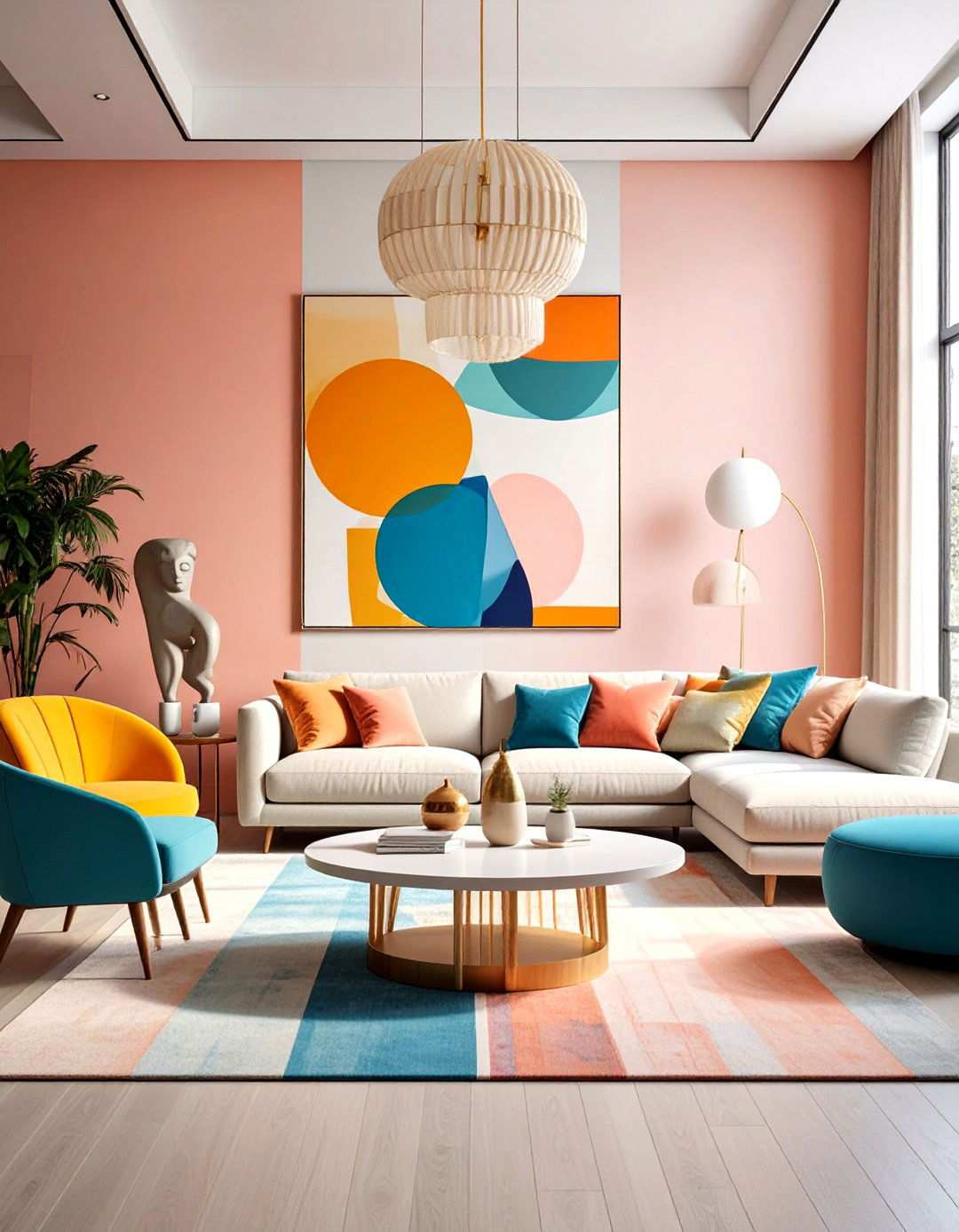
Imagine transforming your living room into a personal museum, where your artistic passions take center stage. Sculptural art gallery design reimagines the living space as a carefully curated exhibition, where large-scale artwork and sculptural pieces assume the role of primary design elements. In this setting, furniture selection is intentionally understated, allowing art pieces to command attention and be the focal point of the room. Neutral-colored seating and simple lines prevent competing with artistic statements, instead creating a sense of calm and serenity. Gallery-style lighting is designed to showcase artwork in the most flattering light, while also creating dramatic visual effects that enhance the overall aesthetic. Storage solutions are cleverly integrated to conceal personal belongings, maintaining a clean and gallery-like feel. A neutral color palette, dominated by whites, grays, and beiges, provides a subtle backdrop for colorful artwork to shine. High ceilings and open floor plans further amplify the museum-like atmosphere, while carefully placed seating ensures comfortable art appreciation. The result is a sophisticated, culturally rich environment that proudly showcases a deep appreciation for the arts.
12. The Harmony of Simplicity and Warmth
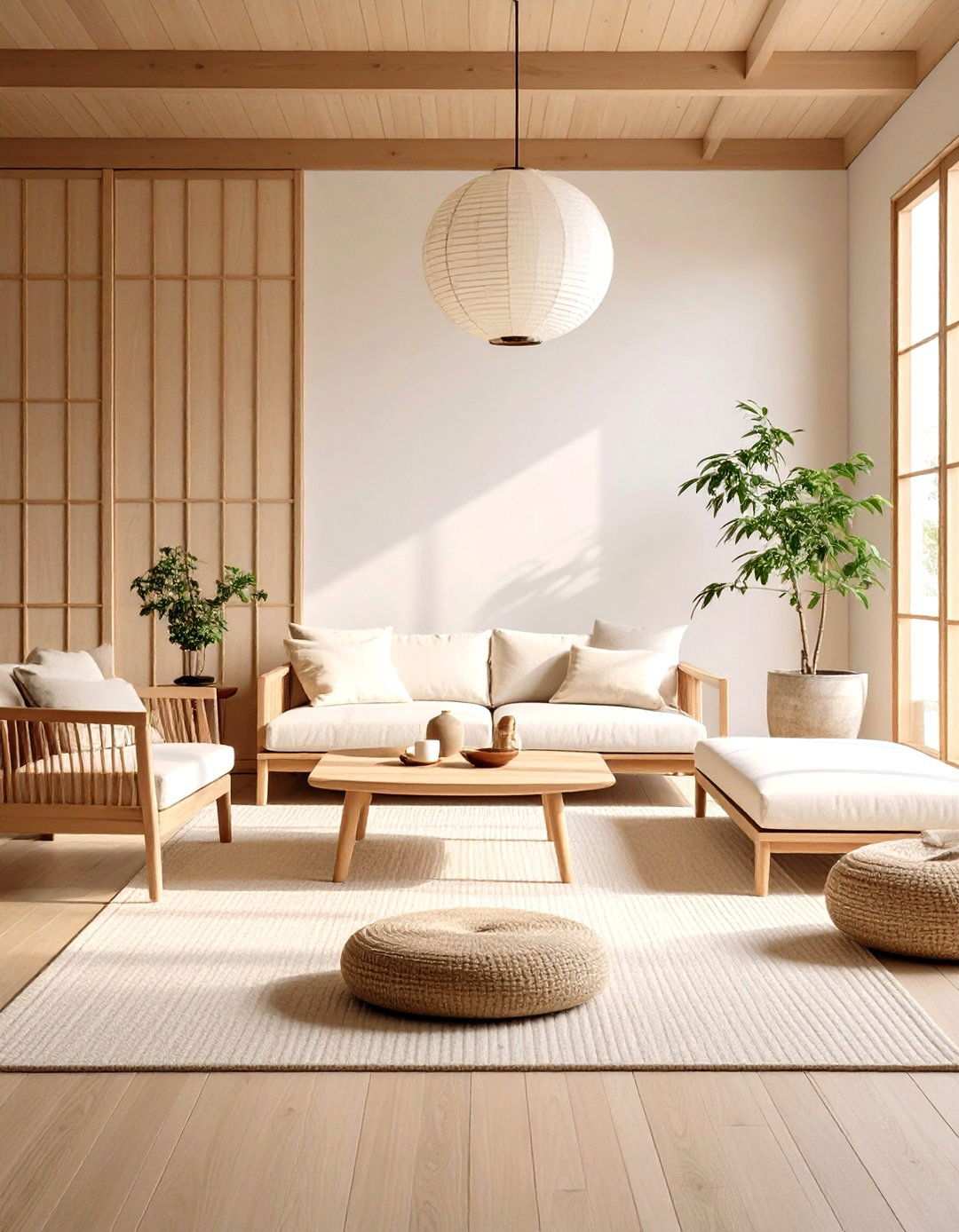
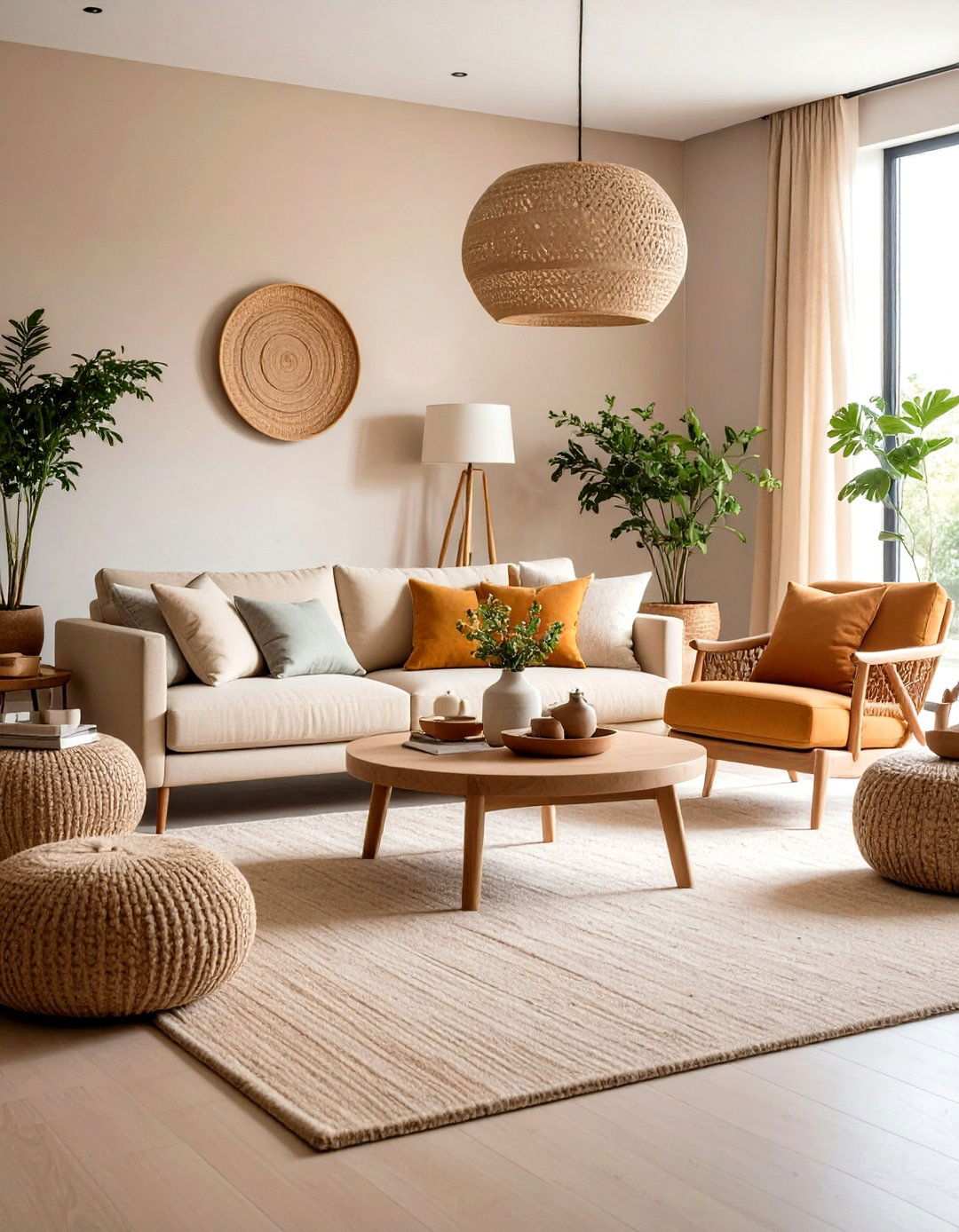
Can a perfect balance of simplicity and warmth be achieved to create serene living spaces? Japandi minimalism seamlessly merges Japanese simplicity with Scandinavian coziness, focusing on natural materials, understated palettes, and uncluttered areas that foster mental rejuvenation. The spotlight is on natural wood furniture, where clean lines and functional elegance take precedence over ornate embellishments. A calming color scheme is established using whites, beiges, soft grays, and natural wood tones, creating an atmosphere that soothes the senses. Furniture pieces embody multifunctionality while maintaining aesthetic appeal, such as storage ottomans and built-in shelving units. Textiles are used judiciously, with soft throws and cushions crafted from natural fibers adding warmth without cluttering the space. Plants serve as the primary decorative elements, bringing life and natural beauty to the minimalist environment. Soft, diffused lighting is often achieved through paper lanterns or simple pendant fixtures, contributing to a peaceful ambiance that encourages relaxation and mindfulness while providing ample comfort.
13. Reviving the Timeless Charm of English Countryside
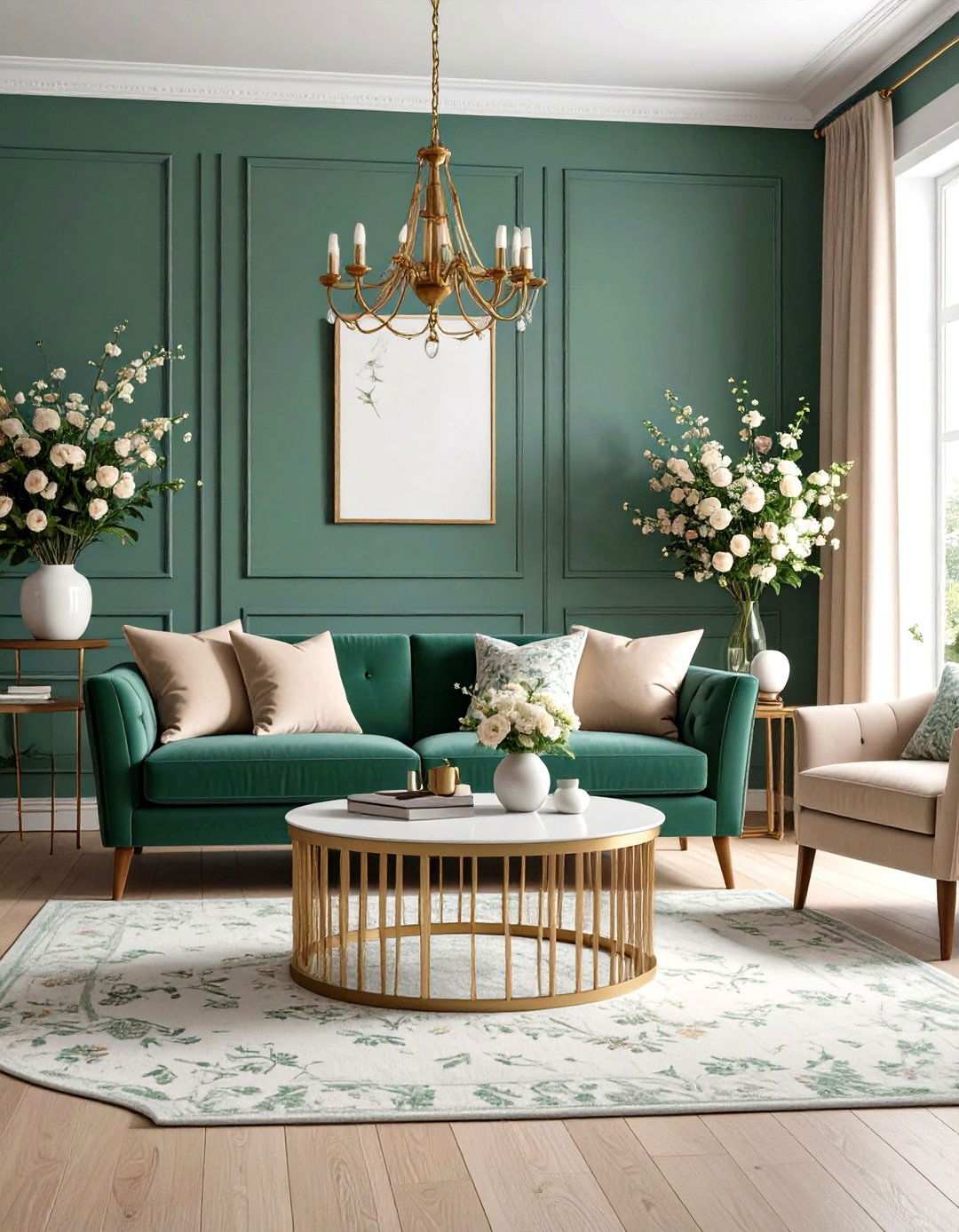
Do you yearn for the charm of countryside living combined with the comfort and convenience of modern times? English cottage modern design successfully merges traditional English aesthetics with updated functionality, creating a warm, inviting atmosphere that feels both timeless and contemporary. Floral patterns appear in upholstery, curtains, and wallpaper, but are reimagined in fresh, modern colorways and scales that avoid a dated look. Classic furniture shapes are reinvigorated through the use of performance fabrics and modern construction techniques. Warm color palettes feature sage greens, cream, and soft florals balanced with modern neutrals, creating a sense of depth and visual interest. Built-in bookcases and window seats provide traditional charm while offering practical storage and seating options. Natural materials like stone, wood, and woven textures contribute to an authentic cottage appeal. Modern amenities integrate seamlessly with traditional elements, ensuring that contemporary comfort is never compromised. Layered lighting, comprising both period-appropriate fixtures and modern task lighting, adds to the welcoming, lived-in feel of this design approach.
Crafting Seamless Integration
Cutting-edge technology need not disrupt the harmonious balance of your living room’s design. Instead, it can be skillfully woven into the fabric of a well-designed space, where advanced home automation and entertainment systems are seamlessly integrated with stylish furniture and layouts. Hidden speakers expertly conceal within built-in cabinetry, while wireless charging stations subtly integrate into coffee tables and side tables. The result is a living environment that effortlessly adjusts to your needs, thanks to voice-controlled lighting systems and motorized window treatments that respond to light levels and privacy requirements. Meanwhile, smart home displays are discreetly integrated into wall designs or hidden within decorative frames when not in use. By choosing furniture with built-in USB ports and wireless charging capabilities, you can maintain the room’s visual appeal while still enjoying the benefits of smart living. Ultimately, this approach creates a futuristic living space that masterfully balances cutting-edge functionality with timeless design beauty.
Maximizing Style and Functionality
Why settle for conventional seating when custom banquettes can transform your living room into a haven of creativity and comfort? Banquette seating design cleverly incorporates built-in upholstered seating along walls, creating intimate conversation areas that make the most of the space while keeping it clutter-free. By placing custom banquettes beside fireplaces, under windows, or along walls, you can create a seating arrangement that is both stylish and practical. Storage compartments built into banquette bases provide a hidden haven for storing books, games, and seasonal items, keeping them out of sight while keeping the room organized. Coordinating tables and chairs complement the banquettes, offering flexible seating options for different group sizes. With a focus on durability and style, the fabric selection for your banquette seating prioritizes performance materials that withstand daily use while maintaining a sophisticated appearance. The finishing touches – throw pillows and cushions – add a pop of color and comfort while allowing for easy style updates. By incorporating built-in side tables and shelving, you can create a seating solution that is both efficient and stylish, perfect for large rooms where multiple conversation areas enhance the space’s social functionality.
Organic Beauty of Natural Stone
When natural stone becomes the anchor of a living room’s design story, it unfolds a narrative that connects the interior with the great outdoors. By incorporating various stone elements throughout the space, natural stone texture design weaves a tapestry of organic beauty and timeless appeal. Stone fireplaces serve as striking focal points, while stone accent walls bring a sense of depth and visual weight to expansive areas. Natural stone coffee tables and side tables bring a touch of earthy elegance, complemented by stone decorative objects and sculptures that add a sense of artisanal flair. The color palette draws inspiration from stone’s natural palette, featuring a range of grays, beiges, warm browns, and subtle color variations that blend together in sophisticated harmony. Furniture selection leans towards materials that complement stone’s organic beauty, including natural wood, leather, and woven textiles that add warmth and texture. Lighting highlights stone’s natural texture and color variations, creating dramatic shadows and visual interest that draws the eye. Meanwhile, plants and greenery soften stone’s hard edges while enhancing the natural aesthetic, creating a grounded, sophisticated environment that celebrates the beauty of natural materials while providing lasting design appeal.
Monochromatic Harmony through Color Variation
Surrounding oneself with a spectrum of different shades within a single color family can create a visual impact that rivals a rainbow of hues. By using varying tones and shades of one color family, color-drenched monochrome design achieves a cohesive, dramatic effect throughout the living space. Deep blues, for instance, can range from navy walls to powder blue accessories, creating a sense of depth and interest within a unified palette. Texture becomes a crucial element in monochromatic designs, with varied fabrics, finishes, and materials preventing visual boredom while maintaining color unity. Furniture selection focuses on different tones of the chosen color, from deep, saturated pieces to lighter accent elements that add visual interest. Metallic accents provide subtle contrast without disrupting the monochromatic harmony, allowing the color to take center stage. Lighting plays a pivotal role in revealing color variations and creating mood within the single-color scheme, as natural light and artificial illumination interact with the chosen color to create different effects throughout the day. This bold approach to color creates sophisticated, impactful design that demonstrates the transformative power of color in shaping the space.
18. Elevating Modern Spaces with Antique Elegance
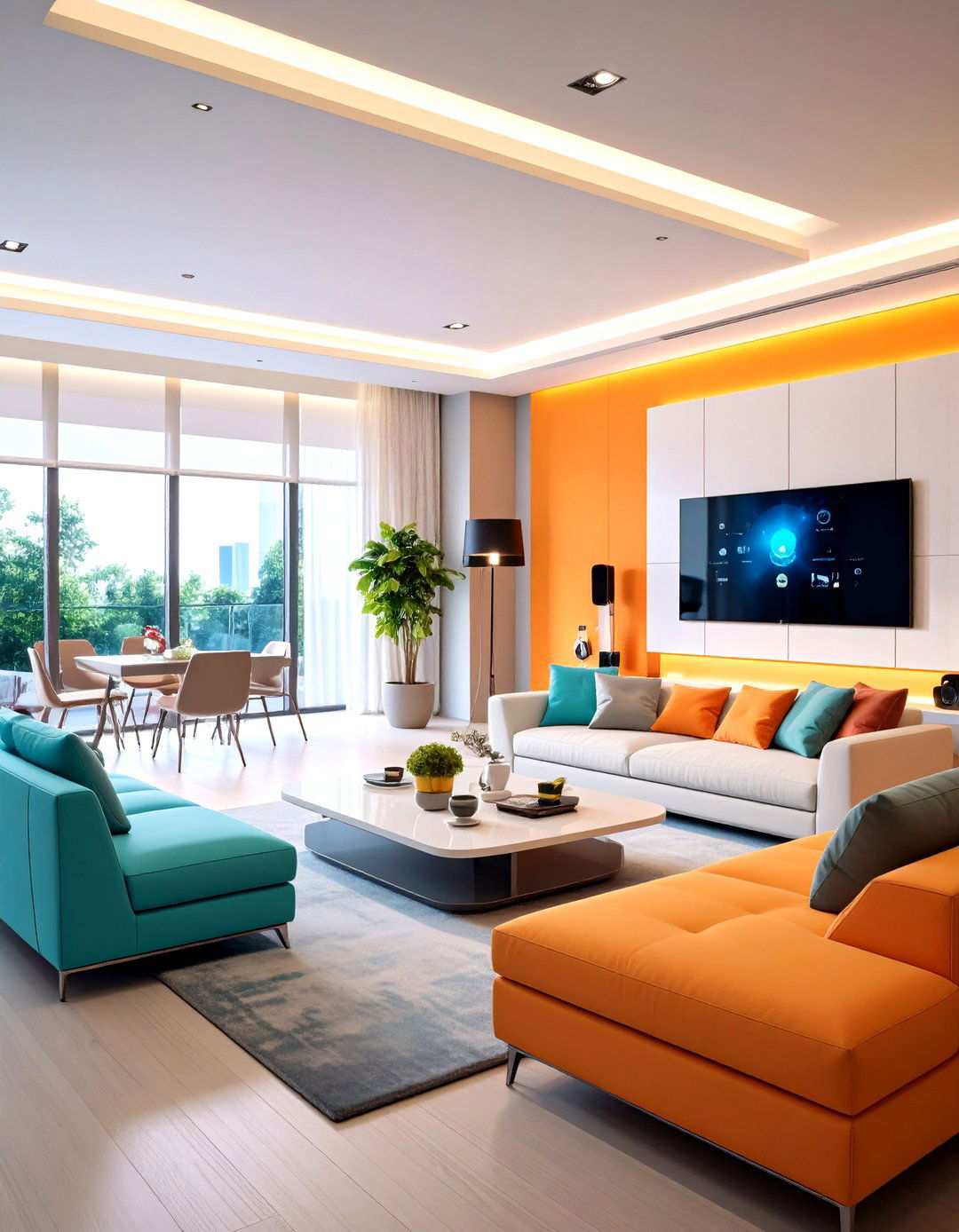
Carefully curated antique furniture has the power to transform a contemporary living room into a refined fusion of old and new. This refined aesthetic is achieved through the strategic incorporation of vintage pieces as statement focal points, seamlessly blending historical charm with modern comfort and versatility. A stately antique cabinet, for instance, can be repurposed as a media console, while vintage Persian rugs serve as the anchor for contemporary seating arrangements. Antique side tables and occasional chairs inject character and conversation-starting elements throughout the space. The color palette is thoughtfully designed to accommodate antique pieces while maintaining a contemporary appeal, often featuring neutral backgrounds that allow the antique woods and patinas to take center stage. Modern upholstery updates antique seating for contemporary comfort while thoughtfully preserving the historical character. By incorporating contemporary artwork and accessories, the space is prevented from feeling too museum-like while still honoring the significance of the antique pieces. The lighting scheme combines period-appropriate fixtures with modern task lighting, ensuring optimal functionality. This approach yields a sophisticated, layered design that tells a story while meeting the demands of contemporary lifestyle needs, demonstrating that old and new can coexist in perfect harmony.
19. Uncompromising Style and Performance
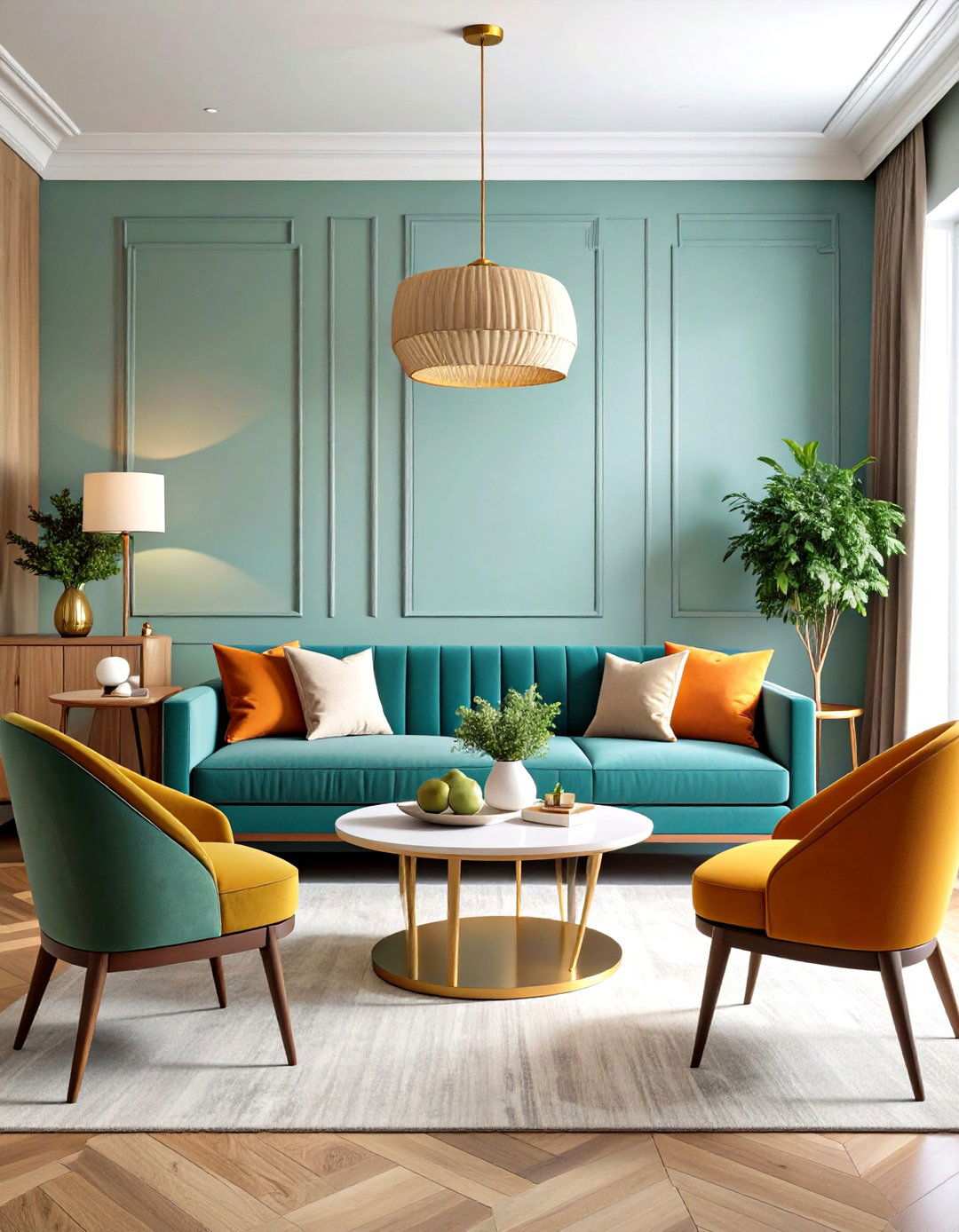
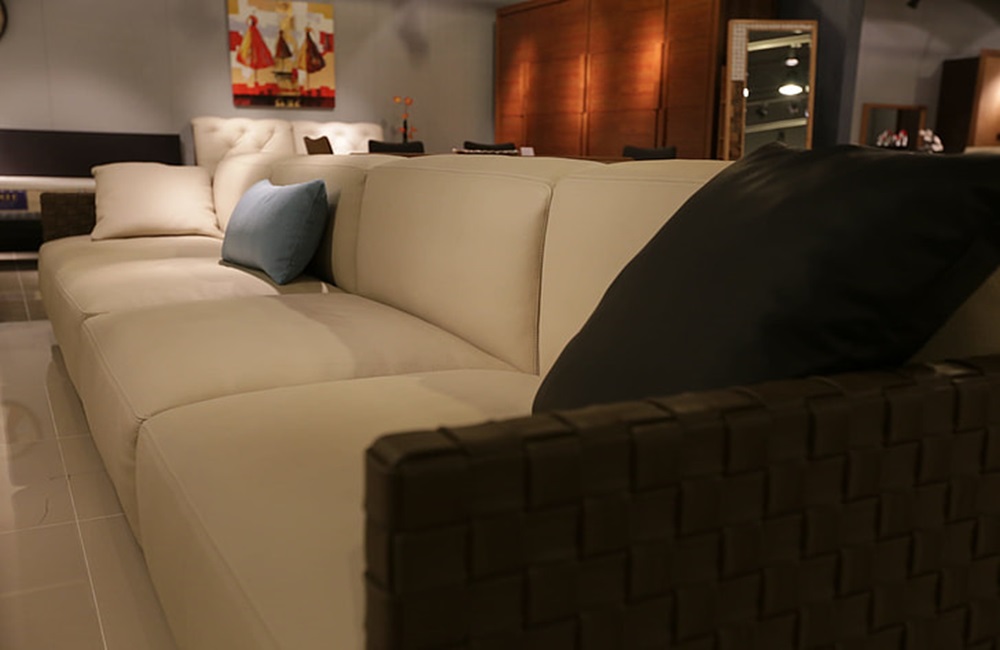
Imagine enjoying luxurious style without worrying about everyday wear and tear, spills, or stains. Performance fabric comfort design prioritizes high-quality, durable materials that maintain their beauty while withstanding the demands of active family life. Advanced performance fabrics offer superior stain resistance, durability, and easy cleaning without sacrificing comfort or visual appeal. Sectional sofas and armchairs feature performance upholstery in sophisticated colors and patterns that effortlessly complement any design aesthetic. The furniture layout is designed with comfort and functionality in mind, incorporating deep seating, oversized cushions, and family-friendly arrangements that accommodate daily use. Storage solutions include washable throw pillows and blankets that add style while remaining practical. Color schemes are carefully crafted to work in harmony with performance fabrics’ capabilities, often featuring darker or patterned options that hide wear while maintaining sophistication. Modern cleaning and care techniques ensure that performance fabrics remain looking new for longer than traditional options. This approach creates beautiful, worry-free living spaces where style and practicality coexist in perfect balance, making them an ideal choice for families seeking both elegance and functionality.
20. Architectural Layering Strategies
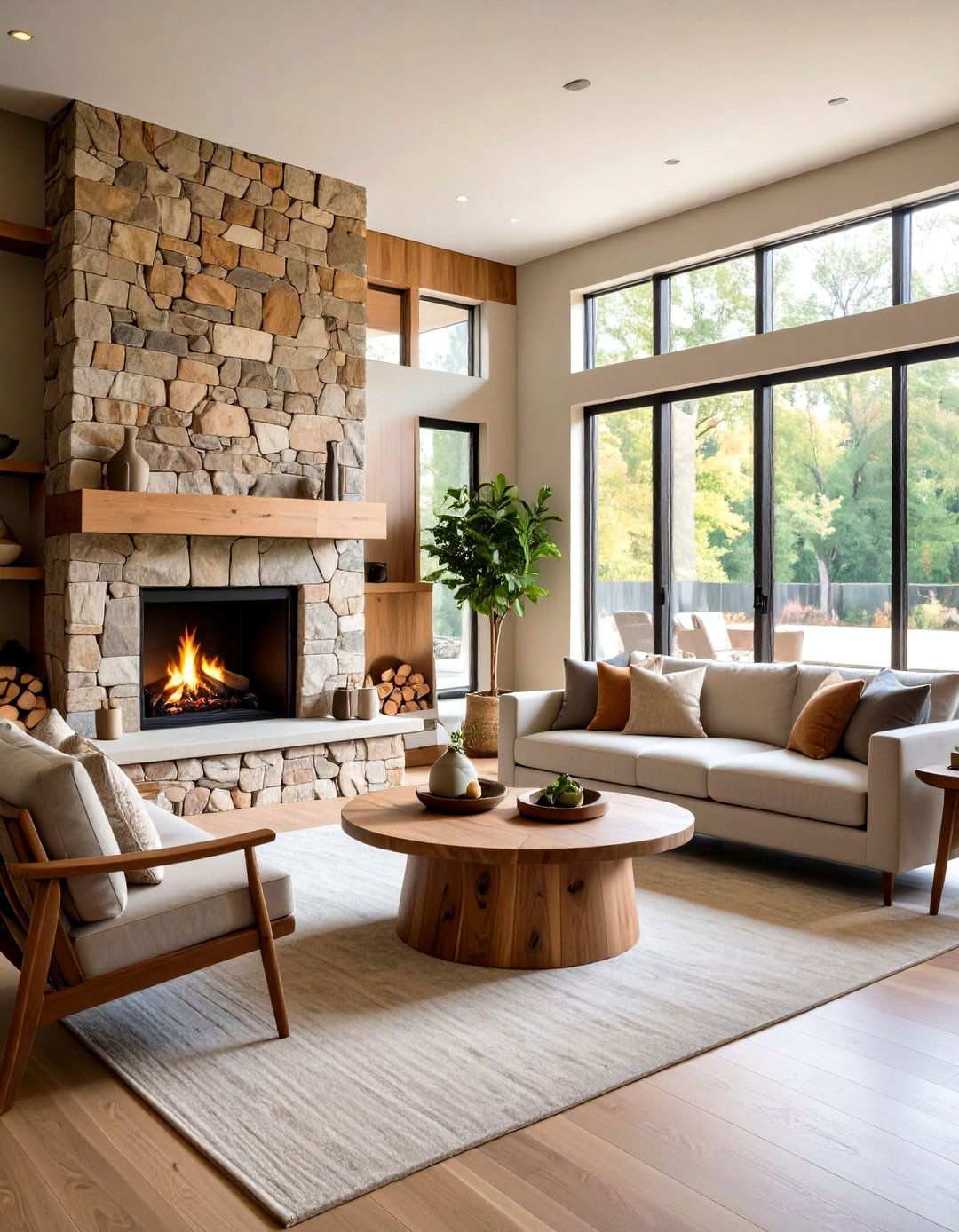
Large living rooms can be reimagined through deliberate architectural changes, reshaping its proportions and fostering more private gathering spaces. By incorporating tiered floor levels, designers create distinct areas within the room while maintaining fluid connections between them. A sunken conversation pit can be designed around a fireplace, creating an intimate seating area, while elevated sections can be designated for formal entertaining spaces or home offices. Built-in seating elements seamlessly integrate with architectural changes, amplifying the visual impact of level variations. Flooring materials with varying textures and colors differentiate between levels while maintaining a cohesive visual flow. Strategic lighting placement highlights architectural features, using recessed fixtures to emphasize level changes and pendant lights to define distinct zones. Careful furniture selection works within architectural constraints while accentuating the dramatic effect of level variations. Intuitive storage solutions are integrated into architectural elements, such as built-in cabinets and shelving that follow the room’s structural lines. This approach yields dynamic, visually captivating living spaces that convey a sense of grandeur and intimacy, demonstrating the transformative power of architectural modifications in enhancing large room functionality and appeal.
21. Social Hubs for Entertainment
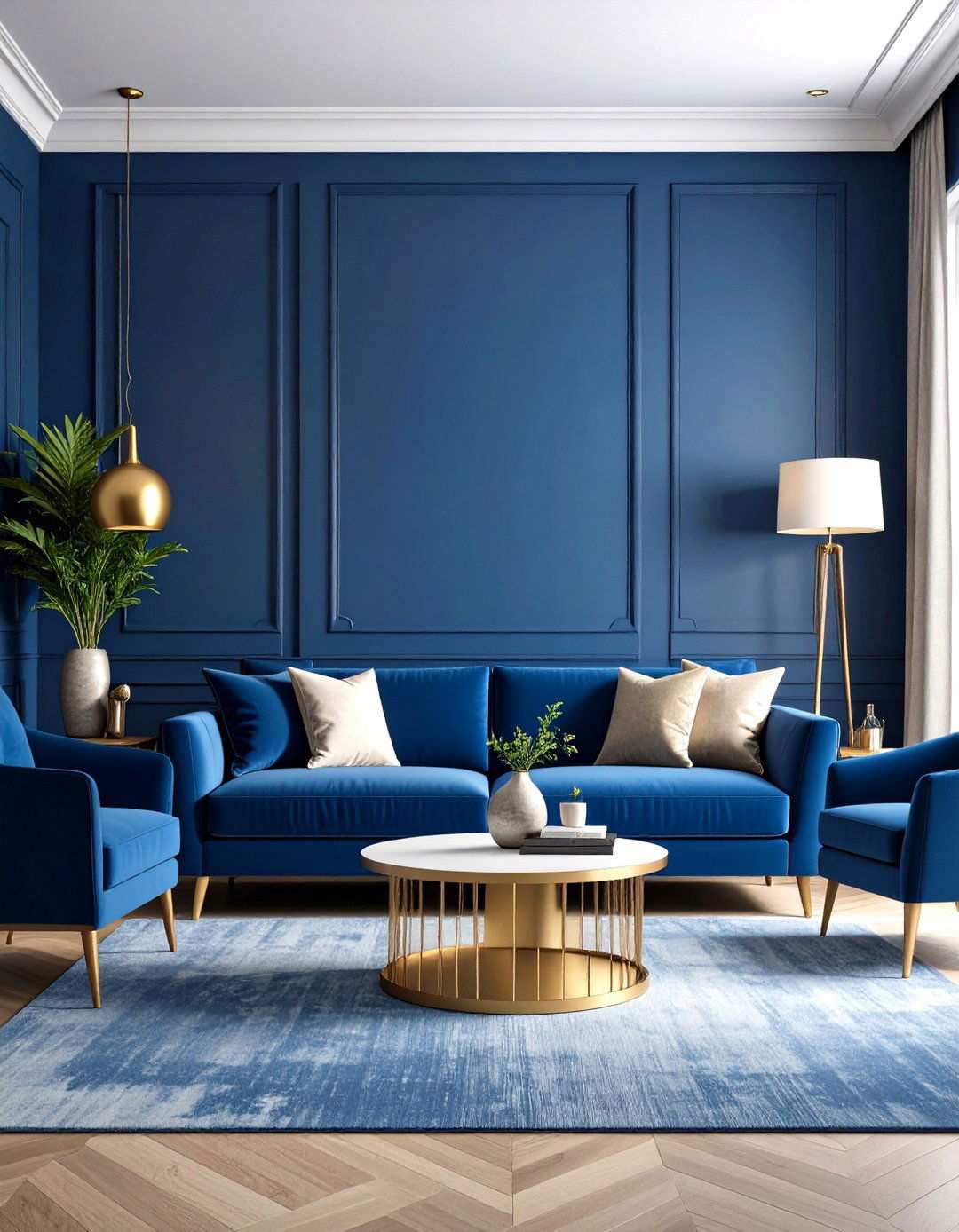
Hosting gatherings where conversation and beverage flow seamlessly can be a reality through deliberate design choices. Bar cart entertainment design creates a central social hub in the living room, tailored for hosting. Strategically positioned stylish bar carts offer convenient access to drinks and glassware during gatherings, while built-in wine storage and display areas showcase collections while keeping bottles easily accessible. Game tables and entertainment areas provide engaging activities that encourage mingling and conversation. Seating arrangements prioritize social interaction, with conversation clusters rather than television-focused layouts. Thoughtful storage solutions accommodate entertaining essentials, from extra glassware to party games and serving pieces. Lighting design creates a warm ambiance suitable for evening entertaining, with dimmable options and accent lighting that enhances the party atmosphere. Subtly integrated sound systems provide background music without overpowering conversation. This approach yields living spaces specifically designed for entertaining, where hosts can provide exceptional hospitality while enjoying their own gatherings in spaces that facilitate natural social interaction.
22. Woven Narratives of the Past
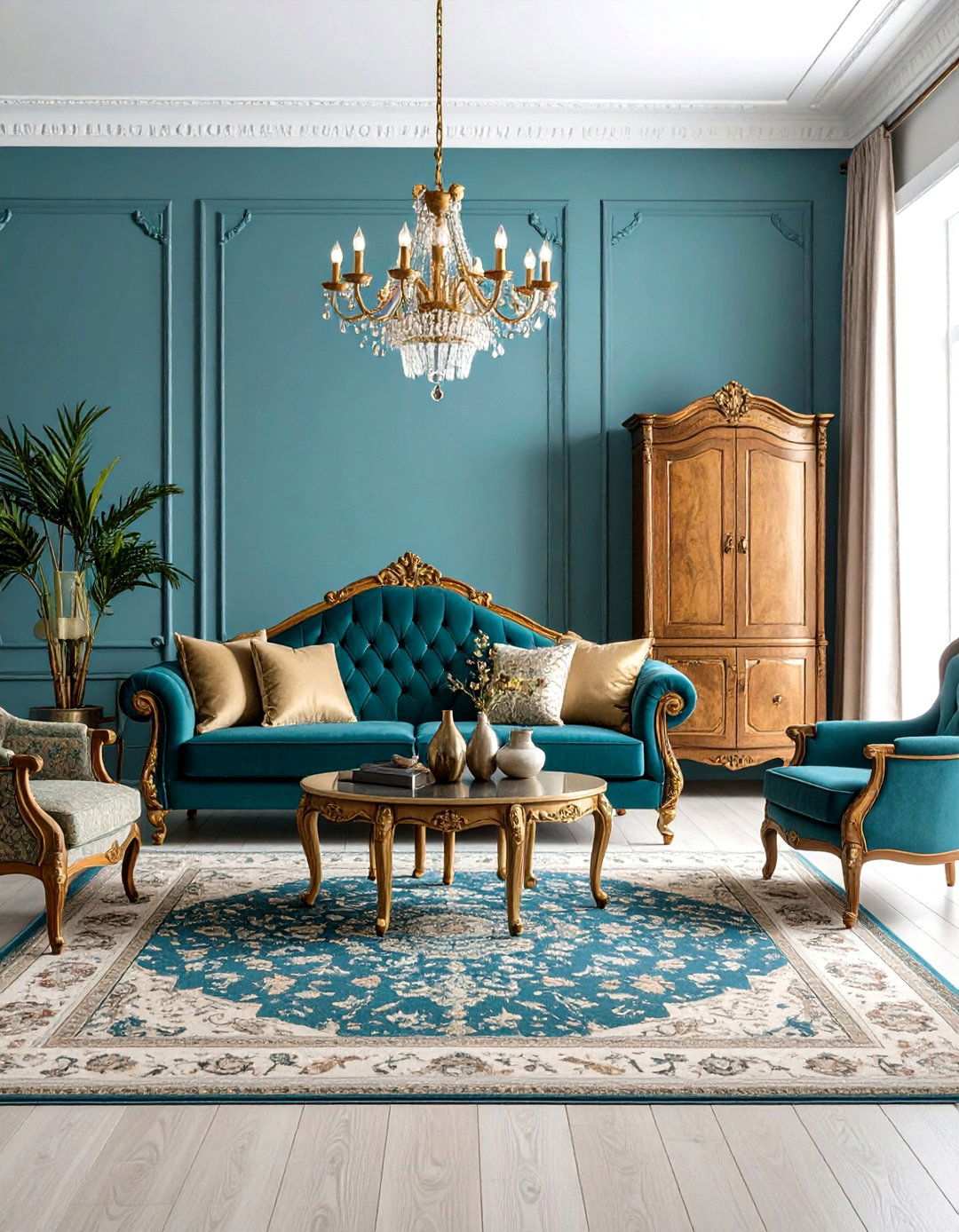
A living room can be a vibrant tapestry of stories, woven from threads of traditional patterns and handcrafted elements that celebrate cultural heritage. This approach to design, known as folk-inspired textiles, draws from the rich traditions of embroidery, South American textiles, and handcrafted elements. By incorporating these elements, you can add a global perspective and artistic interest to your contemporary living space. From the intricate patterns of Peruvian weavings to the vibrant colors of Moroccan rugs, textiles from around the world can add a unique and personal touch to your home. A thoughtful color palette, featuring rich jewel tones, earthy oranges, and vibrant blues balanced with neutral foundations, provides a beautiful backdrop for your textile artistry. By selecting furniture with clean lines and minimal ornamentation, you can create a clean canvas for your handcrafted elements to take center stage. Artwork and decorative objects can then be chosen to complement the textile themes, adding a touch of sophistication to the space. The layered textures and varied weaving techniques add depth and visual interest to the design, creating a unique and personalized living space that honors traditional craftsmanship.
23. Illuminating Luxury
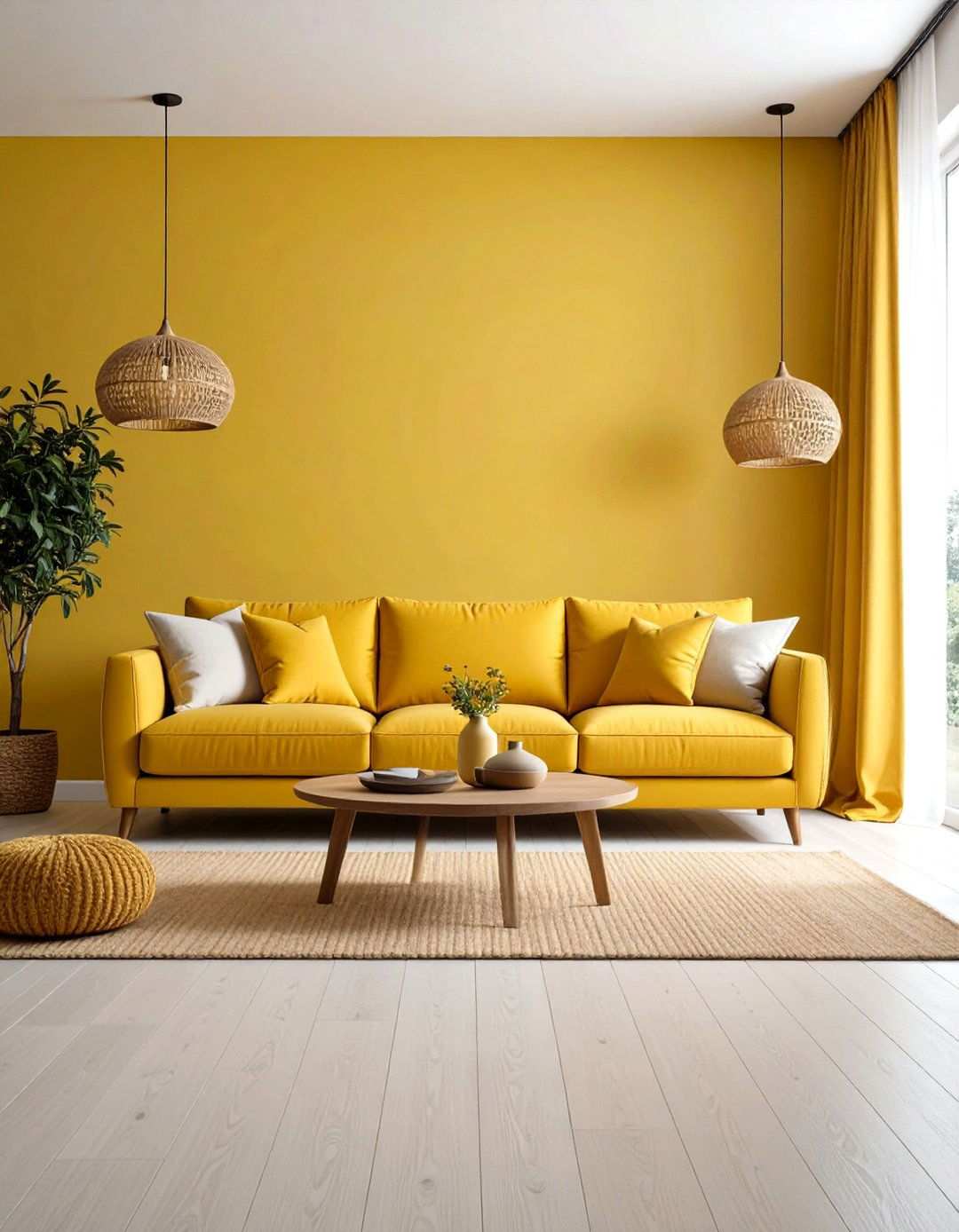
A living room can be transformed from ordinary to extraordinary by the subtle yet striking presence of warm metallic accents. This design approach incorporates gold, bronze, and copper elements throughout the space, adding a sense of luxury and sophistication while maintaining a warm and approachable feel. Lighting fixtures, such as brass chandeliers and copper table lamps, provide both illumination and decorative impact, drawing the eye and creating a sense of drama. Hardware elements, including cabinet pulls, switch plates, and decorative accessories, can be coordinated in matching metallic finishes to create a sense of cohesion and harmony. Furniture can also incorporate metallic elements through legs, frames, and accent details, adding a touch of glamour without overwhelming the overall design. A well-chosen color palette, featuring neutral backgrounds and jewel-tone accents, complements the warm metals and enhances their beauty. By carefully coordinating mixed metallic finishes, you can create visual interest without sacrificing sophisticated harmony. The reflective surfaces of metallic elements can also enhance natural and artificial light, making the space feel brighter and more dynamic. This approach adds instant elegance and warmth to large living rooms, proving that metallic elements can be a powerful design tool when used thoughtfully.
24. Merging Interior and Exterior Environments
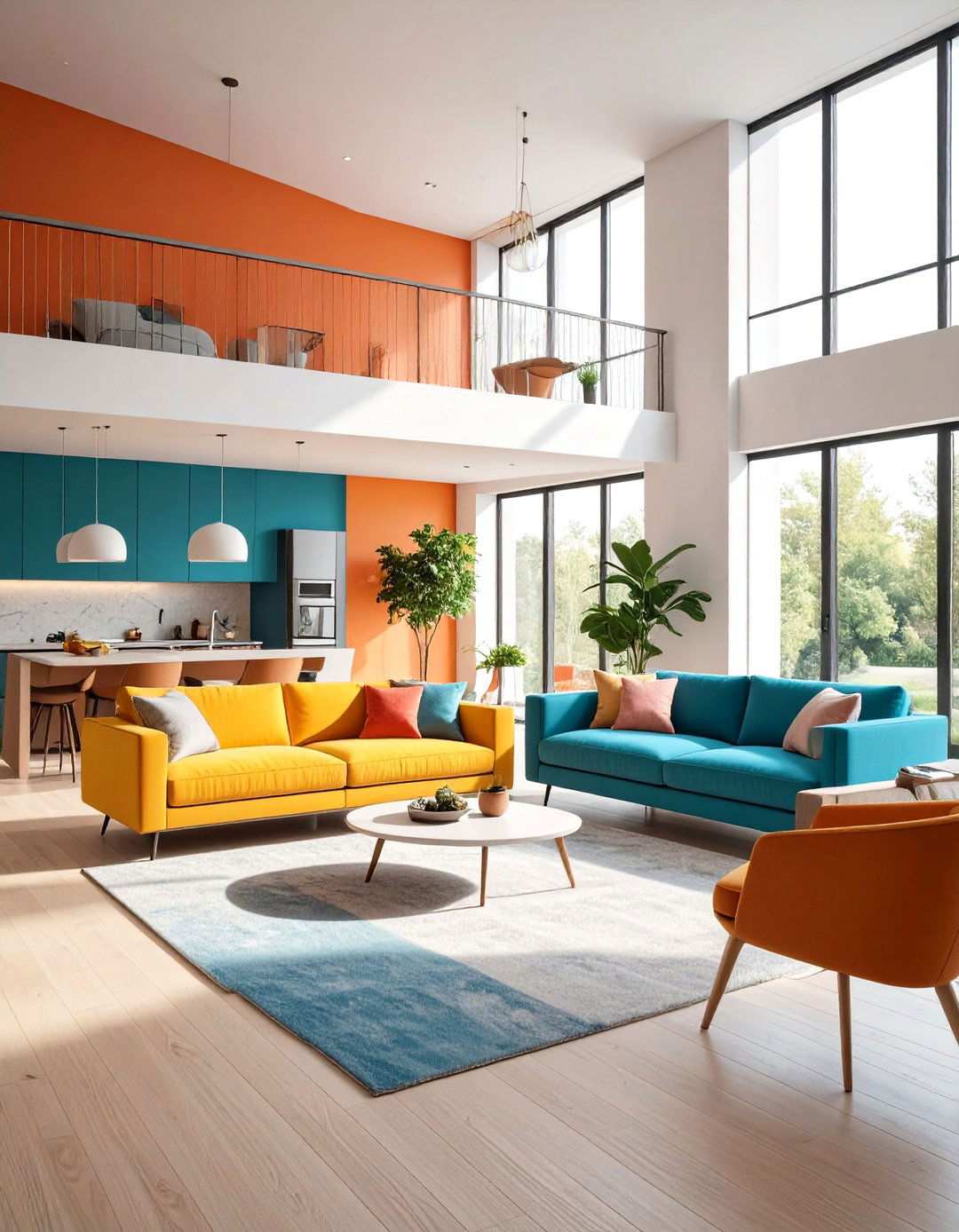
Effective outdoor-indoor flow design can dissolve the boundaries between interior and exterior living areas, fostering a seamless connection with nature. By creating effortless transitions between the living room and outdoor spaces, this design approach expands the usable area while bringing natural elements into the home. When weather permits, large sliding or folding glass doors can open completely, merging the interior and exterior spaces into a single, cohesive area. To maintain visual continuity, furniture styles are consistently chosen for both indoor and outdoor areas, with weather-resistant materials that thrive in both environments. The color palette draws inspiration from natural outdoor settings, incorporating soothing hues such as sky blues, plant greens, and earth tones that complement both spaces. Flooring materials either continue seamlessly from interior to exterior or coordinate closely to maintain visual flow between areas. The incorporation of plants and natural elements in both indoor and outdoor spaces creates a sense of continuity and connection with nature. Lighting design plays a crucial role in accommodating both spaces, with fixtures that work effectively in indoor and outdoor settings. Entertaining areas that span both spaces allow gatherings to expand and contract naturally based on the weather and guest preferences, creating expanded living spaces that celebrate the connection between home and nature.