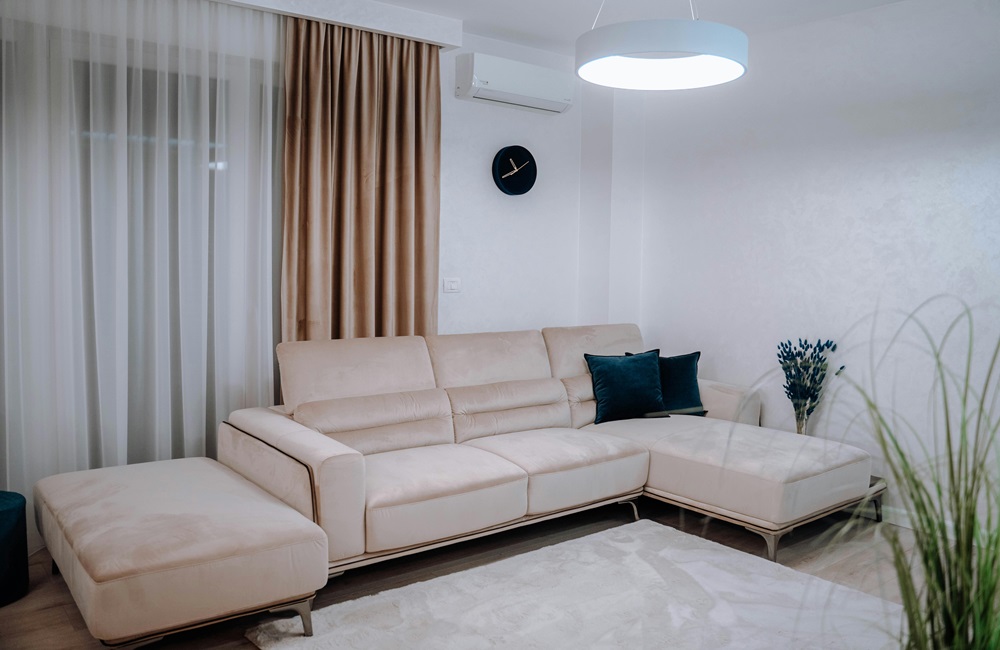
1. Unadorned Spaces for the Soul
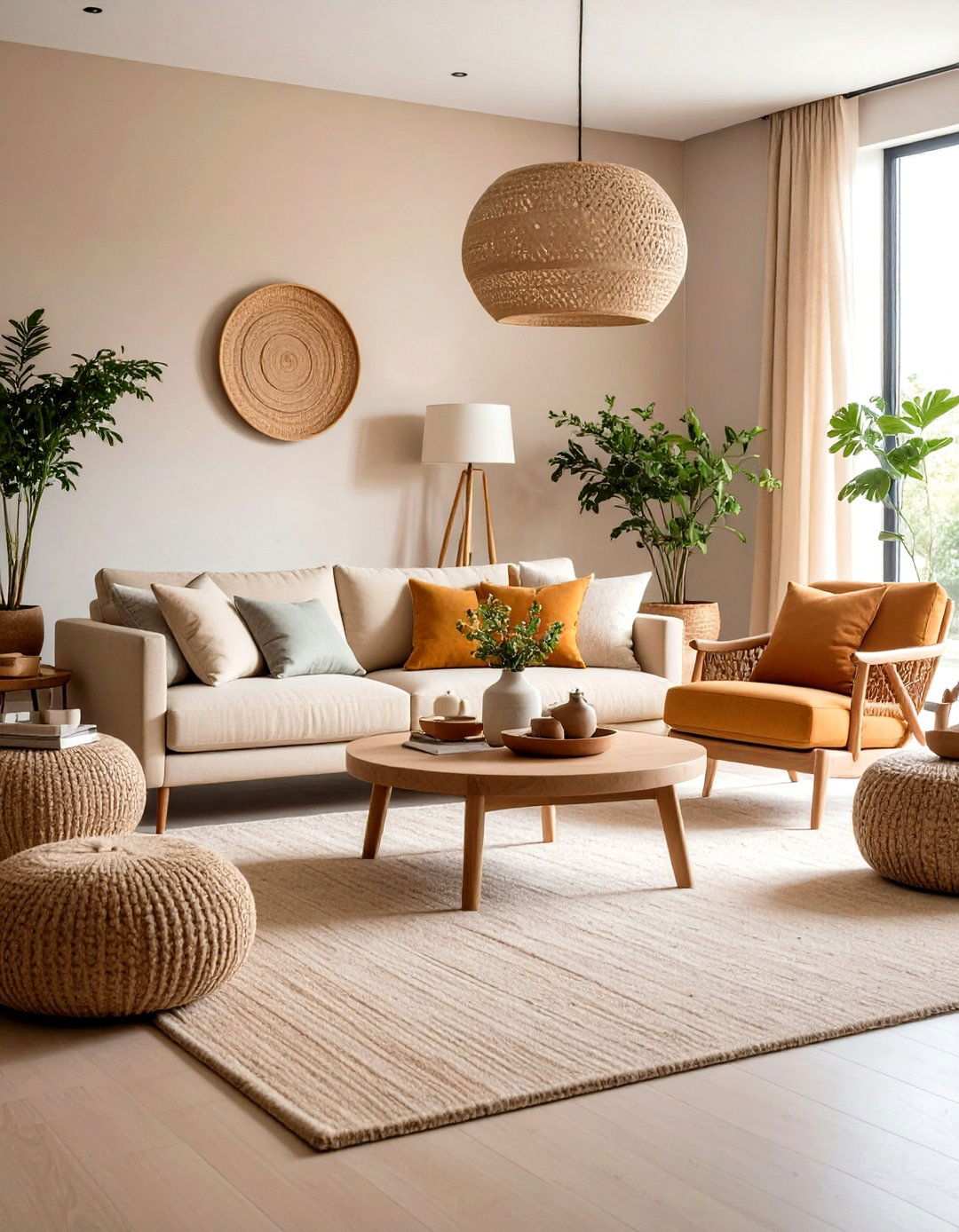
Step into a living room where simplicity becomes the cornerstone of serenity. By stripping away the non-essential, we uncover the inherent beauty of a space that invites the mind to unwind. Zen living room design takes its cue from ancient philosophies, advocating for an uncluttered environment that awakens a sense of inner peace. By curating a thoughtful selection of furniture, we can create a sanctuary that redefines the boundaries between chaos and calm. By embracing the principles of simplicity and restraint, we can transform our living spaces into a reflection of our true selves.

As an Amazon Associate I earn from qualifying purchases.
2. Soft Hues for a Serene Atmosphere
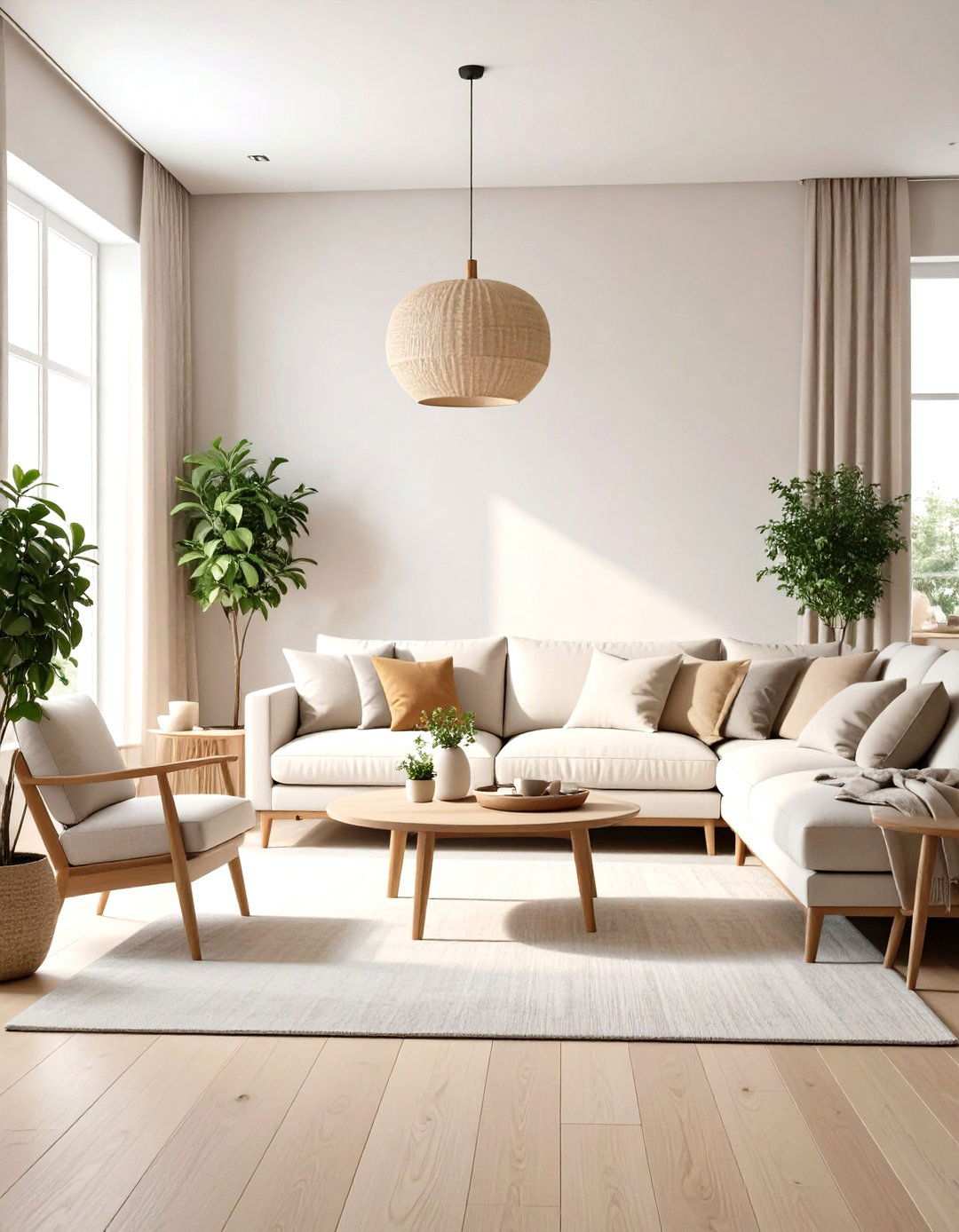
What happens when we surround ourselves with colors that whisper calmness, rather than shouting vibrancy? Neutral color palettes have the power to create an atmosphere that soothes our senses, making us feel at one with nature. Warm whites, gentle grays, and soft beiges blend together to create a harmonious backdrop that sets the tone for relaxation. These muted tones work in tandem to create a sense of continuity, making each element feel like a natural extension of the space. By embracing a monochromatic approach, we can establish a peaceful foundation that underpins the essence of a zen living room.
3. Harmonious Wood Accents
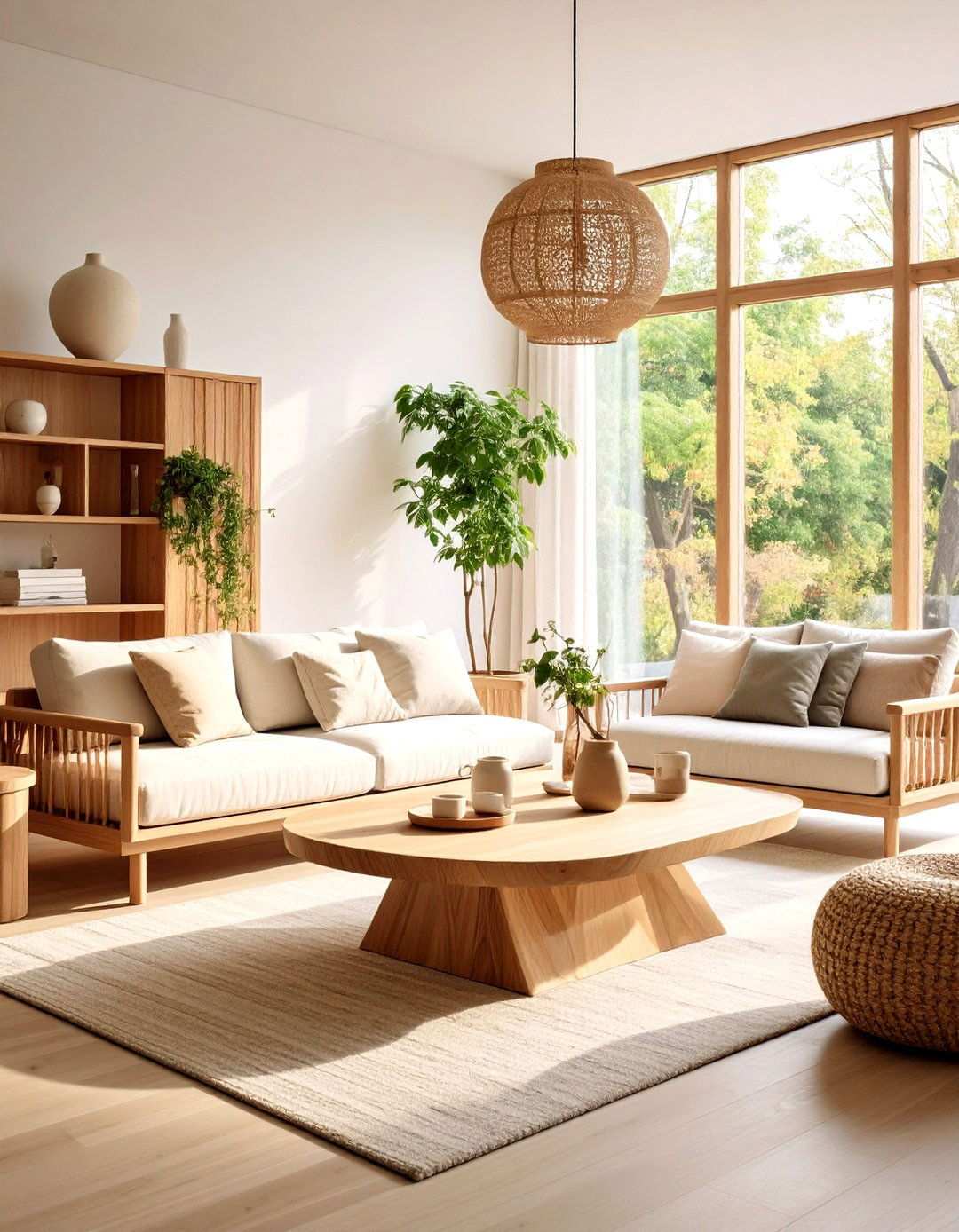
The presence of natural wood elements brings a soothing ambiance to zen living spaces, fostering a connection to the earth’s calming influence. Integrate light woods such as bamboo, oak, or maple through statement pieces, shelving units, and coffee tables. Opt for furniture with clean profiles that showcase the wood’s inherent beauty, rather than heavily stained or painted wood that conceals natural grain patterns. Wooden floors, exposed beams, or wall paneling can add architectural interest while maintaining a sense of serenity. The subtle variations in wood grain provide a visually appealing texture that enhances the peaceful atmosphere, creating a sense of authenticity and timeless elegance.
4. Grounding Floor Seating
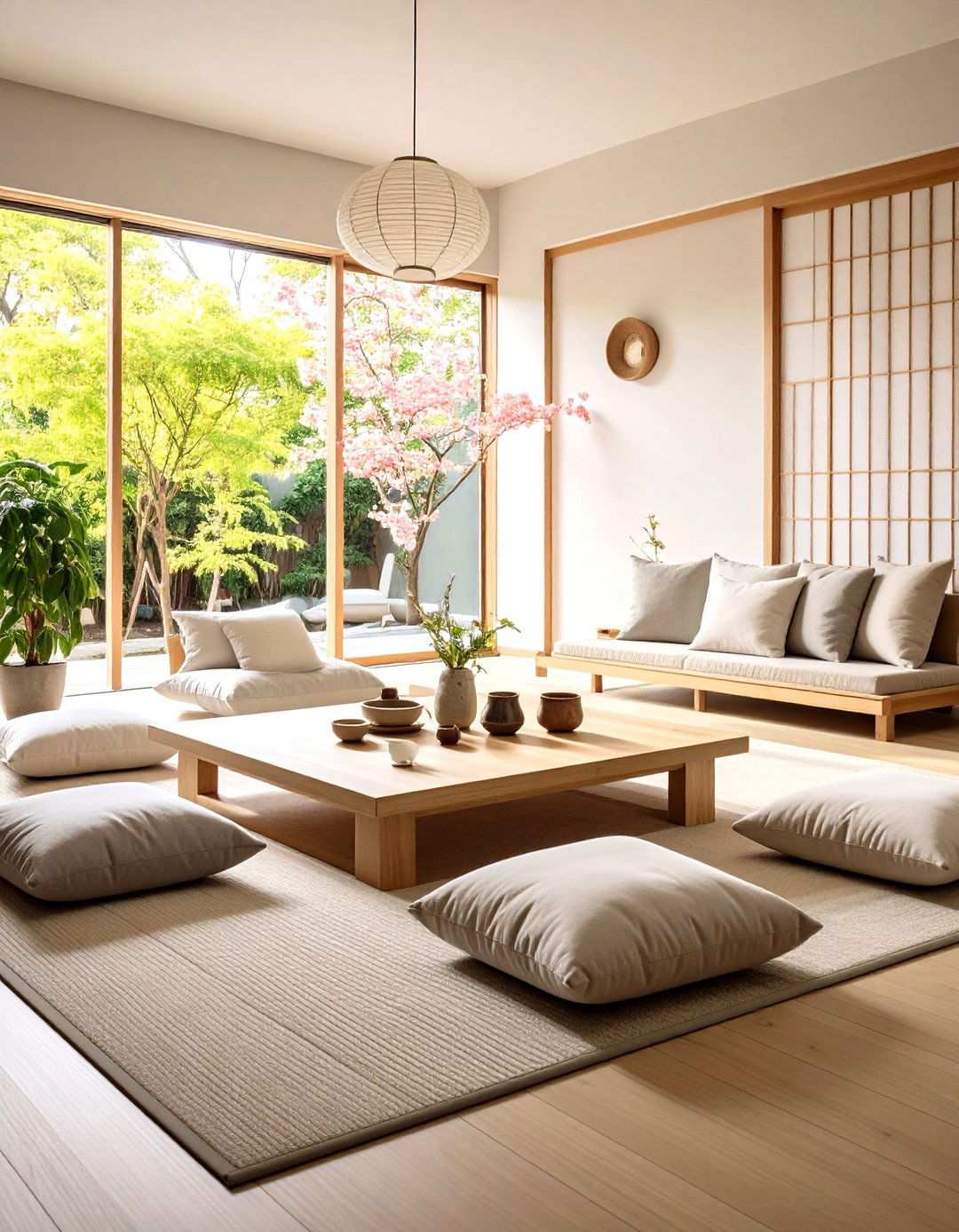
Reclining closer to the ground can profoundly alter one’s perspective and promote mindfulness. Floor seating options like meditation cushions, tatami mats, and low platforms create an intimate atmosphere that encourages relaxation and introspection. Japanese-style floor cushions arranged around a low table foster engaging conversations and contemplative moments. Large, plush floor pillows offer flexible seating that can be easily rearranged or stored away, providing a comfortable seating solution. Consider incorporating a raised platform area with built-in cushions to define seating zones and create a sense of connection to the earth while maintaining comfort. This approach naturally encourages better posture and mindful sitting practices.
5. Nature-Inspired Plant Arrangements
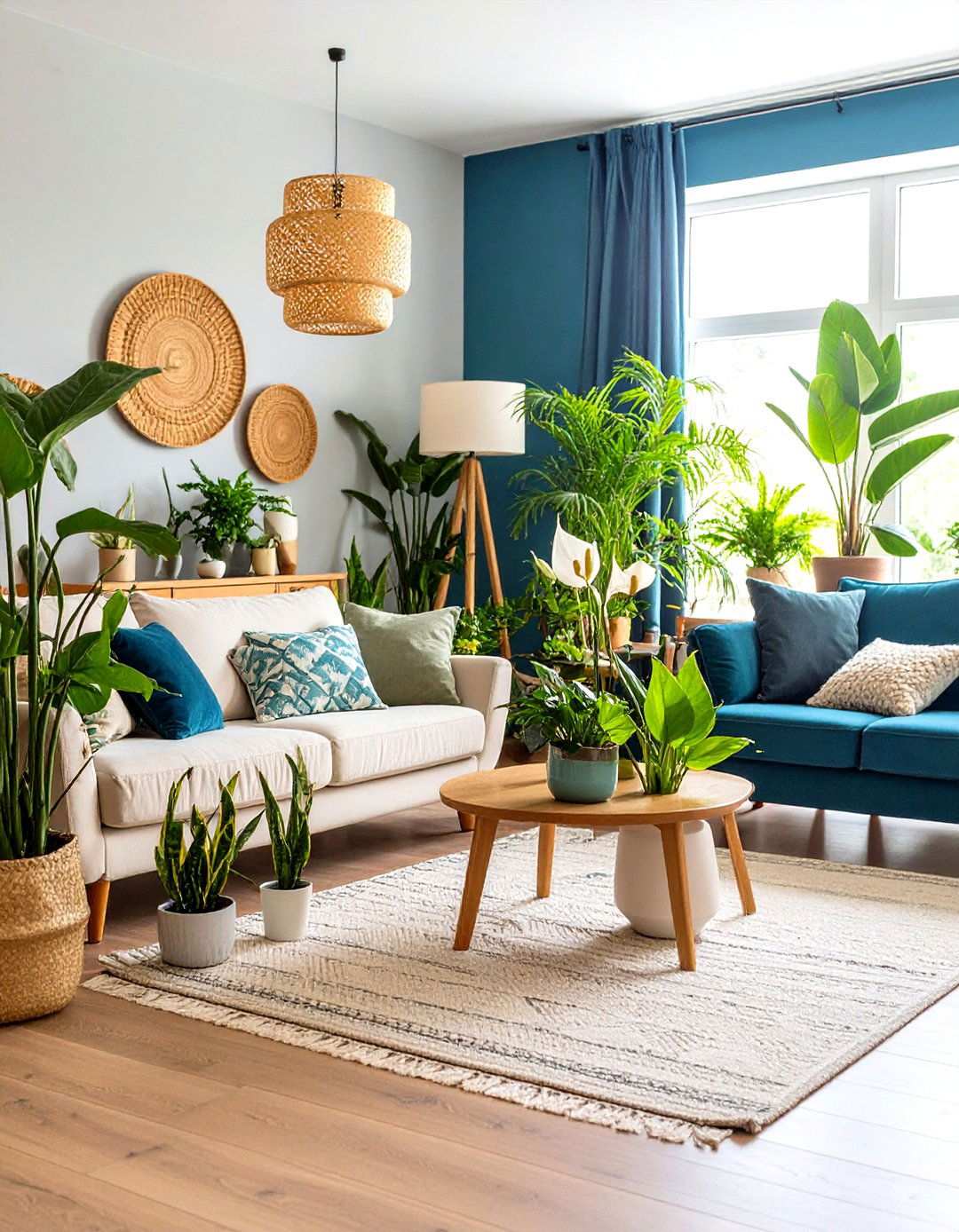
Living plants infuse zen spaces with life and vitality, purifying the air and adding natural color variations. Select low-maintenance plants such as peace lilies, snake plants, or bamboo that thrive in indoor conditions. Group plants of varying heights to create visually appealing layers without cluttering the space. Use simple, natural planters made from materials like ceramic, wood, or woven fibers. Position plants near windows to maximize natural light exposure and enhance their beauty. A single statement plant like a large fiddle leaf fig can serve as a living sculpture, connecting your interior space to the natural world and promoting feelings of tranquility and well-being.
6. Ambient Lighting Design
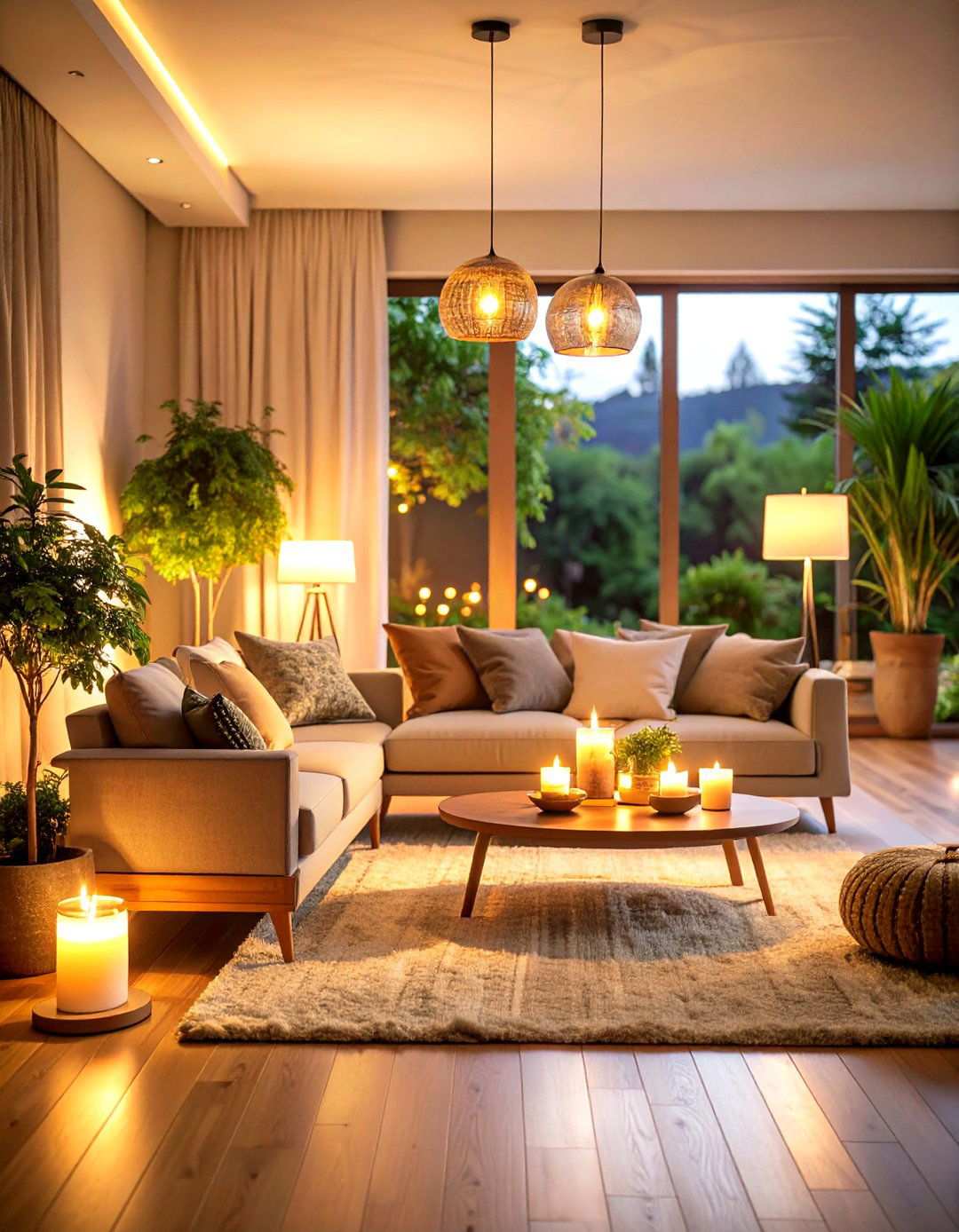
Notice how gentle lighting can instantly transform a room’s mood and energy? Soft ambient lighting creates the warm, inviting atmosphere essential for zen living rooms. Layer different light sources, including table lamps, floor lamps, and candles, to achieve balanced illumination. Utilize warm LED bulbs or soft white lighting that mimics natural sunlight to create a soothing ambiance. Avoid harsh overhead fixtures that produce stark shadows and opt for softer alternatives. Paper lanterns, Himalayan salt lamps, and rice paper lampshades diffuse light beautifully while adding textural interest. Dimmable lighting allows you to adjust brightness throughout the day, enhancing relaxation and mindfulness practices.
7. Harmonious Water Elements
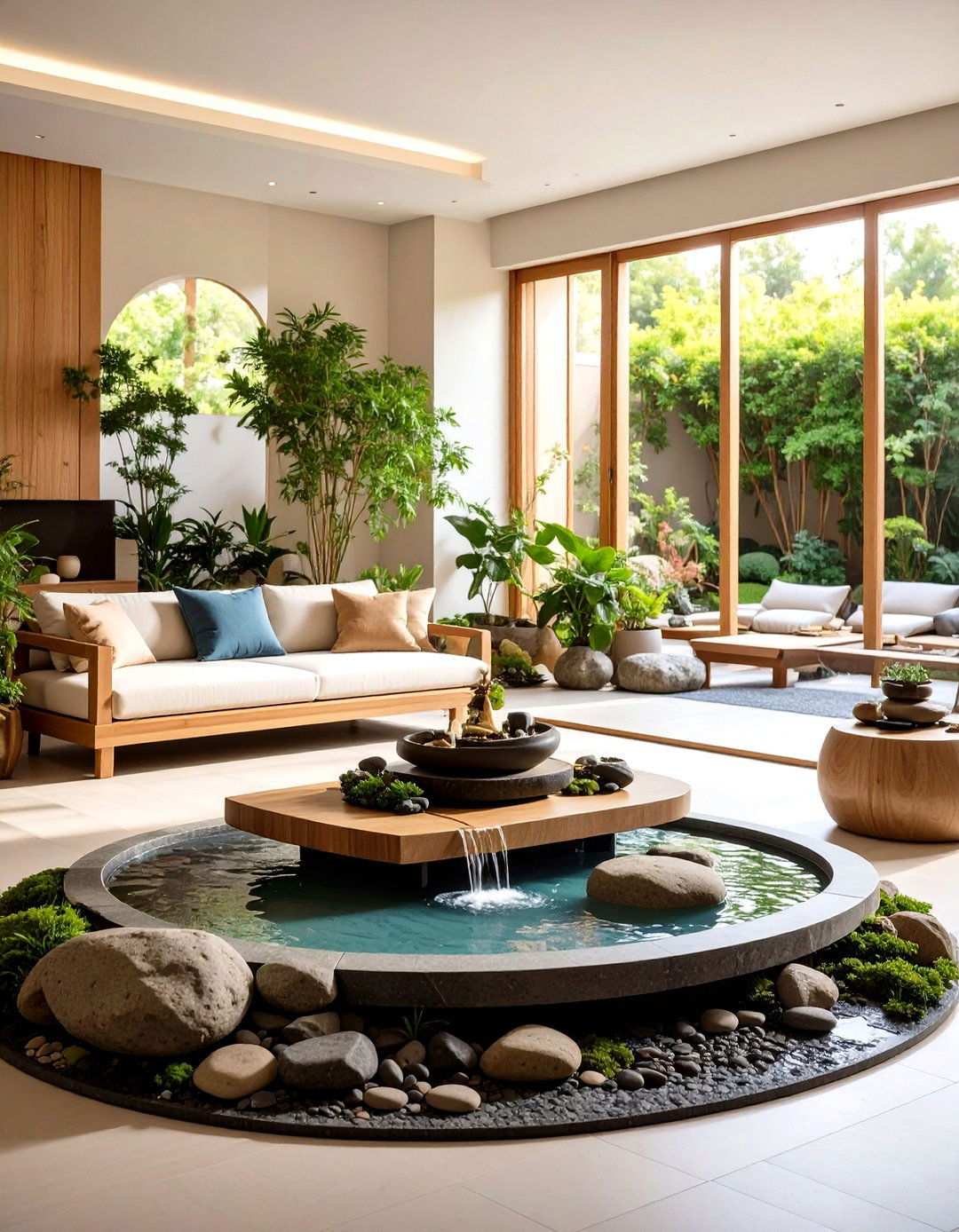
The soothing sound of gently flowing water is a hallmark of serenity in zen living spaces. Adding tabletop fountains, wall-mounted water features, or desktop zen gardens with flowing elements creates a multisensory experience that calms the mind. Opt for water features crafted from natural materials such as stone, bamboo, or ceramic that harmonize with your design palette. Strategically place water elements in areas where they can be easily seen and heard, striking a balance between visual appeal and spatial harmony. The melodic sound of moving water effectively masks household noises, fostering a meditative atmosphere that promotes relaxation and inner peace.
8. Bamboo Elements for Zen Living
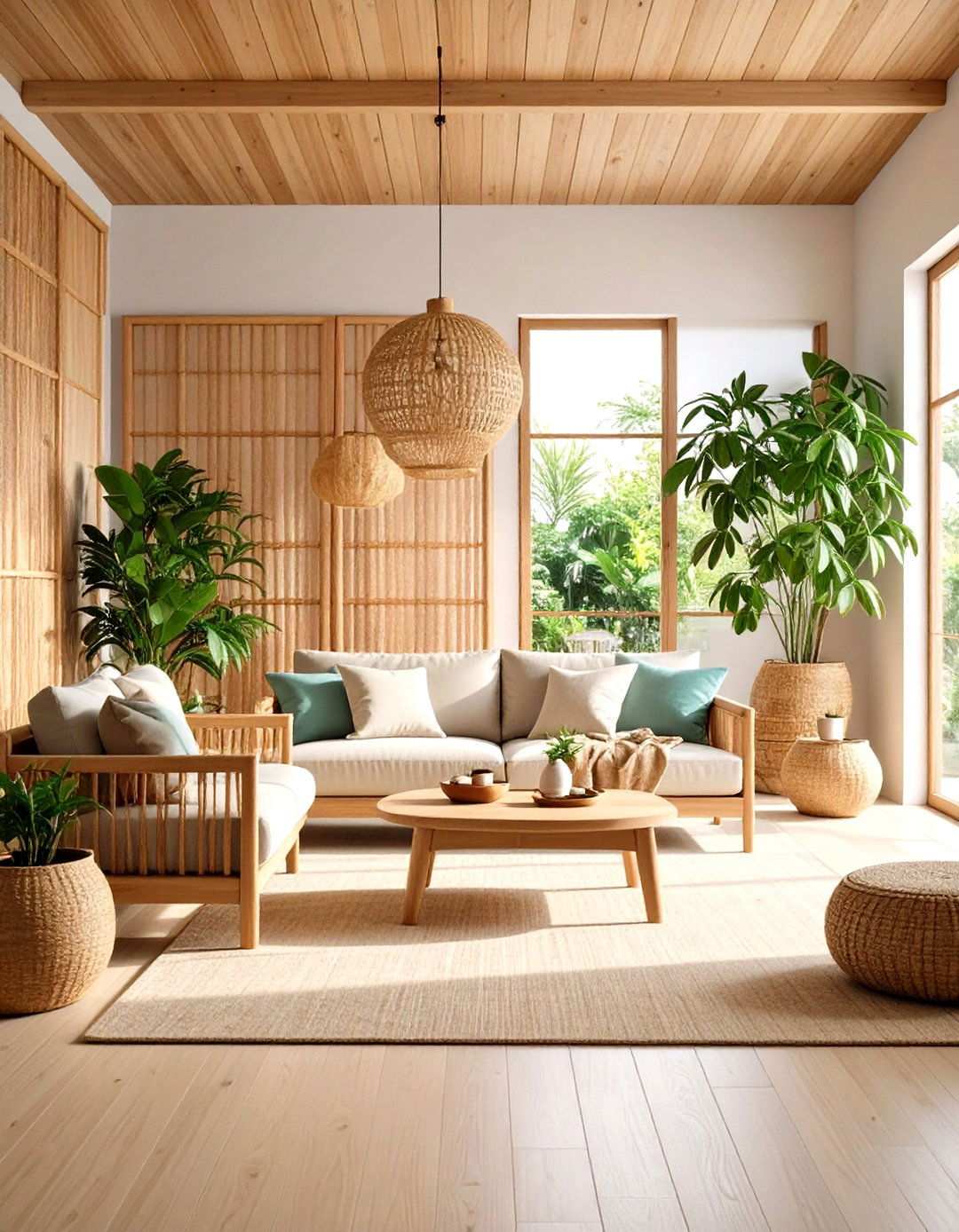
Bamboo, with its versatility and sustainability, embodies the essence of zen principles. Bamboo accent pieces bring authentic Asian flair to living rooms through a range of products, including screens, blinds, storage baskets, and decorative objects. Use bamboo room dividers to create functional spaces without obstructing natural light. Bamboo window treatments filter sunlight while maintaining a sense of seclusion. Storage baskets woven from bamboo provide practical organization solutions that seamlessly integrate with zen aesthetics. Small bamboo accessories like picture frames or vases add subtle texture without visual weight, while their light color and natural grain enhance the organic feel and support eco-friendly living principles.
9. Designating a Meditation Space
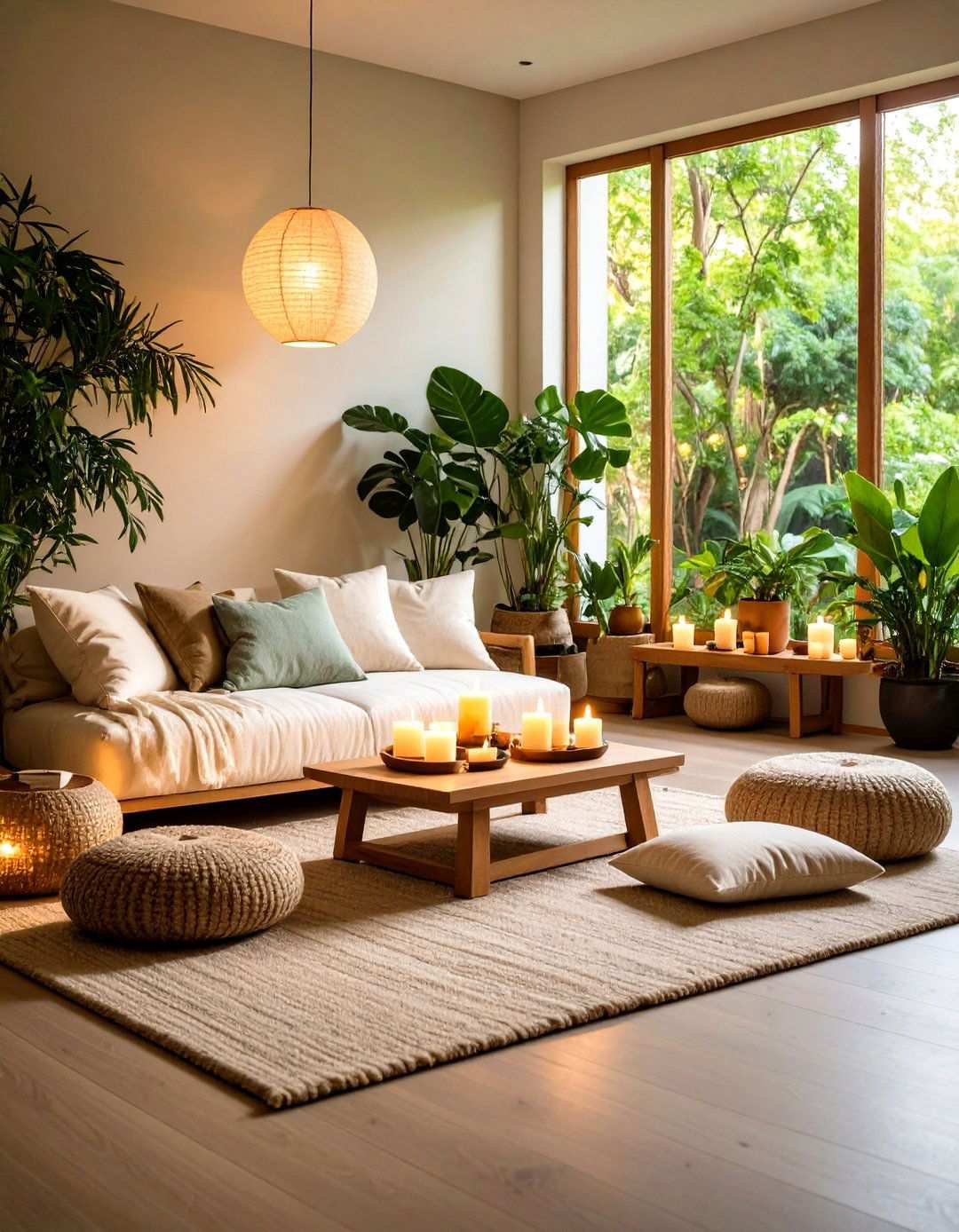
Incorporating a dedicated meditation corner within your living room creates a sacred sanctuary for mindfulness practice. Identify a quiet area away from high-traffic zones and equip it with a comfortable meditation cushion or small chair. Add a low side table for essential items such as candles, incense, or inspiring literature. Incorporate a small plant or natural element to foster a deeper connection to nature. Ensure this area remains free from electronic devices and distractions. Use soft textiles like a small area rug to define the space and create a cozy atmosphere. This designated corner serves as a daily reminder to pause, breathe, and cultivate inner peace.
10. Discreet Storage Solutions
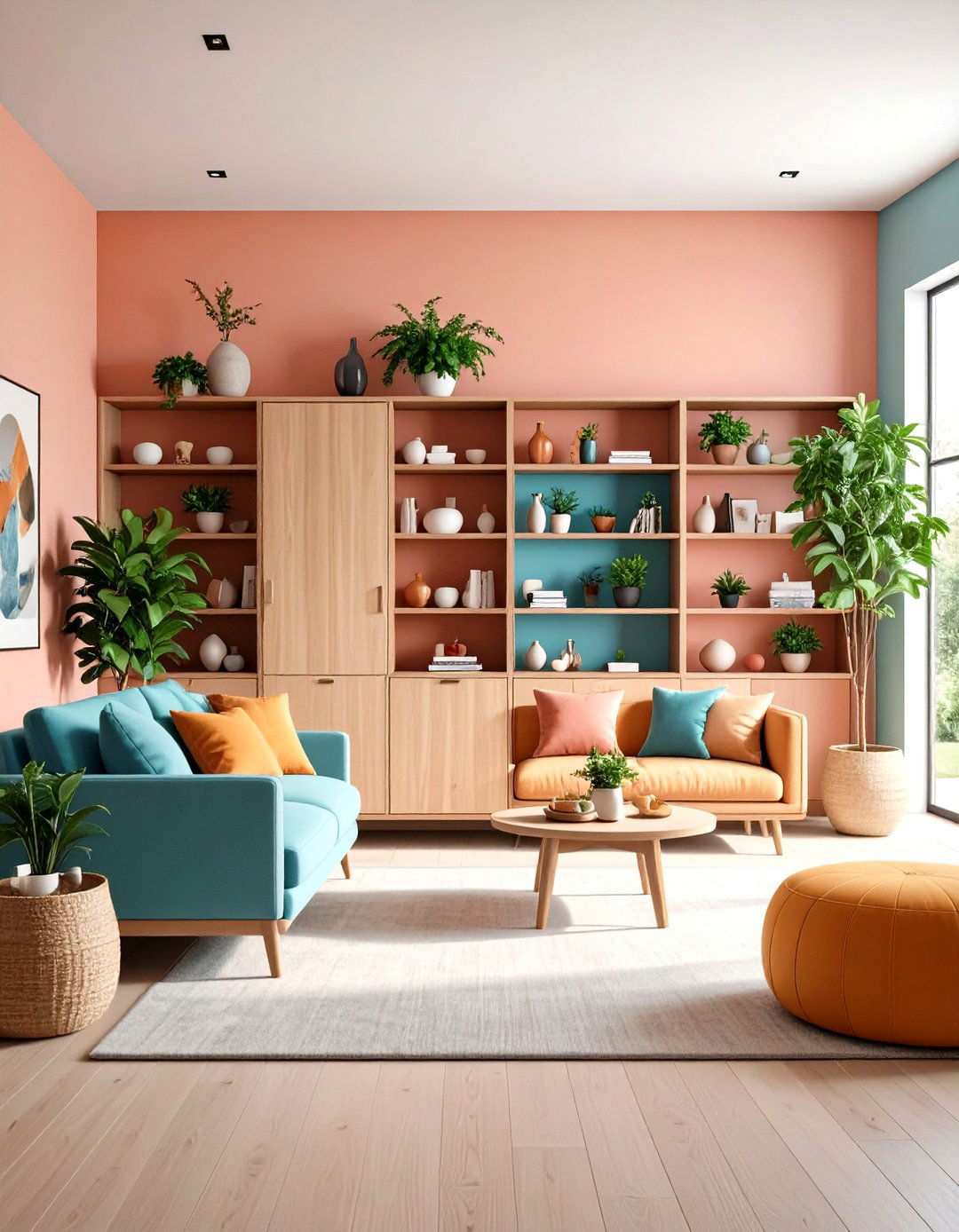
Maintaining zen simplicity while still storing necessary items can be a challenge. Hidden storage solutions preserve the clean lines and uncluttered surfaces essential to zen design. Built-in cabinets, storage ottomans, and concealed shelving keep belongings organized without disrupting the visual flow. Choose storage furniture with smooth, unadorned surfaces that seamlessly blend with your decor. Under-seating storage benches provide dual functionality while maintaining minimalist aesthetics. Wall-mounted shelving with cabinet doors discreetly hides everyday items while showcasing carefully chosen decorative objects. These innovative solutions ensure your living room remains serene, spacious, and clutter-free, accommodating practical storage needs with ease.
11. Timeless Earth Tones
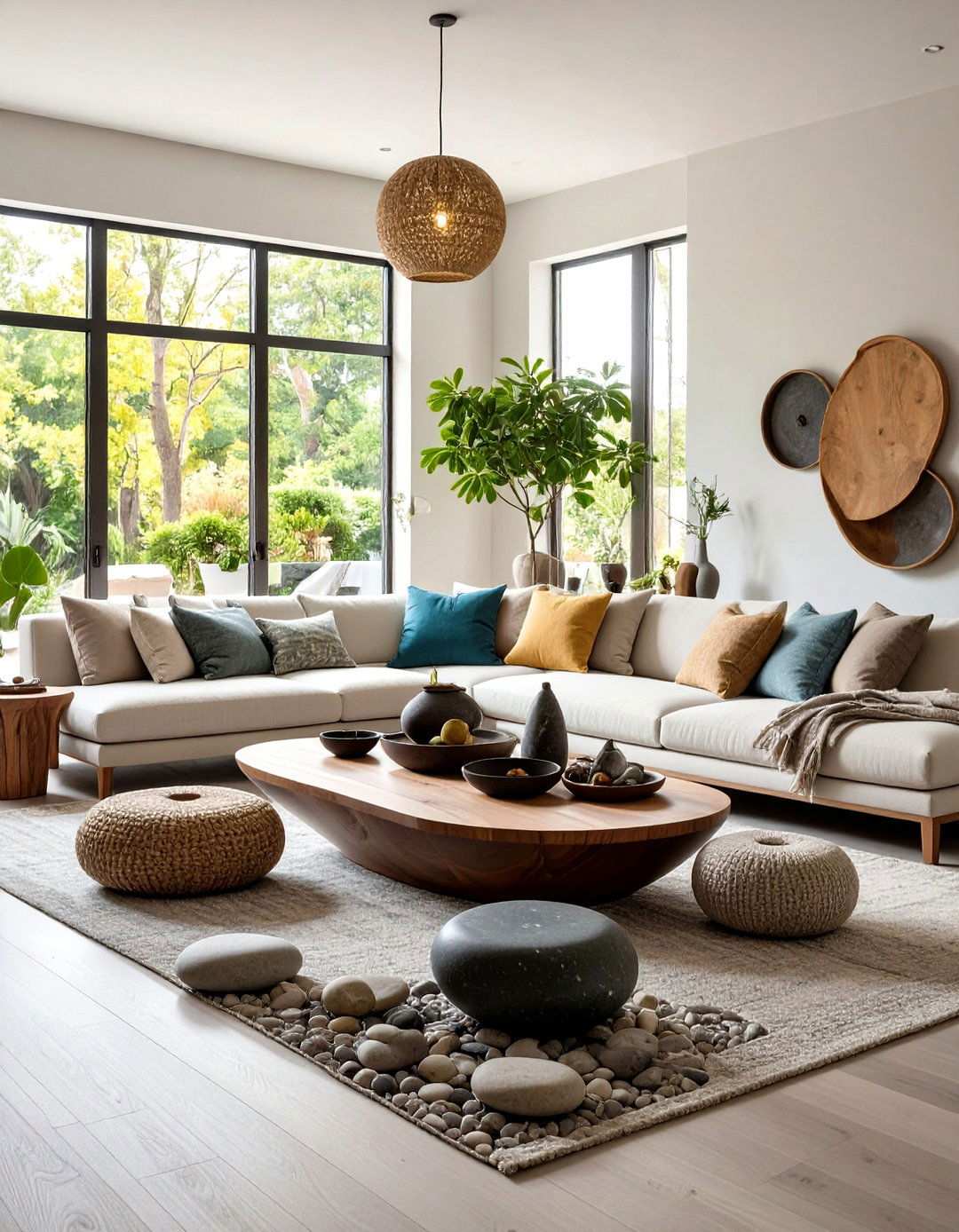
Incorporating natural stone elements into your zen living room can evoke a profound sense of connection to the earth’s energy. By showcasing river rocks, slate tiles, or marble accents in decorative bowls or coffee table displays, you can create a serene ambiance that’s both timeless and grounding. These natural elements seamlessly blend with neutral color palettes, adding textural contrast to your soft furnishings while maintaining a sense of calm. A beautifully designed stone water feature or zen garden can serve as a thought-provoking focal point, inviting contemplation and mindfulness. To maximize the benefits of these natural accents, opt for stones with smooth, weathered surfaces that invite touch and promote a sense of connection to the earth’s ancient geological processes. (99 words)
12. Harmonious Room Divisions
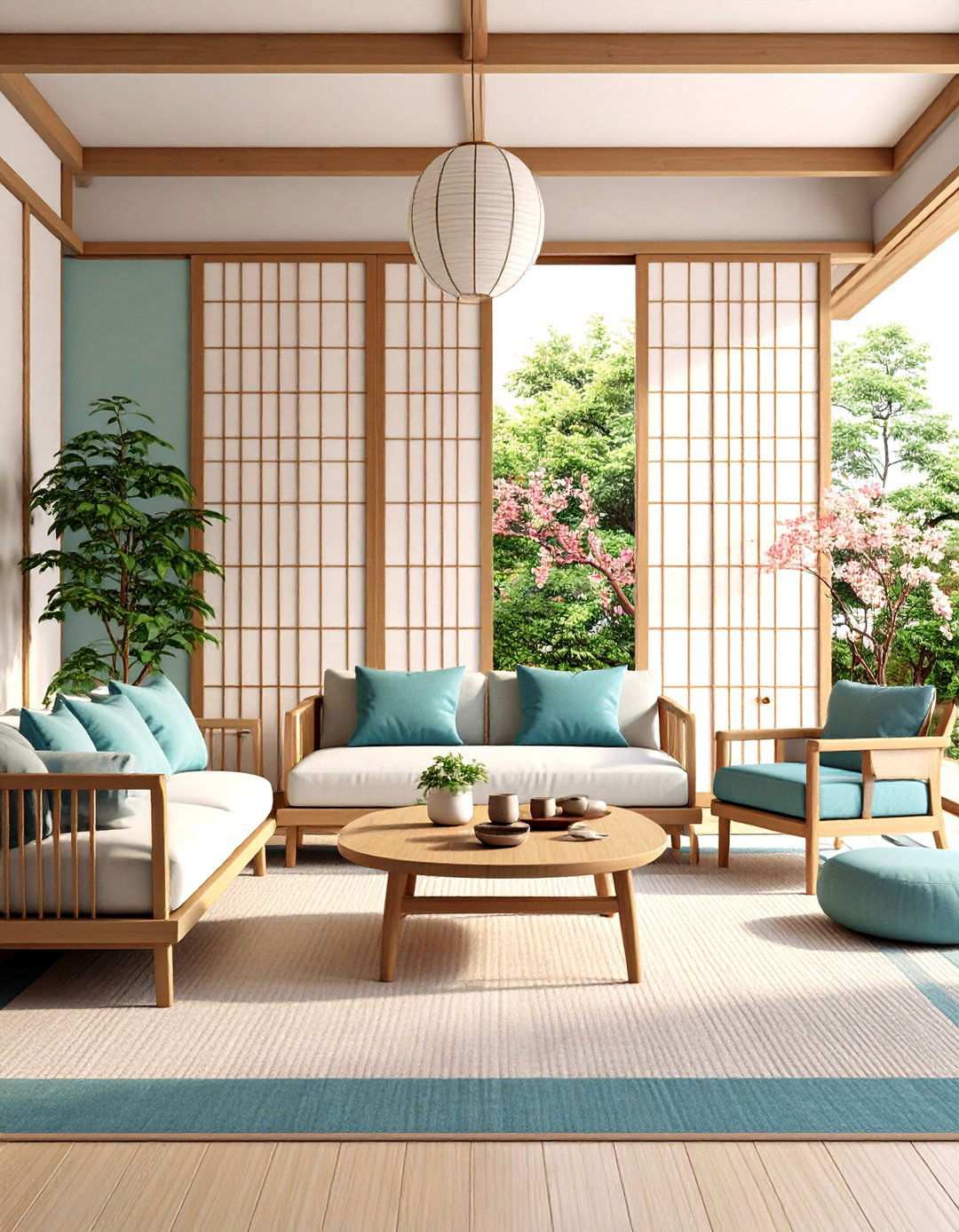
Traditional Japanese shoji screens are renowned for their ability to balance the need for privacy with the desire for open, flowing energy. By incorporating these translucent panels into your living room, you can create authentic zen character while establishing flexible space divisions. Shoji screens filter light beautifully, creating a sense of separation between areas without sacrificing the visual flow. Use them to conceal storage areas, create intimate seating nooks, or divide large rooms into smaller, more manageable zones. The geometric patterns of traditional shoji designs add a touch of subtle visual interest, while modern interpretations showcase a blend of classic proportions and contemporary materials. These screens can be easily moved or folded away when full open space is desired, embodying the zen principle of adaptability. (97 words)
13. Sustainable Textile Choices
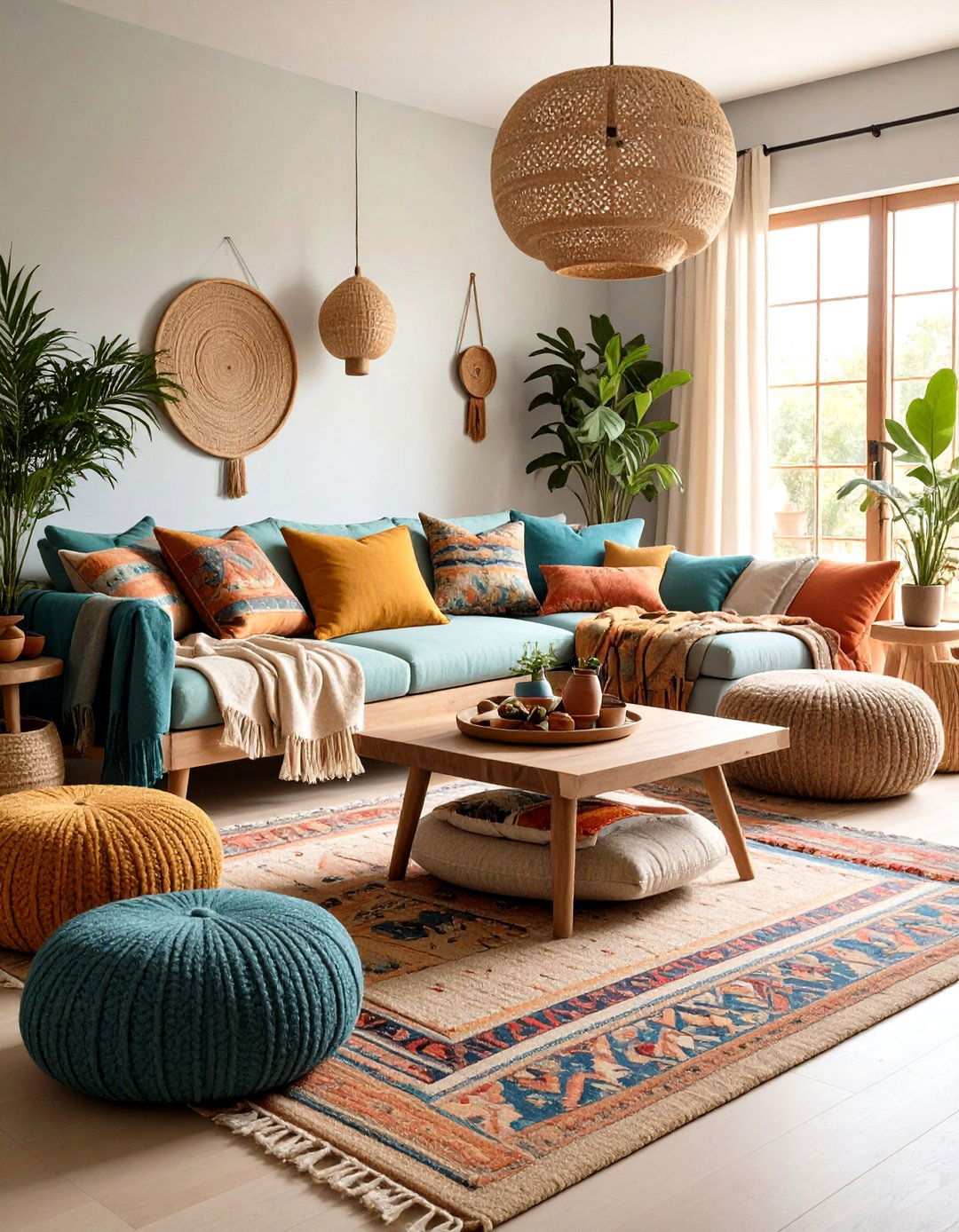
Natural fiber textiles can significantly enhance the ambiance of your zen living room by introducing organic textures and sustainable origins. When selecting upholstery, cushions, and throws, opt for cotton, linen, hemp, or wool fabrics that breathe naturally and age beautifully over time. Avoid synthetic materials that lack the authentic feel of natural fibers, and instead, choose neutral-colored textiles in varying textures to add depth without visual complexity. Woven rugs made from jute, sisal, or cotton can serve as a grounding element for seating areas, promoting sensory mindfulness and connection to the natural world. By making sustainable choices, you can align your living space with the zen principles of conscious living and reduce your ecological footprint. (96 words)
14. Achieving Balance through Symmetry
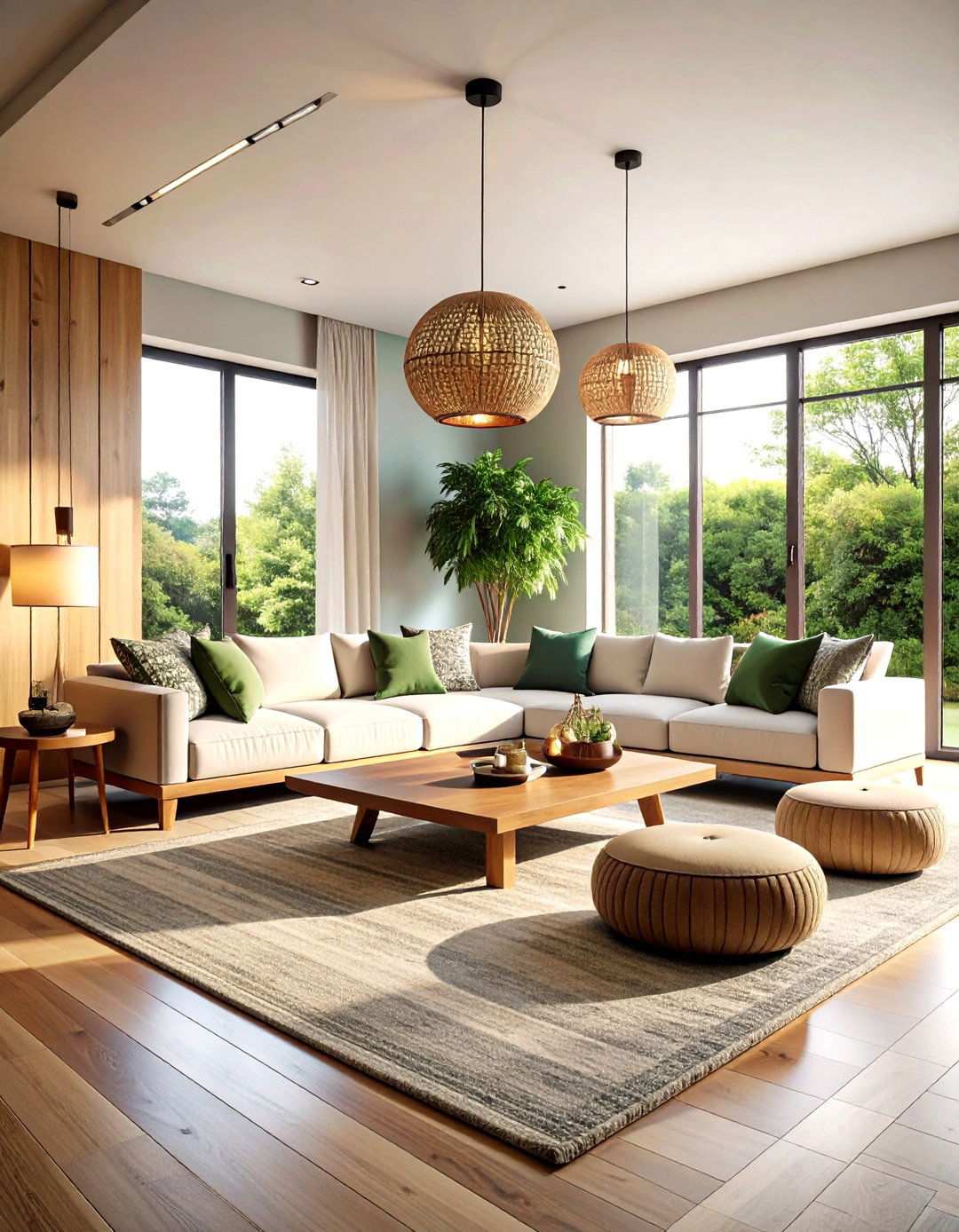
The deliberate arrangement of symmetrical elements in a zen living room can have a profound impact on visual harmony, ultimately calming the mind. By placing furniture and decor in a balanced configuration, you create a sense of order and tranquility that permeates the space. Consider arranging seating around central focal points, such as a coffee table or fireplace, and balance table lamps, plants, or artwork on either side of major furniture pieces. This thoughtful approach creates visual stability, promoting a sense of mental peace. While perfect symmetry isn’t essential, aim for a visual weight distribution that feels harmonious rather than rigid. Symmetrical elements provide a sense of structure while maintaining the organic feel that’s essential to zen design principles.
15. Exploring Monochromatic Schemes
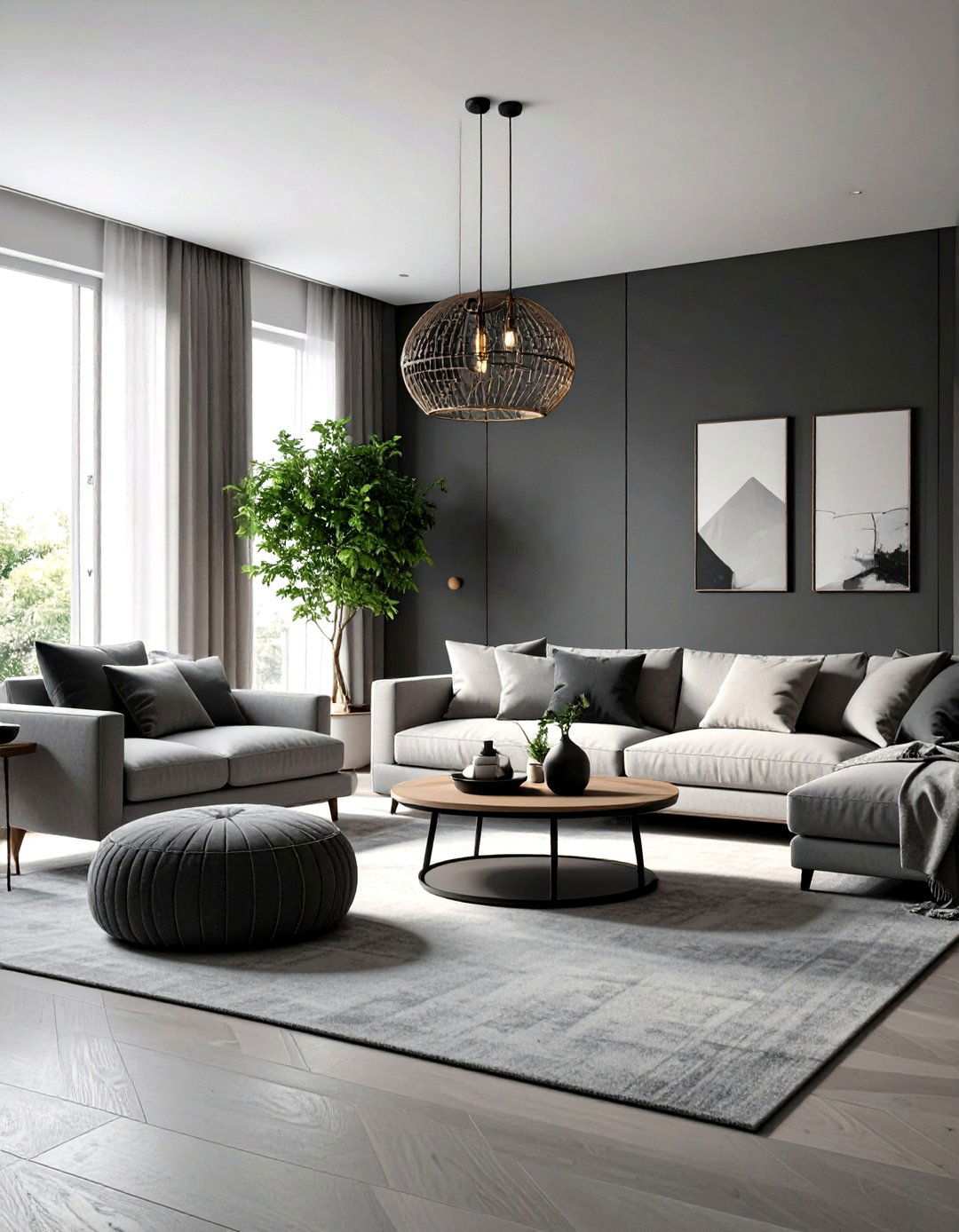
Diving into the subtle variations within a single color family can lead to sophisticated depth in a zen living room while maintaining visual unity. Start by selecting a base color, such as a warm gray or soft beige, and then incorporate various shades, tints, and tones throughout the space. This approach eliminates color conflict, allowing texture and form to take center stage. Layer different values of your chosen color through fabrics, walls, and accessories, and the subtle variations will create visual interest without disruption. Monochromatic color schemes promote a sense of calm continuity, supporting meditation and relaxation practices by creating a serene atmosphere.
16. Low-Profile Coffee Tables
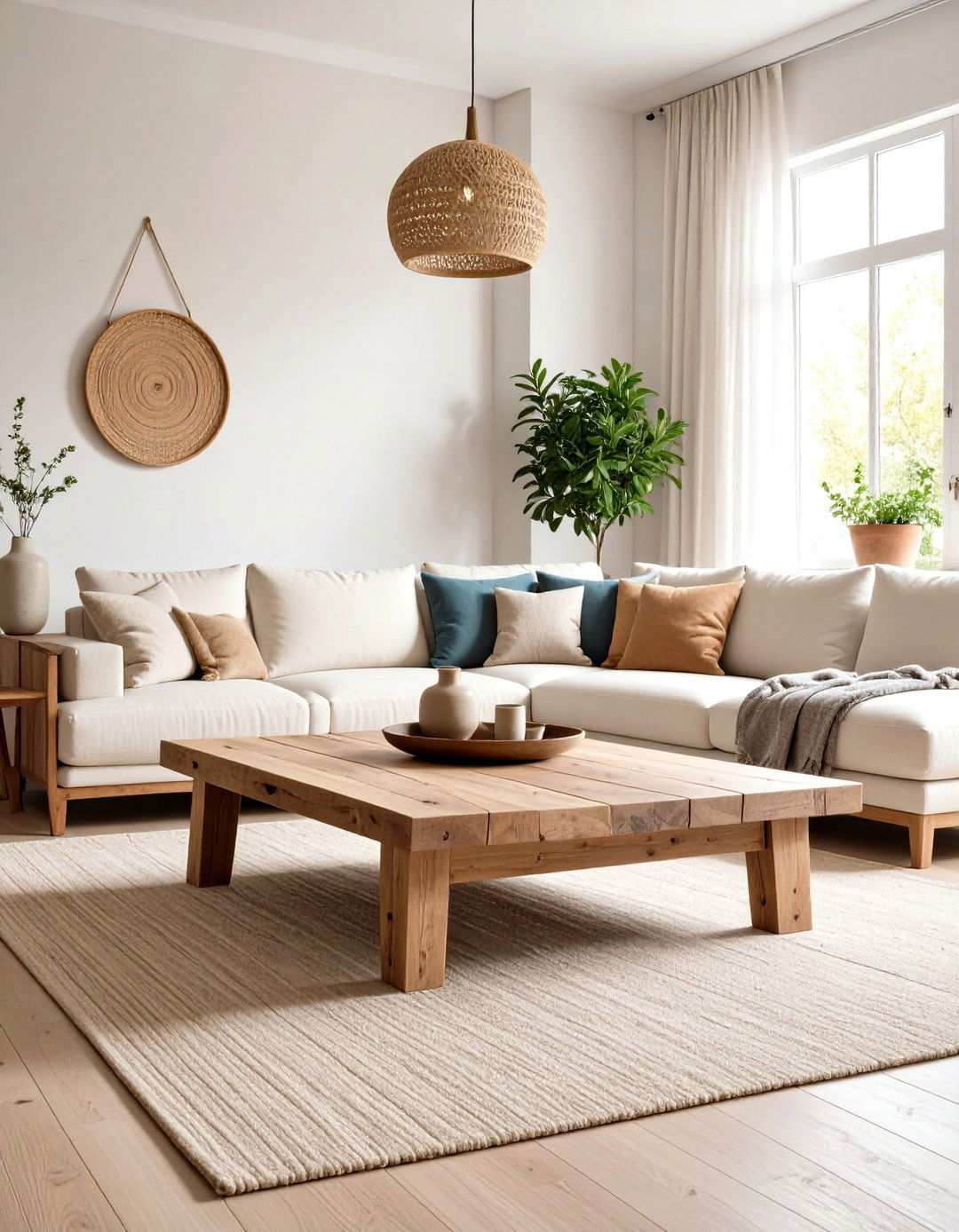
Low-profile coffee tables play a crucial role in maintaining the grounded, humble aesthetic of a zen living room while providing functional surface space. Opt for tables that sit close to the floor, encouraging relaxed, informal seating arrangements that foster connection and conversation. Materials like reclaimed wood, bamboo, or stone enhance the natural theme while providing durability. Simple rectangular or circular shapes work best, avoiding ornate details that compete for attention. These tables support floor seating arrangements and promote intimate conversation, creating a space that naturally encourages mindful, slower-paced living and contemplative moments.
17. Focusing on Art Wall Simplicity
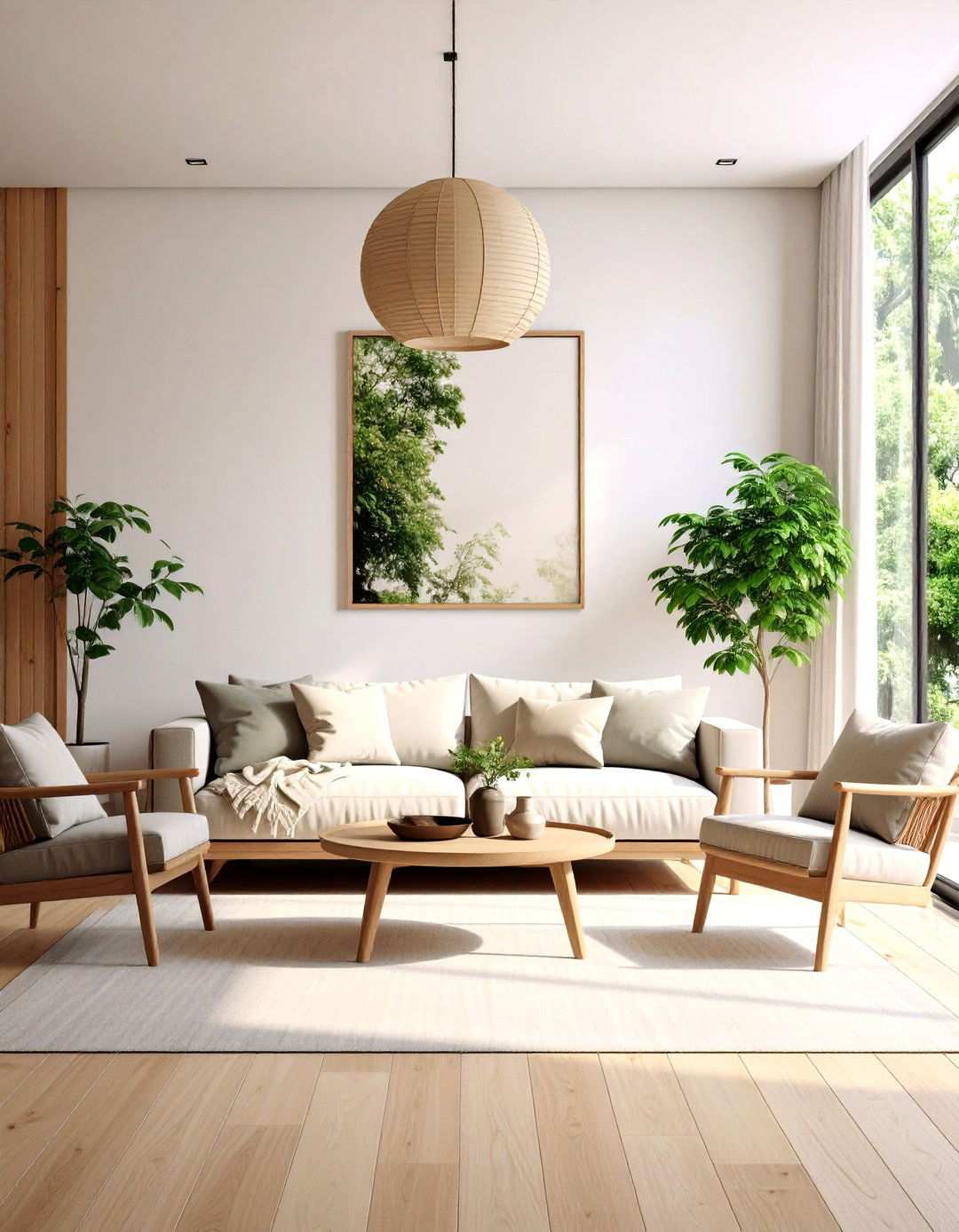
In a zen living room, a single piece of meaningful artwork can have a greater impact than a cluttered gallery wall. Art wall simplicity focuses on quality over quantity, featuring one or two carefully chosen pieces rather than multiple artworks. Select nature-inspired photography, minimalist paintings, or calligraphy that promotes contemplation, and frame artwork simply in natural wood or clean white frames that don’t compete with the image. Position art at eye level for proper viewing, and leave empty wall space around artwork to allow each piece to breathe and make its full impact. This restraint creates peaceful viewing experiences that support mindful observation and reflection.
18. Harmonious Movement
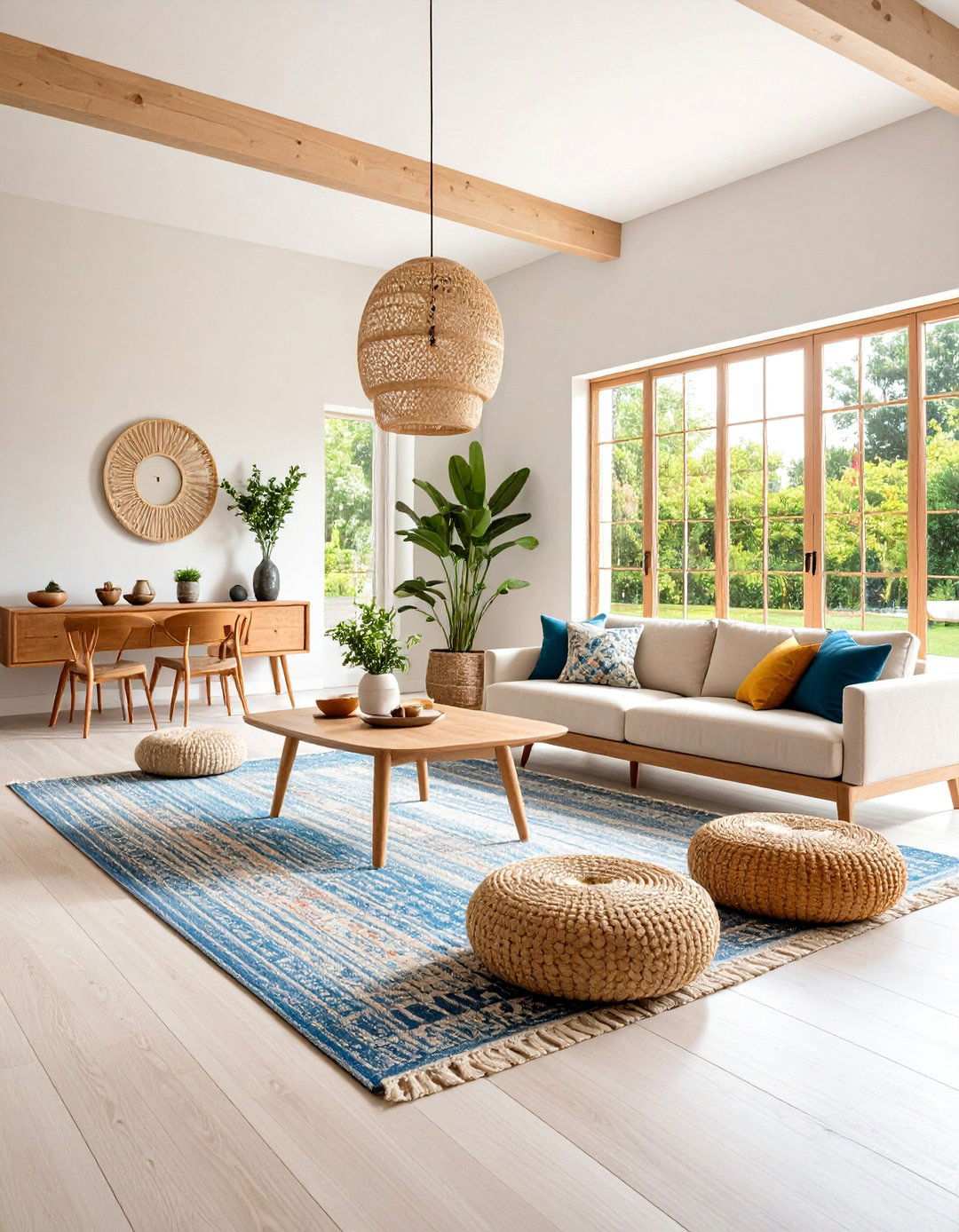
Experience the liberating sensation of moving through expansive, flowing spaces that promote effortless circulation and energy movement. In zen living rooms, prioritizing open space flow involves strategically arranging furniture to create unobstructed pathways between seating areas and entrances. Generous spacing between furniture pieces prevents cramped feelings, making even the smallest rooms feel larger and more serene. Area rugs define spaces without the need for physical barriers, allowing natural light to circulate freely. This approach embodies the zen principle of non-attachment, resulting in spacious, breathable environments that foster peaceful contemplation. (96 words)
19. Illuminating Design
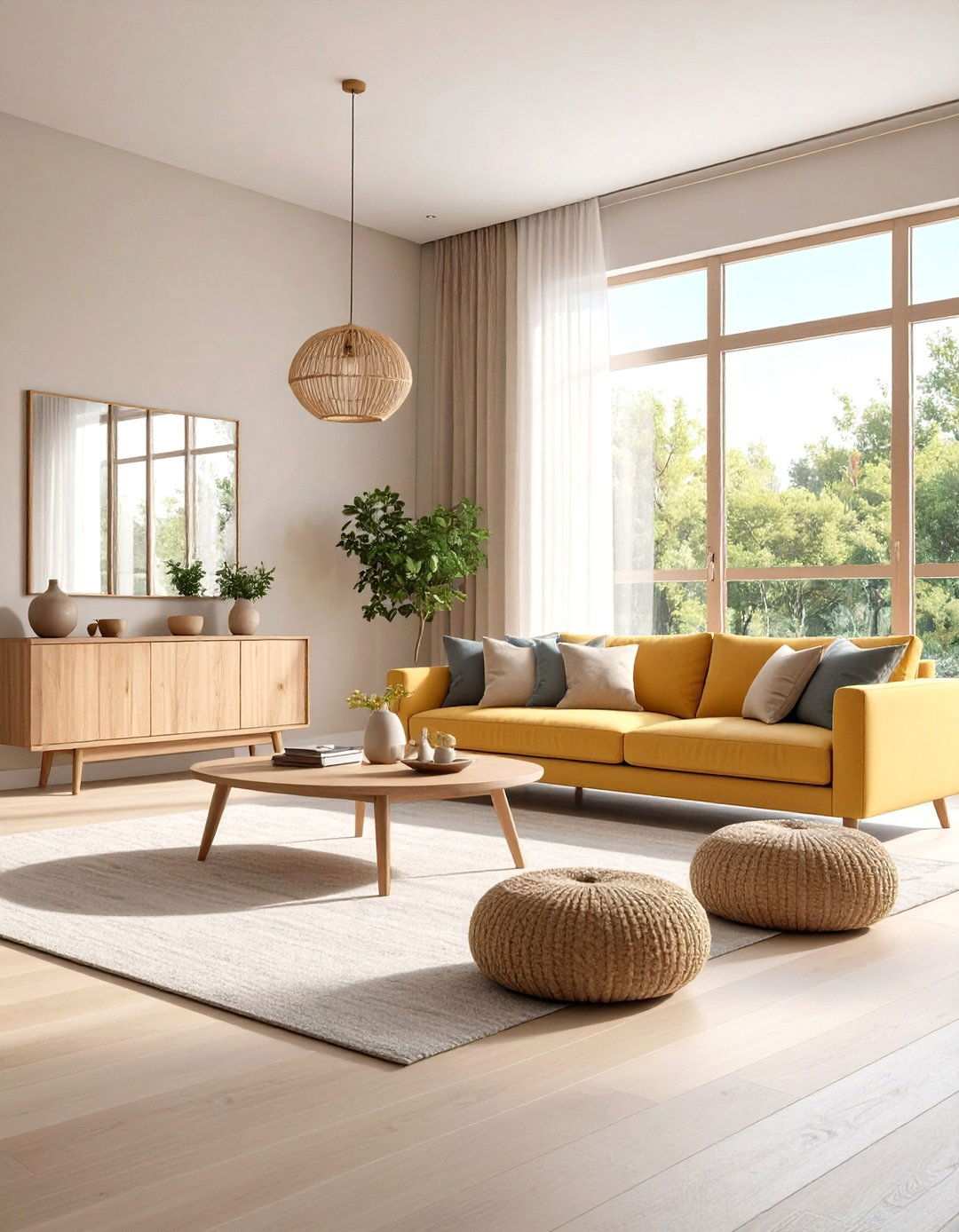
Natural light plays a pivotal role in connecting interior spaces to the world outside, synchronizing with daily rhythms and seasonal changes. Maximizing natural light involves clever uses of sheer window treatments, strategically placed mirrors, and light-colored surfaces that reflect illumination. In contrast, heavy drapes or dark colors can absorb light, creating a sense of confinement. Placing seating areas near windows takes advantage of natural illumination for reading and relaxation. Skylights or clerestory windows can introduce additional natural light without compromising privacy, creating dynamic yet peaceful atmospheres that support circadian rhythms and overall well-being in zen living spaces. (99 words)
20. Scentual Wellness
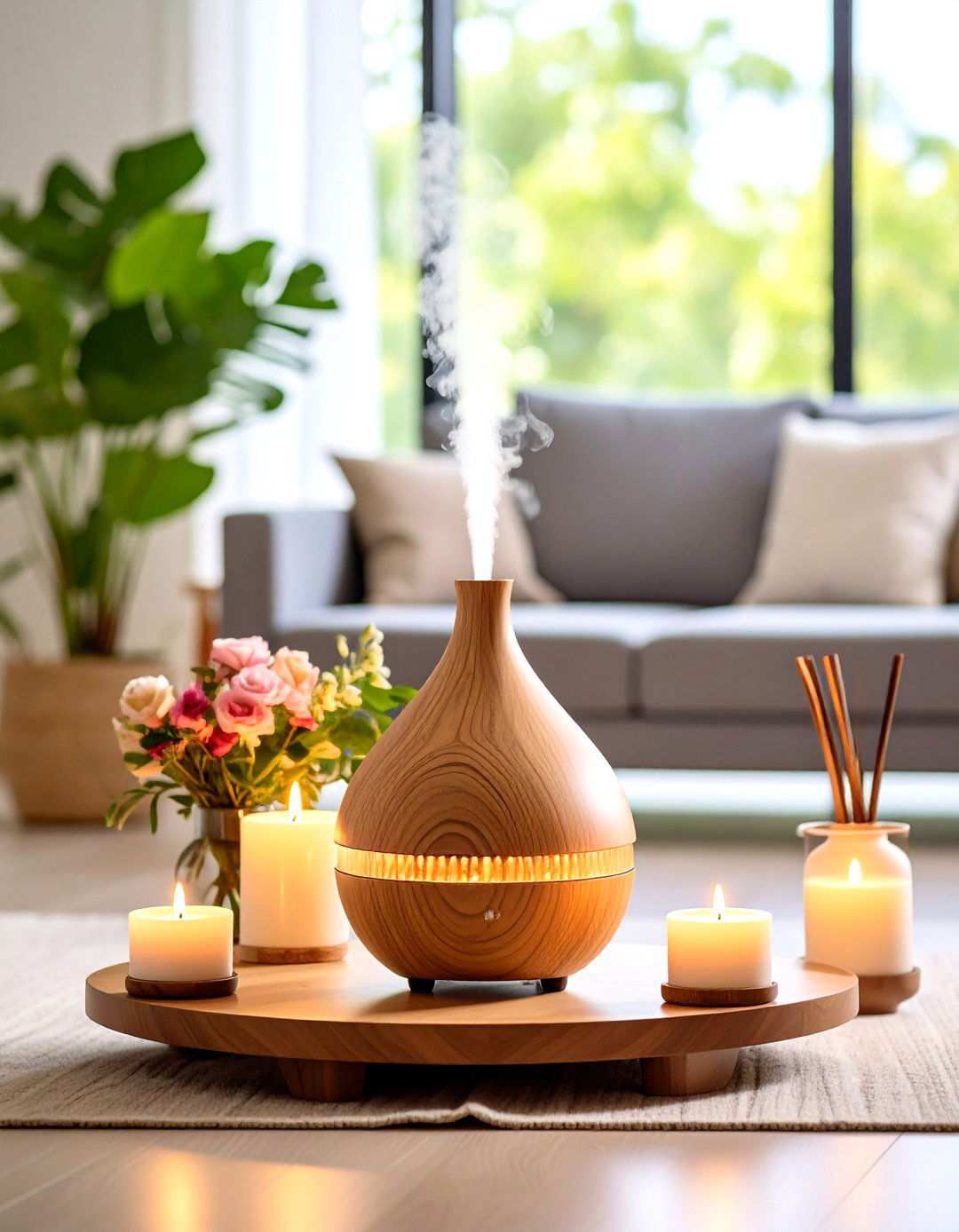
How do natural scents contribute to your ability to unwind and find inner peace? Integrating aromatherapy into zen living rooms engages the sense of smell to promote tranquility and well-being. Essential oil diffusers, naturally scented candles, or fresh plants introduce calming fragrances like lavender, sandalwood, or eucalyptus, while avoiding synthetic air fresheners that can be overwhelming or cause sensitivities. Traditional options like incense sticks or sage bundles provide a means for cleansing and blessing your space. Fresh flowers or herbs add subtle, natural scents while bringing life to your environment, enhancing meditation practices and daily relaxation rituals through mindful aromatherapy use. (97 words)
21. Harmonious Hiding Places
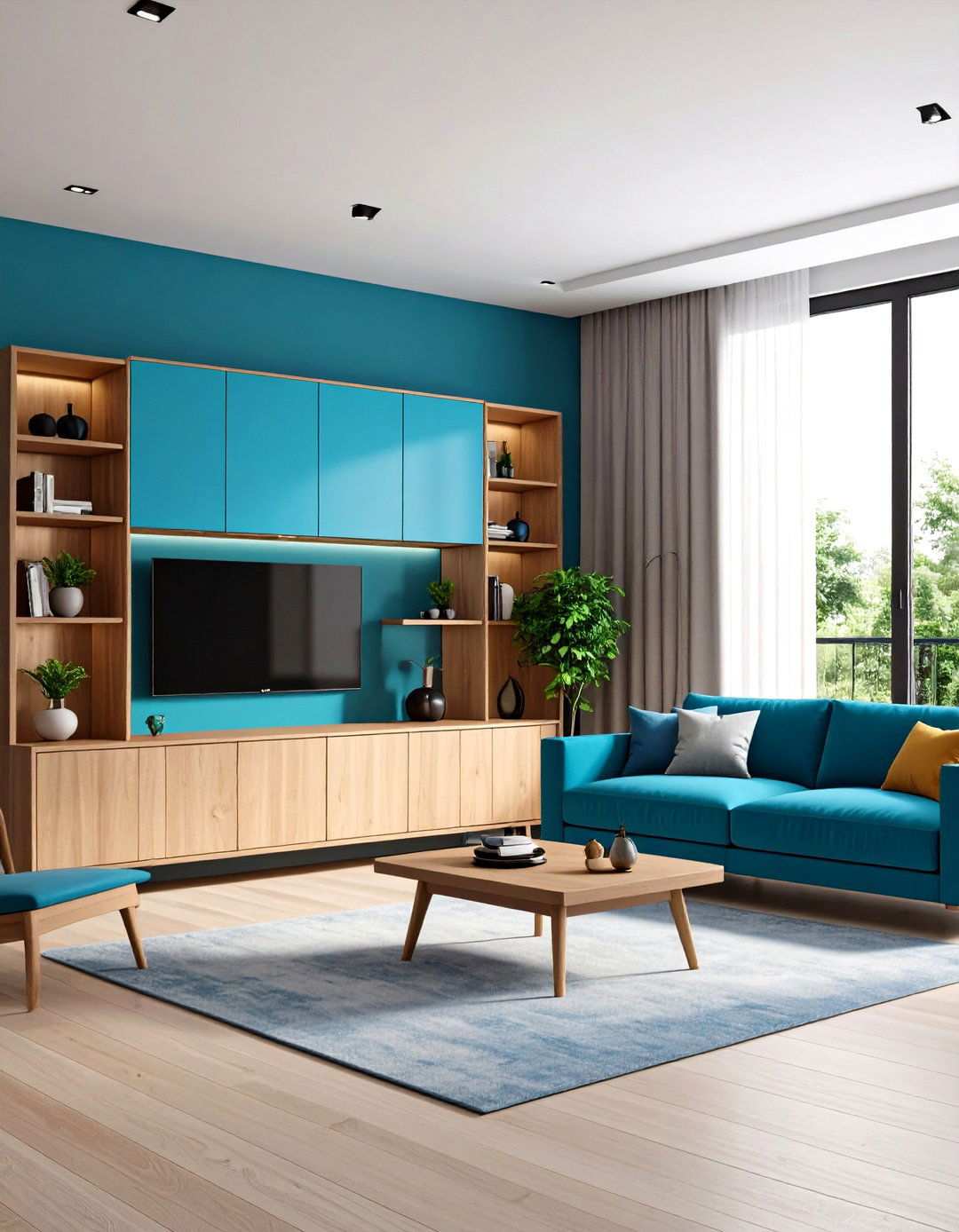
The aesthetic of modern technology can sometimes clash with the serene ambiance of a zen space. By concealing devices, you can preserve the peaceful atmosphere of your living room. Utilize storage solutions like cabinets or ottomans to tuck away televisions, gaming consoles, and charging stations. Opt for wireless options to eradicate cord clutter and strategically position necessary technology behind furniture or within designated entertainment centers. Designating specific zones for technology use prevents devices from disrupting the uncluttered, contemplative environment that’s essential for zen living.
22. Dynamic Decor Transitions
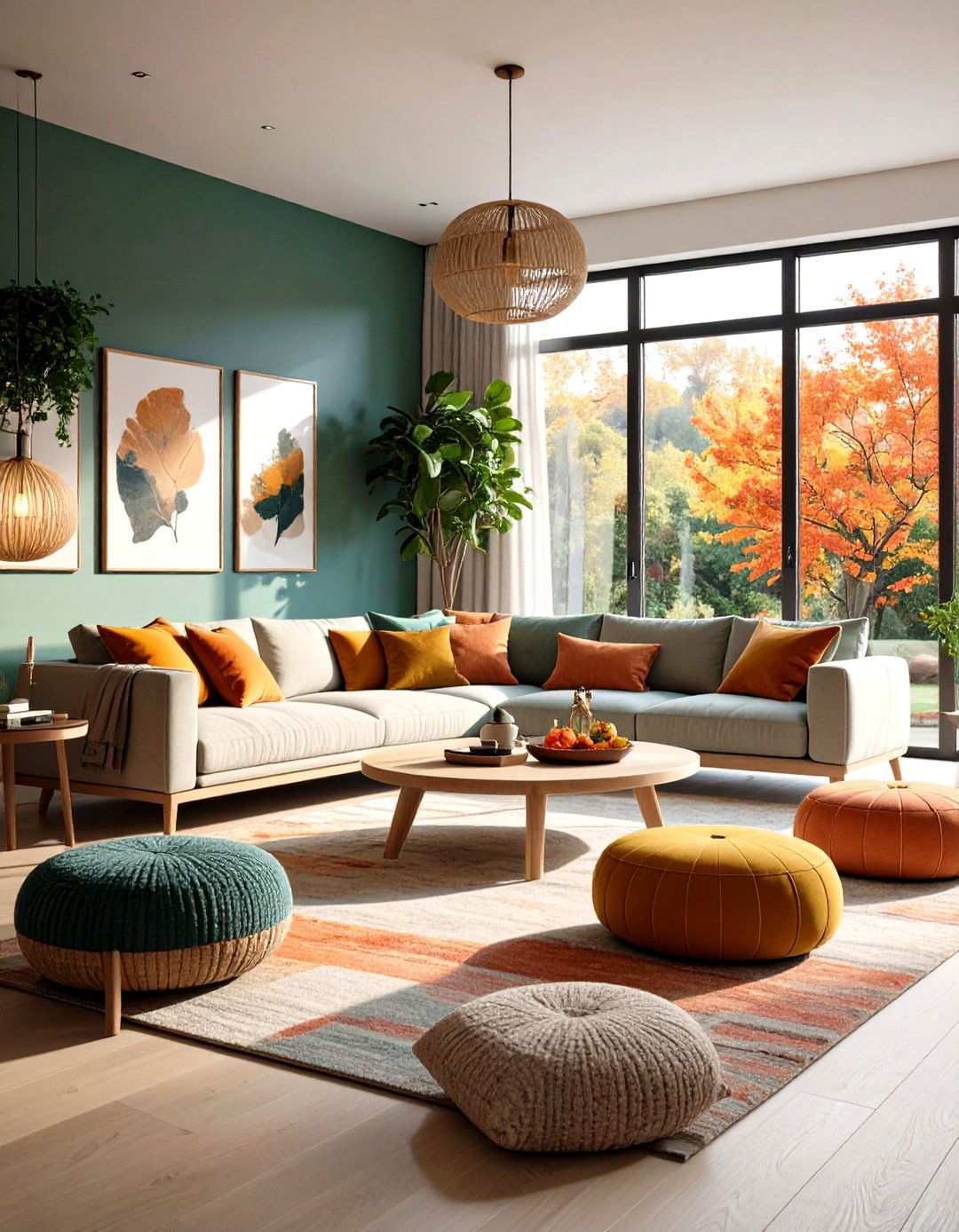
When your living space can seamlessly adapt to changing seasons, you unlock new possibilities for creating a dynamic and engaging atmosphere. Seasonal flexibility in zen living rooms acknowledges the natural cycles of life and allows decor to evolve throughout the year. Incorporate lightweight, easily rearranged furniture that can be adapted for different occasions or seasons. Select neutral base colors that complement seasonal accent pieces, such as plush throws in autumn or fresh flowers in spring. Storing seasonal items in hidden storage ensures a year-round simplicity that reflects zen teachings about impermanence and mindful response to natural cycles.
23. Thoughtful Space Design
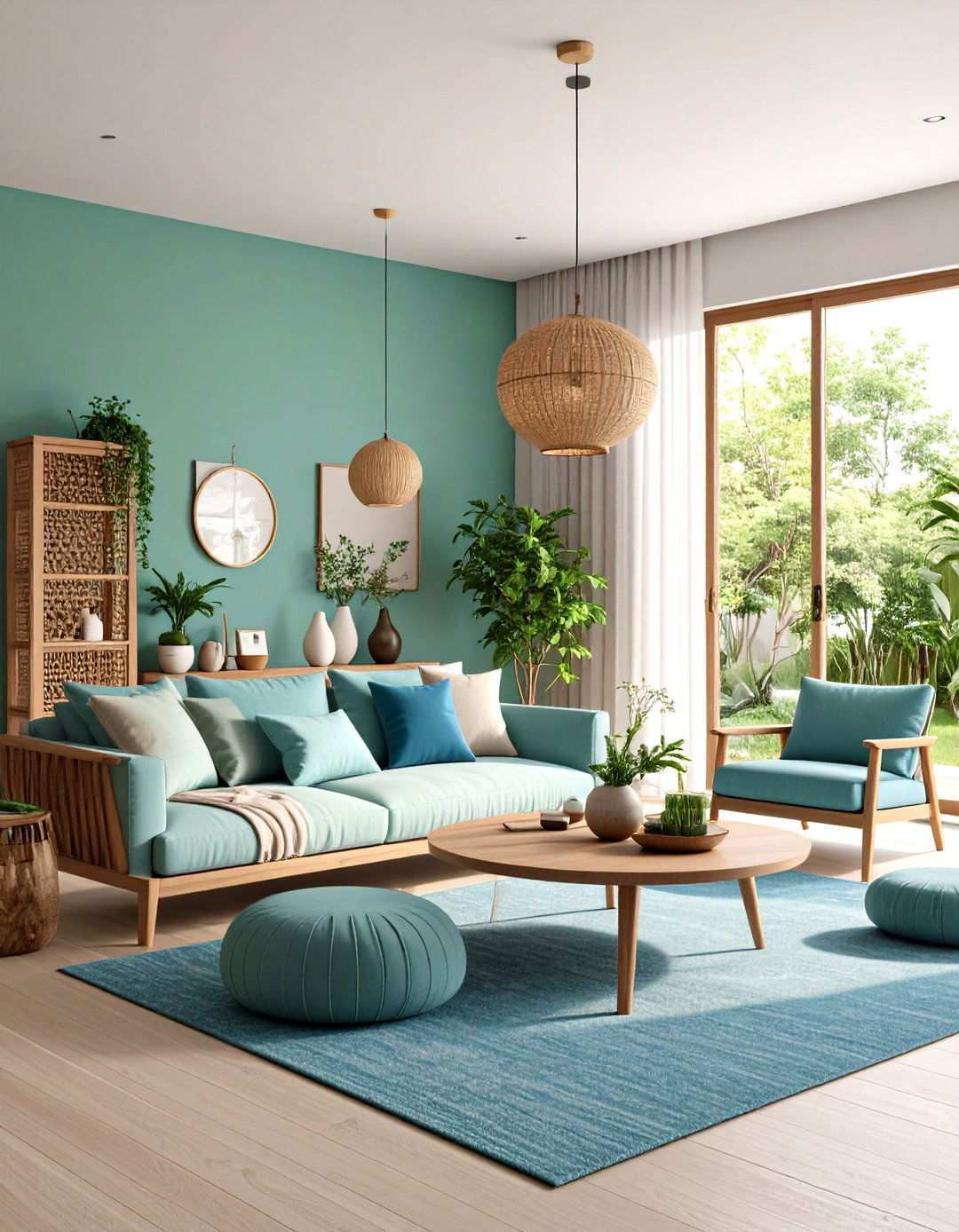
The thoughtful placement of objects plays a significant role in shaping the overall energy and flow of your space. Mindful arrangement in zen living rooms involves carefully considering the purpose and impact of every element to create intentional compositions that support peace and reflection. When positioning objects, take into account sight lines, natural light, and daily use patterns. Group related items together while maintaining generous empty space, and consider the visual weight and emotional impact of each piece before finalizing its placement. This contemplative approach to arrangement becomes a mindfulness practice itself, fostering present-moment awareness and careful consideration.
24. Elevating Personal Significance in Your Zen Oasis
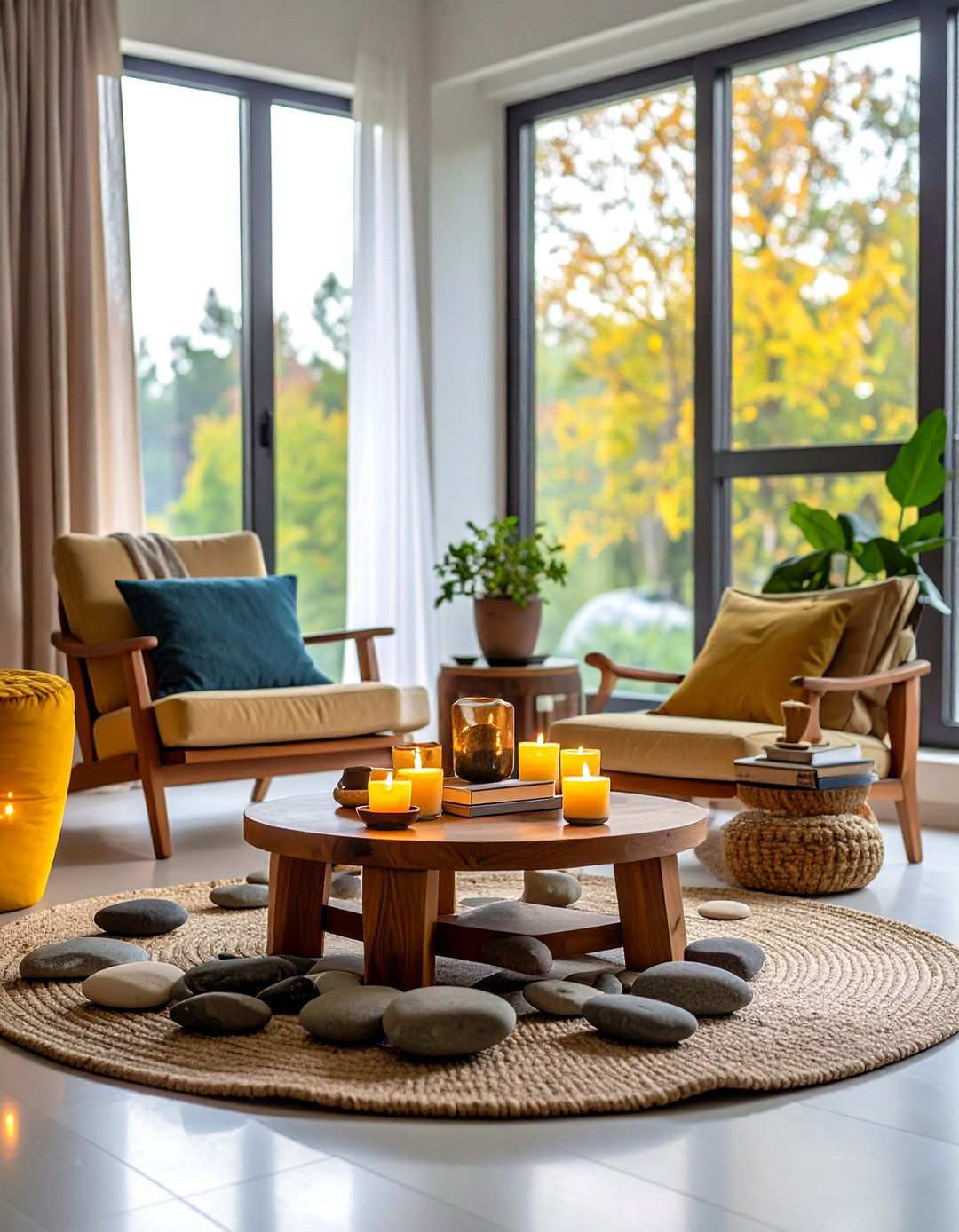
To cultivate a truly transformative living space, consider infusing your zen room with intentional personal elements that embody the essence of your inner journey toward serenity. This begins with the thoughtful placement of meaningful objects, such as meditation stones, cherished family heirlooms, or photographs that evoke contemplative thought. It’s essential to strike a harmonious balance between these personal touches and the space’s overall simplicity, avoiding clutter and visual overload. By doing so, you can create a sanctuary that not only reflects your unique spirit but also sustains a peaceful atmosphere, inviting relaxation and introspection.