1. Breaking Away from Traditional Storage Solutions
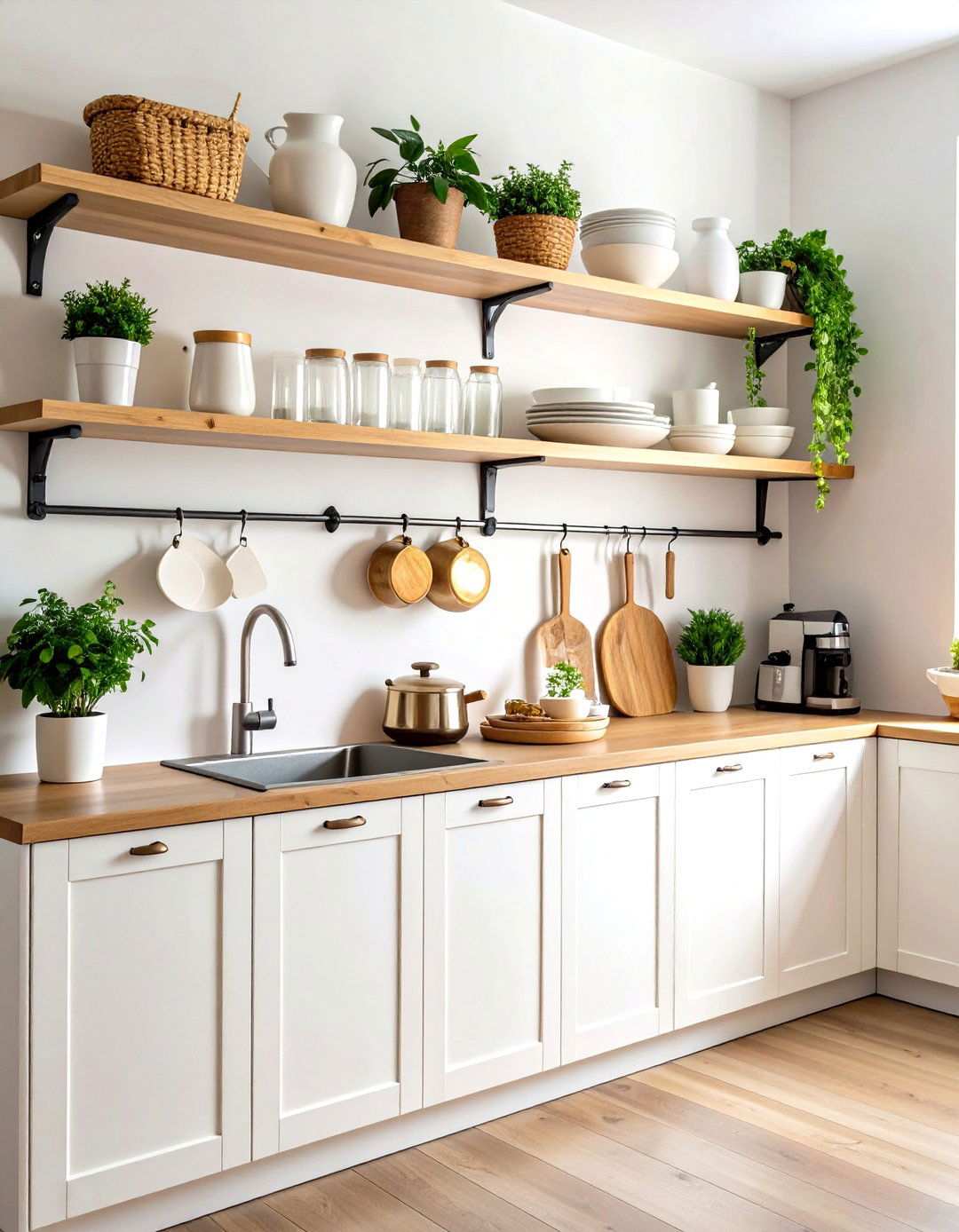
Kitchens with the absence of upper cabinets have become a hallmark of modern design, allowing homeowners to prioritize openness, natural light, and visual expansiveness over conventional storage methods. This innovative approach has resonated with individuals seeking to craft more airy, contemporary spaces that exude a sense of larger-than-life proportions and inviting ambiance. By removing the constraints of wall-mounted cabinetry, these designs empower windows to shine as the central focal point, bathing work areas in natural illumination and fostering unobstructed sight lines that seamlessly integrate with the surrounding environment. The resultant creative void prompts novel considerations for organization, leading to ingenious solutions like sprawling kitchen islands, floor-to-ceiling shelves, and clever pantry layouts. Whether you’re working with a compact galley configuration or an expansive open-plan layout, eliminating upper cabinets can dramatically recalibrate your kitchen’s atmosphere, transforming it into a vibrant gathering space that transcends its functional roots.

As an Amazon Associate I earn from qualifying purchases.
2. Achieving Balance with Floating Shelves
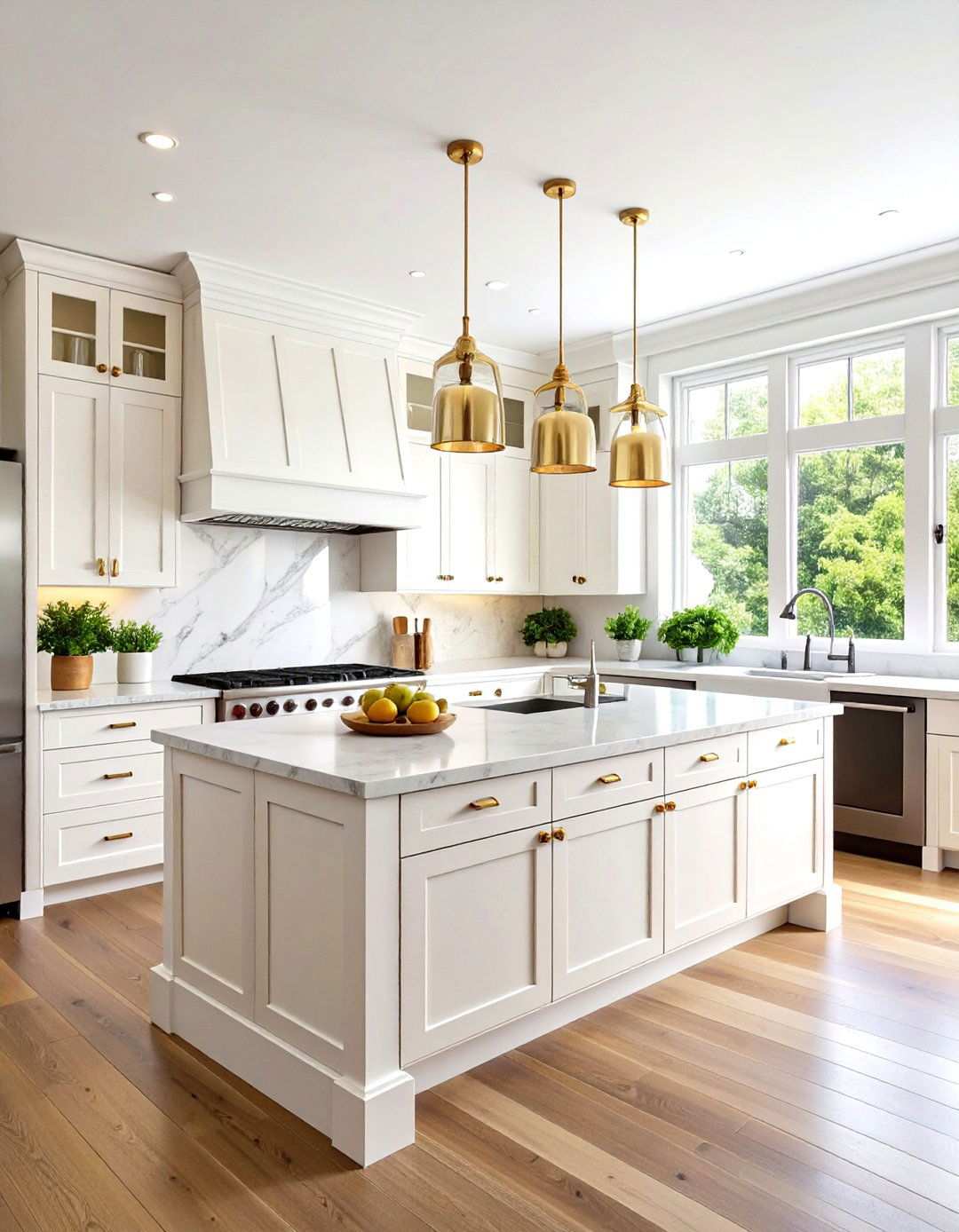
Floating shelves occupy a unique middle ground between the minimalist aesthetic of bare walls and the traditional functionality of upper cabinetry. These sleek storage solutions appear to defy gravity, maintaining visual openness while providing essential space for essential kitchen items, decorative accents, and prized collectibles. The key to success lies in thoughtful placement and cohesive styling. Group similar items together, juxtapose functional pieces with exquisite ceramics, and ensure shelves align with your sight lines to maximize visual appeal. Artful lighting beneath each shelf further enhances both functionality and ambiance, creating a picturesque display for cherished kitchen treasures while keeping everyday essentials within easy reach.
3. Kitchen Island Storage Solutions
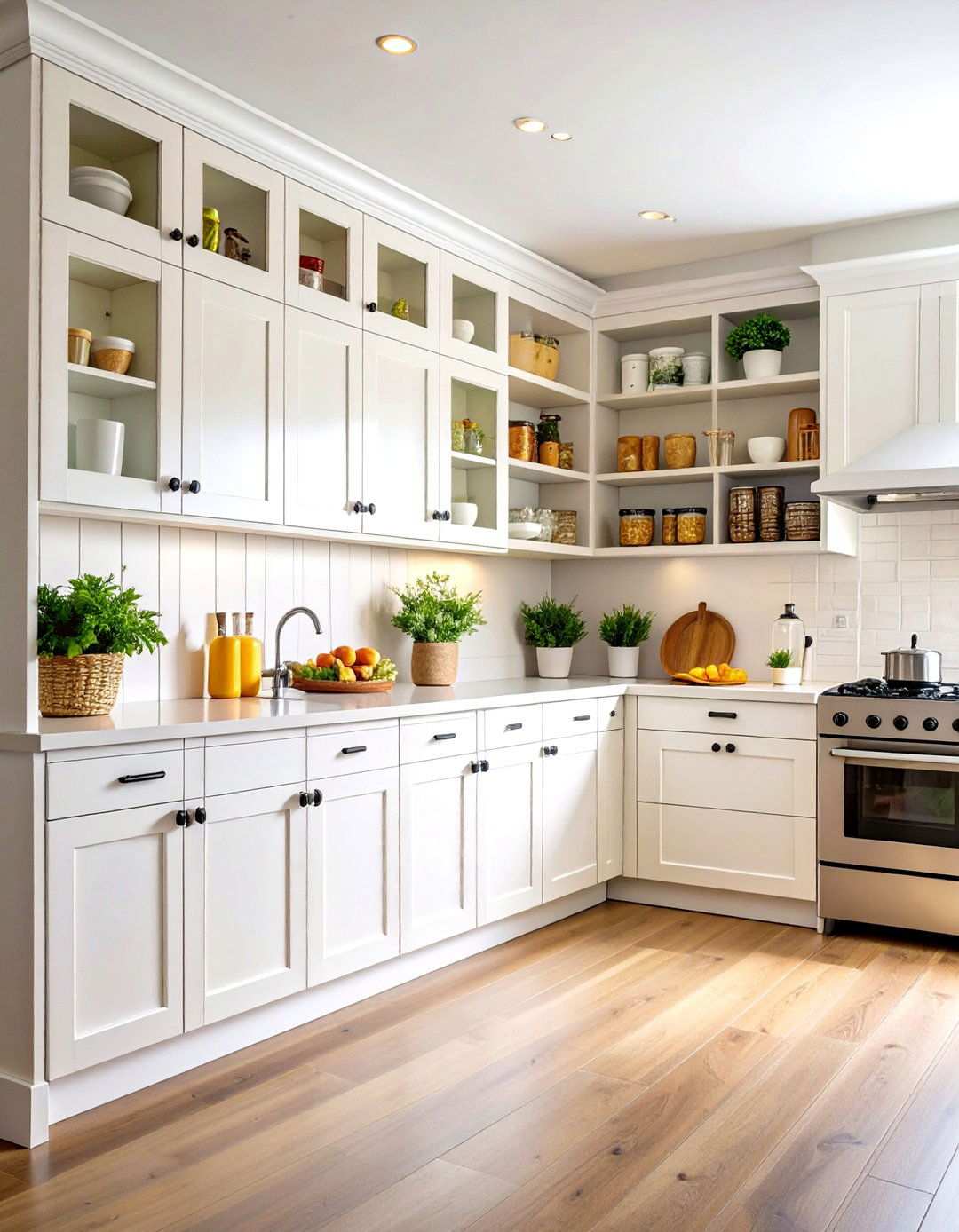
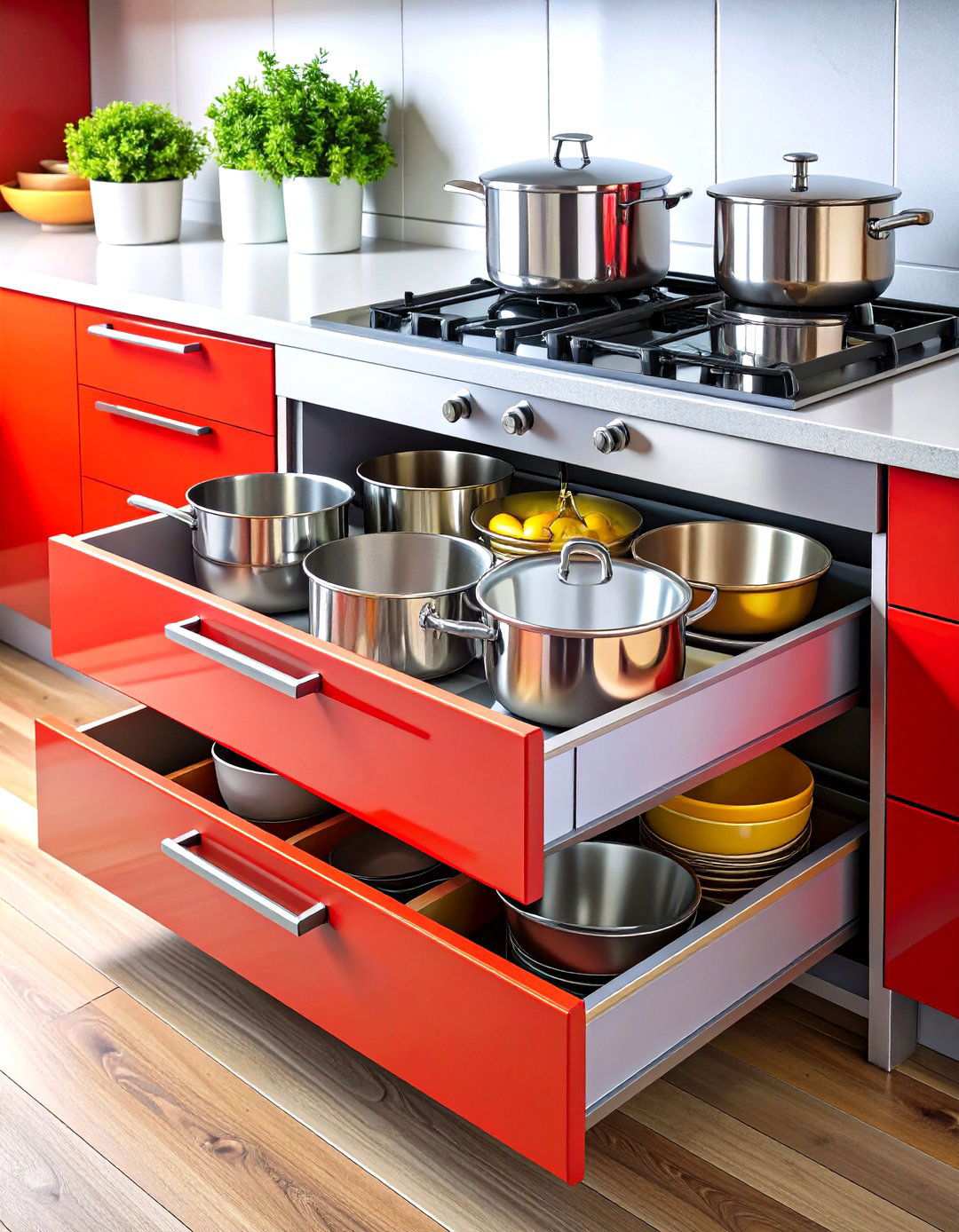
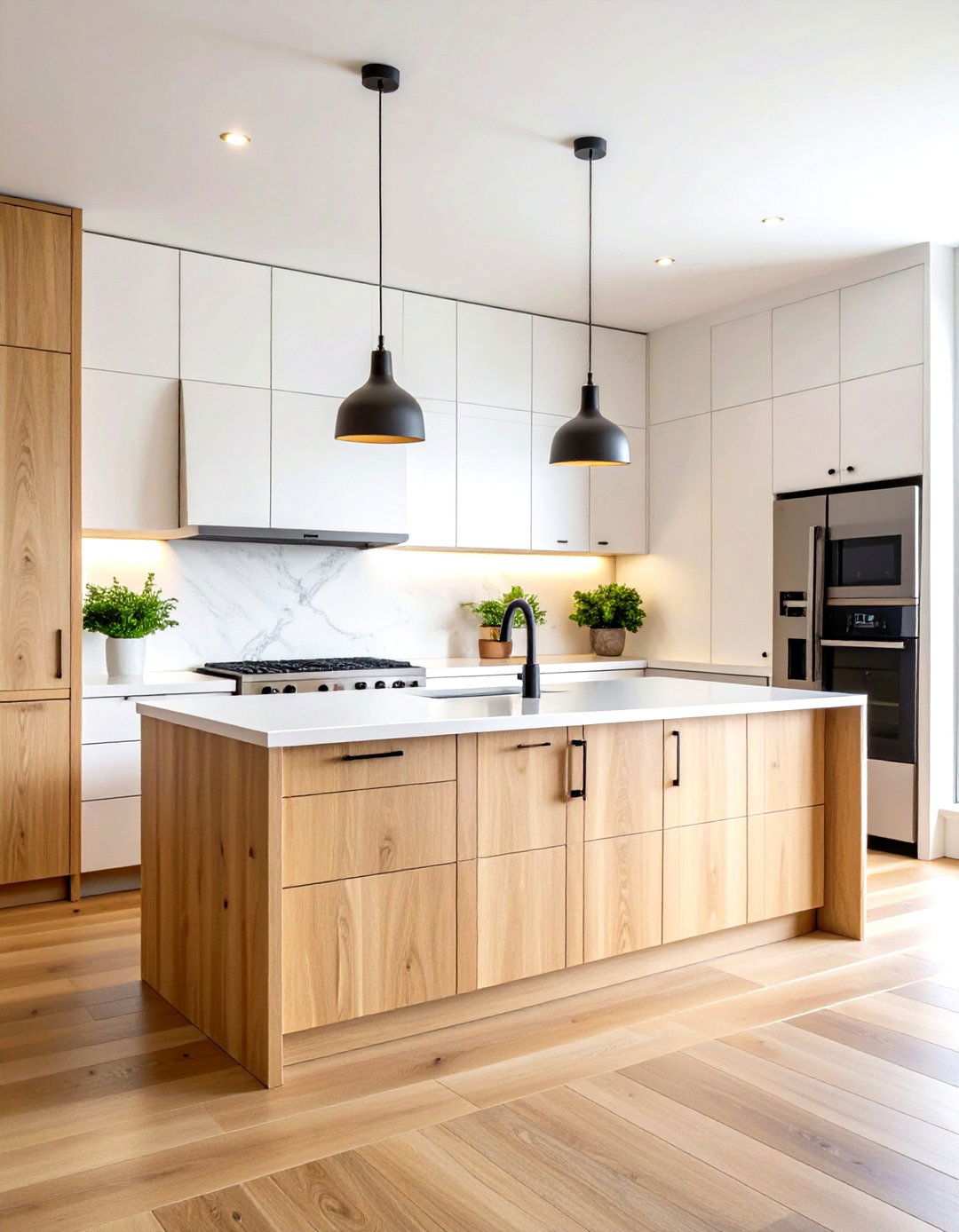
A well-crafted kitchen island becomes the storage powerhouse when upper cabinets disappear. Modern islands incorporate extensive drawers, pull-out organizers, and specialized compartments that maximize every available inch of space. Consider multi-level designs featuring raised breakfast bars, integrated wine storage, or hidden appliance garages. The island’s perimeter offers opportunities for open shelving, towel bars, and even cookbook displays. With strategic planning, a single substantial island can replace the storage capacity of multiple upper cabinets while providing additional workspace and social gathering areas that transform your kitchen into the heart of your home.
4. Kitchen Island Storage Solutions
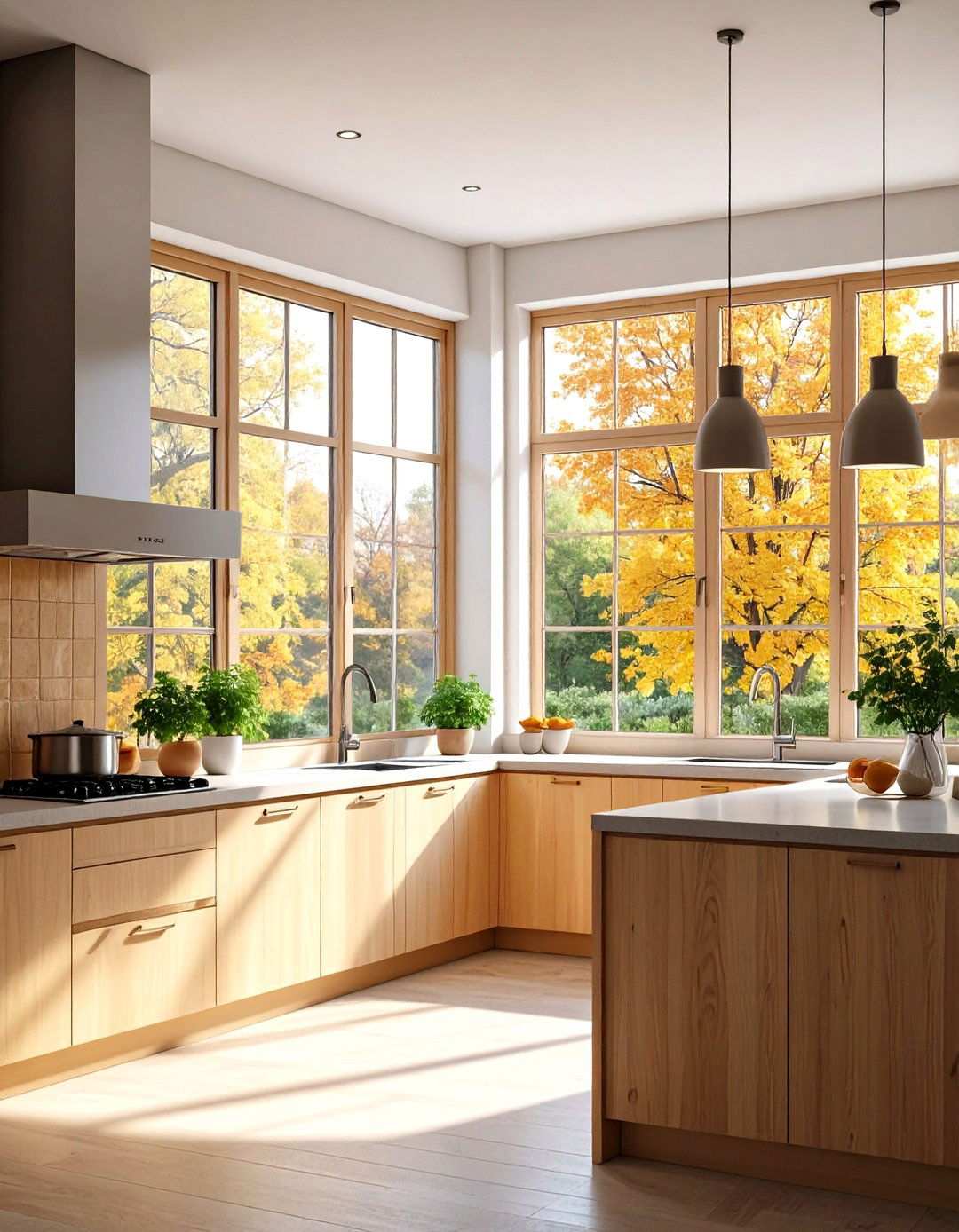
A well-designed kitchen island becomes the storage powerhouse when upper cabinets disappear. Modern islands incorporate deep drawers, pull-out organizers, and specialized compartments that maximize every cubic inch of space. Consider multi-level designs with raised breakfast bars, integrated wine storage, or hidden appliance garages. The island’s perimeter offers opportunities for open shelving, towel bars, and even cookbook displays. With strategic planning, a single substantial island can replace the storage capacity of multiple upper cabinets while providing additional workspace and social gathering areas that transform your kitchen into the heart of your home.
Elevating Storage in Floor-to-Ceiling Walls
When kitchen layouts allow for a more open design, dedicated pantry areas become a must-have. Floor-to-ceiling storage walls utilize vertical space with sleek, modern cabinetry that seamlessly integrates into the architecture. These full-height units can accommodate a wide range of items, from small appliances to bulk storage, freeing up space on main kitchen walls for windows and decorative displays. The incorporation of internal organizers, pull-out drawers, and adjustable shelving ensures every item has its designated place, maintaining a sense of order and visual cohesion.
Harnessing Natural Light with Window Wall Kitchen Design
Imagine starting each morning surrounded by an abundance of natural light, illuminating your workspace and creating a warm atmosphere. Window walls replace traditional upper cabinet zones with expansive glass that seamlessly connects your kitchen to the outdoors. This approach is particularly effective above sinks and primary work areas, where task lighting often struggled to penetrate the shadows beneath upper cabinets. Large picture windows, casement combinations, or garden windows create striking focal points while providing essential ventilation for cooking activities. The unobstructed views make even compact kitchens feel spacious and connected to nature, transforming daily meal preparation into a more pleasant and inspiring experience.
5. Crafting Curated Displays with Open Shelving Systems
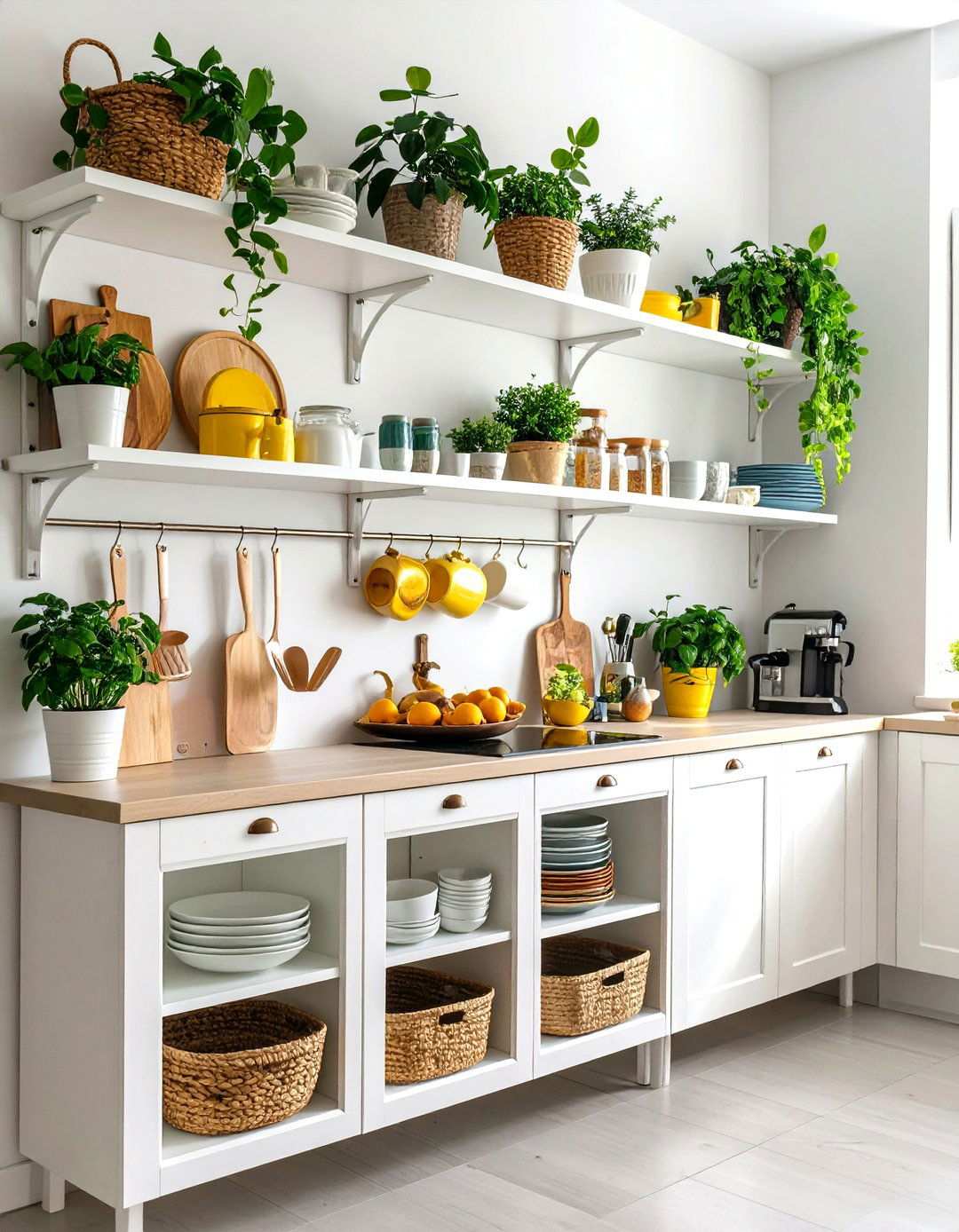
Transform your kitchen walls into stunning displays of personality and style by incorporating open shelving systems. These arrangements work best when treated like art gallery installations, carefully balancing functional items with decorative elements. Mix vintage ceramics with modern glassware, incorporate small plants or artwork, and maintain consistent color schemes for visual harmony. The key to successful open shelving lies in regular editing and thoughtful arrangement. Items should earn their place through either beauty or frequent use, creating displays that feel intentional rather than cluttered, while maintaining easy access to daily essentials.
6. The Power of Minimalist Kitchen Design
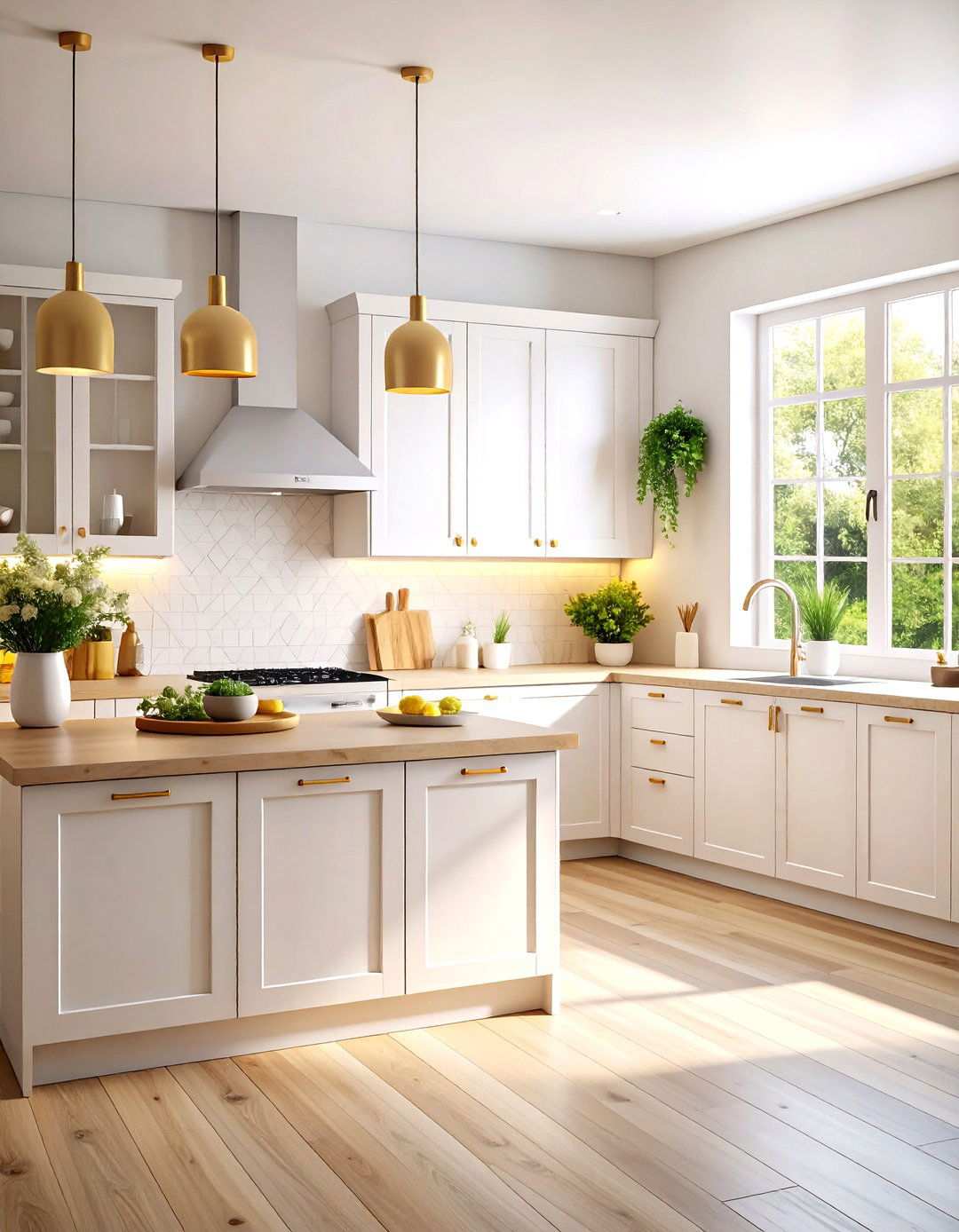
Minimalist kitchens without upper cabinets embody the “less is more” philosophy, focusing on clean lines, quality materials, and thoughtful design choices. Every element serves multiple functions while maintaining visual simplicity. Integrated appliances disappear into streamlined cabinetry, while continuous surfaces create seamless work zones. Storage becomes invisible through clever built-ins and hidden compartments. Color palettes remain neutral and calming, allowing architectural details and natural light to take precedence. The absence of visual clutter creates a serene environment where cooking becomes a meditative practice, proving that functional kitchens can also serve as peaceful retreats from busy daily life.
7. Maximizing Openness in Galley Kitchens
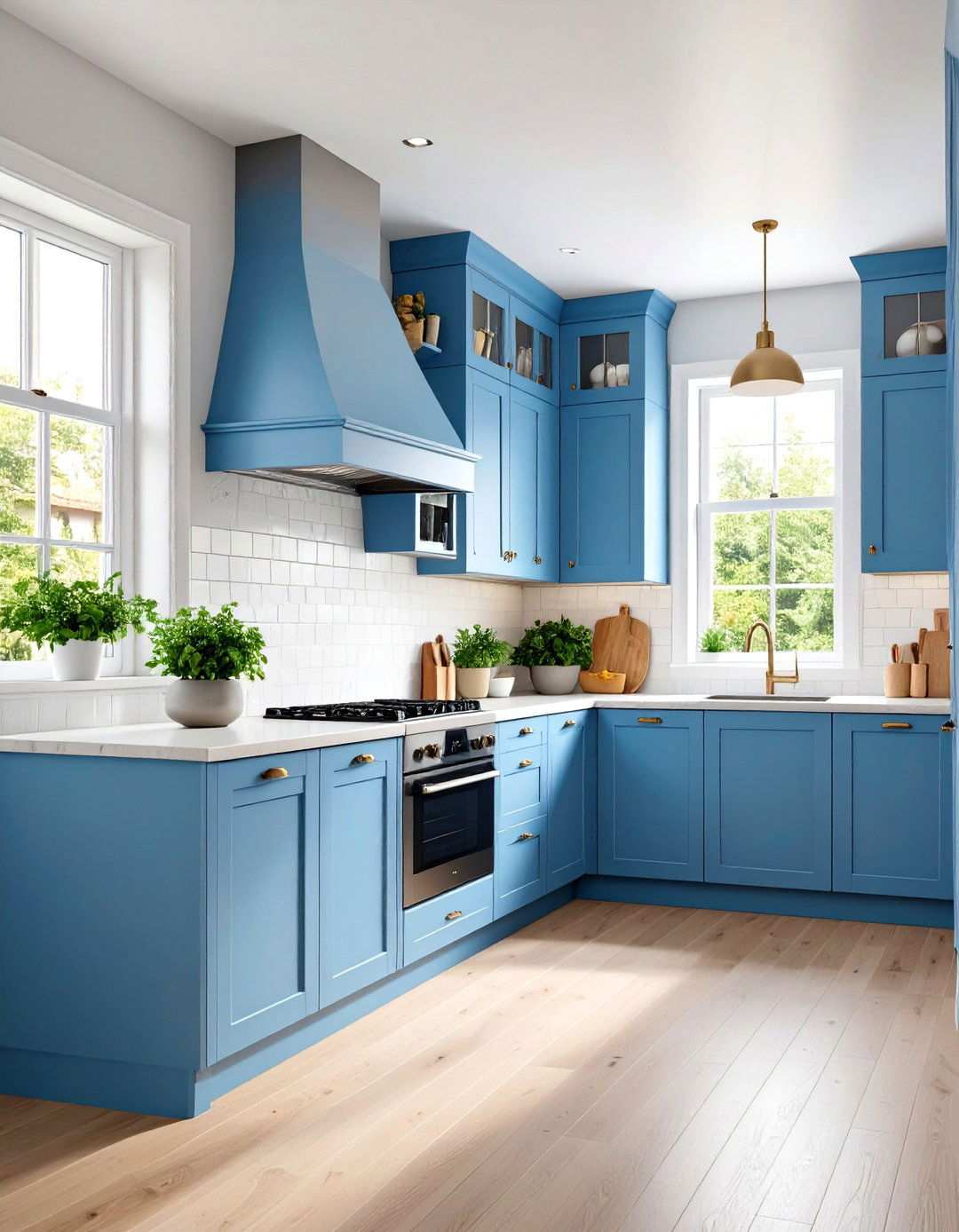
The absence of upper cabinets in galley kitchens liberates these narrow spaces, eliminating visual barriers and creating a sense of continuity throughout. When sight lines can flow unobstructed from one end to the other, the corridor effect loses its grip, making the kitchen feel more spacious and inviting. Strategic placement of appliances and storage creates an efficient workflow within the compact footprint, while long, narrow windows or skylights become feasible without upper cabinets competing for wall space. The result is a harmonious balance of functionality and visual appeal, transforming a potentially cramped workspace into a bright and airy cooking environment that optimizes every available inch.
8. Corner Kitchen Layouts Unleash Hidden Potential
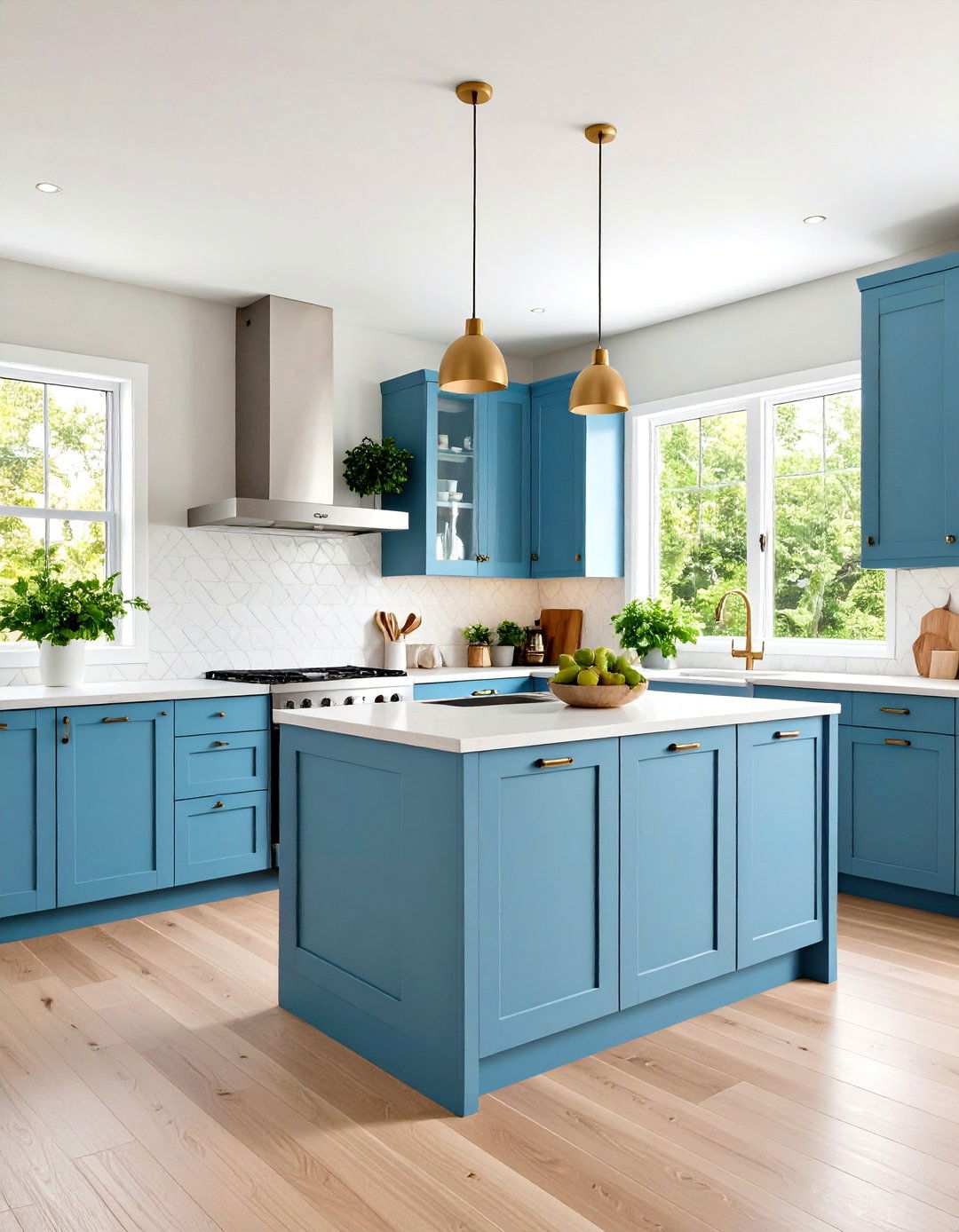
Removing upper cabinets from corner kitchens unlocks opportunities for creative window placement, allowing natural light to flood the space from multiple directions. These layouts benefit from innovative storage solutions like lazy Susans, swing-out organizers, and custom-fitted drawer systems that turn dead spaces into functional areas. The L-shaped configuration naturally creates distinct zones for preparation, cooking, and cleanup, while the absence of upper cabinets opens up the corner layout to adjacent living spaces, fostering a sense of connection and flow. Strategically placed floating shelves or single statement pieces in corner areas add visual interest without overwhelming the clean, open aesthetic.
9. Kitchen Peninsulas: A Storage Solution with Style
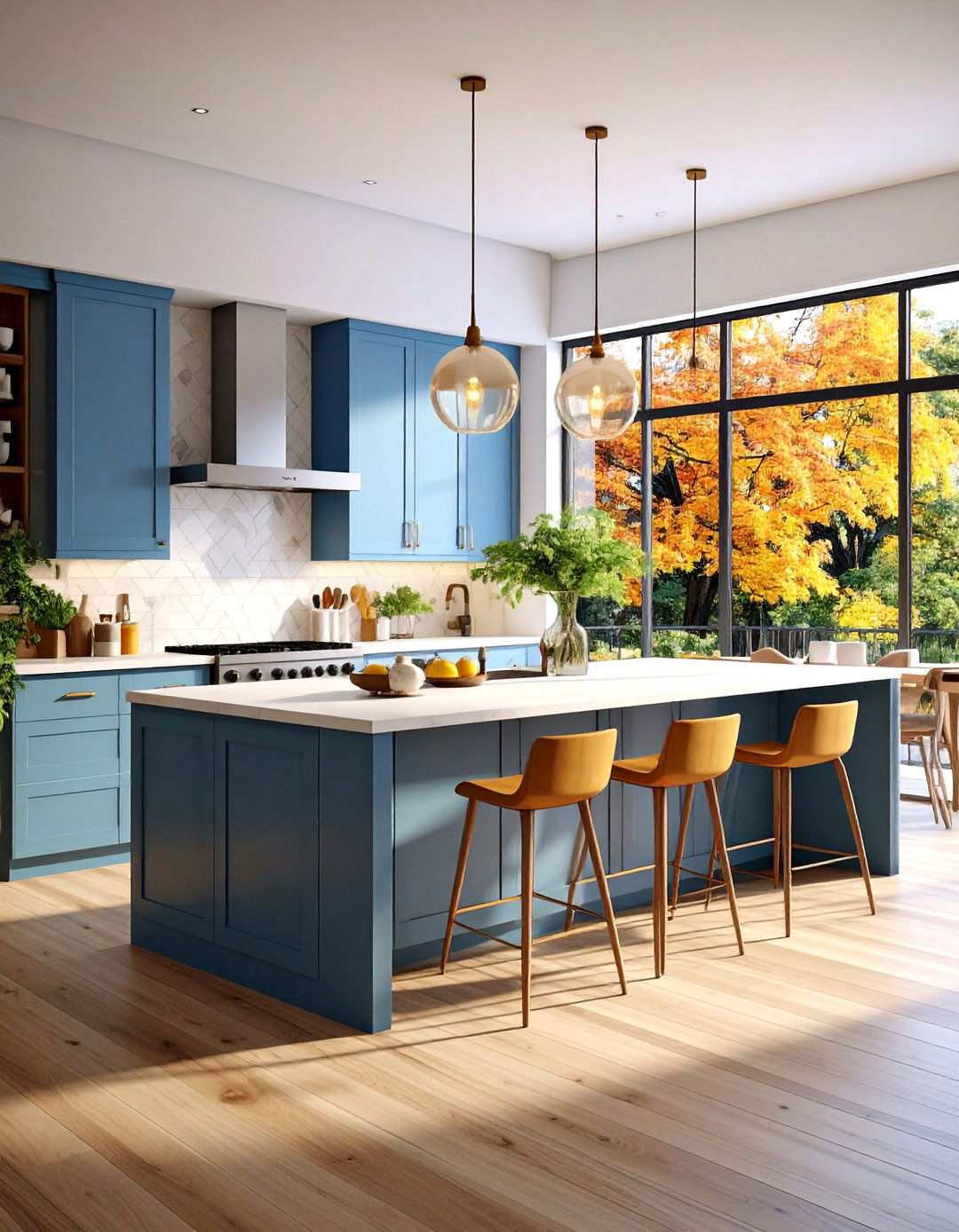
Kitchen peninsulas offer an attractive alternative to traditional upper cabinet storage while maintaining a connection to surrounding living spaces. These integrated islands provide substantial storage through base cabinets and can incorporate raised breakfast bars, open shelving, or display areas on the room-facing side. The peninsula’s backside presents an opportunity for creative storage solutions like pot racks, magnetic knife strips, or small appliance parking. Without upper cabinets above, peninsulas feel less imposing and maintain better traffic flow, creating a seamless connection between cooking and socializing areas. The horizontal lines created by peninsula countertops emphasize the kitchen’s openness, providing a functional workspace and casual dining options.
10. Harnessing the Power of Natural Light in Kitchens
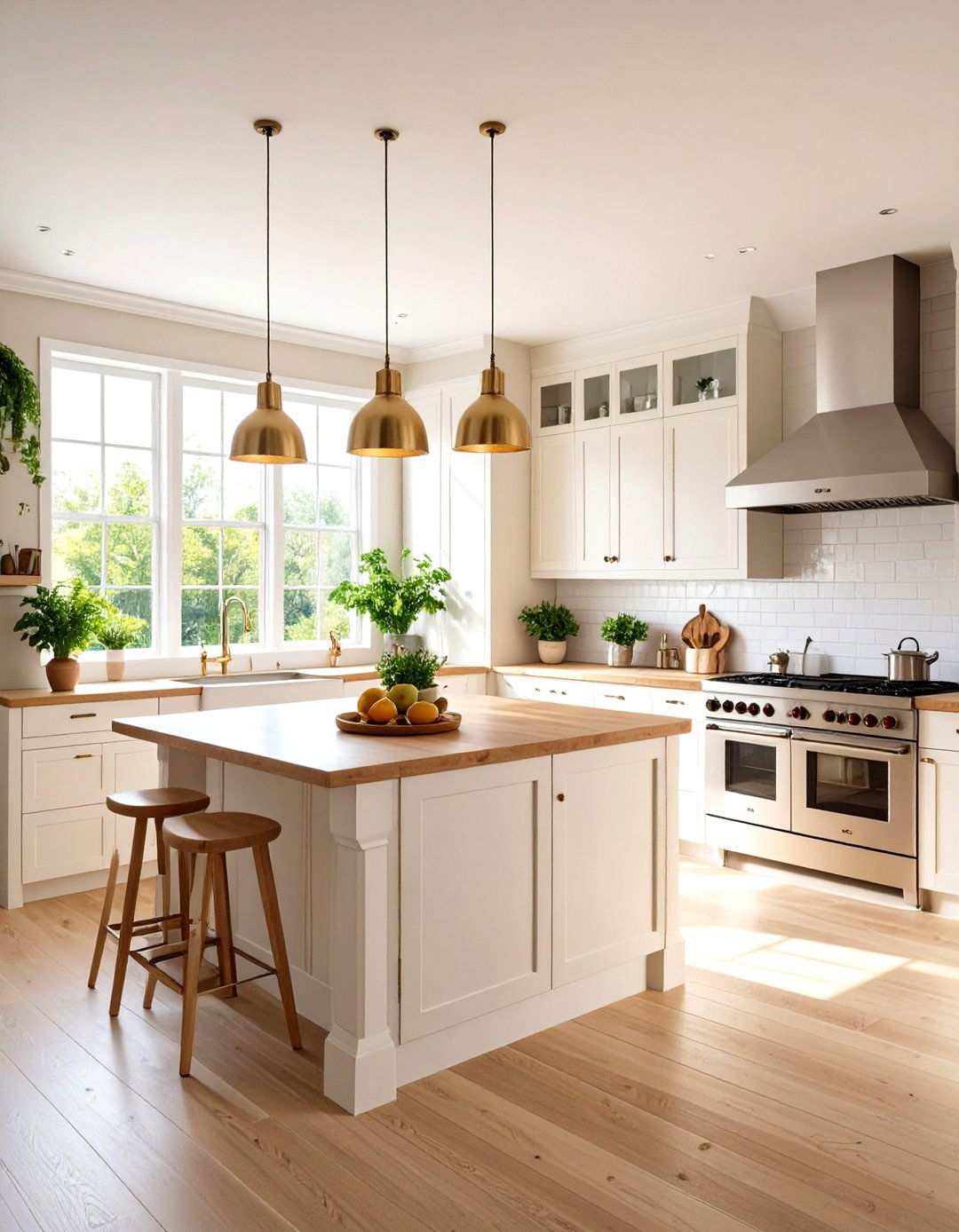
Imagine cooking in a kitchen bathed in abundant natural light throughout the day. By removing upper cabinets, homeowners can strategically place windows to maximize daylight penetration into work areas, creating a brighter and more inviting cooking environment. South-facing windows provide consistent illumination, while east and west exposures offer dynamic lighting changes throughout the day. Skylights become a viable option when upper cabinet soffits don’t interfere with ceiling lines. Light-reflecting surfaces like white countertops, glossy backsplashes, and stainless steel appliances amplify natural illumination, creating a harmonious interplay between changing daylight and kitchen activities that makes cooking more enjoyable and energy-efficient.
11. Embracing the Authenticity of Modern Farmhouse Kitchens
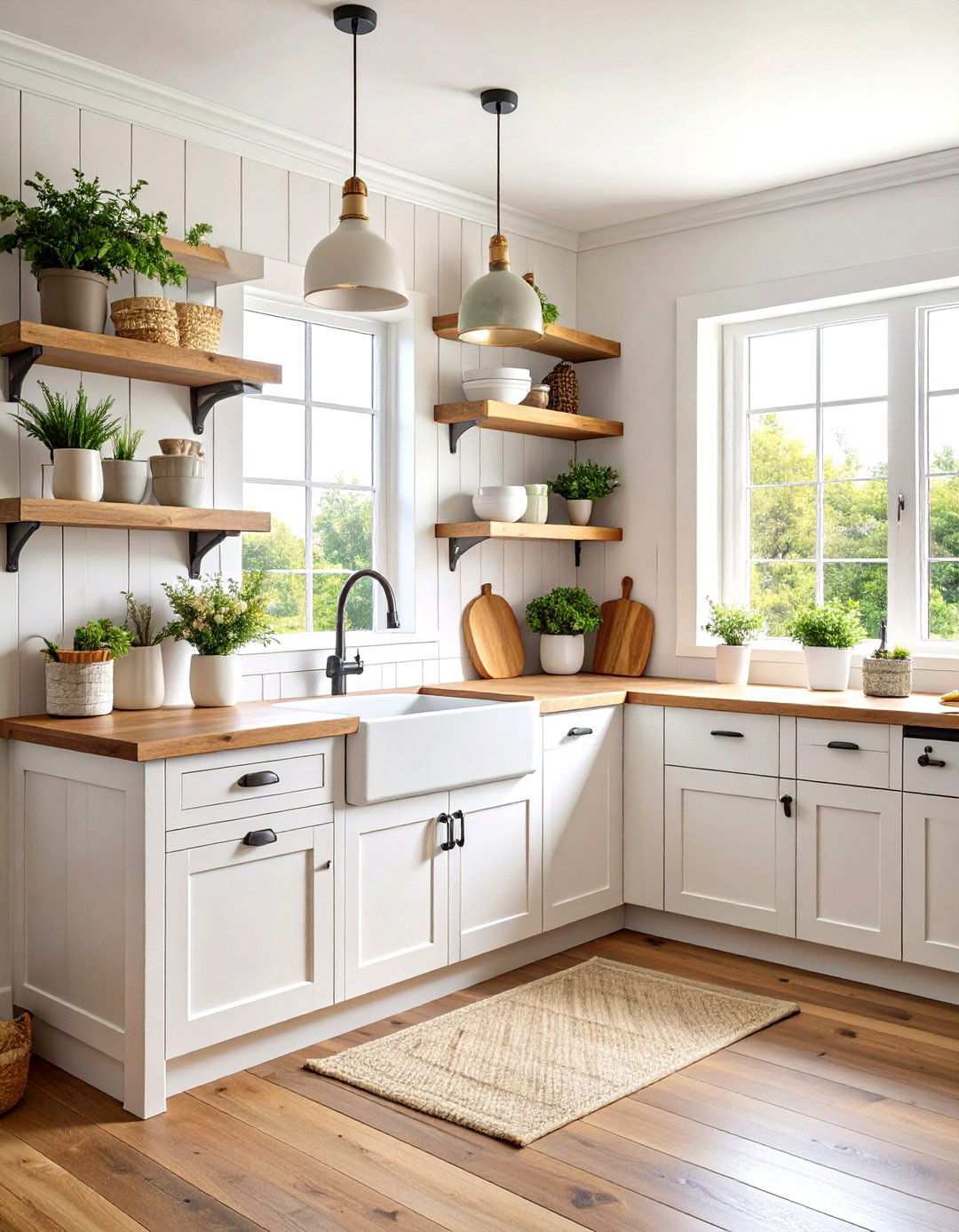
Modern farmhouse kitchens achieve a perfect balance between rustic charm and contemporary functionality by embracing the no-upper-cabinet trend. The absence of upper cabinets not only adds a touch of elegance but also creates an ideal setting for vintage stoneware and mason jars on open shelving. This beautiful blend of old and new is further enhanced by the presence of large farmhouse sinks beneath picture windows that frame breathtaking views of gardens or rolling hills. Reclaimed wood floating shelves bring warmth to the space, contrasting beautifully with the crispness of white subway tiles and the soft sheen of painted shiplap walls. By exposing architectural details like exposed beams or vintage light fixtures, modern farmhouse kitchens reveal their true character and authenticity.
12. Unapologetic Industrial Chic in Kitchen Design
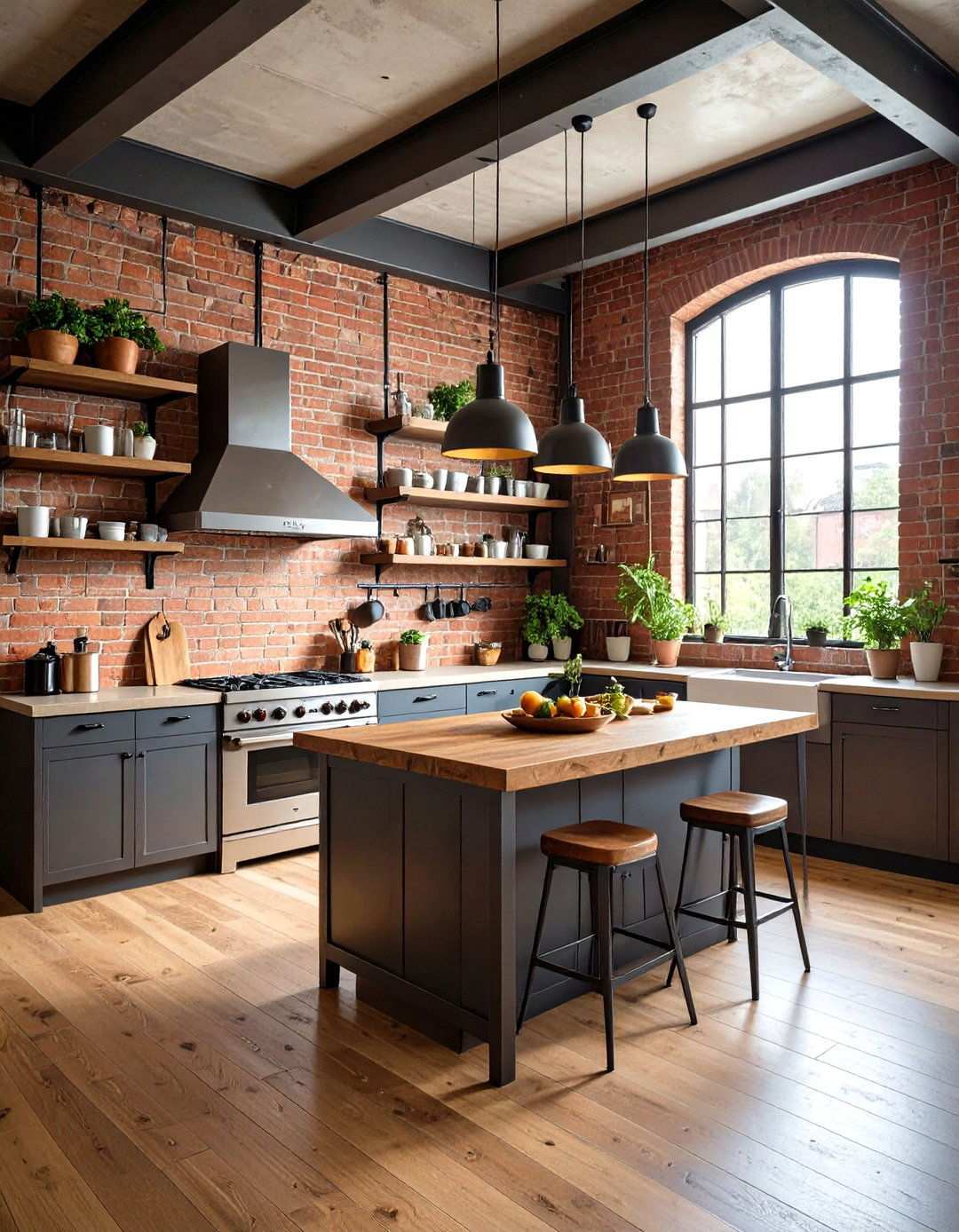
Industrial-style kitchens without upper cabinets embody the spirit of raw materials and architectural honesty, showcasing exposed brick, steel beams, and concrete surfaces. The open metal shelving systems not only provide ample storage but also reinforce the industrial aesthetic, creating a space that is both functional and visually striking. To add to the raw, industrial feel, pot racks, magnetic strips, and hanging utensil storage keep tools visible and accessible, while large factory-style windows flood the space with light, reinforcing the urban loft feeling. The seamless integration of stainless steel appliances, concrete countertops, and minimal color palettes creates a cohesive industrial environment that is both edgy and sophisticated. By eliminating traditional cabinetry, architectural features like exposed ductwork, brick walls, or steel columns become the focal points of the design, rather than mere obstacles to be hidden.
13. Maxing Out Small Kitchen Potential with Strategic Design
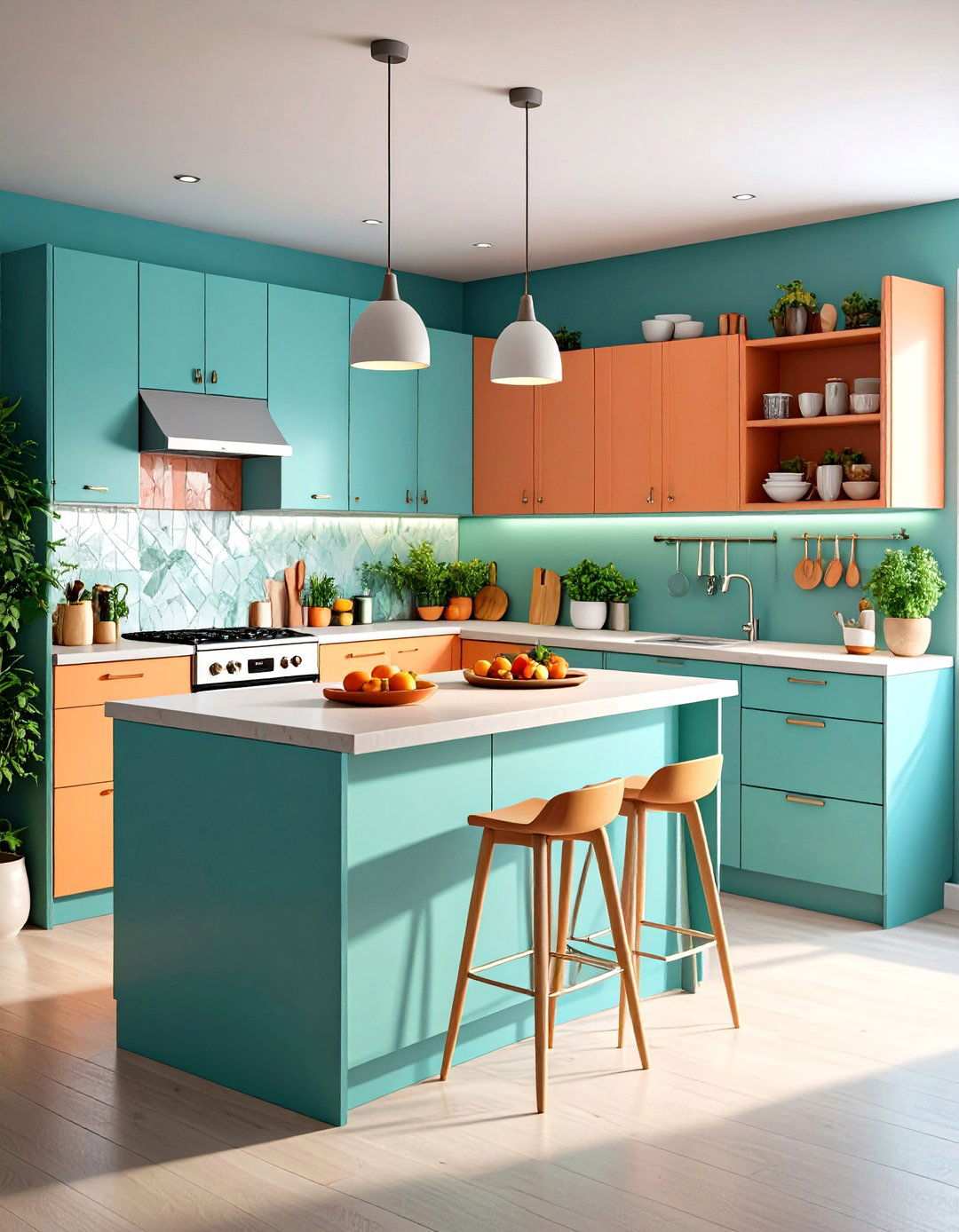
Eliminating upper cabinets in small kitchens can have a profoundly dramatic impact, making cramped spaces feel significantly larger. Every vertical inch becomes a valuable asset, leading to innovative solutions like magnetic spice storage, under-shelf baskets, and multi-functional furniture pieces that provide ample storage and functionality. To further enhance the sense of spaciousness, compact islands on wheels can provide mobile workspace and storage that can be easily moved aside when floor space is needed. The strategic use of light colors and reflective surfaces amplifies the illusion of size created by removing visual barriers, while the thoughtful placement of mirrors, glass shelving, or metallic accents further enhances the sense of space while maintaining essential storage through clever organizational systems.
14. Elevating the Backsplash Experience
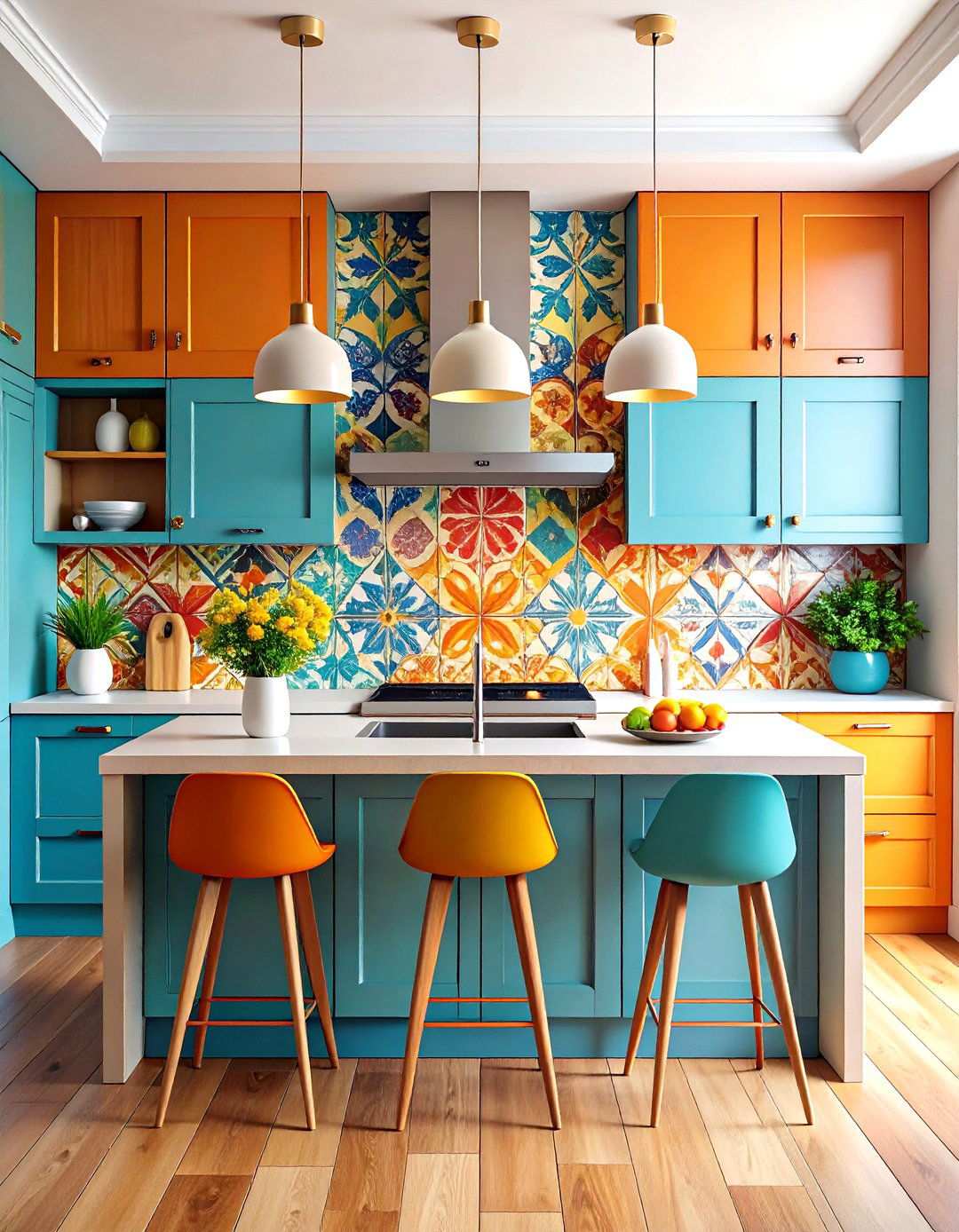
The lack of upper cabinets in a kitchen creates a spacious backdrop that allows backsplashes to take center stage, stretching upwards to form a stunning visual statement. This expansive canvas invites bold, artistic expressions, from intricate patterns to continuous natural stone installations that captivate the eye. In this open area, subway tiles can be stacked vertically to create a classic, timeless emphasis, or large format tiles can be used to minimize grout lines, resulting in a seamless surface that adds a touch of sophistication. Furthermore, metallic finishes, mirror tiles, or decorative glass can be incorporated to reflect light and add a dash of visual flair. Additionally, the extended backsplash area offers opportunities for incorporating practical storage solutions, such as recessed spice niches, magnetic strips, or slim shelving, which can maintain the clean, uncluttered aesthetic while providing essential functionality.
15. Blending Kitchen and Dining Zones
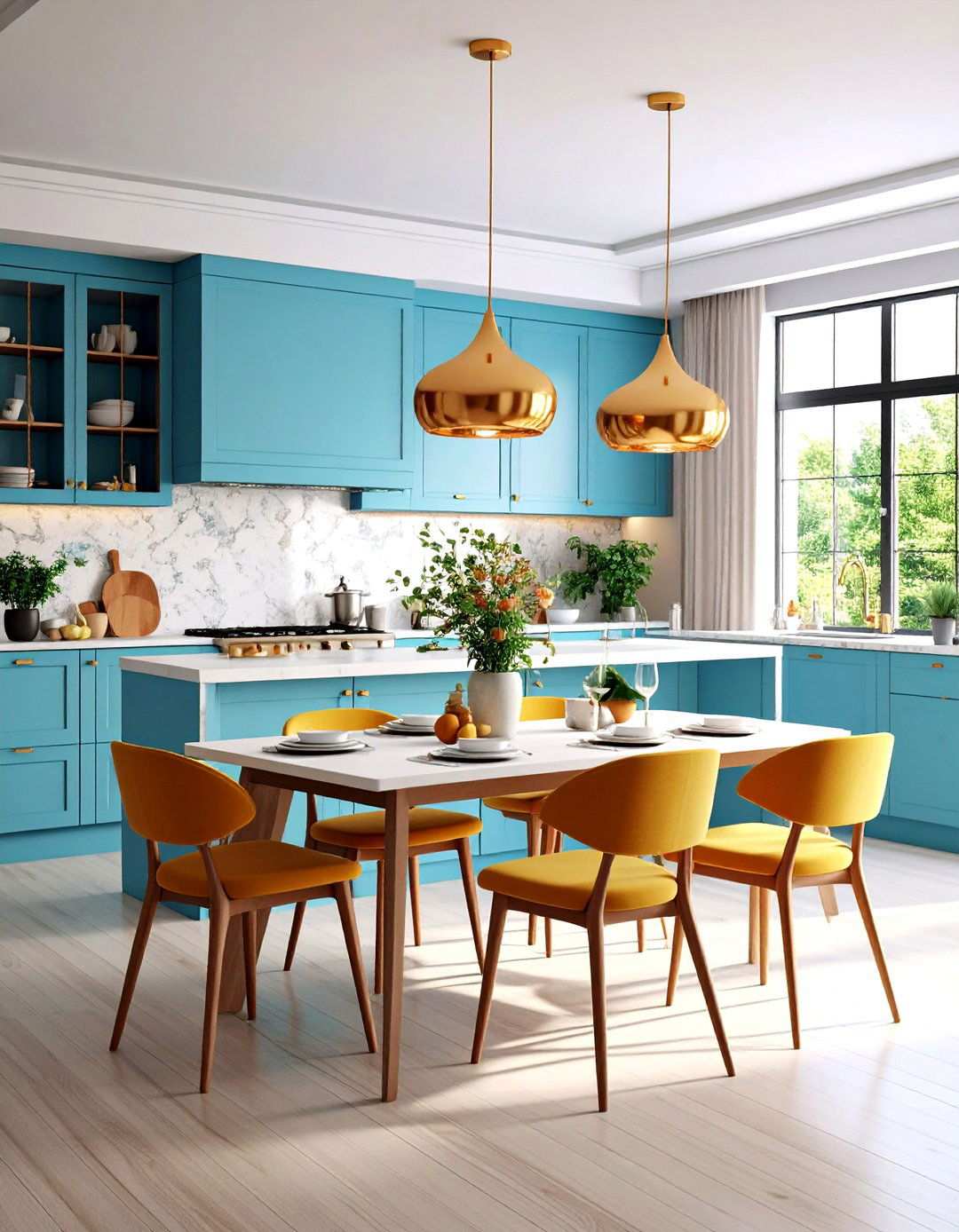
Kitchens without upper cabinets seamlessly integrate with dining areas, fostering cohesive entertaining spaces where cooking and socializing blend effortlessly. The visual continuity allows furniture, lighting, and color schemes to flow harmoniously between zones, creating a sense of spaciousness and fluidity. In this setting, kitchen islands can be designed with dining height seating, while peninsulas can create natural divisions without blocking sight lines, adding a touch of elegance to the space. Consistent flooring, window treatments, and architectural details further unify the area, promoting a sense of cohesion that encourages social cooking experiences where family and guests can interact comfortably with the cook.
16. Embracing the Calm of Scandinavian Design
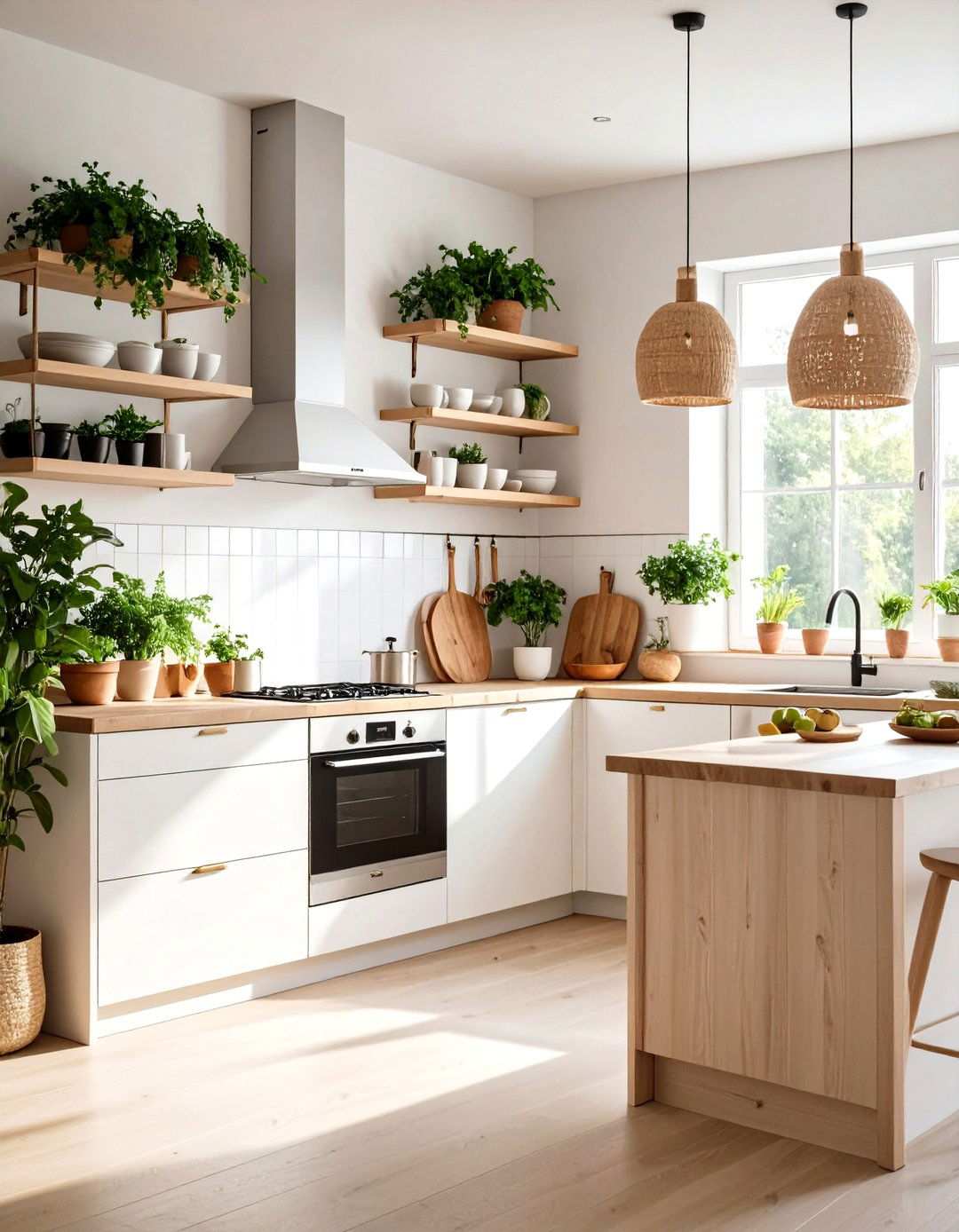
Imagine a kitchen that embodies the serene simplicity that makes Scandinavian design so enduringly popular. Light wood tones, white surfaces, and minimalist ornamentation combine to create a calming environment that prioritizes function and beauty in equal measure. Simple floating shelves can be used to display beautiful ceramics and glassware against crisp white walls, while large windows can maximize precious daylight during the long winter months. Natural materials like birch, oak, and stone can be incorporated to connect the interior to the Nordic landscapes, evoking a sense of harmony with nature. The absence of upper cabinets in a Scandinavian-inspired kitchen supports the principle of lagom – having just enough – by encouraging thoughtful curation of possessions and emphasizing quality over quantity in every design choice.
17. Pushing the Boundaries of Kitchen Design
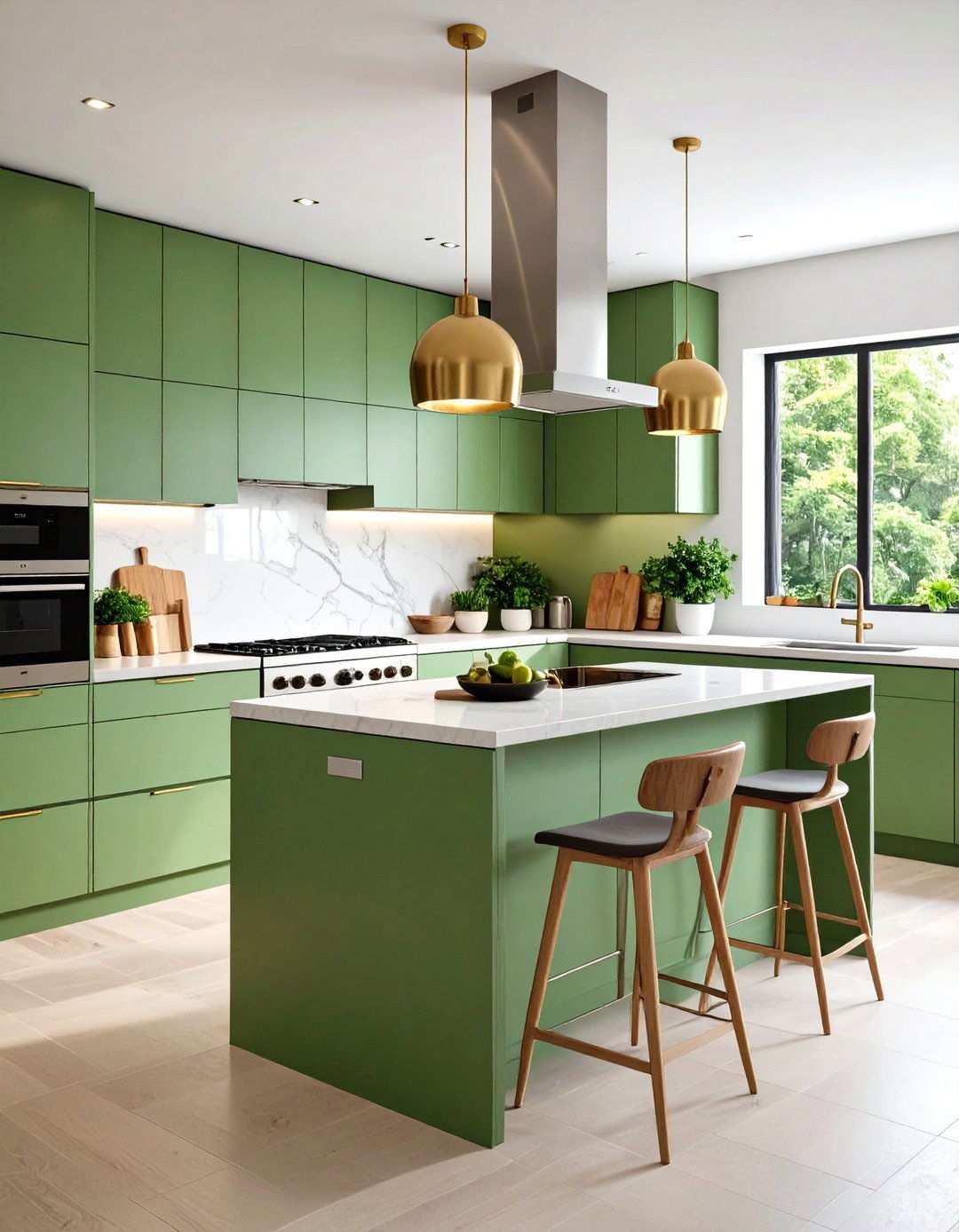
By abandoning upper cabinets, contemporary kitchens can now boast sleek, modern designs that seamlessly integrate innovative materials, cutting-edge technology, and smooth functionality. Handle-less base cabinets create a visually appealing, unobstructed surface, while clever storage solutions maximize storage capacity. Smart home integration takes kitchen management to the next level, with automated lighting, climate control, and appliance management at your fingertips. Flowing waterfall countertops, integrated sinks, and discreet appliances maintain a minimalist aesthetic, while advanced ventilation systems eliminate the need for bulky range hoods. This cutting-edge approach to kitchen design dissolves the boundaries between storage, workspace, and living areas, creating a fluid, adaptable environment that redefines the kitchen experience.
18. Updating Traditional Kitchen Style
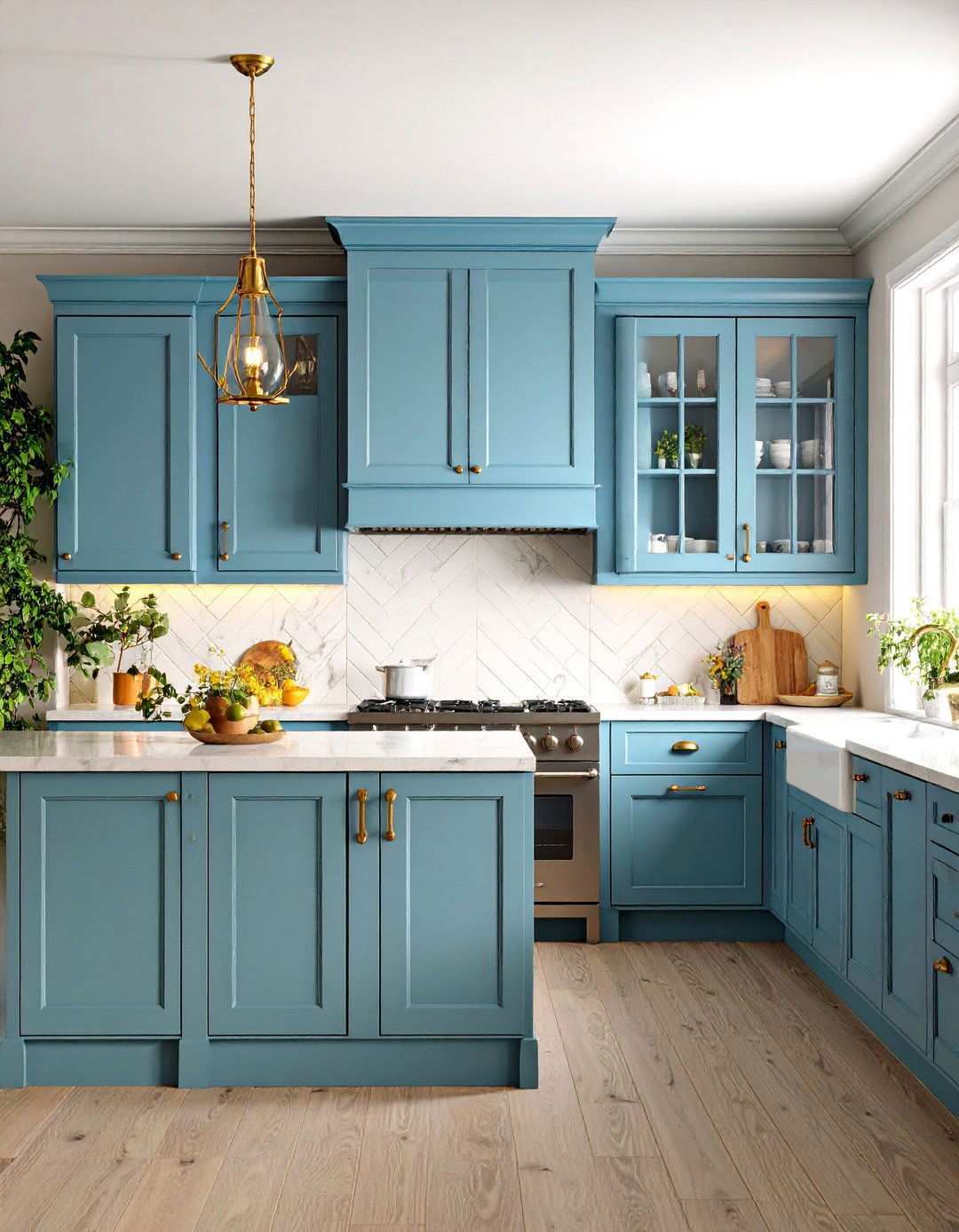
Traditional kitchen styles can be beautifully adapted to the no-upper-cabinet trend while retaining their classic charm and comforting familiarity. Raised panel base cabinets, ornate moldings, and vintage-inspired hardware evoke a sense of history and nostalgia, while decorative elements like china hutches, armoires, or built-in display cases provide stylish upper storage. These furniture pieces blend seamlessly into the kitchen design, replacing fitted cabinetry with a touch of elegance. Traditional materials like marble countertops, subway tiles, and hardwood floors anchor the classic aesthetic, while period-appropriate lighting fixtures and window treatments add a touch of sophistication. By embracing the benefits of increased light and openness, homeowners can enjoy the best of both worlds – the warmth of traditional style and the freedom of an open-concept kitchen.
19. Creating a Seamless Kitchen Flow
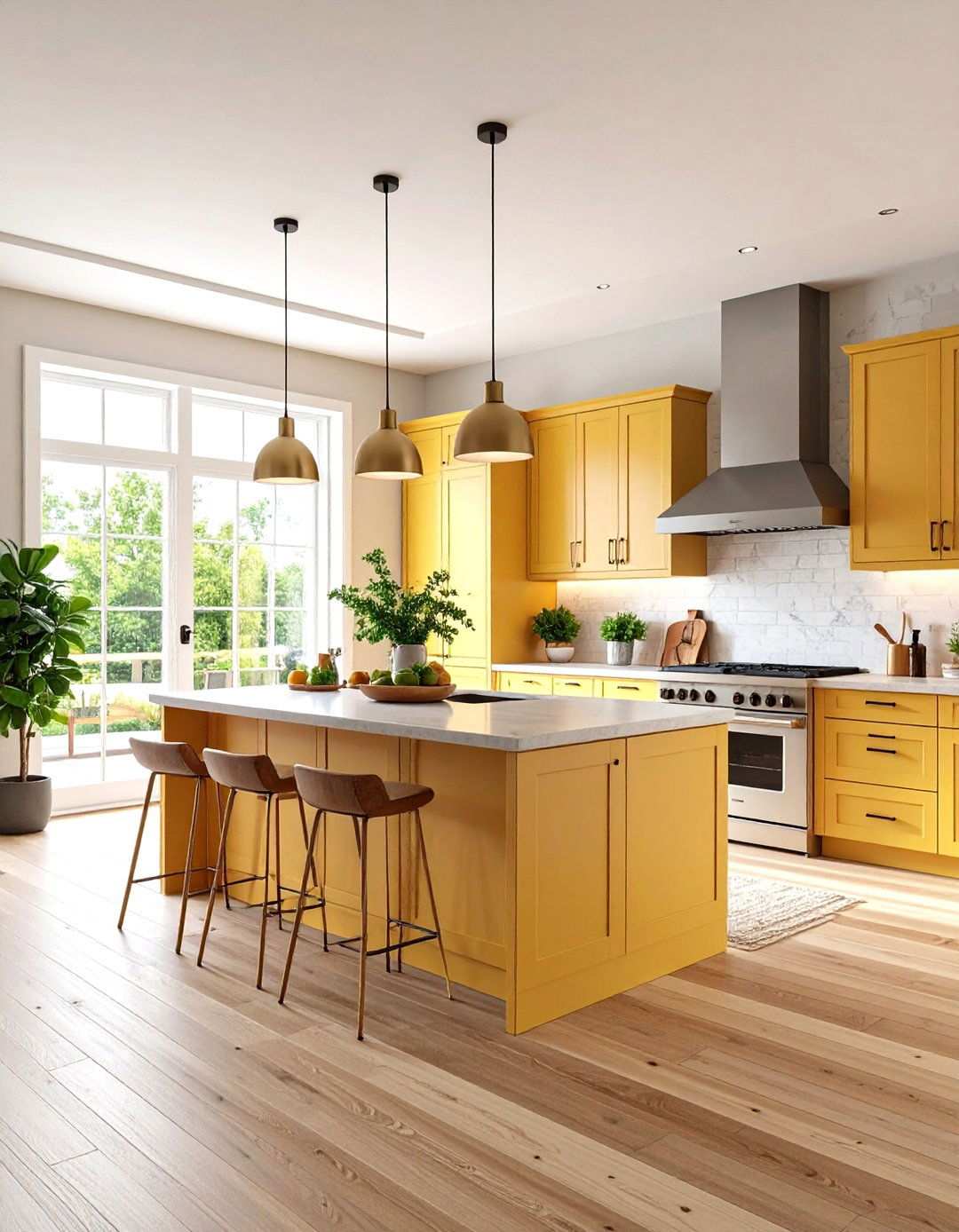
Open-concept homes can greatly benefit from kitchens without upper cabinets, as the removal of visual barriers creates a seamless flow between living, dining, and cooking areas. Unobstructed sight lines stretch across the entire space, making both the kitchen and adjacent rooms feel larger and more connected. Consistent ceiling heights, flooring materials, and color palettes unify the space, creating a sense of cohesion and flow. Kitchen islands can serve as natural room dividers while maintaining openness, allowing for flexible furniture placement and a more social, interactive environment. The result is a kitchen that becomes a central hub of family activities, where cooking becomes part of the entertainment rather than a solitary experience.
20. Timeless Kitchen Personality Traits
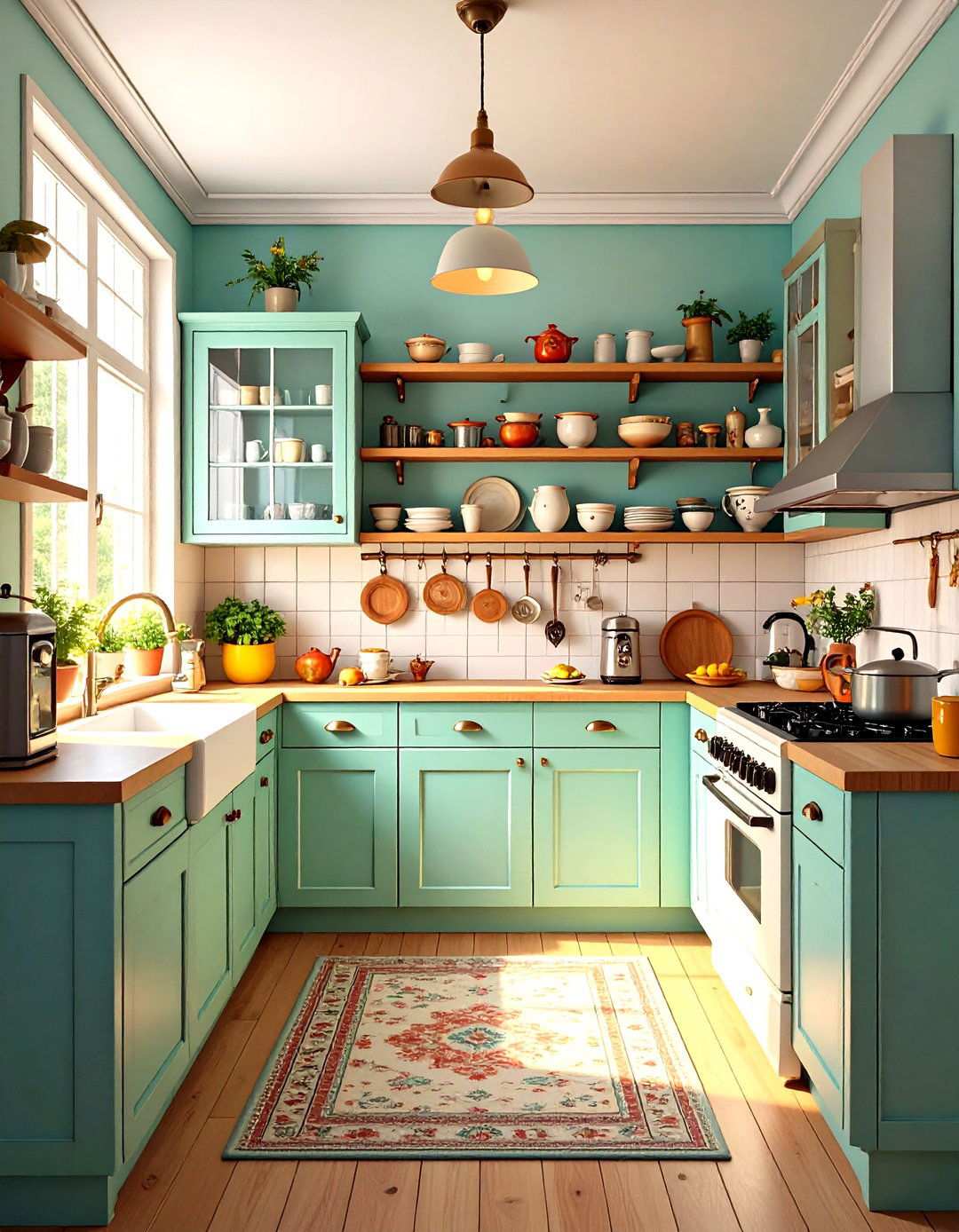
Classic kitchens that shun upper cabinets strike a perfect balance between nostalgic charm and practical modernity. Exposed shelving showcases cherished collectibles, antique kitchenware, and vintage tableware, paying homage to bygone eras. Distinctive farmhouse sinks, vintage-inspired appliances, and repurposed materials create an atmosphere steeped in history. Glass-front pantry doors, ornate hardware, and nostalgic lighting fixtures preserve the era’s authenticity. The absence of upper cabinets liberates original architectural details like crown molding, wainscoting, or exposed beams to take center stage. Vintage fabrics, retro color palettes, and antique accessories complete the narrative while providing the functionality needed for everyday life.
21. Optimized Kitchen Workspace Layouts
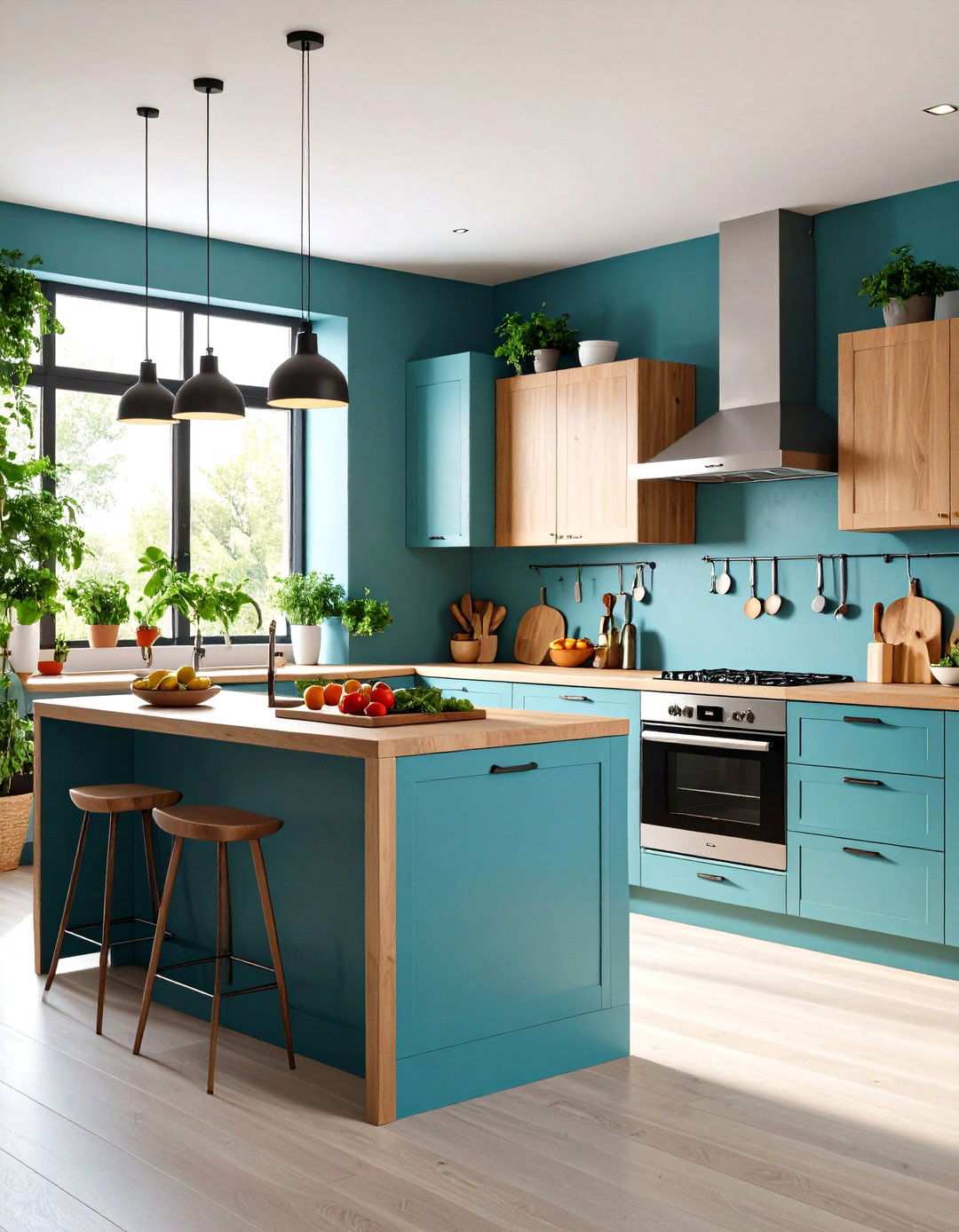
Effective kitchens without upper cabinets divide workspace into specialized areas that optimize productivity and streamline cooking tasks. Prep stations revolve around sinks with built-in cutting boards and nearby knife storage compartments. Cooking areas boast easy access to pots, pans, and utensils through clever drawer systems and open storage solutions. Cleanup zones organize dish storage near dishwashers and drying areas, each maintaining its own microenvironment of tools and supplies. Strategic placement of these zones creates natural work triangles that make cooking more efficient and enjoyable, demonstrating that excellent design can transcend the presence or absence of upper cabinets.
22. Harmonious Kitchen Color Schemes
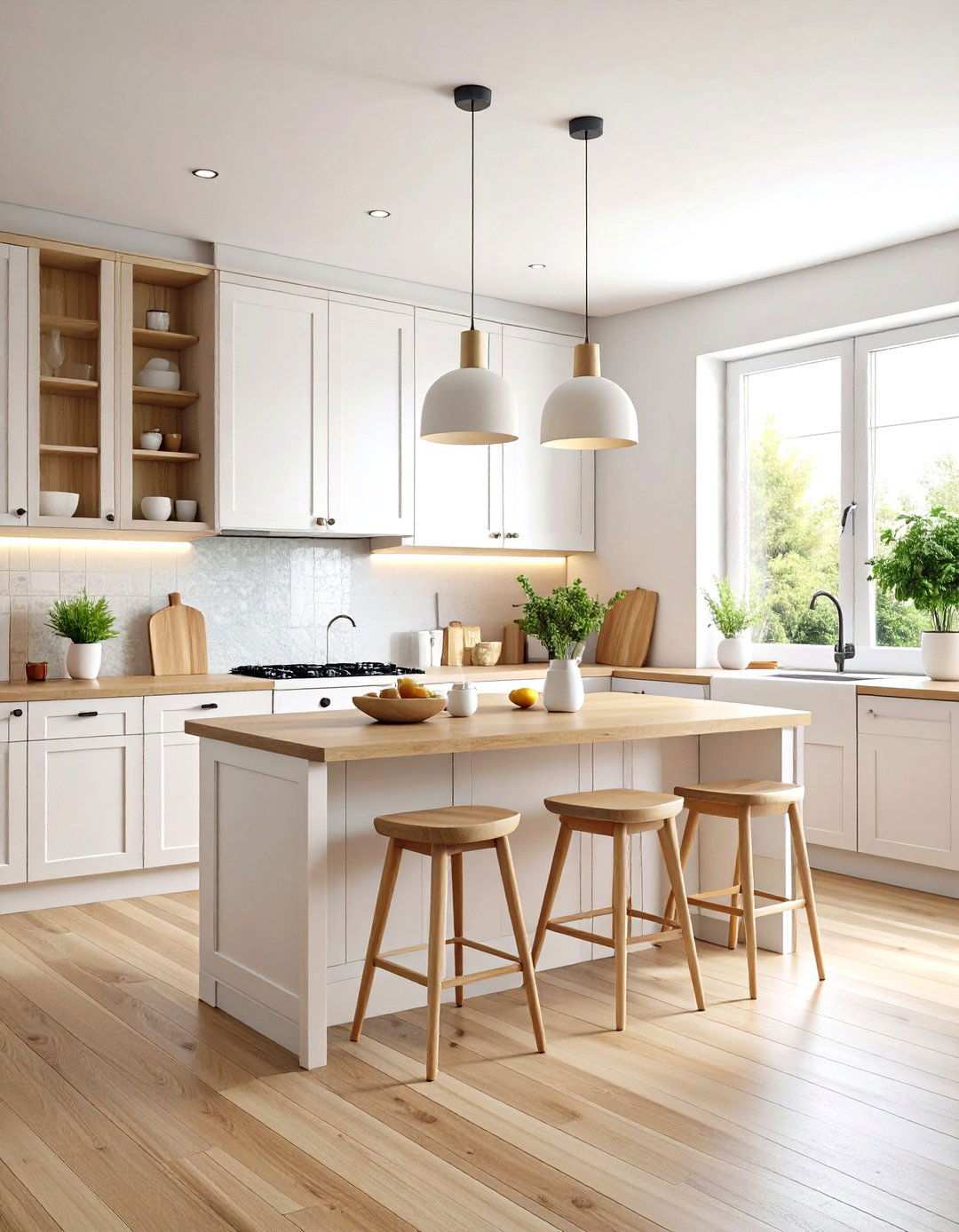
Color schemes in kitchens without upper cabinets can be bolder and more cohesive since there are fewer surfaces to consider. Monochromatic palettes create serene, sophisticated environments that emphasize architectural details and natural light. Two-tone schemes use base cabinets and islands as accent pieces against neutral walls and backsplashes. Bold accent walls become possible when upper cabinets don’t compete for visual attention. Natural materials like wood and stone provide organic color variation that changes with lighting throughout the day. The expanded wall space allows for creative expression through paint, wallpaper, or decorative finishes that would overwhelm a traditional kitchen.
23. Kitchen Lighting Design Strategies
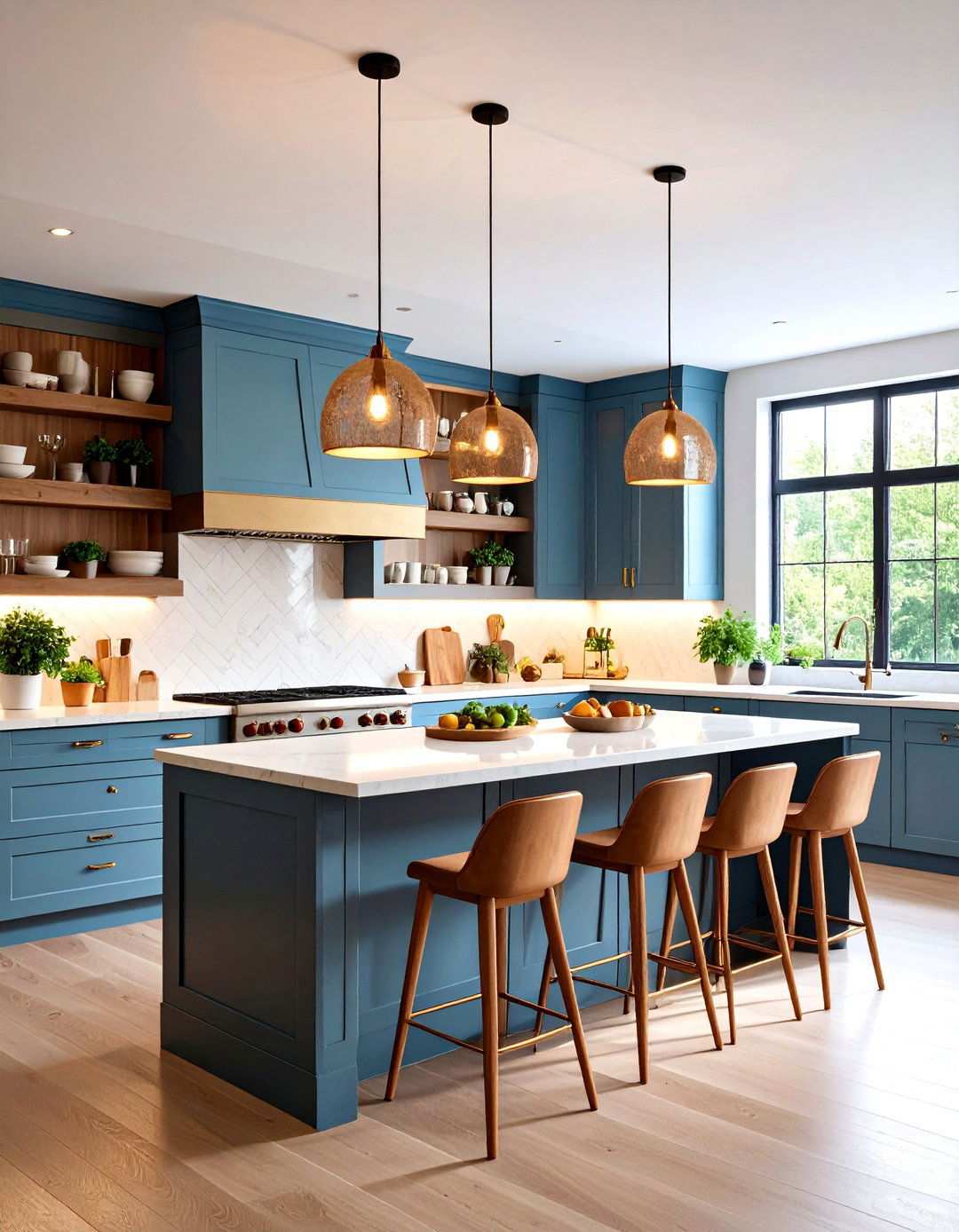
The open layout of kitchens without upper cabinets presents a unique opportunity for creative lighting solutions. Task lighting, once confined to the space beneath wall cabinets, must now find innovative ways to shine. Pendant lights suspended above islands and peninsulas provide focused illumination while adding a touch of elegance to the space. Under-shelf lighting highlights the contents of floating shelves, drawing attention to the carefully curated decor. Recessed ceiling lights offer a subtle, unobtrusive source of general illumination, ensuring the space remains well-lit without visual clutter. Window-adjacent task lighting complements natural daylight, creating a harmonious balance of artificial and natural light. The absence of upper cabinets allows for statement light fixtures to become intentional focal points, elevating the overall aesthetic of the kitchen. By layering different lighting schemes, homeowners can create ambiance tailored to various times of day and activities, making their kitchen a versatile space for both morning coffee preparation and evening entertaining.
24. Kitchen Appliance Integration Methods
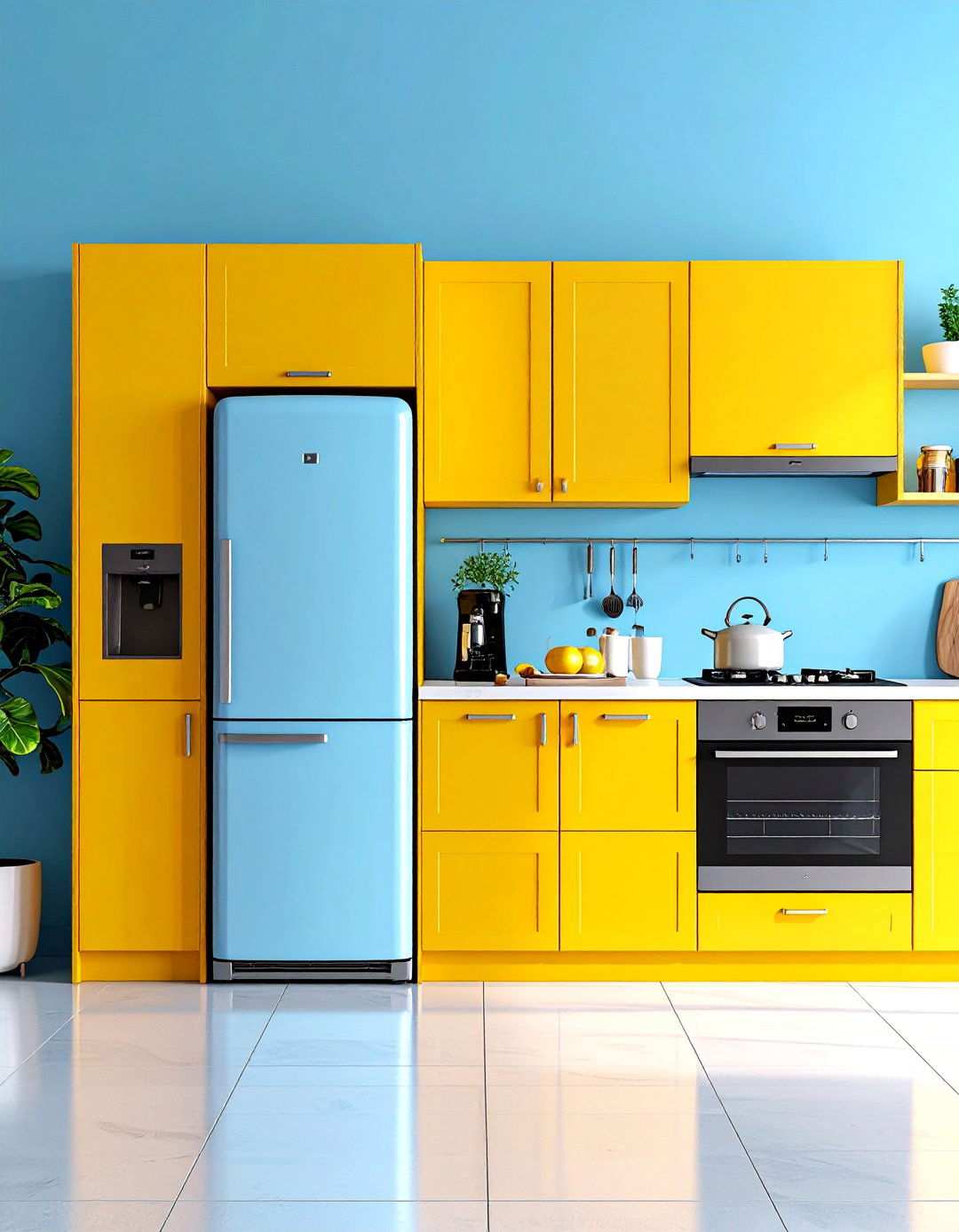
In kitchens devoid of upper cabinets, the visual focus shifts from vertical elements to horizontal lines and surface continuity, allowing appliances to integrate more seamlessly into the design. Built-in refrigerators, hidden behind matching cabinetry panels, blend effortlessly into the surrounding space. Range hoods are transformed from functional necessities to architectural statements, their sleek designs adding a touch of sophistication to the kitchen. Microwave drawers and steam ovens are integrated into base cabinets or islands, creating a sense of cohesion and flow. Small appliances find a designated home in appliance garages or dedicated pantry areas, keeping countertops clutter-free. Counter depth appliances, with their clean lines and minimalist profiles, maintain a sleek appearance without obstructing walkways. The absence of upper cabinets’ visual competition enables appliances to either blend discreetly into the design or serve as intentional focal points, enhancing the overall aesthetic harmony of the kitchen.