1. Streamlined Storage Systems with Hidden Flair
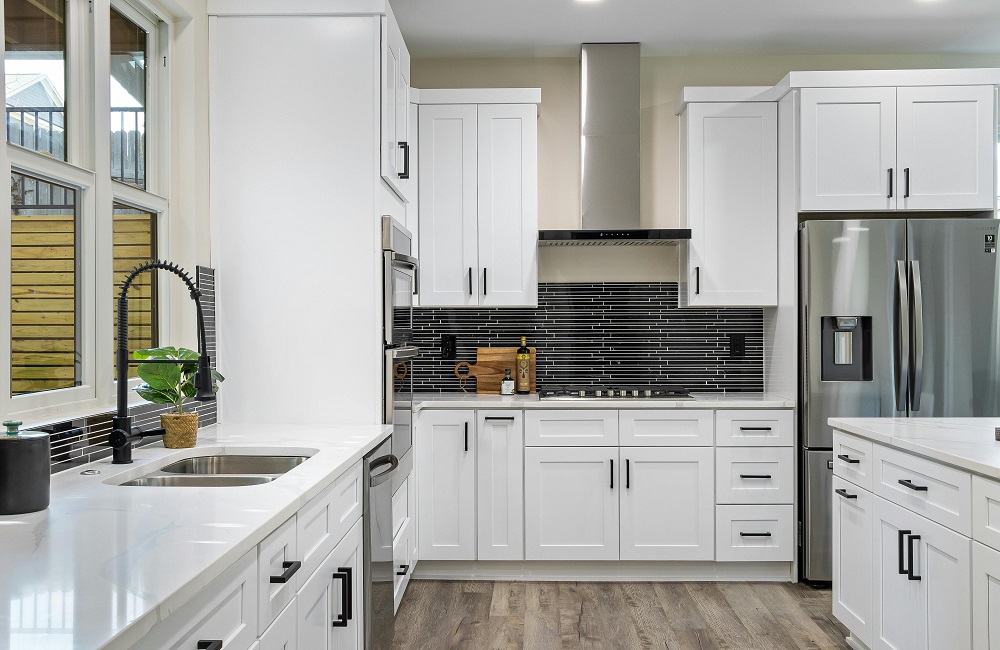
Do cluttered kitchens leave you feeling overwhelmed? Japan’s minimalist approach to storage offers a clever solution, hiding everyday essentials behind sleek cabinet doors and pull-out drawers. By cleverly concealing utensils, dishes, and appliances, these systems maintain pristine countertops and unobstructed sightlines. The thoughtful integration of vertical dividers for plates and bowls, along with specialized inserts for chopsticks, knives, and cooking tools, helps to create a sense of order. The key to these storage solutions lies in designated spaces for every item, ensuring that functionality never disrupts the serene visual flow. With features like soft-close mechanisms and handle-free designs, these systems embody the smooth, uninterrupted surfaces that define Japanese aesthetics.

As an Amazon Associate I earn from qualifying purchases.
The smart internal lighting design illuminates contents without the need for external fixtures, preserving the minimalist appearance and seamlessly integrating with the surrounding space. By employing these thoughtful storage solutions, homeowners can create a kitchen environment that is both functional and visually appealing. This is particularly important in smaller kitchens, where every inch counts. By concealing clutter and maintaining a sense of calm, these storage systems help to elevate the overall cooking experience.
2. Woodwork Wonders: Bringing Nature into the Kitchen
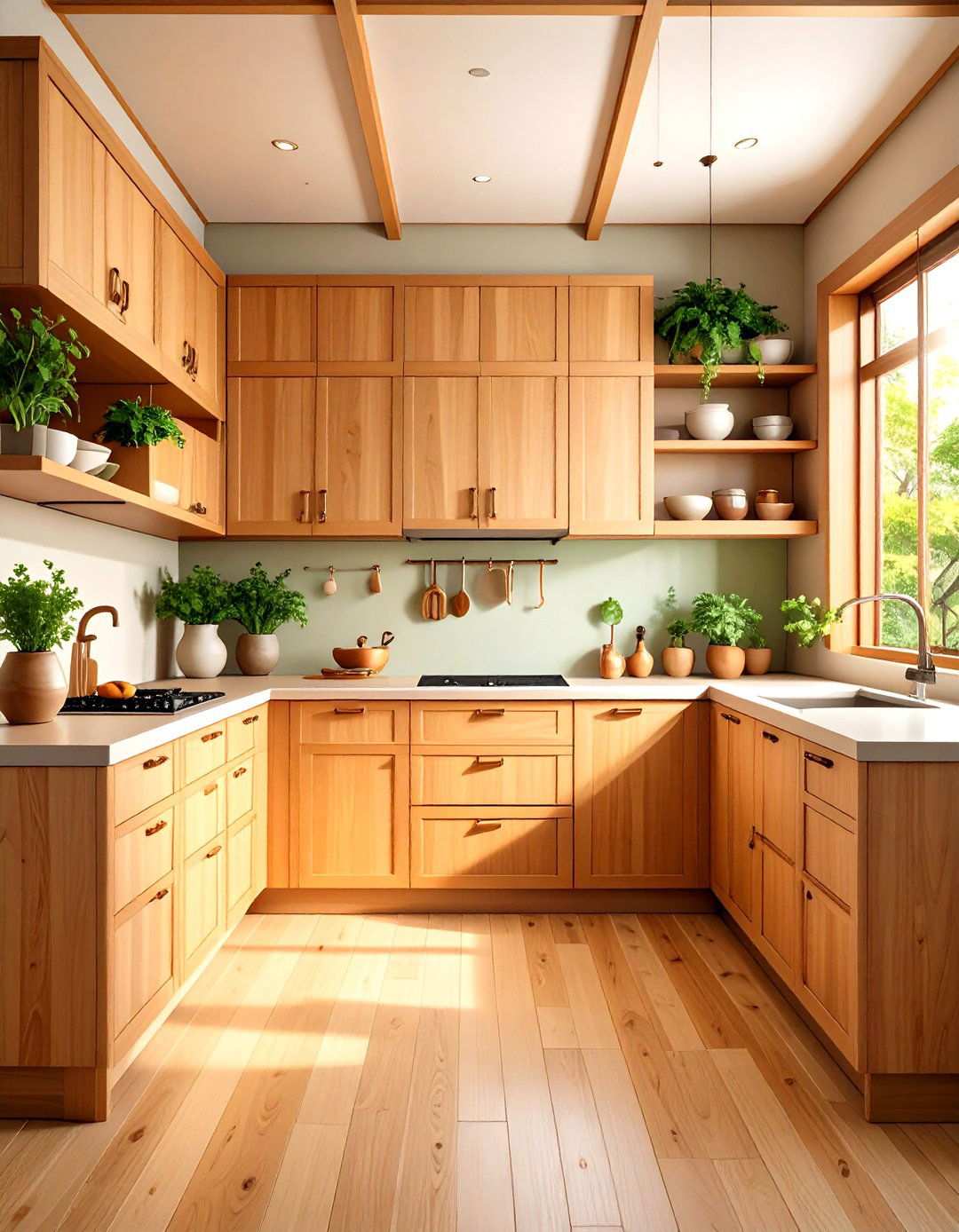
Can the natural beauty of wood be the perfect catalyst for transforming your kitchen’s atmosphere? Traditional Japanese woodworking celebrates the organic character of natural materials, creating cabinets that showcase visible grain patterns and imperfections. Light woods like cypress or maple add warmth to the space while maintaining the bright, airy feeling that is quintessential to Japanese design. The clean lines and simple rectangular forms of these cabinets avoid ornate details or decorative hardware, allowing the natural beauty of the wood to take center stage.
The wood’s natural oils and subtle fragrance contribute to the sensory experience of the space, inviting users to engage with it on a deeper level. By matching wooden elements throughout the kitchen, from cabinet faces to floating shelves, homeowners can create visual continuity and a sense of cohesion. The traditional joinery techniques used in these cabinets, such as mortise and tenon connections, reflect Japanese craftsmanship values while ensuring durability and longevity in daily use. By incorporating natural wood elements into the design, homeowners can create a kitchen that is not only functional but also a true reflection of their personal style.
3. Integrating Sustainable Elements with Bamboo Accents
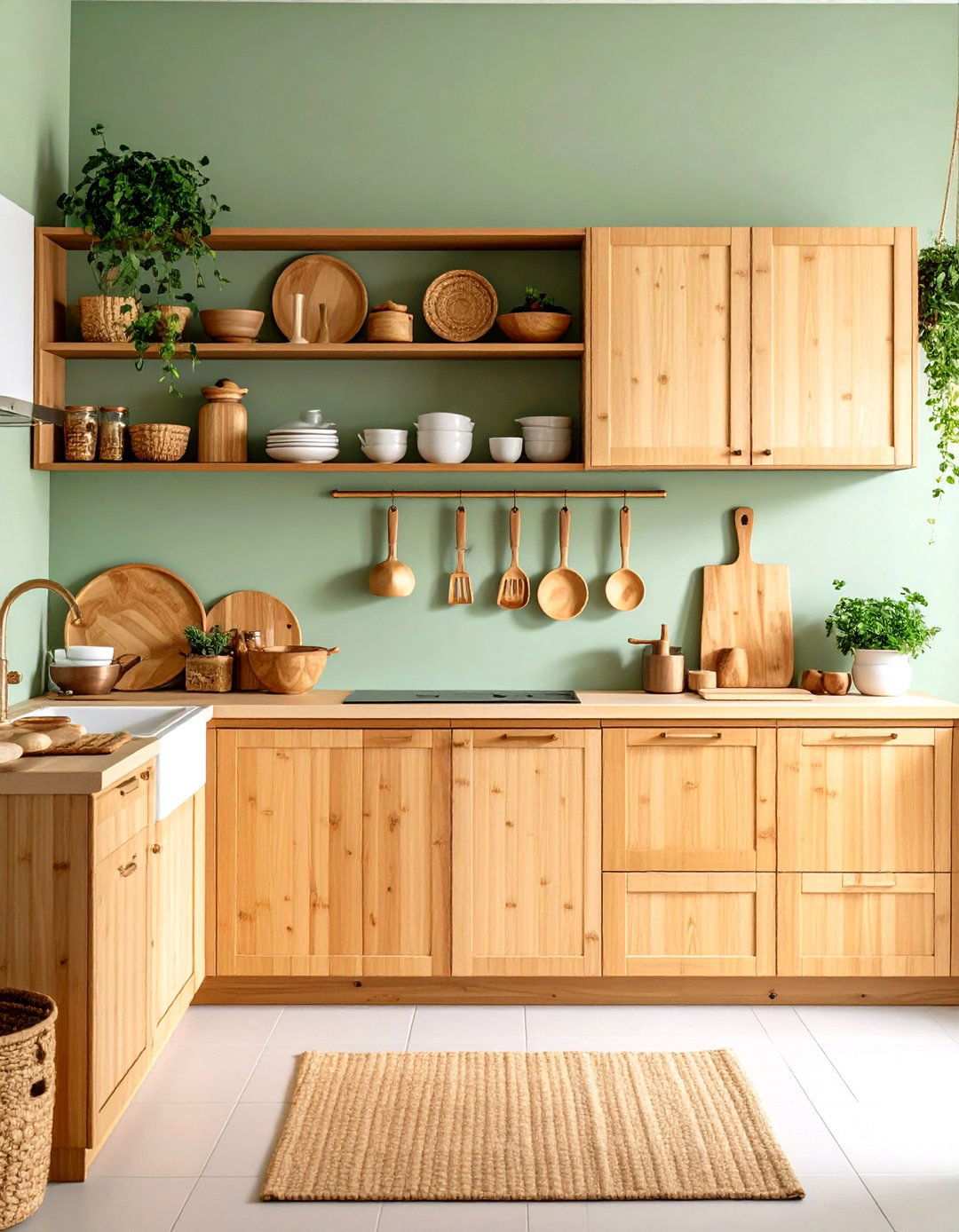
Designing a Japanese kitchen sanctuary that harmonizes with nature’s rhythms is a thoughtful approach. Bamboo’s unique properties make it an attractive choice for eco-conscious homeowners who value sustainability. Bamboo cutting boards, utensil holders, and cabinet inserts offer a tactile experience while providing antimicrobial benefits. Bamboo flooring, with its natural beauty, develops a rich patina over time, reflecting the Japanese emphasis on respecting the passage of time. Bamboo window treatments filter light naturally, ensuring both functionality and visual appeal. Storage baskets woven from bamboo add texture and interest to kitchen spaces, while also providing a practical storage solution. The adaptability of bamboo allows for curved elements that add warmth to linear kitchen geometries. Furthermore, its lightweight nature makes it ideal for movable elements such as serving trays, trivets, and kitchen islands that can be easily repositioned.
4. The Timeless Beauty of Stone Countertops
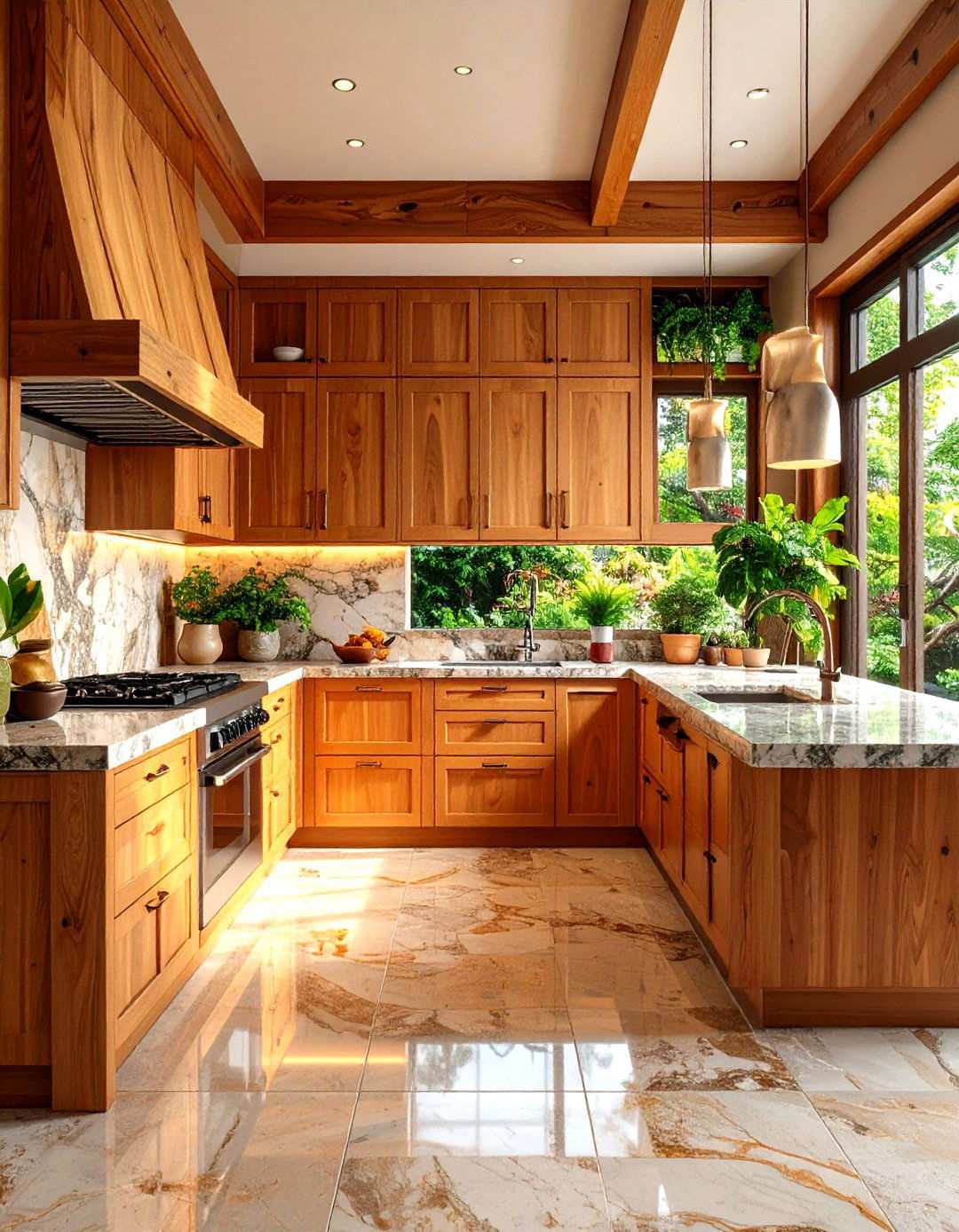
In Japanese kitchen design, stone countertops embody the perfect blend of functionality and aesthetics. Natural stone materials like granite, marble, or slate provide a durable and visually appealing surface that complements wood cabinetry. The thermal properties of stone make it an ideal choice for food preparation, especially when working with delicate ingredients. The unique characteristics of each stone slab, such as variations in color and texture, celebrate the beauty of imperfection, aligning with the wabi-sabi philosophy. Stone’s thermal mass helps regulate kitchen temperatures naturally, creating a comfortable environment for cooking and socializing. Honed or brushed finishes not only reduce maintenance but also enhance the tactile qualities of the stone. Integrated stone backsplashes create seamless transitions between horizontal and vertical surfaces, reflecting the Japanese values of investing in quality elements that improve with age.
5. Curating Open Shelving Displays with Thoughtful Selection
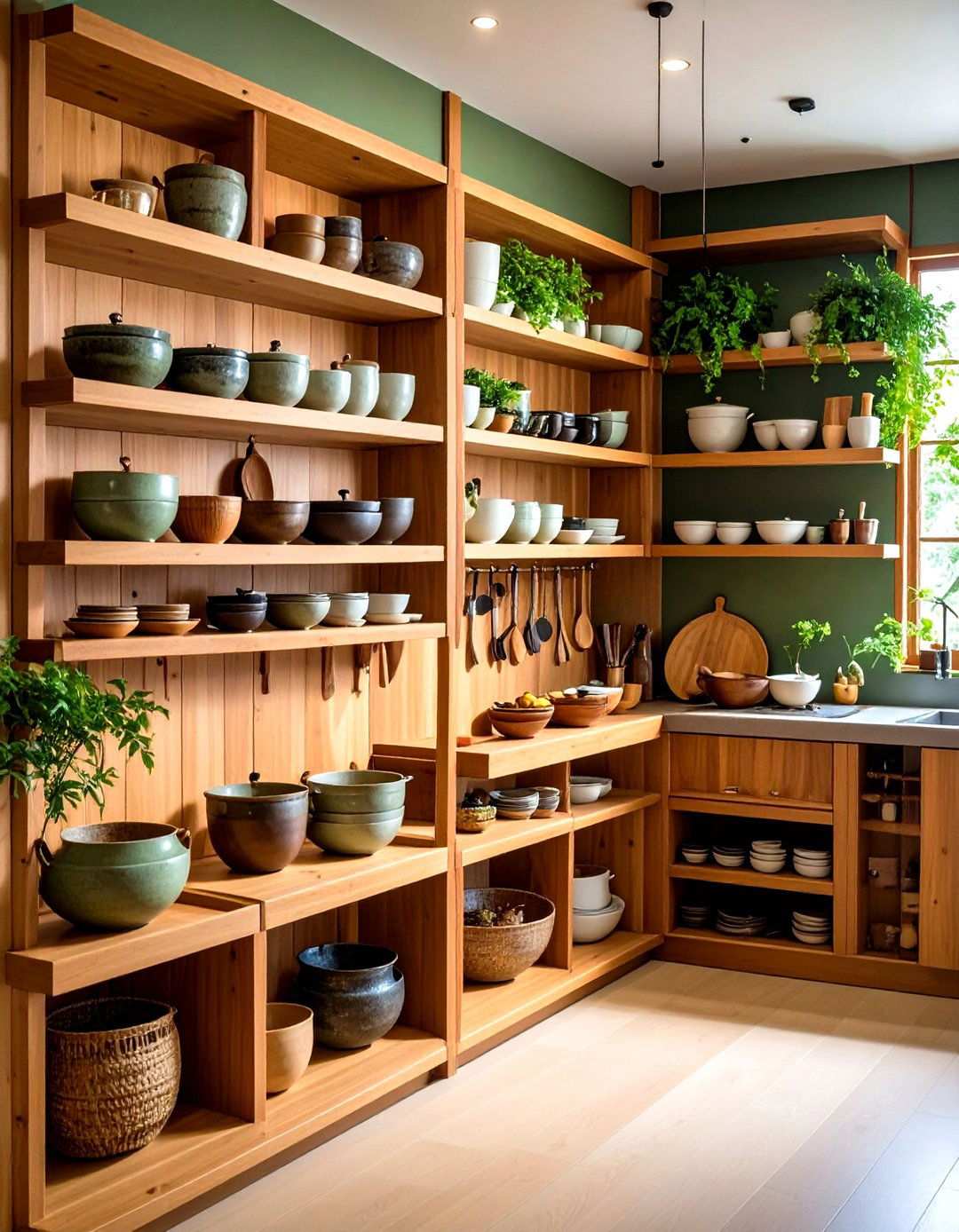
Carefully curated open shelving in Japanese kitchen design offers a unique blend of functionality and aesthetics. By showcasing everyday items as functional art, open shelving turns necessary tools into decorative elements. Wooden floating shelves display handcrafted ceramics, bamboo utensils, and traditional cookware in organized arrangements, creating a sense of harmony in the kitchen. The key to successful open shelving lies in limiting displayed items to essentials used regularly, maintaining the principle that every visible object serves a purpose. Uniform spacing between shelves creates a sense of rhythm and visual balance. Natural materials like ceramic bowls and wooden cutting boards add textural variety within a cohesive color palette. Magnetic knife strips mounted on walls keep sharp tools accessible yet safely stored, ensuring a clutter-free kitchen environment. Strategic placement near cooking areas ensures that frequently used items remain within easy reach, contributing to the kitchen’s overall aesthetic harmony.
6. Harmonizing Japanese Tradition with Modern Kitchen Efficiency
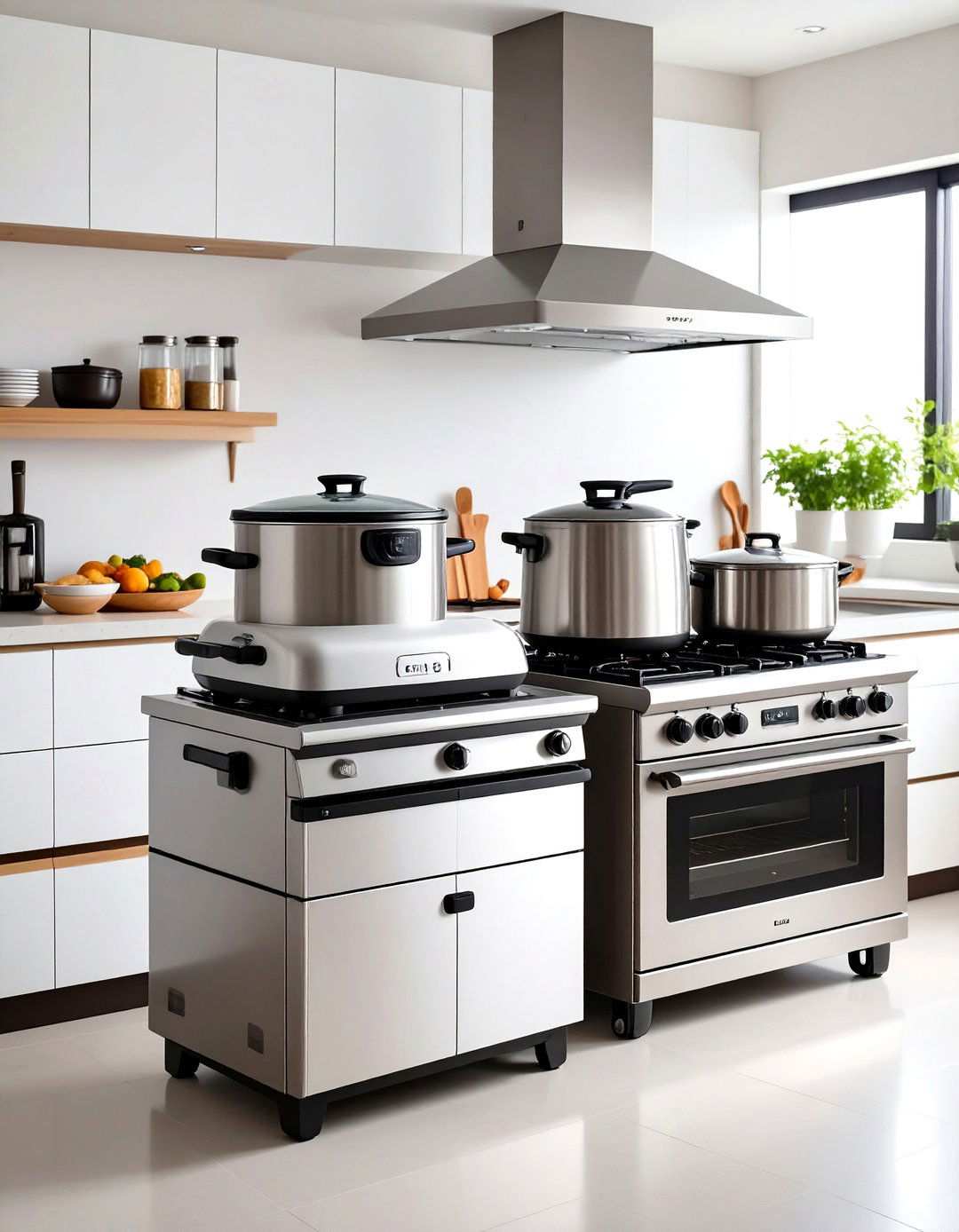
Effective Japanese cooking requires a thoughtful selection of essential appliances, don’t you agree? The humble rice cooker is a cornerstone of Japanese cuisine, consistently delivering perfectly cooked rice for everyday meals. Beneath stovetops, built-in fish grills cater to the nation’s fondness for grilled seafood and vegetables. Compact appliances are designed to optimize counter space without compromising functionality. Instant hot water, courtesy of electric water boilers, makes tea preparation and cooking a breeze. Japan’s emphasis on efficiency and space conservation is reflected in the use of small-scale appliances. The understated appearance of stainless steel finishes complements natural materials, creating a balanced visual aesthetic. Strategically placed appliances prioritize accessibility and workflow, with frequently used items situated within the primary cooking triangle. Discreet outlet placement and cord management systems maintain a clutter-free kitchen while providing essential power connections.
7. Streamlining Kitchen Functionality with Shoji-Inspired Sliding Panels
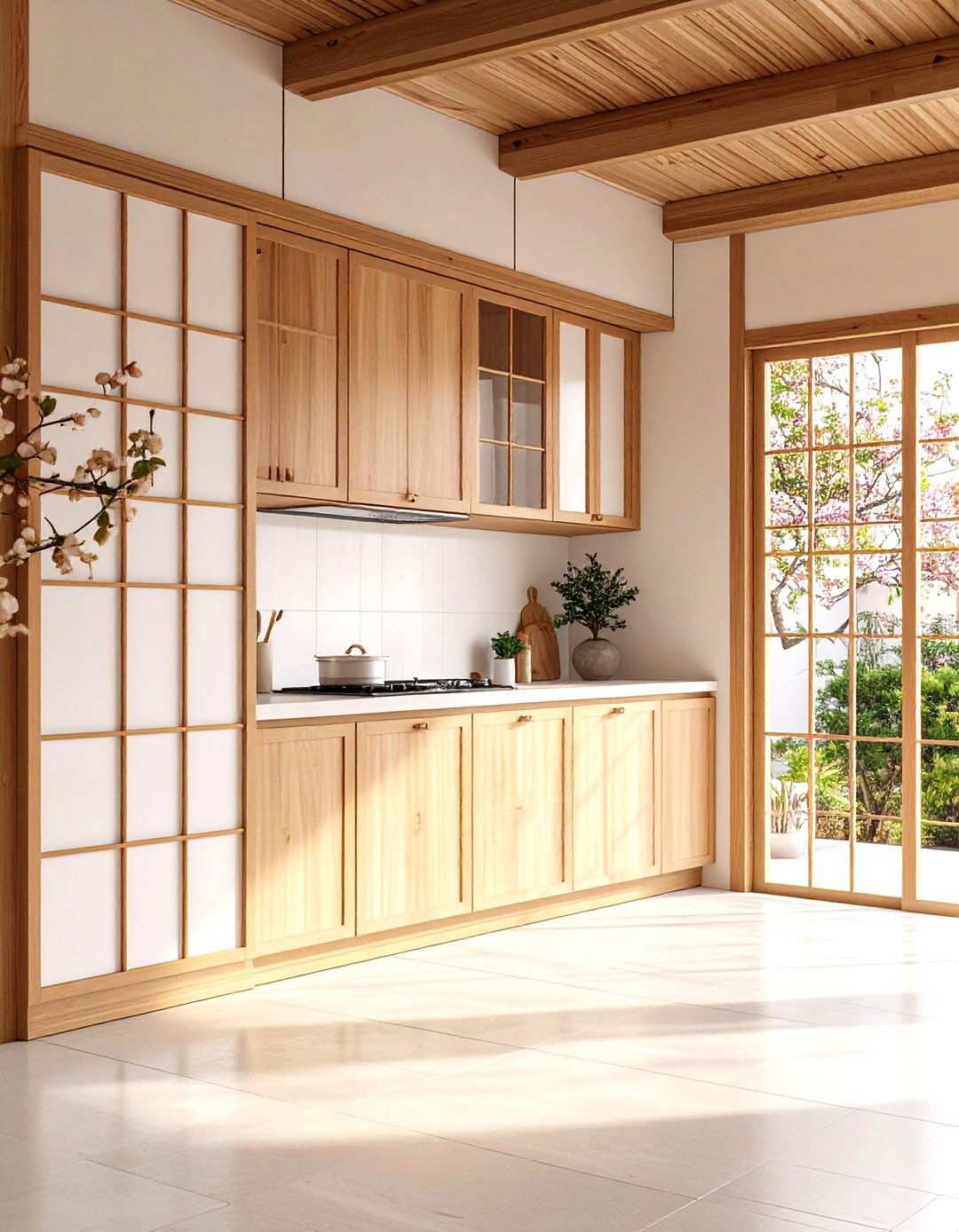
Can sliding panels be a game-changer for your kitchen’s layout and flow? Shoji-inspired sliding doors offer a flexible solution for separating kitchen and dining areas while preserving visual connection and natural light flow. Translucent panels, crafted from rice paper or frosted glass, strike a balance between privacy and openness. The use of wooden frames nods to traditional construction methods while integrating modern hardware for smooth operation. These panels can conceal storage areas, pantries, or appliances when closed, only to disappear completely when opened. The grid patterns of vertically and horizontally arranged panels add visual interest while maintaining simplicity. Sliding mechanisms require minimal clearance space, making them an excellent choice for compact kitchens. With multiple panel configurations, you can tailor the opening pattern to suit various activities and social situations. The interplay of light and shadow through translucent materials creates dynamic visual effects throughout the day, elevating the kitchen’s ambiance.
8. Embracing Intimacy in Low-Height Dining Areas
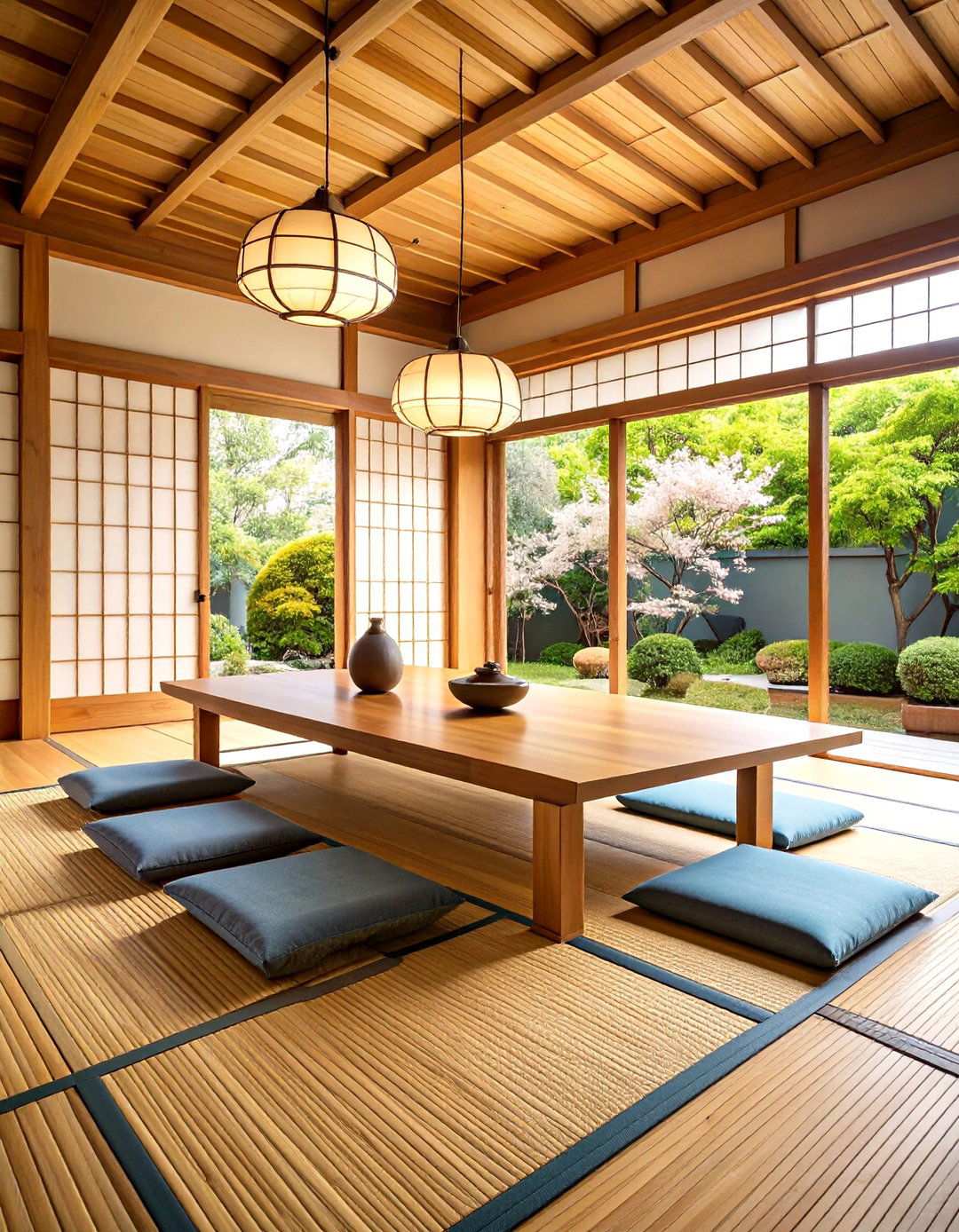
To create a unique and inviting atmosphere in your dining space, consider adopting the Japanese approach to low-height dining areas. This style of seating brings families closer together and fosters a sense of community, reminiscent of traditional Japanese customs. By incorporating zabuton cushions, you can achieve a clean and minimalist look while providing comfortable seating for your guests. Furthermore, built-in seating areas with hidden storage offer a functional and stylish solution for maximizing your space. The lowered perspective in these areas also creates an illusion of a larger space, making rooms feel more expansive and airy. To extend the comfort of your dining area into the cooler months, consider incorporating kotatsu-style tables with integrated heating elements. Additionally, using tatami mats or wooden platforms can help define your dining zone within an open floor plan, encouraging relaxed conversation and shared meals.
9. Woven Together: Harnessing the Power of Natural Light
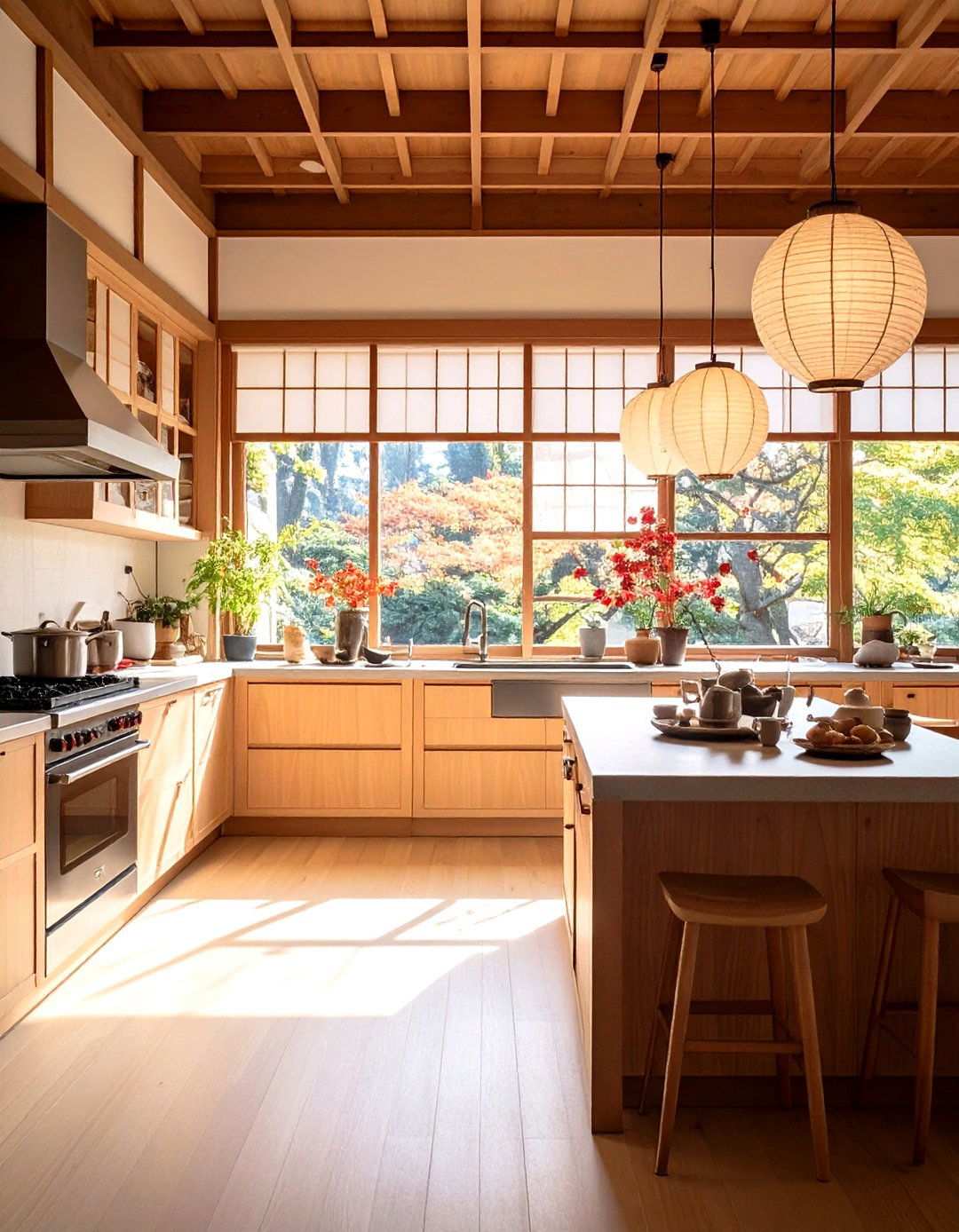
When it comes to creating a serene atmosphere in your kitchen, natural light is an essential element to consider. To maximize daylight penetration while maintaining privacy, strategically place large windows and skylights to filter the light and create a sense of warmth. By incorporating paper lanterns and washi paper fixtures, you can soften artificial lighting and create a warm, diffused glow that mimics the softness of natural sunlight. Light-colored surfaces can also reflect and amplify available natural light, making the space feel brighter and more welcoming. Clerestory windows, in particular, bring in light from above while preserving wall space for storage and work areas, creating a functional and well-lit space. To acknowledge the changing quality of natural light throughout the seasons, consider adjusting your lighting to reflect the time of year. By incorporating minimalist window treatments, you can allow maximum light entry while maintaining necessary privacy and solar control, creating a dynamic and ever-changing environment that supports circadian rhythms and visual interest.
10. Setting the Tone with Neutral and Earthy Tones
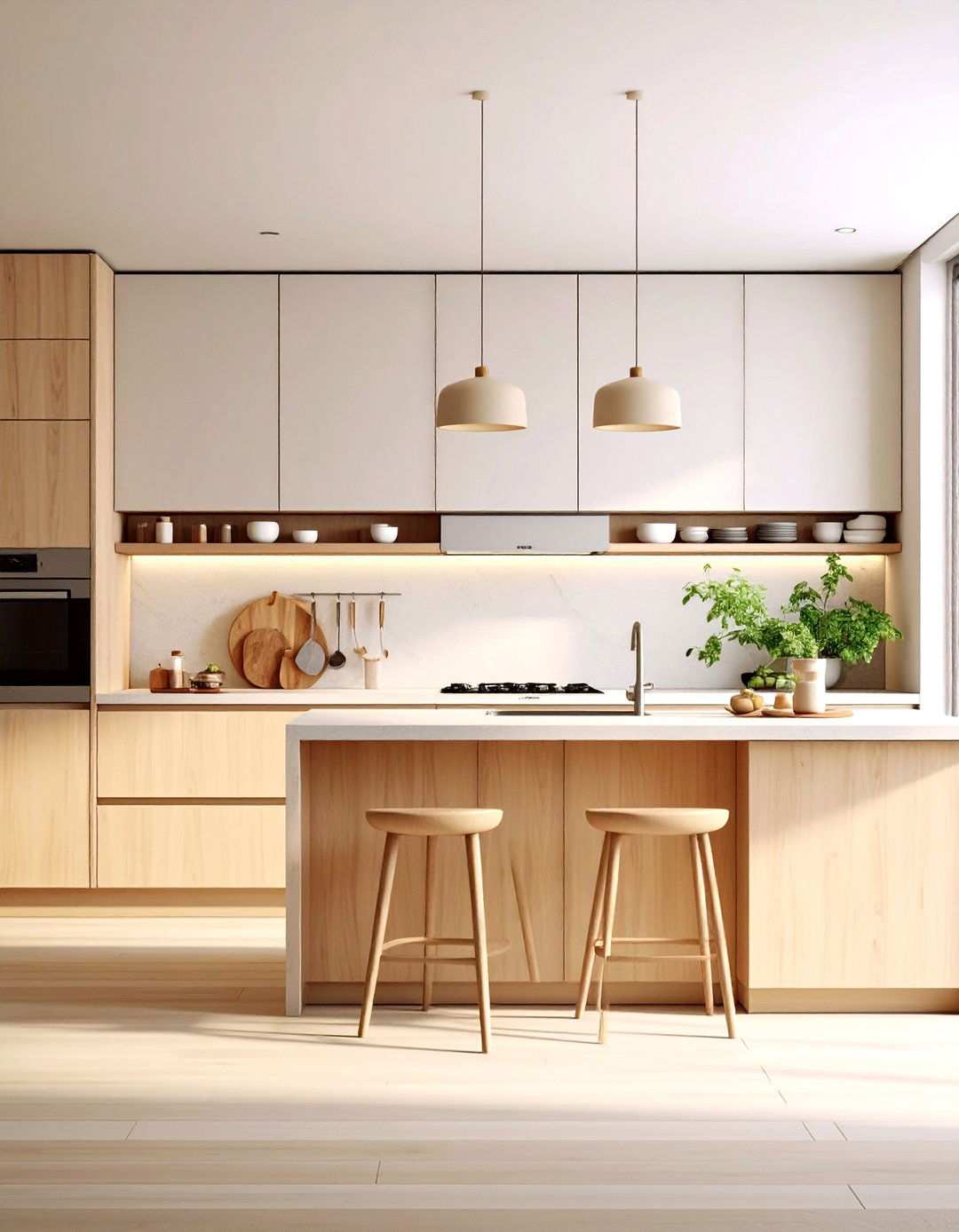
A soothing palette of neutral base colors sets the stage for a tranquil Japanese kitchen environment. At its core, this palette features a range of warm whites, soft grays, and natural beiges that work in harmony to create a serene backdrop for natural materials. Earthy accent tones, derived from the organic textures of wood, stone, and plants, add a touch of depth without overpowering the senses. This thoughtful balance allows for visual continuity through monochromatic color schemes, while subtle variations in tone and texture inject interest. Moreover, the natural material colors undergo a subtle transformation with changes in lighting conditions, crafting dynamic environments that seamlessly blend with the surroundings.
11. Streamlining Functionality in Compact Kitchens
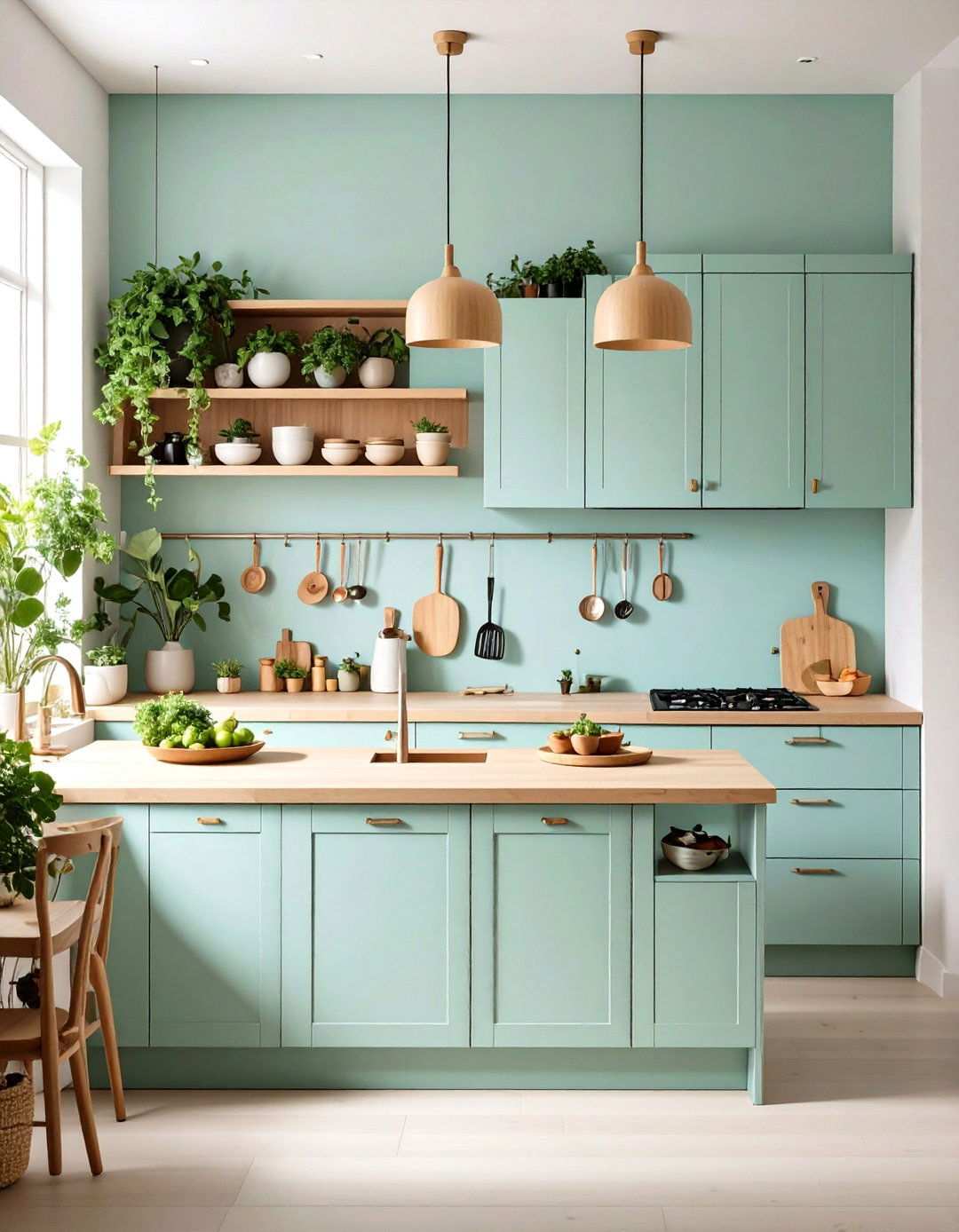
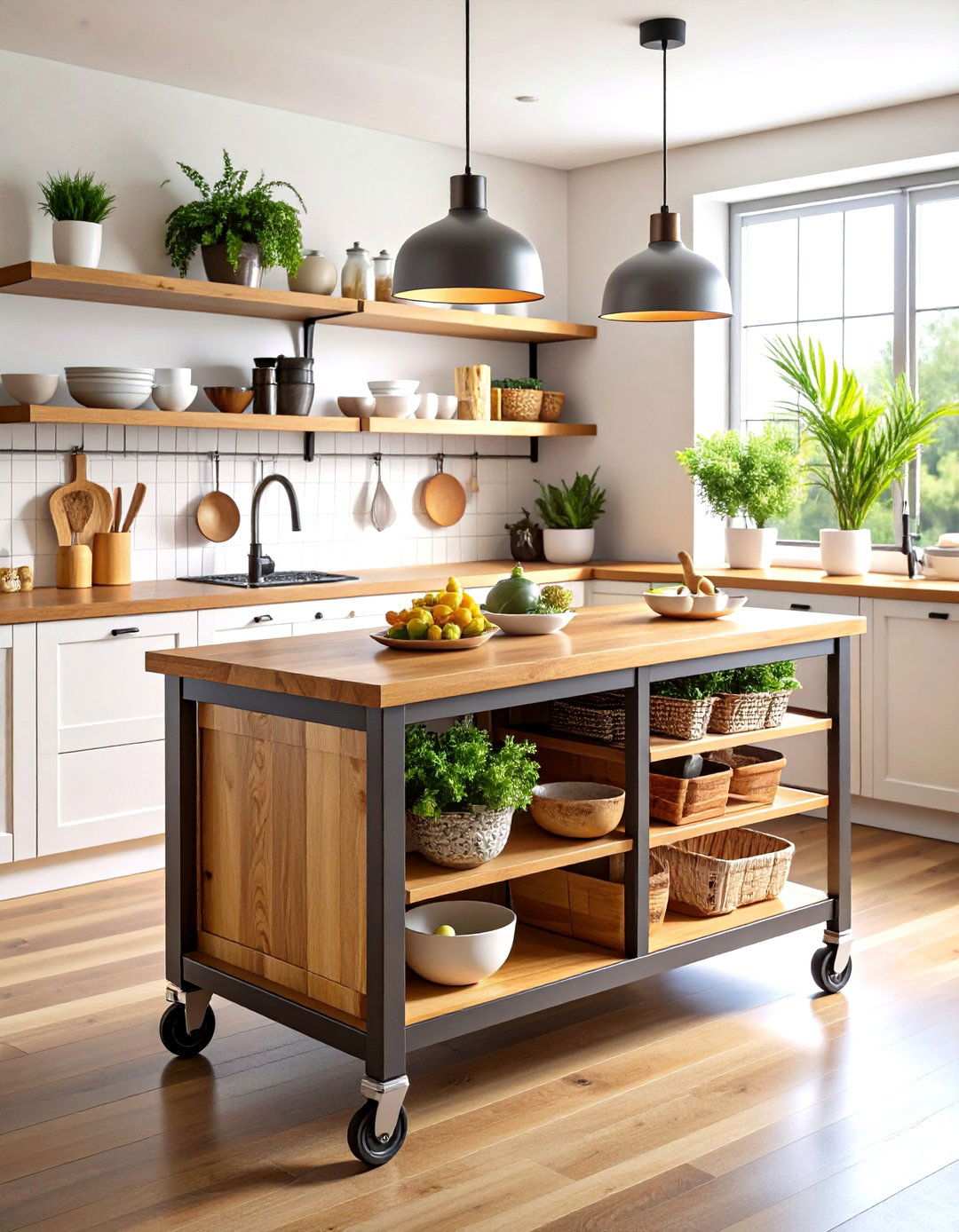
A small kitchen is more than capable of providing everything needed for efficient Japanese cooking, thanks to the ingenious design of compact workspaces. By carefully planning and incorporating multi-purpose elements, these kitchens maximize functionality within minimal square footage. Prep areas, for instance, serve multiple functions by transforming from cutting surfaces to serving spaces with removable cutting boards that neatly fit over sinks. Vertical storage solutions make the most of wall space, keeping essential tools within easy reach, while pull-out work surfaces provide additional prep space when needed before disappearing to maintain a clear flow of traffic. The added flexibility of islands on wheels allows for seamless movement between different cooking tasks, while compact appliances tailored to Japanese cooking needs fit seamlessly into limited counter space. By embracing the workspace triangle concept, every element in the compact kitchen serves multiple purposes, from storage that doubles as display to seating that incorporates hidden compartments for seasonal items.
12. Harmonizing with Nature: Zen Garden Elements in the Kitchen
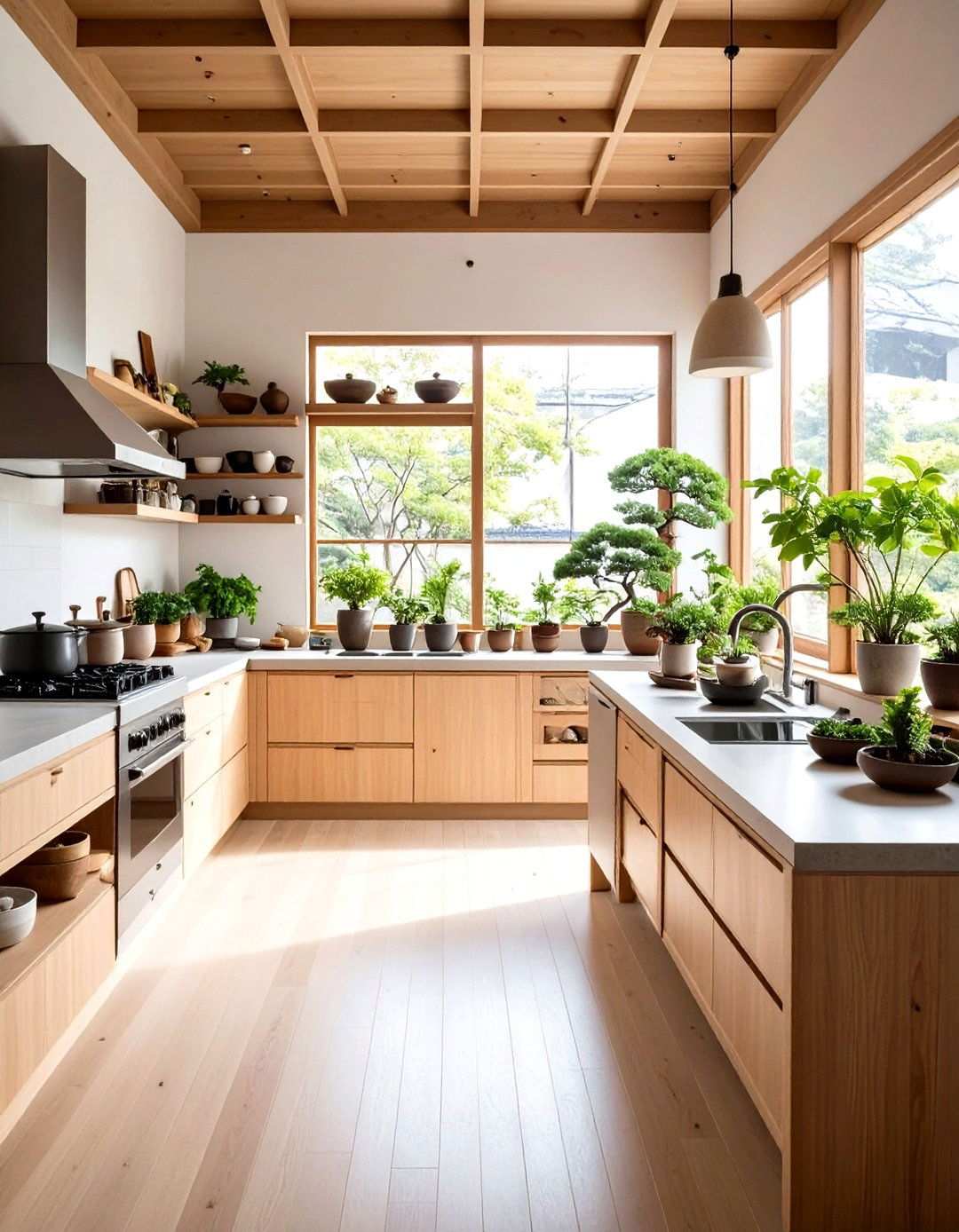
By embracing the beauty of nature within your cooking space, you can create a tranquil oasis that connects you with the rhythms of the outdoors. Indoor gardens and plant displays can be seamlessly integrated into the kitchen, bringing the freshness of herbs and the serenity of living plants into your daily routine. Windowsills can be transformed into thriving herb gardens, providing an abundance of fresh ingredients while adding a touch of elegance to the space. The addition of bamboo plants in simple, rustic containers not only purifies the air but also introduces a sense of verticality and harmony. Bonsai displays, with their carefully cultivated forms, serve as captivating focal points that embody the principles of balance and aesthetics found in traditional Japanese culture. The soothing sounds of small water features, such as fountains, can mask kitchen noise and create a peaceful ambiance, while seasonal plant arrangements celebrate the Japanese appreciation for natural cycles and the fleeting nature of life. By choosing easy-to-care-for plants that thrive in kitchen conditions, you can enjoy the benefits of living elements without sacrificing precious time or resources.
13. Elegant Functionality: Traditional Japanese Tool Display and Organization
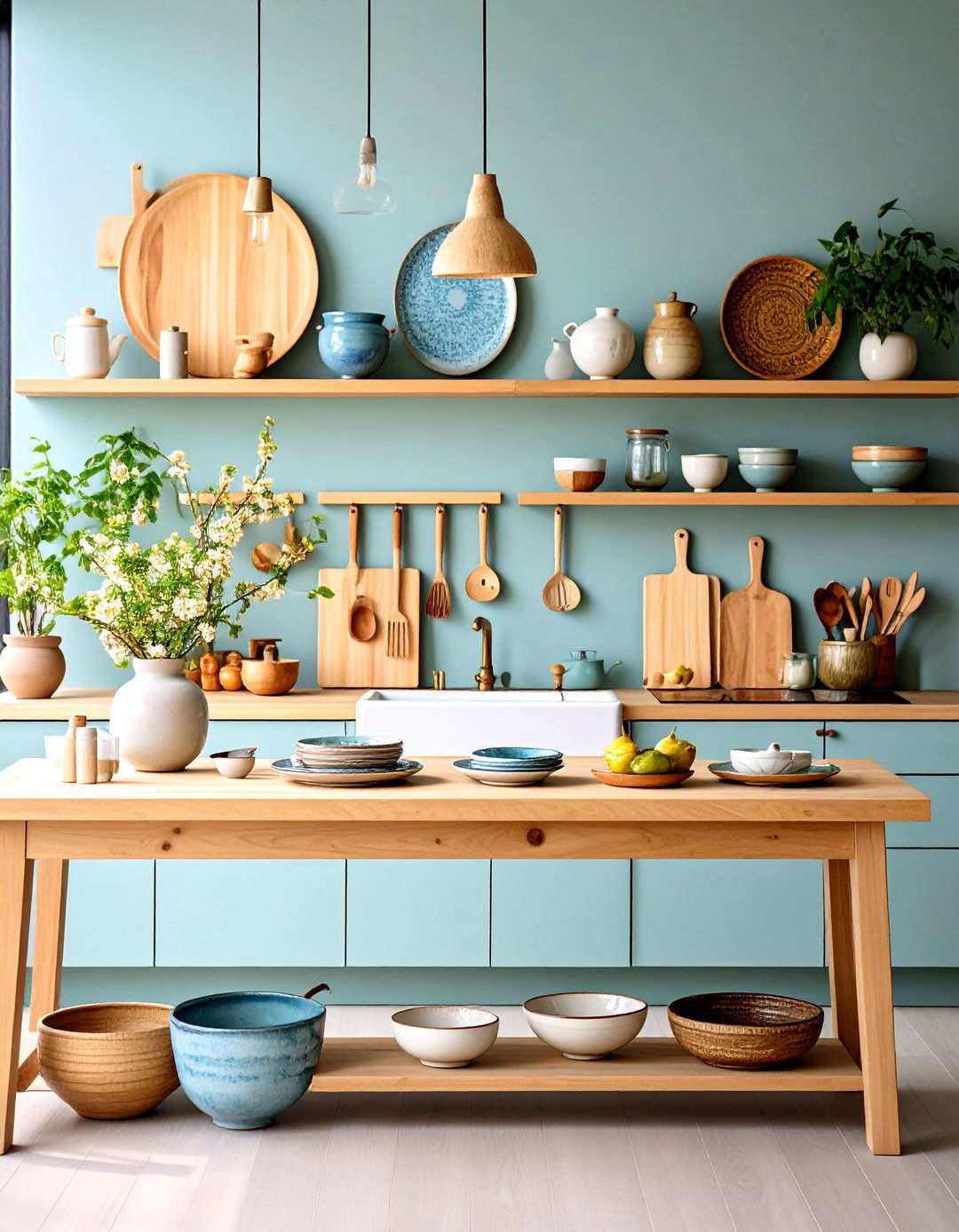
Traditional Japanese cooking tools can be both functional equipment and stunning displays when showcased thoughtfully. Magnetic knife strips are not only a convenient way to store high-quality blades but also serve as a striking visual element that adds a touch of sophistication to the kitchen. Wooden cutting boards, when leaned against backsplashes, become both a practical tool and a decorative piece that brings warmth and character to the space. Ceramic utensil holders beautifully organize chopsticks, bamboo tools, and other traditional implements, creating an attractive arrangement that adds visual interest to the kitchen. Open storage allows the beauty of handmade tools to shine, making them easily accessible and visible. The use of traditional materials like wood, bamboo, and ceramics creates a sense of harmony and continuity with the overall design aesthetic. Tool organization is guided by the Japanese principle of storing frequently used items in convenient locations, making it easy to find what you need when you need it. By displaying tools in a way that changes seasonally, you can appreciate the evolution of your cooking routine and the beauty of well-crafted tools that enhance your daily cooking experience.
14. Crafting Warm Ambiance through Paper Lanterns and Ambient Illumination
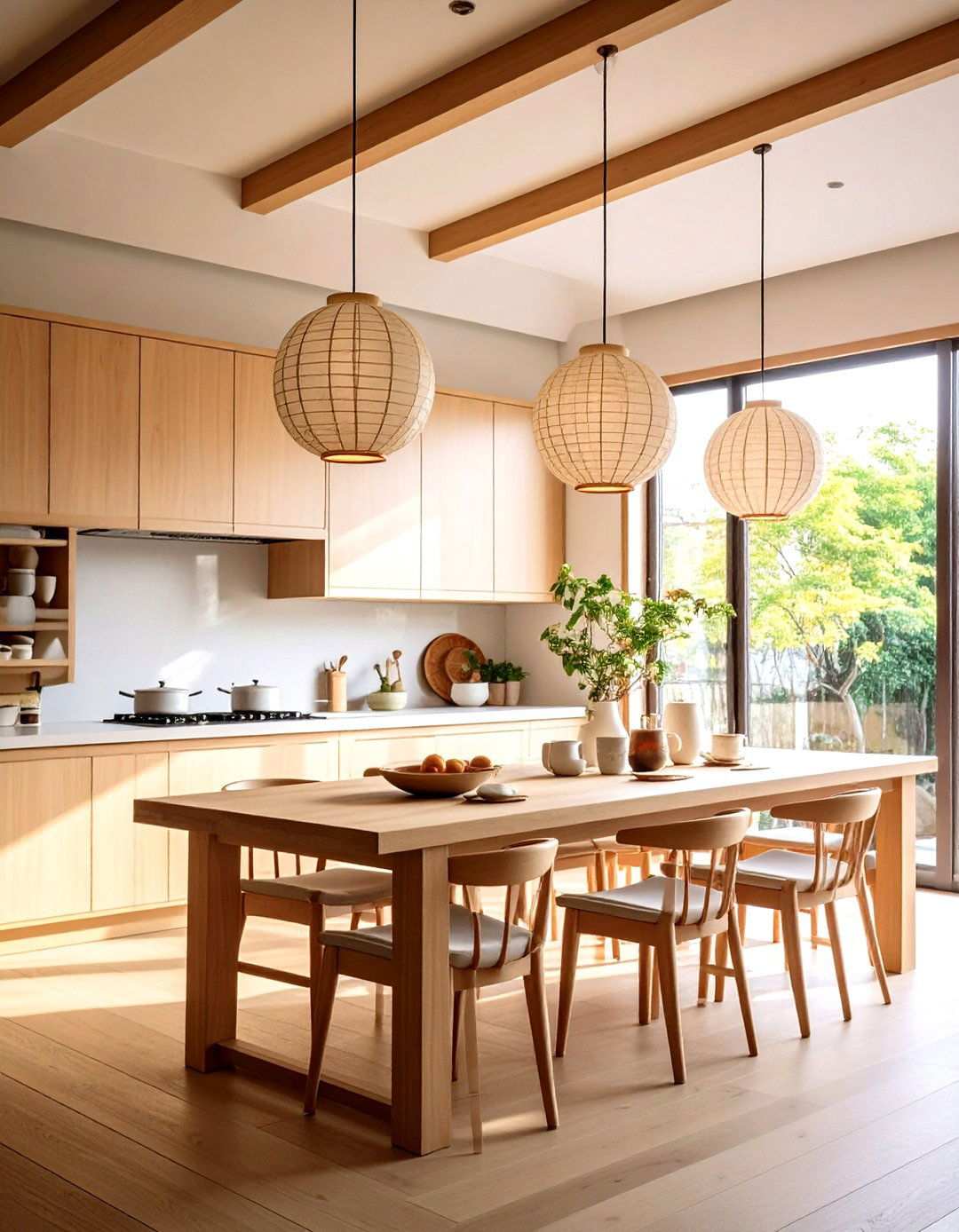
The ambiance of a Japanese kitchen is often characterized by a warm, inviting atmosphere that draws family and friends together. This is largely achieved through the strategic use of lighting, which plays a crucial role in creating a sense of comfort and relaxation. Paper lanterns and washi paper fixtures are ideal for providing soft, diffused lighting that eliminates harsh shadows and creates a welcoming environment. By incorporating pendant lights over islands and dining areas, you can strike a balance between task lighting and aesthetic consistency. Additionally, hidden LED strips under cabinets offer functional work surface illumination without the need for visible fixtures. The use of natural material lampshades complements wooden cabinetry and stone surfaces, adding textural variety to the kitchen space. Warm color temperatures foster cozy evening atmospheres that encourage family gatherings and relaxed dining. Furthermore, dimmable controls enable you to adjust lighting levels according to different activities and times of day. By combining ambient, task, and accent lighting, you can create a layered lighting approach that offers complete functionality. The incorporation of multiple lighting sources not only prevents dependence on single fixtures but also adds visual interest through varied heights and intensities throughout the kitchen space.
15. Embracing Traditional Flooring with Tatami Mats and Natural Coverings
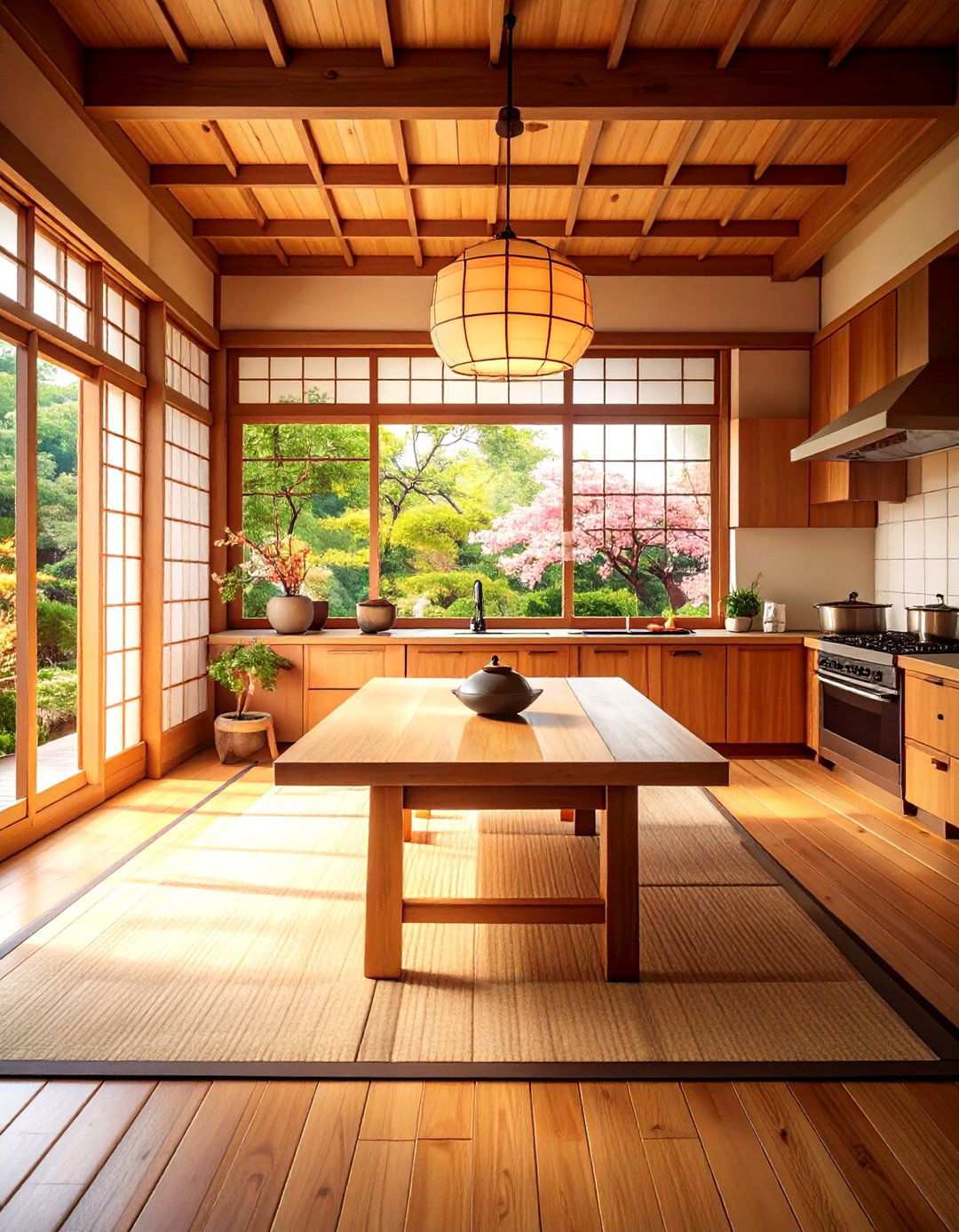
Traditional flooring materials have the potential to transform your kitchen’s comfort and authenticity, making it feel more connected to Japanese design principles. Incorporating tatami mats in dining areas provides a subtle yet effective way to add traditional texture and natural insulation while defining specific zones within open floor plans. Natural fiber rugs offer comfort underfoot while maintaining the organic material palette essential to Japanese design. Bamboo flooring, on the other hand, provides durability and warmth while developing a beautiful patina over time with use. Wooden floors in light tones reflect natural light and create visual continuity with cabinetry and other wooden elements. Floor coverings made from natural materials regulate humidity and provide thermal comfort year-round, suiting busy kitchen environments. Easy maintenance requirements make them ideal for spaces where functionality is paramount. Modular elements allow for seasonal changes and easy replacement as needed, ensuring that your kitchen remains authentic and functional. The contrast between different flooring materials helps define functional zones without requiring walls or other structural separations, maintaining the open, flowing character essential to Japanese spatial design.
16. Unifying Function and Aesthetics
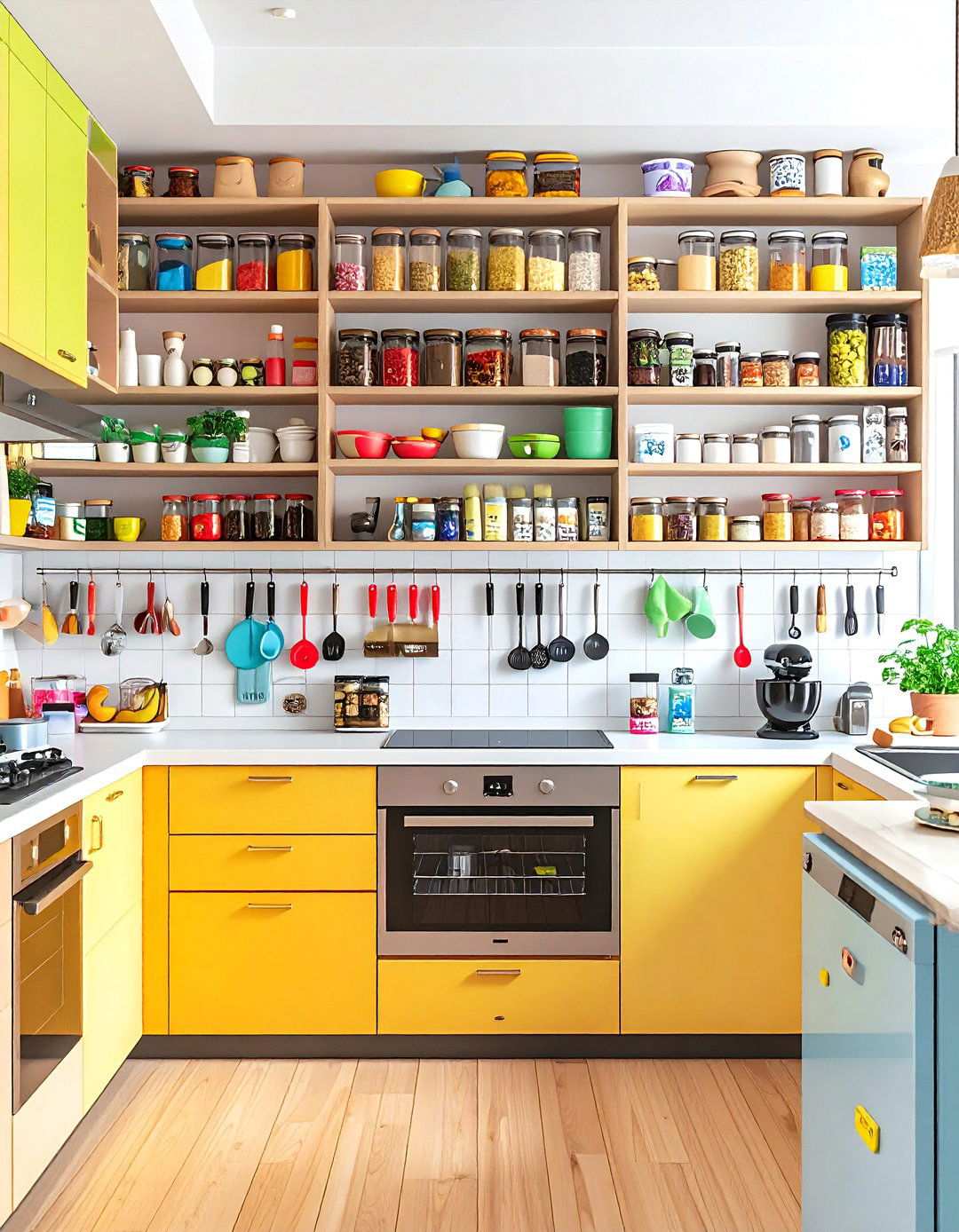
Magnetic organization systems have the potential to bring a new level of efficiency and elegance to small kitchens. Strategically positioned magnetic strips on walls serve as a reliable repository for knives, utensils, and small metal containers. Meanwhile, refrigerator-mounted magnetic containers optimize storage for spices and other essentials without encroaching on valuable counter or cabinet space. The versatility of magnetic hooks enables them to support lightweight tools and kitchen towels on a variety of metal surfaces. Under-cabinet magnetic strips create a hidden storage solution for frequently used items, while magnetic timer and note holders provide a clear display of important information without cluttering surfaces. The incorporation of custom magnetic boards helps keep essential recipes and shopping lists organized, all while upholding the principle of maximizing vertical storage. By leveraging the strength of modern magnets, even heavy items like cast iron cookware can be securely stored, allowing for a seamless transition to changing kitchen needs.
17. Harmonizing Function and Spirit
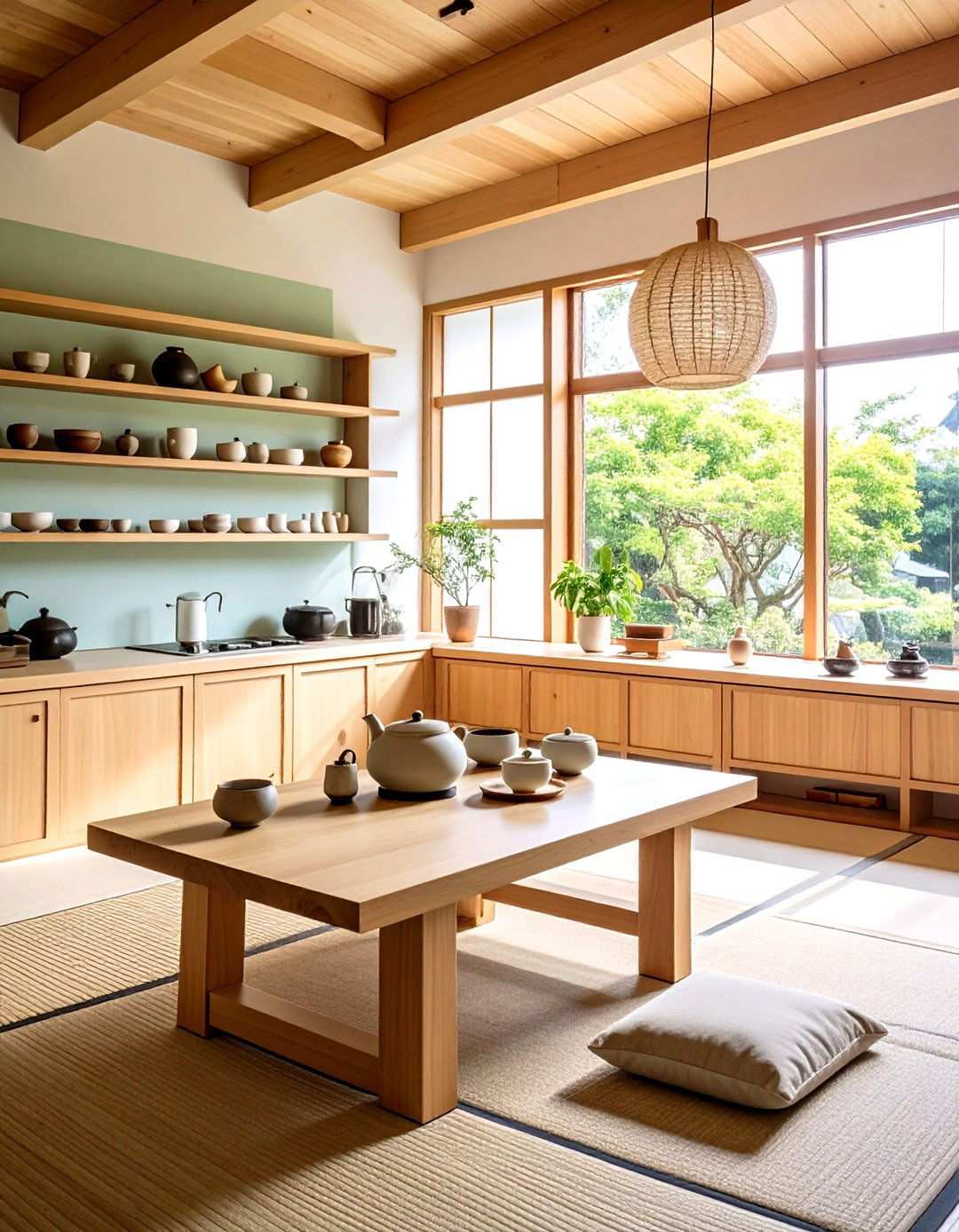
The meditative aspects of the traditional Japanese tea ceremony can be a thought-provoking integration into daily kitchen routines. Designating a dedicated tea preparation area not only honors the mindfulness of Japanese tea service but also offers a tranquil respite from the chaos of cooking. The simple yet elegant wooden shelves used in these areas provide a beautiful display for tea implements like ceramic bowls, bamboo whisks, and traditional serving pieces. With the addition of precise hot water dispensers, tea enthusiasts can savor a wide range of tea varieties in a tranquil setting. Intimate spaces created by floor seating invite contemplation and quiet reflection, while the changing selection of teas acknowledges the natural cycles of the seasons. The incorporation of tea ceremony elements also emphasizes the importance of mindful appreciation for the culinary experience. By preserving the beauty and practicality of tea preparation tools, these elements can enhance the overall kitchen experience and foster a deeper connection with the food being prepared.
18. Aesthetic Harmony in Imperfect Elegance
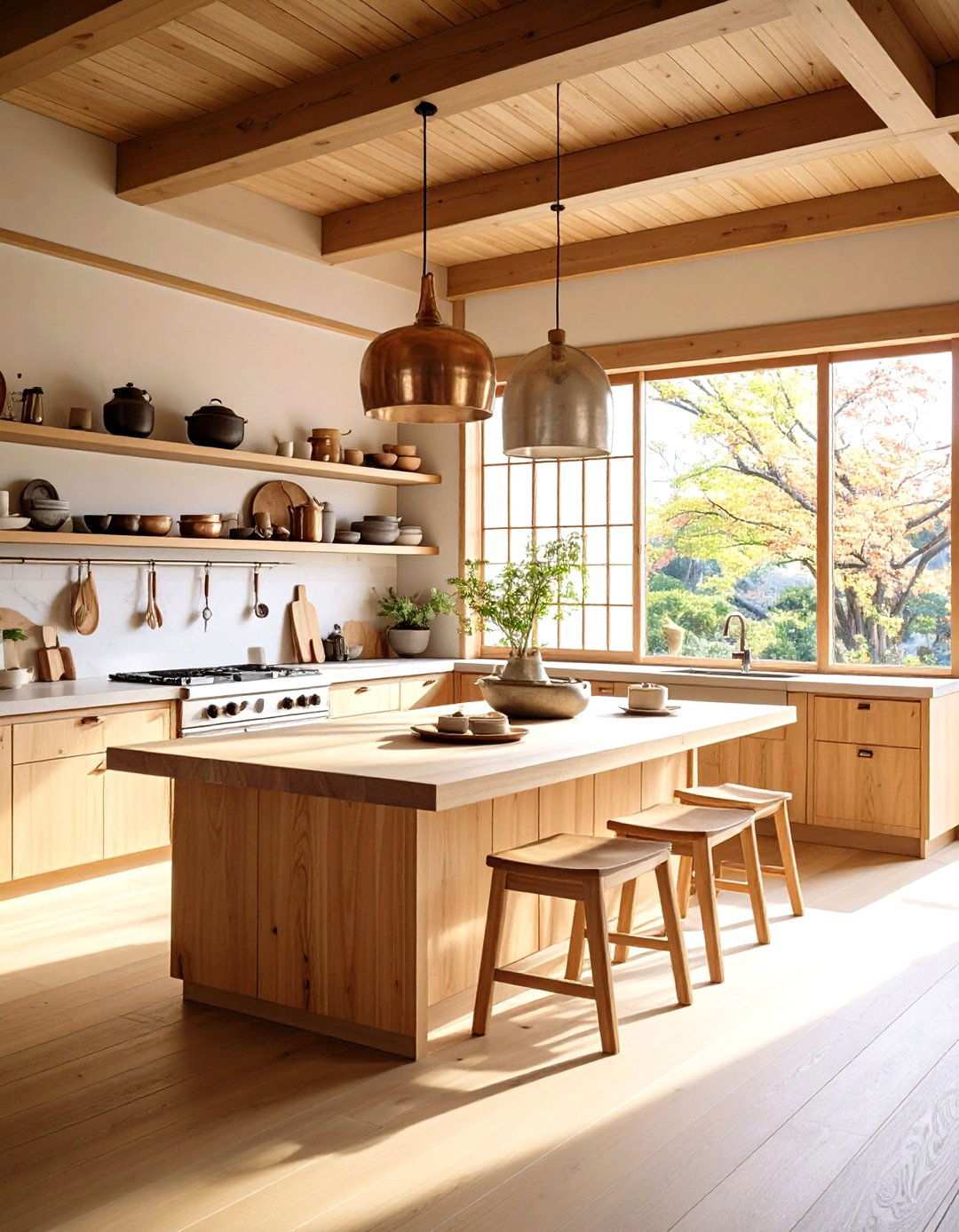
The Japanese kitchen design philosophy celebrates the beauty of imperfection, where natural aging and weathering of materials create a unique patina on copper pots and wooden surfaces. Handcrafted ceramics with subtle irregularities and natural variations possess a character that mass-produced items can only aspire to. Wood surfaces allowed to age naturally develop rich colors and smooth textures that improve with use, telling a story of time and tradition. Stone countertops with natural flaws and color variations are a testament to the geological formation process, each one a unique reflection of the earth’s history. The philosophy acknowledges the impermanent nature of all materials, appreciating how surfaces change and develop character over time. Visible wood joints and traditional construction methods celebrate craftsmanship, showcasing the skill and attention to detail that goes into each piece. Repairing items using traditional techniques like kintsugi not only adds history but also beauty to damaged objects, creating a sense of continuity and heritage. This aesthetic approach encourages a deeper appreciation for the passage of time and the natural world within daily kitchen use.
19. Seamless Integration with Open Floor Plans
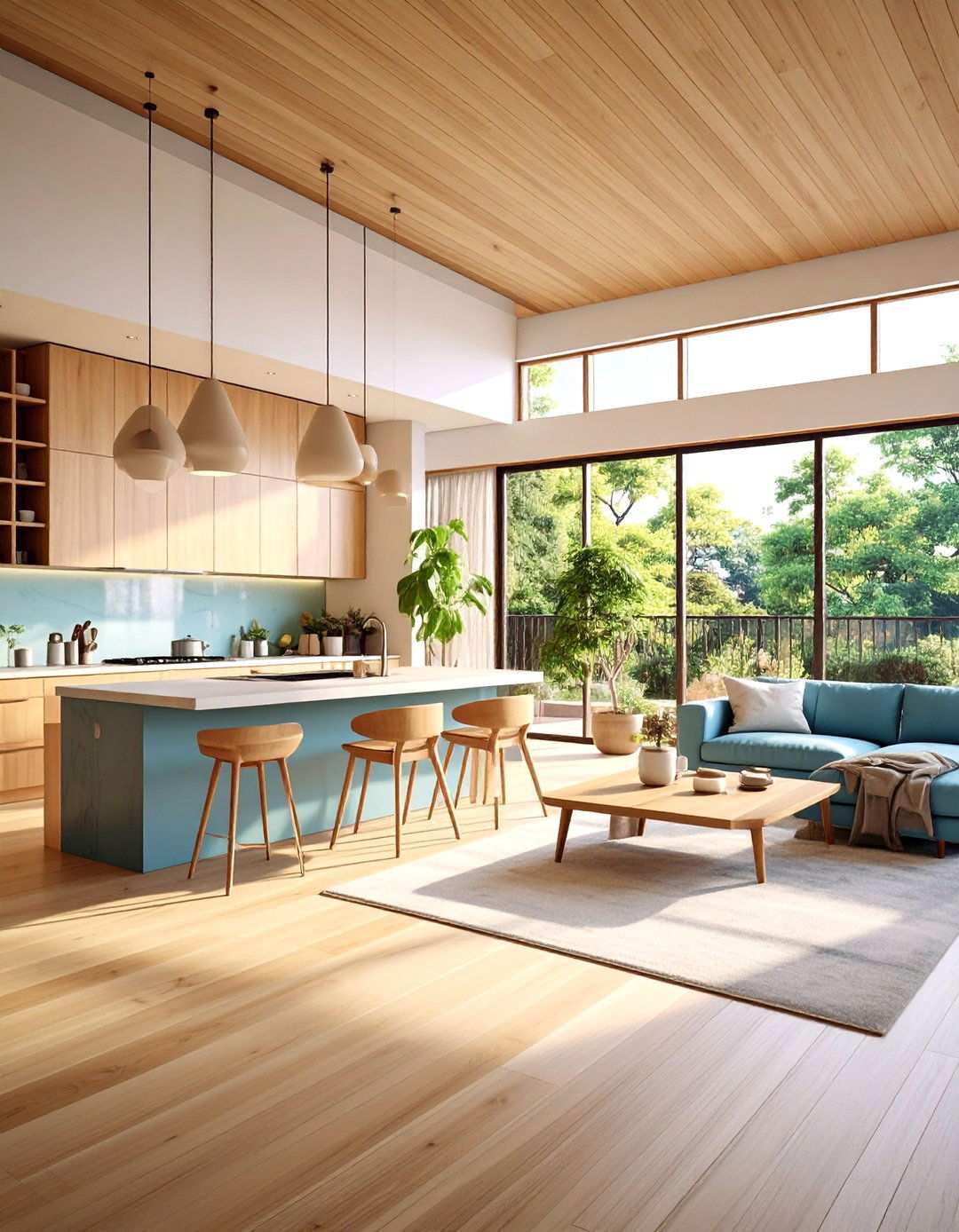
In Japanese design, the kitchen flows seamlessly into living and dining areas, fostering a sense of connection and community. Open floor plans eliminate barriers between cooking and social spaces, allowing meal preparation to become a shared experience. Kitchen islands serve as natural boundaries while maintaining visual and physical connection between areas, creating a sense of fluidity and movement. Consistent flooring materials create visual continuity throughout connected spaces, drawing the eye and creating a sense of cohesion. Shared lighting schemes unify different functional zones within the open layout, creating a sense of harmony and balance. Flexible furniture arrangements encourage interaction between kitchen workers and family members in adjacent areas, allowing spaces to adapt for different activities and gatherings. The integration supports Japanese values of family connection and shared experiences, where the kitchen is a hub of activity and community. By considering acoustic factors, kitchen activities can be balanced with conversation in living areas, creating a harmonious and peaceful environment. Storage solutions that span multiple zones create efficiency while maintaining a clean aesthetic throughout the connected space, reflecting modern Japanese living where space efficiency requires multi-functional areas that serve various daily needs.
20. Harnessing the Beauty of Seasons in Kitchen Design
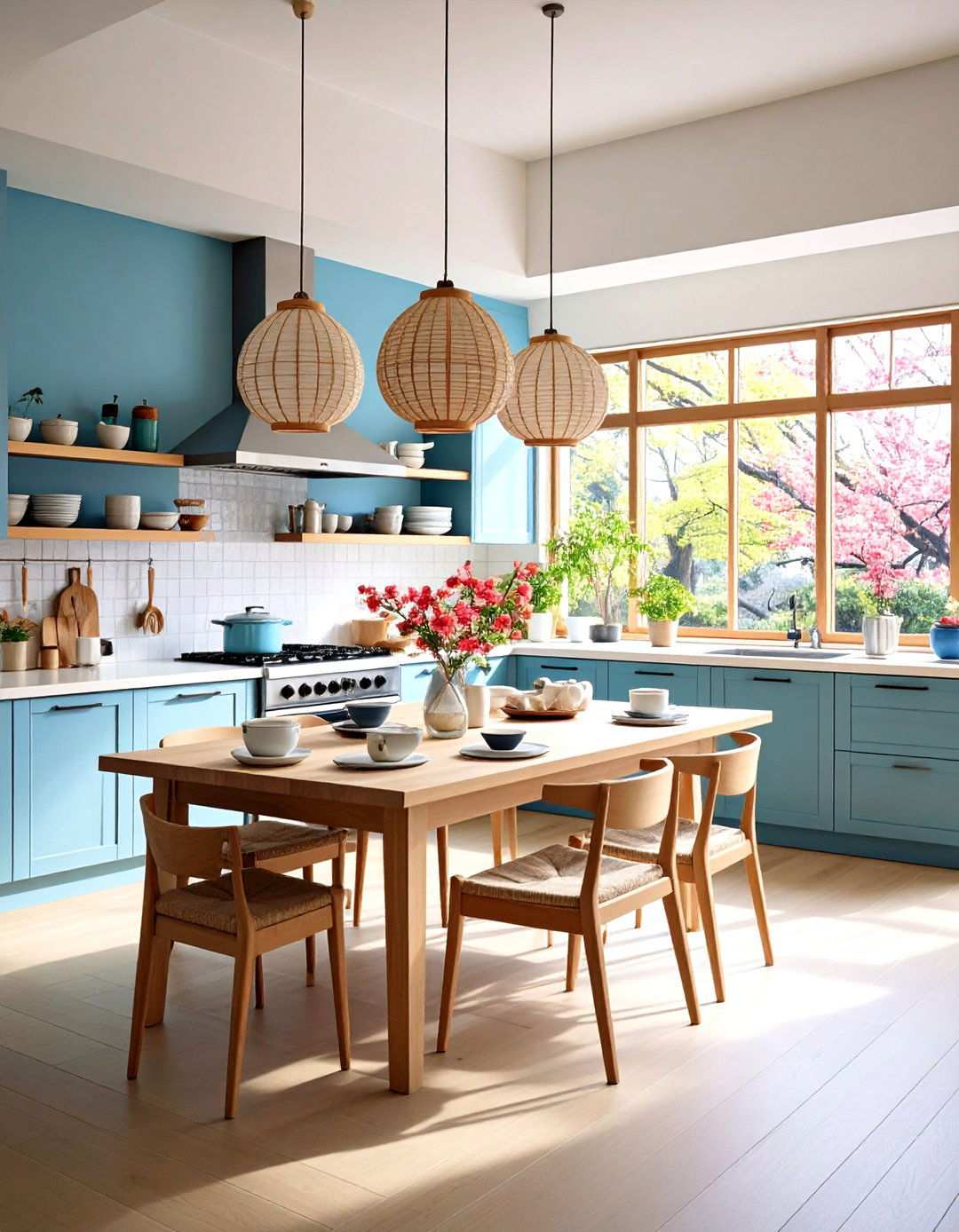
By incorporating seasonal changes into your kitchen’s living space, you can create a dynamic and engaging environment. Seasonal display areas allow for regular rotations of decorative elements that reflect the natural cycles and traditional Japanese appreciation for temporal beauty. Seasonal flower arrangements bring vibrant colors and fragrances into cooking spaces, while rotating dishware introduces an ever-changing palette of colors and patterns throughout the year. Displaying fresh seasonal ingredients in beautiful bowls not only celebrates the peak flavors but also adds visual appeal, making meal preparation a sensory experience. Traditional seasonal decorations acknowledge important cultural observances and natural transitions, fostering a deeper connection to the world outside. Storage systems designed for seasonal rotation ensure that daily functionality remains uninterrupted, while the changing displays prevent visual stagnation and maintain a connection to natural rhythms. This approach to seasonal elements provides conversation topics and teaching opportunities about natural cycles, reflecting the Japanese understanding that beauty lies in the acknowledgment of impermanence and change. By embracing this approach, you can keep your kitchen environment fresh and interesting while honoring traditional values of seasonal awareness and appreciation.
21. Elevating Your Kitchen with Handcrafted Ceramics
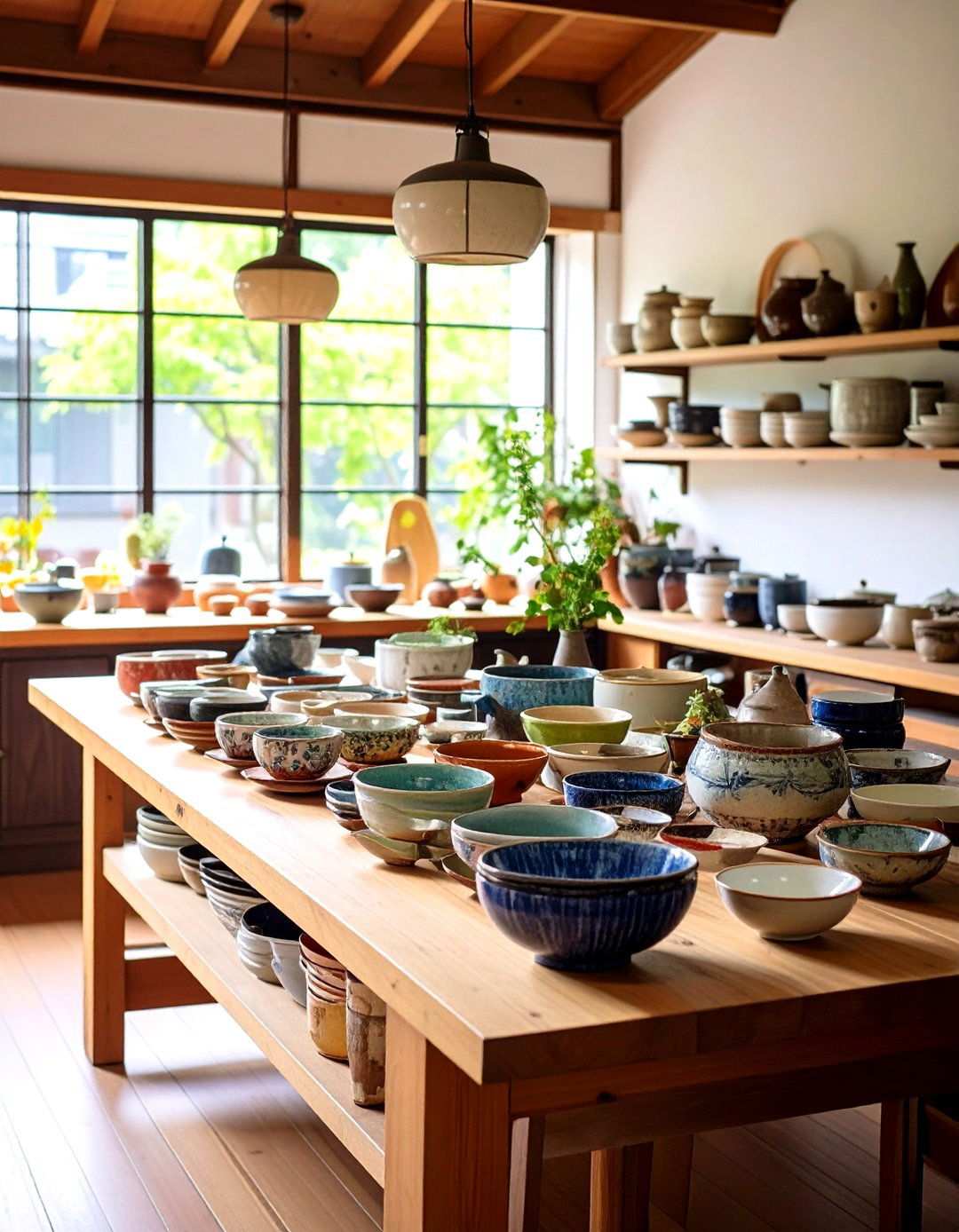
Handcrafted ceramics can transform your kitchen from a mere functional space to an artistic environment. Traditional Japanese ceramics bring unique character through subtle irregularities and individual artistic expression, qualities that mass-produced items often lack. Handmade bowls, plates, and serving pieces not only create beautiful displays but also serve daily functional needs, elevating the dining experience. By incorporating local pottery traditions, you can connect your kitchen to regional cultural heritage and artistic traditions, adding a rich layer of meaning to your space. The tactile qualities of handcrafted ceramics enhance eating experiences through varied textures and temperatures, inviting a sensory connection with the food and the environment. Investing in quality handmade pieces reflects Japanese values of appreciating craftsmanship and supporting traditional arts, while ceramic elements complement natural wood and stone materials, adding color and pattern options within neutral palettes. Display arrangements of ceramic pieces create focal points and conversation starters, making each piece special and irreplaceable. By embracing the Japanese aesthetic principle that daily-use objects should be beautiful as well as functional, you can turn routine activities into appreciative experiences.
22. Harmonizing Traditional Knife Displays with Kitchen Design
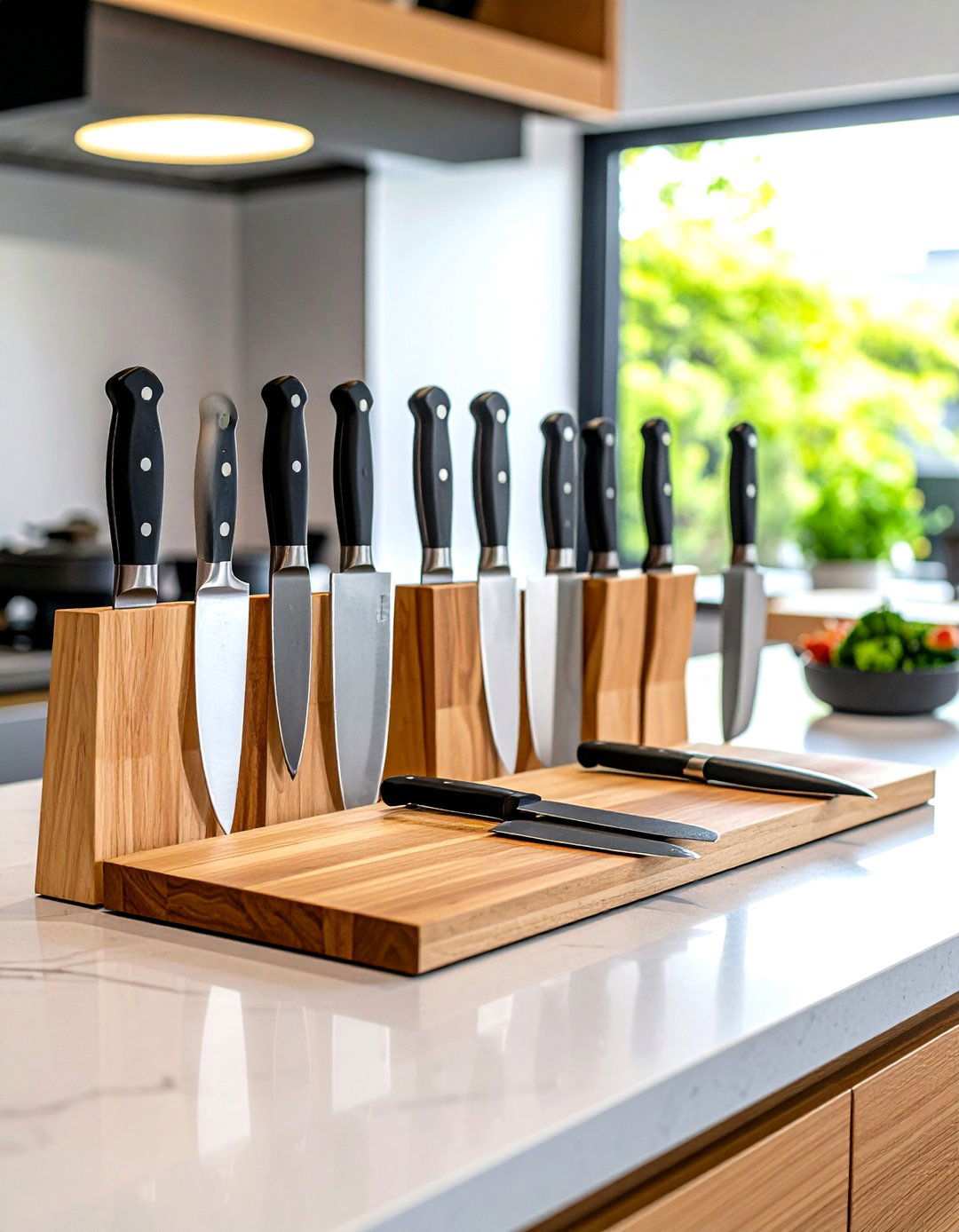
Traditional Japanese knives can seamlessly transition from essential tools to stunning design elements when thoughtfully integrated into kitchen spaces. Sleek, modern knife displays featuring magnetic strips or reclaimed wood blocks not only showcase the artistry of skilled bladesmiths but also keep frequently used tools within easy reach. The meticulous selection of knives tailored to specific tasks demonstrates the Japanese emphasis on precision in food preparation and respect for well-executed techniques. Strategically sized wooden cutting boards, crafted to suit various tasks, provide an attractive work surface while infusing the kitchen with a touch of natural elegance. The juxtaposition of stone surfaces against steel blades creates an harmonious balance while offering ideal cutting conditions for diverse ingredients. Dedicated knife care stations, complete with sharpening tools and maintenance supplies, underscore the importance of tool maintenance and respect in traditional Japanese culture. Aesthetically pleasing storage solutions protect valuable blades while allowing their beauty to shine through. By prominently displaying well-crafted knives, kitchen designers can create a visual connection to centuries of culinary tradition and artisanal craftsmanship.
23. Fostering Tranquility with Water Feature Elements and Cleansing Ritual Spaces
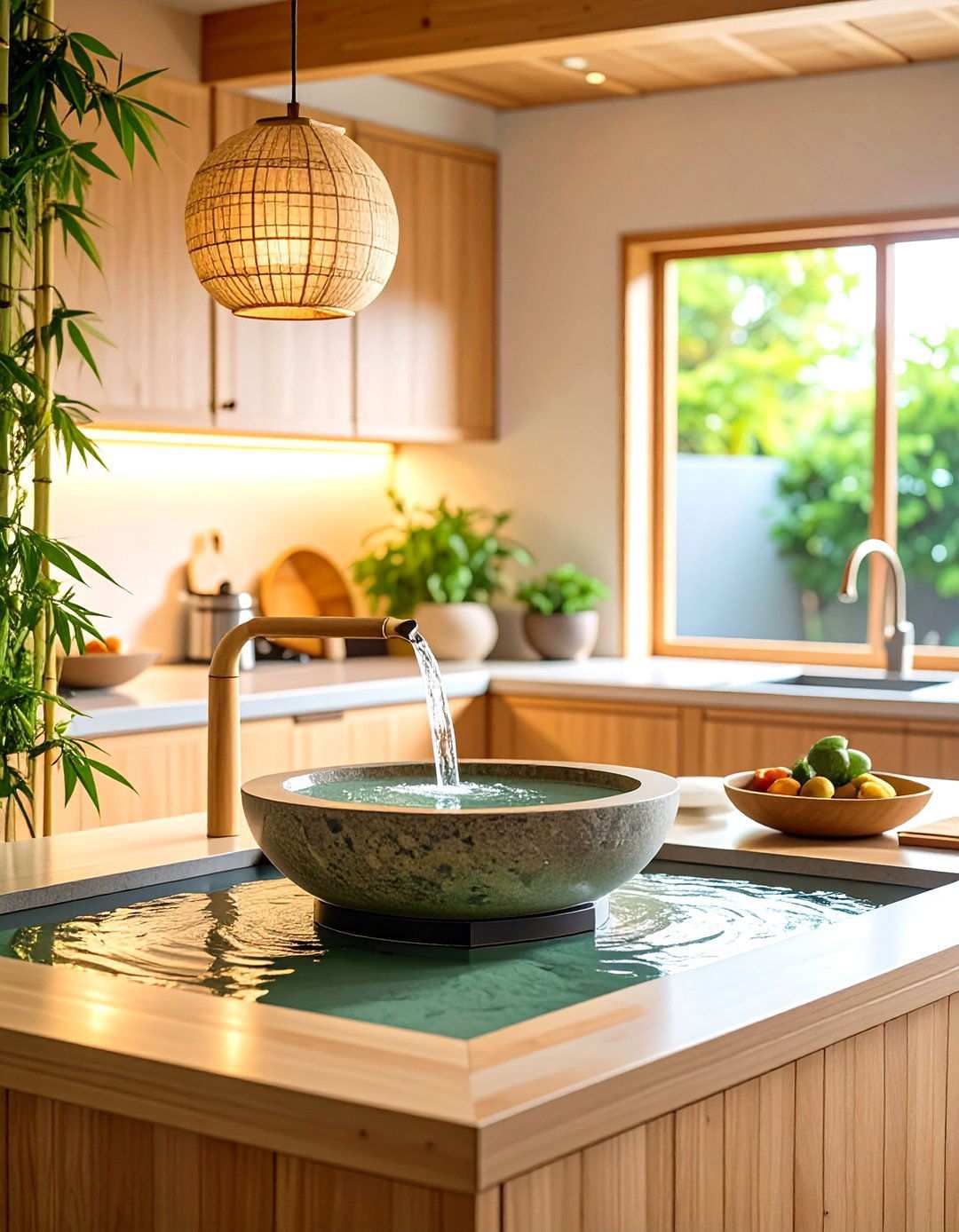
Incorporating water features into Japanese kitchen environments can have a profound impact on creating serene and meditative spaces. Small, discreet water fountains or basins can effectively mask kitchen noise while drawing attention to a peaceful focal point. Traditional water features pay homage to the revered role of water in Japanese culture and spiritual practices. The gentle sound of flowing water creates a calming ambiance, reducing stress during even the most chaotic cooking periods. By embracing this element, designers can harmonize their spaces with the Japanese principle of incorporating natural elements into daily life. Simple, yet elegant bamboo fountains or stone basins complement natural material palettes while introducing movement and vitality. Water features can be designed to incorporate filtration systems for drinking water, offering a dual purpose that suits the demands of kitchen environments. Furthermore, their cooling effects provide comfort during extended cooking sessions. By incorporating water features, designers can create kitchen spaces that not only nourish the body but also the spirit, connecting inhabitants to natural processes and timeless cultural values through sensory experiences.
24. Adaptive Environments Through Modular Design
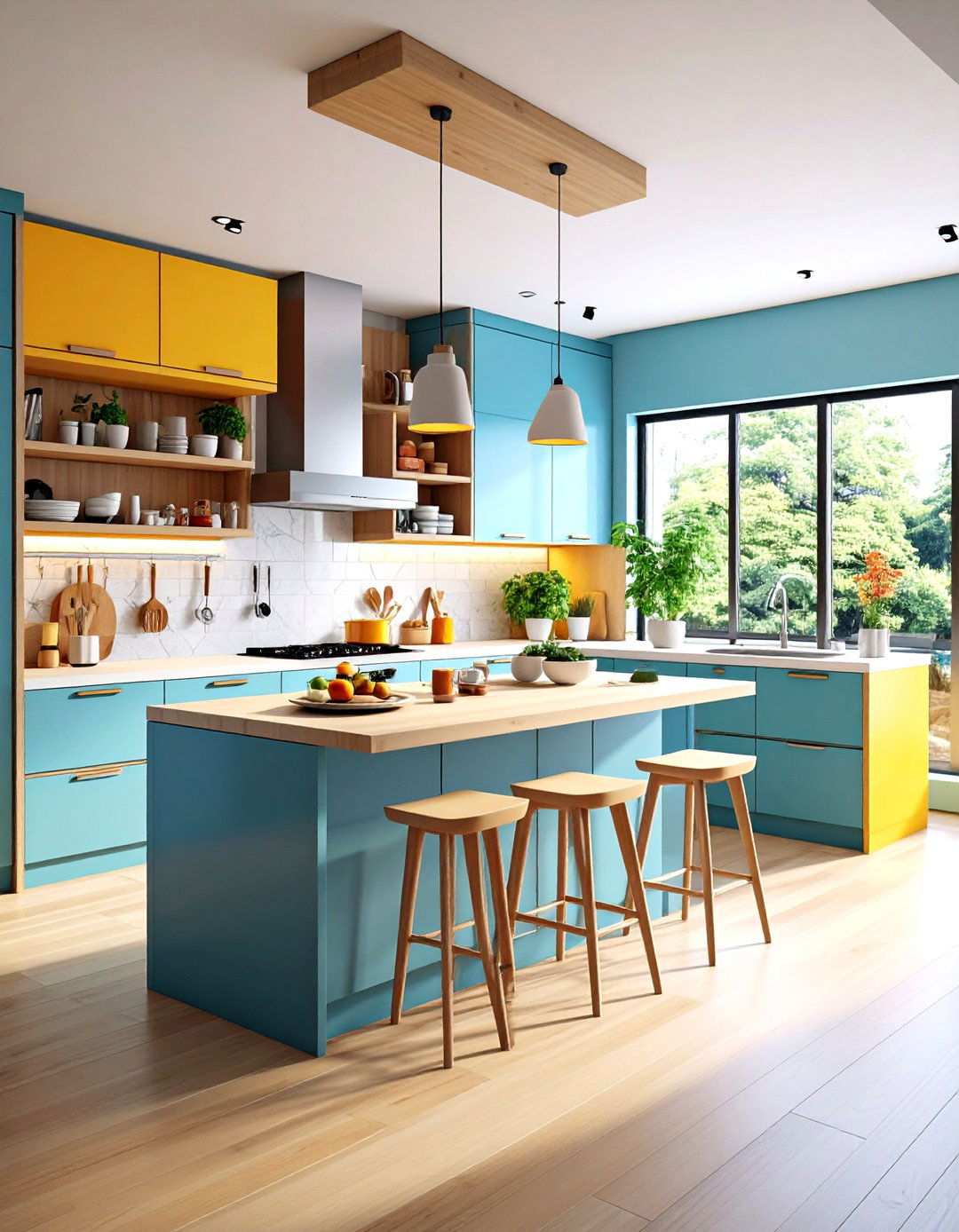
Modular furniture systems are expertly crafted to create spaces that seamlessly adapt to changing needs throughout the day. This is particularly evident in kitchen islands, which can be effortlessly repositioned to accommodate various cooking projects and social arrangements. Meanwhile, stackable seating elements can be stored compactly when not needed, providing flexible accommodation for groups of varying sizes. In addition, adjustable shelving systems can be tailored to seasonal storage needs and changing display requirements, reflecting the Japanese values of efficiency and adaptability in a limited space.
Lightweight construction allows for frequent rearrangement without causing damage to floors or walls, a critical consideration in homes where spaces need to be versatile and adaptable. The standardized dimensions of modular components also ensure compatibility between different elements, expanding the system’s functionality and usability. Furthermore, folding and nesting elements minimize storage requirements while maximizing utility, a testament to the ingenuity of modular design. By acknowledging the importance of adaptable environments that can change quickly to accommodate evolving needs, these systems maintain aesthetic consistency and functional efficiency throughout various configurations. Their quality construction ensures durability despite frequent handling and rearrangement, making them a reliable choice for modern homes.