
RVing with dogs or taking your camper out to RV with cats may be incredibly rewarding if you love animals. Due to their innate curiosity and ability to adjust to a mobile lifestyle, cats may make RVing enjoyable and fulfilling for both you and your pet.

As an Amazon Associate I earn from qualifying purchases.
However, in order to guarantee your cat’s comfort and safety when traveling in an RV, certain preparations must be made before you go. We will cover all the preparations and things to think about in this guide so you may travel with your pet without any worries.
5 Things To Prepare for Cats in RV
RV Cat Litter Box
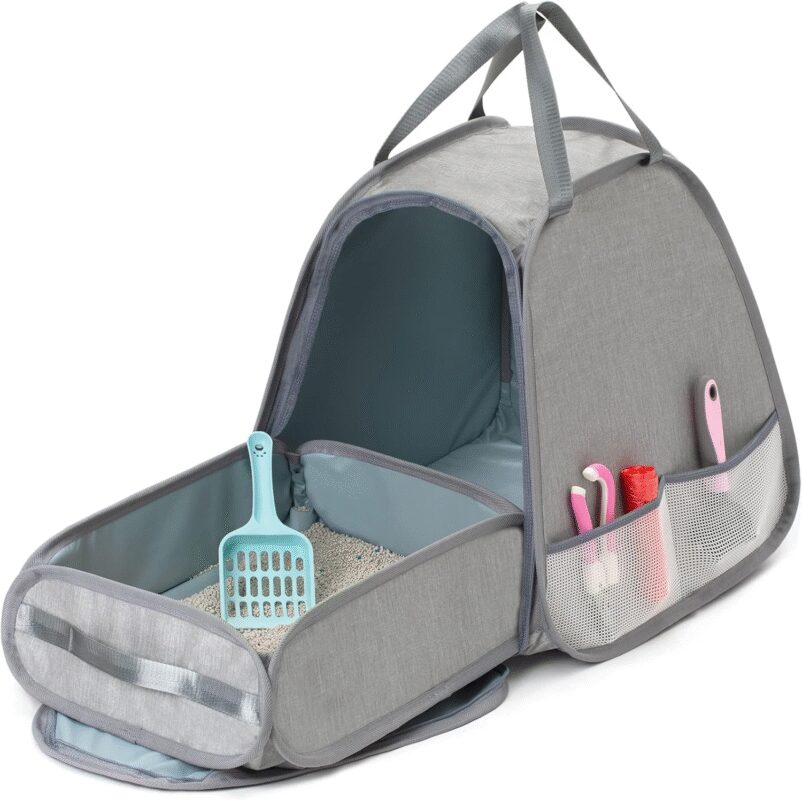
Cats need a dedicated bathroom area even while traveling, and in an RV, finding the right setup is especially important. Since space is limited, a compact and easy-to-clean litter box works best. Many RV owners use creative DIY options, such as turning a plastic storage bin into a litter box or converting a cupboard with a small pet door for easy access. These modifications help save space and keep odors under control.
It’s also smart to store extra litter for the entire trip, since running out on the road can be stressful. Be sure to scoop waste daily and dispose of it properly to prevent unpleasant smells from building up in a small space. Some owners even keep the litter box in exterior storage compartments to minimize odor inside. With thoughtful placement and regular maintenance, your cat can stay comfortable, and your RV will stay clean and fresh.
Food and Water
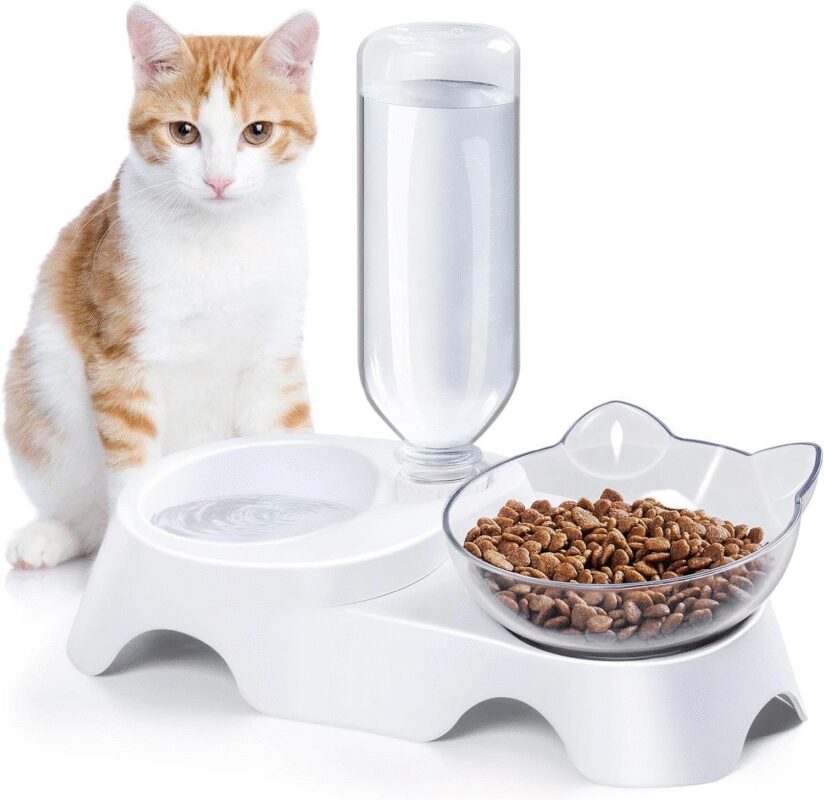
A consistent diet is essential for your cat’s health. Pack enough of their usual food to last the whole trip, since switching brands suddenly can lead to digestive problems. If a change is unavoidable, transition gradually by mixing the new food with the old. Bring plenty of fresh water as well, especially if you’ll be camping in areas where clean water isn’t always accessible.
It’s also a good idea to secure food and water bowls in a stable spot so they won’t tip over while driving. Non-slip mats or elevated stands work well in RVs to prevent spills. Some cat owners prefer water fountains, which not only keep water fresh but also encourage cats to drink more, reducing the risk of dehydration during travel.
Cat Carrier or Harness
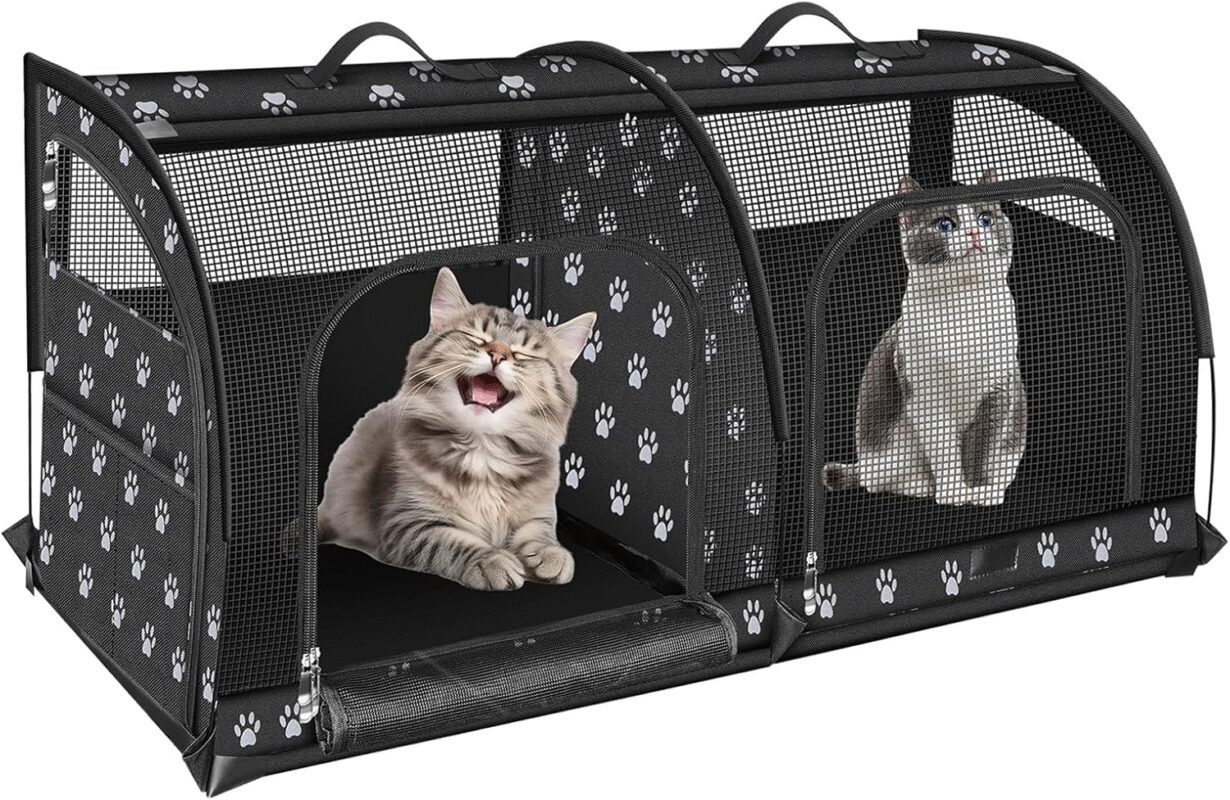
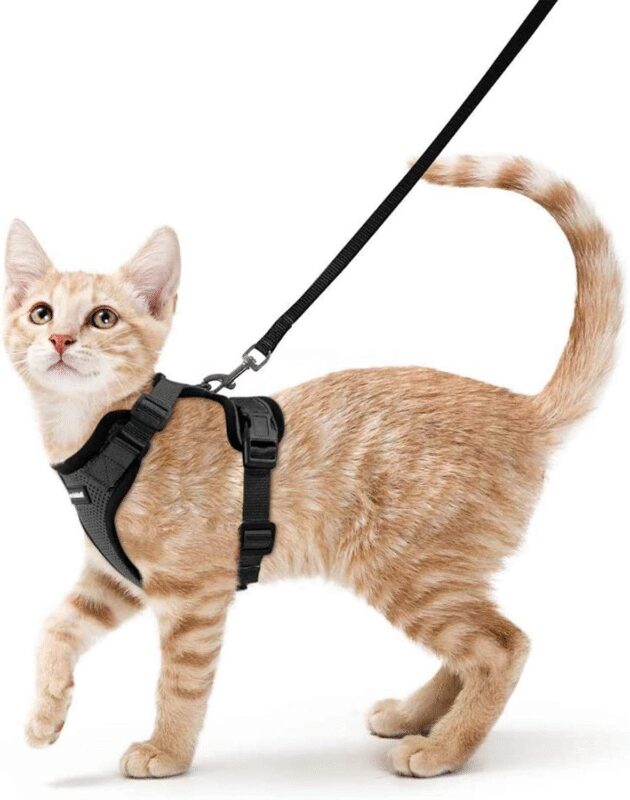
Safety on the road should always come first. A sturdy carrier or a properly fitted harness is essential for transporting your cat securely. During travel, a carrier keeps them safe in case of sudden stops or accidents, while a harness allows controlled exploration once you’re parked.
Introduce your cat to the carrier or harness before the trip so they can get used to it in a familiar environment. Place treats, toys, or blankets inside to create positive associations. This way, your cat will feel more comfortable and less stressed when it’s time to hit the road.
Cat-Friendly Environment
Cats can be sensitive to new places, and an RV may feel unfamiliar or even overwhelming at first. Bringing along items that smell like home—such as their favorite toys, blankets, or beds—can make a huge difference in how quickly they adjust. Creating a cozy space inside the RV where your cat can retreat helps them feel secure.
If possible, set up a perch near a window so they can watch the outside world go by. Scratching posts, tunnels, or compact cat trees are also great for keeping them entertained and preventing them from scratching furniture. The more your RV feels like home, the easier it will be for your cat to relax and enjoy the journey.
Beddings and Cleaning Supplies
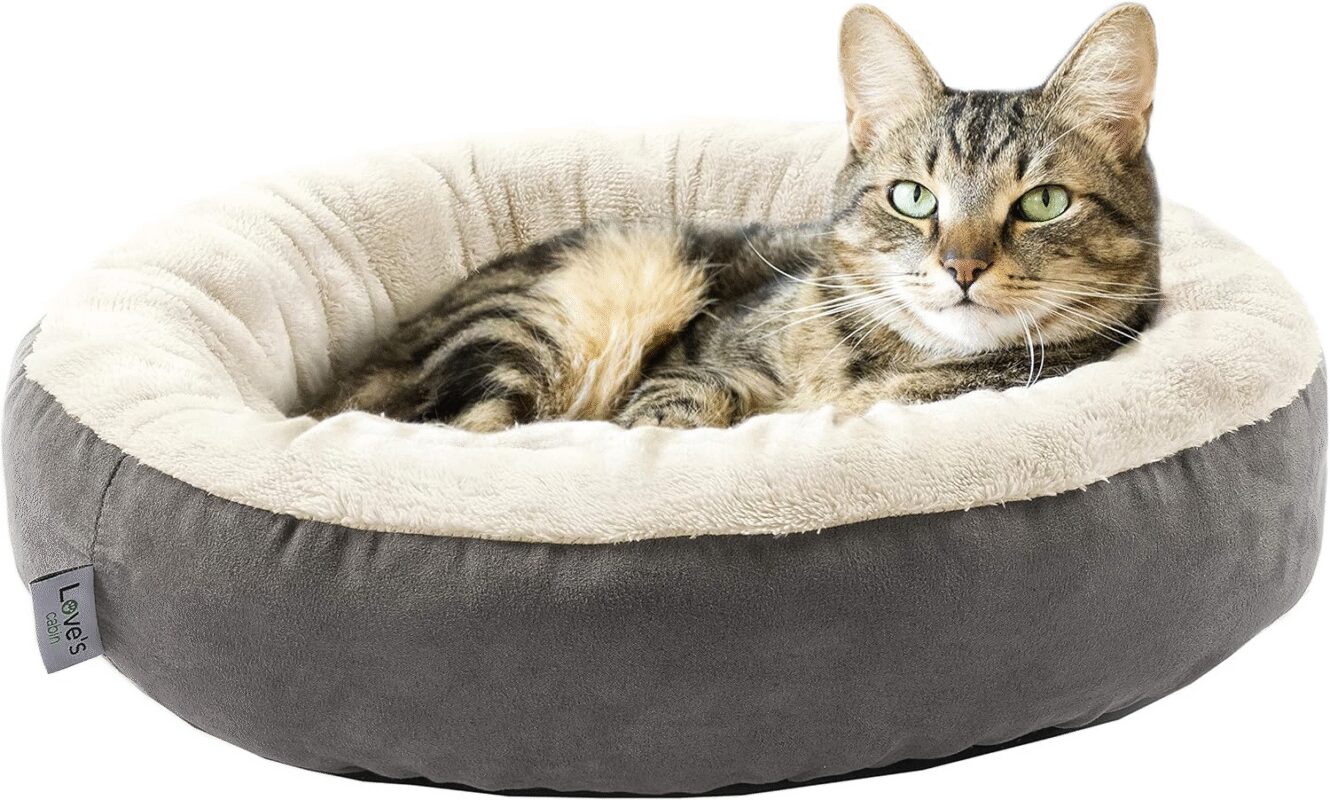
A comfortable sleeping spot is just as important for cats on the road as it is at home. Pack their favorite bed, blanket, or cushion so they have a cozy place to curl up and sleep. Cats often feel more secure when they have their own dedicated resting spot.
Be prepared for the unexpected as well. Accidents can happen in small spaces, so carry pet-safe disinfectant, paper towels, and other cleaning supplies. A compact vacuum or lint roller will also help manage cat hair in the RV. Keeping things clean not only makes life more pleasant for you but also creates a healthier environment for your cat.
Safety Tips for RVing With Cats
Taking extra precautions can make a huge difference in keeping your cat safe on the road. Here are a few essentials every RV cat owner should follow:
Keep Them on a Leash When Going Out
While it might feel unusual to see a cat on a leash, it is one of the most important safety measures when traveling in an RV. When you arrive at a new campsite, your cat is in an unfamiliar environment filled with new smells, sounds, and potential dangers. A startled or curious cat can dart out of the RV before you even notice, and once they are outside, it can be very difficult to get them back. Many RV owners have unfortunately lost their cats this way—simply forgetting to close the door or underestimating how quickly a cat can slip out.
Because many of the best RV campsites are located in remote areas, a wandering cat can easily get lost in woods, deserts, or mountains. Predators such as coyotes, birds of prey, or even stray dogs may also pose risks.
By using a leash and harness, or by placing your cat in a secure carrier, you can prevent accidents and give them a safe way to explore the outdoors. If your cat has never been leash-trained, start the process at home before your trip so they become comfortable with the harness. Even if you don’t plan to walk your cat often, having the leash as a backup provides peace of mind.
Make Sure They Are Always Microchipped
Identification is a must when traveling with pets, and microchipping is one of the most reliable ways to make sure your cat can be identified if they ever become lost. Collars and ID tags are helpful but can easily slip off or break. A microchip provides permanent identification that can be scanned at any veterinary office or animal shelter.
Experienced RV cat owners, like Kelly M. Barker, emphasize how important this step is. After working in animal welfare, she has seen countless cases where pets became lost during transport, whether through rescues or families traveling in RVs. A registered microchip can make the difference between a lost cat and a reunited one.
In addition to microchips, new technology offers even more security. GPS collars, Bluetooth trackers, and devices like AirTags can be attached to your cat’s collar or harness, giving you real-time location updates.
This extra layer of protection means that even if your cat slips out unexpectedly, you’ll have a way to track them down quickly. For RVers traveling through unfamiliar territories, this kind of backup is invaluable.
Make Sure All Screens Are Secure
Cats are naturally curious and often drawn to windows and doors where they can watch the world outside. In an RV, these screens may not be as sturdy as the ones at home. A determined cat can easily push through a loose screen or claw it until it tears, creating a dangerous escape route.
Before you hit the road, check every window and door screen to ensure they fit snugly and securely. Reinforce weak screens with stronger mesh or pet-proof materials designed to withstand scratching.
Some RV owners even install secondary barriers, such as baby gates or mesh guards, to provide an extra level of protection. By taking these precautions, you’ll prevent your cat from slipping out while still allowing them to enjoy the view and fresh air safely.
Keep the Camper Clean
A clean RV is not just about comfort—it’s about safety for your cat. Crumbs, spills, and food scraps can attract insects and pests, some of which may carry diseases or pose risks to your pet. Cats are also sensitive to dirty environments, and litter odors or hair buildup can make the small living space feel overwhelming.
Maintaining cleanliness requires a routine. Regularly sweep and vacuum to remove cat hair and dander, especially since small spaces can accumulate fur quickly.
Pet-safe disinfectants should be used for wiping down surfaces, and litter boxes should be cleaned daily to avoid unpleasant smells. Investing in a lightweight, compact RV vacuum cleaner can make this process easier and keep your living area free of fur.
A clean RV ensures a healthier environment for your cat, prevents unwanted pests, and makes the overall RV experience more enjoyable for both you and your pet.
RV Cat Must-Haves
Self-Cleaning Litter Box
The very first must-have for cats in an RV is, of course, a litter box. Because space is limited and odors can build up quickly in such a small area, many RVers prefer a self-cleaning litter box. One popular option is the Omega Paw Self-Cleaning Litter Box. Its covered design helps contain odors, while the detachable base makes it easy to empty and clean on the go. The compact size also makes it easier to tuck away in an RV compared to larger, traditional boxes.
Some RV owners have found creative solutions to the litter box odor issue. For example, Alicia Fernbaugh installed a small pet door leading to her RV’s outside storage area, placing the litter box and extra supplies there. This setup keeps smells outside the main living space, prevents stray litter from being tracked inside, and allows easy access for cleaning from outside the RV. Solutions like this can make RV life with cats significantly more pleasant.
Cat Water Fountain
Hydration is especially important for cats during travel, and many full-time RVers swear by a cat water fountain as one of their most essential items. Unlike a traditional water bowl, a fountain keeps water flowing and filtered, encouraging cats to drink more frequently. This not only helps them stay hydrated but can also prevent urinary tract issues, which cats are prone to when they don’t drink enough.
Beyond health benefits, water fountains also add a playful element for cats. Many enjoy pawing at the running water or drinking straight from the stream, which can help keep them entertained while on the road. A small, portable fountain designed for travel is ideal since it won’t spill easily when the RV is moving.
Cat Bed
Just like humans need a comfortable place to rest, cats need their own cozy spot to curl up and sleep. Bringing along a familiar cat bed ensures your pet feels secure in a new environment. Whether it’s a plush donut-style bed, a flat mat, or a hammock, the important thing is that it smells like home and provides comfort.
Pamela Tucker, another RV cat owner, shared how her cat quickly adjusted to RV life with the help of her favorite bed. Having that familiar spot gave her cat a sense of routine and helped ease the stress of traveling. In a small RV space, giving your cat a designated sleeping area can prevent them from climbing onto counters or taking over your seat.
RV Catio
One of the most creative and fun additions you can make for RV cats is a catio—a cat-friendly outdoor enclosure that allows them to enjoy the fresh air without the risks of roaming free. A catio gives your cat the chance to safely experience nature, watch birds, and lounge outside while you relax at the campsite.
Some RVers build custom catios that attach to their rigs, while others opt for foldable, easy-to-assemble versions from retailers like Amazon. Kristin Paiz, for example, has a portable catio setup that gives her cats a safe space to hang out during RV stops. For adventurous cats who love exploring, a catio can make RV living far more enriching and enjoyable.
Pet Carrier Backpack
For cat owners who enjoy hiking, sightseeing, or exploring beyond the campsite, a pet carrier backpack is a game-changer. Unlike traditional carriers, these backpacks allow you to comfortably carry your cat while keeping them secure and close by. Many designs include mesh sides for ventilation, padded straps for comfort, and a structured base so your cat can sit or lie down inside.
This option is especially useful for cats who like being near their humans but may not tolerate a leash or harness outdoors. It also allows you to bring your cat along for adventures while keeping your hands free. For RVers who love to stay active, a carrier backpack opens the door to more shared experiences with your pet.
Cat Tree
Even in a small RV, your cat still needs ways to climb, scratch, and play. A cat tree provides both entertainment and exercise during long trips. Depending on your RV’s size, you may choose a compact tree, a wall-mounted perch, or a multi-level setup if you have the space.
Cats instinctively need to scratch to keep their claws healthy, and a cat tree helps prevent them from damaging your RV’s furniture or walls. It also gives them a high vantage point to observe their surroundings, which can be especially comforting in a moving environment. Missy McClure’s cat tree setup is a great example of how RVers can balance function and fun for their feline companions.
Final Thoughts
RVing with cats can be rewarding when you’re prepared. With a litter box solution, enough food and water, a safe carrier, a comfortable environment, and cleaning supplies, you’ll set the stage for a safe and enjoyable trip. By adding a few safety measures and must-have gear, your feline companion can thrive on the road right alongside you.