1. Unifying Elegance: White Siding's Widespread Appeal
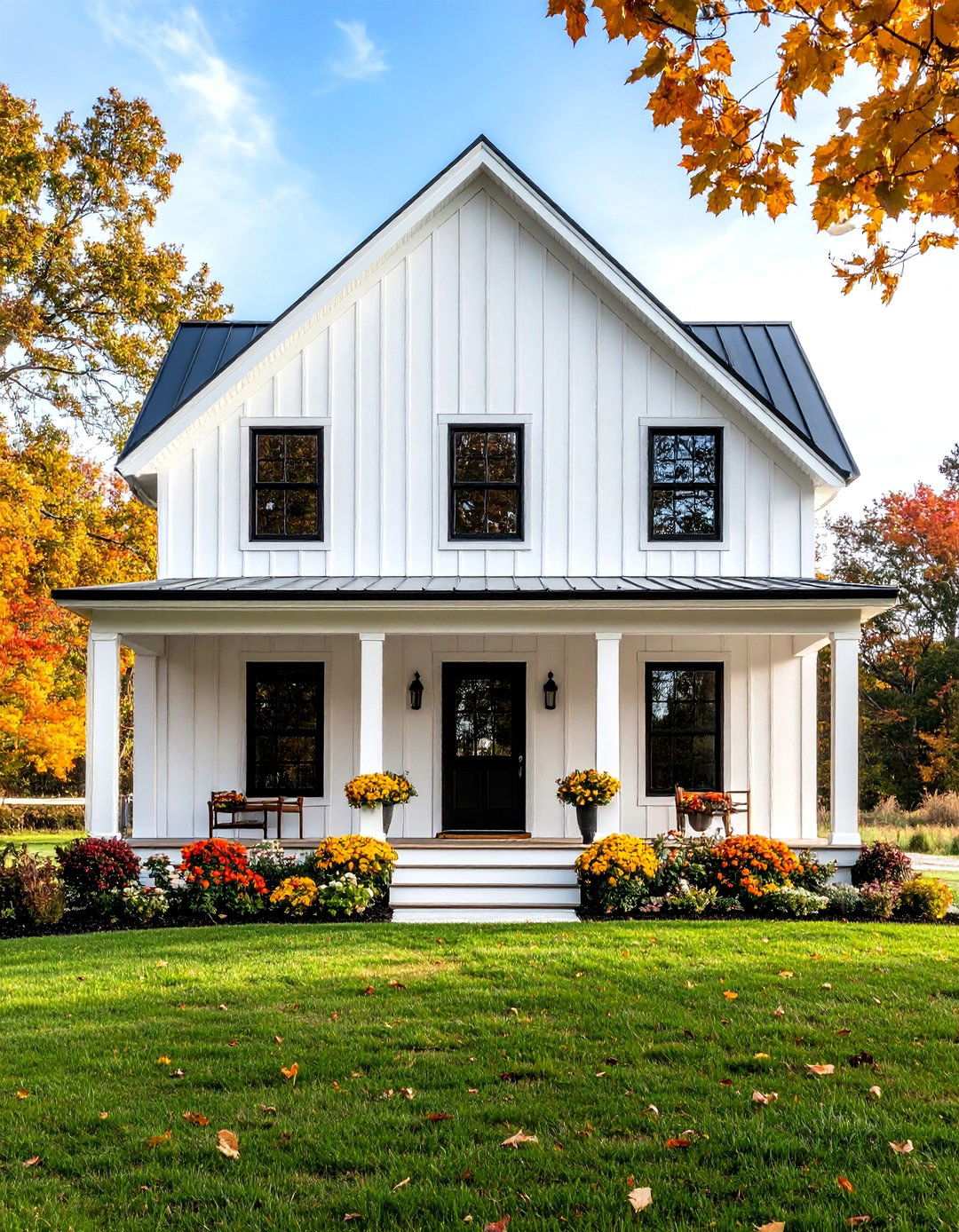
White siding has become a staple in modern home design, prized for its timeless beauty and versatility in crafting a stunning exterior. This classic aesthetic transcends architectural styles, effortlessly complementing traditional colonial homes, contemporary farmhouse designs, and everything in between. Today’s homeowners can choose from a plethora of sophisticated white siding options, including cutting-edge board and batten configurations, mixed material applications, and innovative texture combinations that add depth and visual interest to their home’s facade. By opting for crisp horizontal lap siding or dramatic board and batten, homeowners can create a sense of limitless possibilities for crafting a breathtaking exterior that stands the test of time. As design trends evolve, a warmer off-white tone has gained favor, perfectly harmonizing with natural materials like stone and brick to create an exterior palette that feels both fresh and enduring.

As an Amazon Associate I earn from qualifying purchases.
2. Elevating Modern Farmhouse Charm with Board and Batten
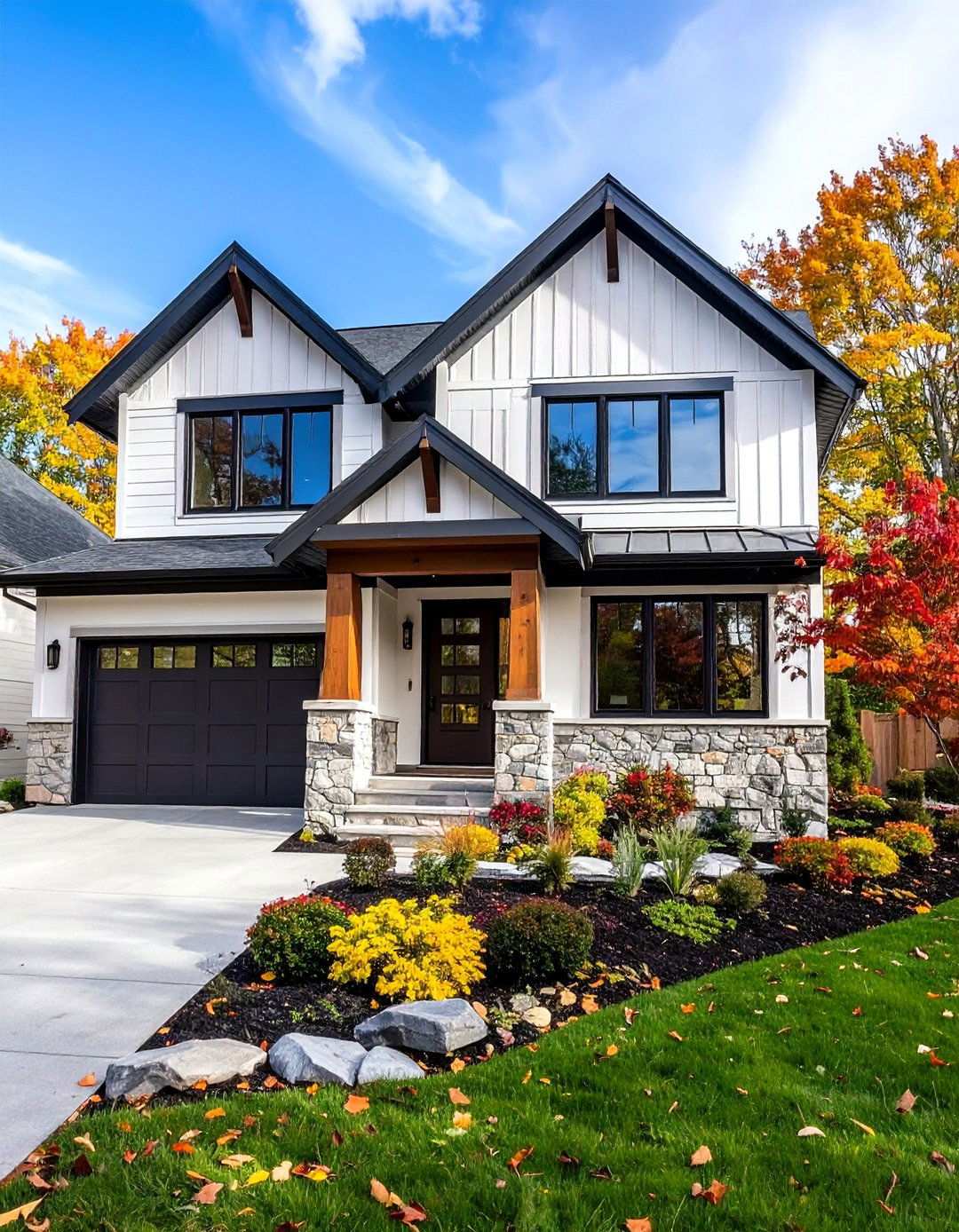
A modern take on traditional farmhouse aesthetics, board and batten design seamlessly blends rustic charm with contemporary clean lines. By alternating wide vertical boards with narrow battens, this style creates a visually striking pattern that adds depth and texture across the exterior walls. The crisp white finish provides a beautiful backdrop for black window trim and metal roofing, while natural wood accents around entryways and porch columns add warmth without compromising the style’s signature simplicity. The vertical emphasis of this design can make a home appear taller and more stately, while the board and batten application works particularly well on gable ends and can extend to full exterior coverage for maximum impact.
3. Classic Colonial Elegance with Horizontal Lap Siding
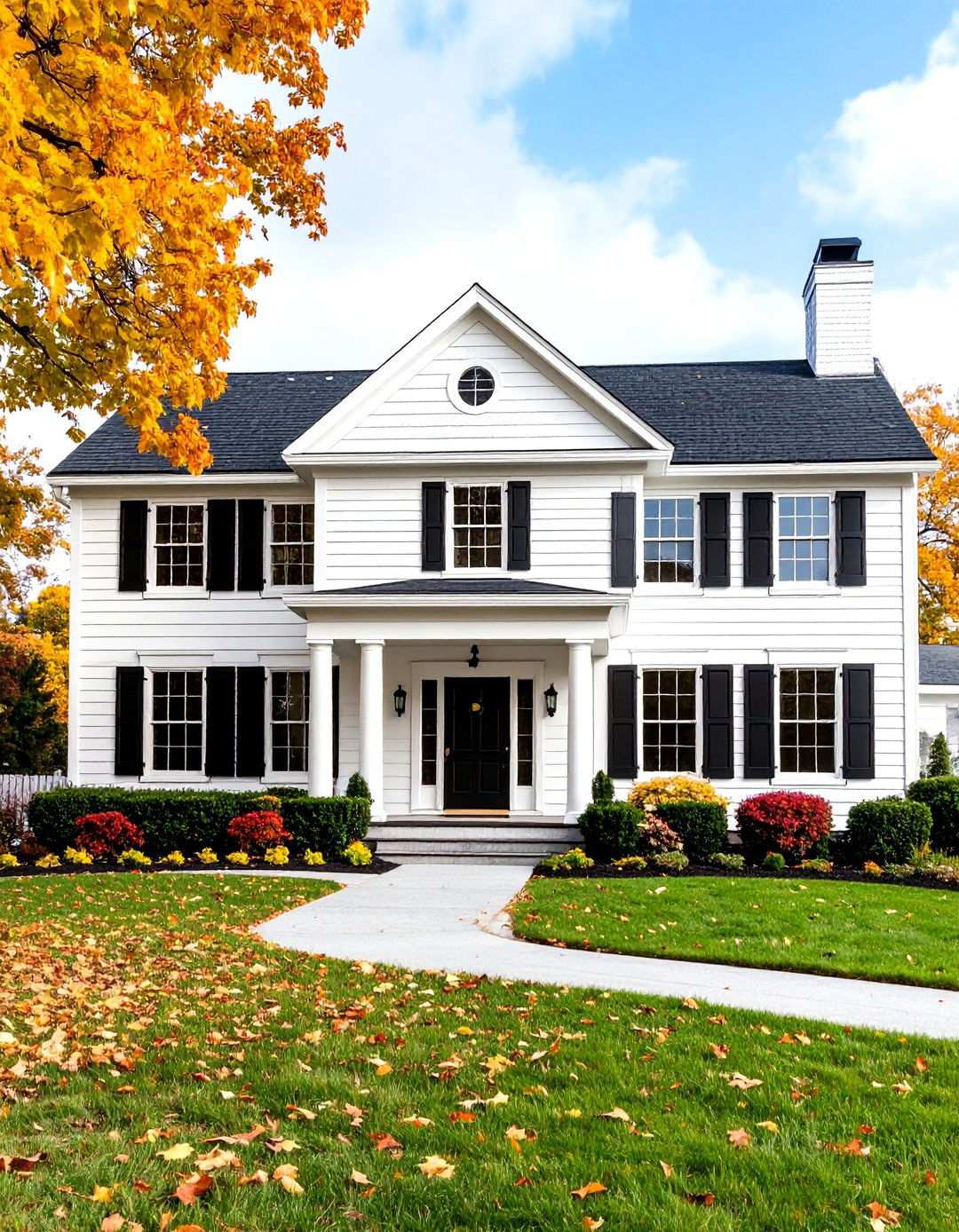
Timeless colonial homes showcase white horizontal lap siding that emphasizes the symmetrical proportions and formal balance characteristic of this architectural style. The overlapping horizontal boards create delicate shadow lines that add depth without overwhelming the clean, geometric facade. Black shutters and trim provide striking contrast while maintaining historical authenticity. The lap siding typically features narrow to medium exposure widths that complement the home’s proportional elements. What makes this design so enduring is its ability to look equally at home in urban and suburban settings? Crown molding and corner boards finished in matching white create seamless transitions and enhance the overall refined appearance.
Evolving Mixed Material Architectures
By embracing a variety of materials, contemporary white siding designs can achieve a dynamic interplay of textures and visual interest, elevating the overall architectural depth. This approach successfully combines the durability of white fiber cement lap siding with the natural beauty of stone veneer foundations, striking a perfect balance between modernity and grounding. The strategic integration of steel and wood accent elements introduces contrasting tactile experiences while maintaining a cohesive color palette. The judicious placement of large windows with black frames highlights the home’s geometric forms, imbuing the design with a sense of purpose. Through this thoughtful blending of materials, a simple box-shaped home can be transformed into a sophisticated architectural statement that showcases the importance of proportion and multi-functional design.
4. Coastal Inspirations in Shiplap Installation
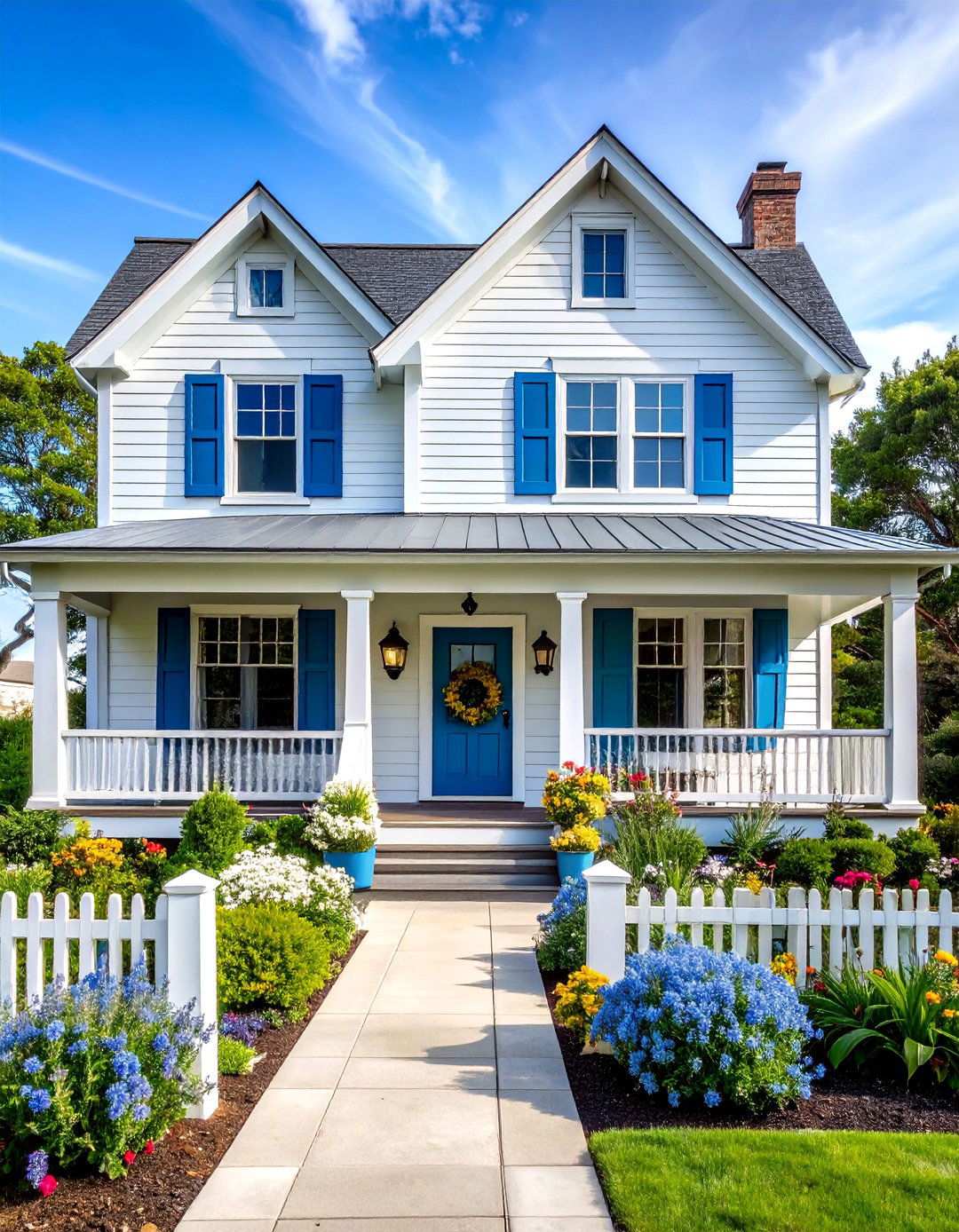
Coastal white shiplap siding brings a laid-back, beachy ambiance to a home through its unique installation method and weathered appearance. The horizontal boards with minimal reveal create a sleek, continuous surface that skillfully reflects light, adding to the overall visual appeal. This style pairs effortlessly with natural wood trim in muted shades of gray or sage green, creating a harmonious fusion of coastal and rustic elements. Expansive covered porches and outdoor living spaces complement the coastal theme, inviting a seamless transition between indoors and outdoors. The strategic incorporation of ocean-inspired accent colors, such as soft blues and seafoam greens, further enhances the maritime feeling without overpowering the white base. This style’s ability to evoke the charm of New England seaside cottages is undeniable, while the installation provides exceptional weather protection and adds a touch of casual elegance to coastal architecture.
5. Bridging Traditions with Transitional Panel Systems
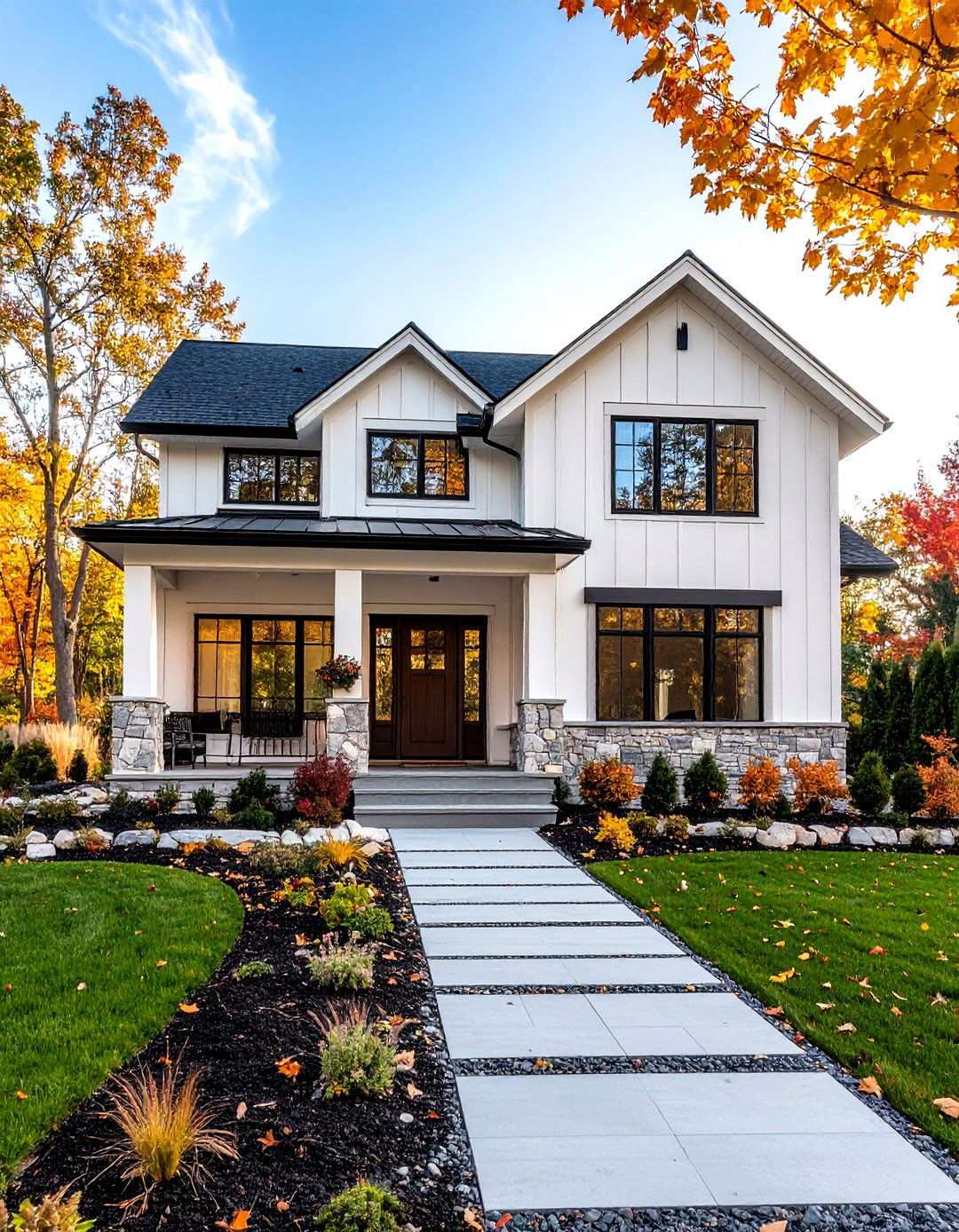
Transitional vertical panel siding successfully navigates the divide between traditional and contemporary design sensibilities by incorporating refined proportions and subtle details. The vertical orientation of the panels creates a sense of height and modern appeal, while the classic white coloring ensures timeless elegance. By strategically varying the panel widths, a rhythmic visual movement is achieved across the facade, adding depth and visual interest. The incorporation of natural materials, such as stone or brick accents, grounds the design and introduces textural contrast. This approach is particularly well-suited for contemporary homes with clean lines and large windows, where it can make a bold statement that emphasizes architectural features like dormers and gables. The cohesive whole created by the installation is both current and enduring, making it an attractive option for homeowners seeking a sophisticated and enduring design.
6. Mastering the Art of Contrast: White and Stone in Tudor Revival
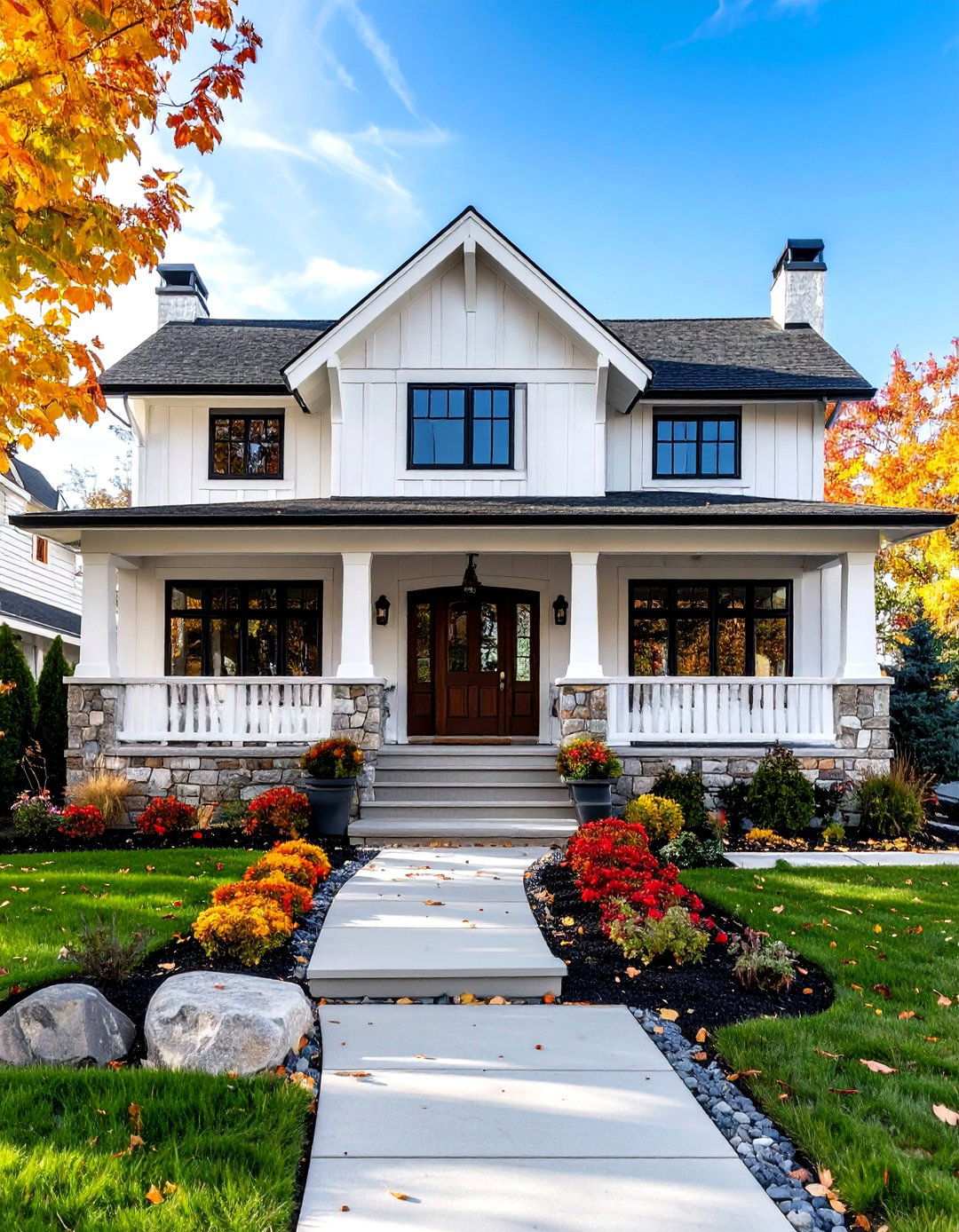
By combining white siding with natural stone, homeowners can create a sophisticated contrast that pays homage to historical precedent while exuding a modern sense of style. Typically, the white cladding takes center stage on upper stories and gable ends, while the stone veneer covers the foundation areas and accent walls, thereby emphasizing the home’s architectural hierarchy and visual weight distribution. The incorporation of diamond-pane windows and arched doorways perfectly complements the material palette, adding a touch of elegance and sophistication to the design. Dark roof materials provide a striking contrast against the light siding, creating a visually appealing and dramatic effect. The subtle balance of stone-to-siding ratio is crucial in avoiding overwhelming either material, while maintaining the style’s characteristic elegance and proportion.
7. Embracing the Craftsmanship of White Board and Batten
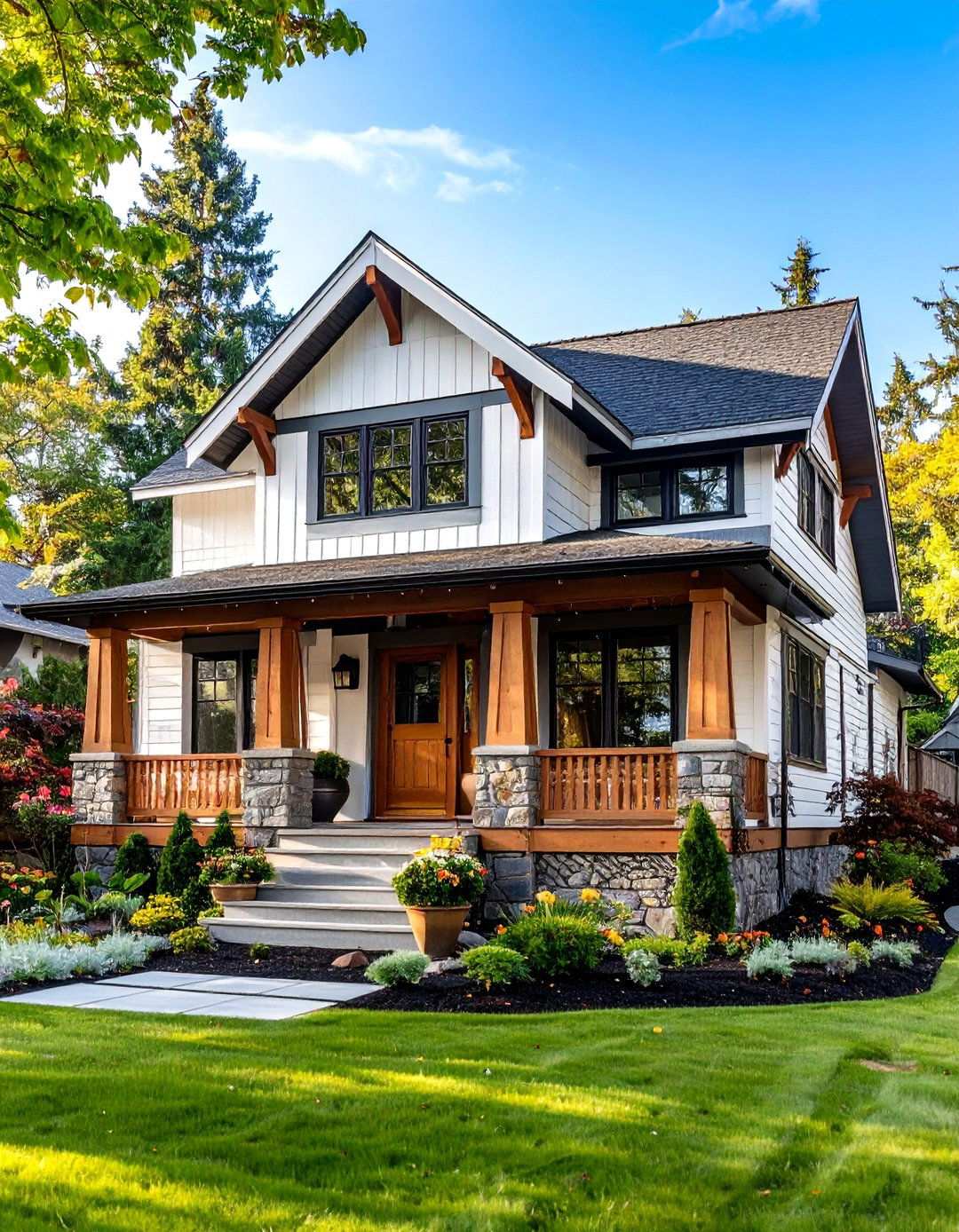
Craftsman-style white board and batten celebrates the movement’s emphasis on natural materials and handcrafted details through the use of carefully proportioned vertical elements. Wide battens and substantial trim work come together to create a substantial appearance characteristic of this architectural style. The natural wood elements in rich stains add warmth against the white background, creating a cozy and inviting atmosphere. Stone or brick foundations anchor the design while emphasizing horizontal lines, adding depth and visual interest to the space. Exposed rafter tails and decorative brackets add authentic period details, further enhancing the style’s charm. The vertical siding creates an interesting interplay with the style’s typically horizontal emphasis, resulting in a visually harmonious and balanced design. Tapered columns and wide front porches complete the welcoming and substantial appearance that defines quality Craftsman design.
8. The Power of Horizontal Emphasis: Ranch-Style White Siding
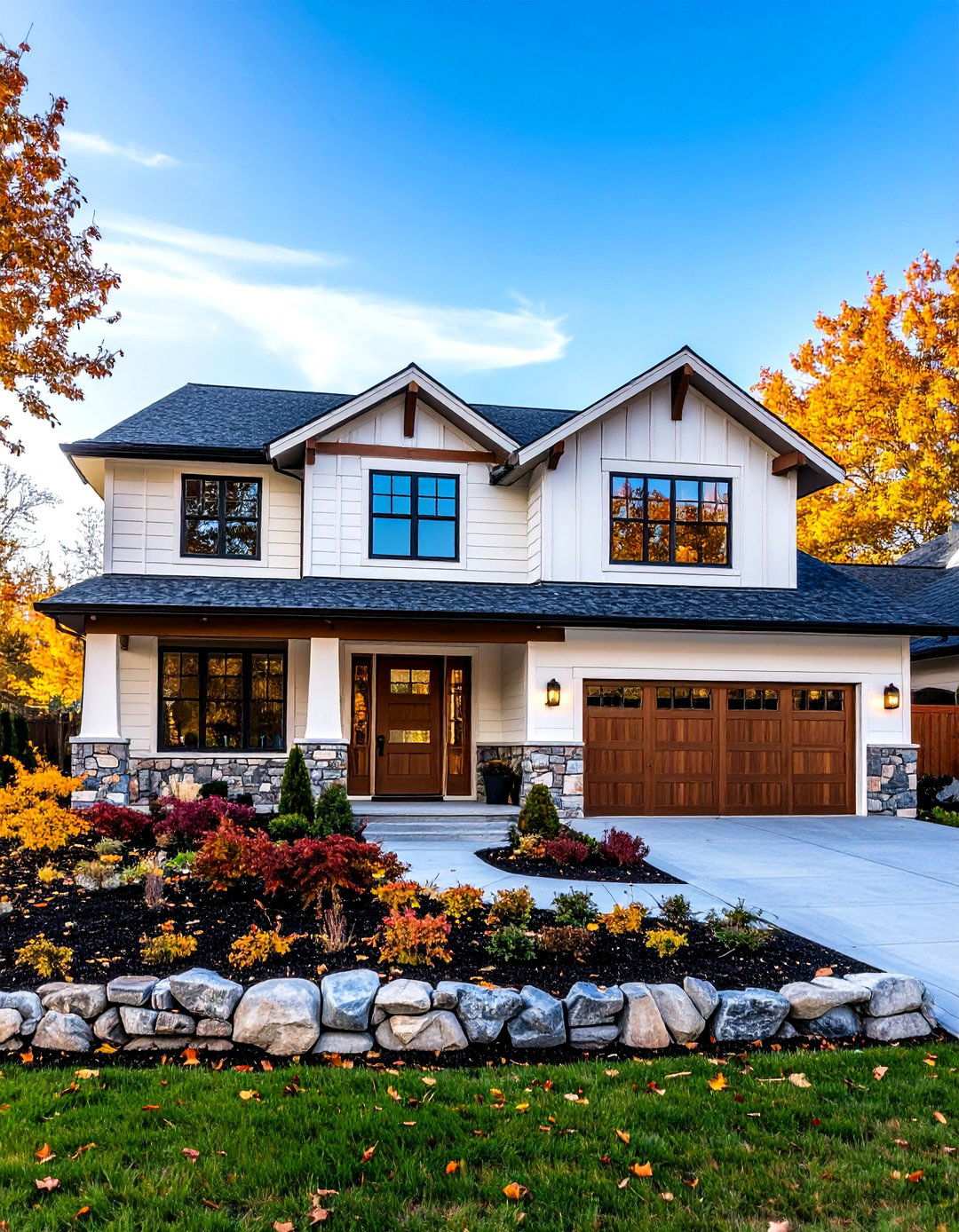
Ranch home white siding emphasizes the style’s characteristic horizontal lines through the use of wide-exposure clapboard or lap siding installation. The long, low proportions benefit from the continuous horizontal emphasis provided by the white siding, creating a sense of openness and space. Natural materials like stone or brick accent the foundation and chimney areas, adding a touch of warmth and texture to the design. Large windows with white trim maintain the clean and uncluttered appearance, while attached garages and covered patios extend the horizontal theme, creating a seamless transition between indoors and outdoors. The white finish helps smaller ranch homes appear larger and more substantial, while simple trim details and minimal ornamentation allow the siding’s linear quality to dominate, maintaining the style’s inherent simplicity.
9. Harmonious Balance in Cape Cod Shingle and Siding Combinations
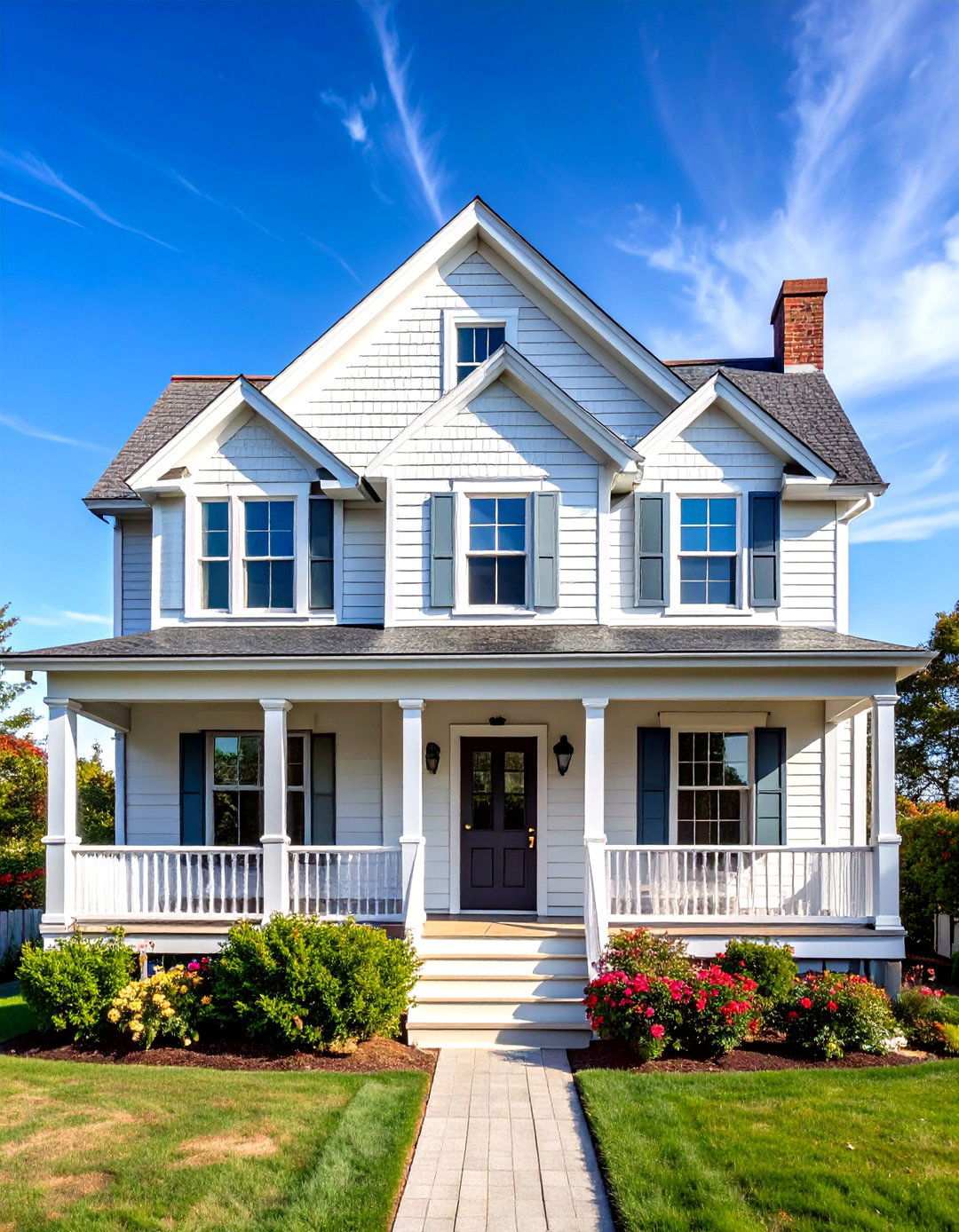
Cape Cod design achieves its signature aesthetic by marrying white clapboard siding with cedar shingle accents. This thoughtful material pairing brings texture variation and authentic New England charm to the forefront. Typically, the horizontal siding envelops the primary wall areas, while shingles make a statement on dormers and upper gable ends. By combining these elements, the design adds visual interest without sacrificing its inherent simplicity. To maintain the period authenticity of the style, natural wood trim in crisp white or traditional hues is used. Steep roof pitches and dormer windows contribute to the classic silhouette, creating a visually appealing interplay of depth and shadow. The result is an architectural composition that not only stands the test of time but also provides excellent weather protection.
10. Elegant Balance in Victorian White Trim and Siding Harmony
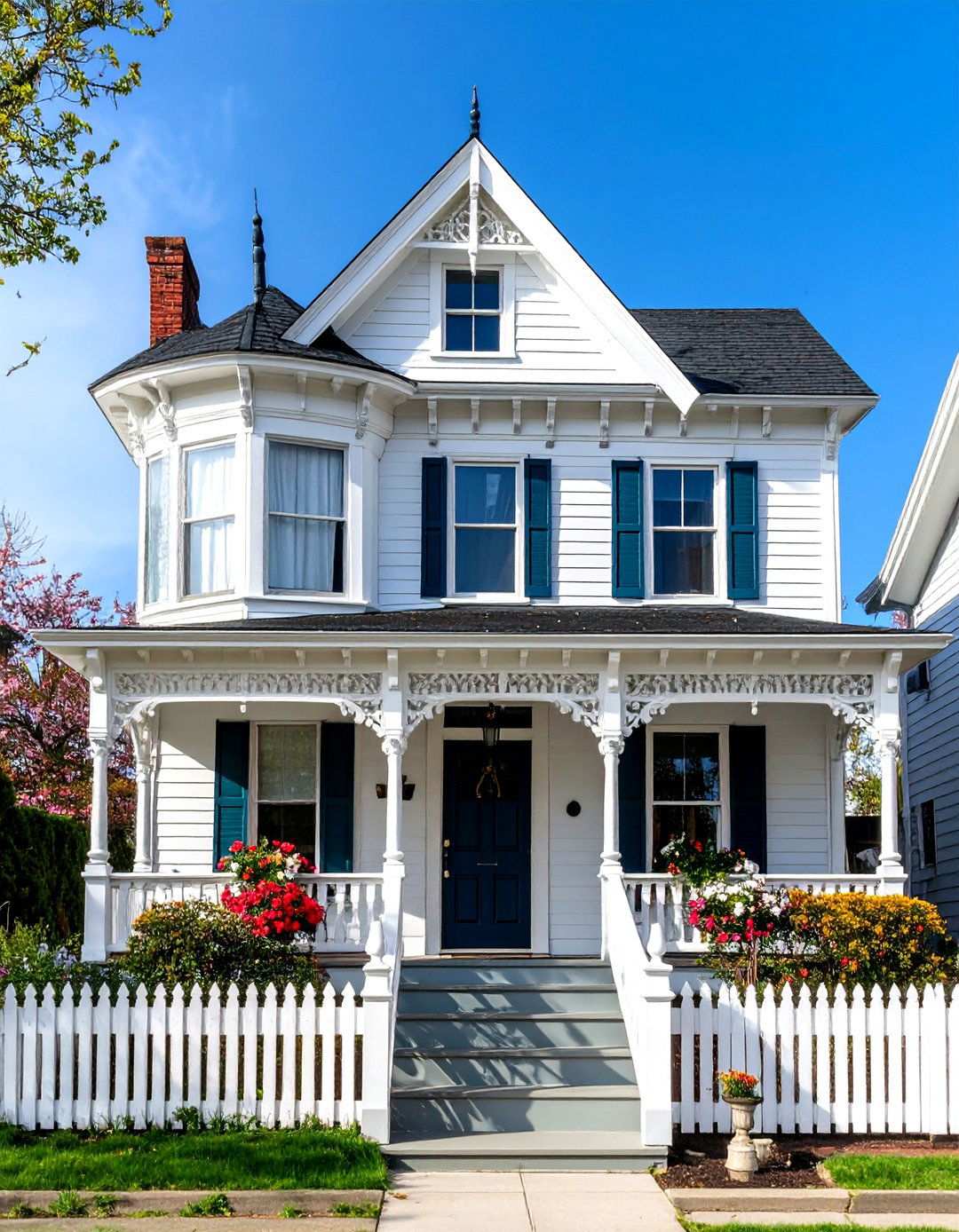
Victorian homes showcase a masterful balance of white siding as a neutral backdrop and intricate trim work. The siding’s understated presence allows the elaborate decorative elements to take center stage. By providing a canvas for the intricate gingerbread trim, brackets, and moldings, the siding creates an opportunity for visual interest. The use of multiple colors in the trim work creates an engaging narrative, while the white siding serves as a unifying force. Careful attention to proportion and trim details is essential to ensure that the white siding complements rather than competes with the style’s characteristic ornamental features. The varied siding application, which features both horizontal lap and decorative shingles, adds to the visual complexity of the design. By striking a balance between the siding and trim, the result is a harmonious and visually stunning architectural composition.
11. Modern Elegance in Contemporary Vertical Wood-Look Fiber Cement
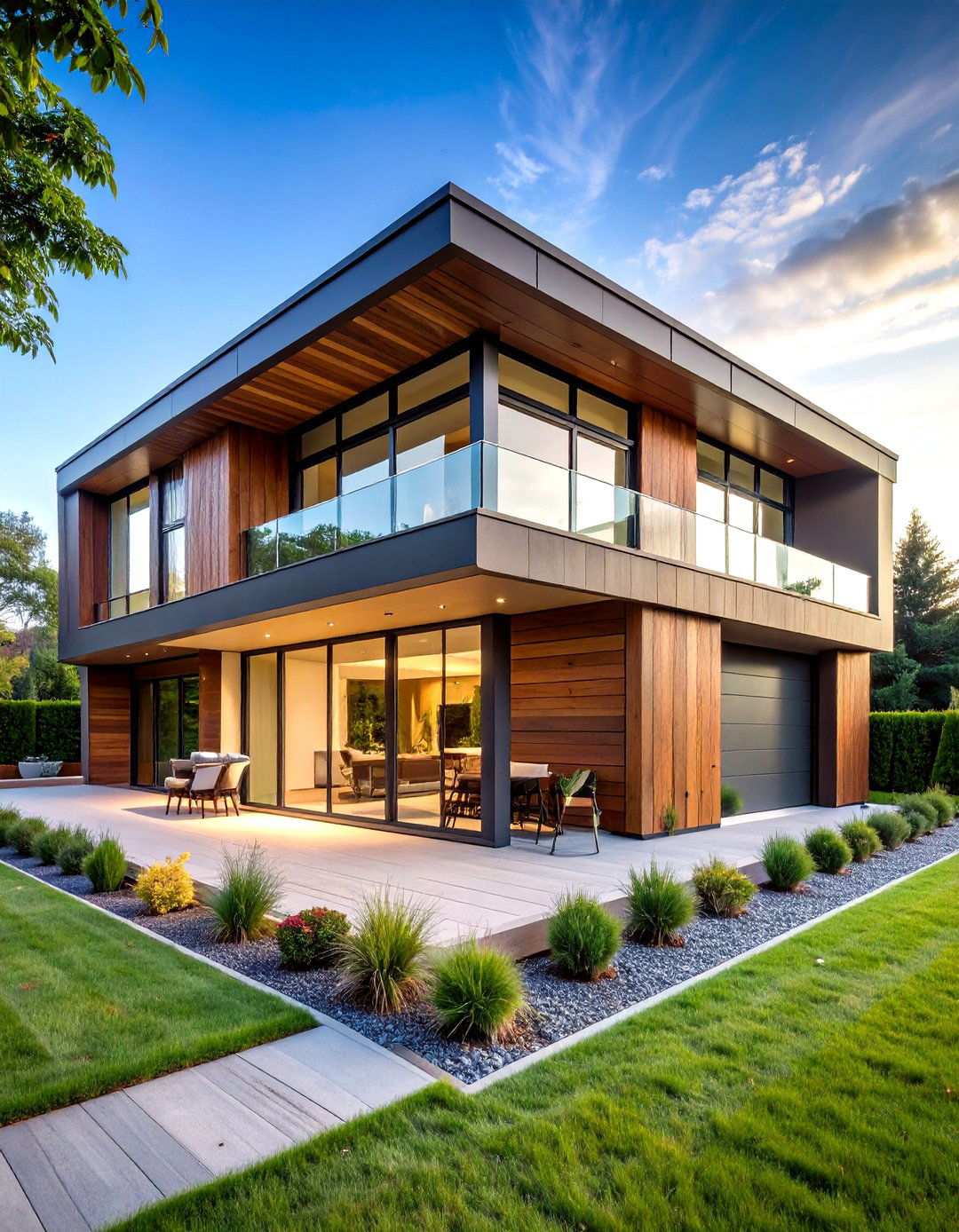
By embracing modern vertical fiber cement siding, homeowners can create a sleek and contemporary aesthetic that mimics the warmth and natural character of wood. The vertical installation provides a fresh and modern appeal, while the wood-look textures add depth and visual interest. A white finish with subtle gray undertones provides a sophisticated and nuanced color palette. To further emphasize the modern aesthetic, steel and glass accent materials are used. Large format windows and minimal trim details maintain clean lines, creating a sense of openness and airiness. The vertical fiber cement siding offers the best of both worlds: the beauty of wood without the ongoing maintenance concerns. By choosing this material, homeowners can achieve a modern and architecturally significant design that also provides fire resistance and weather protection.
12. Embodying Elegance: Symmetry in Federal Architecture
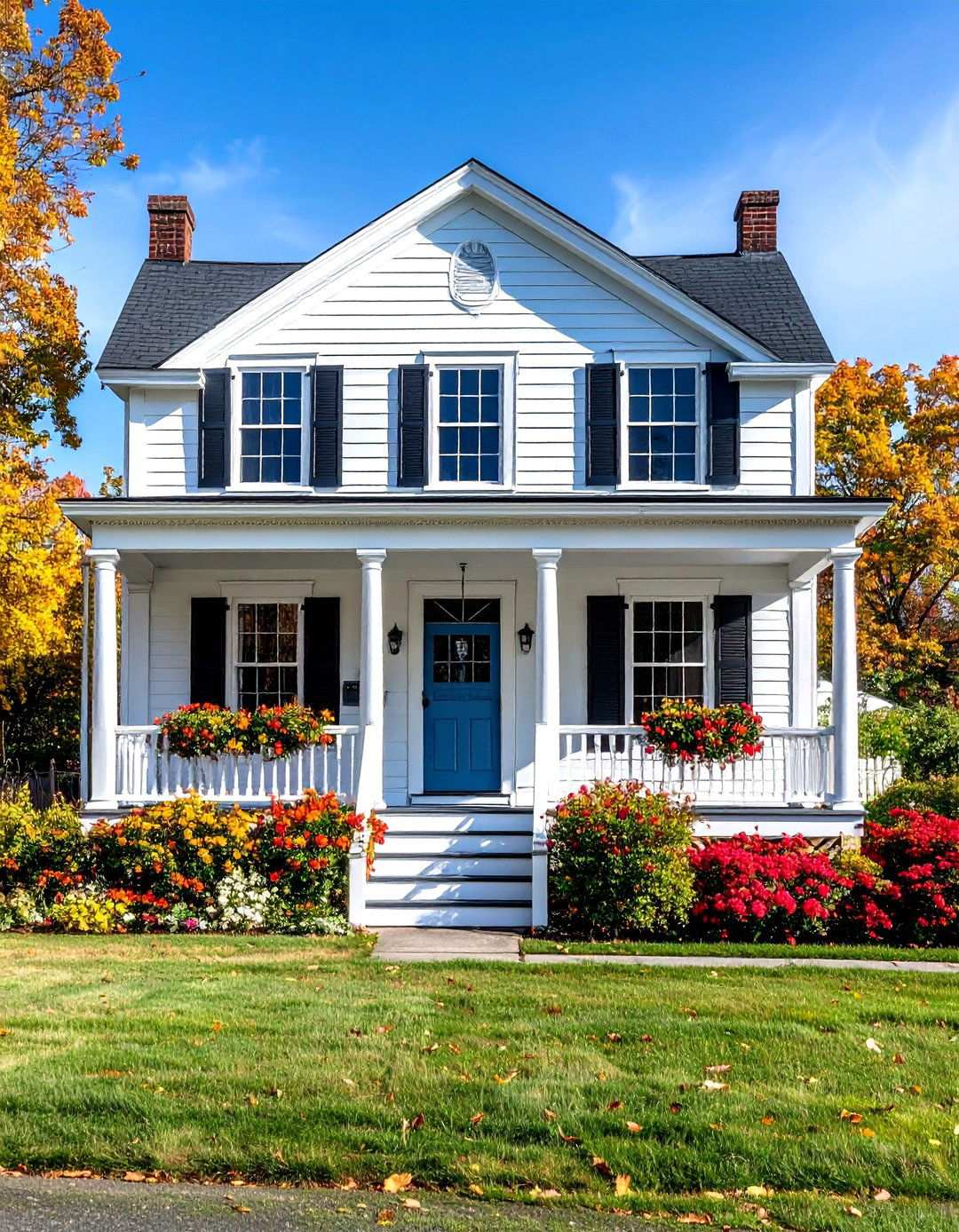
The Federal style exudes refinement and sophistication through its use of perfectly symmetrical white clapboard siding. The horizontal siding’s narrow to medium exposure complements the style’s formal character, creating a sense of balance and harmony. Black shutters and trim add a touch of traditional contrast, while emphasizing the proportions of windows and doors. Decorative elements like pilasters and pediments receive a crisp white treatment that seamlessly integrates with the overall scheme. The meticulous installation of the siding highlights the building’s geometric precision, resulting in a sense of order and elegance. The symmetrical arrangement of white siding elements allows classical proportions to define the home’s distinguished character, while the consistent white finish unifies the architectural details.
13. Rustic Elegance: Vertical Siding Inspired by Barns
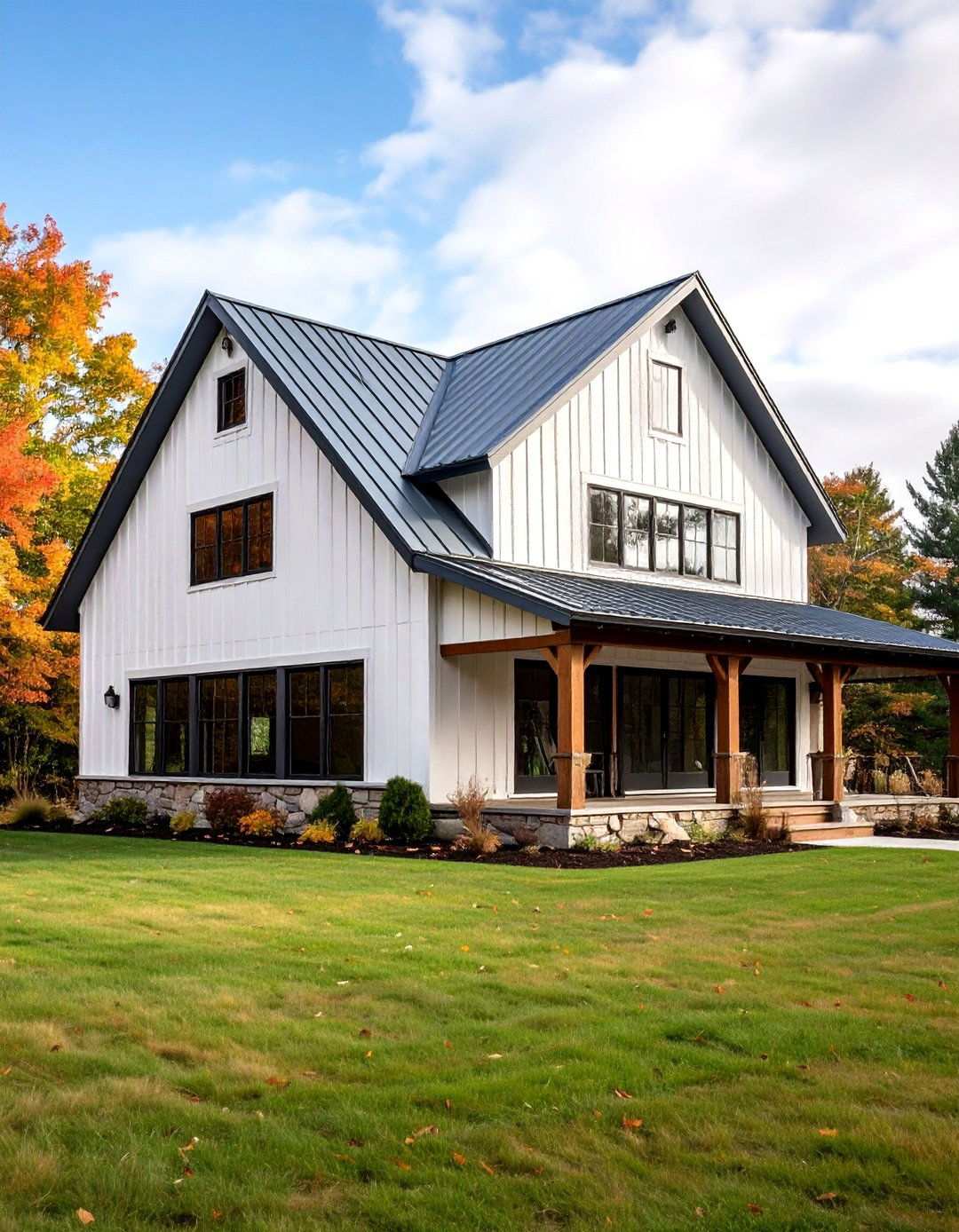
Barn-inspired vertical white siding brings a touch of rural charm into residential design. Substantial board widths and authentic installation methods evoke the agricultural heritage of traditional barns. The vertical boards typically feature wider spacing than traditional board and batten, creating bold shadow lines that add depth and visual interest. Metal roofing and natural wood accents complement the rustic aesthetic, while large sliding doors and expansive windows emphasize the style’s utilitarian origins. The white finish modernizes the traditional barn appearance, while maintaining its rustic character. Stone foundations and natural landscaping complete the countryside feeling, making this style particularly well-suited for rural and suburban settings where the barn reference feels natural and authentic.
14. Unifying Visual Harmony: Dutch Colonial Gambrel Roofs
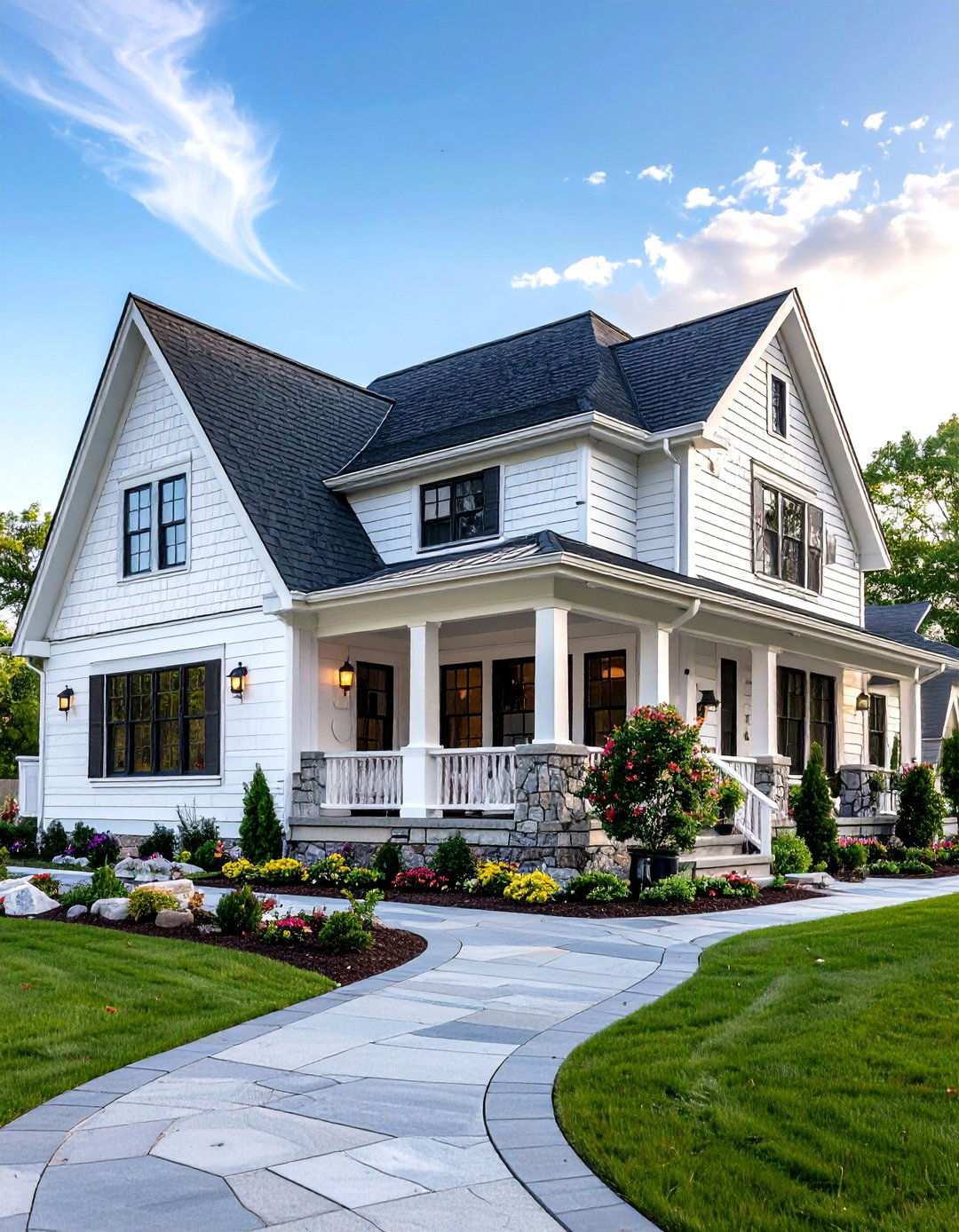
Dutch Colonial homes feature white siding that not only complements the distinctive gambrel roofline but also creates visual harmony across the complex roof forms. The horizontal siding typically covers the main structure, while dormers may feature shingle accents that add a touch of whimsy. The white finish allows the dramatic roof shape to dominate the composition, drawing the eye upwards and accentuating the building’s unique silhouette. Stone foundations and chimney elements provide material contrast and visual weight, while symmetrical window placement and central entries maintain formal balance. The siding application follows the roof’s curves and angles, resulting in a unified and harmonious visual effect. The consistent color treatment unifies the various roof planes, allowing the distinctive silhouette to create maximum visual impact.
15. Capturing the Essence of Mediterranean Whimsy
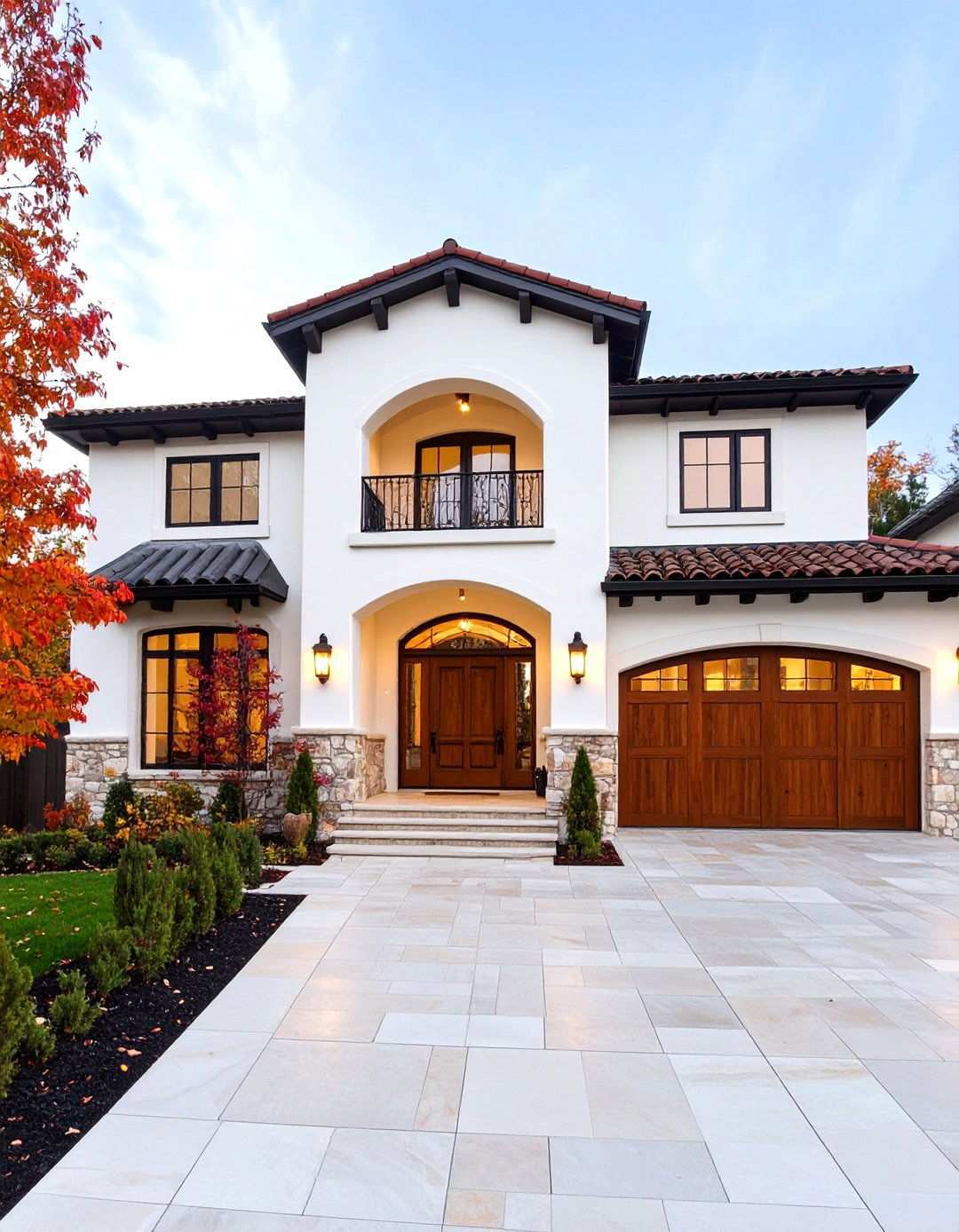
A classic white siding look, inspired by the Mediterranean, effortlessly blends traditional style with modern convenience. Its smooth texture mimics the authentic stucco of Spanish and Italian villas, minus the high maintenance and installation costs associated with genuine plaster systems. Decorative tile accents and intricately crafted wrought iron elements bring a touch of Mediterranean charm to the facade. The use of arched openings and red tile roofing adds a regional flair, while the white finish skillfully reflects heat and imbues the space with a bright, airy feel reminiscent of coastal Mediterranean landscapes. The incorporation of natural stone accents around foundations and entries provides a delightful textural contrast. What makes white siding a staple in Mediterranean-style homes? Its light color and smooth texture cleverly evoke the sun-kissed beauty of Mediterranean coastal living, exuding a sense of relaxed luxury.
16. Elegance and Sophistication in Georgian Architecture
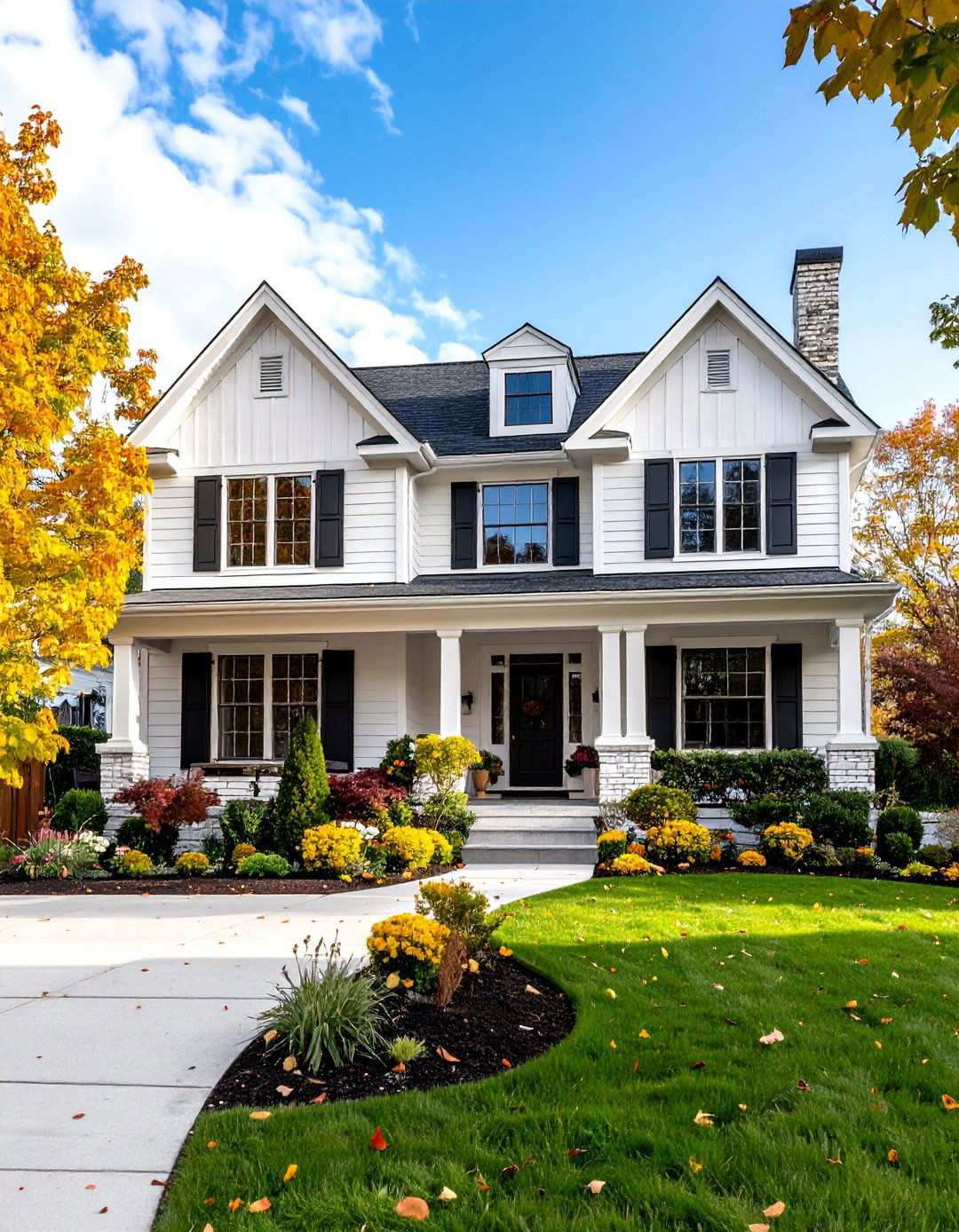
Georgian architecture masterfully combines white painted brick with white siding elements to create a refined and formal aesthetic that celebrates classical proportions. Typically, brick adorns the main floor areas, while siding covers the upper stories and dormers. The judicious use of white trim serves to unify the diverse materials, while accentuating architectural details and adding depth to the facade. The symmetrical five-bay facade with a central entry creates a sense of grandeur, showcasing the style’s dignified character. The harmonious union of brick and siding produces a visually appealing texture variation, while the unified color palette maintains an air of elegance. Classical details such as pilasters and cornices receive a coordinated white treatment, further emphasizing the style’s sophistication. How does the integration of white brick and siding create such an impressive architectural presence? The shared color palette allows the material textures to create visual interest, while the formal proportions impart a sense of dignity and refinement characteristic of Georgian design.
17. The Timeless Allure of Modern Minimalism
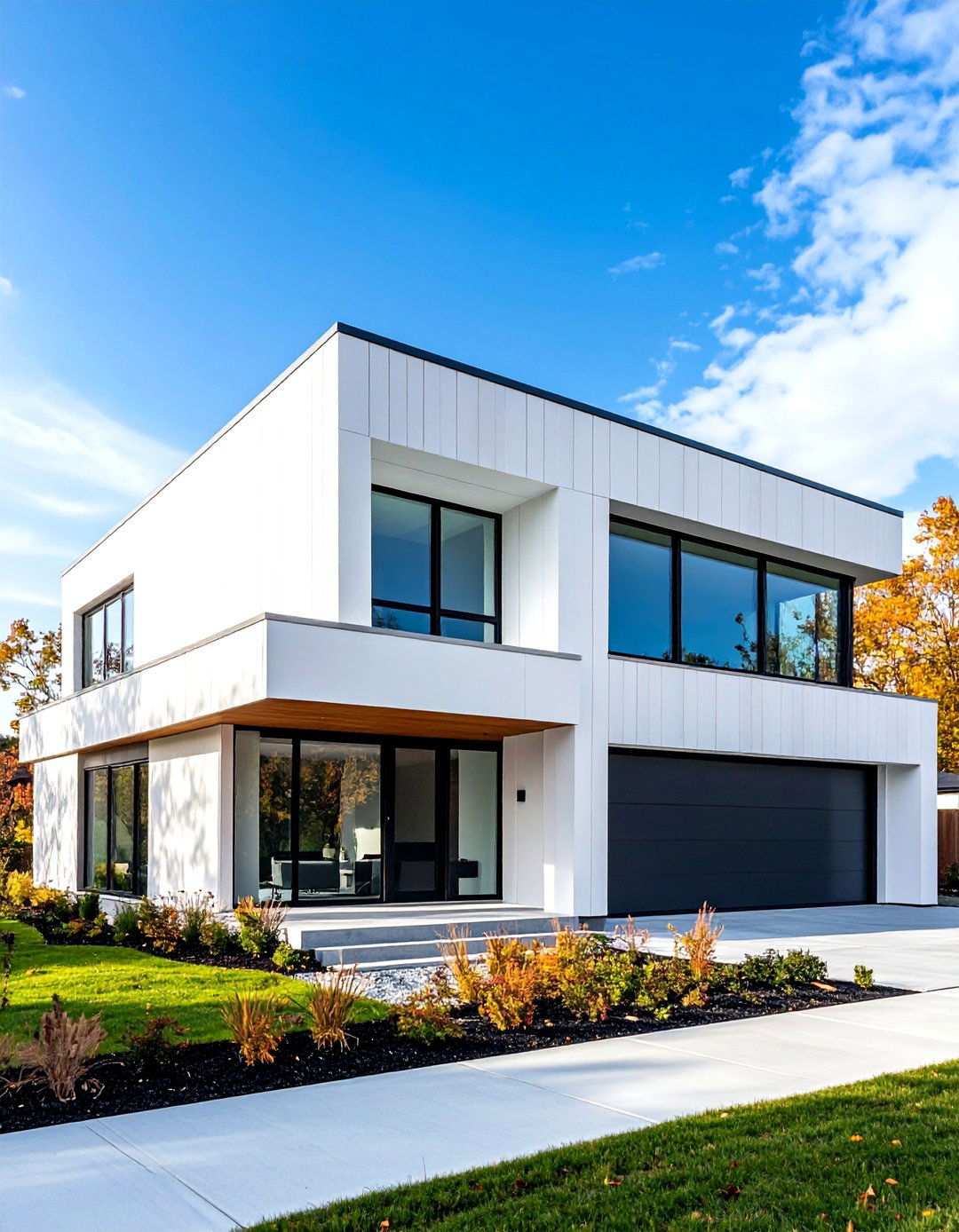
In the realm of modern design, minimalist white siding reigns supreme, its clean lines and simple applications creating a seamless backdrop for geometric forms. Large windows and glass elements dominate the facade, while the siding provides a neutral canvas that showcases the beauty of the surrounding landscape. The installation focuses on precision and attention to detail, with an emphasis on perfect alignment and seamless transitions. The strategic use of metal and concrete accent materials adds a touch of contemporary contrast, while the flat or shed roof complements the angular aesthetic. The white finish skillfully emphasizes form over decoration, creating a sense of visual clarity. The judicious use of shadow and light adds a touch of visual interest without the need for applied ornamentation. What draws us to the unadorned beauty of minimalist architecture? This approach requires a deep understanding of proportion and detail, as the absence of decorative elements makes imperfections and poor planning all too apparent.
18. Timeless Harmony: English Cottage Elegance
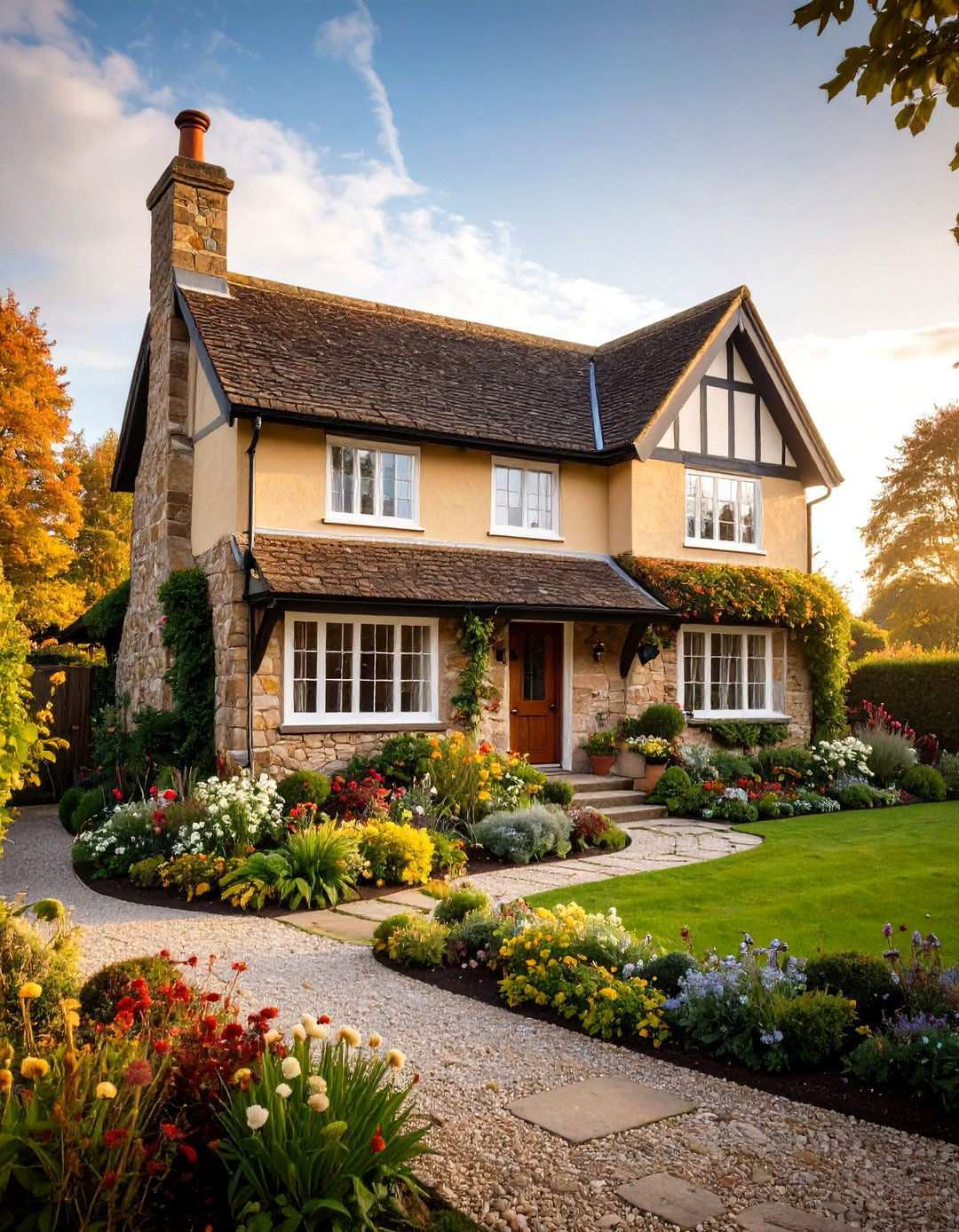
The beauty of English cottage design lies in its juxtaposition of traditional materials and asymmetrical compositions, evoking a sense of countryside charm. Typically, the exterior features horizontal lap siding with varied exposure widths, creating a sense of effortless elegance. Natural stone foundations and accent walls add an organic touch, while steep roof pitches and prominent chimneys emphasize the cottage’s rustic character. The use of casement windows and half-timbering details lends a sense of authenticity, drawing inspiration from the past. Meanwhile, the white siding provides a crisp backdrop, contrasting against the natural textures of the stone and emphasizing the cottage’s unique personality. It’s this harmonious blend of natural materials and classic design elements that creates a captivating, fairytale-like atmosphere, perfect for families seeking a cozy and inviting living space.
19. Prairie Landscape Connection: Horizontal Band Design
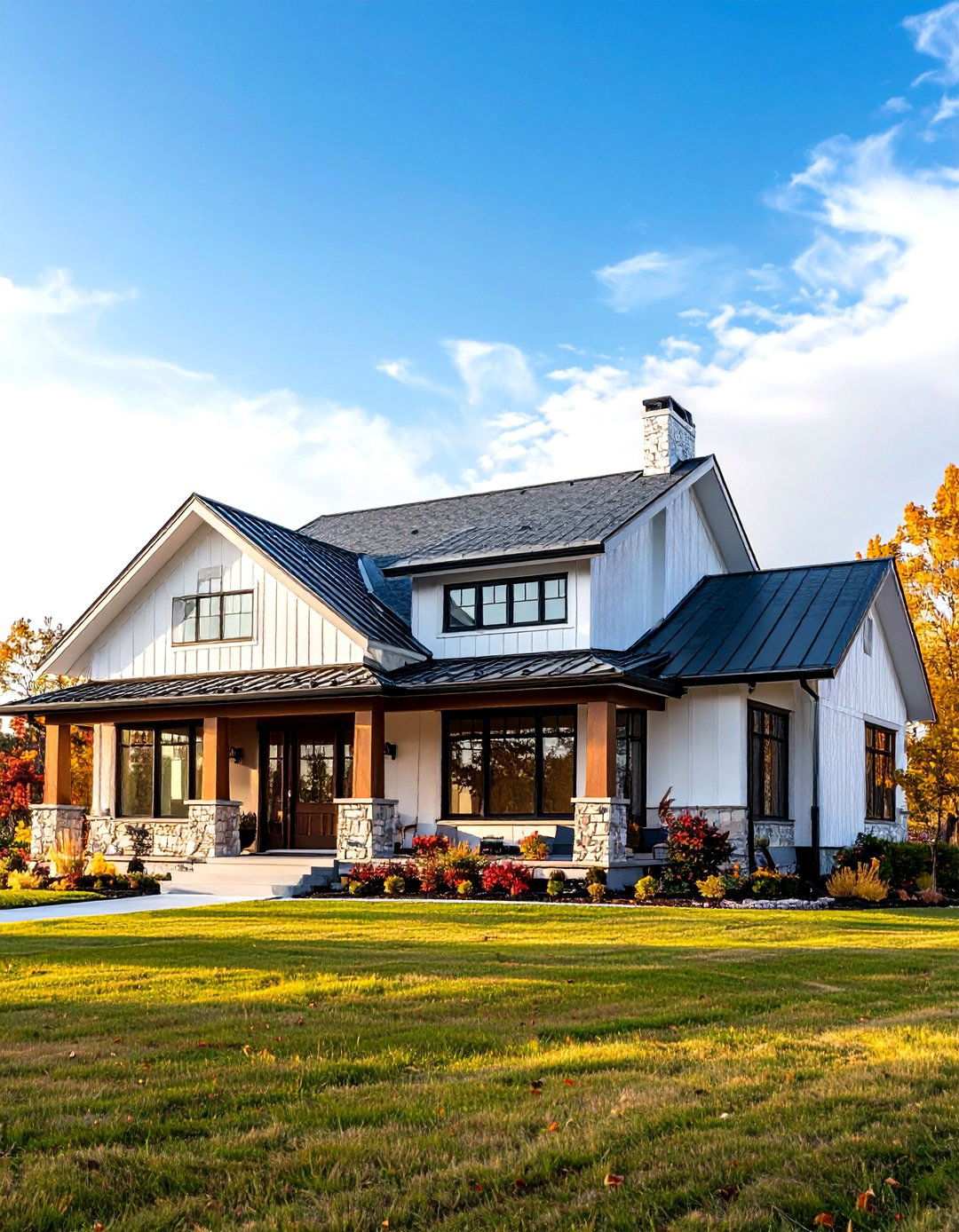
Prairie architecture is renowned for its emphasis on horizontal lines and connection to the natural landscape. White horizontal siding, installed in distinctive bands, creates a sense of fluidity and continuity. The wide exposure and minimal overlap of the siding result in striking shadow lines, which add depth and visual interest to the design. Natural materials like stone and wood are used as accent elements, while flat or low-pitched roofs further emphasize the horizontal emphasis. Large grouped windows, arranged in a ribbon-like pattern, complement the siding’s linearity, drawing the eye towards the surrounding landscape. The white finish allows the architectural forms to dominate, creating a sense of sophistication and elegance. This emphasis on horizontal elements creates a unique sense of connection to the natural landscape, as if the building is an extension of the site itself.
20. Victorian Elegance: A Masterful Blend of White and Ornament
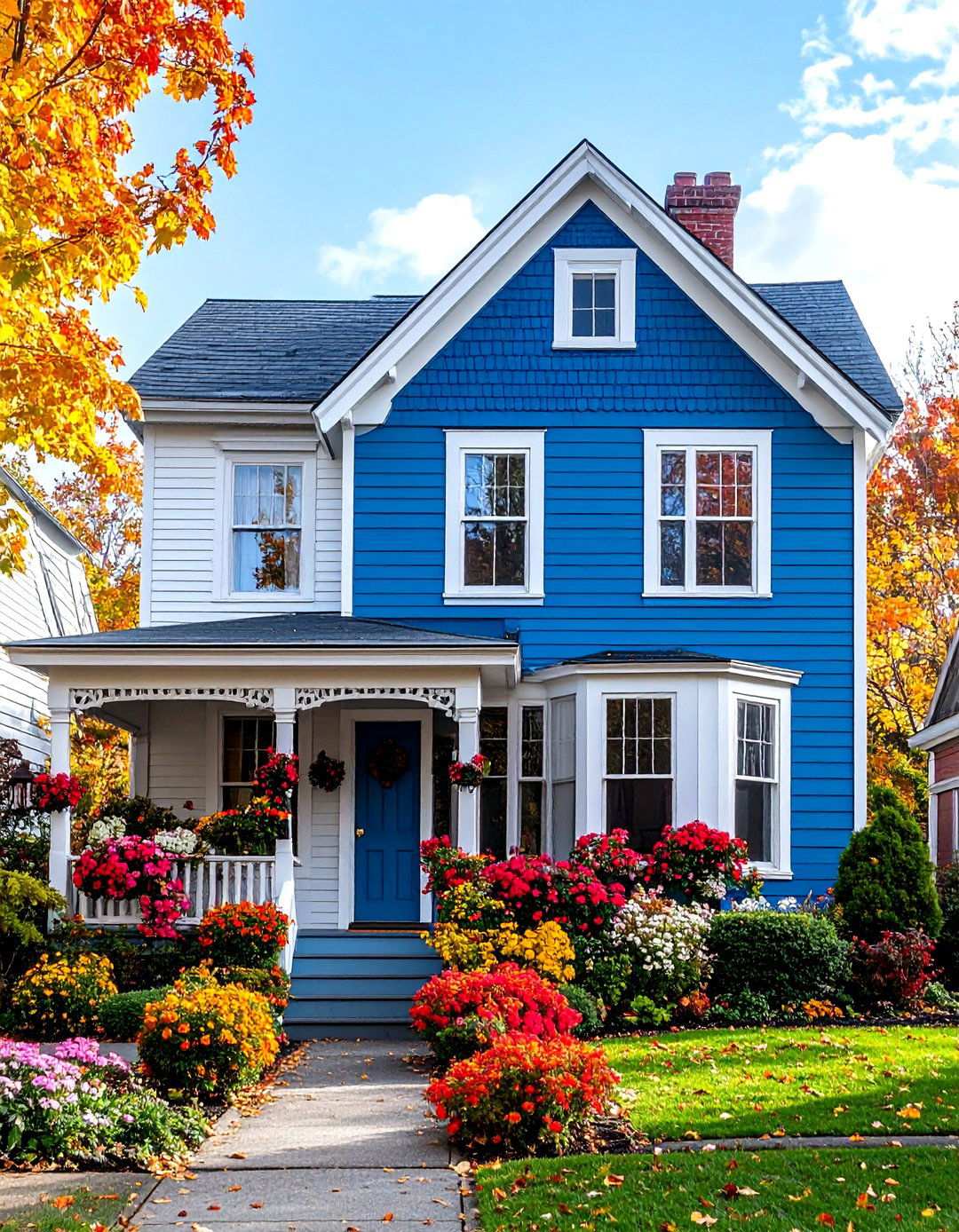
Queen Anne Victorian design is celebrated for its complex compositions, featuring a diverse array of materials, textures, and decorative elements. In this style, white siding serves as a unifying force, tying together disparate elements and creating a sense of visual cohesion. Different siding profiles, such as clapboard, shingles, and panel siding, are used to create visual interest and variety. Ornate trim work and gingerbread details receive coordinated white treatment, adding a touch of whimsy and playfulness. Bay windows, turrets, and wraparound porches add three-dimensional complexity to the facade, while the white siding serves as a background for colorful accent details. What makes this eclectic combination feel cohesive is the consistent white background, which allows the various architectural elements to shine without overwhelming the senses.
21. Harmonious Convergence of Manufactured and Natural Materials
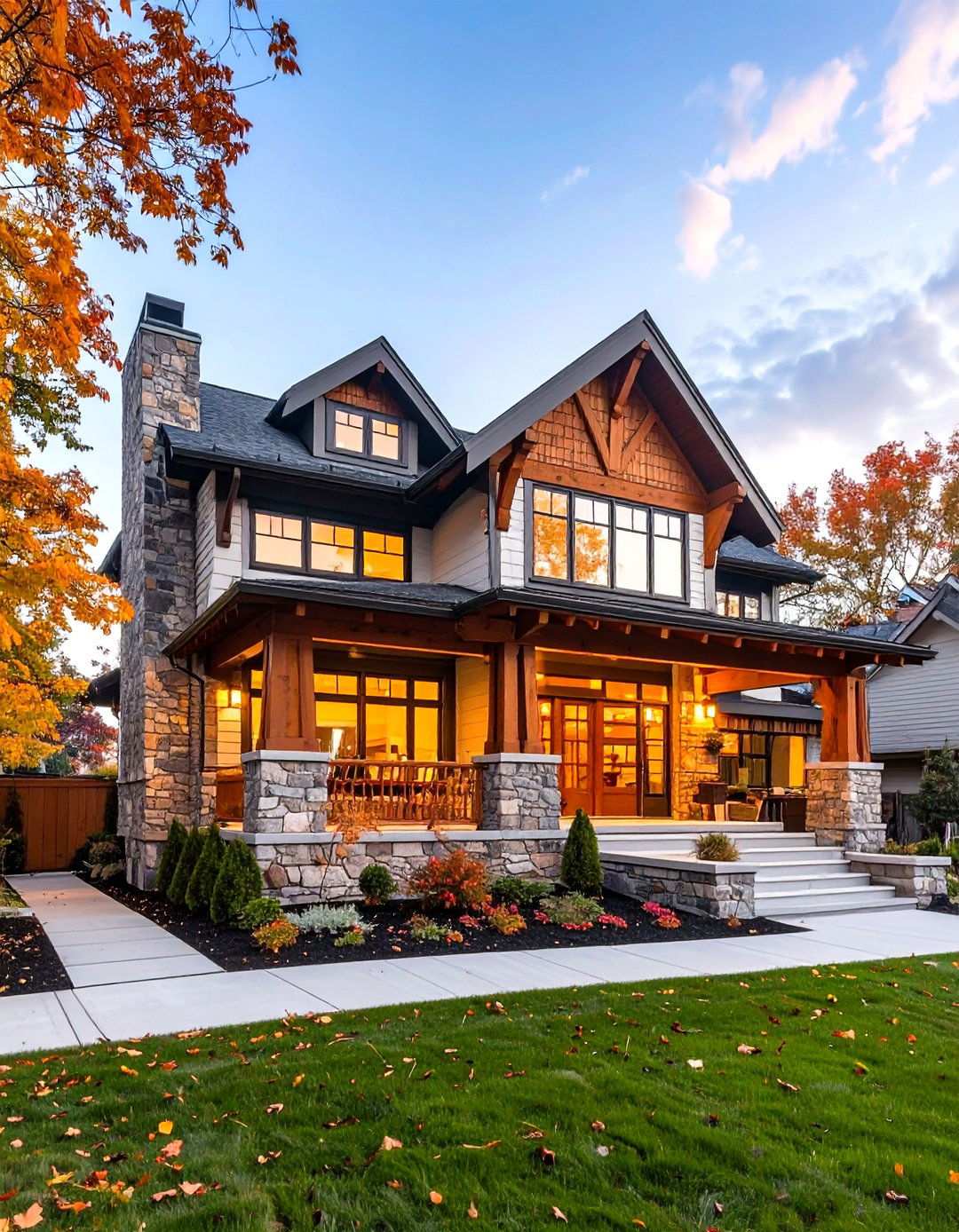
When it comes to the Arts and Crafts design, the integration of white siding with natural wood elements serves as a testament to the movement’s emphasis on celebrating manufactured and natural materials in perfect harmony. The clean, simple horizontal or vertical applications of white siding allow for honest construction to take center stage, while exposed wood structural elements like beams and brackets inject warmth into the composition. The judicious use of stone foundations and chimney elements adds natural texture, allowing the white siding to take a backseat to the wood details, which dominate the visual attention. The authentic period hardware and hand-crafted details that complete the aesthetic showcase the movement’s commitment to preserving the handcrafted character that defines American architectural history. What makes this material combination so compelling is the way it honors both industrial capability and natural beauty, providing clean, maintenance-friendly surfaces while infusing the space with the warmth and character that only wood can provide.
22. Geometric Compositions and Angular Forms
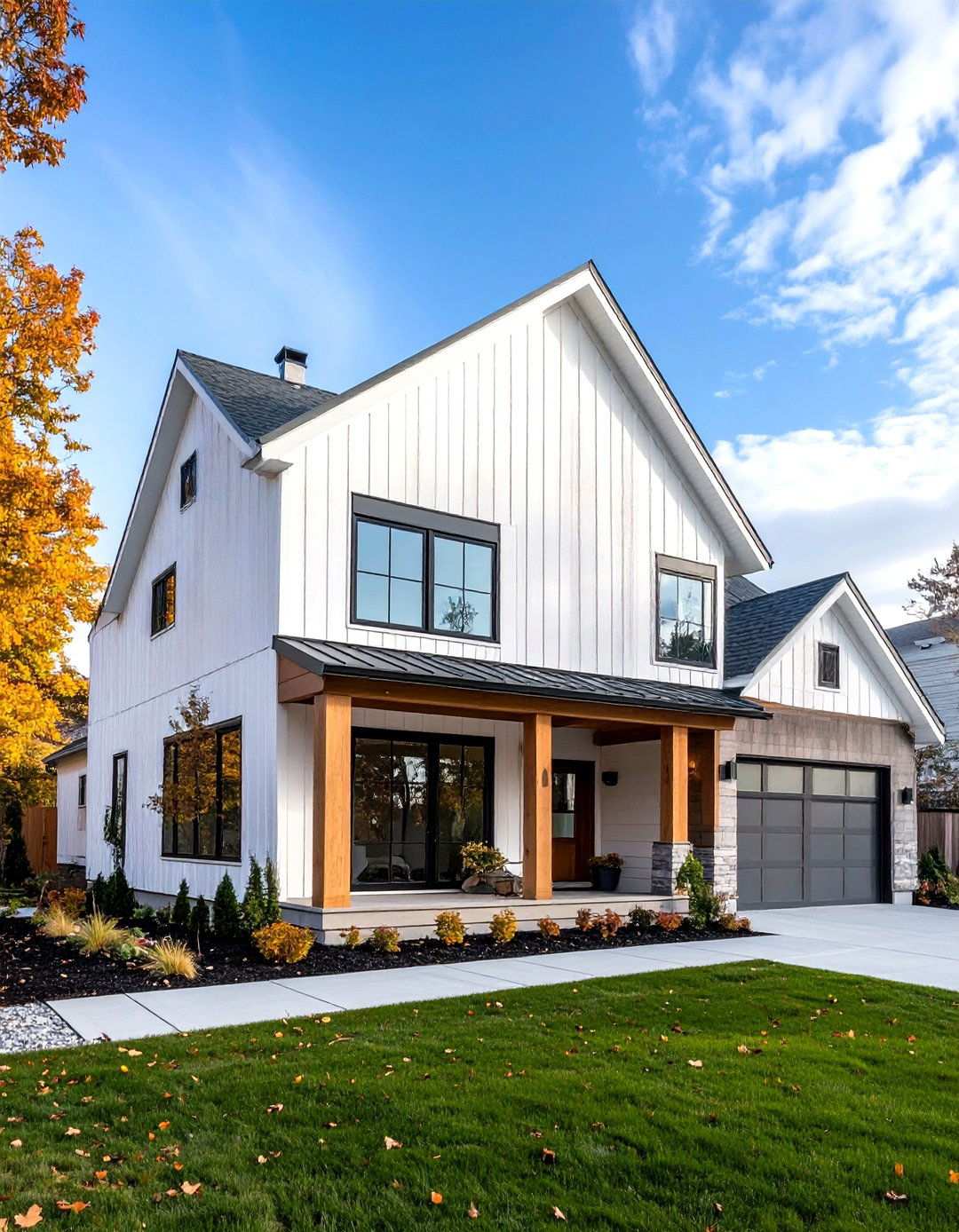
Contemporary shed-style homes push the boundaries of traditional residential architecture with their bold, angular roof forms and geometric compositions, all of which are expertly framed by white siding. The complex roof lines and wall angles demand precise installation and careful attention to detail, with vertical and horizontal applications of white siding combining in a single facade. Large windows and glass elements dominate the composition, creating a sense of drama and visual impact that’s hard to ignore. The white finish provides a neutral background that allows the building’s geometry to take center stage, while metal and wood accent materials add textural contrast and depth to the design. What makes these bold angular forms so compelling is the way they create dramatic architectural statements that feel both sculptural and livable, defying traditional notions of what a home should look like. The white siding serves as the perfect canvas for these geometric forms, allowing them to create a visual impact that’s both bold and beautiful.
23. Enduring Character of White and Wood
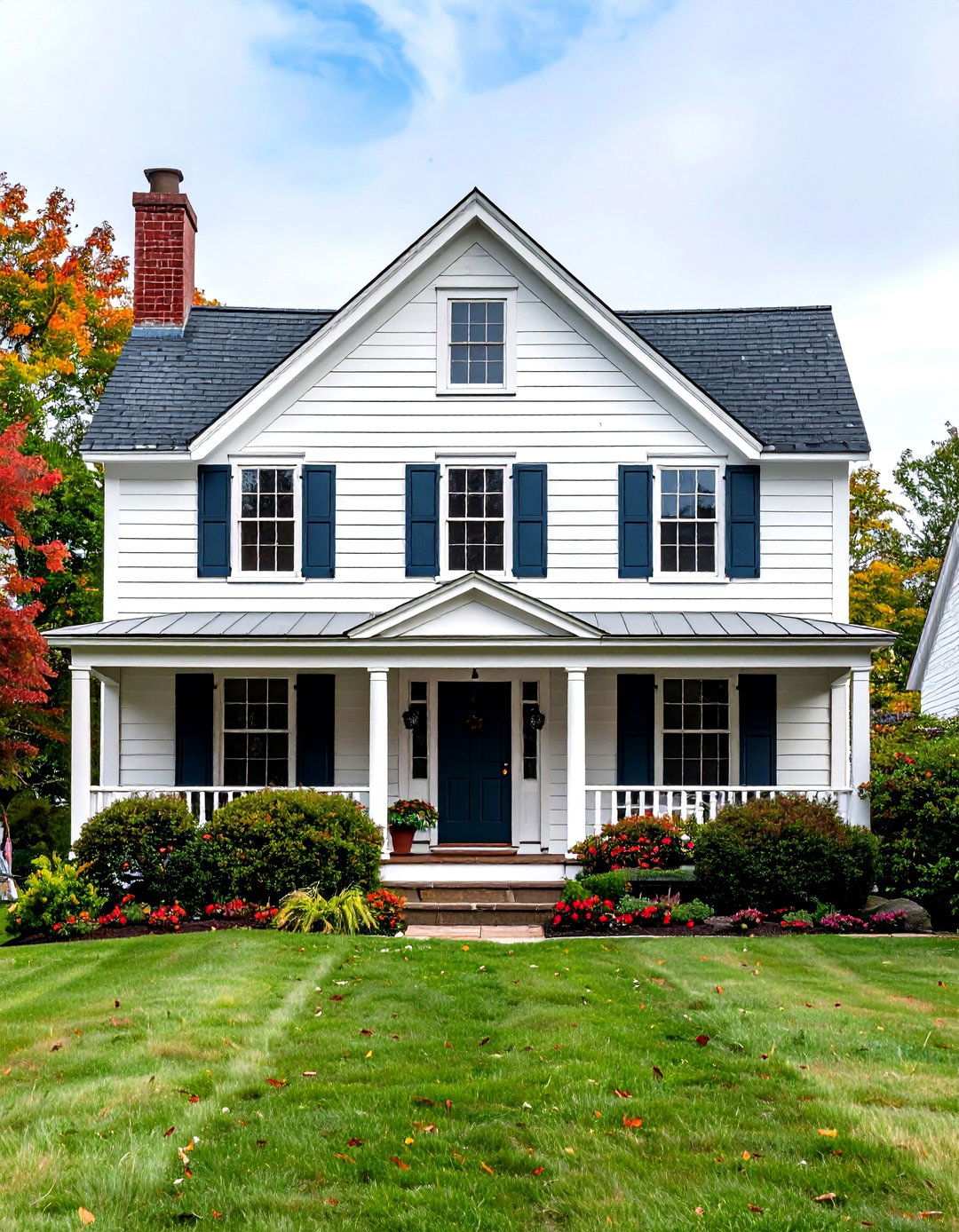
Saltbox architecture is synonymous with the distinctive asymmetrical roofline and authentic New England colonial character, both of which are expertly captured by the use of white clapboard siding. The horizontal siding typically uses narrow to medium exposure widths, which creates a sense of depth and visual interest. The long sloping rear roof is the hallmark of the saltbox profile, while central chimneys and minimal ornamentation maintain period authenticity. Dark shutters and trim provide traditional contrast, while the white finish weathers naturally in coastal environments. Stone foundations and simple trim details complete the historic appearance, creating a sense of timelessness and elegance that’s hard to resist. What makes this simple material palette so compelling is the way it creates enduring architectural appeal, allowing the unique roof form to dominate while infusing the space with the warmth and character that only a well-designed home can provide.
24. Effortless Elegance in Scandinavian Design
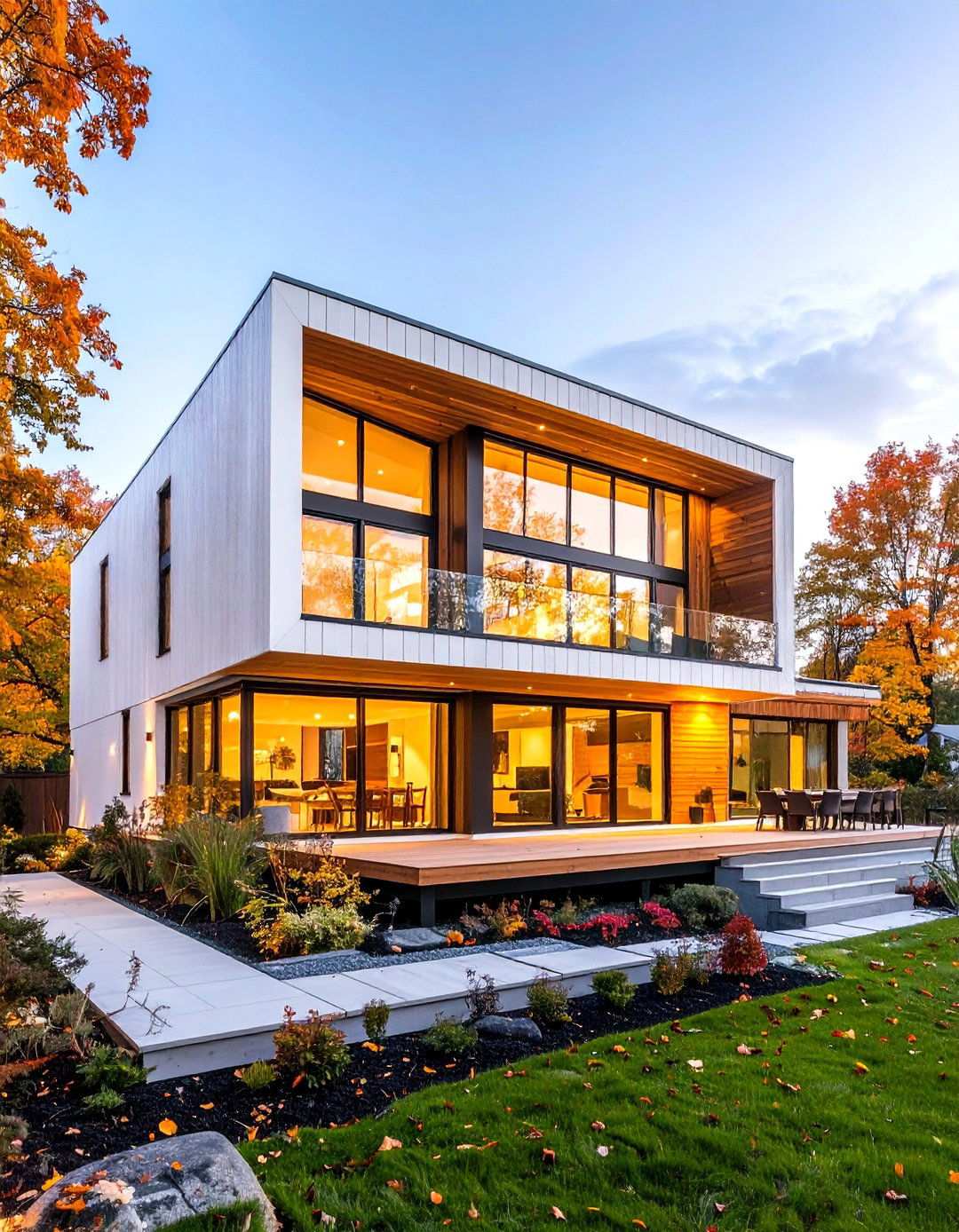
A minimalist approach to architecture that draws inspiration from Scandinavian culture prioritizes simplicity, practicality, and a seamless connection to the natural environment. This aesthetic is characterized by a sleek, unadorned appearance, achieved through precise installation and a limited use of decorative trim. The judicious incorporation of natural wood accents injects warmth into the space without disrupting the overall sense of calm. Generous windows and a focus on natural light foster an airy, expansive atmosphere that maximizes the view. The crisp white finish pays homage to the design traditions of northern Europe, where clean lines and restrained ornamentation are hallmarks of good taste. By emphasizing geometric forms and efficient layouts, Scandinavian-inspired design ensures that function takes precedence over decorative embellishments. The sparing use of natural materials like stone and wood adds a touch of authenticity to the space, underscoring the value of quality over excess. As a result, this style creates bright, uplifting environments where the beauty of architecture is allowed to shine through the elegance of proportion and craftsmanship, rather than being obscured by applied decoration.