1. Timeless Victorian Floor Designs
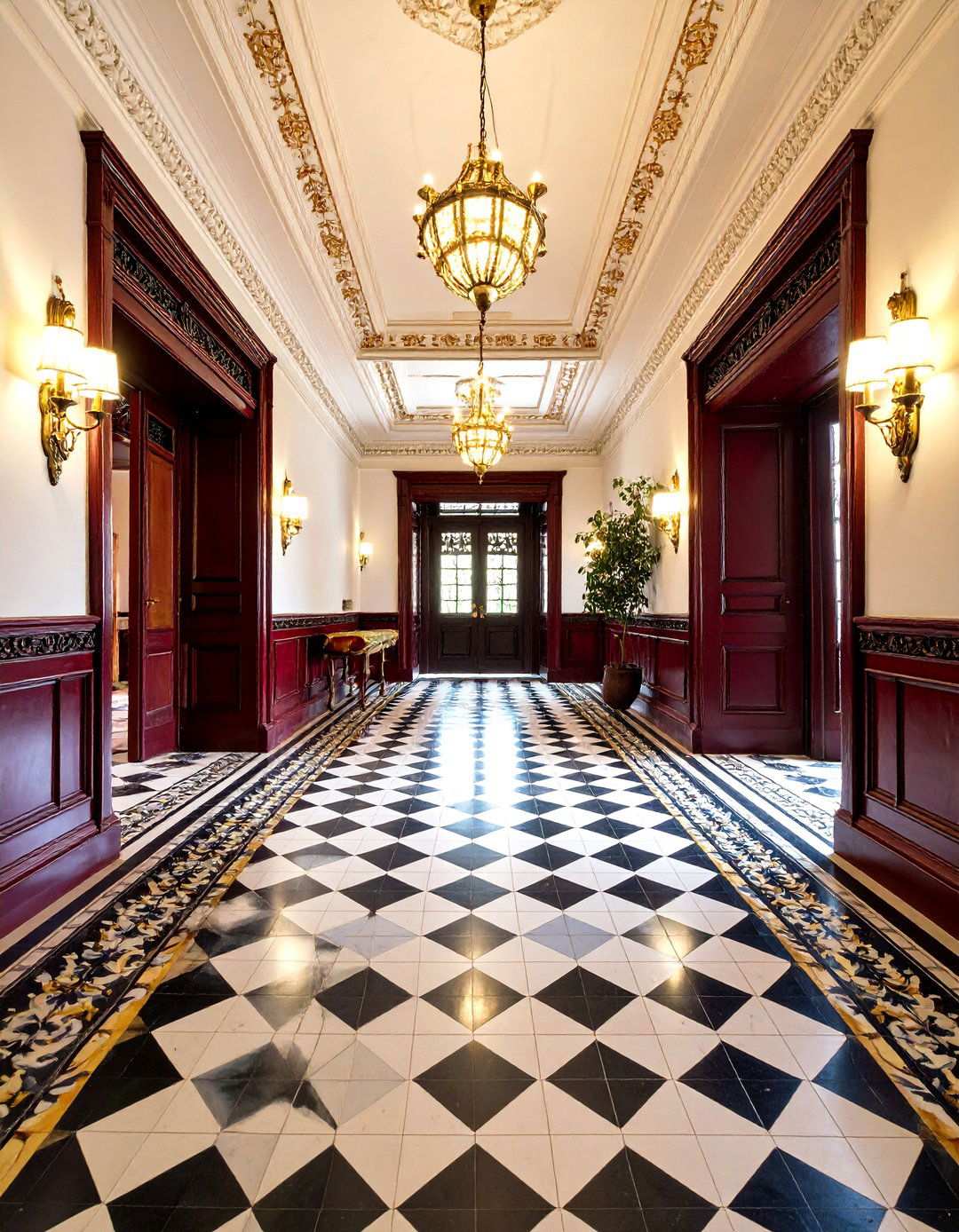
Victorian entranceways were masterpieces of ornate craftsmanship, boasting rich materials and dramatic design elements. At the heart of these grand spaces lies the floor, where intricate mosaic tile patterns and elaborate encaustic designs create a visual spectacle. Inspired by the era’s love of geometric patterns, modern homeowners can recreate the look of authentic Victorian floors in their own homes. By combining different colored clays, encaustic tiles produce stunning visual impact through intricate mosaic arrangements. Classic patterns, such as the iconic black and white checkerboard, elegant diamond configurations, and complex star motifs with rich burgundy, ochre, and deep green accents, offer a range of options for homeowners seeking to capture the essence of the Victorian era. With the ability to customize patterns and borders, each installation feels uniquely tailored to the space.

As an Amazon Associate I earn from qualifying purchases.
2. Elevating Victorian Interiors with Botanical Motifs
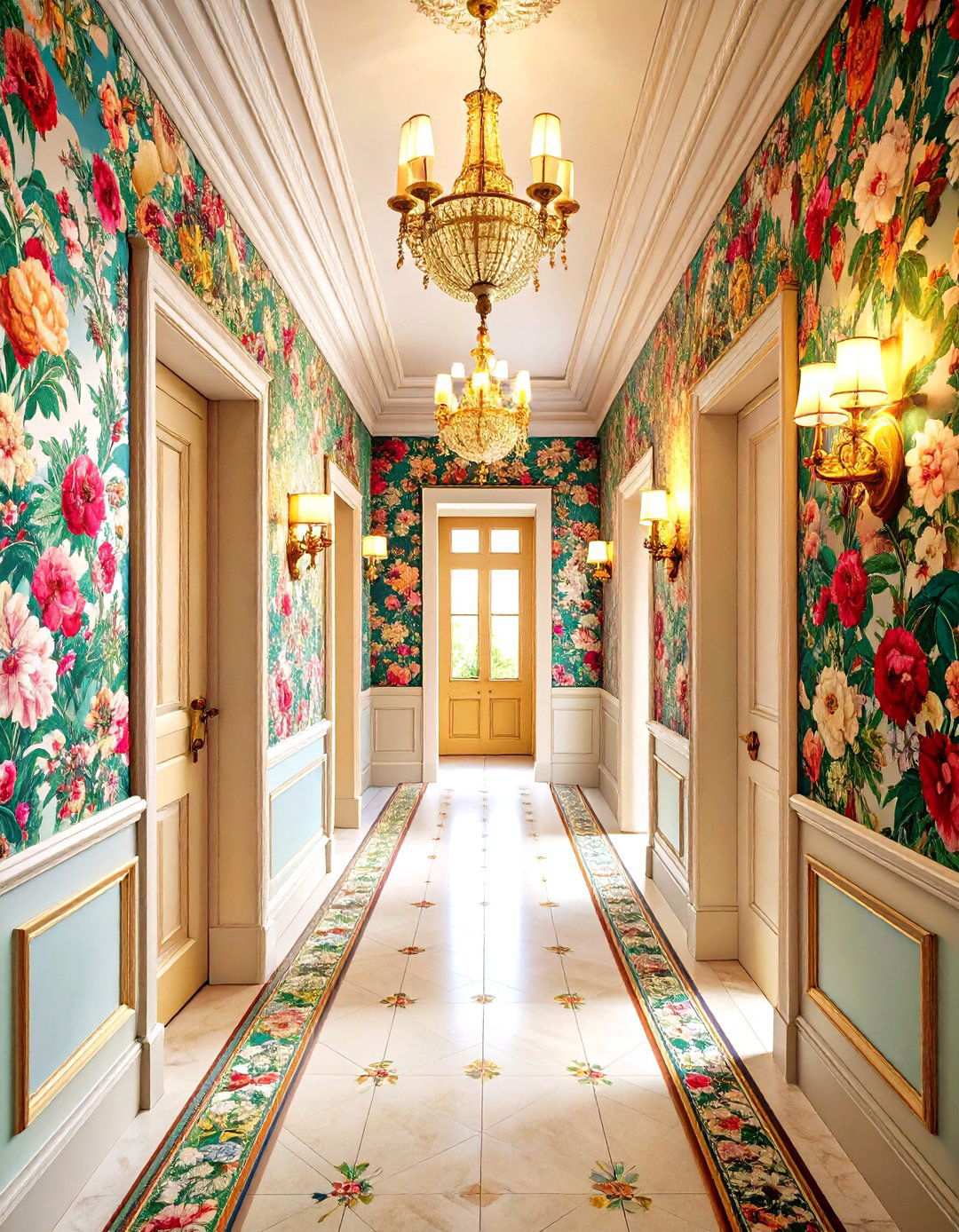
The Victorian era’s affinity for ornate craftsmanship is evident in its love of intricate floral designs, as seen in the works of William Morris and the Arts and Crafts movement. To recreate this look, consider adding William Morris-inspired botanical patterns to your walls, featuring stylized flowers, birds, and foliage in deep jewel tones. These striking designs can be paired with coordinating paint colors on woodwork, using the wallpaper’s accent hues for dado rails and skirting boards. The key to success lies in choosing patterns that complement, rather than compete with, architectural features like ceiling roses and cornicing. Modern interpretations of classic Morris designs offer updated color palettes while maintaining the era’s characteristic complexity. This approach works particularly well above dado rails, allowing simpler treatments below to balance the overall design impact and create a harmonious Victorian-inspired atmosphere.
3. Crafting a Regal Ambiance with Victorian Chandeliers
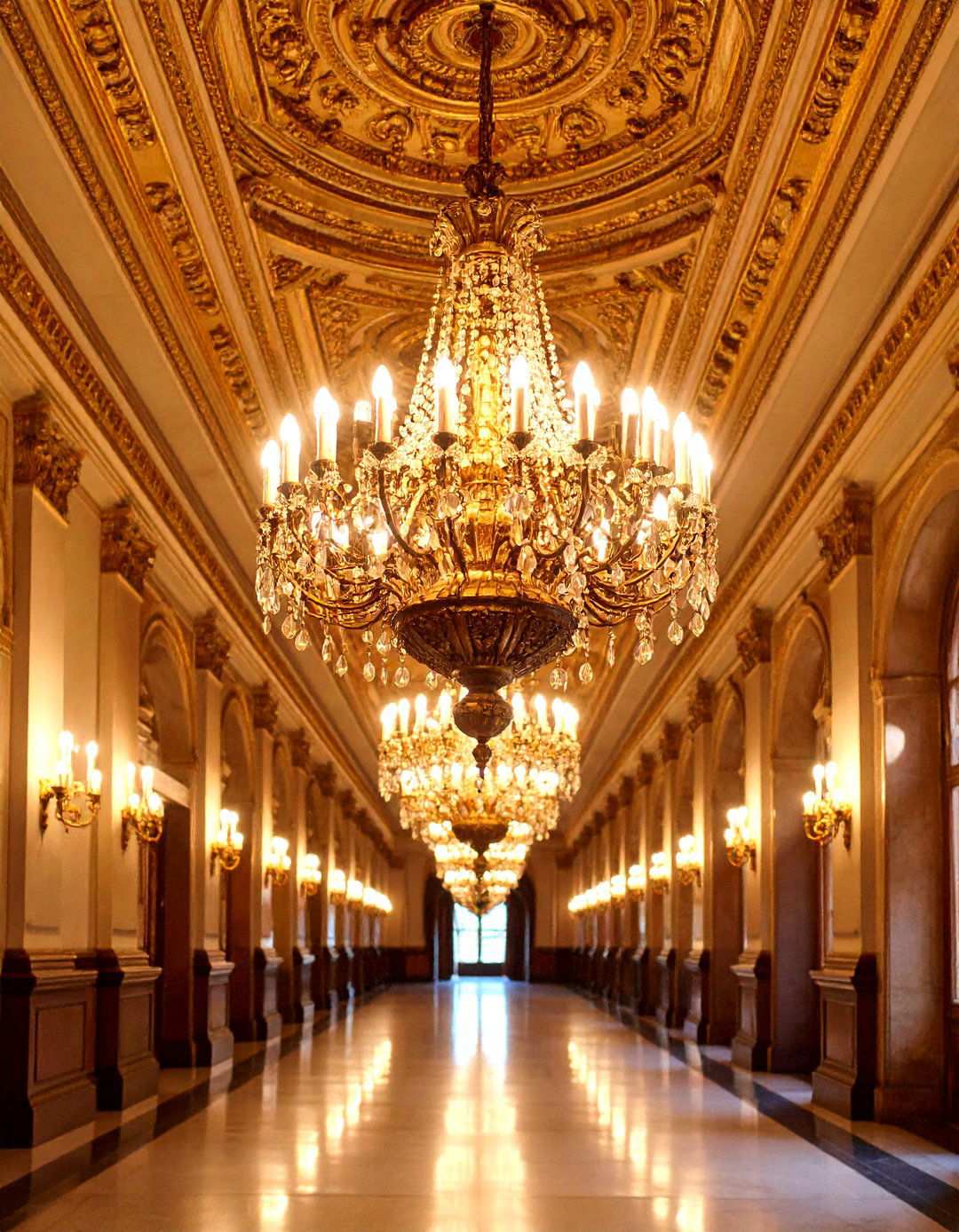
Victorian-era homes showcased dramatic chandeliers as focal points that radiated warmth and sophistication. To achieve a period-apt ambiance, consider installing ornate chandeliers that feature intricate metalwork, crystal embellishments, and multiple light sources. These layered illumination systems create a sense of opulence, while also providing functional lighting. Choose fixtures with a rich finish, such as brass or bronze, and incorporate elements like scrollwork, cut crystal drops, or etched glass shades that cast captivating shadows. To further enhance the space, complement the main chandelier with matching wall sconces positioned strategically along longer hallways. When selecting a chandelier, remember to take into account the ceiling height, as Victorian homes often accommodated more substantial and elaborate fixtures. Modern electrical fittings ensure safety without compromising the authentic appearance of these vintage-inspired fixtures. The warm glow from these chandeliers beautifully complements the rich colors and textures characteristic of Victorian interiors, while also providing adequate illumination for daily use.
4. The Allure of Deep Jewel Tones in Victorian Hallways
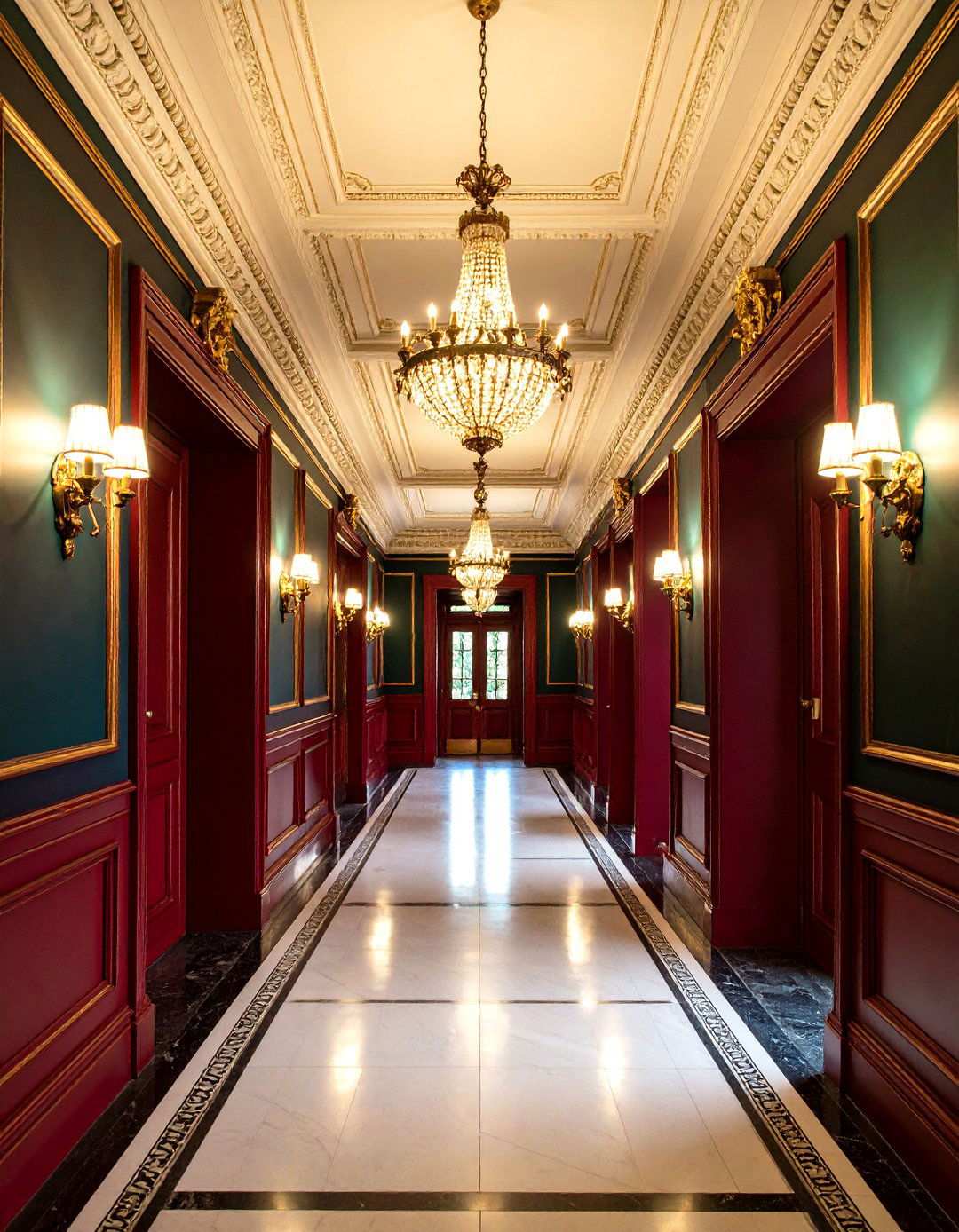
Victorian-era interior design often featured rich, saturated hues that created dramatic and inviting hallway environments. These deep jewel tones, including burgundy, forest green, navy blue, and plum purple, were carefully selected for their ability to conceal dirt and foster a cozy atmosphere. To effectively incorporate these colors, consider a strategic application approach – perhaps painting walls above the dado rail in a deep, rich green, while using lighter shades below. This balanced approach can be further enhanced by complementing dark walls with cream or off-white ceilings, which not only maintain brightness but also highlight architectural details. The key to integrating these sophisticated color choices lies in striking a balance between intensity and lighter elements through the use of woodwork, mirrors, and metallic accents. These harmonious color palettes work particularly well in hallways with ample natural light or where a more intimate, cocoon-like entrance experience is desired, which beautifully contrasts with brighter adjoining rooms.
5. Elevating Your Hallway with Ornate Victorian Mirror Arrangements
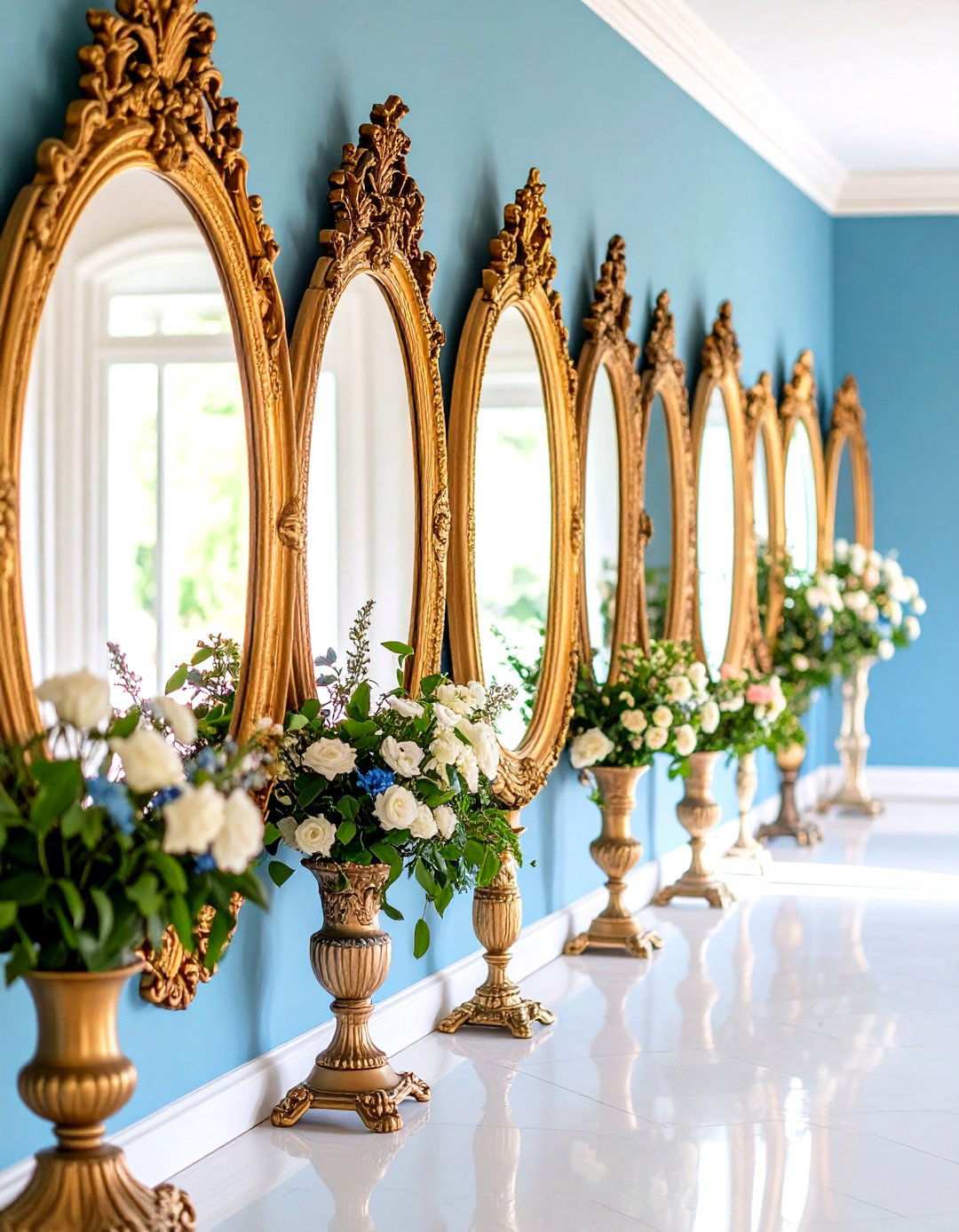
Mirrors can significantly impact the sense of space and grandeur in your hallway. Strategically position large, ornately framed Victorian mirrors to reflect light and create the illusion of greater width and height, thereby increasing the space’s perceived grandeur. When selecting mirrors, consider those with elaborate gilt frames, carved wooden surrounds, or decorative metal work that echoes other architectural elements. Place a substantial mirror at the hallway’s end to draw the eye forward and reflect incoming light back through the space, thereby creating a sense of depth. Smaller mirrors can be grouped asymmetrically or used to fill awkward wall spaces, adding visual interest and highlighting decorative ceiling work. The reflective surfaces of these mirrors multiply the impact of lighting fixtures and further enhance the space’s aesthetic. Victorian mirrors often featured beveled edges and intricate frame details that added texture and visual interest, even when not actively reflecting. Consider pairing mirrors with narrow console tables for both practical and aesthetic benefits.
6. Unveiling Hidden Beauty Through Restoration
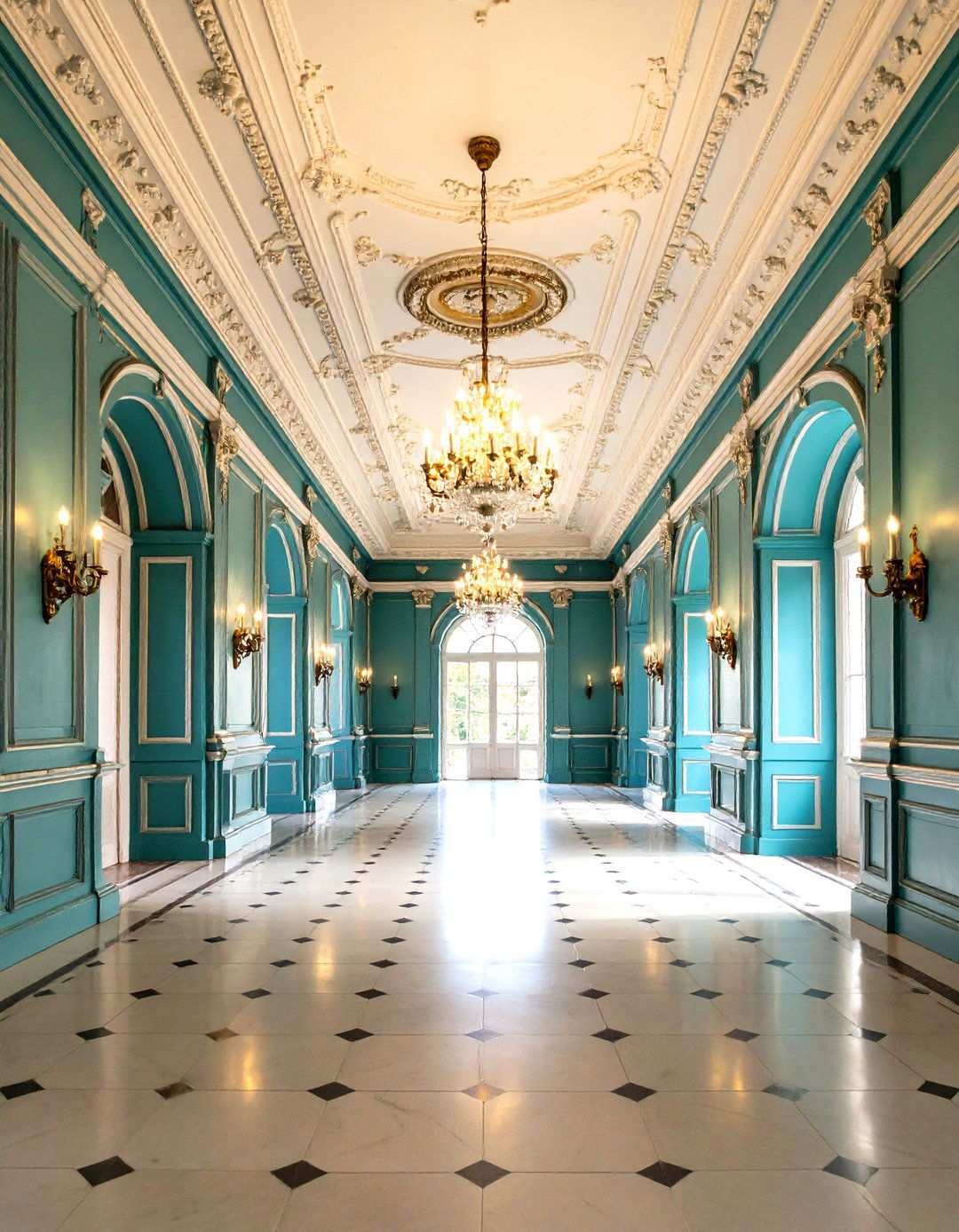
To truly appreciate the essence of your Victorian home, focus on meticulously restoring its original architectural features. Highlight the intricate craftsmanship that defined the era’s attention to detail by carefully restoring elements like ceiling roses, cornicing, and decorative plasterwork. Uncover the original wood grain on banisters and newel posts by stripping away layers of paint, then refinish them with period-specific coatings. Bring back the vibrancy of stained glass windows and transoms, allowing kaleidoscopic light patterns to transform the hallway atmosphere. By thoroughly cleaning and repairing original floor tiles, you’ll preserve the authentic character that modern alternatives can’t replicate. A professional restoration not only maintains historical accuracy but also ensures the structural integrity of your home, ultimately enhancing its property value and period charm.
7. Harmonizing Tradition with Modernity
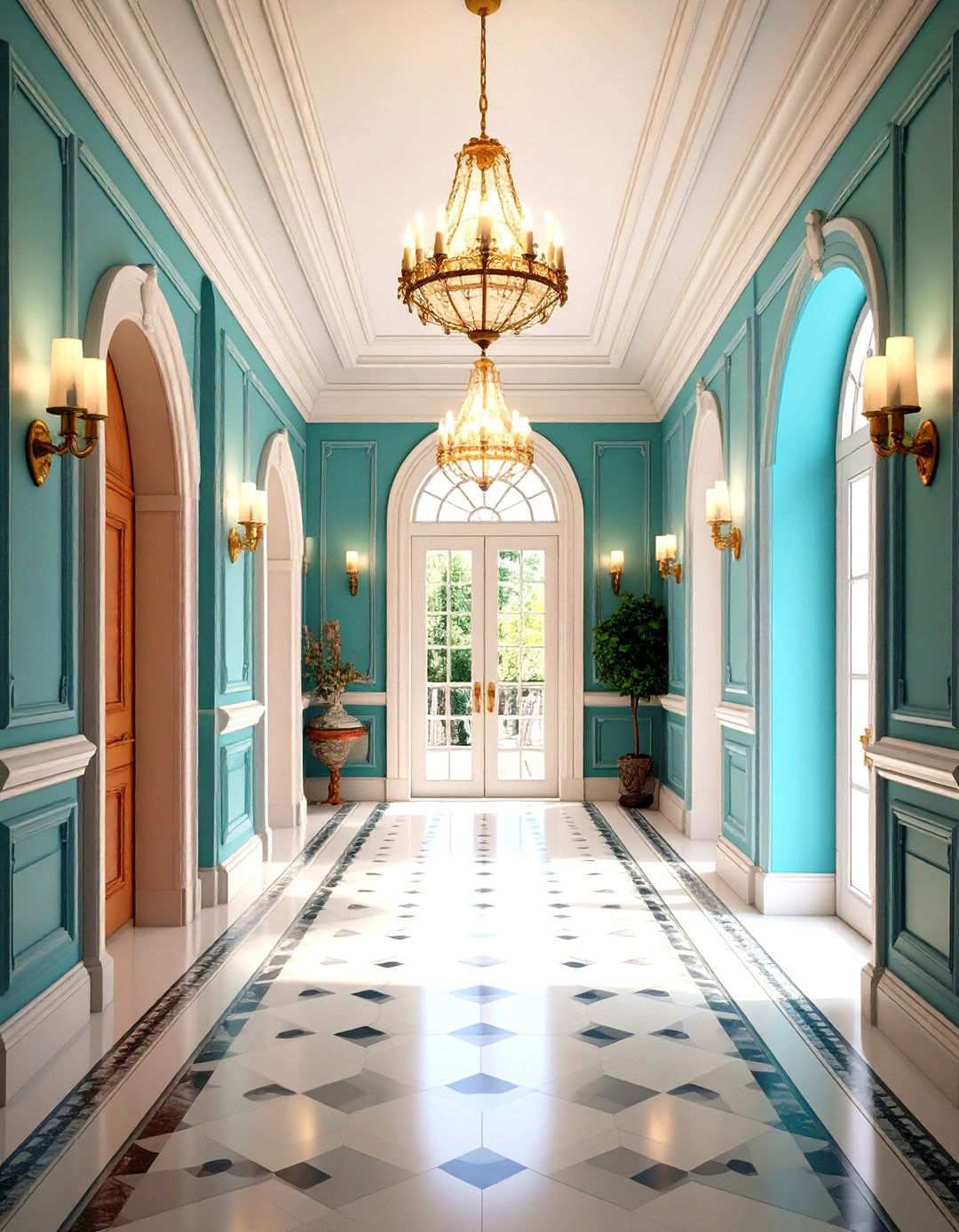
To create a fresh, period-inspired look, seamlessly blend your Victorian home’s era-specific aesthetic principles with contemporary lifestyle needs. This approach celebrates the era’s love of pattern, texture, and rich materials while incorporating modern conveniences and lighter color palettes. Update traditional Victorian furniture shapes with modern finishes – perhaps a sleek, white hallway table instead of dark mahogany. Combine period-style lighting with cutting-edge LED technology for energy efficiency. Choose wallpapers that pay homage to Victorian patterns but use contemporary colors like soft grays, muted blues, or warm whites. By thoughtfully balancing historical proportions and craftsmanship with modern preferences and practical requirements, you’ll create spaces that feel both current and livable. The key to success lies in selecting elements that honor the home’s heritage while adapting color and finish choices to suit your lifestyle.
8. Preserving Tradition Through Built-in Storage
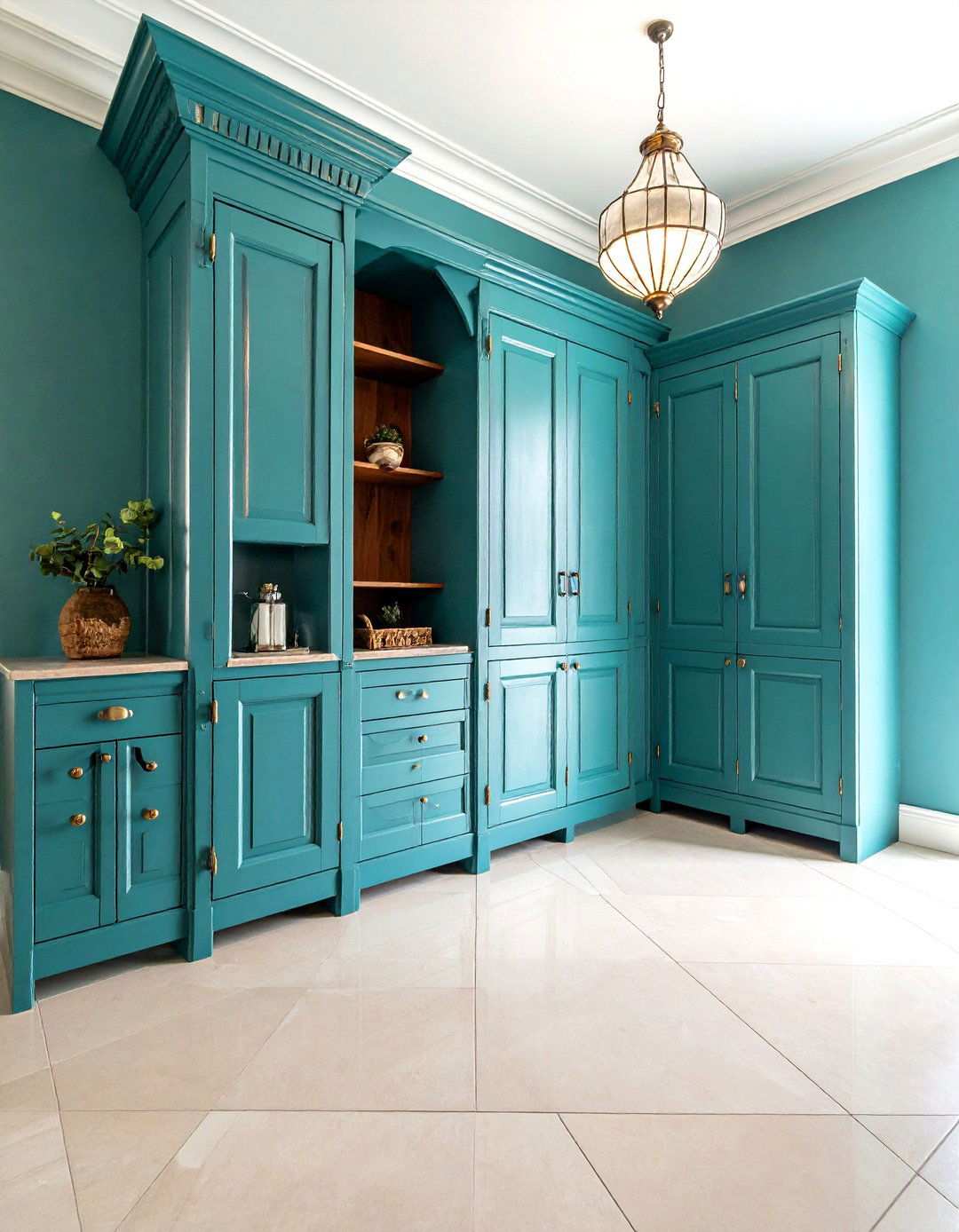
To maximize the functionality of your Victorian hallway while maintaining its historical integrity, incorporate period-appropriate built-in storage solutions that respect the home’s architectural principles. Install floor-to-ceiling cupboards with paneled doors that mirror existing architectural details, providing discreet storage for coats, shoes, and everyday items. Update understair storage areas with modern organizational systems while preserving period door styles and hardware. Consider built-in bench seating with lift-up tops for additional storage, upholstered in rich velvets or damasks typical of the era. These thoughtful solutions address modern storage needs without compromising the hallway’s historical character. By using traditional materials like solid wood with period-specific stains and hardware, you’ll create a seamless blend of past and present, ensuring your Victorian home remains a true reflection of its heritage.
9. Enhancing Hallway Aesthetics with Stained Glass
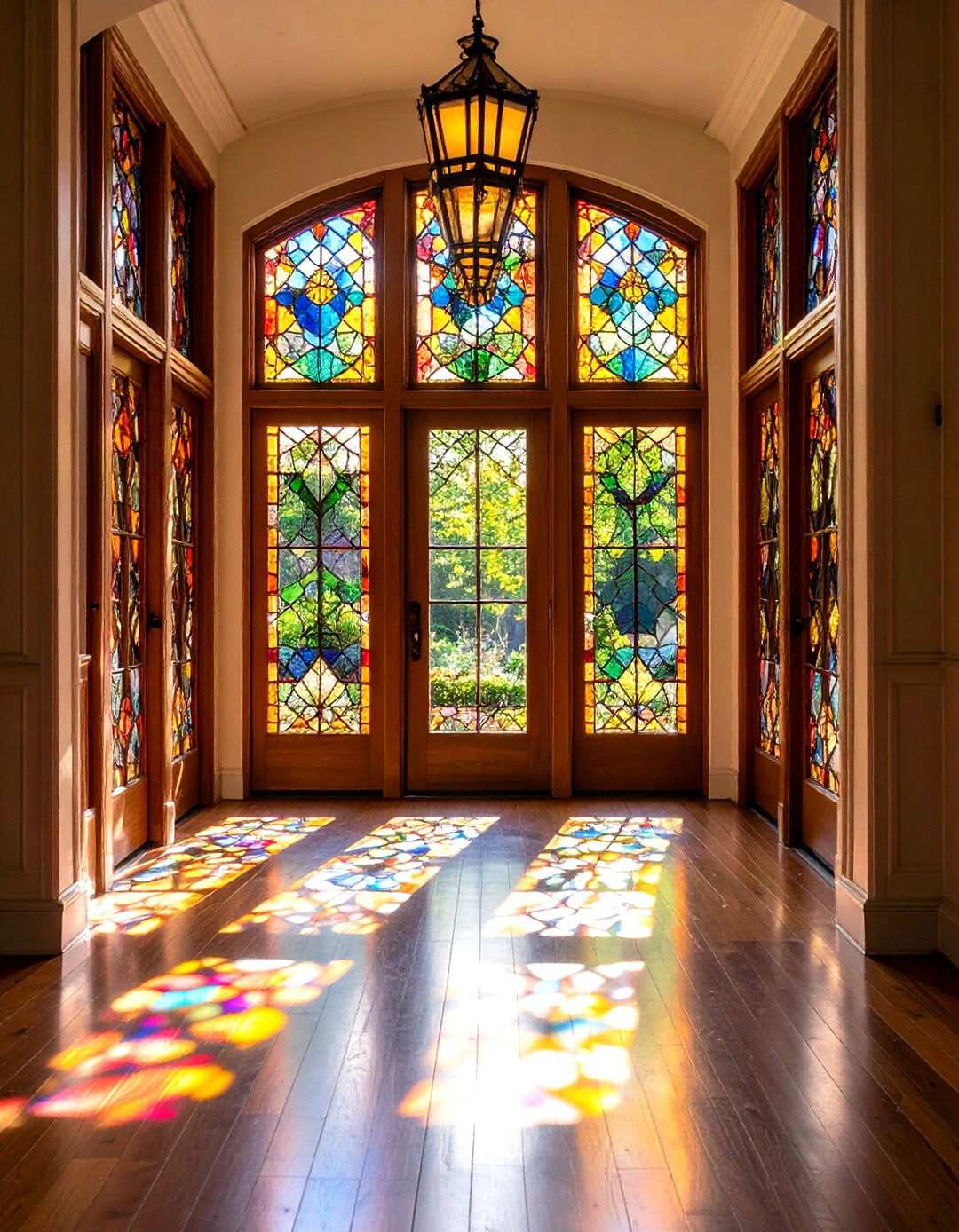
Embracing the elegance of Victorian design, incorporating stained glass elements can transport homeowners to a bygone era. This captivating feature has been a hallmark of authentic Victorian homes, where stained glass adorned front doors, side panels, and transom windows above interior doorways. As sunlight filters through these colorful glass panels, it creates an ever-changing tapestry of vibrant hues that adds depth and visual interest to even the most mundane hallways. For those fortunate enough to retain original stained glass features, expert restoration can breathe new life into these delicate elements, reviving their former glory and restoring their original vibrancy. Conversely, for homes without these distinguishing features, bespoke stained glass panels can be commissioned to mirror the intricate patterns and motifs characteristic of the Victorian era, such as stylized floral motifs, geometric patterns, or serene nature scenes. By harnessing the dynamic interplay of natural light through colored glass, homeowners can create a unique decorative element that pays homage to the Victorian penchant for beauty in functional design.
10. Elevating Hallway Elegance with Parquet and Geometric Wood Flooring
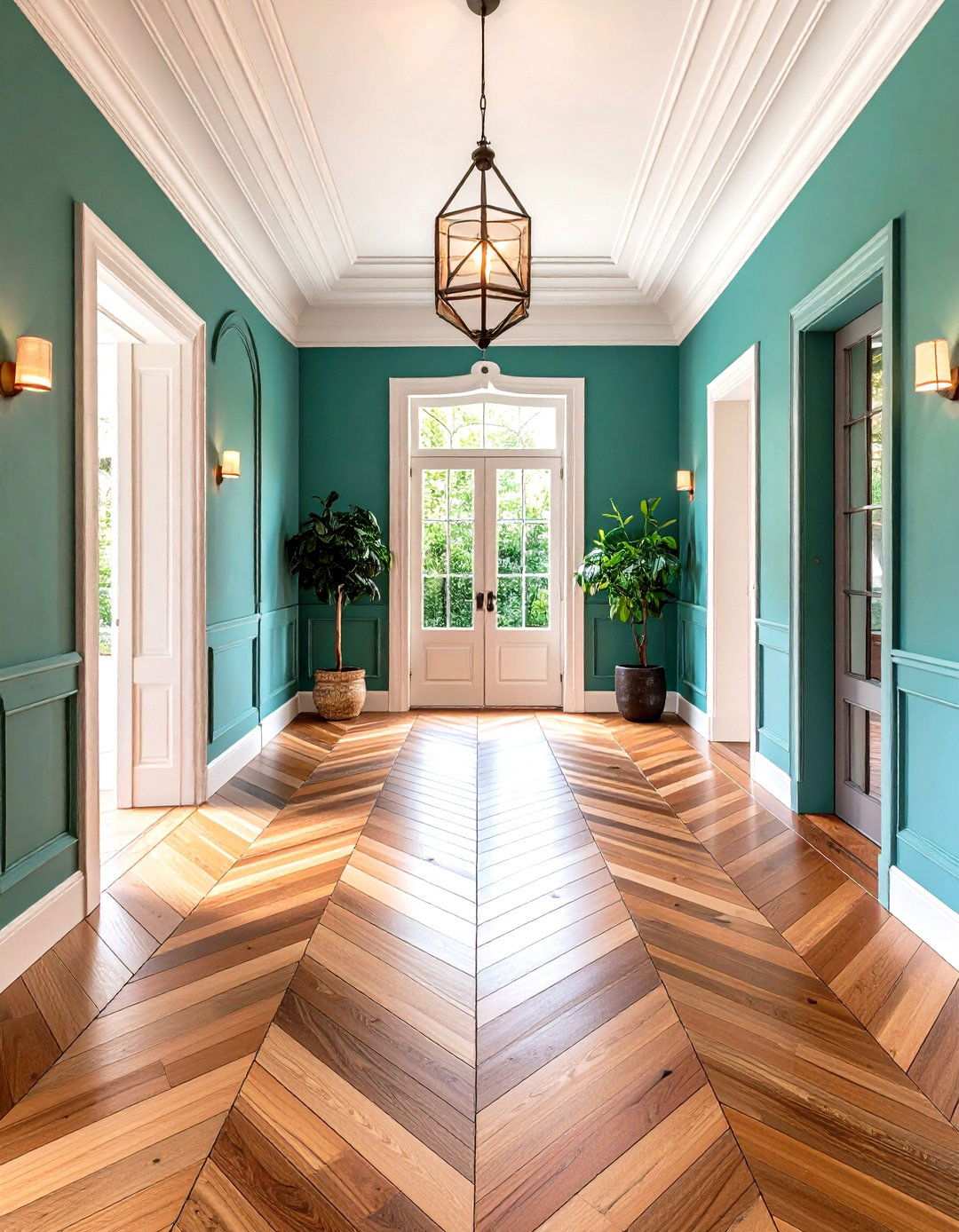
To infuse Victorian flair into your hallway, consider the intricate beauty of parquet and geometric wood flooring patterns. These complex designs feature contrasting wood tones arranged in sophisticated geometric configurations – from herringbone and basket weave patterns to elaborate star configurations. The judicious selection of wood species allows for a stunning interplay of light and dark elements, imbuing the space with a sense of warmth and sophistication. For a seamless finish, it is essential to engage the services of a skilled professional who can ensure precise alignment and proper finishing techniques that will only enhance the beauty of the design over time. To add a touch of elegance, consider framing the central pattern with simpler wood strips, creating clean transitions to the surrounding walls and adding a sense of cohesion to the design. By leveraging modern wood finishing techniques, homeowners can enjoy the benefits of durability while maintaining an authentic appearance that perfectly captures the essence of Victorian design. This flooring approach is particularly well-suited to hallways where the goal is to create visual interest underfoot while celebrating the warm, natural materials that have long been a hallmark of Victorian interiors.
11. Elevating Hallways with Wainscoting and Dado Rails
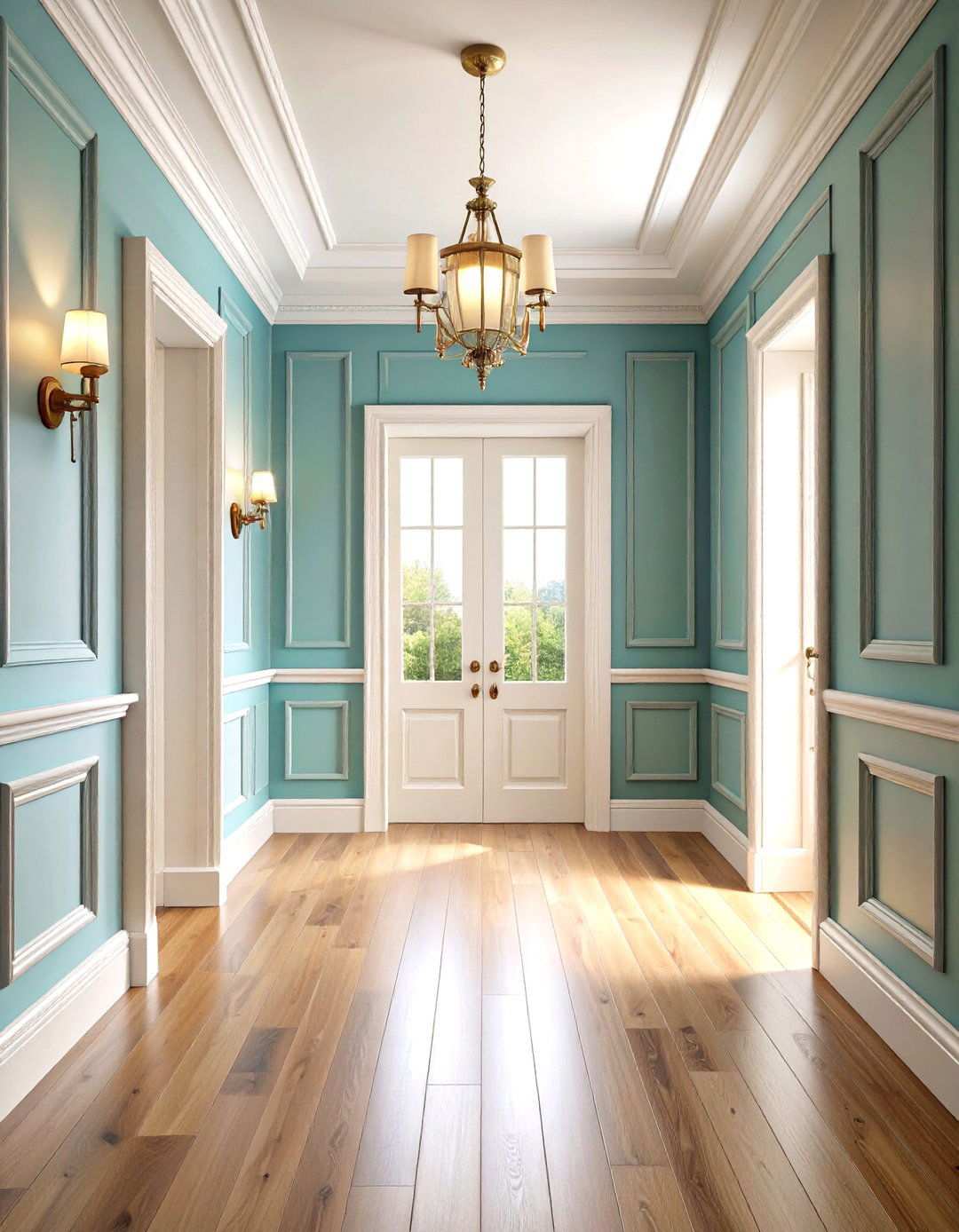
To add both aesthetics and functionality to high-traffic areas, consider installing traditional wainscoting and dado rail systems. Inspired by Victorian hallways, these designs protect walls from scuffs while introducing architectural interest. For a tailored look, select from various designs, such as beadboard, raised panel, or flat panel, in sync with your home’s unique style and existing trim details. A bold color choice for the lower section can create a striking visual contrast, like deep green below contrasting with cream above. The horizontal line of dado rails effectively breaks up tall Victorian walls and provides a natural spot for hanging artwork. Quality installation demands careful attention to proportions and alignment with existing architectural elements, adding substantial character while addressing practical maintenance concerns in busy hallway areas.
12. Thoughtful Gallery Wall Arrangements
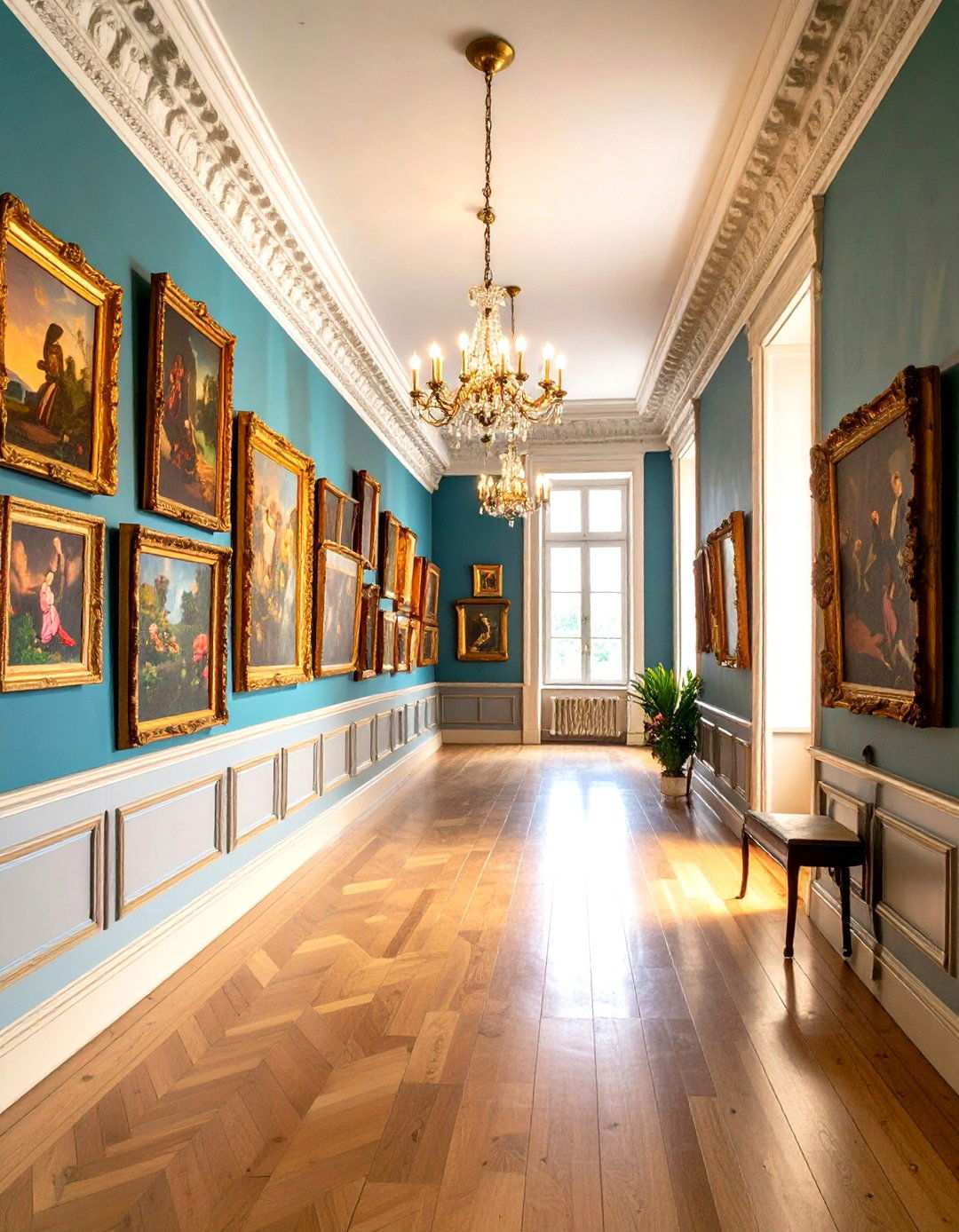
To showcase art and photographs in a manner that honors Victorian collecting traditions, curate carefully selected gallery walls that feature family portraits, landscape paintings, and decorative prints in ornate frames characteristic of the period. Victorian homes often displayed dense arrangements of artwork, maps, and photographs that reflected the family’s interests and travels. Use picture rails for flexible hanging options that don’t damage walls, allowing for easy rearrangement as collections grow or change. Mix frame sizes and styles while maintaining consistent finishes – perhaps all gold gilt or matching dark wood tones – and incorporate small decorative objects like wall-mounted curios or vintage mirrors to add depth and visual interest. The key lies in achieving balanced compositions that feel collected over time rather than formally arranged, personalizing the hallway while maintaining the Victorian appreciation for displaying cherished objects and artwork.
13. Dramatic Interior Schemes
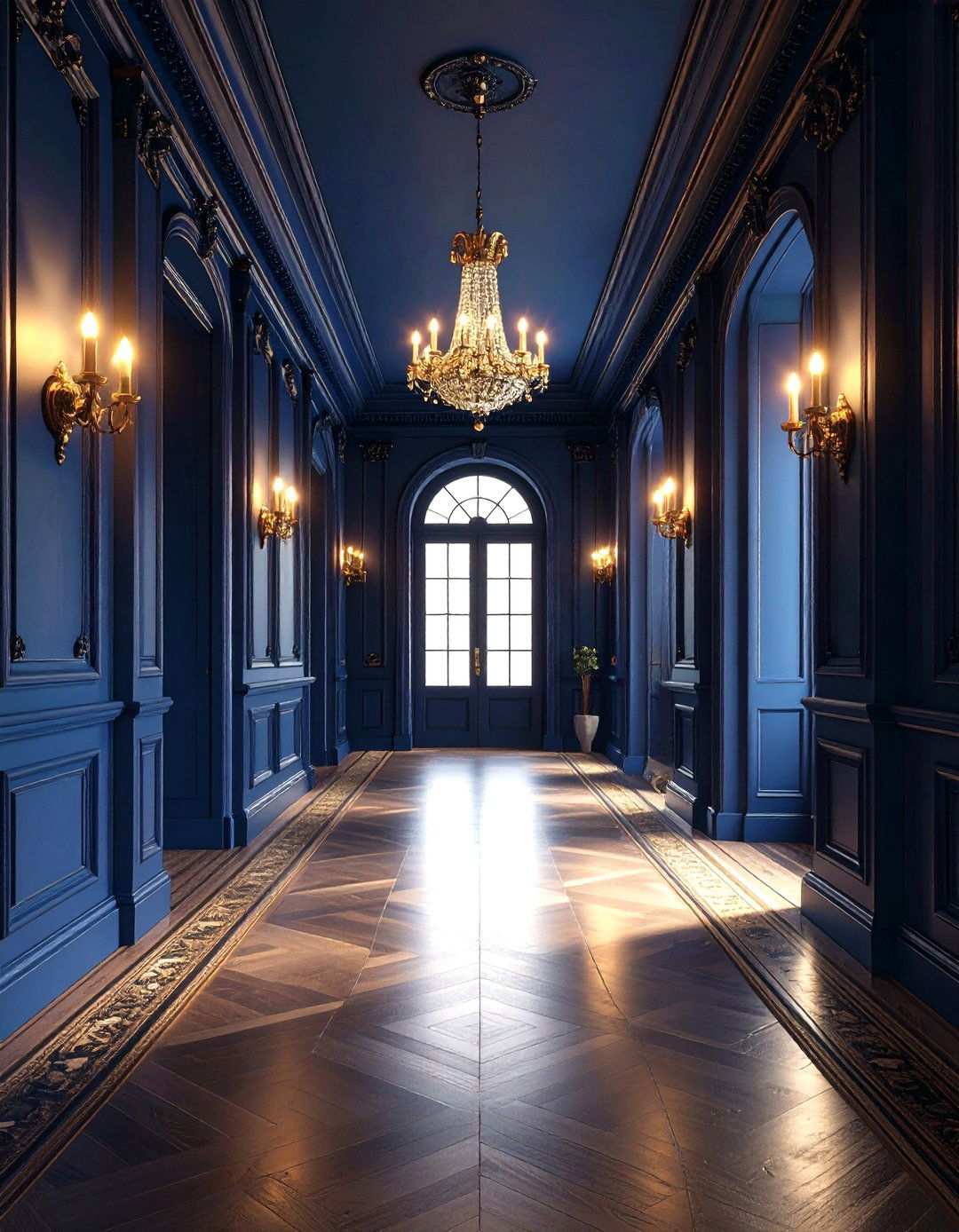
Embracing the Victorian preference for dramatic, cocoon-like interiors with rich, dark color schemes can create intimate and sophisticated hallway environments. Deep charcoal, midnight blue, or forest green walls provide striking backdrops for lighter architectural details and metallic accents. This approach works particularly well in hallways with good artificial lighting or where you want to create contrast with brighter adjoining rooms. Use high-gloss or satin paint finishes to reflect available light and prevent the space from feeling too heavy. Complement dark walls with brass hardware, gilt-framed mirrors, and warm lighting that creates inviting ambiance. The key is striking a balance between darkness and strategically placed light elements – perhaps white or cream ceilings and trim work – requiring confidence but yielding undeniably memorable and authentically Victorian atmospheric effects that showcase the era’s love for dramatic interior statements.
14. Illuminating the Past: Modernizing Victorian Aesthetics
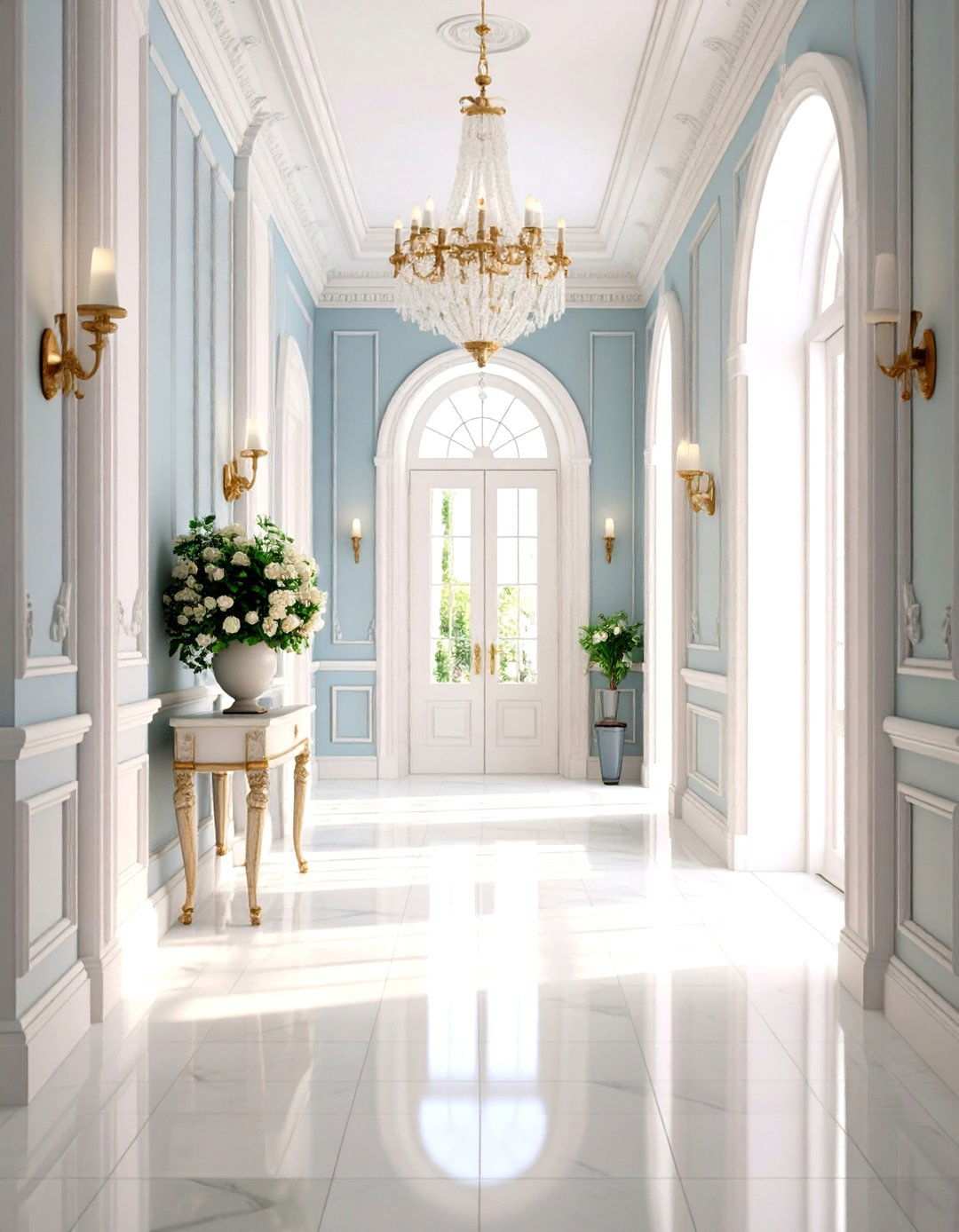
To harmonize the elegant spirit of Victorian design with contemporary tastes for airy, uncluttered spaces, adopt a nuanced approach that balances period authenticity with a lighter, more open atmosphere. By using a palette of soft grays, warm whites, and delicate pastels as the foundation, then incorporating Victorian flair through accessories, hardware, and architectural details, homeowners can create an inviting sense of space that feels both historic and modern. This thoughtful approach is particularly effective in narrow hallways, where the oppressive feel of dark colors is mitigated, allowing the space to breathe. Emphasize Victorian proportions and classic furniture styles while opting for lighter wood finishes and fabric hues, and subtly infuse period-appropriate patterns through wallpaper or textiles. By striking this balance, homeowners can forge a connection to the past while meeting the demands of a modern lifestyle that values brightness and openness.
Strategic deployment of mirrors, metallic accents, and high-quality lighting further enhances the sense of expansive space while preserving the refined character that defines Victorian interior design. By thoughtfully integrating these elements, homeowners can craft spaces that not only feel historically connected but also exude a sophisticated, timeless charm.
15. Embracing the Warmth of Victorian Hearthside Traditions
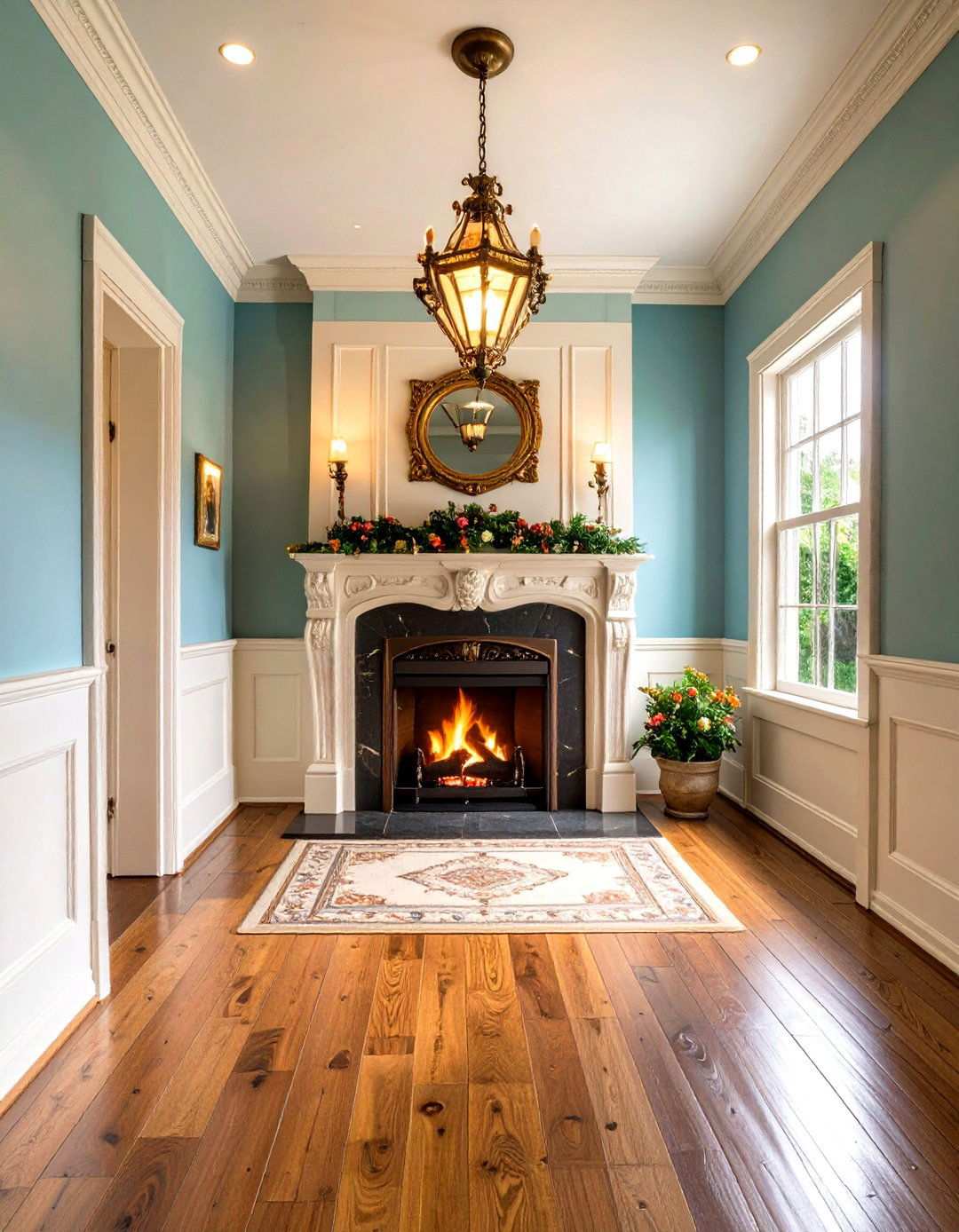
Incorporating hallway fireplaces serves as a masterful blend of functional warmth and decorative flair, embodying the essence of Victorian domestic comfort. Many classic Victorian homes feature small fireplaces in entrance halls, often adorned with decorative tile surrounds, intricately carved mantels, and ornate metalwork. Restoring existing fireplaces with period tiles – perhaps inspired by the iconic patterns of William Morris or classic blue and white designs – can add an authentic touch to the space. When installing a new fireplace, select mantels with proportions and decorative details that harmonize with existing architectural elements, creating a cohesive and inviting atmosphere. The surrounding area offers a perfect opportunity to showcase decorative objects, seasonal arrangements, or artwork that enhances the Victorian collecting aesthetic. Modern gas or electric inserts provide convenient operation while maintaining an authentic appearance, making this feature an invaluable addition to daily life and seasonal celebrations. By incorporating a restored hallway fireplace, homeowners can inject a warm, unmistakable period atmosphere into entrance areas, creating a sense of welcoming comfort and conviviality.
16. Elevating Ceilings with Ornate Touches
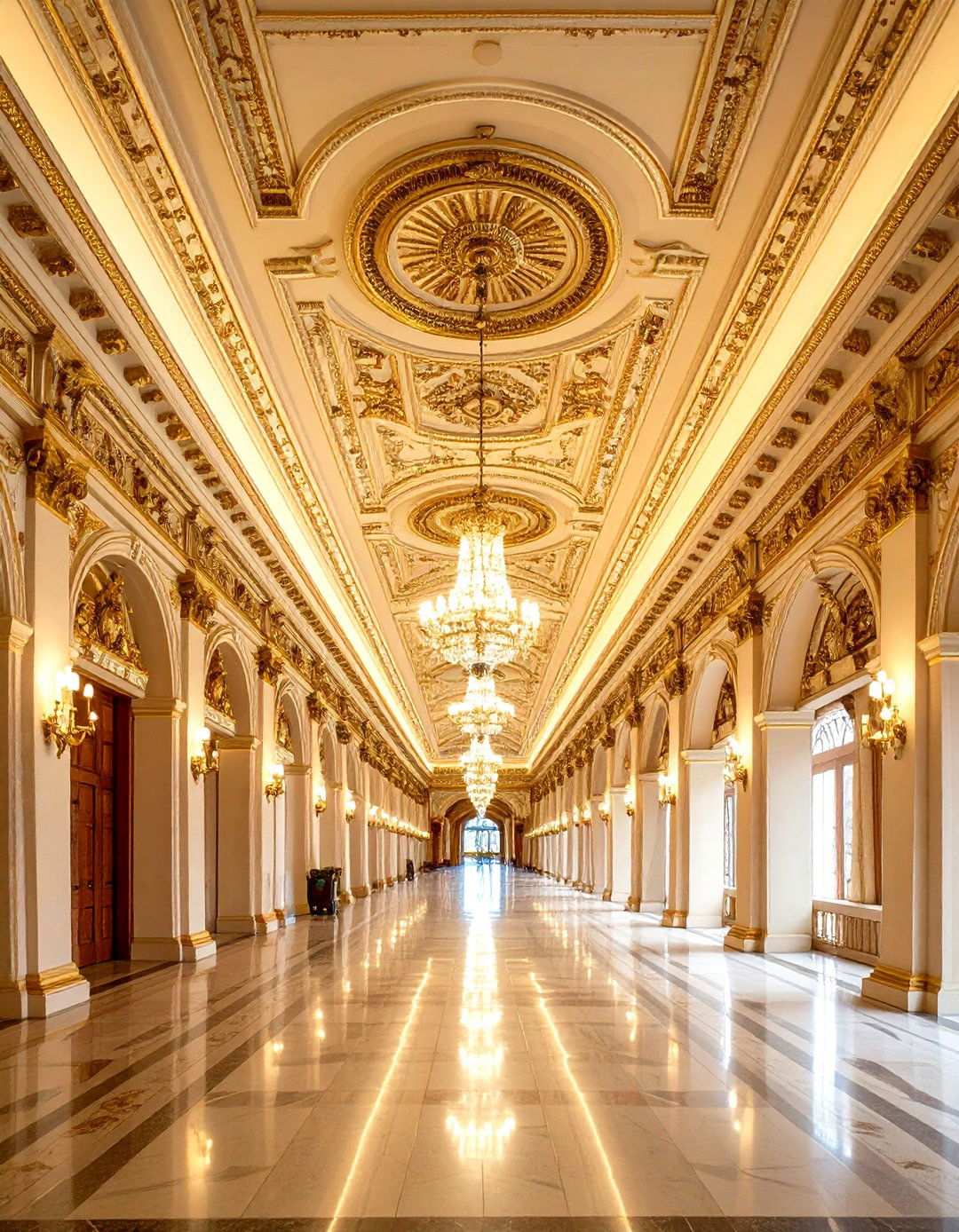
Ornate ceiling designs can transform the ambiance of a Victorian-inspired space, drawing the eye upward and emphasizing the era’s flair for elaborate architectural details. To achieve this, consider installing decorative ceiling medallions around light fixtures, complemented by rosettes, corbels, or other moldings that pay homage to the period’s aesthetic. Coffered ceiling treatments in larger hallways can add an air of sophistication, utilizing geometric panel arrangements that create a sense of depth and visual interest. The use of decorative painting techniques, such as stenciling or hand-painted motifs, can reference Victorian pattern traditions while staying true to ceiling applications. The key to successful execution lies in maintaining proportional relationships between ceiling treatments and room scale – delicate details work best with shorter ceilings, while more elaborate designs are suitable for taller Victorian ceilings. When implemented by professionals, these treatments can dramatically alter ordinary hallways into grand entrance spaces. By coordinating ceiling colors and finishes with wall treatments, homeowners can create a cohesive design that feels intentional and well-thought-out.
17. Curating Authentic Victorian Collections
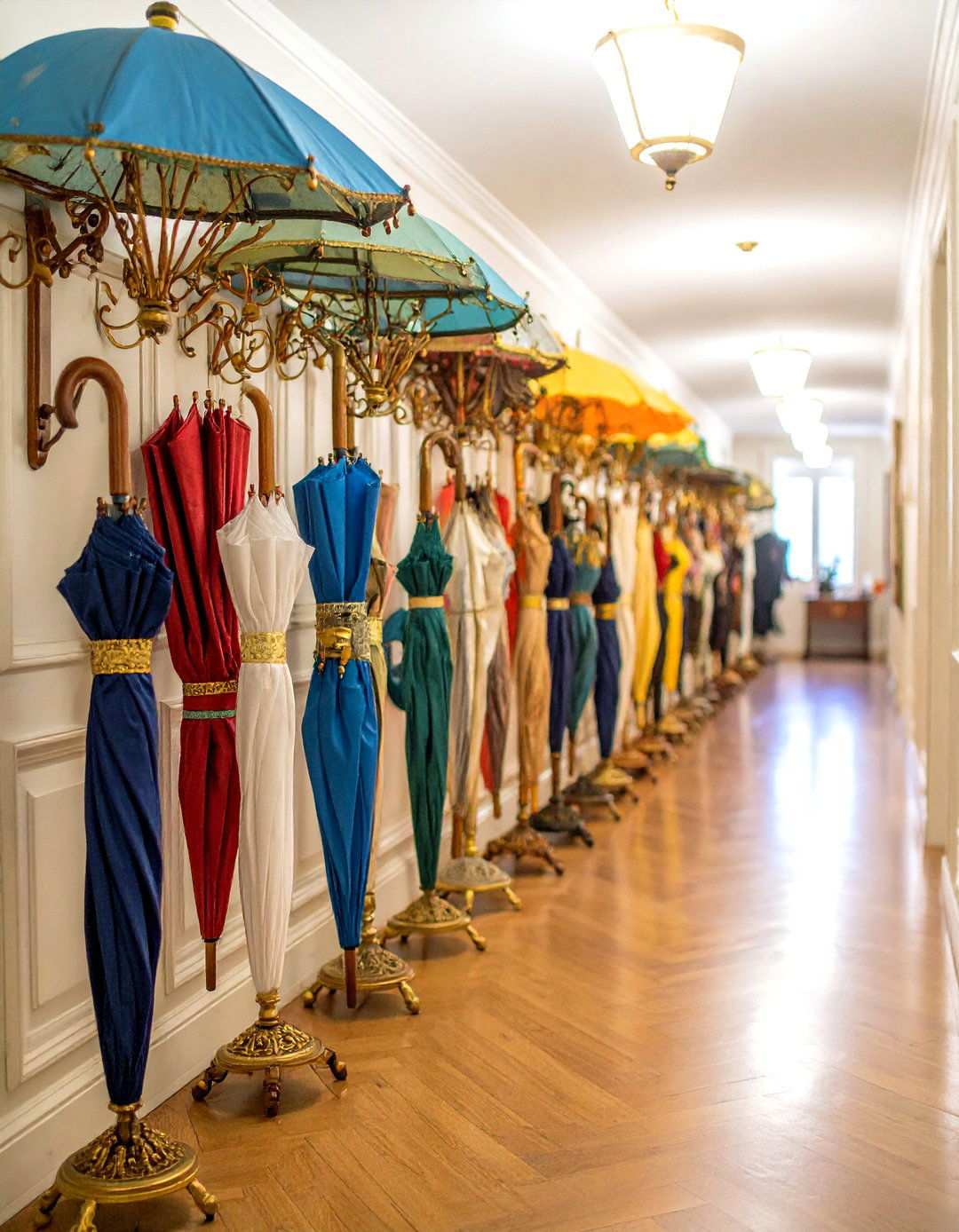
A curated collection of Victorian-era accessories can add authenticity to a hallway while serving functional purposes. Incorporate items like ornate umbrella stands, hat and coat racks, decorative wall hooks, and small occasional tables that provide storage and display opportunities. When selecting pieces, opt for typical Victorian materials – cast iron, carved wood, brass fittings, and rich upholstery fabrics. Vintage or reproduction pieces can work equally well if they maintain authentic proportions and finish quality. Consider displaying collections of period objects like decorative boxes, vintage photographs in ornate frames, or small sculptures that reflect Victorian collecting habits. The goal is to create a layered, lived-in atmosphere that suggests accumulated treasures rather than a carefully curated period room. By incorporating these accessories into daily life, homeowners can contribute to the overall Victorian atmosphere through their materials, craftsmanship, and historical associations, while also enhancing their daily routines.
18. Blending the Best of Victorian Elegance with Contemporary Comfort
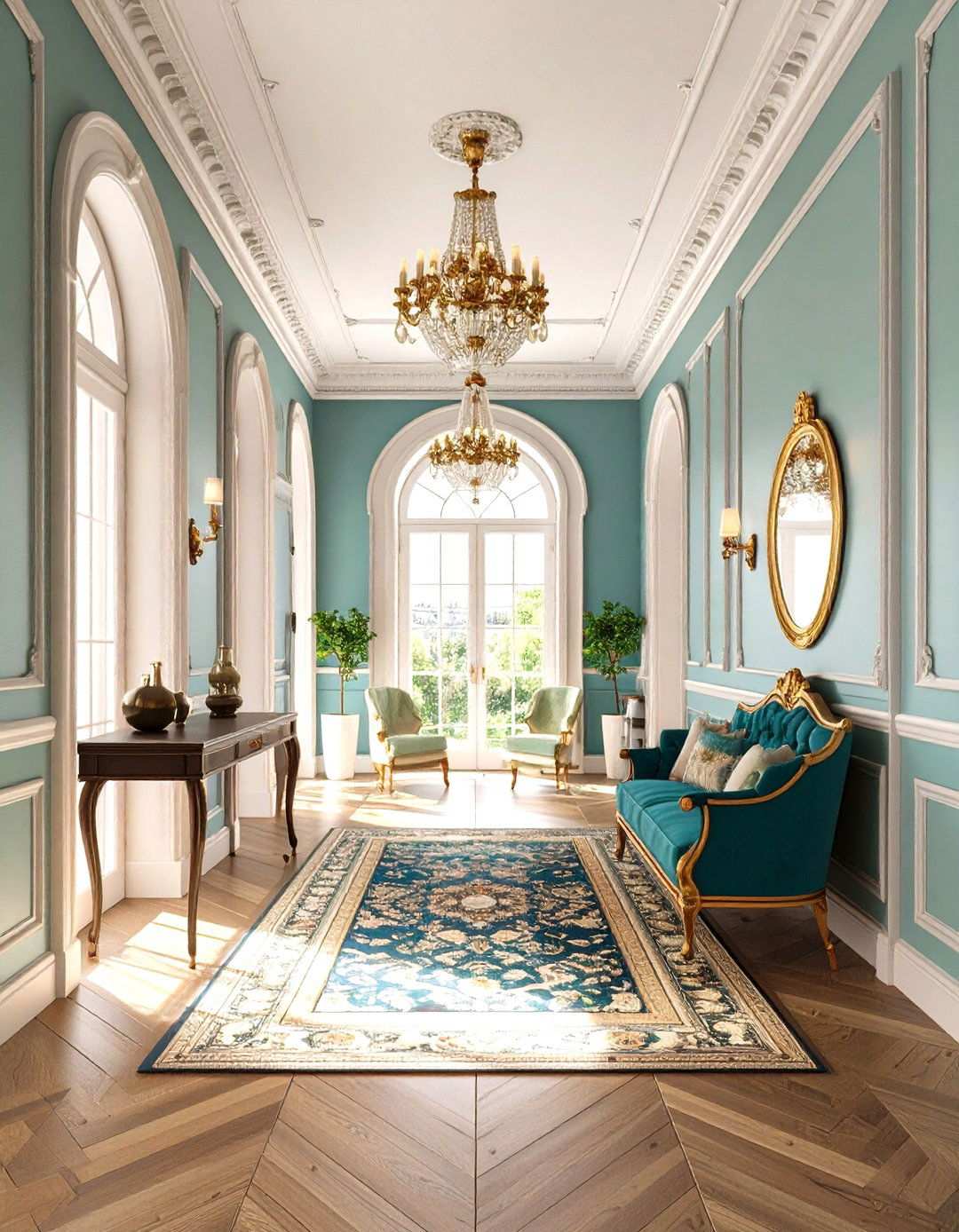
To create a harmonious marriage of past and present, it’s essential to develop design strategies that thoughtfully balance Victorian principles with the demands of modern living and aesthetics. This might involve repurposing traditional furniture forms in fresh materials – for instance, reimagining a classic hallway bench with sleek, modern upholstery instead of rich velvet. By maintaining period proportions and architectural details while streamlining color palettes and pattern choices, you can infuse your space with a contemporary edge while honoring its historical roots. By harnessing the power of modern lighting technology within period-inspired fixtures, you can achieve better illumination without sacrificing the authentic charm of your Victorian home. The key to success lies in identifying the specific Victorian elements that resonate with your lifestyle and aesthetic preferences, then thoughtfully incorporating them into your design while updating other aspects to suit modern needs. By adopting a selective approach, you can unlock the beauty of Victorian elegance without feeling constrained by the need for absolute historical accuracy.
19. Mastering the Art of Navigating Narrow Victorian Hallways
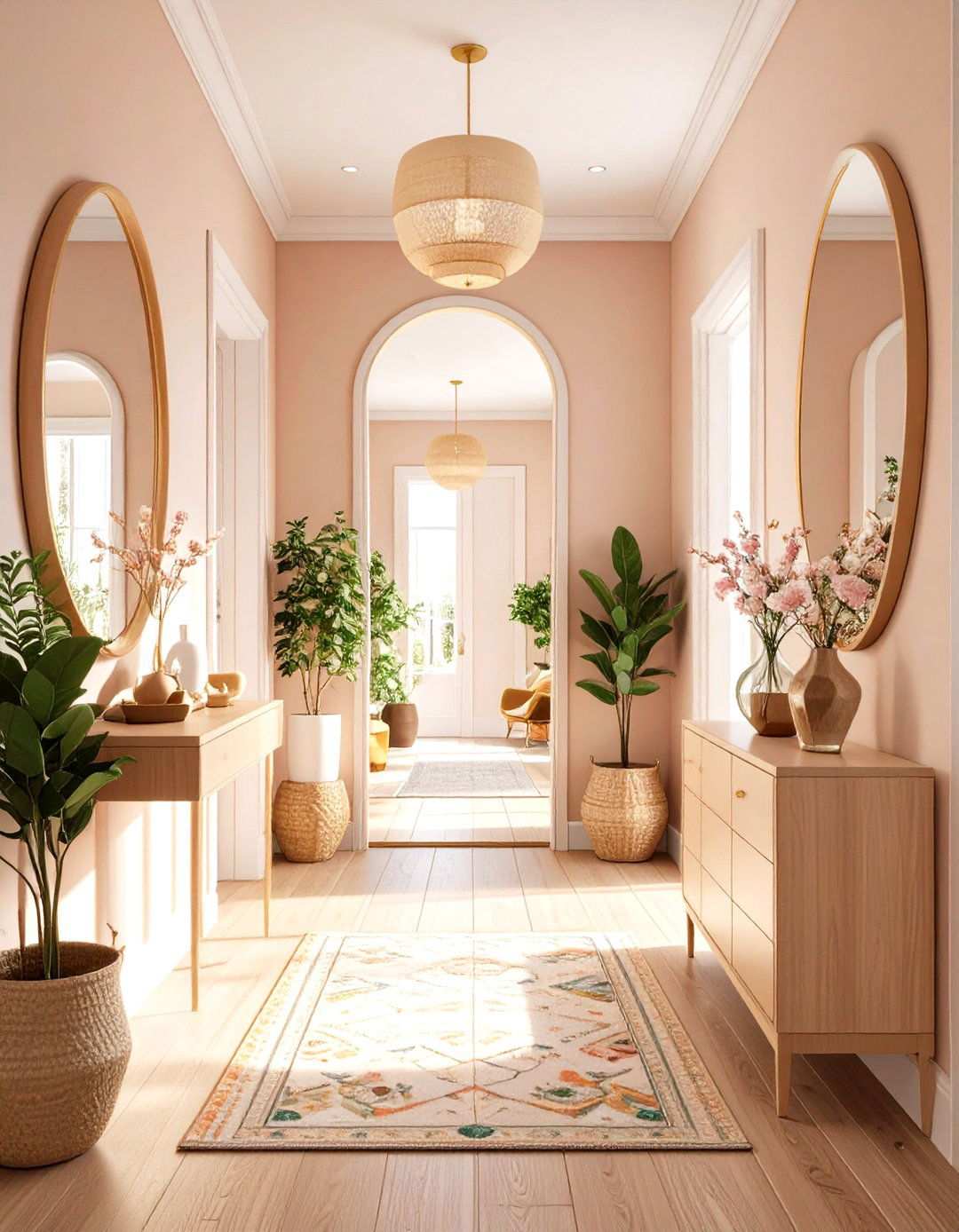
When confronted with the challenges of narrow Victorian hallways, the goal is to devise design strategies that skillfully balance visual and functional space while maintaining the essence of period character. One effective approach is to employ light colors and cleverly placed mirrors to create an illusion of greater width, strategically positioning mirrors to reflect natural light from adjacent rooms. When selecting furniture, prioritize pieces that are proportionate to the space – consider compact console tables, wall-mounted accessories, and built-in storage solutions that don’t obstruct the path. By incorporating vertical design elements like tall mirrors, artwork arranged in columns, or floor-to-ceiling window treatments, you can draw the eye upward and emphasize the ceiling height, effectively mitigating the perception of narrowness. Lighting plays a pivotal role in these spaces – consider a combination of light sources, including wall sconces, pendant lights, or track lighting that provides even illumination without overwhelming the area. By adopting these creative design solutions, you can create hallways that feel inviting and functional despite the constraints of width.
20. Timeless Entrance Statement Designs
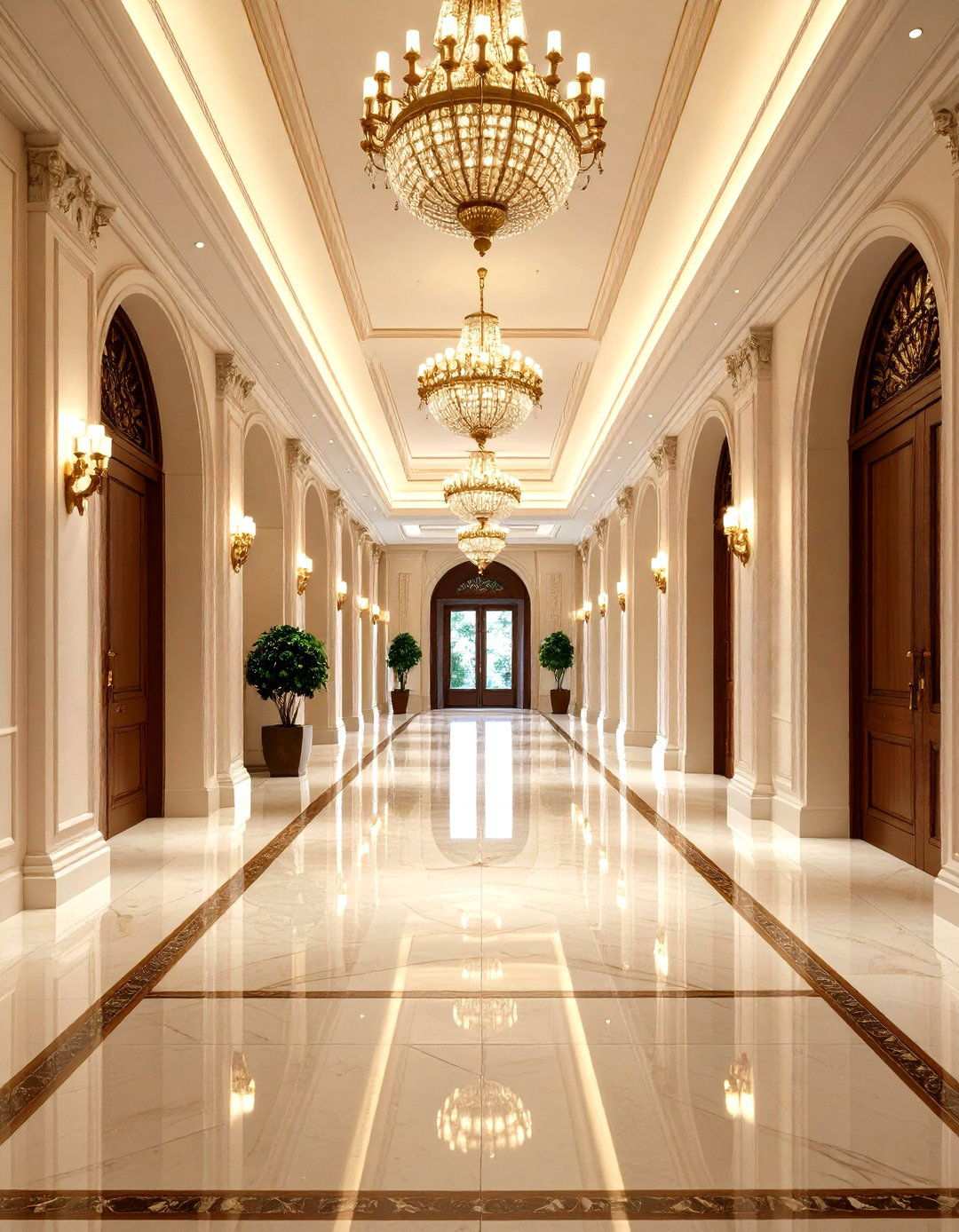
Craft an entrance experience that embodies the Victorian era’s flair for dramatic first impressions and refined hospitality. This approach flourishes in expansive hallways that can comfortably accommodate grand furniture pieces, elaborate lighting fixtures, and intricate decorative schemes. To create a lasting impression, consider installing a majestic staircase with intricately carved balusters, stately newel posts, and high-quality stair runners that guide visitors upward in elegance. Large-scale artwork, substantial mirrors, and sophisticated lighting fixtures immediately establish the home’s character upon entry. A harmonious balance of grandeur and welcome can be achieved by pairing rich color schemes, premium materials, and thoughtful attention to proportion, creating spaces that exude sophistication without intimidation.
21. Harmonizing Arts and Crafts Movement Influences
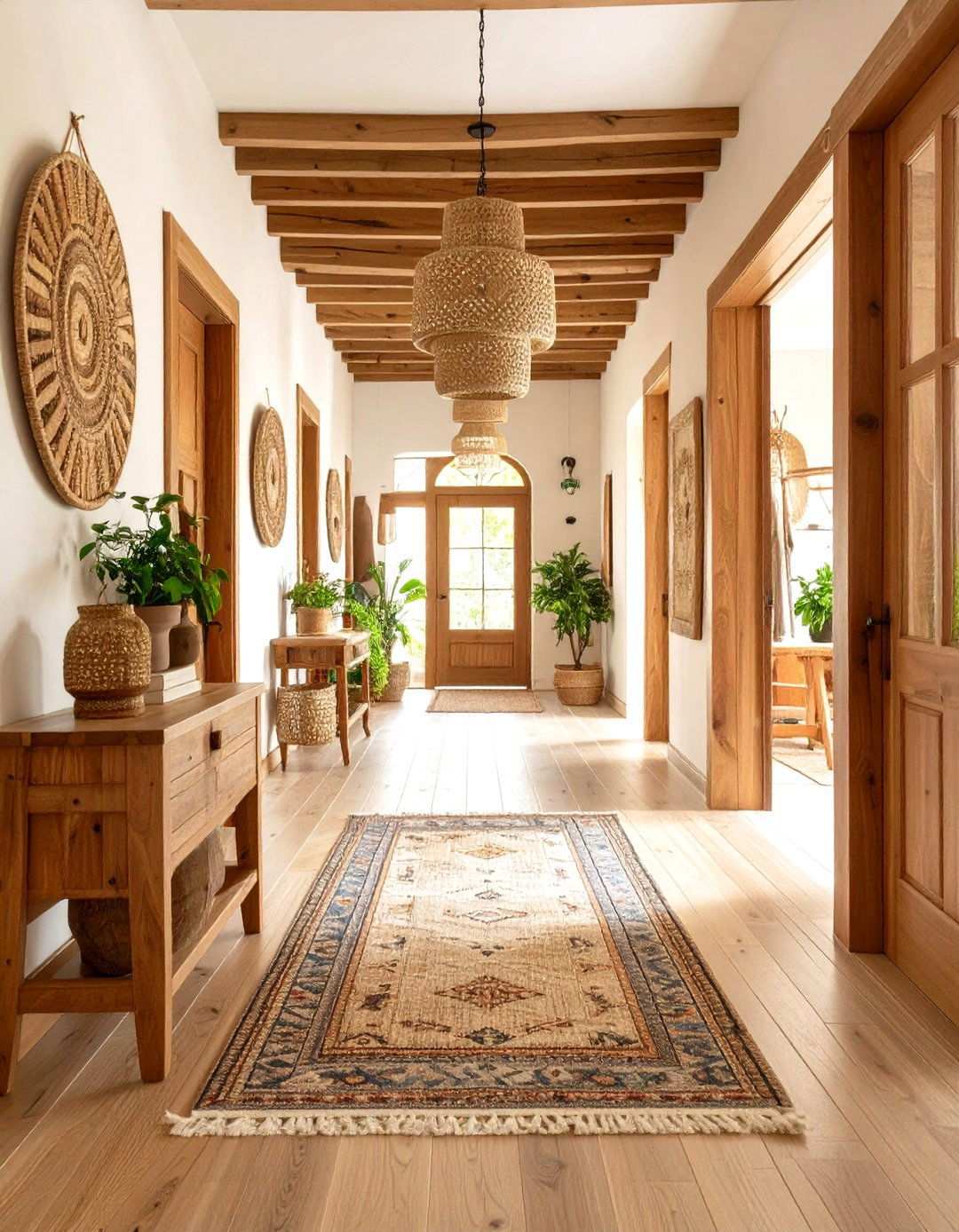
Incorporate elements from the Arts and Crafts movement that emerged during the late Victorian period, emphasizing handcrafted details, natural materials, and simplified decorative approaches that prioritize quality craftsmanship over mass production. This style celebrated the beauty of hand-carved woodwork, custom metalwork, and textiles with nature-inspired patterns that reflect the era’s appreciation for natural beauty. Choose furniture and accessories that showcase visible construction techniques – exposed joinery, hand-forged hardware, and natural wood finishes that highlight the material’s inherent beauty. Lighting fixtures might feature hammered metal, art glass shades, or geometric designs that reflect the movement’s aesthetic principles, while a predominantly earthy color palette – warm browns, sage greens, and golden ochres – creates a seamless connection between interior spaces and natural environments. This approach offers a restrained interpretation of Victorian style that resonates with contemporary tastes while maintaining period authenticity and a deep appreciation for craftsmanship that defined the era’s finest decorative traditions.
22. Crafting Period-Authentic Hallway Ensembles
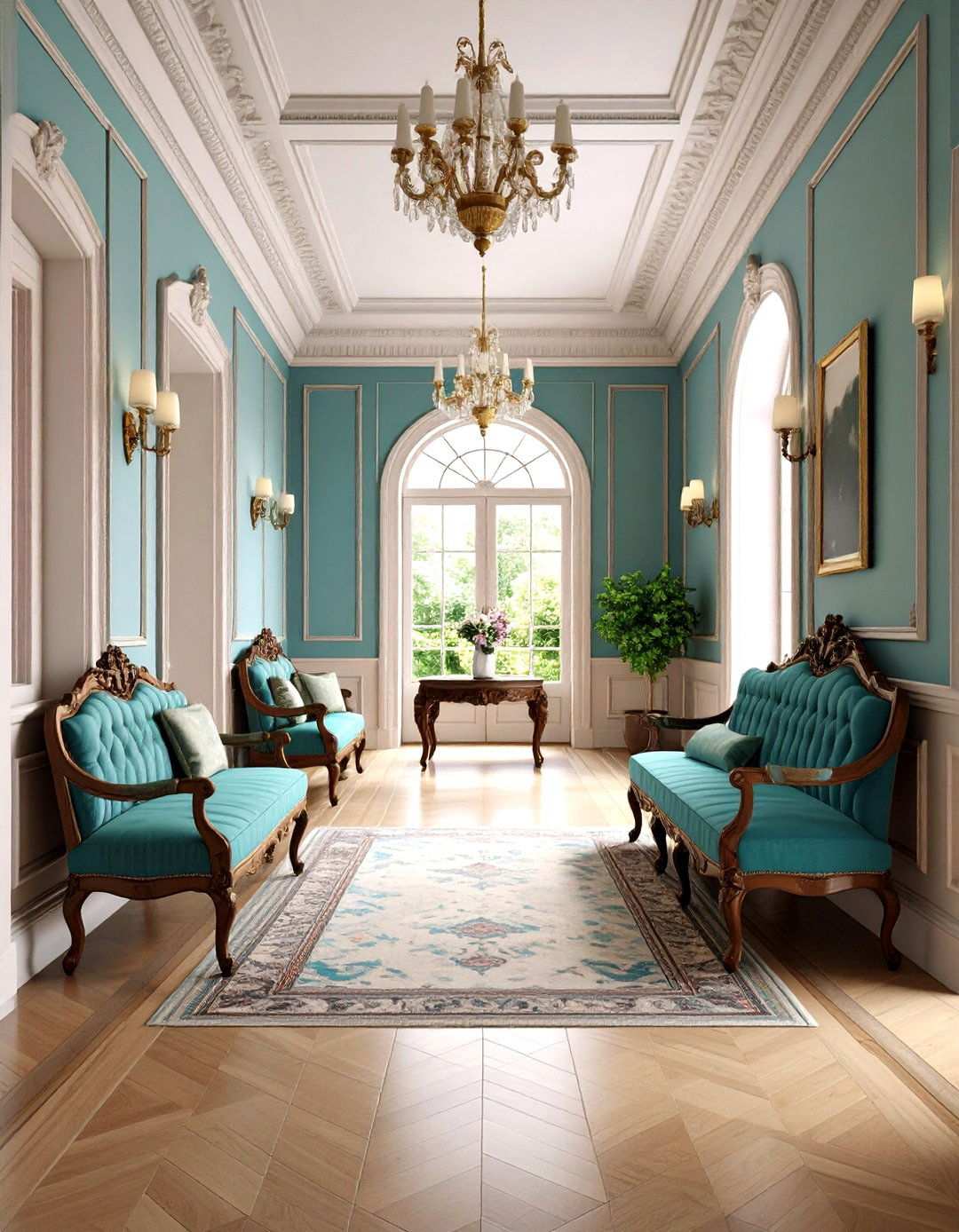
To create a hallway that embodies the essence of Victorian interior design, arrange furniture pieces in a way that strikes a balance between functionality and formality. Essential elements include sturdy hallway tables for mail and keys, plush benches for seating while changing shoes, and hat stands for coats. Opt for furniture with rich wood finishes, intricate carvings, and high-quality upholstery that reflects the Victorian penchant for showcasing prosperity through refined material choices. Effective furniture placement should facilitate smooth traffic flow while creating convenient staging areas for daily activities. Victorian homes often featured formal furniture groupings that conveyed a sense of propriety and domestic order. How can thoughtful furniture arrangement in your hallway support both practical needs and the sense of occasion that Victorian homeowners sought to create? By incorporating quality reproduction pieces, you can achieve durability and an authentic appearance without the maintenance requirements or fragility of genuine antiques, making them ideal choices for busy family hallways.
23. Unveiling the Hidden Heritage of Your Hallway
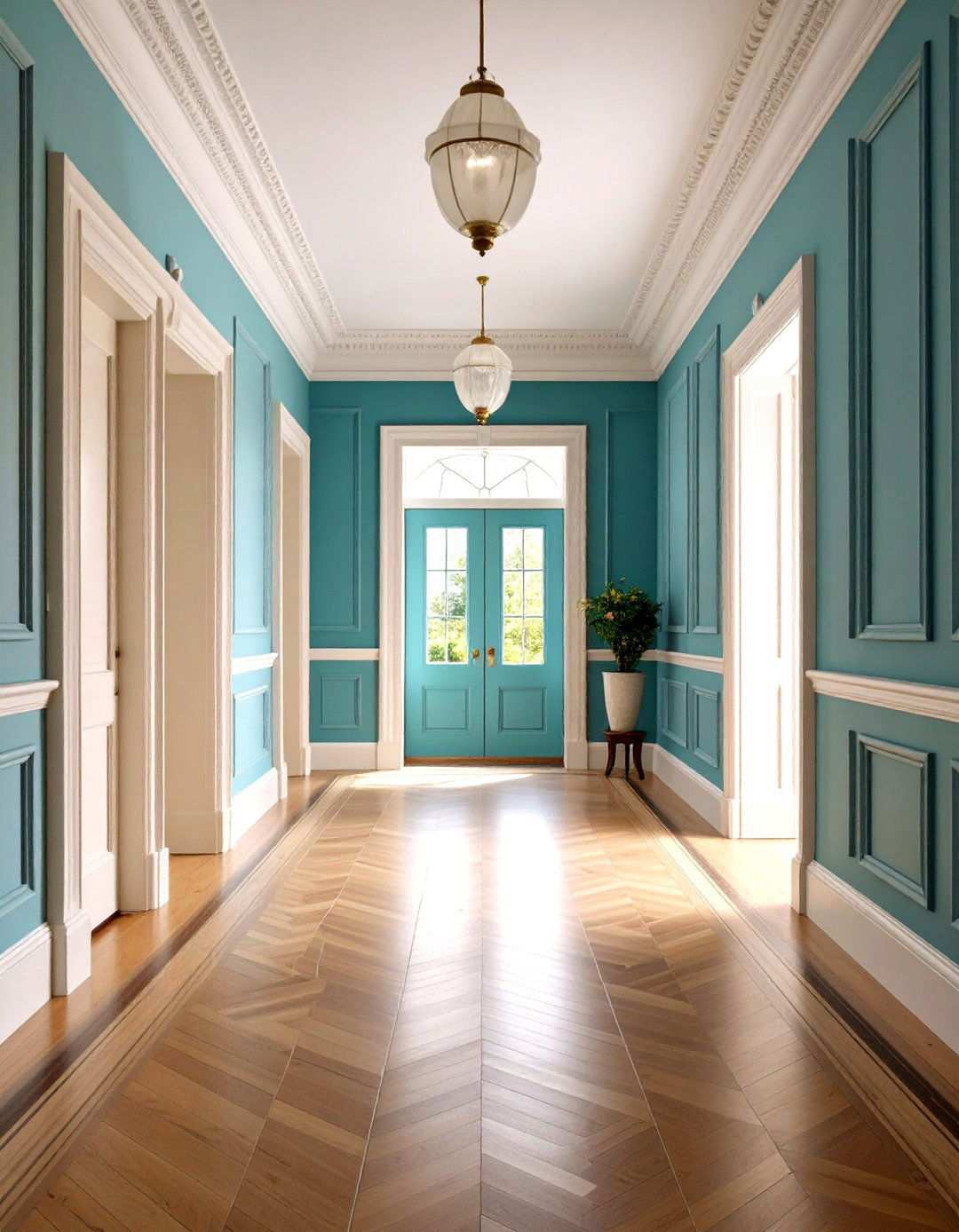
Delve into the world of Victorian color restoration by researching and restoring authentic color schemes based on historical evidence and paint analysis of your specific property. Professional color matching can uncover original paint layers, providing a glimpse into how your hallway looked during its heyday. Period-appropriate color combinations often come as a surprise to modern homeowners, boasting bold and complex hues that Victorians weren’t afraid to incorporate – a stark contrast to contemporary tastes that might consider them overwhelming. Documenting your restoration process with photographs and paint samples is crucial, creating a valuable record for future owners while ensuring historical accuracy. This approach requires patience and often professional assistance, but yields unparalleled authenticity that directly connects your home to its original design intentions. When selecting historical colors, consider the interplay between artificial and natural lighting, as gas and oil lighting created different atmospheric effects than modern electrical systems. Investing in accurate restoration not only adds historical value to your home but also distinctive character that sets it apart from others.
24. Harmonizing Heritage and Modernity
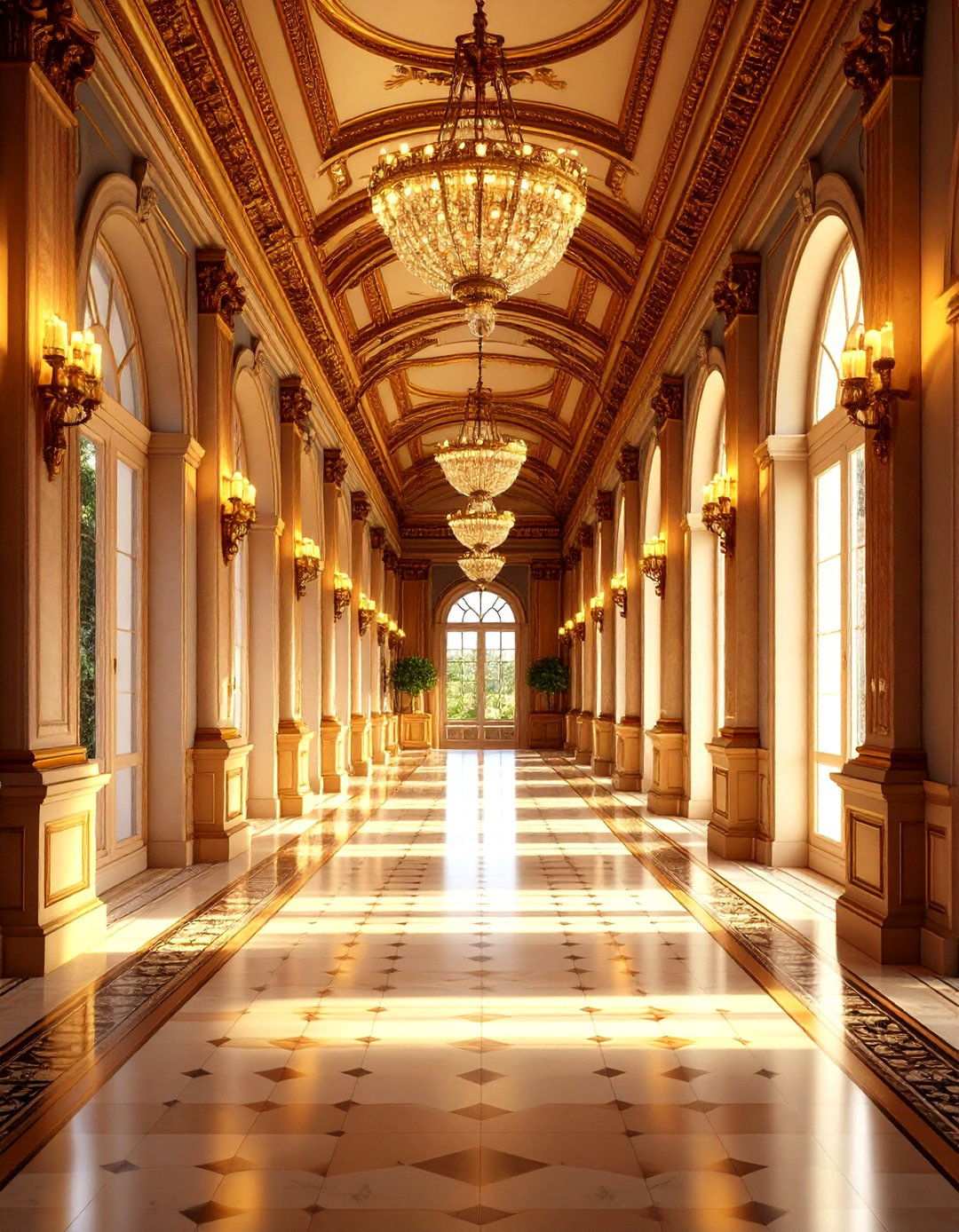
To protect the character and charm of a Victorian hallway, the focus should be on preserving its original features while incorporating updates that meet contemporary safety and comfort standards. This approach involves a delicate balance between maintaining historical integrity and embracing the necessities of modern living. By collaborating with preservation specialists, homeowners can ensure that repairs and updates are carried out in a way that honors the period construction methods and materials used in the original building.
When embarking on a renovation project, it is essential to thoroughly document the existing conditions of the hallway, including photographs of architectural details and records of material specifications. This documentation will serve as a valuable reference guide for future restoration work, allowing homeowners to make informed decisions about any changes or modifications. By prioritizing reversible modifications and considering the long-term implications of any updates, homeowners can ensure that their Victorian hallway remains a testament to the craftsmanship of its original builders, while also being safe and functional for contemporary use.