1. Ocean-Inspired Twin Bedroom Sanctuary
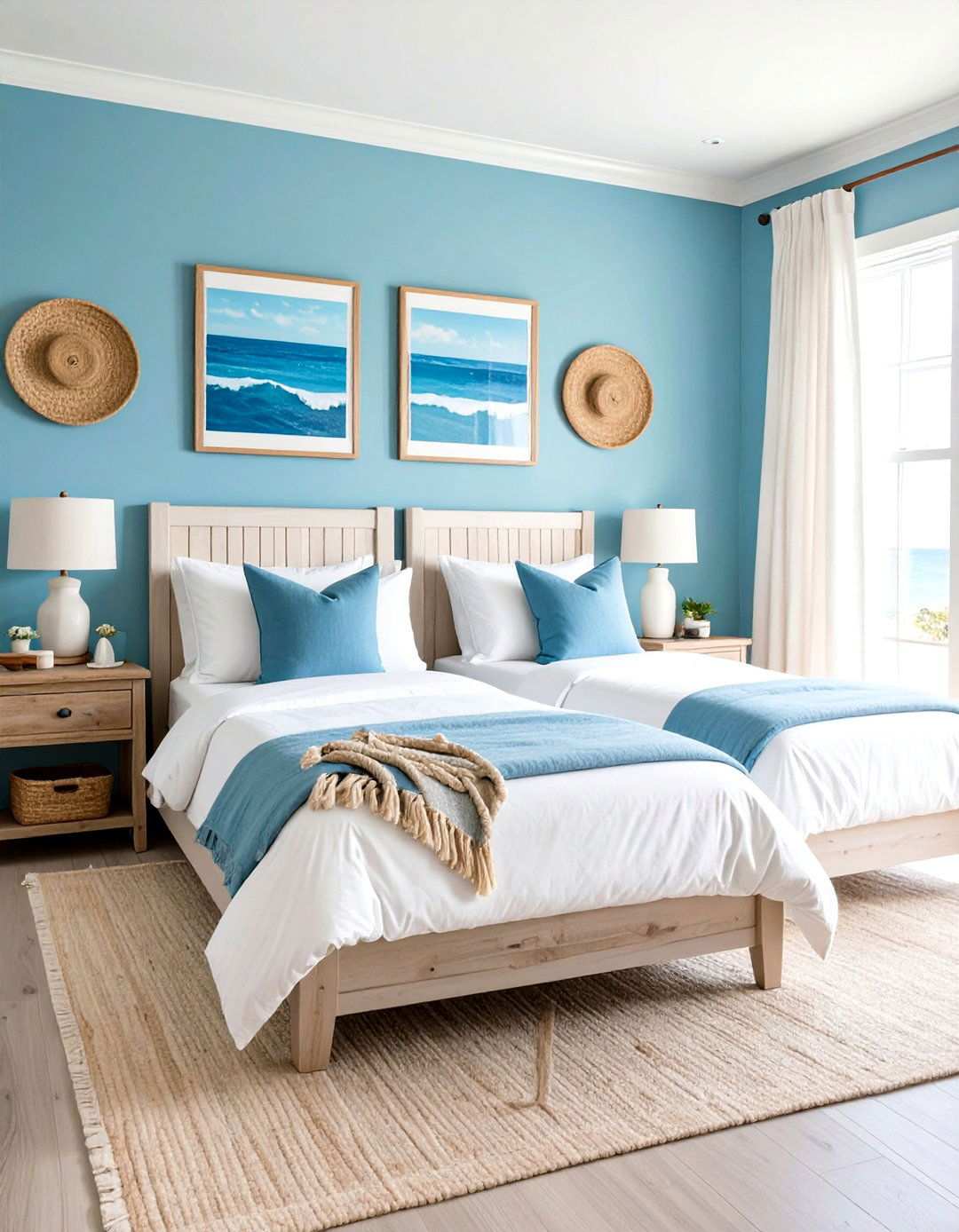
Transforming a twin bedroom into a serene retreat that embodies the tranquility of the ocean requires thoughtful design elements that harmonize with the soothing rhythms of the sea. This layout showcases beds positioned to maximize natural light, while incorporating elements that evoke the essence of the coast. A soothing palette of soft blues and whites creates a sense of airiness, while natural wood furniture adds warmth reminiscent of driftwood. The addition of woven textures through area rugs, baskets, and throw pillows introduces authentic coastal charm. Storage solutions, such as rope-detailed nightstands and weathered wood dressers, complement the beachy aesthetic while providing essential organization. Strategically placed nautical artwork and sea glass accents complete this tranquil retreat that feels like a permanent escape.

As an Amazon Associate I earn from qualifying purchases.
2. Farmhouse Twin Storage Design
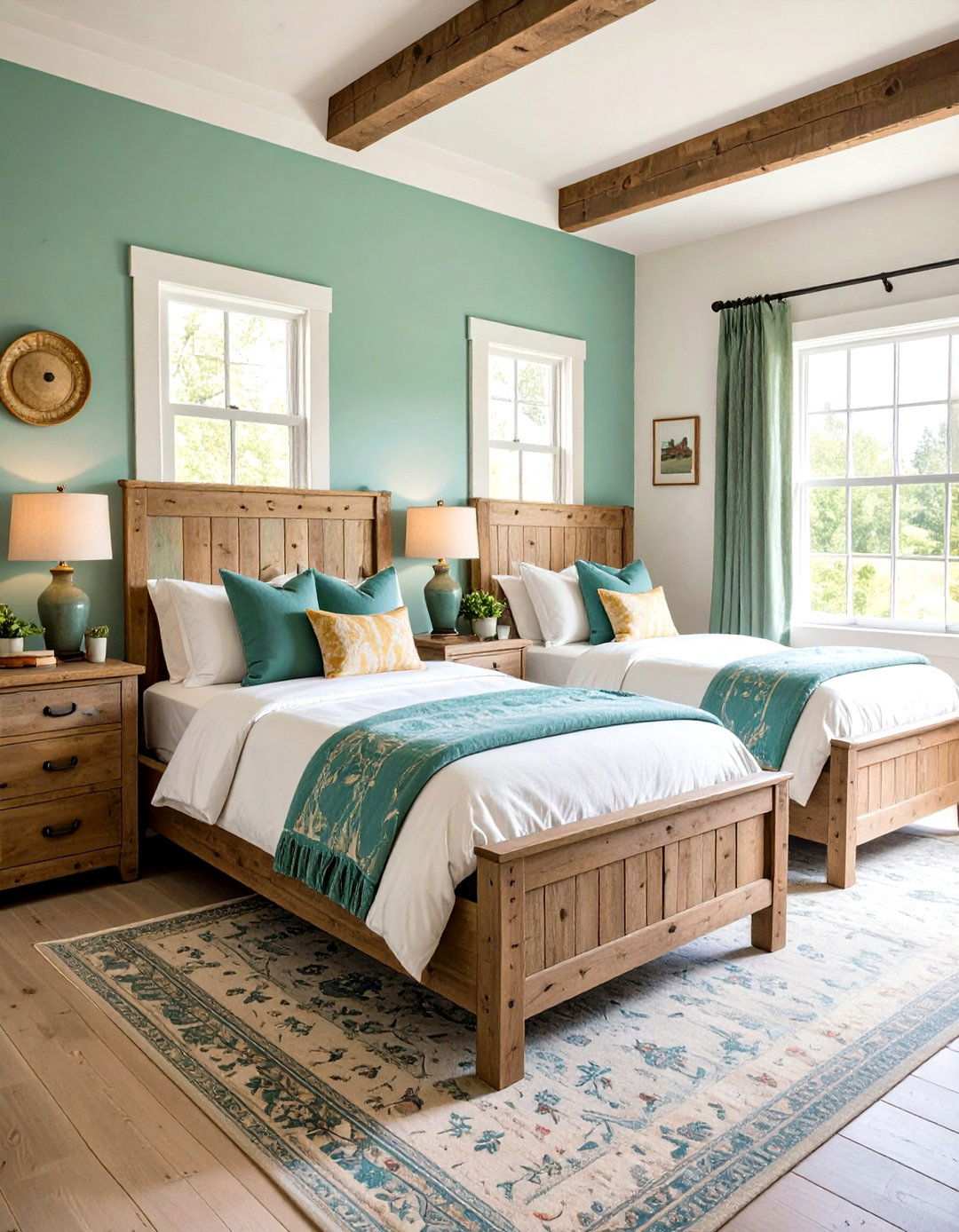
Fusing rustic charm with modern storage needs is a key aspect of creating a functional and inviting twin bedroom space. This farmhouse-inspired approach emphasizes reclaimed wood furniture with built-in storage capabilities that serve both aesthetic and practical purposes. Weathered wooden bed frames with integrated drawers underneath provide a seamless storage solution, while vintage-inspired armoires offer ample clothing storage with authentic character. Galvanized metal accents through light fixtures and hardware add an industrial touch that complements the rural aesthetic. Open shelving constructed from barn wood displays personal items and books while maintaining the room’s casual, lived-in feel. A neutral color scheme featuring cream, sage green, and warm brown tones creates a cohesive palette that feels both timeless and welcoming for long-term use.
3. Scandinavian Twin Bedroom Design
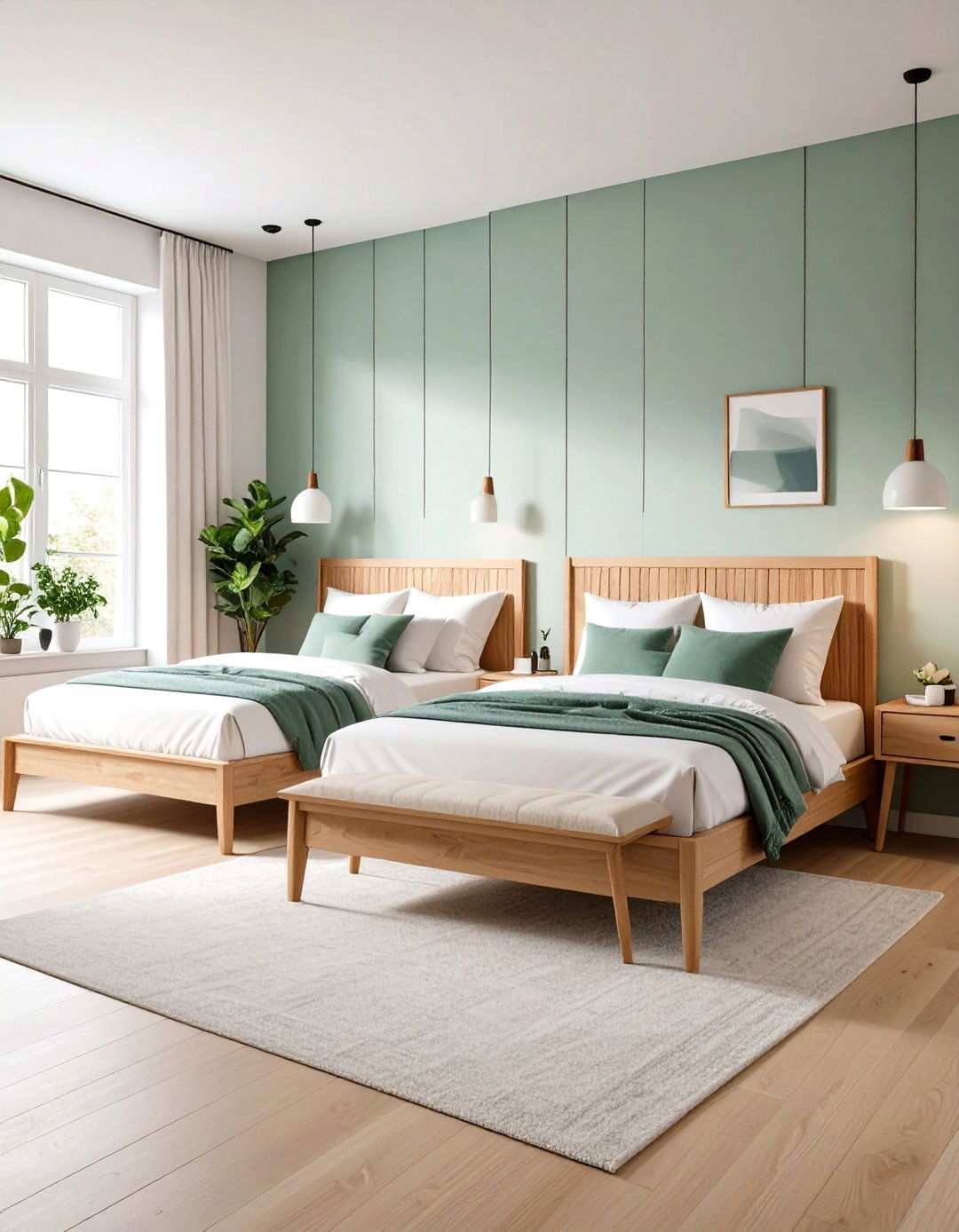
Simplicity can be a powerful tool in creating a shared bedroom environment that exudes functionality and beauty. This Scandinavian-inspired design showcases the effectiveness of clean lines and functional simplicity. Light wood bed frames with simple geometric headboards anchor the space while maintaining visual lightness. A neutral palette of whites, soft grays, and natural wood tones creates a calming backdrop that promotes restful sleep. Multifunctional furniture pieces, including nightstands with hidden storage and modular shelving systems, maximize organization without visual clutter. Strategically placing a single statement piece, such as a woven wall hanging or modern lamp, adds personality while respecting the minimalist aesthetic that defines this enduringly popular design approach.
4. Bohemian Twin Bedroom Decor
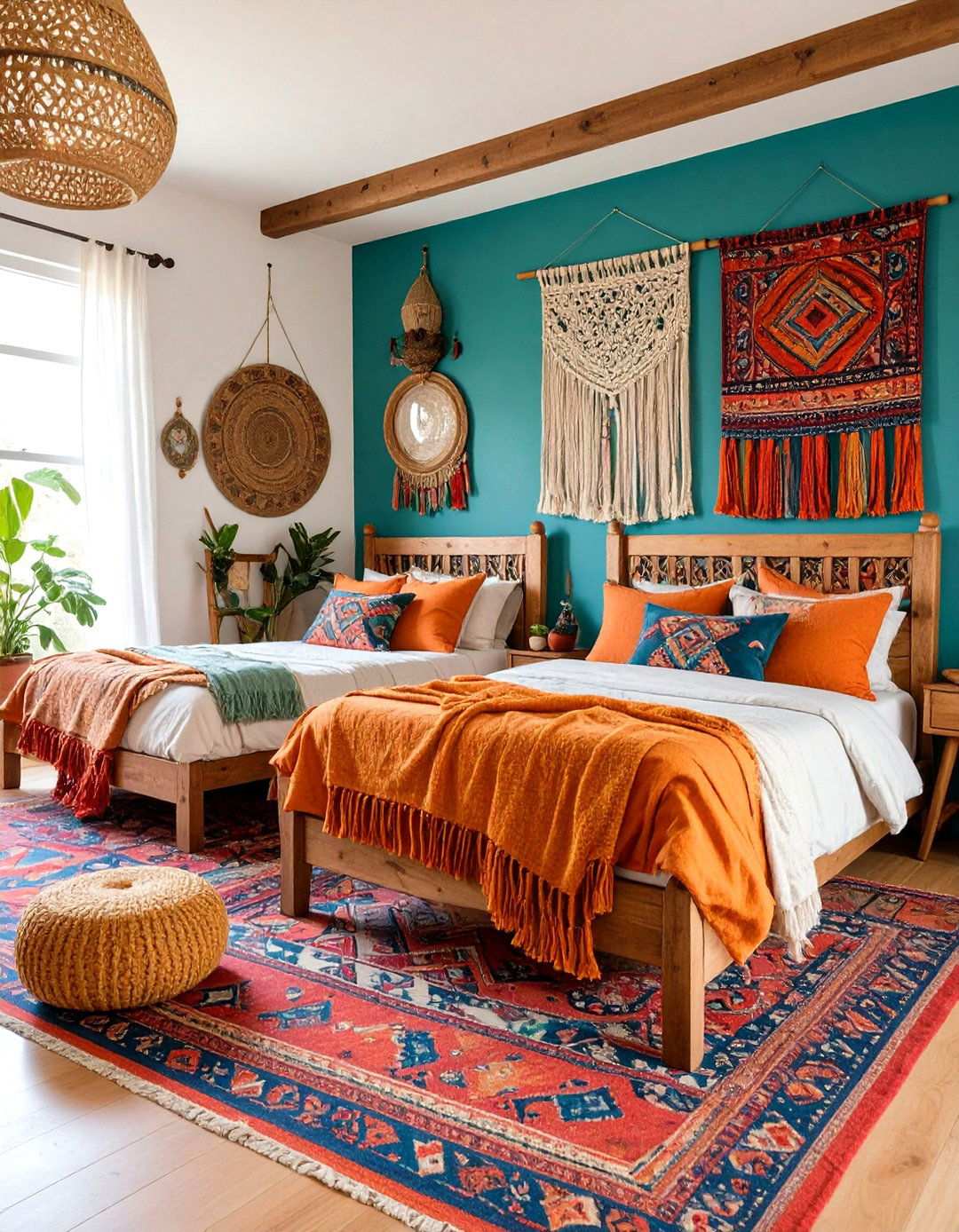
Eclectic design has long been associated with creative freedom, and its application to twin bedrooms is no exception. In this bohemian approach, diverse elements blend together in perfect harmony, resulting in a space that exudes a sense of worldly sophistication. The fusion of vintage wooden bed frames with eclectic textiles such as colorful tapestries creates distinct zones, setting the stage for individual expression. Layered rugs in complementary patterns define these separate spaces and add a touch of warmth to hard flooring surfaces. Artistic elements are introduced through macramé wall hangings, hanging plants, and ethnic textiles, reflecting a deep appreciation for global influences. The incorporation of vintage trunks and woven baskets as both storage solutions and decorative elements adds a layer of depth to the space. Warm lighting through string lights and lanterns creates a cozy atmosphere that promotes relaxation and inspires creativity.
5. Industrial Twin Bedroom Style
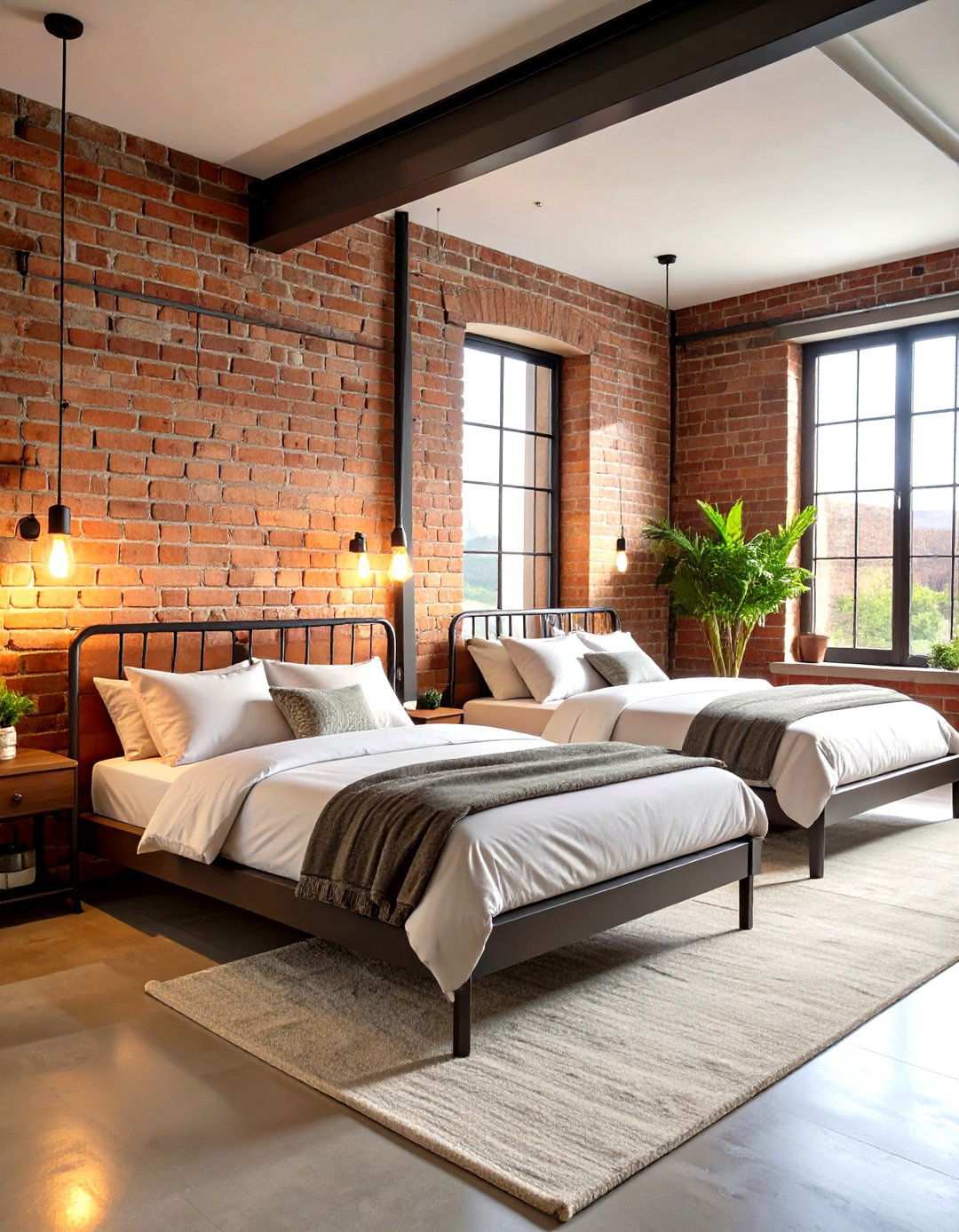
Industrial design often evokes images of cold, utilitarian spaces, but the right materials and strategic elements can transform this aesthetic into a sophisticated style that’s both functional and comfortable. Metal bed frames with clean lines provide a sturdy foundation while contributing to the urban loft atmosphere. Exposed brick walls or concrete surfaces serve as dramatic backdrops for comfortable bedding in neutral tones, adding an element of contrast to the space. The installation of Edison bulb fixtures and metal pendant lights provides functional illumination with authentic industrial character. Storage solutions like metal lockers and wire shelving maintain the aesthetic while offering practical organization. The incorporation of plush bedding and area rugs softens the hard surfaces, creating a space that feels both edgy and comfortable for everyday living.
6. Modern Twin Color Blocking
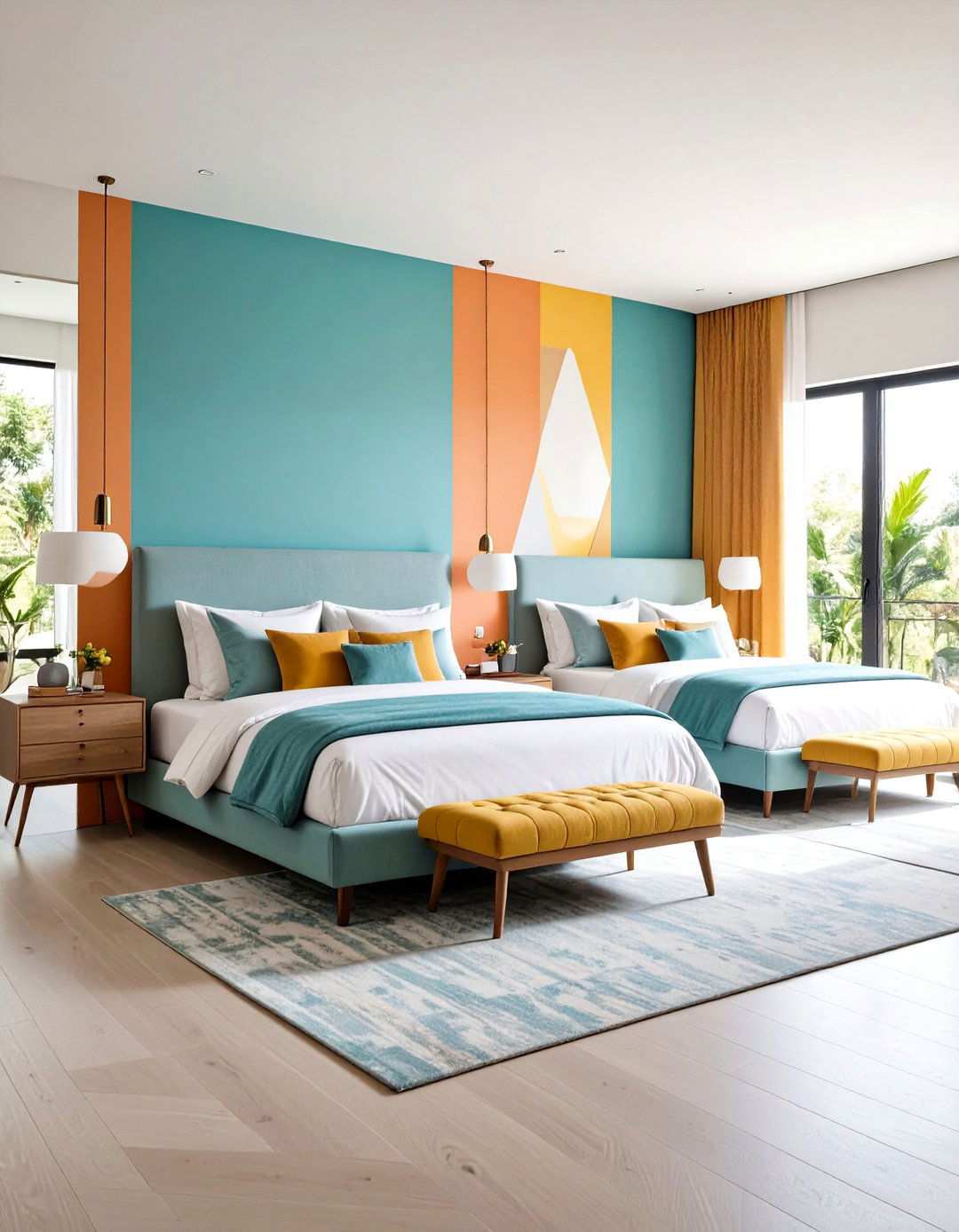
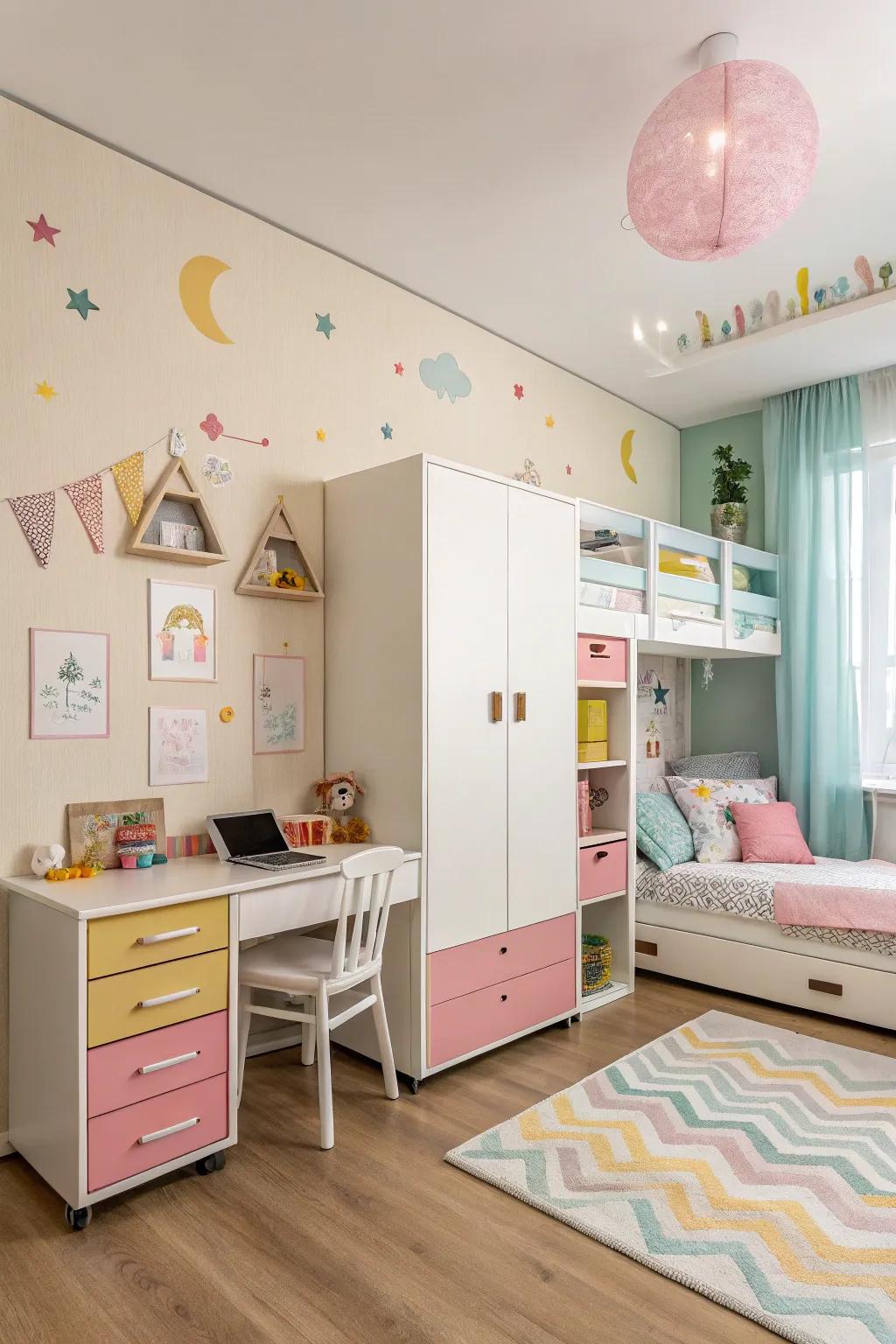
The strategic use of bold color choices can transform traditional twin bedroom layouts into contemporary statements, adding visual interest to the space without sacrificing functionality. Accent walls in contrasting colors define individual sleeping areas without requiring physical dividers, creating a sense of separation while maintaining a cohesive look. Geometric patterns through bedding, artwork, and area rugs add dynamic visual elements that energize the space. Sleek furniture in coordinating colors maintains cohesion while allowing for personal expression. Storage solutions like colorful modular systems serve as both organization tools and decorative focal points, adding an element of fun to the space. The strategic placement of lighting highlights the color scheme while providing practical illumination for reading and activities, making this approach an ideal solution for twin bedrooms that require both functionality and artistic inspiration.
7. Nautical Twin Bedroom Enchantment
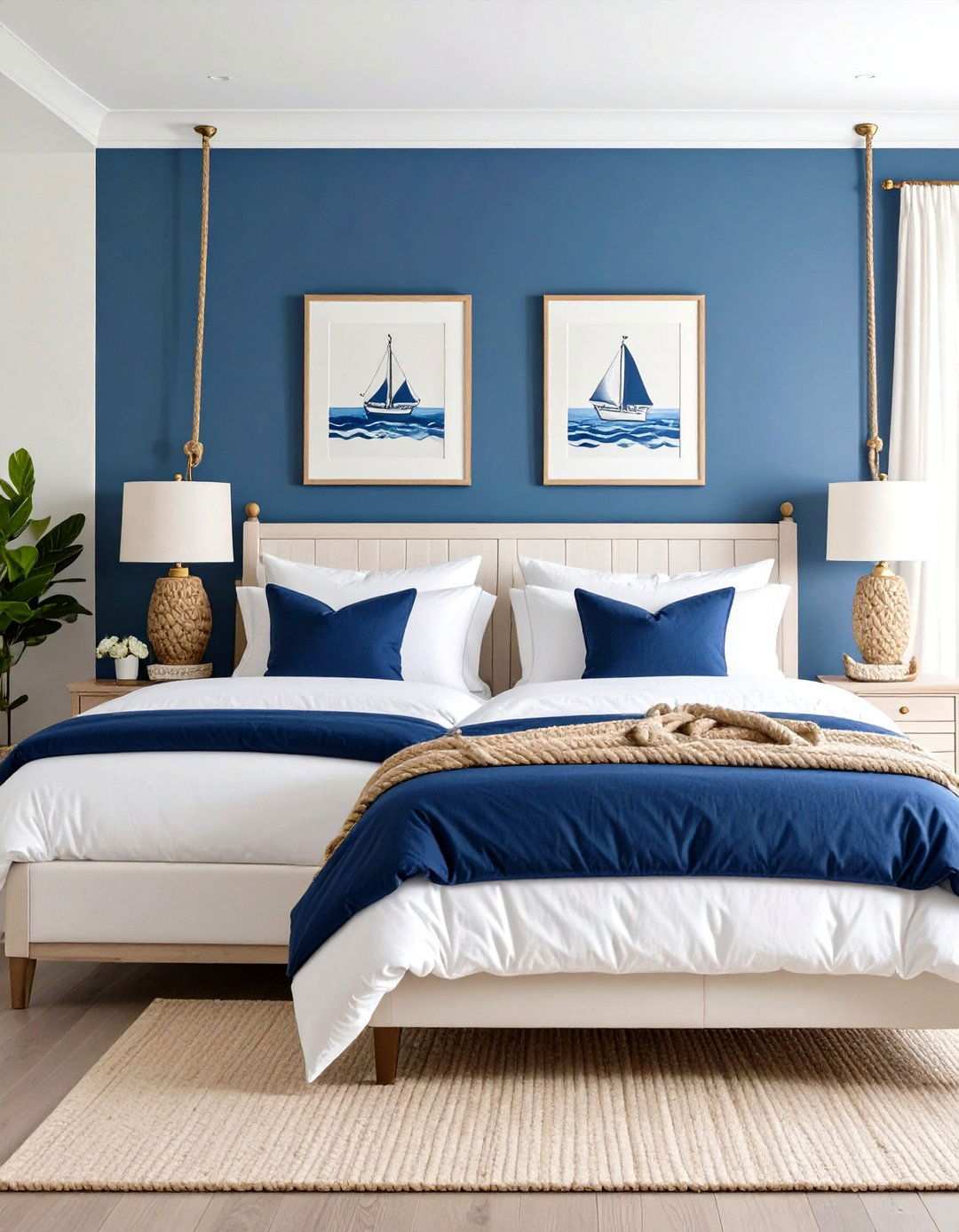
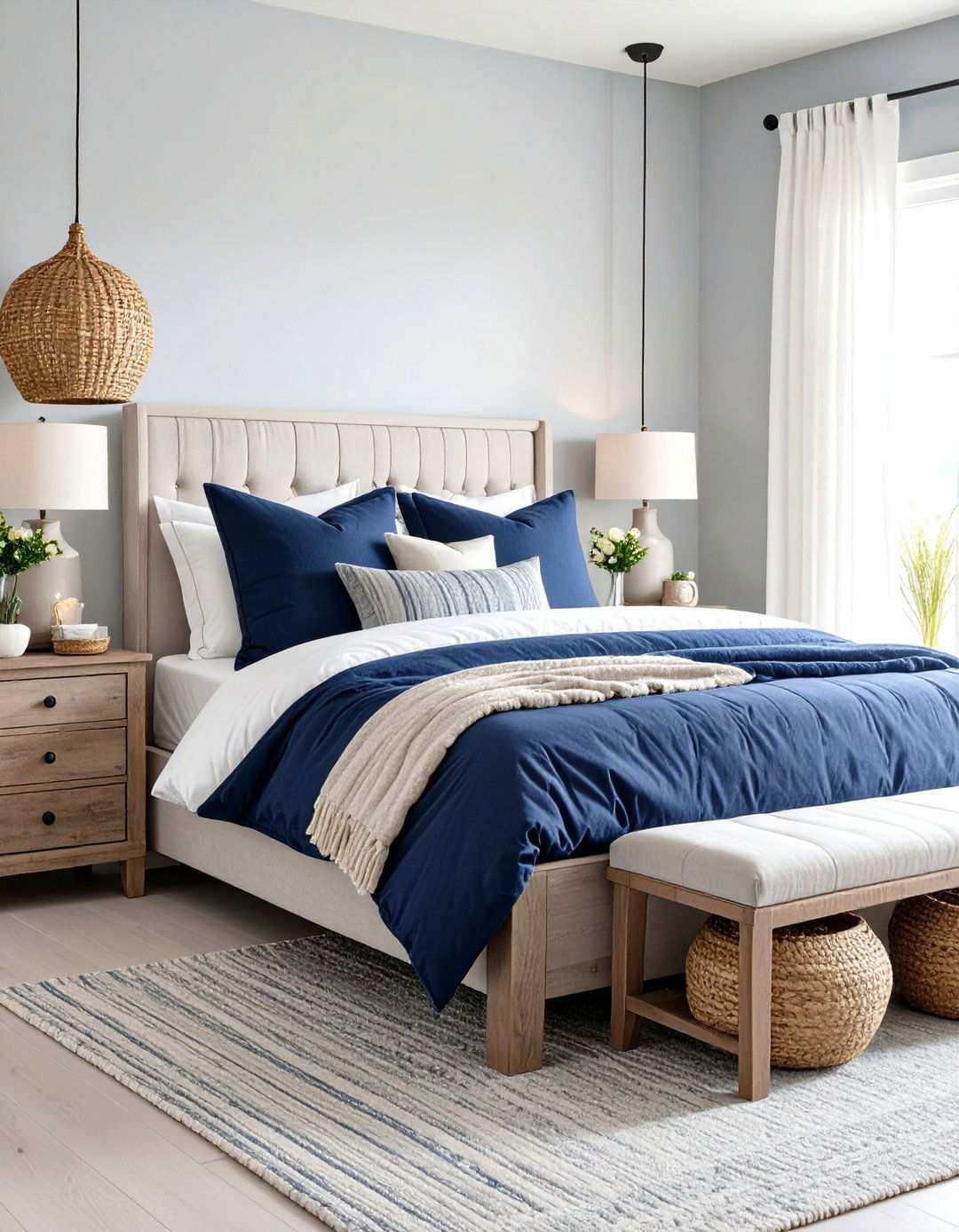
An authentic maritime atmosphere that’s alluring to all ages is expertly crafted through a nautical design that skillfully balances classic sailing motifs with a sophisticated aesthetic. A foundation of navy blue and crisp white is beautifully complemented by natural rope details and weathered wood elements, exuding a sense of timeless elegance. The incorporation of bed frames featuring rope-wrapped posts or ship-inspired hardware adds to the thematic consistency, while trunk-style chests and cabinets with brass hardware evoke a sense of maritime tradition. Vintage maps, compass designs, and sailing artwork are thoughtfully introduced to create visual interest without overwhelming the space. Striped textiles and anchor motifs are used judiciously throughout the room, resulting in a cohesive design that feels authentic rather than contrived.
8. Twin Bedroom with Seamless Storage Solutions
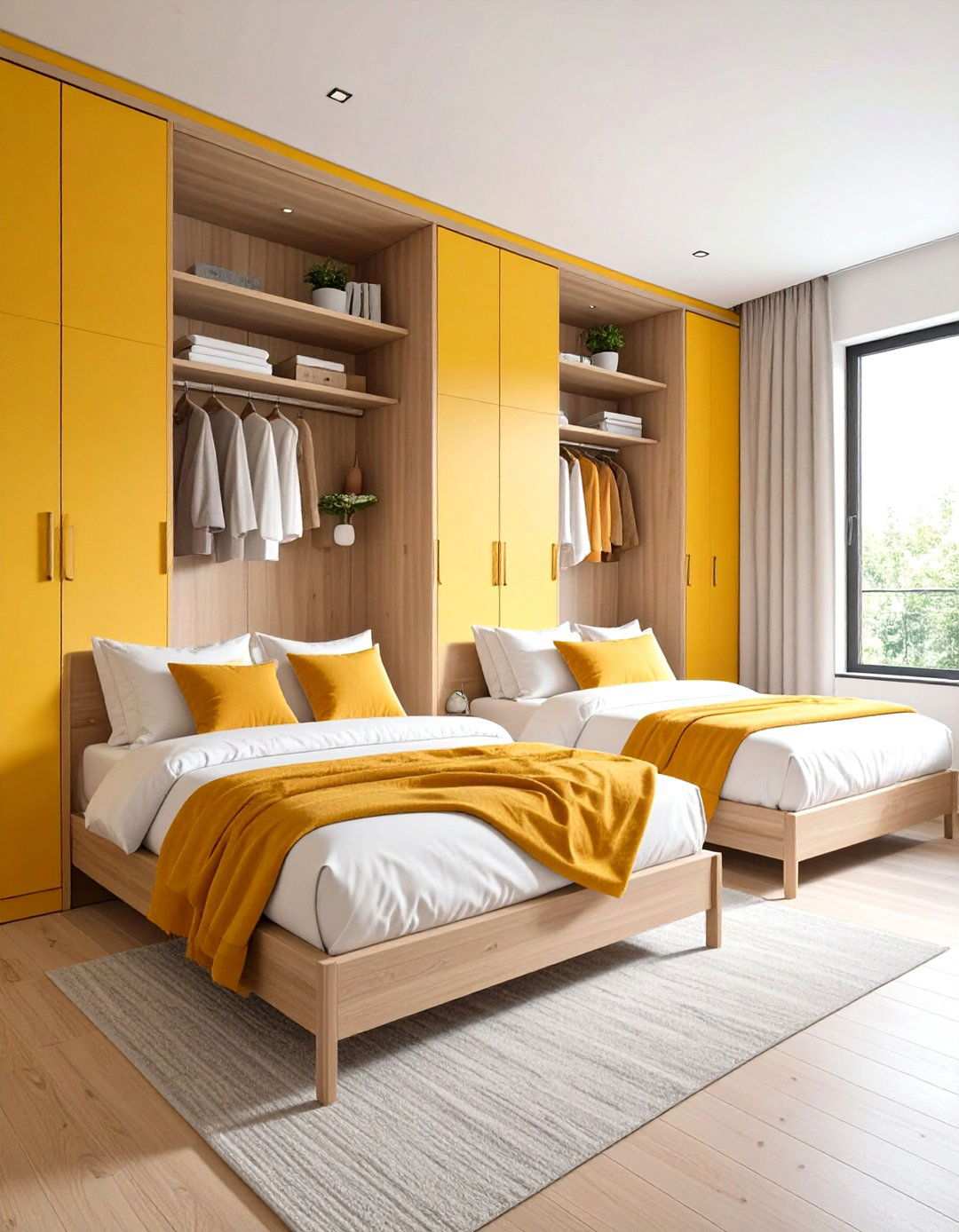
Custom storage solutions can indeed maximize functionality without compromising style when designed to integrate seamlessly into the room’s architecture. This design approach seamlessly merges storage with the room’s structure for an unwavering sense of organization. Built-in wardrobes flanking the beds provide extensive clothing storage while maintaining clean wall lines, creating a sense of openness. Custom headboards with integrated shelving offer bedside storage for books, electronics, and personal items, further enhancing the room’s functionality. Window seats with lift-up storage capitalize on architectural features while creating cozy reading nooks that become inviting retreats. Floor-to-ceiling shelving units accommodate books, decorative items, and personal collections without encroaching on floor space. Under-bed storage drawers built into custom bed frames maximize every available inch while maintaining easy access to frequently used items.
9. Shared Twin Bedroom Harmony
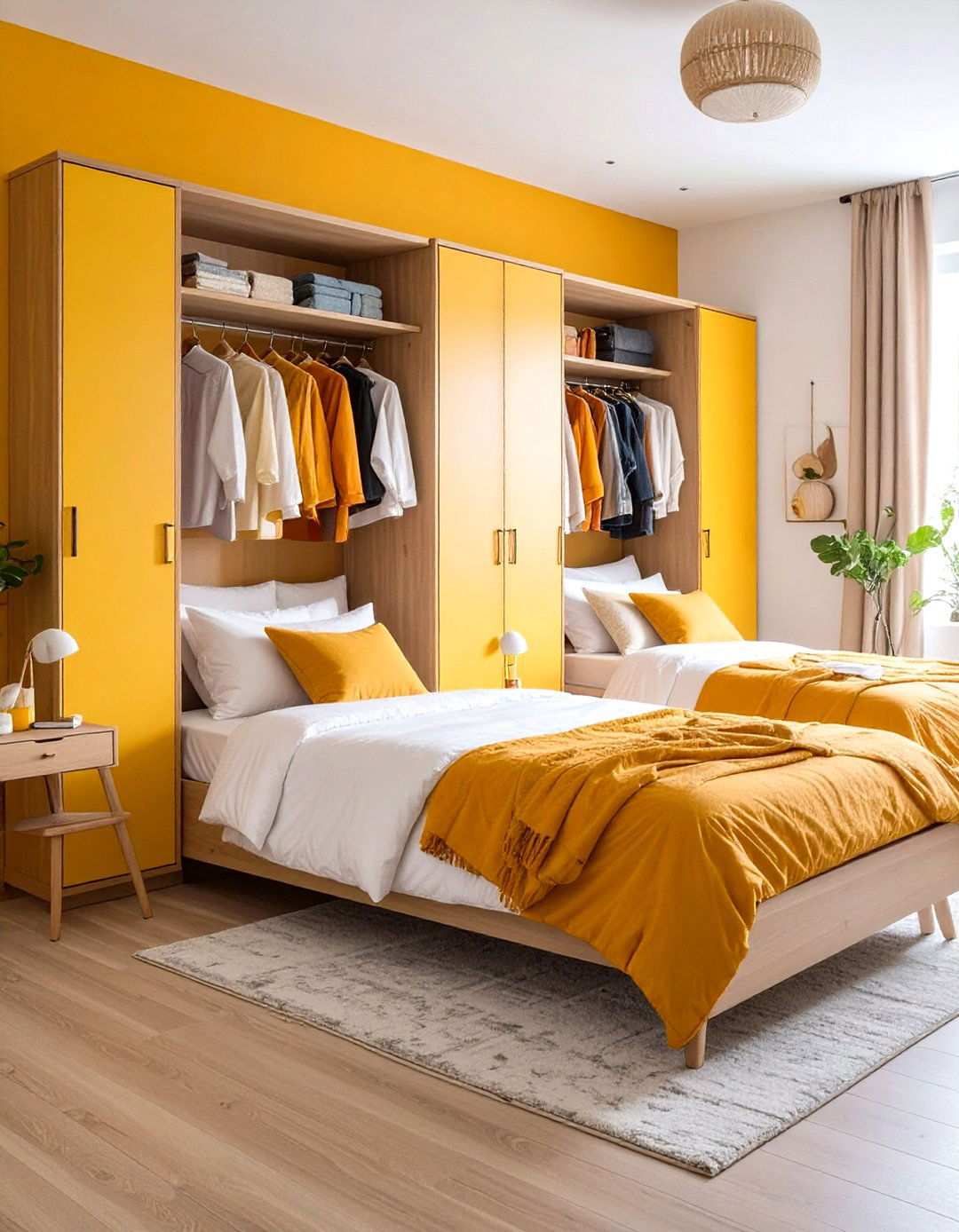
Creating a sense of harmony between two people in a single bedroom requires a thoughtful approach to organization. This design focuses on establishing distinct personal zones while maintaining overall room cohesion. Individual wardrobes or designated closet sections ensure each person has private storage space for clothing and belongings, fostering a sense of independence. Separate nightstands with charging stations accommodate different electronic needs and bedtime routines, catering to each individual’s unique needs. Modular storage systems allow for customized organization that can adapt as needs change over time, making them a practical solution. Visual dividers through furniture placement or decorative screens create psychological privacy without blocking natural light, adding to the room’s sense of calm. Color-coding systems for storage bins and personal items help maintain organization while respecting individual preferences and belongings.
10. Twin Bedroom with Loft Beds
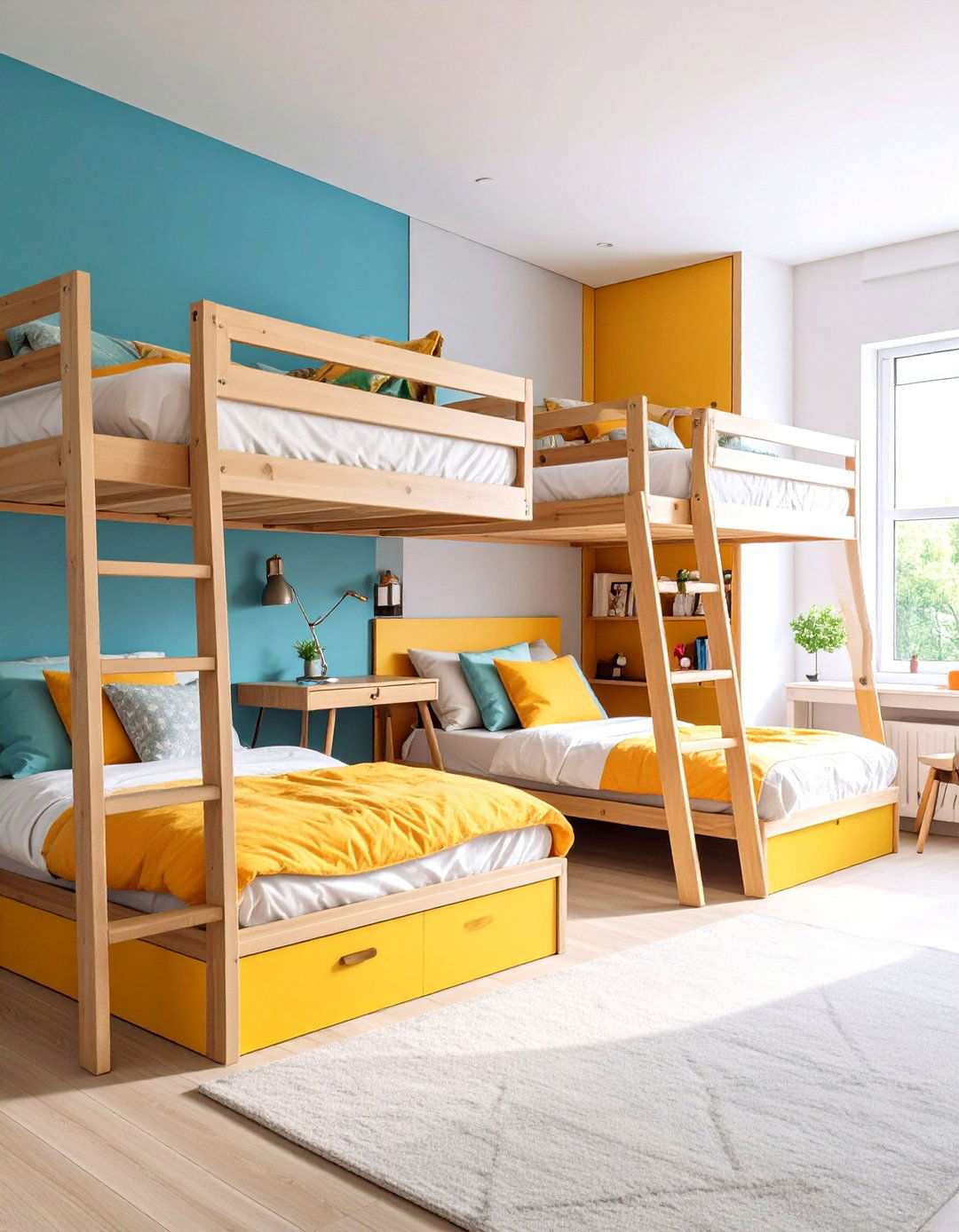
Rethinking traditional bed layouts can unlock a wealth of hidden potential in compact spaces. By cleverly utilizing vertical space, designers can create functional floor areas that were previously inaccessible. Elevated sleeping arrangements, such as loft beds, enable the creation of valuable under-bed space for desks, reading nooks, or additional storage solutions. This multi-level functionality not only maximizes floor space but also provides private study areas beneath each loft, perfect for homework and creative pursuits. Integrated storage steps in built-in ladders ensure safe and convenient access to elevated sleeping areas, while under-loft wardrobes and shelving systems capitalize on the created space with ease. This configuration is particularly well-suited for smaller rooms, where it can help create distinct activity zones within a compact footprint.
11. Twin Bedroom Gallery Wall Design
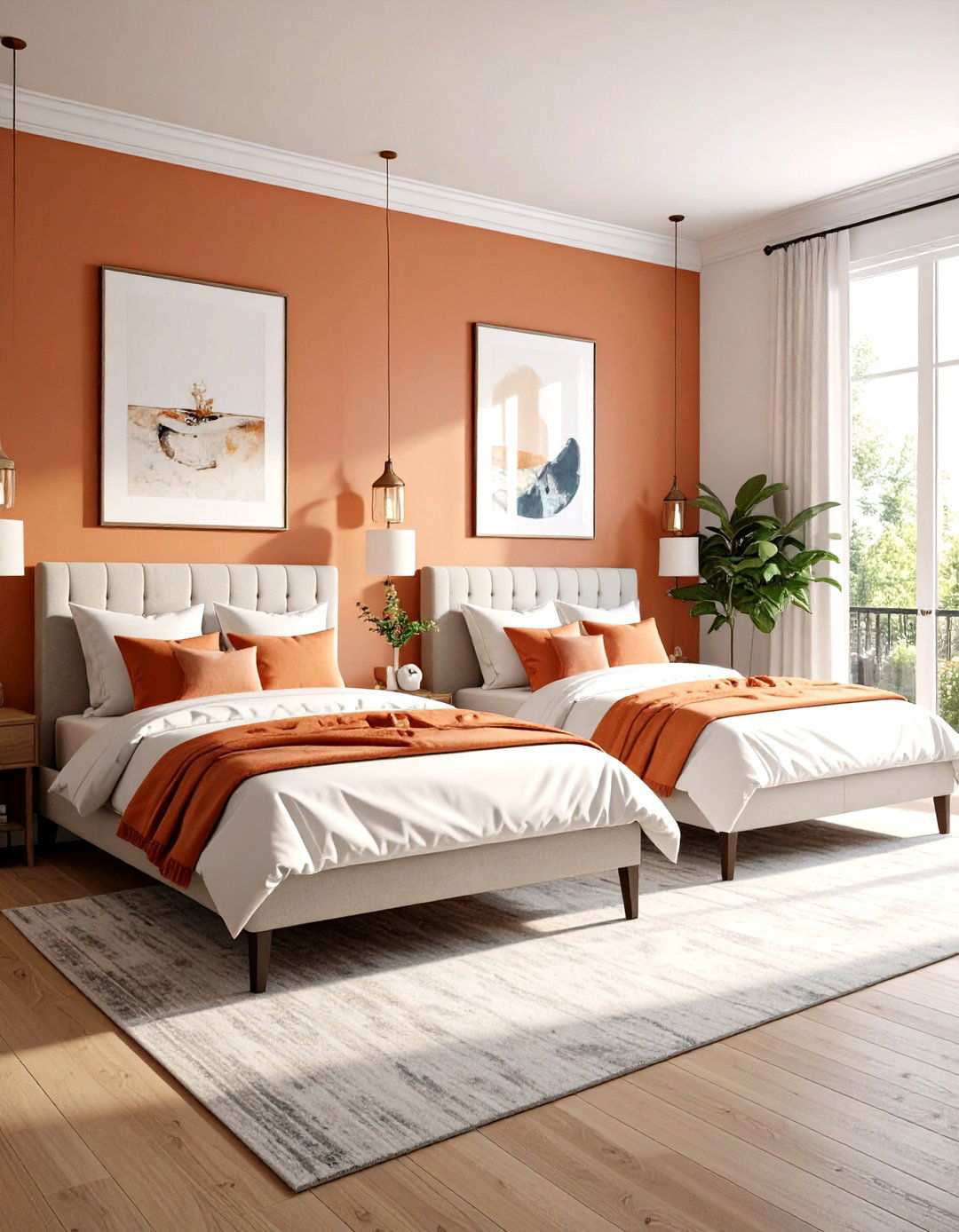
The strategic placement of artwork can transform a functional twin bedroom into a vibrant, personally expressive space. By curating a diverse selection of framed pieces and artwork, designers can create visual interest while reflecting the unique personalities of the room’s occupants. Gallery walls positioned above each bed serve as personal focal points, defining individual spaces within the shared room. Mixing frame styles and artwork sizes adds a dynamic visual rhythm, while maintaining overall cohesion through thoughtful color coordination. Personal touches, such as family photos, meaningful prints, and artwork, create emotional connections that make the space feel truly personal. Strategic lighting highlights the artwork while providing practical illumination for bedtime reading, making it an ideal solution for compact bedrooms.
12. Twin Bedroom with Study Areas
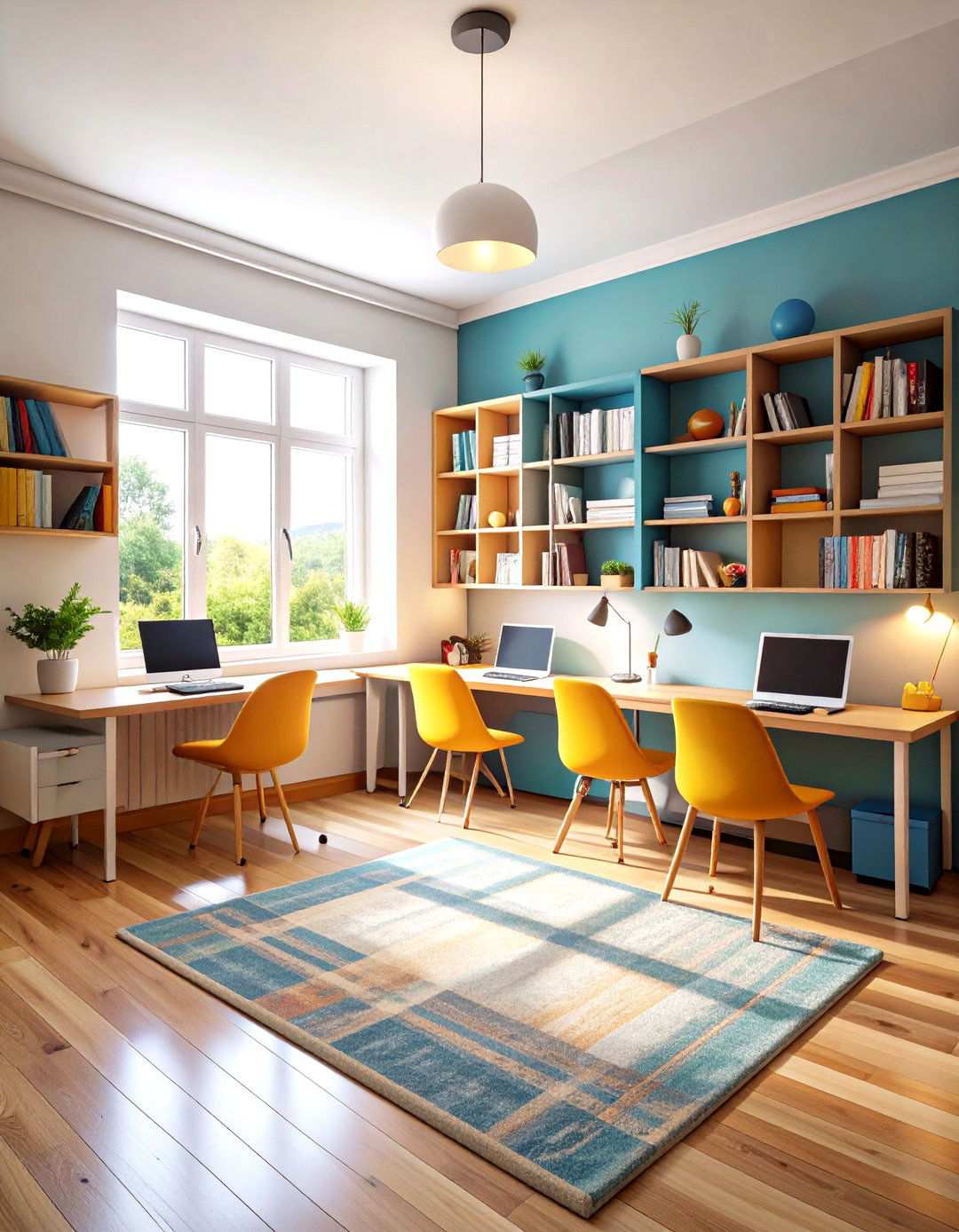
A shared bedroom can be a harmonious blend of restful sleep and productive study environments, as long as the design prioritizes functional zones that support academic and creative pursuits. Individual desks positioned near windows maximize natural light for reading and detailed work, while adjustable lighting systems provide task illumination while maintaining ambient room lighting for relaxation. Thoughtfully selected storage solutions, including desktop organizers, filing systems, and bookcases, keep study materials organized and accessible. Acoustic elements, such as area rugs and soft furnishings, help minimize disturbance between different activities, ensuring a peaceful environment for both sleep and study. Ergonomic furniture selection ensures comfort during extended study sessions while maintaining visual harmony with the overall bedroom design.
13. Harmonious Neutrals in Shared Bedrooms
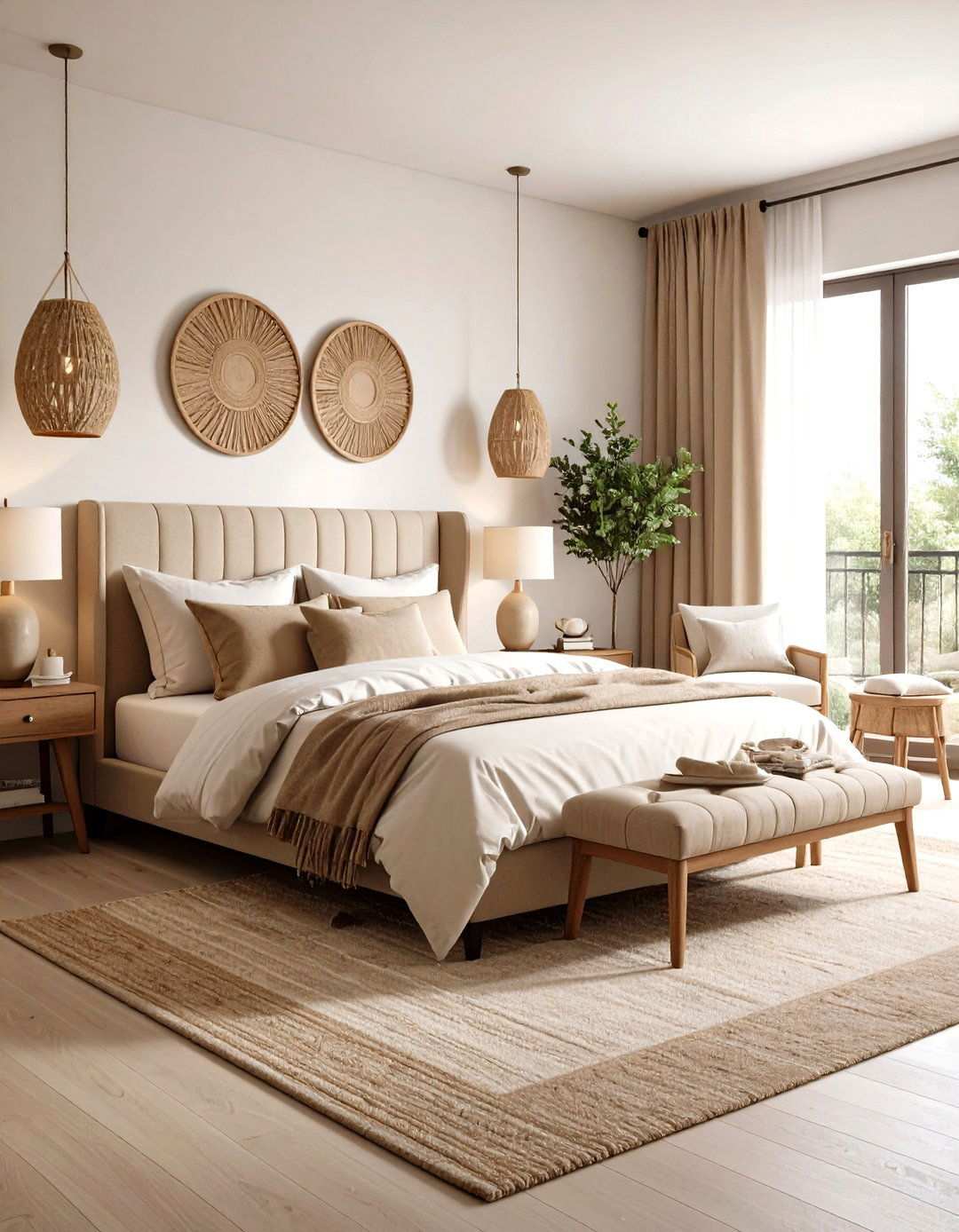
Neutral color schemes have a timeless allure in shared bedroom spaces, creating a sense of serenity and sophistication. By leveraging sophisticated color combinations, these spaces can remain adaptable to changing tastes over time. A thoughtful approach to layering neutral tones through bedding, window treatments, and furniture adds depth without overwhelming the senses. Incorporating natural textures such as wood, linen, and wool injects warmth and visual interest into the monochromatic palette. Accent colors through strategic placement of pillows and artwork offer opportunities for seasonal updates and personal expression, ensuring the space remains dynamic and engaging. The incorporation of storage solutions in matching neutral tones maintains visual cohesion while providing essential organization, thereby keeping the room feeling calm and refined.
14. Canopy Beds for Coordinated Style
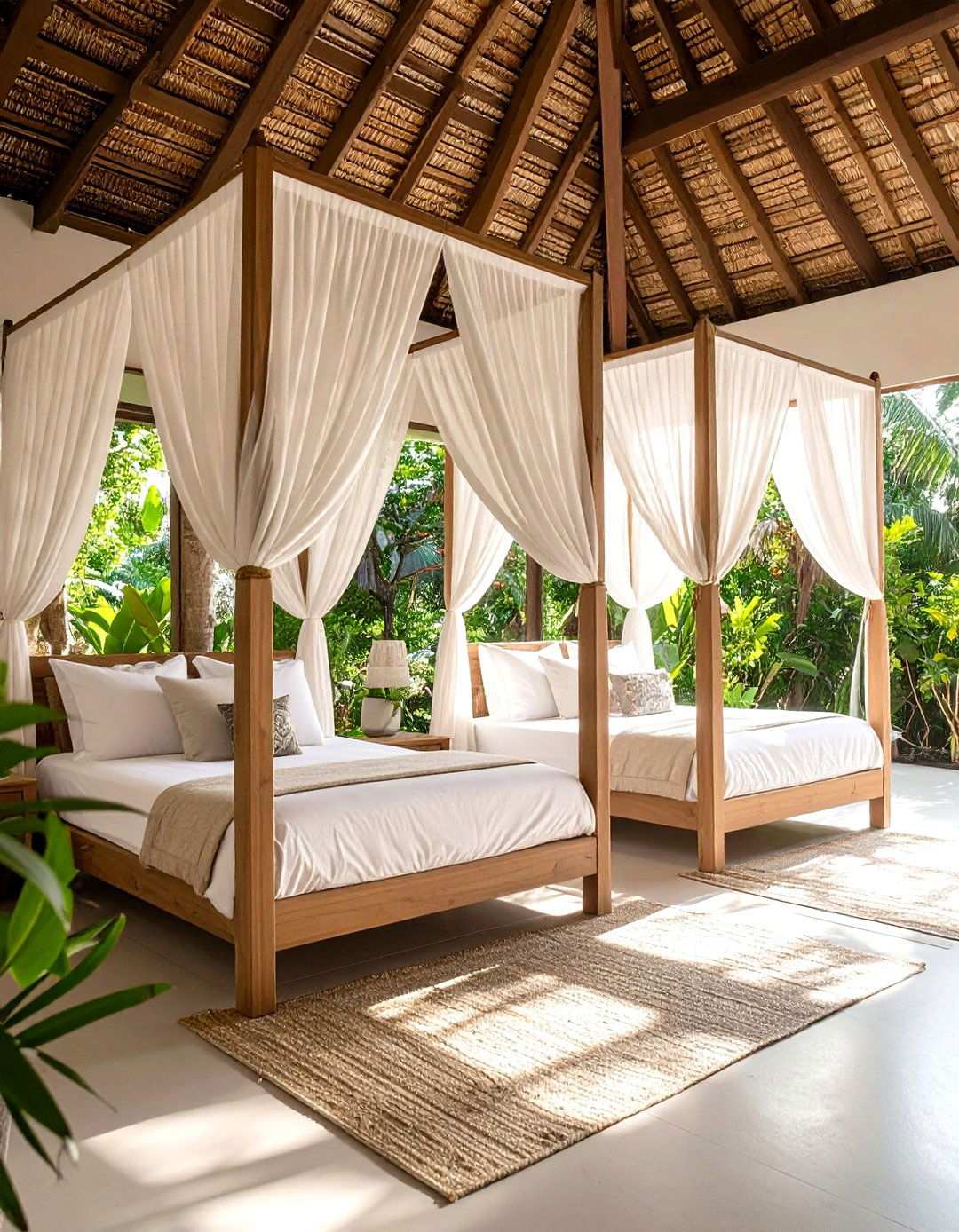
Canopy beds often raise concerns about visual weight in shared bedrooms, but when properly scaled and positioned, they can create a sense of balance and harmony. The use of matching canopy beds establishes symmetrical focal points, providing each sleeper with a sense of personal space and seclusion. Lightweight fabrics in flowing materials bring a touch of softness without creating heavy visual barriers between the beds. Careful planning of furniture placement ensures ample circulation space while maintaining the room’s elegant proportions. Storage solutions, such as benches at the foot of each bed, offer both seating and hidden storage capabilities, further enhancing the room’s functionality. The ambient lighting created by the canopies provides intimate reading environments while preserving overall room illumination for shared activities.
15. Floor-to-Ceiling Storage Solutions
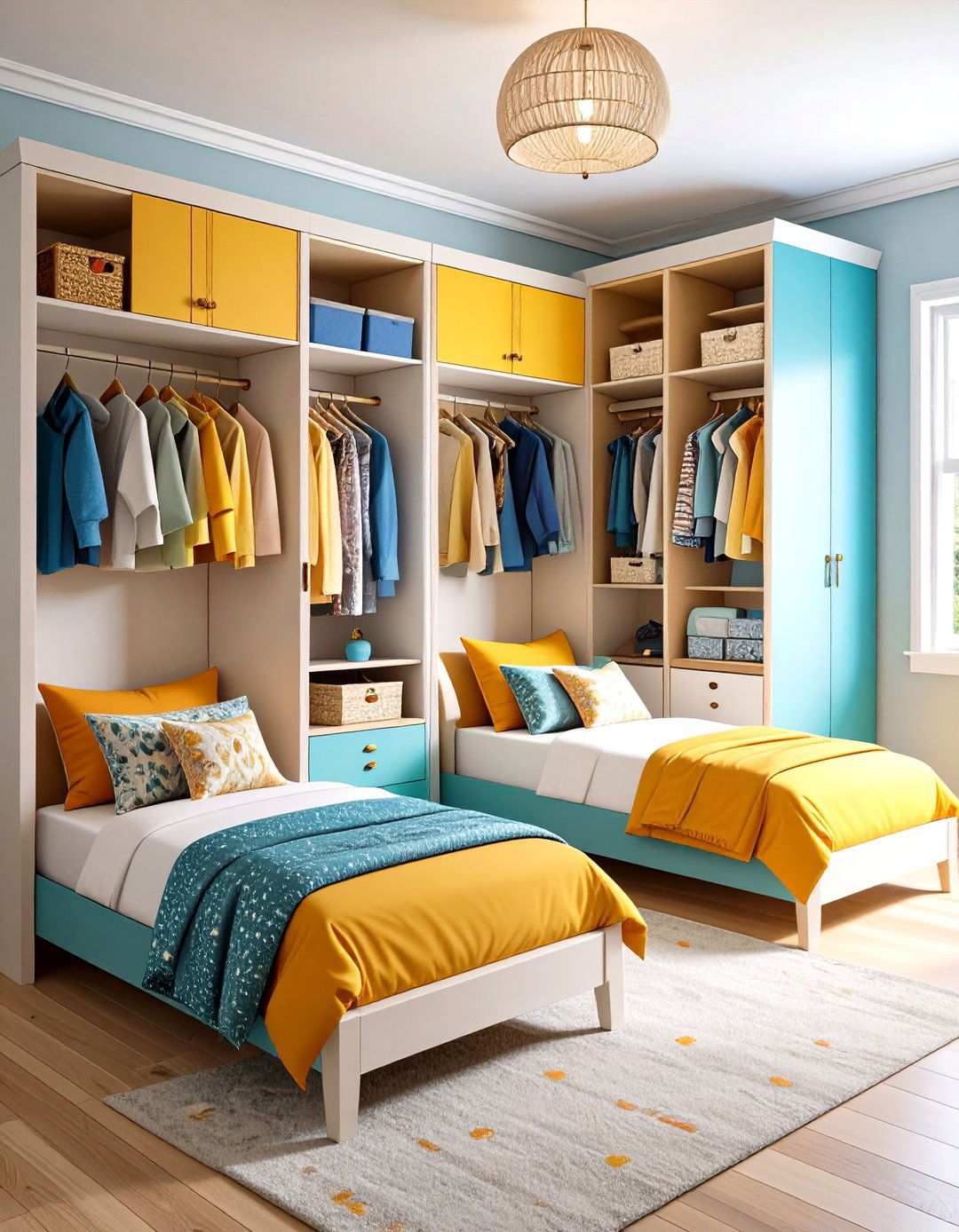
Meeting extensive storage needs without compromising the room’s sense of openness can be a significant design challenge. One effective approach involves maximizing vertical space through well-planned storage systems that reach from floor to ceiling. Custom built-ins can accommodate a wide range of belongings, from clothing to books, while maintaining clean architectural lines. By incorporating varying storage heights and depths, the space becomes more visually interesting while accommodating different types of items. Hidden storage compartments behind decorative panels maintain the room’s aesthetic appeal while offering additional organization options. Strategic spacing between storage elements prevents the room from feeling overwhelming, ensuring that stored items remain easily accessible. This approach is particularly well-suited for rooms with high ceilings, where traditional furniture might leave valuable space unused.
16. Adaptable Twin Bedrooms: Unconventional Bed Placement
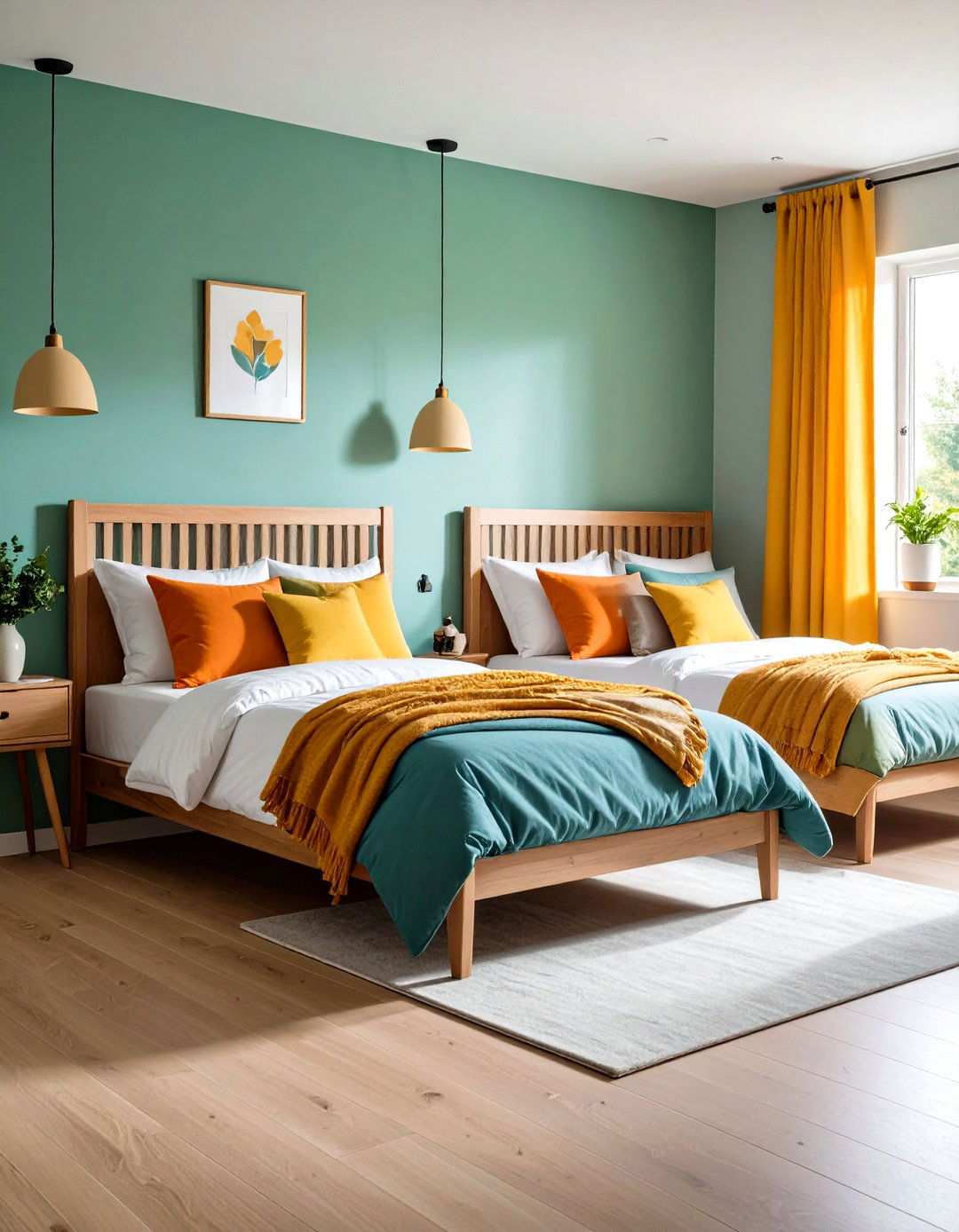
By positioning beds as daybeds along walls, design enthusiasts can unlock more versatile room layouts than traditional bed placement. This innovative approach frees up central floor space for multifaceted activities, fostering a dynamic atmosphere. The incorporation of hidden storage compartments beneath each daybed ensures a clutter-free environment while maintaining a sleek aesthetic. During the day, decorative pillows and bolsters can transform the beds into inviting seating areas, creating a unique blend of functionality and style. Strategically placed area rugs not only define the central activity space but also provide a comfortable surface for lounging. Wall-mounted storage units and floating shelves work in tandem to preserve the open floor area, offering essential organization without visual clutter. This configuration excels in rooms that serve multiple purposes, seamlessly integrating sleeping areas with cozy lounging spaces.
17. Capturing the Essence of a Mountain Retreat
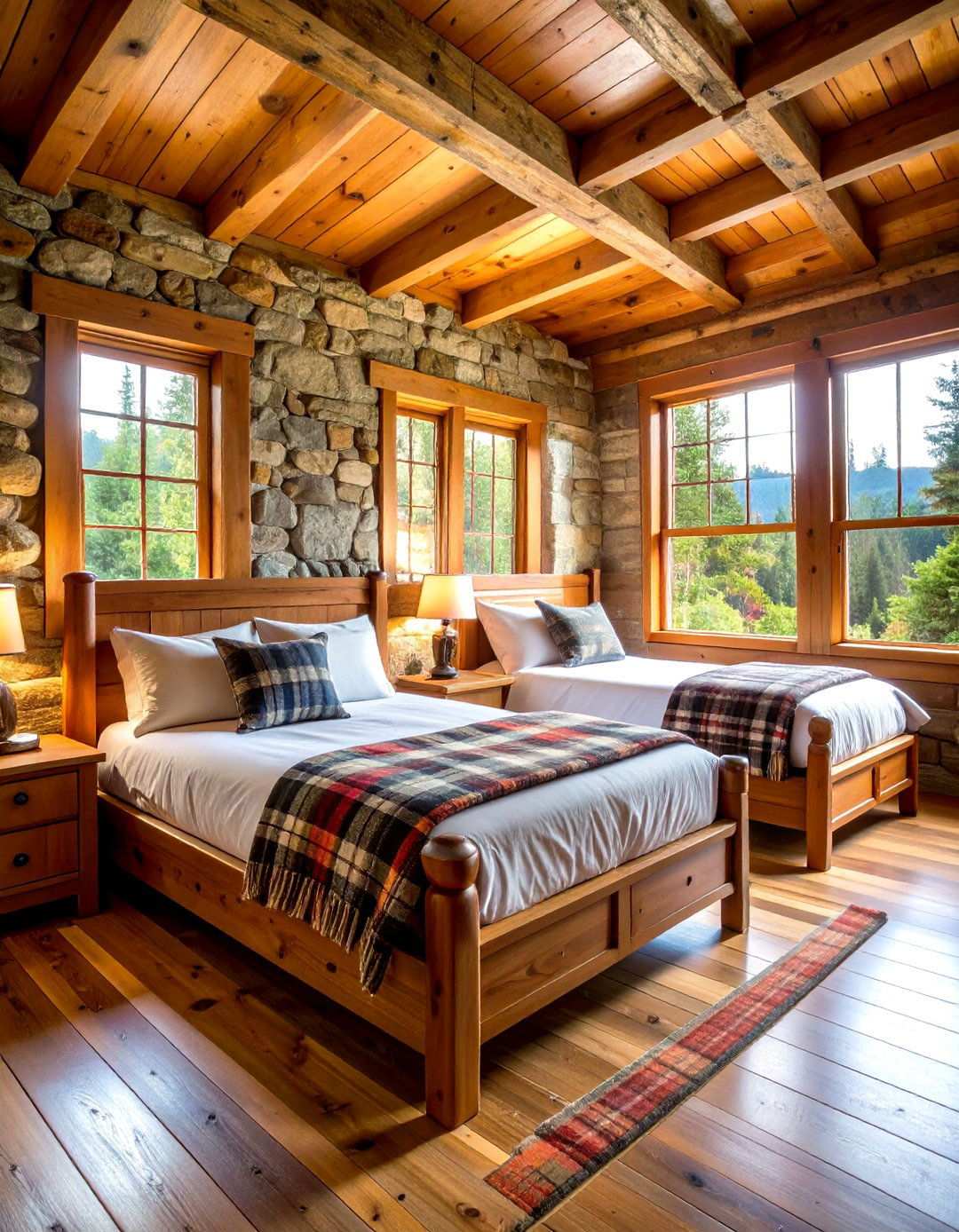
To evoke the warmth and coziness of a mountain cabin within a modern home setting, designers often turn to natural materials and traditional craftsmanship details. This design approach skillfully balances rustic charm with contemporary comfort standards. Log-style bed frames or reclaimed wood furniture infuse the space with authentic character, while also meeting the demands of modern living. Plaid textiles and fur throws add warmth and texture, perfectly complementing the natural wood elements. Dramatic focal points are created by stone or brick accent walls, which also add textural interest to the space. Vintage camp-style accessories and wildlife-themed artwork complete the outdoor-inspired aesthetic, transporting occupants to a serene mountain retreat. Storage solutions, such as rustic armoires and wooden trunks, maintain the theme while providing practical organization for clothing and belongings.
18. Maximizing Under-Bed Storage Potential
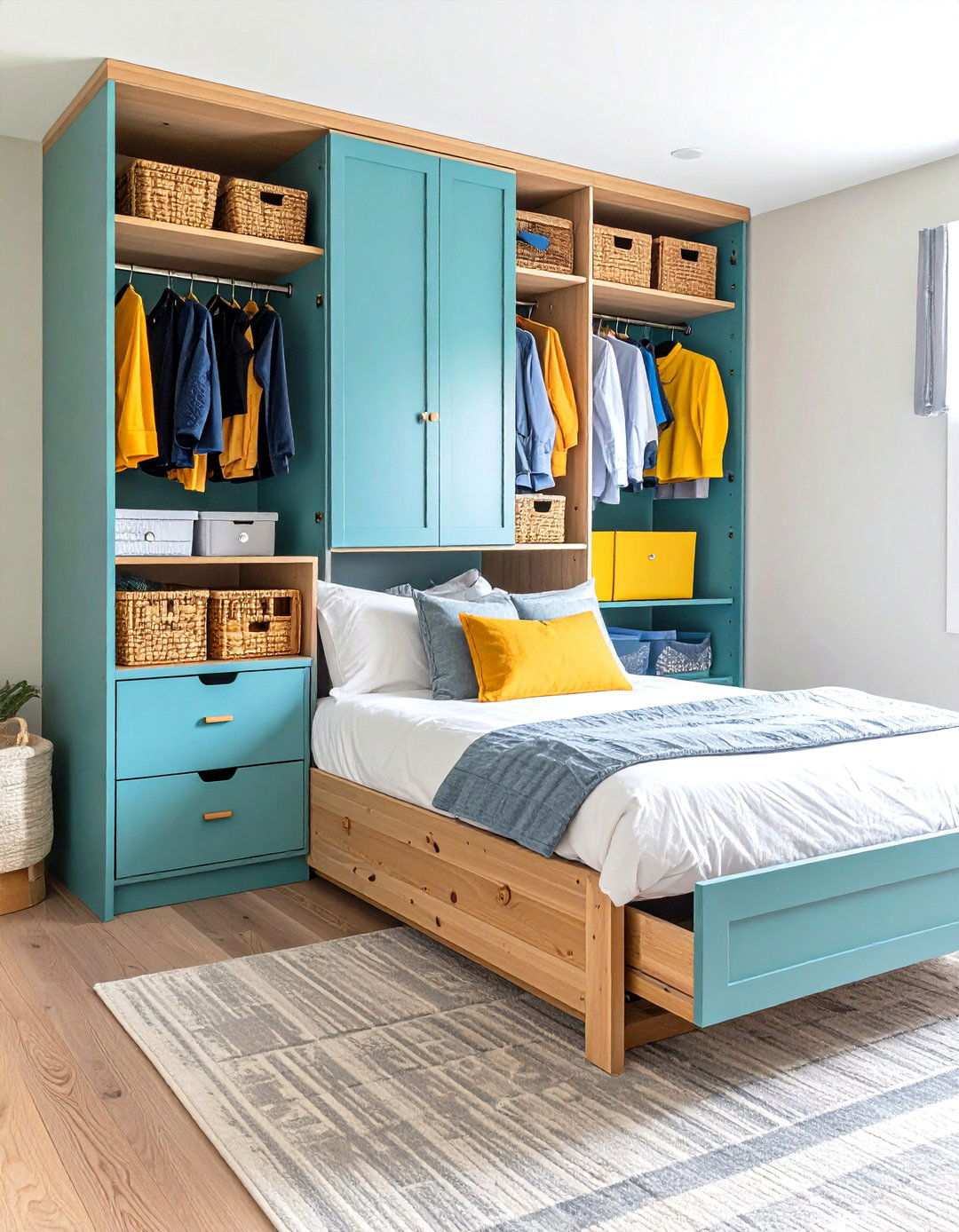
By leveraging often-overlooked space beneath beds, designers can unlock a significant amount of storage capacity. This design maximizes the under-bed area with thoughtful storage solutions that cater to a range of needs. Beds with built-in drawers offer easy access to clothing, linens, and seasonal items, while rolling storage containers under standard beds provide flexible organization that can be rearranged as needs change. Vacuum-sealed storage bags efficiently utilize space for bulky items like comforters and winter clothing. Bed risers create additional clearance for larger storage containers, maintaining a comfortable bed height while optimizing storage capacity. Clear storage containers ensure easy identification of contents and protect items from dust and moisture. This approach is particularly valuable in smaller rooms where storage space is limited, offering a practical solution to the challenge of maximizing available space.
19. Twin Bedroom L-Shaped Layout
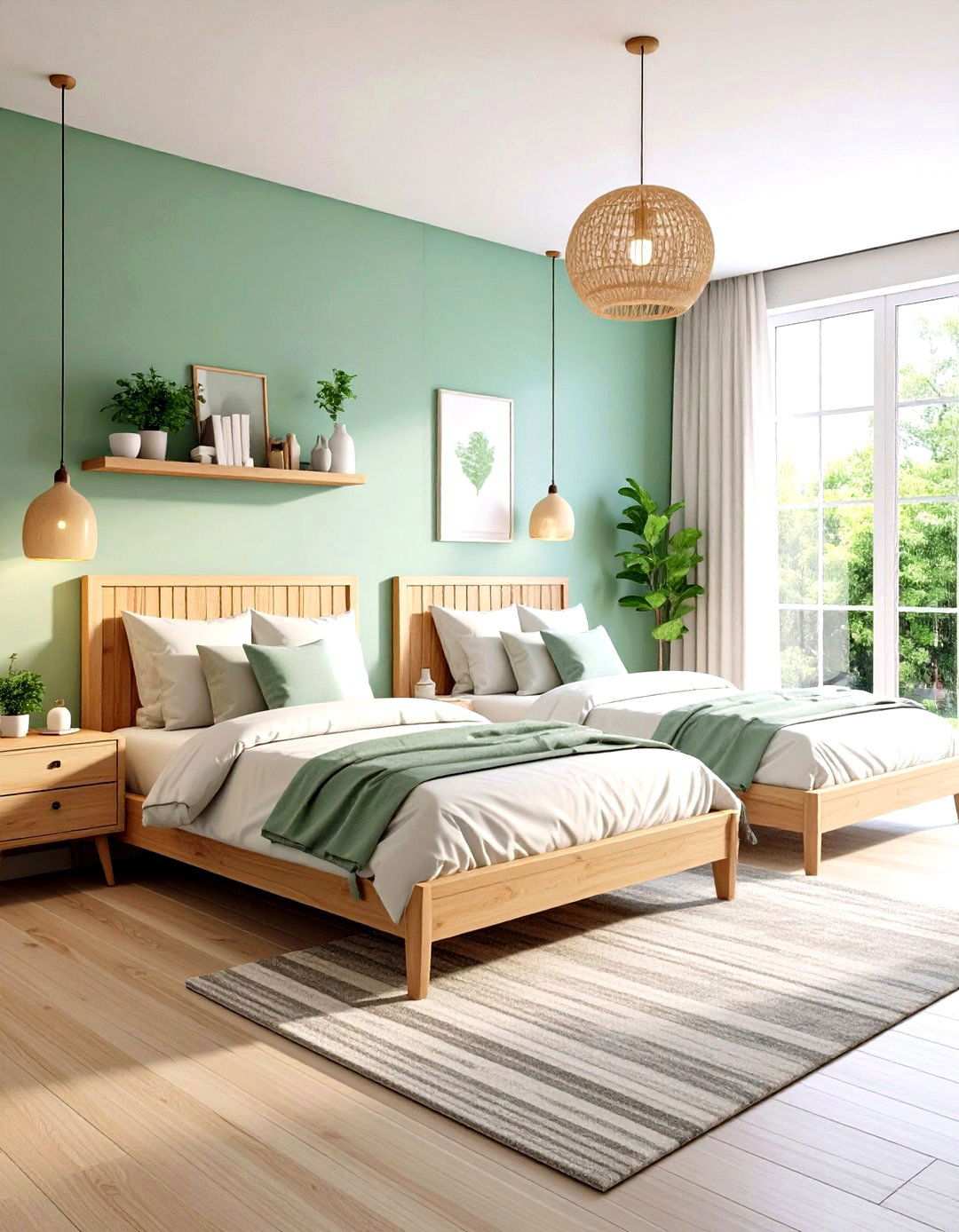
Innovative bed arrangements can redefine room dynamics by creating unique spaces that balance functionality and aesthetics. This L-shaped layout cleverly positions beds to optimize floor space while carving out distinct zones, making the most of often-overlooked areas in the room. By situating beds in the corner, designers can create cozy, semi-private sleeping nooks that foster a sense of security and tranquility. Shared nightstands placed in the corner provide convenient access to both beds, ensuring that occupants can easily retrieve essentials while conserving precious floor space. The open floor areas encourage movement and activities, while maintaining clear sightlines throughout the room. By strategically placing furniture, designers can define traffic patterns and ensure easy access to storage and windows. This configuration proves particularly effective in square or irregularly shaped rooms where traditional parallel arrangements might feel awkward or cramped.
20. Twin Bedroom with Reading Nooks
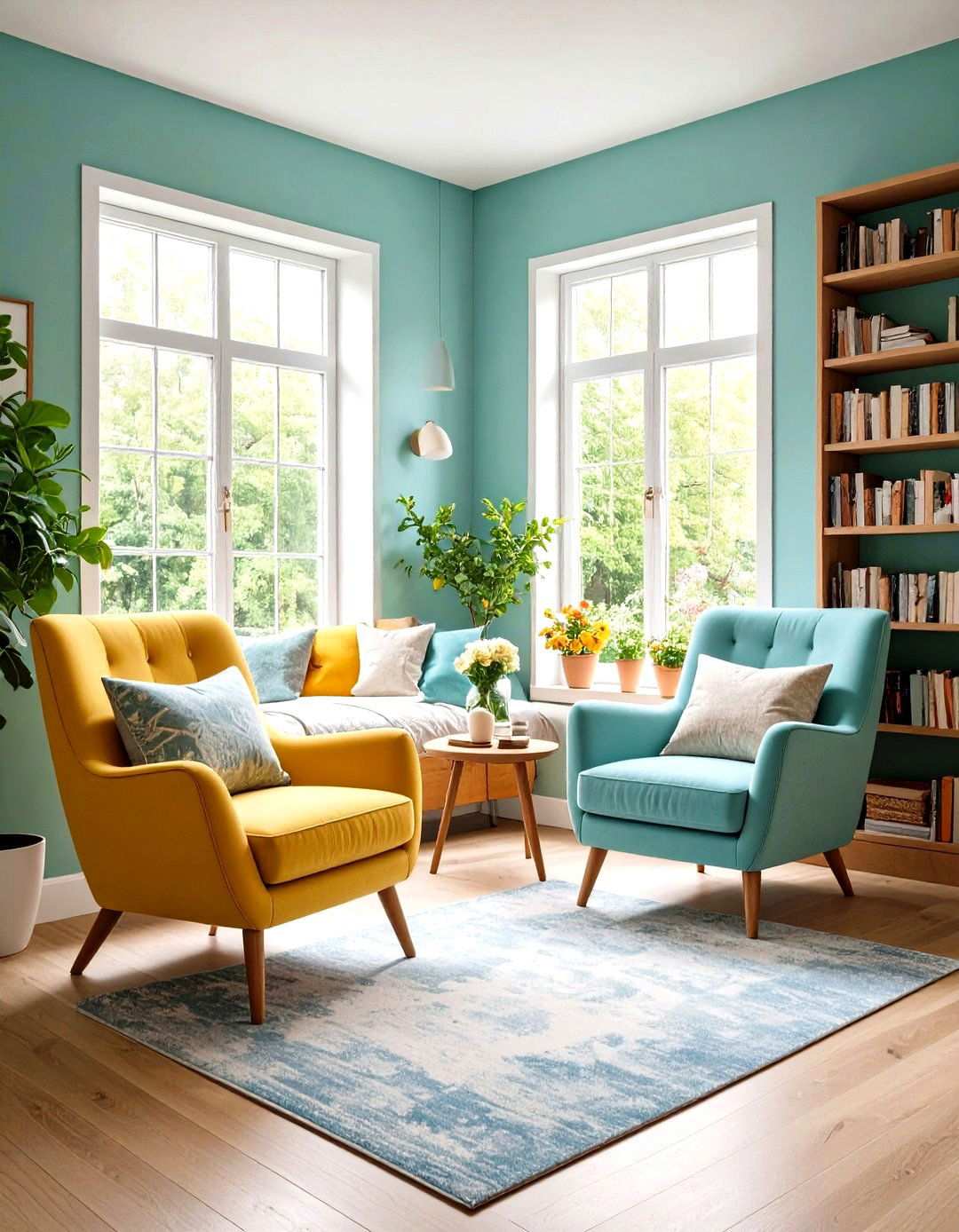
Dedicated reading spaces can elevate a twin bedroom’s functionality by providing quiet areas for relaxation and contemplation. This design creates inviting zones specifically tailored for reading and relaxation, complete with window seats that offer built-in storage and natural lighting. Comfortable armchairs and bean bags provide alternative seating options that cater to different reading preferences, ensuring that occupants can settle in and get lost in a good book. Adjustable reading lamps provide task lighting that ensures adequate illumination while maintaining ambient room lighting, creating a warm and inviting atmosphere. Bookcases placed strategically around the room provide easy access to reading materials while creating visual separation between activity areas. The addition of soft textiles through cushions and throws enhances comfort and adds warmth to hard architectural elements, creating a cozy retreat that’s perfect for reading and relaxation.
21. Twin Bedroom Earth Tone Design
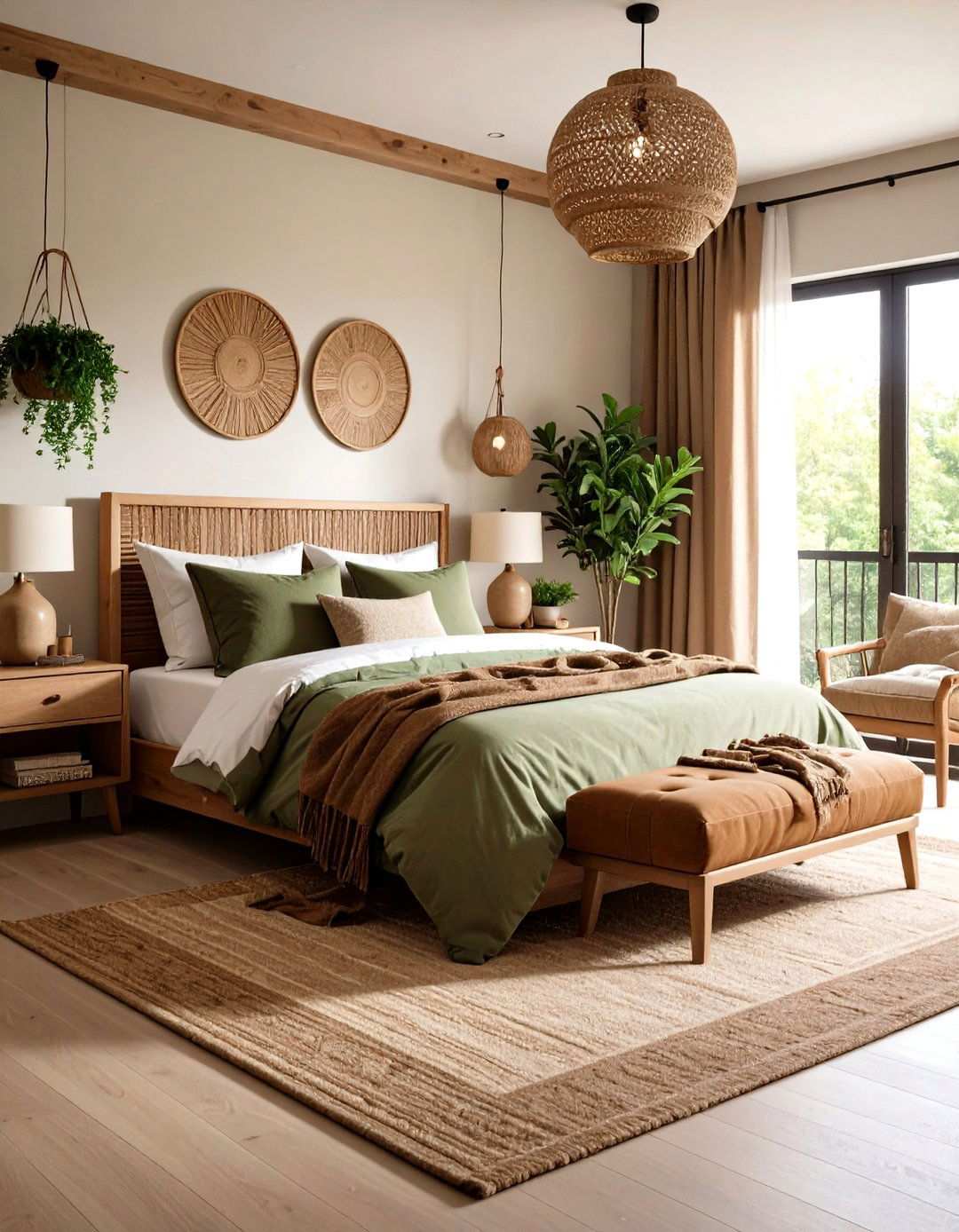
Earth-based color palettes can create soothing and peaceful bedroom environments by leveraging natural color combinations that evoke a sense of calm and serenity. This approach uses warm, muted colors like browns, greens, and oranges to create sophisticated palettes that feel connected to nature. Natural fiber textiles like linen, cotton, and wool add textural interest and reinforce the organic theme, while wood furniture in varying tones adds depth and maintains color harmony throughout the room. Accents like stone or ceramic provide a touch of sophistication and complement the natural palette, creating a cohesive and calming atmosphere. Plants and natural lighting enhance the organic feeling, providing health benefits and visual interest that can’t be replicated with artificial elements.
22. Elevating Vertical Potential
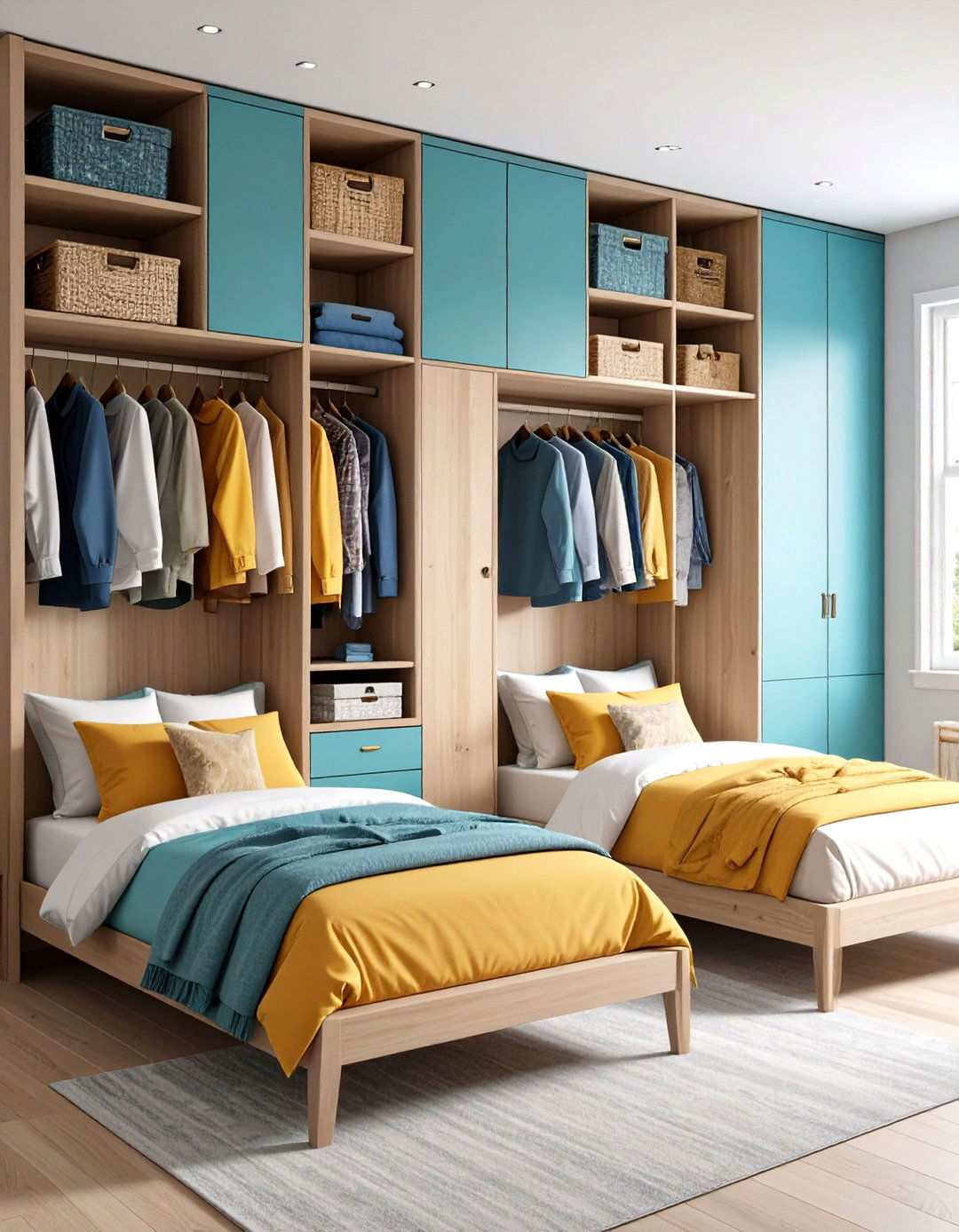
Maximizing room potential often hinges on clever use of vertical space. Designers employ wall-mounted storage systems that seamlessly integrate organization without impinging on precious floor area. Strategically placed floating shelves at variable heights accommodate diverse storage needs, injecting visual appeal through asymmetrical arrangements. Wall-mounted wardrobes and cabinets liberate floor space for unencumbered movement while offering expansive storage capabilities. Vertical storage towers skillfully utilize narrow spaces between furniture or architectural elements. By integrating over-door organizers, space efficiency is optimized while frequently used items remain within easy reach. This thoughtful approach proves particularly efficacious in smaller rooms where traditional furniture might contribute to overcrowding.
23. Corner Configuration Strategies
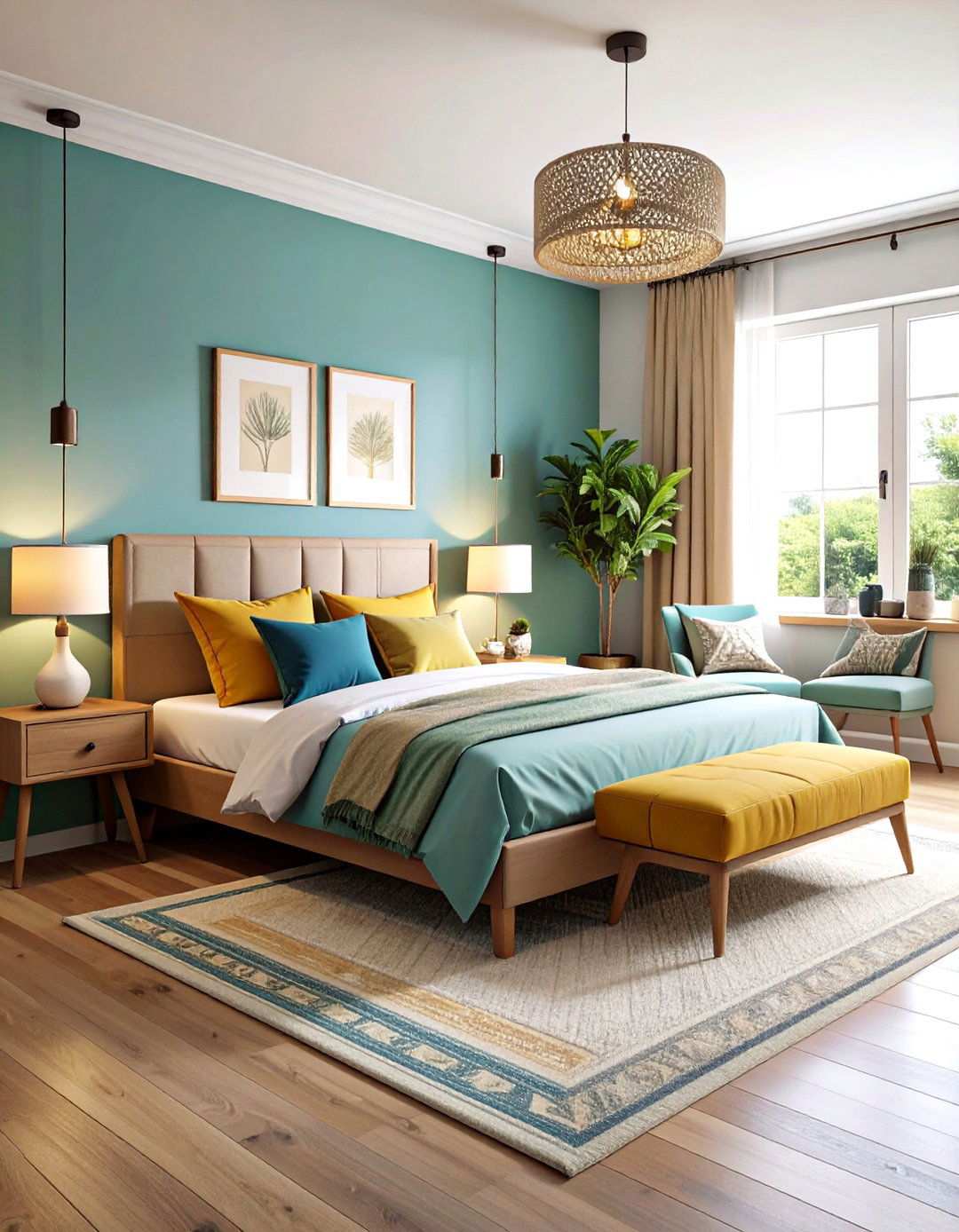
Can corner placement unlock more functional room layouts than conventional arrangements? Designers position both beds in corner locations to liberate central floor space while creating cozy sleeping areas. Built-in corner storage units capitalize on often-overlooked space while providing extensive organization capabilities. By angling furniture placement, dynamic visual interest is created while ensuring efficient traffic flow. Corner windows become focal points that provide natural lighting for reading and activities. By strategically incorporating corner lighting, ambient illumination is created while defining individual sleeping zones. This configuration excels particularly well for larger rooms where central placement might result in awkward proportions or wasted space.
24. Adaptive Furniture Choices
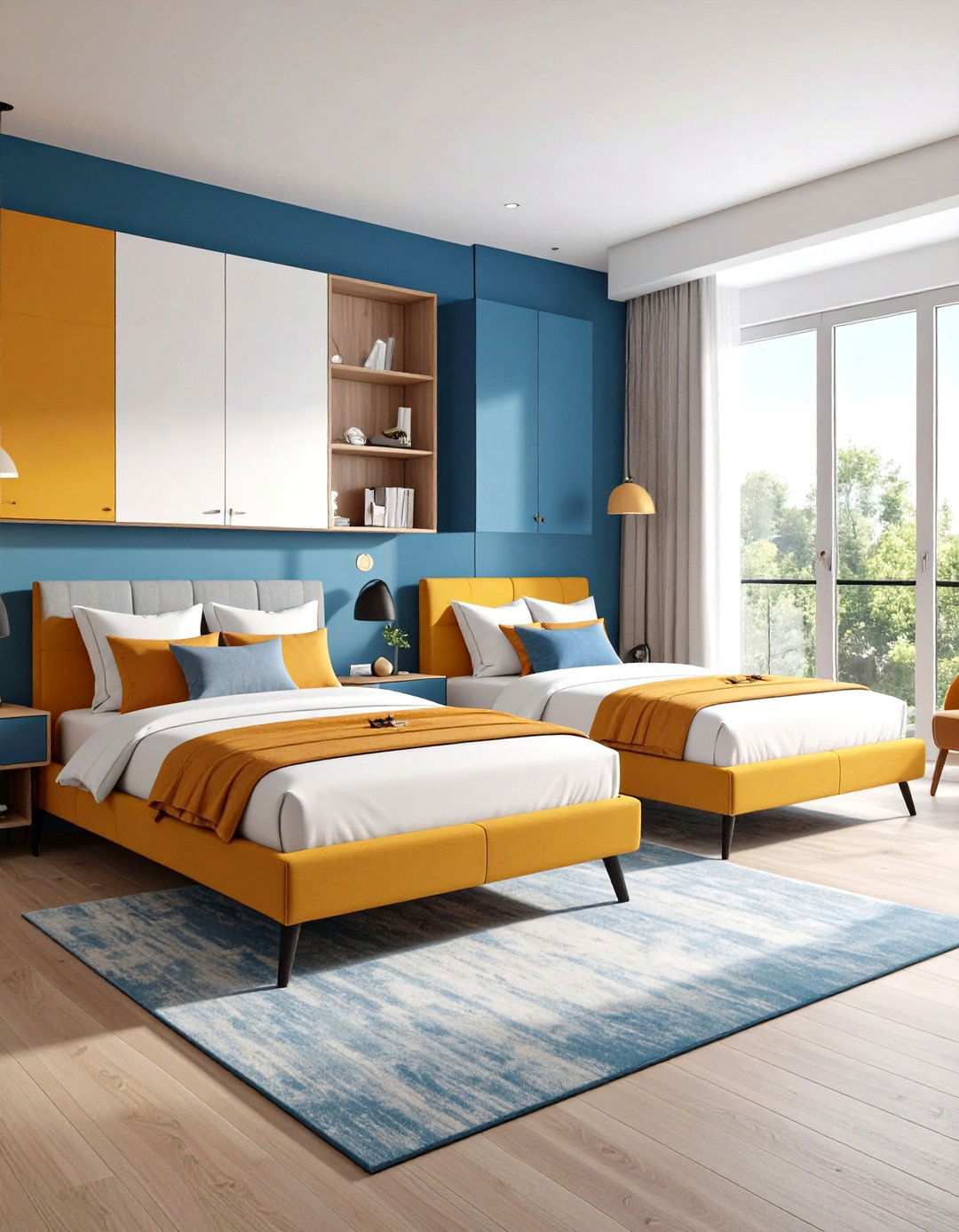
In shared bedroom environments, which furniture pieces offer the greatest versatility? A thoughtful design approach selects items that serve multiple purposes to maximize functionality within limited space. Ottoman storage provides a multifaceted solution, combining seating, organization, and occasional table surfaces within a single piece. Desk units with built-in wardrobes cleverly combine study and clothing storage in efficient configurations. Murphy beds or fold-away furniture create flexibility for rooms that serve multiple purposes throughout the day. Modular systems allow for reconfiguration as needs change or room layouts require adjustment. Expandable furniture accommodates growth and changing requirements while maintaining aesthetic coherence. This approach proves particularly valuable for smaller spaces where every piece must justify its presence through multiple functions.