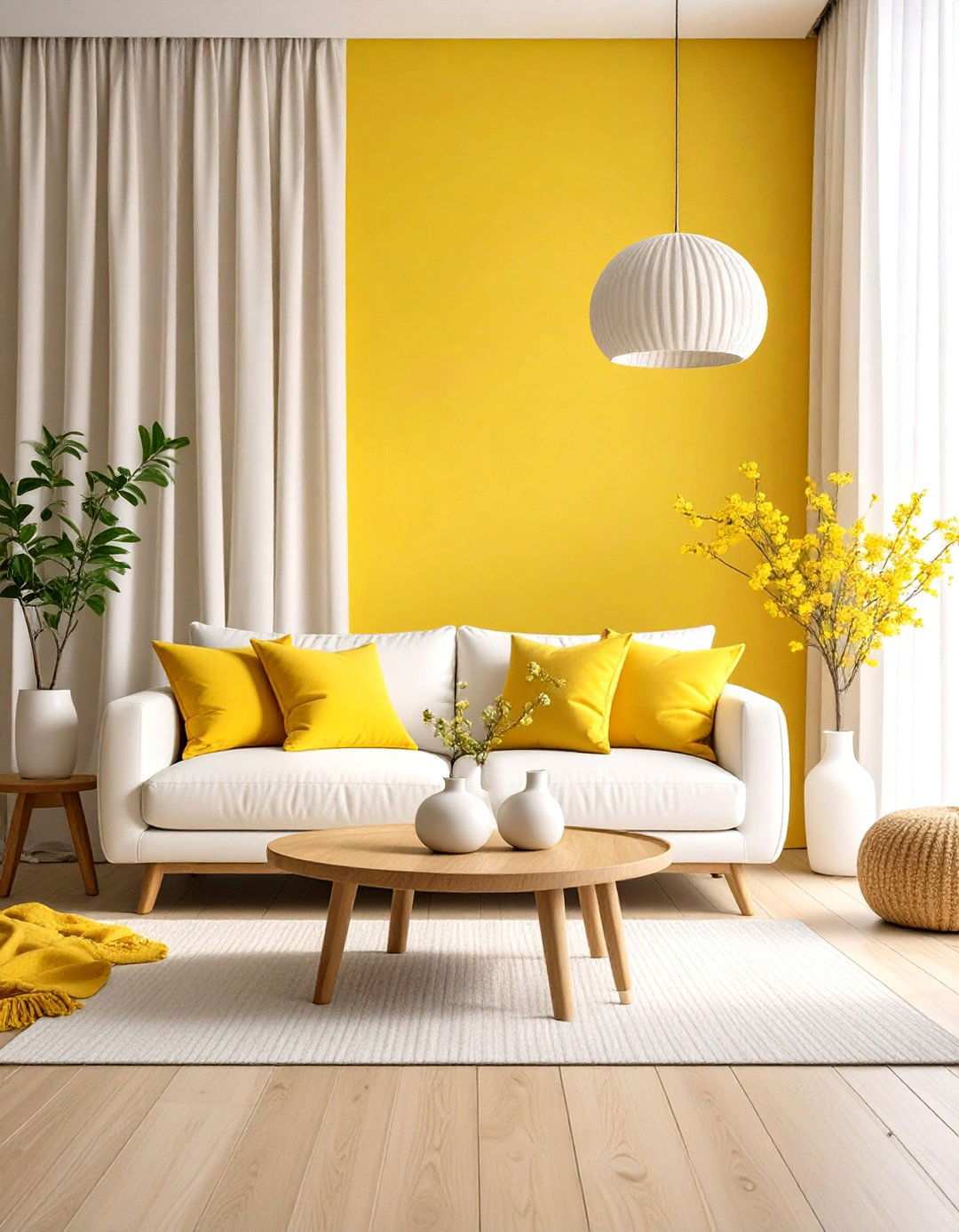
1. Designing a Sanctuary of Trust
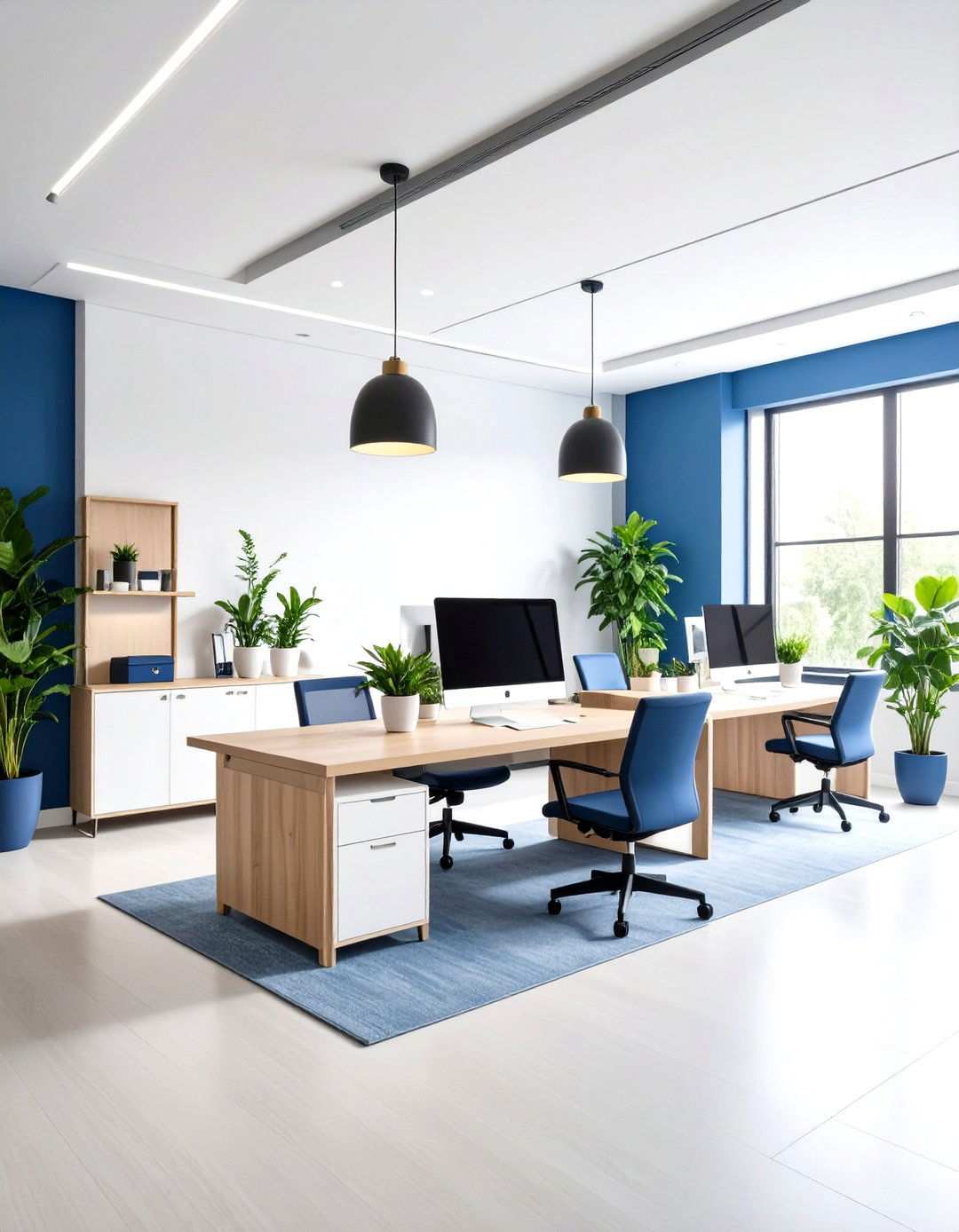
The ambiance of your therapy office is a potent catalyst for establishing trust, fostering relaxation, and facilitating meaningful conversations. Every design element contributes to the creation of a space that either enhances or hinders the therapeutic process. Research has consistently demonstrated that well-designed therapy offices yield positive outcomes for clients, including reduced anxiety levels and a strengthened therapeutic alliance between counselor and client. By integrating thoughtful design choices, you can create an environment that supports healing, growth, and self-expression while reflecting your professional expertise and personal therapeutic approach.

As an Amazon Associate I earn from qualifying purchases.
2. Crafting a Sense of Calm through Nature-Inspired Elements
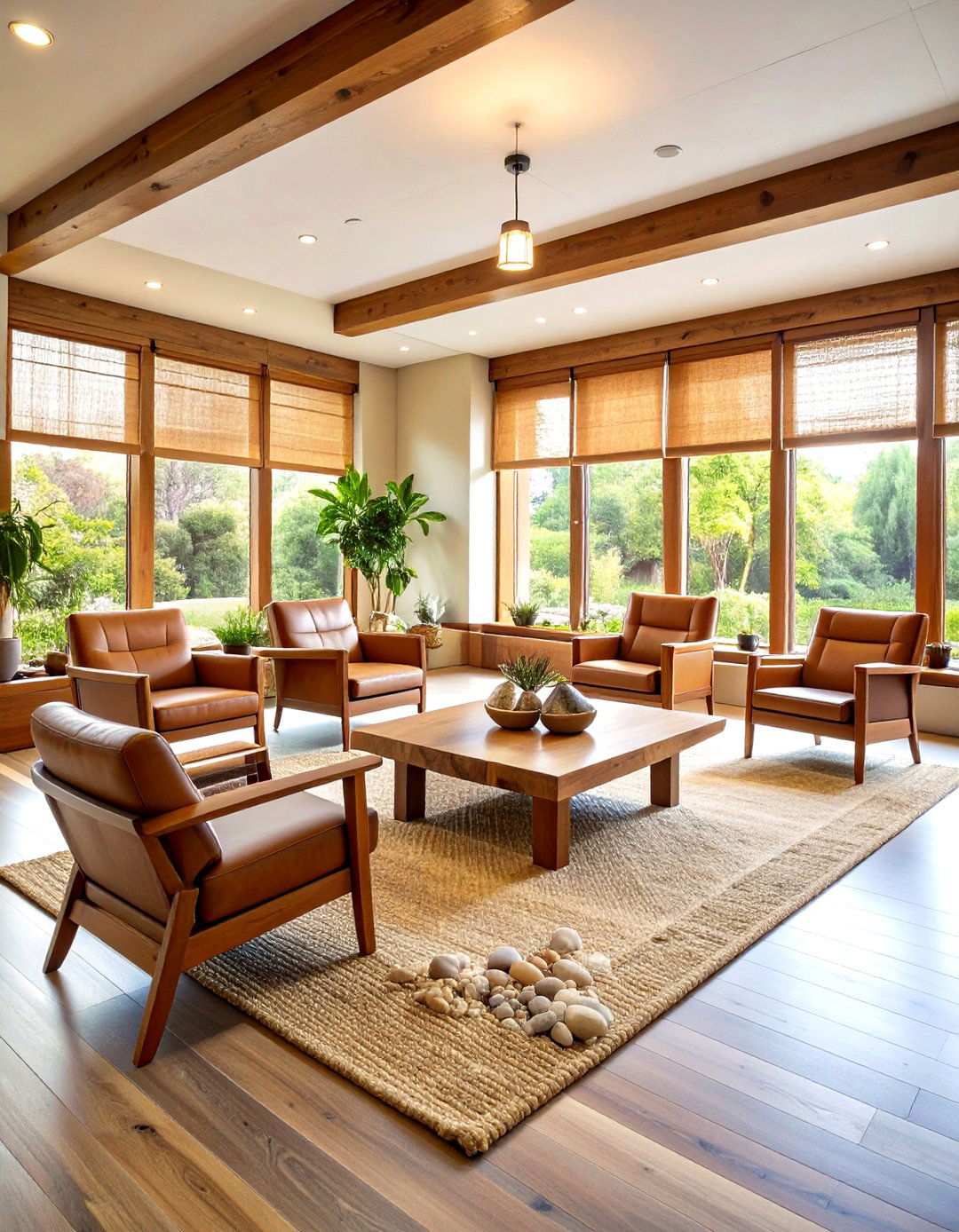
How do the surroundings influence your emotional state during vulnerable conversations? A calming blue sanctuary, designed to evoke a sense of serenity, transforms your therapy office into a peaceful haven. Soft powder blue walls create an expansive atmosphere, while deeper navy accents in throw pillows and artwork add visual depth and dimensionality. Natural wood furniture in warm honey tones balances the cool palette, while white trim and ceiling maintain a sense of brightness and airiness. Incorporating flowing fabrics like linen curtains and cotton throws helps soften the space, creating a more inviting atmosphere. Potted plants with blue ceramic planters and abstract artwork featuring oceanic themes add a touch of organic elegance. Warm lighting from table lamps with fabric shades creates intimate conversation areas, promoting tranquility and open communication while maintaining professional sophistication throughout your therapeutic space.
3. Grounding Clients with Earthy Materials
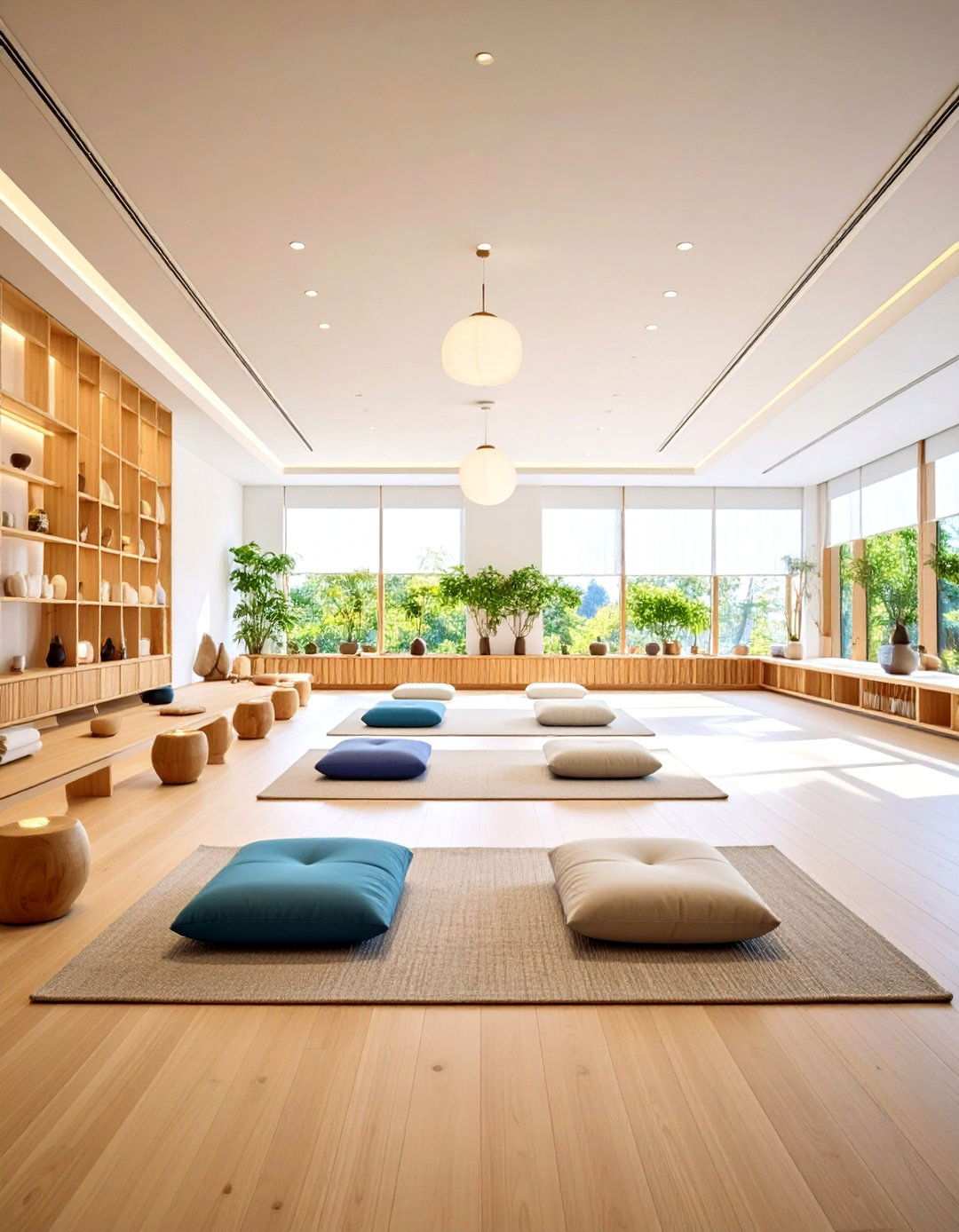
Could surrounding yourself with natural elements help clients feel more connected to their surroundings during sessions? An earthy natural materials therapy room emphasizes organic textures and sustainable elements, creating a space that resonates with the beauty of nature. Rich walnut wood furniture anchors the space with substantial presence, while stone accent walls add tactile interest and visual weight. Jute rugs define seating areas with natural fiber warmth, complemented by leather chairs in cognac tones that add a touch of sophistication. Bamboo blinds filter light naturally, while live edge wood coffee tables showcase the natural beauty of the wood. Incorporating river rocks in planters, wooden wall sculptures, and woven baskets for storage creates a sense of connection to the natural world. Warm amber lighting from wooden fixtures creates an evening campfire ambiance, inviting clients to relax and unwind. Natural linen fabrics in cream and sage green soften surfaces, creating a calming and soothing atmosphere that promotes feelings of stability and groundedness essential for therapeutic work.
Mindful Minimalism in Office Design
The deliberate elimination of visual distractions can have a profound impact on a therapeutic environment. A minimalist office design embodies a philosophy of simplicity, clean lines, and purposeful space allocation. Walls painted in soothing shades of white or light gray create a sense of expansiveness, while carefully curated furniture pieces serve multiple functions without cluttering the space. A striking focal point, such as a sculpture or a calming water feature, becomes the visual anchor. Natural materials like bamboo bring warmth and texture to the space, which is balanced by neutral backgrounds. Floor cushions offer versatile seating options for clients who prefer a more horizontal conversation. Large windows flood the space with natural light, while sheer curtains maintain a sense of seclusion. Minimal artwork featuring monochromatic abstracts or serene landscapes adds visual interest without overwhelming the senses. Cleverly hidden storage solutions keep surfaces uncluttered, allowing clients to focus on their inner experiences and therapeutic journey.
4. Warmth and Welcome in the Cozy Cottage Style Counseling Space
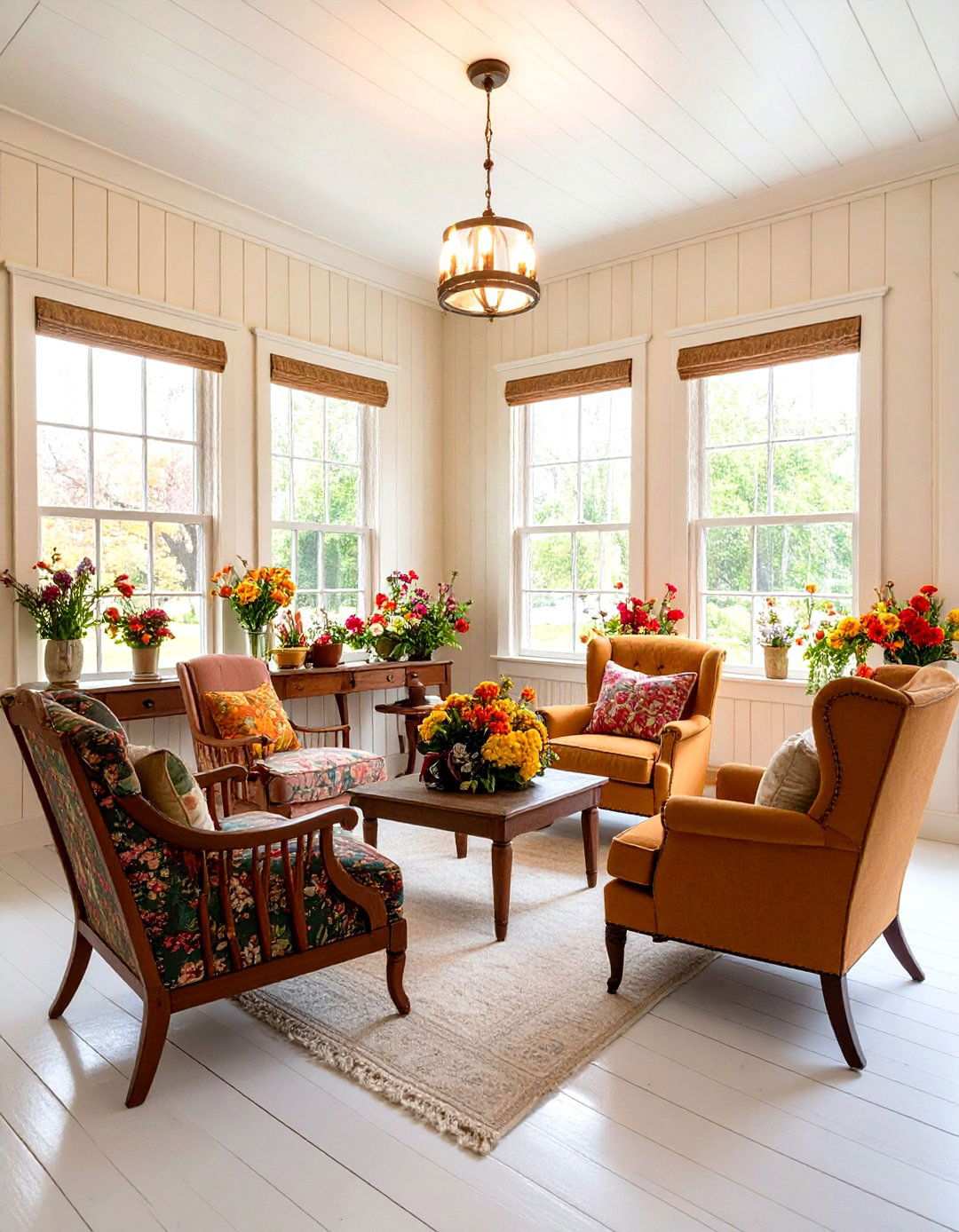
A homelike atmosphere can be a potent tool in helping clients feel at ease. A cozy cottage style counseling space seeks to recreate the comforting feelings of a personal home within the boundaries of a professional space. Warm cream-colored walls, adorned with beadboard wainscoting and subtle floral patterns, create a sense of inviting warmth. Vintage furniture pieces, such as antique desks and plush armchairs, foster intimate conversation areas. Soft, tactile textiles like cotton quilts and hand-knitted throws provide physical comfort and emotional reassurance. Warm, ambient lighting from mason jar fixtures and vintage lamps creates a sense of relaxation, while the scent of fresh flowers in ceramic vases adds to the soothing atmosphere. Handwoven rugs in muted colors define cozy nooks, while bookshelves display a curated selection of therapeutic literature and decorative objects. Light, airy window treatments featuring simple tie-backs complete the welcoming ambiance, making anxious clients feel like they’ve entered a trusted friend’s living room.
5. Fusion of Raw Elegance
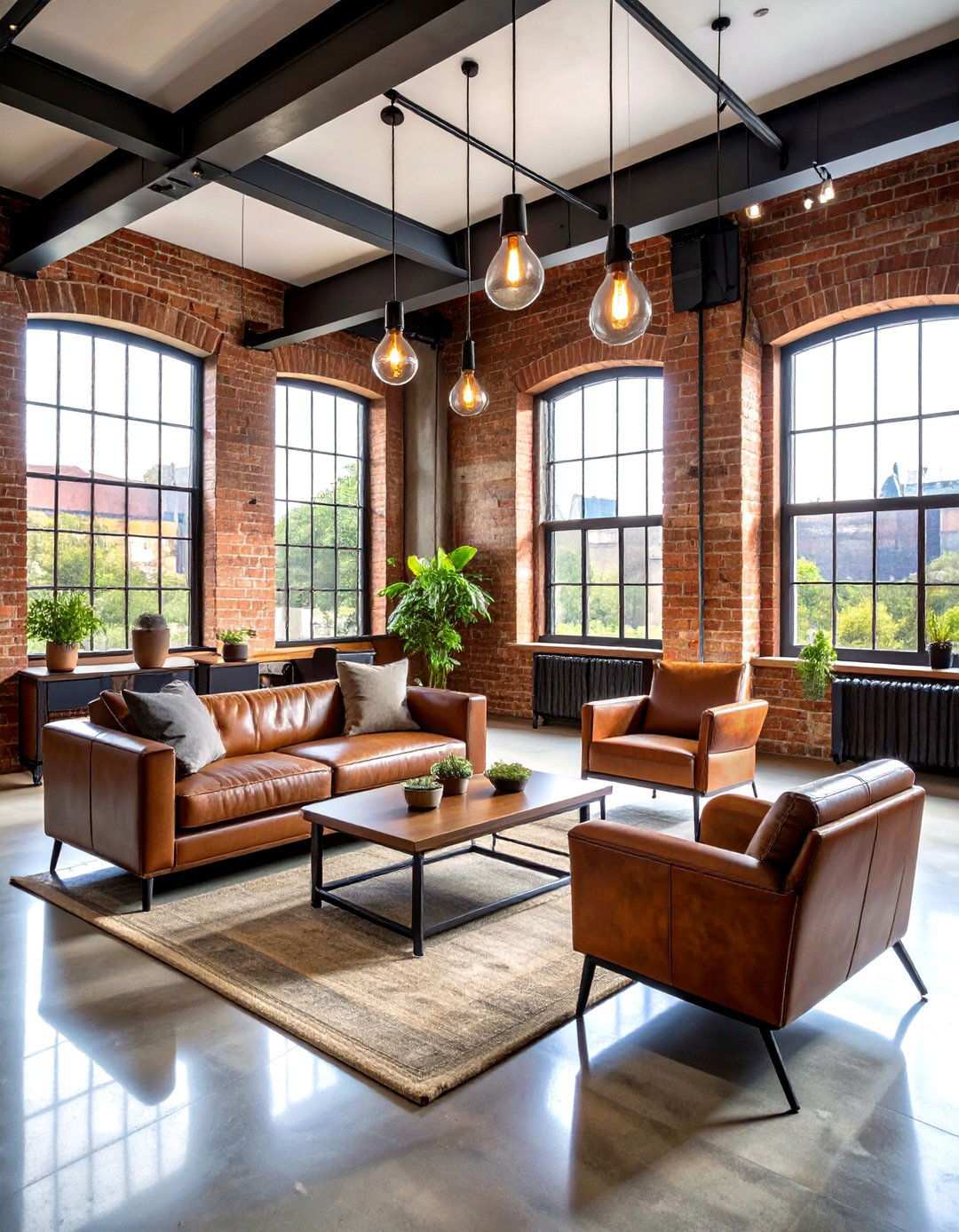
Can the juxtaposition of industrial textures and refined details craft a therapeutic haven that defies conventional expectations? A modern industrial therapeutic loft masterfully blends rugged materials with luxurious comfort elements. Exposed brick walls inject tactile interest, while polished concrete floors ensure effortless maintenance. Sleek black metal frames cradle plush cushions in soft gray hues, creating an inviting contrast. Pendant lighting featuring Edison bulbs casts dramatic shadows and fosters intimate conversations. Expansive steel-framed windows bask the space in natural light, while industrial blinds discreetly control privacy. The thoughtful addition of vintage leather seating and reclaimed wood coffee tables injects warmth, while living walls with resilient plants soften the ambiance and purify the air. A curated selection of contemporary abstract artwork in soothing colors adds personality without overwhelming the senses. Charcoal and cream-toned wool rugs demarcate cozy seating areas from the surrounding hard flooring, crafting a sophisticated atmosphere that caters to clients who appreciate modern aesthetics while still craving therapeutic warmth.
6. Serene Oasis Therapy Space
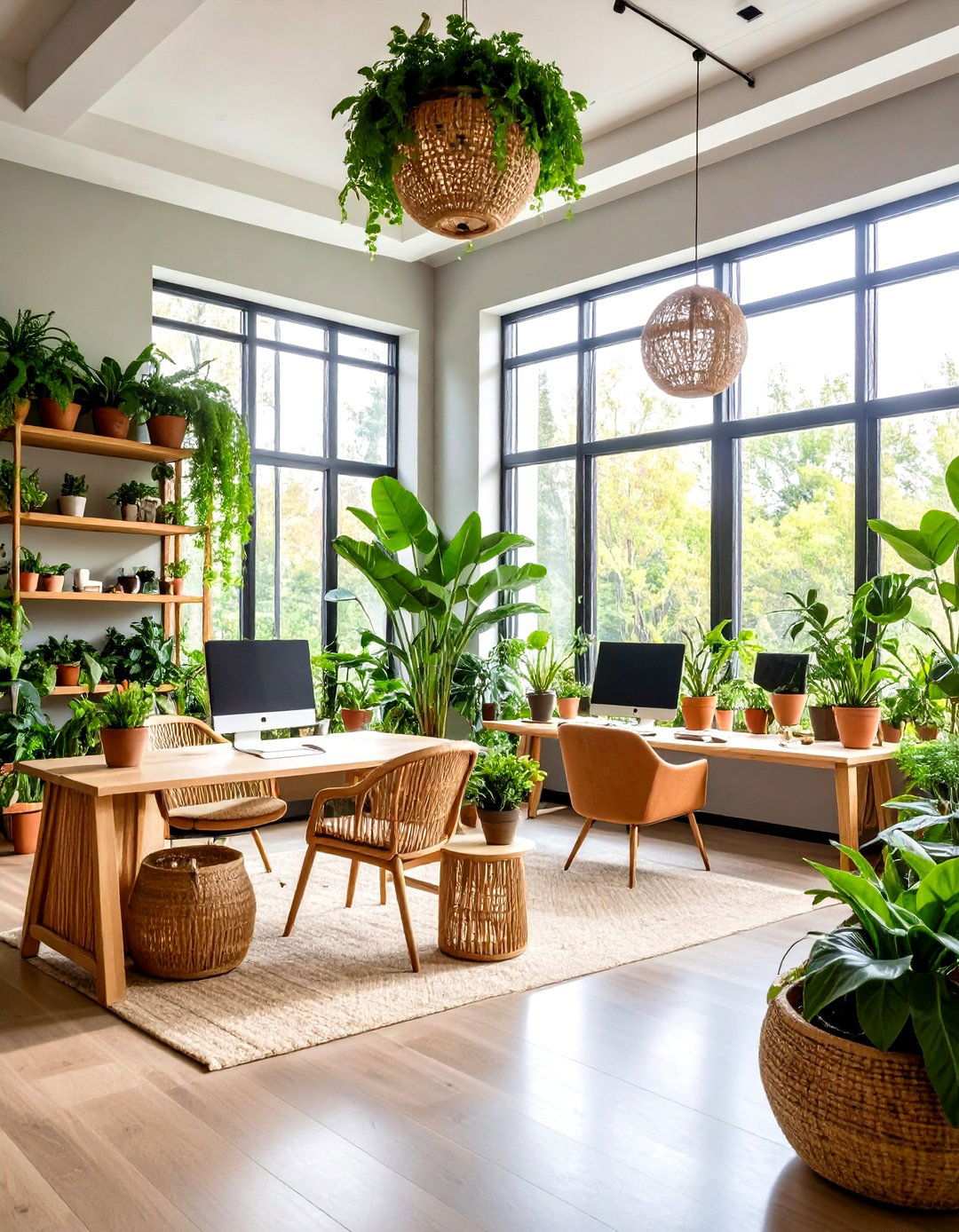
Imagine stepping into an office environment that embodies the tranquility of a lush garden year-round. A botanical garden therapy office seamlessly integrates living plants throughout the therapeutic space. Majestic potted plants like fiddle leaf figs and rubber trees create natural partitions between seating areas, promoting a sense of seclusion. Trailing plants like pothos cascade from floating shelves, while succulents artfully display on windowsills. Lush green walls or vertical gardens serve as captivating living art, purifying the air and boosting oxygen levels. Wicker furniture with a natural finish complements the garden theme without compromising comfort. Earthy ceramics in various sizes and textures cradle plant collections, while large windows with minimal treatments maximize growing light and maintain a professional appearance. Incorporating natural stone elements and wood accents enhances the organic theme, while gentle water features like small fountains provide a soothing soundscape. This biophilic design approach expertly reduces stress hormones, creating environments that nurture mental clarity and emotional wellbeing.
7. Seasonal Resonance in Therapeutic Spaces
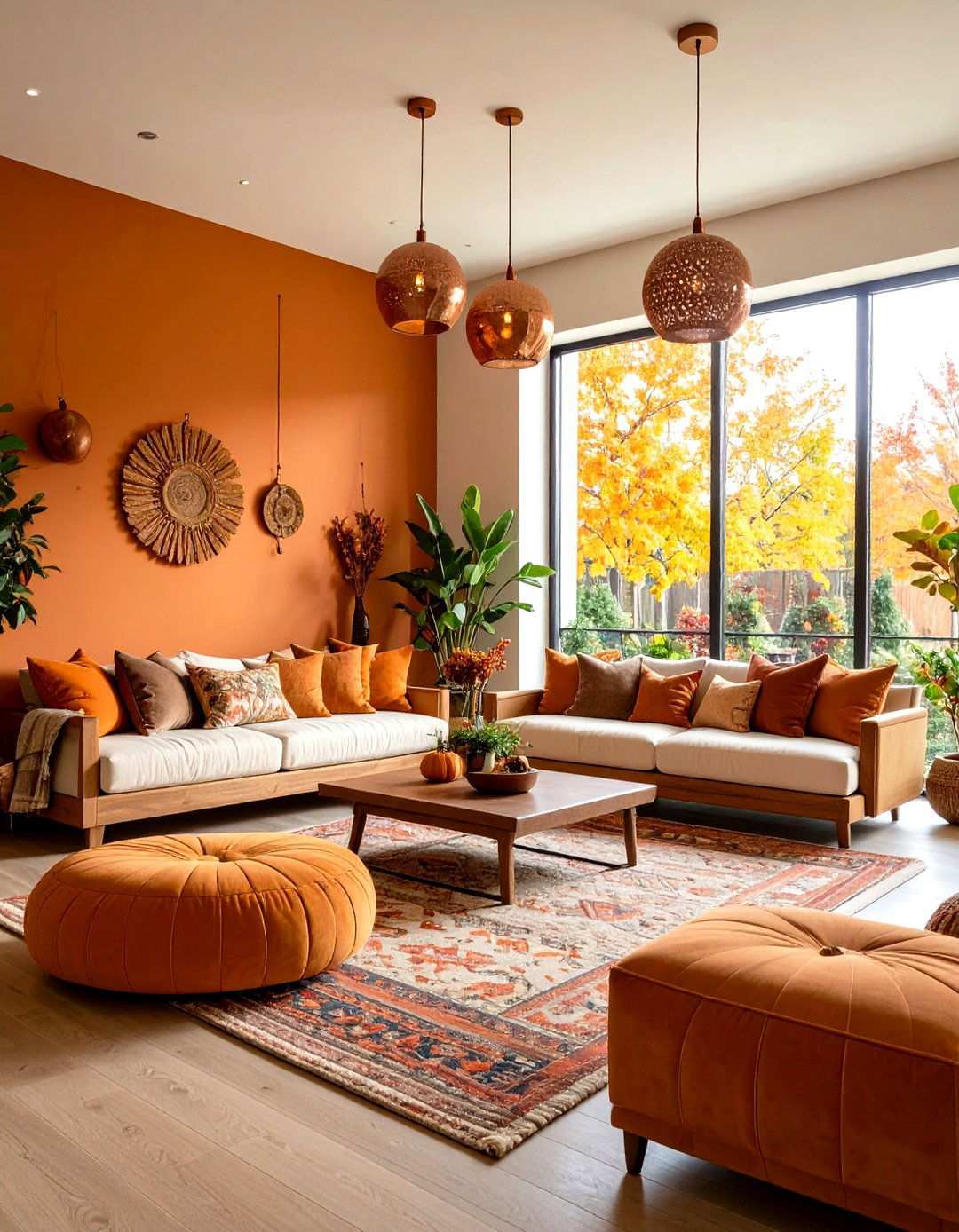
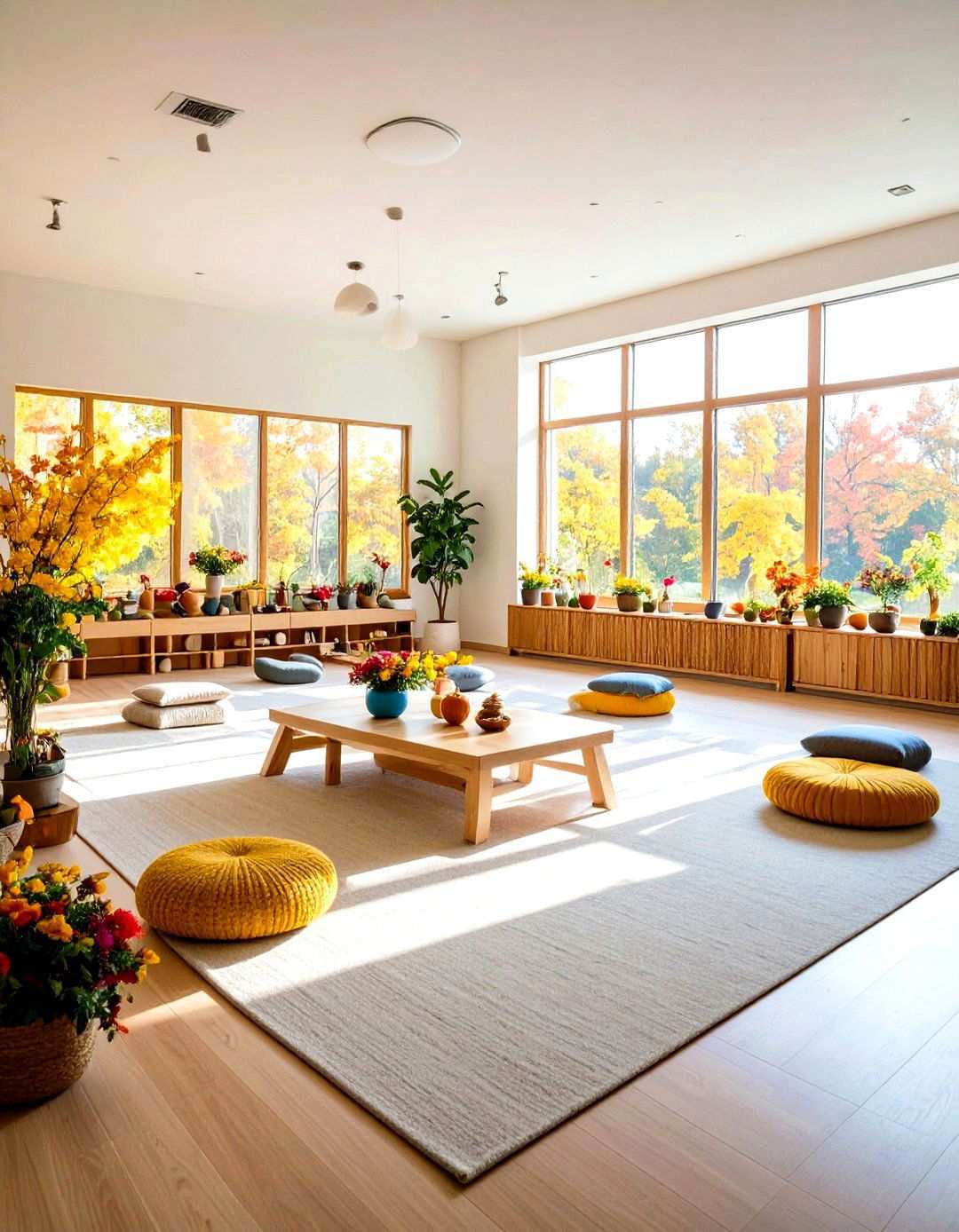
Can the sensory experience of autumnal warmth significantly impact your clients’ emotional openness during sessions? A carefully crafted autumnal therapy suite is designed to captivate the senses with a rich palette of deep orange, golden yellow, and rich amber tones. Burnished orange accent walls foster a cozy atmosphere, while cream-colored seating elements provide a soothing counterbalance. Copper lighting fixtures add a touch of warmth, subtly enhancing skin tones and creating an inviting ambiance. Incorporating tactile elements such as corduroy, velvet, and wool fabrics in jewel tones can significantly heighten the emotional connection during therapy sessions. Natural elements like dried wheat arrangements, pine cones, and autumn leaves can be artfully arranged to create visually appealing displays. Rich wooden furniture, often in cherry or mahogany, can serve as a focal point, adding depth to the space. By thoughtfully incorporating patterns like plaid and paisley in pillows and throws, you can create a visually engaging atmosphere without overwhelming the senses. Finally, warm area rugs in traditional patterns can anchor conversation areas, fostering a sense of comfort and emotional safety.
8. Embracing the Danish Concept of Cozy Comfort
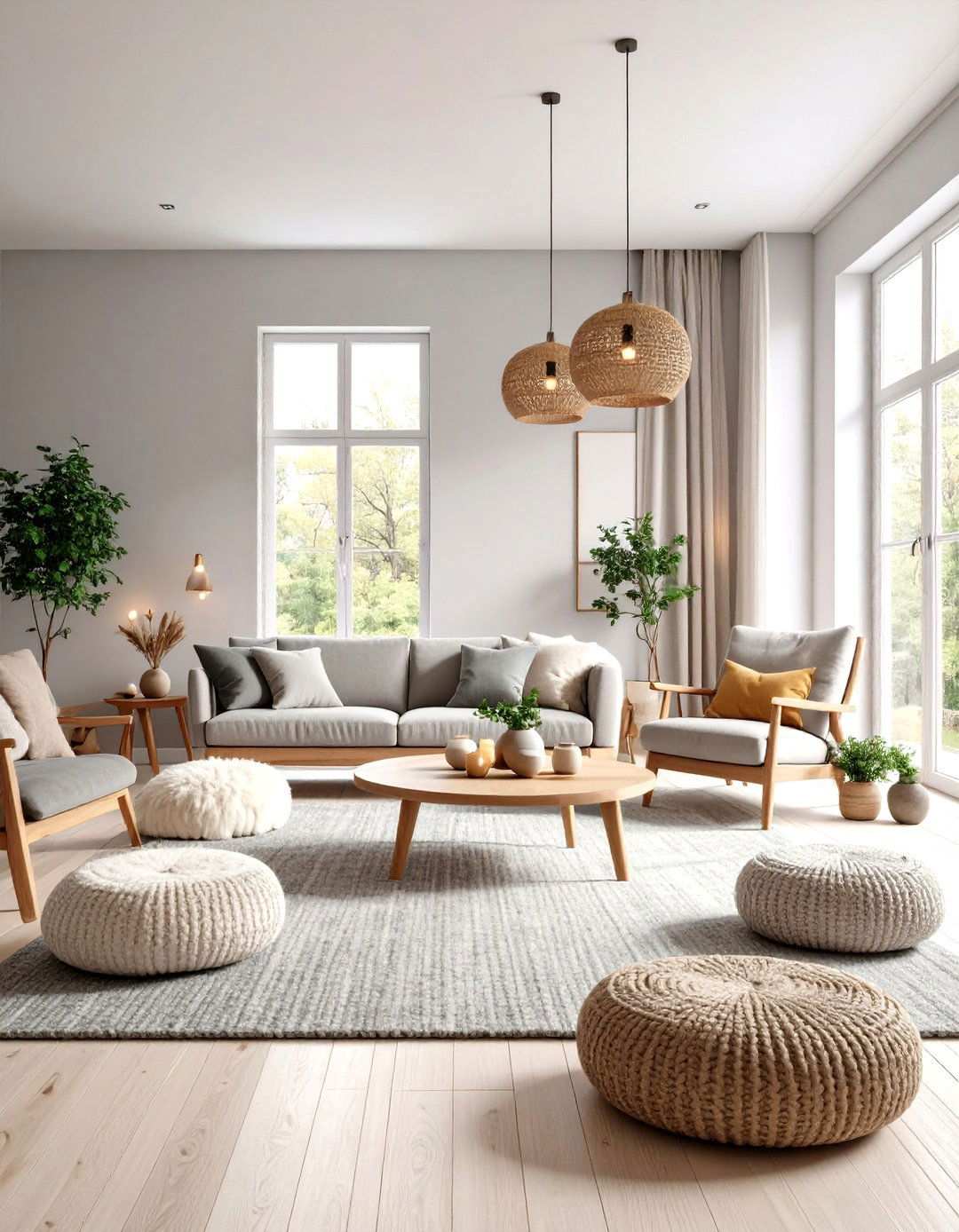
Could the principles of Scandinavian hygge, a term that embodies comfort and simple pleasures, be incorporated into your therapeutic practice environment? A hygge-inspired counseling room prioritizes comfort, coziness, and serenity within a clean and uncluttered design aesthetic. Light pine furniture and white oak accents create a sense of brightness and airiness, while maintaining a warm and welcoming atmosphere. Soft white and pale gray walls reflect maximum light, while cream and beige textiles add subtle warmth and texture. Incorporating tactile elements such as chunky knit throws and sheepskin rugs can greatly enhance the emotional connection with clients. Simple pendant lighting and table lamps with linen shades create intimate conversation circles, while minimal decorative objects like ceramic vases and wooden bowls can add subtle visual interest. Large windows with light-filtering curtains maintain client confidentiality while maximizing natural illumination. Adding small potted plants and fresh flowers can bring a touch of natural beauty to the space, fostering a sense of contentment and wellbeing that encourages clients to feel more relaxed and emotionally available for therapeutic work.
9. Harmonizing with the Sea: A Mediterranean Coastal Office Retreat
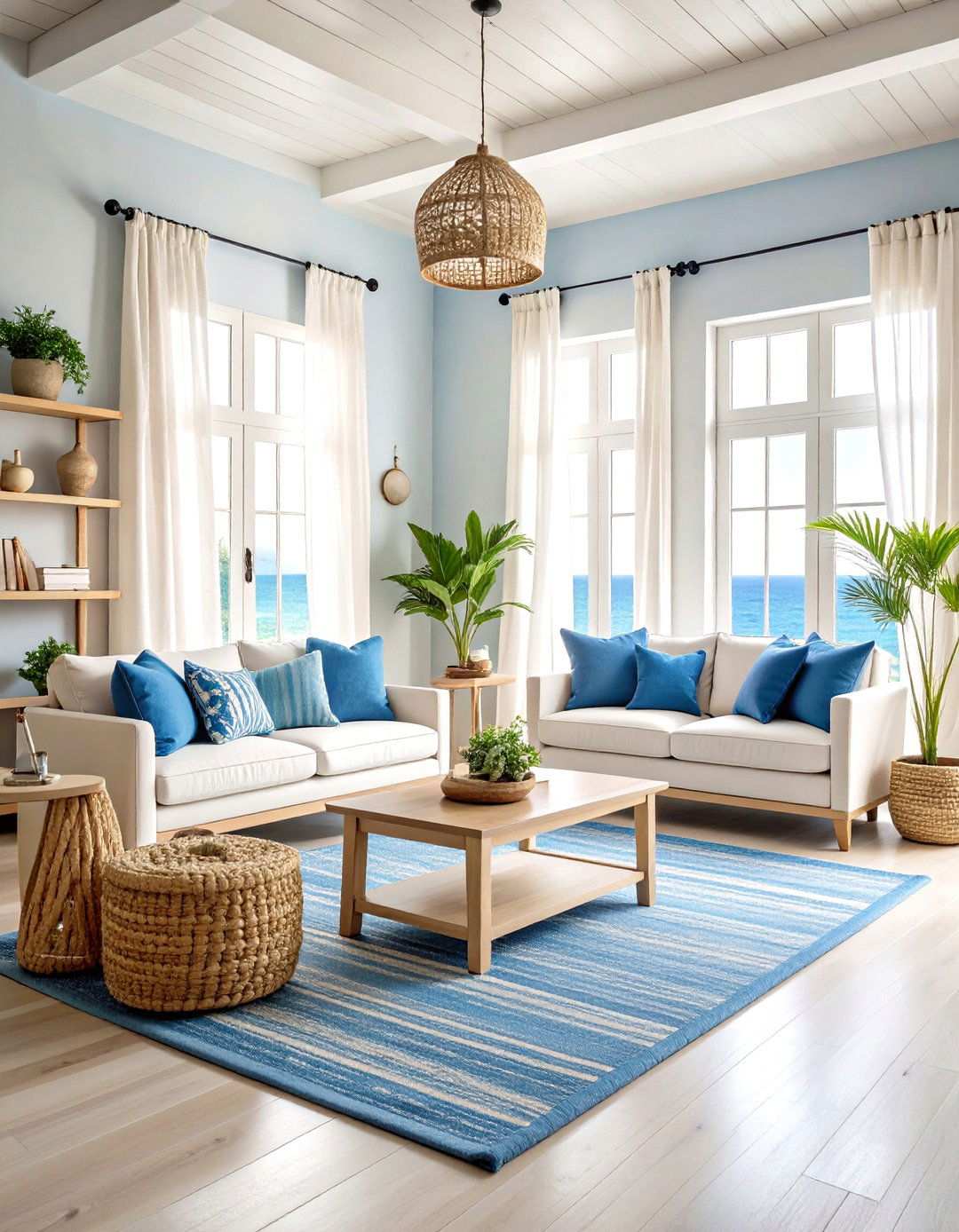
Imagining therapeutic conversations by the serene Mediterranean shores evokes a sense of tranquility and calmness. A Mediterranean coastal office retreat seamlessly integrates elements that evoke the essence of the ocean, creating a soothing and authentic atmosphere. Soft blue and white hues on the walls transport clients to the endless ocean horizon, while natural rope and driftwood accents add a distinctive coastal charm. The use of whitewashed furniture and weathered wood finishes fosters a relaxed, vacation-like ambiance, ideal for unwinding and disconnecting from daily pressures. The incorporation of seashells, coral, and smooth stones as decorative elements invites clients to engage in tactile exploration, further enhancing the calming atmosphere. Light blue and seafoam green textiles in cotton and linen perfectly capture the oceanic theme, while natural fiber rugs in sisal or jute provide texture and maintain a neutral foundation. Large windows with flowing white curtains maximize natural light and air circulation, allowing clients to breathe in the crisp, ocean air. The addition of Mediterranean plants like lavender and rosemary adds a touch of natural fragrance, promoting relaxation and mental escape.
10. Cultivating Creativity: An Artistic Expression Space
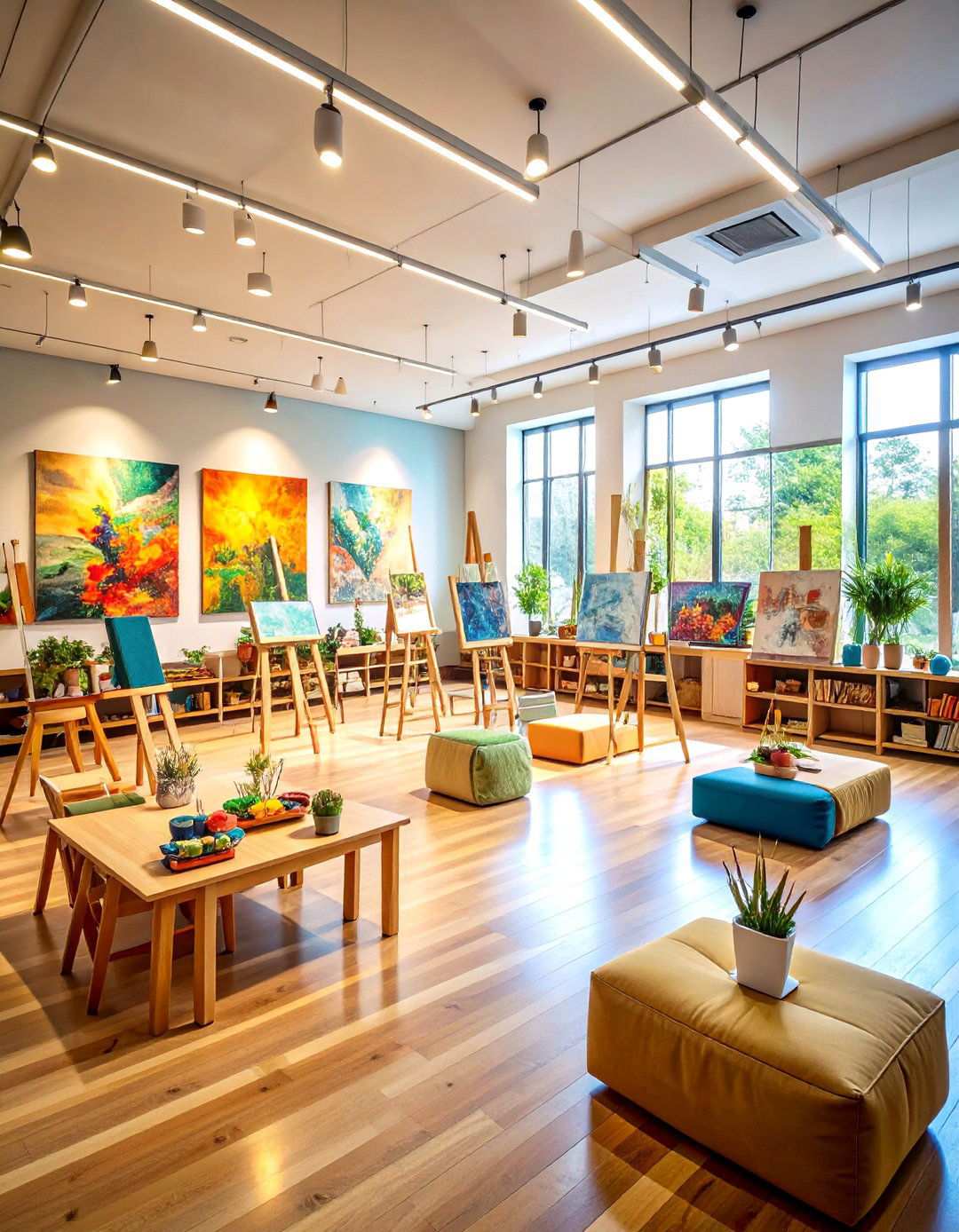
Surrounding clients with creativity can be a powerful catalyst for self-expression during therapy. An artistic creative expression space showcases various art forms while maintaining the integrity of professional therapeutic boundaries. Gallery-style lighting expertly illuminates rotating artwork displays that change seasonally or thematically, creating a dynamic and engaging environment. Easels and art supplies remain discreetly available for clients who prefer creative expression during sessions, allowing them to tap into their imagination and creativity. Color palettes vary by area, with calming blues in conversation zones and energizing warm tones near creative stations, catering to different moods and preferences. Natural wood furniture provides a neutral foundation that seamlessly complements changing artistic displays, while various textures through canvas, metal sculptures, and fiber arts invite sensory exploration. Comfortable seating allows for traditional conversation, while floor cushions accommodate alternative positioning for art activities, offering clients a range of creative possibilities. Storage solutions keep supplies organized, maintaining a clean and professional appearance, while recognizing creativity as a vital component of the healing process.
11. Cozy Mountain Retreat Therapy Space
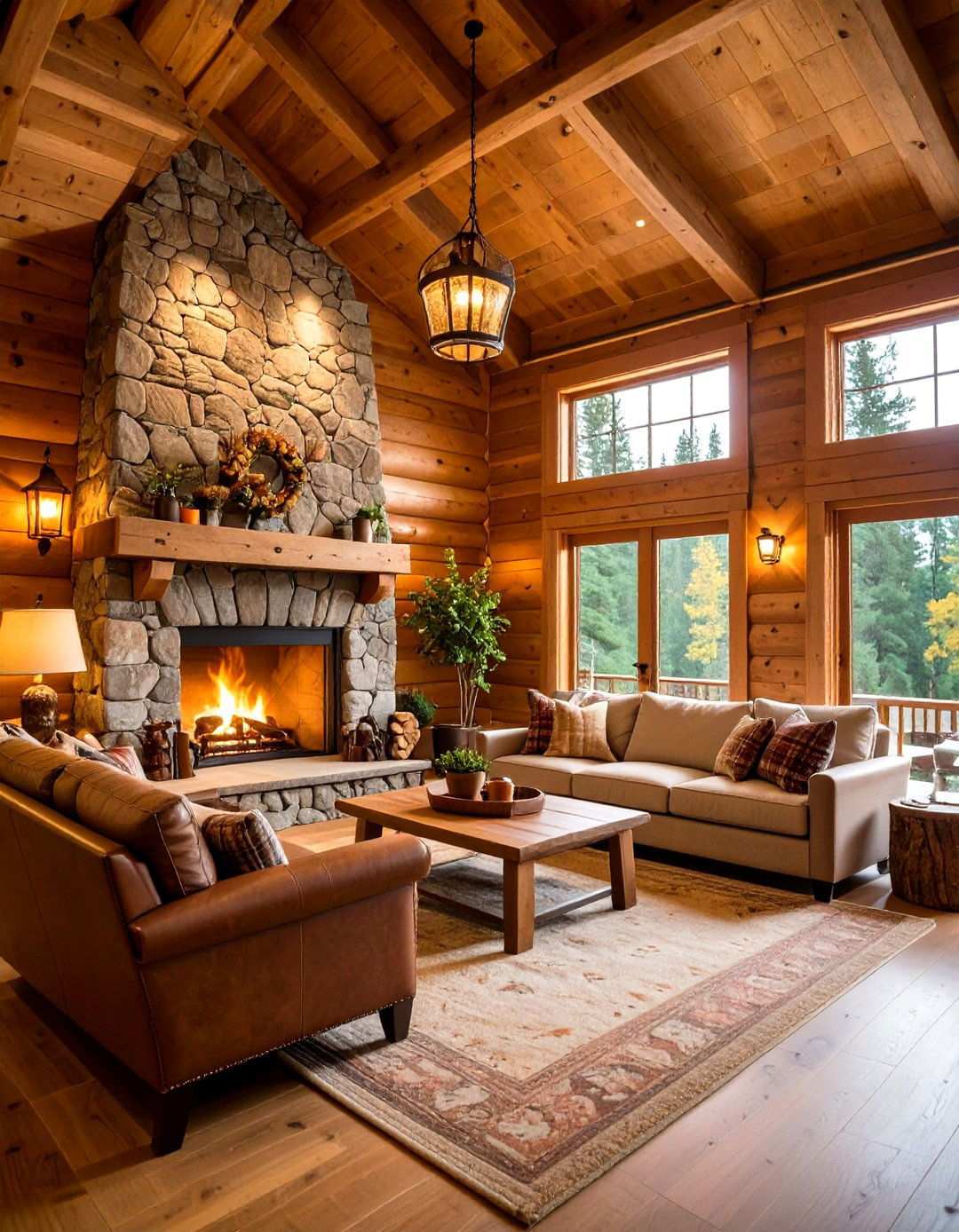
Can the comforting ambiance of mountain retreats elevate therapeutic conversations? A mountain-themed therapy cabin seamlessly integrates natural elements into its professional setting. The use of rustic wood accents, such as cedar walls and exposed beam ceilings, creates a visually appealing and warm atmosphere that fosters relaxation. Incorporating stone fireplaces, leather furniture, and plaid accents adds to the cozy ambiance, making it an ideal setting for intimate conversations. To further enhance the space, consider adding natural elements like antler decorations, pine cone arrangements, and rustic wood coffee tables. The soft glow of lantern-style lighting and table lamps creates a soothing evening ambiance, reminiscent of a campfire. The addition of native American or wilderness-themed artwork adds a touch of cultural richness without overwhelming the space. Earth-toned wool rugs anchor seating areas, providing a sense of softness and comfort. This therapeutic setting helps clients detach from urban stresses while maintaining professional boundaries, facilitating authentic self-expression and emotional honesty.
12. Gentle Sanctuary Therapy Environment
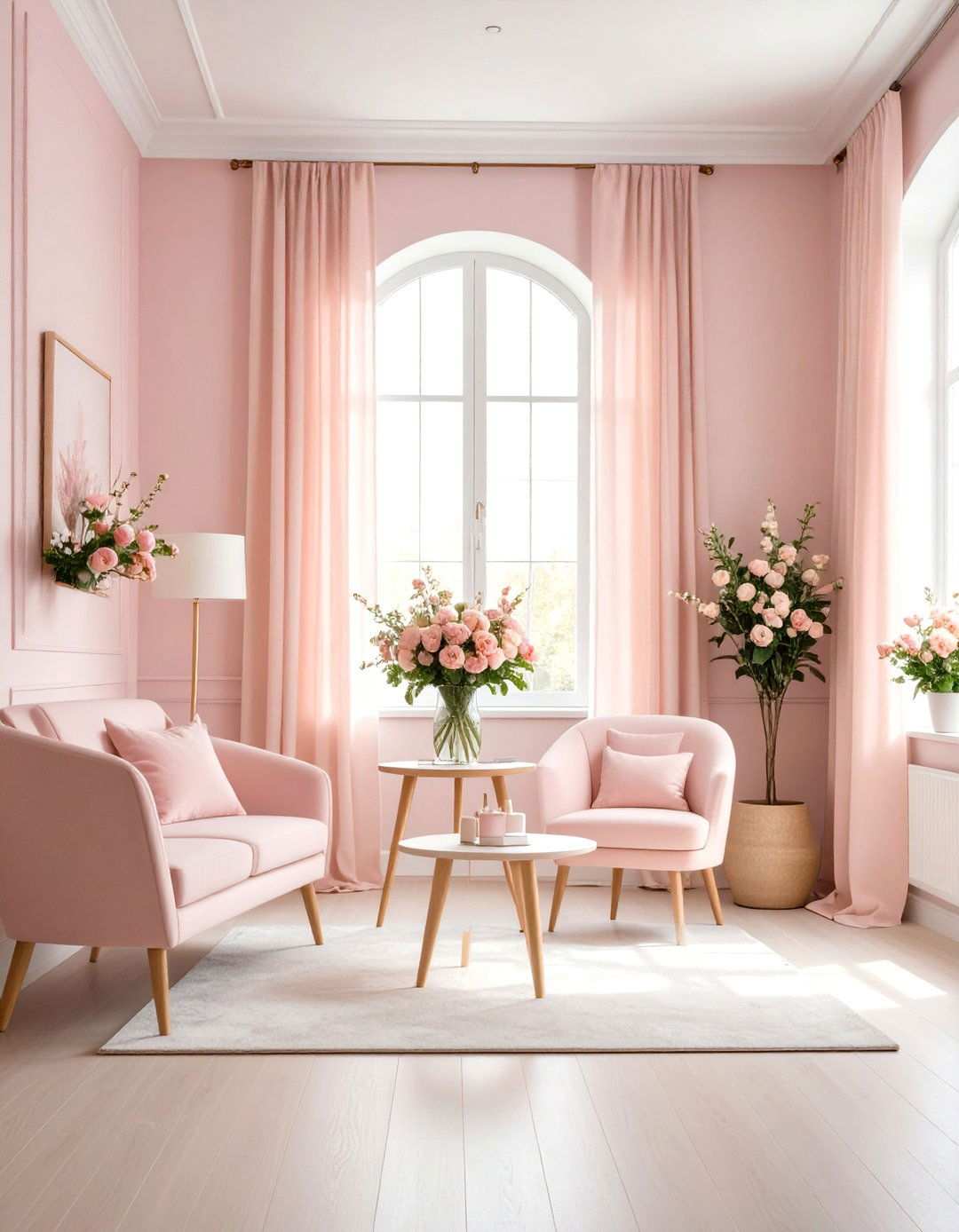
Do gentle hues contribute to a sense of emotional safety during challenging conversations? A soft pastel comfort zone creates a delicate and calming atmosphere by incorporating pale pink, lavender, and mint green tones throughout the therapeutic space. The use of pale walls and white furniture maintains a clean and professional appearance while promoting a sense of expansiveness and non-threatening environment. Soft fabrics in pastel hues add a touch of comfort without overwhelming the senses. To further enhance the space, consider incorporating fresh flowers in white or pale containers, adding natural beauty and subtle fragrance. Light-colored wood accents in natural maple or birch provide warmth without heaviness. Sheer curtains filter harsh light, maintaining privacy and an ethereal quality. Metallic silver accents in picture frames and lamp bases add a touch of sophistication. Plush area rugs in cream or pale gray anchor seating areas, creating a sense of calm and stability. This gentle color approach fosters a psychologically safe environment where clients feel protected and nurtured, particularly beneficial for trauma therapy or working with highly sensitive individuals.
13. Library Study Therapy Office
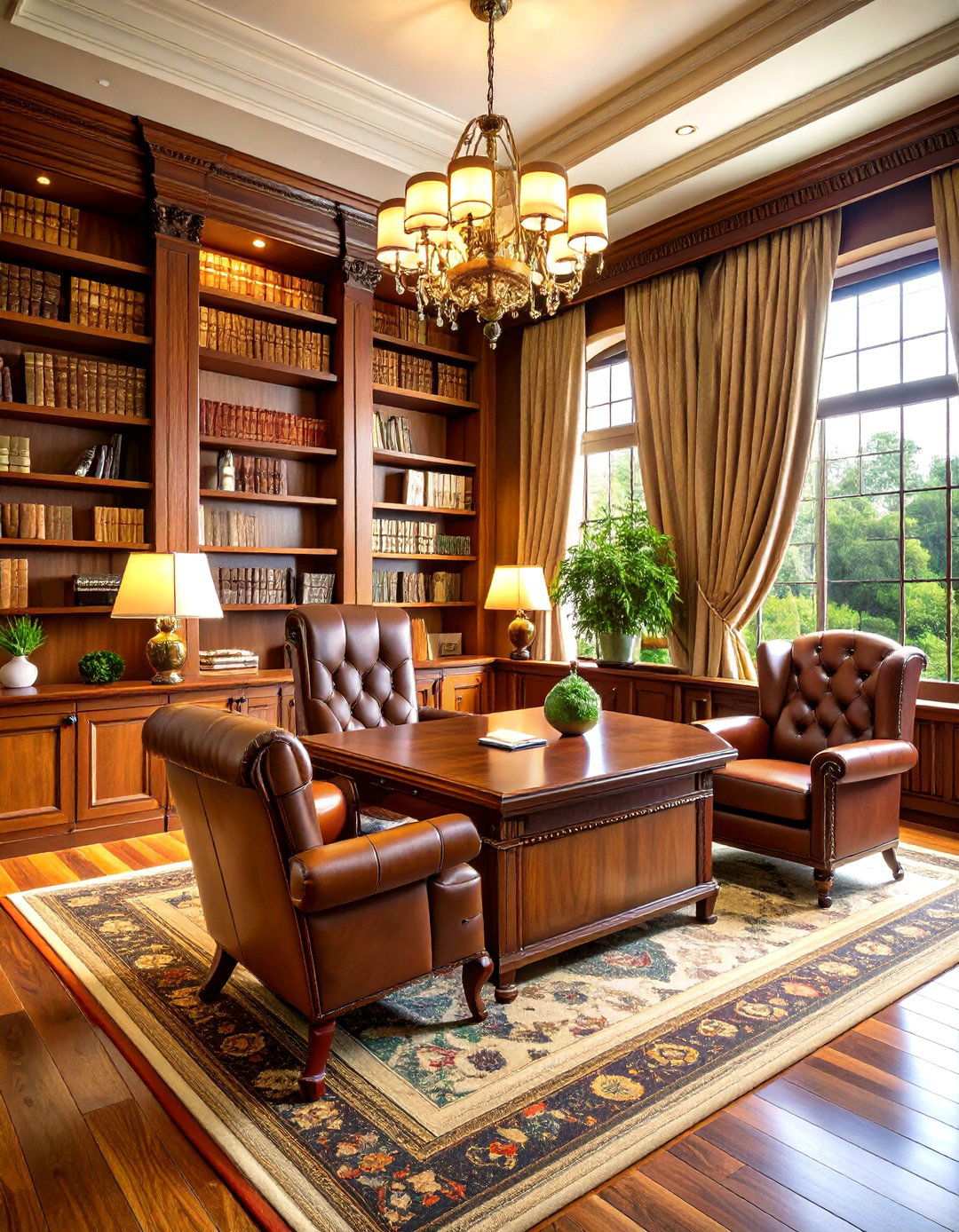
A well-designed library study therapy office has the power to transport clients back to a time when learning was a cherished experience. By incorporating built-in bookshelves teeming with therapeutic literature, self-help books, and inspiring poetry collections, therapists can create a sense of familiarity and comfort. The rich tones of mahogany or cherry wood furniture evoke a sense of tradition and scholarship, while still managing to convey a sense of warmth and approachability. Plush leather-bound chairs and matching ottomans provide a haven for extended conversations, where clients can feel at ease and open up about their thoughts and feelings. The soft glow of banker’s lamps with green glass shades creates an intimate atmosphere, perfect for reading circles and discussions, while the subtle sheen of brass accents adds a touch of sophistication. To cater to clients who prefer alternative settings, therapists can incorporate reading nooks with comfortable window seats and soft lighting. Oriental rugs in deep, rich colors anchor the furniture groupings, adding a sense of classical elegance and refinement. Heavy draperies control the light and sound, maintaining a sense of privacy and seclusion. By incorporating vintage maps, globes, and scholarly artifacts, therapists can create an environment that invites curiosity and exploration, and supports therapeutic learning and growth.
14. Bohemian Eclectic Healing Space
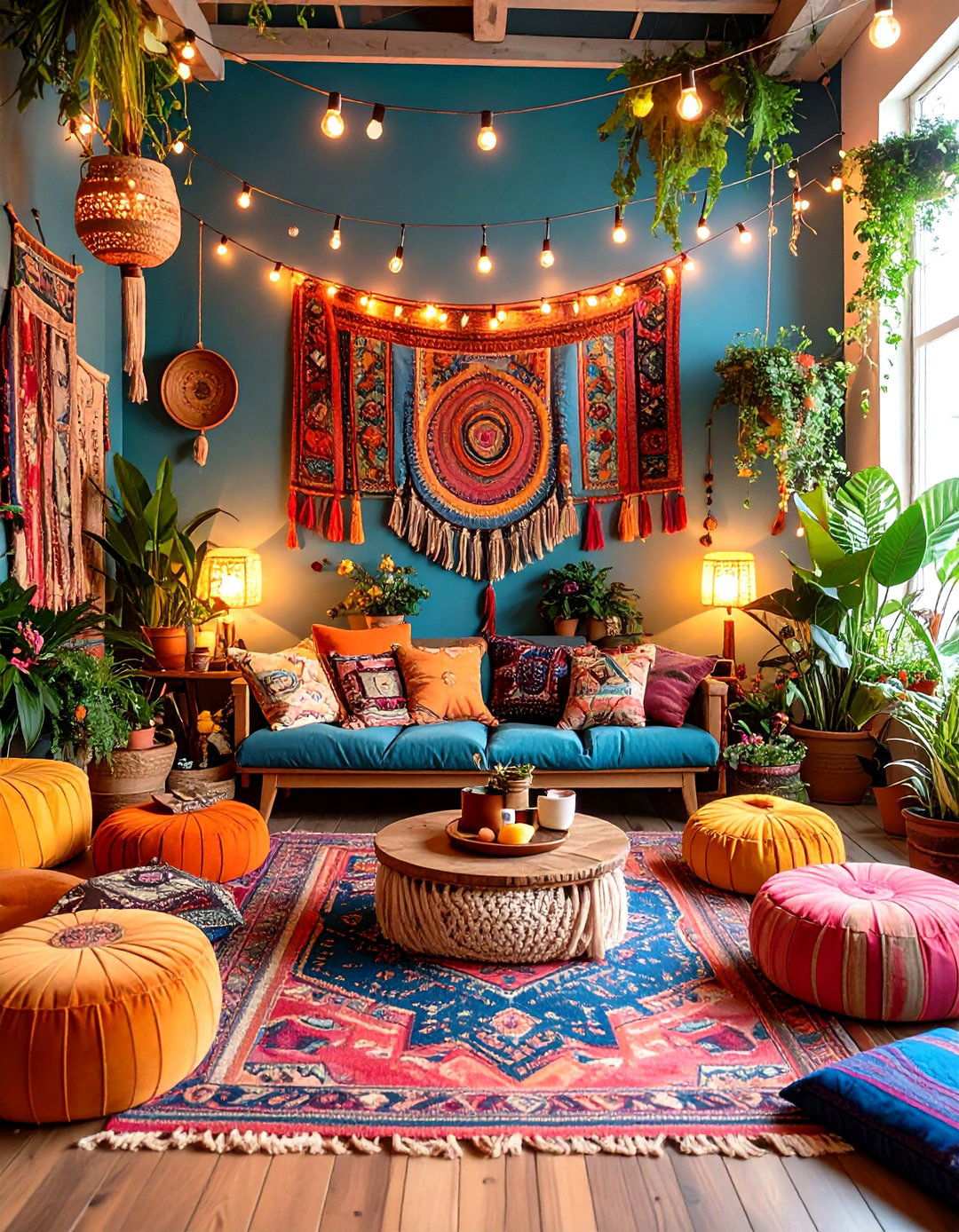
Embracing the complexity of human experience can be a powerful tool in the therapeutic process. By combining diverse cultural elements and artistic expressions throughout the therapeutic environment, therapists can create a space that truly reflects the multifaceted nature of the human experience. Rich tapestries and colorful textiles can create a visually stunning atmosphere, while also demonstrating cultural sensitivity and respect. By mixing furniture styles from different periods and cultures, therapists can create a unique and personalized space that reflects the individuality of each client. Incorporating floor cushions, low tables, and alternative seating options can also accommodate a range of cultural preferences and physical needs. Meaningful artifacts, crystals, and spiritual symbols can be used to honor diverse belief systems, without imposing specific ideologies. Warm, ambient lighting from string lights, salt lamps, and candles can create a mystical and safe atmosphere, perfect for clients who are exploring their spirituality or seeking a deeper connection with themselves. Adding plants of various sizes and types can enhance natural energy flow, creating a sense of harmony and balance. This inclusive design approach acknowledges the diversity of healing traditions, while maintaining the professional therapeutic standards that clients expect. By embracing eclectic design elements, therapists can create a space that encourages clients to explore their authentic selves and discover new aspects of their personal identity.
Monochromatic Gray Serenity Suite
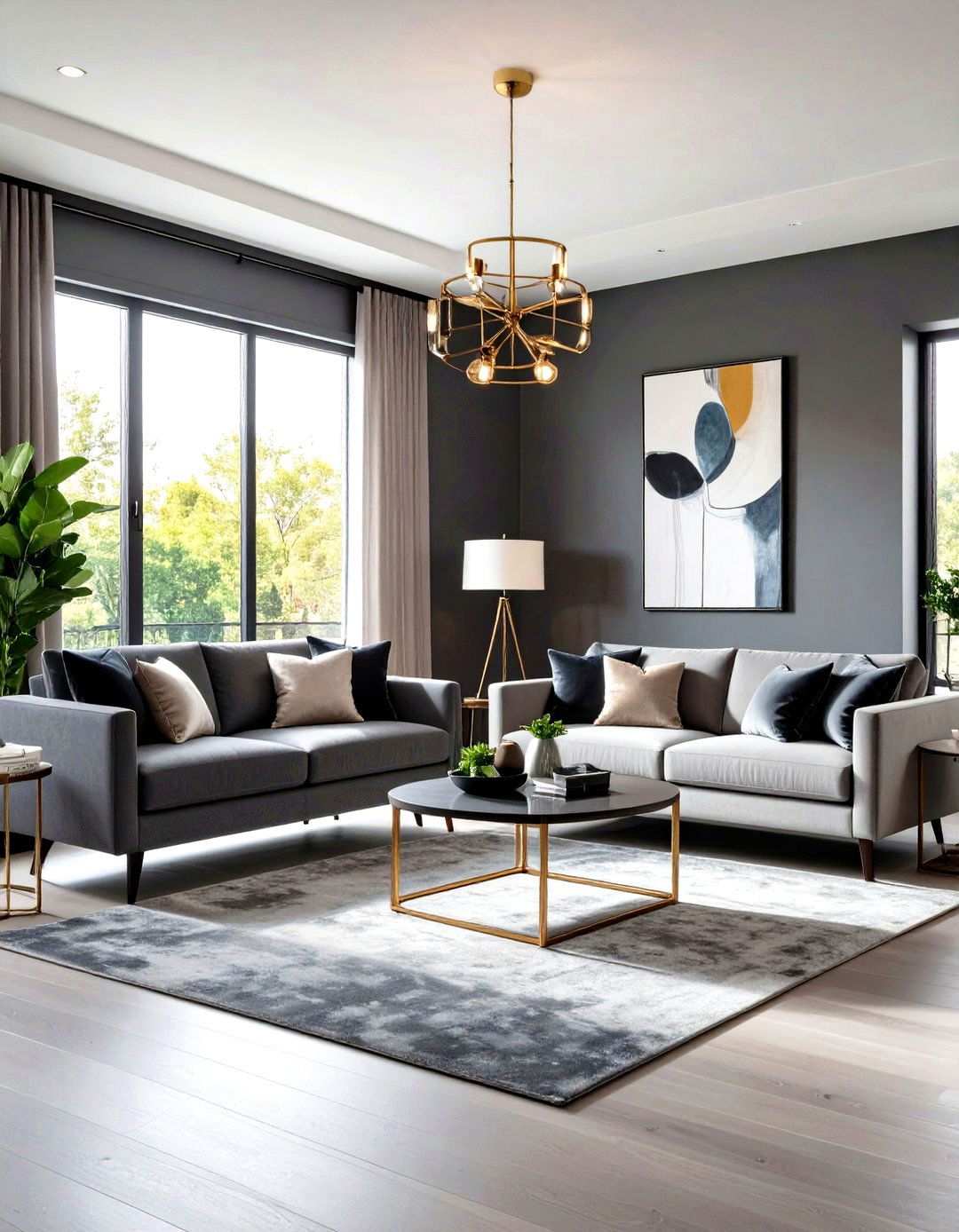
The use of a single, soothing color palette in a monochromatic gray serenity suite has a profound impact on one’s ability to concentrate during therapeutic sessions. By limiting the color scheme to various shades of gray, designers create serene environments that minimize visual distractions, allowing clients to focus inward. The walls painted a light, neutral gray provide a calm backdrop, while charcoal-hued furniture adds a sense of grounding and stability. Metallic accents in the form of silver picture frames and lamp bases introduce a touch of sophistication, yet remain understated to avoid overwhelming the space. To add depth and visual interest, incorporate textiles in different gray tones, such as velvet cushions, wool throws, and linen curtains. As the natural light changes throughout the day, it serves as the primary color source, subtly shifting the ambiance of the space. A single white flower or plant adds a delicate pop of color, while black-and-white artwork maintains the monochromatic theme. This thoughtful approach eliminates potential color-related triggers, allowing clients to focus on their internal experiences. The resulting environment is both professional and soothing, ideal for deep therapeutic work.
Vintage Retro Therapy Lounge
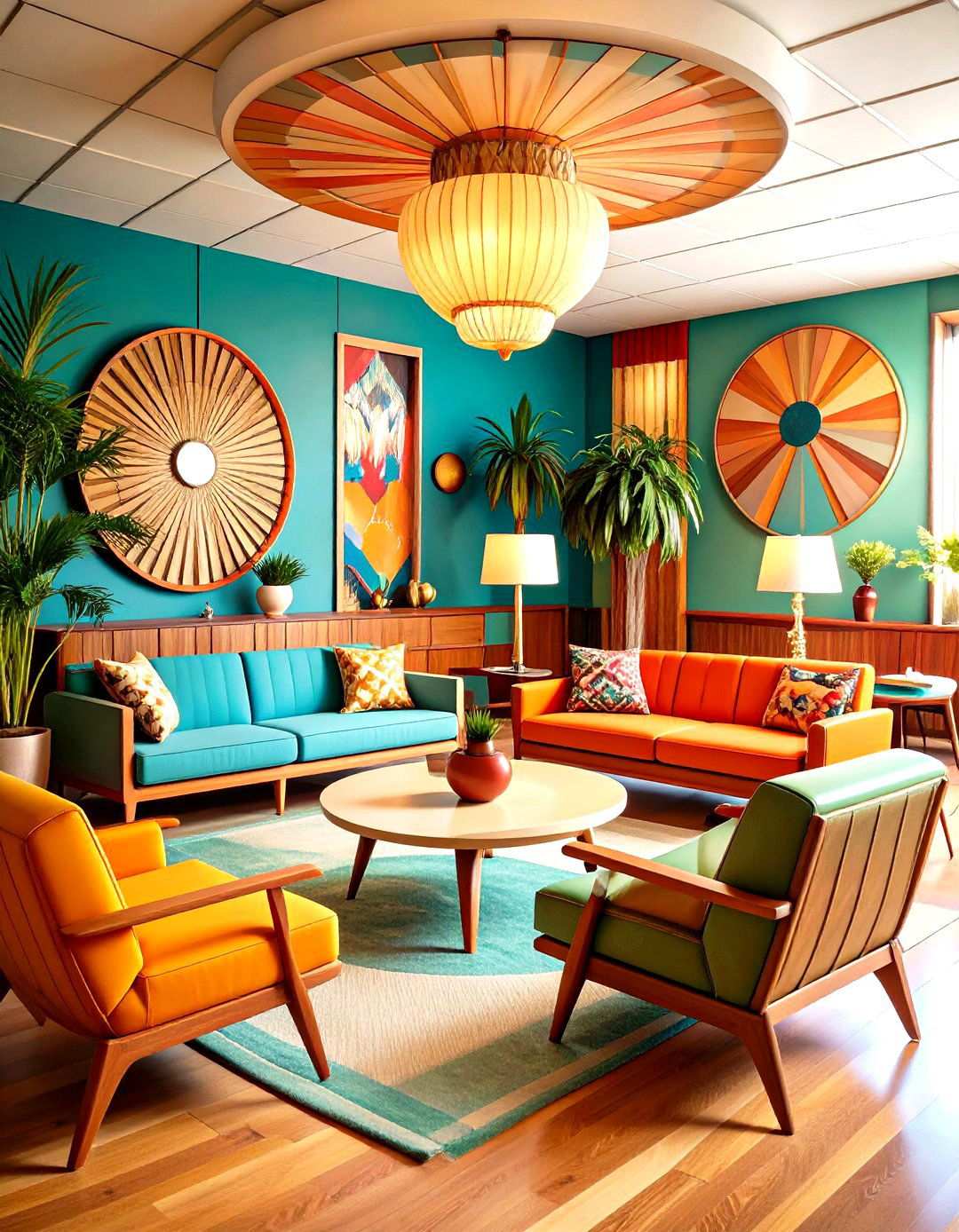
Familiar design elements can evoke a strong sense of comfort and nostalgia in individuals, making them more receptive to therapeutic conversations. A vintage retro therapy lounge incorporates mid-century modern furniture and nostalgic design elements to create a unique and inviting space. Teak wood furniture and atomic-era patterns become conversation starters, while maintaining a sophisticated appearance. To further enhance the retro vibe, incorporate vintage lamps with fiberglass shades and classic color combinations like orange and turquoise. A record player and vinyl collection provide ambient music and a talking point for clients and therapists alike. Sunburst mirrors and geometric artwork add period authenticity, while maintaining visual interest. Comfortable, low-profile seating encourages relaxed conversation, yet remains professionally suitable. Include vintage books, magazines, and decorative objects that invite nostalgic reflection, and warm wood tones and brass accents create a welcoming atmosphere. This retro environment resonates with clients who find comfort in familiar design elements, often allowing them to access childhood memories and emotions essential for therapeutic progress.
17. Soothing Water Element Office
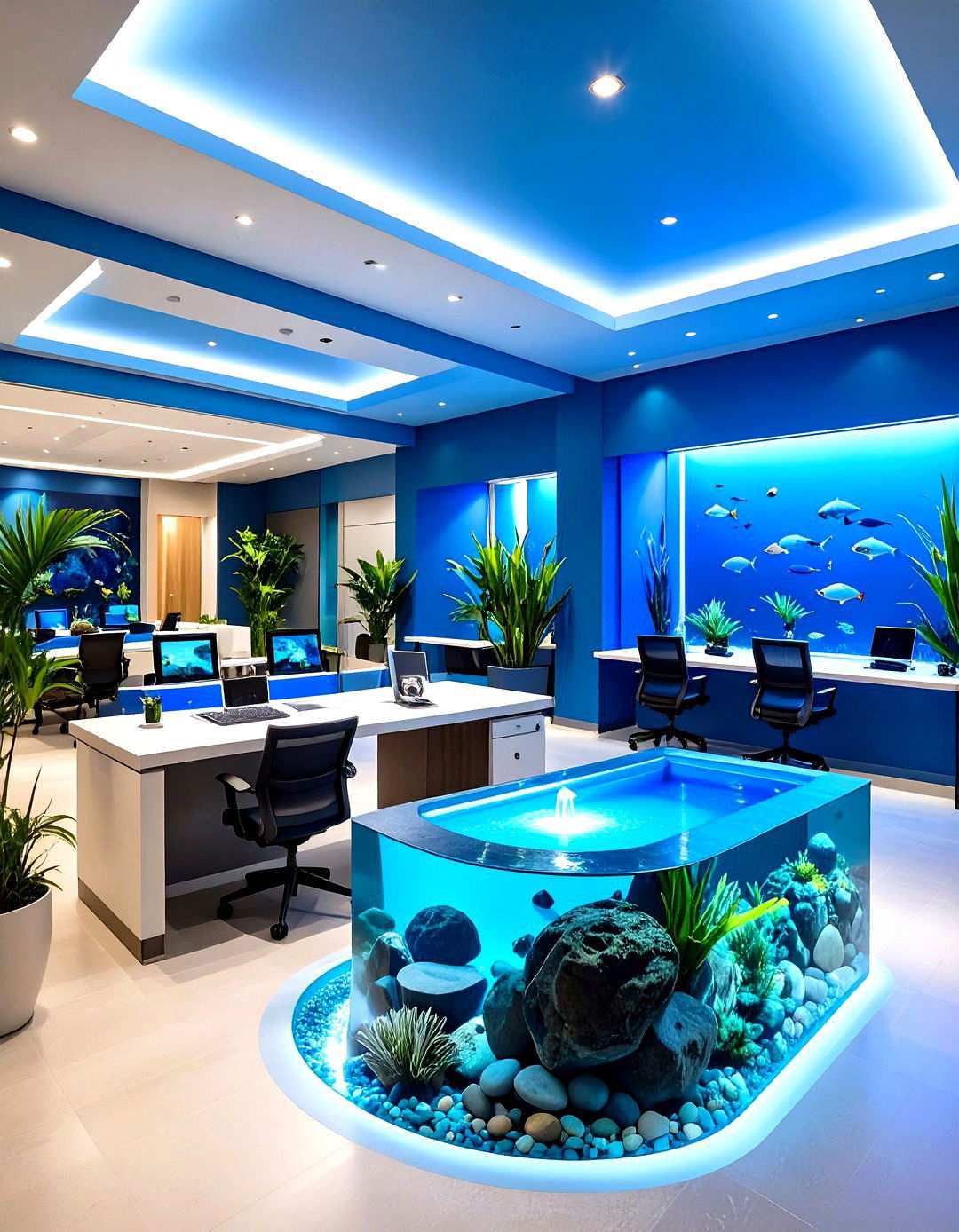
Creating a serene atmosphere in your office can significantly enhance the calming effects of your therapeutic environment. A tranquil water element office incorporates various water features that blend seamlessly into the professional space. Small desktop fountains provide a gentle background hum that drowns out outside noise, promoting relaxation and focus. Meanwhile, aquariums with peaceful fish create living focal points that captivate clients’ attention and reduce stress. Wall-mounted water features serve as artistic elements, producing soothing sounds that harmonize with the office ambiance. To reinforce the water theme, incorporate blue and aqua color schemes that evoke a sense of calm without compromising the professional atmosphere. Include natural elements like smooth river stones, seashells, and coral as decorative accents that invite tactile exploration. Strategically positioning comfortable seating near water features allows clients to benefit from both visual and auditory calming effects. The use of natural materials like bamboo and river rocks adds depth to the water theme while maintaining a sophisticated appearance. By incorporating this aquatic design approach, you can reduce anxiety and create meditative environments where clients feel more relaxed and emotionally available for deep therapeutic work.
18. Urban-Inspired Therapy Studio
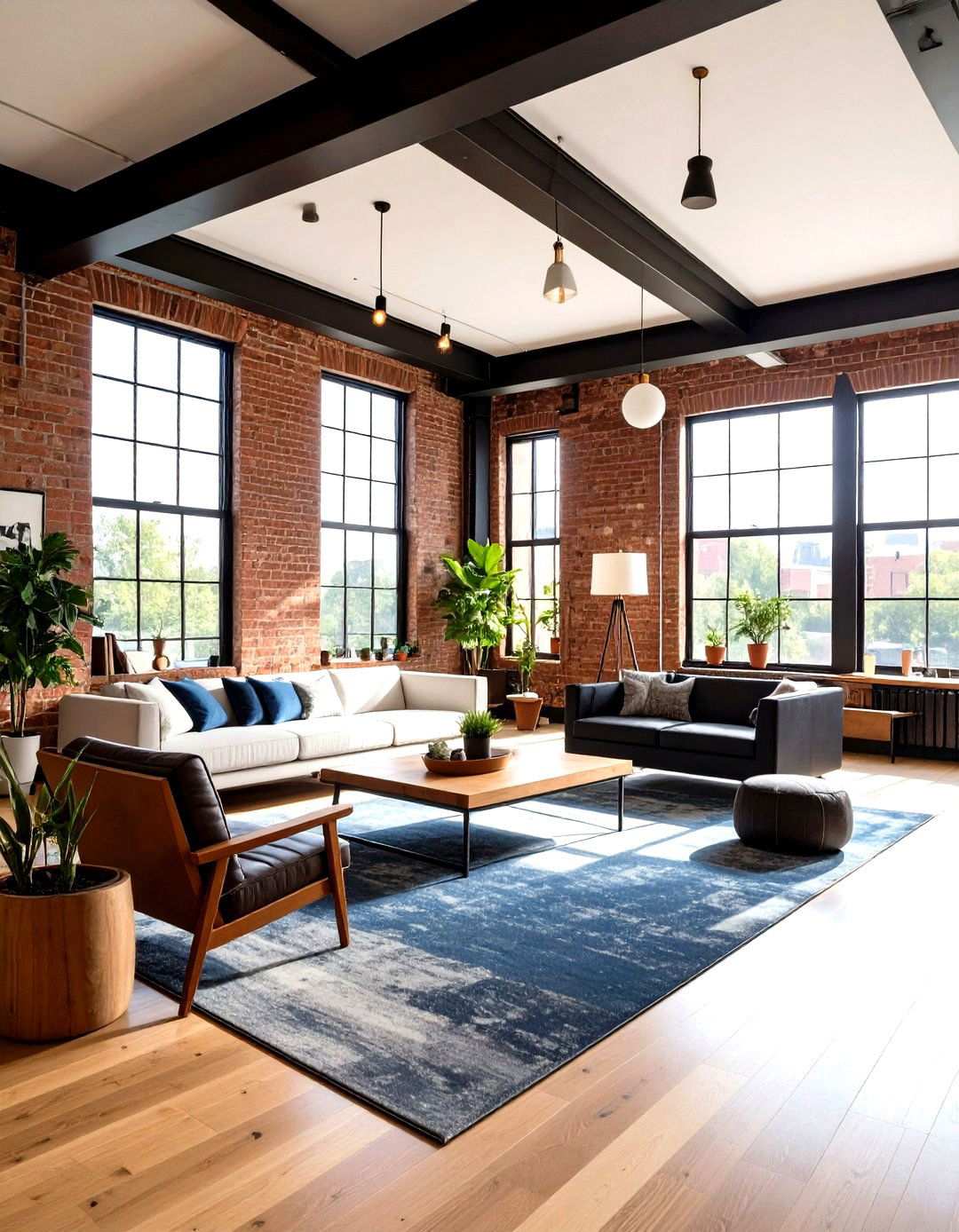
By carefully incorporating city-inspired design elements, you can create surprisingly intimate therapeutic environments that resonate with metropolitan clients. An urban loft therapy studio combines metropolitan sophistication with comfortable therapeutic elements to create a unique and inviting space. Exposed brick walls and large windows create architectural interest while maintaining a professional appearance. Modern furniture in sleek lines provides contemporary comfort, while black and white photography of cityscapes adds urban character to the space. Incorporating industrial elements like metal bookcases and vintage factory lighting fixtures adds depth and texture to the studio. To soften the industrial aesthetic, incorporate comfortable seating in rich fabrics that provide a cozy contrast to the exposed brick walls. Large area rugs define intimate conversation areas within open floor plans, creating a sense of separation and comfort. Adding green plants in modern containers not only softens industrial materials but also improves air quality and creates a calming ambiance. By maximizing natural light through floor-to-ceiling windows and incorporating city views, you can create a therapeutic environment that appeals to metropolitan clients and provides a sophisticated setting for meaningful work. This urban-inspired design often helps clients feel understood and validated in their modern lifestyle challenges, making it an ideal choice for metropolitan clients.
19. Dynamic Seasonal Transformation
Envision a therapeutic space that mirrors the ever-changing nature of the seasons, adapting quarterly to reflect the rhythms of the year. A dynamic seasonal transformation room embodies this concept, where each season brings a fresh wave of design elements that resonate with the corresponding energy and themes. Spring’s arrival ushers in a vibrant tapestry of floral arrangements, soft green hues, and uplifting motifs that celebrate renewal and rebirth. Summer’s warmth is captured in a palette of radiant colors, natural textures, and invigorating elements that foster vitality and activity. Autumn’s cozy atmosphere is characterized by rich earth tones, plush furnishings, and harvest-inspired themes that encourage introspection and gratitude. Winter’s tranquility is reflected in a soothing color scheme, gentle lighting, and contemplative elements that support introspection and inner growth. By reconfiguring furniture and storage solutions, therapists can seamlessly transition between seasons, maintaining a functional and therapeutic environment. The inclusion of natural elements like seasonal flowers, branches, and plants serves as a poignant reminder of our connection to the natural world. This adaptive approach prevents stagnation, providing a rich tapestry of therapeutic metaphors for personal growth and transformation.
20. Intercultural Synergies in Therapy
Imagine a therapy space that not only respects but also celebrates the rich diversity of cultural backgrounds, fostering deeper connections with clients from all walks of life. An intercultural therapy space thoughtfully integrates elements from various cultural traditions, striking a delicate balance between cultural sensitivity and professional neutrality. By incorporating artwork, textiles, and decorative objects that respectfully represent diverse cultural heritages, therapists can create a welcoming environment that honors the client’s unique perspective. Comfortable seating arrangements accommodate different cultural preferences for personal space and interaction styles, while natural elements like plants, stones, and wood transcend cultural boundaries, evoking a sense of shared humanity. The inclusion of books and resources representing diverse perspectives on healing and wellness adds depth and nuance to the therapy space, acknowledging the diversity of healing traditions and promoting a sense of inclusivity. By embracing cultural diversity, therapists can create a space that feels respectful, understanding, and empowering, allowing clients to feel seen and heard regardless of their heritage or belief systems.
21. Designing a Therapeutic Oasis
Creating an intimate reading space within your practice can greatly enhance your therapeutic approach, fostering a deeper connection with clients and promoting a sense of calm. A comfortable reading nook office is designed to provide an inviting atmosphere, complete with built-in window seats that allow for natural light to pour in while soft cushions cradle those who sit. Floor-to-ceiling bookshelves overflow with a curated selection of therapeutic literature, poetry, and inspirational works, inviting clients to delve into the pages and explore the stories that resonate with them. Soft throws and pillows create an inviting lounge atmosphere, encouraging clients to settle in comfortably during sessions. With adjustable lighting and side tables stocked with essentials like beverages, tissues, and personal items, the space is tailored to meet the unique needs of each client. Adding plants and fresh flowers brings a touch of serenity to the space, while comfortable footstools and ottomans provide flexible seating options that adapt to each client’s preferences. This thoughtfully designed environment speaks to clients who find solace in the written word and the pursuit of knowledge, providing a sanctuary for growth and exploration.
22. Cultivating Mindfulness in Therapy
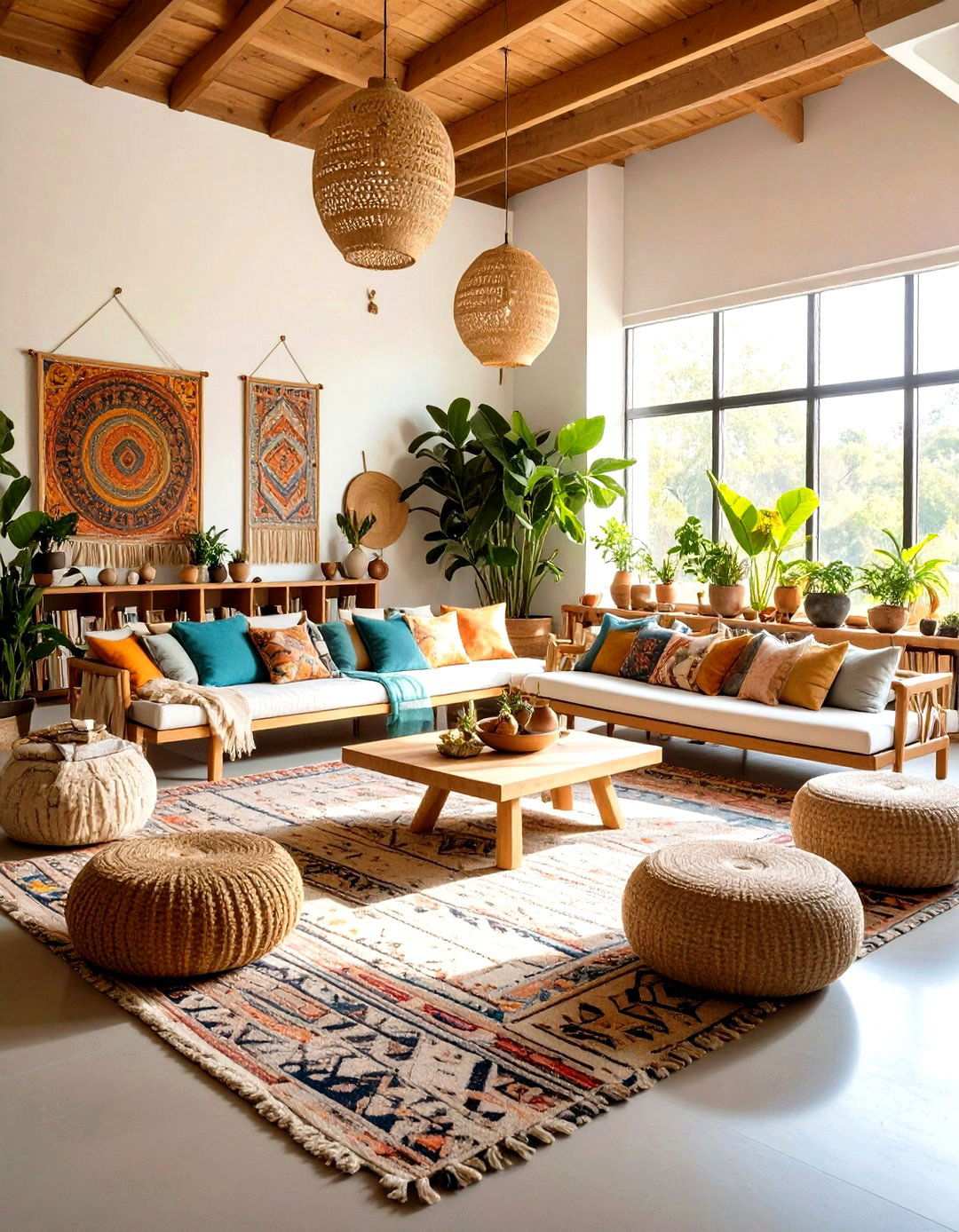
Incorporating mindfulness spaces into your therapeutic practice can be a game-changer, offering clients a unique and transformative experience that complements traditional talk therapy. A meditation practice therapy room is designed to provide a serene and contemplative environment, complete with designated areas for mindfulness practices and traditional conversation spaces. The room is stocked with meditation cushions, yoga mats, and comfortable floor seating, making it an ideal space for clients to explore various mindfulness techniques. Altars or sacred spaces are thoughtfully included, honoring diverse spiritual traditions without imposing specific beliefs or expectations. The gentle hum of singing bowls, chimes, and other sound healing instruments creates a soothing atmosphere, while essential oil diffusers waft calming scents like lavender and sandalwood, promoting relaxation and tranquility. Dim lighting options and inspirational quotes and artwork add to the contemplative ambiance, inviting clients to explore the depths of their own inner peace. Storage for meditation supplies and blankets ensures that the space remains comfortable and inviting, providing the perfect setting for clients to embark on their own mindfulness journey.
23. Harmonious Integration of Modern Office Spaces
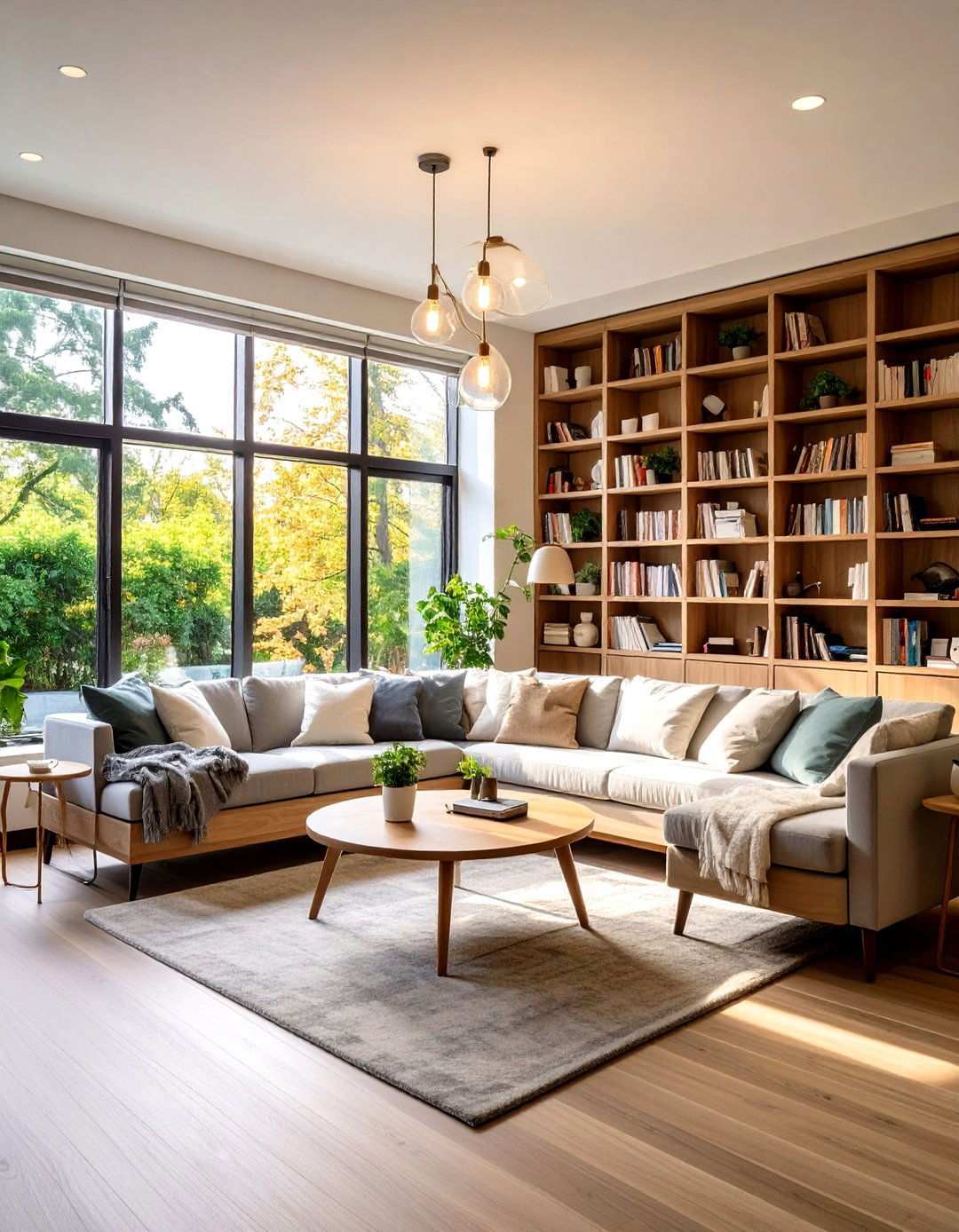
Can thoughtfully incorporated technology and design elements enhance rather than disrupt the therapeutic work environment? A modern office space that seamlessly integrates technology and human connection focus features a range of innovative tools and features. Key components include sound masking systems that preserve client confidentiality while creating a soothing background ambiance. Additionally, air purification systems with quiet operation maintain optimal air quality, ensuring a healthy and comfortable atmosphere. Adjustable LED lighting systems support circadian rhythms and mood regulation, while charging stations for client devices alleviate concerns about connectivity. Furthermore, white noise machines or nature sound systems mask external distractions, and temperature control systems maintain optimal comfort levels throughout sessions. Finally, incorporating video calling capabilities for hybrid in-person and virtual sessions enables flexibility and convenience, while digital art displays that can change images to support therapeutic themes or client preferences add a touch of elegance and sophistication. This forward-thinking approach balances the benefits of technology with the warmth and humanity essential for therapeutic relationships.
24. The Science of Color in Healing Environments
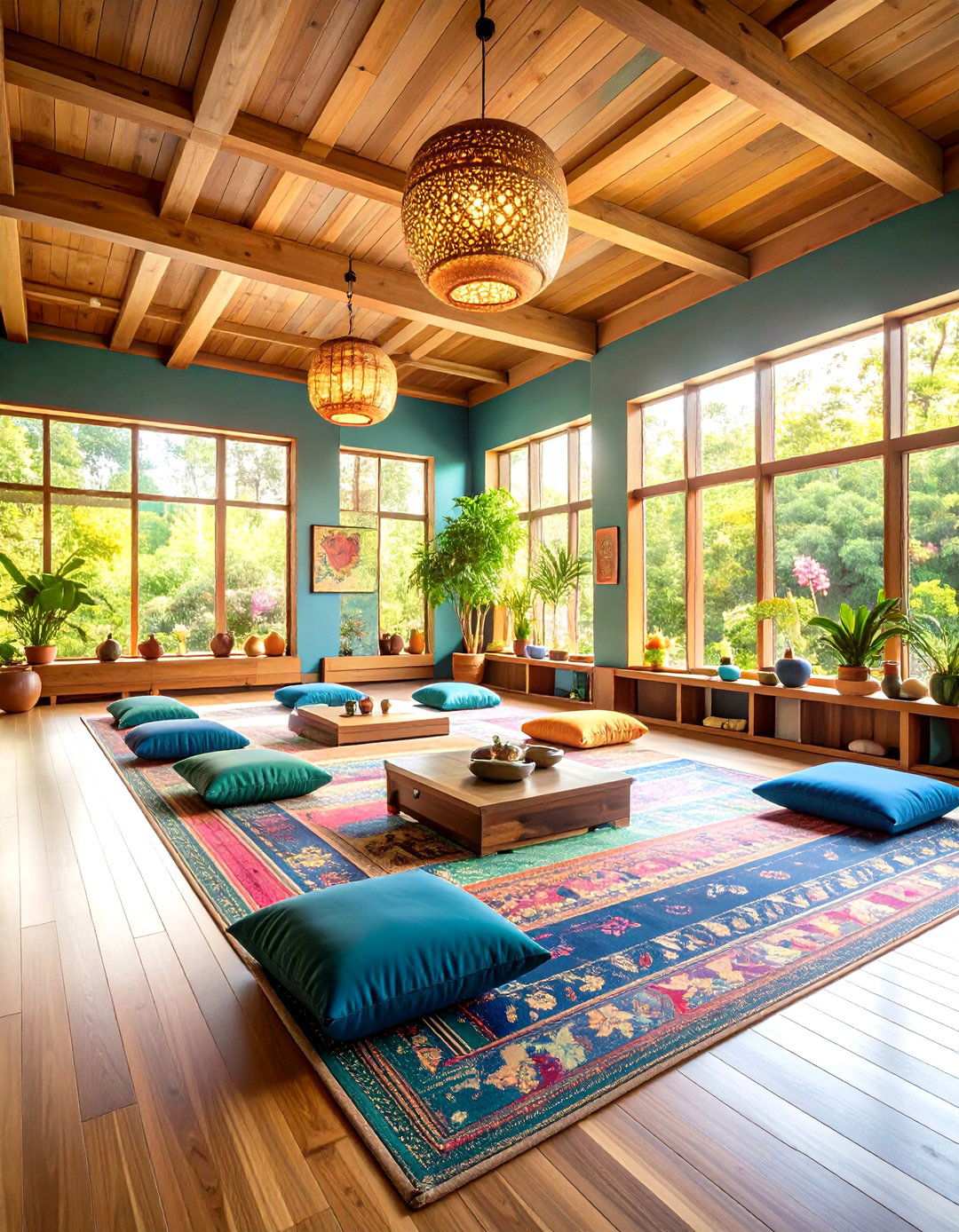
How can color psychology be strategically applied to create a therapeutic healing environment? A healing color therapy environment thoughtfully incorporates specific colors throughout the space to support emotional regulation and healing processes. Soft blue and green tones in conversation areas promote calm and reduce anxiety during challenging discussions, while warm yellow accents encourage optimism and hope without overwhelming sensitive clients. Purple elements support spiritual growth and introspection during deep therapeutic work, and neutral earth tones provide grounding and stability for clients processing trauma. What’s more, color-changing lighting systems can be adjusted to support different therapeutic activities and client needs, and artwork and textiles in therapeutic color combinations promote specific emotional states. By designing color zones within the office that support different types of therapeutic work and client preferences, therapists can create a space that is both professionally effective and personally comforting. This evidence-based approach uses color psychology research to enhance therapeutic outcomes while maintaining a calming and supportive atmosphere.