1. From Transitional Space to Design Star
Elevate your staircase from an afterthought to a showstopping focal point by unlocking its creative potential. The wall adjacent to your staircase serves as an unassuming canvas waiting to be transformed into a stunning work of art. Whether you’re working with a compact townhouse staircase or a grand, curved masterpiece, this often-overlooked space holds the key to adding depth and personality to your home’s aesthetic. By embracing innovative design ideas, you can turn a mundane transitional area into a captivating feature that reflects your unique style and tastes. From bold, eye-catching installations to elegant, refined displays, the right approach can breathe new life into your staircase and enhance your home’s overall value.

As an Amazon Associate I earn from qualifying purchases.
2. A Wall of Personality – Photo Displays
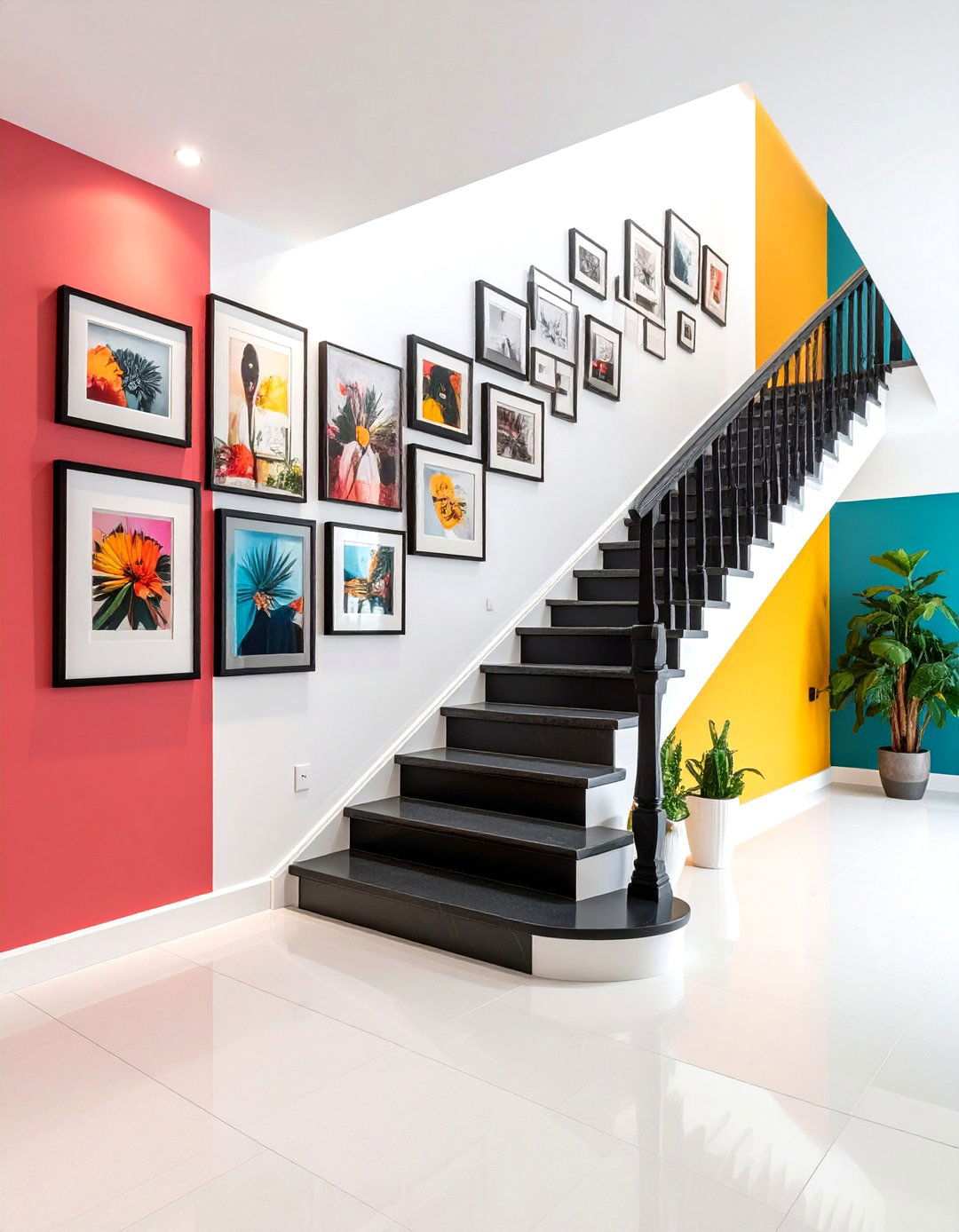
Why settle for bland, empty walls when you can curate a personalized photo gallery that tells your story with every step? A thoughtful selection of images, carefully arranged along the diagonal line of your staircase, creates a visually striking display that adds warmth and character to your home. For a cohesive look, opt for black or white frames that blend seamlessly with your surroundings. Alternatively, mix and match frame styles and colors to create a playful, eclectic vibe that adds a touch of whimsy to your space. Don’t be afraid to incorporate a mix of family portraits, artwork, and other meaningful images to add depth and interest to your display. This approach is particularly well-suited to traditional and transitional homes, where personal touches can create a sense of history and warmth.
3. The Power of Contrast – Accent Paint Colors
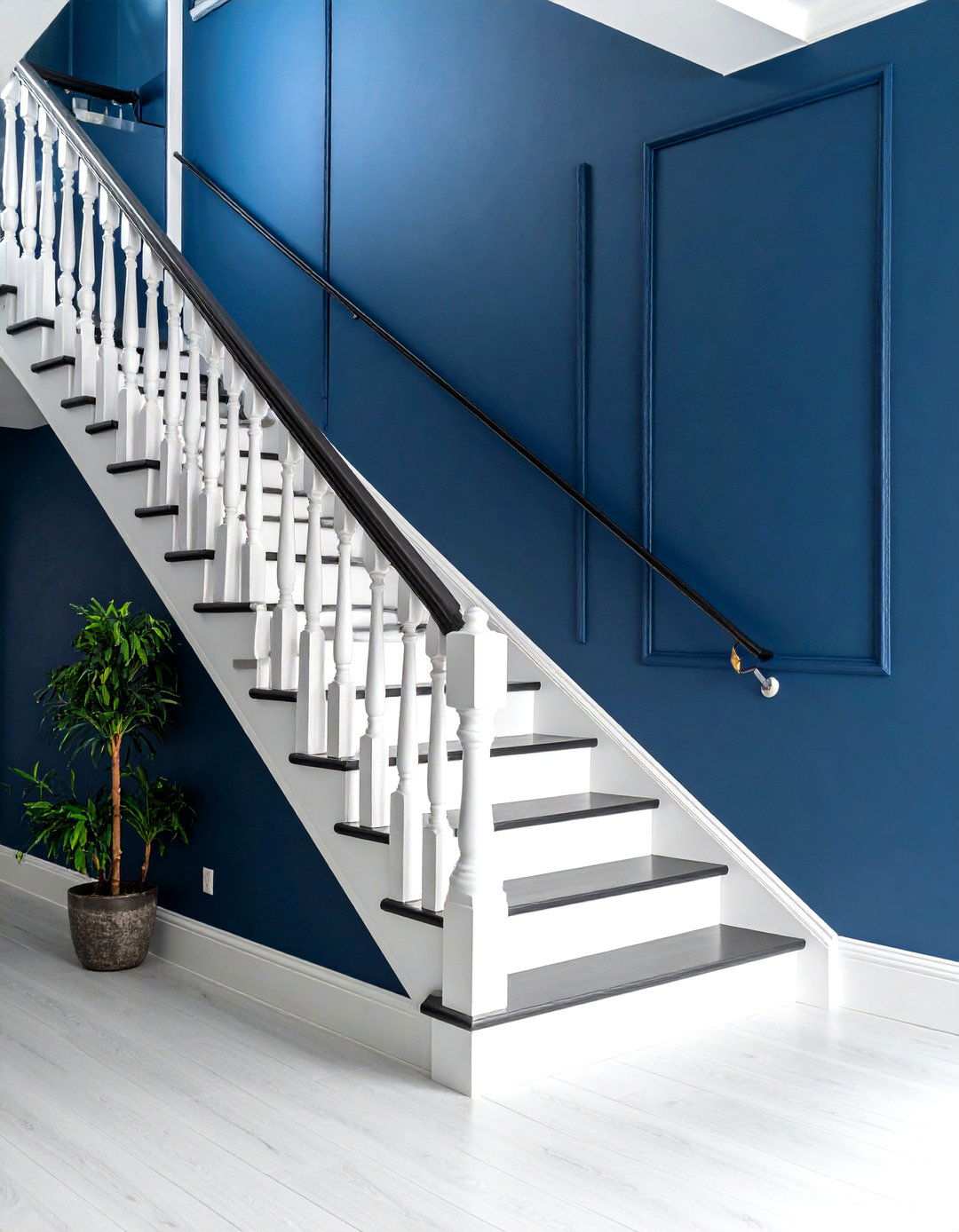
A single, bold wall of color can completely transform the atmosphere of your staircase area. Rich, deep hues like navy, forest green, or burgundy can instantly add sophistication and visual interest to your space. When paired with crisp white trim and natural light from nearby windows, these darker colors create a striking contrast that draws the eye. The key is to select colors that complement your existing palette while making a confident statement. Consider investing in high-quality paint with a durable finish to withstand the wear and tear of daily traffic. This approach is particularly effective in contemporary and modern farmhouse settings, where contrast can create a sense of architectural interest and visual drama.
4. Elevating Your Staircase Walls with Textured Wallpaper
A well-chosen wallpaper can significantly enhance the visual appeal of your staircase walls, turning them into a striking feature that sets the tone for the rest of your home. With an array of creative texture and pattern options available, modern wallpaper designs can effortlessly transition ordinary walls into extraordinary ones. By incorporating natural-looking grasscloth textures, you can infuse warmth into your space, while geometric patterns bring a contemporary twist. To avoid overwhelming the area, consider installing wallpaper on just one accent wall, particularly in narrow stairwells where subtlety is essential. Furthermore, incorporating metallic accents in wallpaper designs can cleverly reflect light, making compact areas feel more spacious and inviting.
5. Illuminating Your Staircase with LED Strip Lighting
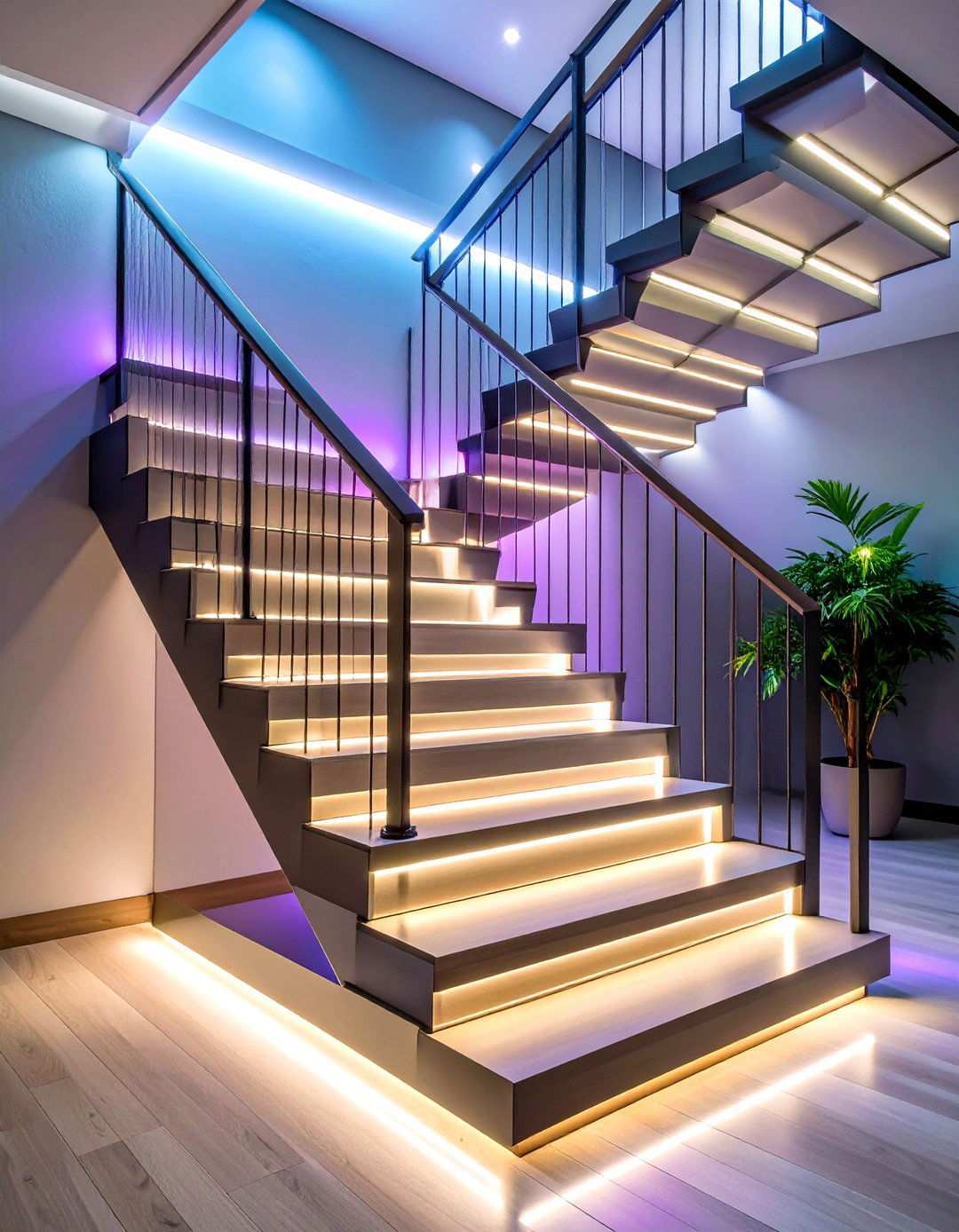
Lighting can indeed play a pivotal role in transforming your staircase wall into a visually stunning architectural element. Strategically placed LED strip lighting can not only create a dramatic ambiance but also enhance safety and functionality. By installing strips behind floating shelves, within wall niches, or along the top edge of wainscoting, you can achieve a beautiful, indirect illumination effect. Moreover, these energy-efficient solutions offer an array of customizable features, including color temperatures and dimming capabilities, which can be tailored to match different moods and times of day. As a result, your staircase will feel more spacious, while the subtle glow from hidden LED sources beautifully highlights other design elements.
6. The Timeless Beauty of Natural Stone Cladding
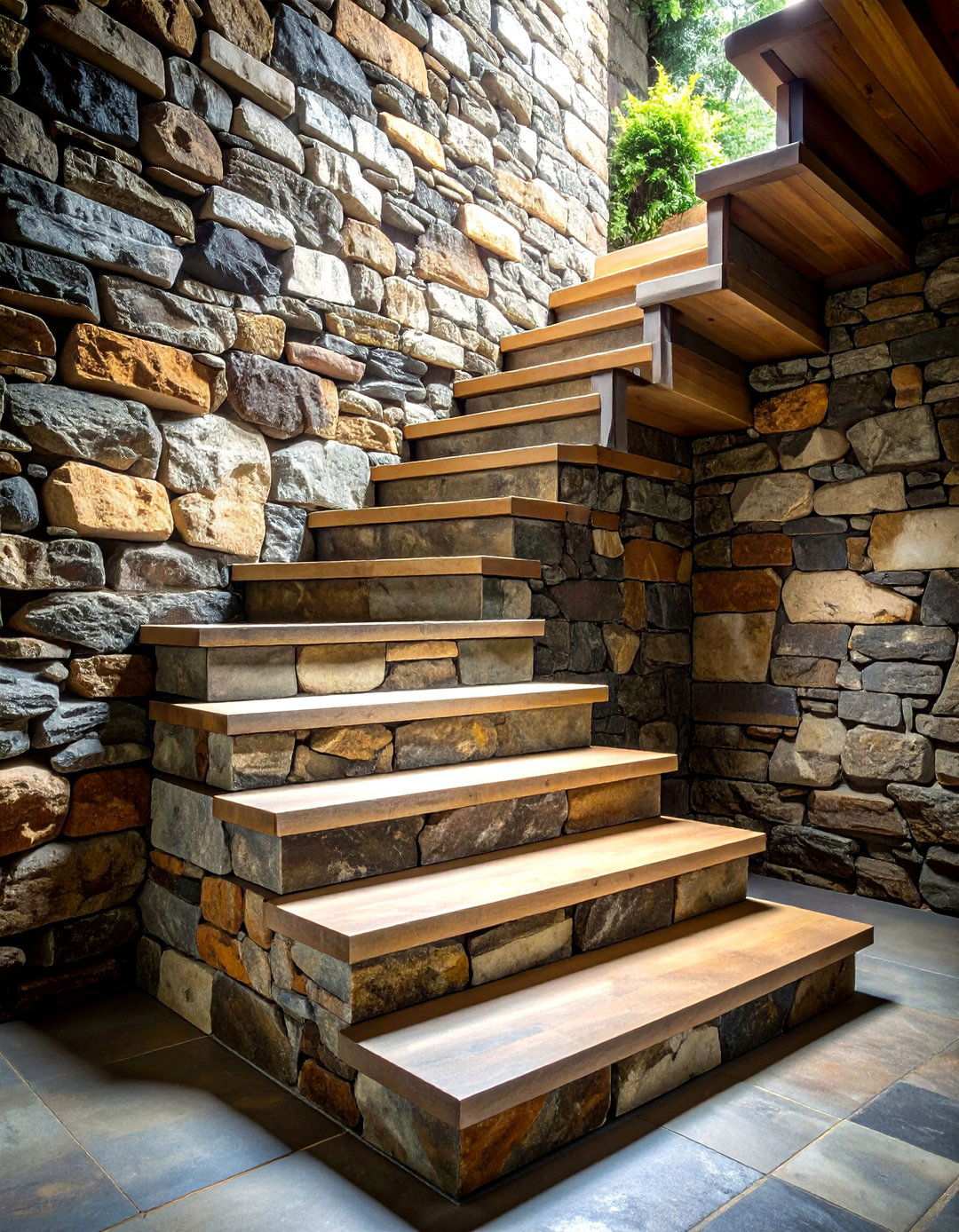
Natural stone cladding brings an organic texture and unparalleled beauty to staircase walls, skillfully connecting indoor spaces with nature. By incorporating materials such as stacked slate, river rock, or cultured stone, you can create a stunning focal point that resonates with the rustic charm of a countryside setting. Not only do these durable materials require minimal maintenance, but they also offer excellent sound absorption in busy stairways, ensuring a pleasant and peaceful atmosphere. To strike the perfect balance, consider installing stone cladding from floor to chair rail height, then transitioning to paint or wallpaper above for a harmonious visual flow. The natural variations in stone textures will beautifully catch and reflect light, creating captivating dynamic shadows and highlights throughout the day, particularly in rustic, craftsman, and contemporary mountain home styles.
7. Maximizing Functionality with Built-in Display Shelving
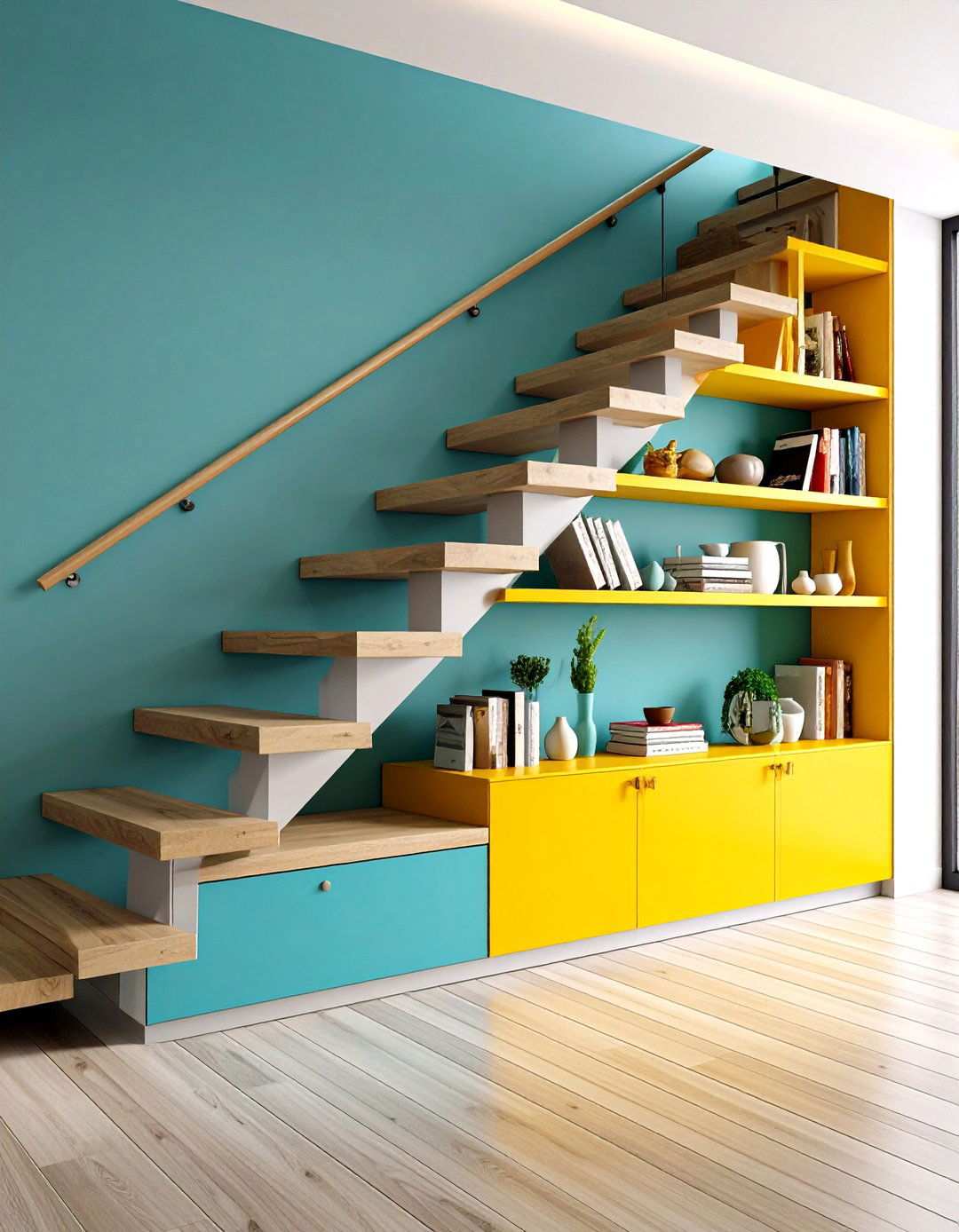
Unused staircase wall space can be transformed into functional storage and display areas with custom built-in shelving, elevating the aesthetic and utility of your home. These architectural elements not only provide a haven for books, decorative objects, plants, and personal collections but also maintain a clean, organized appearance. By designing shelves with varying heights, you can create visual rhythm and accommodate different items, while incorporating LED strip lighting within shelves will beautifully illuminate displayed objects and add ambient lighting to your stairwell. When selecting materials, consider matching wood species to your staircase construction or contrasting metal finishes to create a striking visual effect. By opting for built-in solutions, you can maximize space efficiency while adding significant value to your home’s functionality and aesthetic appeal.
8. Elevating with Two-Tone Color Schemes
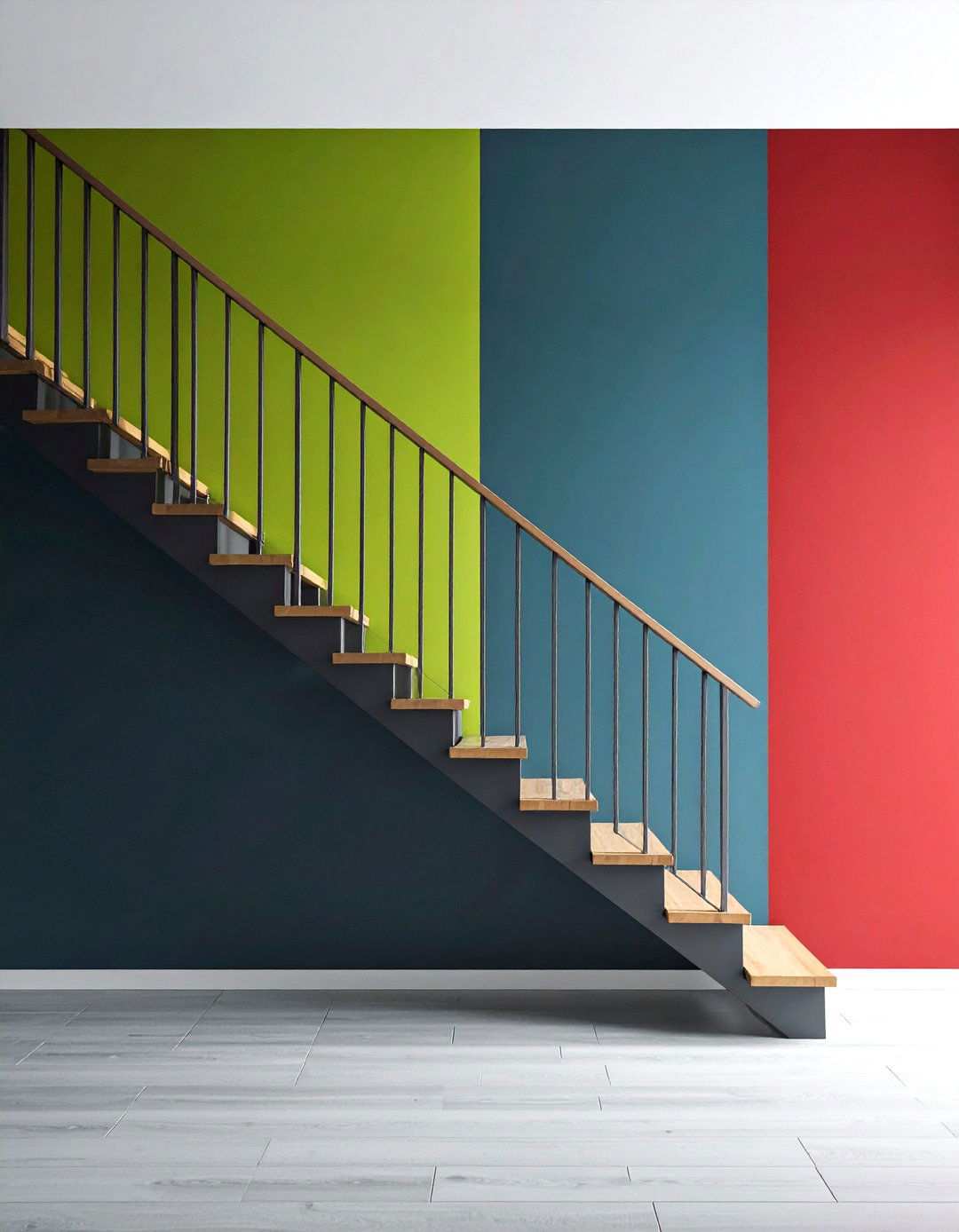
Two-tone color combinations offer a sophisticated way to add visual interest to your staircase wall. By dividing your wall horizontally, you can create a striking contrast between darker colors below and lighter shades above. Alternatively, experiment with complementary color pairs for a bold, contemporary statement. This technique not only adds architectural detail but also helps define space proportions without the need for costly construction. When determining color placement, consider the height of your chair rail or wainscoting to achieve a harmonious balance. This approach works particularly well in modern and transitional spaces where color blocking creates clean, geometric design elements that feel fresh and current.
9. Minimalist Display with Floating Art Ledges
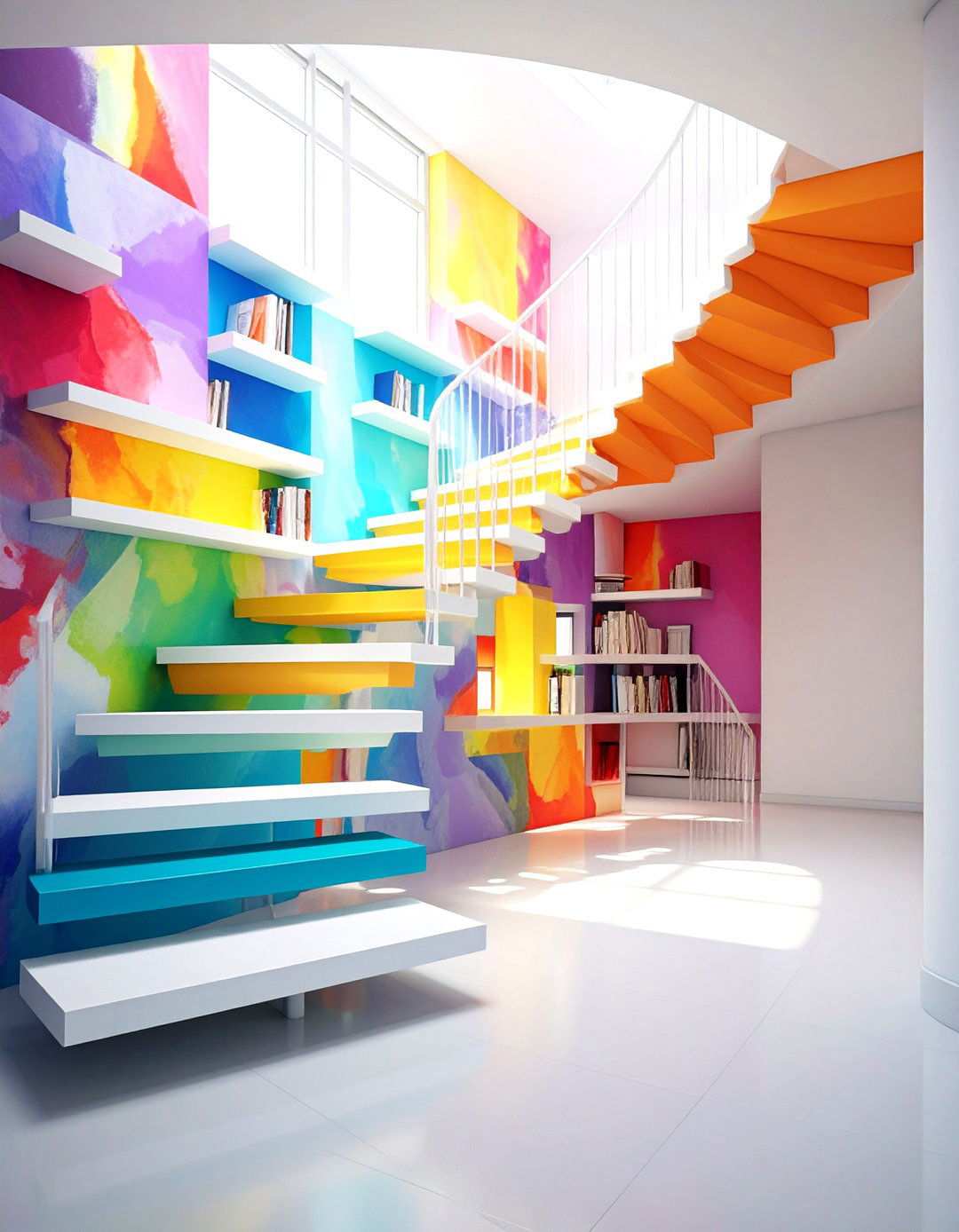
Floating art ledges offer a flexible solution for displaying artwork while maintaining a clean, contemporary aesthetic. These streamlined shelves allow you to easily rotate seasonal displays, family photos, and artistic collections without damaging your walls. By installing multiple ledges at varying heights, you can create dynamic compositions that evolve with your changing tastes. The horizontal lines of floating ledges also emphasize the linear movement of your staircase, providing practical display space. To achieve cohesive design integration, choose materials that complement your staircase handrail or trim work. This approach appeals to minimalist sensibilities while maintaining functionality for busy family lifestyles.
10. Nature's Sanctuary: Vertical Garden Installations
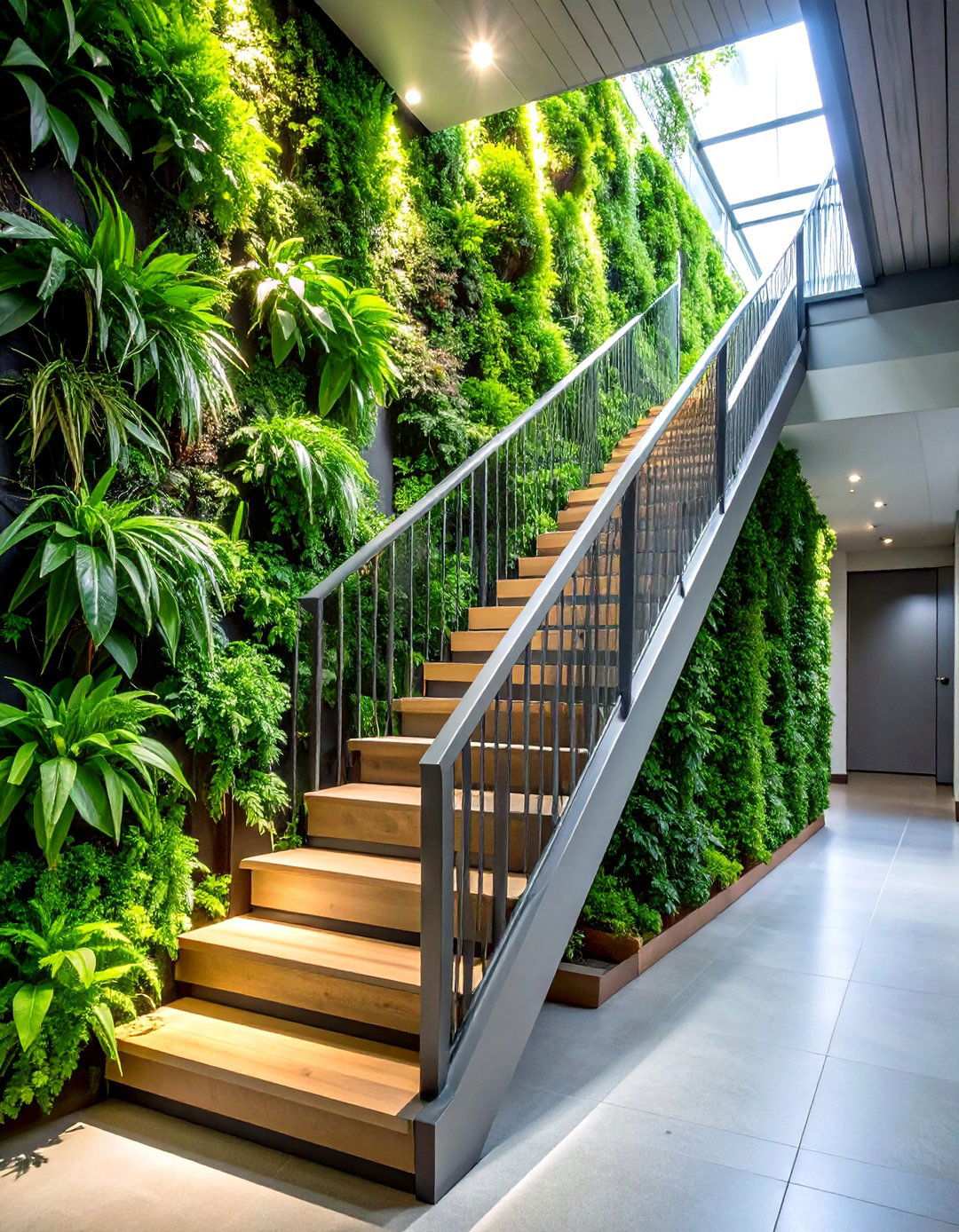
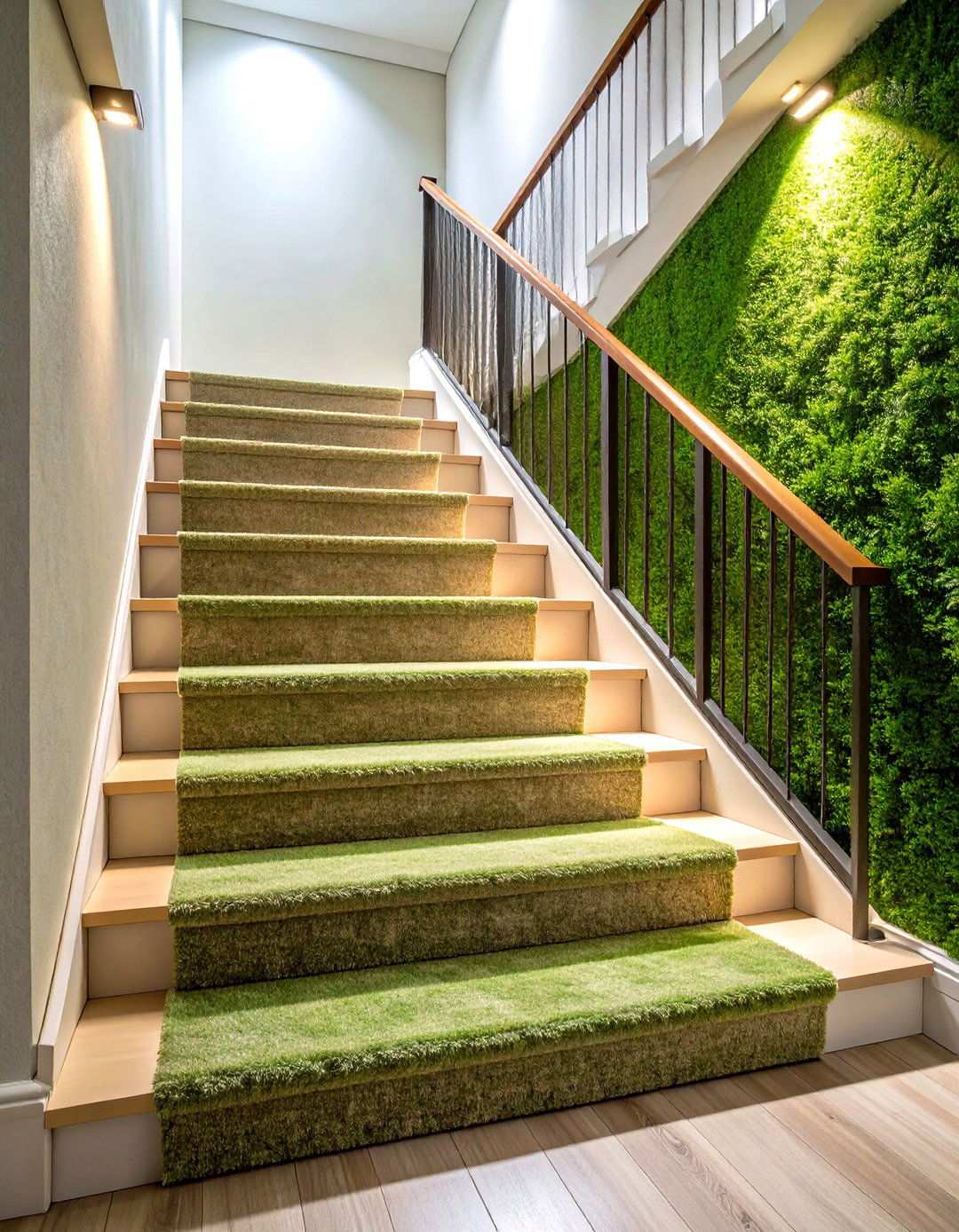
Transforming your staircase into a natural sanctuary is a unique opportunity to bring fresh air, natural beauty, and biophilic design elements into transitional spaces. Vertical gardens can be a stunning addition to any room, particularly in areas that often lack connection to nature. Choose low-maintenance plants like pothos, ferns, or succulents that thrive in varying light conditions. It’s essential to install proper irrigation systems and ensure adequate drainage to protect your walls and flooring. Living walls not only improve indoor air quality but also create stunning visual focal points that change seasonally. This eco-friendly approach is particularly well-suited to contemporary, Scandinavian, and urban design schemes where nature integration softens hard architectural lines.
11. Reflecting Beauty: Mirror Wall Arrangements
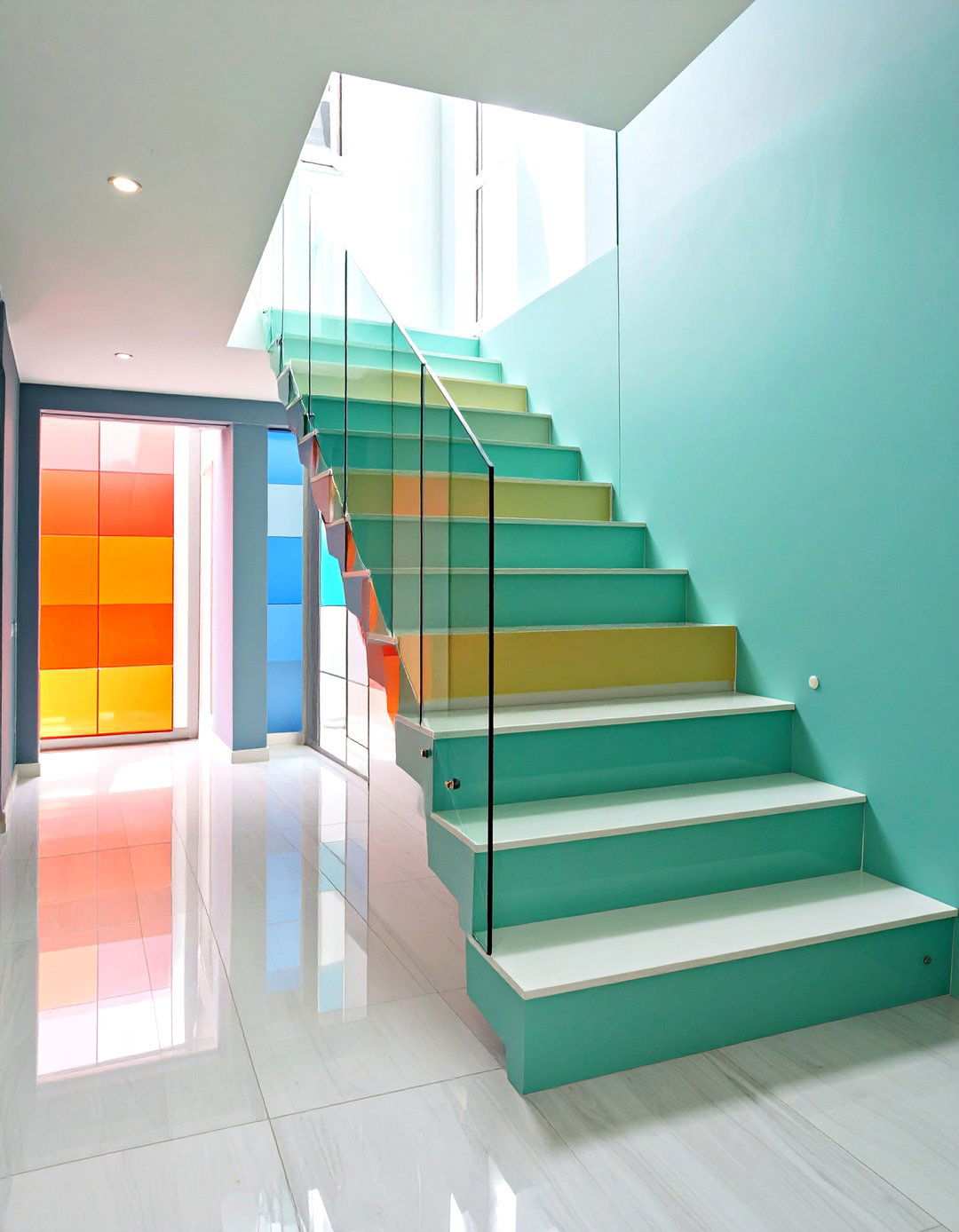
Strategic mirror placement can dramatically expand the perceived size of narrow stairwells while reflecting natural light throughout your space. By arranging multiple mirrors in geometric patterns or creating gallery wall compositions using various shapes and frame styles, you can create a visually striking effect. Large statement mirrors positioned at landing areas provide functional benefits while serving as striking design elements. Consider using antique mirrors for vintage charm or sleek frameless options for modern appeal. The reflective surfaces bounce light between floor levels, creating brighter, more welcoming staircase environments. This technique is particularly valuable in basement stairs or interior stairwells lacking natural light sources, where the added illumination can make a significant difference.
12. Artistic Staircase Statements
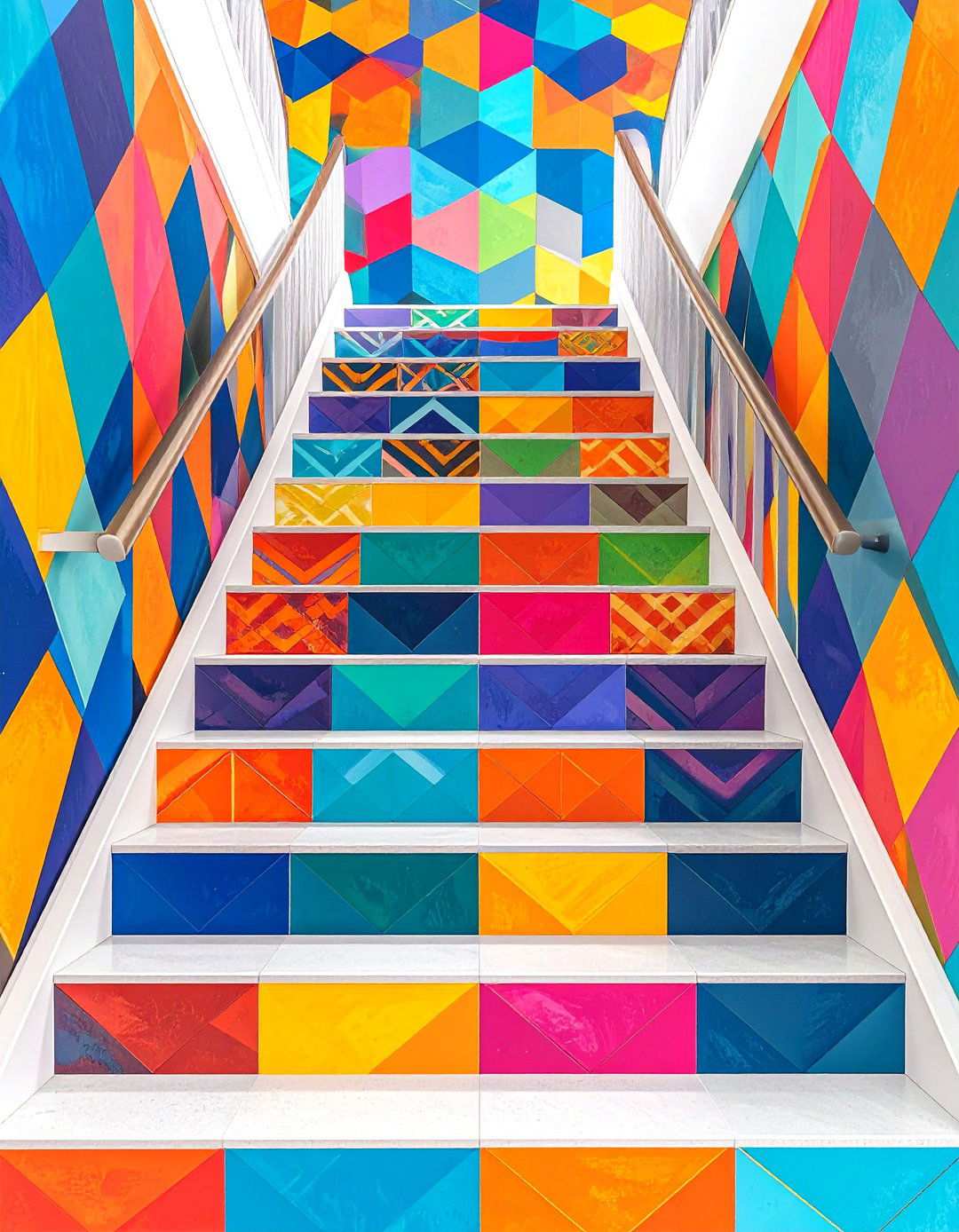
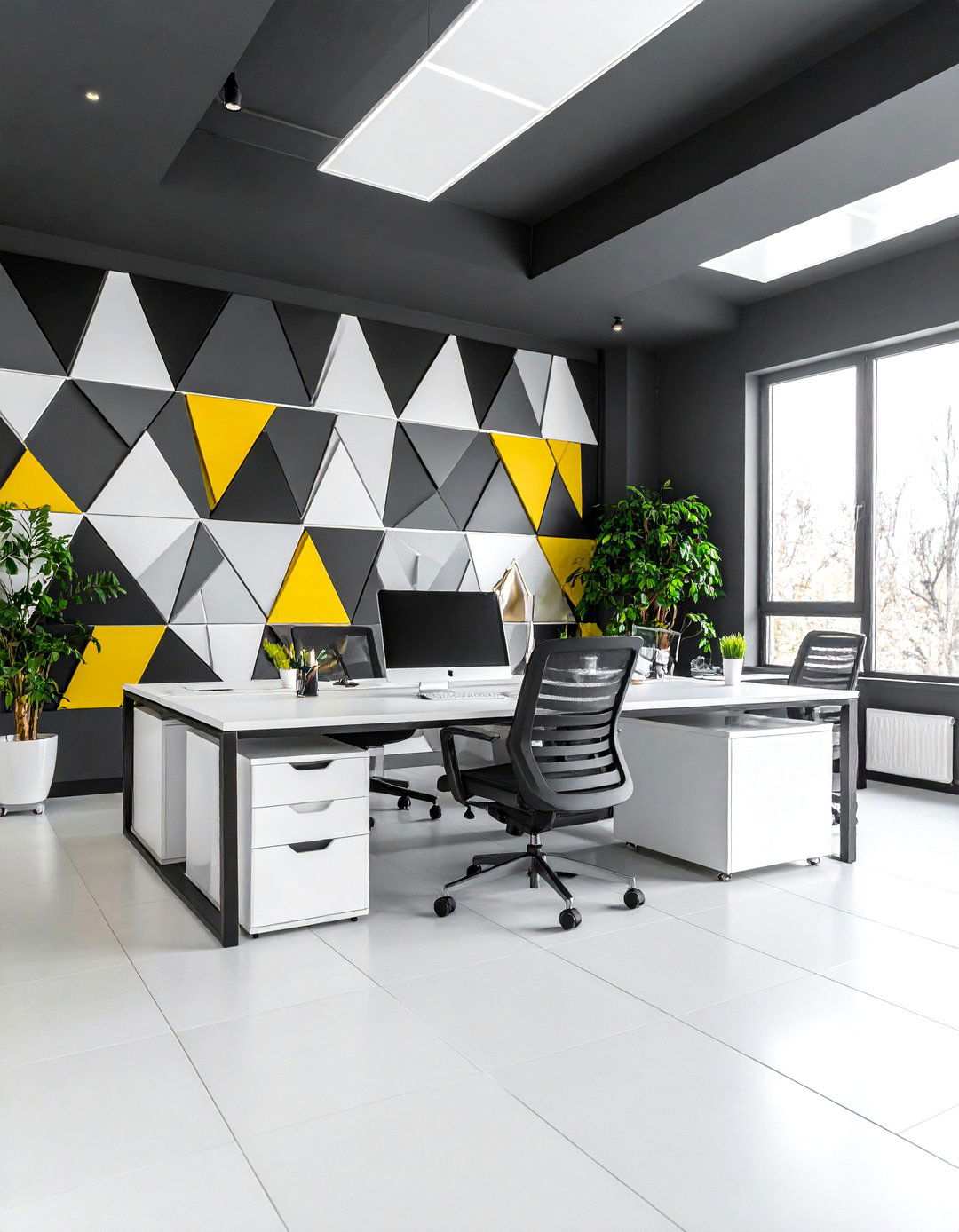
Geometric patterns applied directly to staircase walls can elevate transitional spaces with a bold, modern touch. To achieve crisp lines and sharp angles, use painter’s tape to create intricate designs in contrasting colors. These geometric patterns not only add visual interest but also complement the angular architecture of staircases. Effective application requires a thoughtful approach to scale, ensuring that patterns remain proportional to the wall dimensions and don’t overwhelm smaller spaces. Experiment with simple two-color combinations before moving on to more complex multi-color schemes to achieve the desired look.
13. Curated Collections on the Staircase
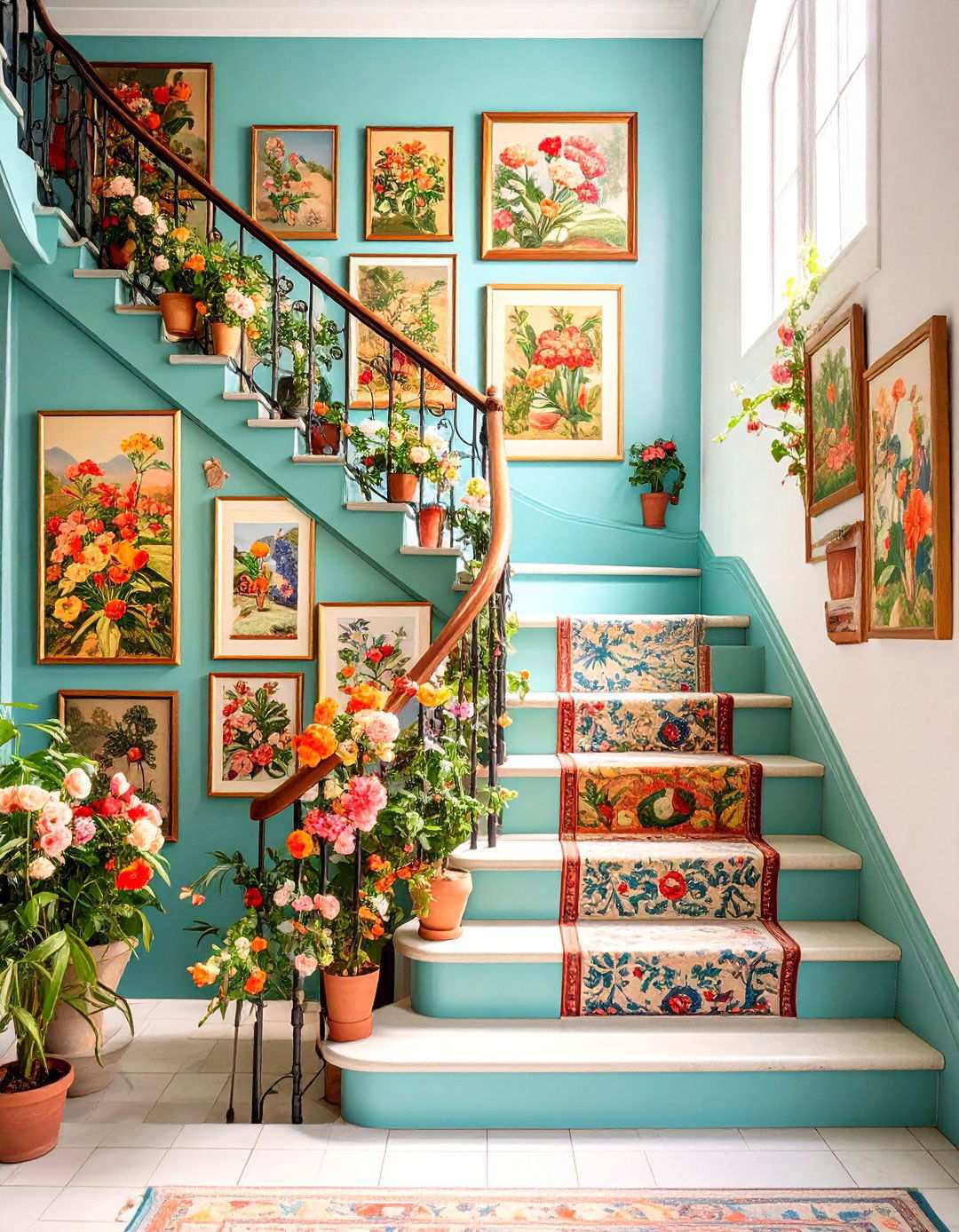
Transform your staircase into a captivating gallery by showcasing a curated selection of vintage travel posters, botanical prints, or architectural drawings. These carefully chosen pieces tell stories, impart historical charm, and add sophisticated cultural references to your home. To achieve a cohesive look, frame pieces uniformly, or mix and match for a more relaxed, eclectic appeal. Vintage collections work particularly well in traditional, eclectic, and bohemian design schemes where layered personality takes center stage. Seek out authentic pieces at antique shops, online marketplaces, or reproduction print retailers to bring a touch of nostalgia and cultural heritage into your home.
14. Urban Industrial Chic on the Staircase
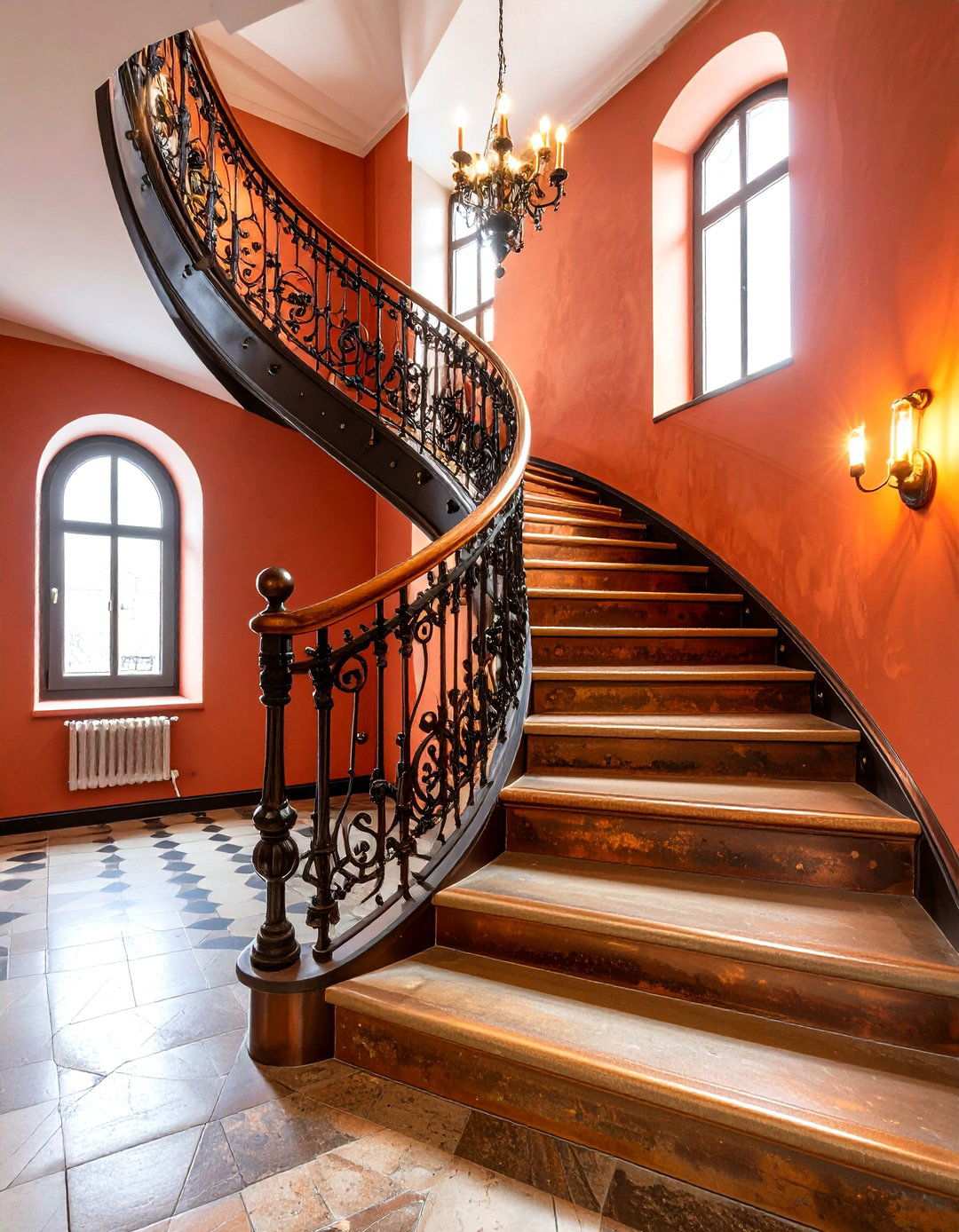
Metal accent installations can add an edgy, contemporary feel to staircase walls, bringing urban sophistication to your home. Consider incorporating wrought iron wall sculptures, copper sheet installations, or corten steel panels for a dramatic textural contrast. These industrial materials pair seamlessly with exposed brick, concrete, or wood elements in loft-style homes, adding authenticity to industrial design schemes. To highlight the natural patina and texture variations in metal surfaces, incorporate strategic lighting to create a visually striking effect. This approach is ideal for homeowners seeking unique, non-traditional design elements that make bold architectural statements.
15. Cozy Textile Installations
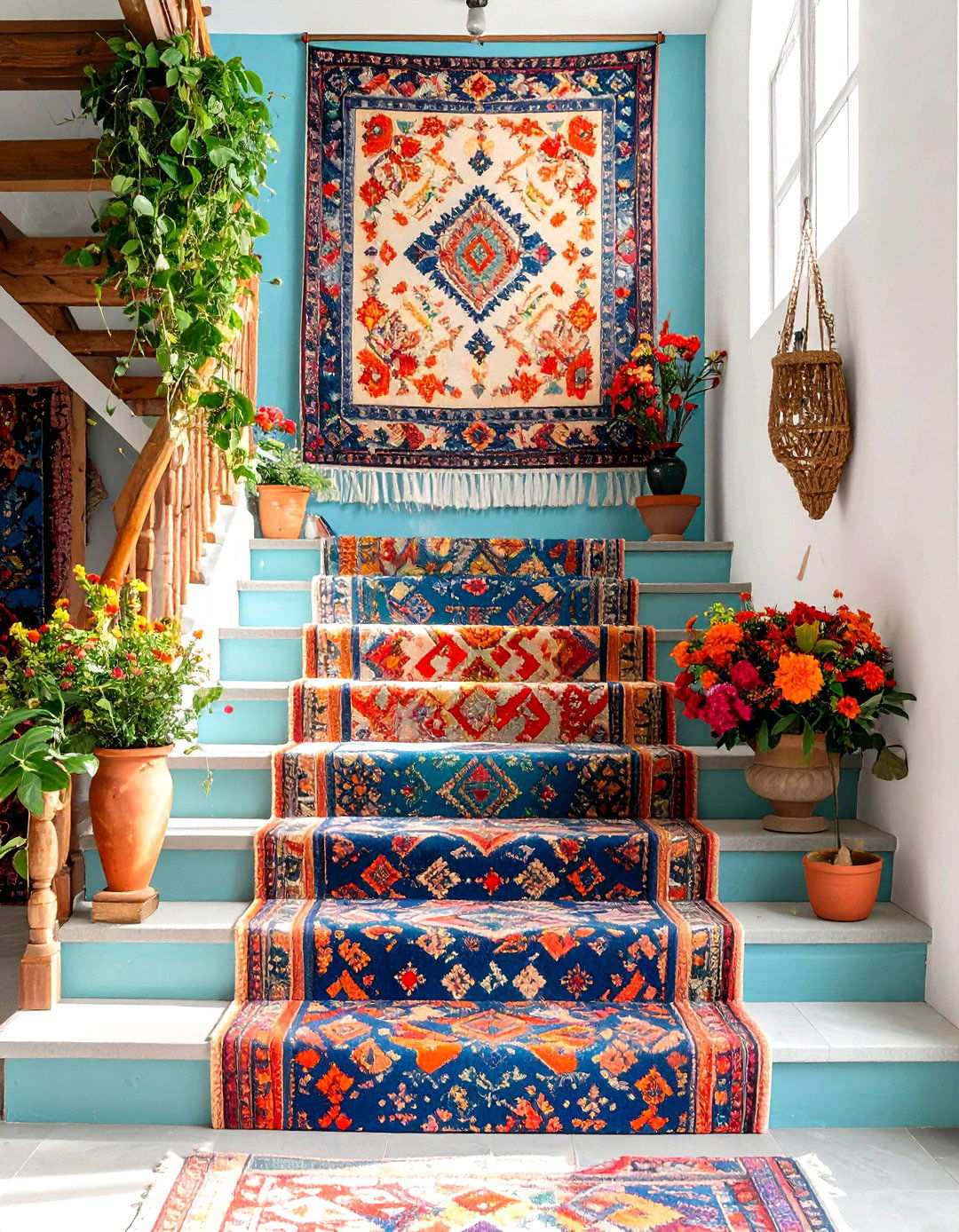
Transforming your staircase into a haven of warmth and color can be achieved through the strategic placement of soft textile installations. The addition of woven wall hangings, tapestries, or fabric art pieces introduces a tactile element that beautifully contrasts with the rigidity of architectural features. By selecting materials that harmonize with your existing furnishings, while considering maintenance needs in high-traffic areas, you can create a cohesive look that invites the senses. Moreover, embracing the art of handcrafted textiles adds a layer of cultural significance and authenticity to modern spaces often dominated by manufactured materials. To keep your staircase appearance fresh and exciting, consider rotating your textile installations seasonally. This approach is particularly well-suited to design schemes that celebrate bohemian, global, and eclectic aesthetics, where layered textures create rich and inviting environments.
16. Unified Color Harmony
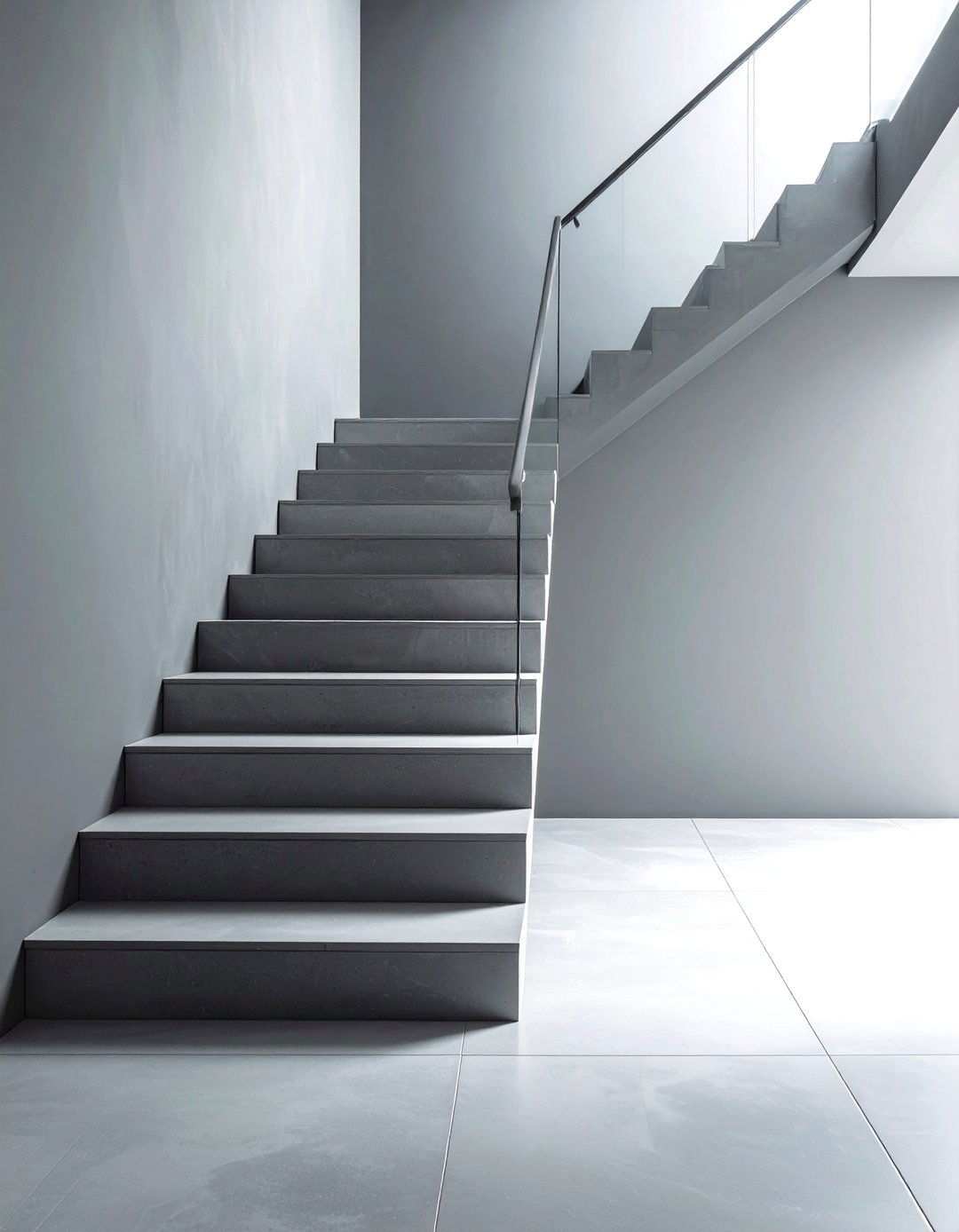
Monochromatic color schemes can create a sense of serene sophistication in staircase environments, imbuing a feeling of thoughtful design rather than accidental decor. By selecting varying shades of a single color, from the lightest tints to the deepest tones, you can achieve subtle depth and visual interest. This technique proves particularly effective with neutral palettes like grays, beiges, or whites that complement rather than compete with architectural features. Monochromatic schemes provide a calm and timeless backdrop that allows furniture, artwork, and personal collections to take center stage. The restrained elegance of single-color palettes will appeal to those with a minimalist sensibility, yet maintains enough variation to avoid monotony in transitional spaces. By embracing this approach, you can create a staircase environment that exudes refinement and subtlety.
17. Dramatic Mural Backdrops
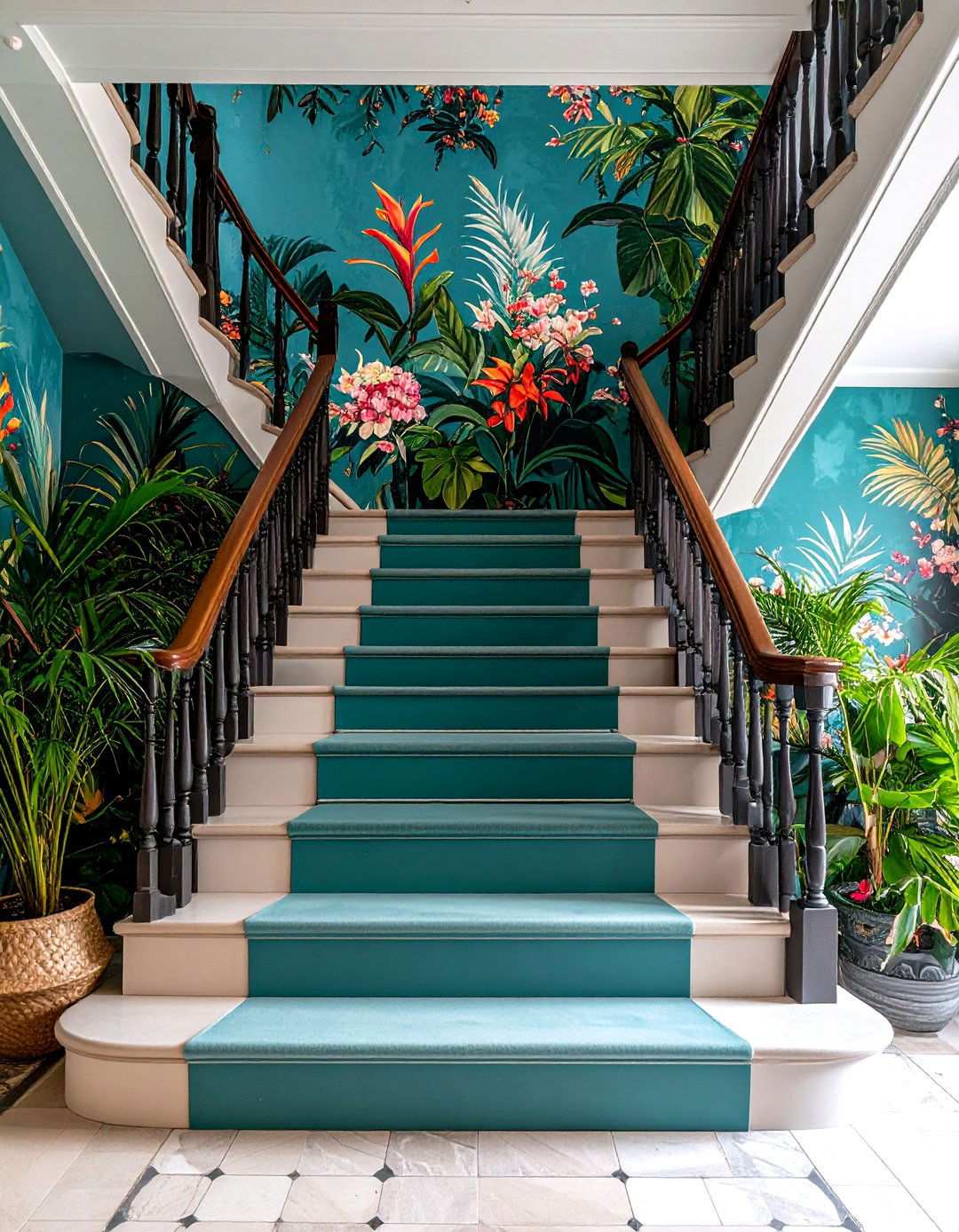
Large-scale wallpaper murals can transform an entire staircase wall into an artistic focal point that rivals commissioned artwork in its beauty and impact. When selecting a design, consider the architectural style of your home, whether it’s a traditional space that calls for botanical themes or a contemporary setting that demands abstract patterns. To ensure the mural’s composition is visually stunning from every staircase position, carefully consider the viewing angles. High-quality wallpaper murals offer incredible detail and color saturation that remains vibrant over time, making them a worthwhile investment for those seeking a dramatic design statement. However, installation requires meticulous planning and professional expertise to achieve seamless results. This approach is best suited to homes where bold design statements align with overall decorating philosophies and lifestyle preferences.
18. Harmonious Fusion of Materials
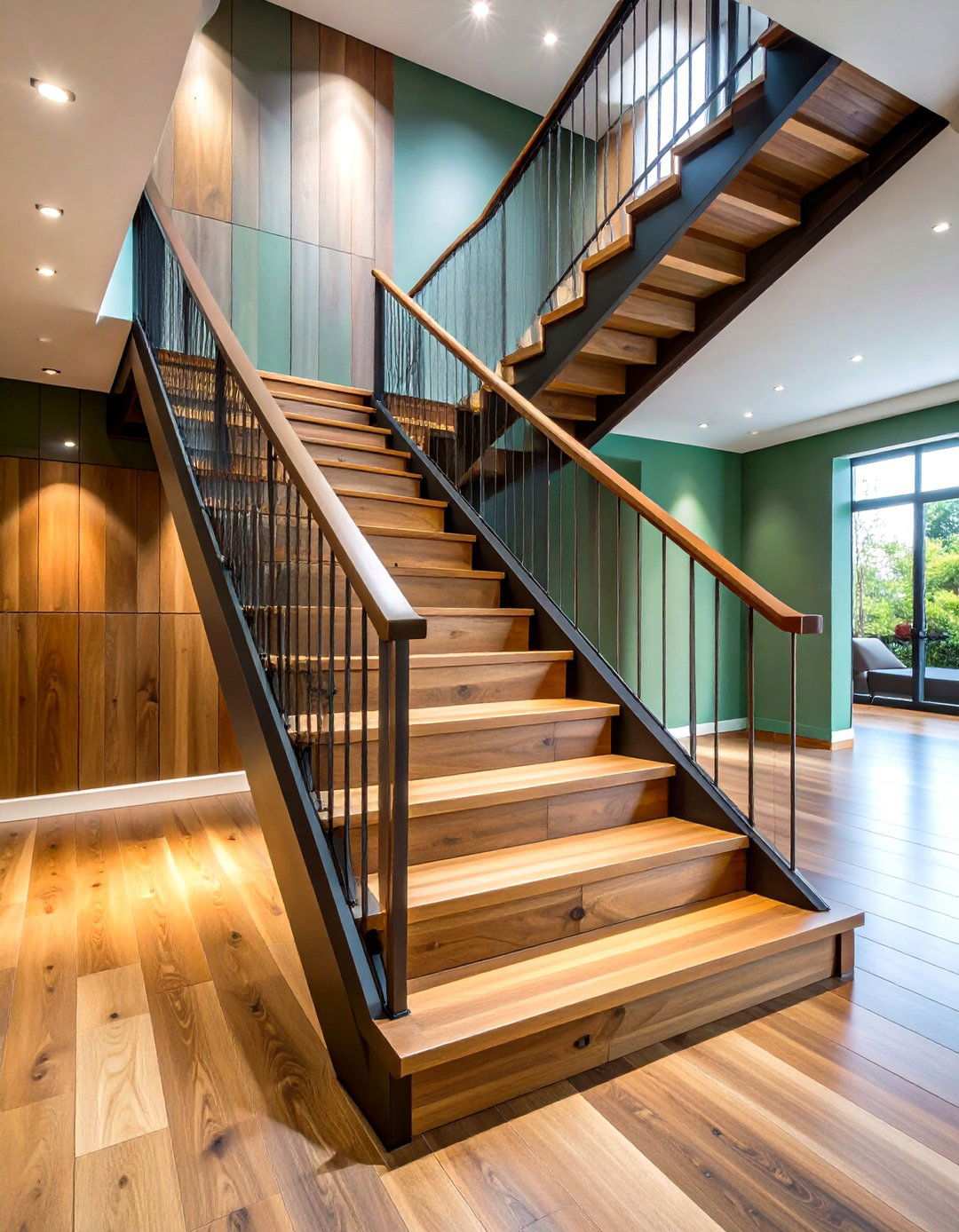
A symphony of textures and materials elevates staircase wall treatments, allowing homeowners to express their personal style. By combining disparate elements, such as wooden panels with metallic accents, or mirrors with textured wallpaper, individuals can curate unique environments that reflect their individuality. The harmony lies in striking a balance between contrasting materials, allowing each component to contribute its distinct characteristics to the overall aesthetic. This eclectic approach is particularly well-suited for spaces where personality takes precedence over rigid design adherence. To achieve complex installations, consider collaborating with a professional designer who can guide you through the process, including structural modifications and specialized mounting techniques.
19. Elegant Lines and Distinctions
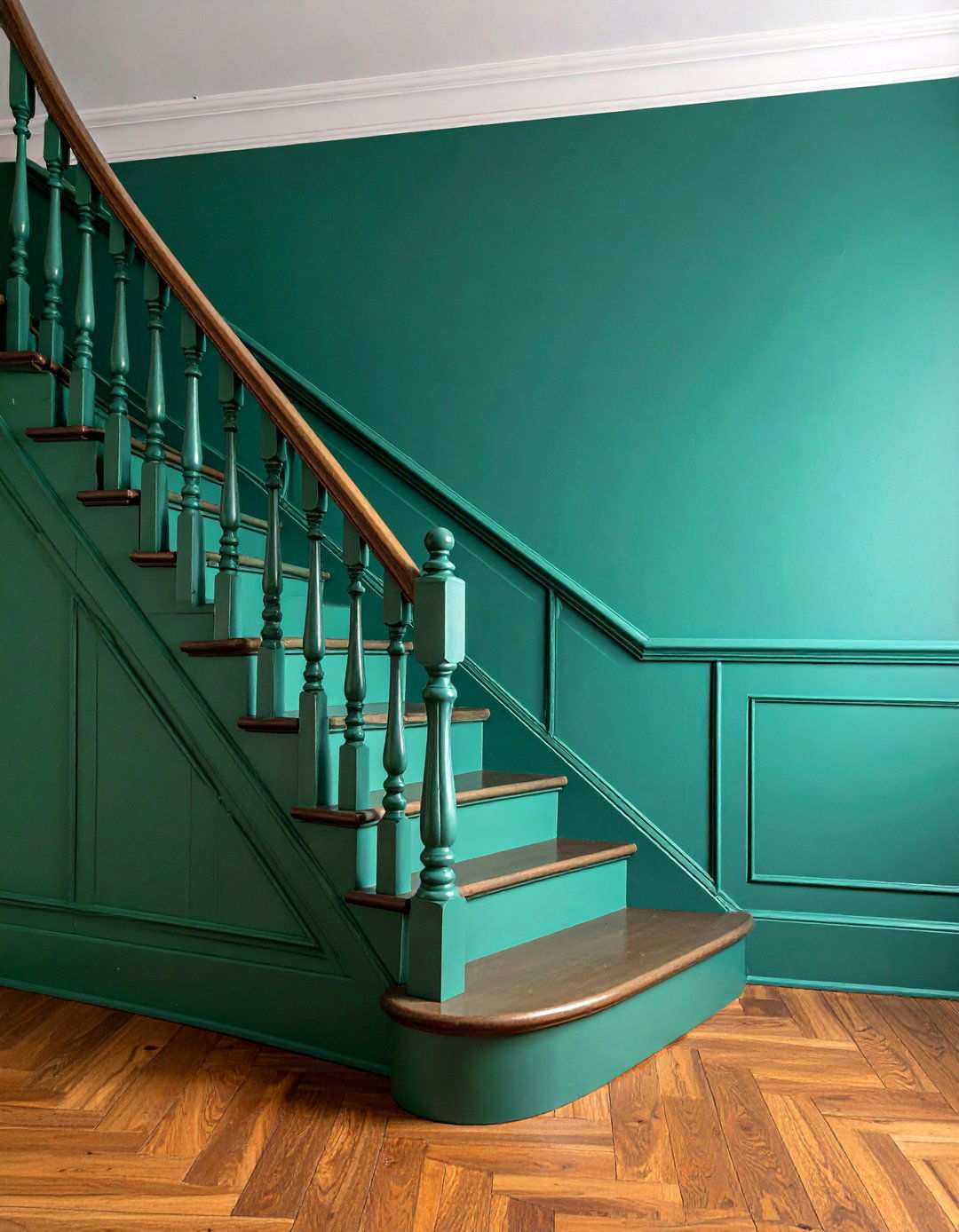
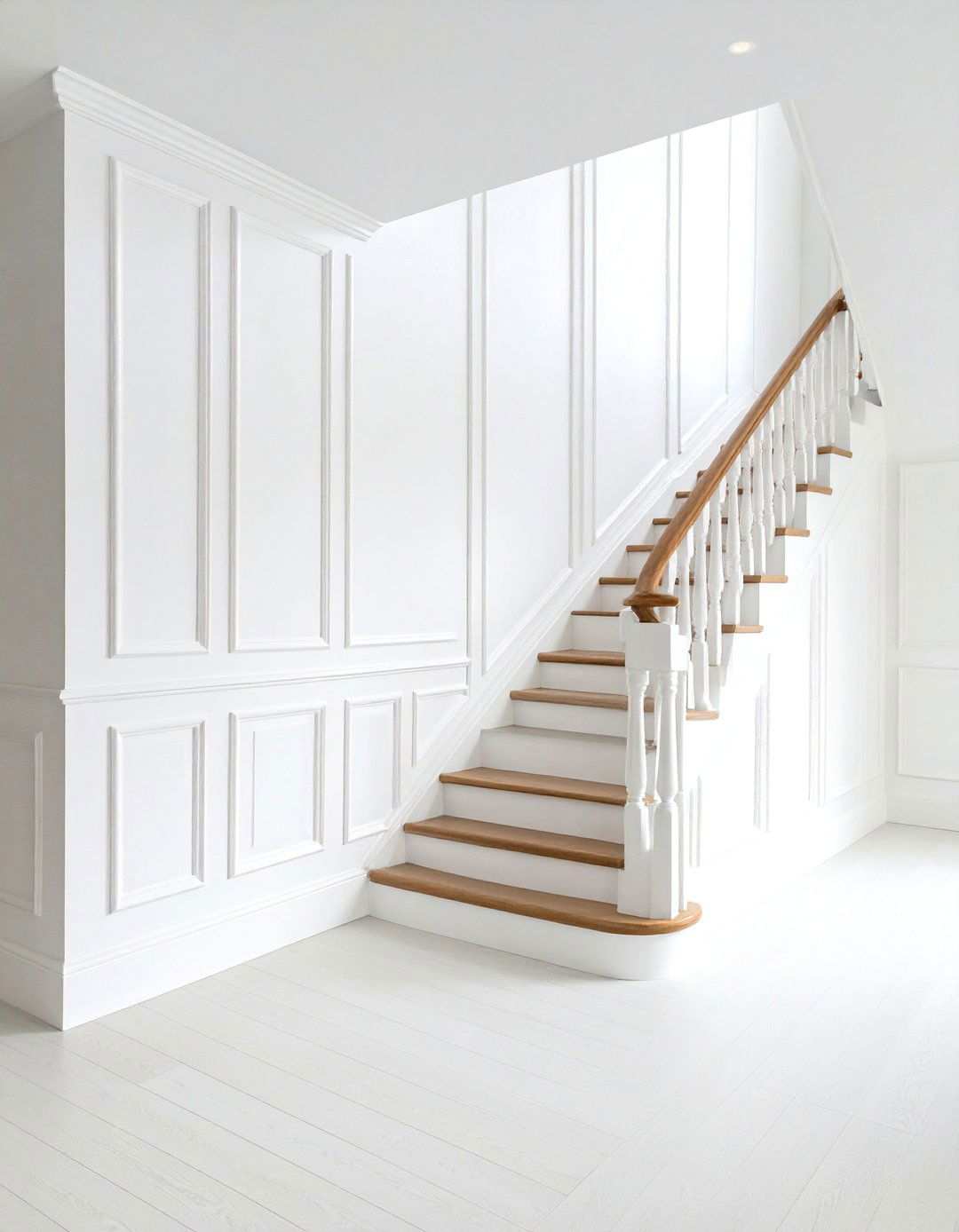
Traditional chair rail molding lends a touch of sophistication to staircases, while also providing a natural division between different design elements. Installing chair rails at standard 32-36 inch heights, tailored to your staircase’s proportions and sight lines, creates a visually appealing focal point. Below the rail, consider incorporating wainscoting, darker paint colors, or textured treatments to add depth, while maintaining lighter, more neutral upper wall areas. Thoughtfully executed millwork details, such as chair rails, enhance a home’s value and provide a timeless appeal that transcends fleeting design trends. This classic approach is particularly effective in traditional, colonial, and transitional homes where architectural authenticity defines the overall aesthetic philosophy.
20. Vibrant Color Compositions
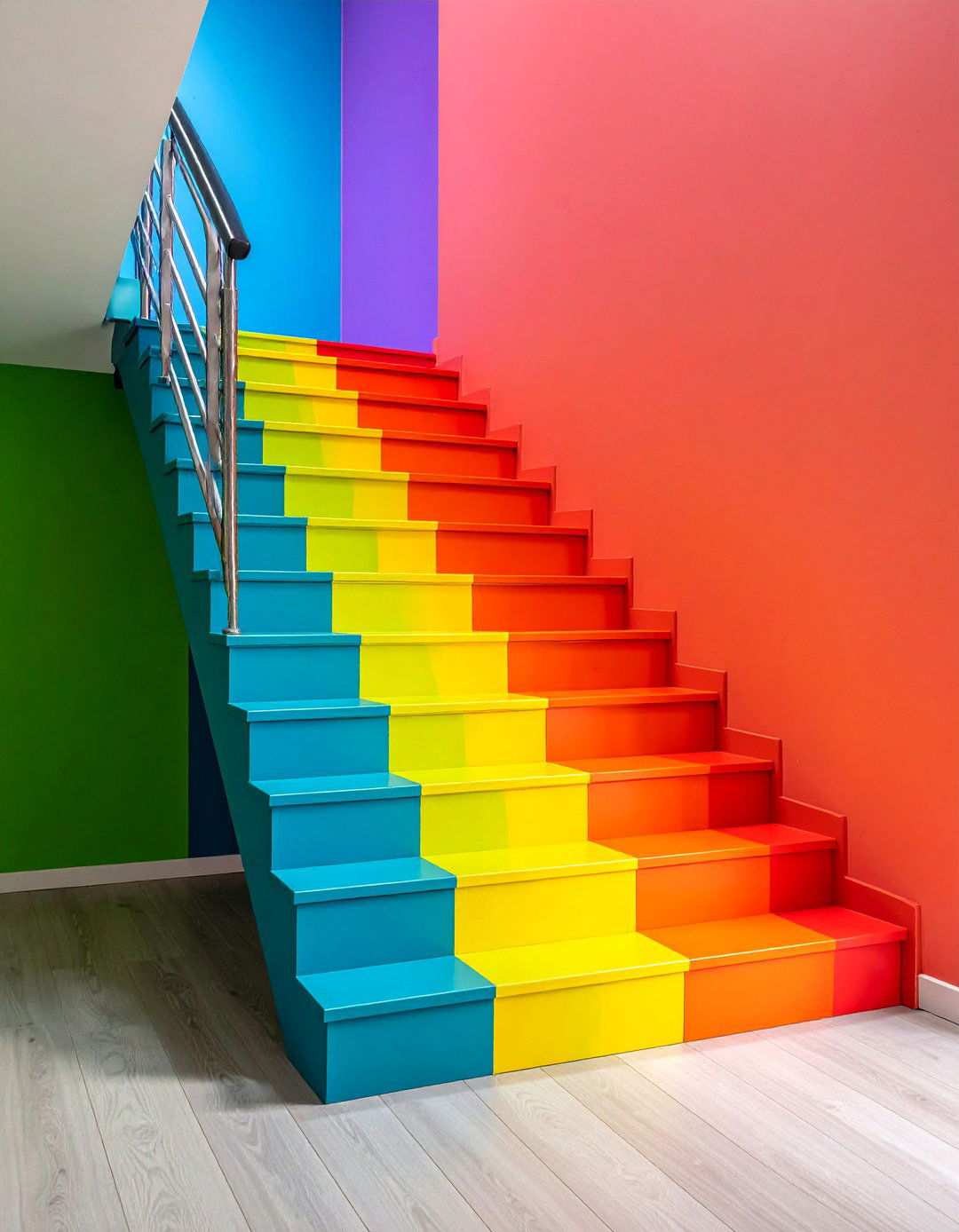
Contemporary color-blocking techniques create dynamic, artistic statements that invigorate modern staircase environments. Using painter’s tape to define clean geometric sections, homeowners can then fill each area with bold, contrasting colors that complement their existing palette. The optical effects of different color combinations can be used to create intimacy, with warm tones, or to expand visual space, with cool colors. This graphic approach is particularly well-suited for contemporary, mid-century modern, and Scandinavian design schemes where spatial relationships are defined by bold, graphic elements. To ensure a balanced composition, carefully plan color placement, taking into account the visual impact from different staircase positions and adjacent rooms.
21. Elegant Display Solutions
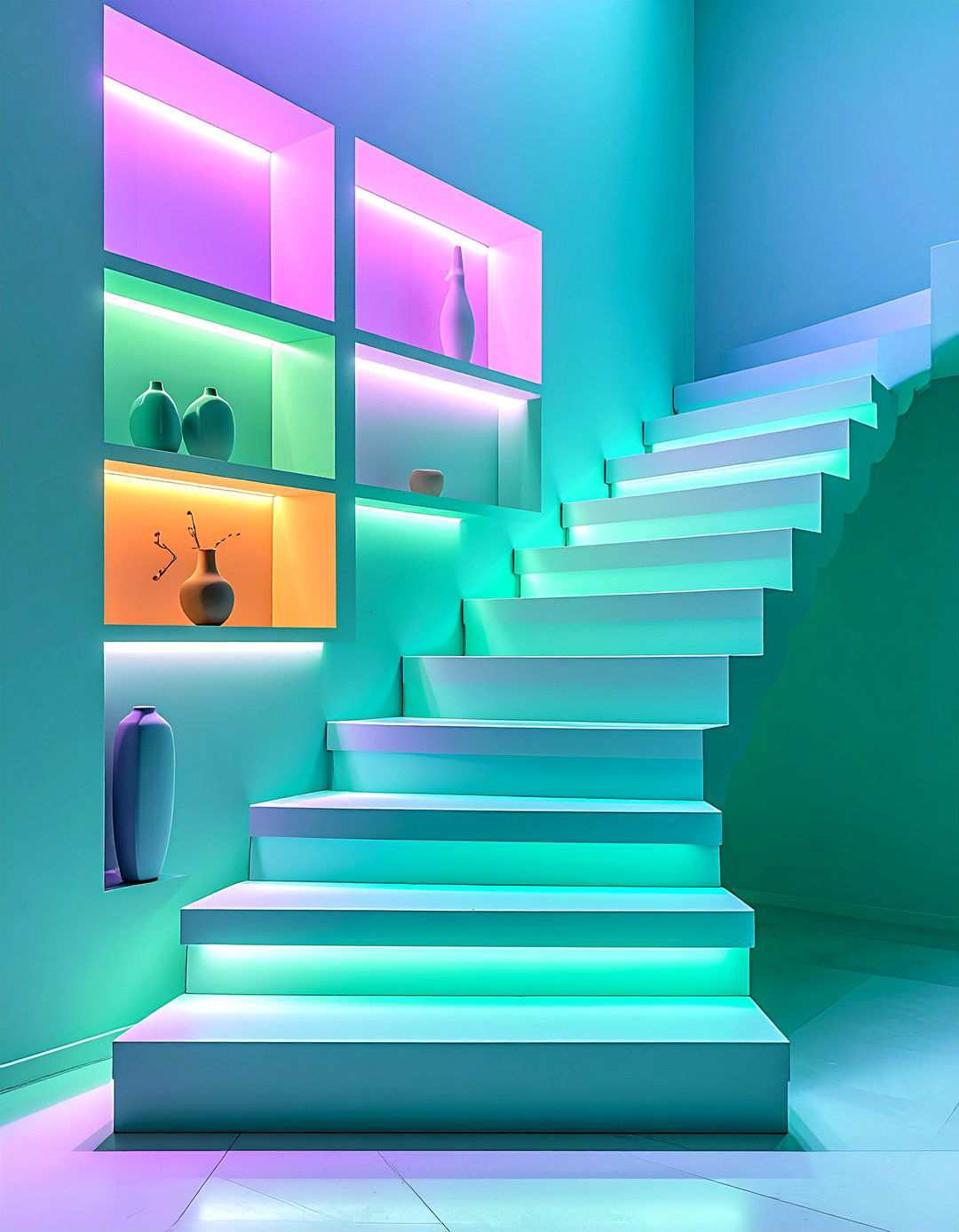
Integrating built-in wall niches into your staircase design offers a sophisticated means of showcasing personal treasures, artwork, or sculptures while maintaining a sleek, modern appearance. To further enhance the visual impact, consider incorporating internal lighting that casts a warm glow on the displayed items, creating a striking focal point. Varying the size of these niches can be an effective way to accommodate different collections while maintaining harmony with the surrounding staircase architecture. This thoughtful approach to display solutions is particularly well-suited to contemporary homes, where built-in features like niches and storage maximize space efficiency. By entrusting the installation to professionals, you can ensure that the structural integrity and electrical integration of lighting systems are both secure and seamlessly integrated.
22. Harmonious Staircase Design
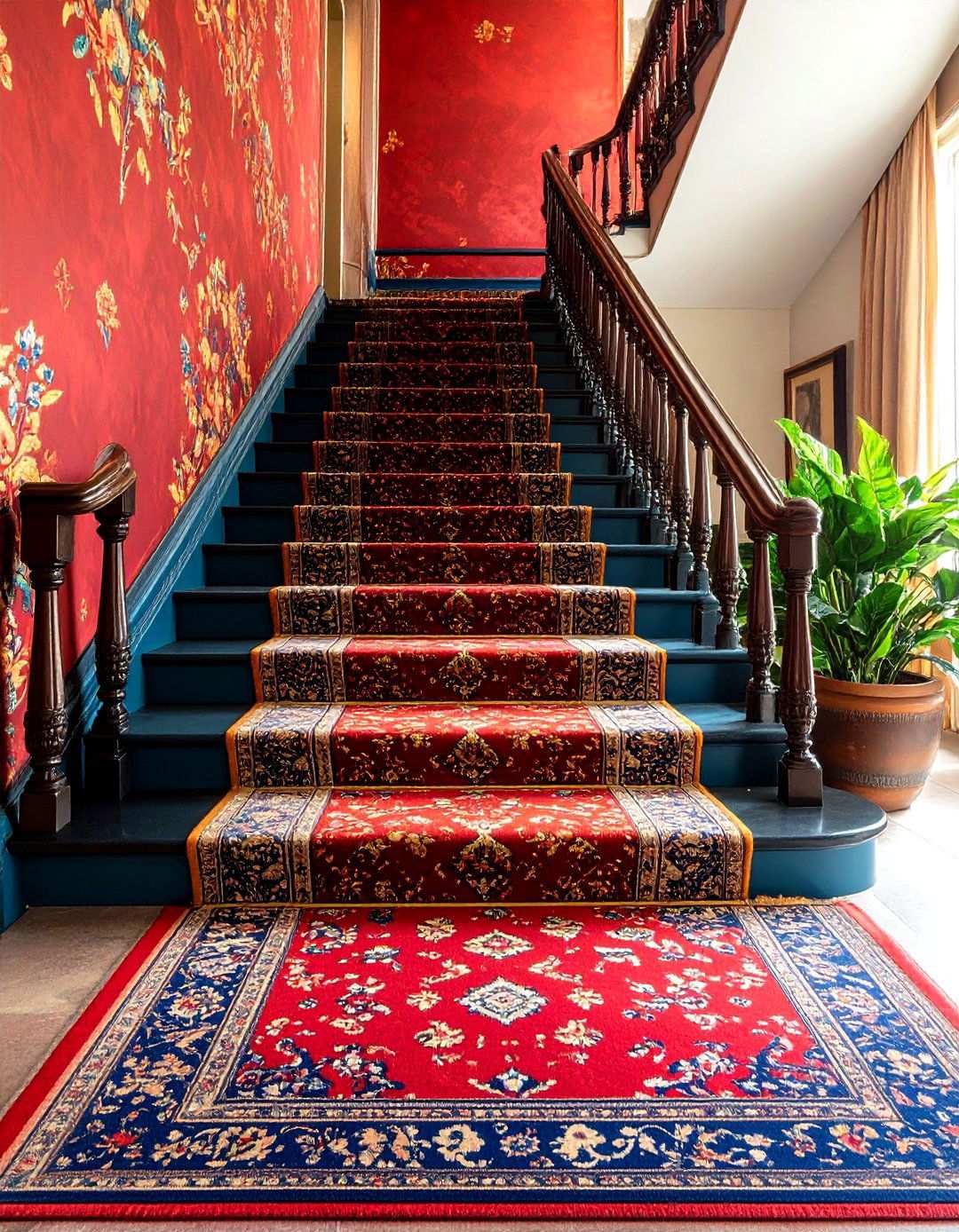
Achieving a cohesive look in your staircase design involves coordinating the wall treatments with the runner styles and colors. Bold, patterned runners can create a striking contrast with neutral-colored walls, while more subdued runner designs allow for bolder, more dramatic wall treatments. To maintain visual balance, consider the distribution of visual weight between the horizontal runner patterns and the vertical elements of the wall. Traditional runner styles complement classic wall treatments like wainscoting and chair rails, while modern runner designs pair well with minimalist wall approaches. The interplay between the runner and wall treatments ultimately defines the aesthetic impact and functional comfort of your staircase.
23. Timeless Shiplap Accents
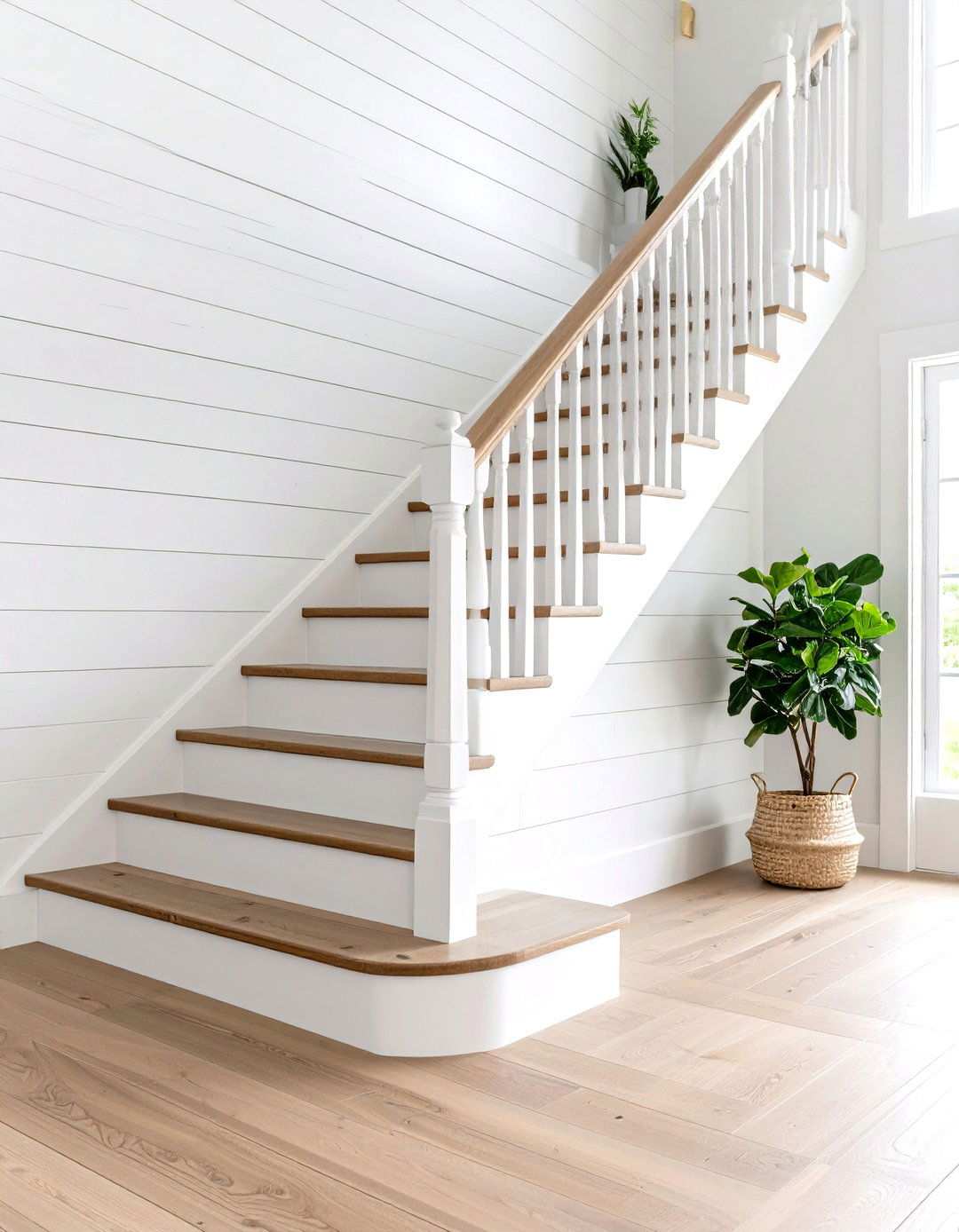
Horizontal shiplap installations bring a touch of modern farmhouse charm and textural interest to staircase walls. This versatile treatment can be painted in crisp whites or natural wood tones, depending on your desired aesthetic outcome. Shiplap offers excellent durability in high-traffic areas while providing valuable insulation properties. For maximum visual impact, consider installing shiplap from floor to ceiling, or combine it with other treatments like painted upper walls to create varied visual interest. The horizontal lines of shiplap boards can have the effect of visually widening narrow stairwells while adding authentic architectural character. Many homeowners find this approach appealing because it offers a casual elegance with practical maintenance benefits.
24. Curated Collections on Display
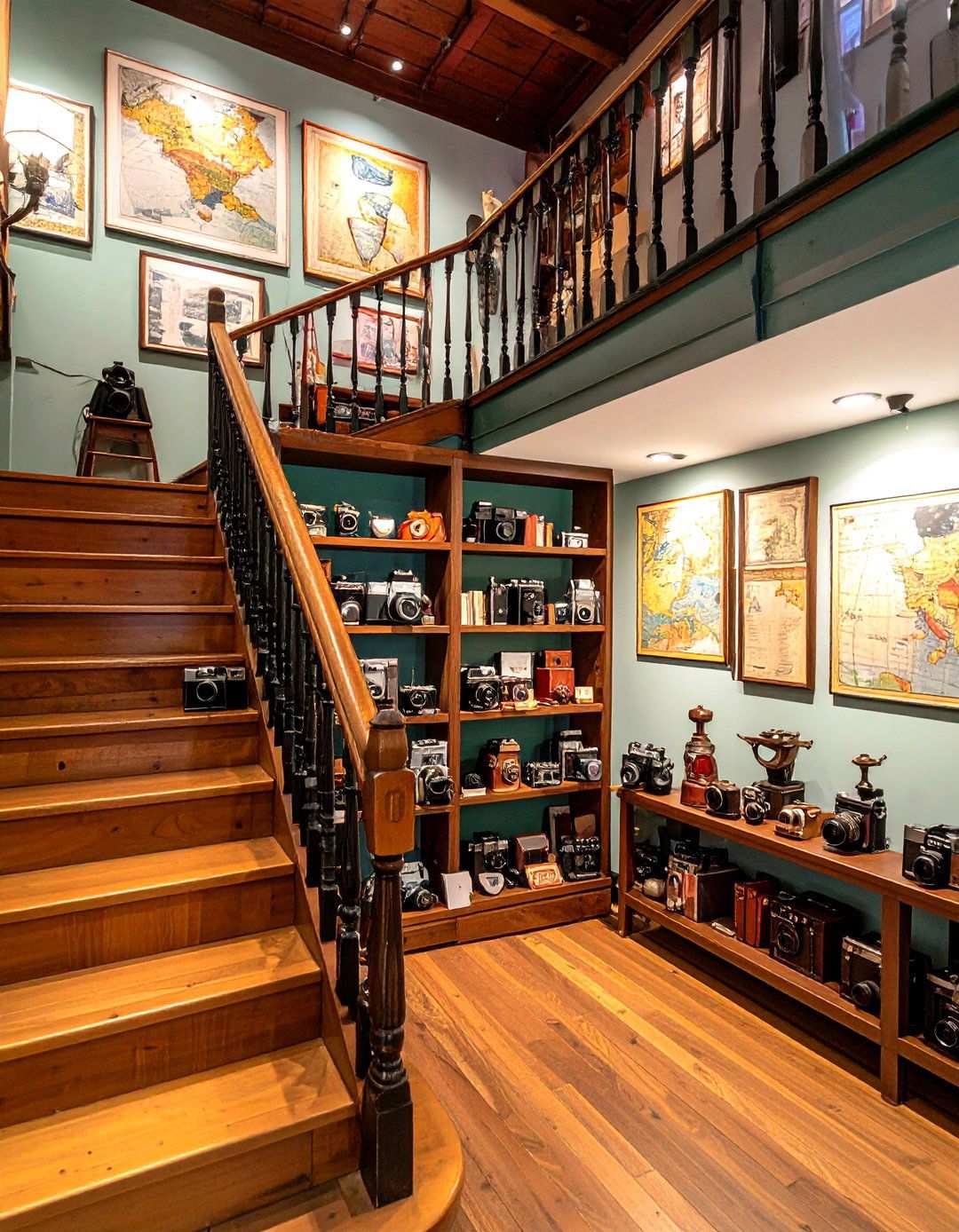
A staircase can serve as a canvas for showcasing personal treasures, reflecting the homeowner’s distinct personality and passions. By transforming the stairway into a personalized museum, one can exhibit a curated selection of vintage cameras, antique maps, musical instruments, or cherished family heirlooms. To ensure the long-term preservation of these valuable items, custom mounting systems should be designed to provide sturdy support and protection, while also allowing for easy reconfiguration as the collection expands. Strategically placed lighting can accentuate key pieces, minimizing the risk of damage from UV exposure. This approach to showcasing personal treasures has the potential to spark meaningful conversations among guests and serve as a testament to the homeowner’s unique tastes and values.