1. Uniting Spaces in Split Level Kitchens
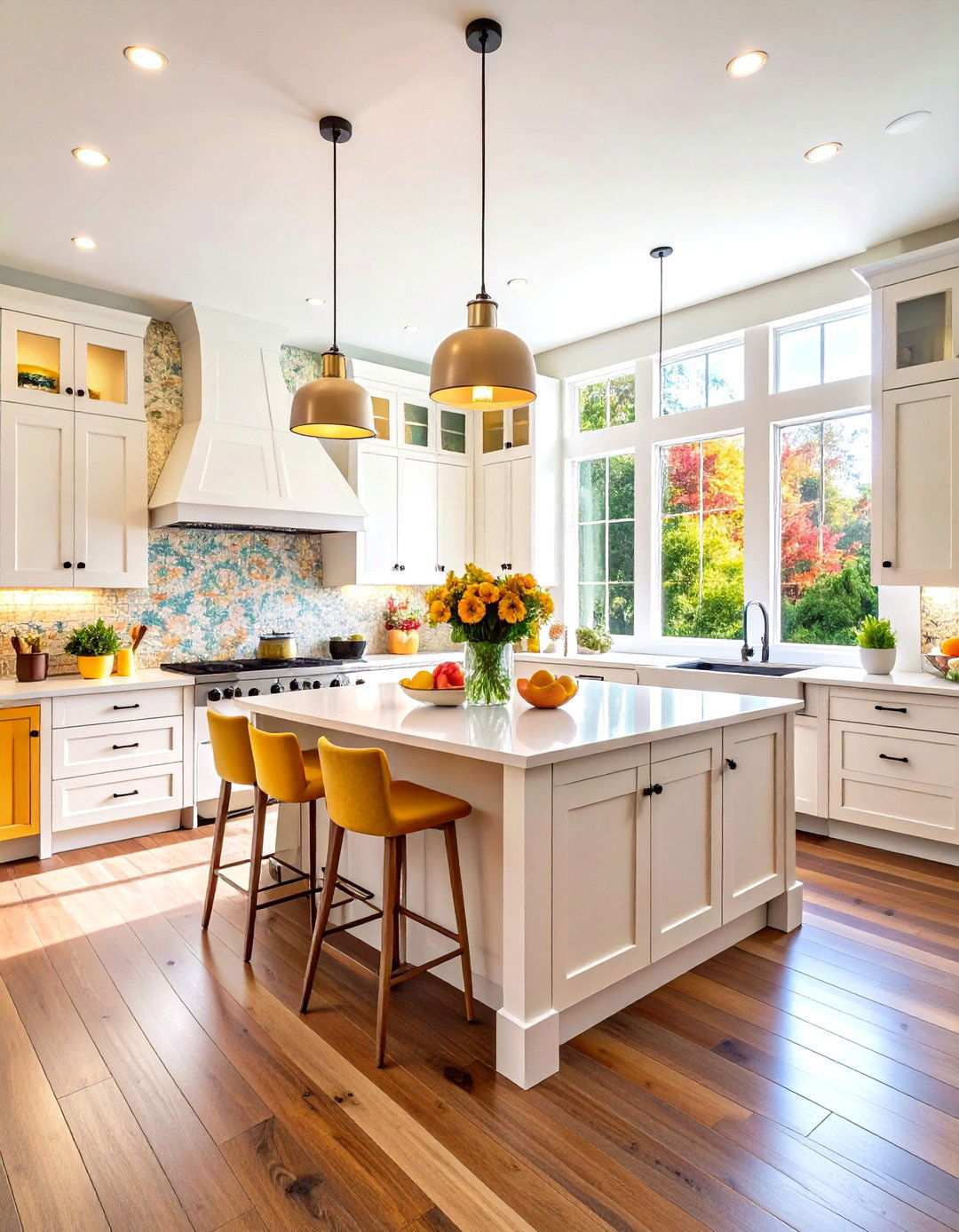
When it comes to split level kitchens, their unique multi-floor layouts and compartmentalized designs can often lead to cramped spaces, low ceilings, and isolated cooking areas. These mid-century architectural features, which gained popularity in the 1960s and 1970s, can be reimagined as modern, functional spaces that seamlessly integrate with the rest of the home. By adopting a thoughtful approach to design and renovation, split level kitchen owners can unlock their full potential and create a heartwarming gathering place that honors its architectural heritage.

As an Amazon Associate I earn from qualifying purchases.
2. Bridging Levels through Design Innovation
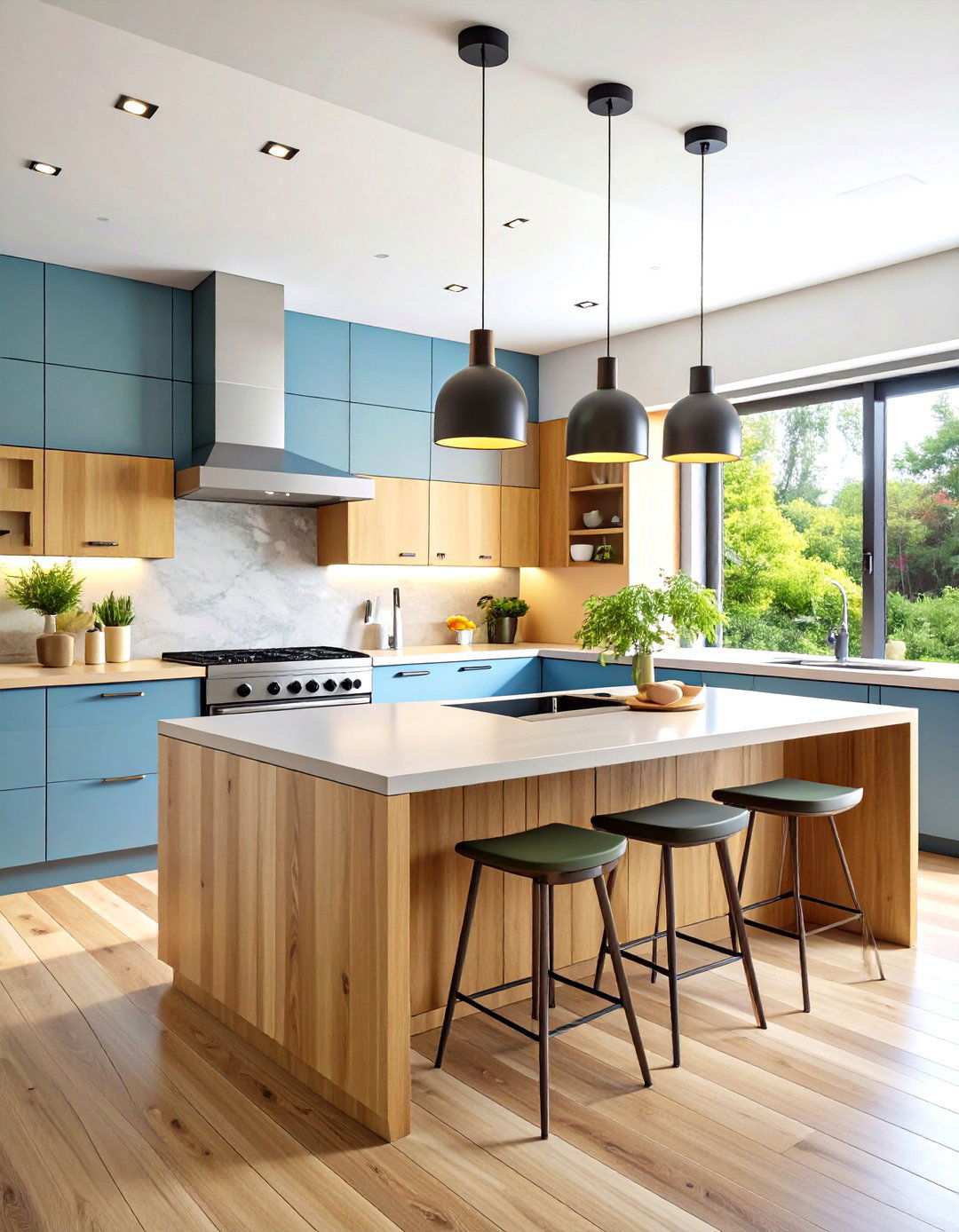
Split level kitchen renovations revolve around creating a harmonious flow between levels, opening up spaces, maximizing storage, and improving lighting. To unlock this potential, homeowners can consider several approaches, including updating galley-style layouts, making structural changes, or simply upgrading finishes. By carefully evaluating these options, homeowners can craft a kitchen that feels spacious, connected, and tailored to their unique needs and tastes. Whether you’re aiming to create a more expansive feel or enhance functionality, a well-designed split level kitchen can bring people together and become the vibrant hub of your home.
3. Open Concept Split Level Kitchen Design
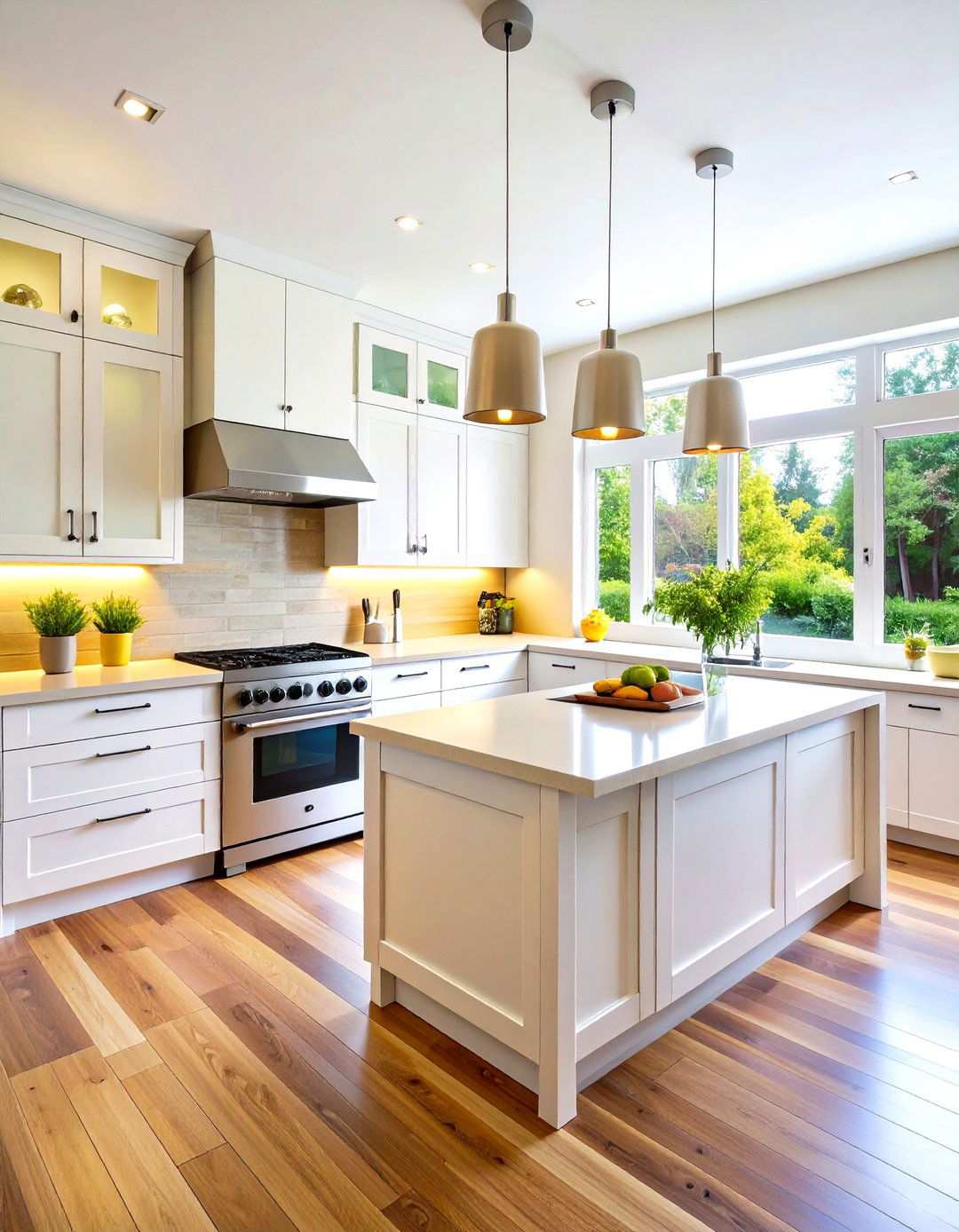
Do you ever feel disconnected from family and friends in your split level kitchen while they gather in another room? One effective way to address this issue is to remove non-load-bearing walls and create a seamless flow between the kitchen and adjacent living or dining areas. This transformation can be achieved by installing a support beam if necessary and using consistent flooring materials to unify the newly opened space. By doing so, you can eliminate the boxed-in feeling common in traditional split level homes and allow natural light to flow freely between areas.
4. Multi-Tier Split Level Kitchen Island
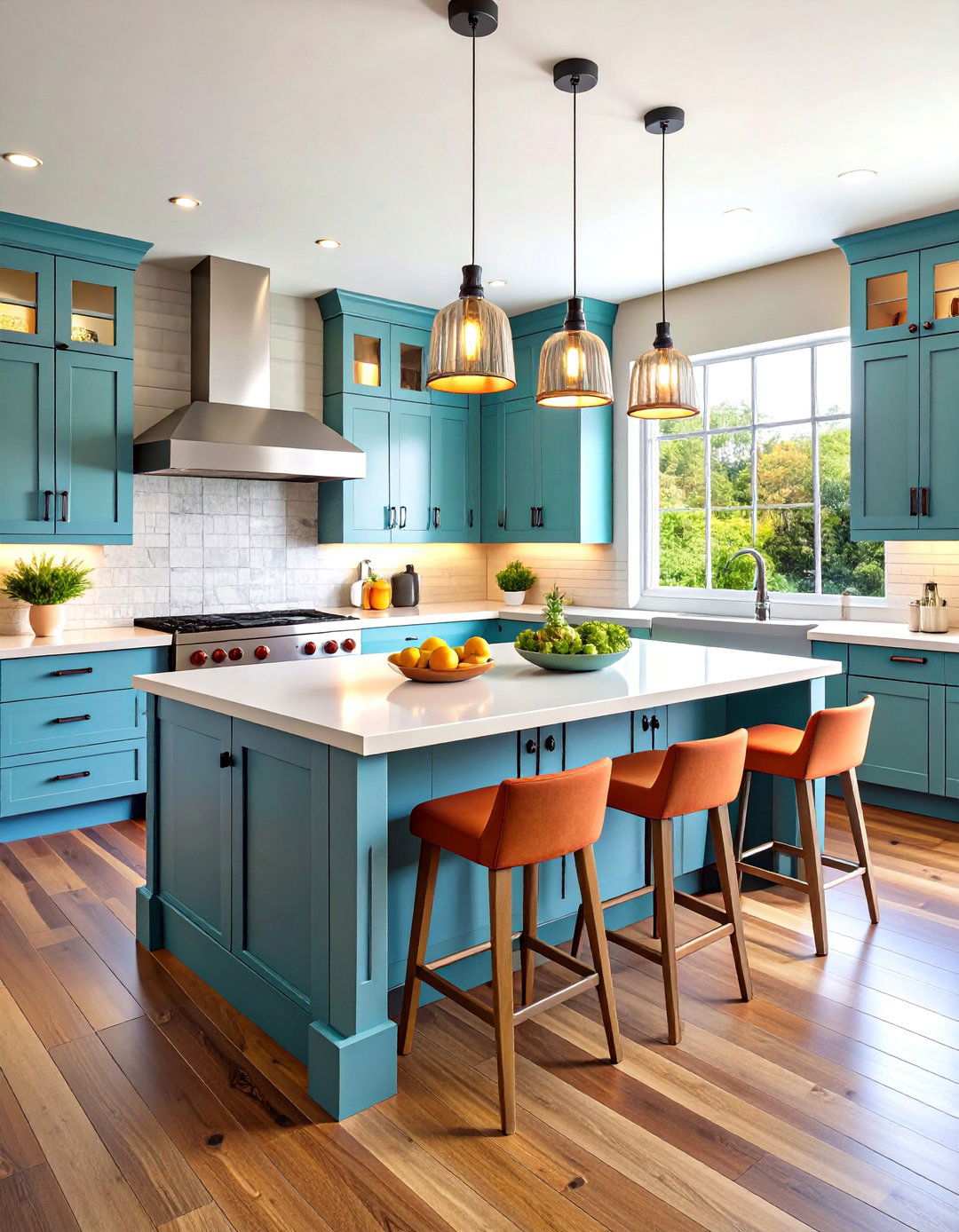
What if your kitchen island could serve multiple functions at different heights? A split-level kitchen island offers an innovative solution by featuring varying counter heights that create distinct zones for different activities within the same footprint. The higher section typically functions as a prep area and cooking workspace, while the lower level serves as casual dining or homework space with comfortable seating. This design solution not only maximizes functionality but also adds visual interest and helps define separate activity zones, making it an ideal choice for split level homes with limited square footage.
Transforming the Galley Kitchen Layout
The key to unlocking a spacious galley kitchen lies in its strategic design, particularly in split level homes where efficiency and functionality are paramount. By creating work triangles between parallel countertops, galley layouts effectively utilize every available inch of space, providing ample storage and workspace along both walls. With careful placement of appliances and work zones, the flow of traffic remains smooth, while upper cabinets that extend to the ceiling optimize storage capacity. To counter the narrow feeling commonly associated with galley kitchens, designers often incorporate light colors, reflective surfaces, and under-cabinet lighting. This thoughtful approach helps to create a sense of openness while keeping essential kitchen elements within easy reach for the home cook.
Maximizing Functionality with Peninsula Kitchens
In split level homes where floor space is limited, the choice between an island and additional counter space is often a false dichotomy. Peninsula kitchens offer a practical solution by extending from existing cabinetry to create an L-shaped or U-shaped configuration that provides extra workspace and storage without the need for a full island. This design is particularly well-suited to split level homes where functionality is essential. The peninsula can be designed to house a second sink, additional appliances, or serve as a breakfast bar with seating, thereby enhancing the kitchen’s overall workflow. Furthermore, peninsulas connect seamlessly to existing cabinetry, making them a more budget-friendly option while delivering the benefits of expanded counter space and improved functionality.
5. Unleashing the Potential of Vaulted Ceilings
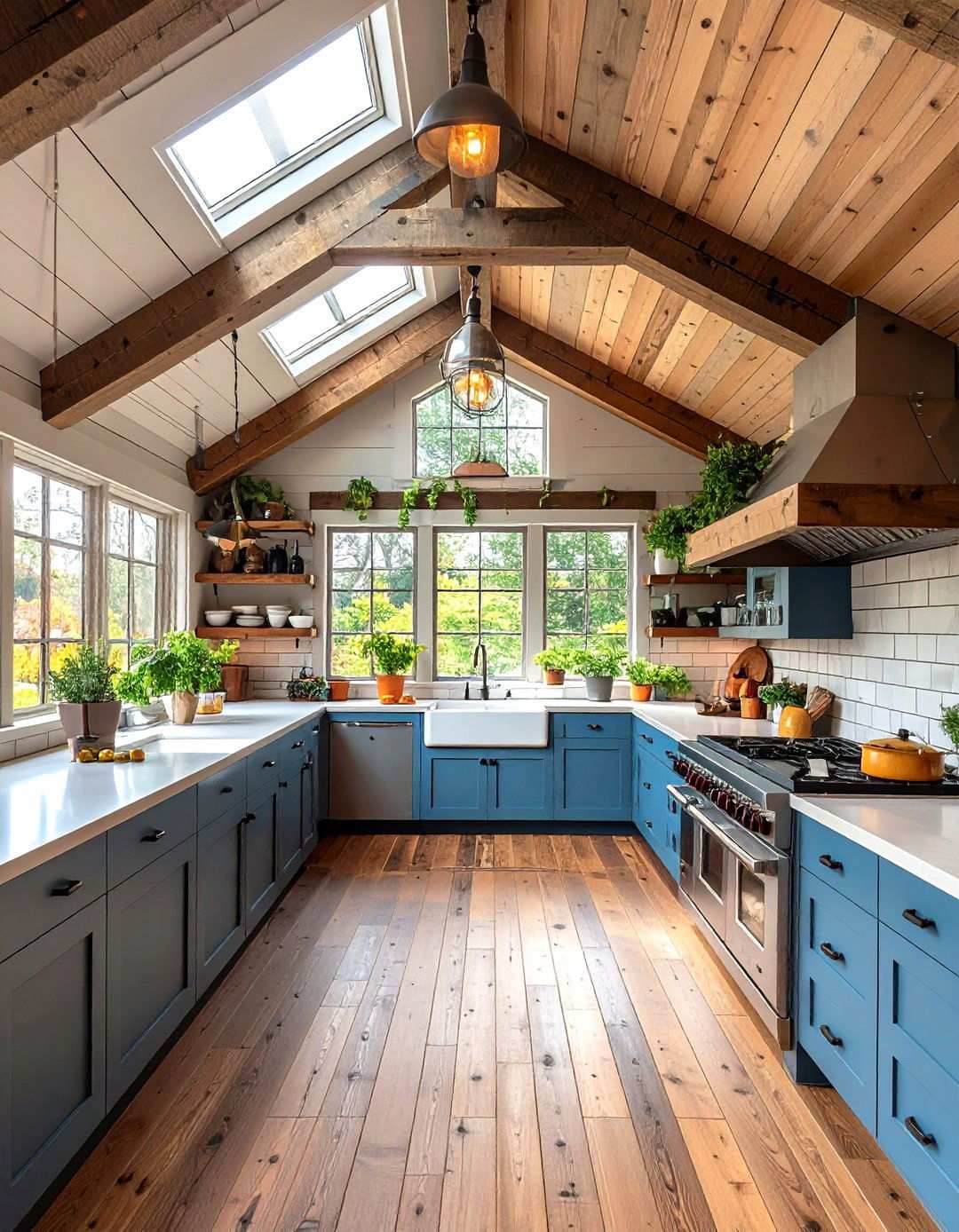
By removing drop ceilings and exposing the roof structure, homeowners can dramatically transform the character of their split level kitchen. This renovation creates dramatic height and architectural interest that redefines the space’s ambiance. Vaulted ceilings with exposed beams add a touch of rustic charm while making the kitchen feel significantly larger and more open. However, this renovation often requires professional structural assessment to ensure safety and stability. The payoff is well worth the investment, as the addition of skylights or strategically placed windows in the higher ceiling areas brings in natural light, creating a bright and airy atmosphere that rivals the most modern kitchen designs.
6. Unifying Modernity with Timeless Charm in a Split Level Kitchen
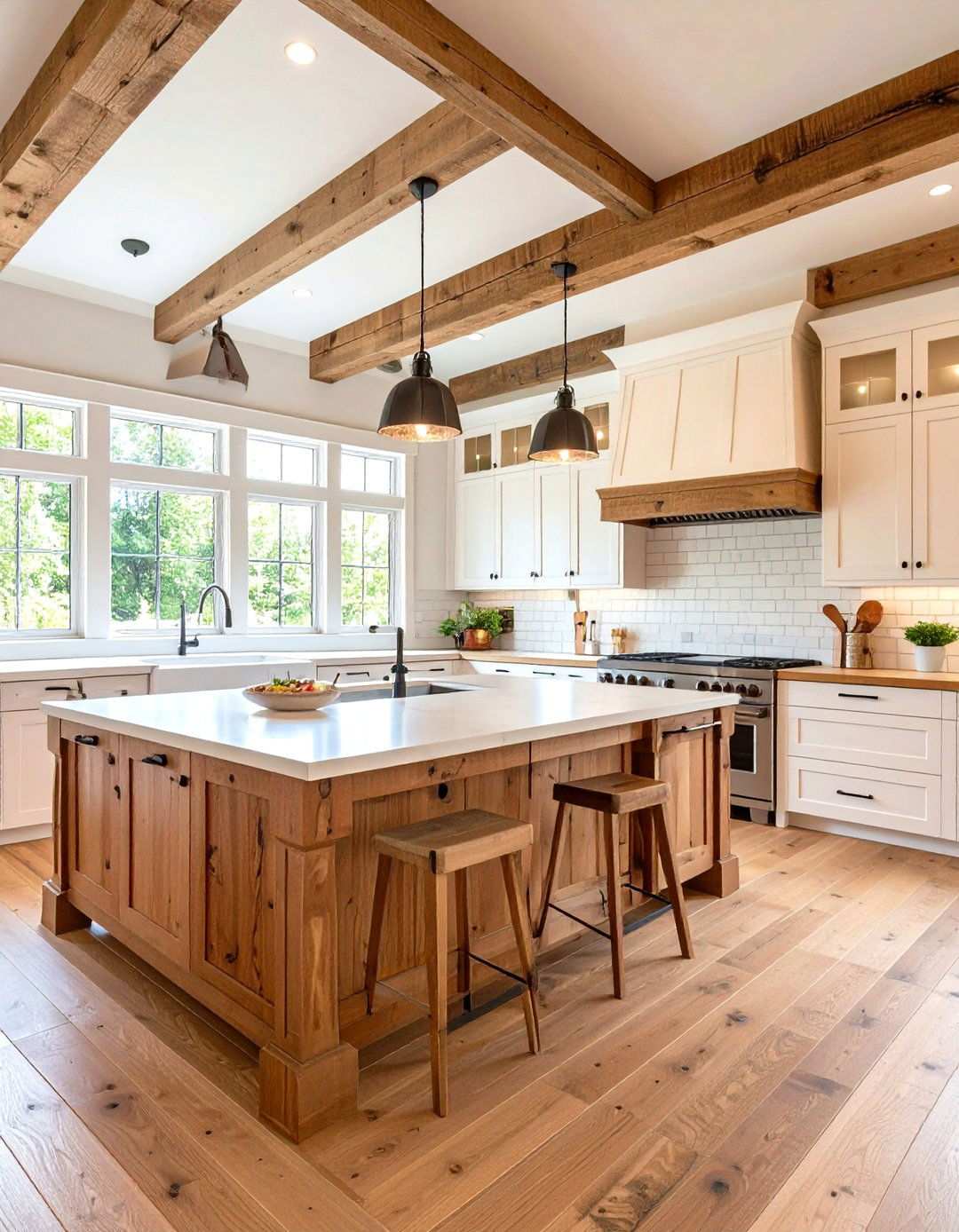
By cleverly combining the best of both worlds, you can create a split level kitchen that harmoniously blends contemporary functionality with the enduring allure of traditional farmhouse style. This thoughtful design approach seamlessly integrates shiplap walls, exposed beams, and classic materials with modern appliances and streamlined layouts. White or cream-hued shaker cabinets paired with the warmth of butcher block or the elegance of marble countertops perfectly capture the essence of farmhouse charm while maintaining a clean, uncluttered aesthetic. A spacious farmhouse sink serves as a striking focal point, while open shelving showcases a curated selection of dishes and decorative items. To ensure the space functions seamlessly with today’s lifestyle, modern touches like stainless steel appliances and cutting-edge lighting fixtures are subtly incorporated, resulting in a cozy, inviting atmosphere that has made farmhouse style a beloved choice for split level homes.
7. Harnessing the Power of Simplicity in a Minimalist Split Level Kitchen
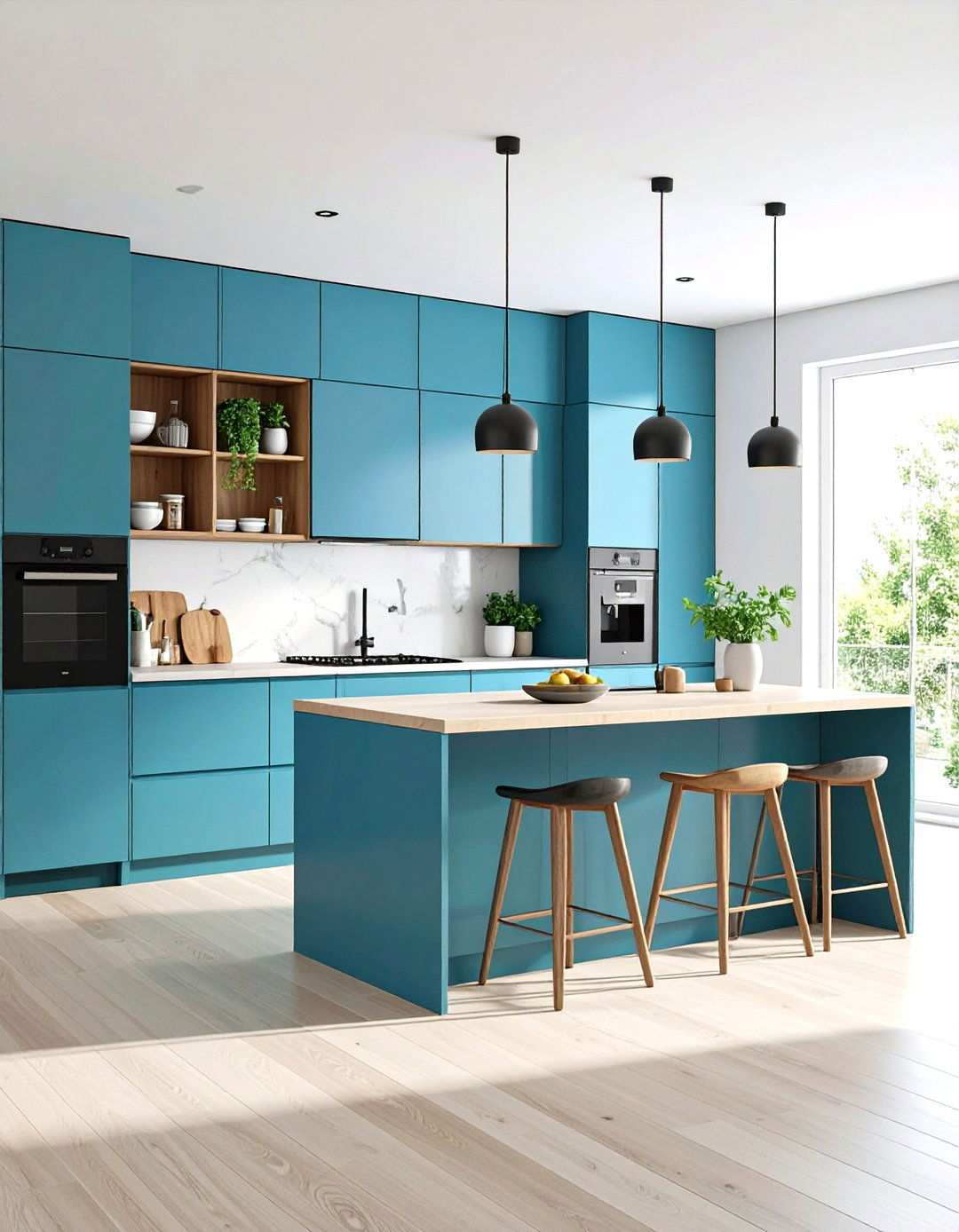
What lies at the heart of a truly effective kitchen design? The answer may surprise you – it’s all about embracing the beauty of simplicity. Minimalist kitchens focus on clean lines, uncluttered surfaces, and a deliberately curated selection of elements that prioritize functionality over decoration. Flat-panel cabinets in soothing neutral hues, cleverly concealed storage solutions, and integrated appliances work in harmony to create a seamless, streamlined appearance that defies visual clutter. The absence of unnecessary distractions makes the space feel larger and more serene, which is particularly beneficial in split level homes where space can sometimes feel confined. By thoughtfully incorporating strategic lighting, high-quality materials, and expertly designed organization systems, this pared-down approach not only ensures functionality but also fosters a sense of calm and order that permeates every aspect of the kitchen.
8. Elevating Your Split Level Kitchen with Industrial Chic
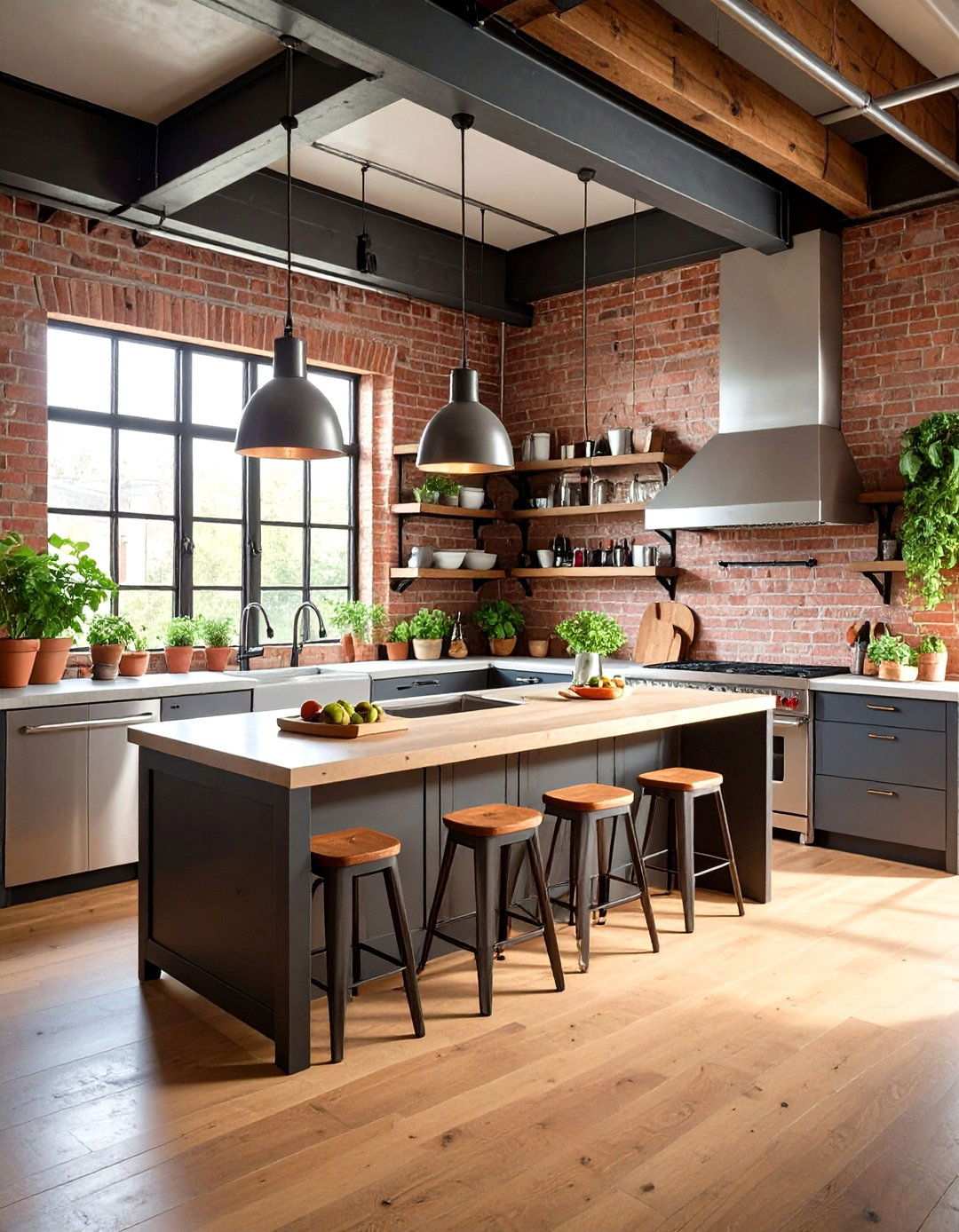
Exposing raw materials and utilitarian fixtures can be a bold move – but can it actually elevate your kitchen’s appeal? Industrial design is all about embracing the beauty of honesty, where materials like exposed brick, metal surfaces, and functional fixtures come together to create a striking, contemporary aesthetic. Stainless steel appliances, sleek concrete countertops, and metal pendant lighting expertly complement the industrial theme while providing durable, functional surfaces. Open shelving crafted from reclaimed wood and metal brackets not only adds storage but also showcases a curated selection of dishes and cookware as decorative elements. The genuine materials and straightforward design approach work particularly well in split level homes, where the emphasis on function over decoration can cleverly disguise architectural limitations while creating a striking, modern kitchen environment.
9. Elevating Classic Design in Split Level Kitchens
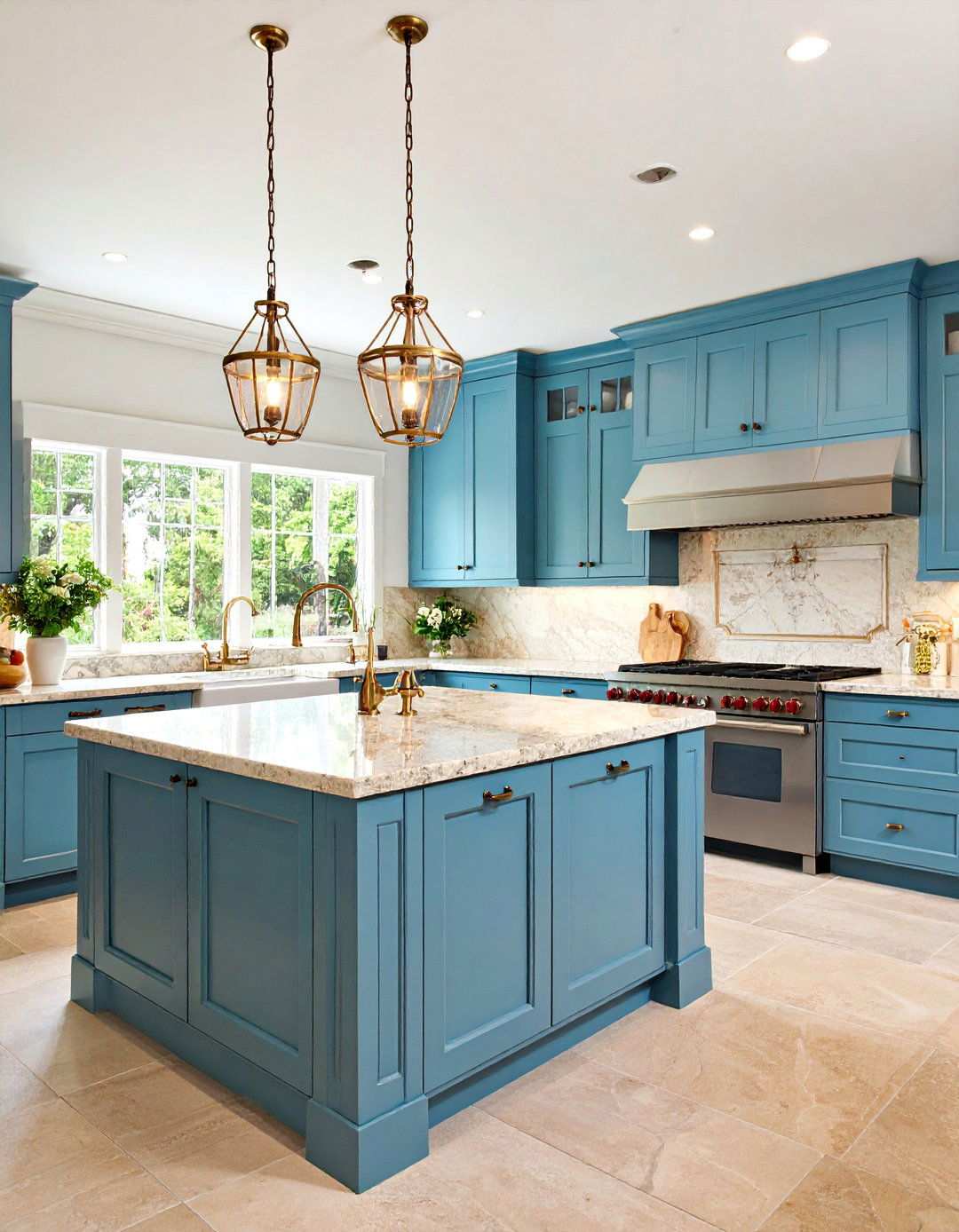
When updating your split level kitchen, there’s no need to sacrifice timeless appeal for modern functionality. Traditional kitchens thrive on enduring elements like intricately crafted raised-panel cabinet doors, ornate crown molding, and versatile color schemes that remain in vogue. Luxurious wood finishes, premium countertops, and antique-style hardware collaborate to create a sophisticated ambiance. Details like decorative corbels, furniture-style cabinet feet, and glass-front upper cabinets inject visual flair without overwhelming the space. This harmonious blend of classic design and modern convenience is ideal for homeowners who cherish traditional aesthetics while requiring improved functionality and layouts tailored to address split level challenges.
10. Streamlining Compact Kitchen Spaces
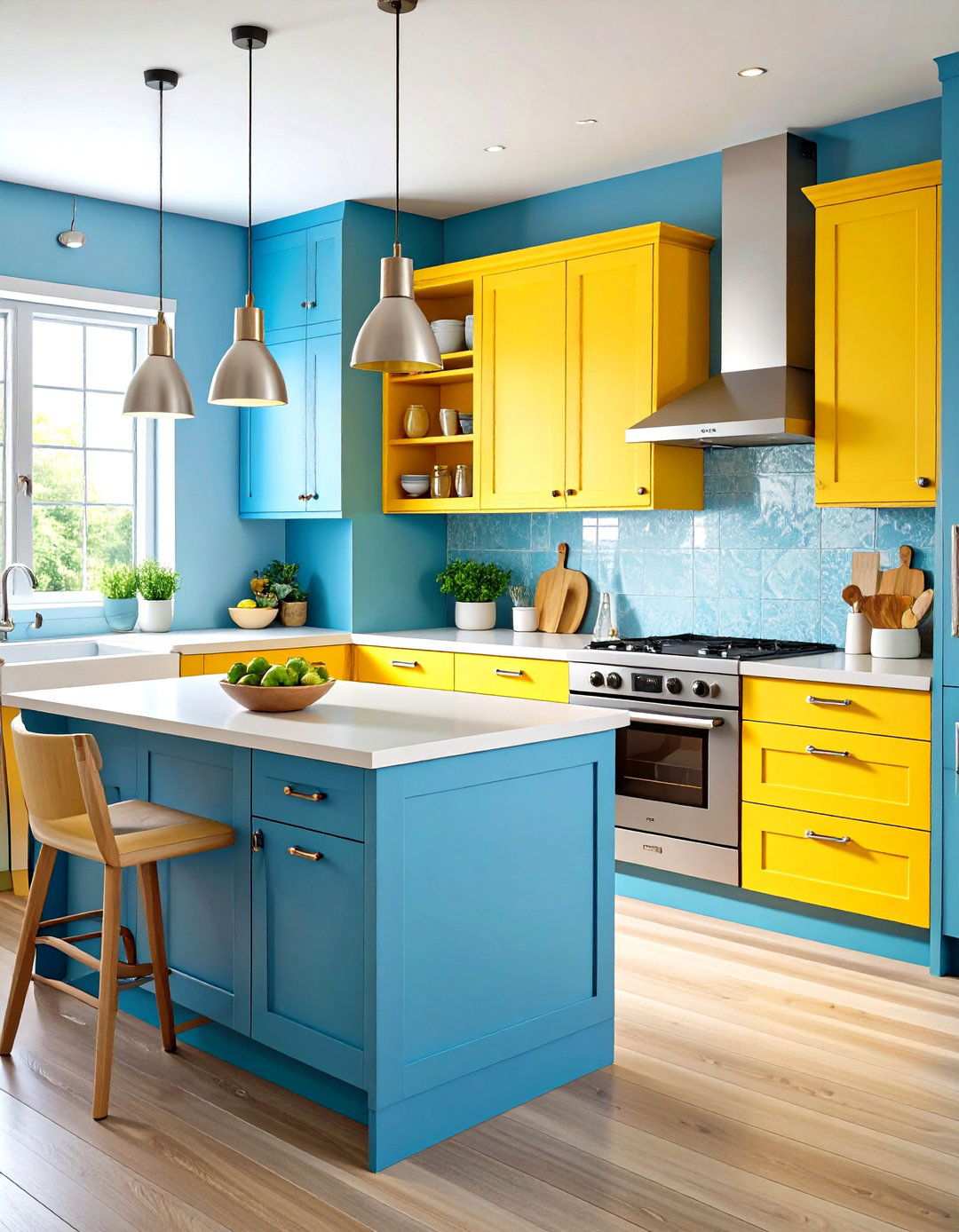
Are you fed up with searching for storage space in your compact kitchen? Custom cabinet solutions unlock every available inch through cleverly designed pull-out drawers, rotating lazy Susans, and towering storage systems that stretch towards the ceiling. Corner cabinets equipped with specialized hardware transform previously inaccessible areas into functional spaces, while deep drawers efficiently store large items like pots, pans, and bulky cookware. Pantry solutions feature floor-to-ceiling cabinets with pull-out shelves, spice racks, and specialized organizers. Under-stair storage, built-in appliance garages, and hidden storage compartments cleverly utilize unique architectural features common in split level homes to create well-organized, clutter-free environments that function seamlessly.
11. The Art of Discreet Contrast in Split Level Kitchens
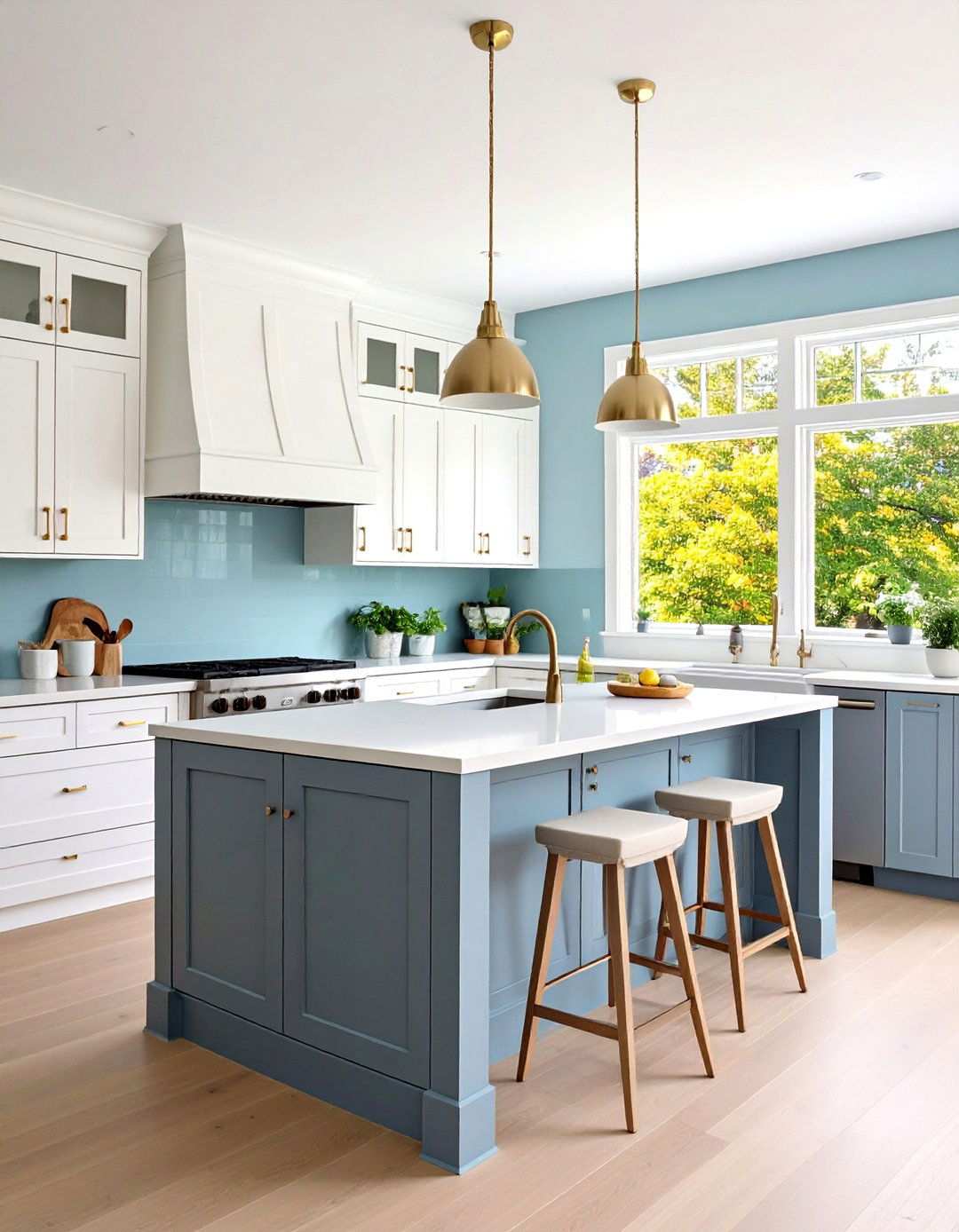
What happens when you dare to break the conventions of matching kitchen cabinets? Two-tone cabinet designs breathe new life into the space by incorporating distinct colors or finishes on upper and lower cabinets or on the island versus perimeter cabinets. Popular pairings include crisp white uppers paired with subtle gray lowers, or rich natural wood paired with beautifully painted finishes. This bold approach can help define different areas within an open kitchen layout while injecting personality and sophistication into the design. The contrasting hues also help break up large expanses of cabinetry, making ceilings appear higher and spaces feel more spacious. A well-executed two-tone scheme can elevate the entire kitchen experience.
12. Illuminating the Potential of a Split Level Kitchen
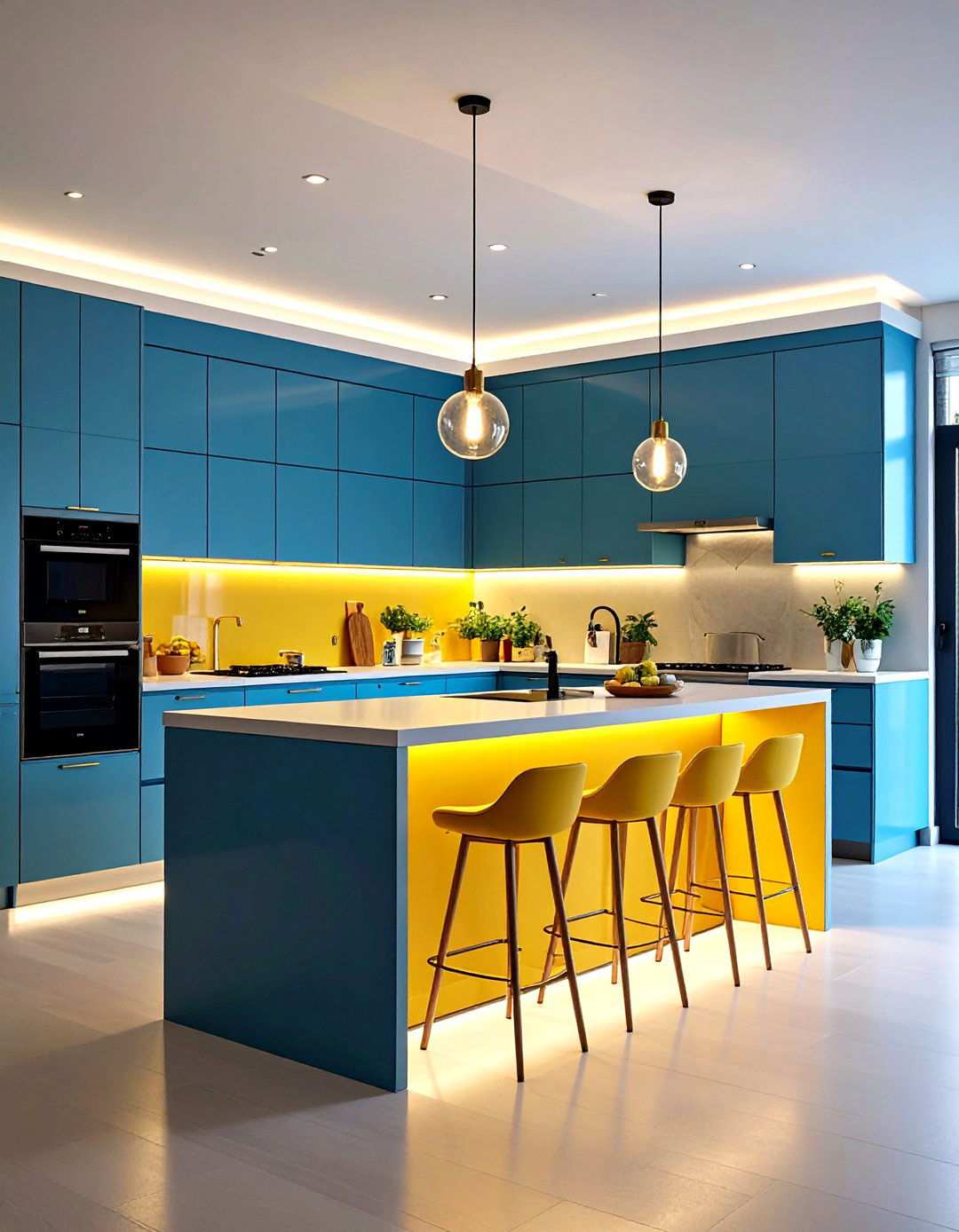
Transforming a kitchen space can start with a simple yet profound change: upgrading the lighting. By incorporating layered lighting that balances ambient, task, and accent fixtures, you can create a well-lit area that’s both functional and inviting, regardless of the time of day. Strategically placed under-cabinet LED strips provide focused lighting on work surfaces, while pendant lights above islands offer concentrated task lighting. Recessed ceiling fixtures contribute to the overall ambiance, and decorative elements like chandeliers or unique pendants add a touch of personality. By incorporating larger windows or skylights, you can amplify the natural light, dramatically brightening the space. Moreover, smart lighting systems allow for customizing the lighting scheme throughout the day, providing the ideal balance of brightness and ambiance for different activities, such as cooking or dining. A well-designed lighting system can even make a challenging split level kitchen feel more spacious and inviting.
13. Maximizing Space in a Compact Split Level Kitchen
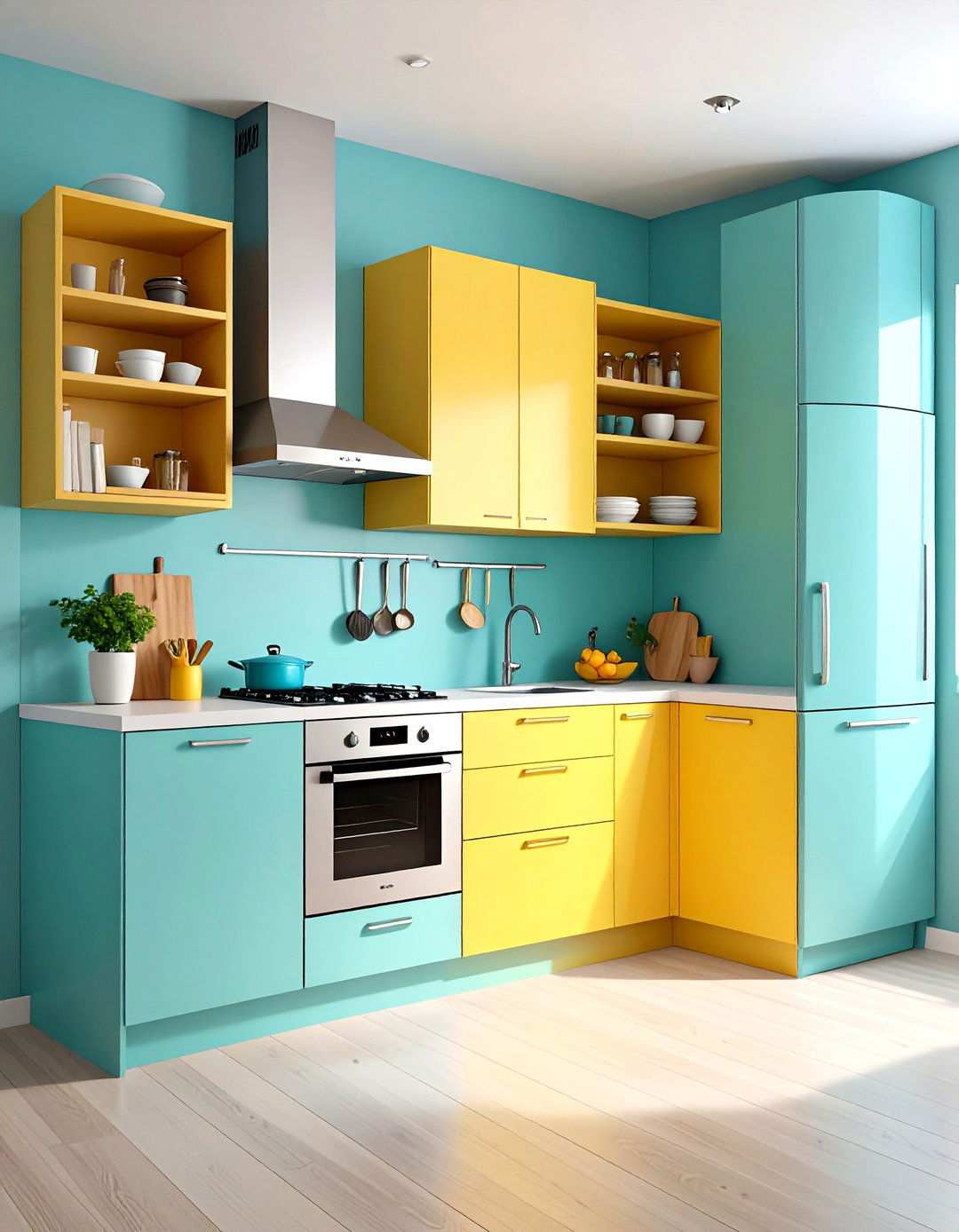
Designing a tiny kitchen that feels larger than its actual size requires a thoughtful approach to space planning and multi-functional elements. By incorporating clever storage solutions and versatile design features, a compact kitchen can be optimized for maximum functionality. Vertical storage that extends to the ceiling helps make the most of available space, while narrow pull-out cabinets fit seamlessly into tight areas. Compact appliances maintain full functionality while conserving precious square footage. Light colors, reflective surfaces, and strategically placed mirrors create the illusion of expanded space, making the room feel more spacious. Additionally, fold-down work surfaces, rolling carts, and convertible furniture provide flexible workspace solutions when needed. By replacing upper cabinets with open shelving, you can maintain visual flow, while built-in banquettes with storage underneath combine seating and organization in a single design element. Ultimately, every design decision in a compact split level kitchen prioritizes both function and the perception of spaciousness.
14. Bringing the Outdoors In with Natural Materials
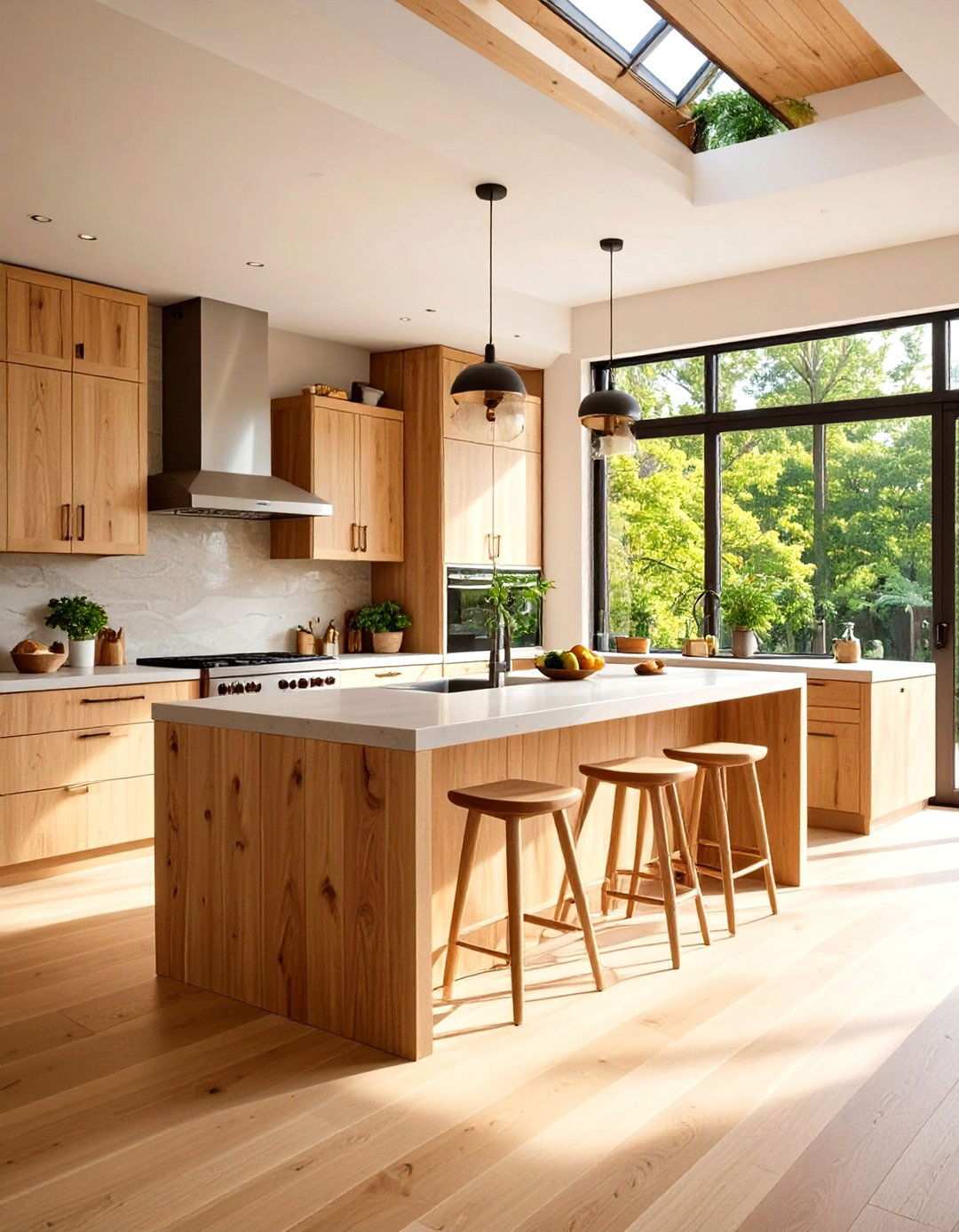
When it comes to designing a kitchen, why settle for synthetic materials when nature offers a wealth of beautiful and authentic options? Kitchens featuring natural stone, reclaimed wood, and organic textures can create warm, inviting spaces that feel connected to the outdoors. Live-edge wood countertops, natural stone backsplashes, and bamboo flooring bring a sense of authenticity and visual interest to the space. These materials not only age beautifully but also provide a timeless backdrop for both traditional and contemporary design elements. The unique patterns and natural imperfections found in natural materials add character that manufactured materials simply can’t replicate. By combining different natural materials, you can create layers of interest while maintaining an overall sense of harmony. This approach is particularly well-suited for split level homes, where natural materials can help soften the sometimes stark architectural lines, creating a more inviting and connected space.
15. Timeless Revival for Your Retro Split Level Kitchen
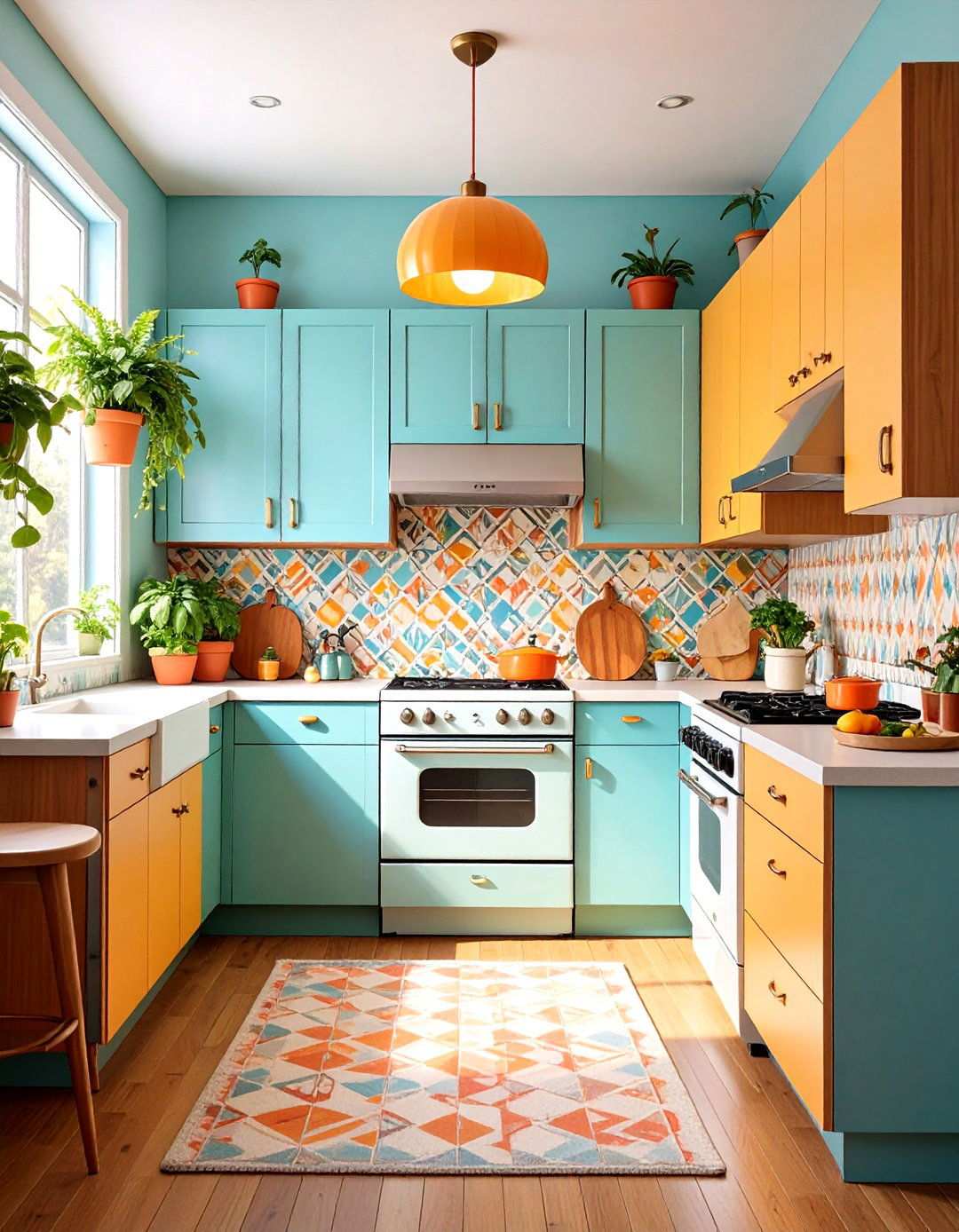
Reviving your home’s original era may be the most effective way to create an authentic design solution. Mid-century modern elements like flat-panel cabinets, geometric patterns, and bold color accents pay homage to the split level home’s architectural heritage. Period-specific materials such as formica countertops, vinyl flooring, and chrome fixtures bring a touch of history to modern lifestyles. Inspired by the atomic age, lighting fixtures, bar-height seating areas, and open shelving evoke a sense of optimism and space-age ingenuity. Upgraded appliances in retro colors provide a seamless blend of vintage charm and contemporary functionality. This thoughtful approach respects the home’s original character while addressing the need for efficiency and style. The result is a cohesive design that exudes intentionality and authenticity rather than datedness.
16. A Bold Statement for Your Split Level Kitchen
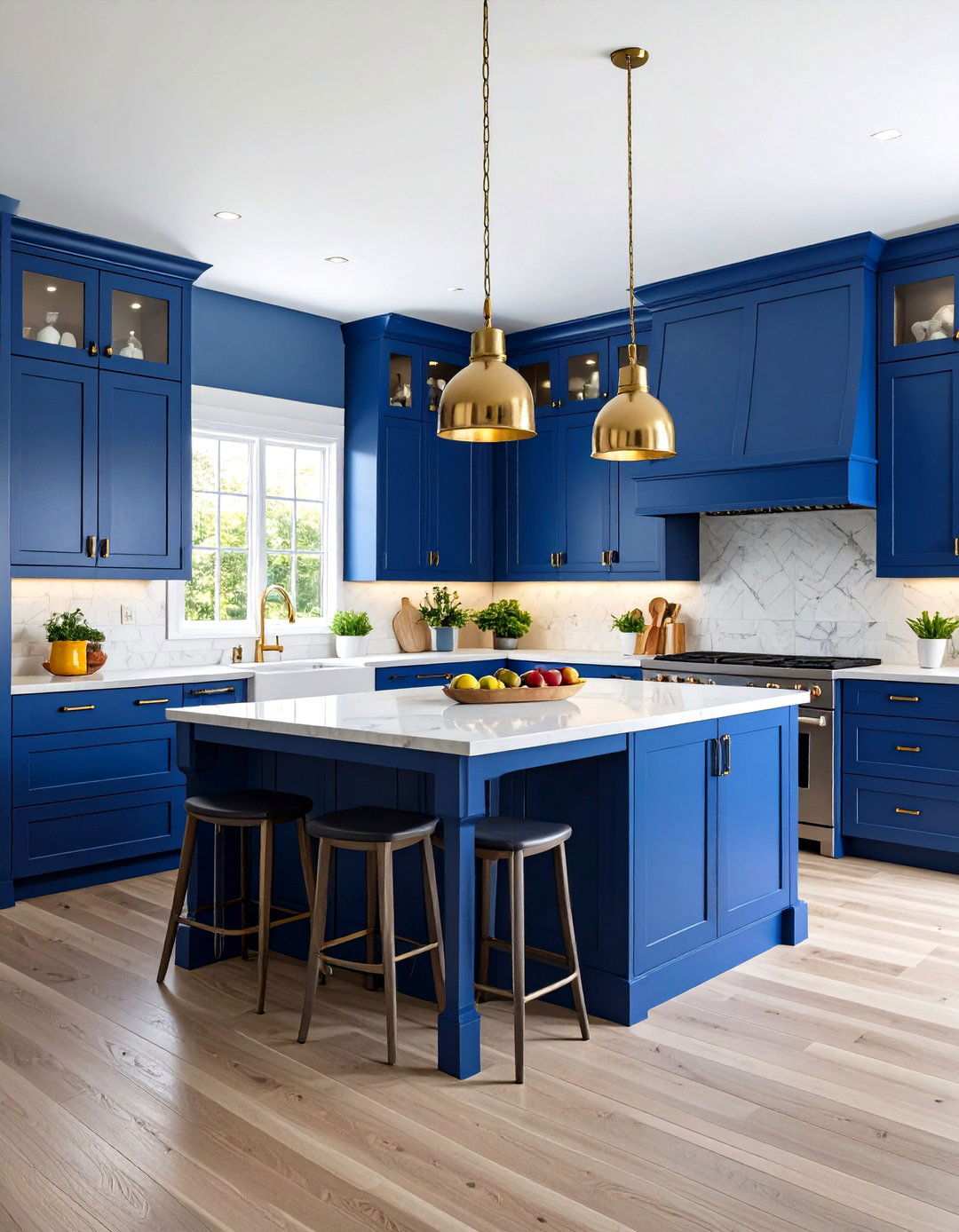
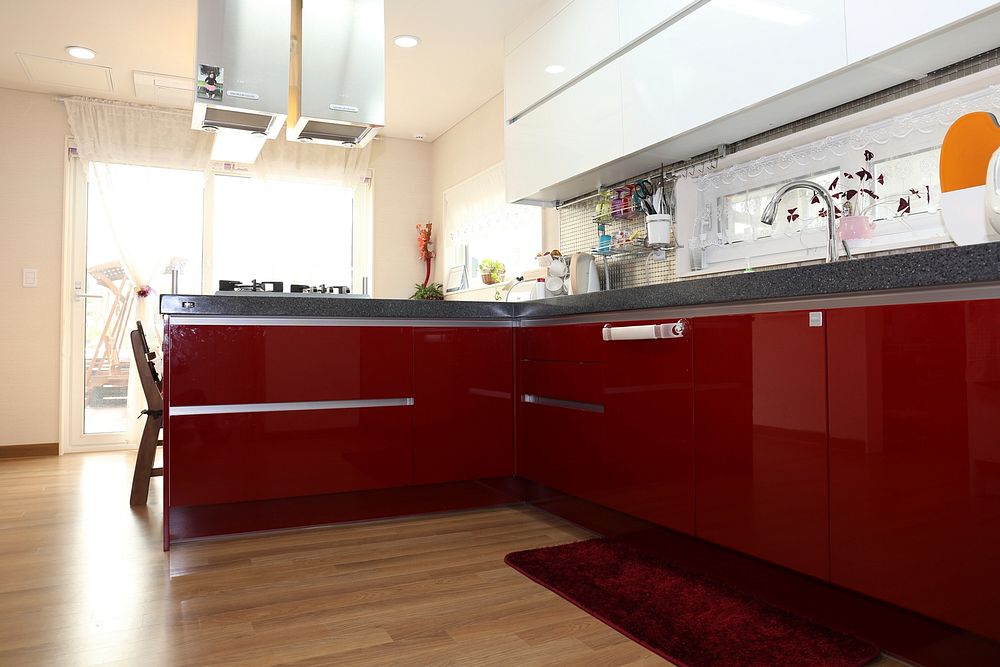
Are you prepared to make your kitchen the heart and soul of your home? Vibrant color schemes featuring deep blues, rich greens, or bold reds create striking focal points that energize the entire space. Strategically placing bold colors on islands, accent walls, or cabinet interiors adds a dash of personality without overwhelming the room. High-gloss finishes amplify bold colors while reflecting light to brighten the space. Delicate neutral elements balance intense hues and prevent visual fatigue. This approach is particularly well-suited for split level kitchens, where bold color can distract from architectural limitations while creating a memorable, personalized space that reflects the homeowner’s confidence and creativity.
17. Displaying Your Personality in Your Open Shelving Split Level Kitchen
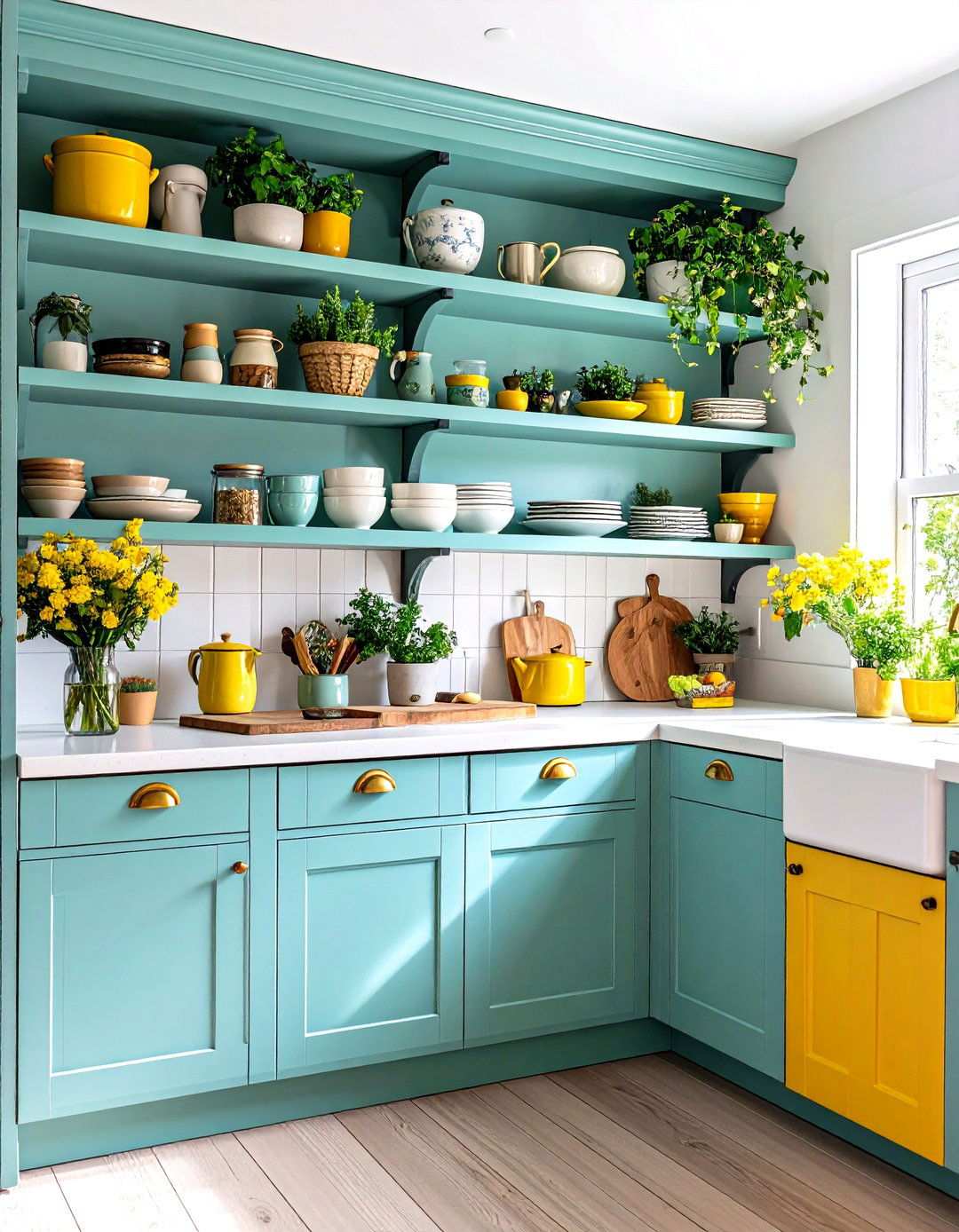
Imagine your dishes becoming an integral part of your kitchen’s design. Open shelving replaces some upper cabinets, creating opportunities to display treasured possessions while maintaining storage functionality. Carefully curated collections of dishes, glassware, and decorative objects become an essential part of the kitchen’s visual appeal. Floating shelves, bracket-supported wood shelves, or metal wire systems offer various aesthetic options to complement different design styles. The open concept reduces visual weight compared to solid cabinets, making spaces feel larger and more accessible. Thoughtfully placed decorative pieces ensure everyday items remain easily reachable while adding a personal touch. This approach requires deliberate organization but rewards with a custom, lived-in appearance that feels welcoming and personal.
18. Achieving Equilibrium in Transitional Kitchen Design
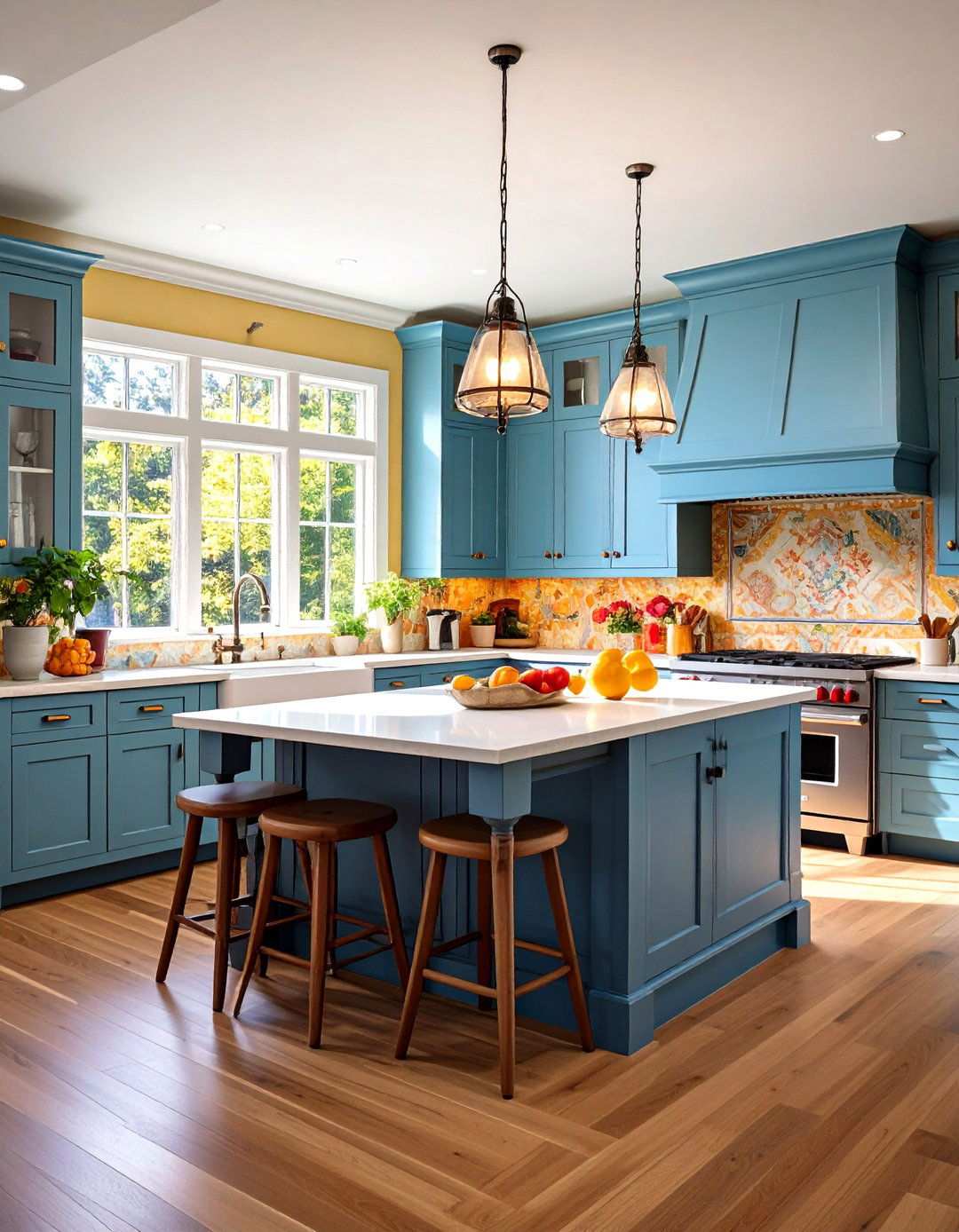
Effective bridge-building between traditional and contemporary styles requires a thoughtful balance of classic and modern elements. Transitional kitchens seamlessly integrate timeless and fresh design components to create spaces that exude familiarity and sophistication. By combining Shaker-style cabinets with sleek hardware, neutral color palettes with strategic accent colors, and mixed materials such as wood and metal, homeowners can achieve a sophisticated equilibrium. This approach accommodates both classical elegance and contemporary convenience, resulting in a balanced aesthetic that honors the home’s heritage while embracing current trends and technologies.
19. Creating an Inclusive Dining Experience in Split Level Kitchens
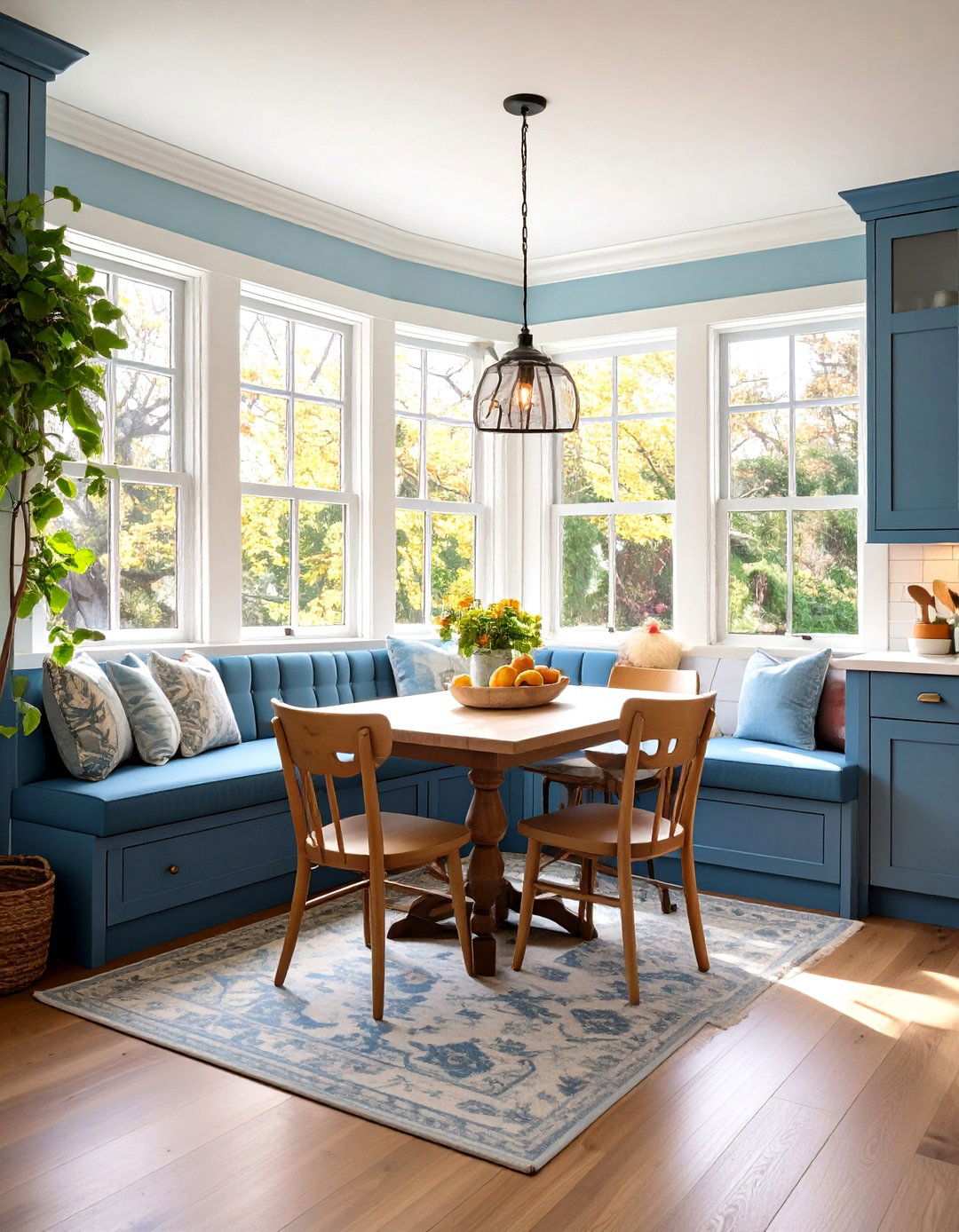
A well-designed breakfast nook can be the key to unlocking the potential of a split level kitchen. By incorporating built-in seating and a compact dining table, homeowners can create intimate dining spaces that maximize floor space efficiency. Strategically located in a corner, these nooks take advantage of natural light from adjacent windows while providing ample storage beneath the seating. Custom cushions and pillows add a pop of color and comfort, while the built-in table eliminates the need for separate dining furniture. This solution is particularly well-suited for split level homes where the kitchen may be separated from formal dining areas, fostering a sense of community and connection in the home.
20. Harnessing the Power of Contrast in Split Level Kitchen Design
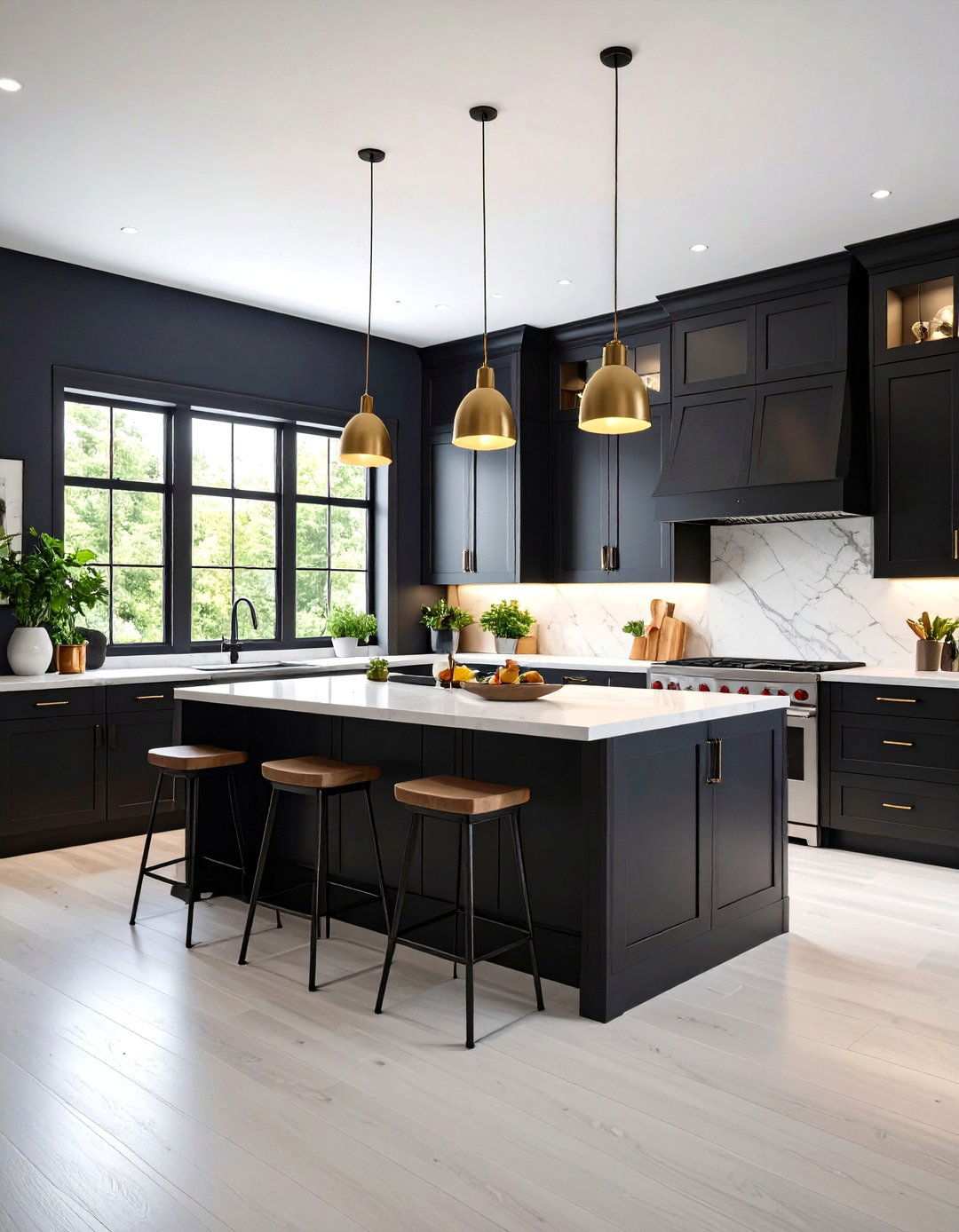
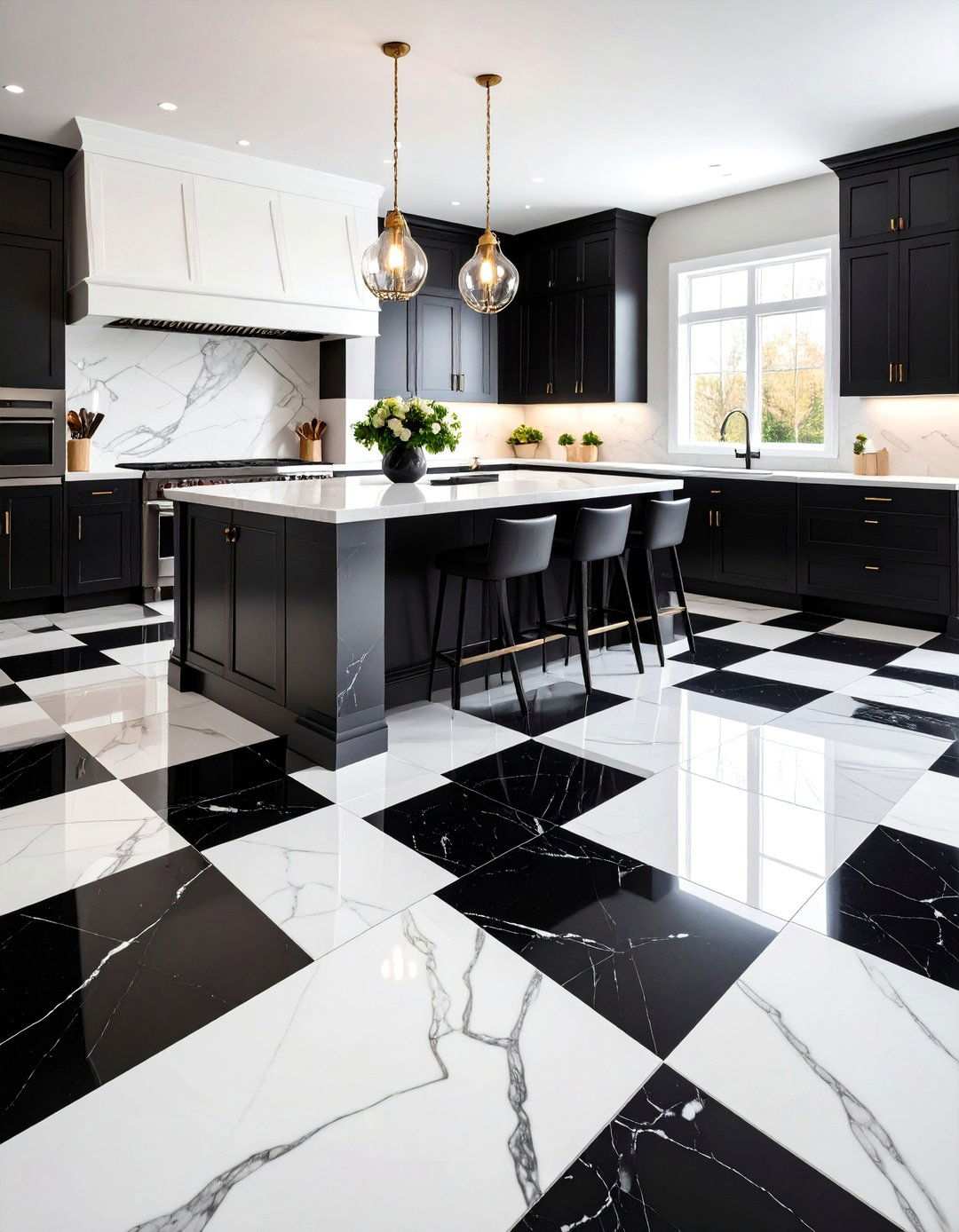
What happens when you deliberately juxtapose contrasting elements in kitchen design? High-contrast combinations such as dark and light, bold and neutral, or rich and minimalist create a striking visual impact that energizes the space. By thoughtfully placing contrasting elements throughout the kitchen, homeowners can guide the eye and create focal points that draw attention away from potential design challenges. This approach works particularly well in split level kitchens, where bold contrasts can be used to make spaces feel larger and more dynamic. When executed with quality materials and a keen eye for proportion, the dramatic effect can be both intentional and sophisticated.
21. Blending Style with Sustainability in Kitchen Renovations
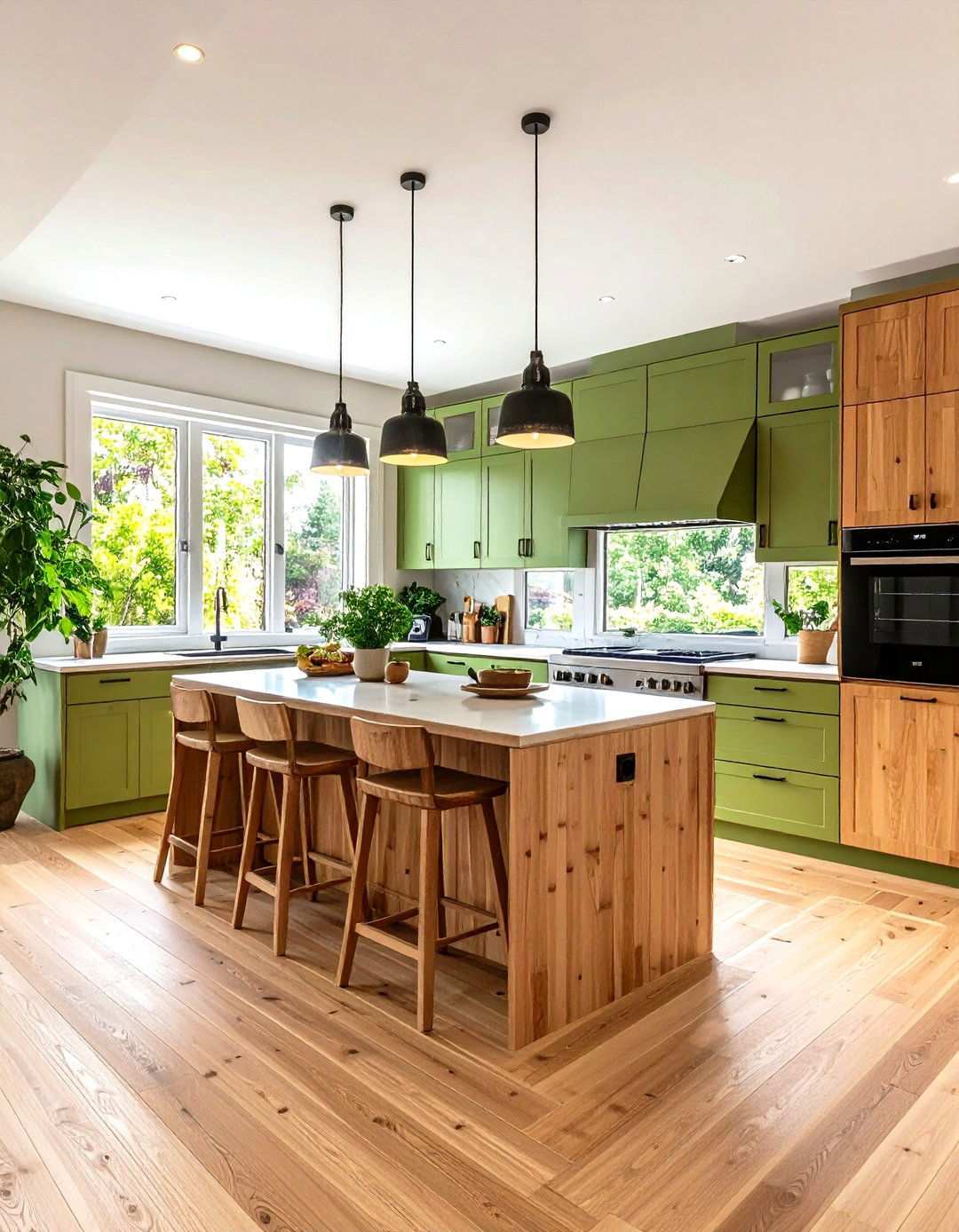
Homeowners seeking to merge environmental responsibility with design flair can now choose from a diverse range of eco-friendly kitchen materials. Bamboo flooring, for instance, offers an attractive, durable alternative to traditional hardwood, with the added benefit of being highly renewable. Similarly, the use of recycled glass countertops not only minimizes waste but also adds a touch of sophistication to the space. Furthermore, incorporating reclaimed wood elements can enhance the aesthetic appeal of a kitchen while significantly reducing the carbon footprint associated with new wood production. By combining these sustainable options with energy-efficient appliances, LED lighting, and water-saving fixtures, homeowners can create kitchens that not only align with their environmental values but also provide long-term cost savings through reduced utility expenses. Additionally, low-VOC paints and finishes contribute to improved indoor air quality, creating a healthier living environment for families. Locally sourced materials also help minimize transportation impacts, making this approach an attractive option for environmentally conscious homeowners.
22. Designing a Professional-Grade Kitchen for Home Cooks
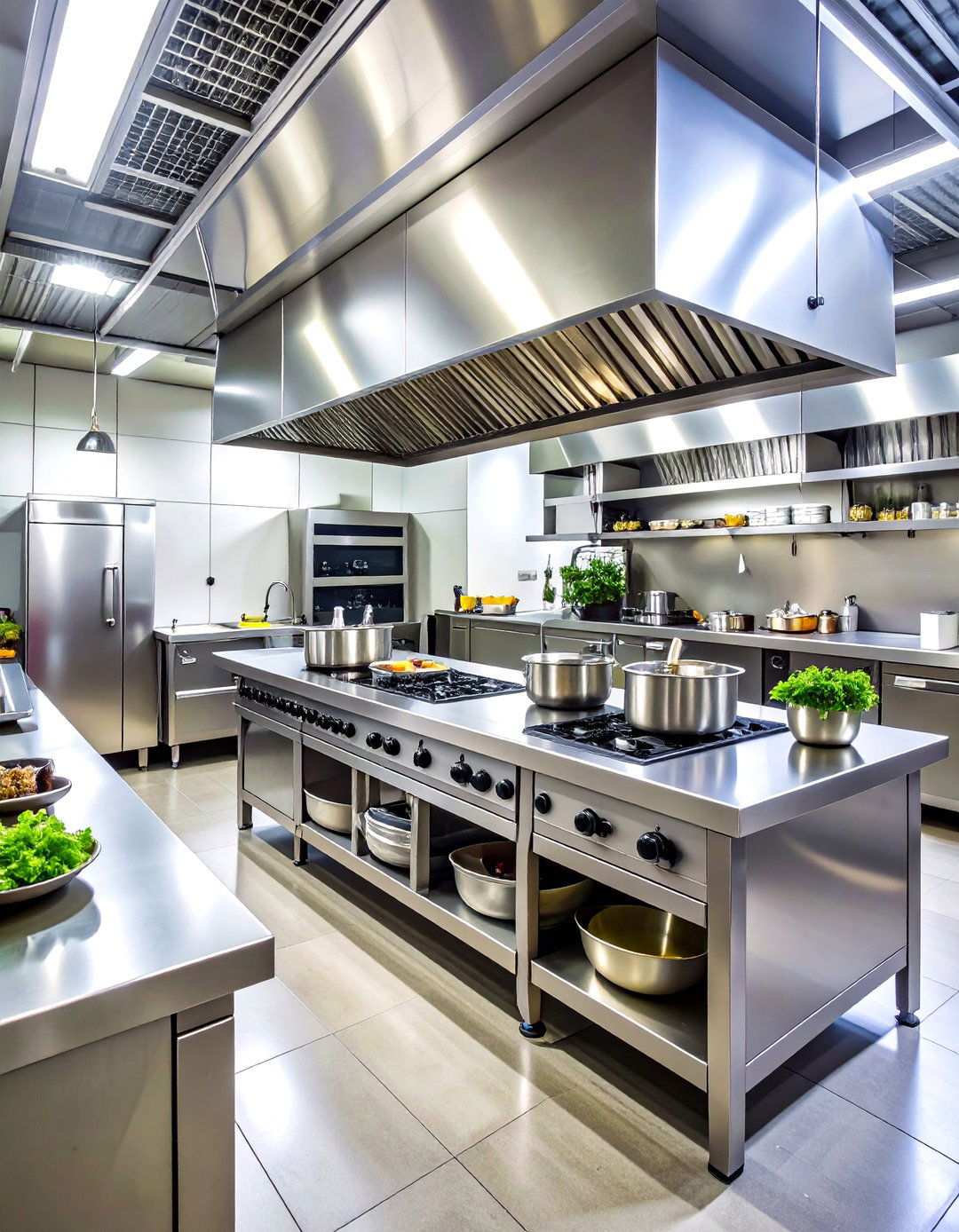
Imagine creating a kitchen that rivals those found in top-rated restaurants – where functionality, efficiency, and style converge to produce exceptional culinary results. By incorporating professional-grade appliances, such as high-end ranges and commercial-grade refrigeration, homeowners can transform their kitchen into a culinary hub. Strategic ventilation systems, designed to handle heavy cooking demands, ensure a safe and healthy cooking environment. A well-organized kitchen layout, complete with ample storage and easy-to-clean surfaces, streamlines food preparation and cooking processes, making it easier to manage large meals or entertaining. The use of stainless steel, deep sinks, and efficient storage systems further enhances the professional aesthetic, creating a space that not only inspires creativity but also adds value to the home. This approach is particularly appealing to serious home cooks who require a kitchen that can keep pace with their culinary ambitions.
23. Reviving Vintage Charm in Modern Kitchens
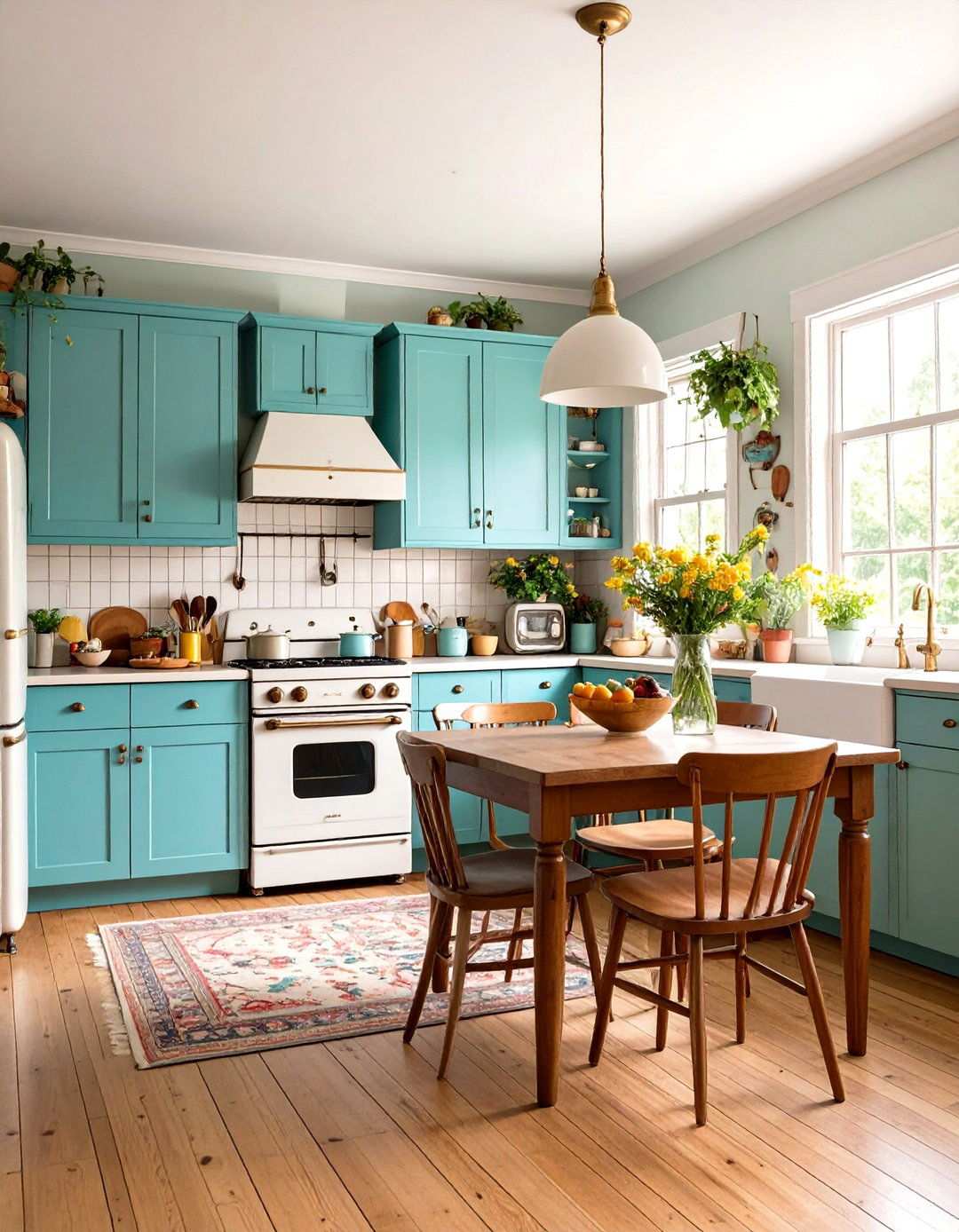
For those who appreciate the character and history of older homes, incorporating vintage elements into a kitchen renovation can be a thought-provoking and rewarding experience. By restoring original cabinets, incorporating period-specific hardware, and sourcing vintage appliances, homeowners can create a unique and authentic space that honors the home’s heritage. Original architectural details, such as built-in planters or room dividers, become celebrated features that add to the space’s charm. Carefully selected vintage-inspired lighting and period color schemes complete the authentic atmosphere. This approach requires dedication and research, but the end result is a kitchen that cannot be replicated in newer homes. By thoughtfully combining restored elements with modern conveniences, homeowners can create a space that feels both nostalgic and fresh, offering a perfect blend of old-world charm and contemporary livability.
24. Elevating the Essence of Luxury in Split Level Kitchens
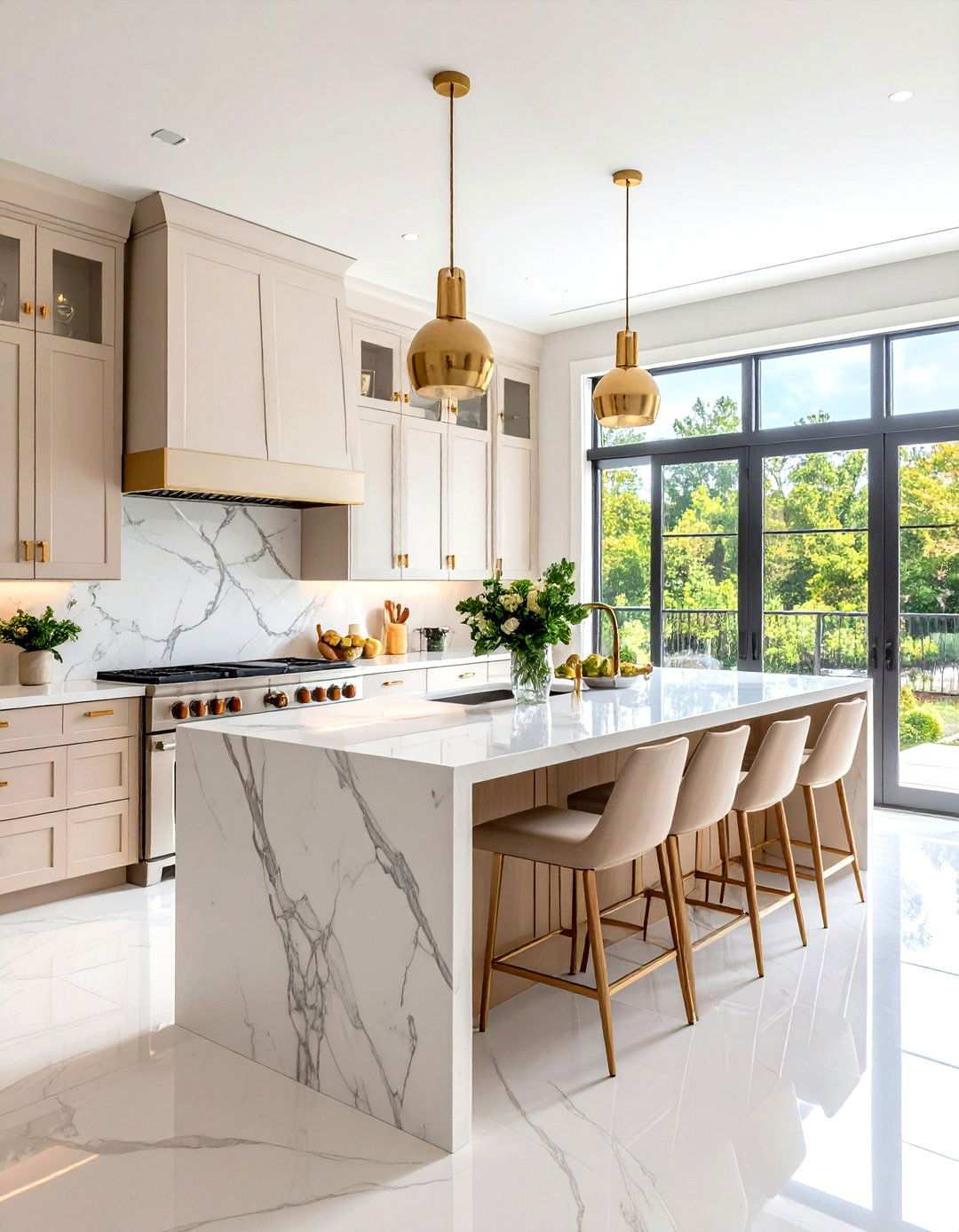
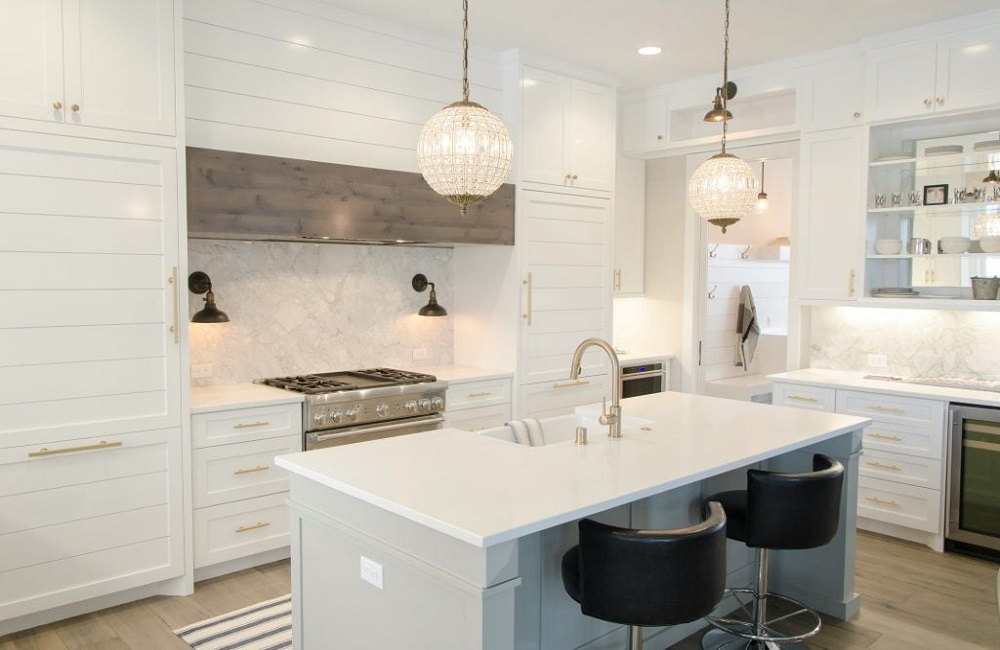
There’s no need to compromise on style when it comes to designing a split level kitchen. By incorporating high-end materials and premium features, you can craft a cooking environment that exudes sophistication and glamour. Marble countertops, custom cabinetry, and high-end appliances come together to create a truly show-stopping space that’s sure to impress. A focus on detailed millwork, premium hardware, and bespoke storage solutions adds a level of luxury that feels both permanent and incredibly valuable.
Thoughtful lighting design plays a crucial role in elevating the aesthetic, with chandelier or pendant fixtures adding a touch of elegance and ambiance to the space. Meanwhile, quality finishes such as hardwood flooring, stone backsplashes, and premium paint come together to create rich, layered environments that reward close inspection. By investing in this level of luxury, you’re not only creating a kitchen that serves as a family gathering space, but also adding substantial value to your home. Ultimately, the luxury of a well-designed split level kitchen extends far beyond its materials, encompassing thoughtful design details that enhance daily living experiences in meaningful ways.