1. Elevating Functional Design in Small Spaces
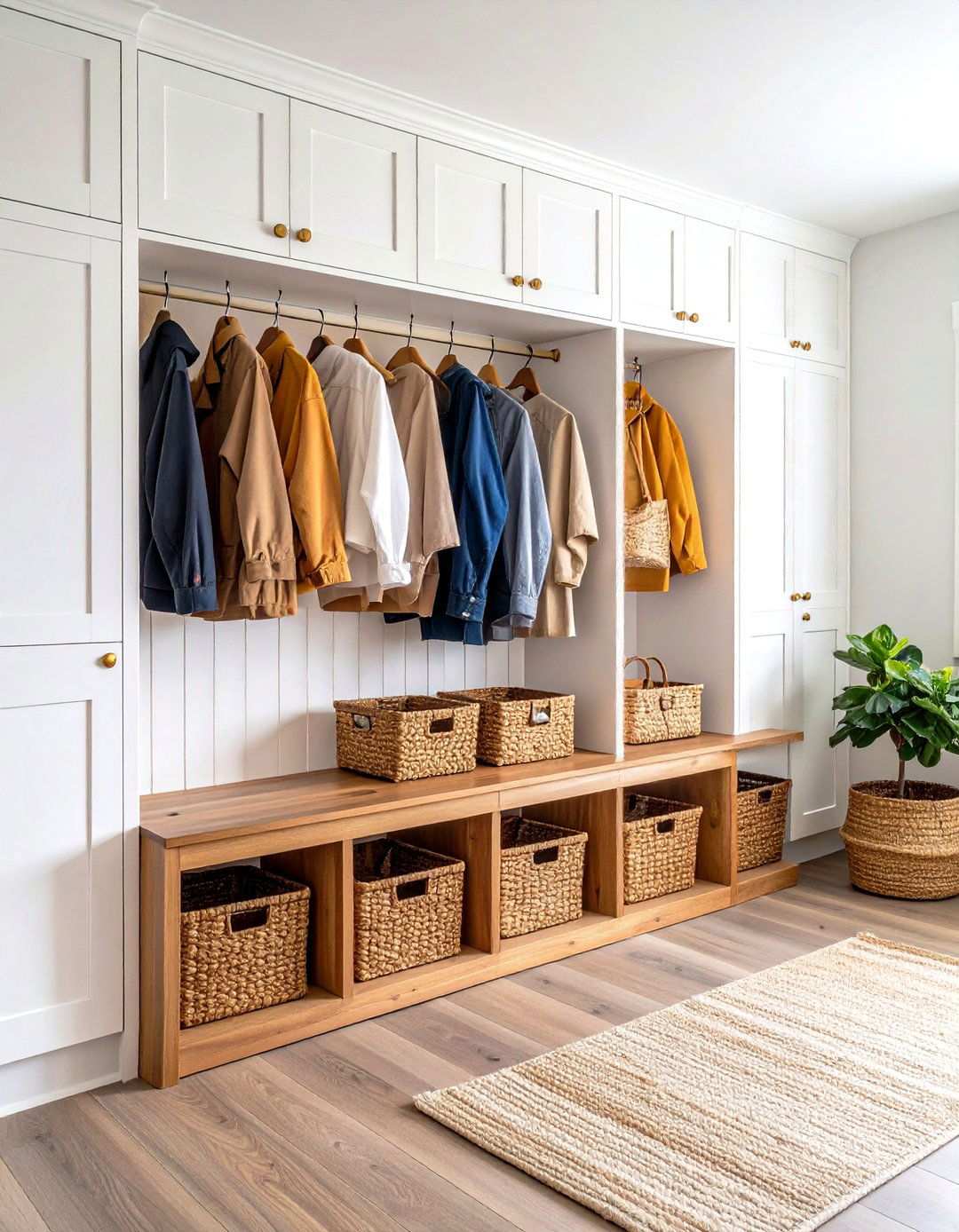
Compact entryways and narrow hallways often require creative solutions to strike a balance between functionality, style, and practicality. The humble mudroom, once a neglected afterthought, has evolved into a highly functional and visually appealing space. When tackling this often-overlooked area, homeowners must prioritize thoughtful design choices that maximize every available inch. One effective strategy involves creating dedicated zones for different activities, cleverly utilizing vertical space, and incorporating multi-functional furniture pieces. By doing so, even the tiniest mudroom can transform into a serene oasis, setting the tone for the rest of the home while maintaining a clutter-free atmosphere.

As an Amazon Associate I earn from qualifying purchases.
2. Smart Storage Solutions for Compact Mudrooms
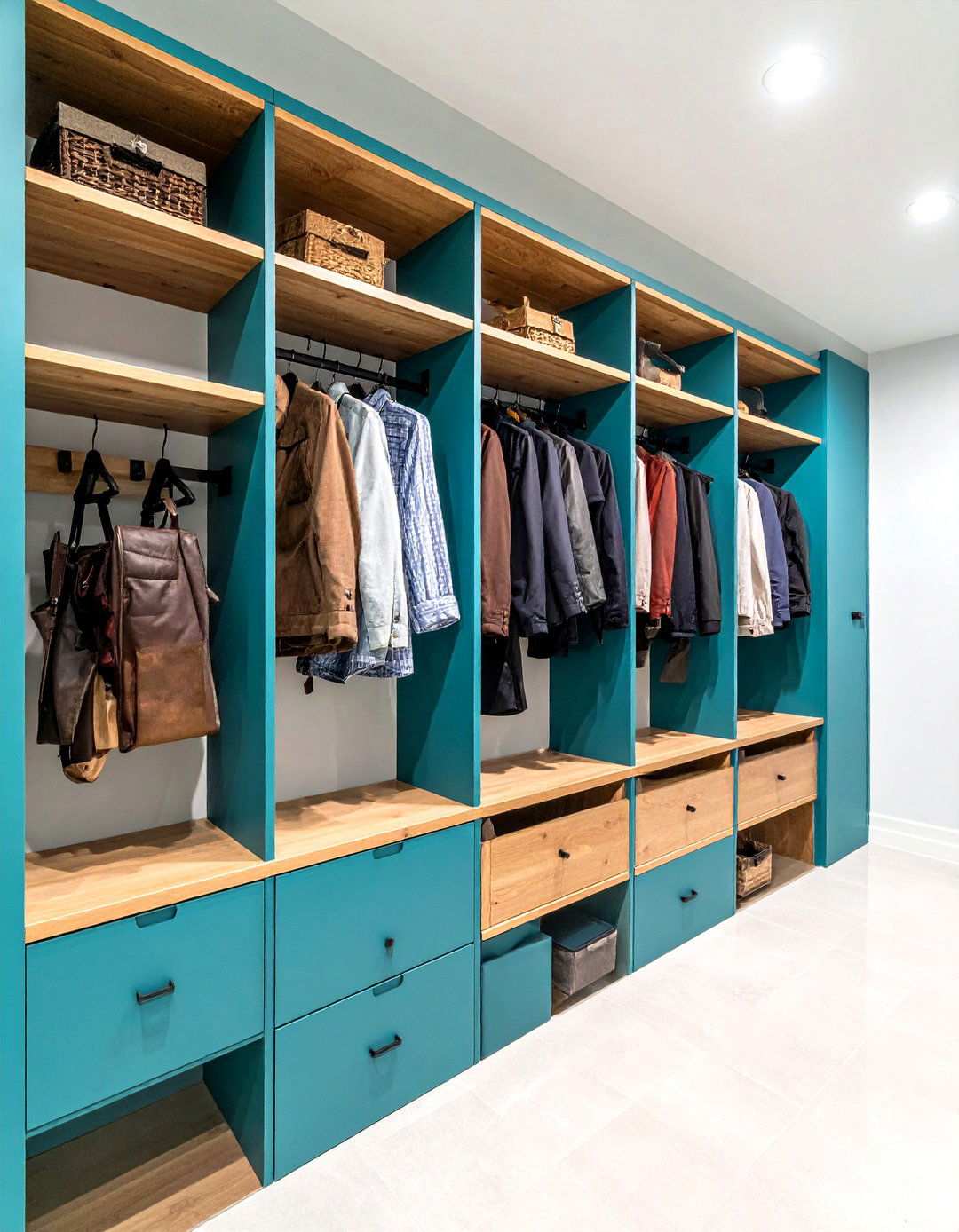
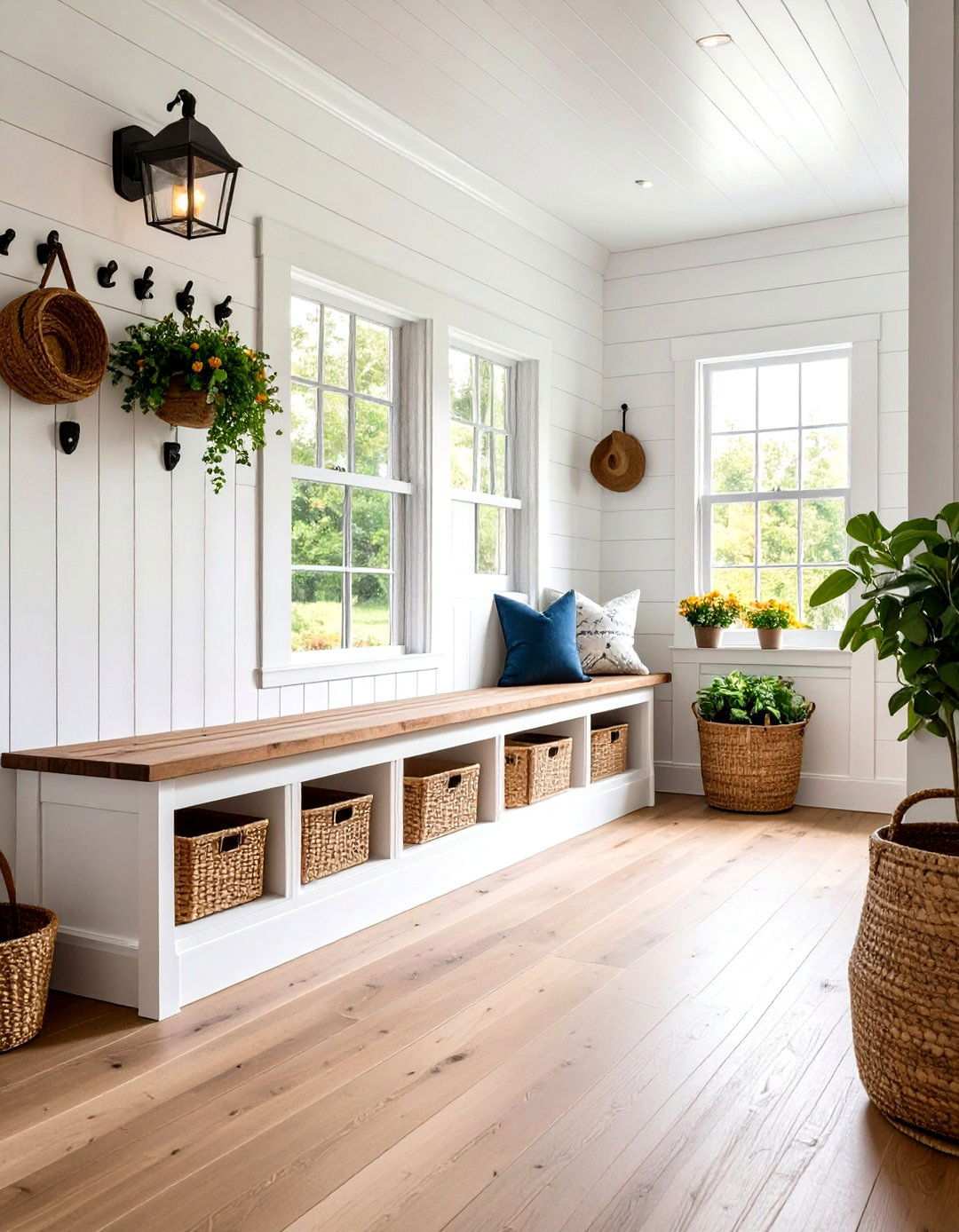
Built-in bench storage systems represent a fantastic opportunity to merge style and functionality in small mudrooms. By integrating seating areas with hidden storage compartments, homeowners can create cozy nooks for putting on shoes while keeping essential items neatly concealed. The storage space underneath the bench is perfect for storing seasonal items, sports equipment, or cleaning supplies that might otherwise contribute to clutter. If you often find yourself scrambling to locate misplaced gloves or hats during busy mornings, consider incorporating drawers or lift-top mechanisms within the bench design. This approach is particularly beneficial in narrow spaces where freestanding furniture would congest traffic flow, resulting in a streamlined appearance that enhances the room’s overall functionality.
3. Wall-Mounted Hook and Cubby Systems
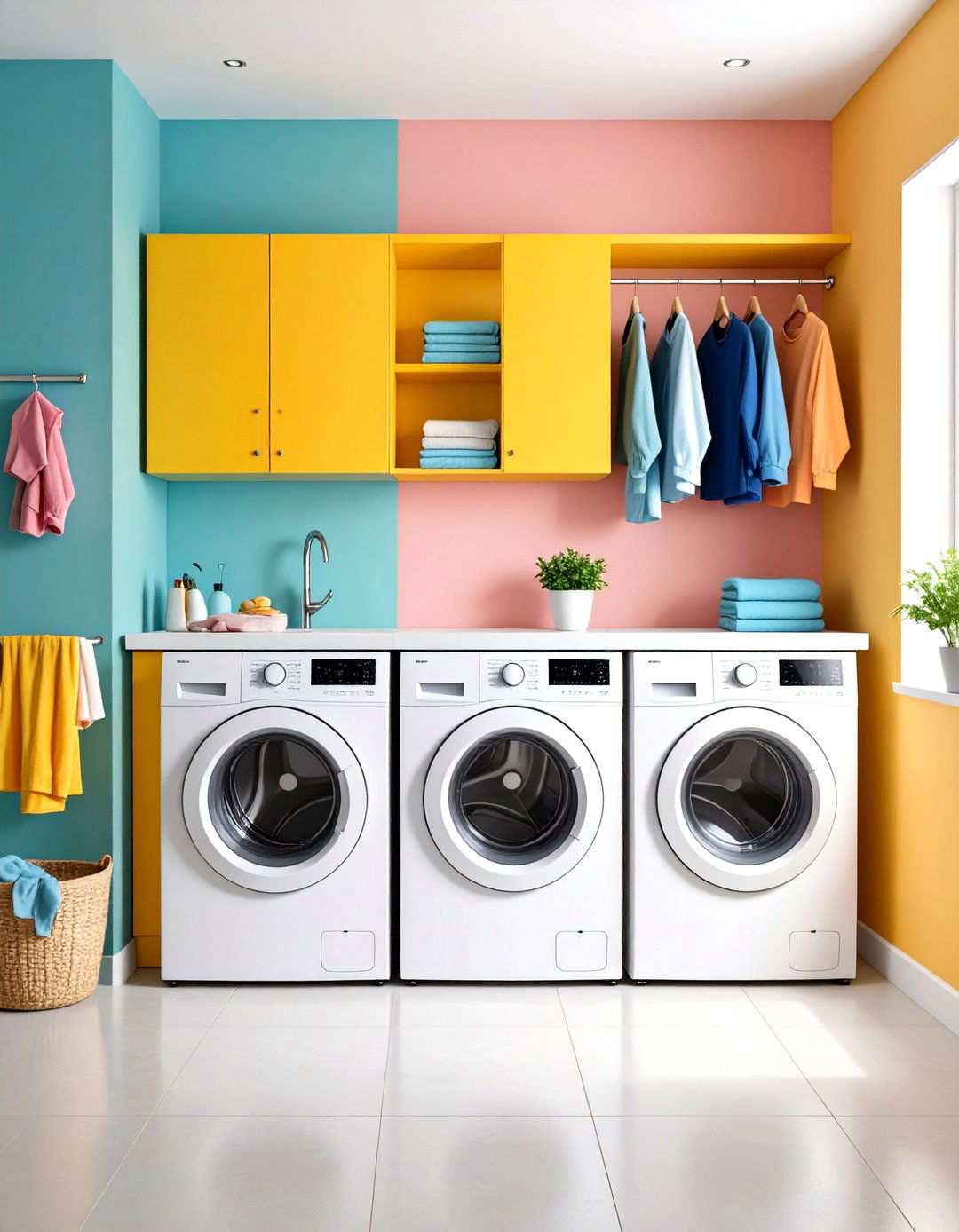
Vertical wall-mounted systems are a game-changer for small mudrooms, converting blank walls into storage powerhouses without consuming precious floor space. These installations typically feature a combination of individual hooks at varying heights and open cubbies for organizing accessories. Imagine having a designated spot for every family member’s belongings – a reality made possible by installing hooks at different levels, encouraging everyone to maintain organization. The cubby sections are ideal for storing frequently used items like keys, sunglasses, or mail. When selecting materials, consider your home’s style, whether rustic wood for a farmhouse aesthetic or sleek metal for a modern look. This adaptable system easily adjusts to changing needs and growing families, making it a versatile solution for mudrooms of all sizes.
Seamless Laundry Mudroom Integration
Incorporating laundry functions with mudroom storage yields a remarkably efficient small space, capable of fulfilling multiple household requirements simultaneously. This dual-purpose design often features stacked or side-by-side washer and dryer units, accompanied by storage for laundry supplies and essential mudroom items. By tackling two challenging areas with a single solution, homeowners can reap significant benefits from strategic planning that meticulously separates clean storage from areas where dirty items are handled. The inclusion of a utility sink for pre-treating stains or washing muddy shoes is a thoughtful touch, complemented by hanging rods for air-drying delicate items. Custom cabinetry not only maintains a cohesive appearance but also provides ample storage for a wide range of items, from detergent to athletic gear.
4. Maximizing Corner Spaces in Mudroom Design
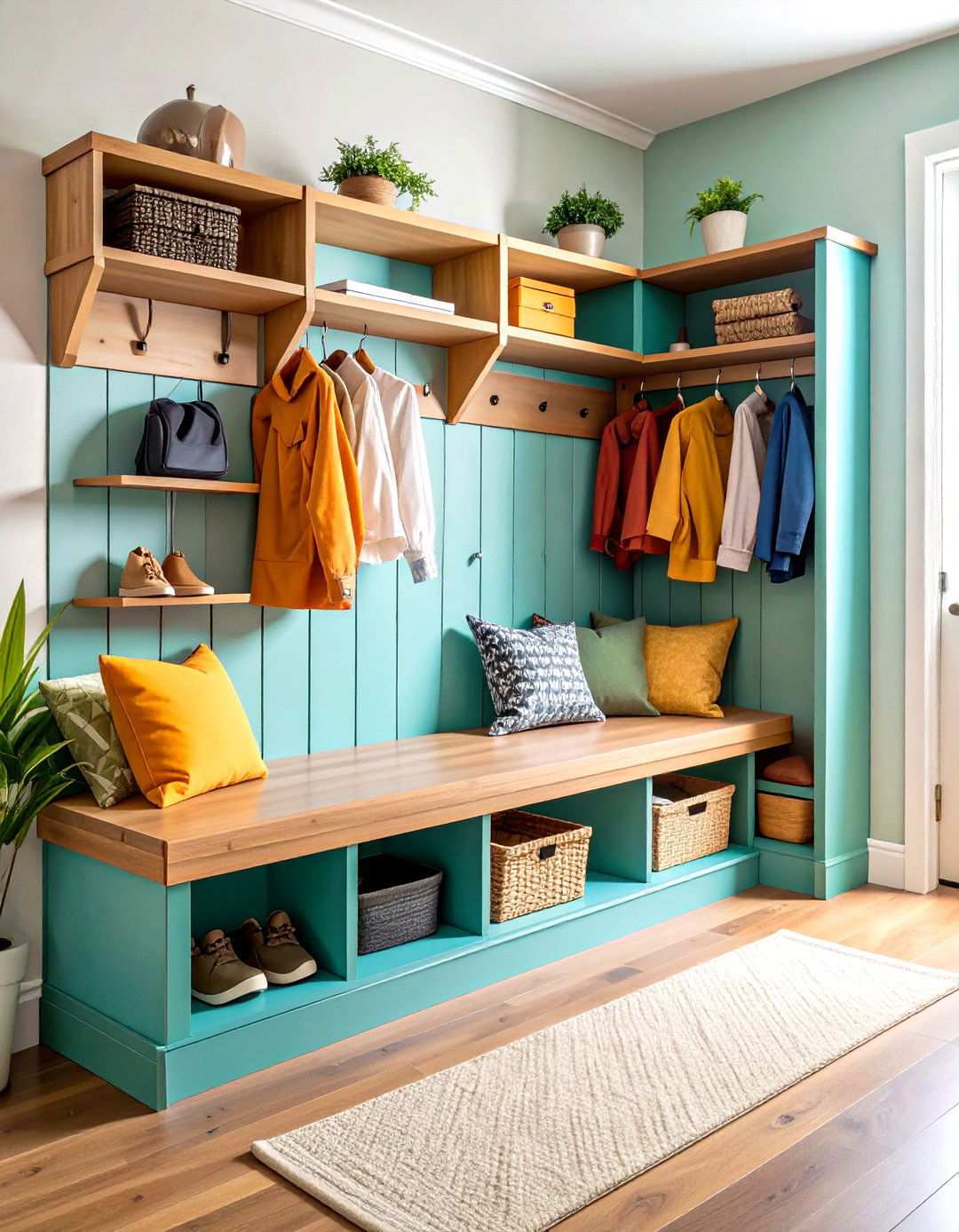
Corner areas often get overlooked, but with a thoughtful approach, they can become highly functional mudroom spaces. These designs typically feature corner benches with storage that cleverly wrap around the available space, creating inviting seating areas while providing generous storage underneath. A well-placed corner mudroom can also help optimize traffic flow in entryways, making it an excellent solution for homes where space is at a premium. Adding corner shelving units above the bench allows for vertical storage without overwhelming the space, while strategically positioned wall-mounted hooks provide ample hanging space for coats and bags. This compact footprint makes it an ideal choice for homes with limited space but a strong emphasis on organization.
5. Farmhouse Chic in Mudroom Design
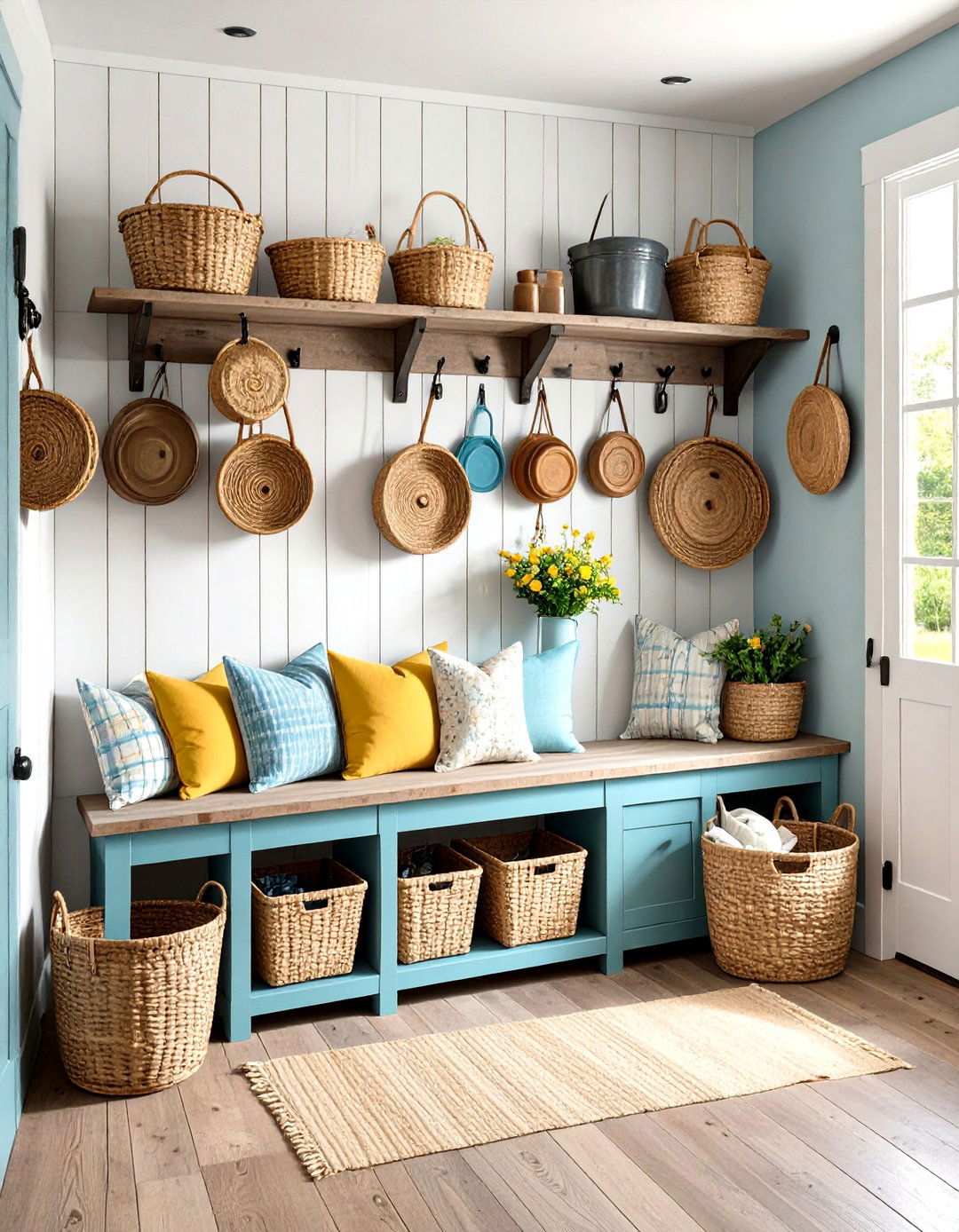
Farmhouse-style mudrooms bring a warm and inviting ambiance to small spaces through the use of rustic materials, vintage-inspired elements, and soothing color palettes that create welcoming transitional areas. These spaces often feature weathered wood finishes, shiplap or beadboard walls, and traditional hardware that evokes the charm of country living. The color scheme typically comprises crisp whites paired with warm wood tones and muted accent colors like sage green or dusty blue. Open shelving displays vintage baskets and mason jars, adding a touch of authenticity, while galvanized metal accents contribute to the farmhouse aesthetic. Classic elements like barn doors or vintage signs complete the look, making this style particularly well-suited for coordination with adjacent kitchen or living areas, thereby creating seamless design flow throughout the home.
6. Streamlined Mudroom Elegance
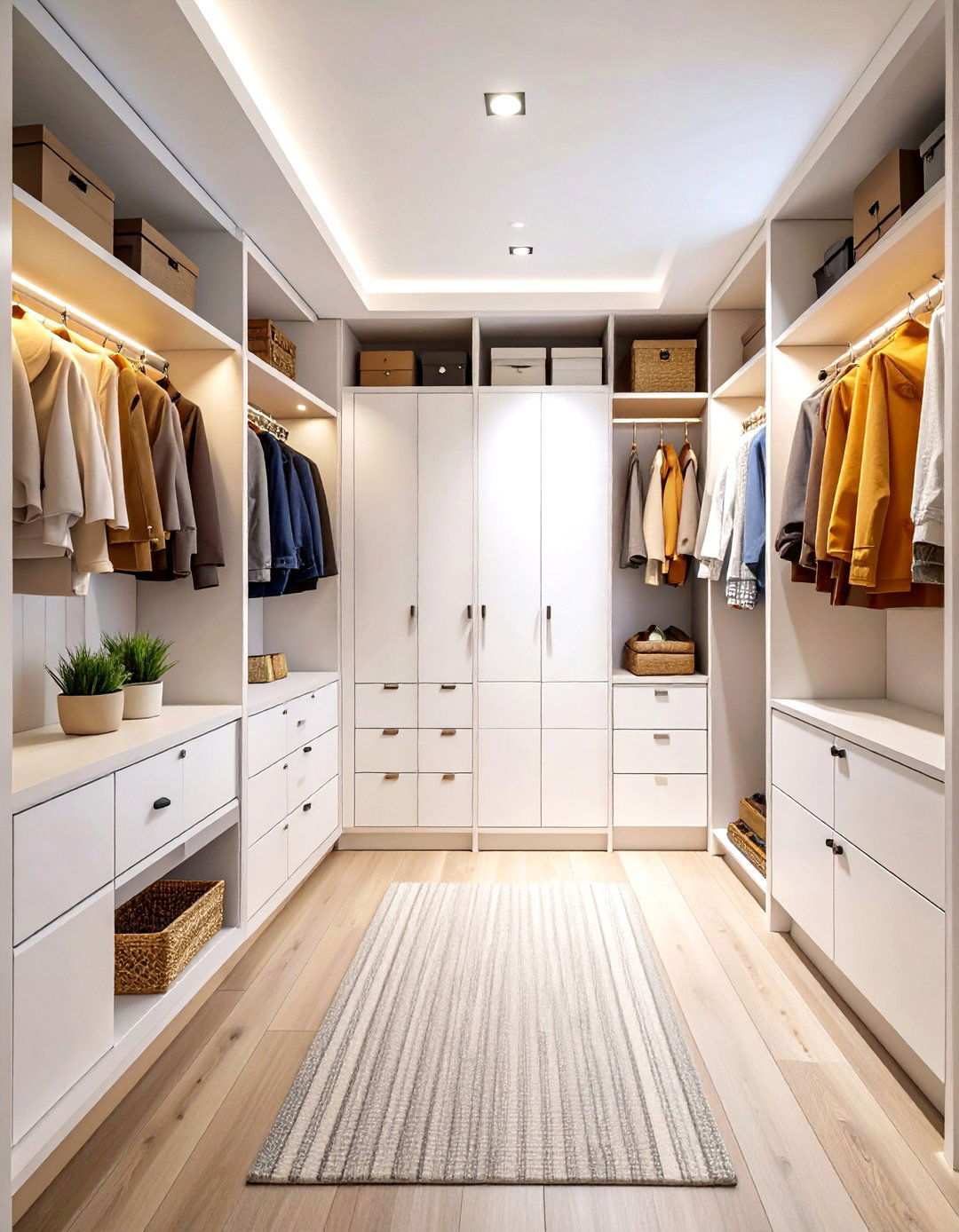
A blend of unadorned lines and carefully curated elements results in modern minimalist mudrooms that marry practicality with refined visual flair, achieved through the thoughtful selection of materials and clever storage solutions. Characterized by flat-panel cabinetry in serene hues, concealed compartments, and an absence of decorative embellishments, these designs effectively minimize visual clutter. The prevailing color palette typically consists of soothing whites, muted grays, and natural wood tones, creating tranquil environments that promote relaxation. Built-in features replace the need for supplementary furniture, while carefully positioned lighting subtly illuminates the space without overwhelming it. Every component, from hidden footwear storage to integrated charging stations, serves a specific purpose, resulting in a harmonious balance between form and function.
7. Textured Elegance through Herringbone Patterns
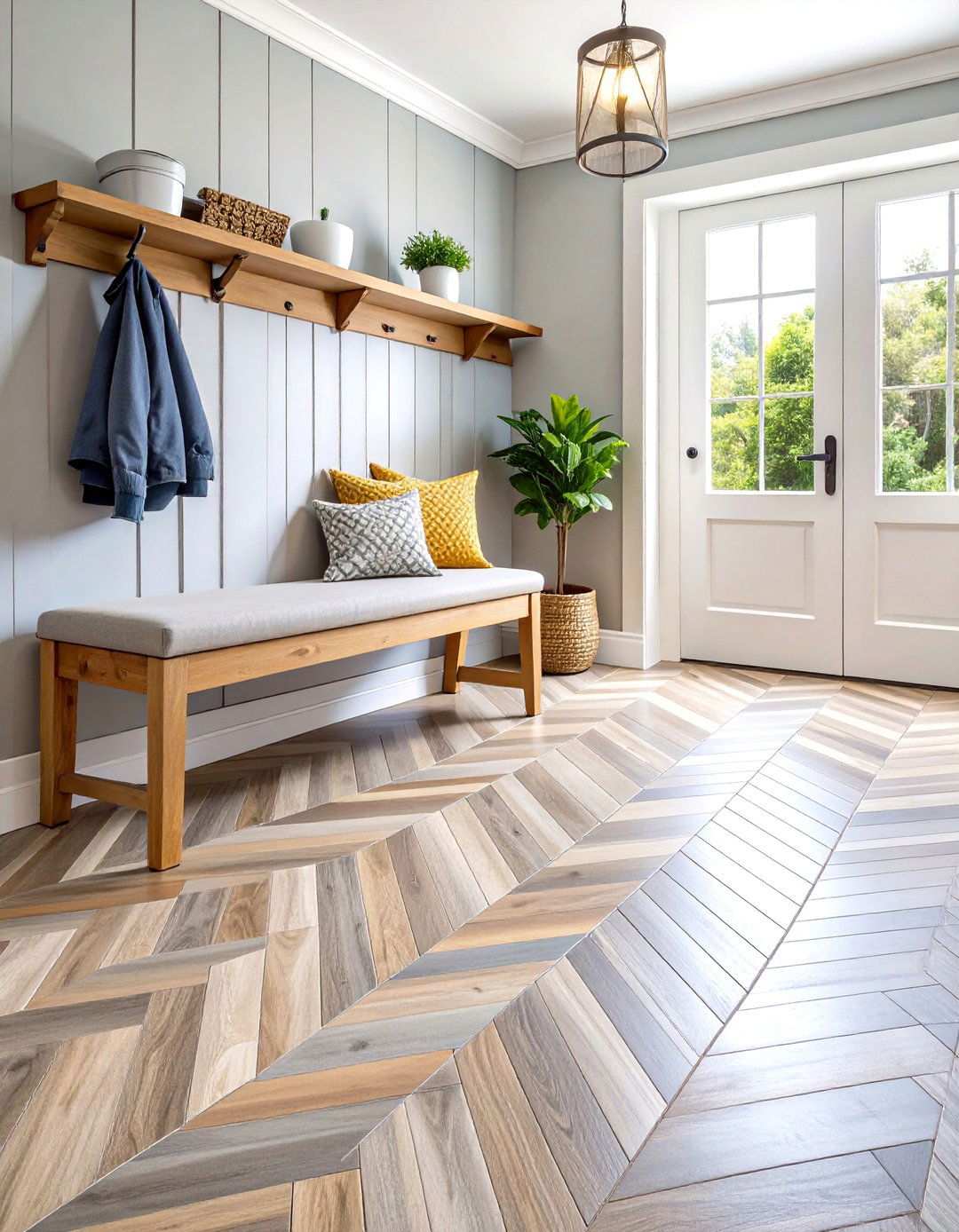
The judicious application of herringbone tile patterns imbues small mudroom floors with visual allure and textured sophistication, while providing exceptional durability in high-traffic areas prone to dirt and moisture. This classic design creates a sense of movement and depth through diagonal sight lines, making compact spaces appear larger and more inviting. The interlocking design can be tailored to suit various materials, including ceramic, porcelain, and natural stone, allowing homeowners to customize their design to suit their preferences. Does your current flooring hold up to the daily wear and tear from muddy boots and wet umbrellas? Herringbone patterns have a natural ability to conceal dirt and scratches between cleaning sessions, making maintenance simpler for busy households. The timeless appeal of herringbone patterns ensures that your mudroom remains stylish for years to come, even in the face of constant use from family members and guests.
8. Efficient Landing Spots through Drop Zone Systems
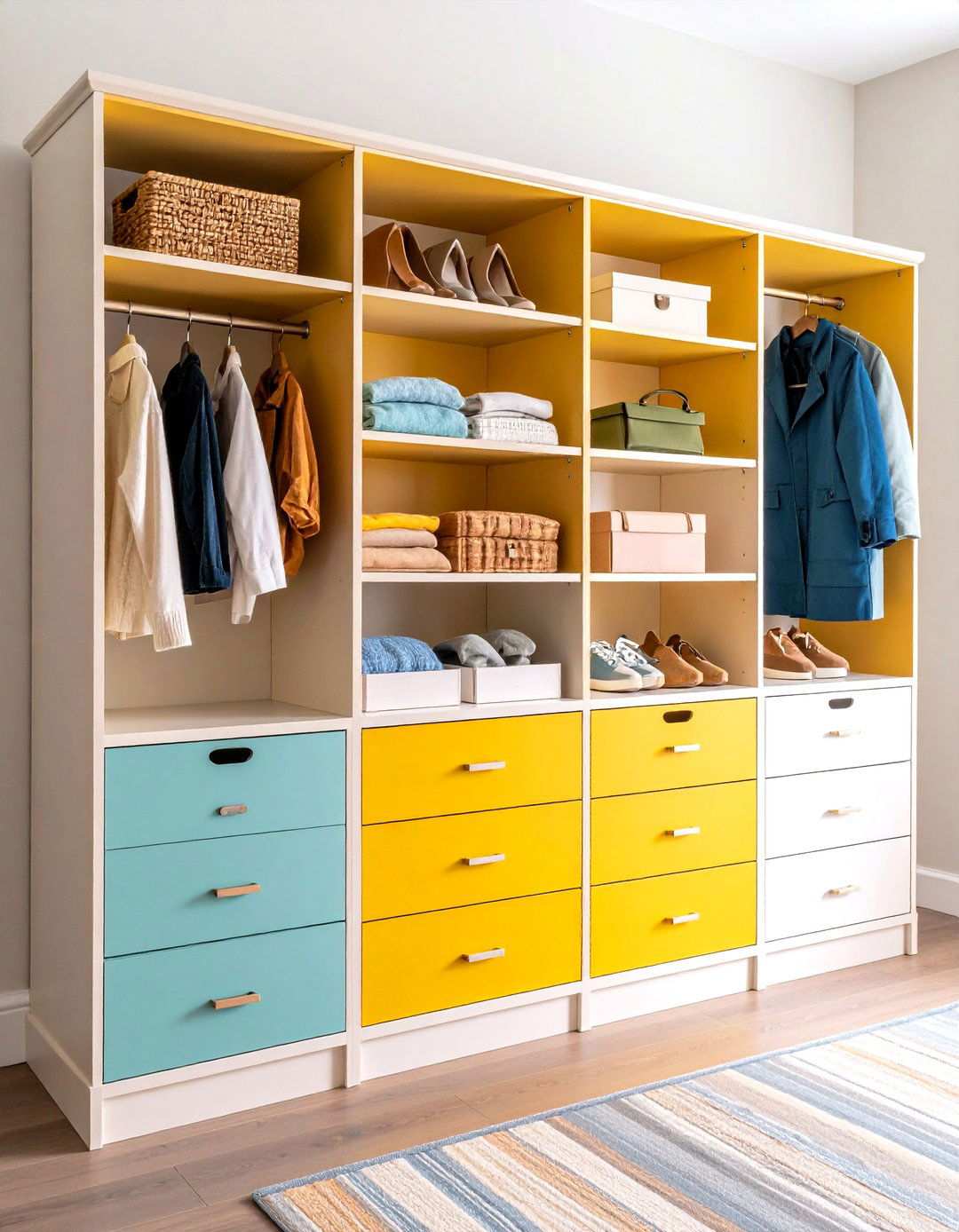
Designated drop zones provide organized landing spots for daily essentials like keys, mail, and personal items that typically accumulate near entryways in chaotic piles. These systems feature shallow drawers or open trays positioned at convenient heights for quick access during rushed departures and arrivals. Small cubbies or baskets can be labeled for individual family members, fostering personal responsibility for their belongings. Why not eliminate the frustration of searching for car keys during busy mornings? Incorporating a small bulletin board or magnetic surface for important reminders keeps crucial information visible. The key to success lies in positioning these elements within easy reach while maintaining the overall aesthetic of your mudroom design.
9. Reviving Vintage Locker Aesthetics in Mudroom Storage
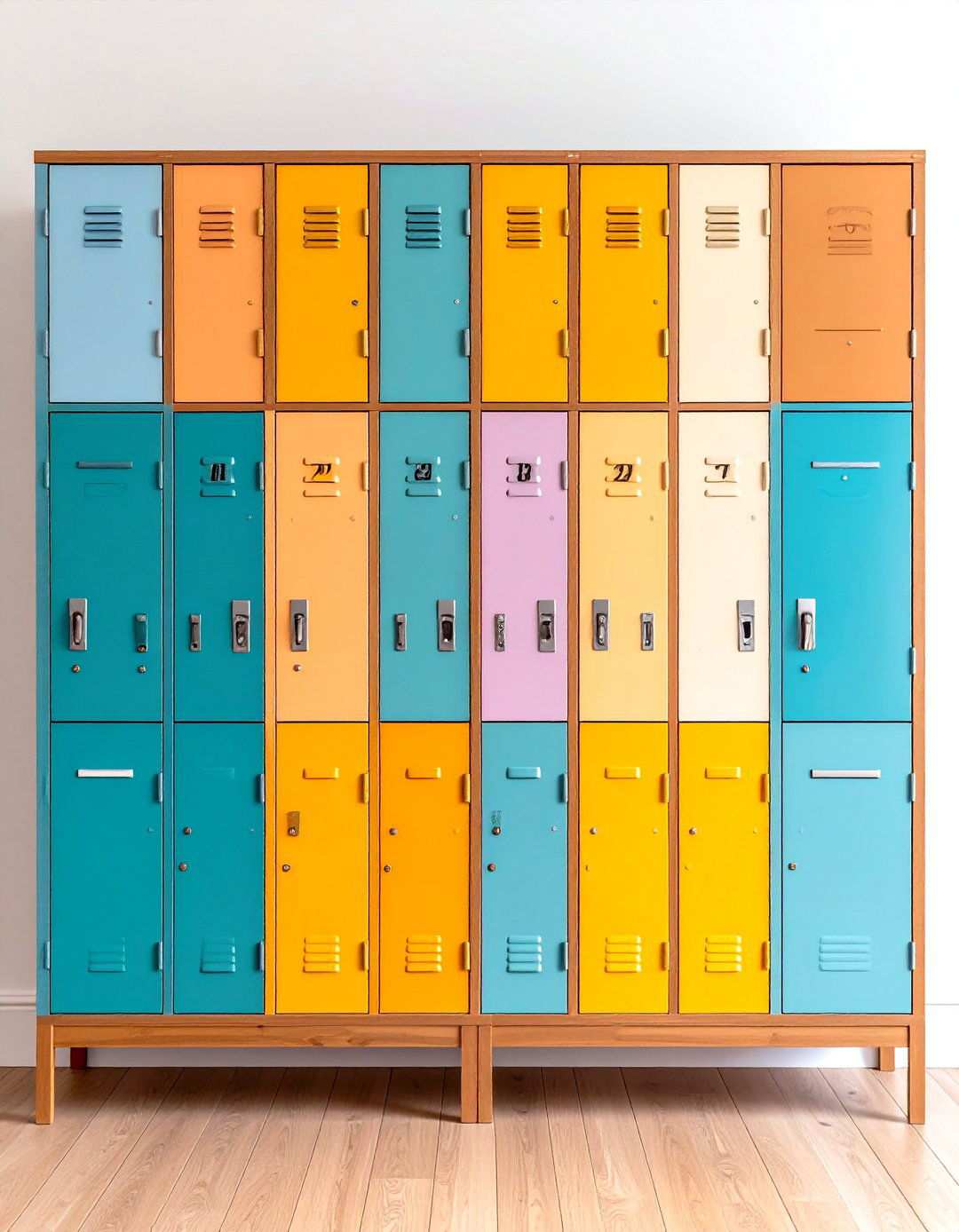
Vintage-inspired storage solutions are a perfect choice for families seeking a nostalgic touch in their mudroom spaces. These units often feature numbered or labeled compartments, which not only add a touch of industrial charm but also serve as a reminder of assigned areas for each family member. By designating specific spots for personal belongings, these storage systems promote accountability, minimize disputes over misplaced items, and foster a sense of responsibility among household members. Constructed from durable metal, these units can withstand heavy use while seamlessly integrating into various design styles. Strategically placed hooks, shelves, and ventilation slots cater to diverse storage needs, from sports equipment to school backpacks, ensuring every item has its designated place. This approach is particularly well-suited for families with multiple children, as it helps maintain a clutter-free and organized home environment.
10. Harmonizing Functionality and Aesthetics in Open Shelving Systems
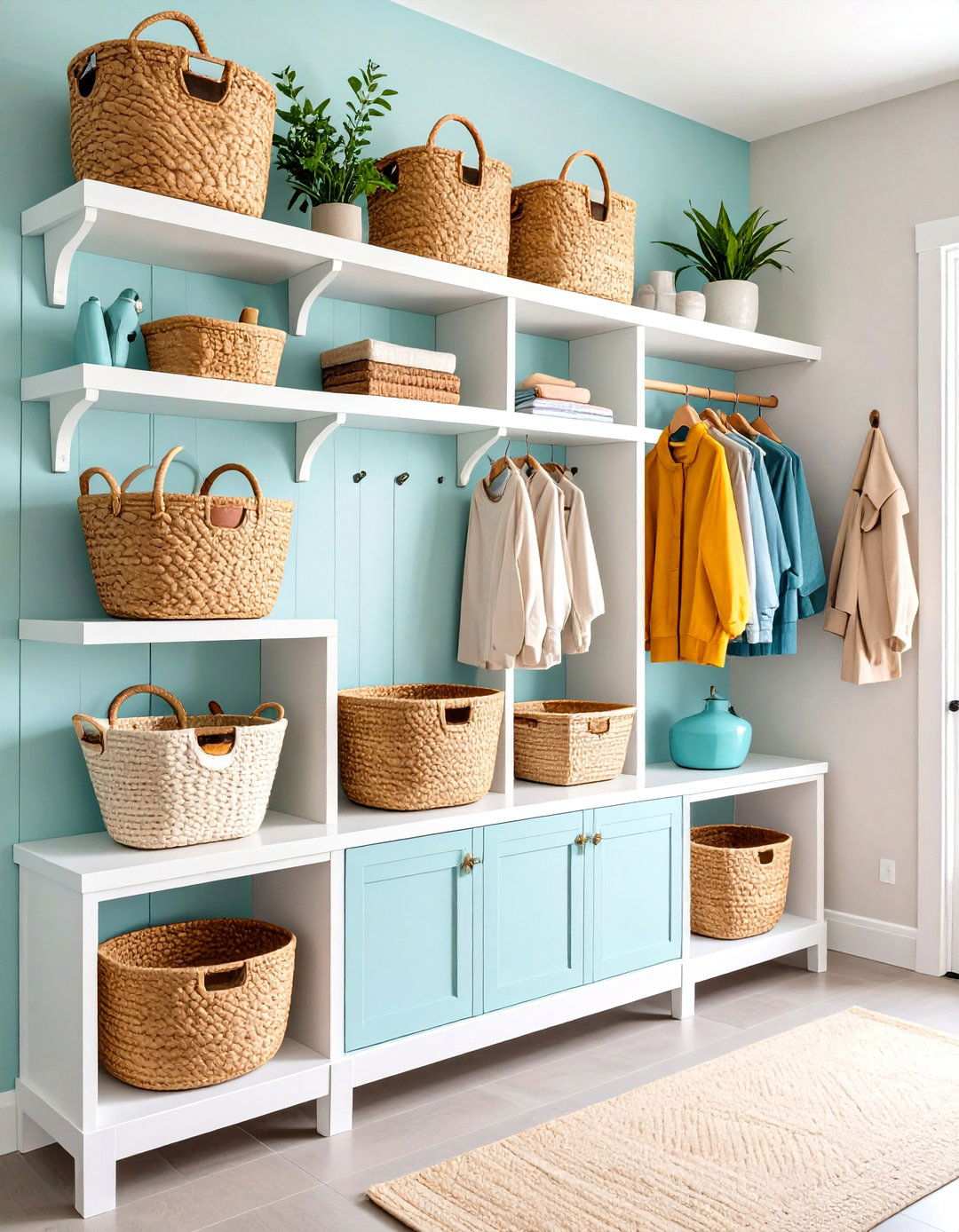
Small mudroom spaces can benefit from open shelving systems that strike a balance between practical storage and decorative displays. When paired with thoughtful organizational elements, such as woven baskets, vintage containers, or coordinating bins, these installations can elevate the space’s visual appeal without overwhelming the available square footage. Achieving visual balance between functionality and aesthetics is key to creating a cohesive look. By incorporating varied shelf heights, you can accommodate different item sizes while introducing a touch of visual interest through proportional variation. To prevent the space from feeling purely utilitarian, consider combining practical storage with decorative elements, such as vintage accessories or colorful bins. This approach is particularly effective when the mudroom connects to more public areas of the home, where visual appeal is crucial.
11. Maximizing Hidden Spaces: Under-Stair Mudroom Conversions
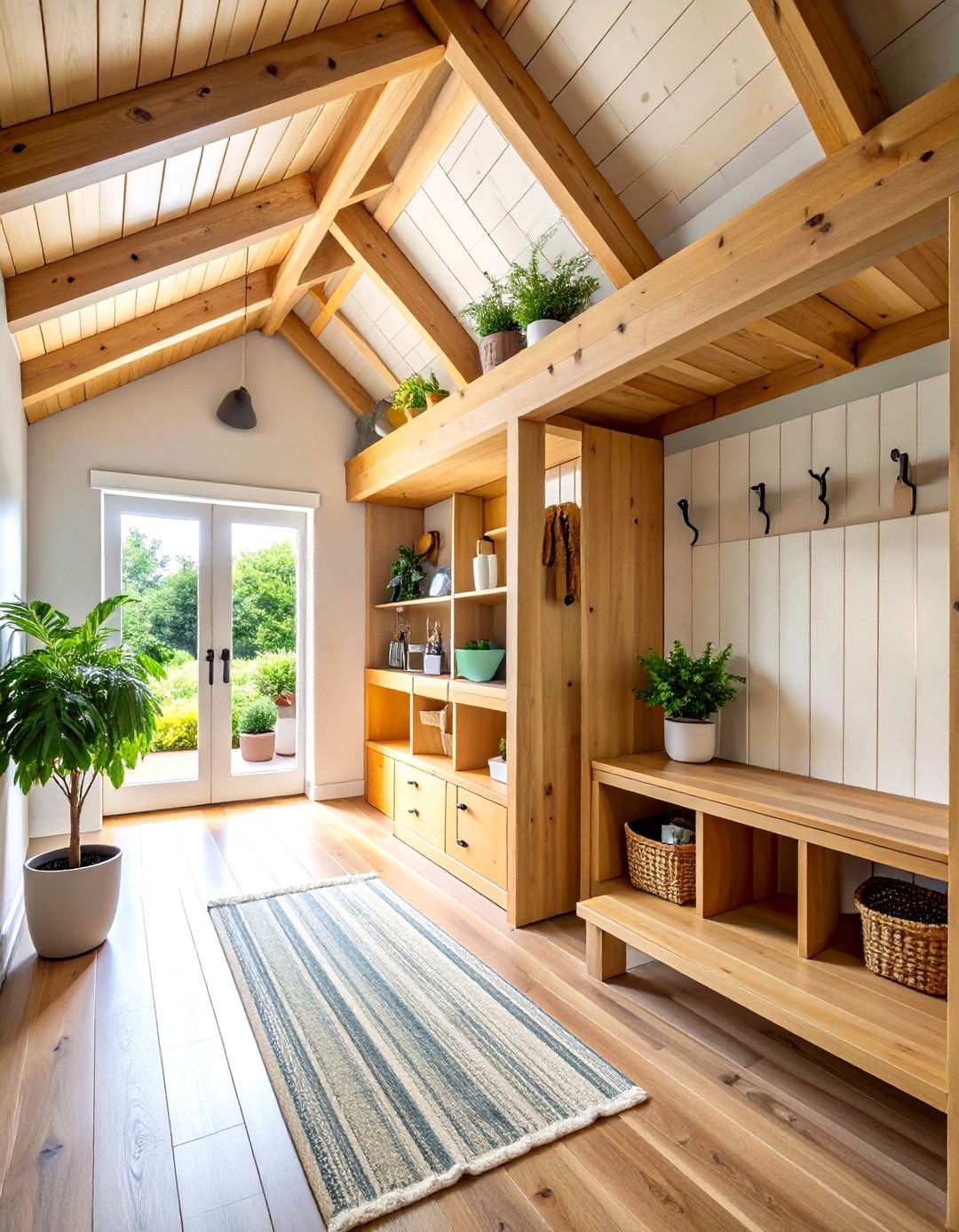
Homes with limited floor plans can benefit from transforming the often-neglected space beneath staircases into a functional mudroom. By repurposing this area, homeowners can create valuable storage and organization spaces without requiring additional room in their home’s layout. Custom-built storage units, designed to work within the sloped ceiling constraints, provide maximum functionality while accommodating varying storage needs. From tall hanging space near the higher end to lower compartments ideal for shoes or sports equipment, these conversions offer a tailored solution to every household’s unique requirements. By incorporating hooks, shelves, and bench seating, you can create a comprehensive mudroom system that maintains accessibility and provides a sense of privacy. It’s time to rethink that often-overlooked space under your stairs – it may hold the key to a more organized and efficient home.
12. Streamlining Narrow Hallways
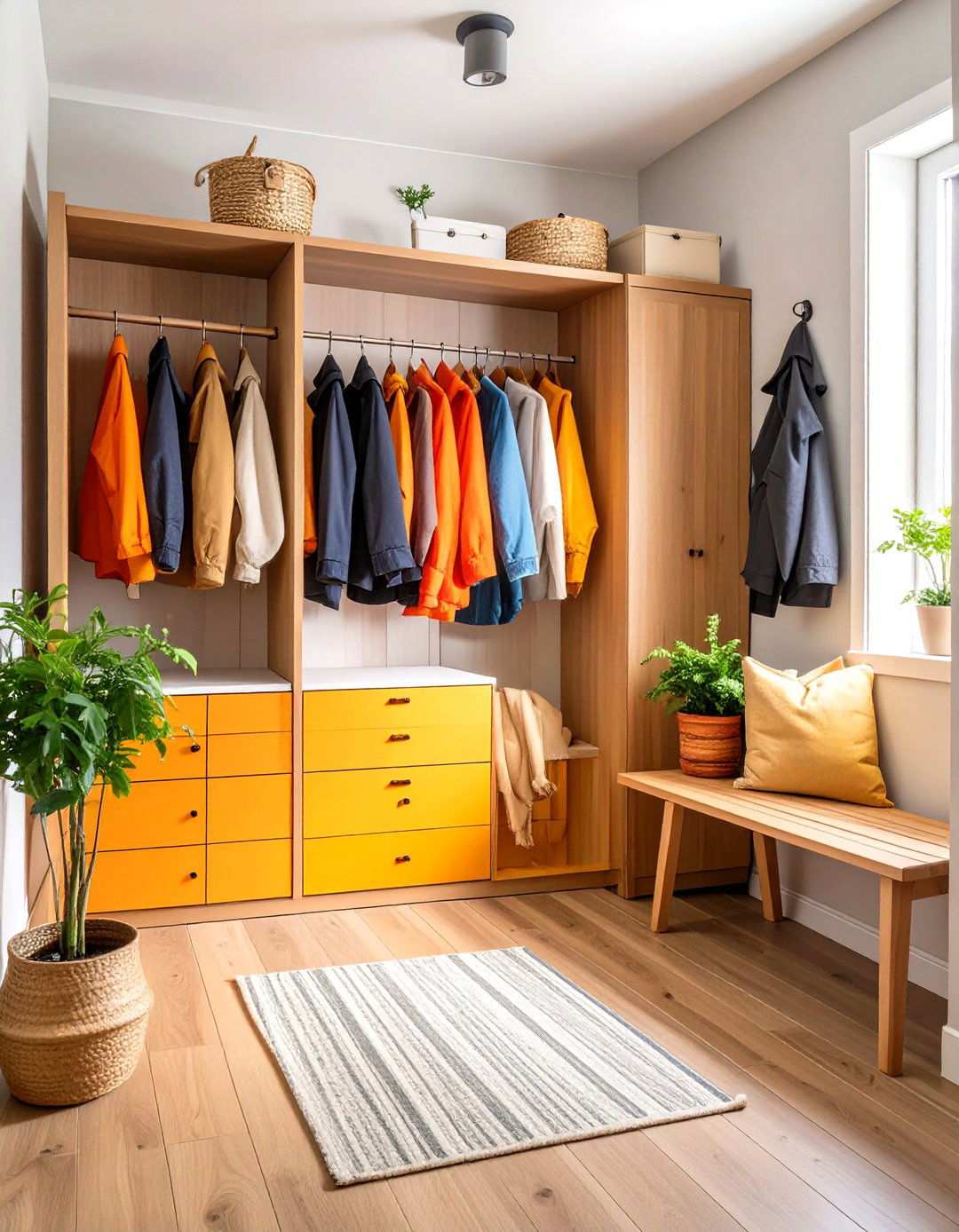
Effective solutions for narrow hallways can transform these spaces into efficient mudroom areas, thanks to thoughtful wall-mounted storage arrangements that prioritize functionality without obstructing traffic flow. Busy households benefit from these designs, which optimize wall space with hooks, shallow shelving, and slim storage units, all focused on vertical storage to keep the floor clear. By choosing elements that are judiciously scaled, you can achieve the perfect balance between functionality and avoiding spatial overload. Strategically placed wall-mounted benches with minimal depth provide seating without compromising the walkway’s width. For added flexibility, consider installing fold-down elements that can be easily tucked away when not needed, such as collapsible hooks or flip-up shoe storage that adapts to changing family needs throughout the year.
13. Warming Up with Natural Elements
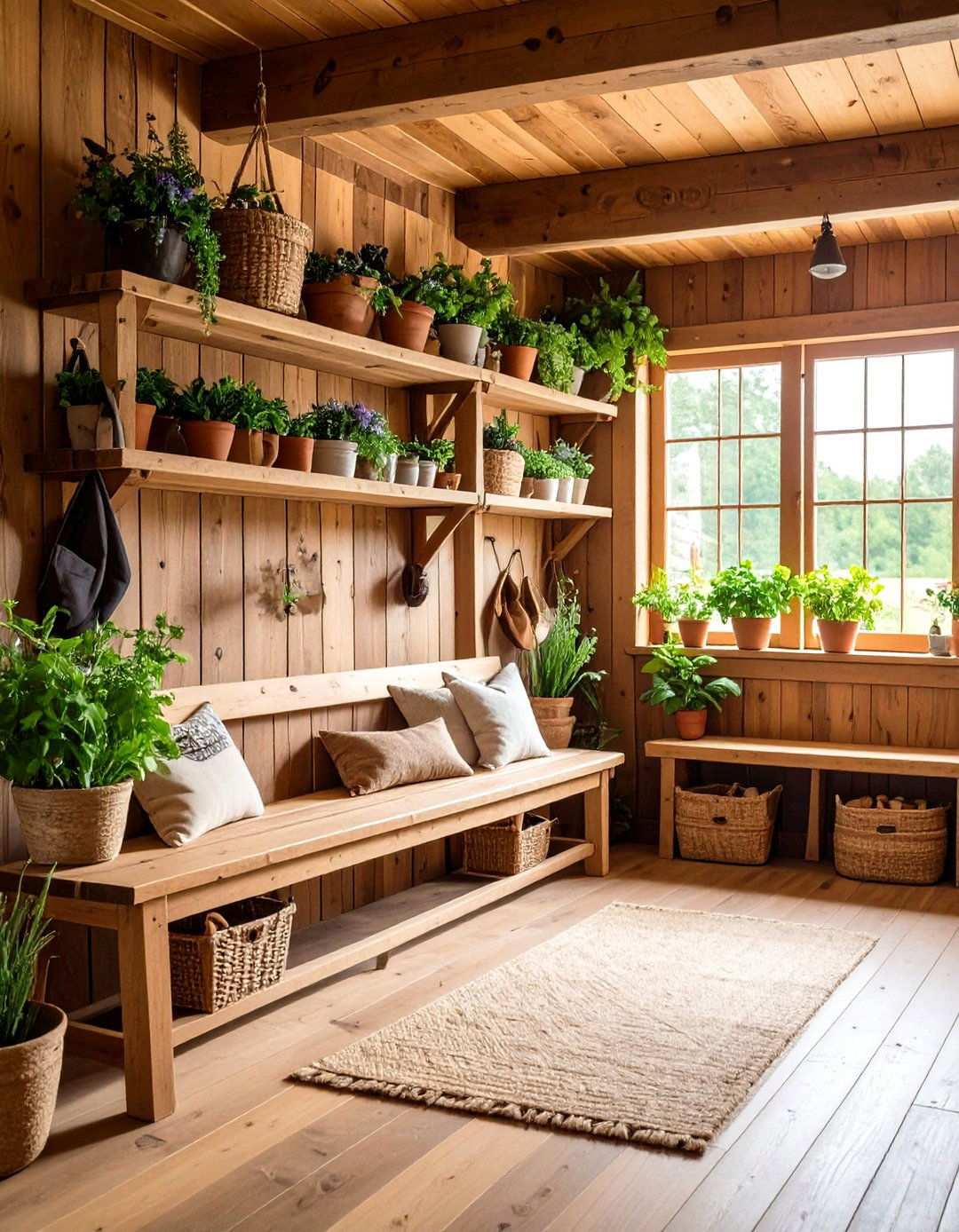
Incorporating natural wood elements brings warmth and texture to small mudrooms, while also providing durable surfaces that develop a beautiful patina over time. This material works particularly well for bench seating, shelving, and accent walls, creating focal points within compact spaces. The natural variations in wood grain add visual interest without requiring additional decorative elements that might clutter small areas. Reclaimed wood adds character and environmental awareness to your design, often offering cost-effective solutions. If your mudroom feels cold and unwelcoming despite its functionality, incorporating wood tones through flooring, cabinetry, or accent pieces can create inviting atmospheres that make coming home more pleasant. Proper sealing ensures the longevity of the material while maintaining its natural beauty.
14. Versatile Industrial Pipe Installations
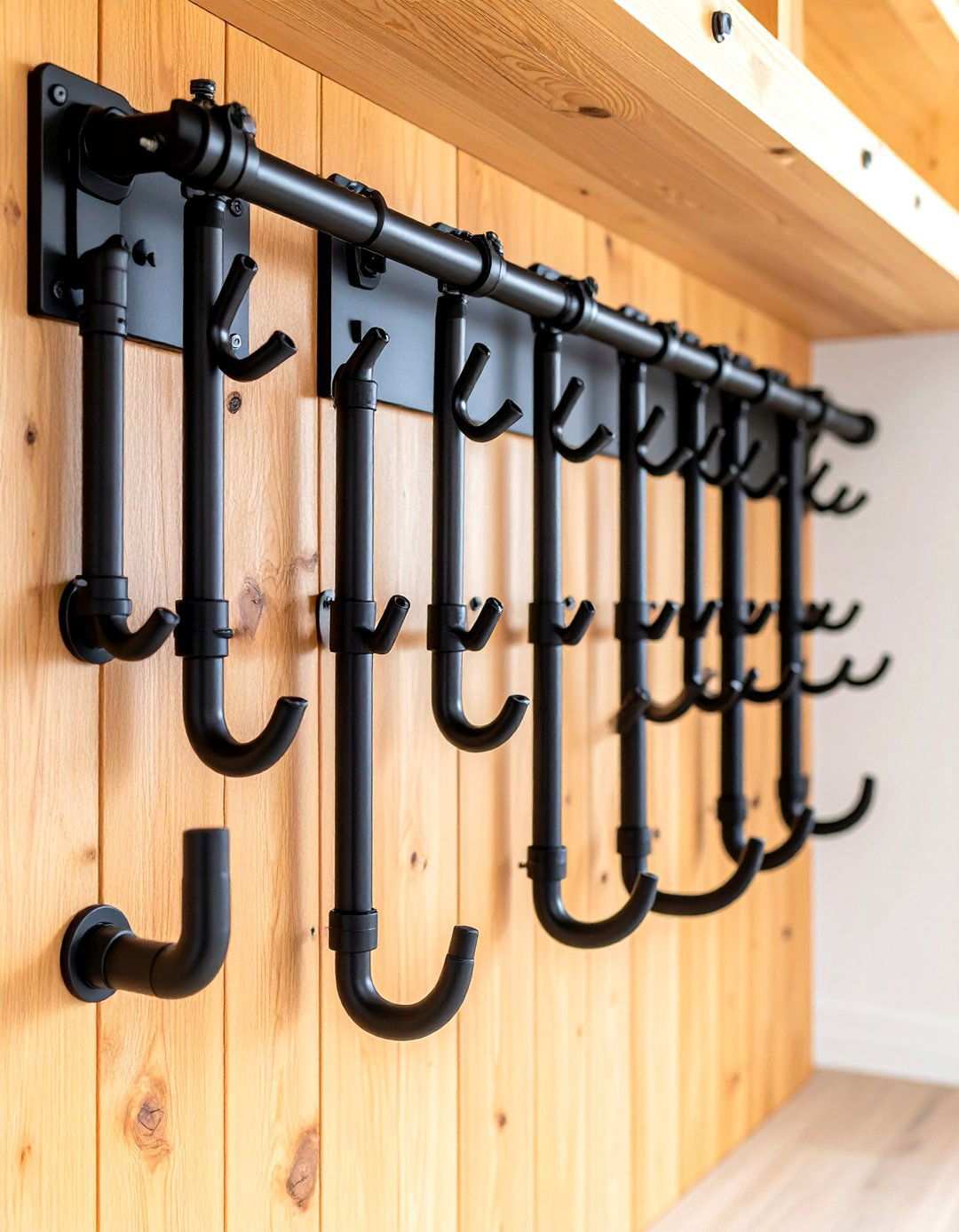
Industrial pipe systems create flexible hanging storage that adds a contemporary touch to small mudroom spaces, providing adjustable solutions for changing seasonal needs. Typically featuring black iron or galvanized steel pipes with matching hardware, these installations create cohesive industrial aesthetics. The modular design allows for customization to meet specific storage requirements, from heavy winter coats to lightweight summer accessories. Pipes can be mounted at various heights and configurations to accommodate different family members’ needs. This approach works particularly well in modern or transitional homes where the industrial aesthetic complements existing design elements. The durability of these installations handles heavy use, while the flexibility allows for modifications as storage needs evolve over time.
15. Elevating Your Entryway with Customized Shoe Storage
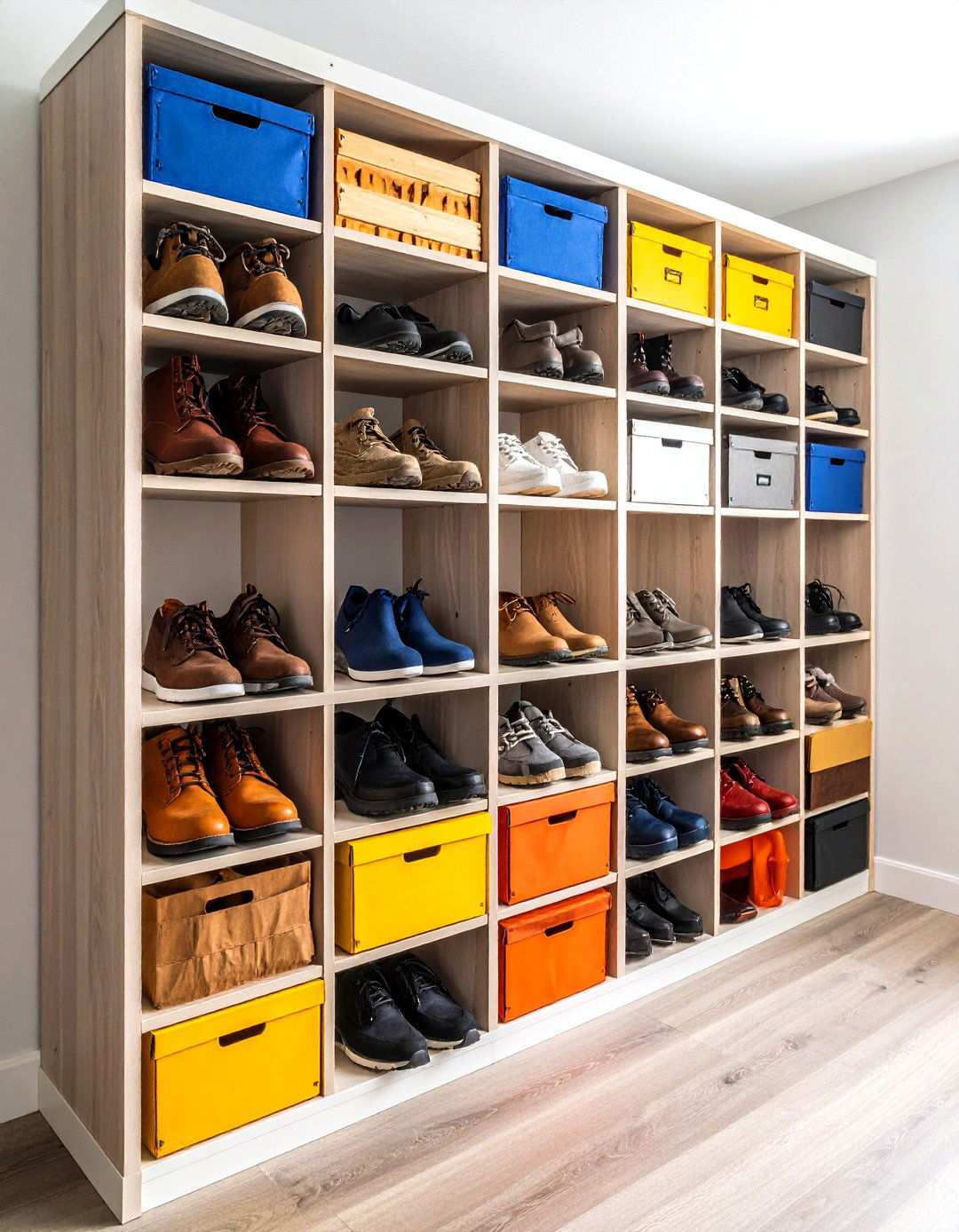
Effortlessly maintained entryways are a hallmark of a well-organized home. By implementing dedicated shoe storage cubbies, you can keep footwear tidy and within easy reach while preventing the clutter that arises from disorganized mudroom spaces. To maximize effectiveness, it’s essential to tailor these systems to accommodate a range of footwear styles, from kids’ sneakers to adult boots. Thoughtful ventilation and open designs allow for airflow, which helps to mitigate odors and moisture buildup. If you struggle with the constant battle against shoe piles by your entryway, individual cubbies provide a clear incentive for family members to put their shoes away properly, and they make finding a specific pair effortless. For a comprehensive solution, consider adding a small bench for comfortable shoe-changing, creating a seamless daily routine.
16. Unlocking the Potential of Coat Closet Conversions
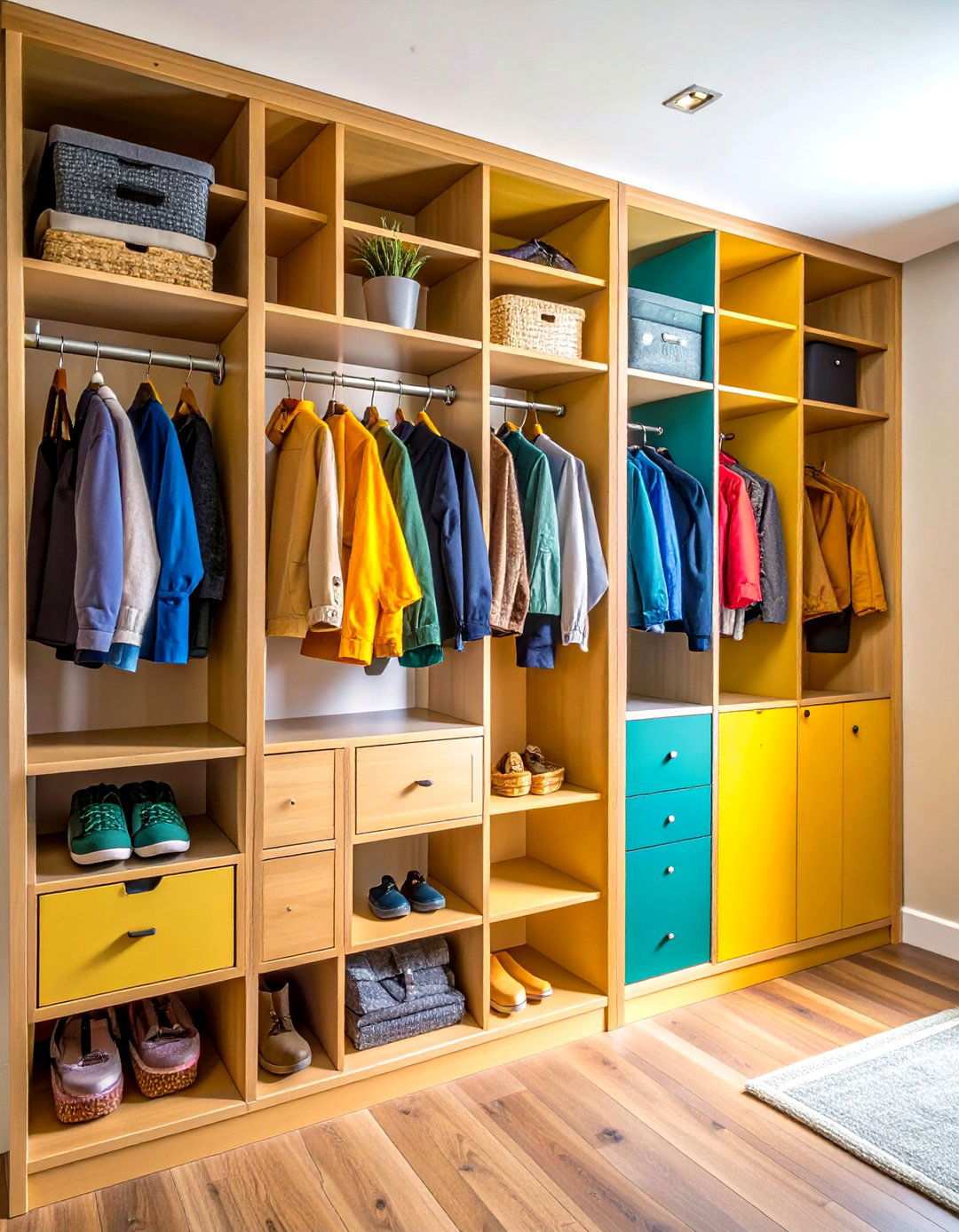
Maximizing storage potential in existing coat closets can transform them into highly functional and accessible mudroom spaces. By replacing standard closet rods with versatile storage solutions, such as hooks, shelves, shoe storage, and specialized compartments, you can create a more efficient organization system than a traditional hanging-only closet. The enclosed nature of these conversions offers concealed storage while the enhanced organization makes everything more accessible. Installing interior lighting illuminates the space, making it easier to use during darker hours. To optimize the space, consider incorporating pull-out drawers or baskets that allow for easy access to items stored towards the back. This approach is particularly effective when the closet is positioned near the main entryway, providing convenient access for daily use.
17. Maximizing Utility in Compact Mudroom Spaces
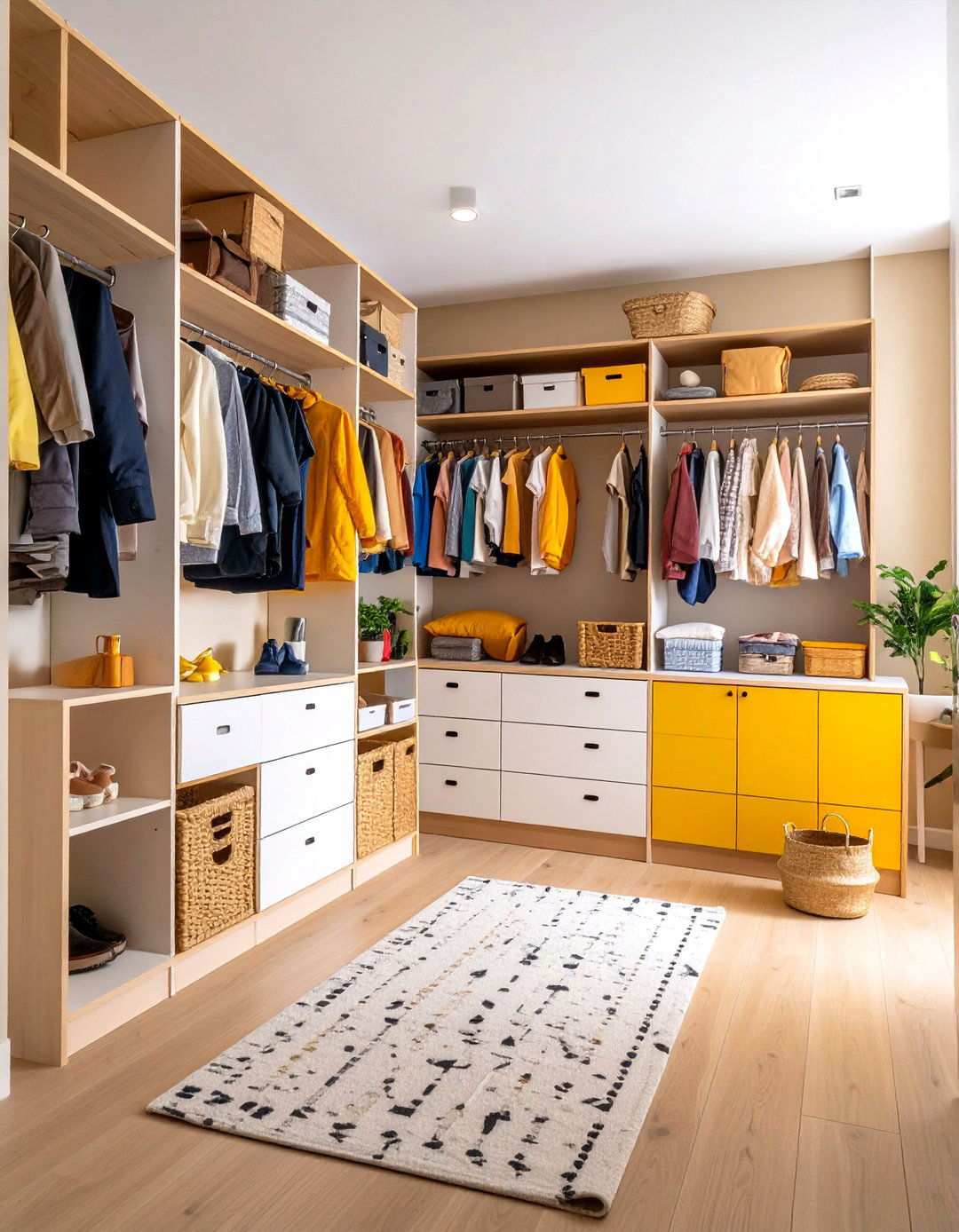
Multi-functional mudroom designs serve a wide range of household needs, extending beyond basic storage to incorporate elements such as homework stations, pet care areas, or package receiving zones. These designs require careful planning to ensure each function receives adequate space and storage without overwhelming the area. The key lies in identifying your family’s specific needs and designing accordingly. Elements like fold-away benches or multi-purpose hooks that accommodate both coats and leashes work particularly well in these spaces. When considering how different functions might overlap or require separation, remember to maintain organization and efficiency throughout daily use.
18. Smart Storage Strategies
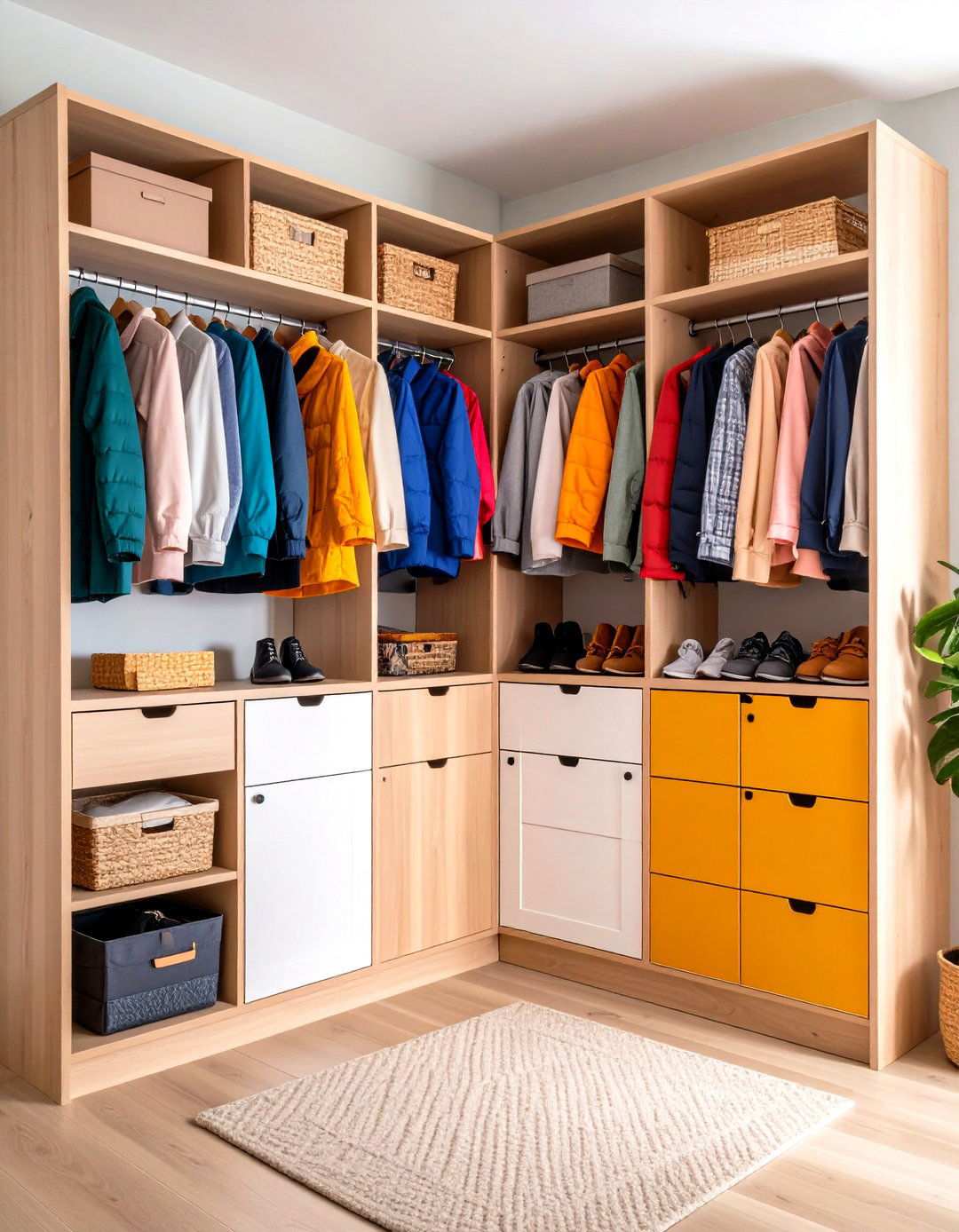
Effective storage solutions for mudrooms rely on clever design and strategic placement of storage elements to maximize organization potential within limited square footage. This often involves utilizing overlooked spaces like wall corners, areas above doorways, or narrow spaces between existing structures. Adaptable storage systems, modular units, and stackable containers can be easily reconfigured to meet changing needs, ensuring a clutter-free and organized space. When designing a mudroom, it’s crucial to consider thinking vertically and making the most of every available inch through creative placement and thoughtfully scaled storage elements. Custom solutions frequently provide the best fit for irregular or particularly challenging spaces, tailoring to the unique needs of each household.
19. Seasonal Storage Systems
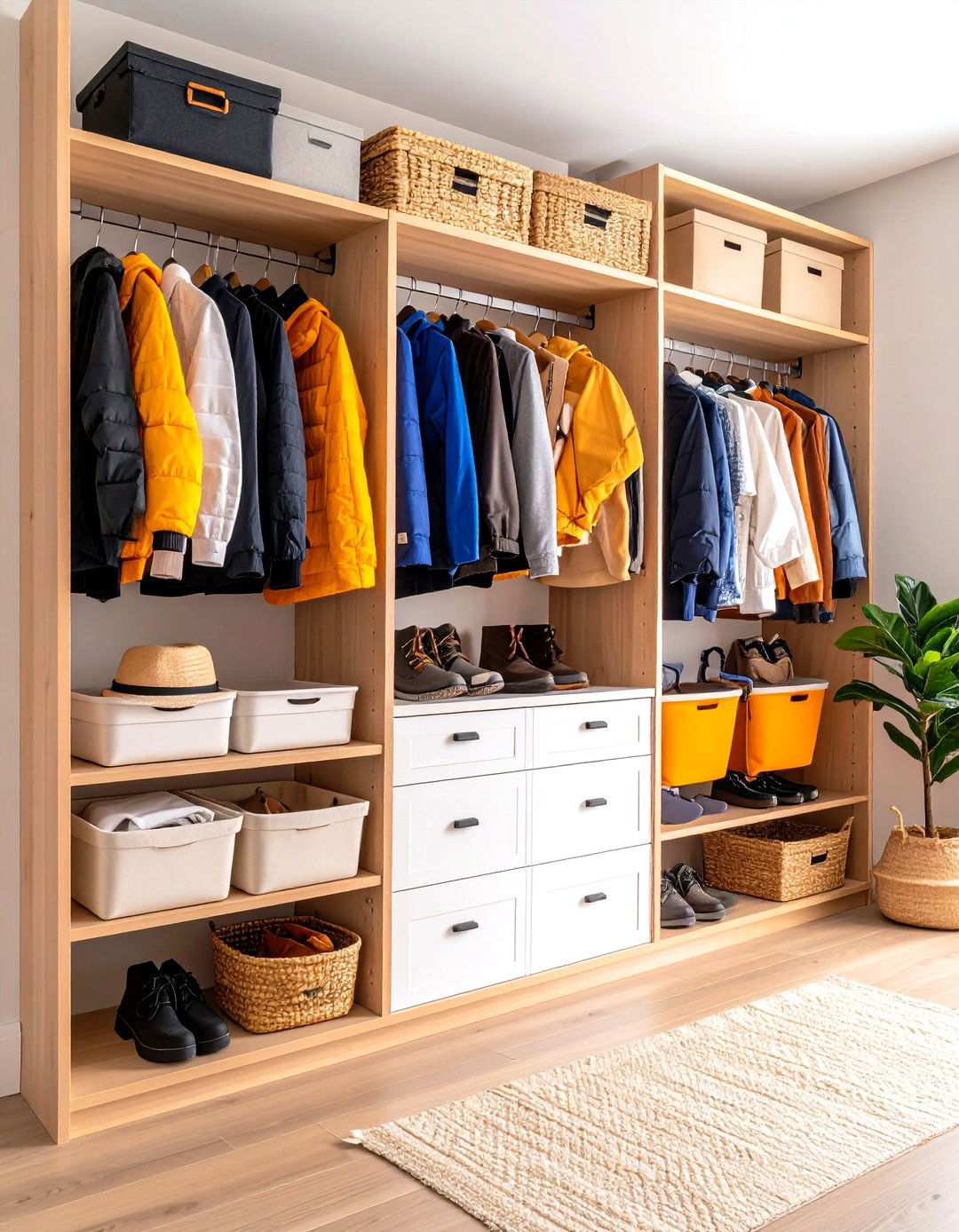
Mudrooms with seasonal storage systems can effortlessly adapt to changing wardrobe and equipment needs throughout the year, maintaining organization and accessibility in small spaces where flexibility is paramount. These designs often feature adjustable elements that can be easily reconfigured to accommodate seasonal requirements, such as shifting from winter boots and heavy coats to summer sports equipment and lightweight jackets. Upper storage areas are ideal for out-of-season items, while lower areas provide easy access to current needs. To maintain a clutter-free space, consider incorporating labeled bins or baskets that can be rotated based on seasonal requirements. This thoughtful approach ensures that everything has an assigned storage location, regardless of the time of year.
20. Furry Friends in the Mudroom
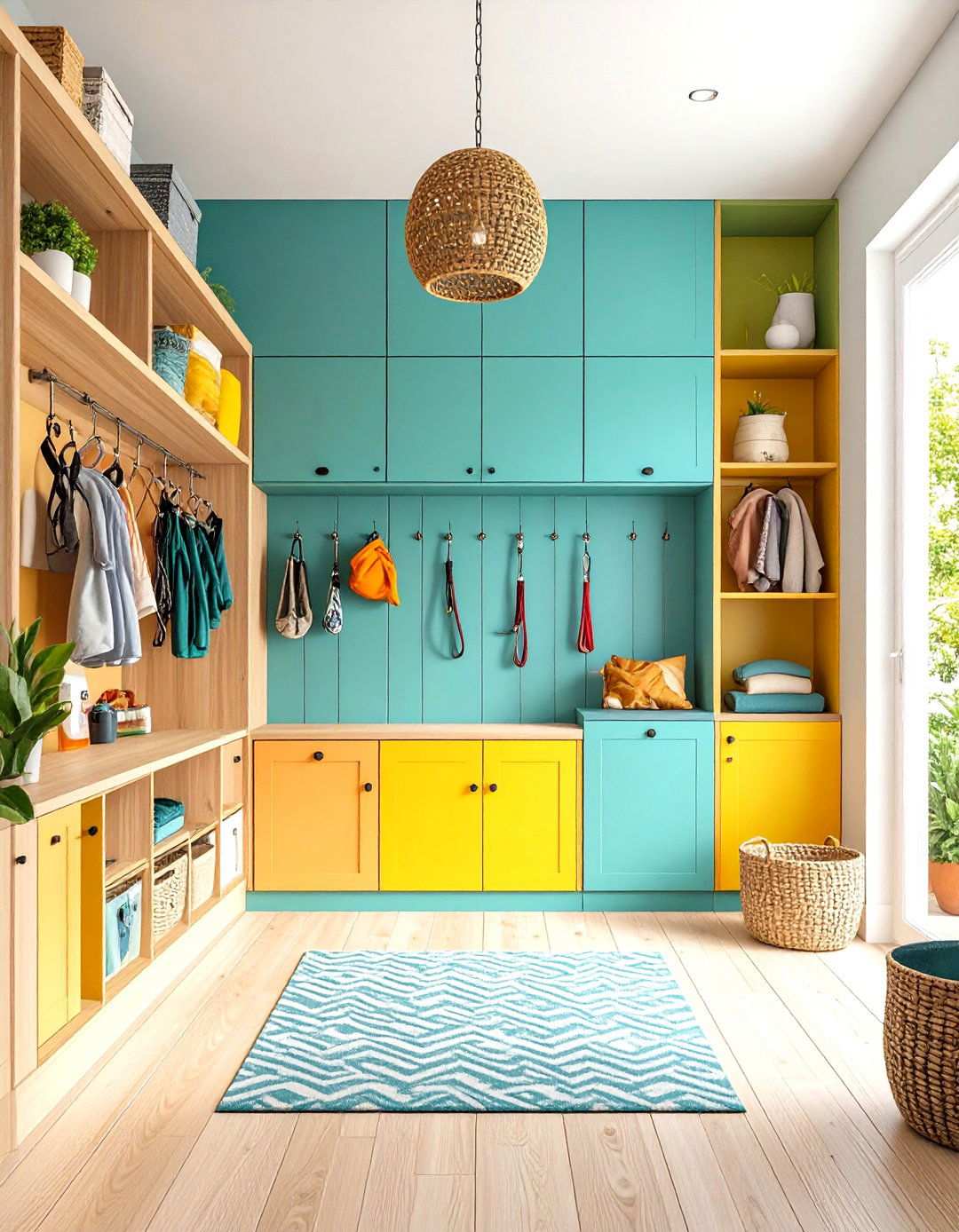
Pet-friendly mudroom designs prioritize special features for four-legged family members while maintaining organization and cleanliness standards that benefit the entire household. These spaces often include low hooks for leashes, specialized storage for pet supplies, and easy-to-clean surfaces that effectively handle muddy paws and wet fur. To create a seamless pet zone, consider including a pet washing station if space permits, or at the very least, towel storage and grooming supplies. Food and water bowls can be integrated into lower cabinetry to keep them accessible but organized, reducing clutter and maintaining a tidy entryway. By incorporating a dedicated pet zone, households can ensure their furry friends’ needs are properly accommodated within the overall mudroom design, while maintaining a sense of organization and style.
21. Streamlining Boot Areas with Customized Trays
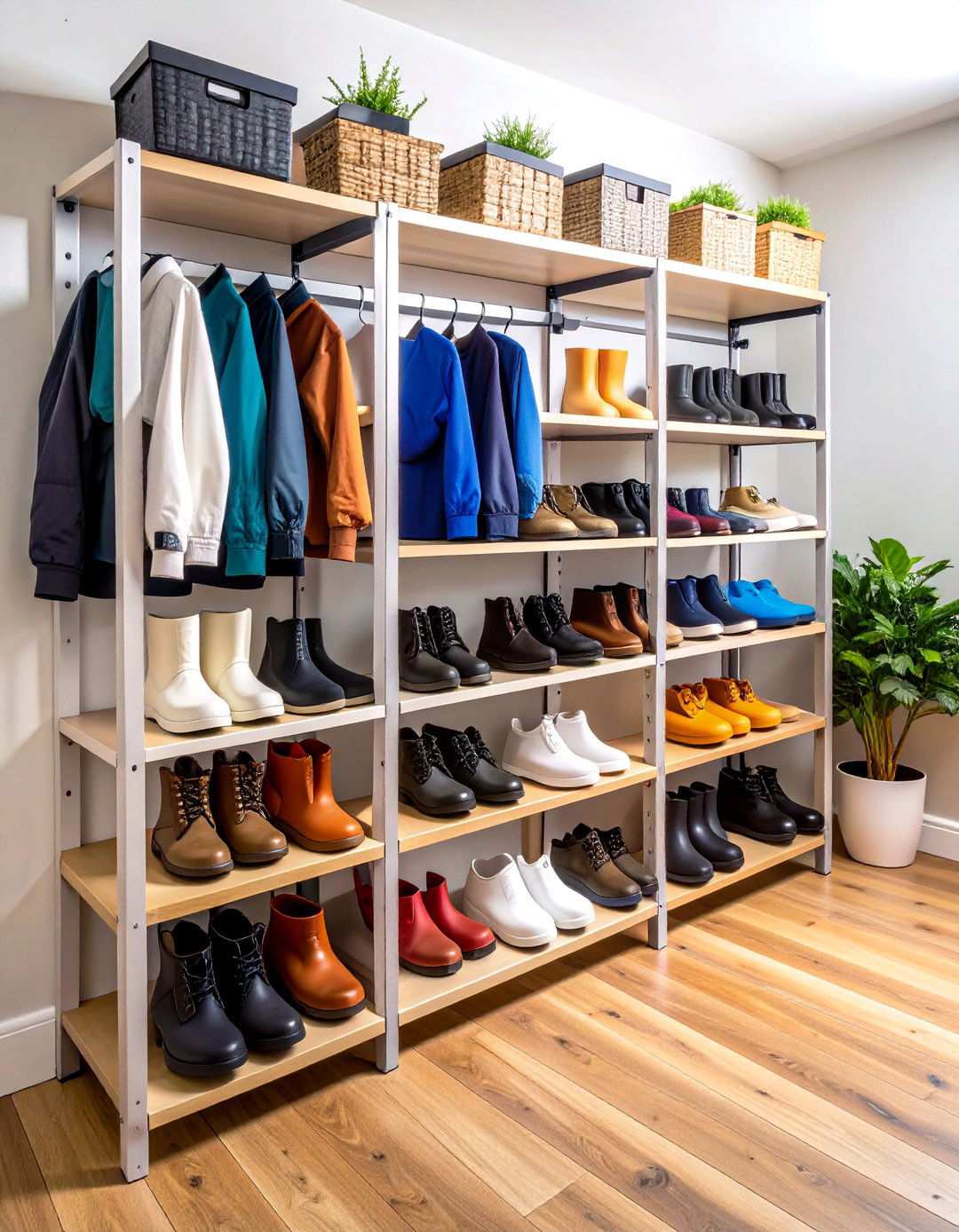
Efficient boot tray systems play a vital role in protecting flooring and upholding cleanliness standards in compact mudrooms where every surface matters. These ingenious solutions cater to various weather conditions, ranging from simple, removable trays to sophisticated built-in drainage systems. To optimize boot tray performance, it’s essential to select trays that strike a balance between accommodating footwear and fitting snugly within the available space. Innovative tray designs often feature raised edges to contain moisture, while removable trays facilitate effortless cleaning and maintenance. For added flexibility, consider using multiple smaller trays instead of a single, large tray to cater to diverse family needs and preferences. When choosing materials, prioritize durability and ease of maintenance to ensure the tray system remains functional over time.
22. Elevating Storage with Artisanal Display Baskets
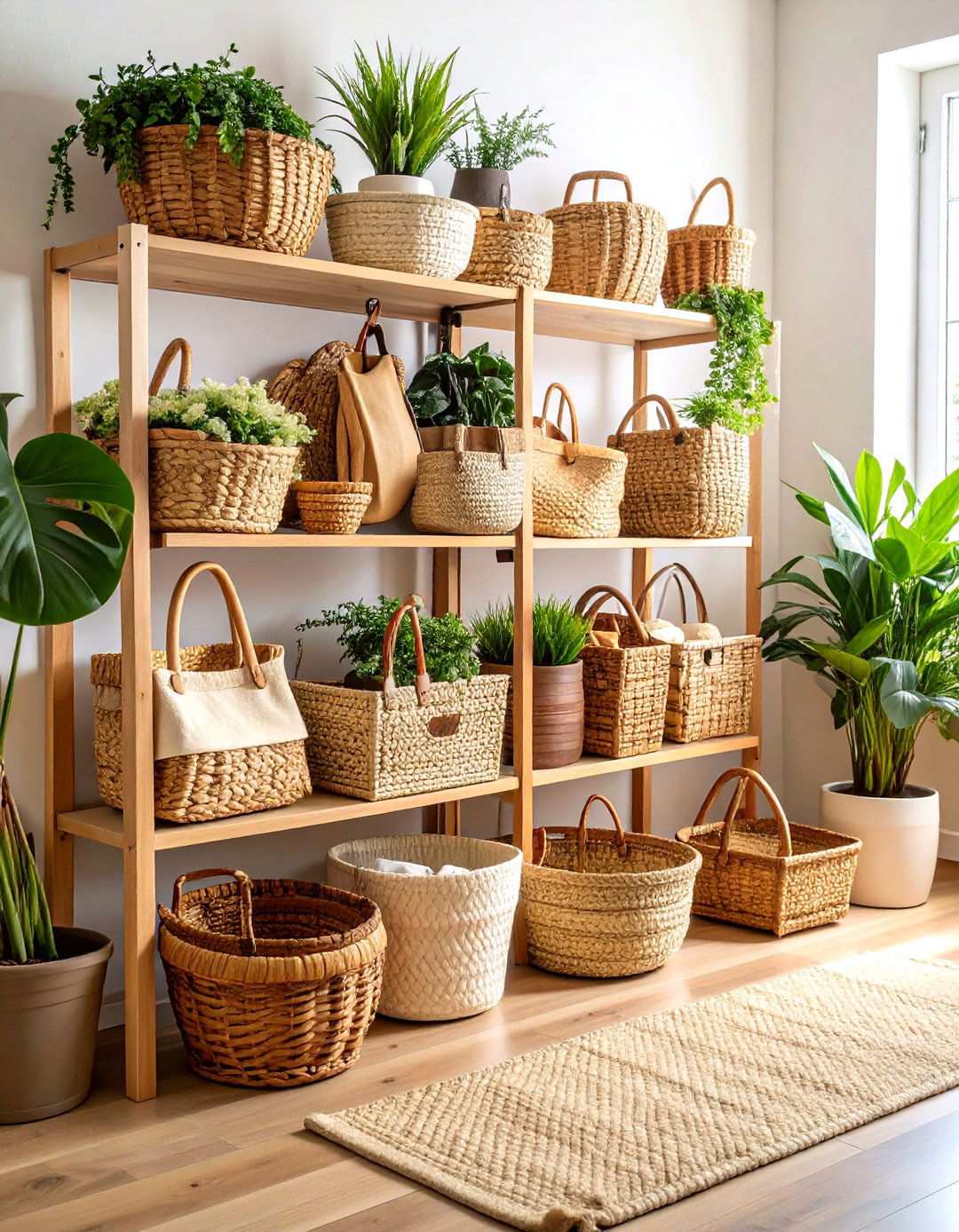
Artistic basket storage solutions seamlessly blend functionality with aesthetic appeal, transforming small mudrooms into visually stunning spaces that also prioritize organization. These captivating systems excel when housing items that require frequent access but benefit from contained storage, such as gloves, hats, or mail. A diverse array of basket sizes and materials adds visual interest, while providing adaptable storage options to suit unique needs. Natural materials like wicker or seagrass introduce organic textures that harmonize with harder surfaces like tile or metal, creating a balanced visual landscape. To maintain organization and enhance the display’s visual appeal, incorporate labels that complement the natural beauty of the baskets. By integrating storage solutions that double as decorative elements, you can create a cohesive look that elevates the entire room.
23. Holistic Entry Organization Systems: A Comprehensive Approach
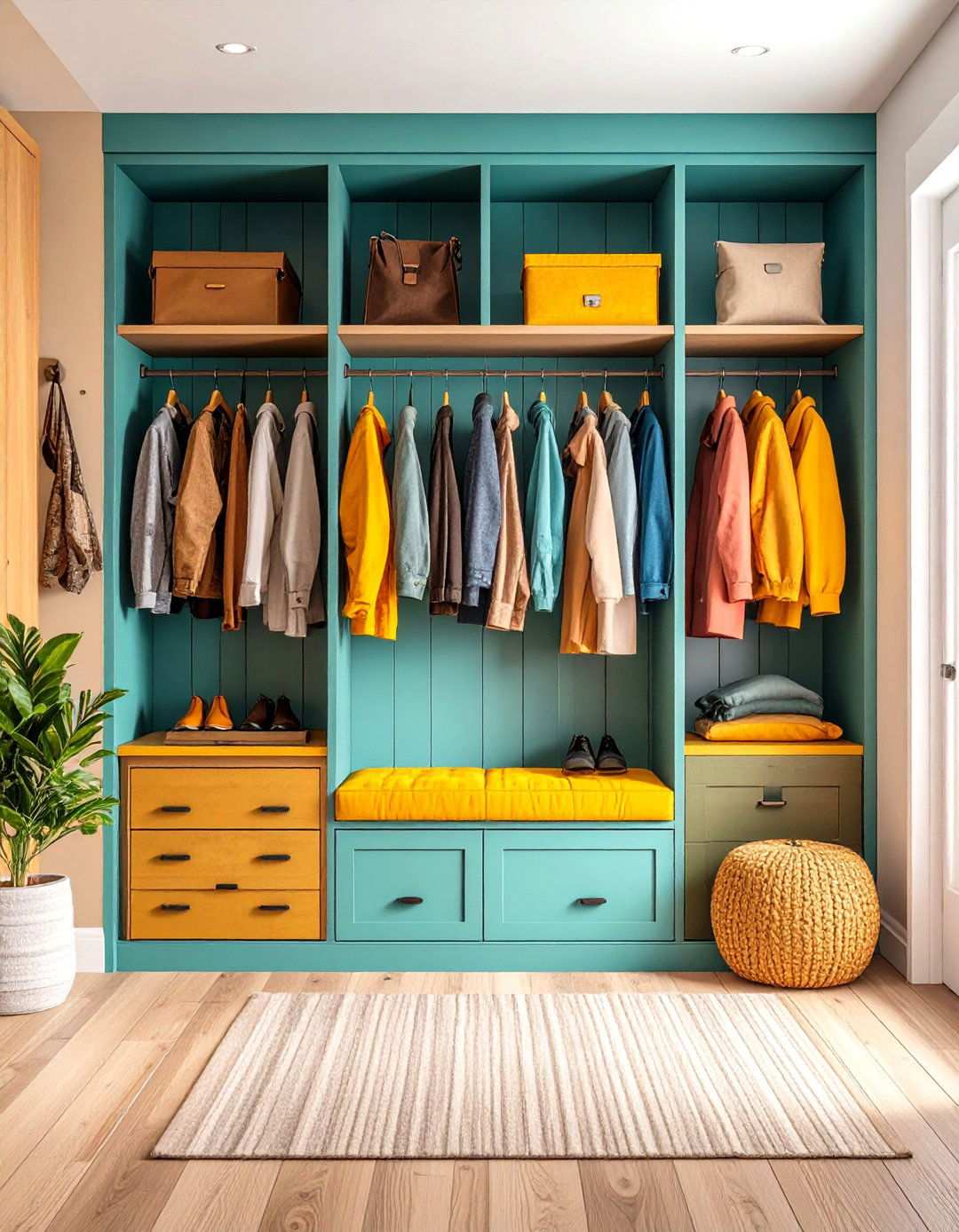
Thorough entry organization stations are designed to integrate multiple storage and functional elements into cohesive systems that address the complexities of mudroom needs within compact footprints that thrive in small spaces. These expertly crafted installations often include hanging space, shoe storage, seating, and small item organization in carefully balanced designs. To achieve success, it’s crucial to implement proportional planning that allocates sufficient space to each element without overwhelming the area. When designing a comprehensive entry organization system, consider incorporating charging stations for electronic devices, mail organization, and key storage to cater to your family’s specific needs and preferences. By understanding and addressing your household’s unique patterns, you can create a harmonious and functional space that balances aesthetics and practicality.
24. Elevating Functionality with High-Tech Design
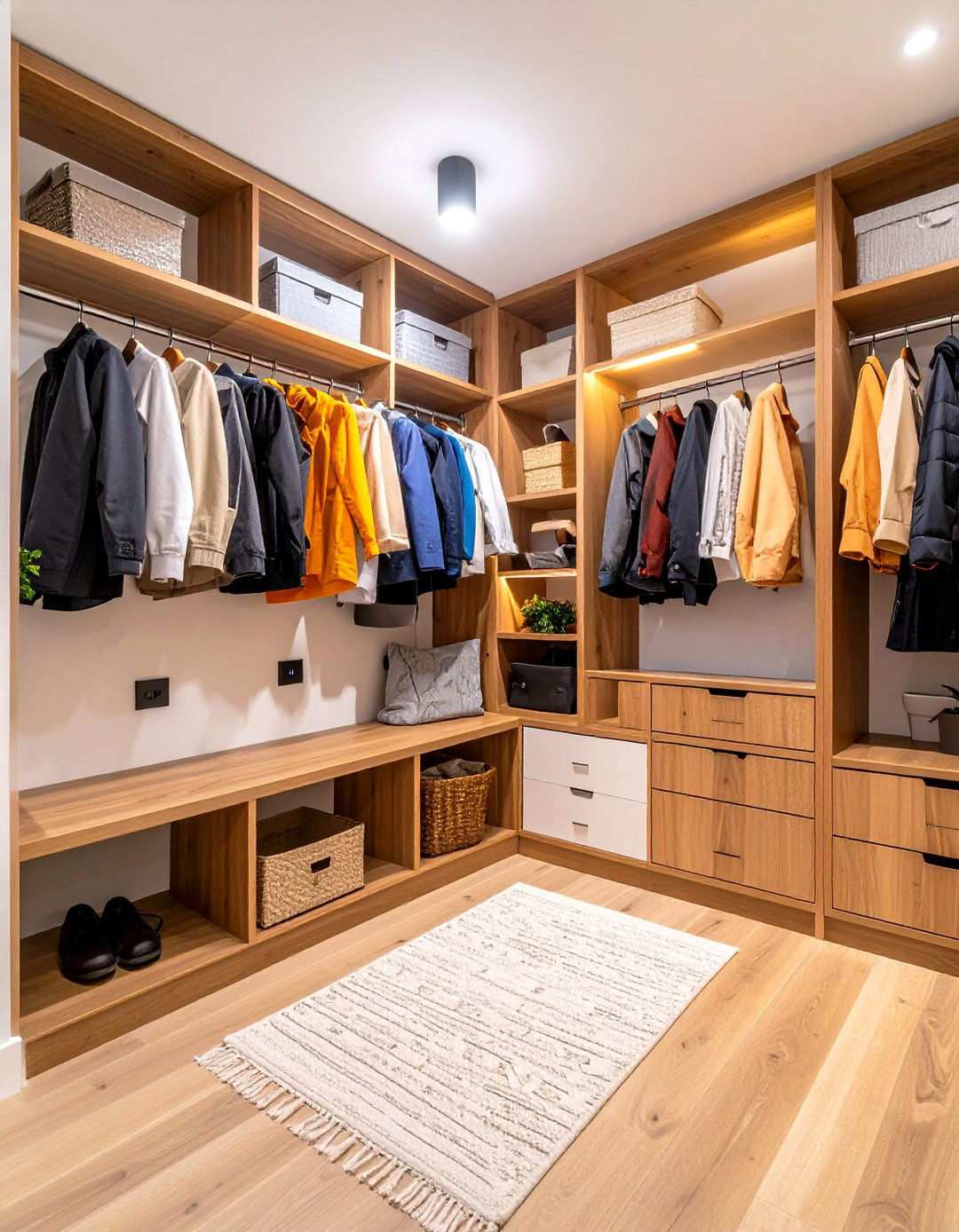
To create an ultra-modern mudroom, designers are incorporating cutting-edge technology seamlessly into the space. Features such as intelligent charging stations, programmable lighting systems, and climate control solutions are becoming increasingly popular, as they not only enhance functionality but also maintain a sleek, minimalist aesthetic. Such integrations cater to the demands of contemporary lifestyles, where electronic devices need frequent recharging and smart home technology streamlines daily routines.
One way to effectively incorporate technology into the design is to design-in USB charging ports within benches or cabinets, ensuring that family members can easily charge their devices while keeping the space clutter-free. Another innovative approach is to install motion-activated lighting, providing hands-free illumination that adds convenience and practicality to the space. Furthermore, smart storage solutions that track inventory or send reminders for forgotten items can also be integrated, promoting organization and reducing stress. The key to successful integration lies in striking a balance between functionality and visual appeal, where technology enhances the overall design without overwhelming the space.