1. Effortless Elevated Spaces
Creating an outdoor oasis is within reach, regardless of your property’s constraints. Compact decks can be transformed into inviting havens that elevate your home’s functionality and charm. Whether you’re navigating urban challenges, uneven terrain, or simply seeking to maximize a modest yard, clever design can turn even the smallest outdoor space into your most cherished retreat. Contemporary deck designs prioritize efficient space use, versatile elements, and seamless transitions between indoors and outdoors. By embracing innovative solutions, homeowners can create unique escapes that defy conventional size limitations. These intimate outdoor areas become an extension of your home’s personality, serving as perfect settings for morning coffee rituals, relaxing evenings, and intimate gatherings with loved ones.

As an Amazon Associate I earn from qualifying purchases.
Elevated Outdoor Retreats
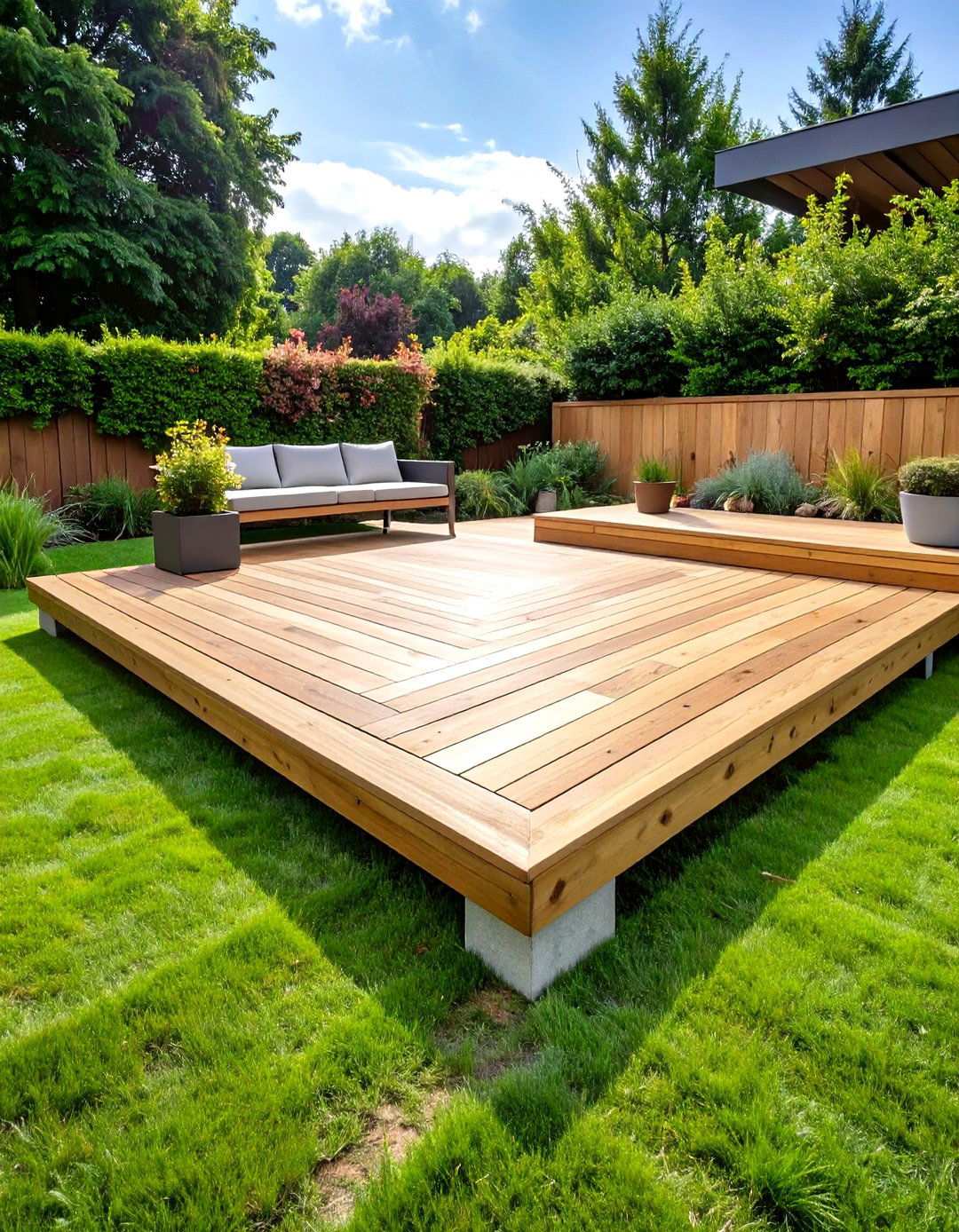
Imagine an elevated deck that seems to float majestically above your surroundings. Elevated deck platforms provide a perfect opportunity for homeowners to create flexible outdoor spaces without long-term structural commitments. These freestanding structures rest on adjustable pedestals or concrete pillars, allowing for placement in any area of your yard. The beauty of this design lies in its independence from your home’s foundation, enabling placement in sunny spots, near garden beds, or as a poolside escape. Constructed from durable pressure-treated lumber or composite materials, elevated decks typically measure 8×10 or 10×12 feet, providing ample space for dining sets, lounge furniture, and more. The construction process involves leveling the ground, creating a sturdy frame, and installing decking boards with proper spacing for optimal drainage. This approach eliminates the need for extensive excavation or permanent anchoring while maintaining structural stability. With a typical construction time of just a weekend, elevated deck platforms make for an accessible DIY project for intermediate builders.
2. Evolving Spaces with Composite Minimalism
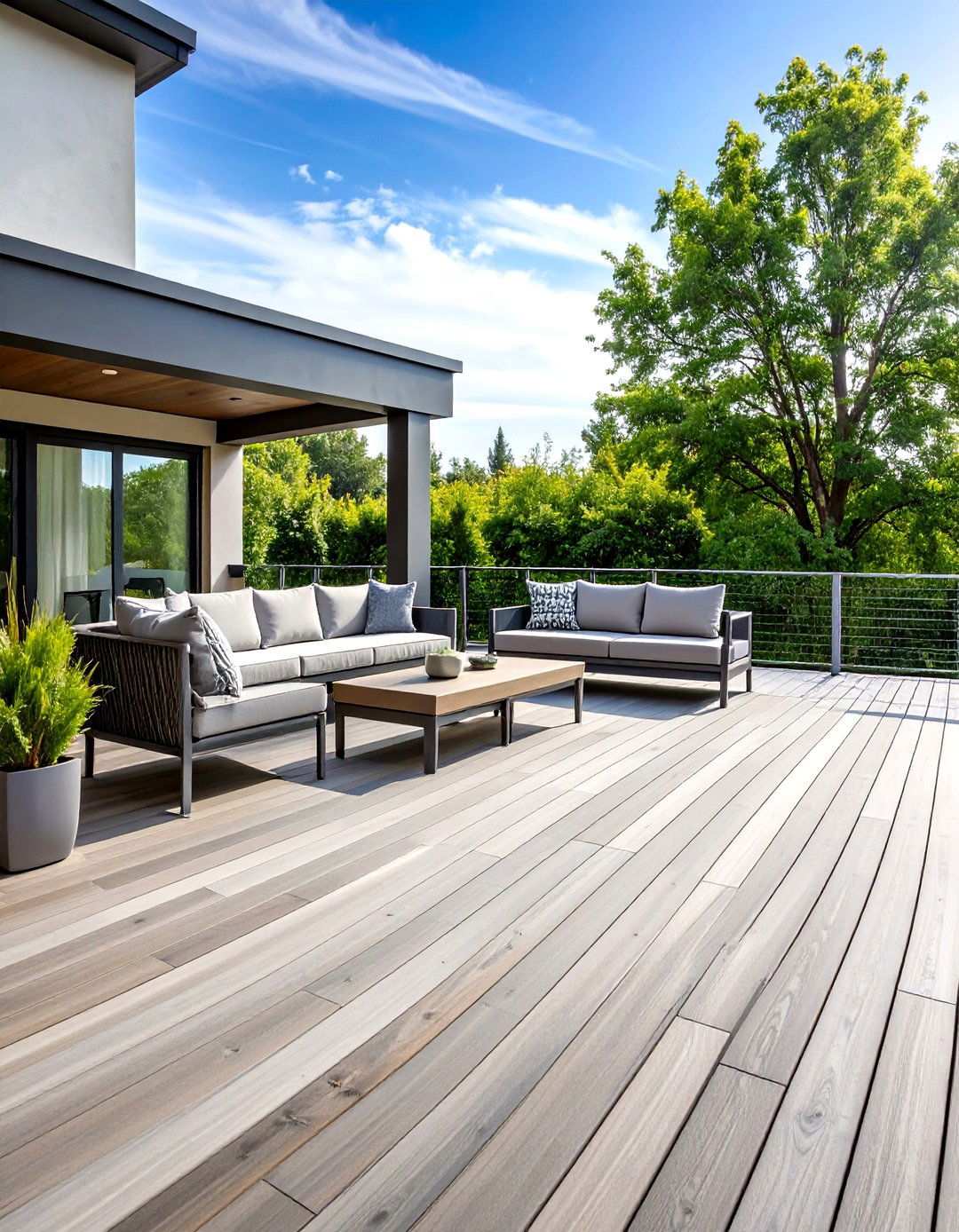
Composite minimalist decks are the epitome of effortless living, as they seamlessly merge style and functionality. By opting for composite materials, homeowners can bid farewell to the high maintenance of traditional wood decks. These designs embody the essence of contemporary architecture with their clean lines, neutral color schemes, and uncluttered surfaces. The result is a harmonious blend of sleekness and sophistication. Composite boards in shades of gray, charcoal, or earth tones boast remarkable durability, resisting fading, staining, and weather damage. The minimalist approach prioritizes quality over quantity, incorporating modern cable railings or glass panels that strike the perfect balance between aesthetics and safety. Thoughtfully designed bench seating along perimeters optimizes functionality without compromising the central space. With composite materials, precise installation is ensured through hidden fastening systems, resulting in seamless surfaces devoid of visible hardware. As a result, homeowners can spend more time enjoying their outdoor space and less time worrying about maintenance.
The integration of strategic lighting, such as recessed LED strips along board edges or post cap illumination, further enhances the ambiance of these outdoor retreats, maintaining the clean aesthetic while adding a touch of warmth in the evenings. This thoughtful approach to design has given rise to a new era of minimalist deck spaces that exude elegance and refinement.
3. Unlocking Urban Potential with Rooftop Retreats
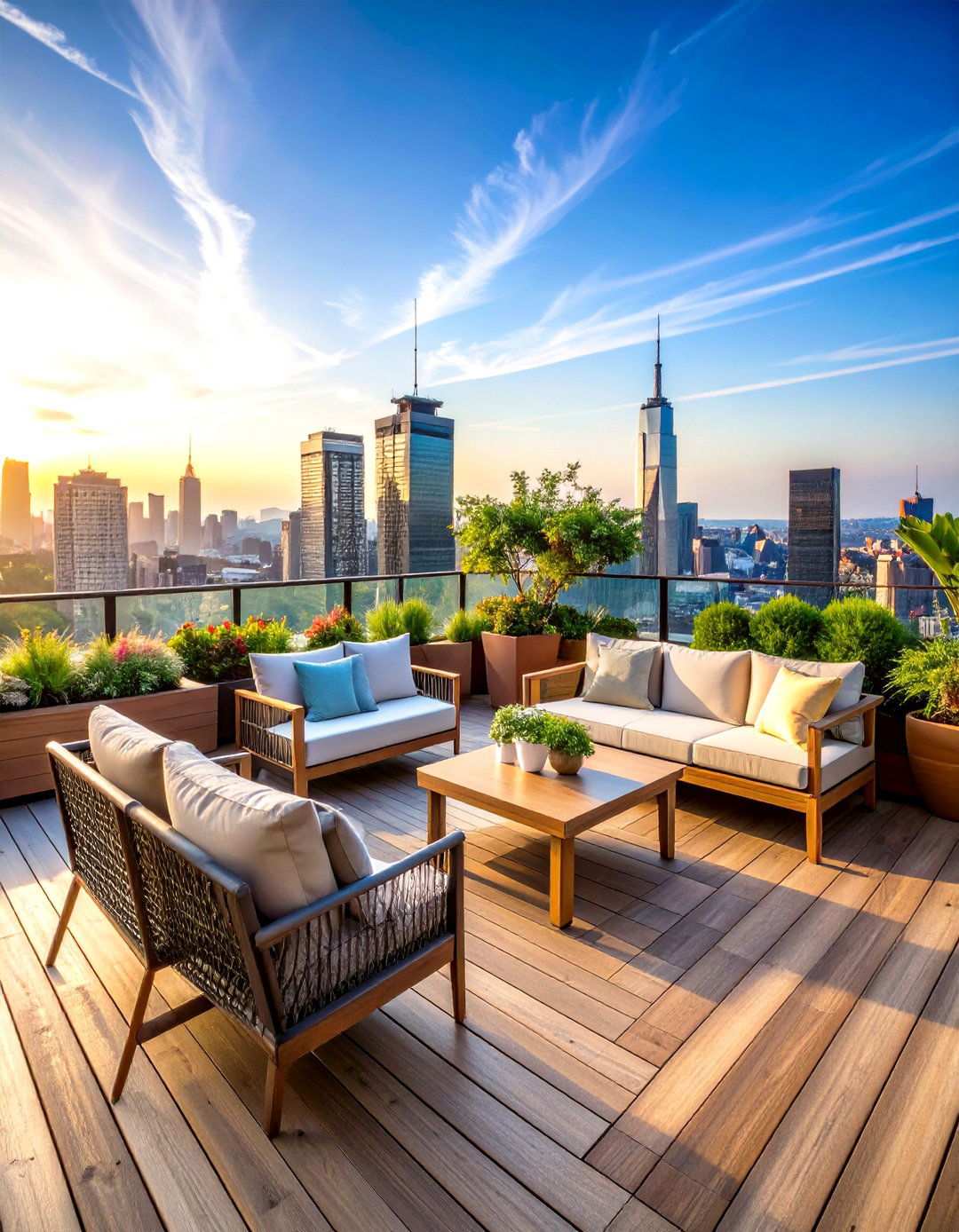
Rooftop decks have the power to transform neglected overhead spaces into private urban escapes, offering unobstructed city views and a sense of seclusion from street-level activity. These elevated retreats require a thoughtful approach to ensure the existing roof systems can support additional loads from decking, furniture, and occupants. By employing pedestal systems or adjustable deck supports, homeowners can create level surfaces while safeguarding underlying roof membranes from damage. Urban rooftop designs often incorporate windbreaks, pergolas, or privacy screens to create comfortable microclimates protected from harsh weather conditions. Container gardens featuring drought-tolerant plants add a touch of greenery without compromising structural integrity. When selecting furniture, homeowners should prioritize weather-resistant materials and pieces designed to withstand wind exposure. While rooftop installations may necessitate professional engineering consultation and permit approval, particularly for multi-story buildings, the potential returns on investment are substantial. By unlocking the potential of underutilized rooftop spaces, homeowners can increase their usable living space and potentially boost property value in dense urban markets.
4. Elevating Your Sloped Yard
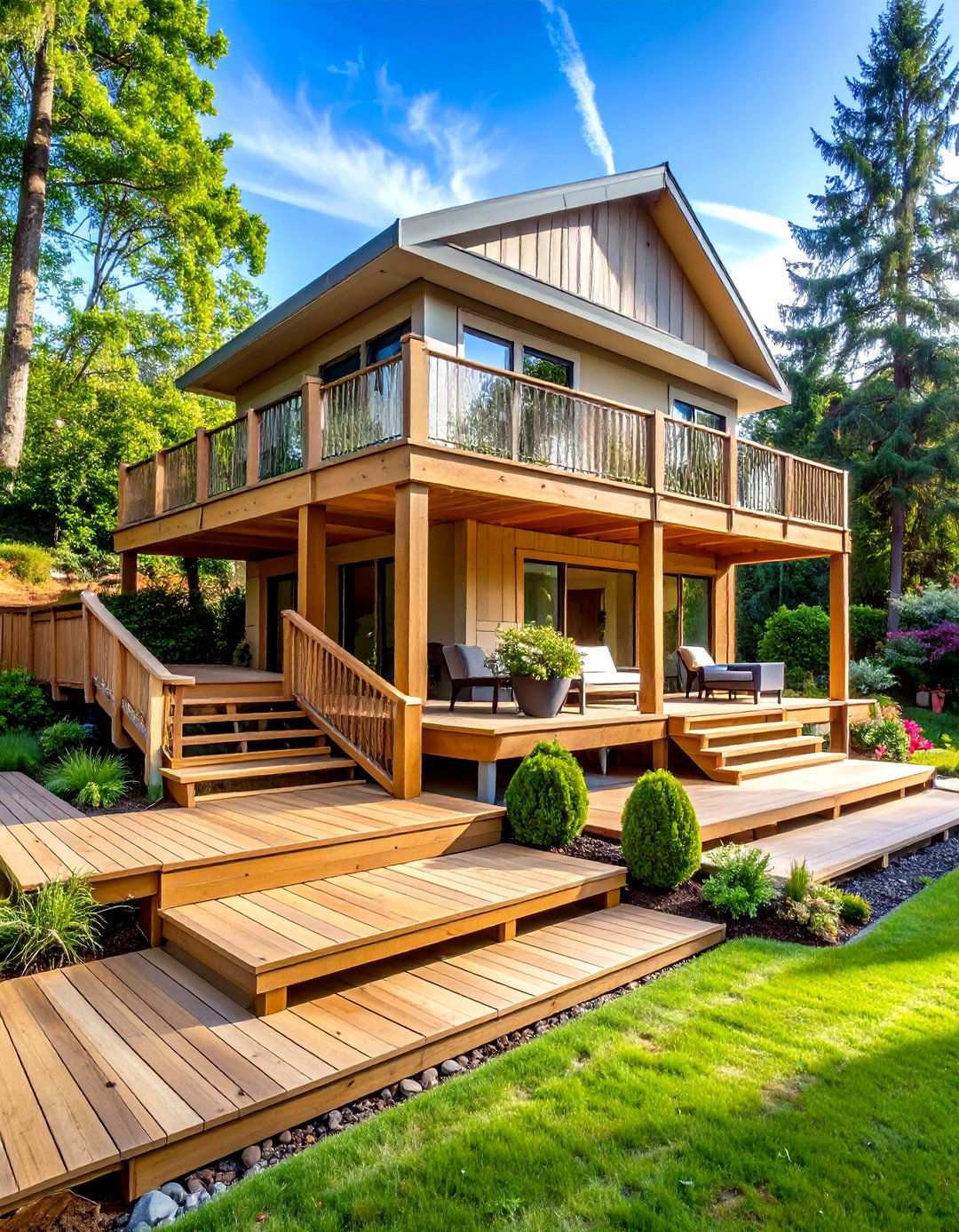
Imagine transforming the sloped terrain of your yard into a multi-level haven that defies conventional design constraints. Multi-level tiered decks masterfully turn problematic terrain into dynamic outdoor spaces, each with its own unique personality and purpose. As these stepped platforms seamlessly follow the natural grade changes, they create captivating visual interest and maximize the usable space on even the most challenging sites. Dining areas on upper levels can command breathtaking views, while lower tiers accommodate warmth and relaxation with fire pits or hot tub installations. The connecting staircases become design focal points themselves, incorporating built-in planters or seating areas that invite interaction and exploration. Each level can boast distinct materials, railing styles, or functional purposes while maintaining a cohesive design language. By breaking down individual platform sizes, this tiered approach simplifies construction and reduces costs, making it a more accessible option than building a single large structure. To ensure the structural integrity of multiple connected platforms, professional design consultation is crucial, particularly when it comes to drainage considerations and water management. Proper grading and water control prevent moisture accumulation between levels, safeguarding the overall stability of the deck. This design strategy is particularly well-suited for homes with basement or walkout lower-level access, where the transition from indoors to outdoors becomes seamless and inviting.
5. Corner Retreats: A Haven for Literature Lovers
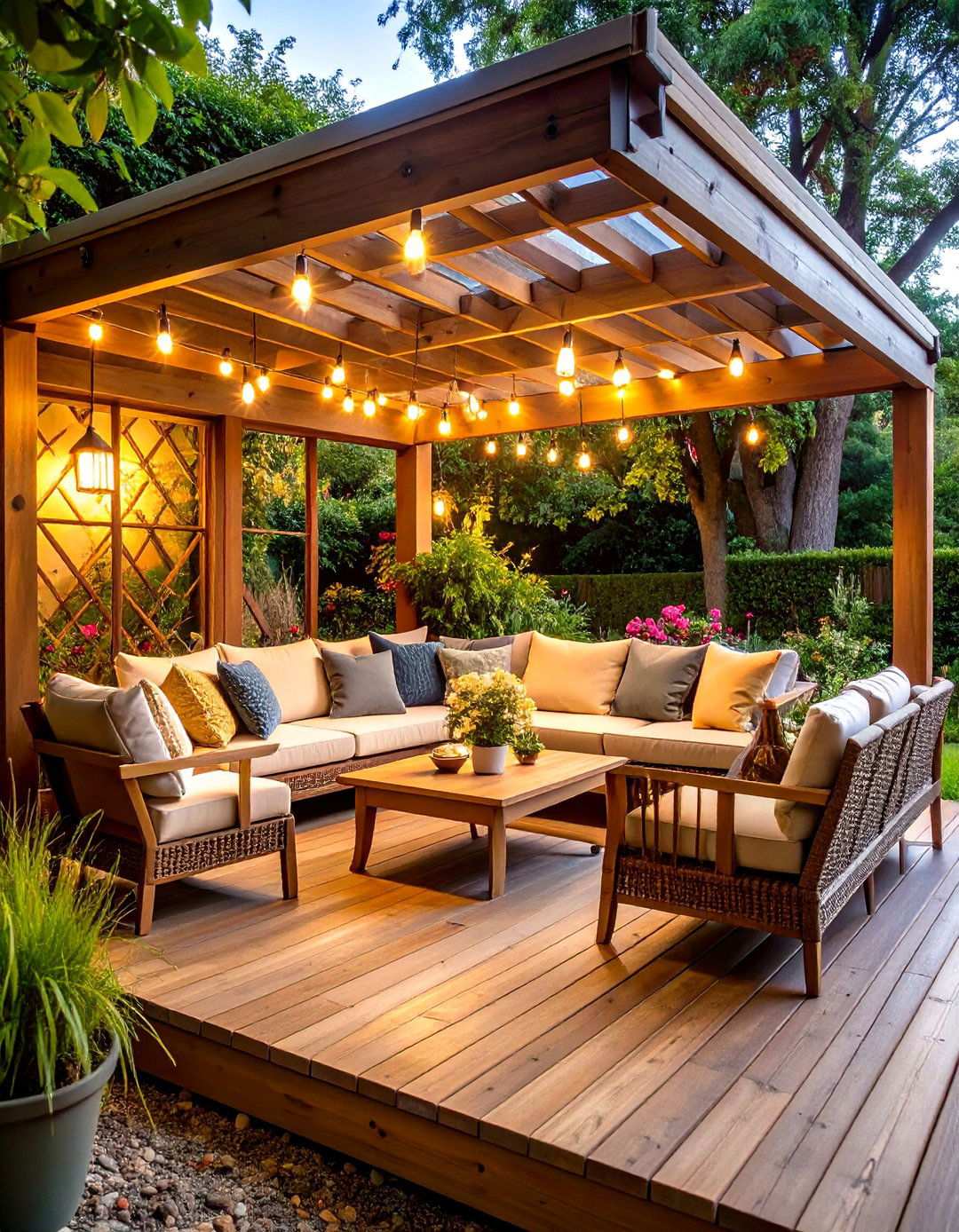
Have you ever envisioned a quiet escape in your yard, a personal retreat where you can lose yourself in the world of literature? Corner reading nook decks bring this vision to life, crafting intimate spaces that provide a peaceful respite from the hustle and bustle of household life. These compact designs typically measure 6×8 or 8×8 feet, striking a perfect balance between comfort and modest footprint, making them an ideal fit for small yards. By thoughtfully incorporating existing landscaping, mature trees, or architectural features, you can create natural barriers that provide seclusion and wind protection. The built-in bench seating with weather-resistant cushions creates a cozy atmosphere, while the hidden storage for books, blankets, and outdoor accessories adds a touch of functionality. For ultimate comfort, consider overhead protection through pergolas, shade sails, or retractable awnings, which adapt to various weather conditions. Decorative elements such as string lights, lanterns, or small water features subtly enhance the peaceful ambiance, inviting you to settle in and get lost in your favorite books. When choosing materials, prioritize comfort and warmth, selecting natural wood tones or composite options that harmoniously blend with surrounding garden elements. The key to creating a successful corner reading nook deck lies in crafting a sense of enclosure and separation from more active outdoor areas, allowing you to fully immerse yourself in your literary pursuits.
6. Built-in Storage Deck Solution
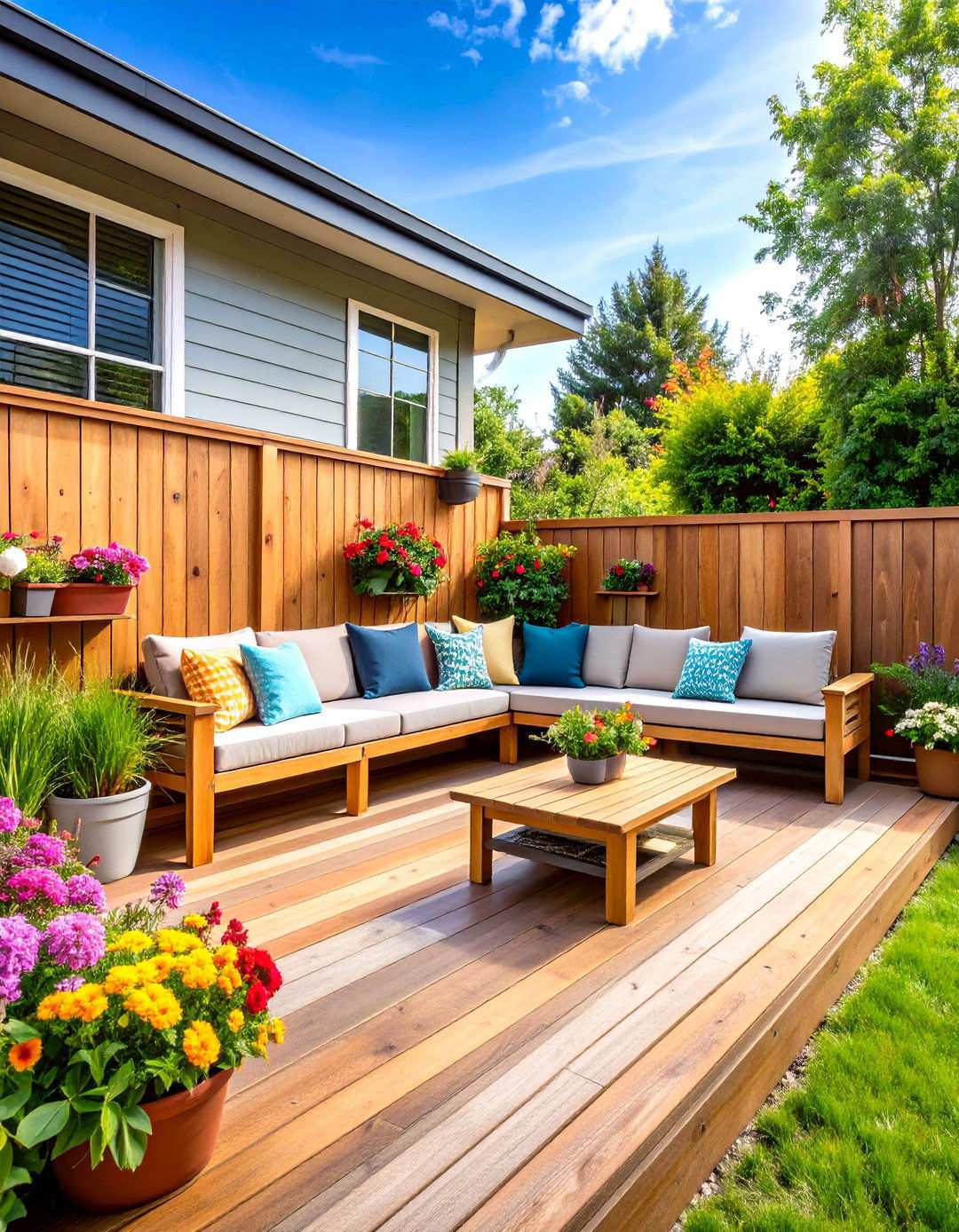
Optimizing deck functionality means finding innovative ways to merge form and function. Built-in storage decks seamlessly integrate practical storage spaces directly into the deck structure, freeing up valuable indoor space. By incorporating functional compartments, homeowners can stow away essentials like cushions, gardening tools, and seasonal decorations in hidden areas. Comfortable bench seating with cleverly designed hinged lids offers a convenient spot to relax while concealing storage underneath, maximizing every available square foot. Under-deck spaces can be cleverly enclosed with lattice panels or solid skirting to create protected storage zones that are easily accessible through hinged doors or removable panels. This thoughtful approach keeps outdoor spaces clutter-free and safeguarded from the elements, while protecting valuable items from moisture damage and pest intrusion. To prevent damage and maintain a safe, clean environment, waterproof containers or cedar-lined compartments are ideal solutions.
7. Fire Pit Central Deck Design
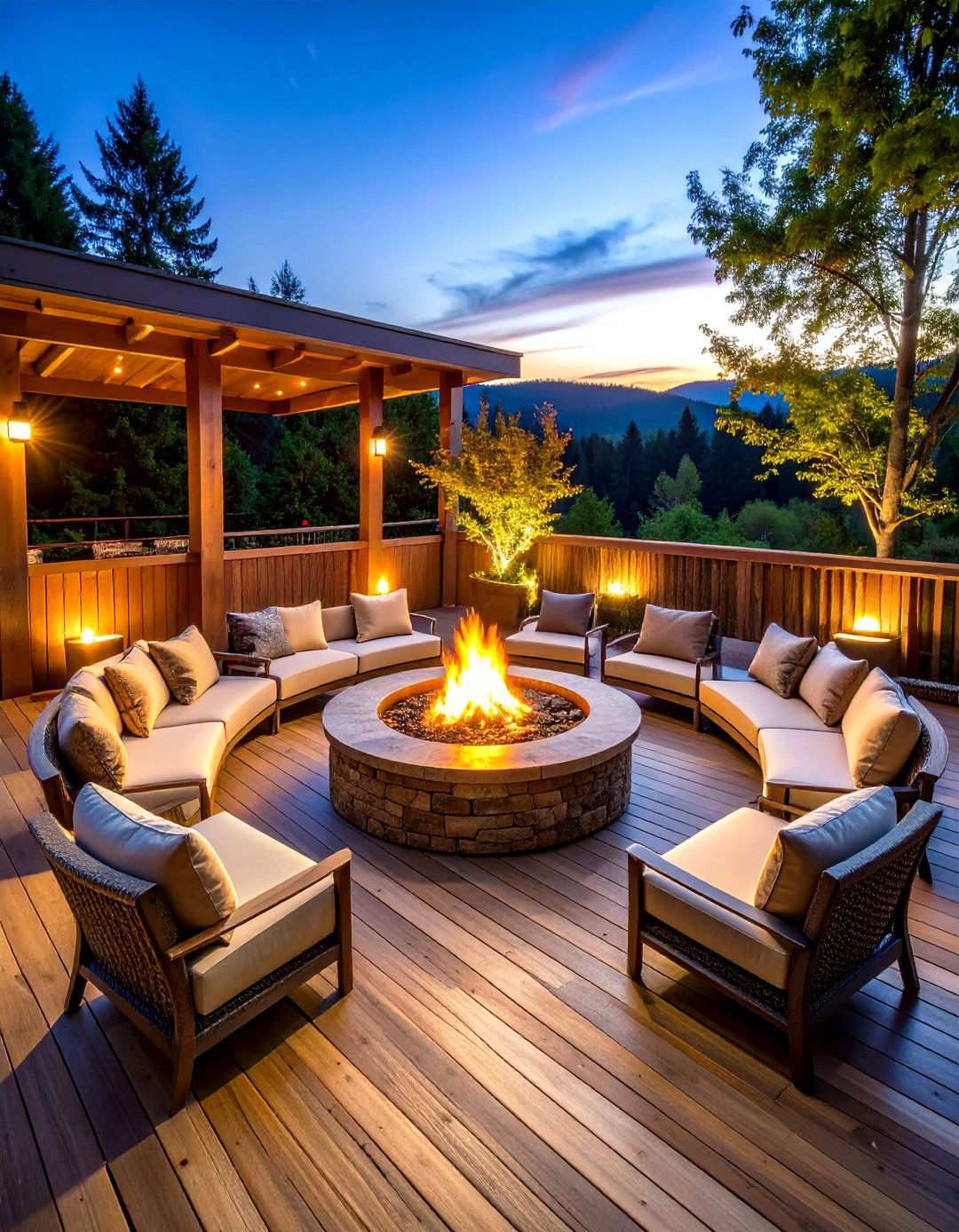
Gathering around a roaring fire under the stars creates an unforgettable experience. Fire pit central decks thoughtfully organize entire outdoor spaces around focal fireplace or fire bowl installations that offer warmth, ambiance, and a natural gathering point for family and friends. These inviting designs feature circular or curved seating arrangements that allow multiple people to enjoy the fire while maintaining comfortable conversation distances. Built-in stone or metal fire pits become permanent landscape features that anchor the overall design aesthetic, providing a beautiful focal point. Surrounding deck surfaces require fire-resistant materials and proper clearances to ensure compliance with local building codes and prioritize safety. Integrated storage for firewood, fire tools, and outdoor blankets keeps essential items within easy reach, creating a seamless outdoor living experience. The circular layout fosters social interaction and creates defined boundaries for the outdoor room, making it an ideal choice for families and entertainers. Material choices can include natural stone, composite decking, or a combination approach that balances durability with visual appeal.
8. Elevating Vertical Horticulture
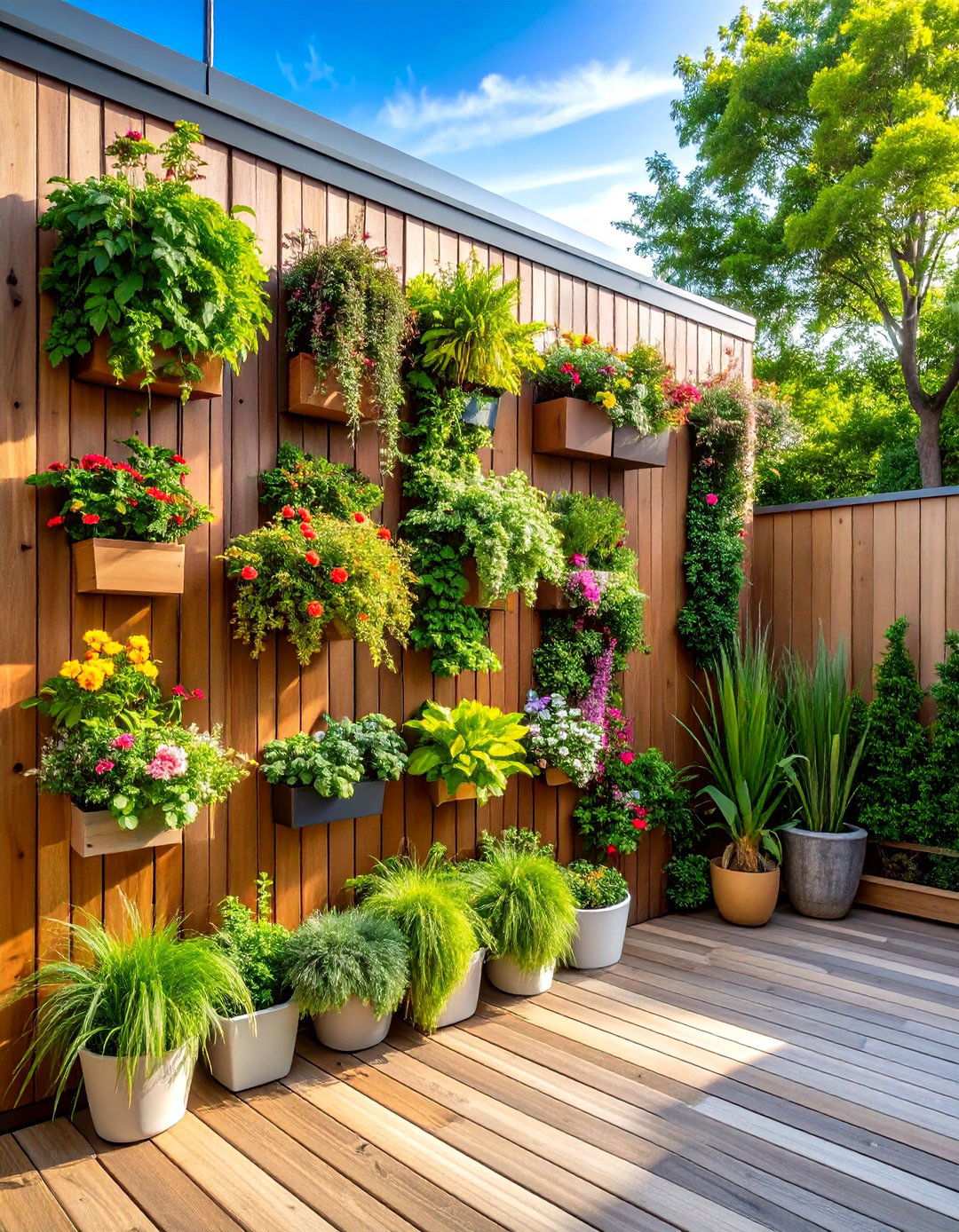
Imagine transforming your compact deck into a lush oasis that amplifies gardening possibilities without sacrificing precious floor space. Vertical garden wall decks combine living walls, trellises, and hanging planters to convert blank surfaces into thriving ecosystems. This design strategy is particularly well-suited for urban properties where ground-level gardening opportunities are scarce. By implementing wall-mounted planter systems, you can cultivate a diverse range of plants, including herbs, vegetables, flowers, and trailing varieties, at various heights and exposures. Innovative irrigation systems featuring drip lines or misting capabilities ensure consistent watering with minimal manual intervention. As an added benefit, vertical gardening creates private screens while enhancing air quality and mitigating urban heat island effects. Key structural considerations include the weight loads from soil, plants, and water retention systems, while material choices for support structures prioritize durability and weather resistance. Aesthetic touches, such as bamboo screening, metal grid systems, or custom wooden frameworks, can further define the character of your vertical garden. When selecting plants, focus on varieties that thrive in vertical growing conditions, container cultivation, and local climate requirements, allowing for a dynamic rotation of plants throughout the seasons.
9. Unlocking Beneath-Deck Potential
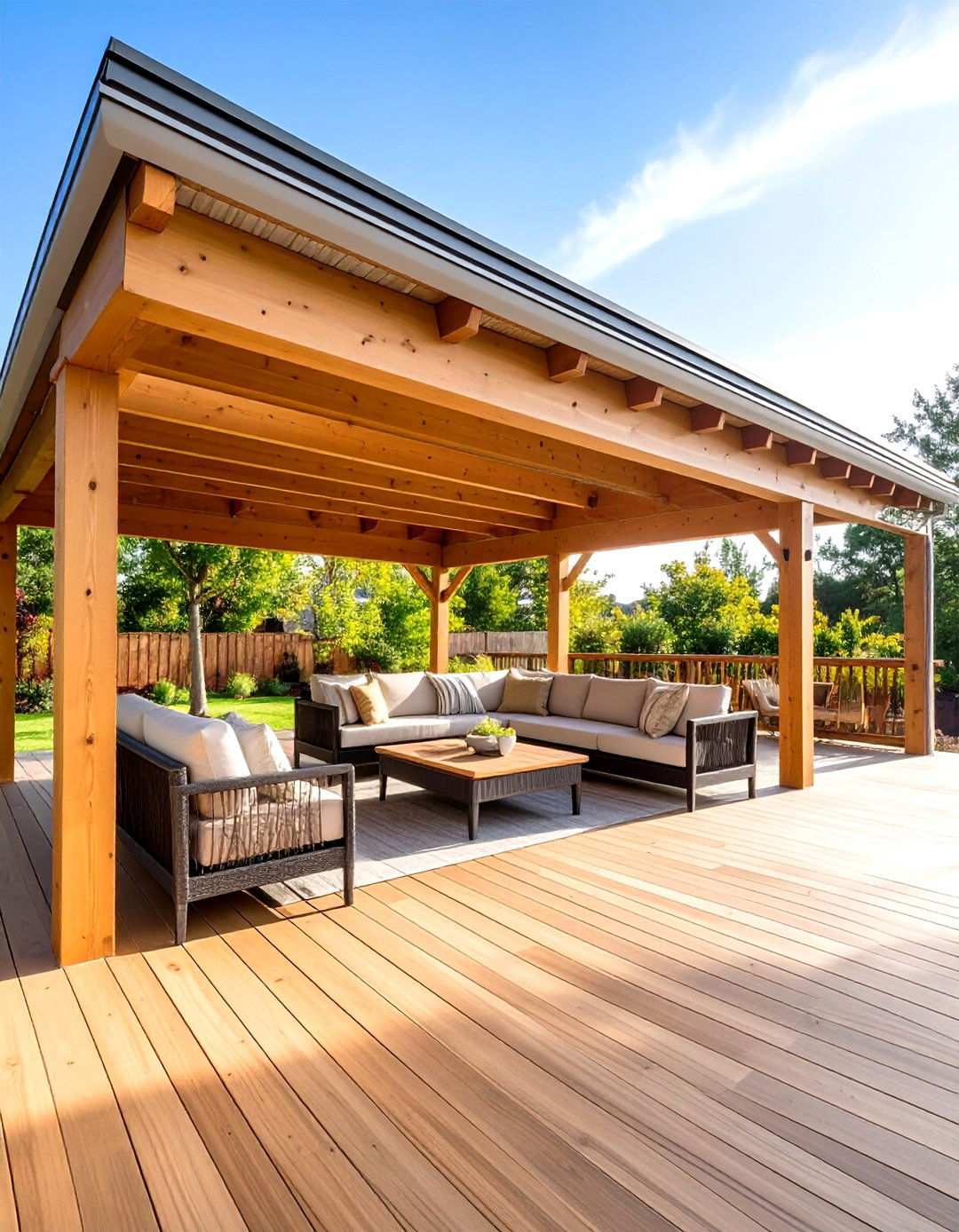
Have you ever thought of maximizing the often-wasted space beneath your elevated deck? By transforming this area into a protected living space, you can effectively double your outdoor living area. Under-deck living spaces work particularly well for casual dining spaces, outdoor kitchens, workshop areas, or children’s play zones. Ceiling systems with integrated drainage channels cleverly capture and redirect water away from the protected space, ensuring a dry and comfortable environment. By installing lighting, you can create bright, inviting spaces perfect for evening use. The protected nature of this area allows for the inclusion of more delicate furnishings and decorative elements that might not withstand direct weather exposure. Define the boundaries of your under-deck space with privacy screens or partial walls while maintaining airflow and natural light access. Flooring options range from durable concrete pavers to outdoor carpeting or decorative stone installations. To make the most of the available space, consider integrating storage solutions that take advantage of vertical wall space and corners. By adopting a dual-level approach, you can effectively double your usable outdoor space without expanding the deck footprint, making it an ideal solution for properties with space constraints.
10. Elevating Outdoor Living with Pergola Enclosures
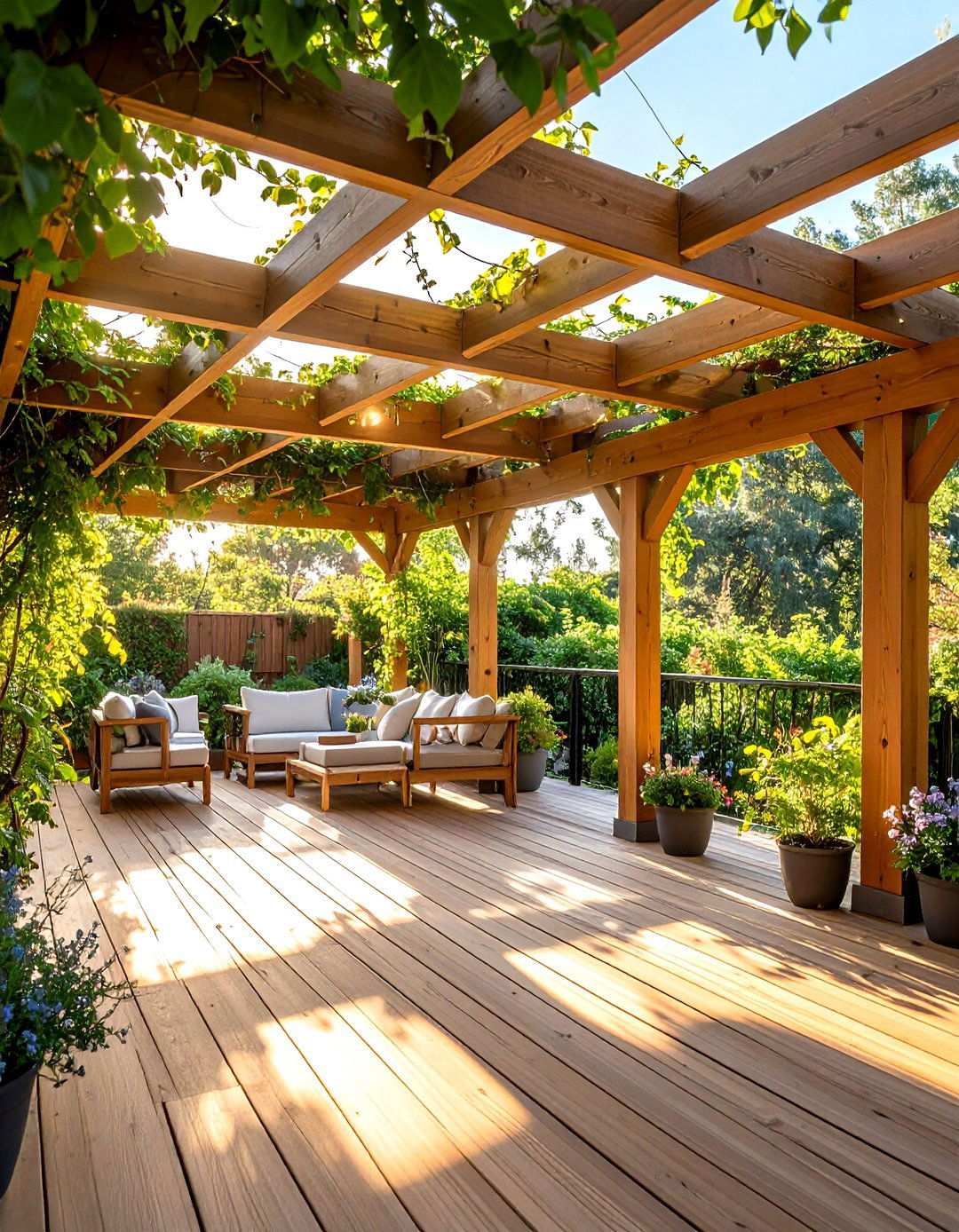
Imagine effortlessly transitioning between the great outdoors and sheltered comfort, thanks to the versatile design of a pergola. Pergola covered decks offer the perfect blend of architectural definition and outdoor ambiance, providing a serene escape from the elements while preserving the freedom to roam. Whether integrated with attached or freestanding deck designs, these structures create inviting outdoor rooms that boast defined boundaries and enhanced relaxation. Modern pergola designs now incorporate adjustable louvers, retractable canopies, or lush climbing plants that adapt to changing weather conditions, ensuring variable shade and protection. A wide range of structural materials are available, from traditional wood to low-maintenance aluminum or vinyl options that seamlessly coordinate with home architecture. The overhead framework is perfectly suited for showcasing hanging plants, string lights, ceiling fans, or outdoor speakers, further elevating the ambiance. Integrated gutters and drainage systems ensure effective water collection and redirection. Construction requires meticulous attention to post placement, foundation requirements, and local wind load calculations to ensure stability and longevity. The covered space extends the usable season and safeguards outdoor furniture and entertaining areas, making it an ideal choice for homeowners. Various design options include attached lean-to styles, freestanding pavilions, or wrap-around configurations that create multiple protected zones.
11. Enhancing Poolside Experience with Elevated Platforms
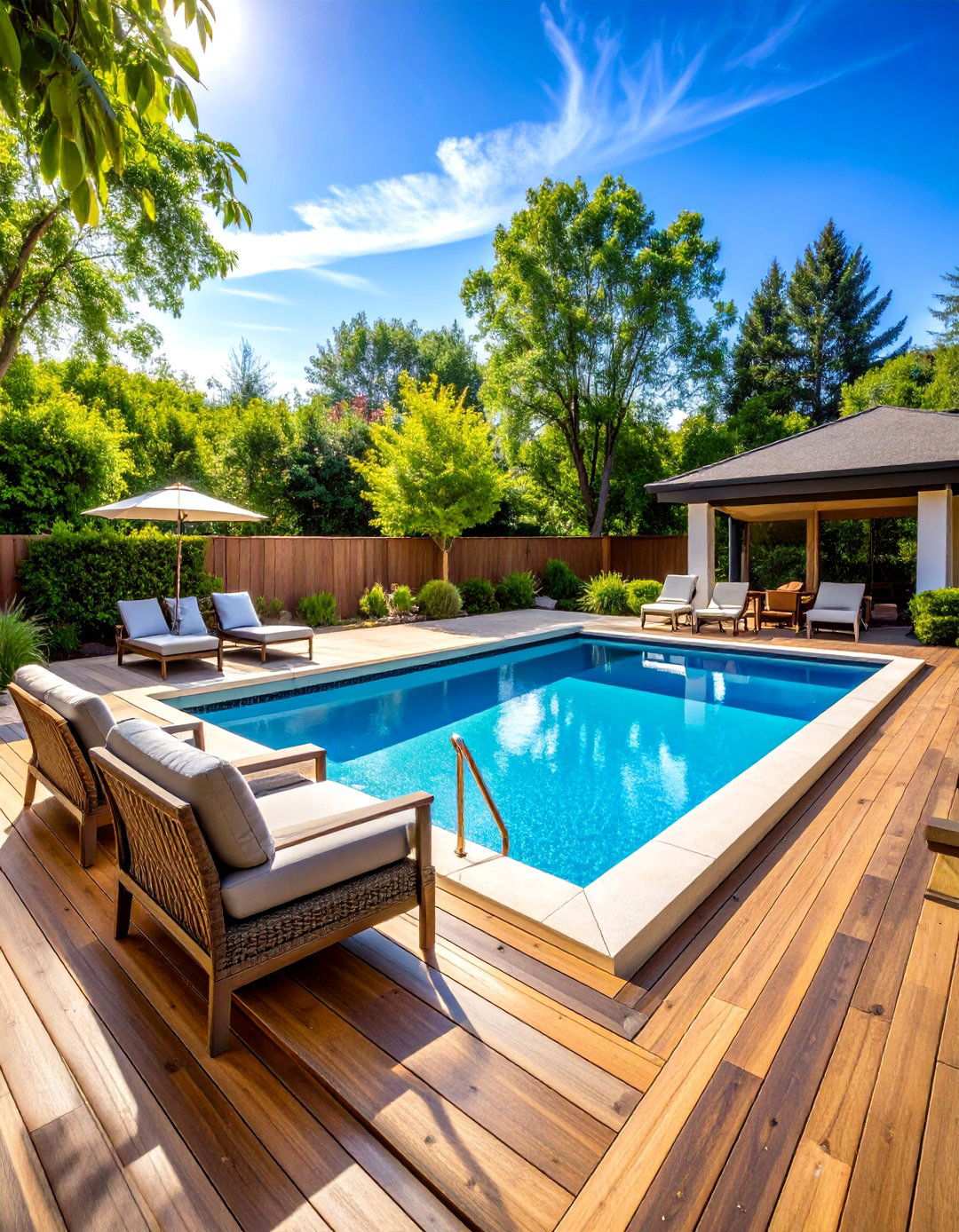
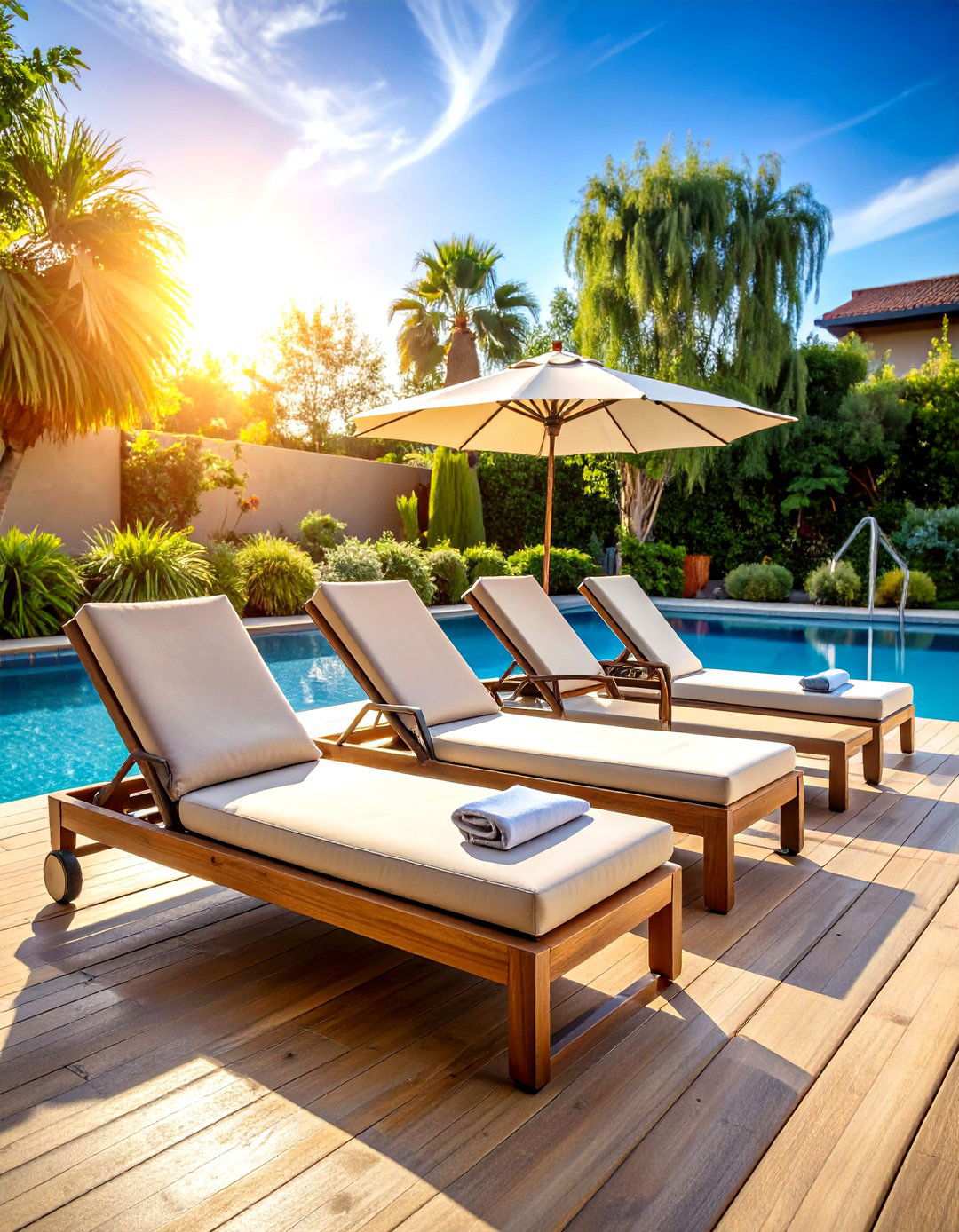
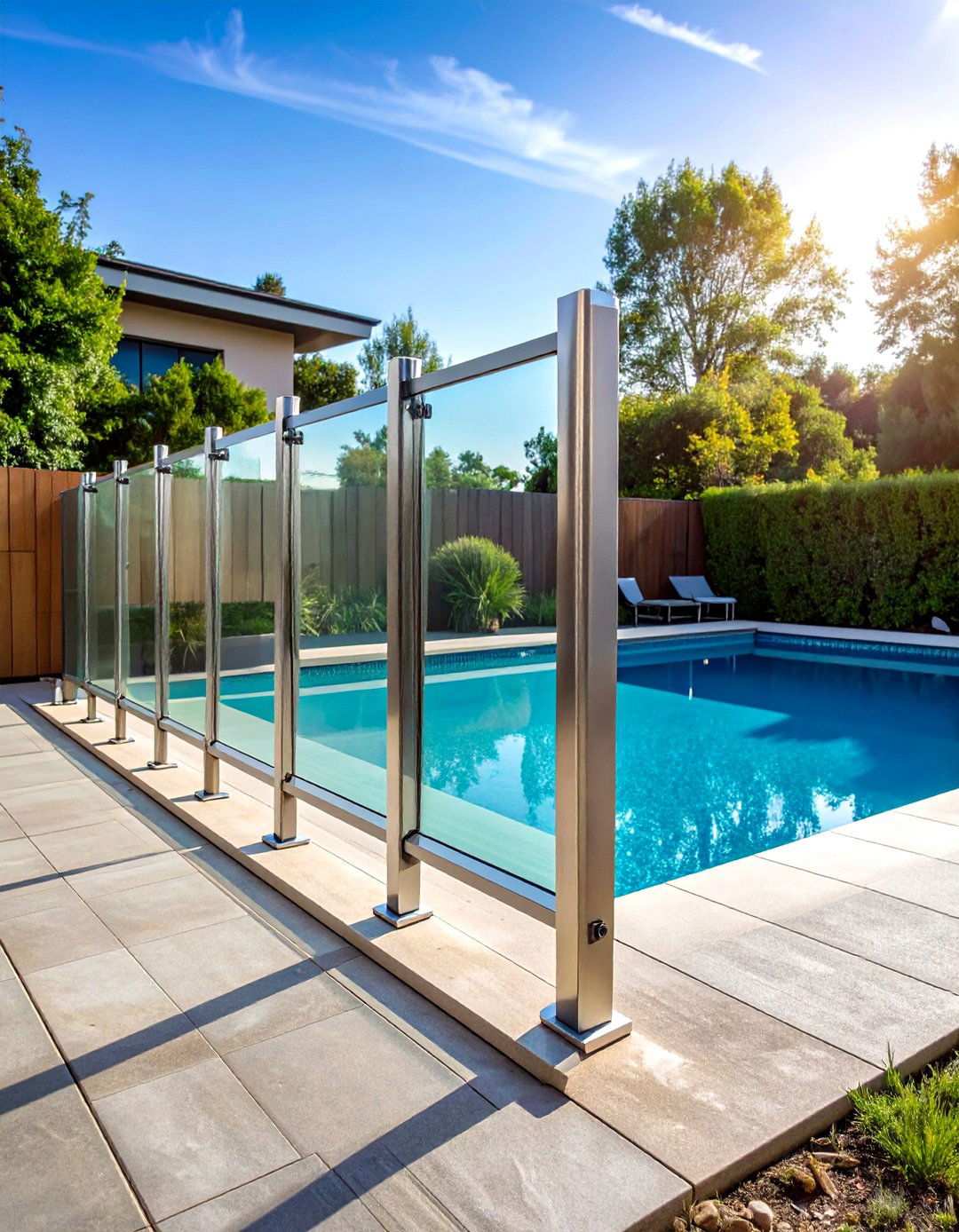
Transform your above-ground pool into the focal point of an elegant outdoor oasis with a thoughtfully designed pool deck surround. These seamless transitions between pool access and comfortable lounging areas not only enhance safety but also visually elevate the pool’s presence. By eliminating the need for pool ladders, these platforms provide stable, slip-resistant surfaces for individuals with wet feet, while integrated bench seating offers inviting spots to socialize without entering the water. Built-in storage compartments efficiently house pool maintenance equipment, toys, and accessories, keeping them out of sight. It is essential to incorporate proper drainage into the deck design to prevent water accumulation and ensure quick drying after swimming sessions. Material choices prioritize slip-resistance and heat reflection to maintain comfortable surface temperatures. For added intimacy, consider incorporating privacy screening, which maintains sight lines for supervision while creating secluded spaces. The surrounding platform approach is versatile, accommodating various pool shapes and sizes, from circular above-ground models to oval or rectangular configurations. Additional features might include outdoor showers, changing areas, or snack preparation zones. To guarantee optimal support for both deck structure and pool equipment while maintaining manufacturer warranty requirements, professional installation is highly recommended.
12. Elevated Oasis Deck
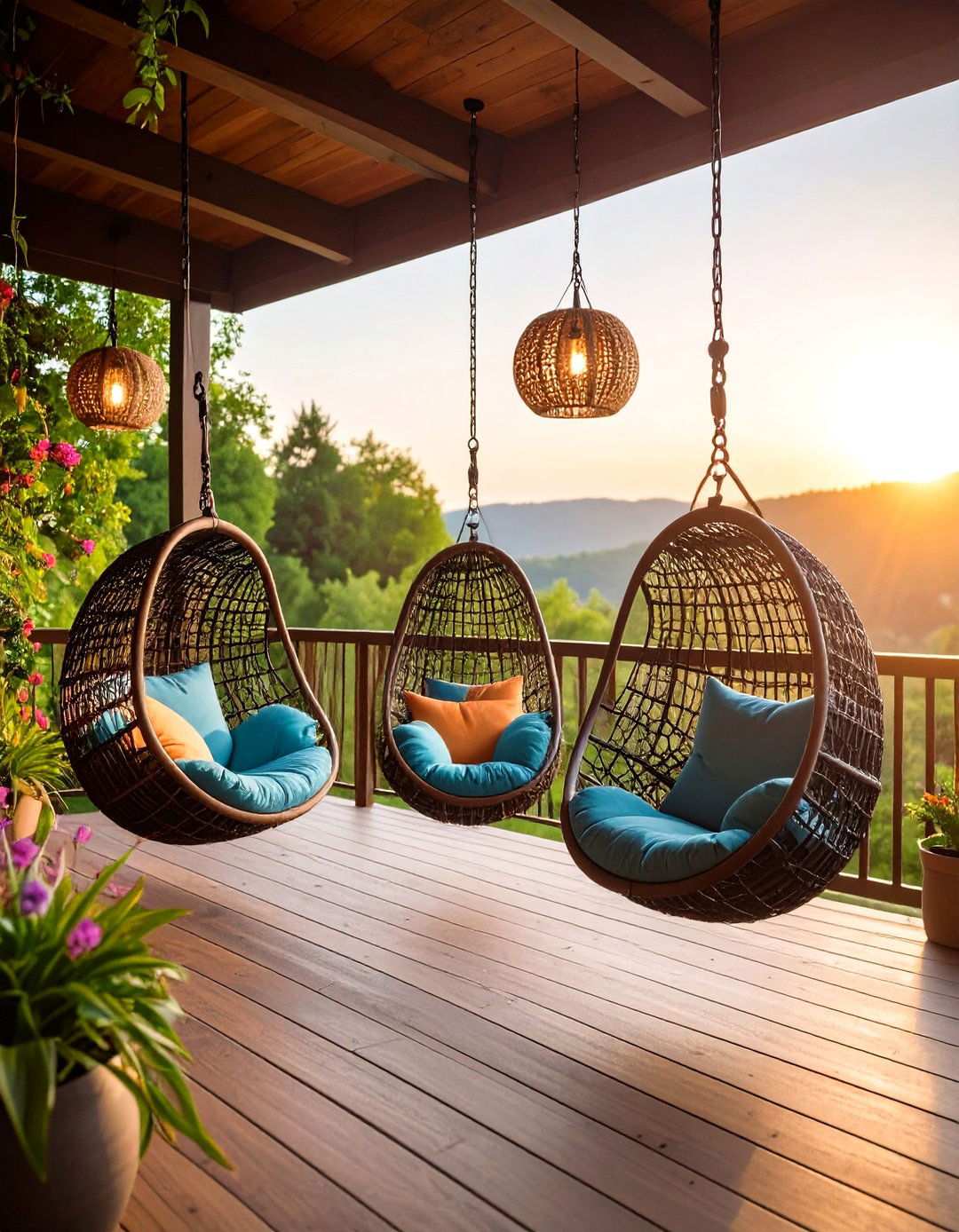
Imagine immersing yourself in a serene atmosphere, gently swaying in a hanging chair amidst your outdoor sanctuary. Elevated oasis decks offer an innovative way to reclaim floor space while crafting a distinctive seating experience. These designs necessitate a thorough structural assessment to guarantee that overhead support systems can safely handle the dynamic loads generated by the swinging motion and occupant weight. Freestanding beams, reinforced ceiling joists, or dedicated support posts provide the necessary anchor points for various hanging chair designs. The suspended furniture approach is particularly well-suited for meditation spaces, cozy reading nooks, or intimate conversation areas. From classic rope and wood to modern steel and weather-resistant fabrics, the material choices for hanging chairs are diverse. Multiple hanging elements can create social groupings while maintaining individual comfort zones. The uncluttered deck surface beneath can be utilized for yoga practice, children’s play, or alternative furniture arrangements as needed. Installation considerations include the selection of suitable hardware, chain or rope length adjustment, and seasonal removal capabilities. Effective weather protection through overhead coverage extends the usability of these spaces during various conditions.
13. Outdoor Gourmet Deck
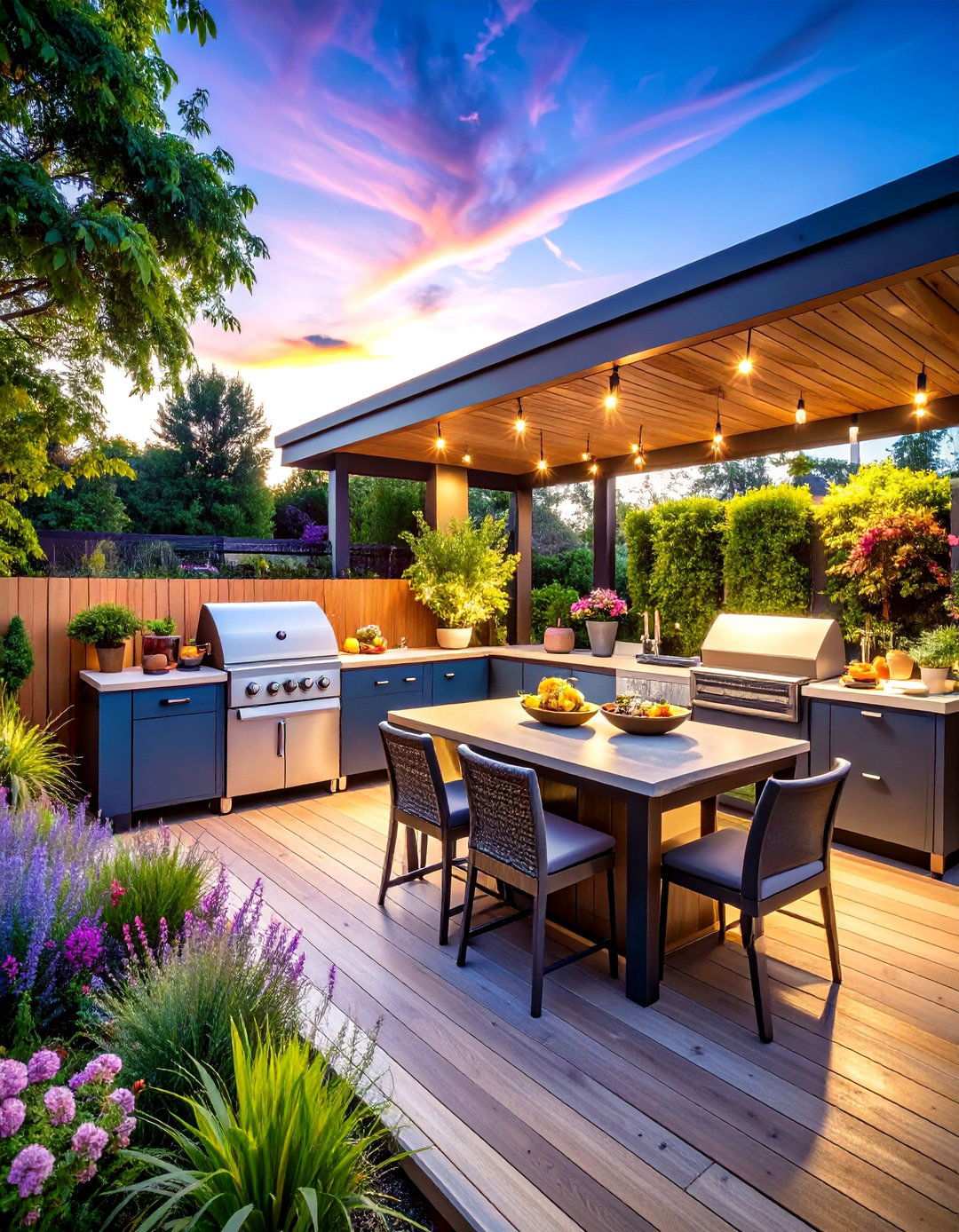
Why not turn your deck into a culinary hub when compact outdoor kitchens can revolutionize your outdoor dining experience? Outdoor gourmet decks seamlessly integrate cooking, preparation, and serving areas into efficiently designed spaces that rival indoor capabilities. These installations feature weather-resistant cabinetry, stainless steel appliances, and durable countertop materials that withstand outdoor conditions. Compact designs might include built-in grills, side burners, refrigeration units, and ample prep space within minimal footprints. Utility connections for gas, electrical, and water service require professional installation and permit approval. Storage solutions accommodate cookware, serving pieces, and non-perishable ingredients in weatherproof compartments. The kitchen layout should promote efficient workflow while maintaining social connections with dining and seating areas. Material choices emphasize durability, easy maintenance, and resistance to temperature extremes. Effective overhead protection through pergolas or roof extensions safeguards equipment and cooking activities from the elements. Additional features might include outdoor sinks, ice makers, wine storage, or warming drawers that enhance entertaining capabilities while maximizing the compact space efficiency.
14. Elevating Outdoor Retreats with Privacy Screens
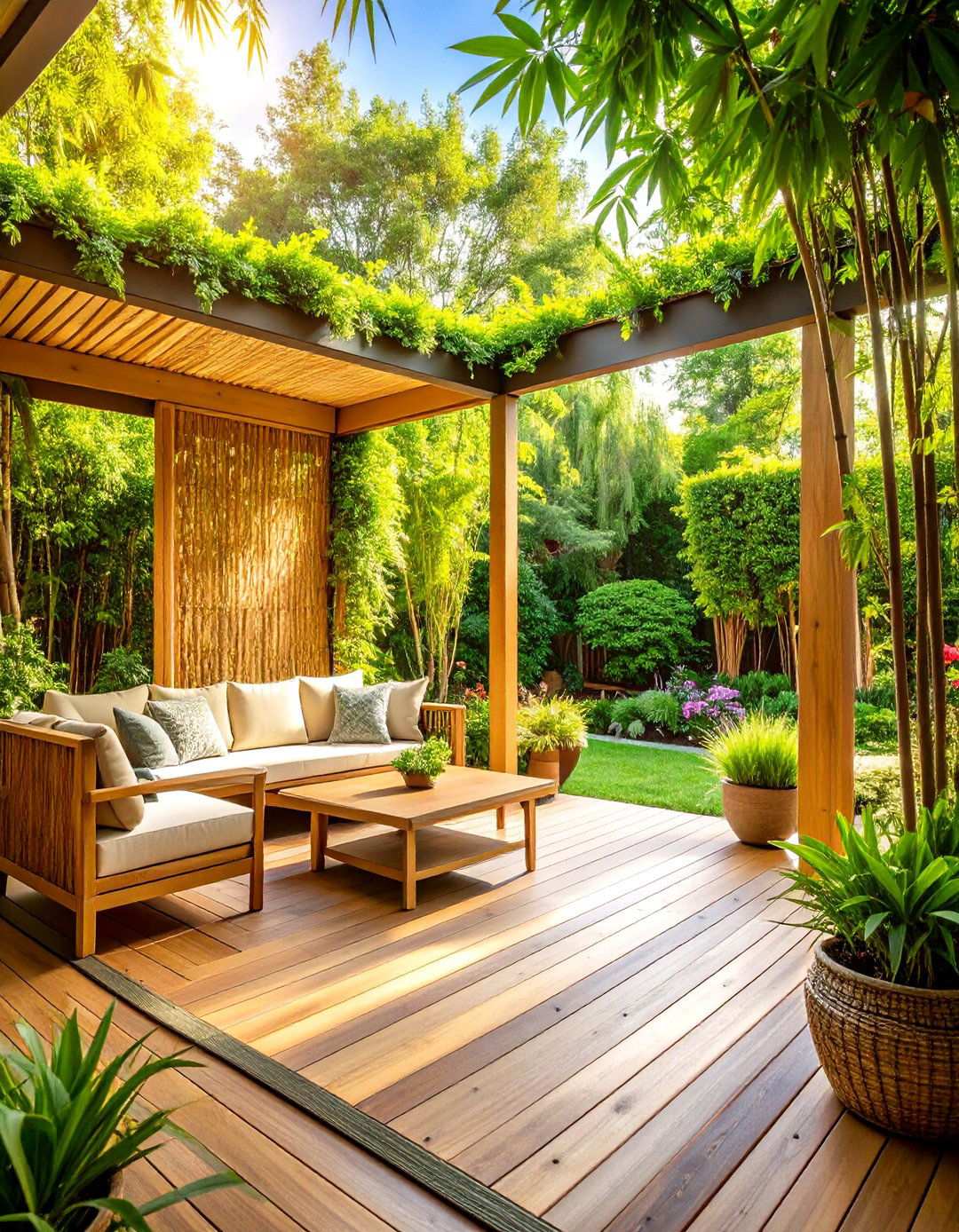
Residents in densely populated neighborhoods or those seeking seclusion from street views often yearn for private outdoor spaces without sacrificing natural light and airflow. Innovative solutions, such as privacy screen deck enclosures, skillfully incorporate decorative panels, living walls, and architectural features to craft intimate outdoor rooms that harmonize with the surrounding environment. These designs thrive in urban settings where proximity to neighbors or busy street frontages necessitates strategic screening. A diverse array of screen materials, from intricately designed metal panels and wooden lattice to lush bamboo walls and retractable fabric systems, ensures the partial enclosure approach remains adaptable to various tastes and requirements. The adjustable screen heights and versatile configurations cater to specific needs for both aesthetic appeal and architectural synergy. The incorporation of planters at screen bases provides an opportunity to grow climbing vines or tall grasses that naturally enhance the screening effect and add seasonal visual interest. Furthermore, integrated lighting solutions within or behind screens can create enchanting ambiance during the evening hours, increasing the usability of the space. The screening method allows for defining multiple outdoor rooms or zones within larger deck areas, thereby expanding the versatility of the space.
15. Transforming Deck Surfaces into Aesthetic Art
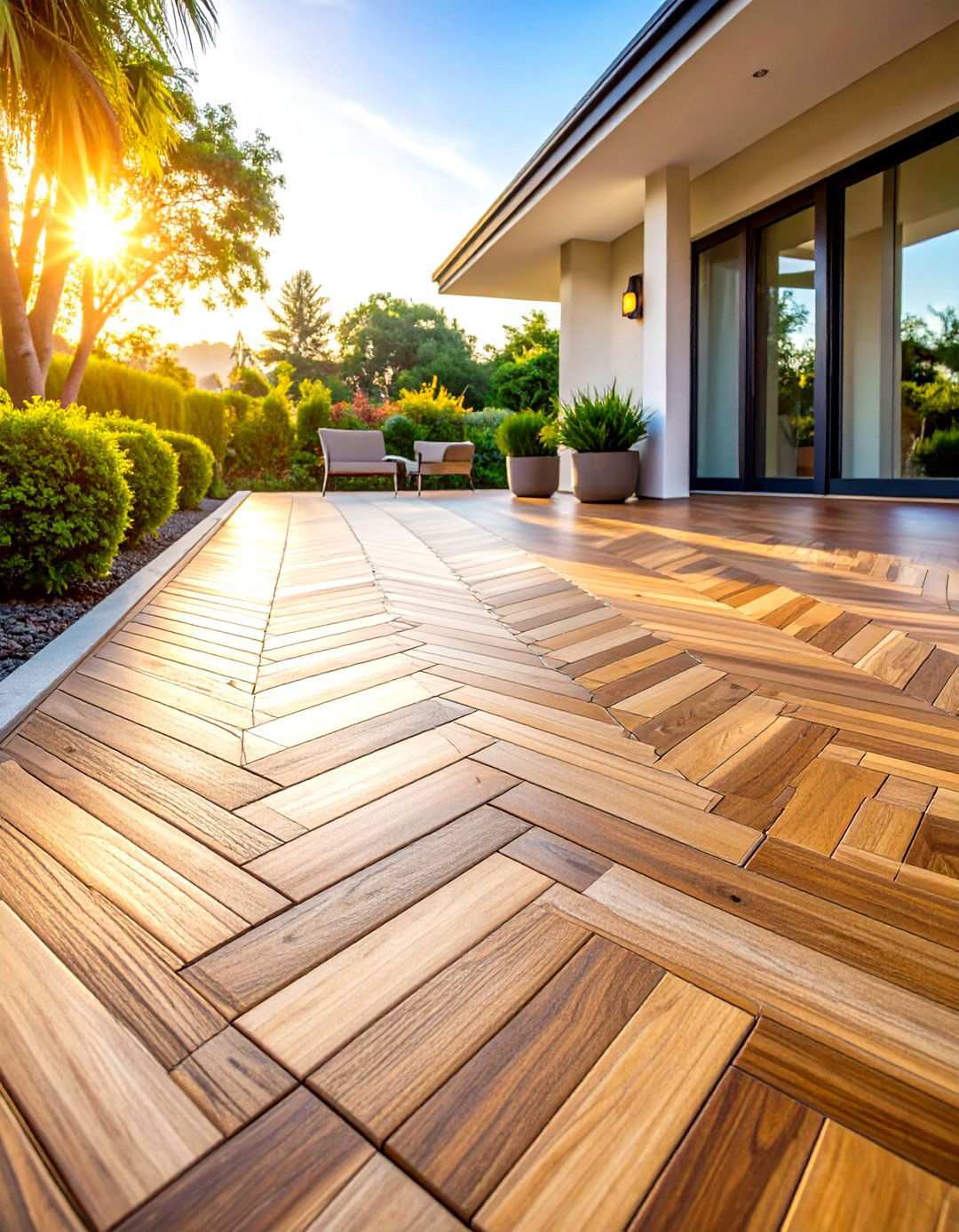
A deck surface can be transformed into a stunning masterpiece that rivals interior flooring installations through the use of carefully selected tiles. Ceramic, porcelain, or natural stone tiles create a wide range of sophisticated patterns and offer virtually unlimited design possibilities for deck owners. Successful tile installations demand a solid, level substrate capable of supporting the weight of the tiles and providing a stable foundation for grout installations. A diverse array of pattern options, from classic layouts like subway tiles and herringbone patterns to intricate geometric designs, can create visual movement and interest. The incorporation of tiles allows for the alignment of deck surfaces with home architecture and landscape elements, thereby expressing personal style preferences and adding a touch of sophistication. Tiles offer superior durability, stain resistance, and low maintenance in comparison to traditional decking materials. Additionally, slip-resistant surface treatments can ensure safety during wet conditions while maintaining the aesthetic appeal of the tile installation. However, installing tiles requires specialized knowledge of waterproofing, drainage, and expansion joint placement to prevent cracking and water damage. As a result, professional installation is highly recommended to guarantee proper substrate preparation and weatherproof installations. The end result is a long-lasting and uniquely characterized outdoor space that sets it apart from traditional deck installations.
16. Harmonious Integration of Outdoor Relaxation
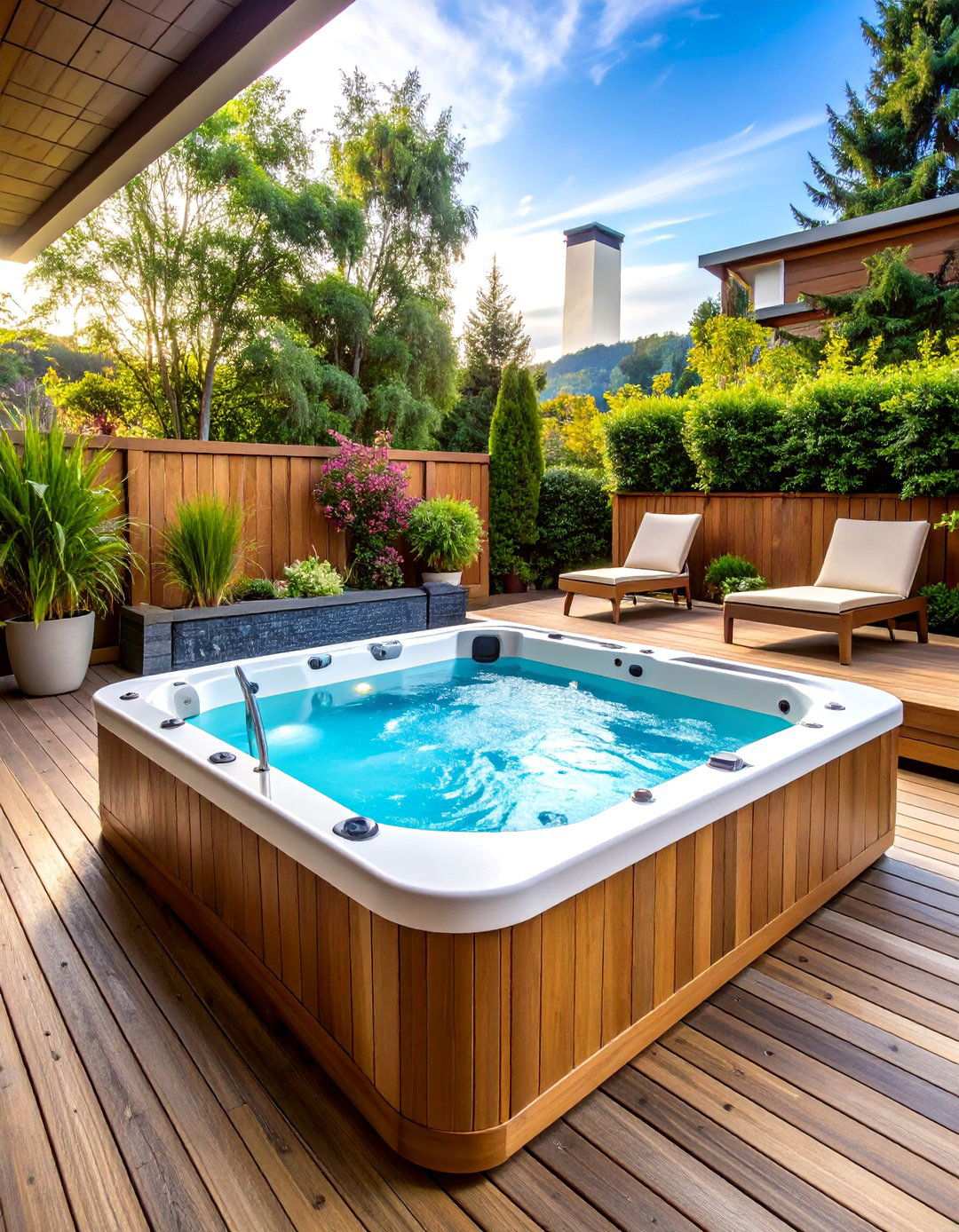
Imagine having the luxury of a personal spa experience, seamlessly integrated into your small deck. Hot tub integration decks expertly combine relaxation amenities with outdoor living areas, creating a serene oasis that invites relaxation and social interaction. By pairing careful planning with structural engineering, these designs ensure that the added weight of a filled spa does not compromise the structural integrity of the deck. Moreover, they adhere to electrical and plumbing codes, guaranteeing a safe and compliant installation. Strategically designed surrounding areas provide level access, towel storage, and plush seating, making it easy to transition between relaxation and conversation. Built-in steps eliminate the need for portable access, while also creating an elegant, seamless transition between the deck and the spa area. The integration approach is highly adaptable, accommodating various spa sizes and configurations, from compact two-person models to larger family-sized installations. Material choices prioritize slip-resistance and quick drying around wet areas, ensuring a safe and easy-to-clean deck surface. The incorporation of lighting further enhances the ambiance, while also ensuring safe navigation during evening hours. Additional features, such as outdoor showers, changing areas, or equipment storage compartments, can be seamlessly integrated into the design. The deck should also be designed to accommodate utility access for maintenance and seasonal service requirements, all while maintaining a harmonious aesthetic integration with the overall outdoor living goals.
17. Seamless Connection of Outdoor Spaces
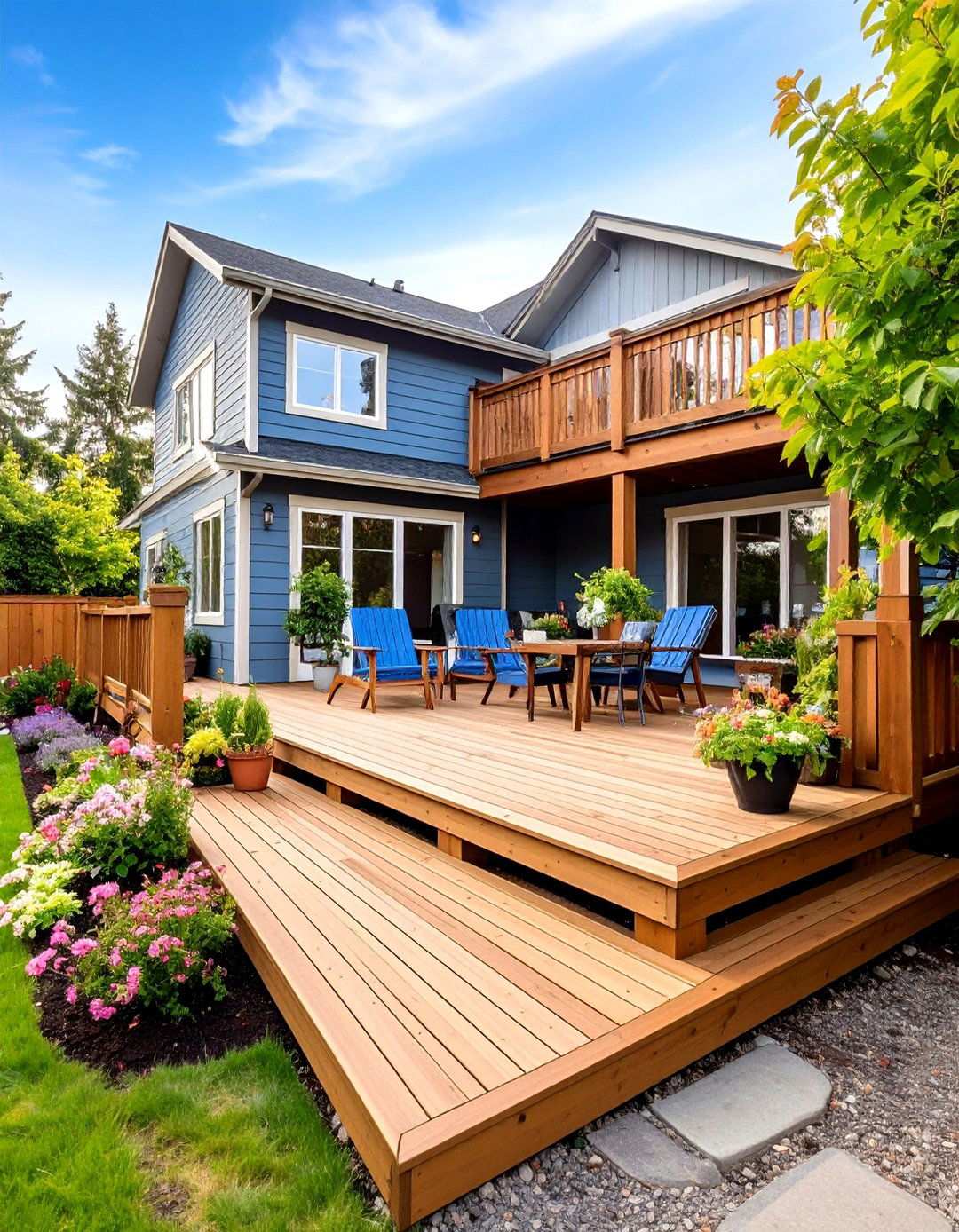
Can your home’s architecture guide the creation of flowing outdoor spaces that connect multiple access points? Wrap-around small decks follow the building’s footprint, creating a continuous outdoor circulation that provides intimate gathering areas at strategic locations. These designs work particularly well for homes with multiple exterior doors or corner locations that benefit from varied exposures. By connecting the deck areas, you can create distinct functional zones for dining, relaxation, and entertainment, while maintaining visual and physical continuity. Railing systems and material choices play a crucial role in creating a unified design theme, while also accommodating different level changes and structural requirements. The wrap-around configuration maximizes outdoor space utilization without overwhelming the property’s proportions. Construction involves careful planning for corner connections, expansion joints, and drainage management across extended installations. Each section can feature different amenities or focal points, contributing to the overall outdoor living capabilities. A professional design ensures structural integrity across connected sections, while also optimizing traffic flow and safety requirements. This approach works particularly well for properties with interesting architectural features or varied topographical conditions that benefit from multiple outdoor access points.
18. Unleashing the Potential of Your Balcony
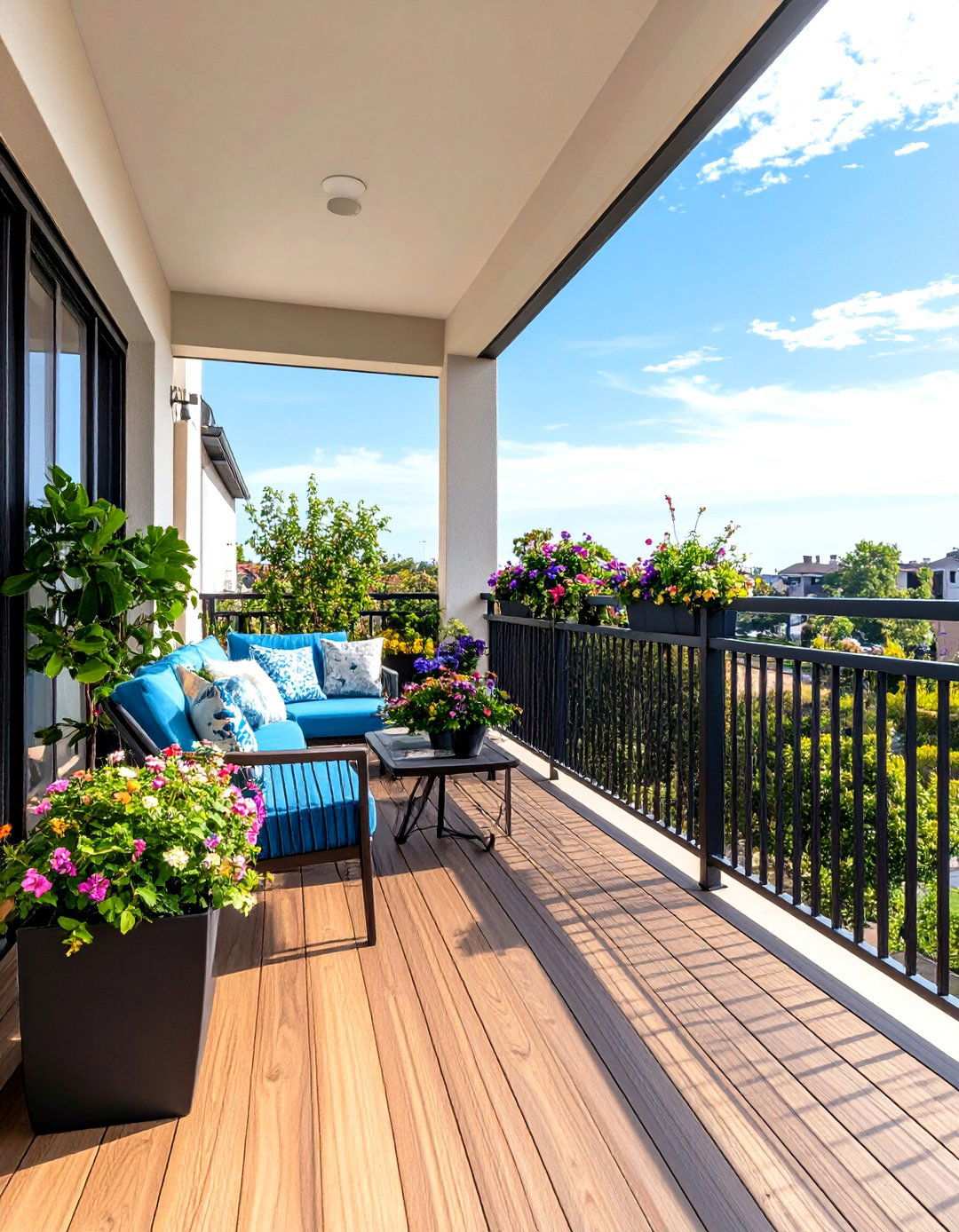
Expanding your existing balcony into a more functional outdoor living space can be a game-changer. Balcony extension decks are a clever way to increase useable space while maintaining the structural integrity and code compliance of your building. To achieve this, careful engineering analysis is required to ensure that the existing balcony structures can support additional loads and extensions without compromising safety. This expansion approach can involve cantilevered additions, support post installations, or connected platform systems that effectively double the available space, making it perfect for larger furniture arrangements, dining sets, or recreation activities.
Material choices should be carefully coordinated with existing balcony finishes to provide a seamless look while enhancing functionality and visual appeal. Extended areas can be designed to accommodate a range of activities, from casual lounging to more formal dining or recreation. To ensure safety compliance, railing modifications are essential, and they should be designed to maintain architectural compatibility with the building’s design. The addition process may require permits and homeowners association approval in multi-unit buildings, and professional installation is crucial to ensure proper structural connections and weatherproofing, preventing potential damage to the building. Additional features such as privacy screens, storage integration, or lighting systems can further enhance the expanded space’s utility and evening usability.
19. Elevating Your Outdoor Space with Spiral Staircase Deck Access
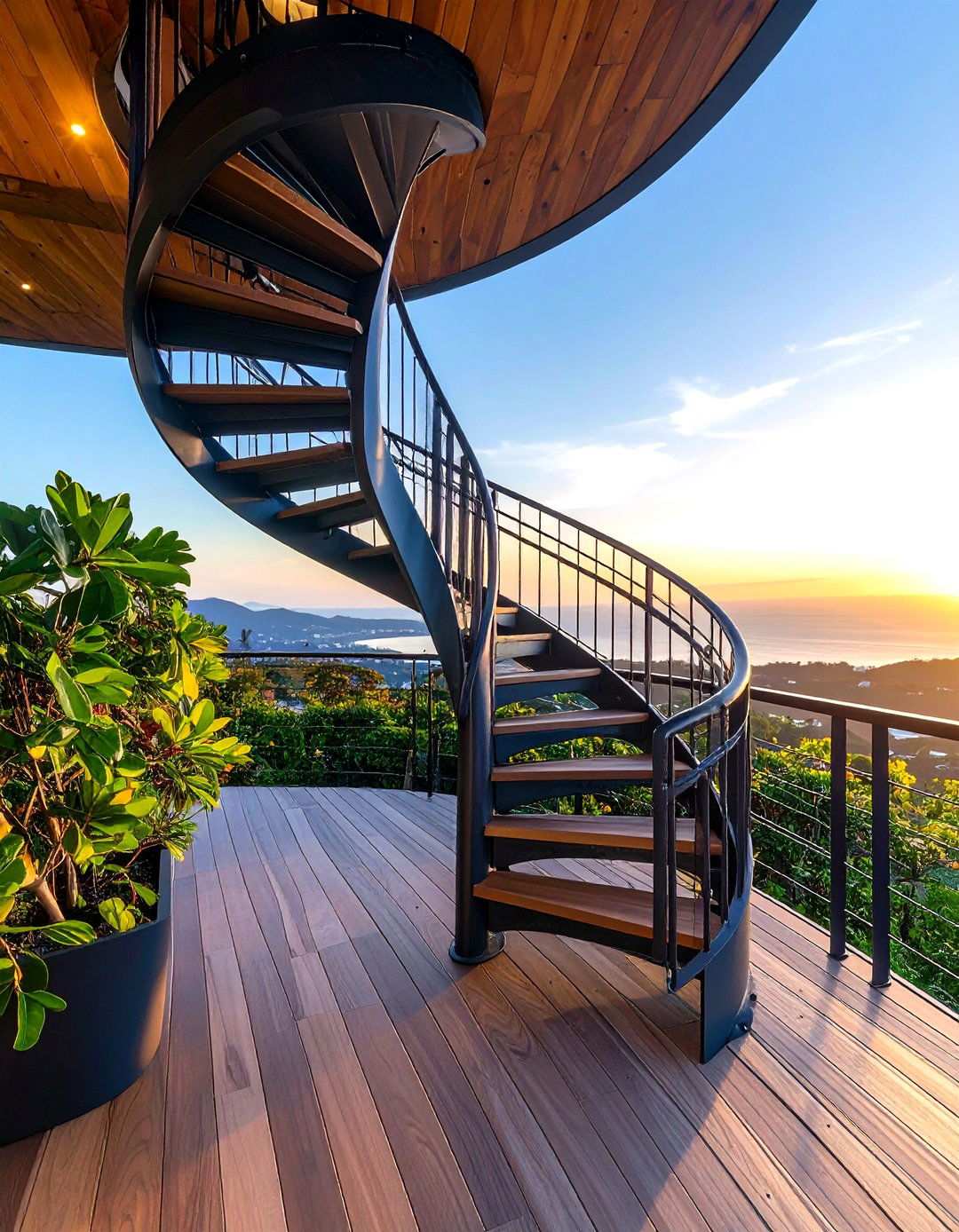
Spiral staircase deck access offers a unique opportunity to create striking architectural features while maximizing ground space. This design combines functionality with artistic expression, making it an ideal choice for elevated decks where traditional stair runs would consume excessive yard space. Modern spiral stairs feature steel construction with slip-resistant treads and powder-coated finishes that resist weather damage, making them a durable and low-maintenance option. The circular configuration allows for placement in tight corners or central locations, creating sculptural landscape elements that add character to your outdoor space.
Safety features such as continuous handrails, proper riser heights, and adequate tread depths meet building code requirements, giving you peace of mind. Installation requires professional engineering to ensure proper foundation support and structural connections to deck systems. The space-saving approach leaves more ground area available for landscaping, storage, or additional outdoor amenities. Design variations include different diameter options, decorative railing patterns, and color choices that coordinate with home architecture, allowing you to tailor the design to your unique style. The spiral design creates interesting sight lines and shadow patterns that change throughout the day, adding dynamic visual interest to your outdoor space.
20. Elevating Deck Rail Designs
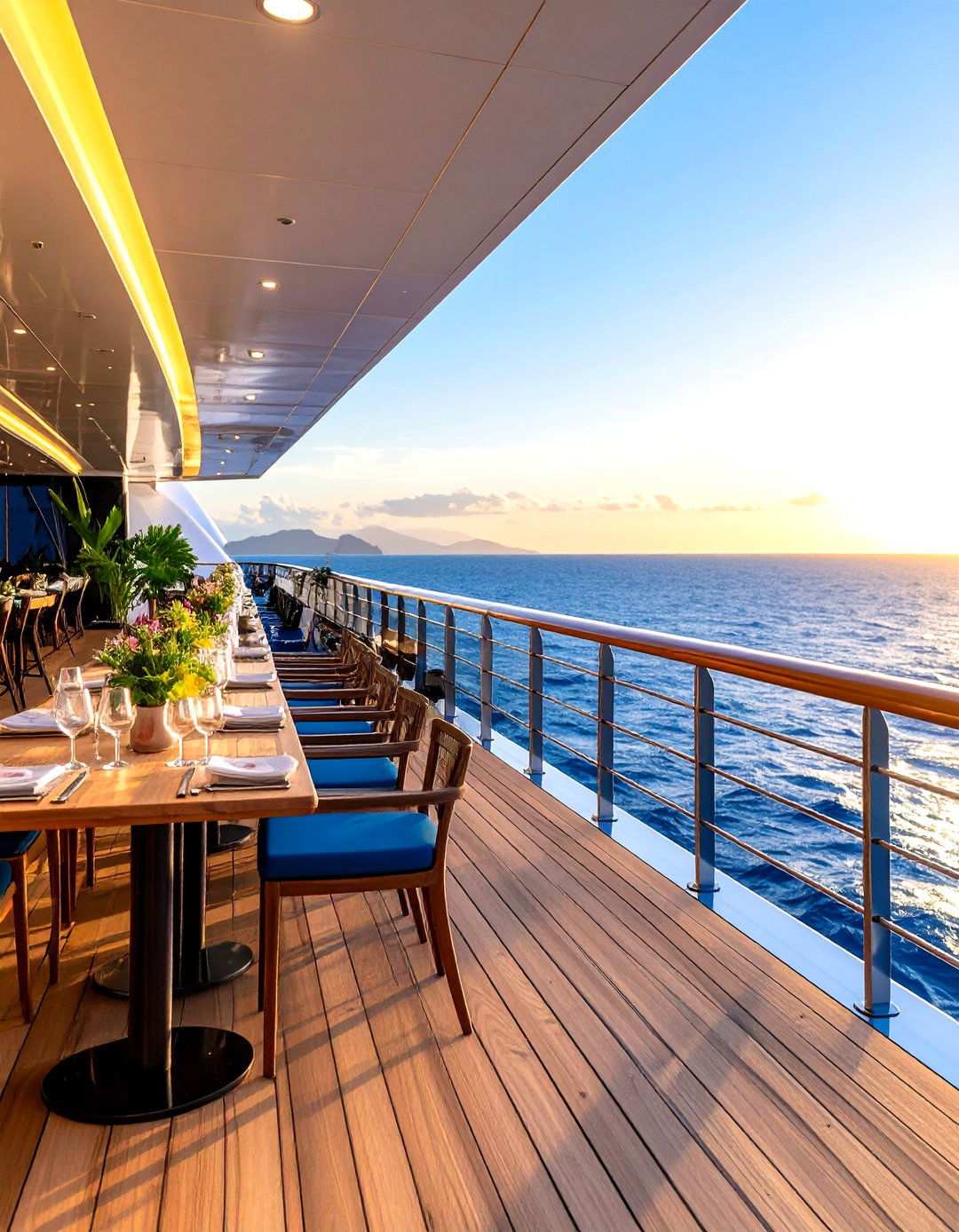
Can your deck railings be transformed into vibrant social hubs that elevate outdoor gatherings? Elevated deck rail designs incorporate widened top rails that offer expansive surfaces for drinks, appetizers, and social interaction while adhering to safety standards. These thoughtfully designed railings work particularly well for elevated decks with breathtaking views, naturally drawing guests to railing areas. The extended rail surface accommodates multiple guests without congesting central deck areas reserved for seating and circulation. Suitable material options may include matching deck boards, natural stone, or composite materials that resist staining and weather damage. The rail design can incorporate practical features like built-in lighting, cup holders, or small storage compartments for entertainment accessories. Corner areas might feature expansive platforms for food service or bar-height seating arrangements. Installation demands meticulous attention to proper height specifications and load-bearing requirements for social gatherings. This design approach encourages circulation and conversation while maximizing useable space within compact deck footprints. Additional features often include integrated planters, wireless speaker mounts, or weather-resistant power outlets for outdoor entertaining equipment. Professional installation ensures code compliance while optimizing functional and aesthetic integration.
21. Serene Deck Retreats
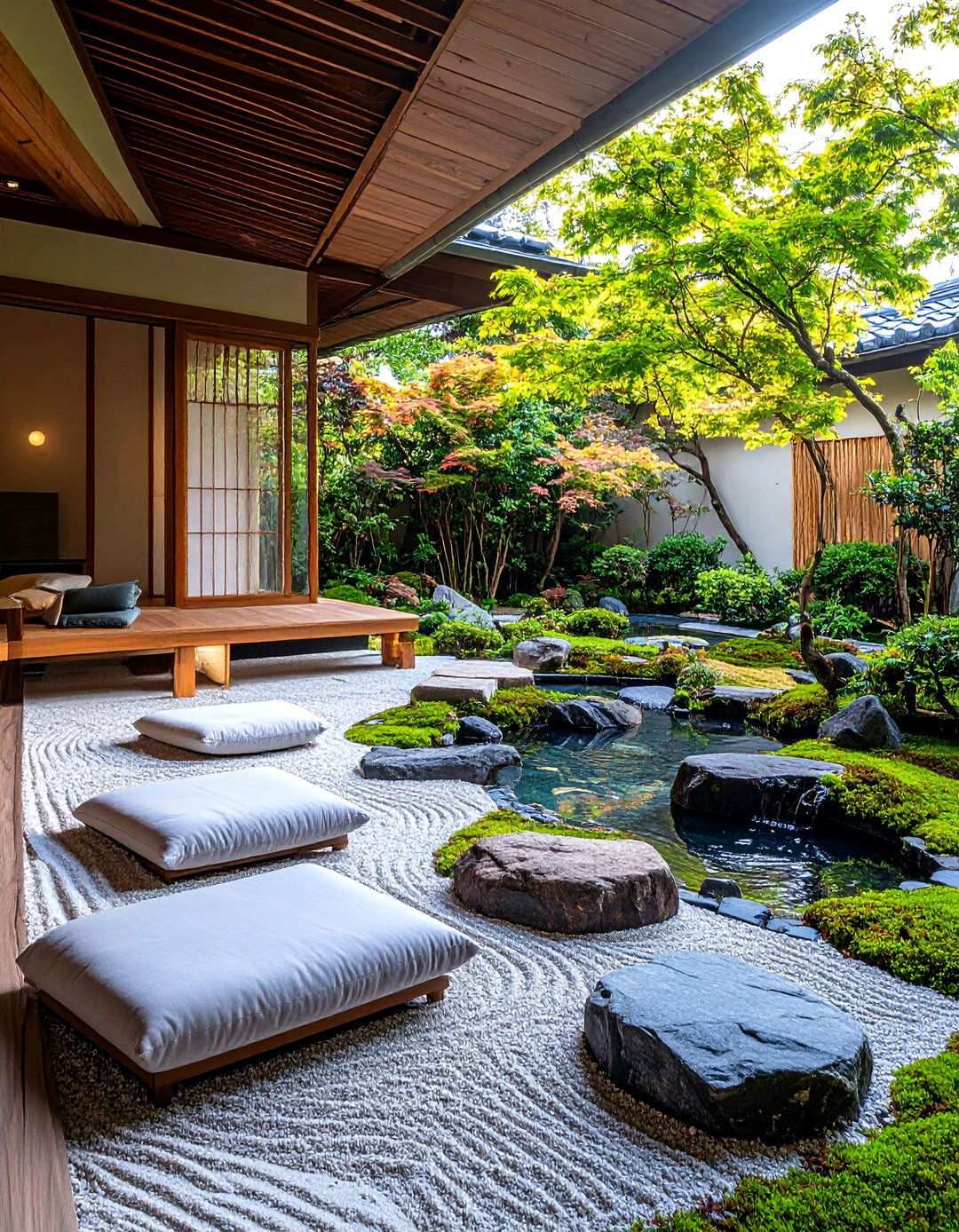
Imagine your small deck transformed into a tranquil oasis that fosters mindfulness and spiritual renewal. Serene deck retreats create peaceful environments through a combination of thoughtful material selection, minimalist design principles, and integration with natural elements that encourage contemplation and stress relief. These designs emphasize simplicity, balance, and harmony with surrounding landscapes while providing comfortable spaces for meditation practice or quiet reflection. Suitable material choices often favor natural finishes like cedar or bamboo that weather gracefully and complement garden plantings. Water features such as small fountains or reflecting pools add soothing sounds that mask urban noise and create focal points for meditation. Thoughtfully placed stone accents, boulders, or gravel areas provide textural interest while maintaining clean, uncluttered appearances. Seating arrangements prioritize comfort and proper posture for extended meditation sessions. The design approach eliminates distractions through strategic screening and thoughtful plant selections that change subtly with seasons. Lighting integration creates gentle evening ambiance suitable for twilight meditation or stargazing activities. Maintenance requirements focus on preserving the peaceful character through regular care and seasonal adjustments.
22. Tree-Integrated Natural Deck
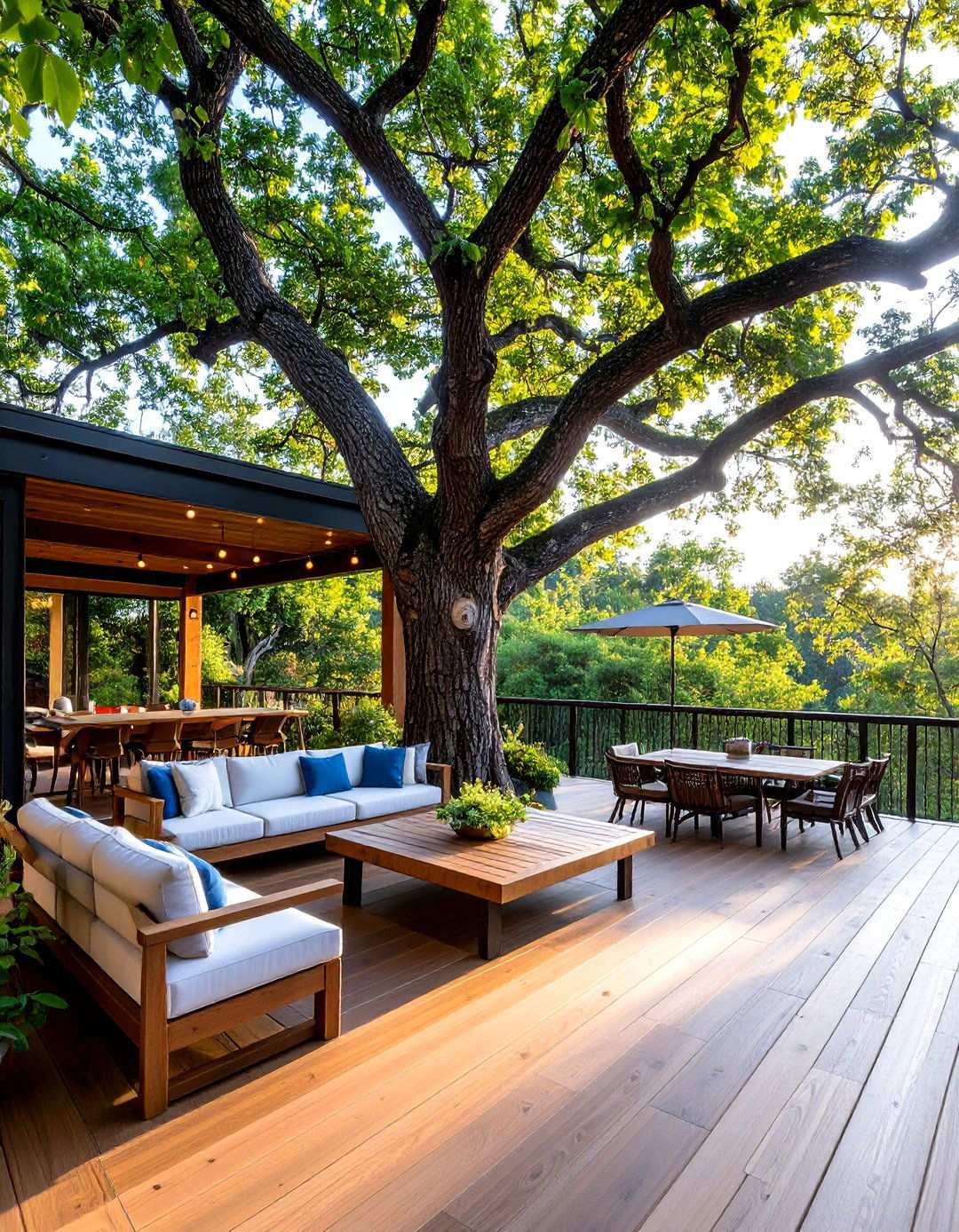
Transforming mature trees into showstopping centerpieces can elevate your outdoor space while preserving the landscape’s natural assets. By incorporating existing trees into your deck design, you can create unique areas that not only provide instant shade but also celebrate the beauty of nature. This approach demands meticulous planning to safeguard tree health through root protection, ample growing space, and non-invasive construction methods. Building around single trees or incorporating multiple trees within expanded deck areas is a viable option, with custom-shaped openings accommodating trunk growth while maintaining structural integrity and safety. Your material choices should harmonize with natural elements, offering durability and low-maintenance characteristics that allow the tree canopy to thrive. The ever-changing foliage colors and textures of the tree provide natural weather protection and seasonal interest. It is essential to consult with arborists to ensure tree health protection during construction and long-term maintenance requirements. Built-in bench seating around tree bases fosters intimate gathering areas while protecting roots from foot traffic. This design not only celebrates the existing landscape character but also adds functional outdoor living capabilities. Other crucial considerations include seasonal debris management, root growth accommodation, and potential utility line conflicts that necessitate careful planning.
23. Slope-Adapted Deck Platform
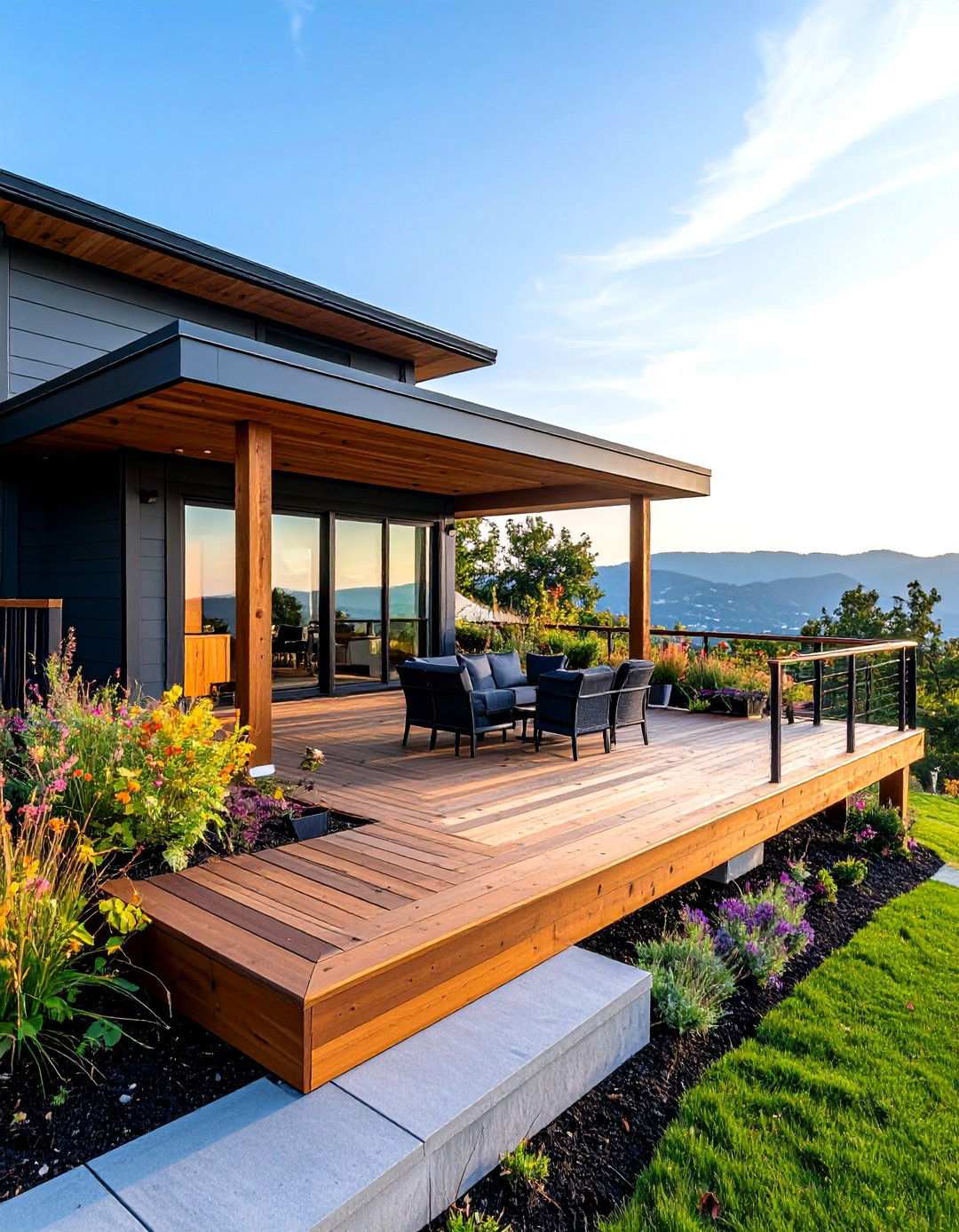
Rugged terrain should not hinder your ability to enjoy perfect outdoor spaces. Slope-adapted deck platforms can turn challenging grades into design opportunities, creating level outdoor areas that blend seamlessly with the natural topography. These designs employ adjustable post systems or stepped foundation approaches that minimize excavation and site disturbance. The adaptation approach might involve single-level platforms with variable post heights or multi-level systems that follow natural contours. Structural engineering ensures stability on sloped conditions while optimizing material usage and construction efficiency. Effective drainage is crucial to prevent erosion and foundation problems during inclement weather. The elevated position often provides panoramic views and better air circulation compared to ground-level installations. Material choices emphasize durability and weather resistance for exposed conditions. Railing systems may require variable heights or stepped configurations to maintain safety and visual appeal. Professional installation guarantees proper foundation work and structural connections that can withstand soil movement and settling. By preserving natural drainage patterns, these designs create useable outdoor space that integrates harmoniously with the existing landscape character.
24. Evolving Outdoor Spaces

Imagine a deck that can adapt to your family’s changing needs and outdoor lifestyle preferences. Modular expandable deck systems offer a dynamic solution through connected platform sections that can be reconfigured, expanded, or relocated as requirements shift. By leveraging standardized components and connection systems, these designs enable seamless modifications without the need for complete reconstruction. This modular approach is particularly beneficial for families with evolving entertainment needs or properties with changing landscape plans. Initial installations might focus on basic platforms with connections designed for future additions, ensuring a smooth transition to expanded spaces.
Standardized post spacing, railing systems, and decking materials guarantee a cohesive appearance when expansions occur, reducing the visual impact of additions. By choosing a modular system, you can spread long-term costs over time through gradual investment, avoiding large initial expenditures. Material selection prioritizes compatibility and consistency across multiple installation phases, allowing for easy integration of new components. Professional design consultation is essential for ensuring proper foundation planning and utility accommodation for future expansion possibilities, maintaining the structural integrity of the system. Connection systems also enable disassembly for reconfiguration or relocation, making it easy to adapt to changing needs. Whether you prefer traditional or contemporary aesthetics, modular deck systems can be designed to suit your style. Additionally, storage solutions can be integrated into base modules, enhancing functionality over time while maintaining expansion capabilities.