1. Transforming Your Shed into a Functional Workshop
Are you tired of wasting time searching for misplaced tools and supplies in your cluttered shed? A well-organized shed can revolutionize your storage space, saving you time, preventing tool damage, and maximizing every available square inch. Whether you’re dealing with gardening equipment, power tools, sports gear, or seasonal decorations, implementing a strategic storage plan can make a significant difference. By leveraging wall-mounted storage solutions, overhead racks, and smart storage strategies, you can create a space that meets your unique needs. A well-organized shed not only protects your investments but also enhances the overall project experience.

As an Amazon Associate I earn from qualifying purchases.
2. Pegboard Tool Wall System: Visual Inventory at Your Fingertips
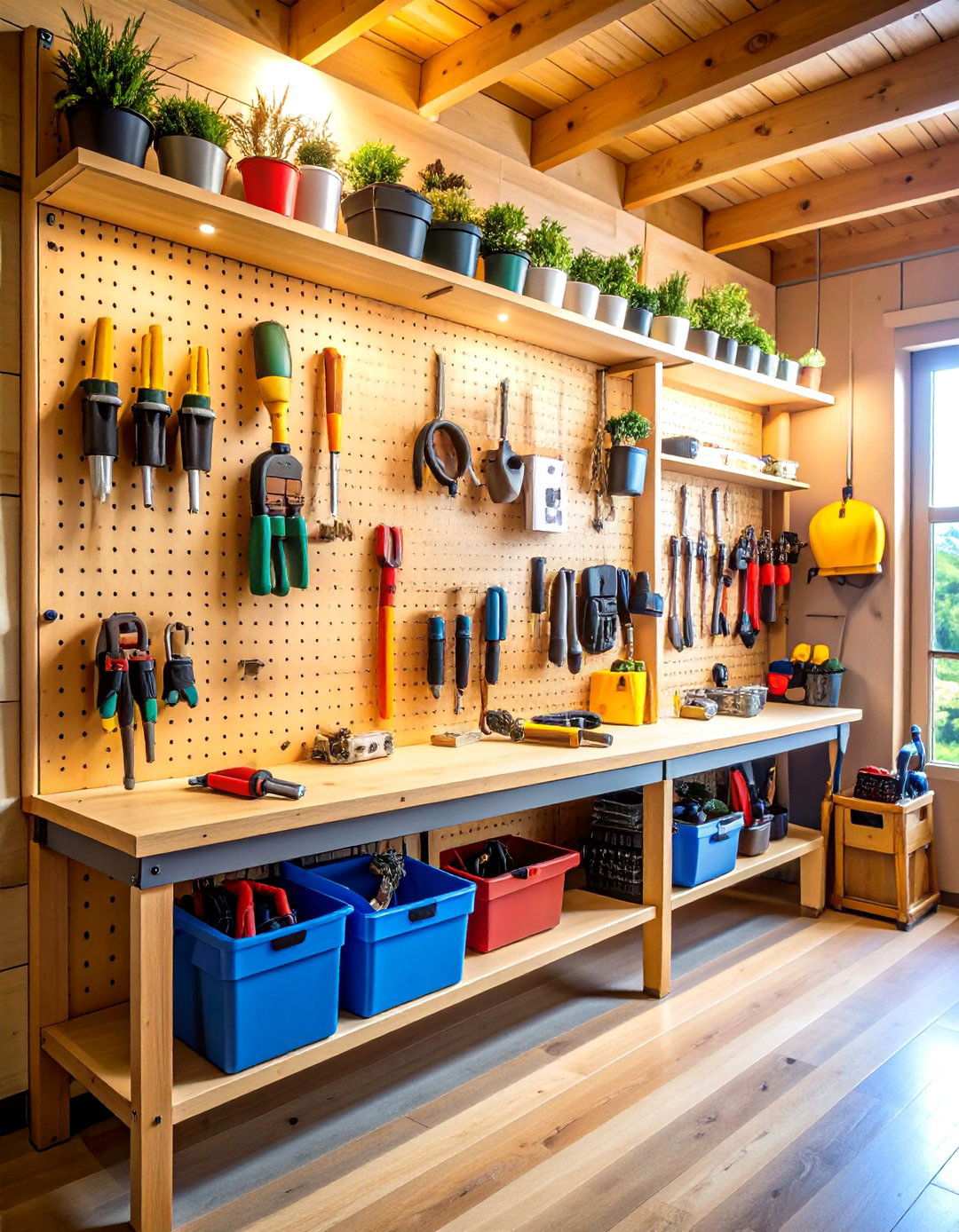
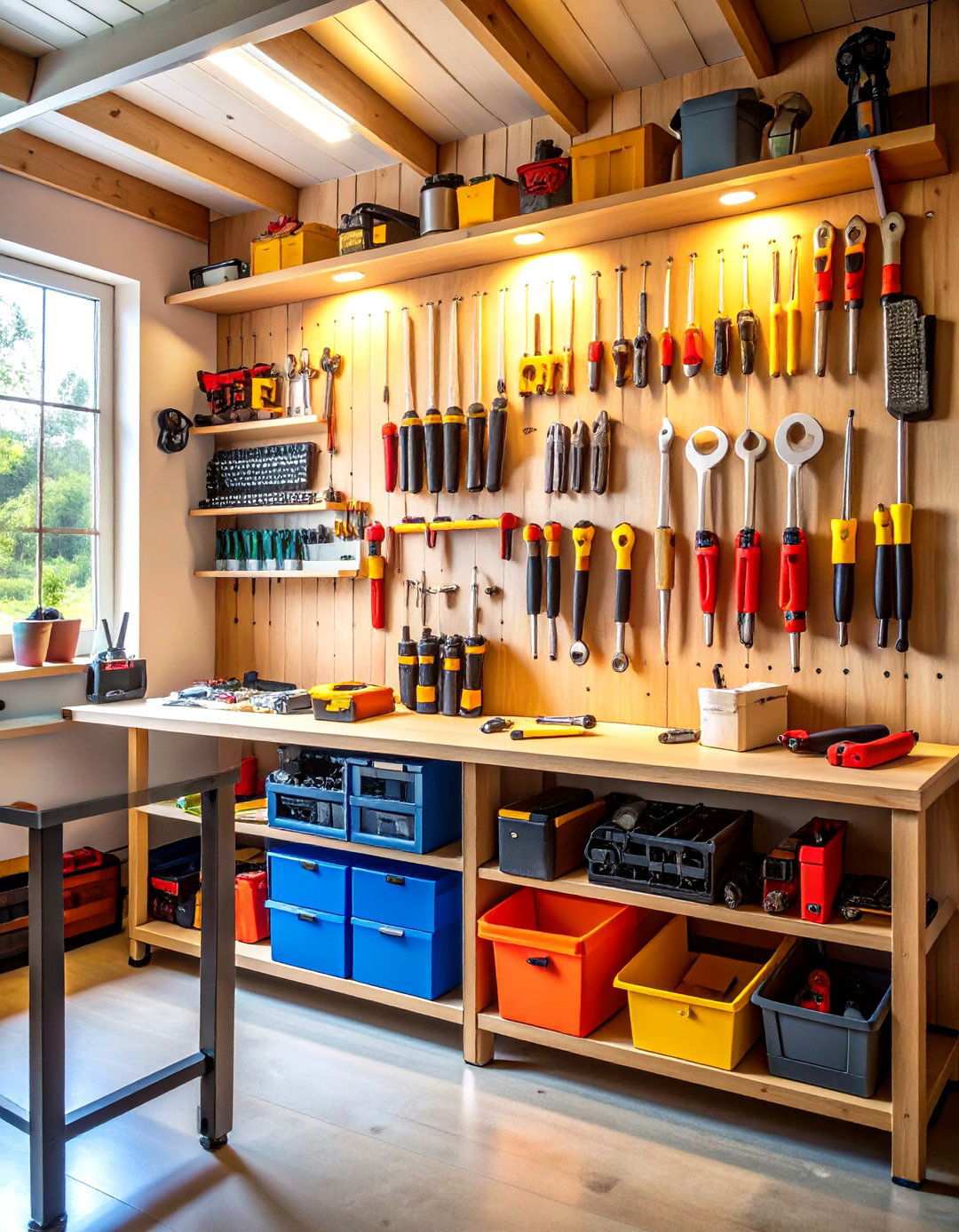
Imagine having a clear view of your entire tool collection in one glance. A pegboard tool wall system provides the perfect visual inventory, allowing you to see every tool in its designated spot. Install floor-to-ceiling pegboards along one entire wall, using a variety of hooks, baskets, and shelves to accommodate different tool sizes. This flexible system enables you to rearrange storage as your tool collection grows, making it easy to adapt to changing needs. Color-code different sections for hand tools, power tools, and accessories to create a clear and organized workspace.
3. Maximizing Vertical Space: Overhead Ceiling Storage Racks
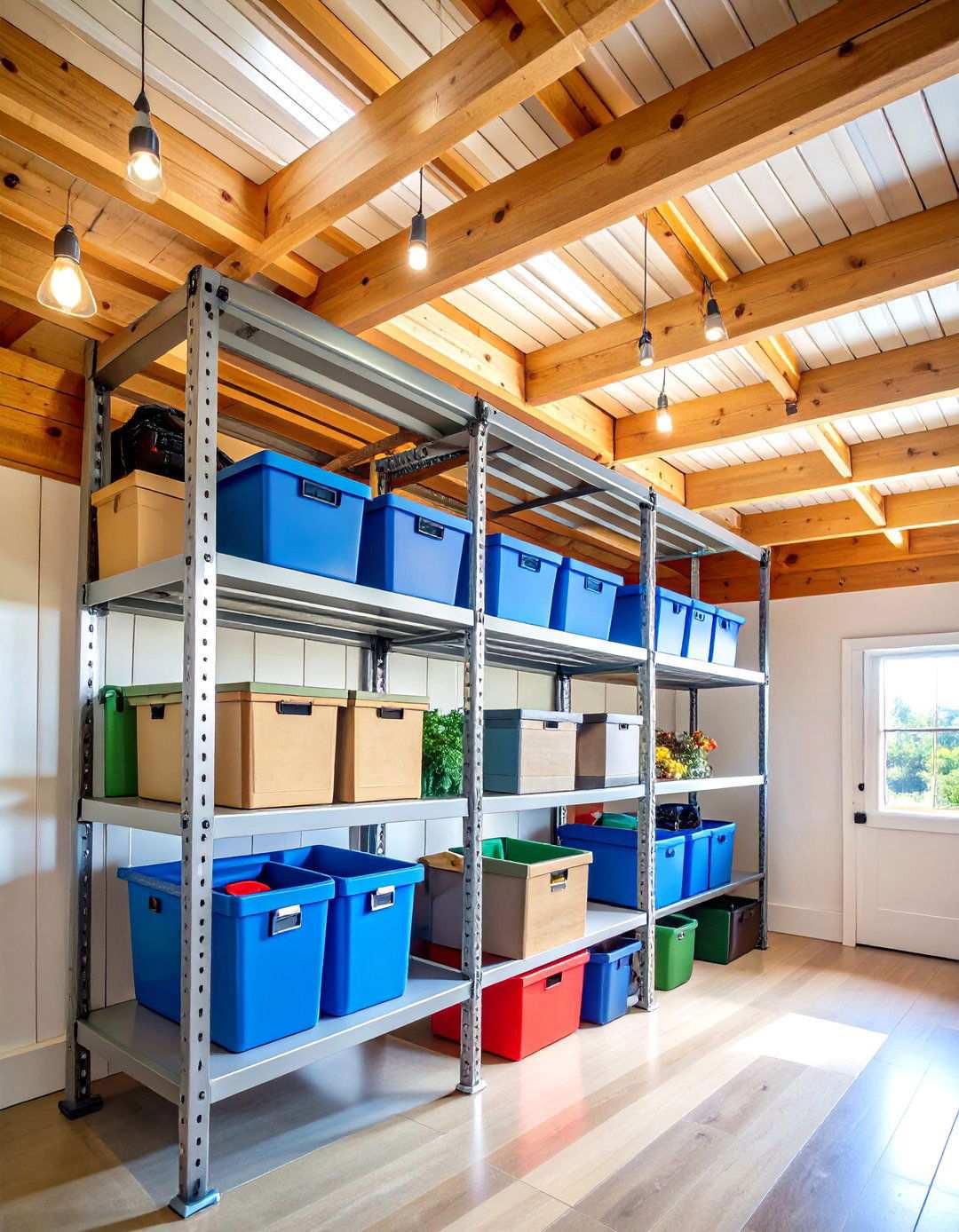
What if you could instantly double your storage space without expanding your shed? Ceiling storage racks transform unused overhead space into valuable real estate for seasonal items and bulky equipment. Install heavy-duty ceiling-mounted racks that can hold up to 500 pounds of evenly distributed weight. These systems work perfectly for storing holiday decorations, camping gear, and infrequently used items in clearly labeled bins. Adjustable height features allow you to accommodate various container sizes while maintaining easy access. By keeping your floor space clear for daily-use items and workspace activities, you can maintain a clutter-free and efficient workspace.
4. Crafting a Customized Storage Hierarchy
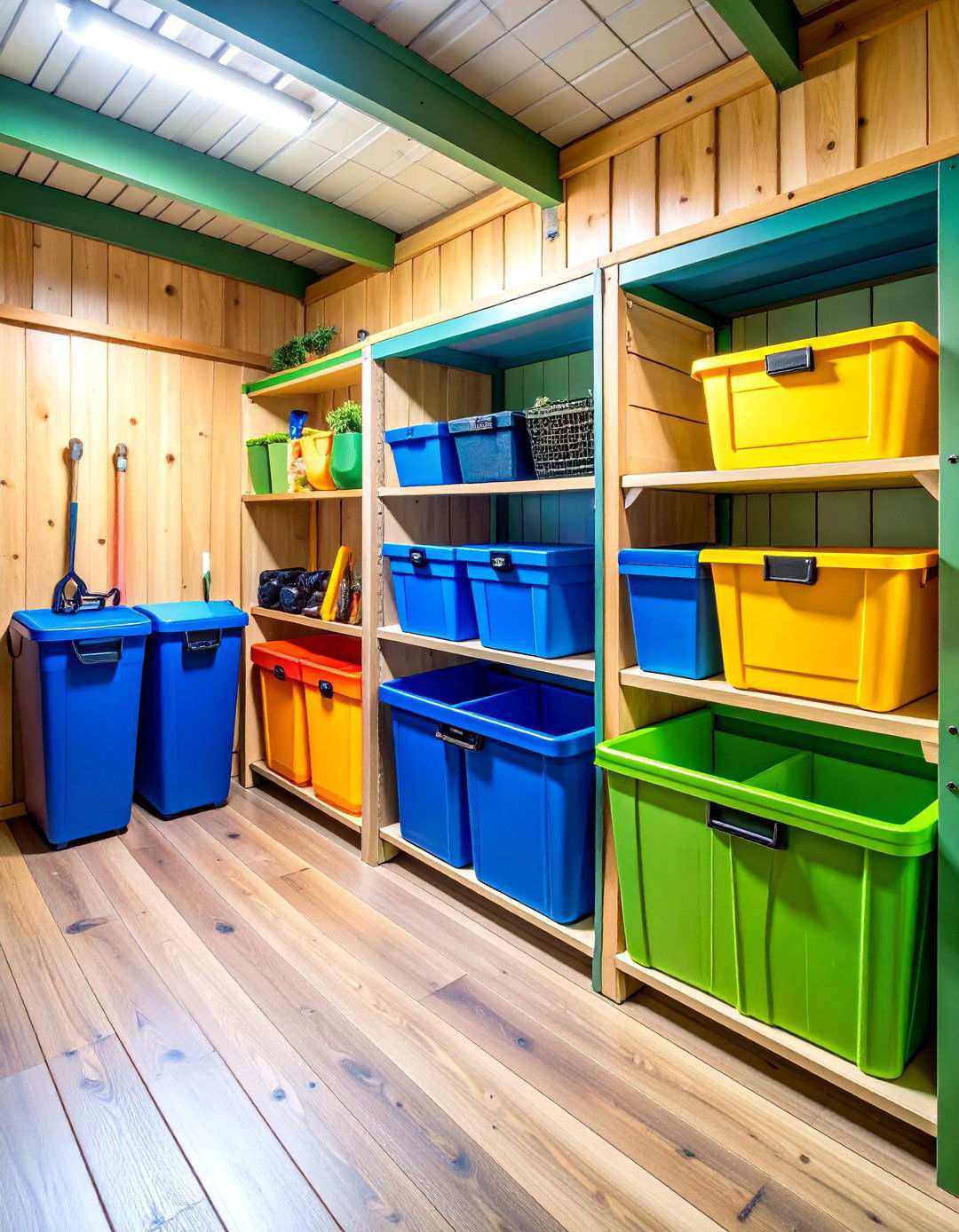
Designate distinct areas within your shed to optimize your storage experience. Organize activities into dedicated zones: gardening, workshop, sports equipment, and seasonal storage. Employ shelving units, cabinets, or floor markings to clearly define each zone. By grouping related items together in labeled bins and containers, you’ll save time searching and maintain a well-organized space. Each zone should contain the necessary tools, supplies, and accessories for a specific activity, streamlining workflows and enhancing the enjoyment of every project.
5. Modular Shelving Systems for Dynamic Storage Needs
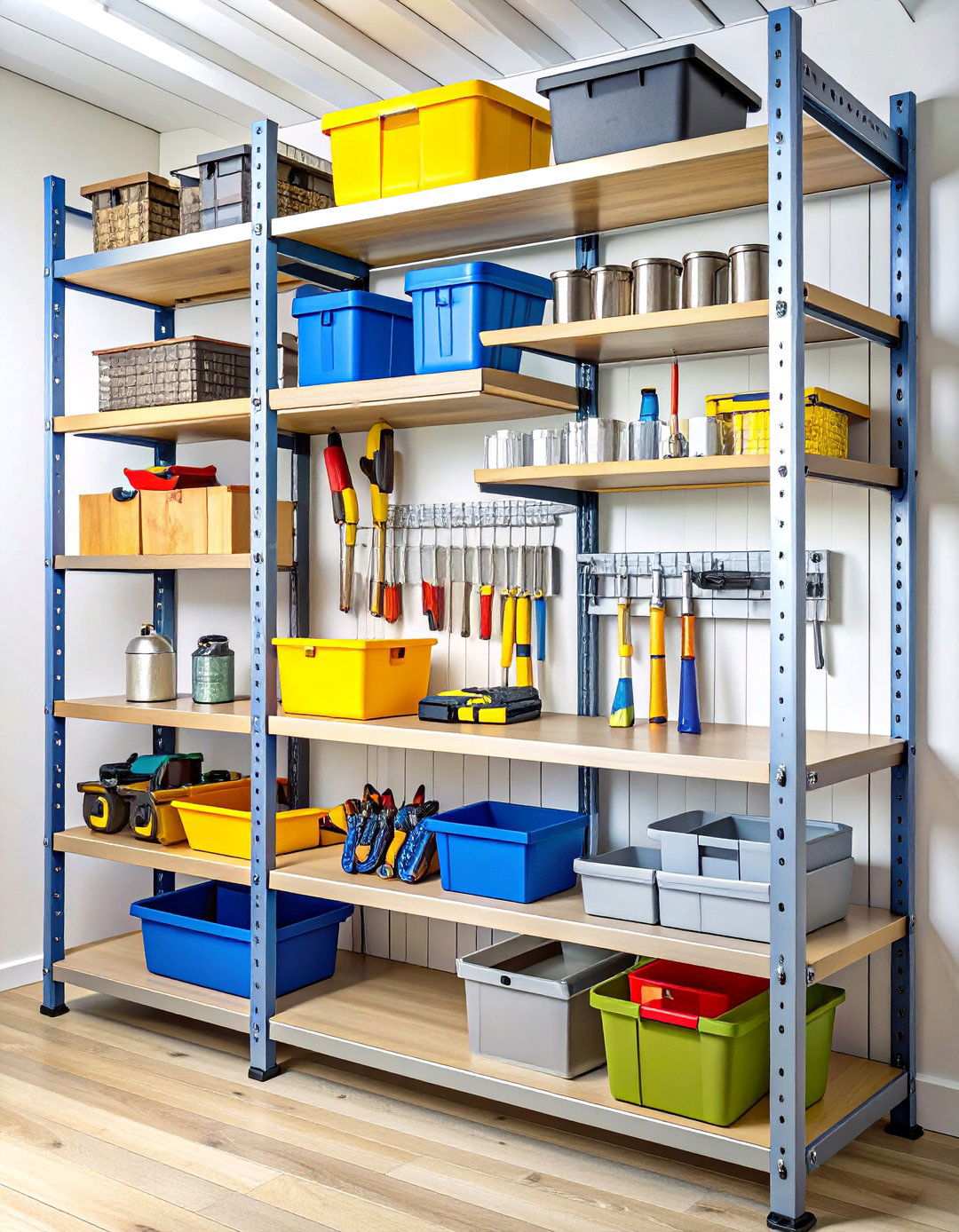
Are your storage requirements constantly evolving throughout the seasons? Modular shelving systems adapt to your changing needs with shelf heights that can be adjusted in minutes. Install sturdy metal or wooden shelving units with moveable brackets that accommodate items ranging from small paint cans to large equipment. These systems work particularly well for storing containers of various sizes and seasonal transitions. Incorporate a mix of open shelving for frequently accessed items and enclosed sections for weather-sensitive materials. This flexibility ensures your storage system grows and changes alongside your needs.
6. Vertical Garden Tool Management
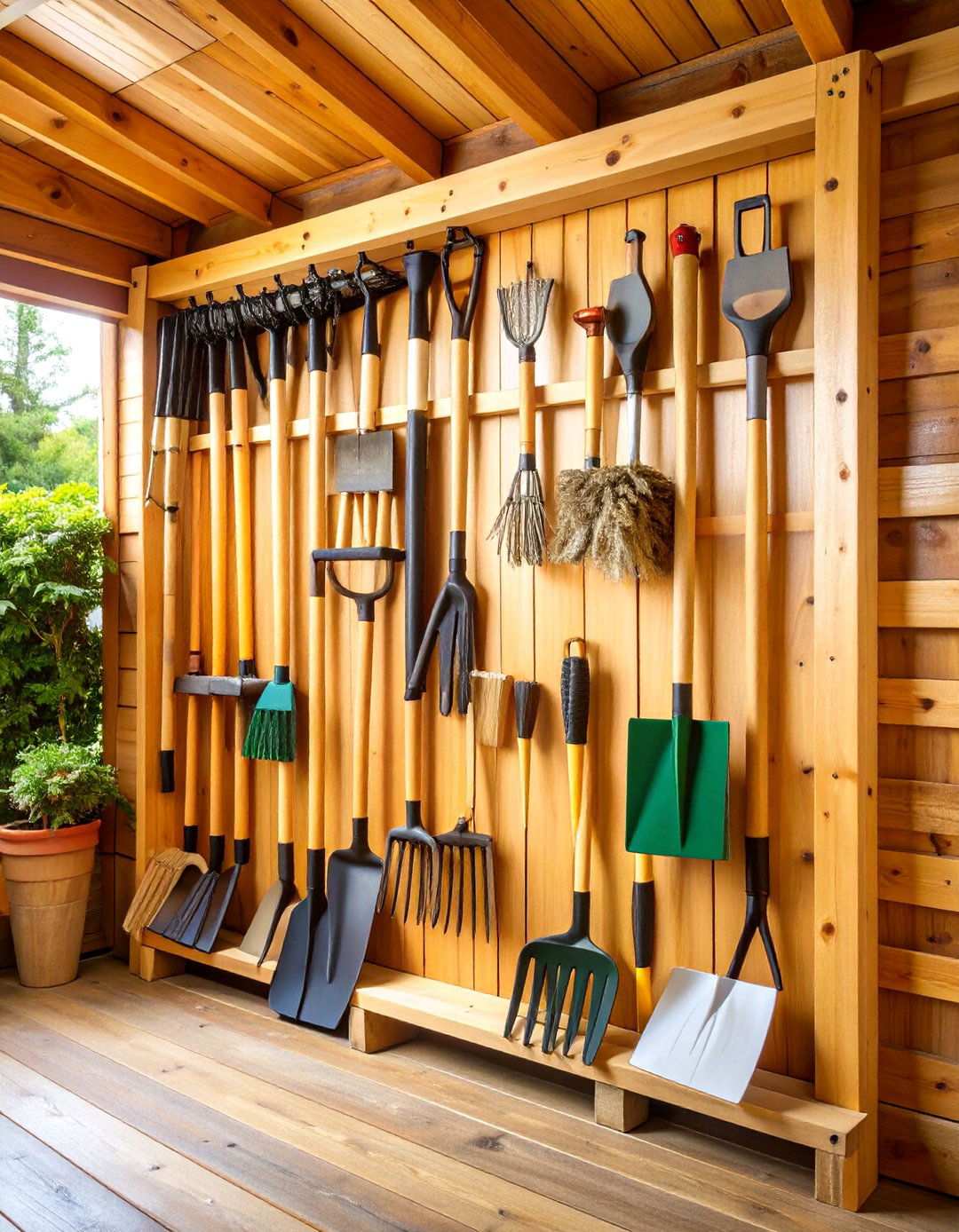
Disorganized garden tools can be a tripping hazard and clutter up your shed floor. A vertical garden tool rack keeps long-handled implements organized and within easy reach, freeing up valuable floor space. Create or purchase a dedicated rack system that holds tools securely without damaging handles or heads. Position the rack near your shed entrance for convenient access when heading to garden projects. Include slots or hooks for various tool widths and consider adding a small shelf above for gloves and hand tools. This approach prevents tool damage and maintains a professional appearance.
7. Workbench Storage Solutions for Enhanced Productivity
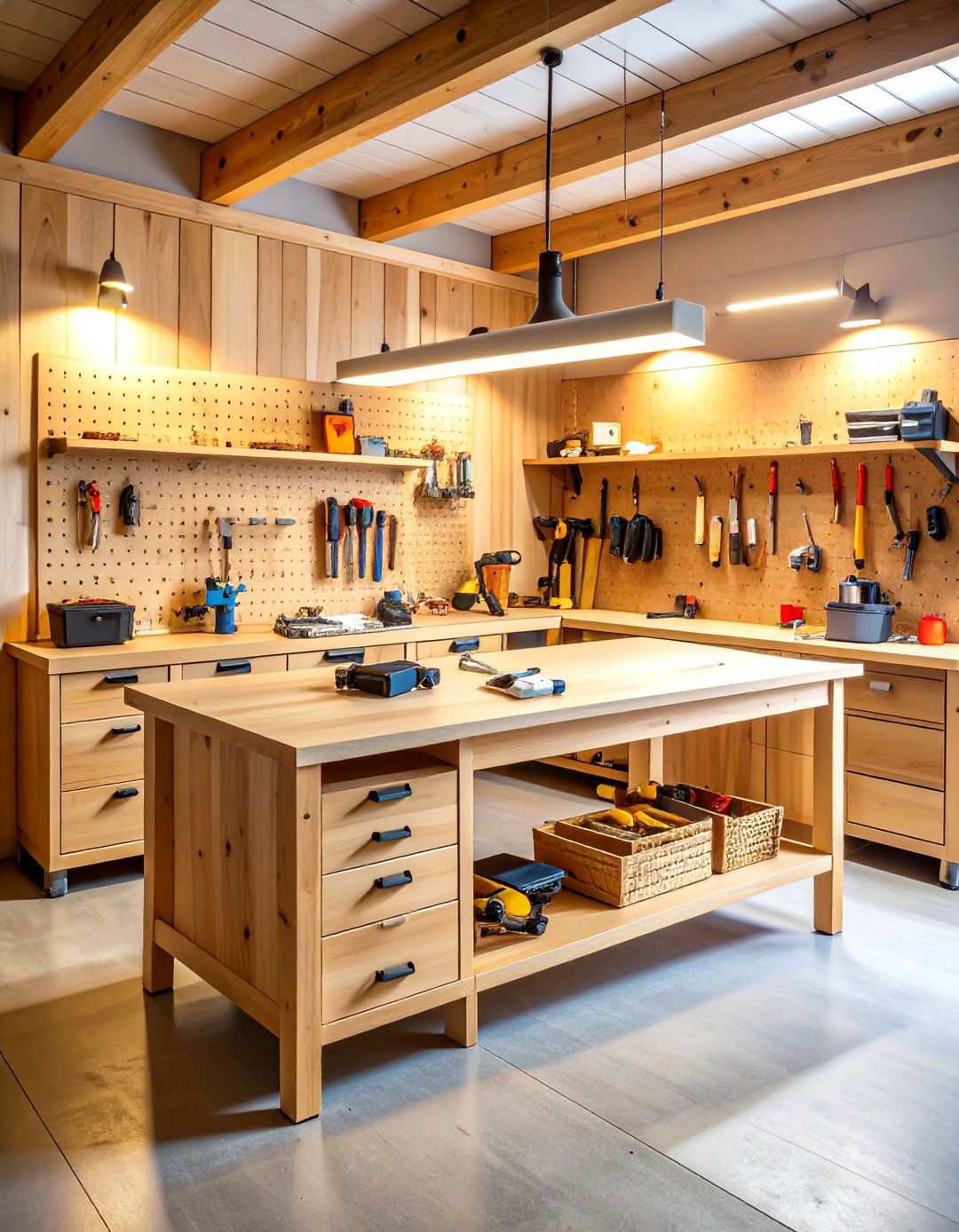
What sets a workbench apart from a mere workspace? Integrating drawers, cabinets, and tool holders directly into your workbench design creates a comprehensive workspace solution. Include pegboard backing, drawer organizers for small hardware, and side-mounted tool holders for frequently used items. Add electrical outlets and task lighting to create a fully functional work area. The integrated approach keeps everything within arm’s reach while working on projects. Consider fold-down extensions for additional workspace when needed, then fold away to save floor space, further enhancing the efficiency of your workbench.
8. Streamlined Storage Solutions
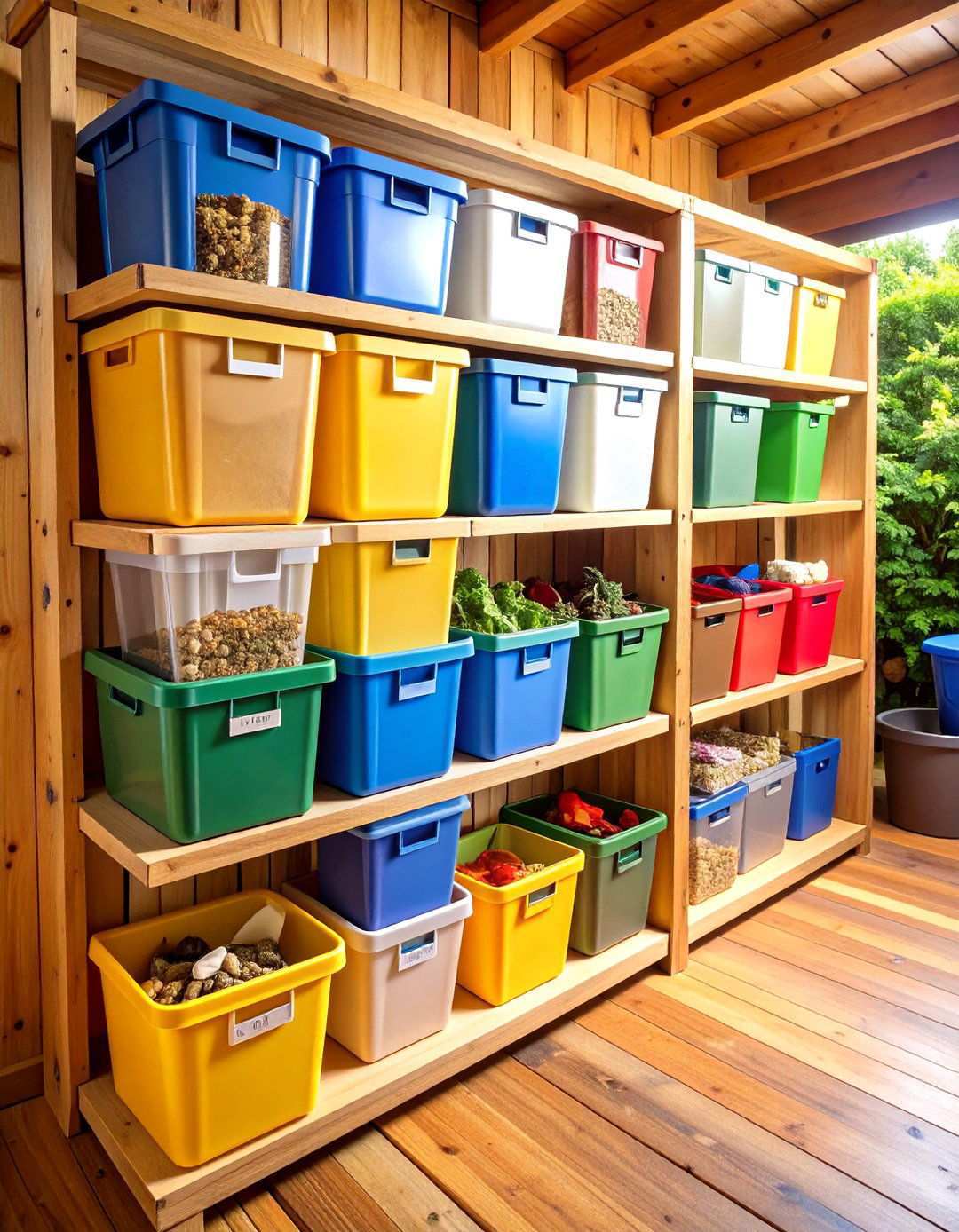
Imagine the time and frustration you save by effortlessly identifying the contents of your storage containers. A well-organized labeling system using transparent containers streamlines your process, eliminating the guesswork that often accompanies unmarked containers. Invest in clear, stackable bins in various sizes and label each one with weather-resistant labels that clearly indicate the contents. Additionally, keep detailed inventory lists on the container fronts and utilize color-coded labels to categorize items. This approach is particularly beneficial for small hardware, seasonal decorations, and craft supplies, allowing for quick visual confirmation of contents and ensuring items return to their designated spots with consistency.
9. Ceiling-Mounted Hoist Systems
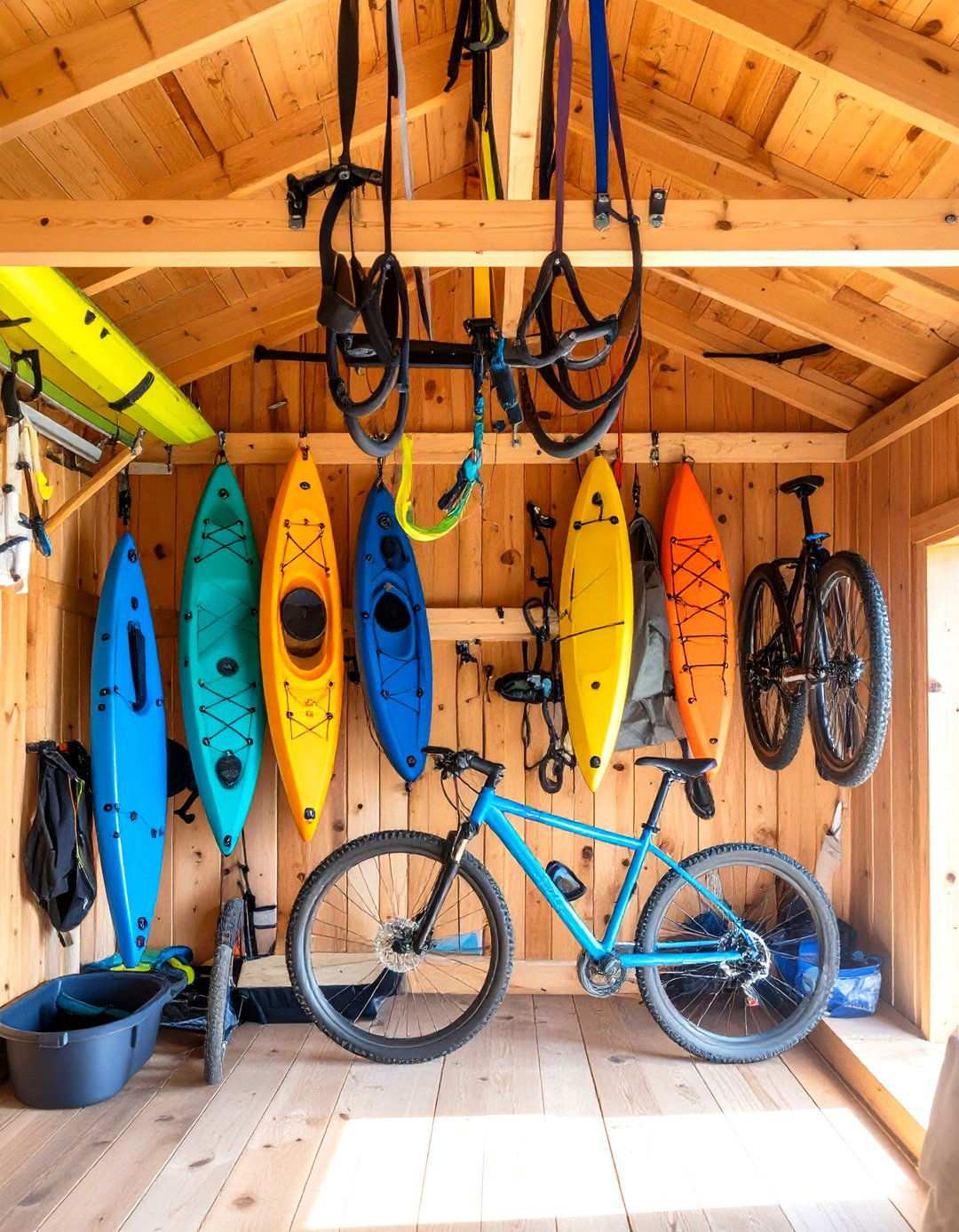
Wouldn’t it be convenient to effortlessly lift heavy items to ceiling storage, similar to opening a garage door? Ceiling-mounted pulley systems enable you to store bulky items overhead while maintaining easy access from ground level. Install sturdy ceiling-mounted pulleys with robust cables and platforms designed to safely lift items like bikes, kayaks, or storage boxes. This solution excels for seasonal items that require protection but are not frequently accessed. The mechanical advantage of pulleys makes lifting heavy items manageable for anyone, and by incorporating safety features like locking mechanisms, you can secure items in the raised position and prevent accidental lowering.
10. Mobile Storage Unit Organization
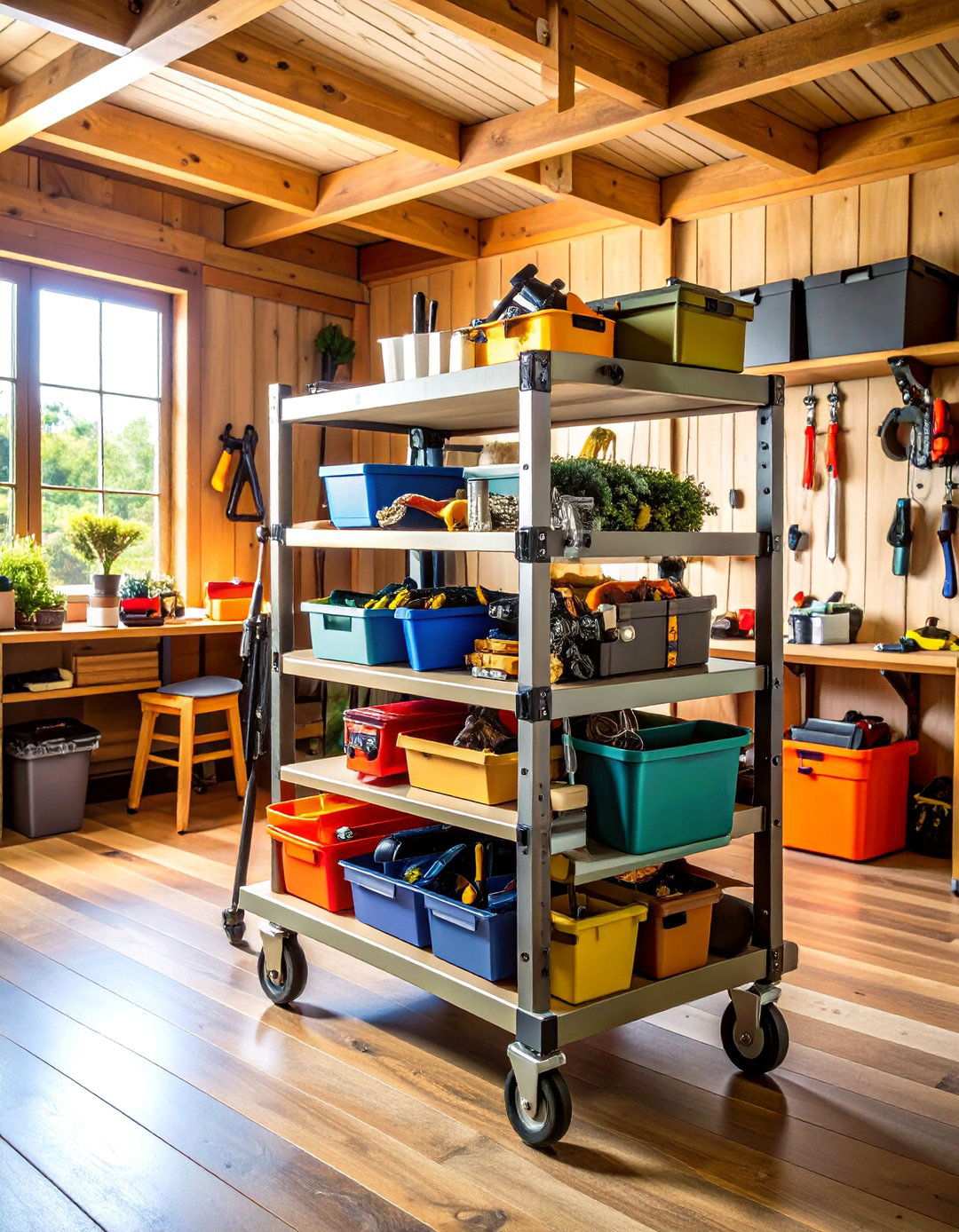
Why commit to fixed storage locations when your needs change with each new project? Mobile storage carts provide flexible organization that moves where you need it most. Utilize multi-level carts to organize tools, supplies, and materials that frequently travel between your shed and work areas. These mobile units work exceptionally well for gardening supplies, painting materials, or project-specific tools, offering the versatility you need. Include a mix of open shelves, enclosed drawers, and hanging hooks to accommodate various items, and when not in use, carts can nest together or park in designated areas without consuming valuable floor space.
11. Enclosed Wall Storage Systems
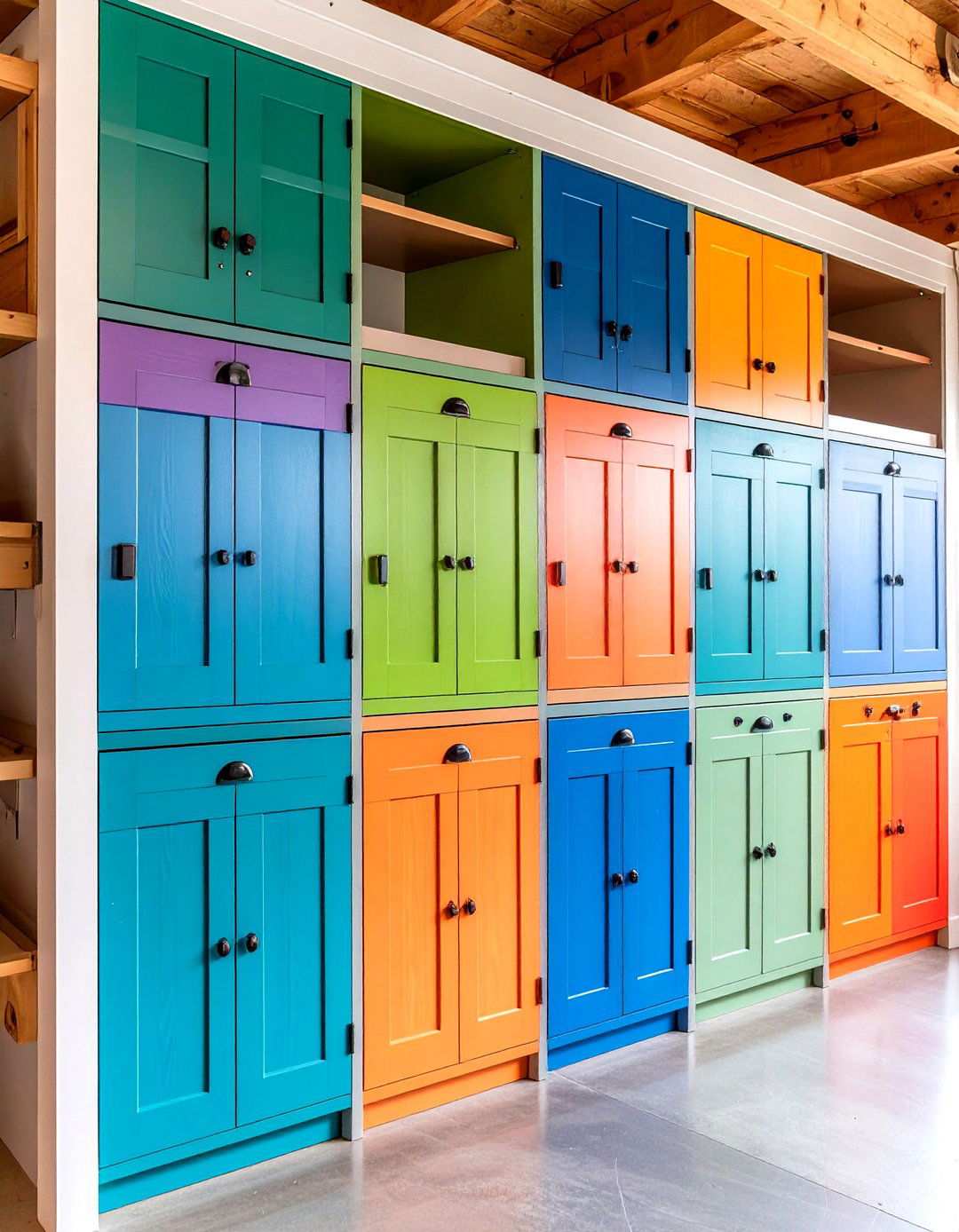
Are you looking for storage that protects items from dust while maintaining easy access? Enclosed wall-mounted cabinet systems provide a solution that keeps supplies clean and organized while maximizing floor space. Install cabinets at various heights to accommodate different items and users, and include adjustable shelving inside cabinets to customize storage for specific needs. This approach is particularly beneficial for chemicals, paint, and valuable tools that require protection from moisture and theft. Choose cabinets with secure latching mechanisms and consider keyed locks for hazardous materials that need restricted access.
12. Smart Storage Solutions for Seasonal Transition
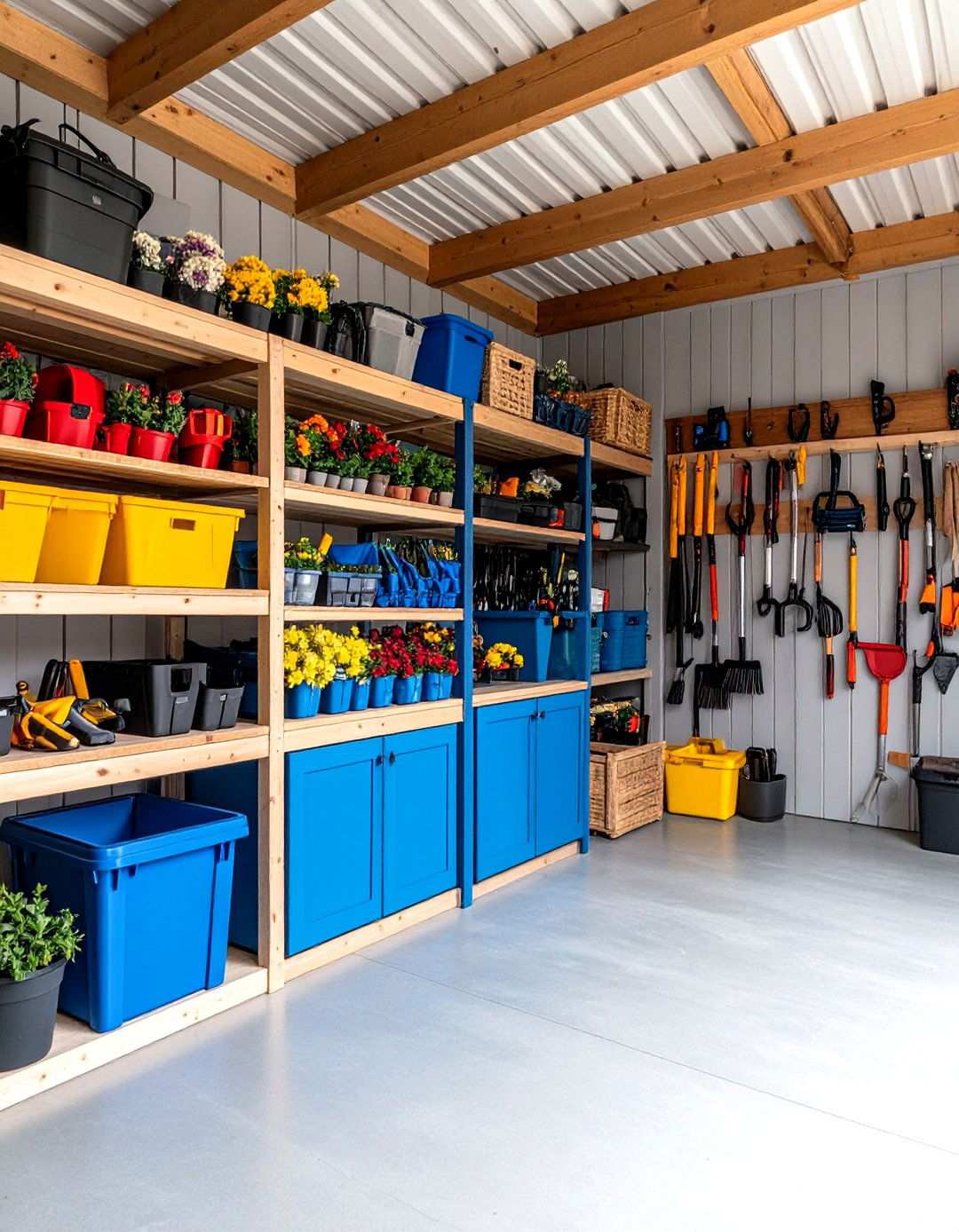
To prevent your space from becoming cluttered with summer tools during winter months, consider implementing a seasonal rotation system. This involves moving relevant tools to prime positions and storing off-season items in less accessible locations. Utilize ceiling storage, high shelves, or back areas for equipment that’s not currently needed. Designate clearly marked sections for each season and schedule regular reorganization sessions to maintain your system’s effectiveness. By doing so, you’ll maximize the utility of easily accessible storage for currently needed items. To ensure the longevity of stored items, use weather-resistant containers for those exposed to varying temperature conditions and maintain accurate inventory lists for seasonal transitions.
13. Centralized Sports Equipment Hub
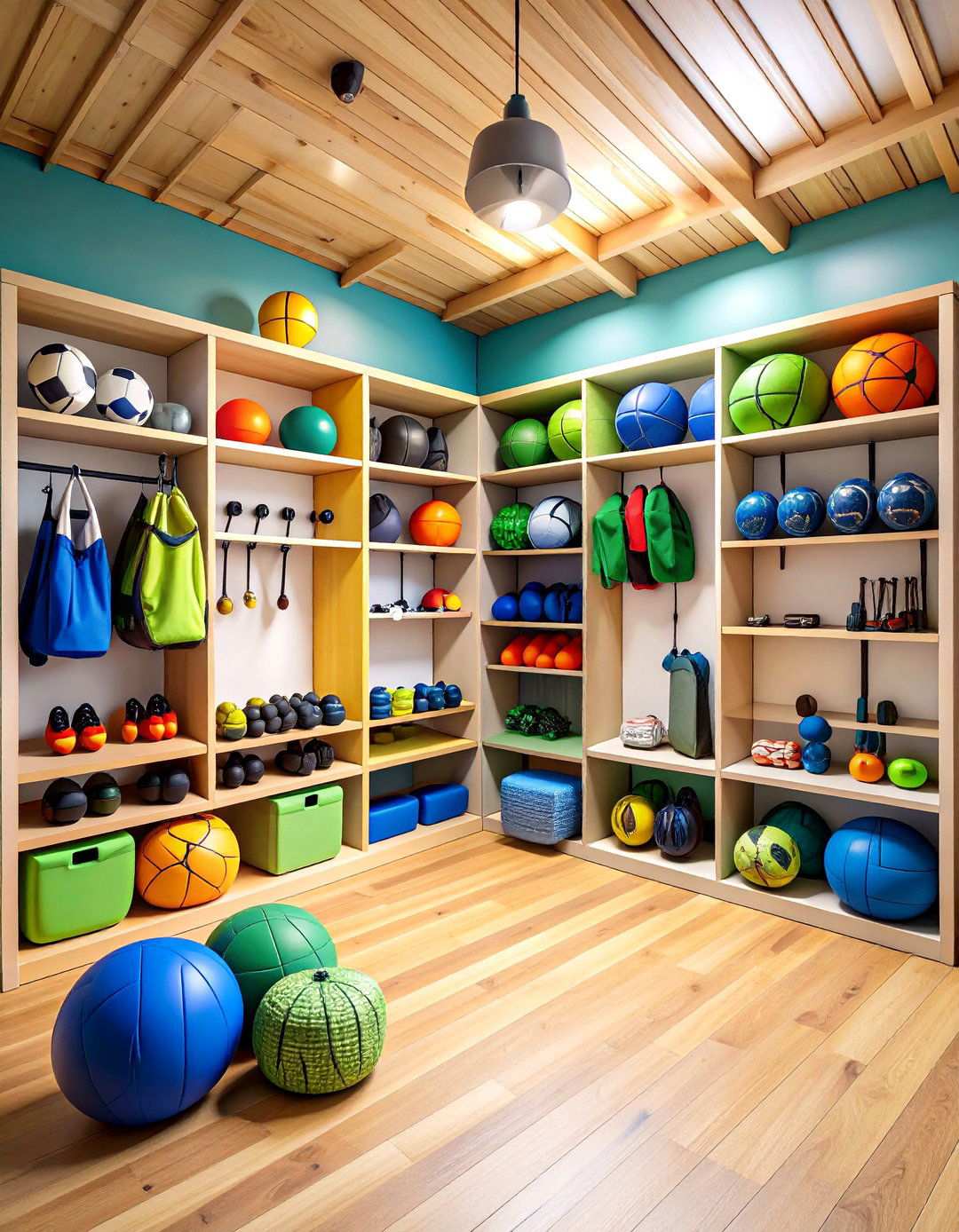
Are balls, bats, and gear scattered throughout your shed? Create a dedicated sports equipment zone with specialized storage solutions to keep everything organized. Install ball racks, equipment hooks, and gear bags in a single, easily accessible area. Utilize ceiling hooks for bikes and larger equipment, wall-mounted organizers for smaller items, and designated bins for seasonal sports gear. Include a small bench or seating area for equipment maintenance and organization. This centralized approach keeps all recreational gear together, making it quick and efficient to grab the equipment you need for activities.
14. Efficient Hardware Organization and Sorting
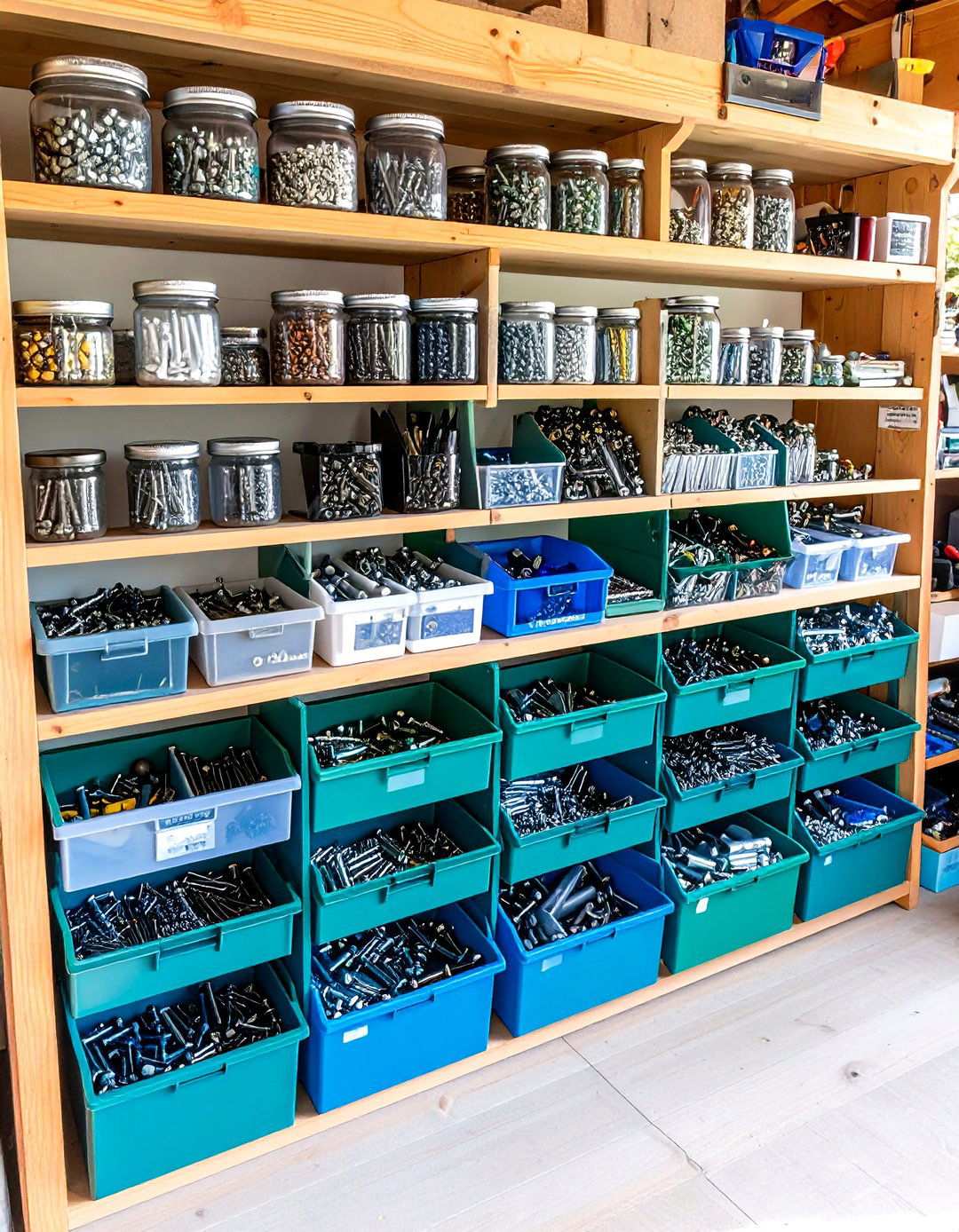
Fed up with searching through mixed containers of screws, nails, and bolts? Establish a comprehensive small hardware organization system using drawer organizers, mason jars, or specialized hardware cabinets. Sort items by type, size, and material, creating clearly labeled storage for each category. Include a sorting workspace where you can organize new hardware purchases before storing them. To save space, mount jar lids under shelves for accessibility, or use transparent drawer systems for quick visual identification. This detailed organization prevents duplicate purchases and ensures you always find the right fastener.
15. Optimized Lumber Storage and Safety
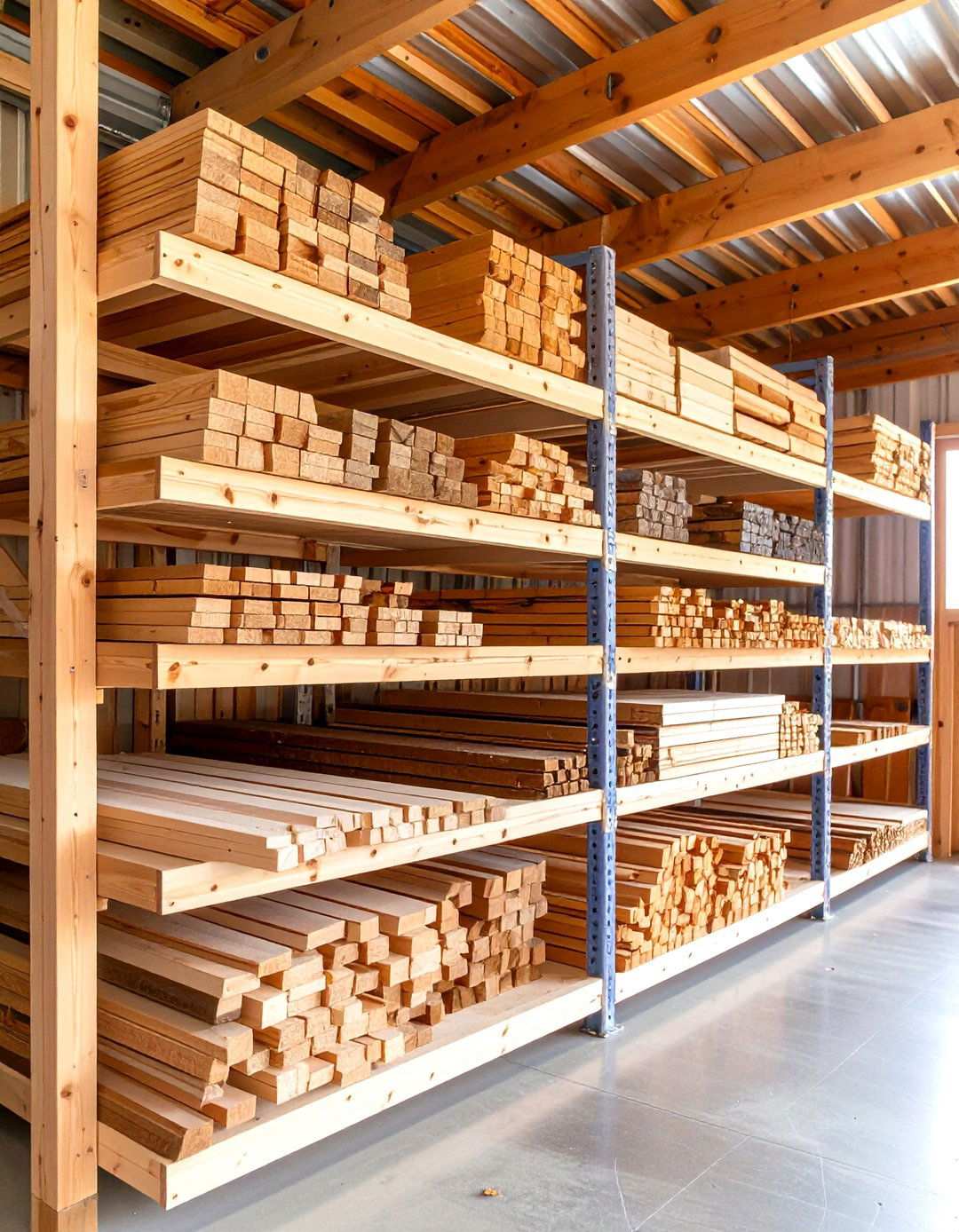
Are you struggling to store wood materials without warping, damage, or safety hazards? Build a dedicated lumber storage rack that keeps boards flat, dry, and easily accessible. Install horizontal supports at multiple levels to accommodate different lumber lengths and widths. Include ventilation space between boards to prevent moisture buildup and warping. Position the rack along a wall to maximize floor space while providing easy access for project selection. Include sections for different types of wood, sheets of plywood, and smaller trim pieces. By implementing this organized system, you’ll protect your lumber investment and improve workshop safety.
16. Instant Workspace Solutions for Small Sheds
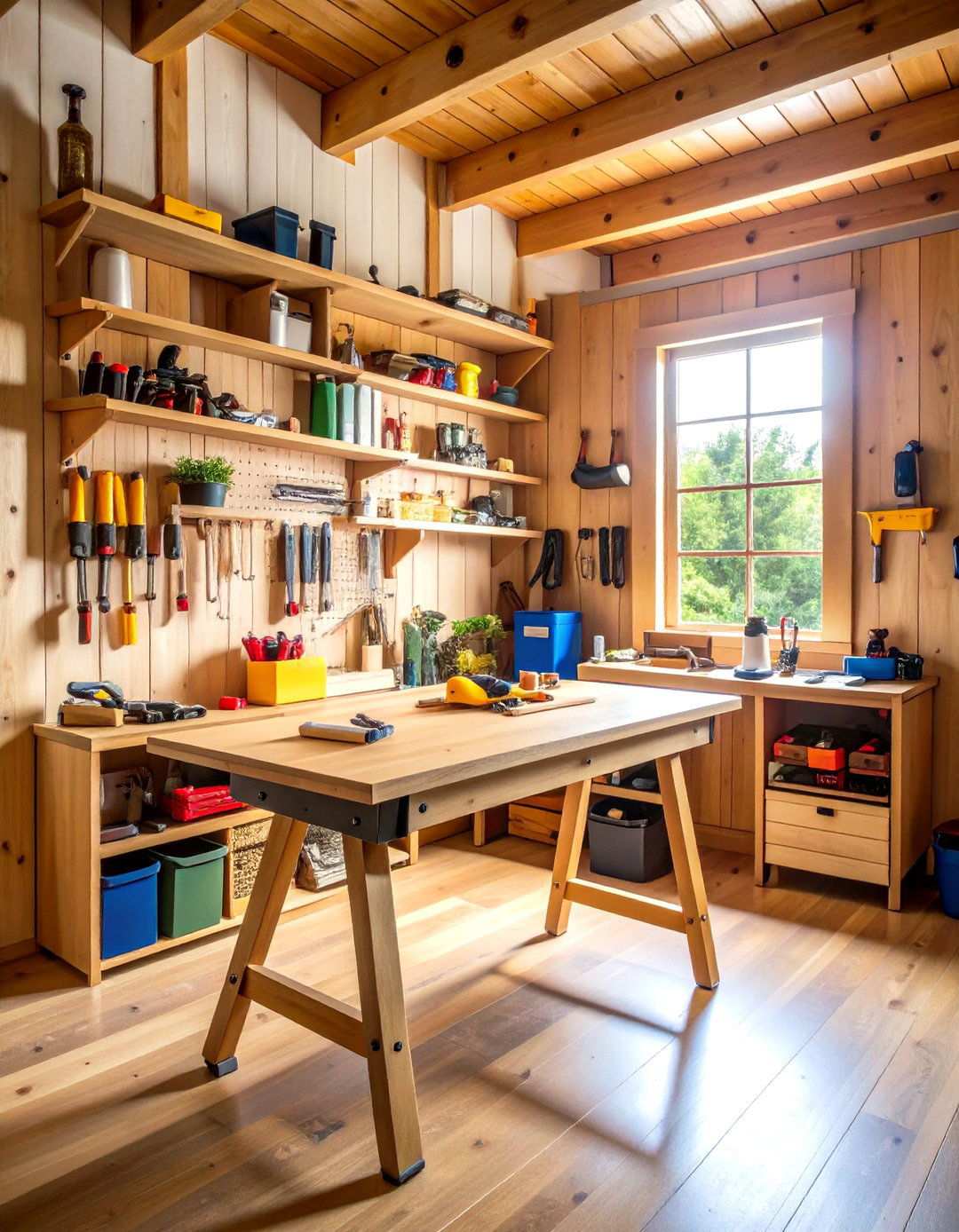
When space is at a premium, yet a work area is essential, fold-down work surfaces come to the rescue. These versatile solutions create instant workspaces that can be easily stowed away when no longer needed. By mounting hinged work surfaces to the walls and allowing them to fold down, you can create temporary workbenches, potting tables, or project assembly areas with ease. To make the most of this space-saving solution, consider incorporating built-in storage underneath for tools and supplies directly related to that specific workspace. Don’t forget to add proper support legs or brackets to ensure stability during use.
17. Hose Management for a Safer Shed
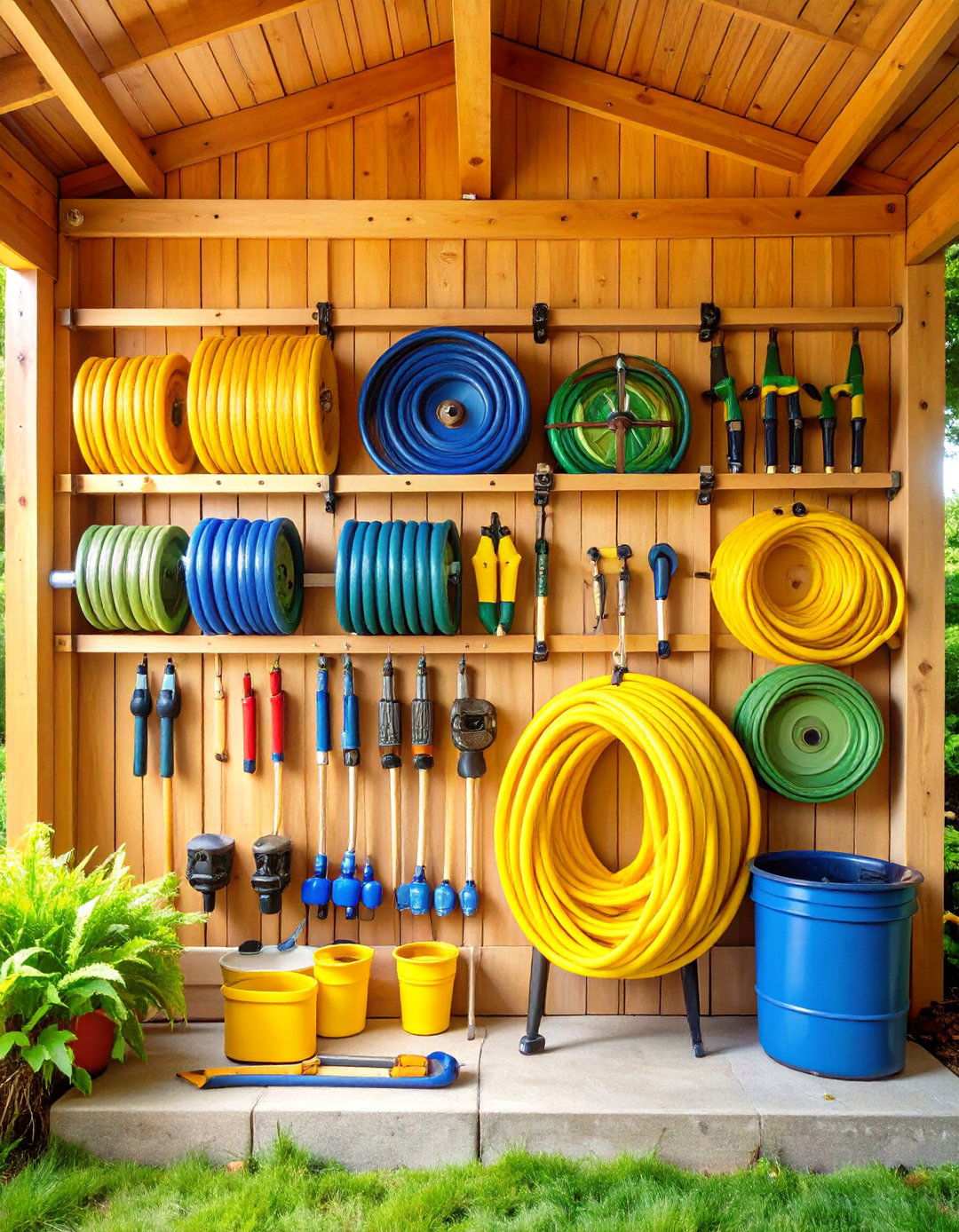
Tangled hoses can be a hazard, taking up valuable floor space in the process. By implementing dedicated hose storage solutions, you can keep these essential tools organized and within easy reach. Choose from a range of options, including wall-mounted hose reels, decorative hose holders, or ceiling-mounted storage systems that accommodate various hose lengths. Be sure to include space for sprinkler attachments, nozzles, and watering accessories. Consider investing in automatic rewind systems for frequently used hoses or simple wall hooks for occasional-use equipment. This organized approach not only prevents hose damage and tangles but also frees up valuable floor space for other storage needs.
18. Centralized Power Tool Charging and Storage
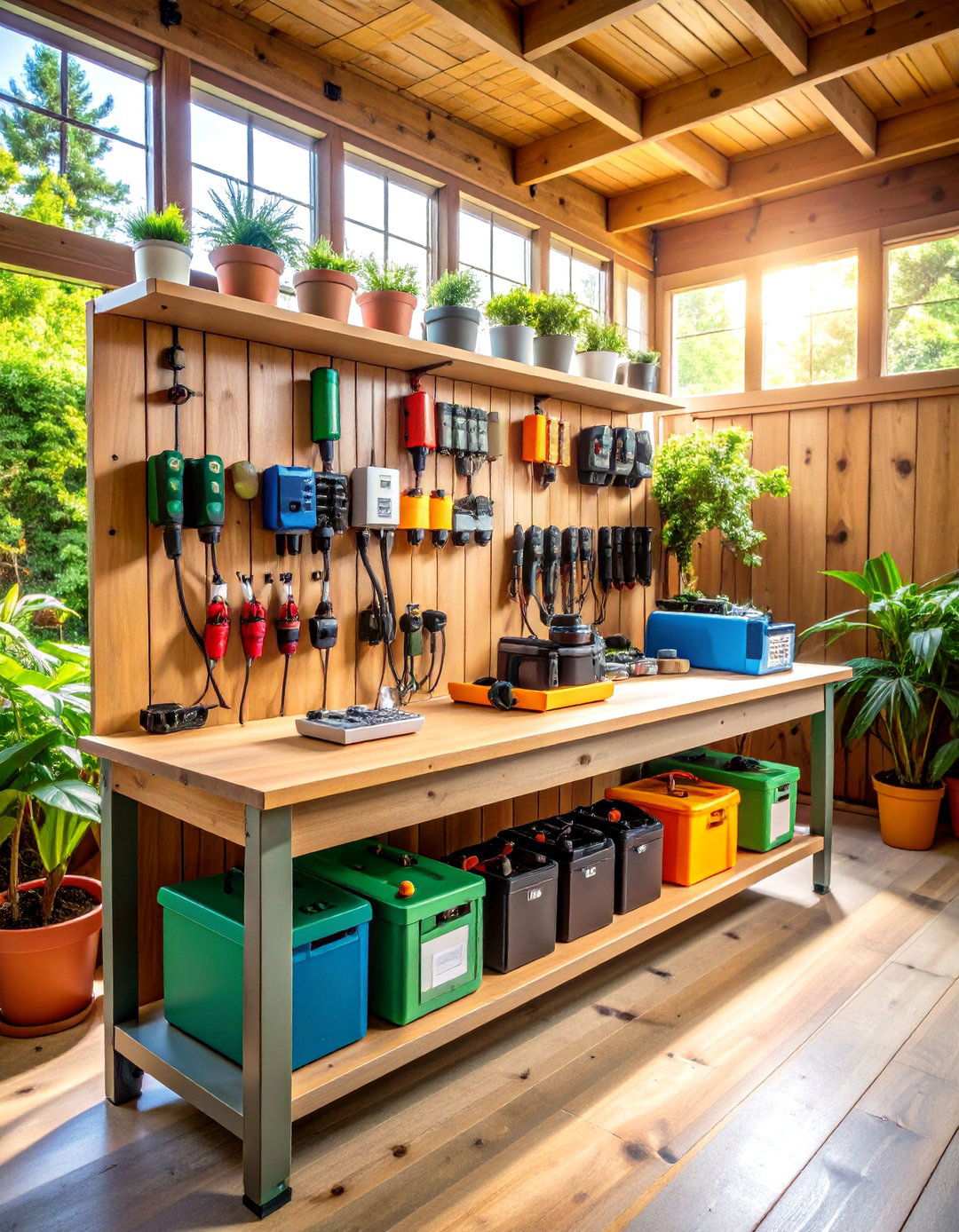
Are your power tool batteries scattered throughout the shed, with no organized charging system in place? Creating a dedicated charging station can help keep all batteries and chargers in one convenient location. Install an electrical strip with multiple outlets and create individual spaces for each tool’s charger and spare batteries. To prevent confusion, include labeled spaces for each tool brand and battery type. Consider adding a timer system to prevent overcharging and include storage for instruction manuals and warranty information. This centralized approach ensures tools are always ready for use and extends battery life through proper charging management.
19. Maximizing Vertical Space for Gardening Supplies
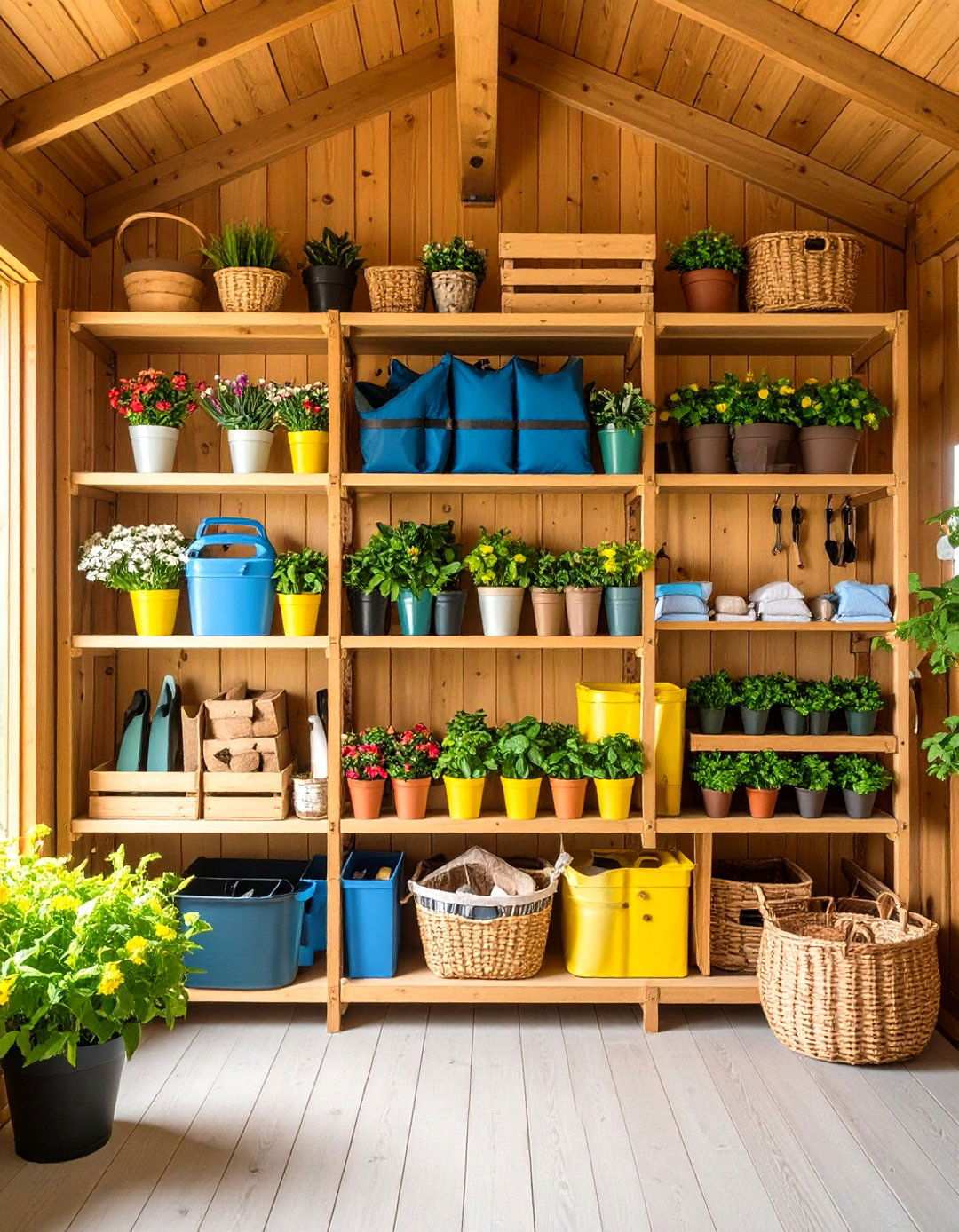
Running out of space for pots, soil, fertilizers, and gardening accessories? Maximize vertical space with specialized garden supply storage solutions that keep everything organized and accessible. Install shelving units specifically designed for gardening materials, including spaces for various pot sizes, bags of soil, and liquid fertilizers. Include hooks for tools, baskets for small accessories, and weatherproof storage for sensitive materials. By creating separate sections for seeds, plant labels, and seasonal gardening supplies, you can make planting projects more efficient and enjoyable. This comprehensive approach keeps all gardening materials together, making it easier to find what you need when you need it.
20. Streamlining Emergency Preparedness

Effective emergency response relies heavily on having safety equipment readily accessible. Designate a specific area as a safety zone and meticulously organize storage for first aid supplies, fire extinguishers, personal protective equipment, and other critical emergency gear. Safely secure these essential items in easily accessible locations, accompanied by clear signage and concise labels. Weather-resistant storage compartments will keep safety glasses, work gloves, and protective clothing in optimal condition. To maintain the integrity of emergency supplies, develop an inventory checklist that ensures timely updates and replacements.
21. Efficient Extension Cord Management
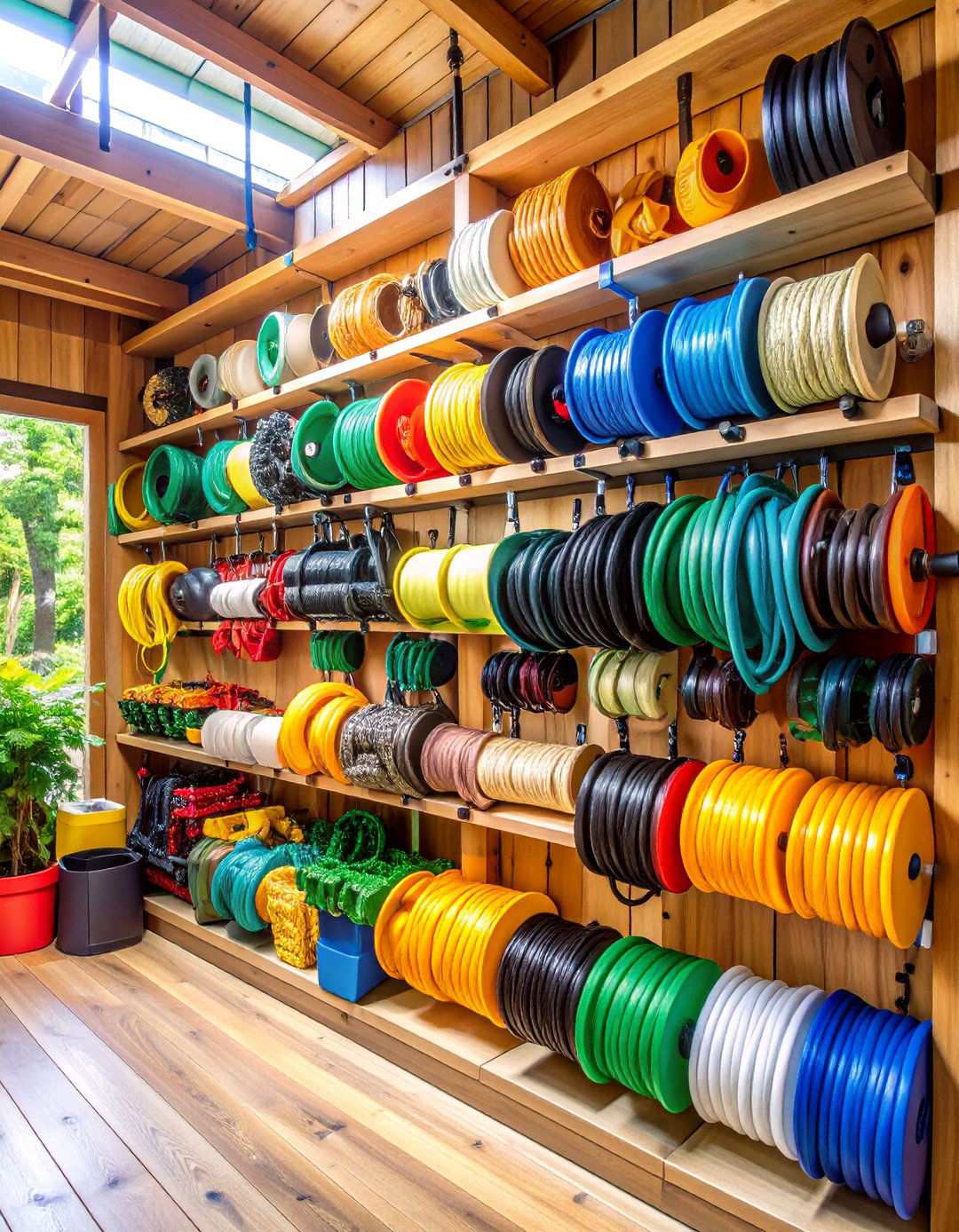
Disorganized extension cords can hinder workflow and create hazardous conditions. Establish a cord management system that prioritizes organization and accessibility. Install retractable cord reels, wall-mounted hooks, or dedicated storage containers to keep various cord lengths and types organized. Include clear labels for different electrical ratings and lengths. Implement a checkout system for tracking cord locations during projects, and reserve weather-resistant storage for outdoor-rated cords. Make room for electrical accessories such as adapters and outlet splitters. By implementing this systematic approach, workshops can significantly enhance safety and efficiency.
22. Optimizing Paint Storage
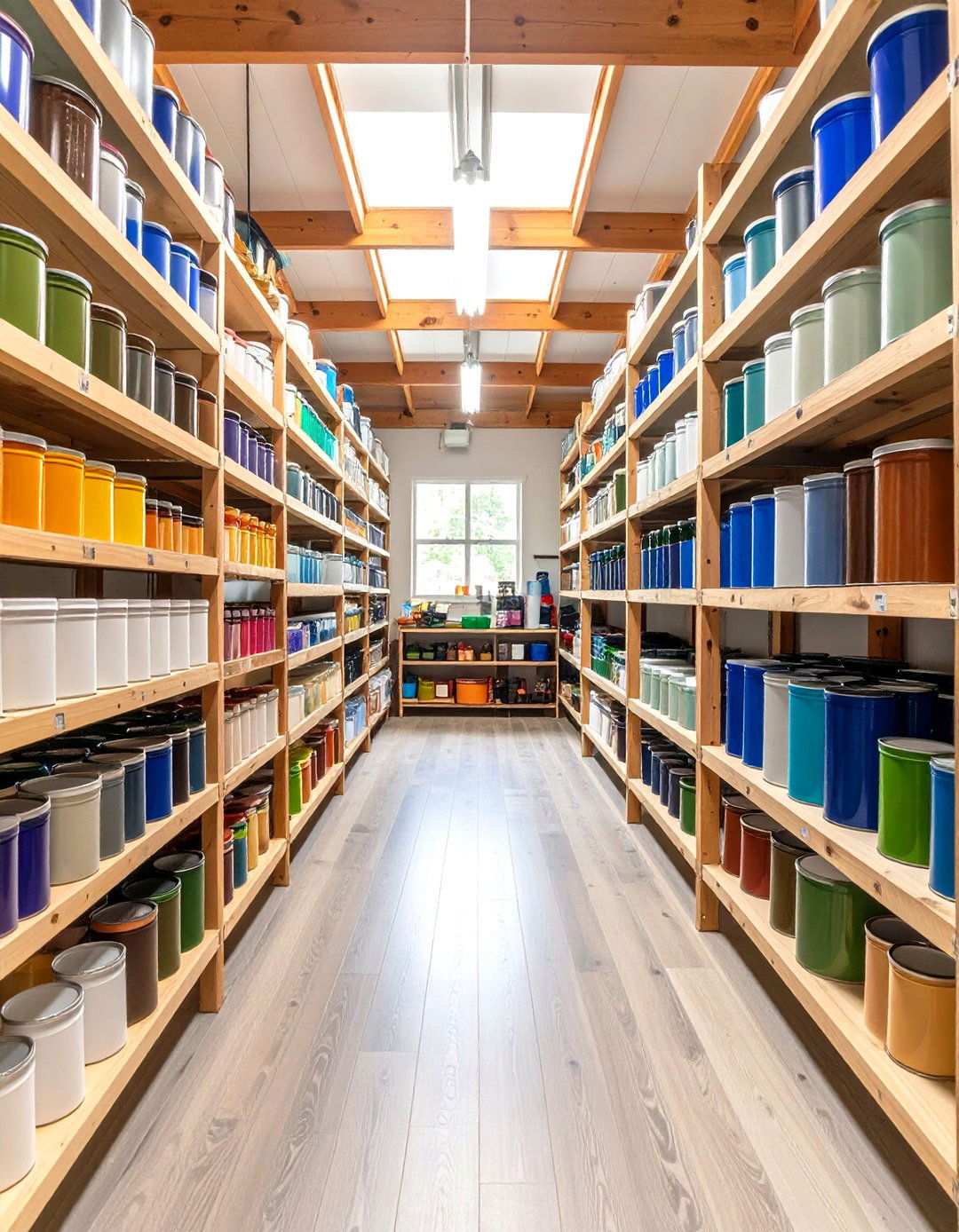
Avoid the frustration of paint cans becoming unusable, colors fading, or leaking. Develop a comprehensive paint storage system that safeguards your investment and maintains color accuracy. Install shelving specifically designed for paint can storage with proper ventilation and temperature control. Create a color sample system for quick identification and implement inventory tracking for efficient project planning. Store brushes, rollers, and painting supplies together in organized containers. Provide essential information on proper disposal and maintain an inventory of quantities for touch-up projects. This well-planned approach extends the life of paint and streamlines painting projects.
23. Maximizing Bike Storage Space
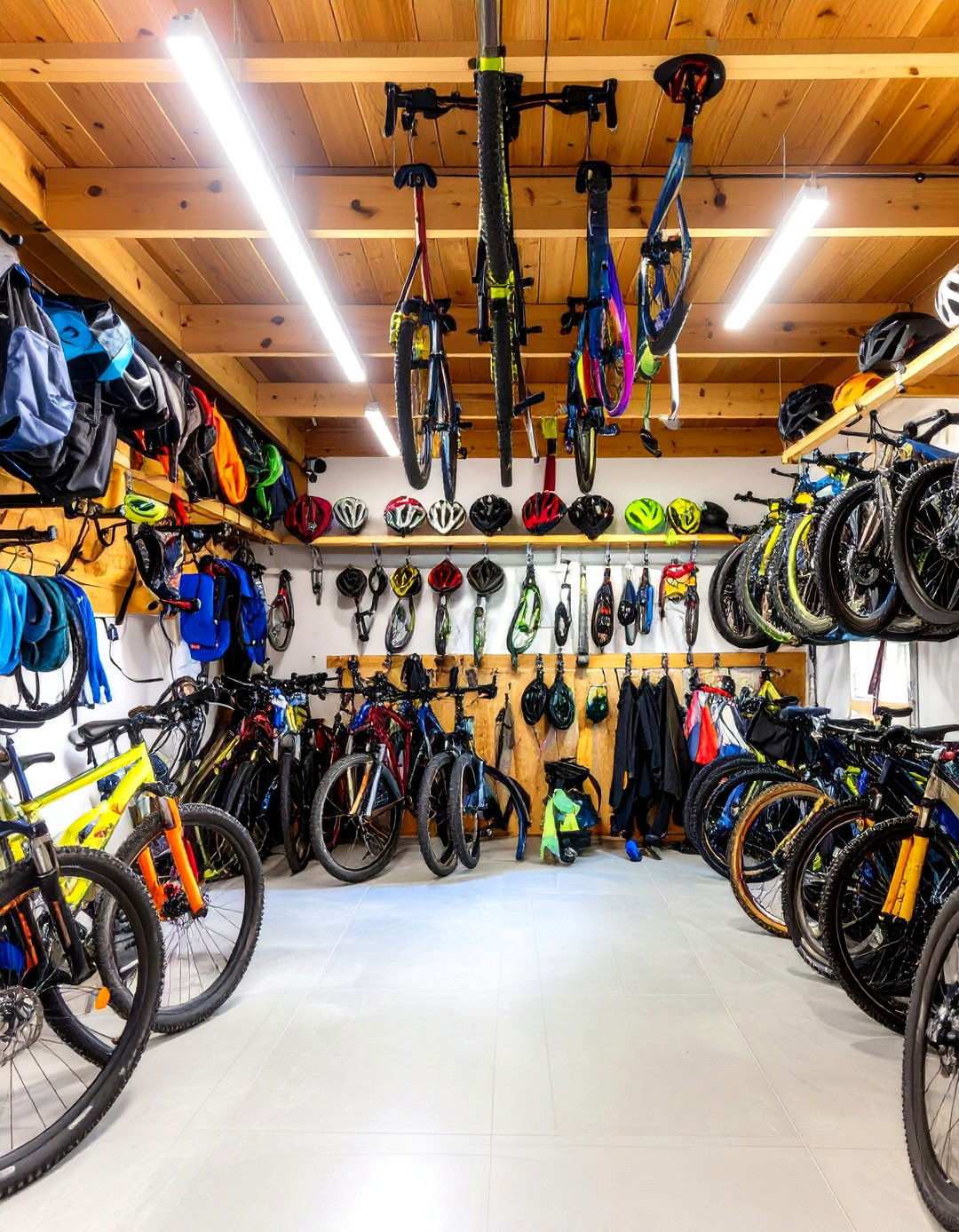
Bikes often occupy valuable floor space and are difficult to access. Consider installing specialized bike storage systems that protect your investment while optimizing shed space. Utilize ceiling hoists, wall-mounted racks, or floor stands that accommodate different bike styles and sizes. Reserve storage for helmets, cycling accessories, and maintenance supplies. Create separate areas for different family members’ bikes and seasonal cycling gear. Add hooks for securing cycling clothing and locks. This organized approach keeps bikes secure, accessible, and prevents damage from crowded storage conditions.
24. Versatile Workspace Design Strategies

To make the most of a shed, consider implementing a versatile workspace design that evolves as your needs change. The goal is to create a space that seamlessly transitions between various functions while maintaining a high level of organization throughout. Achieve this by incorporating movable storage units, fold-away work surfaces, and modular organization systems that can be easily adapted to suit different activities. By dividing the space into distinct zones, you can create areas that operate independently or combine to tackle larger projects. Proper lighting, electrical systems, and ventilation are also essential for ensuring a safe and productive environment, regardless of the activity at hand. Don’t forget to reserve dedicated storage for each function’s unique tools and supplies, ensuring clear pathways between work areas and maximizing the shed’s utility throughout the year.