1. Timeless Barrel Saunas for a Peaceful Retreat
Transforming your backyard into a serene oasis has become a reality with the creation of an outdoor sauna. Imagine stepping into a secluded sanctuary, surrounded by lush greenery, and enveloped in the warmth of a traditional Finnish wood-burning sauna. This idyllic setting offers an escape from the stresses of daily life, allowing you to unwind and rejuvenate in style. From intimate gatherings to lively family events, outdoor saunas cater to diverse preferences, making them an attractive addition to any property.

As an Amazon Associate I earn from qualifying purchases.
Modern innovations have taken outdoor sauna design to new heights, incorporating cutting-edge features that harmonize with natural surroundings. Smart temperature controls, expansive glass panels, and eco-friendly materials create a seamless blend of functionality and aesthetics. When planning your outdoor sauna project, consider the available space, local climate, foundation requirements, and intended usage to ensure a tailored experience. Various foundation options, including gravel beds, concrete pavers, and elevated deck platforms, provide flexibility and adaptability to your specific needs. Heating choices range from traditional wood-burning stoves to electric heaters and infrared panels, offering a range of options for authentic or convenient experiences. Material selections often feature durable woods like Western Red Cedar, Nordic Spruce, or thermally modified timber, which resist the elements while maintaining their natural beauty and pleasant aromas.
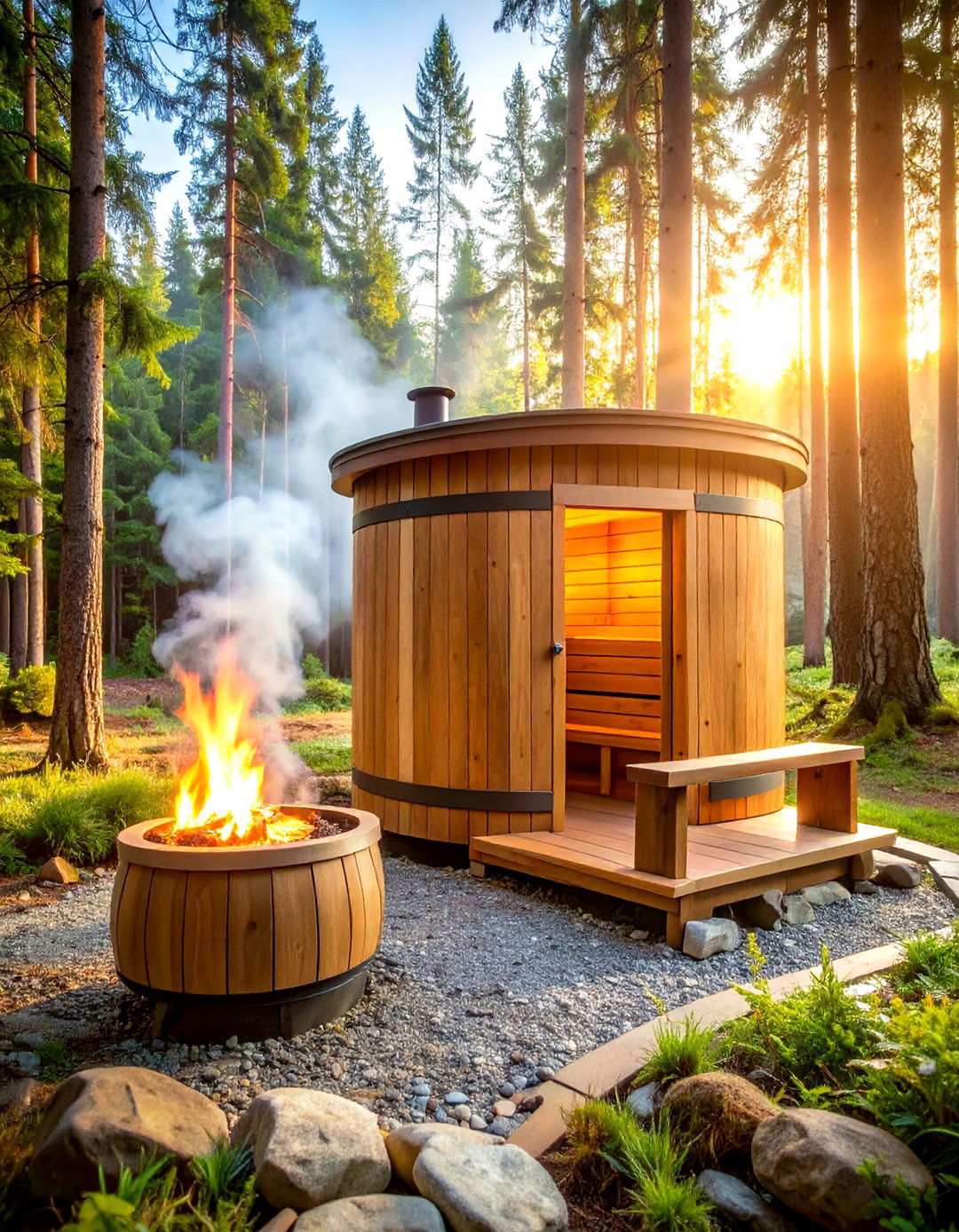
Traditional Barrel Sauna with Wood-Burning Stove
Classic barrel designs have been a staple of Finnish sauna culture for centuries, and for good reason. These timeless structures boast exceptional heat distribution, thanks to their cylindrical shape, which encourages natural air circulation and eliminates hot spots. The curved walls ensure optimal heat flow from bottom to top, requiring less energy to maintain comfortable temperatures while providing a uniform heating experience. Traditional barrel saunas typically feature Western Red Cedar construction with steel band reinforcement, creating weather-resistant structures that naturally shed water and snow. Interior benches often follow a two-tier configuration, allowing users to choose between moderate and intense heat levels based on their comfort preferences. The authentic löyly steam produced by wood-burning stoves is a defining feature of the traditional sauna experience, cherished for generations. Installation requires careful consideration of foundation preparation, chimney placement, and adequate clearance around the wood stove to ensure compliance with local building codes.
2. Unifying Indoor and Outdoor Spaces through Modern Cabin Sauna Designs
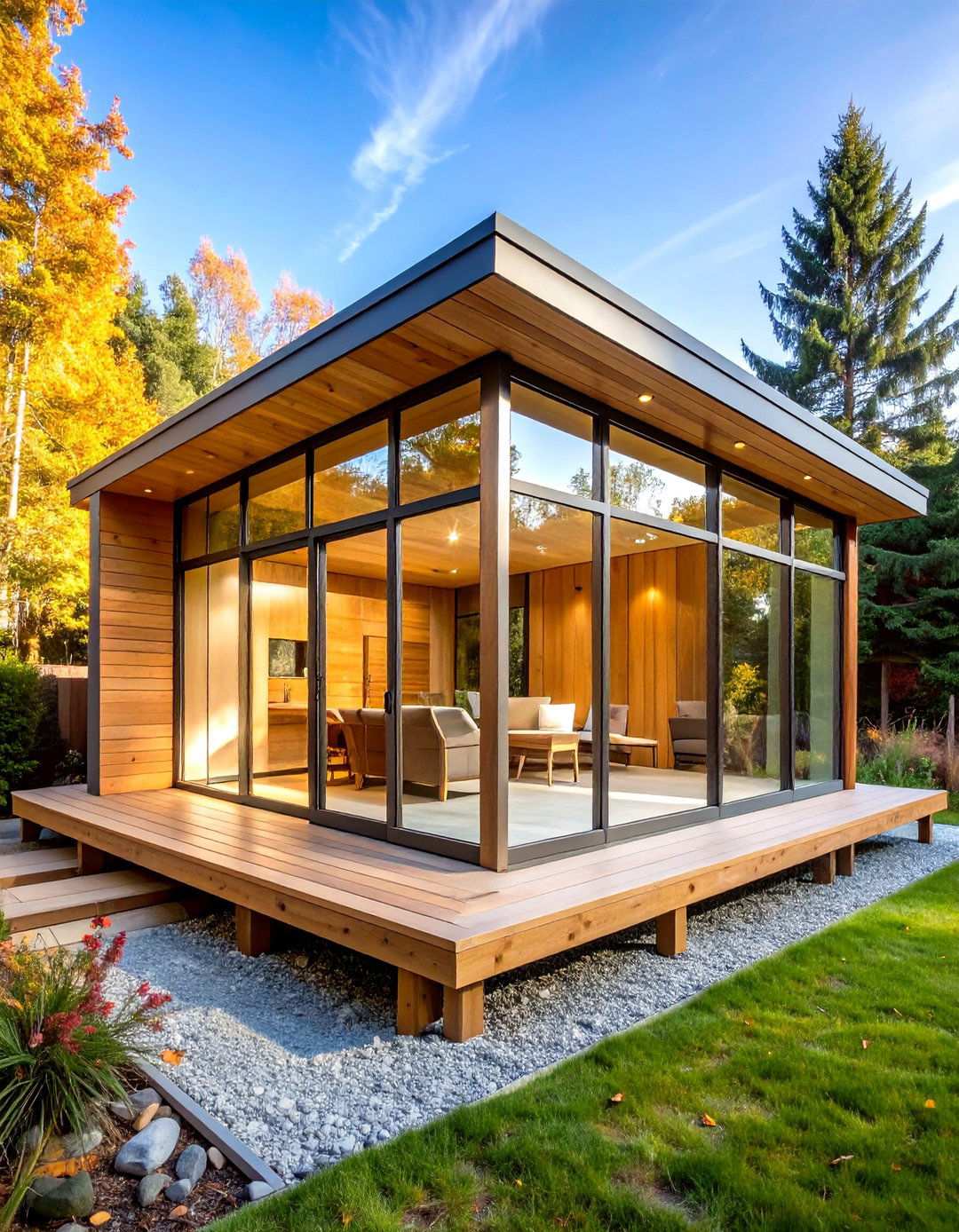
A seamless blend of natural beauty and luxurious comfort defines modern cabin saunas, elevating the ordinary backyard sauna to an architectural masterpiece. By incorporating floor-to-ceiling glass panels, these contemporary designs dissolve boundaries between indoor tranquility and outdoor scenery, offering an immersive experience that fosters a deeper connection with the surroundings. Strategically positioned to maximize natural light penetration, modern cabin saunas provide unobstructed views of gardens, forests, or water features from plush interior seating areas, redefining the concept of indoor-outdoor living. Engineered structural frameworks support the large glass installations, ensuring thermal efficiency and structural integrity are not compromised. Advanced glazing technologies, such as double or triple-pane insulated glass units with low-emissivity coatings, maintain heat retention while preventing condensation buildup. Premium interior finishes, including knotless Aspen benches and Nordic Spruce walls, perfectly complement the sleek glass aesthetic, while electric heating systems with digital controls guarantee precise temperature management. LED lighting systems create an ambient atmosphere for evening sessions, while smart glass technology or strategically placed landscaping provide convenient privacy options.
3. Crafting Luxury Sauna Experiences in Compact Outdoor Spaces
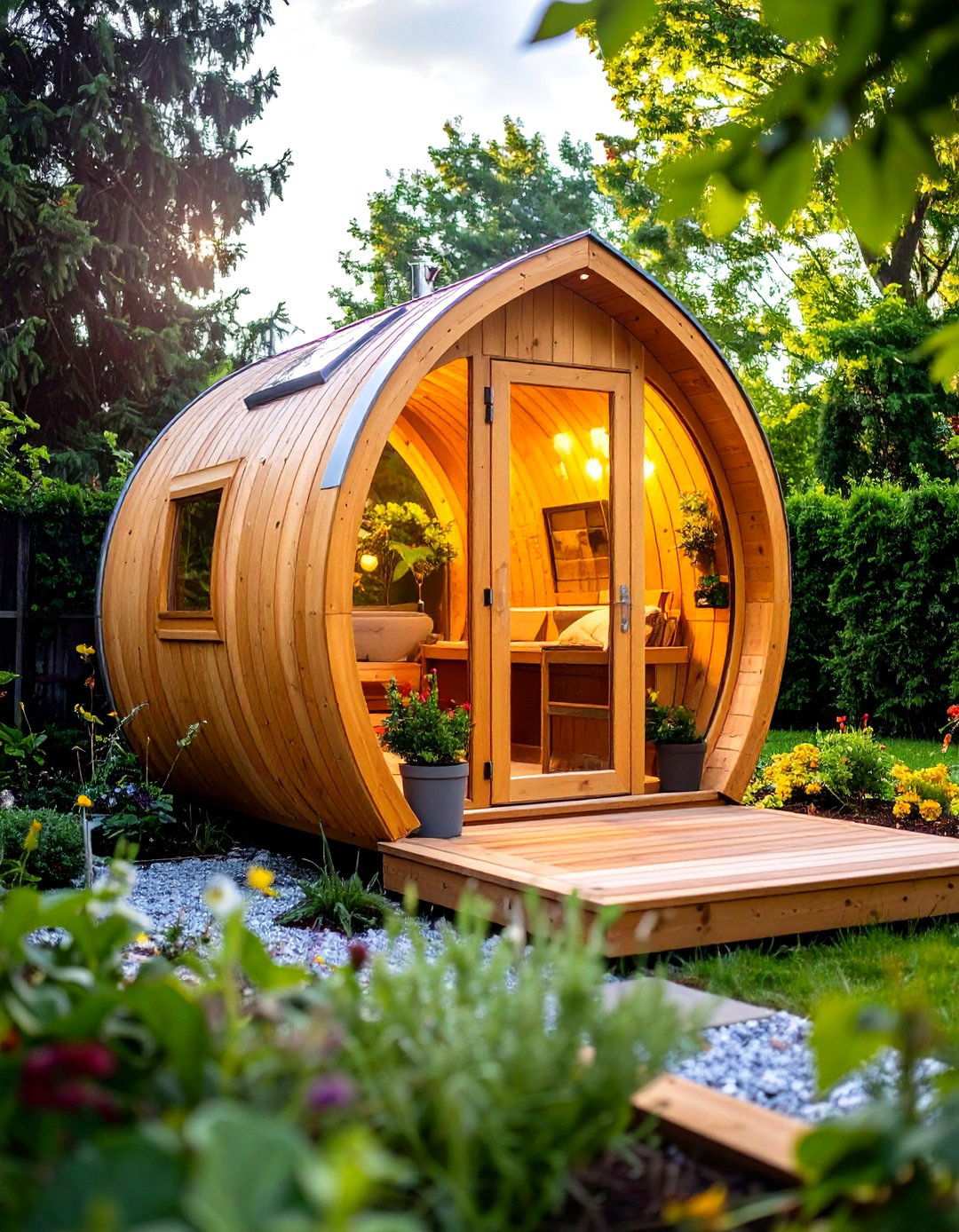
Can limited backyard space accommodate the essence of luxury sauna experiences without sacrificing comfort or functionality? Compact pod saunas offer a distinctive solution, featuring teardrop or egg-shaped profiles that maximize interior volume while minimizing ground footprint requirements for urban properties or smaller outdoor areas. Typically measuring six to eight feet in length, these innovative designs provide comfortable seating for two to four people within space-efficient curved interiors. Engineered construction utilizes interlocking panels or prefabricated sections, allowing for rapid assembly without specialized tools or extensive construction experience. Minimal foundation requirements, such as simple concrete pads, deck installations, or level gravel beds, accommodate weekend installation schedules. Interior layouts are carefully optimized to ensure adequate legroom and heat distribution, despite compact dimensions, with electric heating systems proving ideal for pod configurations. Exterior finishes range from natural wood stains to contemporary charcoal treatments that seamlessly complement modern landscape designs, creating a harmonious balance between form and function.
4. Elevating the Sauna Experience with Integrated Wellness Features
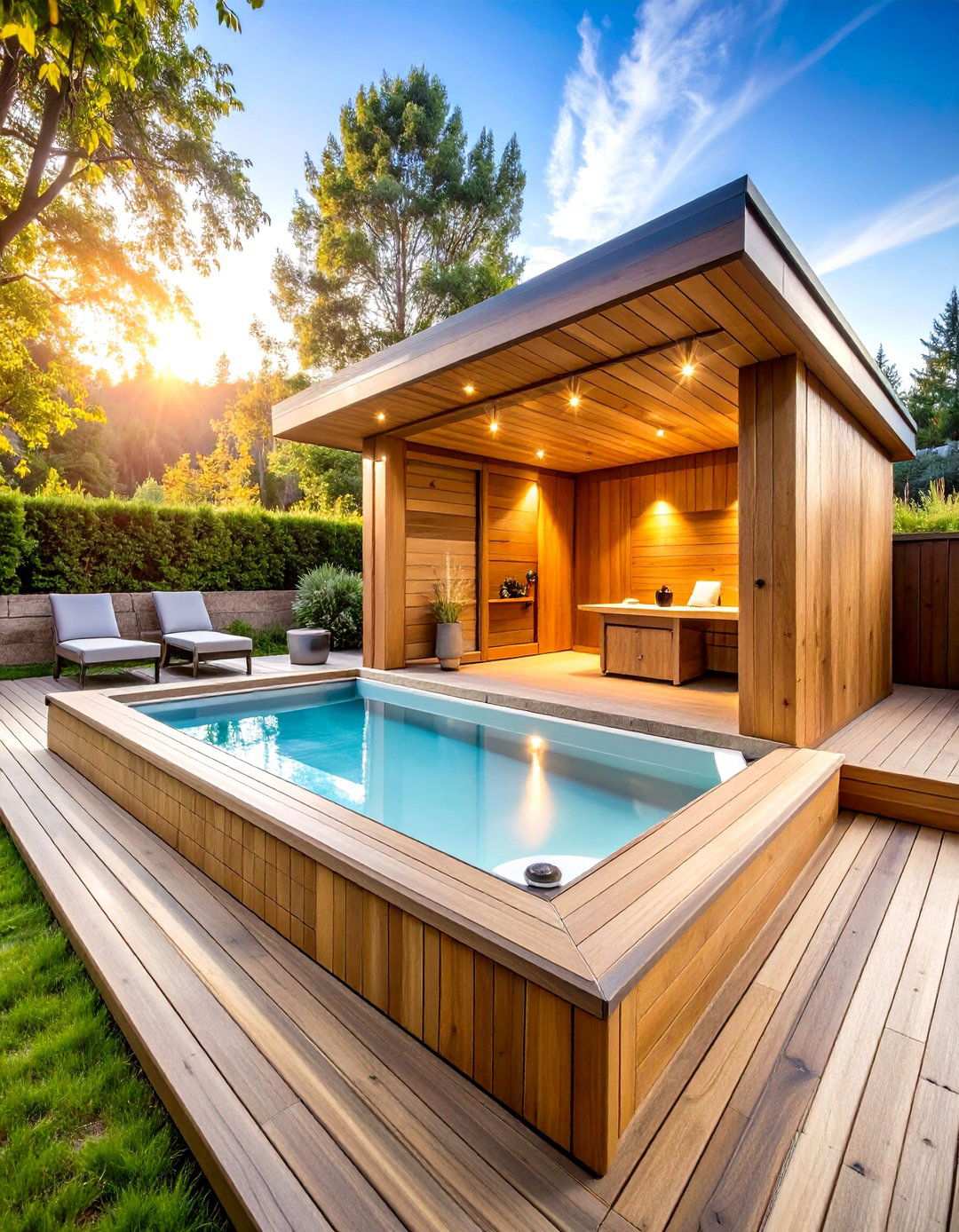
High-end outdoor sauna installations offer comprehensive wellness experiences that rival exclusive resort facilities by seamlessly integrating multiple features into cohesive architectural designs. Spacious sauna chambers are complemented by adjacent cold plunge pools, well-designed changing areas, and convenient outdoor shower facilities, all carefully planned to optimize user flow and preserve individual privacy. To achieve this level of sophistication, substantial foundation work, expert electrical and plumbing connections, and meticulous site planning are essential. The sauna chamber itself showcases premium materials, including thermally modified wood, custom millwork, and high-end accessories that enhance the overall ambiance. These can include chromotherapy lighting, sound systems, and automated ventilation controls, all designed to create a serene atmosphere. Cold plunge components, crafted from durable stainless steel, feature advanced filtration systems, heating elements for winter operation, and efficient overflow drainage to ensure reliable performance. Additional features might include covered relaxation areas, equipment storage, towel warming stations, and outdoor kitchenette facilities, further enhancing the overall entertainment experience.
Professional installation is crucial to ensuring proper insulation, waterproofing, and code compliance, while also creating a seamless integration between thermal and aquatic elements. The high cost of luxury spa saunas reflects the premium materials, advanced systems, and professional installation requirements necessary for lasting performance and optimal user experiences.
5. Achieving a DIY Sauna with Precision-Crafted Components
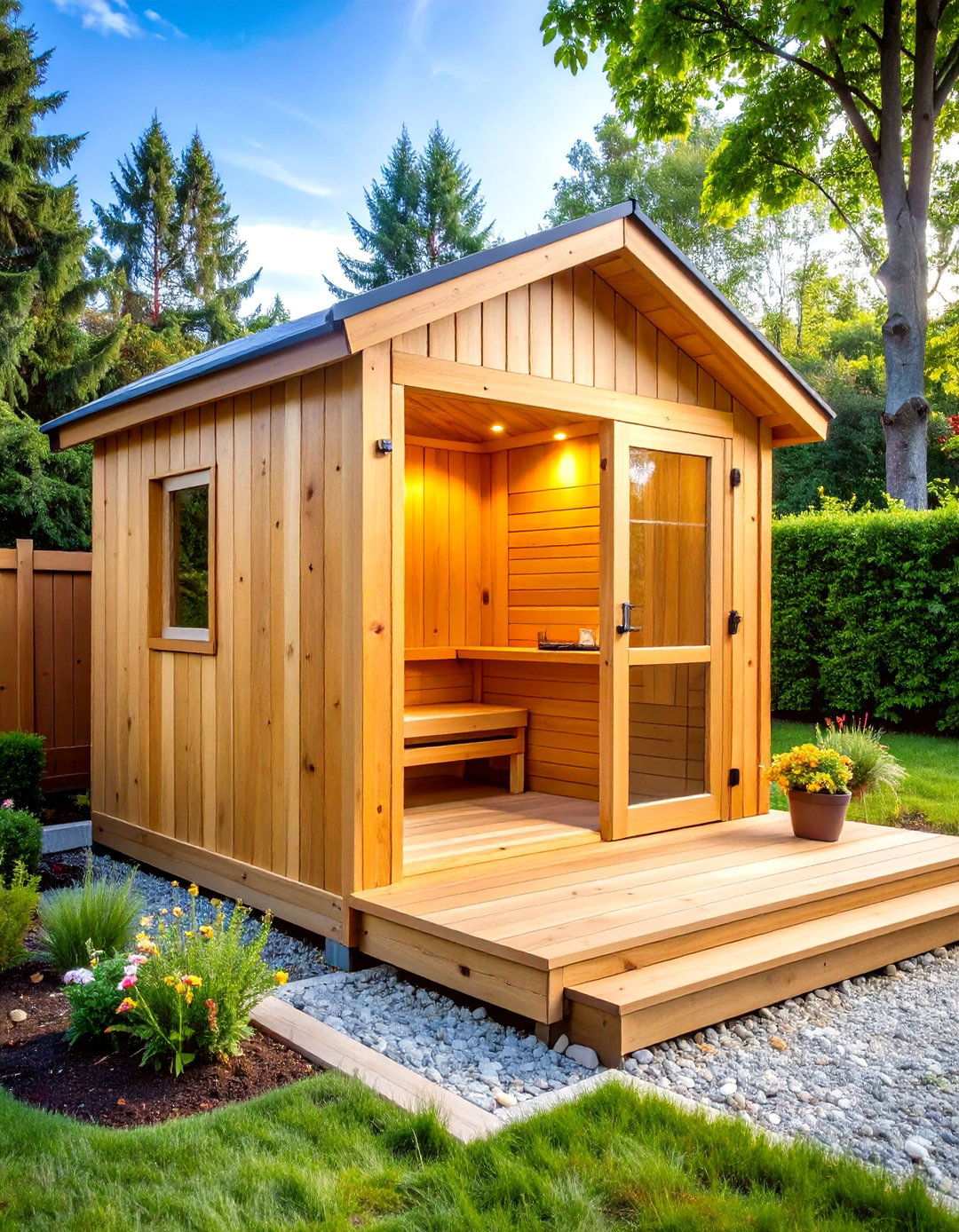
Building an outdoor sauna as a weekend project requires a clear understanding of the process and the right tools. DIY sauna kits provide precision-cut components, detailed assembly instructions, and all necessary hardware for successful owner-builder installations within planned timeframes. These comprehensive packages typically include wall panels, roofing materials, doors, windows, benches, and electrical components, all designed for straightforward assembly using common hand tools. Quality manufacturers ensure that their components undergo proper wood drying, accurate cutting, and secure packaging to protect the materials during shipping and storage phases. Assembly processes follow logical sequences that progress from foundation preparation through final finishing, with typical installation times ranging from one to three days depending on sauna size and complexity. Included heaters, controls, and accessories ensure complete functionality upon completion, eliminating the need for additional purchases or professional installations. With cost savings of up to fifty percent compared to professionally built saunas, DIY enthusiasts can enjoy personal satisfaction and customization opportunities while pre-installing site preparation, electrical rough-in, and permit acquisition where required by local building departments.
6. Harmonious Fusions of Modern Infrared and Timeless Natural Materials
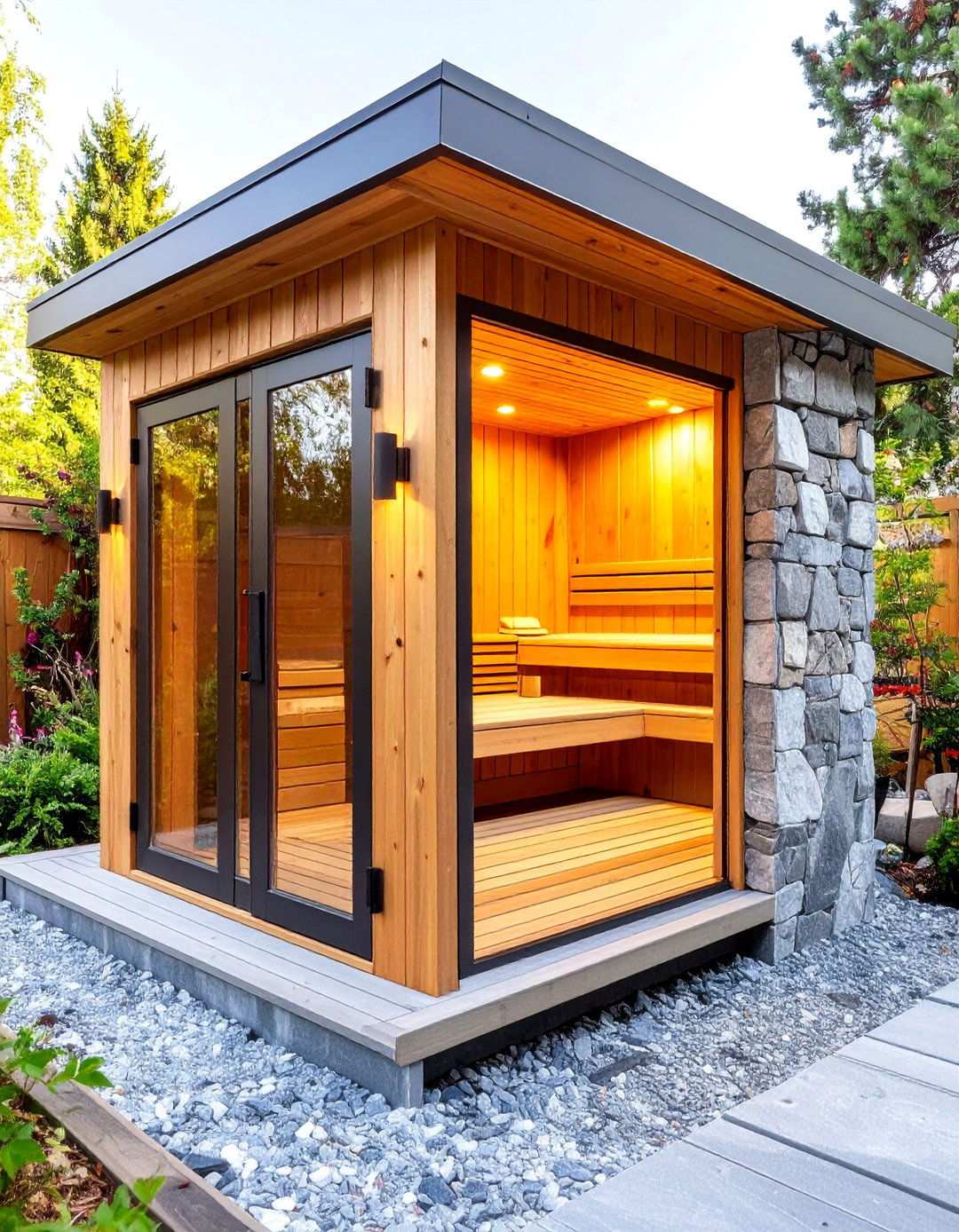
Can the synergy of innovative infrared technology and rustic natural materials create holistic environments that seamlessly blend traditional aesthetics with cutting-edge functionality? By combining infrared heating panels with organic materials such as slate, granite, or river rock, infrared saunas with natural stone accents redefine the boundaries of therapeutic spaces. This harmonious fusion utilizes strategically positioned full-spectrum infrared emitters to deliver penetrating heat that directly warms the body, rather than heating the surrounding air. The incorporation of natural stone elements, including accent walls, flooring materials, and decorative features, not only elevates visual appeal but also provides thermal mass benefits and enhances the overall ambiance of the space. Moreover, construction techniques accommodate the precise mounting of infrared panels while seamlessly integrating stone features that require structural support and adequate moisture sealing. Operating within a temperature range of 120-150 degrees Fahrenheit, these hybrid designs offer therapeutic benefits, including improved circulation, muscle relaxation, and detoxification through deep tissue warming. Installation considerations encompass electrical requirements for infrared systems, ventilation needs, and stone installation techniques that ensure long-term stability and beauty retention.
7. Immersive Wood-Fired Outdoor Sauna Experiences with Breathtaking Views
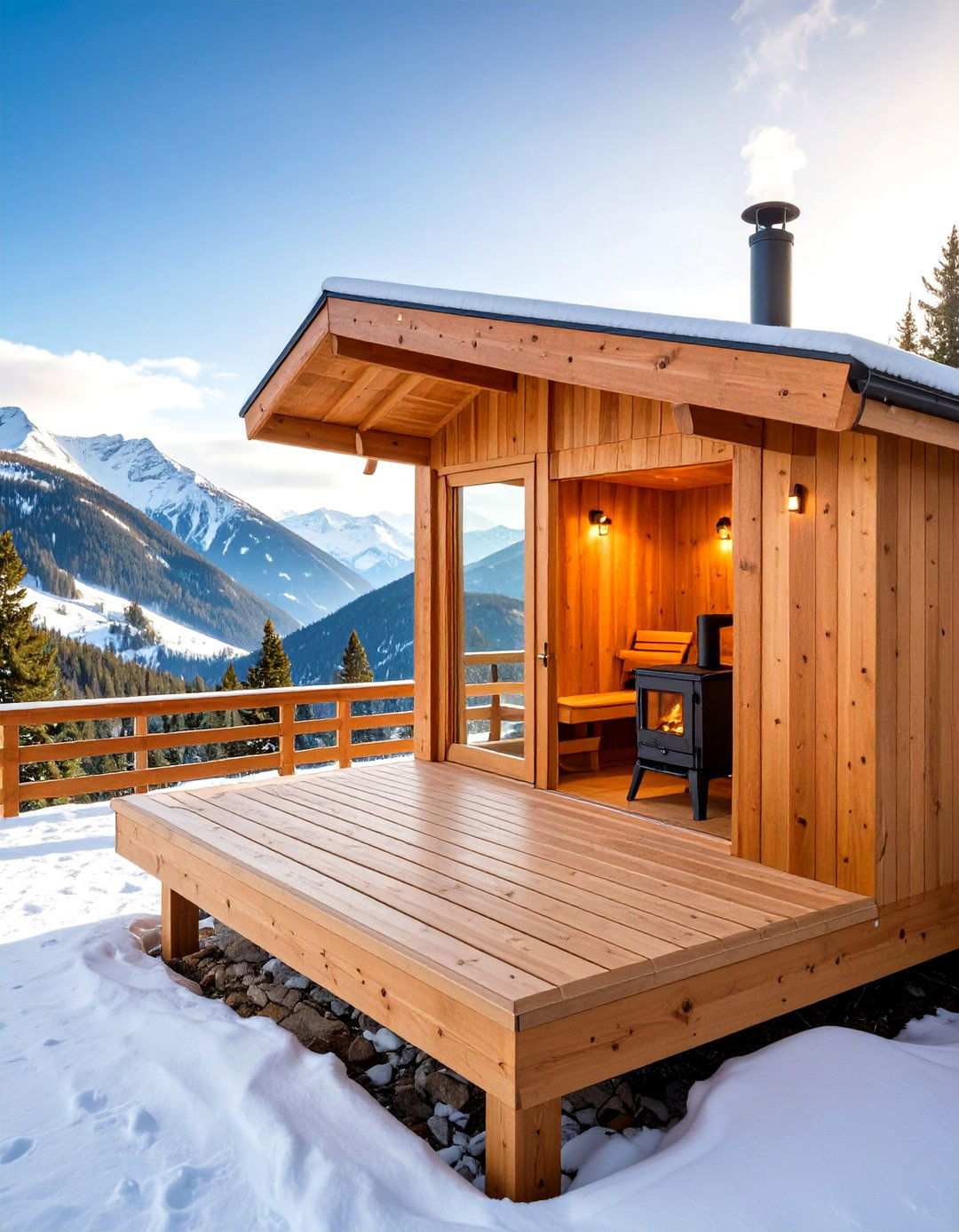
What creates more profound connections to nature than combining authentic wood-fired heating with thoughtfully selected locations that showcase the beauty of the outdoors? Wood-fired outdoor saunas strategically positioned to capture sunrise views, forest vistas, or water features transform routine wellness sessions into profound nature connections. When designing these immersive spaces, careful consideration must be given to balancing optimal views with practical requirements, including level foundations, safe distances from combustible materials, and convenient access for regular use and maintenance activities. Traditional wood-burning stoves necessitate proper chimney installations, adequate clearances, and spark arrestors that comply with local fire safety regulations while providing authentic heating experiences. Scenic positioning often involves elevated installations on decks, platforms, or hillside locations that maximize view potential while ensuring structural stability and proper drainage management. Window placement becomes crucial for view optimization, typically featuring large glass panels that frame desired scenery while maintaining thermal efficiency through quality glazing systems. Outdoor shower facilities and cold plunge options complement scenic locations, allowing users to fully appreciate natural surroundings during cooling phases between sauna sessions.
8. Redefining Flexibility in Portable Sauna Solutions
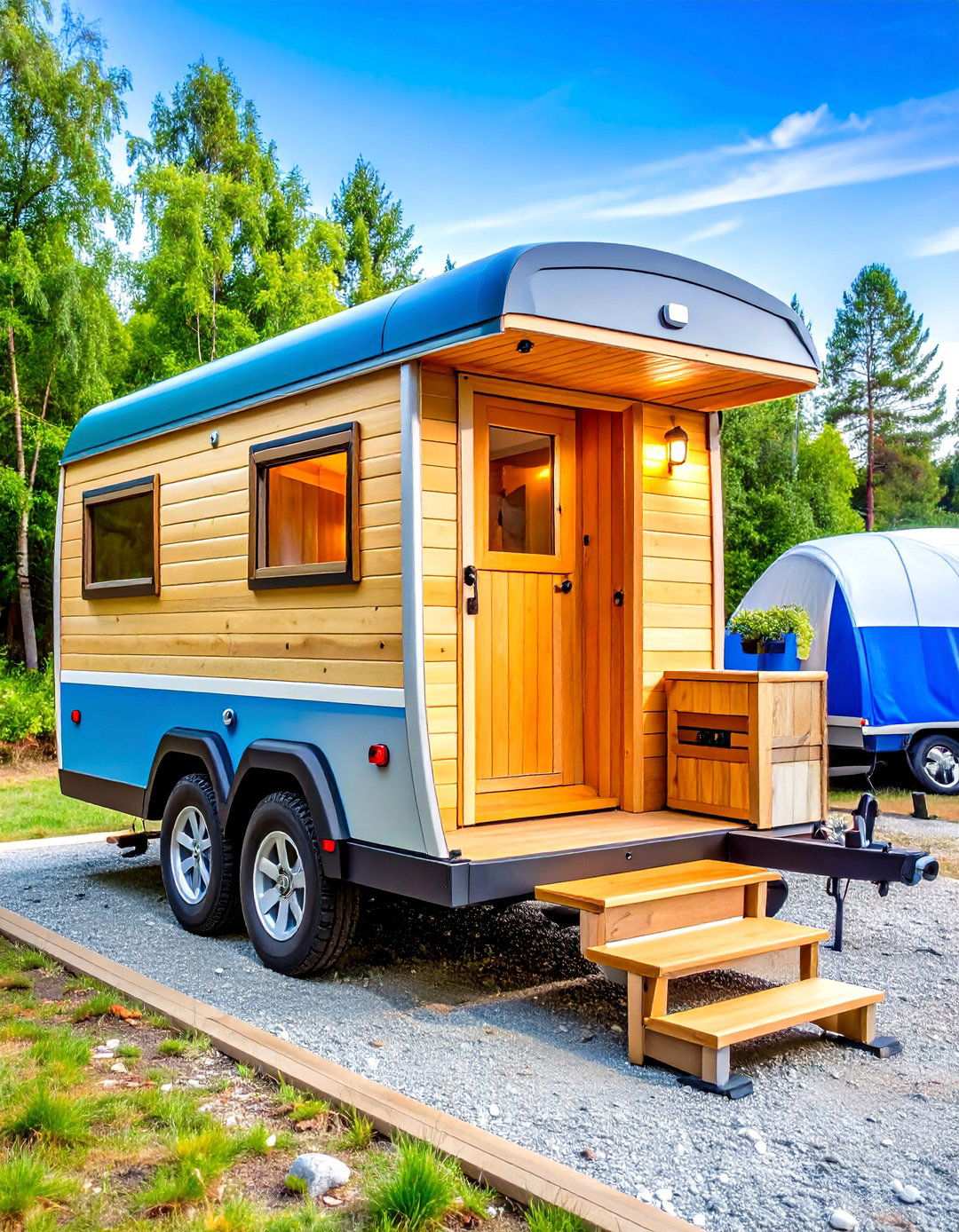
Could innovative portable sauna designs unlock limitless possibilities for property owners seeking freedom and adaptability? Mobile sauna trailers mounted on rugged, wheeled chassis enable seamless movement between diverse locations, effortless seasonal storage, and lucrative rental business opportunities for forward-thinking entrepreneurs. These pioneering solutions boast fully functional sauna chambers built on specially crafted trailers, carefully engineered to ensure stable weight distribution, road-legal lighting, and towing capabilities compatible with standard pickup trucks or SUVs. The emphasis on lightweight yet durable materials, such as cedar, aluminum components, and high-performance insulation systems, ensures exceptional thermal efficiency without compromising the structural integrity of the sauna. Heating systems cater to the demands of mobile applications through a range of propane burners, wood stoves with integrated ventilation systems, or generator-powered electric units that provide unparalleled flexibility regardless of location. Setup procedures involve a straightforward process of leveling, stabilizing, and connecting essential utilities, allowing for immediate operation upon arrival at desired destinations. Regulatory considerations encompass trailer registration, safety inspections, and transportation permits as required by local authorities. The applications for mobile sauna trailers are vast, encompassing event rentals, resort services, and therapeutic programs that bring the benefits of sauna therapy to diverse locations and customer bases.
9. The Allure of Minimalist Cube Saunas
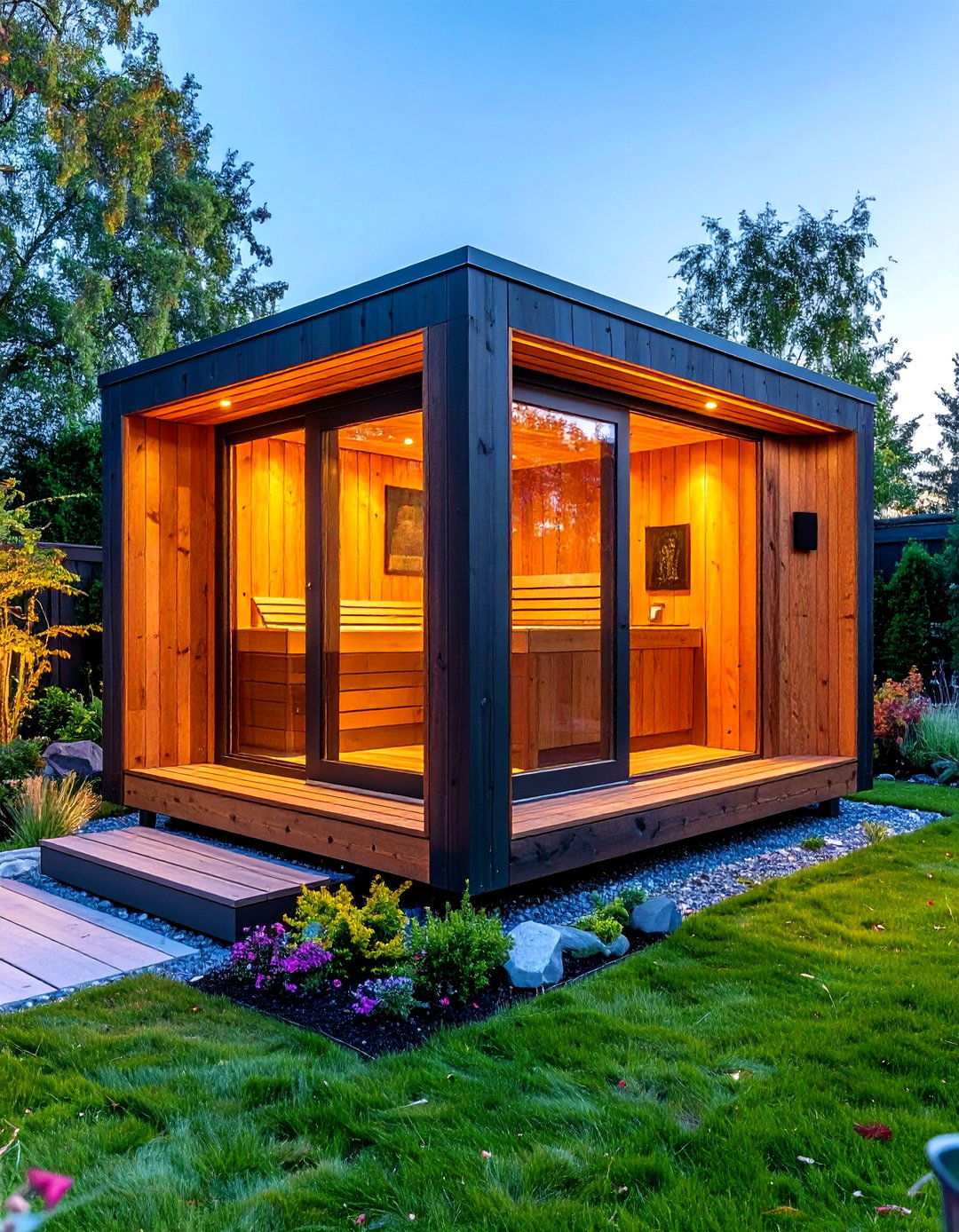
How do contemporary minimalist designs create serene outdoor sanctuaries that prioritize simplicity and functional elegance over ornate details? Minimalist cube saunas boast geometric profiles with clean lines, uncluttered surfaces, and thoughtfully proportioned dimensions that harmonize perfectly with modern architectural styles. These sophisticated designs eschew unnecessary decorative elements, instead focusing attention on material quality, precise craftsmanship, and intentional spatial organization that fosters relaxation and contemplation. Construction typically employs high-grade materials like clear cedar, thermally modified wood, or charred timber finishes that age beautifully while maintaining a contemporary appearance. Interior layouts optimize usable space through efficient bench configurations, cleverly concealed storage solutions, and integrated lighting systems that provide ambient illumination without visual distractions. Color palettes tend towards natural wood tones, neutral stains, or monochromatic treatments that enhance peaceful atmospheres while allowing architectural forms to speak for themselves. Hardware selections emphasize functional simplicity through discreet hinges, flush-mounted handles, and streamlined mechanical systems that maintain clean aesthetic lines. Window placements create purposeful connections with outdoor environments while preserving privacy and thermal efficiency through thoughtful sizing and positioning.
10. Preserving Traditional Finnish Sauna Design
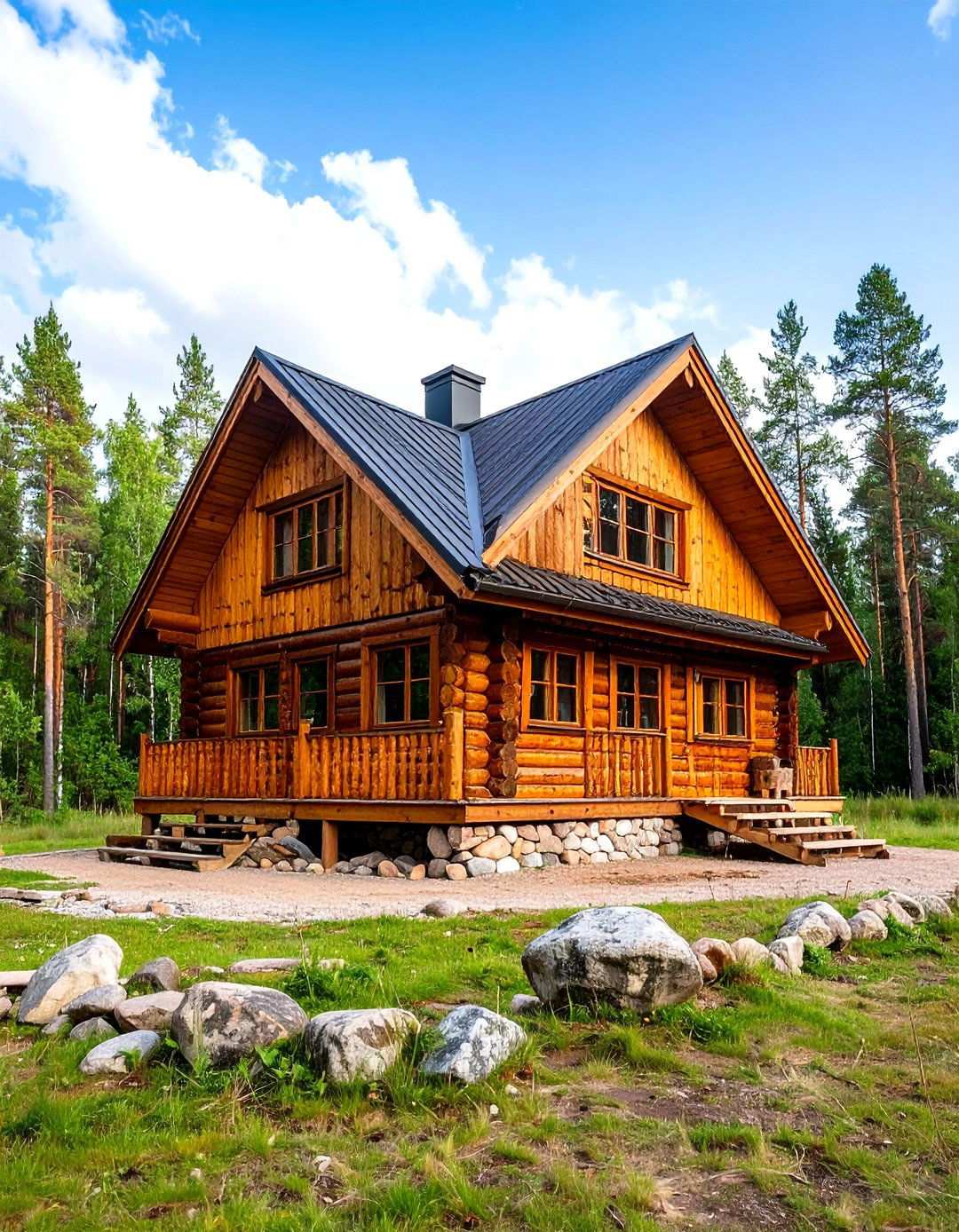
Historical Finnish sauna traditions offer a unique blend of cultural heritage and wellness practices that have been passed down for centuries. For enthusiasts seeking authentic experiences, traditional Finnish smoke saunas provide an unparalleled opportunity to connect with the past. Built using ancient construction methods and heating processes, these primitive designs feature sturdy log walls, earthen floors, and large stone heaps heated by wood fires that imbue interior surfaces with a smoky patina. The construction process requires substantial logs, traditional joinery techniques, and a patient approach to curing, allowing wood moisture content to stabilize before the initial firing sequence. The resulting experience offers a distinctive soft heat, gentle humidity, and a rich, smoky aroma that many enthusiasts consider superior to conventional sauna experiences. While modern adaptations may incorporate improved ventilation systems, safety features, and foundation enhancements, they aim to preserve the essential character and heating methods of traditional Finnish smoke saunas. This cultural significance extends to Finnish heritage, traditional building skills, and seasonal ceremonies that celebrate community wellness practices, fostering a deeper connection to the past.
11. Elevating Sauna Experiences with Smart Technology
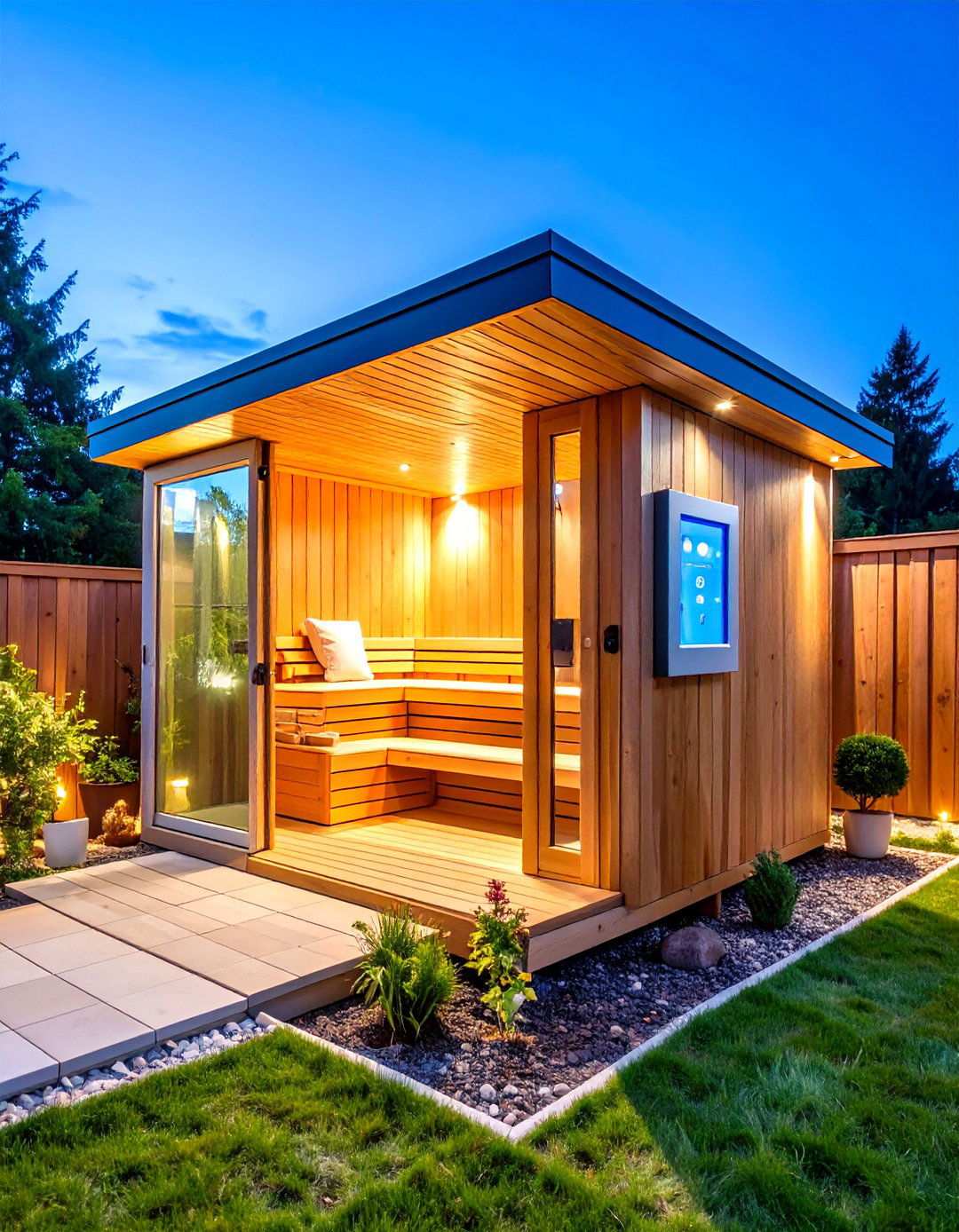
Modern technology has the potential to revolutionize traditional sauna experiences by introducing intelligent automation and remote control capabilities that enhance convenience and efficiency. Electric saunas with smart home integration enable users to preheat, monitor, and control sauna operations through smartphone applications or voice commands. These advanced systems incorporate Wi-Fi enabled controls, temperature sensors, scheduling capabilities, and energy monitoring features that optimize performance while tracking usage patterns. Integration possibilities extend to home automation platforms, security systems, and energy management programs that coordinate sauna operations with overall household systems. Remote operation capabilities allow users to preheat before arriving home, monitor session temperatures, and receive maintenance alerts that ensure optimal performance and safety compliance. Energy efficiency features include programmable schedules, vacation modes, and demand response capabilities that reduce operational costs while maintaining readiness for spontaneous use. Safety systems provide automatic shutoffs, temperature limiters, and fault monitoring that protect users and equipment while ensuring reliable operation. Installation requirements include dedicated electrical circuits, network connectivity, and compatible home automation infrastructure that supports seamless integration and reliable communication.
12. Rustic Log Cabin Saunas with Timeless Charm
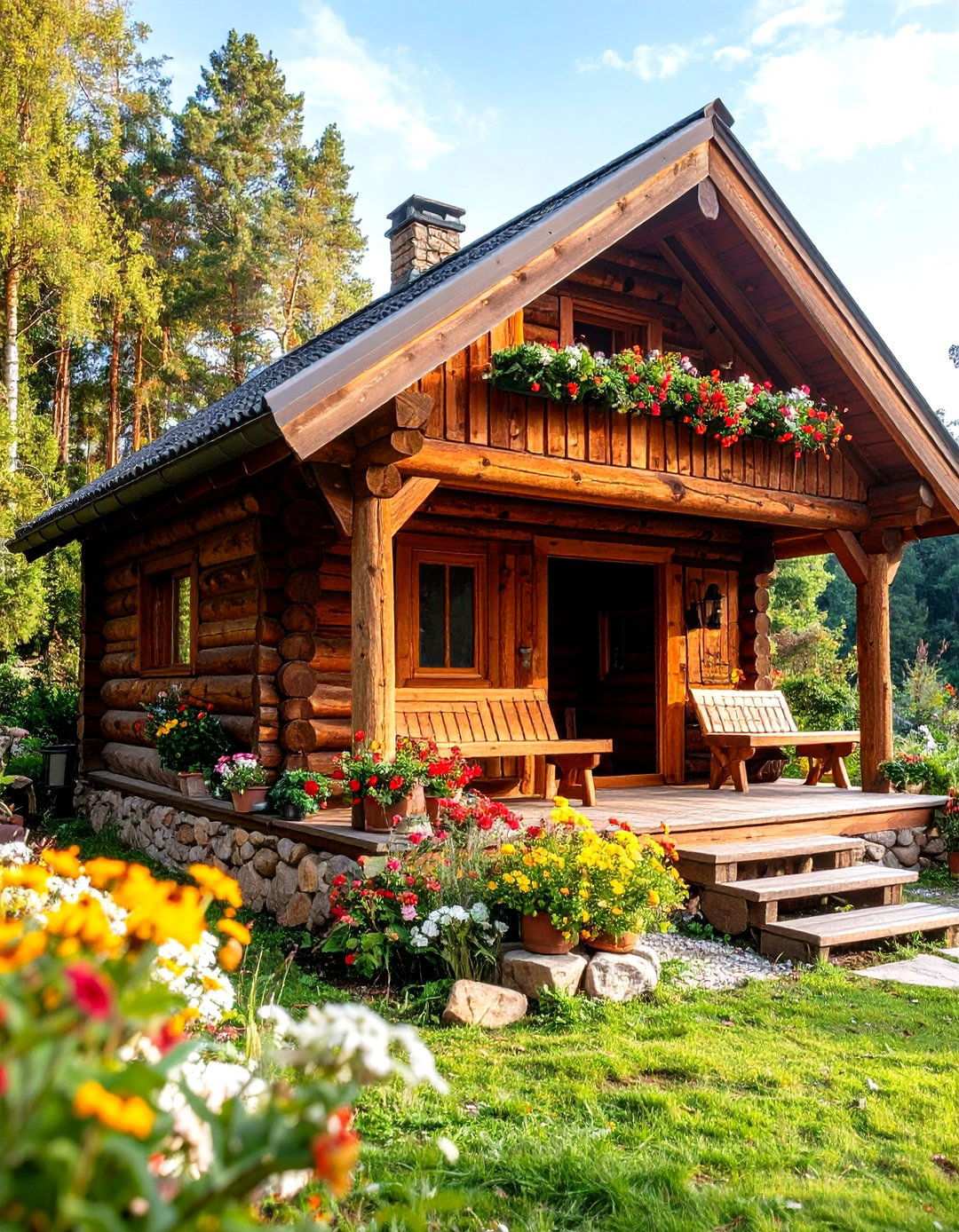
Traditional log construction techniques create enchanting outdoor saunas that reflect the essence of craftsmanship and woodland aesthetic. Rustic log cabin saunas boast walls constructed from full logs, complemented by traditional chinking materials that showcase artisanal building expertise and result in robust structures that only improve with age. By utilizing locally sourced logs, conventional joinery methods, and hand-fitting techniques, these unique structures embody character that’s impossible to replicate through mass-produced methods. The chinking process employs natural materials like clay, lime mortar, or synthetic alternatives that seal gaps between logs, while also allowing for the necessary expansion and contraction cycles. Inside, authentic materials take center stage, including hewn benches, natural stone floors, and traditional hardware that perfectly complements the rustic exterior. Heating options often favor wood-burning stoves, which not only match the construction’s authenticity but also provide a traditional sauna experience with abundant steam and aromatic wood smoke. To ensure stability, foundation requirements typically involve substantial weight-bearing systems, such as stone or concrete, which provide long-term durability. Maintenance involves periodic chinking renewal, log treatment, and roof maintenance, which preserves structural integrity while allowing natural aging processes to unfold. Construction timelines are influenced by the hand-crafting requirements, often spanning several weeks or months depending on complexity and weather conditions.
13. Elevating Sauna Experiences in Urban Environments
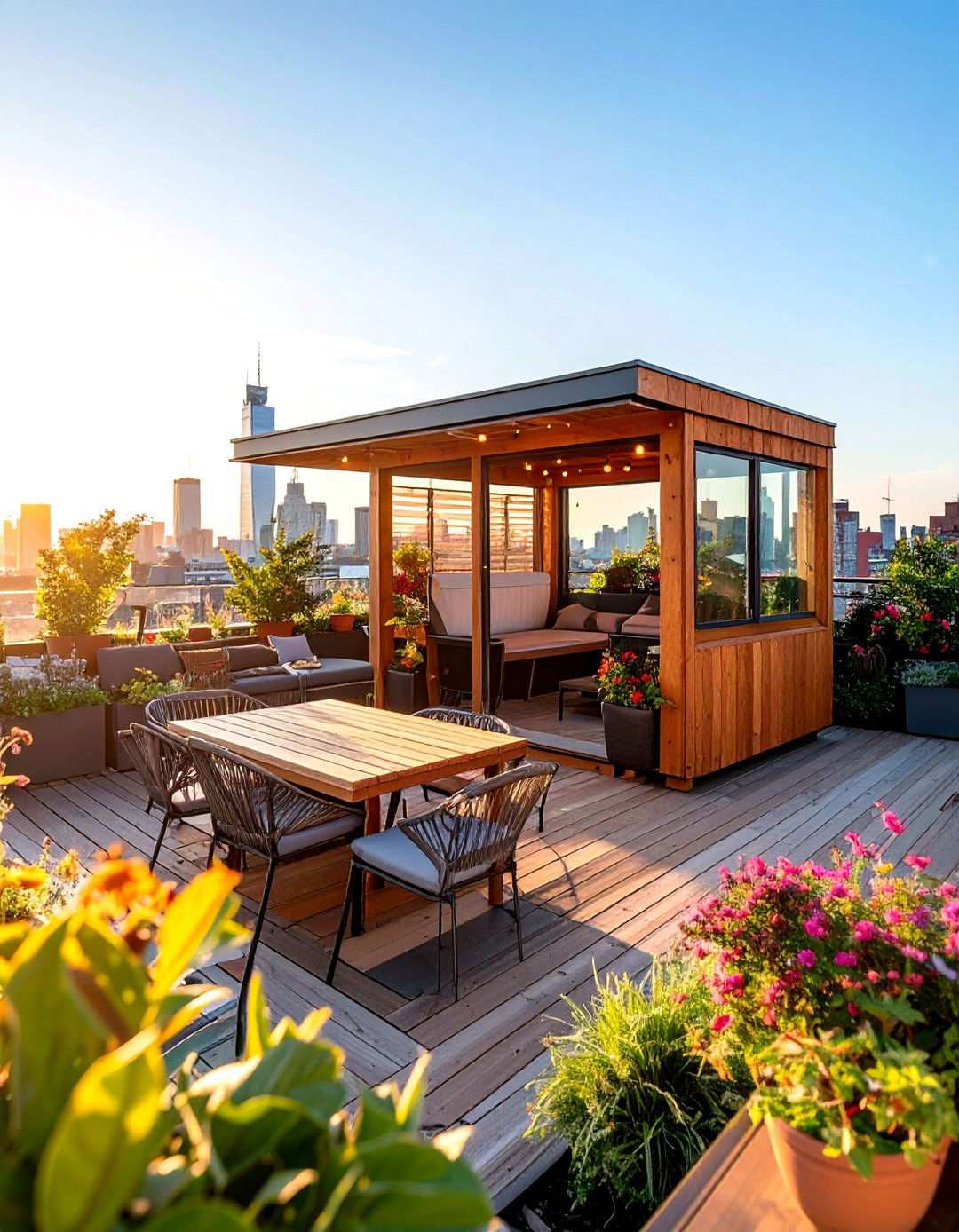
Innovative solutions have made it possible to bring the outdoor sauna experience to urban environments where ground-level space is scarce. Rooftop deck saunas cleverly maximize vertical space utilization while providing private retreat environments elevated above the din and noise of the neighborhood. These installations necessitate careful structural analysis to guarantee sufficient load-bearing capacity for the sauna’s weight, user loads, and snow accumulation in applicable climates. Wind exposure considerations significantly impact design elements, including windscreens, structural reinforcement, and heating system sizing, which must compensate for increased heat loss at elevated positions. Access solutions often involve dedicated staircases, roof hatches, or existing deck connections, providing safe entry while maintaining weatherproof integrity. For added seclusion, privacy screening utilizes materials like cedar fencing, architectural panels, or landscape elements that create secluded environments while preserving structural stability against wind loads. Utility connections require professional installation for electrical services, drainage systems, and ventilation components, ensuring compliance with building codes while preserving roof membrane integrity. Regular maintenance includes equipment serviceability, cleaning procedures, and seasonal preparations that address unique rooftop exposure conditions.
14. Integrating Renewable Energy into Eco-Friendly Sauna Systems
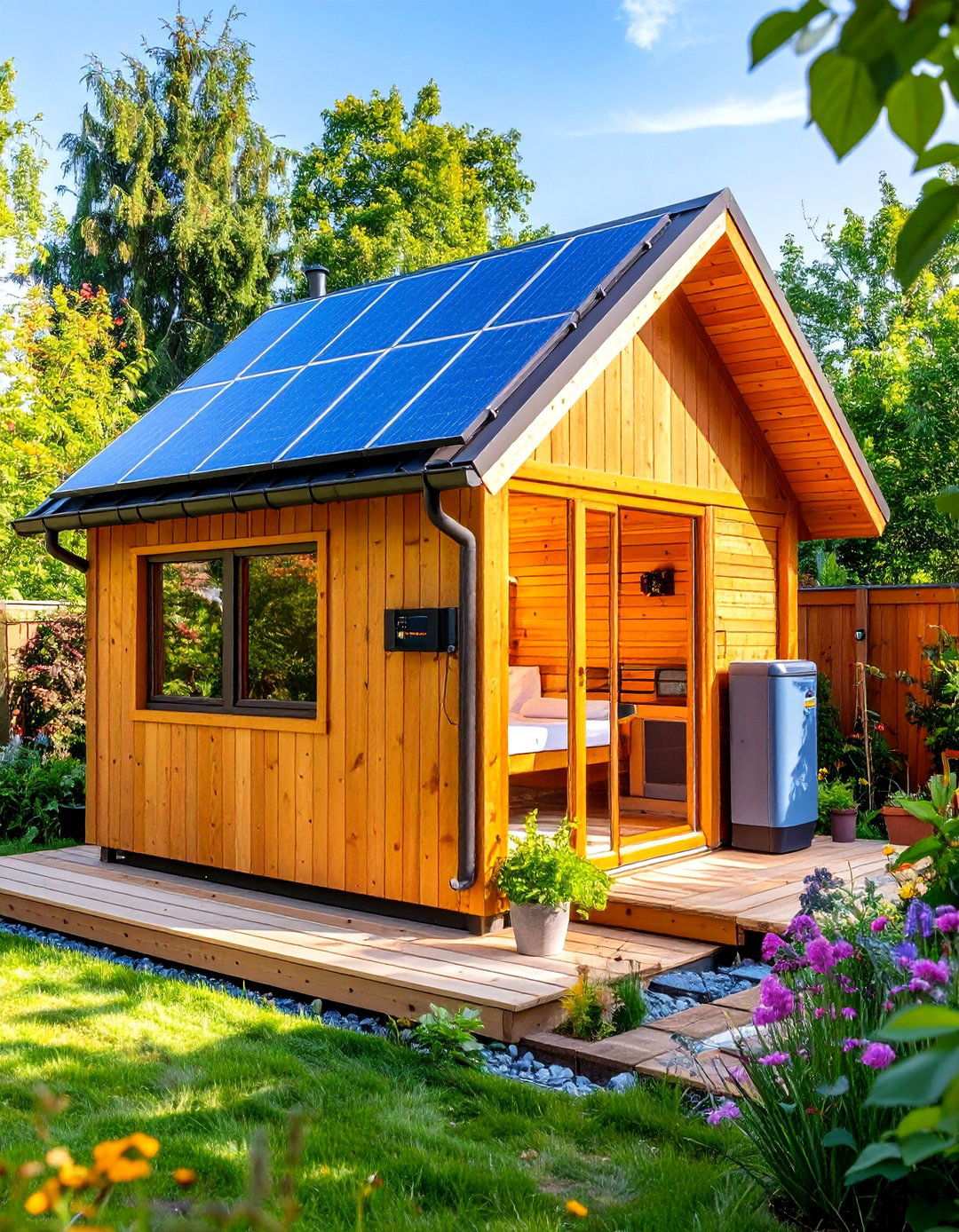
Renewable energy systems have empowered off-grid sauna installations by showcasing a commitment to environmental responsibility and energy self-sufficiency. Solar-powered sauna systems leverage photovoltaic panels, sophisticated battery storage, and high-performance heating elements that can operate autonomously from the main electrical grid. This alignment with sustainable values makes these installations an excellent fit for remote properties, secluded cabins, or environmentally aware homeowners seeking minimal ecological footprint solutions. When designing these systems, a significant emphasis is placed on energy efficiency through cutting-edge insulation materials, energy-efficient LED lighting, and variable-speed ventilation fans that carefully balance power usage with comfort levels. The battery systems provide a reliable energy supply for heating cycles, lighting, and control systems, while also accounting for changing weather patterns and seasonal sunlight fluctuations. Backup heating options such as propane systems or grid connections can ensure accessibility during extended periods of cloud cover or peak usage demands. The adoption of solar-powered sauna systems presents several environmental benefits, including reduced carbon emissions, utility independence, and increased visibility for renewable energy applications that inspire a broader adoption of sustainable practices. The upfront costs associated with premium components are ultimately offset by long-term operational savings and potential utility incentives for renewable energy systems. Regular maintenance tasks involve battery care, panel cleaning, and system monitoring to guarantee optimal performance and longevity.
15. Innovative Lakeside Oasis
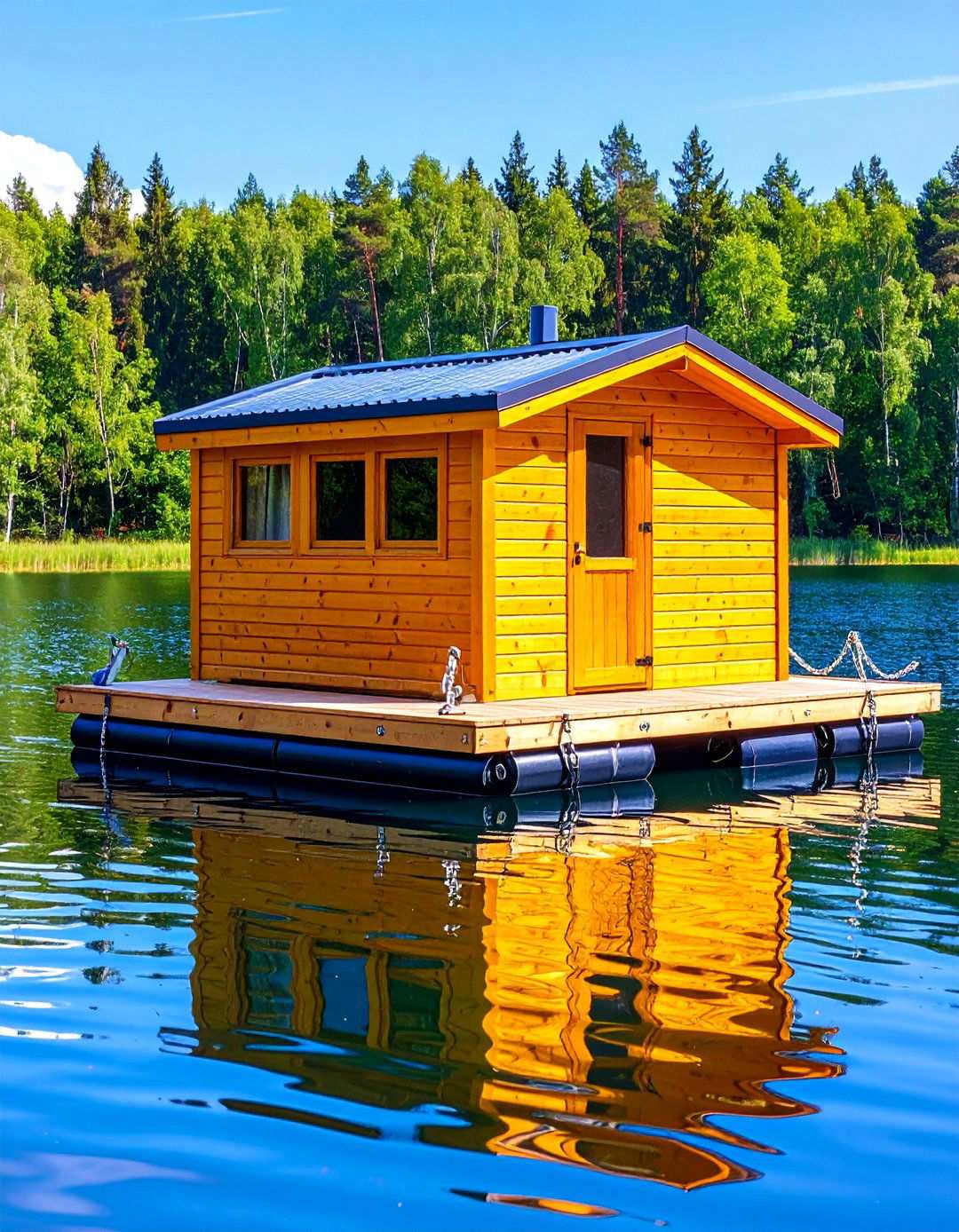
Floating sauna platforms have the potential to revolutionize water-access experiences by seamlessly integrating thermal therapy with immediate cooling opportunities. Lakeside saunas provide unparalleled relaxation through ingenious platform installations that effortlessly float on water surfaces, ensuring stability and safety throughout use. These cutting-edge designs necessitate the use of high-quality marine-grade materials, sophisticated flotation systems, and robust anchoring methods, all of which work in tandem to maintain platform stability despite fluctuating water levels and changing weather conditions. By meticulously addressing buoyancy calculations, weight distribution, and structural integrity, construction specifications support the sauna’s load capacity and maximum user capacity during peak usage periods, guaranteeing a safe and enjoyable experience for all. Access solutions, such as gangways, docks, or shore connections, provide secure entry while accommodating platform movement caused by wind and waves. The heating systems are specifically designed to thrive in marine environments, featuring advanced ventilation, moisture management, and safety features that prevent fire hazards in water settings. Compliance with regulatory requirements often involves obtaining marine permits, conducting environmental assessments, and undergoing safety inspections to ensure adherence to waterway authorities and environmental protection agencies. Seasonal considerations, including winter removal, ice protection, and storage requirements, help preserve investment value while extending the operational life of these innovative systems. Historical precedents from Nordic countries demonstrate the success of this concept, serving as a valuable source of design inspiration for North American applications.
16. Elevated Sauna Experiences through Unified Facilities
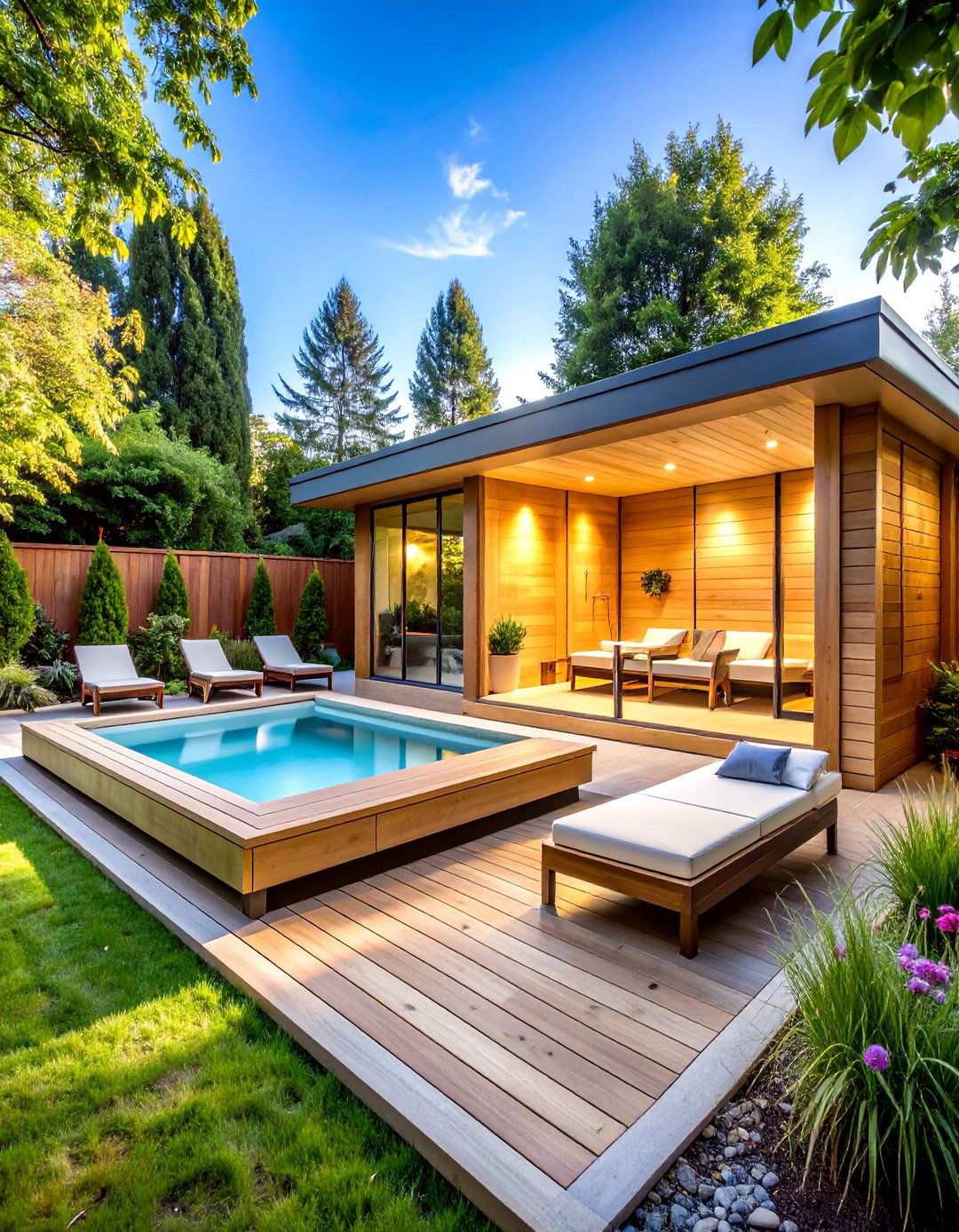
Comprehensive design approaches for creating complete spa experiences can be achieved through integrated facilities that accommodate large groups and extended sessions. By combining different temperature zones, changing areas, shower facilities, and relaxation spaces within a single architectural framework, multi-room sauna complexes cater to diverse user preferences and comfort levels. These installations are ideal for large families, entertainment purposes, or commercial applications requiring substantial space allocation and comprehensive utility planning. Configurations might include traditional hot saunas, mild warming rooms, cold therapy areas, and climate-controlled changing facilities that optimize user comfort and satisfaction.
Heating systems in these complexes coordinate multiple zones through centralized controls or independent units that maintain different temperature ranges simultaneously while minimizing energy consumption. Effective ventilation design ensures proper air exchange between spaces while maintaining thermal separation and preventing moisture migration that could lead to structural problems. Electrical requirements include dedicated circuits, sophisticated lighting systems, and safety features that accommodate increased complexity while ensuring reliable operation and user safety. The construction budget for such facilities reflects substantial material quantities, professional installation requirements, and extended construction timelines that deliver comprehensive facilities with lasting performance.
17. Harmonious Sauna and Shower Integration
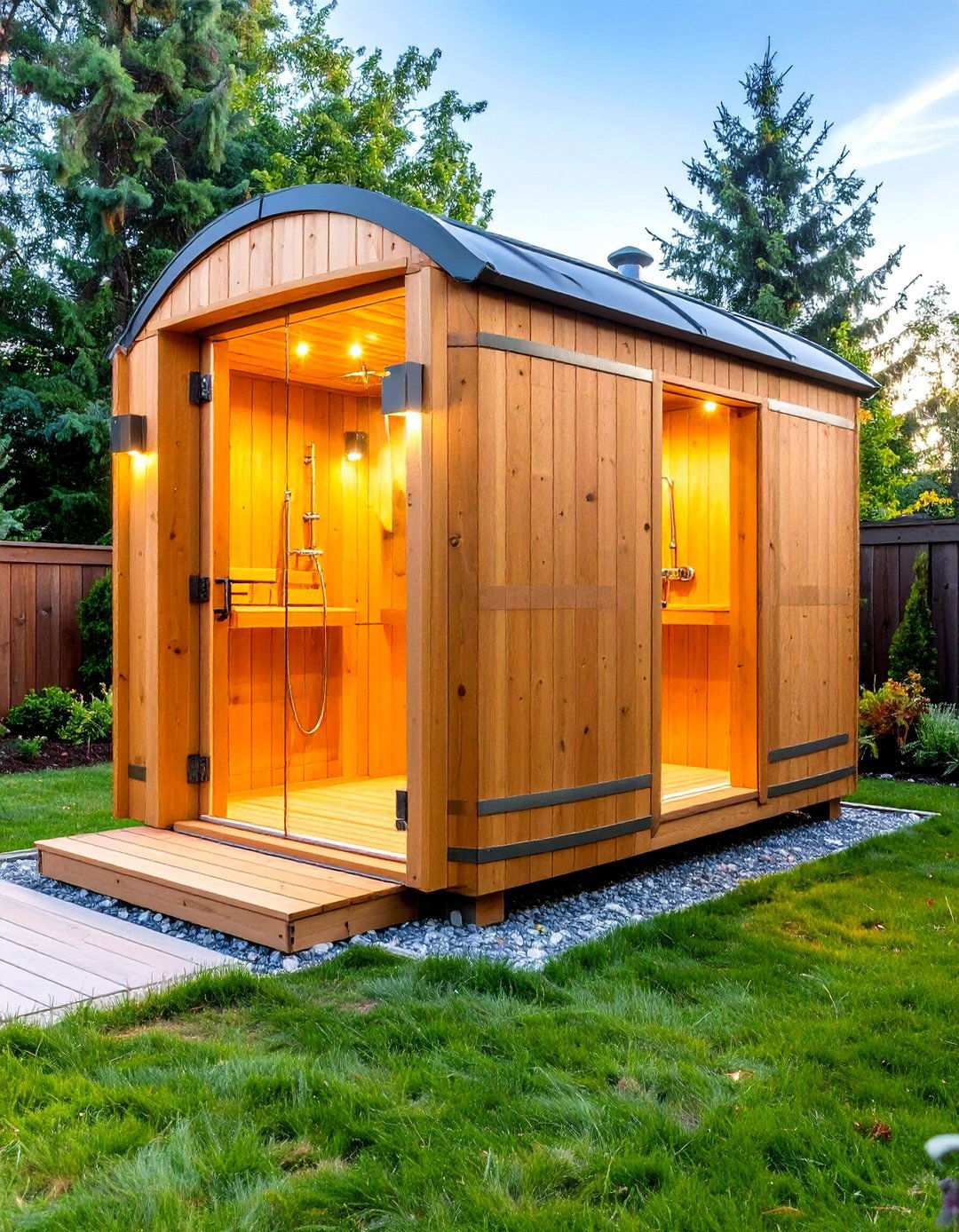
Integrated design solutions can combine essential sauna amenities into cohesive installations that maximize functionality while minimizing footprint requirements. By incorporating outdoor shower facilities into barrel saunas, users can enjoy complete thermal therapy cycles through seamless transitions between heating and cooling phases. These unified designs eliminate the need for separate structures while ensuring privacy, convenience, and weather protection for year-round operation in diverse climates. Shower components typically feature attractive cedar privacy screens, high-quality marine-grade fixtures, and efficient drainage systems that handle regular use while complementing sauna aesthetics.
Plumbing installations in these systems require professional expertise for hot and cold water supplies, drainage connections, and freeze protection in applicable climates. A balance between openness and seclusion can be achieved through strategic screening placement, maintaining a natural feeling while ensuring comfortable use. Options for heating shower water might include tankless systems, solar heating, or connections to existing household systems that provide adequate capacity for post-sauna cooling. Regular maintenance requirements include fixture care, drainage cleaning, and seasonal preparations that preserve functionality while protecting investment value. Users can benefit from immediate cooling access, enhanced hygiene options, and weather protection during transitional periods.
18. Enhancing Wellness Experiences with Infrared and Chromotherapy
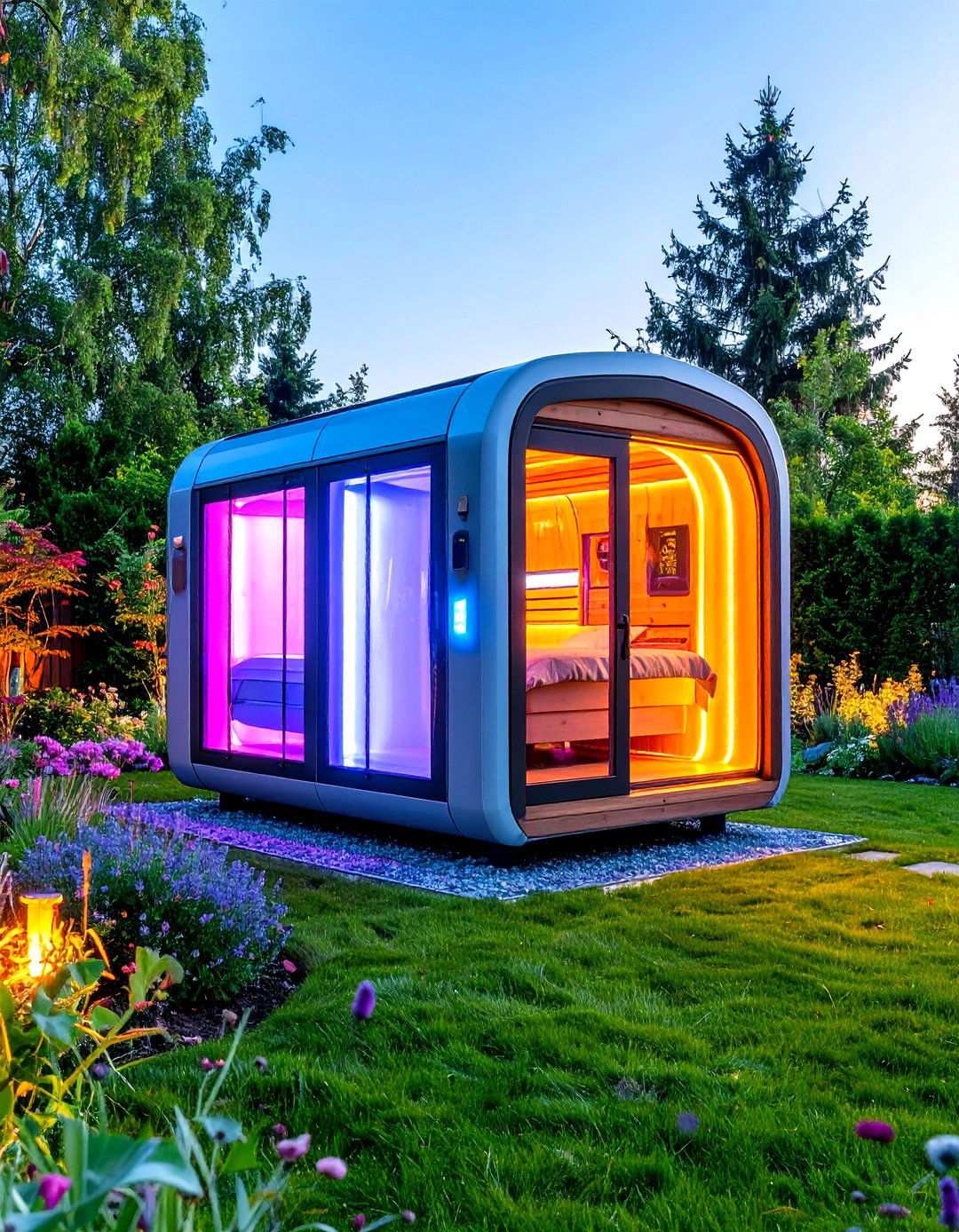
Advanced technologies are revolutionizing basic sauna experiences, transforming them into comprehensive light and heat environments that promote healing, relaxation, and overall wellness. Infrared cabins paired with chromotherapy lighting systems are at the forefront of this innovation, offering a synergistic blend of heat therapy and color-based treatments that cater to various objectives, including mood enhancement, energy boosting, and overall wellness goals. By integrating full-spectrum infrared emitters strategically positioned for optimal body coverage, these sophisticated installations harness the benefits of infrared technology, which operates at lower temperatures than traditional saunas, yet delivers deep tissue warming that fosters circulation, muscle relaxation, and detoxification through enhanced sweating responses. Meanwhile, LED systems provide adjustable color sequences that complement heating cycles, creating a dynamic and personalized experience. The chromotherapy aspect cycles through specific color frequencies, reportedly influencing mood, energy levels, and healing processes according to established principles of light therapy. Customization of both heat and light parameters is made possible through user-friendly control systems that accommodate individual preferences and therapeutic goals. Furthermore, the construction materials used in these installations emphasize infrared compatibility, with thoughtful selections of wood, ventilation design, and electrical installations that support the advanced system requirements. By combining the advantages of infrared therapy with the effects of chromotherapy, infrared cabins potentially address a range of conditions, including seasonal depression, chronic pain, and stress-related disorders. To ensure optimal operation, installations require adequate electrical capacity for both infrared and lighting systems, as well as ventilation designed for lower-temperature operation.
19. Reviving Heritage through Adaptive Reuse
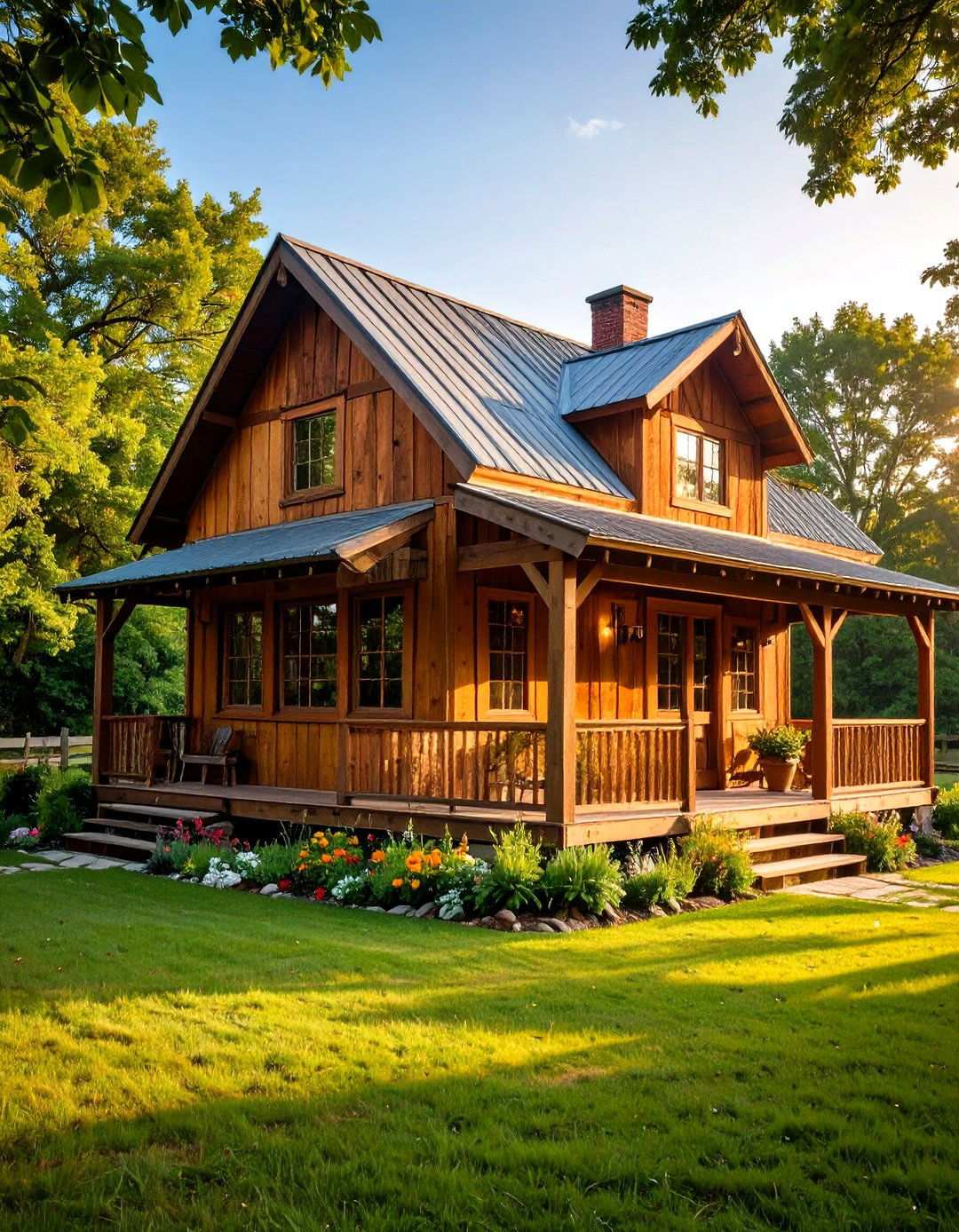
The intersection of historic preservation and modern wellness needs presents an intriguing opportunity for creative adaptive reuse projects. By honoring cultural heritage while meeting contemporary demands, these initiatives can breathe new life into historic structures. Traditional smokehouse conversions exemplify this approach, transforming agricultural buildings into distinctive sauna experiences that showcase traditional craftsmanship. These projects skillfully balance preservation with functionality, safeguarding original timber framing, stone foundations, and architectural character while incorporating essential modern amenities like insulation, heating systems, and safety features. The restoration process often uncovers traditional joinery techniques, local wood species, and construction methods, offering a unique glimpse into the historical building skills of the past.
Heating installations in these projects demonstrate a thoughtful approach, carefully planned to preserve the architectural integrity of the historic structures while ensuring adequate thermal performance and user safety. In a similar vein, ventilation modifications address the original smoking operations while meeting sauna requirements, striking a balance between historic appearance and structural stability. The permitting process for these projects may involve historic preservation approvals, building code adaptations, and specialty inspections to guarantee compliance and protect historic values. Ultimately, community benefits include the preservation of heritage, demonstration of adaptive reuse, and cultural education opportunities that connect present wellness practices with agricultural traditions. When considering investment, the costs of restoration must be weighed against the unique property features that enhance value while providing distinctive recreational amenities.
20. Pod Saunas that Connect Viewers with the Skies
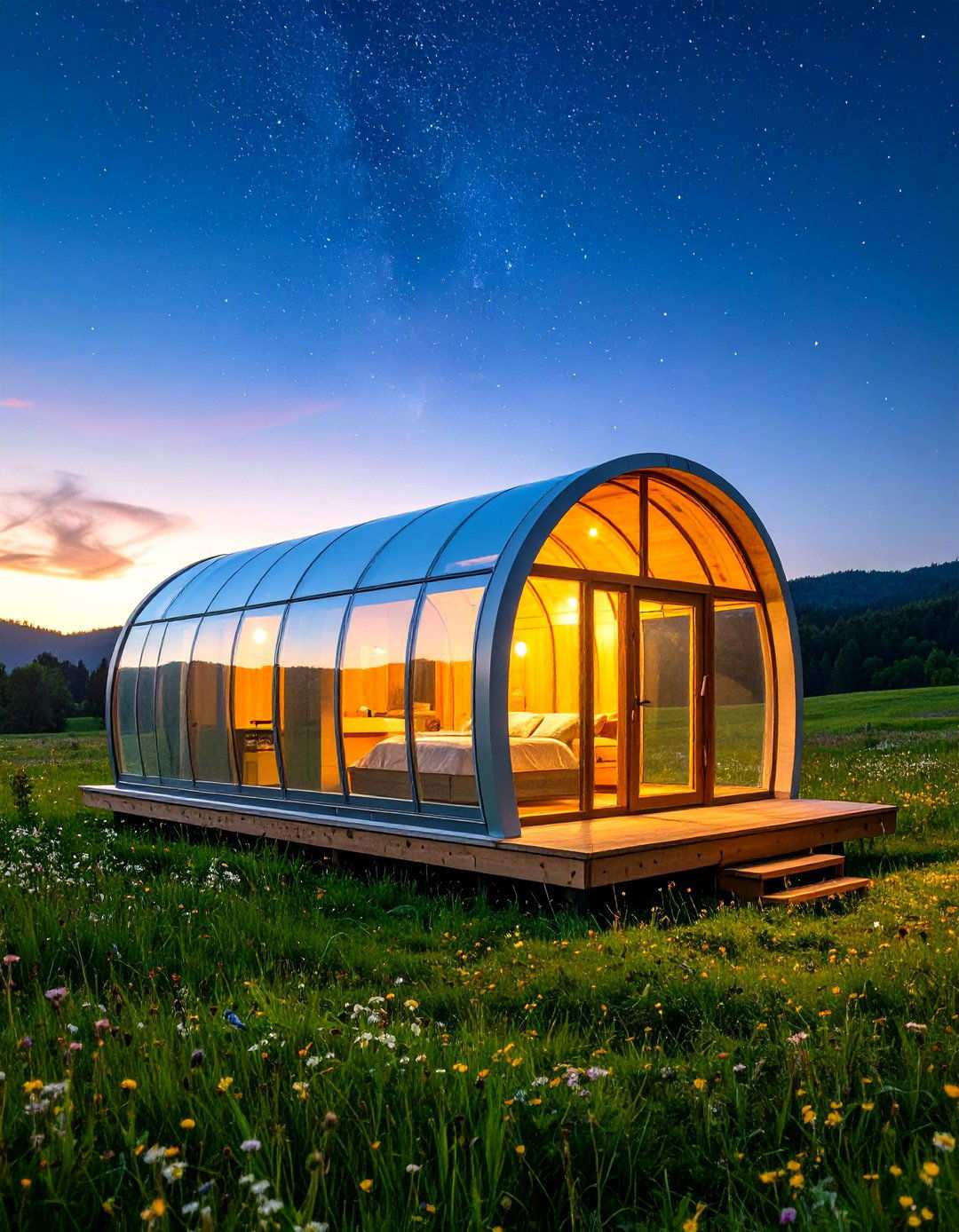
Immersive architectural designs in pod saunas can create extraordinary experiences by blending indoor relaxation with outdoor views. Innovative pod saunas featuring glass dome roofs offer an unparalleled connection to the sky, allowing users to gaze at stars, clouds, and weather patterns as if floating above the earth. These distinctive structures necessitate specialized glazing systems that can withstand extreme temperatures, harsh weather conditions, and structural loads without compromising clarity and safety. To achieve this, architects employ curved laminated glass or polycarbonate materials paired with robust framing systems that distribute loads efficiently while accommodating thermal expansion cycles.
The incorporation of glass dome roofs into pod sauna designs enables users to engage in stargazing during nighttime sessions, while natural light pours in during the day, providing a dynamic visual experience that adapts to changing weather patterns and seasonal cycles. Effective ventilation systems are crucial in these dome configurations, utilizing perimeter systems or integrated mechanisms to maintain air quality while preserving thermal performance. For users seeking enhanced privacy, options like electrochromic glass, retractable covers, or thoughtfully designed landscaping can provide a range of comfort levels. To ensure optimal performance, heating systems must be adjusted to account for increased heat loss through the extensive glazing, while maintaining a comfortable interior temperature. Regular maintenance tasks, including glass cleaning, seal inspection, and weather protection, are essential to preserve the clarity and integrity of the glass dome, preventing leaks and ensuring a long-lasting, trouble-free experience.
21. Elevating Outdoor Experiences: Wood-Burning Saunas with Pizza Oven Integration
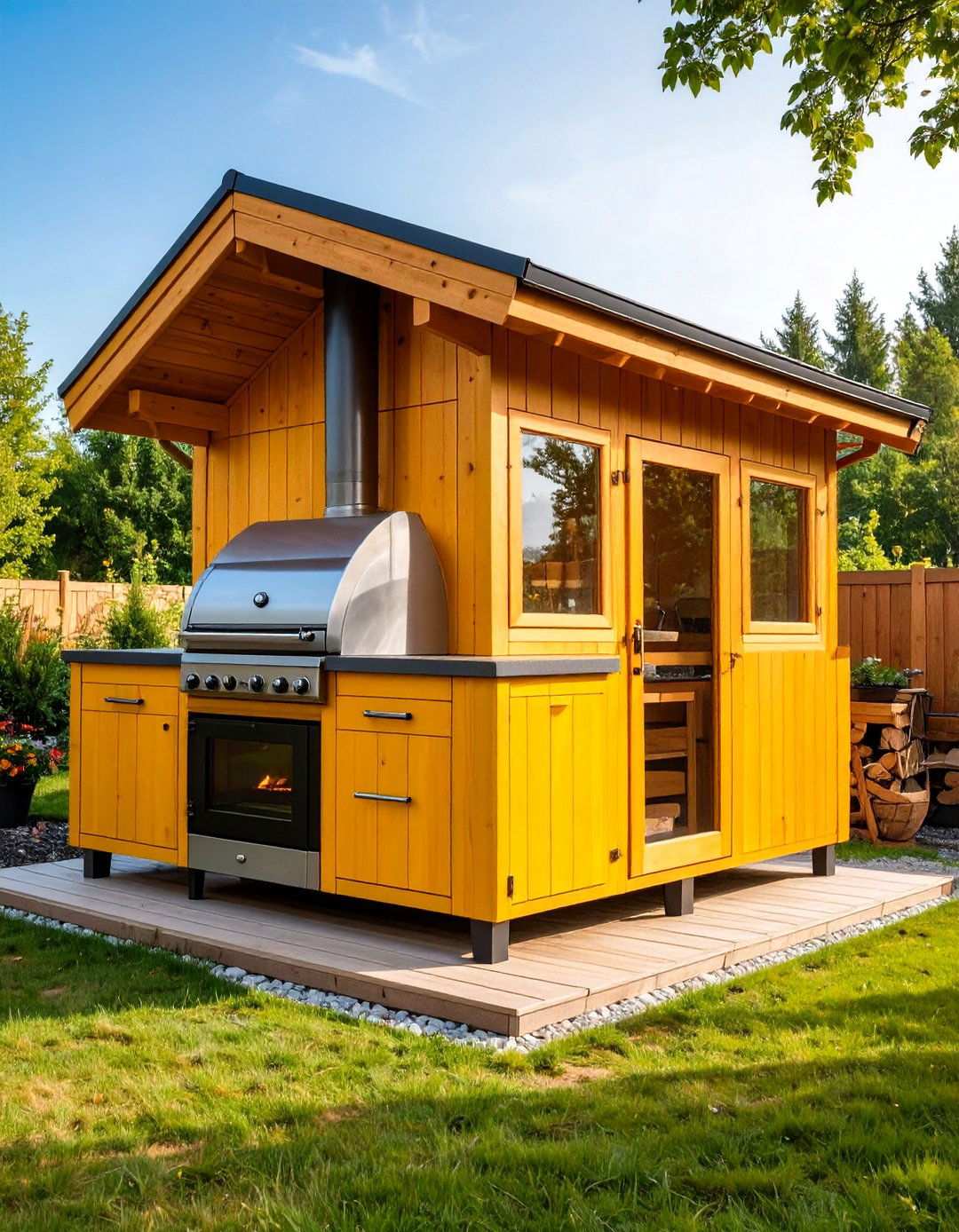
Innovative outdoor designs that merge cooking and wellness facilities are redefining recreational spaces. Wood-burning saunas with integrated pizza ovens exemplify this trend, offering dual-purpose installations that boost fuel efficiency while catering to diverse entertainment needs. By strategically coordinating combustion systems, chimney installations, and fuel storage, these designs optimize space utilization and operational efficiency. The integrated oven components feature refractory materials, insulation systems, and temperature monitoring, ensuring seamless transitions between high-heat baking and moderate sauna warming cycles.
Operational sequences involve preheating the pizza oven for cooking activities, followed by harnessing residual heat for extended sauna sessions that maximize the accumulated thermal energy. This synergy not only reduces energy consumption but also enhances the overall entertainment value of the space. Properties that incorporate these innovative designs can expect to host memorable family gatherings, seasonal celebrations, and unique events that set them apart from others. However, construction and maintenance complexity necessitate expertise in both sauna building and masonry oven techniques, including proper clearances, ventilation, and safety features for combined operations. Additionally, fuel requirements emphasize the selection of hardwoods for clean burning, adequate heat output, and aromatic qualities that elevate both cooking and bathing experiences.
22. Blending with Nature: Elevated Sauna Retreats
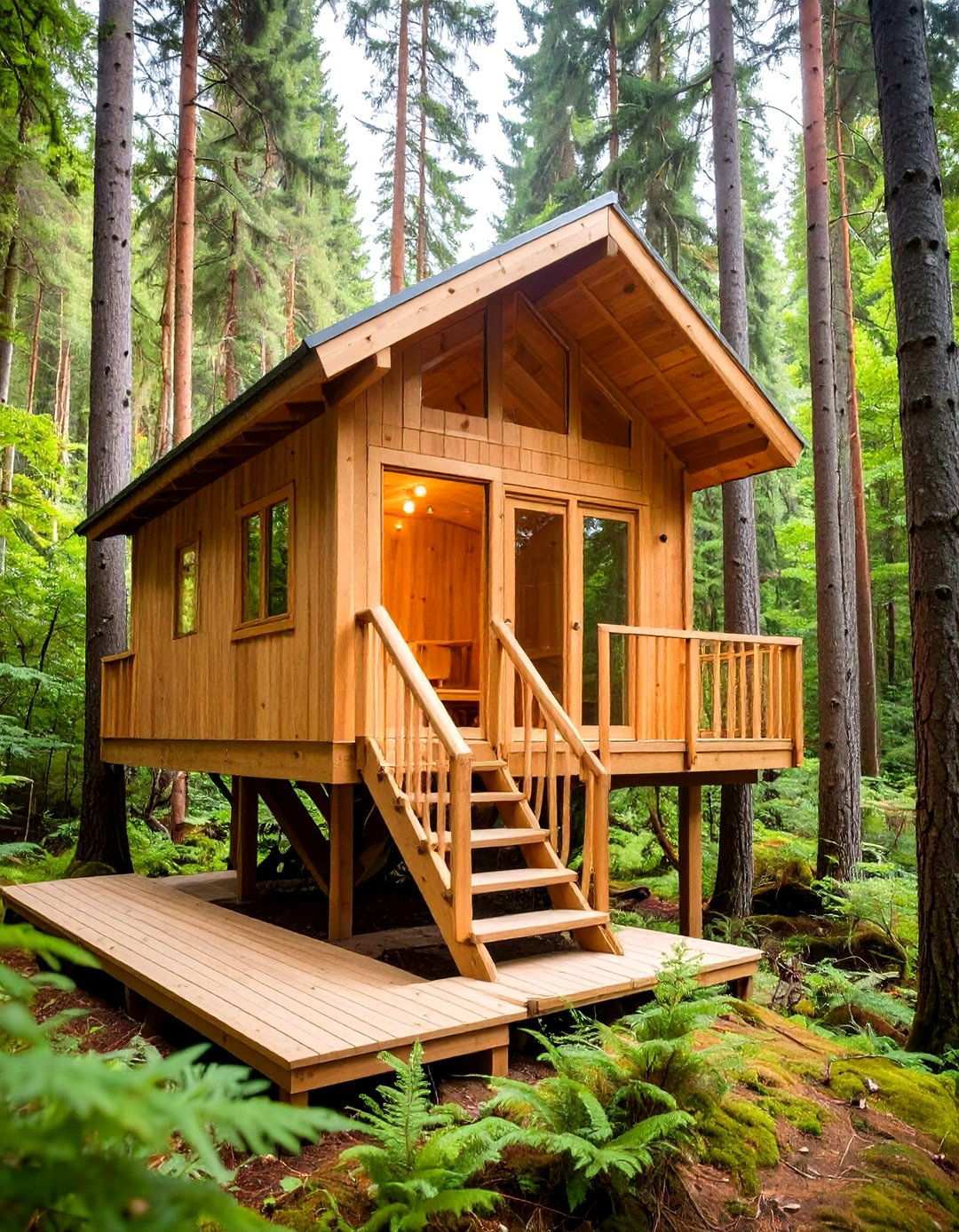
Elevated treehouse-style saunas can seamlessly merge with existing landscapes and mature trees, creating enchanting retreat experiences that harmonize with the natural surroundings. By utilizing raised platforms, these installations minimize ground disturbance, offering breathtaking views and an immersive connection to the forest ecosystem. Forging a harmonious balance between aesthetics and functionality, elevated saunas necessitate meticulous structural planning to ensure the sauna’s weight is evenly distributed while safeguarding tree health through carefully selected foundation methods and judicious root zone preservation.
Construction techniques employed in elevated treehouse-style saunas may involve post systems, cantilever designs, or suspended platforms that effectively distribute loads, guaranteeing structural stability and adherence to safety standards. Access solutions, such as spiral staircases, ramp systems, or suspension bridges, not only provide secure entry for users of varying mobility levels but also introduce an element of adventure. To protect the trees, root zone preservation, branch clearance considerations, and growth accommodation are essential measures that prevent damage to existing vegetation while ensuring long-term structural compatibility. From elevated positions, users can revel in the majesty of the canopy, observe wildlife in their natural habitats, and witness the dynamic changes of the seasons, thereby deepening their connection with nature during sauna sessions.
23. Future-Proof Sauna Solutions
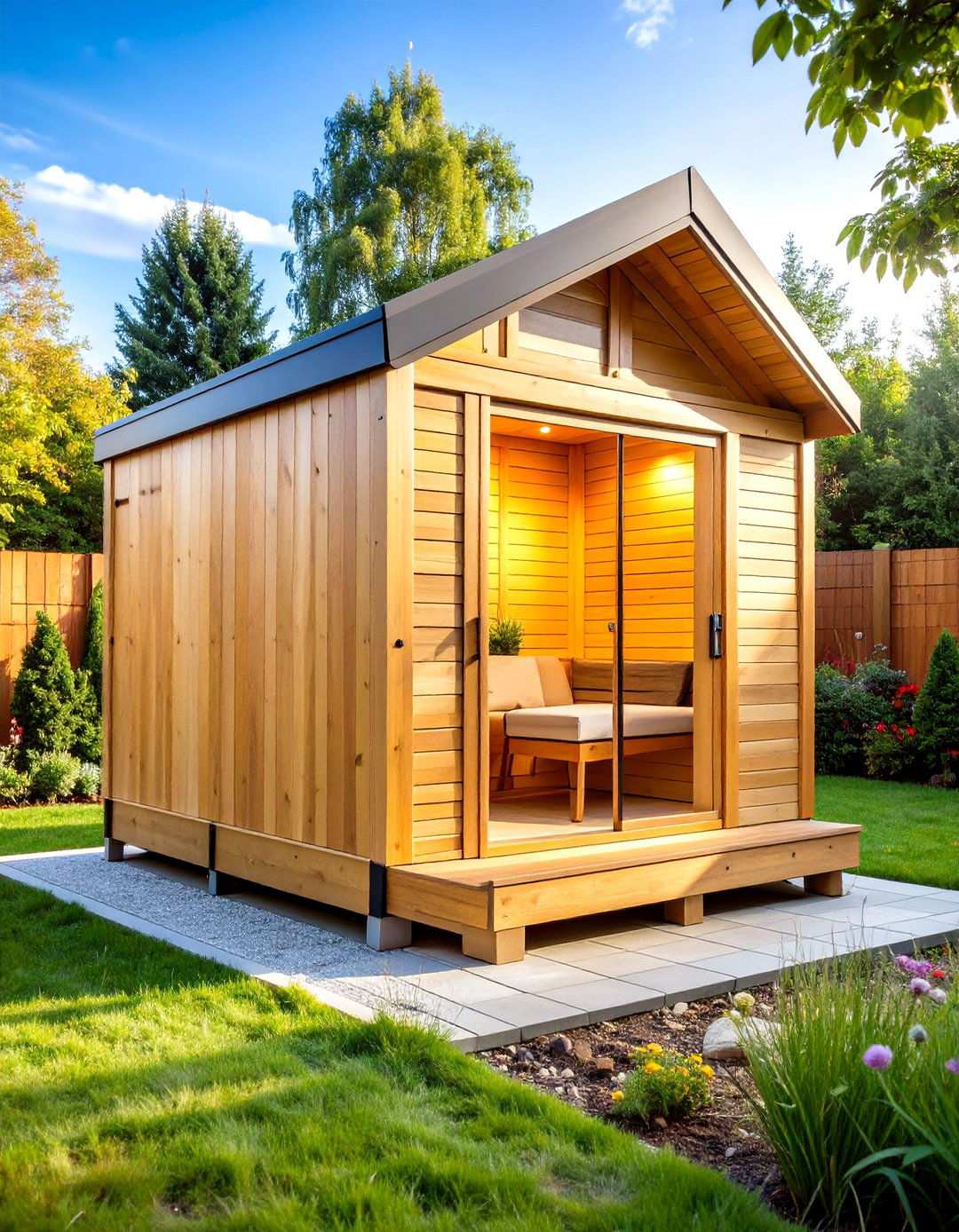
Modular construction approaches offer a unique blend of adaptability and cost-effectiveness, empowering users to address evolving needs and budget constraints with ease. This is particularly evident in modular expandable sauna systems, where standardized components facilitate phased construction, scalability, and layout reconfigurations as requirements shift. By leveraging connecting hardware, standardized dimensions, and compatible materials, these adaptable designs ensure seamless integration when adding sections or reconfiguring layouts – a testament to the power of modular thinking.
The modular approach enables users to start with basic configurations that cater to their current needs, while preserving options for premium upgrades, including automated controls, luxury finishes, or specialized equipment. Engineering considerations, such as structural compatibility, utility extensions, and foundation systems, are carefully taken into account to ensure that future additions are seamlessly integrated into the existing infrastructure, maintaining current functionality and operational continuity. By embracing modular construction, users can minimize disruption during expansion phases, while ensuring weather protection and operational continuity for existing facilities. Ultimately, this investment strategy enables budget management through staged completion, building equity and functionality over time according to financial capacity and changing needs.
24. Redefining the Art of Sauna Design
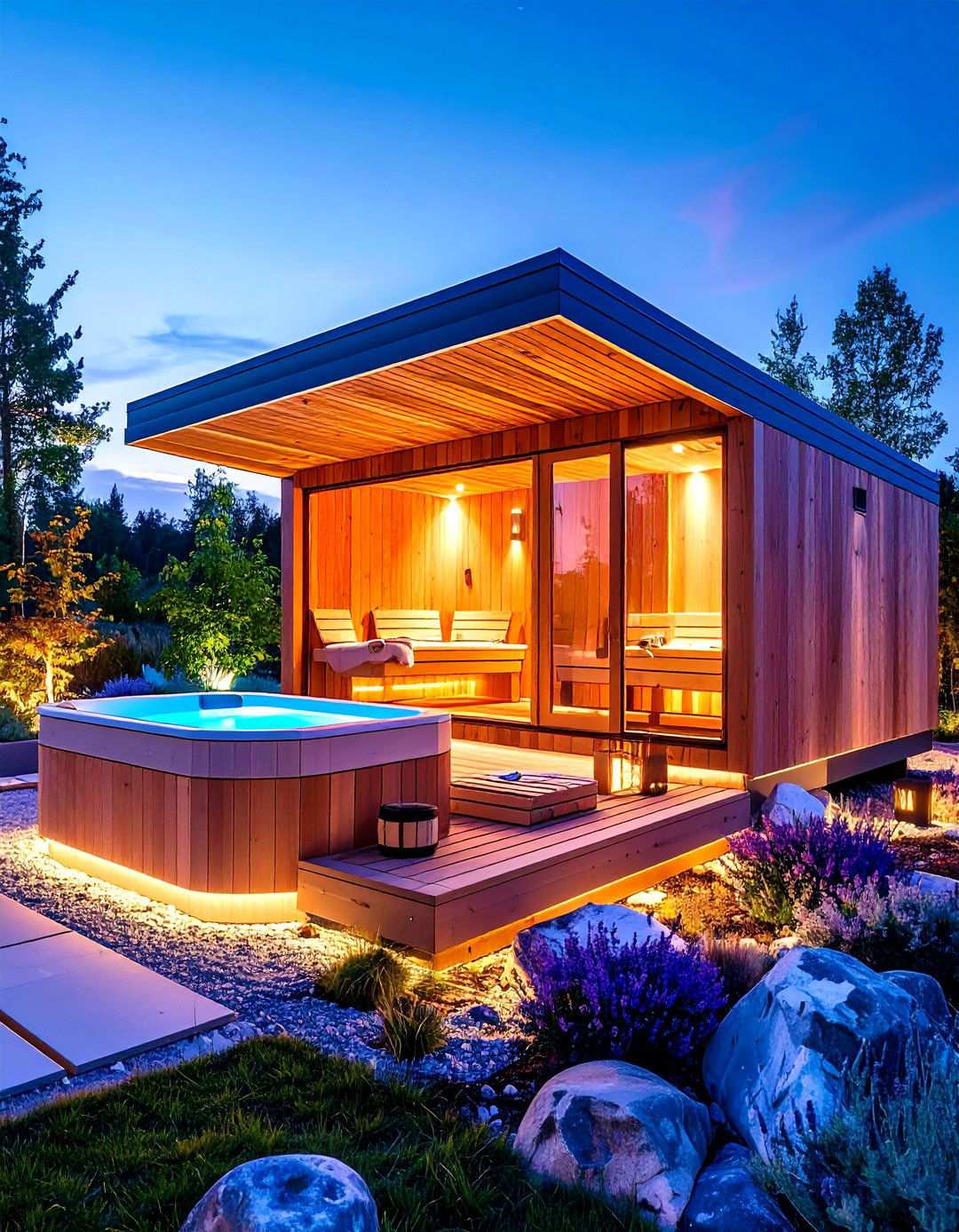
As traditional sauna concepts converge with visionary design and expert architectural expertise, a new realm of possibilities emerges. Unencumbered by conventional constraints, custom architectural sauna designs unlock fresh perspectives, combining innovative spatial concepts, cutting-edge materials, and artistic expression to craft one-of-a-kind wellness havens. These bespoke installations harmoniously blend individual tastes, site-specific demands, and architectural themes, seamlessly integrating with existing structures or landscape features.
Through collaborative relationships between architects, builders, and clients, design processes explore boundless creative potential while addressing essential practical considerations such as thermal performance, structural integrity, and building code compliance. By embracing a wide range of materials, from exotic woods to artistic glass installations, sculptural elements, and technology integration, these exceptional designs create extraordinary experiences that standard approaches cannot match. Furthermore, the complexity of construction necessitates specialized expertise, extended project timelines, and exceptional craftsmanship, justifying premium investment levels while delivering unique recreational amenities. To ensure harmonious relationships between sauna facilities and overall property design themes, site integration considers existing architecture, landscape features, and future development plans. Ultimately, artistic elements, including custom millwork, integrated sculpture, specialty lighting, or water features, elevate functional spaces into architectural masterpieces worthy of recognition.