1. Walnut Dining Tables with Tapered Legs
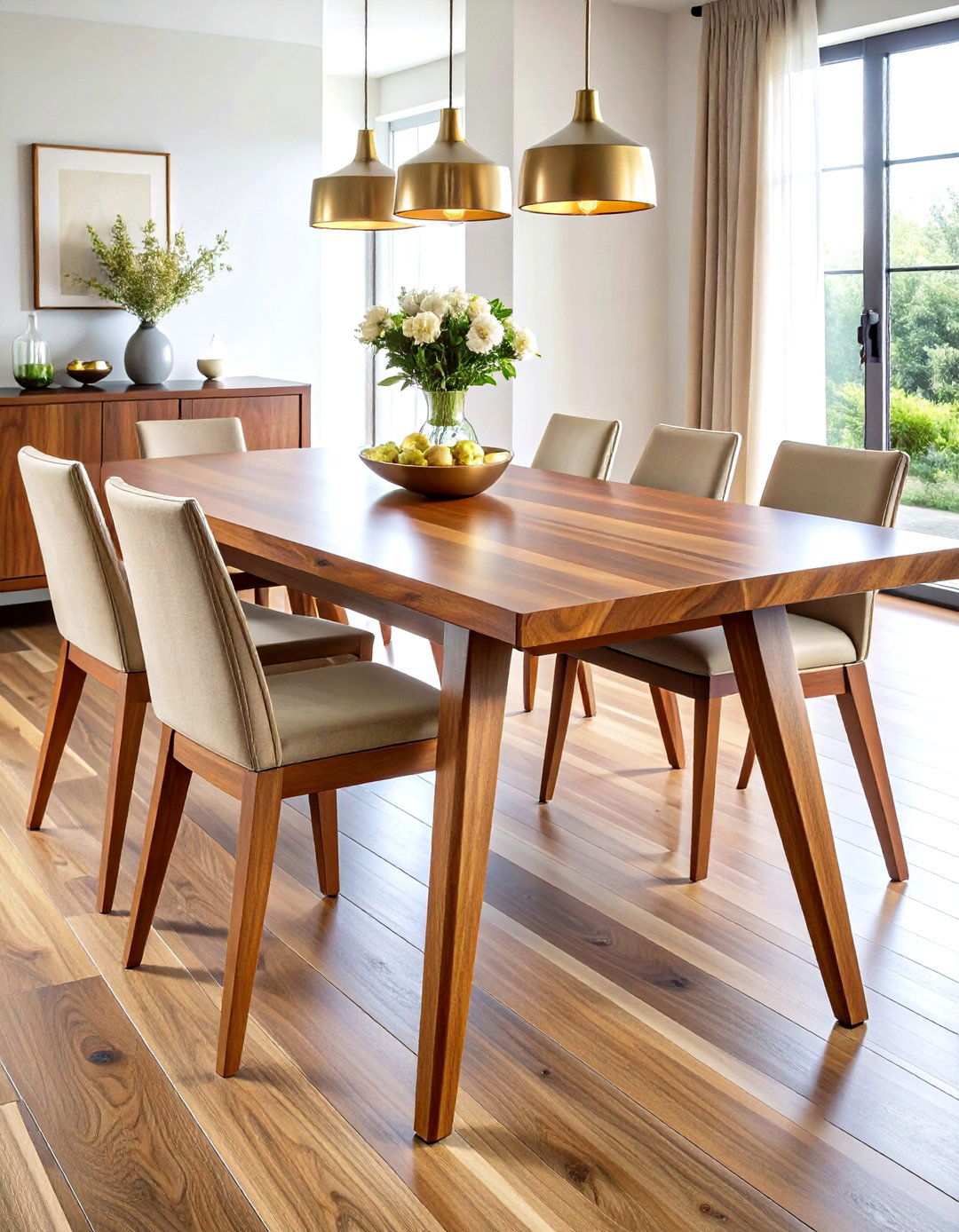
Mid-century modern dining rooms draw inspiration from an era that elevated interior design with a harmonious blend of clean lines, functionality, and timeless appeal. Characterized by simplicity that eschews elegance in favor of a more refined aesthetic, these spaces showcase the movement’s core principles. The incorporation of natural materials and innovative designs creates a visual equilibrium that underscores the era’s emphasis on form and function. Walnut dining tables with tapered legs embody the movement’s affinity for geometric precision and the beauty of natural wood grains. Rich, warm tones evoke a sense of coziness while angular leg designs introduce visual lightness, fostering a sense of openness. Pair these iconic pieces with matching storage units and complement the warm wood with brass accents for a cohesive look. As the grain patterns unfold across the smooth surface, they tell a story that adds an extra layer of sophistication to the space.

As an Amazon Associate I earn from qualifying purchases.
2. Sputnik Chandelier Statement Lighting
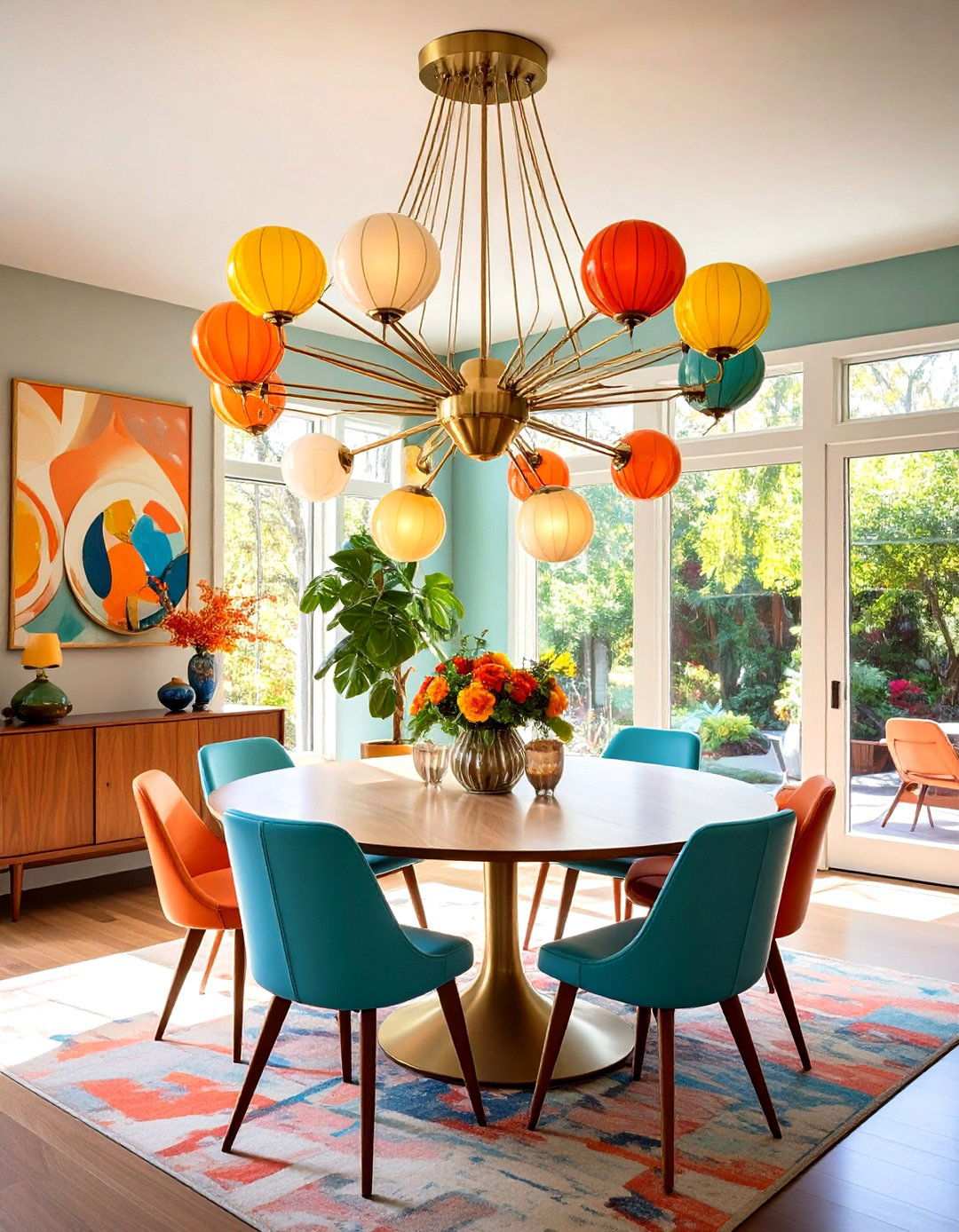
Mid-century modern dining spaces are elevated by dramatic statement lighting fixtures that evoke the cosmopolitan spirit of the era. Sputnik chandeliers are a quintessential representation of this aesthetic, featuring multi-armed designs that radiate outward like satellites. The geometric burst design creates a stunning visual impact while providing ambient lighting that enhances the dining experience. Choose from a range of finishes, such as brass for a warm, inviting glow or matte black for a sleek, contemporary look. Scale is crucial when selecting a sputnik chandelier – oversized fixtures work beautifully in spacious rooms, while smaller interpretations suit more intimate settings. By positioning the fixture above the dining table, you can create an architectural focal point that embodies the optimistic, space-age aesthetic that defined mid-century modern design innovation.
3. Harmonious Mid-Century Lines
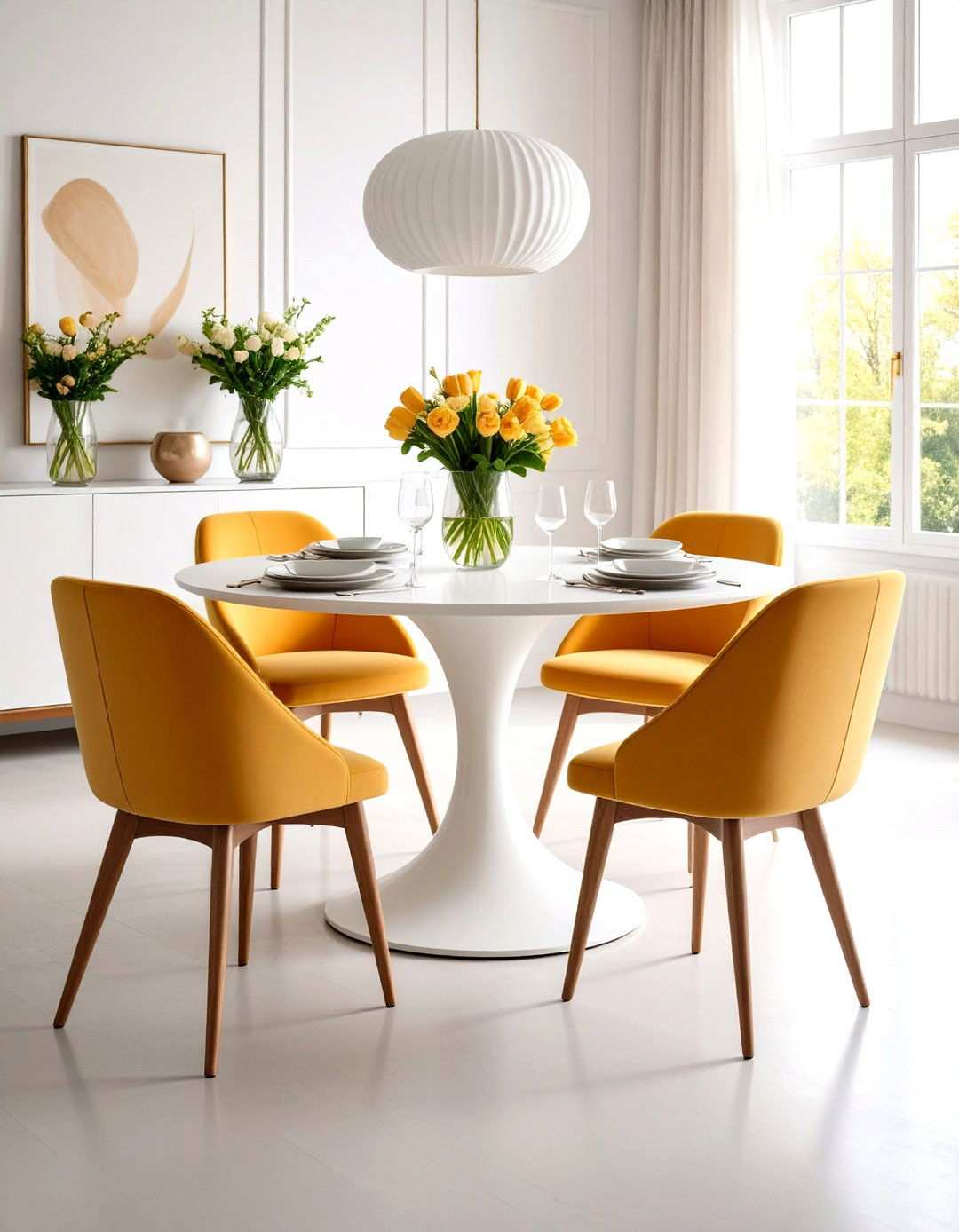
Combine the minimalist charm of a tulip table with curved seating to achieve an unparalleled mid-century modern look. The pedestal base of the table elegantly conceals visual clutter, while the smooth, rounded edge subtly softens the geometric lines characteristic of the era. Pair the table with molded plastic chairs featuring organic curves or upholstered pieces boasting kidney-shaped backs. The versatile white or cream finishes create timeless appeal, while bolder colors inject playful energy into the space. The single-base design ensures flexible seating arrangements without chair legs clashing. This design exemplifies the “less is more” philosophy that underpins mid-century modern style, creating a cohesive aesthetic that seamlessly blends functionality with futuristic flair.
4. Timeless Nature-Inspired Hues
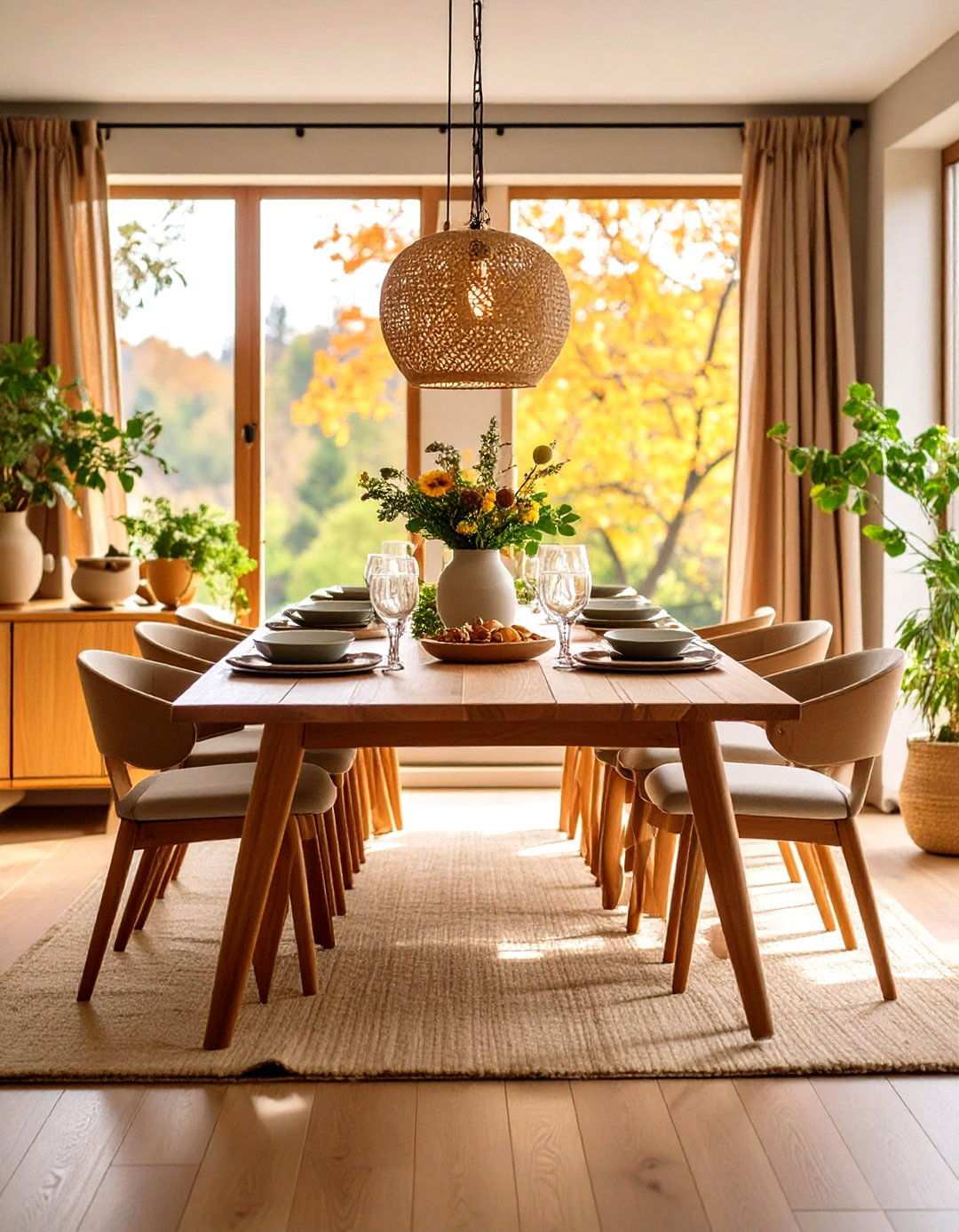
Establish a mid-century modern foundation for your dining room by incorporating earthy color palettes that reflect the era’s affinity for organic materials and landscapes. Begin with a harmonious blend of warm beiges, soft grays, and crisp whites as your base colors, then layer in rich browns and muted greens. These nature-inspired tones create a versatile canvas that allows furniture and lighting to take center stage. Natural materials like wood, leather, and stone beautifully complement this palette, infusing sophistication and calming energy into the space. Observe how these colors evolve throughout the day as natural light dynamically shifts across your space. Introduce texture through woven fabrics, grain patterns, and mixed finishes to further enhance the ambiance. This timeless approach ensures your dining room remains fresh while honoring the authentic spirit of mid-century design principles.
5. Vibrant Color Injection
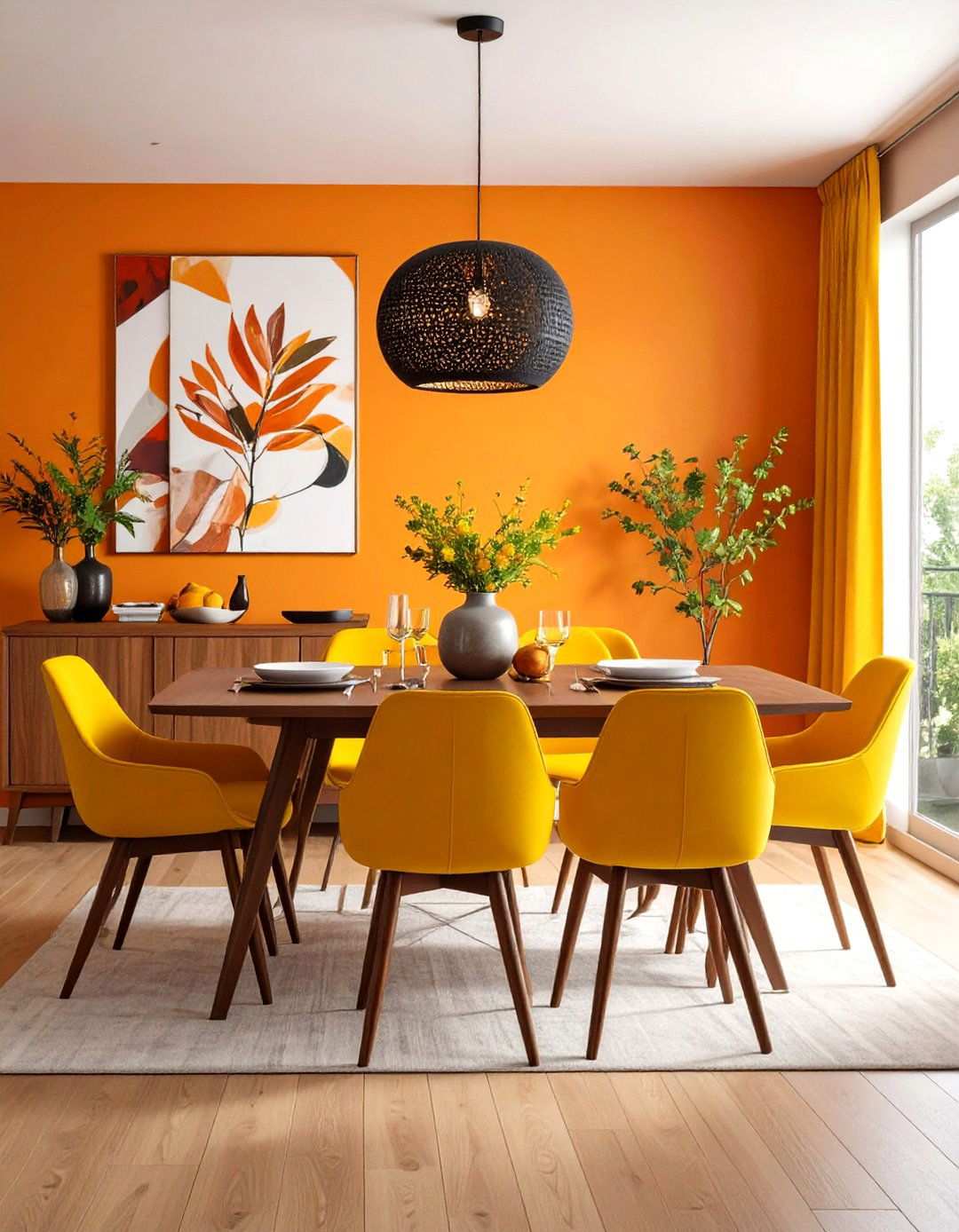
Elevate your neutral mid-century dining room with thoughtfully placed bursts of vibrant color that capture the era’s optimistic and playful spirit. Iconic hues such as mustard yellow, burnt orange, and olive green were signature colors that added personality without overwhelming the space. By strategically introducing color, you can dramatically transform the mood of your dining experience. Consider incorporating these bold accents through artwork, chair upholstery, or decorative accessories rather than major furniture pieces. A single accent wall in deep teal or forest green creates striking visual impact while maintaining sophistication. Explore the psychological effects of color – warm oranges stimulate appetite and conversation, while cool blues promote relaxation. Mix patterns and textures within your chosen accent color to add visual interest. This approach allows for easy updates as your preferences evolve while maintaining the authentic mid-century aesthetic.
6. Harmonious Space Fusion
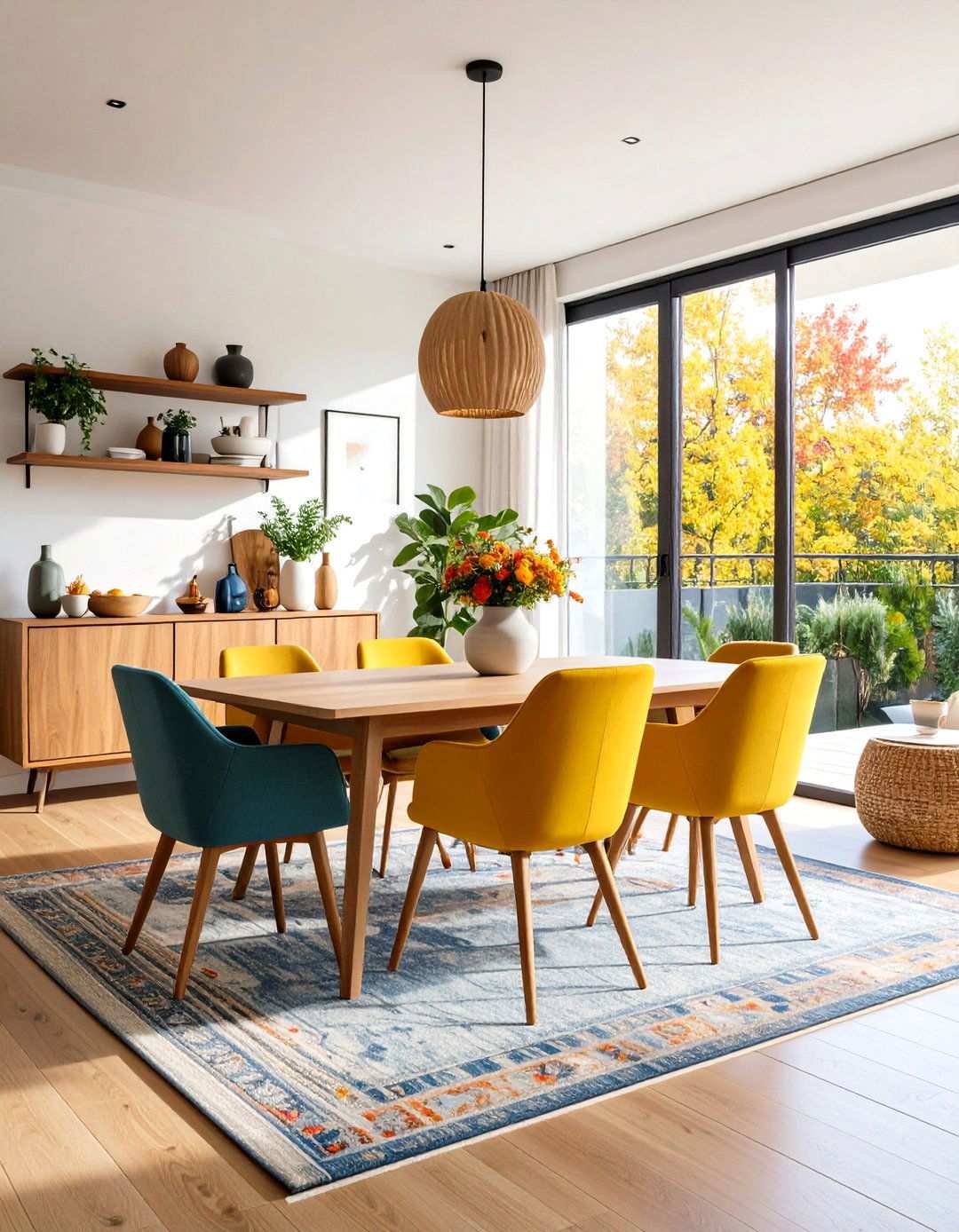
Mid-century modern dining areas can seamlessly connect with adjacent living spaces through a thoughtful open floor plan design that prioritizes fluidity and interconnection. By judiciously placing furniture, adjusting lighting, and introducing subtle material transitions, you can maintain distinct zones without creating barriers. Low-profile furniture and floating credenzas keep sight lines clear while providing necessary storage and display space. Coordinated wood tones and metal finishes ensure visual continuity throughout the connected spaces. Strategically placed area rugs can define the dining zone without imposing rigid boundaries. This design approach not only makes smaller homes feel more spacious but also fosters family interaction and social connection by allowing conversations and activities to flow freely between areas during entertaining.
7. Material Harmony
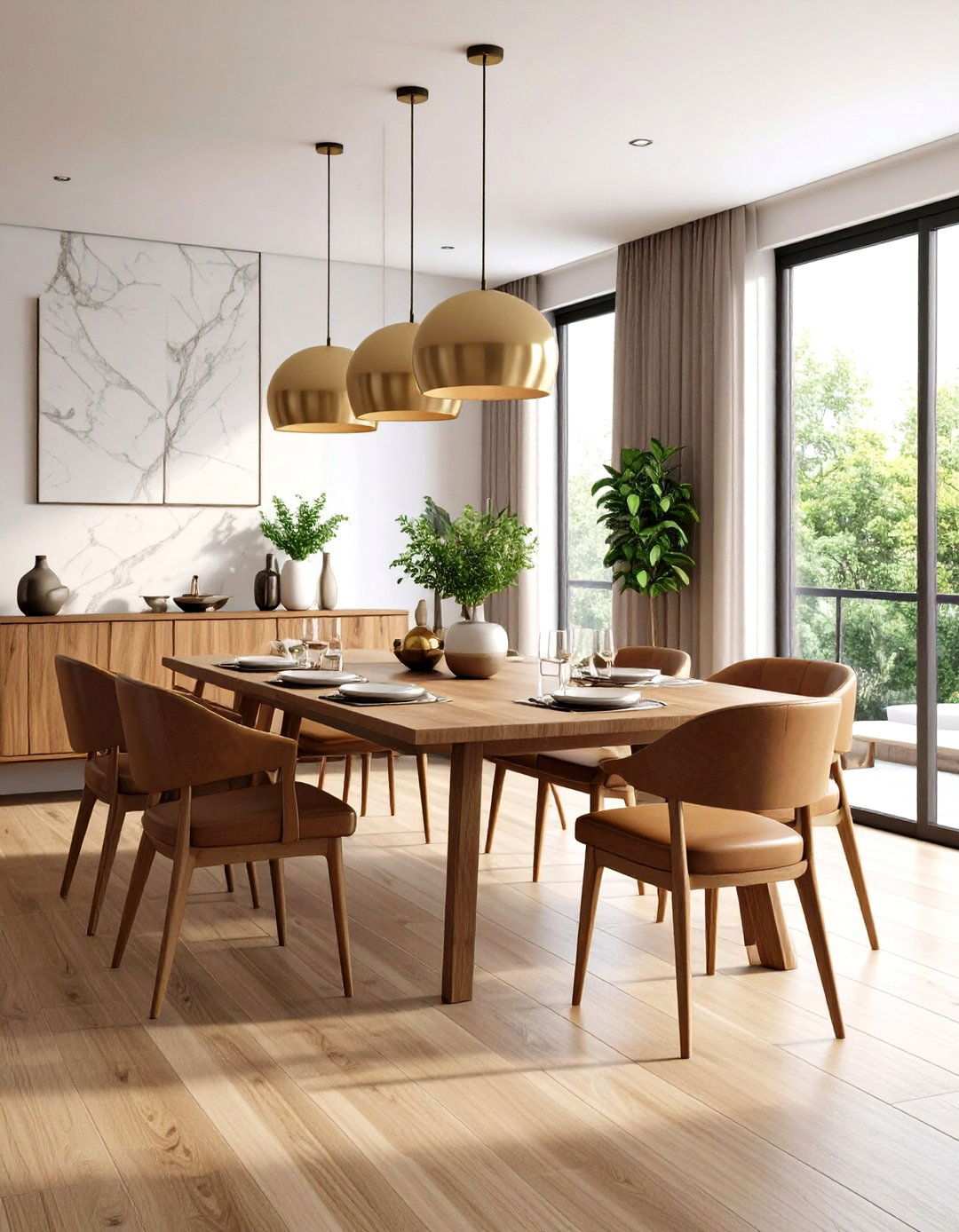
Mid-century modern design celebrates the beauty and uniqueness of diverse natural materials by combining them in a way that showcases their inherent characteristics. Pairing warm teak wood with cool marble surfaces, rich leather with sleek metal frames, and soft textiles with hard stone elements creates balanced compositions that add sophisticated depth to your dining space. The contrast between smooth and rough, warm and cool, soft and hard textures stimulates our senses and creates a tactile experience while maintaining the clean, uncluttered aesthetic central to the style. By highlighting natural grain patterns, patina development, and authentic aging, you can choose finishes that connect you with nature even within interior spaces. This approach not only celebrates the beauty of natural materials but also creates a harmonious connection between your indoor and outdoor environments.
8. Geometric Accentuation
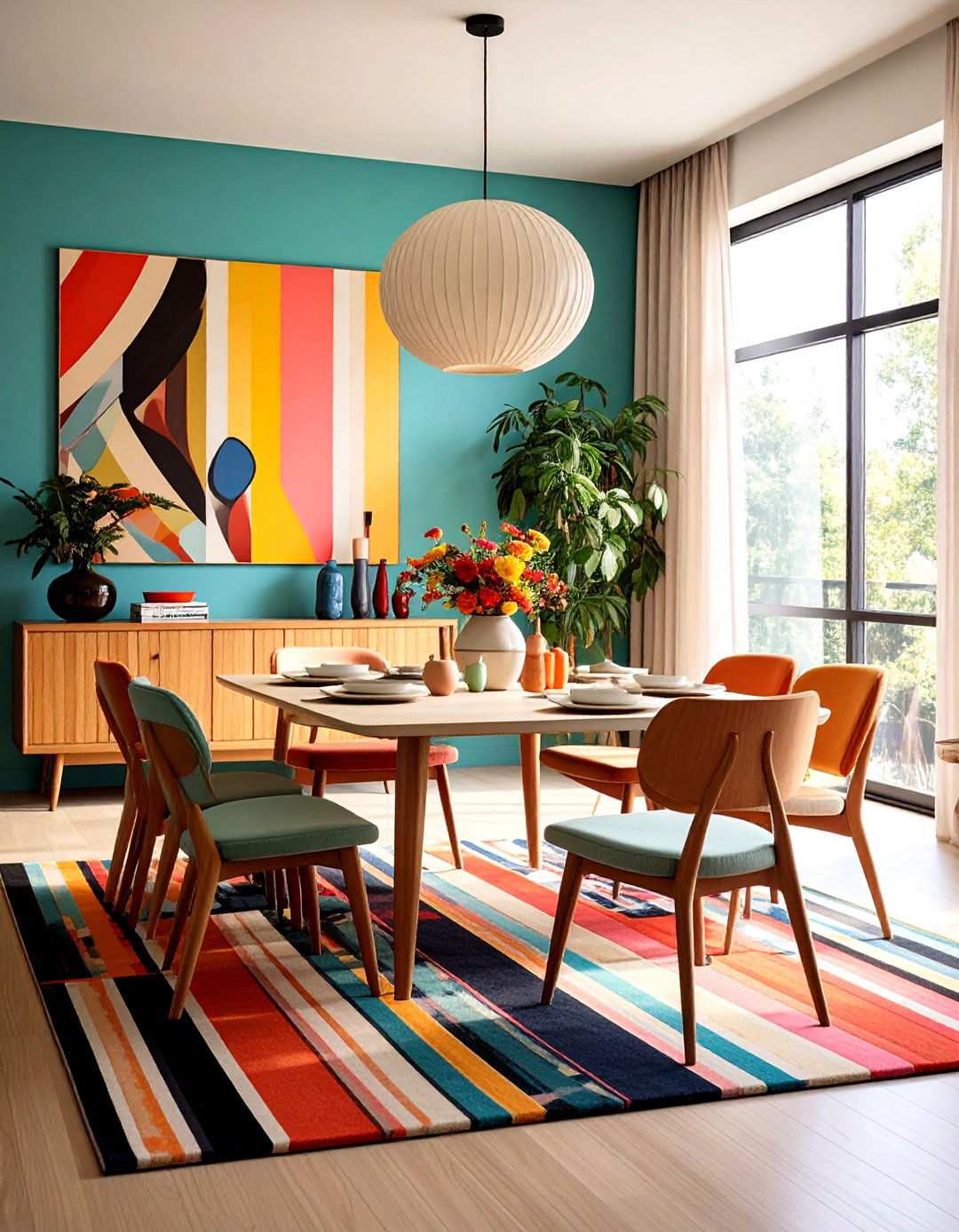
Geometric patterns can add visual energy to your mid-century modern dining space while honoring the style’s design principles. Incorporate striking patterns through rugs, wallpaper, and artwork to create focal points without overwhelming your furniture’s clean lines. By starting with one major patterned element and layering smaller geometric accents, you can achieve balance and visual interest. Timeless sophistication can be achieved with black and white patterns, while colorful versions add playful energy. When introducing geometric patterns, consider scale carefully—large patterns work well in spacious rooms, while smaller repeats suit intimate settings. By mixing different pattern scales, you can create visual interest while maintaining color coordination. However, the key to restraint lies in ensuring that too many competing patterns do not destroy the serene sophistication that defines authentic mid-century modern style.
9. Unifying Modernity and Tradition
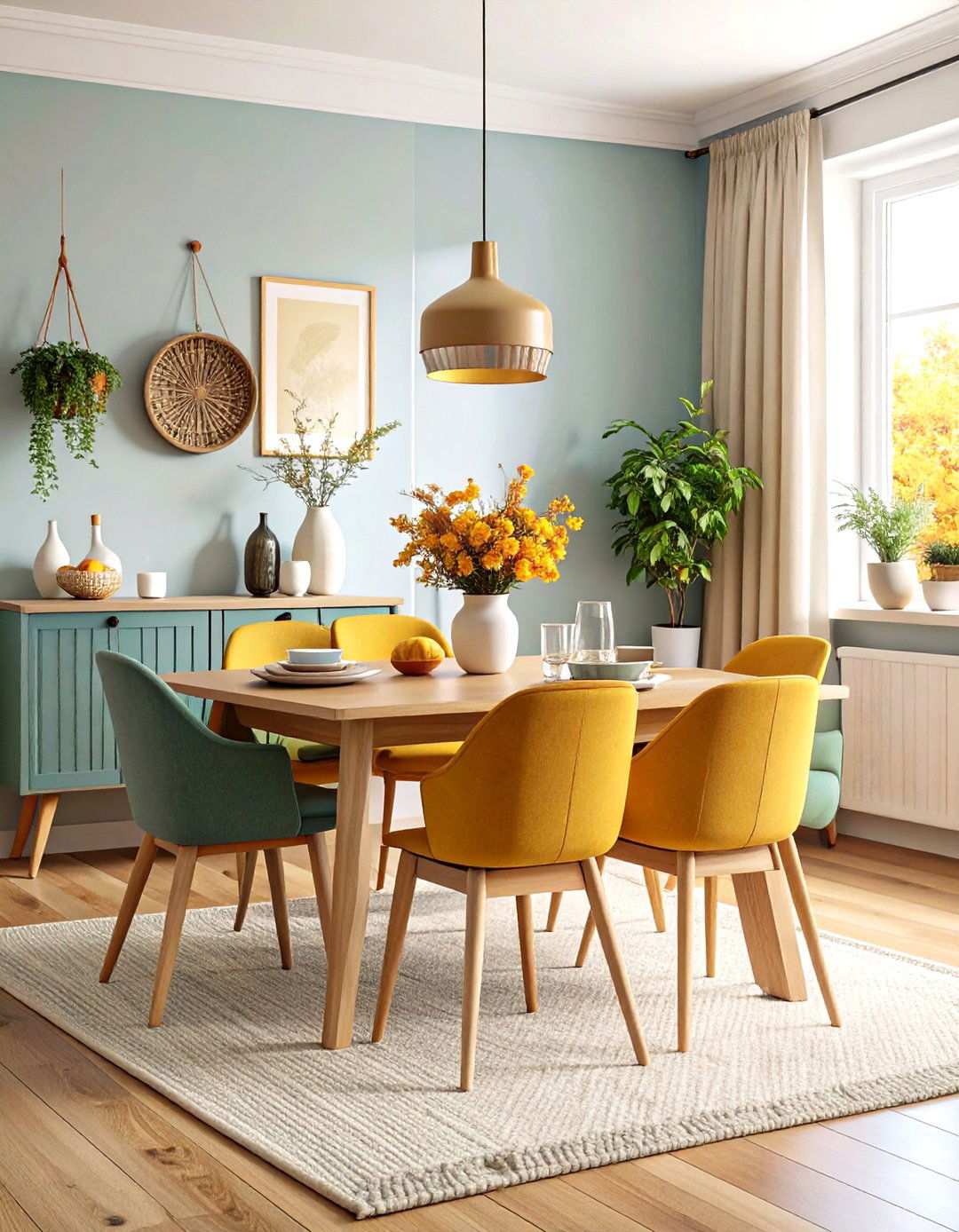
Combine the understated elegance of Nordic design with the organic feel of American mid-century modern elements to craft dining spaces that celebrate craftsmanship, natural materials, and functionality. By juxtaposing light woods like birch and ash with deeper walnut tones, you create a visual balance that prioritizes comfort and usability. The warmth of Scandinavian hygge is introduced through plush textiles, soft candlelight, and inviting seating arrangements. Choose furniture pieces with gentle curves and handcrafted details that honor the craftsmanship of woodworking traditions. In terms of color palette, opt for whites, pale grays, and natural wood tones, with minimal accent colors to create a calming atmosphere perfect for leisurely meals with loved ones. As the seasons change, consider how different lighting conditions impact the mood, and how the Scandinavian connection to nature can enhance your appreciation for bringing outdoor elements inside.
10. Eames-Inspired Design Narratives
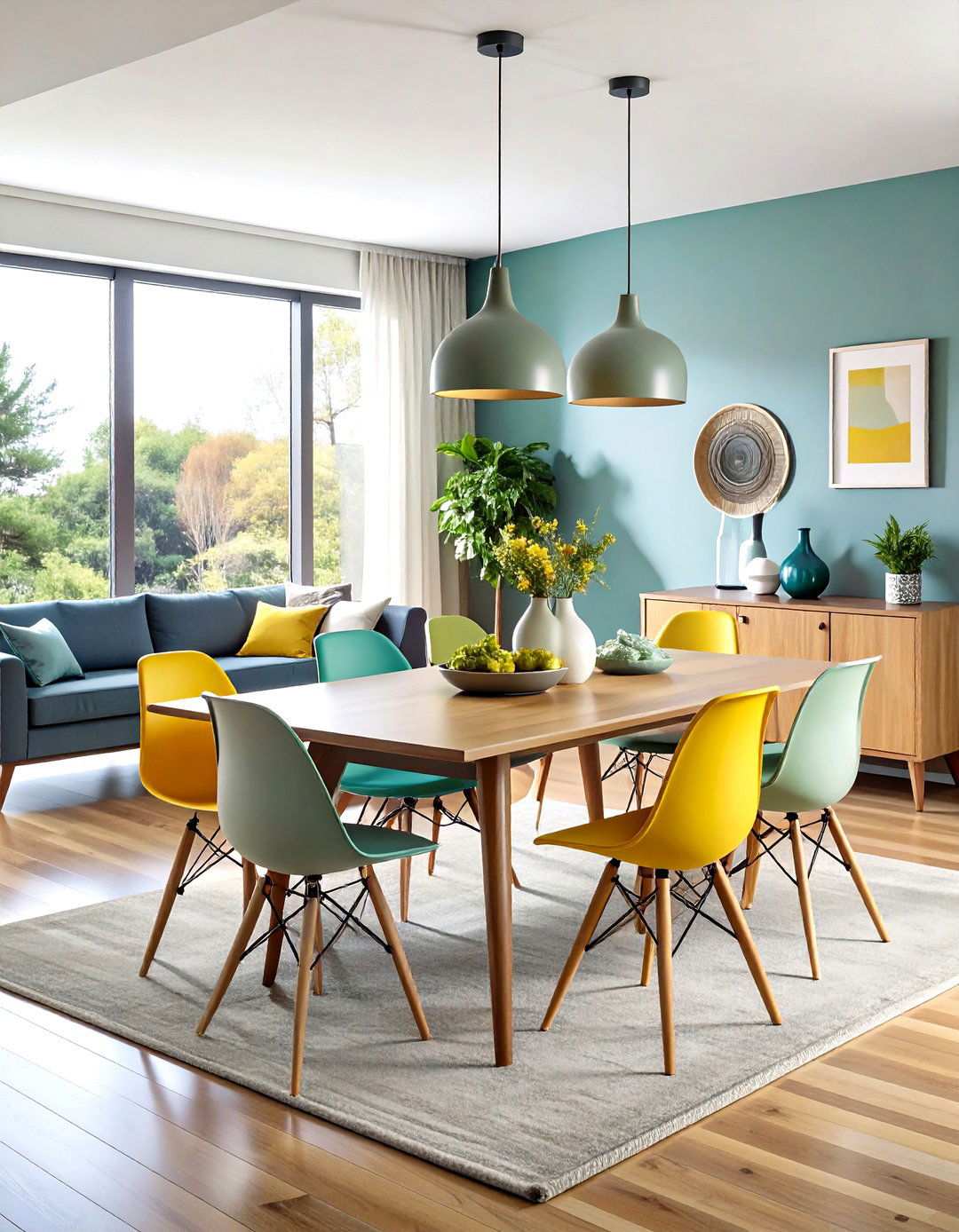
Bring the innovative spirit of Charles and Ray Eames to life through thoughtfully curated furniture collections that showcase their revolutionary approach to design and manufacturing. The iconic molded plywood chairs with metal legs embody the era’s experimentation with new materials and techniques. To create visual harmony, mix different Eames-inspired pieces, such as dining chairs, lounge seating, and storage units, while maintaining a shared design language. The juxtaposition of organic curves with industrial materials creates a sophisticated tension that defines mid-century modern appeal. For a truly authentic look, select vintage pieces or high-quality reproductions that honor the original designs. This timeless approach continues to feel contemporary because it celebrates the perfect balance of form and function. By layering different textures and finishes within the collection, you create a visually engaging narrative that celebrates design innovation while providing comfortable, functional dining environments.
11. Layered Lighting Design
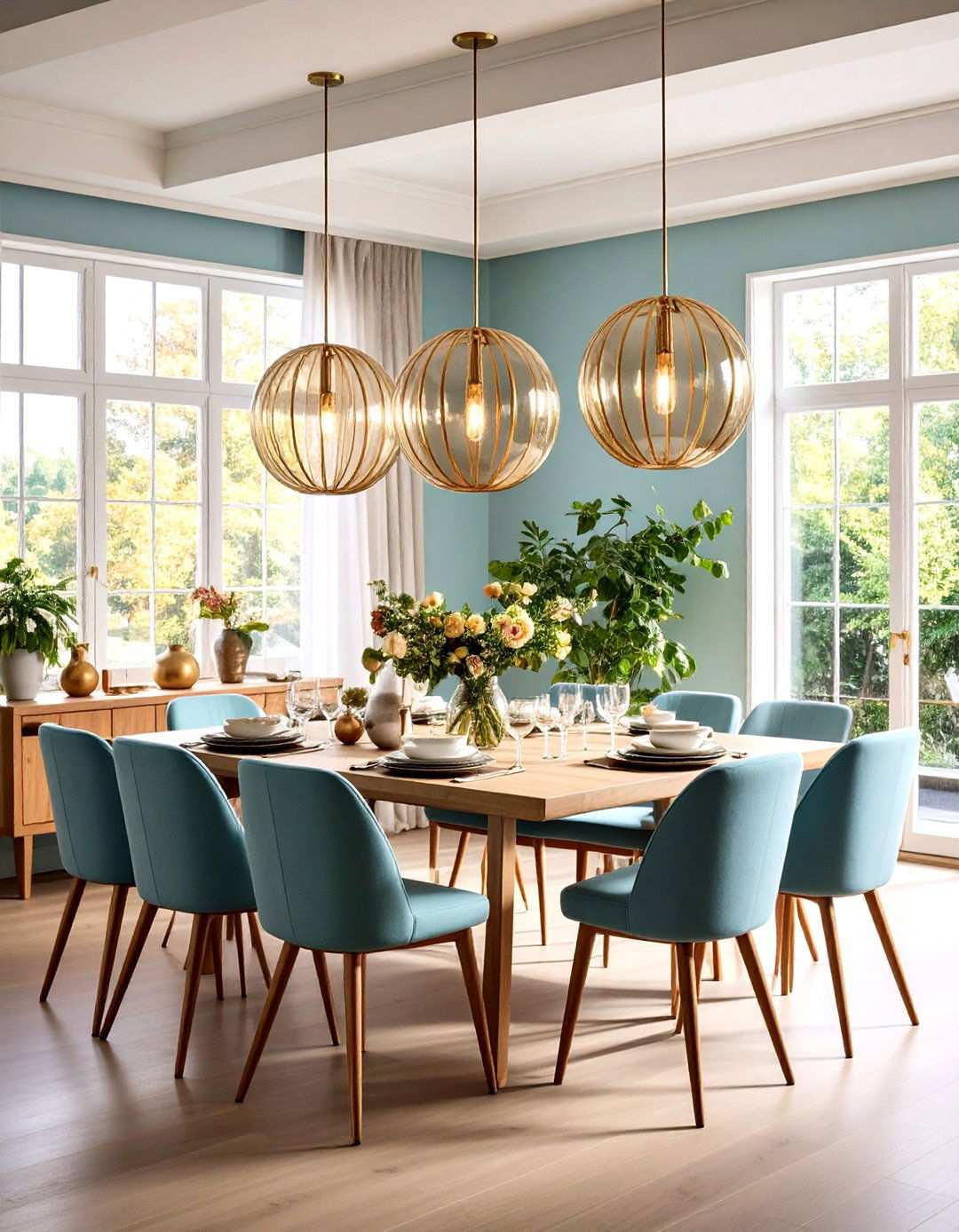
Elevate your dining experience with grouped globe pendant fixtures that provide both functional illumination and sculptural beauty above your dining table. These spherical lights embody the atomic age fascination with celestial forms while offering warm, diffused light perfect for intimate dining experiences. To create visual interest, arrange three pendants at varying heights, or opt for linear arrangements in rectangular spaces. Glass globes with brass or chrome fittings complement mid-century modern furniture perfectly, creating a harmonious balance of form and function. By incorporating dimmer controls, you can adjust lighting levels from bright task lighting to intimate dinner ambiance, creating the perfect atmosphere for any occasion. This timeless approach to lighting design works beautifully in both traditional mid-century homes and contemporary spaces seeking vintage charm, effectively setting the tone for a memorable dining experience.
12. Elevated Dining Environments
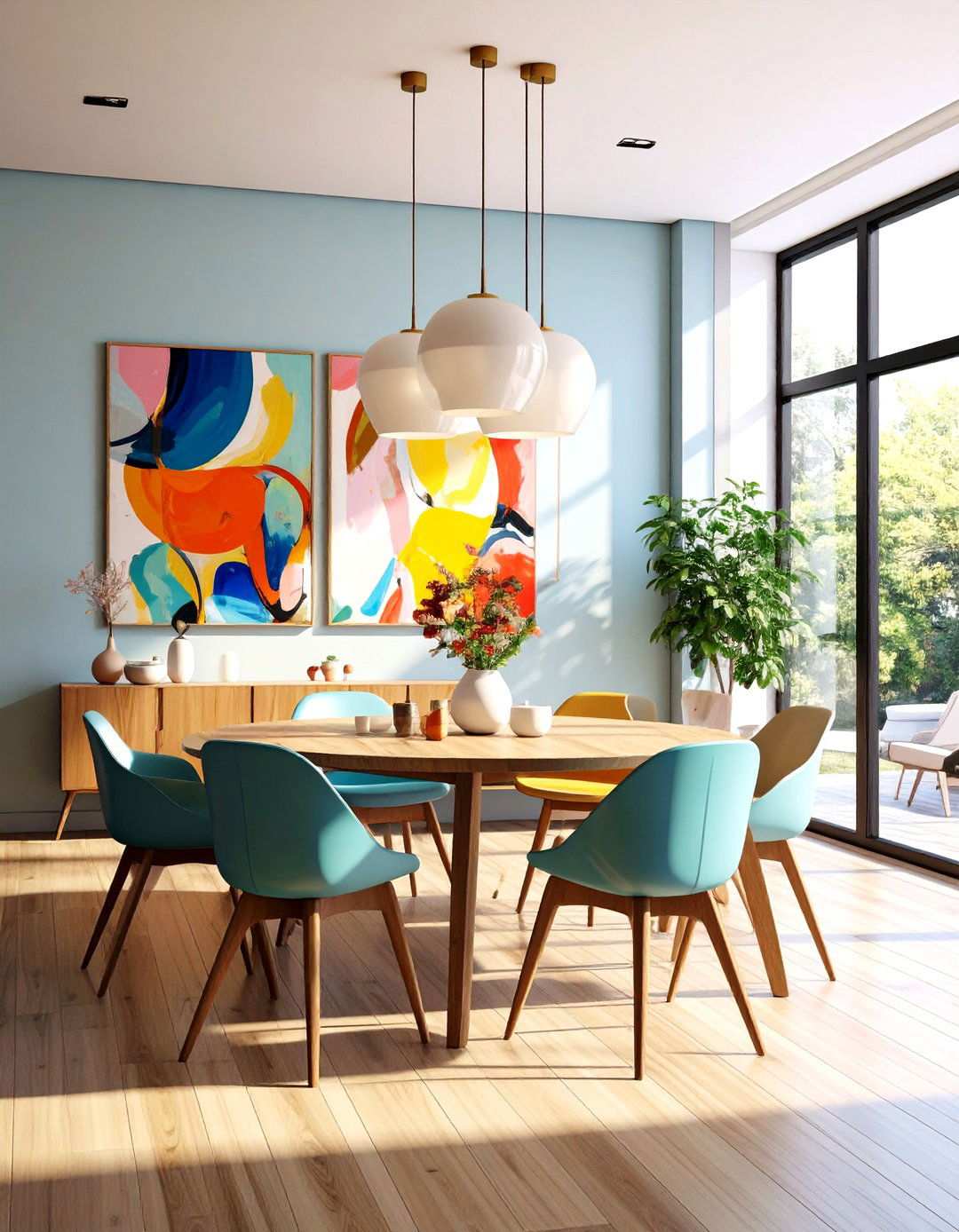
Transform your dining room walls into vibrant galleries featuring abstract expressionist artwork that embodies the creative essence of the mid-century modern era. Dynamic color fields, geometric patterns, and organic shapes inject visual energy while harmonizing with clean-lined furniture. Start by showcasing a single striking piece or create an arrangement of smaller works to maximize impact. To achieve balance, thoughtfully consider the relationship between art hues and your overall room color scheme. Authentic vintage pieces from the era add an unmistakable touch, while contemporary works inspired by the movement offer fresh perspectives. The choice of frame is critical—opt for simple profiles that don’t compete with the artwork. What emotional connection do you hope your art will establish during dining experiences? Proper lighting ensures artwork remains visually striking and impactful at all times of day, personalizing your space while honoring artistic traditions of the period.
13. Credenza Designs for Efficient Living
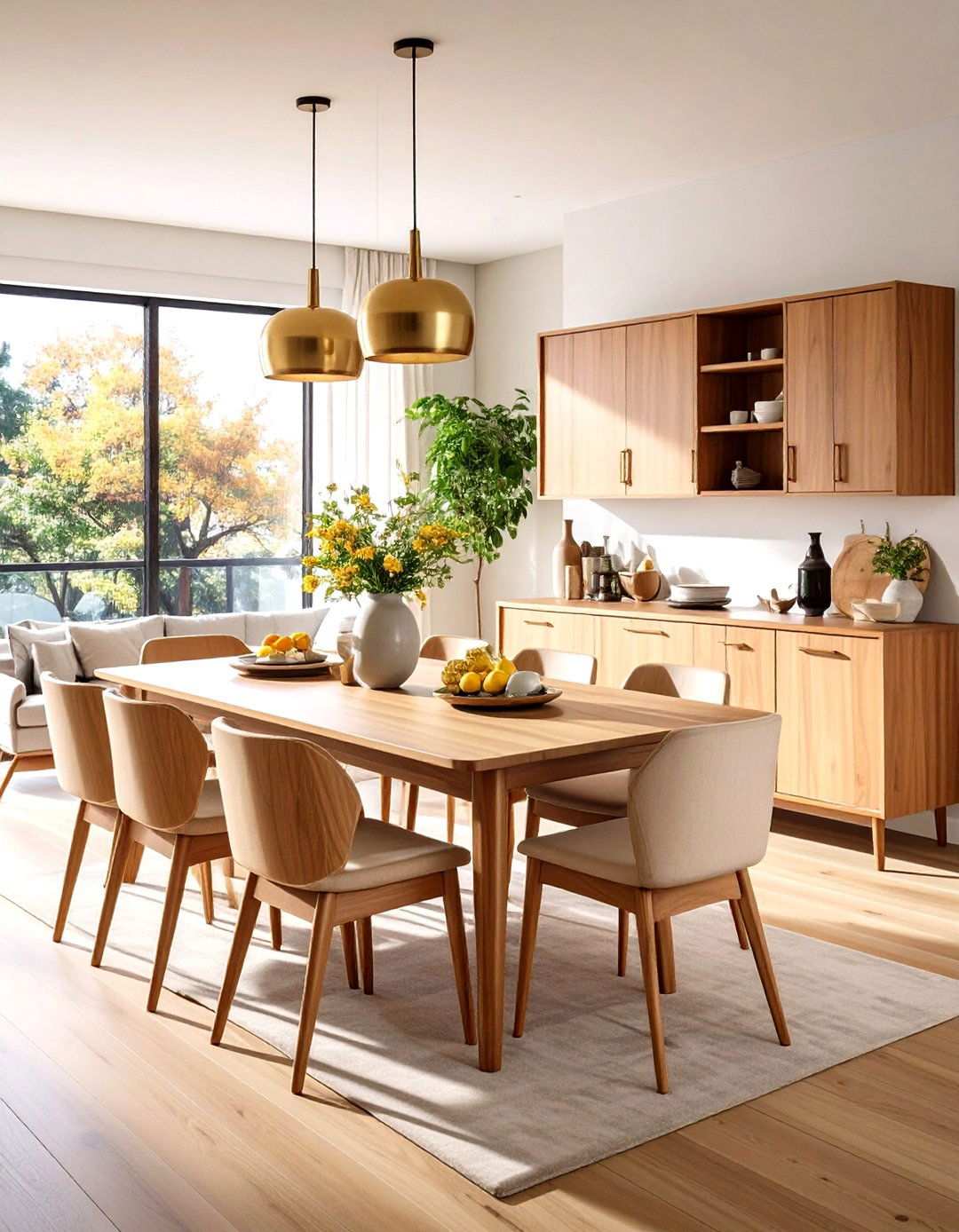
Elevate your dining room’s functionality with sleek credenza storage that embodies mid-century modern design principles while providing practical organization for entertaining essentials. Low-profile pieces featuring sliding doors or hinged panels maintain unobstructed sight lines while concealing dinnerware, linens, and serving pieces. Choose walnut, teak, or rosewood finishes that seamlessly integrate with your dining table selection. Brass hardware adds warm metallic accents that tie in beautifully with lighting fixtures. The top surface offers a display space for decorative objects, plants, or serving pieces during meals, adding visual interest to your room. Built-in lighting within some credenzas highlights displayed items with precision. Consider the balance between open display and concealed storage based on your entertaining style, striking a harmonious balance between aesthetic appeal and practical needs. This dual-purpose approach reflects the era’s emphasis on functional beauty and efficient living.
14. Timeless Wishbone Chair Settings
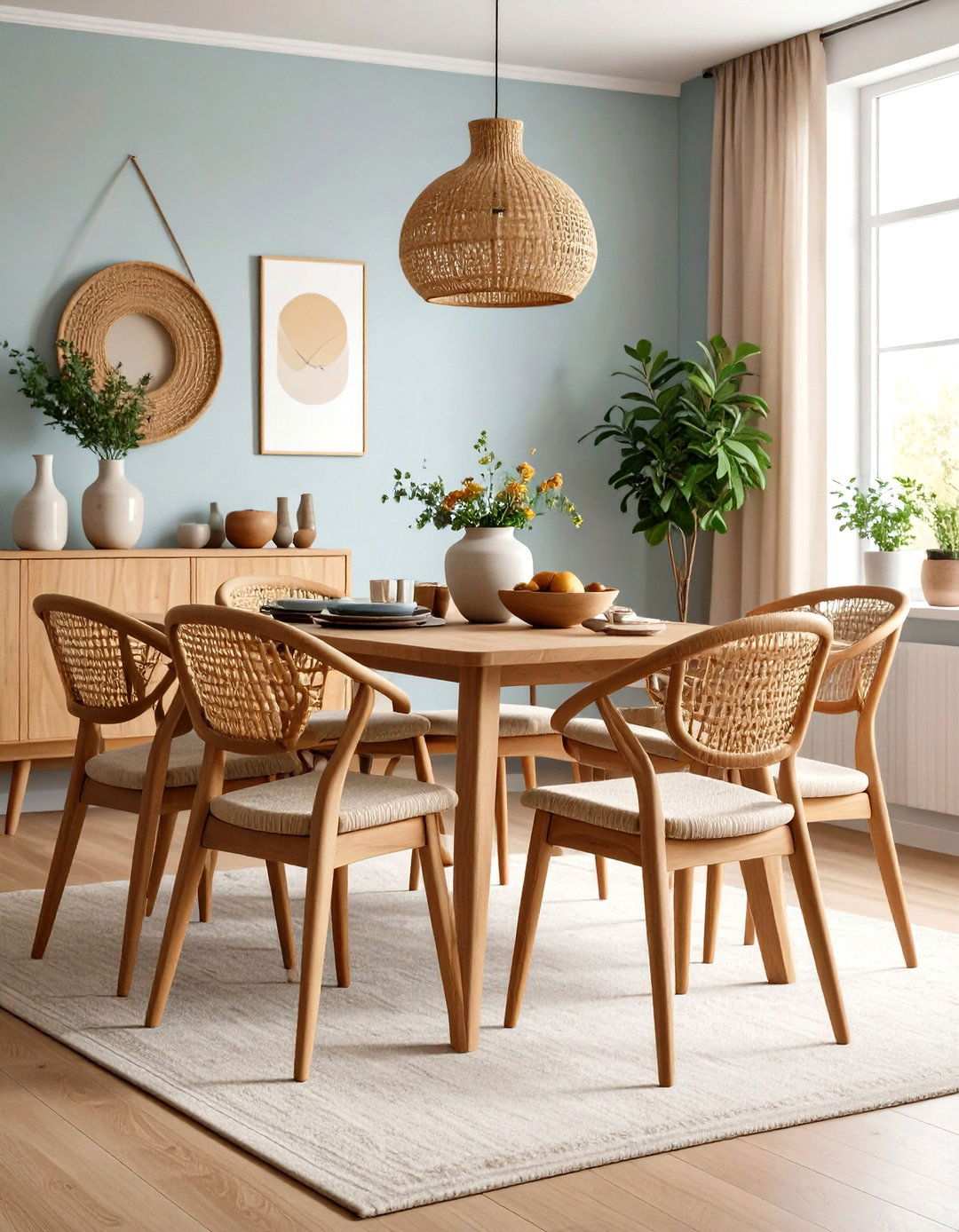
Celebrate Danish design heritage with iconic wishbone chairs that blend sculptural beauty with exceptional comfort around your mid-century modern dining table. The distinctive Y-shaped back and woven cord seat create a sense of visual lightness while providing ergonomic support for extended dining sessions. Natural wood finishes in oak, walnut, or ash complement various table materials beautifully, adding warmth to your space. The curved lines soften angular table edges for pleasing contrast, creating a harmonious balance between shape and texture. Mix solid wood with upholstered versions for variety while maintaining design coherence, adding depth and interest to your room. These chairs work seamlessly in both formal and casual dining settings, making them a versatile choice for any style. The handcrafted quality adds authentic artisan appeal to mass-produced environments, making a lasting impression on your guests. What makes certain furniture designs feel timeless across decades? Consider how the chairs look from all angles in open floor plans, and how the investment in quality craftsmanship pays dividends through lasting beauty and comfort.
15. Banquette Seating Integration
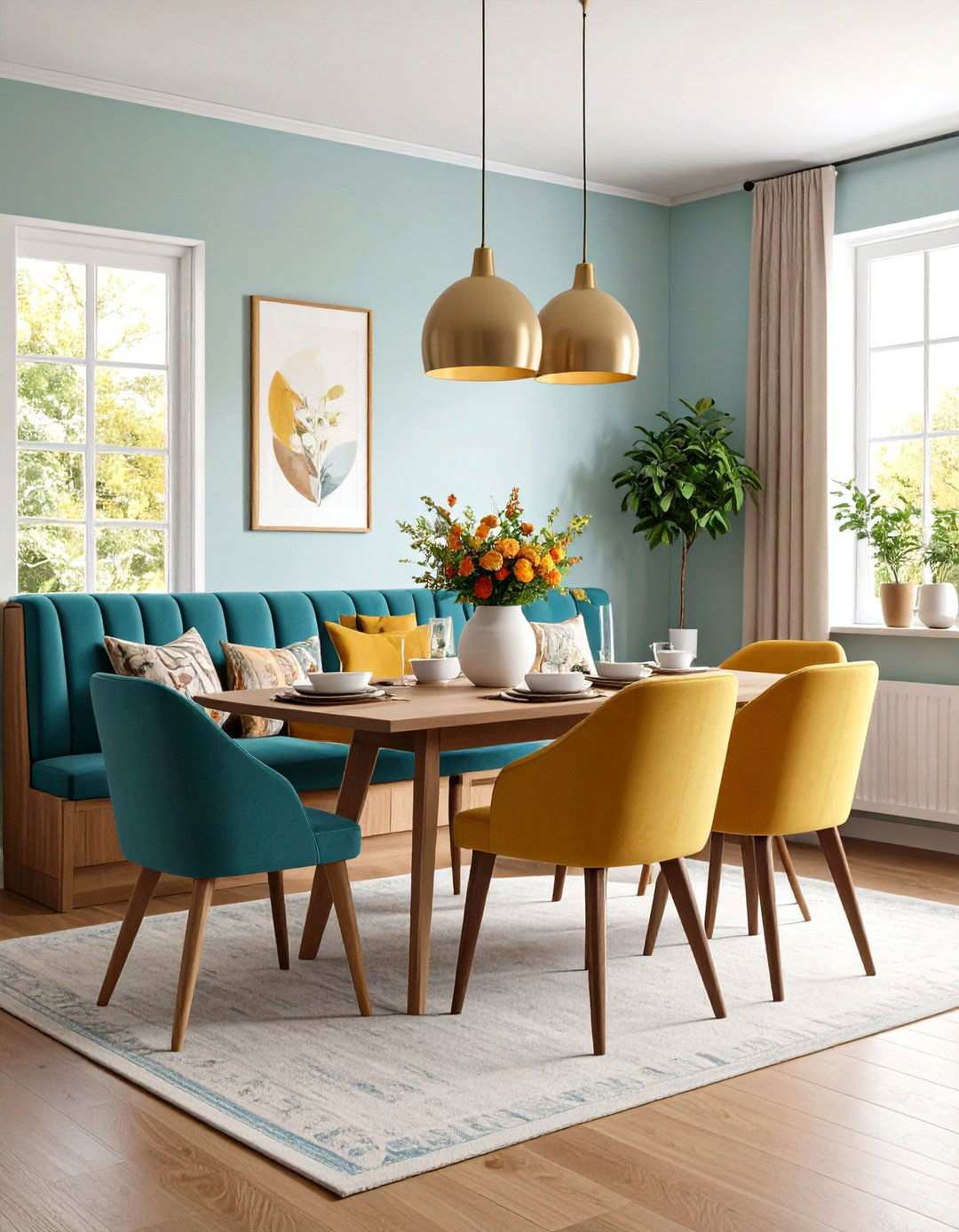
Elevate your dining space with built-in banquette seating that masterfully blends functional efficiency with the understated elegance of mid-century modern design. By incorporating custom upholstered benches along walls, you can accommodate more guests without sacrificing valuable floor space, thus streamlining the flow of traffic. Opt for fabrics in solid tones or subtle patterns that harmonize with your overall aesthetic, and don’t forget to add throw pillows for an extra layer of comfort and visual interest. The linear form of banquette seating cleverly emphasizes horizontal lines, echoing the defining features of mid-century architectural style. Pair banquettes with mobile chairs for maximum flexibility, and consider incorporating storage compartments beneath seats to stash seasonal items or linens. As built-in seating subtly transforms the dynamics of dinner conversations, strategically position banquettes near windows to harness natural light and breathtaking views. This thoughtful use of space embodies the era’s resourceful problem-solving ethos, expertly addressing the challenges of modern living.
16. Mid-Century Bar Areas
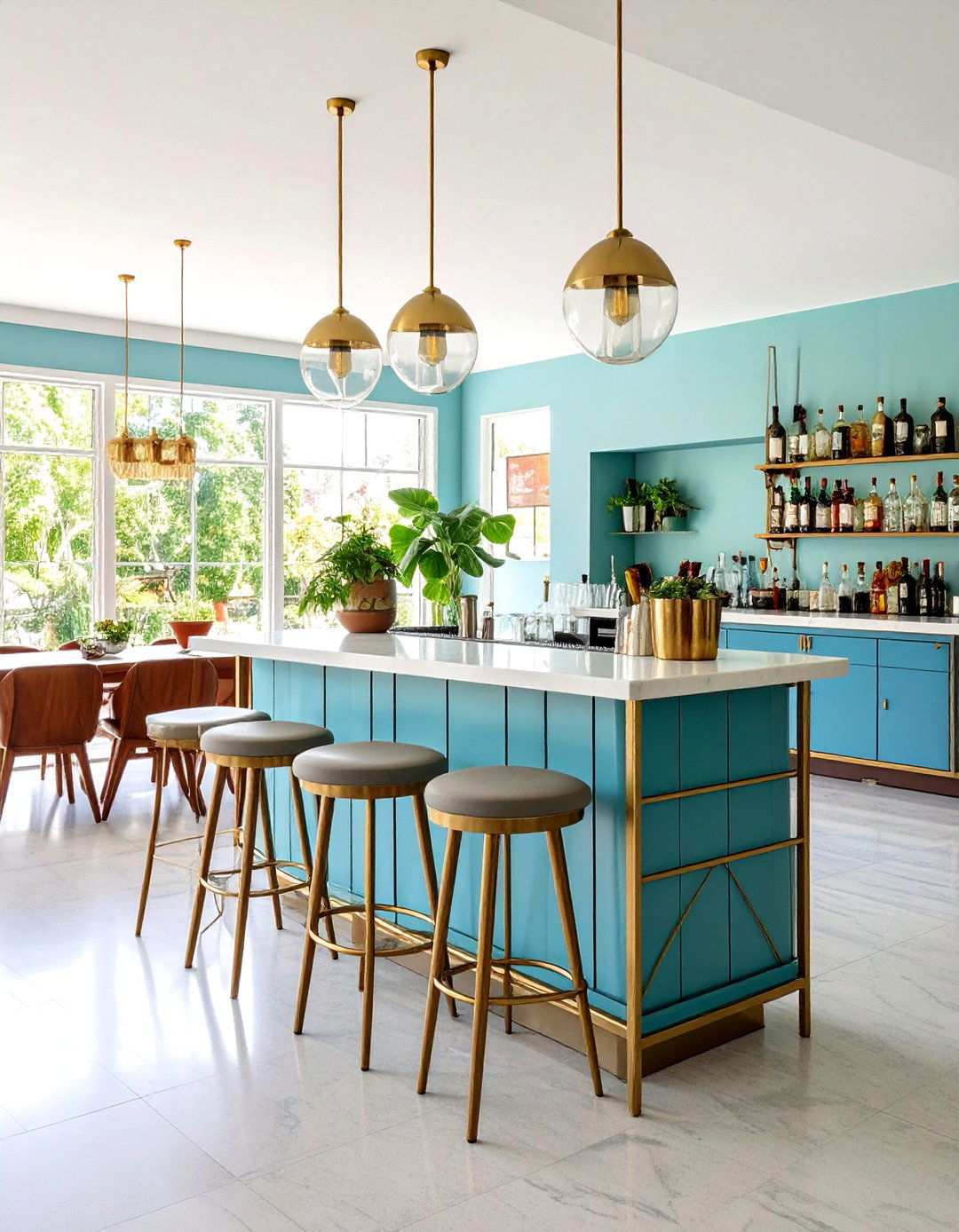
Unlock the full potential of your entertaining space with dedicated bar areas that evoke the sophisticated cocktail culture of the mid-century modern era. Sleek bar carts featuring geometric forms and mixed materials serve as versatile serving stations that can be effortlessly repositioned to suit your needs. Stock your bar with period-specific glassware, decanters, and accessories to infuse an air of authenticity, and choose pieces constructed from brass, chrome, or wood to seamlessly coordinate with your dining furniture. When not in use, the bar becomes a striking sculpture that adds visual interest to your space. For a more permanent installation, consider incorporating built-in bars with wood paneling and stone countertops, perfectly complemented by proper lighting—perhaps in the form of pendant fixtures or under-cabinet illumination—that creates an enchanting ambiance for cocktail preparation. The significance of cocktail culture in mid-century social life cannot be overstated, and incorporating vintage barware and classic cocktail recipe books as decorative elements is an excellent way to pay homage to this bygone era.
17. Mixed Vintage Chair Collections
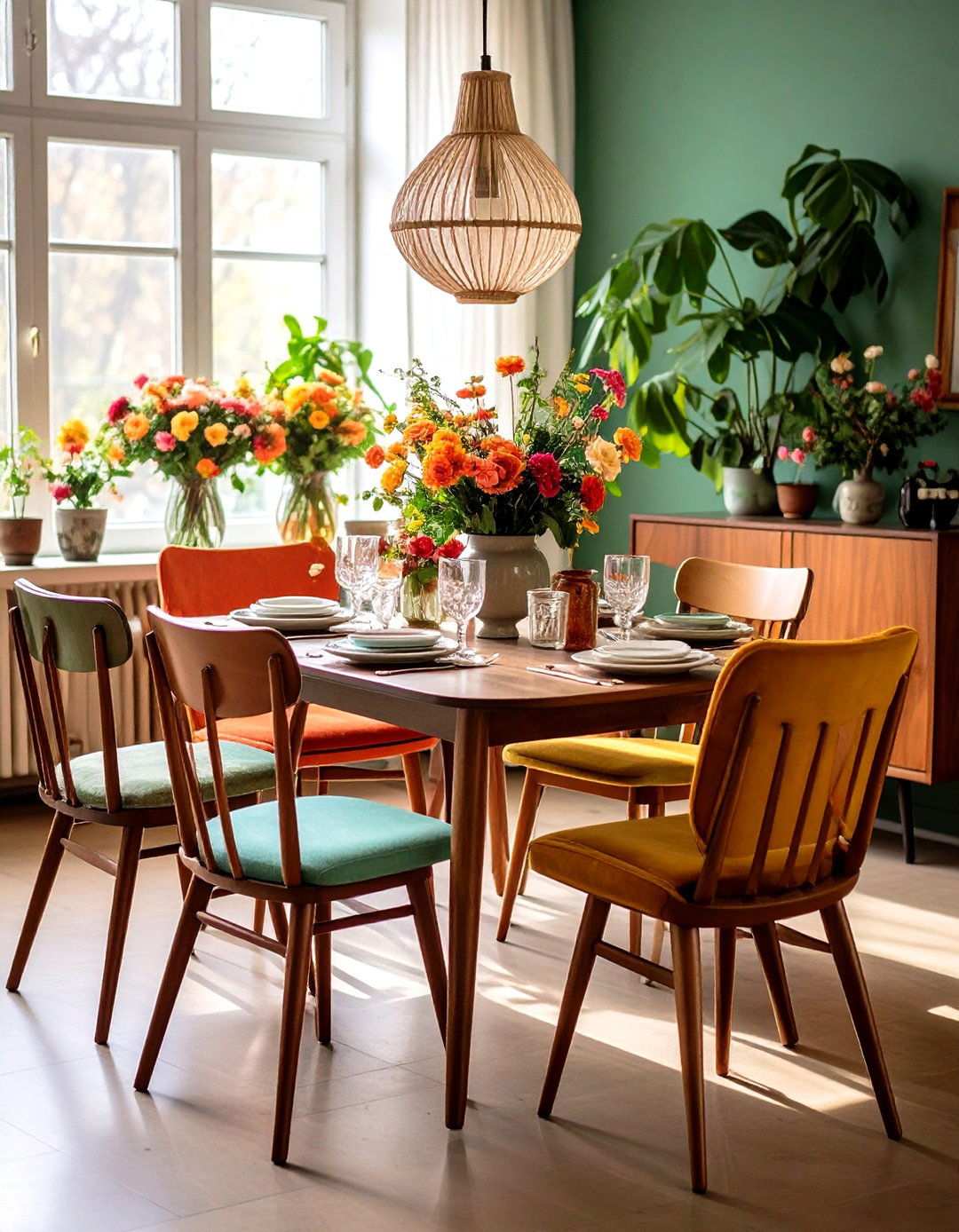
Create an inviting and eclectic atmosphere in your dining space by thoughtfully combining different vintage chair designs that share mid-century modern DNA, while also introducing a delightful visual variety. Mix and match distinct chair styles, such as pairing Eames molded plywood with Scandinavian wood frames, or combining leather upholstery with woven cane seats for added textural interest. The key to pulling off this look lies in identifying common elements that unite diverse pieces, such as similar wood tones, proportional relationships, or shared materials, thereby creating a cohesive and visually appealing whole. This approach not only reflects the era’s experimental spirit and rejection of matching furniture sets but also adds a rich layer of character and patina that new pieces simply cannot replicate. By considering comfort, functionality, and aesthetic appeal when selecting vintage chairs, you can create a dining space that feels lived-in and loved, rather than perfectly decorated. The collected-over-time appearance of these mixed chair styles suggests a personal curation that is both authentic and endearing.
18. Elevating Elegance with Marble and Wood
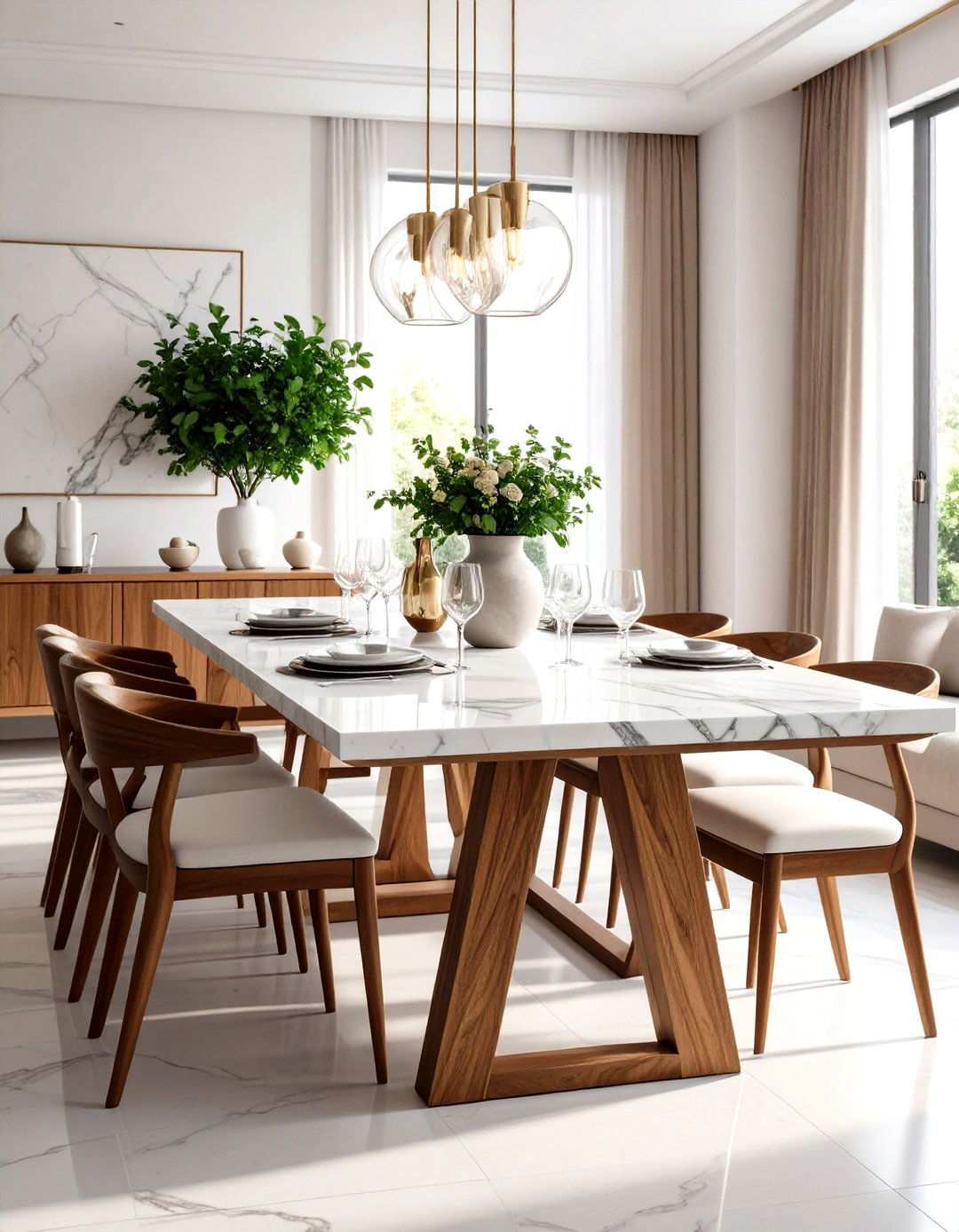
Pairing sophisticated marble surfaces with warm wood elements is a timeless approach to interior design. Mid-century modern style celebrates the beauty of natural contrasts, and combining cool marble with warm wood is a perfect embodiment of this aesthetic. White Carrara or black marble table tops showcase the intricate patterns found in natural stone, while walnut or teak bases add a touch of warmth and coziness. The smooth, cool marble beautifully complements the organic textures and patterns of wood, creating a visually stunning contrast that works well for both dining tables and credenza tops. As the light changes throughout the day, marble’s appearance evolves, showcasing its ability to age gracefully and develop character over time. This classic combination transcends fleeting trends, while providing functional and beautiful surfaces for dining and entertaining.
19. Crafting a Narrative with Gallery Walls
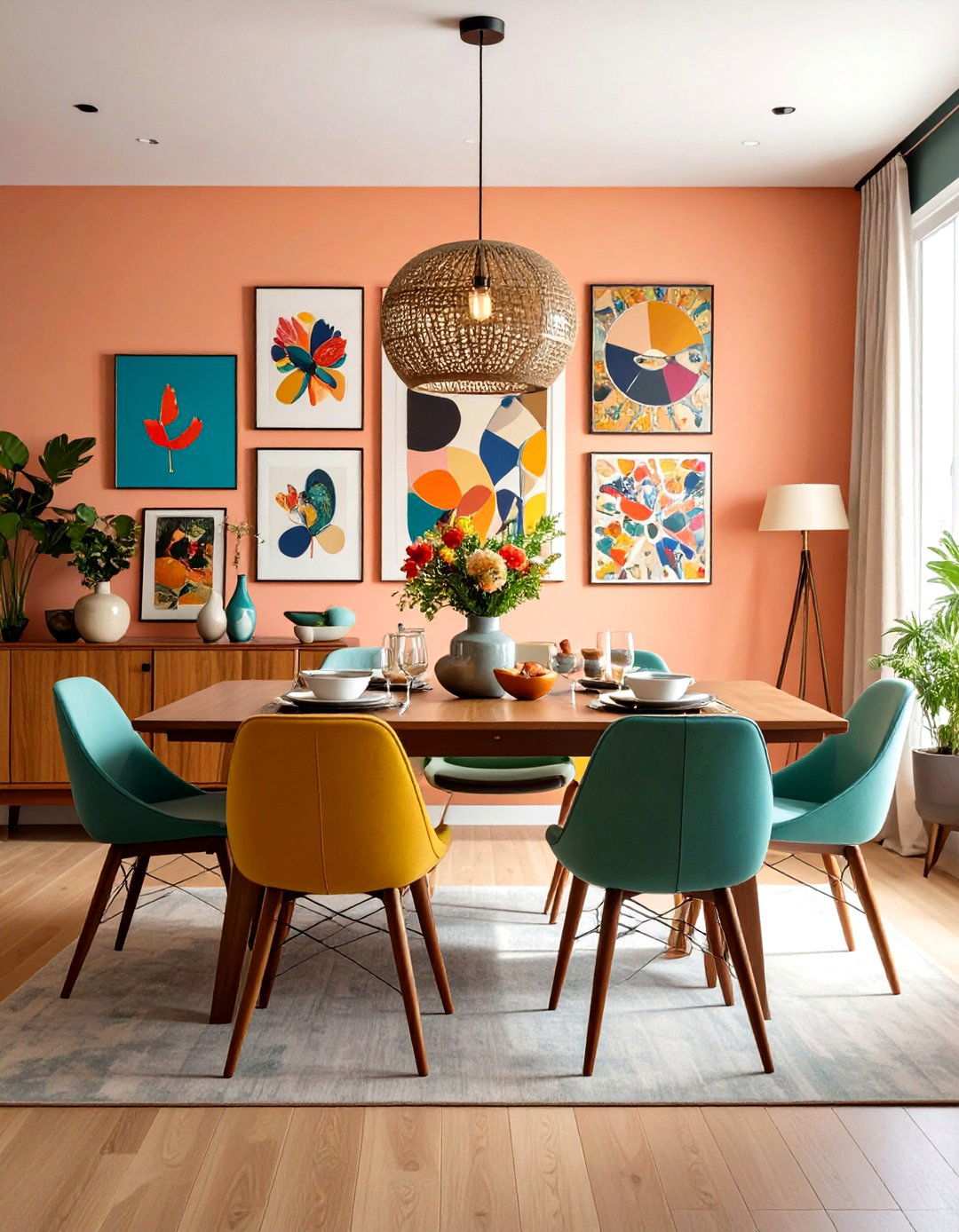
A well-designed gallery wall is a powerful tool for expressing one’s personal style and appreciation for mid-century modern design. By combining abstract paintings, architectural photography, vintage posters, and three-dimensional pieces, you can create a visually dynamic installation that reflects the era’s cultural influences and artistic innovations. To achieve cohesion, maintain consistent framing or mat colors, while allowing the diverse content to shine. Consider the relationship between wall composition and furniture placement to create balanced room proportions. A gallery wall personalizes a space, demonstrating a deep appreciation for design history and artistic expression. By incorporating lighting, you can highlight artwork and create ambiance, transforming your dining room into a personal museum celebrating mid-century modern culture and creativity. Mixing original pieces with high-quality reproductions can also help achieve the desired aesthetic within budget constraints.
20. Illuminating Spaces
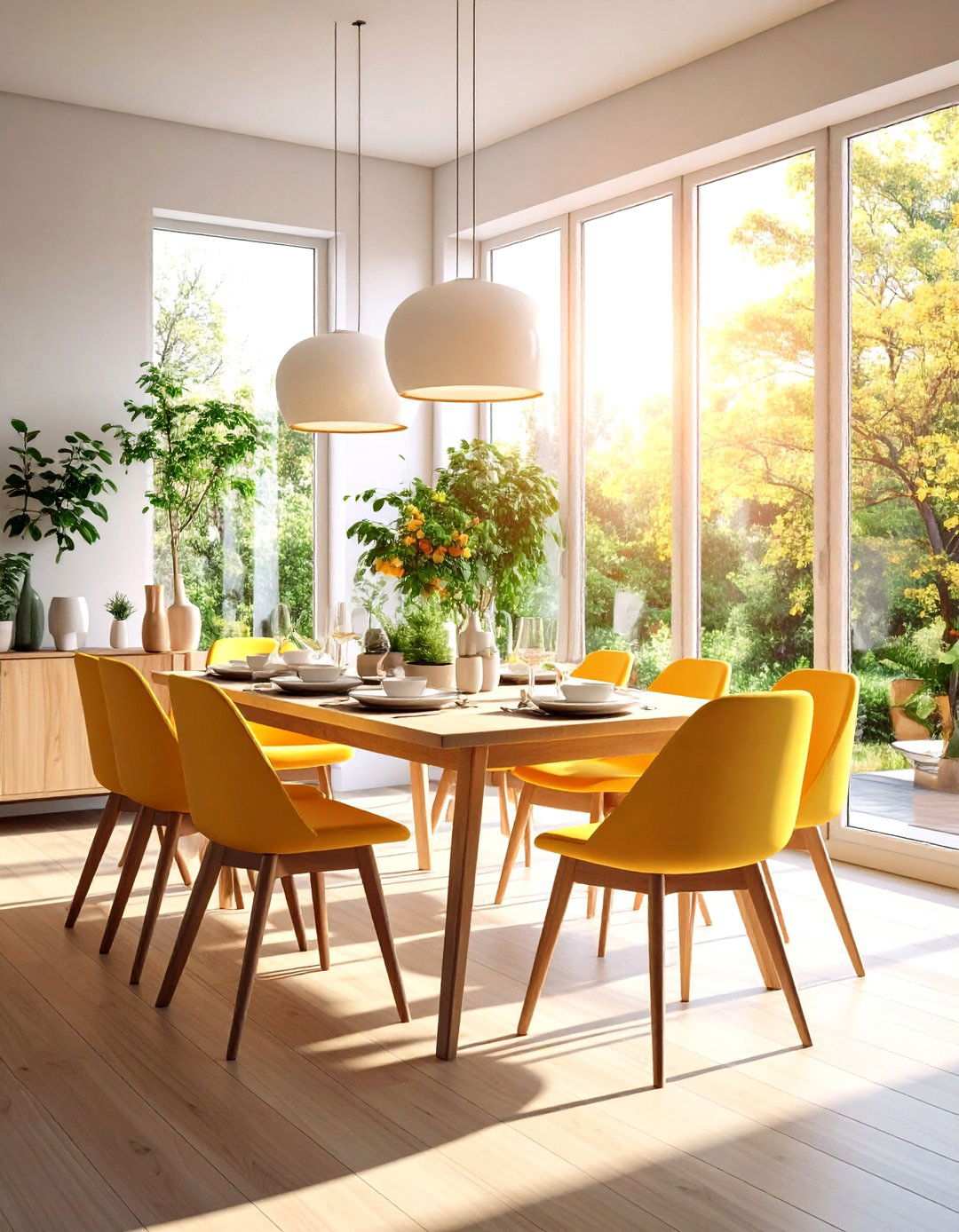
A thoughtful approach to mid-century modern dining rooms involves embracing the power of natural light to create a seamless connection to the outdoors. This strategy highlights the space’s architectural features while emphasizing the era’s emphasis on clean lines, natural materials, and harmonious color relationships. The abundance of natural light allows for a dynamic atmosphere that changes with the seasons, influencing the space’s mood and functionality. Light-colored surfaces not only reflect and amplify available illumination but also contribute to an airy and expansive feel. Dining table placement should take into account the best light for daily meals without compromising evening entertaining due to glare. Does the abundance of natural light impact your appetite and dining experience? Incorporating skylights can bring additional overhead illumination, further deepening the connection to natural rhythms and the era’s emphasis on blending indoor and outdoor elements.
21. Harmonious Fusion
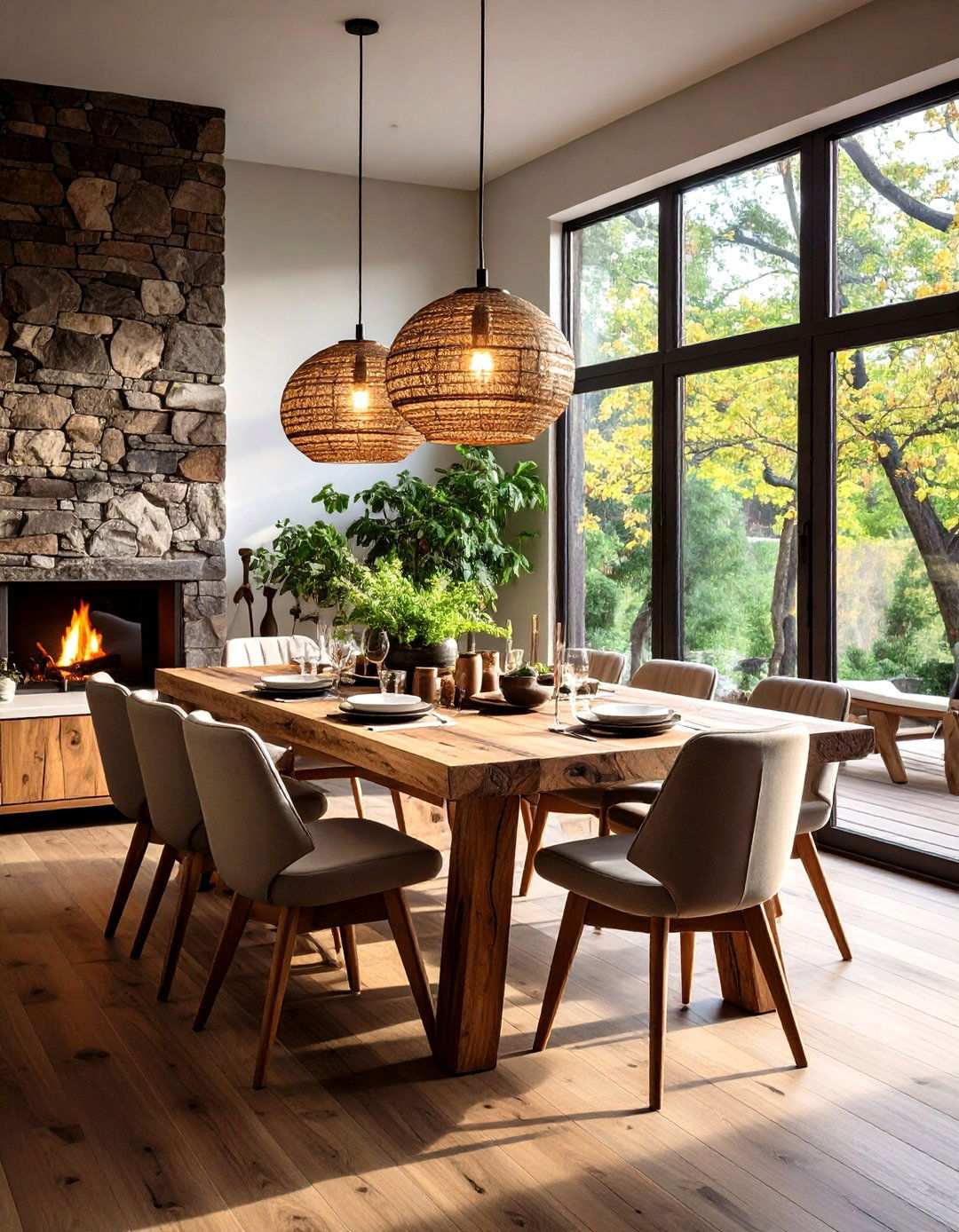
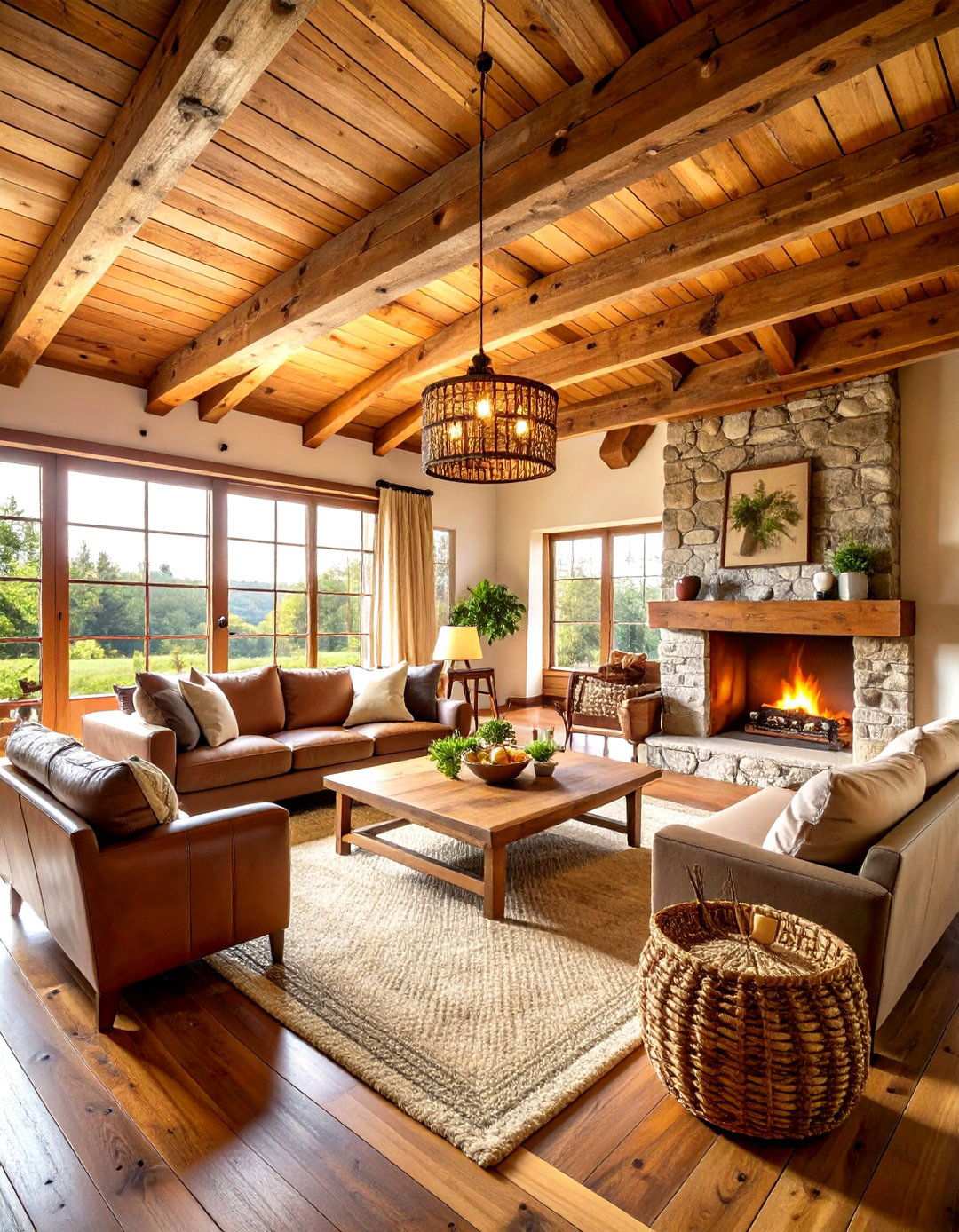
Merging mid-century modern sophistication with rustic charm requires a thoughtful balance of material choices that infuse warmth without compromising the era’s clean design principles. By combining smooth manufactured surfaces with rough-hewn wood elements, sleek metal with natural stone, and precise geometric forms with organic shapes, you can create a space that is both visually appealing and functionally efficient. This blend of textures not only adds visual interest but also creates a sense of natural authenticity. The rustic elements ground the space, while modern pieces provide a touch of sophistication. What emotional response do you have to different material textures in your living environment? This harmonious fusion works particularly well in rural or suburban settings where a connection to the outdoors feels natural. Achieving balance requires restraint, as too much rusticity can overwhelm the modern elements, while too much refinement can lose the desired warmth and character.
22. Maximizing Limited Square Footage
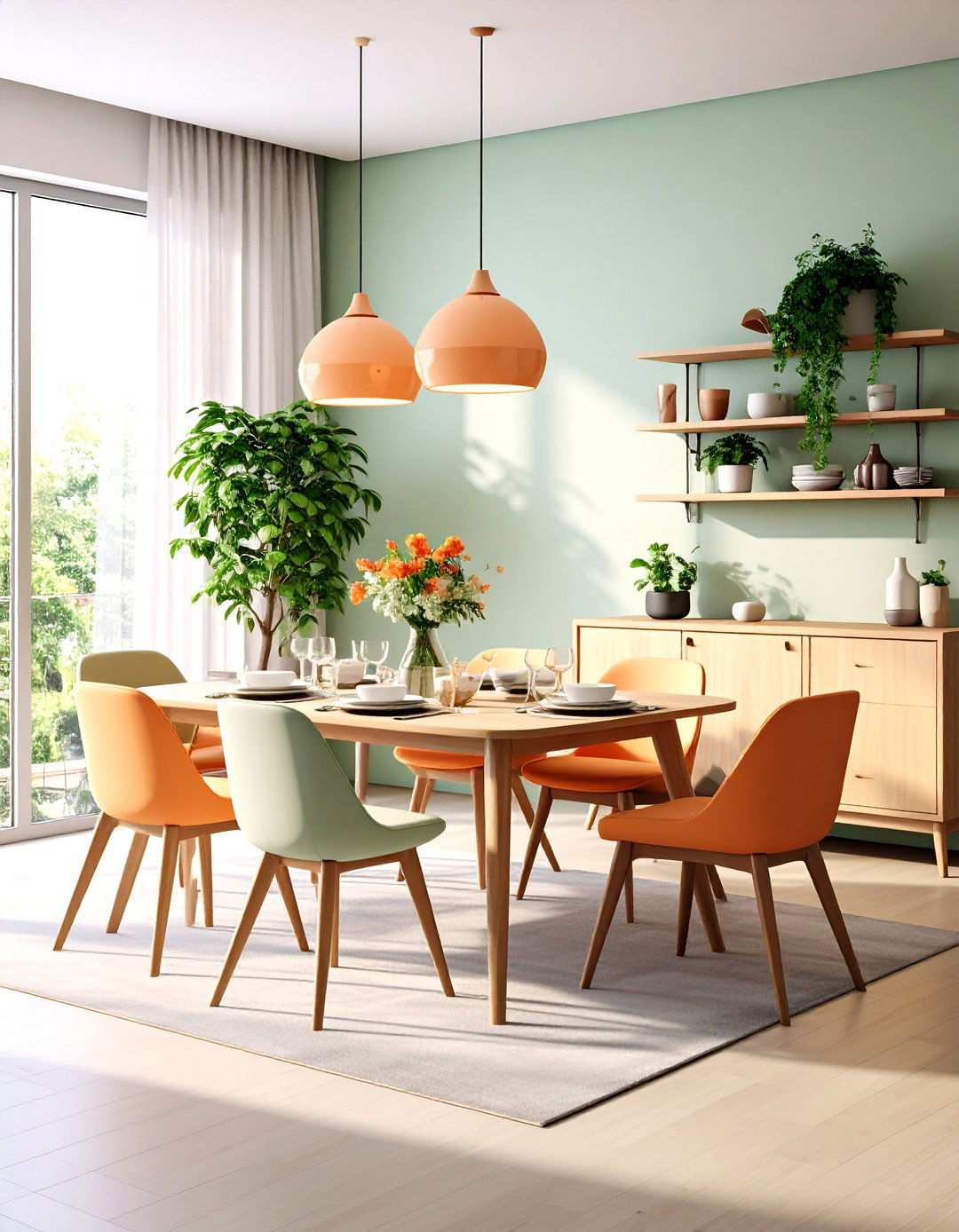
Effective use of space is a hallmark of mid-century modern design. By prioritizing function over form, homeowners can create the illusion of a larger space. Implementing space-efficient strategies, such as multi-functional furniture and vertical storage solutions, can make even the smallest areas feel more generous. Consider incorporating furniture with exposed legs to maintain visual flow and create the illusion of more space. By choosing light colors and reflective surfaces, small spaces can appear brighter and more welcoming. This approach encourages clever design that can effectively make up for limited square footage. In fact, a well-designed mid-century modern space can be just as inviting as a larger one, all thanks to thoughtful planning and execution.
23. Elegant Dining Environments
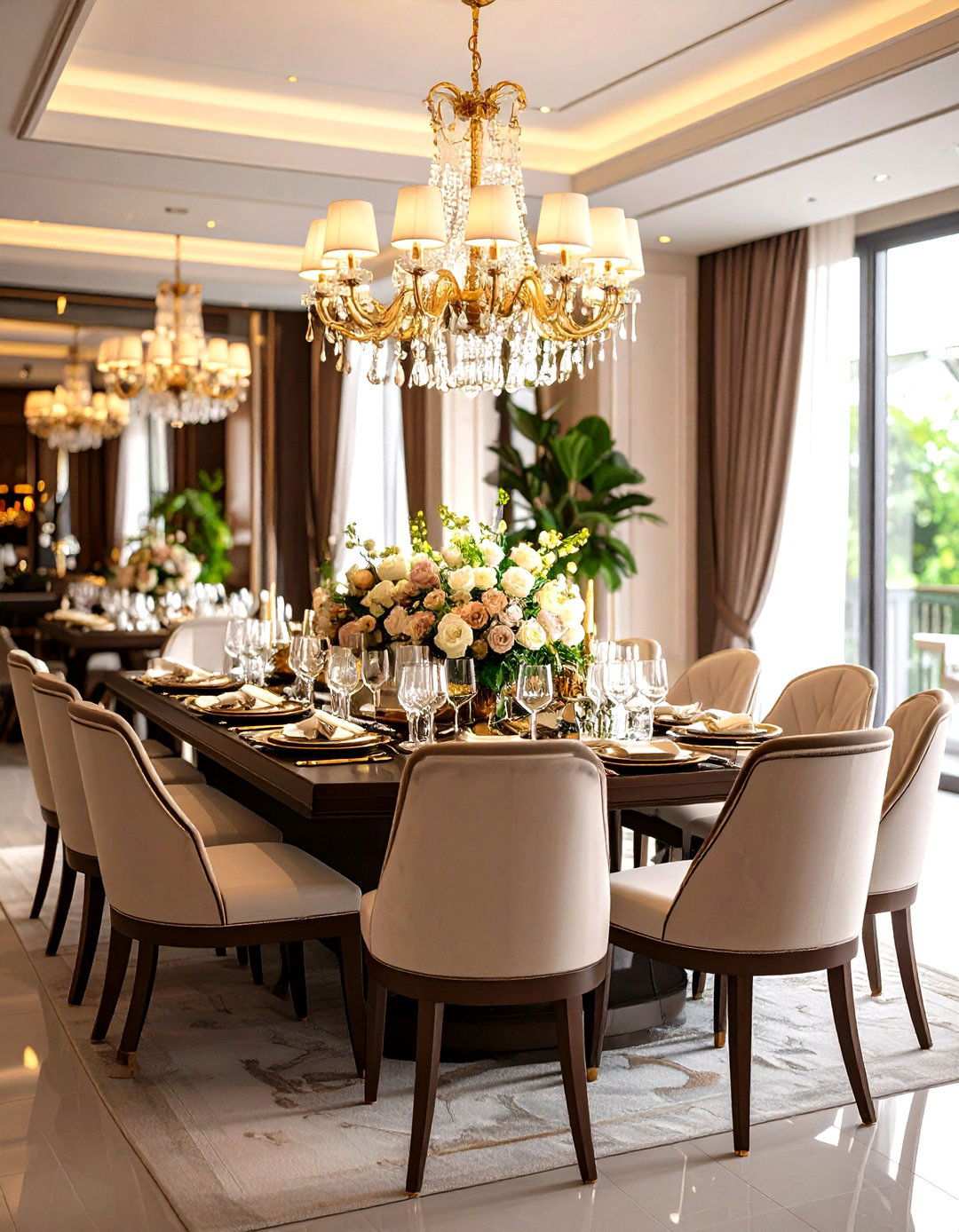
Mid-century modern design offers a sophisticated way to create elegant dining environments perfect for hosting special occasions and dinner parties. One key element is choosing a larger dining table that can accommodate extended guest lists while maintaining the characteristic clean lines and high-quality materials of the style. However, formal doesn’t mean fussy – the mid-century approach emphasizes understated elegance through superior materials and craftsmanship rather than ornate decoration. Adjusting lighting from bright task illumination to intimate ambient glow can also enhance the ambiance of the space. Quality dinnerware and serving pieces complement the furniture investment, creating a cohesive and refined atmosphere. Effective design can make a significant difference in guest comfort and conversation flow. By incorporating adequate storage for entertaining essentials, homeowners can maintain the uncluttered aesthetic while still having everything they need.
24. Family-Friendly Dining Spaces
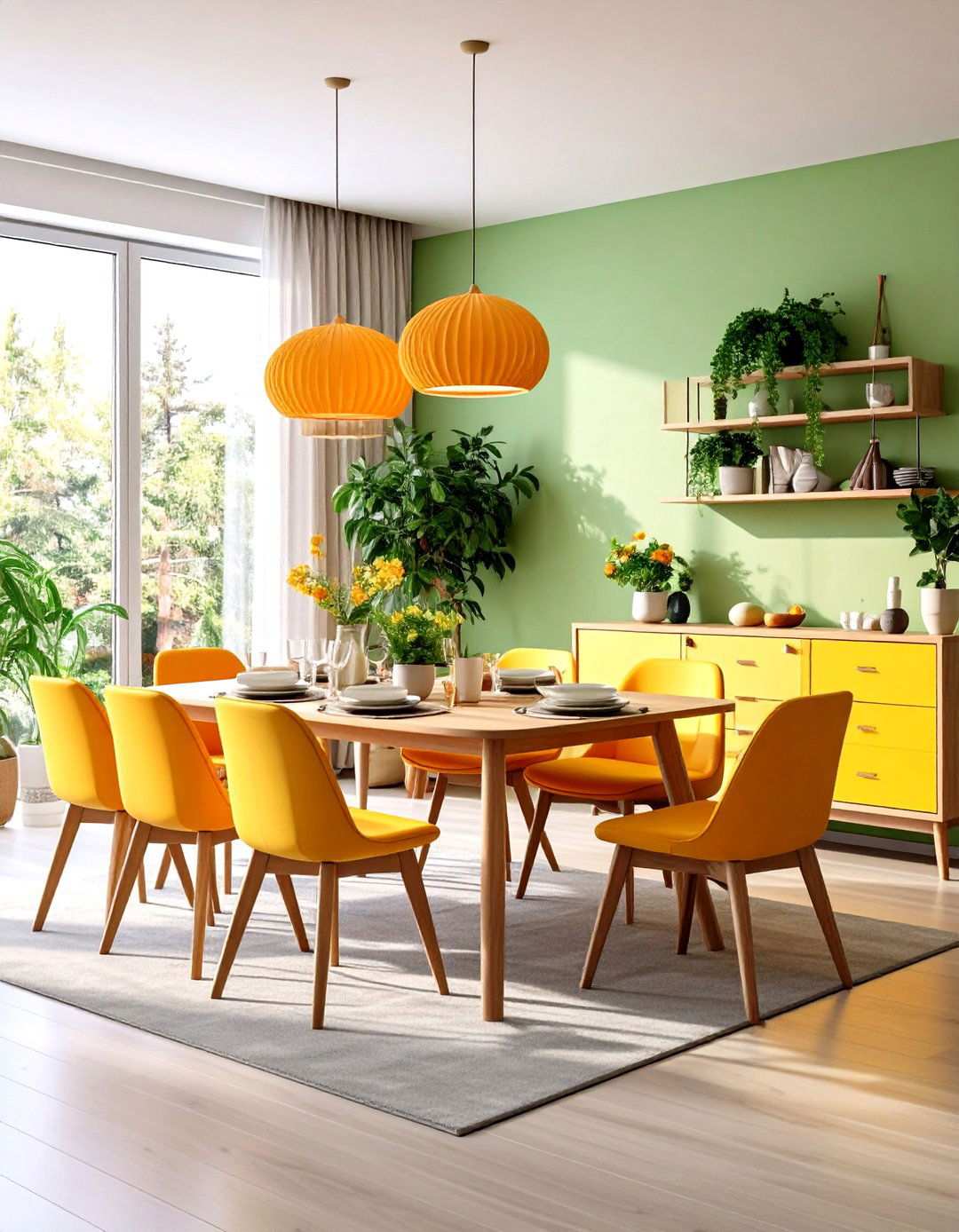
Mid-century modern design offers a practical and timeless approach to creating family-friendly dining spaces. By choosing durable materials and finishes, homeowners can create a space that can withstand regular use and maintain its beauty over time. Rounded table edges provide a safe and inviting space for active children, while stain-resistant fabrics and easy-to-clean surfaces simplify maintenance. The emphasis on function over form makes mid-century modern design ideal for real family living. Built-in storage keeps toys, art supplies, and homework materials organized but accessible, making it easy for family members to find what they need. A welcoming dining space for both adults and children is all about flexibility and adaptability. Consider incorporating flexible seating options that can accommodate changing family needs as children grow. This approach ensures that the space can evolve with the family, making it a timeless and practical investment.