1. Elevating Spaces with Timeless Wainscoting
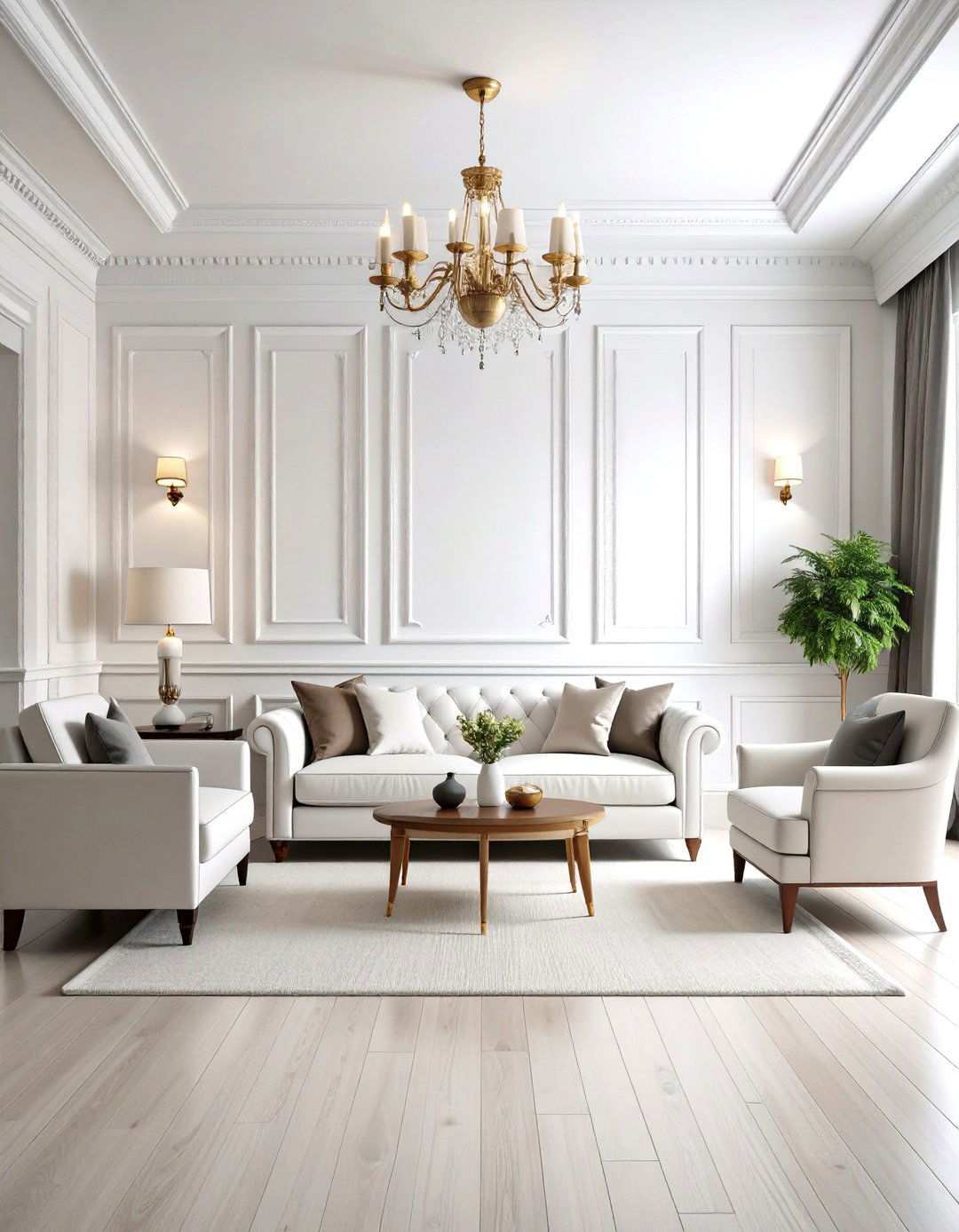
Timeless wainscoting transforms ordinary living rooms into breathtaking architectural masterpieces, imbuing your space with depth, character, and sophistication. This elegant wall treatment not only protects your walls from daily wear but also adds a touch of refinement, making it an investment in both beauty and functionality. With a vast array of design options available, wainscoting allows you to infuse your living room with personality, whether you prefer traditional raised panels or modern geometric designs. From classic white board-and-batten to bold color-drenched schemes, these design ideas demonstrate the incredible potential of strategic paneling to create focal points, define spaces, and reflect your unique style. Each approach offers unique benefits, including increased home value and improved visual interest, making wainscoting a thoughtful decision for your living space.

As an Amazon Associate I earn from qualifying purchases.
2. Classic Raised Panel Wainscoting for Formal Spaces
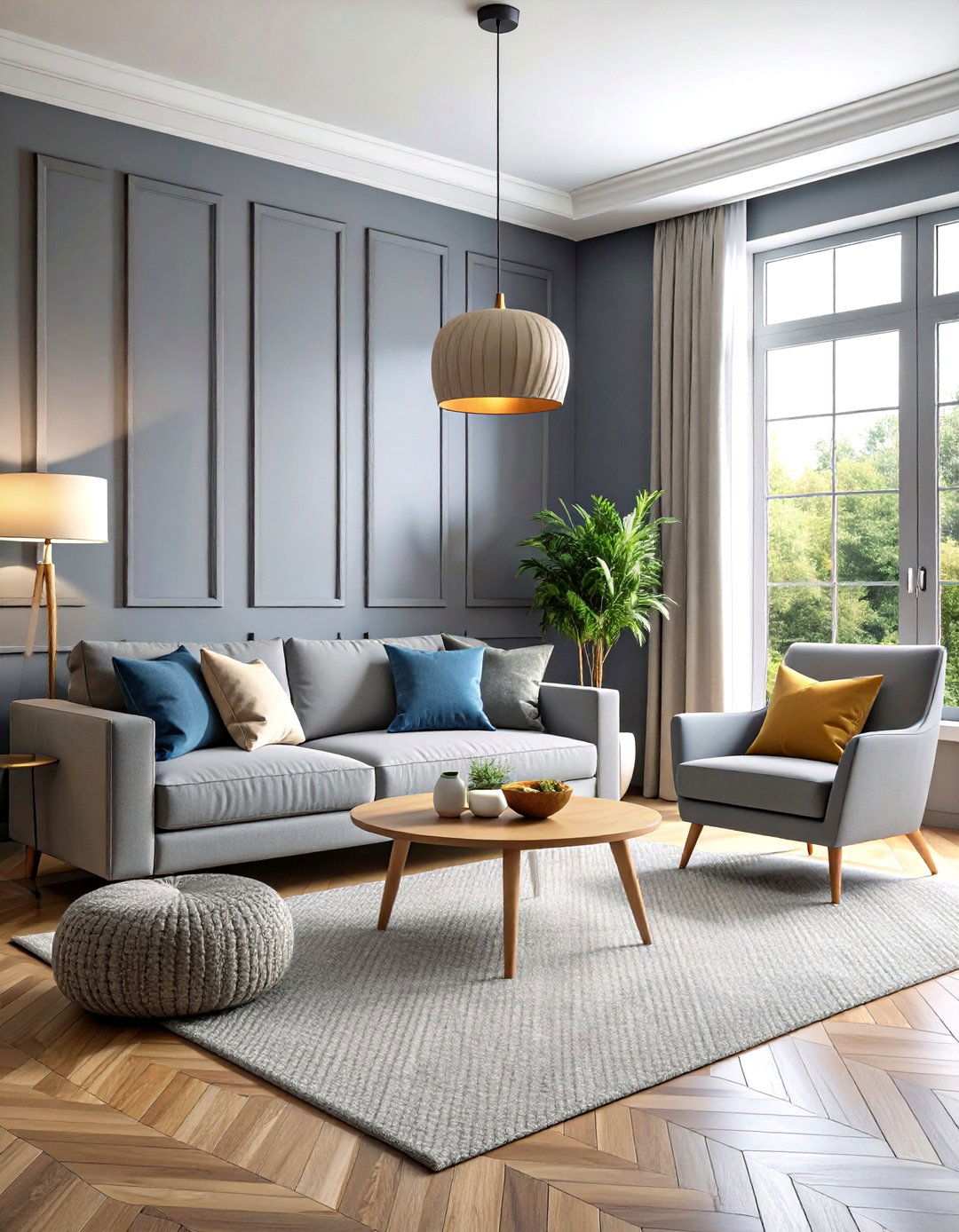
Classic raised panel wainscoting brings sophistication and elegance to formal living rooms with its dimensional design, creating a sense of grandeur and refinement. The beveled panels, surrounded by decorative molding, establish a foundation of architectural beauty, adding depth and visual interest to the space. Typically installed at one-third wall height with classic chair rail molding, this style works beautifully in homes with traditional or colonial architecture. The panels can be painted in classic whites or warm neutrals to complement existing décor, creating a cohesive and timeless aesthetic. Many homeowners love the way raised panels enhance formal dining conversations, creating a sense of occasion and luxury. This style pairs exceptionally well with crown molding and built-in bookcases, creating a traditional aesthetic that never goes out of style.
3. Modern Flat Panel Board and Batten for Contemporary Spaces
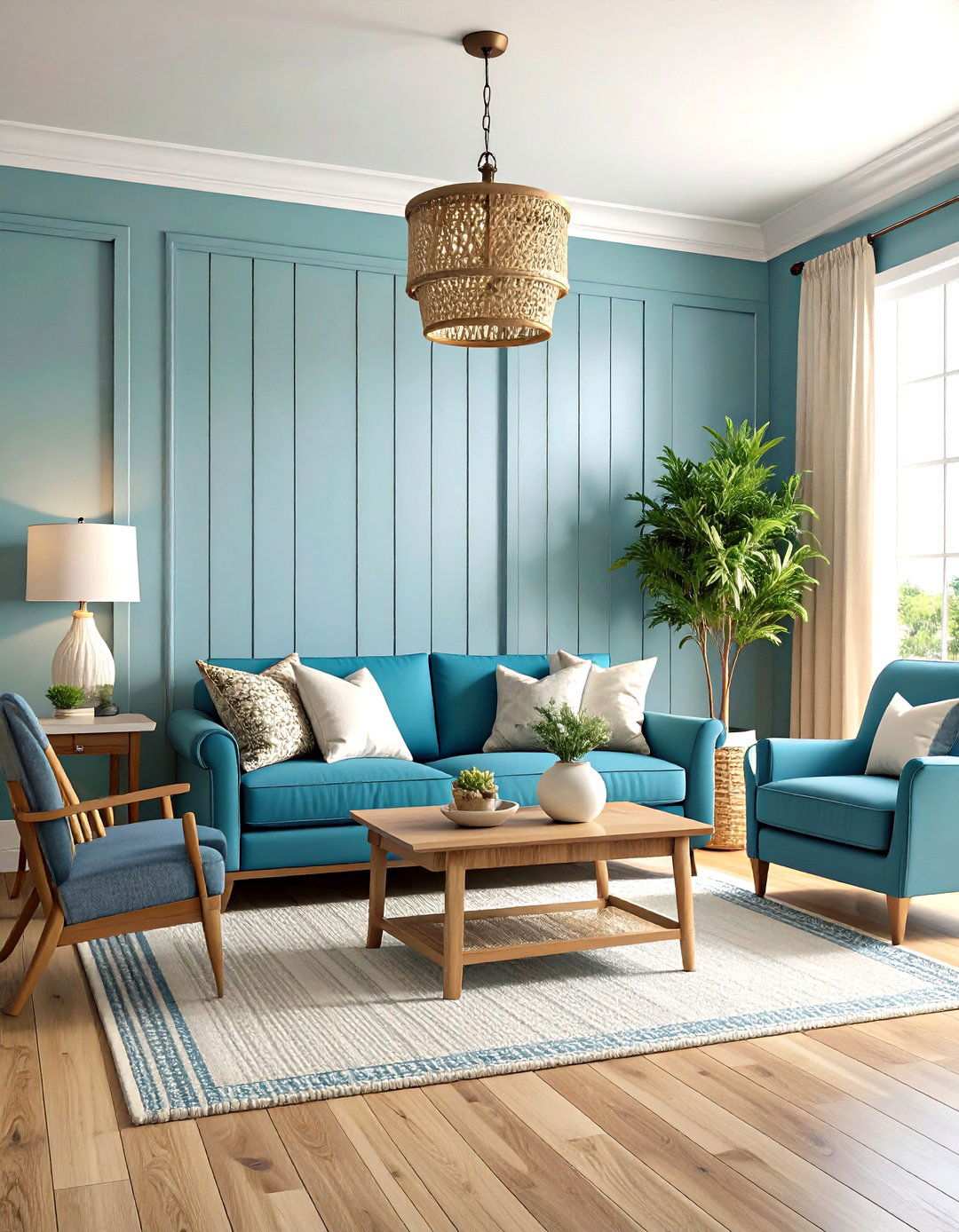
Flat panel board-and-batten offers a clean and contemporary look for modern living rooms seeking architectural interest without ornate details. This streamlined approach features smooth, flush panels framed by simple vertical and horizontal trim pieces, creating a geometric grid pattern that adds visual rhythm to the space. The minimalist aesthetics of this style allow for a perfect balance between structure and simplicity, making it an ideal choice for mid-century furniture, contemporary art, and open-concept layouts. Installation typically reaches two-thirds up the wall, allowing space for artwork or accent lighting above. What draws you to the simplicity and sophistication of modern design? Paint these panels in matching wall colors for subtle texture or choose contrasting hues for bold statements, creating a versatile style that complements a wide range of decorating styles.
Elegance of Coastal Beadboard Living Rooms
Vertical grooved panels in coastal beadboard wainscoting skillfully capture and reflect natural light, imbuing living spaces with the relaxed ambiance of seaside retreats. This design element, characterized by narrow planks with raised beads between each board, adds a touch of casual sophistication. Soothing colors like soft whites, seafoam greens, or weathered blues can instantly evoke the charm of a coastal cottage, while the vertical lines create a sense of height and openness. If your living room yearns for the serenity of ocean breezes, consider incorporating natural fiber rugs, nautical accessories, and whitewashed furniture to complete the coastal look. Taking it a step further, extending the beadboard to accent ceilings can transport your living room into a tranquil seaside haven.
4. Dramatic Two-Tone Wainscoting Statements
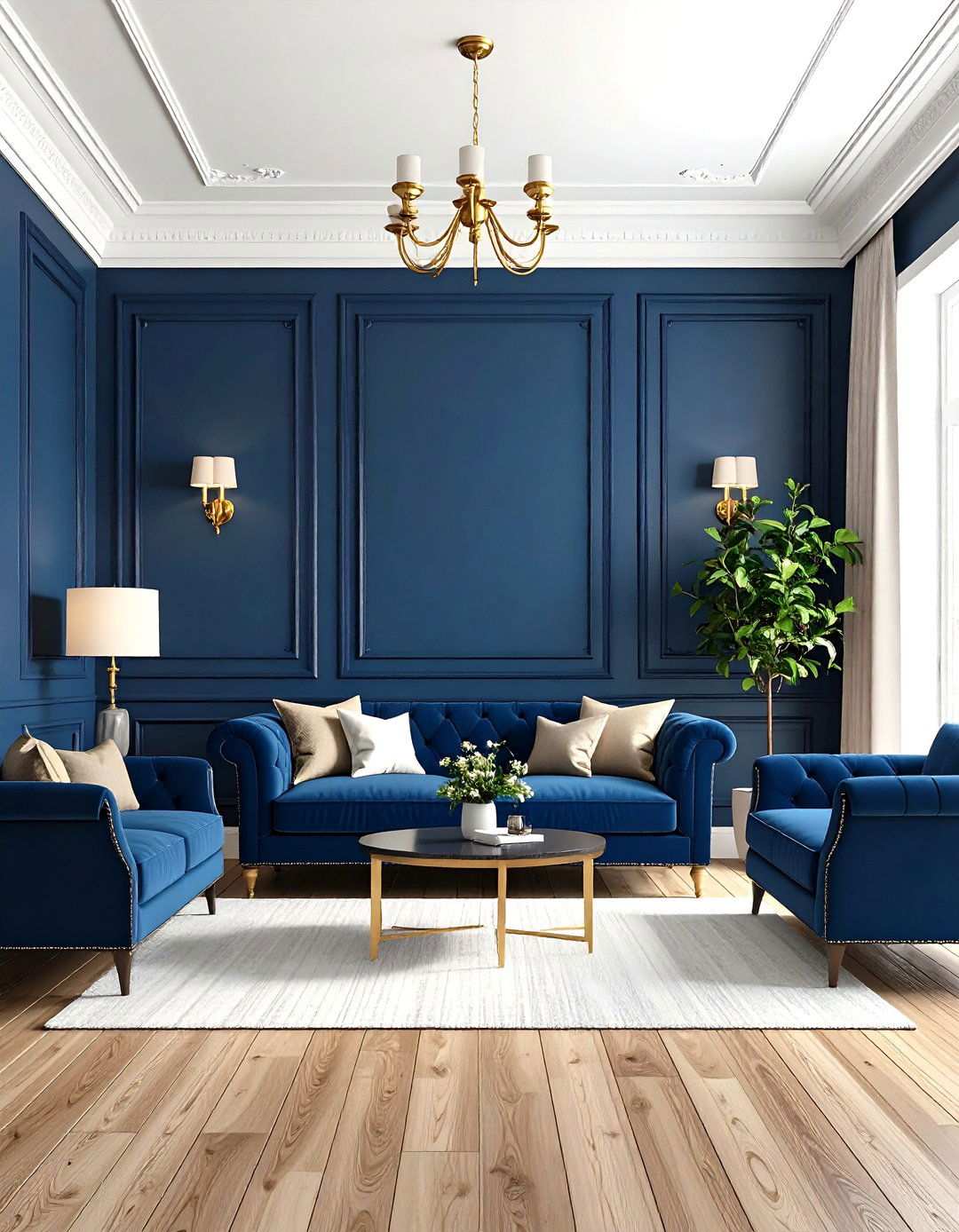
With two-tone wainscoting, homeowners can create a striking visual impact by deliberately contrasting colors between upper walls and lower panels. This bold design approach allows for the exploration of deeper, richer hues on the lower portion, while keeping upper walls lighter for balance. Consider pairing navy blue wainscoting with crisp white walls above, or charcoal panels beneath warm greige upper walls. The resulting contrast adds a layer of sophistication and depth, beautifully defining the room’s proportions. Are you ready to make a statement that reflects your confident design personality? This technique works particularly well in rooms with high ceilings, where the color division creates a sense of intimacy. To maintain cohesive flow, paint the chair rail and baseboards to match either the upper or lower portion.
5. Farmhouse Charm of Horizontal Shiplap Wainscoting
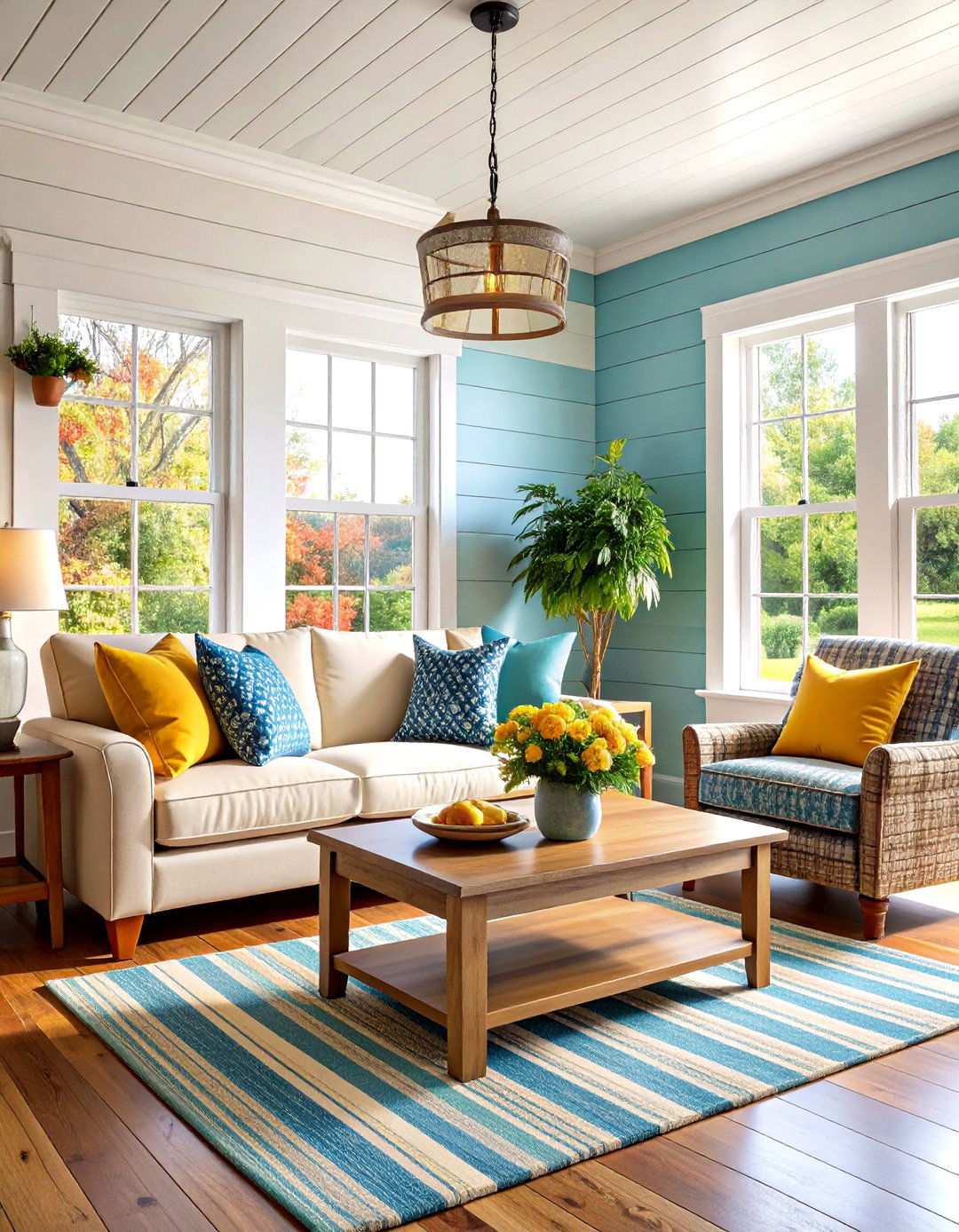
Horizontal shiplap wainscoting brings a touch of rustic farmhouse charm through overlapping boards that create distinctive shadow lines and textural interest. This casual yet refined style works beautifully in living rooms seeking cozy, approachable elegance. The horizontal orientation makes rooms appear wider and adds warmth through natural wood grain or painted finishes. To maximize the impact, consider installing shiplap at varying heights depending on your room’s proportions and desired effect. Have you experienced how horizontal lines can transform a space’s perceived dimensions? For a traditional farmhouse appeal, paint in classic white, or choose warm grays and sage greens for an updated country style. Pair with reclaimed wood furniture, vintage textiles, and galvanized metal accents to create an authentic farmhouse atmosphere.
6. Elevating Traditional Spaces with Picture Frame Wainscoting
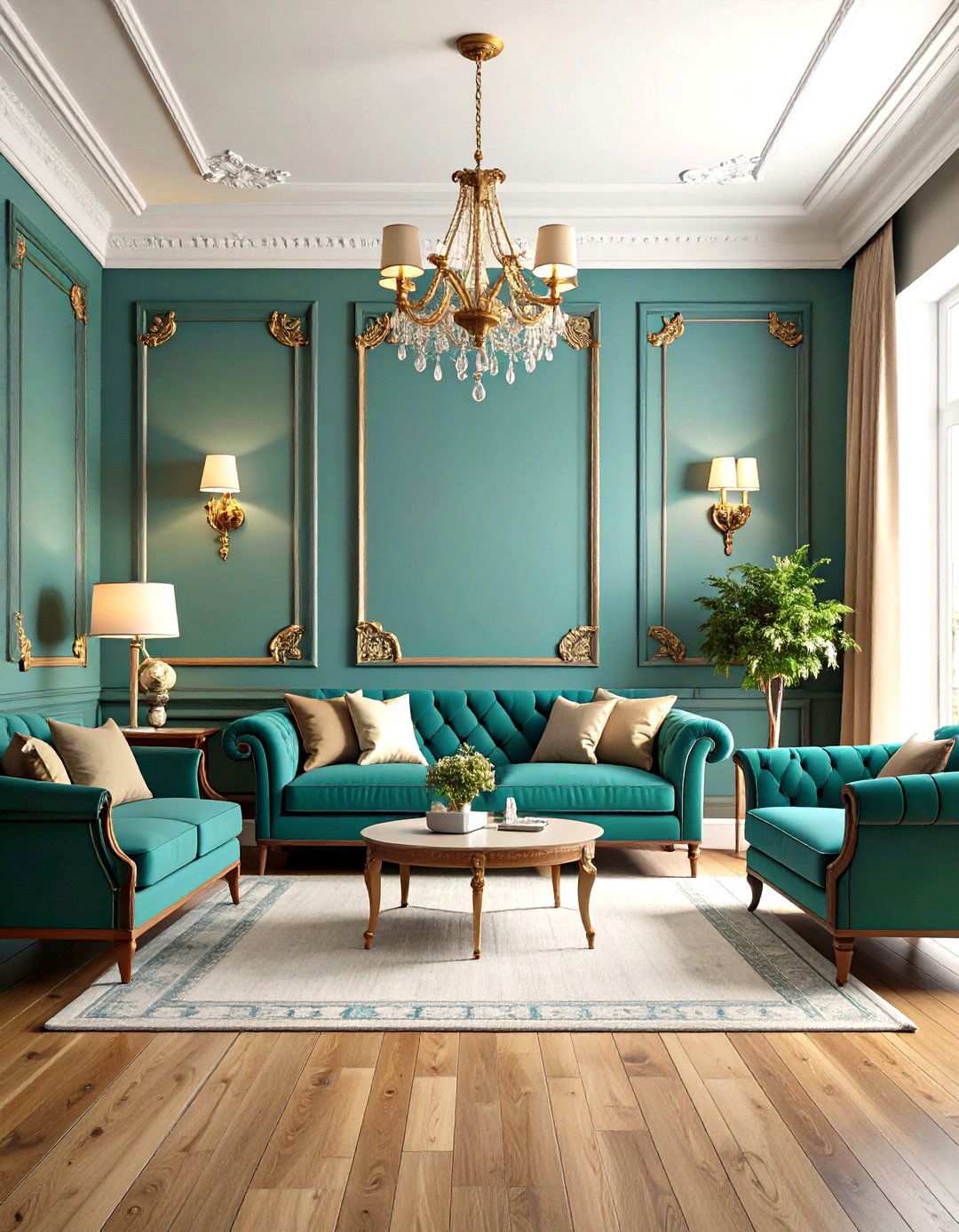
Crafting a sophisticated ambiance in traditional living rooms involves incorporating visually striking elements that draw the eye upwards. Picture frame wainscoting achieves this by creating a gallery-like display of rectangular panels that evoke the grandeur of a museum gallery. With horizontal and vertical trim pieces forming geometric patterns, the technique allows for a high degree of creative freedom in proportion and scale. By painting frames in contrasting colors or matching tones, homeowners can further emphasize their unique style and personal aesthetic. This versatile style pairs harmoniously with antique furniture, formal window treatments, and timeless architectural details.
7. Floor-to-Ceiling Paneling for Unparalleled Drama
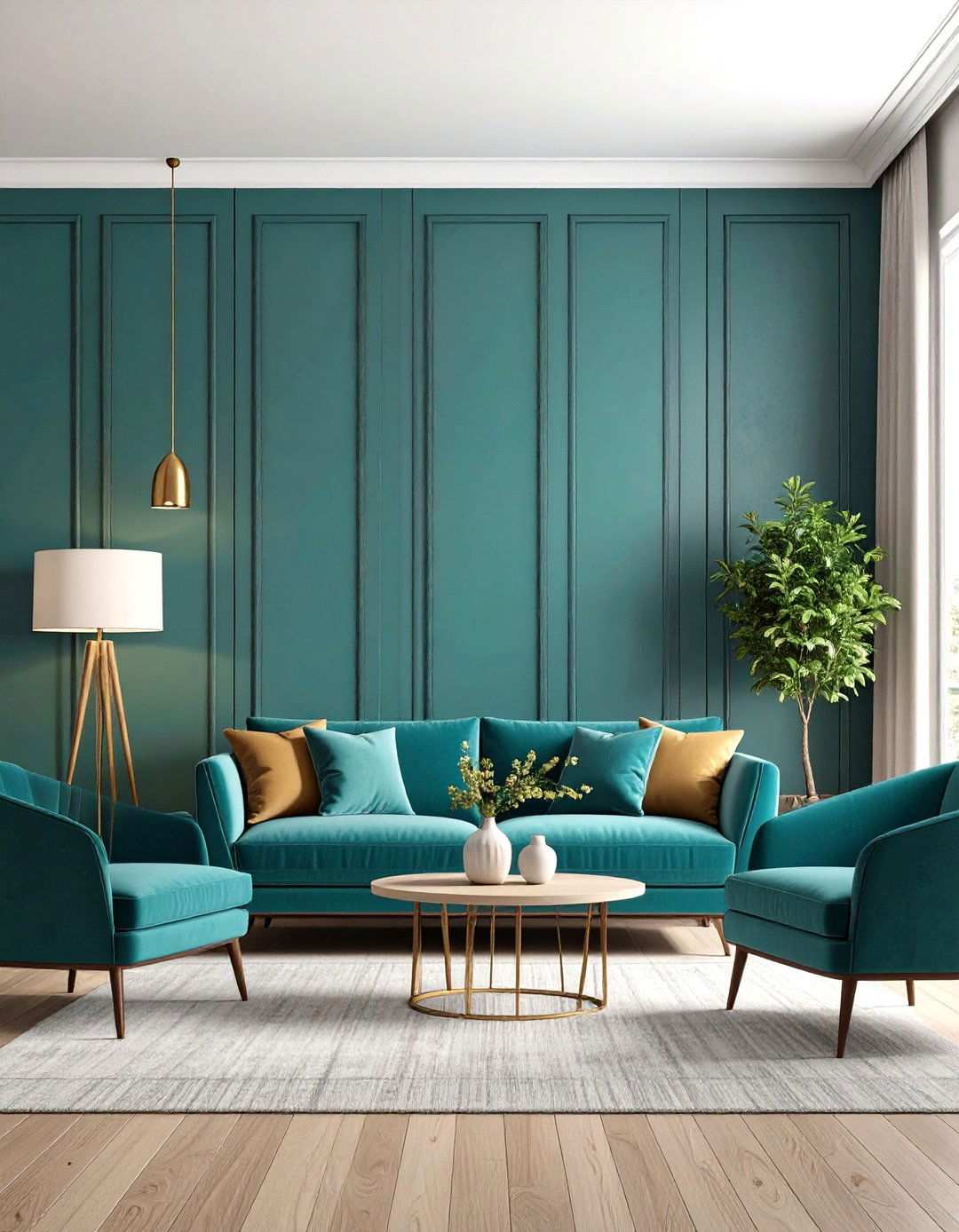
For those who desire a bold, eye-catching statement in their contemporary living room, full-height wainscoting is the ideal choice. By extending from floor to ceiling, this dramatic architectural feature eliminates the need for a traditional chair rail, instead allowing for a seamless flow of texture and visual interest across entire walls. The crisp lines of full-height paneling work particularly well with minimalist furniture and uncluttered décor schemes, creating a sense of airiness and openness. Homeowners can opt for wider panels for a more contemporary look or narrower spacing for a nod to traditional design. Painted in monochromatic schemes, this style maintains sleek, sophisticated aesthetics, while subtle color variations add depth and visual intrigue.
8. Bringing Artistic Expression to Your Walls through Geometric Wainscoting

Geometric wainscoting offers a unique opportunity to push the boundaries of interior design, infusing living rooms with modern artistic flair. By experimenting with hexagons, diamonds, or custom shapes, homeowners can create visually captivating patterns that showcase their creativity and personal style. These geometric patterns work exceptionally well as focal points behind seating areas or entertainment centers, adding a touch of modern sophistication to traditional spaces. To achieve a professional finish, it’s essential to maintain consistent spacing and proportions. Geometric patterns can be painted in gradient tones or contrasting colors to enhance their three-dimensional effect, making for a truly show-stopping design statement.
9. Harmonious Hue Unification
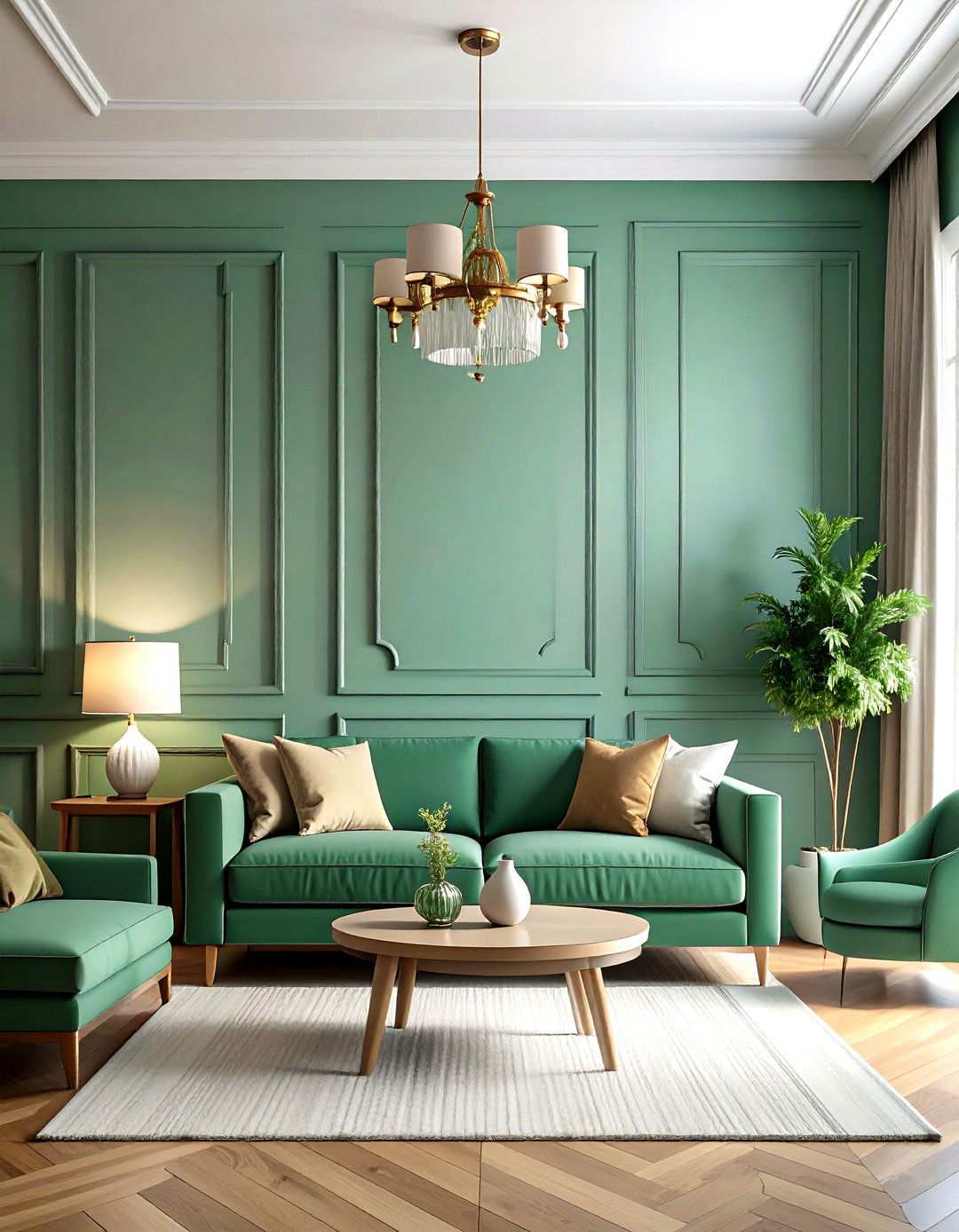
Unifying a room’s aesthetic with a monochromatic scheme involves painting walls, panels, and trim in various shades of the same color, resulting in an enveloping atmosphere that exudes sophistication and calmness. By leveraging tonal variations rather than contrasting hues, this technique creates a sense of depth and cohesion, perfect for environments that demand serenity. To achieve stunning effects, balance deeper tones on wainscoting panels with lighter shades on upper walls, or vice versa, depending on your desired outcome. Sage green, warm gray, and rich navy are popular choices that can bring your design vision to life. Can you envision the beauty of a monochromatic space, where metallic accents, natural textures, and carefully selected artwork come together in perfect harmony? This approach allows furniture and accessories to take center stage while providing a sophisticated backdrop for everyday living.
10. Geometric Precision in Design
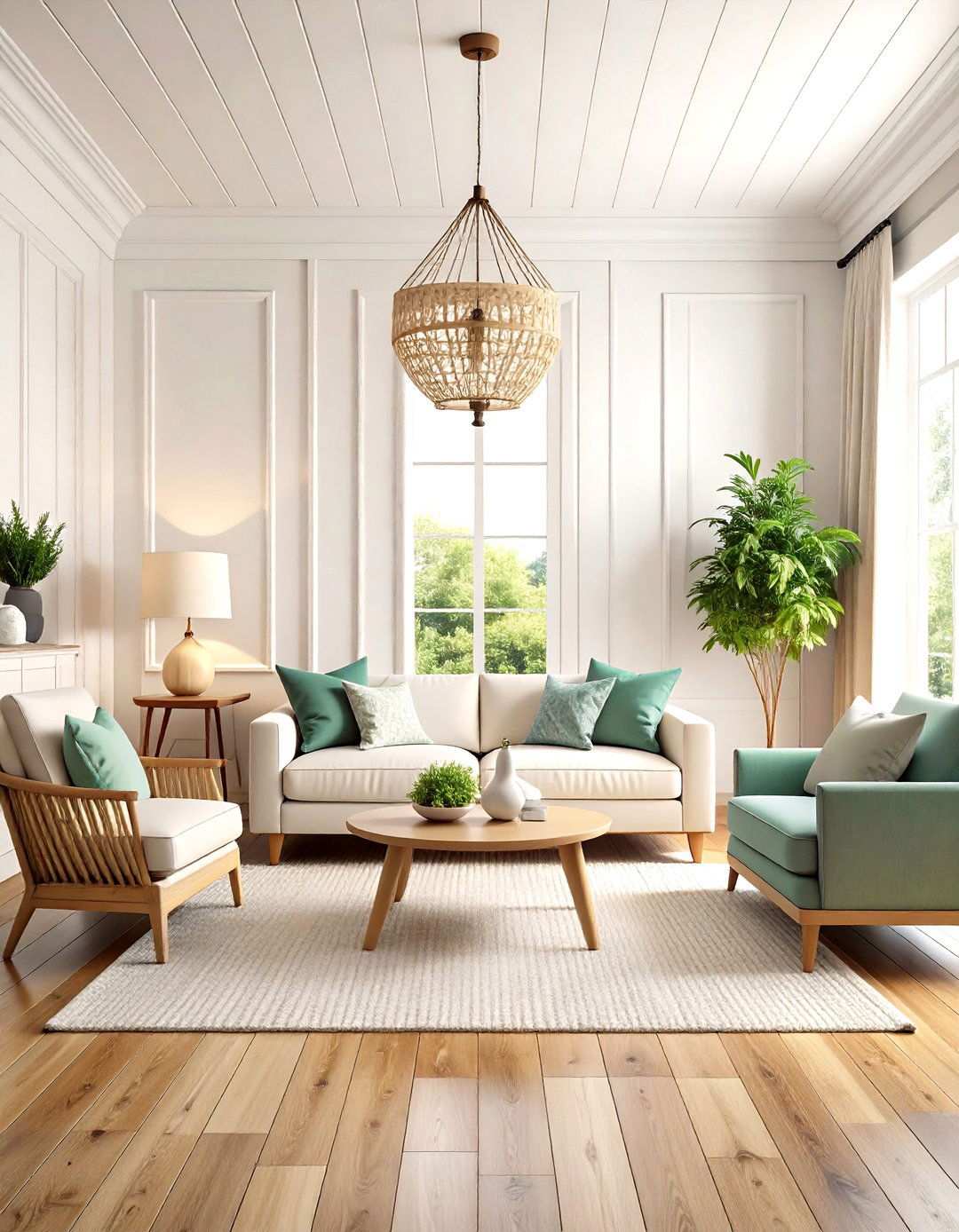
A board-and-batten grid system combines traditional techniques with mathematical precision to create clean, organized wall treatments that establish a visual rhythm and architectural structure. By carefully spacing vertical and horizontal elements, you can achieve a sense of order and symmetry that works particularly well in transitional living rooms. Align the grid pattern with room proportions and existing architectural features, such as windows and doorways, to create a cohesive look. Have you considered how a systematic approach to design can result in surprisingly organic and comfortable environments? For a timeless appeal, paint the grid in classic whites, or experiment with soft pastels for a fresh, contemporary look. This approach provides an excellent framework for displaying artwork, family photos, or decorative objects within the grid structure, adding visual interest to your space.
11. Organic Lines and Shapes
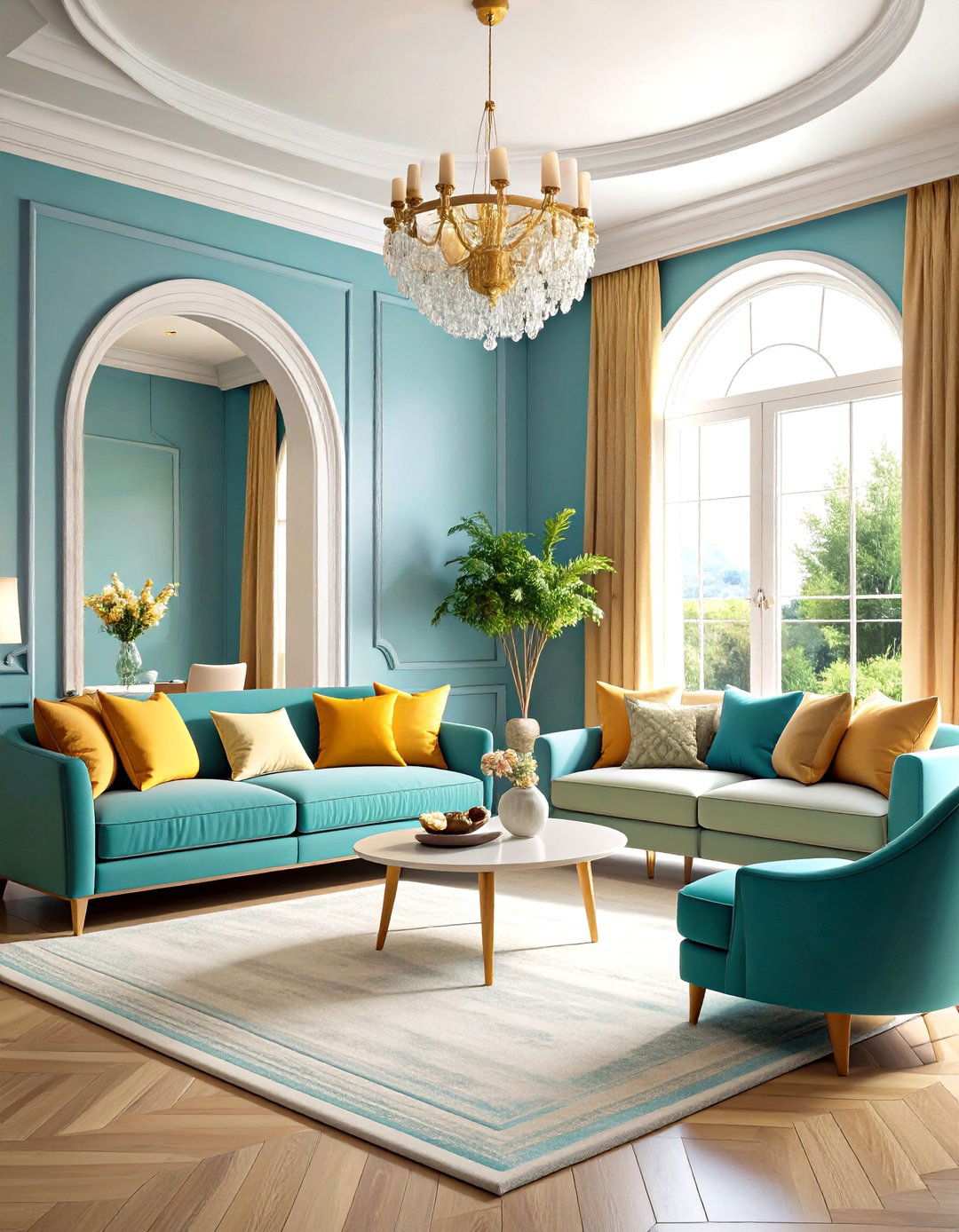
Incorporating curved wainscoting elements introduces a touch of whimsy and sophistication to traditional designs, softening angular approaches and creating a sense of visual movement. This innovative technique might include arched panels, curved chair rails, or flowing geometric patterns that echo furniture shapes, adding an unexpected level of elegance to living room designs. To maximize the impact of curved lines, consider incorporating them around architectural features, such as fireplaces or bay windows, to create a seamless integration. Are you intrigued by the way curved lines can influence a room’s energy and flow? While precise planning and skilled installation are required, the end result is truly unique and worth the effort. For a striking contrast, paint curved elements in bold, contrasting colors, or opt for subtle tonal variations to create a more understated elegance that complements contemporary and transitional design styles.
12. Timeless Textures of Reclaimed Wood
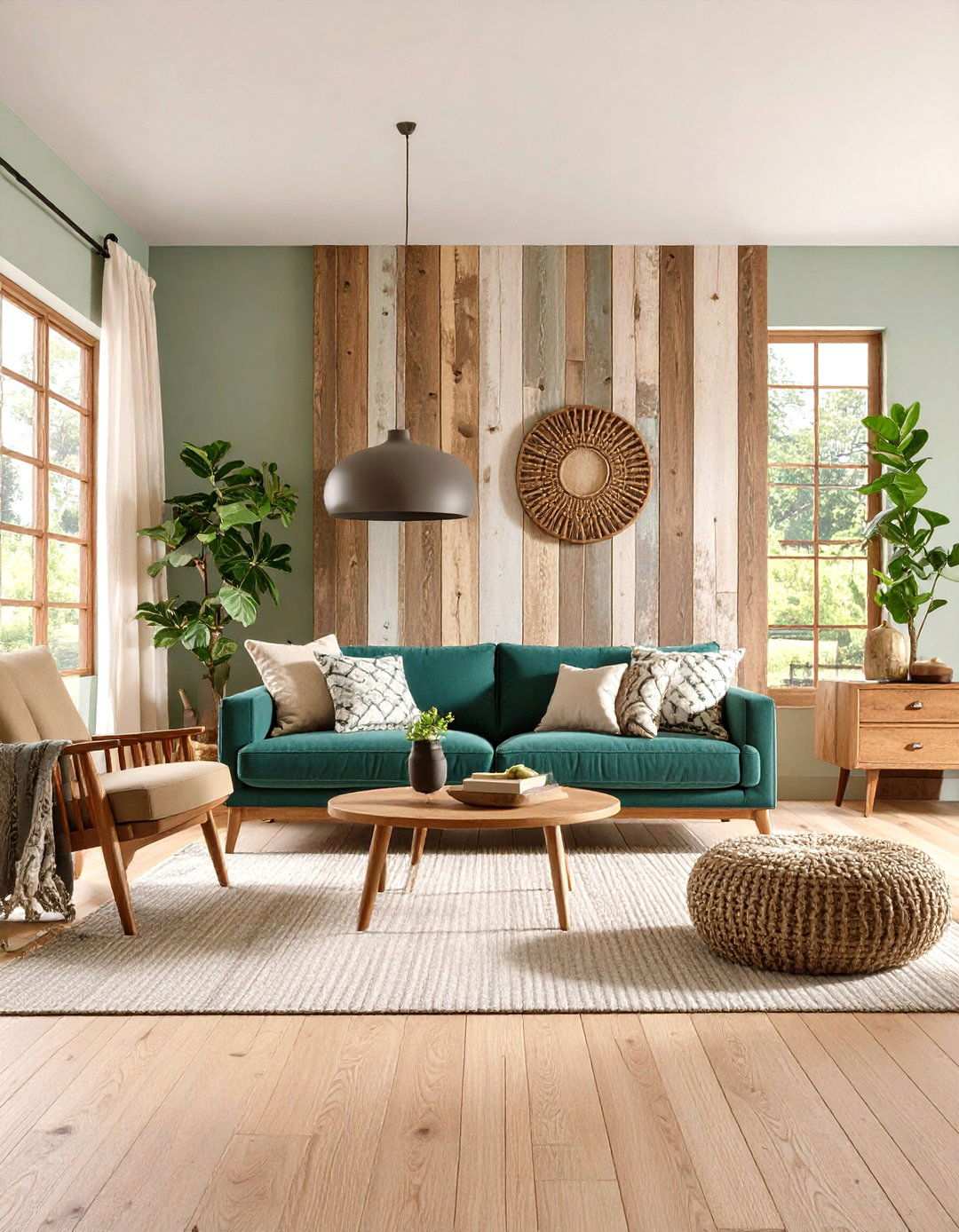
Reclaimed wood paneling brings a captivating sense of authenticity through its unique texture, patina, and storied history. The natural wear and tear of these panels, replete with nail holes and color variations, cannot be replicated by manufactured materials. This genuine aging imbues warmth and visual intrigue, making it an eco-friendly design choice that resonates with those who value sustainability. To amplify the organic charm of this style, consider incorporating a mix of plank widths and textures. What draws you to the character that only time and weather can impart? To maximize the rustic impact, leave the wood in its natural state, or apply a light stain to accentuate the grain patterns while maintaining the essence of reclaimed materials. This style pairs beautifully with leather furniture, vintage textiles, and industrial lighting fixtures that harmonize with the authentic, lived-in aesthetic of reclaimed materials.
13. Layered Elegance of Painted Beadboard
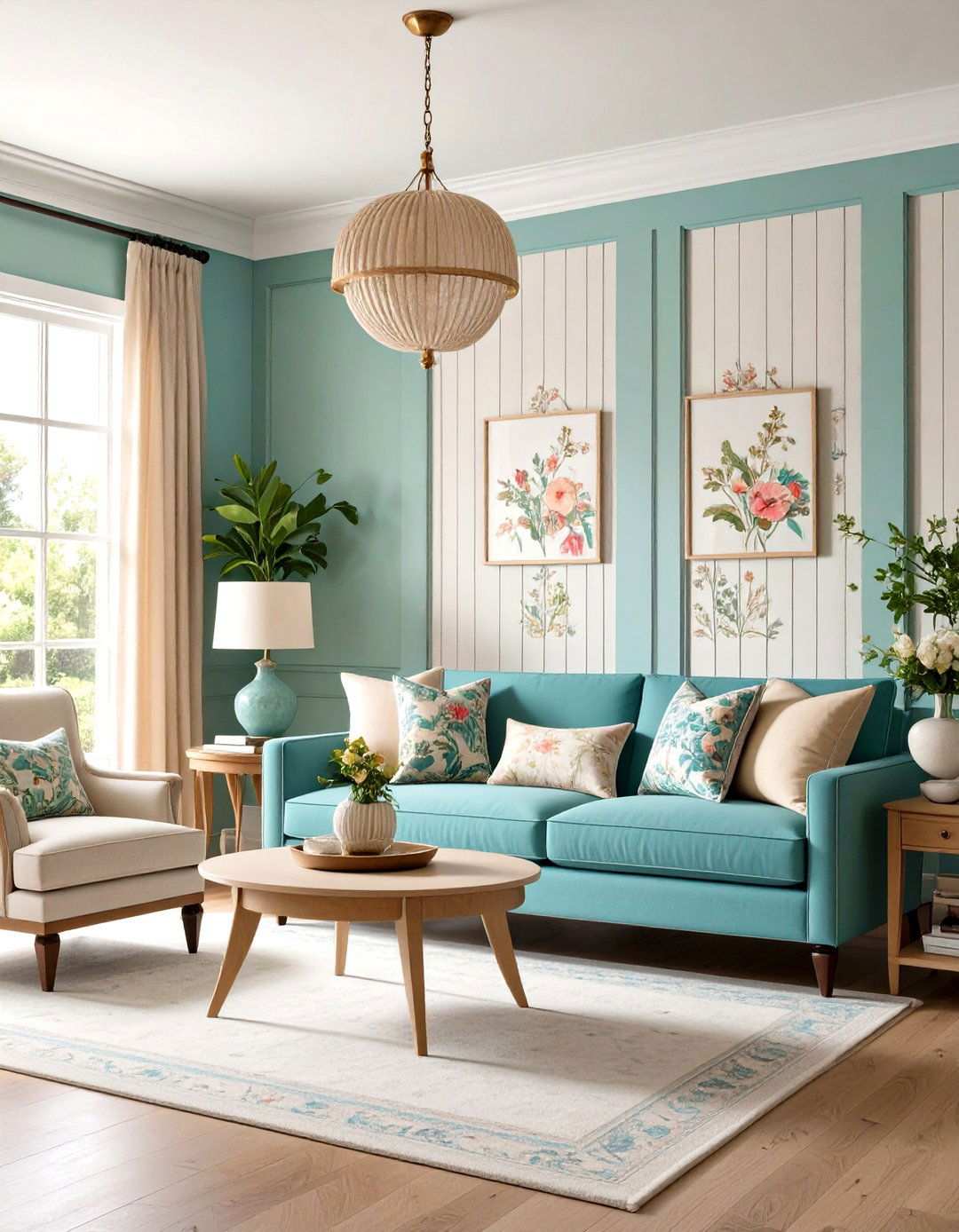
Beadboard wainscoting paired with coordinating wallpaper above creates a rich tapestry of visual interest and opportunities for personal expression through pattern and color combinations. This classic combination allows you to introduce bold patterns or subtle textures above the paneling while maintaining clean, structured elements below. To add depth and complexity, choose wallpapers that either complement or intentionally contrast with the beadboard color. The vertical beadboard lines provide a striking counterpoint to horizontal wallpaper patterns, making for a harmonious balance. How might combining these classic elements reflect your unique design personality? This approach works particularly well in traditional and cottage-style living rooms seeking a cozy, collected-over-time aesthetic. Consider incorporating metallic accents in wallpaper patterns to add a touch of glamour or choose botanical prints for a natural, organic appeal that complements the beadboard’s traditional character.
14. Bold Fusion of Industrial Metal and Wood
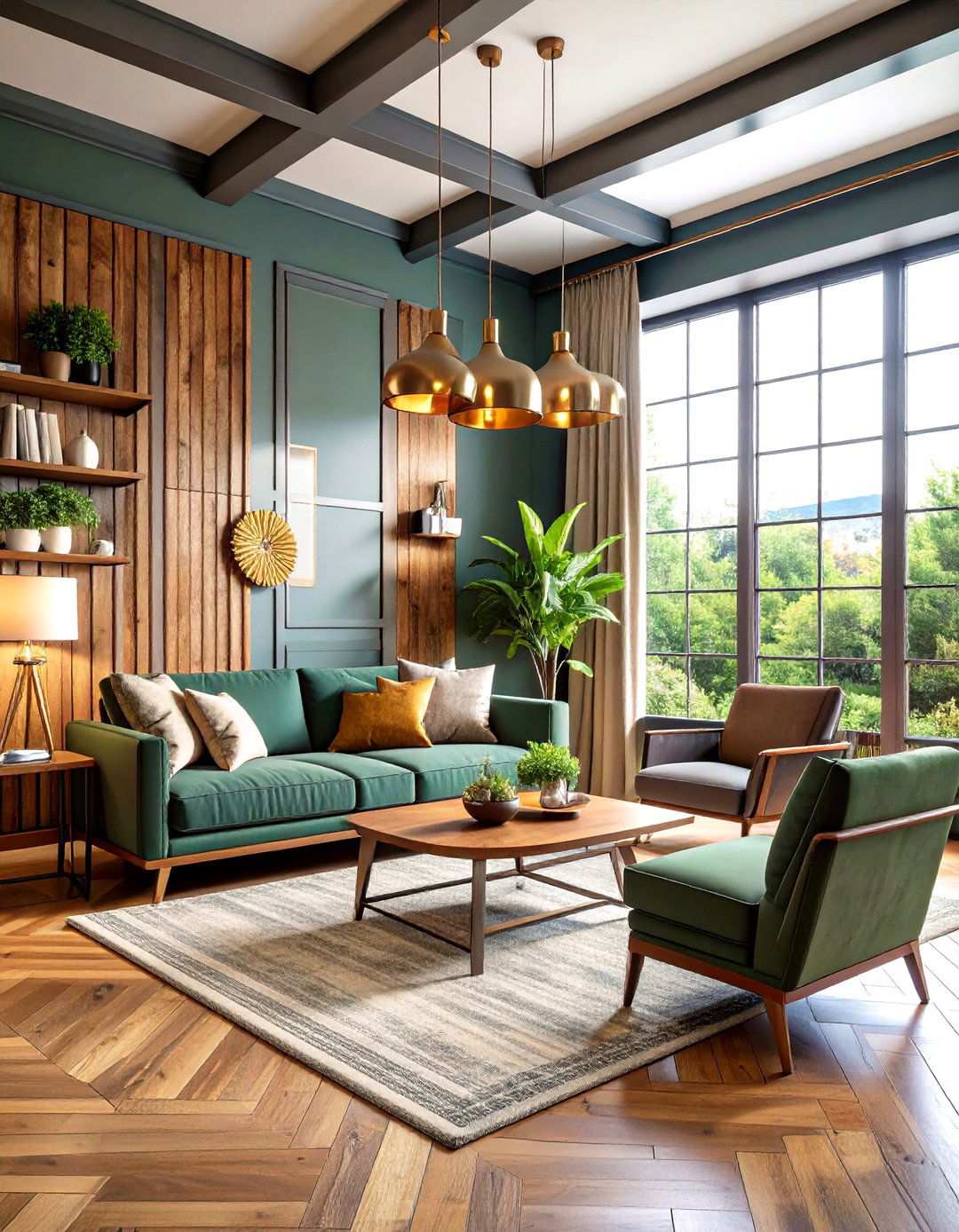
Industrial metal accent wainscoting brings together wood panels and metal elements like steel strips, brass details, or copper accents for a contemporary edge and sophisticated contrast. This mixed-material approach appeals to modern living rooms seeking unique architectural details that reflect urban loft aesthetics. Metal elements might serve as chair rails, corner guards, or decorative inlays within traditional wood panels, adding a layer of complexity to the design. The interplay between warm wood and cool metal creates a dynamic visual tension. Are you drawn to the sophisticated interplay between traditional and contemporary materials? This style works exceptionally well with exposed brick, concrete floors, and modern lighting fixtures. Consider patinated metals for warmer tones or polished finishes for sleeker, more contemporary appearances that complement minimalist furniture and bold artwork.
15. Elevated Ambiance through Integrated Lighting
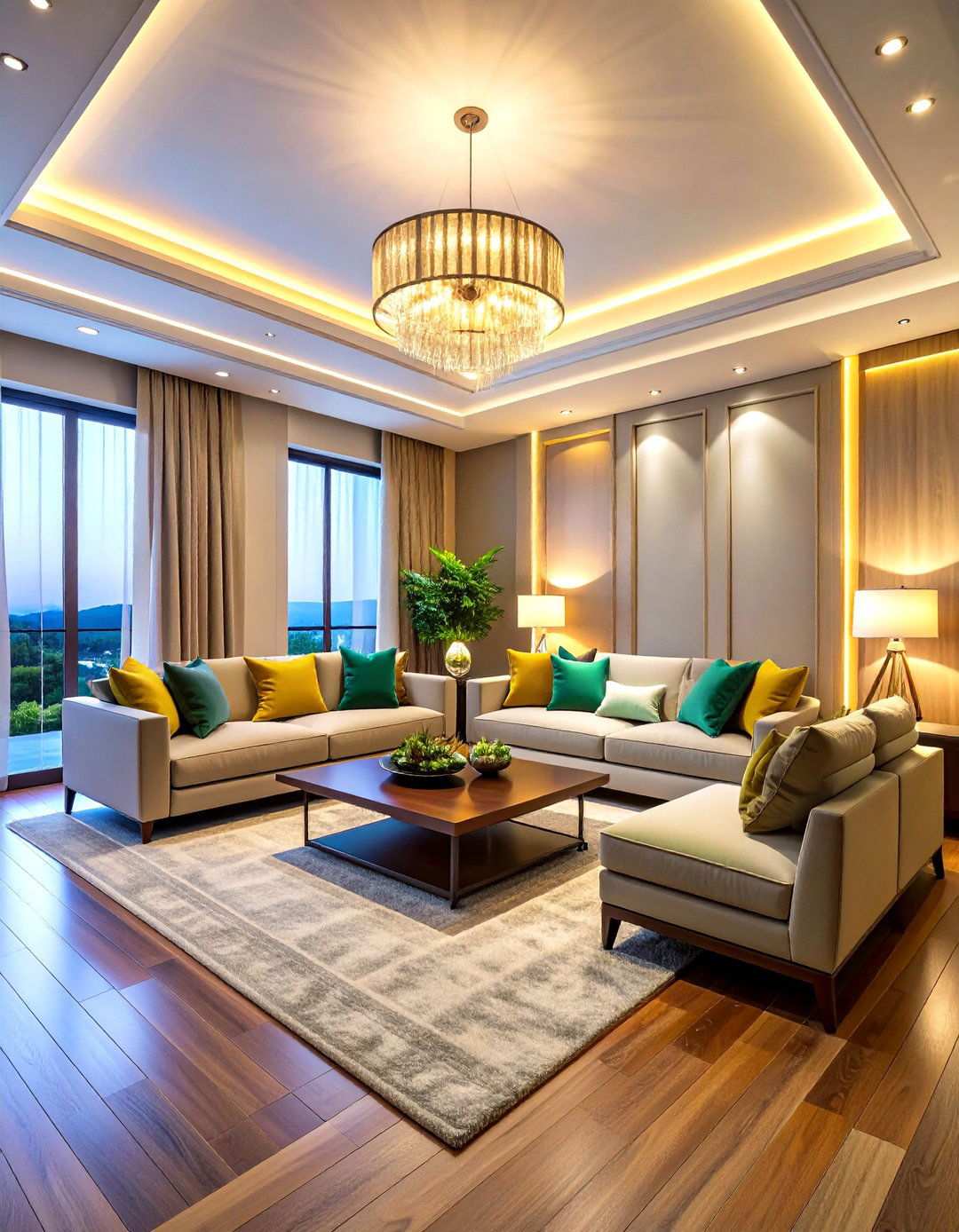
Elevating the ambiance of a living room with integrated LED lighting transforms the space into a haven of sophistication, highlighting architectural details while providing functional illumination for evening relaxation. The strategic placement of hidden LED strips behind chair rails or within panel grooves washes the walls with soft, indirect light that accentuates texture and creates a captivating atmosphere. This technique proves particularly effective when paired with deeper panel colors that benefit from uplighting or backlighting effects, making it an excellent choice for achieving a luxury hotel-like ambiance. To further enhance the mood, consider incorporating dimmable systems for adjustable lighting throughout the day. As you contemplate the possibilities, imagine how integrated lighting can transform your living room’s ambiance for different activities and times, bringing a touch of high-tech sophistication to contemporary and transitional styles.
16. The Art of Simplicity in Flat Panel Design
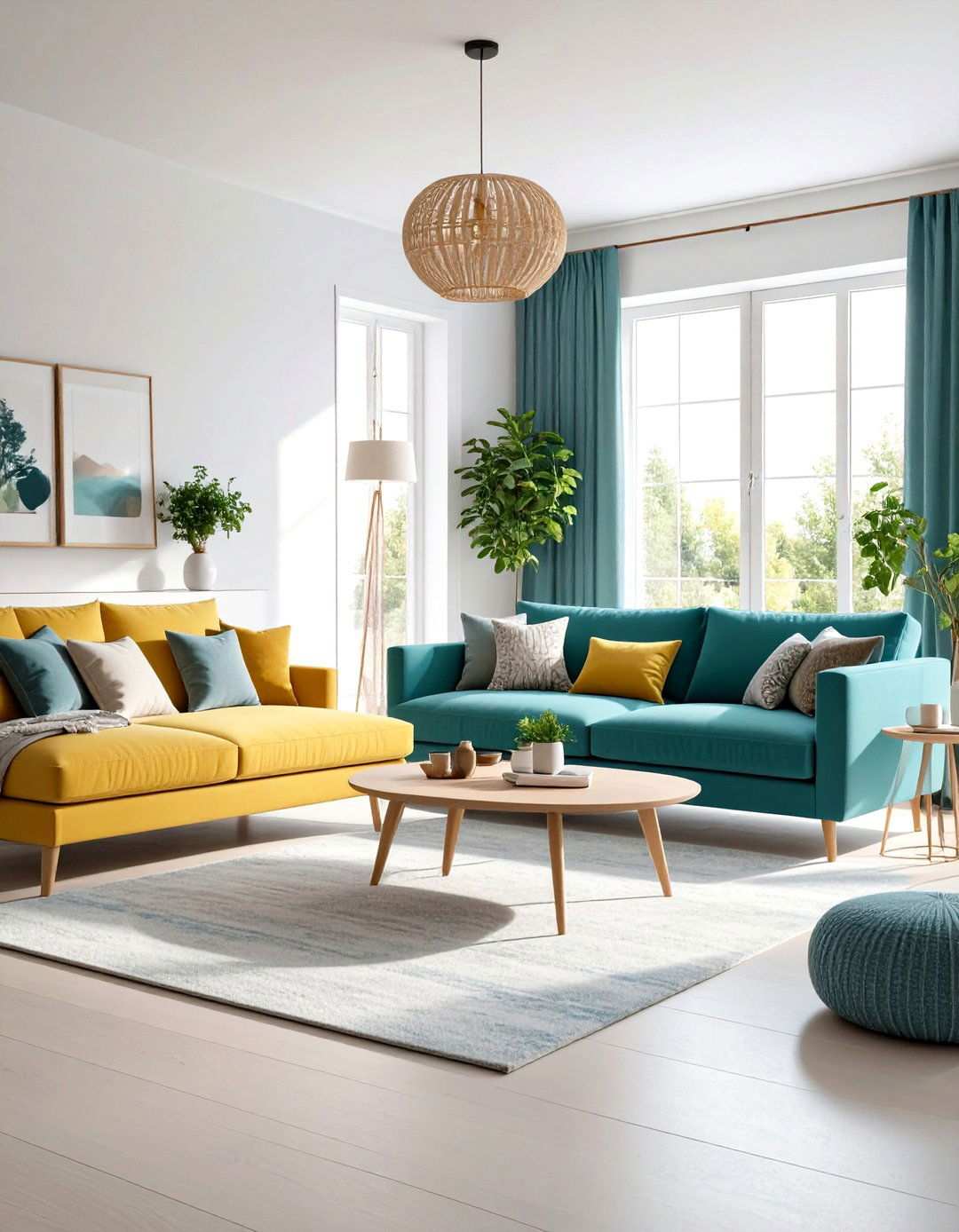
Simplicity and clean lines define minimalist flat panel wainscoting, a design approach that emphasizes unadorned surfaces and subtle architectural interest, perfectly complementing contemporary living rooms that prioritize function and simplicity. These smooth panels create texture through shadow lines and proportional relationships, allowing furniture, artwork, and natural light to take center stage while providing a sophisticated backdrop. To achieve seamless integration, paint the panels in neutral tones or match the existing wall colors. Does the philosophy of “less is more” resonate with your design aesthetic? If so, this style works beautifully with Scandinavian furniture, contemporary art, and natural materials like stone and wood, requiring precision and execution to achieve the clean, precise results that define successful minimalist design.
17. Elegant Traditions in Formal Dining Room Style
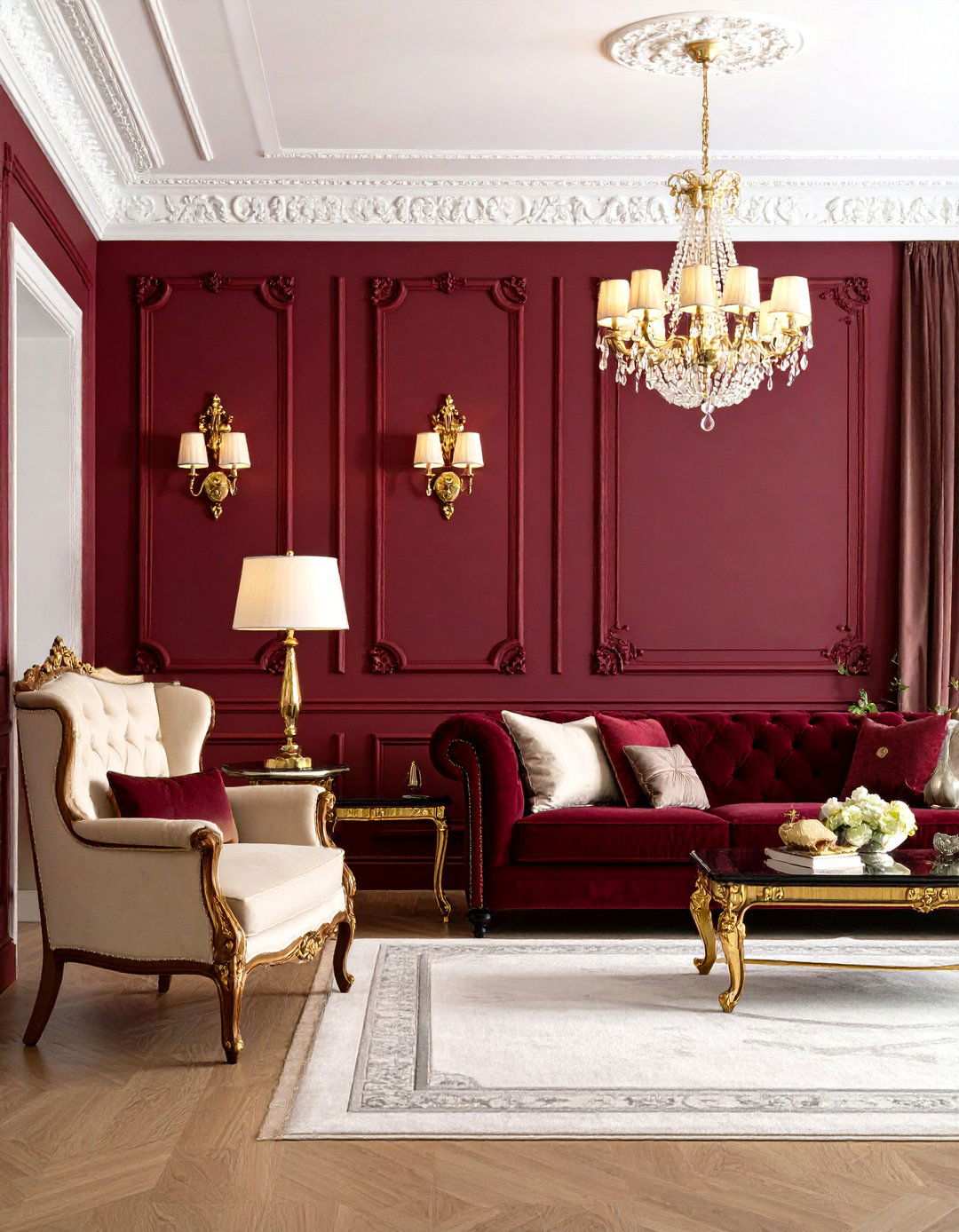
Formal dining room style wainscoting extends the elegance of traditional entertaining spaces into living areas, creating sophisticated environments perfect for special occasions and gatherings. This approach typically features raised panels, elaborate molding details, and rich paint colors that establish a refined, ceremonial atmosphere. The formality works well in traditional homes with separate living and dining areas, creating visual continuity throughout entertaining spaces. To create a dramatic and sophisticated look, consider deeper paint colors like forest green, burgundy, or navy. Are you drawn to creating spaces that honor traditional entertaining customs and formal gatherings? This style pairs beautifully with crystal chandeliers, antique furniture, and formal window treatments, elevating the formality while maintaining daily comfort for family use in traditional living room arrangements.
18. Elevating the Open Concept Space
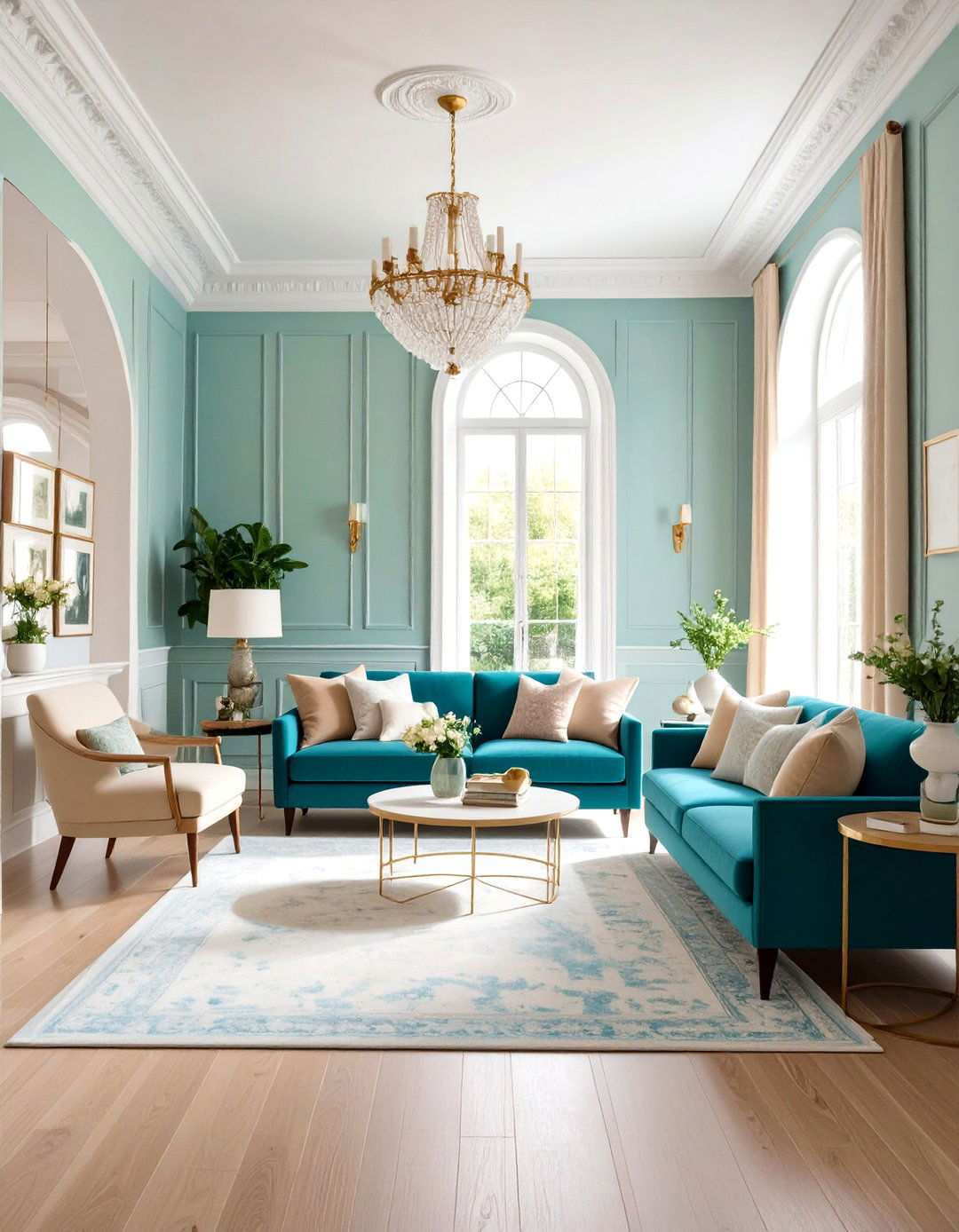
A thoughtful approach to dividing open concept areas through wainscoting brings visual distinction without compromising spatial flow. By employing varying wainscoting heights, styles, or colors, designers can carve out separate living spaces while maintaining an overall sense of harmony. This versatile technique shines in great rooms that seamlessly integrate living, dining, and kitchen functions. To create a cohesive look, consider blending full-height panels in seating areas with lower-height wainscoting in adjacent spaces. By doing so, you can preserve the spacious feel of your open floor plan while adding deliberate separation between functional areas. Strategic paint treatments can either accentuate the division or maintain continuity across spaces, depending on your desired level of definition.
19. Crafting a Luxuriant Look
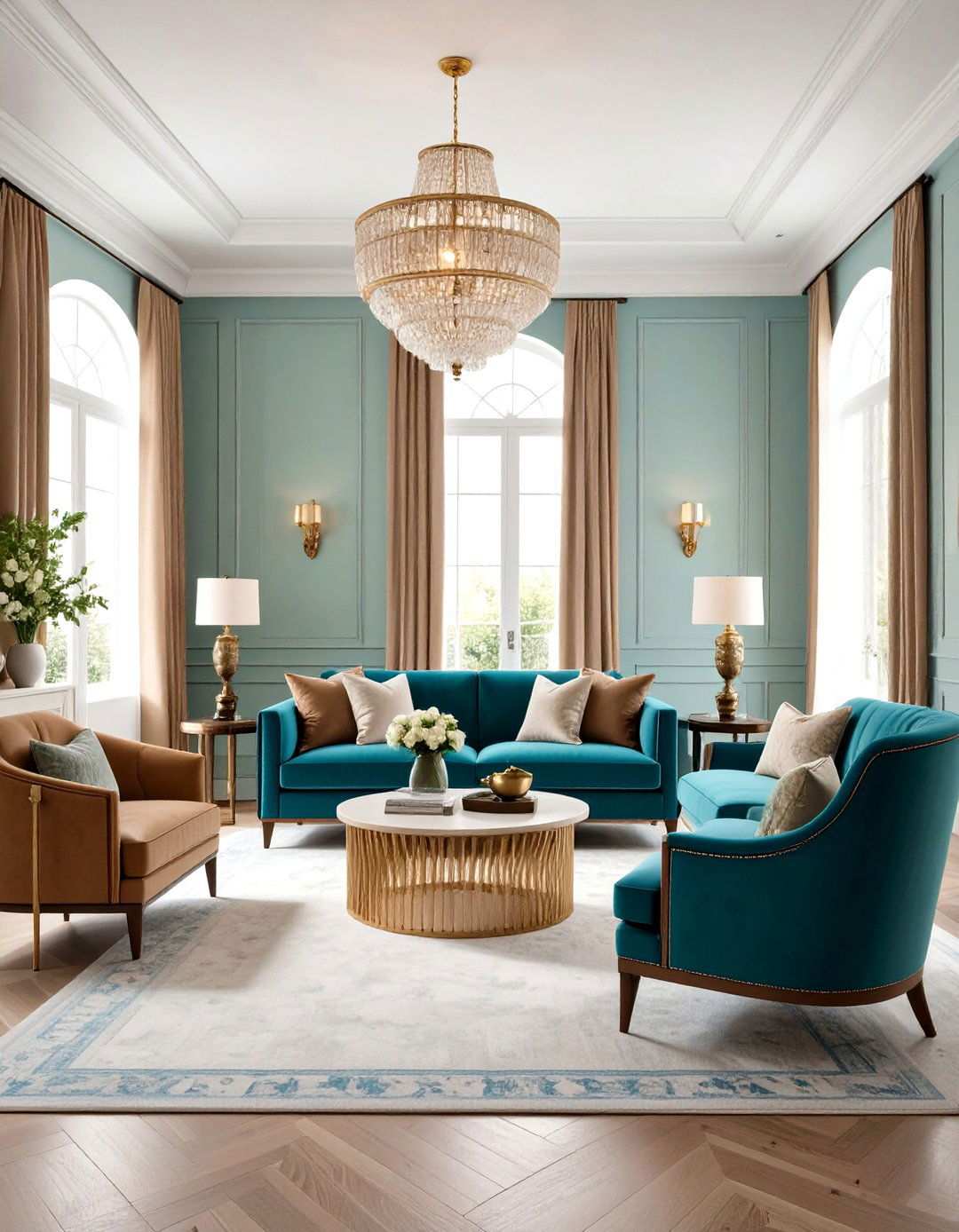
Mixed media wainscoting is a high-end approach that combines diverse textures and materials to create a sophisticated visual experience. By incorporating elements like wood, fabric panels, leather, or stone, designers can craft a rich, layered aesthetic that appeals to discerning tastes. This opulent technique often involves pairing upholstered panels with wood frames, stone inserts, or leather accents to add tactile variety. The result is a unique opportunity to introduce multiple colors, patterns, and textures within a cohesive framework. Consider the acoustic benefits of fabric panels in media rooms or conversation areas, where sound can be a significant factor. For those drawn to designs that engage multiple senses, mixed media wainscoting offers a chance to create a truly immersive experience. To achieve cohesive results, careful material selection and professional installation are crucial.
20. Capturing the Cozy Cottage Charm
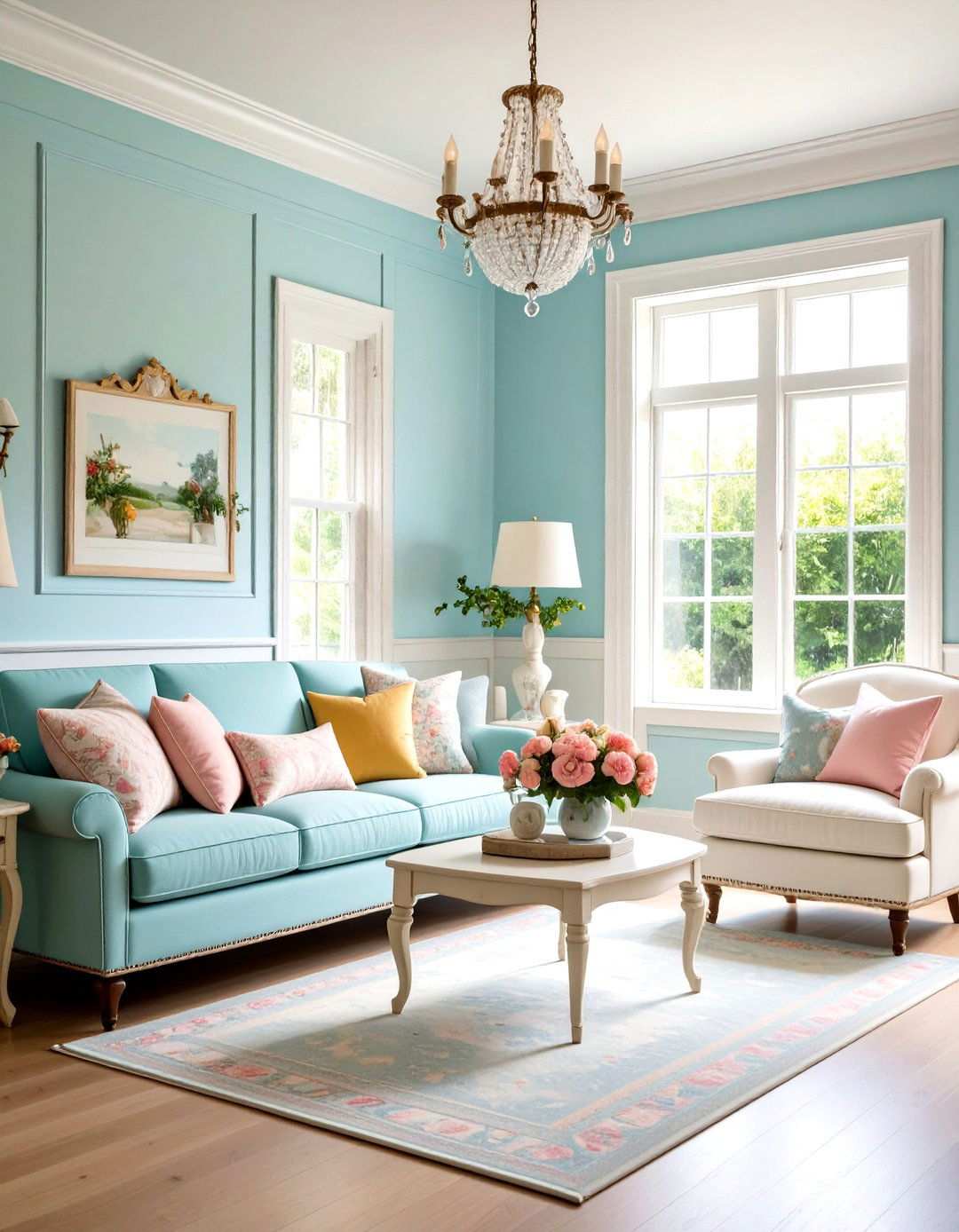
Vintage cottage style wainscoting is a romantic approach that captures the essence of a bygone era through soft colors, gentle curves, and charming details. By incorporating elements like scalloped edges, decorative corner blocks, or painted finishes that suggest age and wear, designers can create a warm, inviting living space. The classic cottage palette features soft pastels, creamy whites, and muted sage greens, perfectly suited for vintage furniture, floral fabrics, and treasured collections. Those who yearn for a living space that feels like a beloved family cottage will appreciate this approach. Consider distressed paint finishes or antiquing techniques to add a sense of gentle aging and loving use, echoing the memories of generations past. This charming style is particularly well-suited for traditional homes where comfort takes precedence over formality.
21. Geometric Accent Walls in Modern Living Rooms
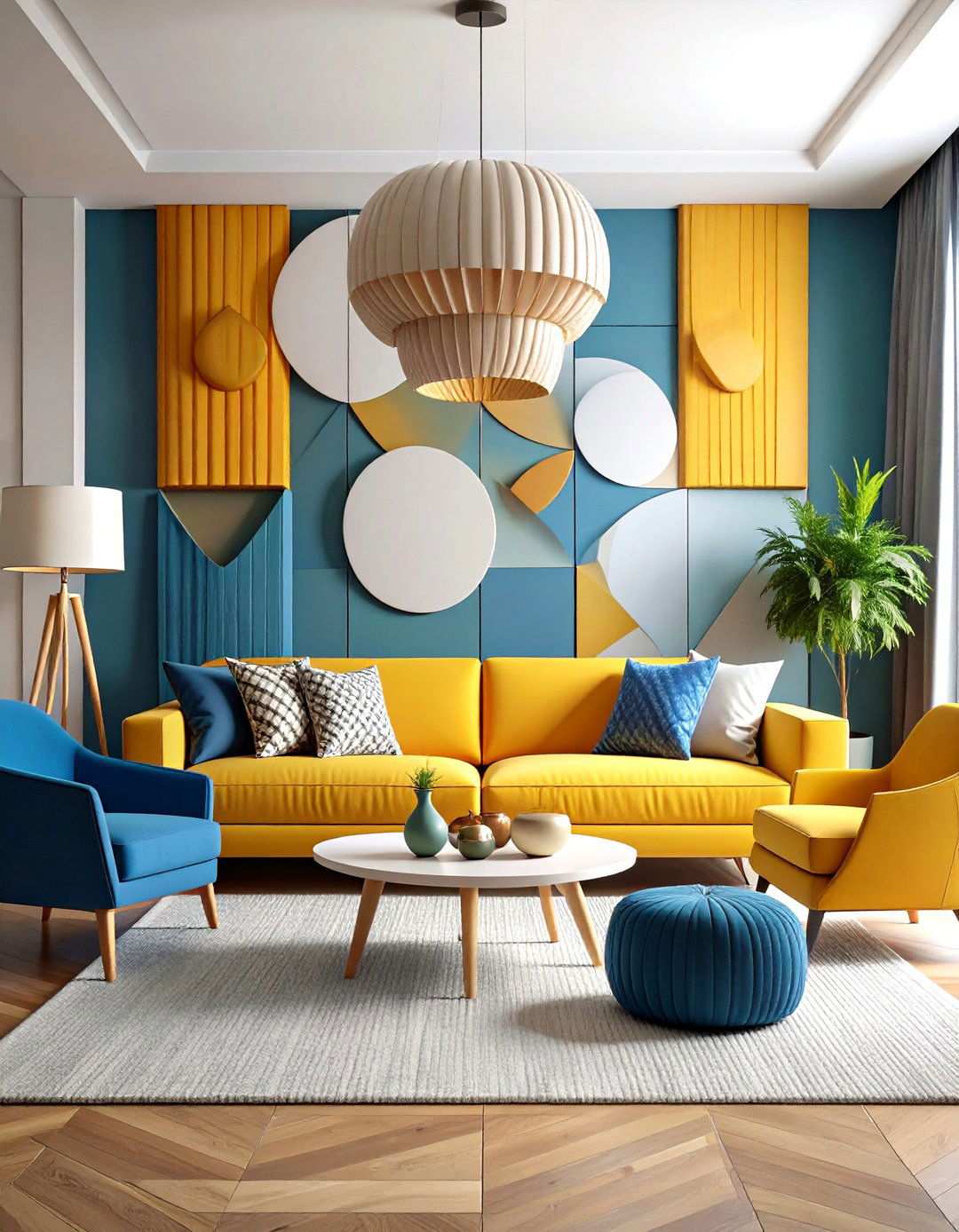
Geometric wainscoting is giving modern living rooms a stunning focal point through bold patterns, asymmetrical designs, or three-dimensional elements that draw attention to seating areas, entertainment centers, or fireplace surrounds. This artistic approach features overlapping shapes, angular patterns, or sculptural elements that blend architecture and art seamlessly. By varying panel depths, you can enhance three-dimensional effects and create a visually striking accent wall. As you imagine your walls becoming artistic statements, think about how confident color choices and careful proportion planning can lead to successful results. Consider painting panels in contrasting colors to emphasize geometric relationships or using subtle tonal variations to create sophisticated effects that complement modern furniture and contemporary art collections.
22. Showcasing Natural Beauty through Wood Stain
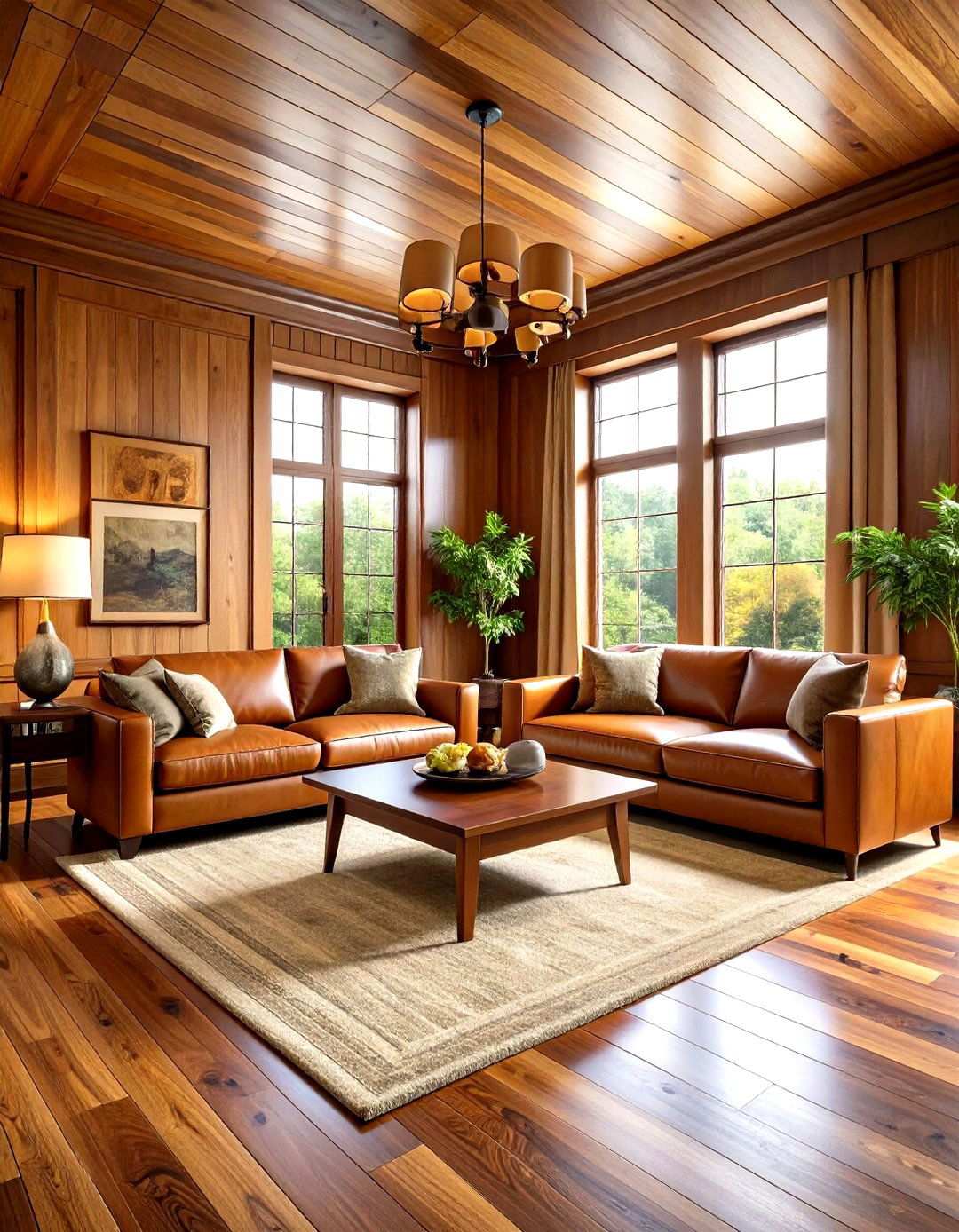
Natural wood stain wainscoting is an excellent way to celebrate the authentic beauty of wood, enhancing its natural variations in grain, color, and texture rather than hiding them. This approach provides sophisticated architectural detail while letting the unique characteristics of the wood shine through. Consider using species like oak, walnut, or cherry that offer distinctive grain patterns and rich natural colors. The warmth of natural wood creates inviting environments perfect for family gatherings and relaxation. What resonates with you about embracing natural materials in their authentic state? This organic approach pairs beautifully with stone fireplaces, leather furniture, and natural fiber textiles, ensuring a timeless quality that lasts while complementing both traditional and contemporary furnishing styles.
23. Making a Statement with High-Contrast Black and White
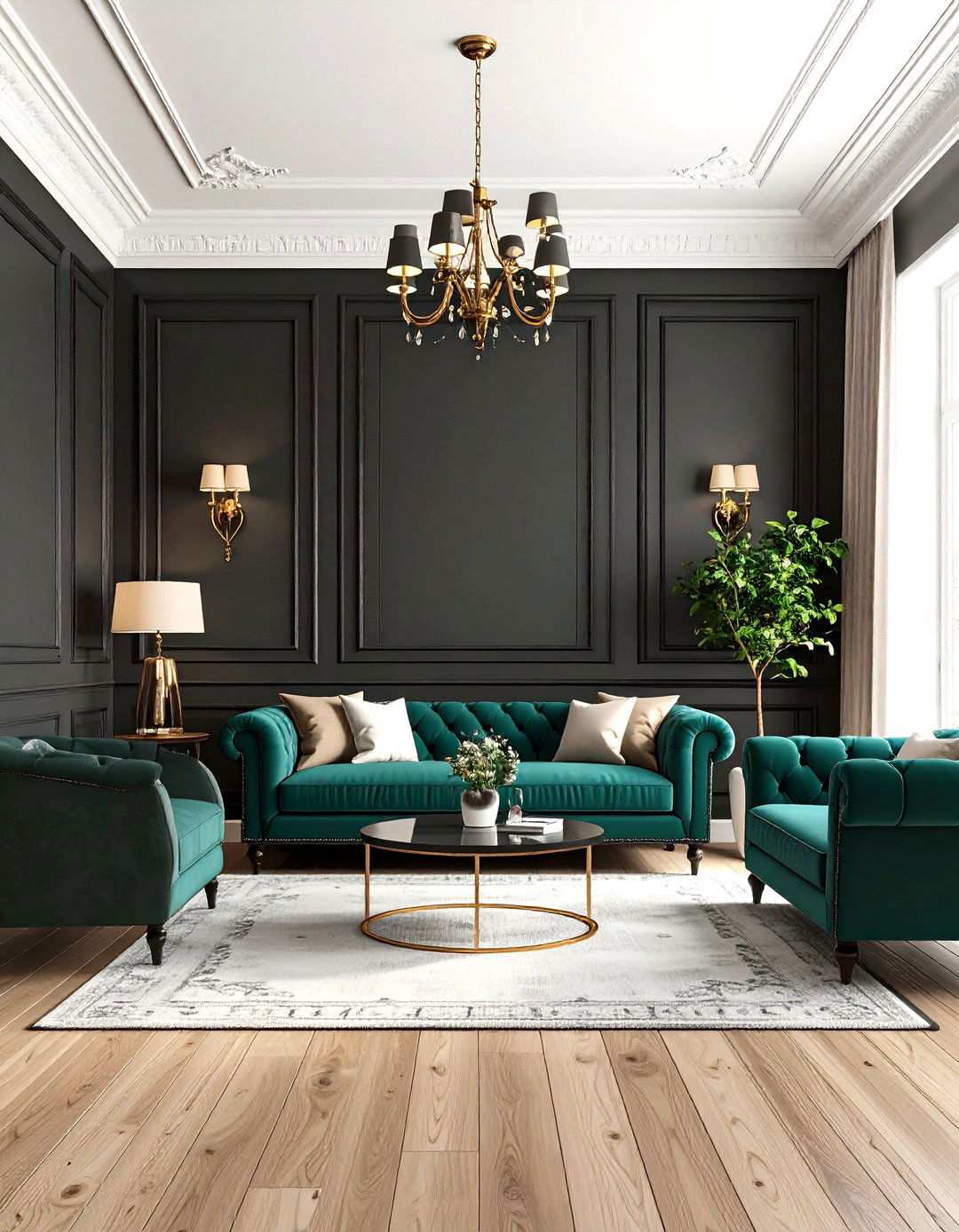
High-contrast black and white wainscoting is a bold design move that creates dramatic, sophisticated statements in modern living rooms. This confident approach might feature black panels with white trim, white panels with black accents, or geometric patterns combining both colors strategically. The stark contrast creates crisp, clean lines while establishing a strong architectural presence. As you consider how natural light affects these dramatic color relationships throughout the day, think about how your space can benefit from bold design statements that create confident, uncompromising elegance. This approach works exceptionally well with modern furniture, metallic accents, and carefully curated art collections, but it does require balanced room proportions and thoughtful lighting design to avoid overwhelming smaller spaces while creating sophisticated backdrops for contemporary living.
24. Seasonal Adaptability in Design
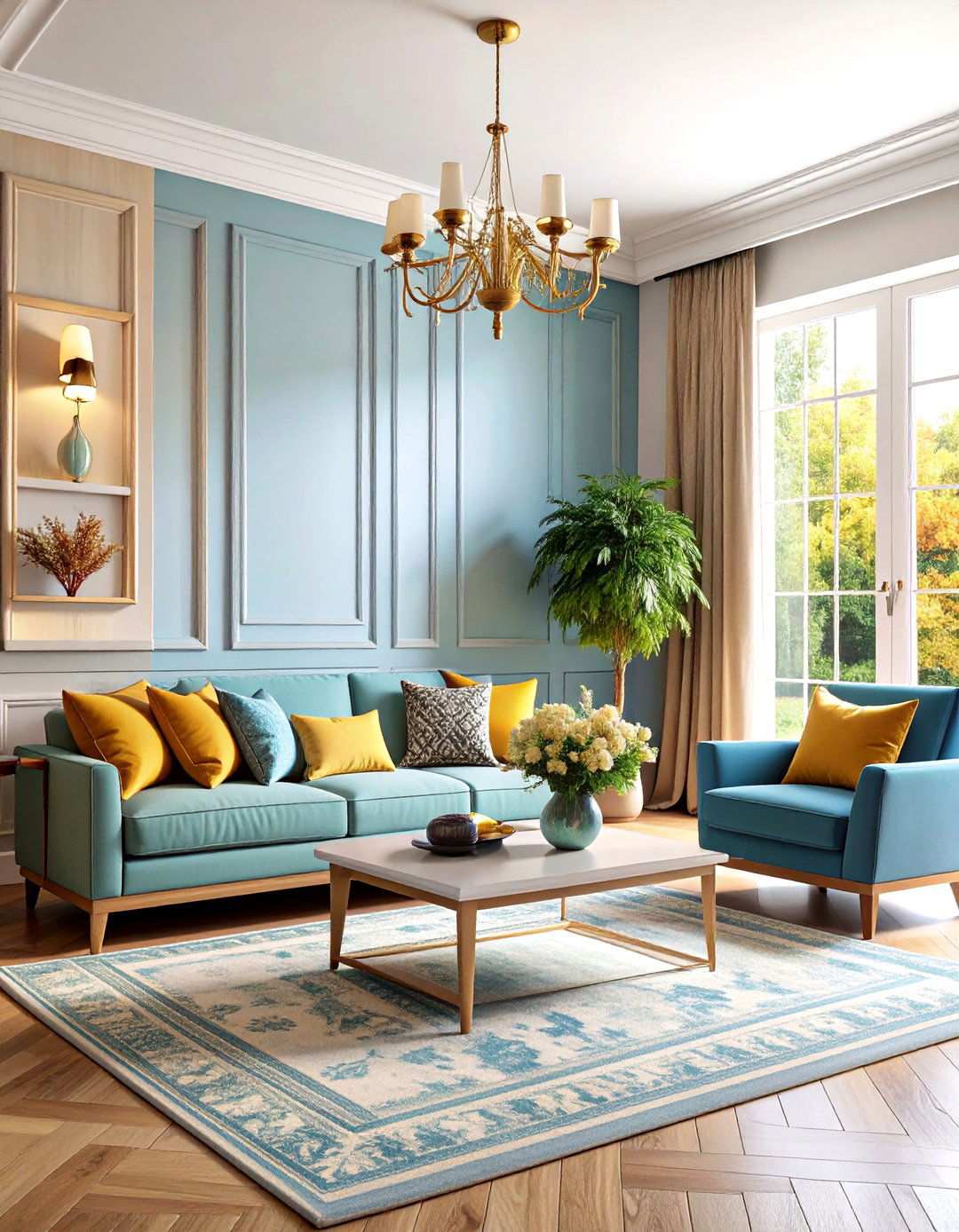
Seasonal adaptable wainscoting offers a versatile framework for updating décor without compromising architectural integrity. By incorporating removable elements, interchangeable panels, or display areas, homeowners can easily refresh their spaces to match the changing seasons and moods. This thoughtful approach allows for a seamless transition between styles, ensuring that the base design remains consistent while providing ample opportunities for creative expression through seasonal accessories, artwork, and decorative elements.
A well-designed adaptable space can thrive in families who take pleasure in decorating for holidays, switching up their artwork, or repurposing areas for different functions throughout the year. The beauty of this approach lies in its ability to balance structure and flexibility, making it an ideal solution for homeowners who value both elegance and versatility. By incorporating adaptable design elements, such as built-in ledges or removable panels, homeowners can effortlessly update their spaces to reflect the ever-changing seasons and celebrations.