1. Crafting the Heart of Your Homeschool Experience
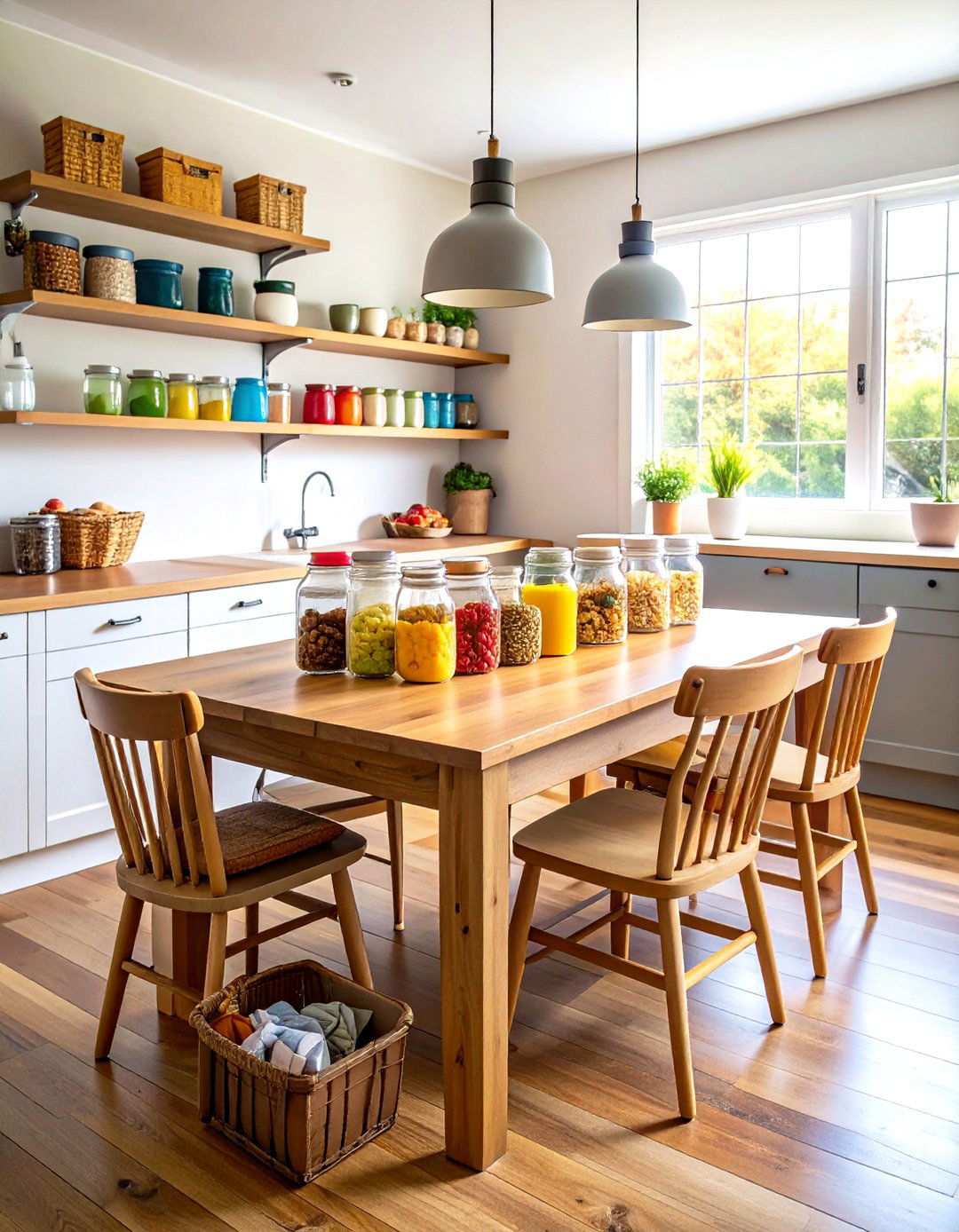
When it comes to creating an effective learning environment, the boundaries between home and school can become increasingly blurred. To foster a sense of community and shared exploration, consider repurposing your kitchen table as the central hub of your homeschool experience. This innovative approach weaves together functionality, comfort, and character to produce a warm, inviting space that nurtures academic growth.

As an Amazon Associate I earn from qualifying purchases.
In this configuration, a spacious wooden table serves as the focal point, surrounded by a mismatched assortment of vintage chairs that cater to diverse learning styles. By incorporating built-in storage benches along the walls, you can maintain the kitchen’s functionality while ensuring that essential supplies remain within easy reach. As an added bonus, open shelving systems featuring colorful bins organized by subject make materials visible and accessible, eliminating the need for tedious searching. A mobile supply cart can be easily rolled in and out of the way, freeing up space for meal preparation while keeping essentials within arm’s reach. The incorporation of natural wood finishes and a soothing neutral color palette creates a tranquil atmosphere that encourages focused learning, all while preserving the kitchen’s role as the family’s gathering place.
2. Basement Homeschool Learning Sanctuary
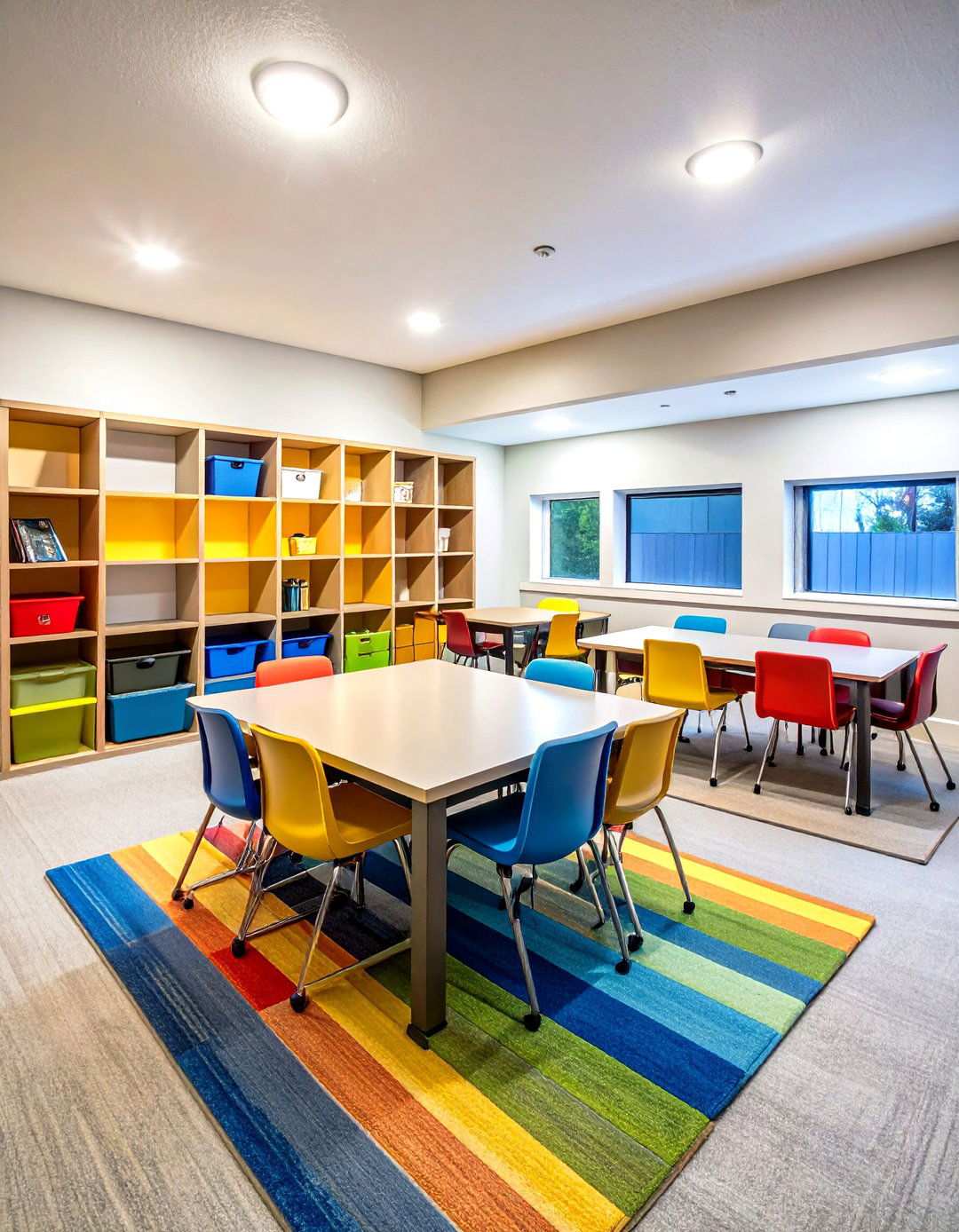
Transforming your basement into a dedicated learning space can be a brilliant way to utilize often-overused space, creating a serene and focused environment for your family. By designing distinct learning zones within a single, cohesive area, you can maximize the potential of your basement square footage. Industrial-style shelving units can effectively divide the space into separate areas for various activities, while maintaining an open and airy feel. To counteract the typical dimness of a basement, incorporate bright LED lighting, which can be strategically placed at each workstation to provide optimal task lighting. The addition of vibrant area rugs not only defines individual spaces but also adds a touch of warmth to the concrete floors. A central table can facilitate group activities, while individual desks along the walls provide quiet study areas for focused learning. To keep supplies organized and easily accessible, consider implementing cube storage systems with labeled bins. The cool basement temperature can be a welcome respite during intense study sessions, and the separate location can help minimize household distractions. To safeguard your investment in educational resources, incorporate waterproof storage solutions to protect materials from potential moisture issues.
3. Living Room Homeschool Harmony
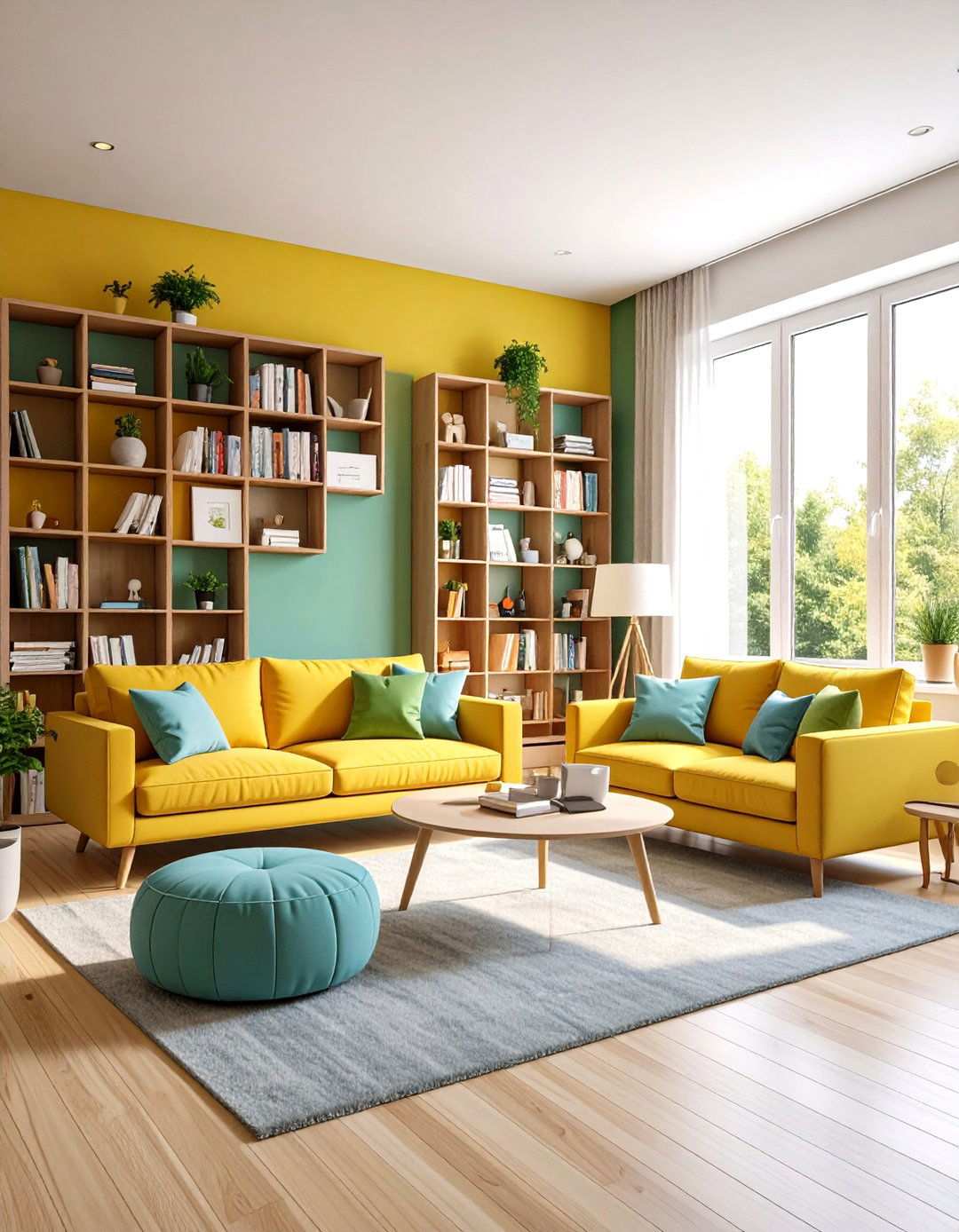
Achieving a harmonious balance between family relaxation and educational pursuits in your living room is definitely possible with the right approach. By seamlessly integrating learning materials with existing furniture and decor, you can create a space that serves multiple purposes without sacrificing style or comfort. A storage ottoman can serve as a supply center, while built-in bookcases can showcase both educational materials and cherished family treasures. With the addition of comfortable floor cushions, the existing coffee table can transform into a functional work surface. To maintain the room’s aesthetic, consider using wall-mounted cork boards and magnetic strips for display purposes that won’t require any permanent alterations. Designating a learning corner with a compact desk and chair can complement the room’s existing furniture while meeting the need for focused learning. To maintain the room’s evening entertainment function, use mobile storage carts that can be easily rolled away when school hours are over. The key to achieving this balance lies in selecting organizational solutions that blend harmoniously with your home’s aesthetic while keeping learning materials easily accessible throughout the day.
4. Cozy Closet Learning Nook
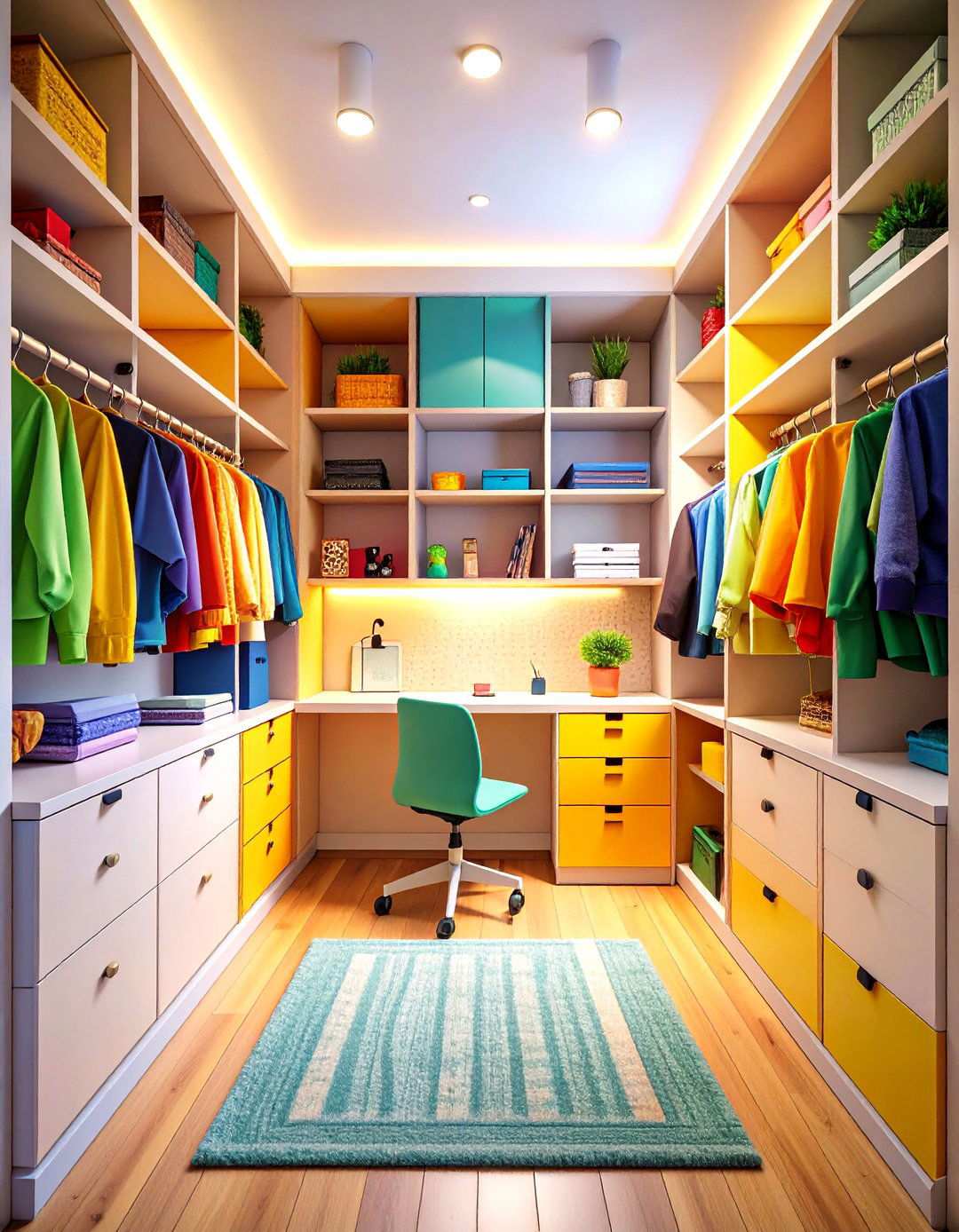
Imagine transforming a spare closet into a peaceful retreat where children can immerse themselves in learning. This compact yet effective design turns the closet into a serene study space that fosters focus and productivity. Elevated shelves make the most of vertical space, showcasing books and educational resources while keeping supplies neatly organized. A slender desk stretches across the closet’s width, accompanied by a cushioned task chair that fits snugly within the space. Tool storage on pegboard walls keeps essential materials within easy reach, while LED strips illuminate the typically dim closet area, creating a bright and inviting atmosphere. A bulletin board displays current projects and important information, while under-shelf storage baskets keep supplies organized and visible. This design is particularly well-suited for older students who require quiet spaces for independent work, allowing the door to be closed to maintain a polished household appearance.
5. Dining Room Educational Oasis
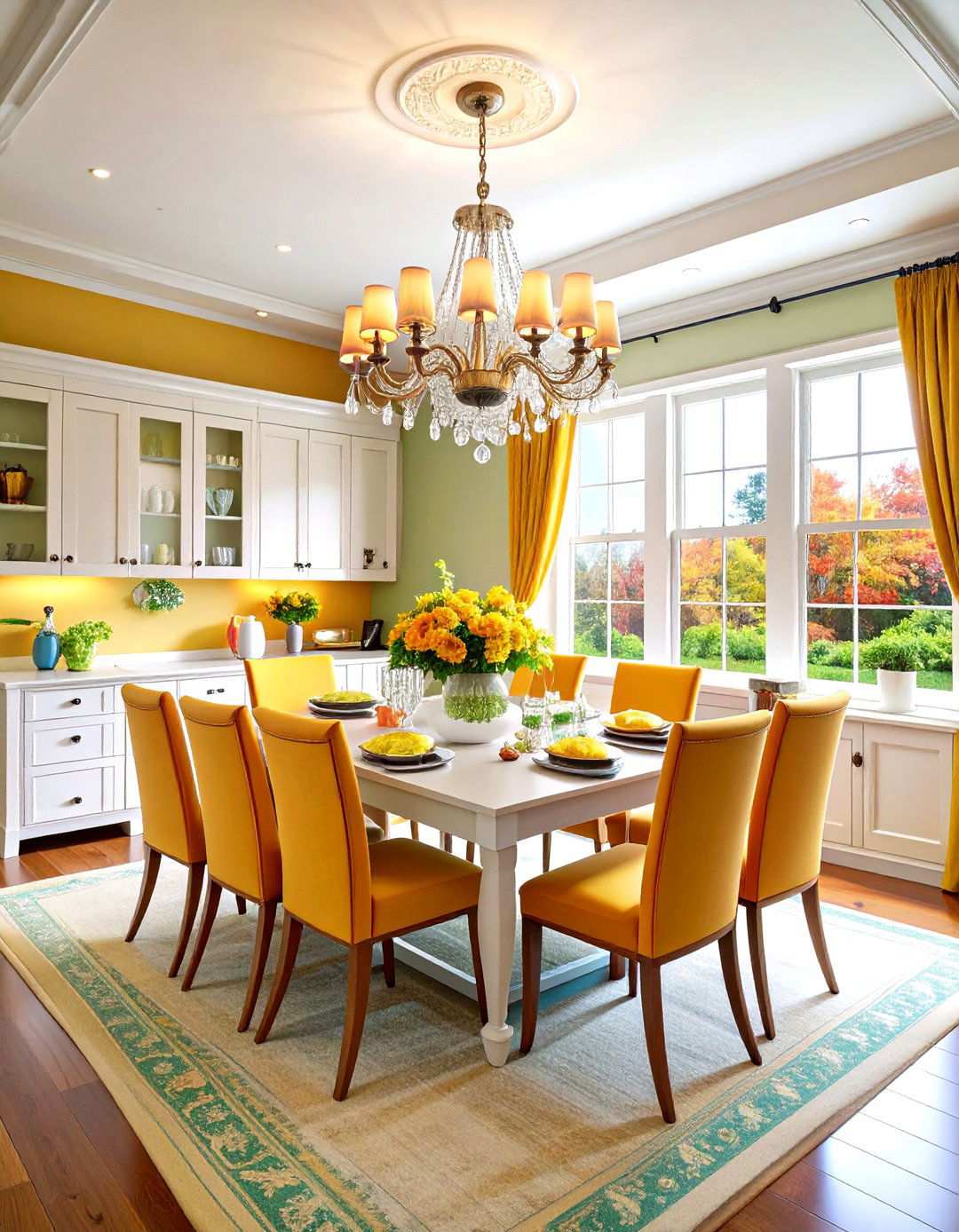
Is your dining room often left vacant while your family struggles to find suitable learning space? A creative transformation can turn this underutilized area into a dedicated educational environment that balances formality with functionality. A spacious dining table becomes a collaborative workspace for multiple children, accompanied by comfortable chairs designed for extended study sessions. A harmonious sideboard or hutch stores educational resources and supplies, presenting them in an organized and visually appealing manner. The existing chandelier provides ambient lighting, complemented by task lamps strategically placed at each seating position. Built-in window seats with storage create cozy reading nooks that maximize the room’s natural light, while wall-mounted whiteboards replace traditional artwork during school hours, offering interactive learning opportunities. This design effectively merges a respectful, formal atmosphere with the space’s original elegance and functionality, allowing for seamless transitions between family meals, entertaining, and academic pursuits.
6. Transforming Bedroom Corners into Focused Learning Spaces
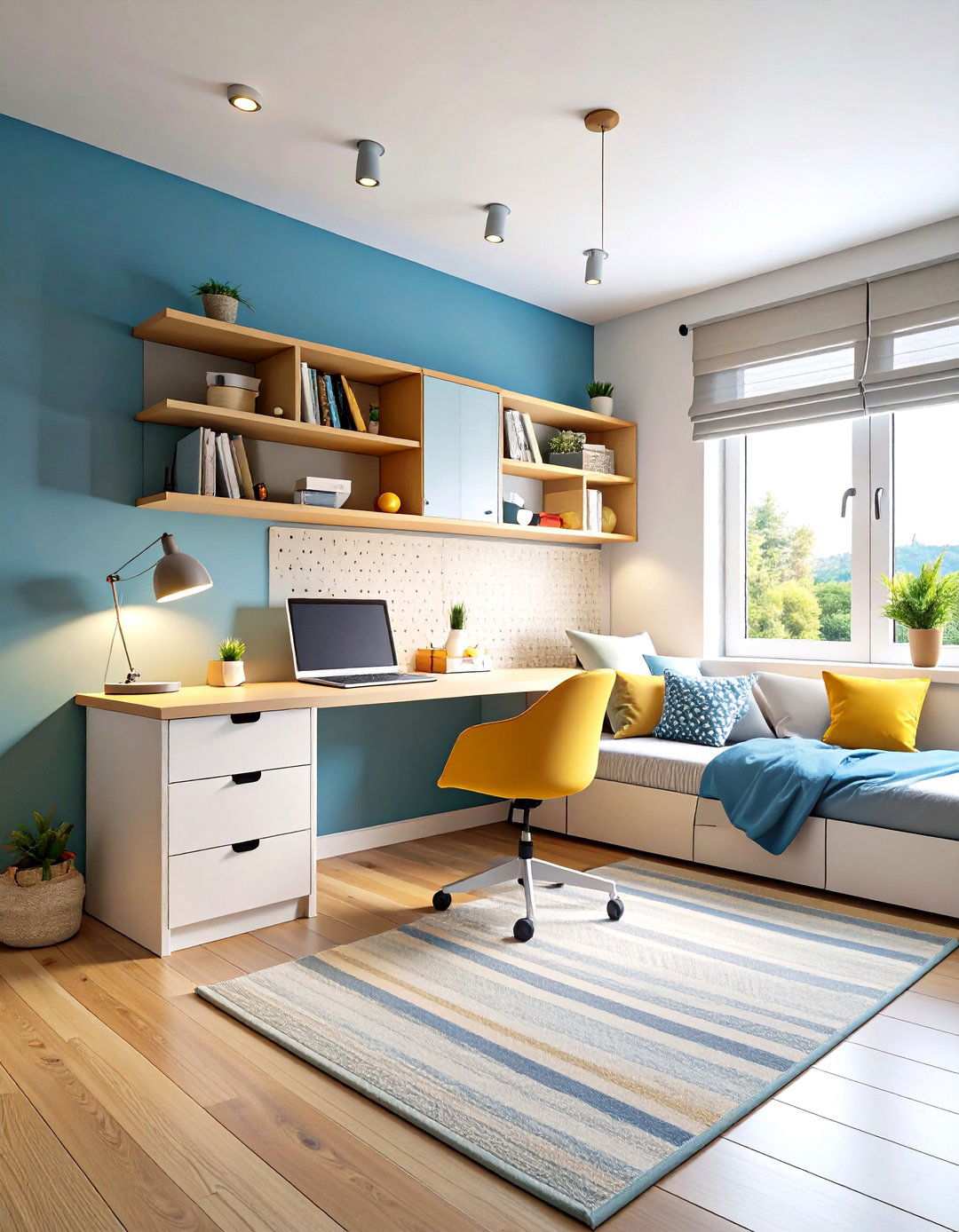
A corner in your child’s bedroom can be repurposed into a personal learning environment that encourages independence and self-motivation. This compact space can be designed to fit a desk snugly into the corner, making efficient use of the available space. Floating shelves above the desk provide ample storage for books, materials, and other essential items without overwhelming the space. A supportive desk chair helps maintain good posture during prolonged study sessions. Under-desk storage units keep supplies organized and within easy reach, minimizing clutter and distractions. A pegboard organizer holds frequently used items, ensuring that essential materials are always accessible. Strategically placed task lighting illuminates the workspace, while a bulletin board nearby displays important reminders, assignments, and achievements. This personalized learning area allows children to tailor their environment to suit their needs, fostering a sense of ownership and responsibility for their education.
7. Repurposing Garage Spaces for Hands-On Learning Experiences
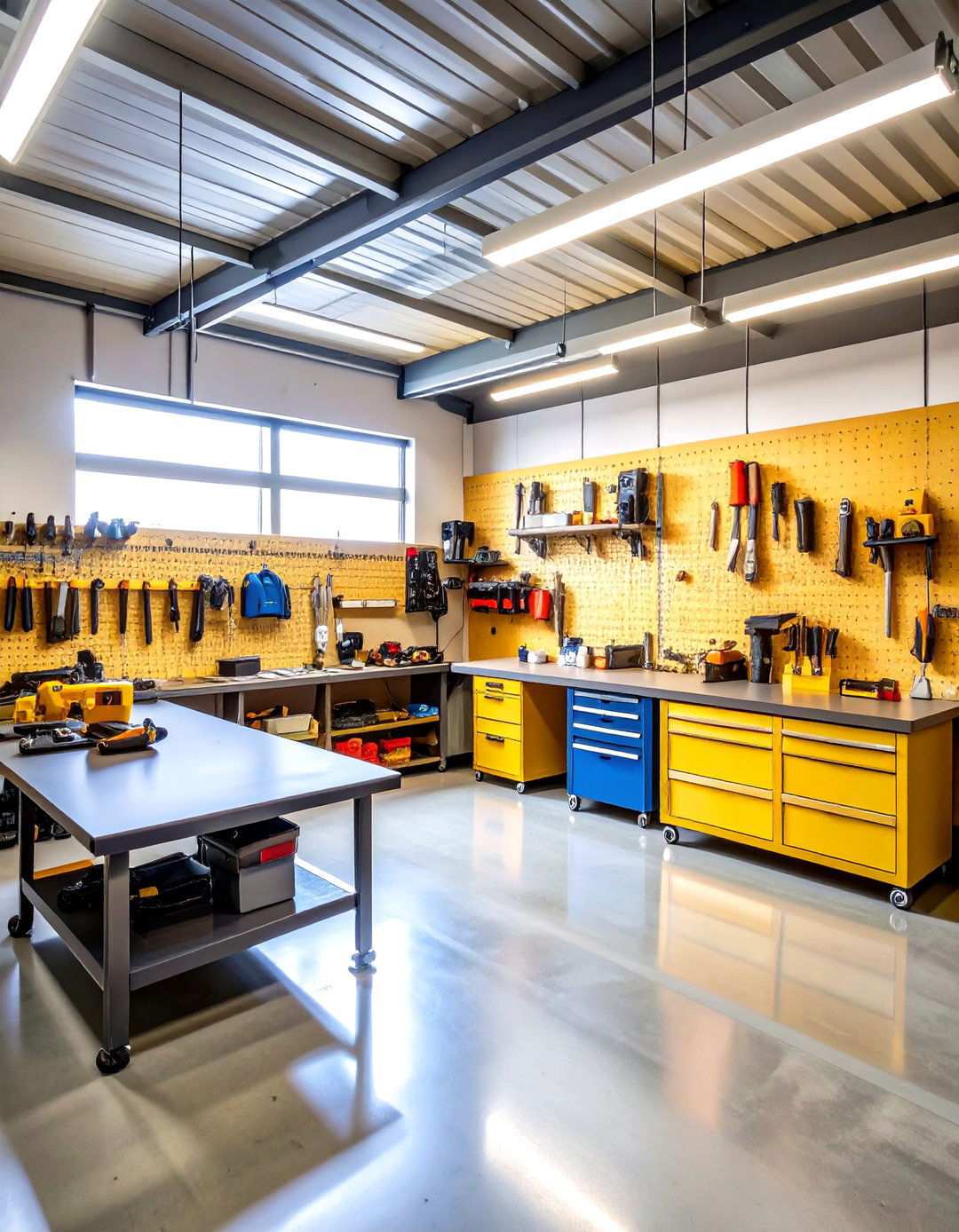
An often-underutilized garage space can be transformed into a vibrant homeschool workshop that caters to hands-on projects and activities. By repurposing this area, parents can create a dedicated space for messy science experiments, large art projects, and engineering challenges. Sturdy workbenches provide a reliable surface for enthusiastic experimentation and creative activities. Wall-mounted pegboards keep tools and supplies neatly organized and easily accessible. Hefty shelving units store larger materials and completed projects safely out of the way, keeping the workspace clutter-free. A proper ventilation system ensures good air quality during science experiments and art activities, while a concrete floor eliminates concerns about spills and messes. Industrial-grade lighting provides excellent visibility for detailed work, and climate control considerations ensure year-round comfort and protect sensitive materials from temperature extremes. This space excels at accommodating STEM activities, woodworking projects, and large-scale art installations that traditional indoor spaces often cannot support, promoting hands-on learning and the development of practical skills alongside academic knowledge.
8. Attic Learning Oasis
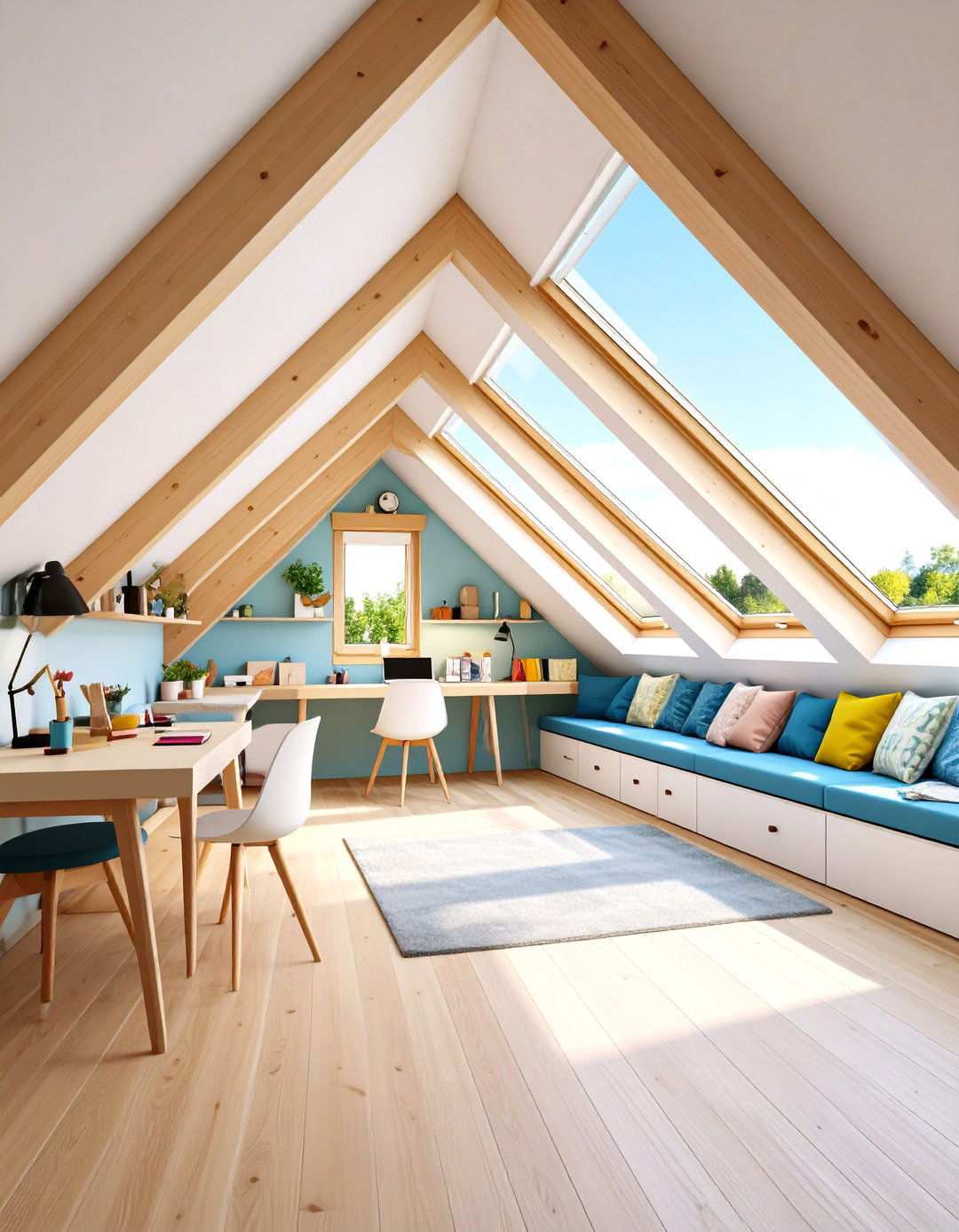
Imagine transforming your attic into an exclusive learning sanctuary that sparks imagination and concentrated study. By repurposing often underutilized attic space, the attic learning oasis crafts an extraordinary educational atmosphere shielded from household interruptions. Expansive skylights or dormer windows infuse the space with natural light, creating a beautiful connection to the outdoors while fostering a sense of tranquility. Built-in desks that follow the roofline optimize available space while offering individual workstations, perfect for students who value their own dedicated study areas. Ample storage units cleverly fitted under sloped ceilings keep essential supplies organized without compromising headroom. Cozy seating areas take advantage of the attic’s unique architecture, incorporating inviting alcoves and reading nooks that inspire a love for learning. Effective insulation and ventilation systems ensure a comfortable year-round environment, despite the attic’s inherent temperature fluctuations. This secluded setting grants older students independence while still maintaining parental oversight, making it an ideal choice for children who excel in quiet, private environments where they can focus intensely on challenging academic pursuits without household distractions.
9. Sunroom Educational Garden
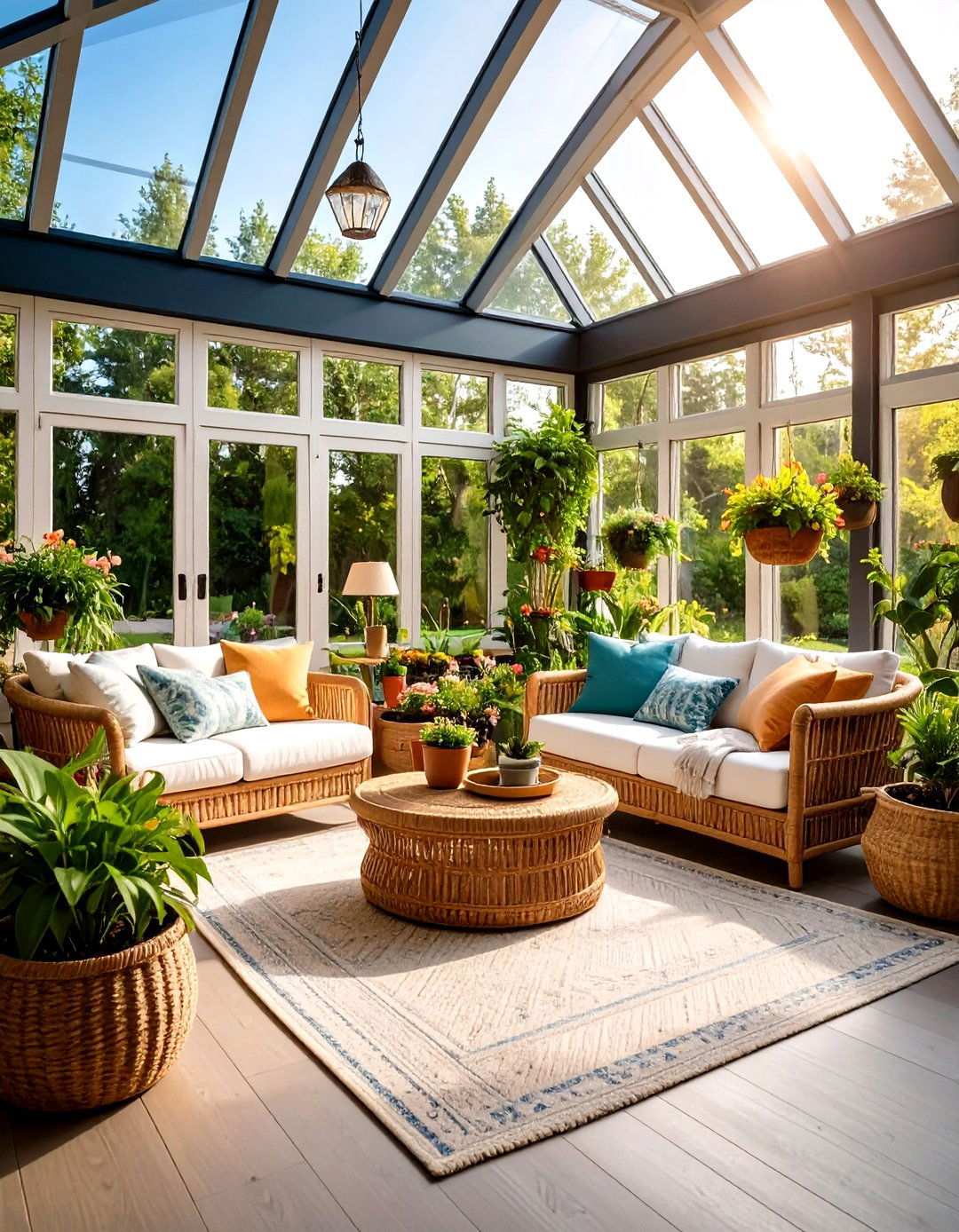
Envision your sunroom as the perfect blend of indoor serenity and outdoor inspiration for year-round learning adventures. The sunroom educational garden creates an inspiring educational environment surrounded by an abundance of natural light and lush greenery. Large windows provide optimal natural illumination, reducing eye strain during reading and detailed work. Plant stands and hanging gardens serve as a living laboratory, ideal for science observations and nature studies. Comfortable wicker furniture offers flexible seating arrangements for various learning activities, allowing students to move freely and engage with their surroundings. A weather-resistant rug defines the learning space, adding warmth and coziness while maintaining a sense of connection to nature. Storage solutions seamlessly blend with the garden theme, utilizing attractive baskets and wooden crates to organize supplies in a visually appealing manner. The connection to nature provides a constant source of inspiration for creative writing, art, and scientific discovery, making this environment particularly beneficial for children who thrive in natural settings and those studying environmental science, biology, or nature-based curricula that emphasize outdoor connections and environmental awareness.
10. Elevating Learning Spaces with Multi-Level Bunk Beds
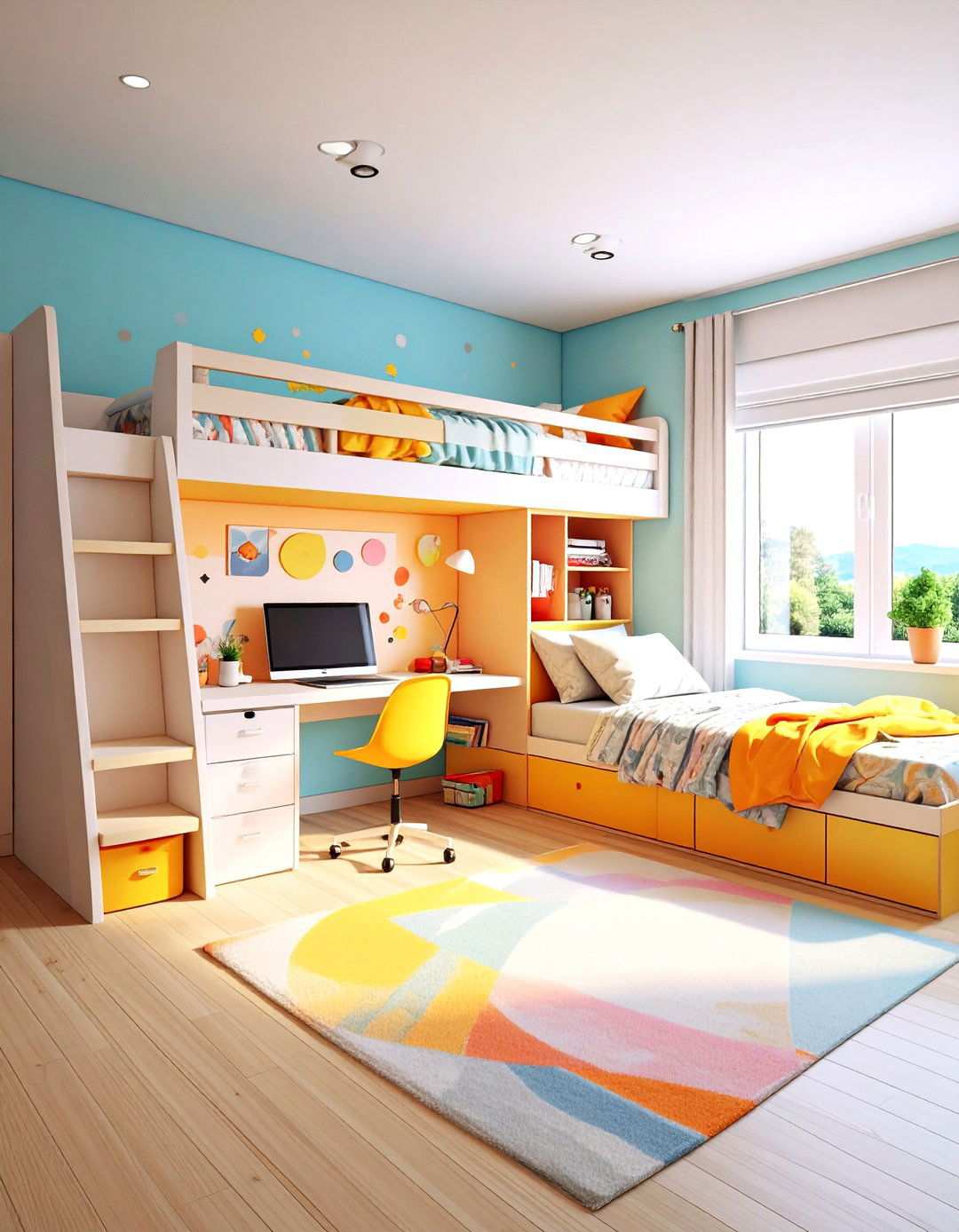
A thoughtful approach to bedroom design can significantly enhance the functionality of a child’s room, particularly in smaller spaces. The multi-level bunk bed study station offers a clever solution that maximizes floor space by creating a dedicated study area beneath the elevated sleeping platform. This design not only frees up valuable floor space but also provides a compact and efficient way to organize a child’s belongings. A built-in desk, integrated into the bed frame, serves as a generous workspace that maintains structural integrity while providing ample storage for books, supplies, and other essentials. The shelving units and storage drawers work in harmony to create a clutter-free environment that encourages productivity and organization. By integrating a study area into the bedroom, children can develop essential skills in time management and spatial organization, making this design particularly beneficial for older kids who need to balance multiple responsibilities in shared spaces.
11. Repurposing the Kitchen Island as a Homeschool Hub
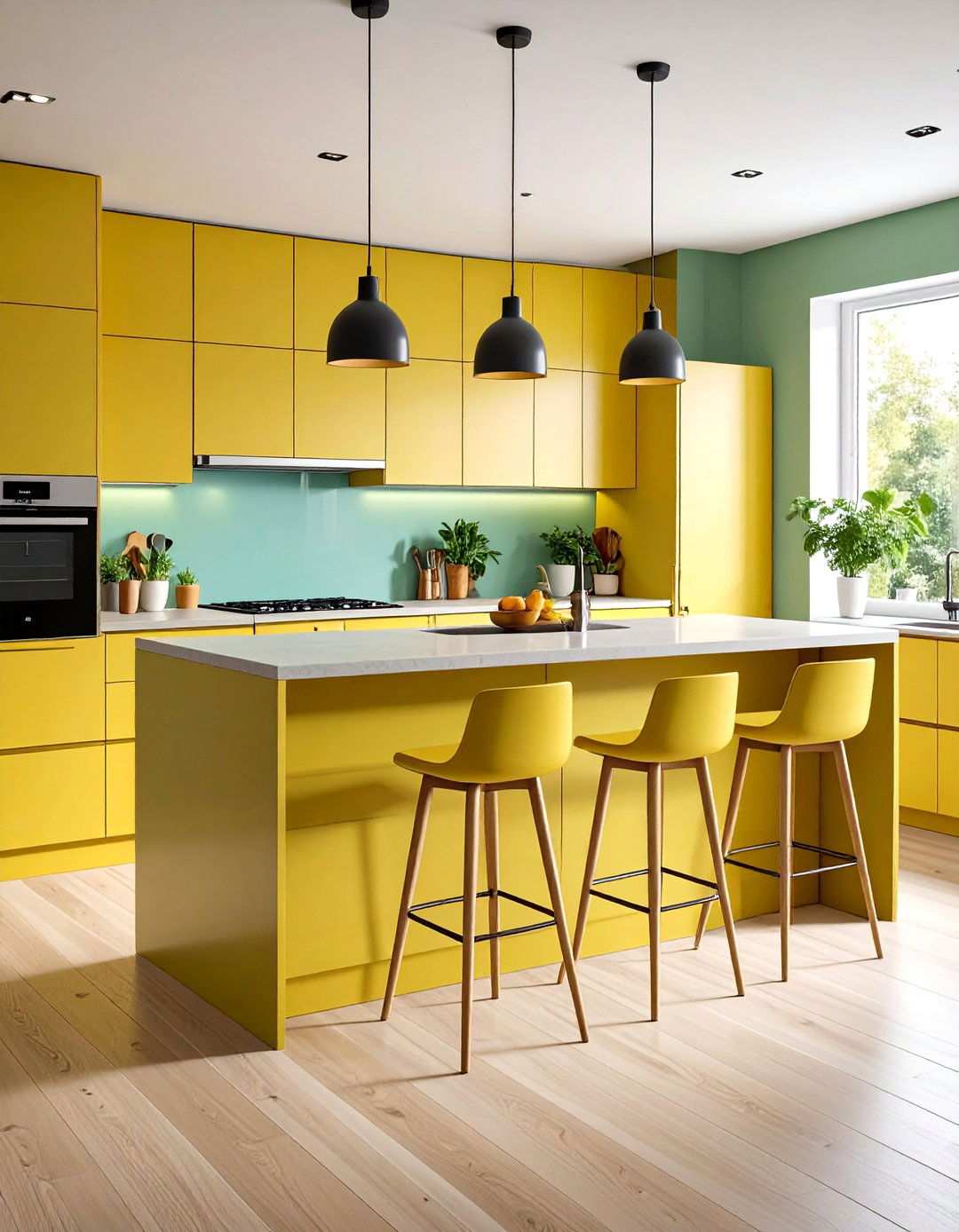
Innovative thinking can breathe new life into existing spaces, turning everyday areas into dynamic learning centers. The kitchen island homeschool hub represents a brilliant example of this concept, transforming a traditional kitchen fixture into a versatile and functional learning space that seamlessly integrates with family life. Bar stools provide flexible seating that caters to children of varying heights, promoting easy movement and participation during lessons. Built-in storage drawers and under-counter compartments keep supplies organized, keeping countertops clear for food preparation and other essential activities. A magnetic surface on one side displays schedules, reminders, and important information, keeping the family on track and informed. Pendant lighting provides excellent task illumination, making it an ideal setup for both cooking and learning activities. This design excels for families who value collaborative learning and thrive in a bustling kitchen environment, where multiple activities can be supervised and facilitated simultaneously. By repurposing the kitchen island, parents can create a dynamic and functional learning space that maximizes the potential of their kitchen area.
12. Harmonious Family Learning Spaces
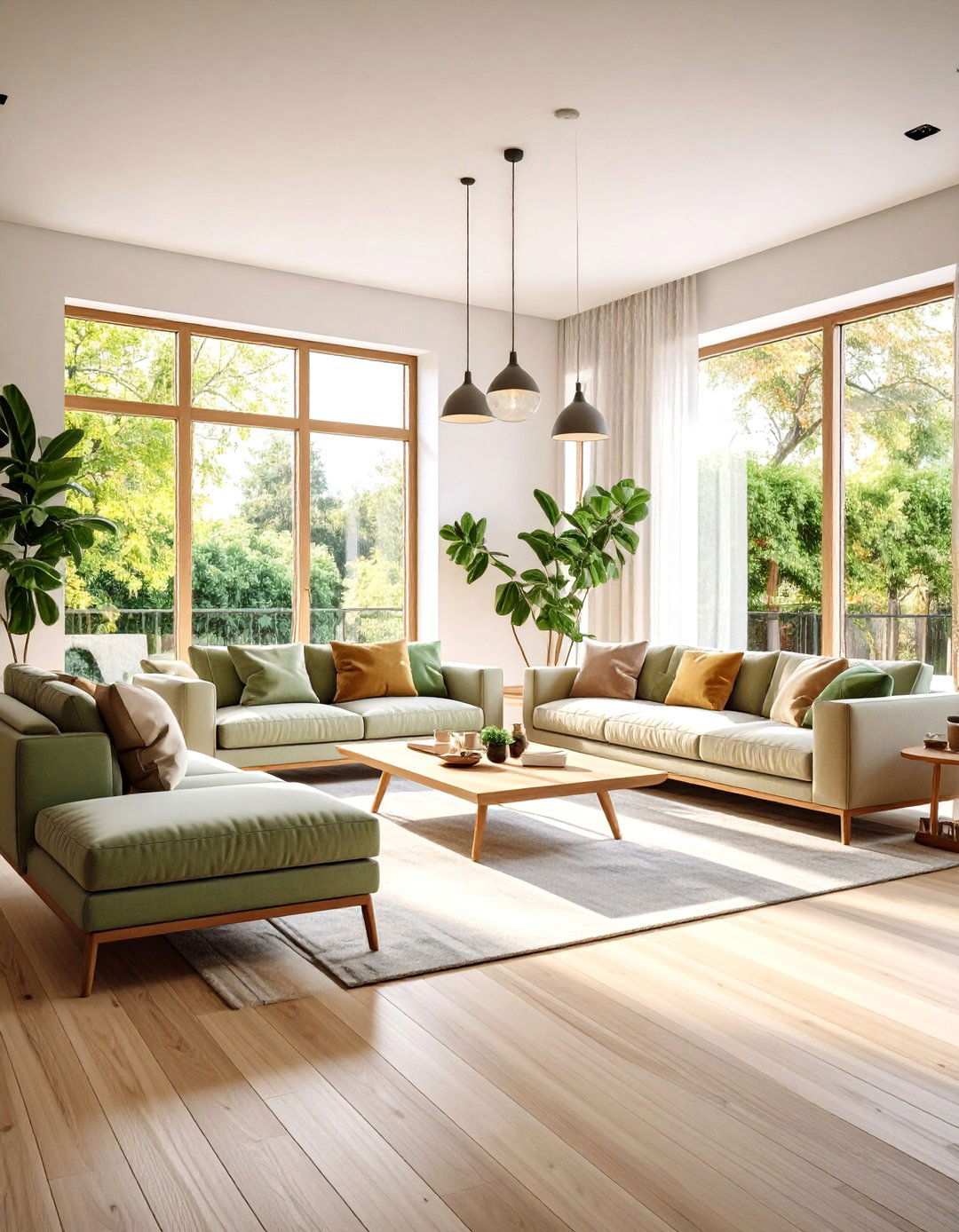
Can your family room seamlessly transition into a cozy learning environment that retains its soothing atmosphere? Family learning spaces, such as the family room learning lounge, foster engaging educational settings that invite relaxation and active family participation. Modular sectional seating can be rearranged to accommodate diverse group sizes and activities, while storage ottomans provide a convenient storage solution for supplies and serve as additional seating or work surfaces. A spacious coffee table serves as a central hub for collaborative projects and group activities. Integrated entertainment centers can be customized to display educational materials alongside family entertainment systems. Soft ambient lighting creates a calming ambiance ideal for reading and discussion. Floor rugs help define learning areas within the larger room, while wall-mounted whiteboards or corkboards can be discreetly concealed behind artwork when not in use. This approach is particularly beneficial for families who prioritize informal learning and those with younger children who require constant supervision, as it promotes a relaxed learning environment without compromising educational focus and family bonding.
13. Nature-Inspired Outdoor Learning Environments
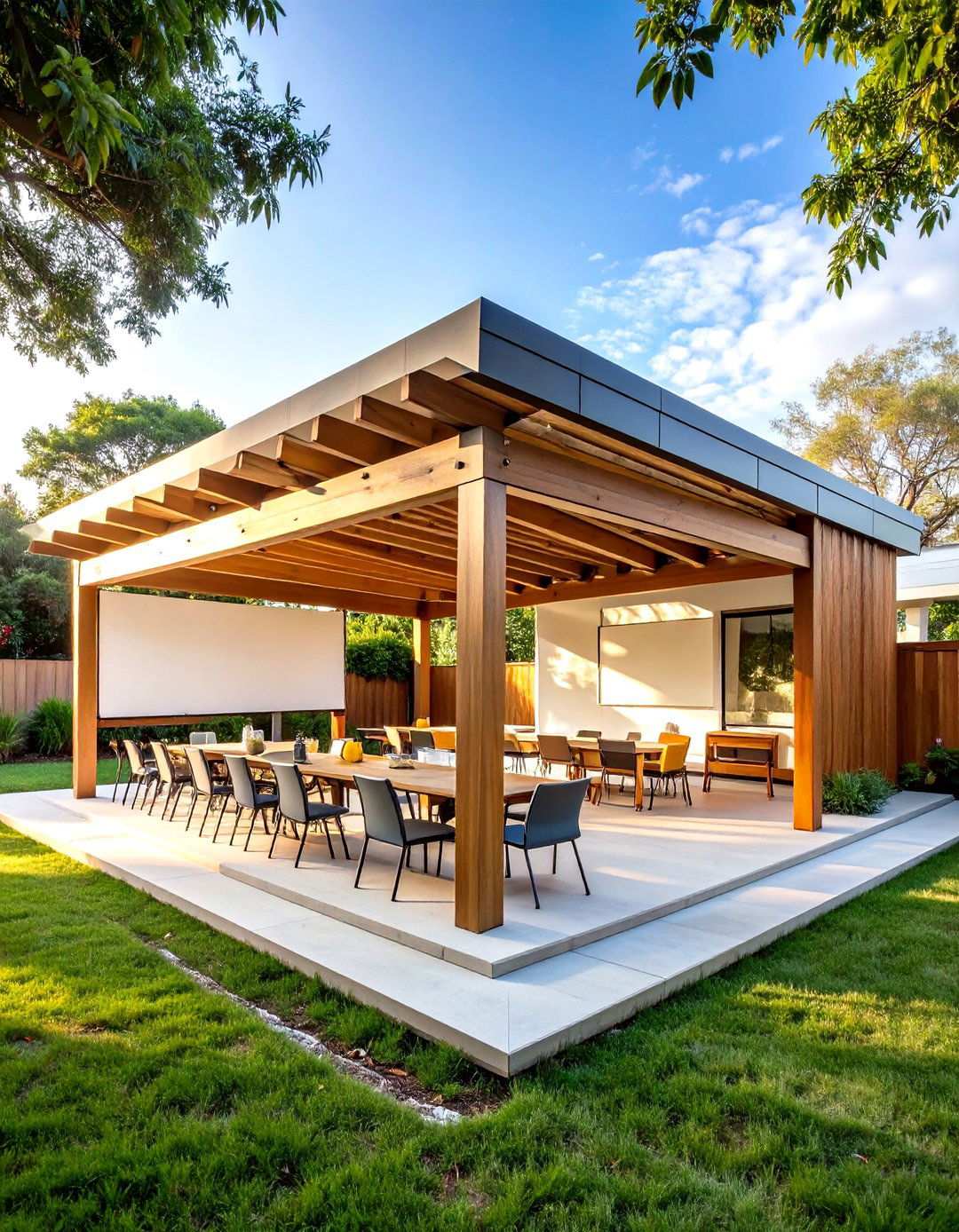
Why restrict learning to indoor spaces when the natural world offers a wealth of educational opportunities? Outdoor classroom pavilions provide weather-protected learning environments that connect children directly with the wonders of nature. A stylish pergola or covered structure offers shade and light weather protection while maintaining an outdoor ambiance. Durable, weather-resistant furniture, including tables and seating, withstands outdoor conditions and facilitates engaging learning experiences. Storage solutions protect materials from the elements while keeping supplies easily accessible. Natural elements like tree stumps and logs can be used as additional seating and work surfaces, while portable whiteboards and easels can adapt to outdoor conditions and provide instructional capabilities. Garden areas offer hands-on science learning opportunities through plant observation and care. This environment excels at nature studies, environmental science, and outdoor education curricula, and weather contingency plans ensure continuity during adverse conditions. The outdoor setting particularly benefits kinesthetic learners and children who thrive in natural environments, reducing indoor restlessness while enhancing focus through interaction with the outdoors.
14. Harnessing the Power of Organization
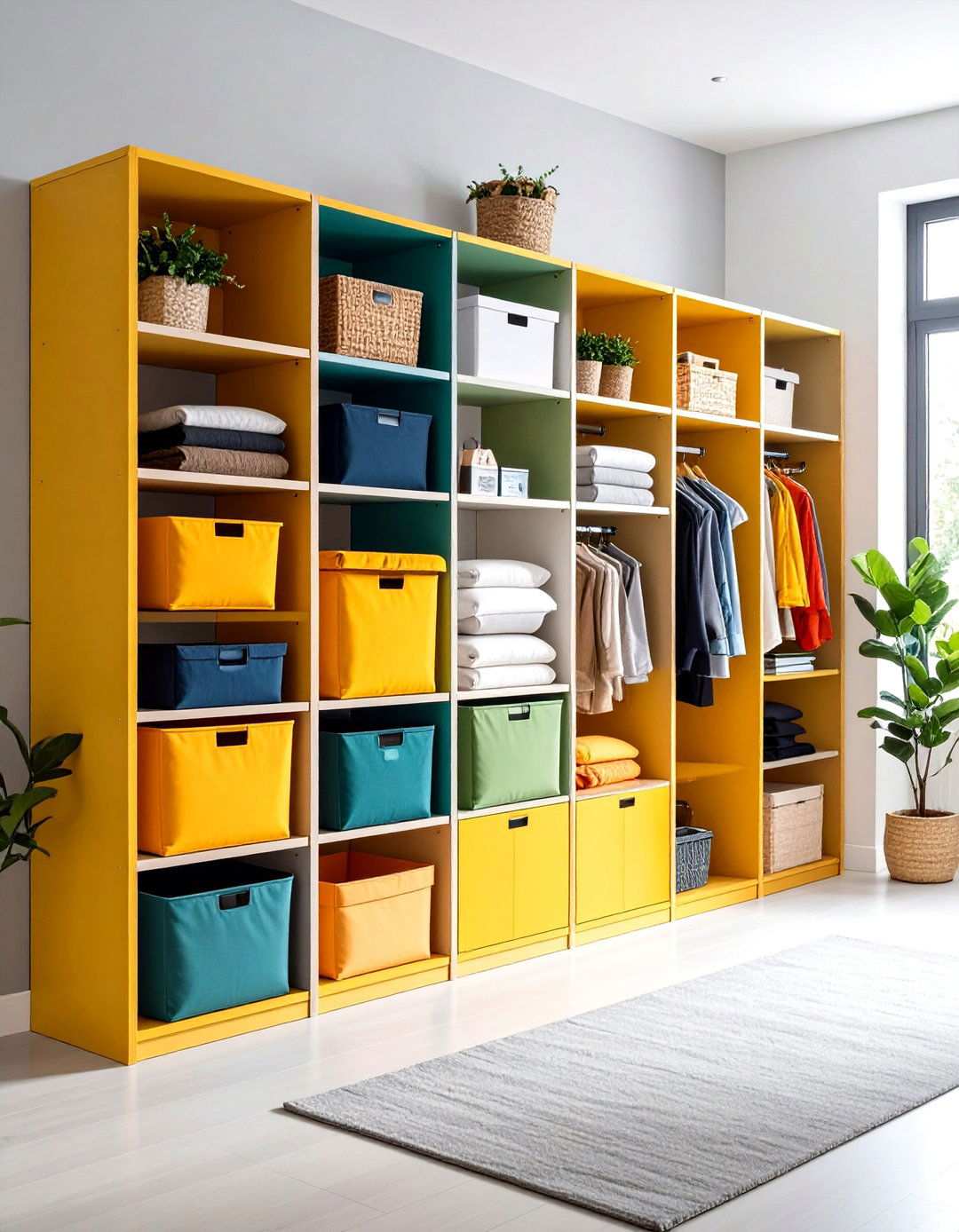
Strategic organization can unlock the potential of any space to create a highly efficient homeschool environment. By prioritizing systematic organization and easy access to educational materials, the organized storage command center transcends traditional location and furniture choices. A color-coded system assigns specific colors to each child or subject area, simplifying identification and cleanup processes. Fabric bins within cube organizers provide flexible storage that adapts seamlessly to changing needs, while label systems combining words and pictures enable younger children to maintain organization independently. Central supply stations stock frequently used items like pencils, paper, and basic tools, while mobile carts facilitate the movement of supplies between different learning areas as needed. Vertical storage solutions maximize wall space while keeping materials visible and accessible, preventing clutter buildup. Regular decluttering schedules ensure unnecessary items do not accumulate, benefiting families with multiple children or those who struggle with organization. This systematic approach not only creates efficient learning environments but also teaches children valuable life skills.
15. Cultivating a Love for Reading
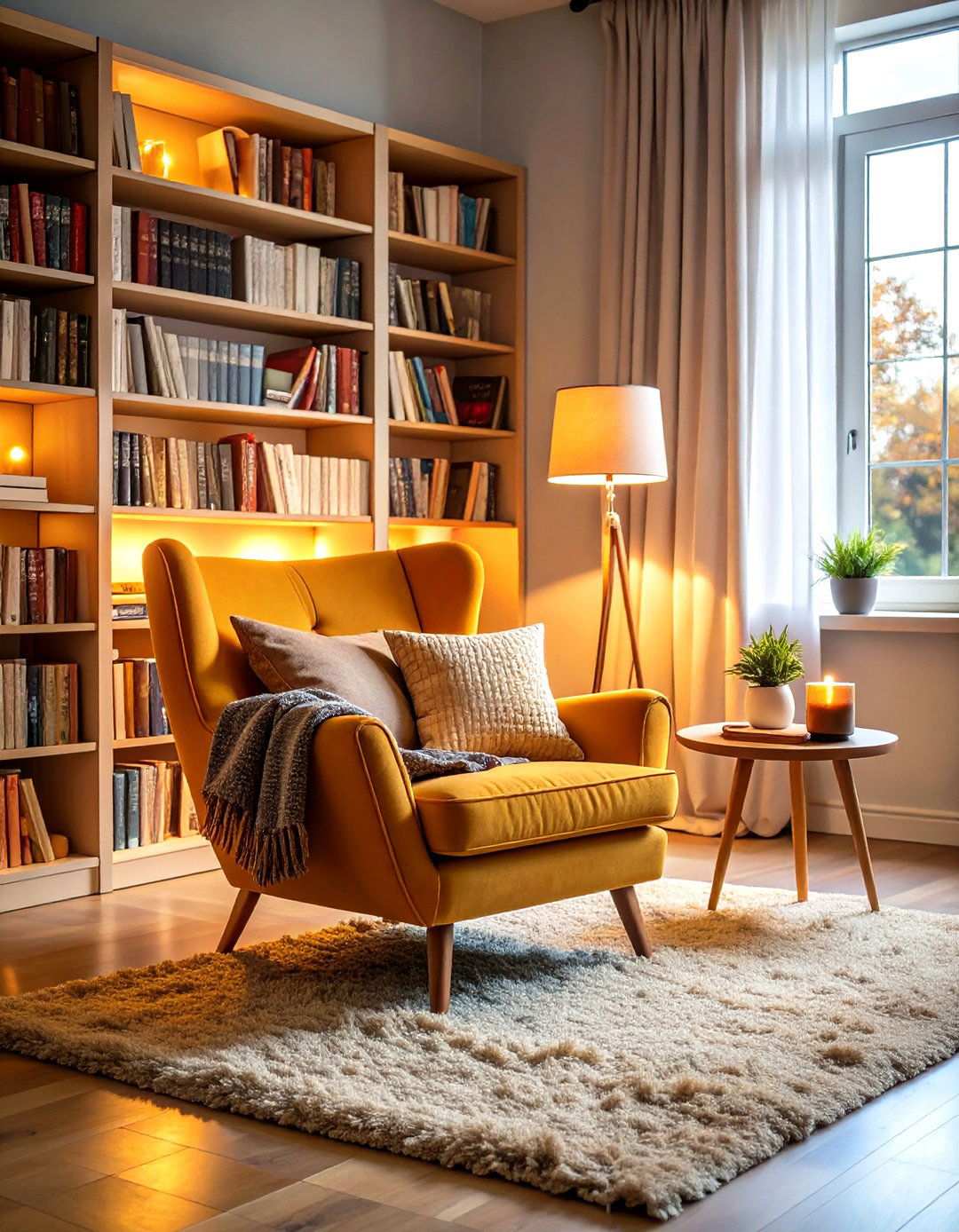
A dedicated reading space can spark a lifelong passion for literature and independent learning in children. The reading haven is designed to create an inviting book sanctuary that encourages quiet contemplation and literary exploration. A plush reading chair or bean bag provides the perfect spot for extended reading sessions, while soft, warm lighting reduces eye strain and creates a cozy atmosphere. Built-in bookshelves display books at child-friendly heights, empowering children to select their own reading materials independently. A small side table holds essential reading accessories like bookmarks, notebooks, and water bottles, ensuring a comfortable reading experience. The inclusion of soft textures through cushions, throws, and area rugs creates a comfortable, nest-like environment, while sound-dampening elements like heavy curtains or soft furnishings create a quiet retreat from household noise. Personal touches allow children to customize their space with favorite decorations or art, making the space truly special. This dedicated reading space particularly benefits children who struggle with reading or those who need quiet environments to concentrate, elevating reading from a chore to a treasured activity.
16. Empowering STEM Exploration
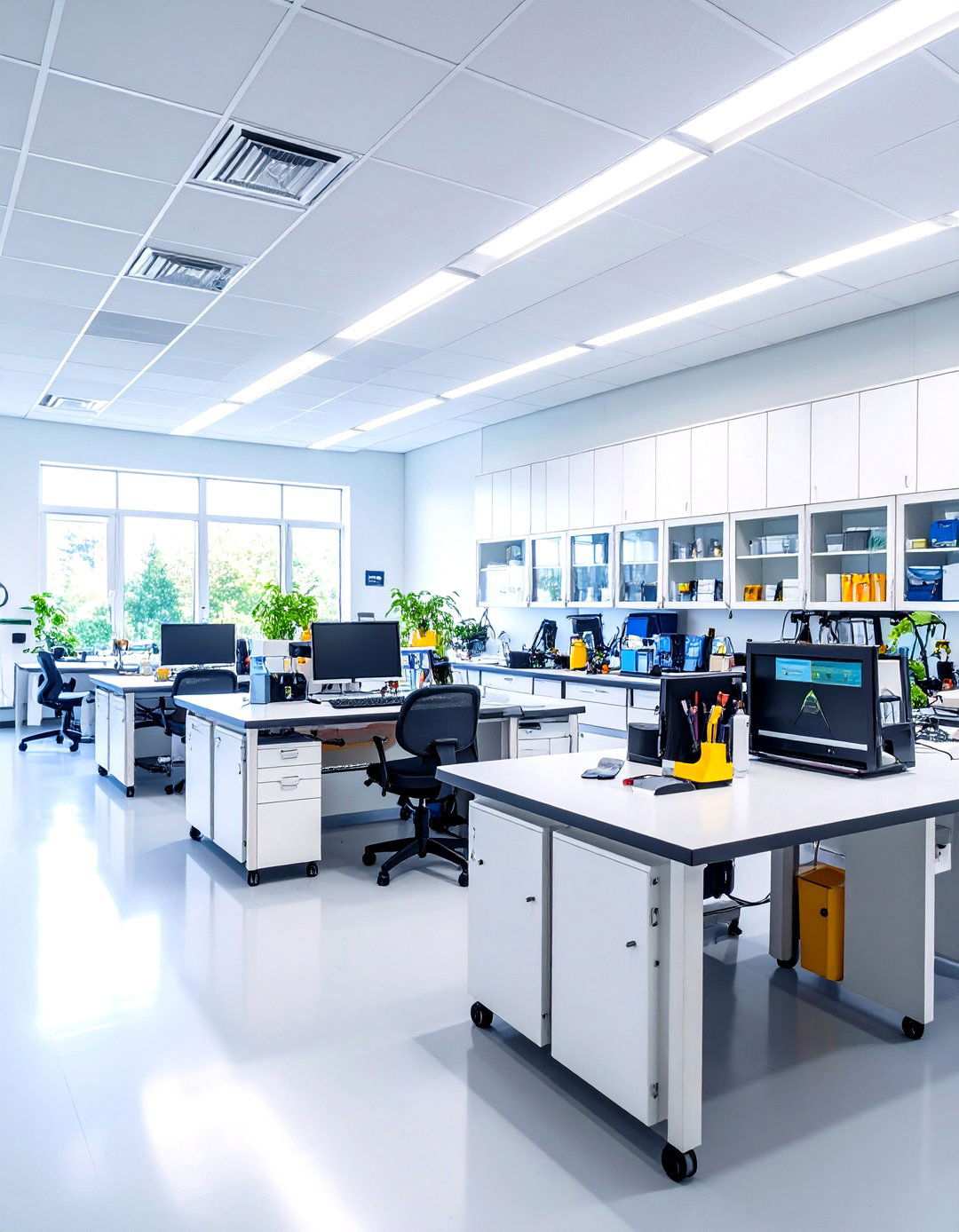
Imagine a space where children can delve into the world of science, technology, engineering, and math without limitations. A well-designed STEM laboratory workshop creates an ideal environment for hands-on learning, equipped with specialized tools and organization systems. Sturdy workbenches provide a stable surface for experiments and projects, while tool organizers keep supplies within easy reach, fostering independent project work. Safety equipment, such as goggles and aprons, ensures secure experimentation, and storage solutions accommodate a wide range of materials, from tiny electronics to large building materials. Good ventilation is essential for safe experimentation with various materials and chemicals, and ample electrical outlets power technology projects and equipment. Reference materials and instruction books are conveniently located near work areas, facilitating project-based learning and the development of practical skills alongside theoretical knowledge. This dedicated space enables children to engage in ongoing projects, encouraging deeper exploration and more complex investigations.
17. Fostering Artistic Expression
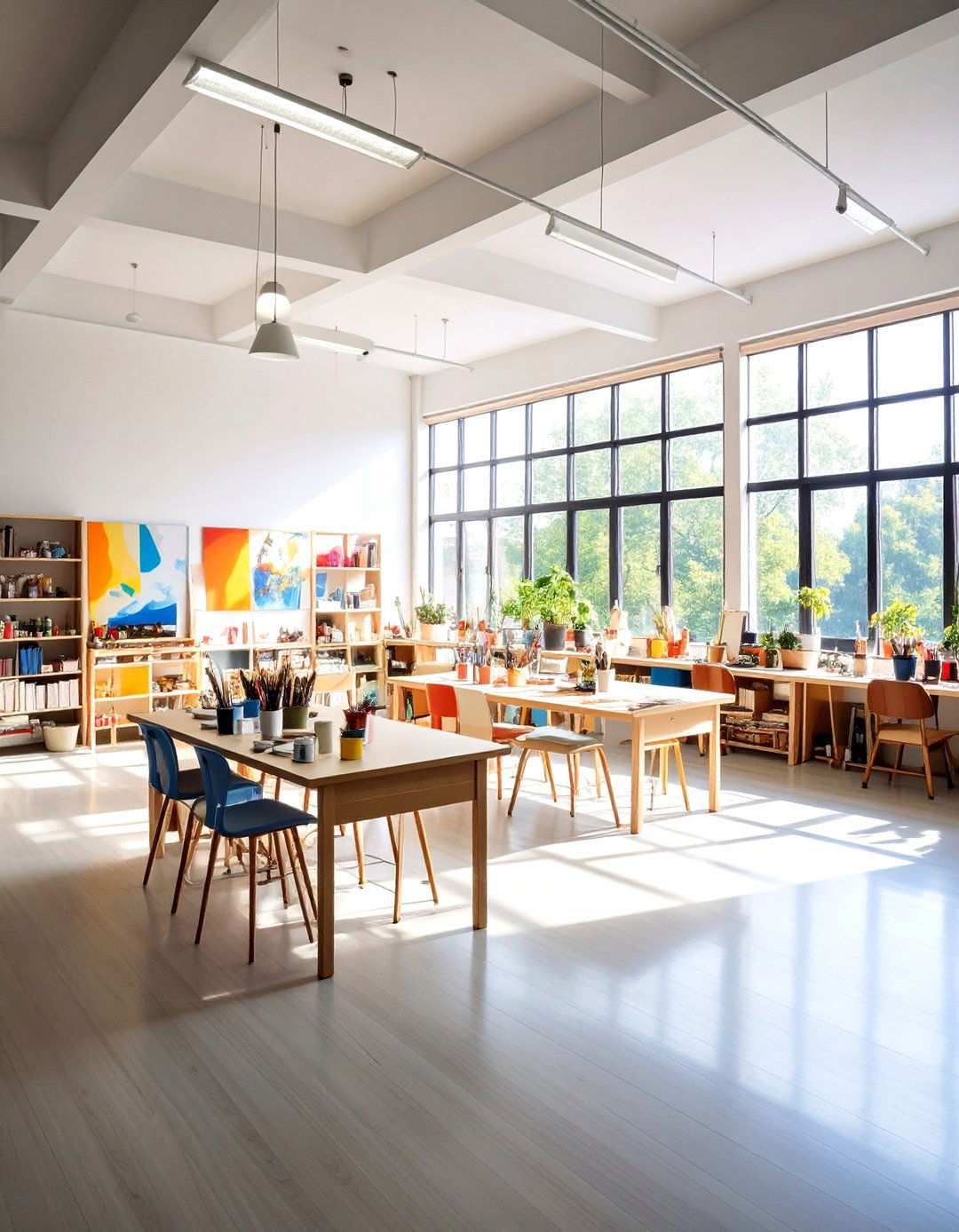
Have you ever envisioned a space where creativity knows no bounds and artistic expression is encouraged? The art studio creative workshop provides a permanent space for artistic exploration and creative expression. Designed to accommodate various projects and group sizes, multiple work surfaces offer flexibility and versatility. Extensive storage keeps supplies organized by type, making materials visible and easily accessible. Easy-to-clean surfaces and flooring alleviate concerns about spills and messes, while natural lighting from windows is supplemented by task lighting for detailed work. Display areas showcase completed projects, providing inspiration for future creations, and drying racks and storage areas accommodate wet projects and works in progress. Sink access enables easy cleanup and water-based projects, making it an ideal space for families who prioritize arts education and children who learn best through creative expression. The permanent setup eliminates daily cleanup requirements, allowing for more ambitious projects and sustained creative focus.
18. Maximizing Versatility in Learning Spaces
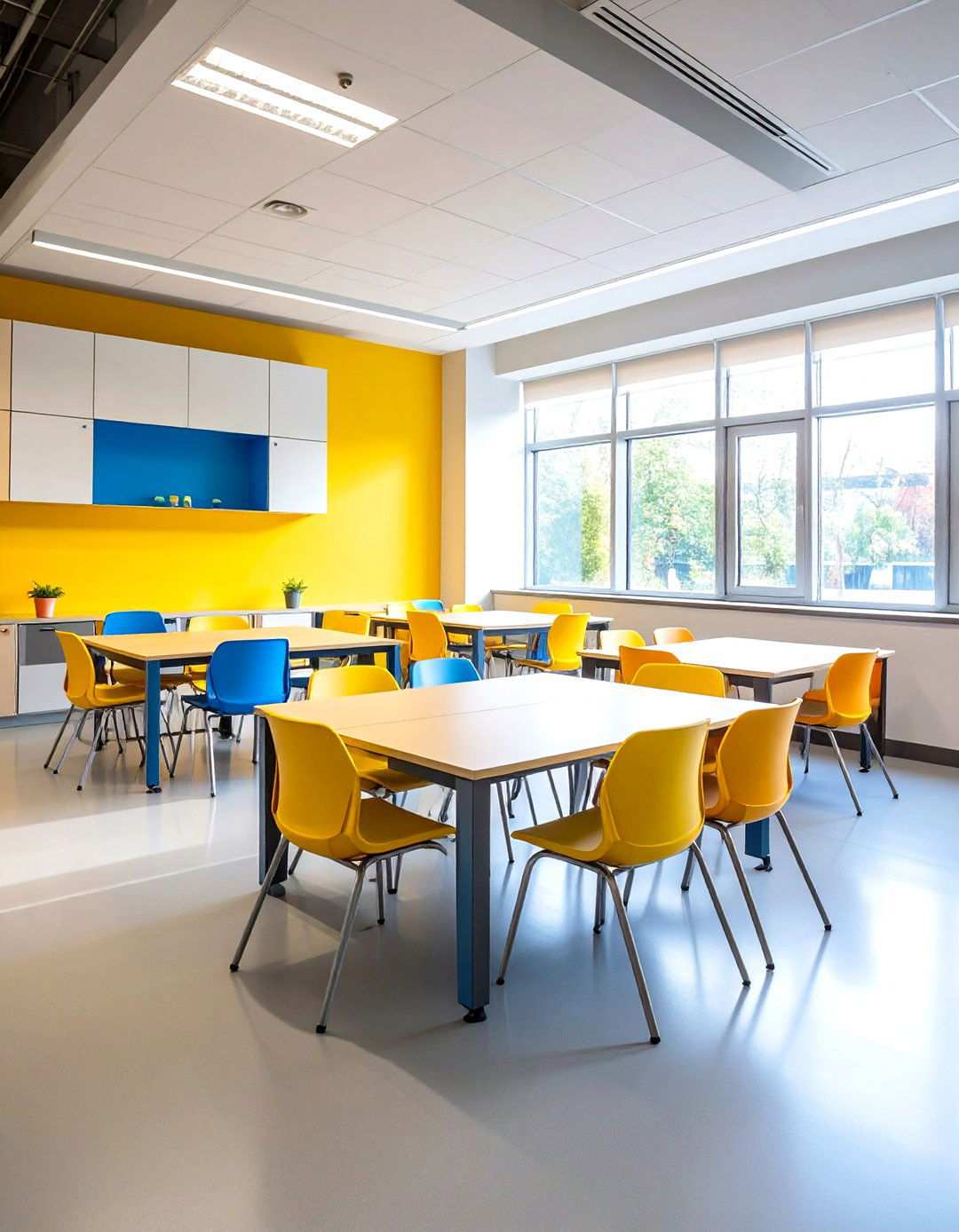
Incorporating adaptable design principles can revolutionize the way families approach education, transforming a single room into multiple interactive environments throughout the day. The multipurpose convertible space showcases the power of innovative furniture and storage solutions to reinvent learning areas. Compact folding tables and chairs seamlessly integrate into the room when not in use, effortlessly expanding to provide ample workspace as needed. Wall-mounted fold-down desks offer instant deployment and retraction, allowing for an effortless transition between activities. Modular storage units glide effortlessly across different configurations, while individual furniture pieces rapidly rearrange to accommodate diverse group sizes and activities. This approach particularly resonates with families facing space constraints or those who appreciate the value of varied learning experiences. As children navigate this dynamic environment, they develop essential adaptability skills while optimizing space utilization. The efficient conversion systems ensure minimal downtime between activities, while clear organizational systems maintain order amidst frequent changes. By embracing adaptability, families can prevent educational stagnation and encourage creative resource utilization.
19. Balancing Tradition and Technology in Learning Hubs
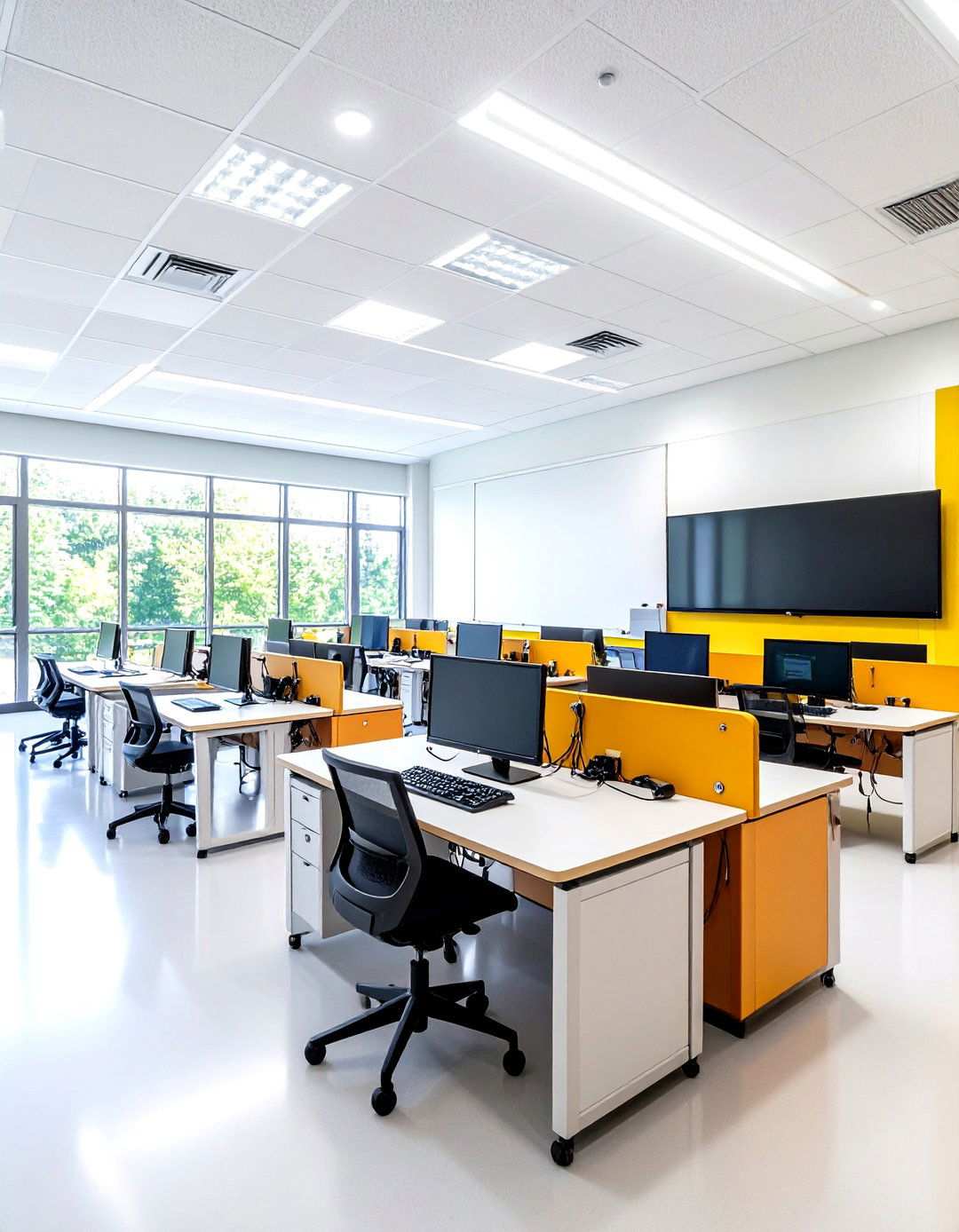
As families navigate the evolving landscape of education, a dedicated space that harmoniously blends traditional learning with modern technology becomes an invaluable asset. The technology integration station creates an environment where digital tools augment rather than overwhelm educational experiences. Ergonomic computer workstations prioritize healthy posture during extended technology use, while cable management systems maintain an organized and clutter-free appearance while ensuring seamless device connectivity. Charging stations keep multiple devices powered and ready for use, while traditional supplies like paper and pencils remain easily accessible alongside digital tools. Interactive whiteboards or large monitors facilitate collaborative learning and presentations, while high-speed internet connectivity supports video lessons and research activities. Comfortable seating accommodates both computer work and traditional studying, striking a perfect balance between digital literacy and traditional educational methods. This space particularly benefits families reliant on online curricula or those integrating educational technology into their traditional approaches. By embracing a balanced design, families can prevent technology from dominating educational goals while harnessing its potential to enhance learning opportunities and equip children with the digital literacy skills they need to thrive in today’s world.
20. Elevating Small Spaces into Effective Learning Environments
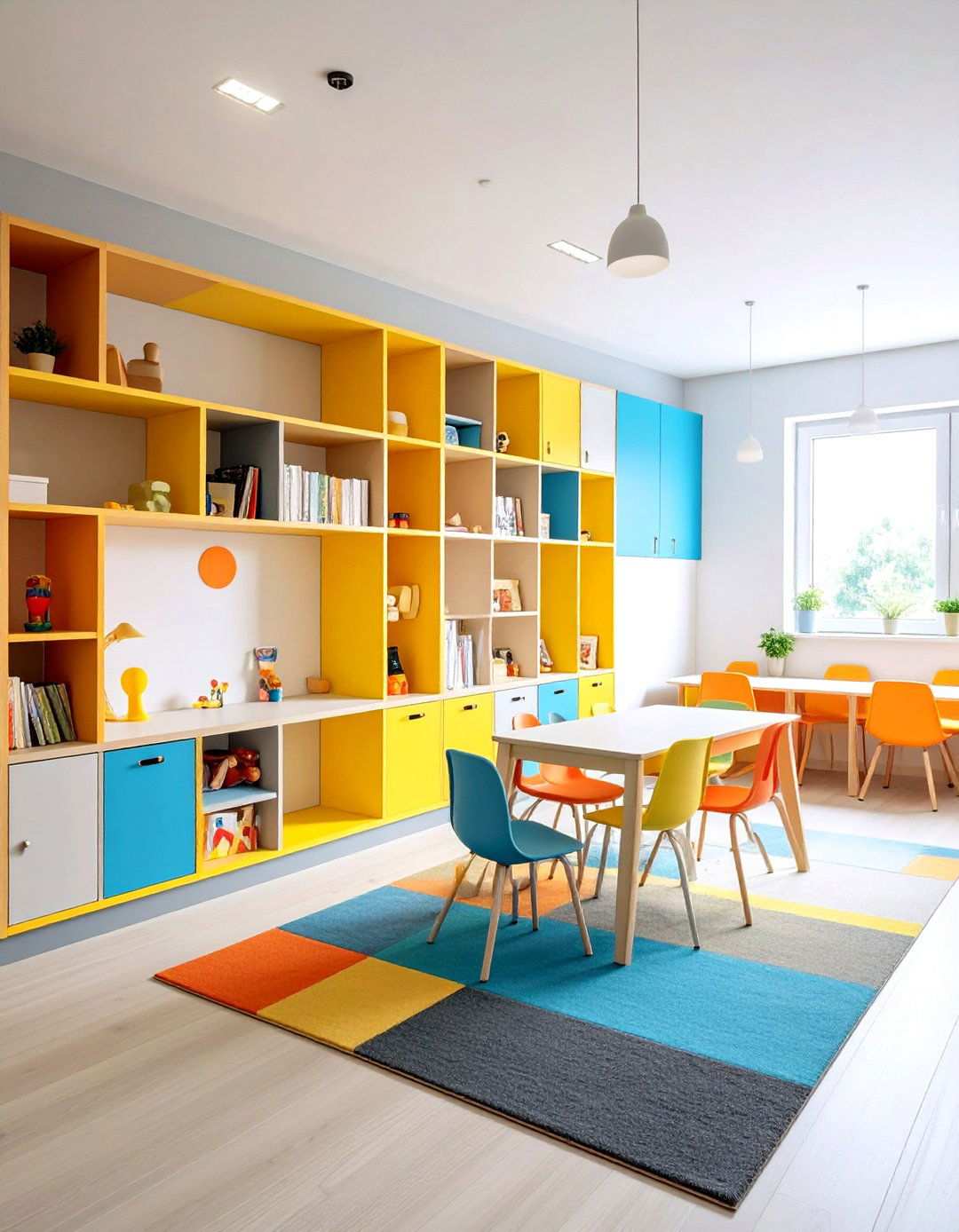
Transforming tiny spaces into thriving homeschool environments requires out-of-the-box thinking and creative problem-solving. By harnessing innovative furniture and organization strategies, the small space maximizer design expertly turns even the most compact areas into functional learning zones. Vertical storage solutions unlock wall space from floor to ceiling, multiplying storage capacity and keeping floors clear. Multi-functional furniture that serves multiple purposes becomes the unsung hero of space-saving design. Underutilized areas like hallways, landings, and large closets are repurposed into dynamic learning spaces. Wall-mounted fold-down tables provide flexible workspace that disappears when not needed, while hanging organizers maximize door and wall space for supply storage. This approach is particularly beneficial for families living in apartments, those with large numbers of children, or individuals dedicating limited home space to education. By efficiently using space, children learn to value and organize their resources, demonstrating that effective learning doesn’t require large, expensive spaces.
21. Crafting Peaceful Study Sanctuaries
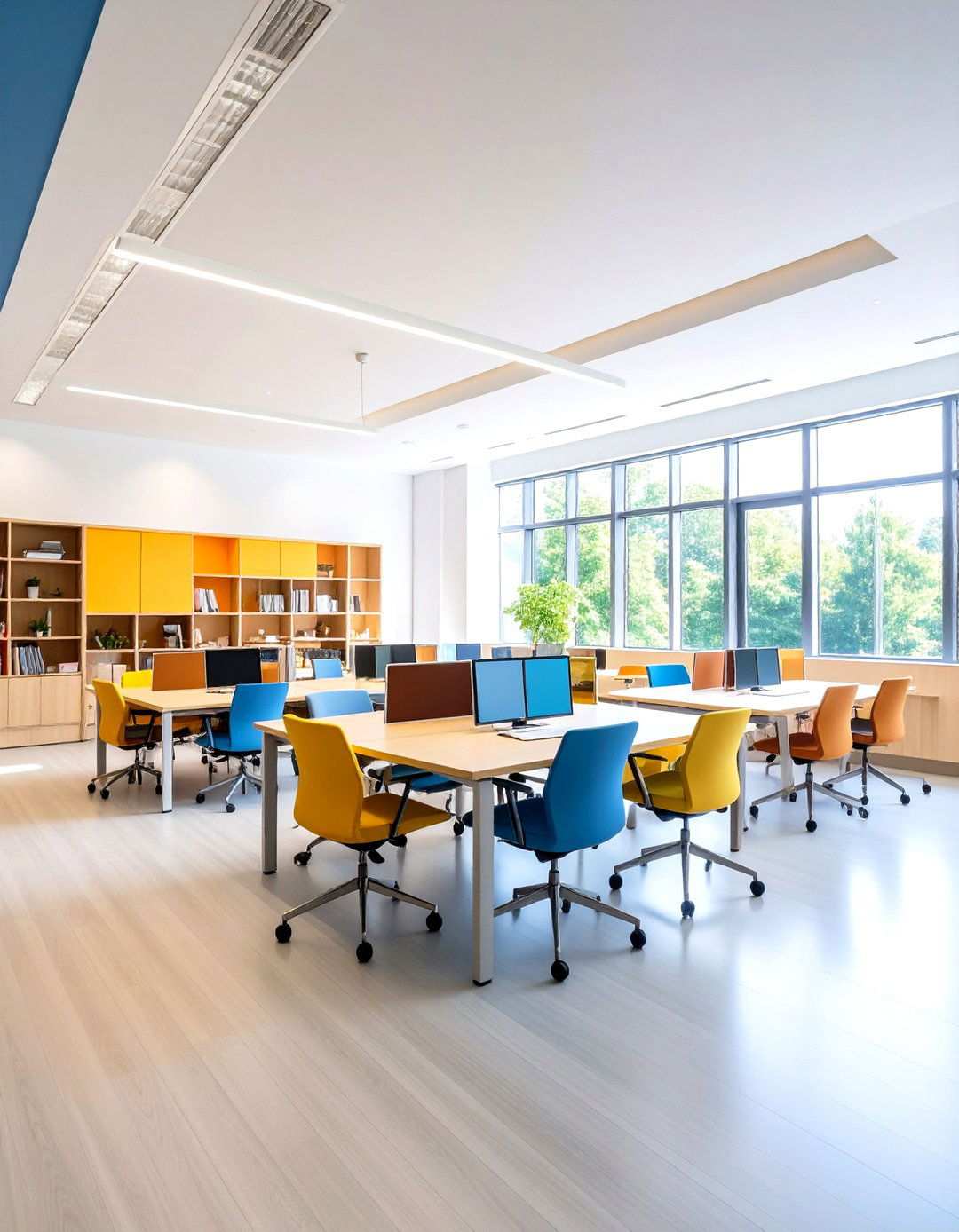
Do children need serene, distraction-free environments to tackle challenging academic work effectively? The quiet study sanctuary design creates calming spaces tailored for concentration and independent learning. Sound-absorbing materials like heavy curtains, area rugs, and plush furnishings muffle distracting noises. Calming color palettes promote focus without visual distractions, while individual work stations provide personal space and minimize interaction during focused work periods. Ergonomic seating supports extended periods of concentration, and task lighting reduces eye strain during detailed reading and writing. Minimal decorations maintain pleasant aesthetics while preventing visual distractions. Personal storage keeps individual supplies organized and easily accessible. This environment is particularly beneficial for children with attention challenges, those working on advanced academics, or families with multiple children who need quiet spaces. The peaceful atmosphere fosters deep thinking and sustained concentration, essential skills for academic success and lifelong learning.
22. Designing Interconnected Learning Spaces
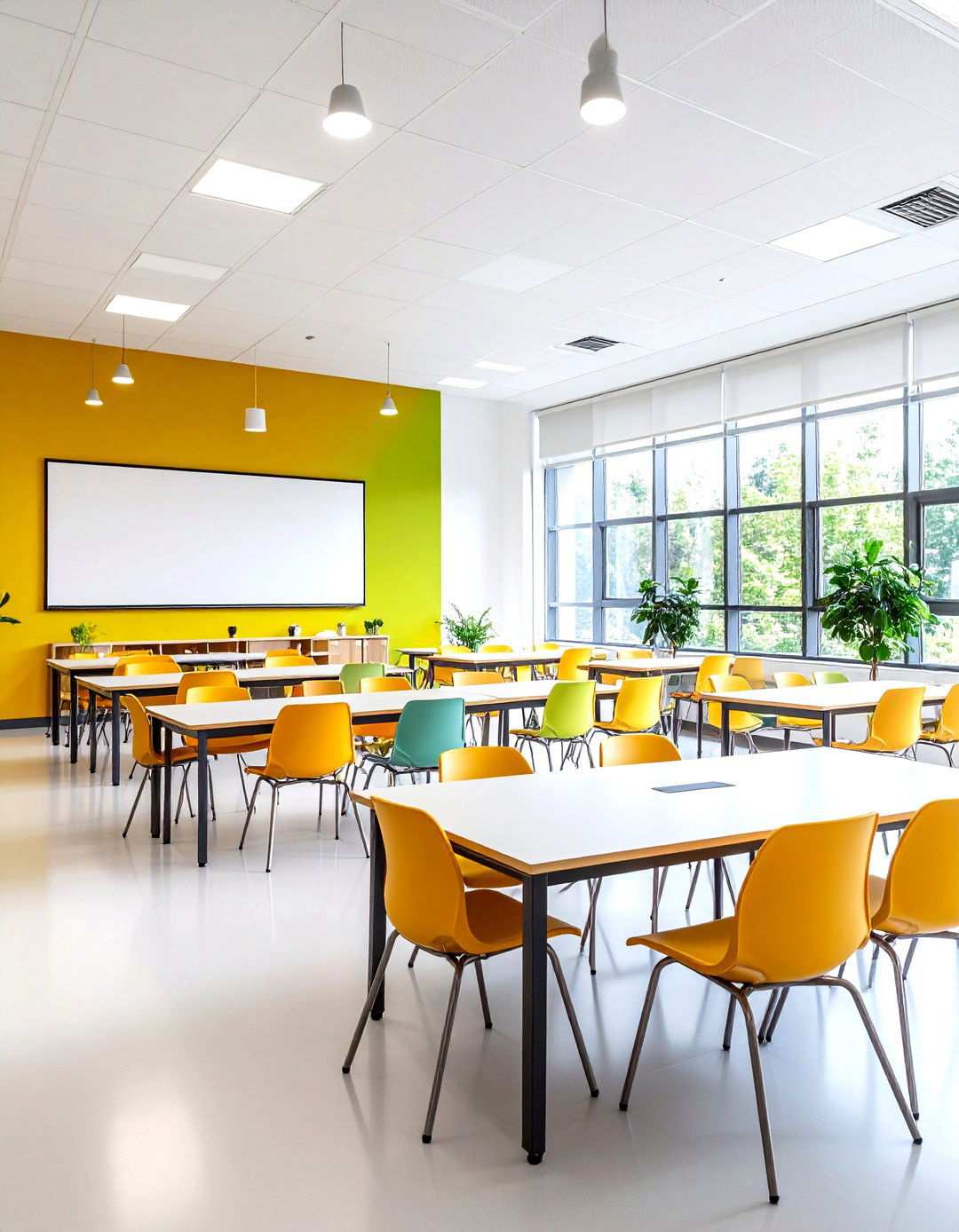
Effective learning hubs encourage teamwork, discussion, and shared learning experiences. A well-designed collaborative group learning hub fosters interaction and communication, maintaining an educational focus. Modular tables accommodate multiple learners working together on projects and discussions, while flexible seating arrangements adapt to different group sizes and activities. Walls equipped with interactive whiteboards provide ample space for brainstorming, problem-solving, and group presentations. Storage systems and supply organizers keep essential materials accessible and well-organized. Open floor plans promote movement and interaction between different learning areas, making it an ideal space for families with multiple children, homeschool co-ops, or collaborative learning approaches. By integrating social skills with academic content, the interactive environment teaches valuable life skills, such as communication and leadership, that are essential for future success.
23. Tailoring Learning Environments to Young Minds
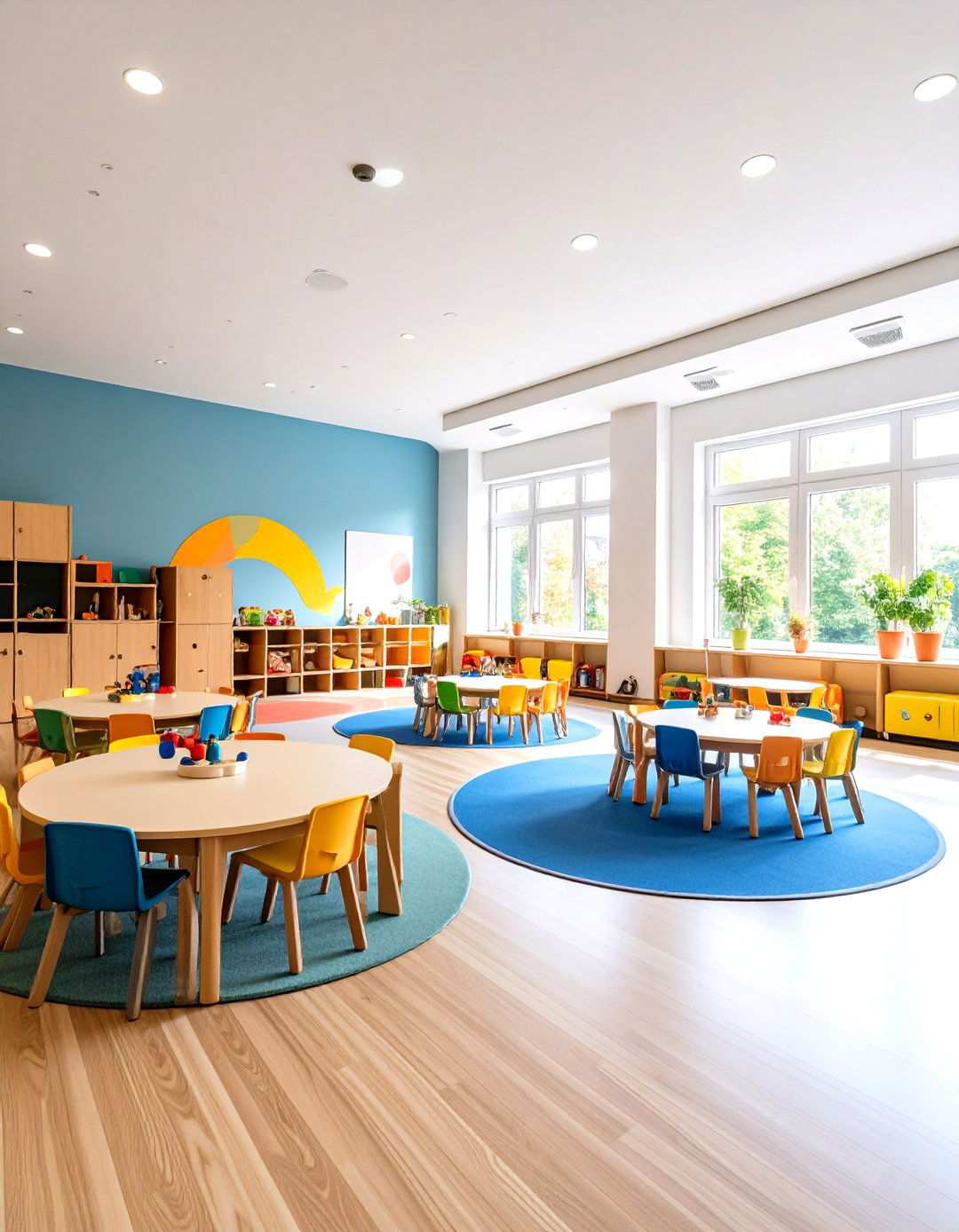
Young children learn best through play, and a well-designed preschool discovery playground combines education with interactive experiences. The space features low furniture and storage solutions that encourage independence in small children. Sensory learning stations offer hands-on exploration opportunities through textures, colors, and manipulatives. Play-based learning areas include dramatic play spaces, building zones, and creative expression stations that cater to diverse learning styles. Safety considerations, such as rounded corners, secure storage, and easy-to-clean surfaces, ensure a secure environment for young learners. The vibrant color scheme stimulates young minds, while maintaining calming elements for focused activities. Easy cleanup systems teach responsibility and prevent overwhelming messes, making this environment particularly beneficial for families with young children who learn best through play and exploration. By recognizing that early learning should be joyful and engaging, this developmental approach builds foundational skills necessary for future academic success.
24. Establishing a Mature Learning Environment
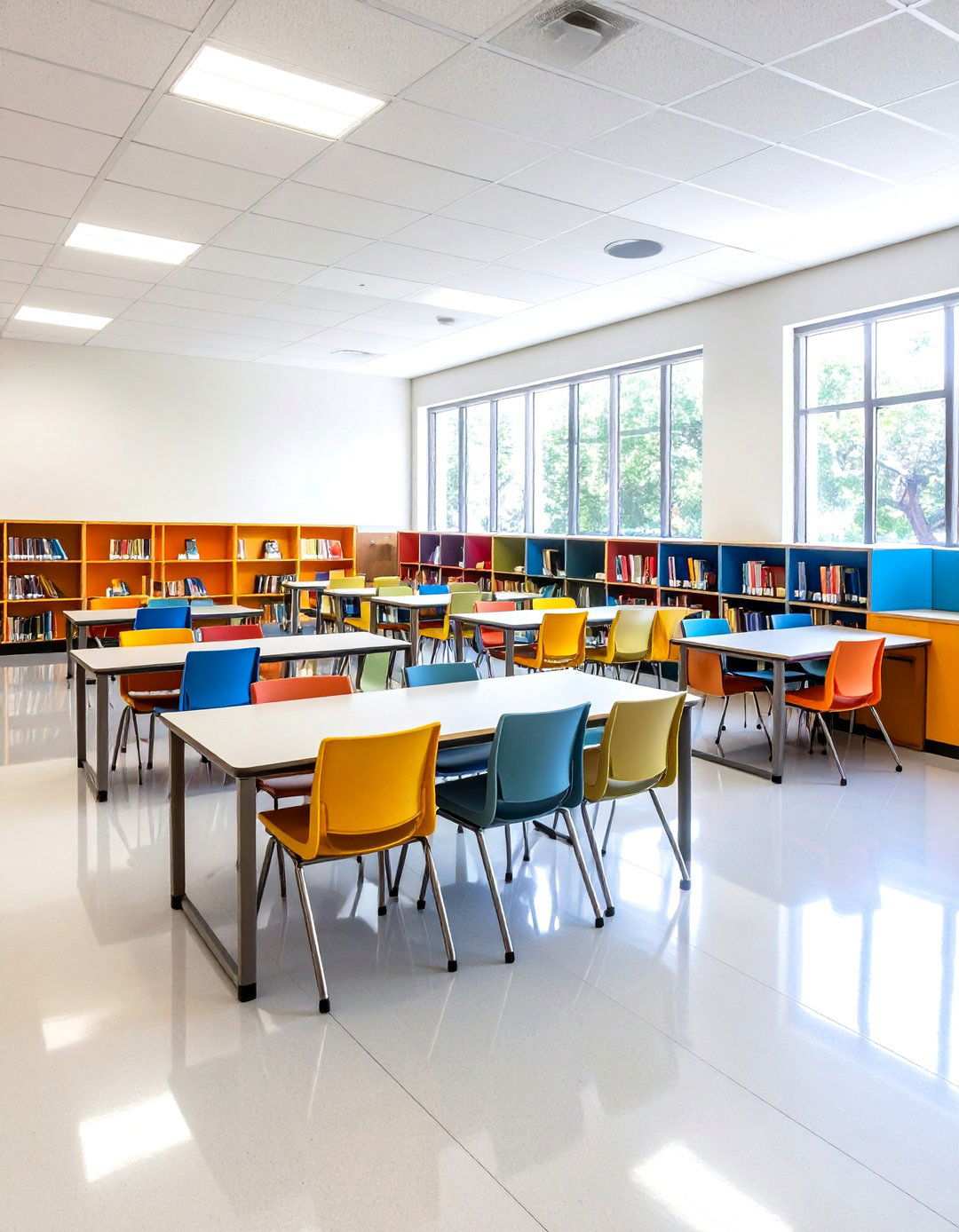
As you aim to create a learning environment that fosters independence and prepares teenagers for the rigors of college and career, consider designing a teen independent study center that mirrors the sophistication of adult workspaces. Equipped with professional-grade furniture and equipment, this space treats teenagers as serious learners deserving of high-quality tools and resources.
Private work areas within the center enable students to concentrate on their studies without distractions from younger siblings, while reference libraries and research tools provide the necessary support for advanced academic work and independent projects. The integration of technology facilitates college-prep coursework and career exploration, while professional organization systems teach essential life skills while maintaining a focus on academic pursuits.
This mature learning environment encourages responsible behavior and self-directed learning habits, making it particularly beneficial for high school students preparing for post-secondary education or those engaged in advanced, independent study projects. By creating an adult-like atmosphere, you can build confidence and prepare students for future academic and professional environments while maintaining the necessary parental guidance and support structures.